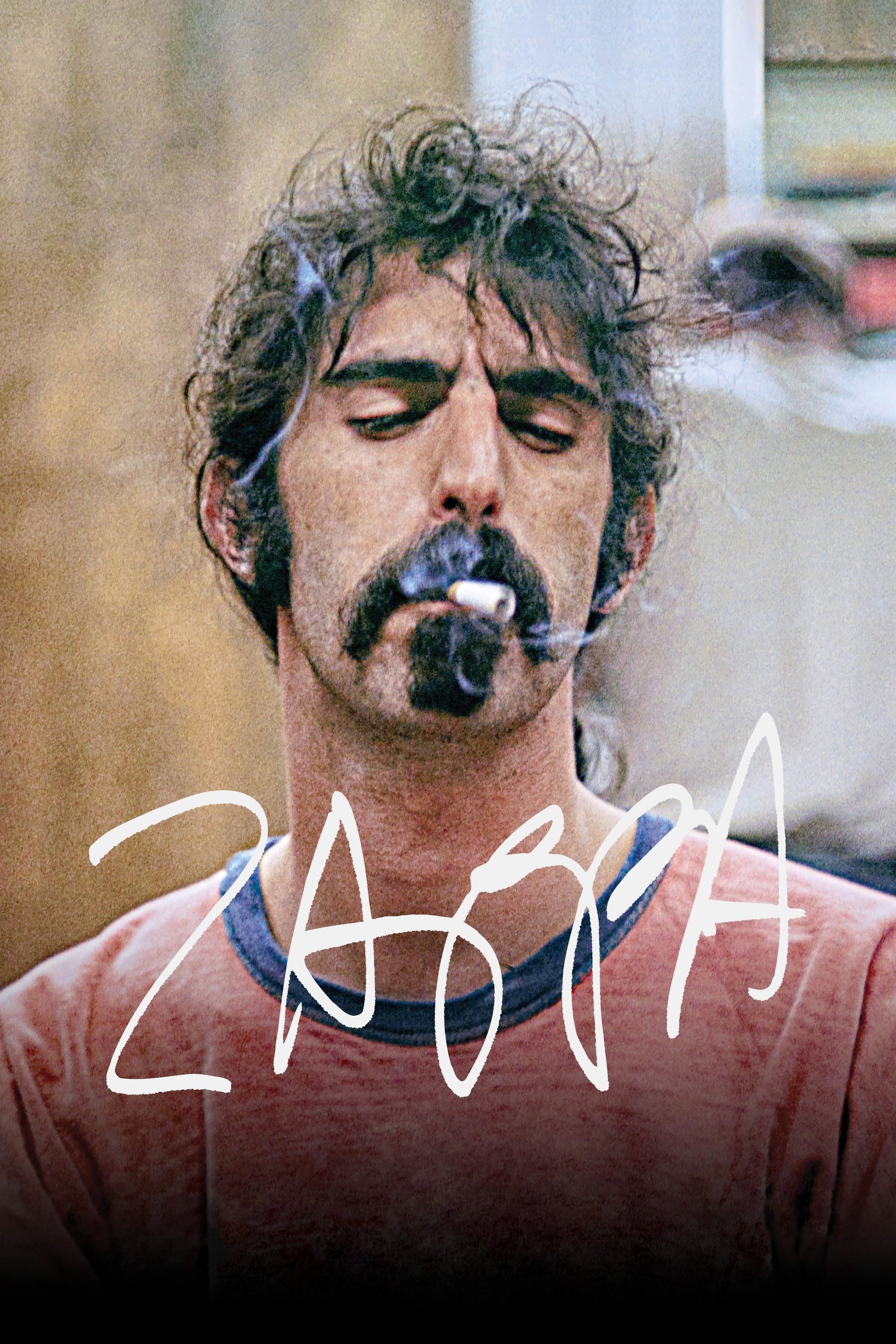
With the help of more than 10,000 dedicated Zappa fans, this is the long-awaited definitive documentary project of Alex Winter documenting the life and career of enigmatic groundbreaking rock star Frank Zappa. Alex also utilizes in this picture thousands of hours of painstakingly digitized videos, photos, audio, writing, and everything in between from Zappa's private archives. These chronicles have never been brought to a public audience before, until now.
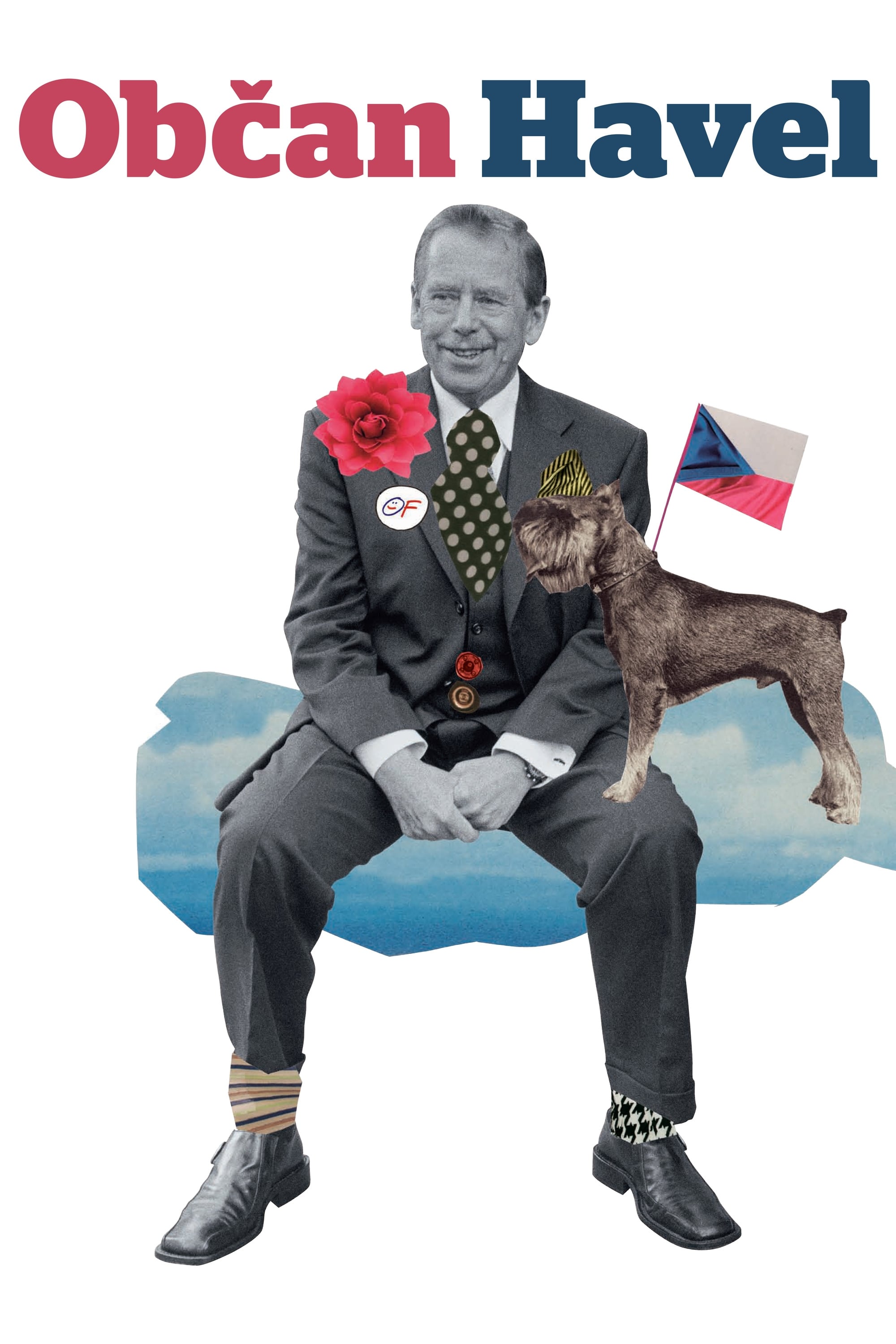
The documentary explores the presidency of Václav Havel, a poet who unexpectedly became president. The film, starting in 1992, captures Havel’s experiences after the breakup of Czechoslovakia, a significant defeat for him as he had campaigned for its continuation. Despite political opposition and accusations of responsibility for the breakup, Havel runs for president of the new Czech Republic. The film, a unique document, was Koutecký’s most important project, continued by Janek after Koutecký’s death in 2006.

A provocative snapshot of the world we live in. It is a well-known fact that our society is structured like a pyramid. The very few people at the top create conditions for the majority below. Who are these people? Can we blame them for the problems our society faces today? Guided by the saying “A fish rots from the head” we set out to follow that fishy odor. What we found out is that people at the top are more likely to be psychopaths than the rest of us.

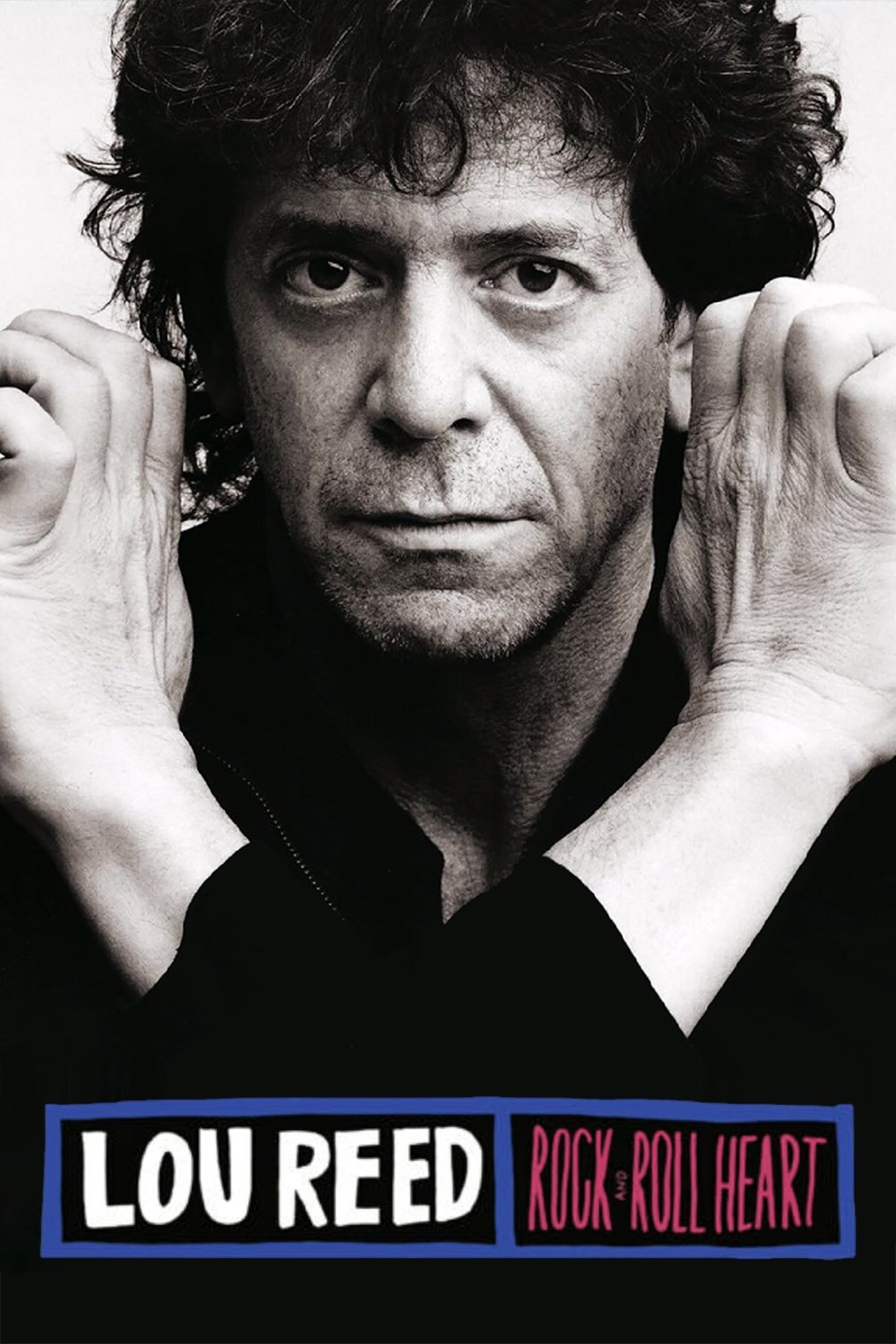
An incredible retracing of the evolution of Reed's remarkable career over three decades. Filled with interviews with Reed, his friends and some of the major artists influenced by Reed including David Bowie, David Byrne, Patti Smith, Suzanne Vega, Dave Stewart, Philip Glass and more. Production Notes, Biographies, Discography, Scene Access, Screen Test, Rare Velvet Footage
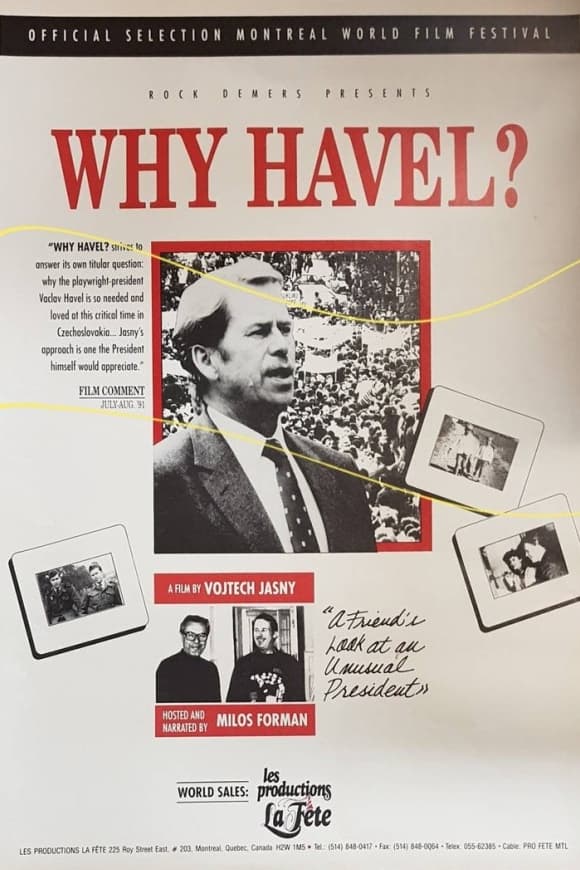
The first part of the block will be dedicated to the monograph Vojtěch Jasný: The Film Poet in Exile (2020) authored by the film historian Jiří Voráč. The monograph is centered on the legendary director’s life and career after his emigration to Western Europe and to the US after 1968, which have so far received little attention. In exile, Jasný established himself as a film director (he authored over thirty cinema and TV films and documentaries), stage director, photographer, and film studies lecturer. The first part will be followed by the screening of Jasný’s documentary Why Havel? co-produced by himself and Miloš Forman in Canada and Czechoslovakia in 1991. As remarkable as this reflection of the paradoxical transformation of a dissident into a president in the carnival-like atmosphere of the euphoric post-revolution period with the first question marks already appearing may be, it did not meet the expectations of the head of state.
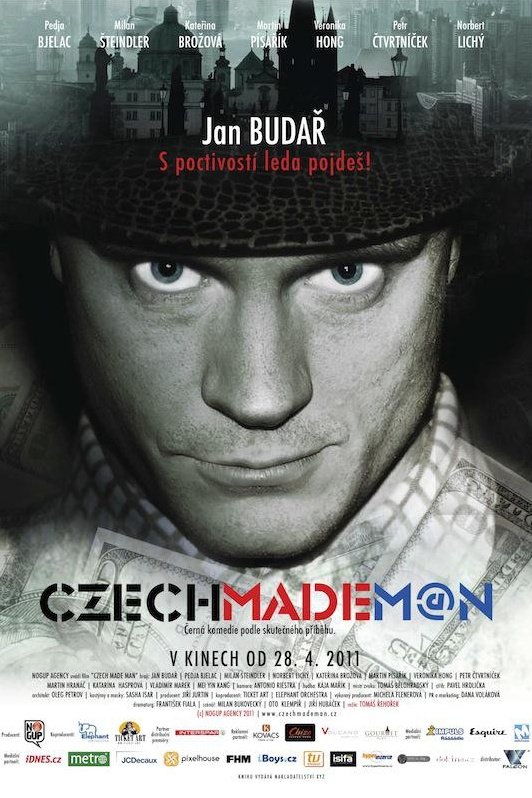
The movie is based on the narrative of a Czech multimillionaire who achieved success not by stripping companies, making crooked deals and crony-ism, but by blazing his own trail like Schweikesque self-made man. He realizes early on that he has nobody but himself to rely on. During the totalitarian regime of the 80s, he ambles along his oddball path and then experiences the Velvet Revolution atypically, too - in an asylum amidst nut-cases. After the Revolution, he really gets rolling. To Germany and back. To prison and back. To China and back. The intriguing and endless opportunities afforded by the Internet eventually blossom into virtual prosperity. The hero has everything and is even planning a highly unorthodox family. A happy ending is nigh, until everything goes up in smoke, of course...
Five years after stepping down as President of the Republic, Vaclav Havel returns to the theater with a play that raises questions. A play that examines the ills of our society, and humorously depicts the pretentiousness of politicians. This film combines extracts from the play with moments from his life and family archives, many of which have never been seen before. For Vaclav Havel's life is his best work: somewhere between a fairy tale and a drama of the absurd. Nominated 16 times for the Nobel Peace Prize, he used his experience of power to continue upsetting the established order. Has his love of truth withstood the exercise of power? What influence does he still wield today?
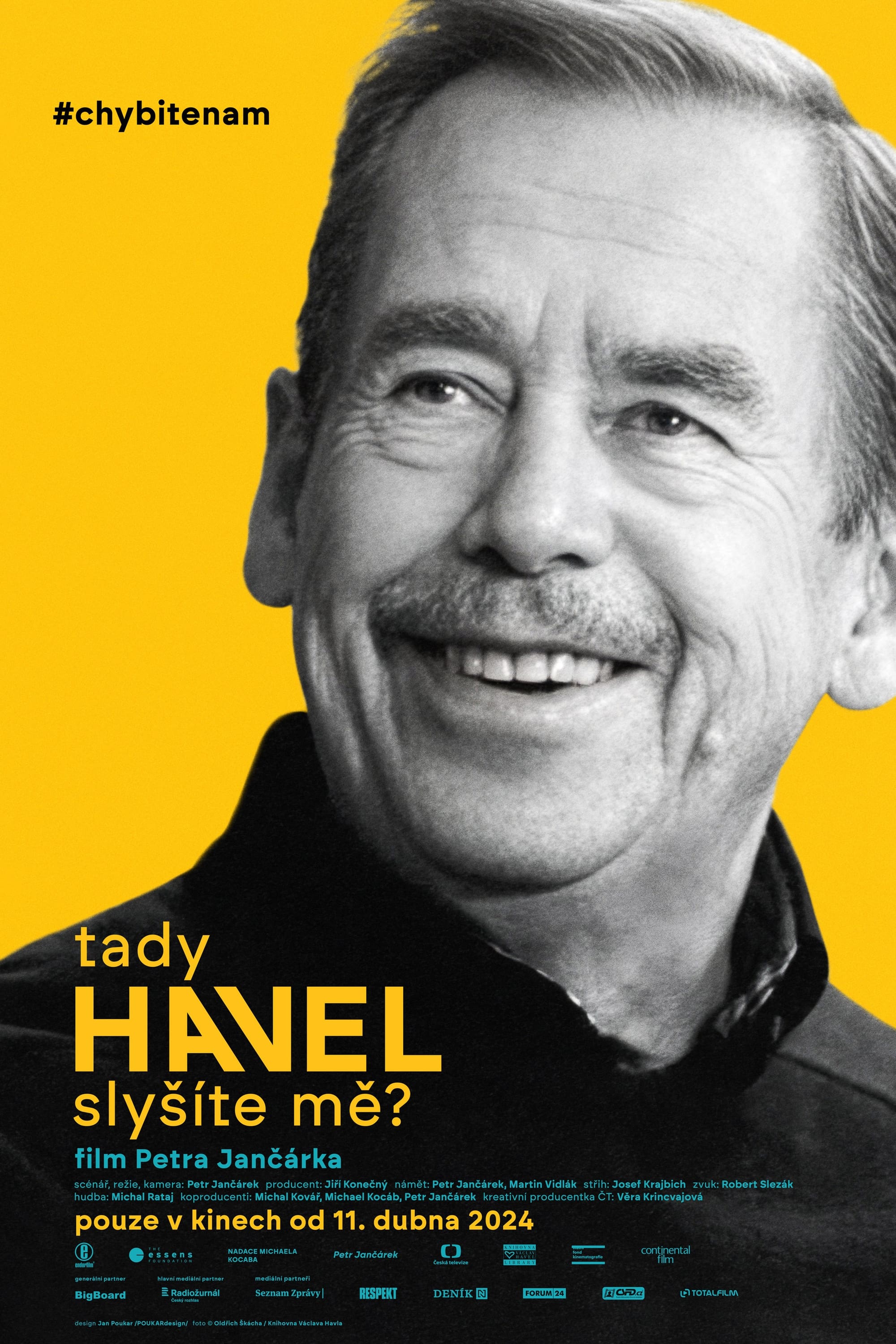
This time-lapse documentary follows the last years of former President Václav Havel's life, creating a multi-layered portrait of a world-famous political icon and important playwright, but also an ordinary man plagued by health problems. Havel allows the filmmakers a glimpse behind the scenes of his life, revealing purely personal moments that present him in previously unrecognised contours. With a sense of humour, he reflects on his political legacy and universal human issues. The central motif is formed by the parallels between Havel's life and the successful play Leaving, which Havel always wanted to direct as a film adaptation.
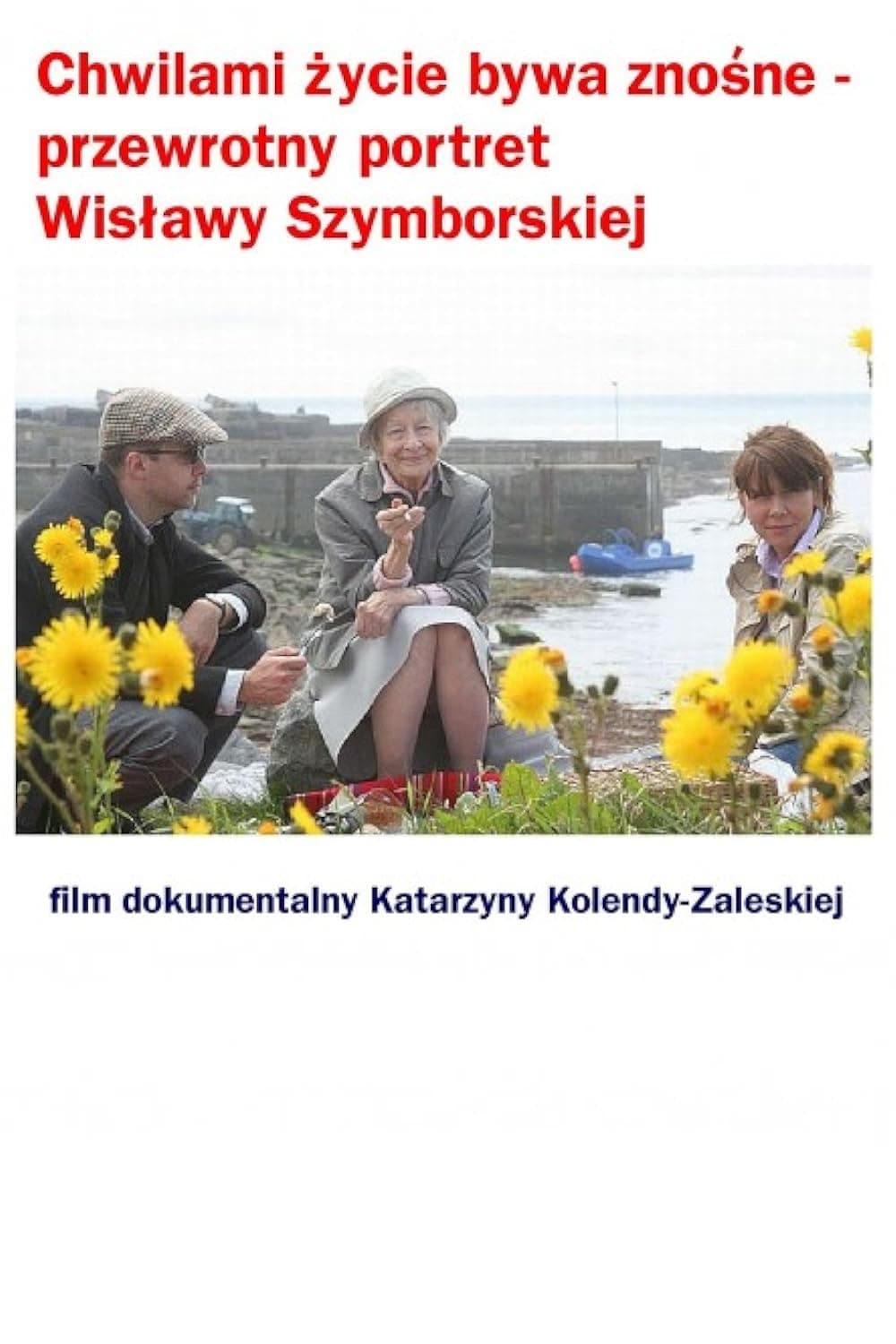
Documentary about Polish poet and Nobel Prize winner Wisława Szymborska.
"A man is immortal as long as he lives in the memory of others,” said well-known Czech writer Arnošt Lustig with a wry smile. In December 2006 when her father turned 80, filmmaker Eva Lustigová began to see just how closely his words applied to himself personally. Her method involved recording their meetings and personal interviews together, until Lustig’s death in February 2011. Employing his notorious sense of humor, the film presents the world-renowned author as he recalls a carefree childhood cut short by the Nazi occupation, the horror of life in a concentration camp, the beginnings of his writing career, living in Israel and the USA, and his lifelong friendship with Ota Pavel. Geneva-based Eva Lustigová’s documentary is not a traditional portrait compilation of a famous writer that chronologically investigates his life, but rather a loosely assembled, lively movie about a person with an eternal love for life as it is.
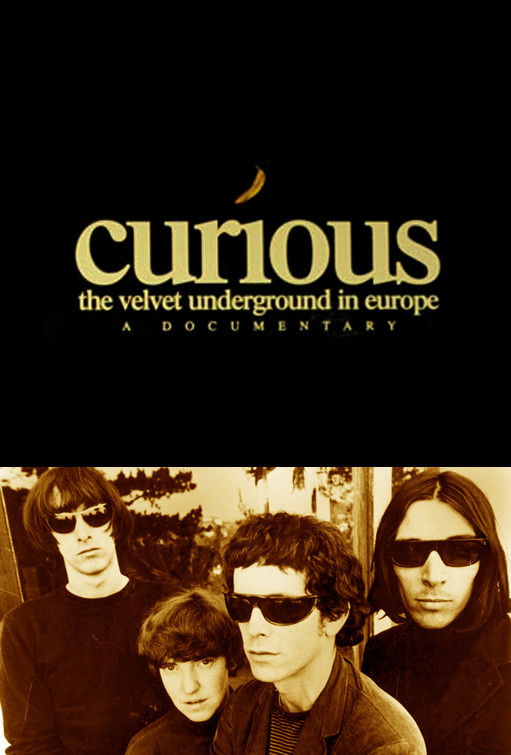
Spotlights the Velvet Underground's 1993 reunion tour of Europe, interspersing footage of the band's Paris concert and interviews with the members of the group. Concerts in Prague and Berlin included.
Two different productions of Václav Havel's Beggar's Opera reveal the political dynamics of Czechoslovakia before and after the velvet revolution.
Czech semi-documentary.
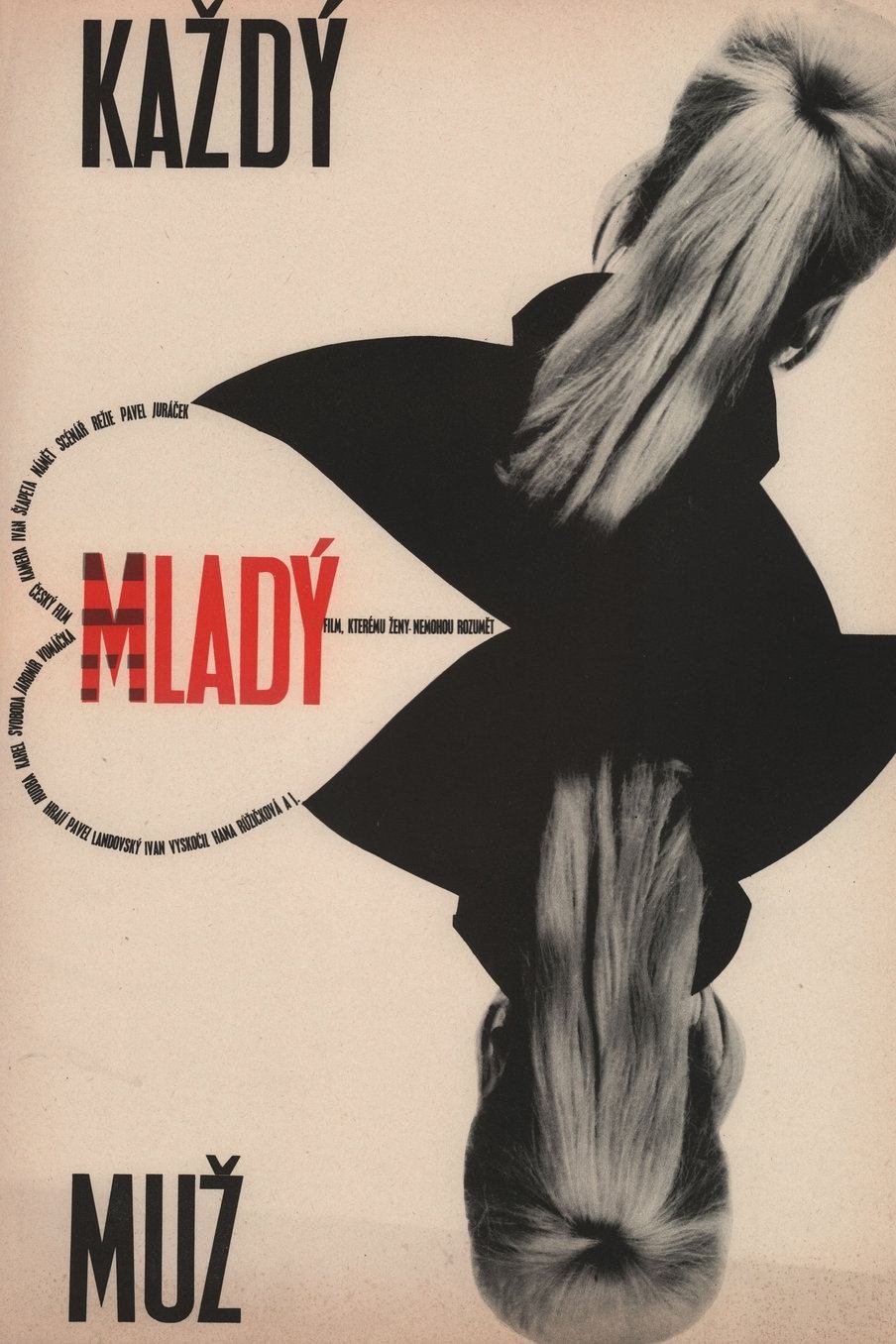
Jurácek's feature debut is shot in two parts. In the first, a corporal accompanies a new recruit with a sore Achilles tendon for his physical, and all the girls or young women they see are played by the same actress (Ruzickova). In the longer second segment, shot with the help of the Czechoslovakia army, the soldiers pass the time during basic training and maneuvers by talking about girls.
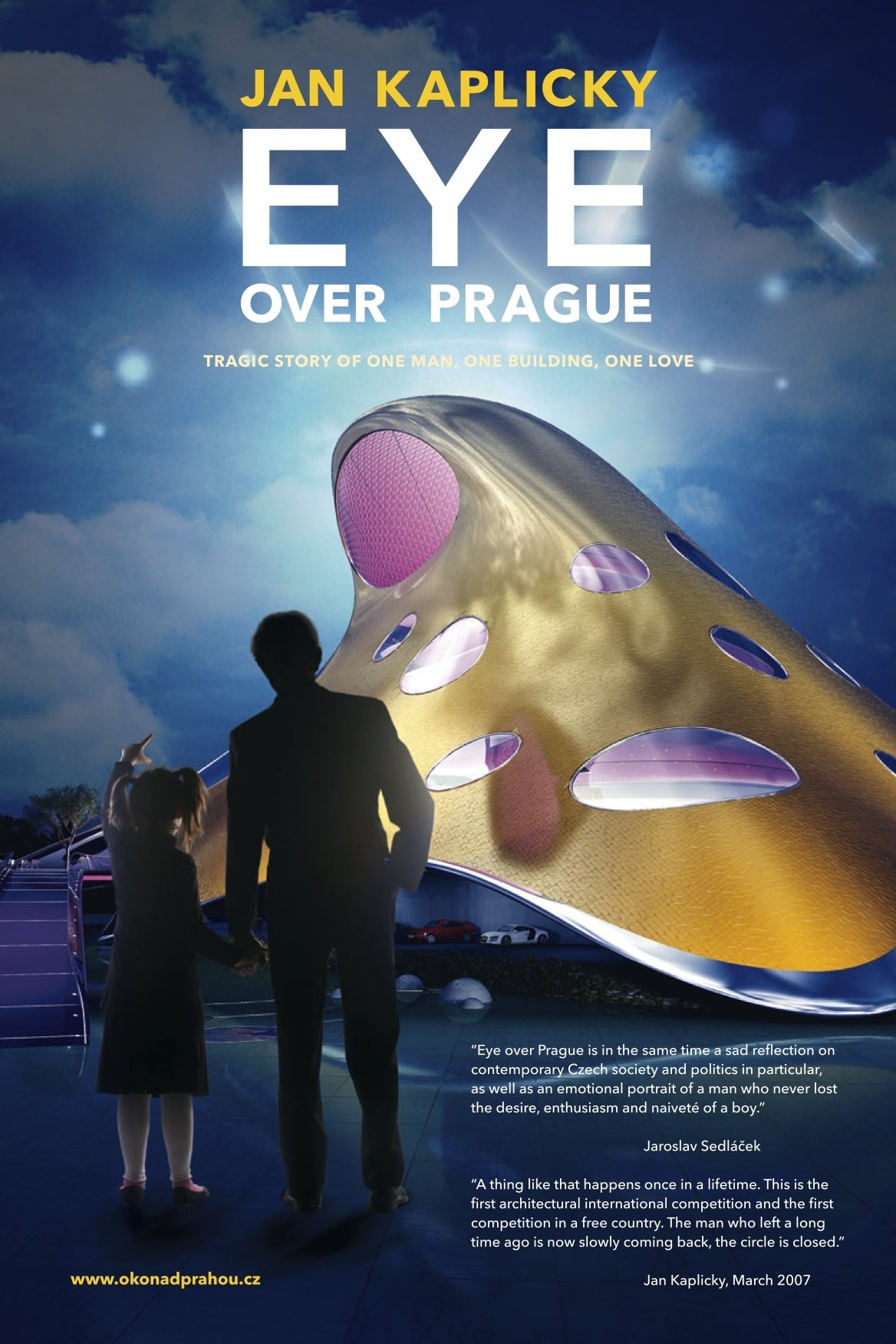
A personal and political biography of the Octopus, or the Prague National Library project, but also a biography of the last years of the life of the author of this design, Jan Kaplický, who wrote in his diary in 1998: to win the competition and have one love. With this entry, read by Eliška Kaplicky at the beginning of the film, it is as if the world-class Czech architect wrote not only the "script" for the final decade of his life, but also for a film that follows the dramatic social story of creative imagination and the intimate relationship between a man and a woman.
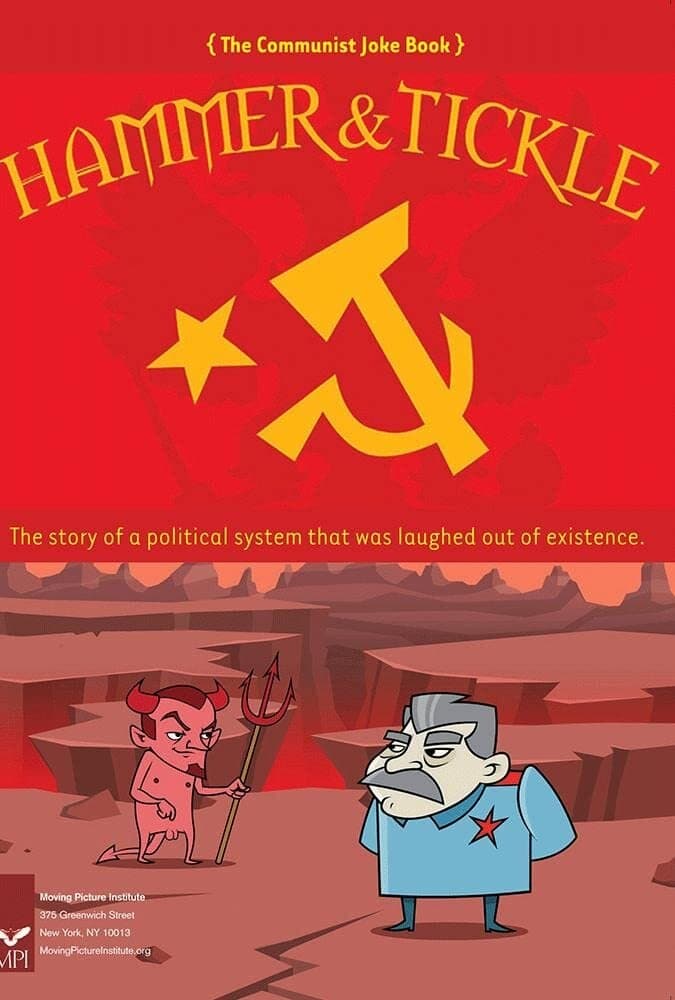
Hammer & Tickle: The Communist Joke Book is a 2006 propaganda documentary film about "jokes" under the Soviet Union.
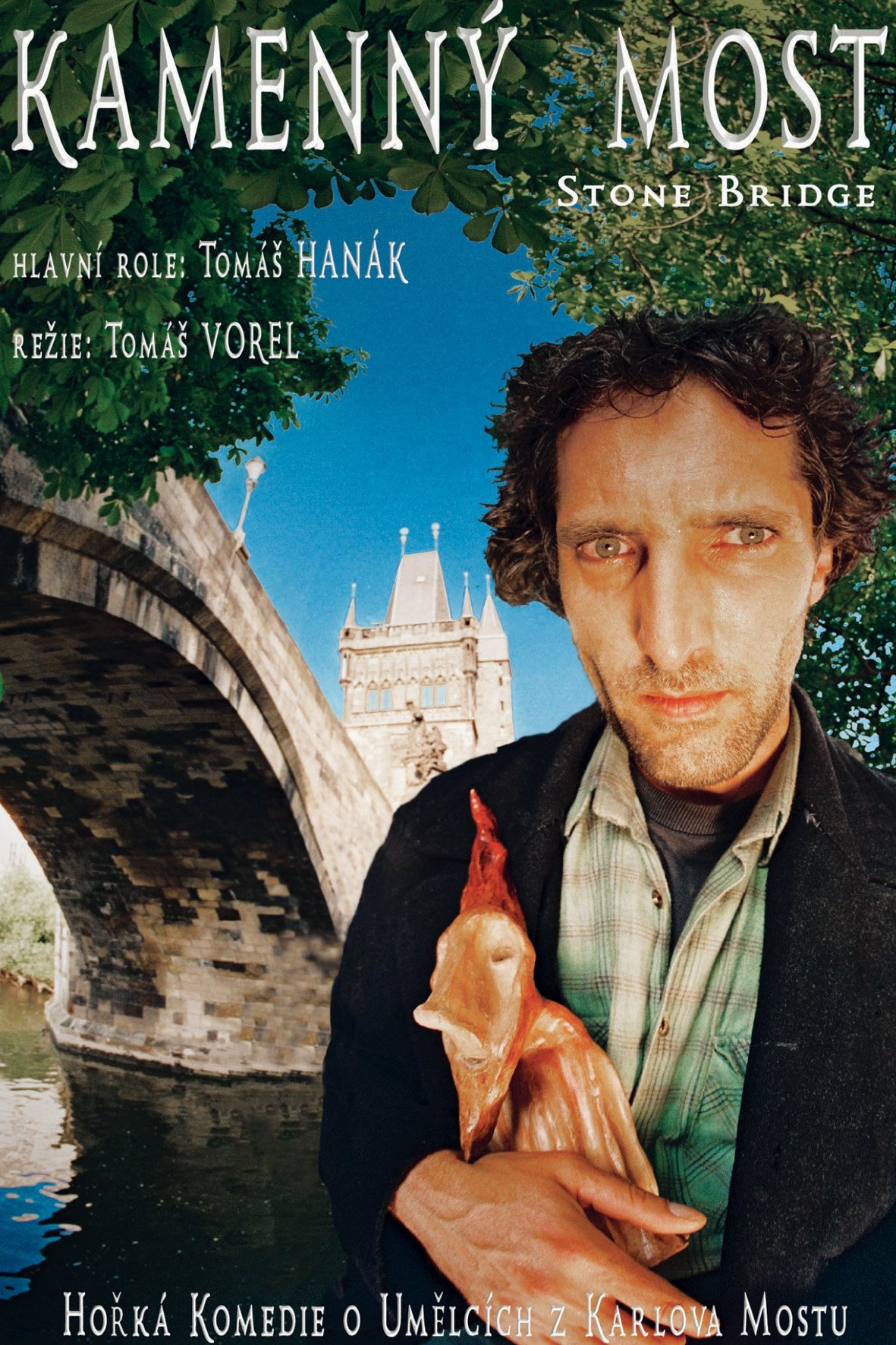
A bitter comedic-drama centering around Tomas, a former promising young director who must cope with a commerce driven world he no longer wants to participate in.
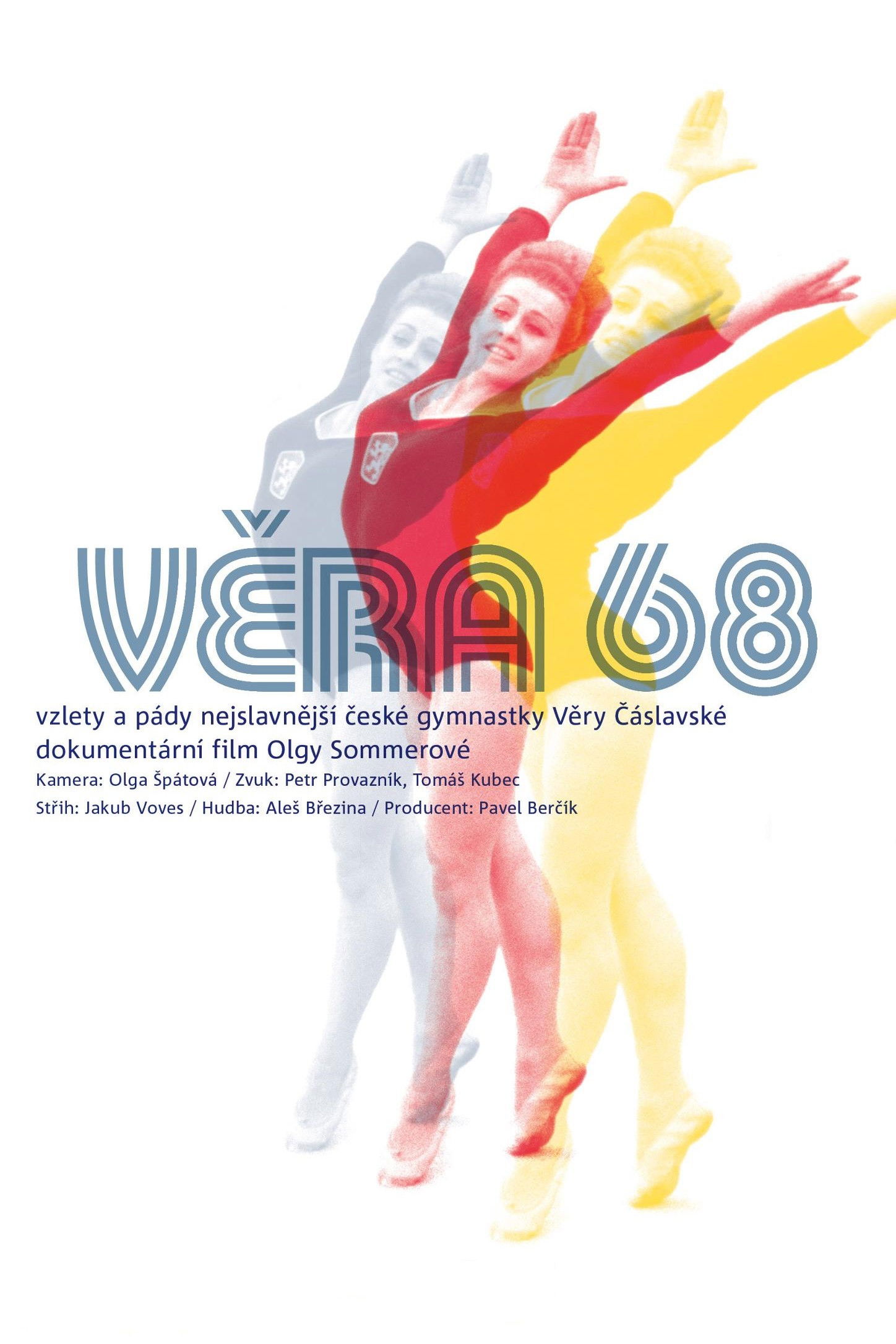
Vera Cáslavská, the most successful Czechoslovak sportswoman and the fourth most successful Olympic sportswoman globally, won seven gold and four silver medals. After her 1968 Mexico City Olympics victory, she became the second most popular woman after Jacqueline Kennedy. In 1968, she signed the 2000 Words Manifesto, which she never retracted. Despite her fame, she faced a troubled life due to political issues, marriage, and family tragedy. Her story reflects Czech society during both communist and democratic regimes, where she was active in the civil sphere. She views her sports career as fleeting fame compared to her challenging life. Now 68, 42 years after her sports career, she remains admired in the Czech Republic and Japan. Her life is a unique chapter in Czech history.
Documentary about the film academy in Prague and the Czech Film in 1965.

Utilizing potent TV interviews and many forgotten performances from his 30-year career, we are immersed into Frank Zappa’s world while experiencing two distinct facets of his complex character. At once Zappa was both a charismatic composer who reveled in the joy of performing and, in the next moment, a fiercely intelligent and brutally honest interviewee whose convictions only got stronger as his career ascended.
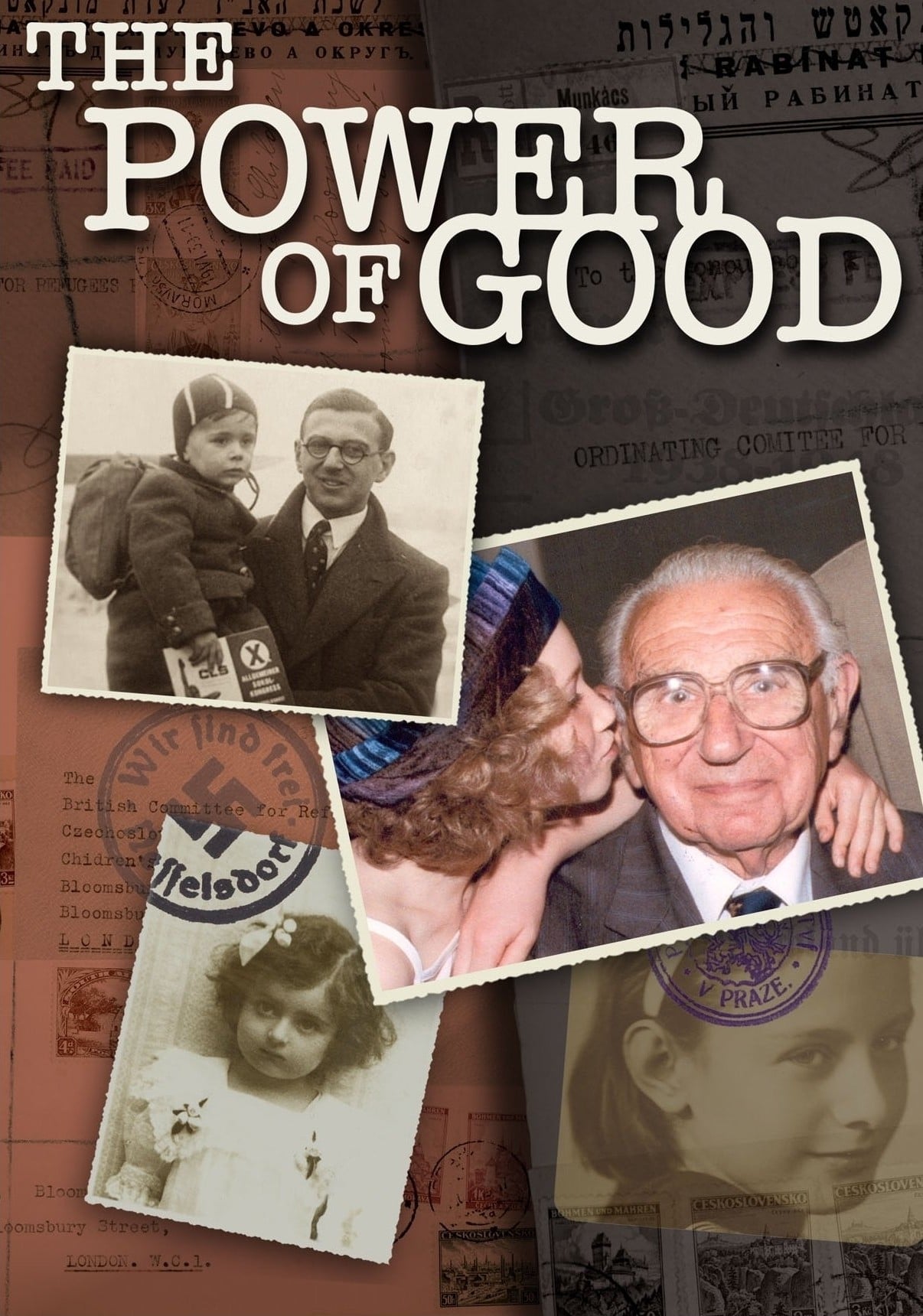
A gripping documentary about the courage and determination of a young English stockbroker who saved the lives of 669 children. Between March 13 and August 2, 1939, Nicholas Winton organized 8 transports to take children from Prague to new homes in Great Britain, and kept quiet about it until his wife discovered a scrapbook documenting his unique mission in 1988. Winton was a successful 29-year-old stockbroker in London who "had an intuition" about the fate of the Jews when he visited Prague in 1939. He quietly but decisively got down to the business of saving lives. We learn how only two countries, Sweden and Britain, answered his call to harbor the young refugees; how documents had to be forged and how once foster parents signed for the children on delivery, that was the last he saw of them.
A labyrinthine portrait of Czech culture on the brink of a new millennium. Egon Bondy prophesies a capitalist inferno, Jim Čert admits to collaborating with the secret police, Jaroslav Foglar can’t find a bottle-opener, and Ivan Diviš makes observations about his own funeral. This is the Czech Republic in the late 90s, as detailed in Karel Vachek’s documentary.
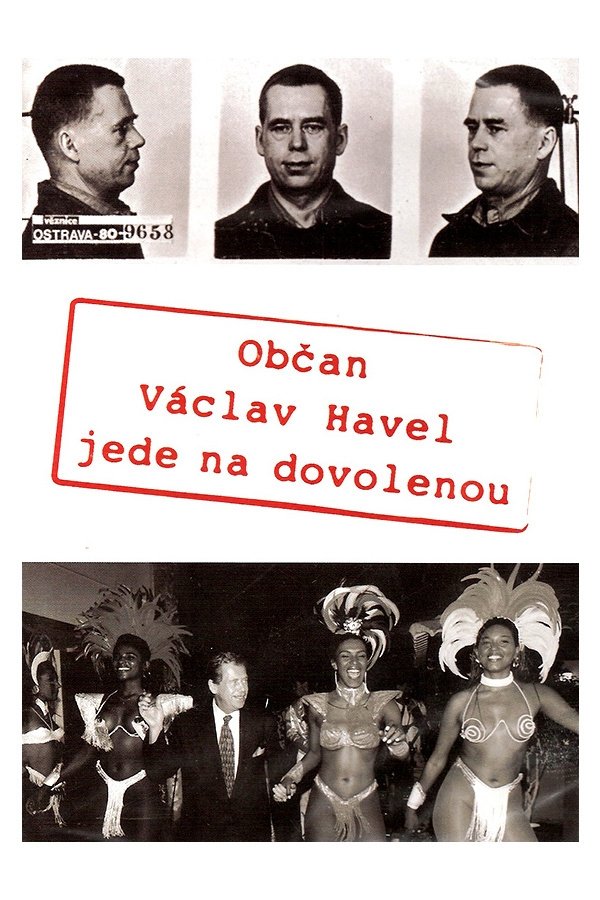
This quirky documentary follows Vaclav Havel on an eye-opening journey across his native Czechoslovakia in the days before he became president of the Czech Republic. A leading playwright, essayist, intellectual and political dissident in 1985, Havel decides to explore the limits of the secret police by traveling and visiting a variety of friends. Along the way, he's thrown in jail twice and followed by hundreds of undercover cops.
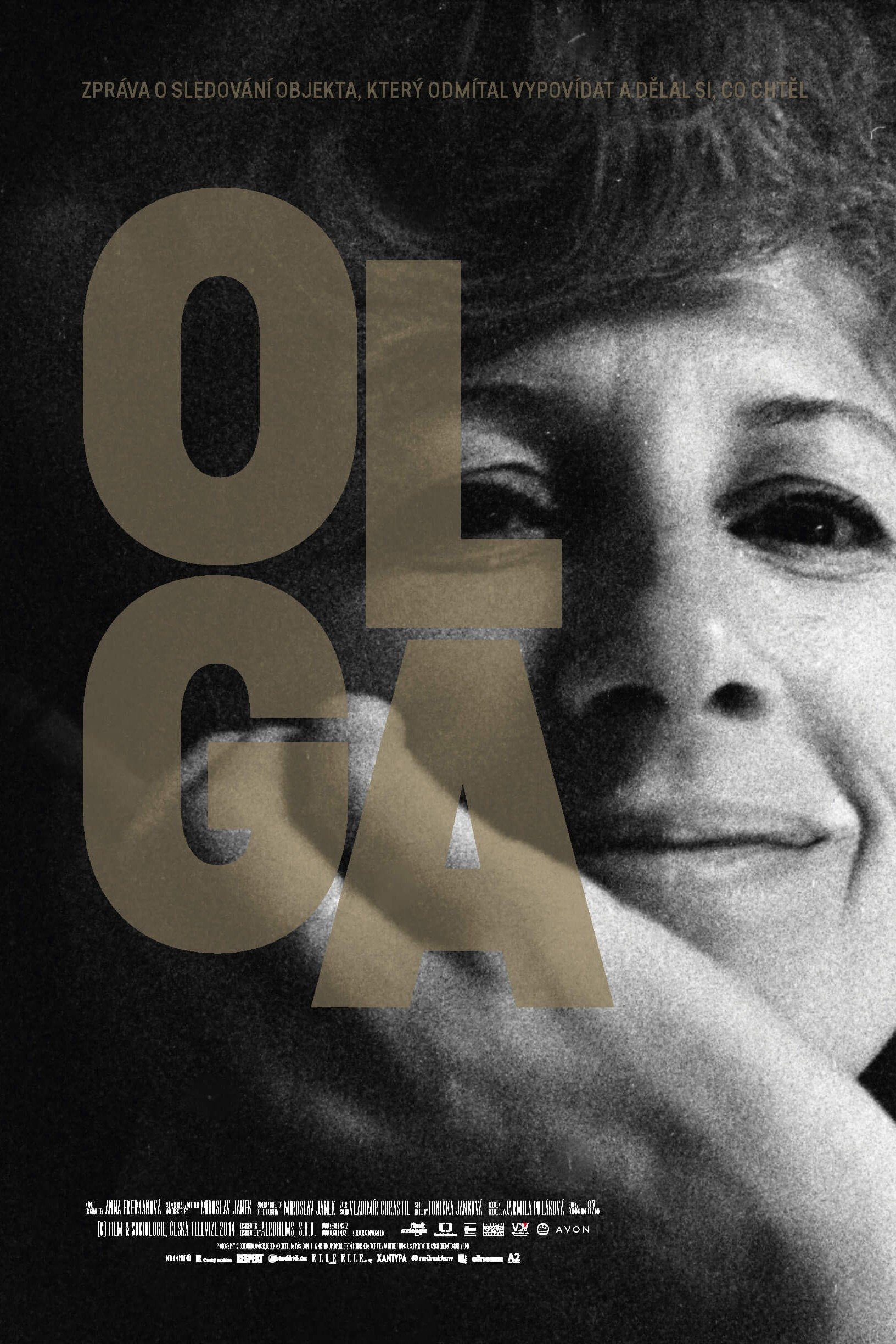
Olga Havlová was the closest and most trustworthy companion of Václav Havel. A friend who was always generous with her time. She was an entertaining host, passionate games-player, mushroom-gatherer, nature-lover, sharp commentator, and courageous and diligent dissident. In 1990 she founded Výbor dobré vûle (Committee of Good Will), which is still doing vital work today.
The work of actors on a stage makes a dreamlike parallelism between artistic immagination and the concreteness of everyday life. Tribute to Prague's Divadlo na zàbradlì, theater that has been a point of reference for Theater of the Absurd in Czechoslovakia in Sixties
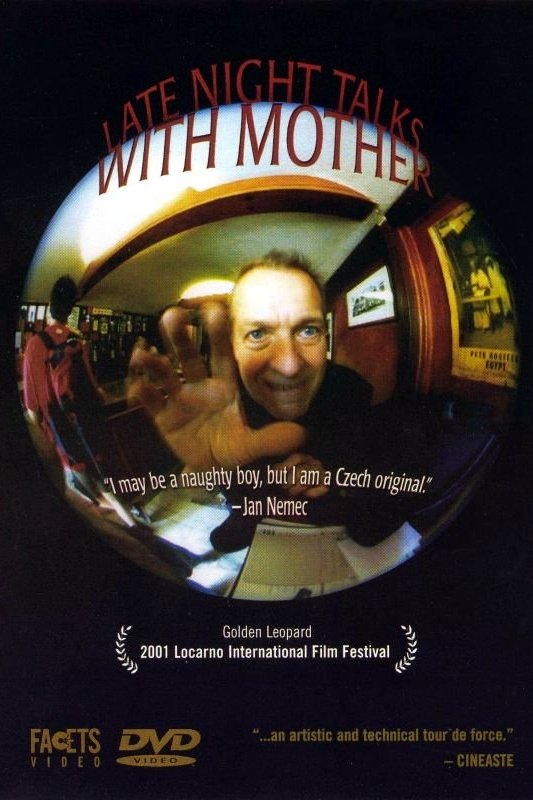
Taking a cue from Franz Kafka's "Letter to My Father," this highly personal film follows Czech director Jan Nemec as he attempts to engage in a dialogue with his deceased mother. While alive, Nemec's mother had a troubled relationship with her son; this rumination seems to be Nemec's public platform for coming to terms with unresolved familial issues. The director embellishes his film by linking personal events with 20th century history.
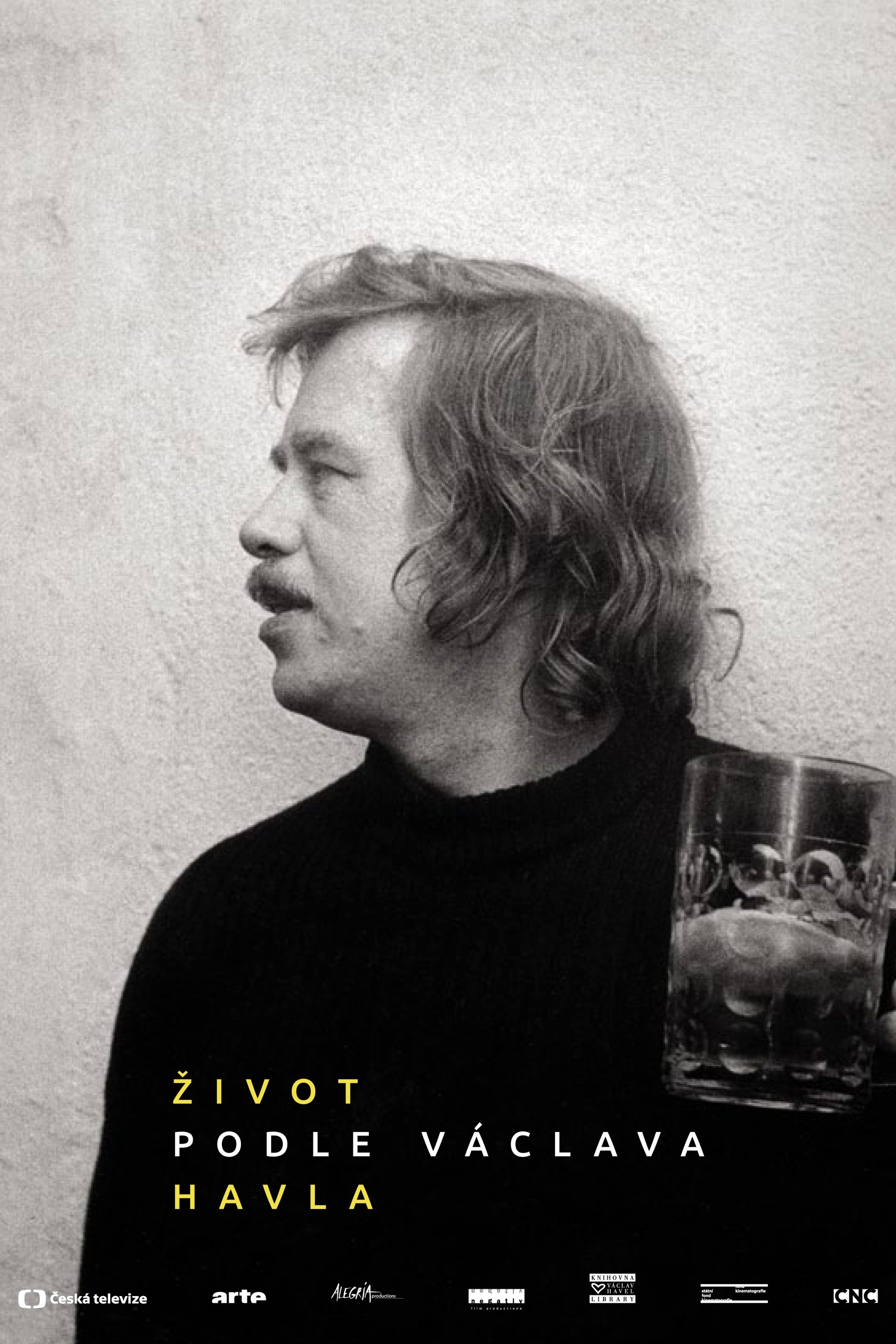
Bohemian, playwright, and suddenly president at the end of 1989: Czech European Václav Havel played a decisive role in shaping the history of the continent in the second half of the 20th century. Andrea Sedláčková recounts Havel's almost novel-like life, drawing on a wealth of archival material. It is a story of dramatic highs and lows, and several defining moments in European history.
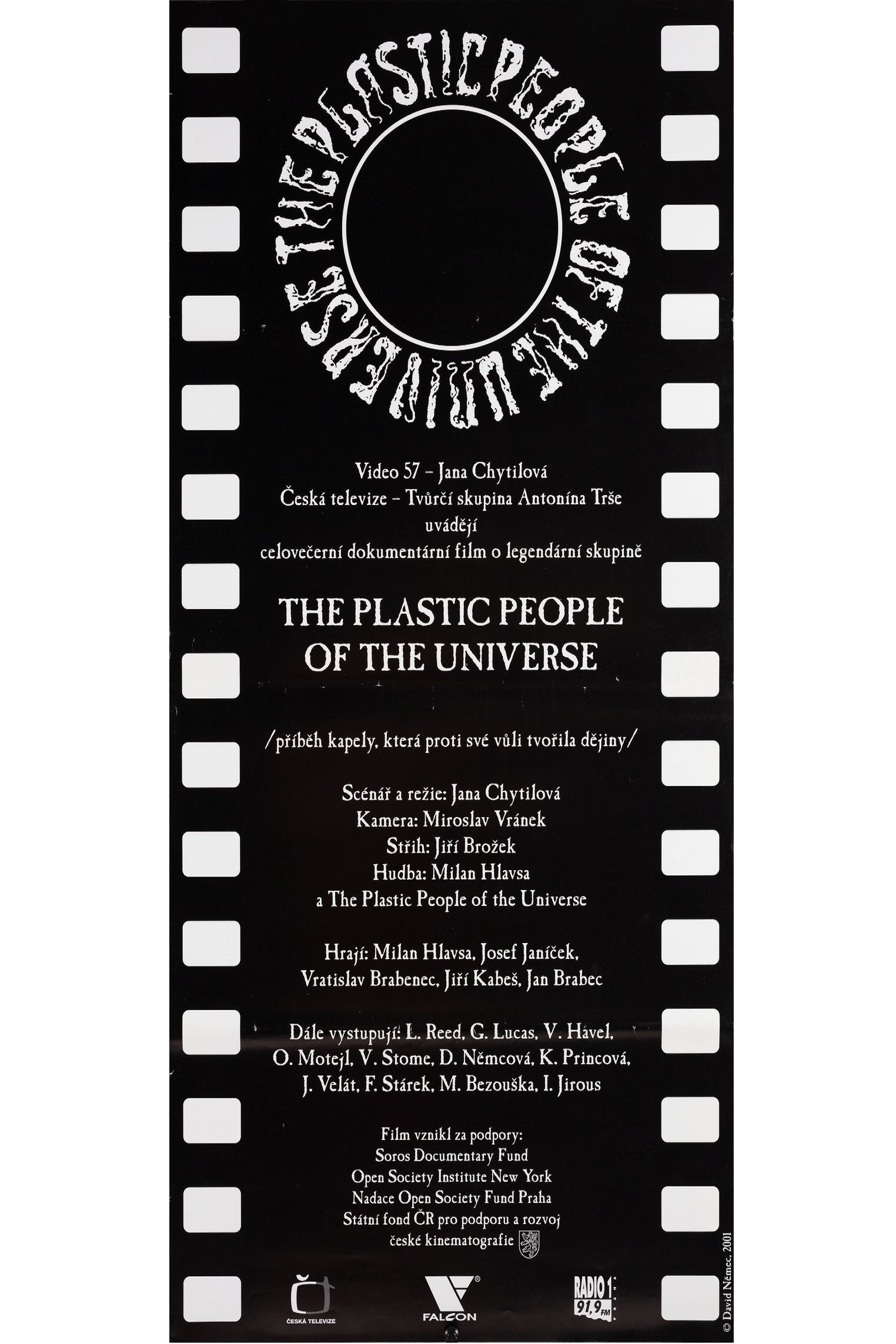
Meet The Plastic People of the Universe, the avant-garde, jazz-rock, Sun Ra meets Velvet Underground, Czech revolutionaries. A tribute to the band that against all odds used the power of their music to help topple their oppressive government.
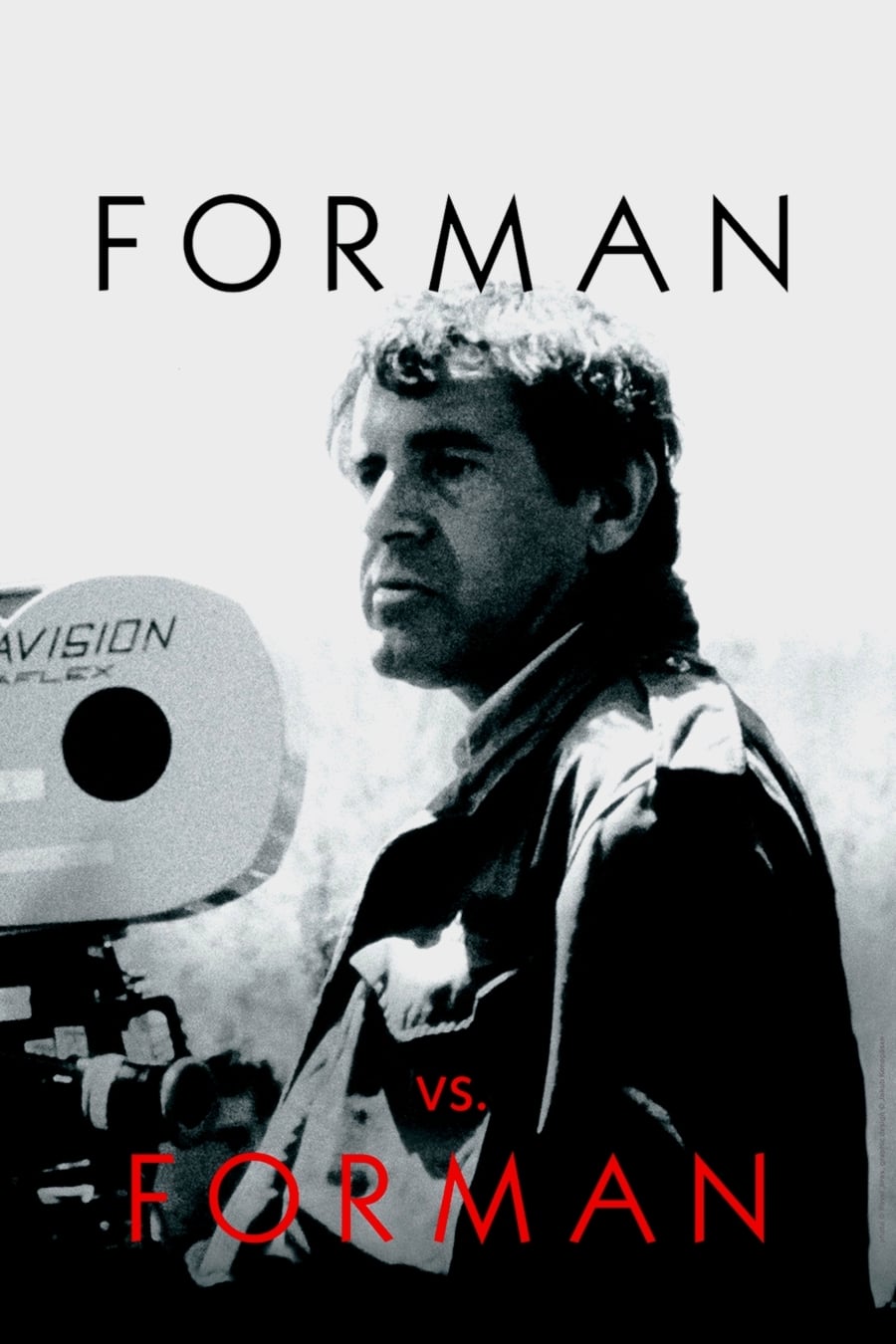
A moving account, in his own words, of the personal life and work of the brilliant Czech filmmaker Miloš Forman (1932-2018): his tragic childhood, his major contribution to the cultural movement known as the Czech New Wave, his exile in Paris, his troubled days in New York, his rise to stardom in Hollywood; a complete existence in the service of cinema.
Quite a few years have passed since November 1989. Czechoslovakia has been divided up and, in the Czech Republic, Václav Klaus’s right-wing government is in power. Karel Vachek follows on from his film New Hyperion, thus continuing his series of comprehensive film documentaries in which he maps out Czech society and its real and imagined elites in his own unique way.
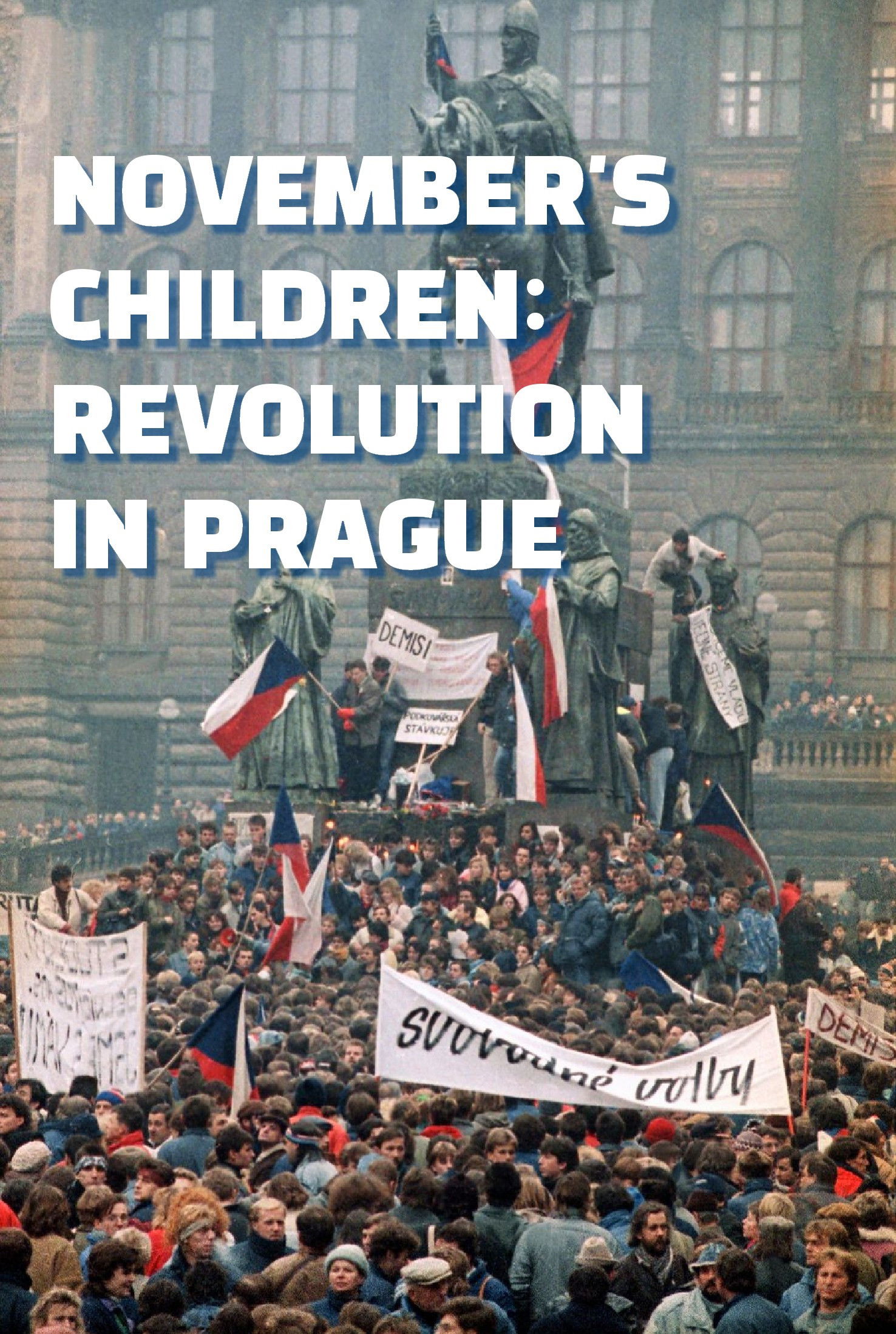
A first-hand account of the tumultuous events of 1989 when a student-led revolution succeeded in overthrowing Czechoslovakia's repressive Communist regime. The film, which includes rare government and underground footage, follows the lives of three Czechoslovak students whose leadership helped ignite the 'Velvet Revoution' and eventually establish a democratic government. Directed by Oscar-winner Allan Miller, it features interviews with students, activists and the country's new president, Vaclav Havel.
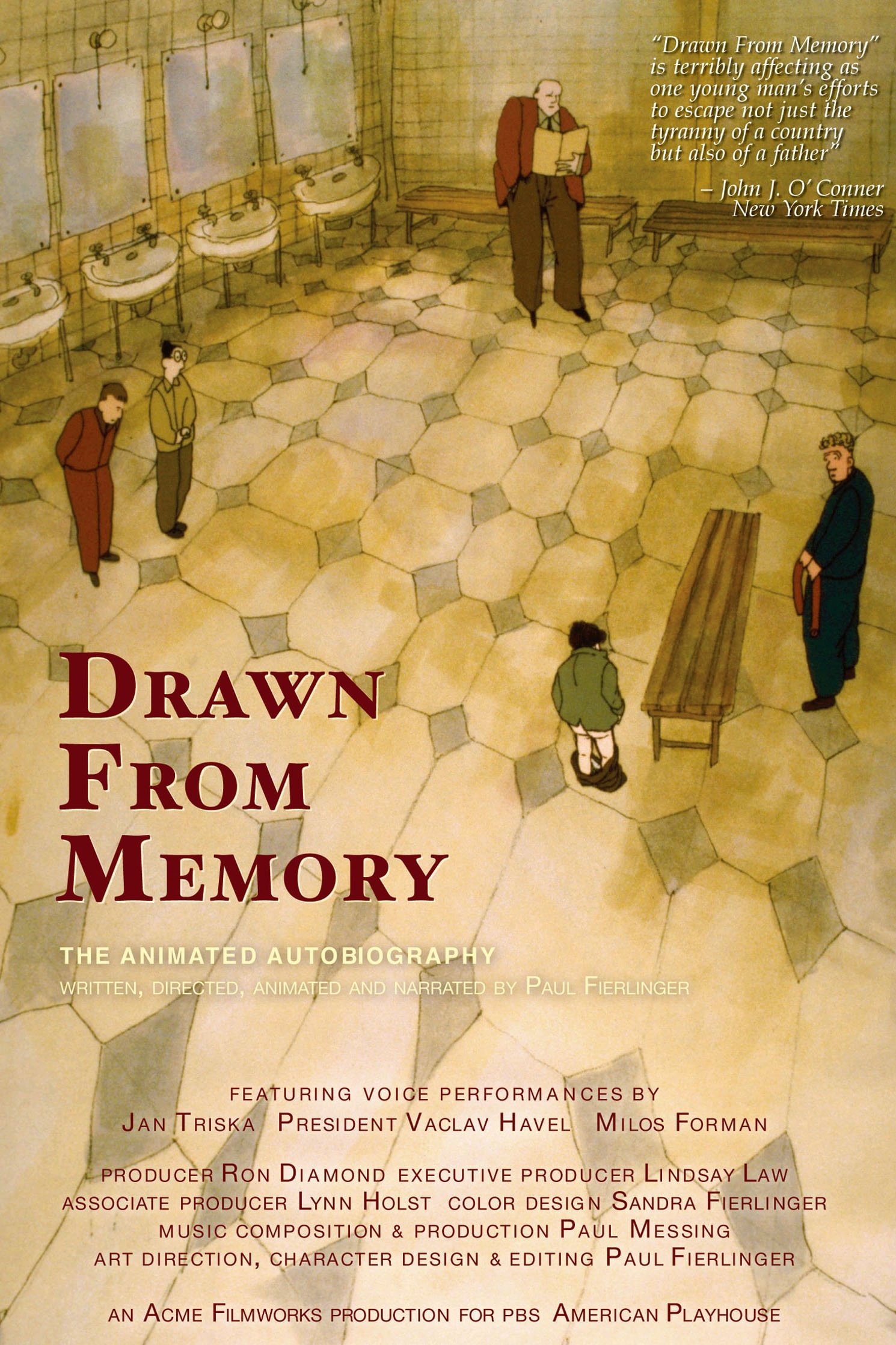
Fierlinger concentrates his considerable talents as an animator to recount through fragmented memories, vivid recollections, and the occasional evocative photograph his life as the rebellious son of Jan Fierlinger, Czechoslovakian career politician.
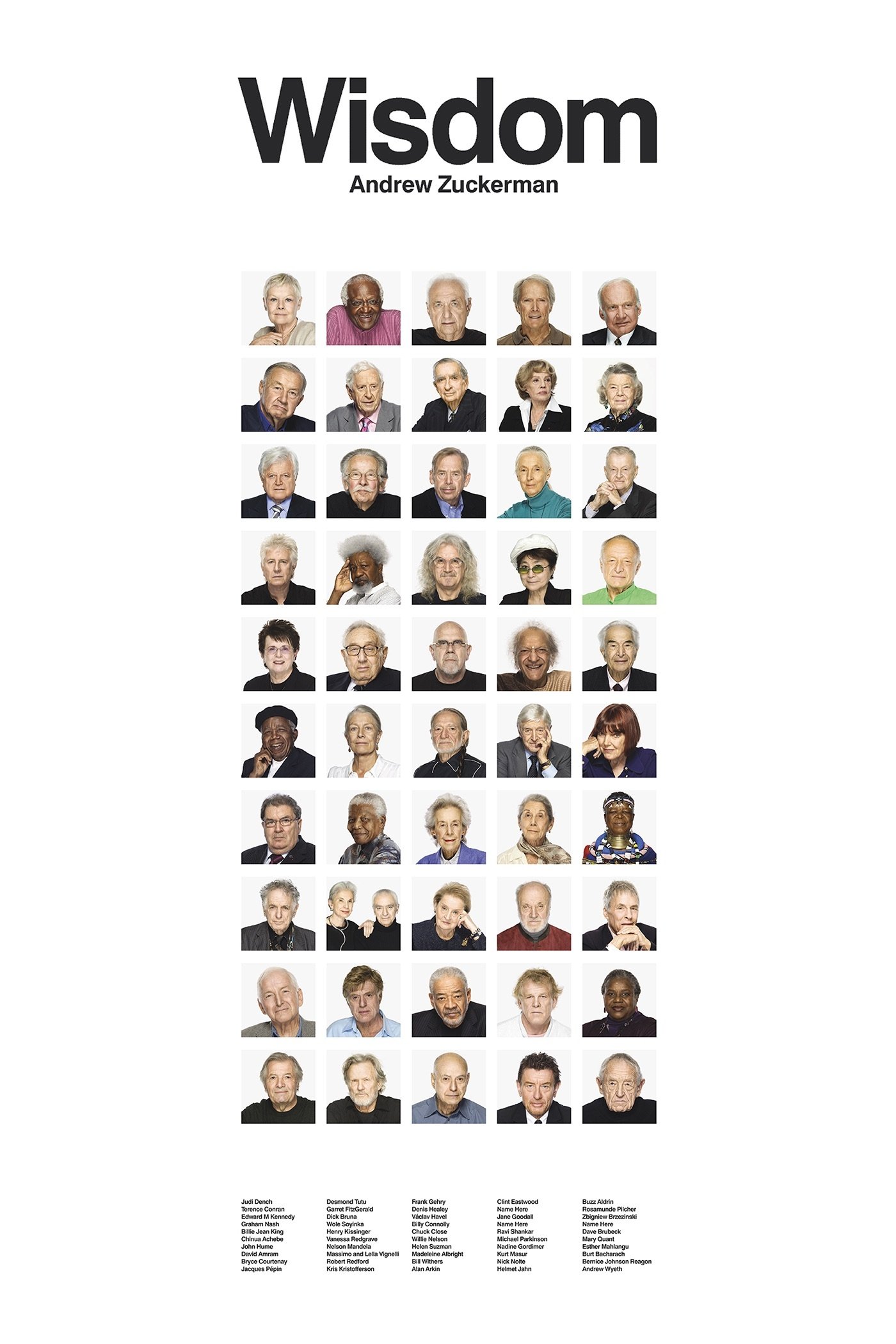
Inspired by the idea that the greatest gift one generation can give to another is the wisdom it has gained from experience, 'Wisdom' seeks to create a record of a group of people over the age of 65 who have all made their mark on the world.
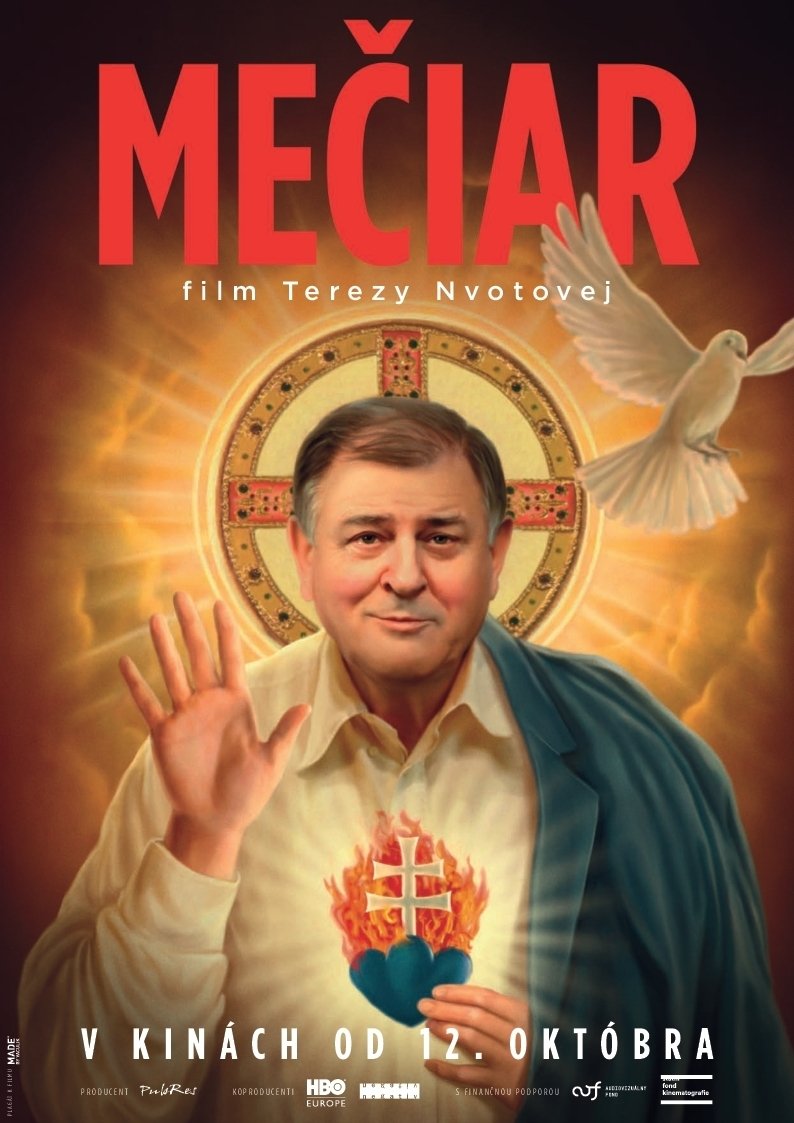
The film Mečiar is the confession of the young director Tereza Nvotová about Vladimír Mečiar and the influence that this politician had on Slovak society, but also on the life of Tereza herself. When the totalitarian communist regime fell in Czechoslovakia in 1989, Tereza was one year old. The leaders of the Gentle Revolution then decided to hold an audition for the Minister of the Interior, to which Vladimír Mečiar, an unknown business lawyer from the Slovak countryside at the time, applied. After success in bankruptcy, Vladimír Mečiar reaches the political top, from where he rules the country with a series of questionable practices. Against the background of events such as the division of Czechoslovakia or the kidnapping of the son of the president of the Slovak Republic, Tereza and her peers relive their childhood.
From the behavior, discourse, and appearance of individual actors, Vachek composes, in the form of a mosaic, a broad and many-layered film-argument about Czechoslovak democracy in the period of its rebirth, all administered with the director’s inimitable point of view.
The life of Tomáš Garrigue Masaryk, the first elected President of Czechoslovakia following the fall of the Austro-Hungarian empire in 1918.
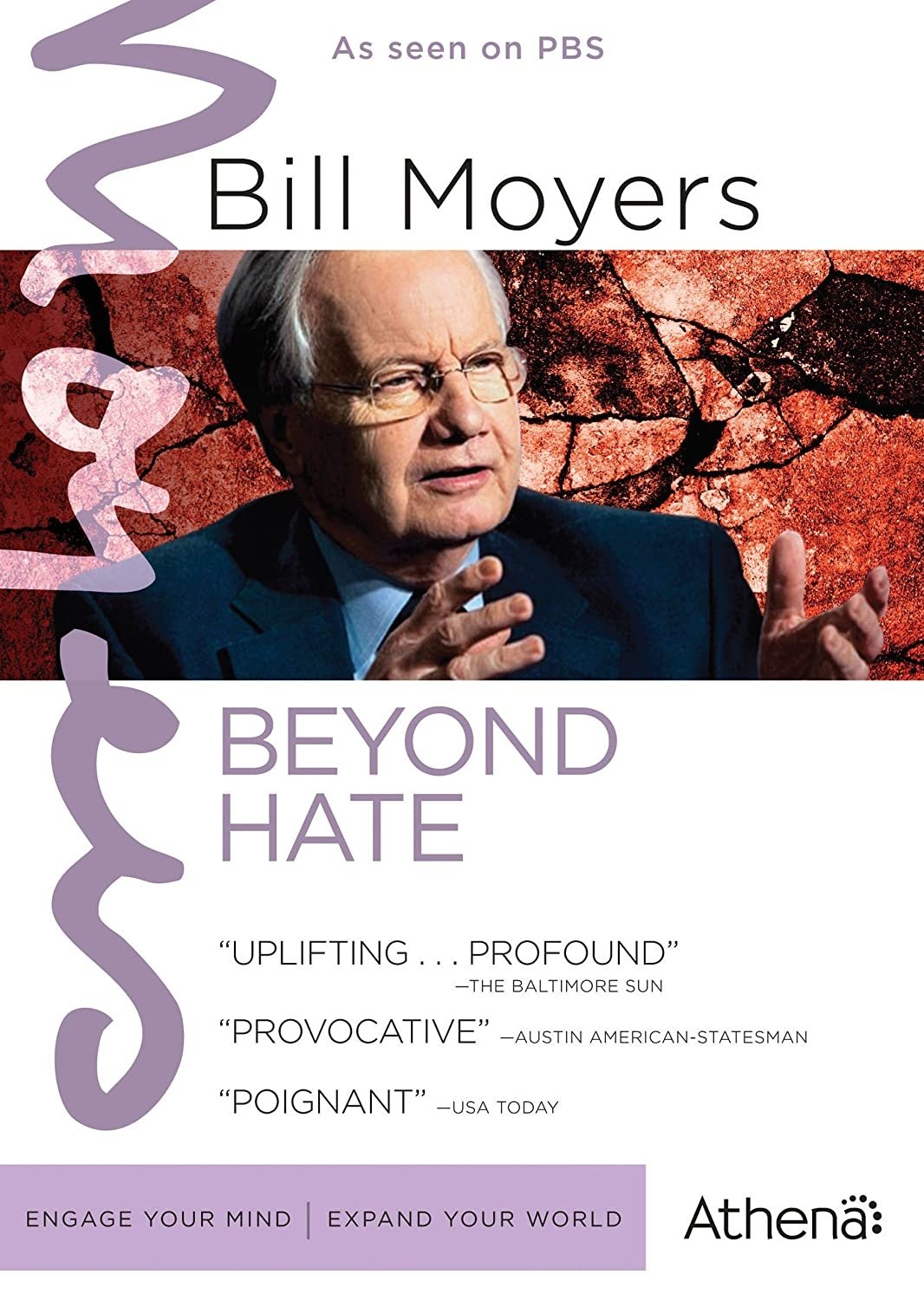
Hate has many faces: racism, anti-Semitism, homophobia, sectarianism, domestic violence. But do we really understand its roots, and are there practical ways to cope with it? What is hate doing to us? And what does hate do for us?
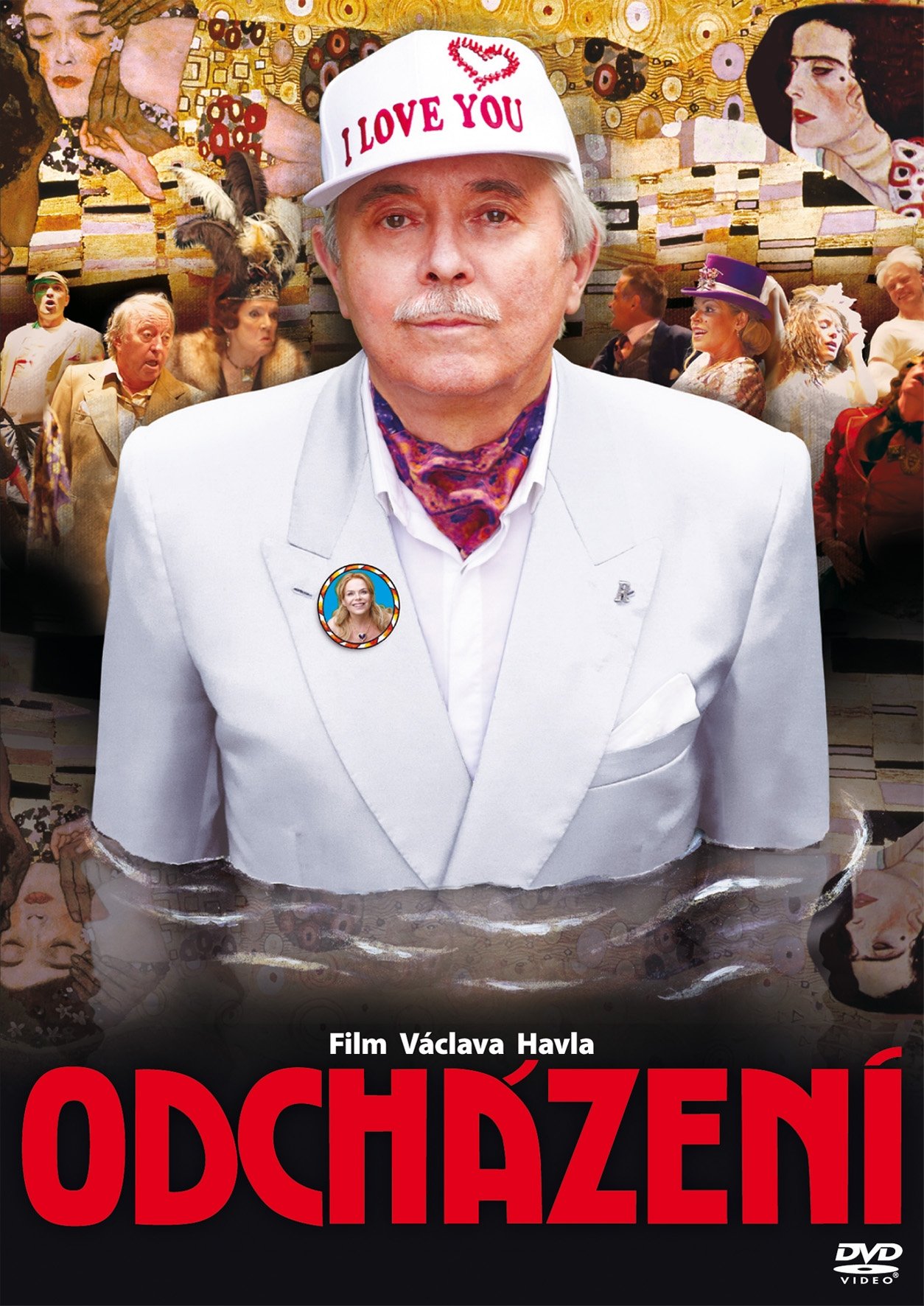
A bitter sweet comedy that follows a highly appointed Chancellor who set to step down from his position after years of service to his country. With just two last days left to enjoy his palatial villa before he is finally evicted, his situation gradually goes from bad to worse.