
During the filming of a movie in Køge, Lise accidentally knocks down the director, Dan Burling. When the film crew leaves Køge, Dan invites Lise to come to the city. When Lise shows up in Copenhagen, she thinks she has been offered a role in a movie, while Dan was hoping to find a new housekeeper. Lise becomes Dan's housekeeper, and soon her love for him grows. He, on the other hand, only has eyes for himself. While completing his film dream, Dan saves script girl Irma from burning to death in the editing room. Meanwhile, Lise has decided to leave Copenhagen.

About the young Aarhus businessman Jacob Hansen who is going to a congress in Copenhagen. His competitor in the firm sends his secretary over to spy and bring Jacob into disrepute. The secretary has sympathy for Jacob, creating complications when his wife show up.

Lilleper is starting school, and on the last day of summer vacation, his father invites the whole family to a party at Tivoli. But then everything goes wrong. Per doesn't like school. Søs falls out with Peter, Mie is accused of theft, and his father is fired from his job and talks about selling the house. Everyone is looking forward to a sad Christmas, but maybe Lilleper will still go to the "Christmas Ball in Nisseland."

Martin the vagabond is cheerful and musical like few others. Together with his new friend Anders, he sings his way to a meal and a place to sleep. During a performance, Anders meets the daughter of Bakkegaarden, whose mother has been a widow for a long time and may have a past with Martin. But not all the local farmers are equally fond of the two wandering charmers.

Theodor Nielsen lives a peaceful life with his adult daughter Eva. Then the weather vane on the nearby church tower starts squeaking every night. Theodor goes to the priest, who refers him to the Ministry of Ecclesiastical Affairs, which in turn refers him to the municipality, which in turn does nothing. Theodor takes advantage of his side job at the radio station and tells all the listeners about the annoying weather vane. Theodor becomes a folk hero and is encouraged to run for municipal office. He is elected but is heavily manipulated by his party colleagues. However, Eva helps him get back on track.


The young sailor Morten returns home from his travels in the midst of the general strike of 1944, where he is confronted with the occupation. He joins a resistance group and actively participates in the struggle. There is no time for relaxation. He must always be on guard. Only with the sweet and charming young Lise can he relax a little and be himself. During a factory sabotage, the group is captured by the Germans.

Lau Lauritzen plays an ordinary architect, with a wife and a son. He gets accused for killing a 10-year old girl, and of course nobody doubts he's the one. Even his wife and his uncle has trouble believing him, but at least they don't tell him.

Tiny Per has come of school age, and he has certainly not become any duller. He has joined a soccer team and they must play against the Swedes.
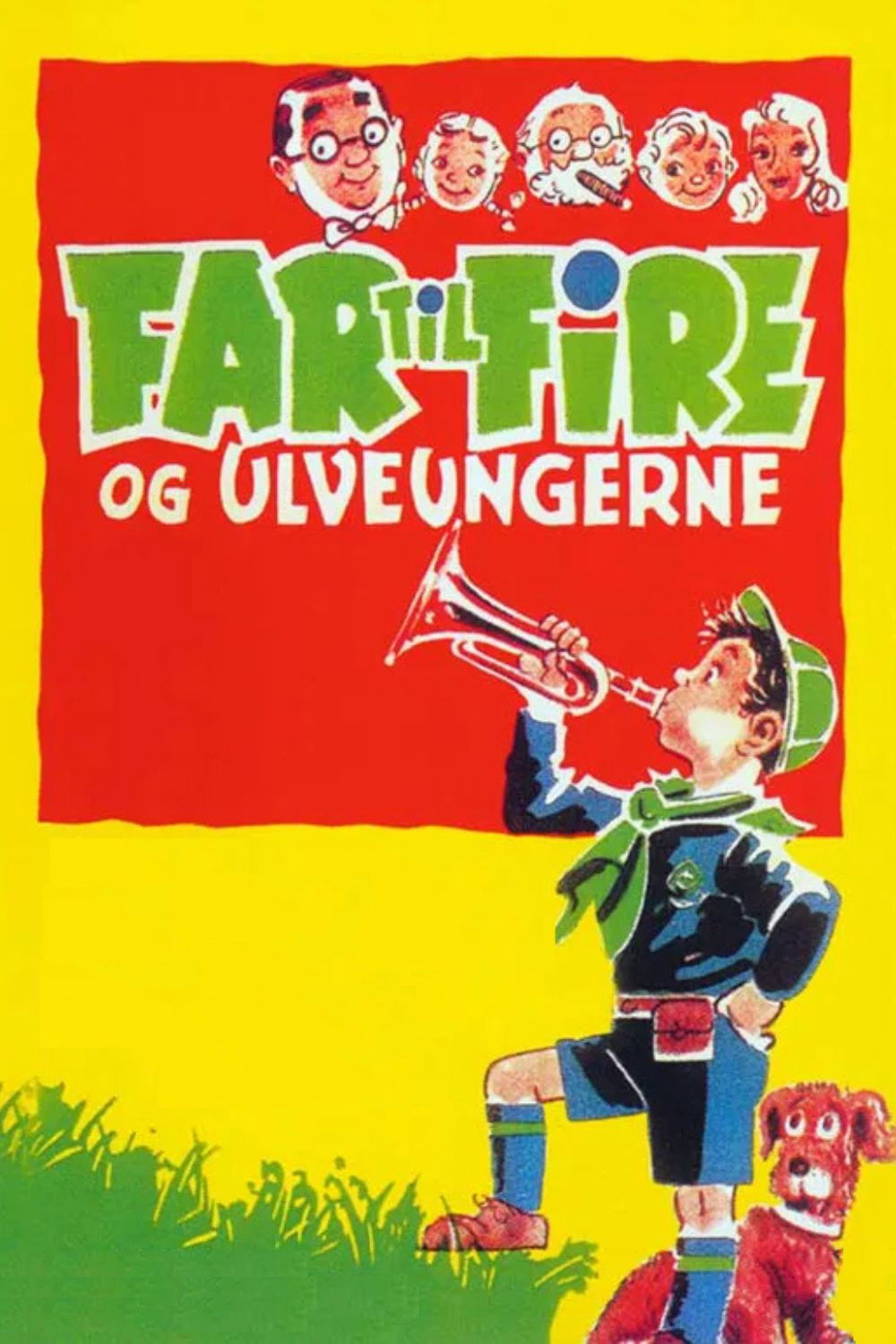
Tiny Per gets its biggest wish: He becomes a scout. Sister also gets hers biggest wish: She's getting married. So now Mie take over the household and it's not going to go quietly.

At home in the small family is nothing new. Tiny Per is the school's mischief maker, Sister has heartaches, Mie and Ole has to be in the school play, etc. But suddenly something happens. Good old Uncle Anders has a twin brother in the United States. He called Sofus, and now he comes home to celebrate 70th birthday. He was a troublemaker when he left and now he has become even worse

In order to supplement the family income, Marius Bastrup rents his unused rooms to young women looking for a "discreet stay." The drama in the film revolves around the young women and their circumstances, especially as it relates to one girl's abortion.
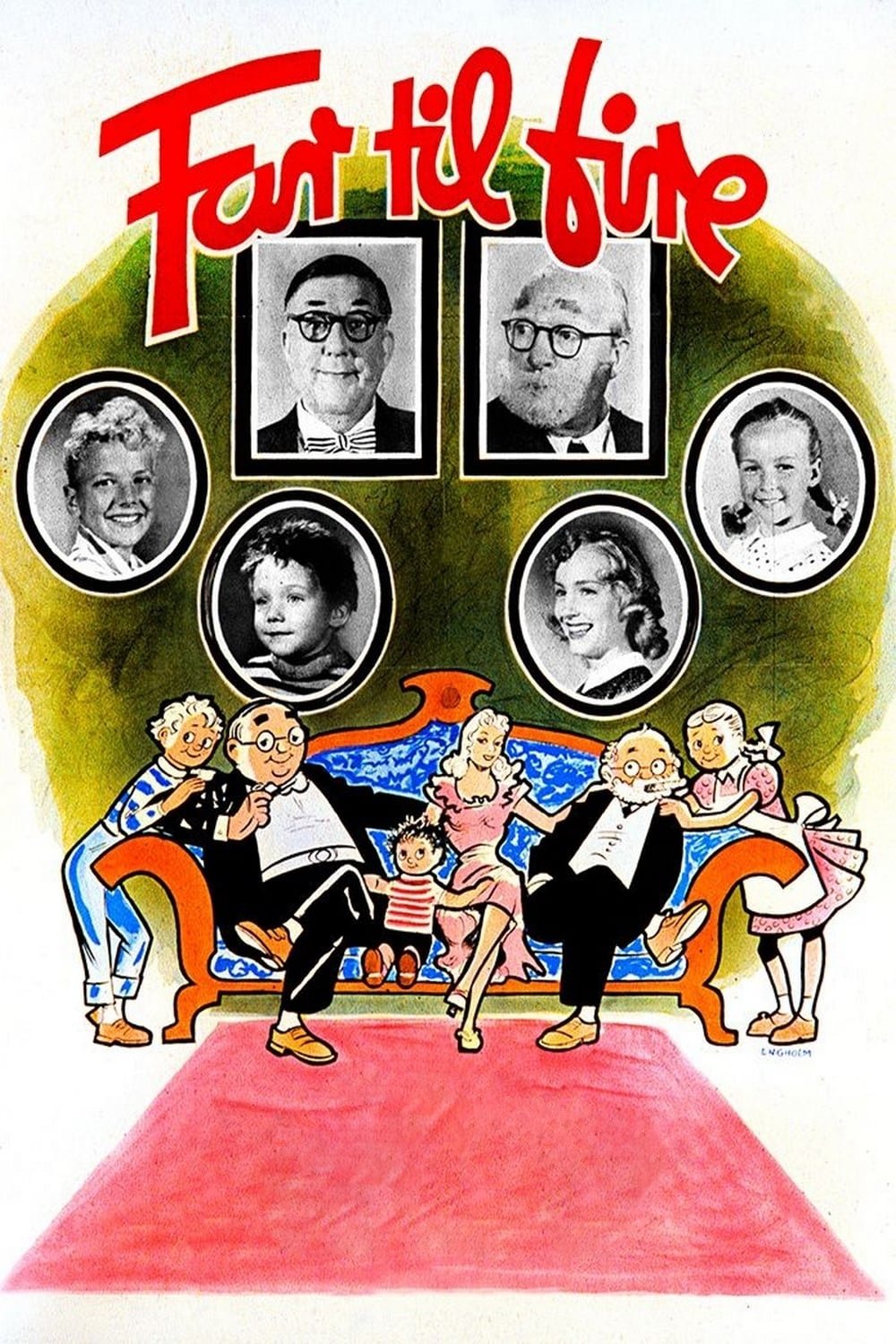
An everyday story about a single father with four children, whose eldest daughter, Søs, runs the household. Søs occasionally goes into town with Peter. In connection with Ole's schooling, she comes into contact with his teacher, Jørgen Stæhr. Gradually, love develops between them, especially after Søs and Jørgen participate together in Children's Aid Day. Uncle Anders is a frequent guest in the house, and the neighbor, Mrs. Sejersen, often visits under various pretexts.
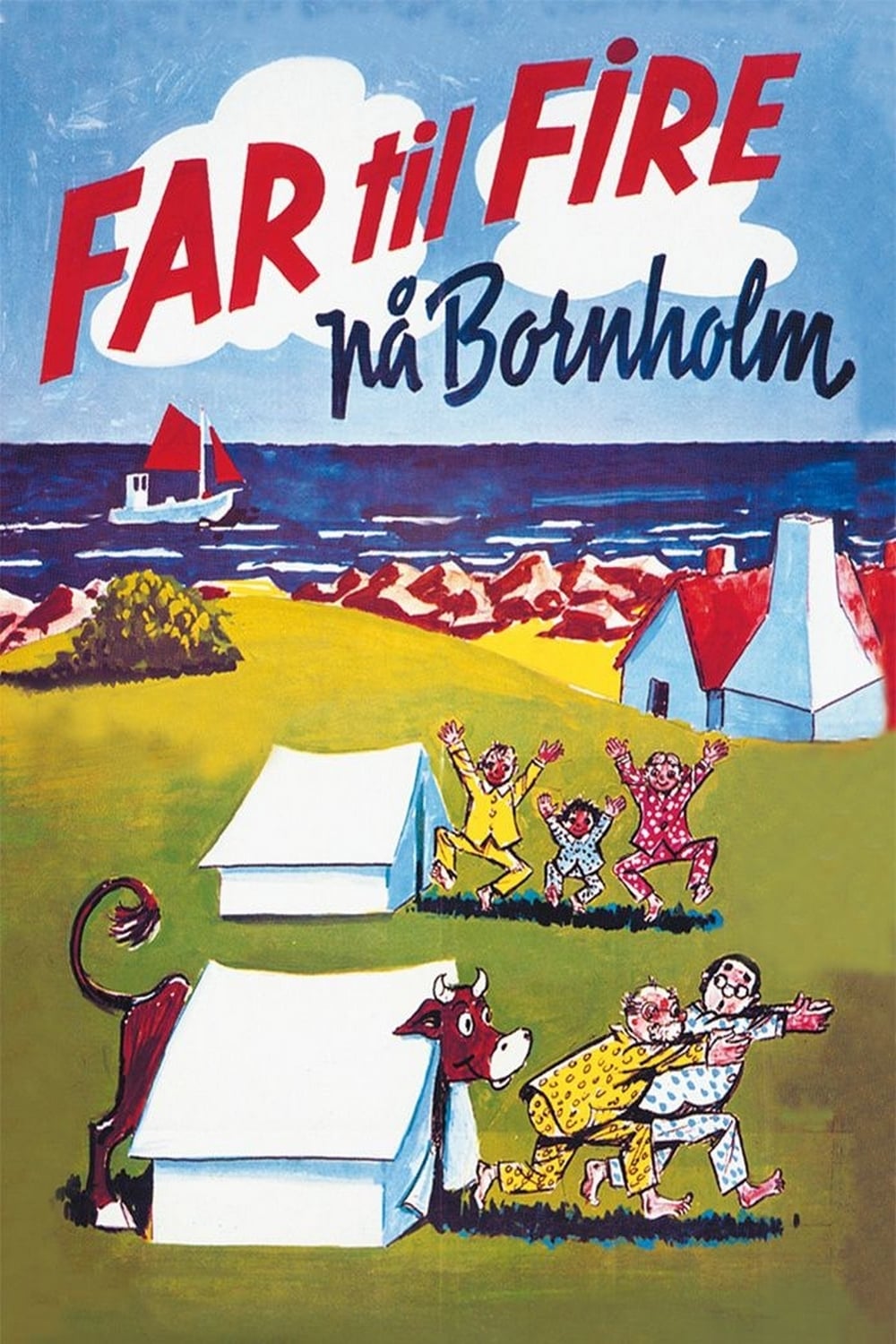
The popular Danish family are vacationing on the island of Bornholm. Unfortunately, they have not been able to get hotel rooms, but Tiny Per, always resourceful, have come up with the idea that they must sleep in a tent. Father and Uncle Anders are not quite enthusiastic about the idea, but there is nothing else to do.

The stubborn and reclusive Kresten Flint lives alone on "Flintegården" with his daughter, Else, who is kind-hearted but not quite normal. One day, the young farmer Jesper Poulsen arrives to propose to Else. His girlfriend has let him down, so he comes with honest intentions—to be good to Else and get the farm back on its feet. Else gives birth to twins, two boys, Viggo and Martin, but she dies in childbirth, leaving Jesper alone with his two boys. Viggo and Martin grow up to be two handsome men who are also inseparable friends—until they fall in love with the same girl...

It's all about an anonymous little gray book originating from sexually advanced Paris. The book doesn't look like much, but shouldn't be judged by its cover. Wherever this book goes, something will happen. And for sure, this book goes around.

A suspense tale revolving around the memories of a Danish saboteur as he awaits his execution in a German war-time prison.

The only daughter of an old landowner has died in Italy after leaving her family 15 years ago. Her son now returns home to Denmark. He threatens the landowner's nephew for his inheritance, prompting the nephew to devise several plans to discredit the boy in the eyes of his grandfather. The plans almost succeed, but thanks to help from the priest, among others, the story ends with a reconciliation between the grandson and his grandfather.

The first of 14 Olsen Gang films presents us with Egon Olsen, head of the gang, and his friends Benny and Kjeld, who want to become the best known gang in Denmark and eventually Europe by stealing a famous Bavarian work of art currently displayed in a Copenhagen museum. Although Egon's plan works out fine, there is only trouble ahead for the little gang.
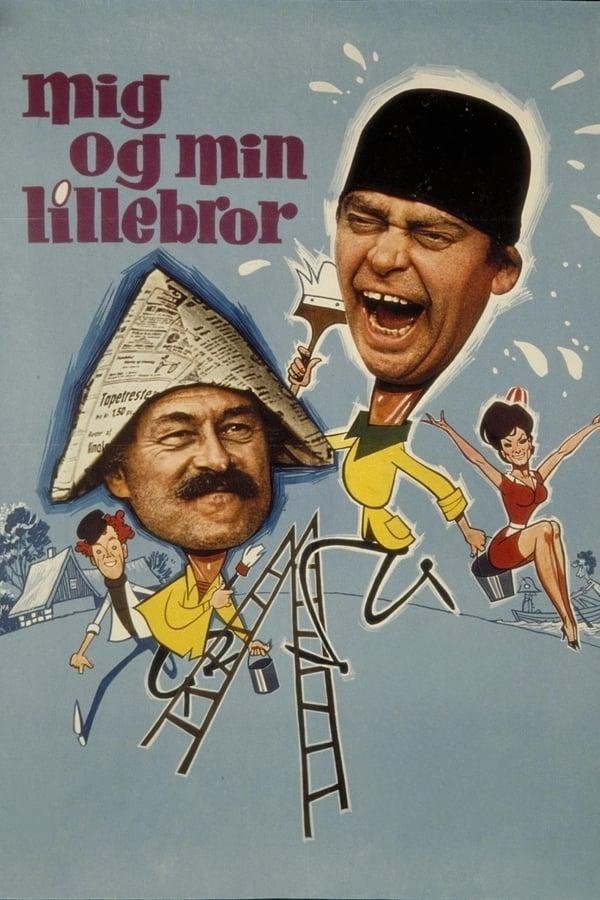
The entire population of Bomø has gathered for the big day. Finally, after 56 years, the bridge connecting Bomø to the mainland has been completed. With the parish council chairman at the helm and the minister cutting the ribbon to make it official, everything should be in perfect order. However, the county governor is absent, as he has a financial dispute with the ferrymen, brothers Søren and Peter Severinsen.

In a train on its way through the bombed out Germany are a bunch of happy American soldiers. They are going to Copenhagen for some R&R. One of them is John Petersen, a lieutenant in the American army and another is his friend Bill. They are talking about how much they are looking forward to a rest in Denmark and John Petersen who is of Danish descent talks about his native Copenhagen.

Danish melodrama about a housemaid struggling to find normalcy and love in the midst of war.

Ib Schønberg is again the kindly father - and now he is crowned "the ideal driver". This means that he can take all his four children to winter holiday in Norway.

Helga is on a farm, where she is seduced by her husband, Per Mortensen. As it turns out she is with child, she gets a tough time among local residents. They consider it the greatest shame that can befall a young, unmarried girl. Per refuses bargain to be the father of the child. Her parents can not afford to keep the baby, so she tries to go to court - without result. Fortunately, she gets a new duty station at Torpegaarden where she thrives. In particular, she has a good eye to his son on the farm, Gudmund. He also liked the young girl

At Smedestræde 4 in Copenhagen, a young orphan girl named Elsebeth Jacobsen lives next door to Carl Thomsen, a somewhat dubious character. Elsebeth, who works in a small greengrocer's shop, has only two real friends. One is a young bicycle courier, Poul Andersen. The other is a small Icelandic horse that brings fresh vegetables to the shop every morning. She and Poul Andersen spend a lot of time at the youth center.
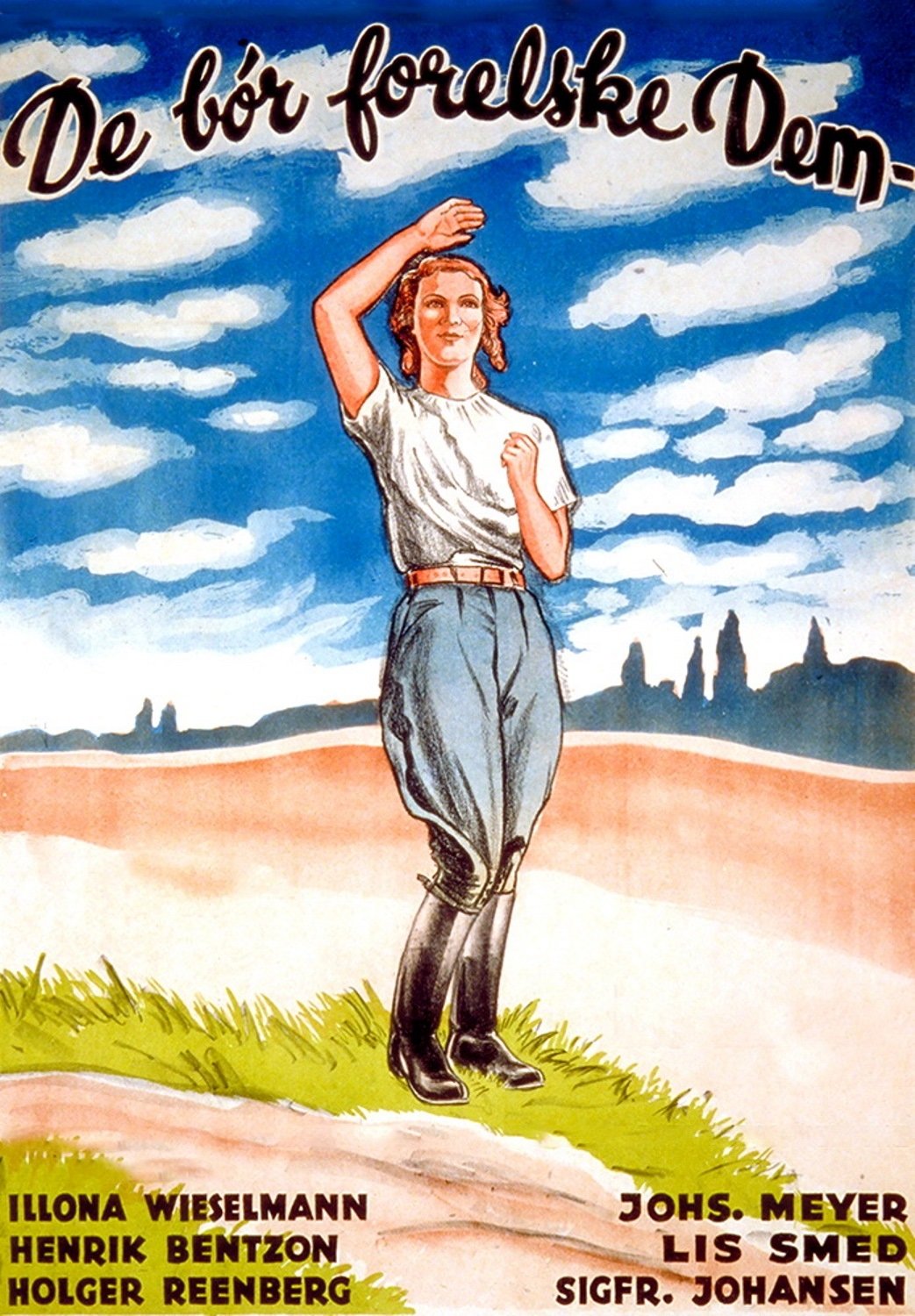
Although Danish-American George Steffenson comes from poor circumstances, he has built a large financial empire, where the money rolls in. But the busy life is wearing on George, and when no medicine helps, he goes to Denmark on vacation, where no one knows him and he may find the true values of life. But it is no easy matter to turn your back on the empire, while sneaky backers are making insidious plans.

The story is about a student named Peder Pedersen, who has tried to pass his law degree exam the max number of times without success. He hasn't been able to make anything concrete out of his 7-year engagement to a young lady either, because he's way too into anything detective-related. In all other areas, he is extremely distracted.

Paul a young, newlywed writer returns home from abroad with his sweet, young wife, Anna, whom he has met in the South of France. After their honeymoon Poul is looking forward to start his new job as a screenwriter.

Danish TV theater from 1964. Ernst Bruun Olsen's absurd farce about a married couple whose perception of reality and dreams are influenced by the stream of words and images on television.

At the dinner for their school's 100th anniversary, three old schoolmates meet. All three have done well in life, for Eyvind is now a respected judge, Herluf the stern director of a glassworks and Ove the owner of a printing house. In the time after the dinner, the coincidences of the three men's lives will become entangled in a way none of them could have foreseen. Fortunately, they still have their old principal in the background to pull the strings.

The bank is located in the square of a small, idyllic market town, and its manager, Anders B. Schmidt, is seriously ill in the town hospital. At the beginning of the story, he is quietly passing away. In the wealthy neighborhood of the market town, we find the bank manager's villa, which has been his pride and joy for many years. He leaves behind a deeply grieving widow and four adult children. It soon emerges that the respected citizen had a love affair before he got married, and this causes outrage.
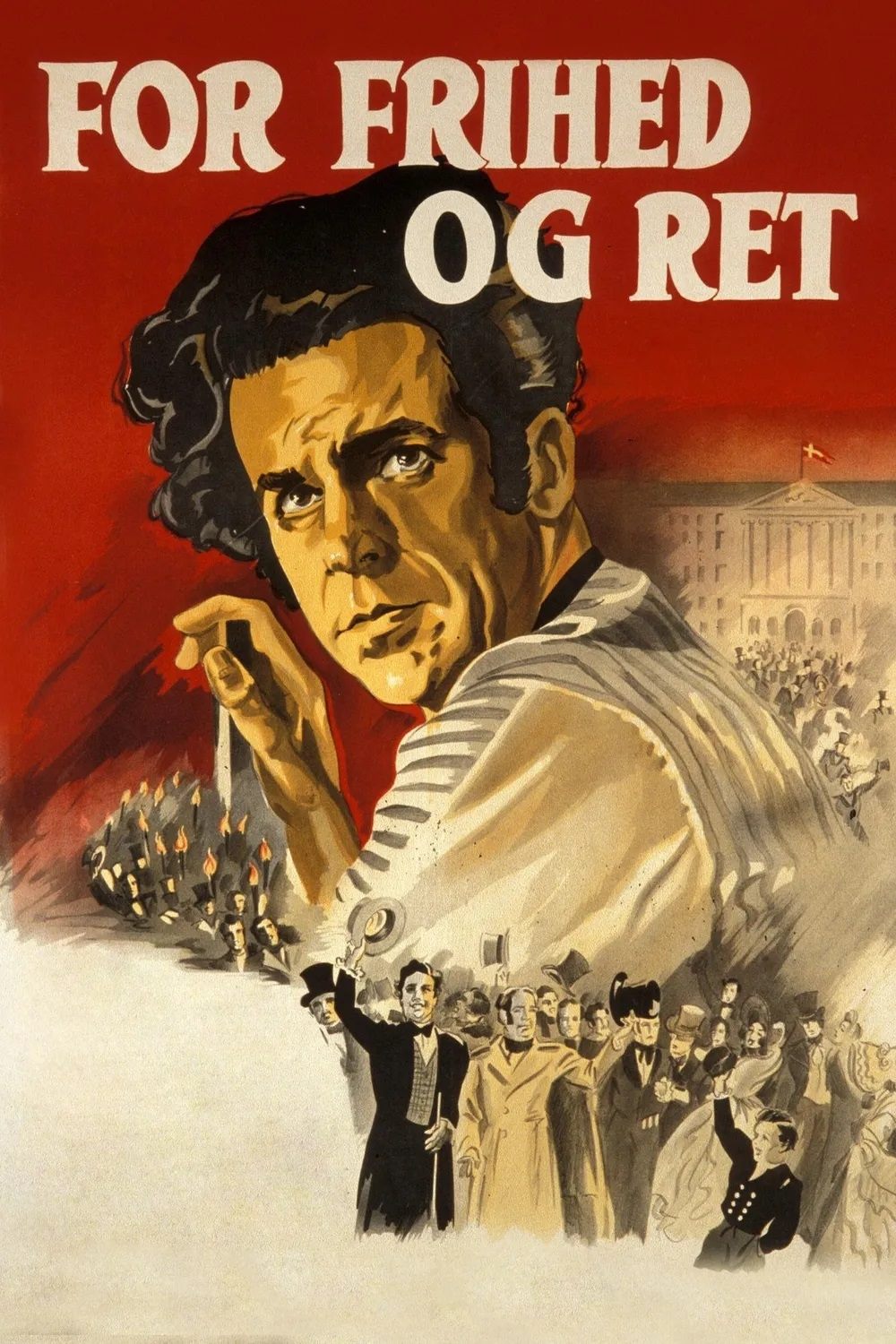
A picture of the life of the Danish people from the late 1820s to the introduction of the free constitution in 1849. A fictional character, Rasmus Nielsen, travels around the country, first as a traveling teacher, later in other positions, and through his experiences we are introduced to the conditions of various population groups. The central figure in the portrayal of historical figures is the politician Orla Lehmann.

Fyrtårnet and Bivognen are gardeners at a residence for young women. Here they are friends with budding actress Eva, but when the three reveal one evening during the performance of an illegal theater performance, they are kicked out. By detours, they get on board a schooner, where Fy and Bi play up to dance and get seasick, while Eva still has her course set against the sloping boards.

In an old Jewish family in Copenhagen, with its loyalty and close-knit community, there are some challenges when they run into the world outside their family circle.
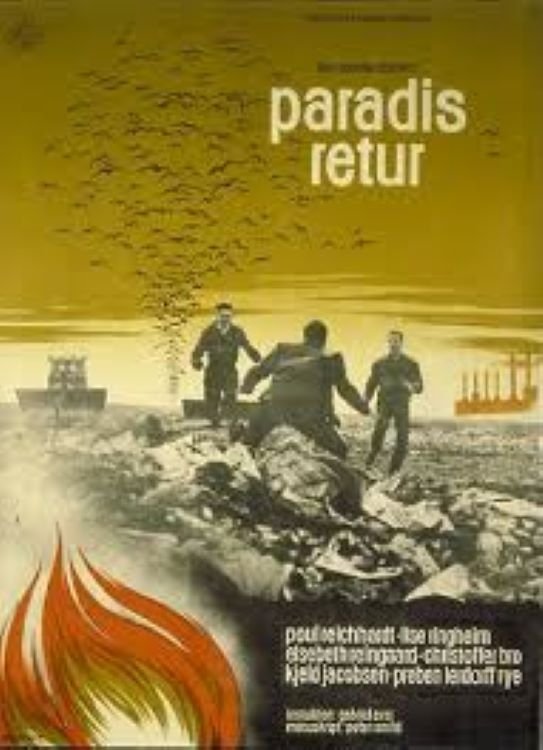
Tonnemann lives in one of the wooden sheds at the far end of Islands Brygge, close to Copenhagen's landfill site. But in 1928, he wants to leave this environment behind – to go where the air is fresh and life may offer both security and meaning. He is already on his way with his packed suitcase to sign on to a long-distance boat when a lovely girl gets in his way with her little red sports car.

The young bank assistant Harald Løve is not particularly suited to sharing his name with the king of beasts. At least, courage and decisiveness have not been his strongest qualities thus far; quite the contrary. Løve is a timid man who is afraid of almost everything and everyone, not least his boss, the arrogant and somewhat eccentric provincial director, bank director Nikolajsen.
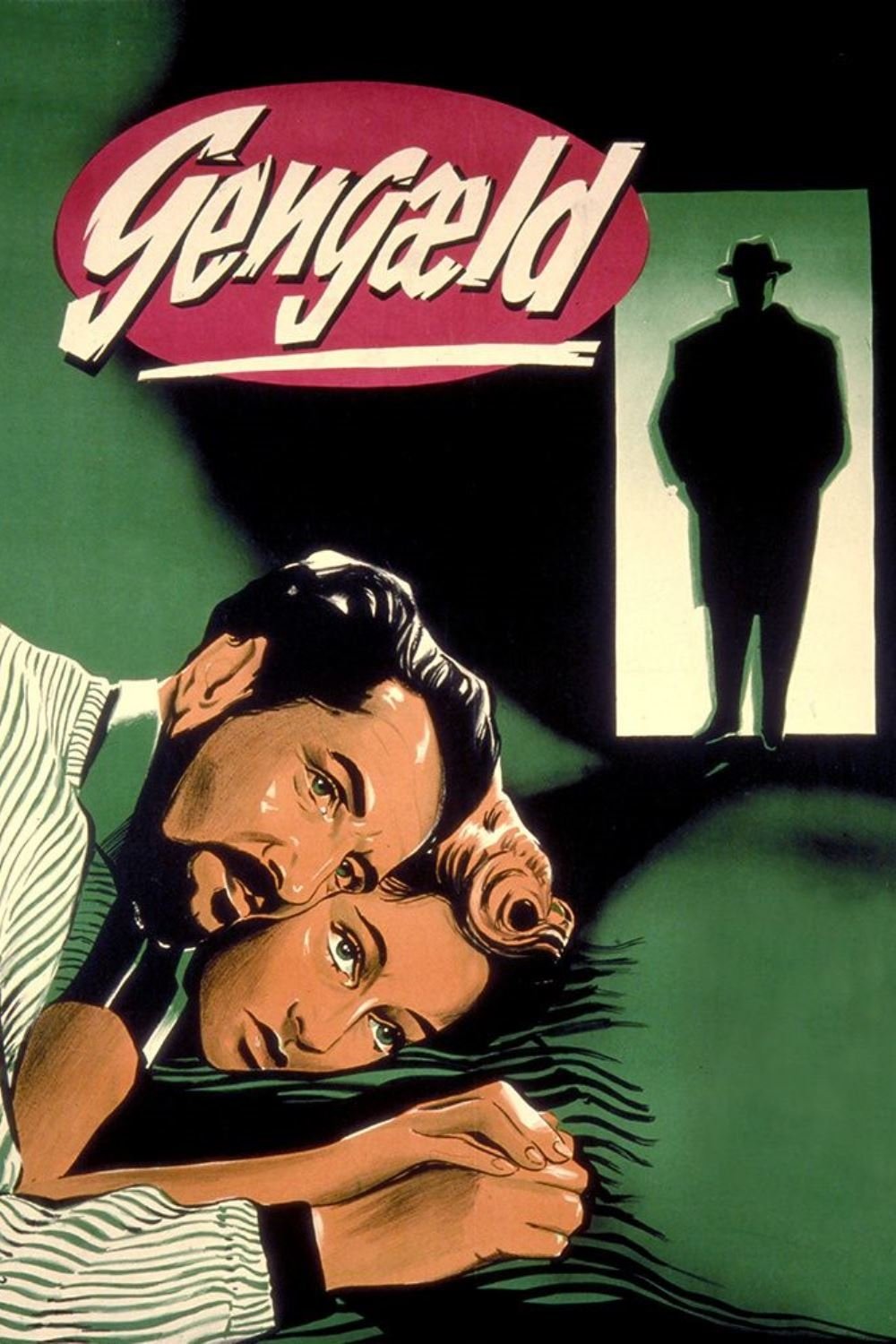
In one of Copenhagen's suburbs stands a large house, a villa-like property. The house is owned by the widow Elise Thomsen, who lives on the ground floor with her adult son, Eigil. Mrs. Thomsen rents out most of the villa. On the first floor lives the author Stefan Donner with his wife Lili and their 9-year-old son, Peter. Donner is talented but poor. The financial pressure on him and his family is getting on his nerves.

Danish version of Kjeld Abell's successful musical comedy from 1935. Clerk Larsen loses the melody of his youth, which he had when he met his wife. His happiness and dreams have disappeared in a bourgeois existence. "It was supposed to be so good, and then it was actually bad," as one of the play's popular songs - 'The Song of Larsen' - goes. But then the quest to find the melody again begins.
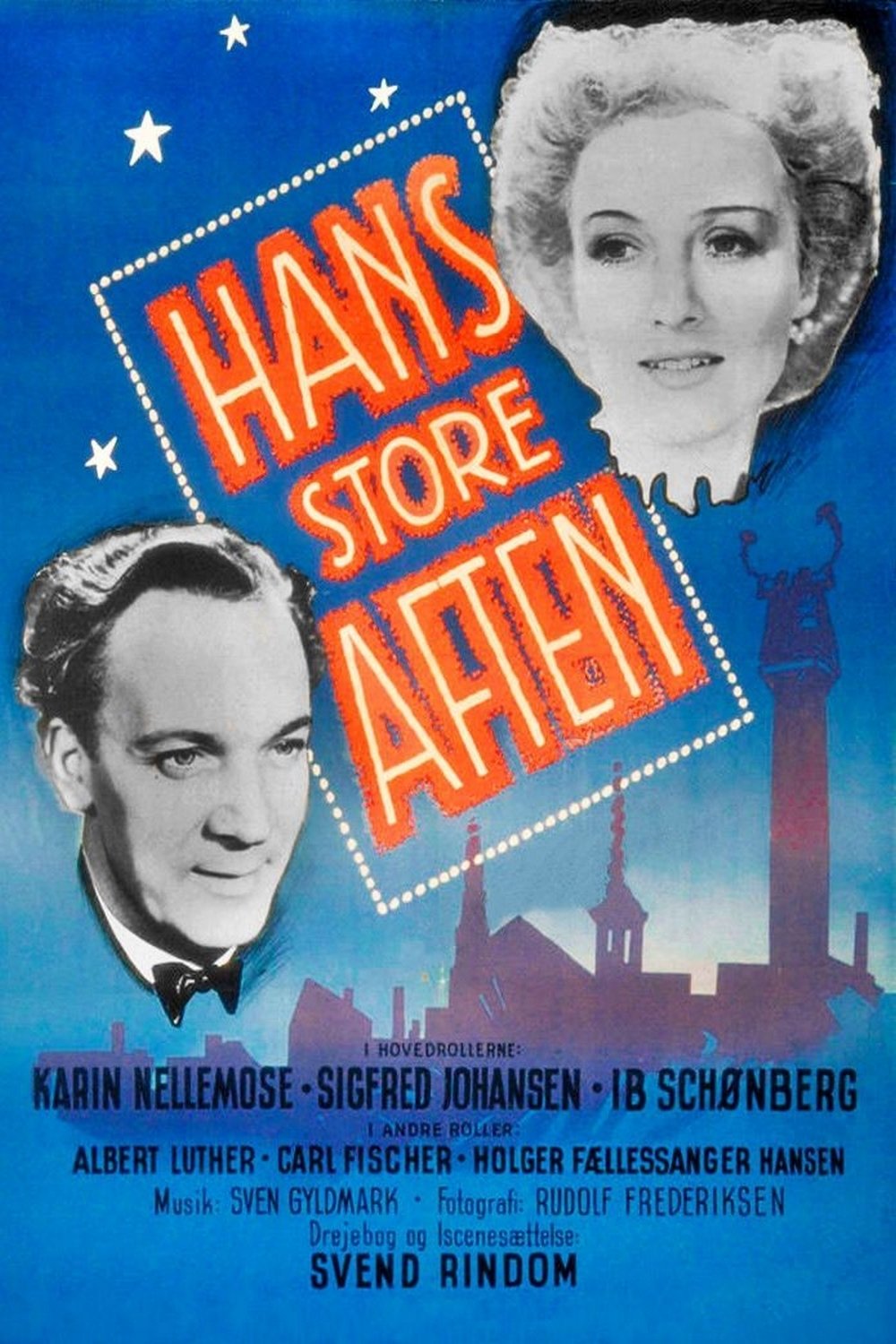
Young Jonas Tofte is a waiter in the theater café, but he is more than that; he is also a poet and has written a comedy that is about to premiere. With this, both he and his sweet little wife, Else, hope to be out of all the difficulties they have come to know so well. Once the premiere is over, all the bills will be paid, and Jonas can stop serving. But many difficulties still lie ahead for Jonas before the premiere is over.

The young advertising executive Hans and his young wife Grete, who is a dentist, have a considerable annual income between them – and they pay dearly for this to the tax authorities. They calculate that they can save a considerable amount of money by getting divorced. Their friend and lawyer Georg, after much hesitation, agrees to help them with the divorce. However, their "marriage" continues, but it is not long before they each discover that temptation lurks just around the corner—and it is difficult to resist...
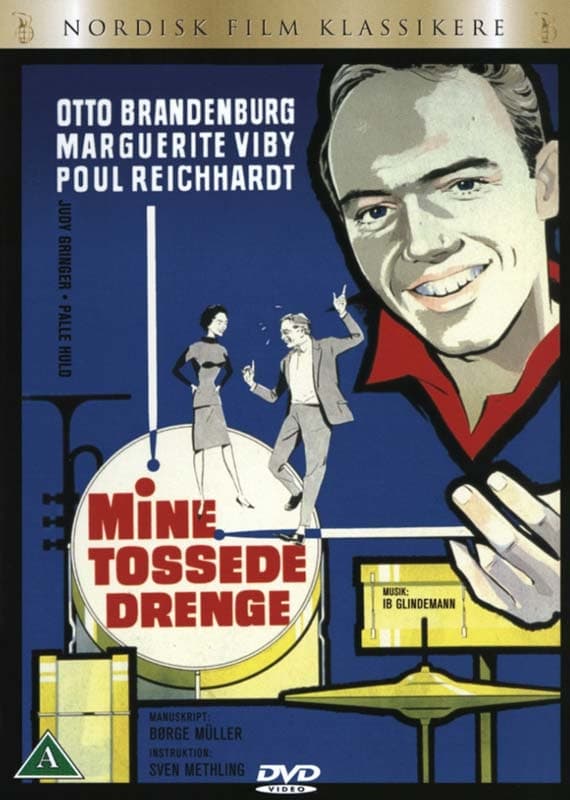
Poul Henriksen is a bank teller, a man in his prime with a hobby of studying Napoleon. He is happily married to the lovely Mrs. Gerda, a devoted mother to their three children. She has long since learned that men always remain big boys, and she is therefore also a mother to her husband. Their son William is "something" in an office, which bores him terribly. Instead, he has thrown himself into jazz with fanatical zeal and dreams of becoming the greatest jazz musician of all time. William also has a girlfriend, Nina, who is enthusiastic about jazz and visits him at all hours of the day and night, which greatly concerns his parents. A conflict forces Poul to kick his son out of the house. This makes the parents unhappy, and on top of that, they have come to believe that William should have a child with Nina.
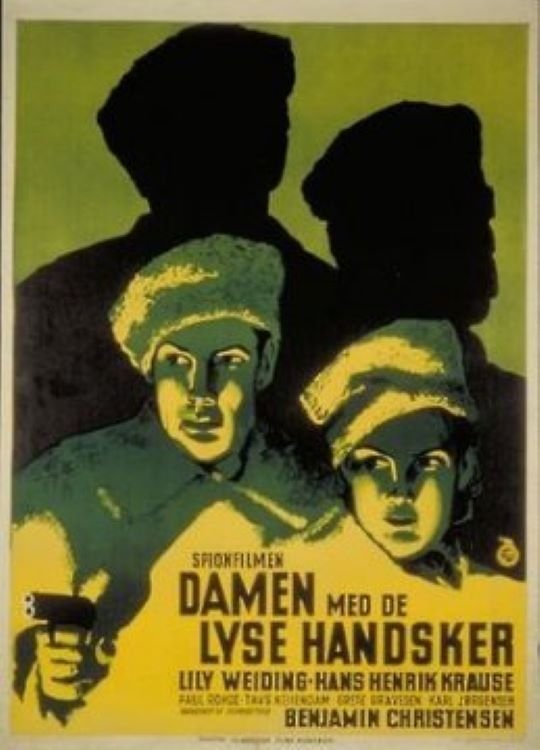
During World War I, the engineer Torben returns home with secret papers from the Russian Tsar to the courier Tuschin, Torben's best friend. Tuschin is found murdered, however, and to solve the murder, Torben stays at his hotel. Here he meets several mysterious people, not least the breathtaking stenographer Inge. But in the hotel, no one is who they pretend to be.

Soya's satirist take on variations of Danes, who willingly or unwillingly came to deal with German troops during the five year Second World War occupation.

Jeppe Aakjær's heroic poem about Jens Langkniv becomes something more than the story of a robber in a small parish in Jutland.

Fourteen-year-old Jan and his companion Erling appear as extras in a film being filmed at Nordisk Film's studios in Valby. A mysterious burglary at the studio's fine mechanics workshop gives the two healthy boys the opportunity to act as detectives.

Venus aux belles fesses, or Venus with the beautiful buttocks, is the name given to a statuette by the famous Swedish sculptor Sergel, and this small work of art, a draft in fired clay, plays a significant role in this fantastic story. In a strange way, Venus intervenes in the turbulent fate of art historian Hannibal Svanø and creates conflicts for many others. After spending the whole summer leading a nomadic but rather pleasant life, interrupted only by occasional periods of work with old friends around the country, Svanø now sets off for the capital. On the way, he manages to persuade an old schoolmate, Judge Truelsen, to give him a loan that enables him to enjoy a hearty meal in a small, cozy restaurant called "Asietten."