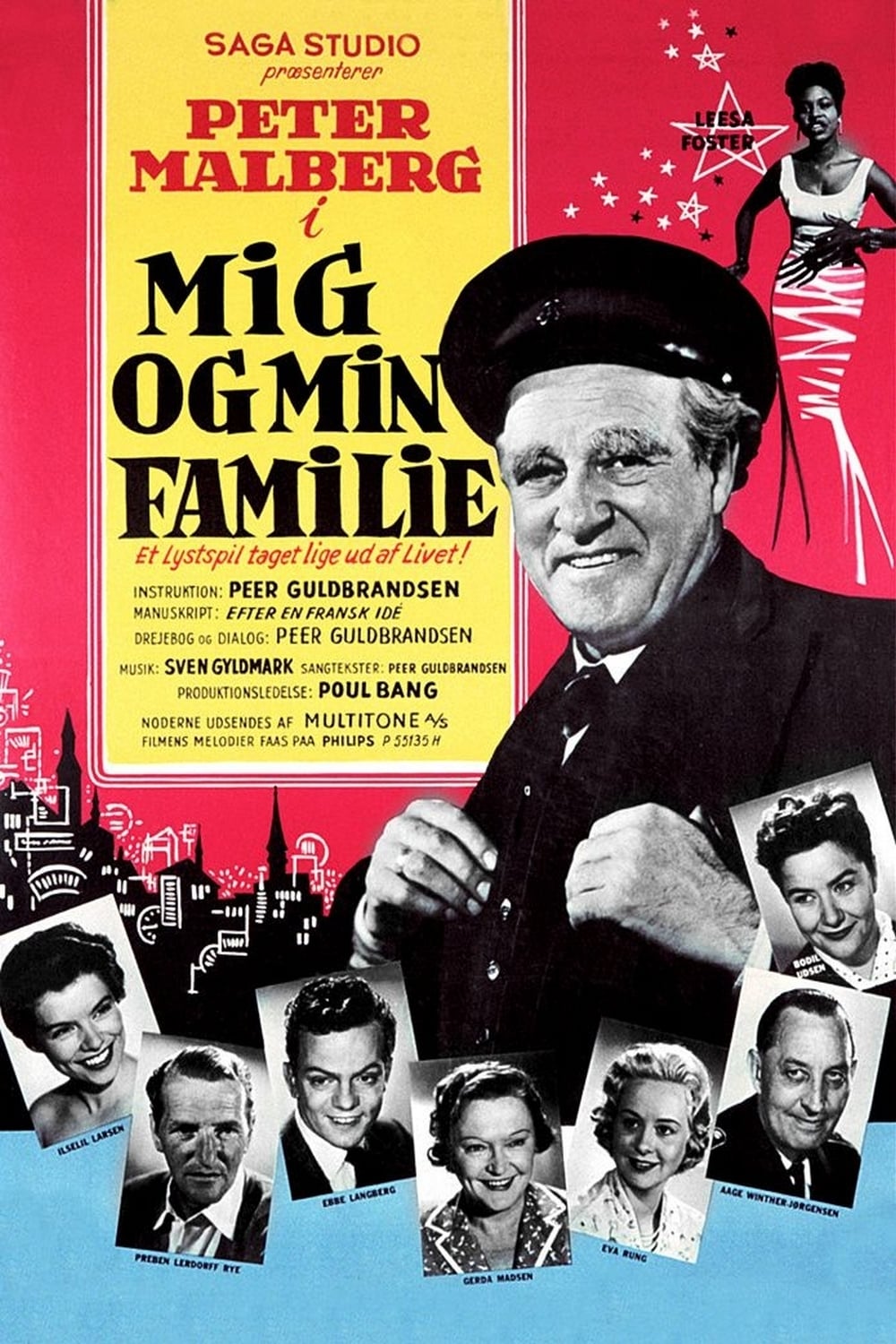
What would you do if you found 20,000 Danish kroner? Just like that? In a woman's purse? And what if no one was looking for it? In other words, if you had the chance to pocket 20,000 Danish kroner, tax-free? Wouldn't you be tempted? The main character in this film is tempted. He is a taxi driver and has a happy family life, but he is struggling financially.
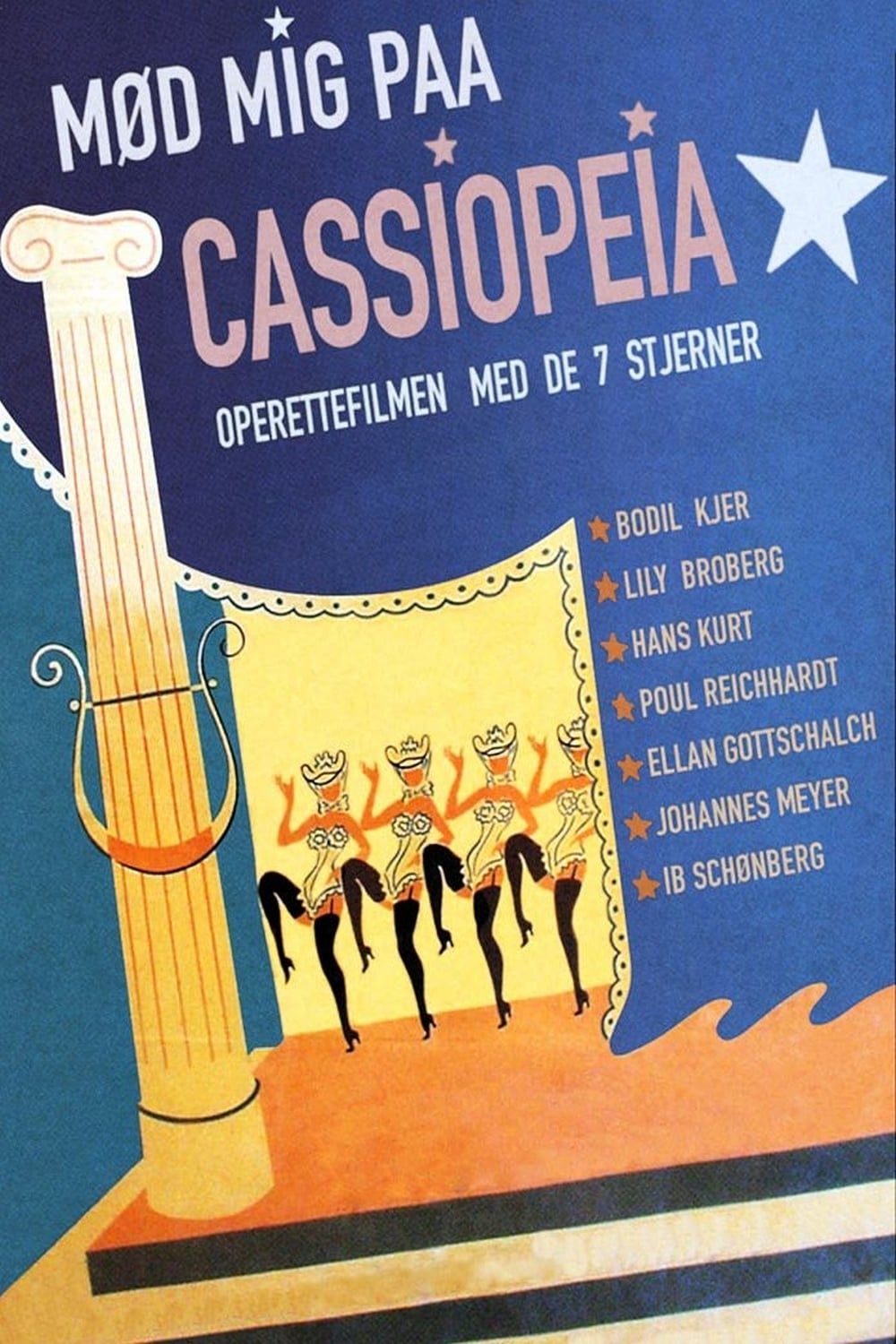
Composer John Berger is plagued by marital problems and struggling with a deadline for the music for an operetta. When he is visited by the muse of music, Polyhymnia, the melodies begin to flow, but she also causes a lot of complications in his earthly life. Like John's wife Irene, she falls in love with flight lieutenant Harry, while her father Zeus looks on disapprovingly and decides to intervene. Meanwhile, the premiere of the operetta is fast approaching.

The old doctor, Dr. Bonnesen, is a tired old man. He wants to sell his practice and has been corresponding with the young doctor Jens Winther. Jens arrives in Fjorslev to discuss a possible takeover of Bonnesen's practice and his patients. Bonnesen's beautiful young housekeeper, Anne Mette Krogh, welcomes him. Bonnesen takes a liking to Jens Winther and makes him an offer he cannot refuse.

Two young skippers, Hans Tønnesen and Poul Nielsen, have a small cargo ship that transports freight from Copenhagen to the provinces. Poul and Hans are in love with the same girl, Margit, who is the daughter of master baker Bonnekamp. However, Margit chooses Poul. On their wedding night, Hans cannot sleep. He sits in his boat and hears a splash in the water. He jumps into the water and rescues a young girl, Kristiane, from drowning. She is distraught because she is pregnant and does not dare tell her parents. Hans offers to marry her and acknowledge paternity, but on the way to his own wedding, his engine stalls.
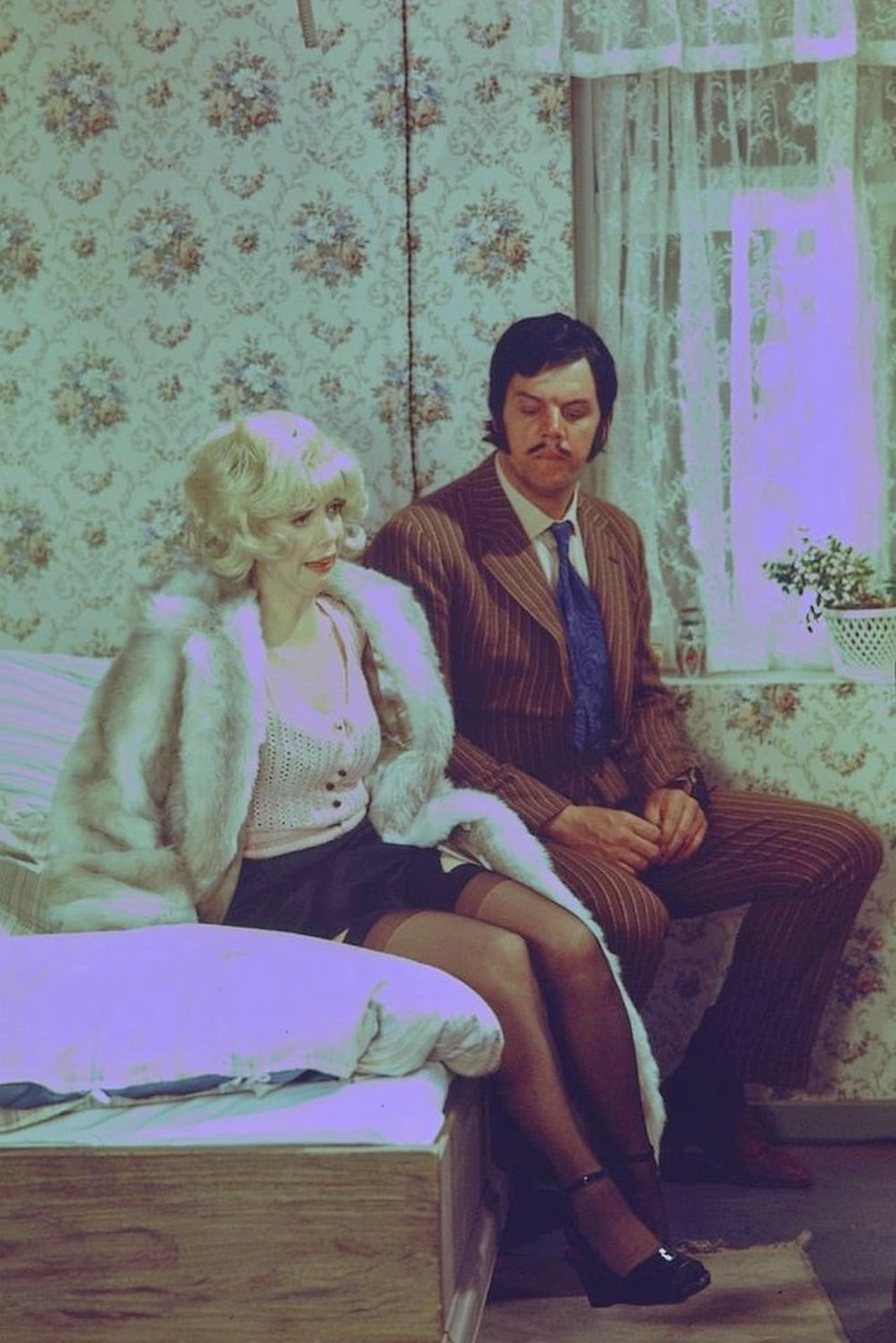

We follow two randomly selected destinies: two young girls whose data could have been taken straight from the police files, which contain so many human documents—many sad, but also many joyful, because a large proportion of those who were initially weak and frivolous are saved from the temptations of the big city.
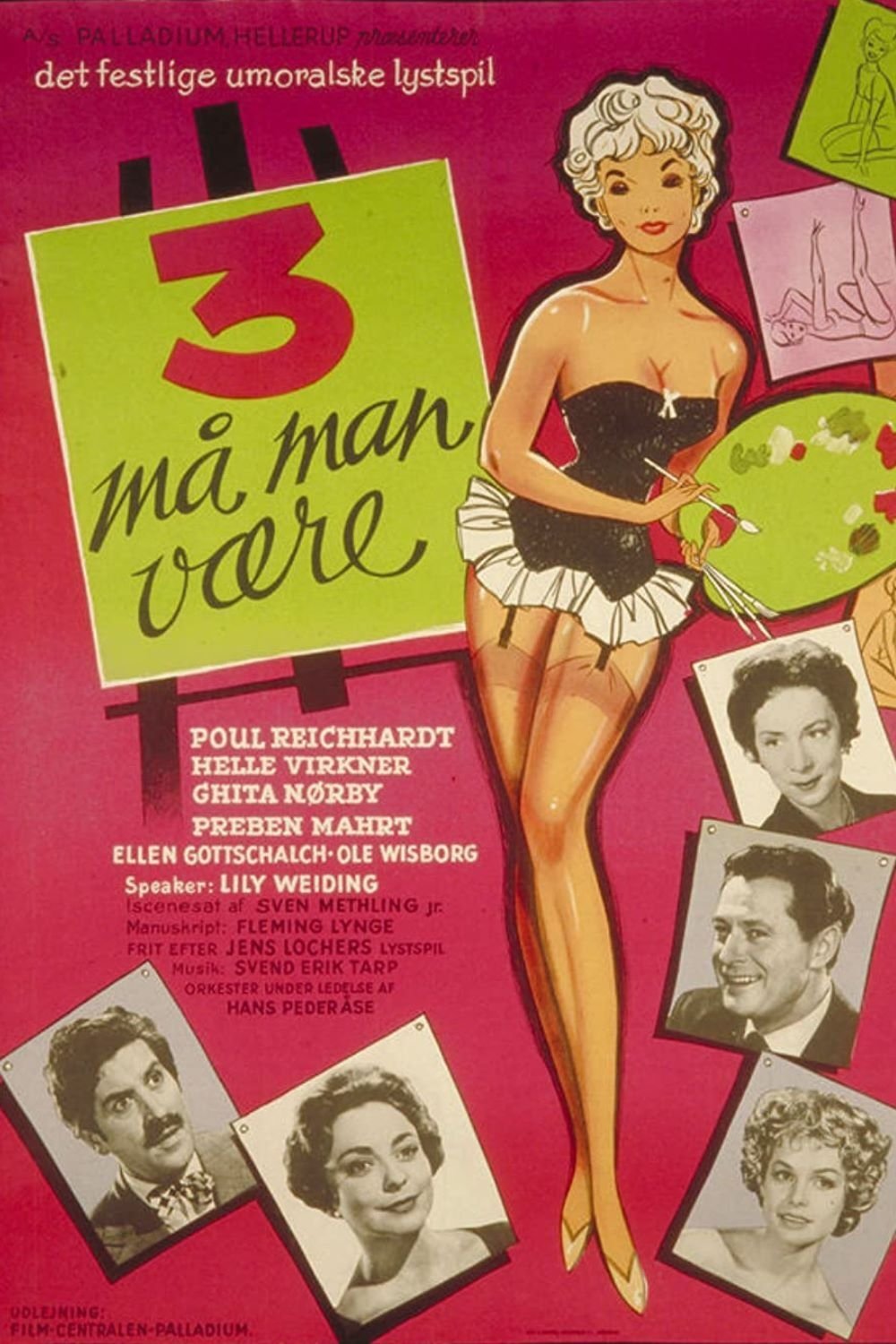
A lawyer has a wife and a mistress. He loves them both equally high and together, they're the perfect wife.
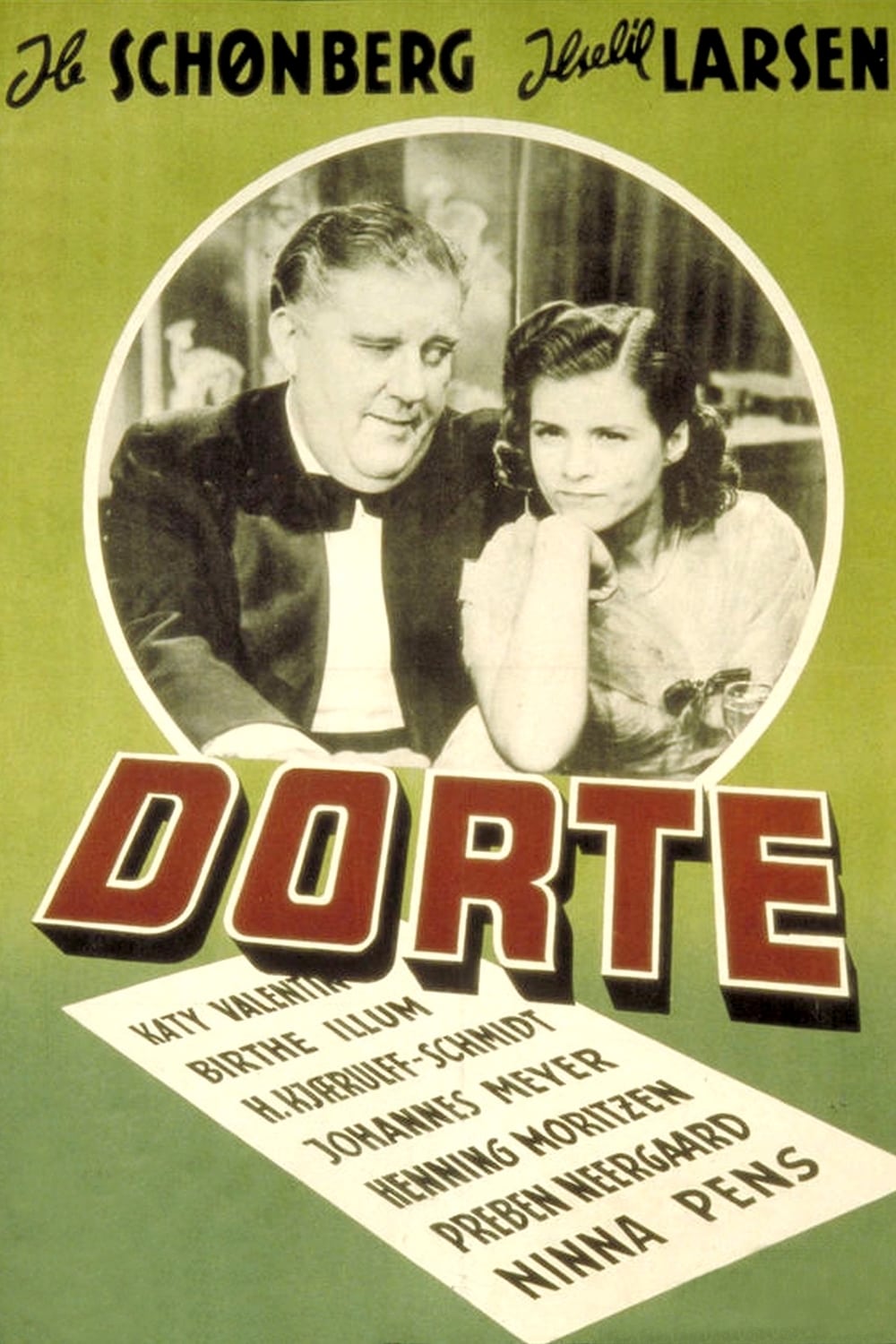
A train pulls into Copenhagen Central Station, and 16-year-old Dorte gets off. She needs to find some people on a road somewhere near Svanemøllen. Here, in a beautiful villa, lives Asger Haensen, a director who runs a large company in Copenhagen. He lives with his two children, Margot and Steen. Asger Haensen lives a superficial and overly expensive life—among other things, he has an expensive girlfriend. In the evening, the doorbell rings at the director's house. Outside stands Dorte with a letter that must be delivered to him personally. The letter reveals that Dorte is the result of a small youthful mistake on the part of the director. So Dorte stays in the house. Dorte does not quite fit into the elegant home. But she is feisty—and brings life to the house!
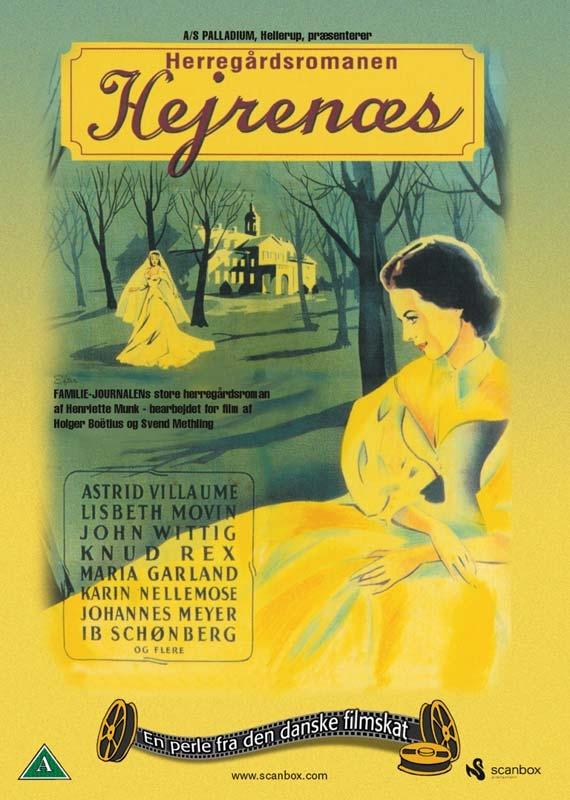
The young siblings at the Hejrenæs estate, Vibeke and Hans-Henrik, have always gotten along well, so Hans-Henrik decides to celebrate his sister's 21st birthday with a big party at the estate. During the party, the siblings' childhood friend, Ulla, provokes an engagement with Hans-Henrik, and at the same party, Vibeke learns that she is "only" an adopted child. From that day on, Vibeke realizes that she is in love with Hans-Henrik, and suddenly the stage is set for a sharp conflict between Ulla and Vibeke.
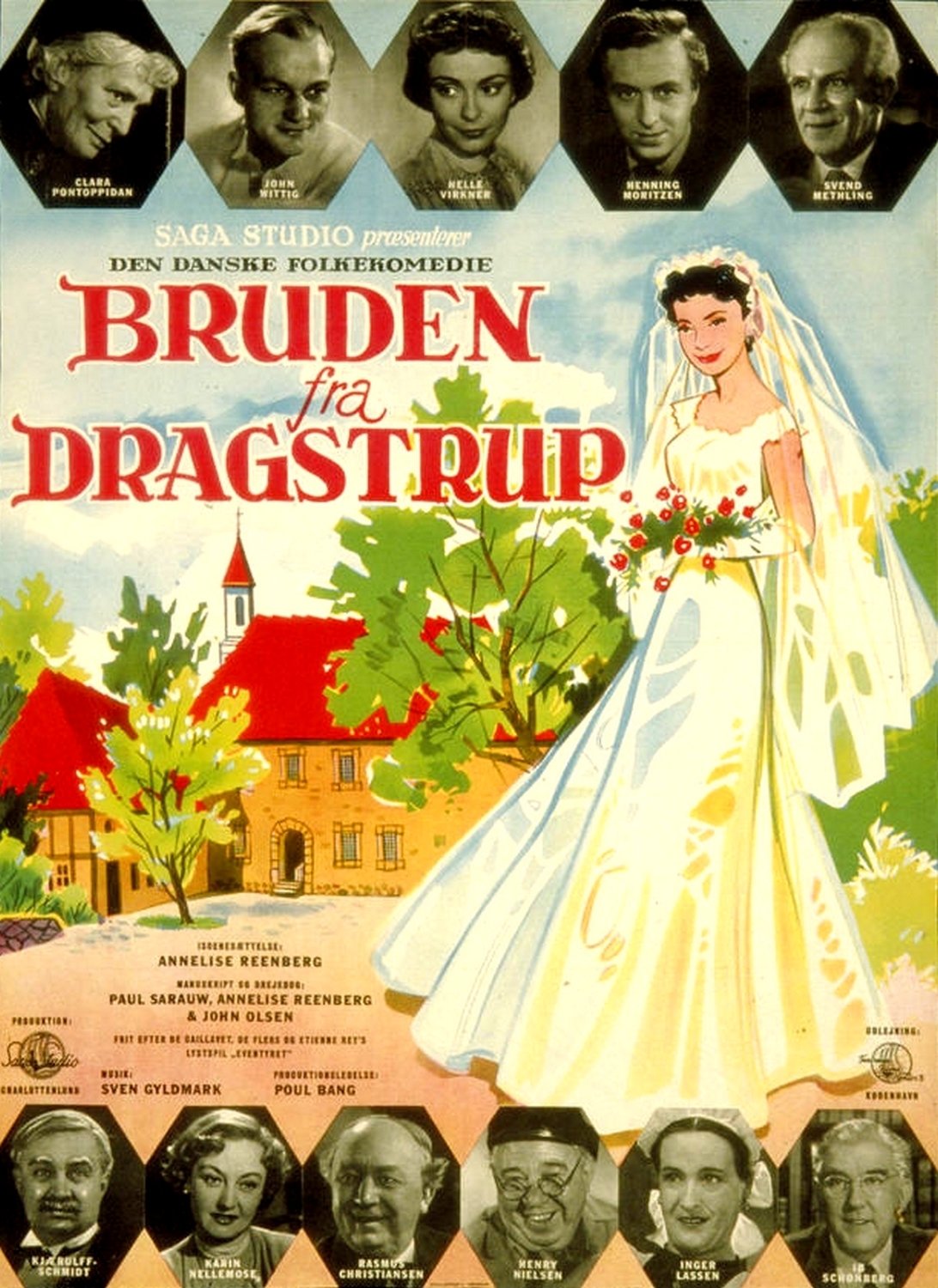
At Helene Dragstrup's 20th birthday, her grandmother Margrethe decides that it is time that Helene learns something about life outside the protective walls of the estate.

Directed by Danish filmmakers Bjarne and Astrid Henning-Jensen, THOSE BLASTED KIDS tells a story of a group of back-alley urchins that is considered Denmark’s first true children’s film.
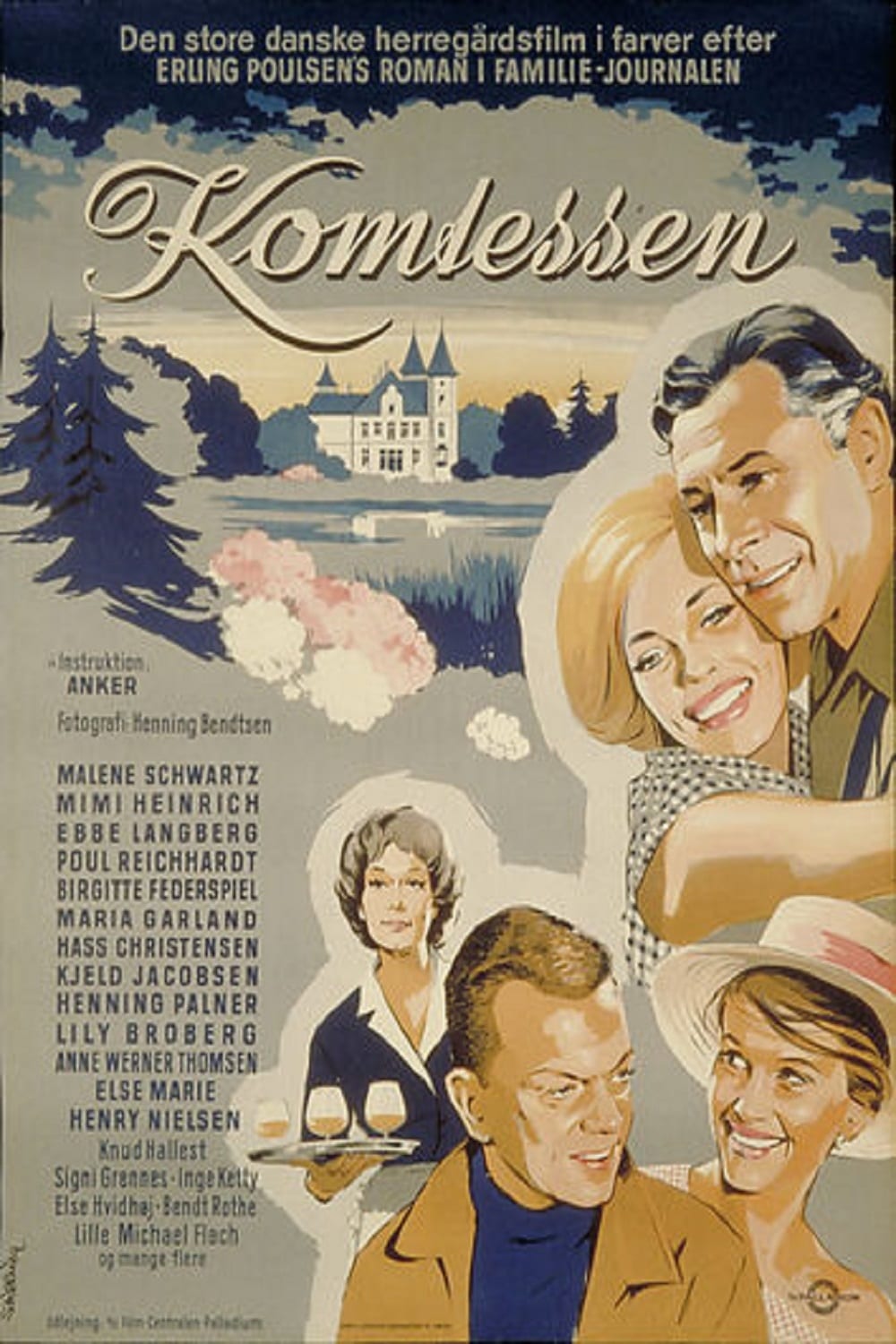
In the village Karrild, the Countess Sonia Hardenborg and a young unmarried woman, Marta, give birth to a daughter on the same day. Marta dies after birth, so Marta's daughter, Betina, come under the care of the countess. 17 years later, Betina and Countess Sonia's daughter, Maria, meet, as Betina is living in a home for orphaned girls, which is adjacent to the Hardenborg estate. The two girls become friends, and Maria invites Betina to visit her at Hardenborg, to greet her parents Sonia and Otto Hardenborg and her brother Count Flemming. Meanwhile, Betina's father, Frank Jensen, starts working in the estate's woods, and when the two girls come to visit him, he is shocked by the resemblance between the young countess and Betina's mother Marta.
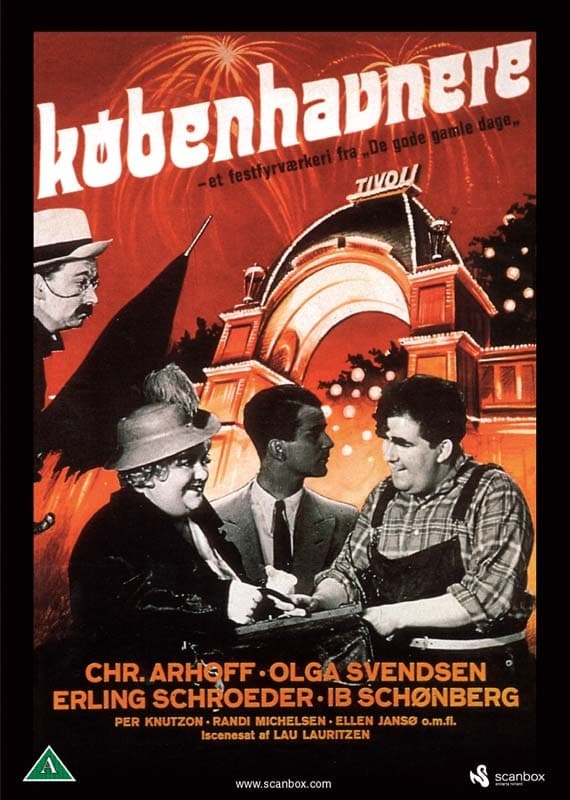
What is more beautiful and delightful than the Danish summer when it shows its good side? Director Rasmus Strang enjoys it at his country house with his two daughters Ulla and Linda. Ulla, who is the eldest and daughter of Rasmus Strang's first marriage, rules the home with a firm hand and keeps her stepsister Linda isolated in complete obscurity. Linda is not allowed to go out. Linda is not allowed to get new, fancy clothes. Linda is not allowed to go to singing lessons, she has a beautiful singing voice that just needs to be polished a bit. Like a little Cinderella, she lives in the big old house, even her father, who loves her, does not dare to help her, so as not to get into trouble with Ulla.

The first of 14 Olsen Gang films presents us with Egon Olsen, head of the gang, and his friends Benny and Kjeld, who want to become the best known gang in Denmark and eventually Europe by stealing a famous Bavarian work of art currently displayed in a Copenhagen museum. Although Egon's plan works out fine, there is only trouble ahead for the little gang.
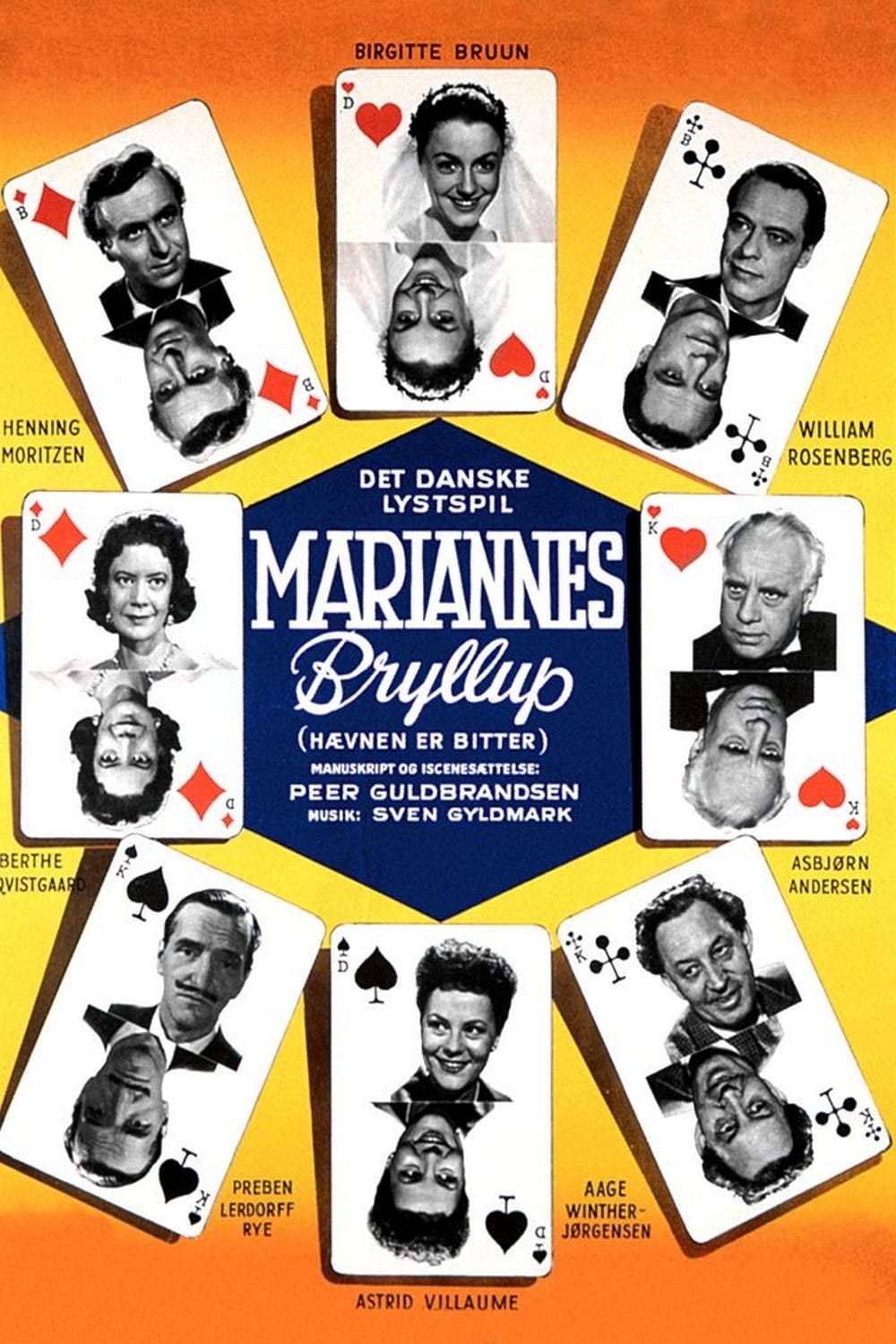
Jørgen von Hejden is very distinguished, but poor. He is something of a fortune hunter. He dreams of getting rich quick. But his skills are not up to the radio quiz show, so he sticks to gambling, roulette, and dice games. When he marries the beautiful and wealthy Marianne, he also gambles. He has married her for her money! But Marianne is not only wealthy, she is also strong-willed. She inherited this trait from her father, shipowner John Christensen.
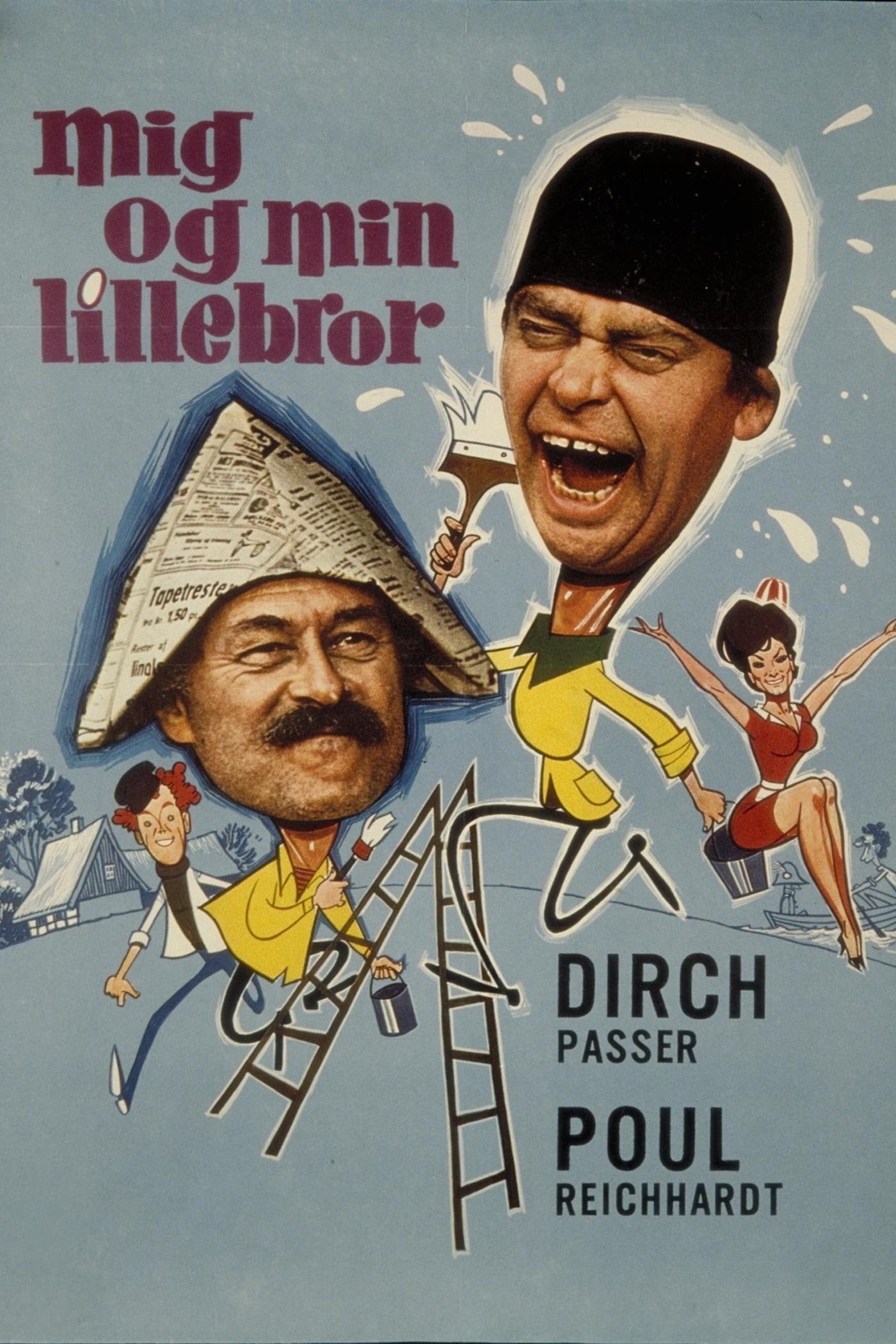
The entire population of Bomø has gathered for the big day. Finally, after 56 years, the bridge connecting Bomø to the mainland has been completed. With the parish council chairman at the helm and the minister cutting the ribbon to make it official, everything should be in perfect order. However, the county governor is absent, as he has a financial dispute with the ferrymen, brothers Søren and Peter Severinsen.
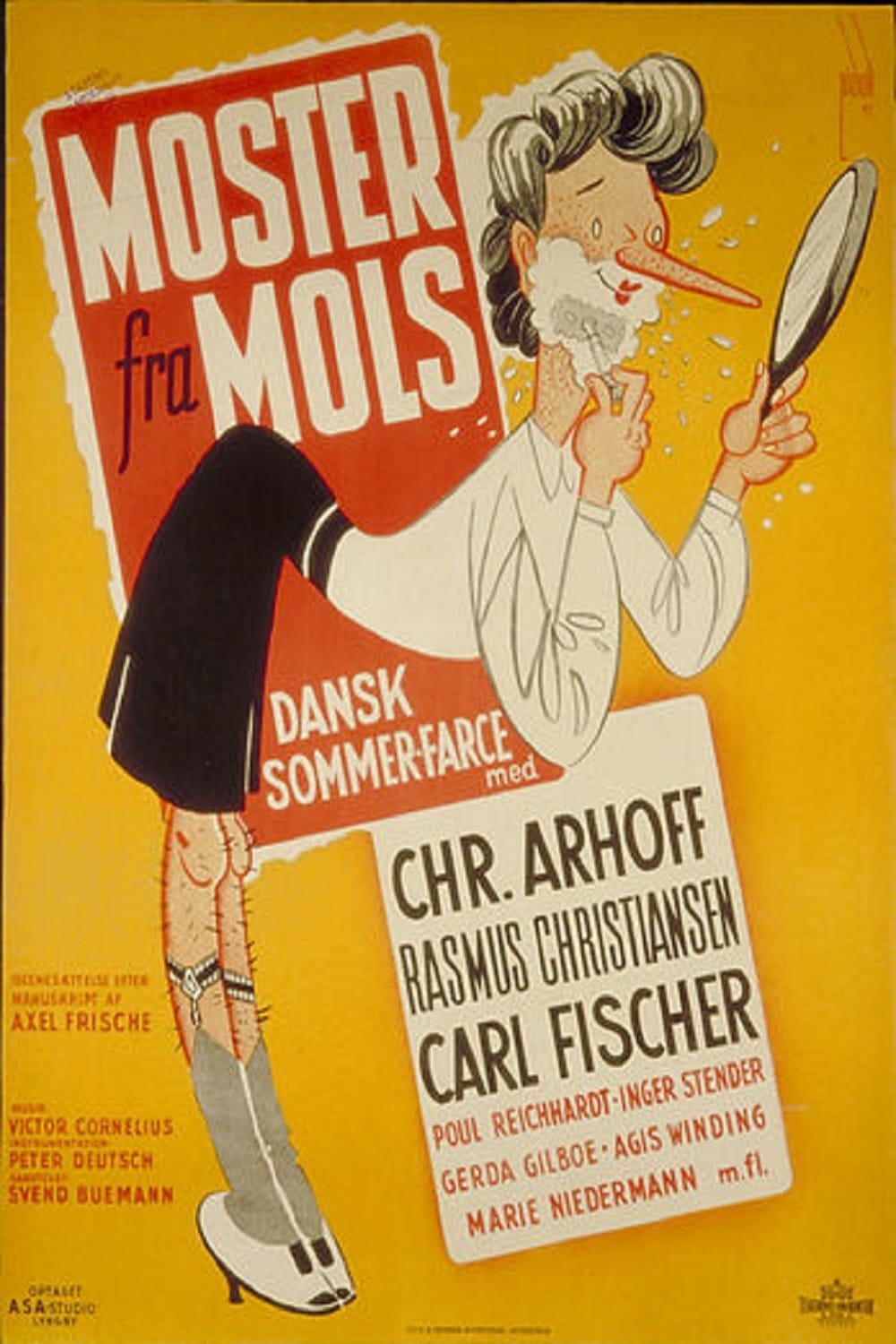
The story is built around the "Charles' Aunt" theme and is wonderfully festive. In a large villa in Ordrup live manufacturer Nelsøe, his wife and their young daughter Else. Else has been let down by her sweetheart, so Else is in crisis. So mother and father hire a young girl of the same age in the house "with a family position" to get Else in a better mood. The girl who moves in is a priest's daughter from Mols and the two girls quickly become good friends. But suddenly it turns out that Grethe from Mols has some very cool friends...

Søndreø is a small, peaceful island in one of Denmark's fjords, owned and run by the old farmer Lars Søndervold and his son Søren. But times are hard, and everything is not going as it should. The greedy, bragging merchant Anders Lundrup has used all means to gain possession of the island, and one fine day Søren and his old father must leave their ancestral farm and the island. Søren swears an expensive oath - he will earn so much money that he can one day buy the farm and the island back, and at the same time he swears revenge on Anders Lundrup.

After a gruesome meeting with the tax authorities Alex Alexander takes a drive in the countryside to calm down. While driving, he accidentally runs into an elephant from a circus. When he is stopped by the police and tells them about the elephant they think he is crazy. He is committed to an asylum by the very authorities his taxes are funding. The doctor tries to convince him that the elephants were not really there, but he gets more help from manic fellow patient Knudsen who makes him realize that everybody in the world is crazy in some way.

Arntsen takes things and people around him too seriously, and has therefore been awarded a disability pension. And he is not exactly clairvoyant either. But that may come, and often with female help from, for example, Vaskemutter, for whom he does the laundry, or Mette, who has her own problems and accepts him as he is – even without clothes.

Sales manager Lund sees an opportunity to become deputy director at the baby equipment company where he works. Unfortunately, he has neither a wife nor a baby. These are qualifications that both his boss and a rival colleague consider essential. Lund therefore pretends that he has been married for a long time. However, this little white lie has unforeseeable consequences when his boss invites Lund and his wife to dinner. Lund has to find a wife to borrow, and the complications unfold at a furious pace.
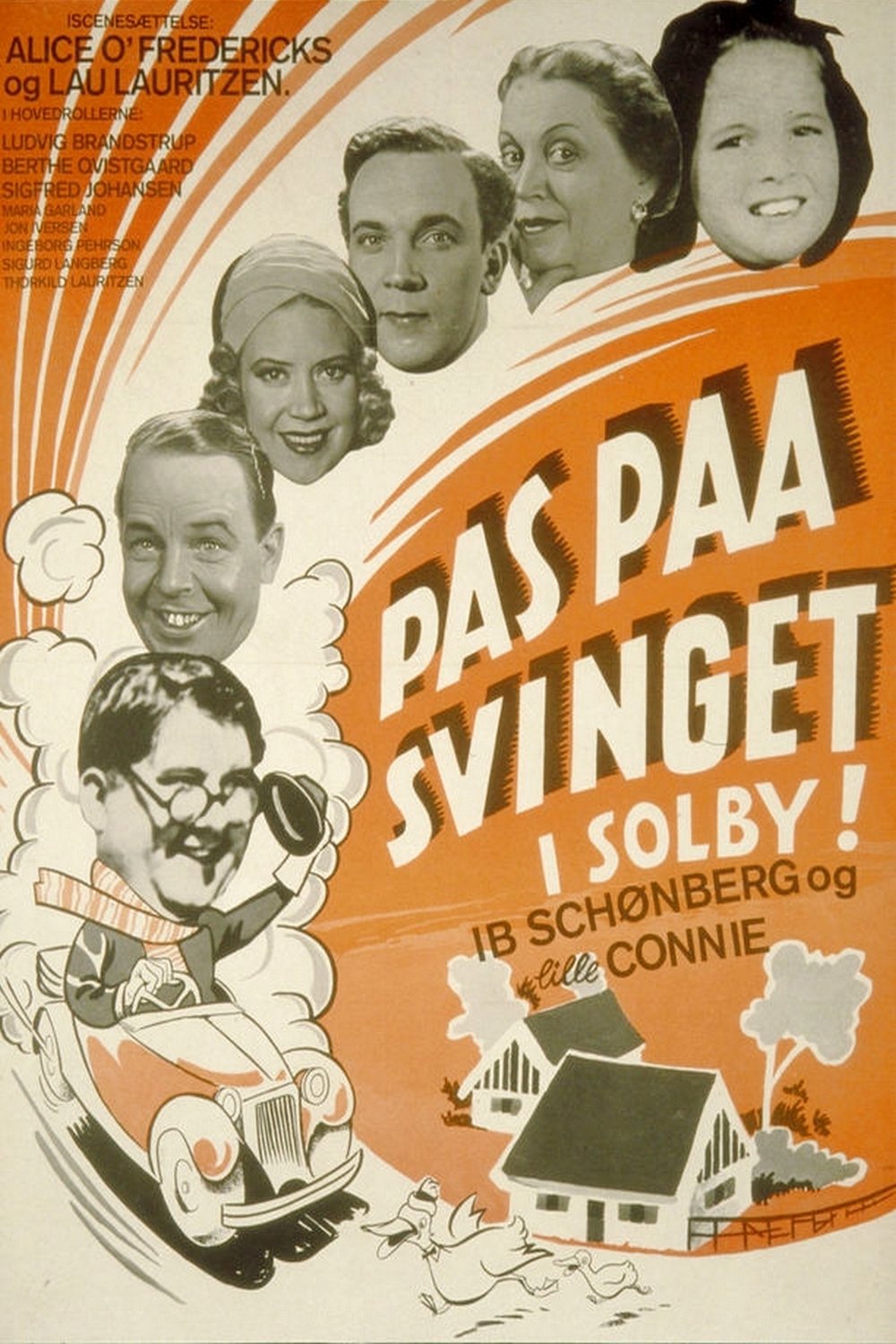
The priest in Solby borrows 2,000 kroons from the parish council treasury to pay for one of his parishioners' hospital stays in Germany. Marianne, the rich man's daughter, is to be a bridesmaid in Aalborg and is leaving Copenhagen for Jutland. In Solby, she drives too fast through the town, which is why she has a car accident and ends up in the priest's garden! She immediately starts to lead everyone around the rectory, which Aunt Marie is definitely not happy about. The priest, on the other hand, is attracted to the girl. They swim in the lake and go to a ball together, which leads to Mrs. Larsen coming in to talk to the bishop. After Marianne has returned to Copenhagen, the bishop announces his arrival at the rectory. Where will the priest now find the 2,000 kroons? The priest has a number of friends who are trying to help him, but he also receives unexpected help from the bishop.
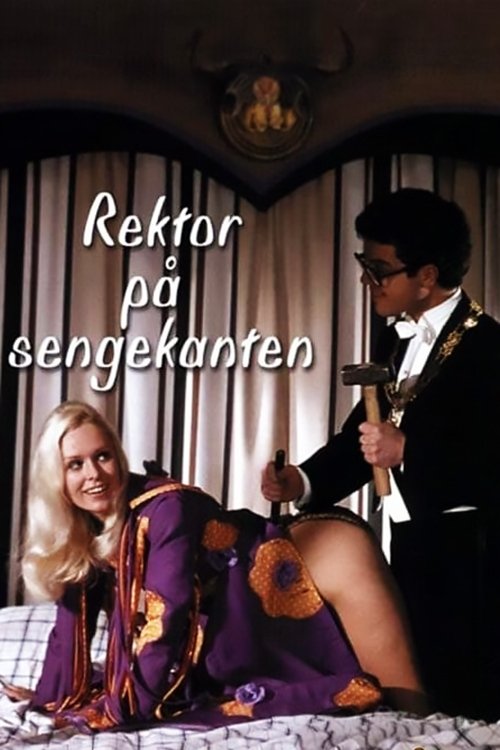
The young headmaster of a boy's boarding school has decided that due to the virility of his young charges, they are a sort of national treasure. He believes that his school should become co-educational as soon as possible. In order to raise funds for the changeover, the boys stay behind during their summer vacation and temporarily convert the school into a love hotel.

This film follows two men, the plain Herkules (Ib Schønberg) and the rich Erik (Angelo Bruun). When they were boys, Erik defended his good friend Herkules. And he never forgot that fact. They stay up for each other, no matter that Erik gambles his money away, or what ever happens to Herkules.
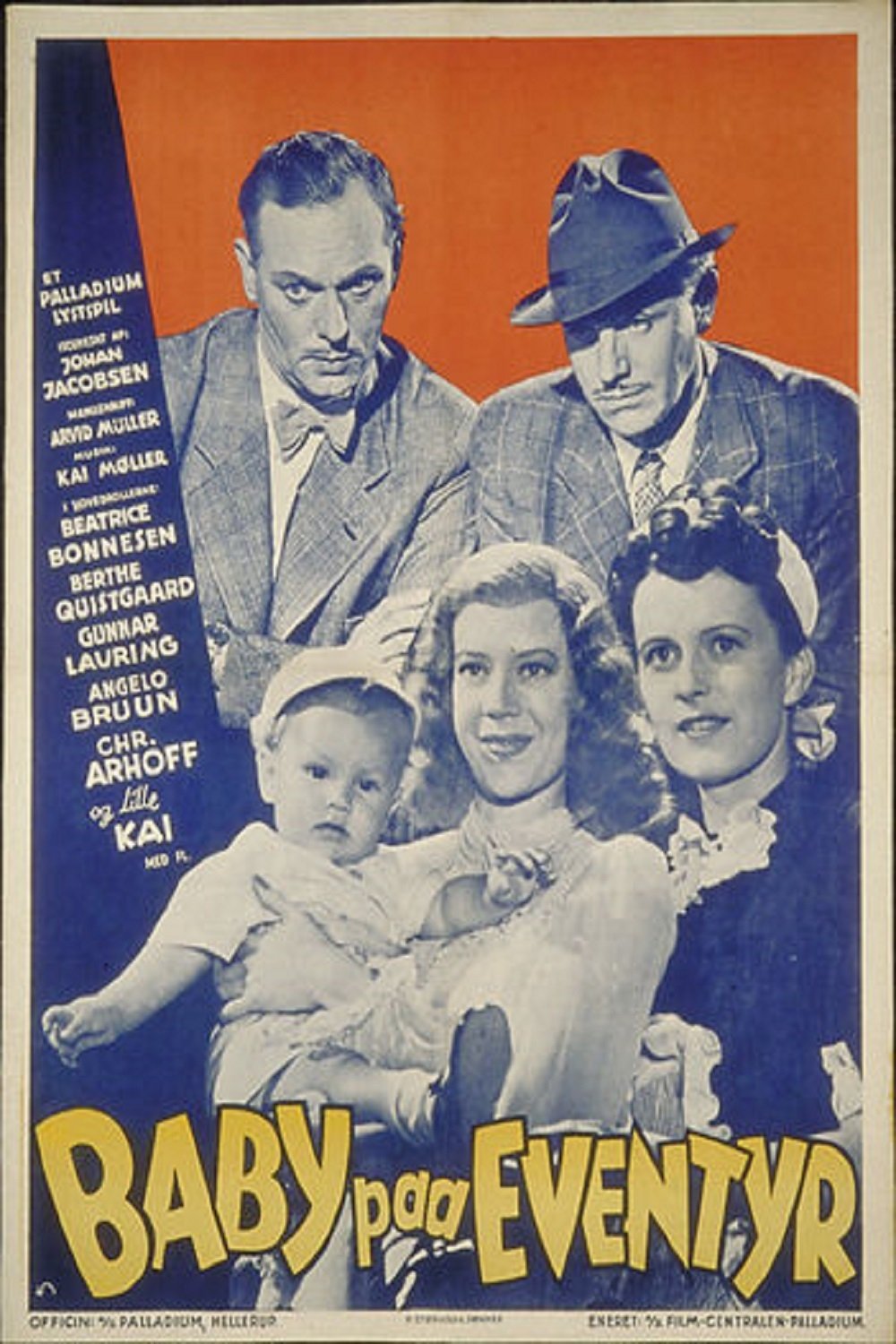
One day, High Court Prosecutor Erik Jessen is visited in his office by one of his childhood crushes, Elisabeth, now married to landowner Gustav Rosenfeldt. Elisabeth is unhappy that her husband has invited a young painter to stay on the estate for several months, and in her jealousy she wants to have a flirt visit herself. Jessen has the mischievous idea of having advertising consultant Thomsen play the role of archaeologist and show up at the estate, but since Thomsen is not exactly the type Elisabeth dreams of, she manages to lure Jessen to Rosenfeldt herself.

Author and art critic Martin Berg and his charming wife, Karin, live a happy family life surrounded by their children and in-laws. Ever since he got married, Berg has wanted to write a book about the female figures in Botticelli's art, but the practical demands of everyday life have gotten in the way. There is a constant coming and going of young people in the house. It is the young people who keep him fresh of mind, and he is always ready to help young people, but the question is whether Berg sometimes goes too far in his efforts to help?
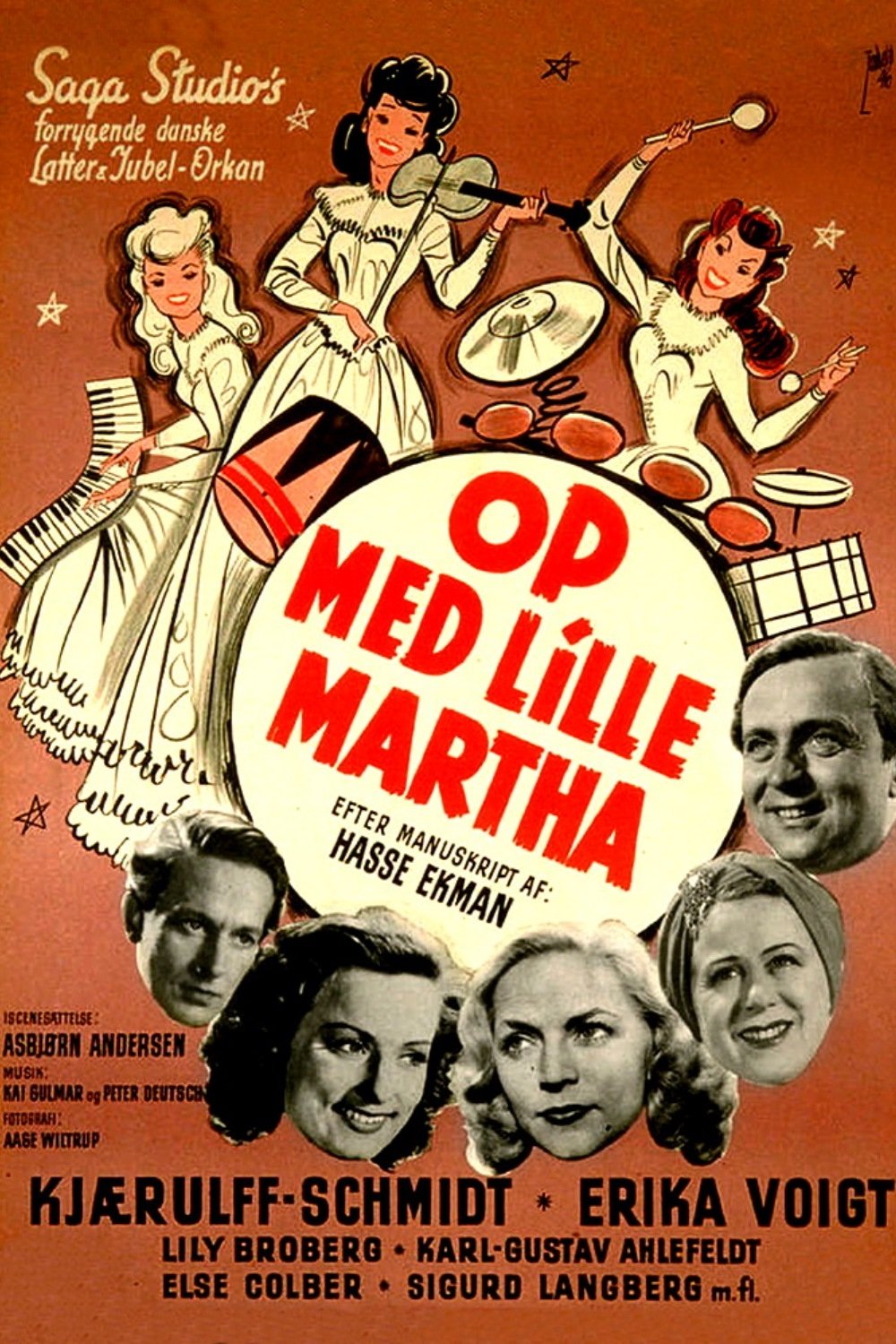
To get a job in a female trio, Per Fagernæs dresses up in women's clothing and calls himself Martha. Together with his "boyfriend" Poul, the four of them travel to the countryside. Martha immediately gets an admirer, which she is not particularly happy about. Martha is drawn into the women's movement by the mayor's wife, and at a women's rights meeting she is nominated as a candidate for parliament. Later, she is elected, beating the mayor of the town by one vote. Meanwhile, both Martha and Poul are having problems with love, as they have both fallen in love with two real women from the trio. But how do you declare your love when you are engaged to Martha, and how do you get rid of Martha?

A young orphan is sent to live in a Danish village where he is cast out because his mother was a West Indian. With nowhere to turn, the ingenious survivor begins devising a new life outside of town.
Klaus Seeberg is conducting research to find a new perfume. His wife Dagny is growing impatient, which is why she secretly hooks up with Joachim Friis-Olsen. When Klaus discovers this, he goes to Paris to sell his invention. One evening in Paris, he meets a Danish woman named Betty. Back in Denmark, Klaus' aunt throws a party. In addition to Joachim, Betty unexpectedly shows up at the party. What will Klaus do now? Is he in love with Betty?
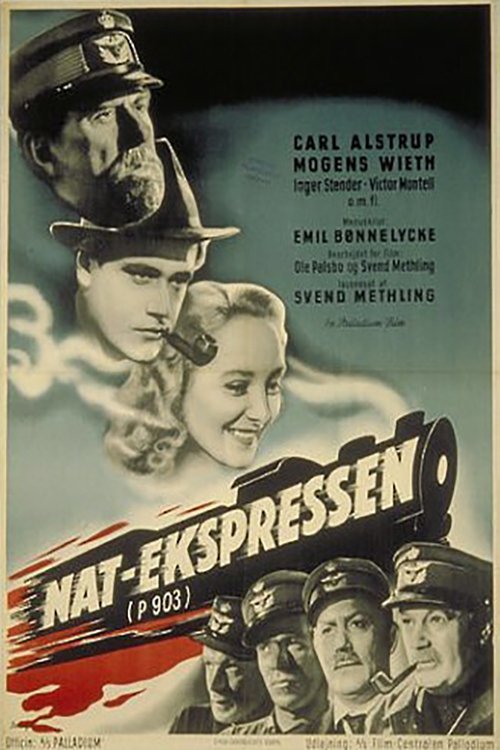
One night there is a terrible accident in the little station town of Bredsted. The young son of the rich Mogens Kragfelt is struck by the Natekspressen (P. 903) near the station. Police chief Aagesen sends the young detective officer Lund (Jørn Jeppesen) to investigate the case, where there are various mysterious circumstances, among other things there are traces of fights at the rails just where Kragfelt was crossed.

Mrs. Adda Ernst is a middle-aged lady of the bourgeoisie. She has a nice husband Mr. Ernst, a lovely home and two healthy children Birgit and Hans, who like most of their peers are interested in swing. Mrs. Adda is musical herself, and has a beautiful singing voice, sometimes she can fall into melancholy over the career she never had. But she is naturally endowed with a rare good mood, she soon sheds her sad mood. In reality, she has only one worry. She is afraid of getting old, and therefore makes some convulsive efforts to still seem young. She refuses to realize that her daughter has grown up.
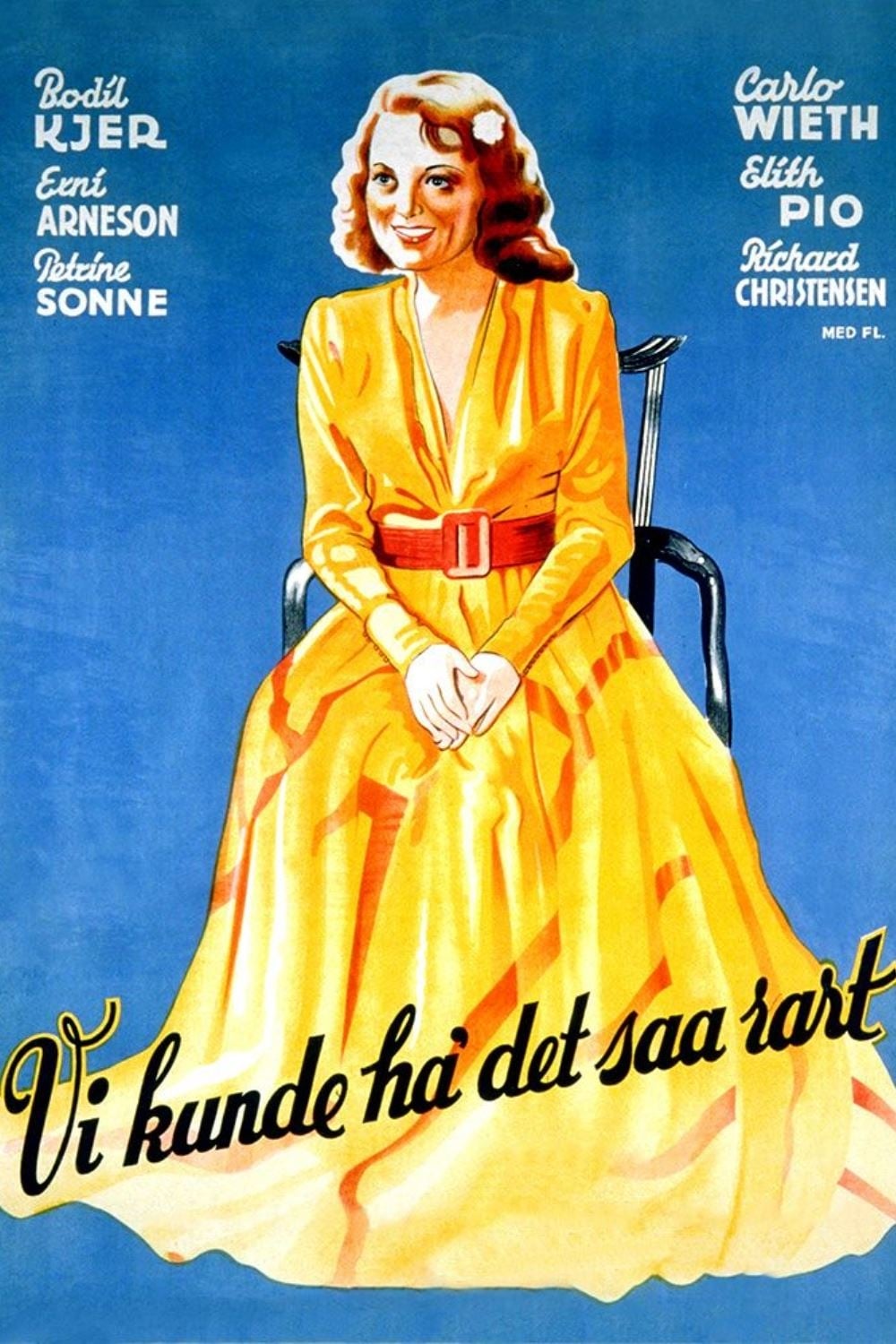
A renowned and widowed otolaryngologist hires a young, penniless poet as live-in nanny for his three rowdy – but musically gifted – children.

It may appear to be smooth sailing, but the atmosphere behind the scenes at Poul and Jørgen's racing team is tense: the big race is just around the corner, and a deposed member of the team is trying to sabotage them. As if that's not enough, Jørgen can't stay away from Poul's girlfriend. The danger of capsizing is therefore imminent - but then Poul's cousin Basse appears.
It may appear to be smooth sailing, but the atmosphere behind the scenes at Poul and Jørgen's racing team is tense: the big race is just around the corner, and a deposed member of the team is trying to sabotage them. As if that's not enough, Jørgen can't stay away from Poul's girlfriend. The danger of capsizing is therefore imminent - but then Poul's cousin Basse appears.

Who decides where the cupboard should go in a marriage? The film begins with three cheerful movers, Karl, Fredrik, and Lasse, struggling with a pompous cupboard because an accountant and his wife cannot agree on where it should go. Of course, they eventually agree. Mrs. Accountant is the one who decides. As the three stable brothers drive the moving van away, they run over a young girl. Her name is Lone, and she is the daughter of the accountant they were moving for. She is taken to the hospital with a broken leg. However, love has also entered the picture.