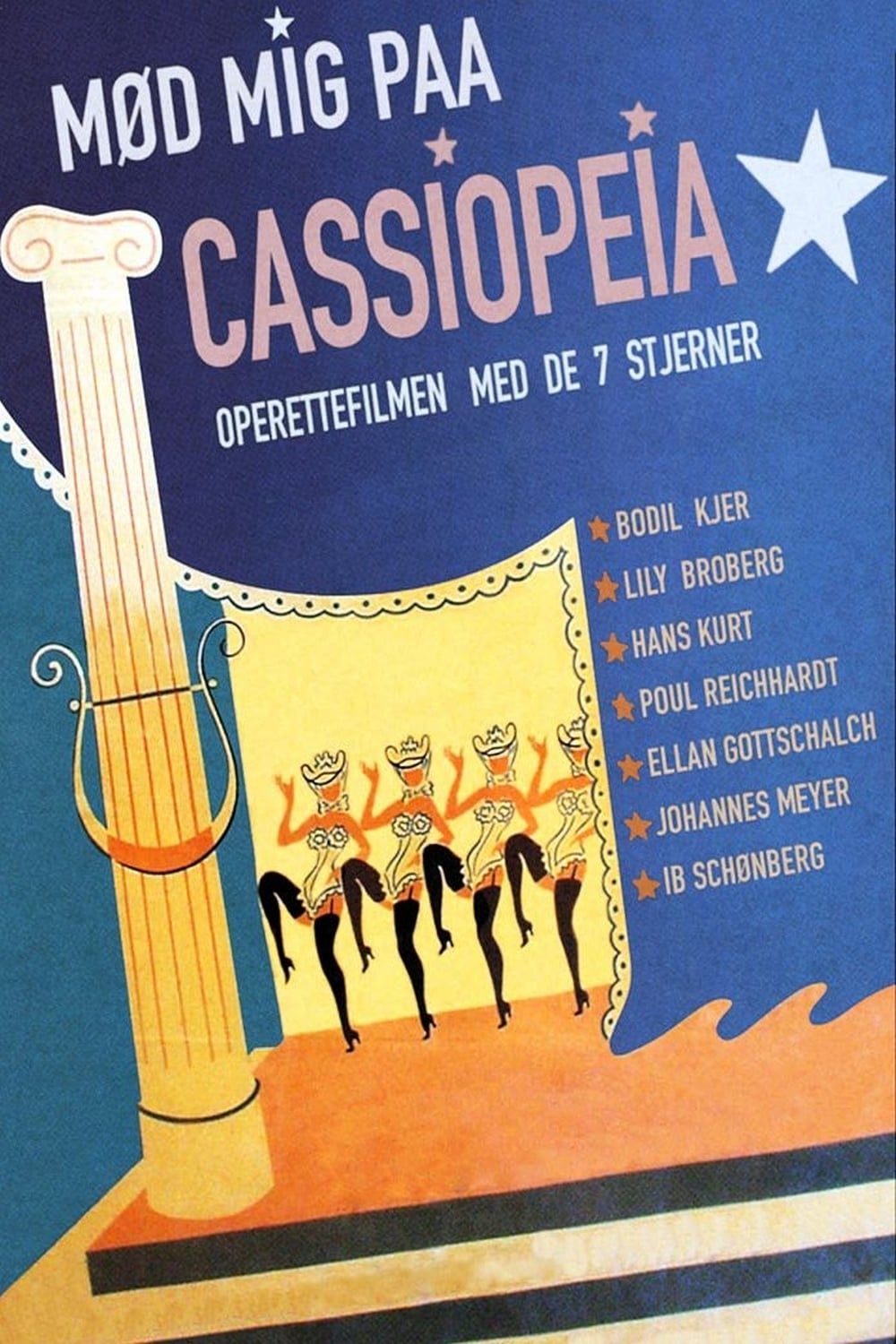
Composer John Berger is plagued by marital problems and struggling with a deadline for the music for an operetta. When he is visited by the muse of music, Polyhymnia, the melodies begin to flow, but she also causes a lot of complications in his earthly life. Like John's wife Irene, she falls in love with flight lieutenant Harry, while her father Zeus looks on disapprovingly and decides to intervene. Meanwhile, the premiere of the operetta is fast approaching.
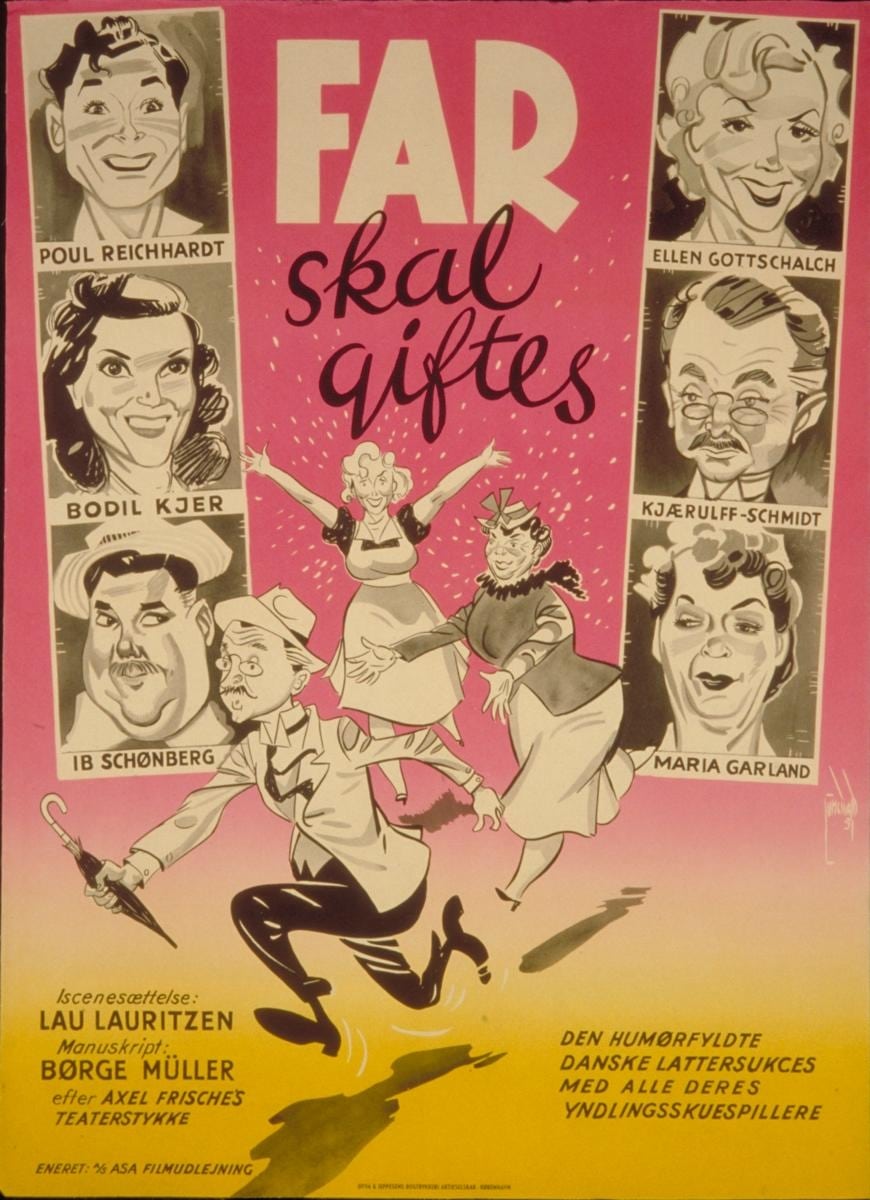
The world-distant and absent-minded professor Jacob Jensen lives exclusively for his science and his stamps. He has no idea what is going on around him, in his own home. In the 11 years since his wife died, his capable, wise and lovable housekeeper Karen Frederiksen has, with a loving hand, managed the home for him and his 3 children. The aspiring amateur boxer Oscar and the 2 daughters Else-Margrethe and Birthe. She has shared in the children's sorrows and joys and has often lent them money when they have had dry pocket pains. She has praised and scolded them at the right times - in short, she has been in their mother's place. Both the professor and the children take her for granted. They take her services, big and small, for granted, and do not quite understand what she really means to them.

Marie Jantzen is in her forties and, thanks to hard work and common sense, the owner of a successful dry cleaning business. Although she is successful and has money in the bank, she feels cheated by life, as she has neither a husband nor children. In an attempt to make amends, she responds to a marriage advertisement and comes into contact with the charming Georg Tingbo, who unfortunately turns out to have a few skeletons in his closet.

What might become the greatest challenge for the elderly Brasen couple having opened a summer guest house by the sea? Financial struggle or the sudden influx of demanding residents? Based on Herman Bang's short-story.

Behind the red gates lies Dyrehaven with the green beeches and the famous zoo hill - the motley world of clowns. Professor Labardi is behind the popular singer pavilion, where his young daughter, Gulnare, performs. After a rainy summer, there is an economic low tide on Bakken, and the family is tempted to seek help from Gulnare's enterprising suitor, Carlo Petersen. But Professor Labardi carries a secret: the clown family has family ties to the fine legal world outside the gates. There is conflict, money transactions, love, hypocrisy and villainous streaks when the fine world and the hill folk meet. Behind the Red Gates is a terrific folk comedy that takes us behind the attractions at the traditional amusement park in Klampenborg.

Danish melodrama about a housemaid struggling to find normalcy and love in the midst of war.
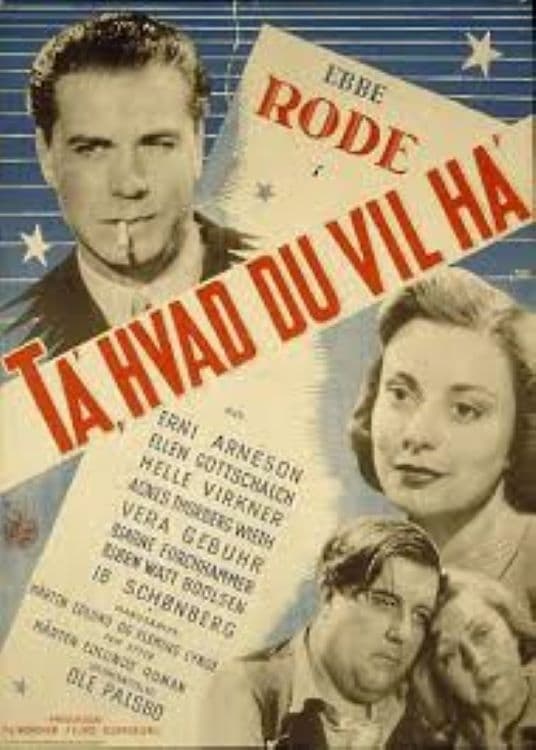
Consul Bergholtz is ill and will probably die soon. Family members gather at her bedside, each with the expectation of receiving a share of the impending inheritance. Among the heirs are her sons, the alcoholic editor Oscar and the homosexual lecturer Ejnar, as well as their pretty and recently divorced sister Esther. But when her grandson, the cunning and unscrupulous businessman Kurt, shows up, the intrigues are stoked. Kurt couldn't care less about good manners and cultural veneer; he simply takes what he wants.

Thomas is newly divorced and is borrowing Bibi & Asger's apartment. He goes to the doctor because he is feeling unwell and is given some pills. At home, he gets drunk and is visited by his upstairs neighbor. At the same time, Thomas is being stalked by an unknown man on the phone. When Thomas meets Evy, he thinks they are going to have a nice evening, but she has other guests as well. After a night out on the town where Thomas gets drunk, he seeks out his divorced wife and begs her to come back.
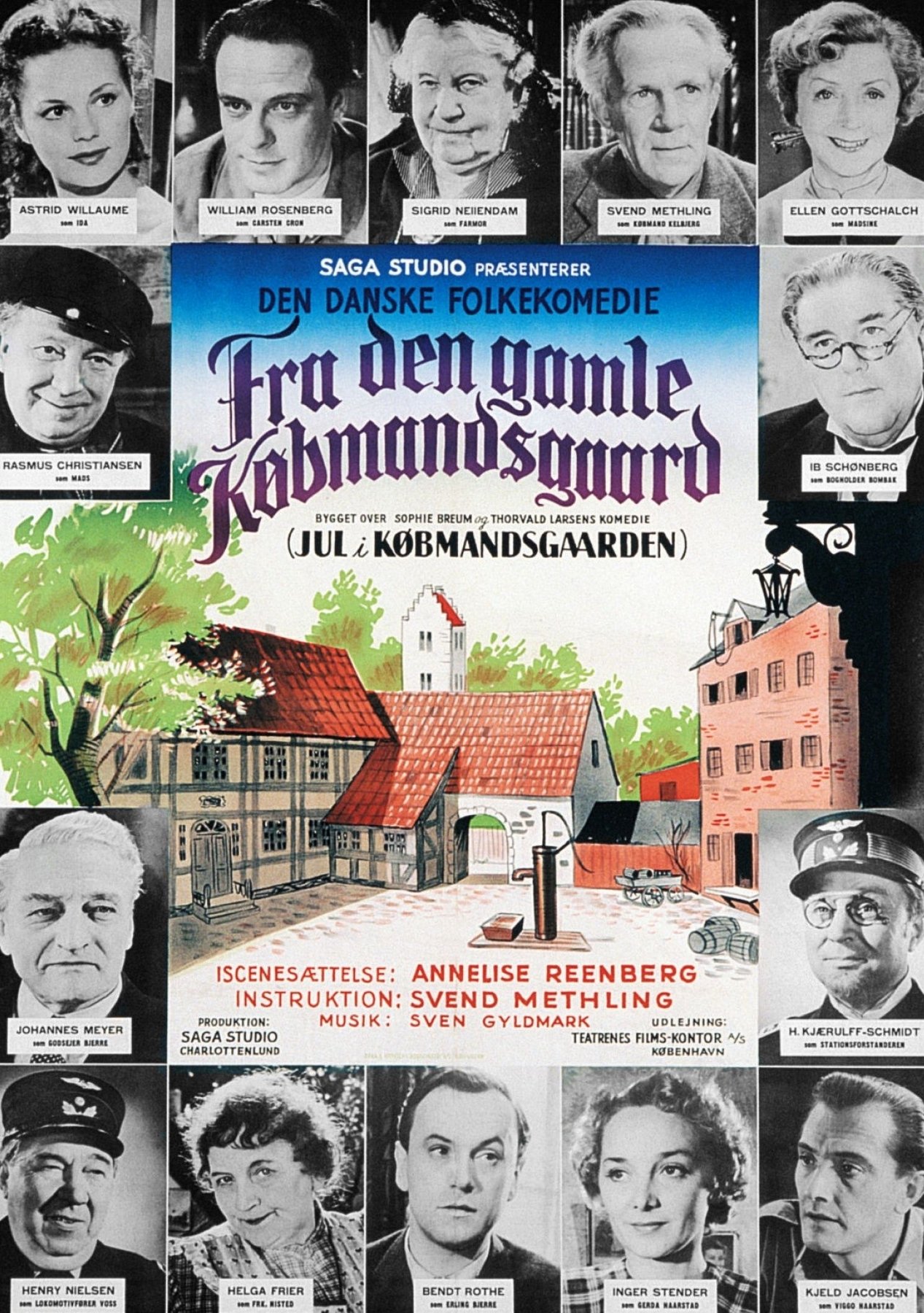
Two rival young men both desire the merchant's pretty daughter, a bad young man robs the merchant's safe and blames it on "mother-in-law's dream", a worldly-wise grandmother directs the battle of love from her living room, and a couple of silly railway workers spread song and joy.
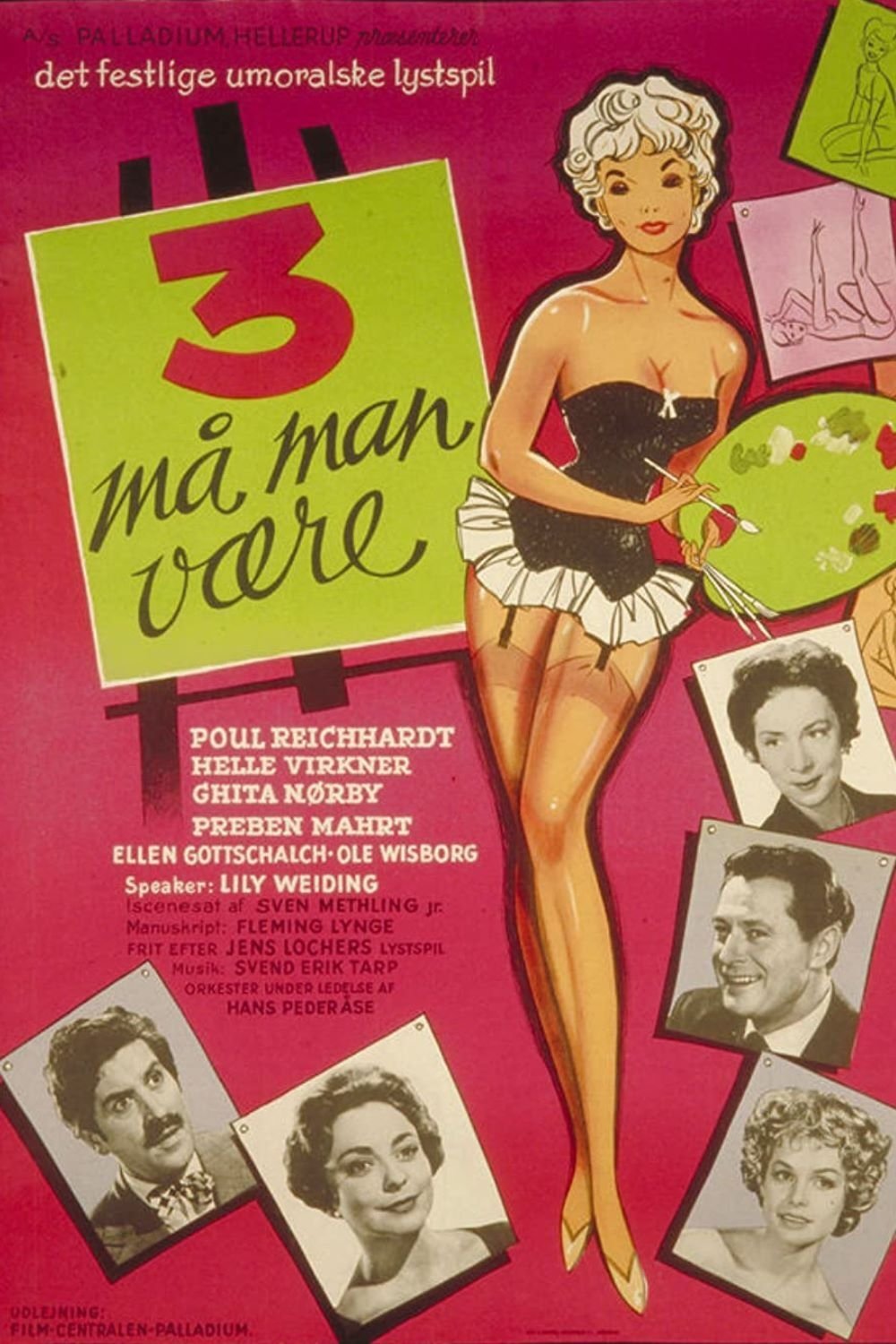
A lawyer has a wife and a mistress. He loves them both equally high and together, they're the perfect wife.
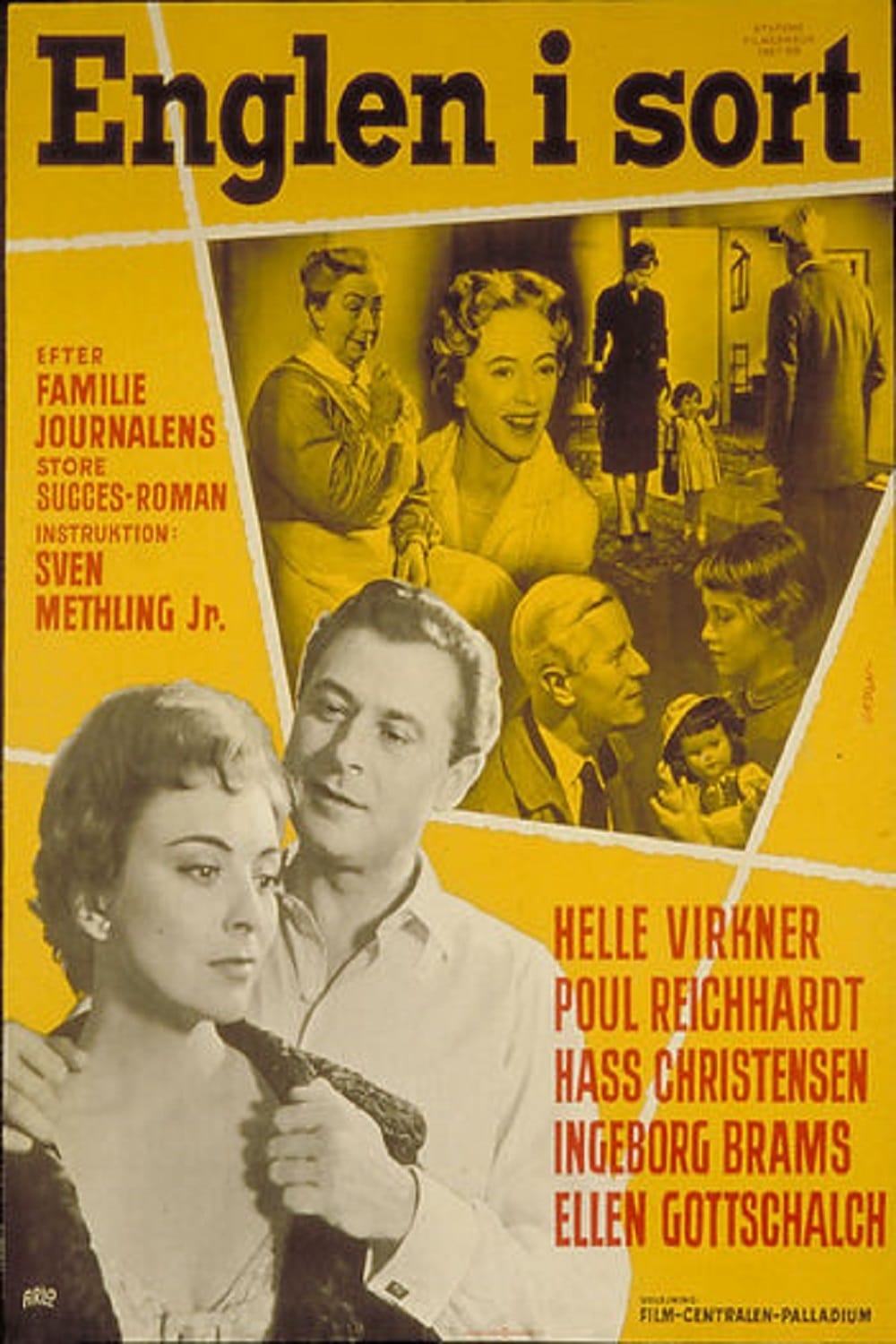
The beautiful and charming Betina has been married for three years to psychiatrist and senior physician Dr. Arne Brant. They live in comfortable circumstances, have an adorable little daughter, Bente, and thus have everything they need to live happily in their comfortable villa. But Betina is restless. All year round, she devotes her time, and her husband's money, to helping those in need in the community. It has become her passion to participate in aid committees and to lead philanthropic work. The refined, elegant woman, always dressed in black, this "angel in black," is admired for her self-sacrifice.

The estate Hjortholm is rescued from bankruptcy, as the pleasant doctor Christian Riis fetches the young engineer Erik Kongsted to the estate.

Villa Orfeus is a peculiar old house that has become a treasure for the neighborhood's residents. It is a sanctuary where the house's residents are allowed to be different, to be themselves in an alienated world. Lydia Wiljengren (Ellen Gottschalch), the widow of a wealthy music dealer, owns Villa Orfeus. She has gradually squandered her entire fortune on her fondness for musical people. The only condition for living in the house is that they can either play an instrument or sing.

An unsuccessful animal impersonator wants publicity and feeds an overly eager journalist a story. The impersonator says he is going to Africa to roar like a lion, and people believe him. The front-page sensation spreads to the foreign press, and in the end, the poor liar has to take out his savings and travel to Africa to prove that the lie was true enough.

Mogens Wieth is a songwriter who lives beyond his means. He is expecting to inherit a fortune from his Aunt Tut in Paris, who is old and filthy rich. He has been corresponding with her for many years. In reality, Aunt Tut is dead, and it is her daughter who writes the letters. A young singer who wants to ingratiate himself with the songwriter claims that he knows the aunt and that she is coming to Copenhagen. He has persuaded an older actress to play the role of Aunt Tut. Unfortunately, the aunt's charming daughter also arrives in Copenhagen at the same time, setting the stage for costly episodes and amusing complications...

Tivoli has just opened and all of Copenhagen is on edge over the beautiful garden and not least the fantastic music. One evening, the young woman Amalie visits the amusement park with her wealthy parents. Here she meets the young musician Jens, and the two fall in love immediately. But the villainous Baron von Listow also has a good eye for Amalie and not least the family fortune.

In the ‘Strandgården’ on Taasinge, the three brothers Østermann Lars, Nikolaj and Hans live a secluded life, they are all three bachelors. Over the years, they have developed into three originals who let their farm fall into disrepair and otherwise do not bother to take care of anything.

The bank is located in the square of a small, idyllic market town, and its manager, Anders B. Schmidt, is seriously ill in the town hospital. At the beginning of the story, he is quietly passing away. In the wealthy neighborhood of the market town, we find the bank manager's villa, which has been his pride and joy for many years. He leaves behind a deeply grieving widow and four adult children. It soon emerges that the respected citizen had a love affair before he got married, and this causes outrage.
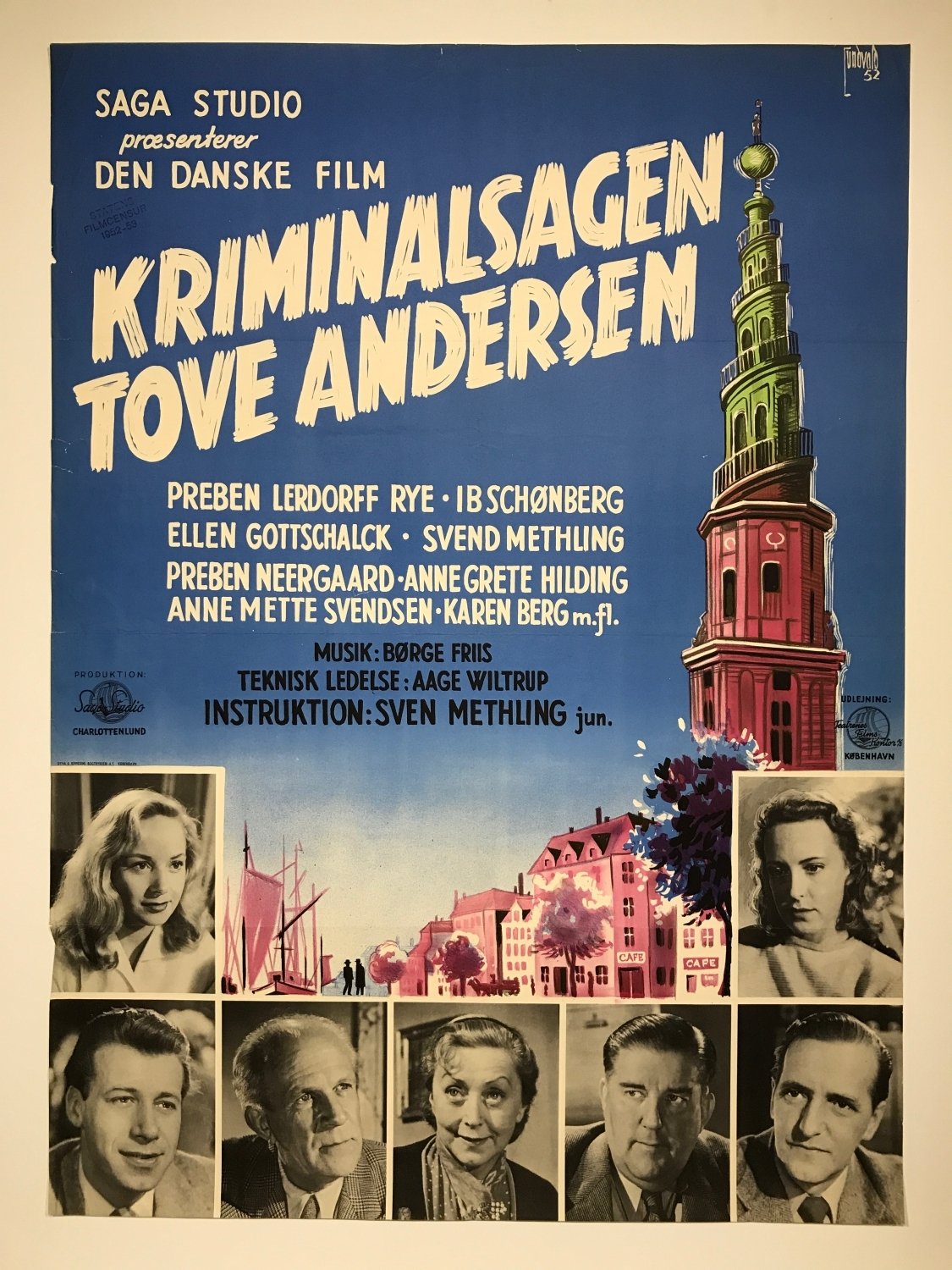
Tove Andersen's problem ends in Christianshavn's moat, and this is where the film begins. The body has a noose around its neck. The homicide division is called in, and it turns out that shortly before her death, she had undergone an illegal operation. An unscrupulous womanizer had abandoned the young student from the countryside when the relationship had consequences. The doctor rejects her after a beautiful lecture on the sanctity of life, and she must therefore rely on "private" help.

Summer in the small market town of Stenvig equals life and good earnings for the city's shoppers. Love flourishes side by side with the urge to act, and especially the baker's daughter Susanne makes the young men's hearts beat fast. But when the infatuated Otto gets a little too close, it has major consequences for Susanne.

Venus aux belles fesses, or Venus with the beautiful buttocks, is the name given to a statuette by the famous Swedish sculptor Sergel, and this small work of art, a draft in fired clay, plays a significant role in this fantastic story. In a strange way, Venus intervenes in the turbulent fate of art historian Hannibal Svanø and creates conflicts for many others. After spending the whole summer leading a nomadic but rather pleasant life, interrupted only by occasional periods of work with old friends around the country, Svanø now sets off for the capital. On the way, he manages to persuade an old schoolmate, Judge Truelsen, to give him a loan that enables him to enjoy a hearty meal in a small, cozy restaurant called "Asietten."
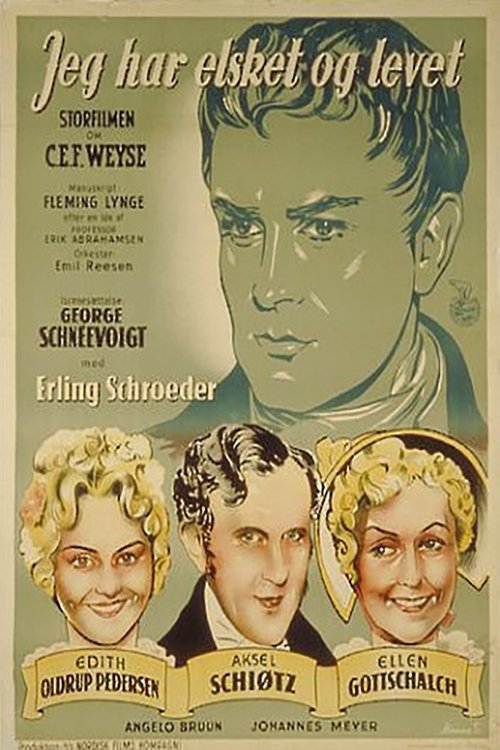
In 1801, the composer Weyse's cousin, the cheerful Henriette Frisch, advised her cousin to take in some student boarders in the house, so that he would not have to provide so much musical information, but could have more time to compose. The result, however, was that Weyse had to take on even more students to feed the boarders, and it was particularly bad with the gifted student Kramer, whose wealthy uncle would not send any more money.
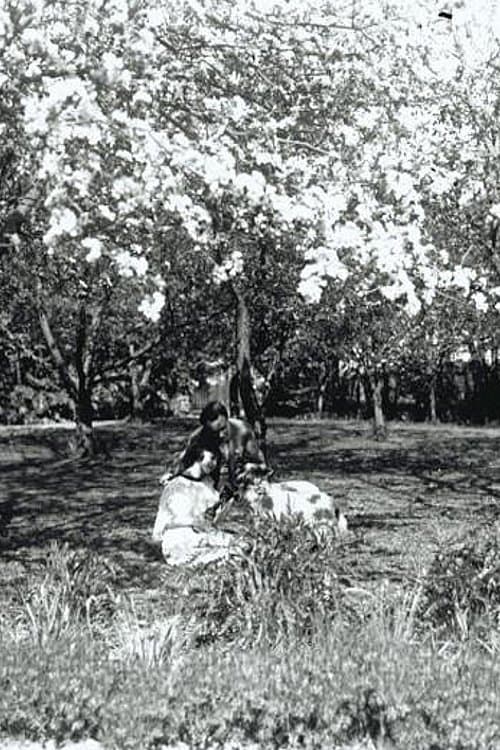
A summery love triangle unfolds on the Egelund estate. The landowner Sprange’s daughter Else and the painter Bolt are secretly engaged and enjoying their romance when the idyllic state of affairs is suddenly disrupted by the arrival of Arthur v. Pollnitz. It transpires that Sprange has promised v. Pollnitz his daughter’s hand in marriage, and when Else and Bolt hear about it, they come up with all kinds of shenanigans to foil her father’s plans. (Stumfilm.dk)
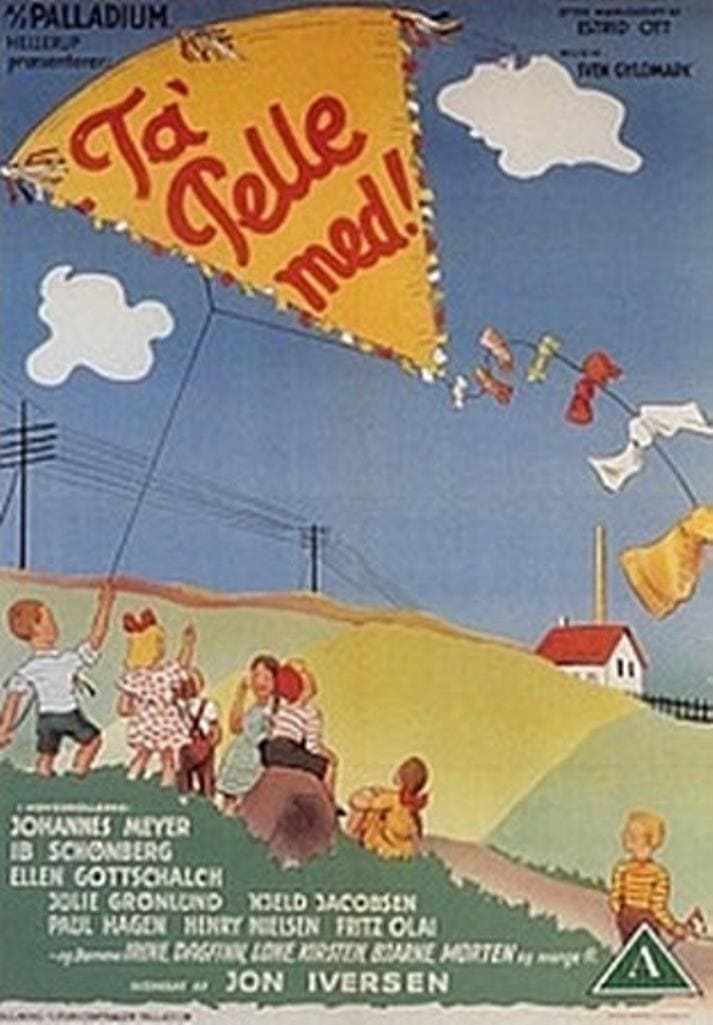
Laurits lives with his granddaughter Adda on a small farm. He has always had difficulty making ends meet, and the bailiff often has to visit Lauritz to try to collect the outstanding taxes. The friendly parish bailiff and dairy manager Rasmus wants to help Lauritz, but he won't hear of it. Rasmus is a kind man who takes care of Pelle, a child in foster care, and also supervises another foster child, Ole, who works at Bakkegården, where the strict manager Børge Andersen makes life difficult for him. Lauritz is popular among the local children and skilled at building kites. One summer...

Manufacturer Mads Juehl, who together with his partner Møller owns the pram factory "Fortuna", is a man with an appreciation for life's many small pleasures. Despite the fact that the company's foundations are gradually becoming unstable, he does not deny himself large personal expenses, and Møller is keen to sell his share in the company. However, his friendly feelings for Juehl keep him tied to the company, and the young clerk, Victor Pethersen, believes that the company now needs to undergo a rejuvenation process.
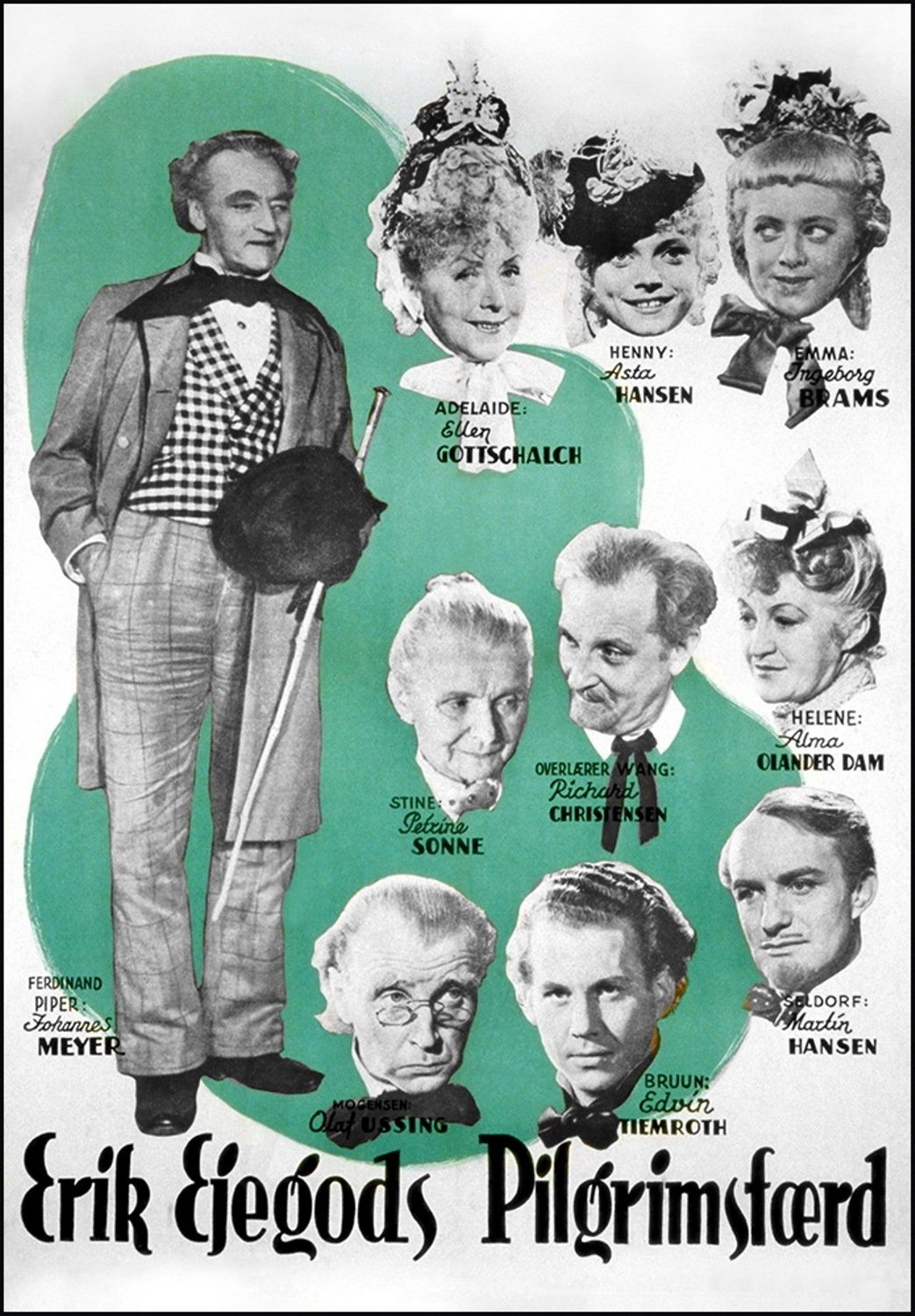
A large Danish provincial town in the year 1888. Headmaster Wang's wife needs recreation, and the kind headmaster sends her and his youngest daughter Emma to Fanø. In his solitude, he delves into his youth memories and invents, among other things, a "Nordic tragedy", which he wrote during his student days and gave the proud title "Erik Ejegod's Pilgrimage". A theatre director encourages the headmaster to have the play performed at the theatre.

The painter Else Kant is in crisis – both artistically and personally. She is dissatisfied with her work and suffers from severe hallucinations and suicidal thoughts. She therefore voluntarily admits herself to a psychiatric ward, where the renowned Professor Cornelius reigns with great authority.