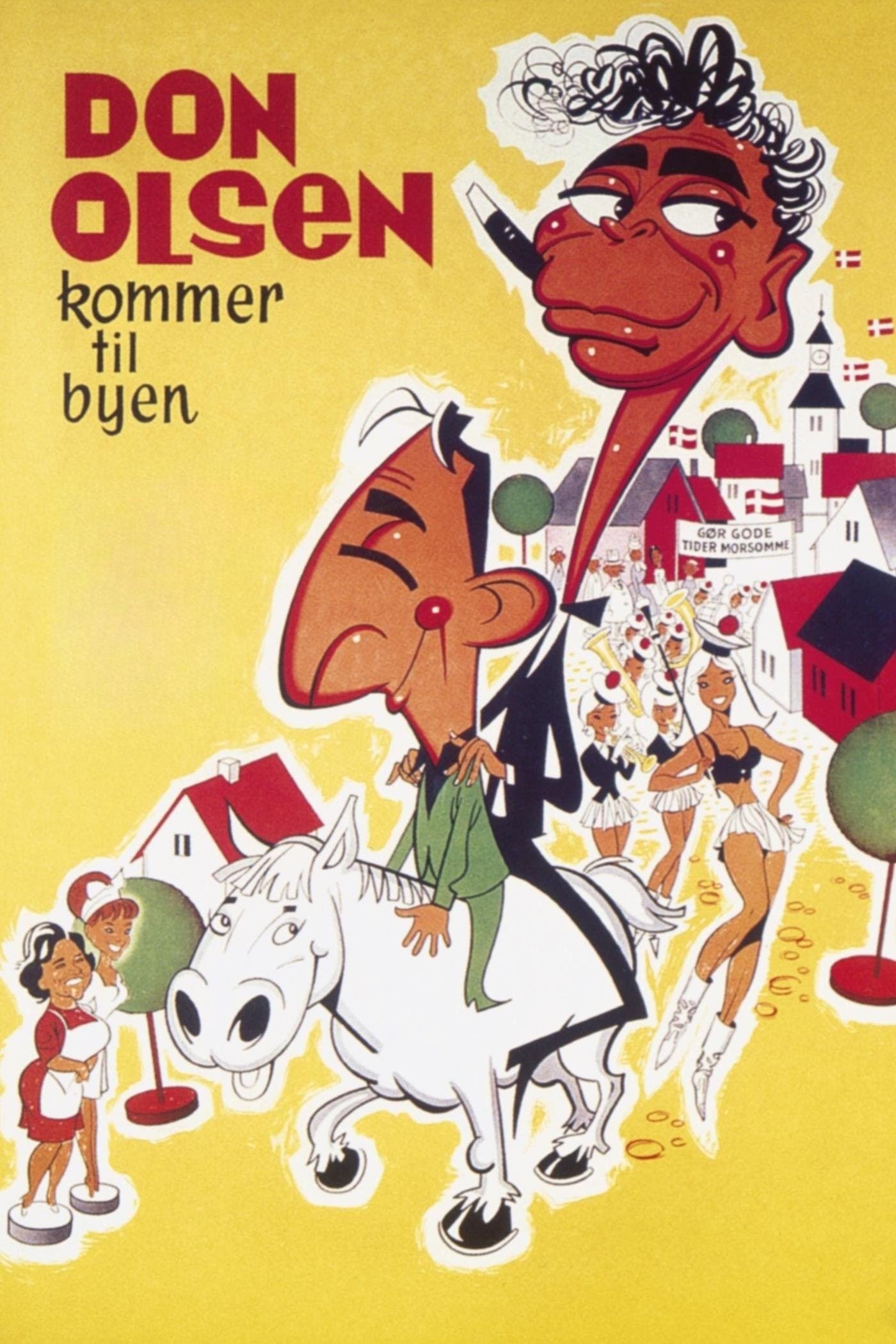
Bank director L.W. Jacobsen resides in a small provincial town. He is not particularly interested in his wife, Elsebeth, but rather in teacher and city council member Miss Mortensen. Thorsen, the town's manufacturer, is a member of the same city council group as Jacobsen. Then Don Olsen comes to town. Olsen is not interested in the upper class, but rather in people. By chance, Thorsen and Olsen meet and soon become drinking buddies. Thorsen drags the milkman's horse home to his apartment in the middle of the night. The scandal is a reality. Thorsen wants to flee, but with Olsen's help, he instead woos the townspeople and Miss Mortensen under the motto "Make good times better."
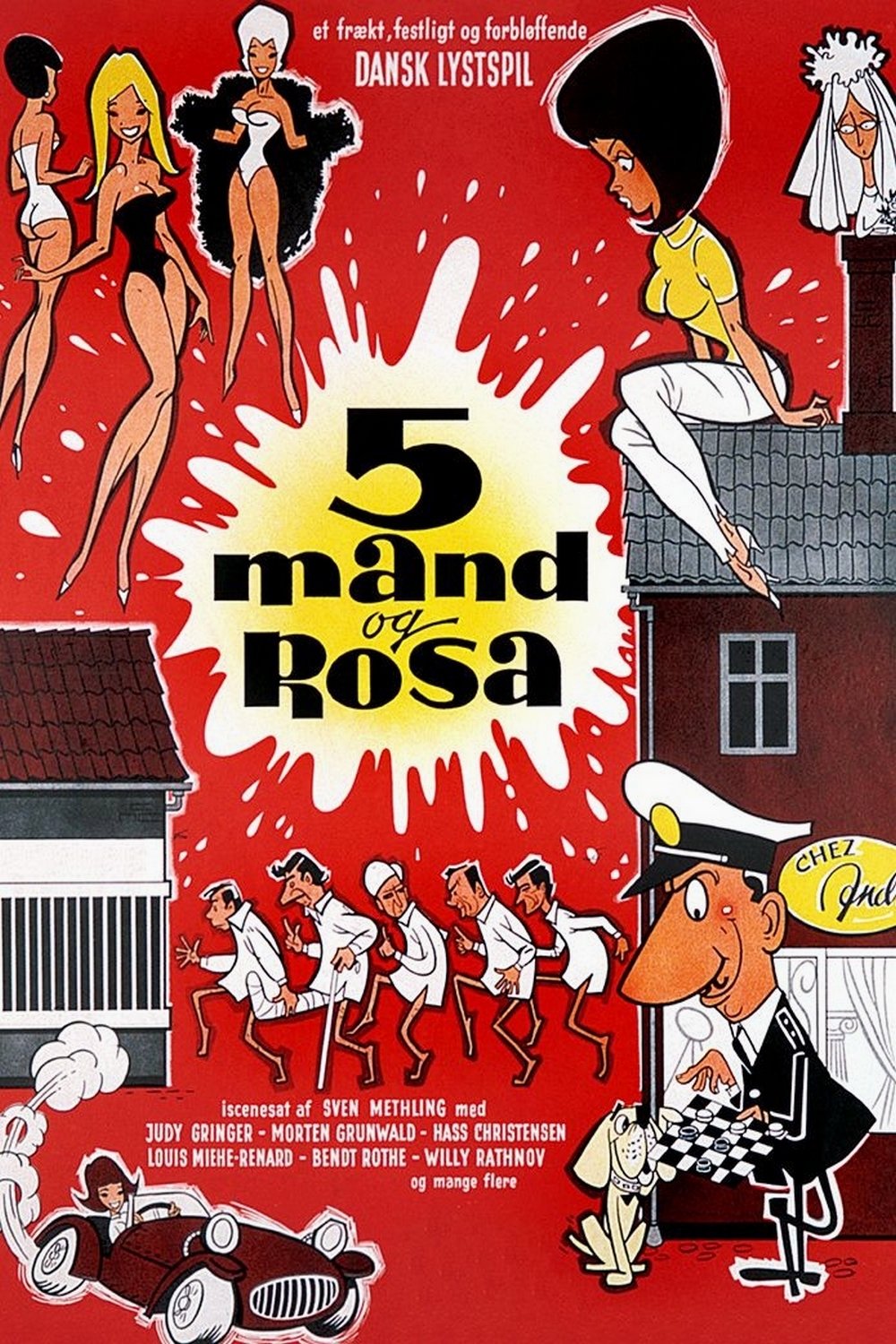
In a hospital's five-bed room—room number 13—there are five very different men with very different backgrounds: District Court Judge Winther, fashion designer Philip André, bank teller Madsen, the incorrigible burglar Herluf "Smukke Arne" Jensen, and legation secretary Konrad Konradsen. The legation secretary has done something foolish and fallen into the clutches of the blackmailer Helmer Gamtofte. He is in possession of some compromising photographs, which he keeps in a safe deposit box at the bank where Madsen works. The camaraderie that develops in room 13 becomes the driving force that prompts the district court judge to suggest that "Smukke Arne" help Konradsen break into the bank and steal the photos.
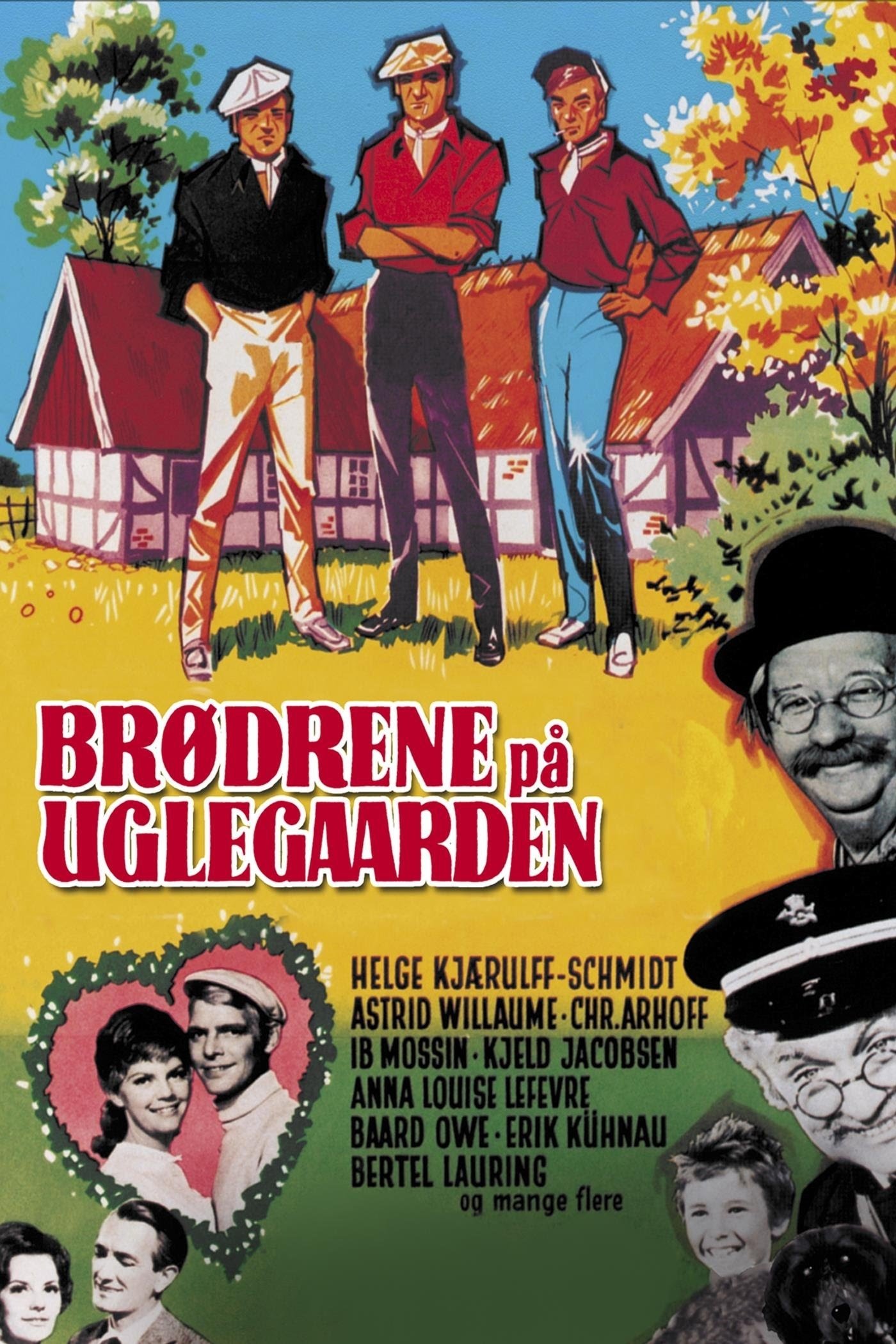
Somewhere on the island of Funen, where the hedgerows surround the meandering fields, lies Uglegaarden. It is the largest and richest farm in the parish, and is owned by the widow Dora and her three brooding stepsons Karl, Viggo and Thomas. Their regular haunt is the village inn, where the crone Sara has to put up with their coarse-grained advances. The three brothers have big plans for the small neighboring farm Mosegaarden. They have discovered that under Mosegaarden's lean fields and high slopes there are large quantities of raw gravel. Chr. Thorup, who owns the site, has mortgaged the farm far above the chimneys. Now the Uglegaards brothers are just waiting for the right time to take over Mosegaarden. But when Thorup's son, Henrik, unexpectedly shows up at Mosegaarden, the three brothers' sinister plans are thrown into disarray.
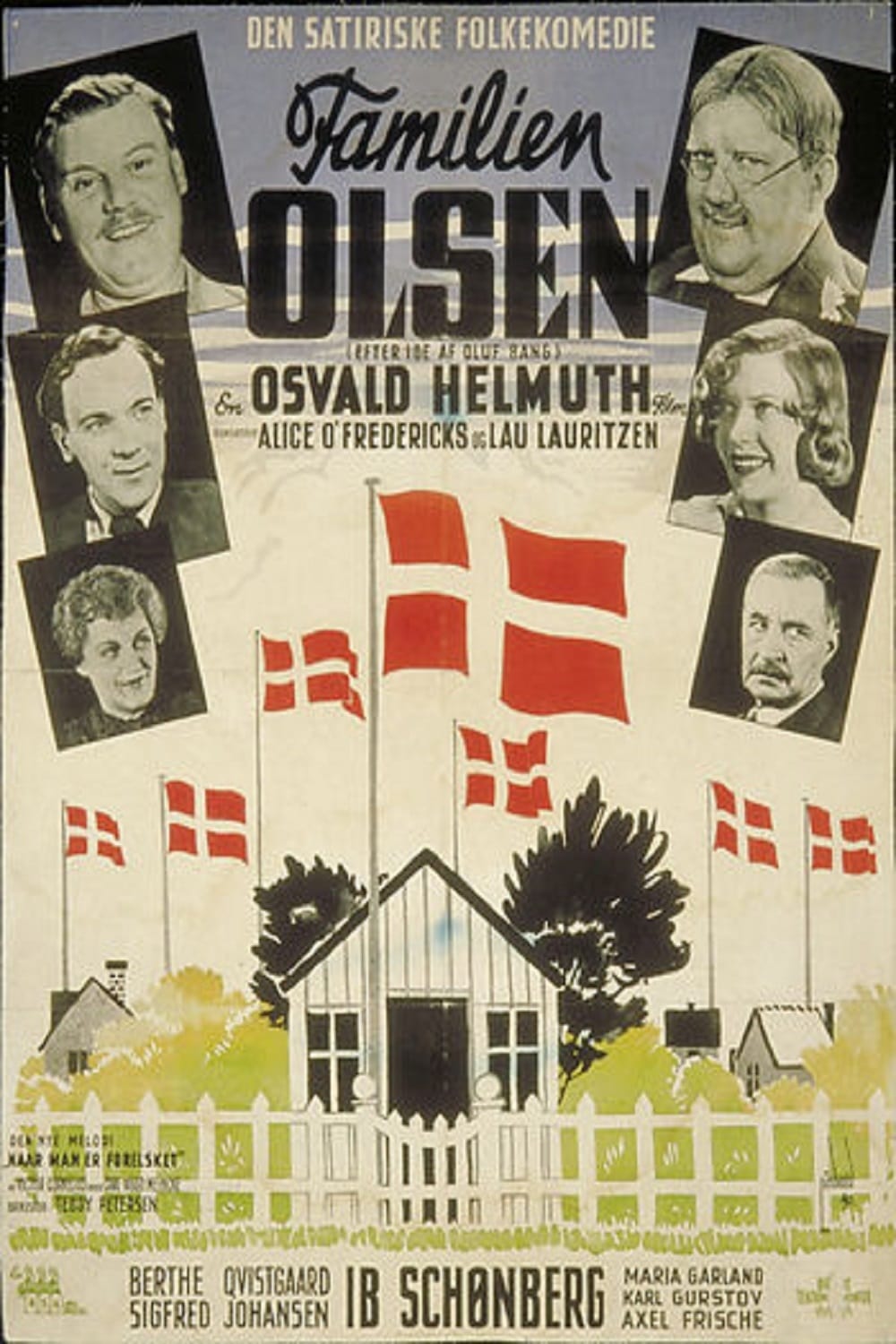
In a large fish export company, the general manager's talented son Hugo holds a trusted position. When one day 500 kroner is missing from the cash register, speculation begins about who the culprit might be. Greengrocer Olsen is a happy man, completely satisfied with the lot he has been allotted in life. When he is drawn as a juror in the case against the general manager of the fish export company, he is beside himself: he has no idea. But who is the culprit anyway?

At the dinner for their school's 100th anniversary, three old schoolmates meet. All three have done well in life, for Eyvind is now a respected judge, Herluf the stern director of a glassworks and Ove the owner of a printing house. In the time after the dinner, the coincidences of the three men's lives will become entangled in a way none of them could have foreseen. Fortunately, they still have their old principal in the background to pull the strings.
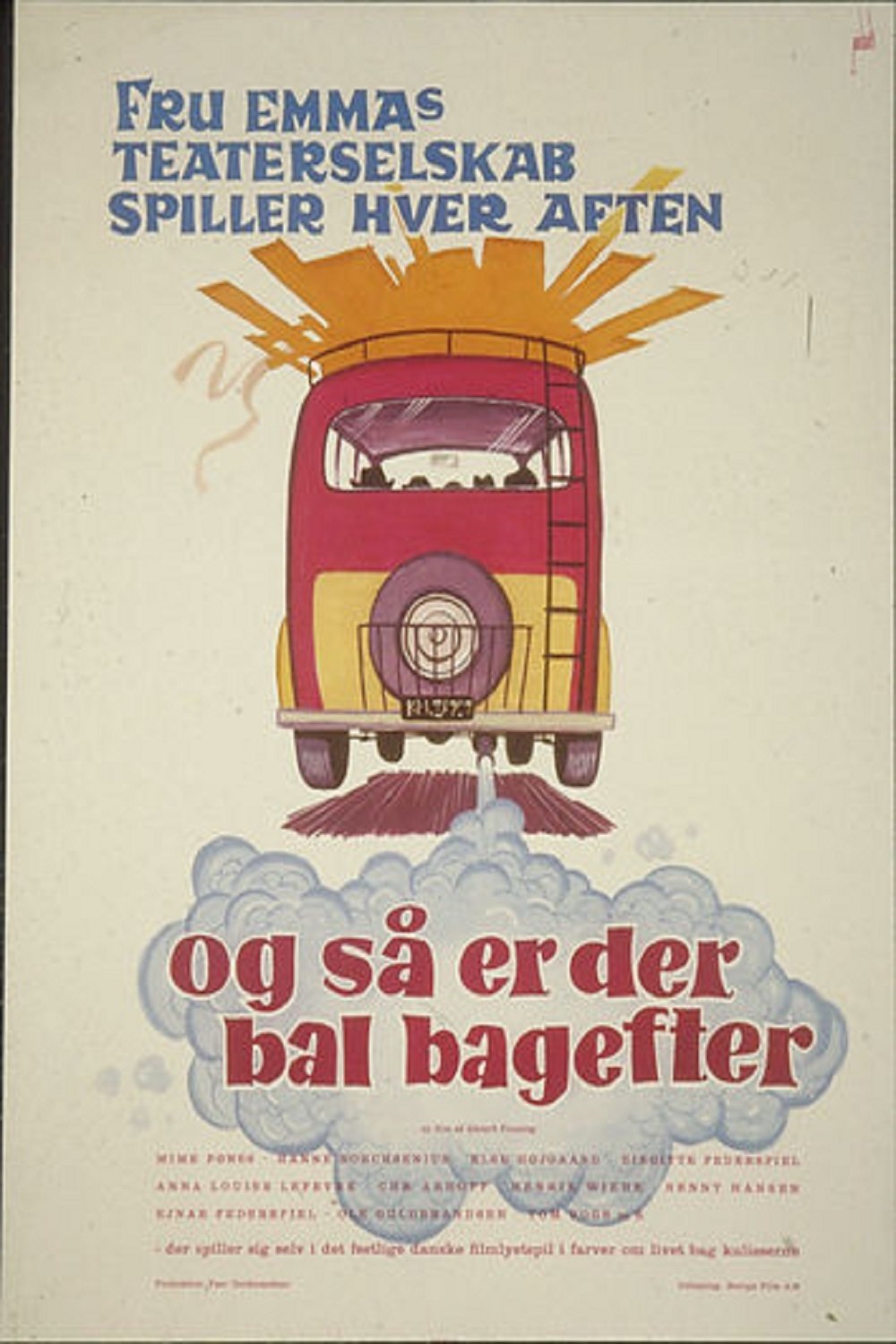
Under the leadership of the authoritative Mrs. Emma, a mediocre theater troupe tours the remote corners of the province. Despite miserable conditions and internal squabbles, the actors keep their spirits up, but for how long?
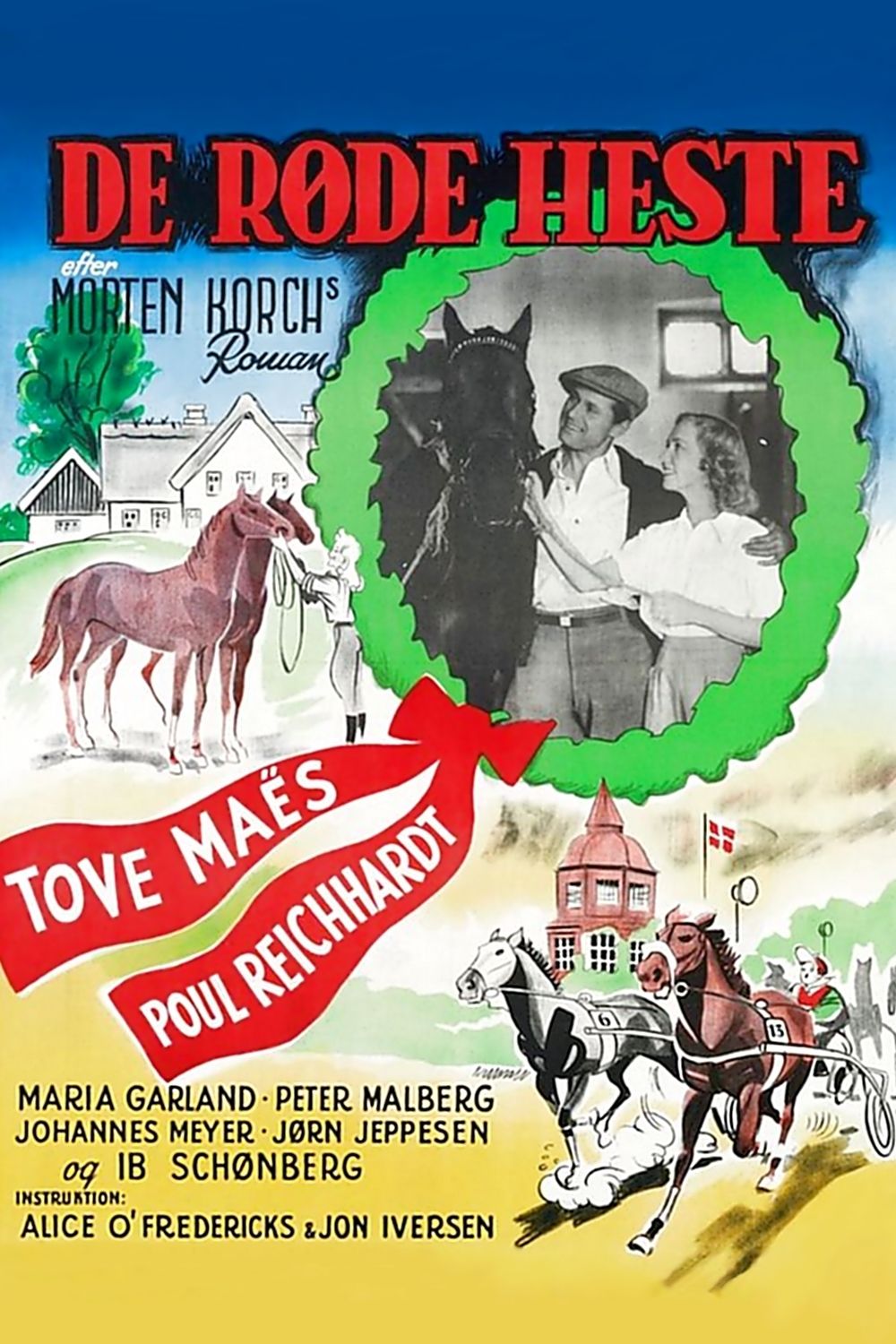
The old renowned Landboskole is spreading a new team of Agricultural Candidates after completing the Course.
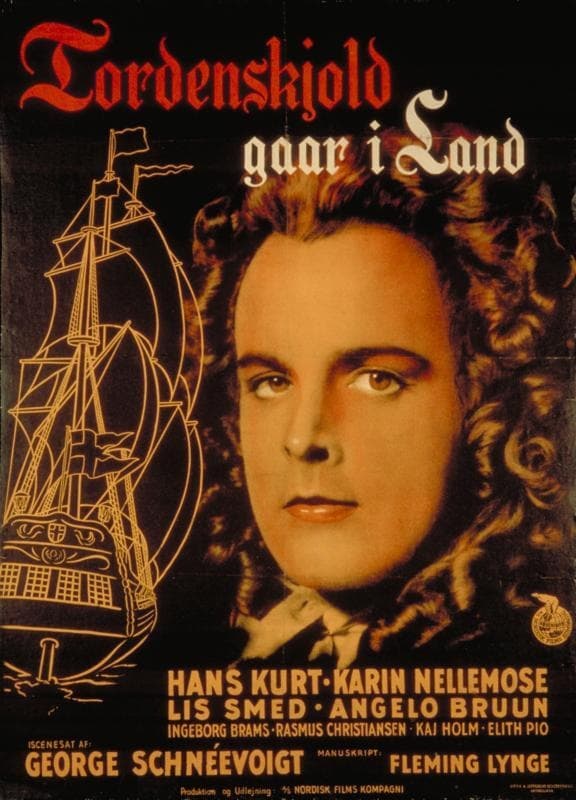
The Great Nordic War was in full swing, and the Danes and Norwegians had heard with increasing wonder and excitement about a series of victorious and daring feats practiced by a young frigate commander, Captain Lieutenant Peter Wessel. In the film, we meet the handsome naval hero as he sails home to Copenhagen with the frigate "Løvendal's Galley", which is heavily molested after fierce skirmishes with the enemy.

Martin returns home with a good sum of money in his pocket after working in Greenland. He settles down with his sister, who runs the inn – but much has changed. He is most disappointed that his childhood sweetheart Martha has married Just Hovmand, who owns the Lunehøj farm. Martin starts a machine station and is immediately ready to help Martha and her husband when they run into financial difficulties. But stubborn Just refuses to accept money from Martha's former boyfriend. As usual in a good Morten Korch film, there are a couple of pleasant 'cousins' – Chr. Arhoff and Peter Malberg – and they come up with many good solutions...

The first of 14 Olsen Gang films presents us with Egon Olsen, head of the gang, and his friends Benny and Kjeld, who want to become the best known gang in Denmark and eventually Europe by stealing a famous Bavarian work of art currently displayed in a Copenhagen museum. Although Egon's plan works out fine, there is only trouble ahead for the little gang.

The mysterious Mr. Steinmetz has acquired the ability to create things and beings by will alone. Only, after a while his creations invariably disappear. He therefore approaches a famous brain surgeon, Max Holst, who he hopes can help him with this problem. When Max refuses, Steinmetz brings his doppelgänger into being to replace him.
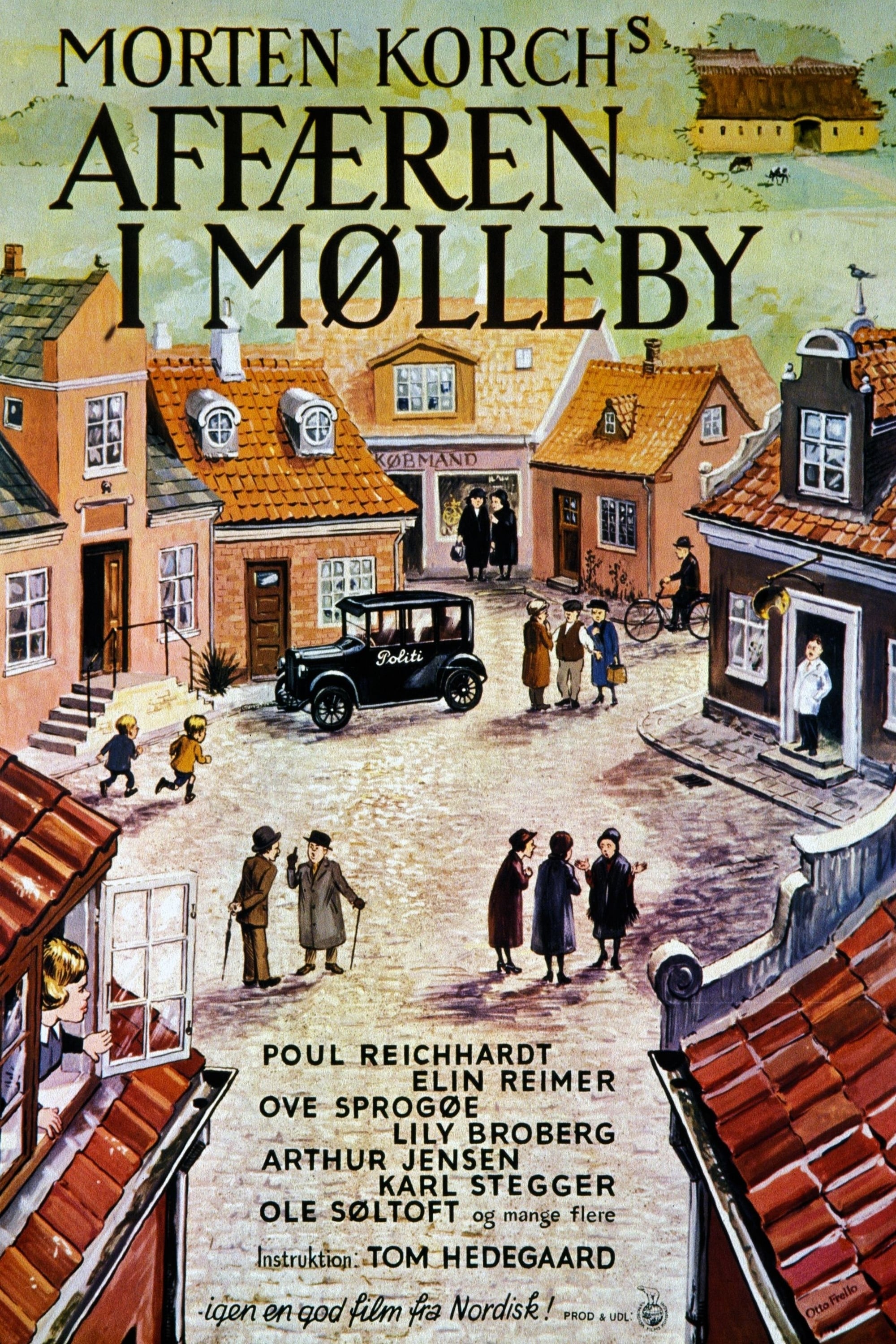
Mølleby is a small, cozy market town. The year is 1924, and the sight of a Rolls Royce from Copenhagen is a sensation. But all is not as idyllic as it seems. The town's new mayor is trying to build a new brickworks to ensure the town's growth and future, but the previous mayor is doing everything he can to thwart these ambitious plans...
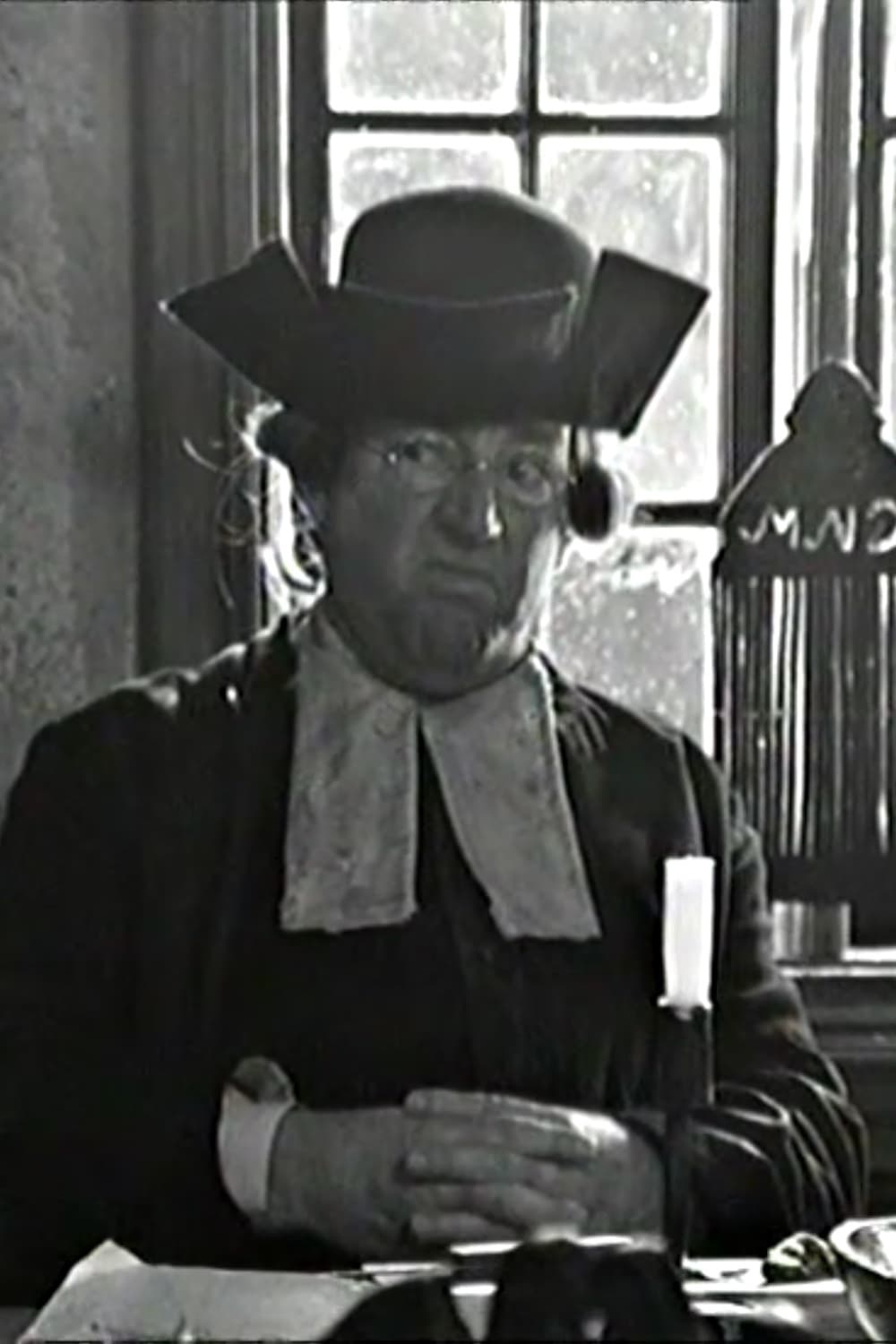
Danish farmer's son Rasmus Berg has been given a costly education in Copenhagen, and when he returns, he speaks Latin to his parents, and Latinises his name as Erasmus Montanus. He wants to "dispute", and goes on to "prove" a number of absurdities, such as that his mother is a rock. He is contrasted to his brother Jacob who is only interested in knowledge which of practical application.
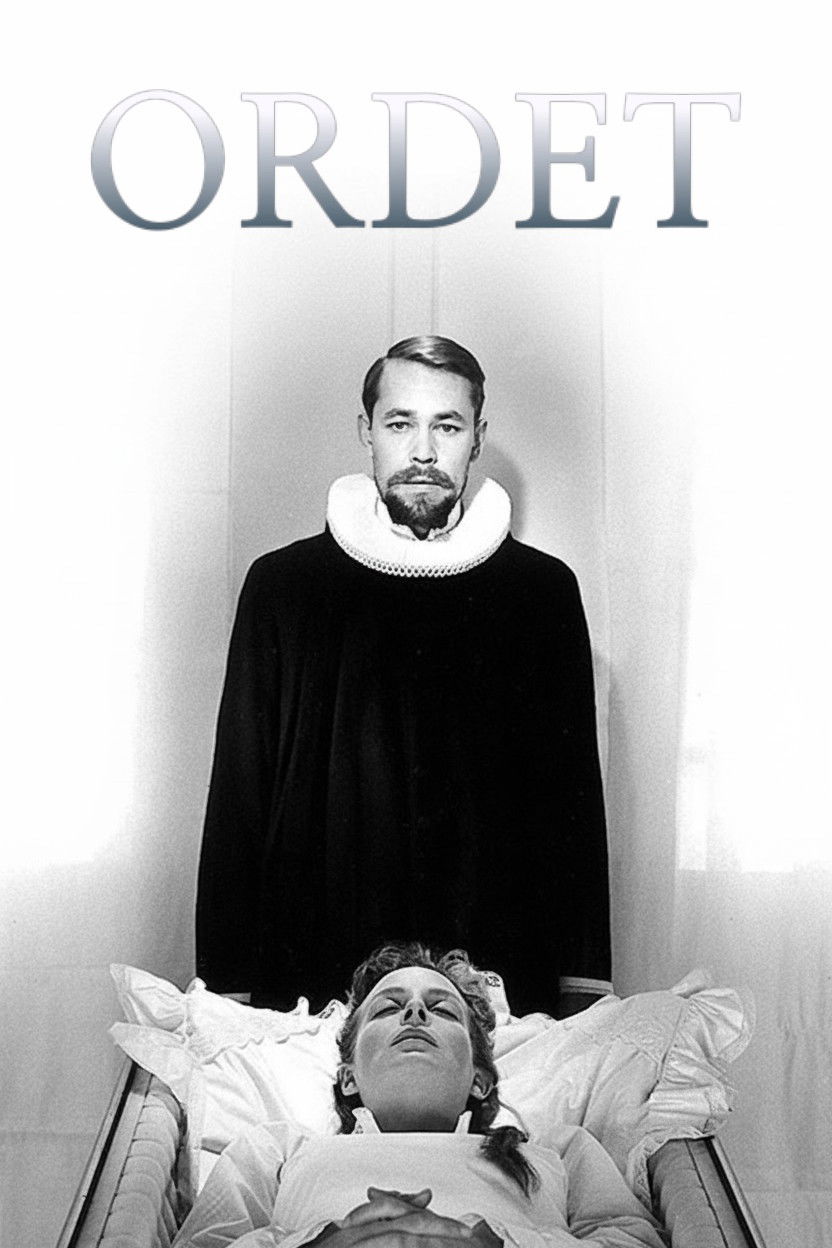
The three sons of devout Danish farmer Morten have widely disparate religious beliefs. Youngest son Anders shares his father's religion, but eldest son Mikkel has lost his faith, while middle child Johannes has become delusional and proclaims that he is Jesus Christ himself. When Mikkel's wife, Inger goes into a difficult childbirth, everyone's beliefs are put to the test.
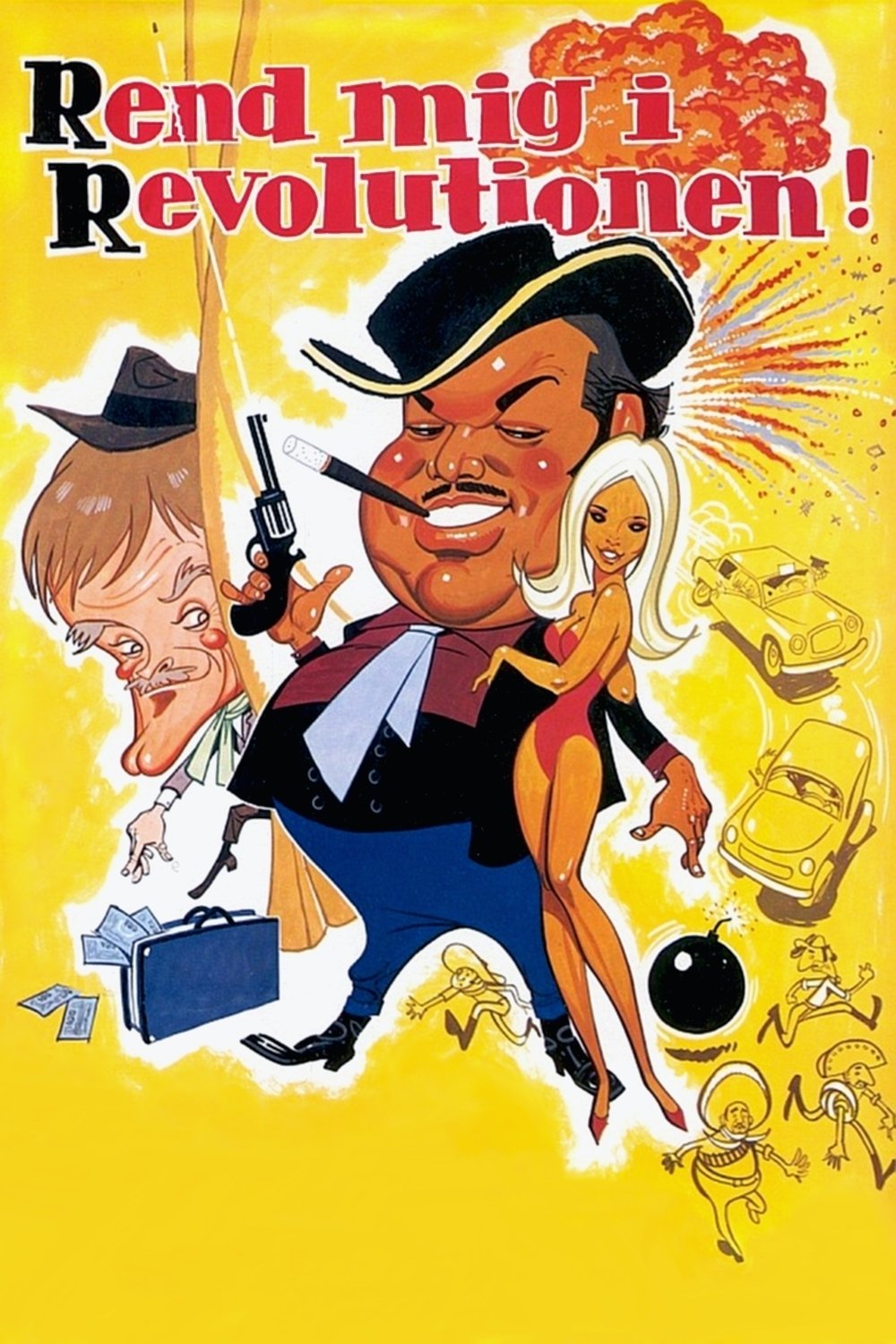
A comedy about a Danish private detective, normally just occupied with cases about unfaithful spouses, is suddenly involved in murder, arms deal, revolution in Guateragua, briefcase full of money and the Danish intelligence agency.
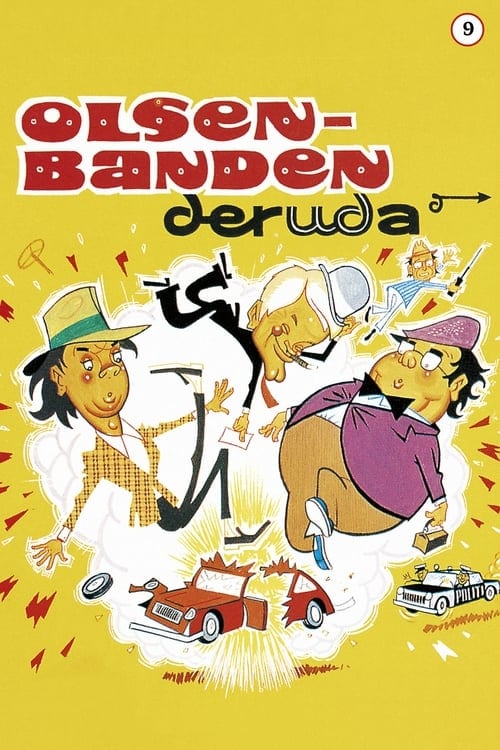
Egon is starting to be a little forgetful; he forgot the zone number, so he fails to open the strongbox. When he gets out of Vridslose State Prison, Kjeld and Benny have become associates of Yvonne's cousin Georg from America. He is not just some old-fashioned strongbox thief that can't remember like Egon, but a young hip IT criminal, that thinks that everyone else is inferior. However, Egon doesn't take lightly to the Georg's patronizing so he sabotages Georg's computer and ruins his cup. This time Egon's ambitions reaches a new high, when he and his gang break in to the World Bank, and they get away with it. Of course, thanks to Yvonne, they aren't rich very long.
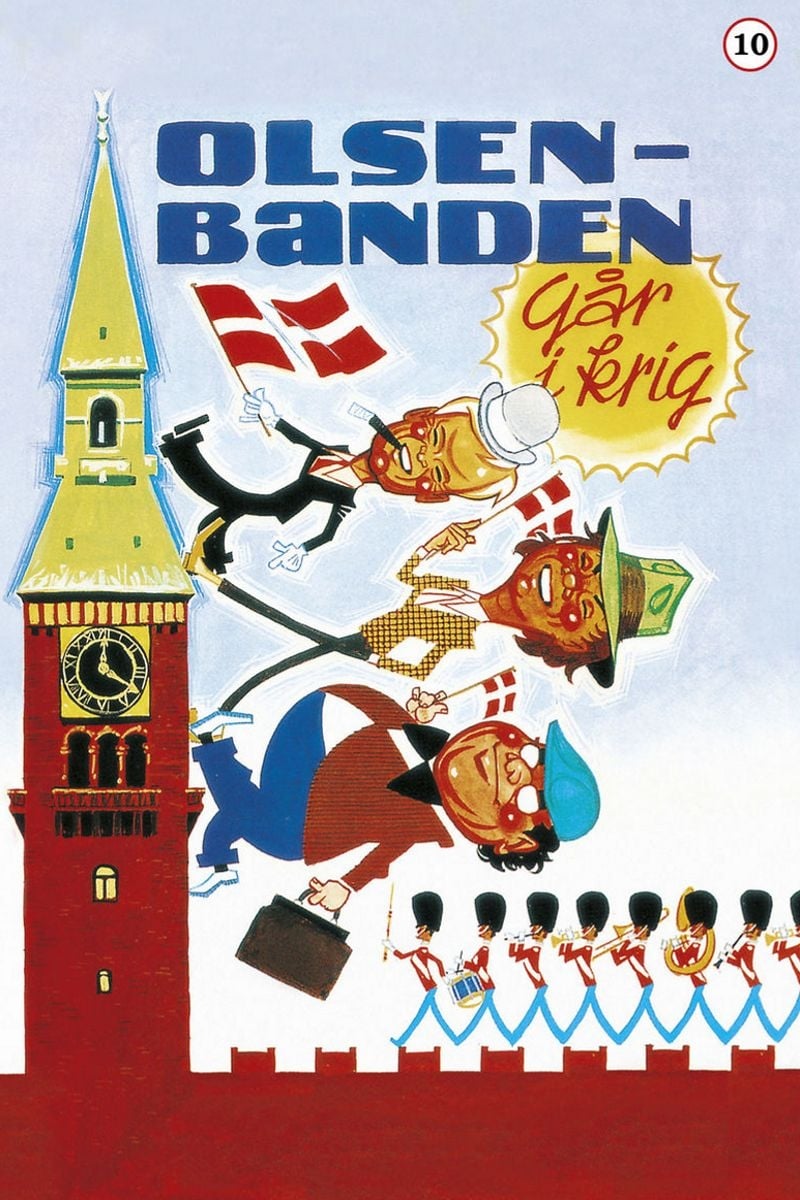
Some criminal EU ministers plan to turn Denmark into a gigantic fair ground and holiday paradise. Egon gets his hand at some important documents which could both make him rich and take care of Denmark's future.

Egon plans to exploit knowledge gained during his latest term of incarceration. By stealing the unmanipulated financial records of DanInvest he obtains the majority of the stocks in the department store Magasin du Nord, just in time for their closing sale. The attempt to get the red suitcase that will save the day they rob the main vault at the EEC headquarters in Brussels and end up hijacking a tank.
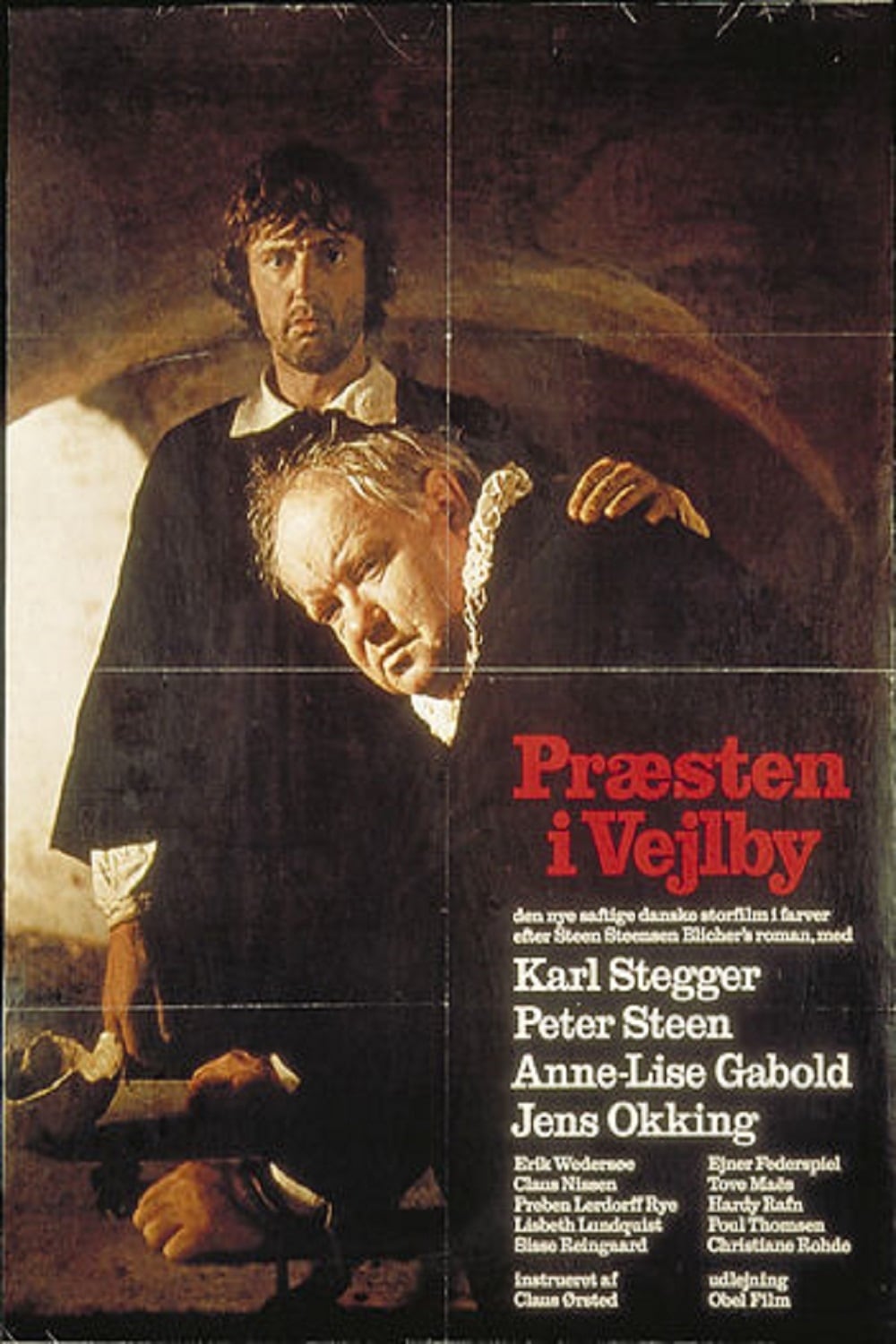
In the early 17th century, the tyrannical parish priest in Vejlby, Søren Jensen Quist, tries to force his daughter Maren into a lucrative marriage with the wealthy farmer Mikkel Ibsen. However, Maren prefers the bailiff. When Mikkel feels that both the bailiff and the priest are encroaching on his power, he arranges for the priest to be convicted and executed for the murder of Mikkel's brother, Nils Ibsen.
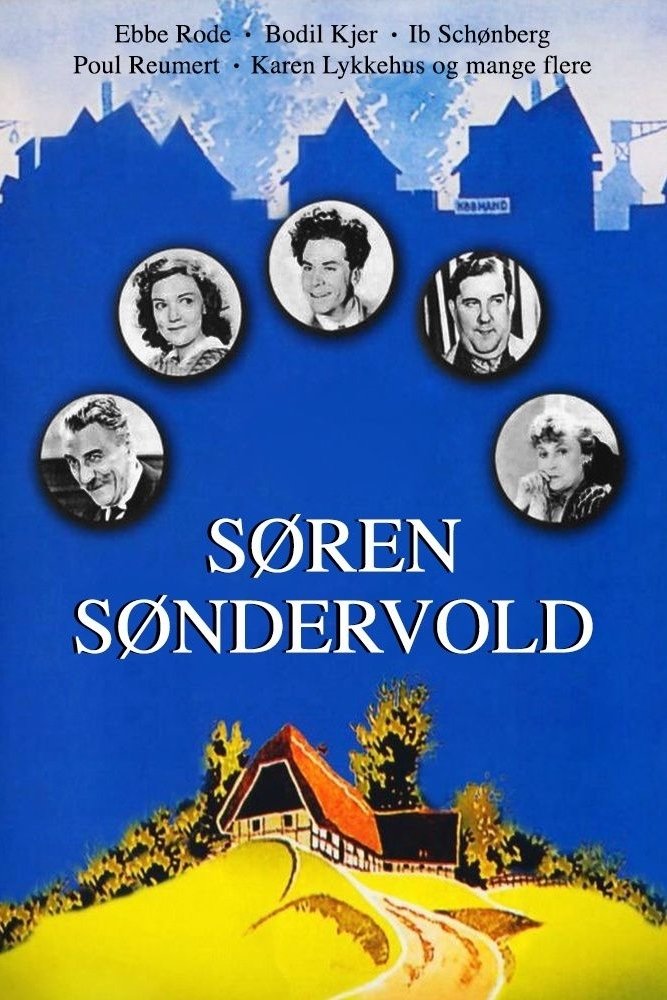
Søndreø is a small, peaceful island in one of Denmark's fjords, owned and run by the old farmer Lars Søndervold and his son Søren. But times are hard, and everything is not going as it should. The greedy, bragging merchant Anders Lundrup has used all means to gain possession of the island, and one fine day Søren and his old father must leave their ancestral farm and the island. Søren swears an expensive oath - he will earn so much money that he can one day buy the farm and the island back, and at the same time he swears revenge on Anders Lundrup.
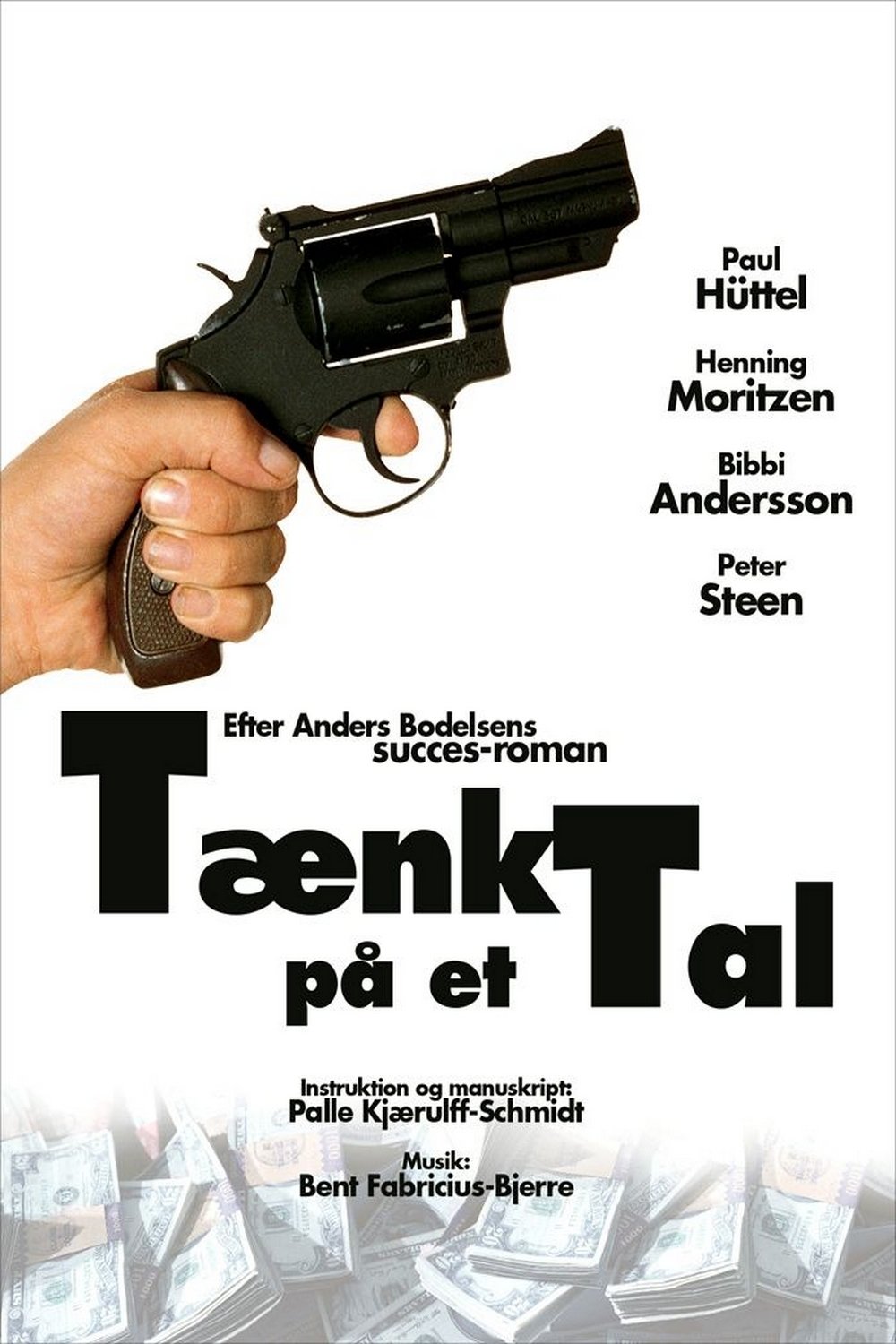
The story opens just before Christmas, when solitary, apathetic bank clerk Flemming Borck uncovers a plot to rob his bank. After doing a little rookie recon, Borck identifies the would-be bank robber as a faux shopping-mall Santa Claus, and counter-plots to steal the money himself and let Santa take the blame. This works out about as badly as you might imagine, and our bumbling protagonist spirals further and further away from the carefree, laconic lifestyle he had hoped to ensure for himself.
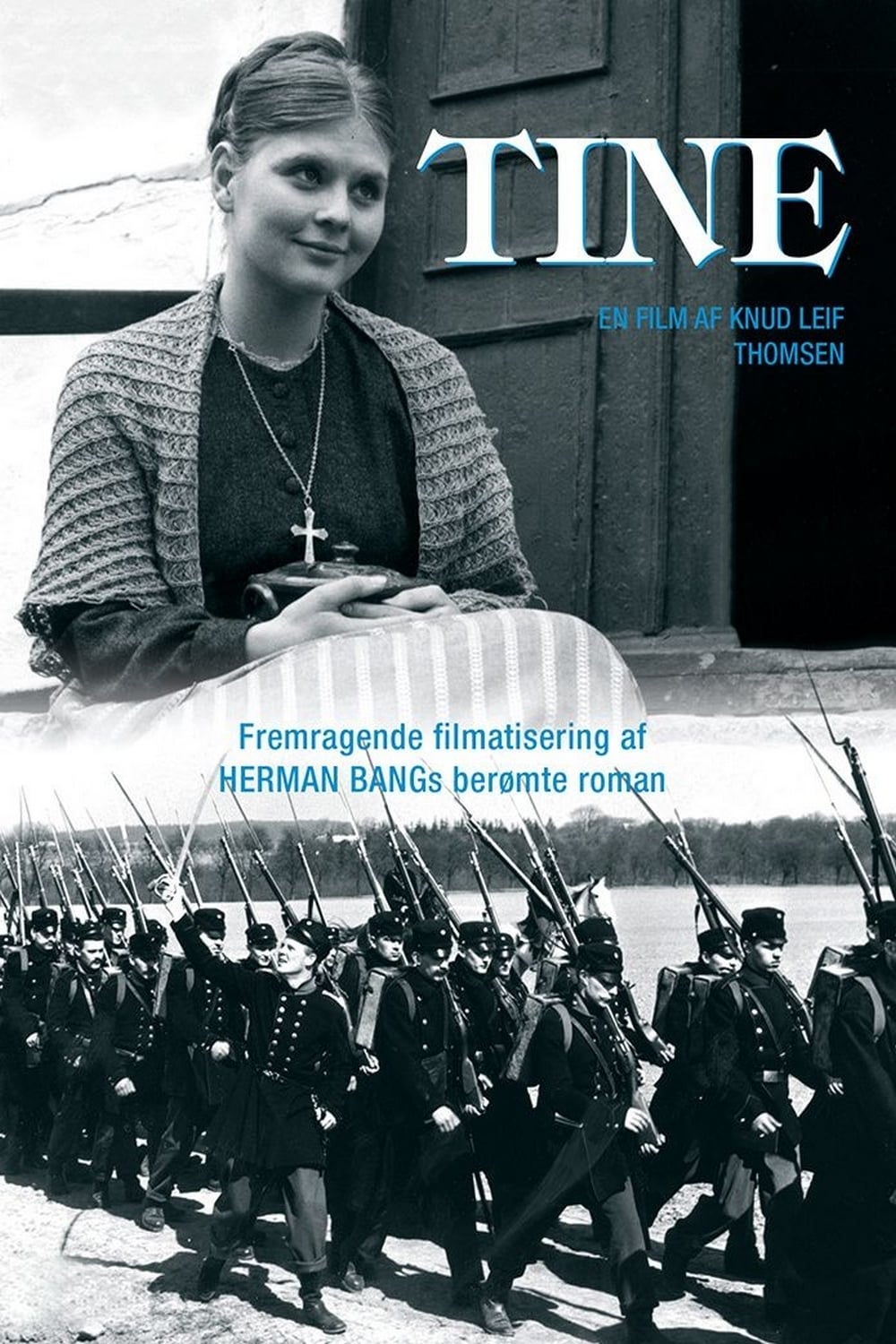
Danish melodrama about a housemaid struggling to find normalcy and love in the midst of war.

Theodor Nielsen lives a peaceful life with his adult daughter Eva. Then the weather vane on the nearby church tower starts squeaking every night. Theodor goes to the priest, who refers him to the Ministry of Ecclesiastical Affairs, which in turn refers him to the municipality, which in turn does nothing. Theodor takes advantage of his side job at the radio station and tells all the listeners about the annoying weather vane. Theodor becomes a folk hero and is encouraged to run for municipal office. He is elected but is heavily manipulated by his party colleagues. However, Eva helps him get back on track.
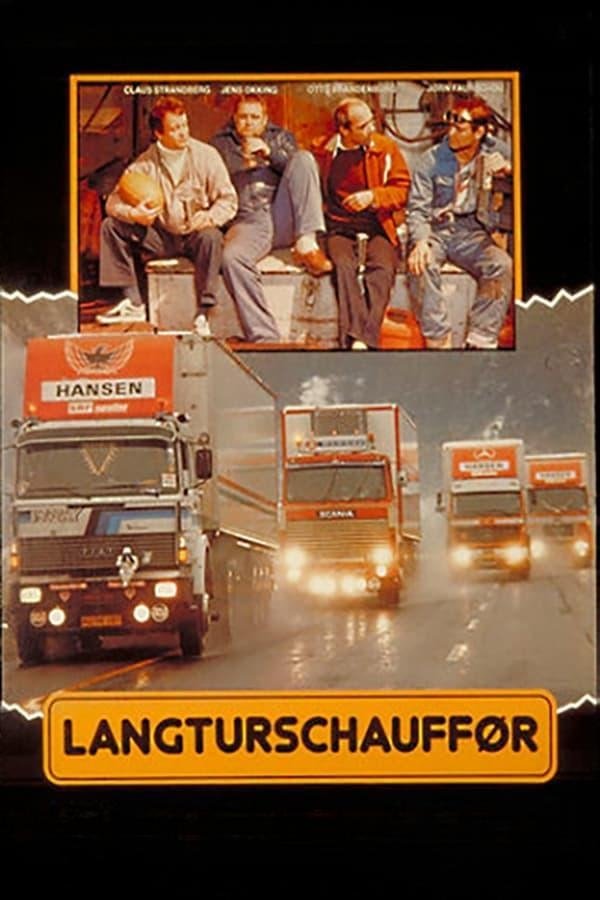
This trucker road movie tells the story of four men driving 30-ton meat-carriers in shuttle service between Denmark and Italy. Against their will, the truckers get involved in criminal activities that flourish as a result of European custom service bureaucracy. Their bonding as friends and their strongly rooted family life help them through.
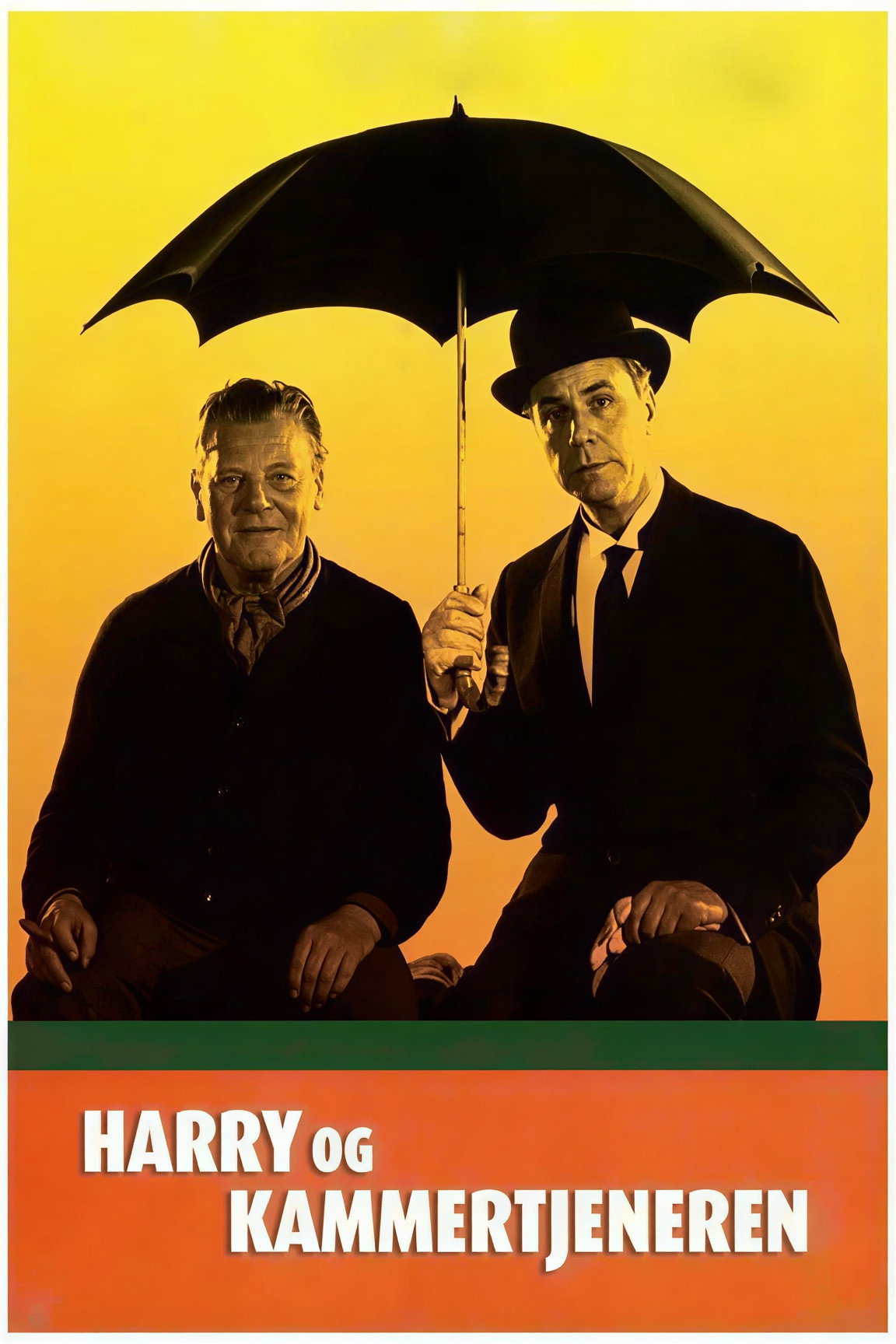
A gentle comedy offering the promise of easy social consensus. Harry (Helmuth) is a simple old-time shop porter offered a chance at self-realisation when he's bequeathed a sum by an unknown relative (via several levels of fiscal blood suckers). He decides to engage a butler to take good care of him for a time. This is a man of distinguished upper class service, but a generous nature which happily integrates with Harry's small but colourful world of drinking buddies and crackpot neighbourhood kids.
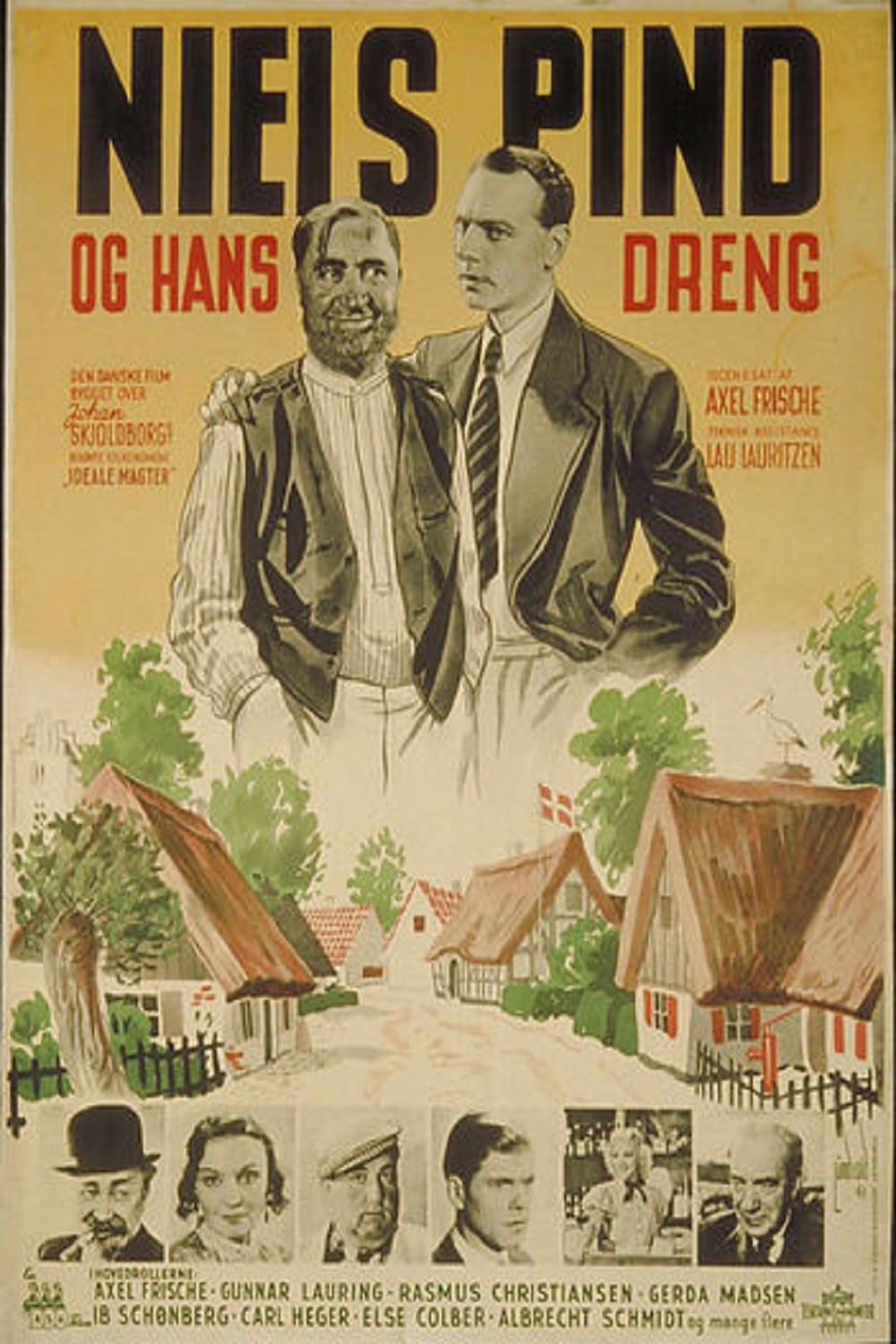
The small local train trundles laboriously into Torslev station. The stationmaster is standing on the platform wearing slippers, waiting for the train. When it stops, it turns out that there is only one passenger on board. A younger, strange-looking, elegantly dressed man steps onto the platform with a couple of suitcases with lots of nice brands from foreign countries. The man's name is Nelson. Many years ago he went abroad. Now he is returning home to see how things are in his hometown.

The bank is located in the square of a small, idyllic market town, and its manager, Anders B. Schmidt, is seriously ill in the town hospital. At the beginning of the story, he is quietly passing away. In the wealthy neighborhood of the market town, we find the bank manager's villa, which has been his pride and joy for many years. He leaves behind a deeply grieving widow and four adult children. It soon emerges that the respected citizen had a love affair before he got married, and this causes outrage.
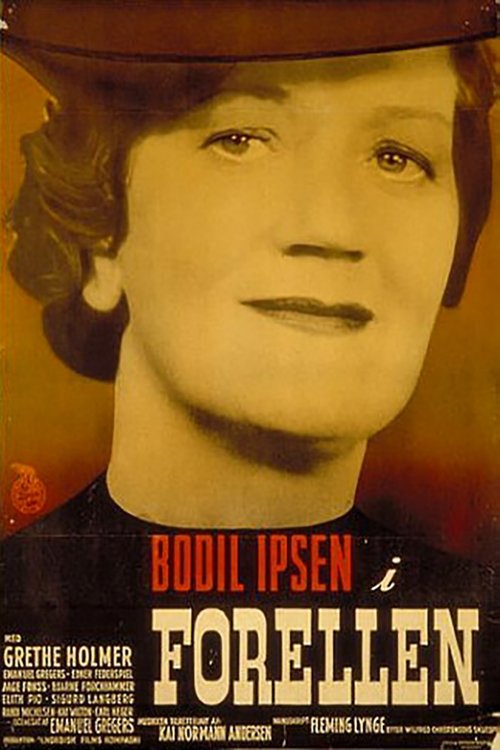
Mrs Clara has been married to Carl Møller for almost 25 years, but she is not happy.
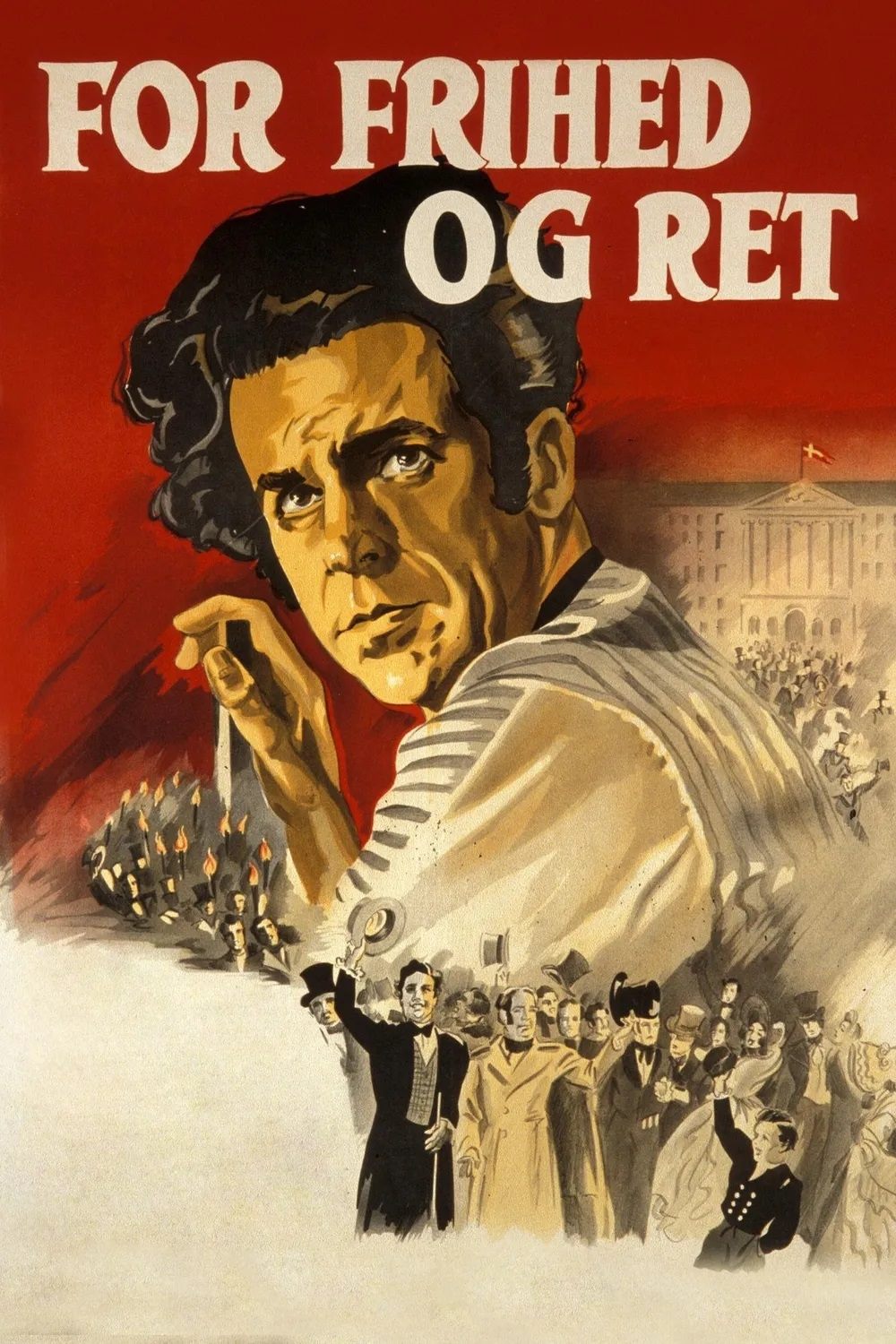
A picture of the life of the Danish people from the late 1820s to the introduction of the free constitution in 1849. A fictional character, Rasmus Nielsen, travels around the country, first as a traveling teacher, later in other positions, and through his experiences we are introduced to the conditions of various population groups. The central figure in the portrayal of historical figures is the politician Orla Lehmann.
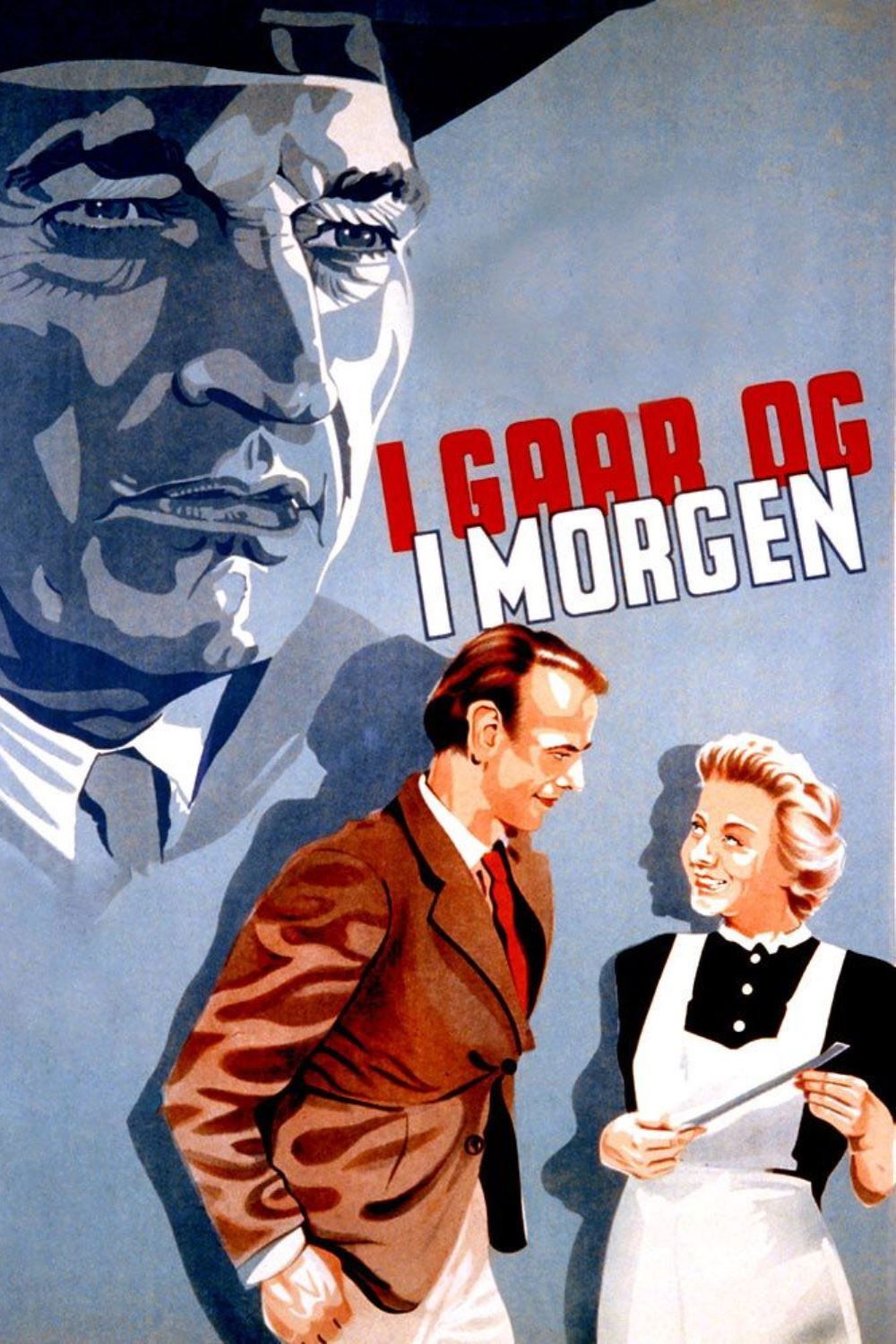
Director Albrechtsen, who heads a large construction company, is a tough and ruthless businessman. He does not shy away from dubious transactions when they serve his interests, and it is precisely on this basis that he comes into sharp conflict with his employee of many years, civil engineer Humlegaard, and the conflict leads to Humlegaard leaving the company. In the film, we now follow the far-reaching consequences of Albrechtsen's brutal actions.
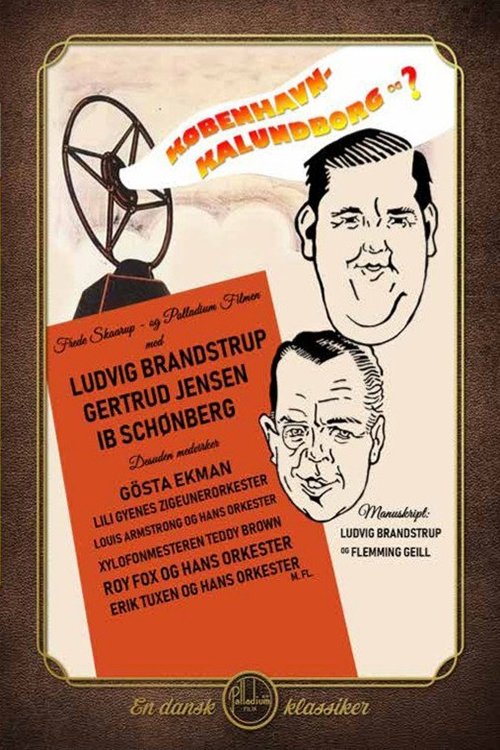
Ludvig Brandstrup is a radio announcer and performs with great experience in front of the microphone. But the director is not exactly taking care of his duties; he has forgotten to inform the artists who will assist with the broadcast. This forgetfulness is a very serious blunder. On top of that, an award-winning radio play, "Where is Jensen?", is to be broadcast, and now the actors are missing. Brandstrup is desperate and distraught, until he gets the bright idea to play all the roles himself.
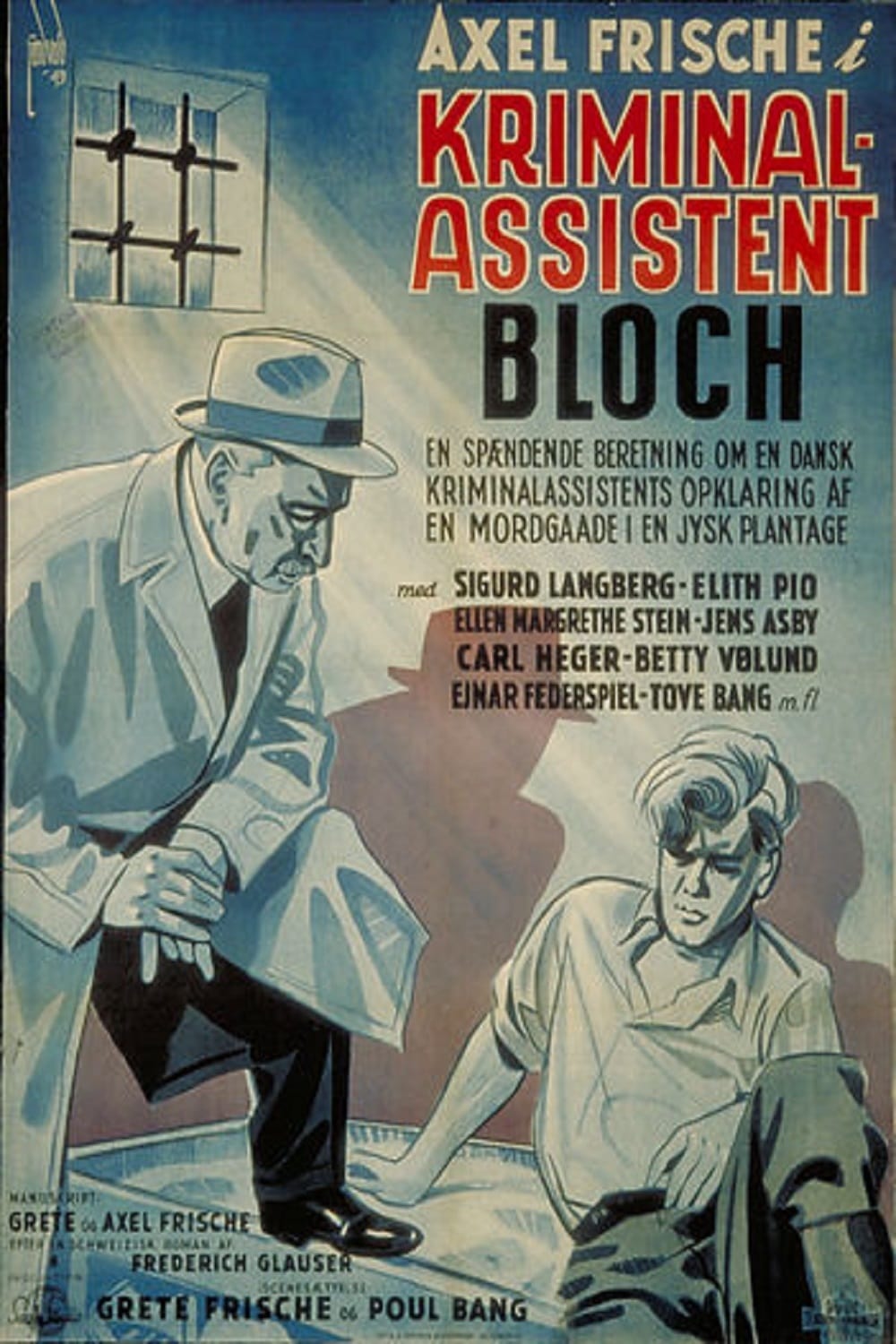
In the small town of Fjordnæs, former accountant Carl Frank lives with his family. He is a sick and broken man who has just finished a prison sentence for fraud. His financial affairs are in an extremely sad state, and he has no chance of getting a job. Frank decides to commit suicide and leaves the house with his revolver. Detective Bloch is called in from Copenhagen when Frank's revolver is found with a young horticultural worker.
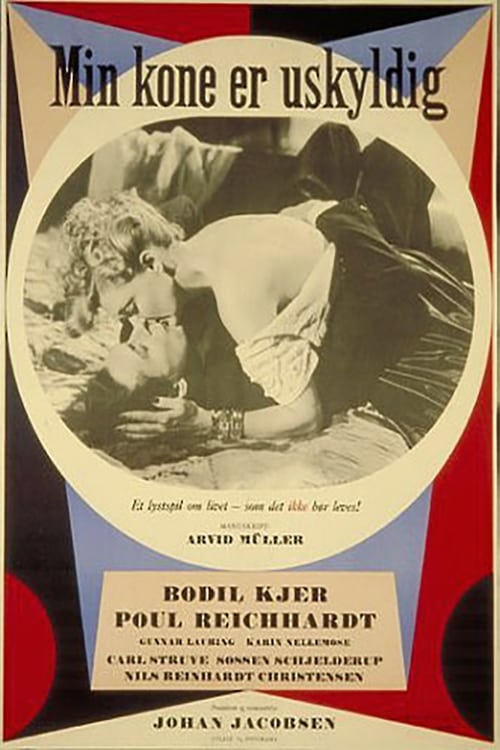
Frederik makes various scams. As money is once again tight, Frederik and his wife Betty decide that they must go in new directions. Frederik dies and Betty cancels the life insurance. At first, things go very well for Betty. At the same time, Frederik is very jealous, which is why he decides to check Betty's relationship with men. Frederik appears as Frederik's brother, Carl. Carl and Betty have a few pleasant days together. Betty suspects that Carl is actually Frederik, but how could she know for sure. At the same time, the web begins to tighten around Carl/Frederik.
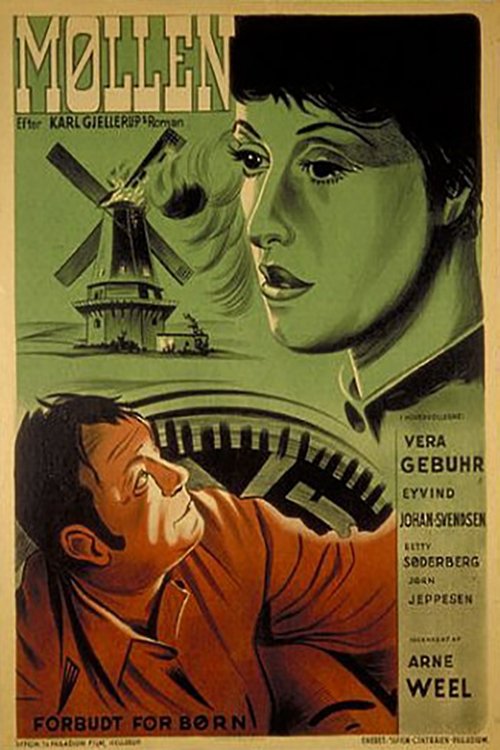
When Møller Jakob Clausen of "Højmøllen" sits at his wife's deathbed, he makes her promise that if he marries again, he will choose a woman who will be good to their little son, Hans. And in motherly care for her little son, the dying wife mentions the forester's gentle and kind sister, Hanne, who will surely be able to become both a faithful wife for the miller and a good mother for Hans.
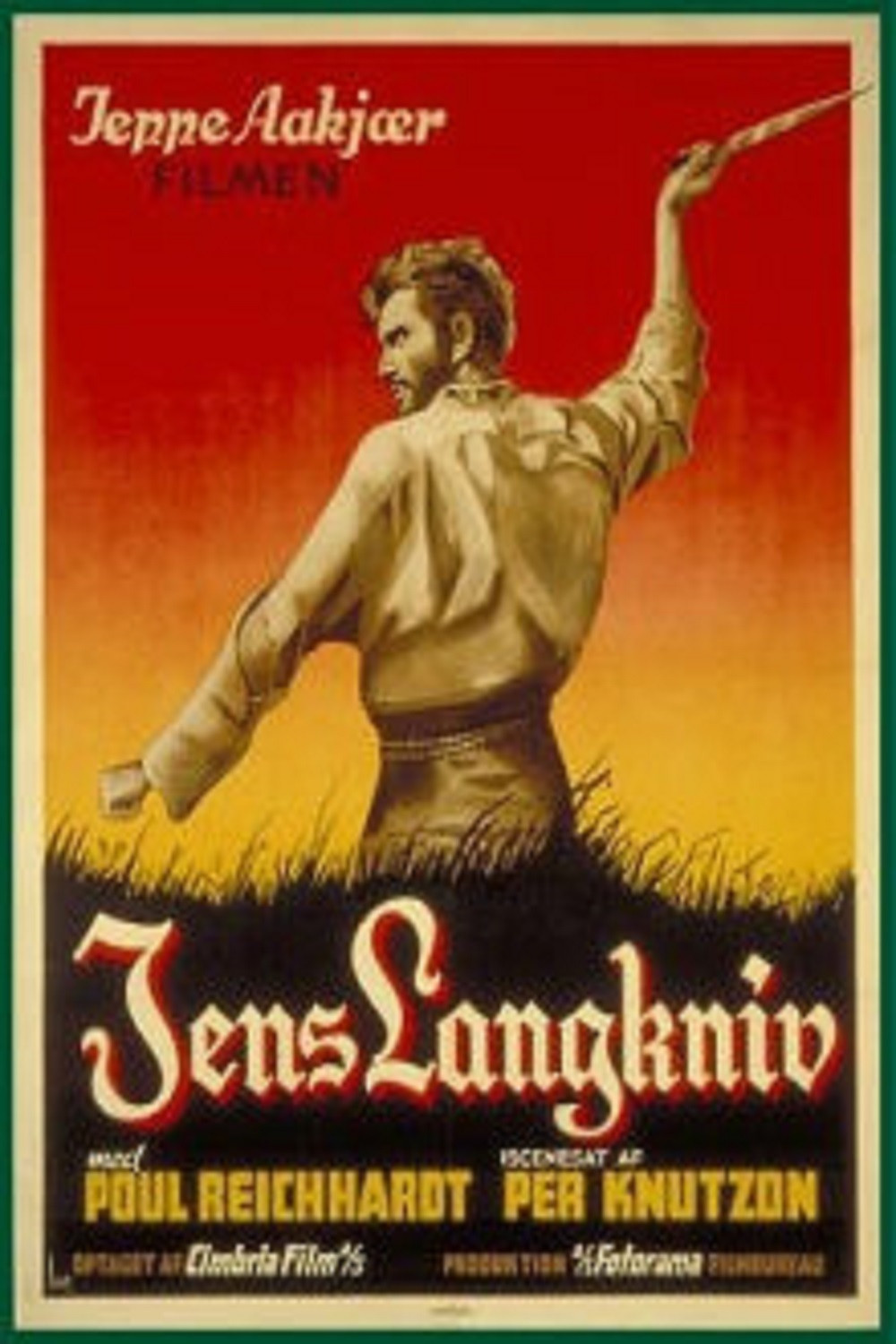
Jeppe Aakjær's heroic poem about Jens Langkniv becomes something more than the story of a robber in a small parish in Jutland.
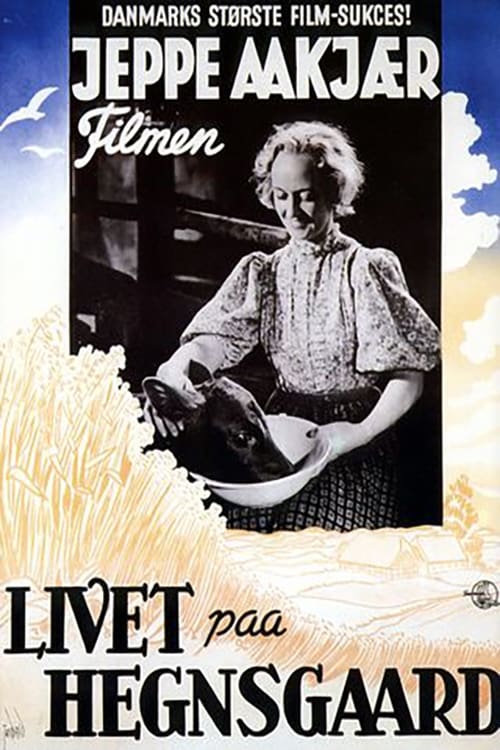
Also known as Life on the Hegn Farm, this domestic drama is based on a popular novel by Jeppe Aakjear. Simple in the extreme, the story concerns the romantic travails of country lass Trine (Karen Nellemose), who is being forced into a wealthy marriage to a man she does not love.
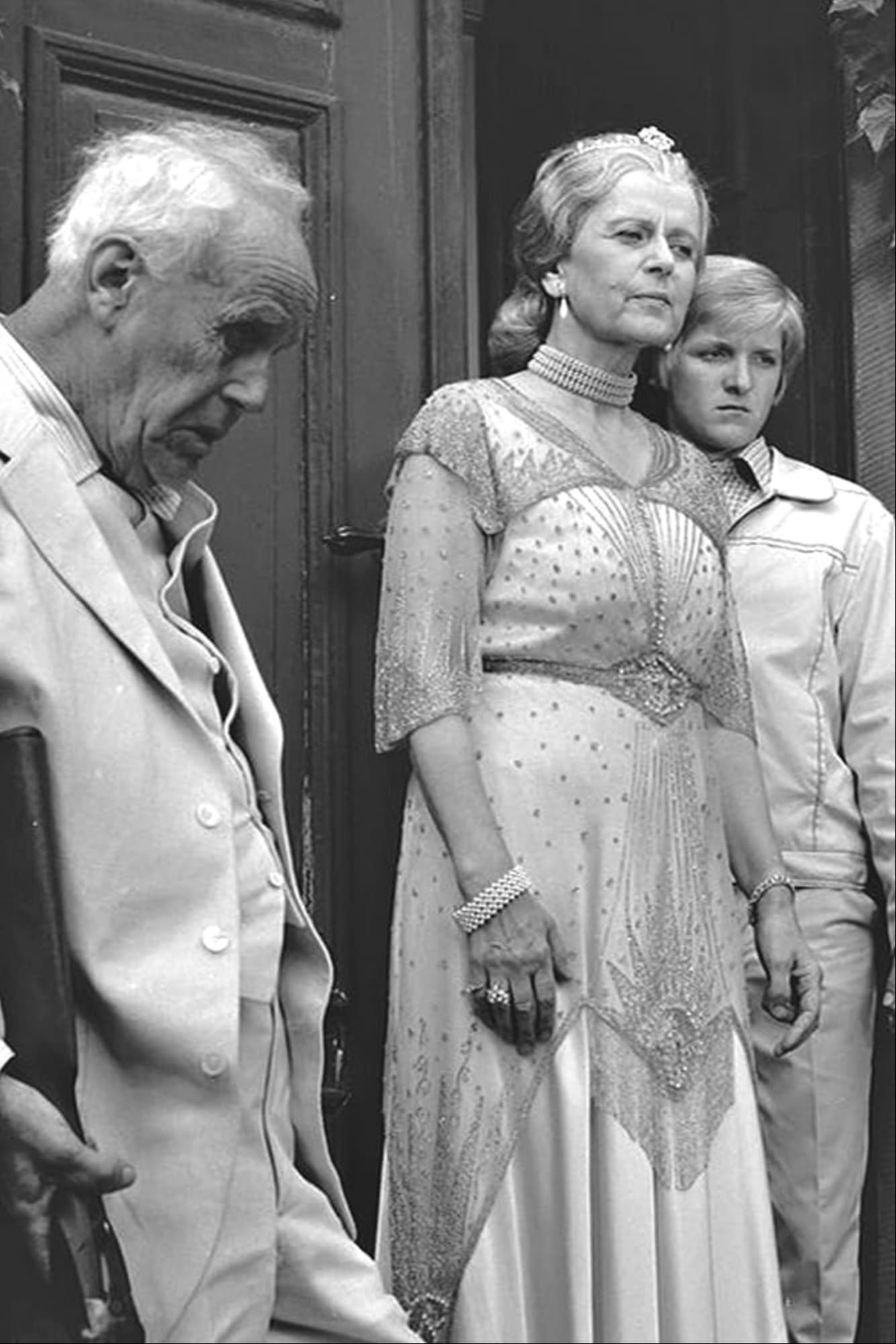
The mysterious, impoverished Count Virtus (Federspiel) realizes his dream of a life at sea, and his young servant Kent (Springborg) must endure much pain before he finds happiness.
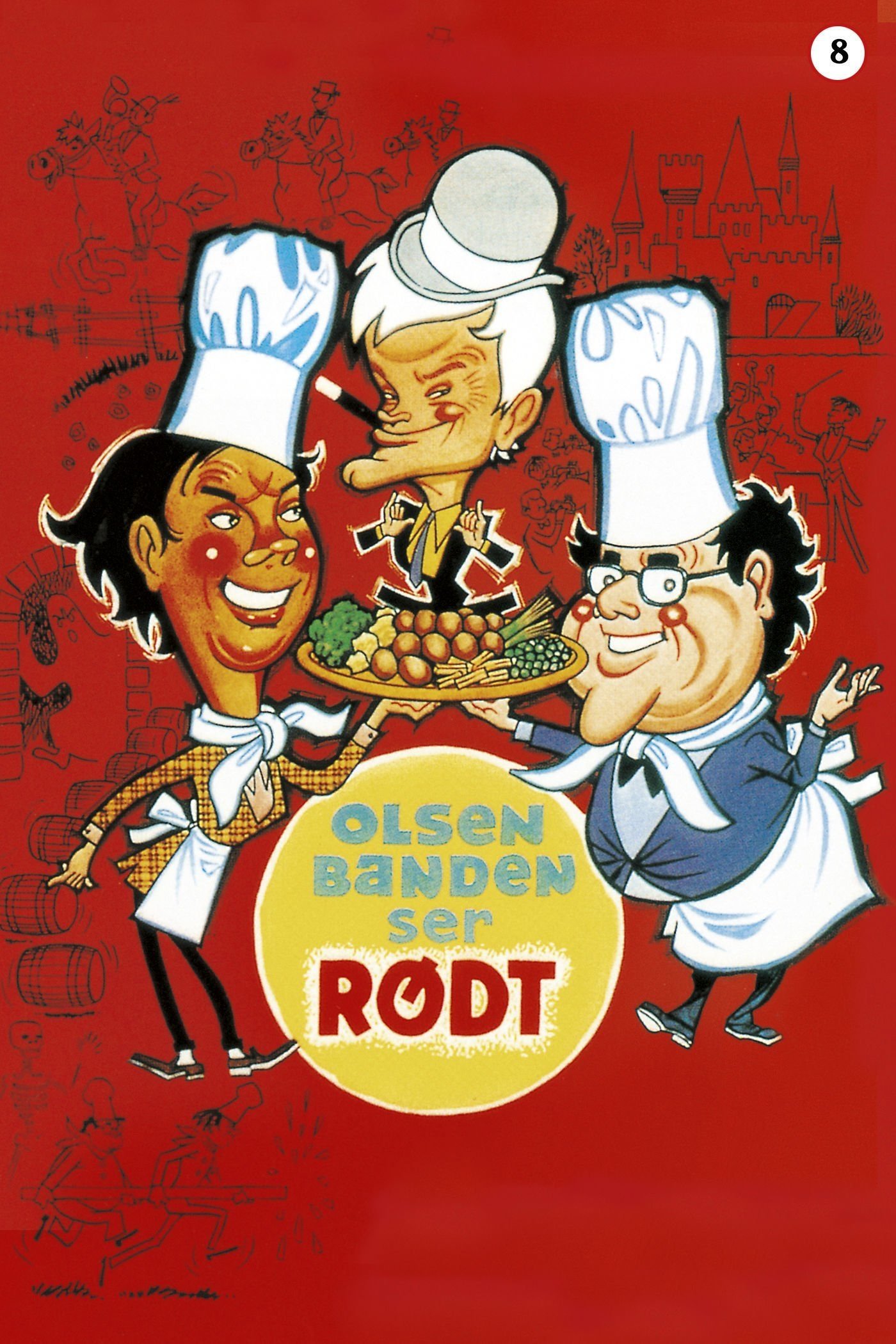
Egon and the gang are hired to stage a robbery of an antique Chinese vase for an economically challenged baron. Naturally they fooled, which infuriates Egon. The gang tries to get back at the baron by switching the vase with a cheap Hong Kong copy. One attempt is made during the barons hunting party, where Egon ends up being bricked up in the catacombs. In another attempt, the gang has to coordinate breaking through several walls at The Royal Theater in Copenhagen with the "Elverhøj" overture.
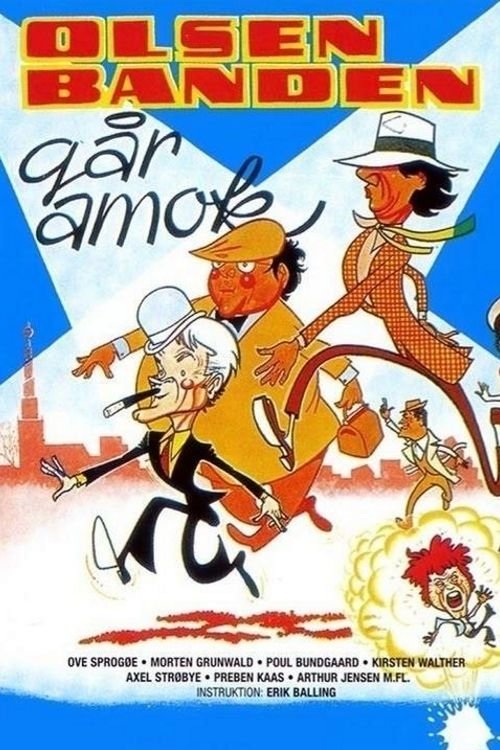
When Egon Olsen gets out of Vridlose State Prision once again, his friends Benny and Kjeld do not want to know about his new ingenious plan: they are actually WORKING in a shop! Thus, he has to think of something else to get his hands on the money of some international gangster.
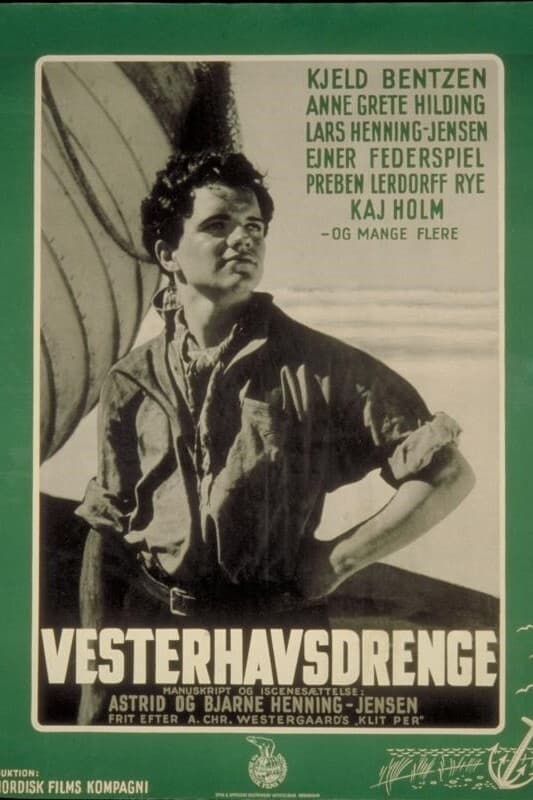
Per Brask is a fisherman's son, a lively 16-year-old boy, still too young to go out to sea, even though, like other boys on the west coast, he has to help out with the daily work. He is mostly preoccupied with playing, while dreaming of getting his own boat. The boys from the dunes are in a constant battle with the fjord boys, or land crabs – usually just called crabs – who are the boys from the village by the fjord or from the farms further inland.
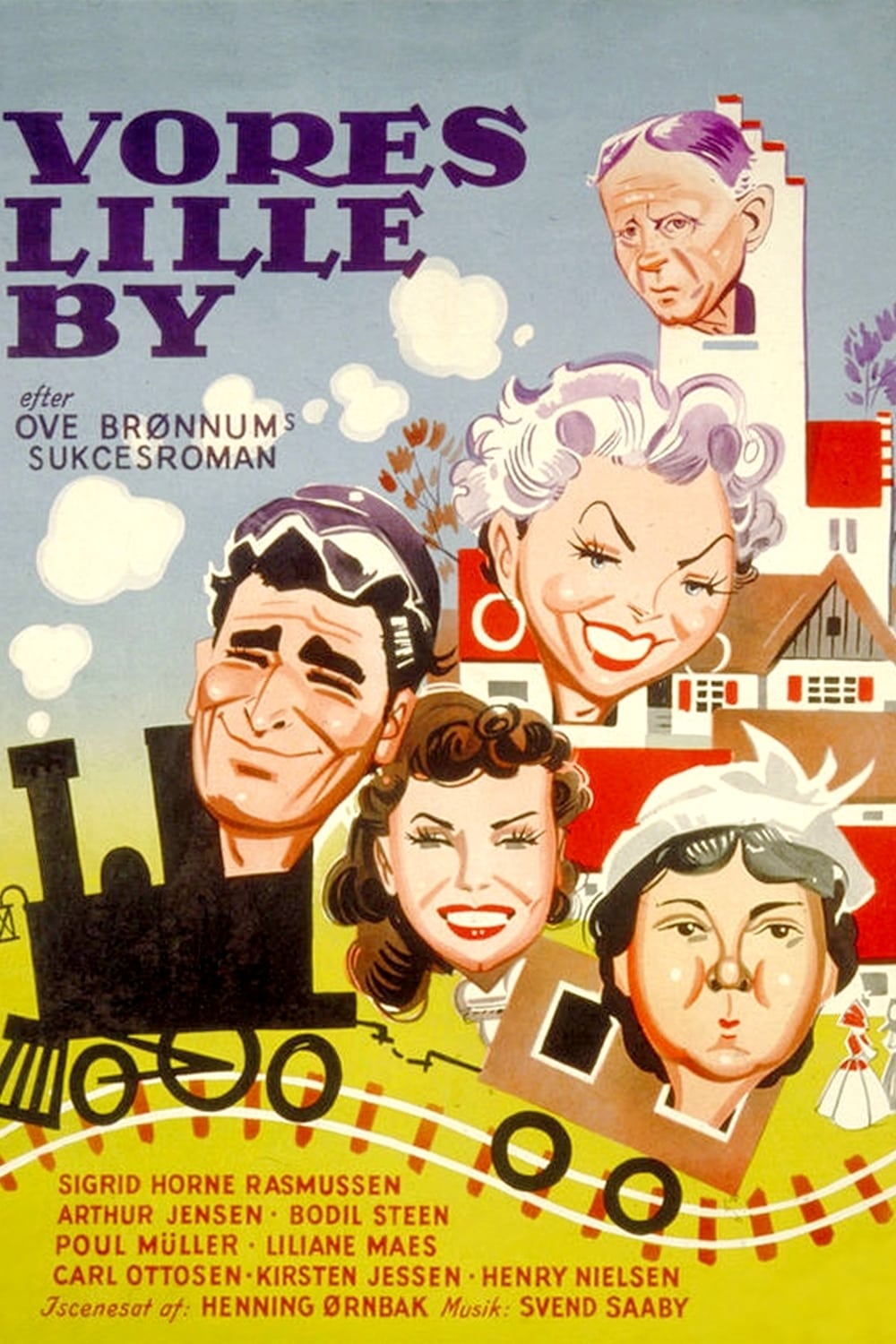
Our small town is a fairly ordinary collection of houses in a random location in Denmark, inhabited by fairly ordinary people. Nothing of significance has happened in the last 100 years or so. The town sleeps its Sleeping Beauty slumber, facing the fjord and with its back to the lowlands, as storms of all kinds pass unnoticed overhead, such as thunderstorms and summer clouds high, high above. One day, a rather unusual vagabond arrives in this town. He calls himself Laust (Carl Ottosen) and has no intention of staying in the town, but has only been driven this way by chance during his long search for a place and some people to whom he can tie his fate.
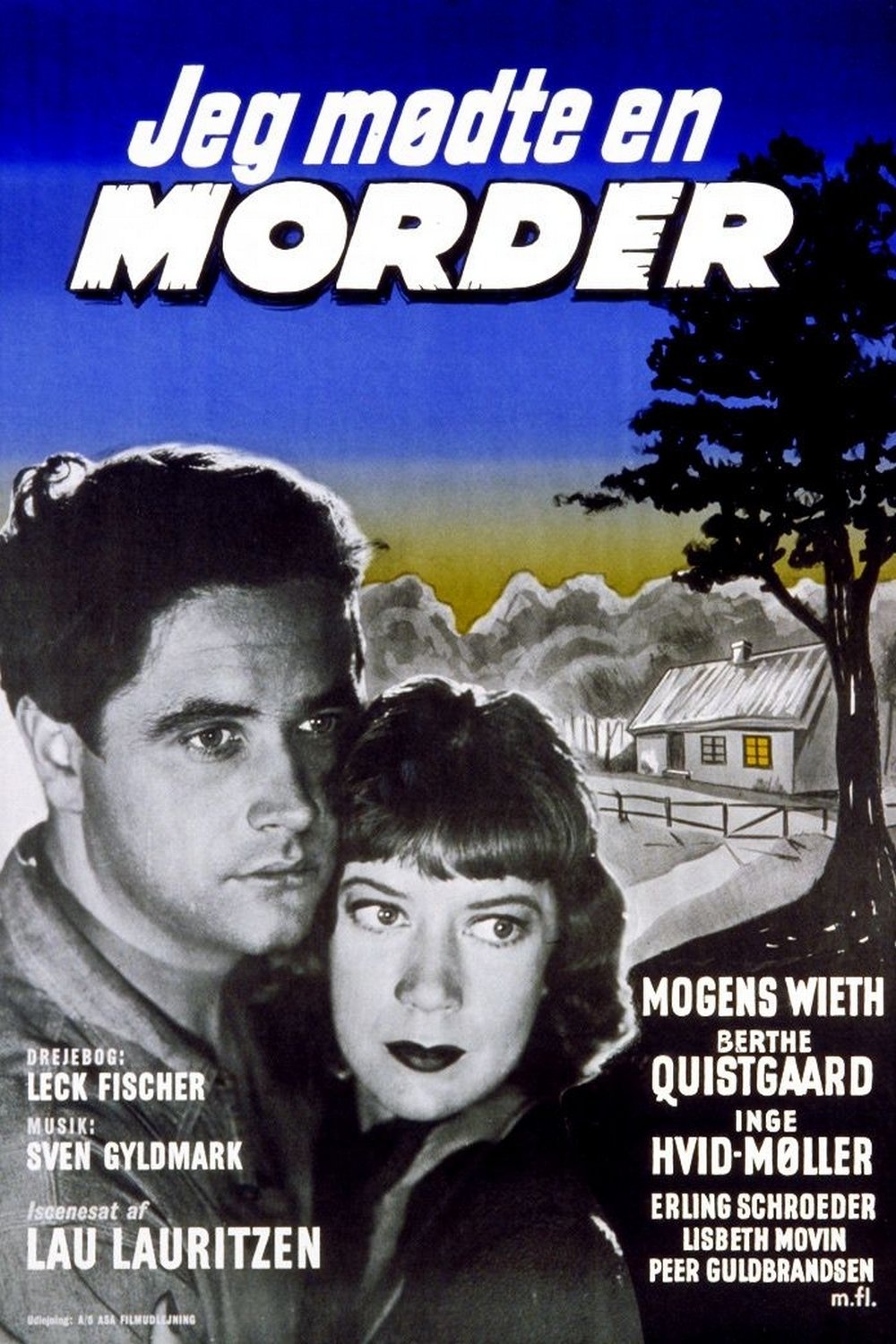
The young successful author Eva Saabye surprises both her publisher William Nerup and the literary critic Dr. Hennings, who is a good friend of hers, by not wanting to publish the last book she has written. One day Eva takes the manuscript for her novel out of the drawer, and as she starts leafing through it, we are drawn into its plot. The book, titled "I Met a Murderer", has Eva Saabye as one of the main characters.
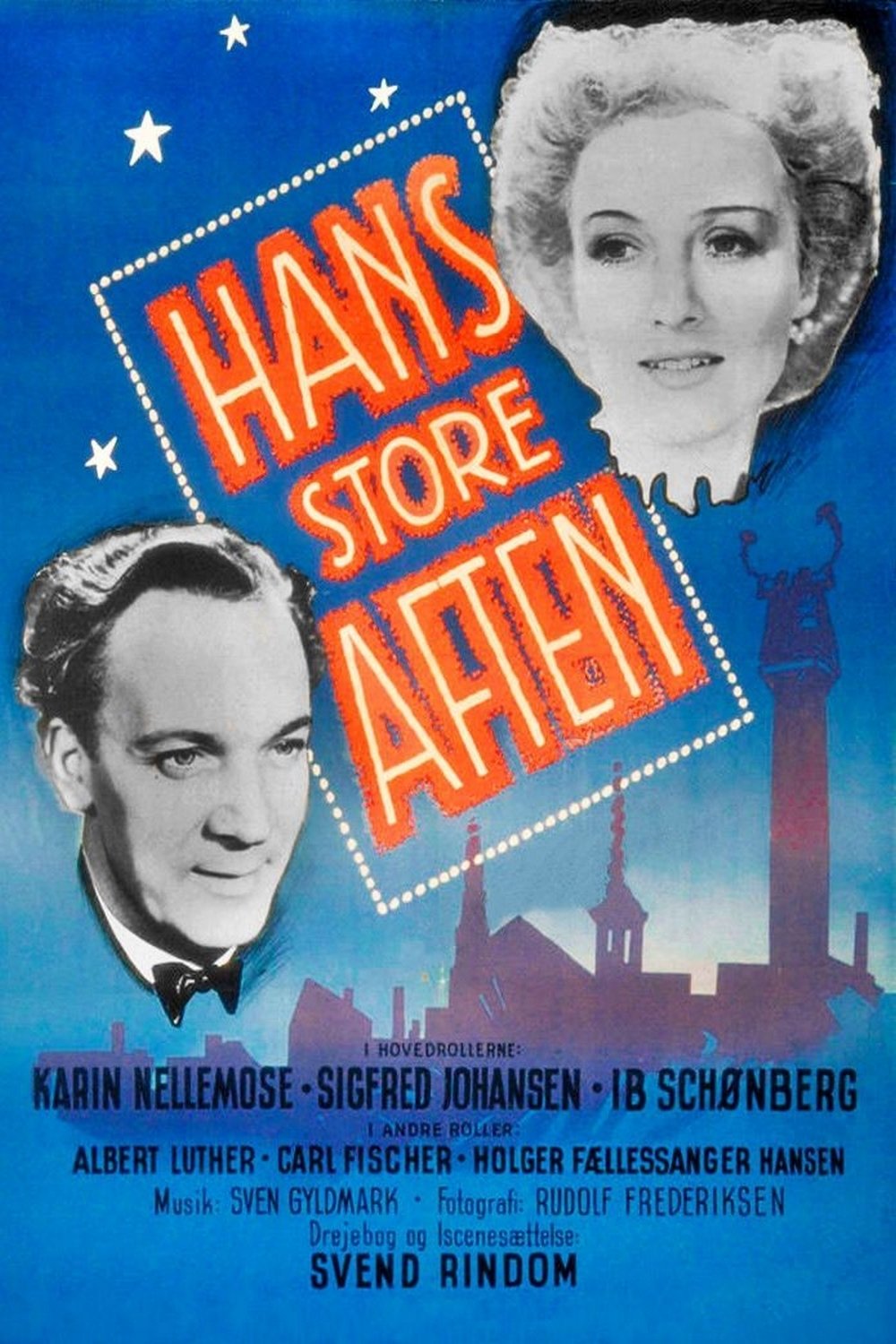
Young Jonas Tofte is a waiter in the theater café, but he is more than that; he is also a poet and has written a comedy that is about to premiere. With this, both he and his sweet little wife, Else, hope to be out of all the difficulties they have come to know so well. Once the premiere is over, all the bills will be paid, and Jonas can stop serving. But many difficulties still lie ahead for Jonas before the premiere is over.
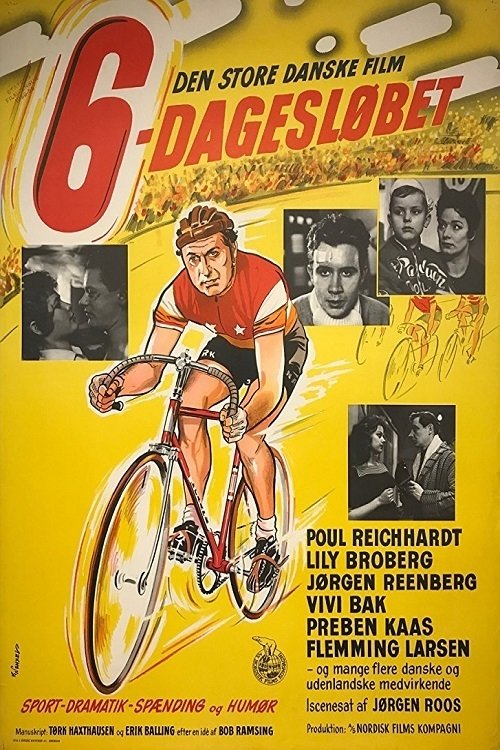
Semi documentary on a famous cycle race in Copenhagen. The story is about the competition between the riders as well as about their private and marital struggles.
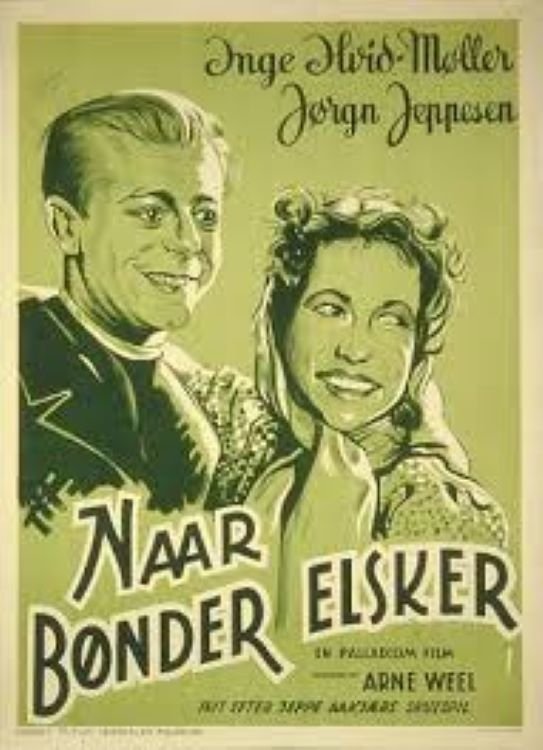
The people depicted in the film have grown up from the Jutland soil and are marked by its toughness, centuries of struggle with the fabled heath, which in its lonely majesty seems to brood over great secrets that it is most reluctant to let go of. The struggle is hard and unspeakably bitter for the frugal Jutland heath farmer, and how many destinies are not buried under the silent monument of the heath?
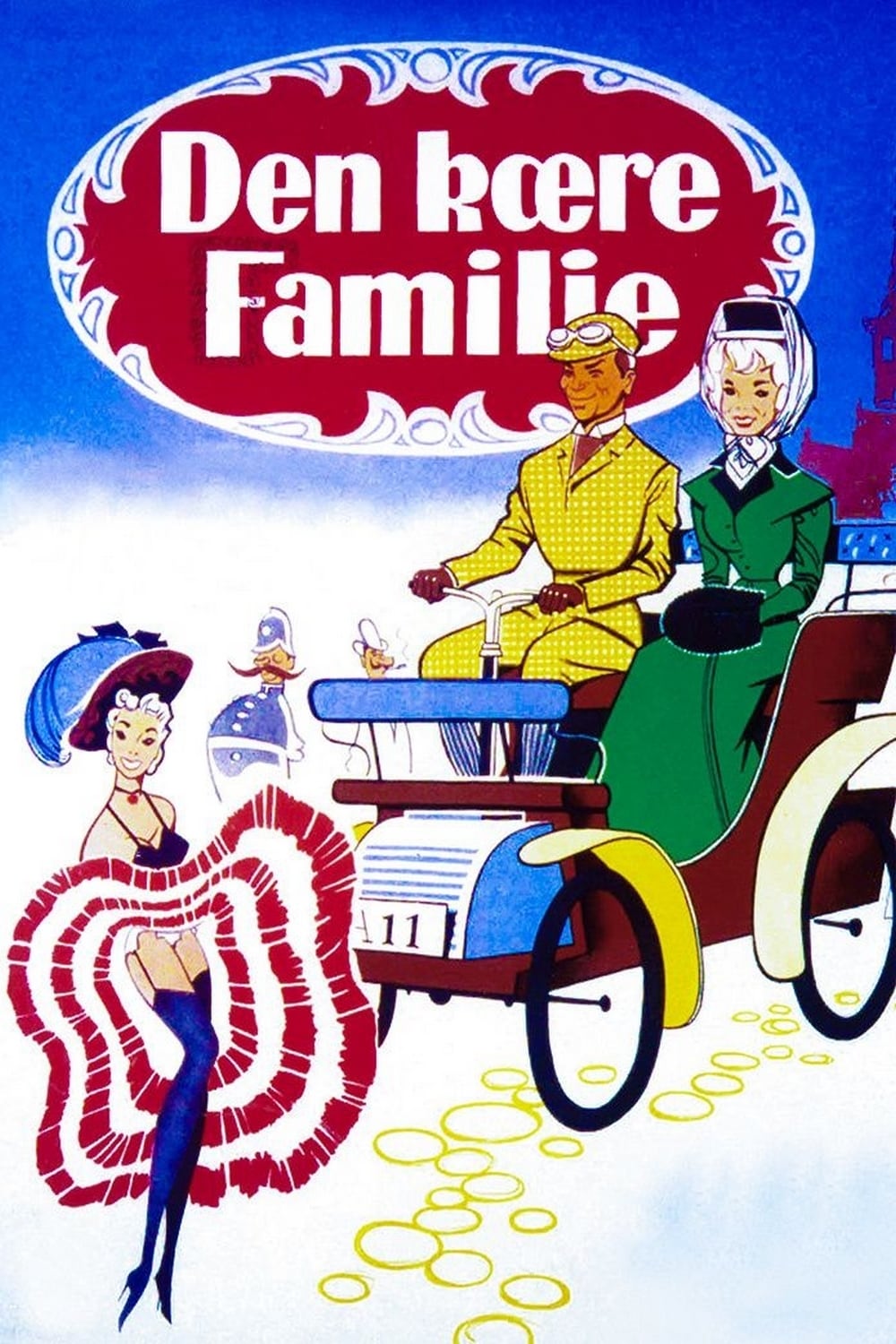
Copenhagen around the turn of the century - December 29th, 1899. Great merchant and shipowner Jacob Friis is one of Copenhagen's richest men. His home is the gathering place for family and friends. Since his wife's dead 10 years earlier, he shares sense of family and business acumen with his three daughters. Jacob wants to find a nobleman for his daughter Emily. Baron Claes is a very charming gentleman, but also a great womanizer...
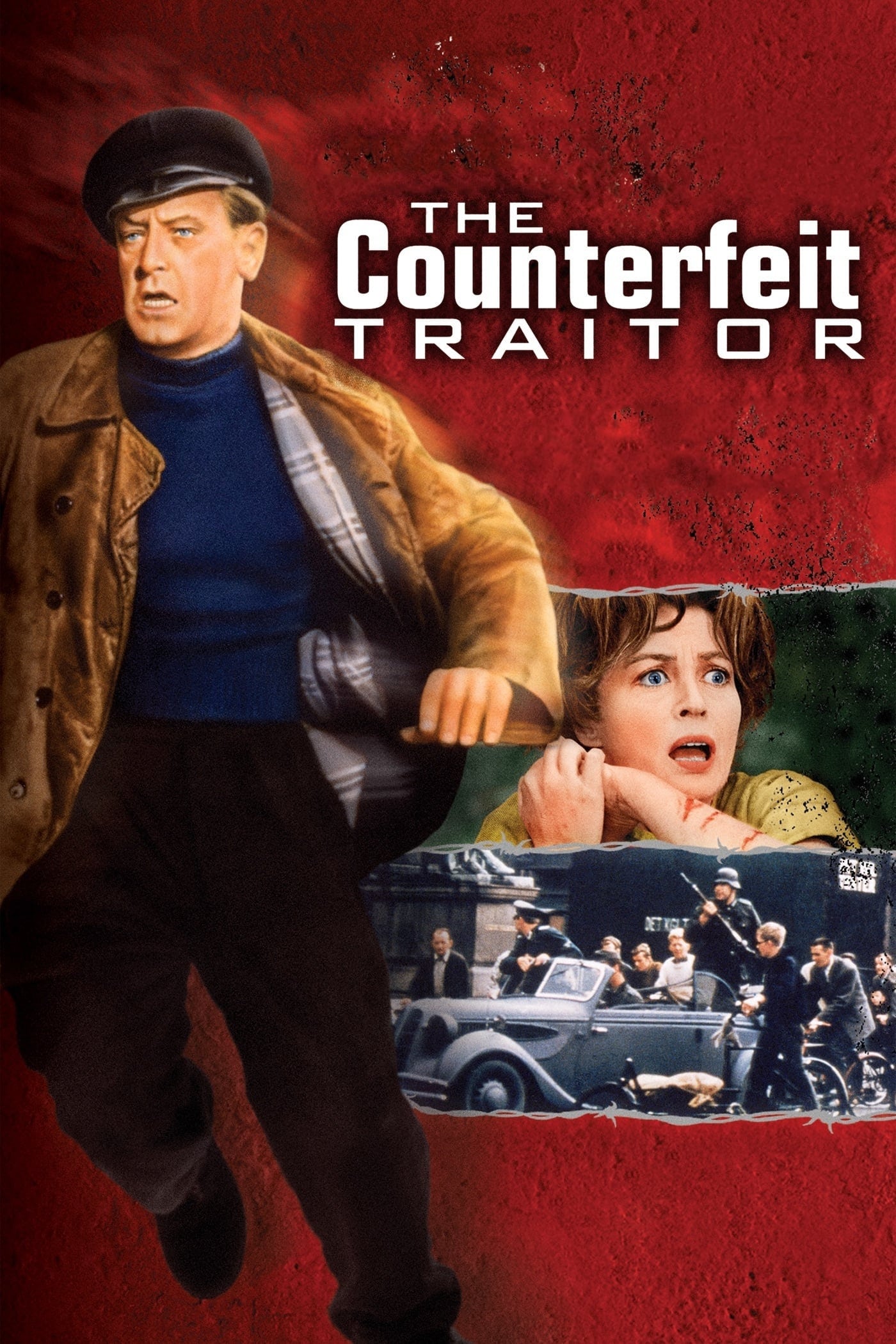
Blacklisted in modern day WW2, a Swedish oil trader opts to assist British Allies, by means of infiltrating and surveying Nazi Germany.

Based on Leif Panduro's 1958 satire classic. David, a senior high-school student, aims a swift kick at his principal's behind and is committed to a psychiatric ward from the perspective of which he takes a close look at his allegedly sane family. They, of course, are the real loonies. The psychiatrists are worse. Only lovely class-mate Lis is down-to-earth and trustworthy.

A documentary/extrended commercial for FDB Møblerc (FDB Furniture).
After the elections in 1929, where the Social Democrats are ahead, the work of rebuilding Danish society begins in earnest. A bold young man with faith in life, himself and the labor movement returns to the country, as legislation creates the opportunity to live abroad, where he feels at home. Ten years of struggle for work and democratic rule are experienced through living people. Stauning speaks before and after the film.
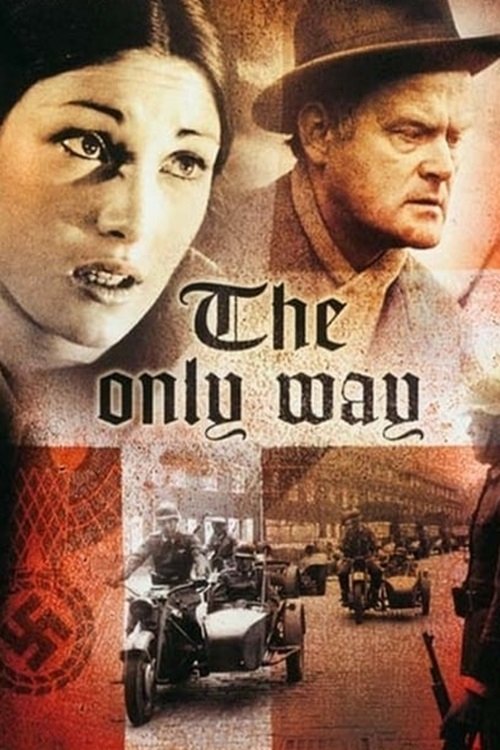
In April 1940, the armies of Nazi Germany invaded Denmark. The Danish government promised peaceful cooperation on the condition that Denmark's Jews remained free. The Nazis agreed. In October 1943, the agreement was broken... This is the true and magnificent saga of Denmark's valorous actions to save Danish Jews from Nazi extermination at peril of death!