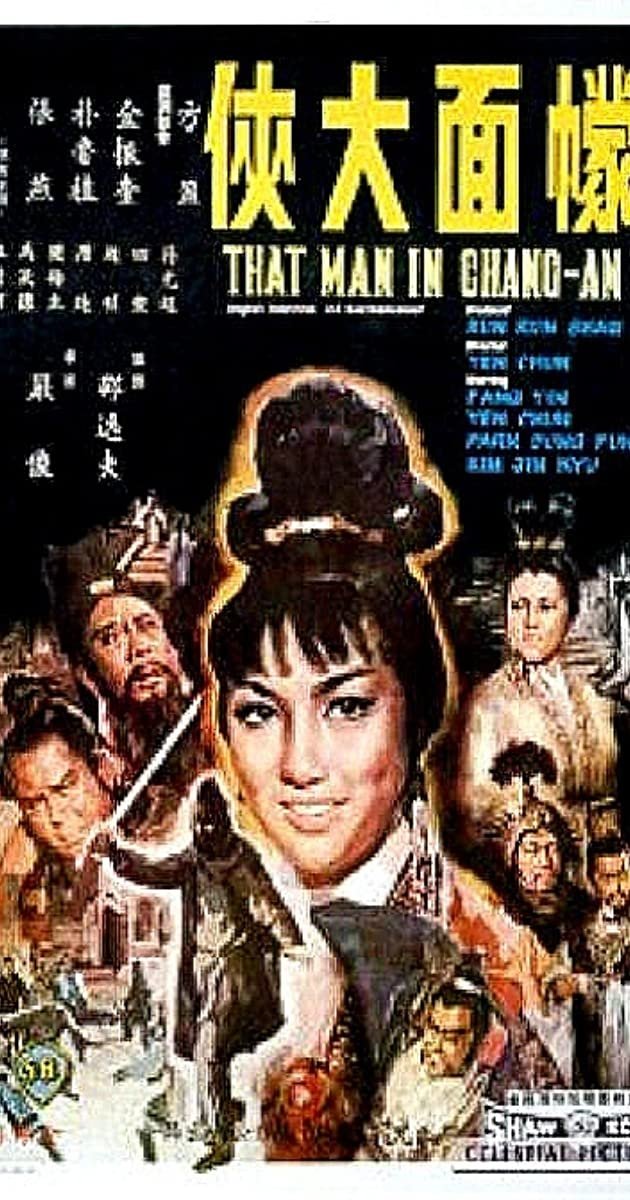
A romantic Han Dynasty adventure epic of a dying Emperor, an Evil Queen, a beautiful Princess, a dastardly royal nephew, and a masked hero, with plots and counterplots galore, complete with cliffhangers and last-second rescues.

General Chai and Lady Balsam
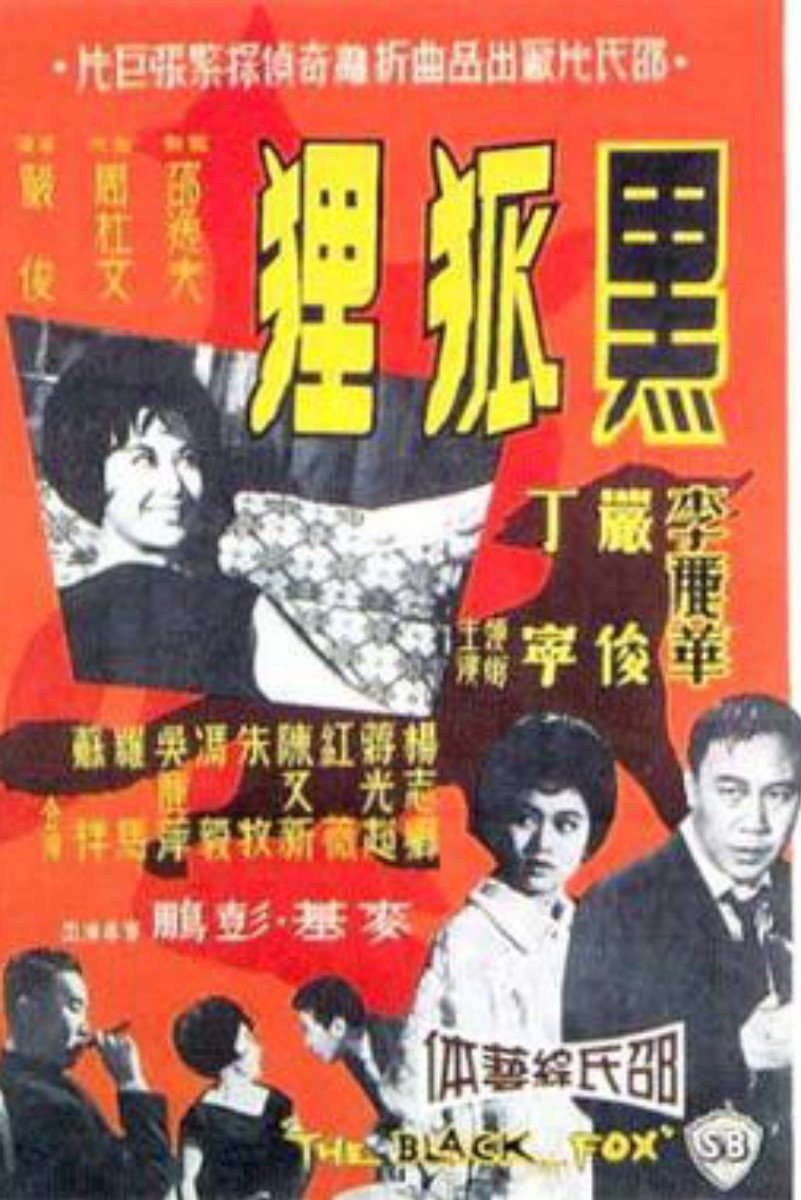
The Black Fox (黑狐狸) is a 1962 Hong Kong thriller film directed by Yan Jun. The film was produced under the Shaw Brothers banner in the Mandarin language.
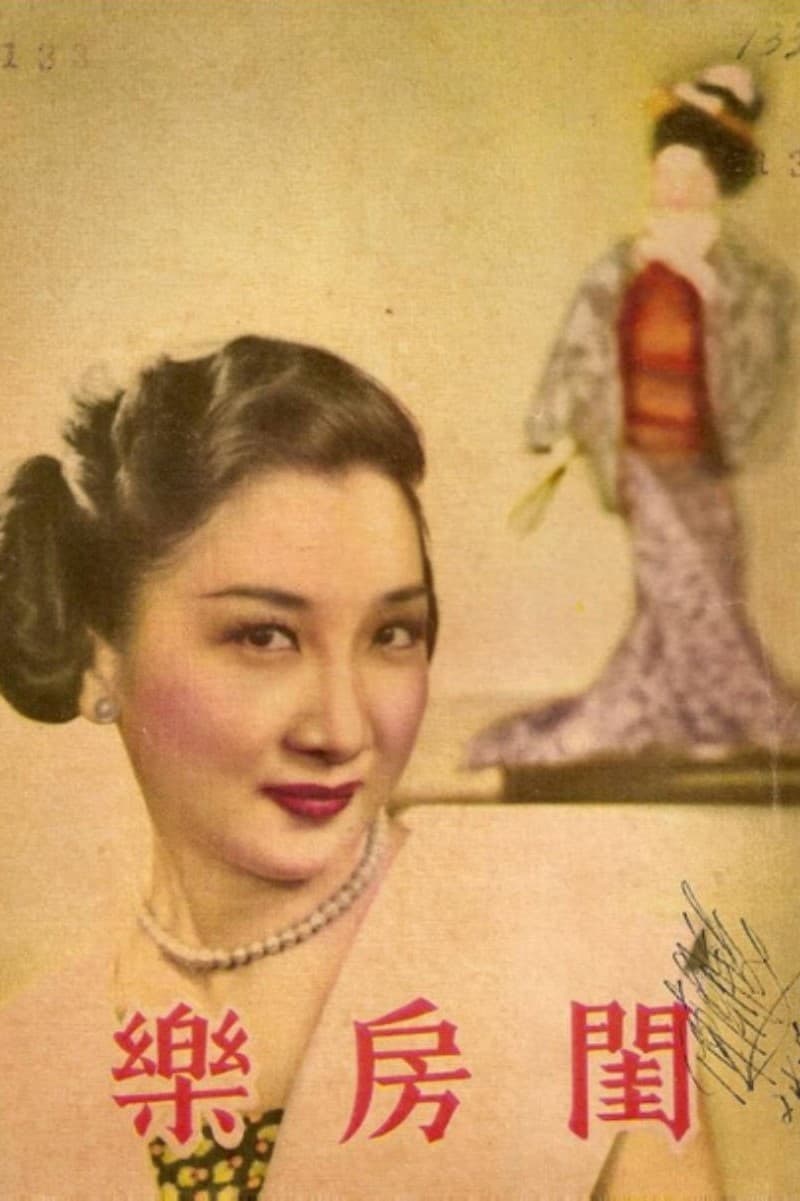
Meal Time is a comedy film about all the mess with housework that director Yan and his wife had to go through after the maid gave up her job.
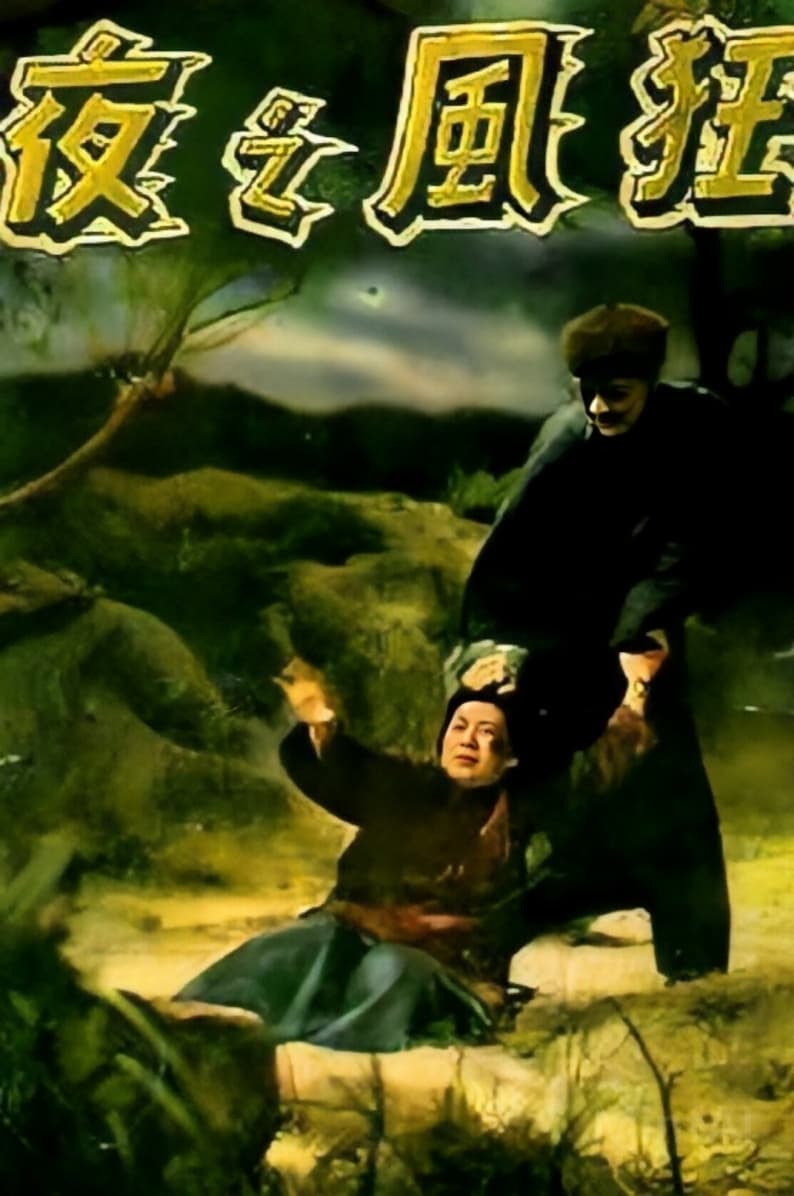
HK drama film.
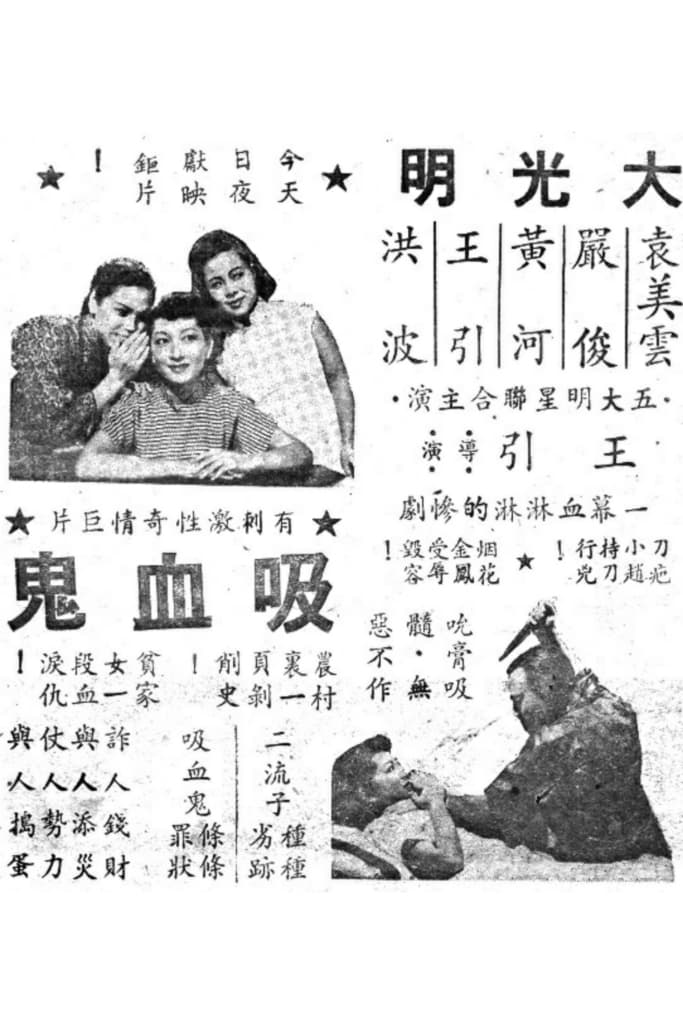
HK horror film.
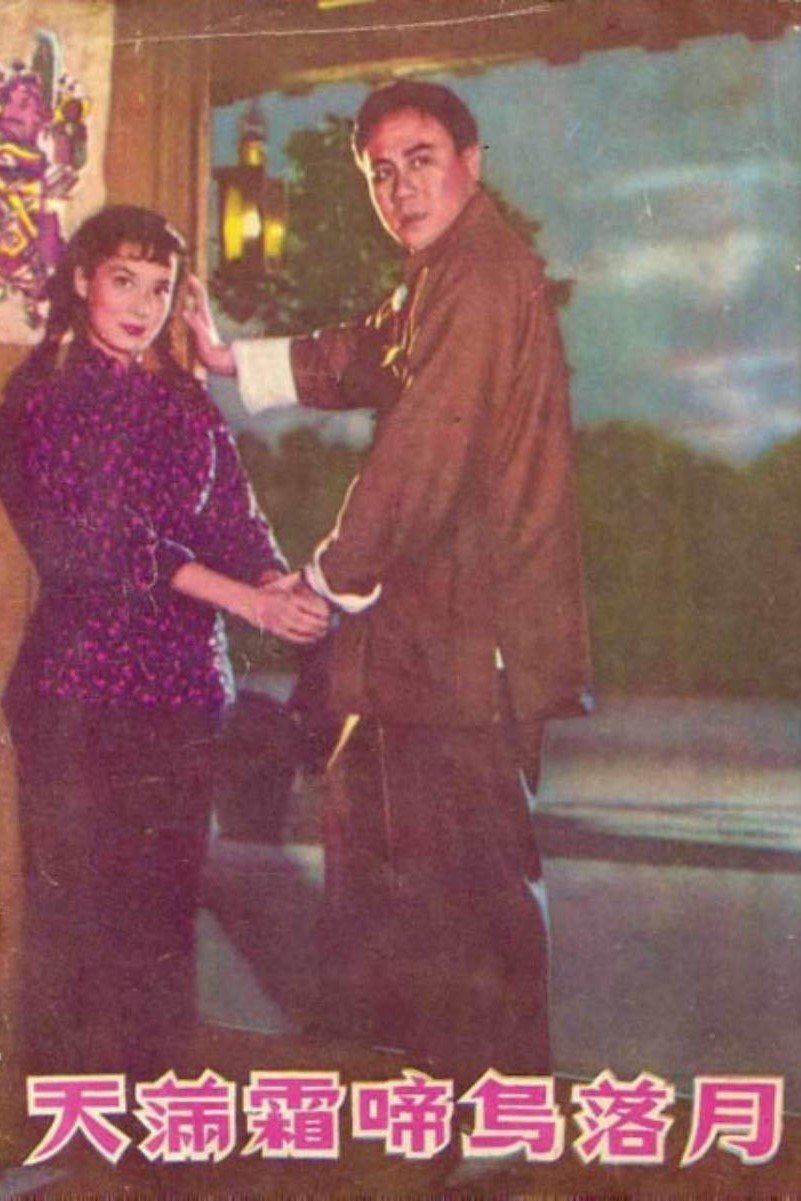
Loosely based on Maxim Gorky's The Lower Depths
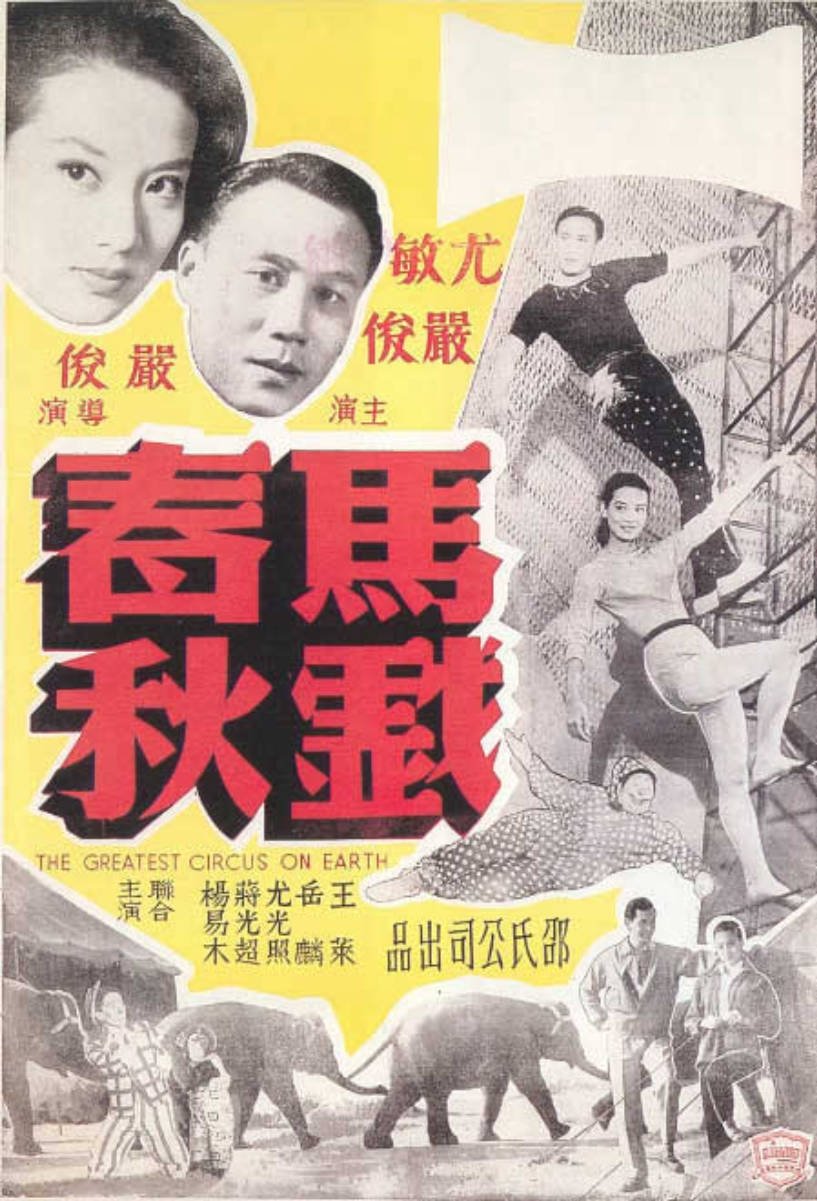
Circus trapeze artist Liu Xiaoniu runs away from the circus. While away, she's tricked by a playboy and then the police mistake her for a prostitute. She returns to the circus but her adoptive father, Liu Yingjie, suffers an accident.

Xu Ning meets secret agents Bai Ping and Mei Haozi and falls in love with Ping. Bai Ping becomes involved in a plot to steal confidential documents and faces subsequent danger...
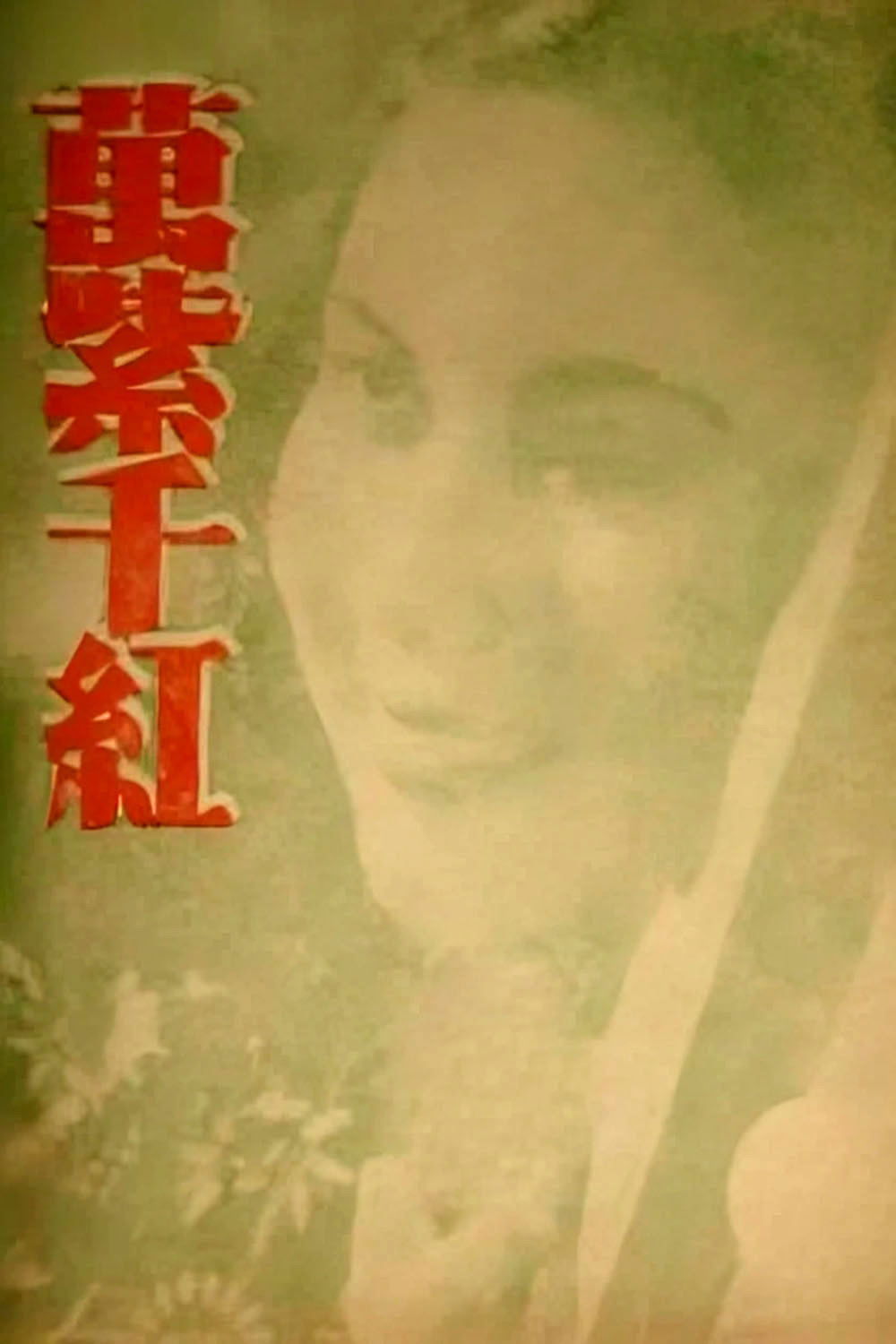

A young woman moves to rural Taiwan to live with her extended family during her parents' divorce. She and her two cousins navigate romantic complications and relations with the indigenous Taiwanese in this adaptation of a Chiung Yao novel.
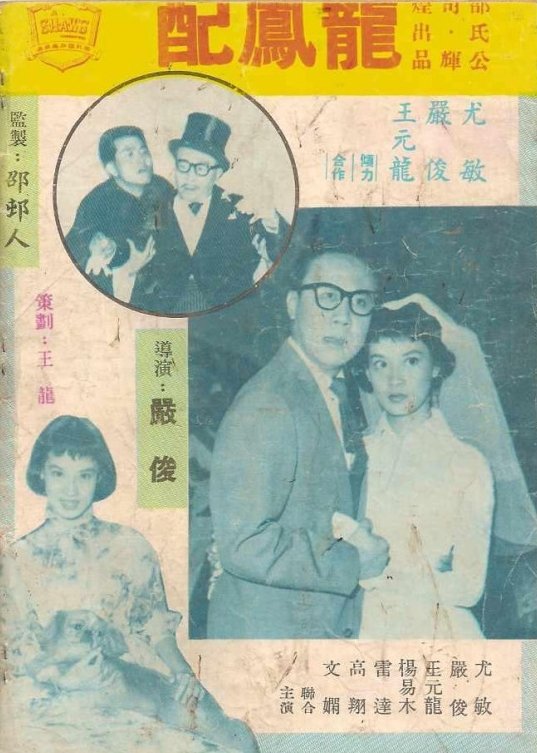
A Shaw and Sons production.
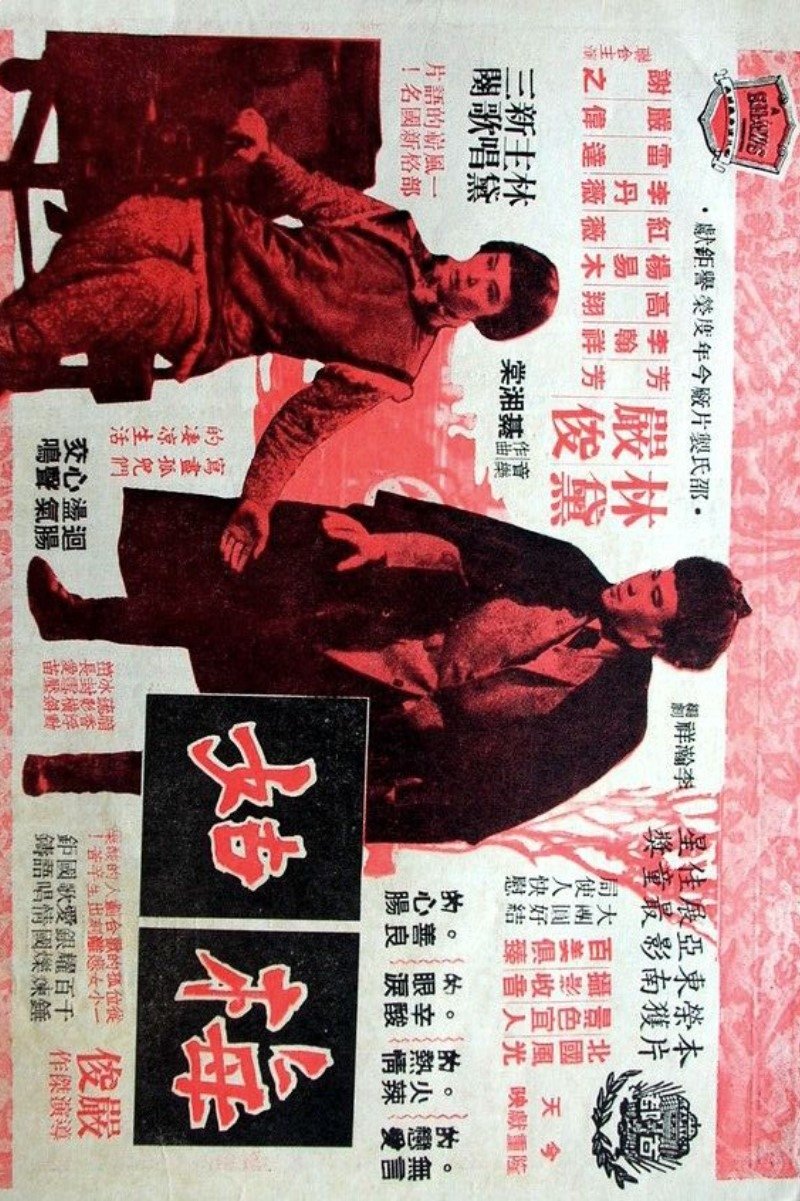
Loosely based on Charlotte Bronte's novel Jane Eyre.
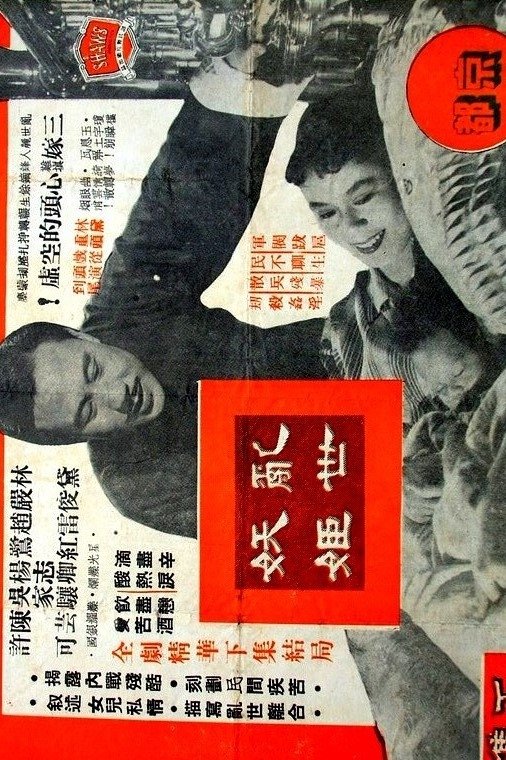
A Shaw and Sons production about a couple who loves each other but end up marrying different people because of parental pressures.
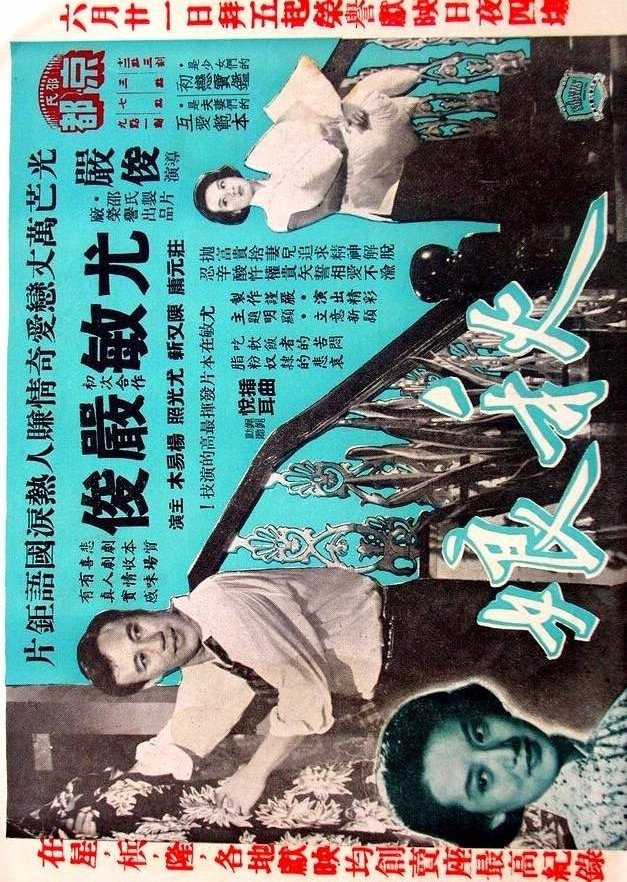
A Shaw and Sons production.
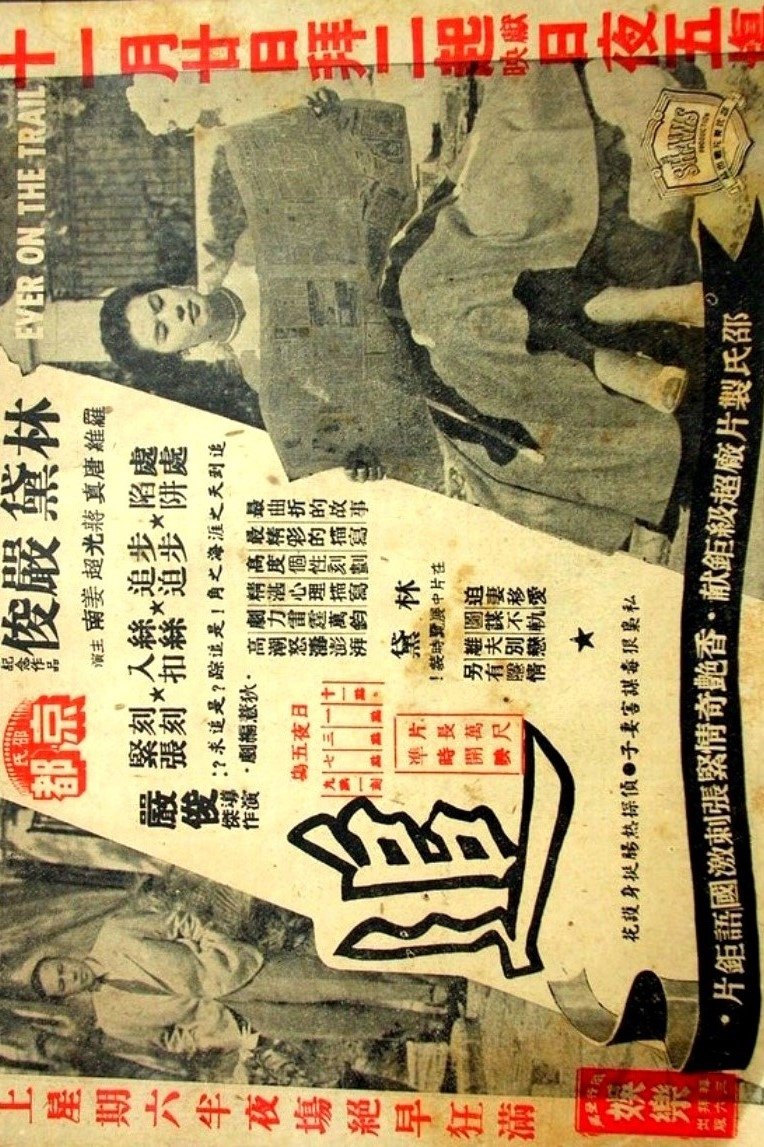
Private Investigator, Wu Feng, is tasked in tracking down his wife, Zhang Xiu Juan, and collecting evidence of her infidelity. He plans to blackmail her into divorcing him while also getting a share of her inheritance from her father.
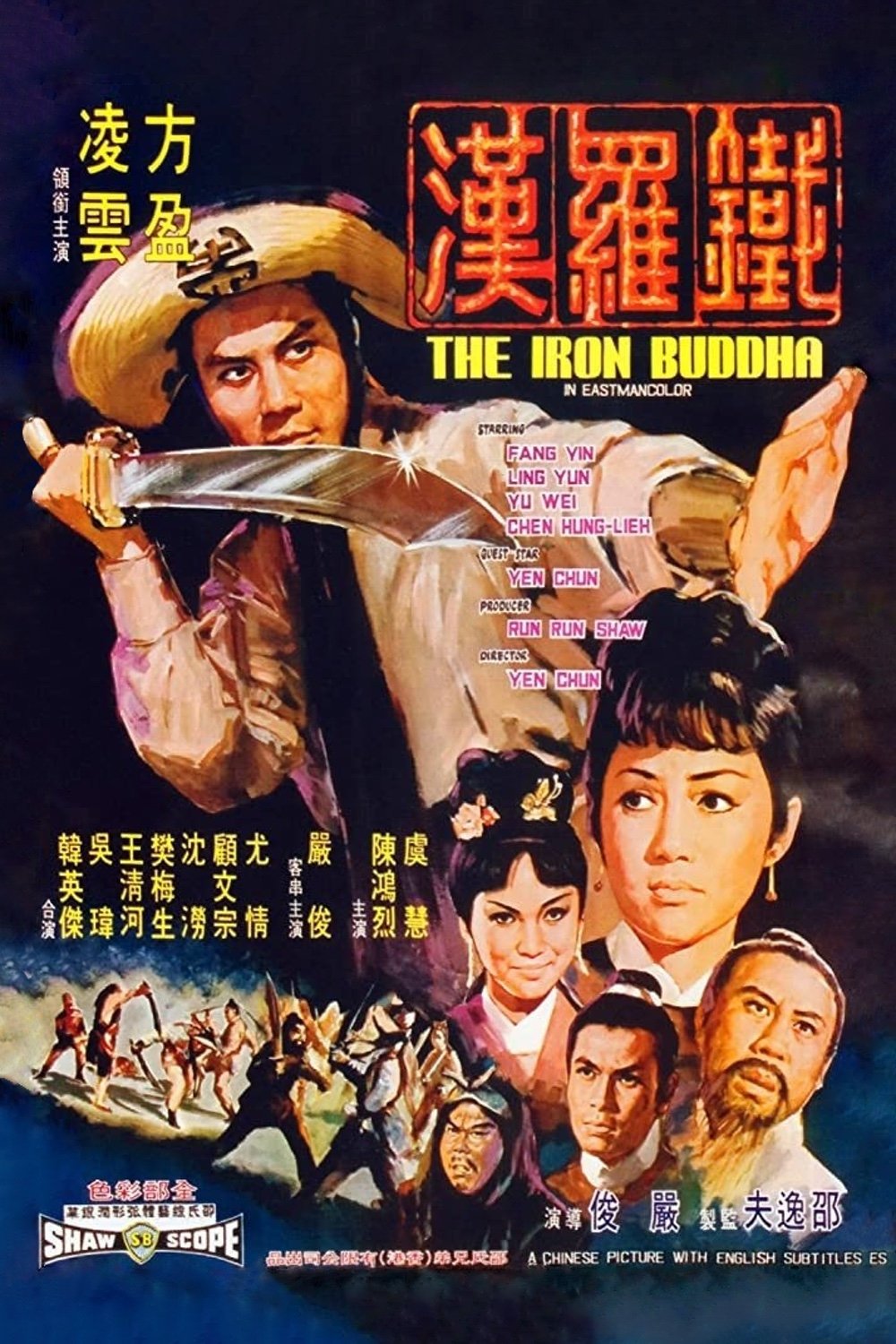
After a notorious rapist kills his master and entire clan, the Iron Buddha sets out for revenge. He'll need a magic sword first though, naturally.
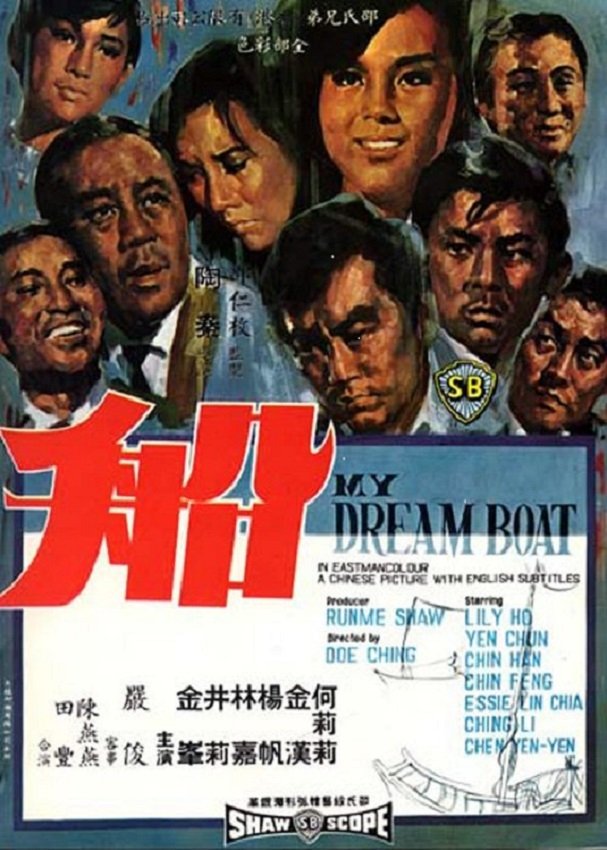
Chi Yuan and Tang Ke-hsin find an unexpected spark during a Christmas gathering, creating ripples of jealousy and heartache within the tightly knit circle of siblings Tu Chia-wen and Chia-ling. A hunting accident sends their lives into emotional freefall, separating lovers, straining family bonds, and pushing each character toward choices that echo for years to come. What begins as a tender love triangle spirals into a multigenerational saga of longing, regret, and redemption, culminating in both reunion and irreversible loss.
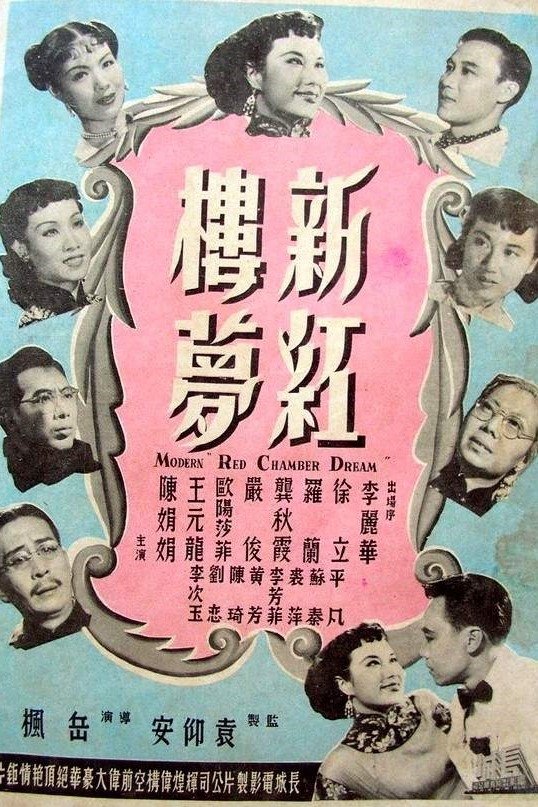
Dream of the Red Chamber, one of the big four of classic Chinese novels, has been adapted for film and television dozens of times over the past decades. Yet this sui generis Great Wall production daringly transposes the setting to modern-day 1950s. The contemporised story revolves nonetheless around the love triangle between Jia Baoyu and his two cousins. Both girls love him but his heart belongs to only one. The ending, however, is remarkably changed to separation of the lovers as a result of war—the war that was surely still haunting the minds of the filmmakers at the time when the film was made. Not only did Great Wall pour money into building extravagant sets just so to recreate down to the smallest detail the grandeur of the legendary Jia mansion, but the film also boasted of its lavish costume designs for the diverse female cast. (From Hong Kong Film Archive)
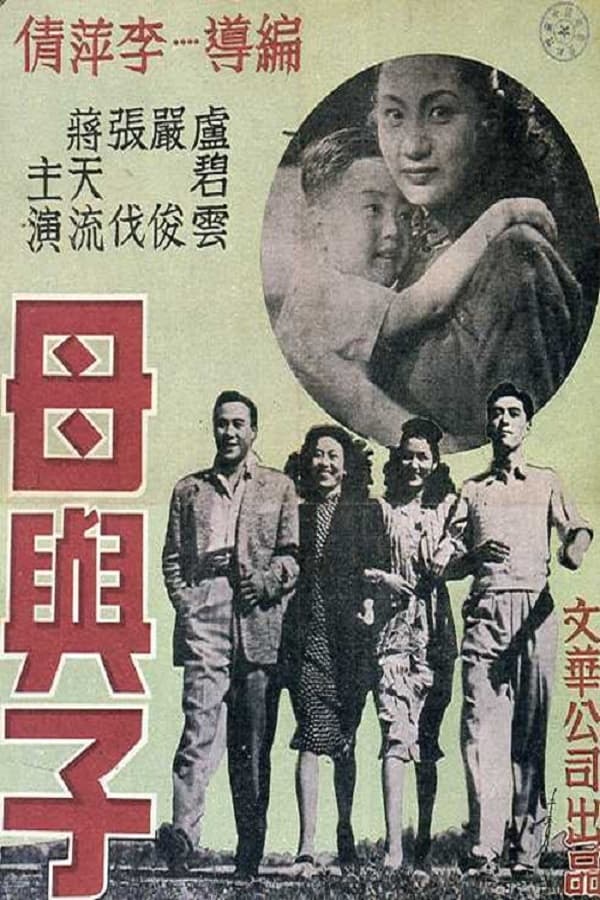
After falling in love with Han Liren and giving birth to an "illegitimate child", Han Liren abandoned her and married a rich girl and cheated her out of the child. Huang Su then left the country, changed her name to Lin Luping, and became an actress. Sixteen years later, Huang Su was so popular that she was invited to perform in Shanghai. The young actor she worked with, Han Chen, was withdrawn and hated everyone, and everyone discriminated against him because he was an abandoned "illegitimate child". On stage, Han Chen played Lin Luping's son and was very successful. Later Lin Luping finds out that he turns out to be her biological son who was cheated away by Han Liren years ago. At this point, the theater owner Han Liren appears and wishes to get back together with Lin Luping, but is rejected by Lin Luping's mother and son.
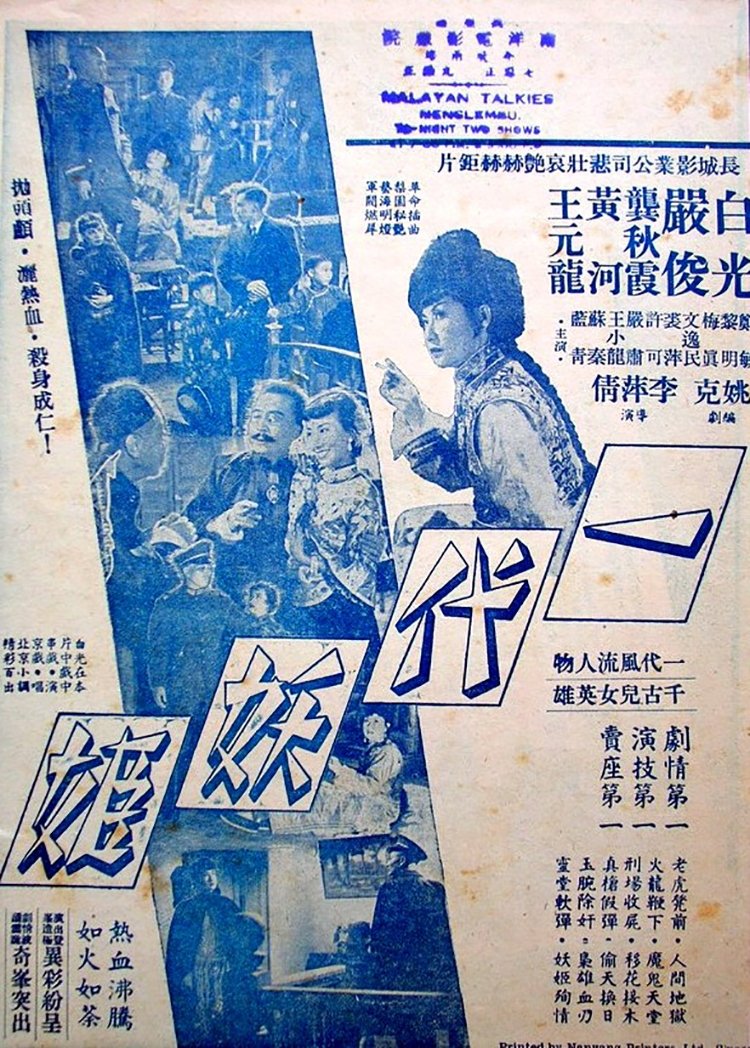
Not seen in Hong Kong for many years, A Strange Woman was Li Pingqian's first film at Great Wall Film Studio. Adapted from the play La Tosca by French playwright Victorien Sardou, opera star Xiao Xiangshui (Bai Guang) helps her lover, a revolutionary, to escape from warlords. She finesses with both the head of the secret service (Yan Jun) and her lover's wife, but things do not turn out as planned. Li changed his usual pace to encompass a more conventional and dramatic film plot. Bold and flirtatious in her role, Bai Guang is equally over the top in appearance as Yan Jun. The tension in winning the heroine over drives the plot more than the themes of patriotism and loyalty in love.
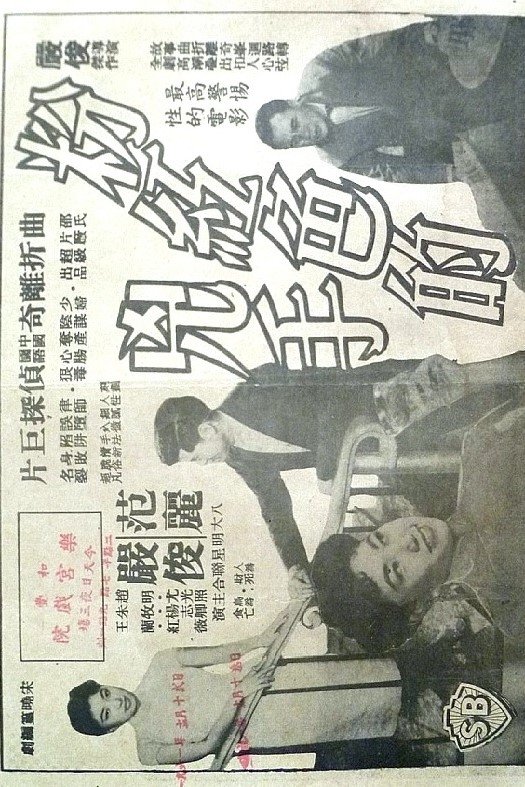
A Shaw Brothers production
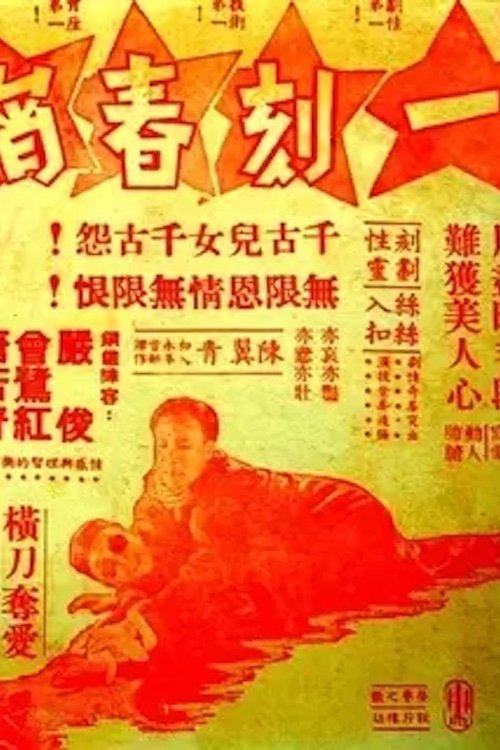
The film tells the story of a woman who grew up in China's warlord era and suffered from war and love failure.
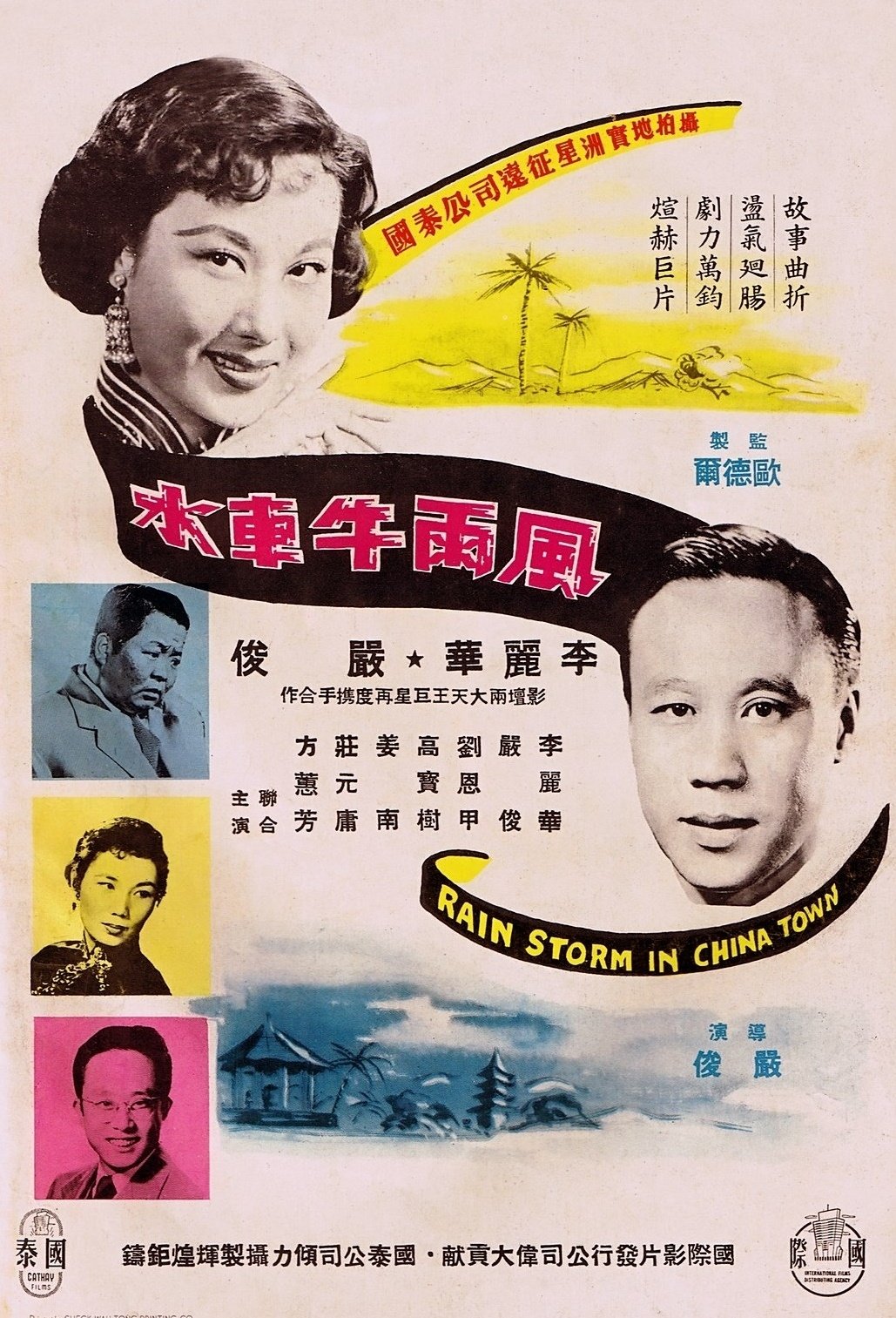
Jiang Lizhen's husband, Wang Gensheng, went to Nanyang to make a living. After ten years of separation, there was no news. Jane took her daughter to find her husband, but found out that she was born into a wealthy family.
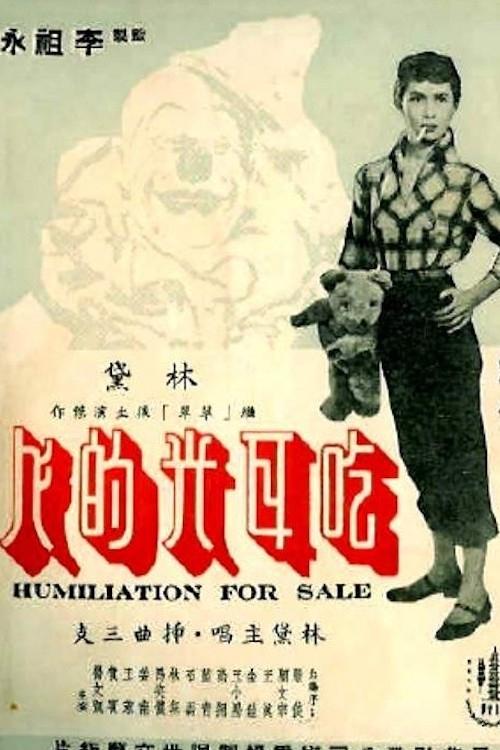
Tao Zutai, a bank employee, has five children. Tao's wife is addicted to gambling and spends too much and the eldest daughter Guiru is greedy for vanity. Tao is overjoyed when he is notified that he will be promoted to deputy manager.
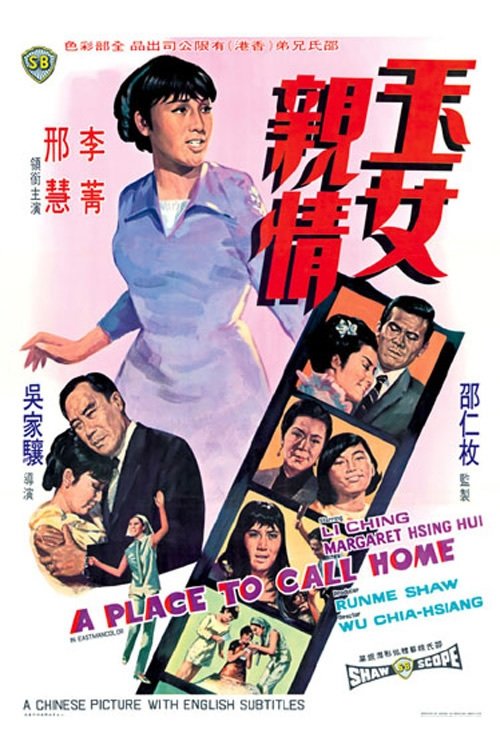
Li Ching plays one of three daughters, whose life is turned upside down when she discovers she is adopted. But things get even worse when she goes in search of her real mother. Finally, after almost a double tragedy, she realizes what so many knew all along: There's no place like home.
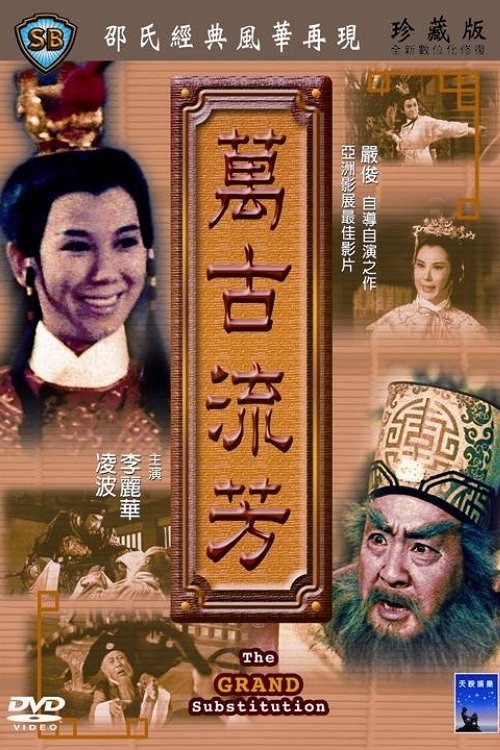
With China under control of a weak Emperor, two officials compete to steer the future destiny of the land. Chiu believes the people are the future of China, while the diabolical Tu wishes to grind the people beneath an iron heel. Tu decides to take out Chiu's family, but one lone infant escapes.
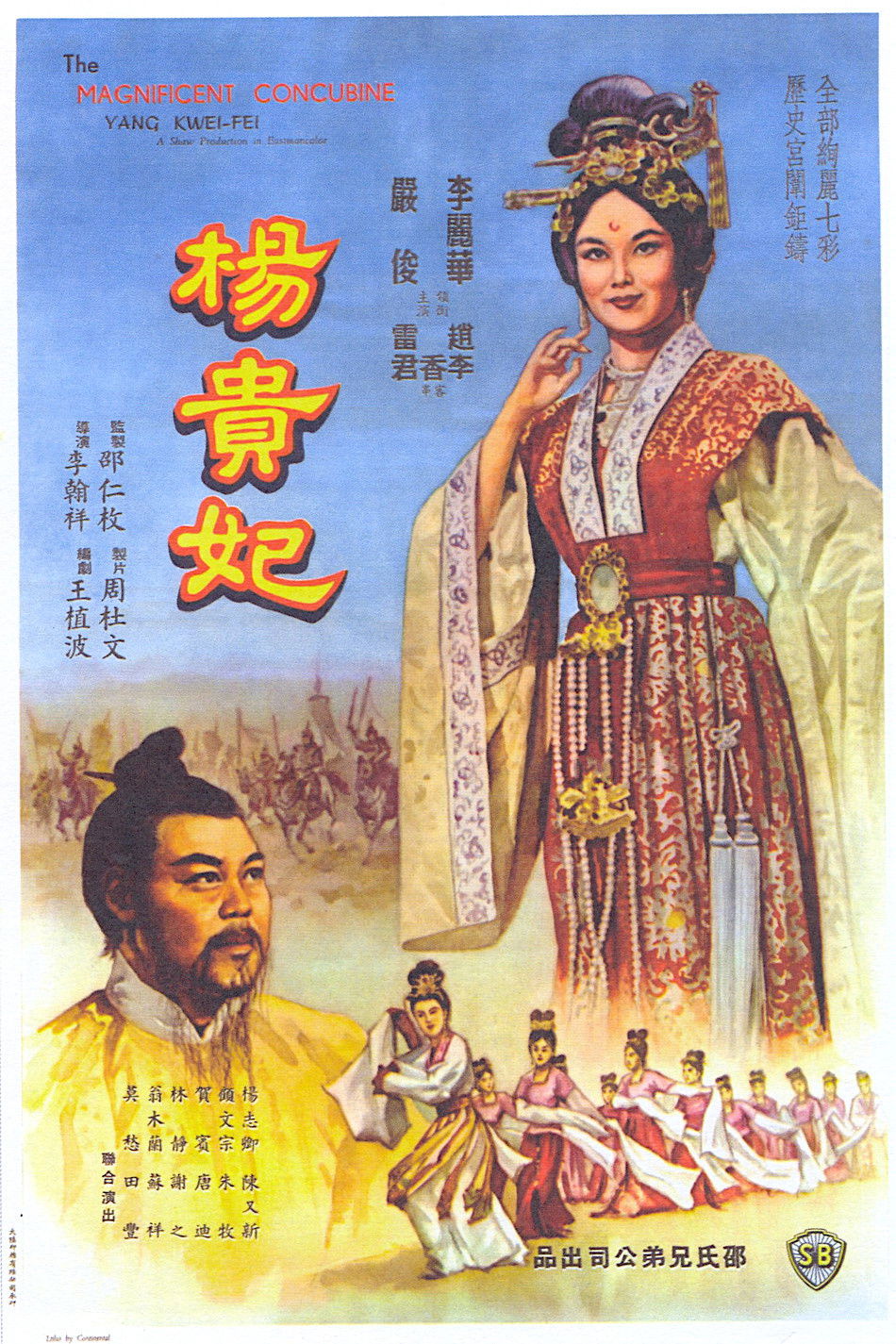
Perhaps the most notorious concubine in Chinese history, Yang Guifei set a pudgy standard of beauty in her days of glory during the Tang dynasty. The Emperor Minghuang was so besotted with the woman that when An Lushan stages his rebellion against the empire, the ruler takes Yang Guifei along with his imperial entourage in an escape to the mountainous area of modern-day Sichuan, and sanctuary of sorts. But the concubine had roused the jealousy of the court and unfortunately for her and to the great sorrow of the king, her brother and others among the king's retainers demanded she be strangled to death while they were still in the mountains. This is the story told in this interesting Taiwanese adaptation by director Li Han-hsiang (Li Hanxiang).
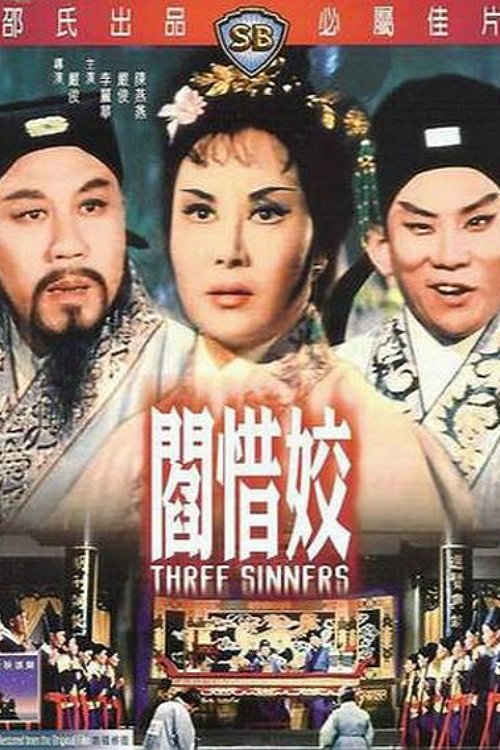
Based on one particular storyline from The Water Margin, Three Sinners weaves an intriguing story of romance, treachery, and death, all within the context of the traditional Huangmei Opera. Yan Jun casts his real-life wife, the elegant Li Li Hua, star of such Shaw Brothers films as The Goddess of Mercy and Vermillion Door, as one of the title characters, a woman who finds herself in the middle of a stormy love triangle involving her controlling husband (director Yan Jun serving double duty in a starring role) and a passionate lover (Chen Yan Yan).
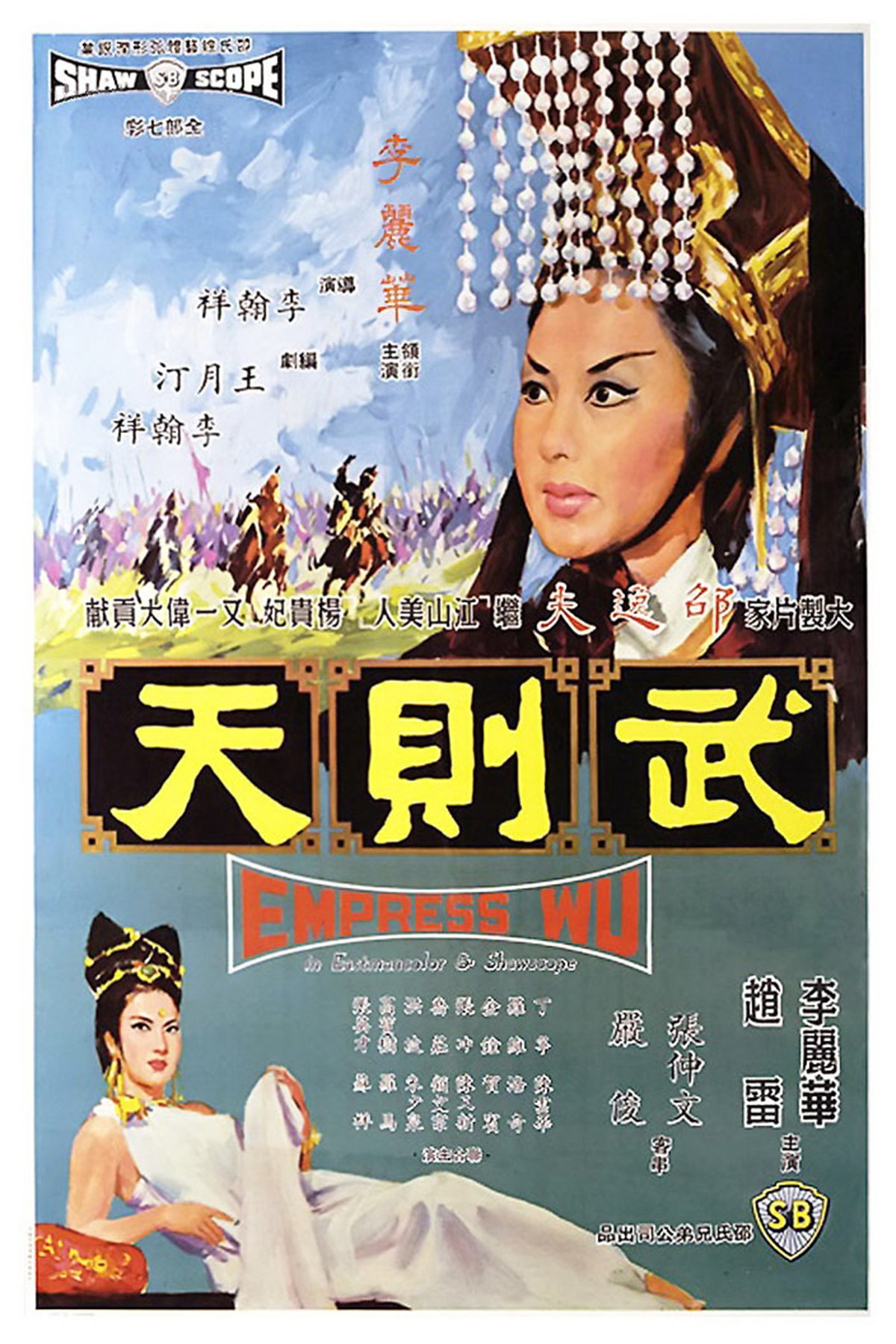
The renowned Li Li Hua plays Wu Ze Tian, the most famous woman in China's four thousand year history.
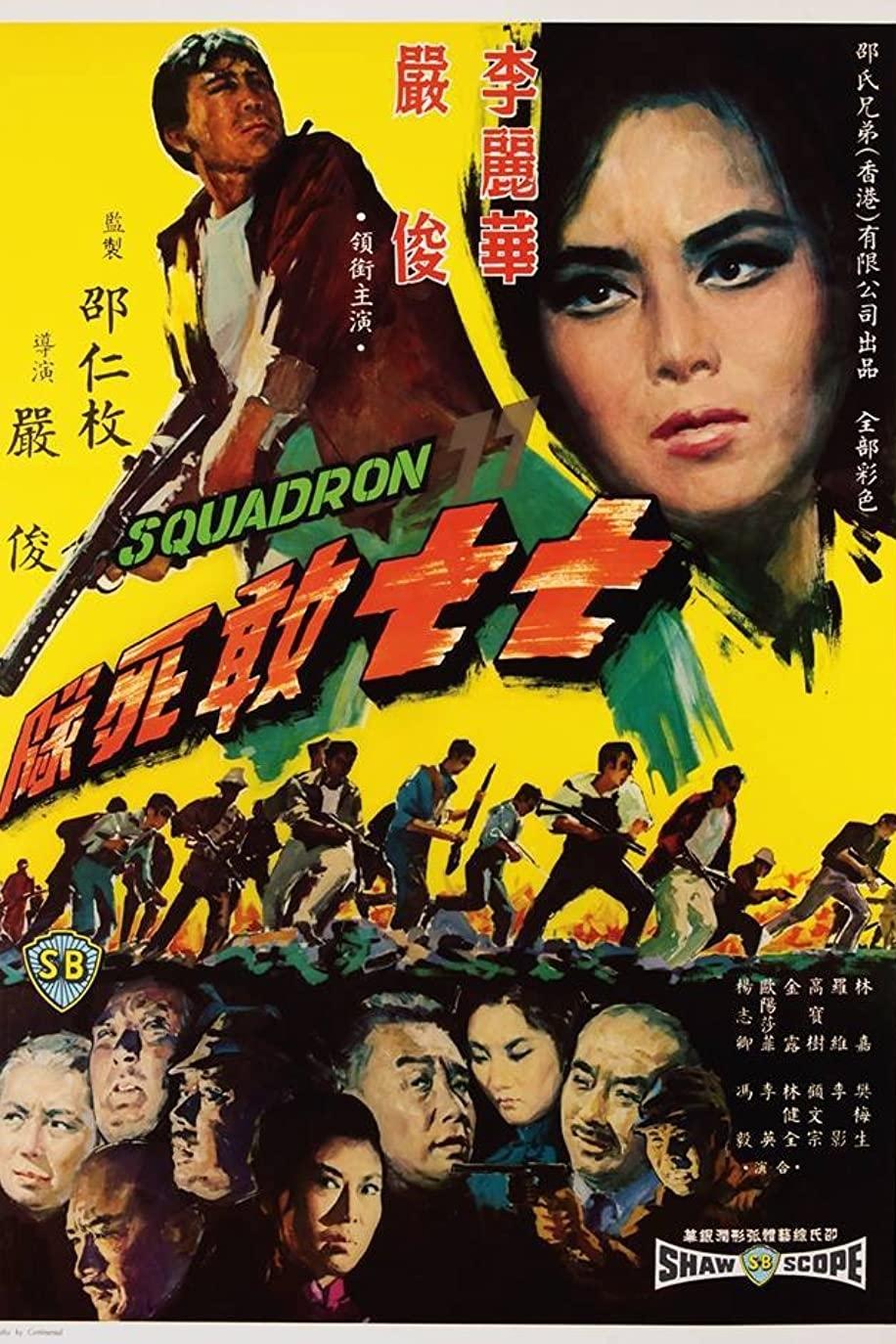
Spy thriller set in occupied Shanghai. Li Lihua stars as the woman who is thrust into the role of nationalist freedom fighter when she discovers that her husband is a collaborator with the Japanese.
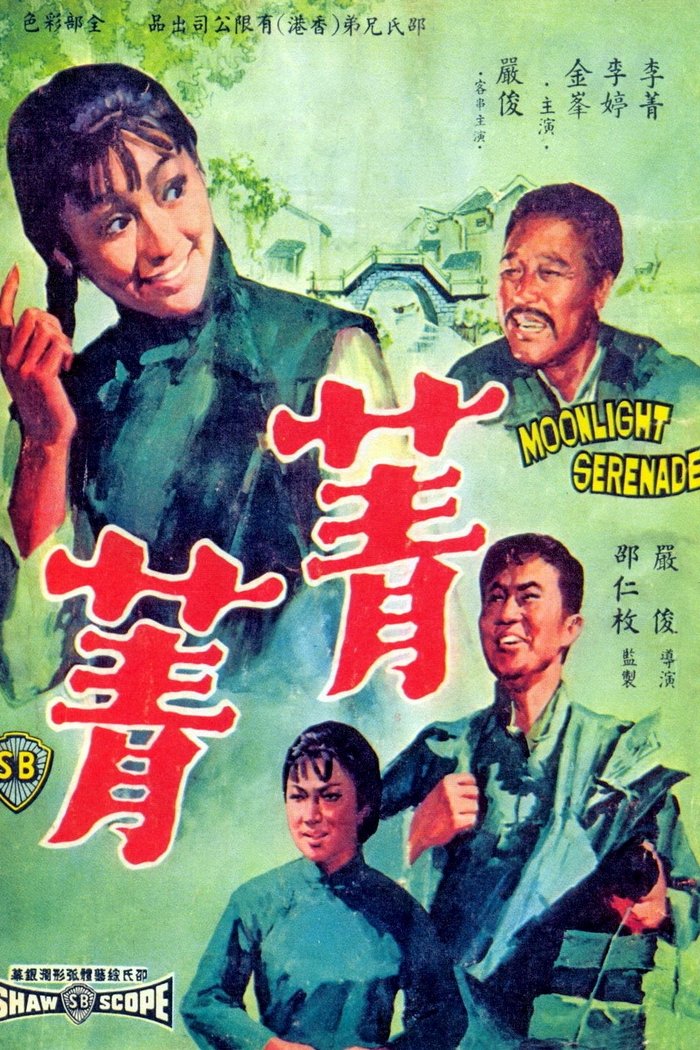
A sweet inn-keeper's daughter falls in love with a woodcutter, but witnesses the woodcutter's brother raping her sister. Tragically, the sister commits suicide in shame, and the rapists turn his attentions to the witness, leading to more danger than most romantic dramas can handle.
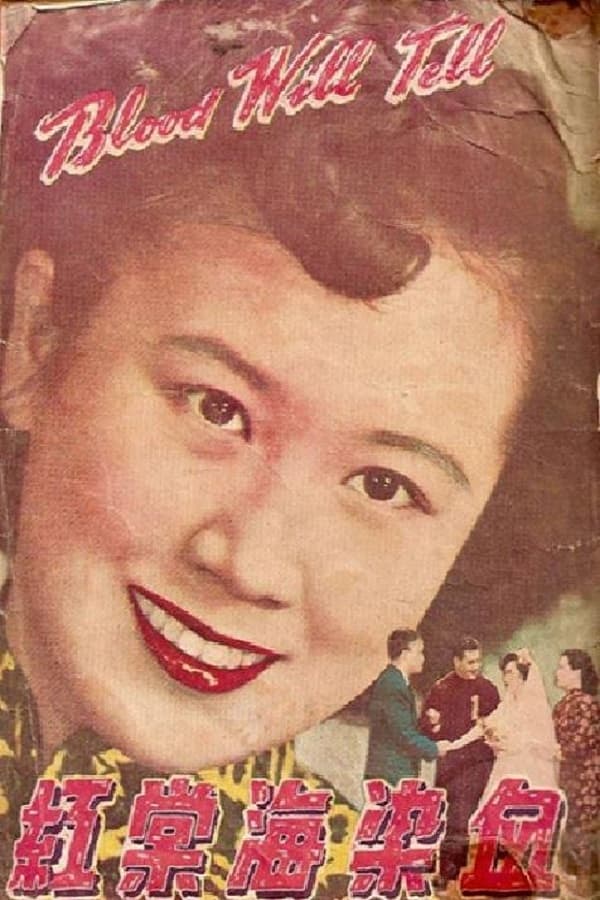
Ma the flying bandit calls it quits after his daughter is born. His wife, a onetime prostitute, can’t stand poverty and turns him in to the authorities before resuming her profession. Years later, when the daughter is set to get married, the unabashed mother blackmails her own flesh and blood, so Ma has to escape from prison to thwart her.
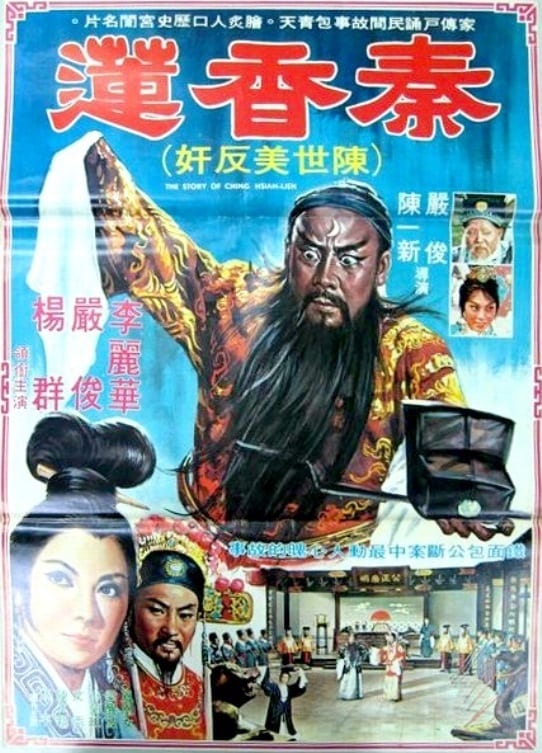
The Story of Qin Xiang-Lian is a Hong Kong Chinese Opera musical starring Jackie Chan in a child role.
Comedy about five married couples — a pair of parents and their four daughters and sons-in-law. Li Li Hua plays the eldest girl, opposite her real-life husband Yean Chuan.
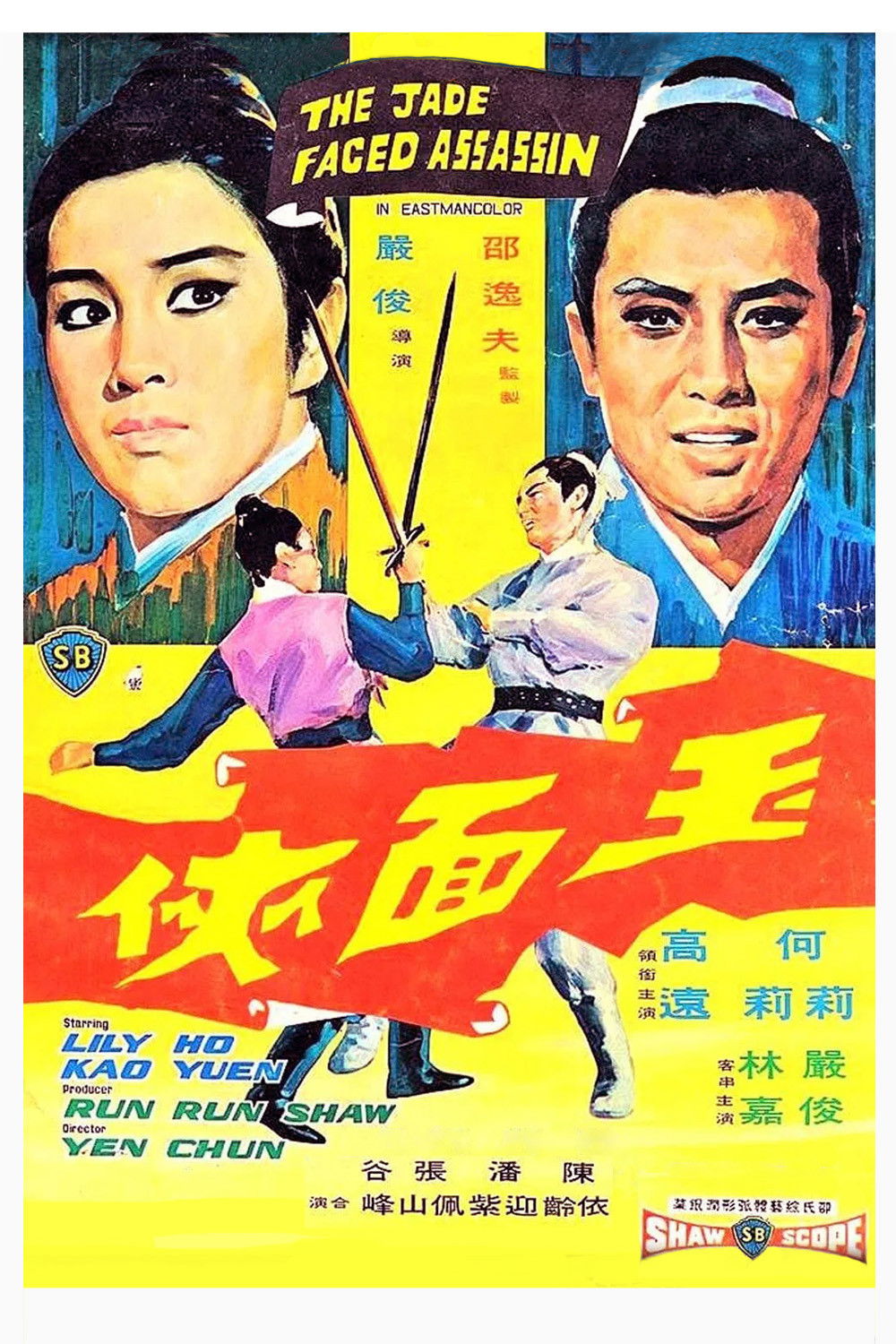
The swordsman Zhang Zhen is injured in a misadventure and rescued by Eldest Sister of Changchun Sect, who has a crush on him. However, Zhang falls in love with the maid Yuenu instead, and conceives twins with her. The couple are killed by a group of evil pugilists later. The Eldest Sister is angry with Zhang Zhen for not accepting her and plans to make Zhang's children kill each other as revenge. The baby girl (Xiaolu'er) is saved by Zhang's friend, Lian Lanyan, while the male infant (Hua Yuchun) is taken away by the Eldest Sister. Lian Lanyan encounters the Ten Villains when he passes through Villains' Valley. He is overwhelmed by them and knocked out in a fight. The baby Xiaolu'er is taken away by the Villains, who surprisingly do not harm her, and instead intend to groom her to become the greatest villain ever. Eighteen years later, the twins meet each other by coincidence.
Painter Wang Zijian is saved from drowning by Aying, the daughter of a fishing folk. Their relationship becomes an intimate one. When Wang's father presses him to marry his boss's daughter Du Jiazhen, he runs away in defiance. Du sows discord between the lovers and drives Aying insane. Wang returns hoping to remedy the harm done to Aying but is too late to save her from drowning herself in the sea.
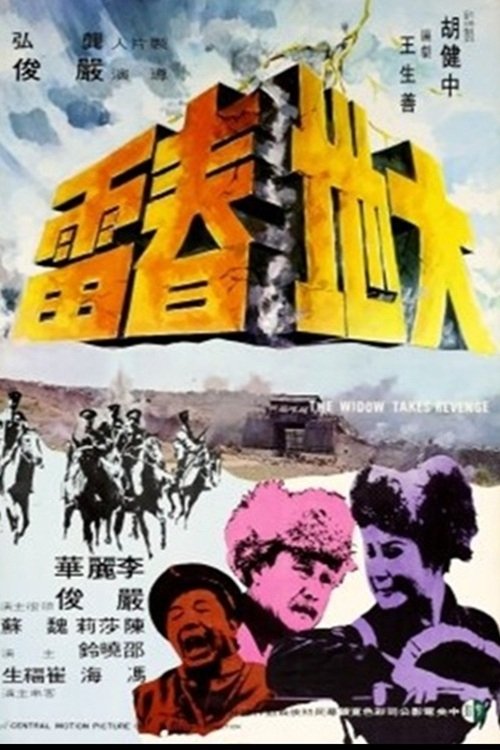
It tells the story of an unfortunate incident in Majiazhai, northern China in 1924. A sympathetically-stirring event took place in 1924 in northern China where warloads were rampant. The brave woman who fearlessly and dauntlessly takes revenge on an evil man who betrayed her husband and had him killed.