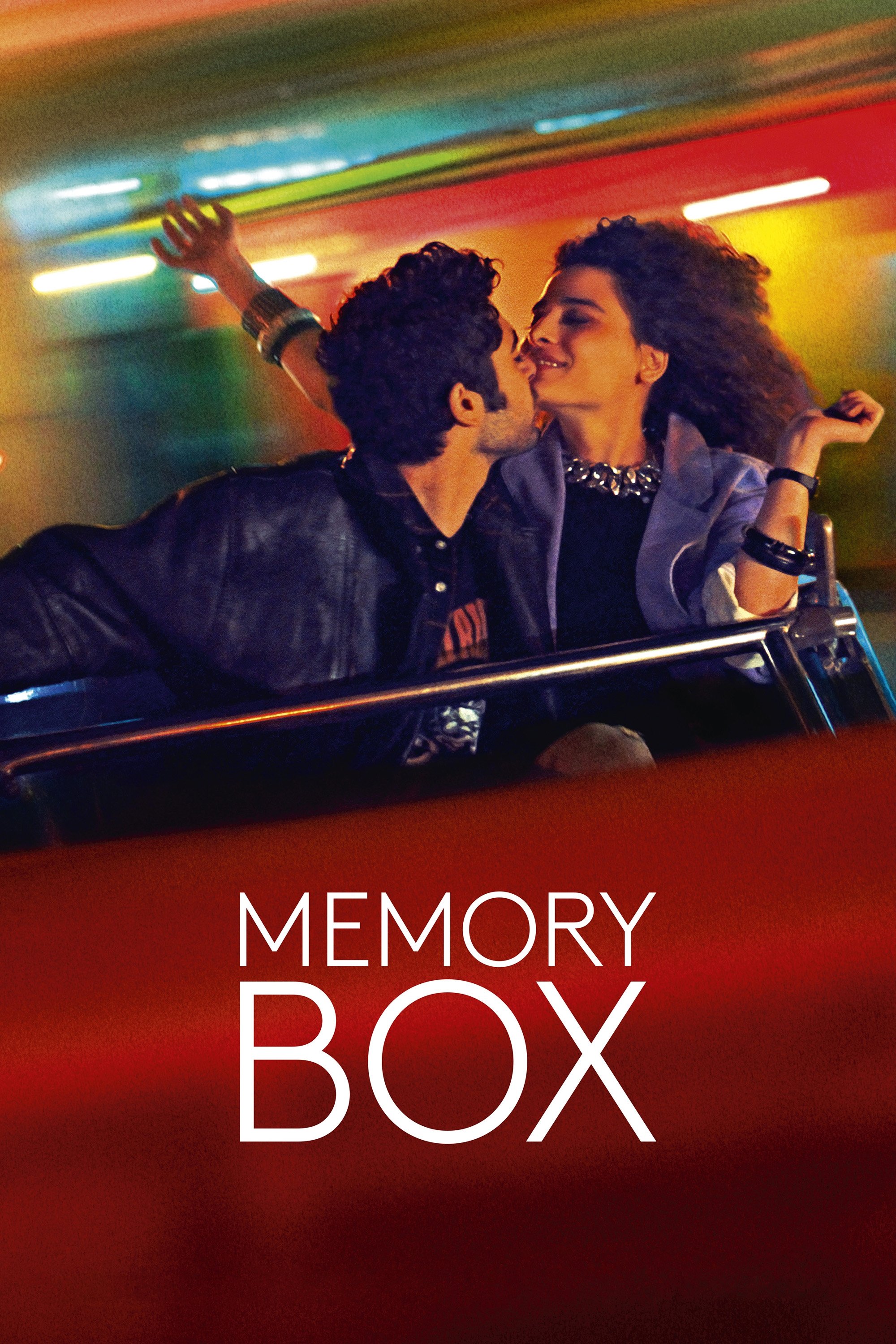
Maia, a single mother, lives in Montreal with her teenage daughter, Alex. On Christmas Eve, they receive an unexpected delivery: notebooks, tapes, and photos Maia, from 13 to 18 years old, sent from Beirut to her best friend who left for Paris to escape the civil war. Maia refuses to open the box or confront its memories, but Alex secretly begins diving into it. Between fantasy and reality, Alex enters the world of her mother’s tumultuous, passionate adolescence during the Lebanese civil war, unlocking mysteries of a hidden past.
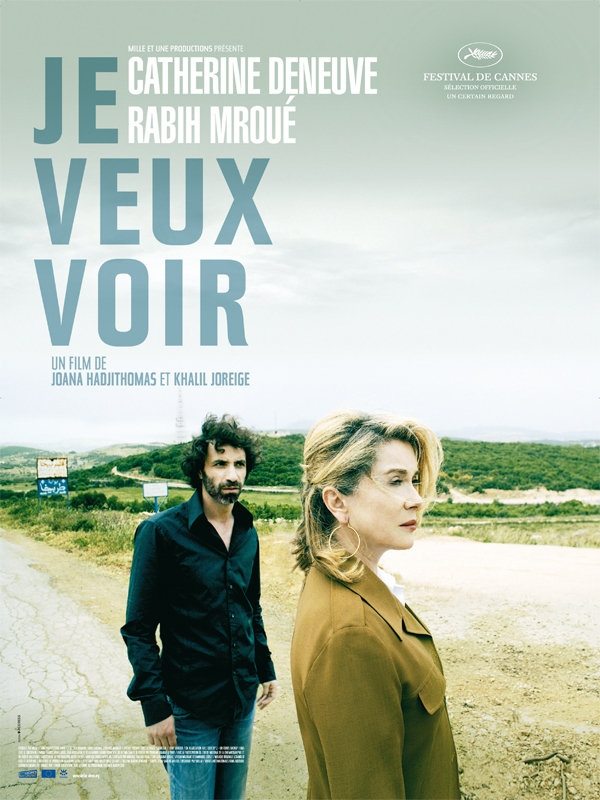
July 2006. Another war breaks out in Lebanon. The directors decide to follow a movie star, Catherine Deneuve and a friend, actor and artist Rabih Mroue;, on the roads of South Lebanon. Together, they will drive through the regions devastated by the conflict. It is the beginning of an unpredictable, unexpected adventure...

Rounds is a video featuring Rabih Mroué, filmed steering through the streets of the city. Beirut is mentioned, evoked through the driver’s stories and through sound, but never seen, invisible in overexposed whiteness. However, the presence of Beirut is confirmed through the ongoing discourse. Like his driving, Mroué’s stories spin in a circle. He is like a ghost, haunting the streets of a city where a reconstruction project is in progress in a strange postwar period.
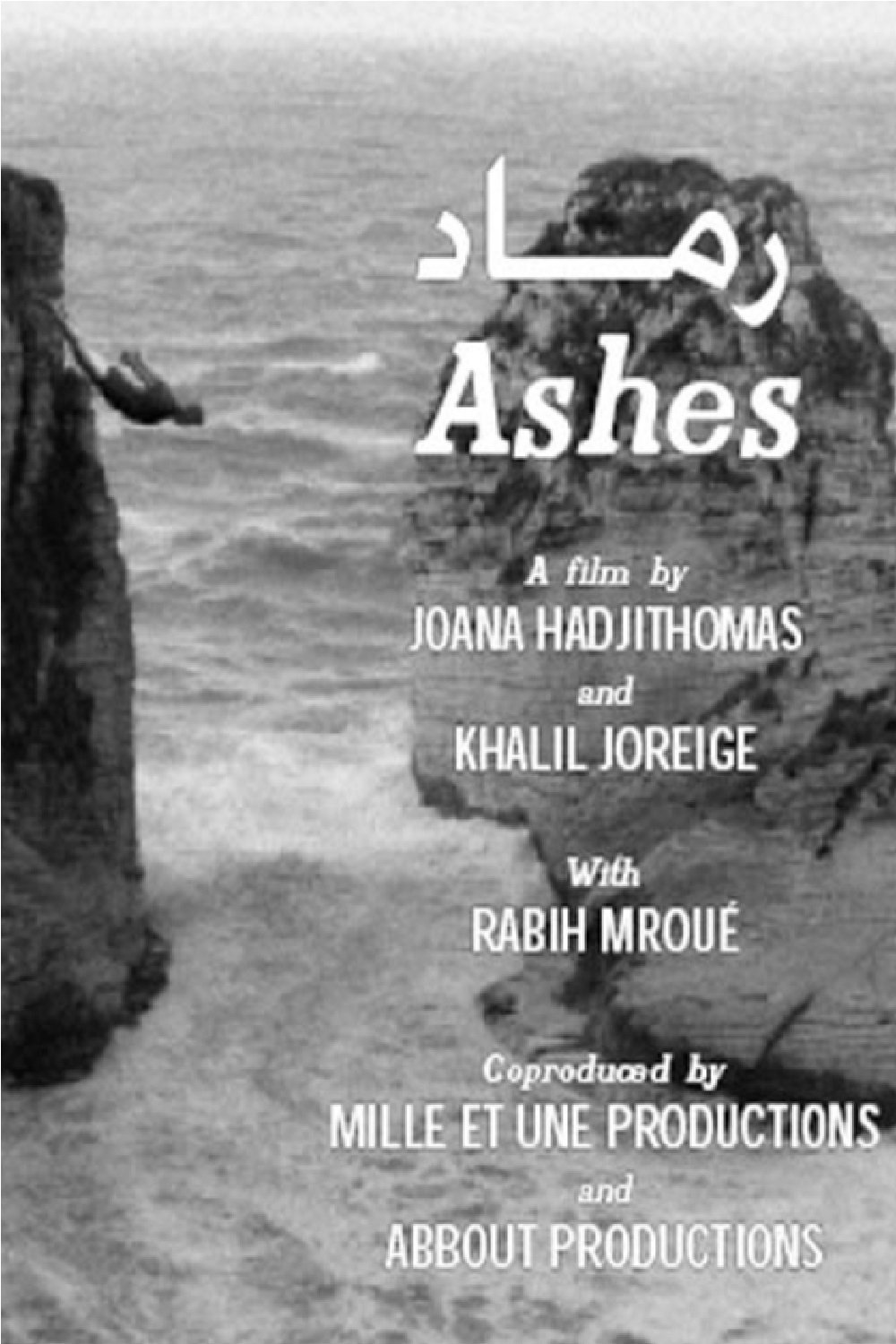
Nabil returns to Beirut with the ashes of his father who died abroad. He tries to overcome his bereavement while his family insists on respecting rites and customs by burying a non-existent corpse.
Nabil returns to Beirut with the ashes of his father who died abroad. He tries to overcome his bereavement while his family insists on respecting rites and customs by burying a non-existent corpse.
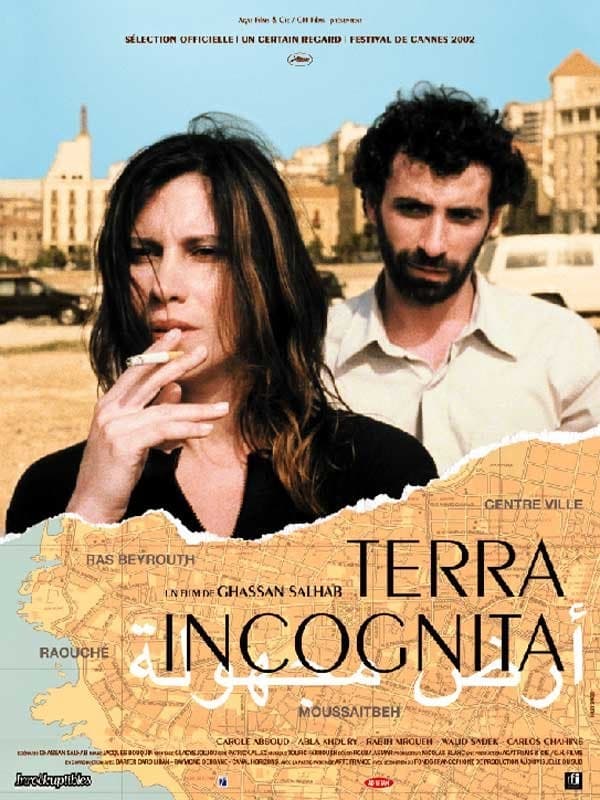
In Beirut, the destinies of several thirtysomethings (an architect, a tour guide, a mystic, a radio operator, and an exile returned home) collide.
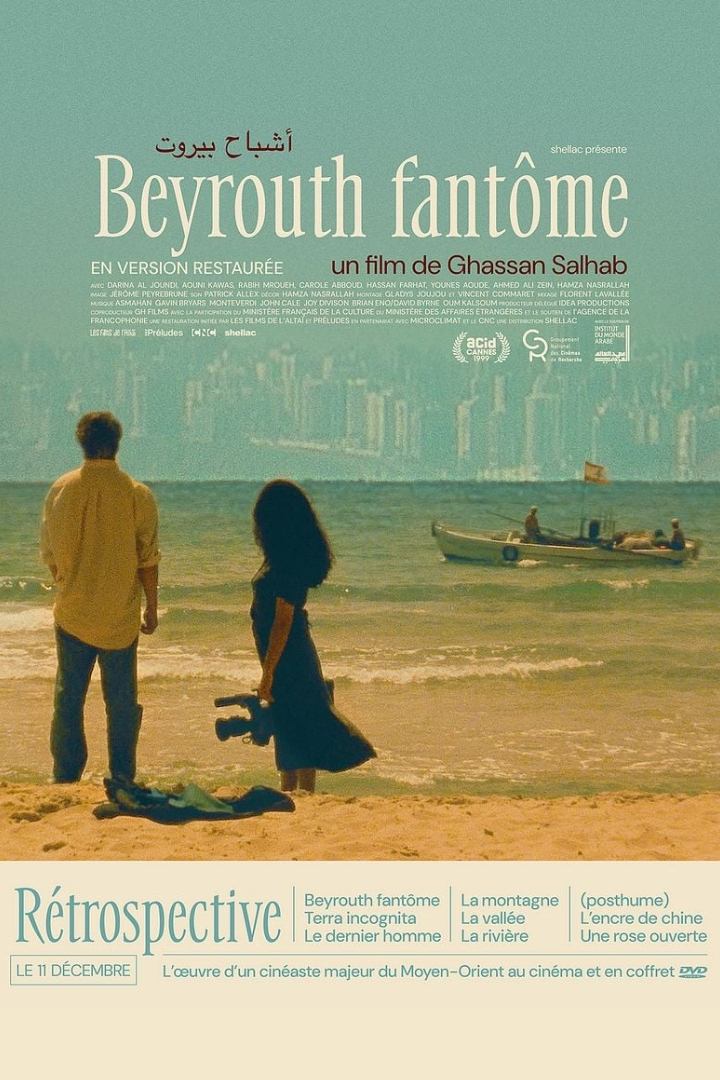
Late in the 1980s it seems like the Lebanese conflict will never end. Khalil returns to Beirut after many years. Ten years earlier, during a battle, he took advantage of the confusion and pretended he was dead.
‘Objects of War’ is a series of testimonials on the Lebanese war. Each person chooses an object, ordinary or unusual, which serves as a starting point for his / her story. These testimonials while helping to create a collective memory, also show the impossibility of telling a single History of this war. Only fragments of this History are recounted here, held as truth by those expressing them. In ‘Objects of War’, the aim is not to reveal a truth but rather to gather and confront many diverse versions and discourses on the subject. ‘Objects of War’ started in 1999 assembling the testimonials of eleven persons. It was first shown in 2000 . It continued in 2003 with ‘Objects of War n°2’, recording seven additional testimonials. This time however, and since then, the recorded material is left unedited, shown in its integrity. The work of collecting and assembling these stories continued with ‘Objects of War n°3 & n°4’ in 2006 and ‘n°5 & 6’ in 2014.
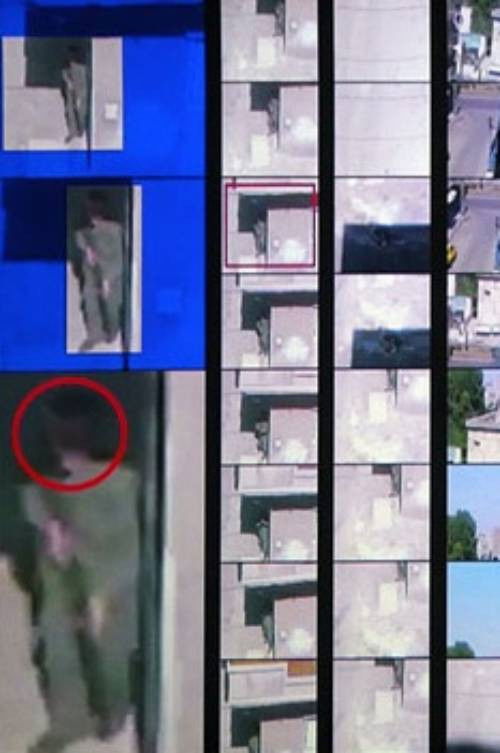
Syria, 2011. In the streets, right in front of the eyes of the entire world, men are shot down and film their own deaths. Images of a revolution. Revolution of the image. A captivating theatrical lecture.
Following on from the 2006 Israeli aggression on Lebanon, the filmmaker tries to film the destruction of Beirut. We witness a city deserted by life, and ghostly characters who, featured in his earlier films, talk about living through such a war.
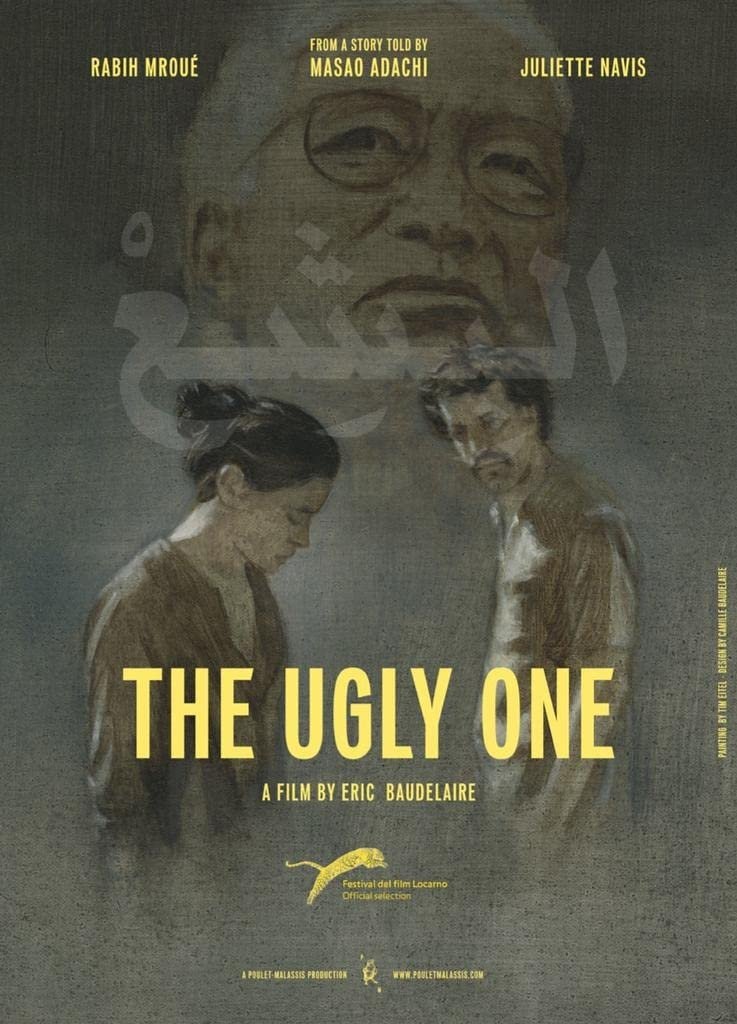
Adashi, ex-member of the Japanese Red Army, narrates a story taking place in Beirut. The melancholy of war, the pain of disillusionment. A story being written and rewritten, open to interpretation. When the time comes, return to reality can only be cruel.
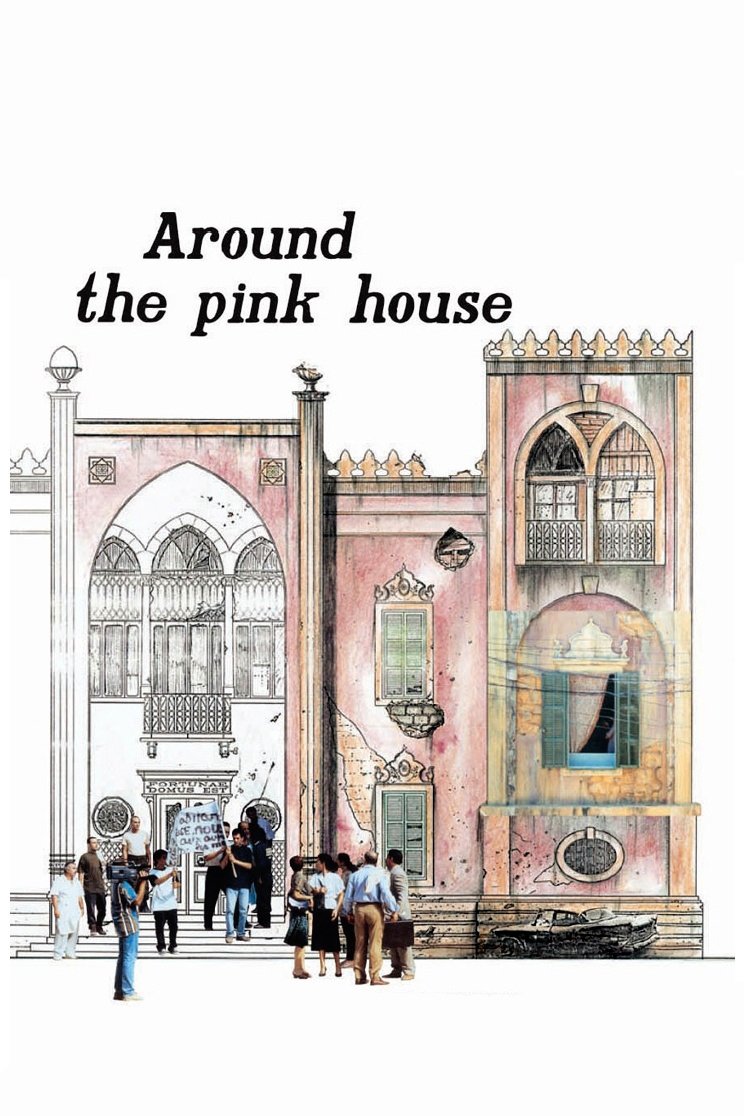
One of the most popular Lebanese films of the late 1990s, Around the Pink House is a story that explores the changing urban landscape of Beirut after the Civil War. La maison rose (the pink house) is an old mansion in Beirut where the Nawfal family found shelter during the Civil War. Unfortunately for them, their immediate environment is rapidly changing, as many of the old shell-ridden buildings are being torn down and replaced by new construction projects. When Mattar, the owner of the pink house, decides to sell it to make room for a large commercial centre, the residents of the neighbourhood become divided between the shopkeepers and businessmen in favour of a different kind of modernity.