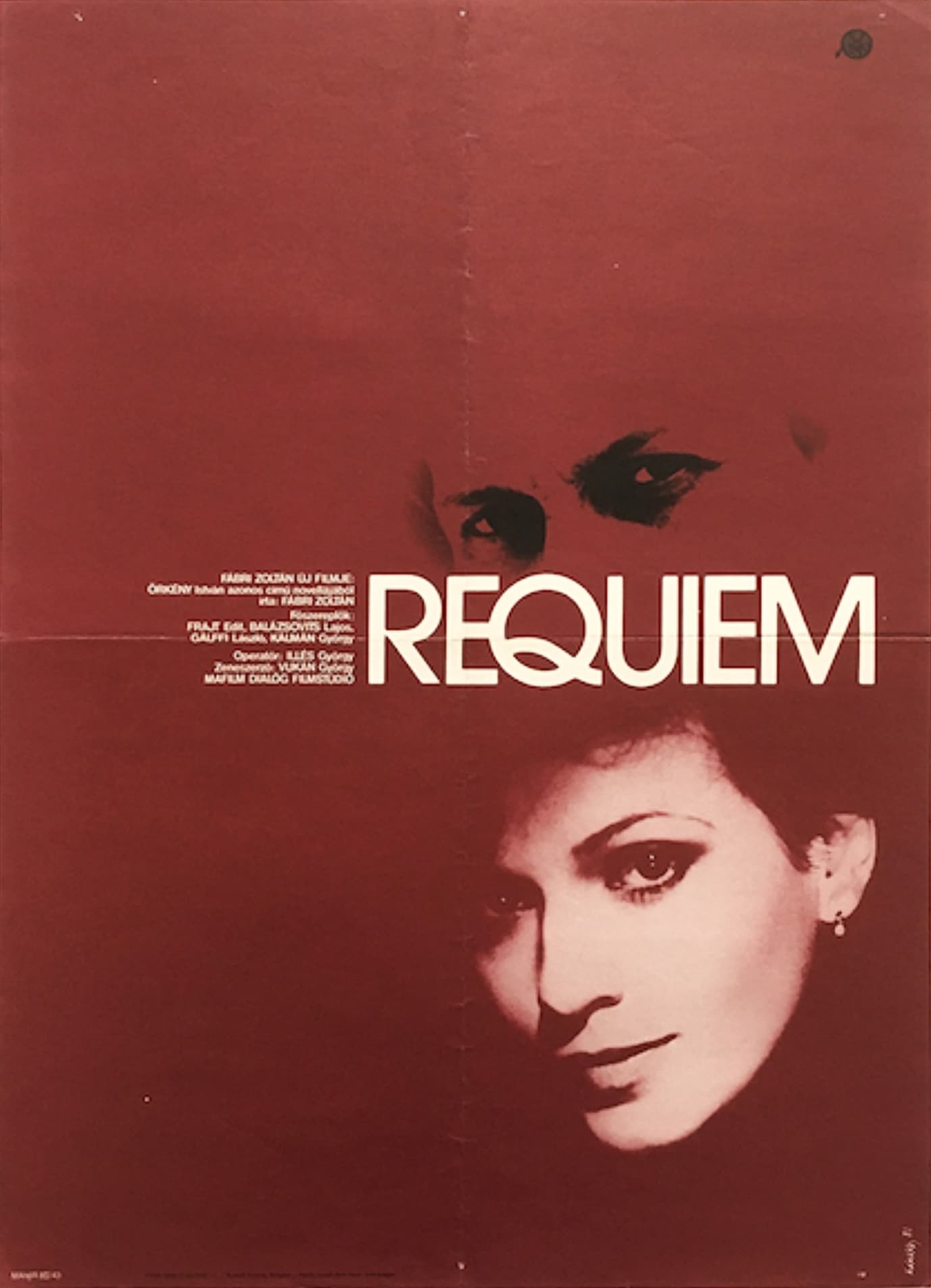
When a young boy comes in to see a doctor abourt a red mark on his face, the doctor's wife welcomes him into the consulting room instead. As they talk, she offers him something to eat and then notes that his manner of eating is just like that of her previous husband, who died in prison many years earlier. It turns out that the young man had been his cell mate for a year, and he tells her the story of how her husband died. She then remembers (in flashbacks) how she had helped her first husband rid himself of his sexual repression, and how she had promised him she would marry her current husband if she were widowed. It seems her doctor-husband was a man who could remain untouched through any political climate, and was much admired by her first husband. Now that her memories have been awakened by the young man's account, she ignores the repeated phone calls of her current husband and decides to rid this young man of his own sexual repressions.
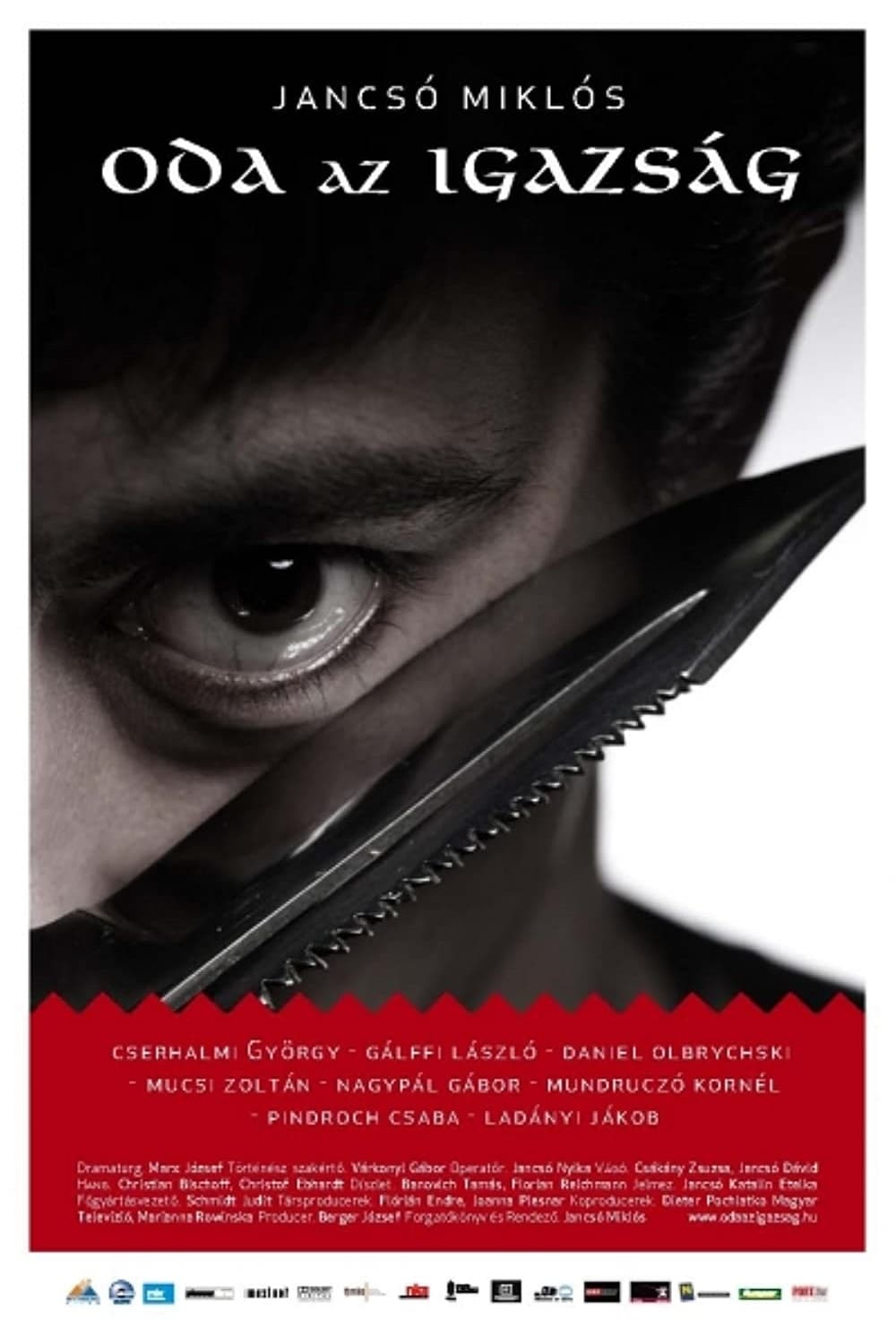
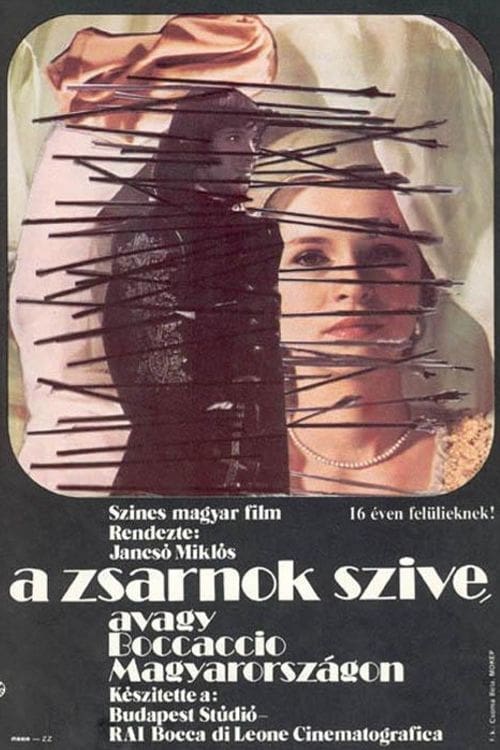
Concerning the Mátyás era in Hungarian history, during the reign of Matthias Corvinus (1443–1490), the film focuses on three eras of the king's life: the young Mátyás fights for the throne, the older Mátyás as king, and the fate of the royal crown and the royal heir after his death.
After losing his wife, the aged organist uses music to process the grief.
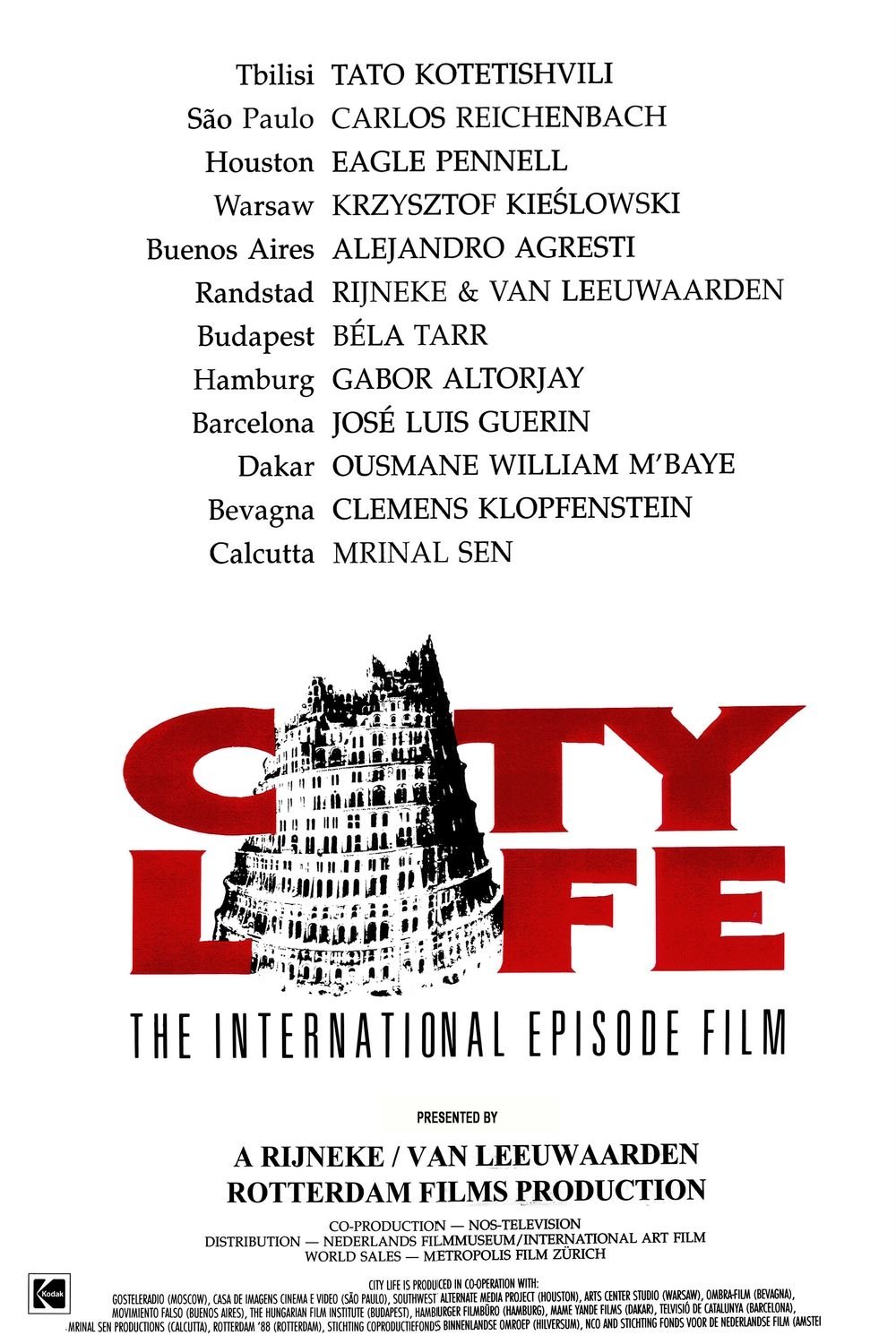
The last ship (Utolsó hajó) is leaving the quay. Sirens are sounding.
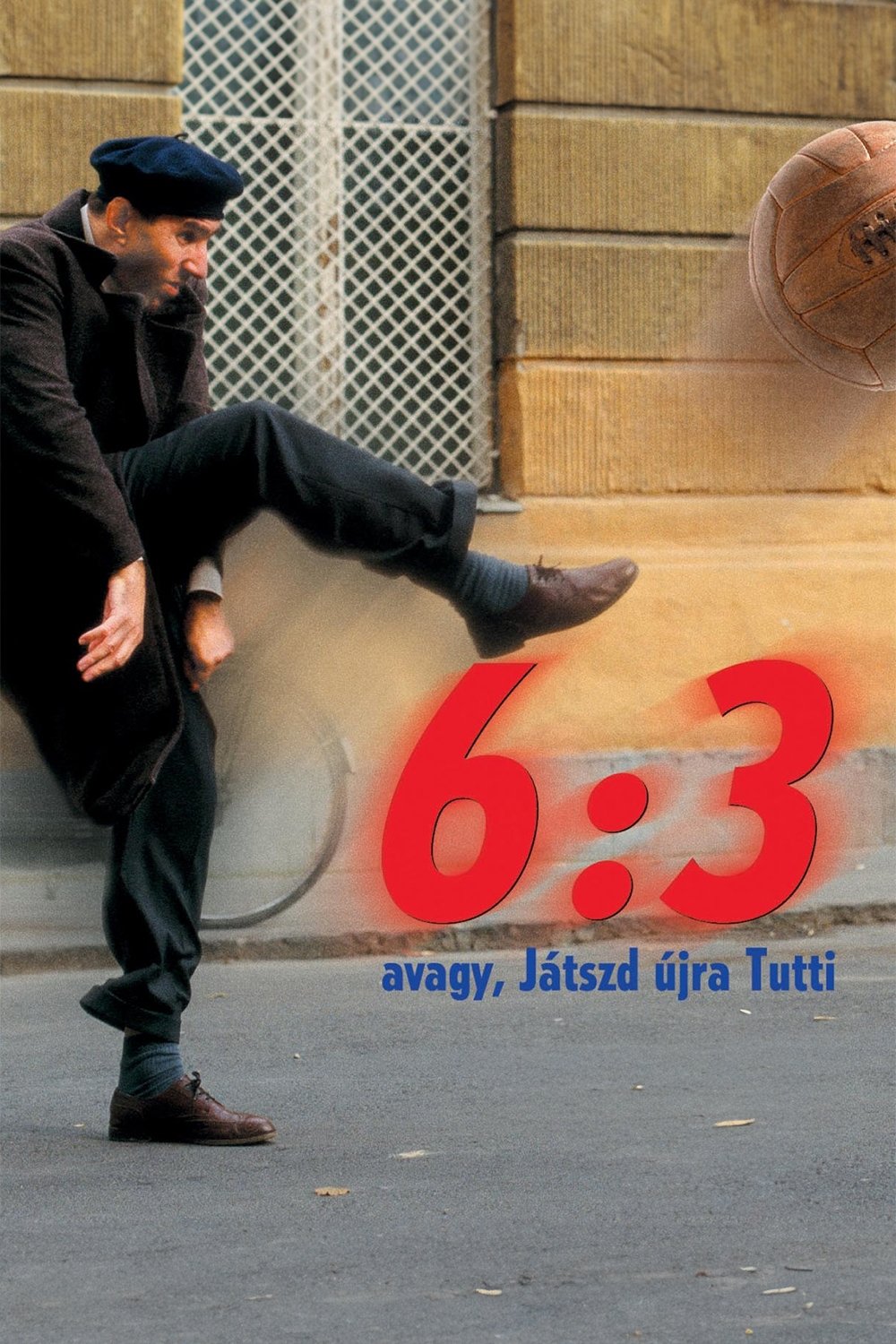
The makers, especially Péter Tímár wanted to invoke the atmosphere of the communist dictatorship of Rákosi era lasted from 1947 to 1956. I think they've managed to reconstruct it very much: if you read the history books about the era and newspapers from that times, if you listened to your parents' and grandparents' tales, you will experience the similarities are shocking. The main character (Tutti - Károly Eperjes) is excellent, Eperjes, acting an eccentric, but likable crank is in his royal spirits.
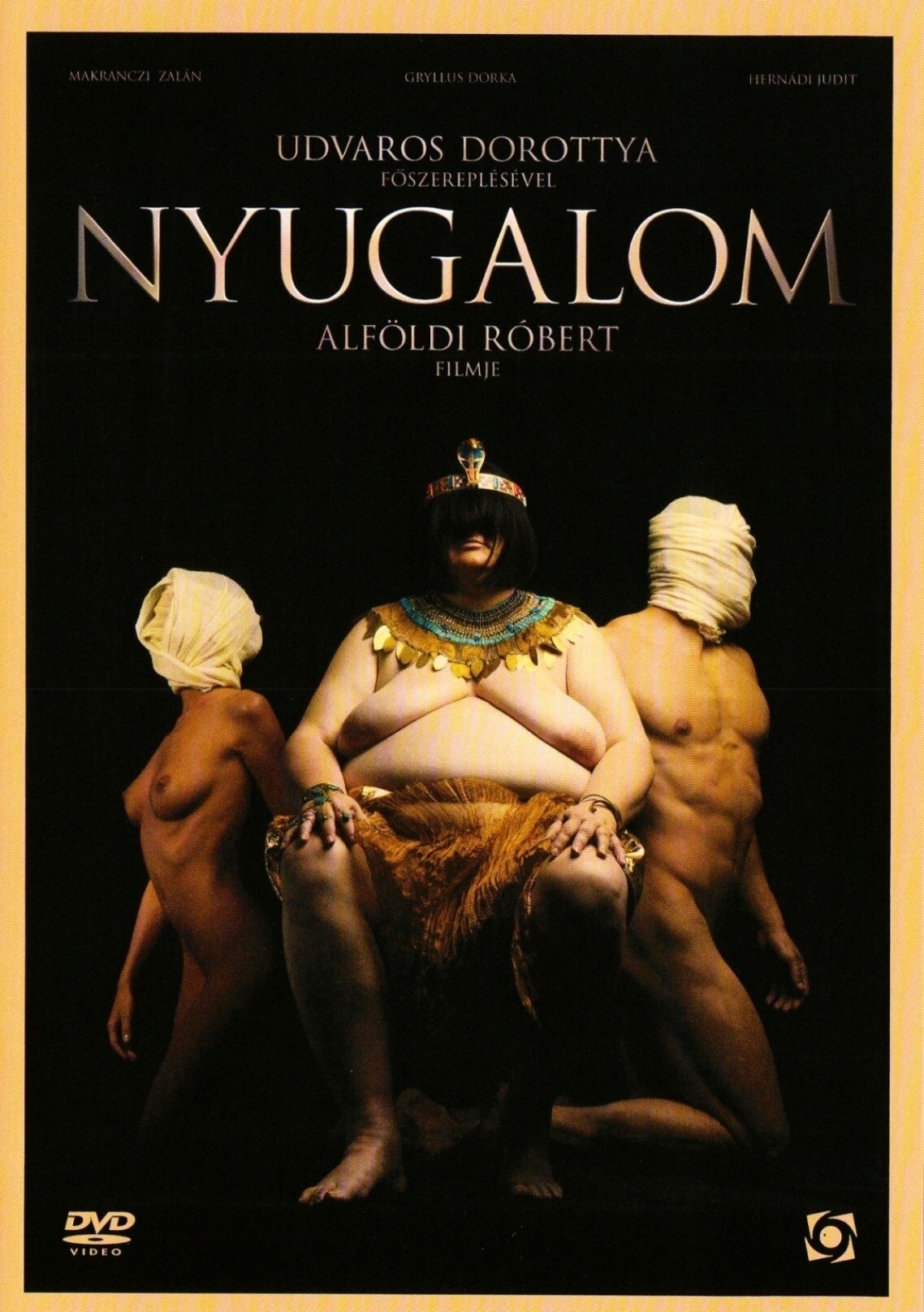
Set in a large apartment in Hungary during the death throes of communism, obedient Andor lives with his eccentric mother, Rebeka, a once-celebrated stage actress-turned-recluse. After years of coexisting in a love-hate relationship marked by routine and possible incest, Andor brings home Eszter, a beautiful girl his own age. Her advances awaken Andor's repressed desires, the depths of which prove shocking. Opera director Robert Alfoldi renders this bizarre story in a melodramatic style, and veteran Hungarian stage star Dorottya Udvaros rises to the occasion. If you can imagine the intersecting area on a Venn diagram that includes Taxidermia and Sunset Blvd., that's where Where Were You, My Son? was born. The original title, Nyugalom, which translates to Tranquility, is ironic to say the least. ...over the-top...memorable...thunderous...sex and violins (Variety).
A historical drama set in the 1400s, a young man sent to Italy but is forced back after his father's mysterious death.
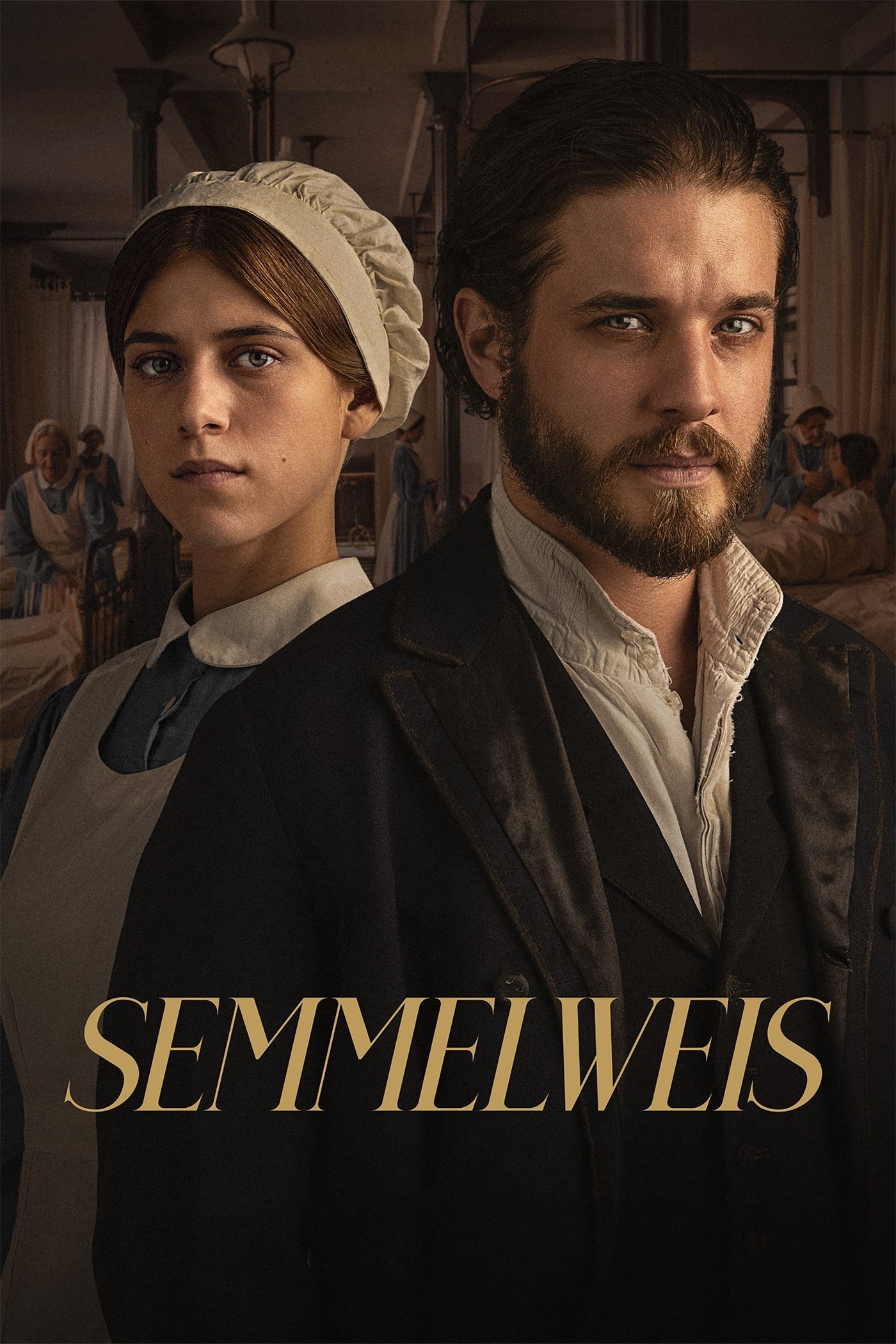
Set in 19th century Vienna, Ignac Semmelweis, a short-tempered but passionate doctor, delivers babies and carries out autopsies on a daily basis while looking for the cause of puerperal fever, the mysterious epidemic that decimates patients in the hospital.
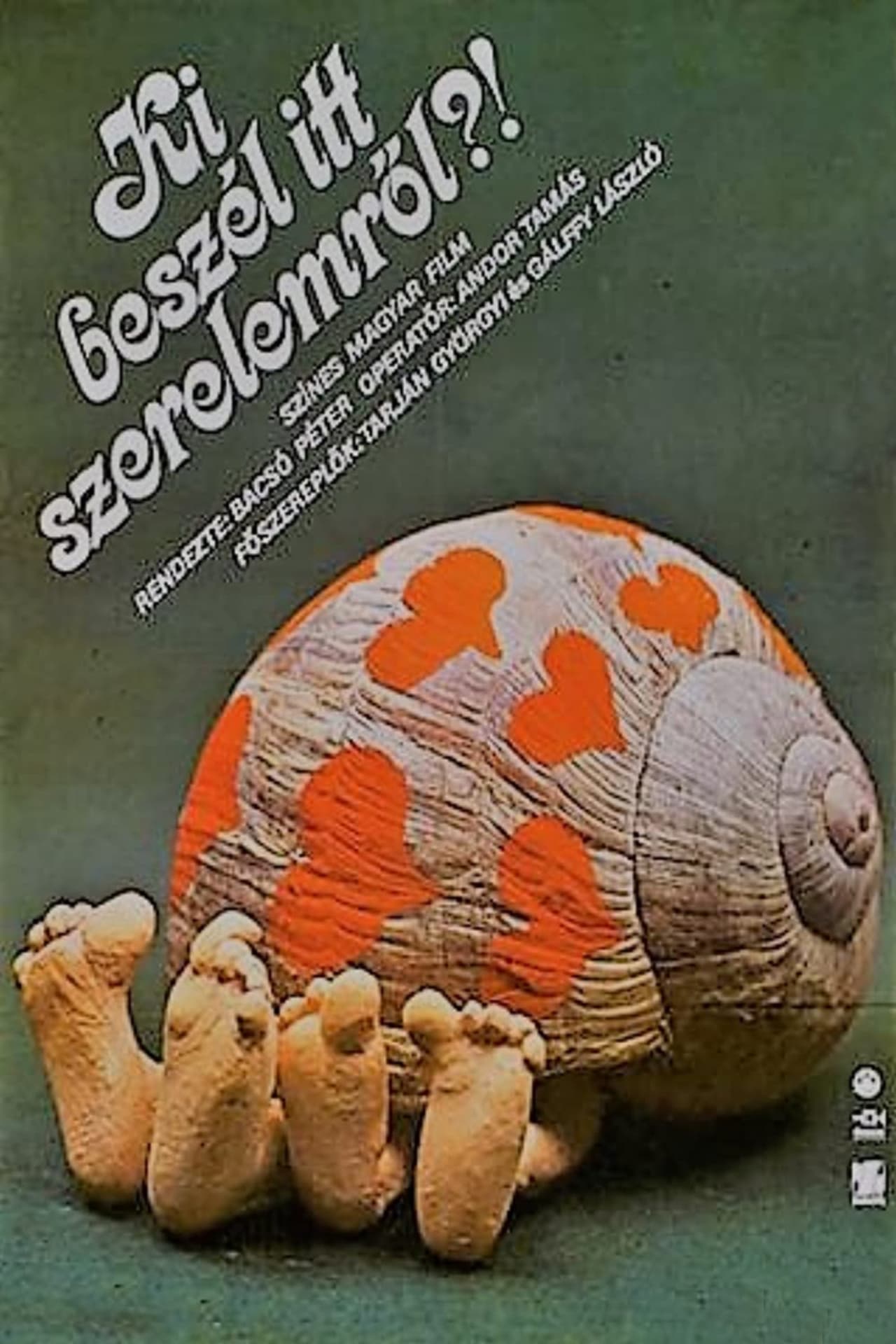
One morning, the caretaker of the student hostel of the University of Horticulture finds Citrom Flóra and Bohus Tamás, by the purest accident, in one bed together. Both are dismissed from university. During the appealing procedures they fall in love with each other.
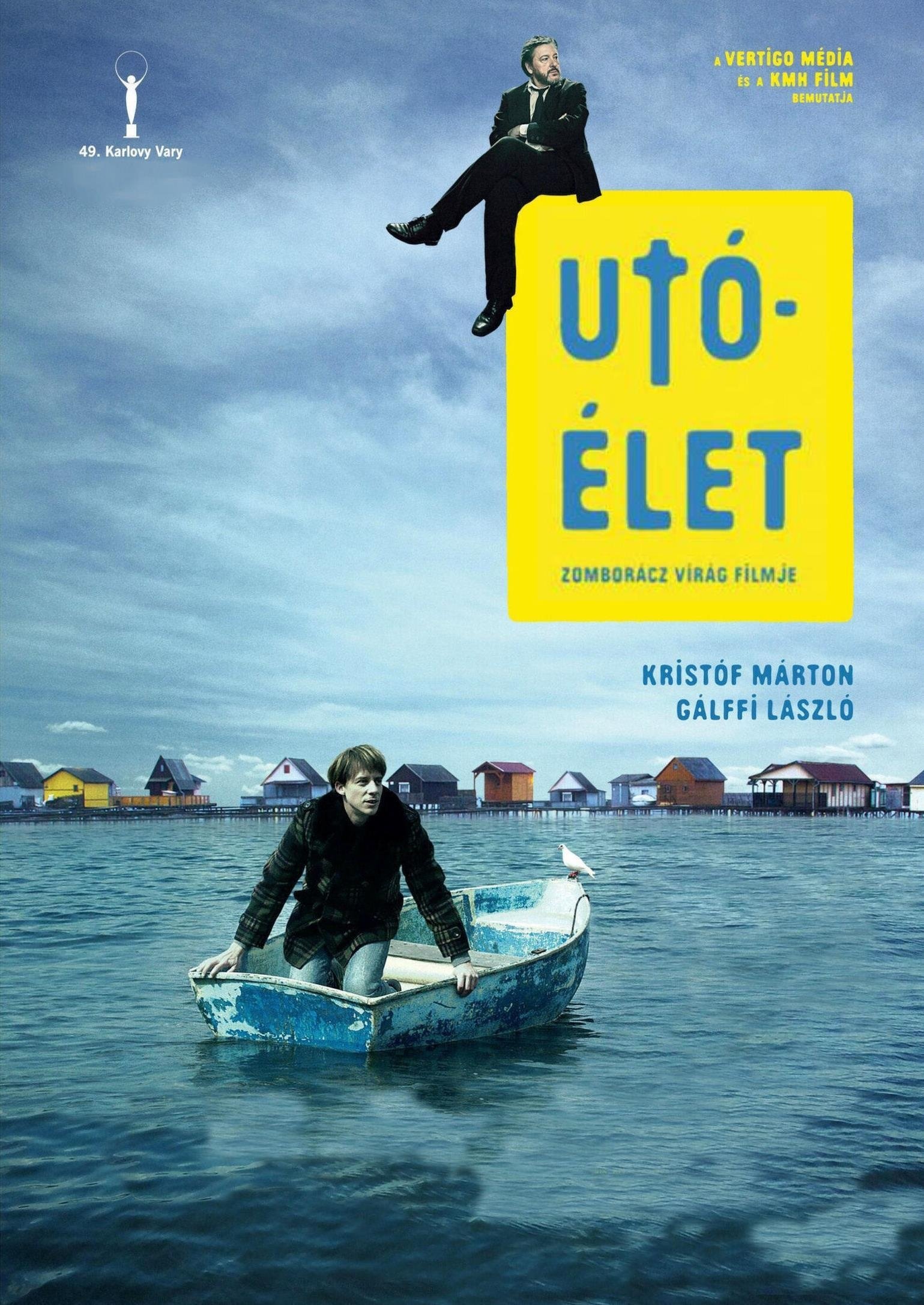
A heavily neurotic young man starts to see his father's ghost, and while he helps the spirit cross to the otherworld, something happens that they could never achieve in their common life: they finally understand each other.
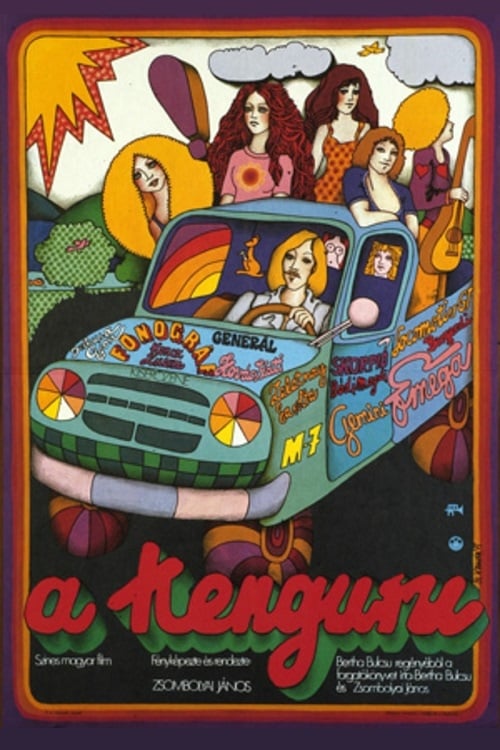
Istvan Varju a.k.a. Kanya is a track driver. He drives alone on the roads and listens to the radio. We're In the middle of seventies, the radio broadcasts hungarian beat music. He is convinced that interesting and significant events in the life happen on the roads, so we should go, go and go in order not to miss something.
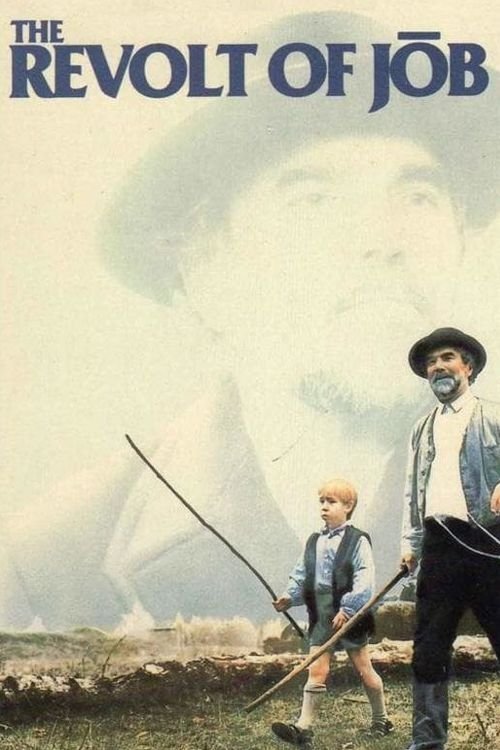
The story of a childless Jewish couple in WWII-era Hungary who adopt a Hungarian boy and raise him with their values and traditions.
A modernized version of the famous ballet work by Bela Bartok

"A bus came..." consists of five loosely connected sketch films; the only thing that connects them is that each one is connected in some way to a bus route in Budapest. The mini-films, which are very different in mood and style, were made by Ferenc Török (Shoes), Árpád Schilling (No Comment), Viktor Bodó (Quarter Hour), György Pálfi (Táltosman vs. Ikarus) and Kornél Mundruczó (St. John of 78) with the professional and friendly support of Miklós Jancsó, who also provided the basic idea for the film.
A gay affair between an aging middle-aged writer, and a young streetwise hustler.

The fate of a Hungarian Jewish family throughout the 20th century.

50 min. TV movie directed by Károly Makk, based on a short story by Tibor Déry (director-writer team of the 1971 classic "Szerelem"). Also shown as part of the director's two-part movie, "Két történet a félmúltból" (1980; with "Téglafal mögött").

After the death of her husband, a mother decides to fulfill his last wish and runs the marathon in relays with her daughters. A small problem is that none of them are physically and mentally prepared for running. Furthermore, the relatives and friends are also unexpectedly affected by the women's seemingly impossible challenge.
A woman and her lover plot to kill her older husband.

Set during the fading glory of the Austro-Hungarian empire, the film tells of the rise and fall of Alfred Redl, an ambitious young officer who proceeds up the ladder to become head of the Secret Police only to become ensnared in political deception.
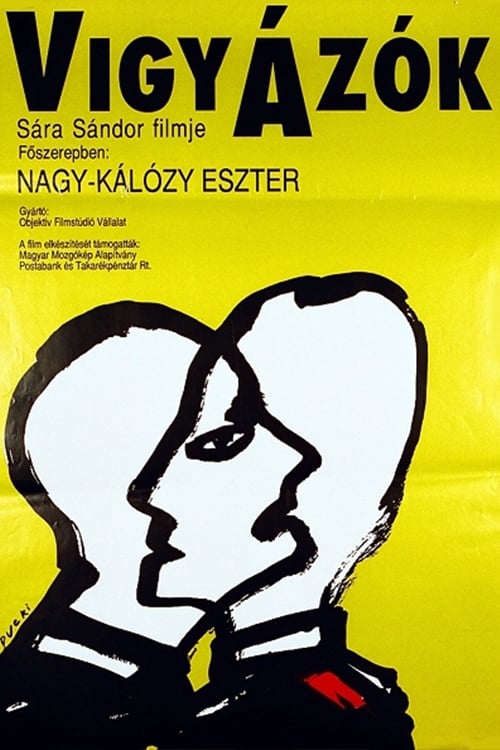
A group of seven friends of different ages and interests meet regularly at Eva's. They have coffee, talk and listen to music. At one of the gatherings, Eva finds a secret agent's badge, "Lookout 123", in the hallway. The accidentally dropped ID card can only belong to one of the members of the party. From that moment on, the film is a continuous chain of private investigations, suspicions, betrayals, deceptions, the fabrication of hypotheses, the chess game of thinking through all the motives that are supposed to be relevant.
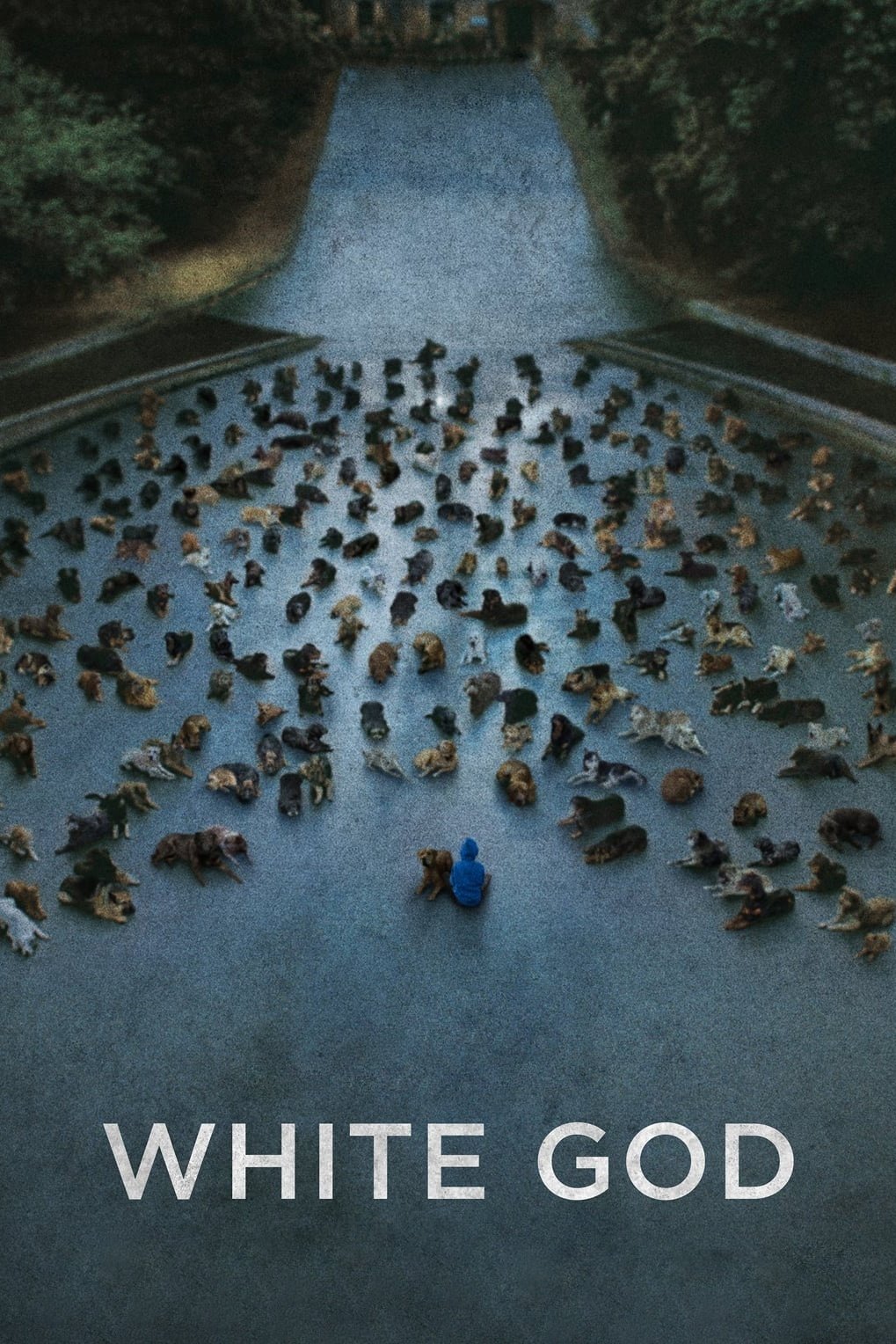
13 year old Lili fights to protect her dog Hagen, and is devastated when her father sets Hagen free on the streets. Still innocently believing love can conquer any difficulty, Lili sets out to save her dog. Failing in his desperate efforts to find his beloved owner, Hagen joins a canine revolt leading a revolution against their human abusers.
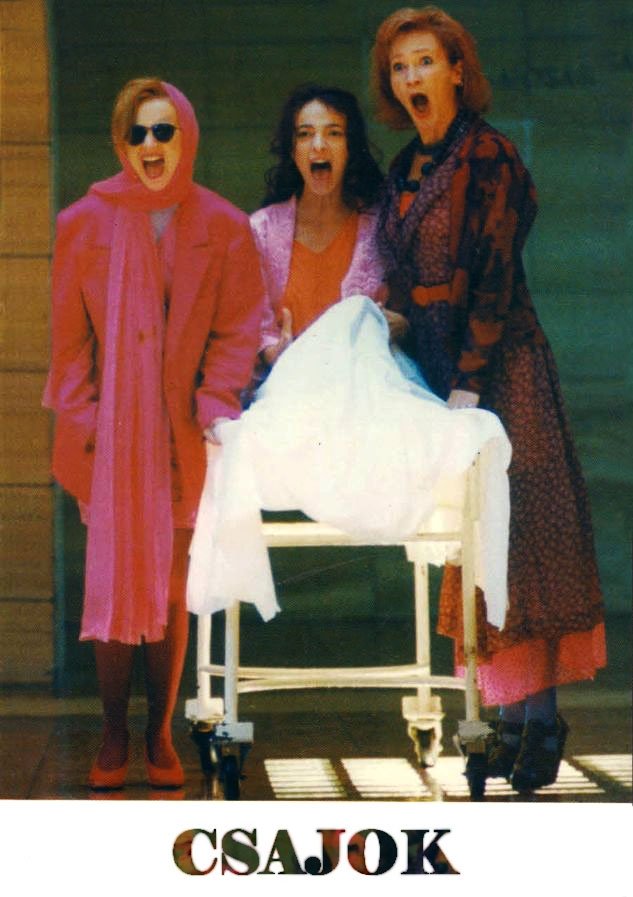
Enikős and Dorkas marriage is unbearable. Hysterical, cruel and humiliating scenes are enacted in front of the childrens eyes, while the childless Barbara is held by her husband, the painter, to be a toy and sometimes a painting screen.
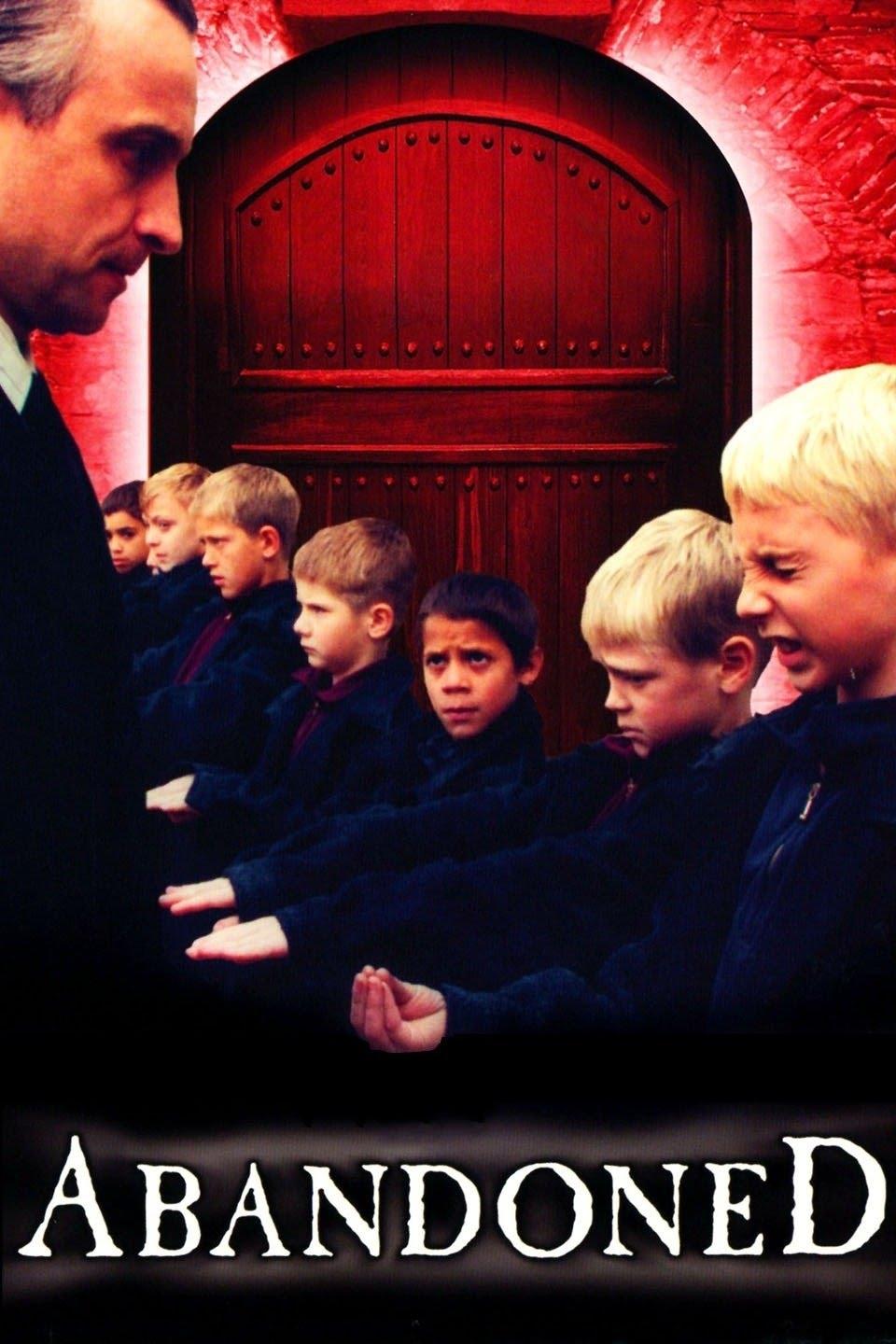
Áron is a happy child in his family. But at some point things take a different turn, and his mother starts to lose her health rapidly. As this happens, the man in charge decides what's best for Áron without consulting the young boy's opinion, and the boy finds himself thrown out of his warm home into an orphanage in the woods. He's utterly displeased by what's happening, without knowing he has yet to face much worse...
The film is based on two short stories by Margit Kaffka. Letters from the Convent is about faith in God, the torments of blind faith and love. And in the summer evening episode, "The Peril", two girls raised in a convent come face to face for the first time in their lives with the "real life" they long for but do not yet truly understand.
A young man lives his life daydreaming about Dostoevsky's White Nights and the Visconti film.
A TV film version of Shakespeare's drama.
Karinthy's best-known and most popular work to date is So You Write. It was this work that made him famous, and it was with this work that he had his first real, great success. The most popular characters of the series of caricatures, which was formed by café games and mockery of his peers, are quoted with the greatest figures of the Hungarian theatre.
The story takes place in the Stalinist camps of the 1930s, where the main character, Gleb Nesterov, is trying to escape while they are starving and have no idea who has been captured or why. There is no trace of logic in the camp, although the engineer is obsessed with researching it, as it should be. From one day to the next, Professor Adrián is also captured and interrogated, and they want to extort a confession from him while humiliating him. Moral laws and norms have disappeared here, there is only humiliation, death and starvation.