A pioneering post-war female film director, an instigator of the New Wave who was honored by Hollywood in her own lifetime, Agnès Varda has become a source of inspiration for a whole new generation of young filmmakers. With movies like Cléo de 5 à 7, Le Bonheur, Sans toit ni loi, Les Glaneurs et la glaneuse, she created a quirky, open to the world, sensitive to the disenfranchised, often silly body of work. Always one finger on the pulse, she shook everything up, including cinema itself which she refused to constrict to pure fiction or long-form films.

The film was inspired by one of the most important documentaries shot by Krzysztof Kieślowski, Talking Heads (1980). The director asked his interlocutors seemingly simple questions, such as “Who are you?” and “What do you want?”.
Kirby Dick's provocative documentary investigates the secretive and inconsistent process by which the Motion Picture Association of America rates films, revealing the organization's underhanded efforts to control culture. Dick questions whether certain studios get preferential treatment and exposes the discrepancies in how the MPAA views sex and violence.
A photographer and his wife travel across Armenia photographing churches for a calendar project. Travelling with them is a local man acting as their driver and guide. As the project nears completion, the distance between husband and wife grows.
Follows the first year of business for Alex, Charlie, and Nigel as they try to make their theatre, The Toronto Underground Cinema, a success in the dying world of repertory cinema. The film also places the cinema in context to the larger world of rep. Featuring interviews with theatres such as Film Forum in NYC, The Alamo Drafthouse in Austin, and The New Beverly Cinema in L.A., and celebrities such as Kevin Smith, John Waters, Atom Egoyan, and George A. Romero, the world of repertory cinema will come alive as a vibrant and culturally significant medium that needs to be preserved

Home video changed the world. The cultural and historical impact of the VHS tape was enormous. This film traces the ripples of that impact by examining the myriad aspects of society that were altered by the creation of videotape.
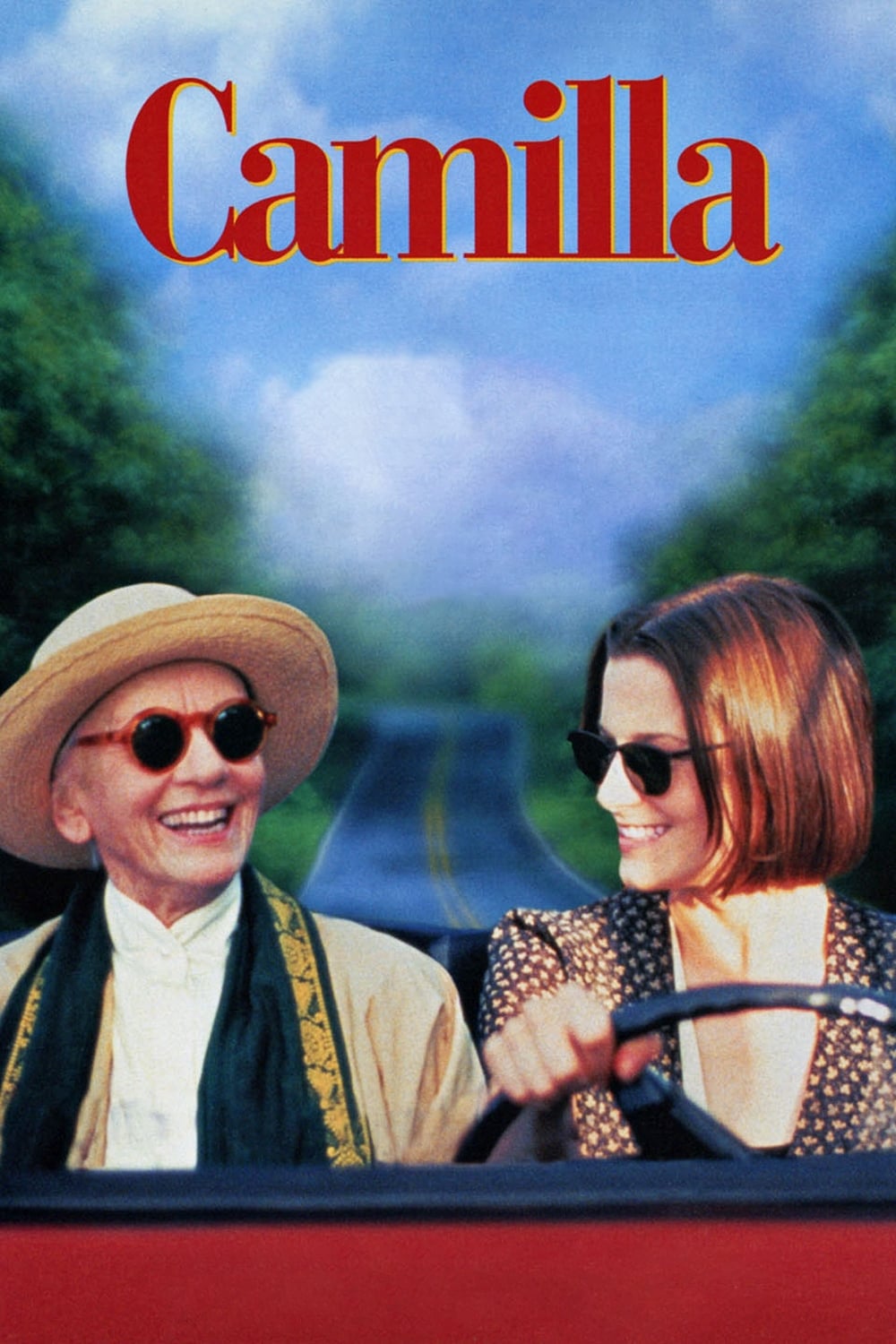
Freda Lopez, an aspiring musician, travels with her husband to the beautiful beaches of Georgia where she befriends Camilla, an odd and exotic elderly woman who plays the violin. When the two embark on a journey together, Camilla reclaims a lost love and makes peace with herself and her son, while Freda discovers inner resources she never knew she had.
Egoyan juxtaposes home-video images of his son Arshile with a self-portrait of the famed Armenian artist, Arshile Gorky; Egoyan narrates in English, while his wife narrates in Armenian. The self-portrait made from a photo of the artist as a child at the time of the great massacre of the Armenians is used as a focus for meditations on the nature of self-awareness, artistic expression, and the relationship between the artist and the viewer.
Documentary about the films of Atom Egoyan.
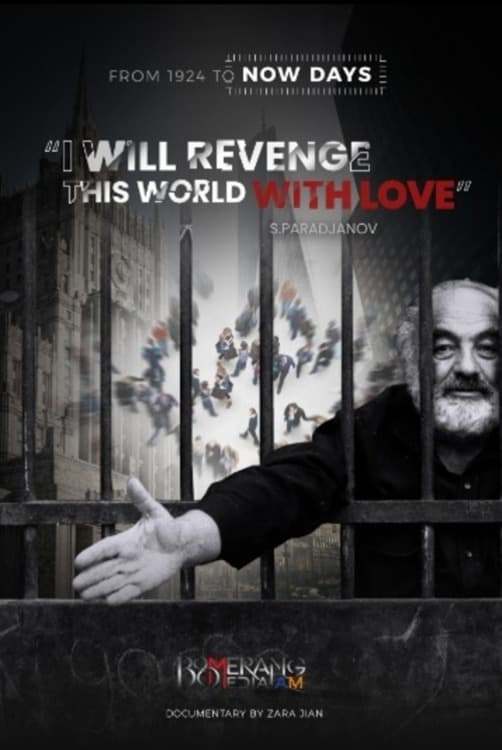
The author of the film decides to leave the country where she lives, in connection with the outbreak of the dramatic events, and return home to Armenia in search of a worthy example and solutions on how to live on. Paradjanov's house becomes a place of inspiration and a point of no return to toxic reality.
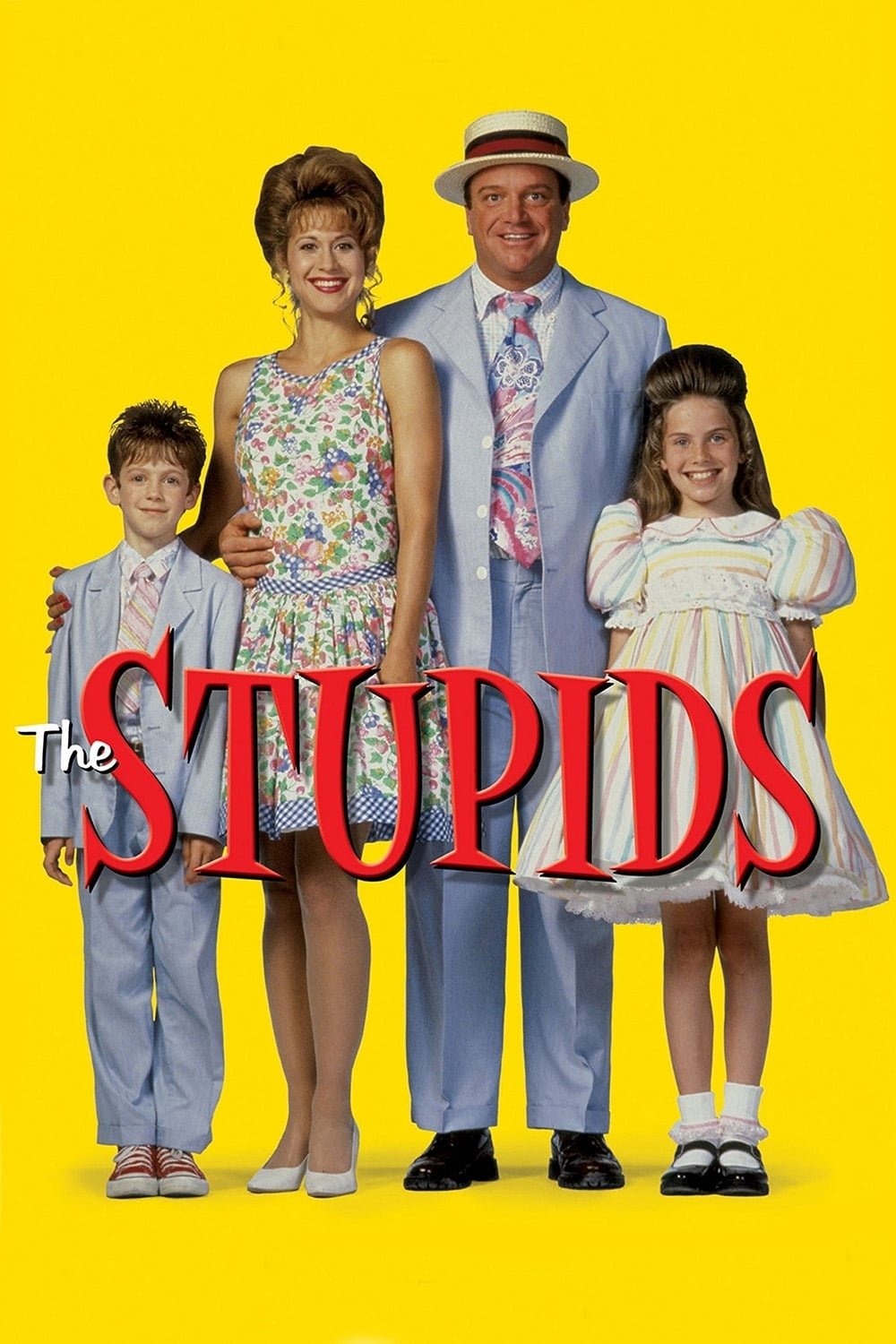
An incredibly dull-witted family unknowingly stumble upon an illegal weapons deal while on the trail of their "stolen" garbage.

A group portrait of filmmakers attend the 1995 Sundance Film Festival. Featuring Matthew Harrison, Richard Linklater, Ethan Hawke, Todd Haynes, Greg Araki, Abel Ferrara, Atom Egoyan, James Gray, Robert Redford, Haskell Wexler, among many others. Co-directed by Amy Hobby. [Filmed in Pixelvision and blown-up to evocatively grainy 16mm.]
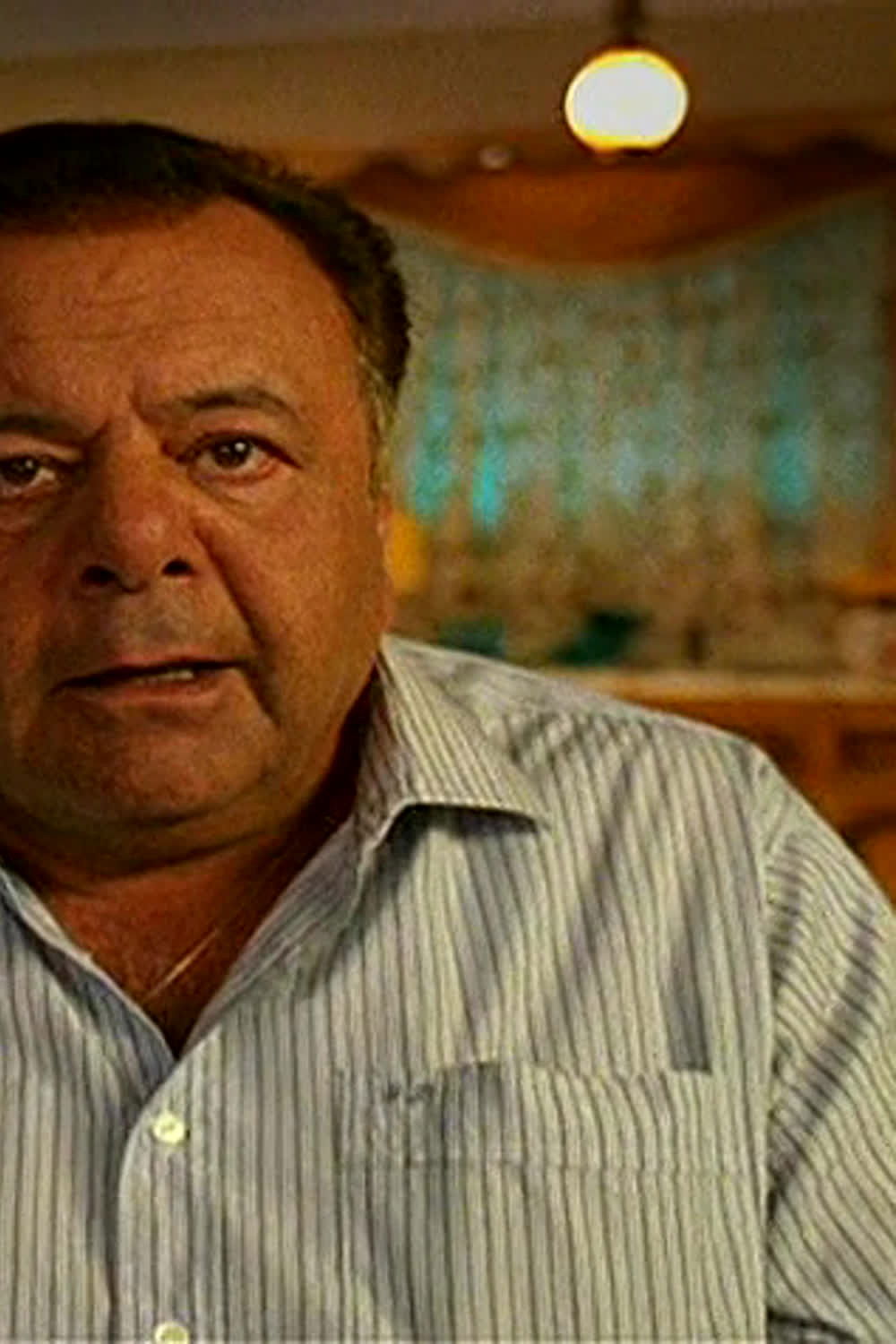
This compelling documentary explores Canadian film culture and tries to discover what defines Canadian film through interviews with notable filmmakers.
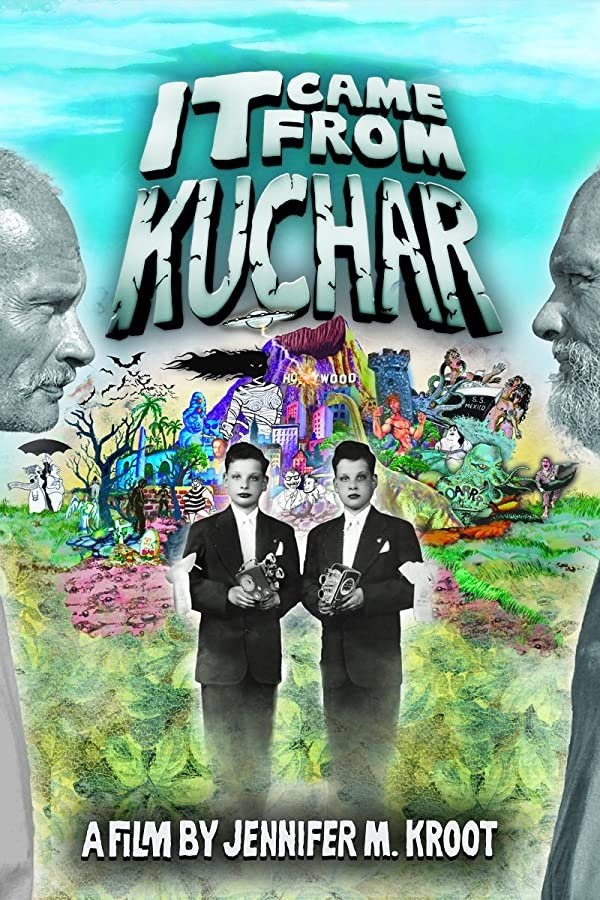
It Came from Kuchar is the definitive, feature documentary about the legendary, underground filmmaking twins, the Kuchar brothers. George and Mike Kuchar have inspired two generations of filmmakers, actors, musicians, and artists with their zany, "no budget" films and with their uniquely enchanting spirits.
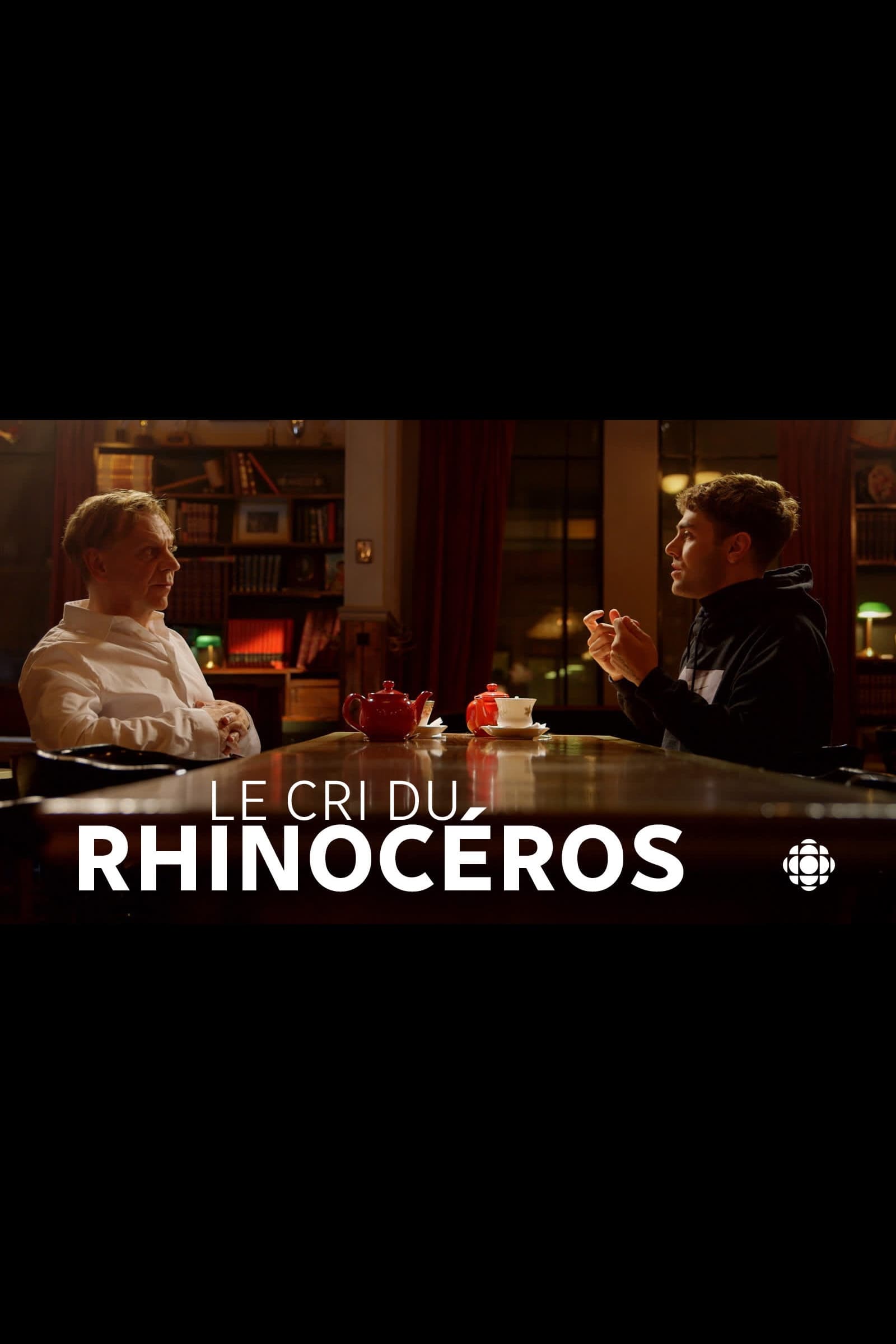
Marc Labrèche, the Director of this documentary, himself an author, actor and host, meets other creators to ask them these questions that inhabit him. Do artists have an expiry date? Do we create our best works in our youth or, on the contrary, does experience allow us to develop a greater mastery of our medium? In this respect, are there important differences between the different forms of art such as music, cinema and literature?
Sculpting Memory places Atom Egoyan in an audiovisual environment woven from the fabric of his own films―a conceptual move that references Egoyan’s adaptation of Beckett’s Krapp’s Last Tape while evoking Egoyan’s own work as a moving-image installation artist and his concern with the recording and displaying of images.
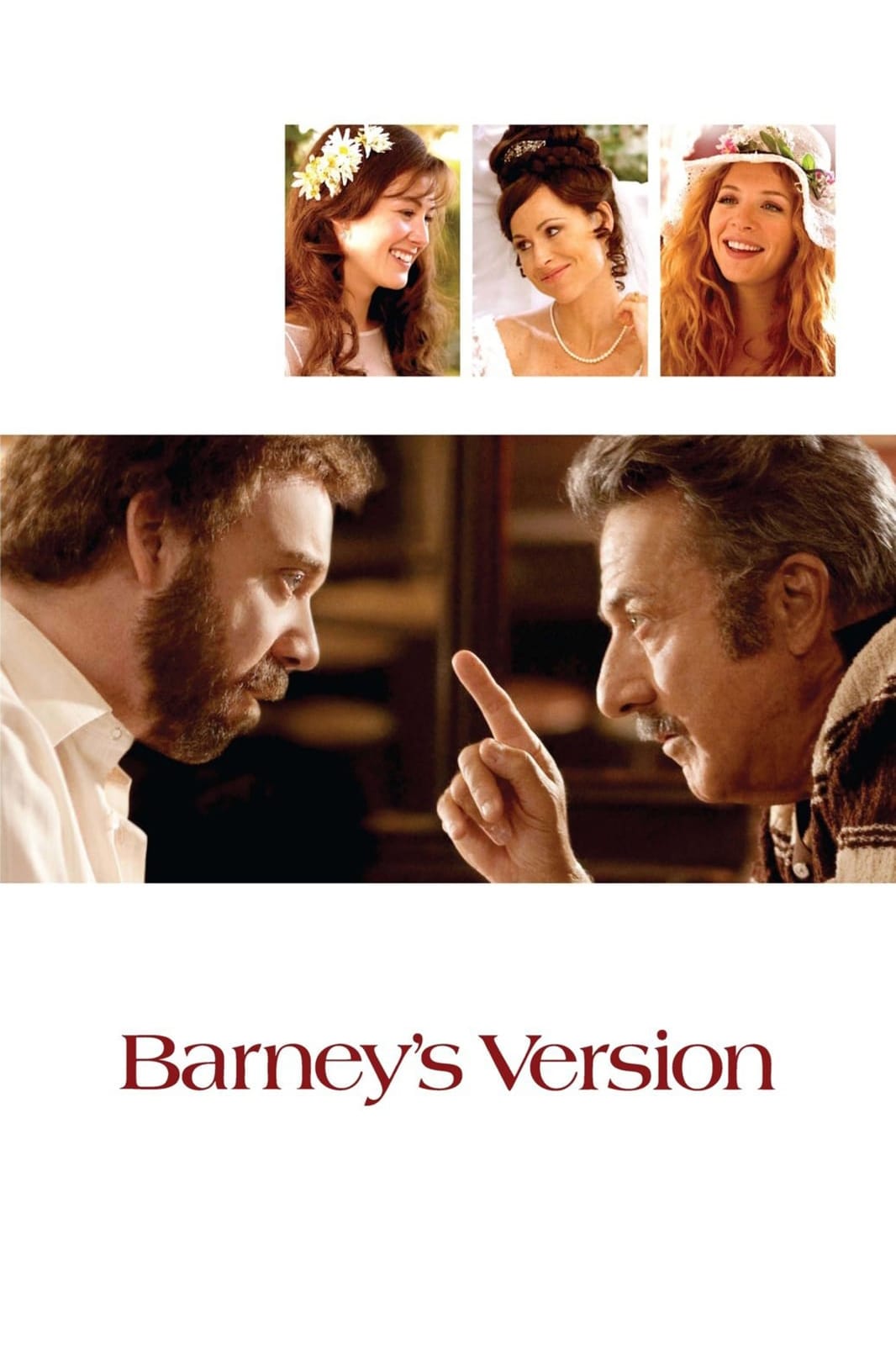
The picaresque and touching story of the politically incorrect, fully lived life of the impulsive, irascible and fearlessly blunt Barney Panofsky.
A documentary about a journey to Beirut
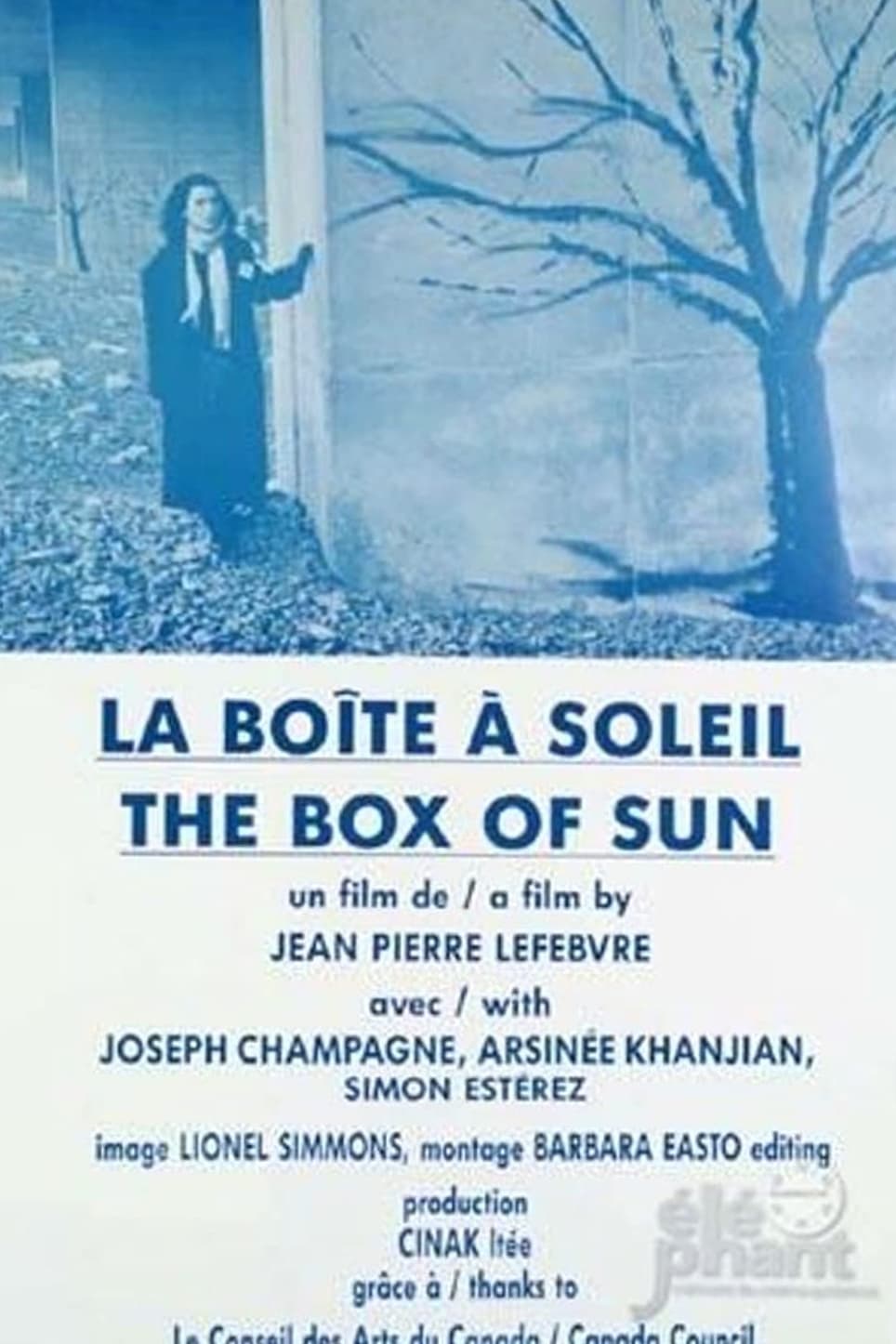
In this silent, surrealist fantasy, thick clouds in a scorched sky prevent the sun from reaching the earth. Only a group of children in this gray world have access to a source of light which is in the wintry woods. They collect it into small boxes that they use to revive people imprisoned in pictures. A young woman grieving for her lost lover goes in search of these children so that they can bring her beloved back to life.

Made for the Venice Film Festival's 70th anniversary, seventy filmmakers made a short film between 60 and 90 seconds long on their interpretation of the future of cinema.
Follows the "Beckett on Film" project, which produced film adaptations of writer Samuel Beckett's nineteen stage plays. The documentary features excerpts from the "Beckett on Film" versions of "Not I", "Krapp's Last Tape", "Endgame", "What Where", and "Waiting for Godot".