
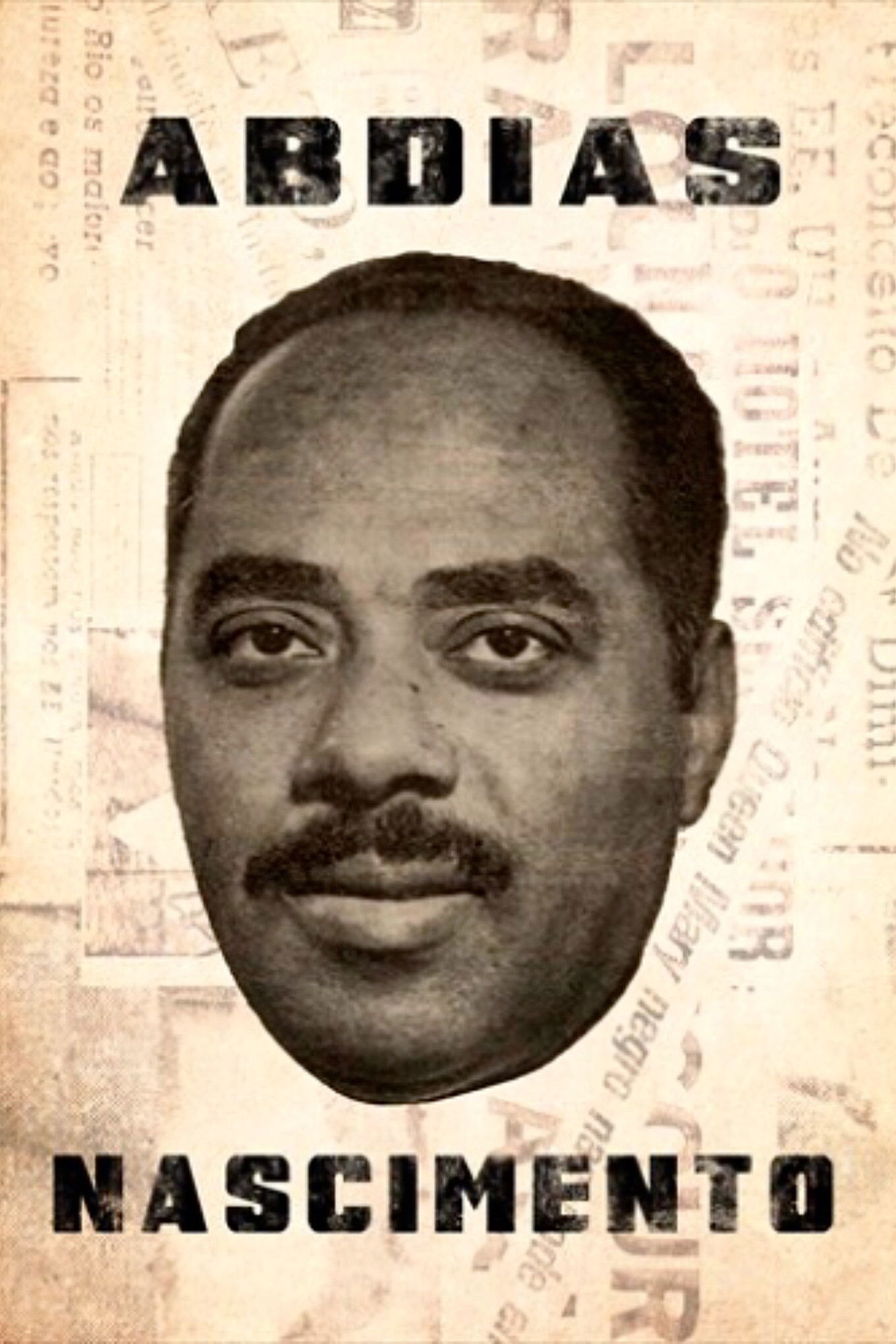
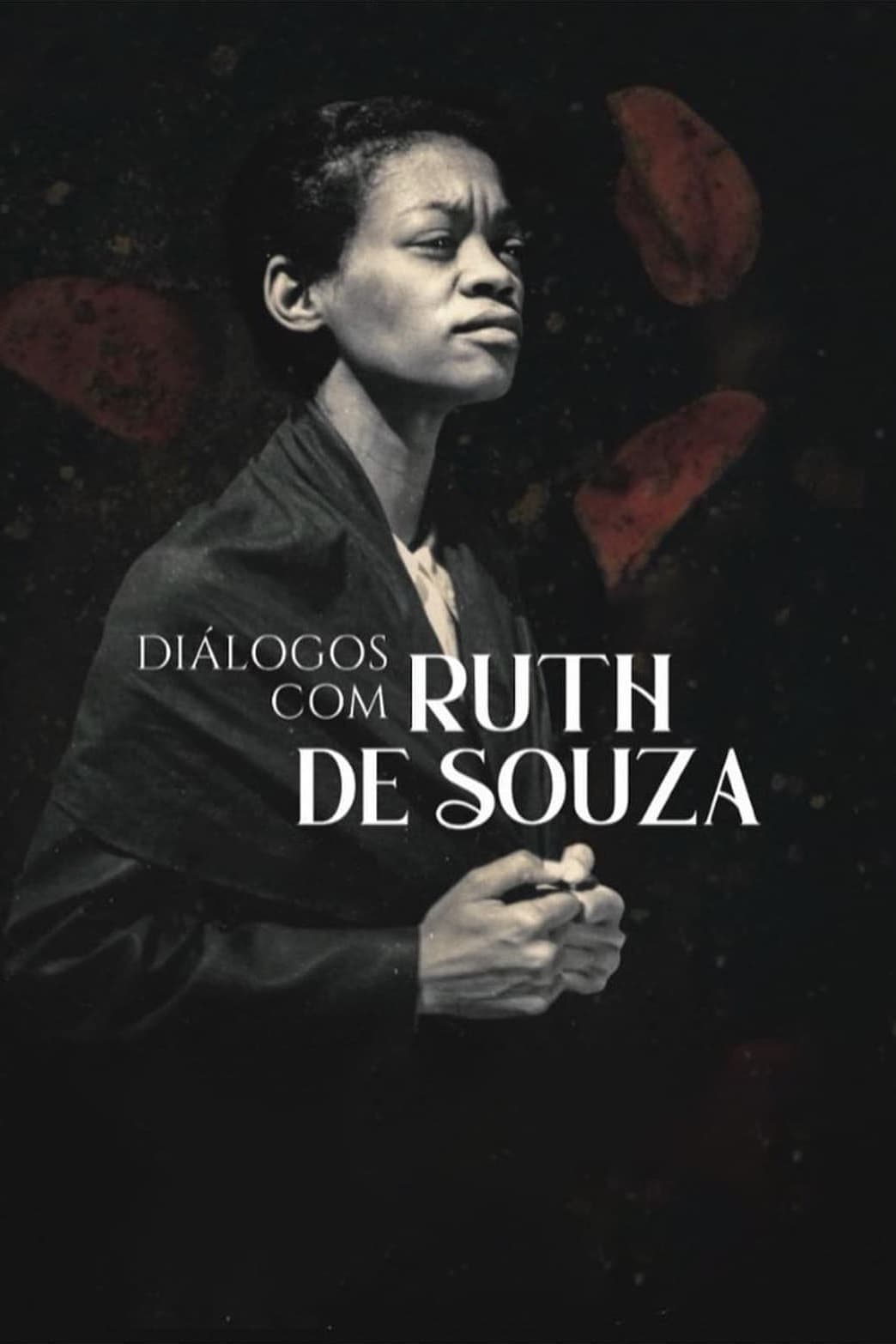
Ruth de Souza inaugurates the existence of black actresses on stage, television and cinema in Brazil. She carries within her the genesis of an important part of the achievements for black women over almost a century of life. At the age of 95, surpassing 70 in her career, amidst reflections and memories, a dialogue was born between two generations of black artists, Ruth and the director.
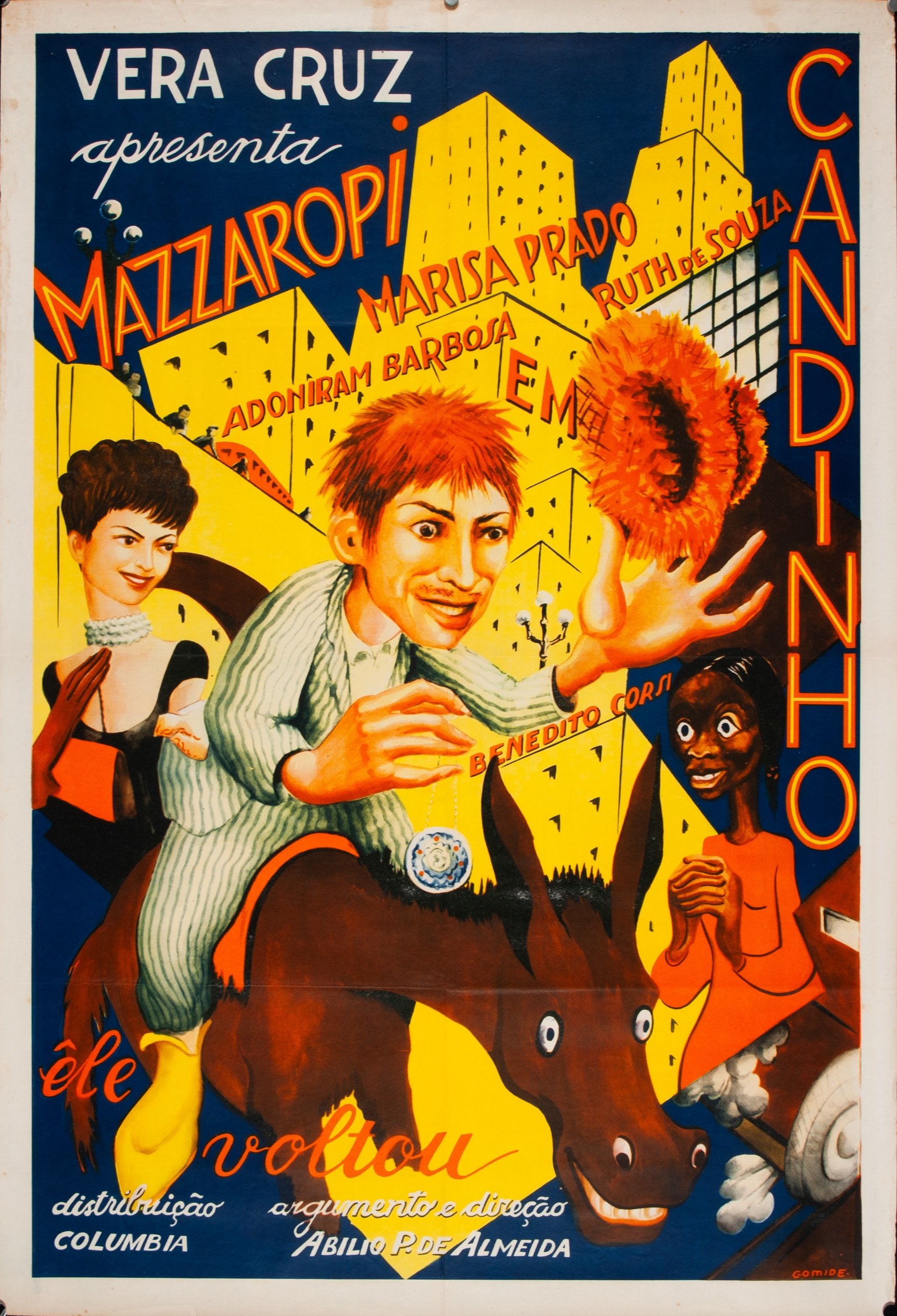
Candinho is a hillbilly who leaves the countryside, taking his donkey along, and goes to São Paulo, trying to find his mother.
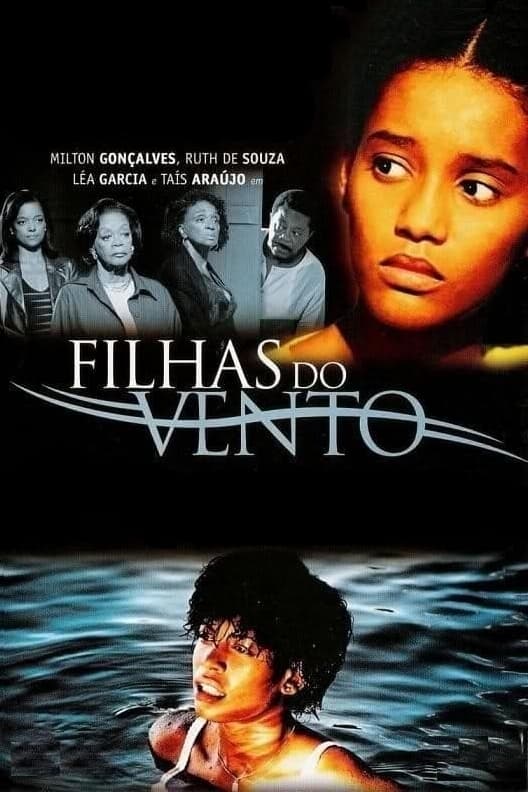
In a small town in the State of Minas Gerais, Brazil, two sisters meet again after years apart.
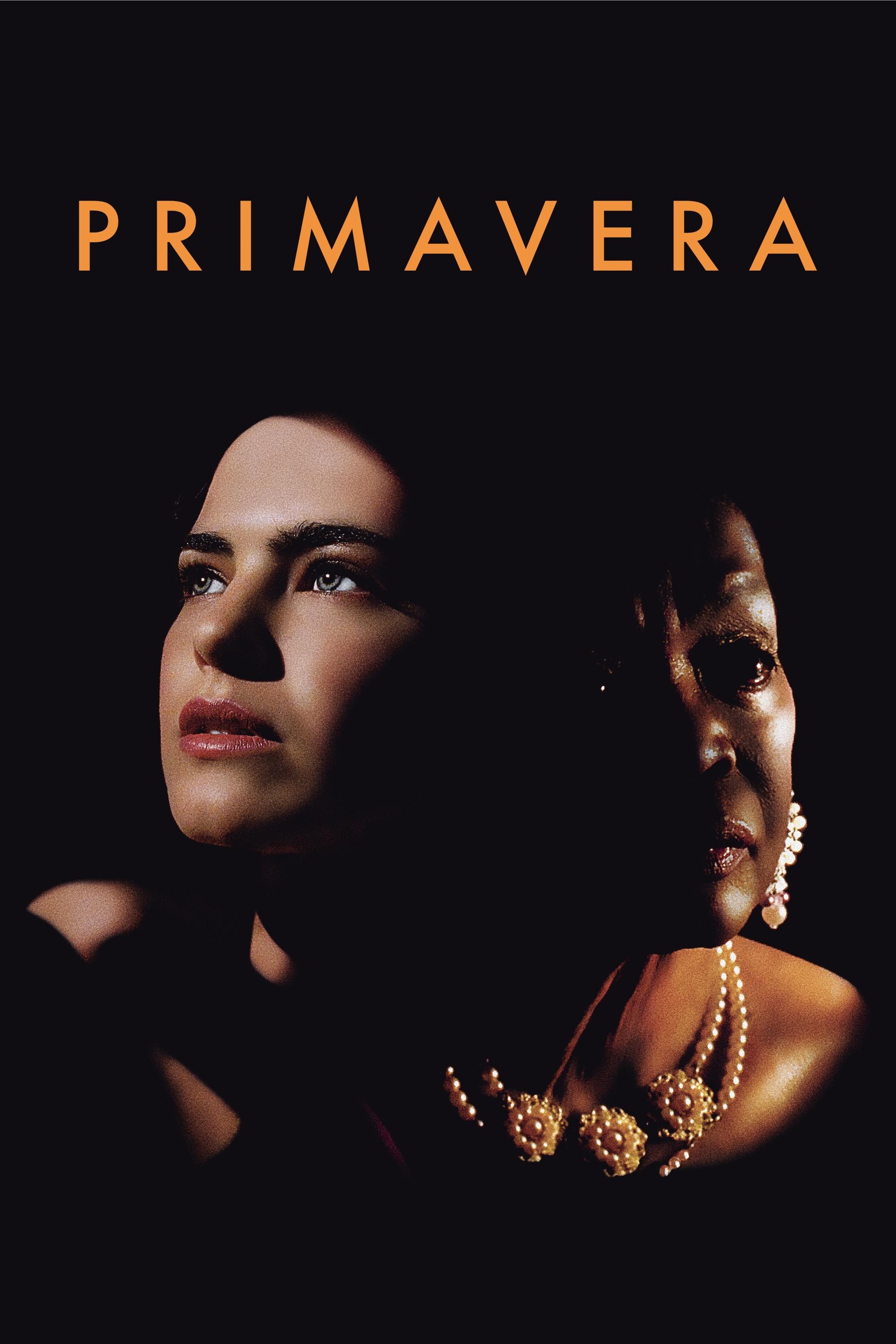
Moments before a father's death, all of his family memories are transferred to his son through a dream, from the first ancestor, an Englishman living at the end of the 18th century, to his Brazilian heirs, the protagonists of this story.
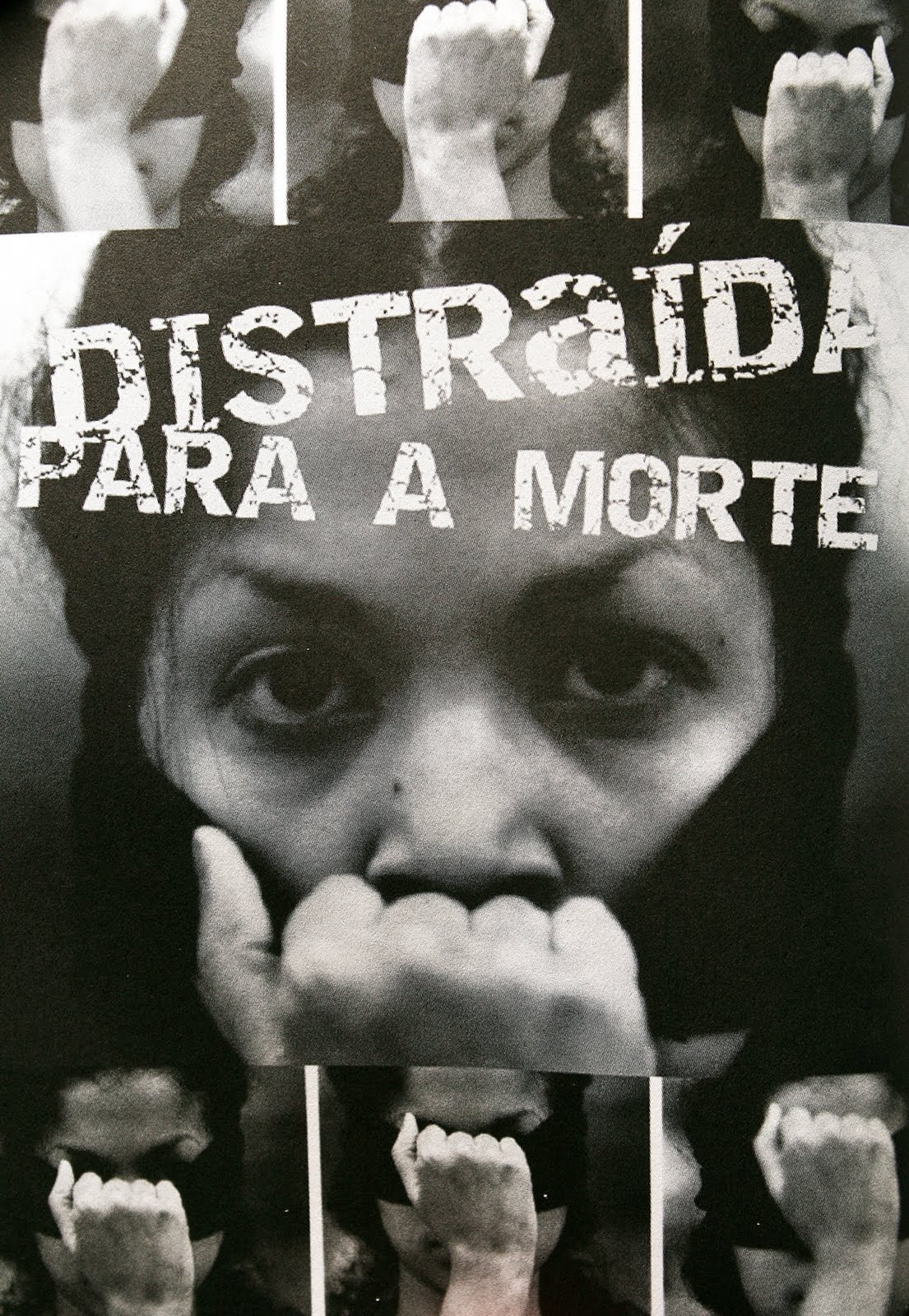
Three black teenagers walk around town. The two boys laugh at their own racist jokes while the girl watches them in silence.
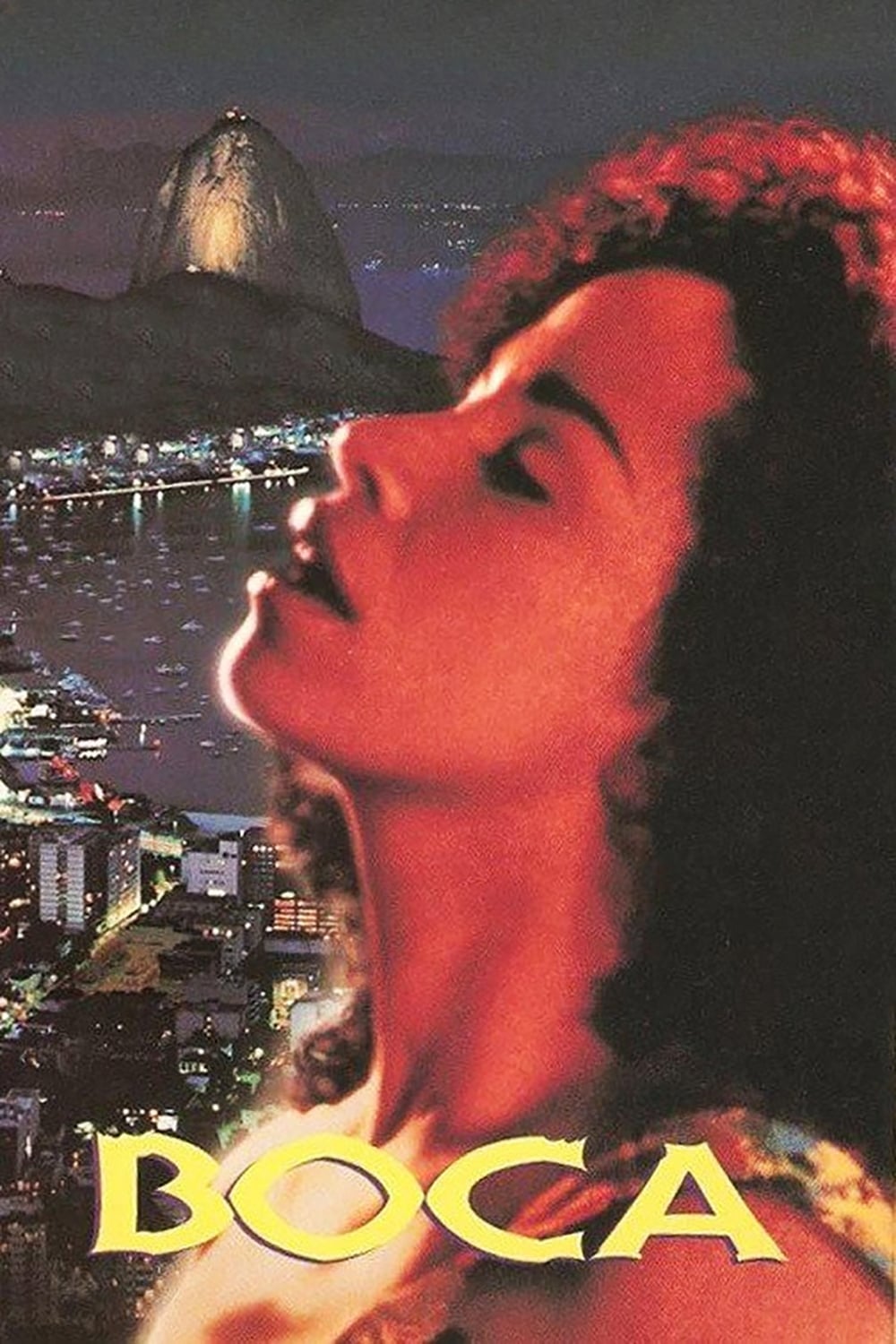
A photo-journalist goes to Brazil to investigate a savage crime boss. She becomes infatuated with the story.


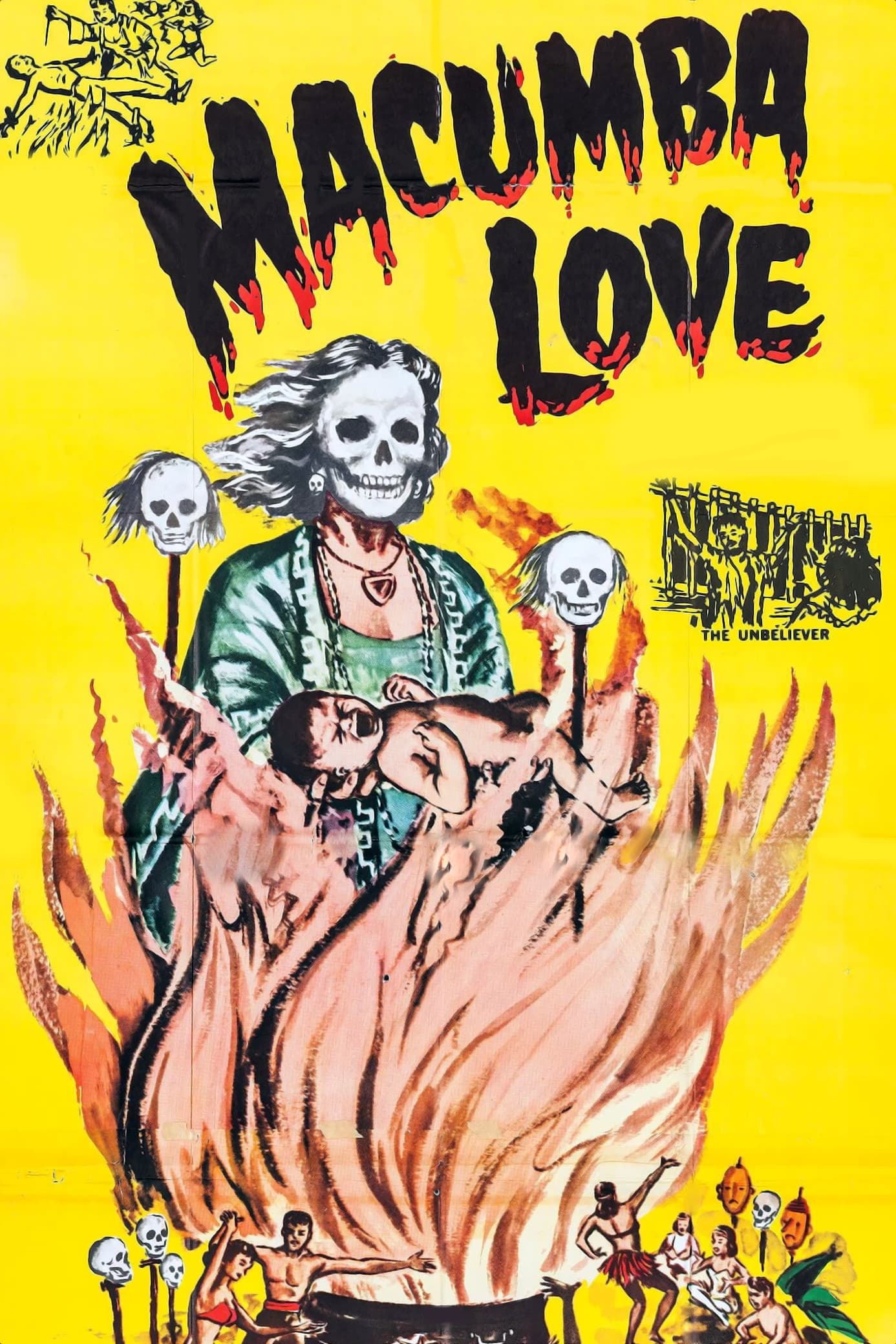
A writer who specializes in exposing fake witchcraft journeys to Brazil to investigate a voodoo cult.
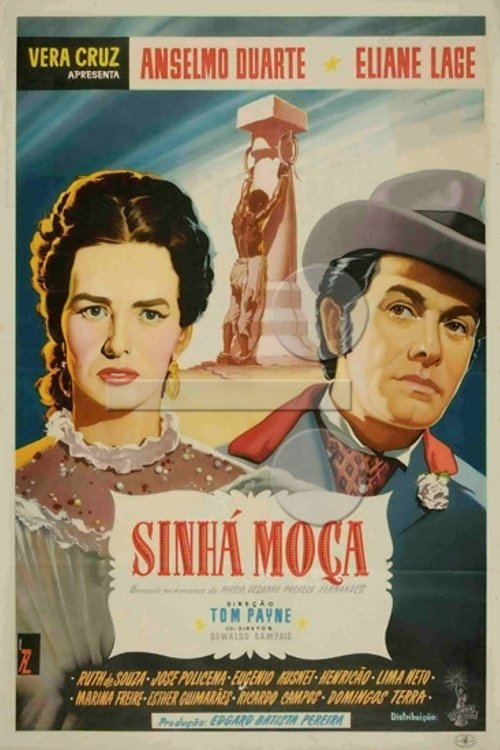
In 19th century Brazil, young people in the State of São Paulo fight against black slavery and the farmers who support it. Against this backdrop, Sinhá Moça falls in love with a young lawyer, and they get involved in a great love story.
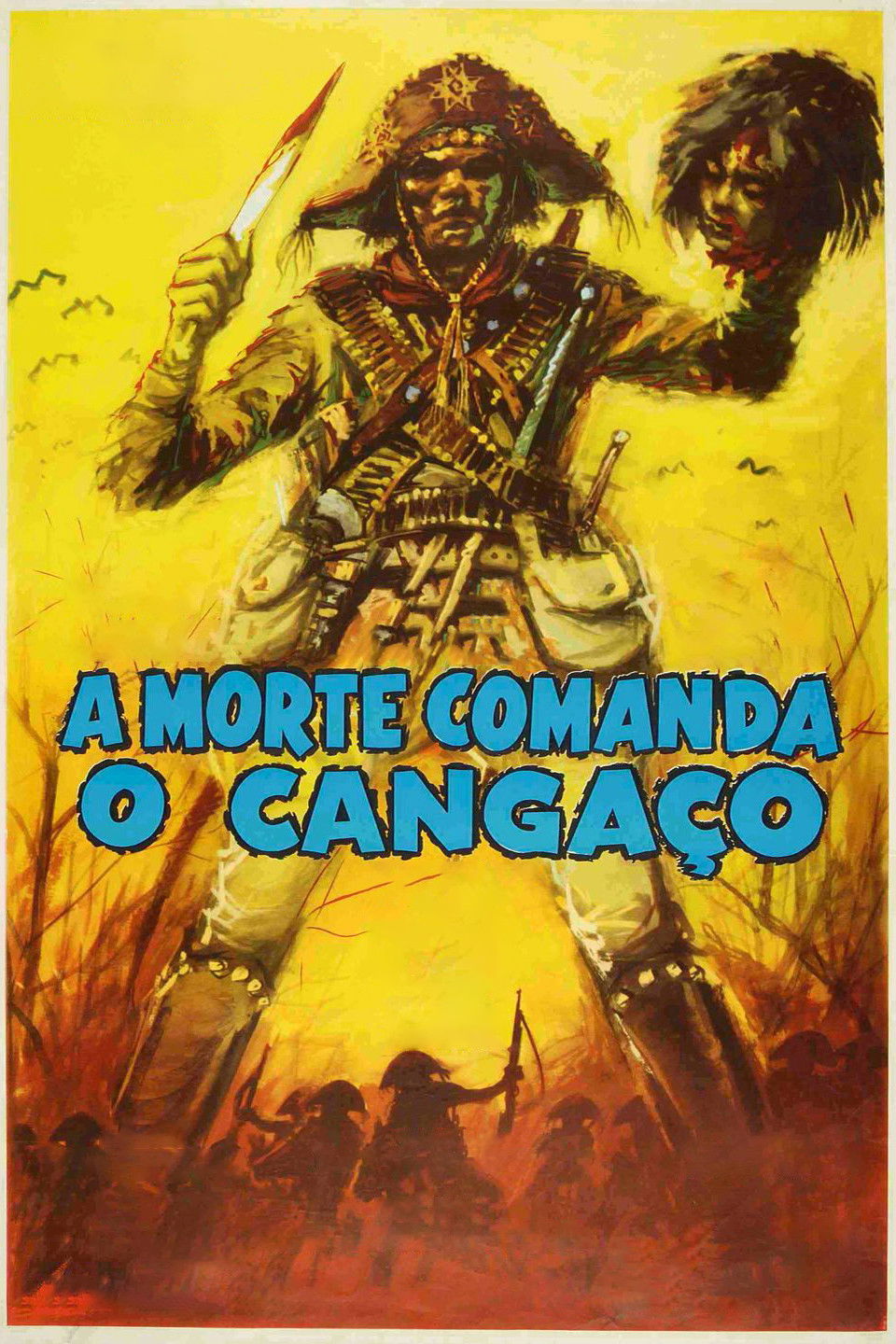
A man's farm is attacked and his mother gets killed. Looking for revenge, he goes about chasing the men who killed her.
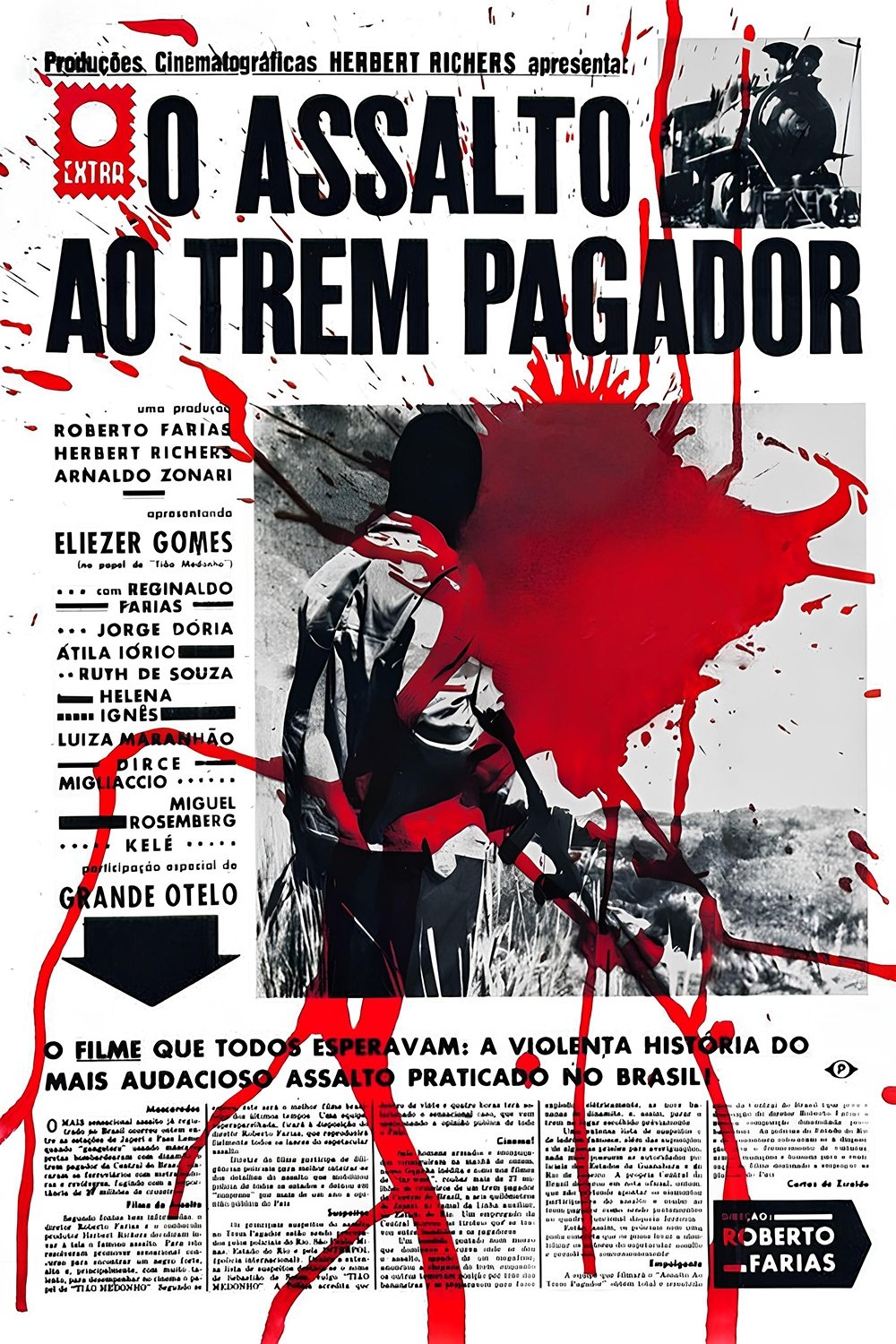
Based on true events in Rio de Janeiro, in 1960, when a gang having the infamous outlaw Tião Medonho as a leader performed a sensational railroad hold-up on a train carrying a small fortune.
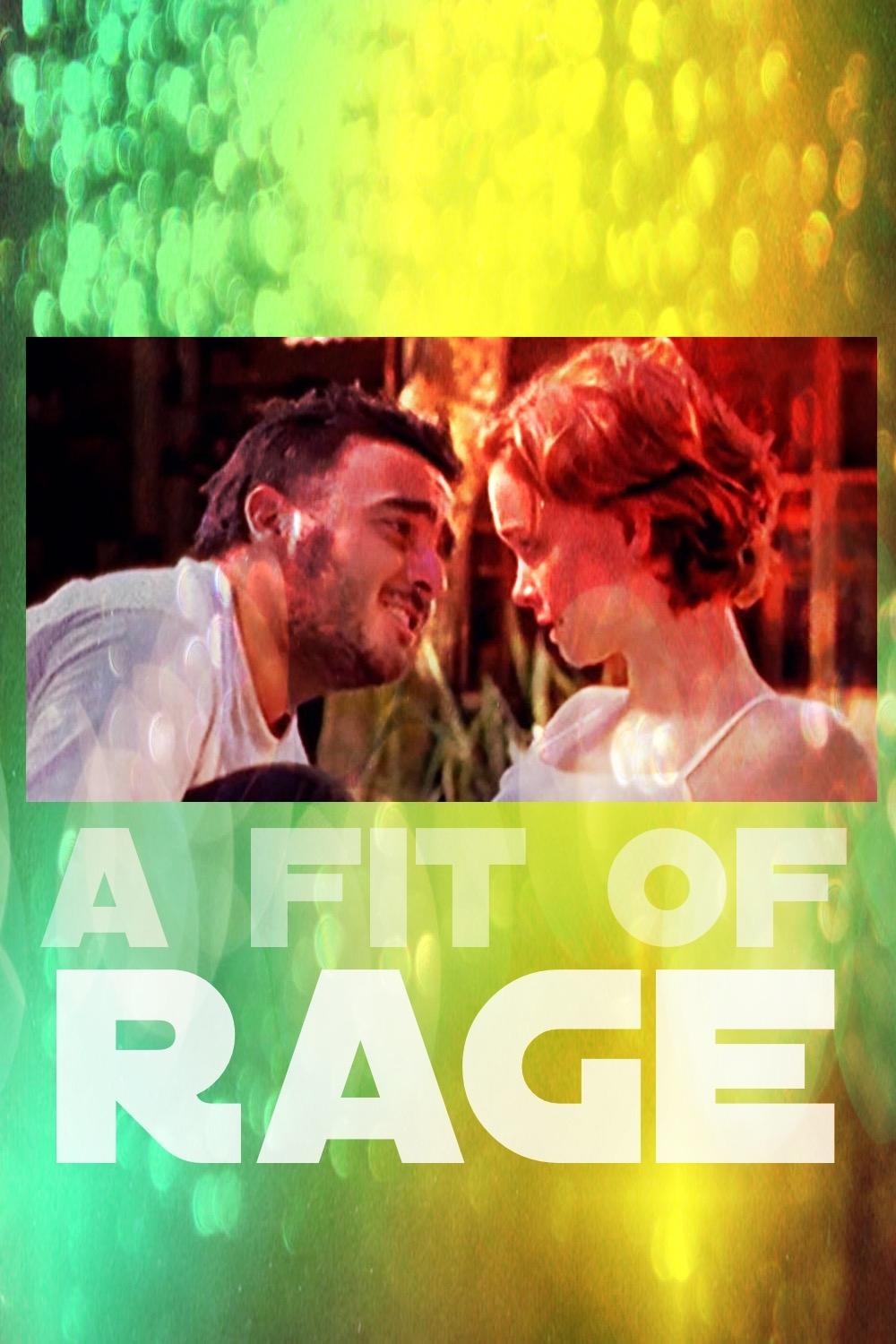
The torrid love affair between a 40-year-old man who lives isolated from the world, in his small farm nearby São Paulo and a politically engaged 30-year-old journalist. One morning, after a night of wild lovemaking, he notices a hole made by sauba ants in his fence. This simple fact raises accusations and discord between the two lovers.
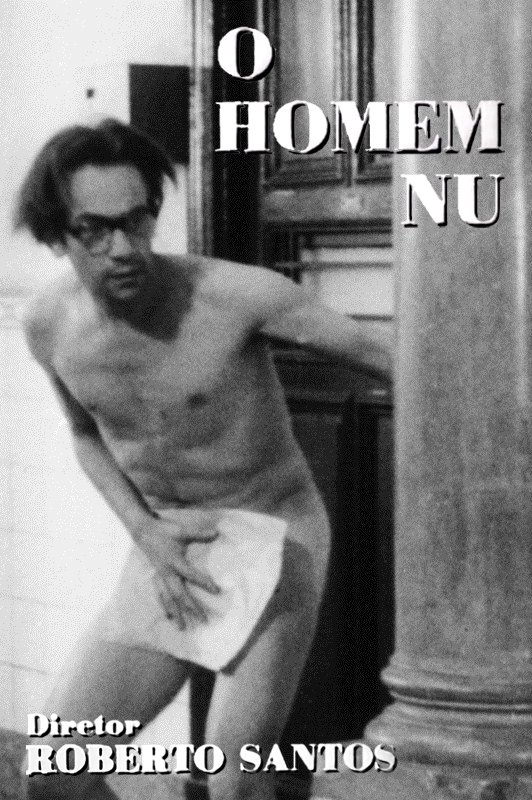
A man gets locked naked outside of his apartment.
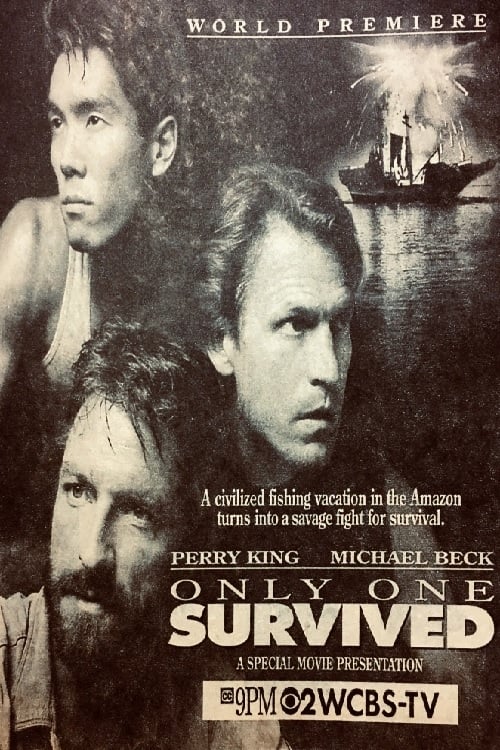
Four buddies set out on a three-week deep-sea fishing holiday in the Amazon and run into trouble.
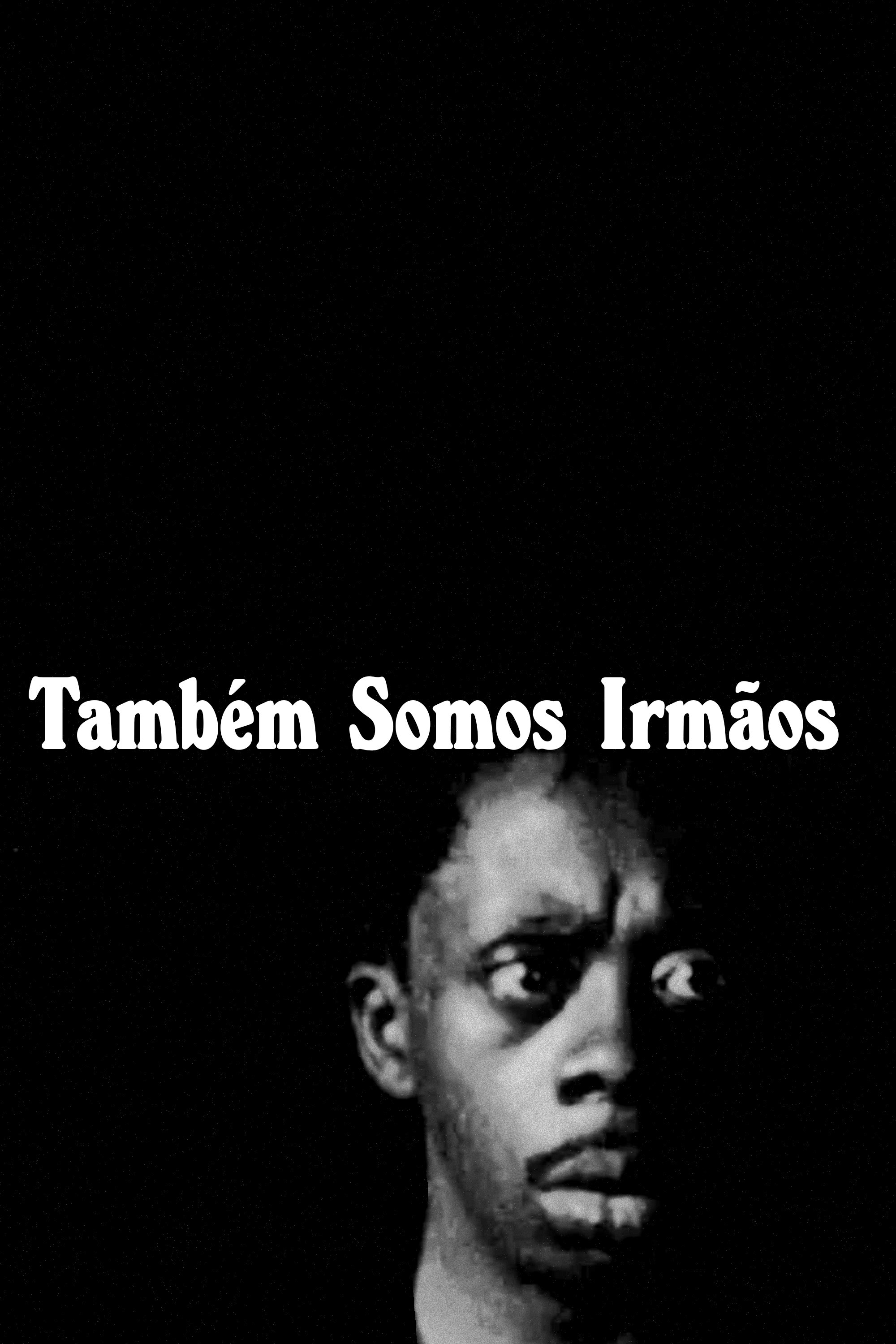
Renato and Miro are black brothers raised by a white family in an old mansion in Rio de Janeiro. Renato, a graduated lawyer, has always looked for dignity, winning in life due to his honesty and search for social recognition. His brother, on the contrary, is a rebel small time crook who believes his behavior is the product of the treatment he received while being rased by the whites.

Jubiabá is a French-Brazilian film based on the homonymous novel by Jorge Amado. The film tells the story of the interracial love between the daughter of a rich Commander and Antonio Balduíno, a rascal, fighter and famous lover from Salvador.
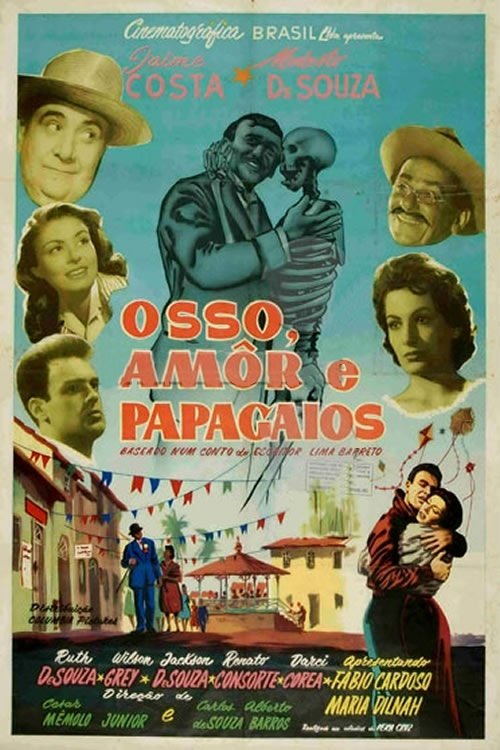
A small town is taken upside down when an inventor finds a way to turn bones into gold.
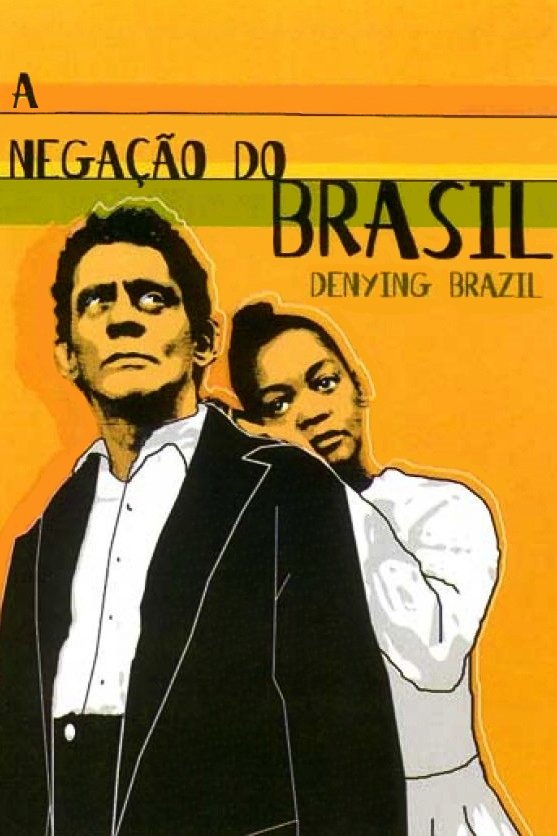
A documentary film about the taboos, stereotypes, and struggles of black actors in Brazilian television "soaps". Based on his own memories and on a sturdy body of research evidence, the director analyses race relations in Brazilian soap operas, calling attention to their likely influence on Brazilian African-Americans' identity-forming processes.
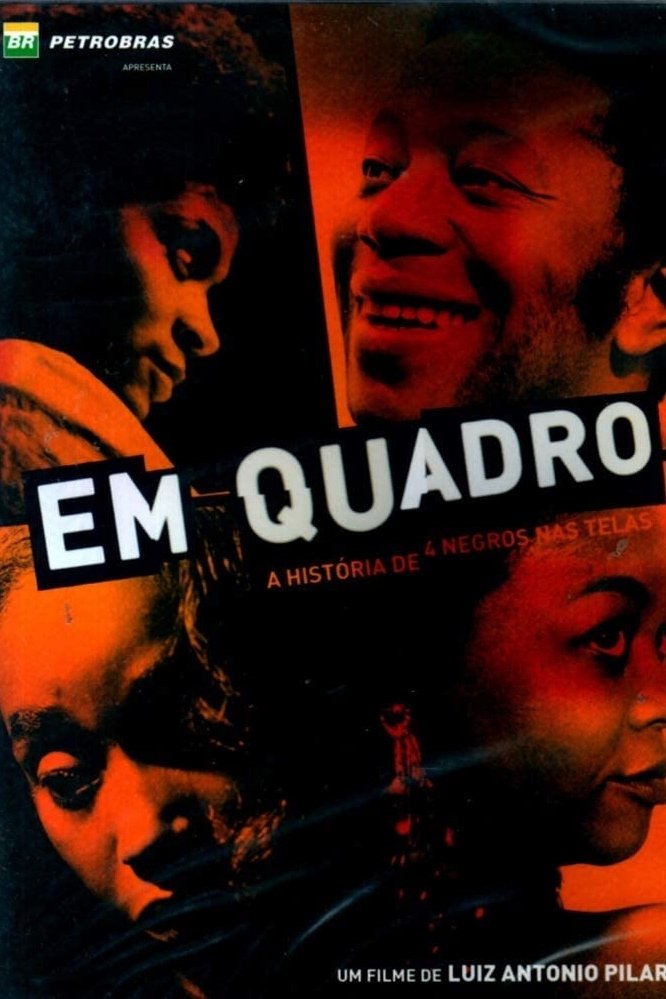
A documentary that tells the history of 4 famous actors in Brazil.
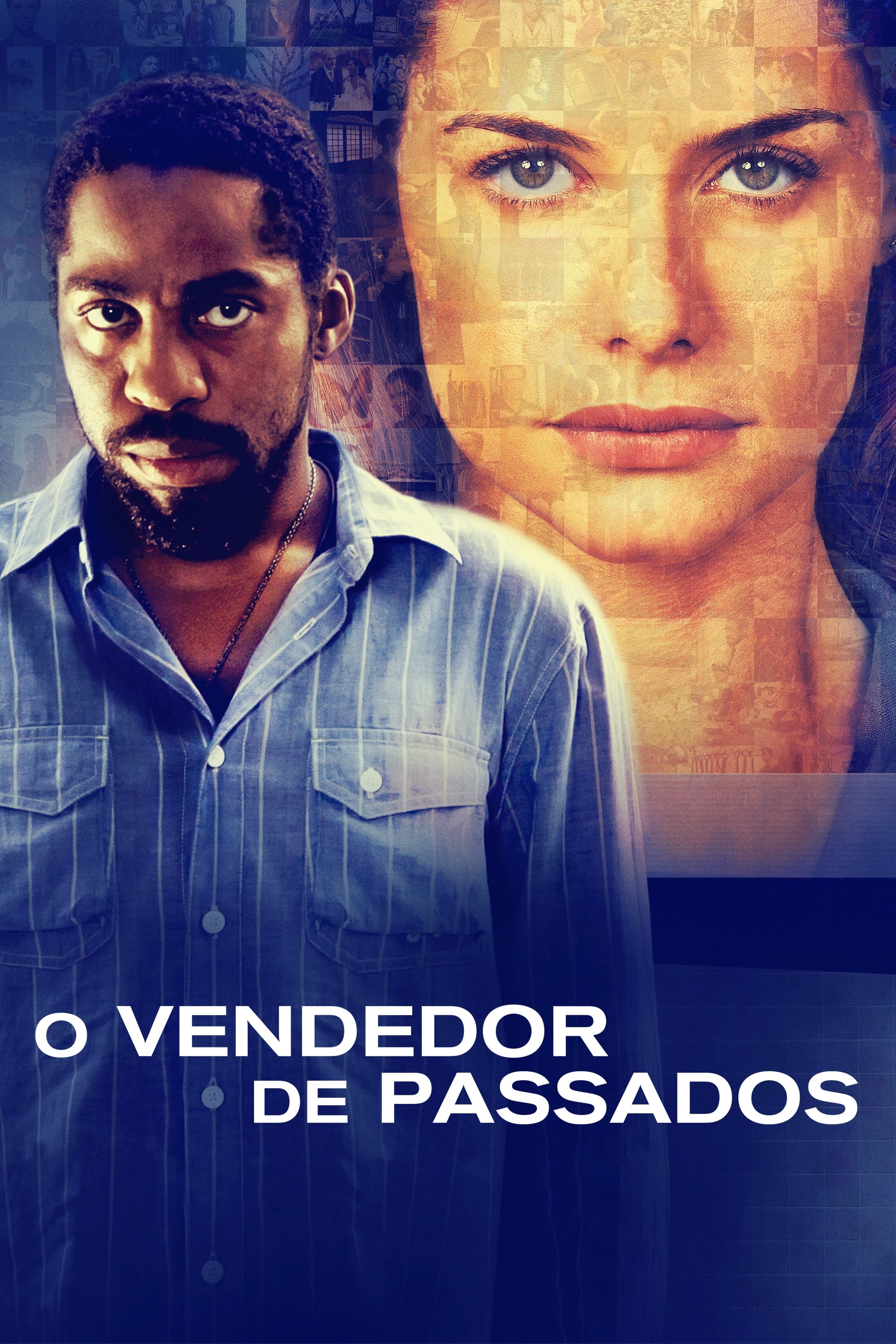
A man, who creates pasts for a living, struggles to find his own past while a mysterious woman takes a dangerous step.
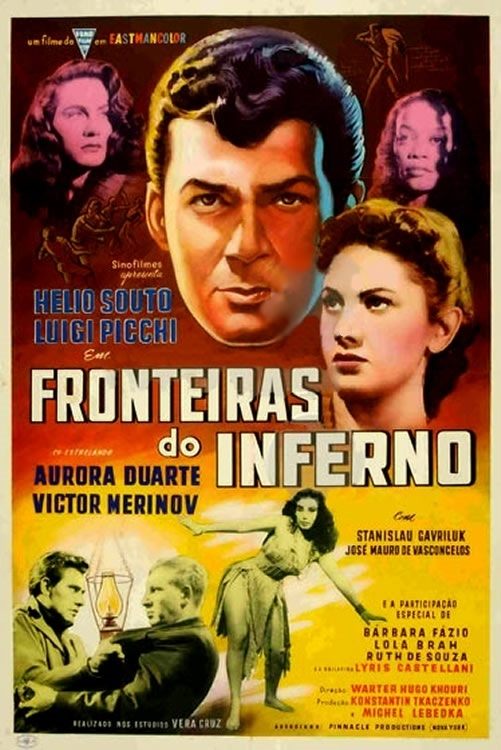
In a desolate area of Brazilian mountainside, cut off from civilization, an old miner discovers a king-size diamond that he puts in his pocket rather than turn over to the thugs he works for.
Blum and Elza conduct Scientific and anthropological researches in a desert island, where they use as subjects a old fisherman, the house keeper and a prostitute from the country. But the affection grows between the three of them, and this feelings are capable of compromising the whole research.
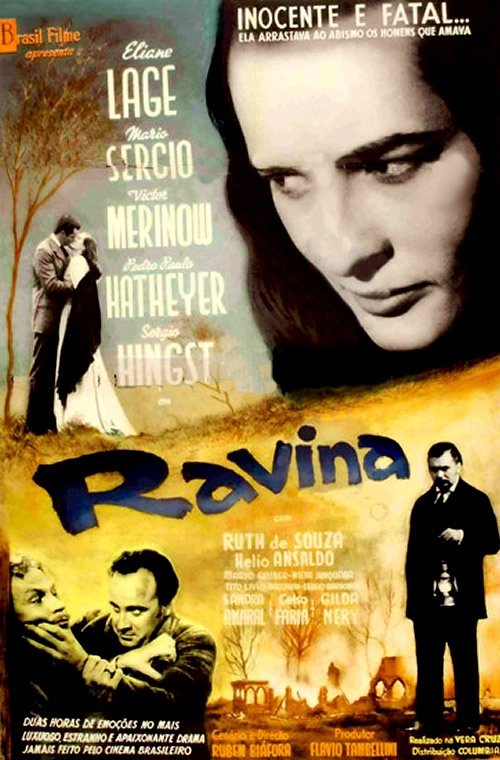
A woman, who believes she has a curse, sees an engineer die in an accident while building a bridge. Considering two men who were courting her responsible for the tragedy, she decides to take revenge on both. Brazilian version of Brontë's Wuthering Heights.
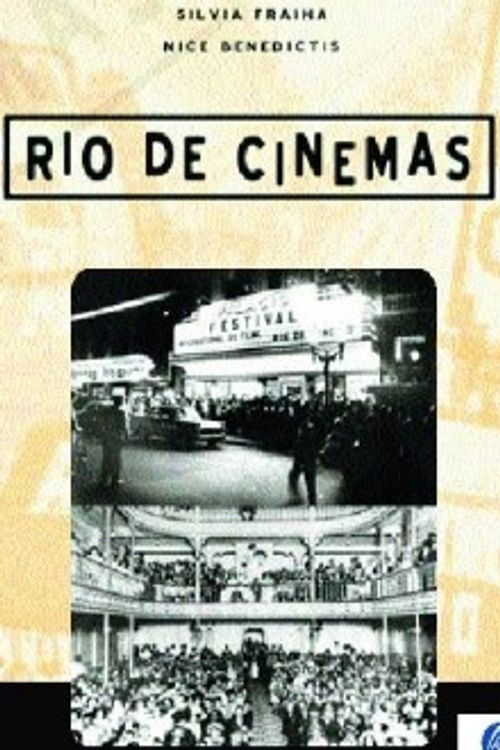
The story of Rio de Janeiro’s movie theaters and the radical transformation they have endured since the invention of Cinema.
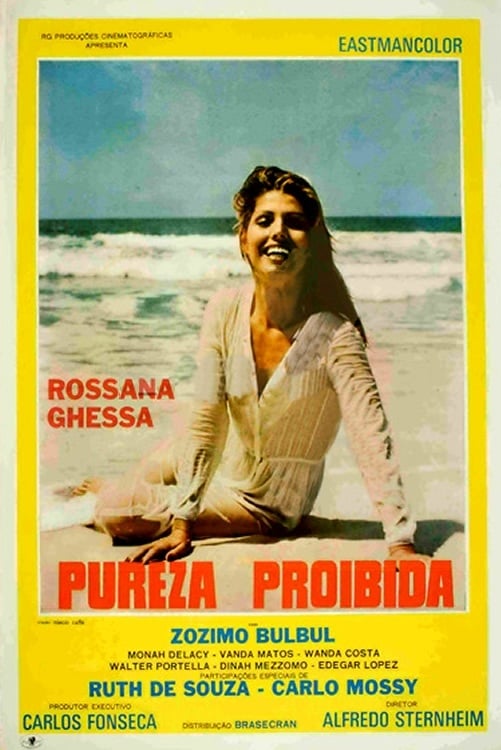
Baby is found by nuns, who raise her inside the convent. When she grows up, she moves to a fishing village and gives up religious life when she falls in love with a black fisherman, who practices a Afro-Brazilian religion called Umbanda.
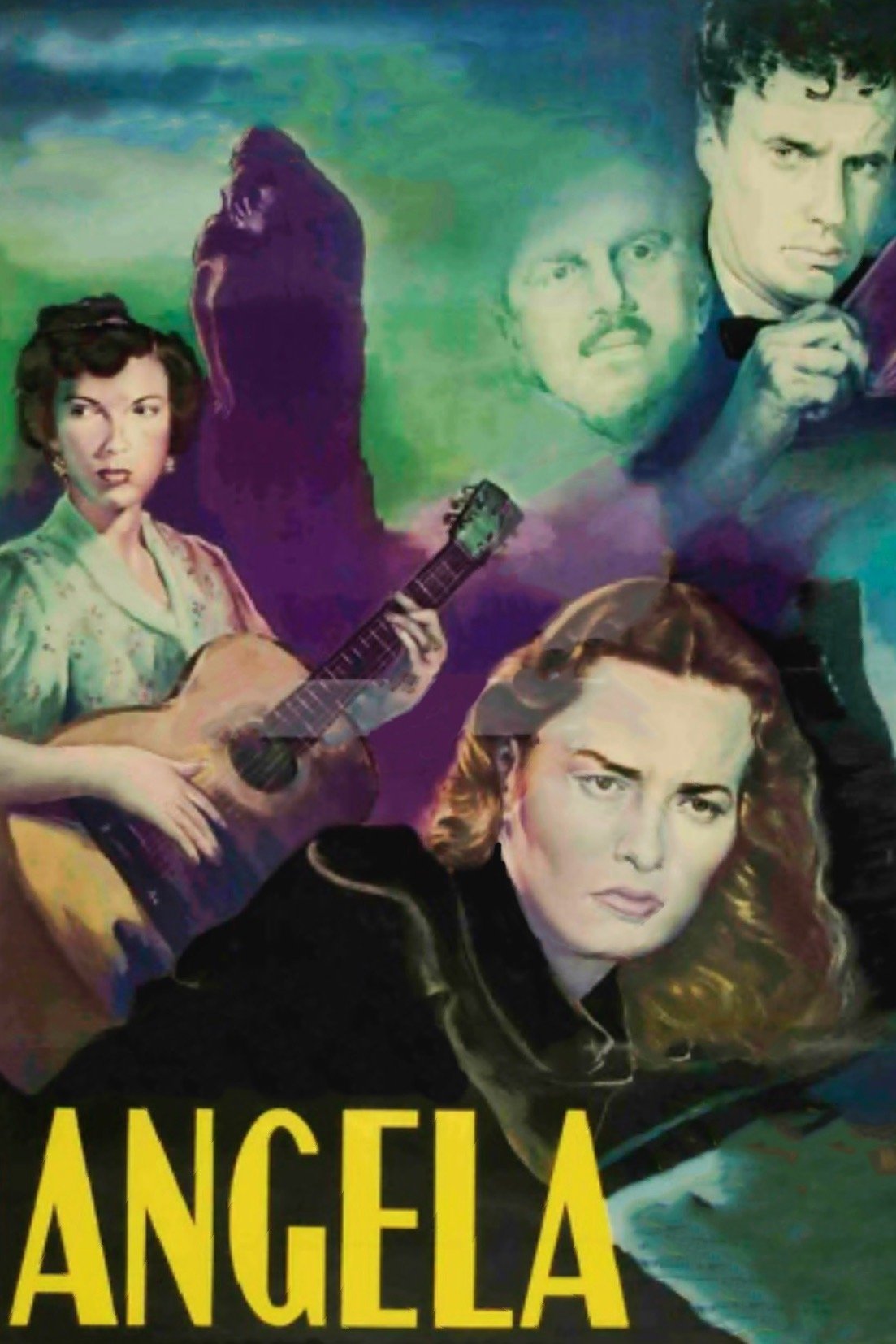
A woman marries a gambler, thinking she could straighten him up, but he loses all their assets, even their own house, and tries to commit suicide. But one of the winners falls for his stepdaughter, and this could change the situation.
An executive inherits a mine and decides to visit it with his wife, with the help of an airplane pilot who knows the whole area. The group gets in trouble with the miners, and the situation escalates when they have to make a forced landing in the forest.
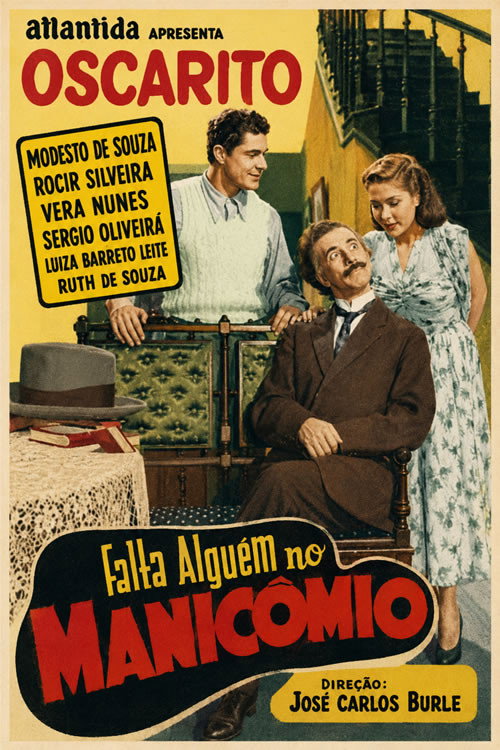

After assaulting a Hollywood film crew, a group of residents of a community in Rio de Janeiro decided to produce a film that would express the reality of Brazil - with the theme of Inconfidência Mineira.
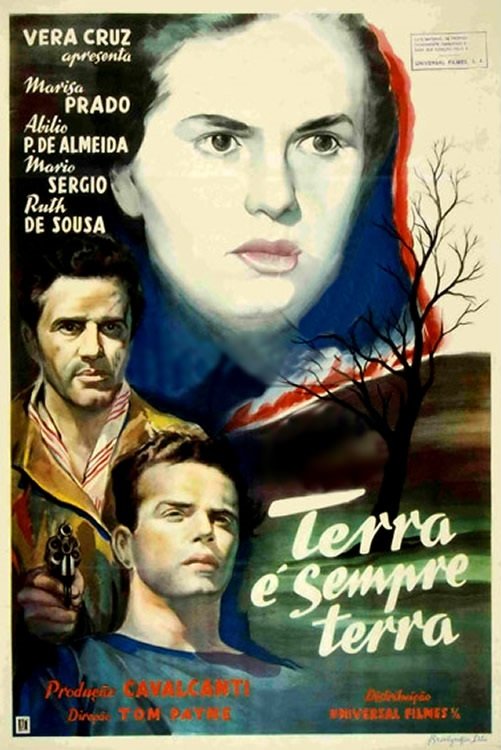
The administrator of an abandoned coffee farm and inveterate gambler saves money to buy the property, even knowing of the loving connections between his wife and the boss.
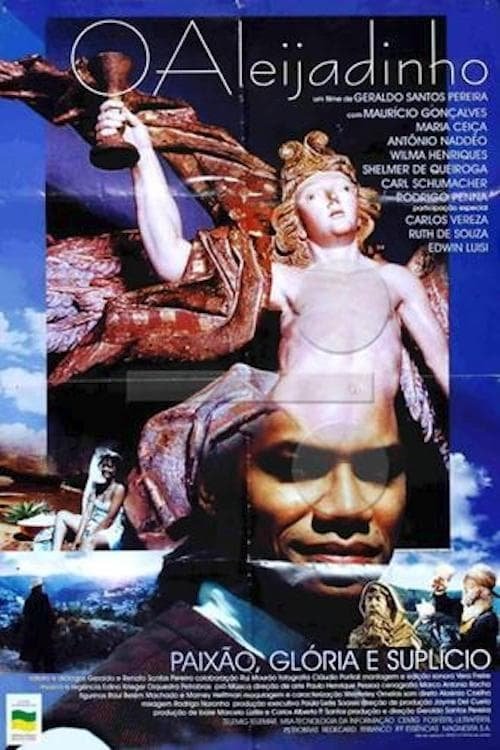
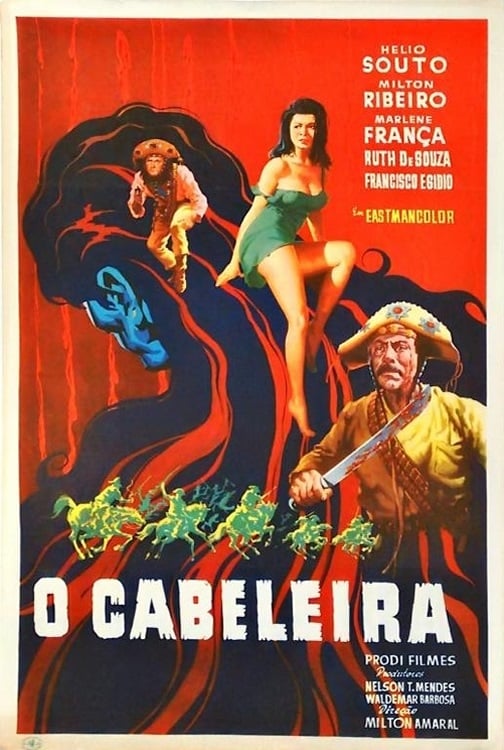
Based on the novel by Franklin Távora, the film follows the adventures of a father and a son in 18th century Brazil.

Peter Mandrake, a North-American photojournalist becomes embroiled in South America's dangerous underworld of pimps, drug gangs and arms smugglers when he sets out to find the killer of a local call girl.
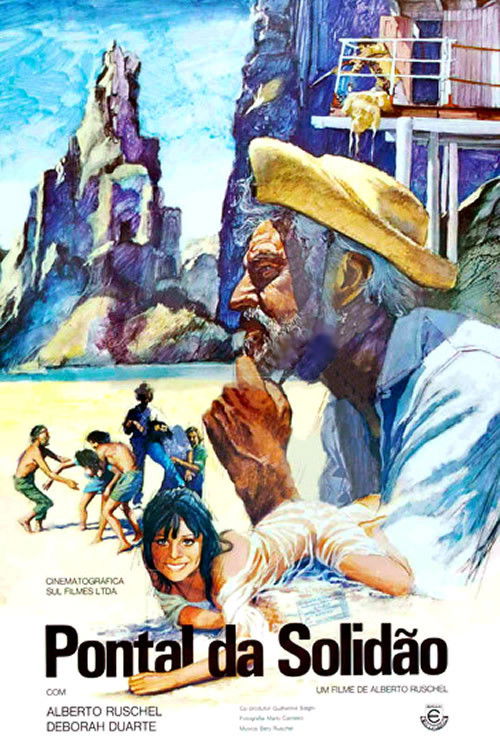
A young woman, victim of violence, takes refuge with an old sailor.
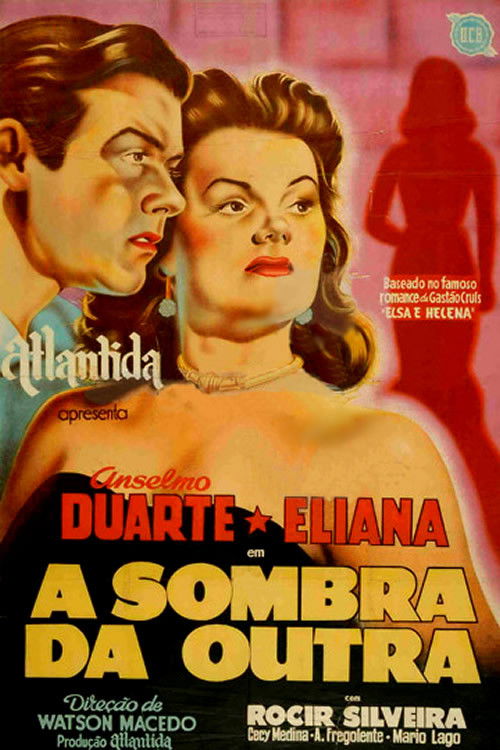
A drama about double personality
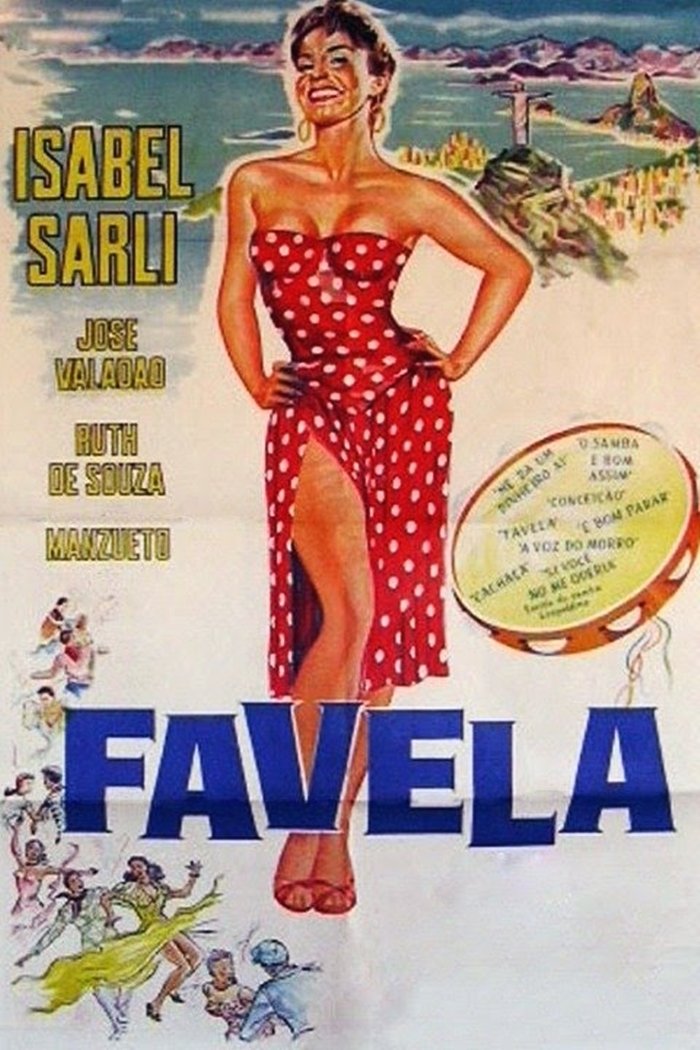
A girl goes from a favela to the luxurious scenarios of the international singing industry
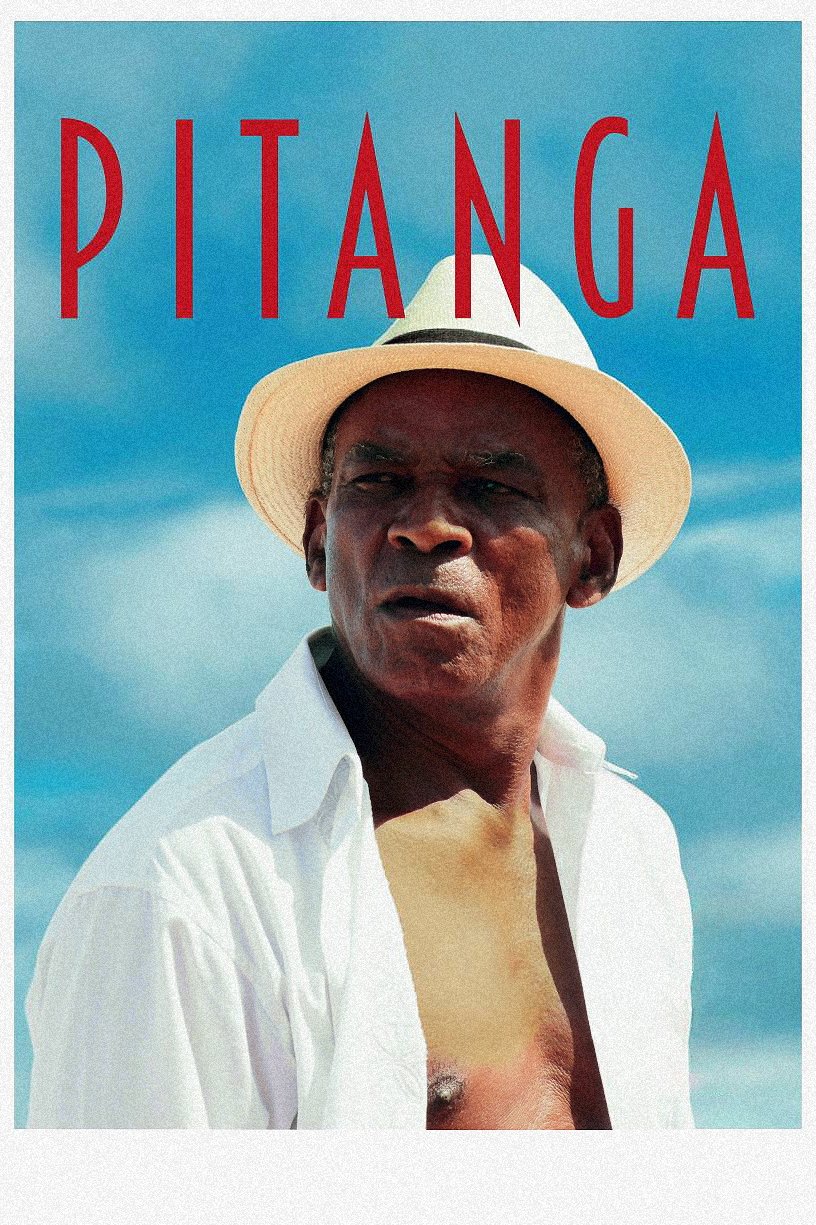
This documentary investigates the aesthetic, political and existential trajectory of emblematic Black Brazilian actor Antônio Pitanga. His career spans over five decades, and he has worked with iconic Brazilian filmmakers Glauber Rocha, Cacá Diegues and Walter Lima Jr. He was a prominent figurehead and outspoken activist during the Brazilian dictatorship, a period of unrest in Brazilian cinema. "Pitanga" deep dives into the world of Antônio and the history of Brazil. The documentary was directed by his daughter Camila Pitanga, one of widely recognised faces in Brazilian television and cinema right now. The film is also a poem, and a tender ode to fatherhood.
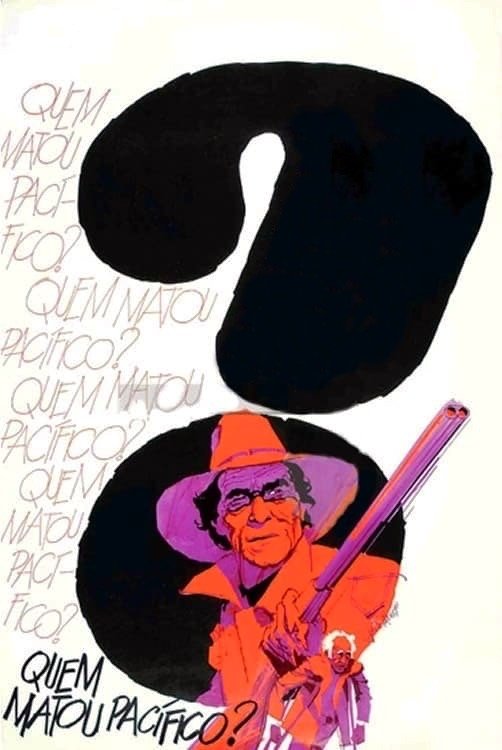
Roberto, Pierre and Pedro are very different men, with very different life paths; However, one thing unites them: the three are suspected of having murdered Colonel Pacífico, the rich and powerful owner of the city of Parada de Deus, in the interior of the state of Minas Gerais. However, jail may be the least of his problems, as the colonel's brother is a bloodthirsty gunslinger looking for revenge.
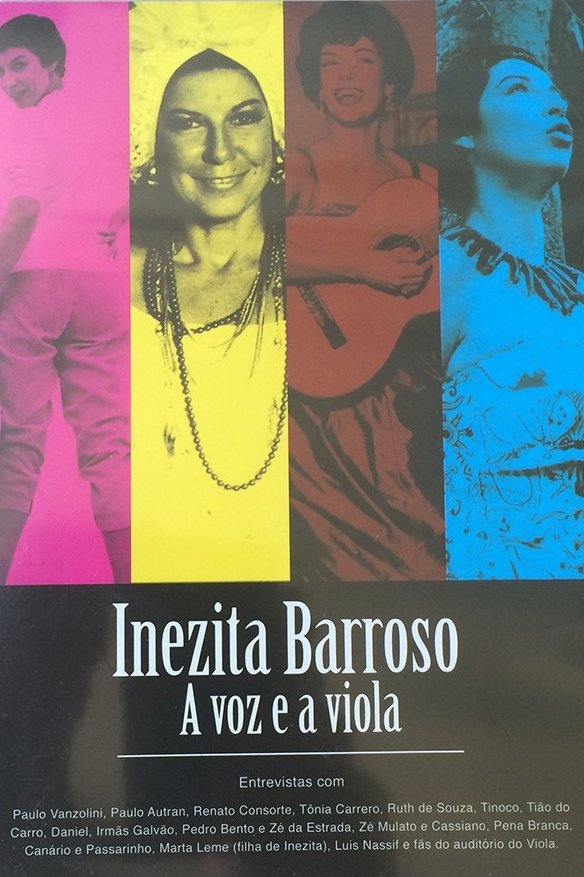
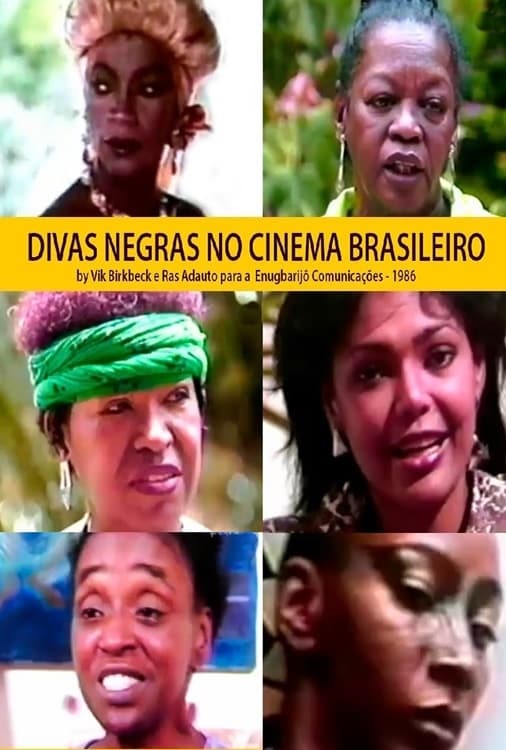
Interviews and performances with black women on film, theater and television who narrate their lives, careers, discrimination and struggles in the Brazilian artistic world. Starring actresses Zezé Motta, Ruth de Souza, Léa Garcia, Zenaide Zen and Adele Fátima, as well as activist Lélia Gonzáles.

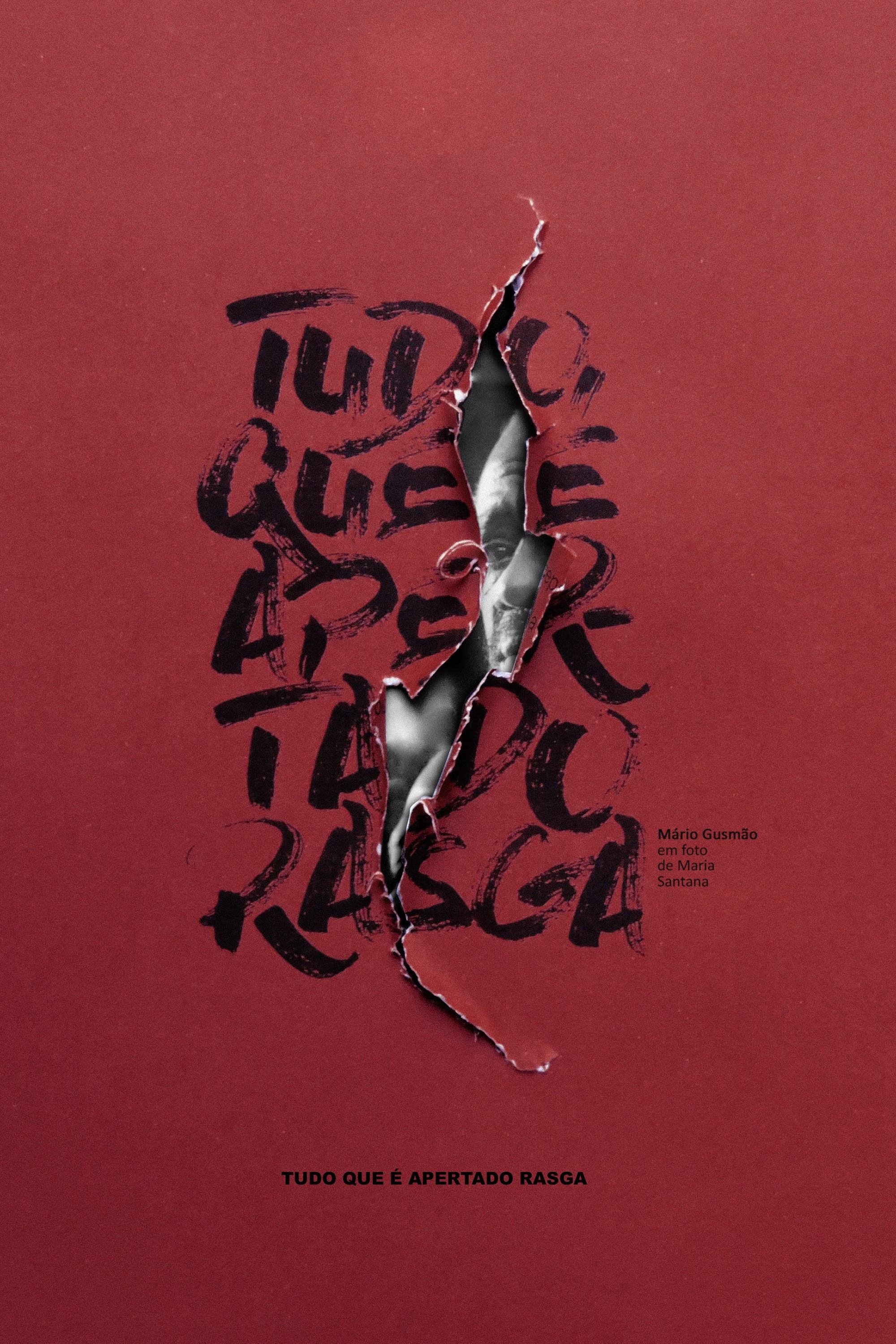
What does Brazilian cinema tell us? What does Brazilian cinema tell us about black actresses and actors? ‘Pressed, Ripped Apart’ makes use of archival sources to retrieve the trajectory of black actresses and actors who, between absences and delimited presences, between the fallacy of a racial democracy – based on the harmony among Brazil’s diverse identities – and erasure of identity, strain the history of Brazilian audiovisual and above all, our own history.

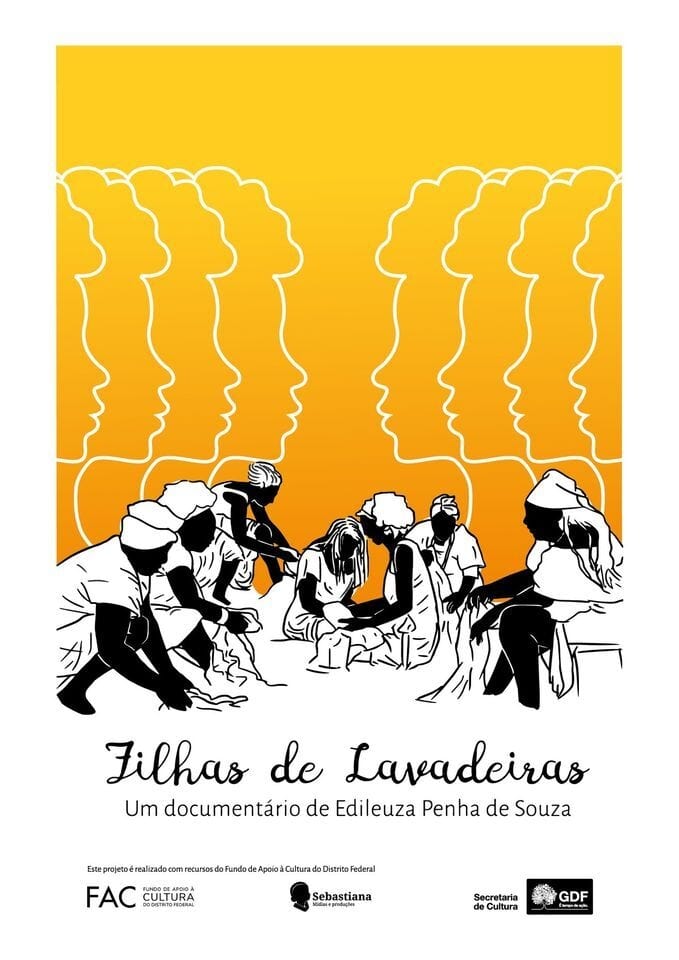
Stories of black women who, thanks to the relentless toil of their mothers, were able to attend school and retrace the paths treaded by their ancestors. Their memories, joys and sorrows become present as a possibility for a new fate, transforming the hard work of the washerwomen in a spectacle of life and fulfillment.

Prepared by the team of the Program for Training Black Researchers, The video brings together images and voices that talk about the reproductive health of black women, diseases taking into account the racial/ethnic background, habits, customs, the physical and social environment and the inhuman conditions imposed by racism.

Between scenes from his concert in São Paulo's oft-inaccessible Theatro Municipal, rapper and activist Emicida celebrates the rich legacy of Black Brazilian culture.

Passionate about the magic of cinema and historically imposed on a place of invisibility, prejudices and stereotypes, how can women challenge, break with oppression, look after precious archives, play remarkable characters, produce and direct successful films? The documentary illuminates the trajectories of dreams, challenges and victories of talented Brazilian women in our audiovisual sector.
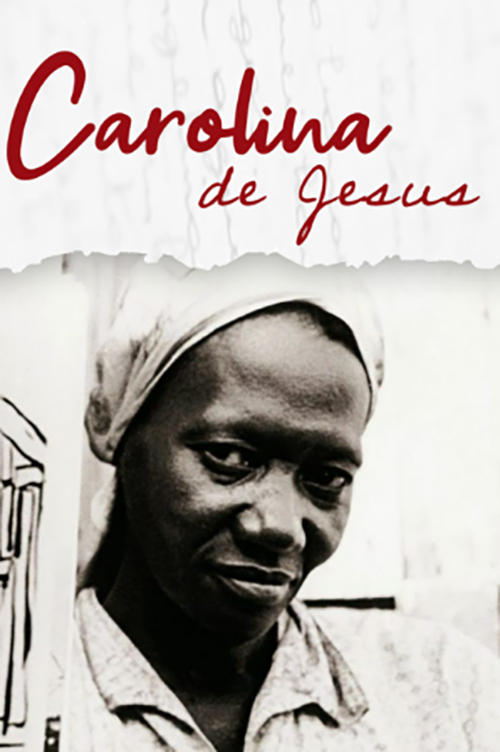
The documentary tells the story of writer Carolina Maria de Jesus, who became a success in the 60s and, since then, has inspired writers and artists such as Ruth de Souza, Zezé Motta and Conceição Evaristo.
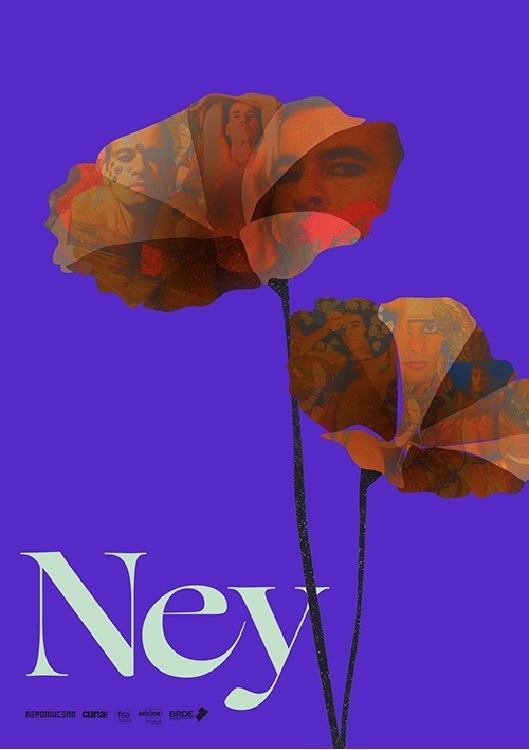
The impact of Ney Matogrosso's performances on his audience and the reverberation of that impact on Brazilian culture, from the second half of the 20th century to the present. An audiovisual anthology, all composed of archival images. The best way to get to know Ney is to be with him on stage.