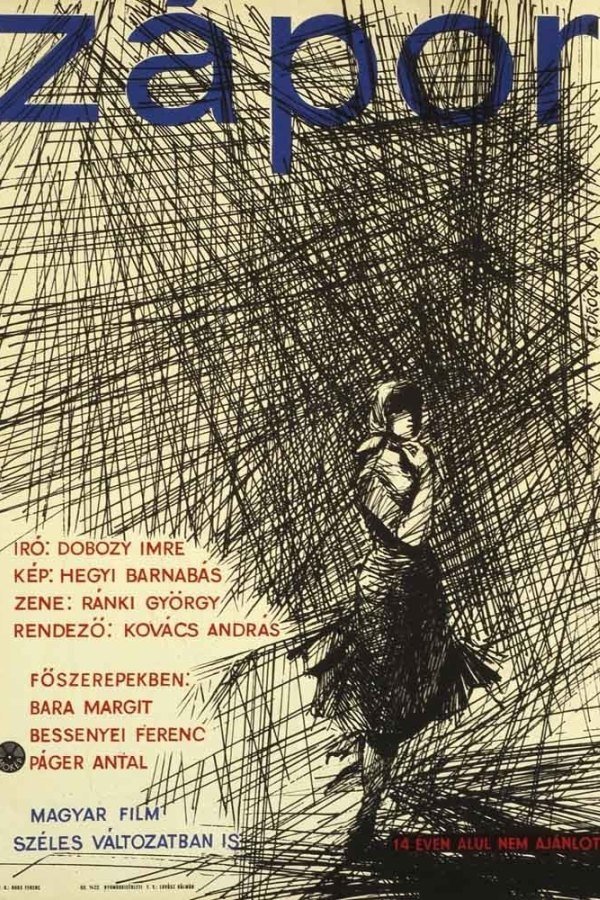
Miskei, the popular and dynamic president of a co-op falls in love with Mari, the attractive wife of the elderly Pató. The deeply feeling woman is fed up with the service beside the haughty land holder, she is longing for tenderness and a child. The passion of Miskei is growing when he sees how crudely, humiliating Pató treats her. During a powerful summer shower, when chance brings them together in an abandoned press house, he storms on Mari confessing love. The woman refuses him bitterly. Miskei calms down and he keeps on expressing his love and high esteem with the woman by steadfast and tiny compliments. Early one morning Mari leaves her husband and sets off to the city to learn and to begin a new life.
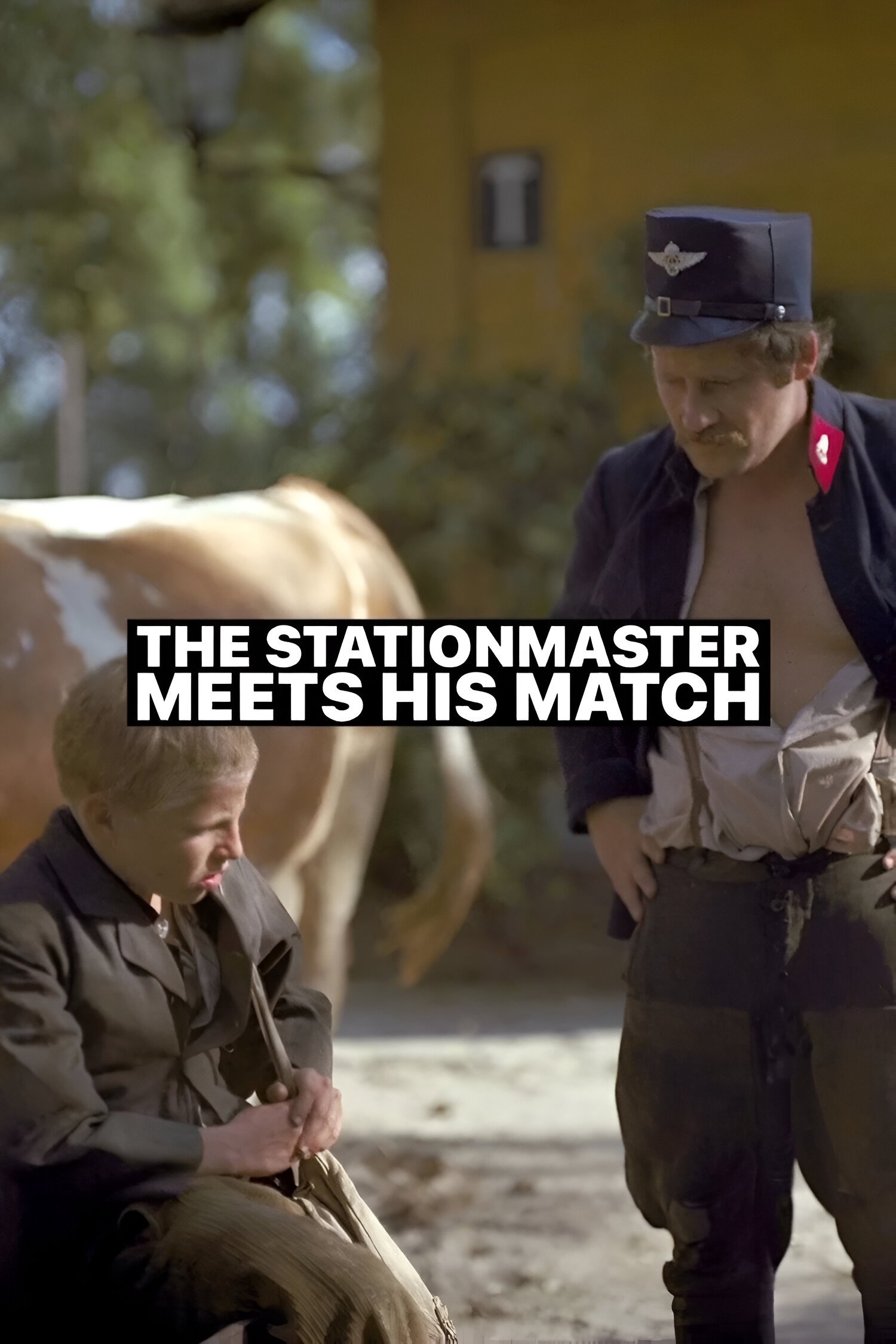
The story of Bendegúz, the teenage boy who never succeeds in anything and about whom everybody's first though is "I wish you had been hanged when you were born!" drops out of school and becomes a cowboy. He works for the Stationmaster whose cows he has to graze by the railway. Despite his goodwill and kindheartedness he always manages to spoil everything he touches. No matter his wit, he gets into humiliating situations and regularly fights with the Ugly Witch (the Stationmaster's mother-in-law). However his good spirit and cheerfulness never leave him.
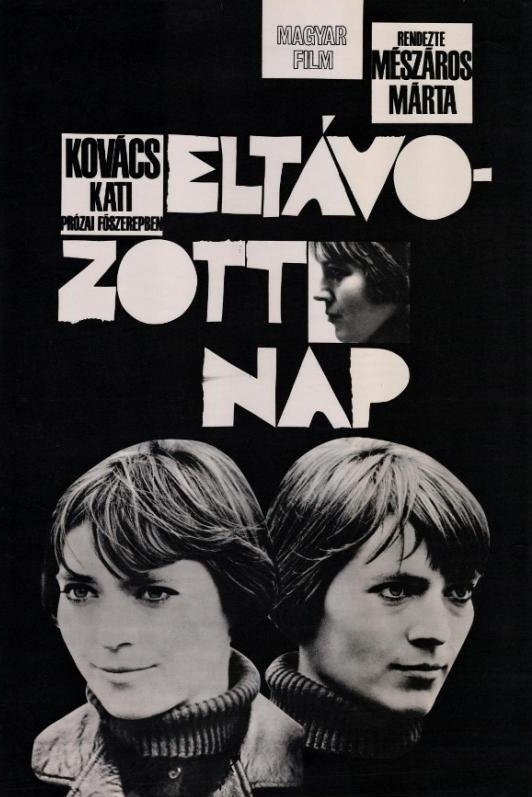
A young woman leaves a state orphanage to find her mother in this interesting examination of how the overt repression of women in the older pattern of village life has been replaced by the more subtle exploitation inherent in the apparently freer existence of young girls in the contemporary city.

A young peasant boy stands up to tyranny, aided by his trusting friend- a goose.
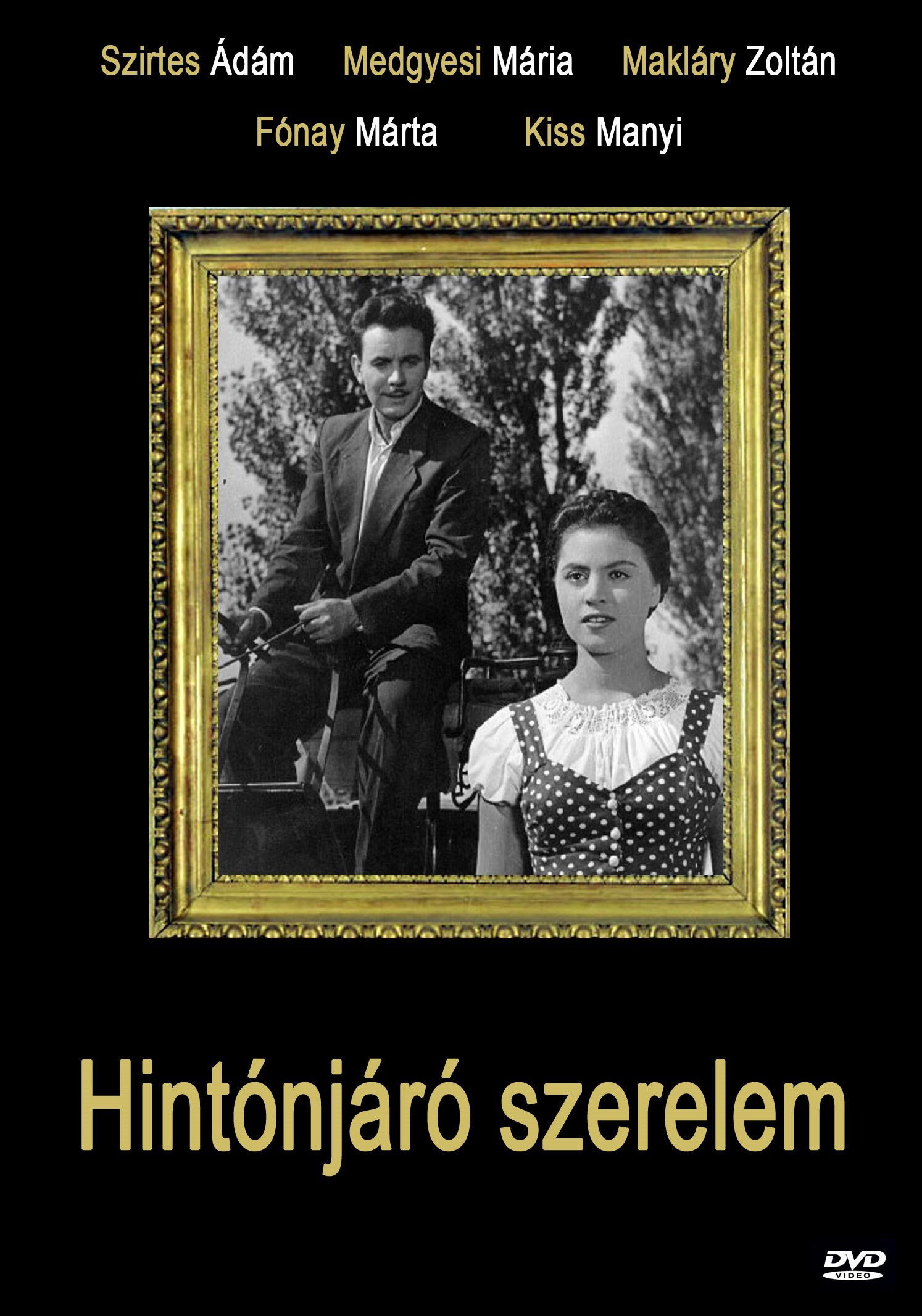
The top management of the co-operative in the rural community at Lake Balaton goes on coaches everywhere to irritate Mrs. Peczöli, the snobbish wife of the only individual farmer. Peczöli would readily join the co-operative, should it not oppose his apple improving experiments.
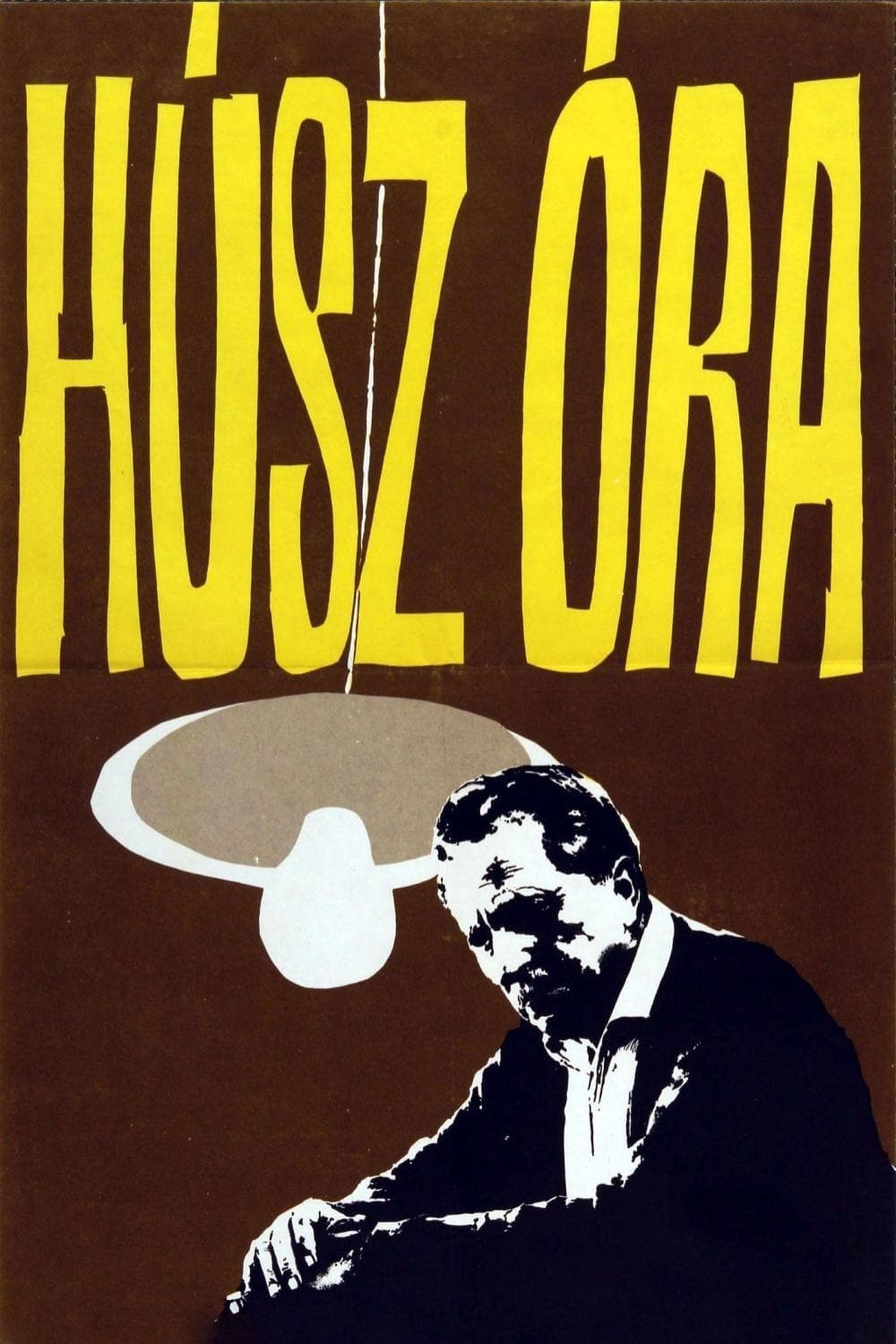
A crusading newspaper reporter covers the Soviet invasion of Hungary in 1956. Initially critical of the communists, the feature later espouses the virtues of the social changes implemented since the invasion. The title refers to the period of time the reporter spent interviewing witnesses to the invasion.
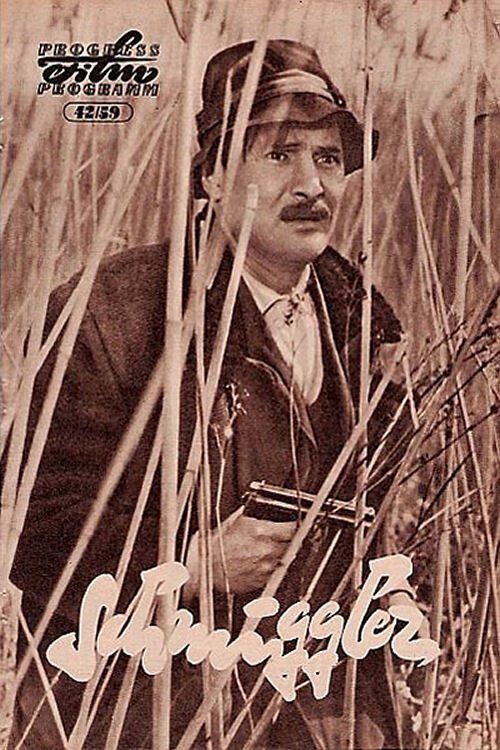
In the thirties, the poor living by the Romanian-Hungarian border were forced to smuggle if they wanted to survive. Mihály, a Hungarian peasant, kills a border guard while fleeing. He is fed up with smuggling and wants to put an end to it, yet he needs money to get a job, so he embarks on another turn.
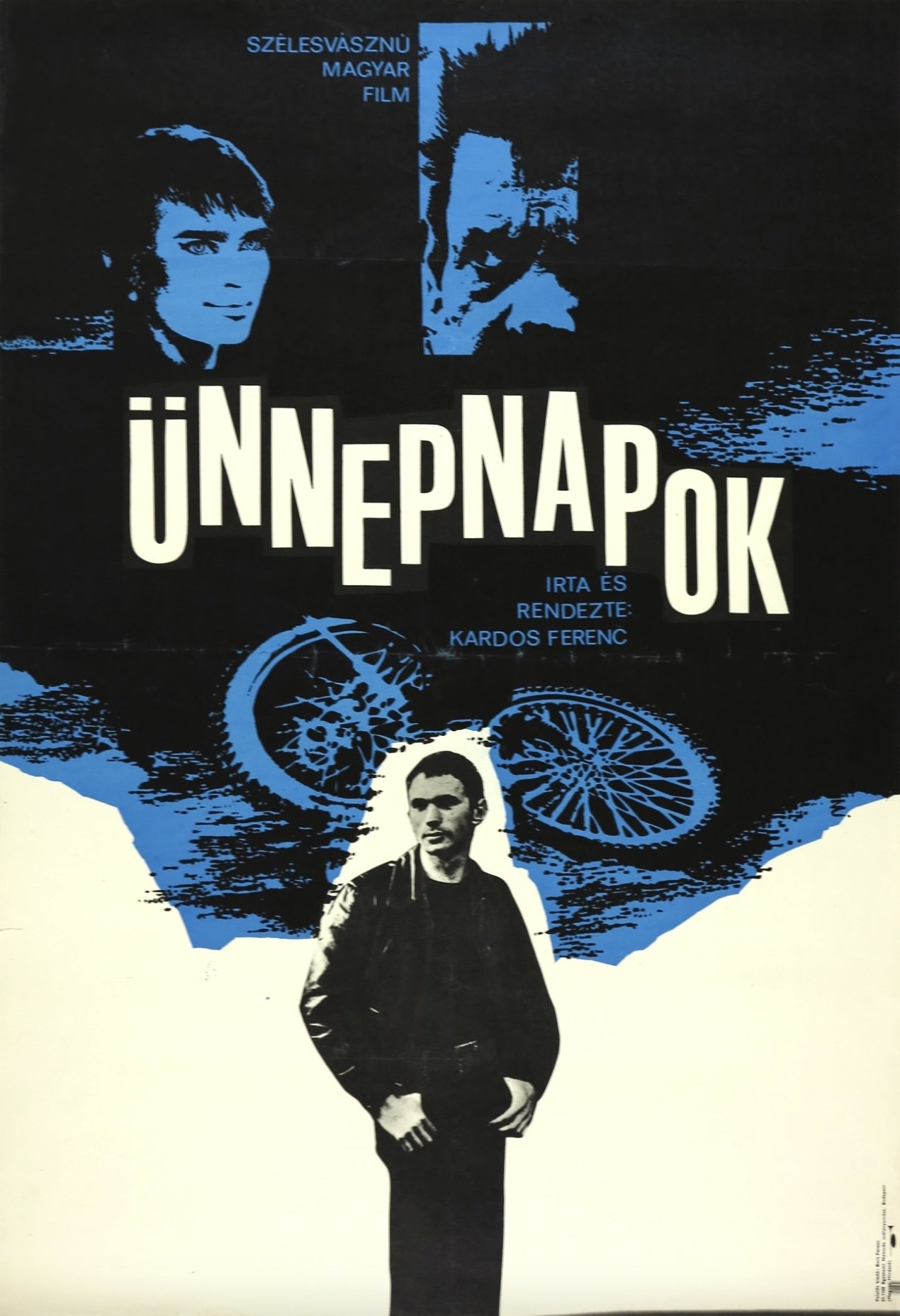
Mihály, a retired foundryman has brought up his sons in a very disciplined and strict way, and as a result they have become a doctor, an engineer, and a teacher. However, his half orphan grandson, Misi, has been spoilt, and become skilled in nothing else really but riding his motorbike and going to parties. He has been involved in shady businesses a number of times already. Having experienced so many difficulties, privation and hardship in his own life and now seeing Misi's irresponsible lifestyle, the old man's bitterness is growing day by day.
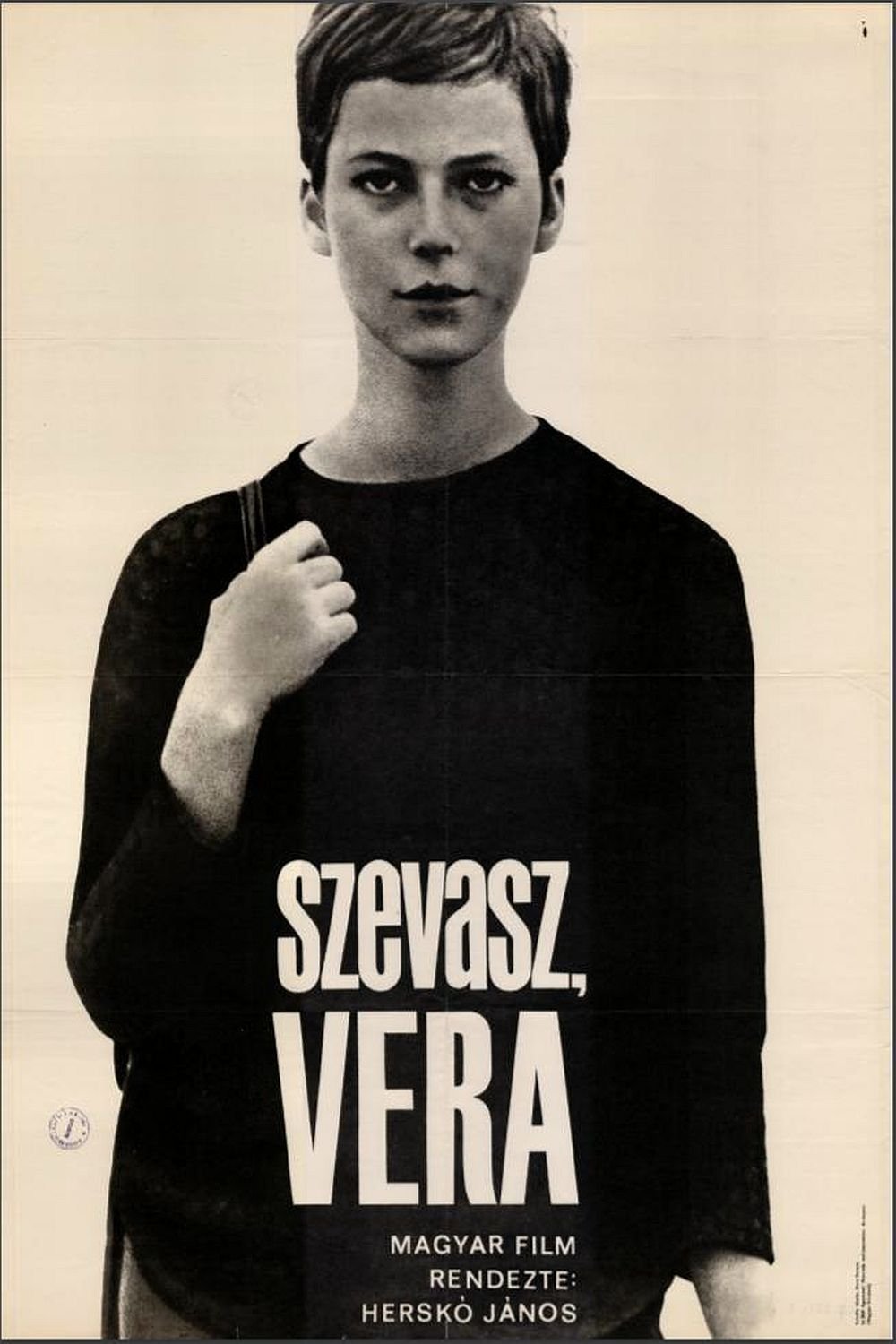
The family travels to Zebegény for their holiday, and the following day the seventeen-year-old Vera also leaves for Lake Balaton to pick peaches in a voluntary camp there. Her boyfriend, Gyuri, goes to a film shooting. Gyuri would like to make the best of the day in the absence of parents, but Vera refuses him. She becomes jealous at once, however, when she discovers Gyuri's previous girlfriend in the shooting team.
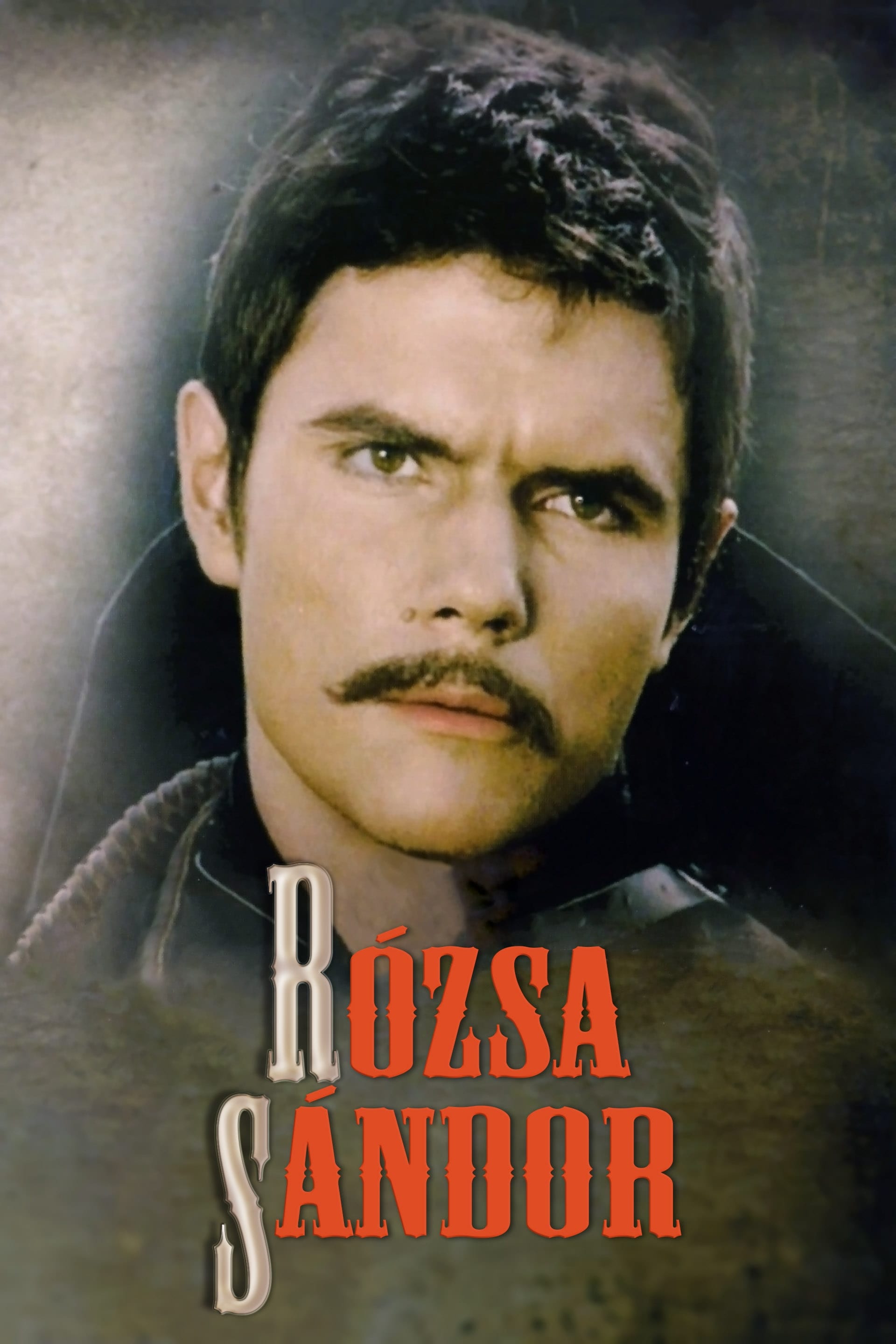
In the 1830s, Hungary, ruled by Vienna, experienced another sad period. The quiet loneliness of the lowland farmland was whipped up by the invincible rule of the Pandurs and Persian tutors. The antagonism between power and the people was becoming excessive. Thus was born the legend of the outlaws, including Sándor Rózsa, who became the notorious vigilante of the wastelands around Szeged.
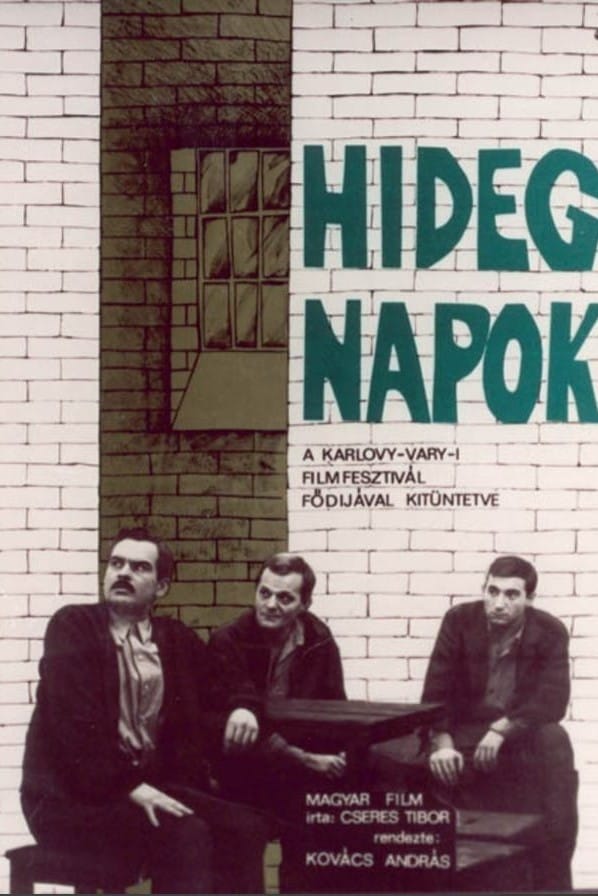
Andras Kovacs' film, considered one of the most important Hungarian films of the 1960s, centers around four men who await trial for their involvement in the massacre of several thousand Jewish and Serbian people of Novi Sad in 1942. Each denies any responsibility, claiming that they were only following orders. The film is significant for its willingness to address the subject of Hungary's role in WWII, which was taboo at the time of the its release.
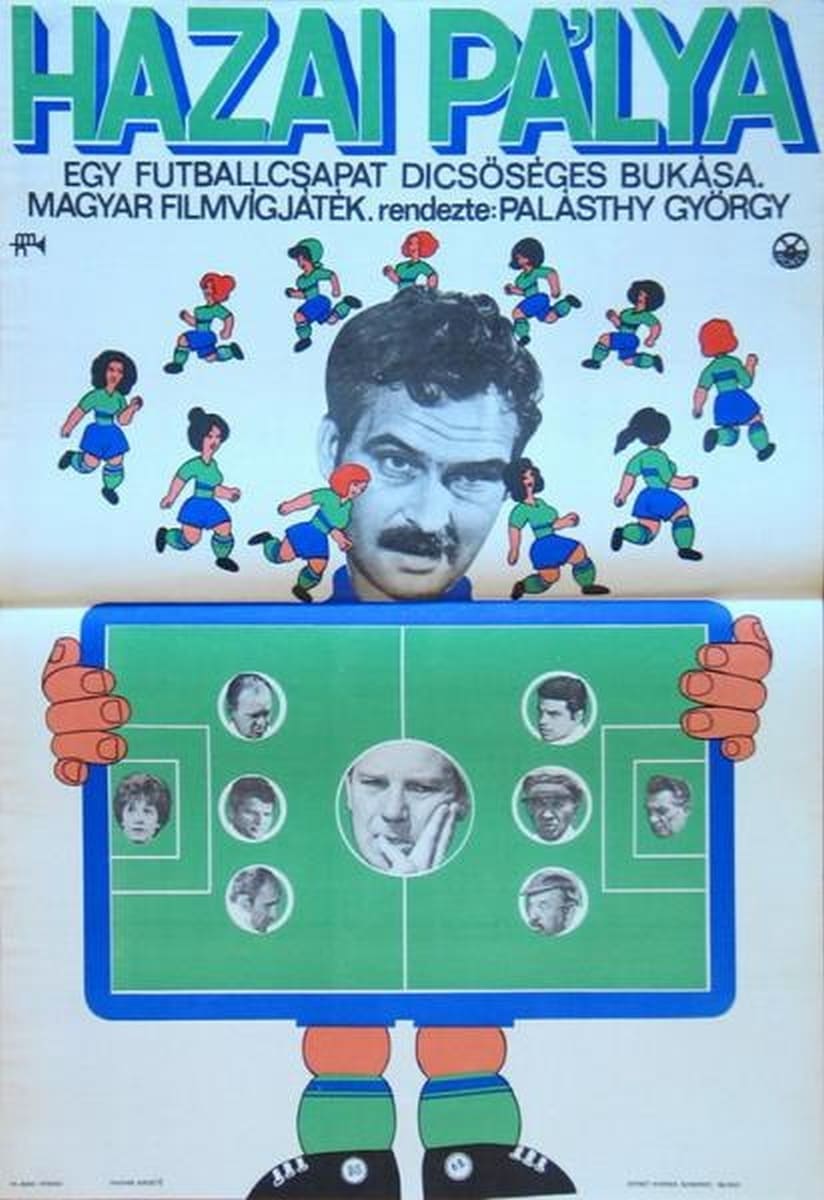
This ironic comedy is set in the god-forsaken Kiskúnbékás, at the end of the fifties. There are no jobs, the town's "golden team", who once were third class national soccer players have scattered
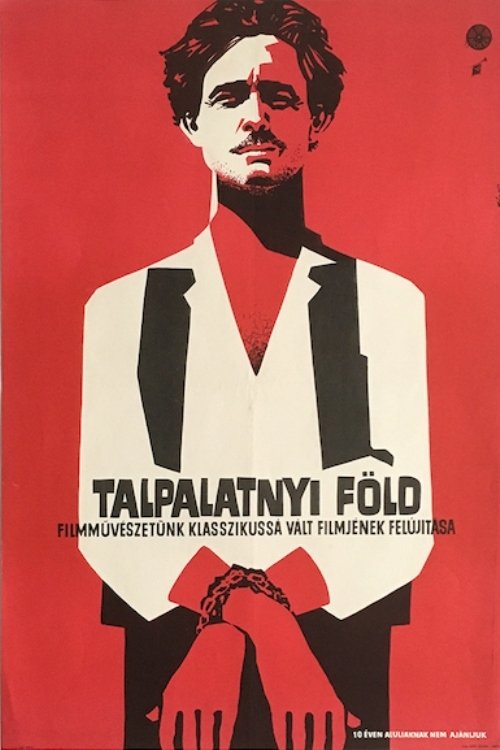
In 1905 Hungary, a young village woman has just undergone a marriage to the spoiled son of a man to whom her father is indebted, in order that the debt be cancelled, only to be spirited away by her true love, a young peasant, by whom she soon becomes pregnant. Together they attempt to find a way to buy up her father's debt and also pay for a divorce from her husband, against various odds.
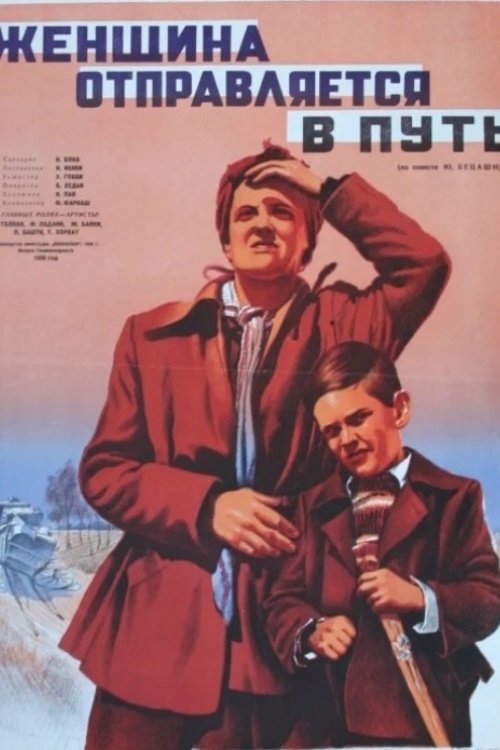
The story is about a woman who is waiting for the return from the war of her front-line soldier husband. Ilonka and her two children return from the village to their apartment in Budapest. Her husband is held captive by the Americans and awaits the first opportunity to return home, but he does not yet know that his fellow soldiers suspect him of complicity in crimes. In the meantime, Ilonka takes a job in a factory to make a living...
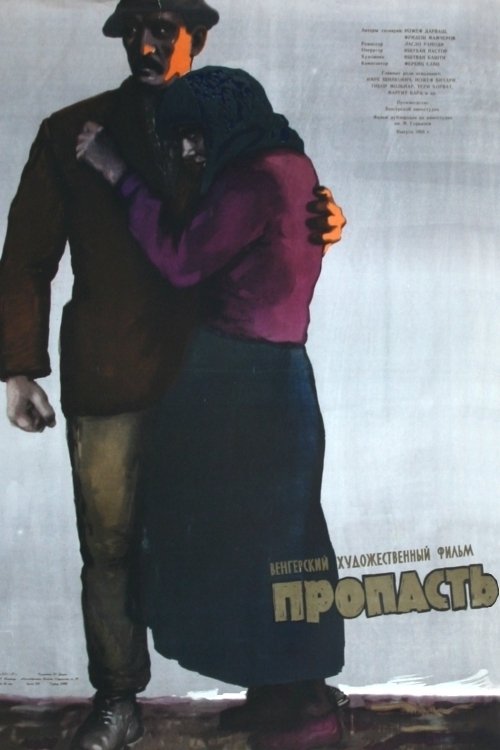
Nagy István, the formerly poor peasant boy returns to his native village as a teacher. His conviction is that the abyss between rich and poor can be diminished by good will. The rich Böröcz Horváth Klári returns his love, and also Böröcz Horváth is willing to help the poorest family, the Bakos. Bakos Jóska, who was sent to serve the tough Böröcz Horváth as a payment, dies of an infected wound and the people in the village hold the teacher liable as well. Nagy István realises, that the abyss cannot be ceased, what is more, it is impassable. He breaks up with his fiancée and stands by the side of the poor.
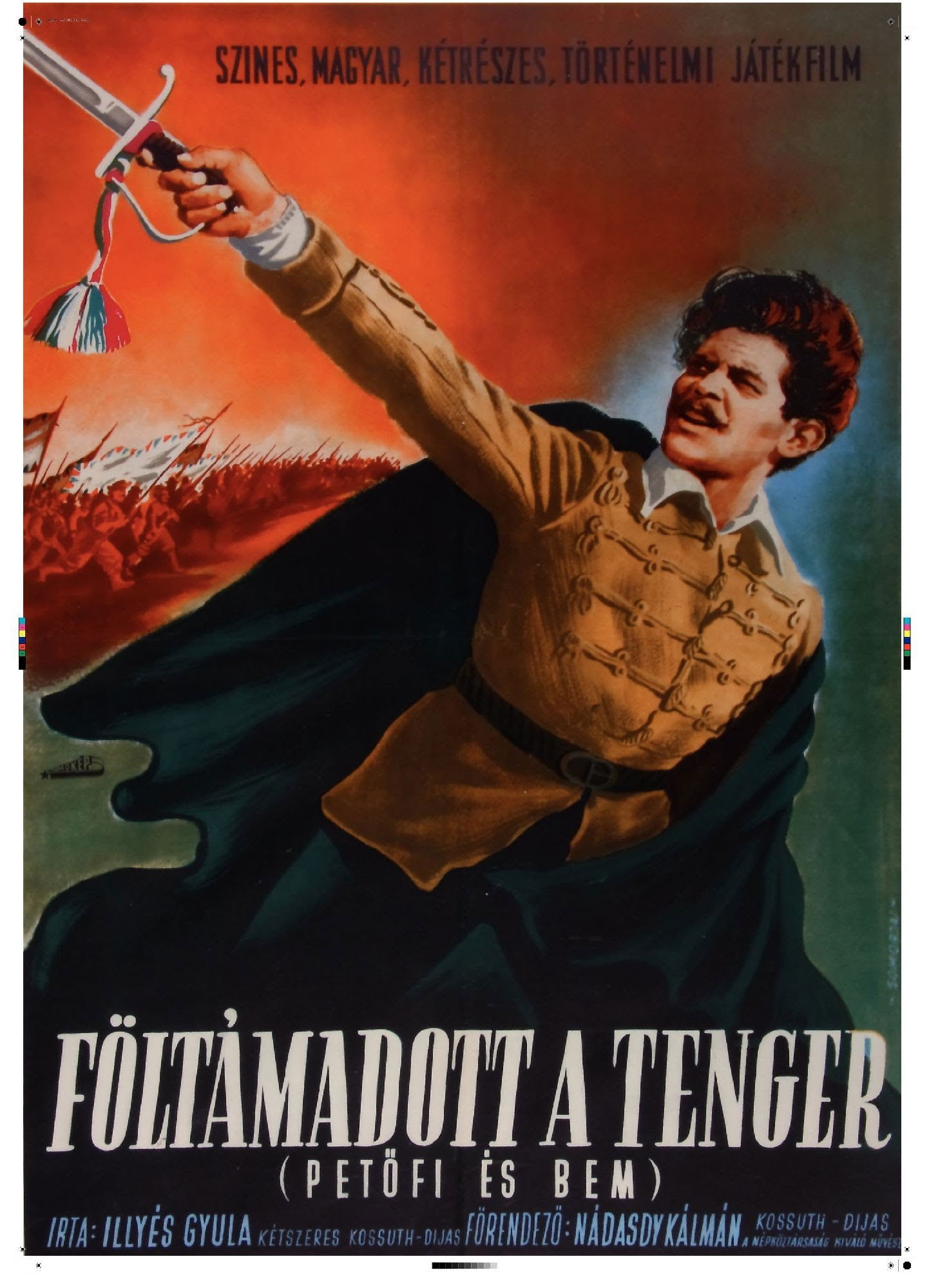
March 15, 1848; the revolution breaks out in the town of Pest. Yet at café Pilvax, in among he revolutionary youth, there is the informer of the imperial court as well. Hearing the news of the attack led by Jellasics, the inhabitants of the villages pour into the national army, and Hajdú Gyurka also escapes from his landlord. Petőfi is there at the camp of the revolutionaries, raising them to enthusiasm with his poetry.