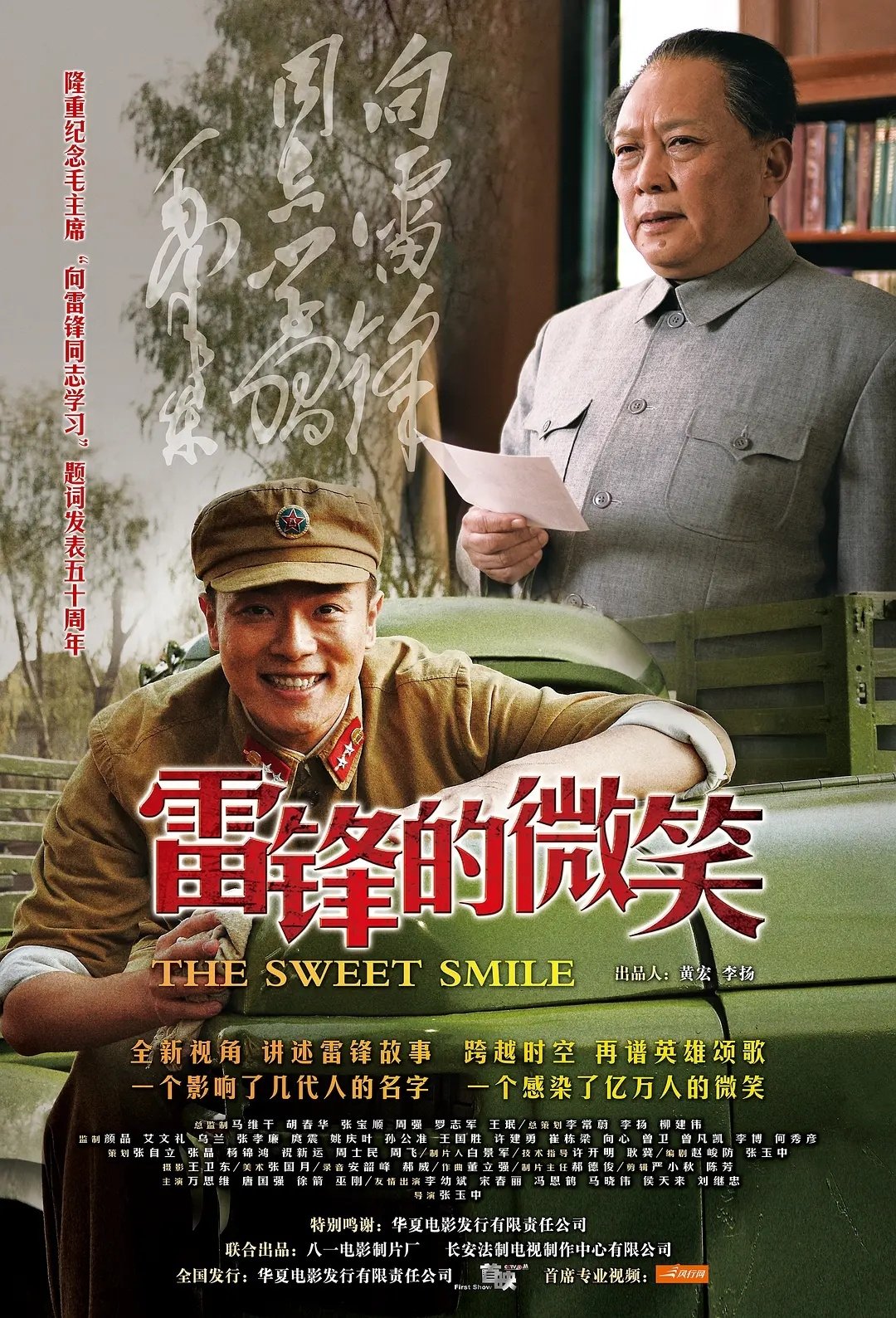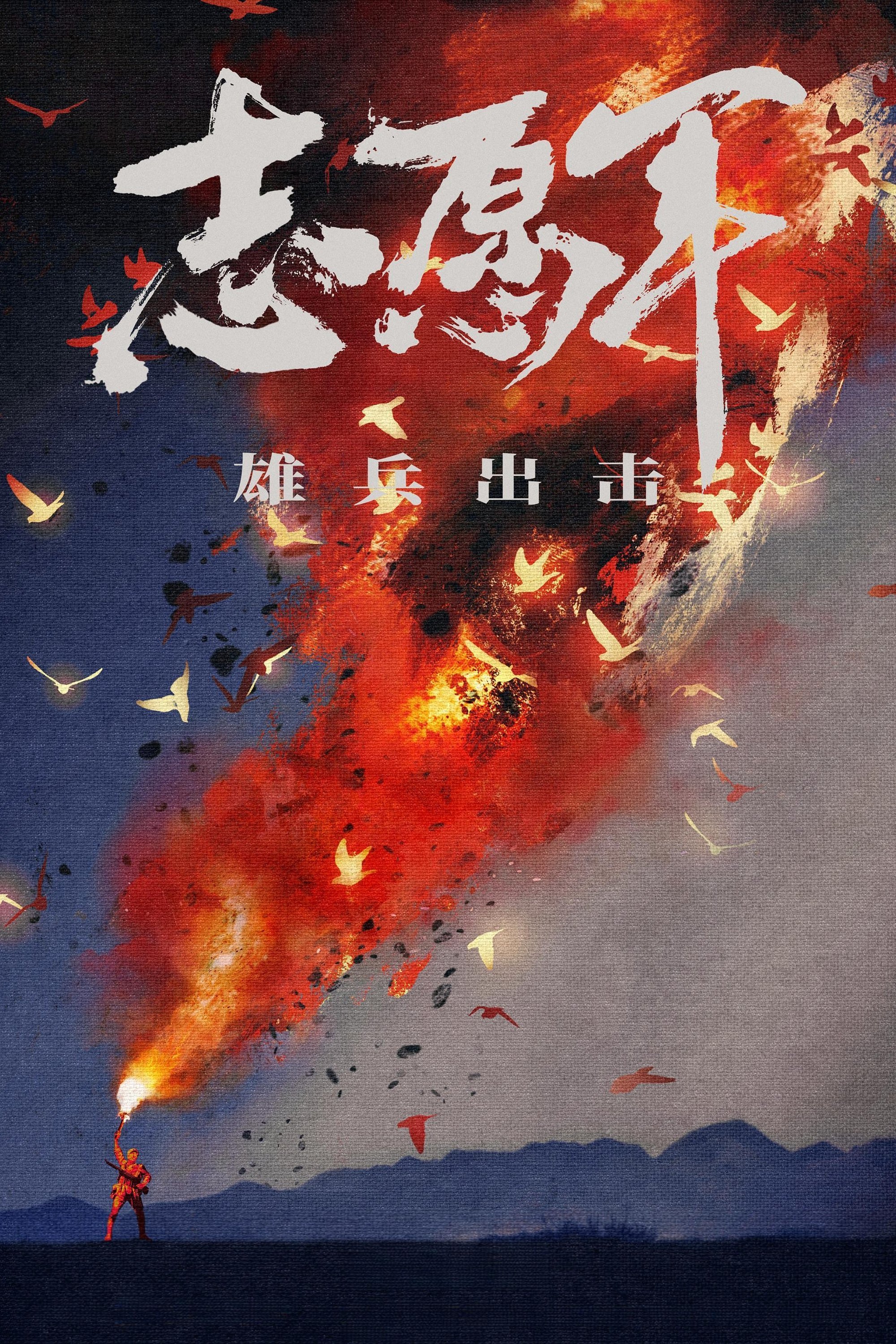
In the early days of the founding of the People's Republic of China in 1949, New China was faced with "internal and external troubles". Since the outbreak of the Korean Civil War, the U.S. military has repeatedly provoked the border between China and North Korea, and civilians have been brutally bombed. In order to maintain the hard-won peace and long-term stability for generations, in October 1950, the Chinese People's Volunteers entered North Korea, and the "Resist US Aid Korea" war kicked off.

The film passes through two periods of Deng Xiaoping serving as the Secretary of Ruijin County Party Committee in 1930 and his comeback in 1973.
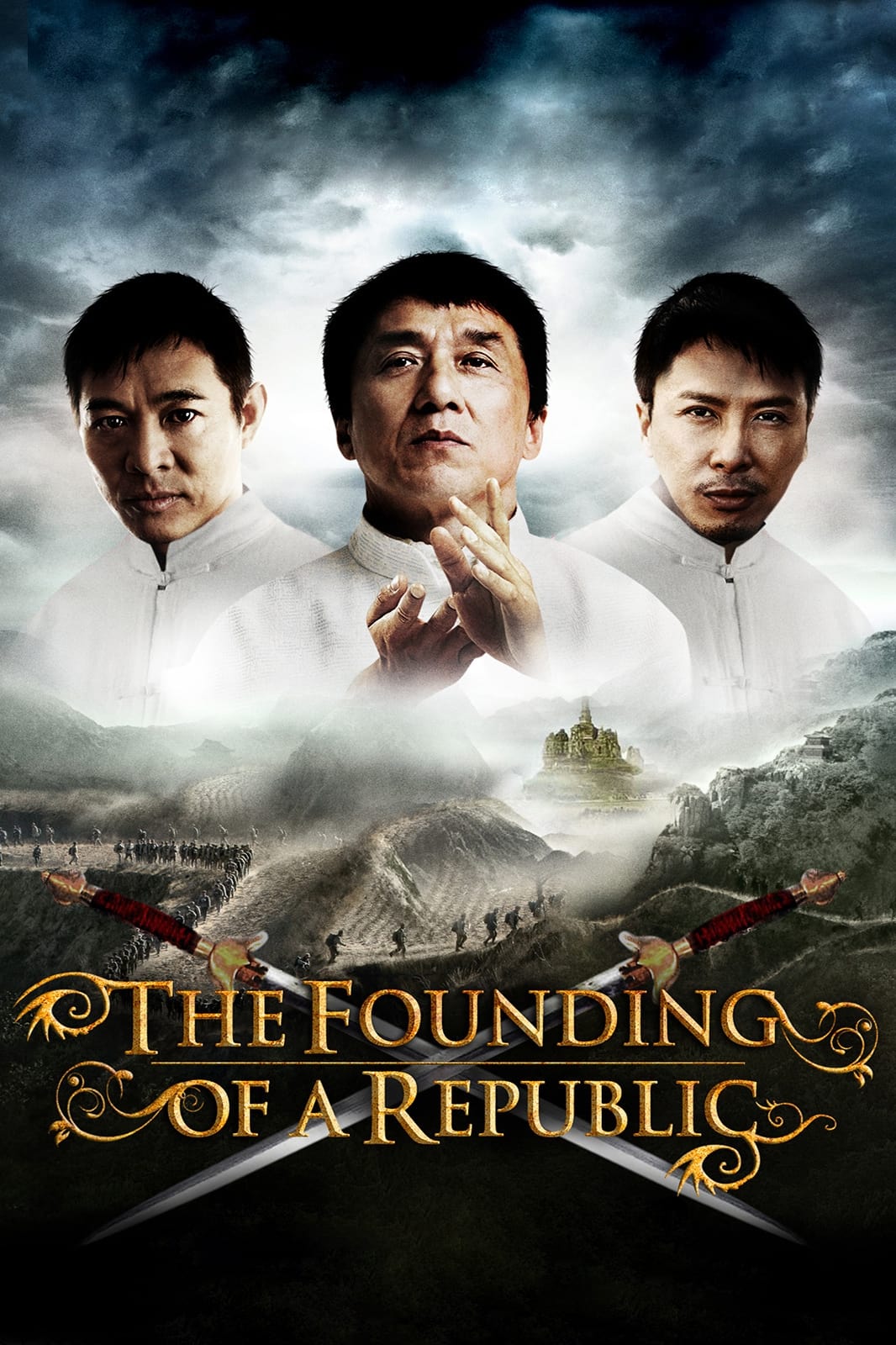
The tale of one man who fought against the tyranny of a ruler and led his people in battle in the ultimate sacrifice for his country.
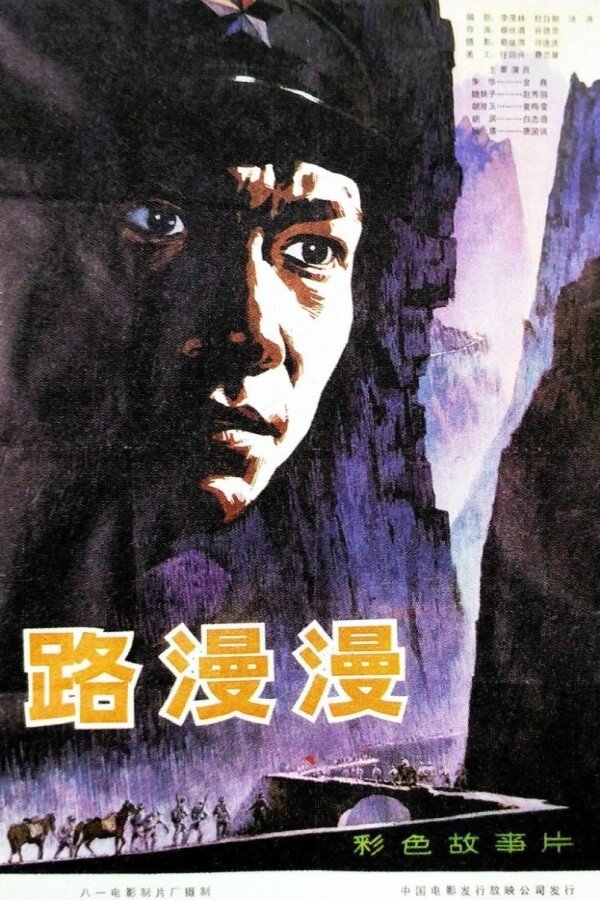
Hunan boy Zhu escapes from local tyrants chase, joins the Hunan troop and gets promoted soon. The superior recommends Zhu to the military school where he meets undercover CCP Cheng Kang. Zhu participates in the Northern Expedition after graduation and joins CCP later.
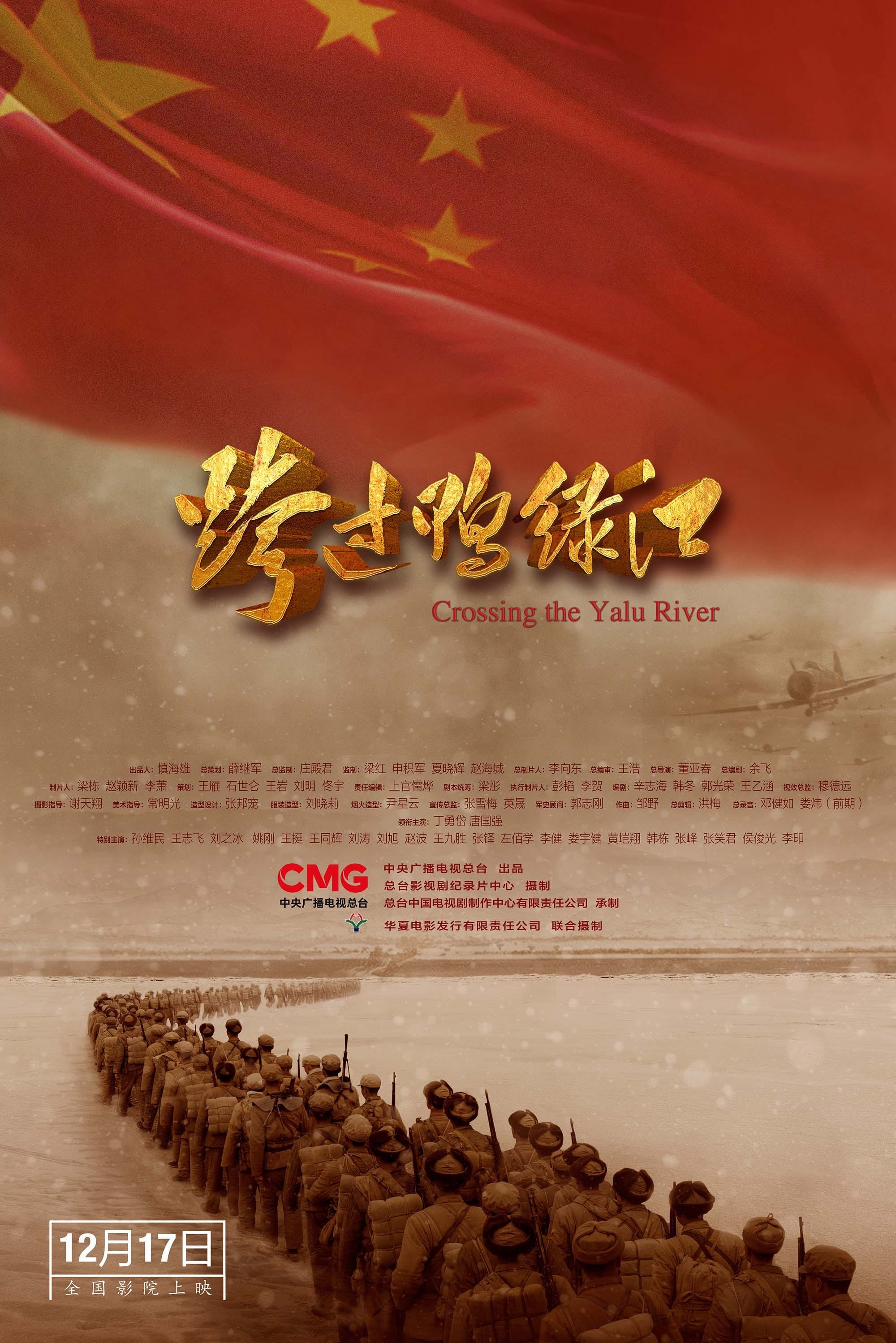
"Crossing the Yalu River" is a monumental war epic that offers a comprehensive and visually stunning portrayal of the Chinese People's Volunteer Army's involvement in the Korean War. Directed by Dong Yachun, the film is a tribute to the heroes and veterans who fought with unwavering courage and sacrifice.
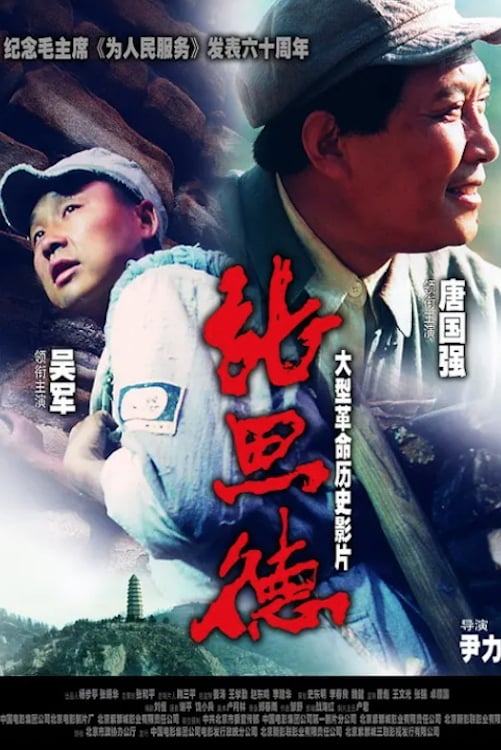
This film tells the story of Zhang Si De, a model of the Chinese People's Liberation Army. In the late period of the War of Resistance Against Japan, Yan'an was in a mass production movement. The service soldier Zhang Si De (Wu Jun) is honest, unspoken, never invites merits for doing good things, works hard and never complains, and devotes himself to the Chinese revolutionary cause.
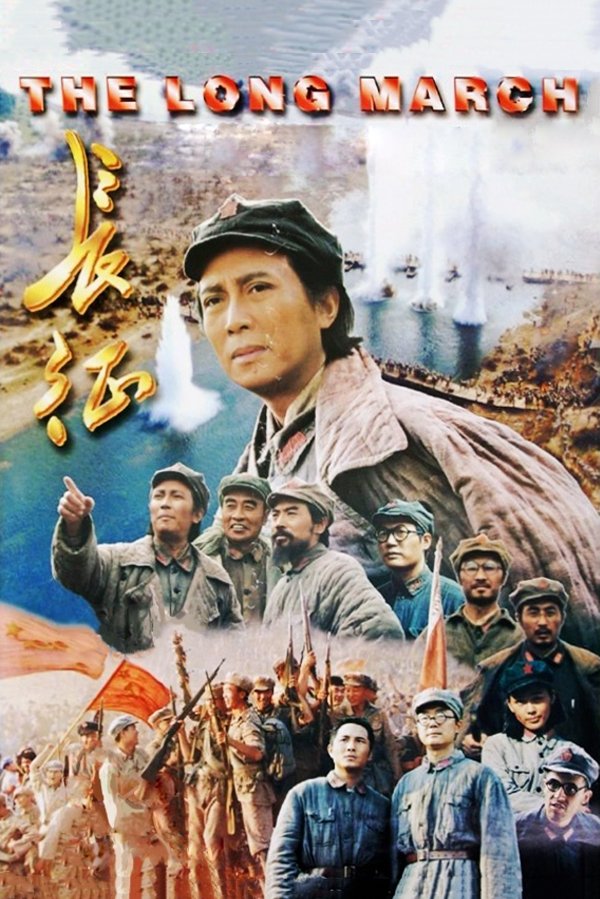
The Red Army breaks through the three defense lines by the Kuomintang and approaches the Xiangjiang River with the correct judgment and command by Mao Zedong,
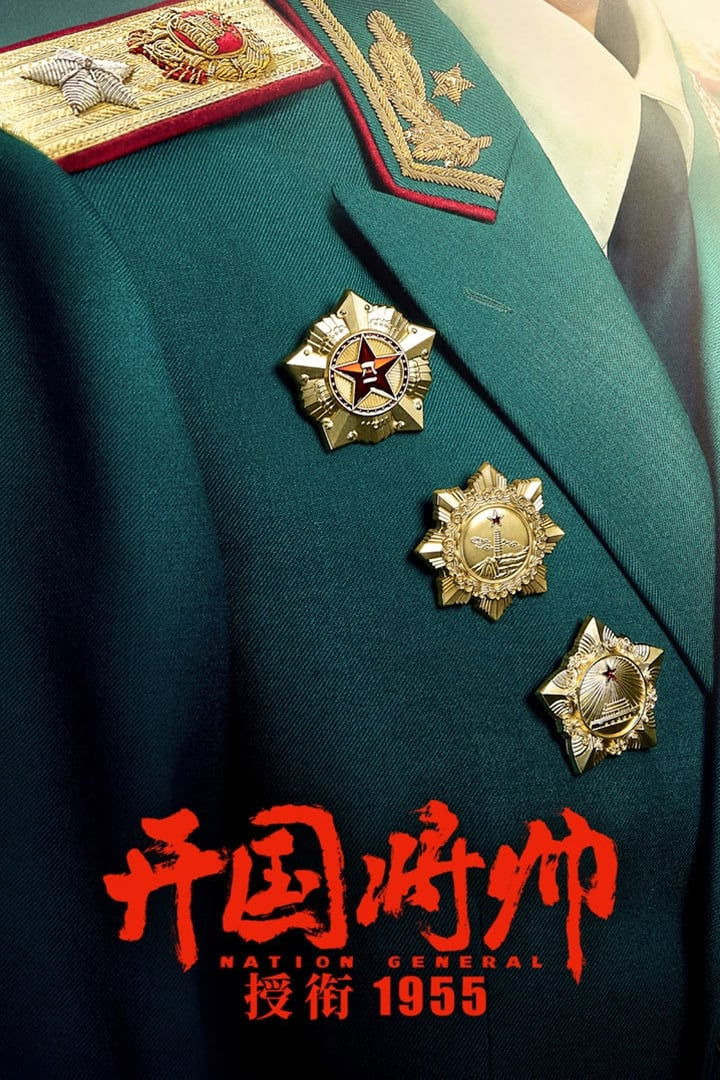
The film tells the story of the first award ceremony of 1,052 meritorious generals of the Chinese People's Liberation Army On September 23, 1955, the 22nd Meeting of the Standing Committee of the First National People's Congress decided to award Zhu De and other 10 senior generals of the Chinese People's Liberation Army with the rank of Marshal of the People's Republic of China, and they were awarded by order of the then President Mao Zedong. On September 27, 1955, the Central Military Commission issued a special telegram and announced the order to award Su Yu and other 1,038 senior officers of the Chinese People's Liberation Army with the rank of general through the general ceremony ceremony held by the State Council. These include 10 generals, 55 generals, 175 lieutenant generals, and 798 major generals
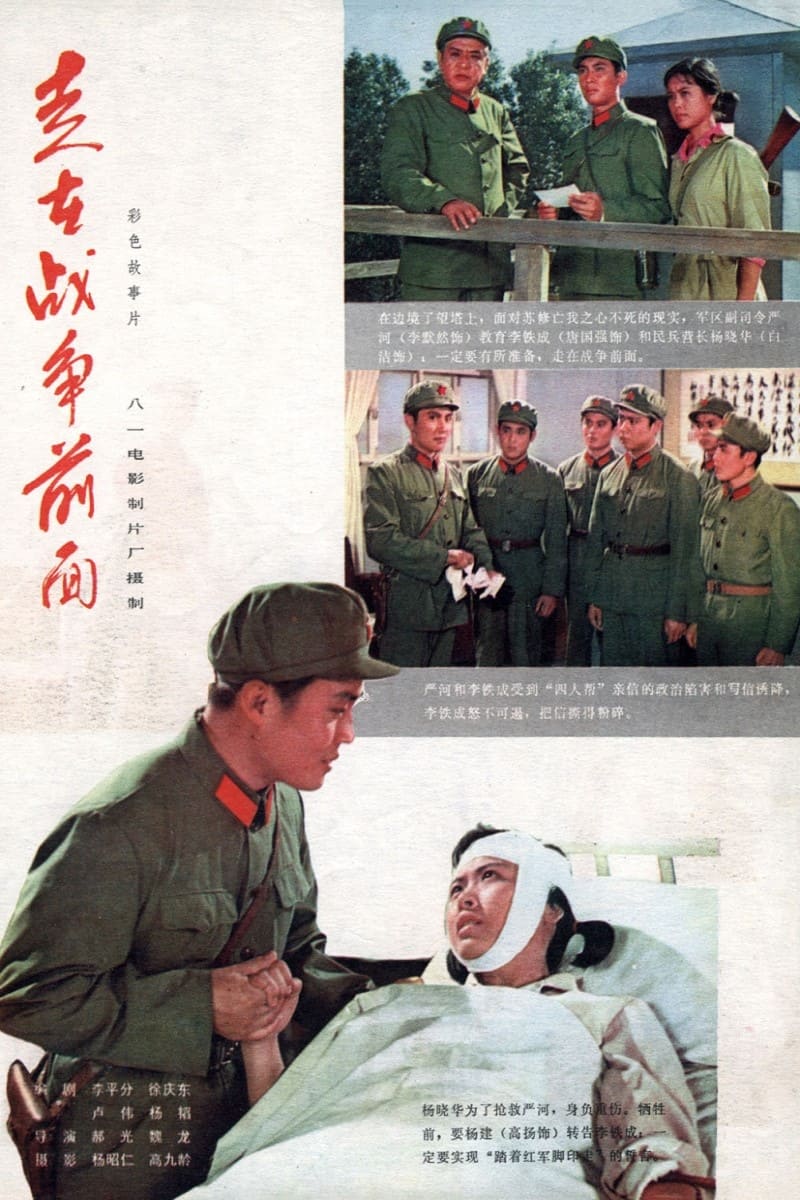
On a summer night in 1975, a military train sped through the north-east of the country.
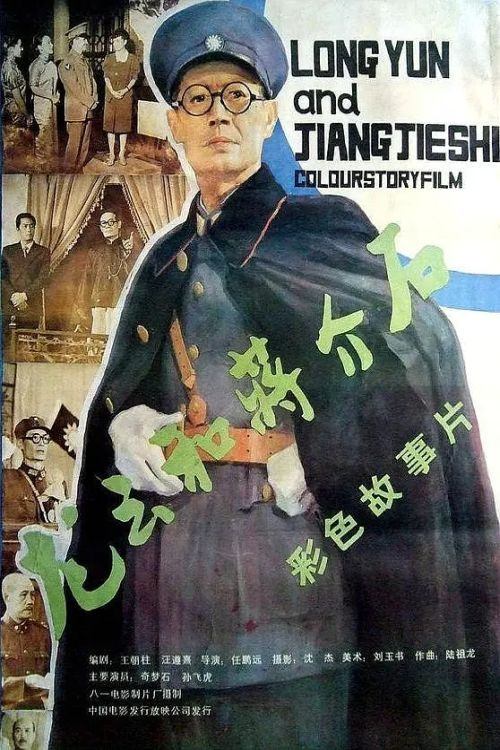
After the victory of the Anti-Japanese War, Chiang Kai-shek stepped up efforts to eliminate dissidents, and first targeted Long Yun, who was in power in Yunnan and had progressive ideas.
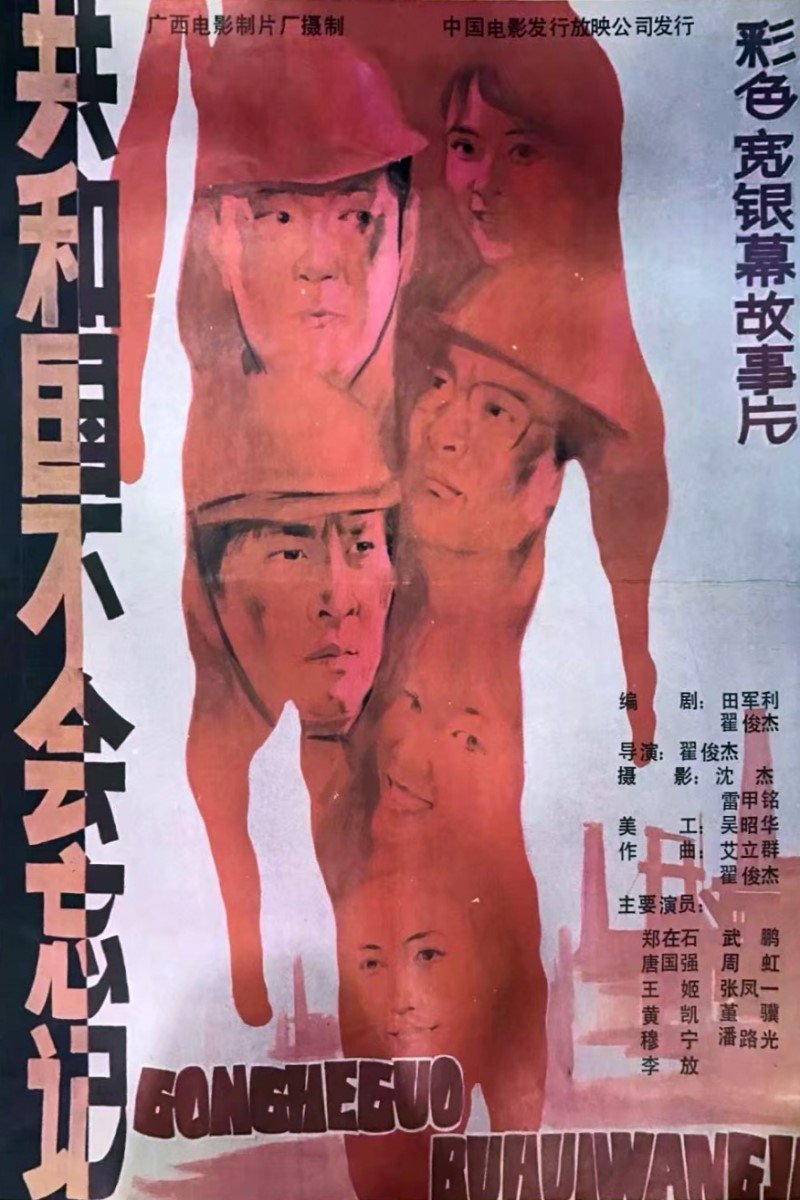
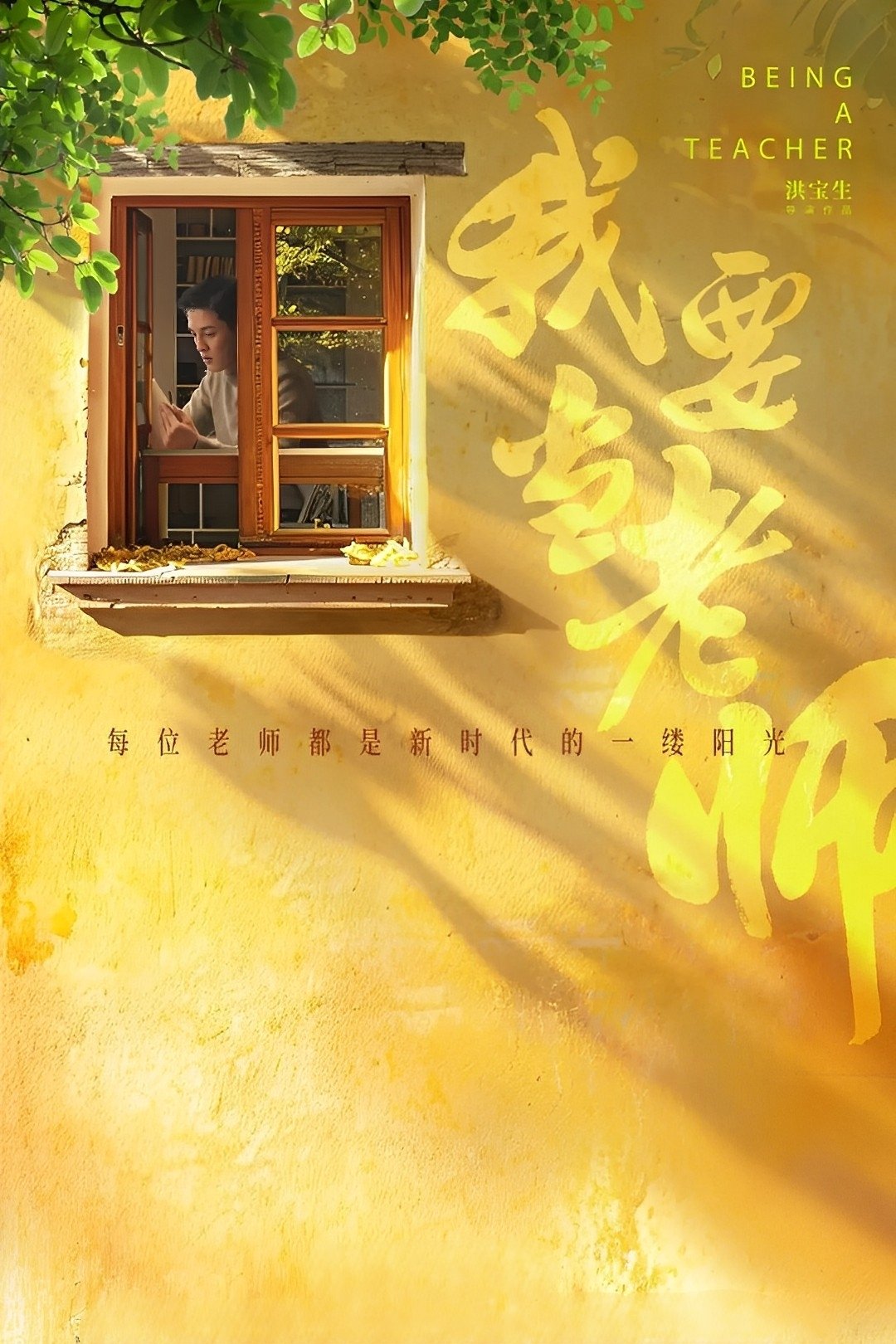
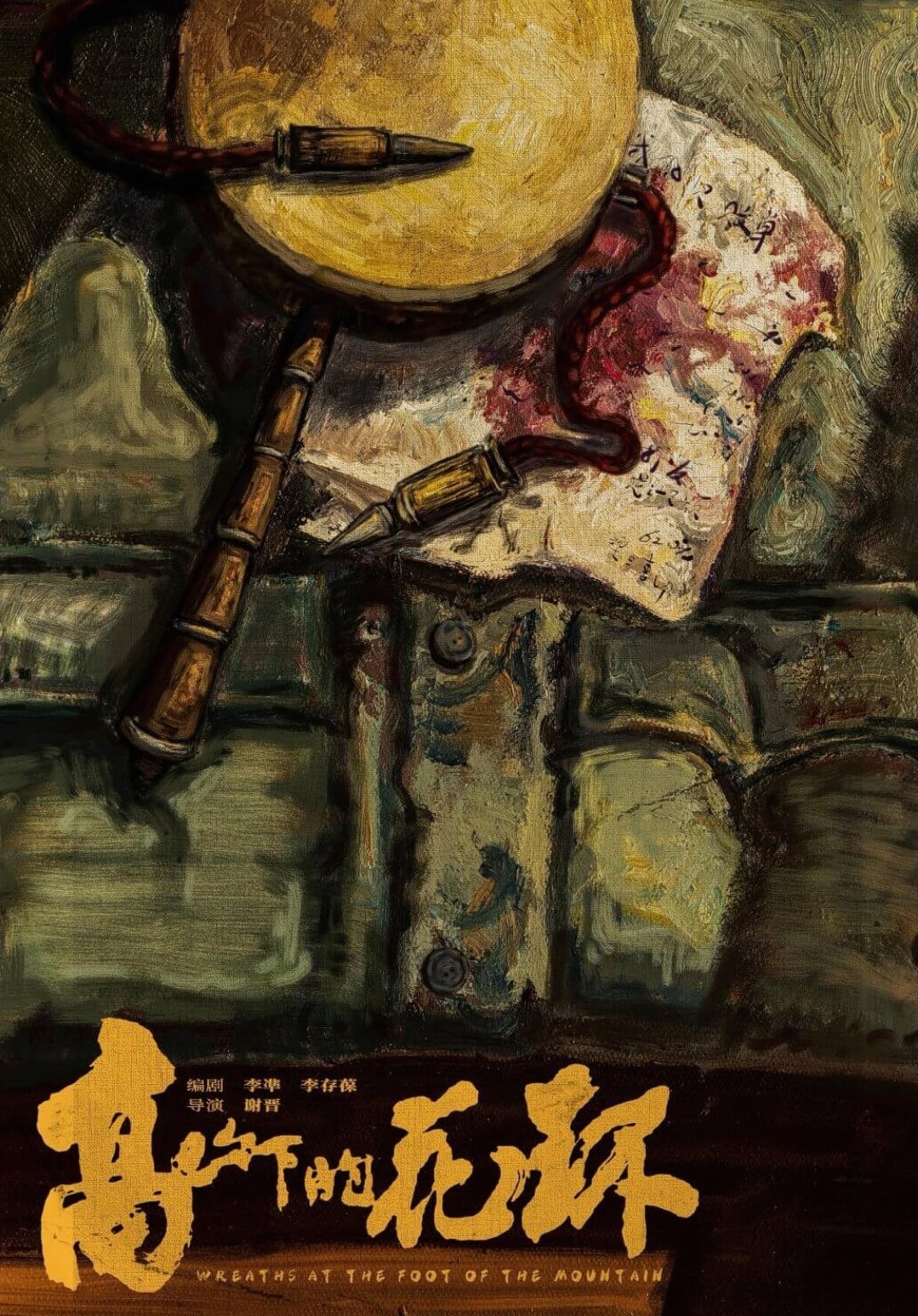
Wreaths at the Foot of the Mountain is a 1984 Chinese film about the life of the soldiers in a PLA army company before, during and after the Sino-Vietnamese War.
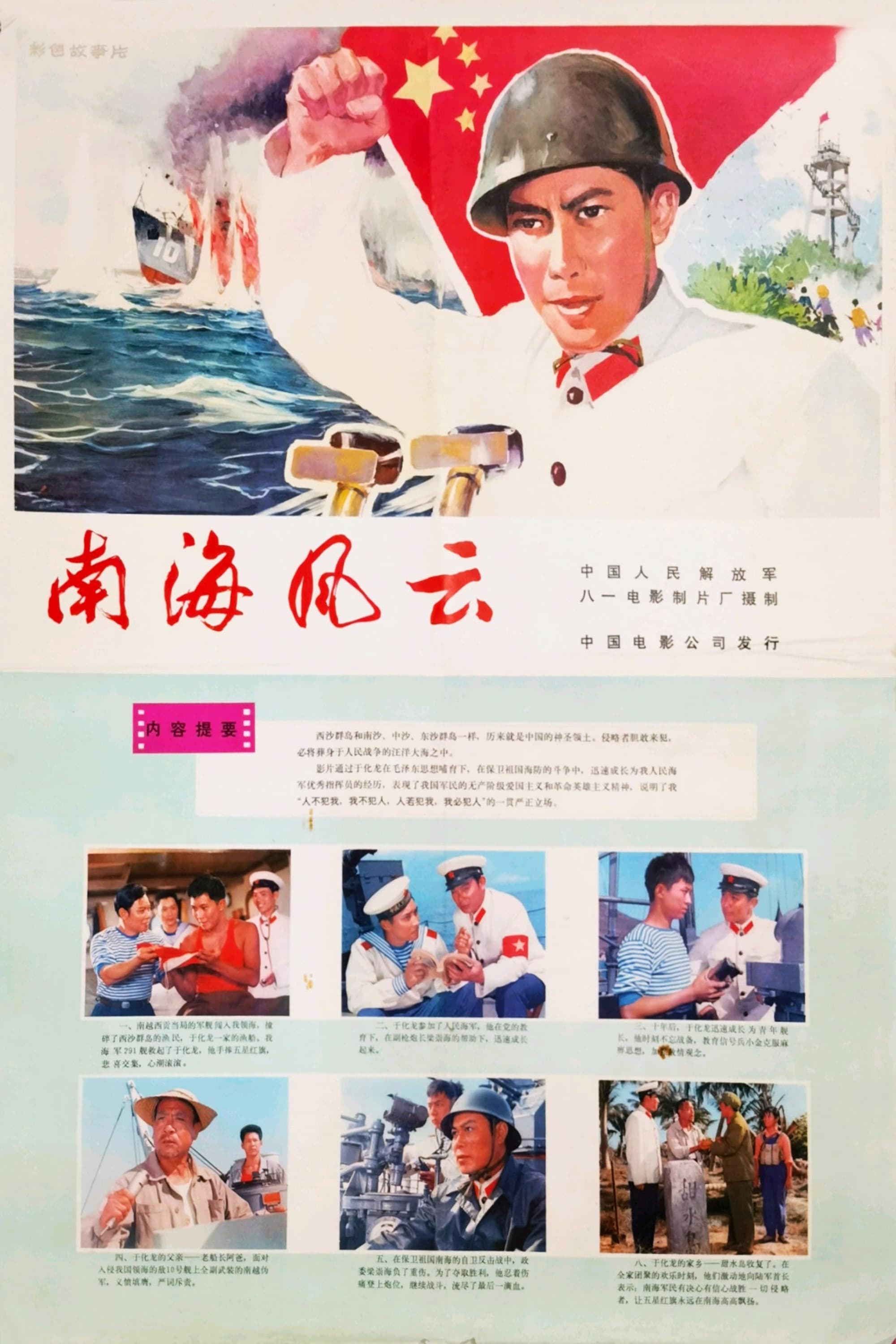
Dramatic representation of the Battle of the Paracel Islands (1974) between the China and South Vietnam.
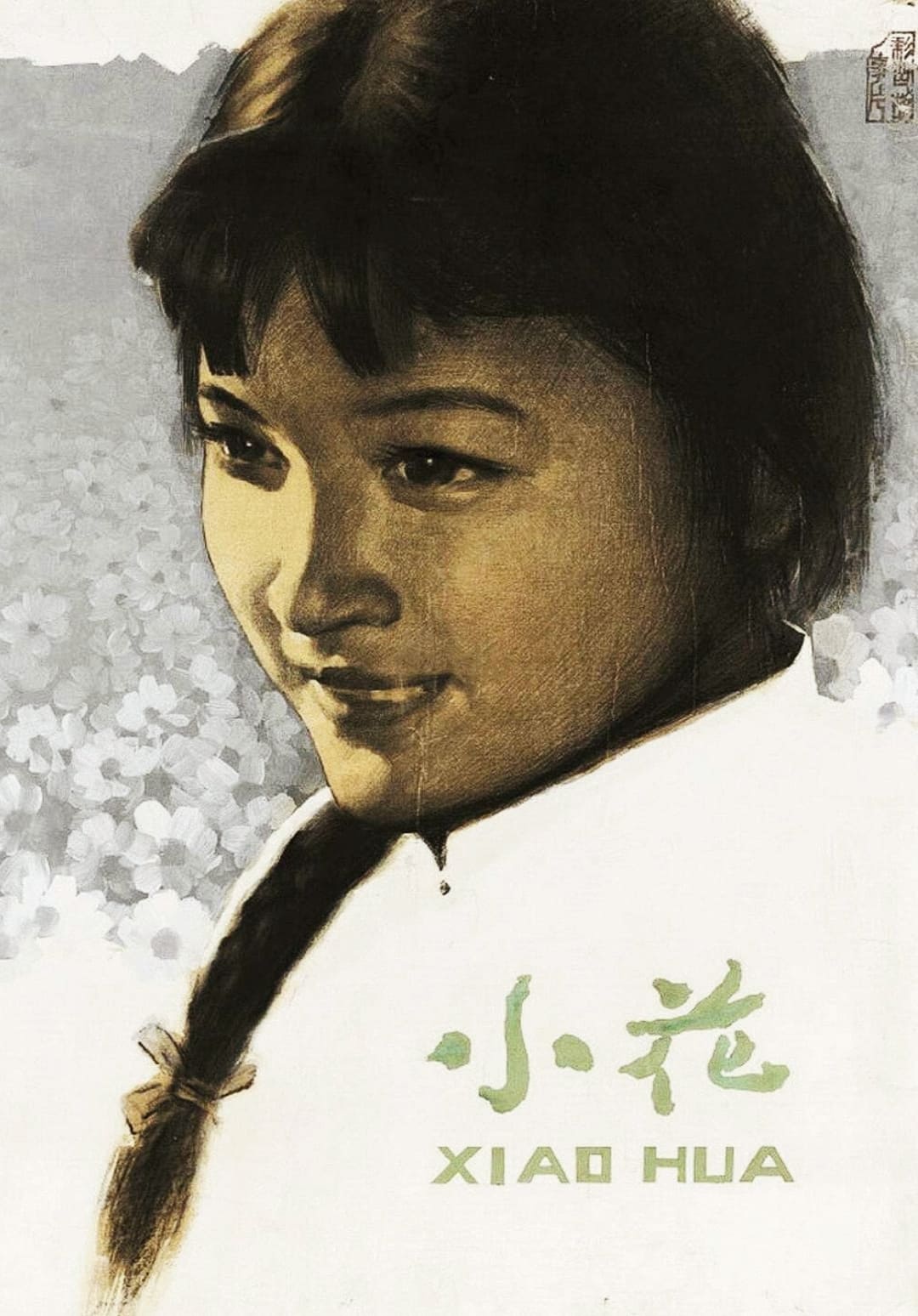
This movie is adapted from the novel Heroes in Tongbai. Xiao Hua, a sister of Zhao Yongsheng, is deserted by her poor family. He Xiangdong, a woodworker, adopts her and rename her He Cuigu. To steer clear of arrest by the enemy, Dong Hongguo, offspring of a revolutionary family, is renamed Xiao Hua so as to be adopted by her adopter. Later, Zhao Yongsheng's parents are killed by the enemy, he joins the Liberation Army. In 1947, when Zhao Yongsheng returns to his own village Tongbai, his sister Xiao Hua happens to find her brother. Doctor Zhou who works in the hospital of the army, adopts Xiao Hua without knowing she is her own daughter. He Cuigu has become a well-known guerrilla hero after she grows up. She doesn't recognize her brother Zhao Yongsheng when she carries him on the stretcher. After the war, Zhao Yongsheng, Xiao Hua and Cuigu meet each other happily; Dong Xiangkun and Doctor Zhou also feel happy to reunite with their own daughter after 17 years of departure.
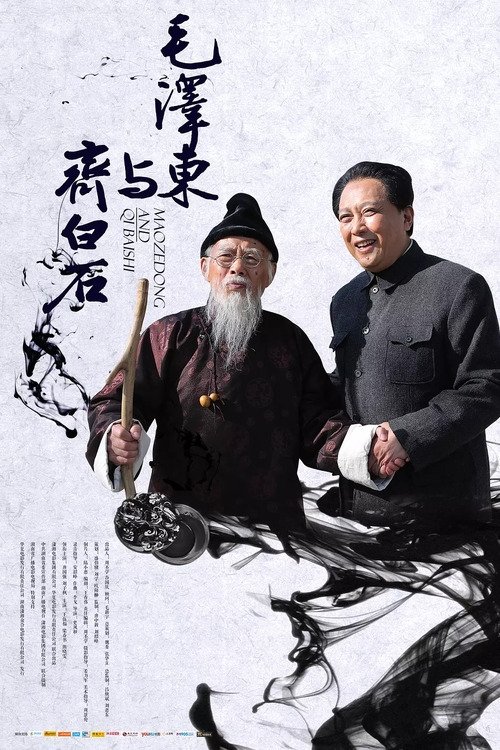
After the end of the three major campaigns, the situation in China has undergone fundamental changes. Before the Kuomintang forces withdrew from Peiping, they adopted a series of psychological policies for the literary and art circles, hoping that they would also leave Beiping together. The leaders of the Communist Party of China, such as Mao Zedong, who was far away from Xibaipo, also paid great attention to the people of the literary and art circles in Beijing. They sent Tian Han and other comrades to appease and sympathize. The Kuomintang and the Communist Party launched a silent war against the literary and art circles.
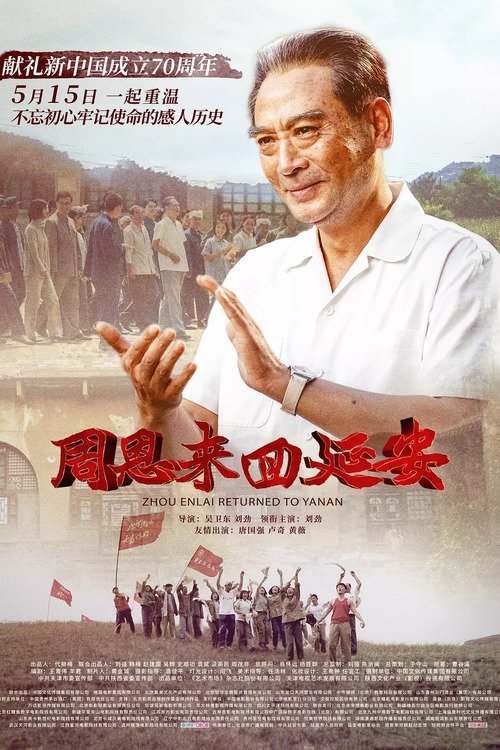
In 1973, Premier Zhou Enlai, diagnosed with bladder cancer, returned to Yan'an after a 26-year absence. The 13 years he spent in Yan'an vividly came back to him. This land had nurtured the Chinese revolution, the People's Liberation Army, and the first generation of CPC leaders, solidifying the Party's leading position. Premier Zhou reflected on the contributions of the Yan'an people to the revolution and worried about the continuing hardships they faced. He urged the local cadres and the "sent-down youth" to contribute to the development of this revolutionary sacred land. The cadres pledged their commitment, and the sent-down youth vowed to put down roots in the yellow earth. Everyone was filled with passion and determination to improve the lives of the Yan'an people. Moved by their enthusiasm and resolve, Premier Zhou, despite his illness (which prevented him from drinking alcohol) raised a toast with everyone, solidifying their shared vow.
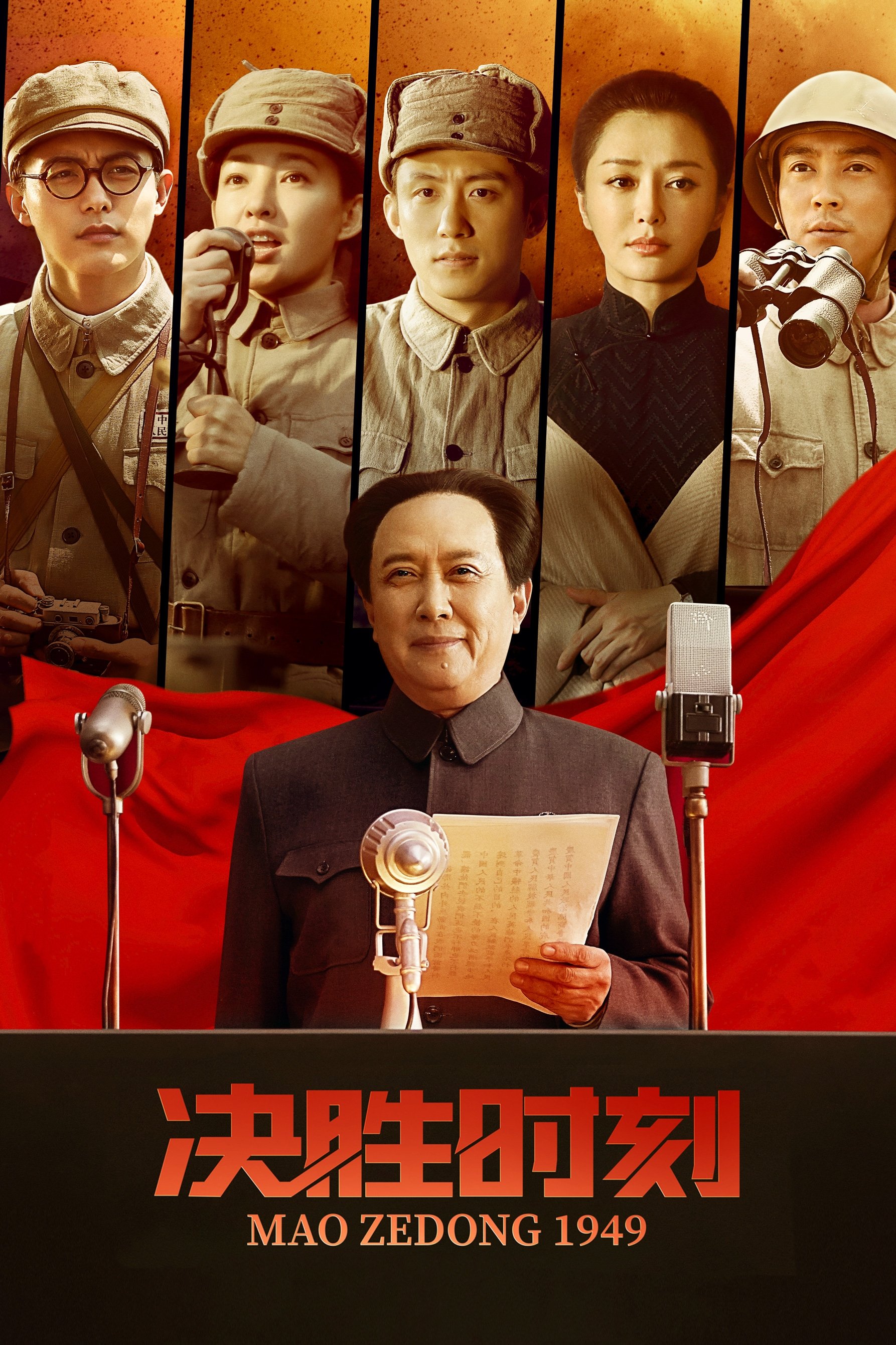
The film is set in 1949, as the members of the Central Committee of the Communist Party of China prepare to establish a new Chinese state, the People's Republic of China.
The Red Army and Nationalist forces battle over the Chishui River in 1935.
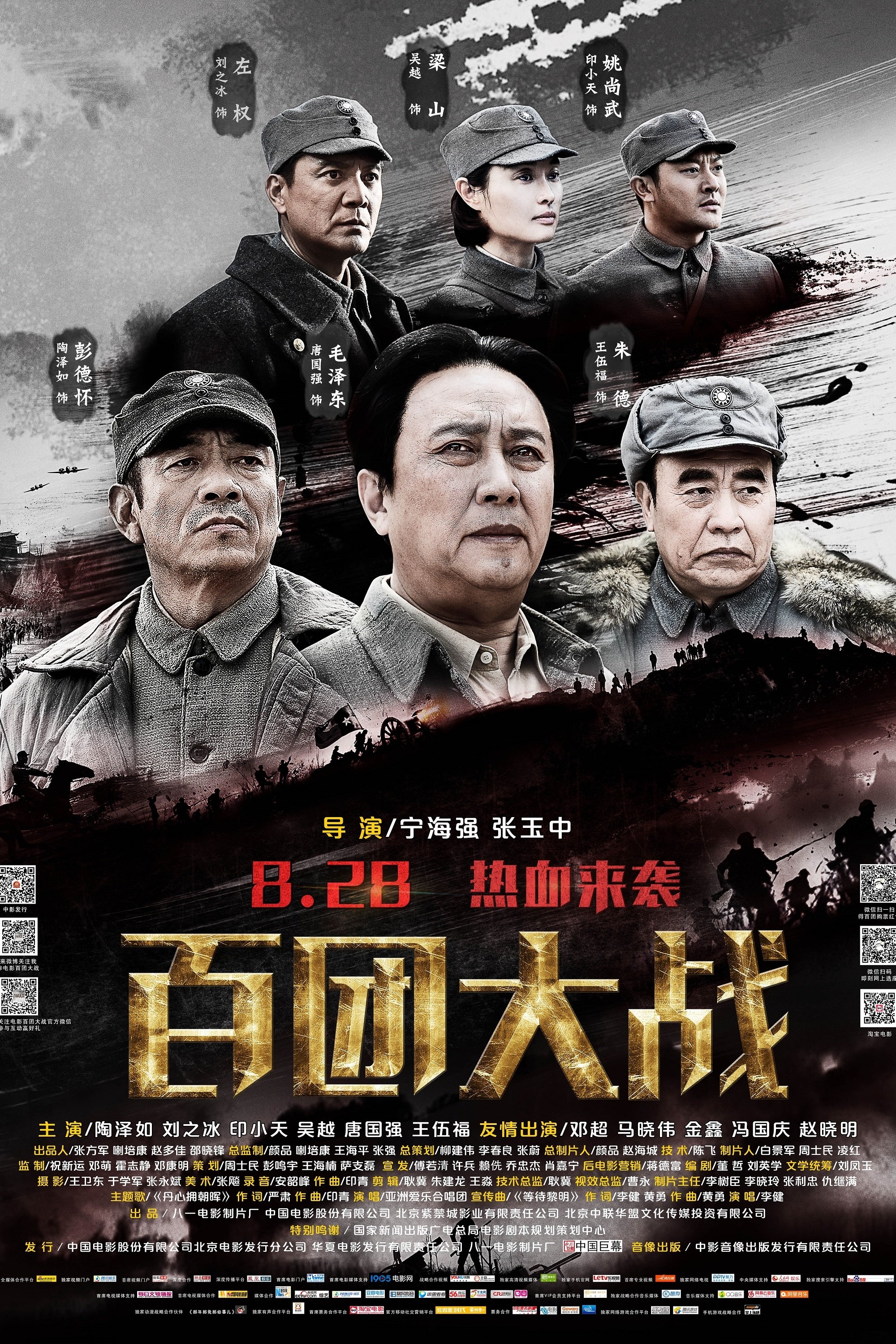
The Japanese has invaded far into china, defeating the Kuomintang (KMT) soldiers many times and pushing them back into Central China. There was a general sentiment among anti-Japanese resistance forces that the Communist Party of China (CCP) was not contributing enough to the war, and that they were only interested in expanding their power. As a result, the CCP planned a major offensive against the Japanese, consisting of 105 regiments, called the Hundred Regiments Offensive.
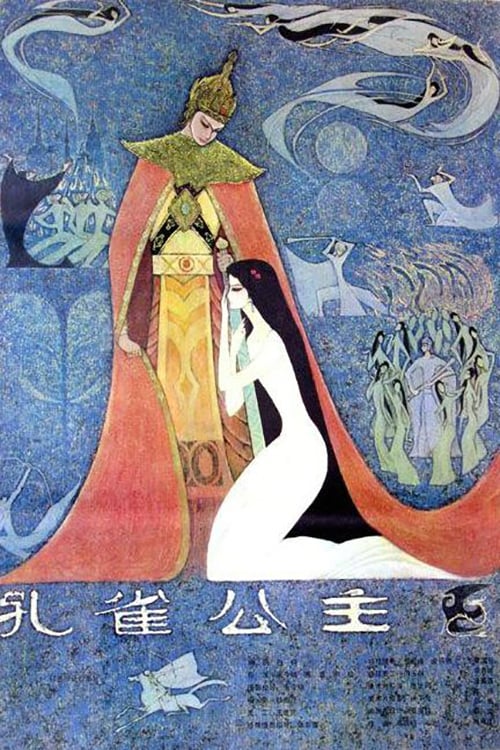
Tells the story of a corrupt emperor, his bigoted philosophies, and the princess who convinces him to change his evil ways.
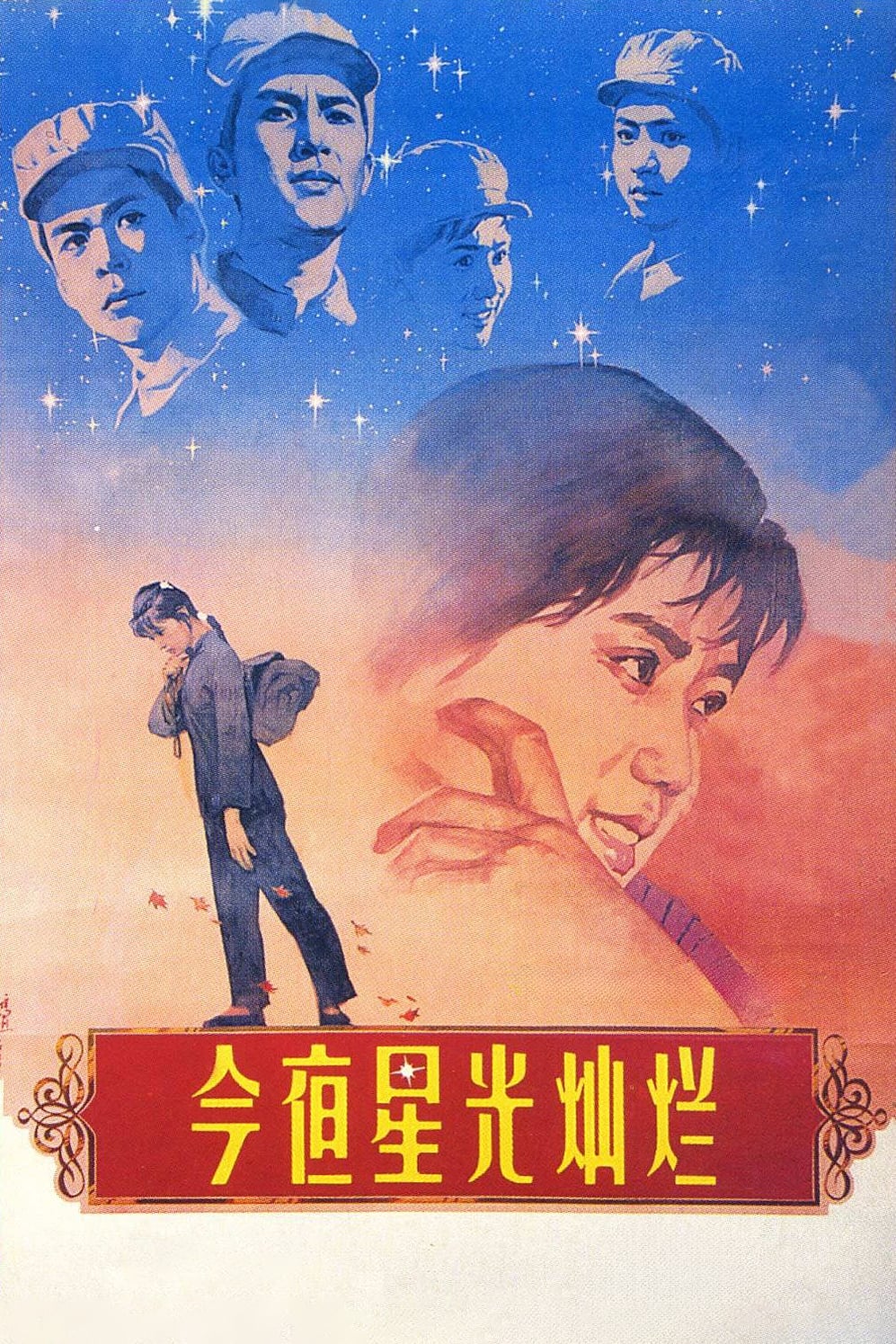
In the winter of 1948, the Huaihai battlefield. The telephone operator Yuxiang (played by Huang Xiaolei) rescued the rural girl Yuxiang (played by Li Xiuming) who was about to hang herself during the mission. Yuxiang has nothing to do with her, and she is willing to accept her personally and tell her sufferings of being homeless.
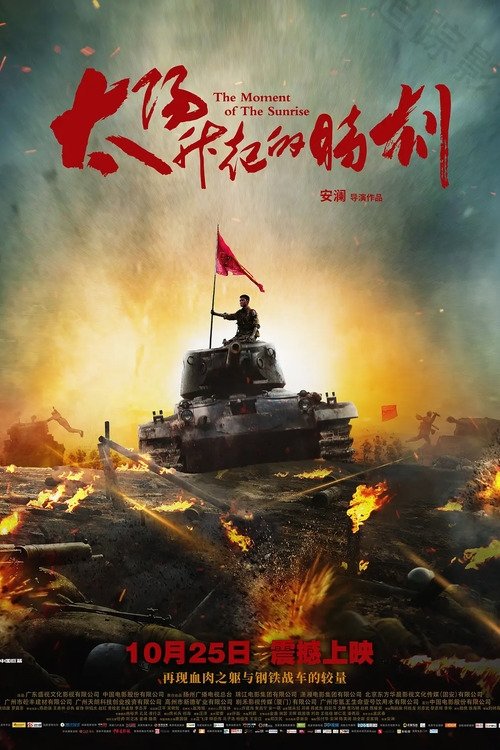
From September 13 to October 16, 1949, the soldiers of the Fourth Field Army of the Chinese People's Liberation Army (PLA) ushered in the founding of the People's Republic of China with their lives and blood in the Battle of Hengbao, which spanned the founding ceremony of the People's Republic of China.
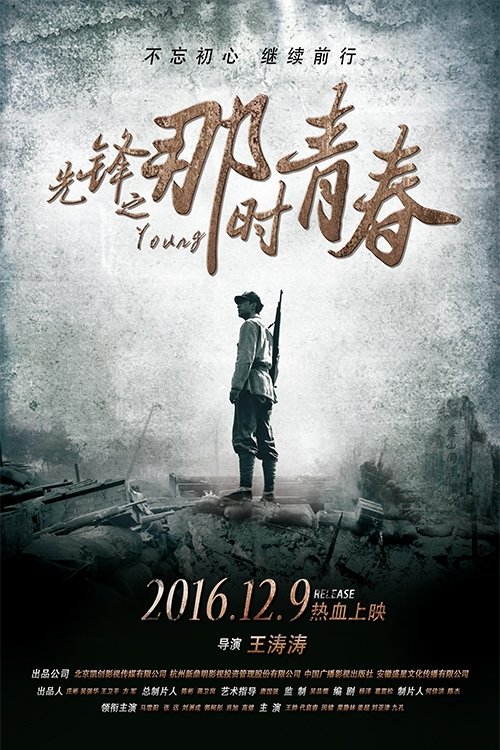
The film is based on the story of the formation of the Red Army intelligence advance team when the leaders of Guizhou Province went to Beijing in 1964 to ask Chairman Mao to write the "Zunyi Conference Site". The small team overcame numerous difficulties, fought with the enemy wits and bravely, and finally obtained valuable information and time for the Red Army with a weak force, thereby winning the victory at Loushan Pass and reversing the shocking story of the Red Army’s passive situation in the Long March.
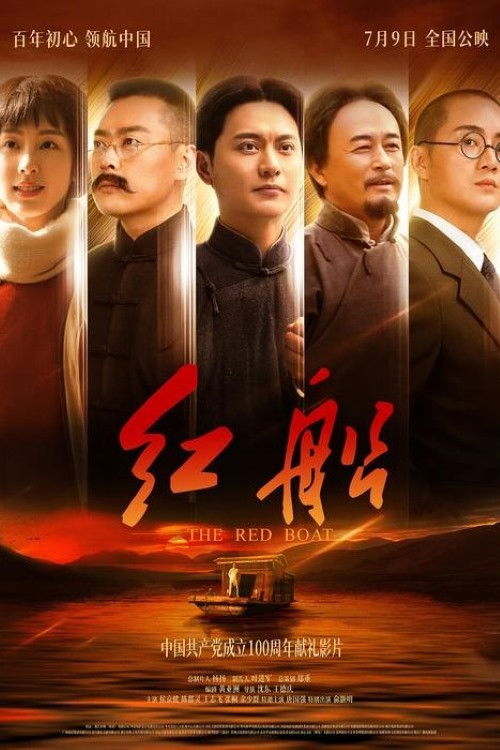
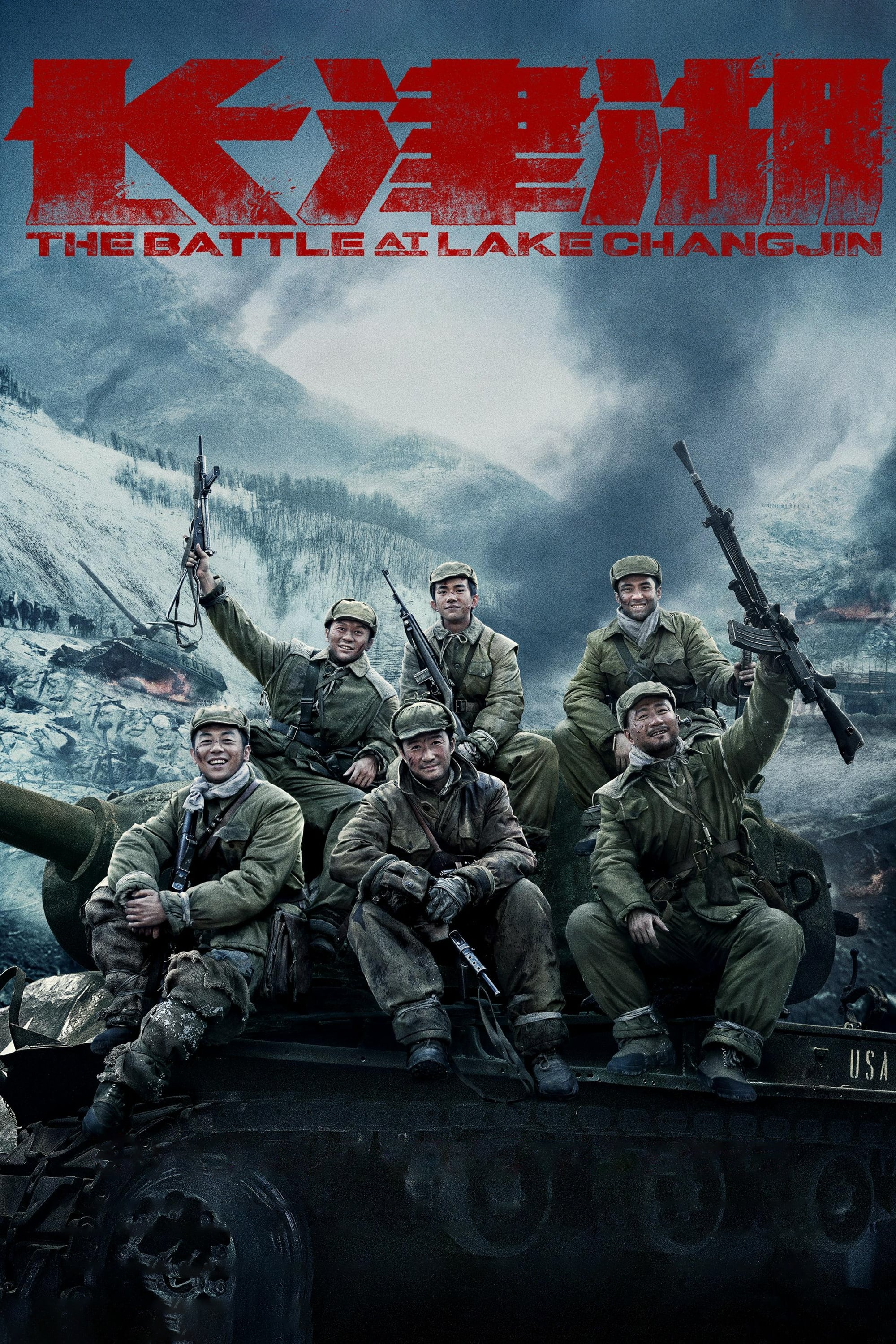
Korean War, winter 1950. In the frozen and snowy area of Changjin Lake, a bloody battle is about to begin between the elite troops of the United States and China.