A young waitress, Dana, works in a roadside motel. She longs for the big, distant world, for beautiful things, and perhaps even for love. But her life is filled with various short-term relationships, her lover is a passing truck driver, a rich, elderly stranger, and random acquaintances who give her gifts. The girl does nothing to fulfill her dreams. Coincidence brings a group of students to the motel, and one of them, Martin, takes a liking to the waitress. A relationship develops that could perhaps lead to sincere love, to the fulfillment of her wish for a new life...

A young and shy bachelor wants to get his driver's license. His driving school teacher, however, is used to "noticing", takes bribes and only gives his pupils their licence for bottles. His pupil, depressed and depressed, becomes close to a colleague, learns to drive at night and not only that...
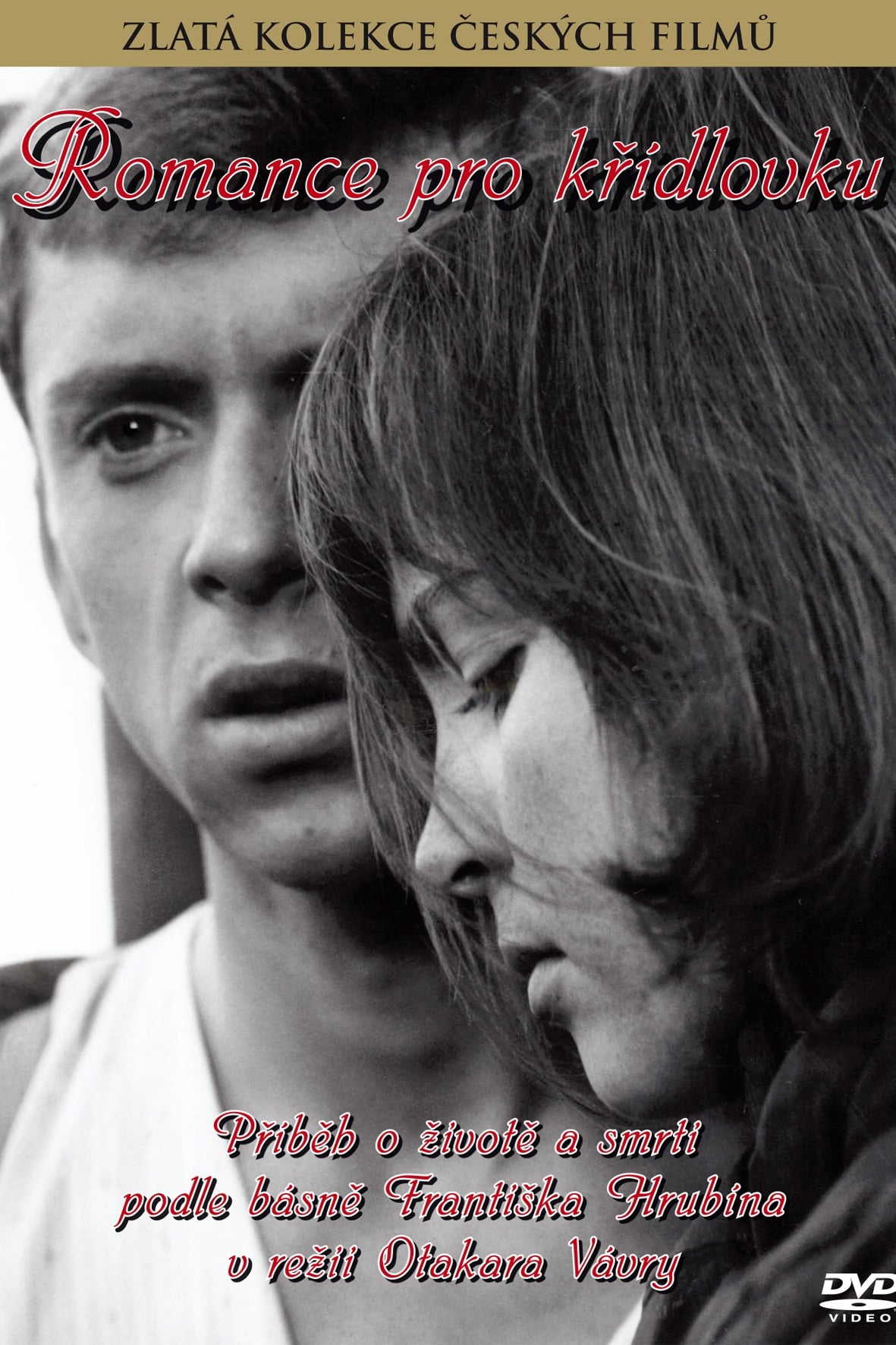
A lyrical story about first love, death and disappointment, based on a poem of the same title.
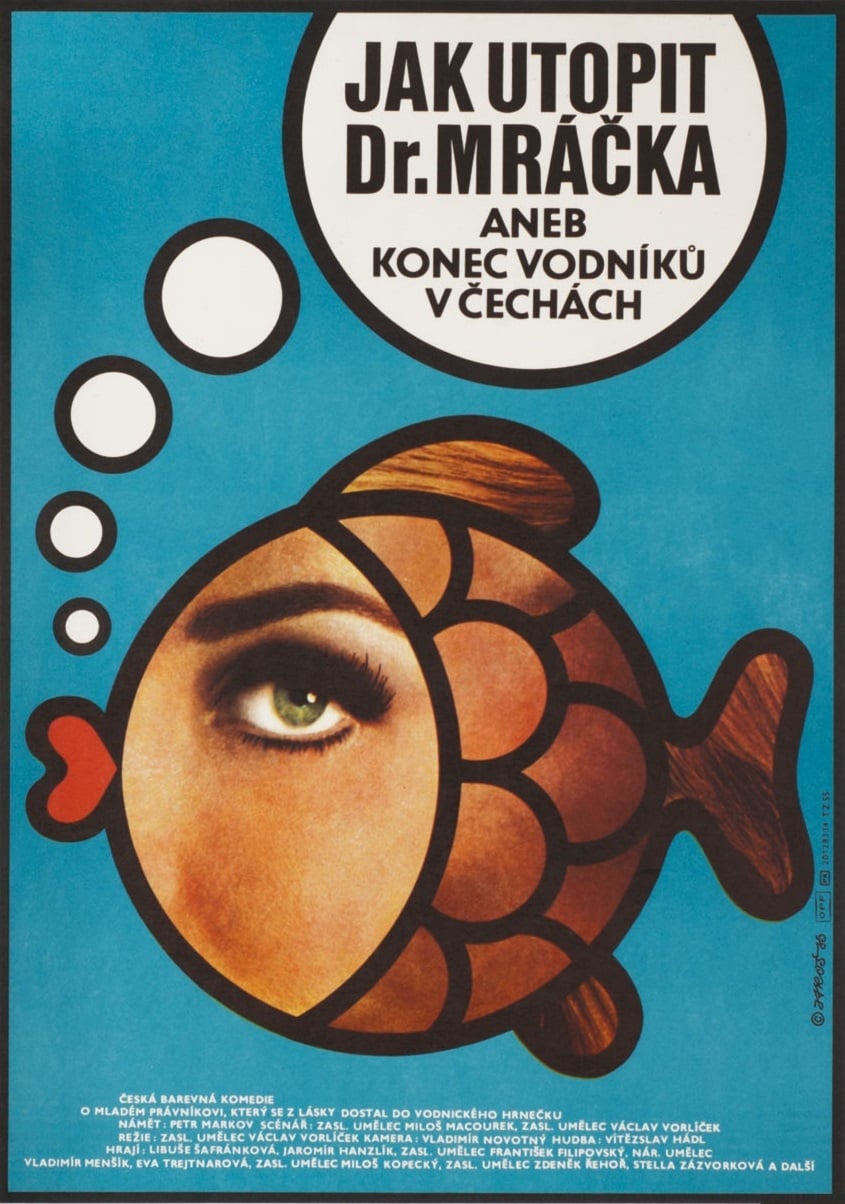
There are still water spirits among us. One group lives in Prague, led by Mr. Wassermann, who is using his wife's family as a servants. All they need is their old house near the river. But the house is to be demolished. They have to stop it. And the only way is to drown Dr. Mrácek, who is responsible for the demolition. But he falls in love with Wassermann's niece Jana. He changes to fish, is mistaken for water spirit from Germany, is drowned and revived again. The other problem is the flour with ears... and so on...
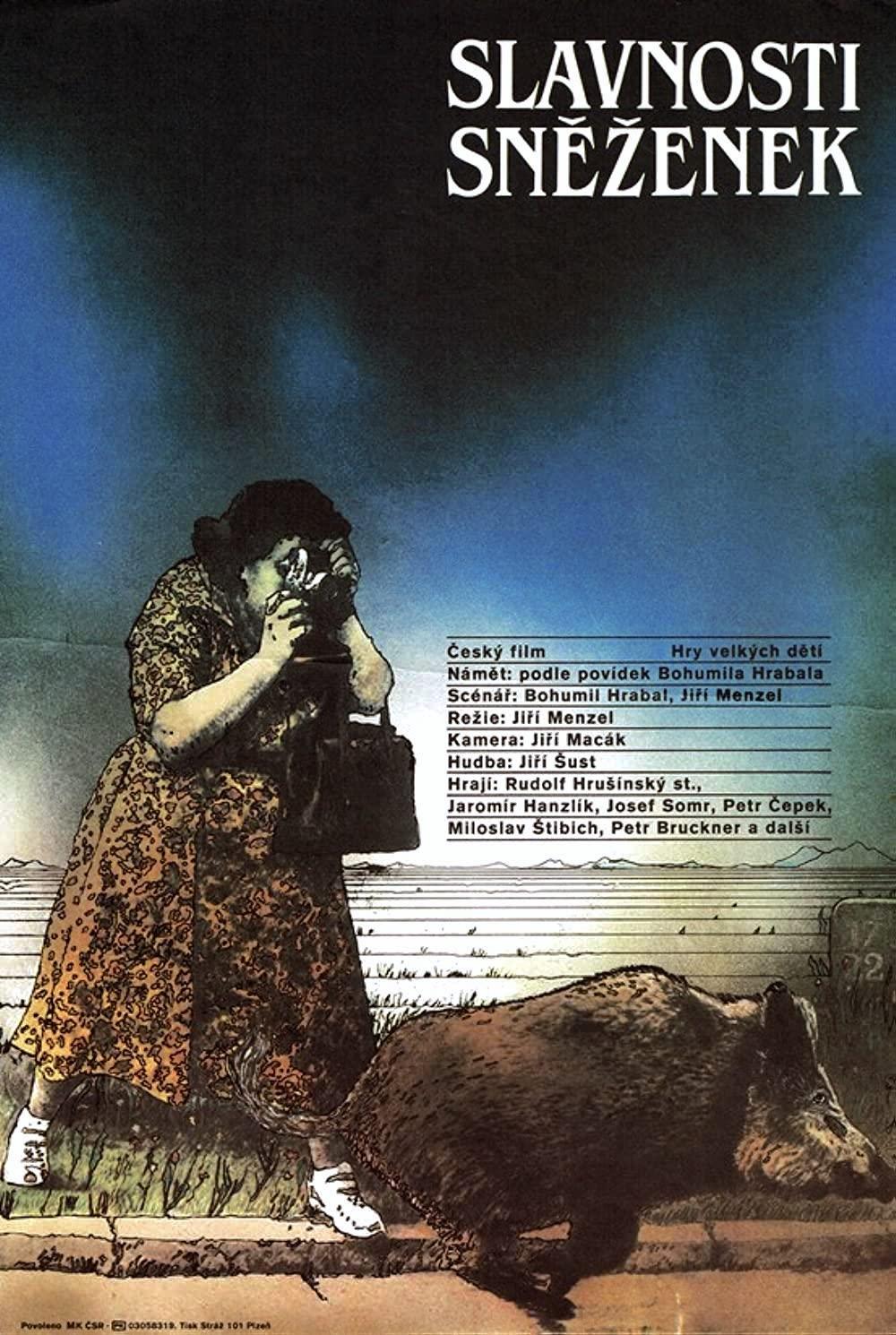
An episodic film about the inhabitants of Kersko, their hardships and their joys, most prominently hunting. A lyrical and humorous adaptation of writings by Bohumil Hrabal.

An only son, Jirí Valenta (Jaromír Hanzlík), has been drafted to the army. At the barracks he acquires the nickname Seamstress because he sews rugs in his spare time. One day, his friend introduces him to Julka Vávrová (Jorga Kotrbová), a girl he is desperate to get rid of. The naive Jirí falls in love with the girl and accepts her invitation to spend Easter together in the country. There he learns that the girl is the single mother of the young boy Martínek, whose father is the married tractor driver.
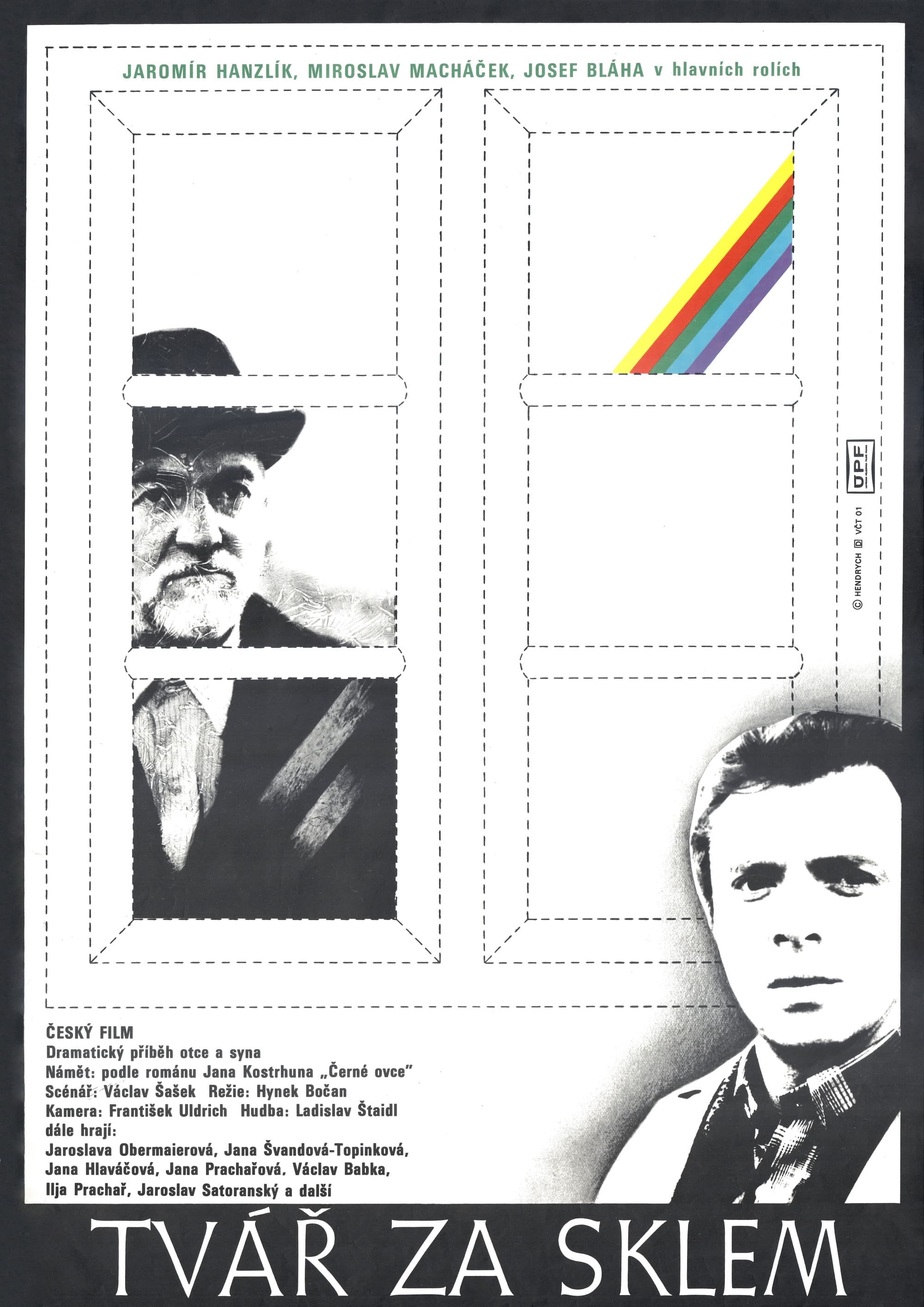
Alienation between the closest relatives is always a serious disorder of family judgment. Father and son not only do not see each other, but one does not even recognize the other when they meet by chance. No wonder, since the father has been in prison for a long time and his son was raised by a former family friend after his mother's death...
The 50th anniversary of the Barrandov studios was celebrated with a spectacular show: many directors and other important people gathered in the expensive decorations of the Variety Theatre auditorium (built for the Circus Humberto series). They smiled and showed well-deserved relaxation after a job well done in managing socialist cinema. Vladimir Sís interspersed this with excerpts from films, mainly his own and also a little of others who had worked on the "Hill of Dreams".
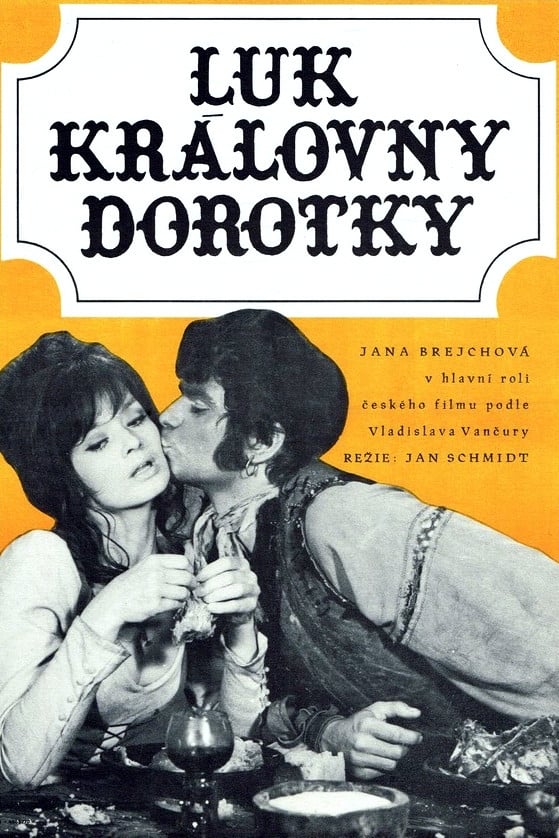
Set in a vagabond and petty bourgeois environment, the three stories deal with the pitfalls of love, the petty and insidious betrayals of trust.
The main character of the story is a former biology teacher named Montelík, who ends up in court when he loses his temper and hits his former student, who is the son of a prominent family. The professor finds a kindred spirit during the trial in a young aspiring lawyer who, despite the reluctance of those around her, tries to save the honor and dignity of the old professor.
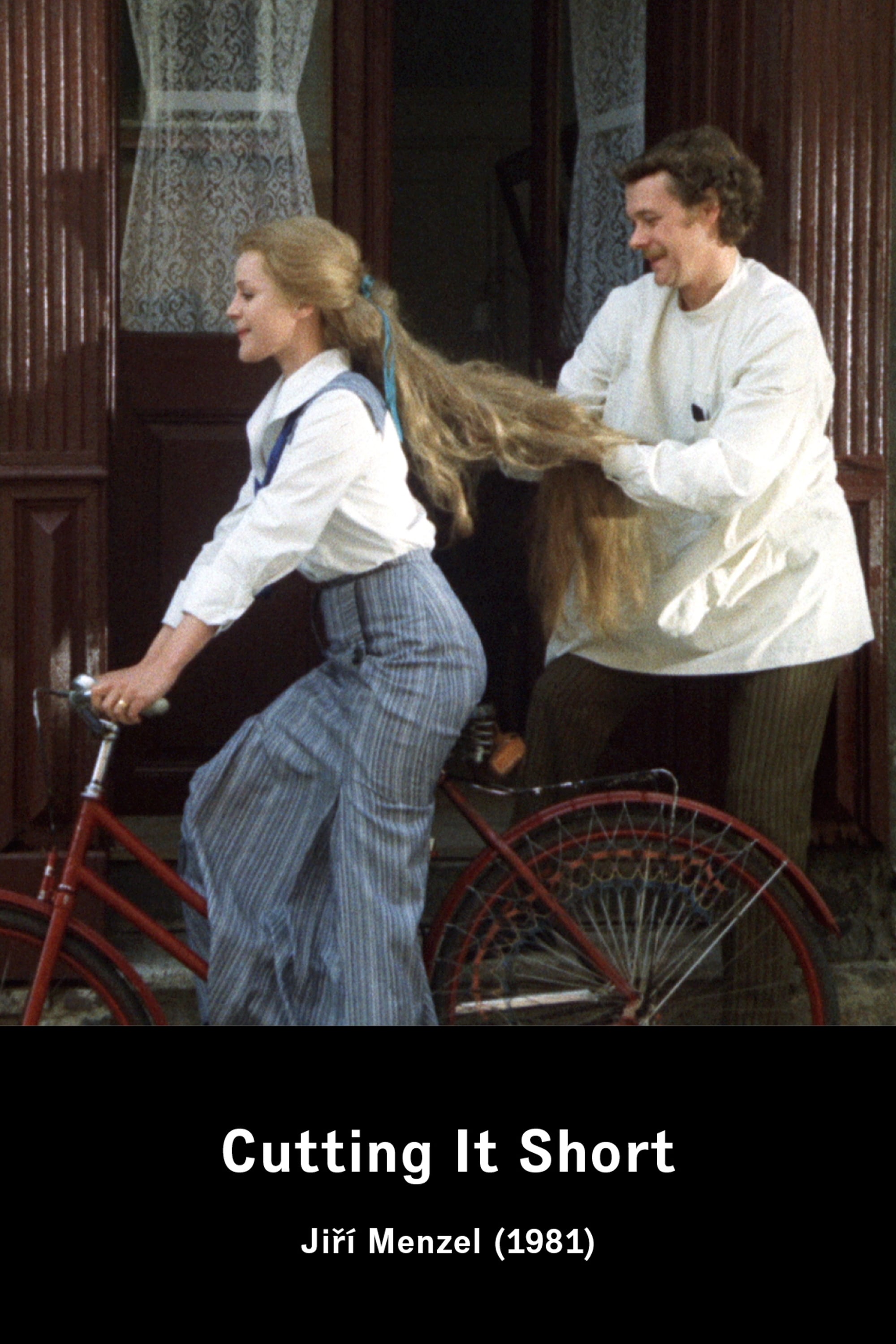
Francin, manager of a small-town brewery, has a charming wife whose abundant blonde locks are an adornment to the town. Maryska looks ethereal but loves meat and beer, while Francin is an ascetic. The strict members of the brewery board of directors come to audit the accounts, but are diverted from concentrating on Francin's detailed reports by Maryska, who has organized a pig-killing feast and is ably assisting the butcher. When she invites the old curmudgeons on the board to enjoy the fresh pork, they are too happy to agree. Francin doesn't know whether he is going to get a permanent contract. To make things worse his brother Pepin - eccentric, noisy and garrulous - turns up on an indefinite visit.
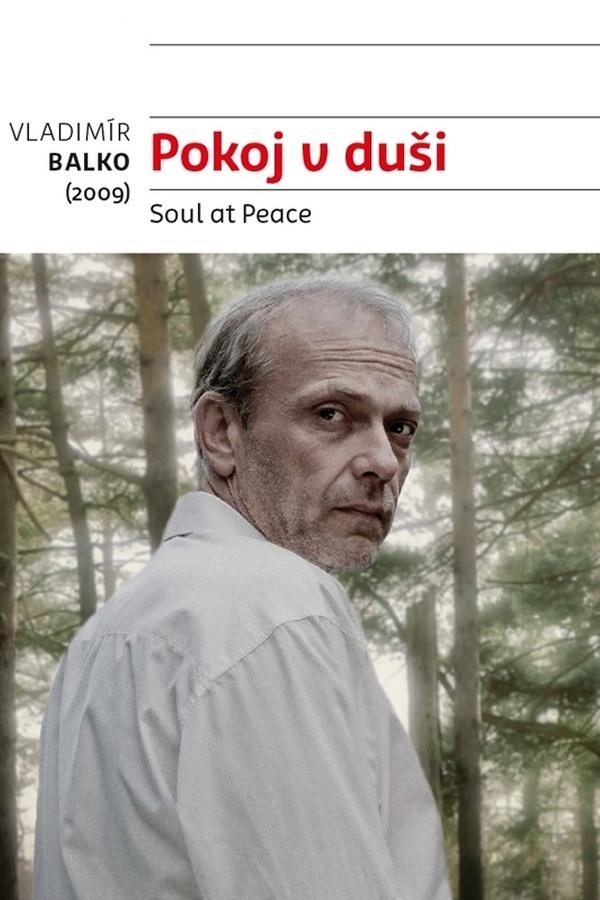
Set against the majestic mountains of central Slovakia, first time director Vladimir Balko explores the difficulties and challenges one former inmate must face upon his release from prison. Tono has just been released after a five-year stint in prison for lumber theft. Although attempting to stay on the straight and narrow, Tono is faced with many obstacles including building a relationship with his son, saving his now fragile marriage, and avoiding the tempting lure of his previous life of crime. A story of friendship and betrayal, SOUL AT PEACE was an official selection at the prestigious Karlovy Vary International Film Festival.
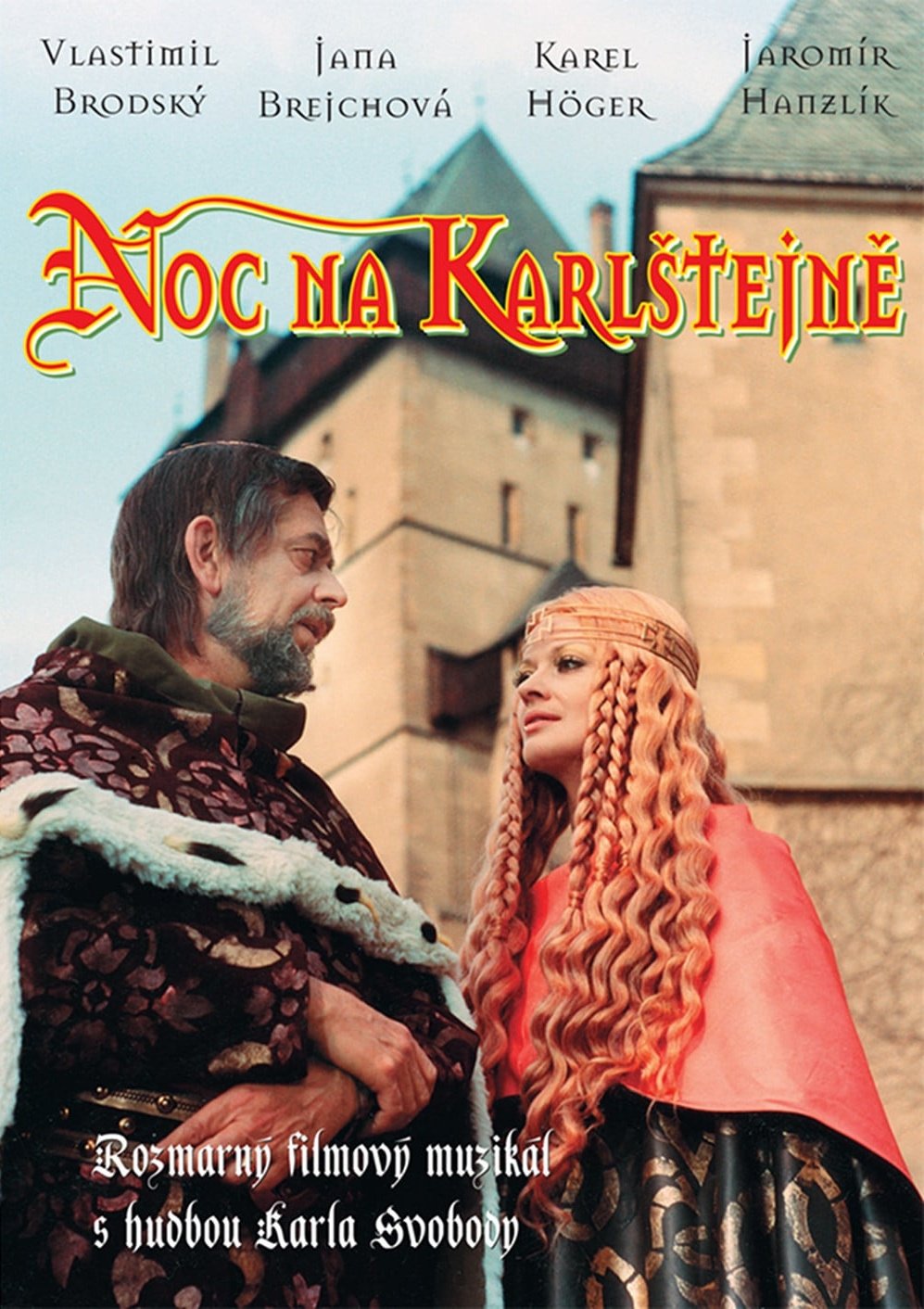
No Woman is allowed into Karlstejn Castle! Yet the enamoured Daniele Kolářová and the equally enamoured Jana Brejchová manage to spend one night in disguise in the Castle despite the strict royal ban.

The film is a metaphor for the Cold War. It depicts two neighbouring nations: peace loving Fortuna and the not so peaceful land of the Steel City.
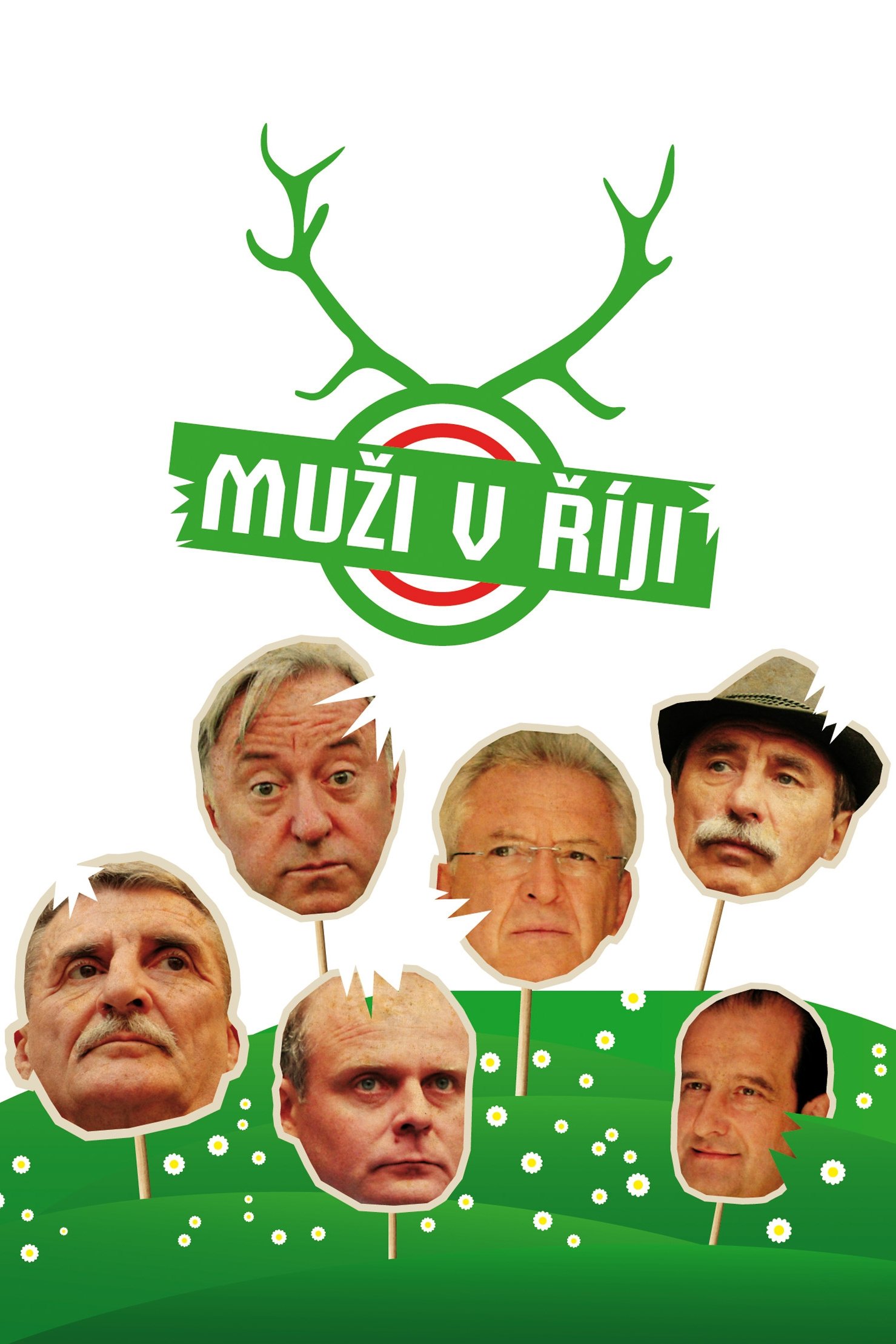
The story takes place in the small South Moravian village of Mouřínov, where the road ends. The residents long to become a "transit" village, and since there is a champion deer caller among them, they make a great effort to host the European Championship in this unique but interesting discipline. The village is busy with preparations, but that's not all. At the same time, the residents' obvious and unspoken relationships are developing, and just as the preparations affect their lives, their relationships affect the course of the preparations. And one day, the championship finally begins...
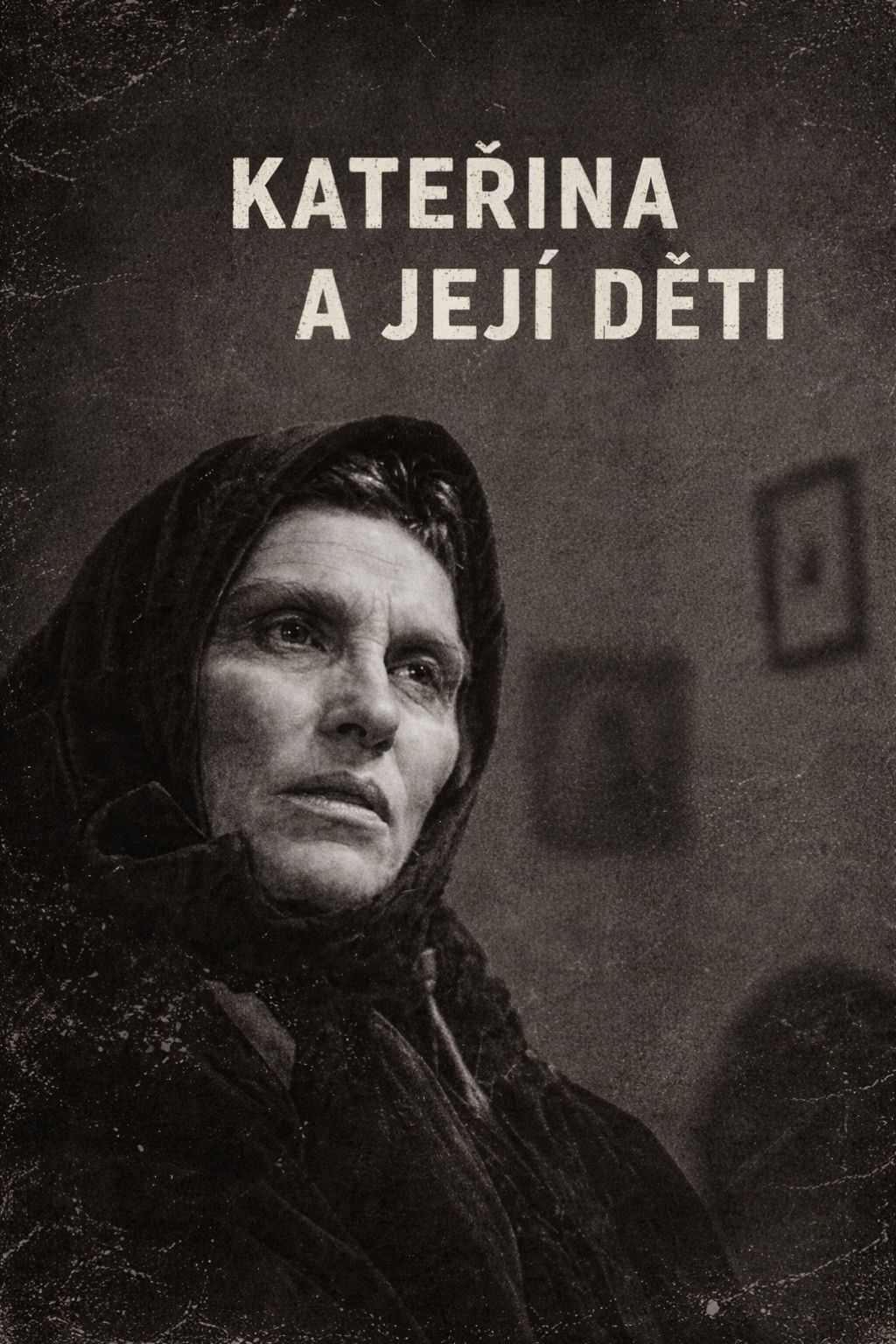
A harsh and raw story about the difficult life of a village woman and the sad fate of her three daughters...
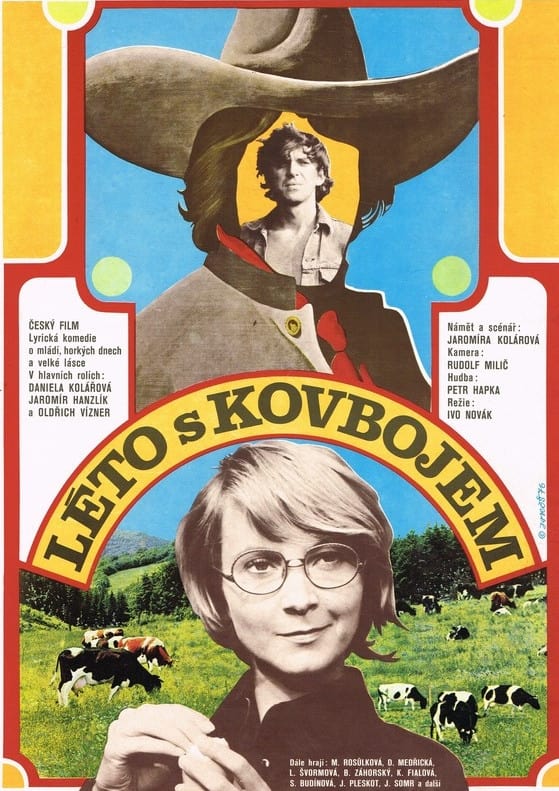
The main characters are a young psychologist Doubravka and a village youth, Honza Macháček. He is a tractor driver who temporarily lost his driver's license in a crazy bet, so he now herds a cooperative herd of cows, she is at the cottage with her boy Boba, who is not very successful in studying medicine and is currently preparing for his remedial exams. Honza's immediacy, optimism and approach to life and work contrast sharply with the selfish, weak-willed and unbalanced Boba, and Doubravka increasingly realizes that her feelings for Boba have disappeared and that she actually loves Honza. The question is how her somewhat conservative family will view such a game.
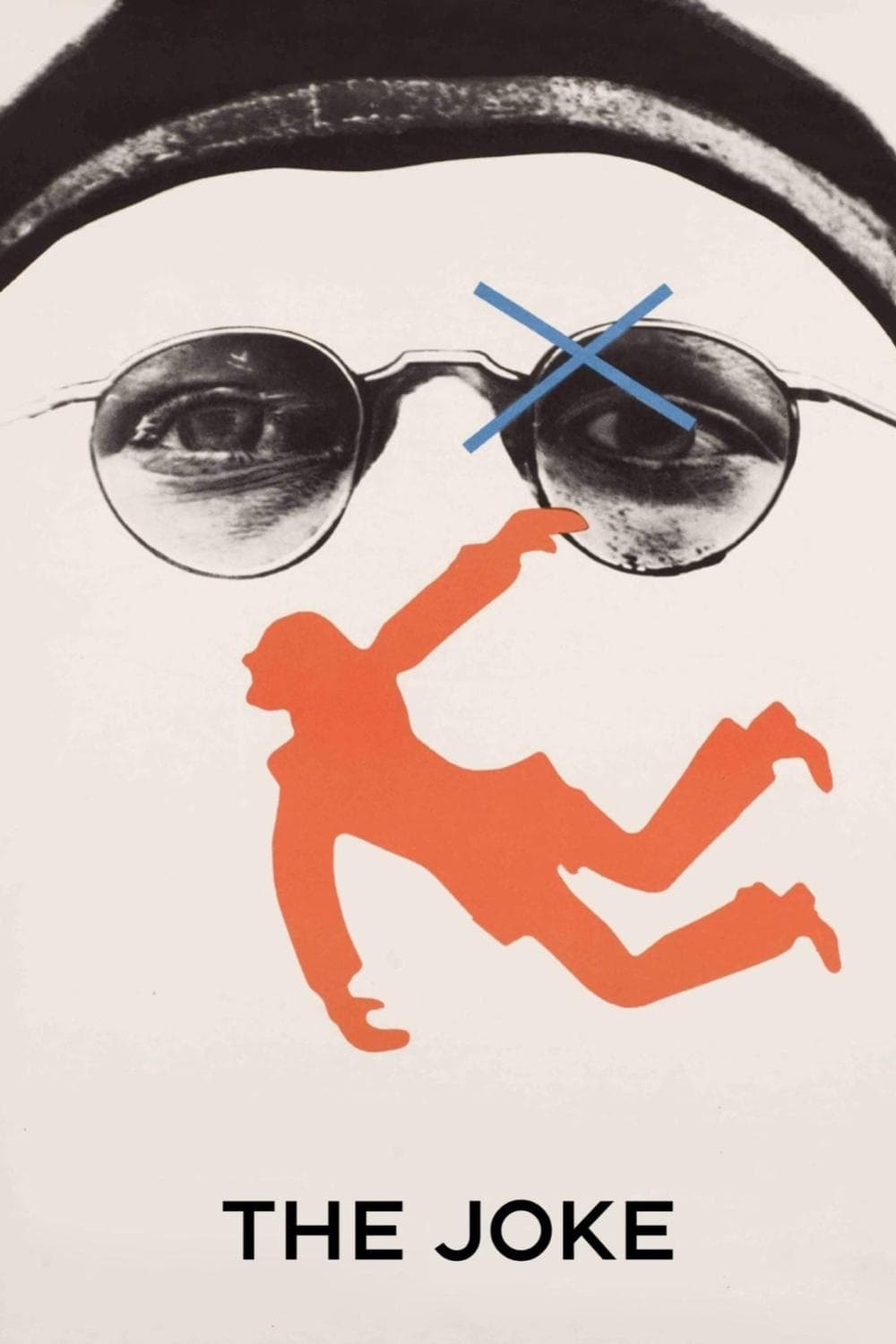
In the 1950s, Ludvik Jahn was expelled from the Communist Party and the University by his fellow students, because of a politically incorrect note he sent to his girlfriend. Fifteen years later, he tries to get his revenge by seducing Helena, the wife of one of his accusers.
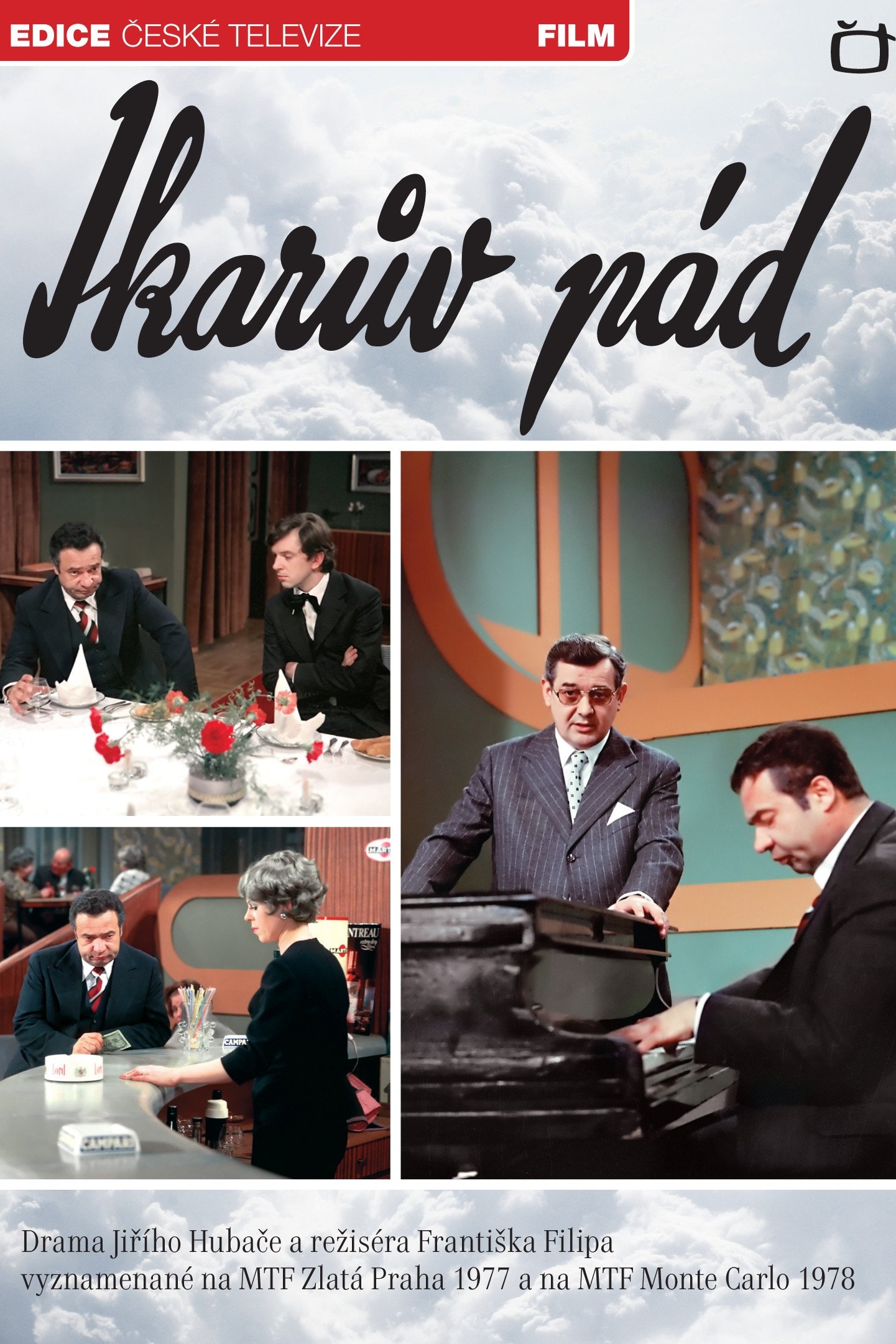
Game Hubač George, honored at Golden Prague 1977 and the MTF Monte Carlo 1978, one of the most original works of Czech Television production. The dramatic story of a father, son and entire family addresses a serious social problem that brings with it dangers of alcoholism.
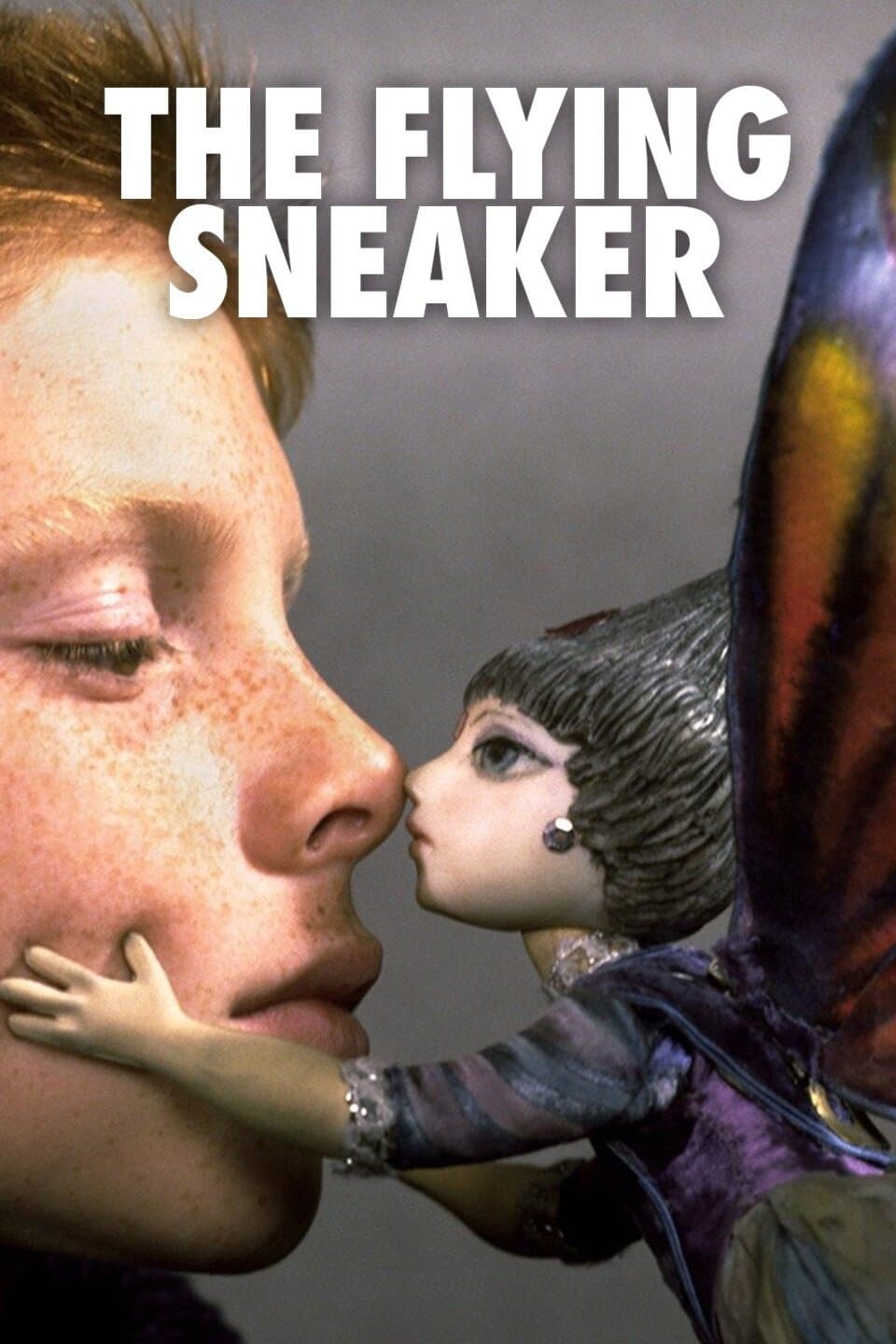
Little Rehor isn't allowed to play with the other boys. His only friend is the girl next door, Luci. Rehor's father is doctor on a boat and he has sent Rehor a package with butterfly larvae. When they hatch he discover a fairy who can do magic tricks.

The filmed fairy-tale is a comedy based on the classical story about Reason and Happiness. This enchanting couple is ever debating on which of the two is more important for mankind, their encounters are watched by the third fairy-tale figure aunt Envy. A story of true love that wins over the evil powers of immortal human envy.
A first part of a funny adventures of six years old Lucie and her two magic dolls.
Two young men, thinking that they've killed someone, flee to Poland.
An escort composed of three people transports a huge amount of new one-hundred crown banknotes in a special railway car. At the 196th kilometer, a village girl is waiting at the railway crossing and spots two men removing some packages from the track. The scene is immediately followed by the report of a gun and the unwanted witness is shot dead. Soon afterwards, on the 201st kilometer, the train explodes. Only one of the escorts Lenk (Radoslav Brzobohatý) survives the explosion, taken to hospital with serious injuries. Criminologist Major Kalas (Jirí Sovák) and the very young Second Lieutenant Karlícek (Jaromír Hanzlík) patiently gather facts, leads and testimonies.
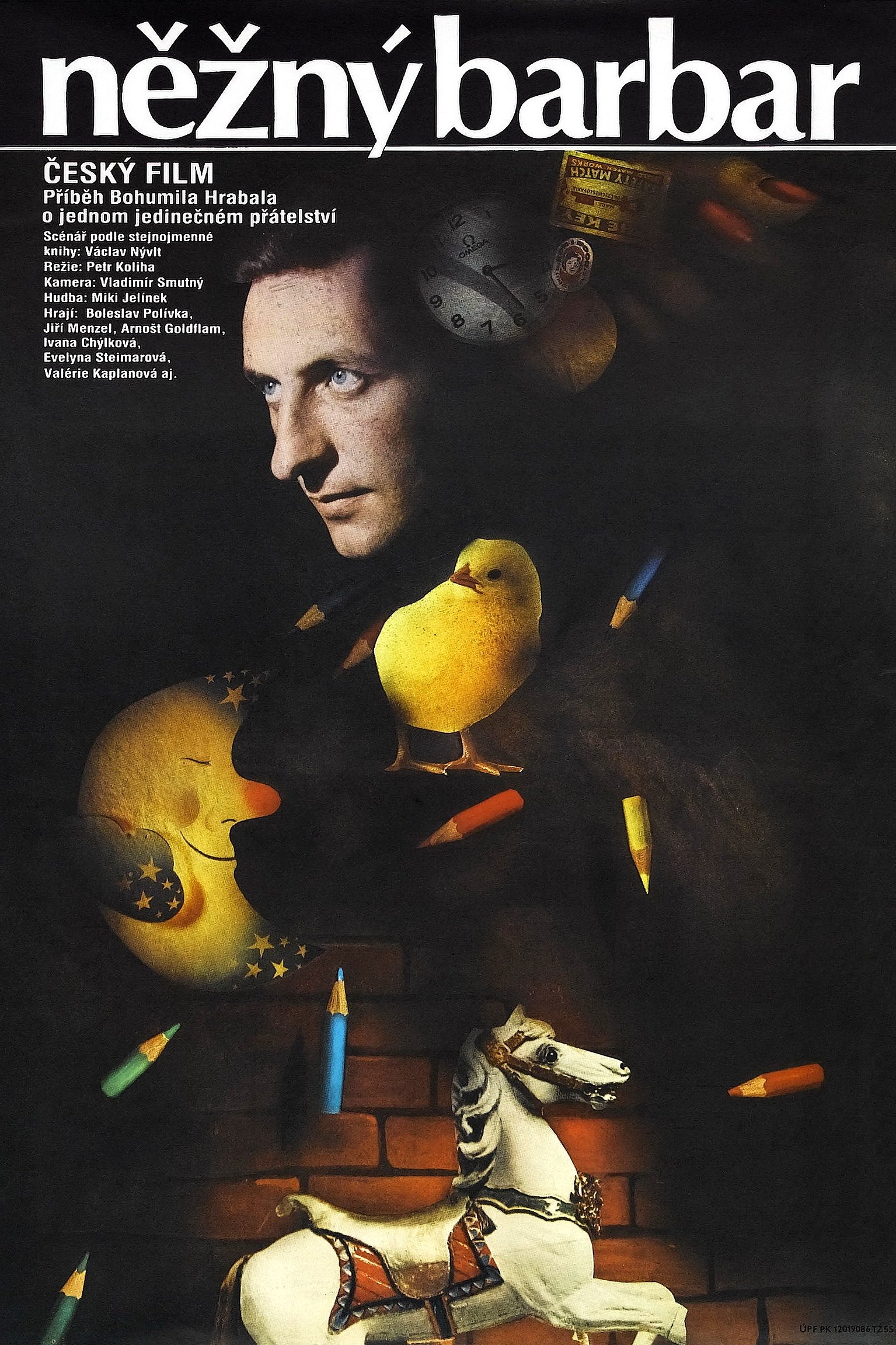
A commemorative and essayistic meditative piece on the Prague quarter Libeň during the 1950s.

A holiday story about first tentative love, set in a romantic cottage village on the banks of a river. There, a 15-year-old girl feels lonely and confused, bitterly reliving her hopes and disappointments...
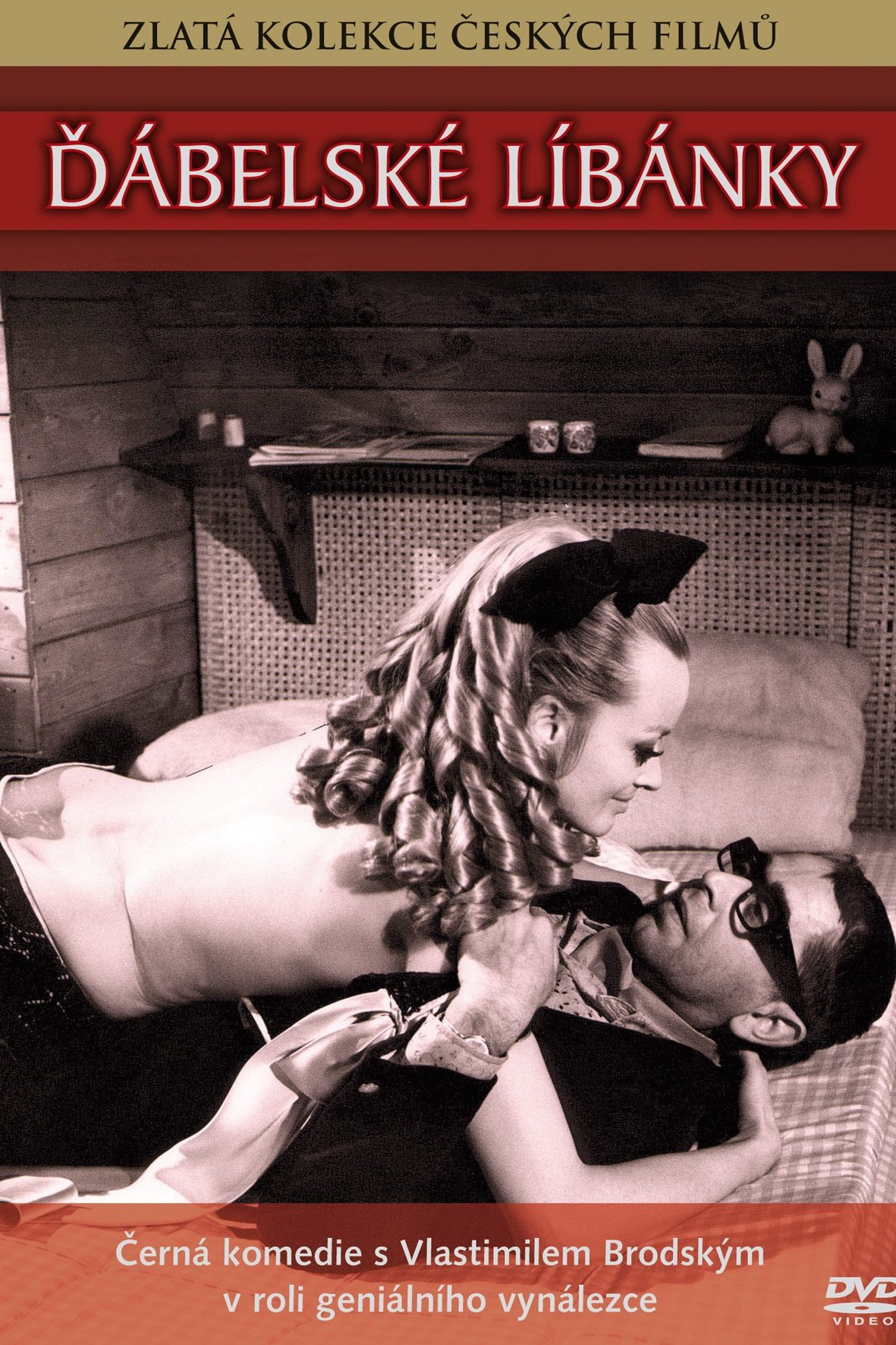
Black comedy about a genius inventor and two young, smart and beautiful women. Both of them putting all their effort into getting the one man. This will inevitable lead to all sorts of mischief, crime and even a murder. This murder-comedy, shot at the dawn of normalization has intentionally broke off from any connection to the reality of its time. The director Zdeněk Podskalský has focused on creating intriguing story lines, revolving around the two endeavouring female characters who are fighting for the same man. Two competing parties are not only ready to kill the other, but also (if necessary) the potential groom. This film has enabled the members of the cast, composed mainly of the brightest stars of the Czech acting scene of that time, to show an incredible acting range, from the lightest comedy to the darkest cynical morbidity.
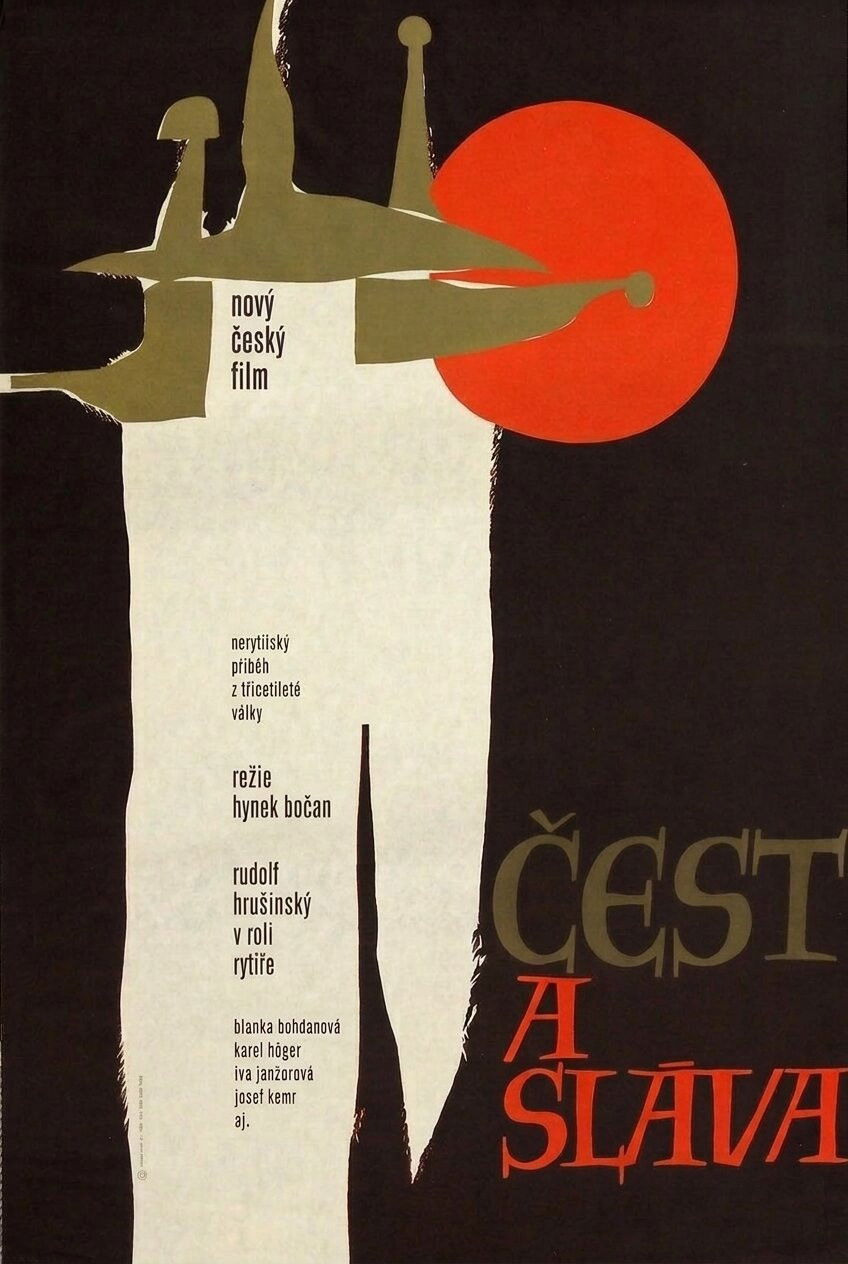
In 1647, the impoverished noble Václav Rynda shelters an imperial commissioner-only to learn the visitors are French agents plotting a Bohemian revolt against the Habsburgs.
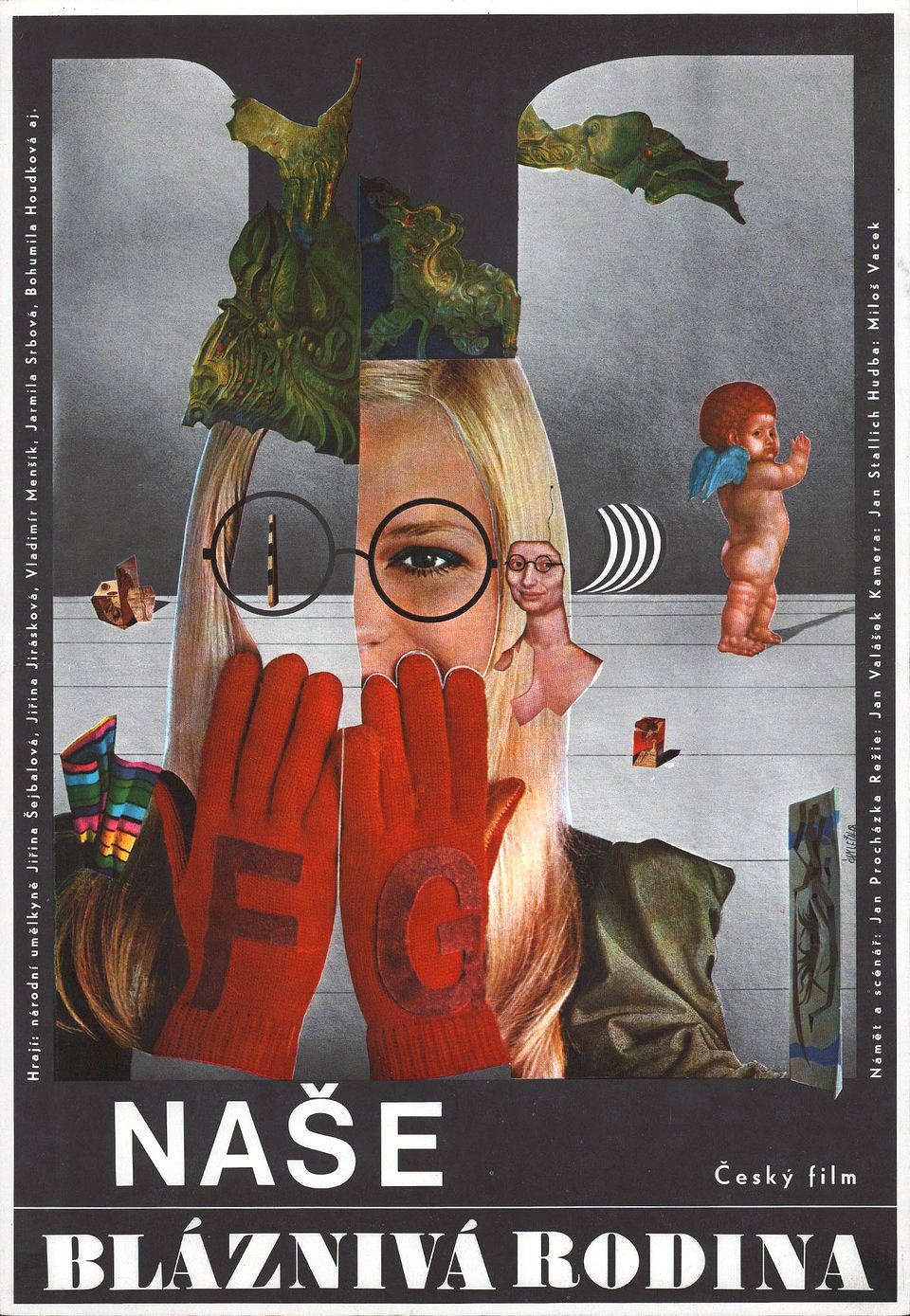
Twelve-year-old Jana returns from the hospital. She notices some changes at home and is worried that her parents are going to divorce. In reality, however, they are expecting another child.
Ordinary man making his dirty actions in the small town and his coming to the right side.
A WW2 story of a young Austrian soldier running from the Russian army and a woman whom he forces to come along in order to save his wounded mate.
Once upon a time, there was a kingdom where a spoiled and conceited princess lived. She didn't like frogs and other similar vermin, so she didn't like it very much when they suddenly started jumping on her from everywhere. In the local pond, there lived a waterman whose water machine for water lilies broke down. Instead of beautiful flowers, he produced croaking frogs. However, the waterman didn't like the princess's behavior at all and as punishment, he made her speechless. She can only be freed if she kisses the frog. So the prince and the young diver enter the story to put everything in order. Will the princess kiss the frog? And who will finally earn the improved princess as his wife?
The heroine of the story is a teenage Jitka Pažoutová, suffering from her fatness and clumsiness. For her, the real torture is especially the gym classes led by a sympathetic gym teacher, nicknamed Bohoušek by the girls. A change for the better is a dodgeball match, which the girls win thanks to Jitka's "guns", which simply cannot be caught. At the tournament, Jitka meets Honza Koubek - a boy who insults her, but then apologizes to her and persuades her to try using her strength in the shot put...
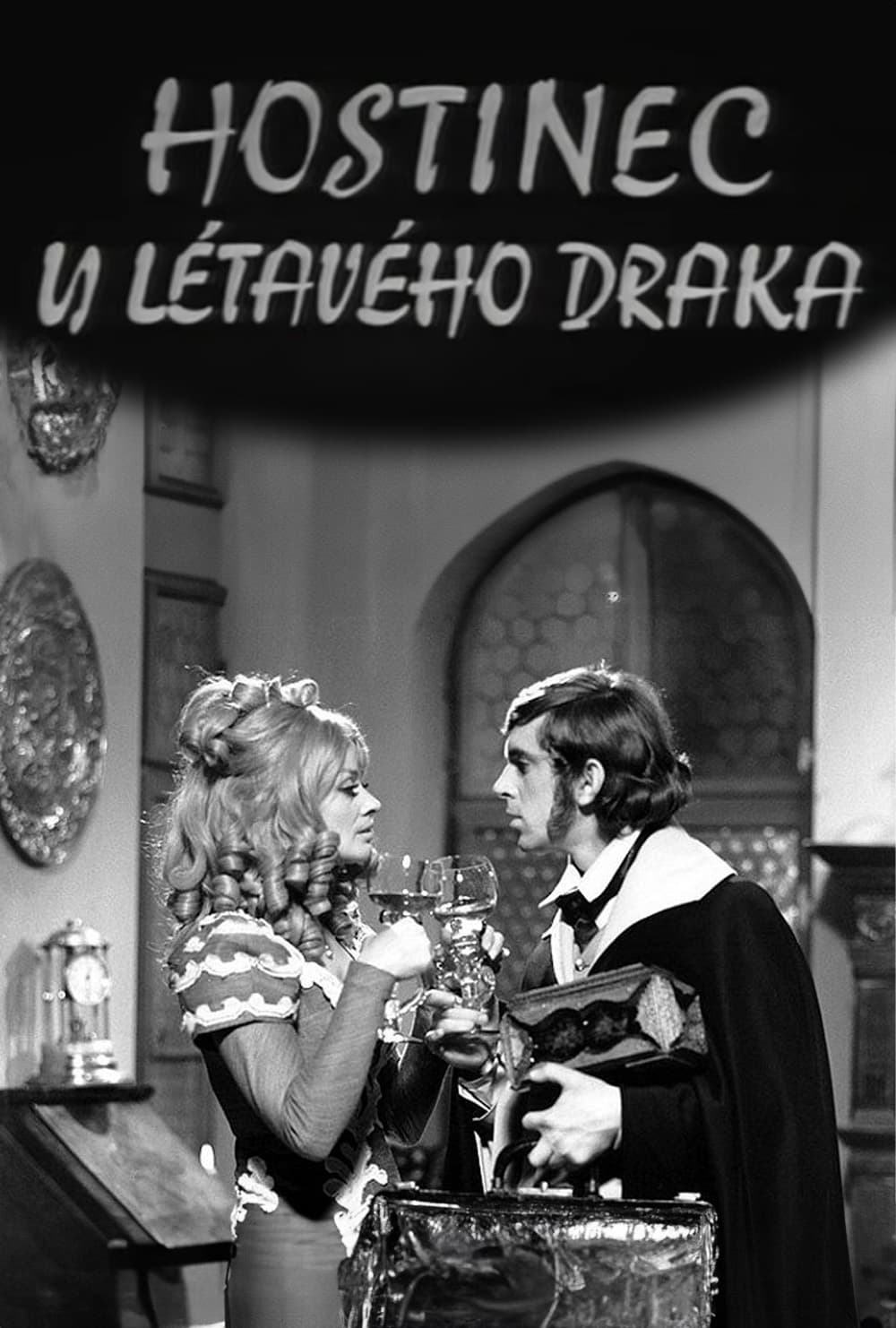
Joseph Sheridan le Fanu's tale, "Inn at the Flying Dragon," brings dark fantasy, ghostly apparitions, and mysteries to the TV screen. It's part of his well-known collection, "The Dark Mirror," published a century ago, yet still captivating readers today. Bohumila Zelenková drew inspiration from this novella, not just for its mysterious and romantic elements but also for the characters' intriguing portrayal of the post-Napoleon era—a time when many sought greatness, even if it meant embracing deception.
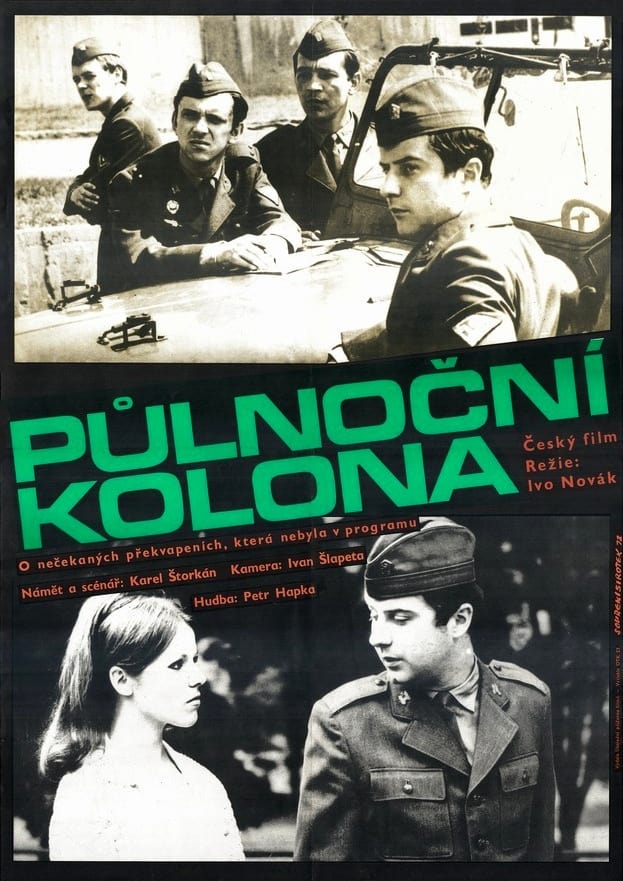
A group of soldiers is supposed to ensure the smooth nighttime passage of the military convoy through Prague, but things turn out differently. Eloquent young men convince the good-natured commander to sign a leave of absence, and the main character is left alone in the middle of a housing estate...
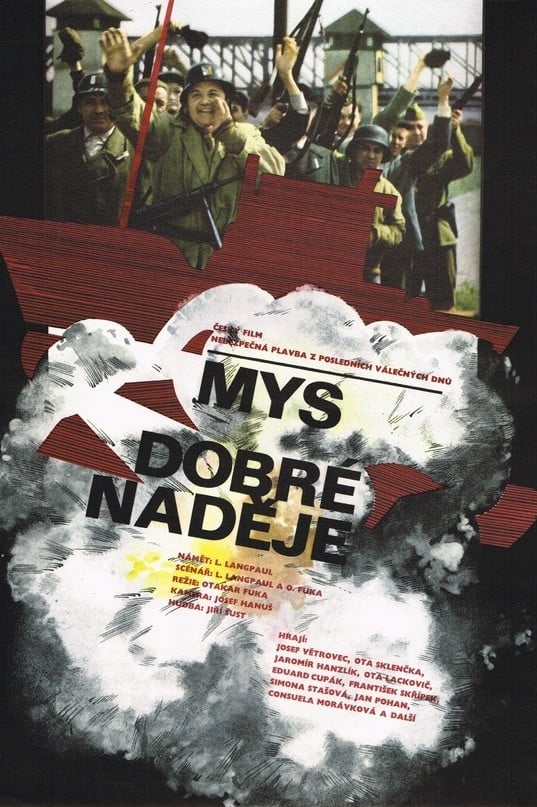
World War II is slowly coming to an end. On the German side of the border, panic slowly breaks out and the local commander orders the local port to be mined. The Czech boatmen take advantage of the sudden confusion and decide to carry out a crazy plan: steal a German ship full of explosives and sail towards Prague, which according to fascist plans is to become the last German stronghold...
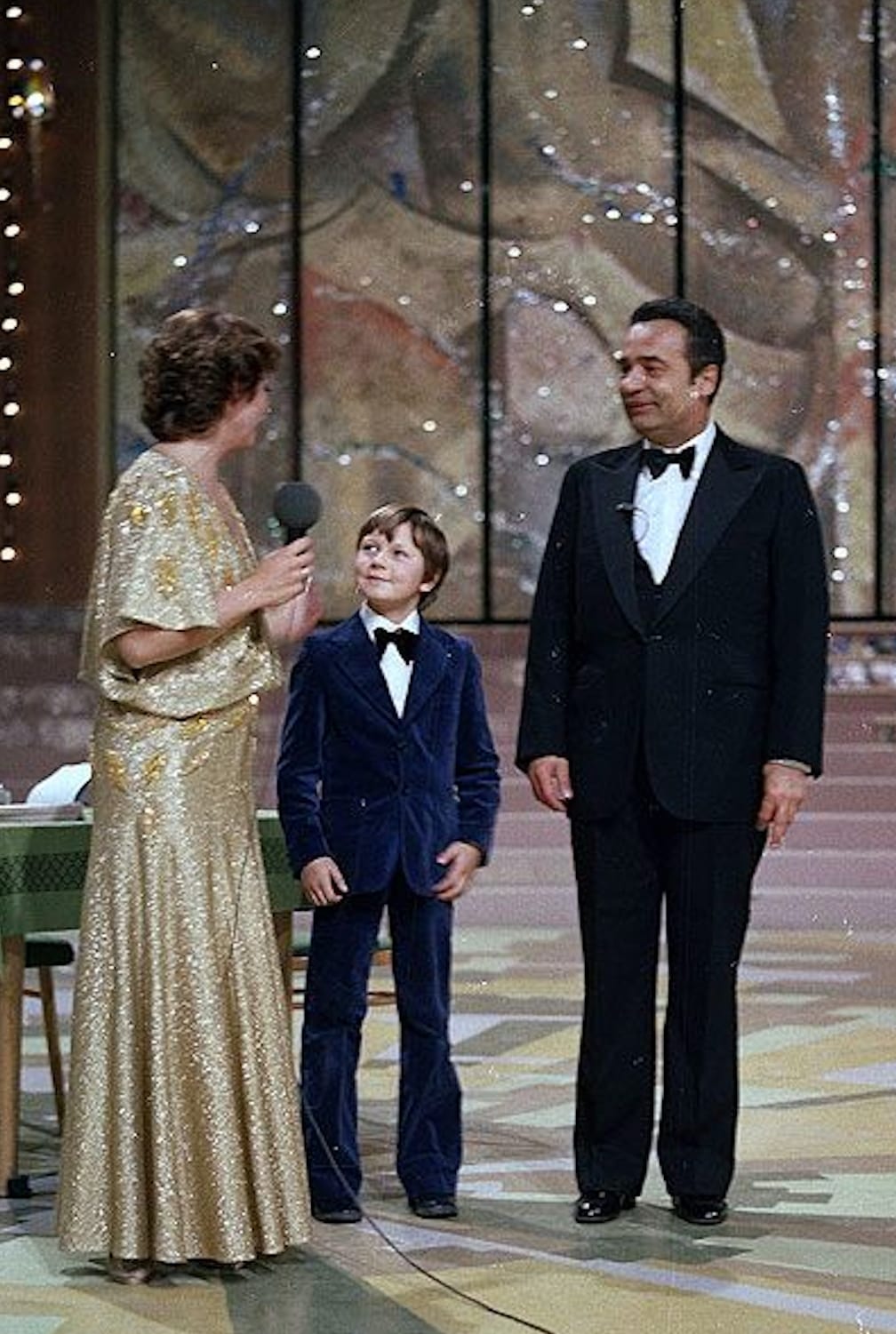
A New Year's Eve television variety show from late 1979.
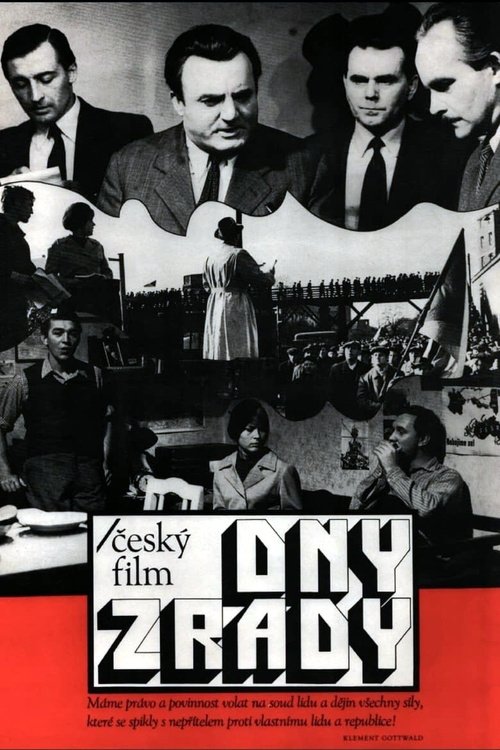
This feature film based on the events of 1938 is a chronicle of the futile efforts of the Czechoslovak president Edvard Benes (Jirí Pleskot), politicians and ordinary citizens, to save the independence and the territorial integrity of the state from the advance of Hitler's Germany. On the 29th of March 1938 the leader of the Sudeten Germans Henlein (Werner Ehrlicher) has a meeting with Hitler (Gunnar Möller). Hitler orders him to intensify pressure on the Czechoslovak government. On the 24th of April in Carlsbad, the Sudetendeutsche Partei (Sudeten German Party) decides upon eight demands that are unacceptable to the Czechoslovak President, since they would ultimately lead to the break-up of the Republic. Benes still shows a certain willingness to negotiate, and Henlein resents this. The Germans are determined to make further negotiations impossible through incidents and violence.
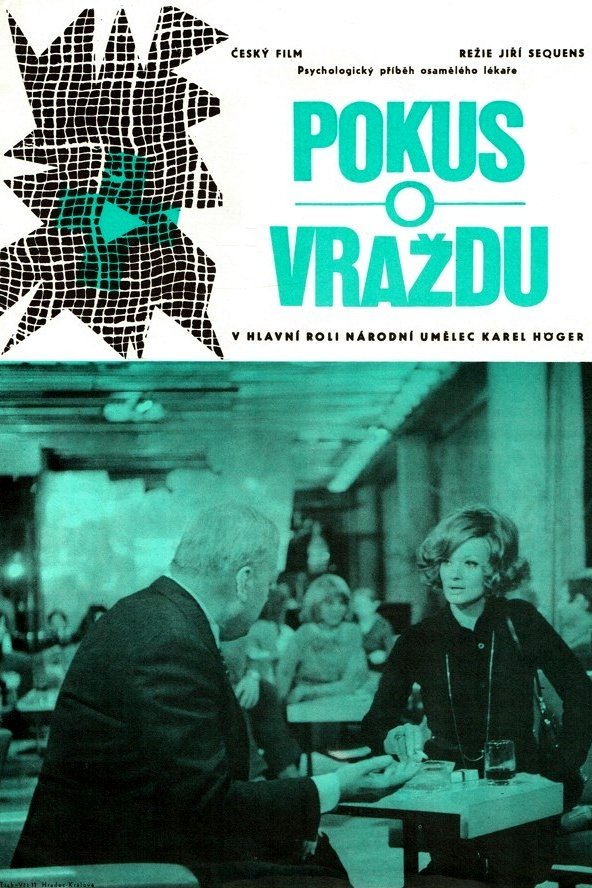
The main character of the story is Professor Trojan, the head of a Prague clinic, who is not experiencing the happiest of times. His cat has been poisoned with cyanide, he has a falling out with his son Petr, who has moved to Brno to be with his wife, the promising singer Eva, and only seeks out his father when he needs money, and as if that weren't enough, someone shoots him in the evening. Trojan initially considers it a mistake or a prank and does not share the fears of those around him. But then cyanide is discovered and one of the patients takes it from the assistant Dvoracek, who borrowed it for an unauthorized experiment. Trojan pairs the cyanide with a gunshot and slowly begins to suspect that someone is trying to kill him. At first he suspects Dvorak, who might become the foreman after his death, but later, as he falls deeper and deeper into a psychosis of fear and apprehension, he begins to suspect everyone around him...
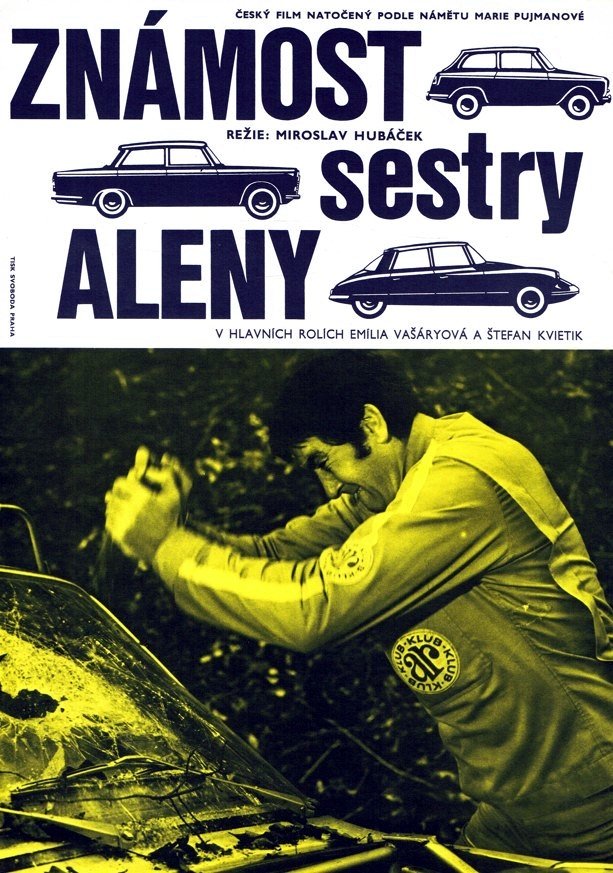
A psychological drama about a nurse and a seriously ill car racer and factory driver...
Documentary about Barrandov studios.
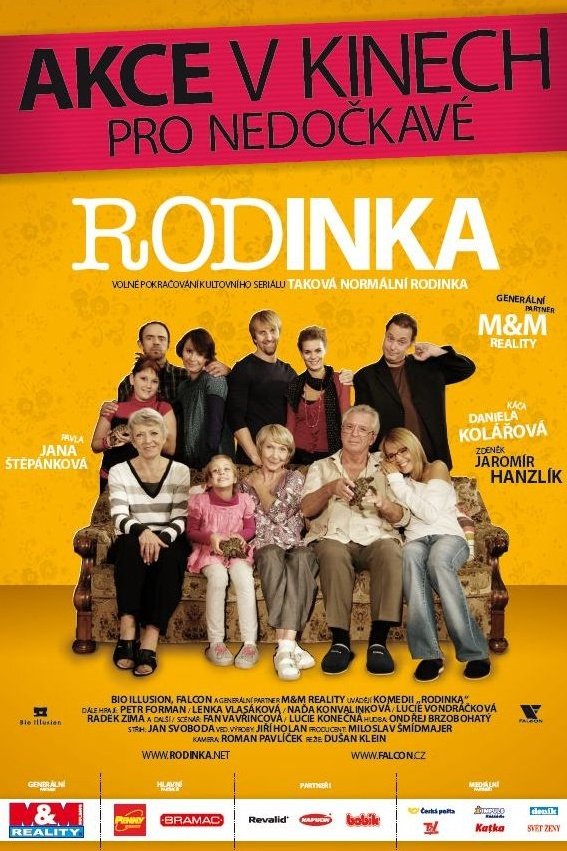
Several generations living together leads to some curious situations. A crazy teenager, a retired orchid grower, a passionate handyman with disastrous results, a student at a university for seniors who still gets butterflies, an unemployed archaeologist, and other members of a fairly normal yet wonderfully wacky (crazy) family, enjoy gathering together at the table, where there is always room for more chairs...
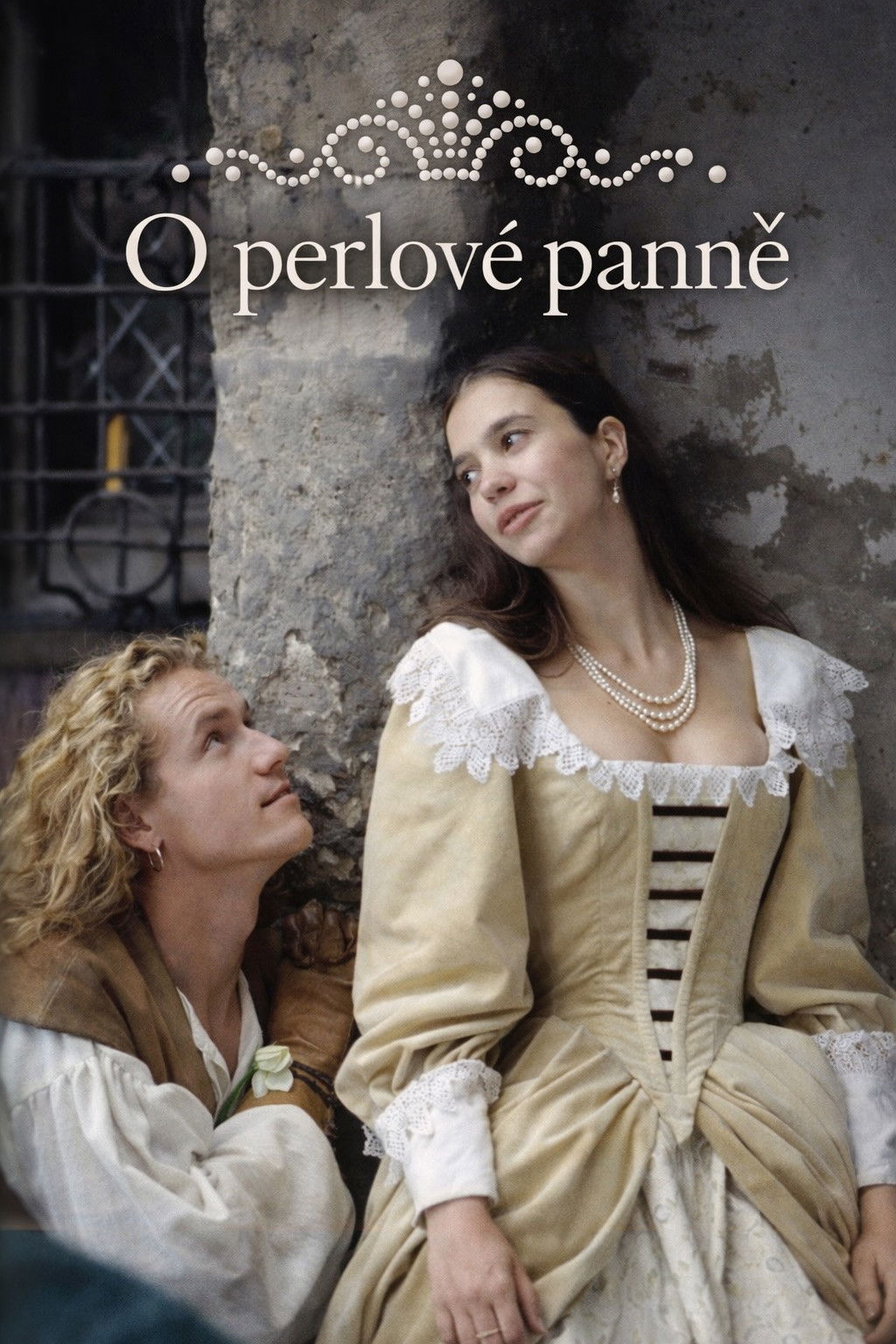
A fairy tale full of mystery, love, and heroic battles. A story about the love of Knight Cornelius and comedian Vendelin for a mysterious beauty, about whom legend says that when she cries, real pearls roll down her cheeks.
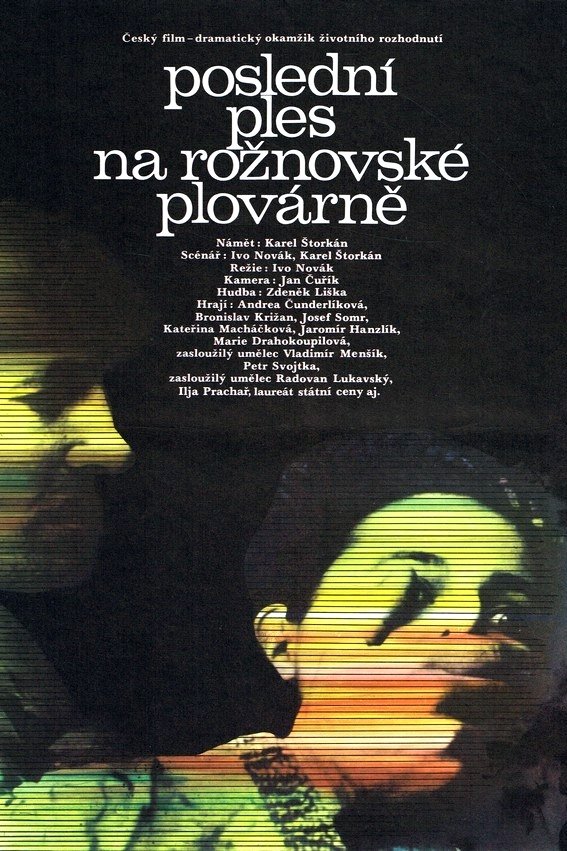
This story from the time of the occupation tells how the students of the teachers' institute decided to hold a traditional ball despite the ban. However, they had to cope with conditions more than threatening: the presence of Nazi thugs who intend to execute captured partisans as a warning...

The young Prince Charles (Jaromír Hanzlík), the future King of his country Charles IV, is being educated at the French court in the company of his fiancée Blanche (Daniela Kolárová). One day he receives a summons from his father John of Luxembourg (Milos Kopecký) in Italy. He leaves for Italy accompanied by a deputation from Bohemia. On the way the prince's company fights a battle with armed Milanese against heavy odds. Thanks to Charles's perspicacity, the prince's almost naked soldiers win through. In Lucca in Italy Charles joins his father, and here he experiences an amorous adventure and escapes from the traps laid by the Italian rebels.
The female employees of the poultry-processing factory find relief from their monotonous work in chatting about weddings and marriages. The very young Zdena (Marta Vancurová), too, dreams about a white veil and an entourage of bridesmaids. On her return home from work, she runs into a peculiar man on an abandoned road who pertinaciously offers to read her palm for a few crowns to buy soup. His augury is rather usual - wealth and poverty, suffering and happiness. Then however, he declares that Zdena must marry exactly on 3 November of that year otherwise she will be unhappy.

A second part of a funny adventures of six years old Lucie and her two magic dolls.
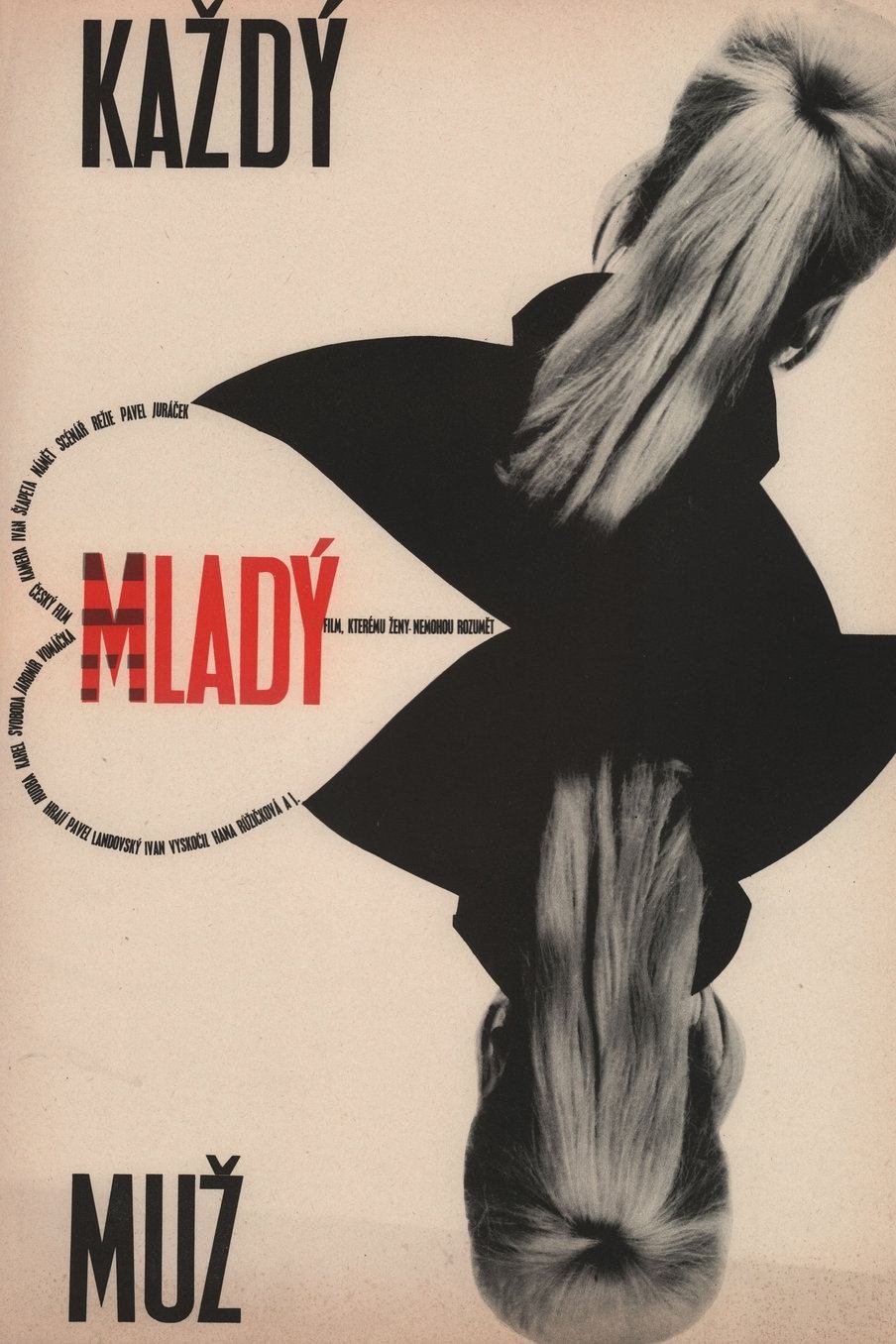
Jurácek's feature debut is shot in two parts. In the first, a corporal accompanies a new recruit with a sore Achilles tendon for his physical, and all the girls or young women they see are played by the same actress (Ruzickova). In the longer second segment, shot with the help of the Czechoslovakia army, the soldiers pass the time during basic training and maneuvers by talking about girls.
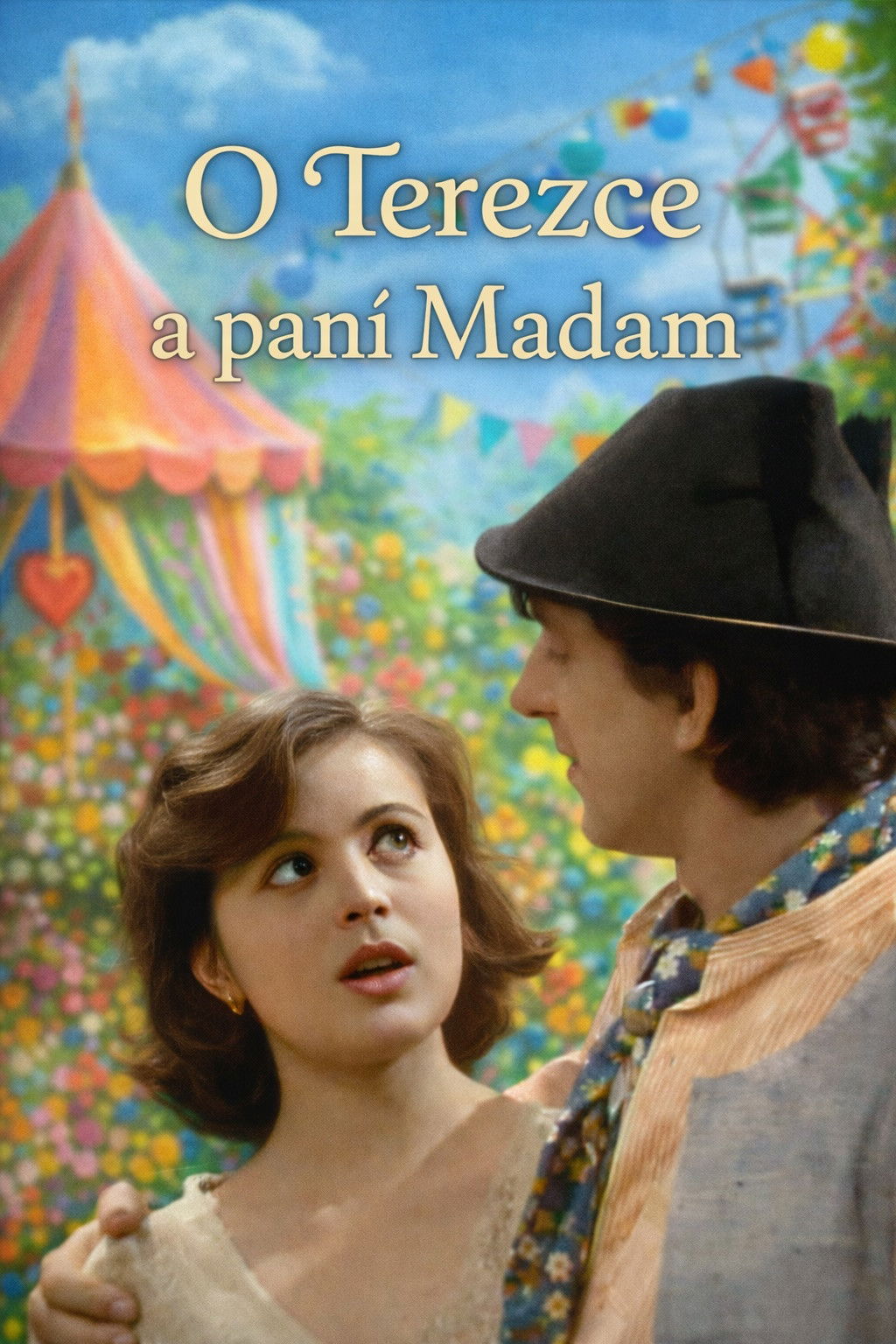
Princess Terezka was a girl like a pod until the moment when Mrs. Madam took over her upbringing. The princess even cries from her etiquette. Famous doctors and their potions do not help. However, when Terezka is secretly taken from the castle by her beloved Tonek to her parents in a country cottage, her illness is over. The king promises that whoever finds Terezka and brings her back to the castle will get her hand in marriage and half the kingdom to go with it.
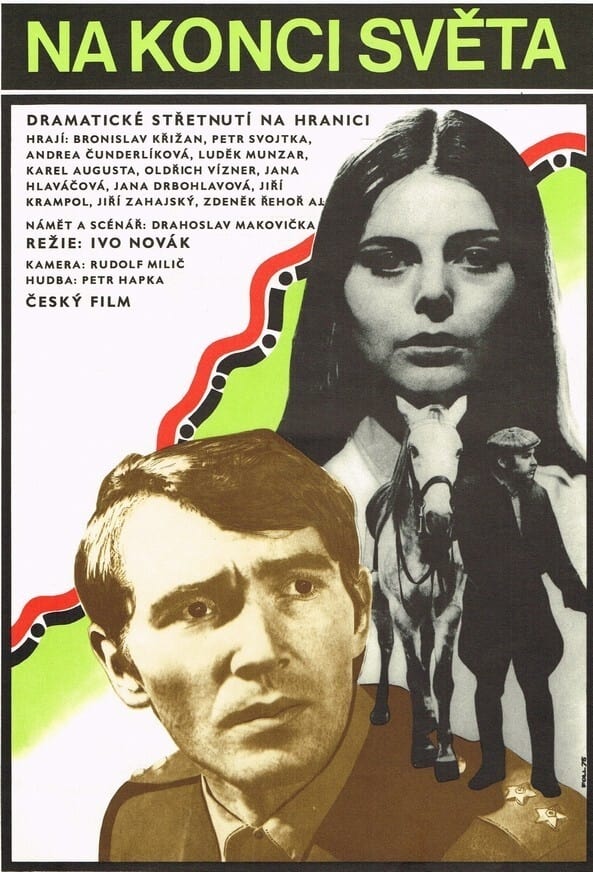
In the 1950s, selected basic soldiers in a small border unit guard the western border with devotion, fighting intruders and uncovering their network of facilitators. It's a story of border guards that thankfully wasn't much of a political nudge, more of a tongue-in-cheek tale of young men at war and their joys and sorrows. And in between, they managed to catch a saboteur.
The first part of a loose trilogy about the travails of two orphaned siblings, thirteen-year-old Alenka and twenty-three-year-old Zbyněk, is based on the peculiar situation of a family in which the siblings must replace each other's parents. The brother would like to get married, but is prevented by his sister, who is jealous of everything around him. So he brings his girlfriend Katherine, whom he likes, to the flat as a lodger...

Somewhere in the Forbidden Forest lives the evil wizard Kruciatus. A hundred years ago, he attempted to destroy the kingdom now ruled by King Alexander, who has two sons - the heir to the throne, John, and the younger prince, Charles. However, Charles refuses to accept his role as second in line at any cost. With the help of his servant Pakosta, he breaks into a forbidden chamber in the castle, obtains magical props left behind by the evil wizard, and intends to destroy his brother. Prince John drinks a magic potion served to him by his mischievous brother, which instantly erases his memory. John then recklessly sets off on a journey to the Forbidden Forest, where everyone who has ever entered has disappeared without a trace.
The second part of the free comedy cycle about the orphaned siblings Alice and Zbyněk Kučero further develops Zbyněk's relationship with Kateřina, the "lodger" from the previous comedy. After all is revealed and Alice has given her "blessing" to their relationship, she begins to consider the possibility that after Zbynek's wedding, Kate's parents will enter her life. What will they be like? A curious Alice goes "exploring" just as Zbynek starts to introduce his future mother-in-law and father-in-law...
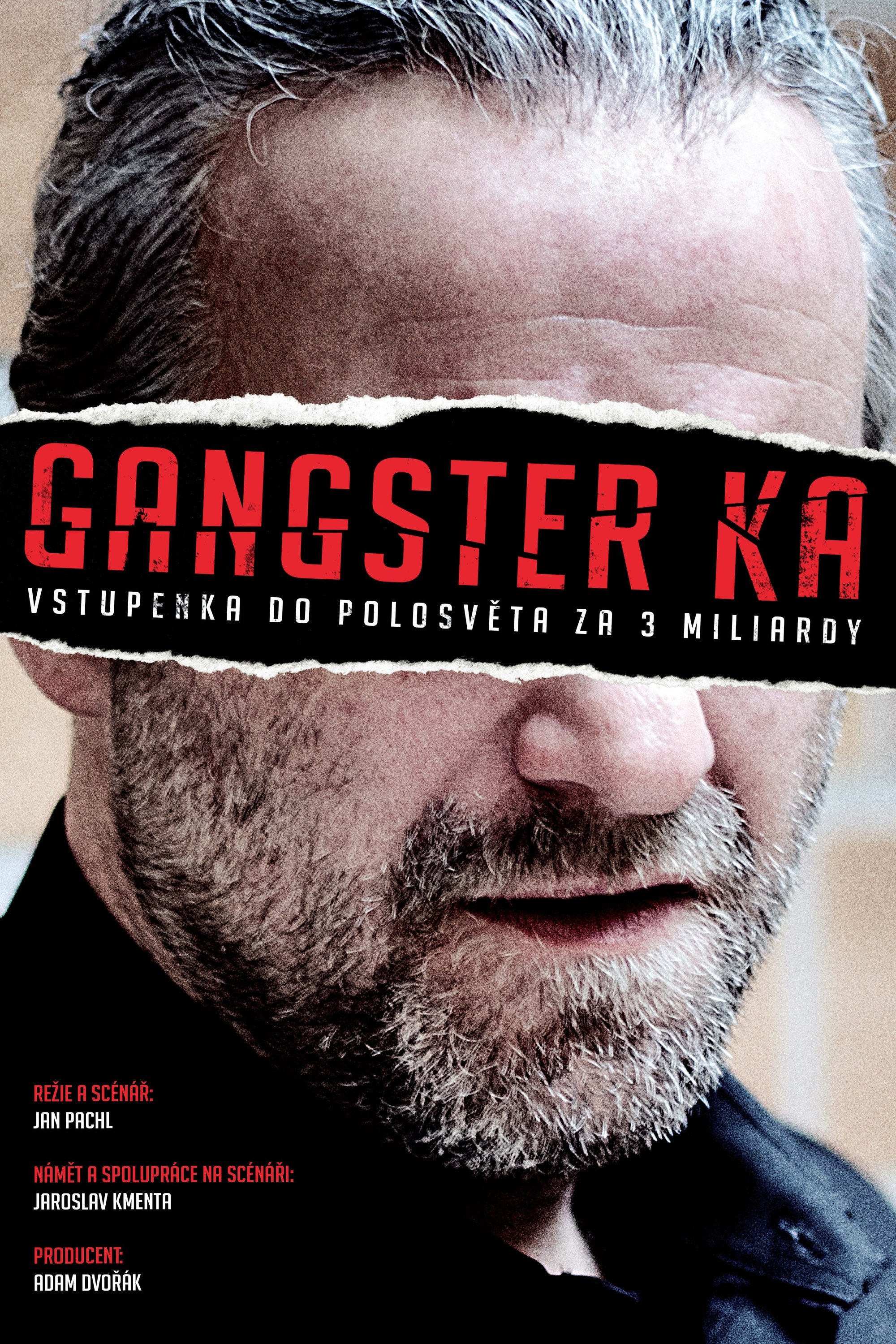
A film based on a book by Jaroslav Kmenta tells the story of a mafioso who got rich by tax fraud of billions of crowns in transactions with petroleum products and who later tried to gain control of the state-owned petroleum concern. The main character is the gangster Radim Kraviec (Hynek Cermák). He was always capable of violence, but when his father is abducted and killed by a competing mafia, he is changed into a murdering monster.

Czechoslovakia 1918. The newly formed National Assembly has made Stoklasa the administrator of the Kratochvile Castle. Although with no aristocratic background, he is a man of fortune and is trying to buy the castle. To impress his neighbors and the local politicians he invites them to a great hunting party. Uninvited comes a man who claims to be Duke Alexej. Stoklasa believes him to be a hustler. This hustler, however, manages to charm all the women before he leaves.
At the turn of the 10th and 11th centuries Boleslav's kingdom fell apart in the fratricidal war between the Přemyslovci and the other clans the main profiteer of this being the German emperor. At that time it seemed as if the Czech state and the lineage of its princes was awaiting its end..." It is with these words that the tale of this film begins, whose narrative is based upon the the play by František Hrubín of the same name.
The musical version of the successful play of Oldřich Daněk was transferred to the screen by director Jiří Sequens in 1986. It takes place in the 14th century in Bohemia during the reign of King Wenceslas IV. Heroes of the story are three mercenaries who always fight on the wrong side and are always beaten, but they are moral winners of all conflicts and skirmishes.

Vincent, a thoughtful and peaceful young man who loves reading and painting, is the complete opposite of his father. As a retired and ambitious knight, his father feels a strong need to constantly look after his son and shower him with important advice. He even accompanies him on his journey into the world. On their journey, they encounter a sorcerer, endanger the fairy kingdom, and must rectify their mistake. And, of course, they must also rescue the beautiful princess. In the end, the knight understands that not everything can be solved with a sword, and Vincent realizes that evil must be fought. The love of the beautiful princess and half the kingdom is then the natural reward.

Life in communist Czechoslovakia in the early 1950s and the punishments for going against the state.

The thrilling story begins in 1318, during the reign of John of Luxembourg, when the Czech nobility rebelled against the king. However, the lord of Zlenice, Oldřich of Zlenice, did not join the resistance. He summoned the surrounding nobles to his castle for negotiations... and in the morning he was found dead. He had been murdered in his chamber, which was locked from the inside!
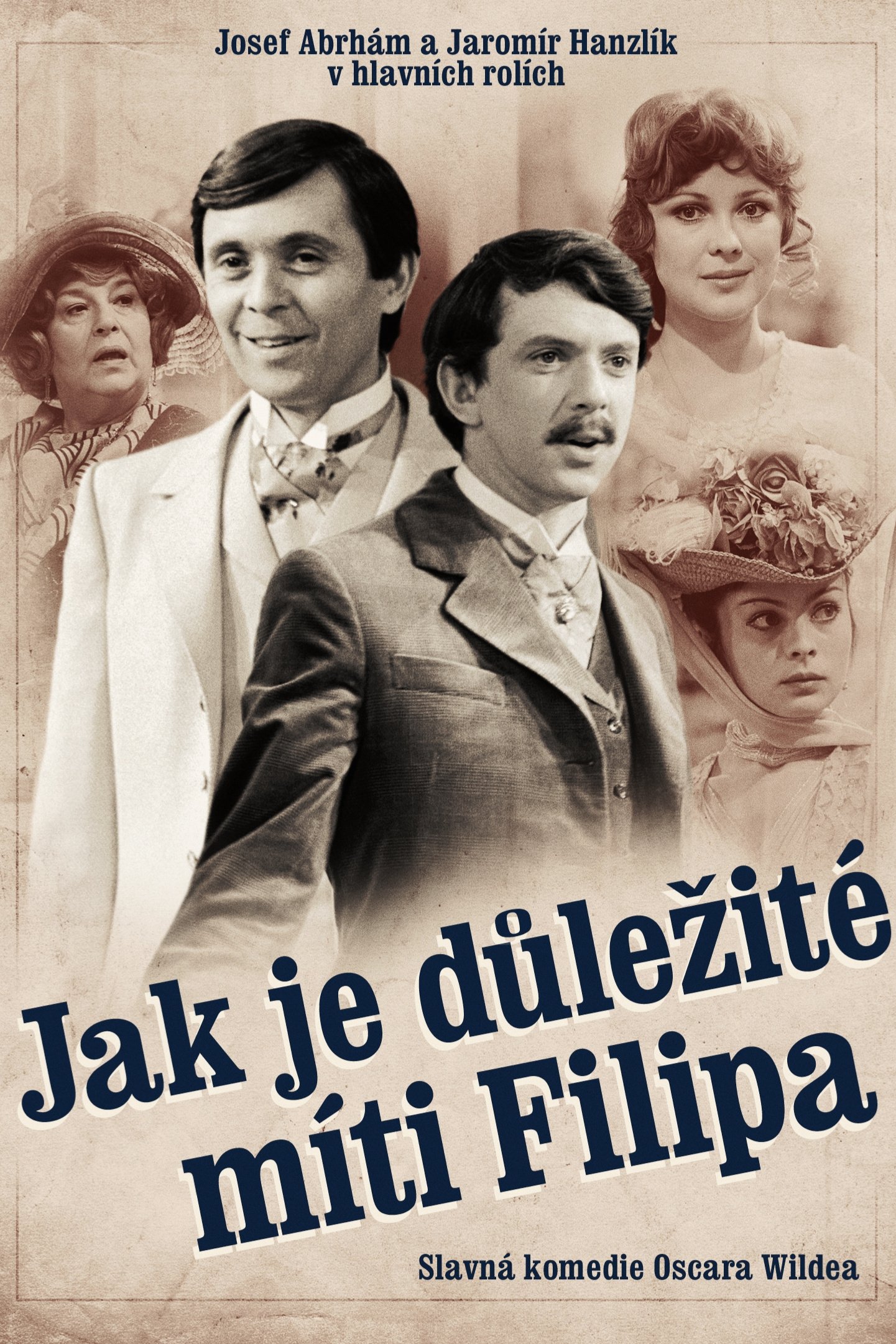
Two gentlemen, Jack Worthing and Algernon Moncrieff, have a brilliant plan! To spice up their quiet country life and bring some excitement into it, they invent a person they absolutely must travel to. Jack creates an imaginary brother, Philip, who he uses as an excuse to travel to London to see the lovely Gwendoline. Algernon, on the other hand, has an imaginary friend, Banbury, who is constantly ill and must urgently visit him at his hospital bed. Everything starts to fall apart when Moncrieff starts calling himself Philip after visiting Worthing's young protégé, Cecilia, at her country estate. When the two gentlemen find themselves under the same roof together - it's time to discover how important it is to have Philip!
The play about the life of Eliška, the last of the Přemyslid dynasty, follows ten years of her life journey from the moment of her marriage to John of Luxembourg to her rejection by the king in 1320.
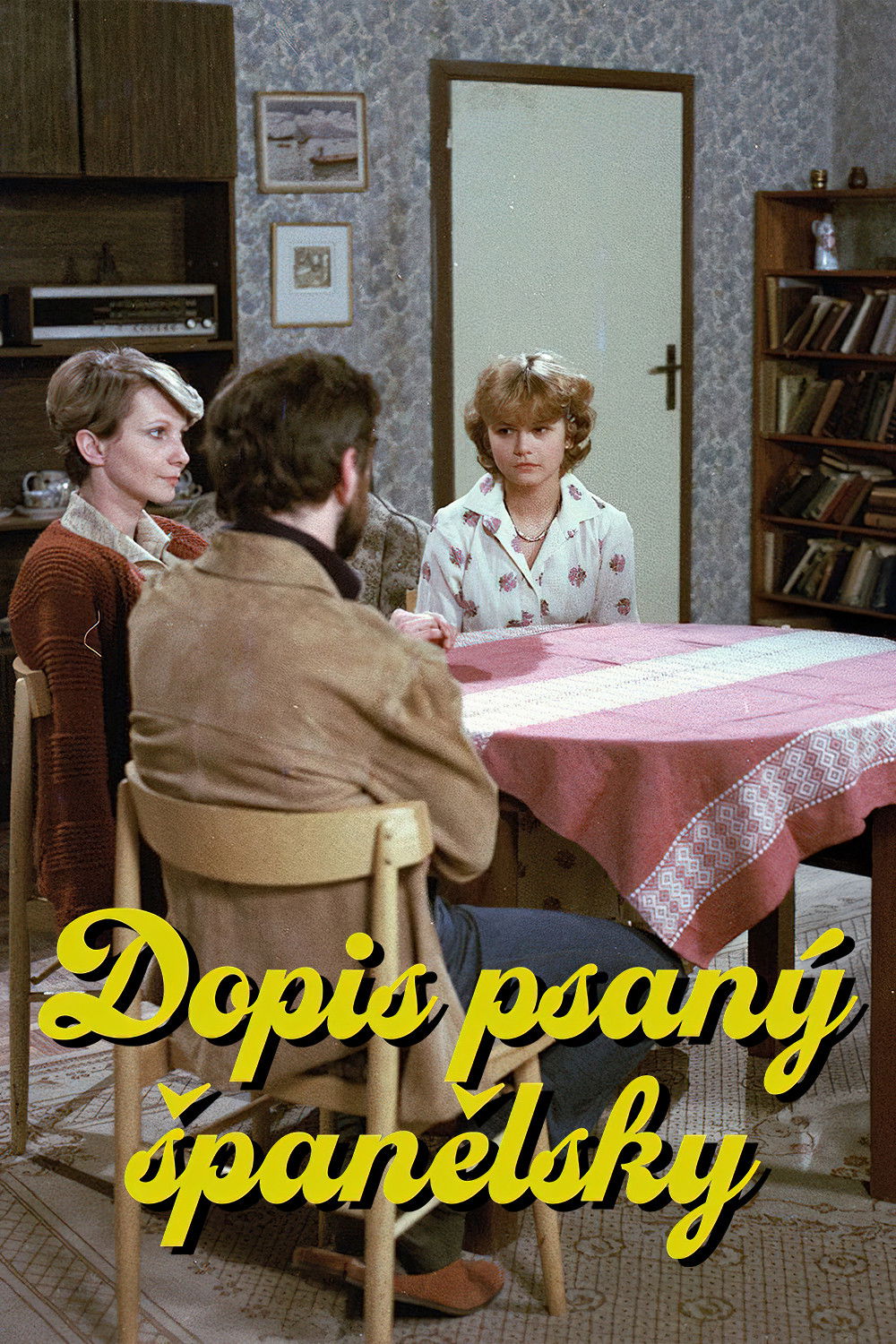
Zbyněk and Kateřina have become husband and wife, and Alenka is a beautiful young lady. Mothers and fathers know best how difficult this period in a family's life begins. The young lady begins to discover a hitherto unknown world in which former unbearable boys turn into quite tolerable young men. However, most of them have qualities that do not seem entirely ideal to their parents. If Zbyněk is a brother with the duties of a father, then with Alenka's adulthood he stands on the threshold of worries that will really confuse him...
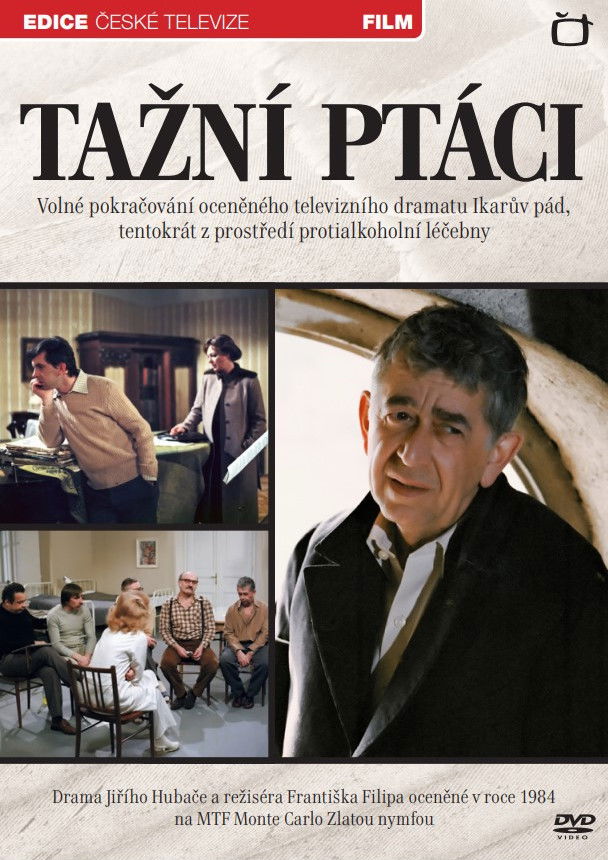
The sequel to the film Icarus focuses on the further fates of pianist Kára, who decided to fight the demon of alcohol. With the support of his family, he enters an alcohol treatment center. He decided to undergo treatment voluntarily. He did not want to continue to torment his family, who care so much about him. In the treatment center, he gradually gets used to the new environment and the harsh daily routine. He also meets several patients, and perhaps the closest he gets to know is the alcoholic Fendrych. The man's struggle to gain new self-esteem and restore damaged relationships with his surroundings begins.

Anna spends every summer with her husband in a neighborhood a few dozen kilometers outside Prague. They've been together for ages, so their marriage, as is so often the case, has become routine and stereotyped. For a long time, the man has divided his time fairly between drinking with friends in the pub and making ship models of matches in bottles; His wife is virtually invisible to him. Anna spends several days each summer and enjoys regular meetings with her friends and colleagues who visit her in picturesque Central Bohemia on bike tours around Kamýk Castle.
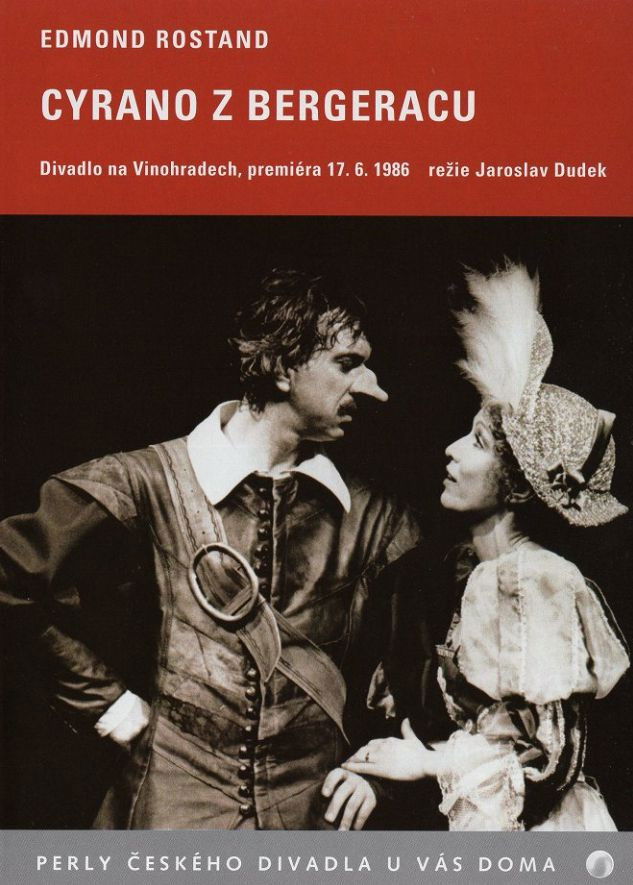
In 1972, Czechoslovak Television recorded a performance by the Vinohrady Theatre, which was very well received. Moliere's comedy The Miser was staged on a turntable, but in period costumes and scenery, without any hint of updating, in a traditional translation. However, it was modern and contemporary mainly thanks to the stage direction of Jaroslav Dudek and the excellent acting performances of the main actors, led by Miloš Kopecký in the role of Harpagon. His civil speech, which was not devoid of majesty, anger, imperiousness, dislike and lack of feeling towards those closest to him, was supported by the equally precise performance of Jaromír Hanzlík and Daniela Kolářová in the roles of his children, Jiřina Bohdalová as the matchmaker, and the other actors. The comedy in their performance is timeless and will delight lovers of classical theatre even today.
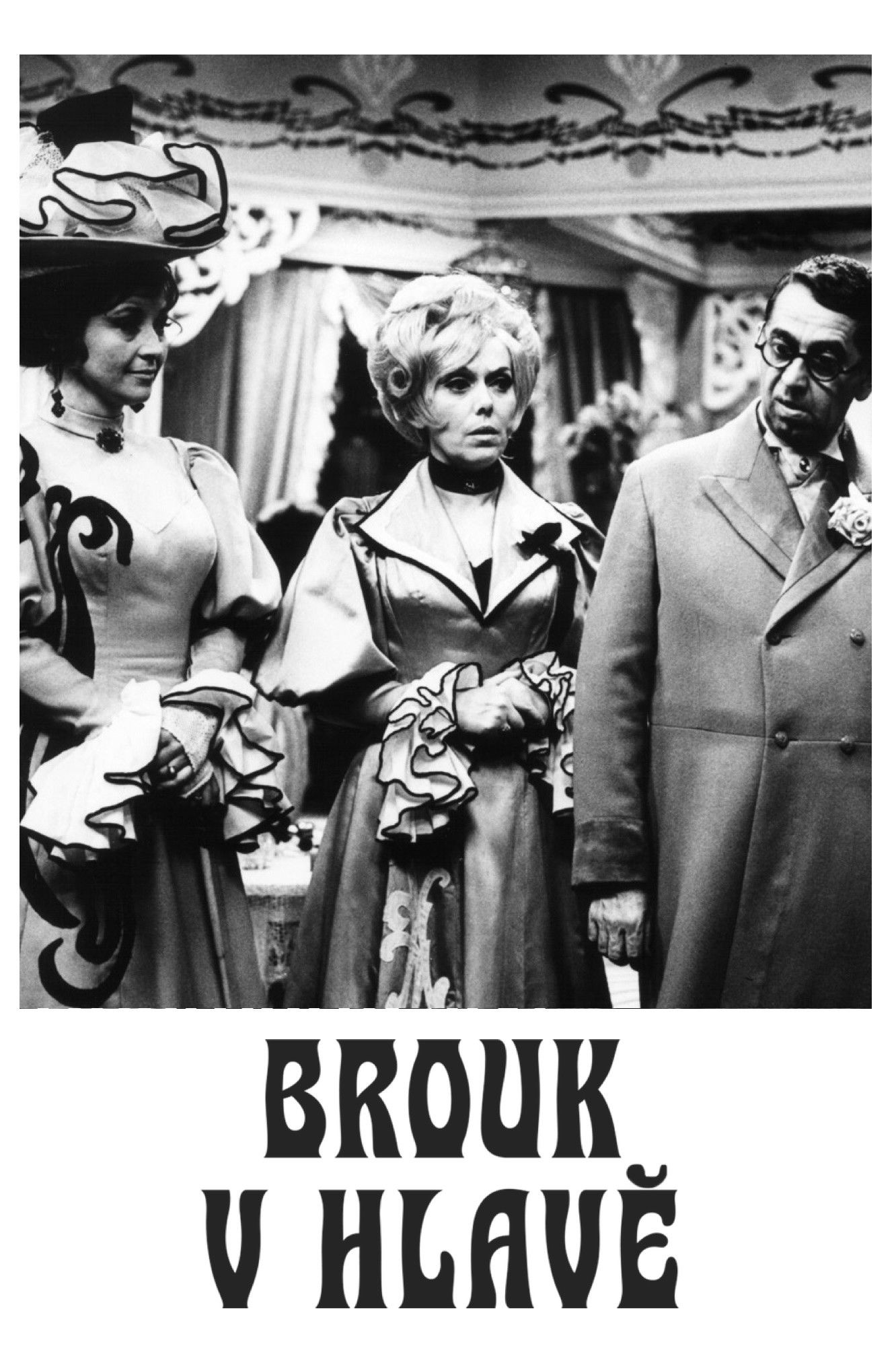

A comedy about five students who are un-justly suspected of trying to lose their virginity before their graduation. The five girls first try to defend themselves, but when they find out that nobody believes them - neither the school principal nor even their own parents - they decide to accomplish what they have been falsely accused of. And although their clumsy attempts are mostly comic, at one point they almost cause a big tragedy.
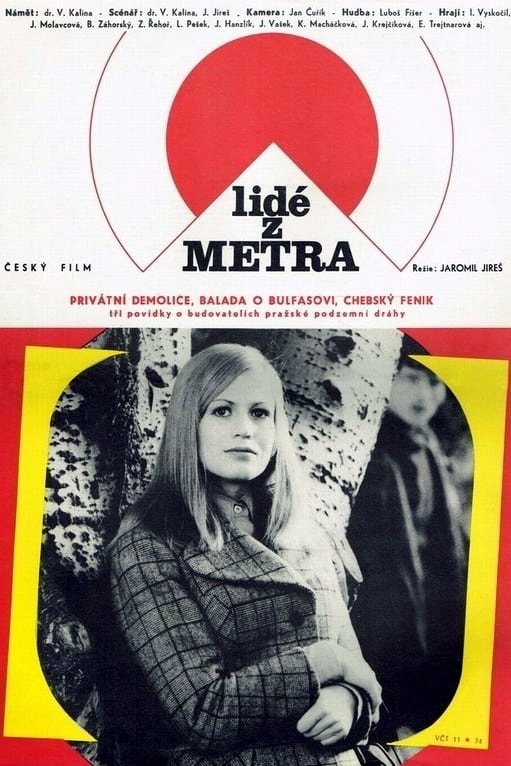
Three short stories. Prague finally sees the approval of the subway construction. Thousands of individuals took part in preparing, course and finalizing construction of subway and their lives crossed at certain points of this construction.
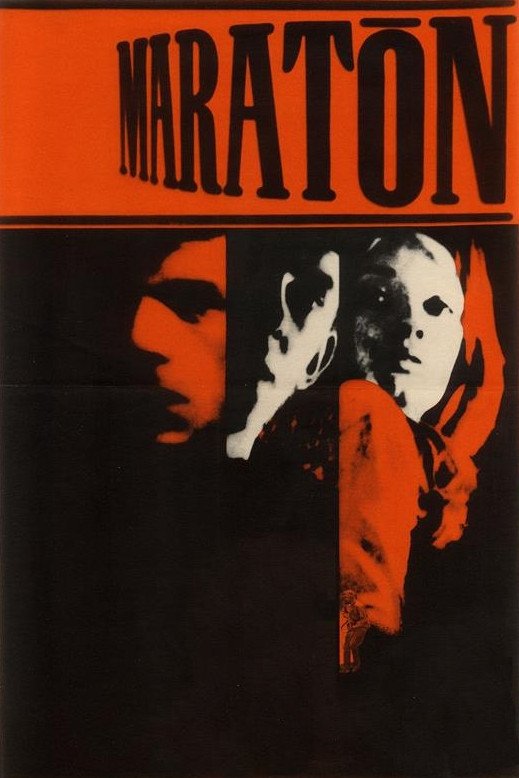
It is 5 May 1945 and the uprising against the hated German occupiers has broken out in Prague. The Czech guards open the gate of the Pankrác prison to allow the prisoners to escape en masse. Many of them are shot dead by the German guards but young Ruda (Jaromír Hanzlík) manages to run away. He is taken care of by one of the Prague fighters, concierge Kytka. Kytka hides him in the flat of the house's owner where only the young maid Karla (Jana Brejchová) is left, ordering her to take care of Ruda.
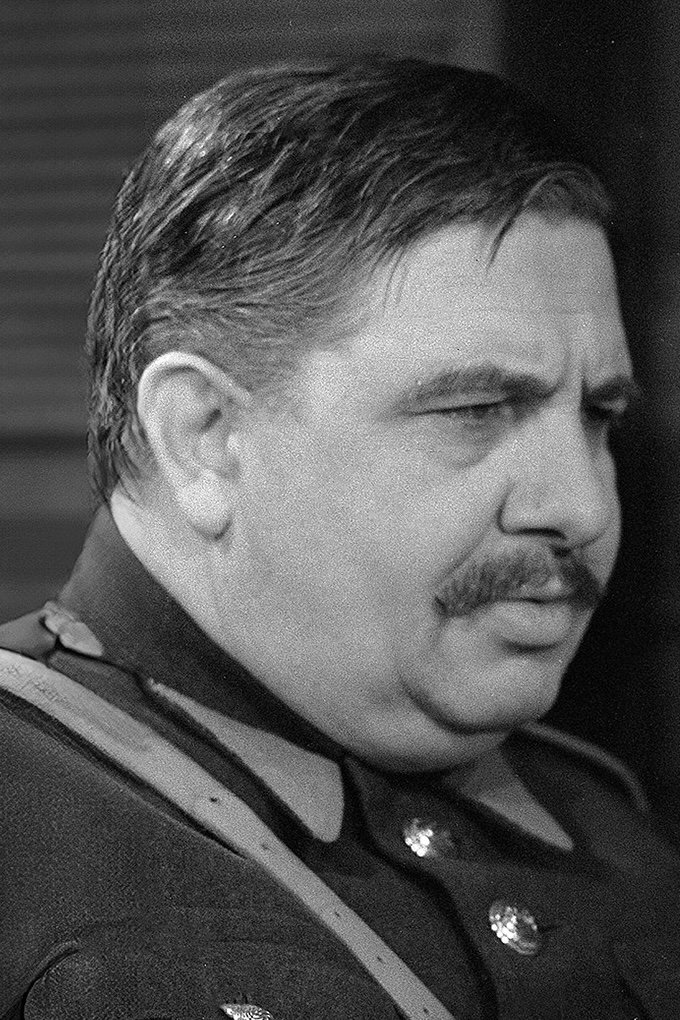
A report of embezzlement is made against Helenka, a popular clerk at the village post office. The investigation reveals that she is 200 crowns short and the girl commits suicide. Her protector and friend, the gendarmerie sergeant Brejcha, does not believe that the girl is capable of any crime, and he investigates how the money was actually stolen. Apparently, someone stole her money when she turned away from her window. He gets further clues from the new clerk who took over after Helenka...

Michal's father and his friends are stigmatized by their war experience and the post-war social deformations in which they took part either directly, or watched them cowardly and in silence. They are trying to repress their feelings of guilt and justify their behavior to the young generation with memories of their heroic war feats. Michal, however, does not want to have anything to do with their problems. He subconsciously perceives the unpleasant atmosphere in the family as well as his father's hypocrisy. After one of many quarrels with his father, he runs away from home, determined to go his own way.
After the occupation of Czechoslovakia by Warsaw Pact troops, everyone is packing their bags to leave the country. Martin Ivánek, who has just been dismissed from his position as head physician, has a valid passport and an exit visa to the United Kingdom. He has made up his mind. But! He has a complicated medical case on his hands, which turns into a personal commitment.
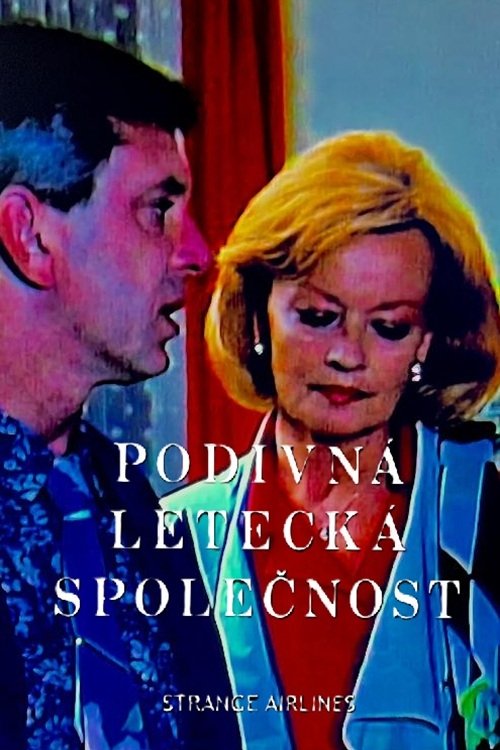
A woman discovers a conspiracy while searching for her missing travel companion.