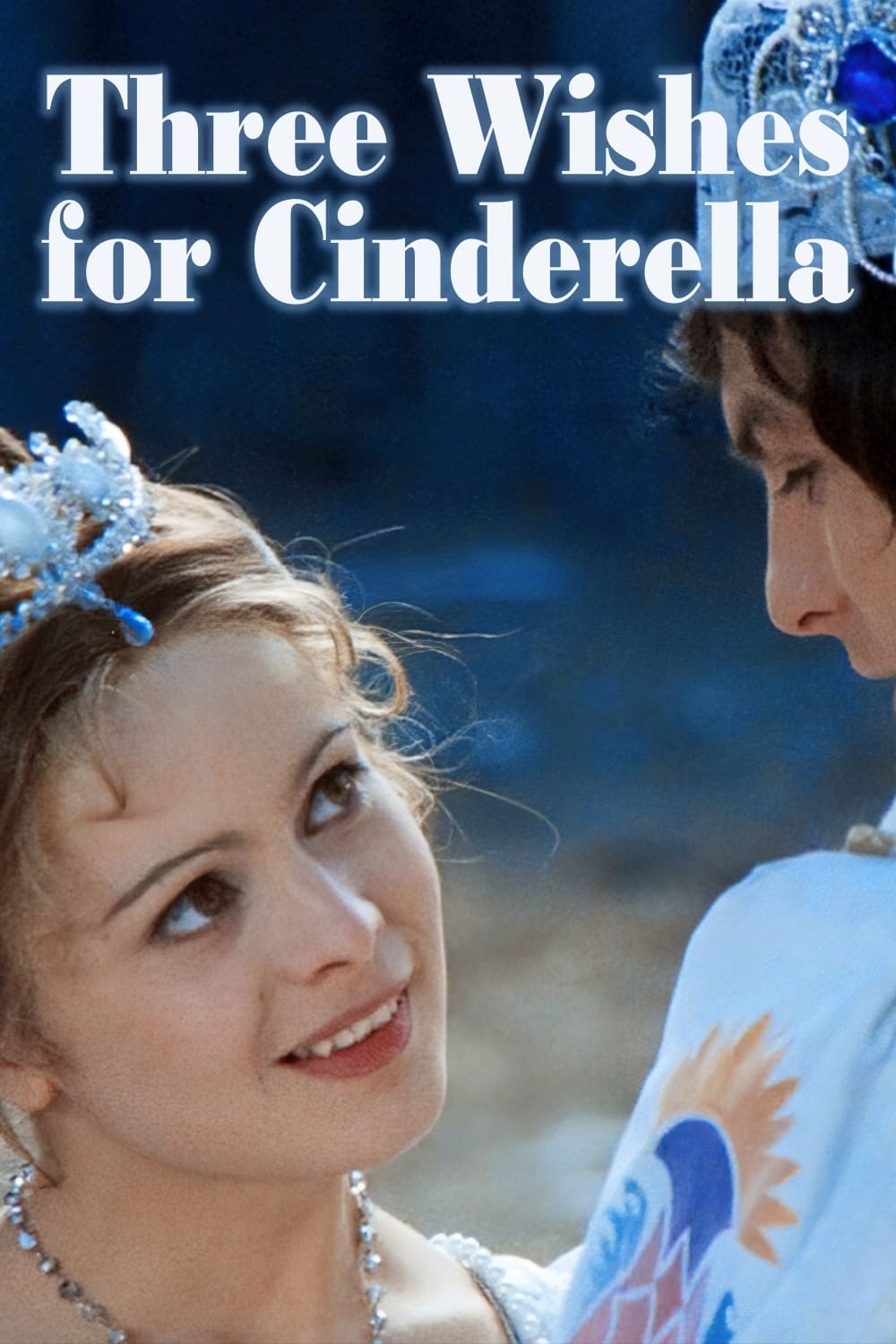
Popelka, a resourceful and independent young girl, is a servant in her stepmother's house and confides in her closest friend the owl. When she comes across three magical acorns, she's granted a single wish for each one of them.
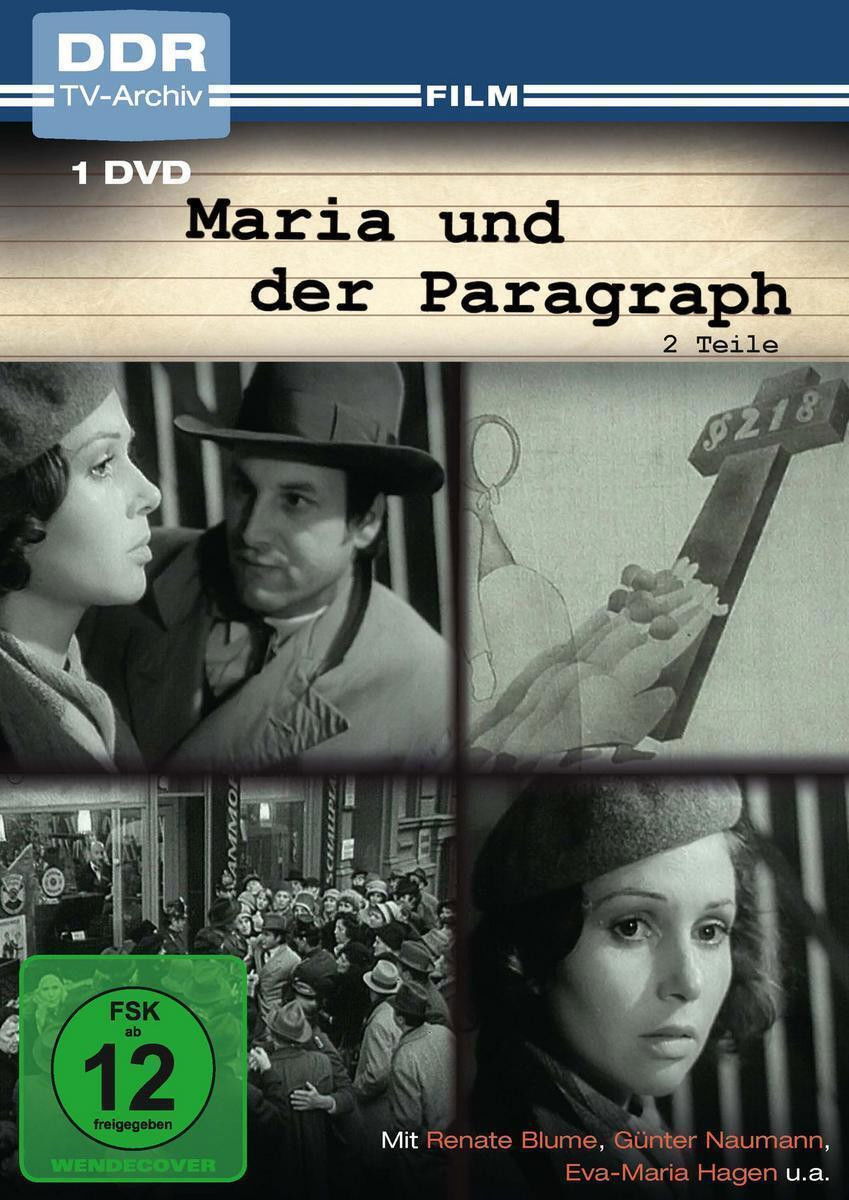
Maria is a record saleswoman by profession. She is lucky to have a job, because the year is 1930 and a major economic crisis has hit the world, accompanied by an army of unemployed people, especially in Germany. Maria is aware of her good fortune; in order to secure it, she has to do without many things. What business owner would employ an unmarried woman with a child in times like these? When Maria became pregnant, she, like many other women, had to become "active" and do something about this "misfortune". So she seeks "help" from a female doctor, trusting in her youth and hoping for better times when family happiness could come true for her.
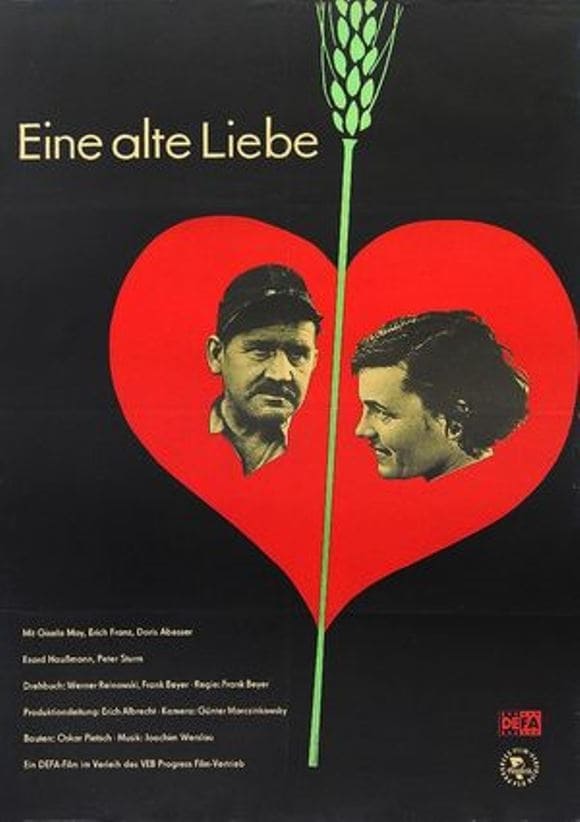
Frieda and August Walkowiak celebrate their 30th wedding anniversary. However, the marriage has been in crisis for some time. August wants to spend his old age in peace, while Frieda has no intention of giving up her position as LPG chairman. The problems in the countryside are huge, collectivization is not progressing fast enough, even comrade Heinrich Rantsch is clinging to his individual farm. Frieda fights for progress, even in her private life, because not only her burden but also her higher position is a thorn in her husband's side. During the wedding anniversary celebrations, Frieda is called to the LPG. This is the cause of the family quarrel that has been in the air for a long time. August demands her resignation. In vain - and so he moves in with Rantsch. Their daughter Helga also leaves the house because of the tensions. Frieda collapses. When she is in hospital, August comes to his senses.
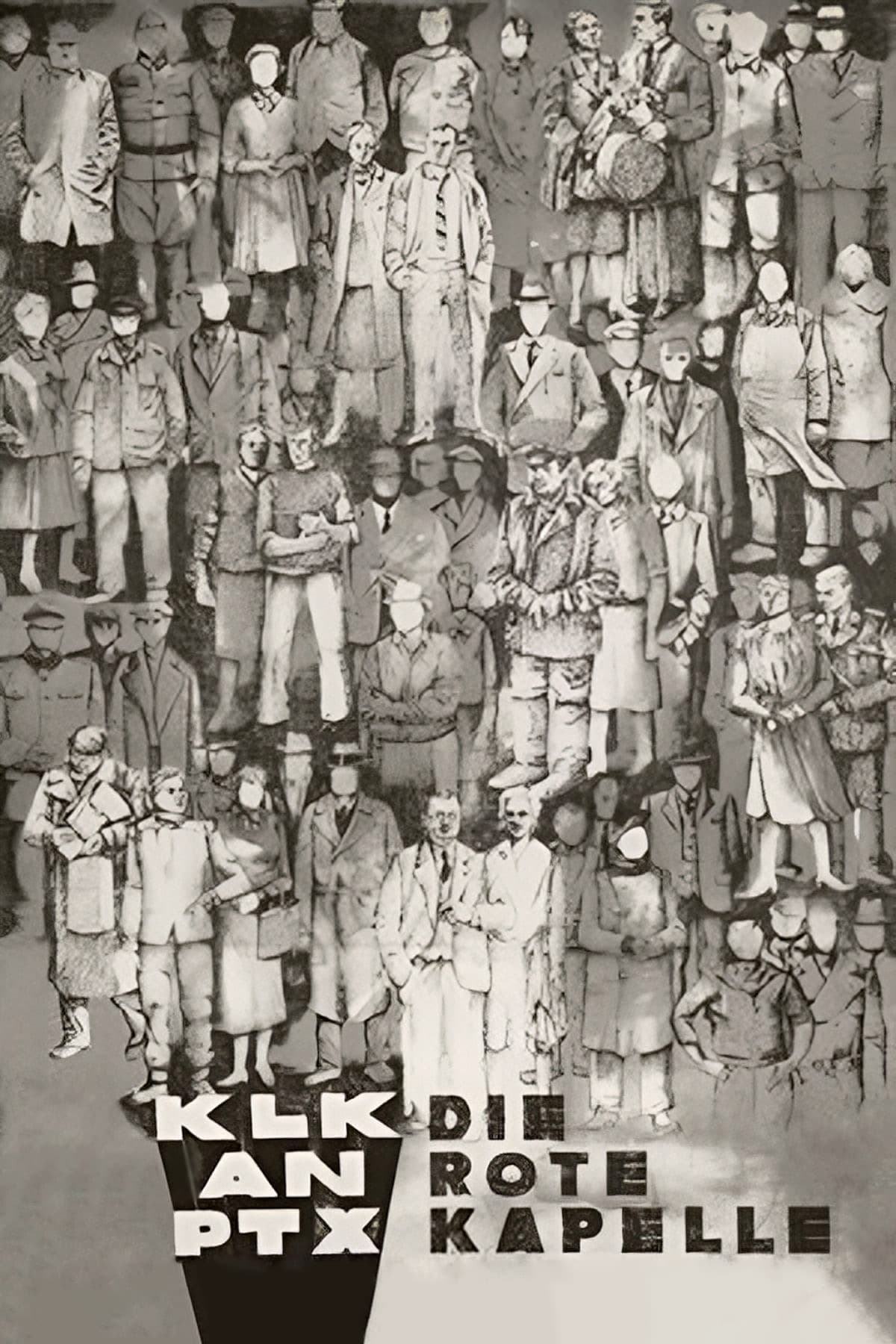
East German film about the history of Red Orchestra, a real life German pro-Soviet spy ring created after the rise of Hitler that turned into a resistance movement led by a leftist Nazi officer, Harro Schulze-Boysen, and Arvid Harnack.
A depiction of class conflicts in Germany between 1918 and 1945. The Spartacist Erwin is shot by officers in 1918, and his pregant working-class bride Marie begins a new relationship with social democrat Geschke. Erwin's son Hans grows up to be a communist like his father, leading to bitter hatred between him and his Nazi step-brother, while Geschke becomes increasingly resigned to the political situation in Germany. The three aristocratic officers who shot Erwin many years ago meet again during the Kapp Putsch, but their support for the Third Reich eventually leads each to their deaths.
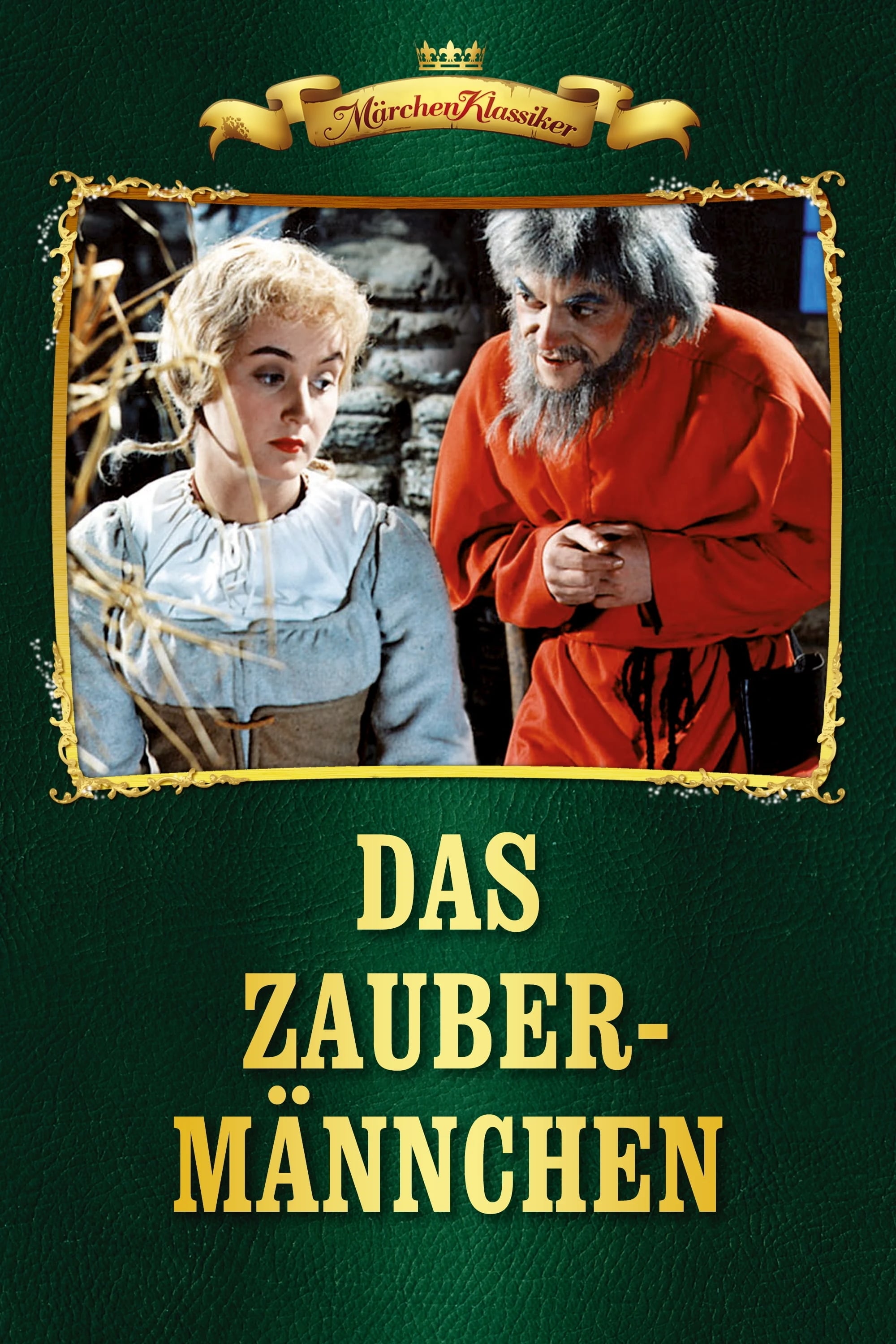
East German adaptation of Grimm‘s fairy tale "Rumpelstiltskin". A boastful miller pretends that his daughter Marie can spin straw into gold, and so she is locked into a room full of straw and ordered to spin it into gold by the next morning. A little man appears and offers his help in exchange for Marie's necklace. The greedy treasurer makes Marie spin twice more until the only thing she has left to give the little man is the promise of her first-born child…
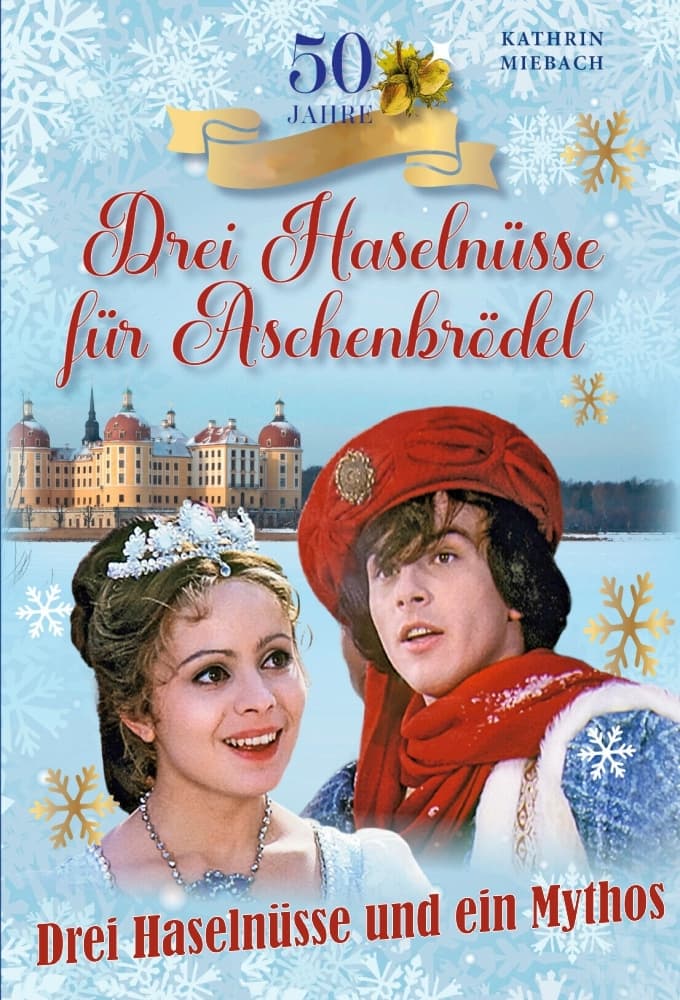
A miracle happened 50 years ago: The fairy tale "Three Hazelnuts for Cinderella" becomes the ultimate Christmas movie and turns the actors into stars overnight. Libuše Šafránková and Pavel Trávníček, fresh from drama school, took the hearts of millions of viewers by storm. The documentary answers recurring questions from fans: Why was it filmed in the freezing cold winter and not in summer, for which the costumes were tailored? How did a Czech film idea become a cooperation with DEFA? Pavel Trávníček recalls the filming 50 years ago and takes the audience to the original location of the happy ending scene. An immortal Cinderella myth is explored, told and celebrated.