
A Japanese family is torn apart by the tensions of an avoidable nuclear world war between the superpowers.
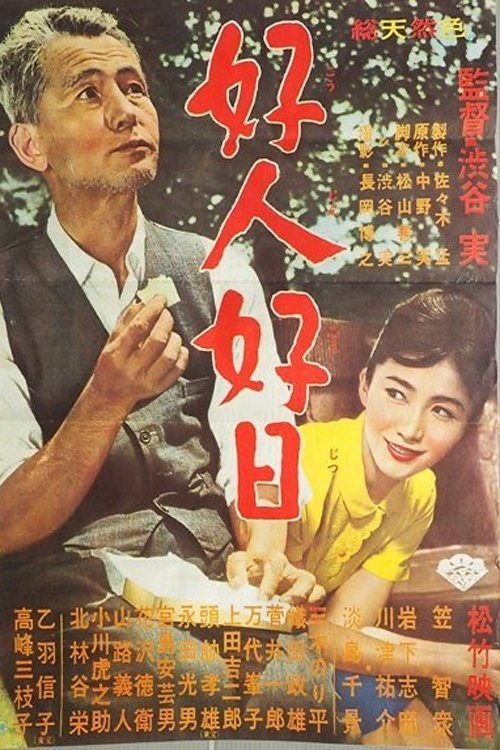
The university professor Ozeki Hitoshi (Ryu Chishu) is regarded as an eccentric by people in his surroundings. When his daughter Tokiko is asked to marry a colleague, she and her mother are overjoyed, but Hitoshi is not satisfied with the situation.
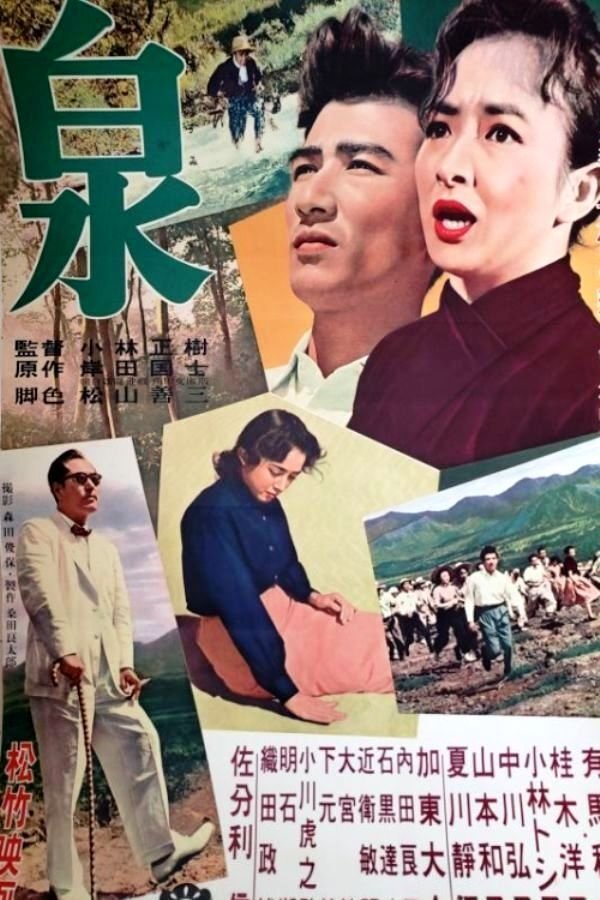
A botanist woos the secretary of an industrialist whose company threatens the local water supply.
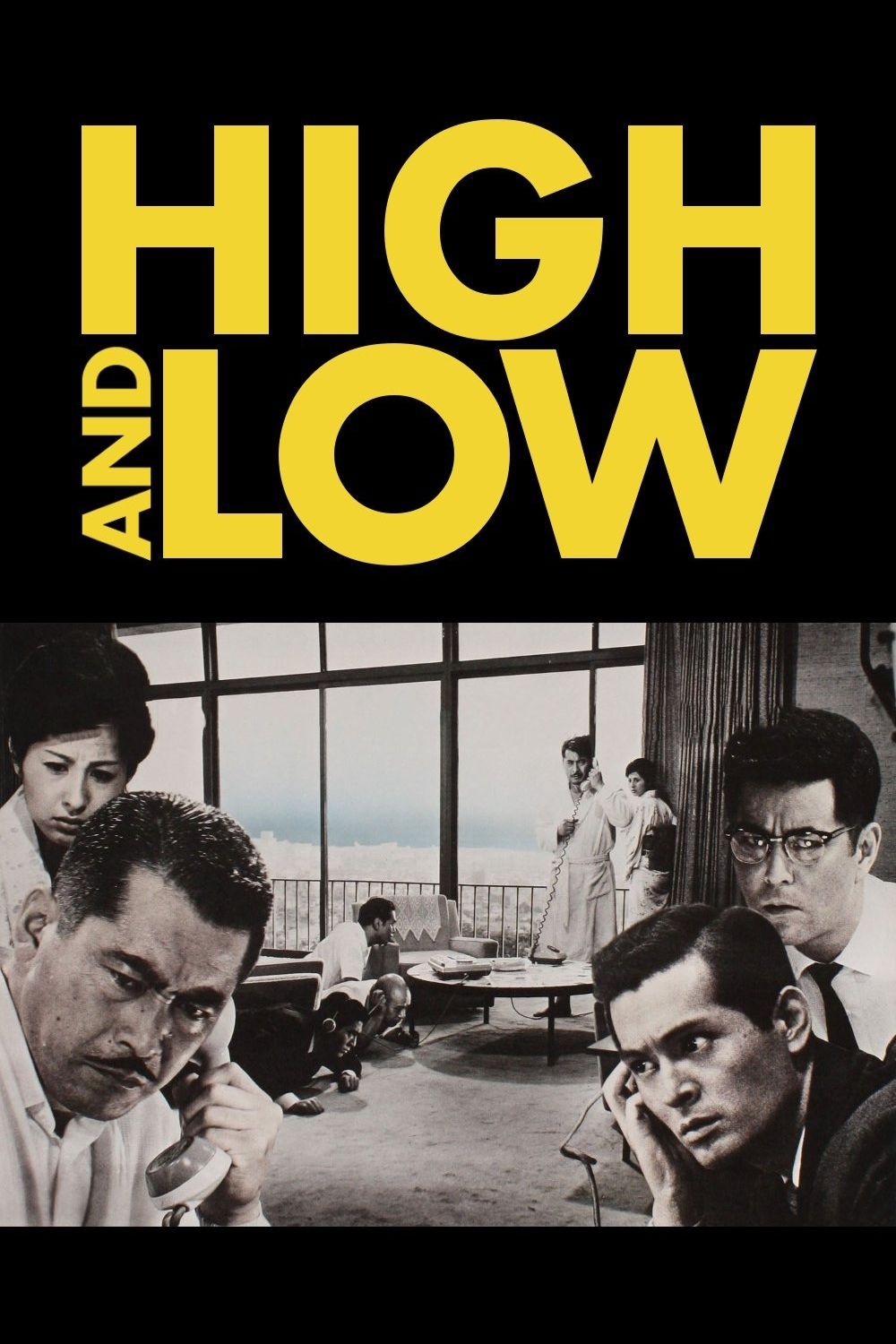
A Yokohama shoe executive faces a wrenching choice when kidnappers mistakenly seize his chauffeur’s son but demand the ransom anyway.
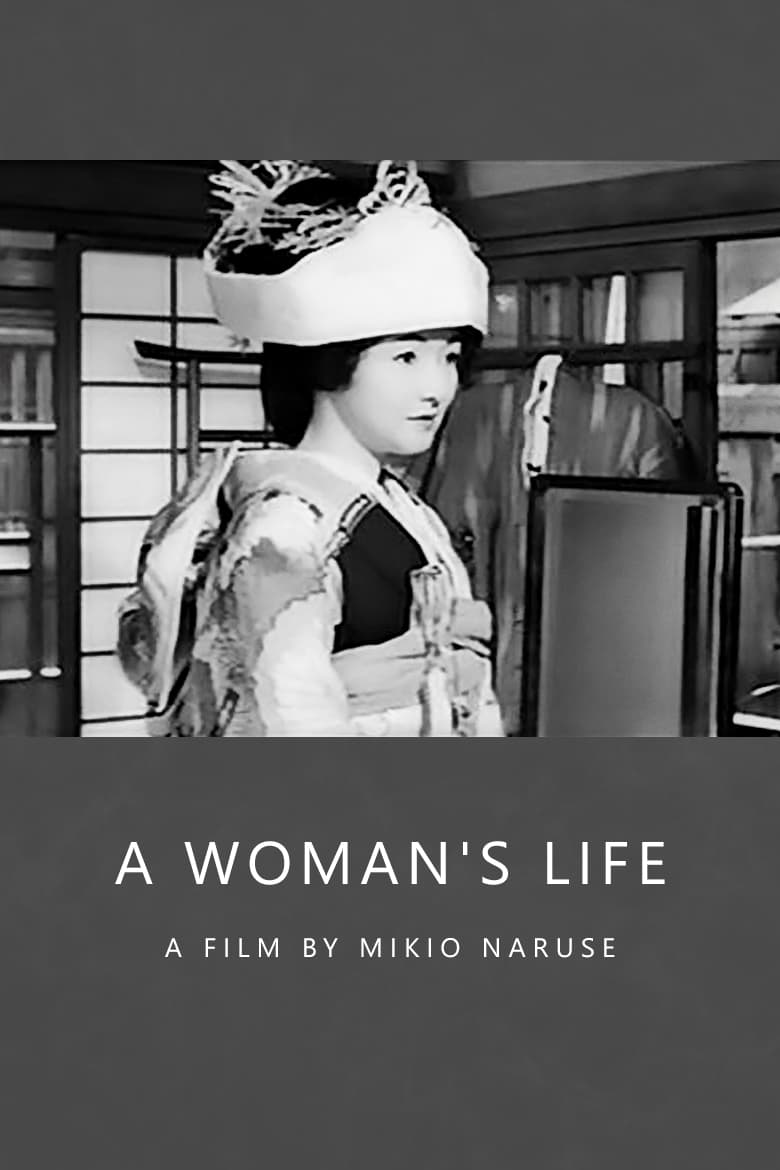
A woman remembers her own marriage when dealing with the love life of her son.
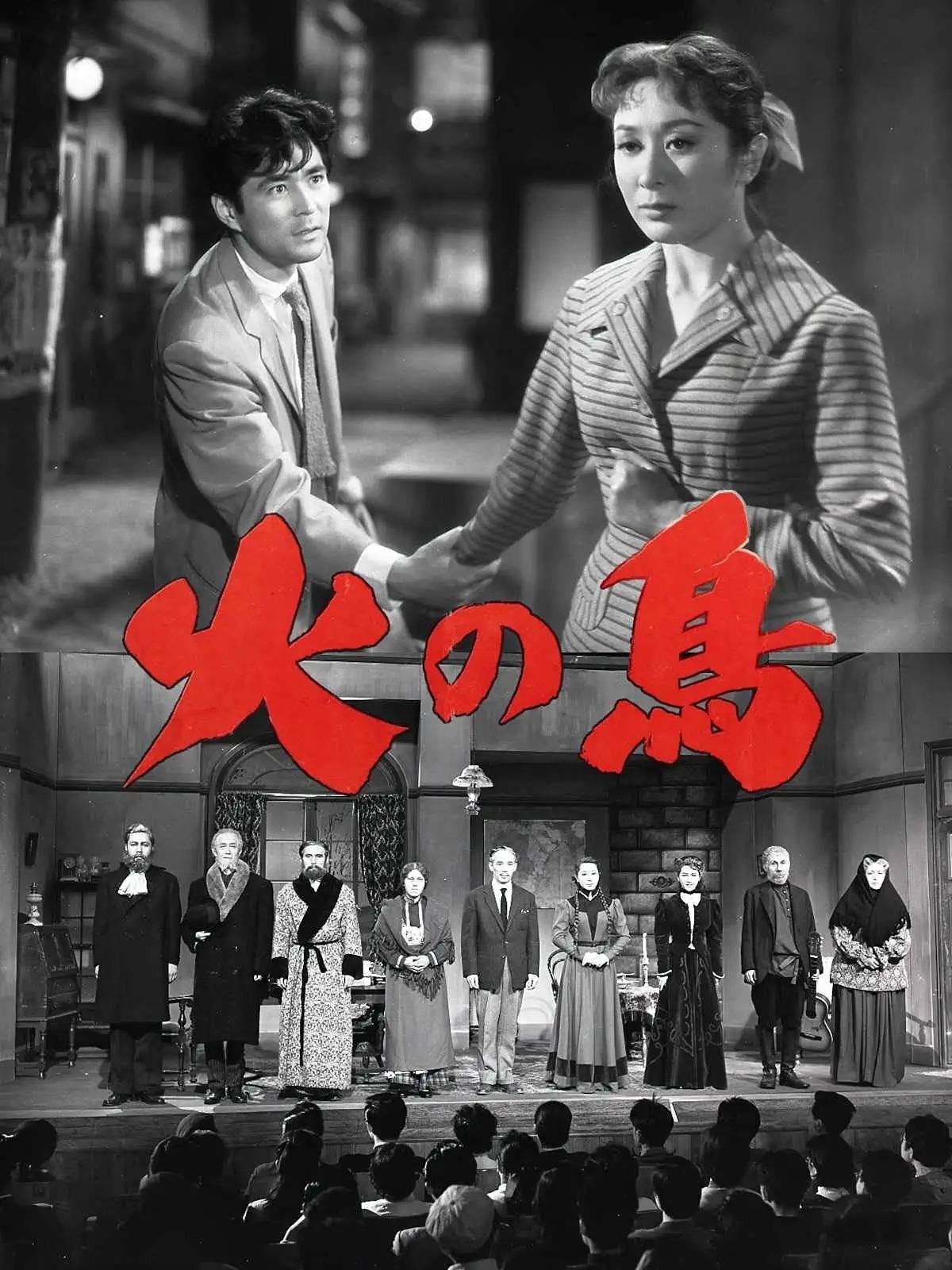
Emi Ikushima, a star actress in the Roses, is half-hearted, but she wasn't disappointed by the news of her father Enmy's sudden death, and she performed enthusiastically on the stage that night, attracting a crowded audience.
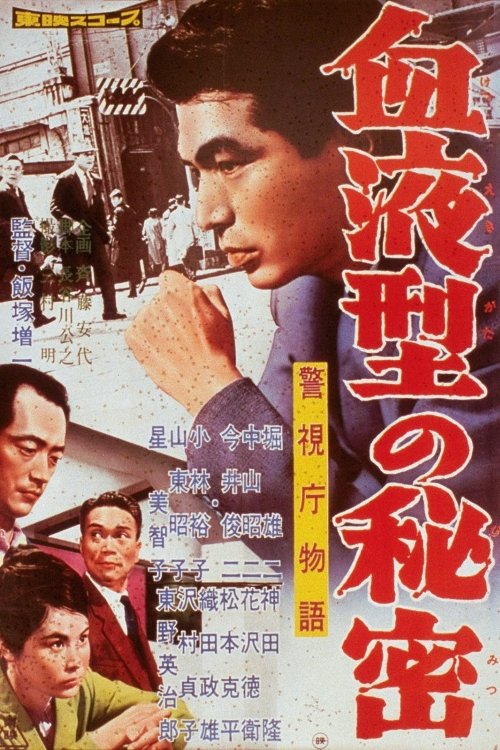
On a quiet spring day in the suburbs, a stray dog found the corpse of a baby. Three days after his death, the blood group of the victim was determined. Detectives Hayashi, Kaneko, Nagata and Yamagata begin their investigation, suspecting the parents of the murdered child. They use a towel, baby diapers and bruises on the baby's body as clues in the investigation. Who killed the baby?
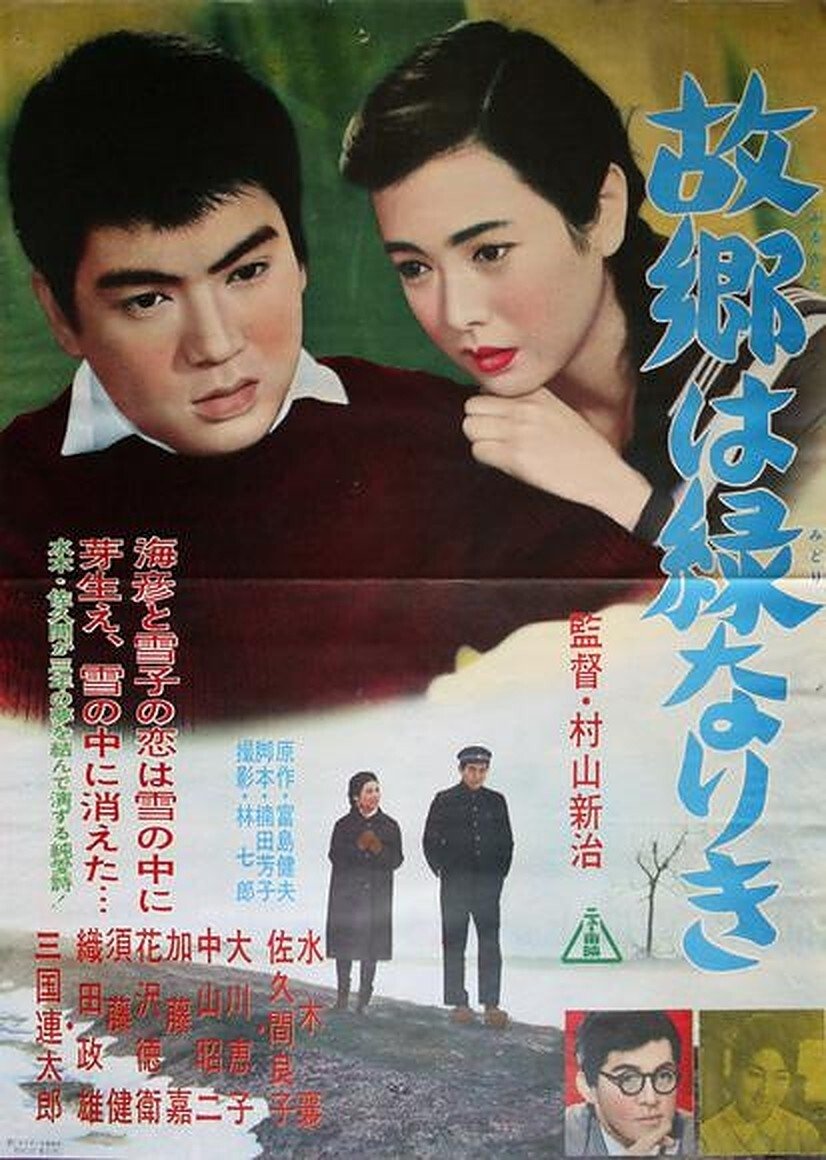
A sad love story between young Umihiko Kojima and a beautiful girl named Yukiko Shino.
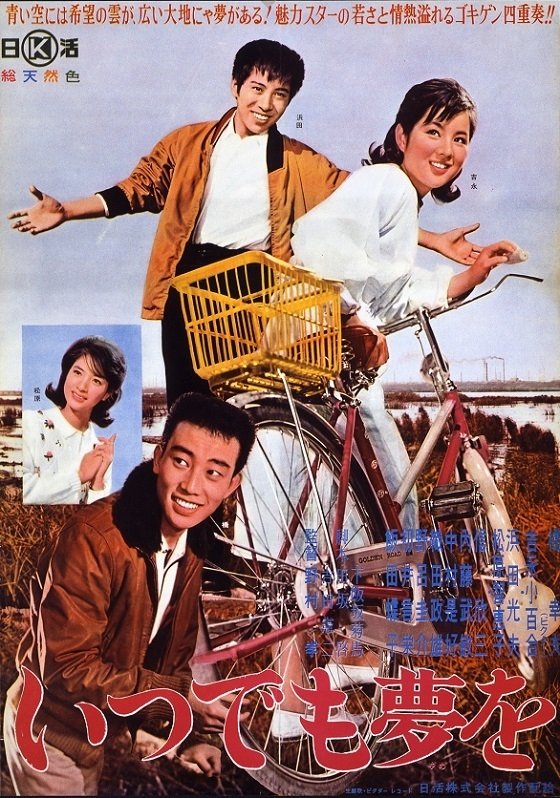
This is a factory area in downtown Tokyo, and Hikaru, nicknamed Pika-chan, is a nurse at the Mihara Clinic, a friend of the poor.
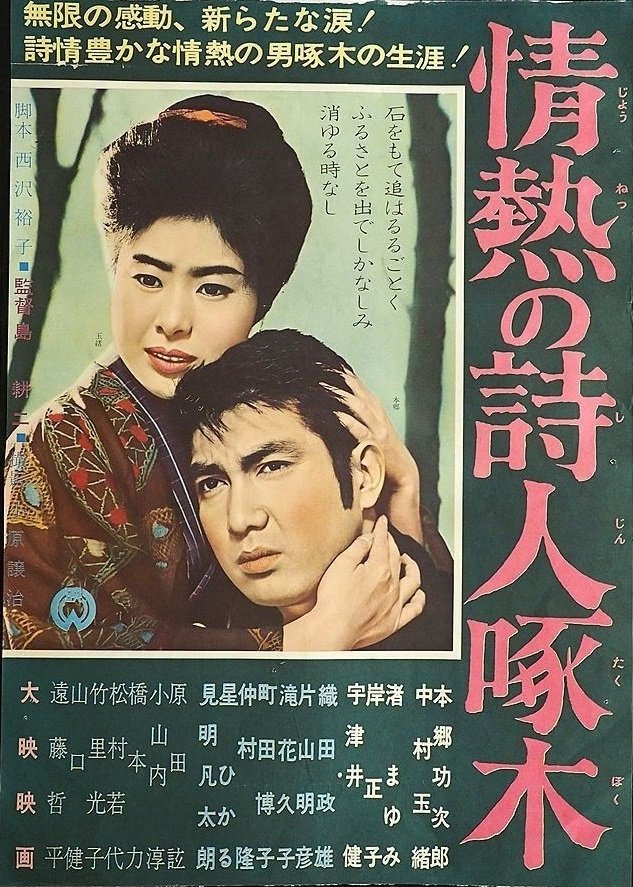
1962 Japanese movie
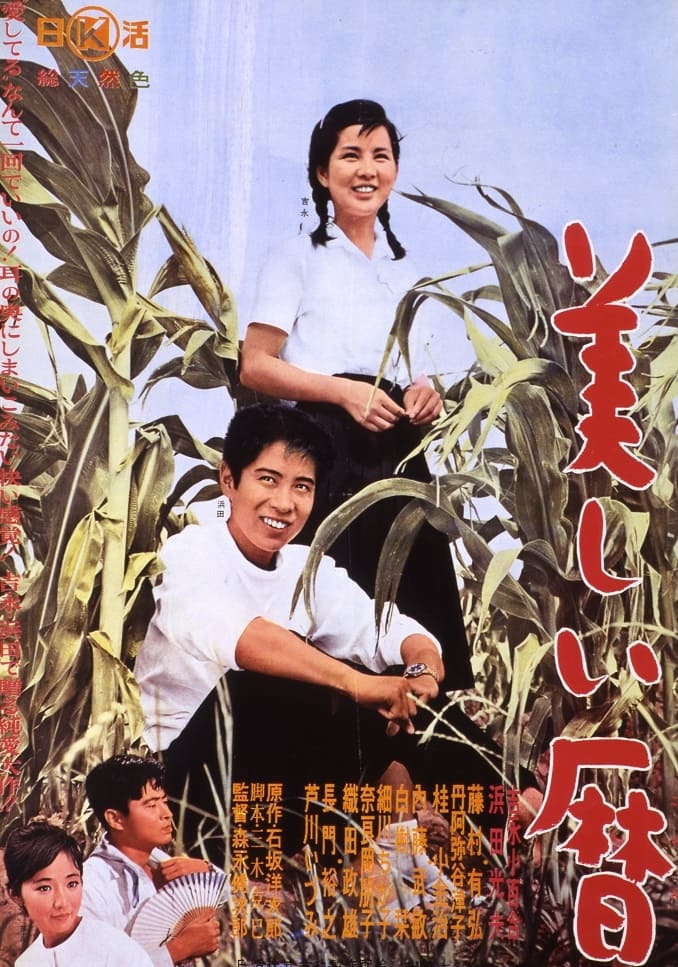
Yajima Sadako is a bright pawnbroker's daughter in the third year of high school. At school, there is a young and handsome teacher Takei who has just started, and a chemistry teacher Murao who she respects, and is enjoying every day.
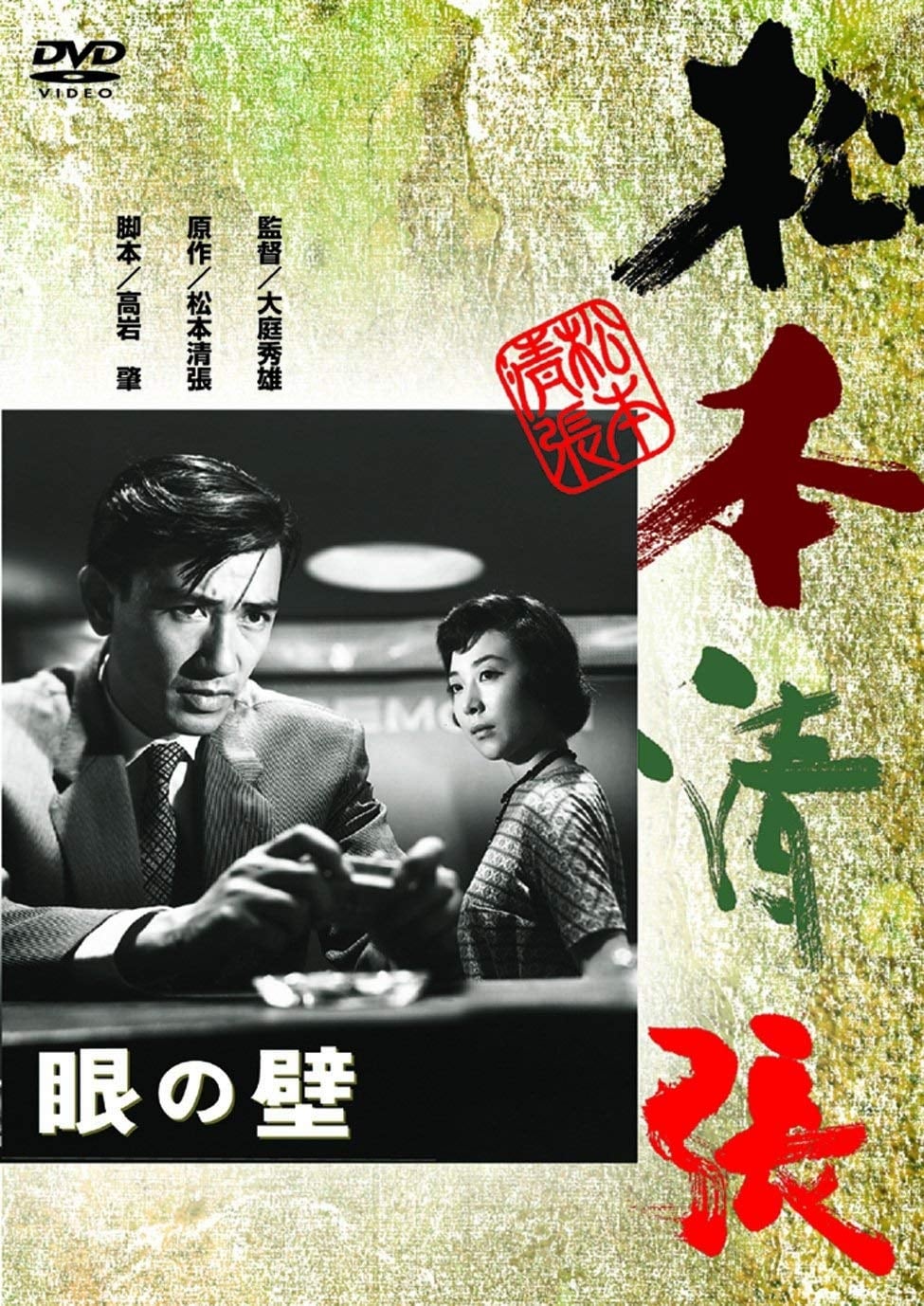
Based on the novel of the same name by Seichô Matsumoto.
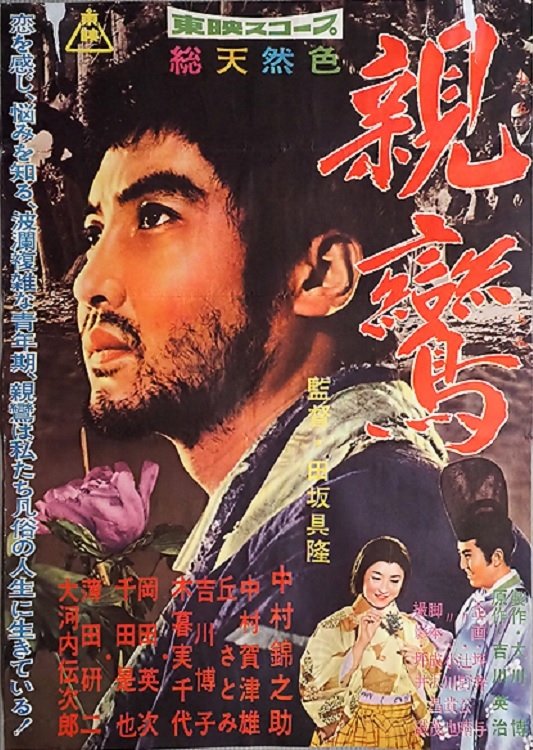
A biographical movie about Shinran
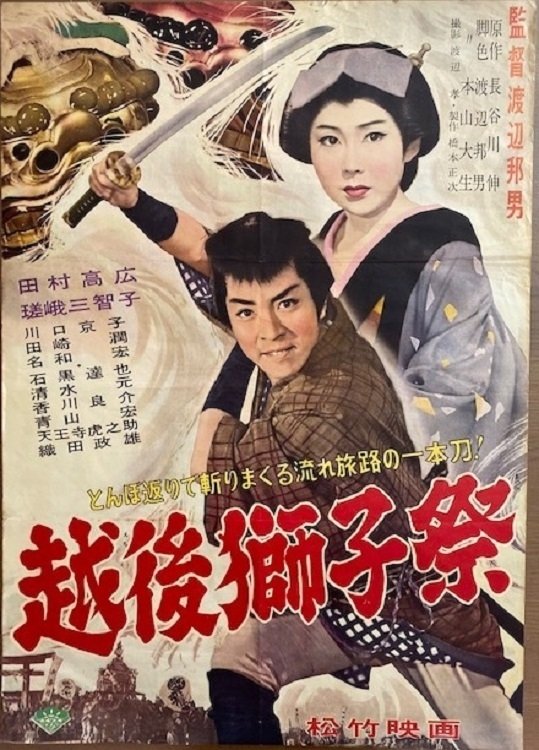
1960 version of Lion Festival of Echigo
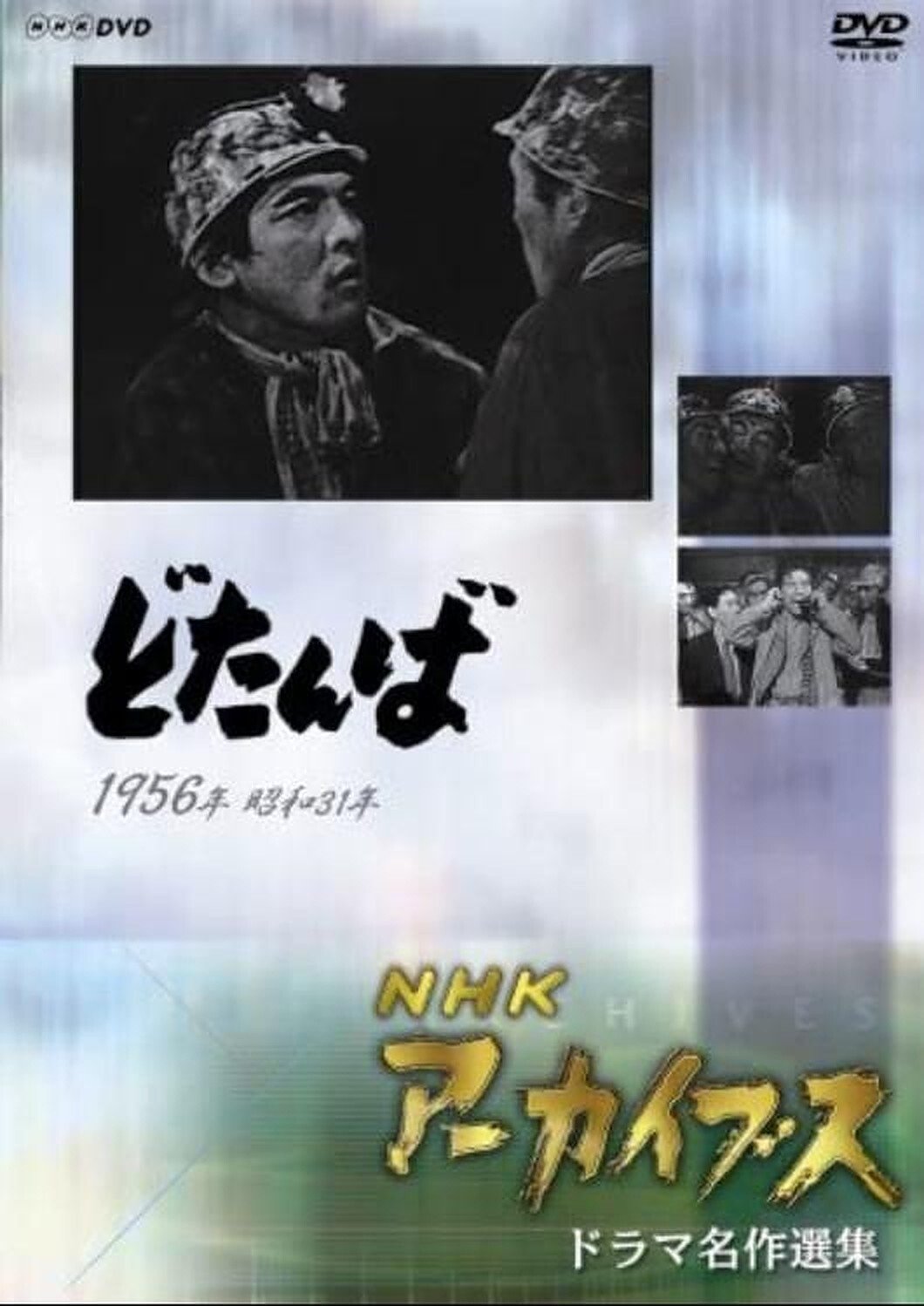
Based on a 1956 television feature on Japan’s national network, NHK, this is one of Uchida’s rarest films. A socially conscious drama with a contemporary backdrop, Dotanba focuses on the attempts to rescue a group of trapped miners. The title is a figure of speech — (essentially “last minute” or “eleventh hour”) — that refers to a situation of peril. The film boasts a script co-written by Uchida and Akira Kurosawa’s frequent screenwriter, Shinobu Hashimoto, and stars Kurosawa’s frequent star Takashi Shimura.
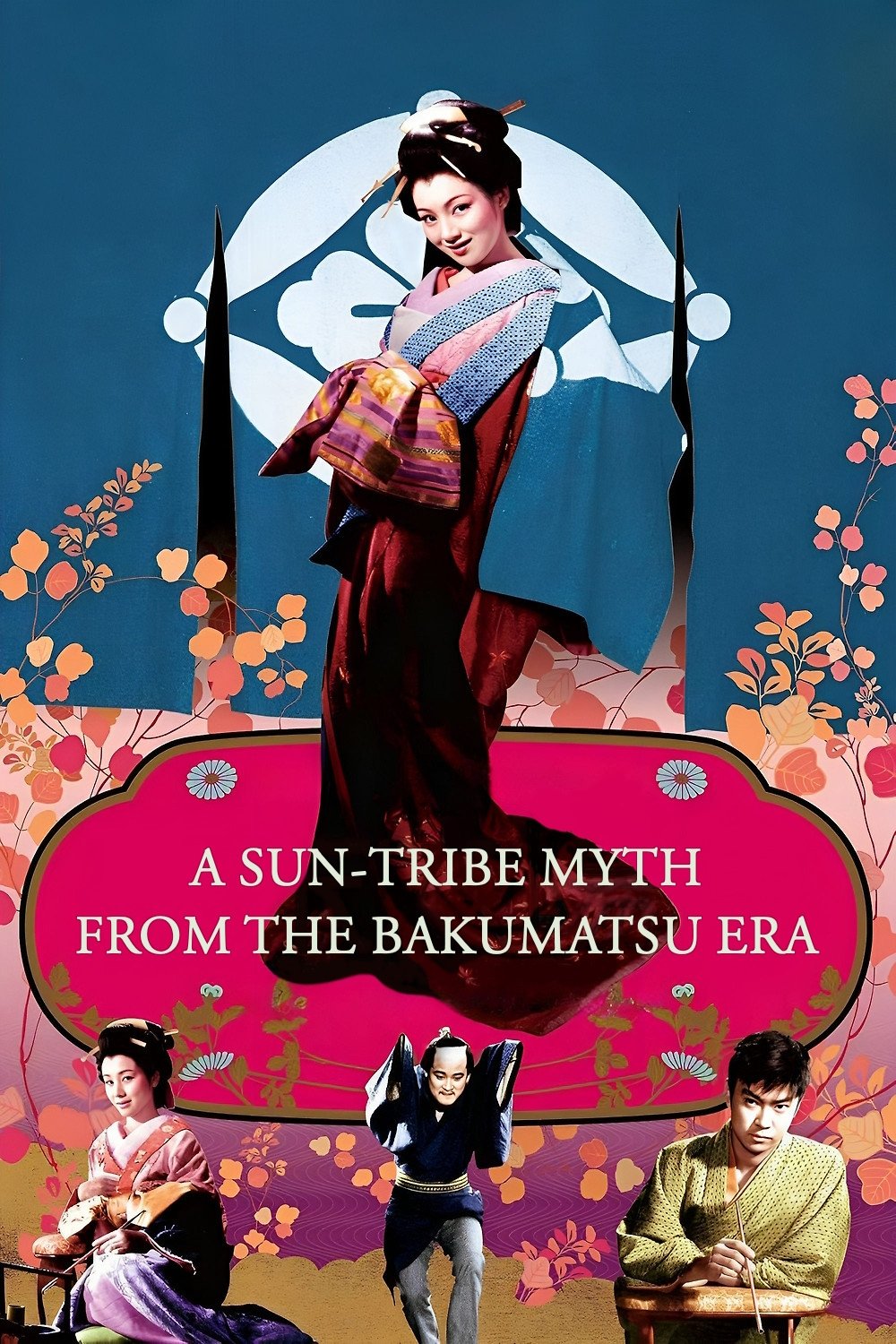
Saheji, a man-about-town, gets stuck at a high-class brothel when he can’t pay the bill. He makes the best of his situation by performing various tasks amidst the tumult of the end of the shogunate—but always by making sure to get a “commission” for his troubles.
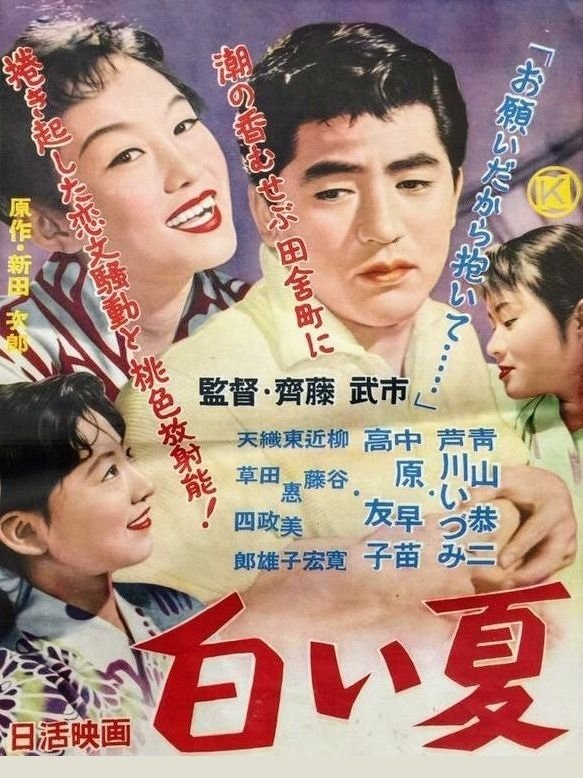
Hey, please, hold me... A thrilling physical farewell gift that a pure-hearted adult received while trembling!! Set in a simple rural town's post office, this youthfully bright and humorous story depicts the intricacies of life experienced by a rookie young postal worker. Depicting the subtle intricacies of life experienced by a young protagonist in a simple post office setting. This bright and humorous story evokes a heartfelt sense of empathy.
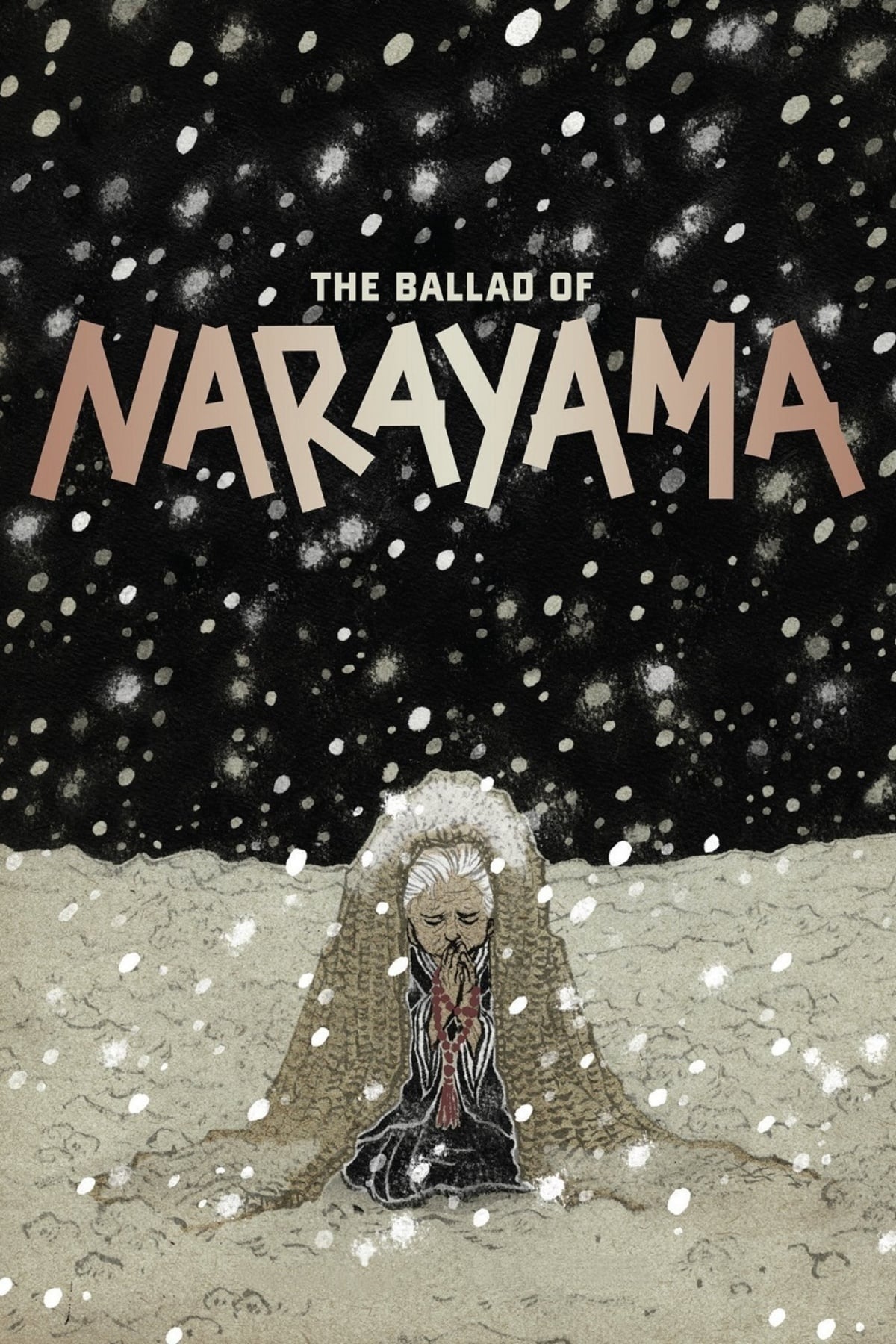
In Kabuki style, the film tells the story of a remote mountain village where the scarcity of food leads to a voluntary but socially-enforced policy in which relatives carry 70-year-old family members up Narayama mountain to die. Granny Orin is approaching 70, content to embrace her fate. Her widowed son Tatsuhei cannot bear losing his mother, even as she arranges his marriage to a widow his age. Her grandson Kesa, who's girlfriend is pregnant, is selfishly happy to see Orin die. Around them, a family of thieves are dealt with severely, and an old man, past 70, whose son has cast him out, scrounges for food. Will Orin's loving and accepting spirit teach and ennoble her family?
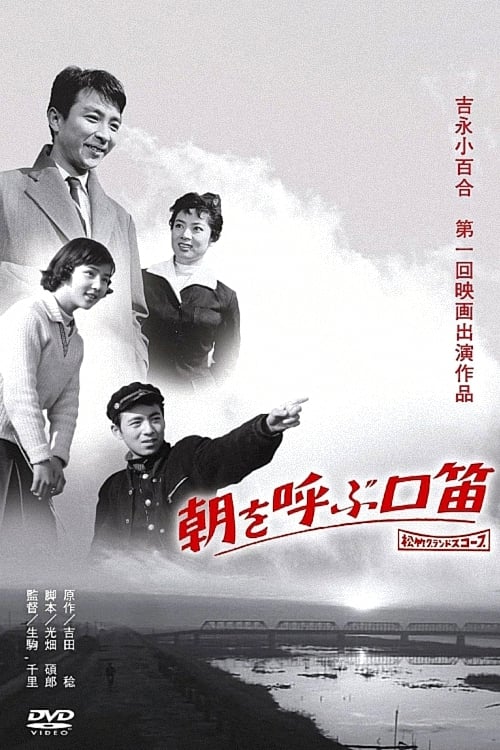
Minoru delivered newspapers to earn money for high school, but when his mother came down with illness he decided to use this money for her doctor's bill and gave up going to high school. His friends heard about this, and they donated money to his mother. So, Minoru goes to high school and yet he delivers newspapers cheerfully whistling every morning. A memorable film debut by Sayuri Yoshinaga, a representative of the Japanese film industry.The film adaptation of "Newspaper Delivery" by Minoru Yoshida, who won the Minister of Education Award at the national small and Medium student essay competition.
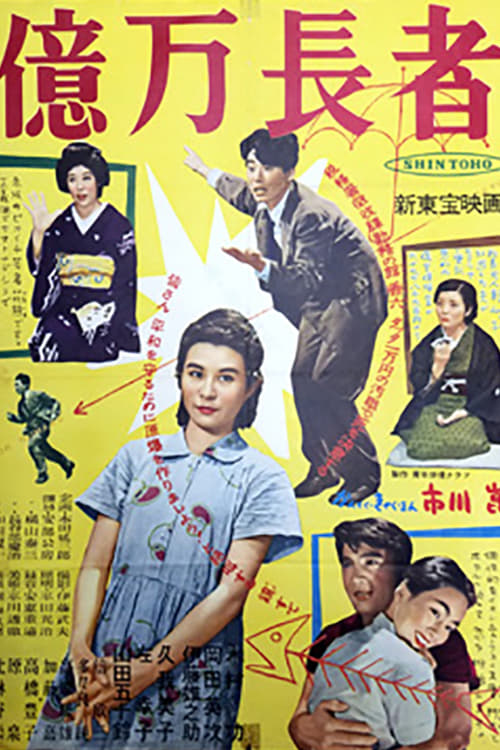
An ethical, young tax collector new to his area encounters increasingly absurd individuals and groups coping with their post-war woes.
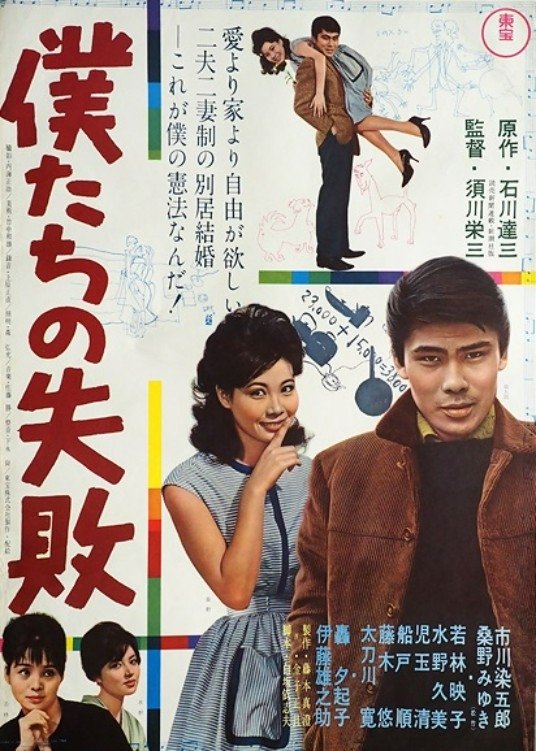
Tells the story of Shintaro, a lawyer who quits his job to work at a camera factory, and his love adventures.
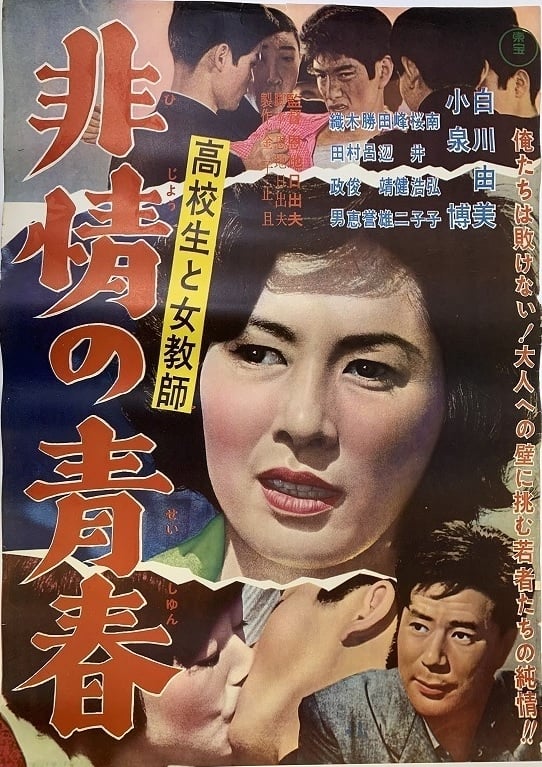
1962 Japanese movie
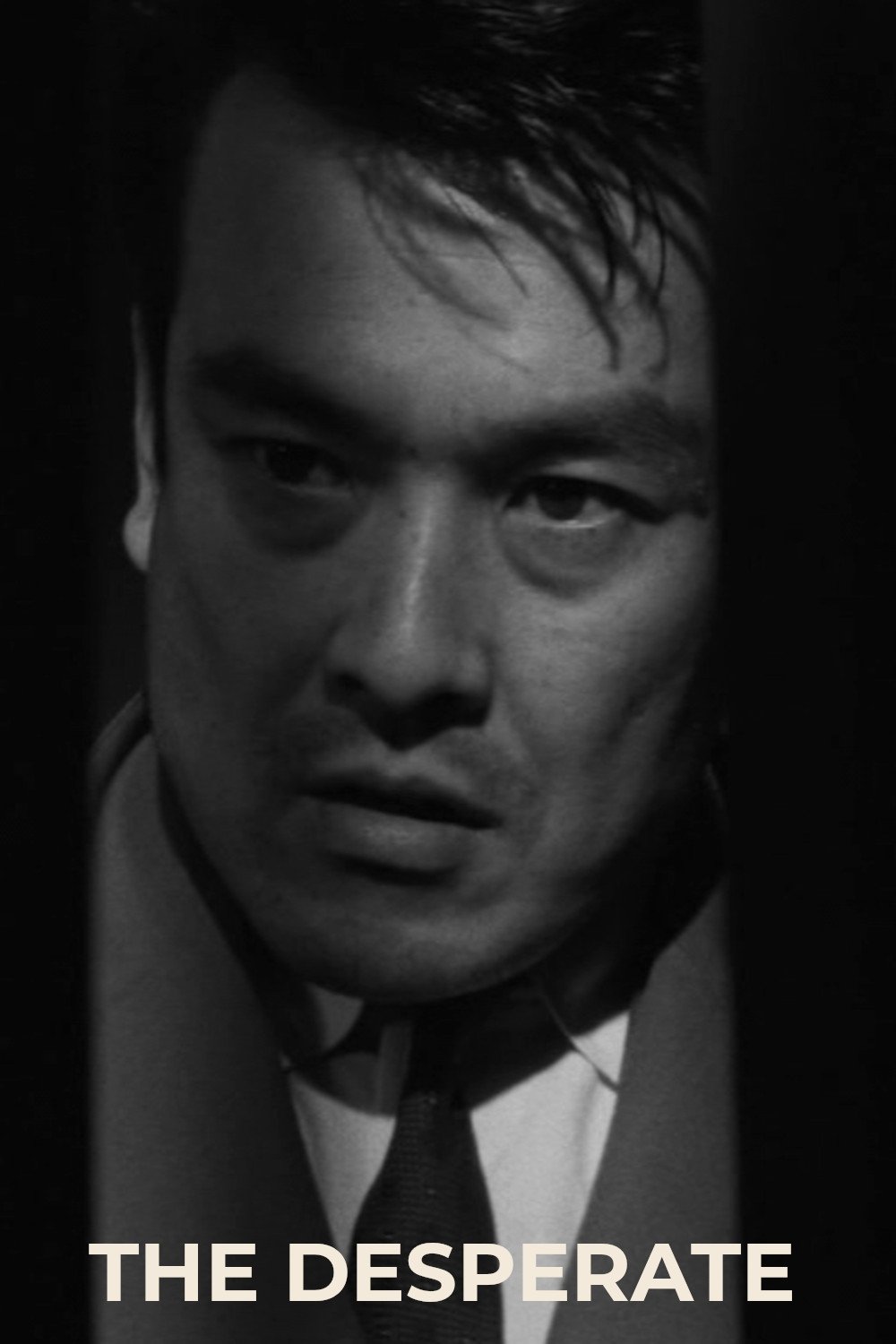
A noir drama depicting the downfall of a veteran detective who hates evil and falls into its depths. Ace detective Sugai pursues Chiyo, the mistress of a man who was arrested for extortion, and takes advantage of her weakness. However, as his colleague Tokumochi and others regard him with suspicion, he is tormented by remorse.
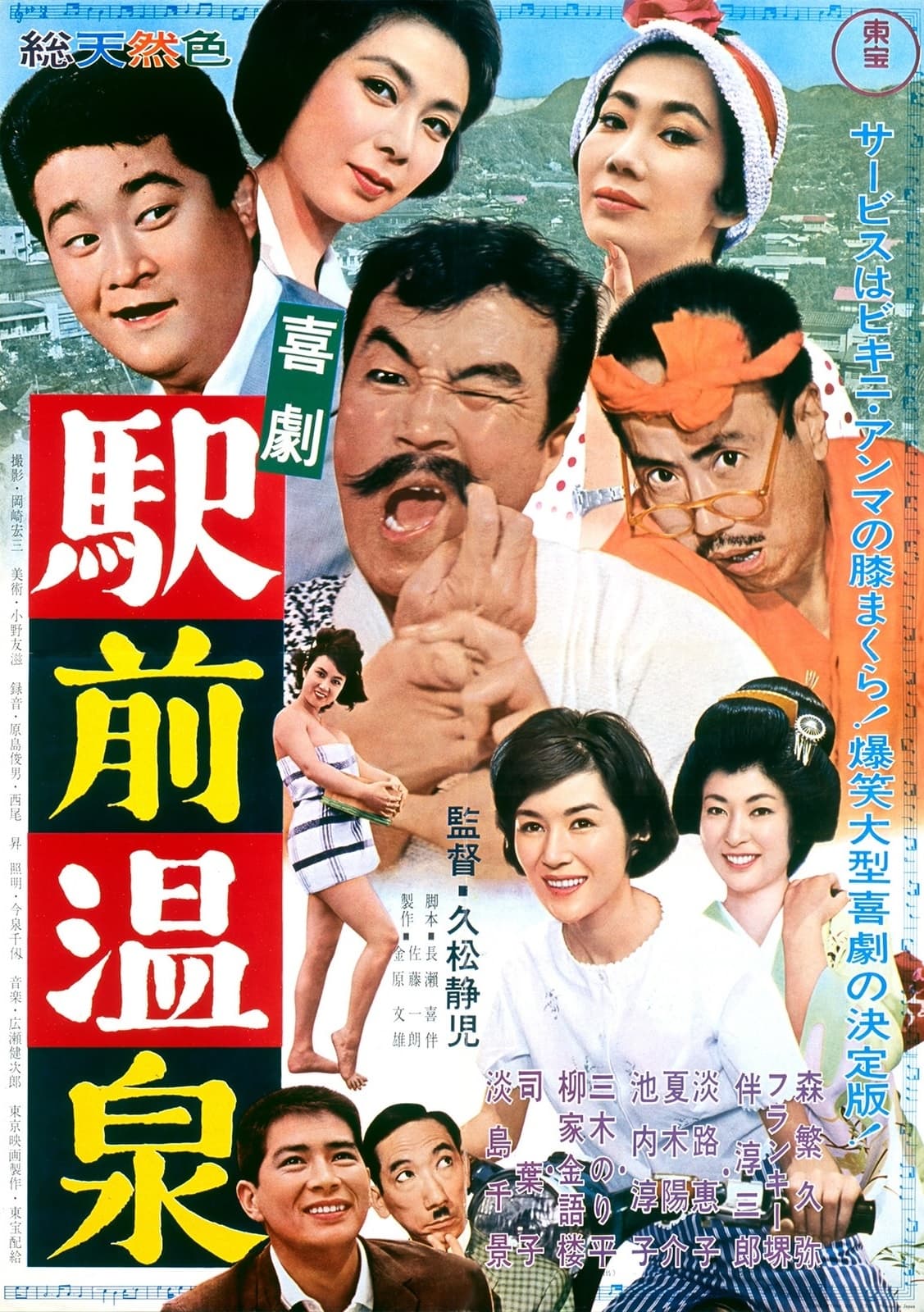
Fourth entry in the Ekimae series, focusing on the restoration of a Fukushima hot spring inn.
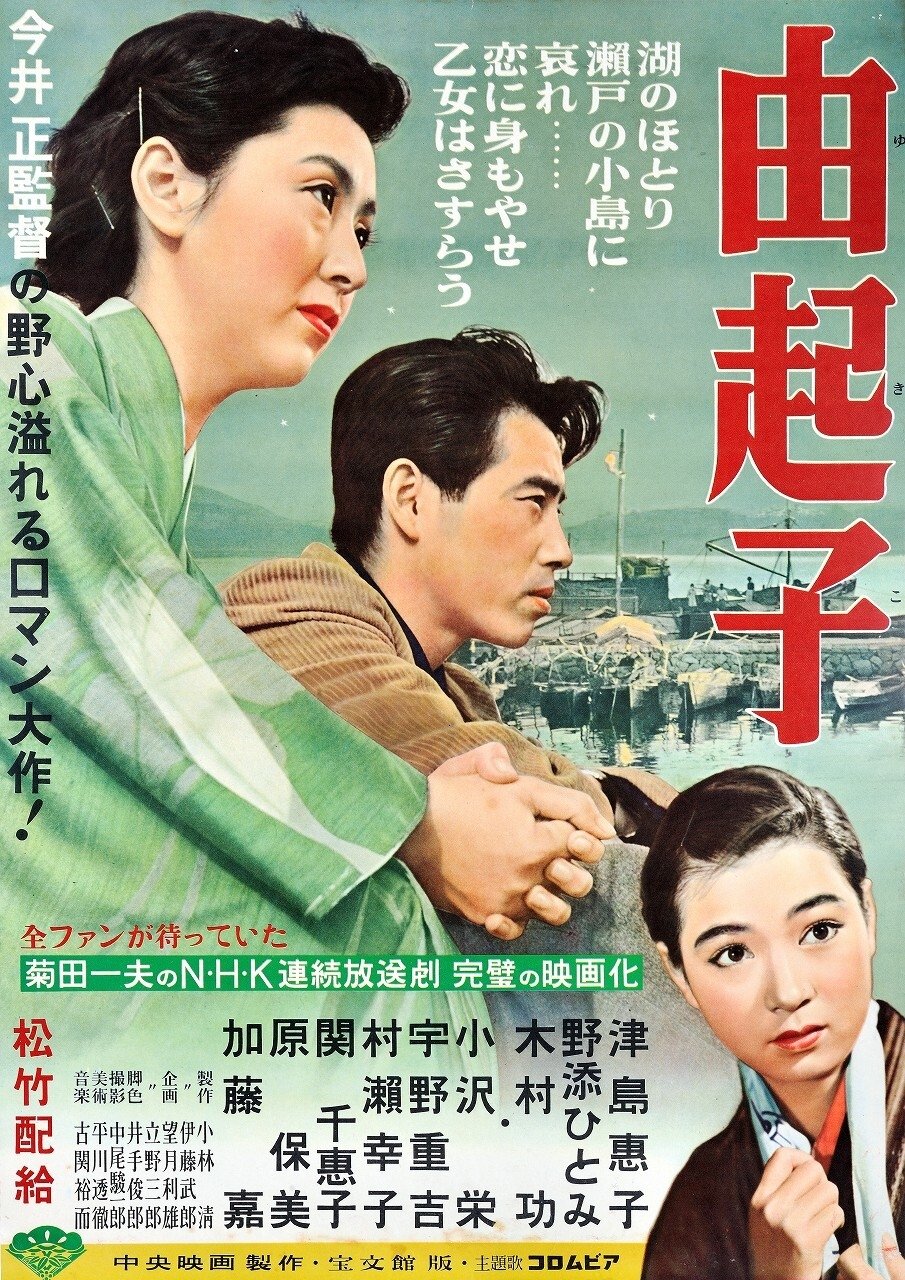
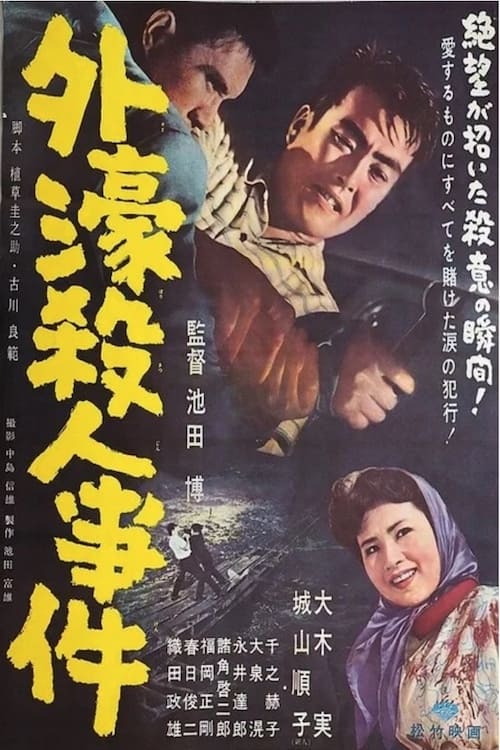
A taxi driver hits a woman on the streets. He takes care of her while she gets better. While realizing they're both at a brink in their lives they'll start falling for each other against their odds.
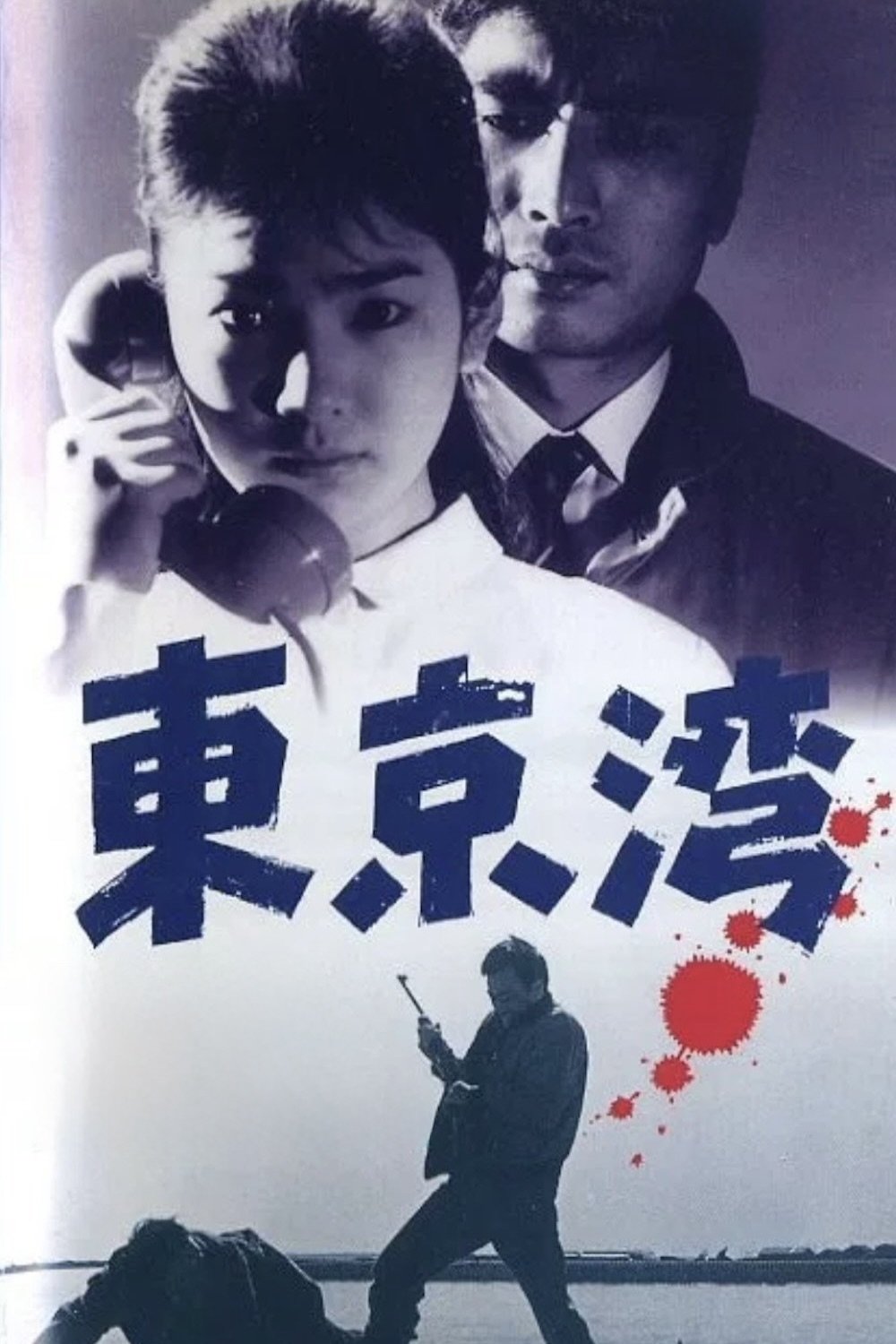
An investigation into a drug smuggler who is assassinated in front of an insurance building sets two detectives, Sumikawa and Akine, into a sprawling investigation through Tokyo's underworld.
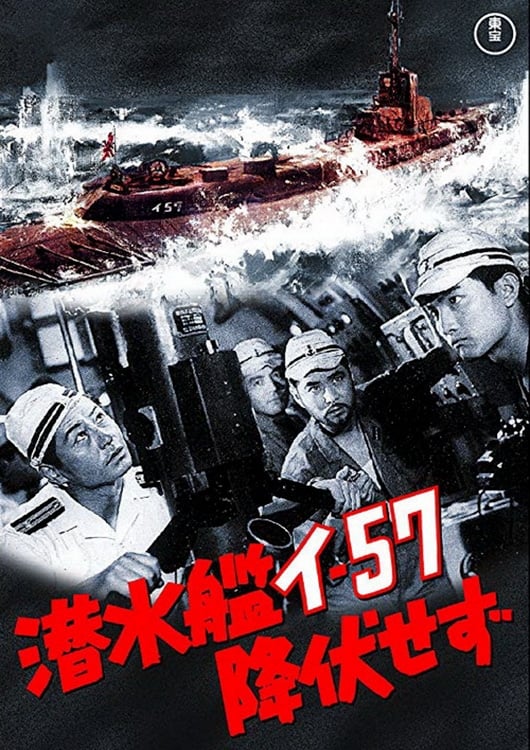
In World War II, the commanding officer of a sub, against his will takes on board two Western diplomats, to take them to the Canaries and arrange an armistice. When they get there, peace has been declared, but the sub's crew don't know as their radio has failed. They send their passengers ashore and go out to face a final battle...
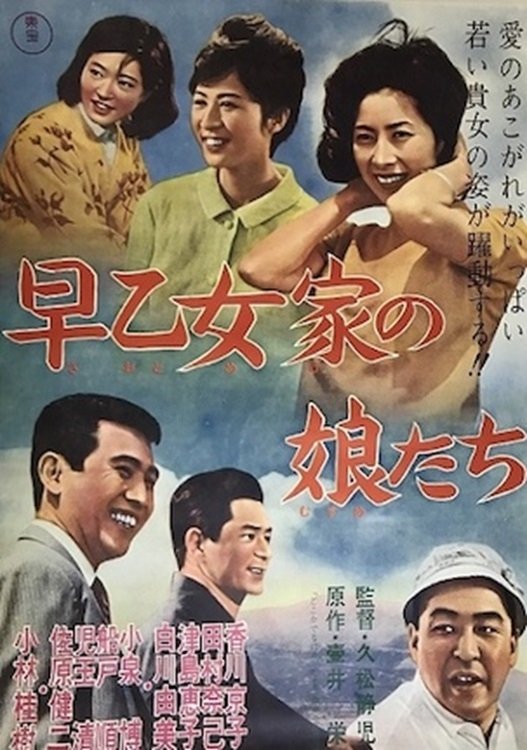
1962 Japanese movie
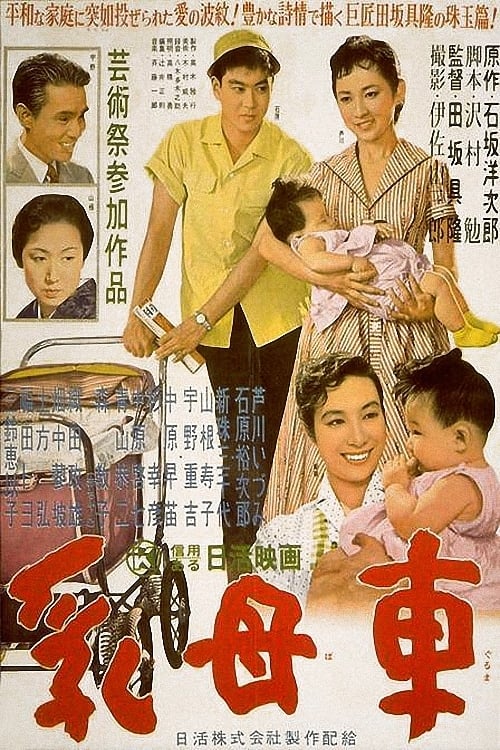
Upon discovering that her father has a mistress, a young girl befriends the "other woman" and her child. Realizing that her half-sister is doomed to being regarded as an outcast, the heroine sets about to spiritually legitimize the girl.
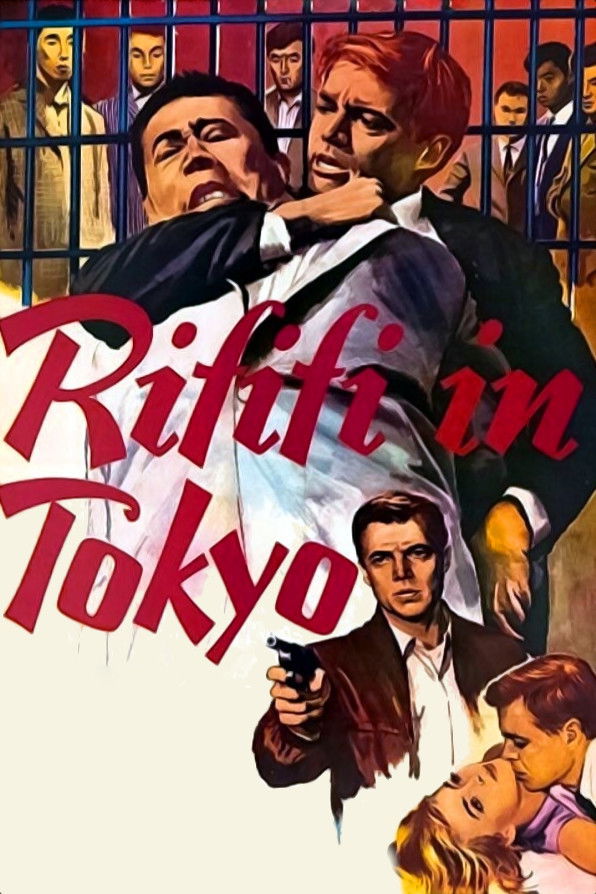
Van Hekken, an old gangster, arrives in Tokyo to direct a bank hold-up in order to get a very valuable diamond.
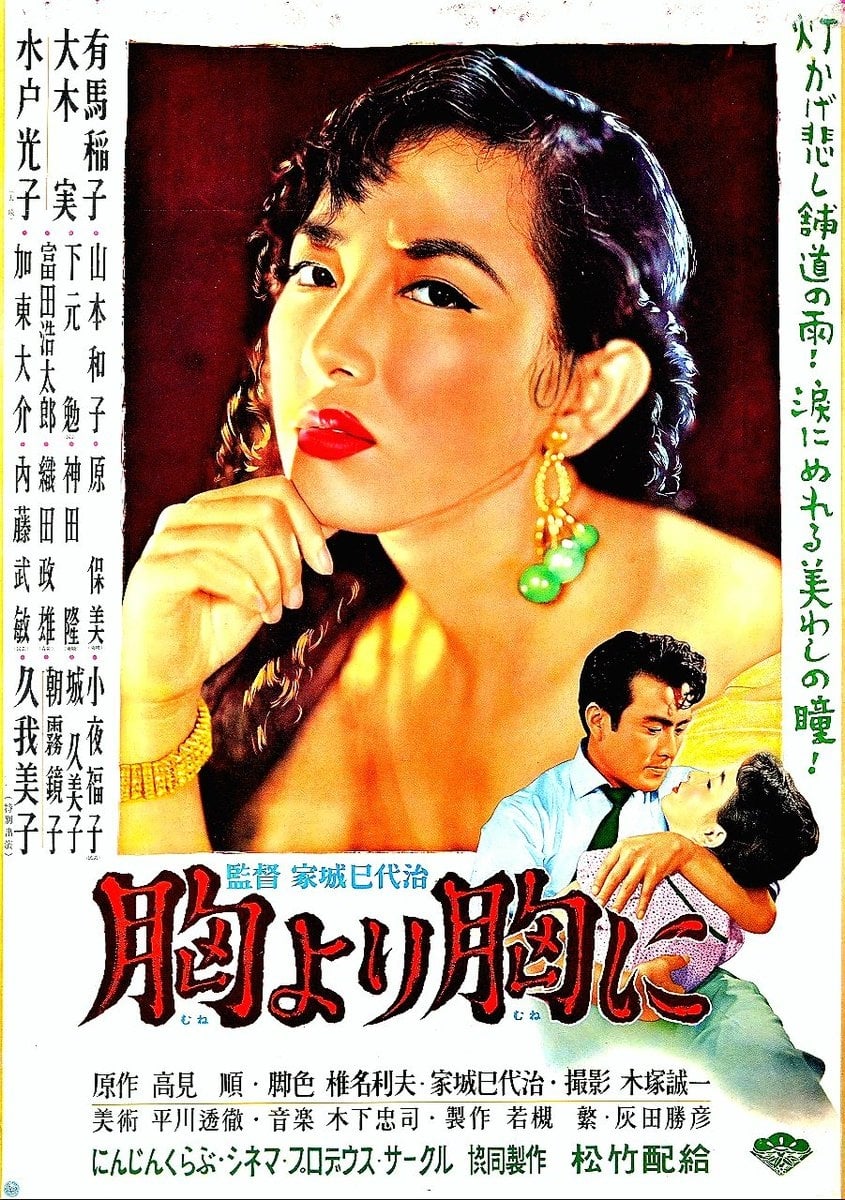
Japanese drama
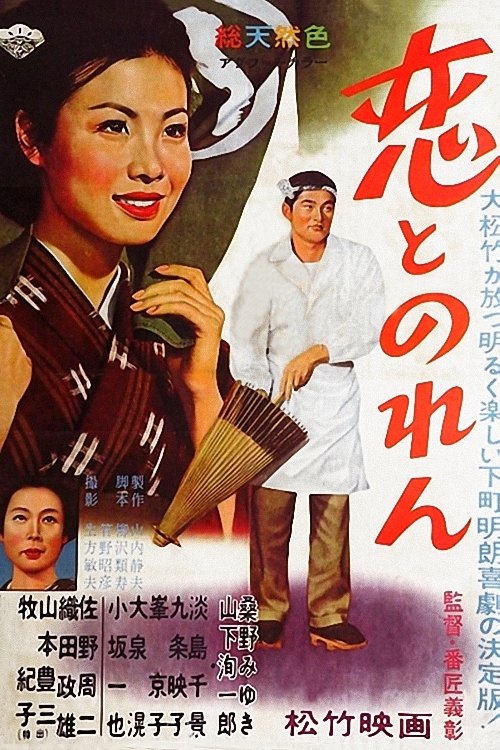
Otami and daughter Yuri run the Matsuoka, a 150-year-old Japanese-style inn in Tokyo which they plan to renovate into a modern hotel before the ‘64 Tokyo Olympics. Maki, the son of the owner of the Benten Hotel, likes Yuri and wants to get closer to her. So, he asks Milton, an American exchange student, to stay at her inn so he can get closer to her. But Yuri is in love with Shin, a cook at her inn. And although Shin likes her too, the two are constantly bickering. Complicating matters more, is that every other available girl also likes Shin including Chikako, who lives at his boarding house, and Chikoma, who is a geisha. One day when Yuri gets a phone call, she suspects that her mother might be having an affair. But it turns out that Otami reunited with her old flame Tomo, who also used to work as a chef at the inn but left because he feared that their class backgrounds were too different. When Shin learns that Yuri is going to marry...will history repeat itself?
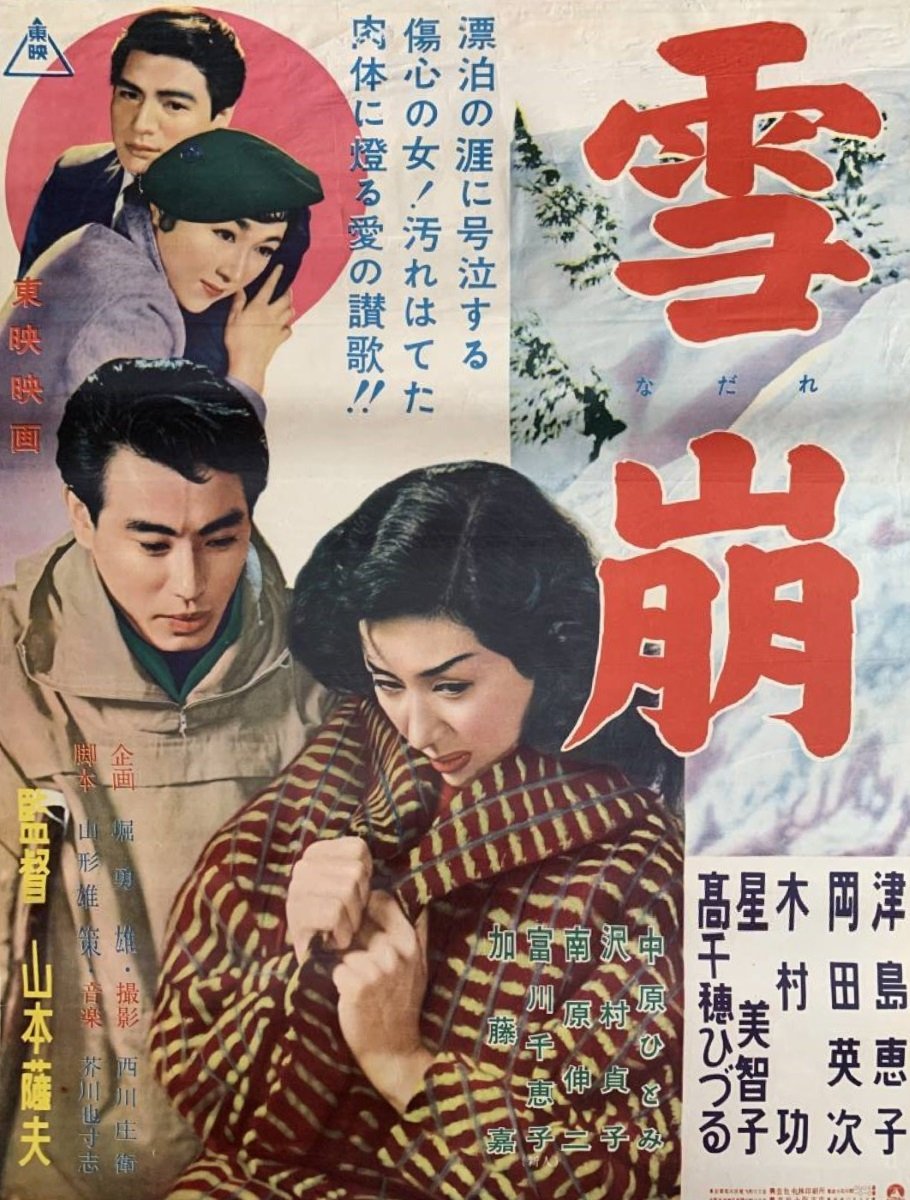
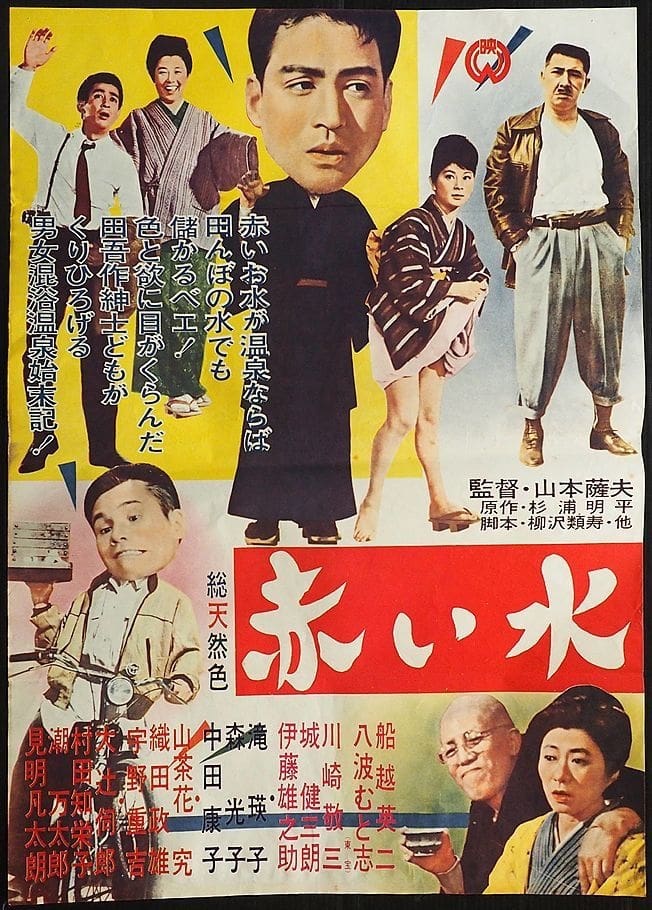
Comedy drama film
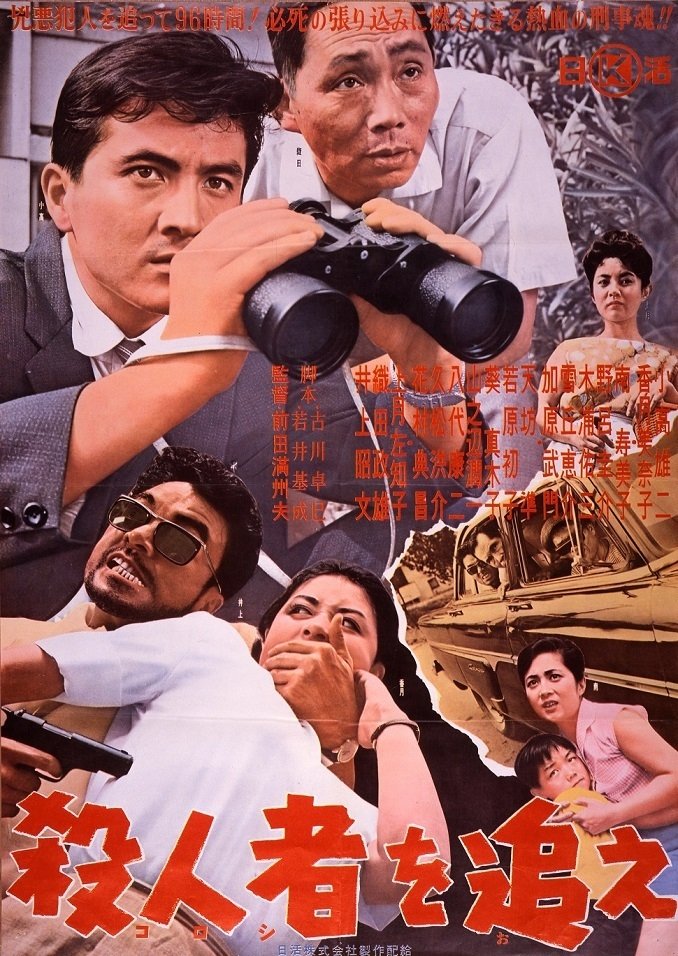
1962 Japanese movie
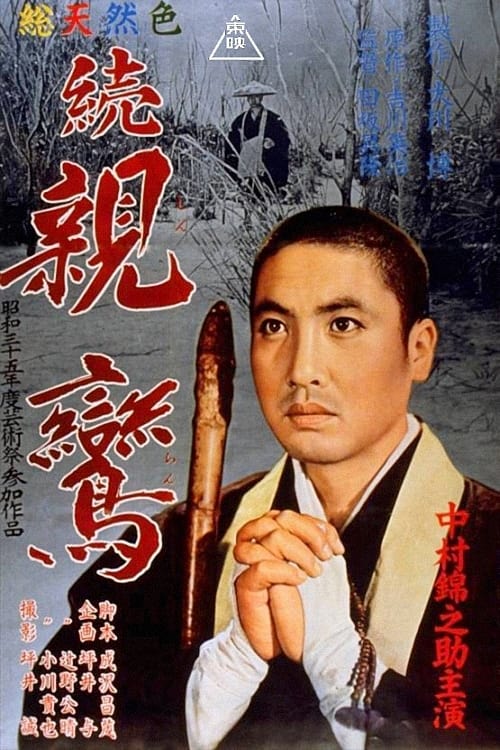
Continuation of the biographical film about the monk Shinran, based on the novel by Eiji Yoshikawa. Shinran, born of the fading aristocratic class, was placed in a monastary on Mount Hiei when still a child. He did not come down for twenty years, when his wanderings begin as he spreads his ideas for achieving enlightenment through the Pure Land sutra. Because his teachings contradict the powerful Tendai sect, he comes to grief with the government, his followers persecuted, himself exiled to far coastal Echigo where he married & began raising a family but soonafter was wandering & teaching again. He lived to be ninety.
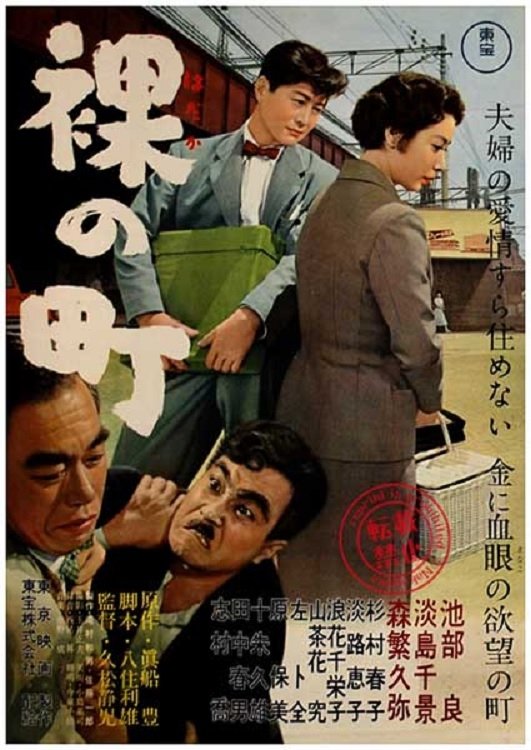

A war widow with a young boy manages a farm with her bossy mother-in-law. When a reporter comes to interview her, the two begin an affair. He turns out to be married and won't leave his wife. Her older brother tries to marry off his children and hang on to/ extend his farm through an advantageous marriage in the face of threatened land confiscation and the desire of his children to get comfortable urban jobs instead of the backbreaking work in the paddy fields under parental control.
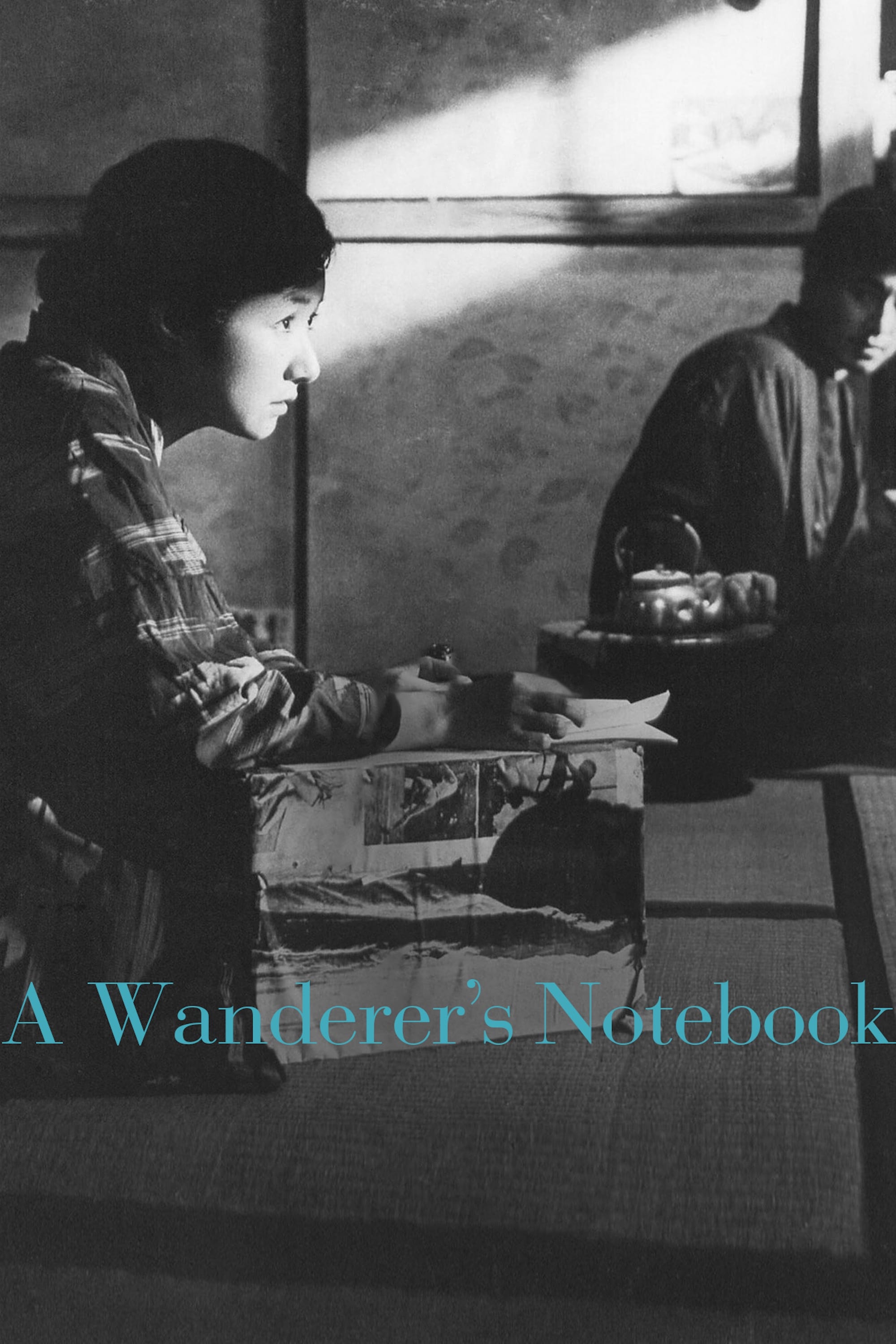
Based on the life and career of novelist Fumiko Hayashi, she bitterly struggles for literary recognition in the first half of the 20th-century – her affairs with feckless men, the jobs she took to survive (peddler, waitress, bar maid), and her arduous, often humiliating attempts to get published in a male-dominated culture.
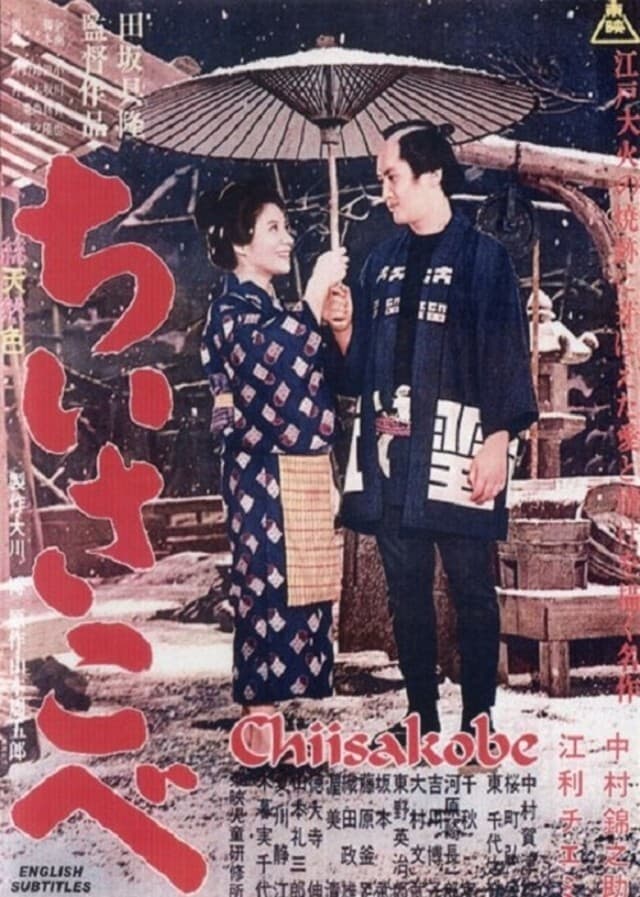
A carpenter, Shigetsugu, learns a lesson of love and humanity from five orphaned children and an affectionate woman named Oritsu. It's a winning combination of drama and humor. The warm friendship that grows between the carpenter, the woman and the children making this into a true masterpiece.
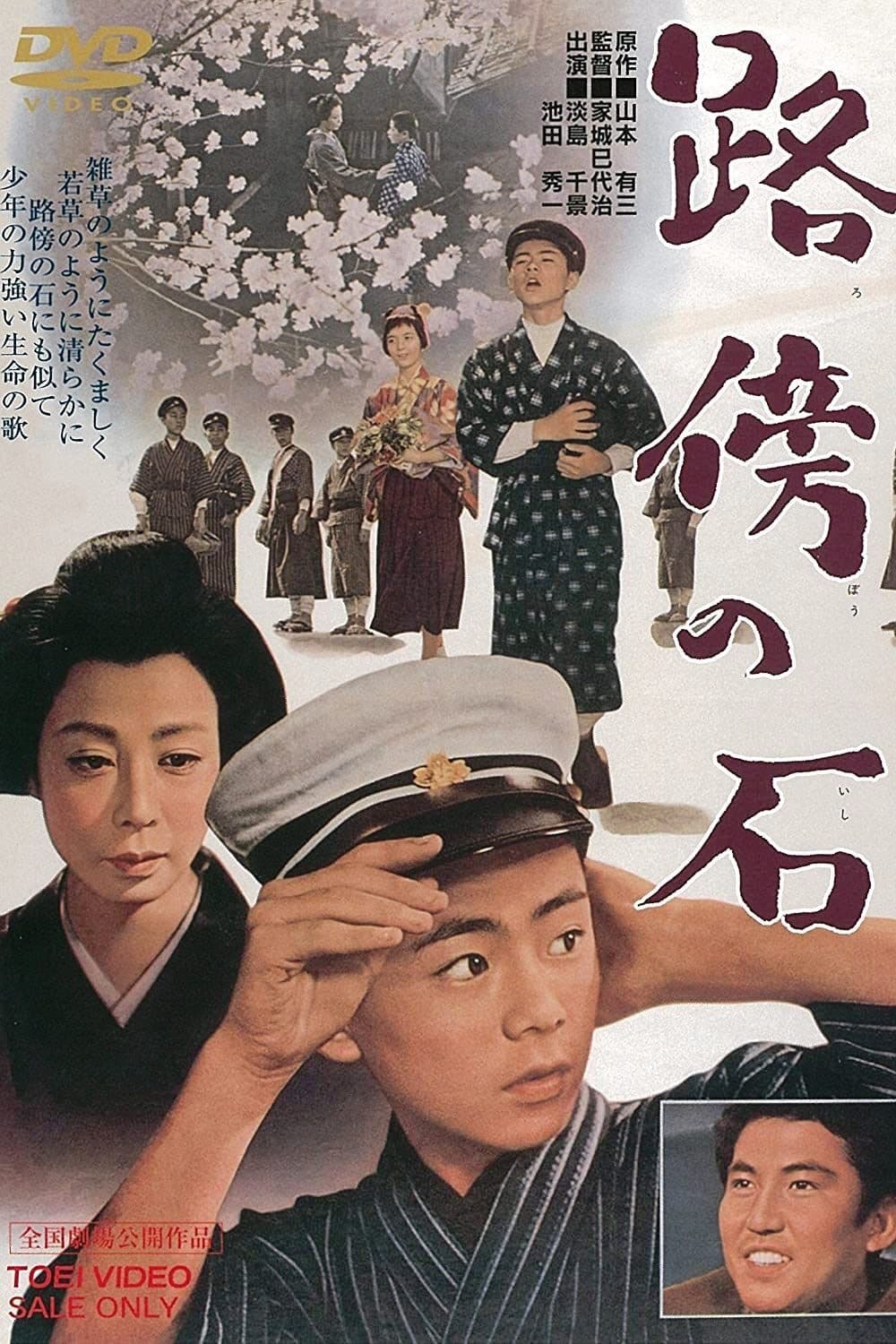
The Wayside Pebble is an effective drama about the hardships of a childhood spent with a brusque, cold-hearted father and a submissive mother. The year is 1910 and the place is a small Japanese village. Goichi is suffering because he wants to go to school, but his family is too poor to afford that luxury. Even when a kind friend agrees to help out, Goichi's father refuses to give in to his son's request for an education. Instead, he sends Goichi off to work as an indentured servant for a cold-hearted merchant and his family. As tragedy strikes and the suffering of the young boy increases, he begins to look for some way out of his bleak situation.
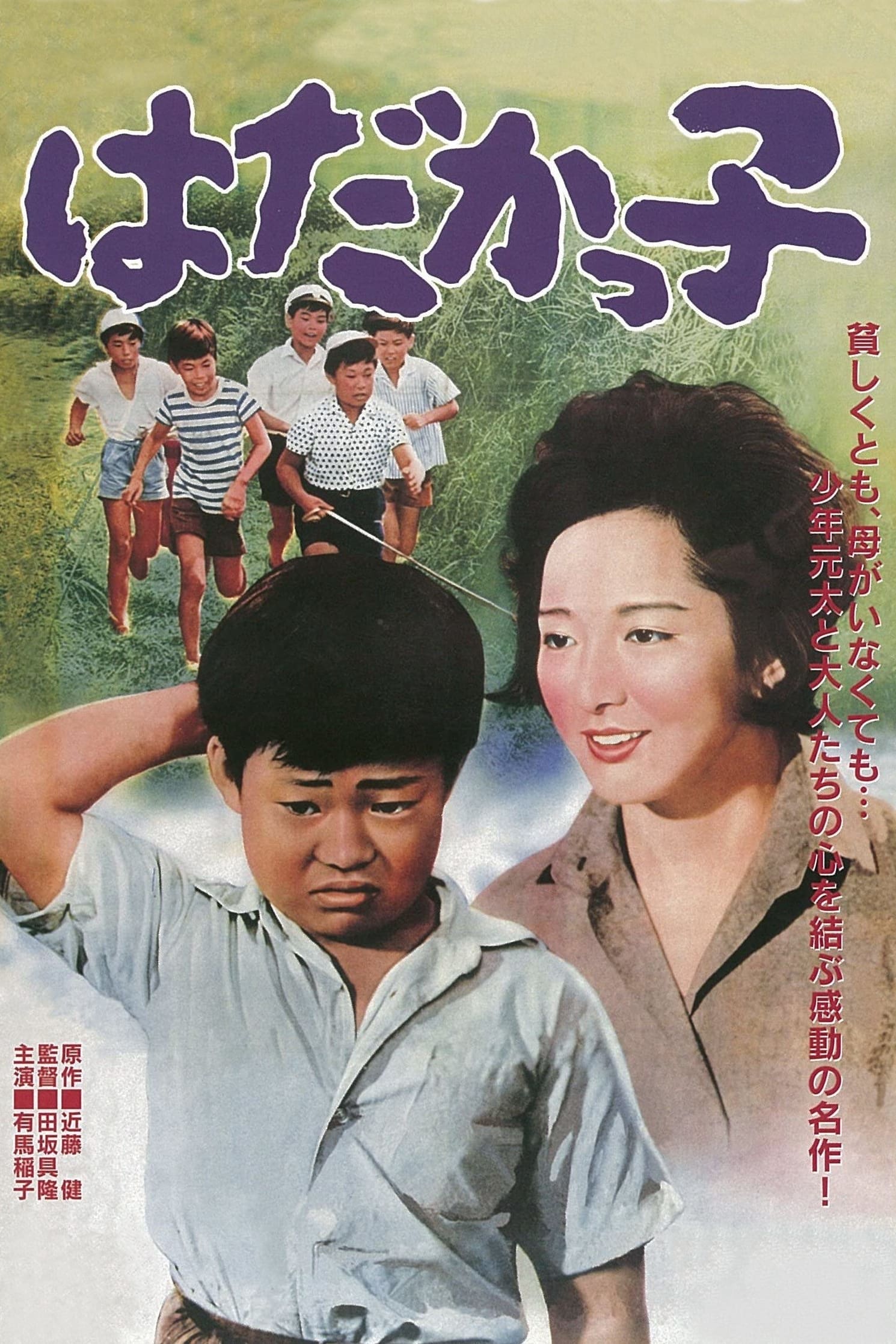
A touching story about a young boy, Genta, who bravely takes on life's challenges in hopes of finding a better life for himself and his sickly mother.
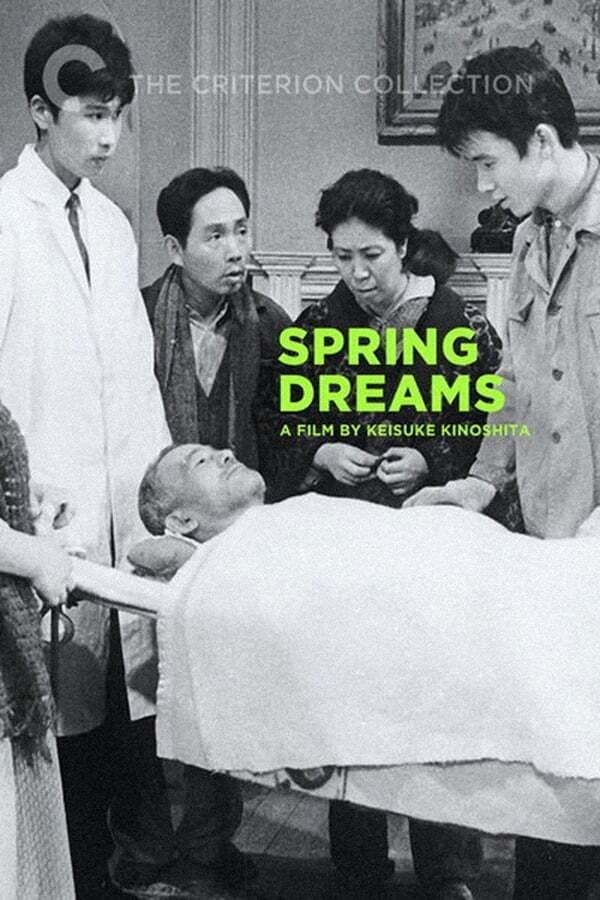
When a wealthy, selfish family decides to take care of an elderly hobo who collapsed near their home, they are beset by visits from his numerous friends.

Japanese film.
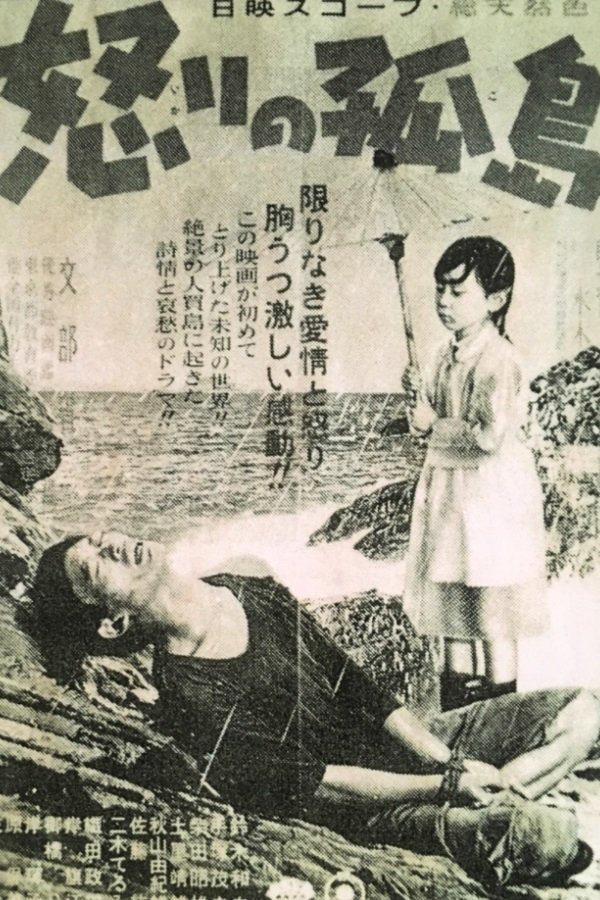
Five boys escape from their life of bondage on an island 10 miles off Hiroshima, and are picked up in the Inland Sea, drifting in an open boat.
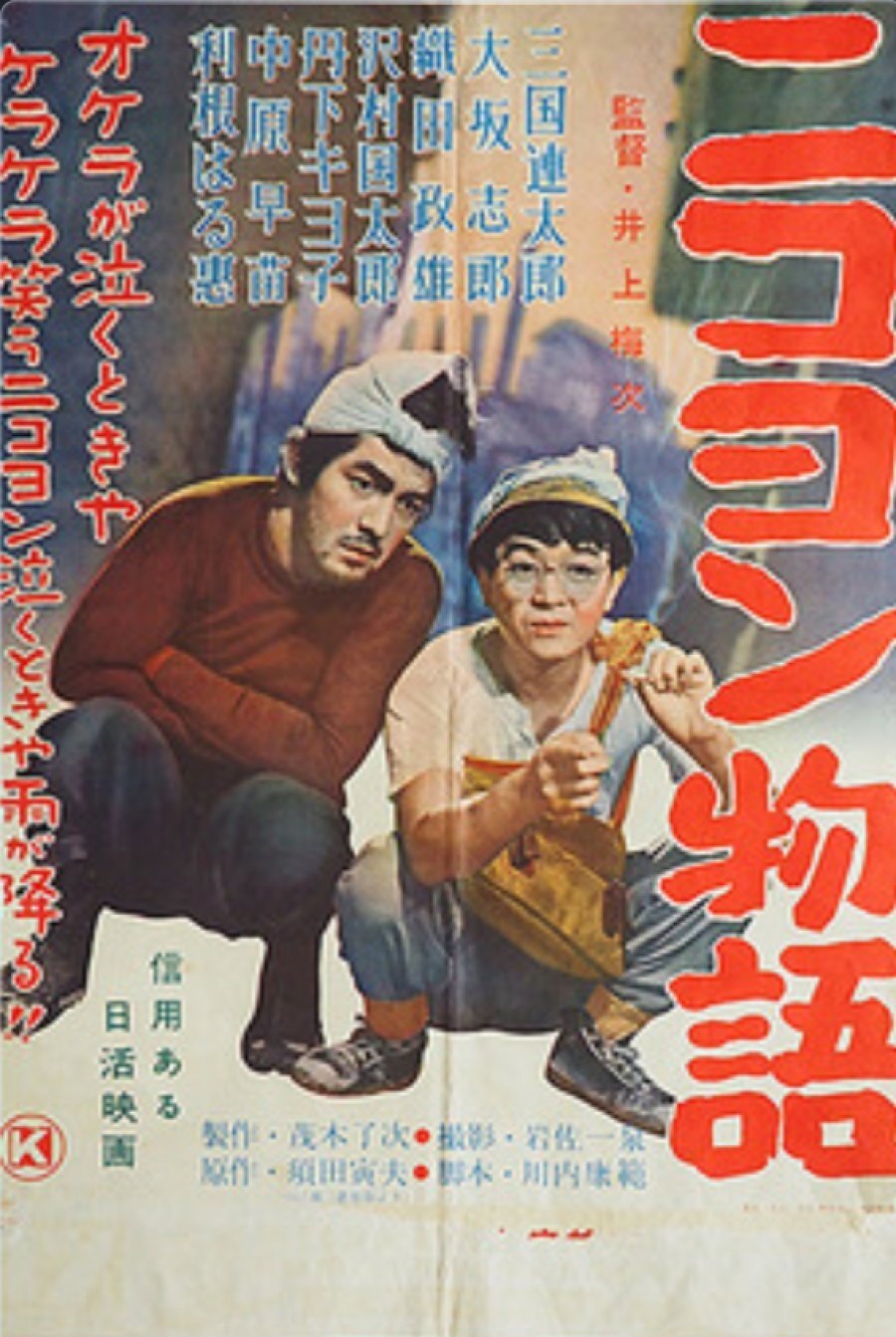
Japanese drama film.
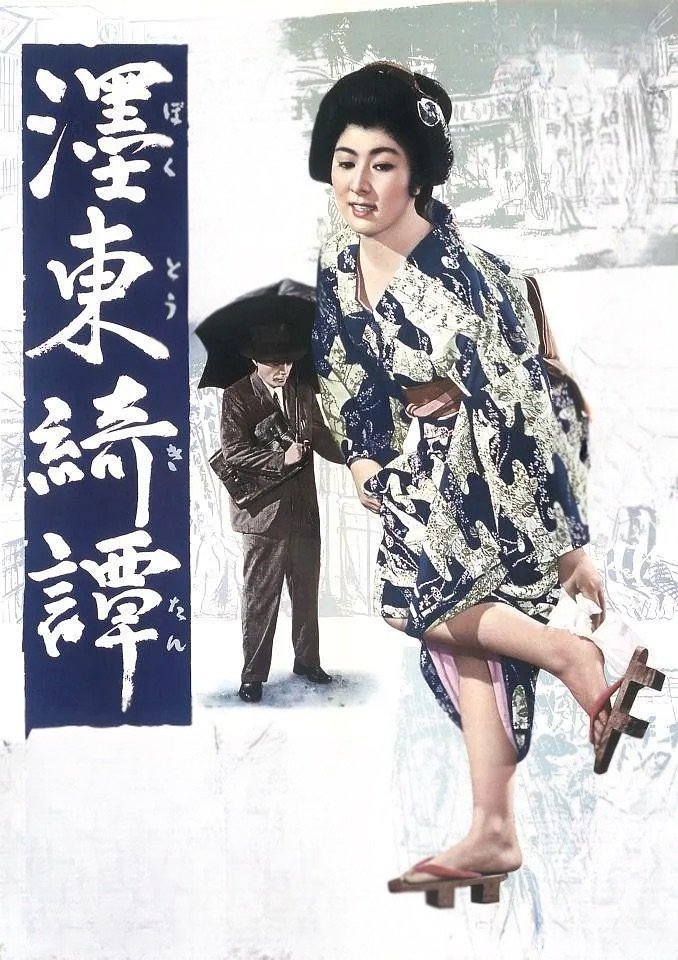
In this Japanese drama, a village girl goes to Tokyo and becomes a sex worker to support her ailing mother. While there she meets an unmarried teacher (at least he says he's unmarried) and falls in love.

Keiko, whom everyone calls Mama, narrates her story: she's a hostess on the Ginza, 30, a widow. She describes life's vicious cycle: acting cheerful around drunks, dressing and living well to convey confidence, needing money for these expenses and for her demanding mother and brother, and knowing she's growing older.

One week into newlywed Teiko Uhara's marriage, her husband, Kenichi, leaves on a short business trip and never returns. Teiko travels across Japan to search for him, and along the way discovers some surprising facts about her husband's past. With only a pair of old photographs among his belongings to go off of, Teiko tries to figure out what has happened to him.
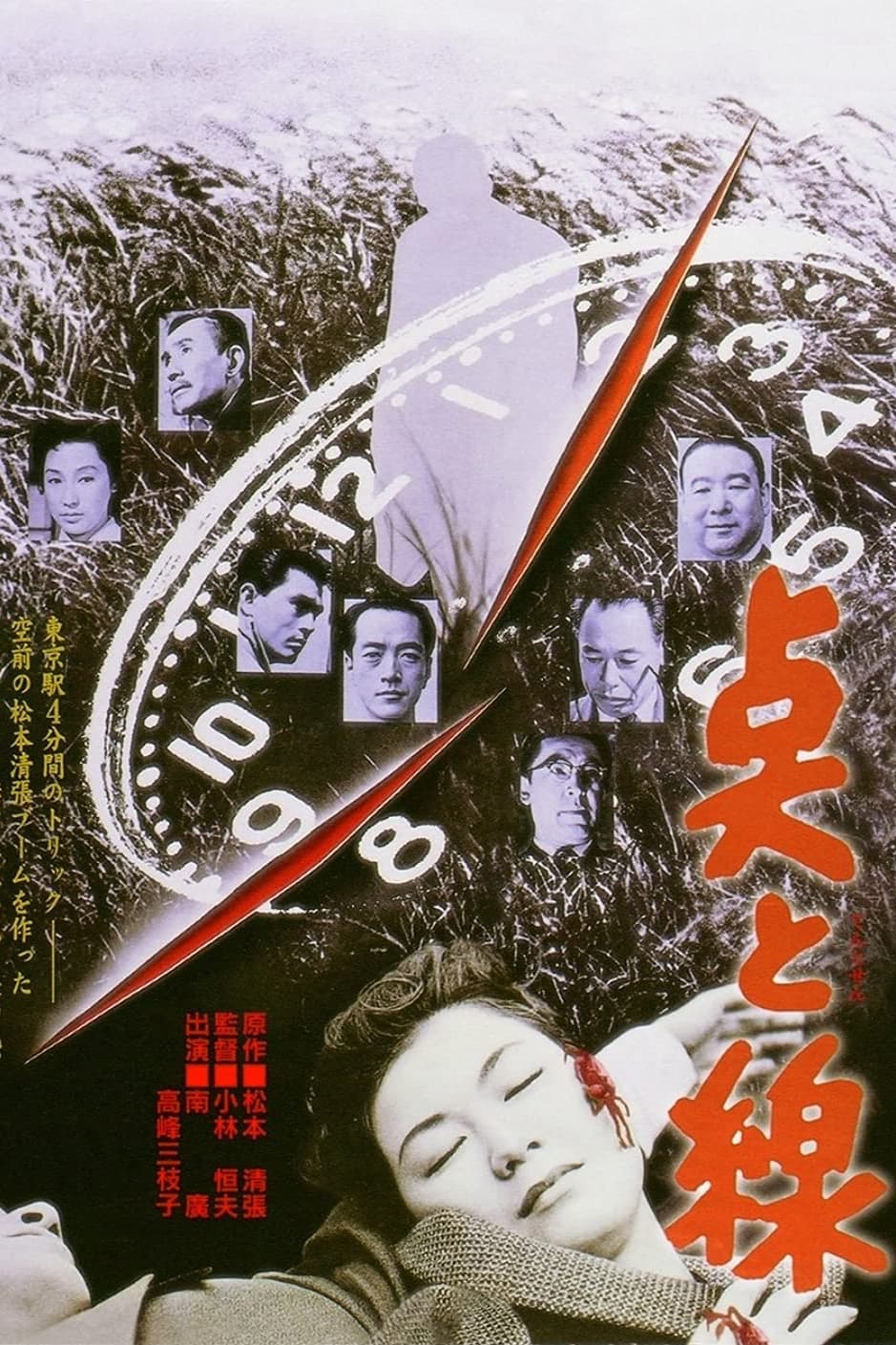
Based on Matsumoto Seicho's classic mystery novel of the same name, the story centers around a group of detectives who are determined to find the truth behind an apparent double suicide.
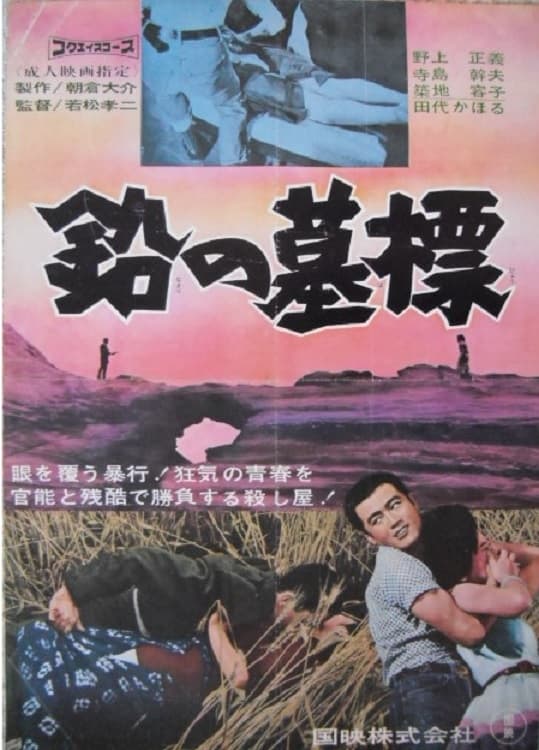
LEAD TOMBSTONE tracks the progress of a young sociopathic rake who had, immediately post-WW2, rescued his country farmer mother from rape by stabbing the offending American soldier in the back with a pitchfork. Once grown, the boy continues his violent life as a hoodlum on the run, repaying an outlaw couple who have sheltered him by raping the wife, then, at his boss’s behest, murdering the husband. He’s also not above strangling a girl in her bathtub for kicks. The one spot of normalcy in his life is his shop girl girlfriend, an innocent who, once she discovers his other life, confronts his boss… (from OUTLAW MASTERS OF JAPANESE CINEMA by Chris D)
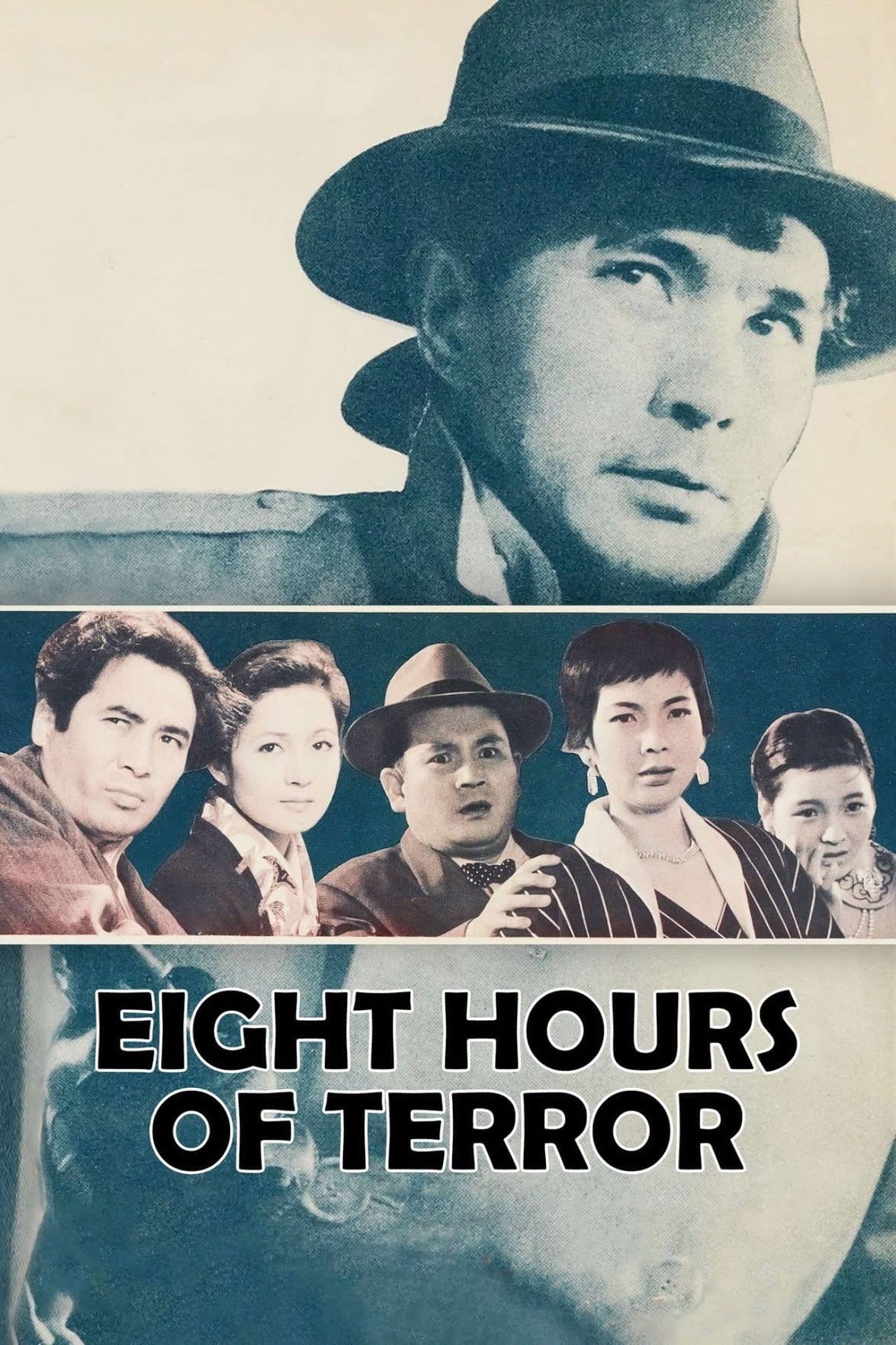
A bus making its precarious way across a winding mountain road picks up some unwelcome passengers.
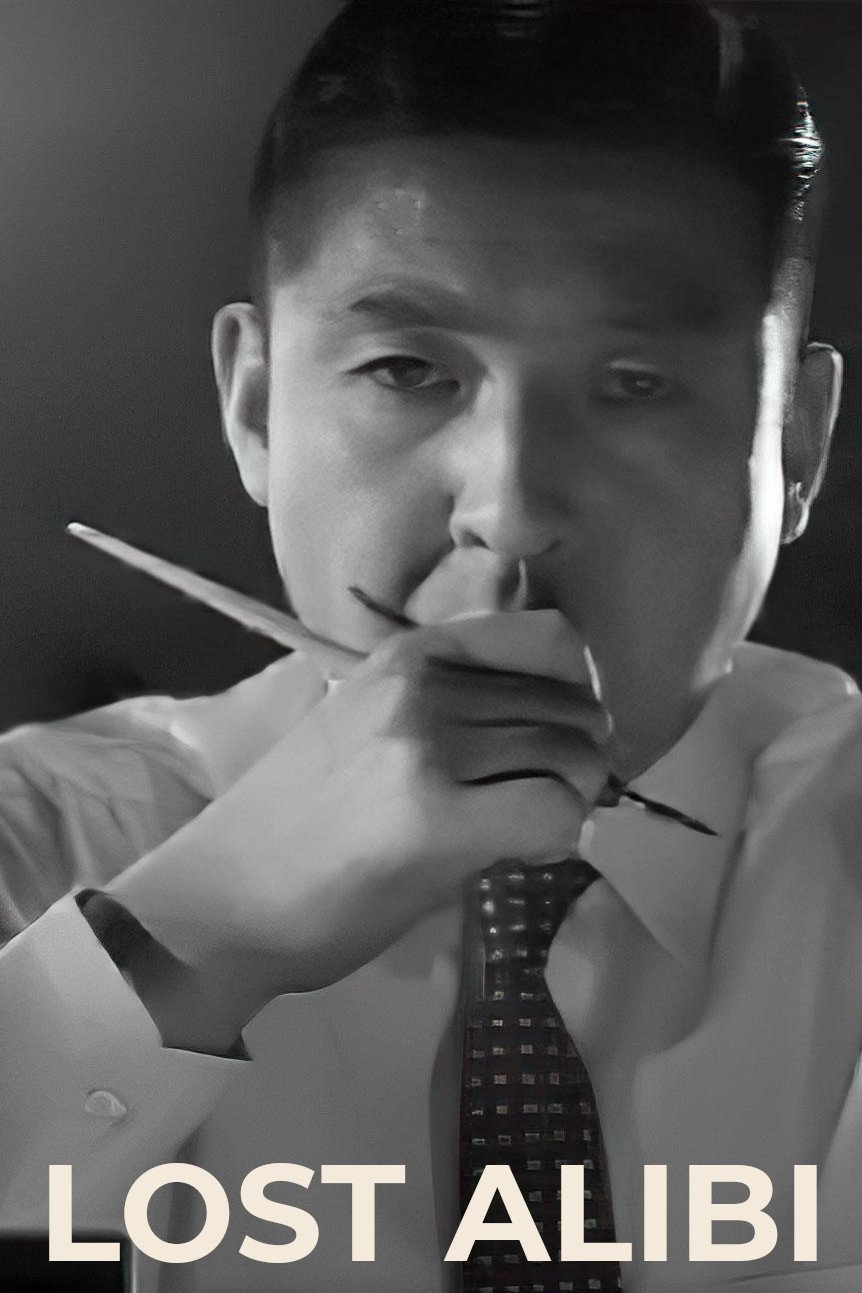
Suspense drama about a married salaryman whose affair with one of his co-workers is compromised when, returning from a clandestine meeting with his lover, he runs into a neighbor who is later accused of murder. Questioned by police about the neighbor, and blackmailed by his lover's neighbor, the salaryman's lies lead him on a path to destruction.
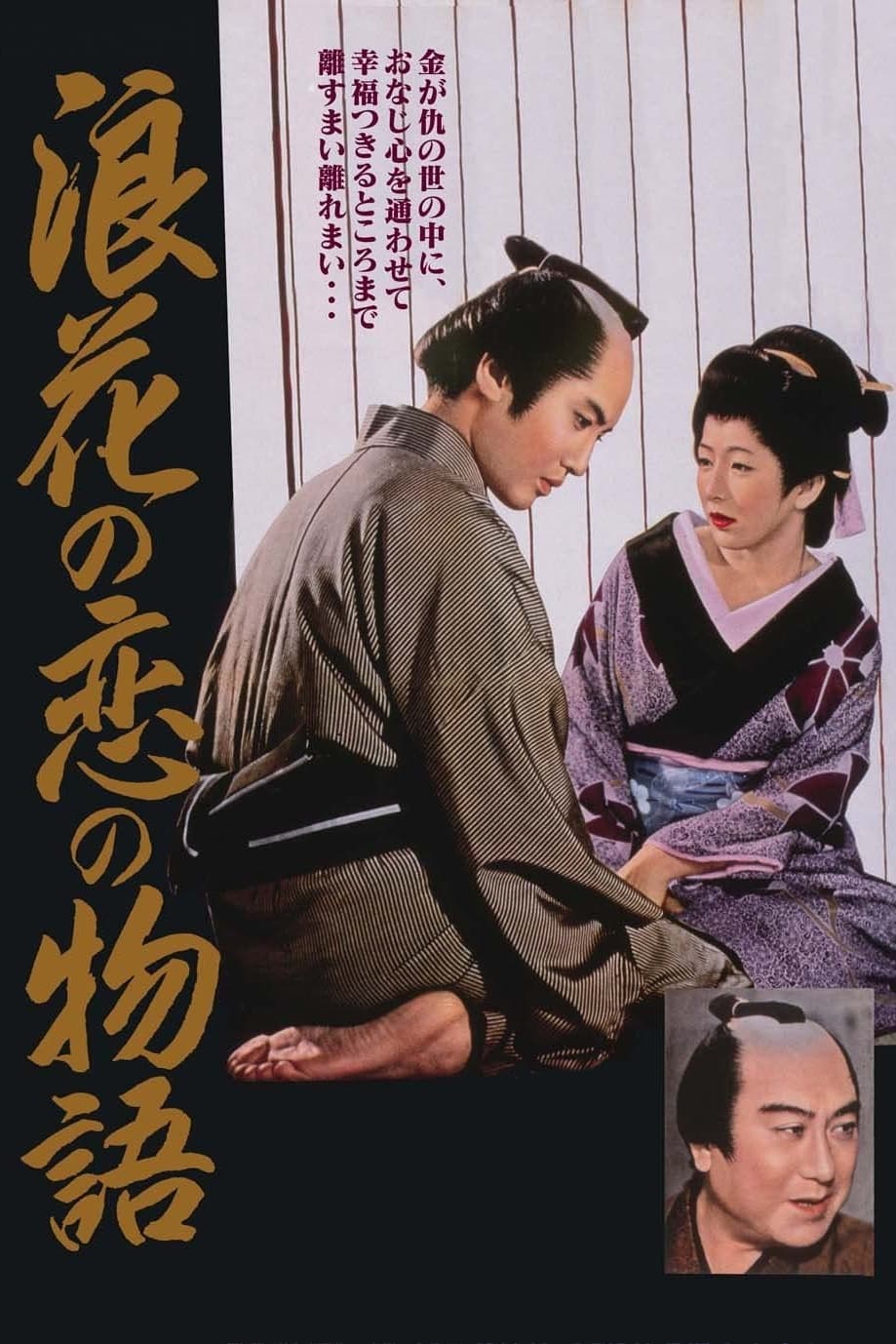
Chubei, the adopted son of an Osaka courier, falls desperately in love with the courtesan Umegawa. To prevent a wealthy client from purchasing her, he steals money from his employer to buy her freedom himself. Now hunted criminals, the lovers flee toward Yamato, pursued by the law.
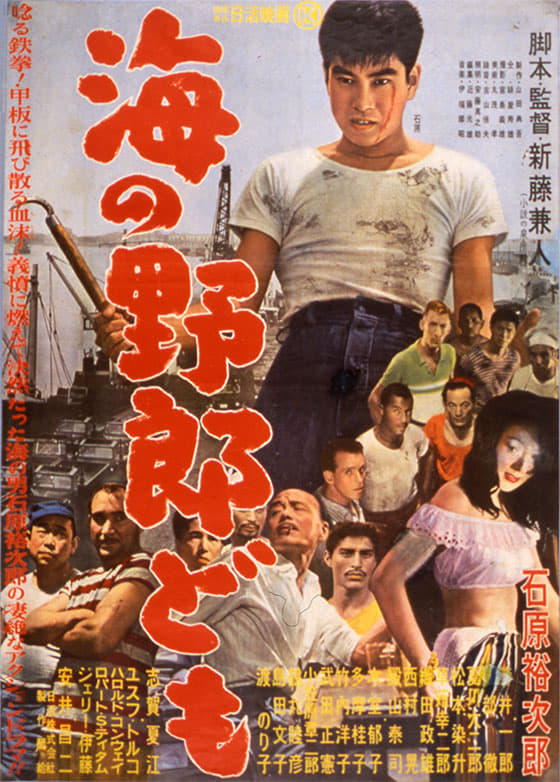
A scrap iron carrier arrived at Tokyo bay. The ship swarmed with the stevedores, the souvenir seller and the hookers. The crews of ship were oppressed by arrogant captain and his officers. The crews caused an uprising. A manager of stevedore ordered his employee leader to suppress an uprising...

Shinko Terasawa was always considered to be the odd ball of the bunch. At a time when romance was against school regulations, Shinko was the first to take a bite out of the forbidden fruit. Expelled from her former school, she finds herself in an all-girls school in Jokamachi, where rumors fly. One day, Shinko delivers an anonymous love letter addressed to her English teacher, Ms. Shimazaki. Convinced that the students are playing a prank, Ms. Shimazaki is adamant about getting to the bottom of this "problem”.
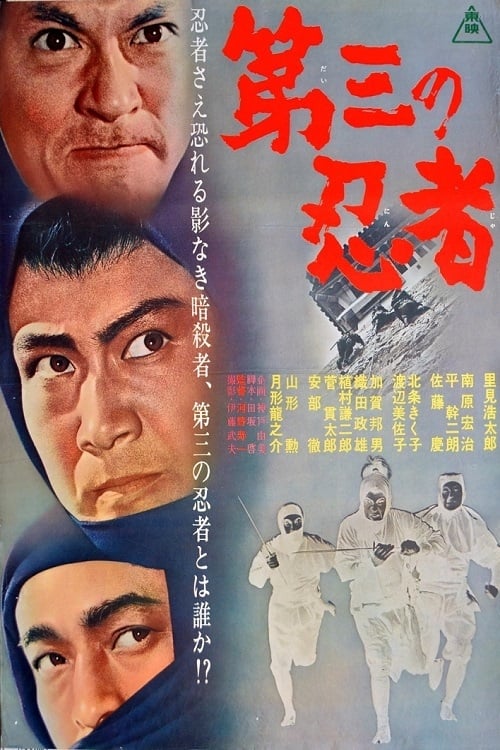
Three Iga ninja are on a hunt for Chidoken, a Takeda ninja sent out to assasinate Lord Nobunaga.
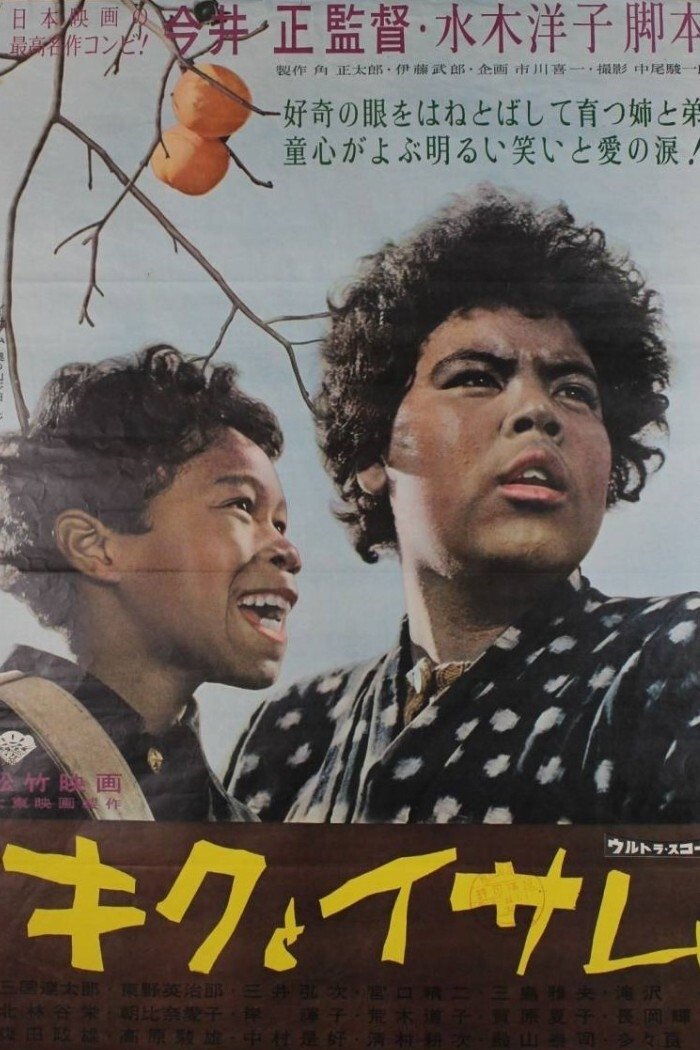
Kiku and her brother Isamu are social outcasts, children of a prostitute mother and black GI father, in postwar Japan.
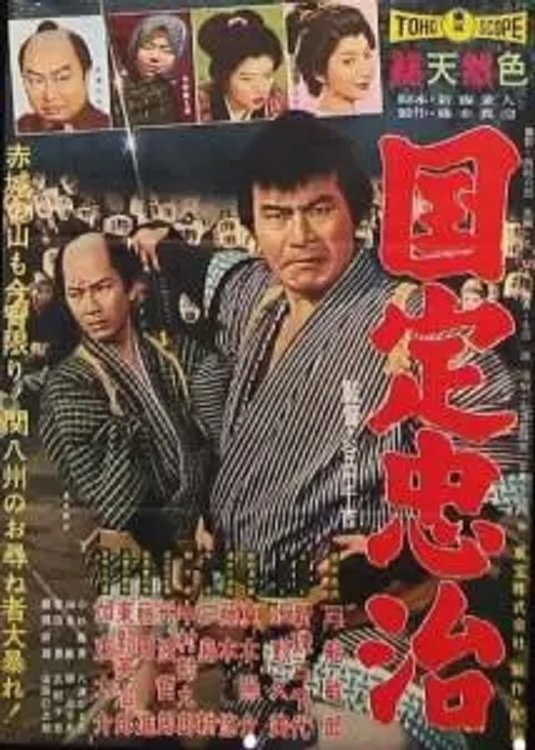
Chuji Kunisada returns to his home village to find that Jubei Matsui, the corrupt magistrate, has been responsible for virtually destroying Kunisada's family. A final tragedy leads Kunisada to join with a band of rogues living in the forest in robbing from the rich and giving to the poor, always with an eye toward avenging himself on Magistrate Matsui.
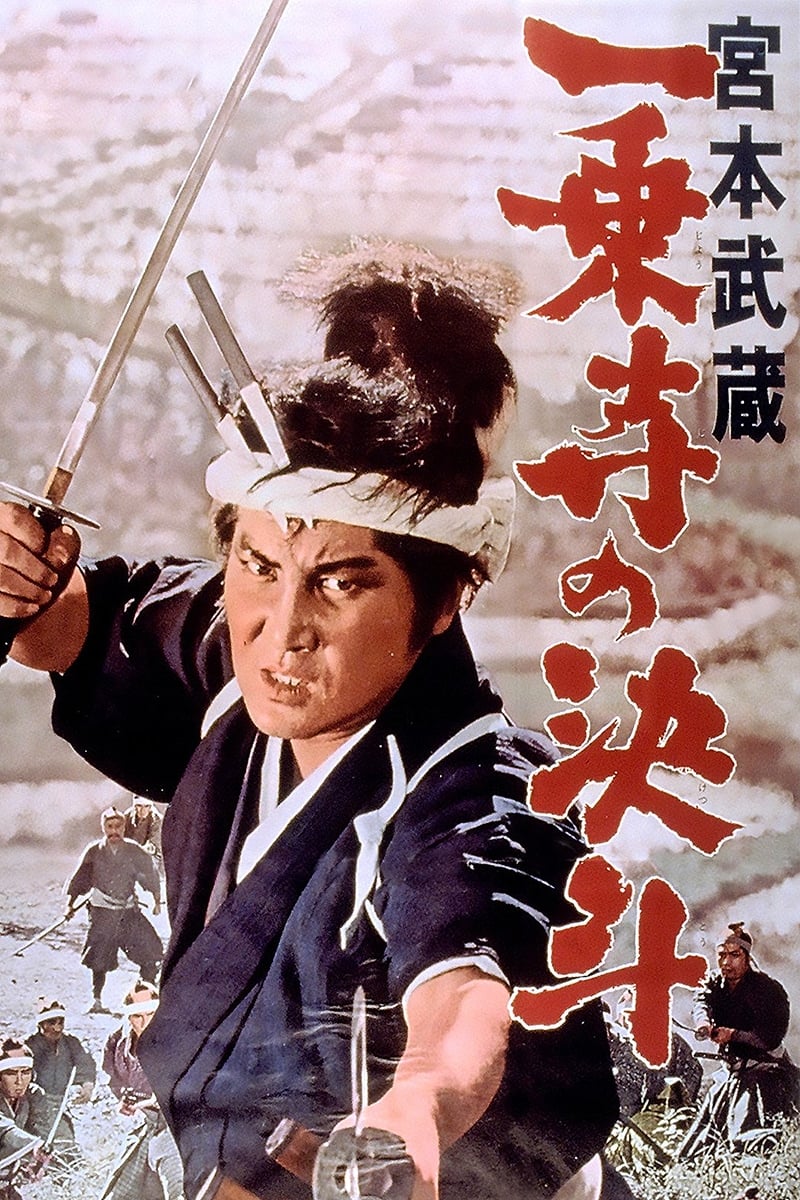
In the fourth installment, Musashi's potentially greatest opponent Kojiro jumps in and out of the story at the oddest and most coincidental moments. As his great love Otsu has succumbed to madness. Musashi then sets off to beat the functionaries of a treacherous clan in an arranged duel. 73 against one. Boastful Kojiro watches, secure in the knowledge that only he is a worthy opponent.
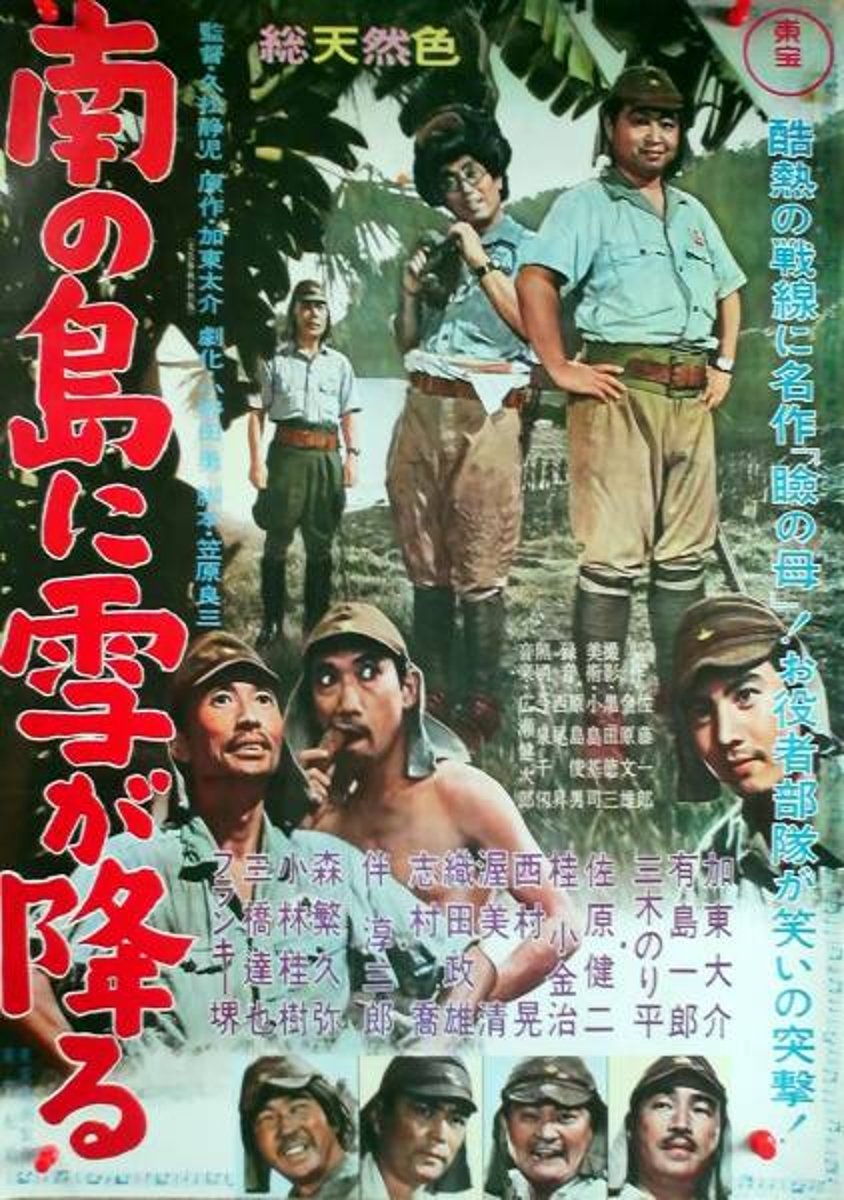
Japanese soldiers stranded in Manokwari, New Guinea, improvise a theater play to keep their spirits up and endure the extremely difficult conditions.
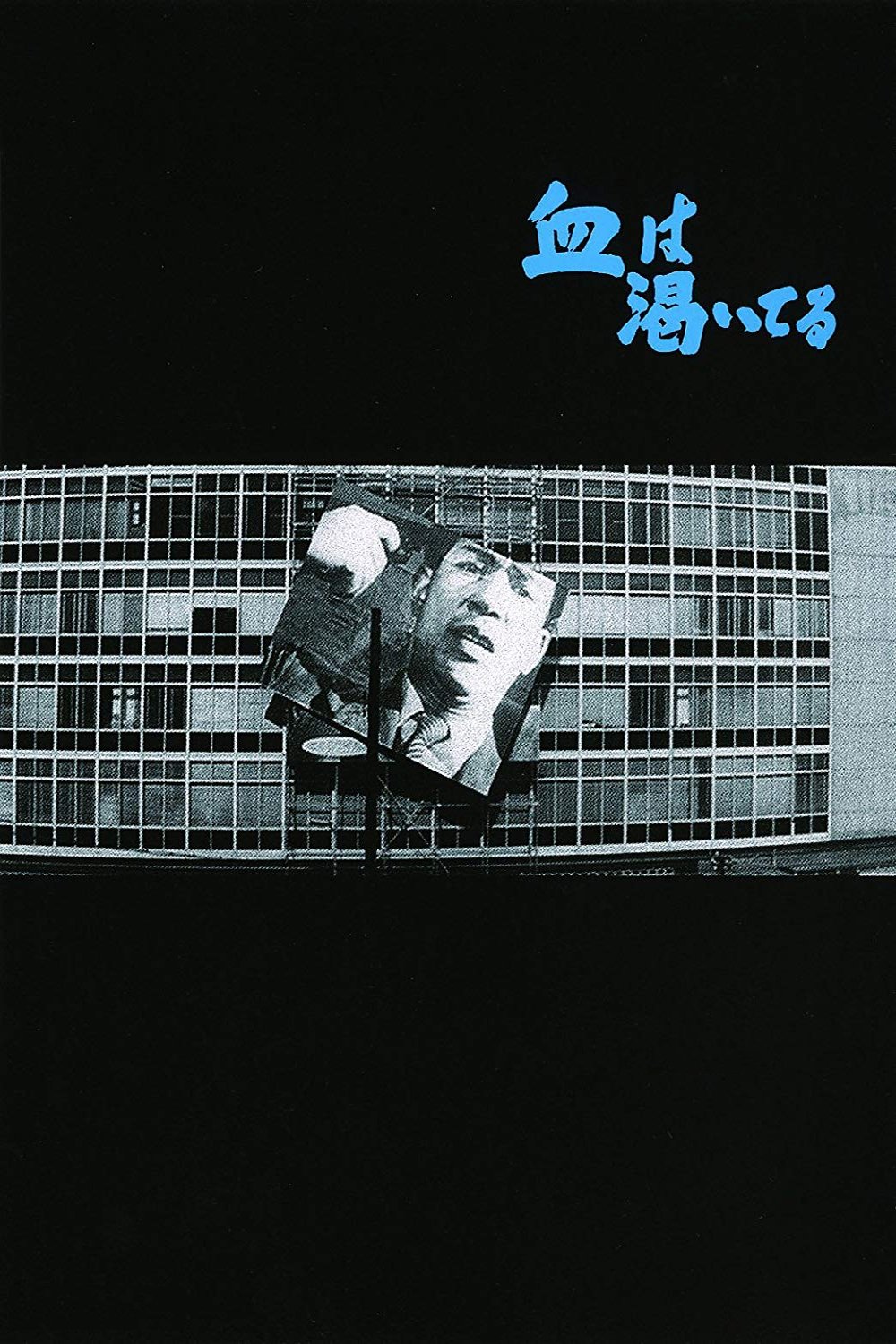
An employee in an assurance company threatens to commit suicide when management announces a massive layoff, the company uses this threat to its own advantage by turning the incident into an advertising campaign. With the success of the campaign, however, he is no longer a desperate man pointing a gun to his head, but a potential leader who wishes to take advantage of his failed suicide.
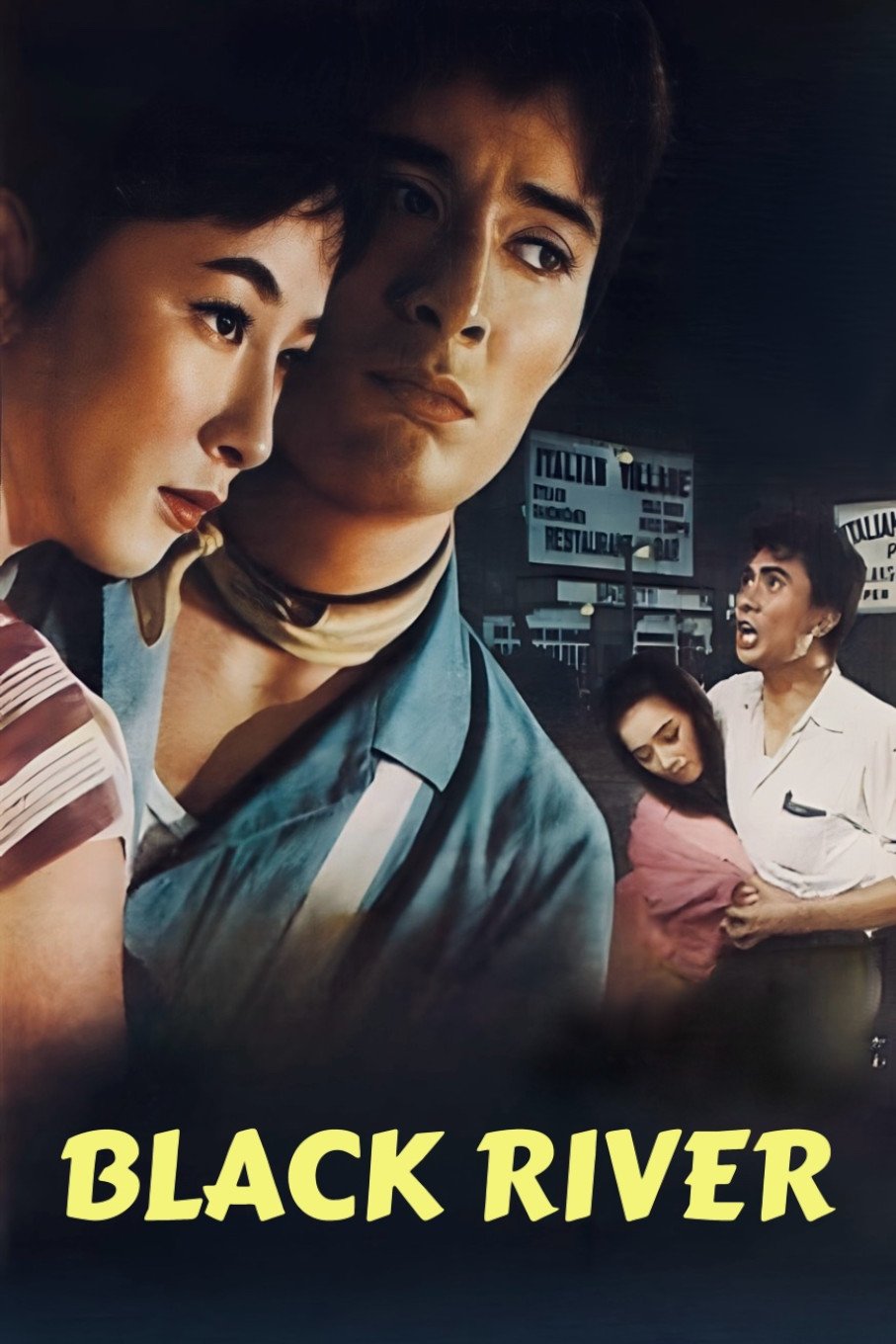
A love triangle develops between a benevolent student, his innocent girlfriend, and a cruel petty criminal, all as a point of diagnosis of a social disease that had Japan slowly succumbing to lawlessness during the post-War era.
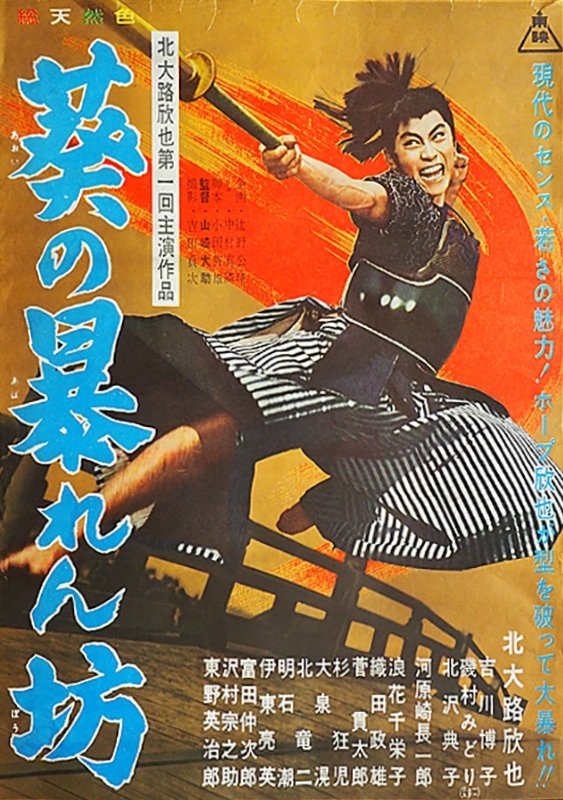
A young son of a master of the Kuwana clan gets disowned for his rebellious behavior. After he goes from the mountains to the ocean defeating the evil, he becomes a fine man.
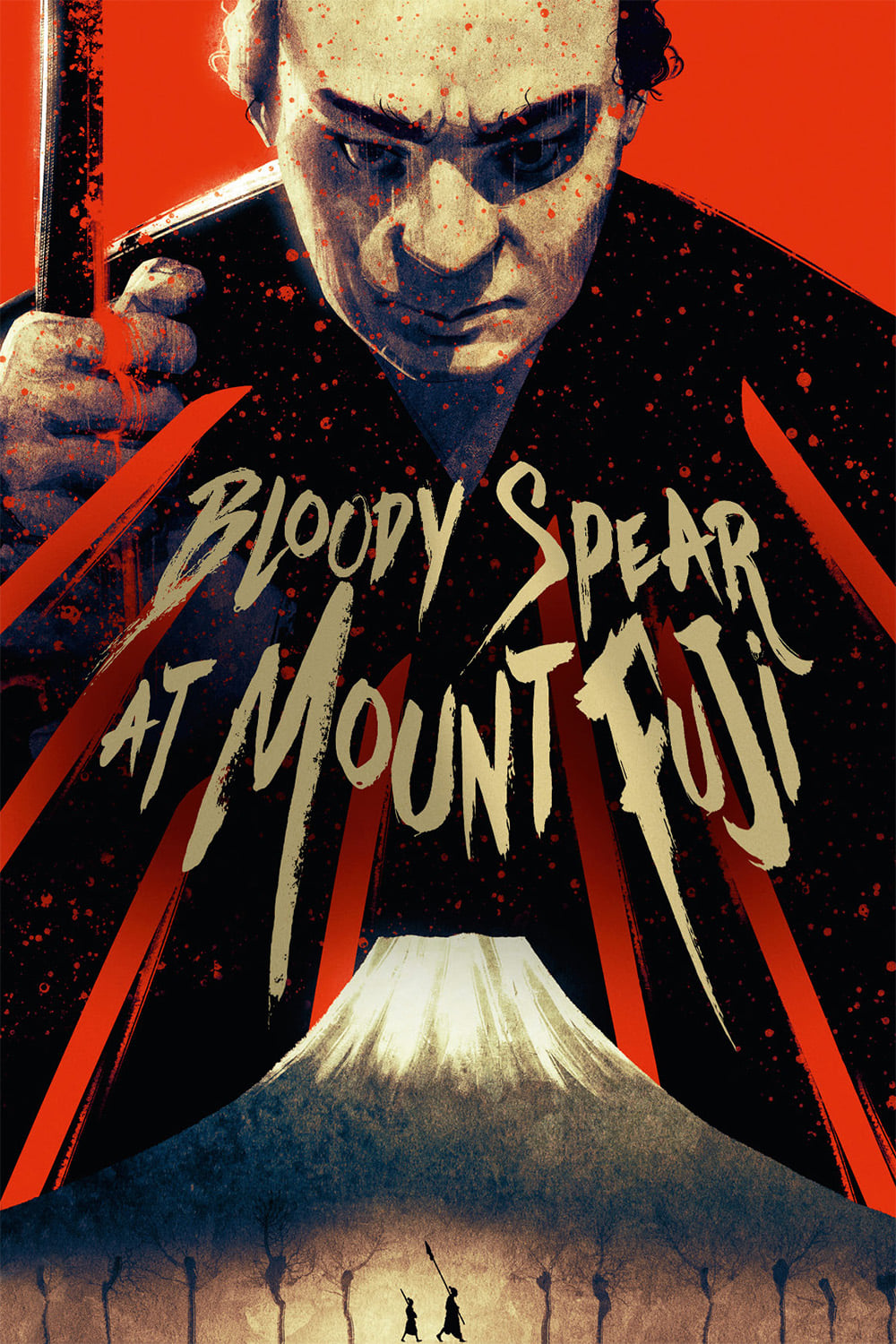
Tragicomic road movie set during the Edo period. It follows a samurai, his two servants – including spear-carrier Genpachi – and the various people they meet on their journey, including a policeman in pursuit of a thief, a young child and a woman who is to be sold into prostitution.
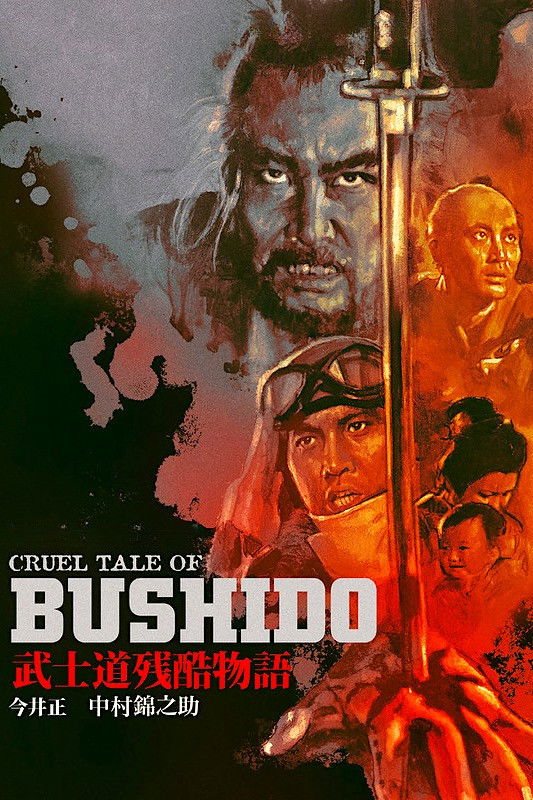
After a salary-man's fiancée attempts suicide, he recounts his gruesome family history which saw generations of his ancestors suffer and sacrifice themselves for the sake of their cruel lords.
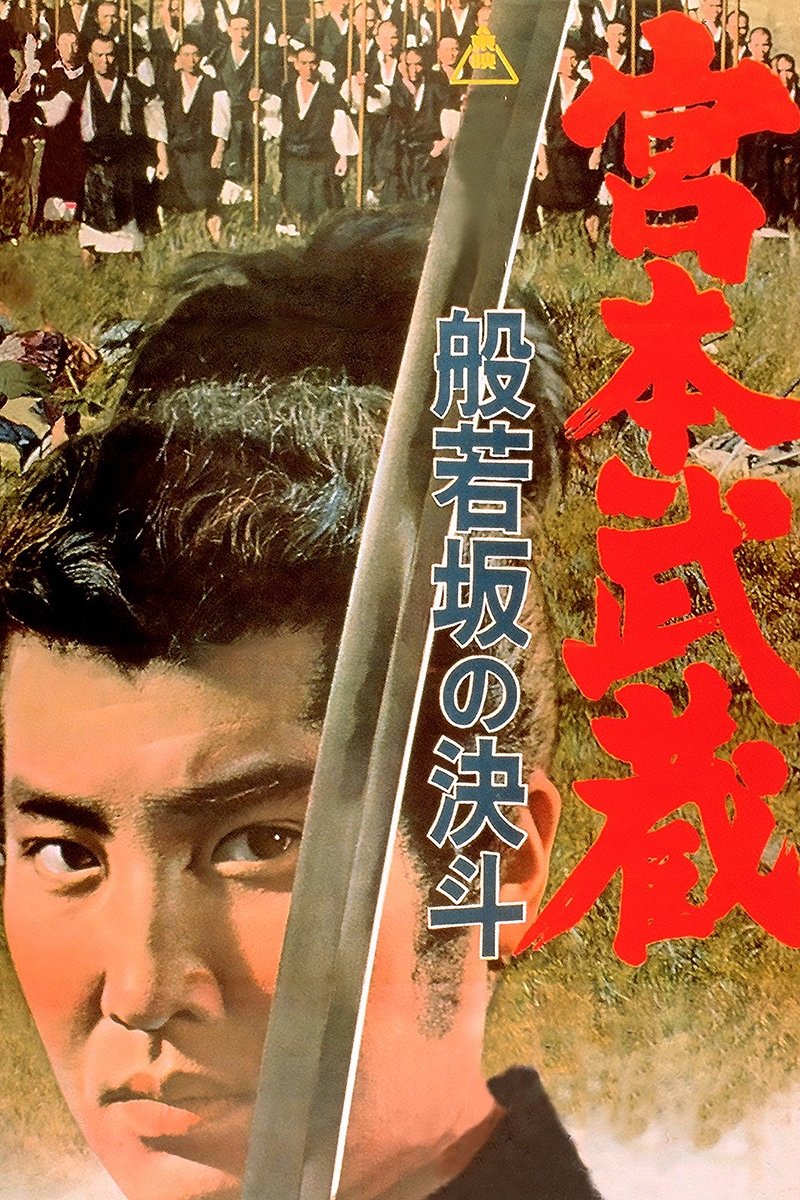
The remake of Yoshikawa's novel continues with the second installment in which Takezo, soon to be Miyamoto Musashi, emerges from the Himeji Castle after three years of intense contemplation and philosophical study and starting on his epic quest to complete his skill in the Way.

After their father quarrels with local military men, Anju and Zushio are forced to flee, but they are captured and sold into slavery. When their mother dies, they are sold to Sansho the Bailiff, a cruel man who subjects them to hideous torments. While Anju falls into a lake and is transformed into a swan, Zushio escapes and after being adopted to a nobleman grows to a young man. He will then fight to defeat the evil Dayu and free all the slaves.

Oda Nobunaga (1534–1582) was a major daimyo during the Warring State period of Japanese history. He was the second son of Oda Nobuhide, a deputy military governor with land holdings in Owari province. Nobunaga lived a life of continuous military conquest, eventually conquering a third of Japanese daimyo before his death in 1582. Telling the story of his rise to prominence as he leads an army of 4,000 men against the 40,000 troops of Lord Imagawa Yoshimoto to prevent the arrogant daimyo from crushing the Oda clan and taking control of the entire nation. From a newly restored anamorpic widescreen print, this is the ultimate warlord movie.

Japanese drama.
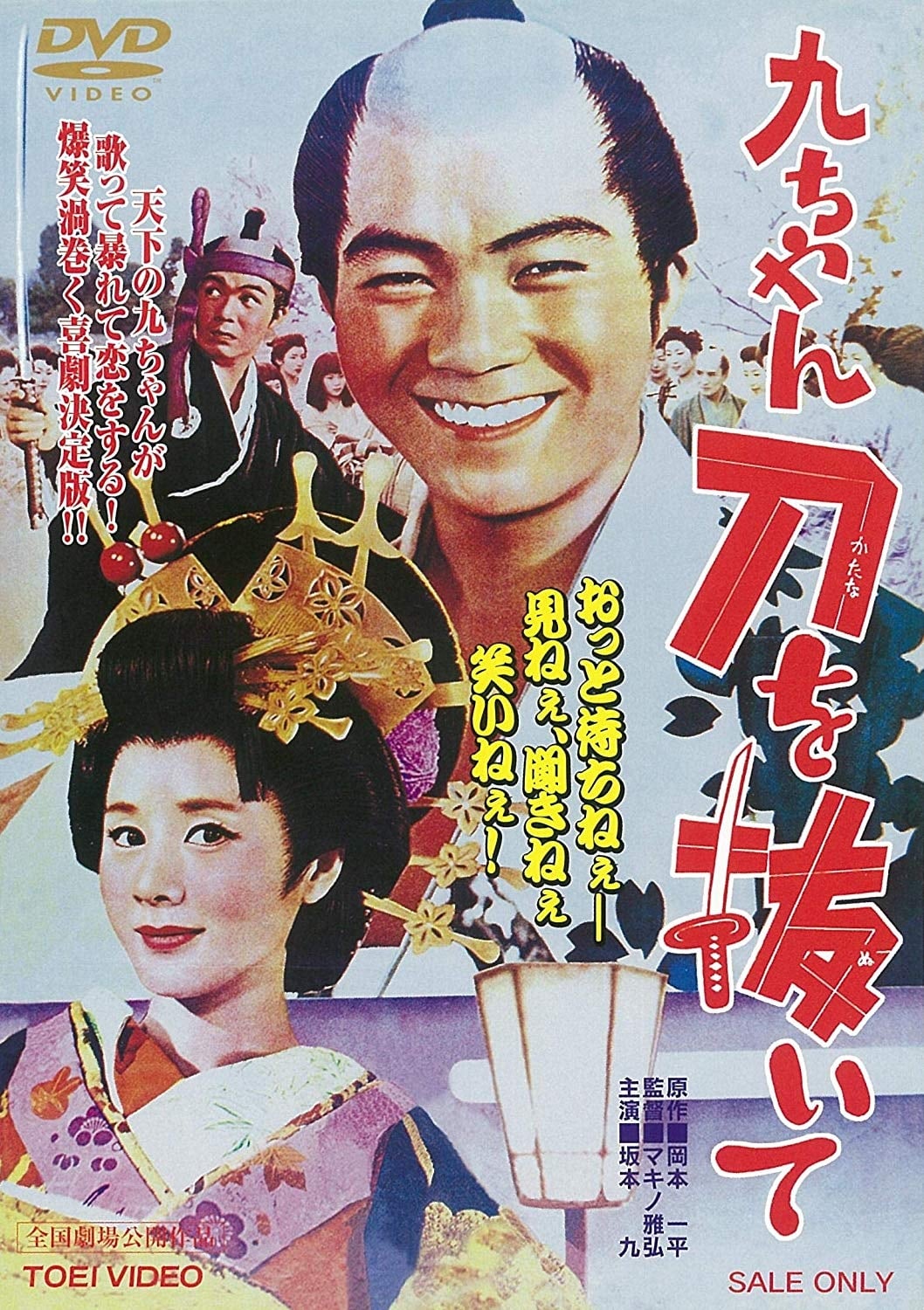
A laid-back man tries to become a member of the yakuza.
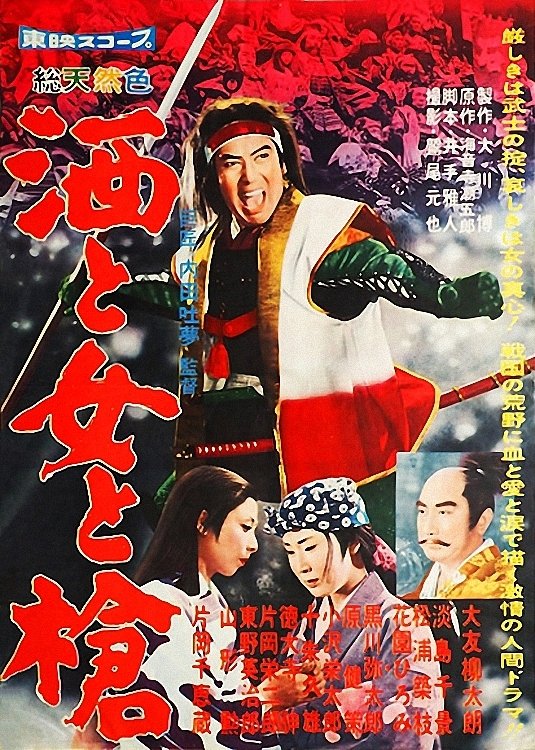
Kurando is a retired samurai. Granted a last-second reprieve from the obligation to commit harakiri, he decides to settle down and marry one of the two kabuki actresses who helped him enjoy what he thought would be his final days.
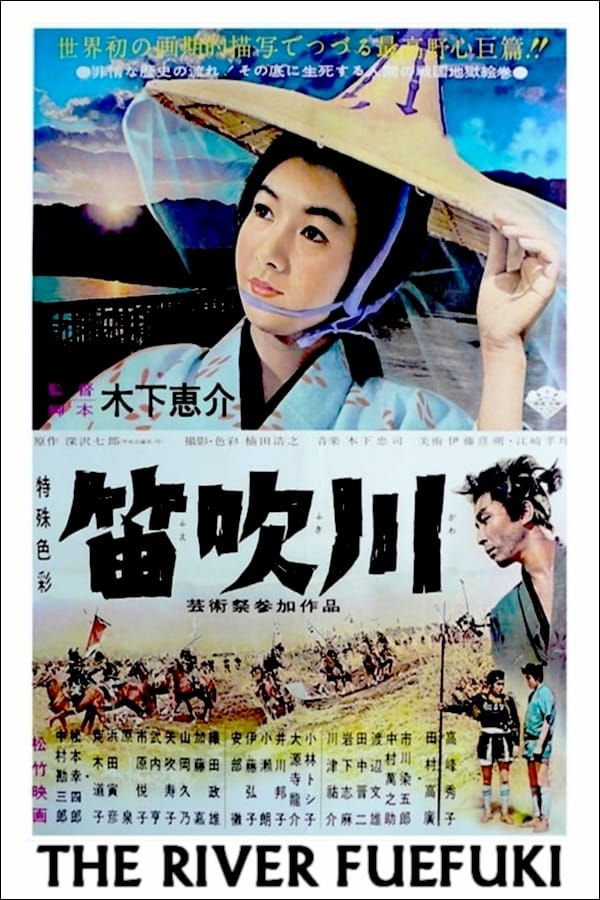
In a time of continuous civil wars ravaging the fields of feudal Japan, the eldest son of a very poor peasant family, living alongside the bridge over the Fuefuki river, decides to serve a warlord to escape his miserable condition, being soon followed by his younger brothers. Although not all the men of the family take this tragic path of death, women of the family will be doomed to endure the pain of loss during the next five generations.
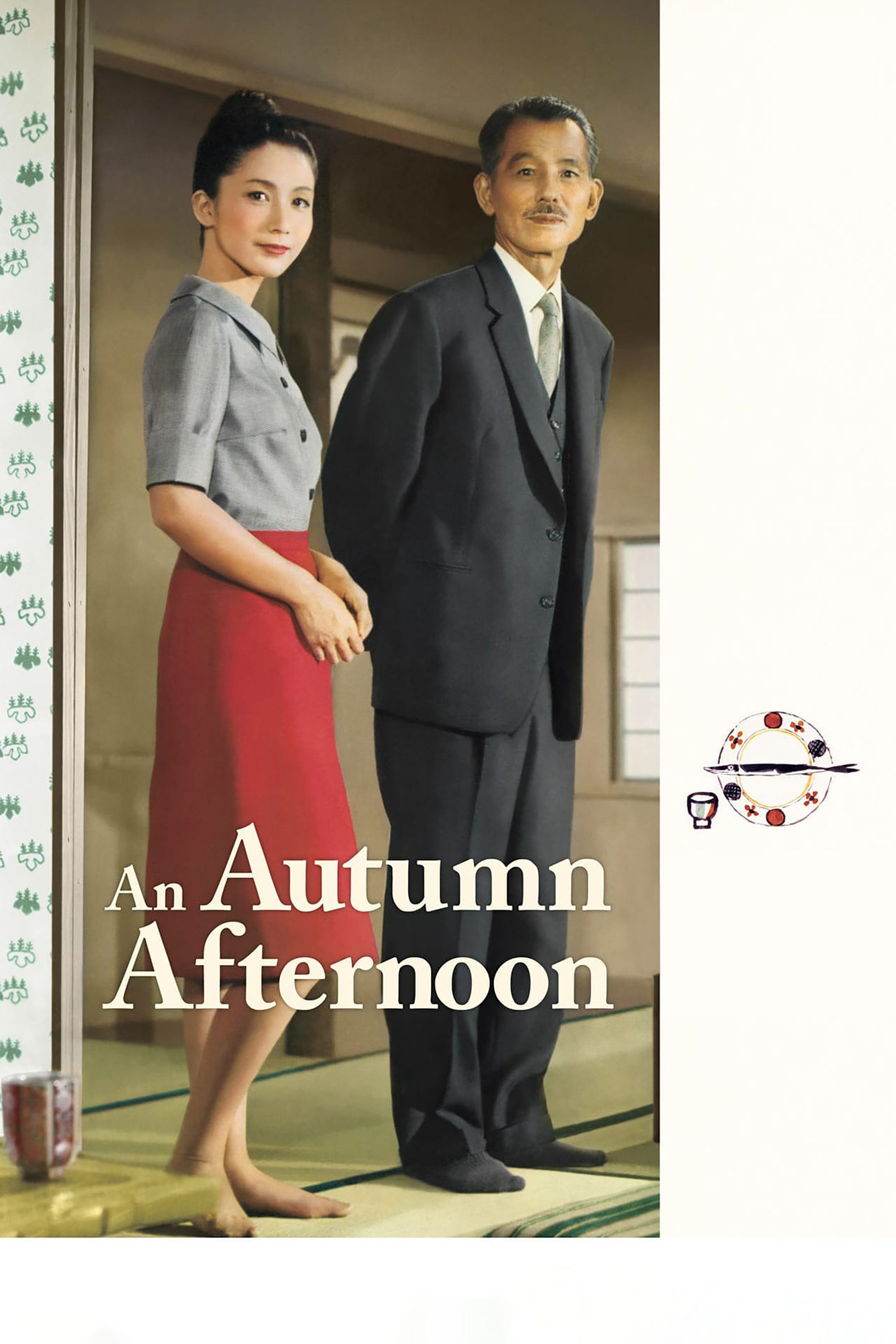
Widower Shuhei Hirayama's caretaker is his 24-year-old daughter, Michiko. Gradually, he comes to realize that Michiko should not be obliged to look after him for the rest of his life, so he arranges a marriage for her.
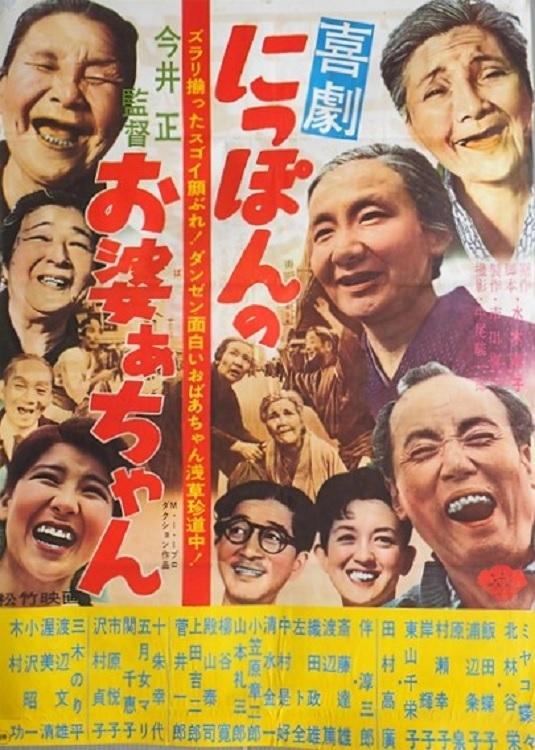
Two obaachans become fast friends listening to music in front of a record store. They both boast about their loving sons but in reality, one had just escaped a retirement home and the other was looking for an escape from her son and daughter-in-law. With nowhere to go, the two wander around, befriending a cosmetics salesman and a kind waitress who give them beer. This biting social satire starring two memorable grandmothers, scripted by Yôko Mizuki, picked up on Japan’s aging population problem far ahead of its time.
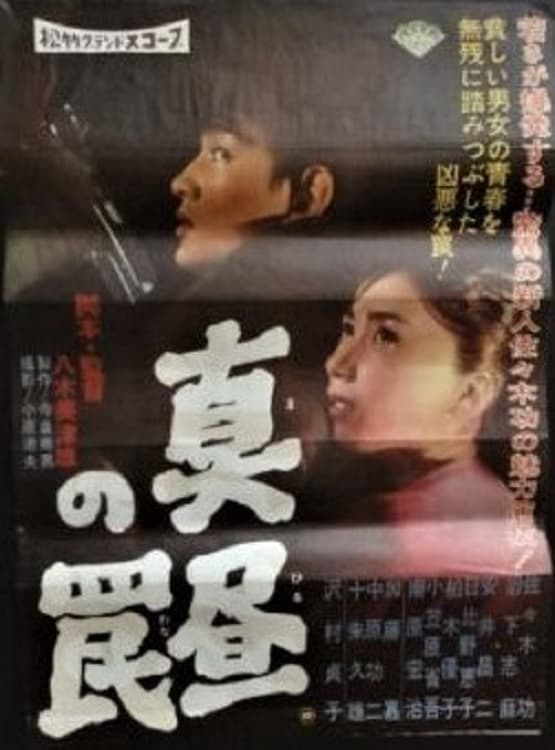
On his way to Tokyo one night, a truck driver picks up a country girl and has his way with her amidst a forest. A few days later he loses his job after a run-in with some punks, but is offered a job by a gangster impressed by his fighting skills. He tries to make amends with the girl he ravished, but becomes caught up in the ways of the underworld...
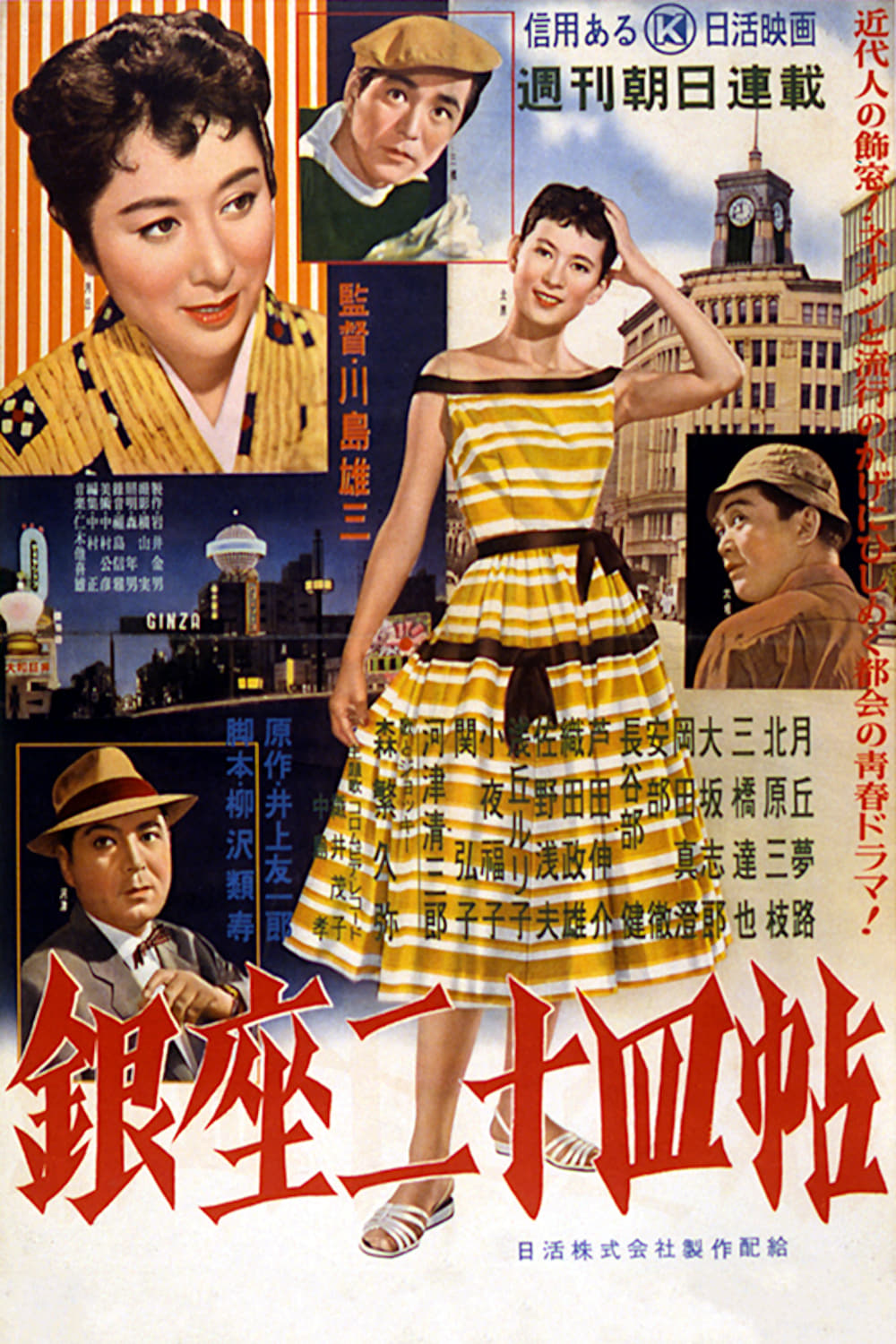
In the thriving Tokyo neighborhood of Ginza, a woman in the process of selling her estranged husband’s art collection attempts to identify the man who painted her own portrait fifteen years prior.
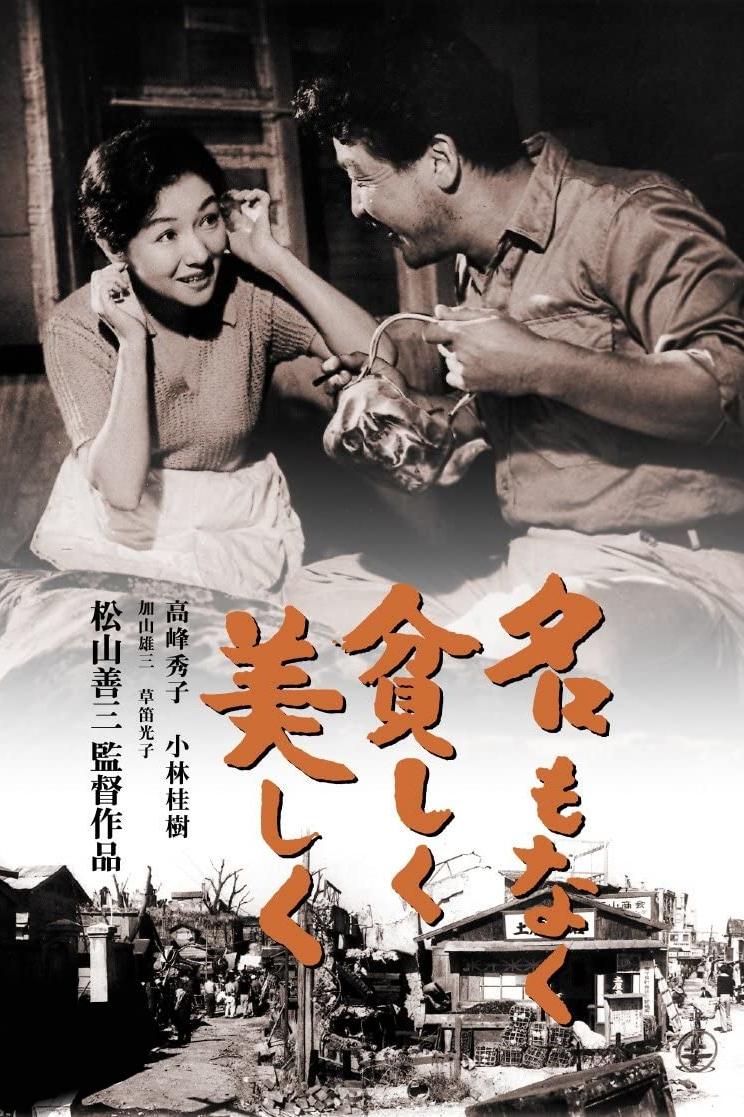
The story is of two people. One is deaf, the other deaf and mute. They marry after meeting at a school reunion, and the film follows their trials and tribulations ... and joys.
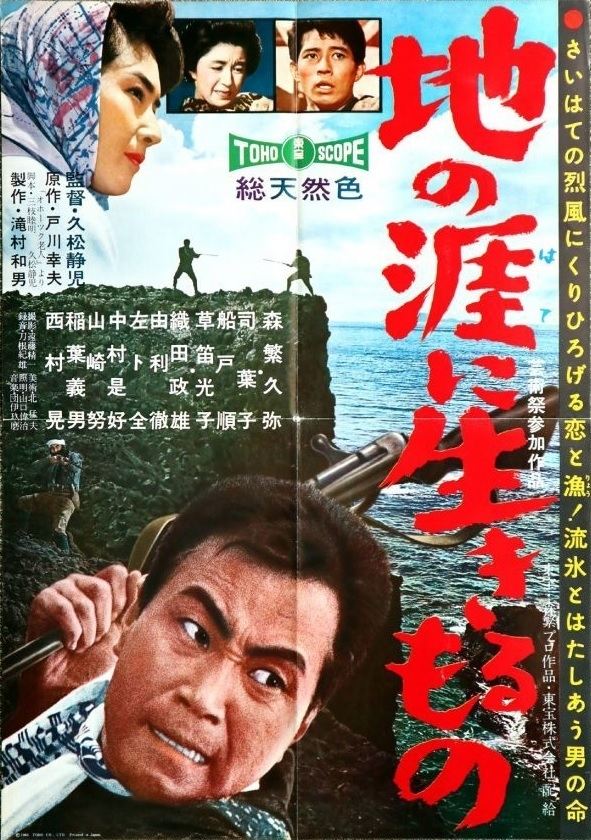
A semi-documentary story about the vicissitudes in the life of an elderly fisherman.
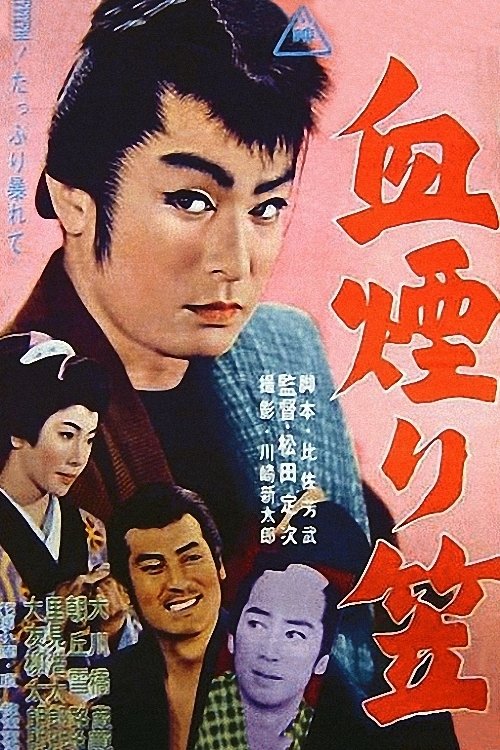
Three young yakuza, Fujitaro, Matsugoro and Kanjuro, travel the country fighting evil.
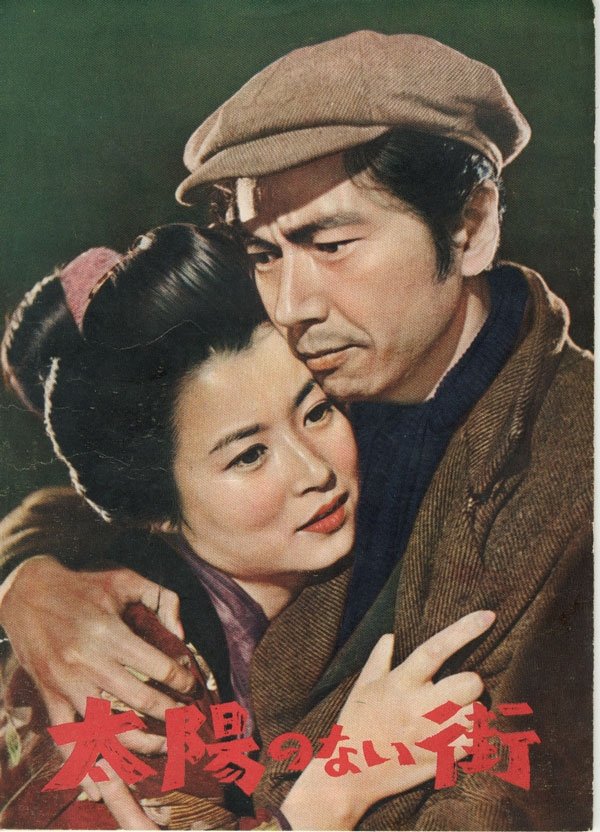
Based on the novel by proletarian writer Sunao Tokunaga. The story is about a long strike by workers at a large printing house and the strikers' steadfastness, which neither hunger nor violence could break. The heroine of this story actively participates in her colleagues' struggle against layoffs, oppression, and police brutality.
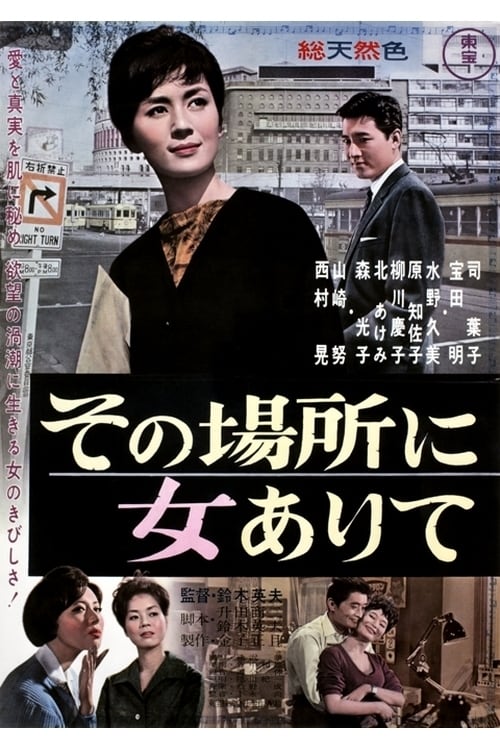
Story of romance and rivalry between two ad agencies vying for the same account with a pharmaceutical firm.
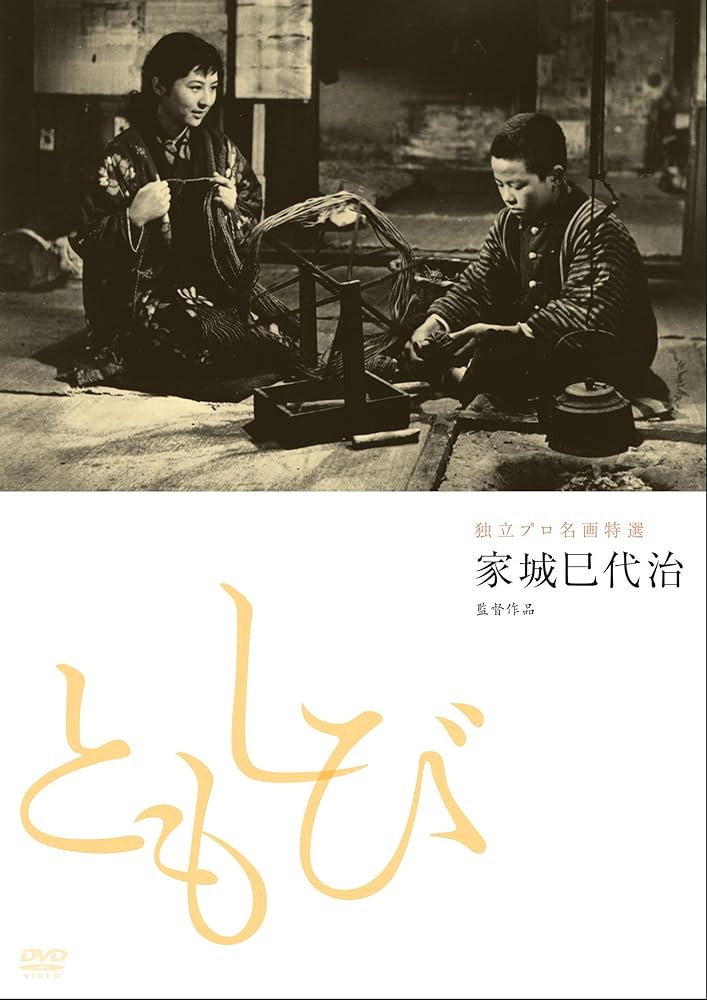
Students in a small rural school love their poor but unconventional teacher Mr. Matsukuma, although he is misunderstood by most of the villagers and is forced to leave. After his departure there is great depression, but there is a chance to rekindle the lantern of the title and the values Matsukuma represented ...
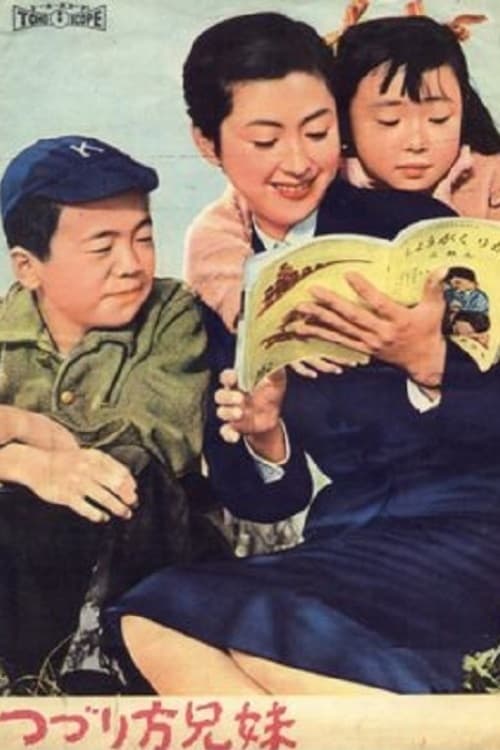
A touching story about little Futyan and his sister Matiko. Their parents are very poor, but the children are not discouraged—they run to school together and find many interesting things in life. The children love literature and are good at writing essays. When they hear about a global competition for the best essay, they decide to take part and write an essay about how their school is going to be demolished and a military factory built in its place, about how difficult life is for their parents, how poor they are, but how they never lose their cheerfulness and hope. The essay was sent to Moscow, and the children eagerly await the decision. But Futyan did not wait for the answer; he caught a cold and became seriously ill. And since there was no money for his treatment, little Futyan died, and soon the answer came — the brother and sister's essay was awarded first prize.
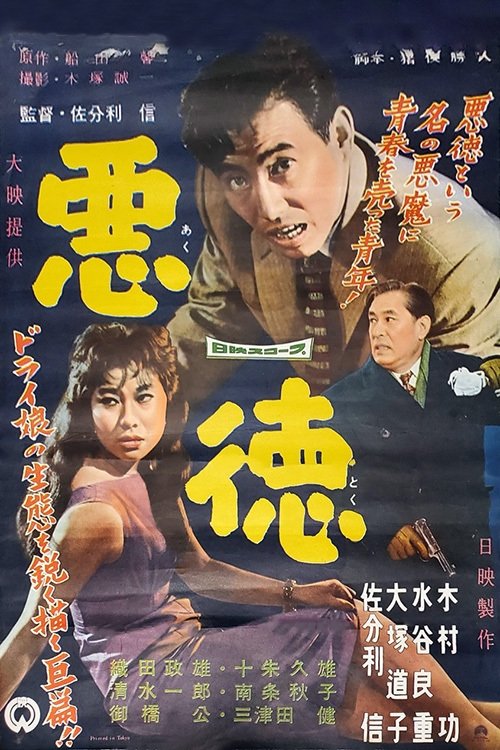
A movie adaptation of Funayama Kaoru's novel of the same name, which depicts the story of a modern youth who is attracted to the evil path. Saburi Shin, a well-known actor who also demonstrated his skill as a director in a bold social work, embodies a person with a complicated dilemma in a shadowy manner, and is a dramatic work that plays a part in the lead role.
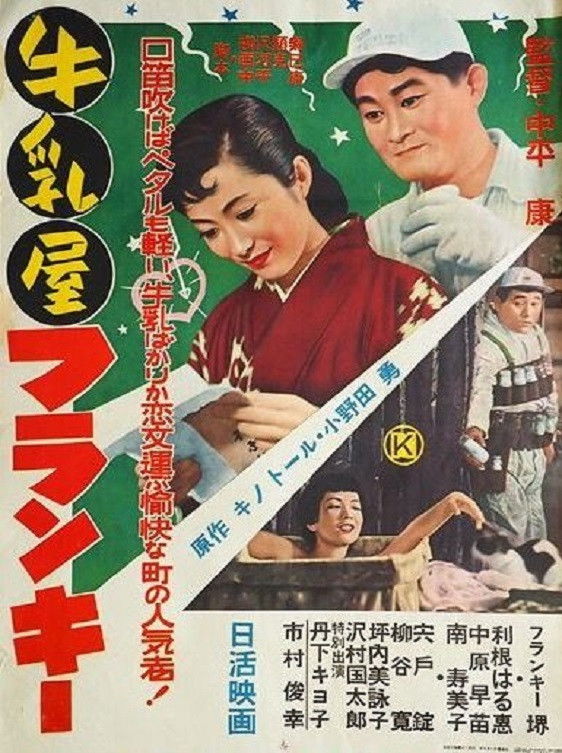
Roppeita is big in size, clumsy and full of energy. When his grandfather orders him to move out to Tokyo to save a sinking milk delivery business a distant relative of his runs, he encounters the most strangest of clientele.
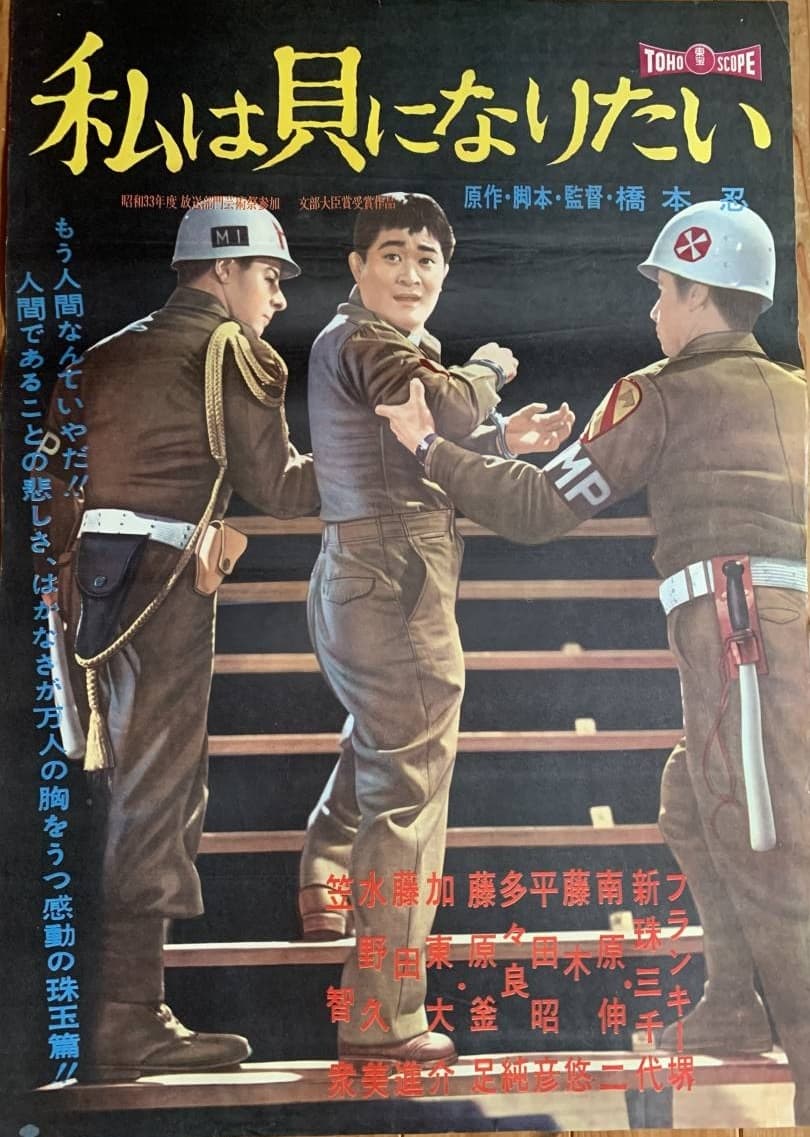
On a post-war peaceful day in Japan, Toyomatsu Shimizu, a barber as well as a good father and husband, is suddenly arrested by the Prefectural Police as a war criminal and sued for murder.
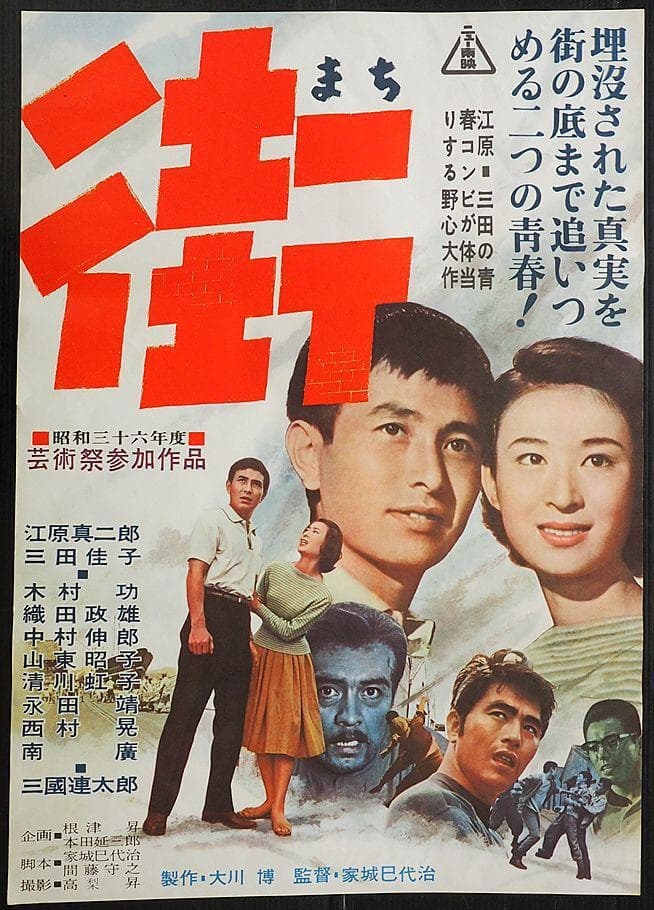
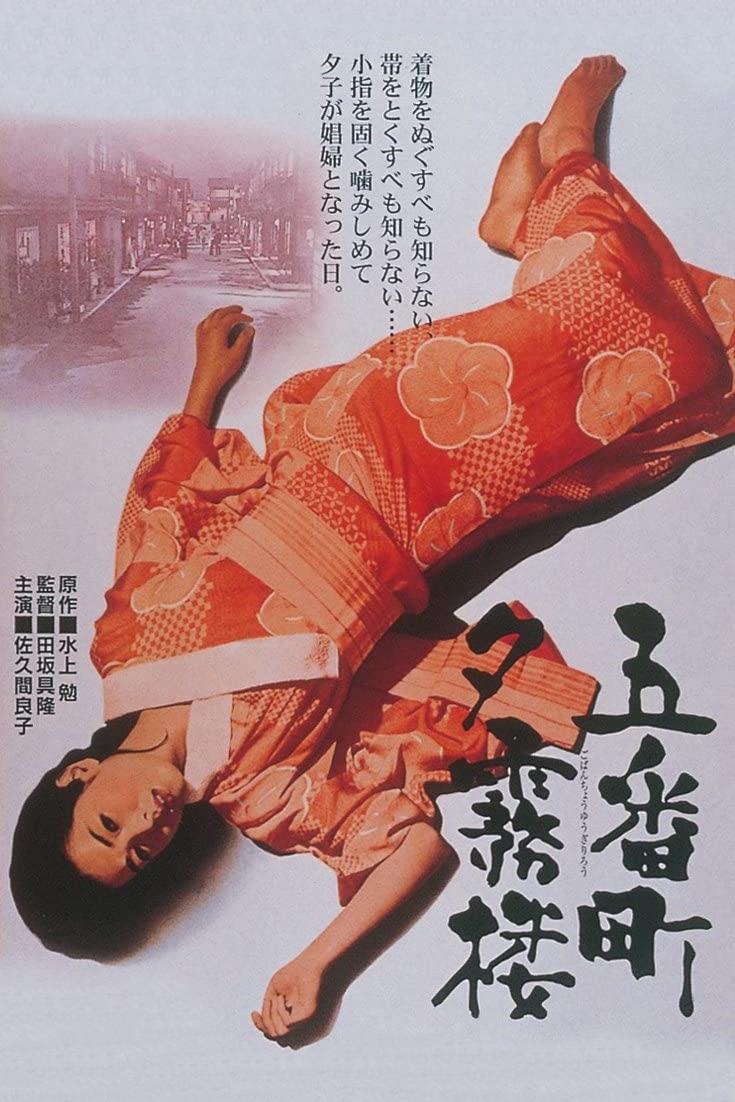
With her family suffering from extreme poverty, Yuko, as the eldest daughter, is sold to a successful brothel in Kyoto. There she is assigned to serve Takamatsu, one of the brothel’s top customers. But while Takamatsu falls madly in love with Yuko, she finds herself attracted to a young priest named Kunugida. Torn by jealousy, Takamatsu hatches an evil plan to tear them apart.
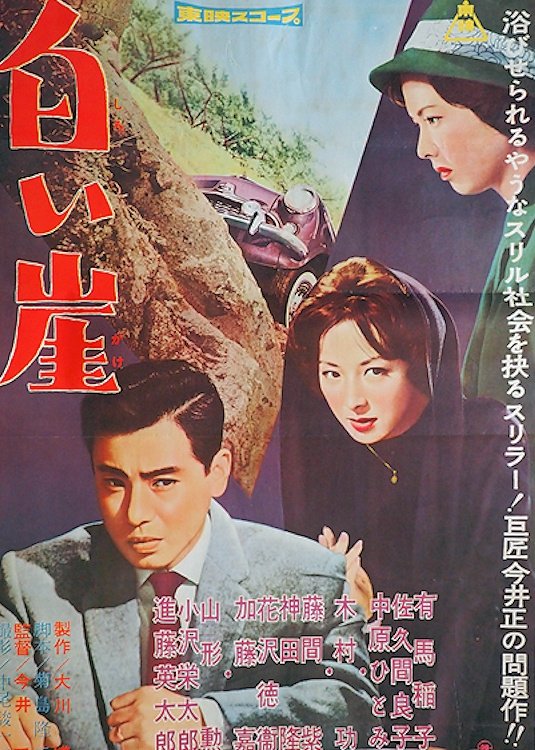
1960 Toei film.
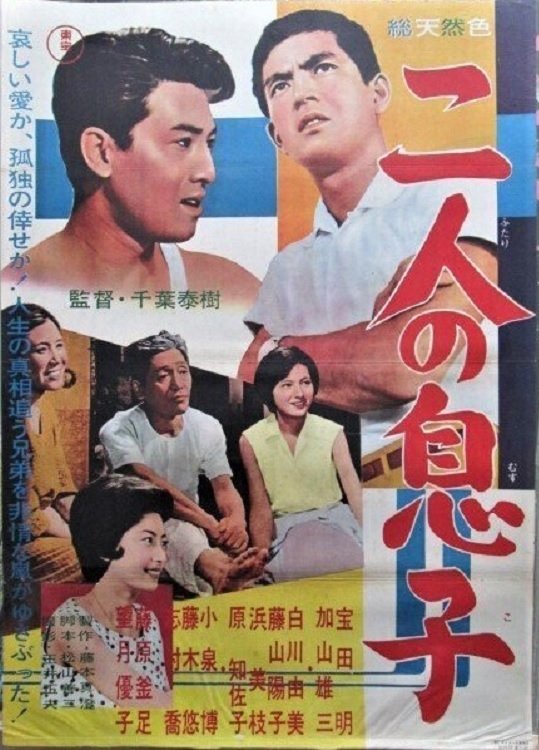
In the middle of the period of high economic growth in Japan, a family is thrown into disarray over work, money, and romance. Their father's sudden unemployment later in life causes friction among the siblings of the Akagi family. Kensuke, a salaryman at a top company, refuses to support his parents while his brother, Shoji, determines to care for them despite only working as a taxi driver. The concern over money affects Noriko's own love life as she courts a wealthy salaryman to the chagrin of her mechanic boyfriend.
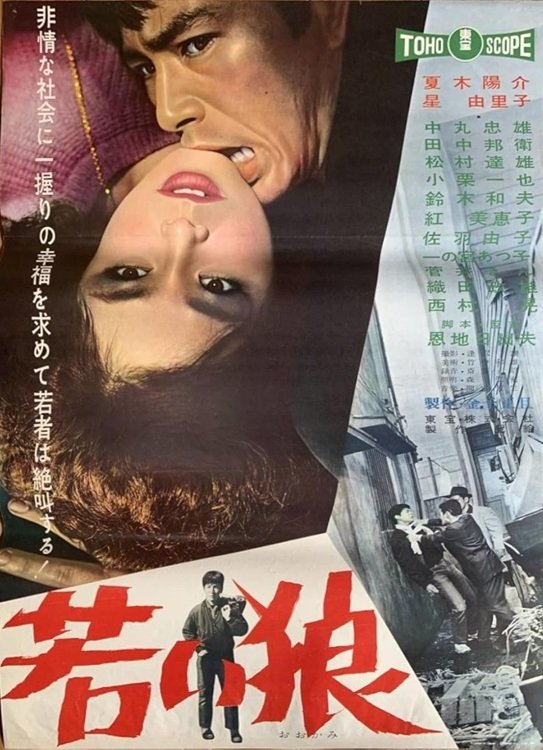
Set in a juvenile detention center and depicted with a documentary touch.
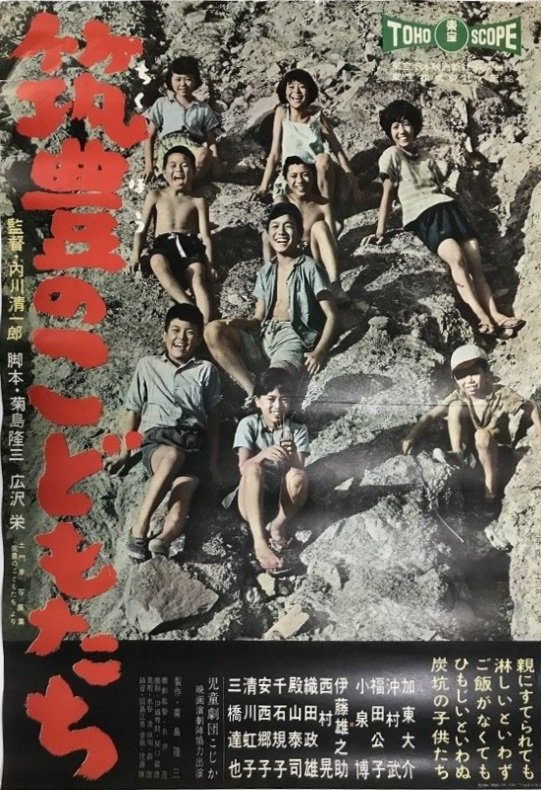
A drama film based on Ken Domon's photography of the children around the Chikuho coal mines.
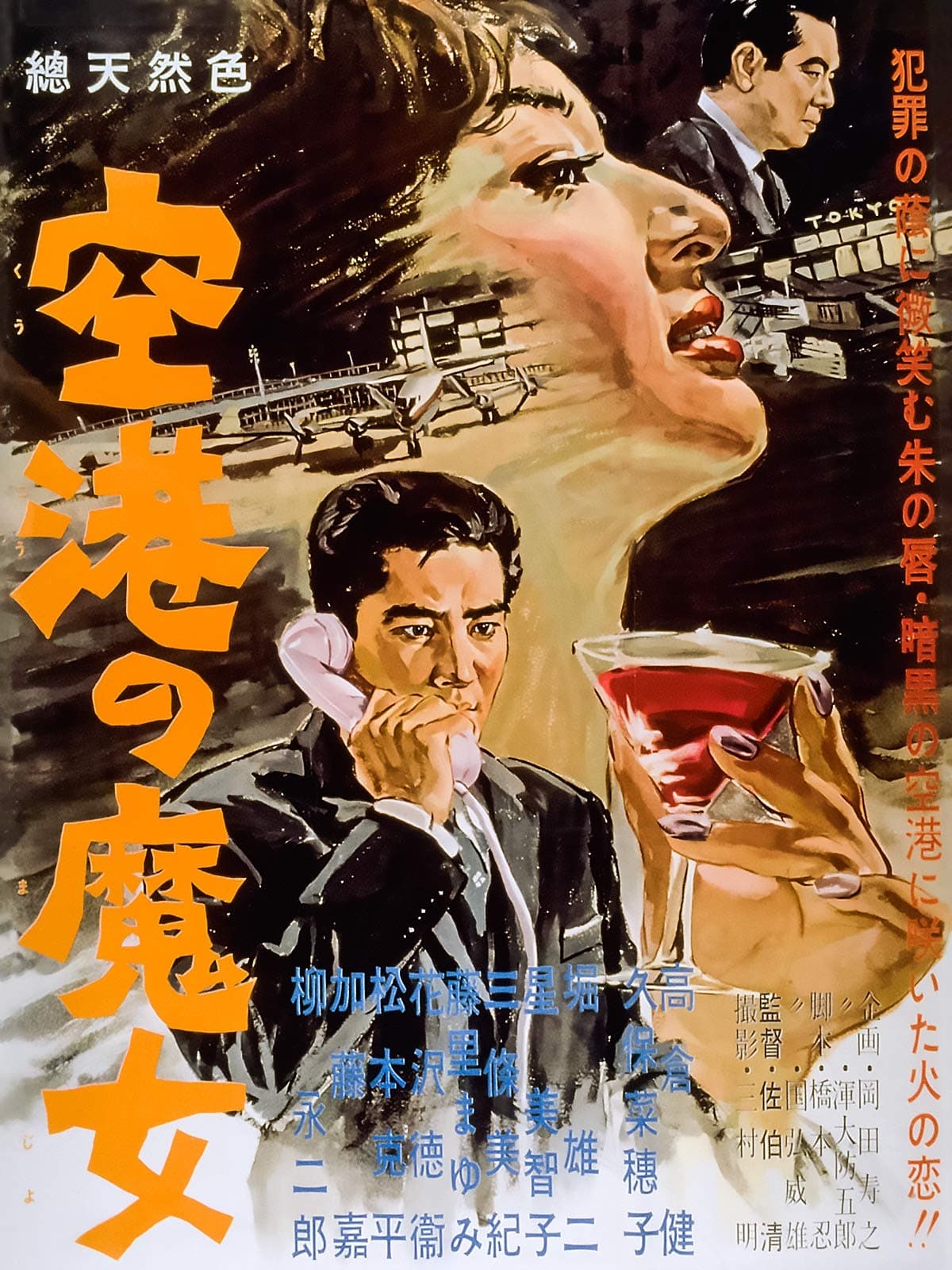
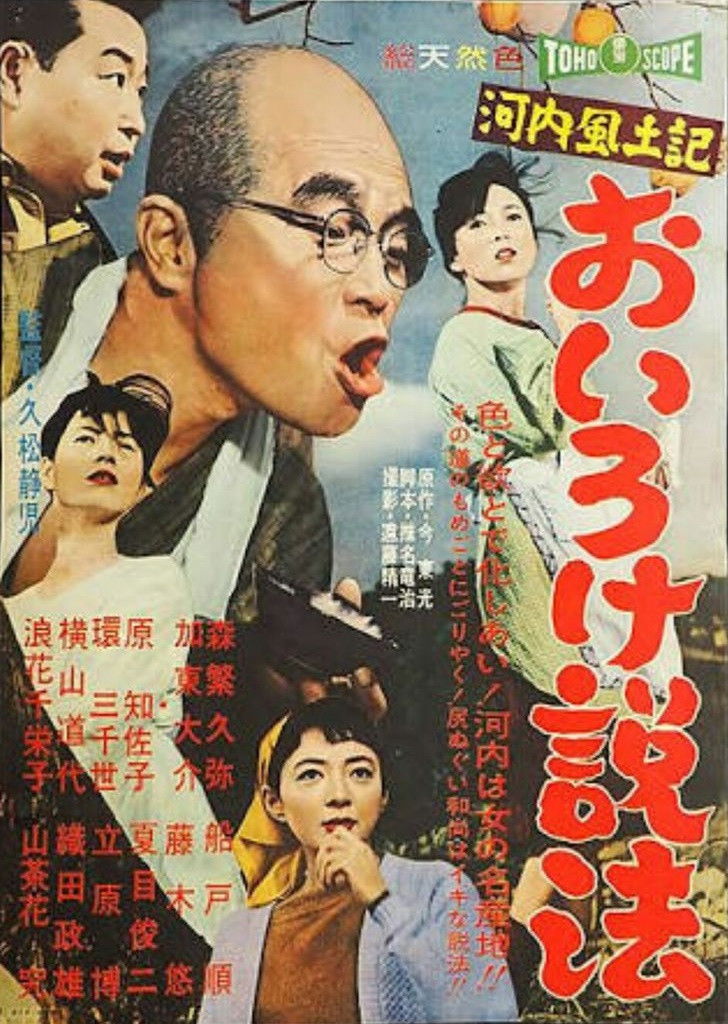
1961 Japanese movie
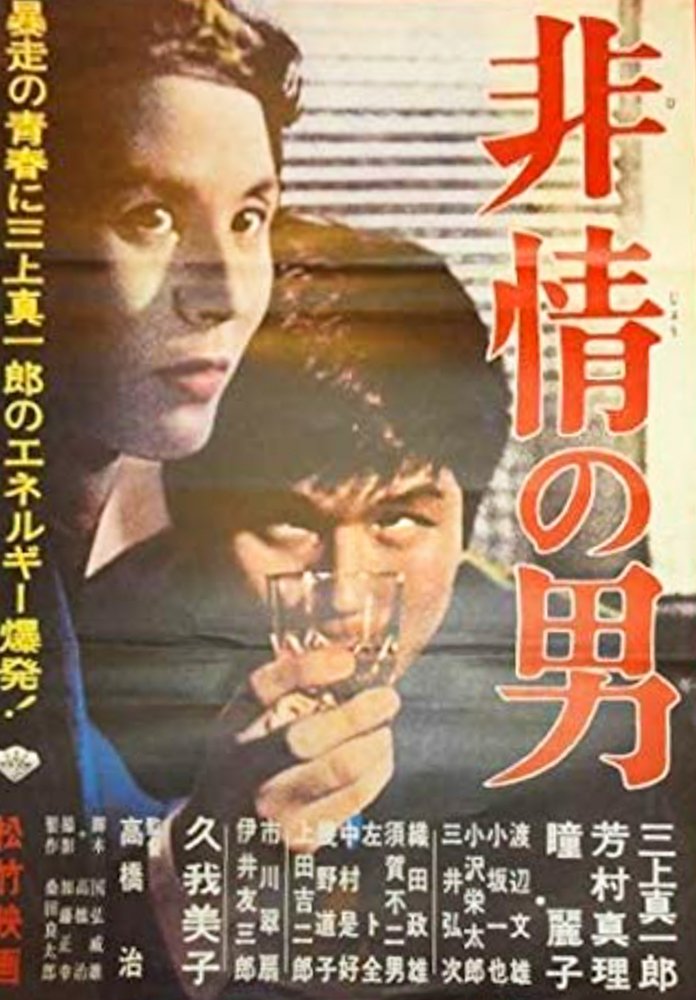
1961 Japanese movie
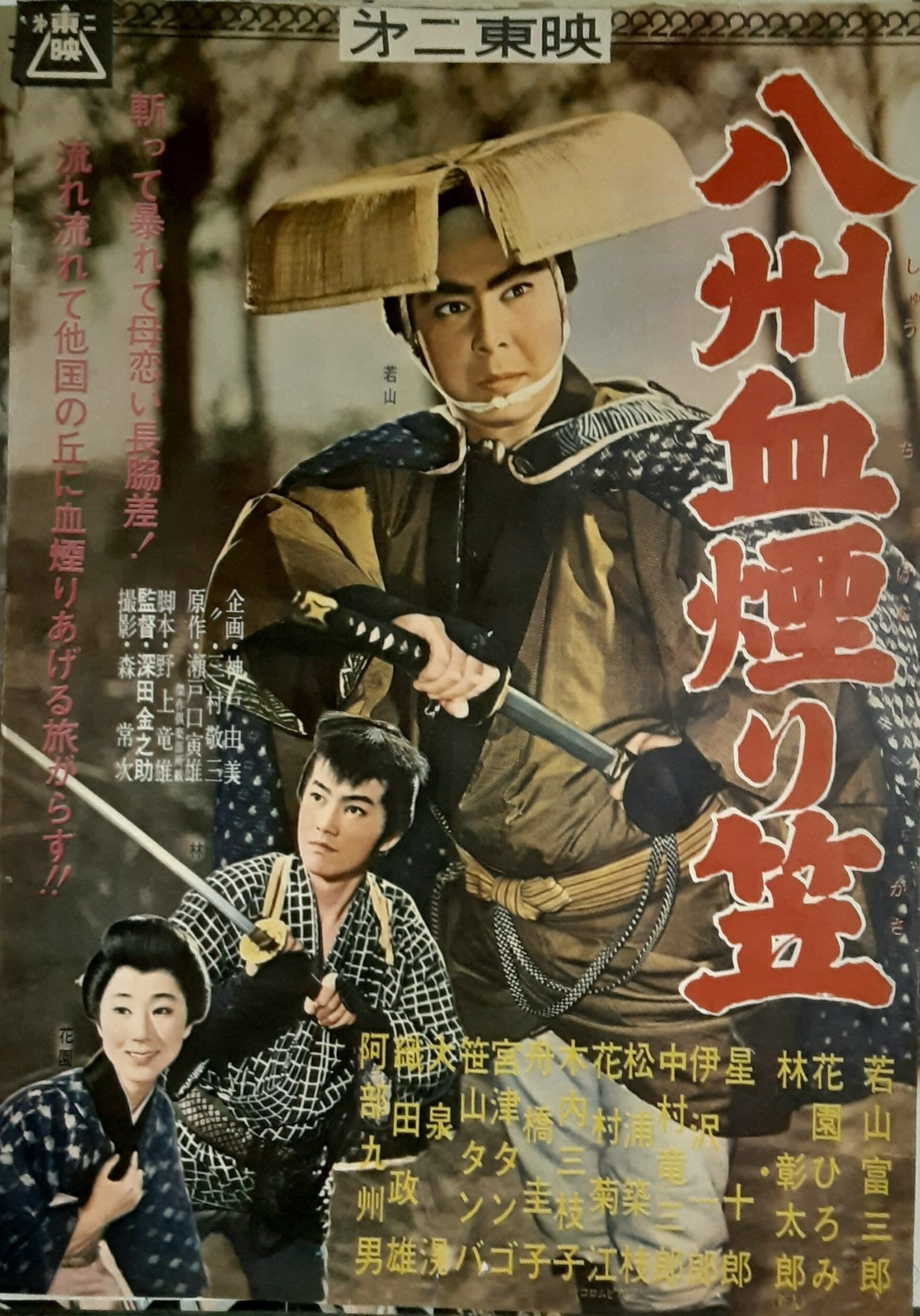
1961 Japanese movie
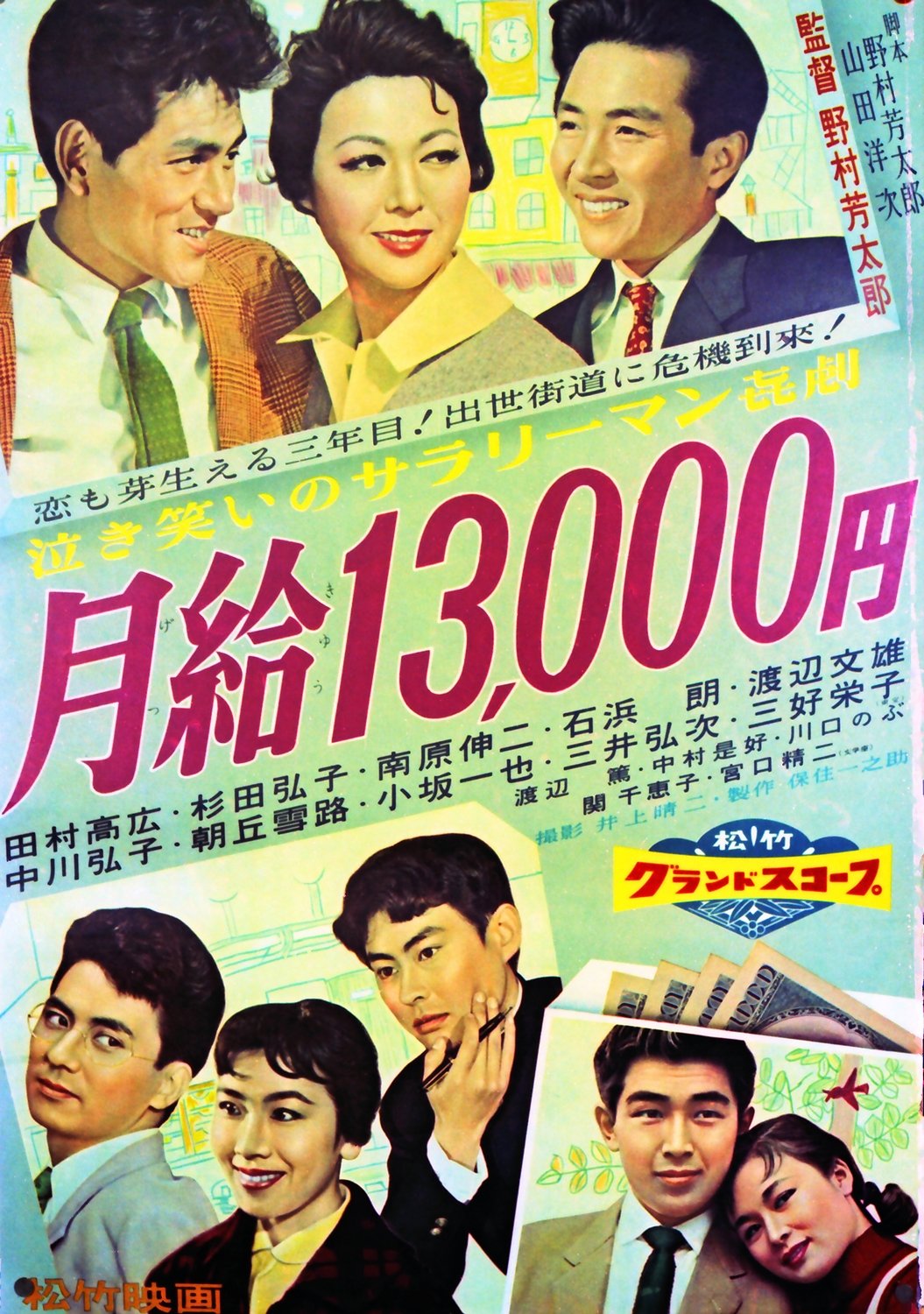
Set in a rubber company in Tokyo, this comedy depicts the sorrows of salarymen in a humorous way, centering on the commotion caused by the passionate salaryman Goro Mutsu, who is transferred from Kyushu.
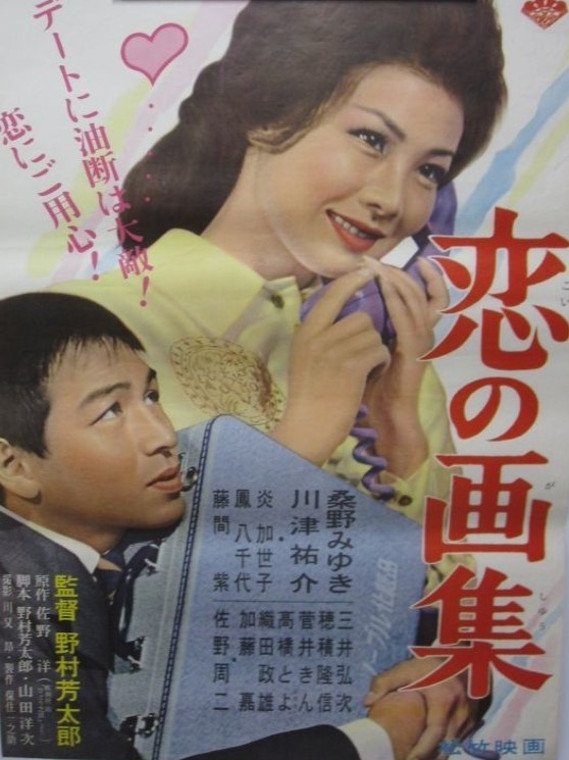
Taiji (Kawazu Yusuke), who works at Noble Cosmetics, wants to marry his girlfriend Tomie (Kuwano Miyuki), but is having a hard time saving up the money. On a night train, he casually takes a photo of a middle-aged man and a young woman sleeping close together in seats diagonally opposite each other. In reality, the man is Aizawa (Sano Shuji), the section chief at the government agency where Tomie works. Tomie tells Taiji that she is pregnant and wants them to get married soon, so Taiji sends Aizawa the same photo. This is to ask him to buy it...
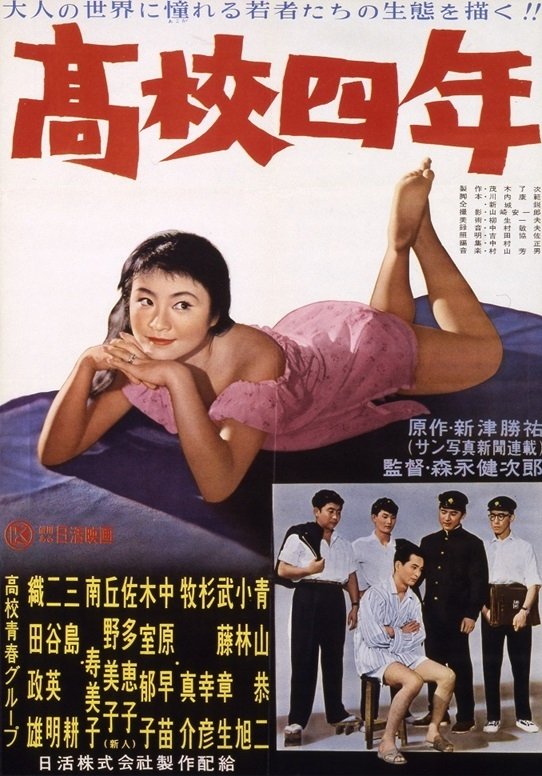
1957 Japanese movie
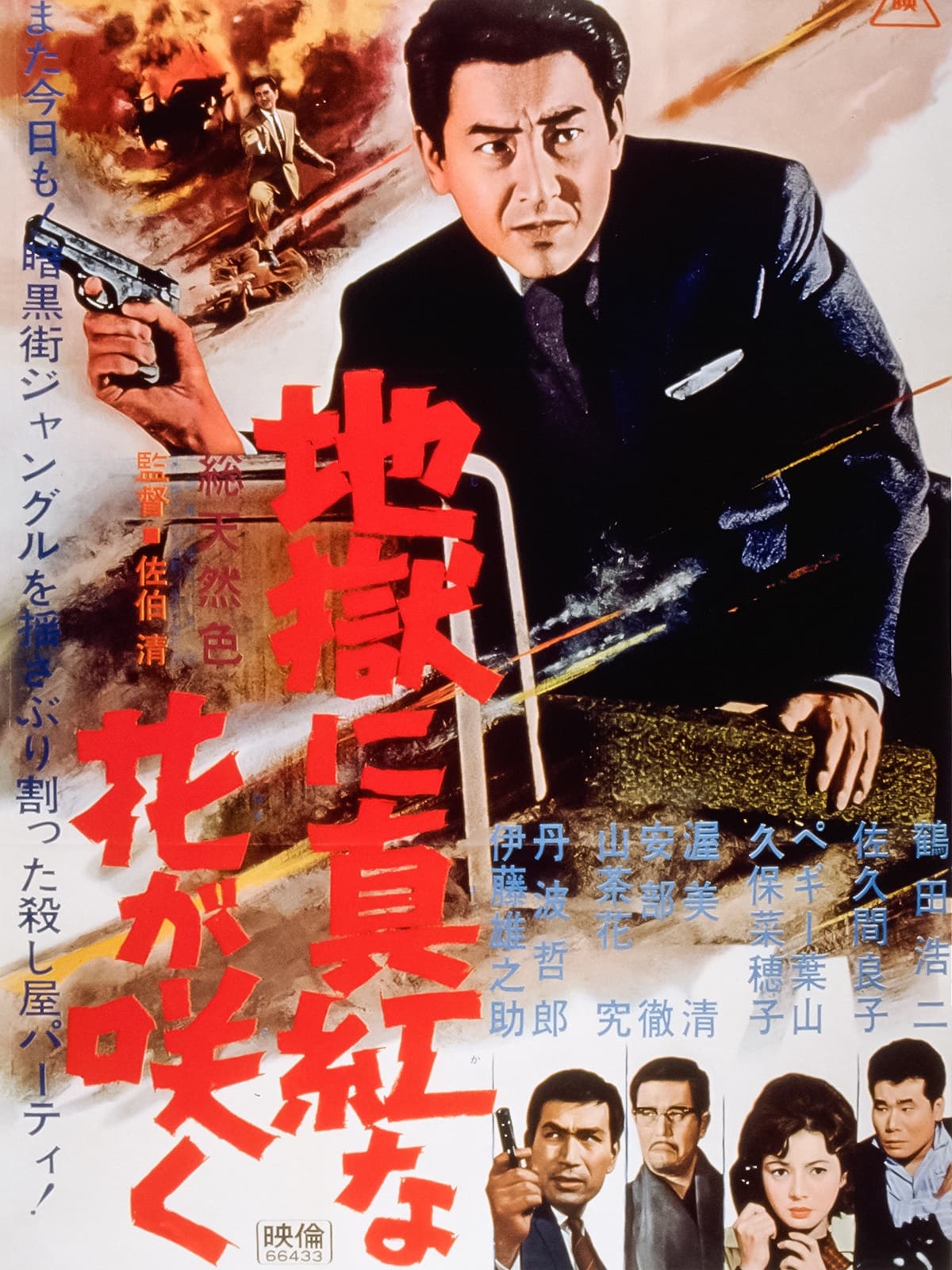
1961 gangster film.
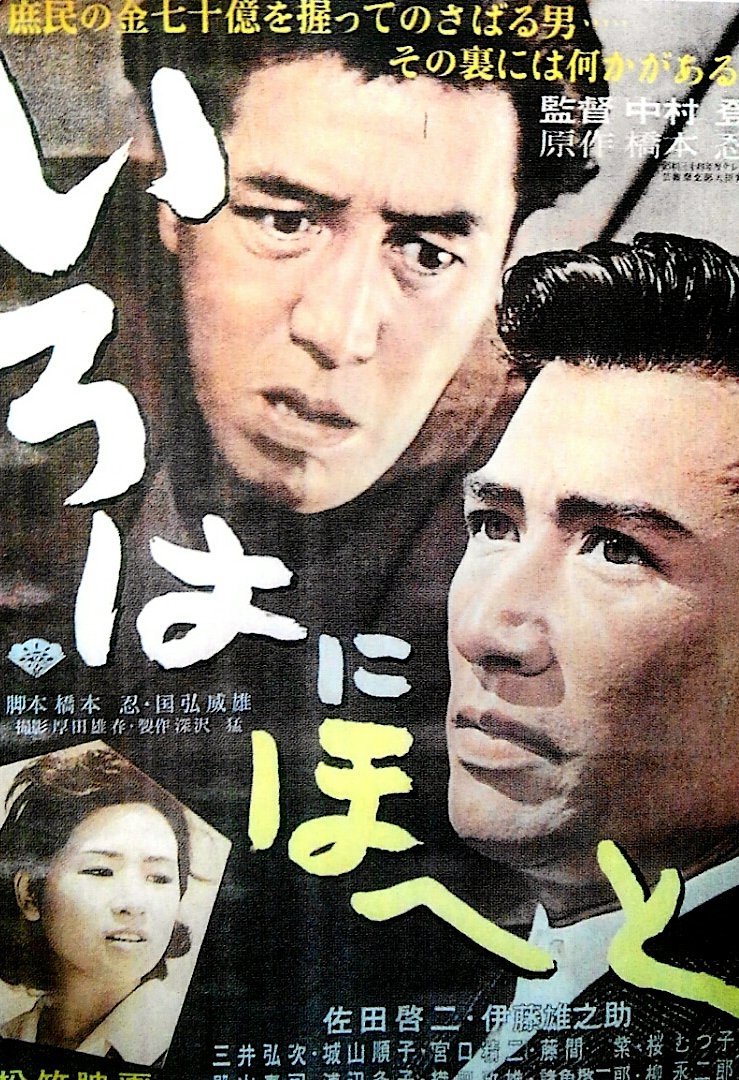
The anonymous partnership Investment Economic Association, led by its president Ryuichi Amano, collected money from many ordinary people and paid out large dividends, making it famous as "Japan's only investment bank for ordinary people." On the other hand, Detective Muneharu Matsumoto of the Metropolitan Police Department's Second Investigative Division has suspicions about this organization, and has been spying on the business association for many years. However, Matsumoto was having a hard time getting any solid proof of the nature of the incident...
On a quiet spring day in the suburbs, a stray dog found the corpse of a baby. Three days after his death, the blood group of the victim was determined. Detectives Hayashi, Kaneko, Nagata and Yamagata begin their investigation, suspecting the parents of the murdered child. They use a towel, baby diapers and bruises on the baby's body as clues in the investigation. Who killed the baby?
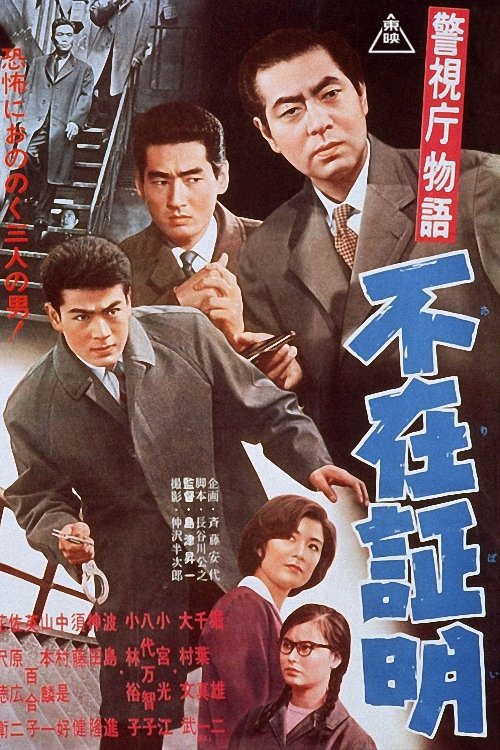
The First Investigation Department is investigating a murder case that took place at a government agency, with particular attention to finding an alibi for the suspects. A security guard was killed in the building, the safe was broken into, but nothing was stolen. The three suspects have alibis, but who then killed the guard and broke into the safe? The 15th work from the popular series "Keishicho Monogatari", which documents the activities of the First Investigation Division of the Capital Police Department. Sonny Chiba's first film role as one of the seven detectives.
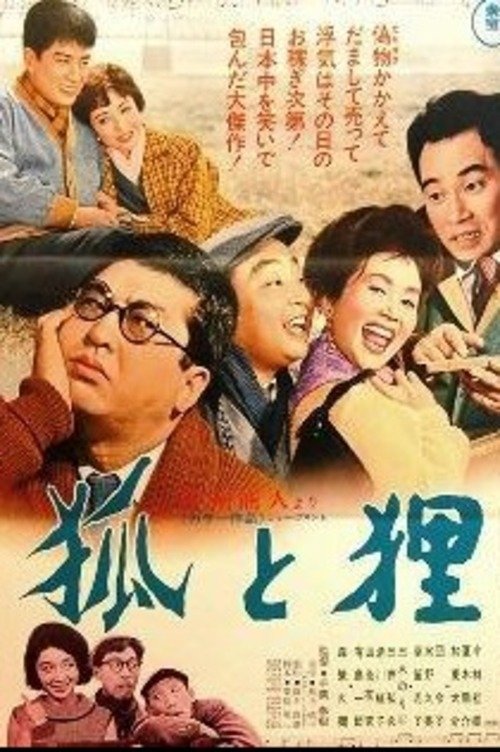
A group of hustling peddlers swindle rural towns with fake goods, facing betrayals, close calls, and constant setbacks as they chase survival and dream of a better future.
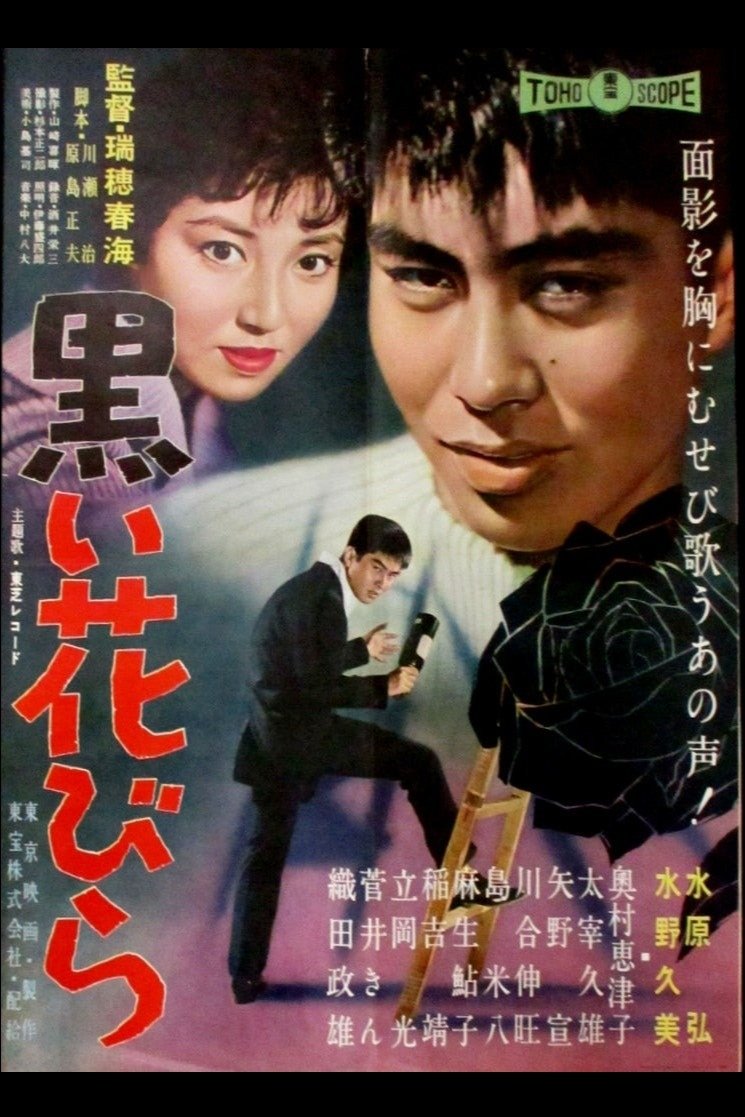
A reformed bartender is blackmailed into aiding a heist by former gang associates, leading to betrayal, violence, and the collapse of his hopes for a new life.
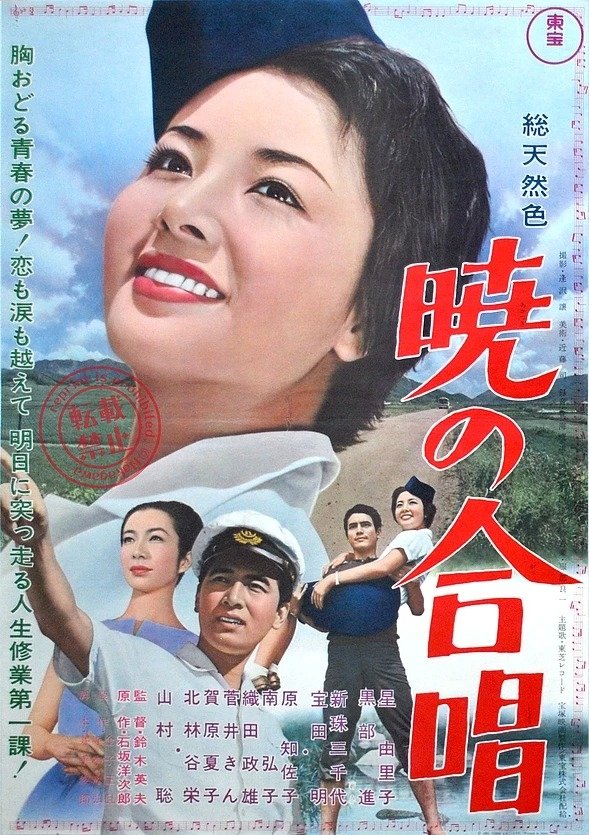
In a small town, Tomoko, a new bus conductor, works hard to prove herself. She crosses paths with Saburō, the company president’s playful younger brother, who slowly reveals a more sincere side.
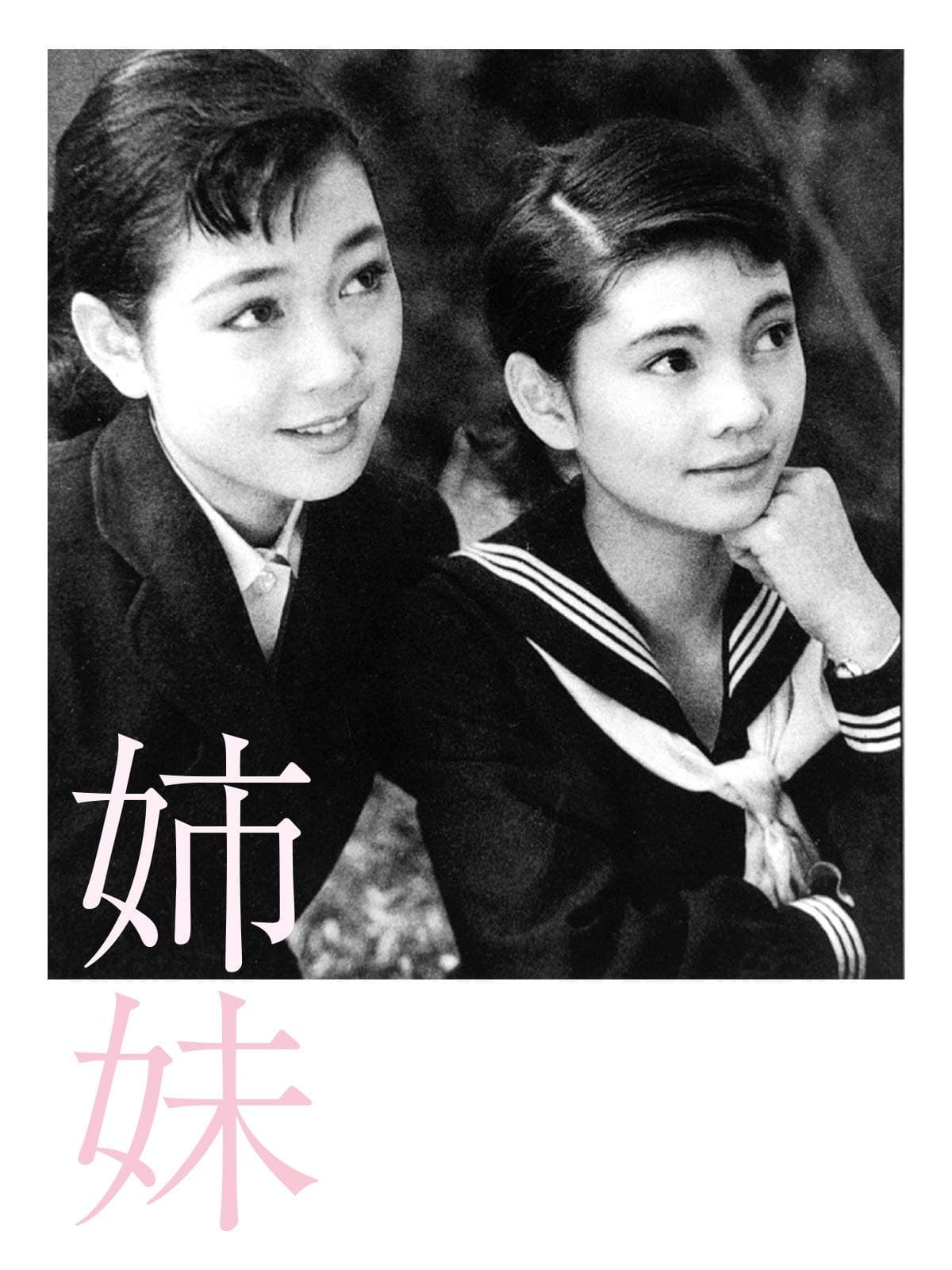
Keiko and Toshiko are sisters who leave their mountain home, where their parents live in a hydroelectric plant company house to study in the city. They stay with their kind-hearted aunt and her jovial but heavy-drinking carpenter husband. Keiko, the 17-year-old eldest of five siblings, is gentle and responsible, while 14-year-old Toshiko is lively and childlike, affectionately called "Konchi."
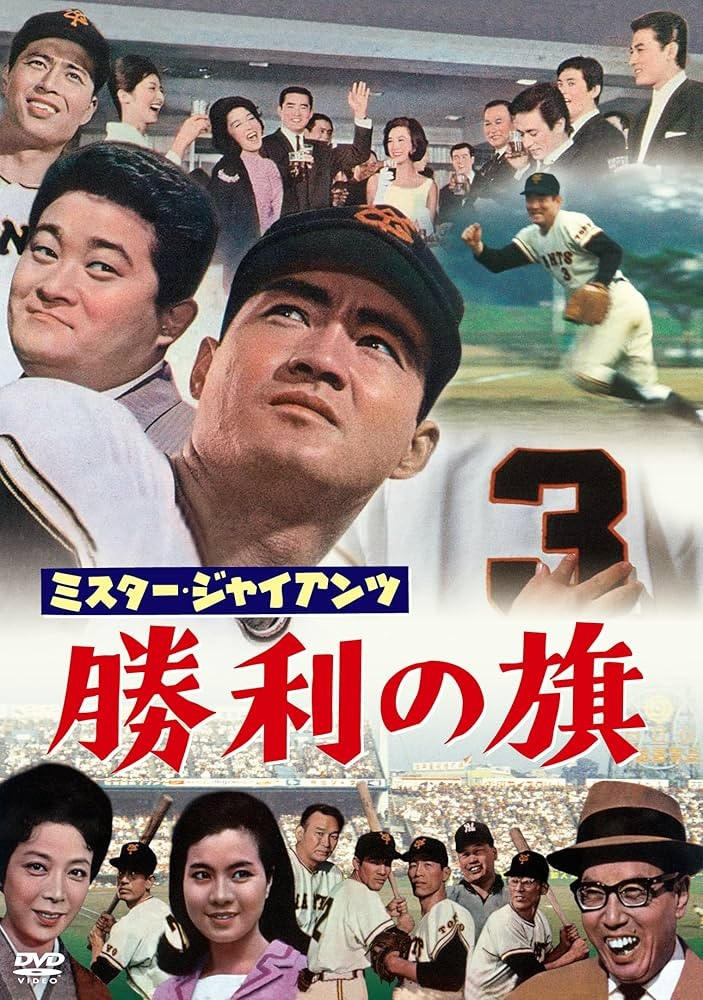
Apparently a baseball drama starring real-life stars Nagashima (The Babe Ruth of Japanese Baseball) and teammate Oh-known collectively as ON-from the Yomiuri Giants. Nagashima nickname was 'Mr. Giants.
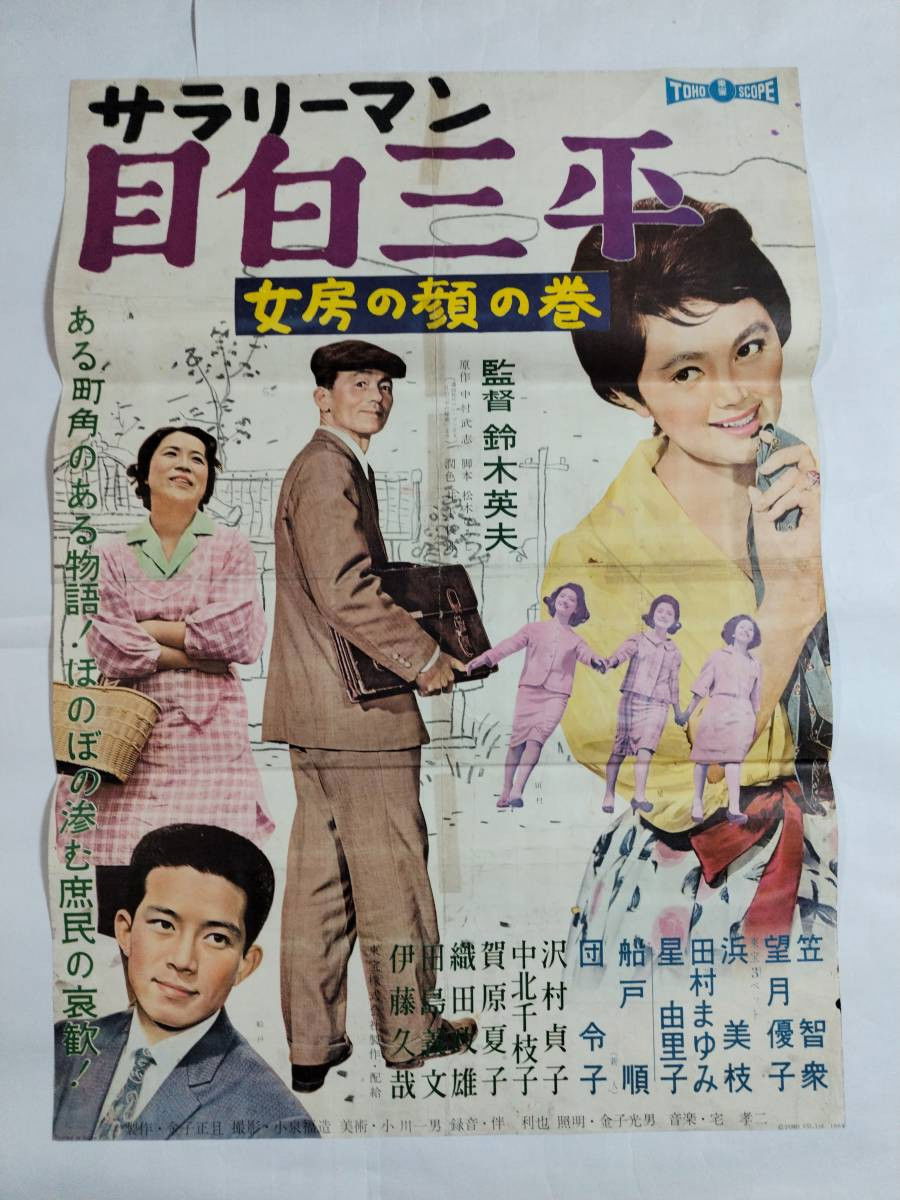
Salaryman comedy.
Modern love story about three disparate sisters, one (Tsukasa) of whom who suspects her husband (Kobayashi) has been unfaithful.
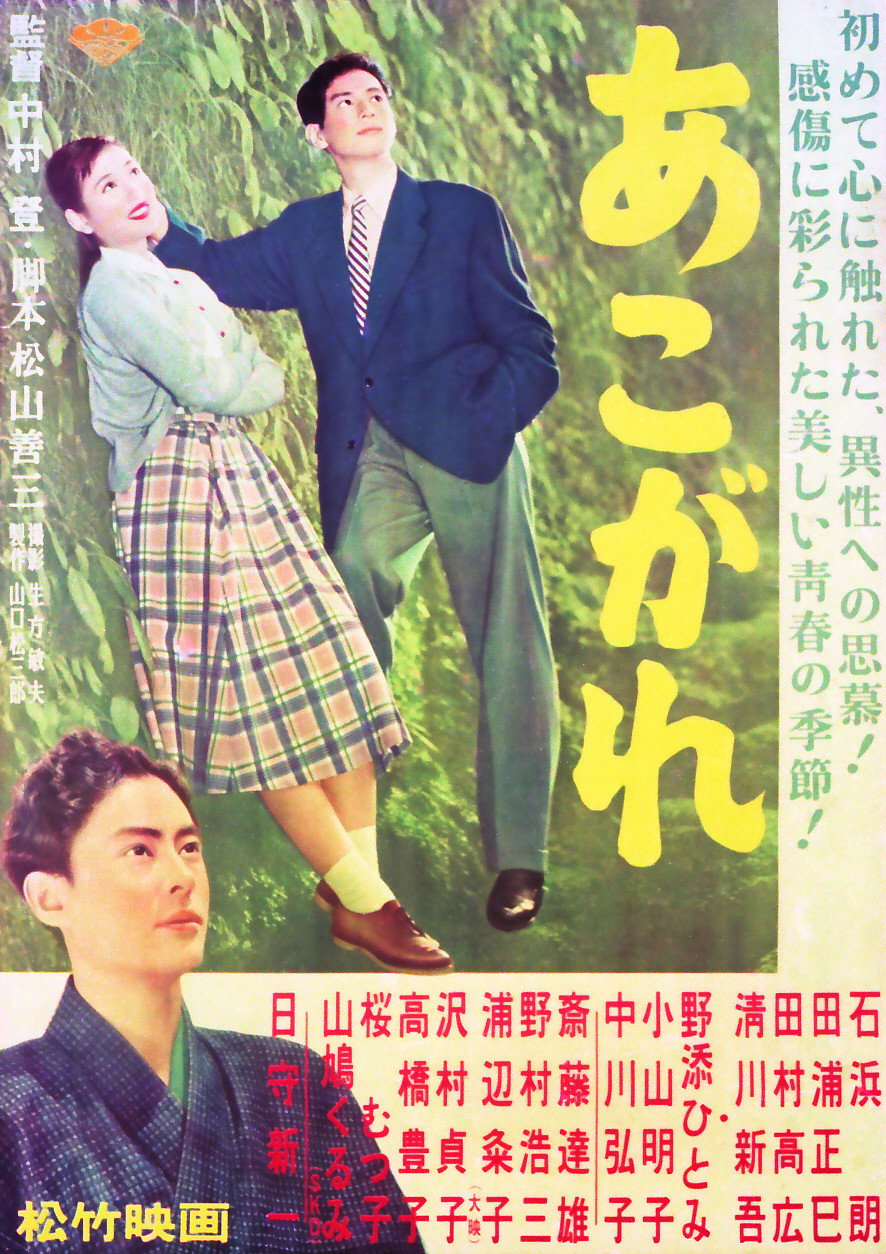
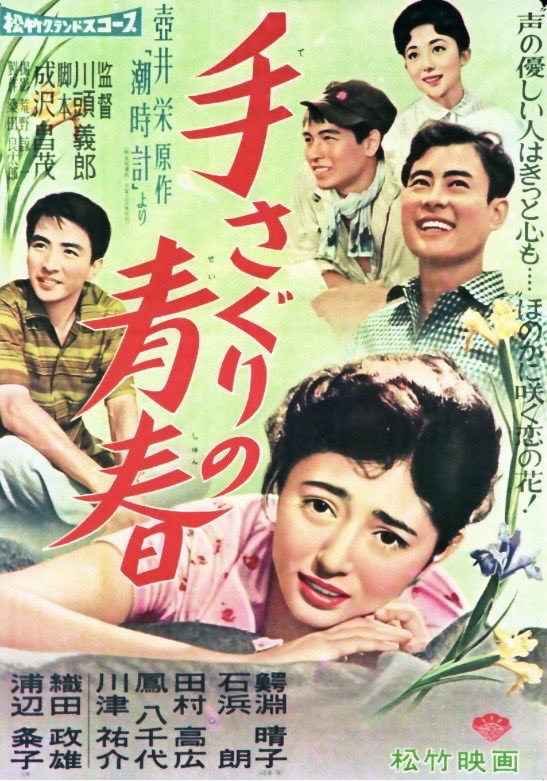
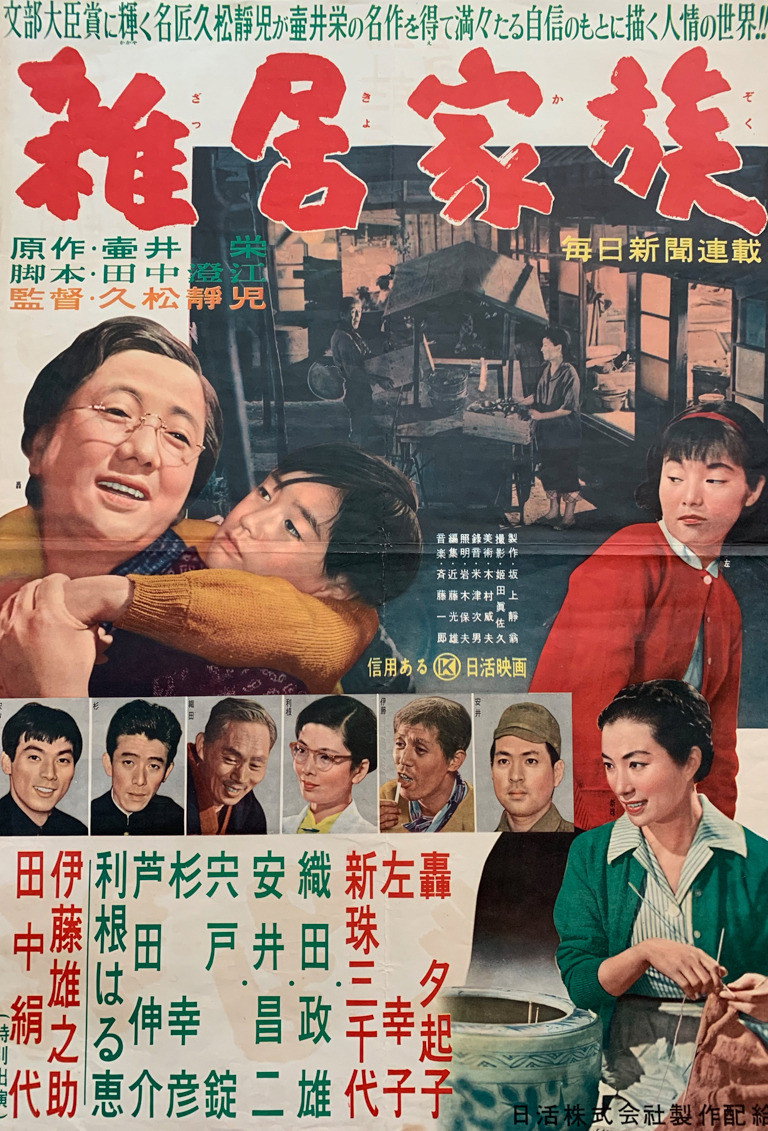
Yasue (Todoroki) and Fumikichi (Oda), a married couple, have no children, but they take in children from other places and wind up raising three kids.