Manao Horiuchi movie
Once an average and seemingly ordinary Tokyo girl, she suddenly finds herself as a TV star owing to her discovery by a casting company, which noticed photographs that her cousin had sent. When another actress falls ill she is given the role instead. Her first film is a success propelling the young actress to popularity, her own fans, money and a house. While everything looks dandy from the outside not all is well within the family however.
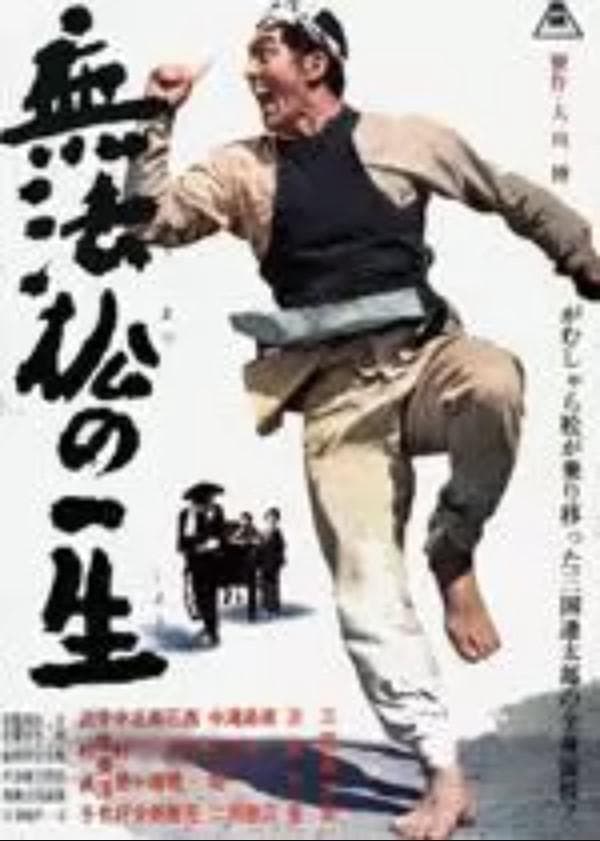
The tale of a feudal swordsman who cynically takes no responsibility for anything, relegating it to others, and then taking the credit.
1962 Japanese movie
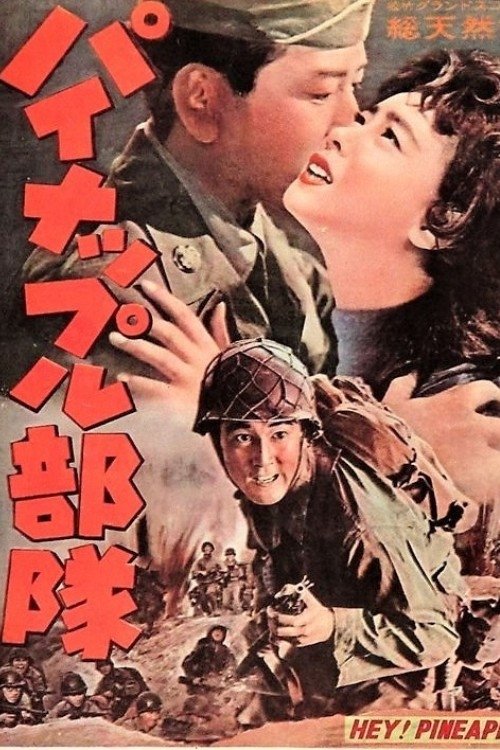
The story of the role played by Japanese-American soldiers from Hawaii in the Korean War of the 1950s.
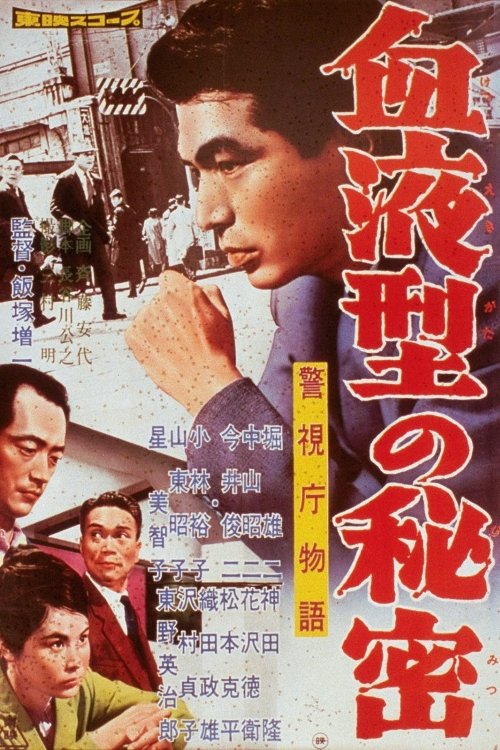
On a quiet spring day in the suburbs, a stray dog found the corpse of a baby. Three days after his death, the blood group of the victim was determined. Detectives Hayashi, Kaneko, Nagata and Yamagata begin their investigation, suspecting the parents of the murdered child. They use a towel, baby diapers and bruises on the baby's body as clues in the investigation. Who killed the baby?
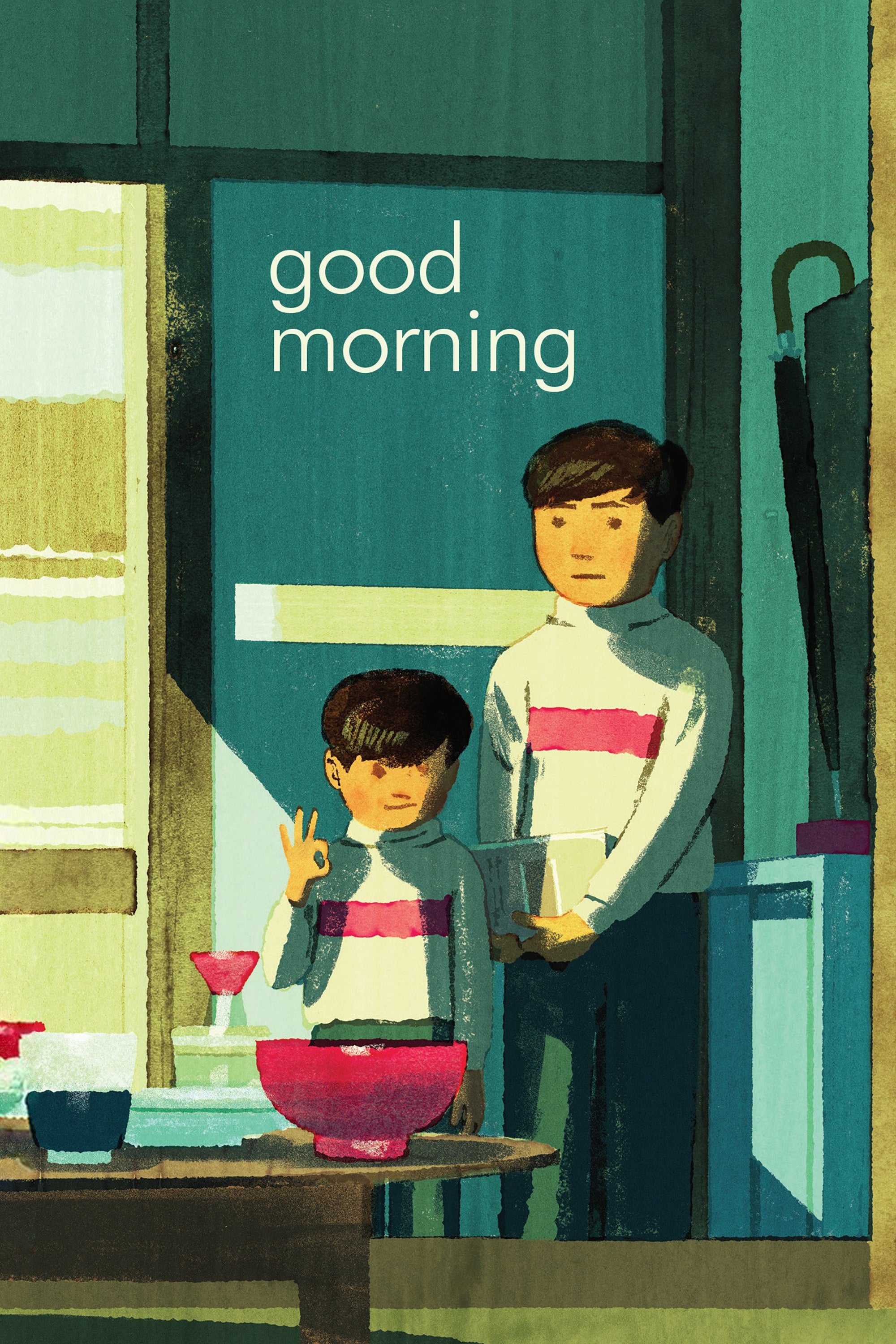
A lighthearted take on director Yasujiro Ozu’s perennial theme of the challenges of intergenerational relationships, Good Morning tells the story of two young boys who stop speaking in protest after their parents refuse to buy a television set. Ozu weaves a wealth of subtle gags through a family portrait as rich as those of his dramatic films, mocking the foibles of the adult world through the eyes of his child protagonists. Shot in stunning color and set in a suburb of Tokyo where housewives gossip about the neighbors’ new washing machine and unemployed husbands look for work as door-to-door salesmen, this charming comedy refashions Ozu’s own silent classic I Was Born, But . . . to gently satirize consumerism in postwar Japan.
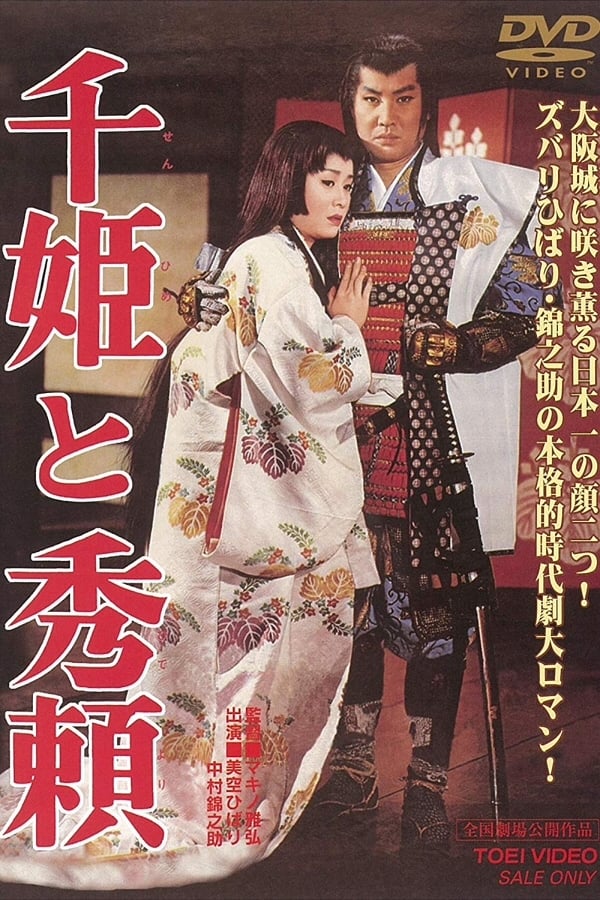
From the late 1500's through the founding of the Tokugawa Shogunate many battles were fought as the great warlords vied for power over the nation. Princess Sen, a daughter of Tokugawa Ieyasu, is caught amidst the family feud between the Tokugawa and Toyotomi families. When her father Lord Tokugawa Ieyasu attacks her husband Toyotomi Hideyori's castle, her life takes a sudden turn for the worse. Will she ever find peace in her life again? One of Hibari Misora's most memorable performances, a movie you will never forget!
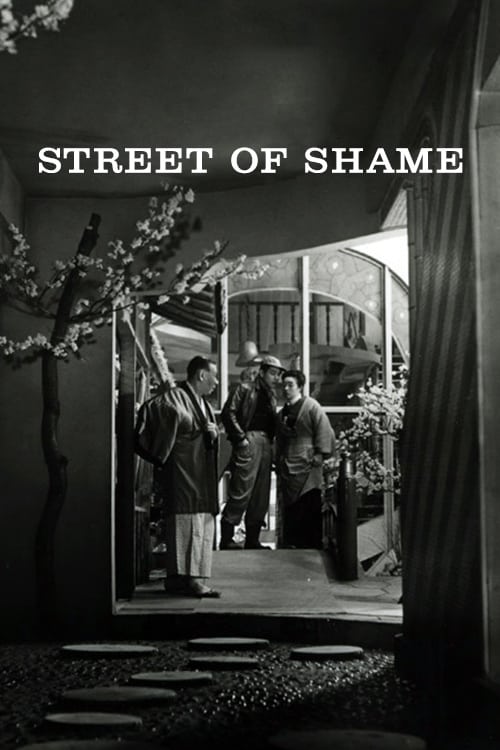
Follows five sex workers employed at a Japanese brothel while the nation debates the passage of an anti-prostitution law.
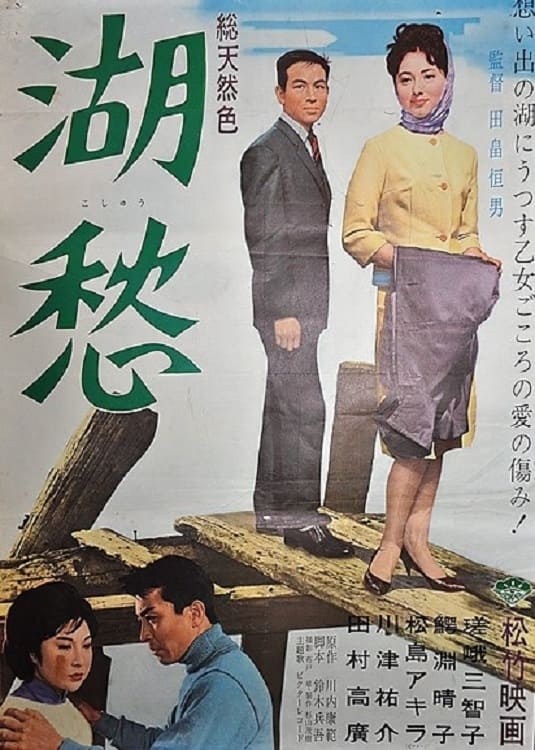
1962 Japanese movie
Melodrama by Kon Ichikawa
1962 Japanese movie
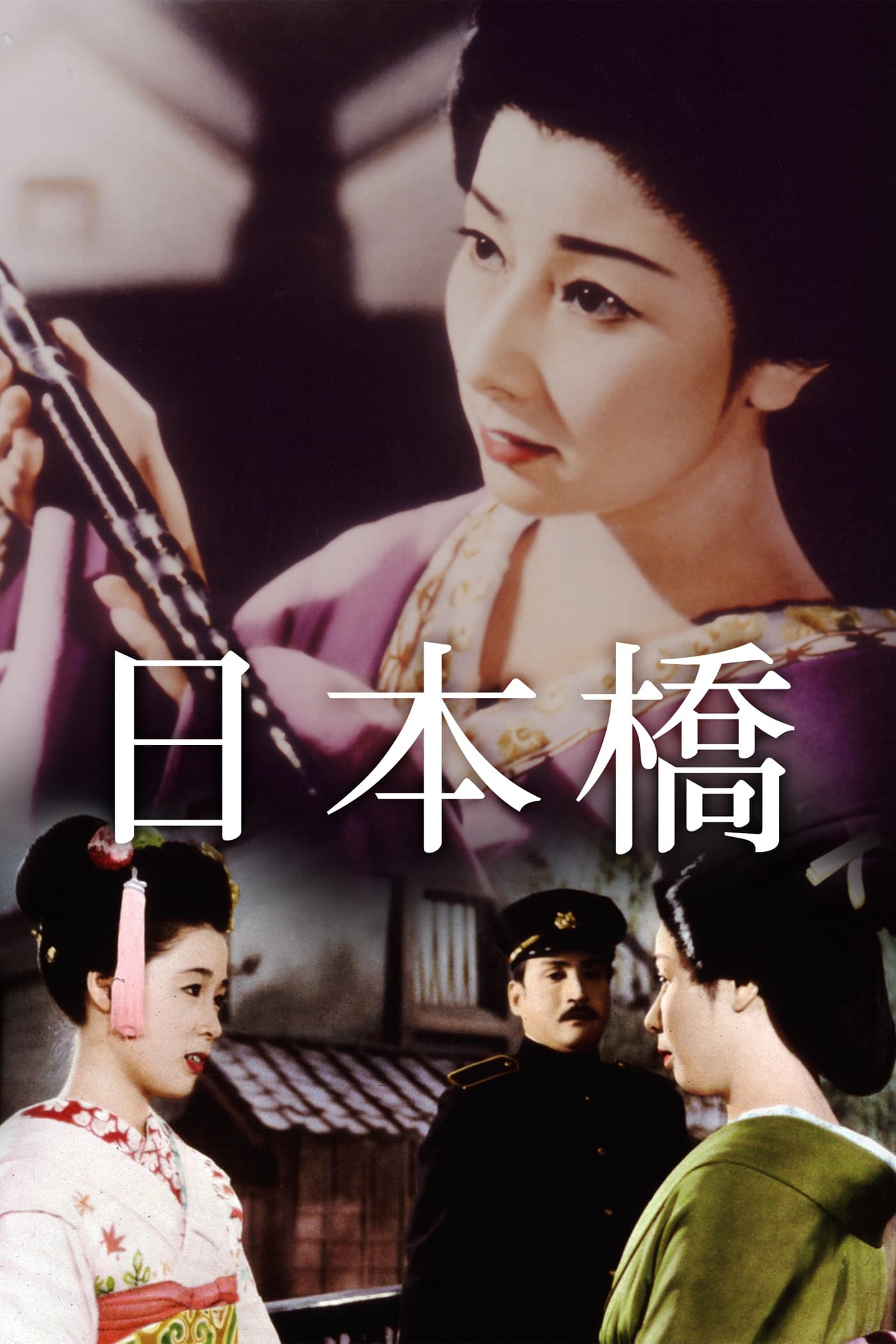
Ichikawa's 1956 adaptation of Nihonbashi was the first to take the work of Kyoka Izumi— until then regarded as a writer of common tragic melodramas—and re-evaluate it as a tanbi-ha work of decadence, aestheticism, and intrigue. Ichikawa's film presents the tragic plot of the young geisha who is unable to enact her love for a man publicly in any way other than a histrionic story of torment, a heart-rending tale of lovers being crushed by fate. Instead, Ichikawa shows the contest of wills that transpires as two geisha, Oko and Kiyoha fight for the top spot in Nihonbashi, the pinnacle of the Tokyo geisha world. Nihonbashi is an elegant, if steely, exposition of manners. The young doctor, Shinzo Katsuragi, is the object of affection for both women, but appears to be more the choice reward for the plotting and thieving of these two early modern superwomen, than a lover they swoon over.
1962 Japanese movie. Remake of the 1939 movie
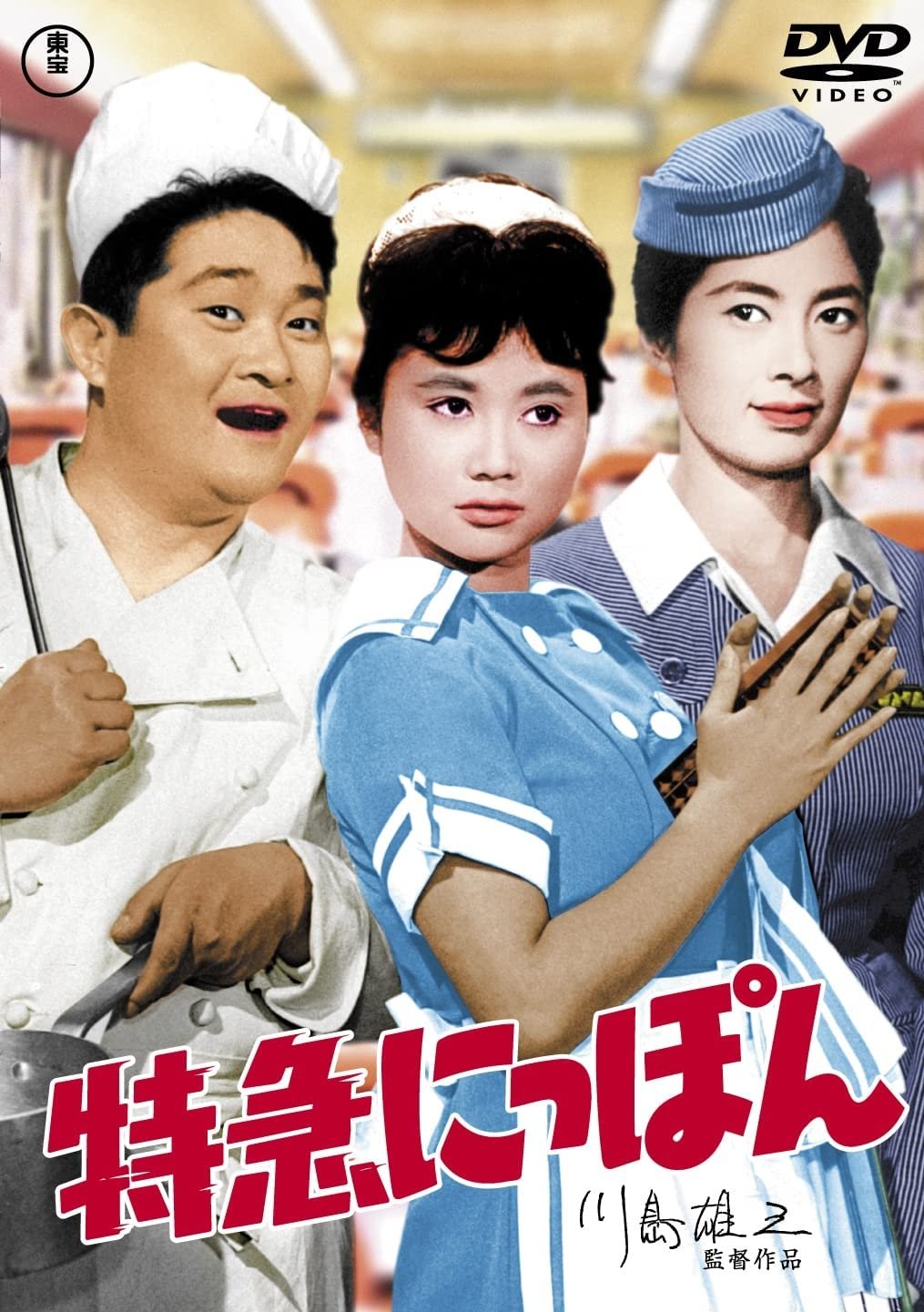
Comedy of manners set on the "Kodama" train between Tokyo and Osaka, before the opening of the Shinkansen. In the leading role, Frankie Sakai plays a straightforward but indecisive hero. The passengers also include the bubbly Dan Reiko, and Ozawa Eitaro as a dour company president. Based on the novel "Seven and a half hours", by Shishi Bunroku.
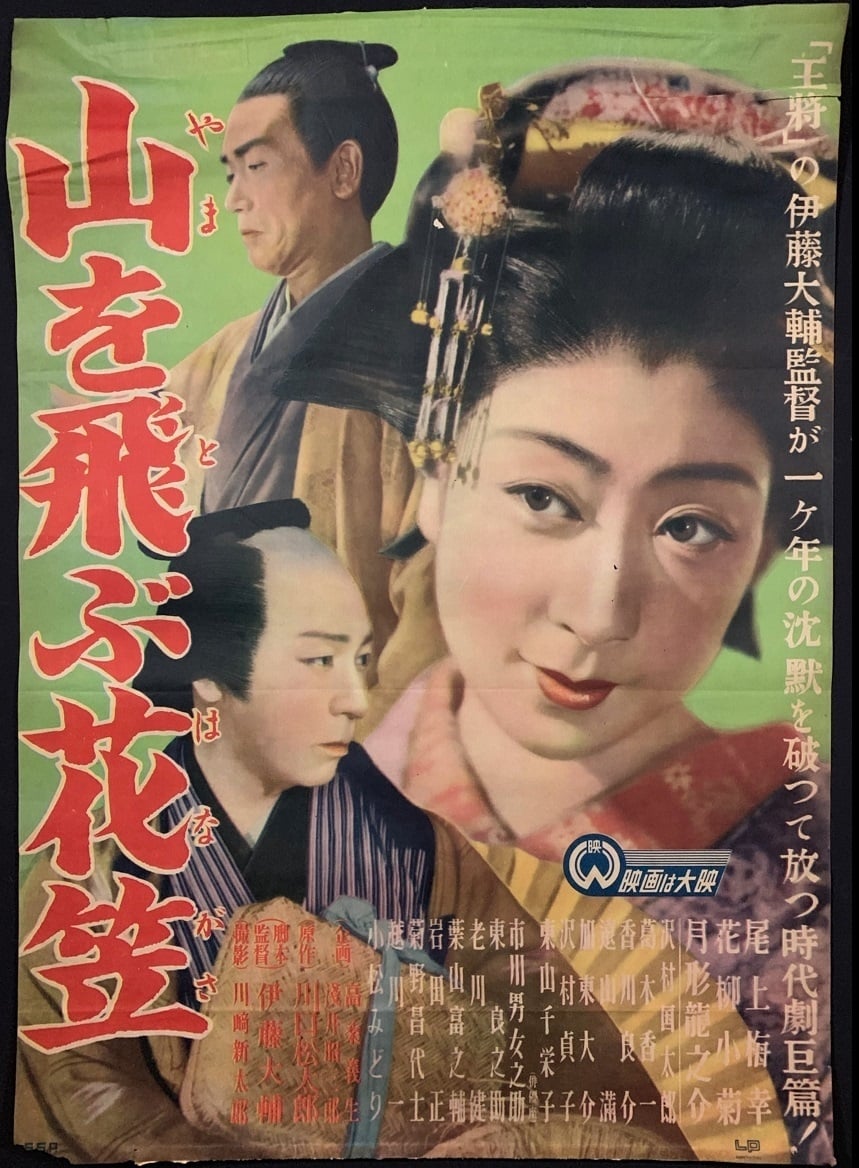
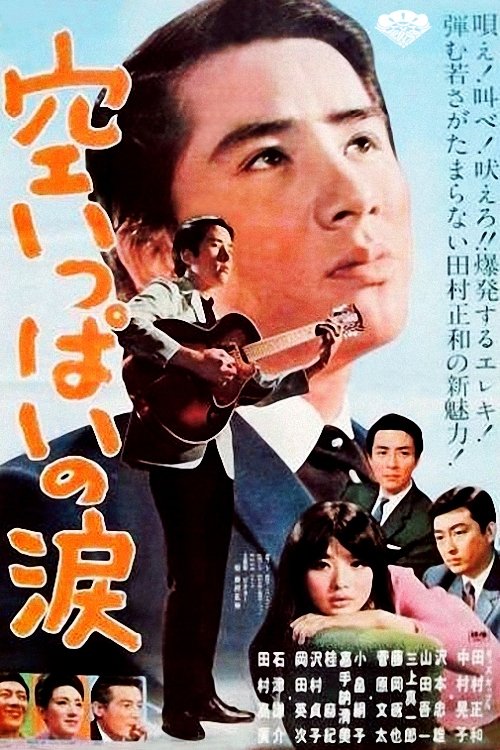
Popular guitarist Shunsuke Sugi had a busy schedule and lived a puppet life with manager Yoko Ohara. On the way home from the Tohoku tour, he rescued Akiko, a girl who had passed out in a car accident. Ahead of him was the bustle of Tokyo. He suddenly met Akiko during a noisy party with friends. He tried to persuade Akiko, who wanted to become a singer, to return to the village, but it didn't work. One day he invited Akiko to play in Yokohama. When they returned to childhood and talked about their dreams, they felt love for the first time. Meanwhile, returning home, Yoko turned her jealousy on the two of them, and announced the death of Shunsuke's mother...

The president learns that the company's biggest stockholder is also a friend of his singing teacher and spies on his movements.
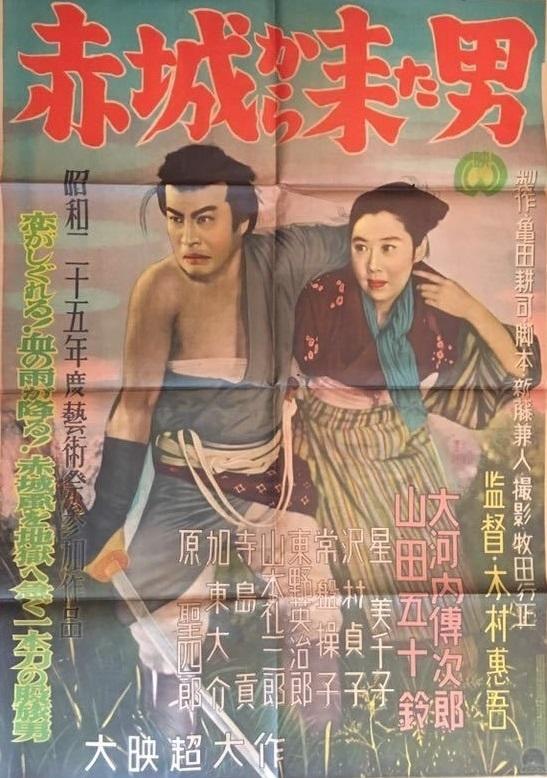
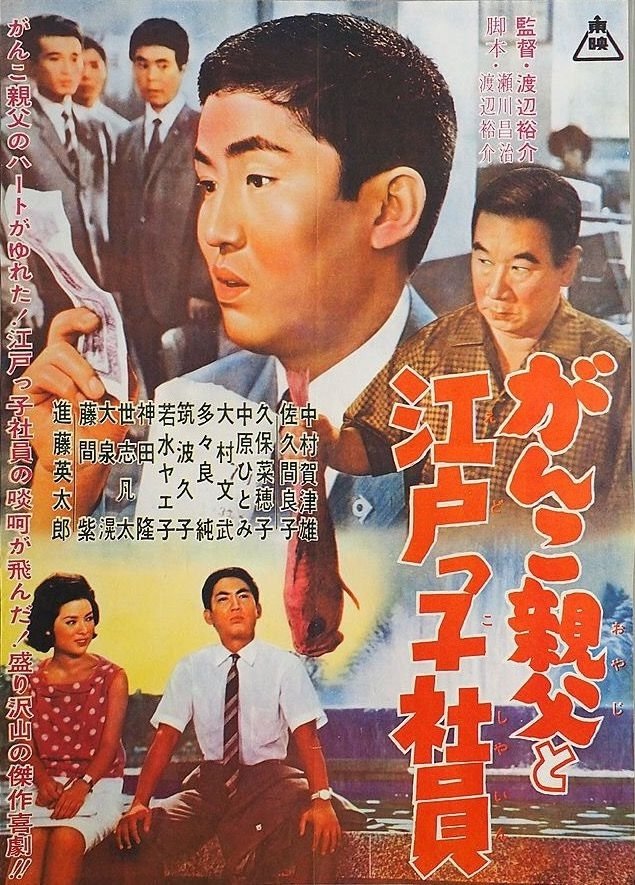
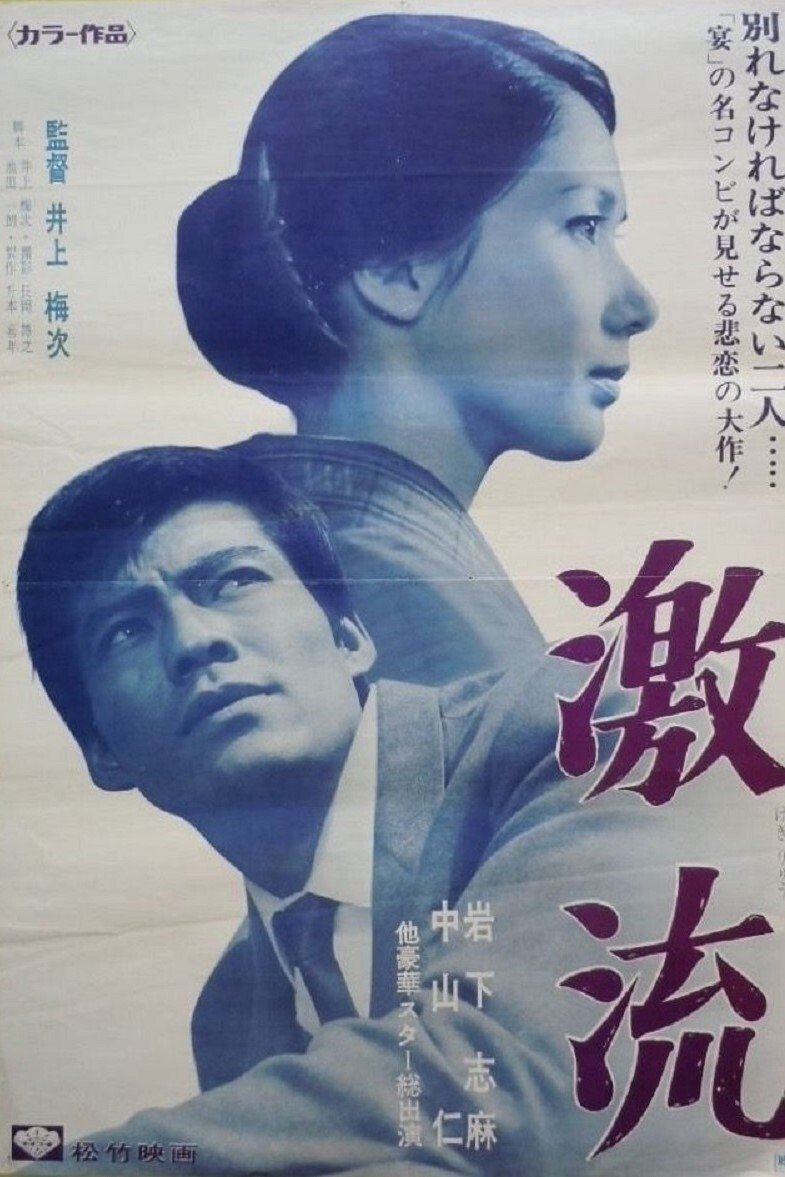

1942 adaptation of Izumi Kyoka's novel.
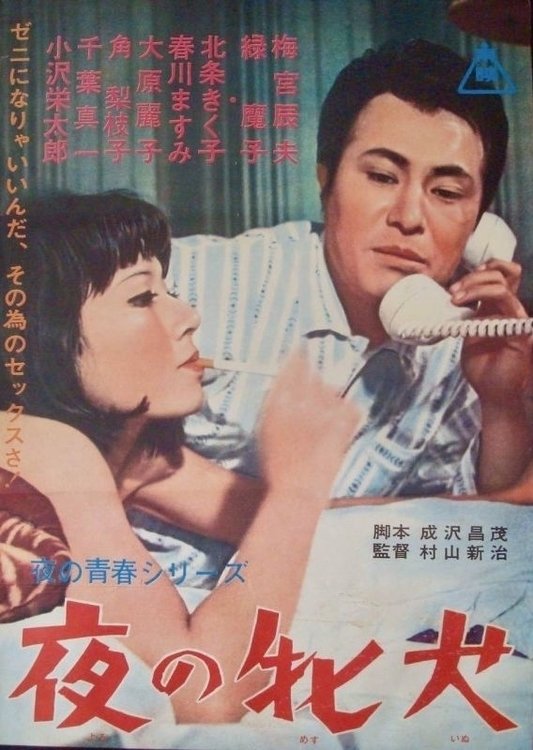
A playboy bartender pretends to be gay in order to approach women. He is in cahoots with another opportunist, a young woman who is trying to seduce a rich married man. Their attempts at making easy money can only end tragically.
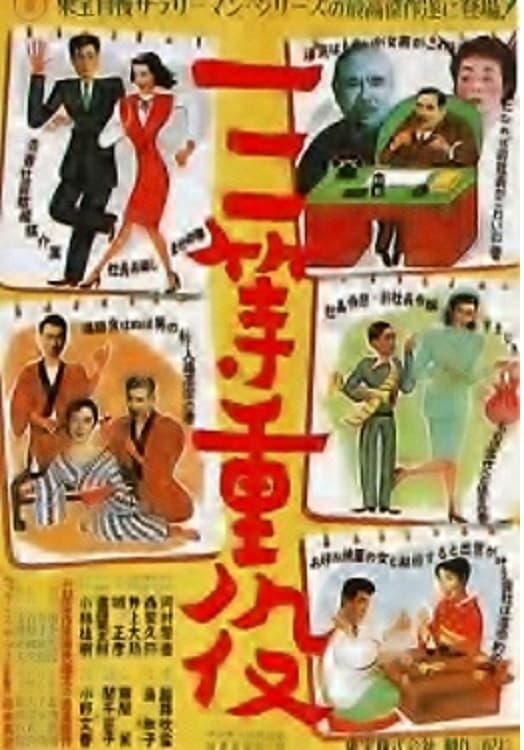
1950s Japanese comedy.
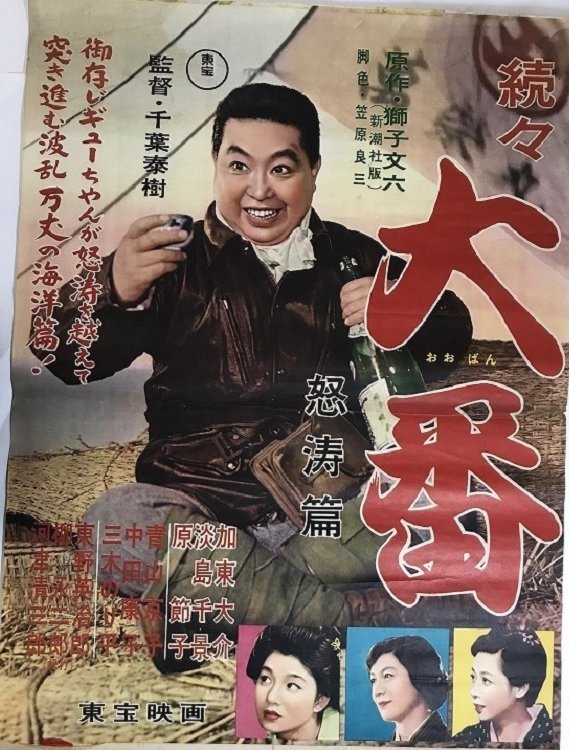
Ushinosuke returns to his hometown to become a farmer. Part three (of four) of the film adaptation of Bunroku Shishi’s novel, Oban.
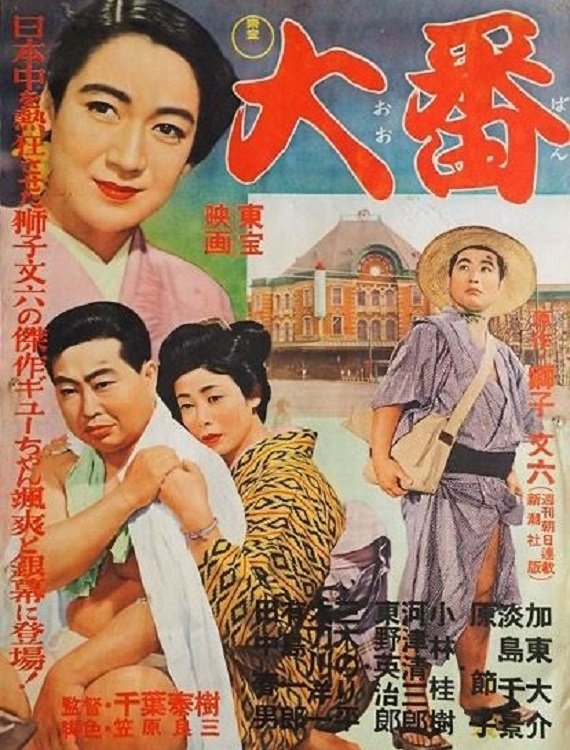
A young country boy leaves his village for Tokyo, where he begins to work as a stock trader. First part (of four) of the film adaptation of Bunroku Shishi's novel, Oban.
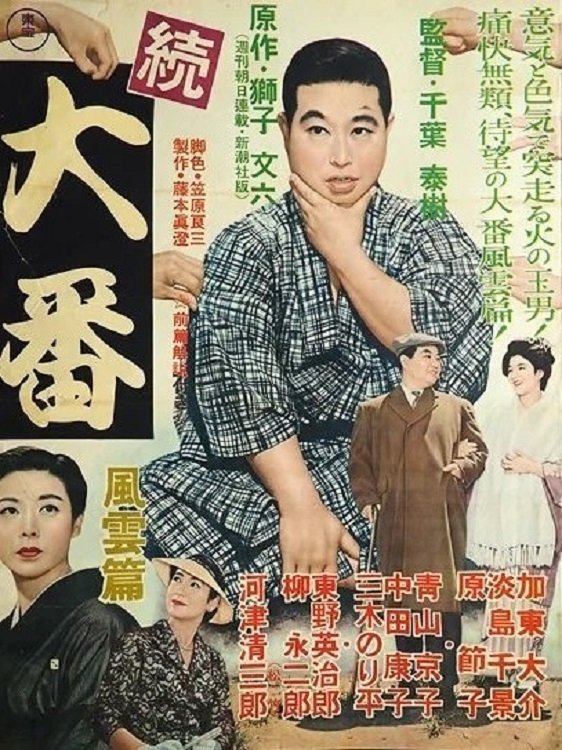
Ushinosuke returns broke to his hometown, where everyone believes he's rich and successful. Part two (of four) of the film adaptation of Bunroku Shishi's novel, Oban.
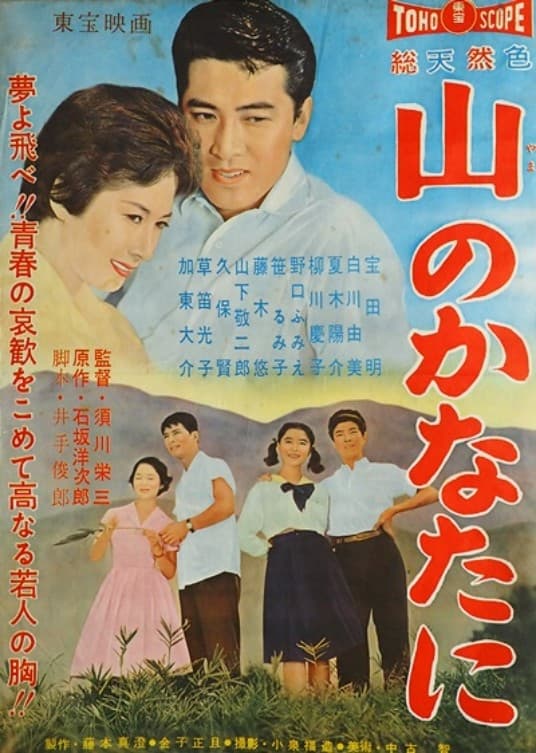
Story of young love in the hills.
A drummer falls for a pawnbroker's daughter.
Another adaptation of Tange Sazen.
Three robbers escape with loot from a heist before one of them kills the others. Their corpses wash up near the aftermath of a maritime calamity, provoking a policeman's interest.
The Nakata family, father, mother, son Hideo, and daughters Taeko and Akiko live in the poorer section of modern Tokyo. Their troubles start when the father leaves with another woman, returns after he is rejected, and leaves again with the family's money.
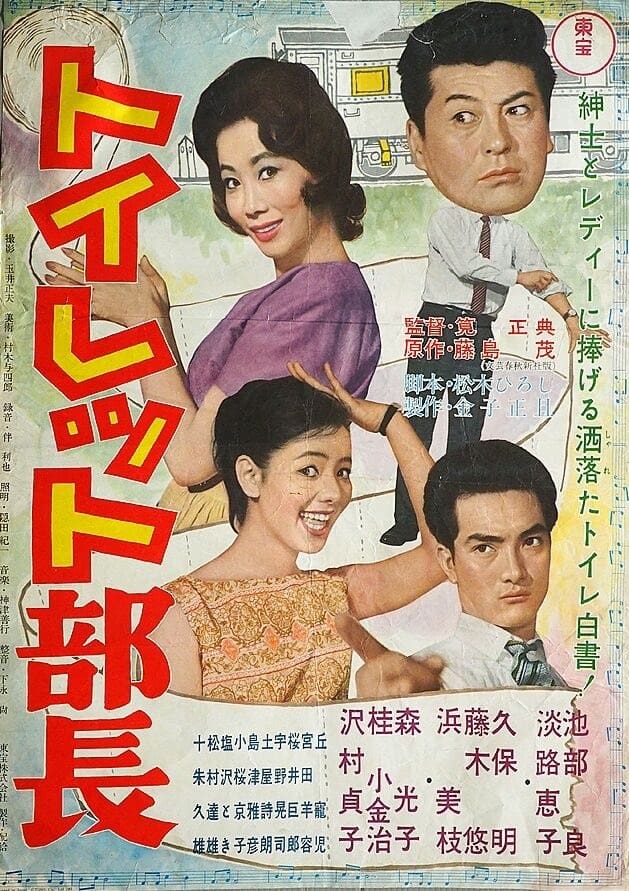
The life of a toilet-seller during the Japanese Economic Miracle.
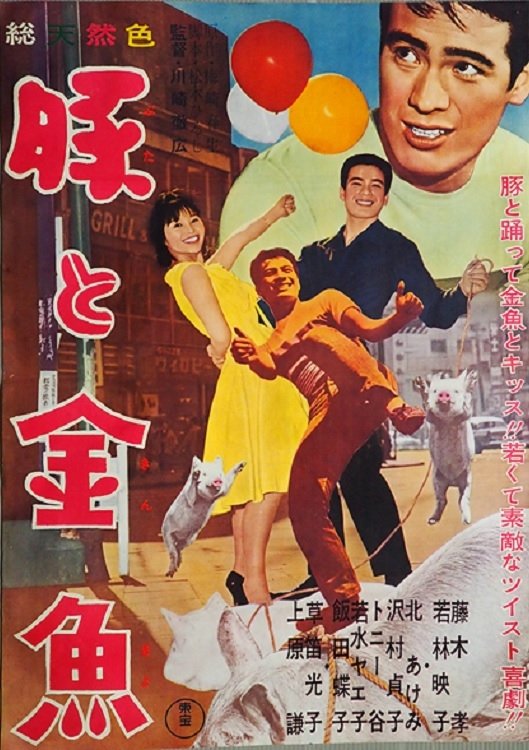
1962 Japanese movie
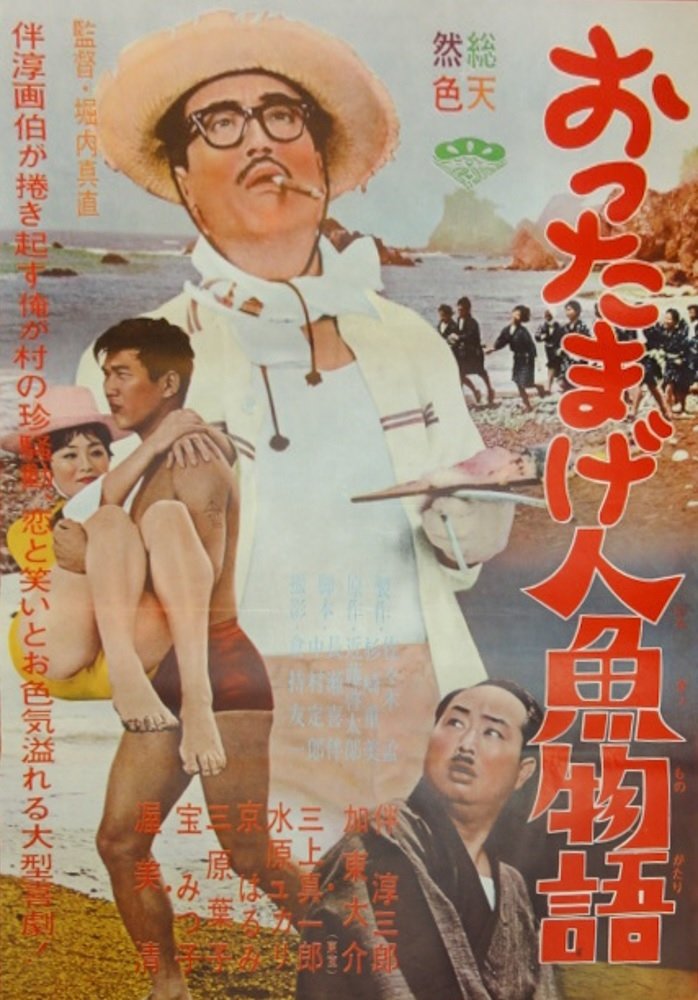
1962 Japanese movie
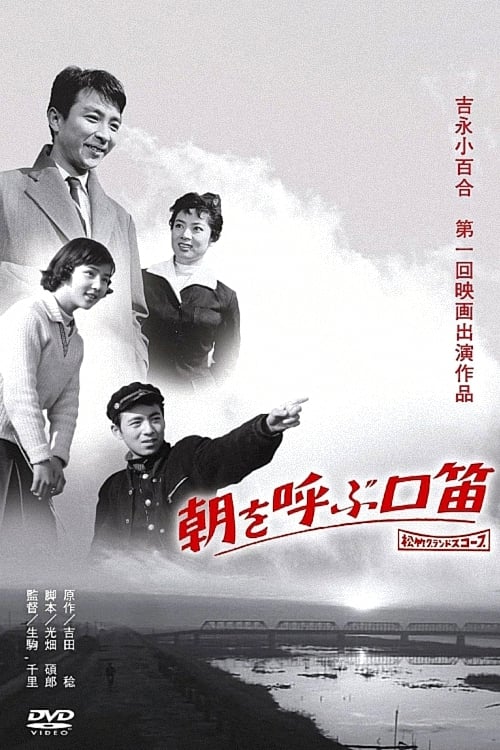
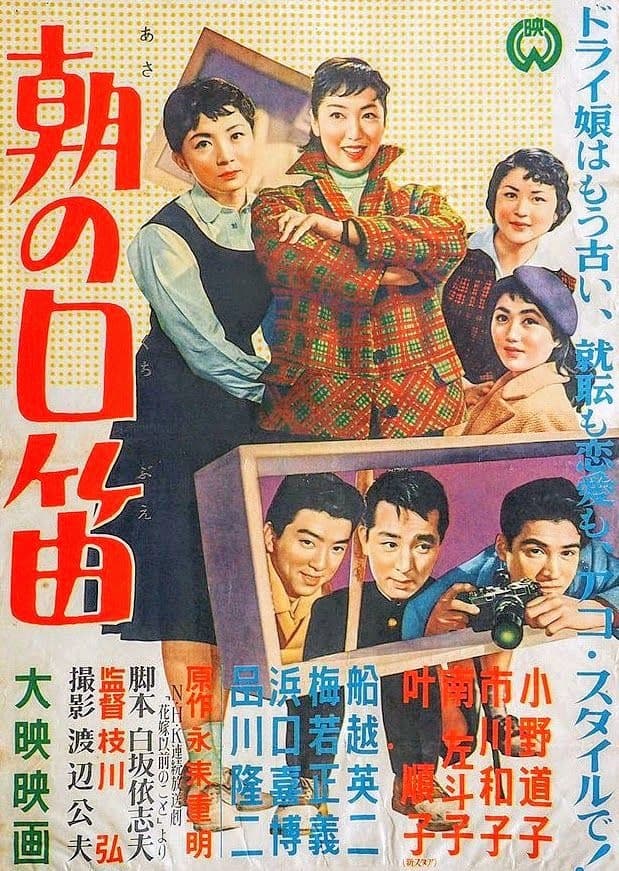
Minoru delivered newspapers to earn money for high school, but when his mother came down with illness he decided to use this money for her doctor's bill and gave up going to high school. His friends heard about this, and they donated money to his mother. So, Minoru goes to high school and yet he delivers newspapers cheerfully whistling every morning. A memorable film debut by Sayuri Yoshinaga, a representative of the Japanese film industry.The film adaptation of "Newspaper Delivery" by Minoru Yoshida, who won the Minister of Education Award at the national small and Medium student essay competition.
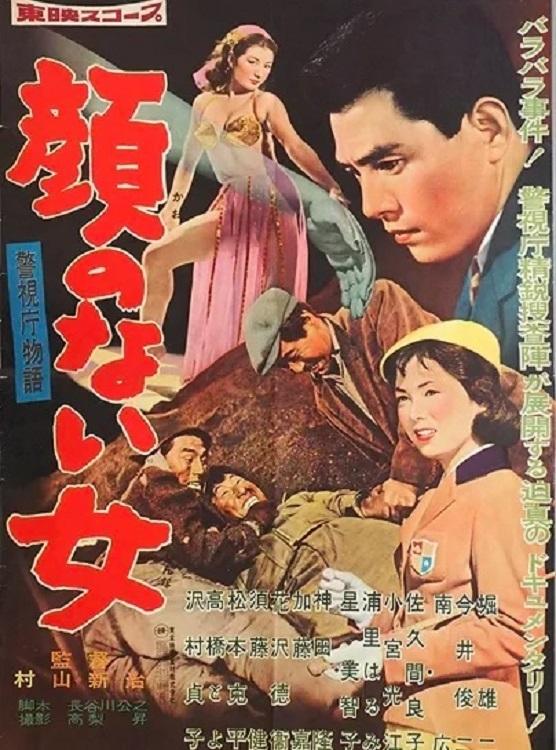
A tragic drama - a dismembered torso of a woman rises up on the banks of the Arakawa River. The body is only the torso. Her legs were discovered on the opposite bank. The only clue, a man was trying to throw something in from a car with a license plate number three days ago at Shin-Arakawa Ohashi Bridge...
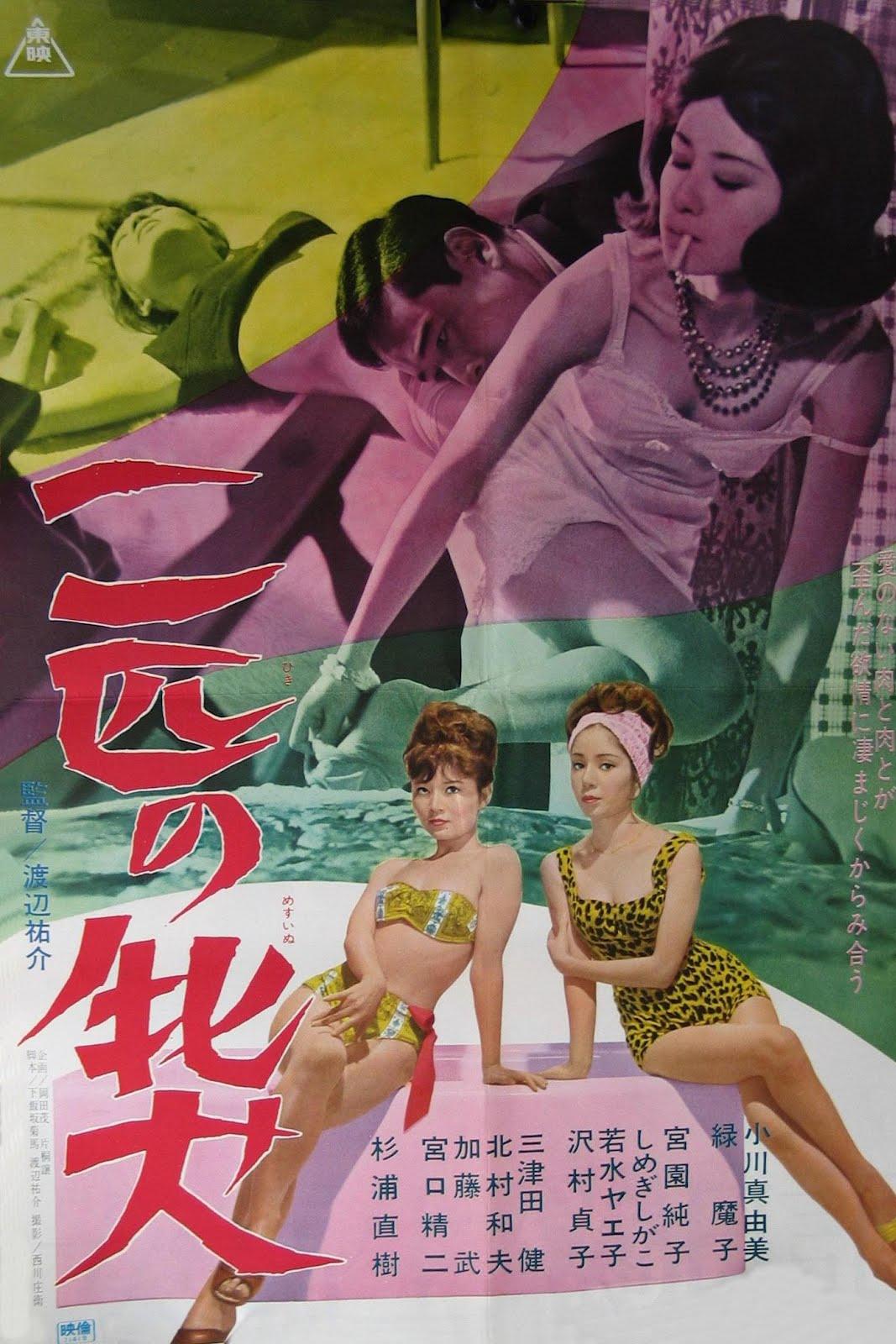
The sexworker who works in Turkish baths plans to make her fortune on the stock market, open a beauty salon, and marry her boyfriend. However, her plans are turned upside down by the arrival of her half-sister, and her boyfriends unfaithfulness.
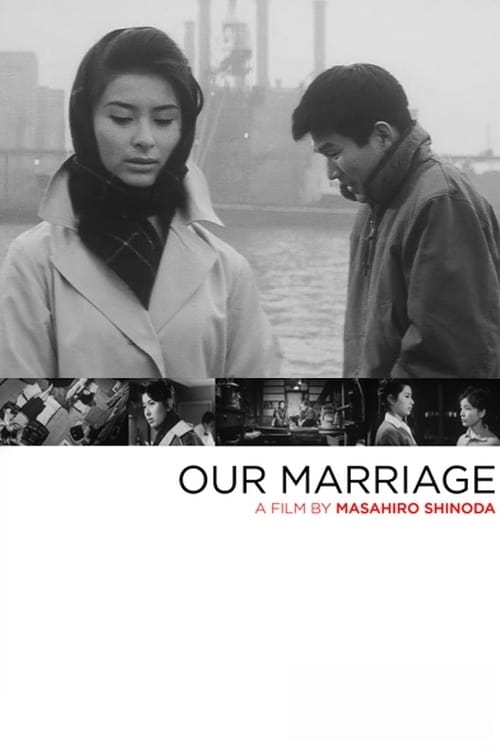
When two sisters fall in love with the same man, one must decide to look elsewhere.
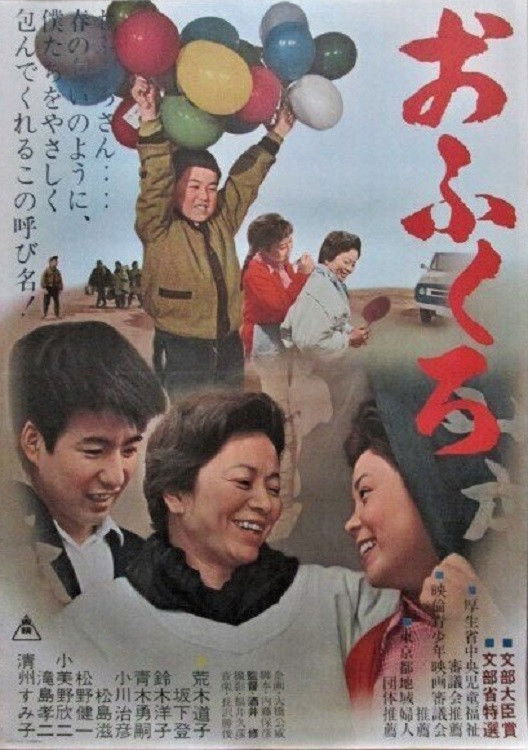
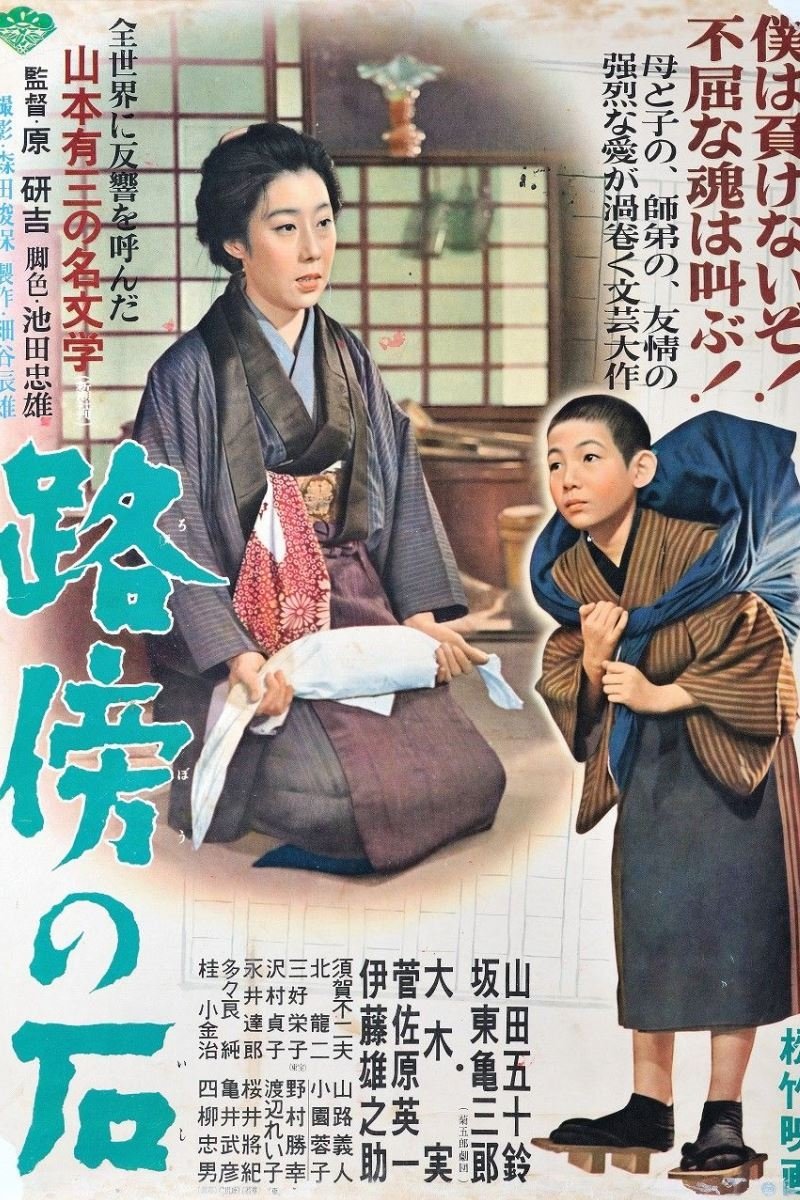
Shizuka, Eiichiro, and Mineko, their father and son, live modestly in a certain suburb, leading a dreary but happy life. Eiichiro is troubled by Shizuka's desire to live together in familiar Tokyo. Mineko is the exact opposite of Eiichiro. A literary masterpiece depicting the fateful sorrow and humor of a mother and child
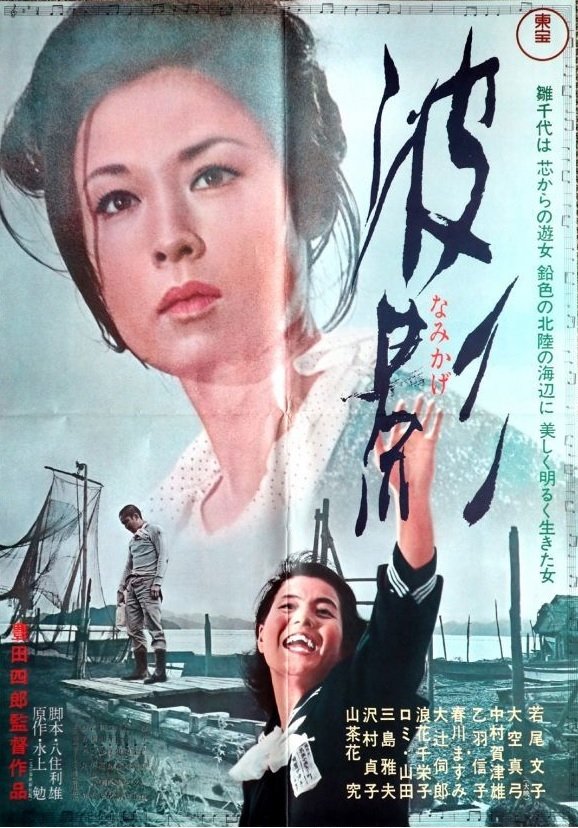
Ayako Wakao won the Blue Ribbon and the Kinema Jumpo for this film.
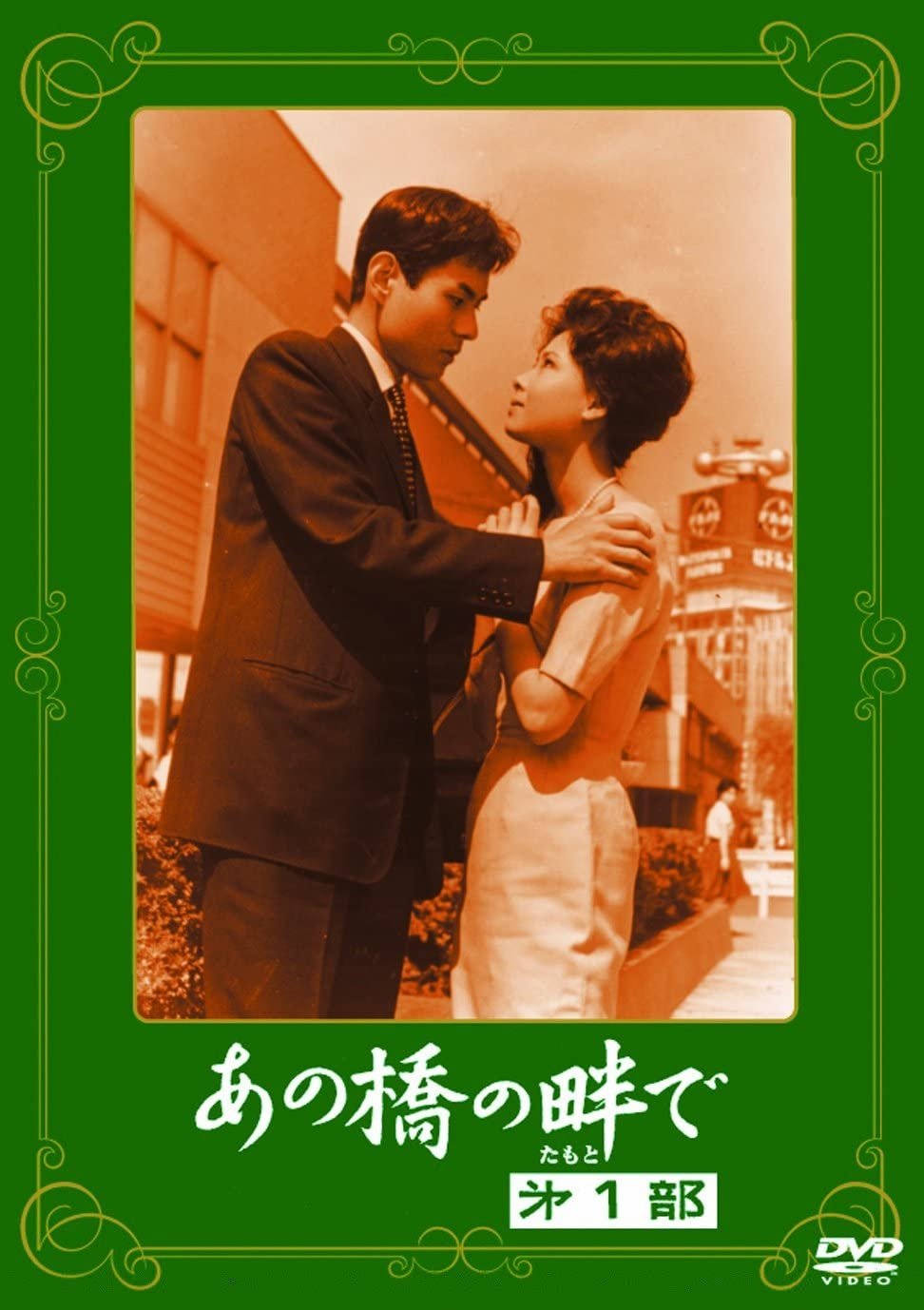
1962 Japanese movie
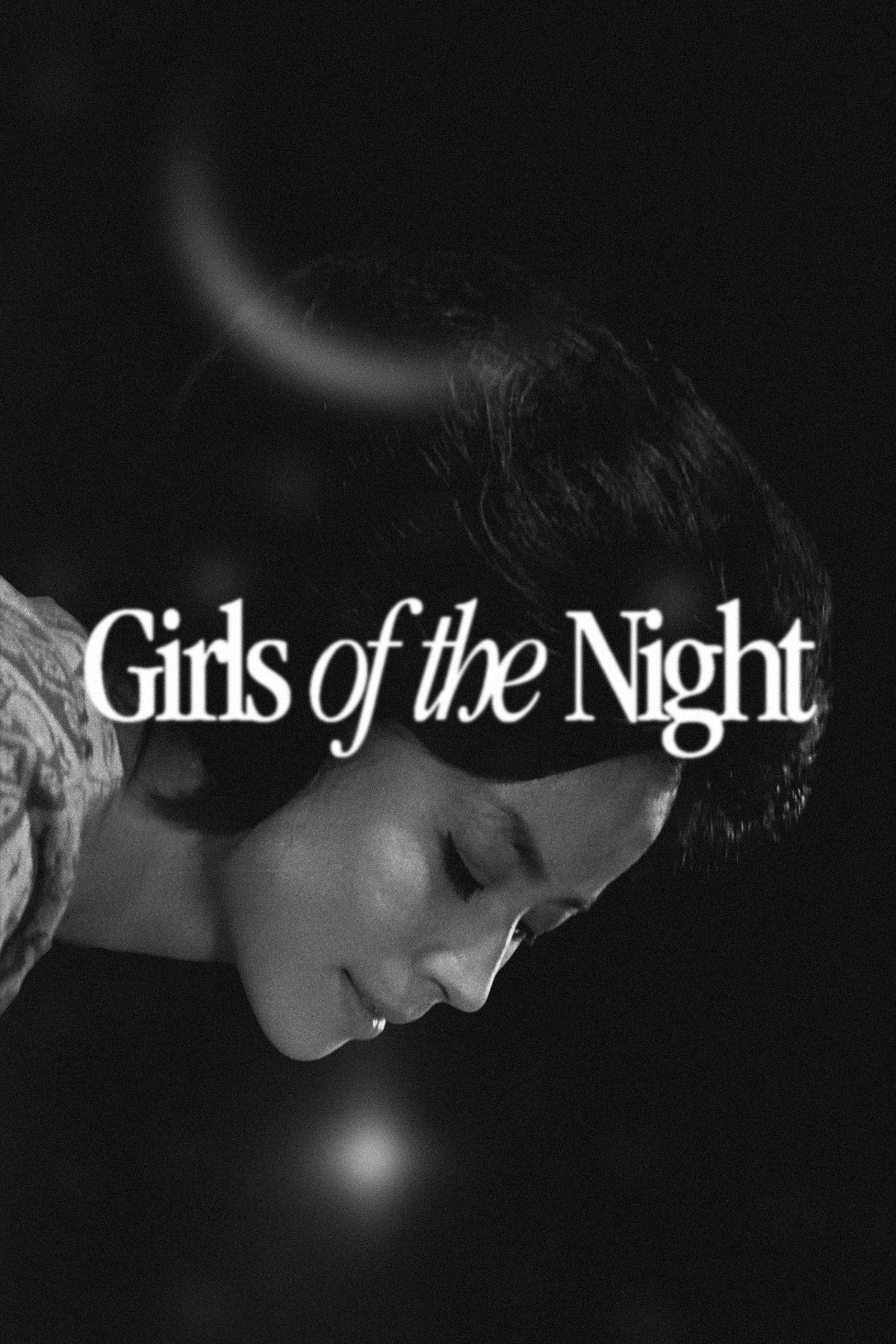
In the wake of the 1956 Prostitution Prevention Law, a young woman recently released from one of Japan's new rehabilitation centers struggles to build a new life.
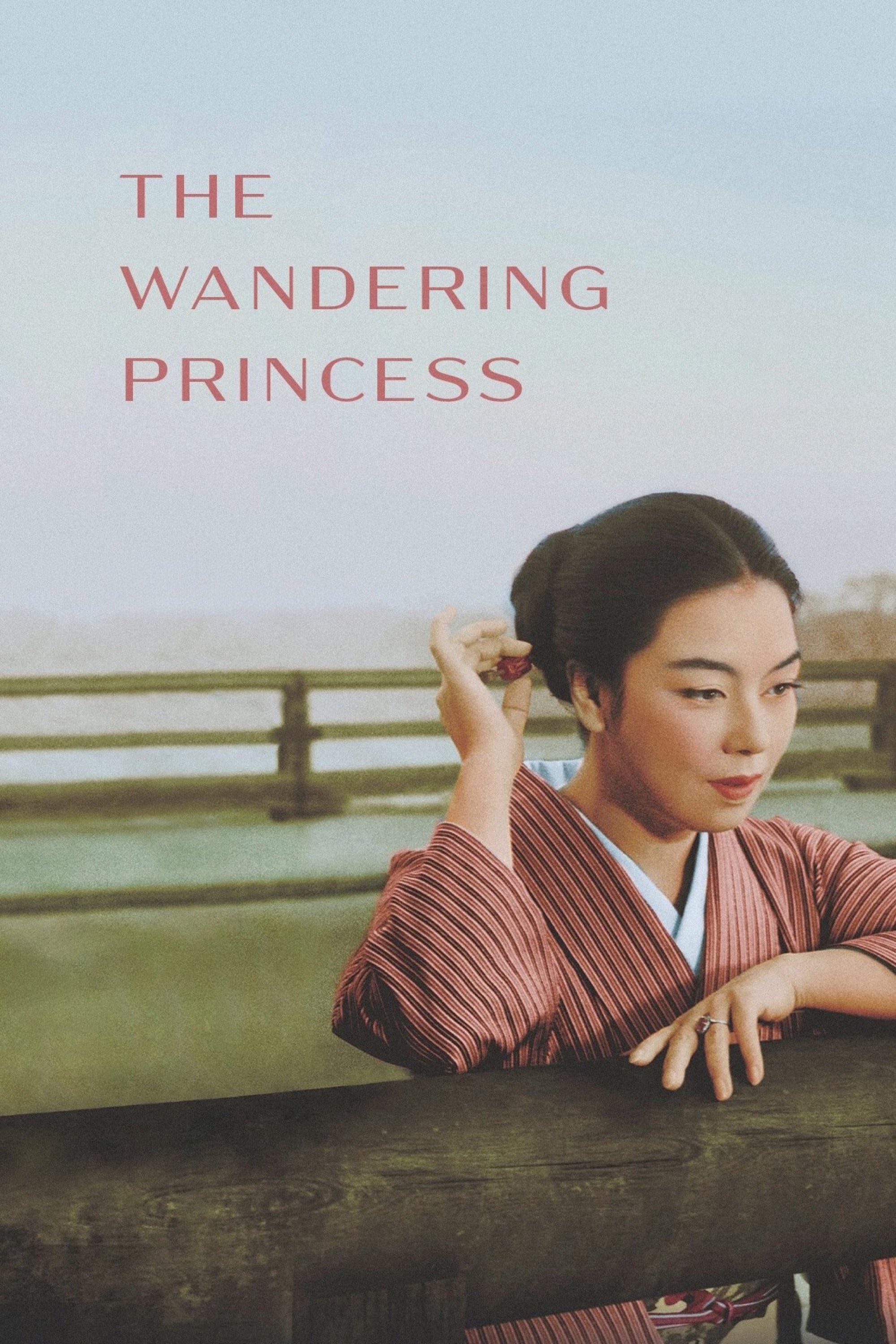
Pu Zhe, the younger brother of the Emperor of Manchukuo, marries Ryuko the daughter of an aristocratic family. To the surprise of all, a deep love between Pu Zhe and Ryuko develops and is put to the test when Japan loses the war.
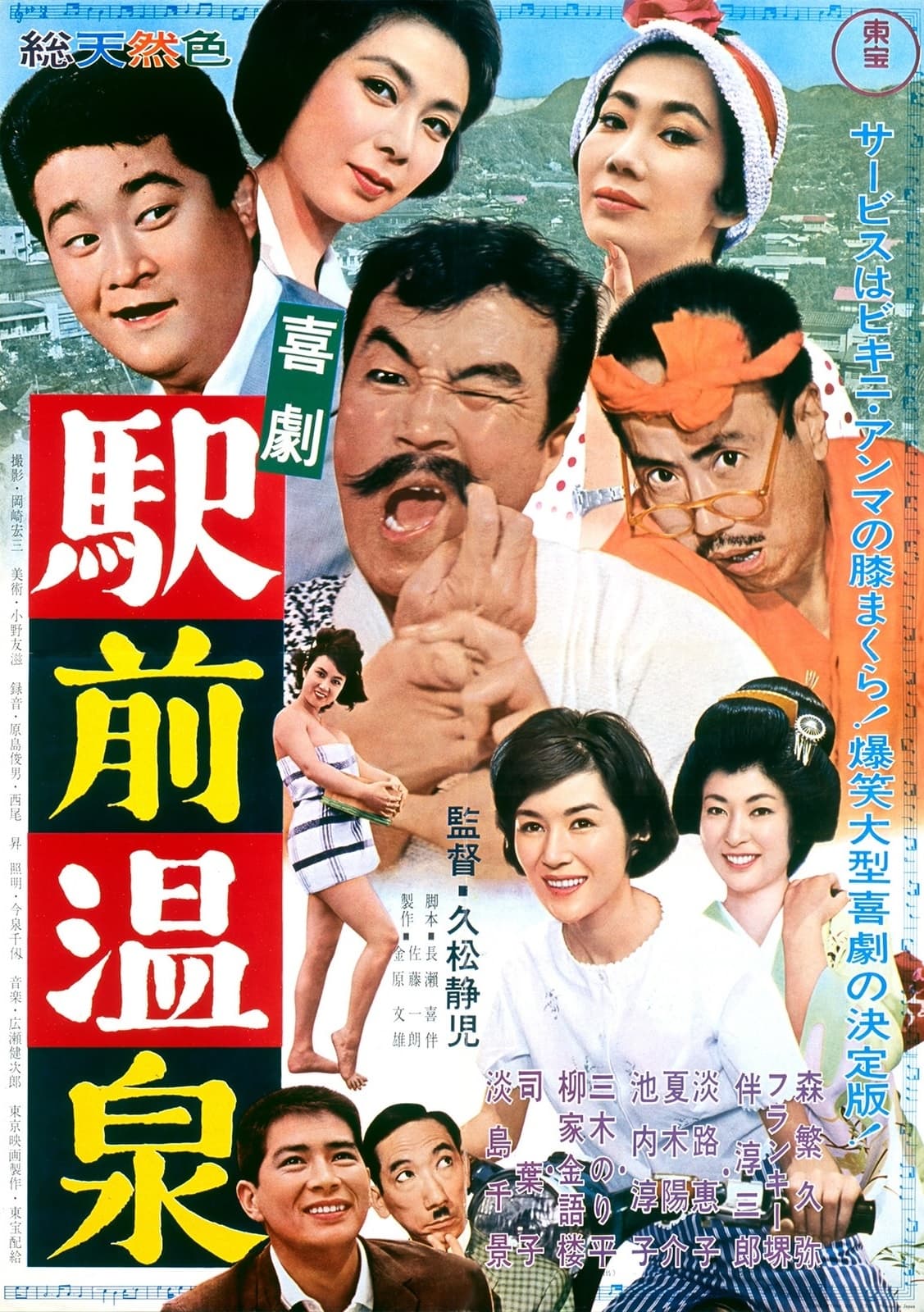
Fourth entry in the Ekimae series, focusing on the restoration of a Fukushima hot spring inn.
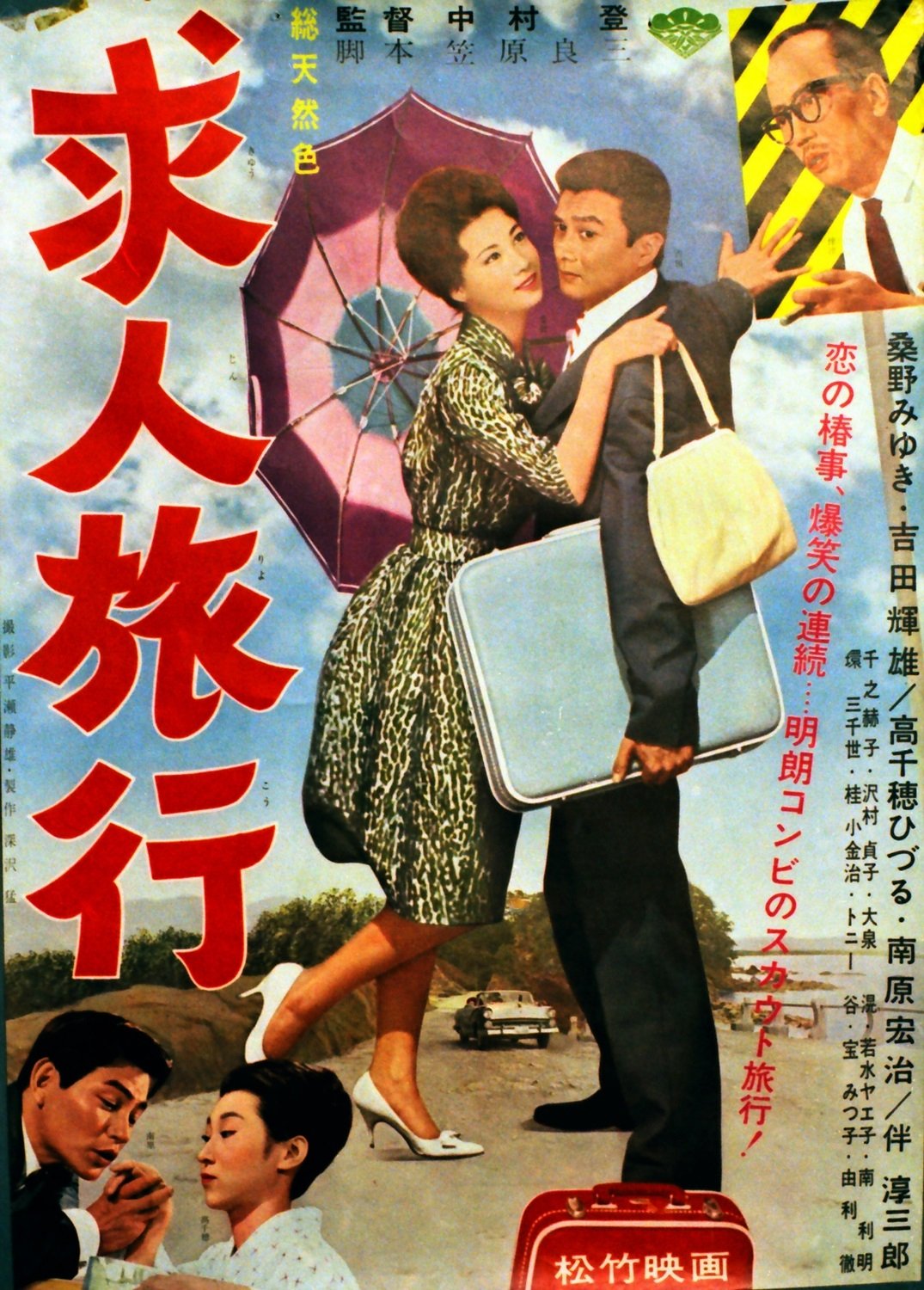
1962 Japanese movie
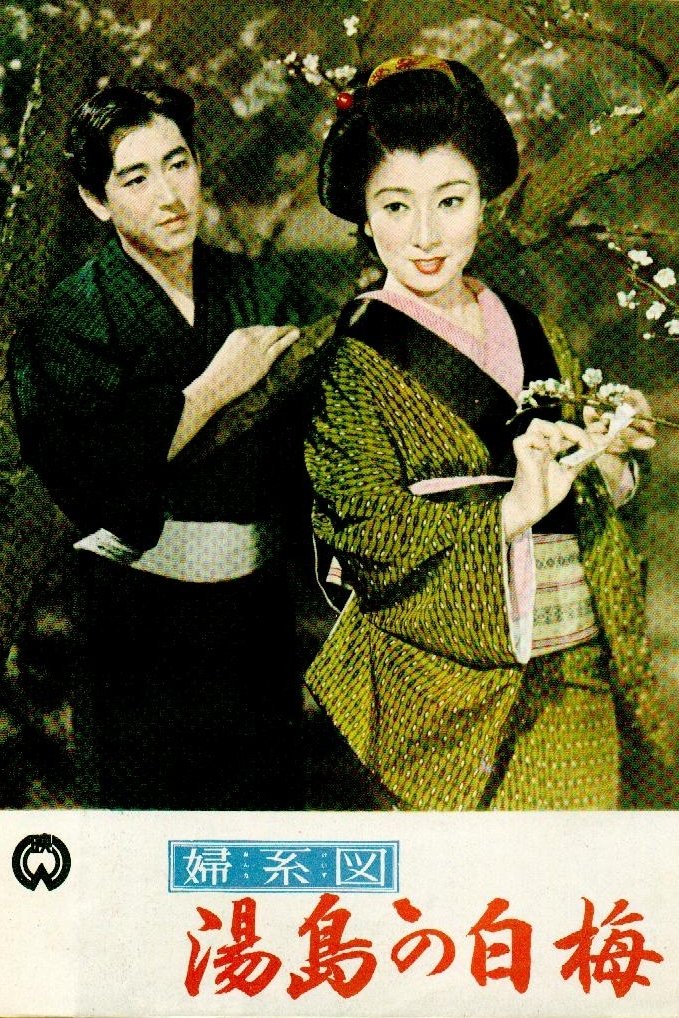
Hayase, a schoolteacher, assists Sakai in editing a German-Japanese dictionary. Hayase owes much to Sakai, as Sakai raised him for 13 years after Hayase lost his parents in a war. Hayase has been secretly married to Otsuta, a former geisha, and has been unable to tell Sakai of the marriage, aware as he is that Sakai wants him to marry his daughter, Taeko. Otsuta wants Hayase to tell Sakai about her, but understands the difficulty of his position. At a festival, Otsuta is mistaken for a pickpocket and taken to the police. Because of her background as a geisha, newspaper reporters eagerly delve into her past and report that she has been married to Hayase. Unaware of what has been printed in the papers, Hayase decides to tell Sakai about his marriage. Sakai shows the newspaper to him and orders Hayase to part with Otsuta. Given no chance to explain, Hayase accepts Sakai's order.
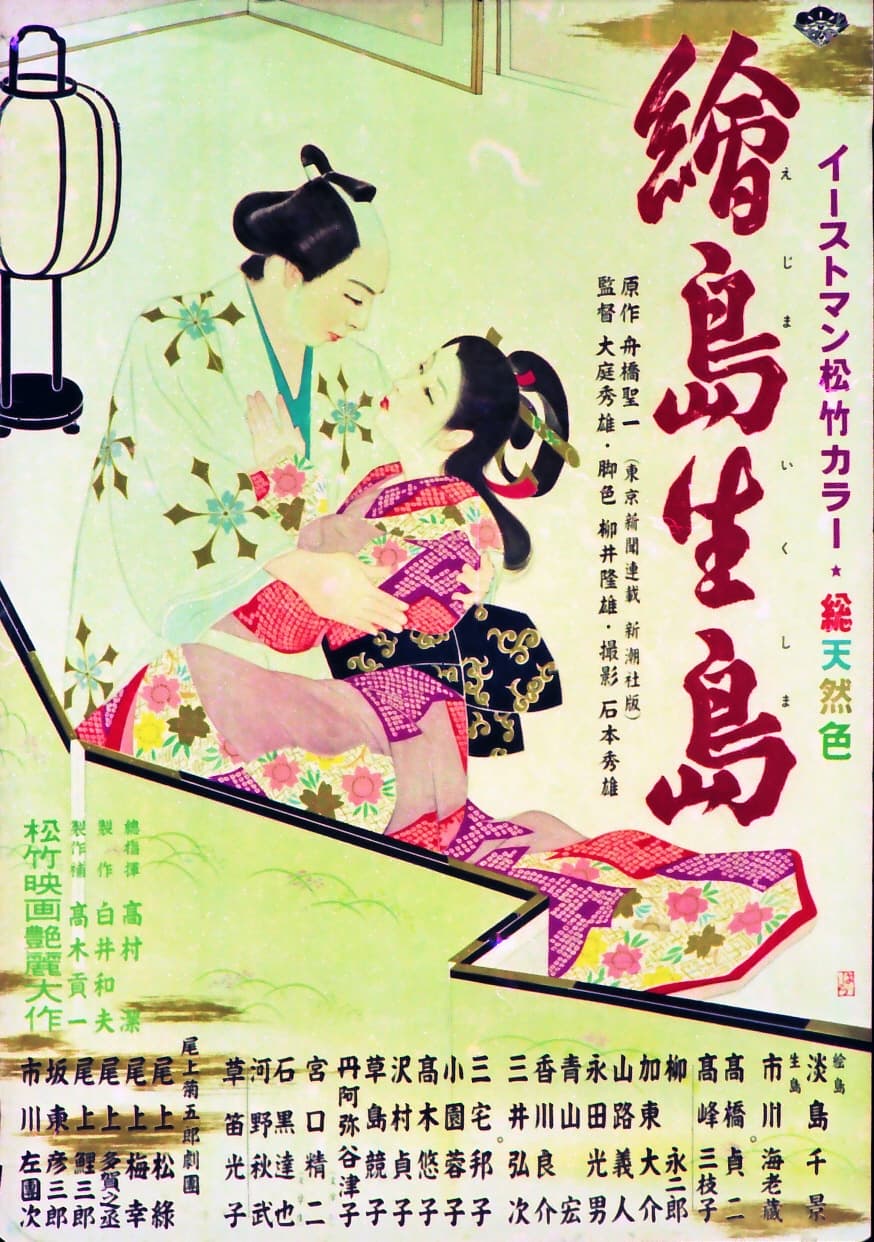
This period film is inspired by one of the most notorious scandals to have taken place in Edo-period Japan. The heroine, Ejima, was a lady of the Ooku, the harem of Edo Castle in which the Shogun’s mother, wife and concubines resided, forbidden from contact with any other man except in the presence of the Shogun. The institution played a key role in the Byzantine world of Japanese court politics during the Edo era. In 1714, Lady Ejima was sent to pay her respects at a Buddhist temple in the city, and chose to pay an unauthorised visit to the kabuki theatre – a violation of protocol that was to have tragic consequences.
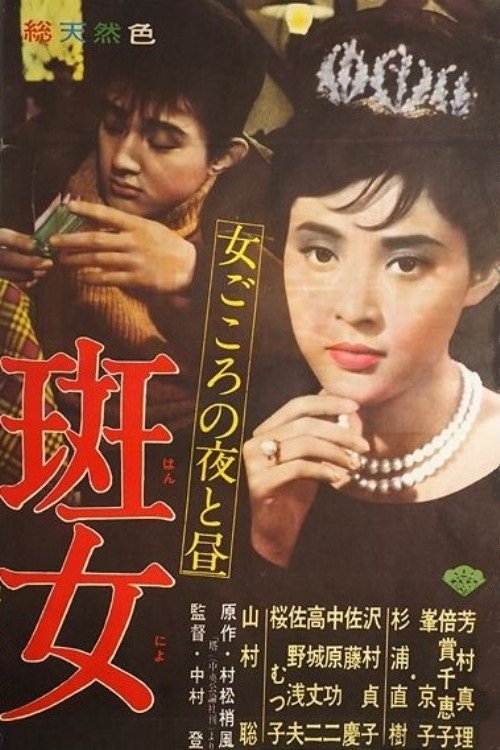
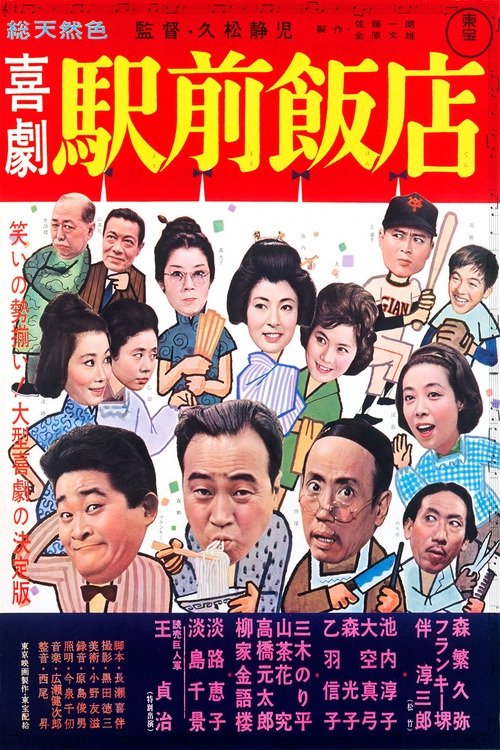
The fifth "Ekimae" film set in a Chinese restaurant in Yokohama's Chinatown.
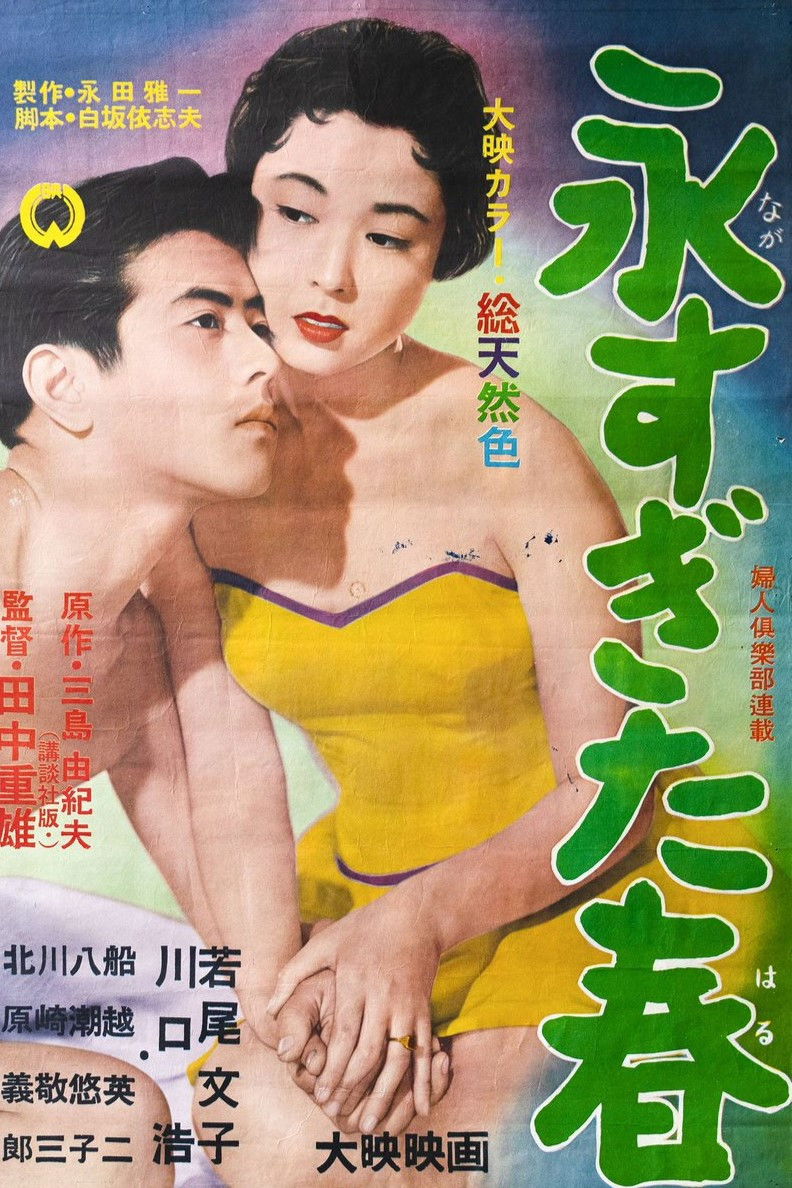
Adaptation of the Yukio Mishima novel.
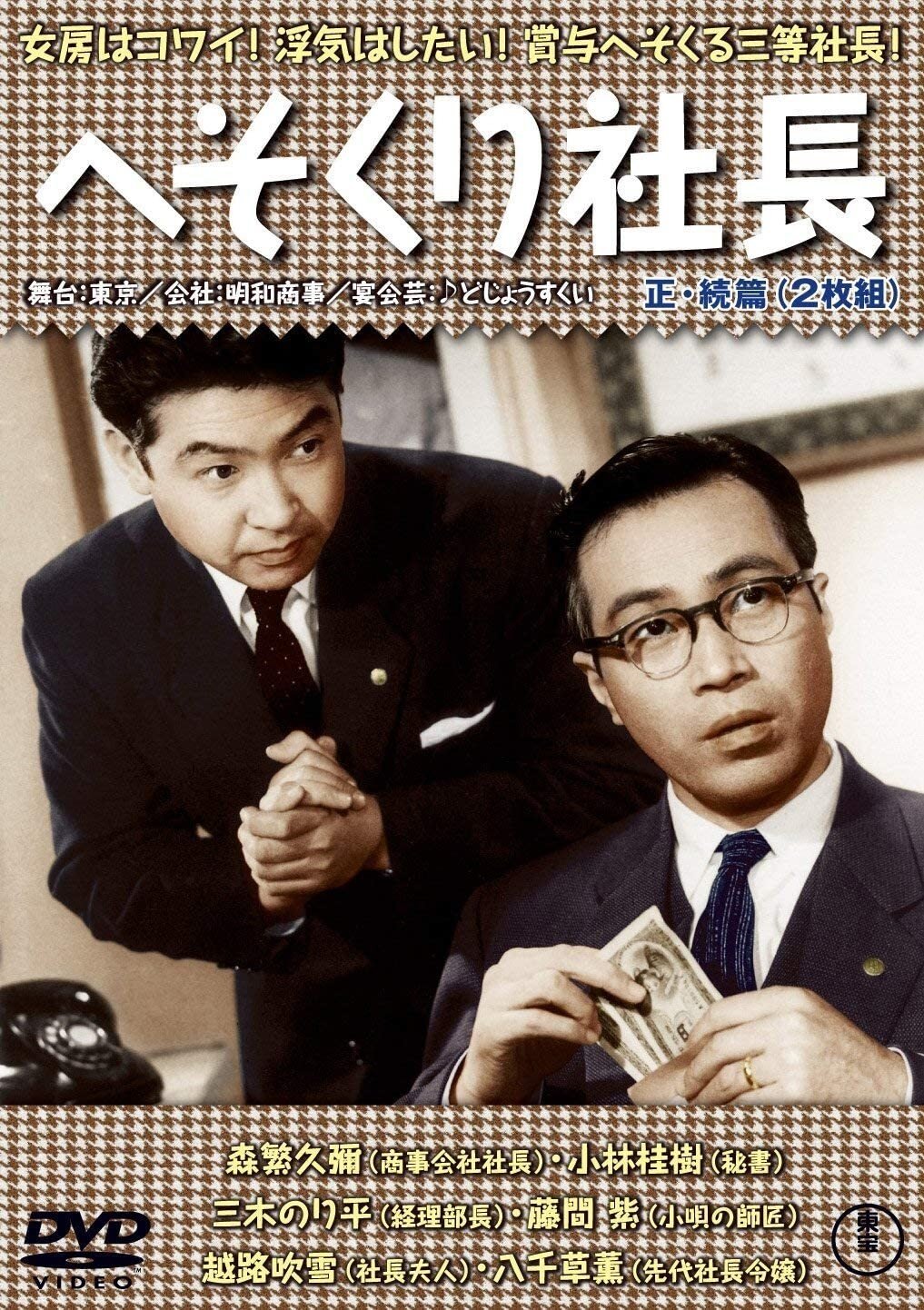
A new third-class president wins an appointment thanks to his marriage with the former president's daughter.
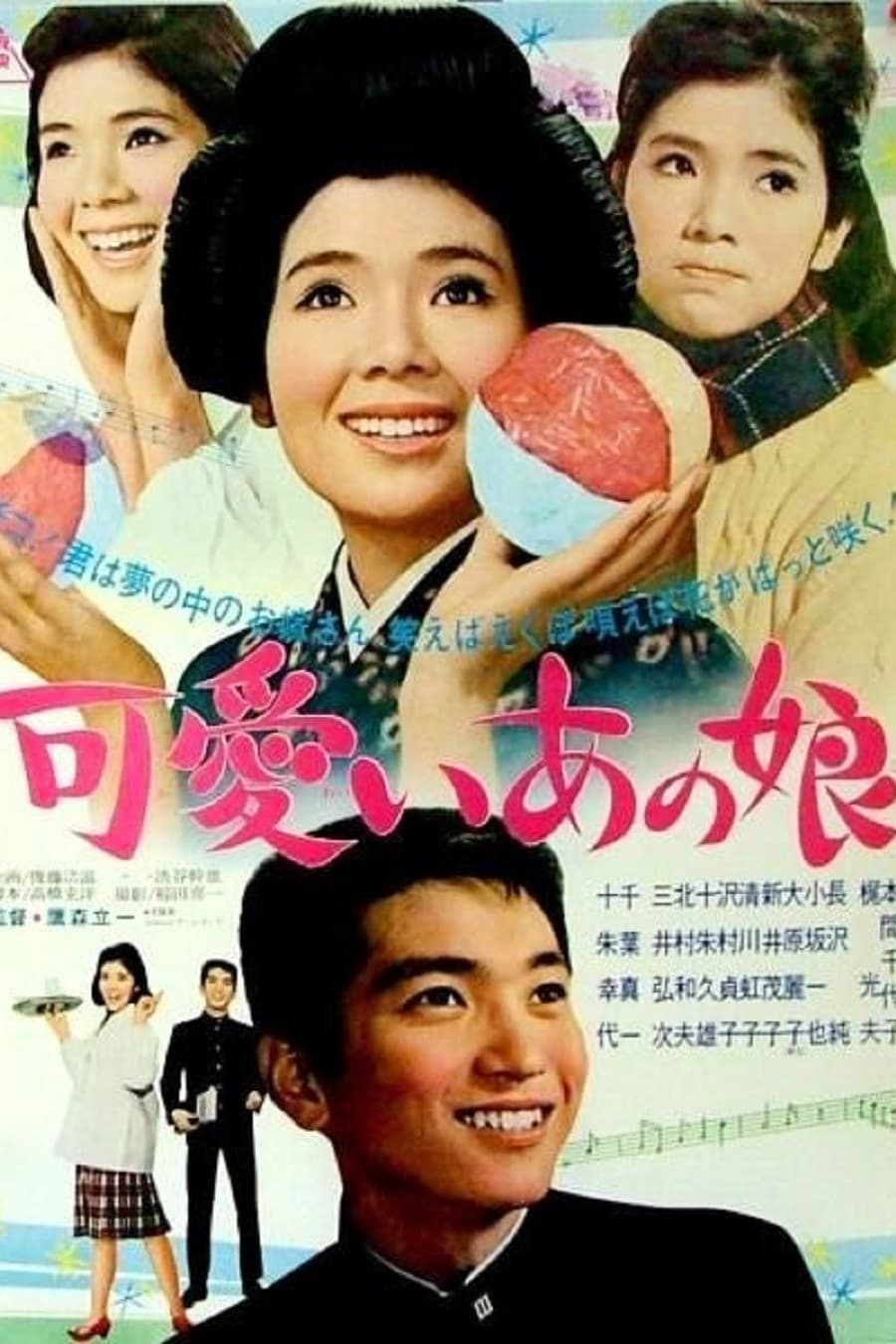
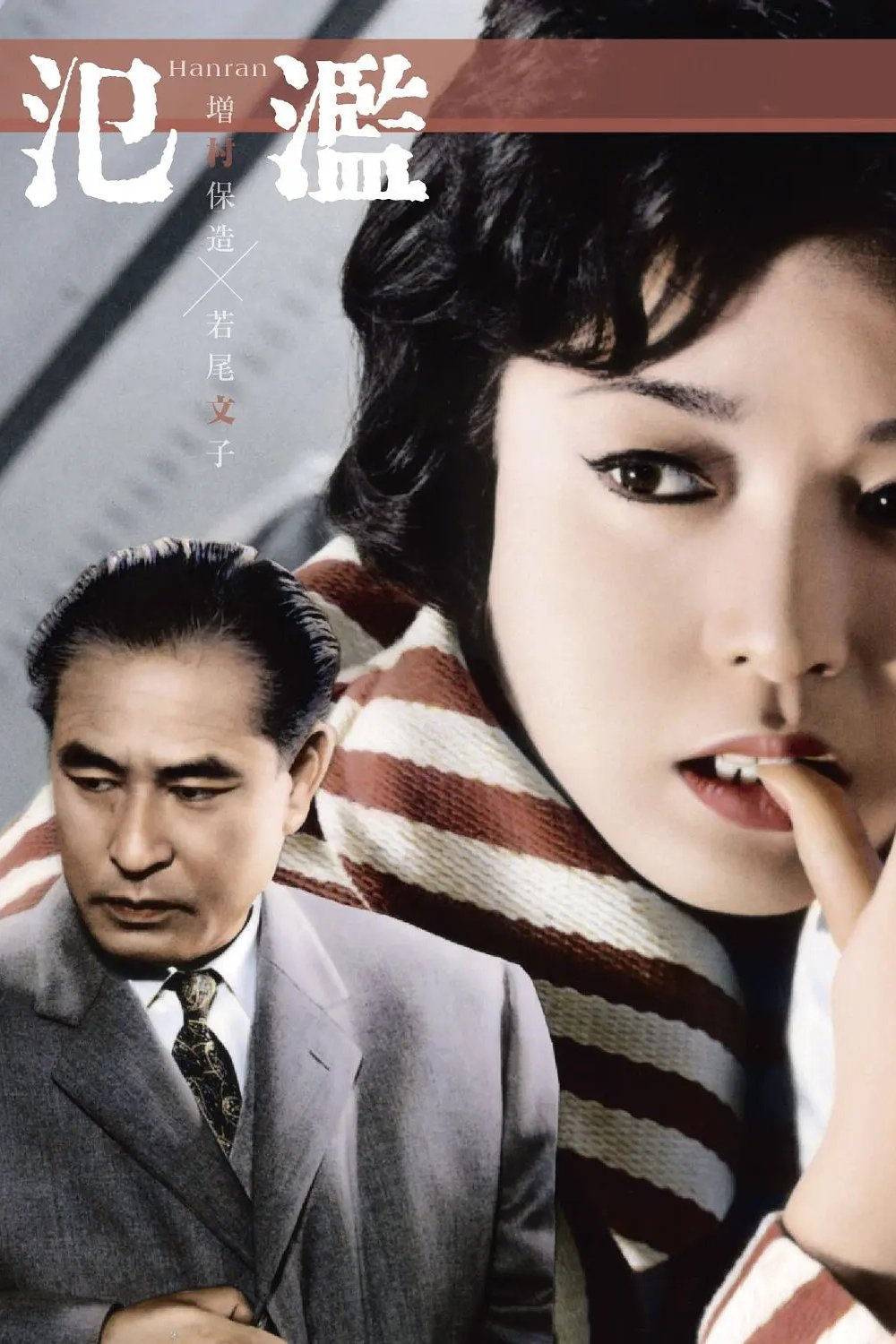
The inventor of a ground-breaking glue, Sanada, becomes rich thanks to his discovery a high executive in his company. Because of this promotion, his world is changing completely : his wife behaves like never before, considering she's now rich and has the right to do whatever she wants, even having an affair. (Also occasionally known in English as “Overflow”)
1962 Japanese movie
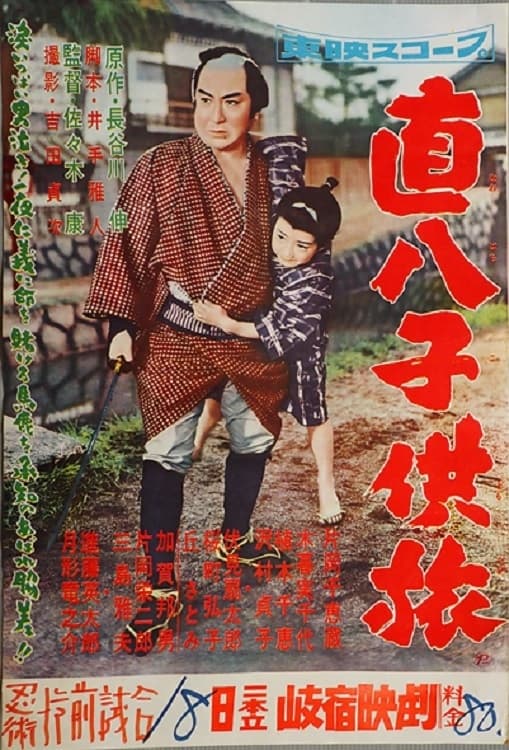
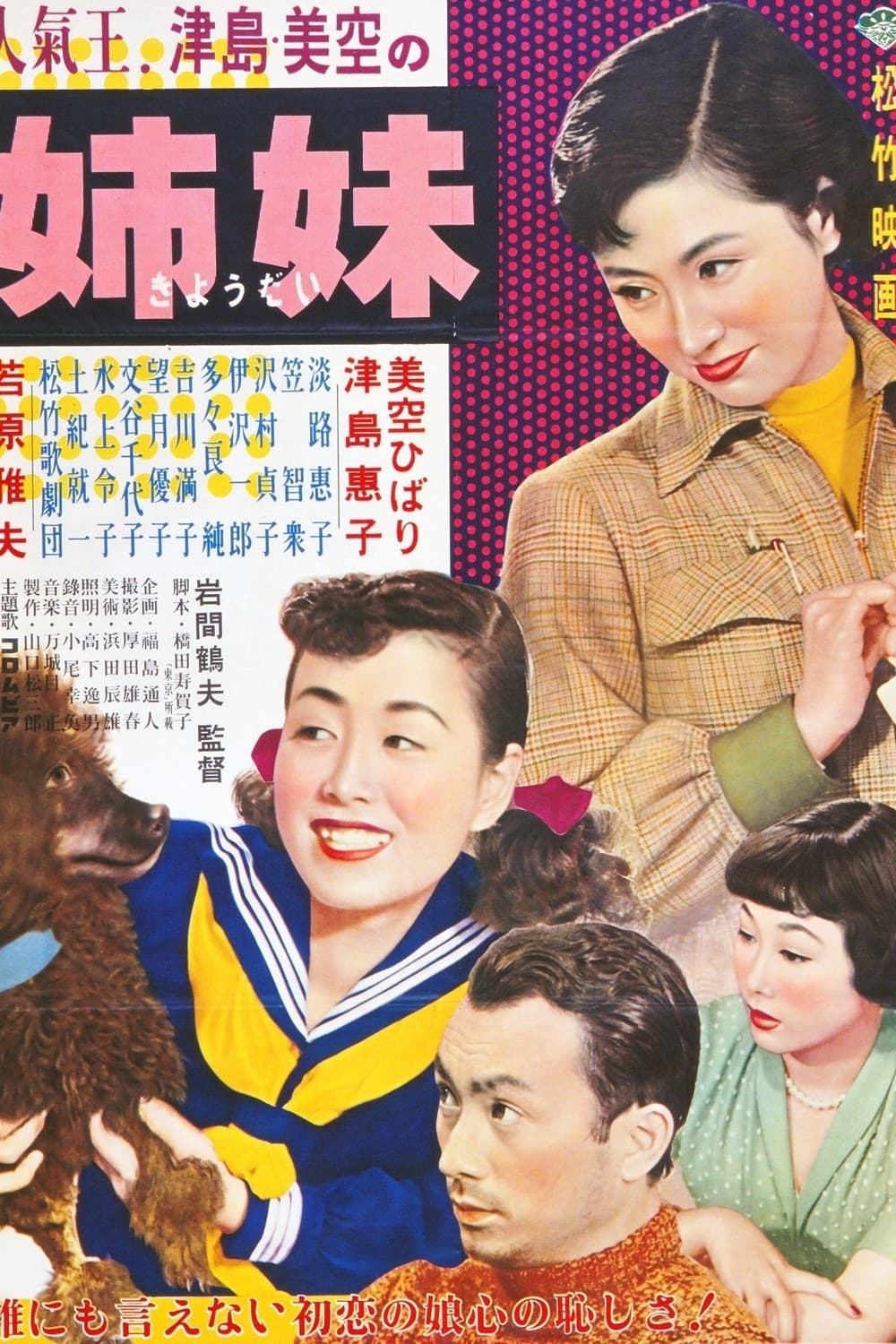
Three beautiful daughters grew up in a dog and cat care clinic. The eldest was named Takako (Keiko Tsushima), the second was Tsugumi (Keiko Awaji), and the third was Mihato (Hibari Misora). Mihato was still a pretty seventeen-year-old girl, but she considered herself as mature as her older sisters. Mihato knows that Tsugumi is friends with Ippei Yaguchi (Masao Wakahara) and acts as a love messenger between them, but she didn't know that Takako is also in love with Ippei...
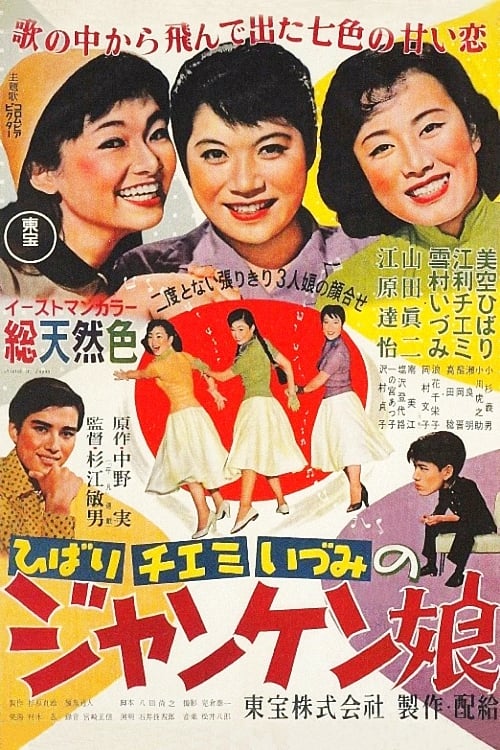
Two high school girls, Ruri and Yumi, go to Kyoto on a school trip, here they get acquainted with Hinagiku, there are many adventures ahead of the three of them. A musical starring 3 Japanese pop music and TV stars.
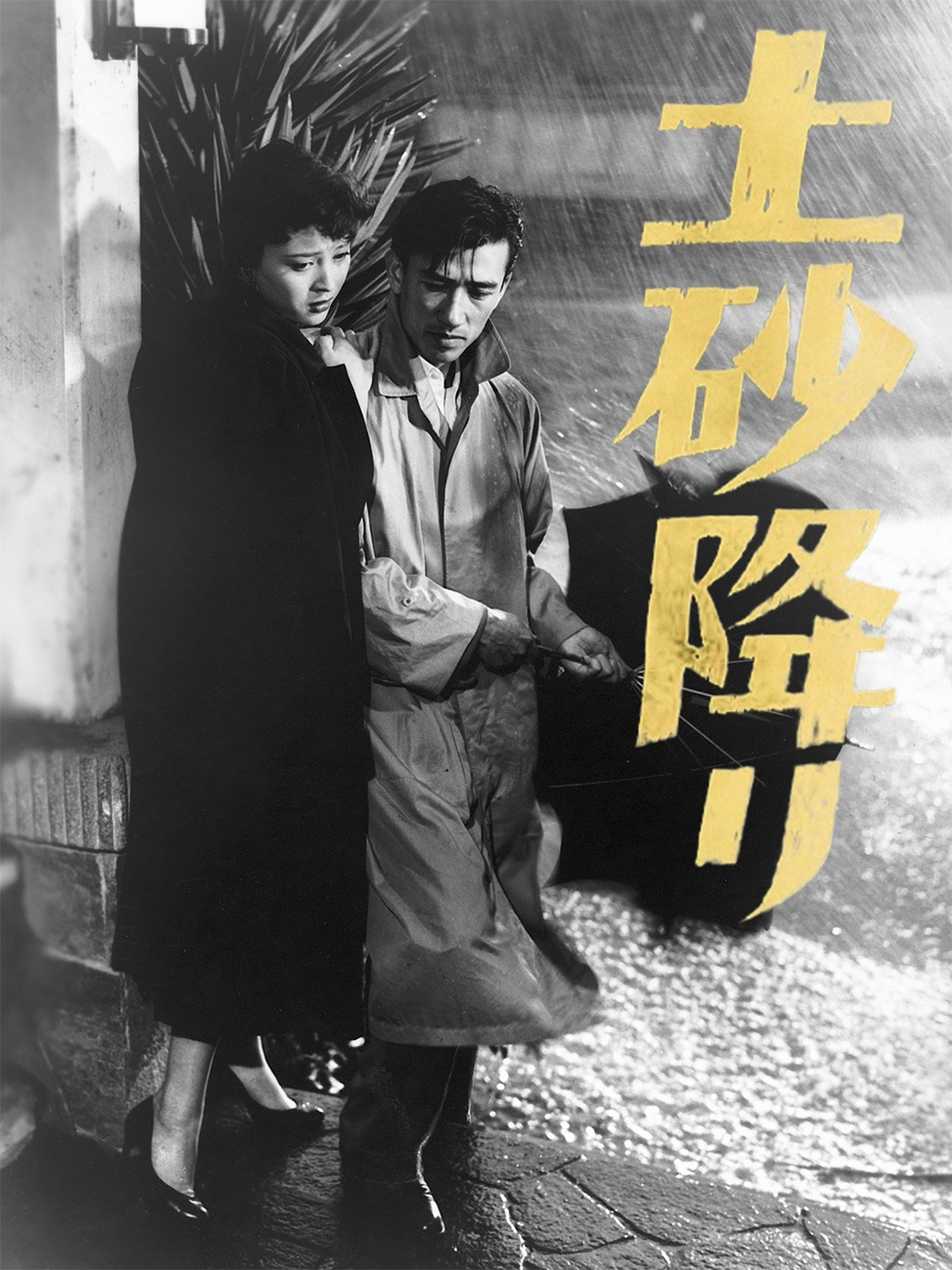
Tane, the lady proprietor of an inn for amorous couples, lives there with her three children. When her eldest daughter loses her fiancé due to the fact her mother is a mistress, her despair drives her to become a cabaret hostess.
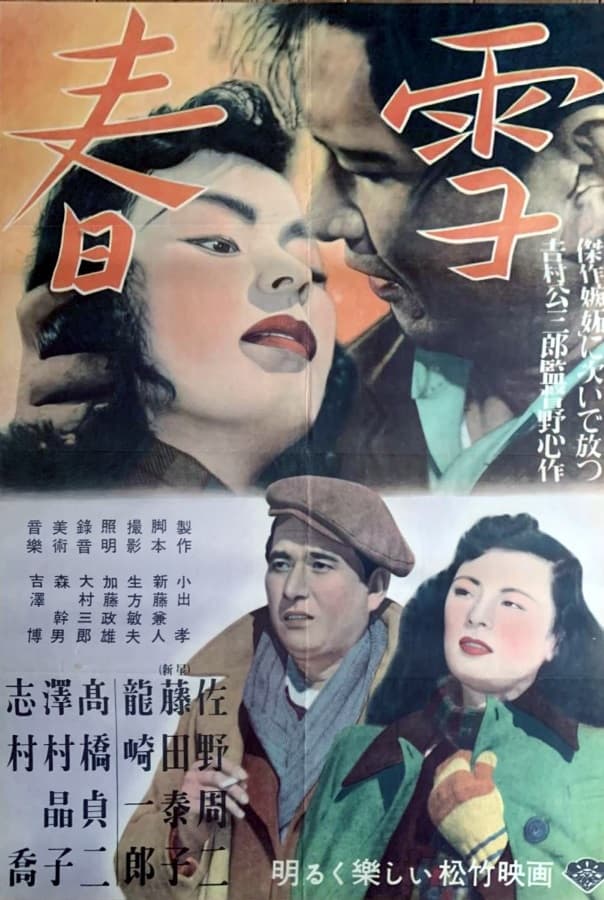
The Yoshikawa family is a typical small town family. With only the father's and daughter's salaries to support the family's six members, life is not easy.
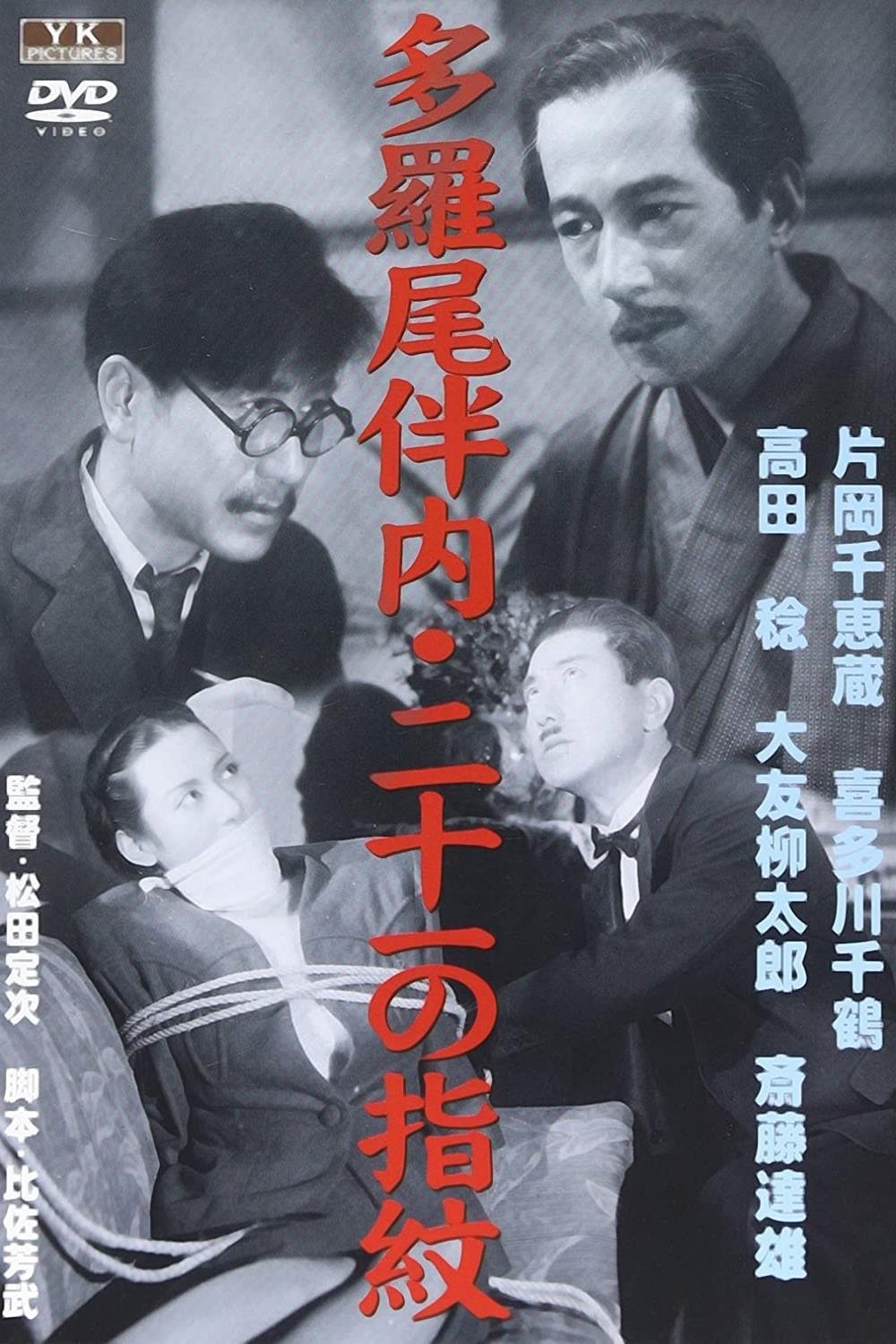
Third film of the Bannai Tarao series starring Chiezo Kataoka
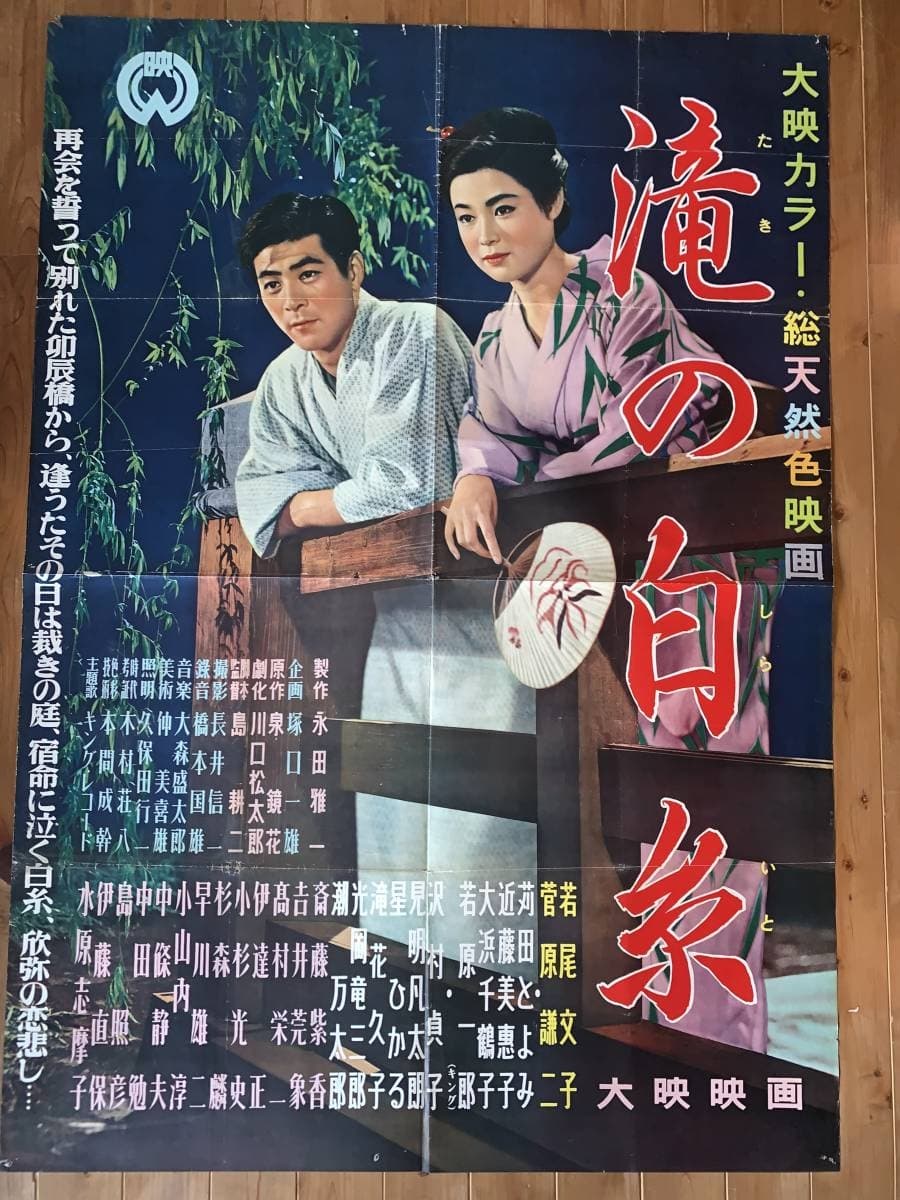
The middle of the Meiji period. Tororo Goro, a Nanjing expedition hit the first time to join the white thread at the water entertainer waterfall, thought that he would go to the Kanazawa in the first place of the year and try to interrupt the white thread. Tororo Goro troupe crossed the Yabe gawa River and tried to borrow a carriage at a carriage company on the other side of the river, but he was forced by Jinya murakoshi, a charter, and started with jinrikisha without stopping.
1962 Japanese movie
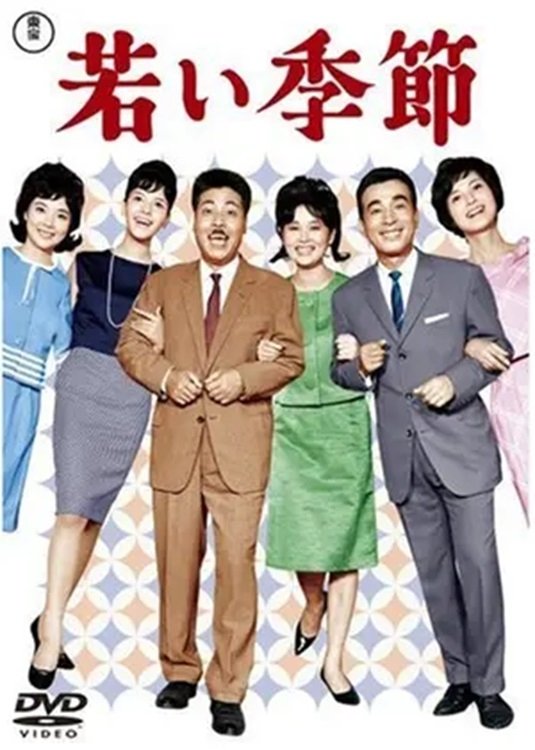
1962 Japanese movie
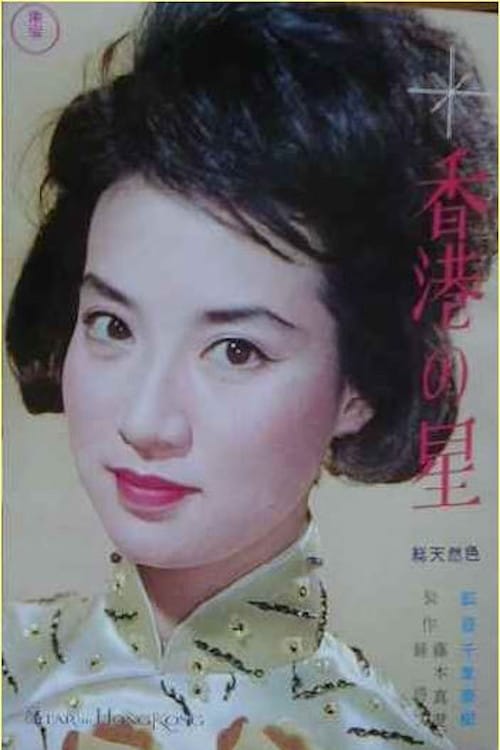
Wang Xinglian returns from her studies in Japan to visit her father in Hong Kong where she has an encounter with the young Japanese Hasegawa Toru. The two meet again and fall in love in Hokkaido when Wang and her best friend Sugimoto Kanako are going on a holiday. Urged by her friend Zhang Yingming to concentrate on her studies, Wang remains ambivalent about the relationship, and is even more upset to realise that Sugimoto is in love with her fellow countryman. Feigning an engagement with Zhang, Wang initiates a break-up with Hasegawa and finds work in Singapore after graduation. Hasegawa learns the real cause of the break-up from Sugimoto in Hong Kong. A frenzy search finally leads to a reunion and a proposal in Kuala Lumpur. However, their love is doomed by a twist of fate as Wang must leave to see her desperately ill father in Hong Kong while Hasegawa has to leave for America to pursue his career.
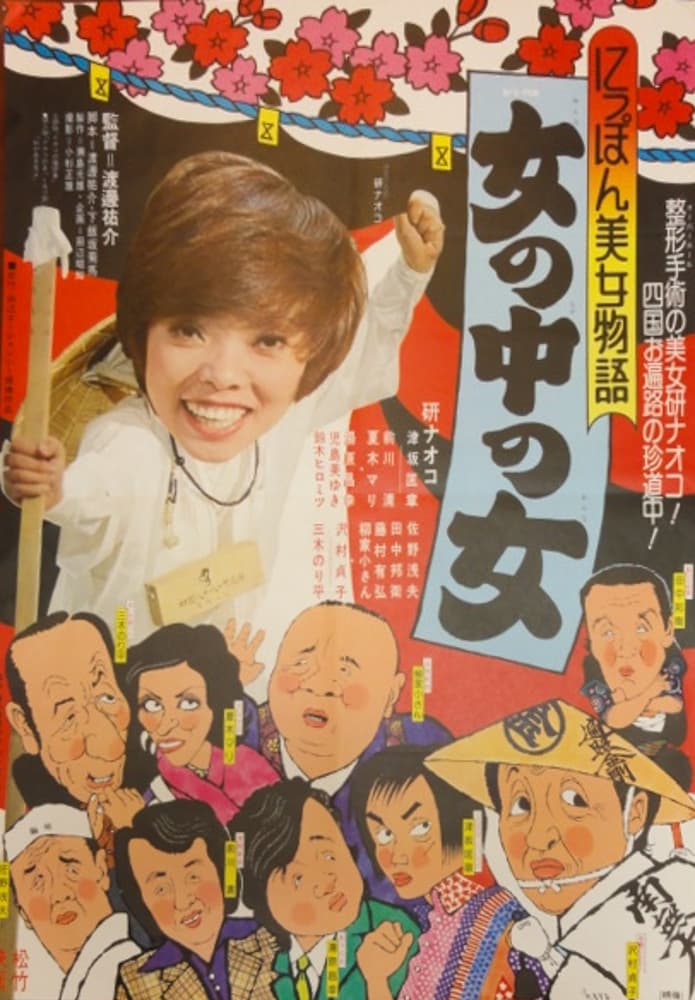
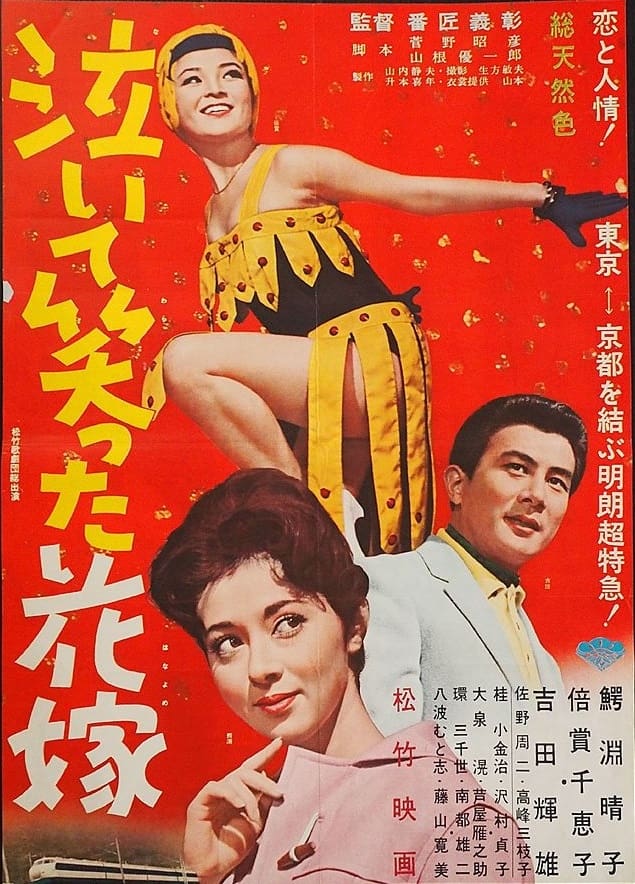
1962 Japanese movie

Set in Qingdao, China, a Japanese company locates an office there and begins work and cooperation with a local Chinese company for business. Many Japanese engineers also move to China, with their families, for the company in order to construct a canal. There are young Chinese resisting the Japanese in this area.
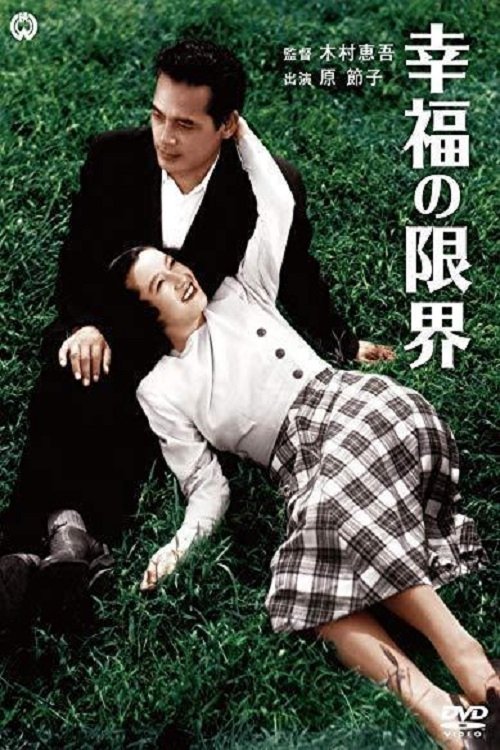
The eldest daughter of the Takamatsu family, Atsuko, a widow, returns home due to not getting along with her late husband's family. On the other hand, the youngest daughter, Yukiko, is in love with a teacher older than her, much to her father's chagrin. All of this, together with Yukiko and Atusko not getting along, will shake the foundations of the Takamatsu family.
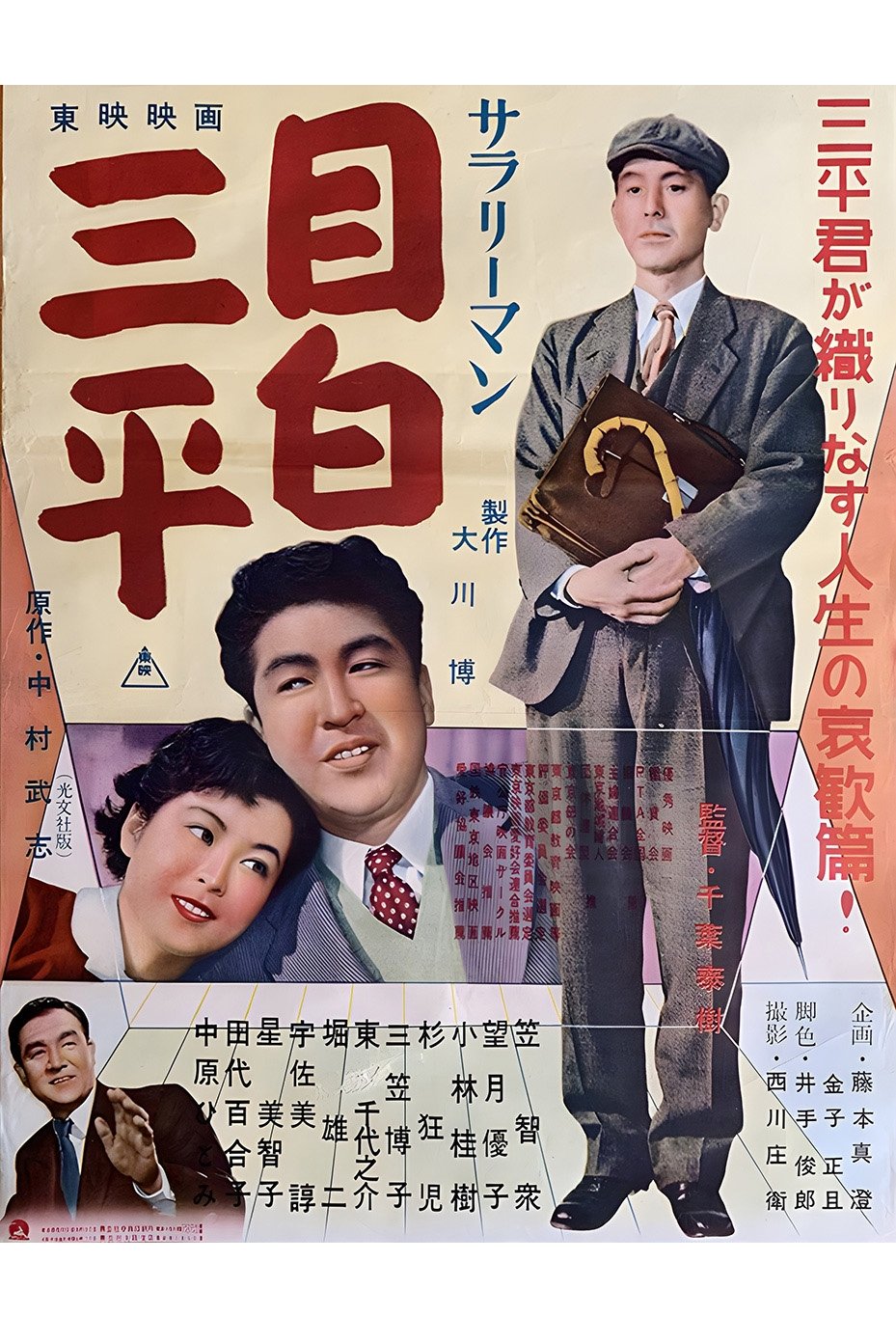
A masterpiece of life sketches overflowing with heartwarming affection and laughter that portrays the modern common people with humor and pathos, focusing on the daily life of Sanpei Mejiro, a salaryman for over twenty years who finds a little happiness in life in his poor but joyful home.

What is the life of a Geisha like once her beauty has faded and she has retired? Kin has saved, and become a wealthy money-lender, spending her days coldly collecting debts. Even her best friends, fellow Geisha Tomi, Nobu, and Tamae, are now indebted to her. For all of them, the glamour of their young lives has passed; Tomi and Tamae have disappointing children. Kin has two former lovers who still pursue her; one she wants to see, and the other she doesn't. But even the one she remembers fondly, when he shows up, proves less than satisfactory.
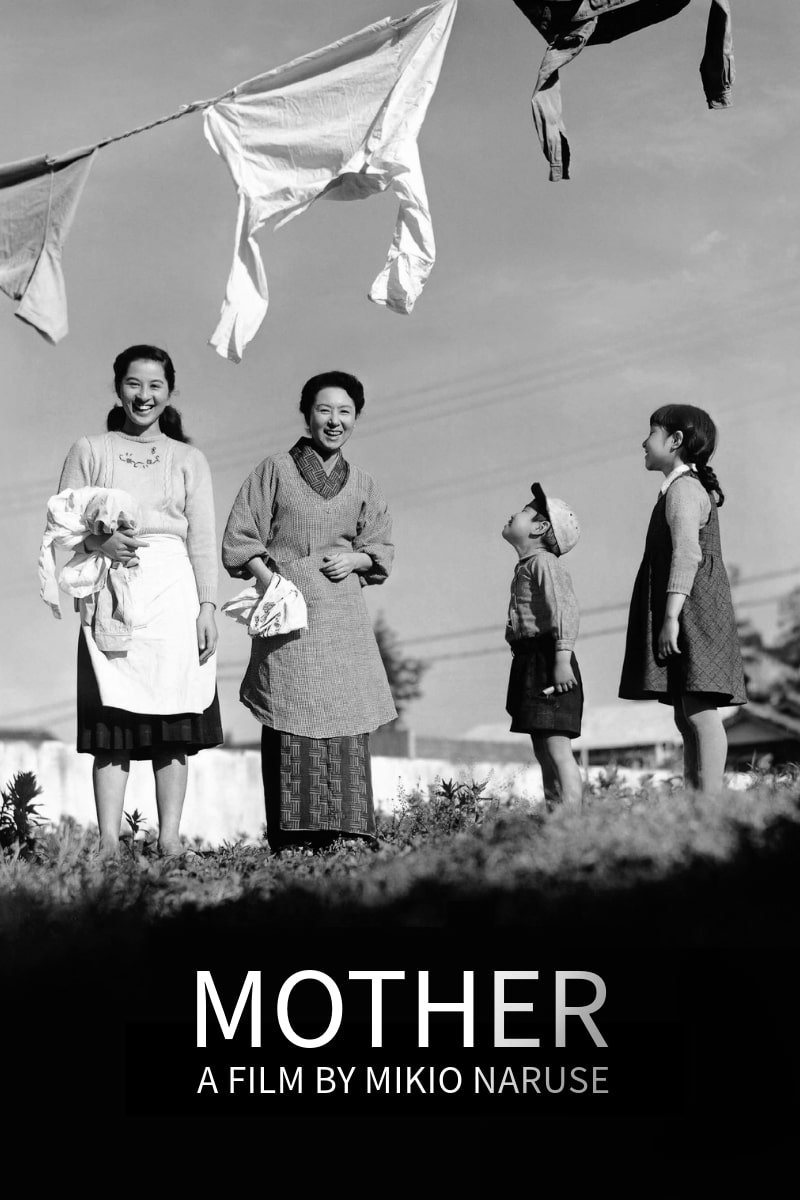
A teenaged girl witnesses her widowed mother's attempt to sustain her family.

A young woman tries to raise money to open her own coffee shop. She arranges a loan when her rigid family won't help and then her husband becomes jealous of the loan officer.
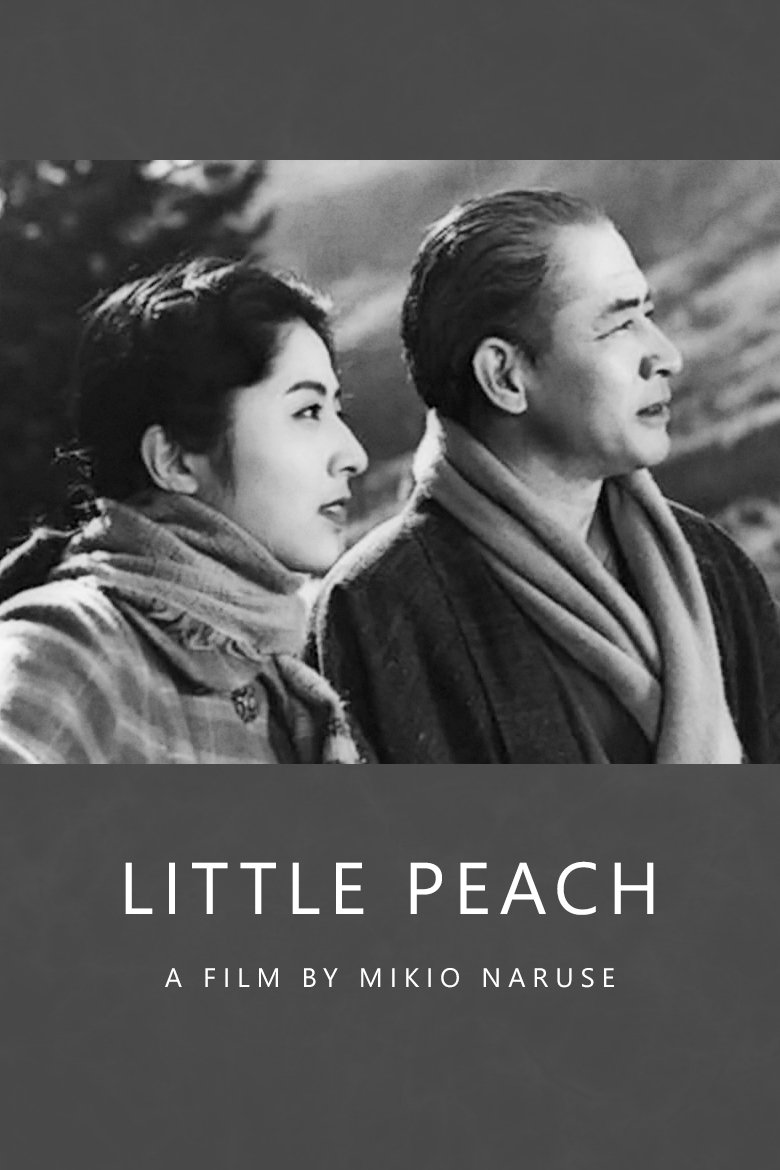
Anzukko (Little Peach) is the daughter of a successful writer. She turns down each one of her suitors, until she marries a beginning writer named Ryokichi. Their life quickly sinks into despair.
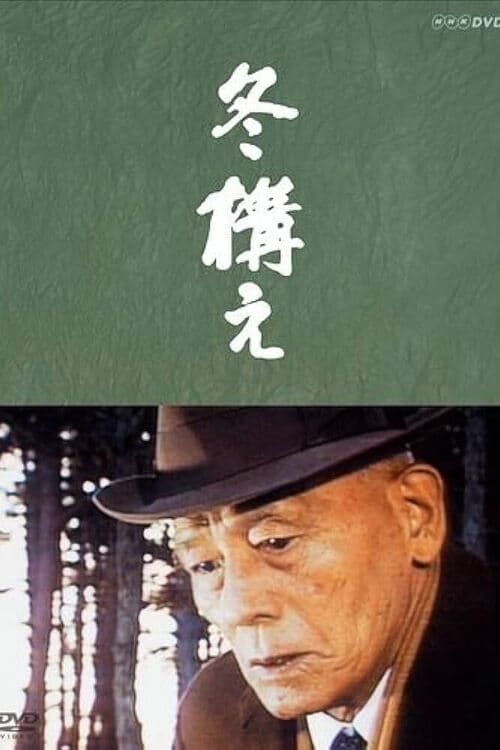
An old man cashes in all his possessions and sets off on a journey to the Tohoku region in late autumn. Along the way, he visits a friend on his deathbed and develops a faint affection for an elegant old woman, but the purpose of his journey is actually to find a place to die. He gives a large sum of money to a young couple, who are poor but have a dream for the future, and tries to throw himself into the sea. The movie depicts the loneliness of an old man who has lost his wife.
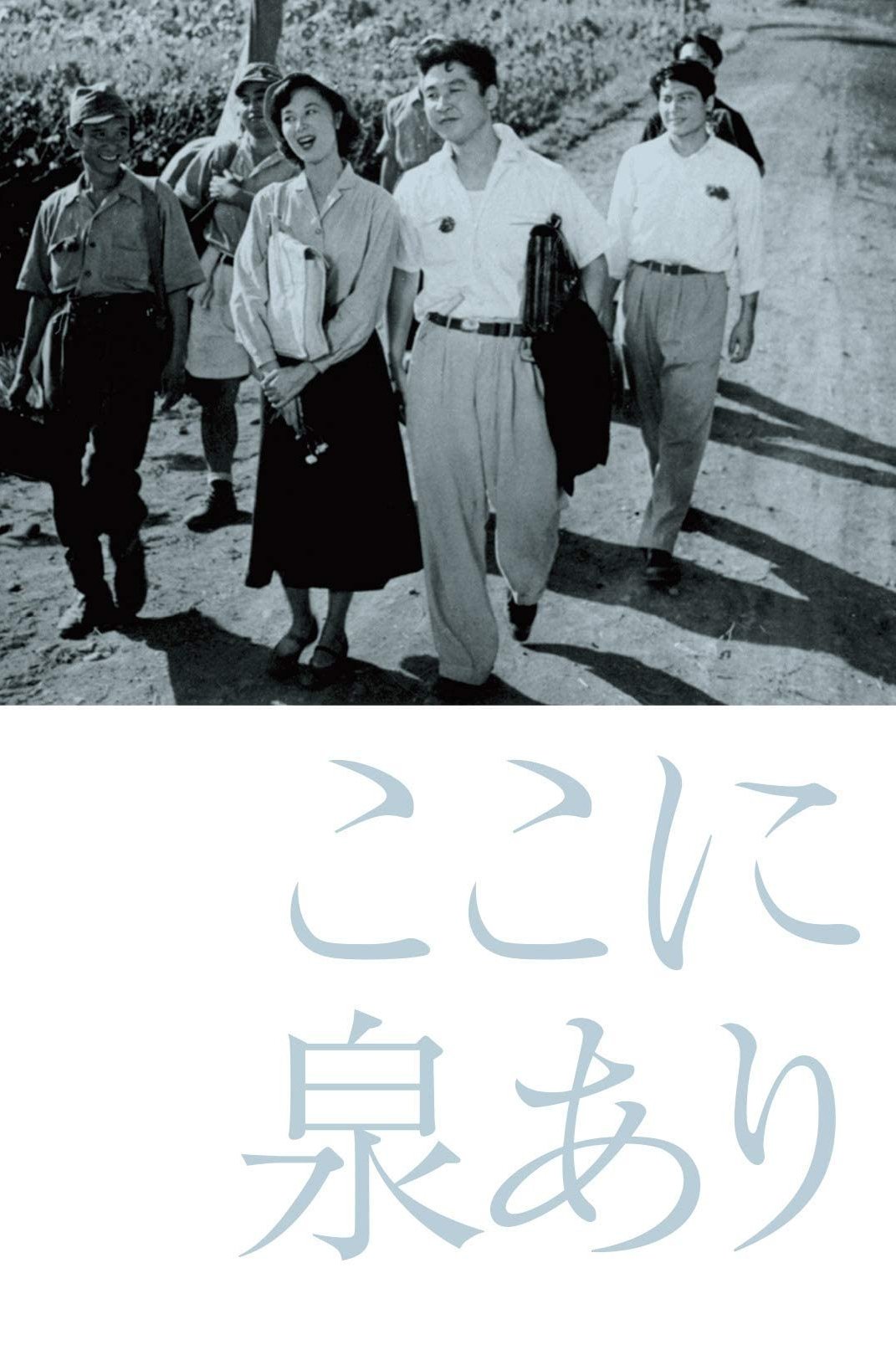
The story of a group of young people who organise their own travelling symphony orchestra to provide music for people living in remote villages shortly after the war.
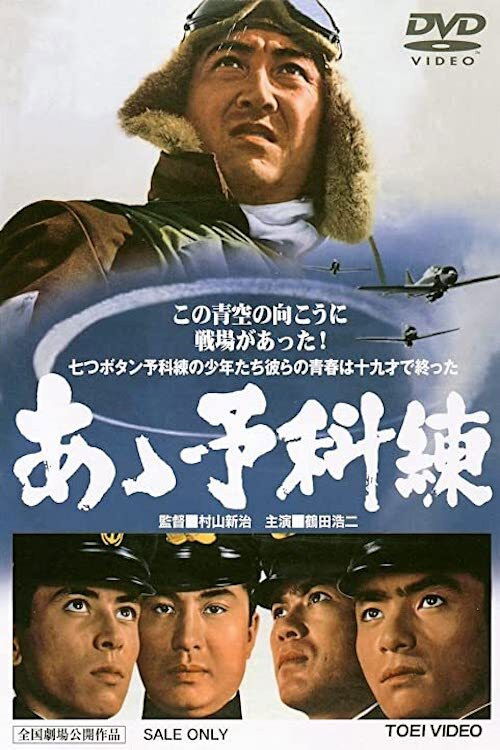
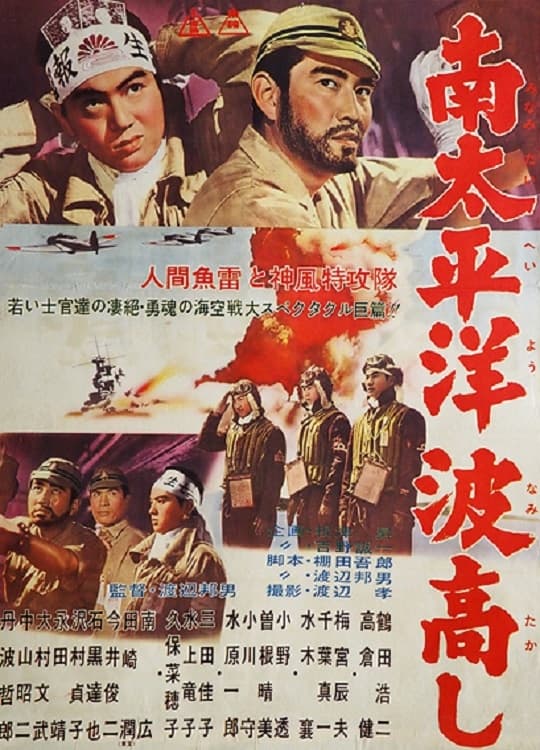
The film is dedicated to the souls of flight school graduates killed in World War II. Young boys dream about becoming pilots and apply to flight schools. However, the flight schools have extremely demanding, harsh training, and once they finally become pilots, they must become suicide bombers and give their lives for their homeland.
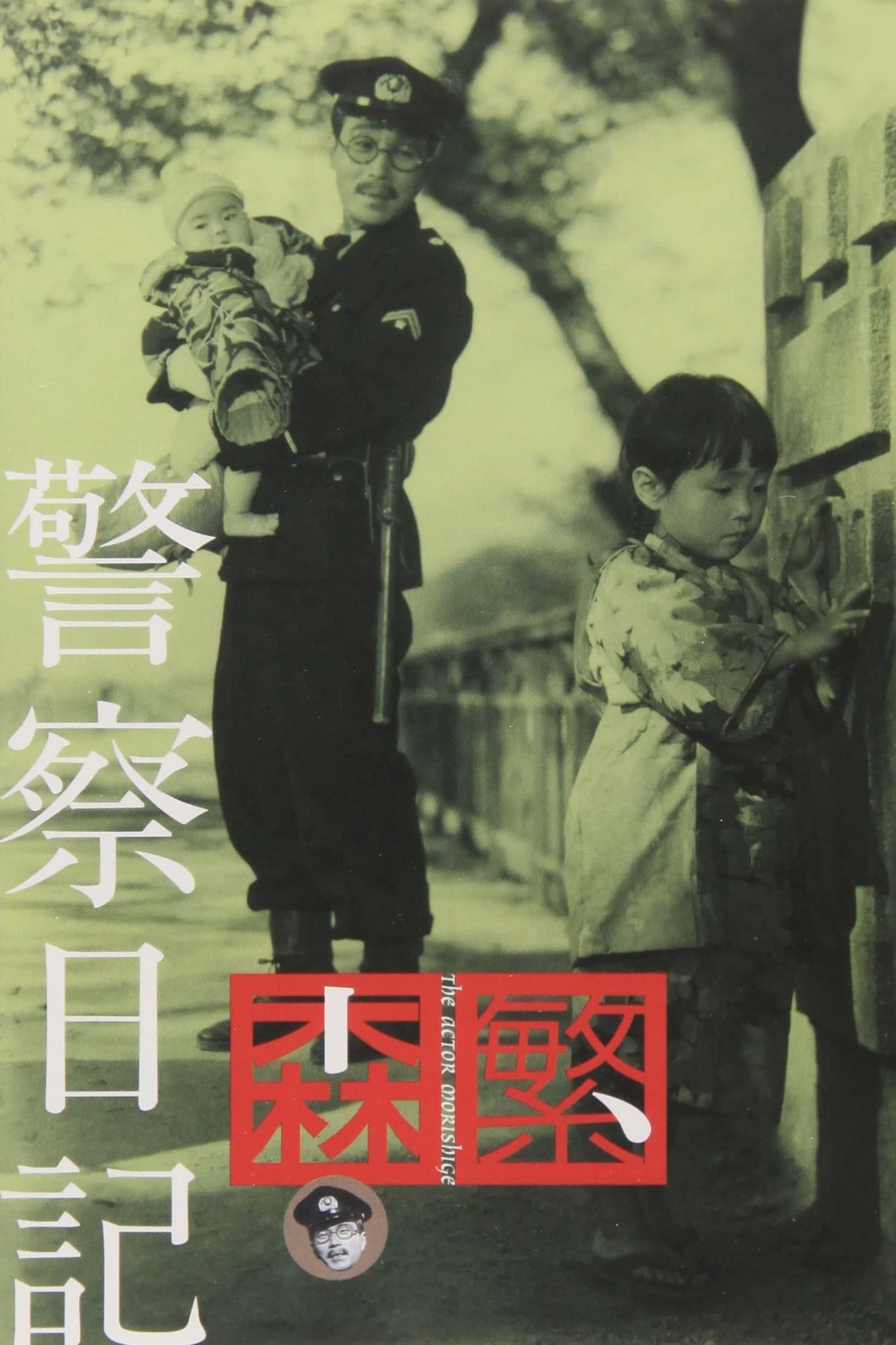
Lending money, job hunting for civilians and babysitting. All these things are usually not listed on a policeman's job description. But for the officers of this local police station, it‘s part of their daily routine. One day, patrolman Yoshii (Hisaya Morishige) finds an abandoned baby and a six year old girl standing in front of the station. When he's declined by the welfare office, orphanage and local health clinic to take them in, he decides to take care of them himself.
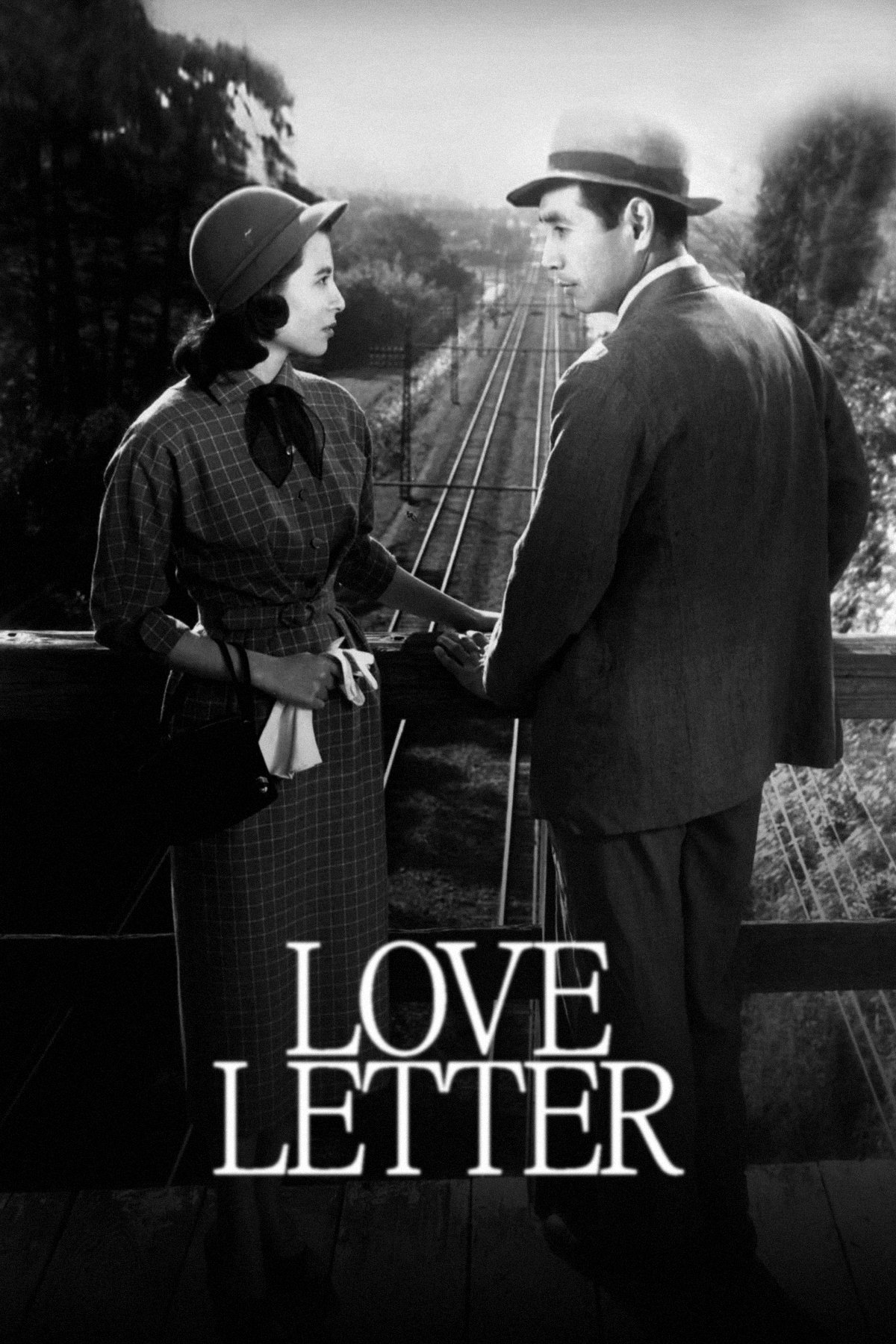
A sad and troubled man finds a new job five years after the end of WWII, where he writes love letters for other people.
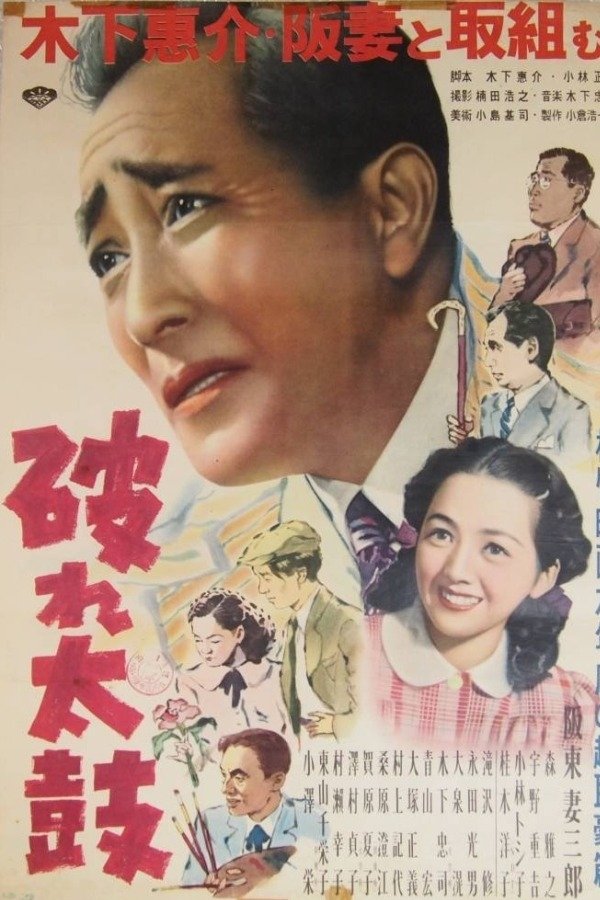
When the future of his construction company falls into danger, a controlling father pushes his children into unsatisfying marriages and careers in order to regain financial stability.
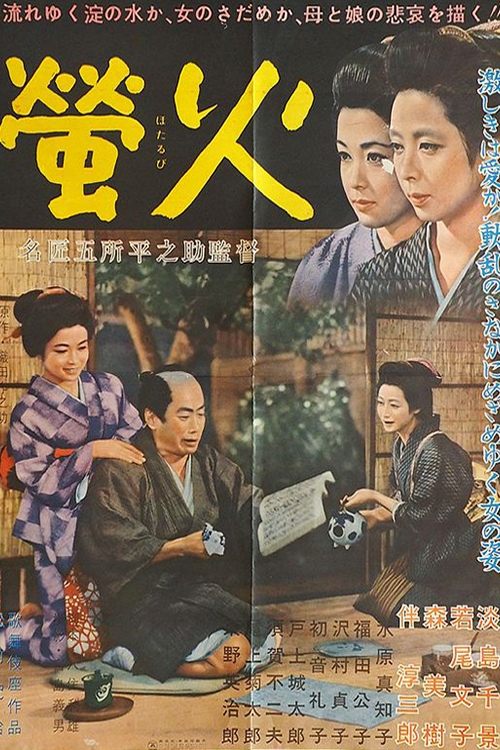
Set in the 1860s, the final years of the Tokugawa Shogunate, The Fireflies focuses on Tose (Awashima Chikage), the mistress of the Teradaya, a small inn in the Kyoto suburb of Fushimi. She does not have an easy life. Her husband, Isuke (Ban Junzaburo), is a wastrel who fancies himself a kabuki singer and who is obsessed with cleanliness. Her mother-in-law, Sada (Miyoshi Eiko) dislikes her because of her humble origins (her family are farmers) and because she fears that she will inherit the inn instead of Sugi, her daughter. Sada's hopes for Sugi, however, are dashed when she runs off with a con artist and leaves her child behind for Tose to take care of. When Sada becomes seriously ill, it is Tose who nurses her. On her deathbed, Sada asks her daughter-in-law's forgiveness. Meanwhile Isuke spends most of his time with a mistress he has taken, forcing Tose to manage the inn by herself
Adaptation of a novel by Yojiro Ishizaka, originally released in two parts.
Japanese film.
The love between young college students Toki and the handsome Takaga is tested when Takaya's parents, who despise Toki's family's geisha house business, intervenes in their relationship.
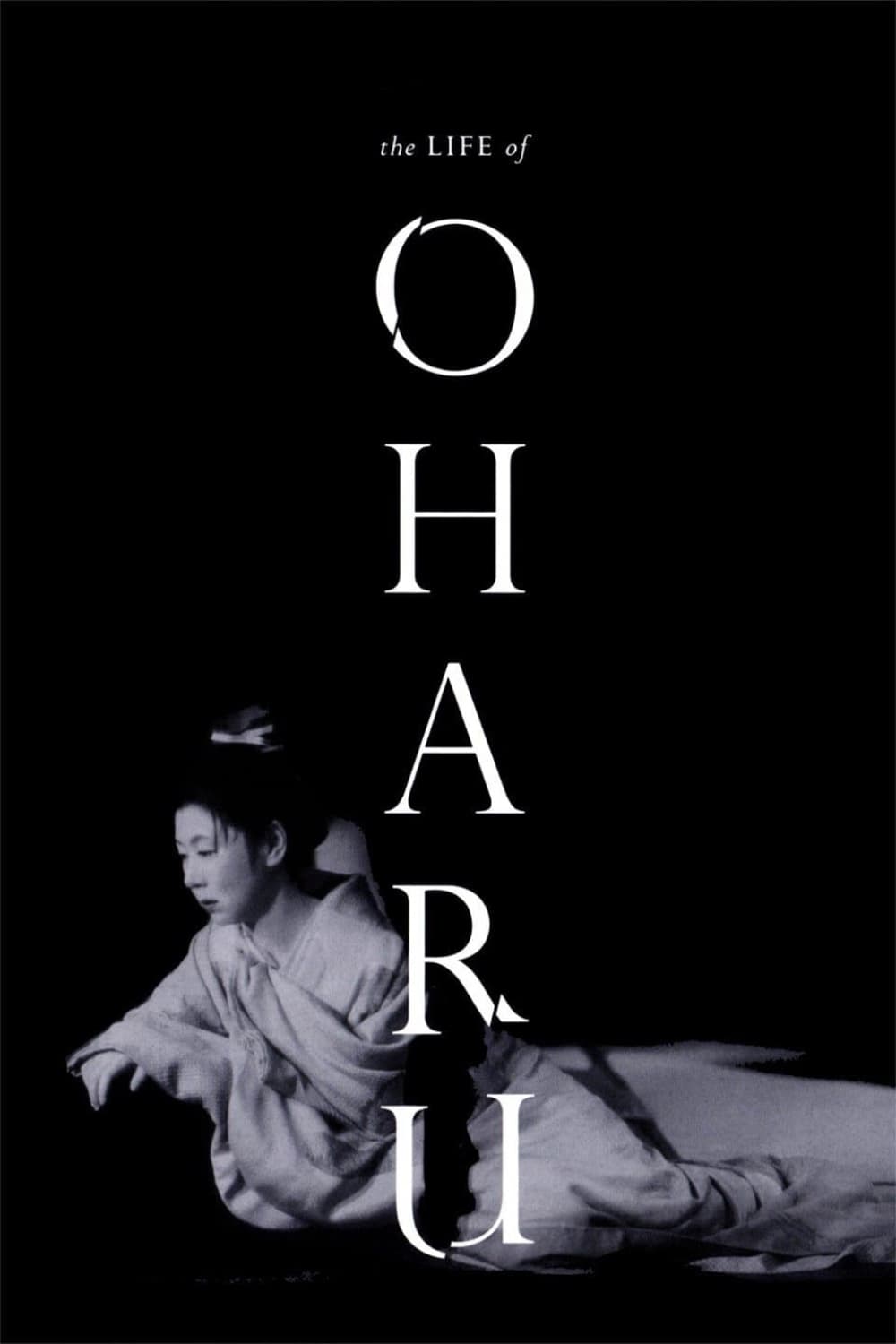
During the Edo Period, a noblewoman's banishment for her love affair with a lowly page signals the beginning of her inexorable fall.
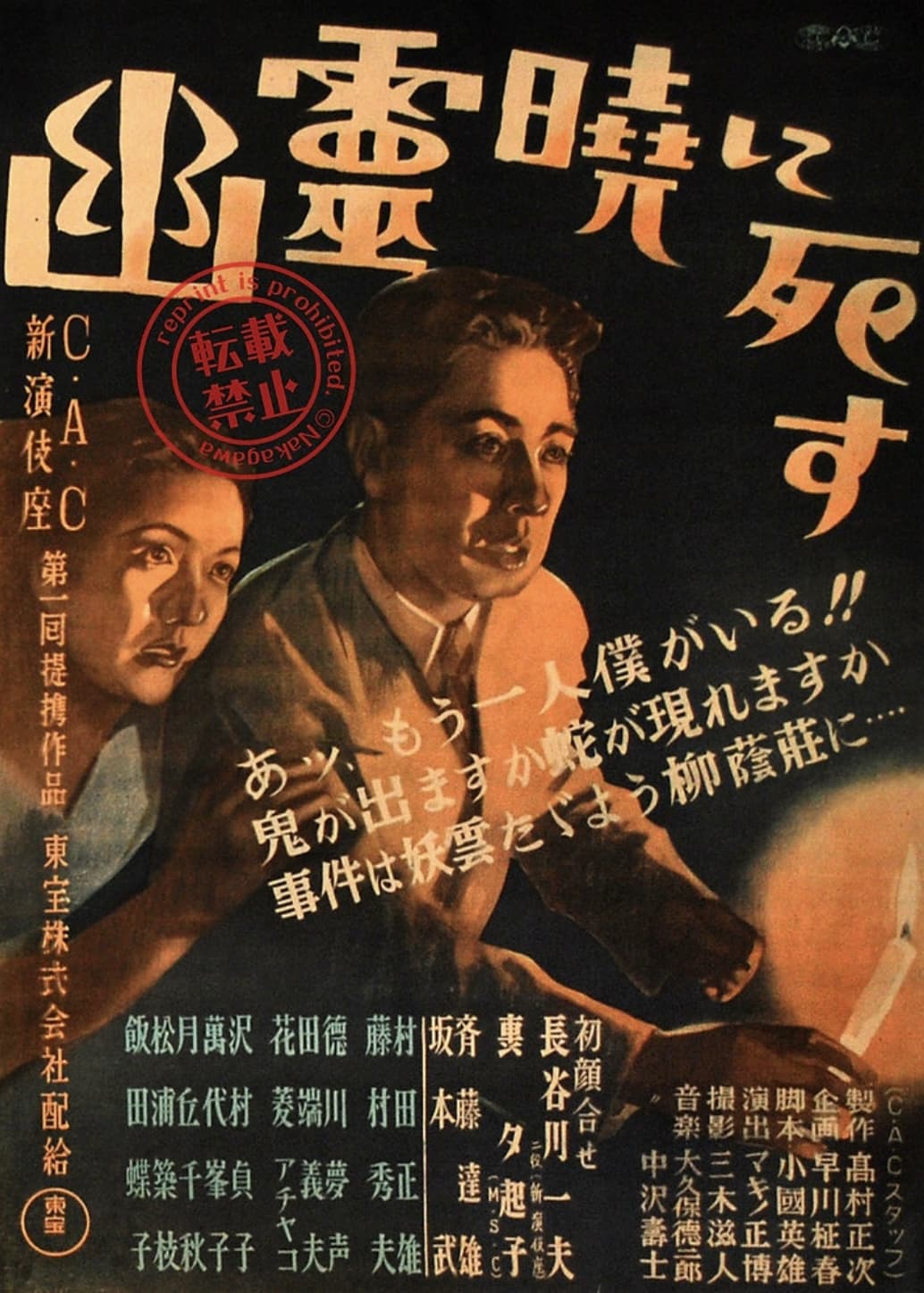
At the wedding of Kohei (Hasegawa) and Michiko (Todoroki), a whisper echoes along with a gust of wind. As if manipulated by the mysterious voice, Kohei takes Michiko to stay at a dilapidated mountain villa in his hometown. What awaited him there...
Japanese "kayo" film centered around the song "Dare yori mo kimi wo aisu" by Kazuko Matsuo.
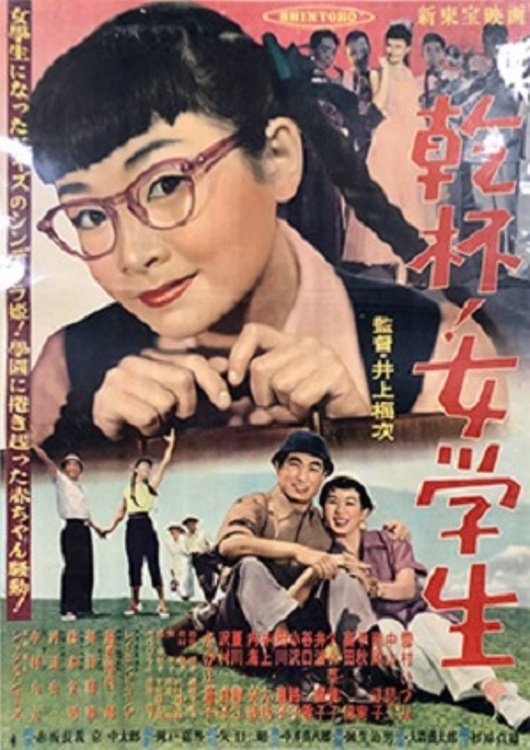

Following Flower Picking Diary (1939), Tamizo directed another film starring Hideko Takamine, based on a story by Nobuko Yoshiya. Takamine plays a poor young girl, trying to become a teacher on her quest to become independent to be able to look after her younger brother. But then tragedy strikes...
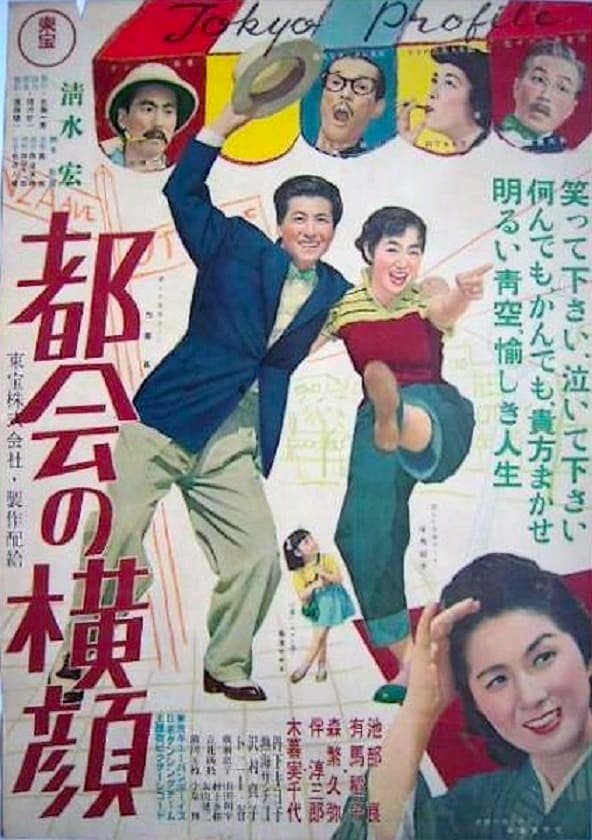
A motley cast of characters, including a human billboard and a shoeshine girl, help a 5 year old girl after she is separated from her mother on the crowded streets of Ginza.
Japanese film based on the life of writer Ichiyo Higuchi (1872-1896).
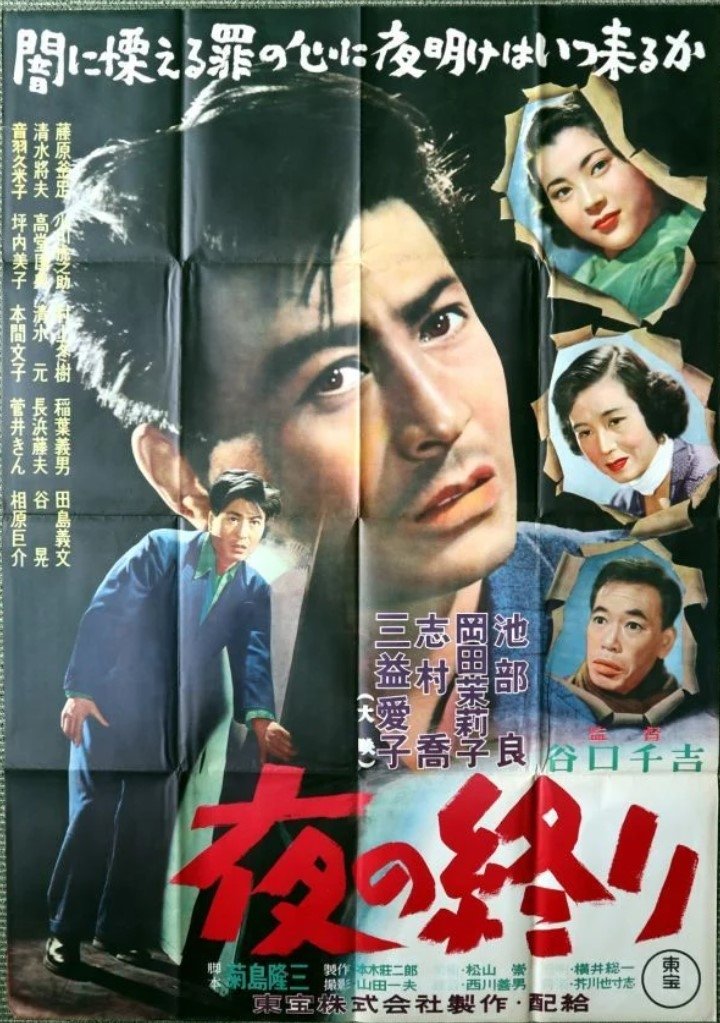
Walking home late one night, a down-on-his-luck sewage worker runs into a drunk businessman with a briefcase full of cash. His impulsive decision will lead to a long, dark night of the soul, while his lady love, a bar hostess, tries to cope with her sudden change of fortune.
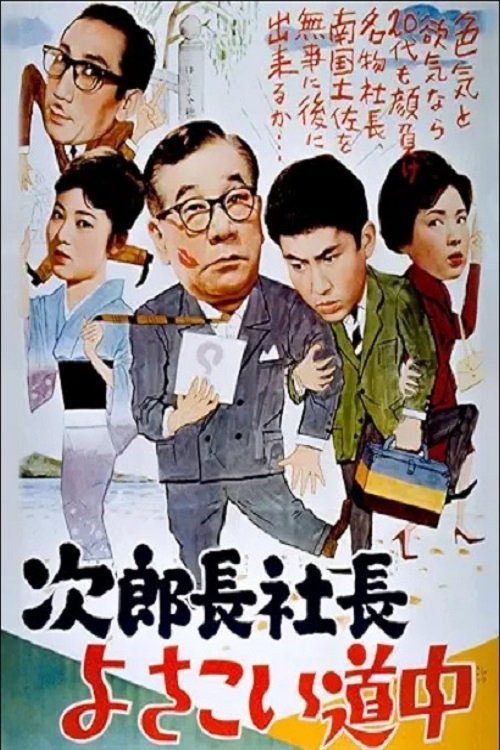
Japanese comedy film.
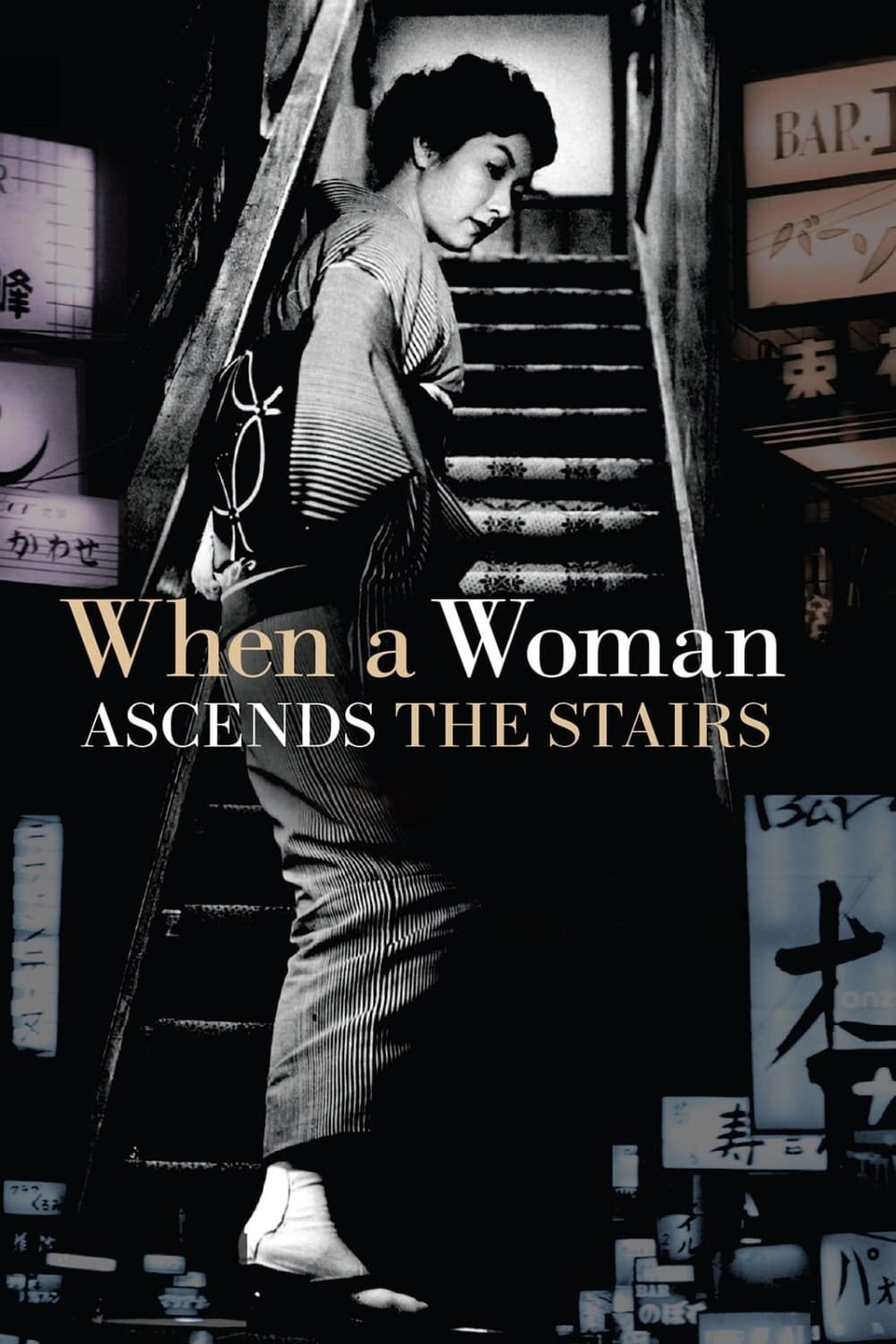
Keiko, whom everyone calls Mama, narrates her story: she's a hostess on the Ginza, 30, a widow. She describes life's vicious cycle: acting cheerful around drunks, dressing and living well to convey confidence, needing money for these expenses and for her demanding mother and brother, and knowing she's growing older.
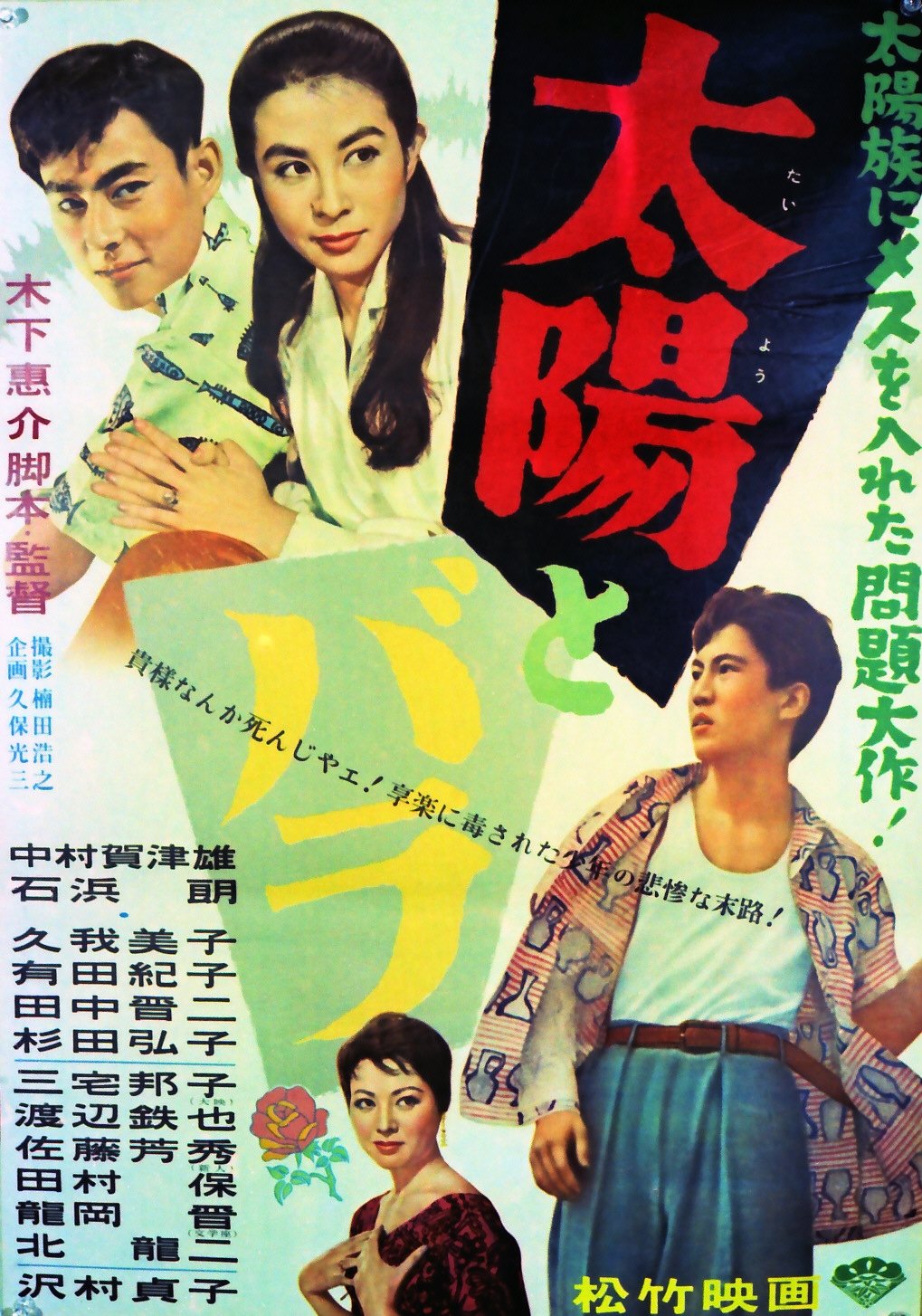
Ignoring the protests of his working-class mother, a young man becomes wrapped up in the world of delinquents and yakuza.

One week into newlywed Teiko Uhara's marriage, her husband, Kenichi, leaves on a short business trip and never returns. Teiko travels across Japan to search for him, and along the way discovers some surprising facts about her husband's past. With only a pair of old photographs among his belongings to go off of, Teiko tries to figure out what has happened to him.
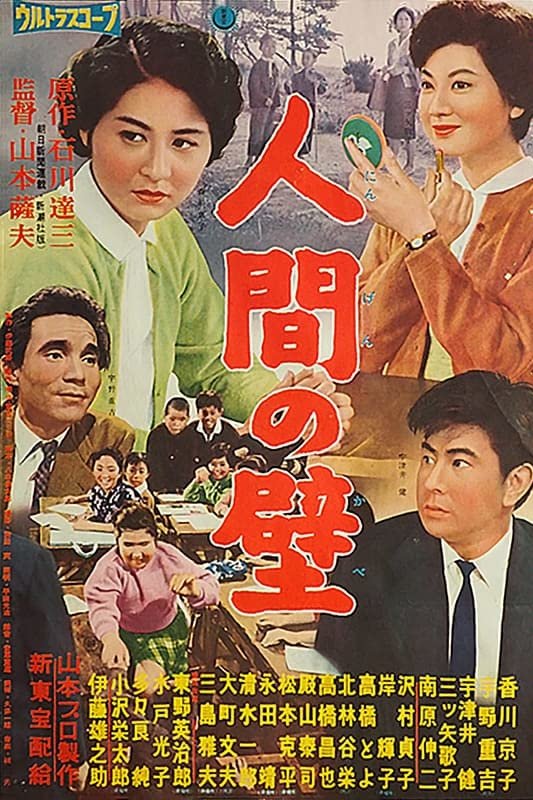
Drama which shows the struggle of Fumiko, a female teacher, at work and at home.
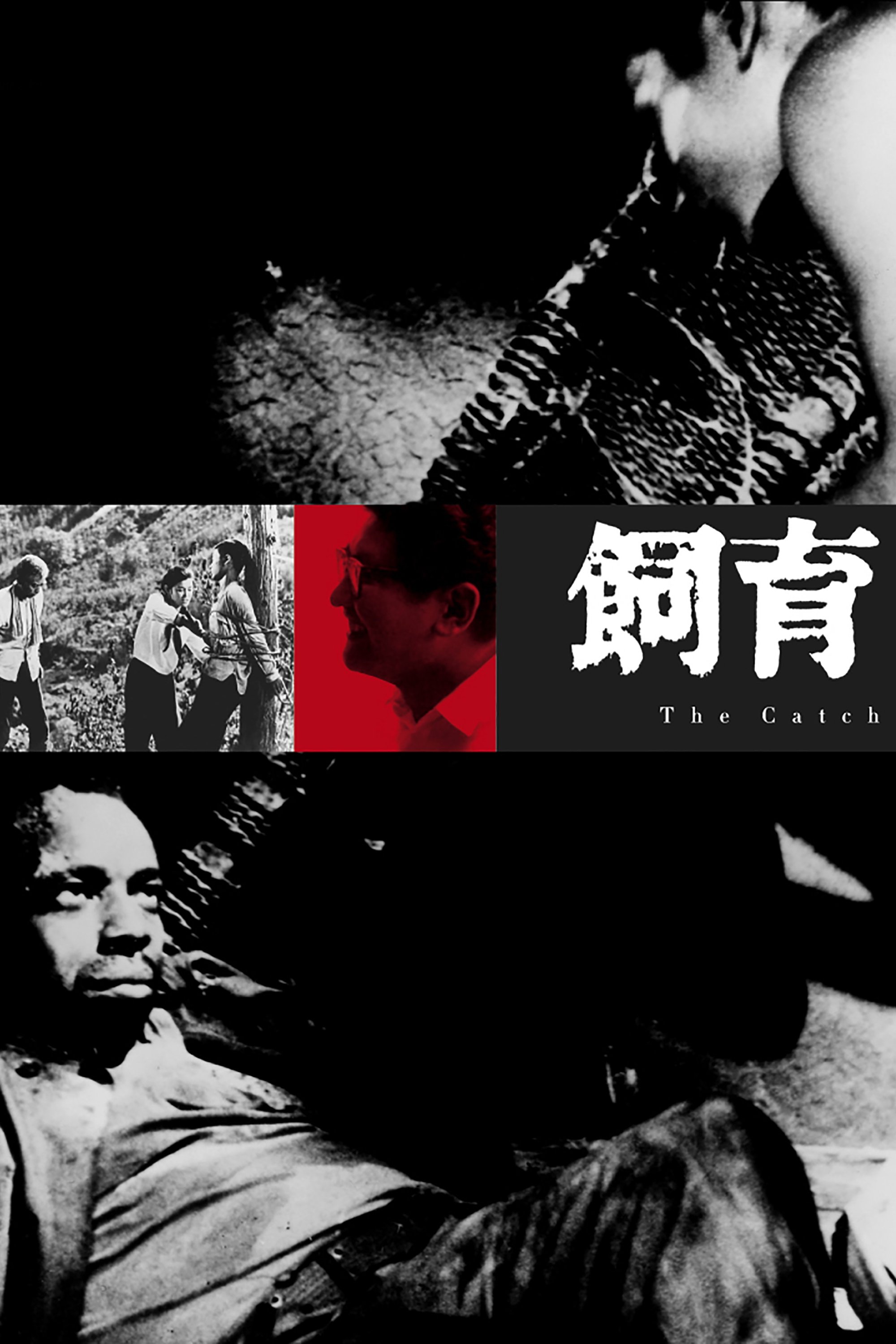
Towards the end of WWII, a black American pilot is captured and imprisoned by rural Japanese villagers, who await official instructions as to how to proceed with their 'catch'.
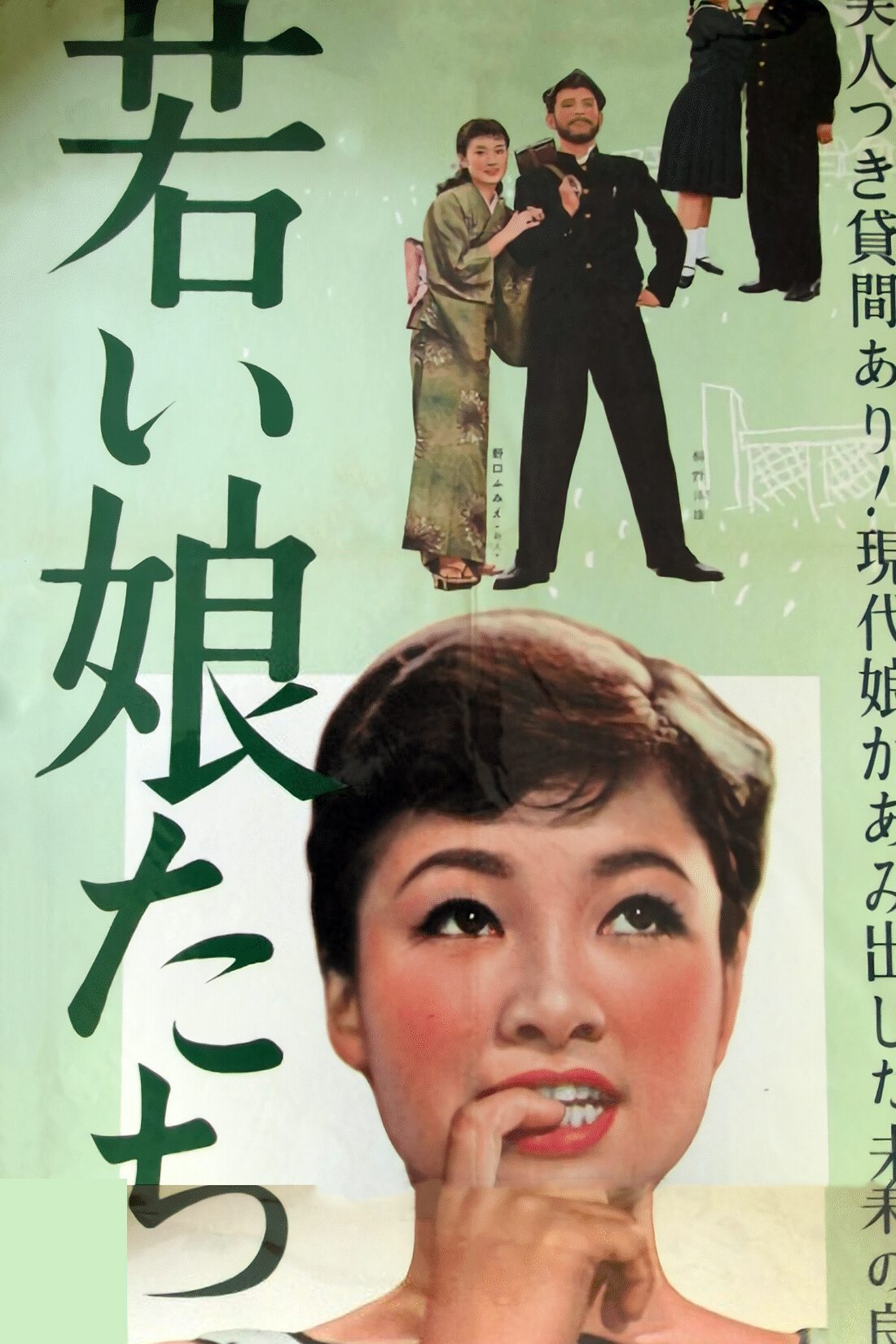
In order to get Kanako (Izumi Yukimura) married, her mother places a rental listing in the student medical school newsletter and attempts to find a suitable lodger who will catch the eye of her daughter.
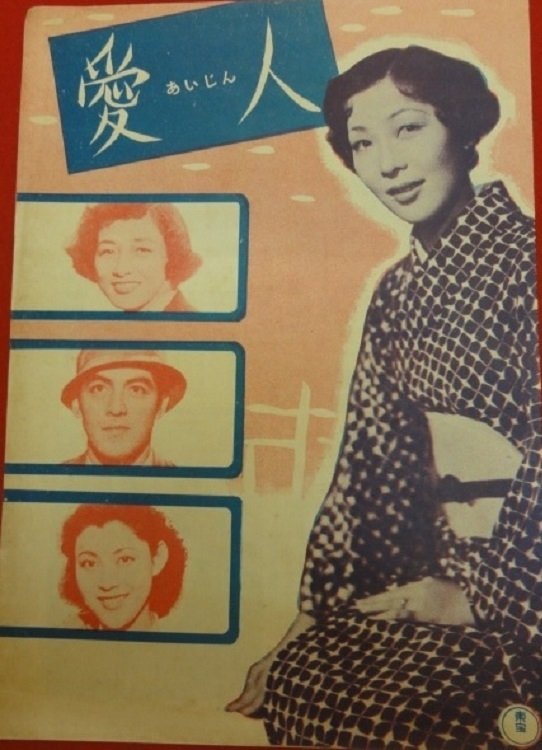
Comedy about a 50-something movie director, his new bride, a classical dancer, and his adult son and daughter and their loves.
Former playmates (Naito and Tamura), both long ago abandoned by their parents, recall their youth and fall in love.
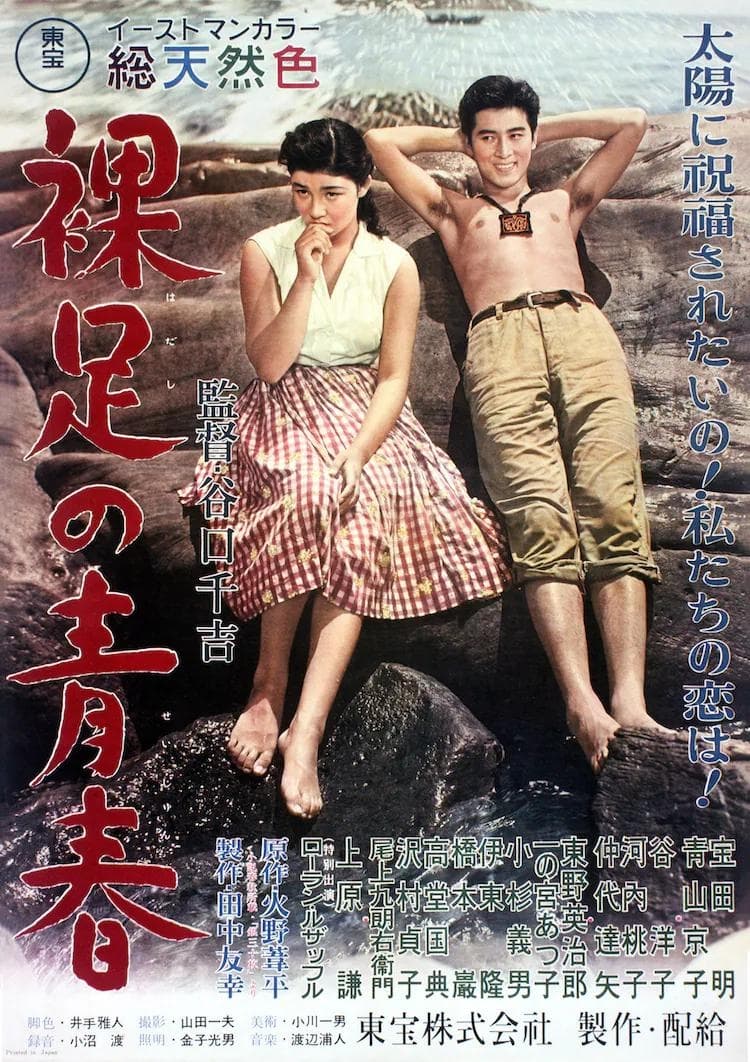
Japanese counterpart to Romeo and Juliet
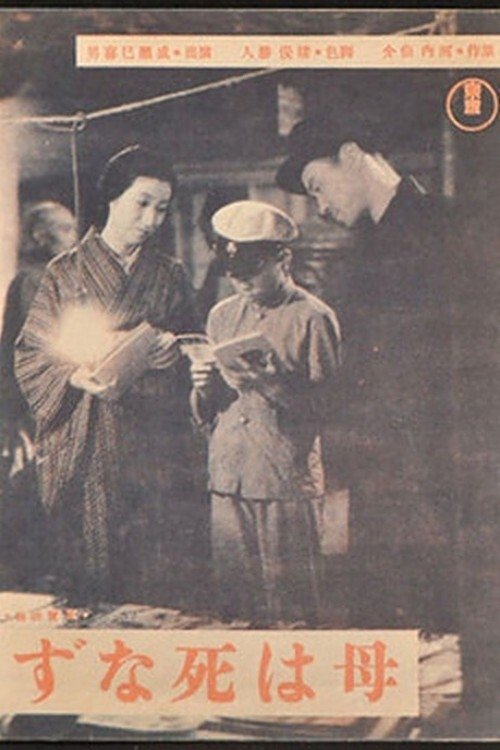
The premature death of a young mother serves as inspiration for her husband and son.
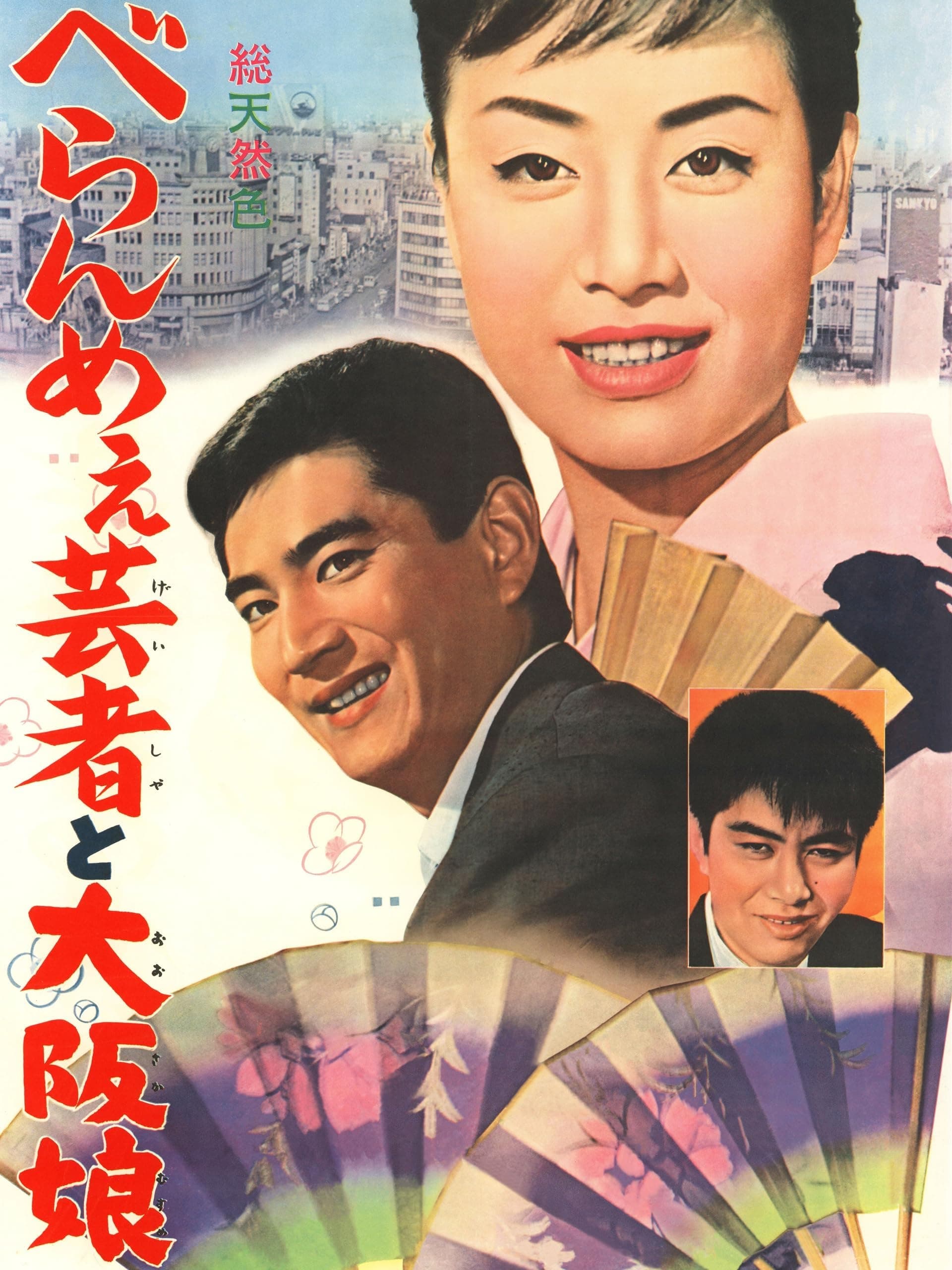
A geisha helps a runaway who looks just like her.
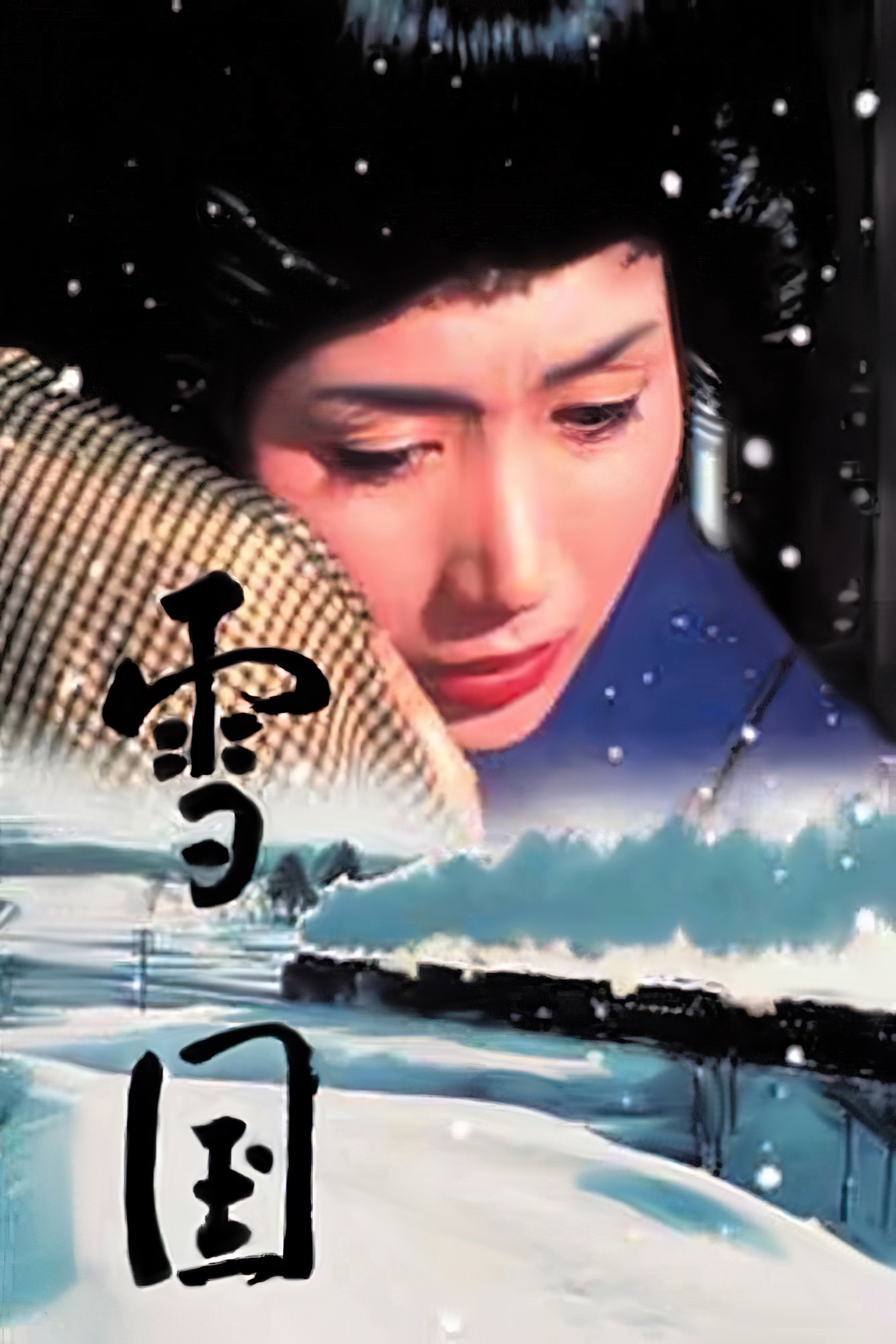
This movie is based on an immortal literary work "The Snow Country," a story about a life of geisha Komako who lives in a region with heavy snowfalls.
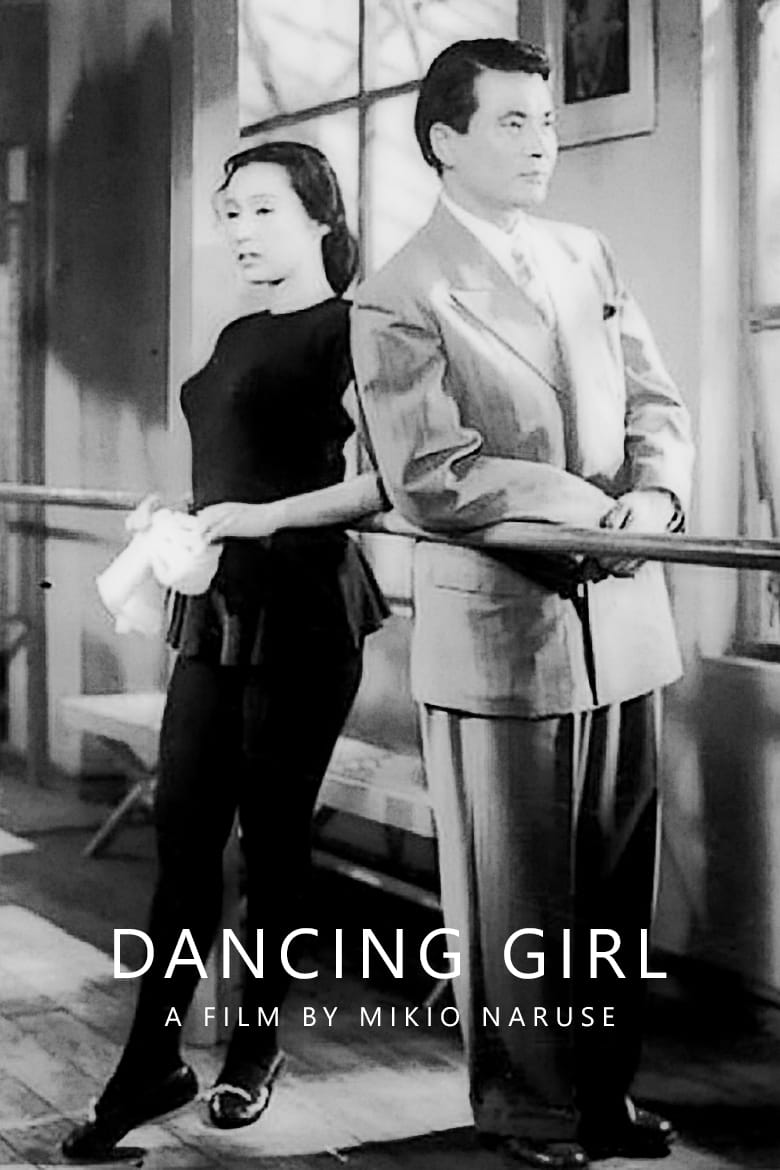
The troubled relationship between a writer and his ballet teacher wife, who has for years loved another man, finally leads to the breakup of the family.
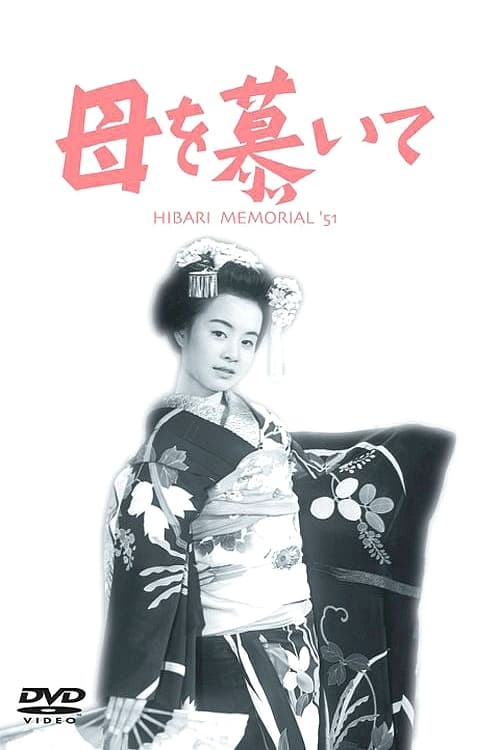
A human drama about the bond between parents and a child and family love. The daughter leaves her foster parents and ends up with her mother in Kyoto, who divorced her father, but her father in Tokyo, who has another family, takes her to himself out of guilt for breaking up with her. How does the daughter feel?
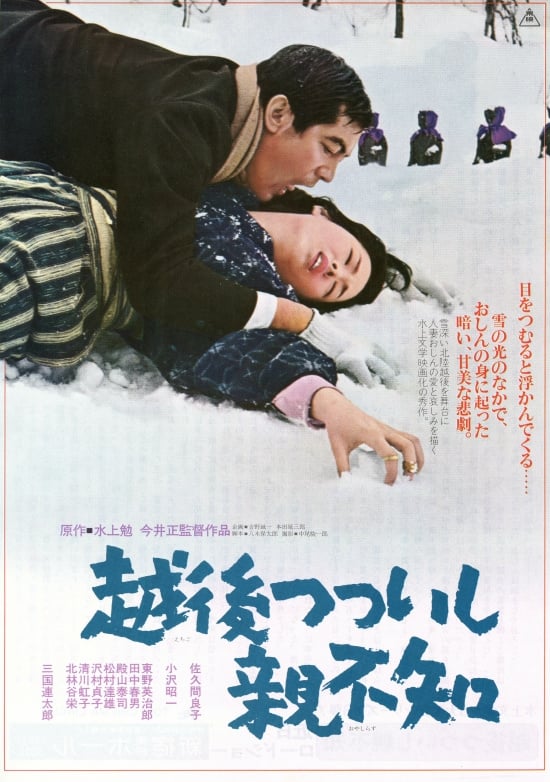
A sake factory worker on holiday returns to his home town, where he rapes the wife of one of his co-workers in the forest. The other man returns home to find his wife changed and suspects that she has been unfaithful.
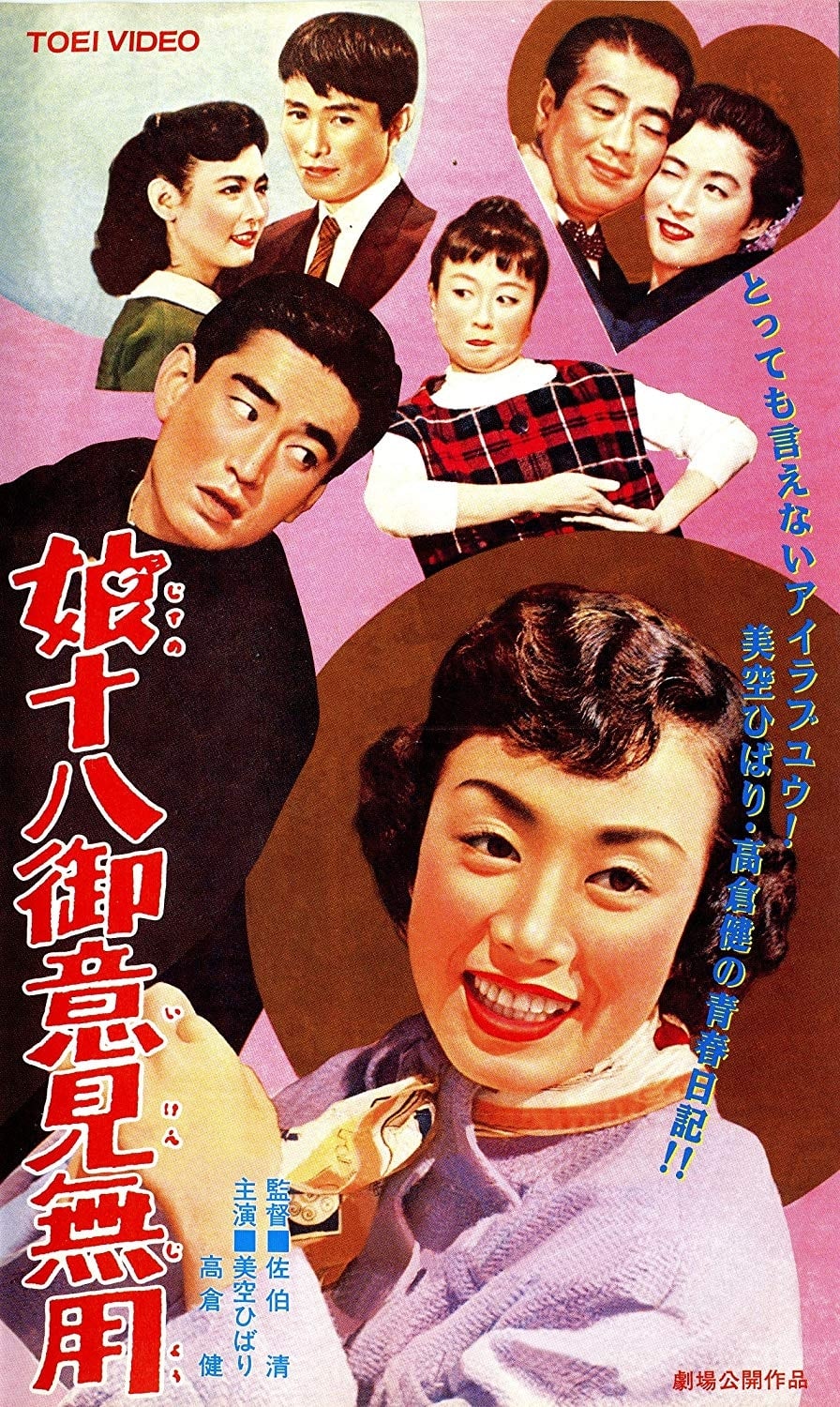
A comical love story between two college students — Hitomi, a strong-willed girl, and Shogo, a handsome, earnest and poverty stricken man.
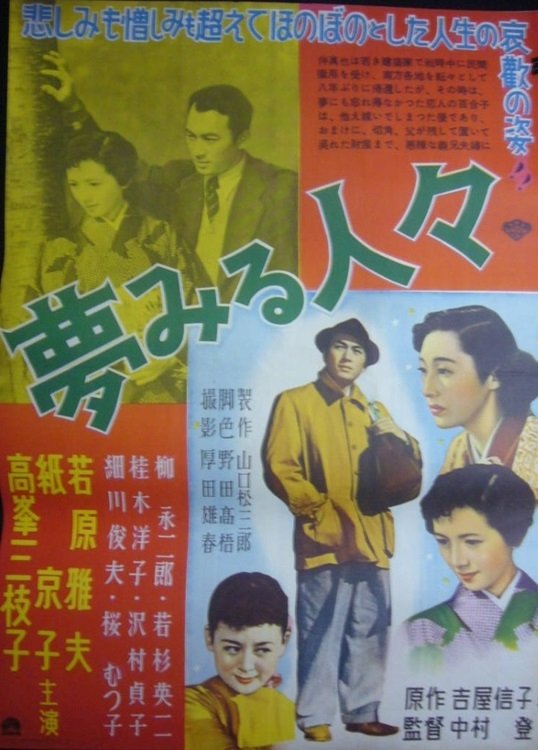
Shinya Ban (Masao Wakahara) returns from the south and is deeply disappointed when he learns that his mutual friend Yuriko (Mieko Takamine) is marrying Toshio (Toshio Hosokawa), the son of Zenpei Hamaguchi (Yoshito Yamaji), for her obligation. He encouraged the unhappy Yuriko and taught her how to make her marriage with Toshio a happy one. He makes a fresh start as an architect under the care of Ryosuke Shibata (Jiro Yanagi), who had taken care of his father, but Ryosuke's daughter Sumiko (Yoko Katsuragi) has feelings for him. Fujie Kakimoto's (Sadako Sawamura) son Koichi (Eiji Wakasugi) came to know about Sumiko and asked her to marry him after coming to Shinya to ask for her design. Knowing that Shinya's love for Yuriko would not be easily wiped away, Sumiko decided to marry Koichi, who had a bad leg. Shinya watches the beautiful bond between Koichi and Sumiko and decides to forget his past and move forward on the path to self-perfection.
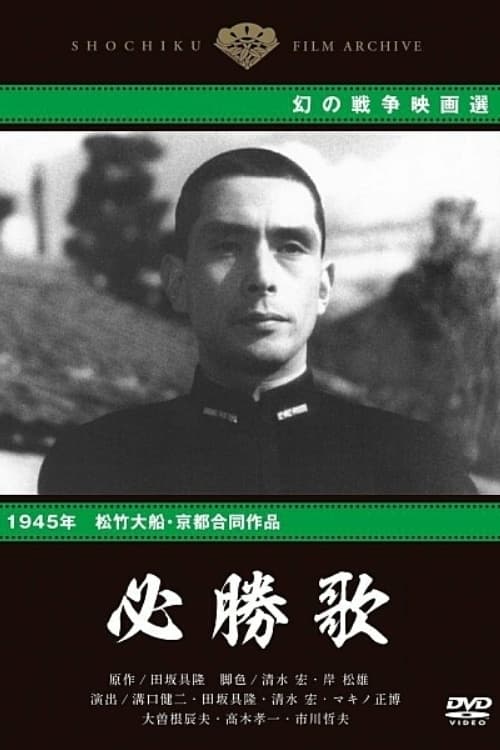
An anthology of thirteen patriotic stories about Japanese citizens contributing to the war effort.

A reckless student contemplates terrorism in a prescient film that confirmed Shinoda as a fearless member of Shochiku's iconoclastic New Wave. At the height of student protests, Shimojo takes his aggressions to another level, beset by seemingly insoluble feelings of alienation.
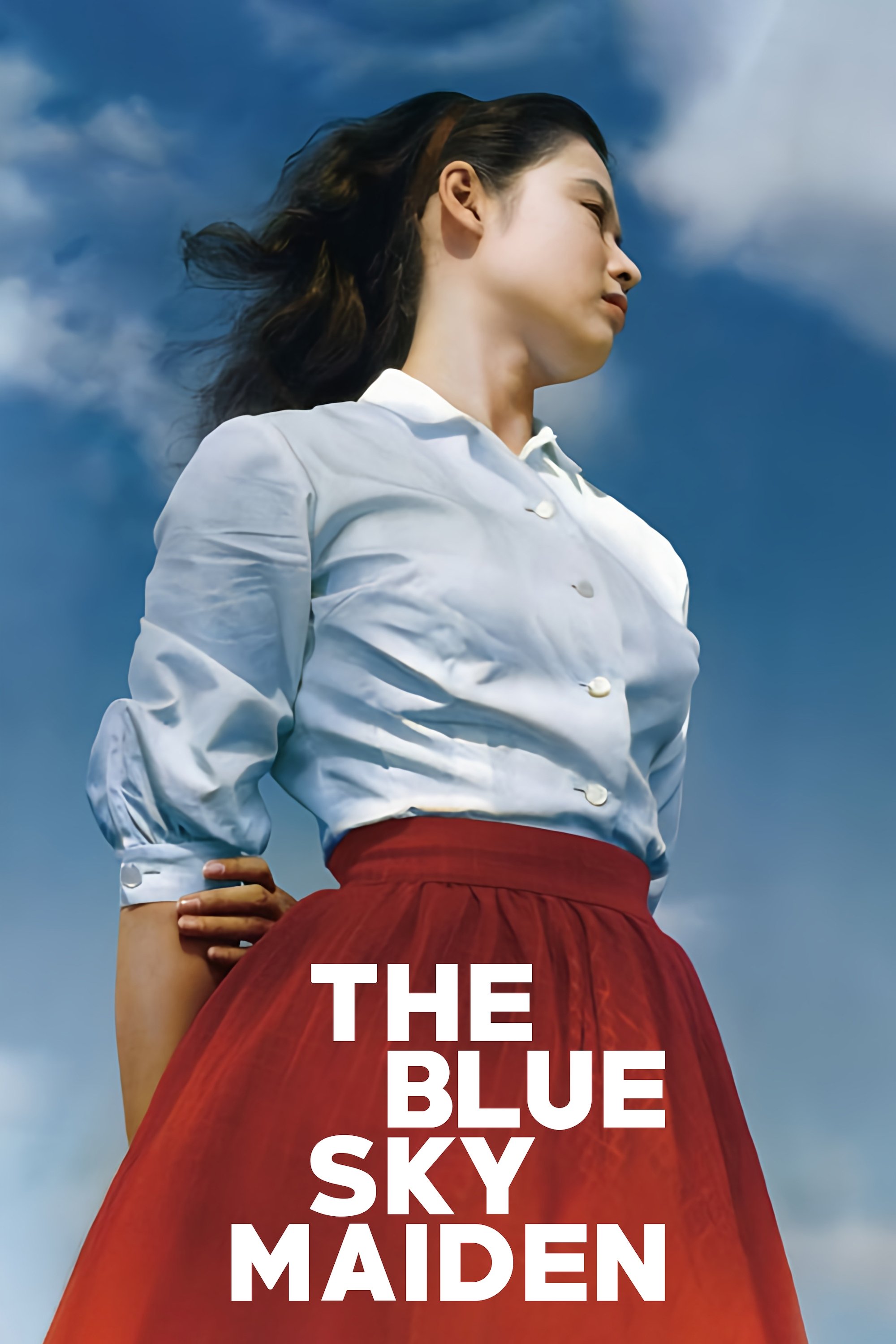
Yuko is sent to the coastal regions to be raised away from the rest of her sophisticated family where she finds out from her ill grandmother that she is not who she thought she was.
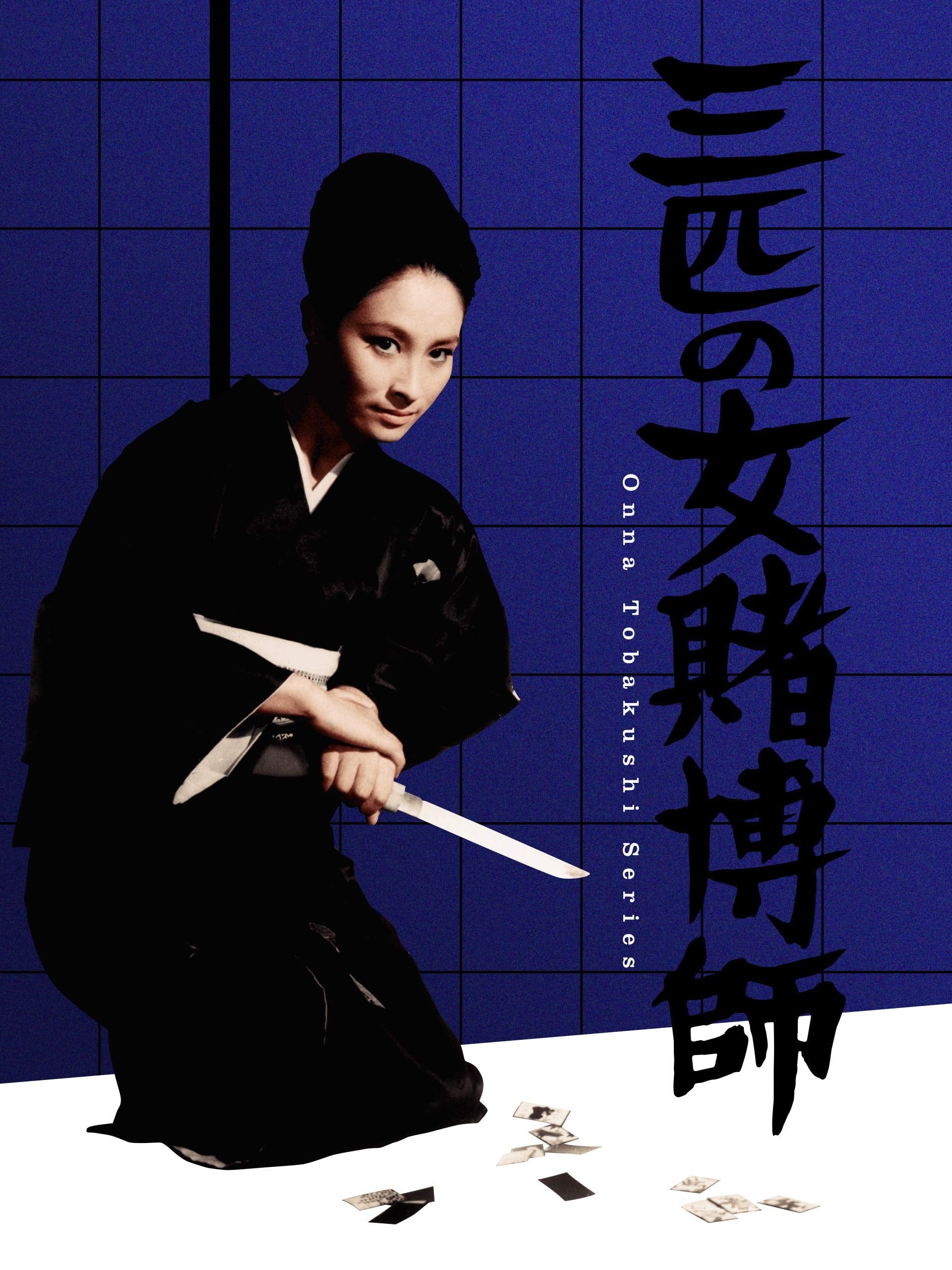
Fourth film in the long-running series Daiei Studio's Woman Gambler with Kyoko Enami starring where she plays the woman gambler Ogin.
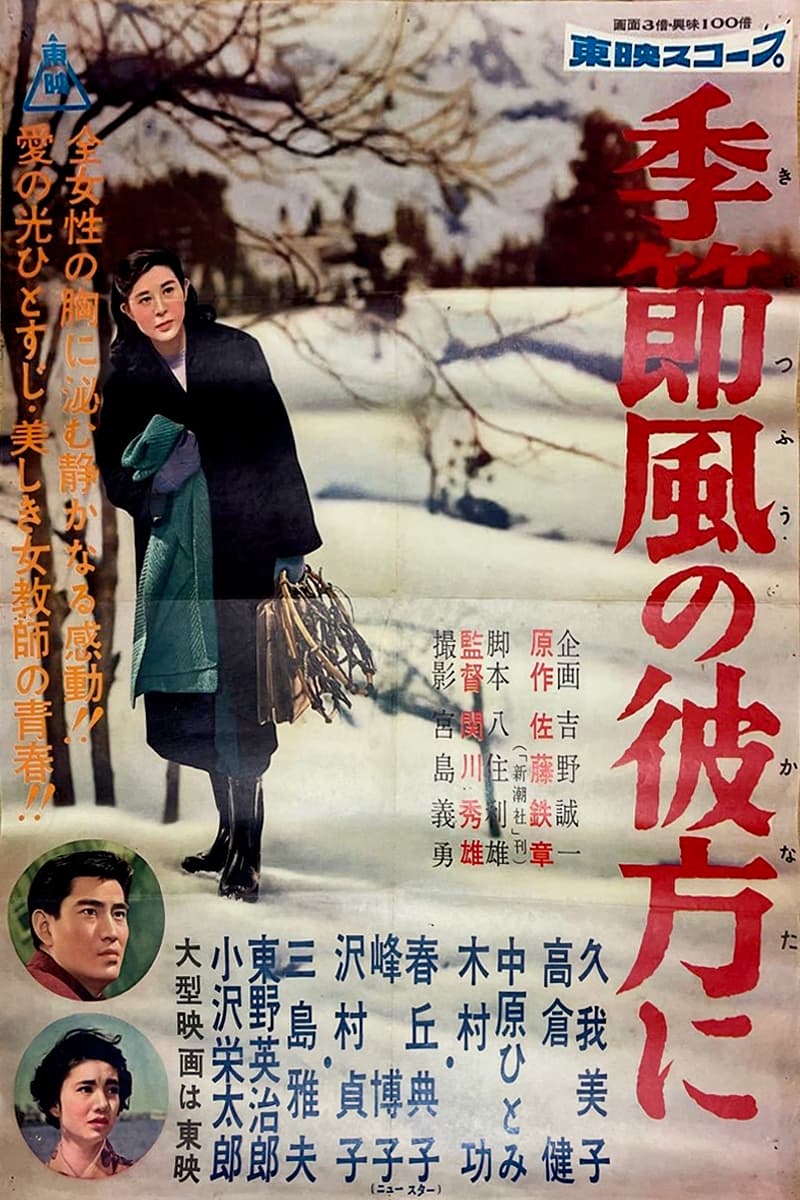
Japanese drama film.
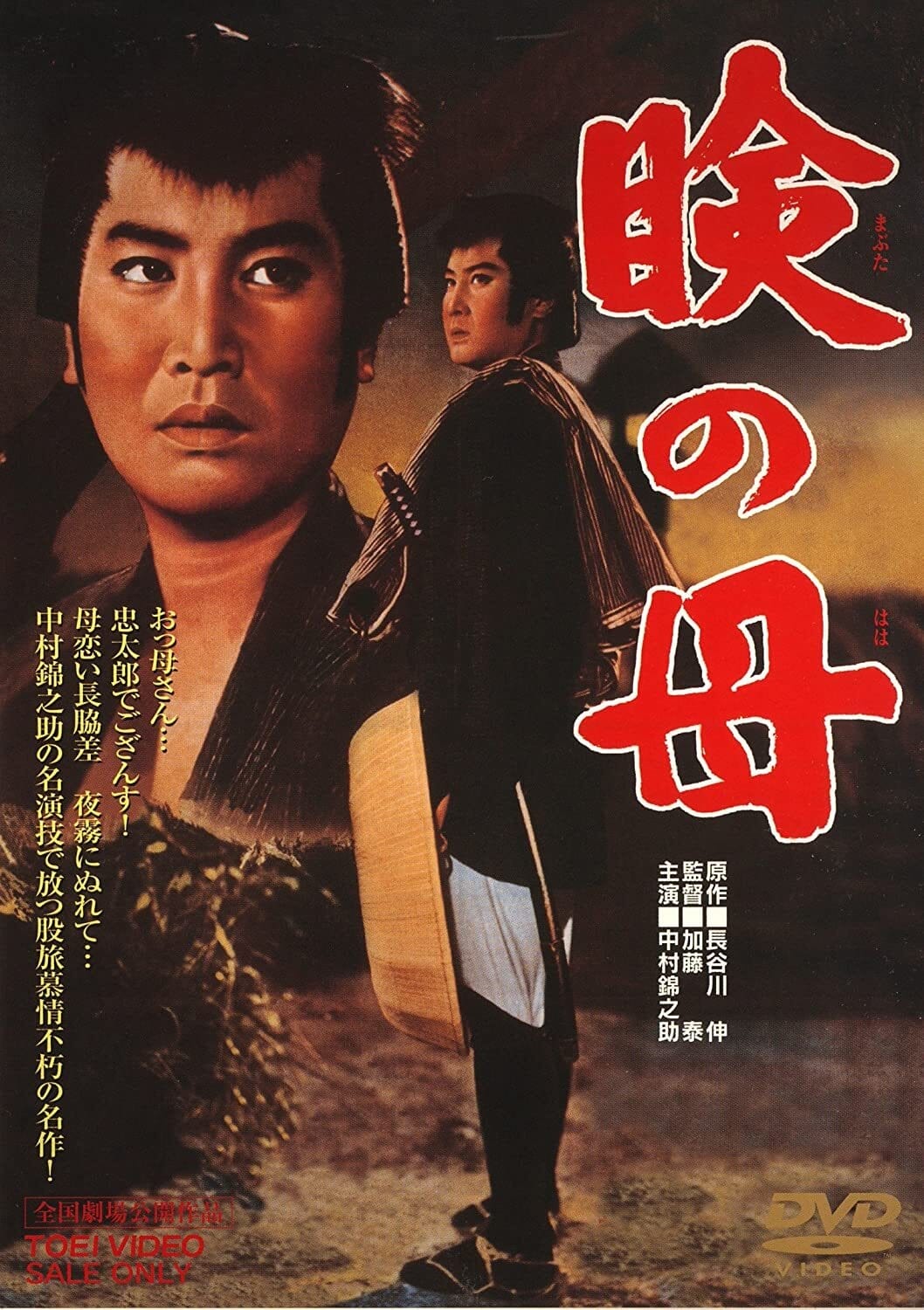
Period piece about a young man who, because of his hard life alone in the world, has become a yakuza. When he hears that his mother may be living in Edo (Tokyo), he travels there, intent on finding her and leaving the swordsman's life behind. But a team of rival gangsters is hot on his heels.
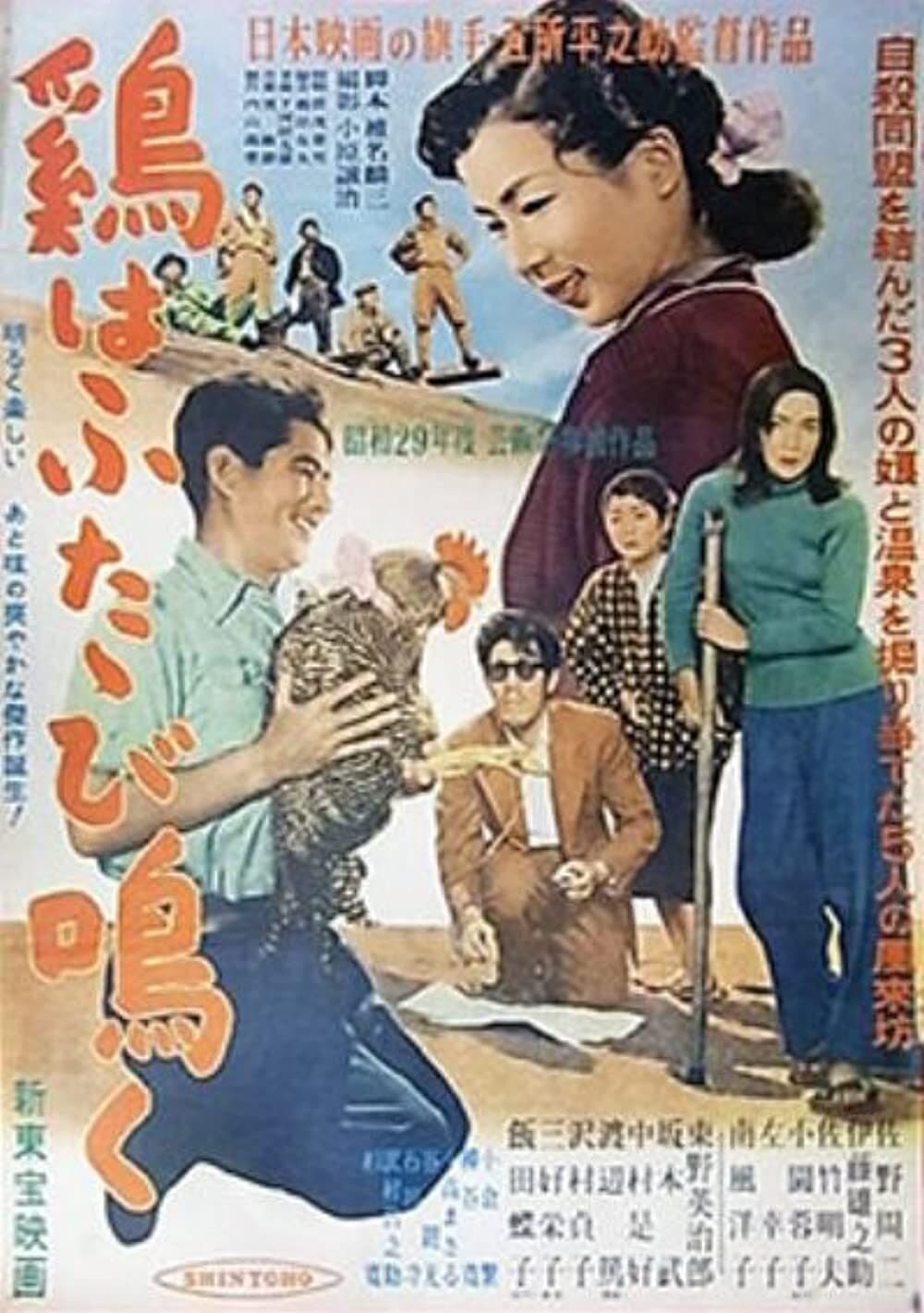
Three young women make a suicide pact, but they grow to have a better understanding of themselves.
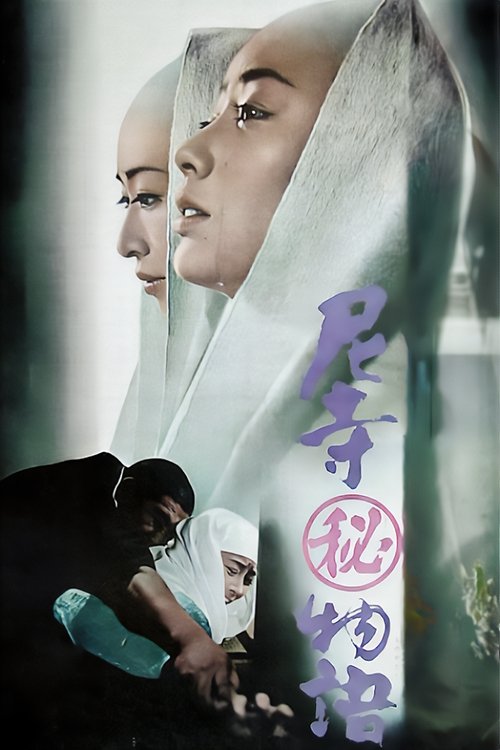
Erotic Pinku film showcasing he life of Buddhist nuns during the Edo Period.
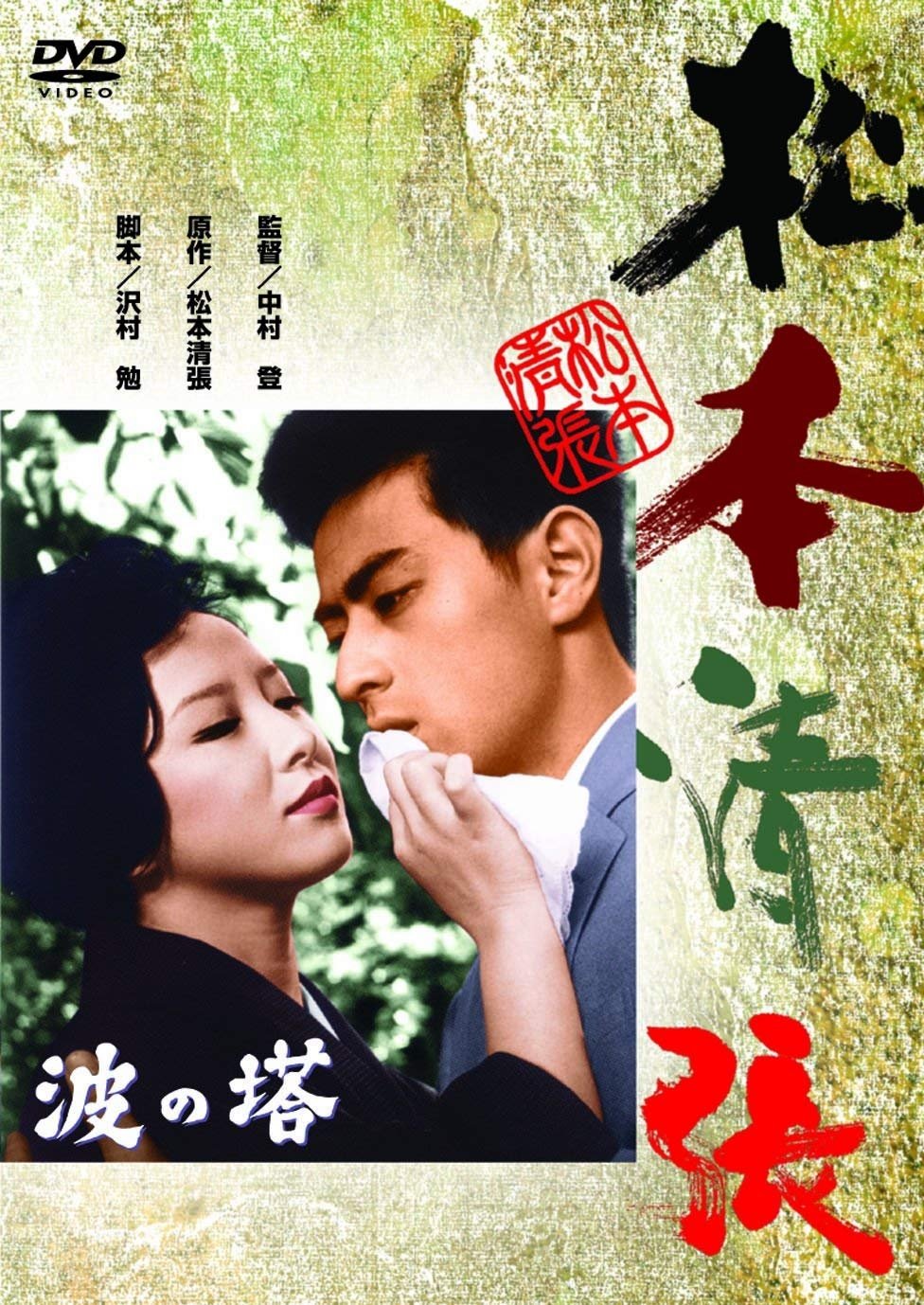
A young prosecutor named Takao falls in love with Yoriko, only to discover that her husband is the target of his investigation into a major corruption scandal. Torn between professional duty and their forbidden affair, the couple finds themselves trapped by societal expectations and legal consequences.
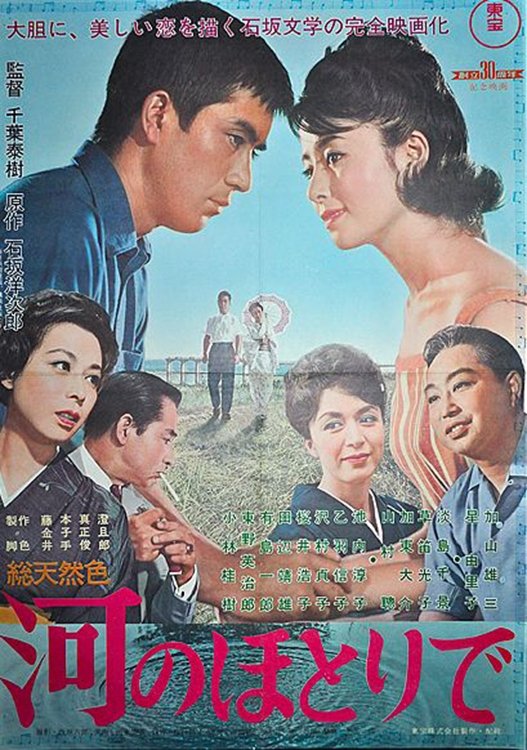
A dark family secret sends a 21-year-old French student (Hoshi) on a journey of self-discovery.
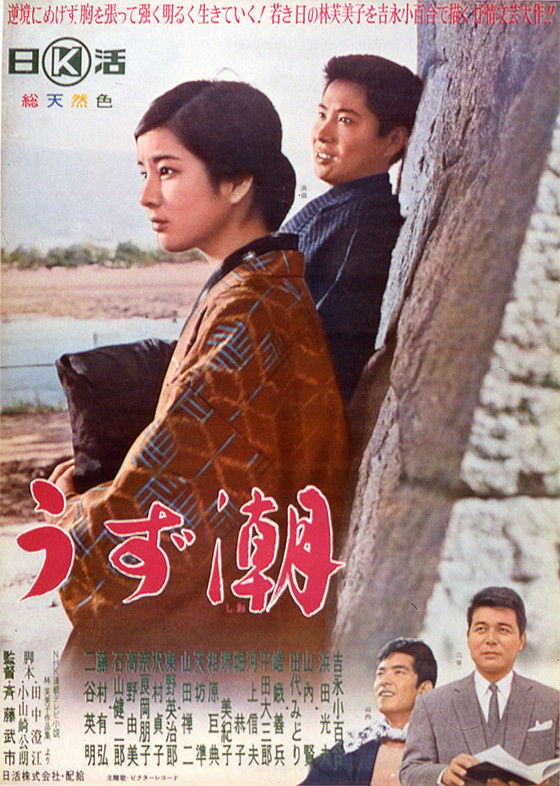
It is 1922 and Fumiko is a high school student. Her family is poor but she loves to study literature. Her father, a peddler, does not return home and Fumiko finds herself in financial trouble, not being able to pay for her schooling and her school excursion trip. Still, she gets a temporary job at a factory and tries to make ends meet. A film about bright side of youth adapted from the television serial of the same name.
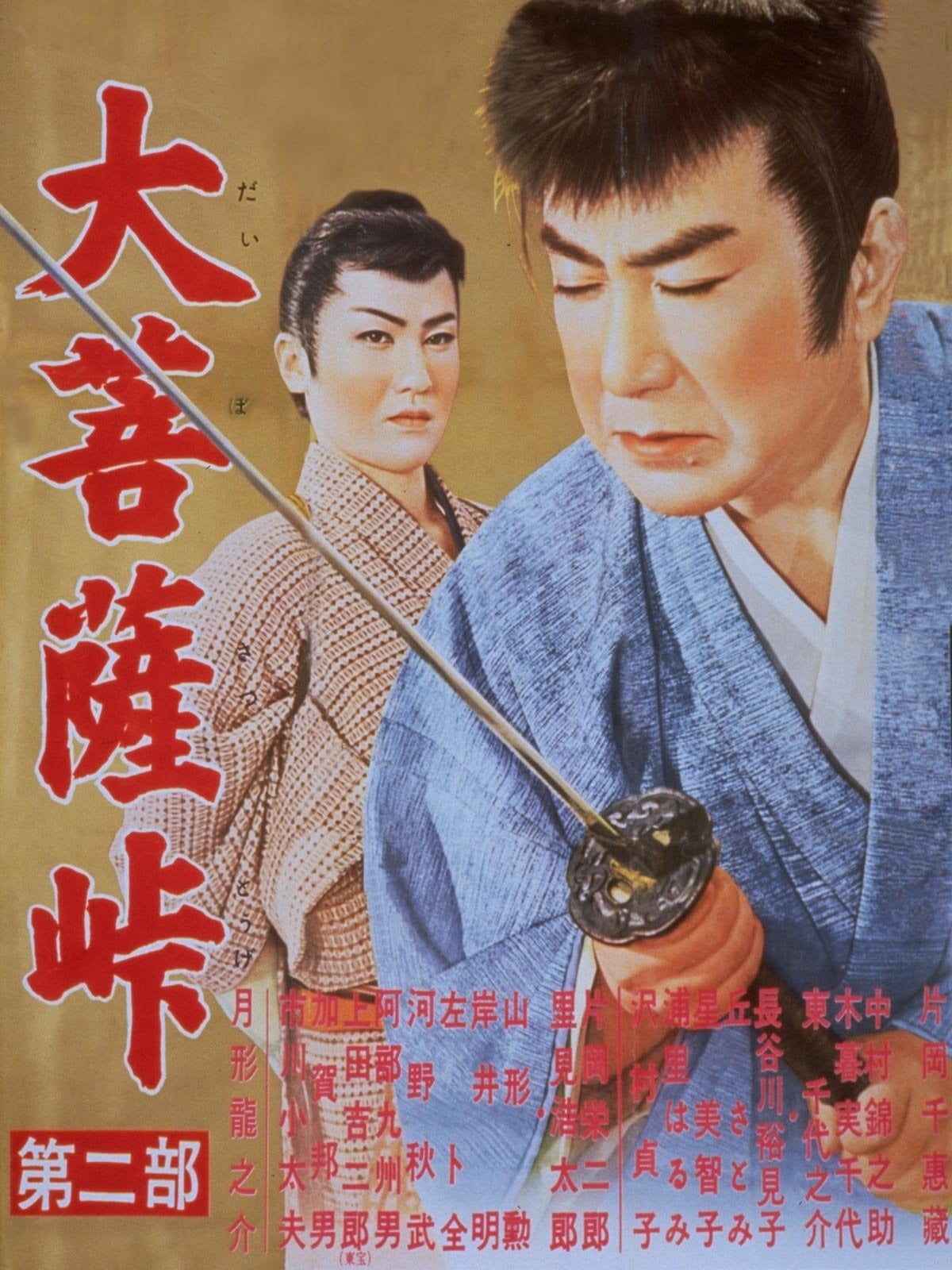
This is the second installment of the trilogy based on Japan’s greatest novel “The Great Bodhisattva Pass”, following the life and times of bloodthirsty samurai, Tsukue Ryunosuke. Blinded in an explosion and further injured from a fall, the master swordsman is taken in by Otoyo, a woman who falls in love with him. Under Otoyo’s dedicated care, Ryunosuke’s physical and emotional wounds seem to heal. However, deep inside, the demons that drive him to kill yearn to resurface. Meanwhile he is being pursued by Utsugi Hyoma, a young samurai seeking to avenge his brother’s death at Tsukue’s hands. Hyoma is being aided along the way by the clever thief Shichibei.
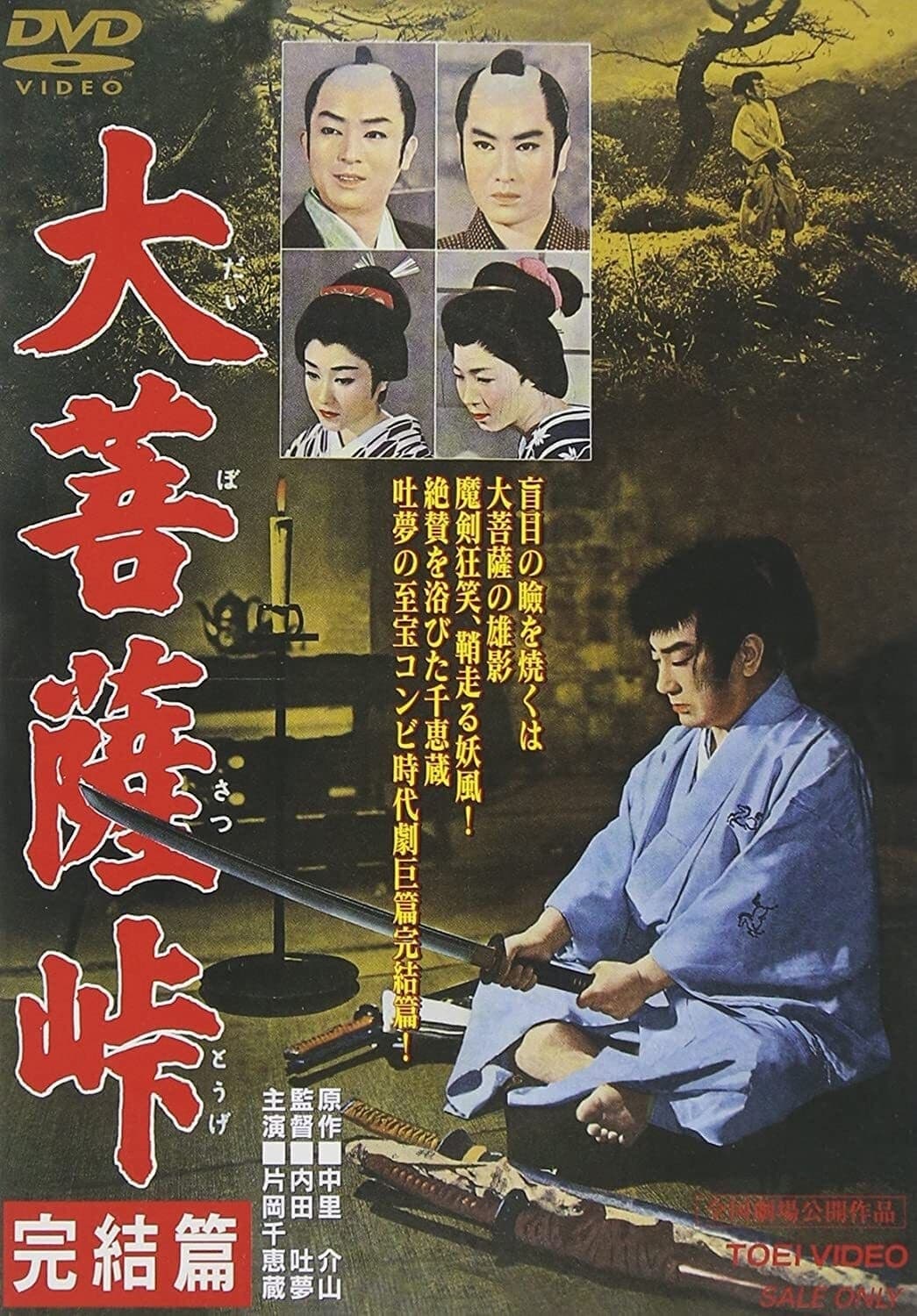
Master swordsman, Tsukue Ryunosuke is confronted by the families of his victims. Will justice be served for the lost innocent lives? The conclusion of the famed Jidaigeki series is an amazing film, with a completely different perspective on the story from the later versions. While the international audience is more familiar with the “Sword of Doom” and “Satan’s Sword” versions of Daibosatsu Toge (The Great Bodhisattva Pass), the “Souls in the Moonlight” trilogy casts an entirely different light on Ryunosuke and his motives. Can this brutal killer be brought to justice, or is living his life as a blind wanderer a more terrible fate? His sword skills have not diminished, nor has his desire to kill!
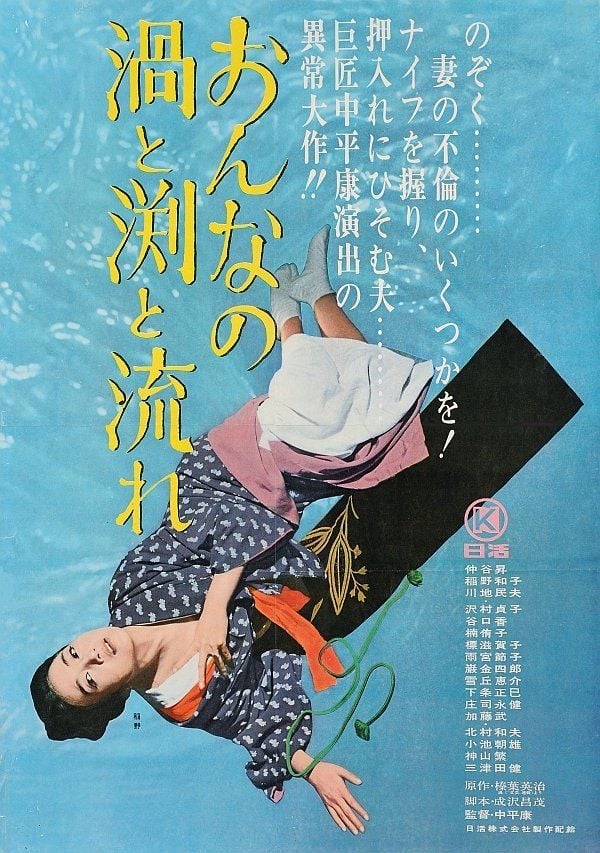
During the war a university professor meets a girl and marries her. Very soon however, it is apparent that their needs are not matched. He would much rather be translating Shakespeare than attending to her, and she has a secret in her past - one that results in her sleeping with a great number of men.
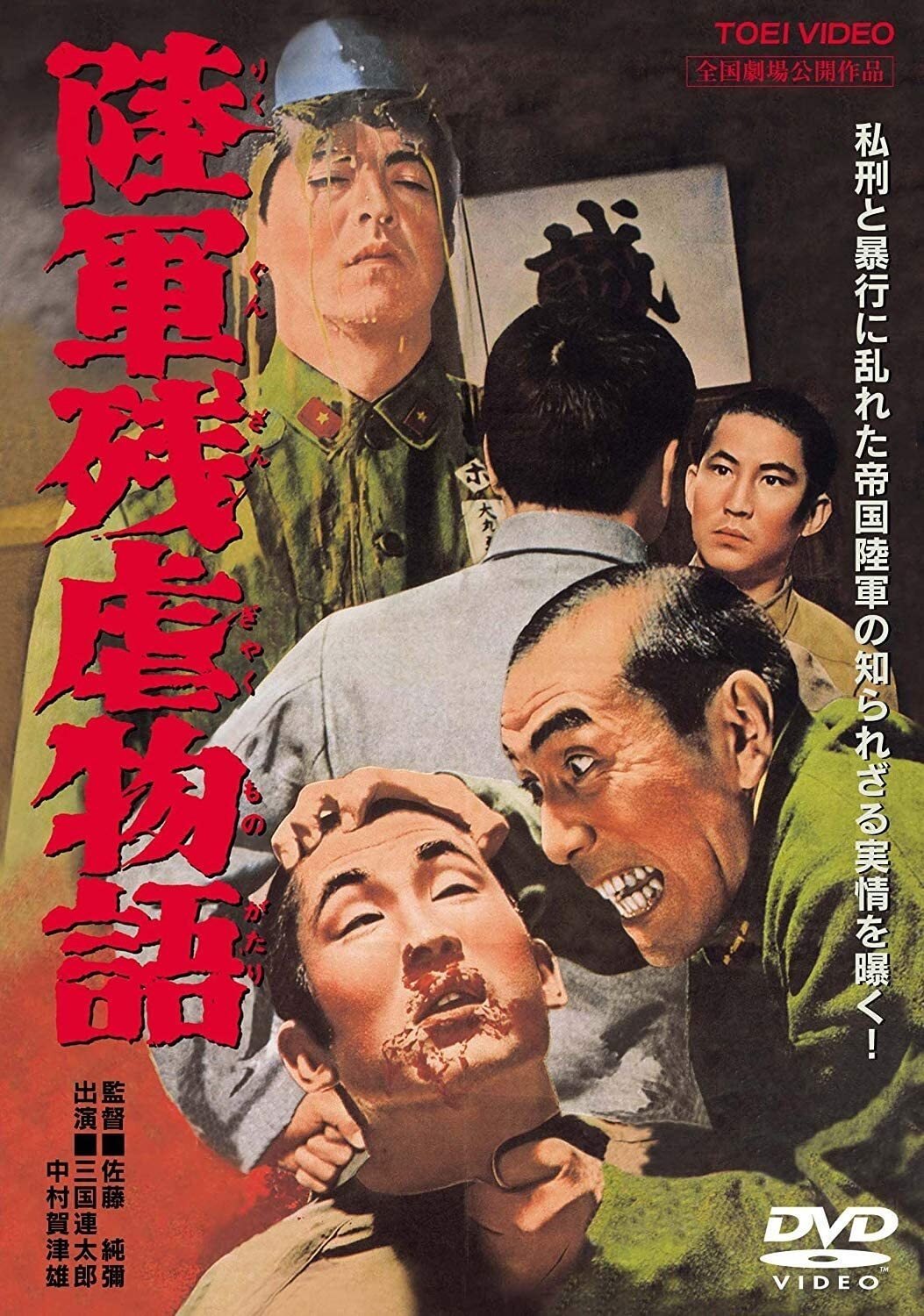
Director Jun'ya Satô's debut film focuses on the inhuman training of recruits, the brutal drill system that reigned in the Japanese army during World War II, where in the first two years of training, ordinary people were turned into inhuman killers. For his first film, the director was awarded the Blue Ribbon Awards in the Debutant of the Year nomination.
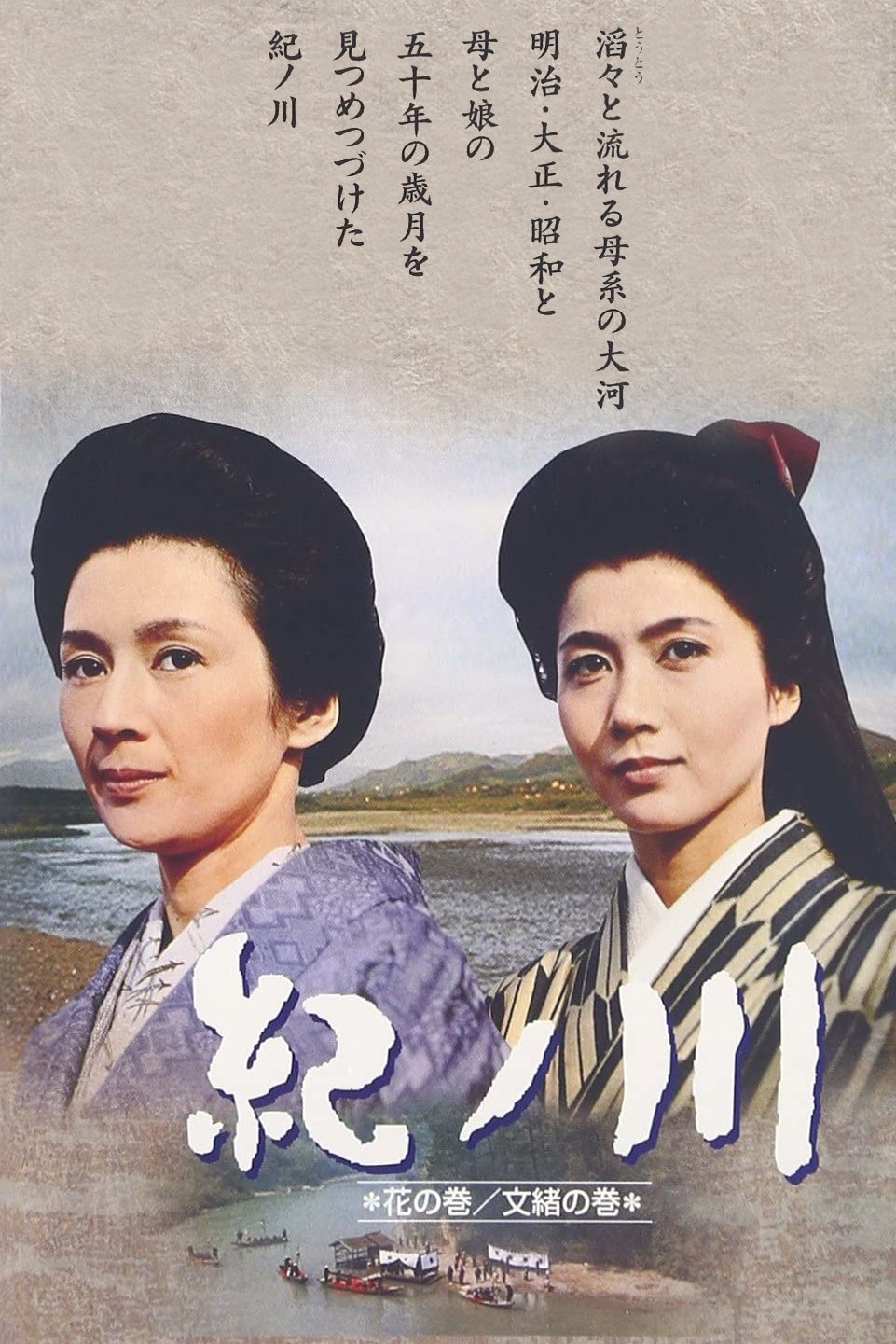
Epic saga of an idealistic land-owning family dealing with militarism, war, social change and economic reform.
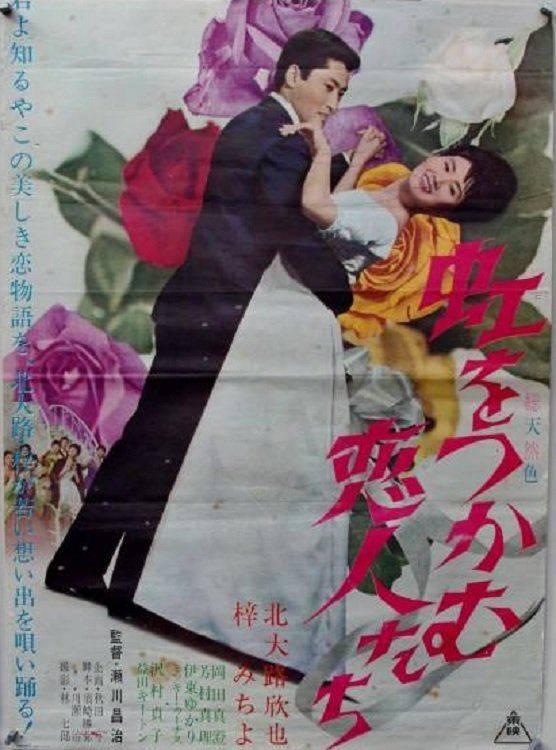
A seamstress seeks the love of her life while helping a troubled couple.
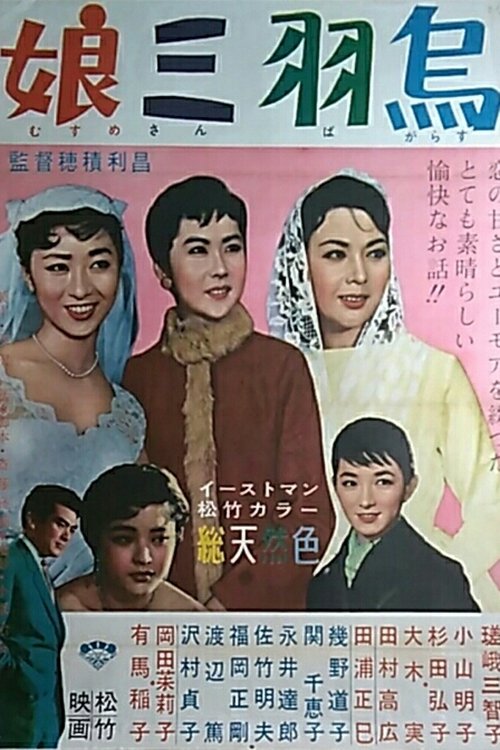
Japanese romantic comedy film.
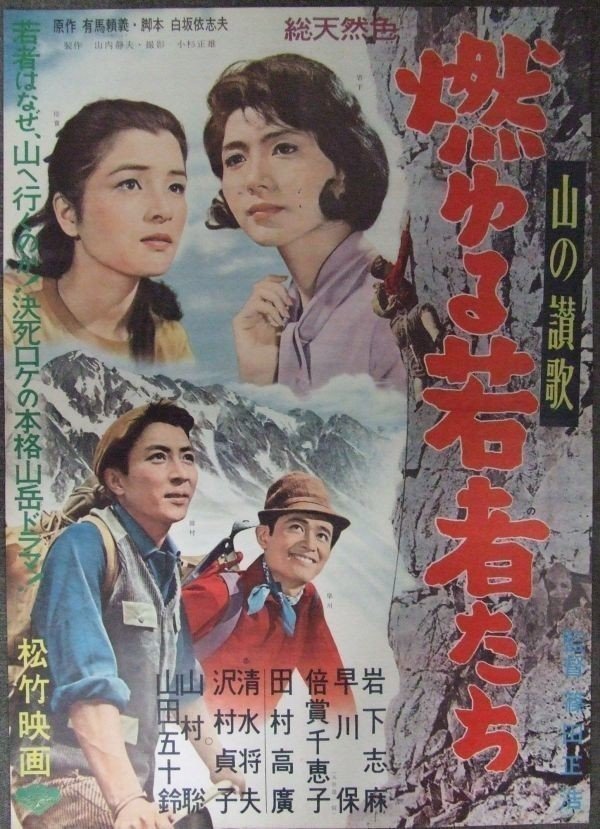
A treasury official passed over for promotion and obsessed with careerism interferes in the lives of his three sons, who seek escape from his relentless pressure in the mortal danger of mountain climbing.
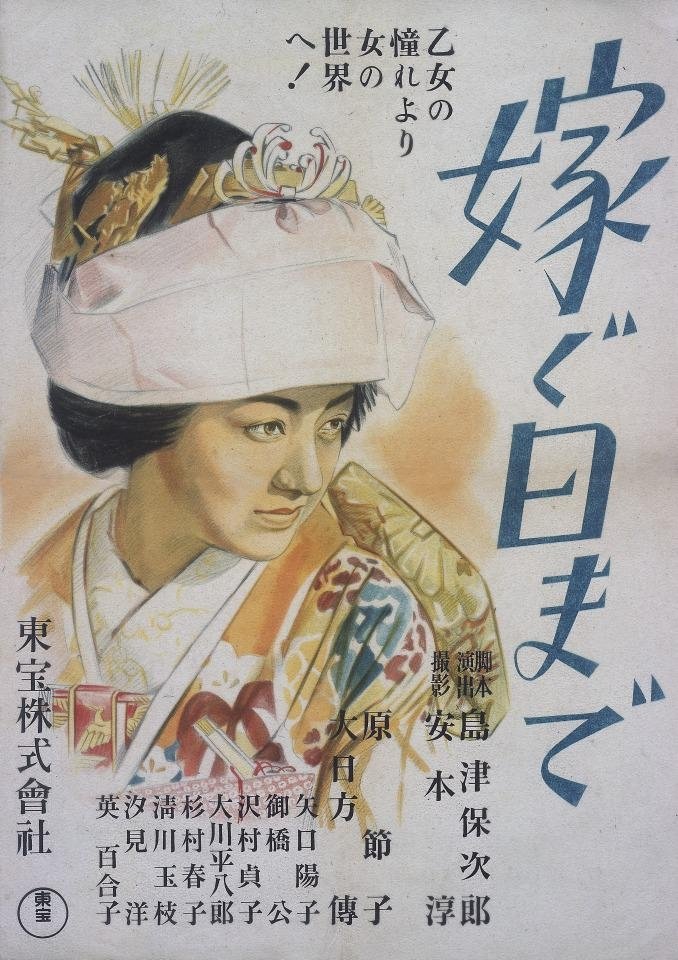
Twenty-year-old Yoshiko (Setsuko Hara) and her younger sister Asako (Yōko Yaguchi) struggle to accept changes in their home during the preparations of their widowed father's wedding to his chosen bride, Maki Tsuneko (Sadako Sawamura), who's anxious about her conduct as the bride.
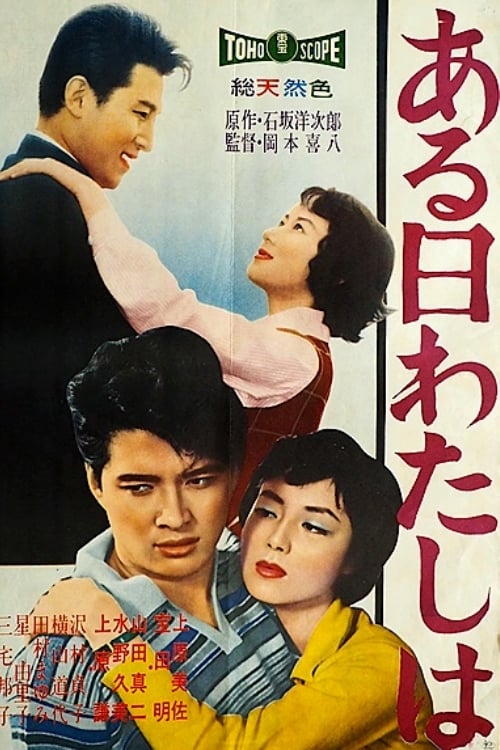
A modern love story involving different affairs.
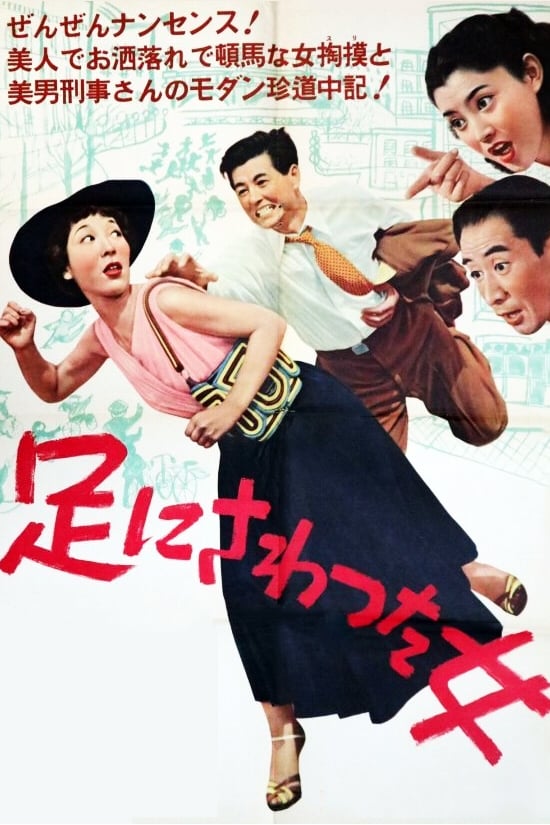
A screwball tale of a suspected “lady thief” and the detective who is on her trail, following her from Osaka to her home village, where she is going to hold a memorial service for her father. Of course, the detective falls in love with his prey.

Ine Onoda, the eldest daughter of a poor family of farmers, raises a colt from birth and comes to love the horse dearly. When the horse is grown, the government orders it auctioned and sold to the army. Ine struggles to prevent the sale.

A story about the lives of four sisters and their manipulative mother who must come to terms with each of their decisions in life.
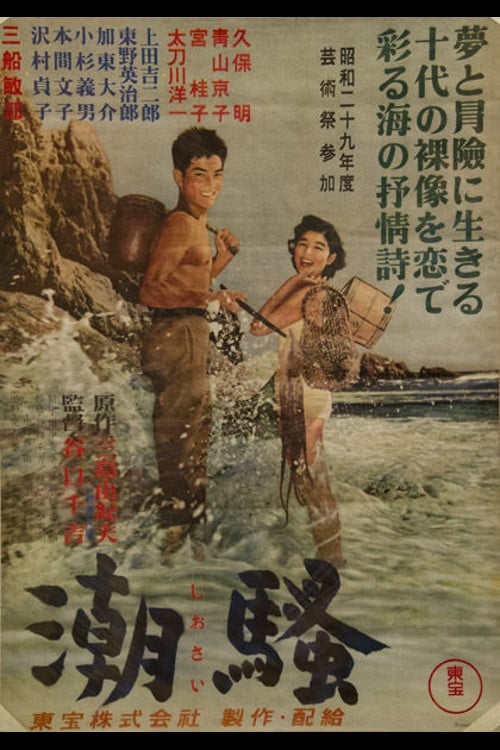
Lonely youth Shinji meets Hatsue, a pretty pearl diver, on the beach and the two fall in love. But Shinji has a rival for Hatsue's affections, Yasuo.
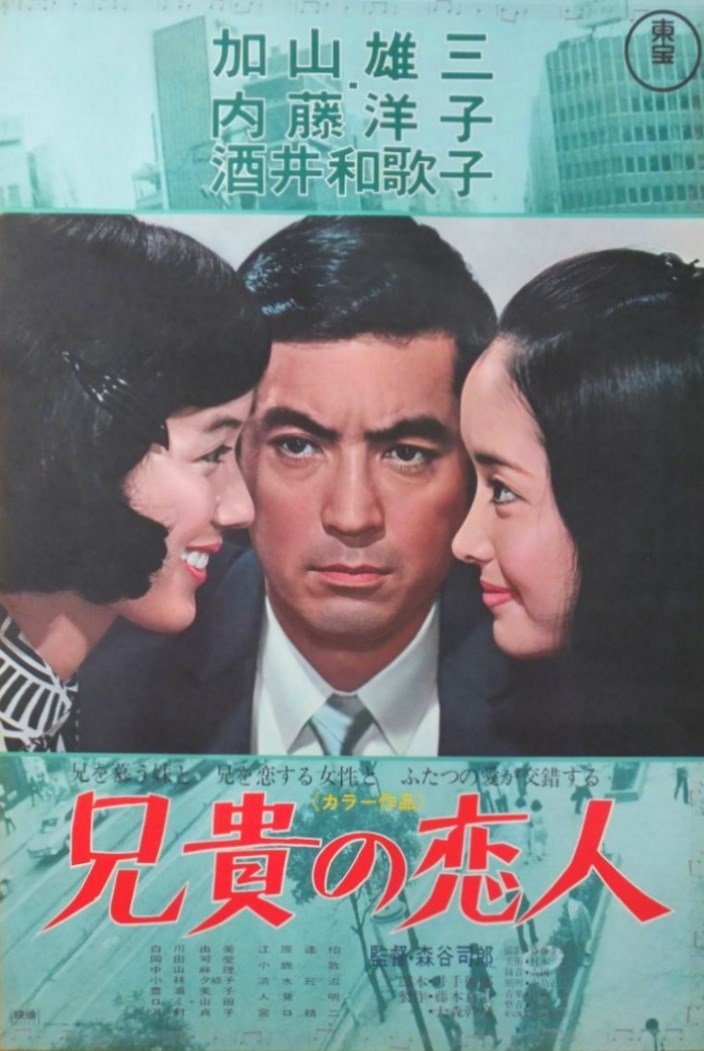
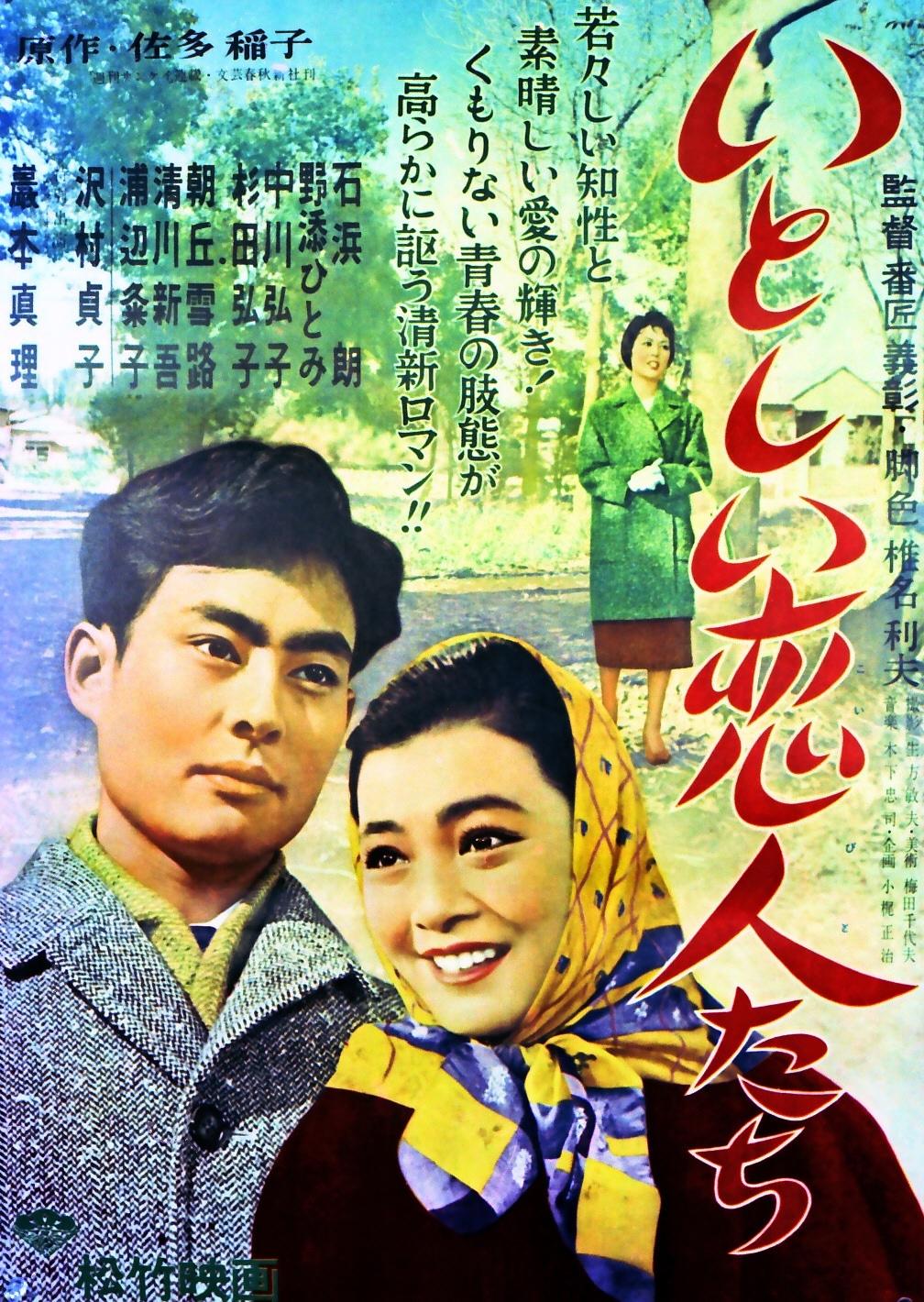
The story of a young couple deeply in love with each other but, because of complications and misunderstandings created by the people surrounding them, they find it very difficult to achieve happiness.
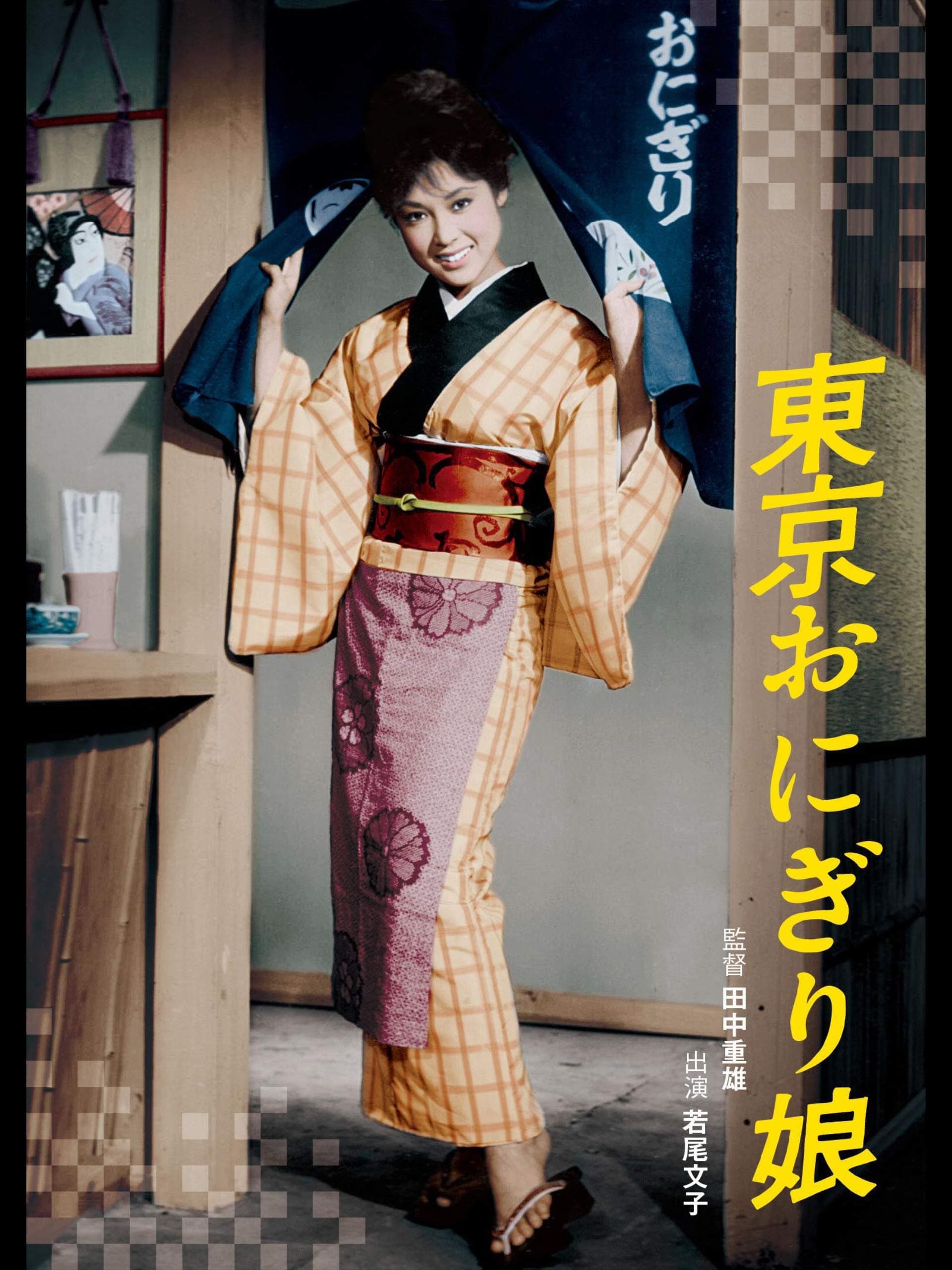
Ayako Wakao portrays a downtown rice ball shop girl whose heart is set on her business. Involved in her life are three young men—stage actor Goro, businessman Kokichi and Sanpei Pachinko.
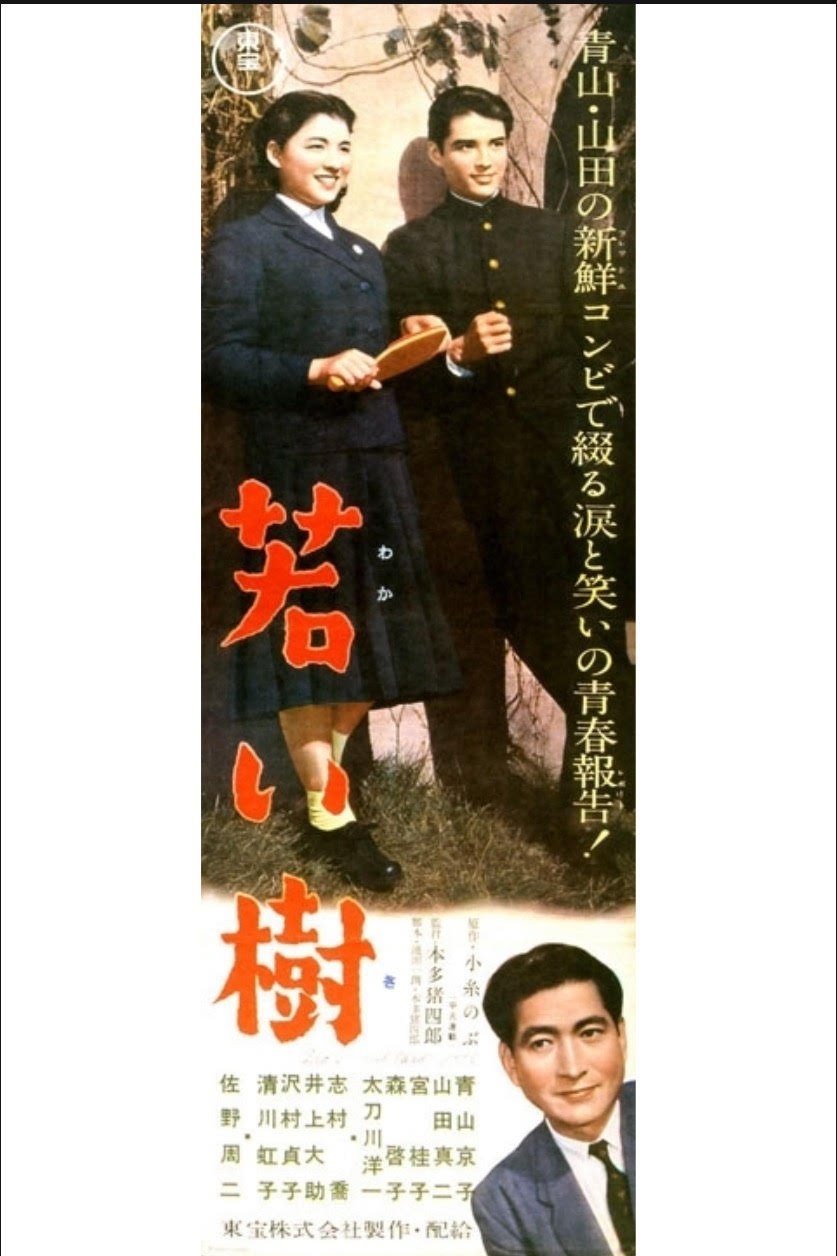
A young girl moves to Tokyo and endures the rivalries between other high school girls of varying cultural and economic backgrounds.
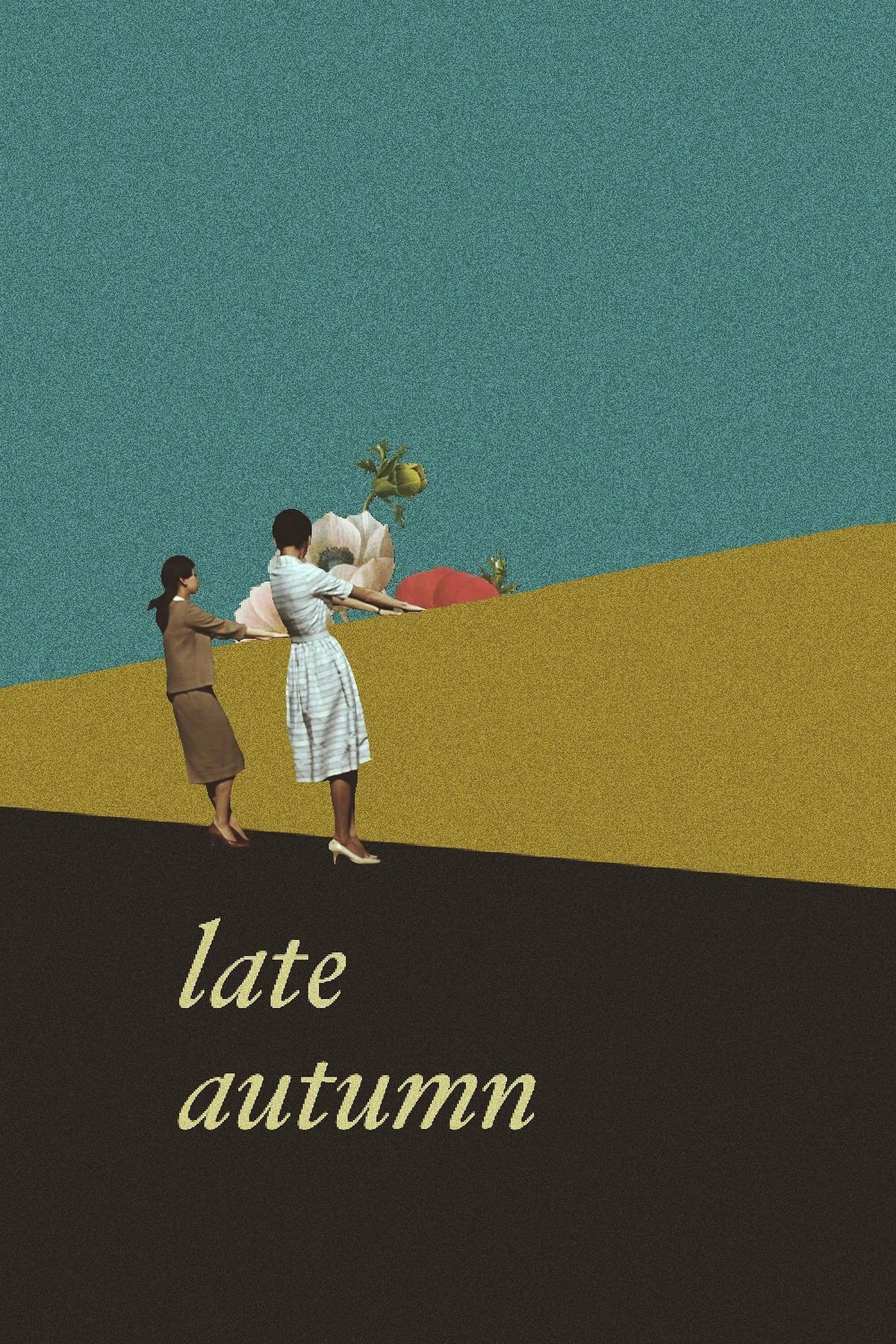
A woman and her daughter are each forced to contend with an increasing pressure to marry, particularly from three men who knew her late husband.
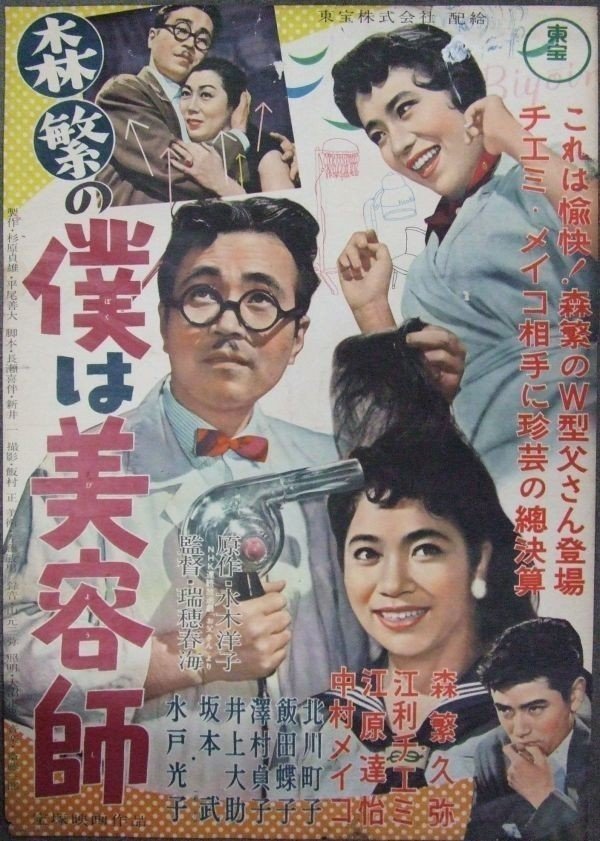
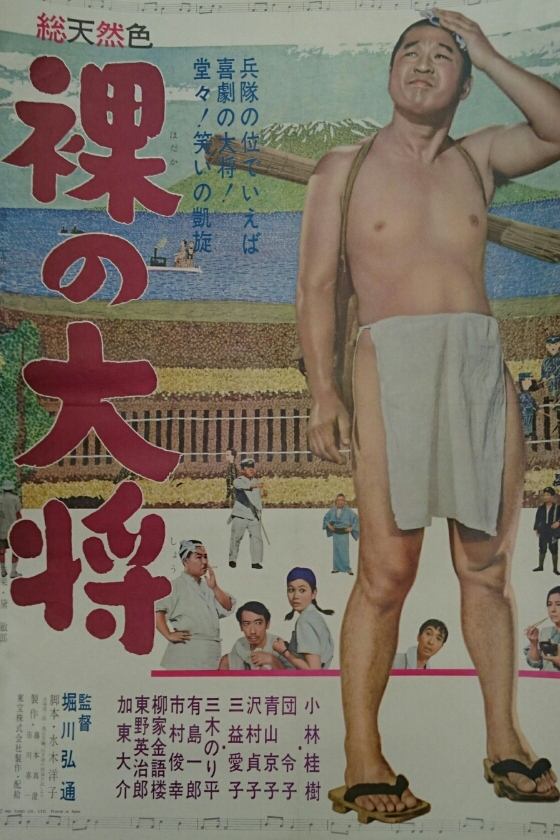
A film about the life of Kiyoshi Yamashita, a Japanese painter with disabilities.
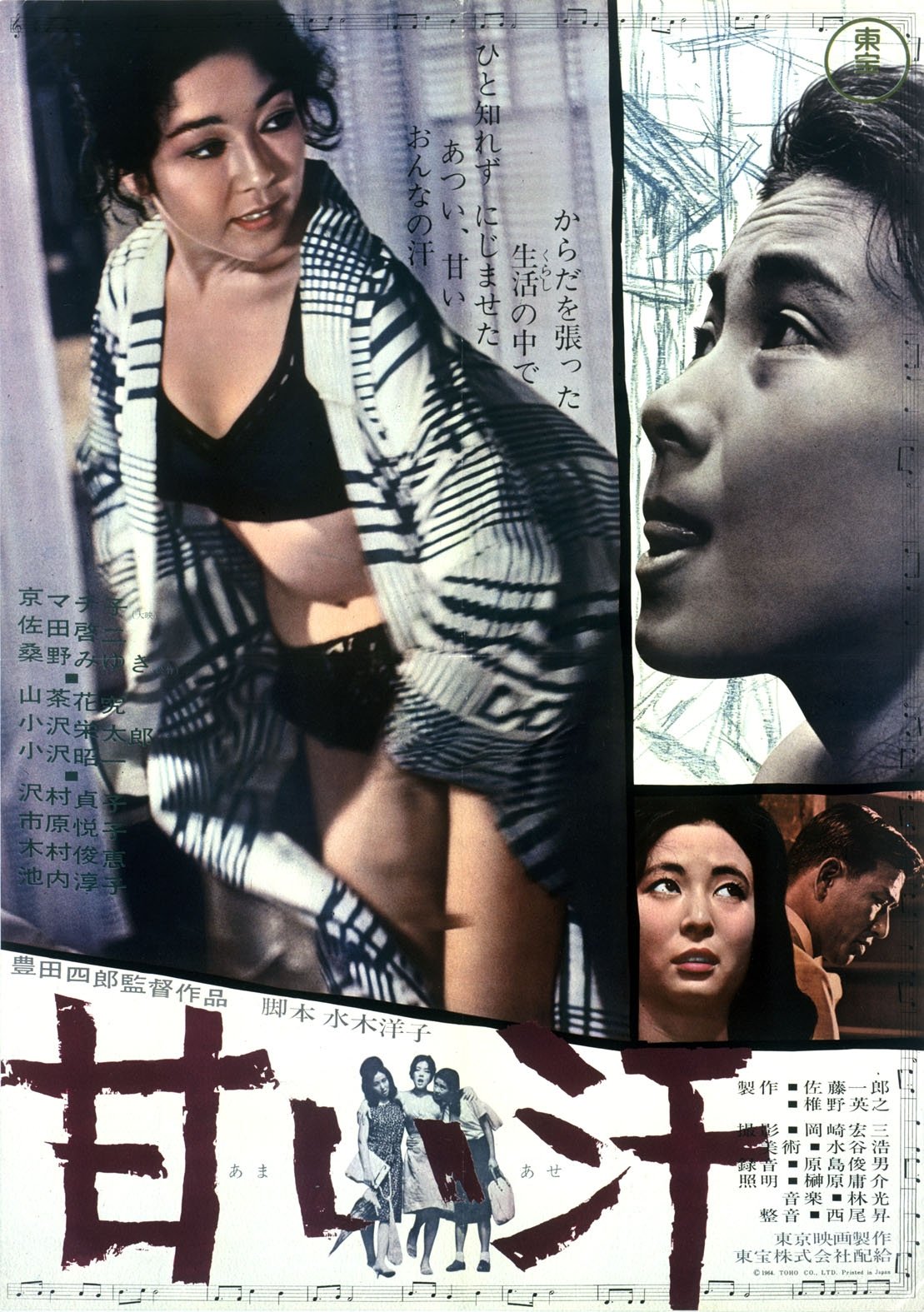
This film by Toyoda depicts the hard life of an unmarried mother in Tokyo. Umeko (Machiko Kyo), at 36, is working in a bar, struggling valiantly to keep her family together. Her 17-year-old daughter Takeko becomes increasingly upset by her mother's constant drinking and yakuza boyfriend, and runs away from home. Kyo's performance was highly praised.
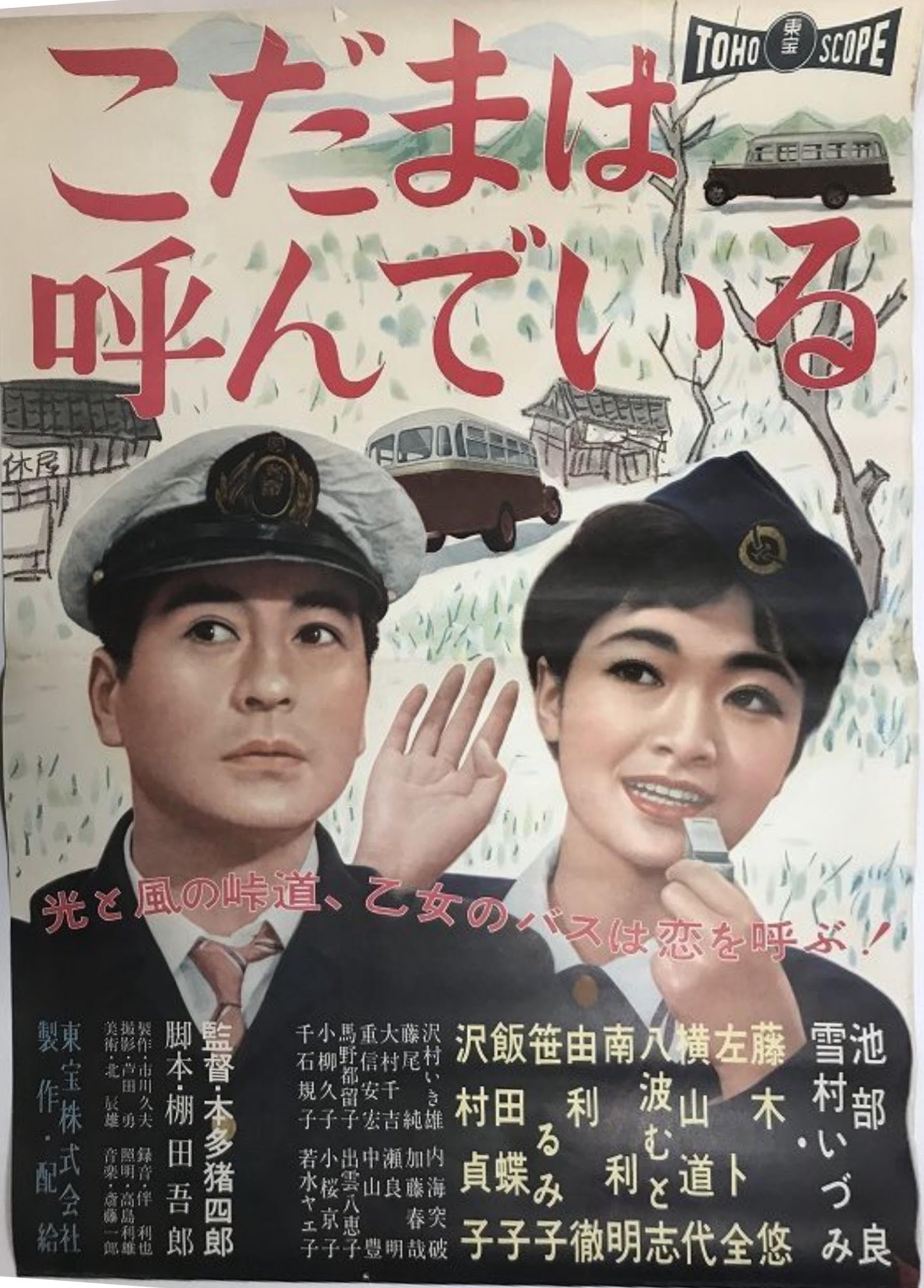
An Ishiro Honda film.

After their lord is tricked into committing ritual suicide, forty-seven samurai warriors await the chance to avenge their master and reclaim their honor.
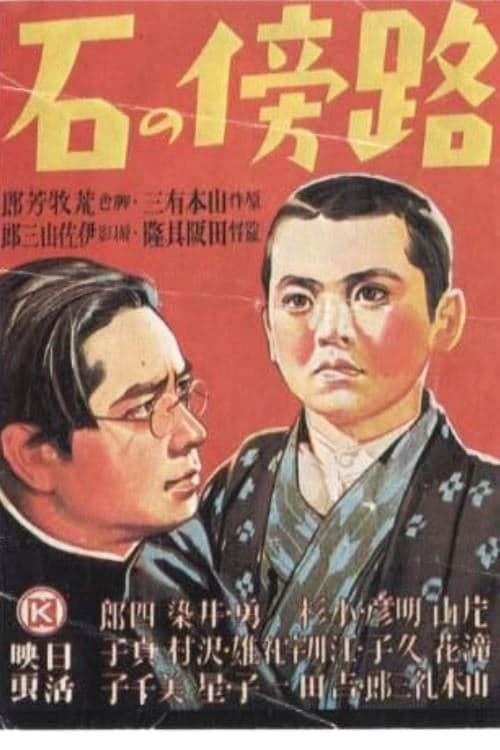
Tomotaka Tasaka's A Pebble by the Wayside (Robo no Ishi), made in 1938 and taken from a Yuzo Yamamoto novel, takes place around 1902, was about a young boy brought up entirely by his mother since his drunken father is never home. An intelligent teacher wants to send him to middle school, but instead the father apprentices him to a clothing store to which he is in debt. The mother dies and the boy is forced to quit work when his father insults the store owner. Later the boy goes to Tokyo, but only to continue his hardships. First he is forced to do a maid's job at a boarding house and later is used by an old woman to steal at funerals. Finally he is rescued by the teacher, whom he meets in Tokyo.
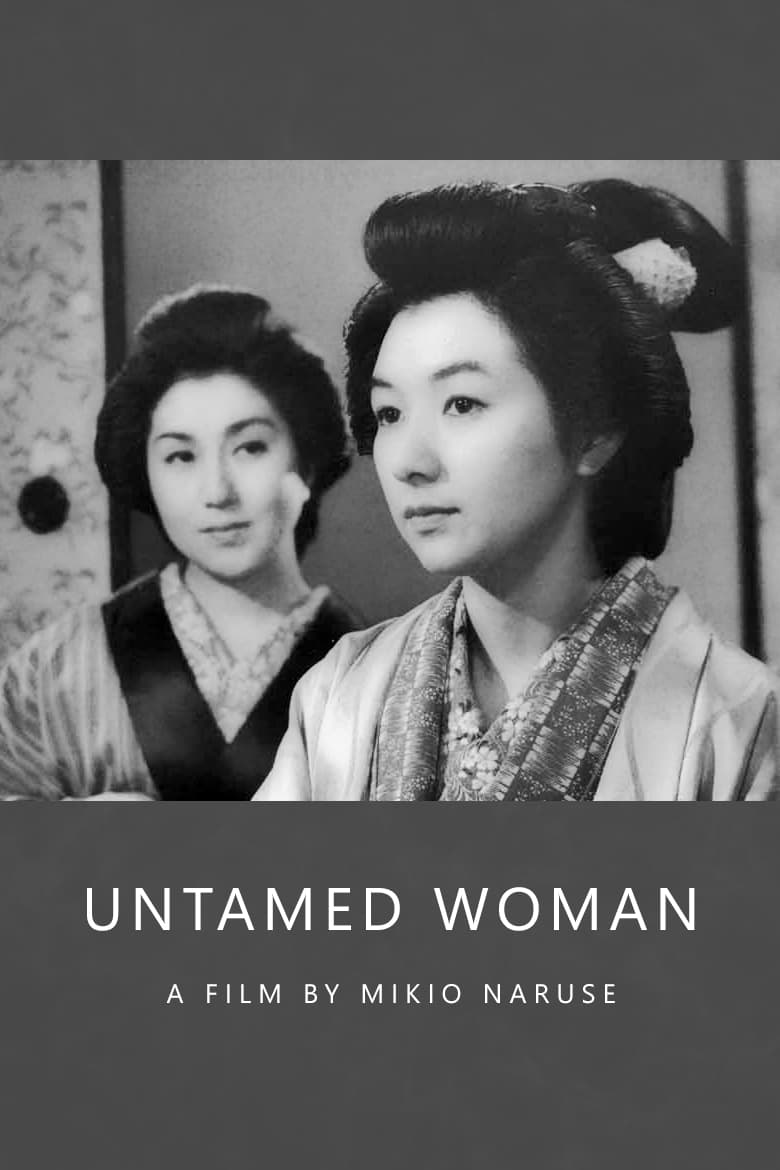
A woman marries, gives birth to a stillborn child, and divorces, falls in love with a hotel-keeper, only to find herself subordinated to his drive for success, takes up with a tailor who cannot console himself with her strong personality.

Ginko, a poor cobbler's daughter, becomes a geisha to support her family. She passes from one geisha house to the next, trying to find love and hope in the process. No matter how hard she tries, she just can't escape her sad fate.
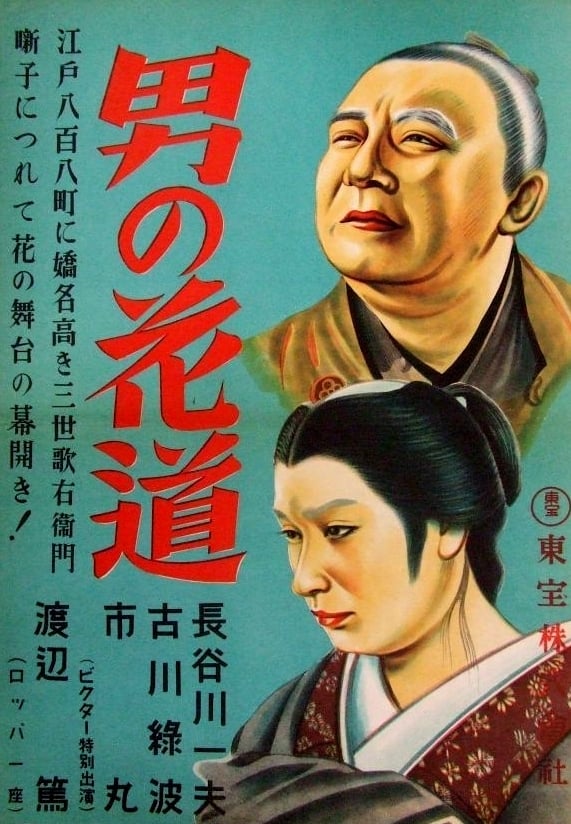
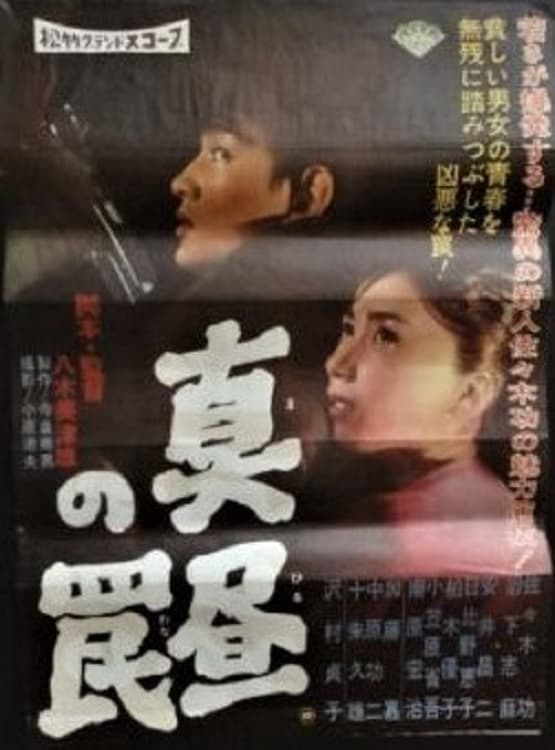
On his way to Tokyo one night, a truck driver picks up a country girl and has his way with her amidst a forest. A few days later he loses his job after a run-in with some punks, but is offered a job by a gangster impressed by his fighting skills. He tries to make amends with the girl he ravished, but becomes caught up in the ways of the underworld...
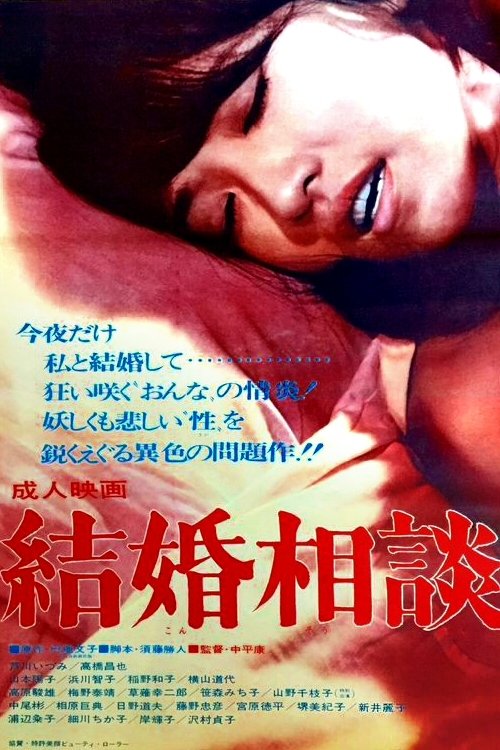
She'd watched them go one by one. Friend after friend. White dress after another. Yet again, Shimako was attending another wedding reception that wasn't hers. She knew the procedure: watch the bride and groom get congratulated, smile to cover up the loneliness. But she didn't want to feel like this forever. In that moment, Shimako decided that the next wedding she'd attend had to be her own.
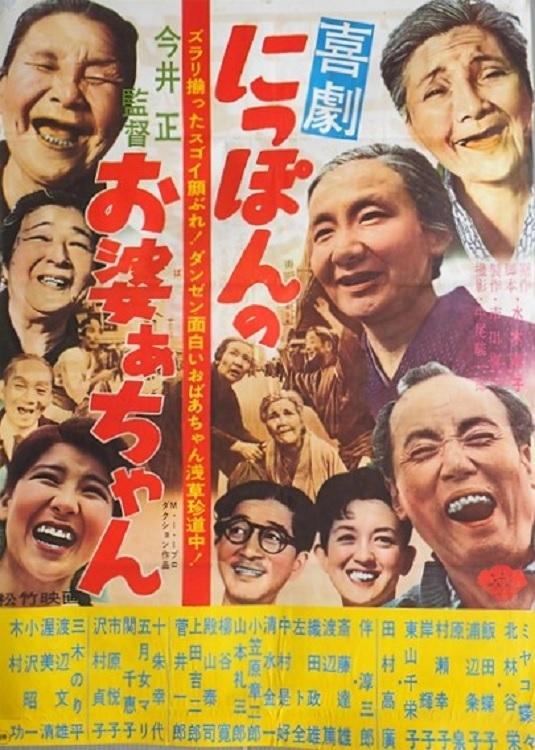
Two obaachans become fast friends listening to music in front of a record store. They both boast about their loving sons but in reality, one had just escaped a retirement home and the other was looking for an escape from her son and daughter-in-law. With nowhere to go, the two wander around, befriending a cosmetics salesman and a kind waitress who give them beer. This biting social satire starring two memorable grandmothers, scripted by Yôko Mizuki, picked up on Japan’s aging population problem far ahead of its time.
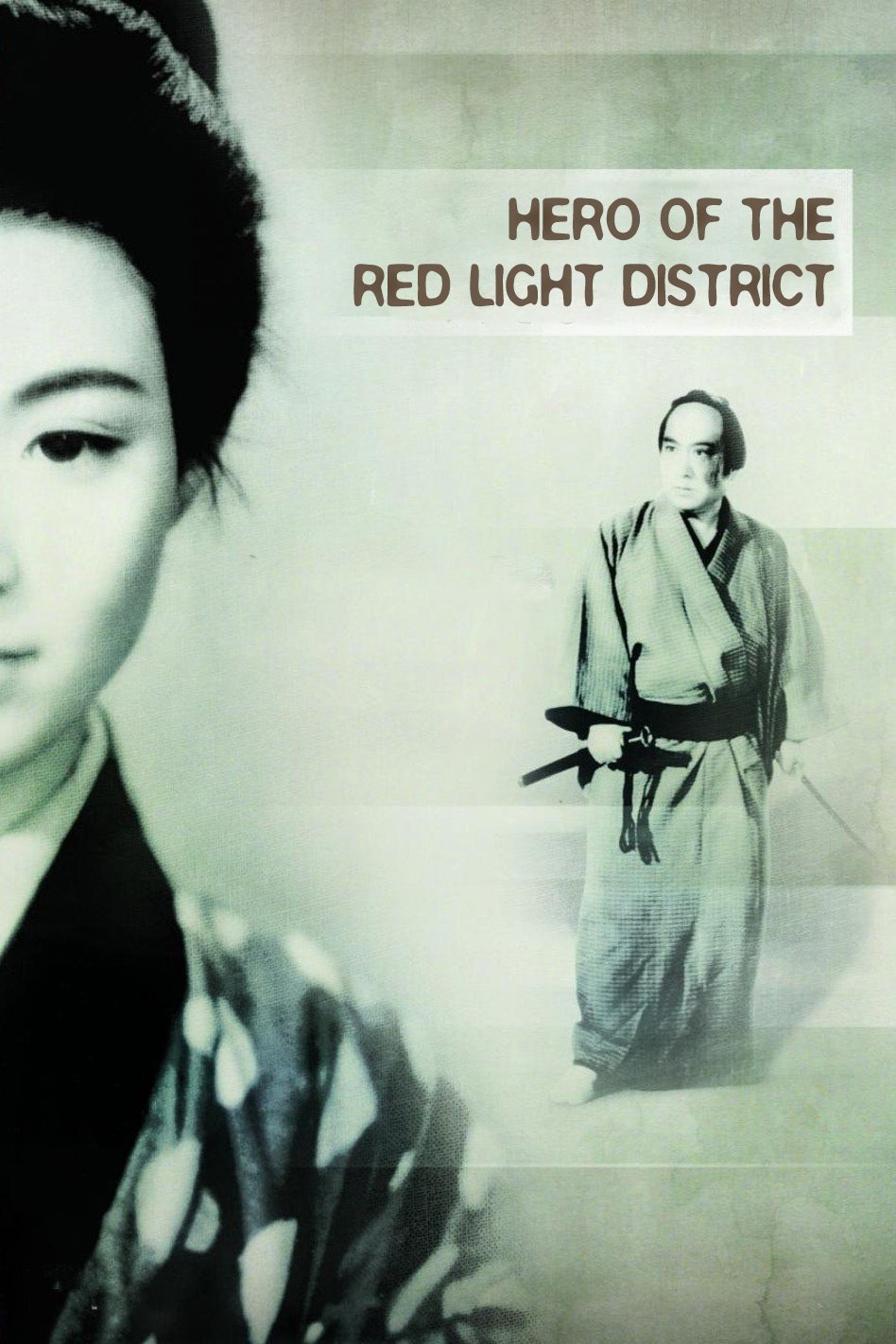
A successful textile industrialist from the provinces, who is beloved by his employees for his kindness, cannot find a wife because of a disfiguring birthmark on his face. Even the courtesans in Yoshiwara refuse to entertain him, until an indentured peasant prostitute, Tamarazu, takes the unsavoury assignment and treats him with brash tenderness.
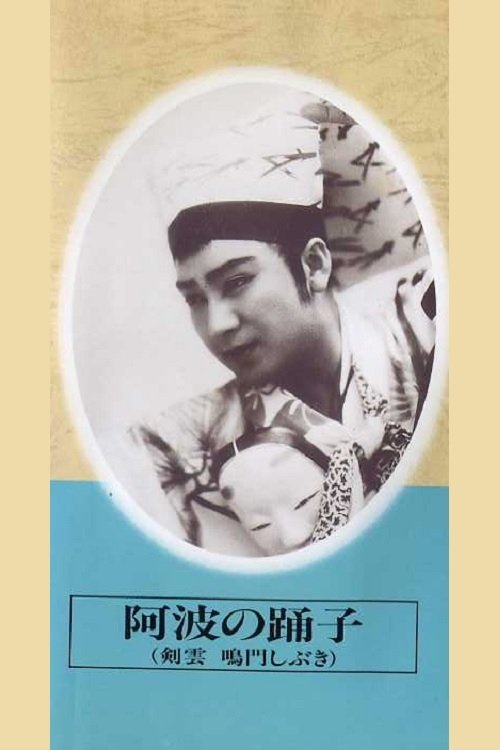
Jurobei, a kaisen tonya (wholesaler in port) in Awa, was wronged and killed on the day of the Dance Festival by the evil merchant & the chamberlin. His brother (Kazuo Hasegawa) vowed vengeance on the day of his brother's death. So every year the villains are worried during the Awa Dance Festival (which is part of the Obon festival), but nothing has ever happened, until seven years later...
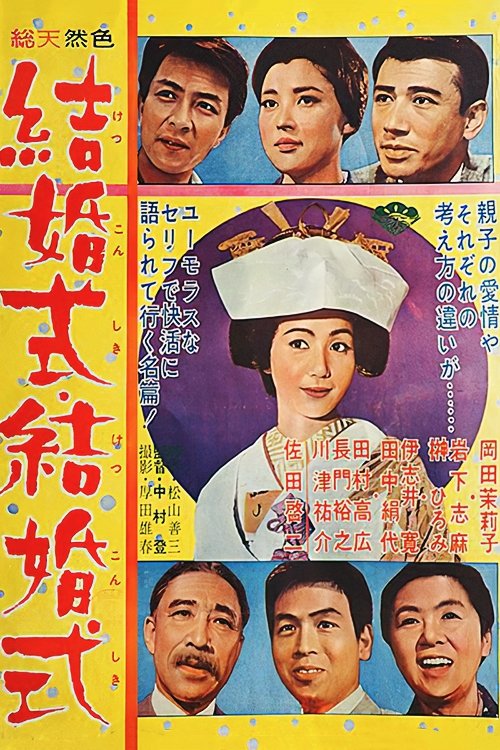
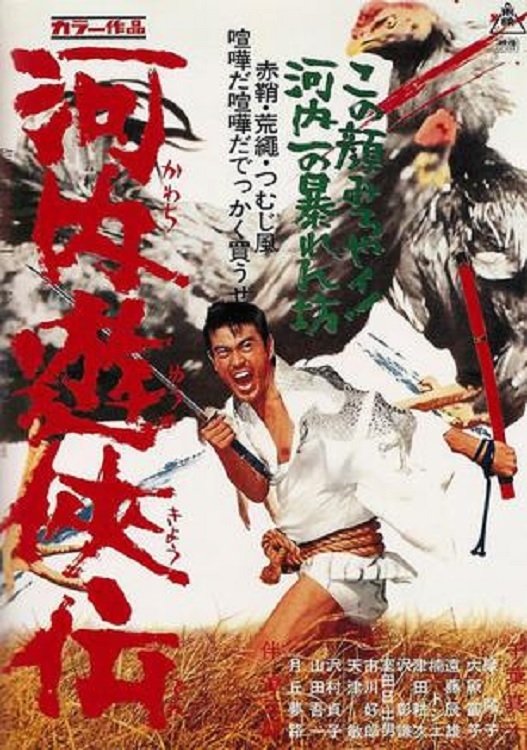
A roughneck named Komakichi of Kawachi, Osaka, comes back from a three-year training course to become a chef, hoping to be with his crush Tamae, a daughter of a Japanese restaurant’s owner. His father is not happy because Komakichi has no intention to become a rickshaw man to follow in his father’s footsteps.
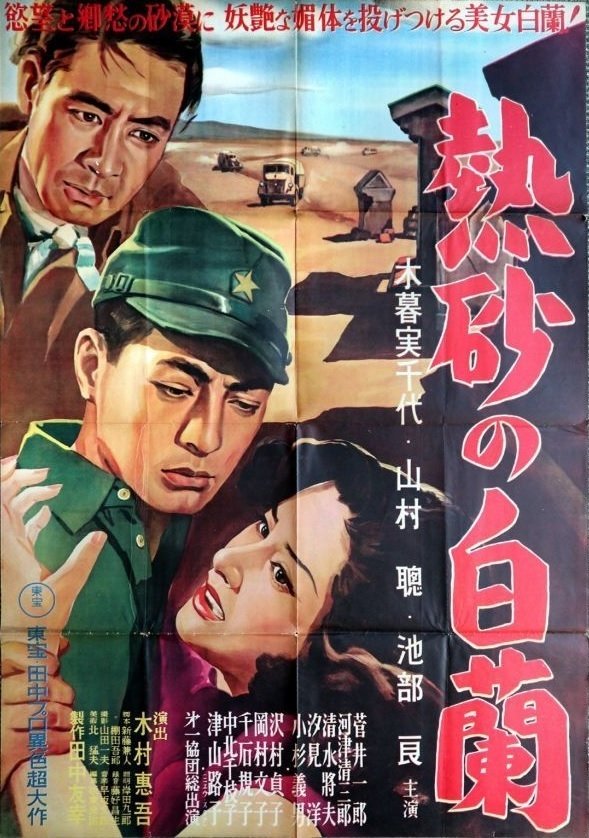
A Japanese adaptation of Guy de Maupassant's short story Boule de Suif, directed by Kimura Keigo
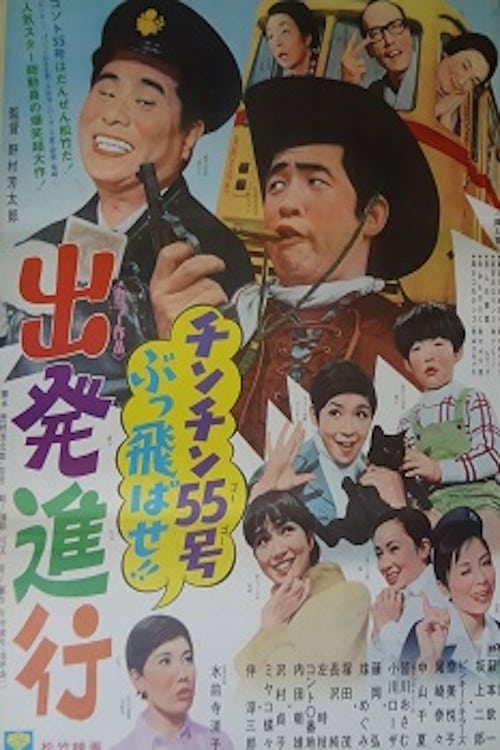
Comedy around a motorman and a conductor of a streetcar.
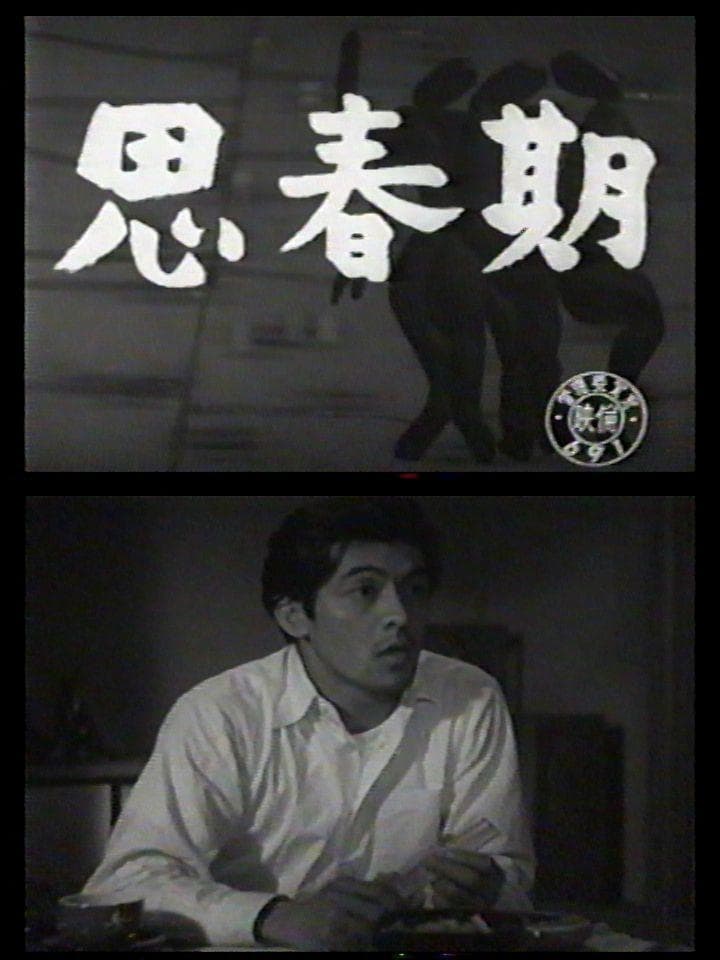
Parent apathy to sexual education leads to various troubles for the young cast.
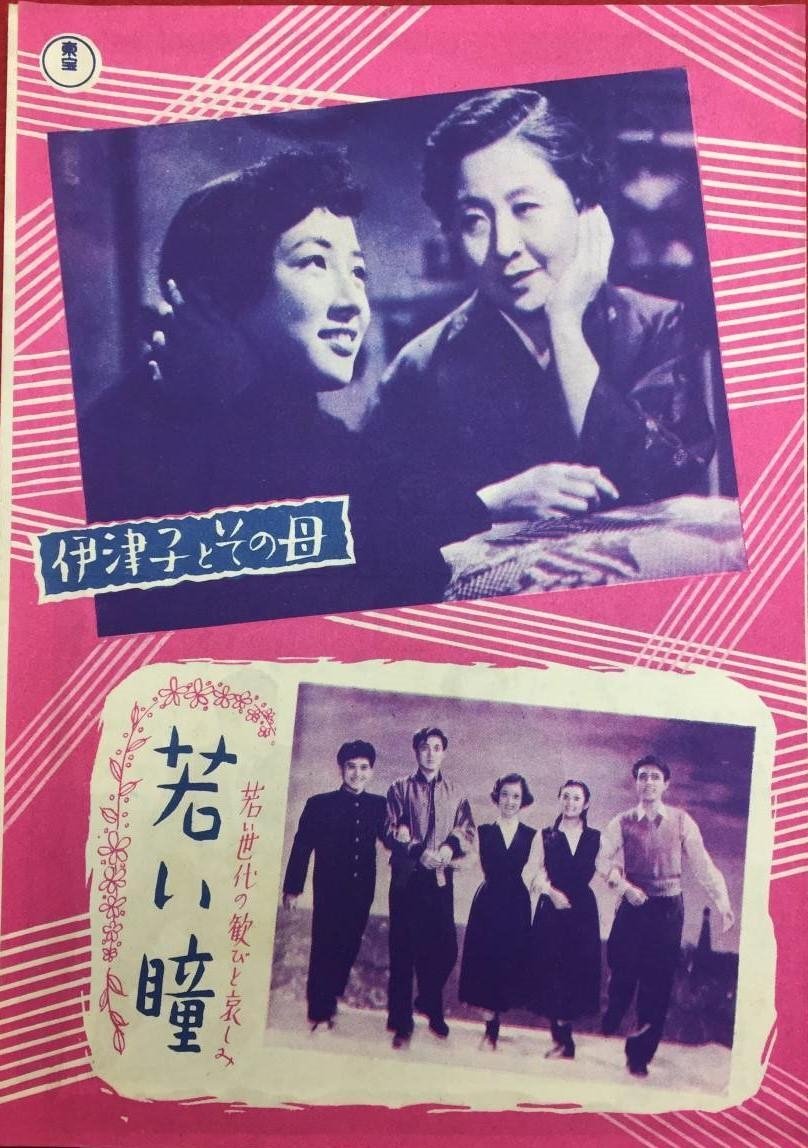
An elderly woman devoted to her foster-daughter searches for a good husband for her.
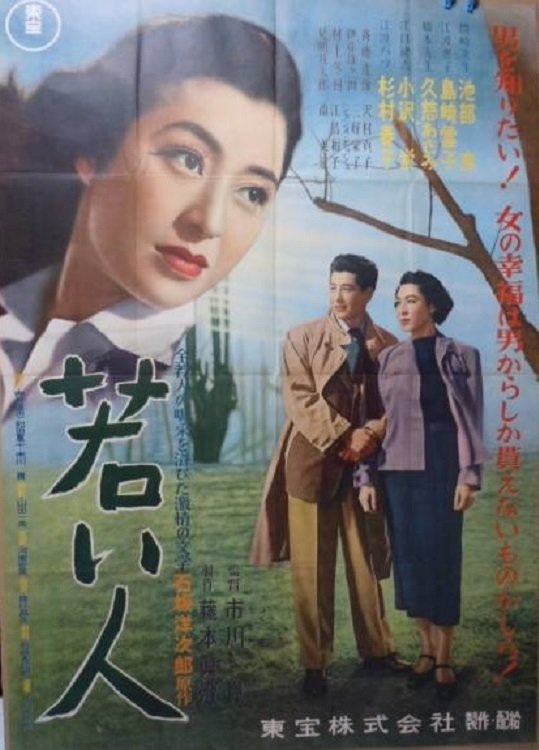

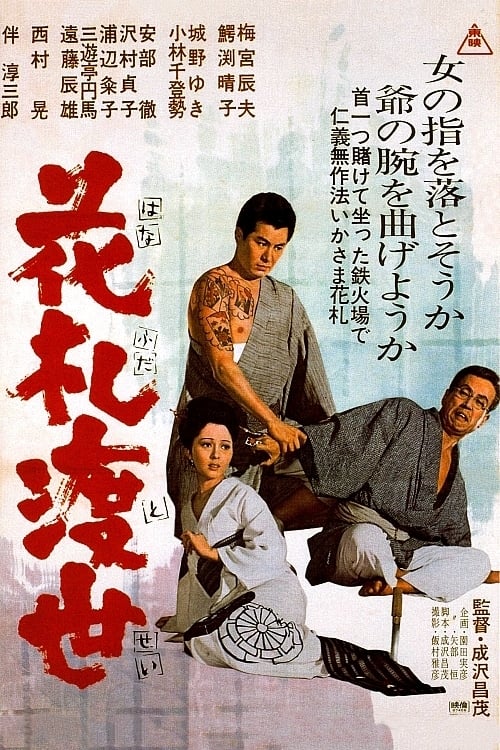
A wandering gambler runs into a young swindler woman working with an old man. They are both arrested by a detective. A year later, the gambler is staying with a gangster boss when he comes across the woman and her partner again. The boss lusts for both her and his own daughter, while the boss's crazy yakuza brother loves his daughter, who, in turn, watches the player and wants to destroy the people standing in her way.
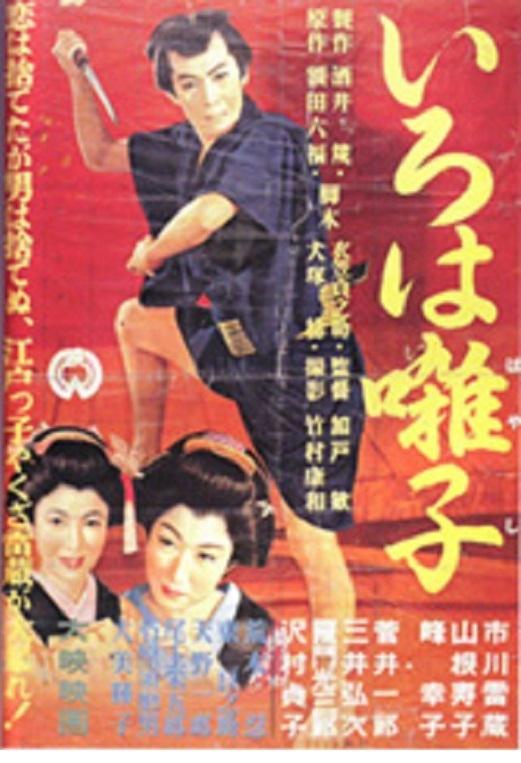
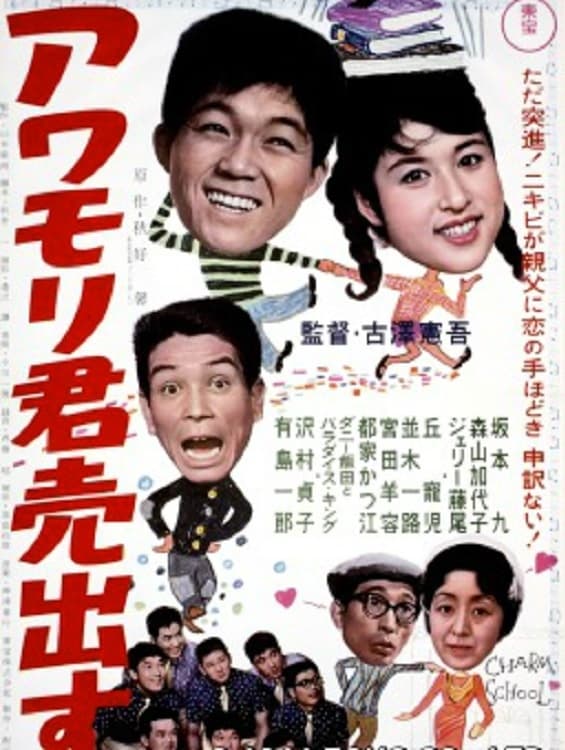
First of three Awamori-kun movies. Based on the comic by Kaoru Akiyoshi.
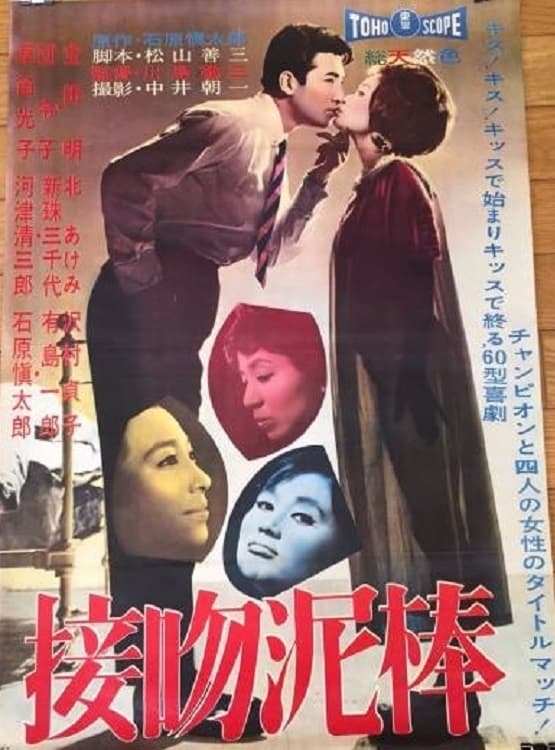
Starring Akira Takarada as a lightweight boxing champion.
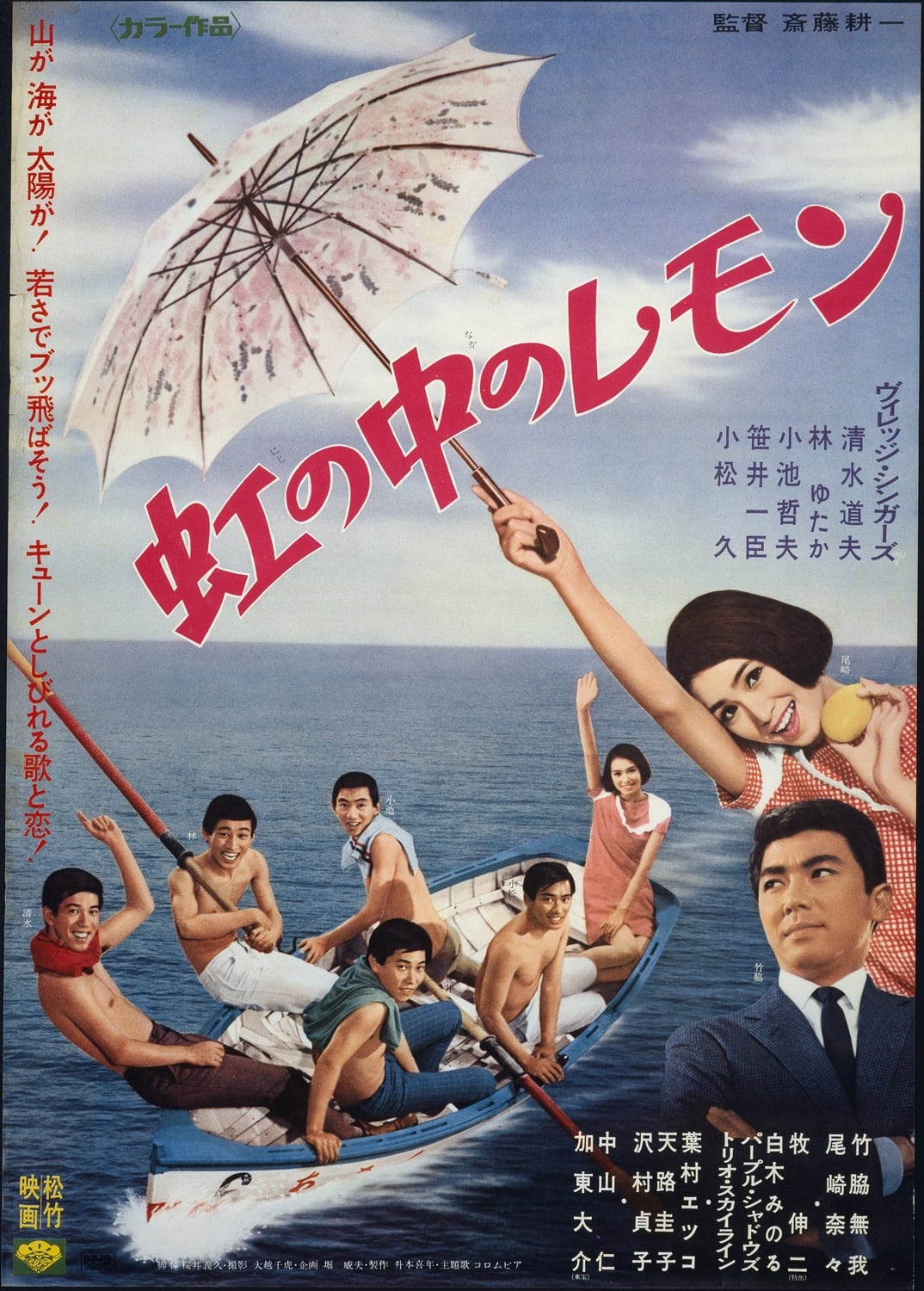
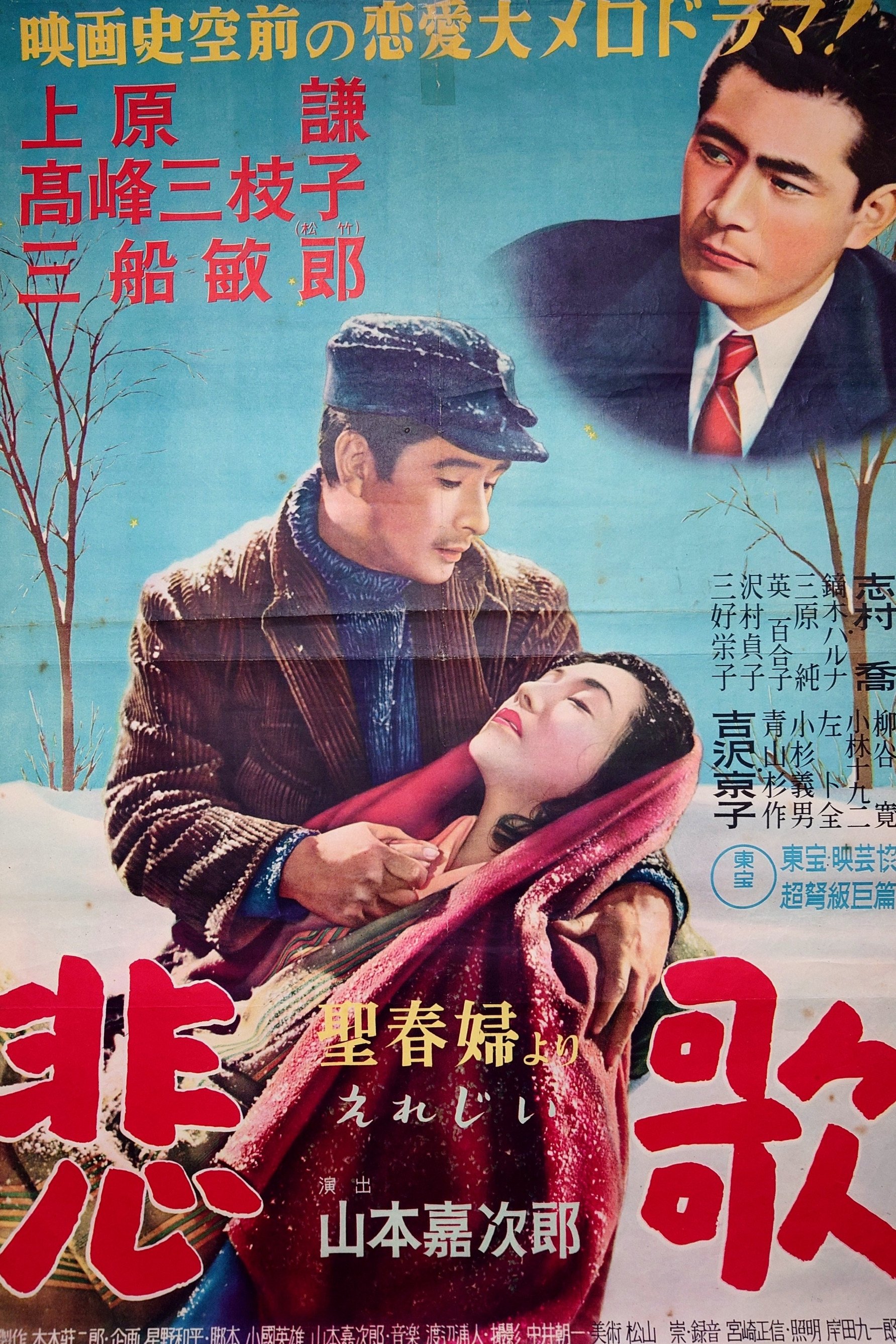
Wataru Naohiko who has the prosecutor general as his father became a young composer and its symphony "saint" invoked the world echoed. But his disciple Uchiyama and his best friend prosecutor Daisuke Toki accused his music as a sesame of pause-only technique, not a truly heart-hungry art.
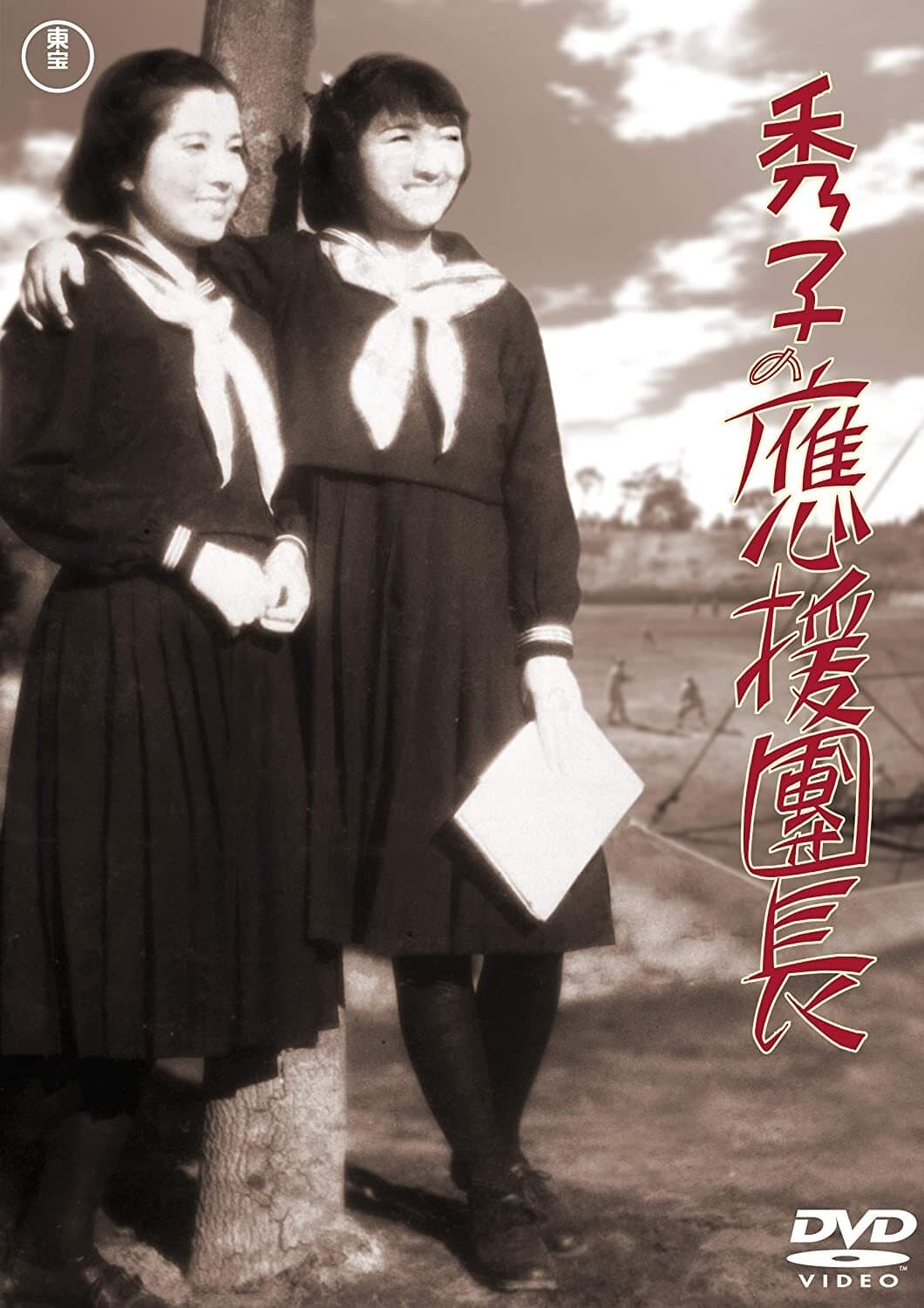
Hideko, a young Baseball fan, determined to cheer for her favourite baseball team by creating a new song for them.
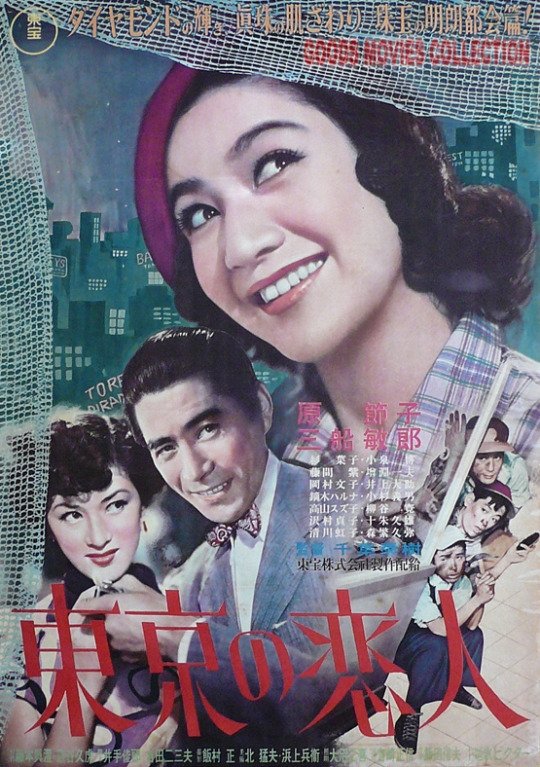
Following the Second World War, the lives of various people in a poverty-stricken area of Tokyo are entertwined. Pachinko parlor girls, shoeshine boys, a maker of costume jewelry, and a streetcorner artist all struggle to make their livings and to find happiness in difficult surroundings.
In 1880s Japan, women's struggle for equality rages on. Eiko Hirayama leaves Okayama for Tokyo, where she helps the fledgling Liberal Party and falls in love with its leader Kentaro Omoi, just as the party is being disbanded by the government.
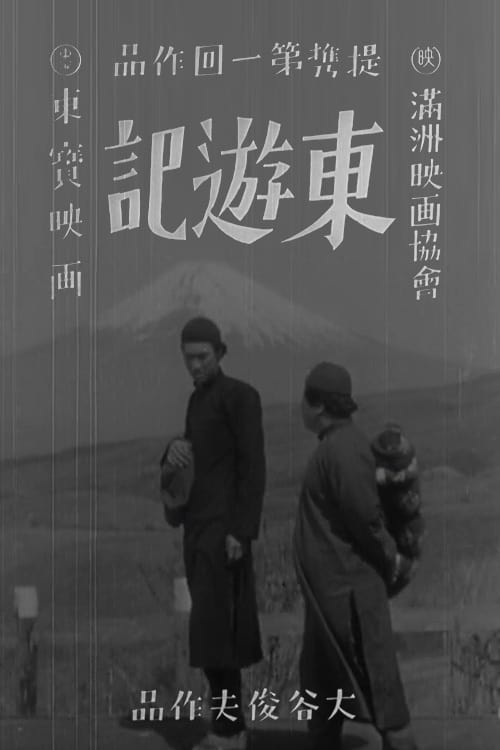
Shot mostly in Tokyo, this comedy depicts two Chinese tourists who have travelled from their country to Japan in order to experience the latter country.
Film about poet Ishikawa Takuboku
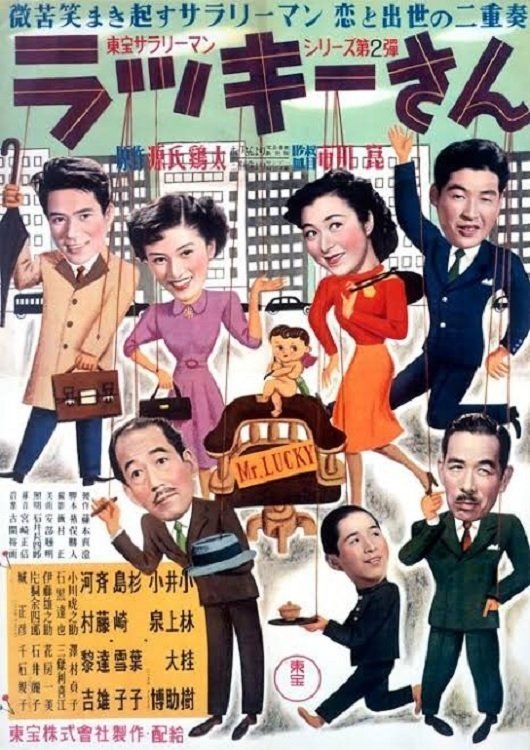
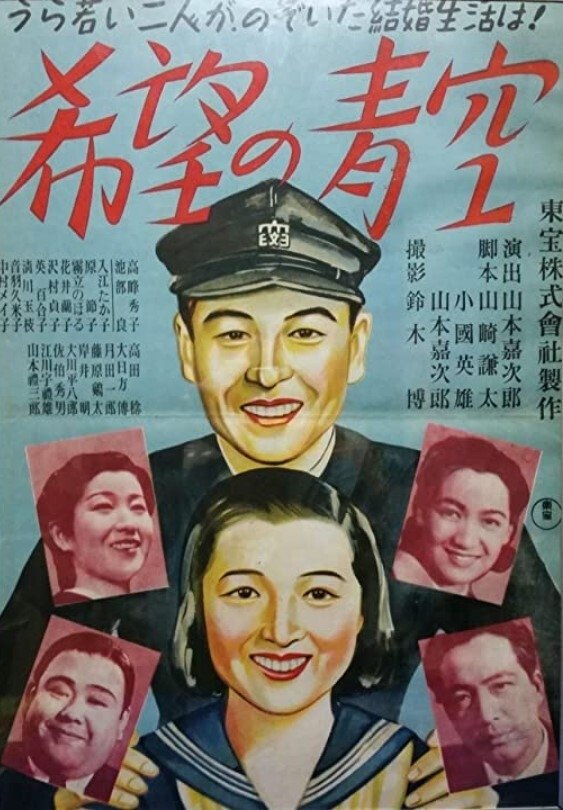
What is marriage? Young couple in match-making wanted to know before they decide. They visited married couples of sisters and brothers. Love comedy in 1942.

Jida-geki by Santaro Marune.
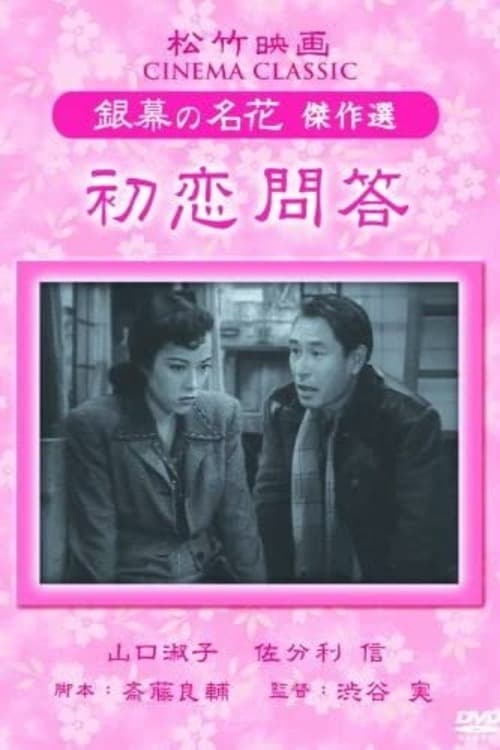
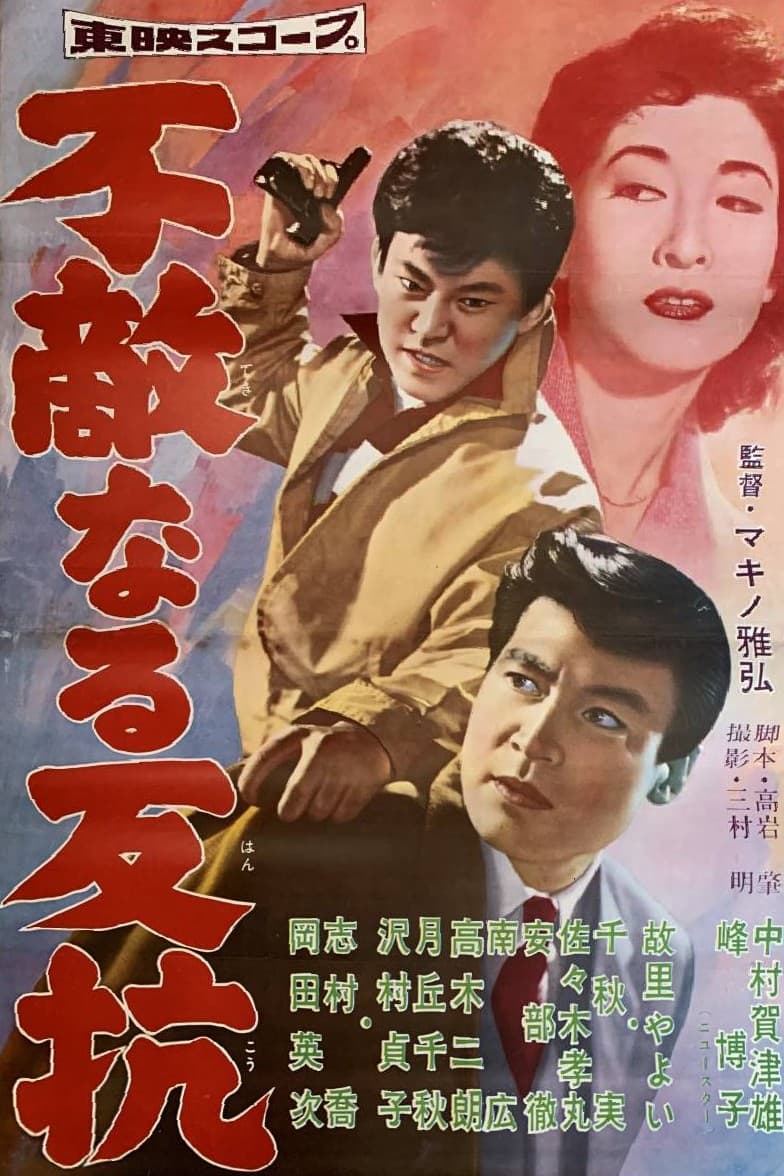
This action film depicts the conflict between two brothers, one a detective and the other a yakuza.
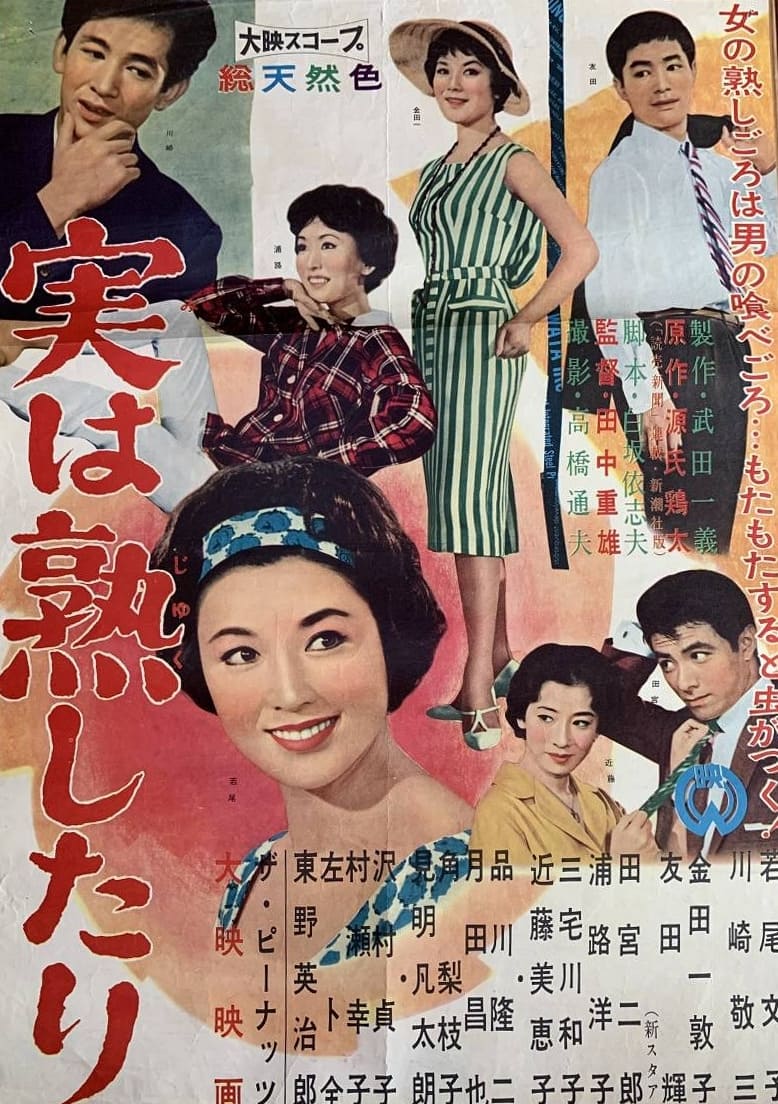
1959 youth comedy.
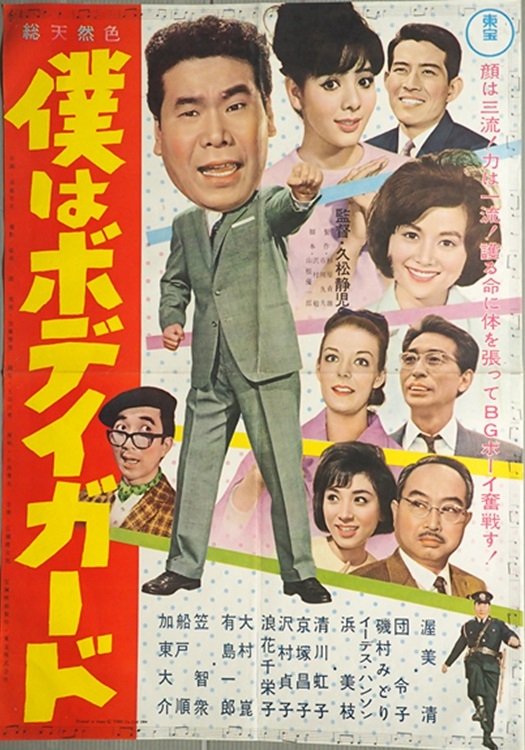
Kita Ippei (Atsumi Kiyoshi) became a security officer in the Metropolitan Police Department's Security Division after catching a thug who attacked a writer living in the area while working at a police box. His dream is to become a bodyguard (BG) for the Prime Minister, just like his senior, Detective Inspector Takagi (Ryu Chishu). Kita Ippei is very successful in both work and love, getting attacked while guarding a female minister, getting some perks as a BG for a foreign princess, and becoming friends with a woman at his favorite bar.
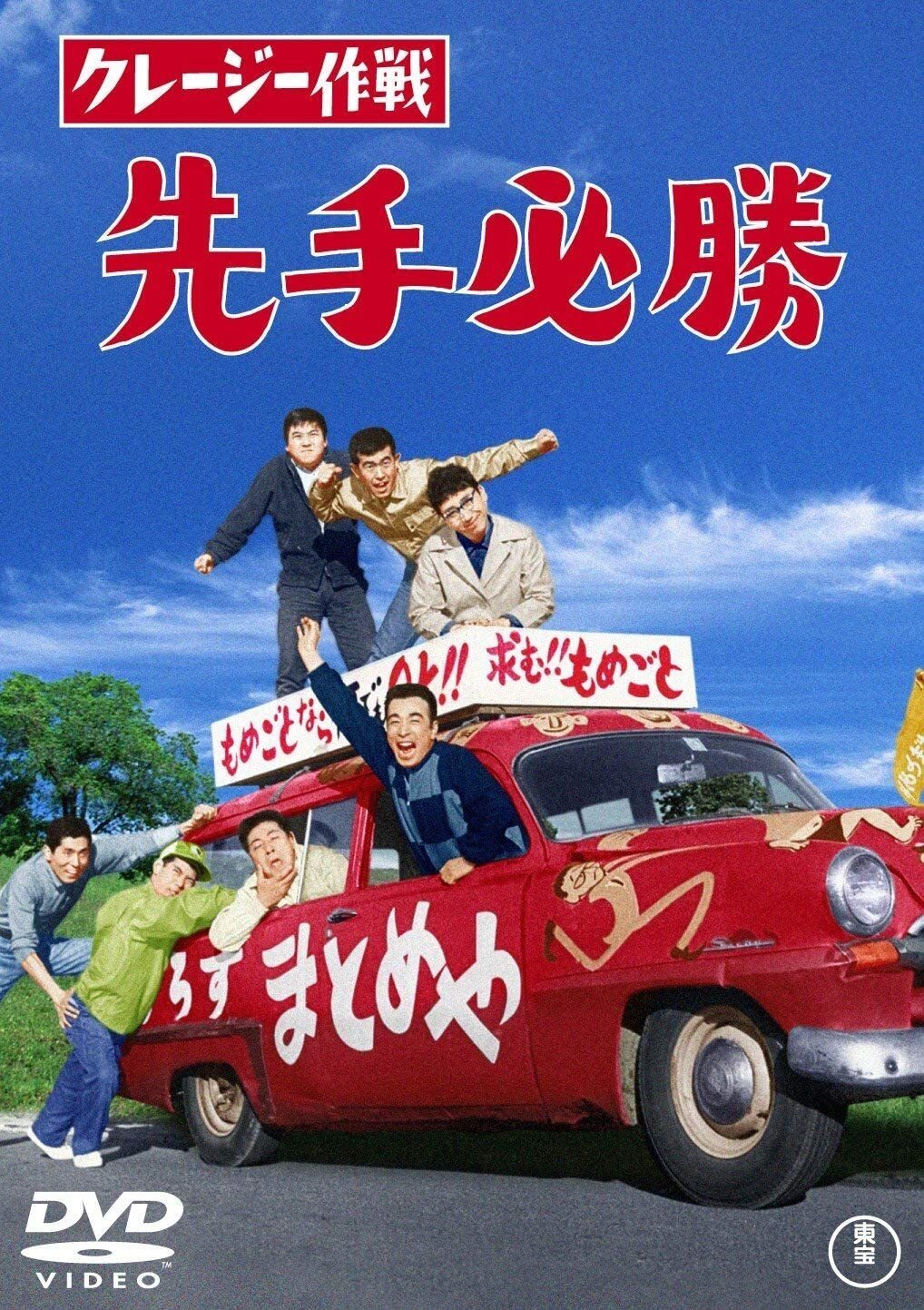
After being fired from his company, Hitoshi Ueda opens a arbitration company. Experts from various fields gather around him and with their natural vitality, they solve one dispute after another. But as it turns out, their next dispute will be at a global scale.
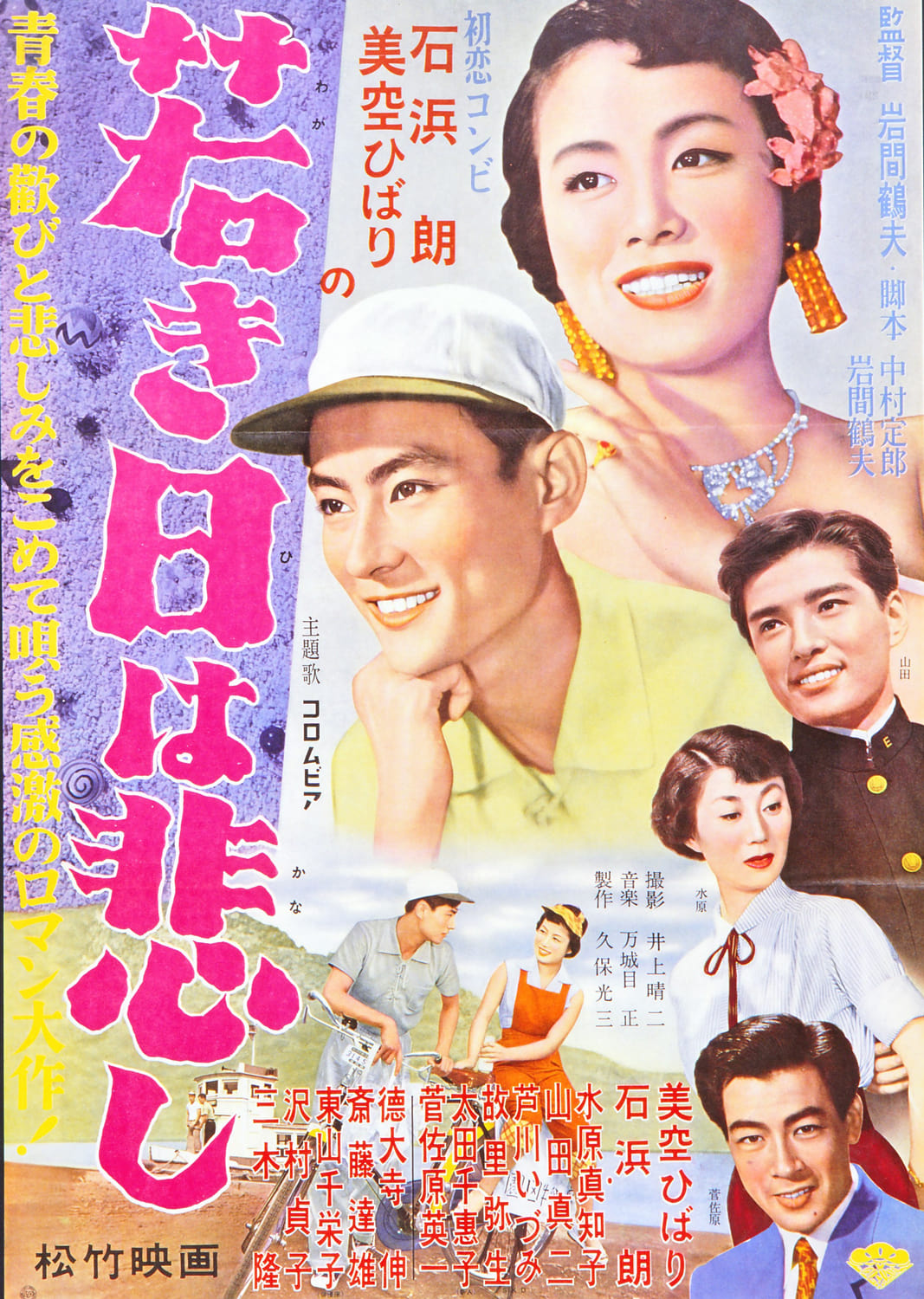
In a certain port town, there is a group of young men called the Wakakusa-kai. The chairman Oda (Miki), member Ichiro Sonoda (Ishihama), his sister and music lover Keiko (Misora), Keiko's classmate Sachiko (Ota Chieko) and her brother Shoji (Yamada) meet enthusiastically to brighten the town and help themselves grow. Ichiro's family lives with his father and Keiko in a milk shop, but Keiko's desire to go to music school is unlikely to be fulfilled. Meanwhile, Shoji's father is trying to get Shoji and Keiko married.
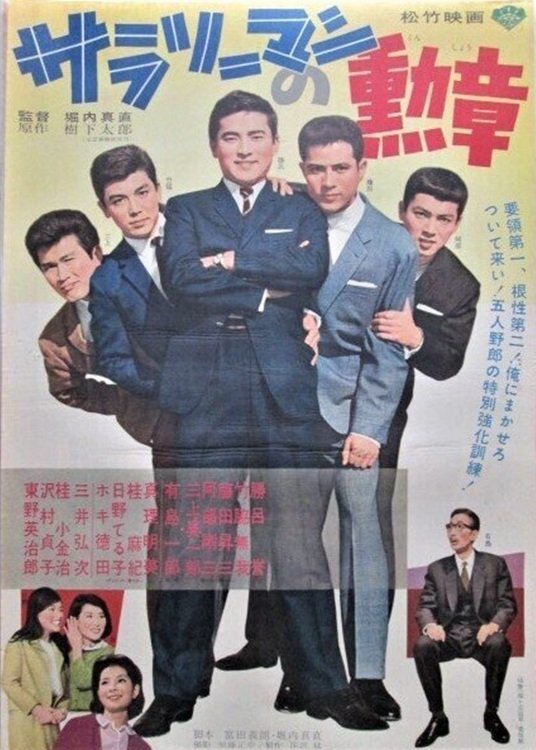
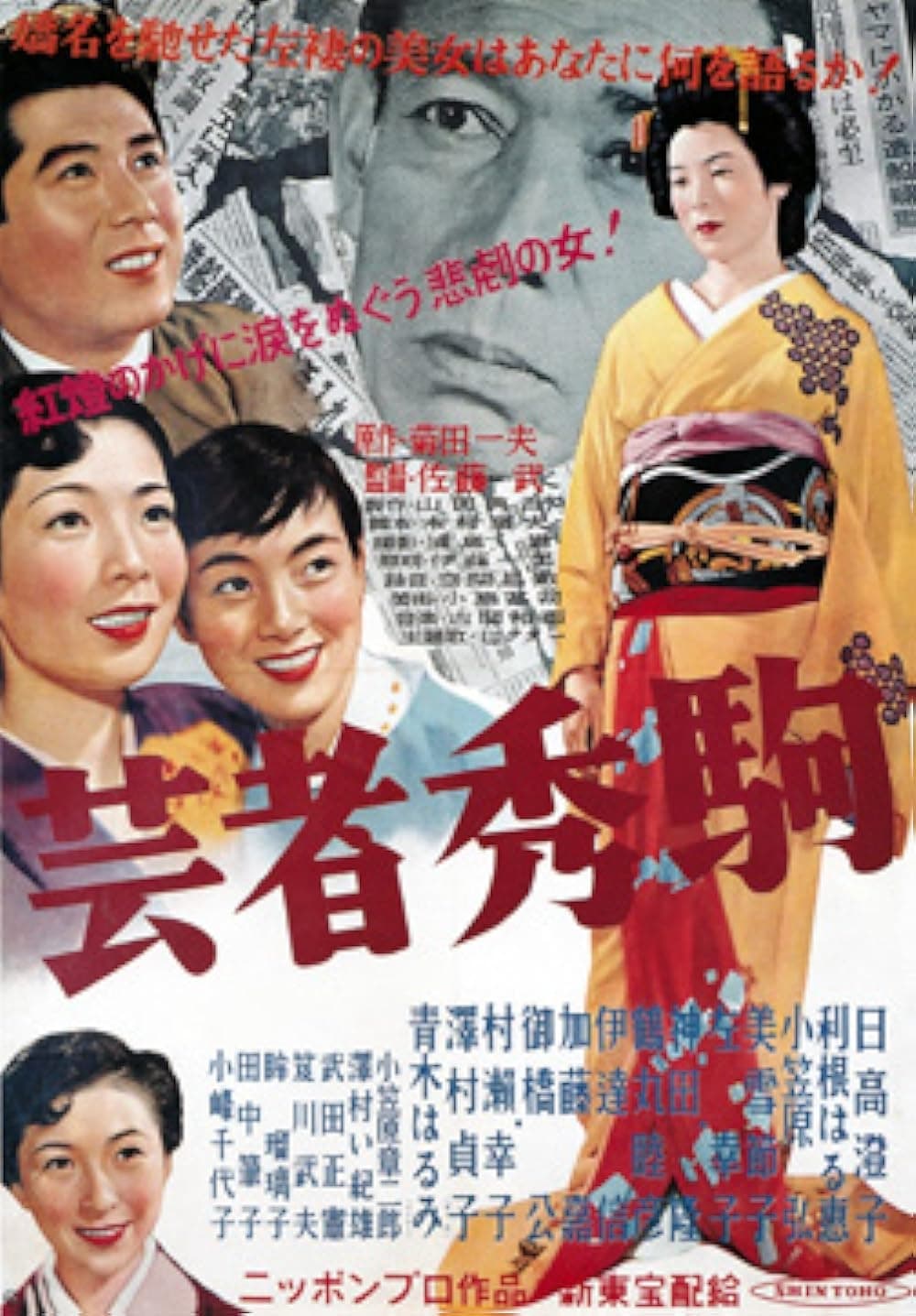
As a bid to win contacts, ship building companies wine and dine political leaders, inviting the geisha Hidekoma and Hidechiyo to entertain the politicians.
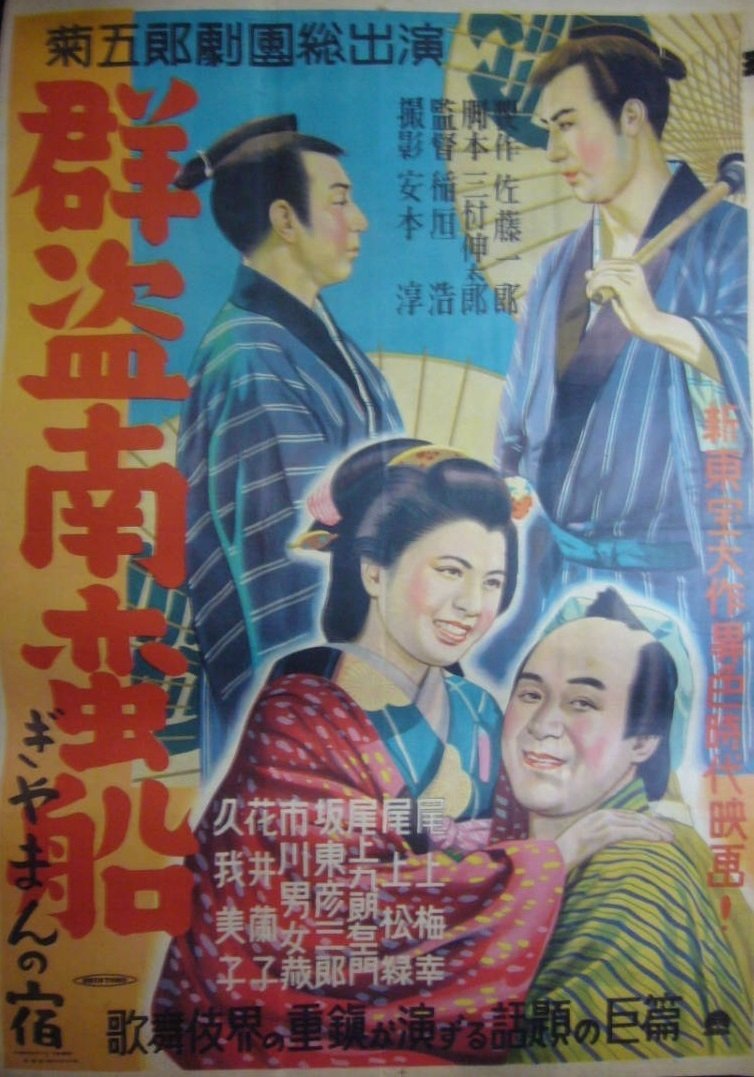
1950 Japanese movie
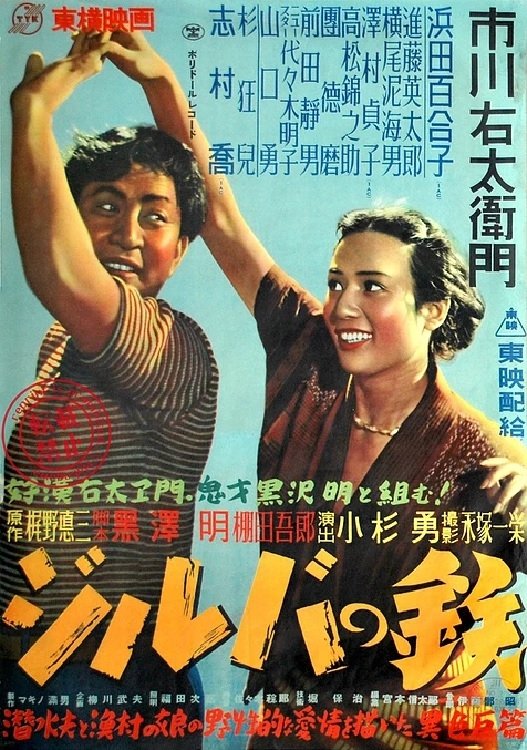
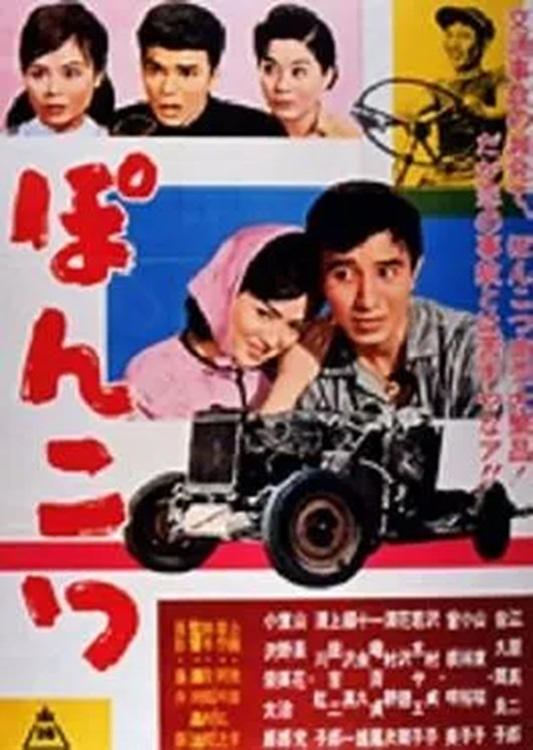
In the shimotsuke town of Tokyo, Honmachi tenkawa Cho continues to take the remains of the car. One of them was inuzuka store where the man loved the machine.
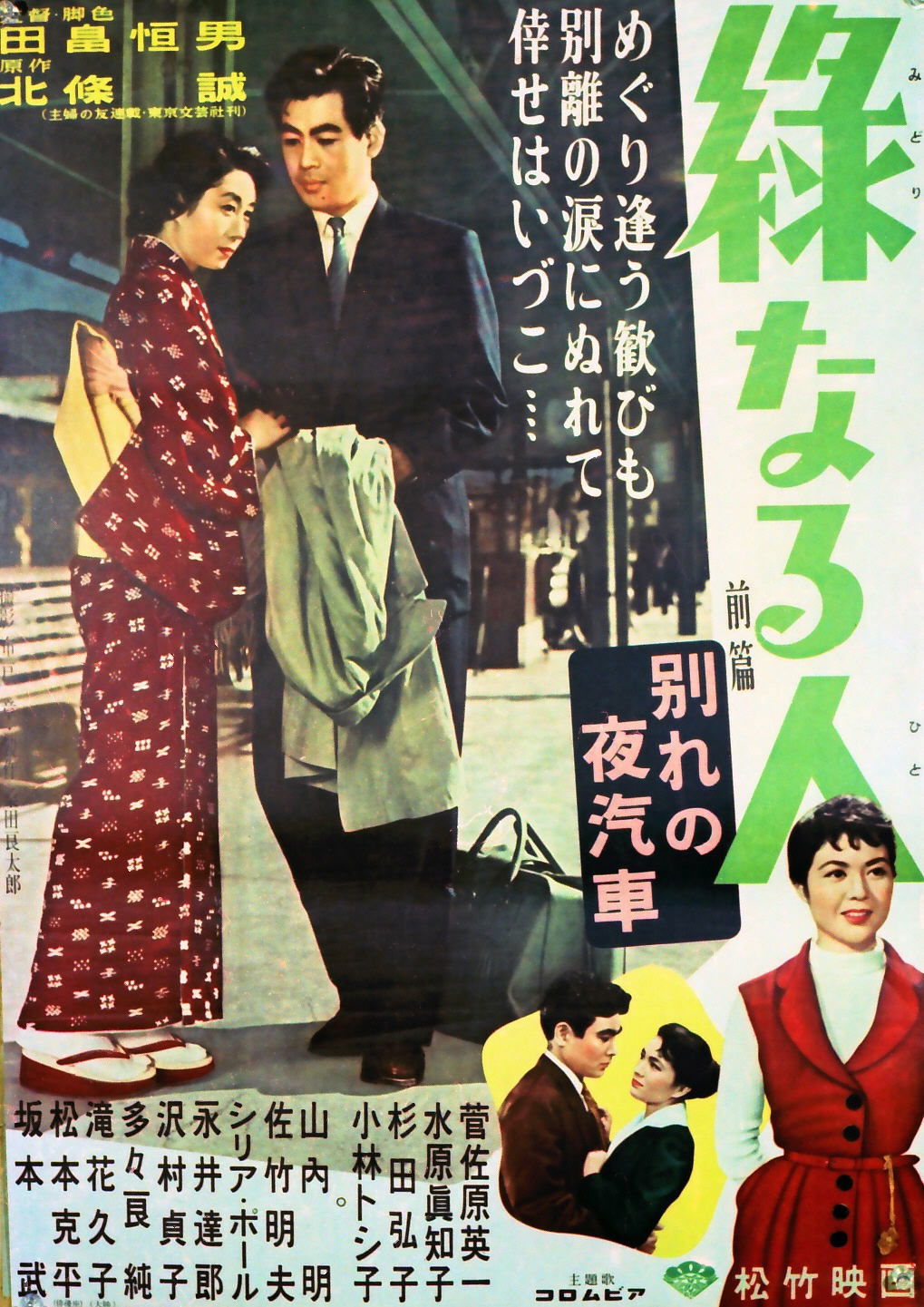
1956 Japanese movie
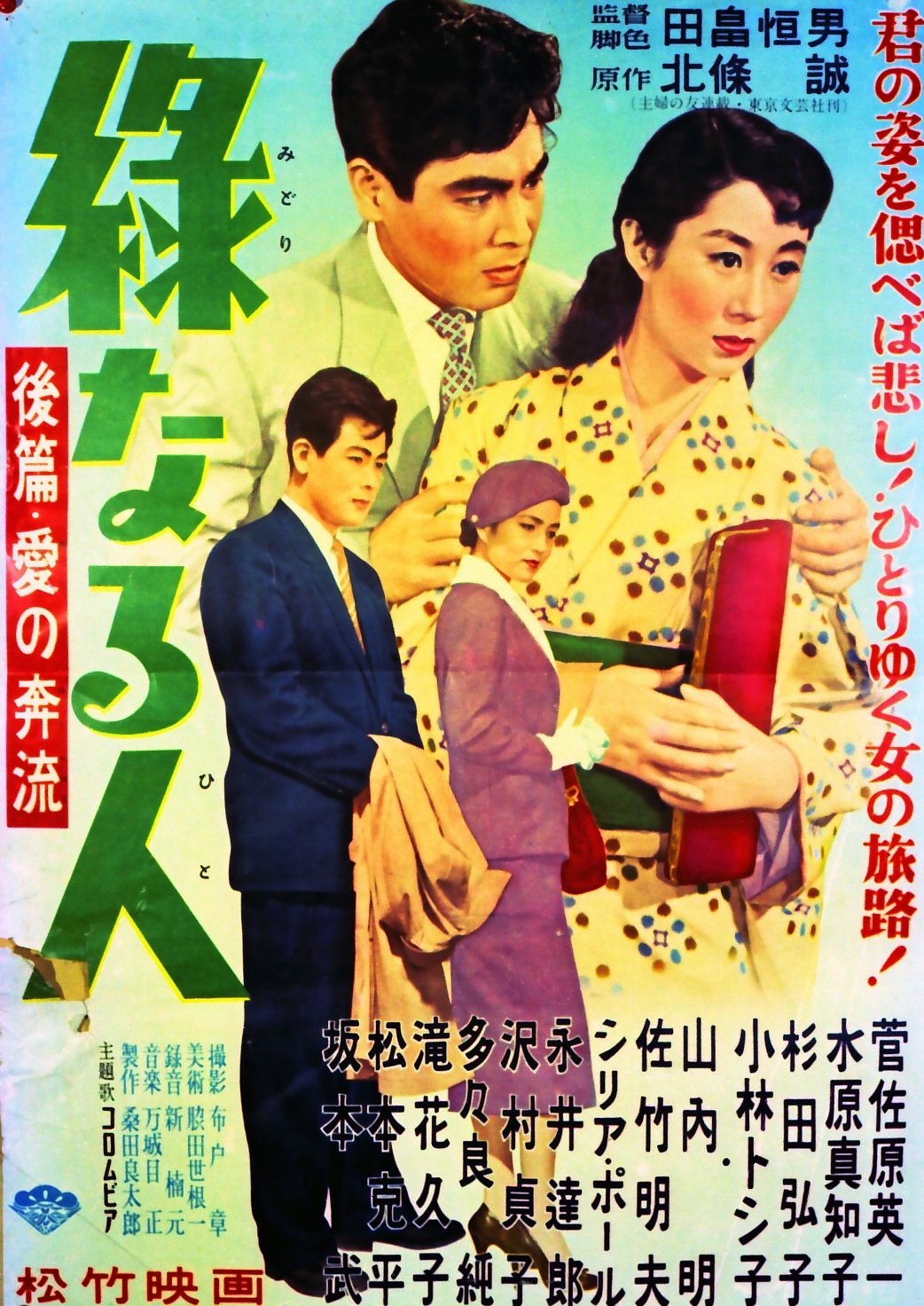
1956 Japanese movie
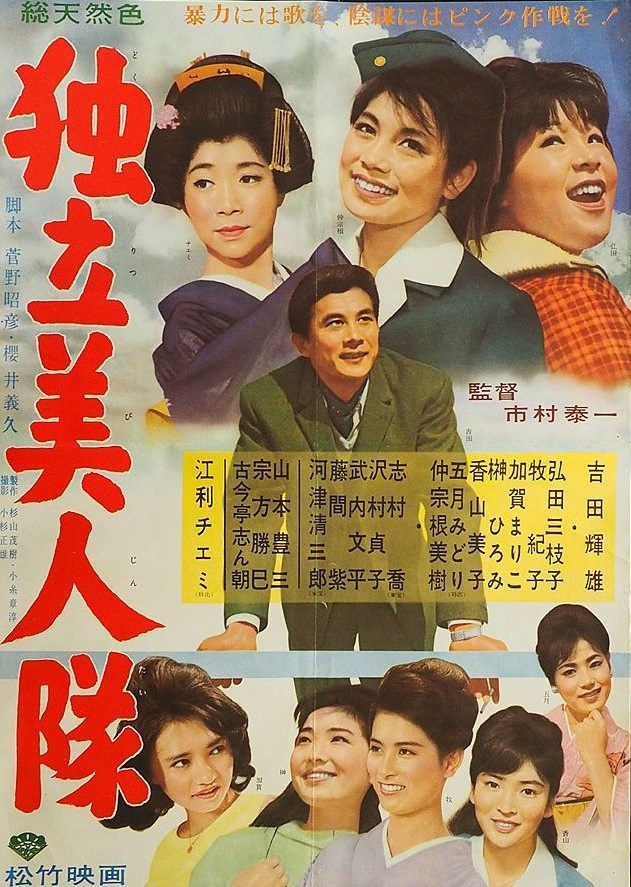
Two brothers move to their grandfather's house after their father is drafted and play war games with their new classmates.
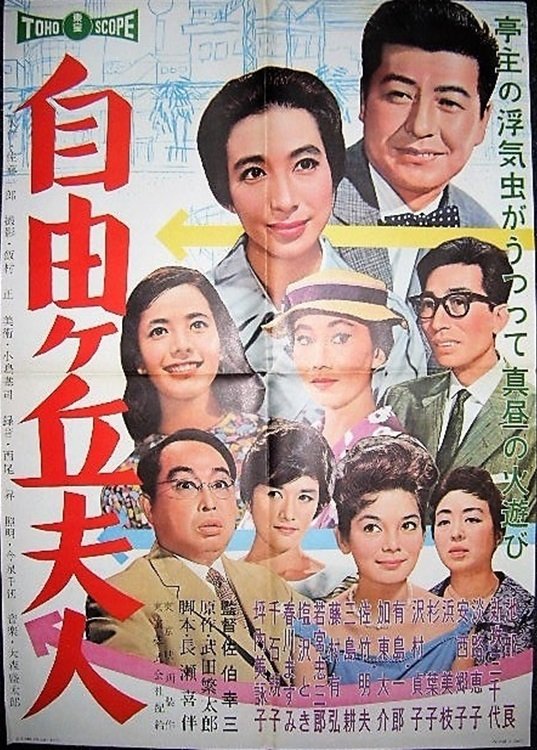
1960 Japanese movie
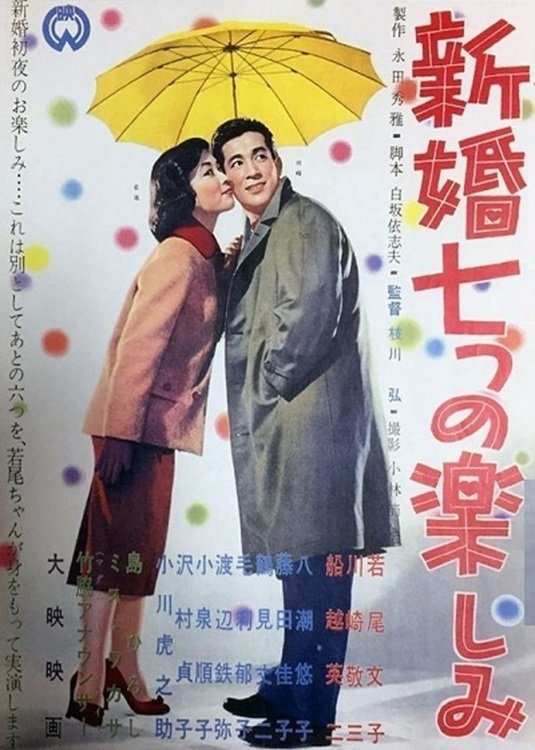
1958 Japanese movie
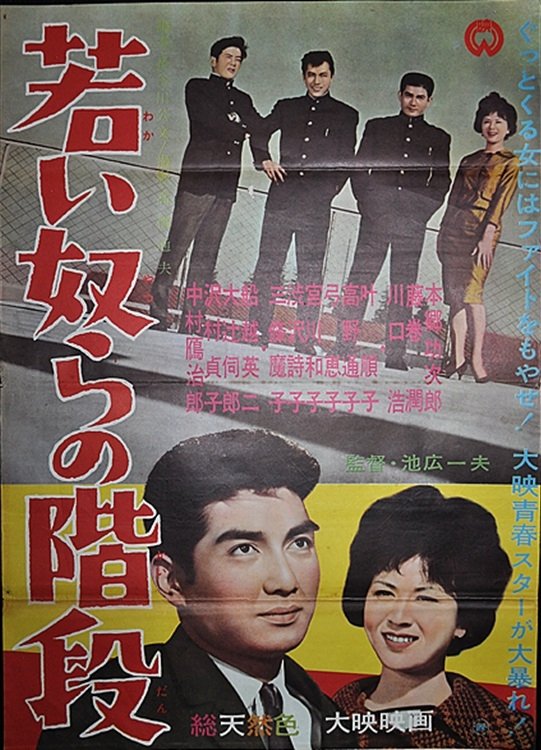
1961 Japanese movie
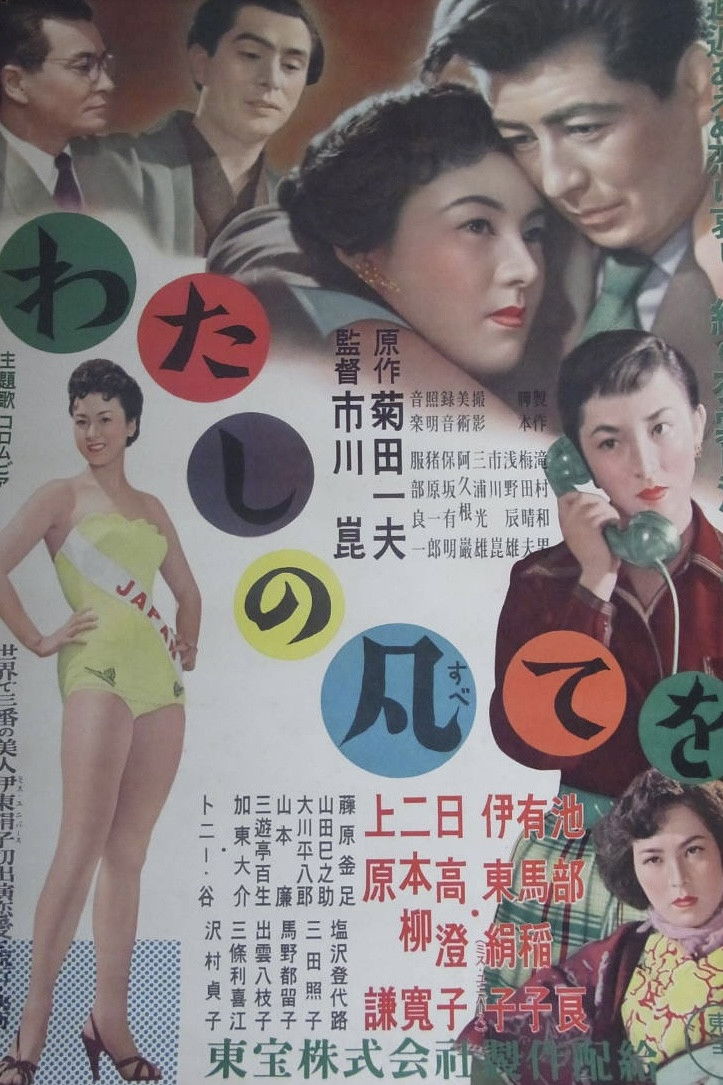
Goto Tamiko starred in TV commercials and her father, Keisuke, was a powerful financier who is now fallen on hard times. Tamiko wants to marry her boyfriend Sanpei, an aspiring composer, but her father wants her to marry a young company president.
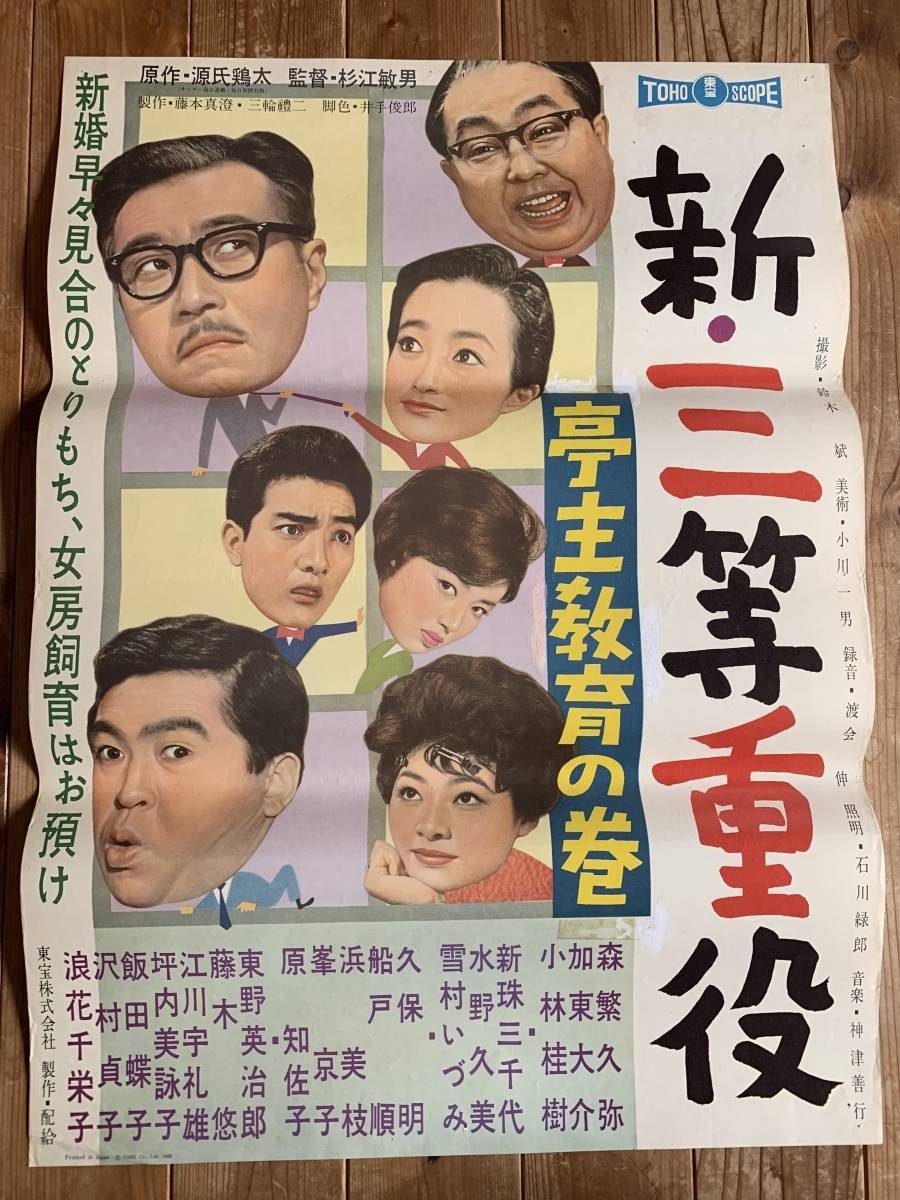
The daughter of a former Miss Universe winner finds success as a fashion model in Tokyo following the death of her fiancé.
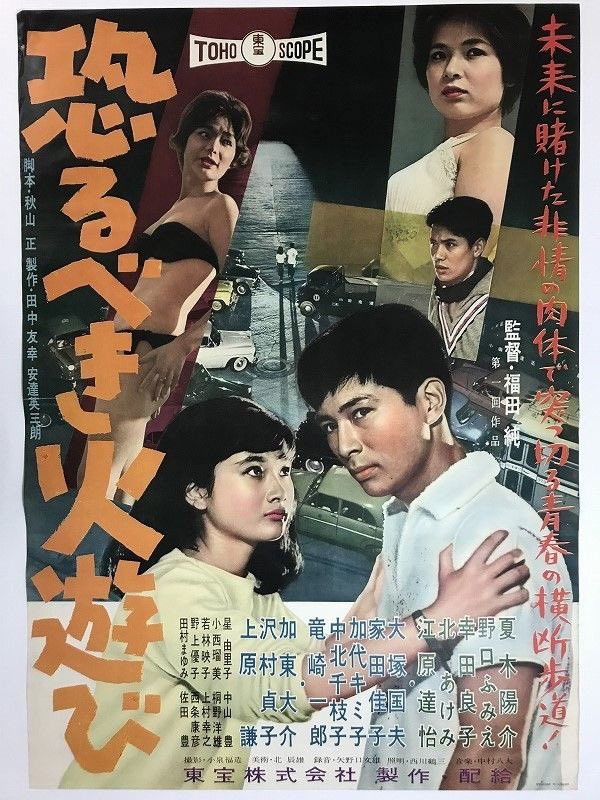
Story of rebellious youth follows the 19-year-old son of a Hokkaido farmer who has an affair with the daughter of a wealthy trading company president.
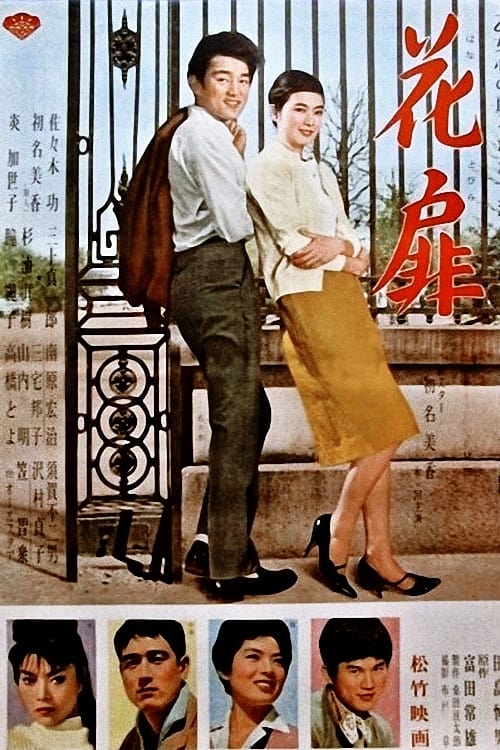
Amid management shakeups and arranged marriage plans at Sekai Electric, an executive couple tries to support a young woman’s relationship with an academic over a business heir.
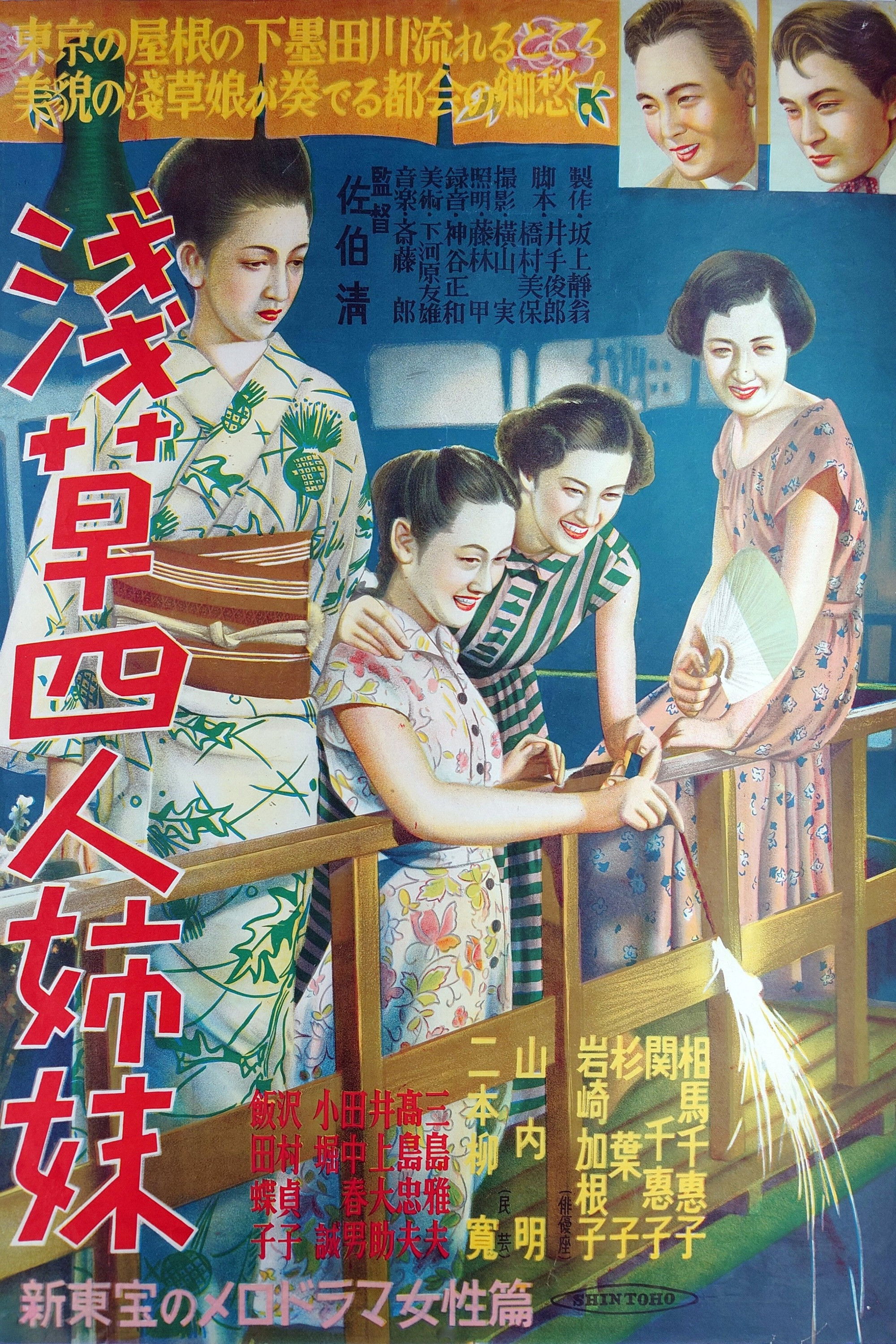
Love stories of four sisters from a small restaurant in Asakusa.
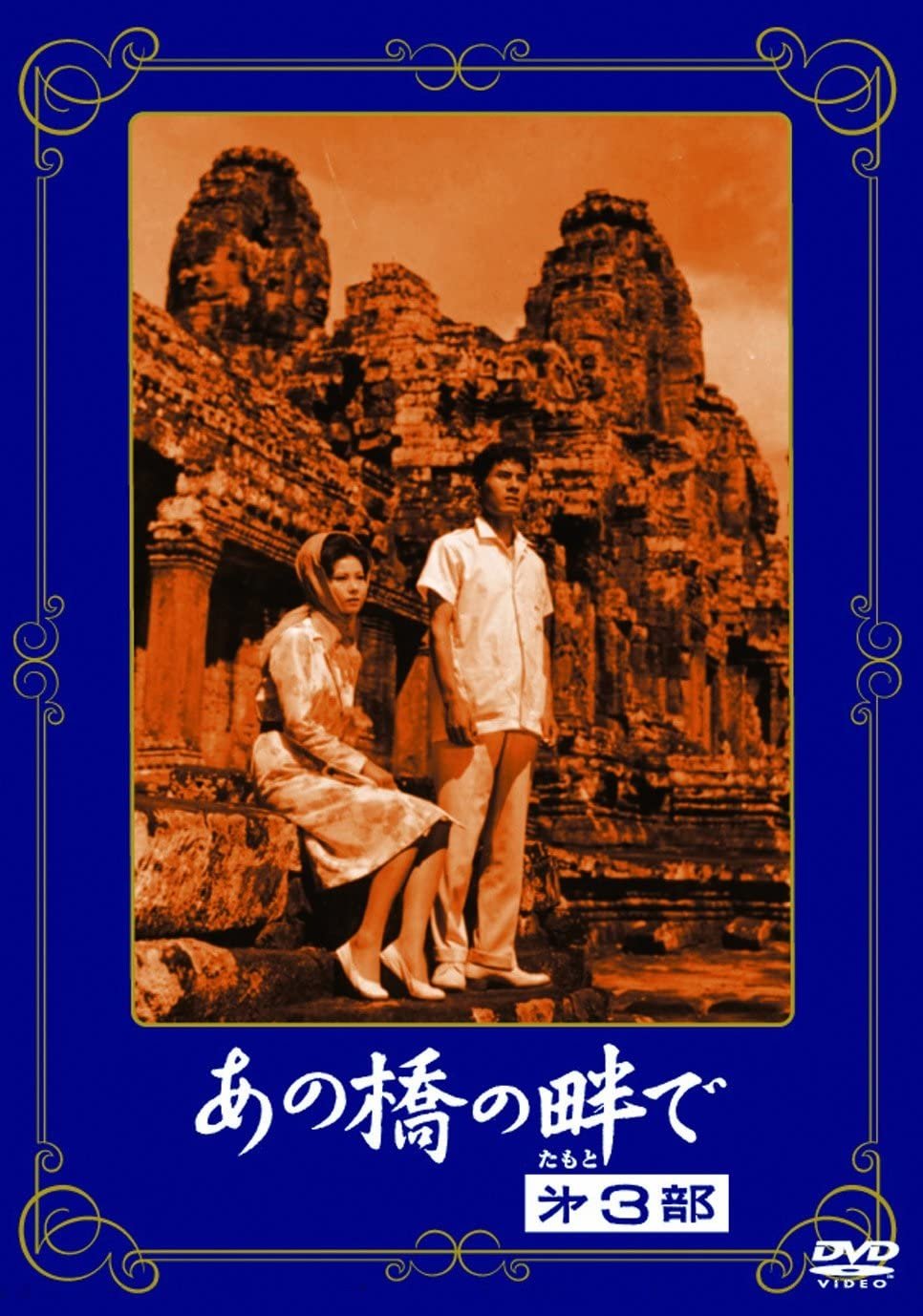
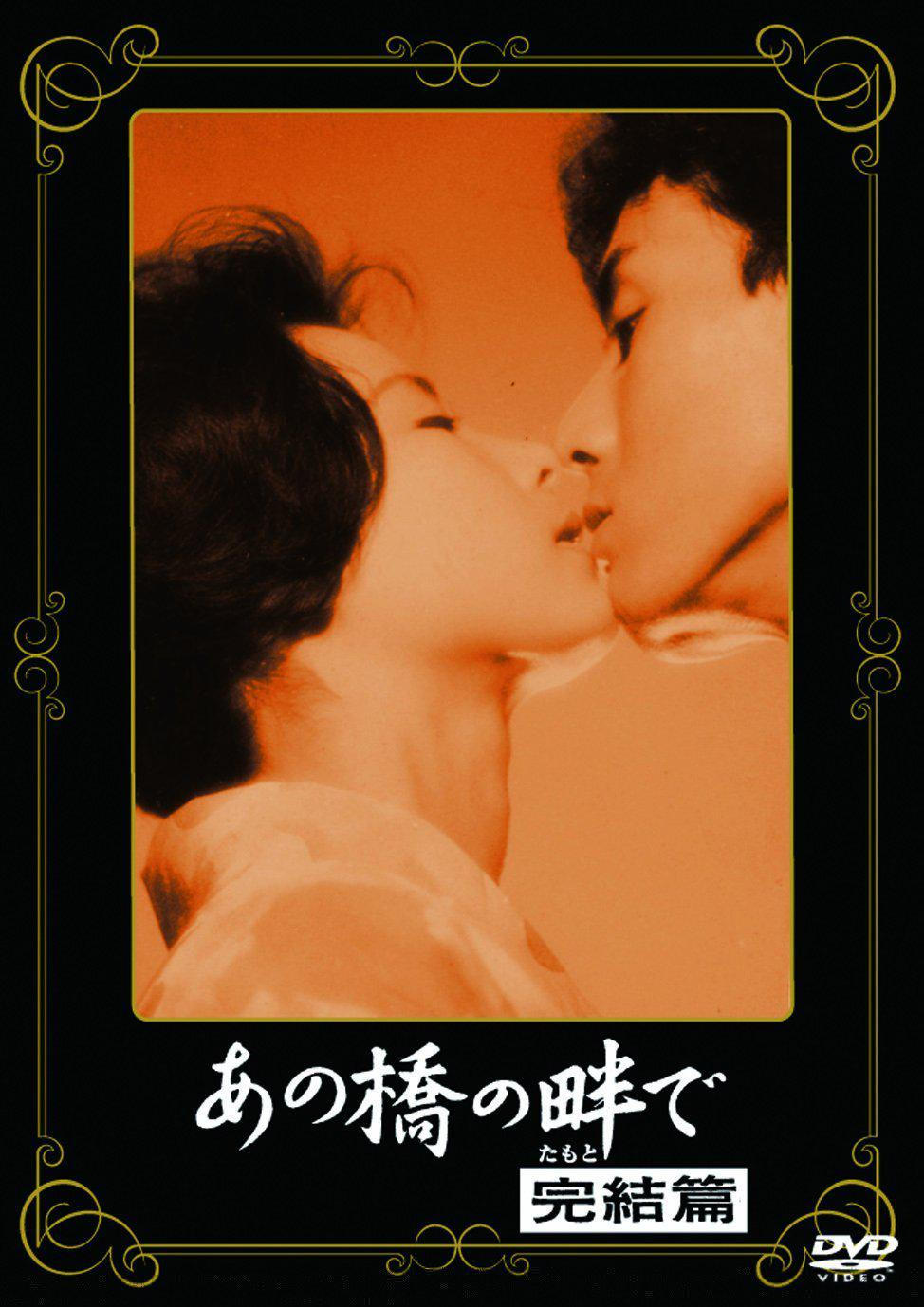
Hiroyuki, a married executive, falls madly in love with Ikuko, the mistress of a ruthless jeweler. The two arrange to meet at a hot spring, but Hiroyuki becomes torn between his love for Ikuko and his duty towards his sick wife.

The story follows Tomoko, a writer who becomes involved in a strange and distant relationship with Shingo, a married novelist. Though they haven't seen each other in years, an unexpected connection forms. However, tensions rise, especially when Ryota, Tomoko’s ex-boyfriend, reappears in her life. As complications grow, Tomoko realizes she no longer loves Shingo and chooses to break away, despite the loneliness. Eventually, she decides to live independently, also leaving Ryota, and starts anew by the end of summer.
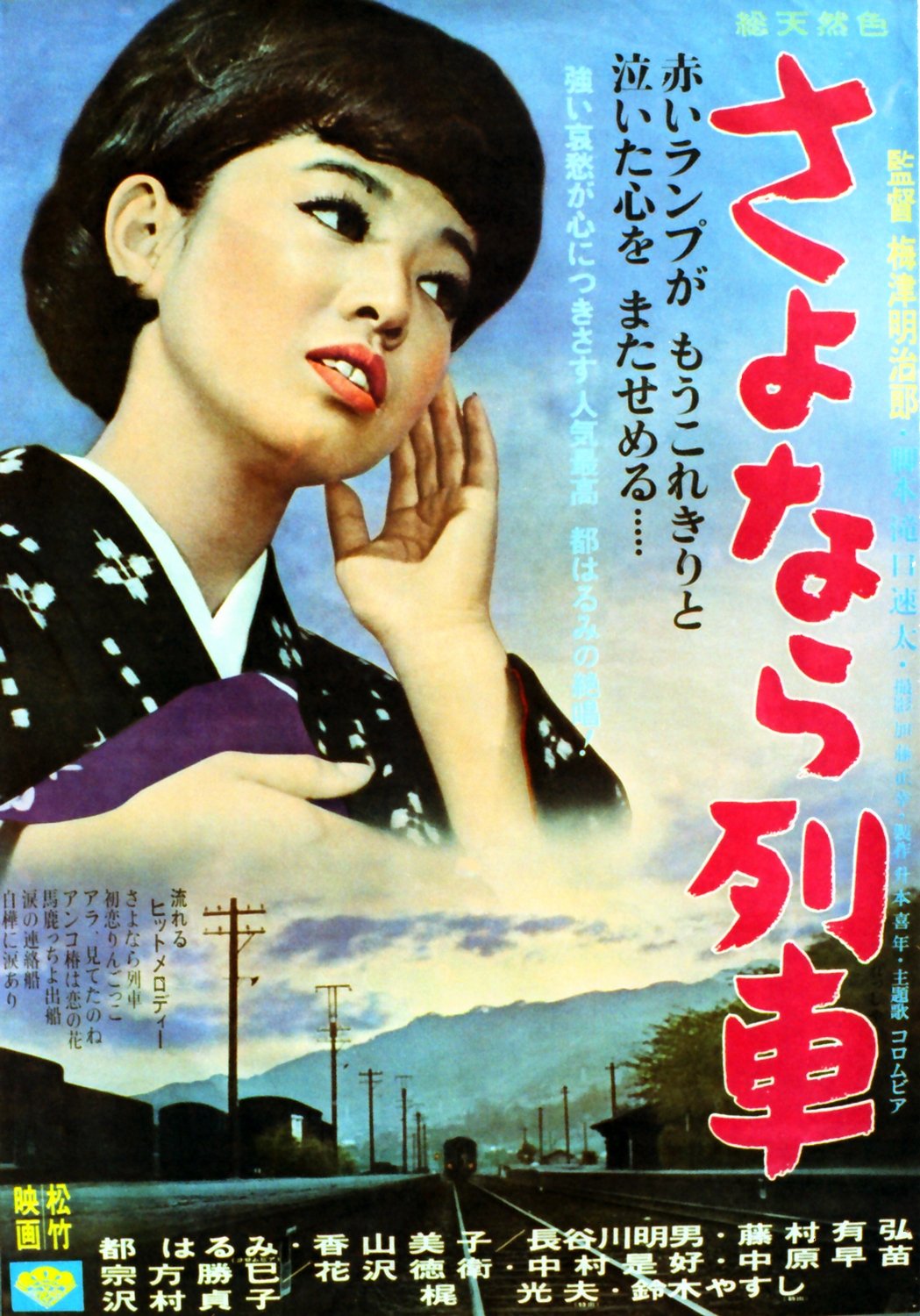
1966 Japanese movie
On a quiet spring day in the suburbs, a stray dog found the corpse of a baby. Three days after his death, the blood group of the victim was determined. Detectives Hayashi, Kaneko, Nagata and Yamagata begin their investigation, suspecting the parents of the murdered child. They use a towel, baby diapers and bruises on the baby's body as clues in the investigation. Who killed the baby?
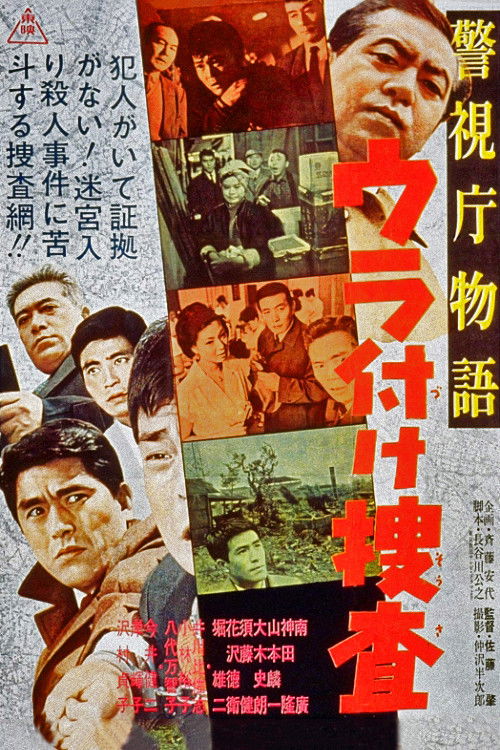
A man confessed to killing a woman in a labyrinth 2 years ago. The detectives must now conduct a "backing investigation" to determine whether his confession is true, because the law states that a confession alone is not enough to make the case. The 20nd work from the popular series "Keishicho Monogatari", which documents the activities of the First Investigation Division of the Capital Police Department.
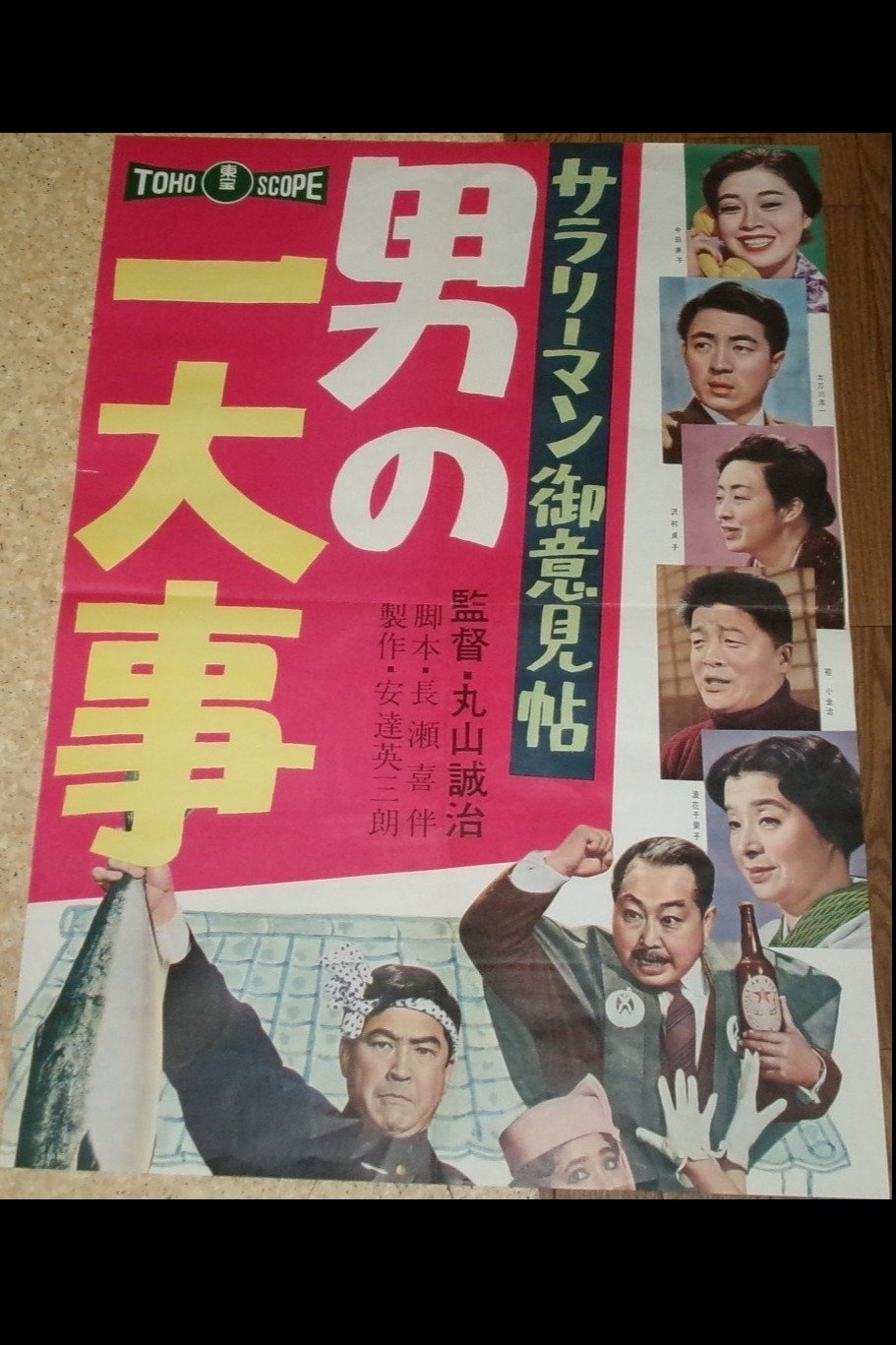
A university graduate determined to become a fishmonger defies his mother's wishes, tangles with bar hostesses and a beer company heiress, and—after misunderstandings, brawls, and a second chance—discovers that maybe the salaryman life isn’t so bad after all.
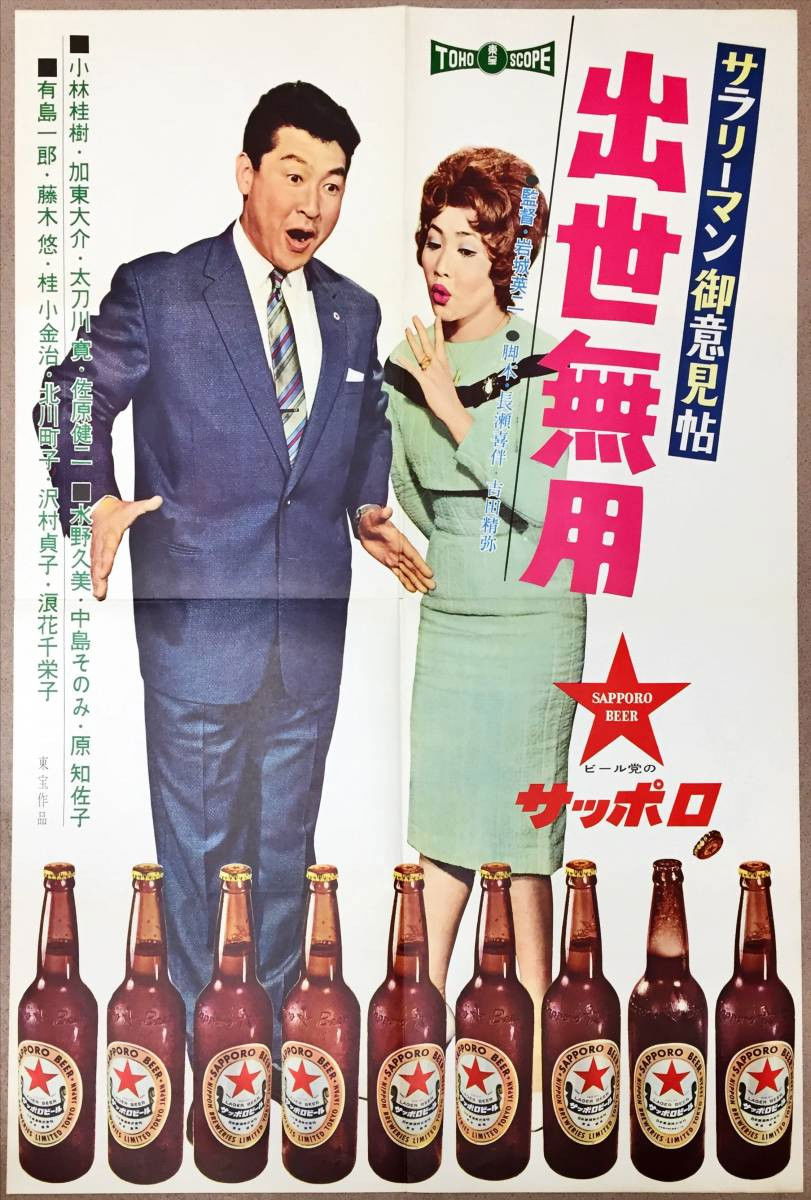
A beer salesman with a passion for fishmongering stumbles through mishaps, rivalries, and gangster trouble while chasing a big contract, winning the deal through quick thinking—then turns down a promotion to keep working his own way.

Miyamoto Musashi is challenged by a series of opponents in this follow up to Miyamoto Musashi's Kongoin Ketto (1942, also called Nitoryu Kaigen) also directed by Ito Daisuke.
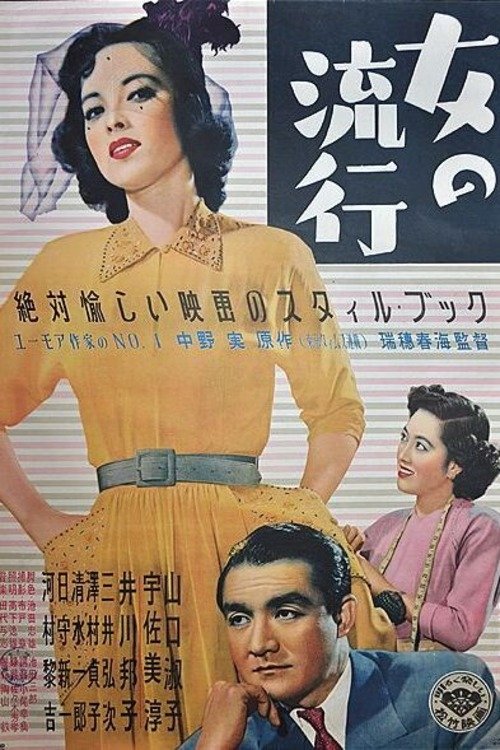
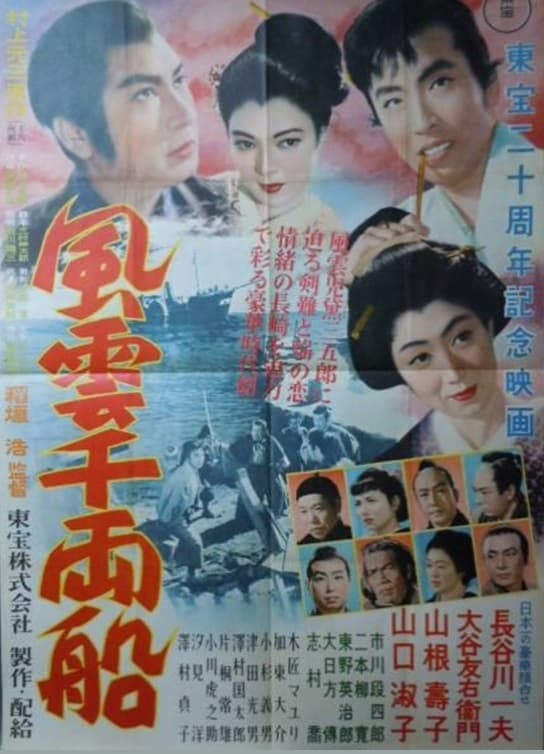
1952 Japanese movie
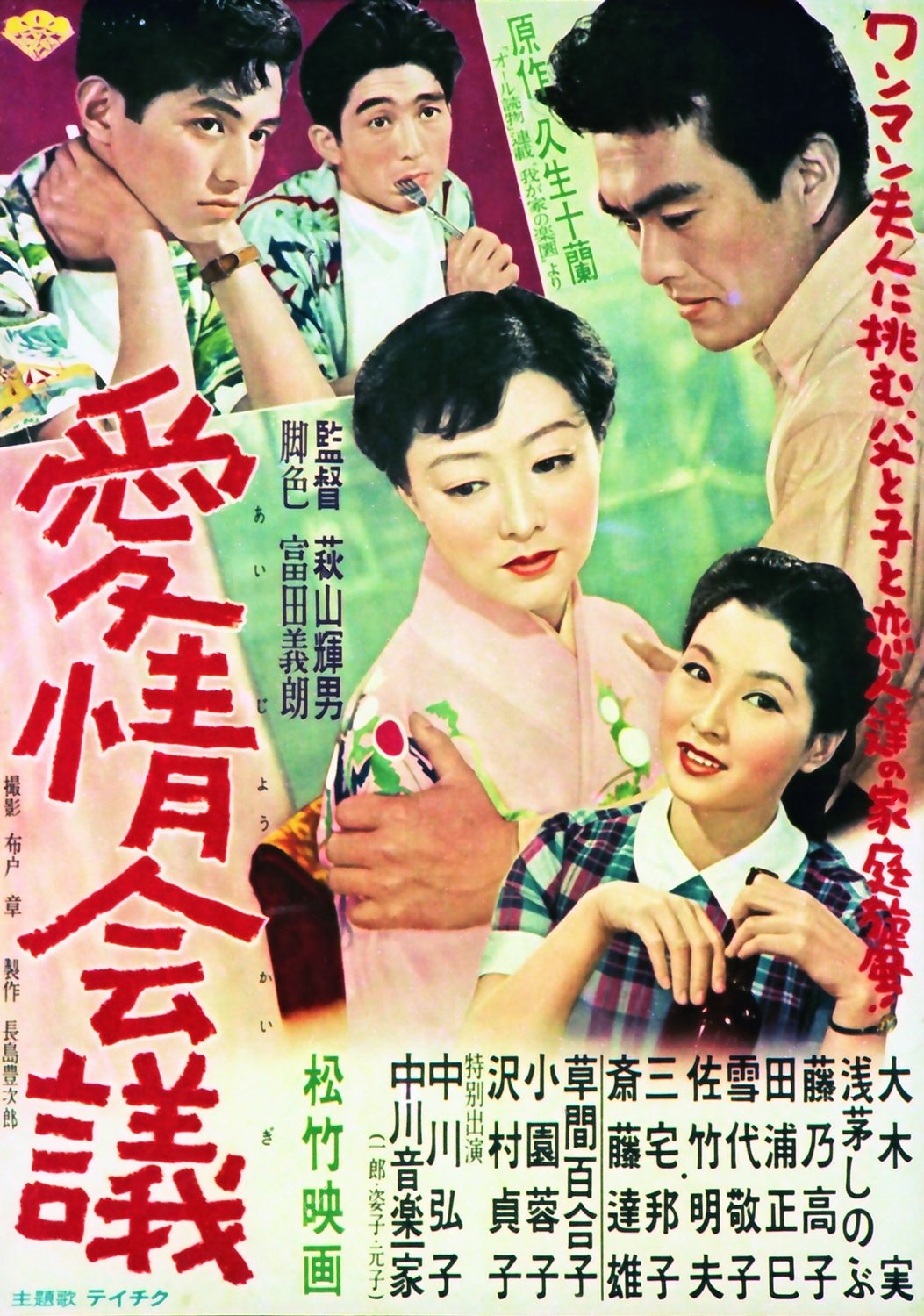
The Kumakichi Ishida family lived happily in a small house in Shibuya while their mansion in Azabu was requisitioned by the occupation forces. When the residence is released to them, Mrs. Ishida wants to turn it into a Western style hotel to recoup their fortunes, but returns to Shibuya, swindled and sober.
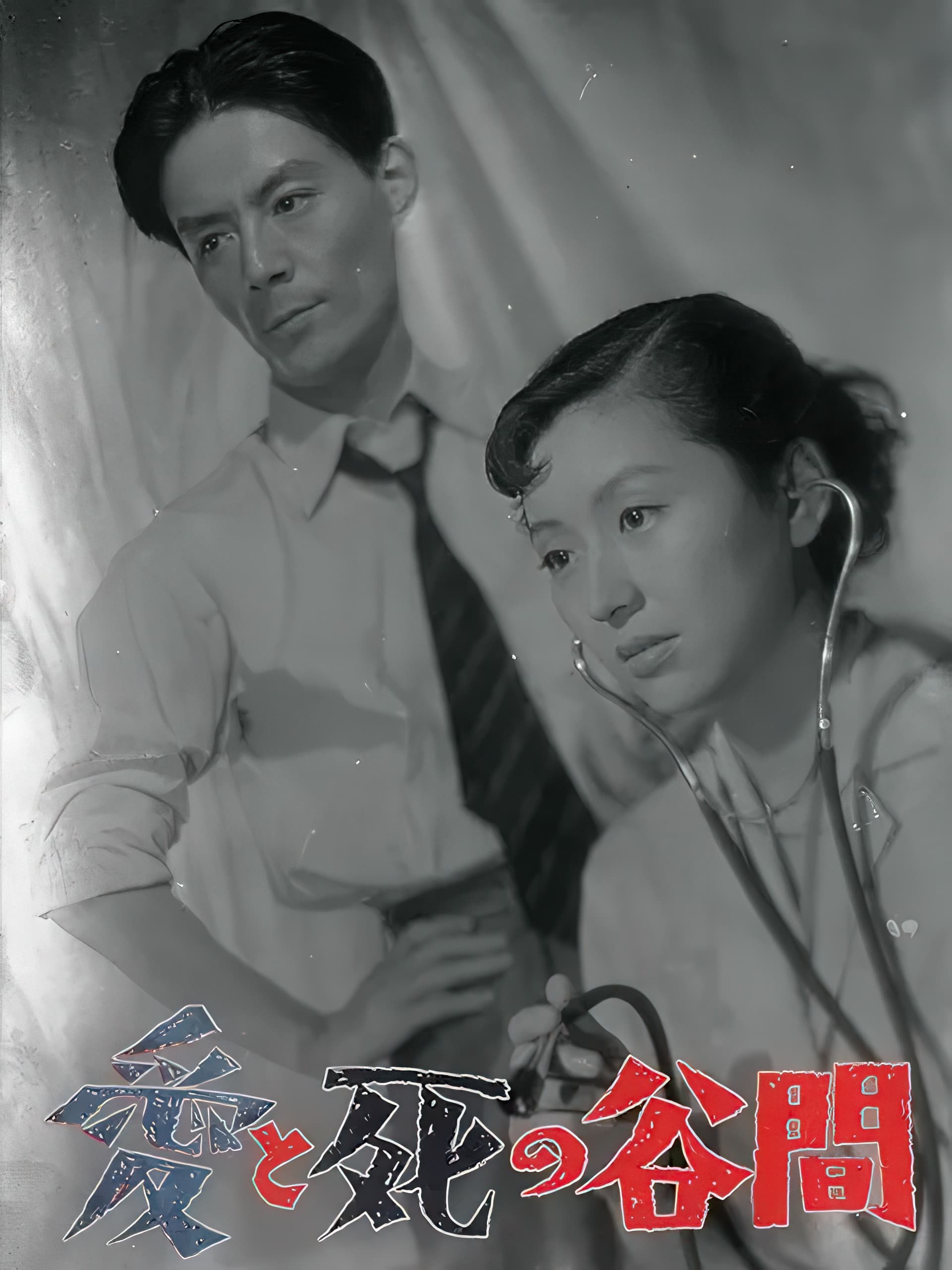
A great ambition to portray with sharp satire and humor the course of modern anxiety and love that is about to be driven to despair.
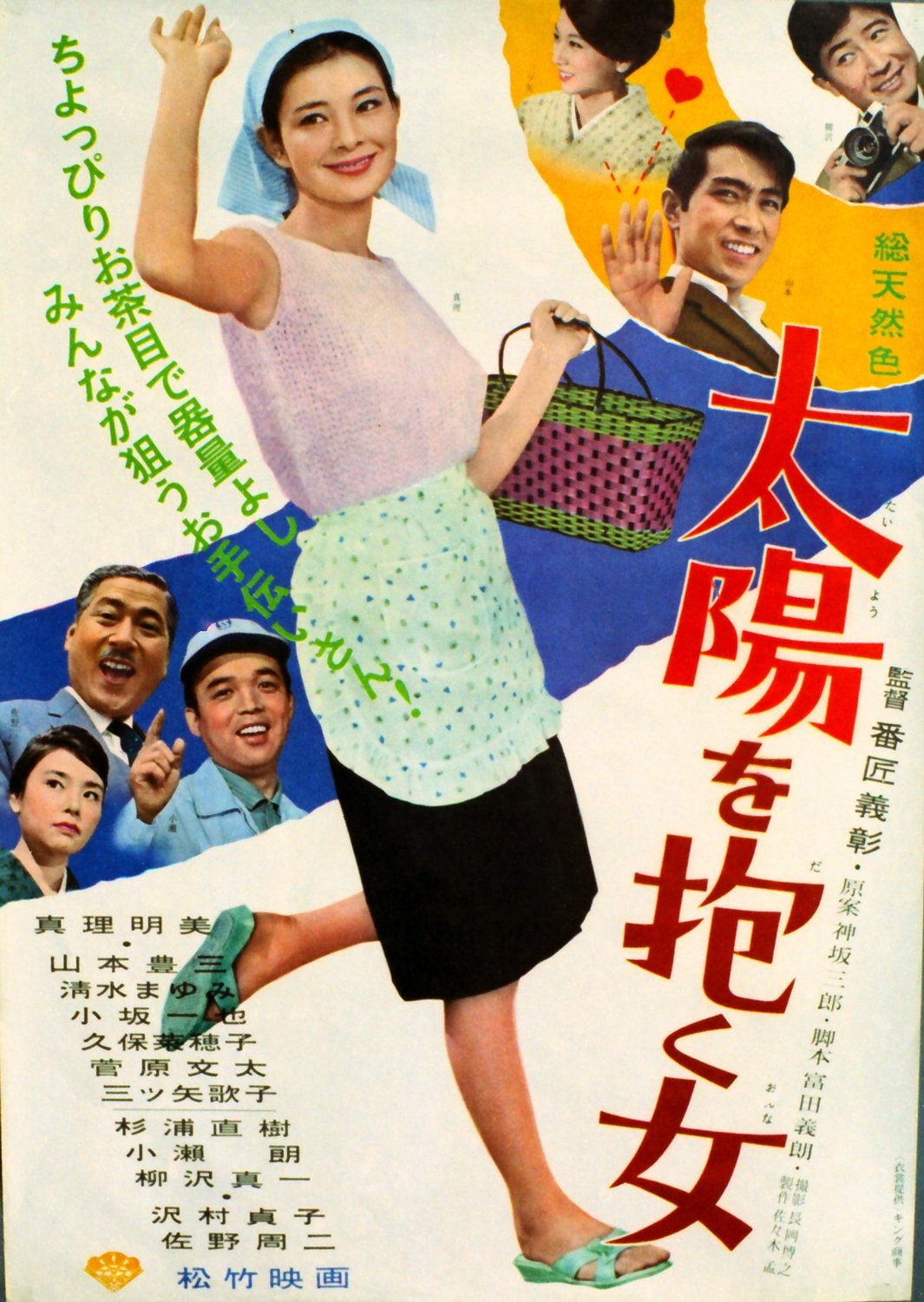
A countryside woman working as a maid gets scouted for a model job.
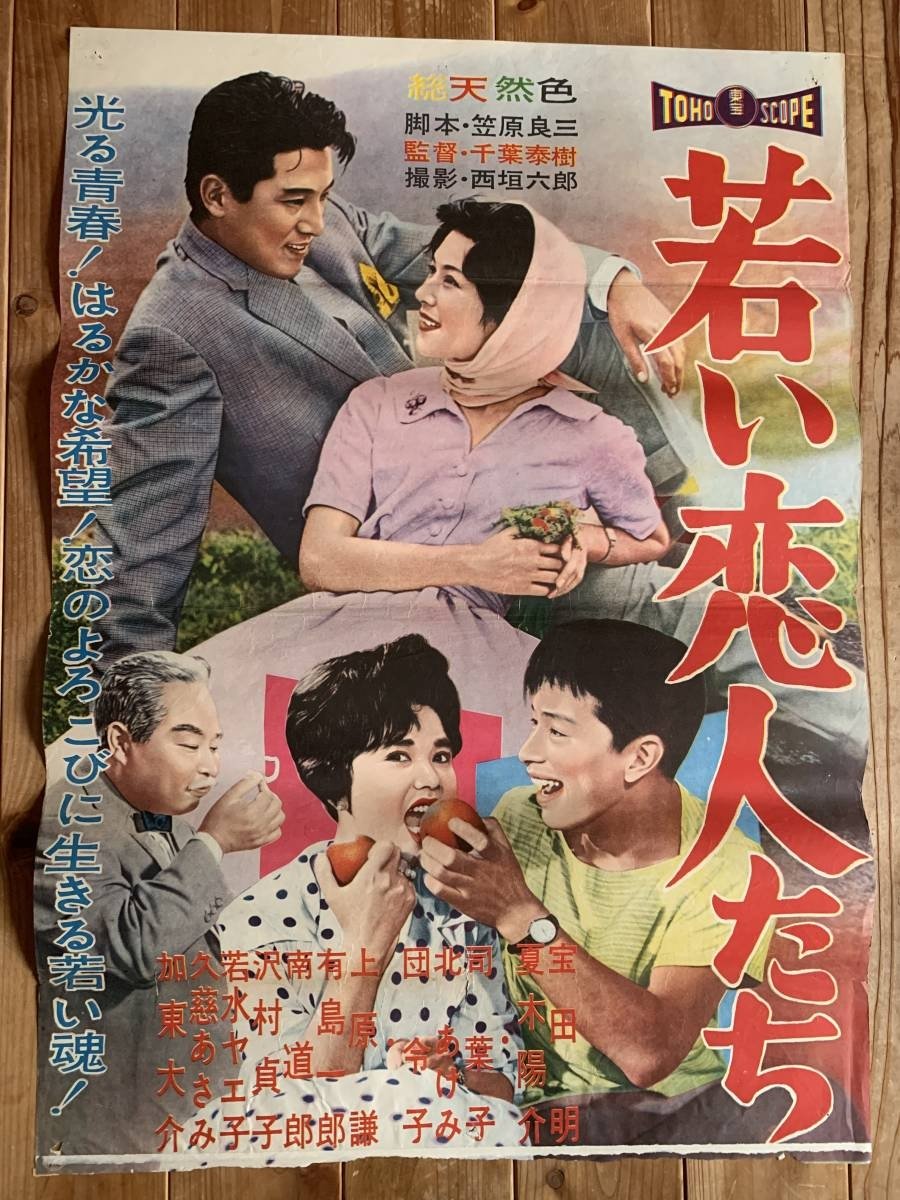
Engineer Shuichi defies his wealthy family to live with bar hostess Kazuyo, whose loyalty to her struggling family complicates their love. As class, pride, and temptation test them, true affection proves stronger than circumstance.
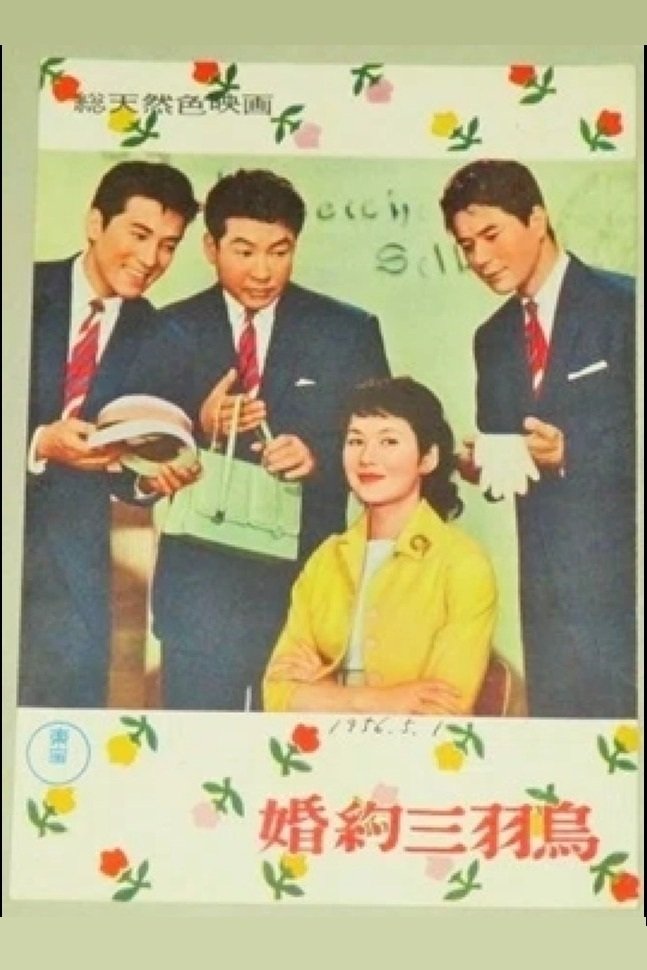
1956 Drama by Toshio Sugie
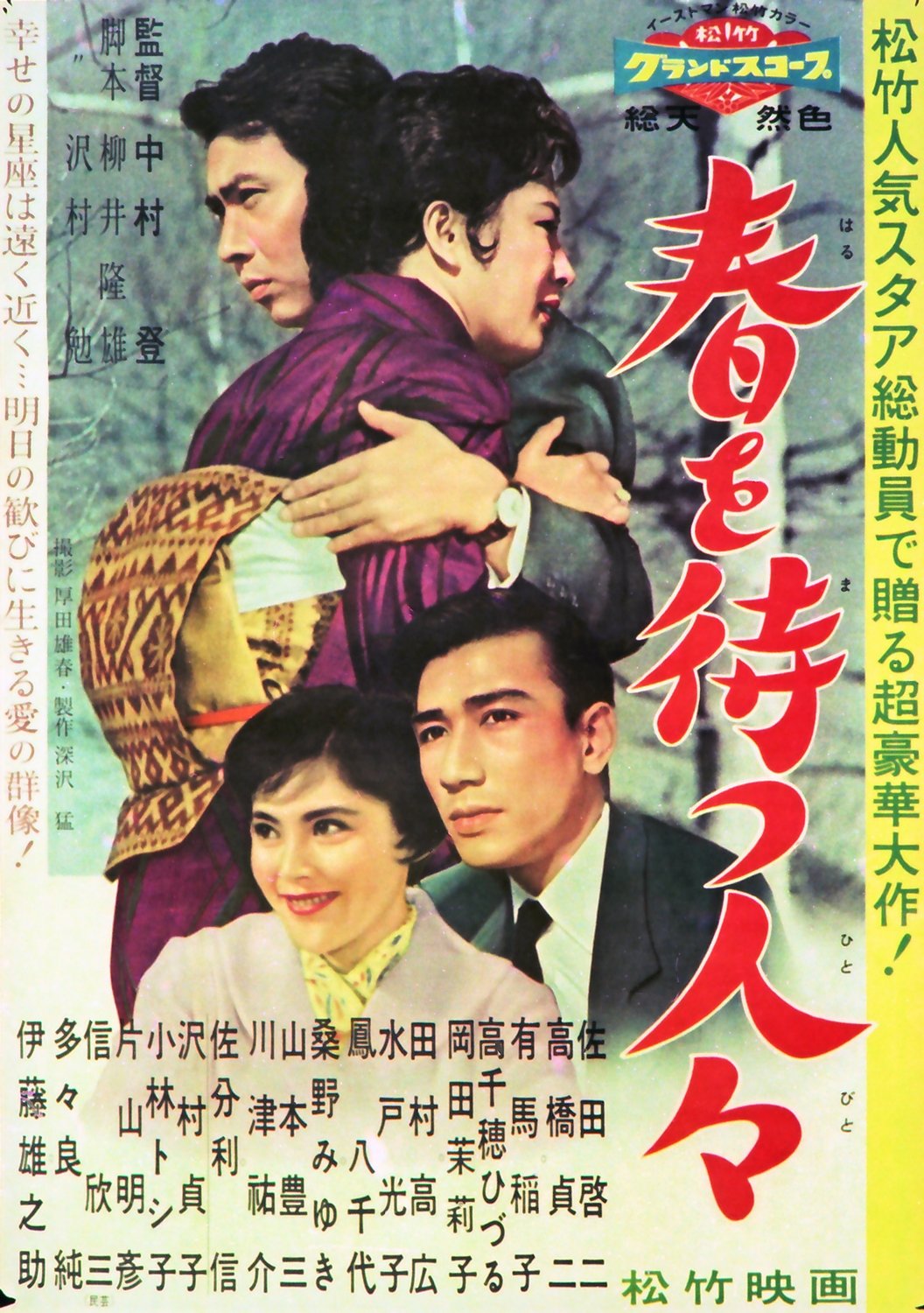
This drama centers on an elderly politician and depicts how humans can return to their true selves when they are freed from selfish desires and self-interest.

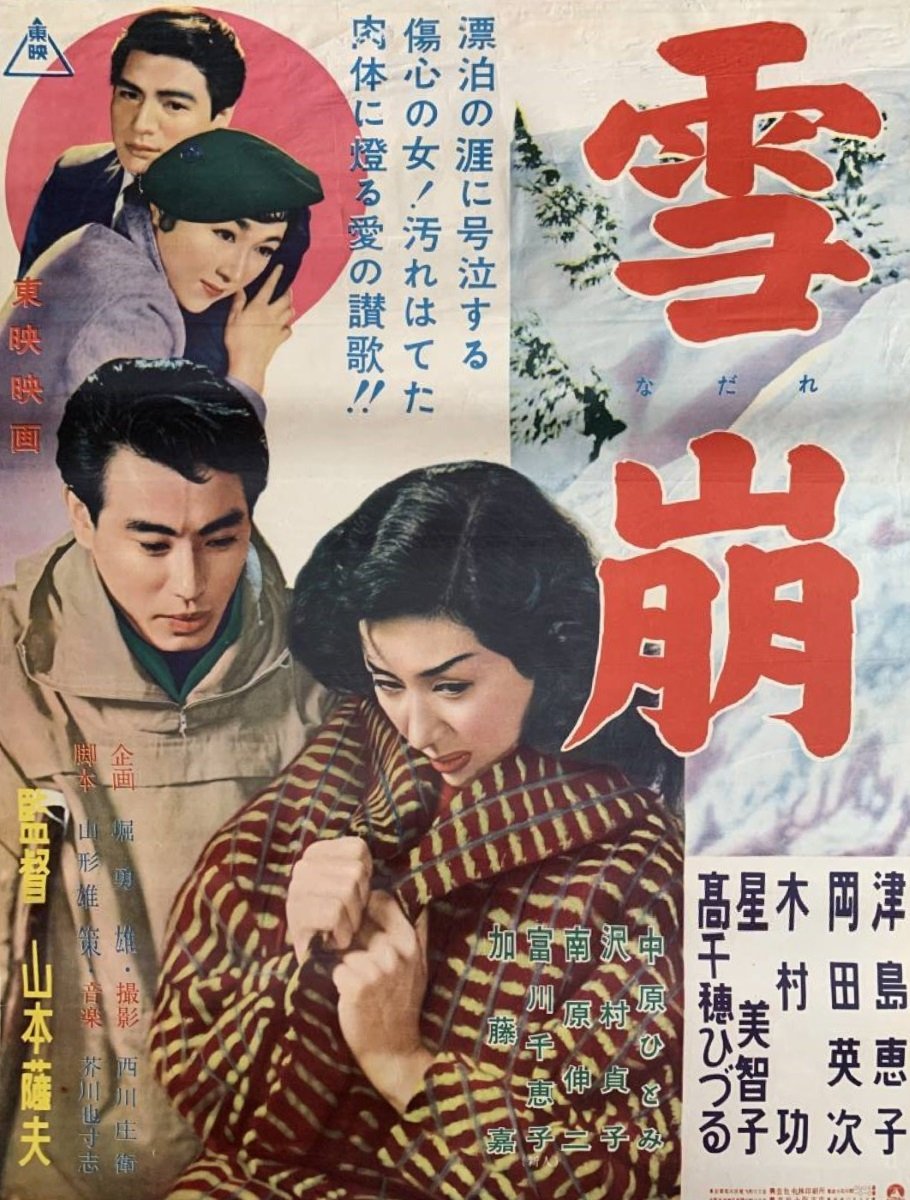
During a winter visit to her grandfather’s mountain home, a young saleswoman becomes entangled in love and jealousy among visiting skiers. After heartbreak and tragedy in the snow, she departs renewed, ready to begin again.
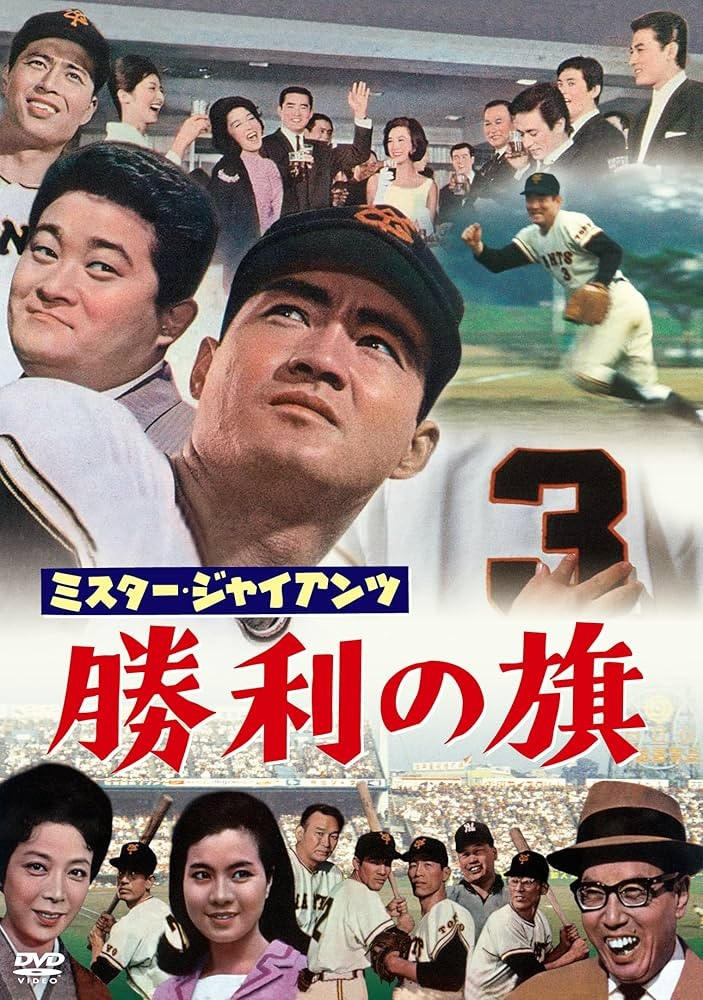
Apparently a baseball drama starring real-life stars Nagashima (The Babe Ruth of Japanese Baseball) and teammate Oh-known collectively as ON-from the Yomiuri Giants. Nagashima nickname was 'Mr. Giants.
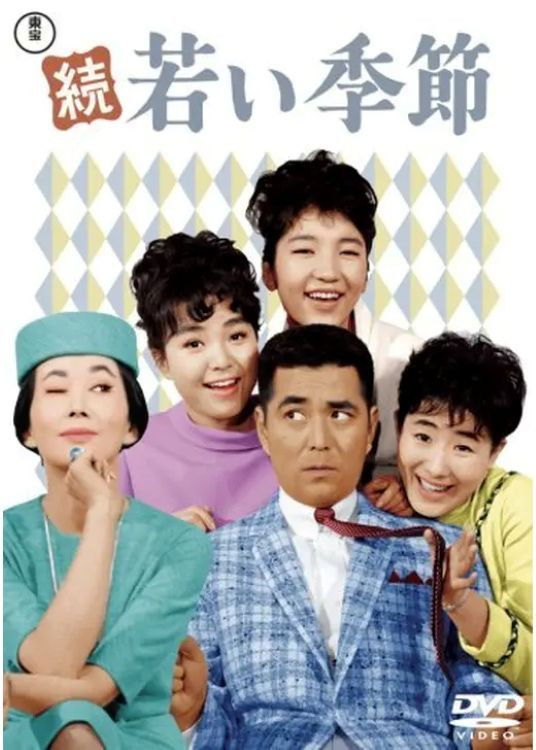
The Second movie based on a popular TV show about Pintemps Cosmetics and their struggles to make new successful products, filled with singing, dancing, and laughter.
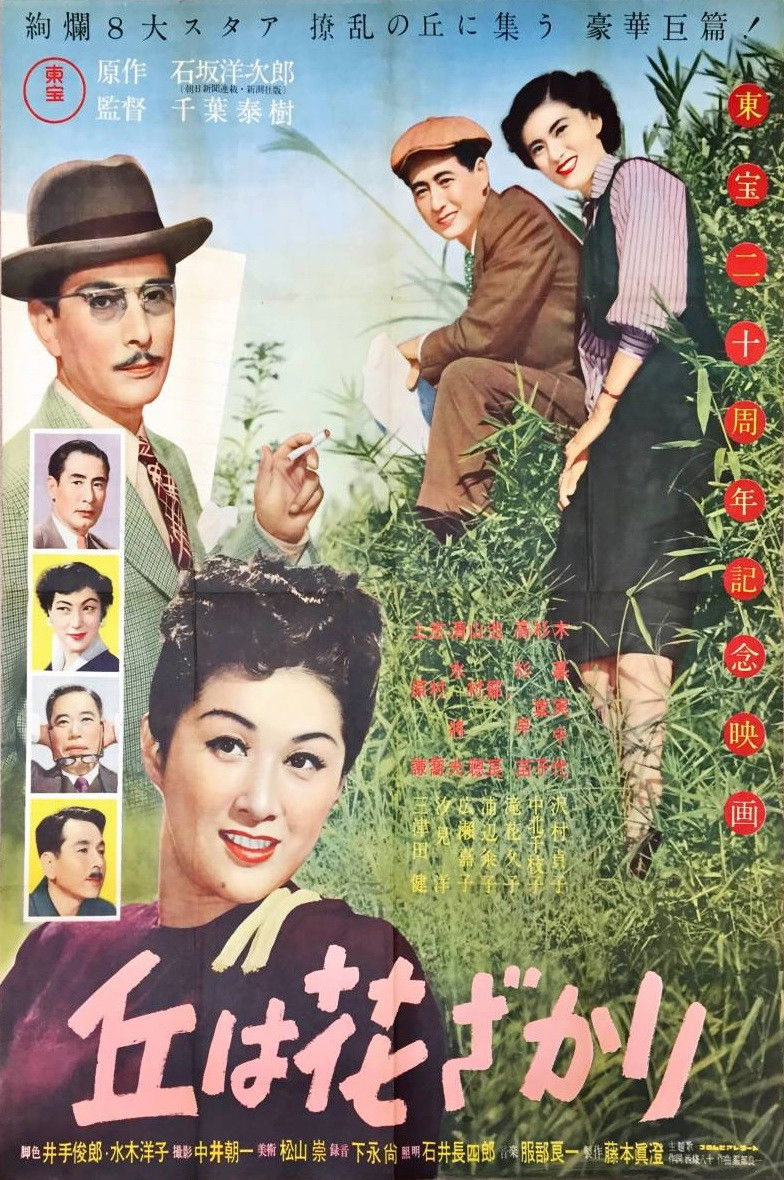

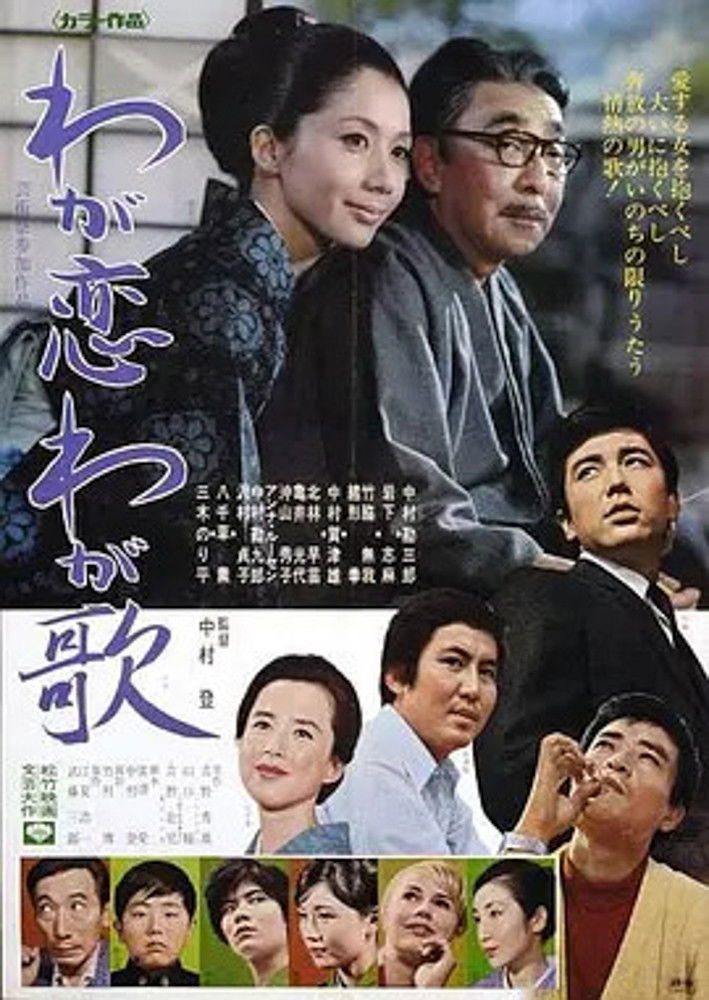
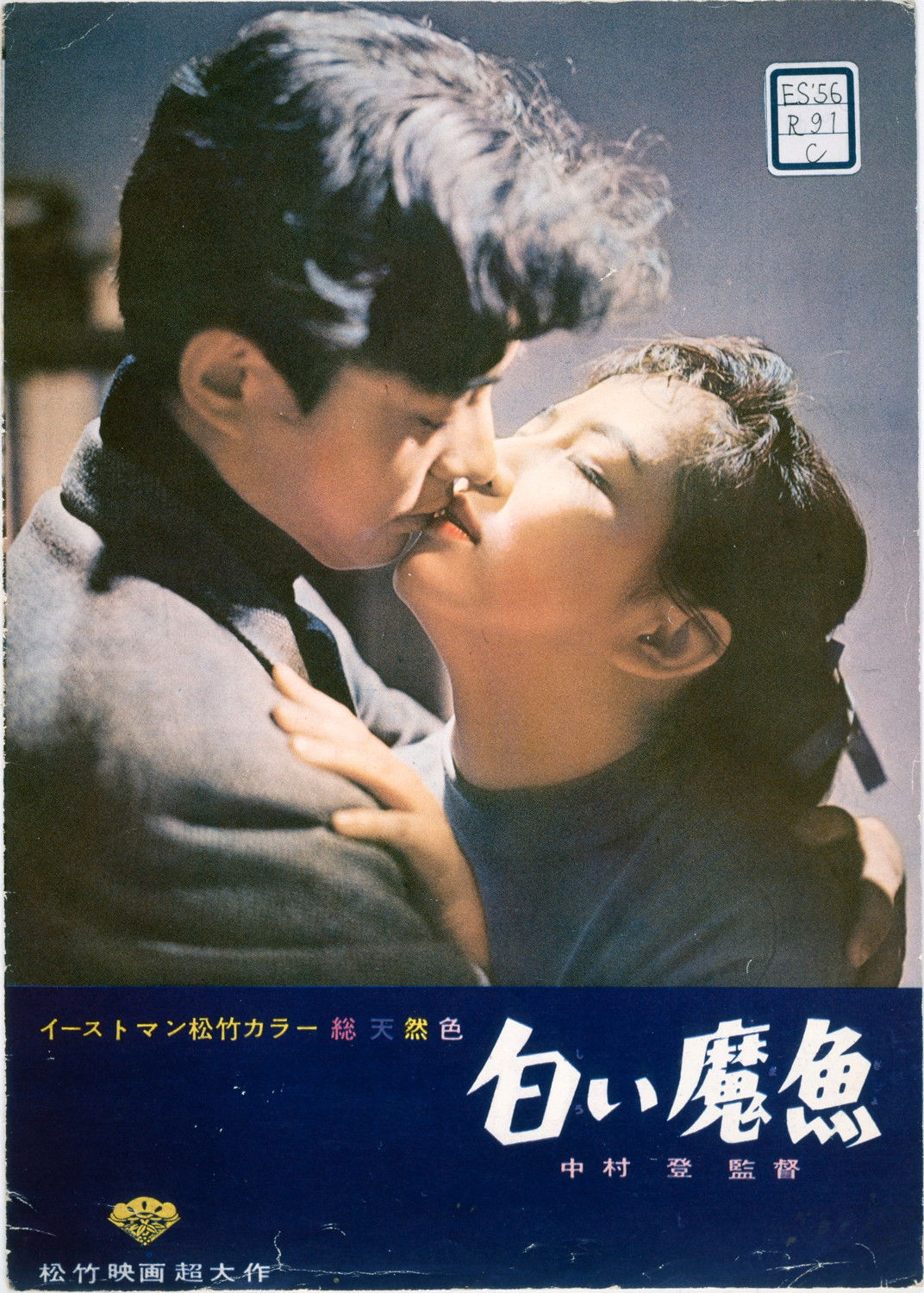
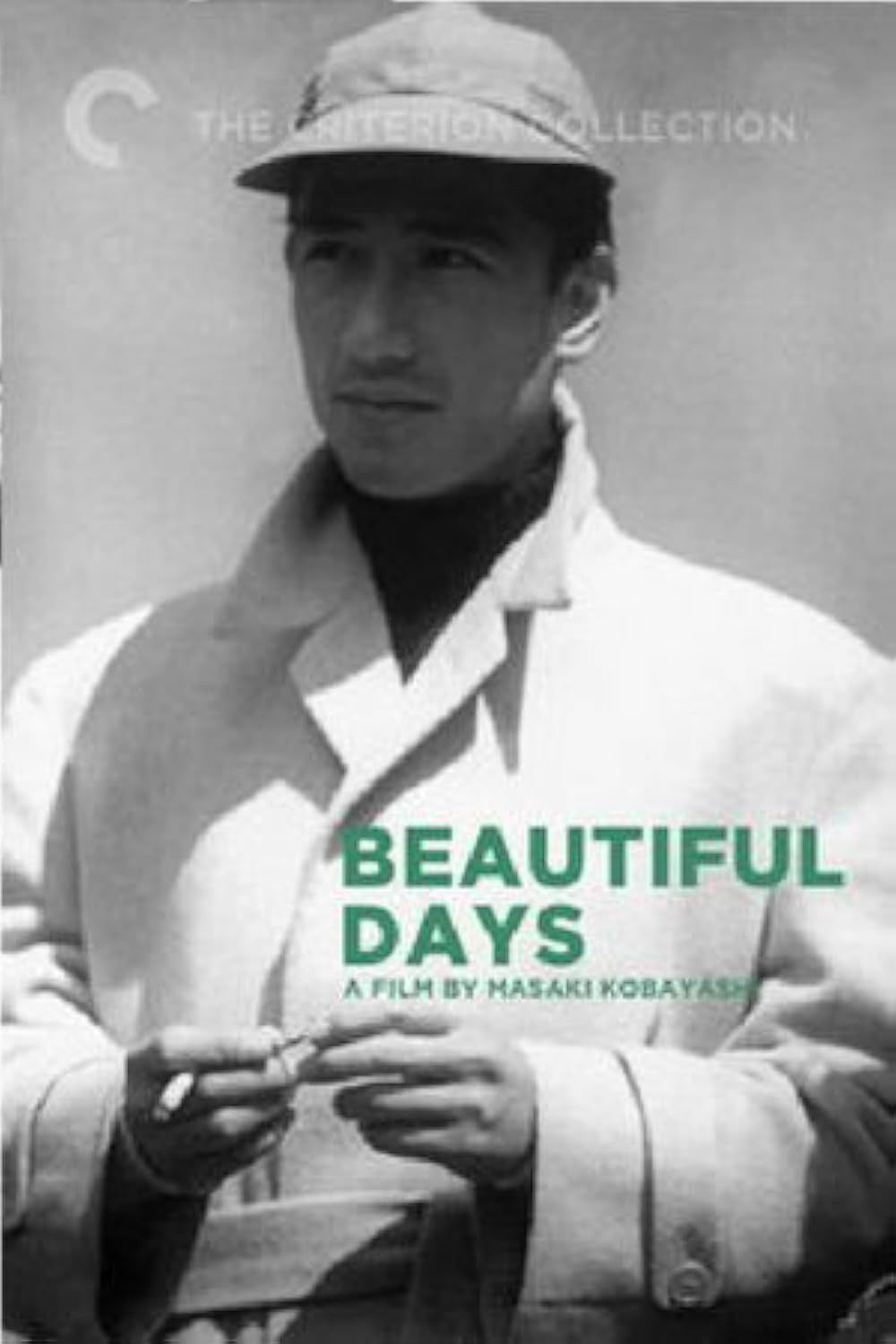
A romantic drama depicting the lives of two generations of a family who run a Tokyo florist shop.
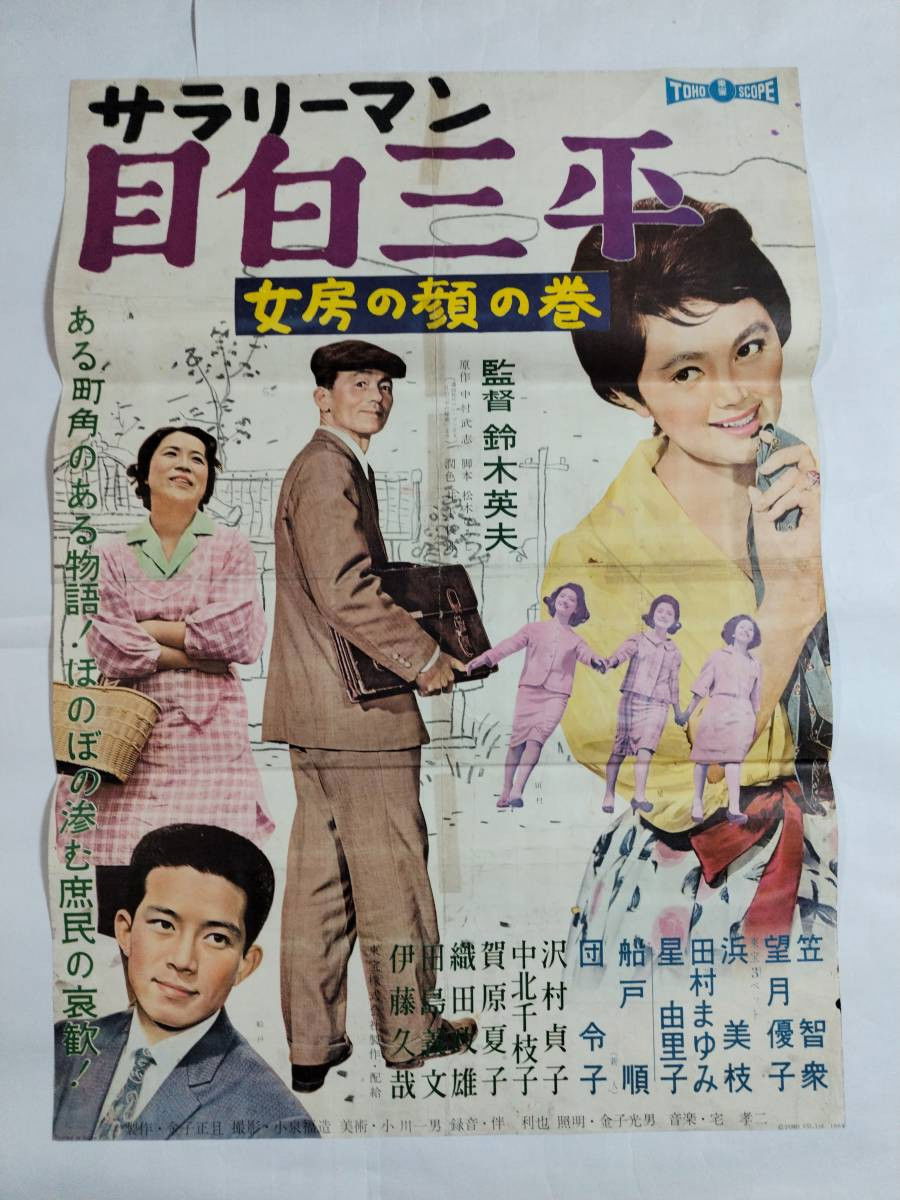
Salaryman comedy.
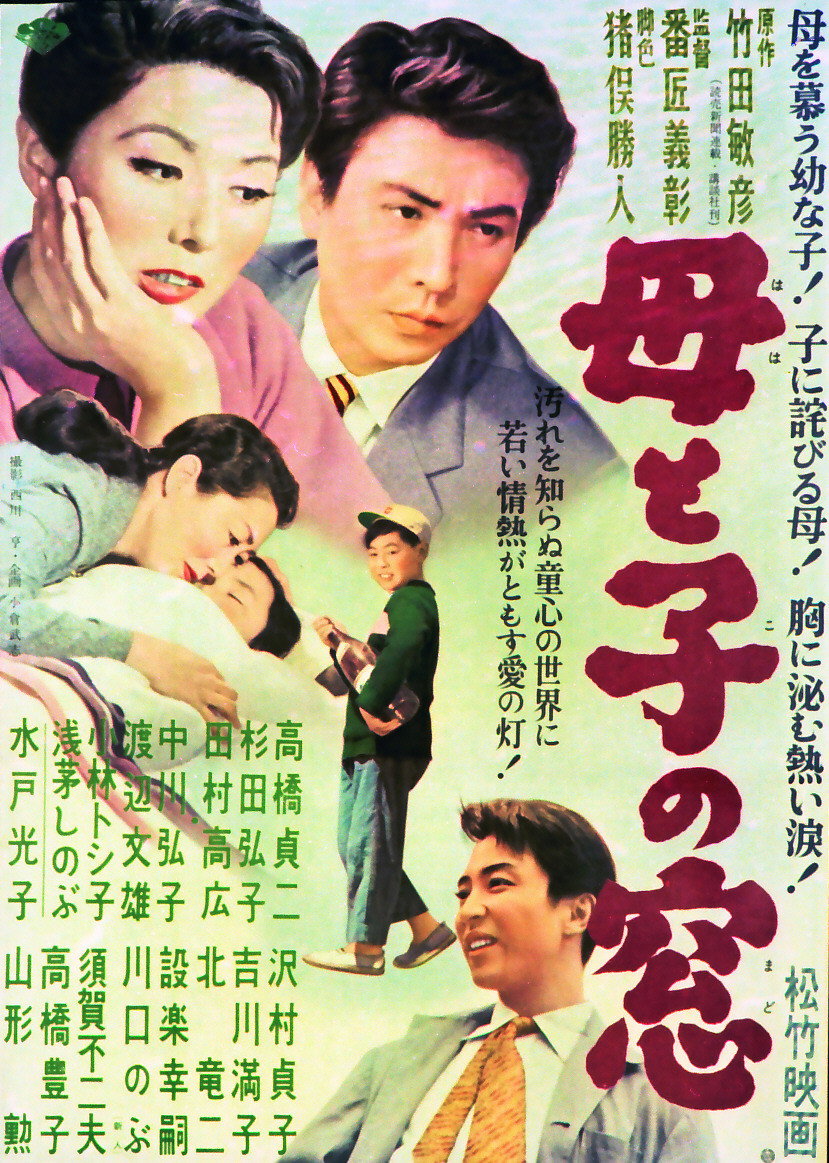
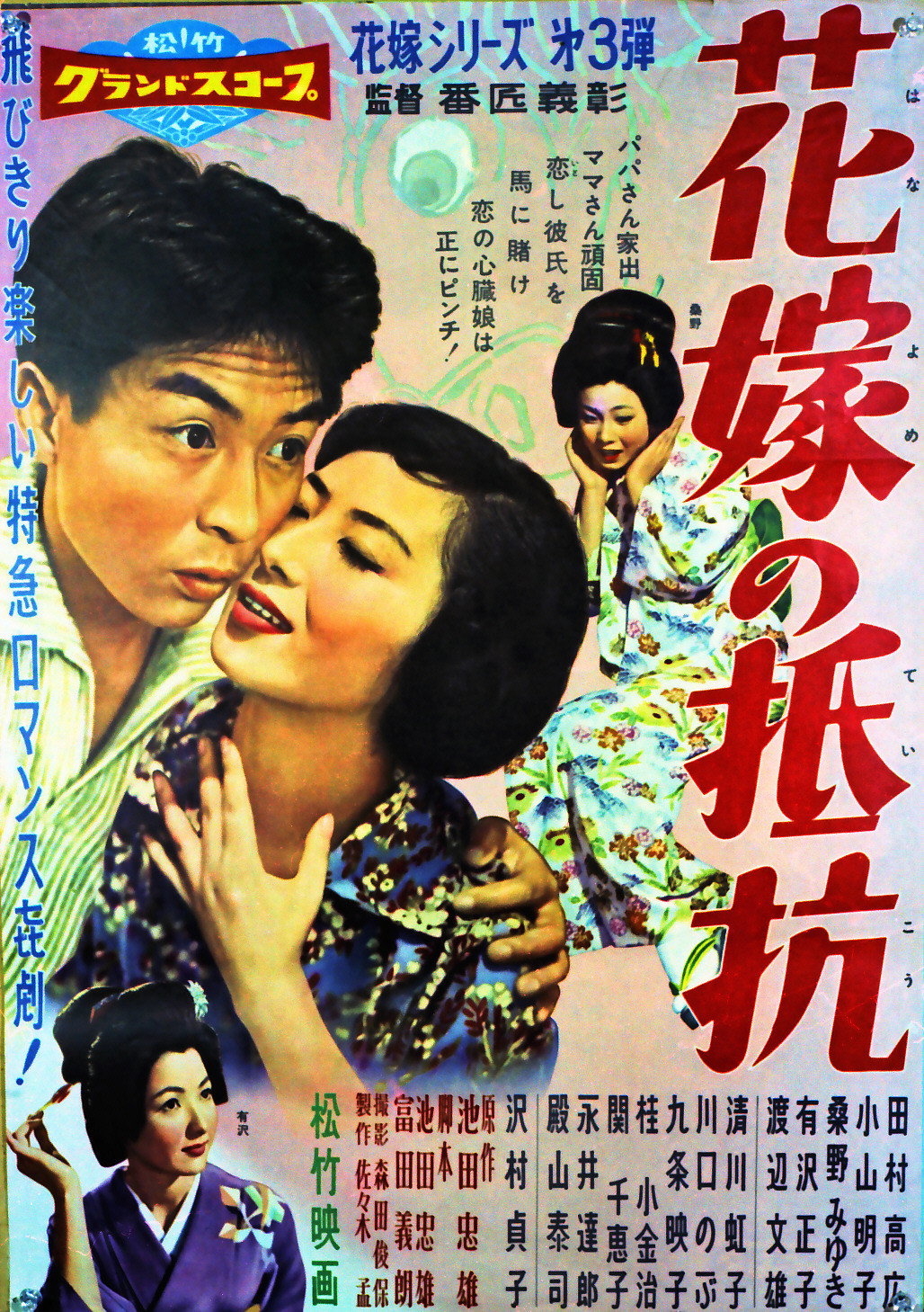
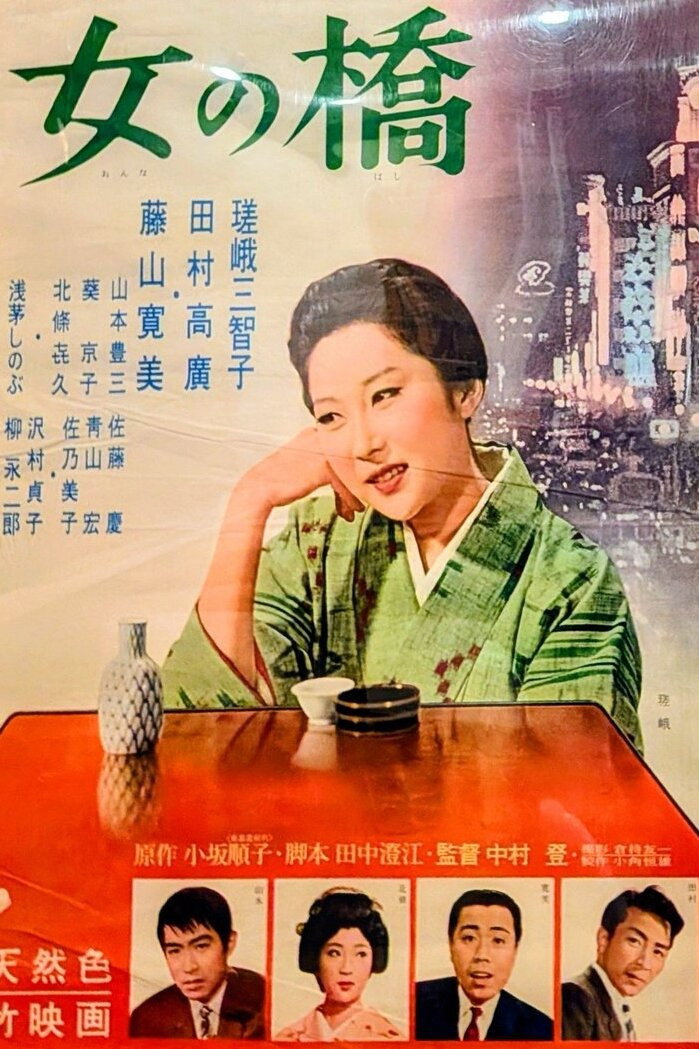



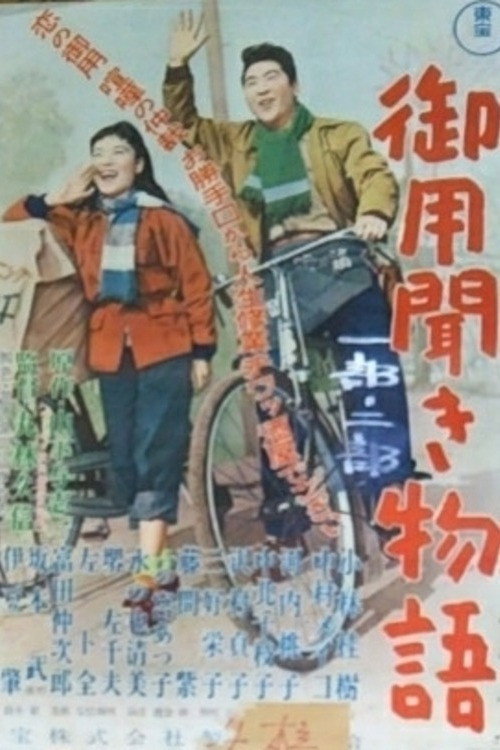

The story of the hardships facing women working as maids and waitresses at a resort hotel restaurant.