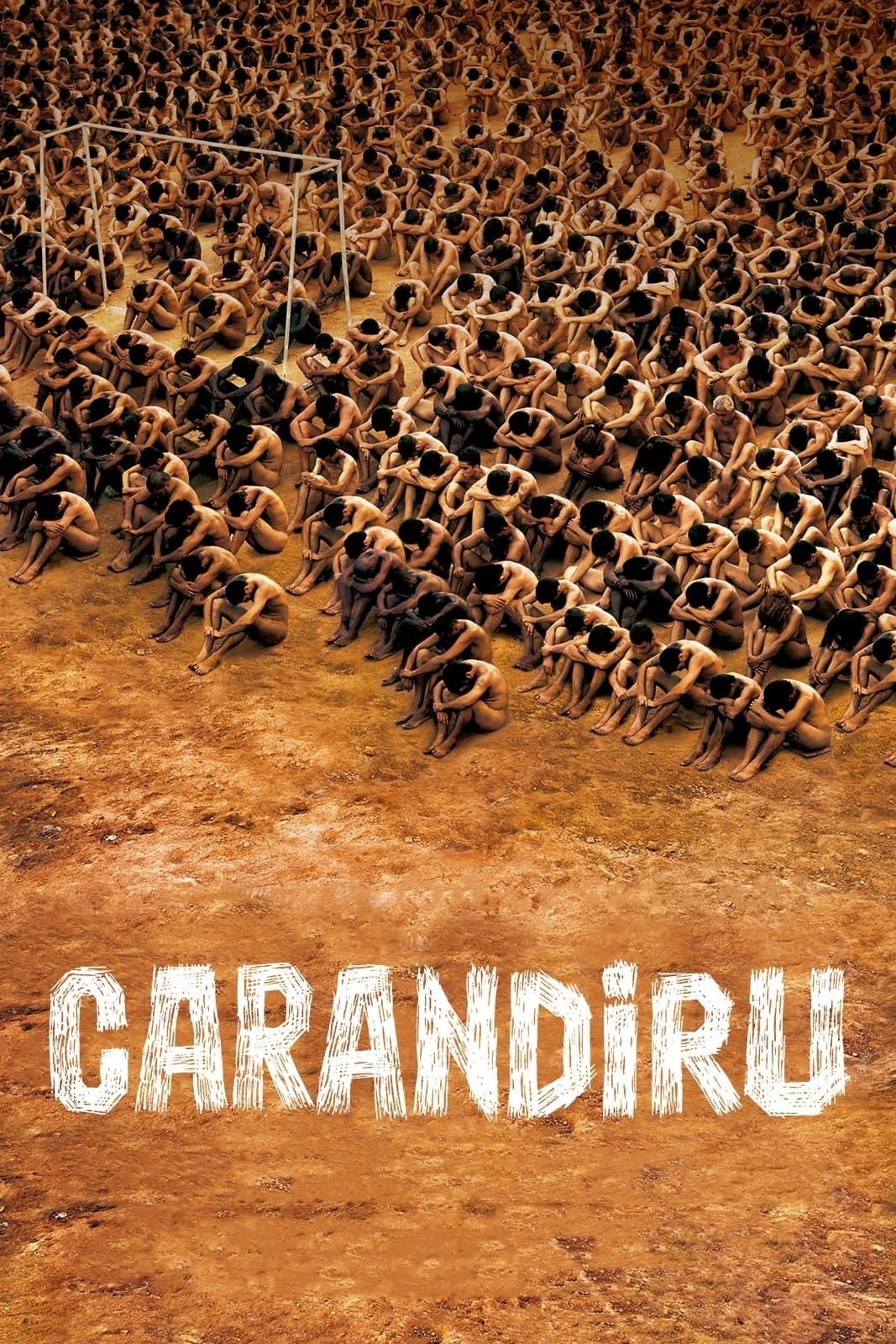
When a doctor decides to carry out an AIDS prevention program inside Latin America’s largest prison: the Casa de Detenção de São Paulo - Carandiru, he meets the future victims of one of the darkest days in Brazilian History when the State of São Paulo’s Military Police, with the excuse for law enforcement, shot to death 111 people. Based on real facts and on the book written by Dráuzio Varella.
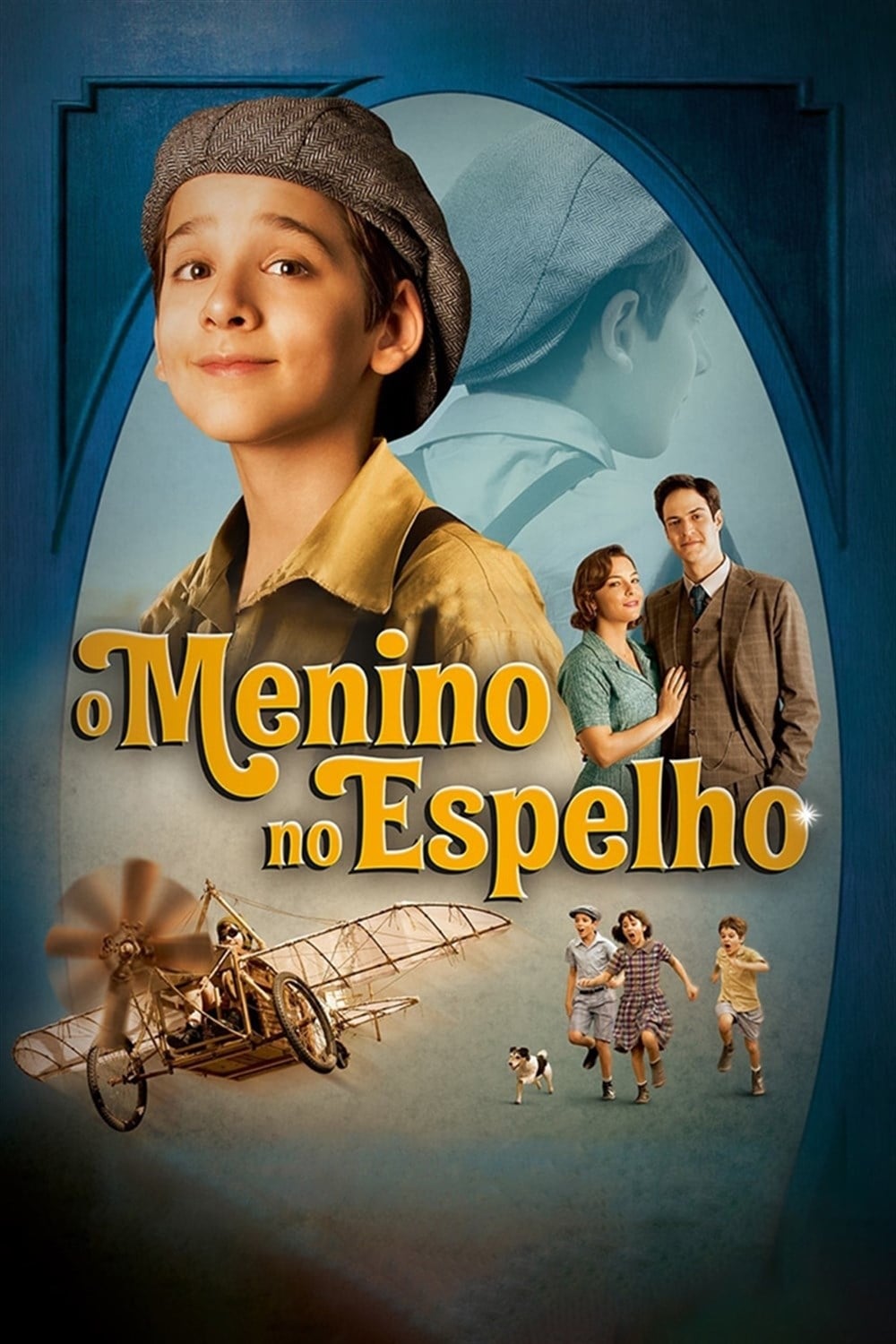
What child has never dreamed of having a double, someone who would do all of the annoying things in his place? Seeing his reflection get out of the mirror into the real world, this dream comes true for the fearless boy Fernando. Odnanref, his double, presents himself as a solution to all his problems. Adaptation of a successful Brazilian novel written by Fernando Sabino.
After 20 years of exile in Paris, Gustavo returns to his native city São Paulo. Back home, he encounters a place which no longer exists. His old friends and family members have changed, almost beyond recognition. He tries to recapture the past, and make some sense of his life, that of his friends and family, and the present state of his native country.

The dictator of a small Caribbean island receives the New York Times daily, sent by a nephew. Through the newspaper, he gets in touch with the world. Guerrilla groups try to neutralize this information system.
After his father's death, Gabriel leaves for Armação Beach in search of his origins. What he ends up finding is a complex plot around the mysterious figure of his grandfather, a whale skeleton and a city that wants to bury the past at any cost.
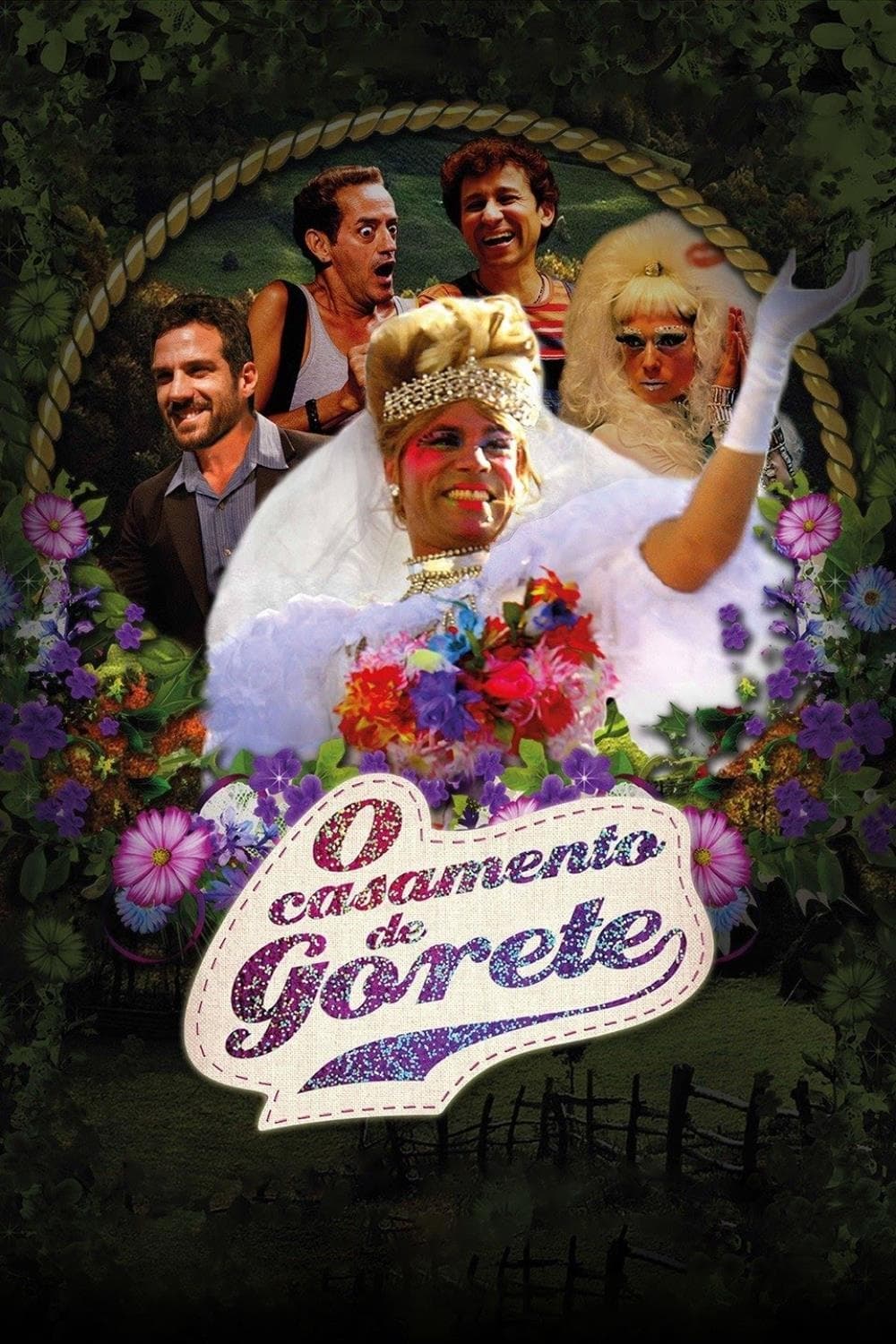
Gorete is an eccentric and famous radio talk show host in a small fictitious town called Pau Torto. She carries a sad past for having been rejected by her father when she was a child for being homosexual, and for this she abandoned her family and her great love. After years away from her origins, she finds out that her father is about to die and returns to her family's farm. There, she discovers that in order to receive her father's inheritance, she is obliged to marry. Thus begins a great dispute in the town as to who will be Gorete's husband.

The daily routine of a women's Republic in the late days of 1963 and early 1964 - before the military coup - is presented from the perspective of several characters, and the place's owner who is about to sell the house to an international company who wants to build a mall in the place.

In the favelas of Rio de Janeiro of the 1930s, João Francisco dos Santos is several things — son of slaves, ex-convict, thug, homosexual and adopted father for a number of pariahs. João expresses himself on the stage of a cabaret as Madame Satã.
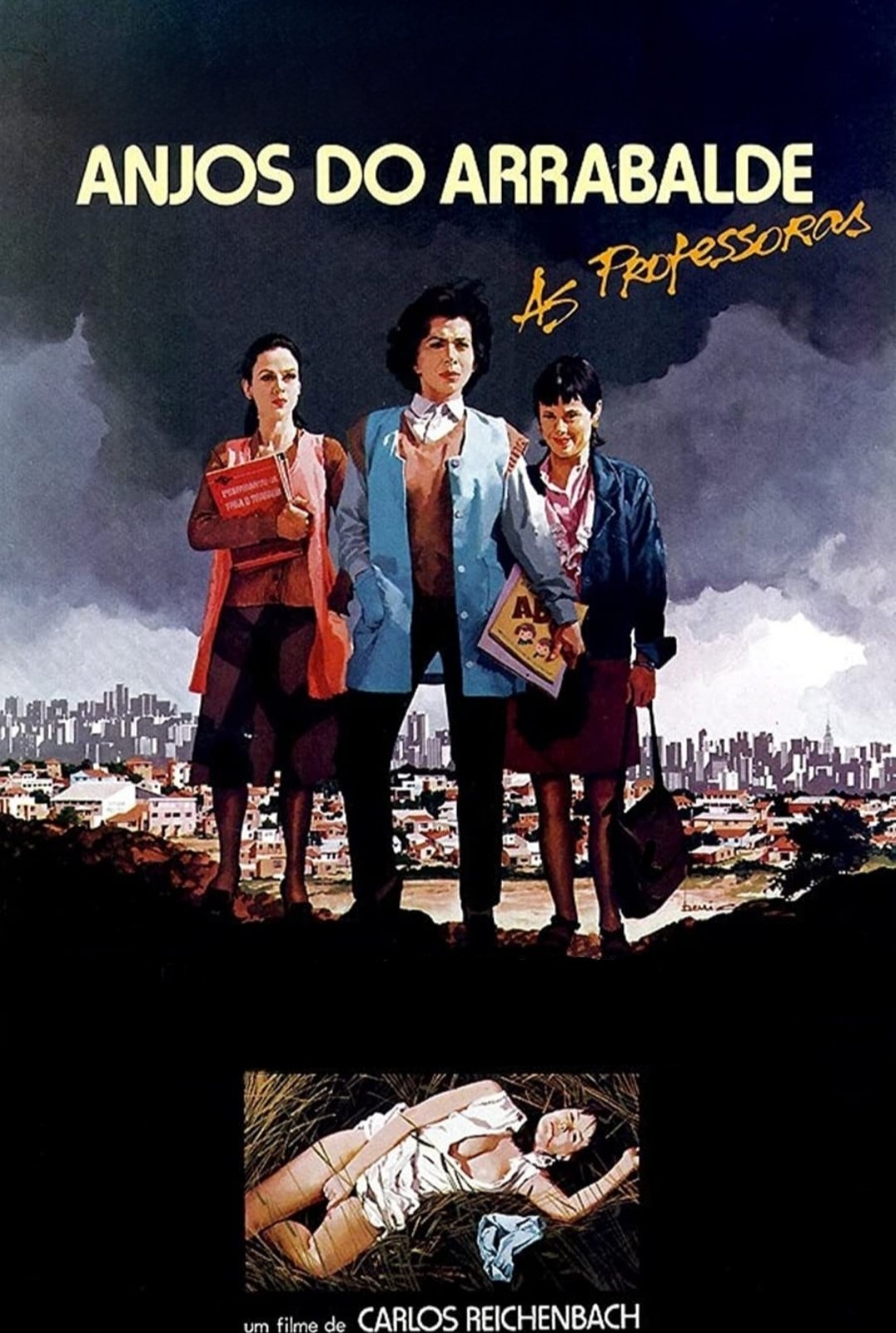
The lives of three teachers in the outskirts of São Paulo, their love lives, their interaction with the poor surroundings, their family problems.
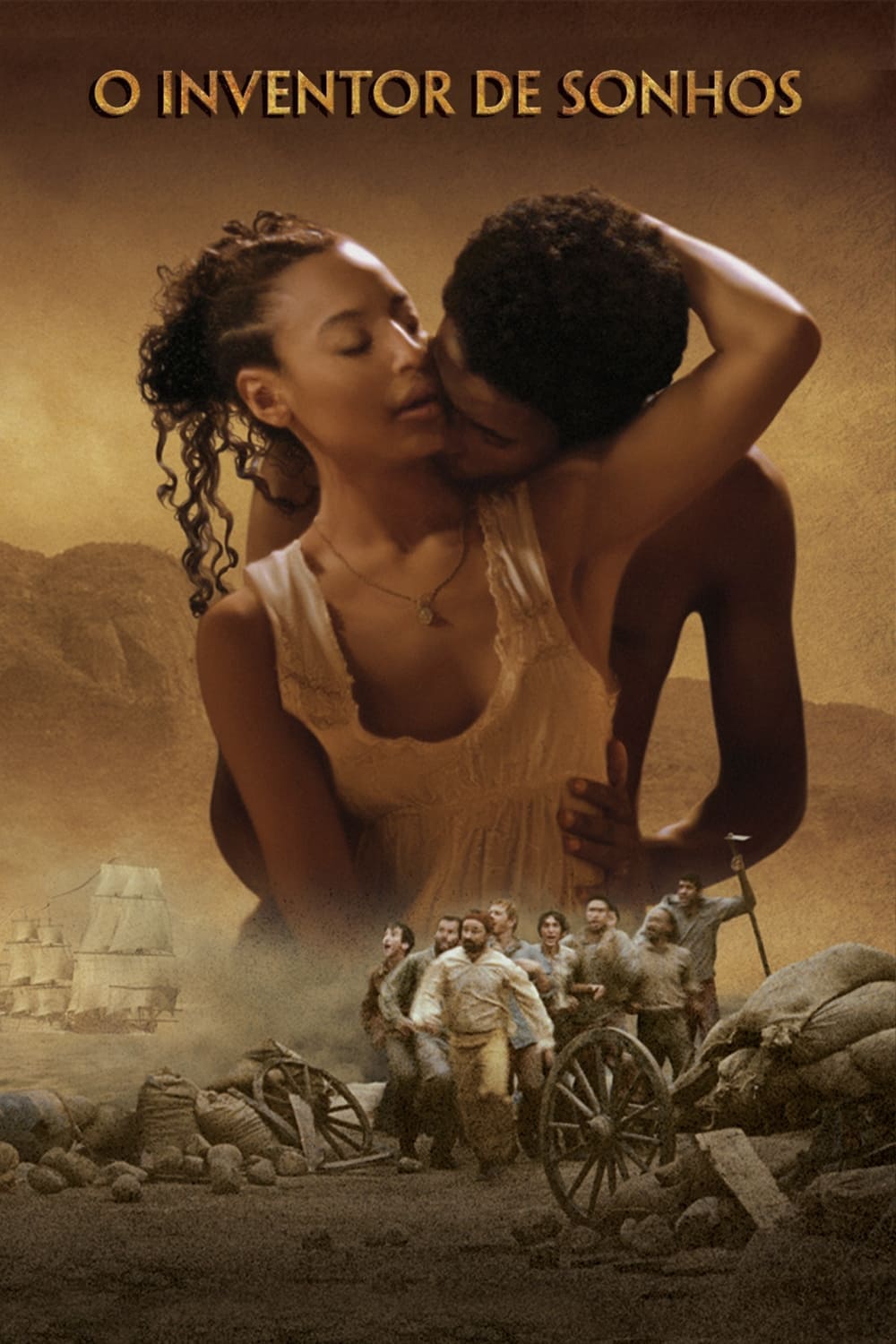
Centered on two young boys, an aristocrat and a native, chronicles the period in which Brazil went from colony to the center of the Portuguese Empire.

A retired cop becomes the prime suspect in the murder of a prostitute.

Nena, a journalist and former student of the Two Hearts dance academy, tries to stop the school from being sold to a group of drug dealers. She trains a group to win the Requebra dance contest that would give them the necessary money to carry their plans.
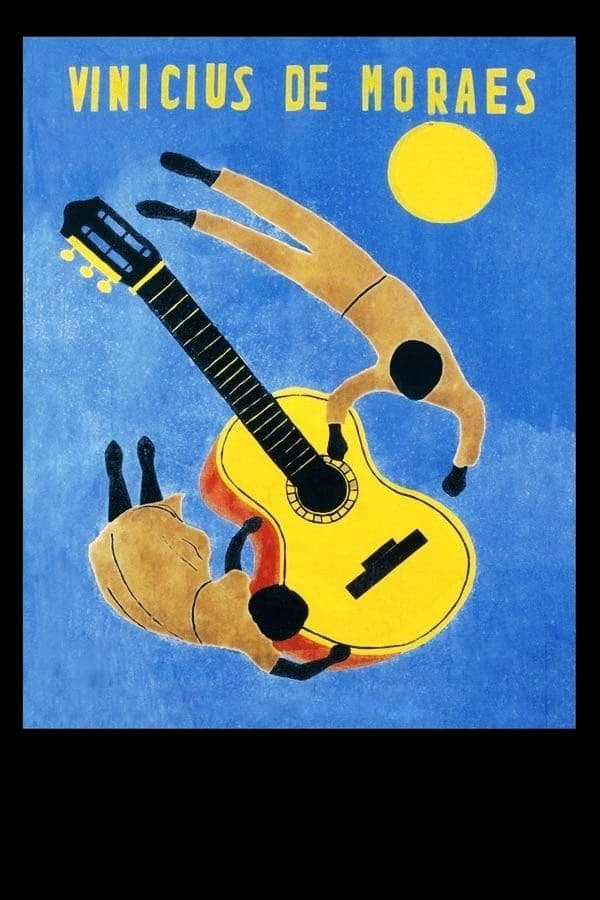
To celebrate the life and the work of a multifaceted creator – playwright, poet, partner of the most important names of Brazilian pop music and, above all, an enlightened character of the Brazilian cultural history - director Miguel Faria Jr. gathered an incomparable cast of partners, singers, friends and rare images from the archives recalling Vinícius’ genial simplicity, with the spontaneity, the humor, and the freedom of a person chatting over a bar table, exactly how the eternal Vinícius would enjoy.

In the streets of Rio de Janeiro, survival is the name of the game where the protagonist is an imported 'hot' car. People, from all social levels, will do anything in order to possess it, if only for a few minutes.
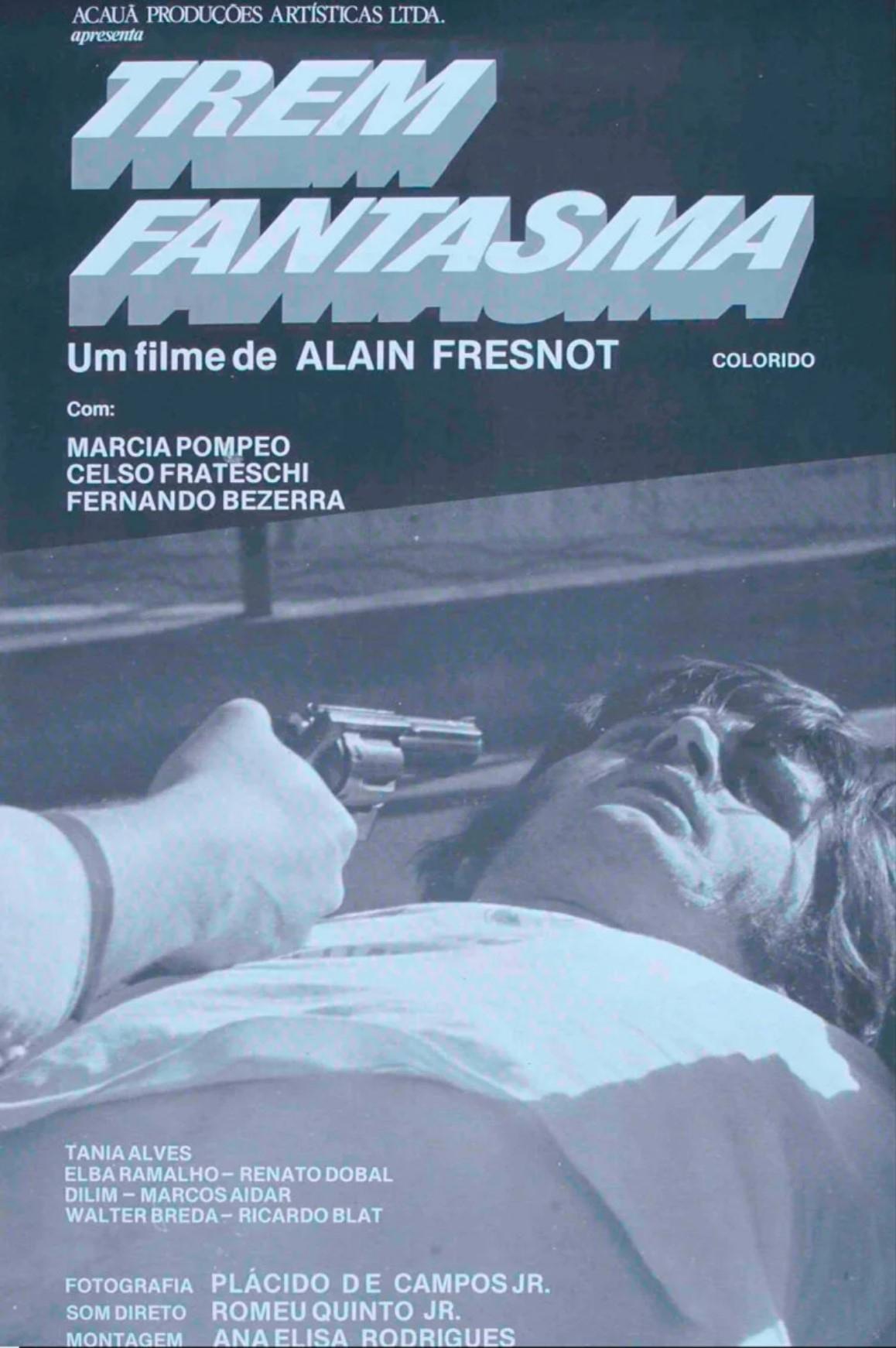
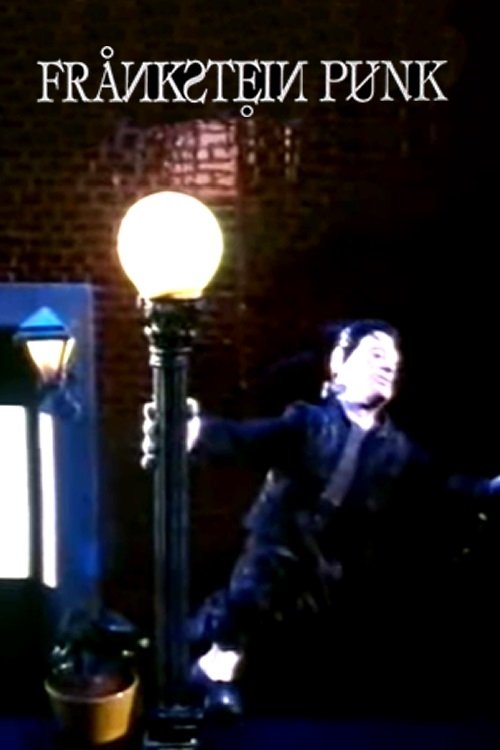
The story of Frank, a different creature, born to the song "Singing in the rain", that goes in search of happiness.

The true story of Assis Chateaubriand, the first magnate of communications in Brazil. Due to his influence during the late 1930s up to the early 1960s, he has come to be called 'the Brazilian Citizen Kane'.

Sandro was a boy who loved to sing rap, to kiss, to stare the statue of Christ the Redeemer and dreamed to go visit Copacabana. Growing up on streets, the story culminates at the infamous episode of 12th June 2000, when Sandro hijacked bus 174.

Mário returned to the world of the dead. He dug his escape into the earth, with no intention of taking revenge on the powerful men who pursued him. "The Fury (2024)" starts from a fantastic premise, a poetic license, to conclude the trilogy begun by "The Guns (1964)" and "The Fall (1978)."

Inspired by the book of the same name by Paula Dip, this is a biography of the Brazilian writer Caio Fernando Abreu. With a mixture of languages inherent to Caio F.'s work - cinema, theater, music and literature -, the narrative line is conducted through testimonies from family, friends, editors and scholars who maintained a relationship with the author. And actors who interpret their texts.