
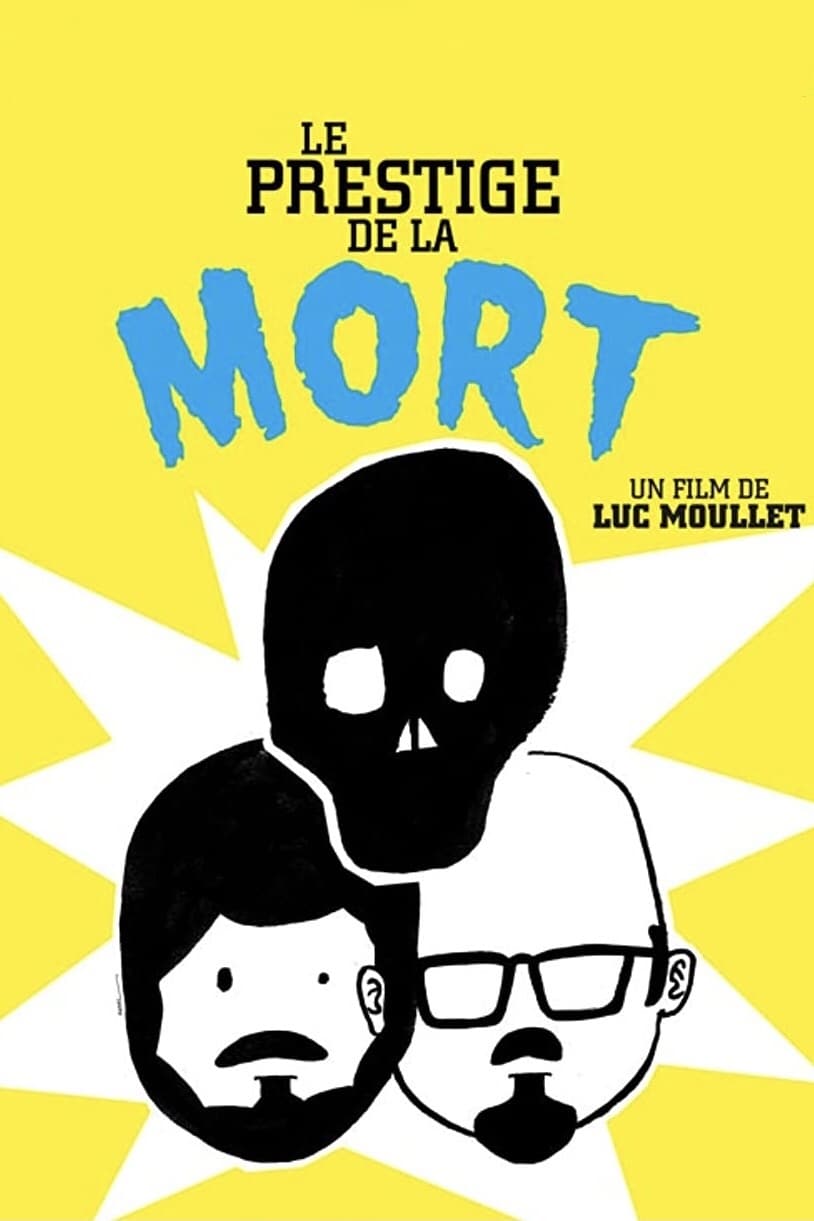
Whilst seeking out locations in the South of France for his next film, director Luc Moullet comes across a male corpse. He immediately decides to use this to his advantage. By swapping his passport with that of the dead man, Moullet hopes that the world will believe he is dead, thereby ensuring a renewed interest in his work. Unfortunately, the scheme backfires, since the dead man was someone rather important...
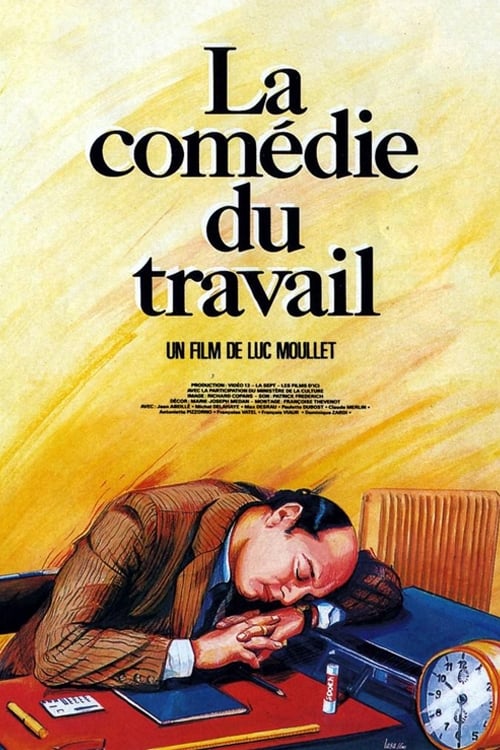
Sylvain Berg, a "professional" unemployed who spends his time hiking and mountain climbing, and "model" bank employee Benoît Constant, who has just been fired and does not want his wife to find out, both find themselves in Françoise Duru's office at an employment agency. Françoise is secretly in love with Sylvain, so in order to keep him close she convinces her employer to give Sylvain a job he doesn't want, instead of Benoit who not only wants it but also has the right qualifications.
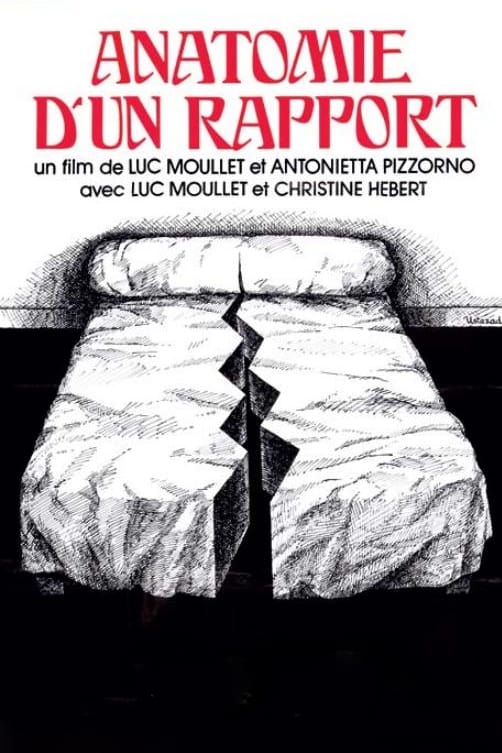
A woman's feminist awakening drives an intellectual couple to a relationship crisis.
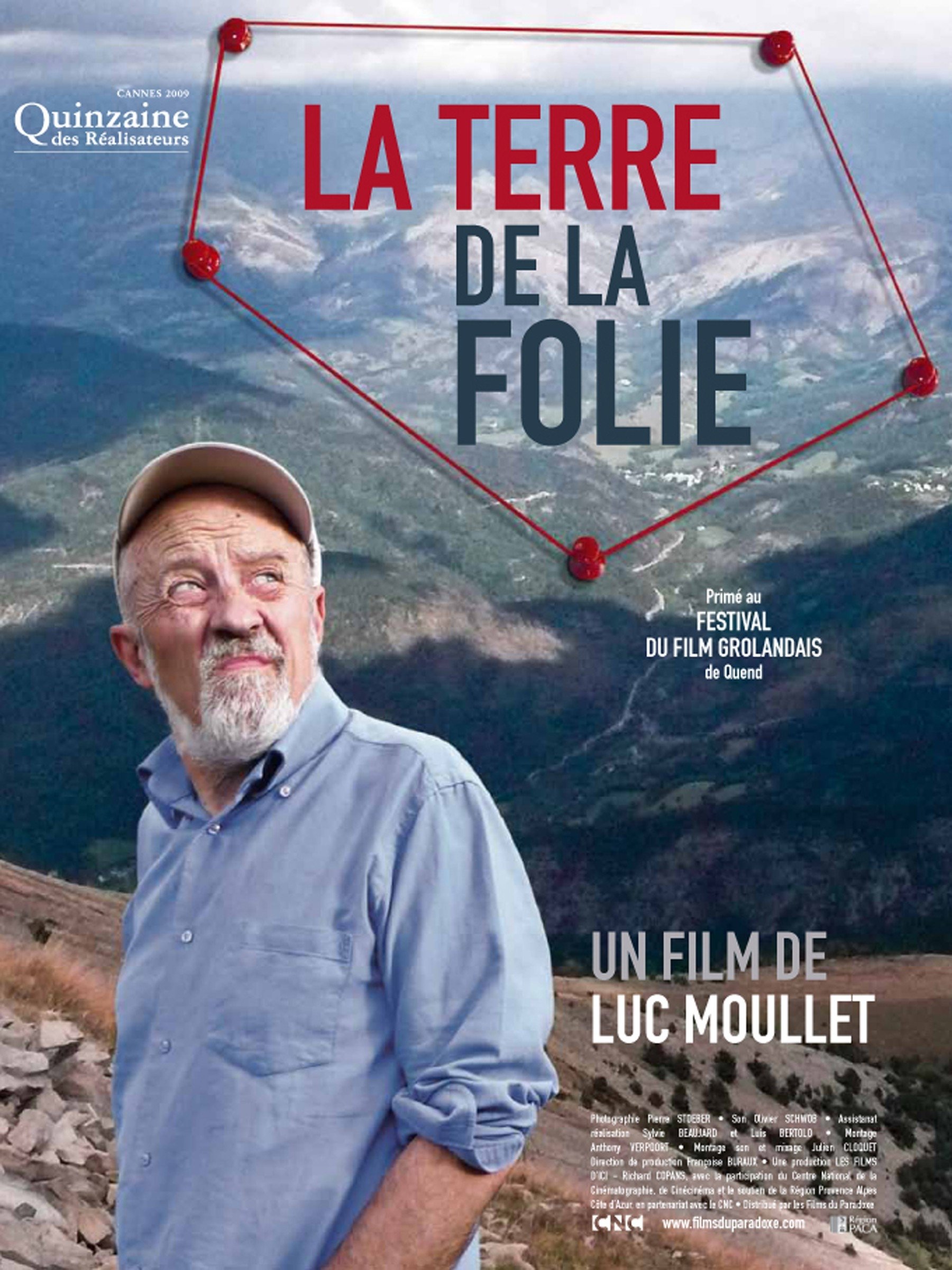
Moullet explores the causes and consequences of cases of mental disorders that were especially numerous in the Southern Alps.
Two young girls find out, in the hard way, that climb mountains isn't all that fun that people often say it is.
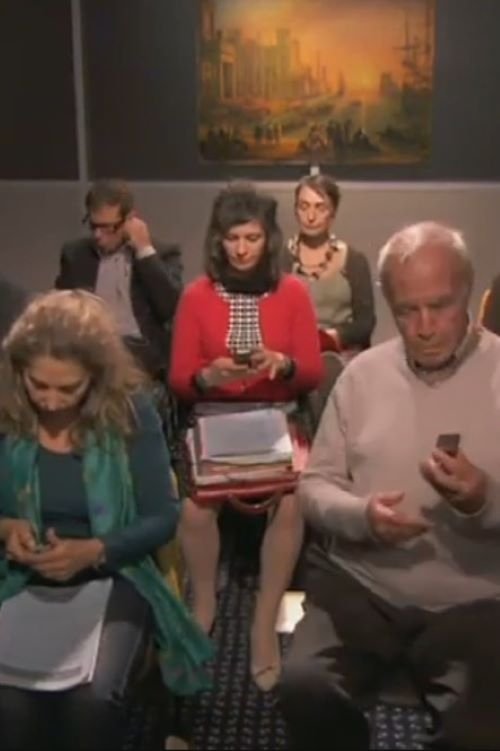
The annual general assembly of the co-owners : quarrels about nothing, the collapse of the management agency, that turns becomes absurd.
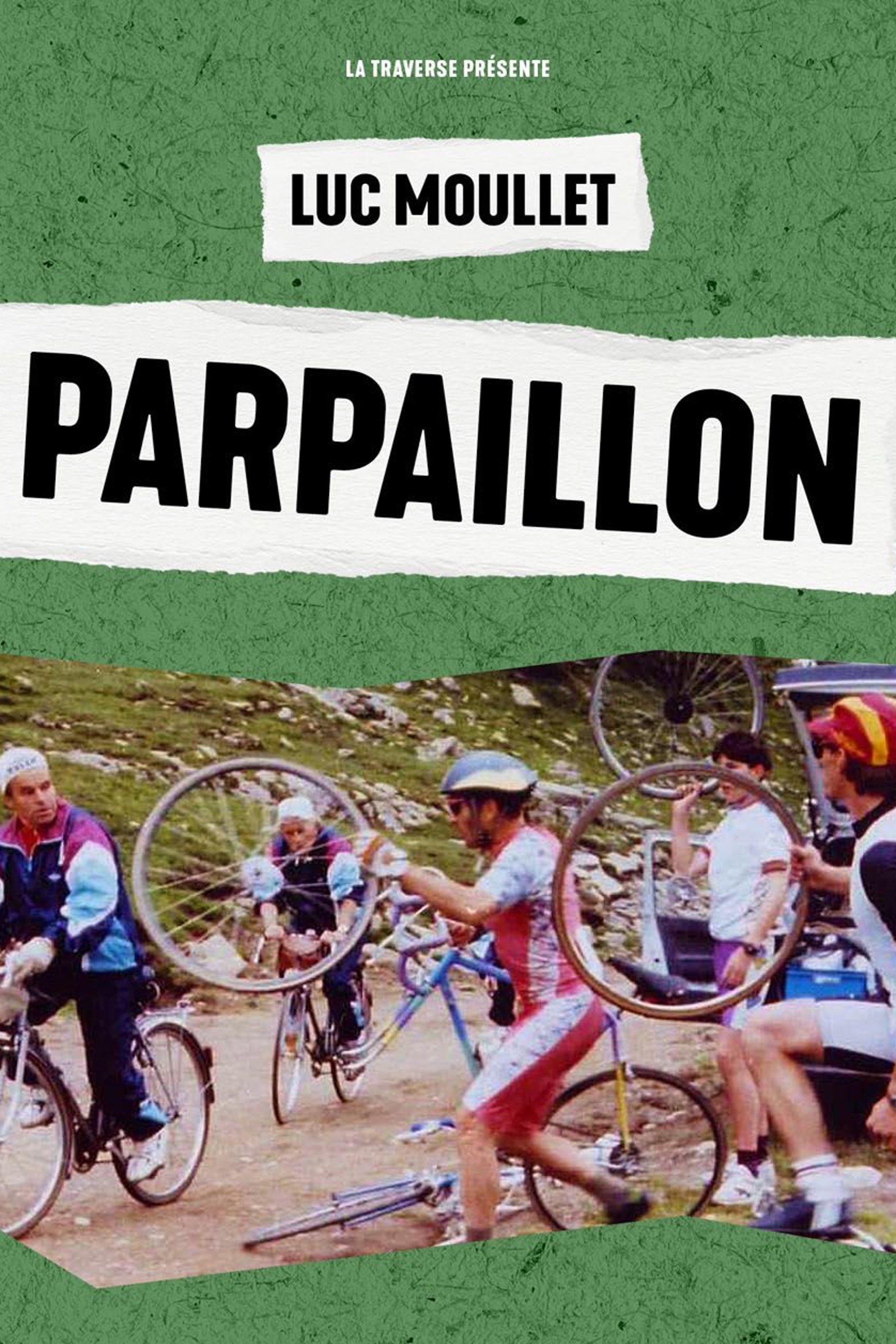
A bicycle race is held every year in a pass of the Alps called Parpaillon. With the energy of a skillful cyclist perhaps as a great tribute to François, the mailman played by Tati in The Big Day, Moullet makes a comedy by pedaling at a pace that allows him to reinvent the possibilities of film gags.
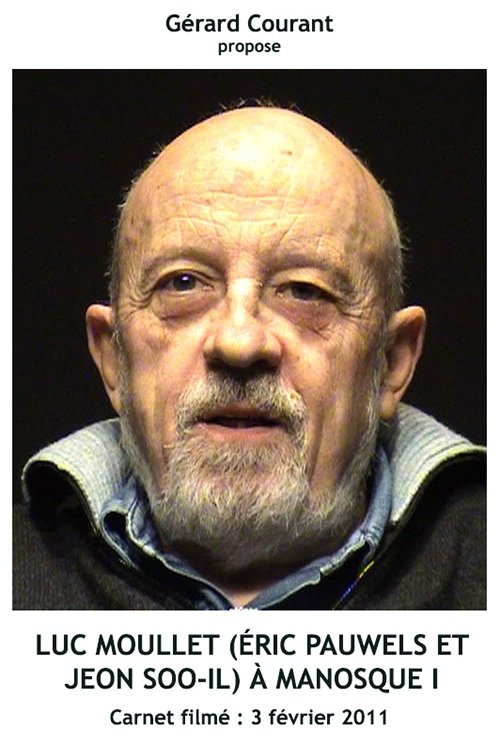
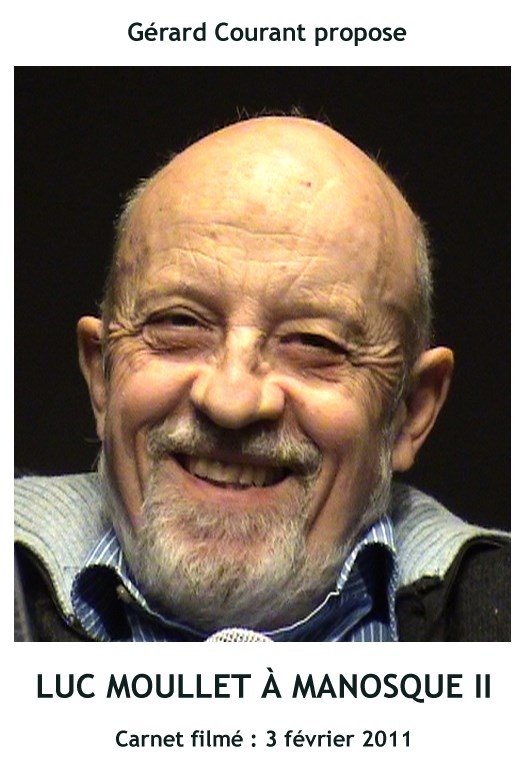
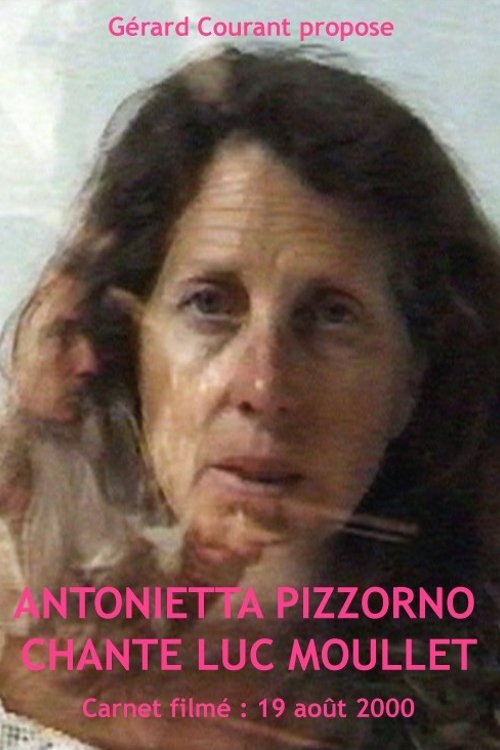
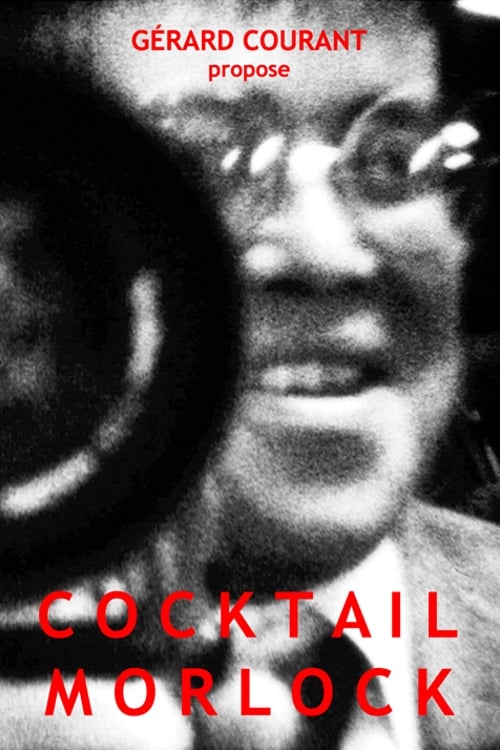

Reel 5 of Gérard Courant's on-going Cinematon series.
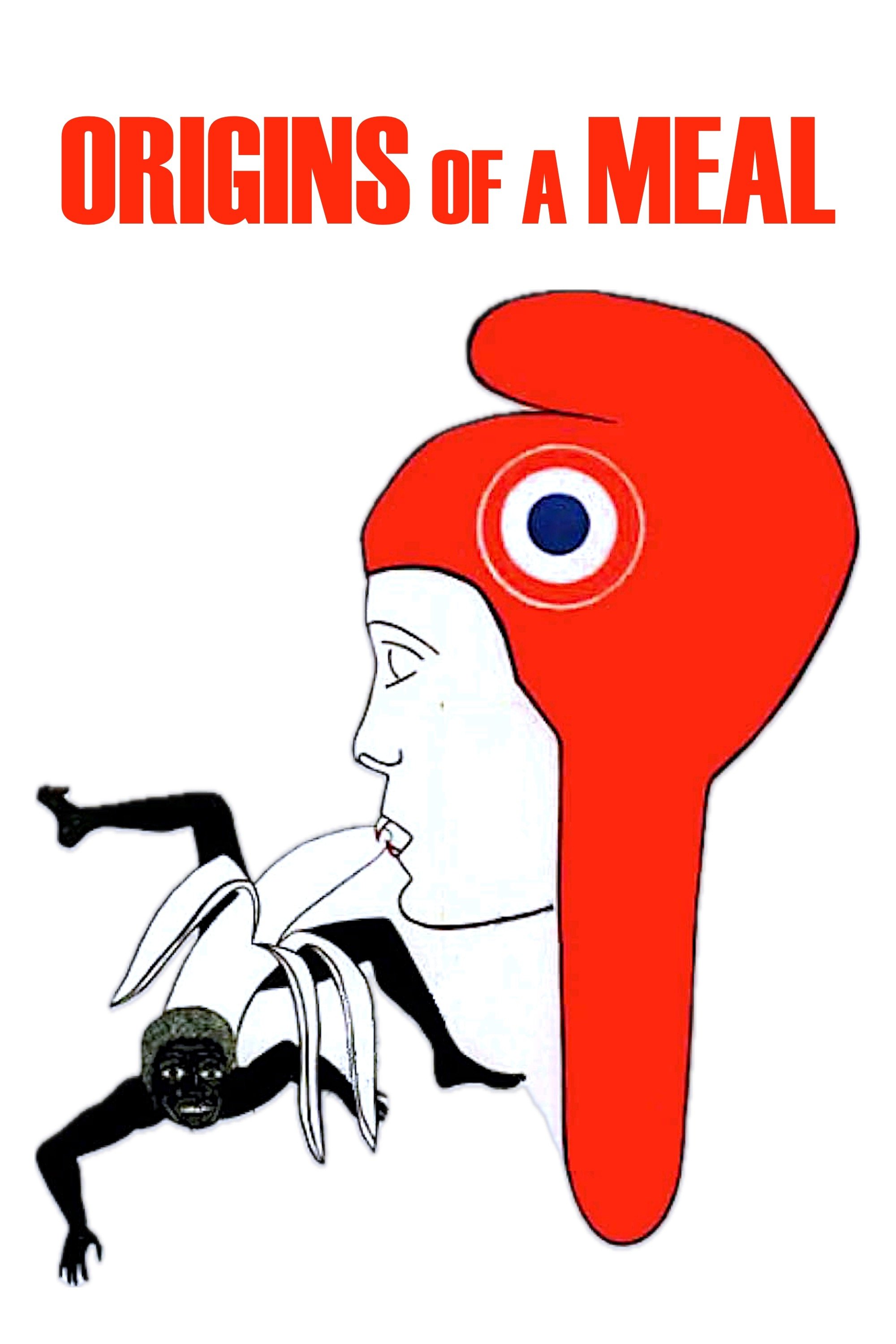
Bananas, eggs, and tuna: three basic foodstuffs with three wildly different points of origin. Moullet begins with these on his plate but constructs his film by working backwards and finding the sources for these items and how they reach our plates. As Moullet’s investigation deepens, however, the film moves beyond the confines of a simple exploration of food origins into more political and social realms, not only relating to food but also to the medium of film.