An ordinary girl Dimka works on the cooperative farm. Her father Yordan, an honest man, is accused of a serious crime against the cooperative farm. He is brought to a comrades' court. No one doubts that the innocent man will be "exposed" and convicted. Yordan is ready to withstand the worst of injustice with silent dignity. Her daughter asks for help her boyfriend. He is the most authoritative and respected work team leader. He, however, refuses to help, fearing that this might affect his career. Dimka remembered Yoshkata, a nondescript village youth who makes everybody laugh but is very disinterested. So far, Dimka has spurned his undeclared love. Now this same "harmless joker" fights the injustice and upsets the carefully planned frame-up. The father is saved from disgrace. Dimka finds her only true love.
Set in the thirties, a sensitive peasant boy who is caught in the vice of cruel military machine. From the start his masters treat him as an inanimate object, which can change hands without so much as a second thought. This is a story about human dignity in a society resting on violence and subordination.
XVII century, Bulgaria is under Ottoman rule. Four men break into the house of the shepherd Karaivan, raping and killing his wife in full view of their child, Maria. To protect his daughter and to enact revenge, he raises Maria as a son, teaching her to fight and kill. But as Maria grows up, she longs for a different life.
He is well educated, charming, and gallant - a dream for each lonely lady. In reality he is a skillful swindler, who robs naive women. Cheating merchants with guilty consciences are his targets as well. This is the elusive protagonist of the movie. He constantly changes his name, stages his own death, and travels from town to town. His exploits are myriad and his life is an endless adventure. Yet, he remains an amiable swindler, an unrealized actor, whose only goal is make his life more interesting.
Once upon a time... a long time ago... I was raised in a suitcase. I was lying in the suitcase and could only see the sky. White clouds and endless blue surrounded me. Sometimes the clouds quietly passed by me and I sank into their whiteness, and sometimes they turned into dragons and began to fight in the sky, advancing towards each other, grappling, their heads fell in battle, but in their place others immediately grew, and blue showed through their wounds...
Frivolous girl falls in love with a young construction worker. He trusts her and decides to include her in his team of workers. In the beginning, she is happy, but soon starts to feel the tensions between the people in the team. Hypocrisy and demagogy fill her with indignation and she does not keep silent about the shortcomings and mistakes of her colleagues. Gradually, her superiors become uneasy about her and the girl has to go. Her boyfriend offers her marriage, but she decides to take her own path and lead a worthy life. The movie was shot in 1966 but was censored by the communist government and released in theatres on 31st October 1988.

Mitko does not like civilization. While buying materials for the renovation of the old family house, he unexpectedly buys a horse and cart. His family and friends disapprove of the sudden appearance of a horse in his house.
Bulgarian comedy, based on motifs from the stories of Elin Pelin.
A young engineer arrives in a small provincial town and falls in with a traffic police inspector, a driving instructor, and a cannery-engineering manager. From sheer boredom, the inspector tickets a driver who has not broken the regulations. The driving instructor takes advantage of his position to seduce one of his students. To kill time, the engineering manager spends his time intriguing. These passions seem to be all that the three of them live for.
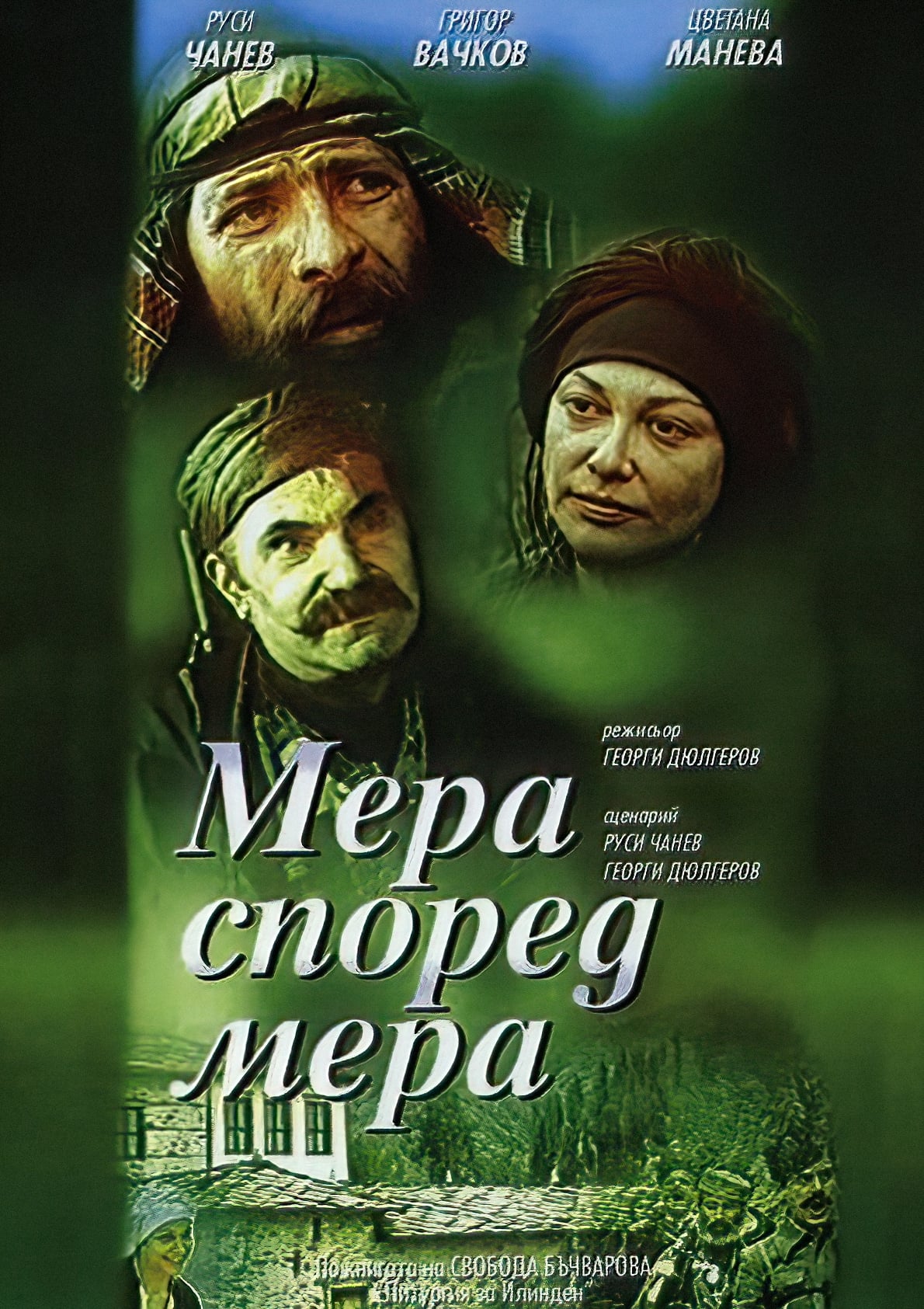
Early 20th century. This is an era of seething passions, aspirations for freedom and national self-identification. Uprising are incited, blood is shed. The picture features national leaders who become heroes as early as in their lifetime. The protagonist is rank-and-file Macedonian who is unwittingly swept by the events. Later, it was his conscious choice. He was a witness of changes, crucial for the nation. He comes across legendary personalities. He gets enchanted and disappointed. He is seeking for the right answers, rethinks what he saw and experienced to tell his story in his simple, but candid and wise words of his own.
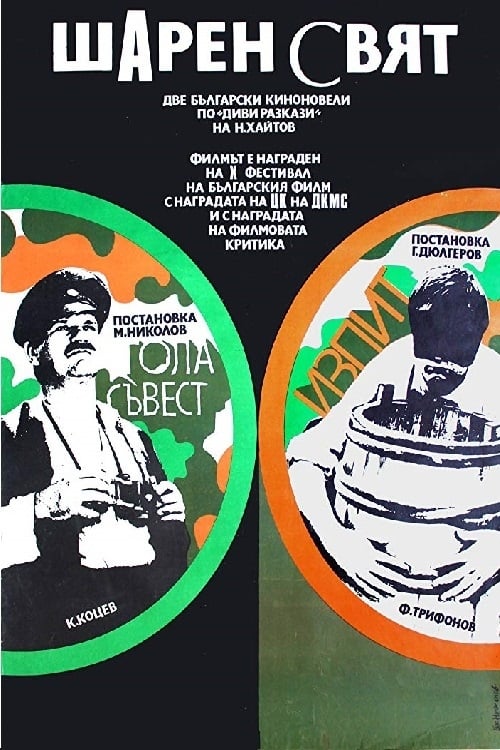
The beginning of the 20th century. A village in the mountain. The young barrel maker Liyu is to be examined by the local craftsmen. They approve the barrel he has made, blindfold. They give him "the craftsman's belt". At the beginning, nobody considers him a master.

A young man has trouble communicating with people and is seeing a shrink. He falls in love at first sight, then meets three friends and joins their small community. The four youngsters naively decide to make some easy money by blackmailing an elderly woman. Little do they know that a stranger with a shady past and problematic present will turn their lives upside down. A story about love and despair, hope and disillusionment, revenge and revelation.
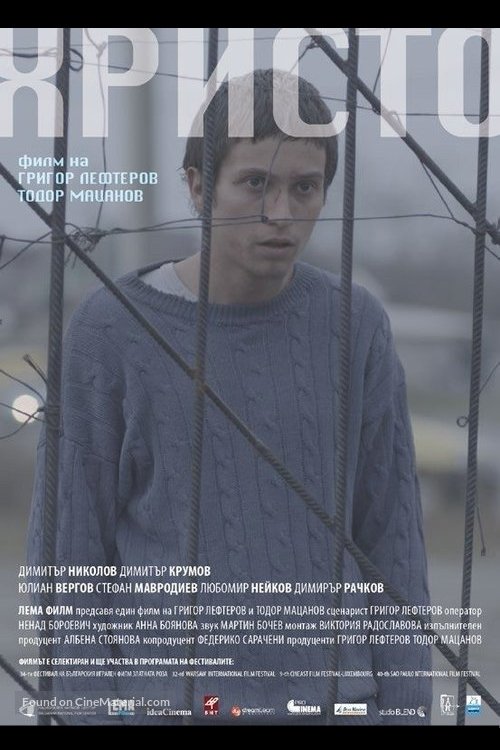
Hristo is a homeless boy. He would do anything to get a normal living. But still there's something he wouldn't do. The price of 'normal' life, for him is too high.
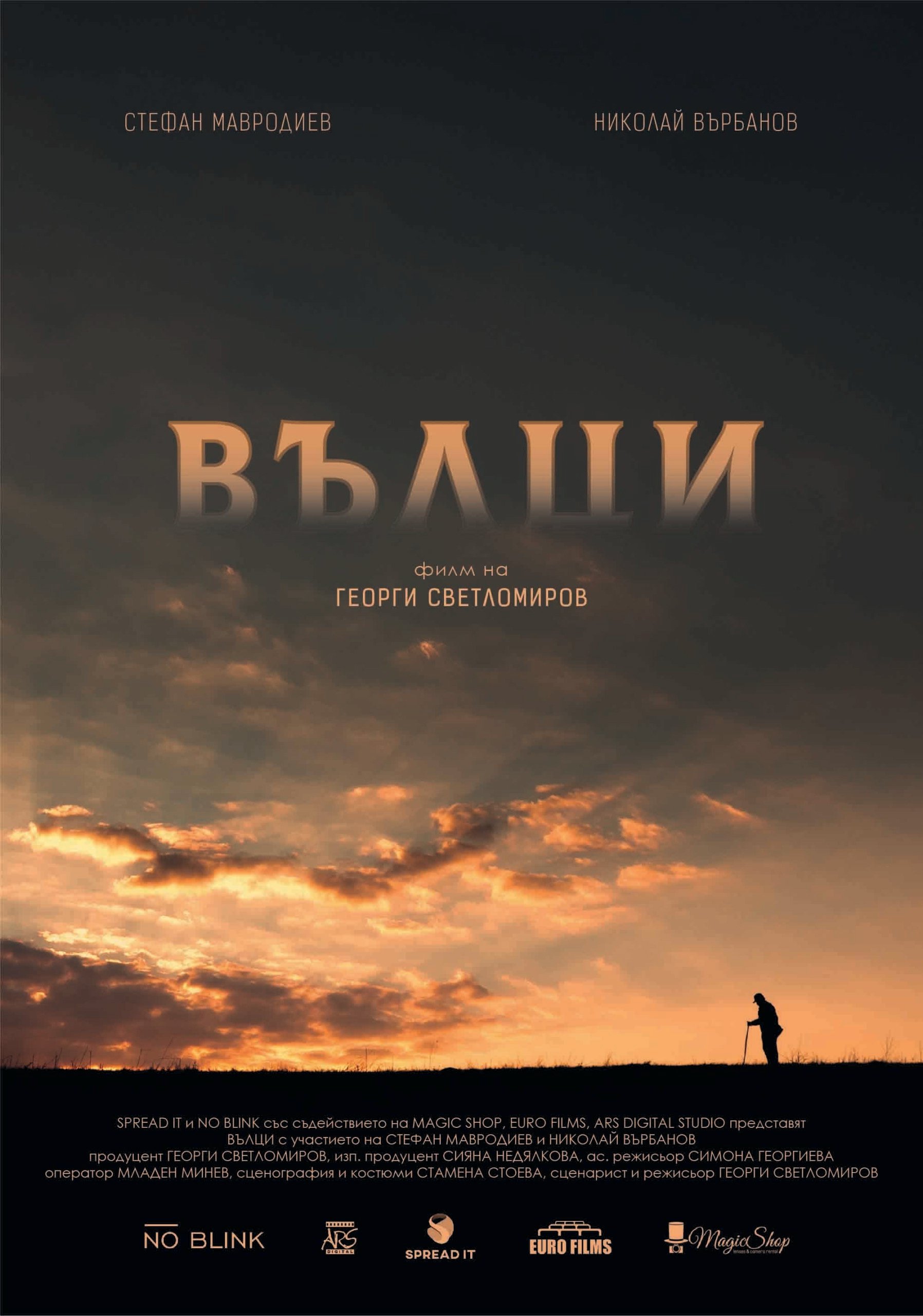
Kardam is a lonely old shepherd in a remote dying village trying to survive the ravages of time. During one of his long walks in the middle of the fields, he meets a lone wolf with whom he forms a bond without even getting close to him.
A young man attempts to save a prostitute from a prostitution ring. His fury is two-sided: on one hand, it is caused by the futility of honesty, on the other hand, it is caused by the triumphs of treachery.
Night time Sofia in the middle of the 80s. Bus 108 is doing its final route towards the Lyulin neighbourhood. A short altrecation between the passengers finishes with the death of one of them. While investigating the cruel crime the detectives from the militia face people's indifference.
Two young men decide to migrate to the big city. While on the road, they start considering the ways of life through the relationships in the society.
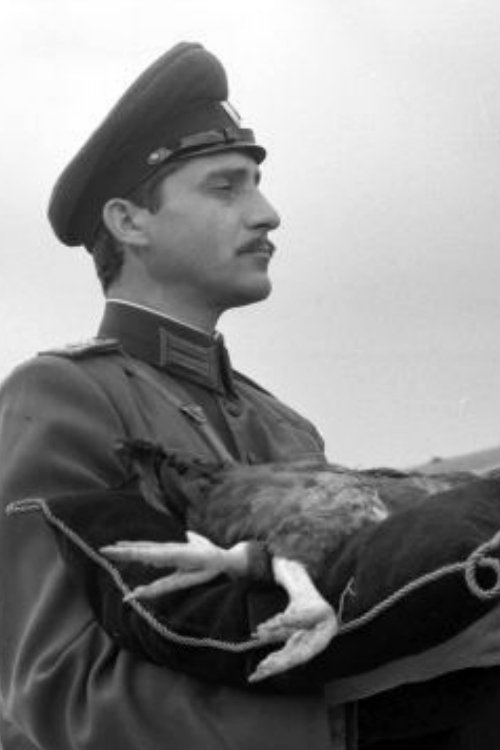
The three grotesque novels whose action takes place at different times of the recent past are united by a common thematic key – their protest against violence and militarism, expressed by means of a kind of absurd humor.
A group of Bulgarian soldiers go on a mission during the Balkan War.
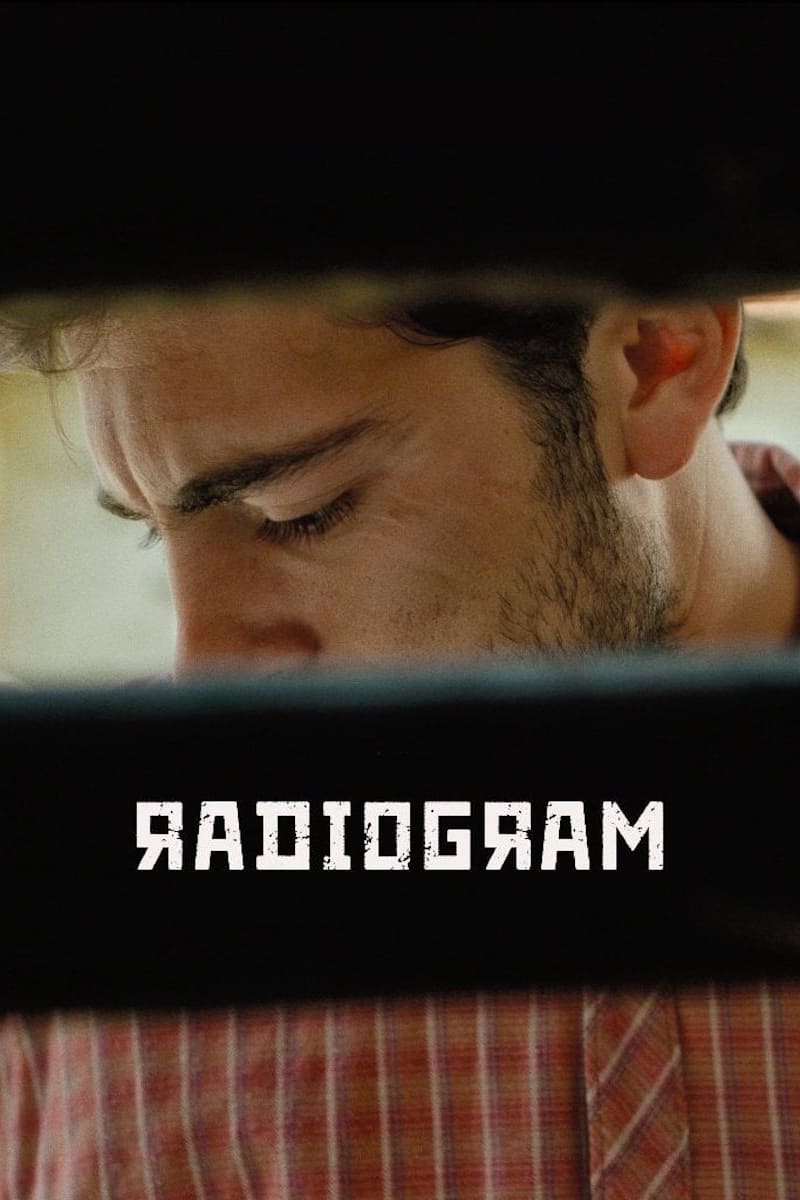
1971, Bulgaria under Communist regime. A time when people are systematically oppressed a father decides to walk almost 100km to the nearest town so he can buy a new radio for his rock 'n roll obsessed son.
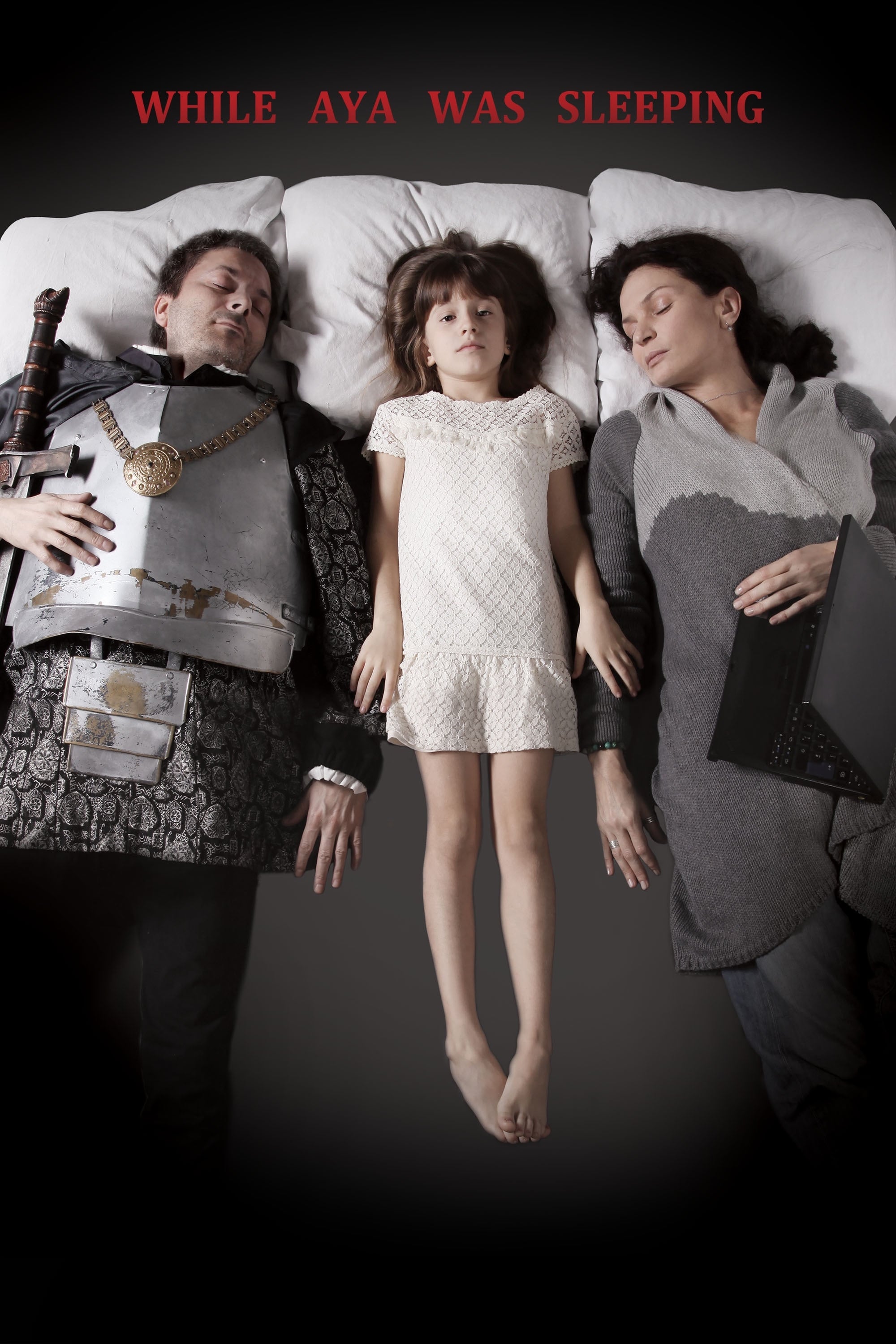
The seven year old Aya spends a lot of time in the theater because her farther, Asen, is an actor. One night Aya falls asleep in the control room. After the end of the show, intrigue, betrayal and tension in the theater group gradually escalate. Asen's illusions collapse, when he finds out that the television star, Boyan, will replace him in an upcoming premiere. Aya's father provokes a scandal, which turns into a drunken brawl. Will Asen succeed to rediscover himself with the unreserved support of his wife and the selfless love of his daughter?
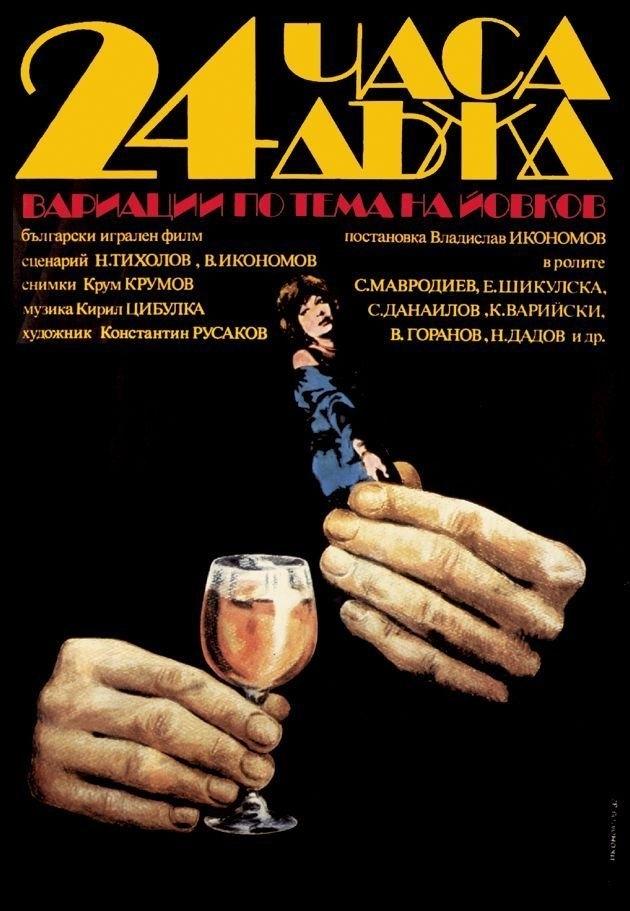
A gray border, dull village. Time seems to have stopped in this place. The appearance of a beautiful woman breaks the monotonous way of life and challenges the colorless group of men and makes them come out of their shells.
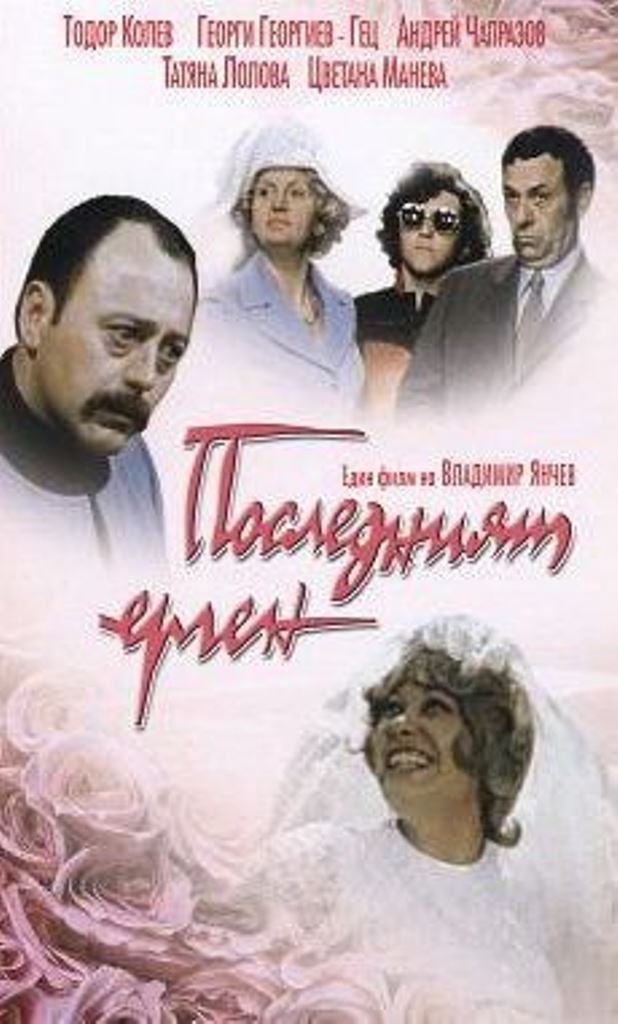
The middle-aged poor painter Tsokov doesn't believe in marriage, something completely unacceptable in a cramped socialist society.
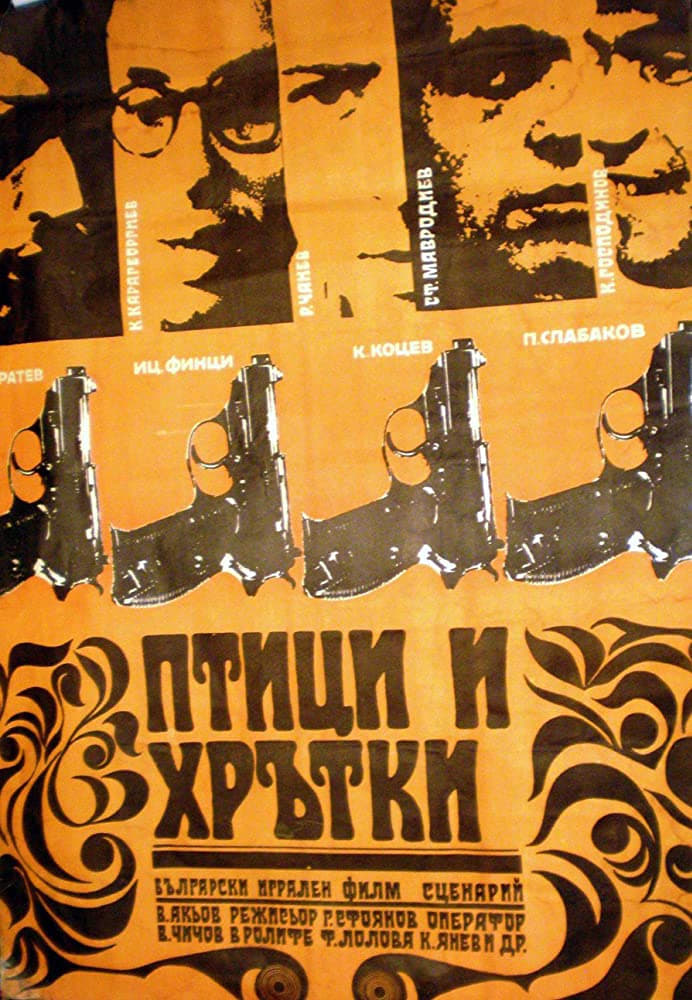
A film about a group of young people who struggle for their ideals. A film about the defeated ideals and the cruelty of the Second World War period of time.
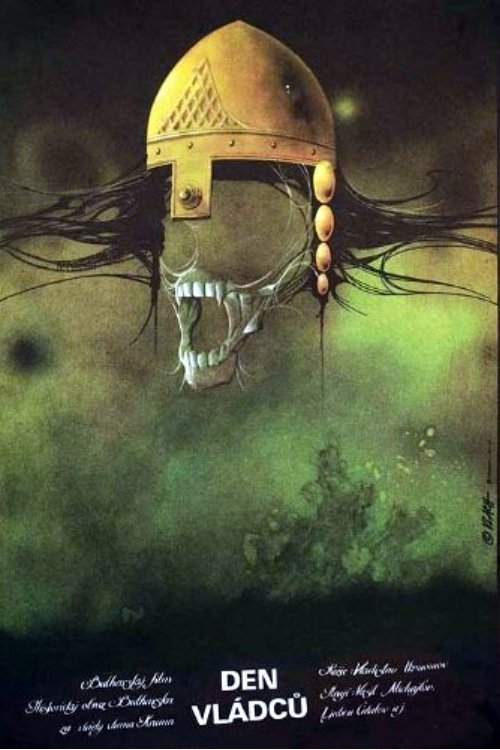
The protagonist in this picture is legendary Bulgarian Khan Krum - a ruler in the beginning of IX century. In this period, Bulgaria ranked third in Europe in terms of territory and military power. It is Khan Krum who contributed to the union of Bulgarians and Slavs. He enforces unseen to that day laws against calumniators, thieves, violators. It stirs discontent among his closest men. The ruler is smart and just, but isn't he too severe? At what cost can one ensure order and progress in a state?
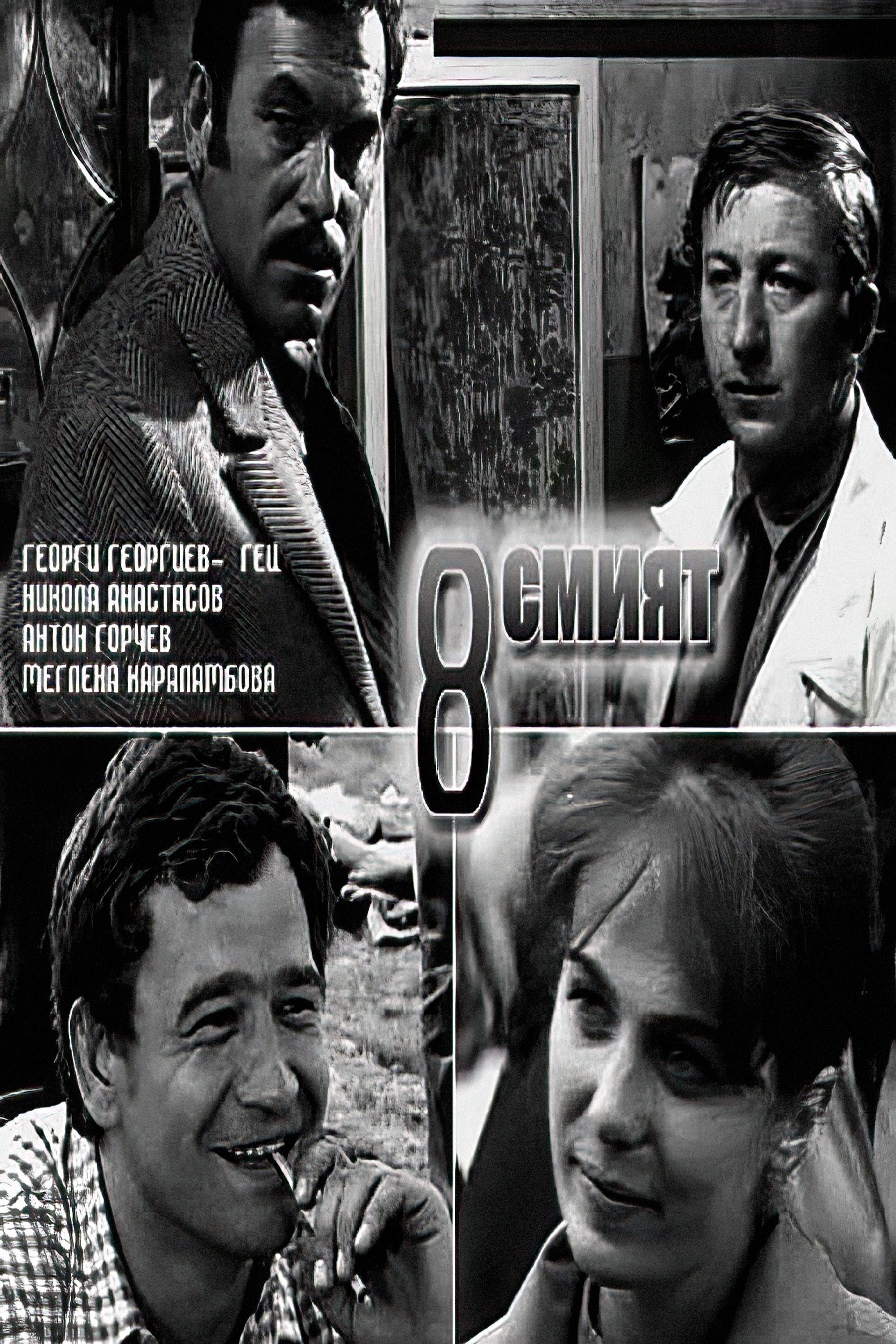
During World War II, a plane transfers Bulgarian antifascists from the USSR to Bulgaria. They jump with parachutes. The eighth paratrooper heads a guerilla group. In the group, there are doubts about the existence of a traitor. Initially, an innocent person is accused, but later the real traitor is caught and killed. Still, the most dangerous enemies of the guerillas are the colonel and the troops stationed in the nearby village. The battle between them and the guerillas is won by the latter who continue to fight for their cause.
1936. The police agent Bakrachev has a task-to prevent the Bulgarian participation in the international brigades of Spain. Bakrachev has a double-an antique dealer who is in love with Sylvia, an anti-fascist. Because of her, an antique dealer steals Bakrachev's archive. It cost him his life.
A man recalls his childhood in the late 1930s. Uncle Godfather was a favourite of the children - a trickster and combiner, full of kindness, warmth of heart and affection for them. All the time he lives in the world of illusions, builds fantastic plans for getting rich quick, tells fictional heroic stories, but in the game room, behind the roulette, he says goodbye to his hopes. In plot and atmosphere, the film is a kind of sequel to the musical My Father the Painter, created by the same authors in 1974.
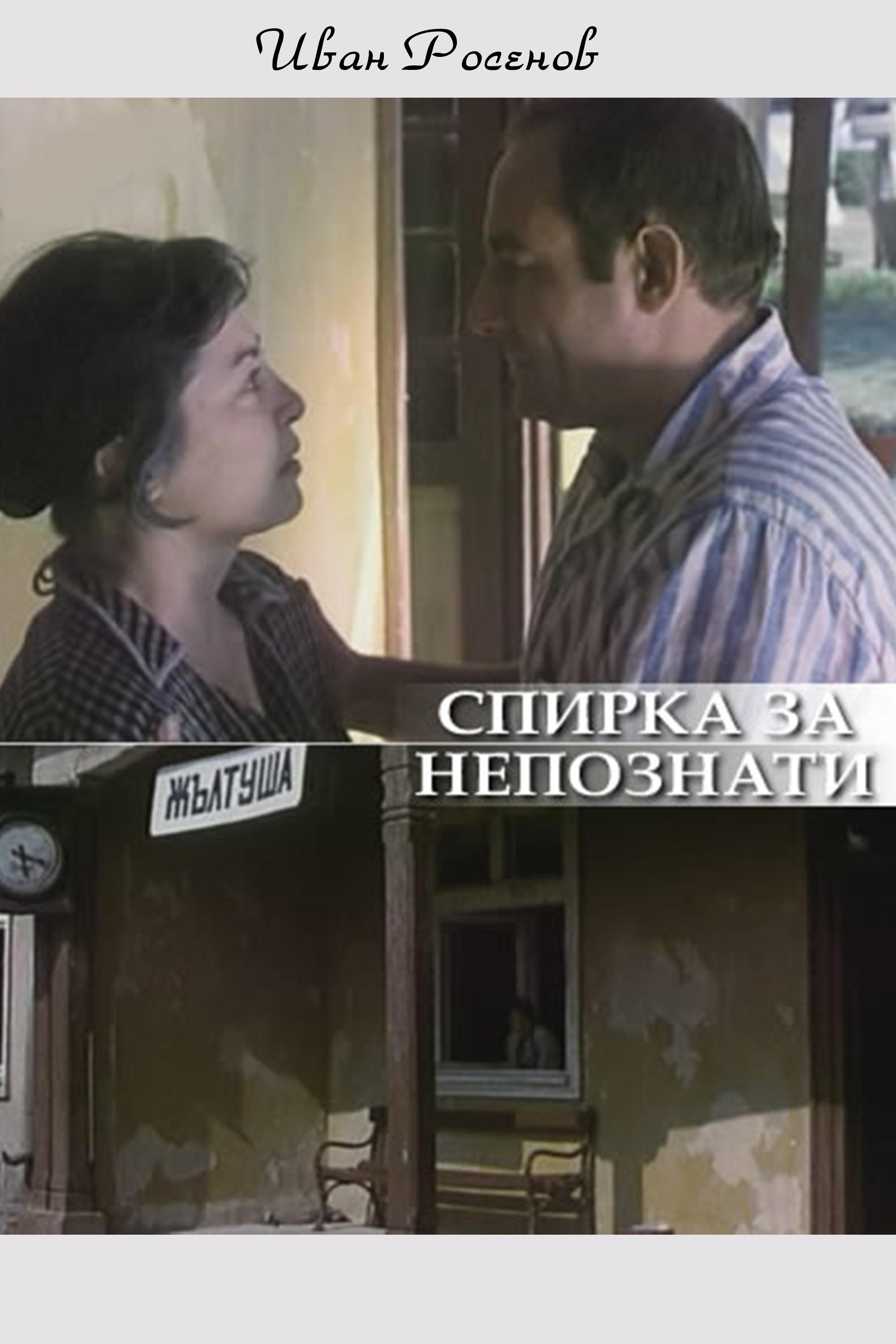
The manager of a small railway station was taken to hospital. His wife Maria was left alone for the first time. Ivan appears and transforms her monotonous daily life and awakens the love in her. She has only to take one step. But is it too late?
1968. A burned book. A failed life. Humiliations that are not forgiven. Traumas that are not forgotten. Small "rebellions" and small "betrayals". A puzzle of many human destinies, in which small "no"s form one big "yes"...
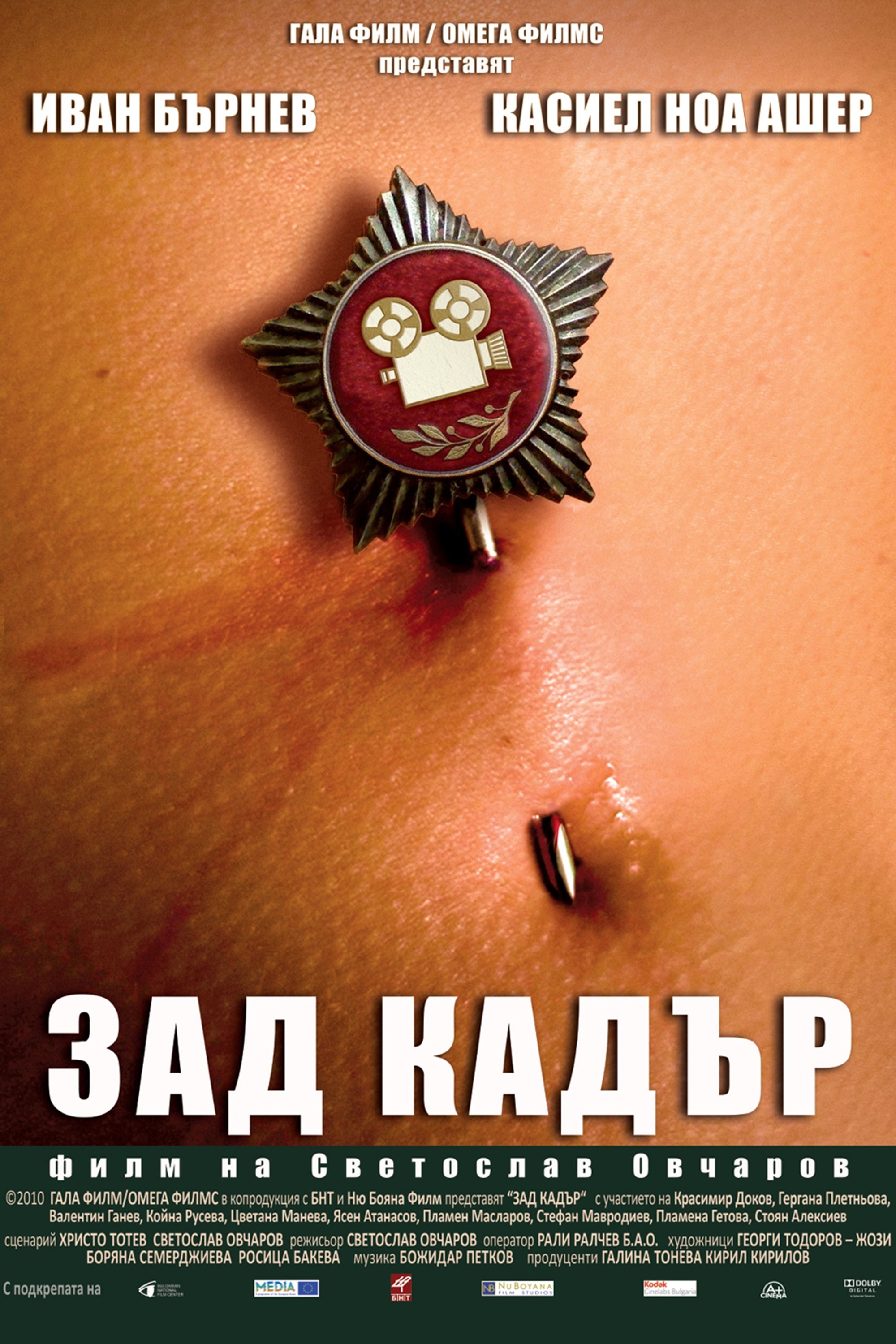
The end of the 70s. Anton Krastev, a DOP and his wife Diana are separated by the Iron curtain - she fled with their son Antoan to Western Berlin while he stayed in Bulgaria. She believes that Antoan can only be cured in Germany. But Anton can't live without his job. He works with the best film director who is a high ranking Communist. The State Security Services are keeping a zealous eye on Anton. His phone calls are being taped, his letters are being read. His close relations to the power people of the day make him even more suspicious. The State Security Services put an end to Anton's relation with his wife. Thorn apart, Anton and Diana go through love, alienation and hate. There comes a time though when the powerful friends of Anton lose their power and he loses everything that he's ever loved - his work, his wife and son. Thirty years later Anton shoots the story of his own life. But those who now direct the movie are the very same people who once persecuted him.
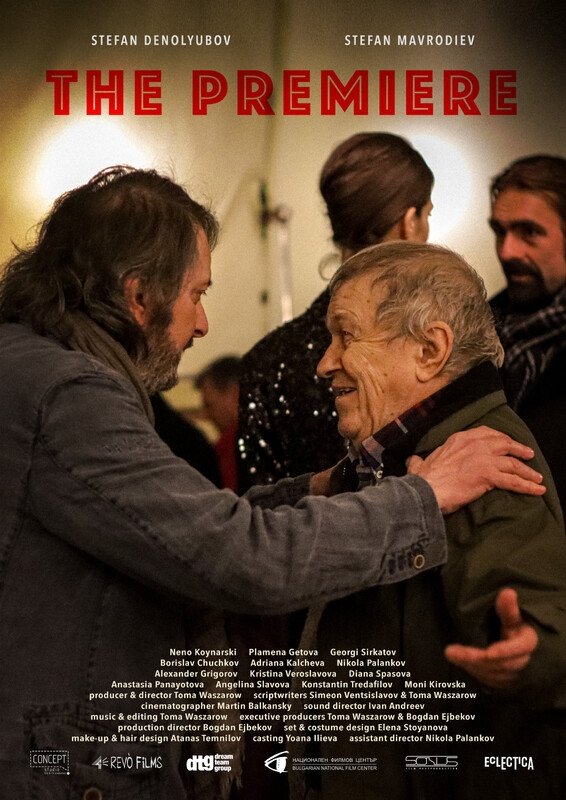
On the evening of the premiere of his new film “Deep in the Soul”, director Philip Kralev is curious to see what the audience and critics think when an unexpected guest suddenly appears.
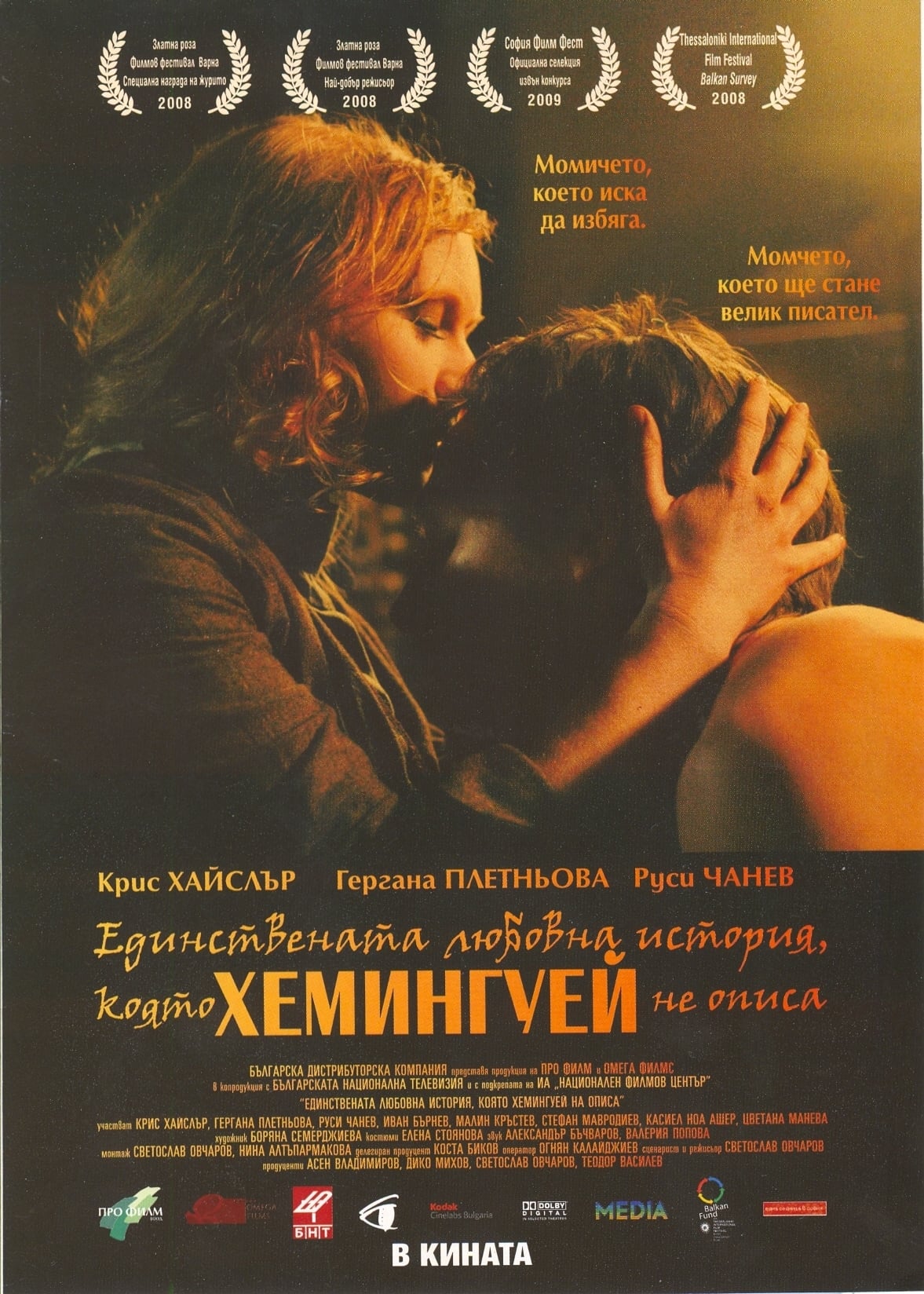
Bulgaria, the night of October 18, 1922. A rampageous young man - an American, is forced to get off the Orient Express at a small station. The chief of the railway station and his daughter are quite unwilling to put up the stranger. Gradually, the American wins their trust. When the father understands that his daughter has decided to go away to Paris with the American, he makes a potion to sedate him and gets him on a train on the sly. In the morning all that has left from the guest is a piece of paper, which reads "Ernest Hemingway".