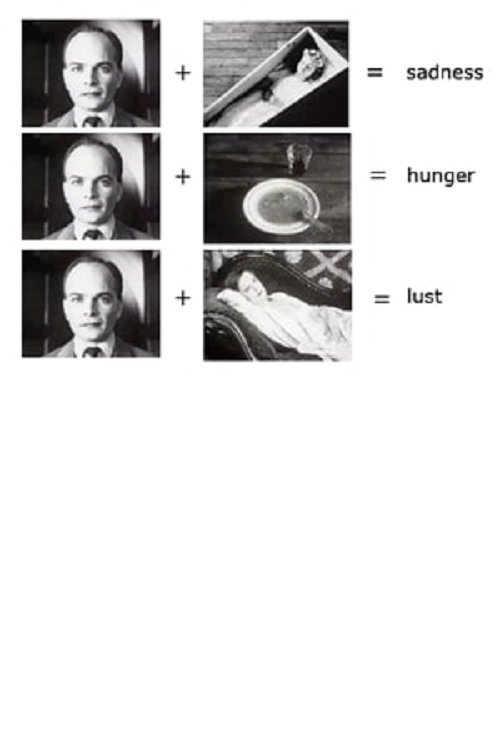
An experiment in editing.
A desperate mother abandons her child on the door step of a playboy.
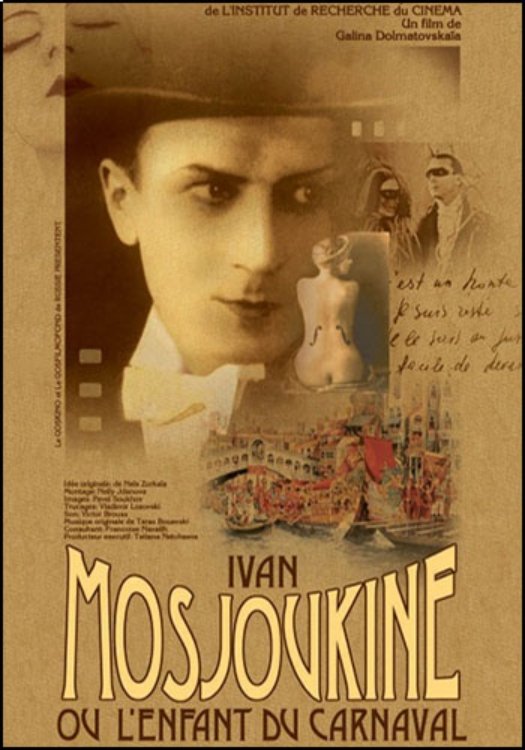
The brilliant and dramatic fate of the great Russian actor Ivan Mozzhukhin, who became a star of French cinema, against the background of the life of the European Bohemians of the 1920s and 30s. Love and business correspondence, photographs, notebooks, documents of the actor are presented on the screen for the first time.
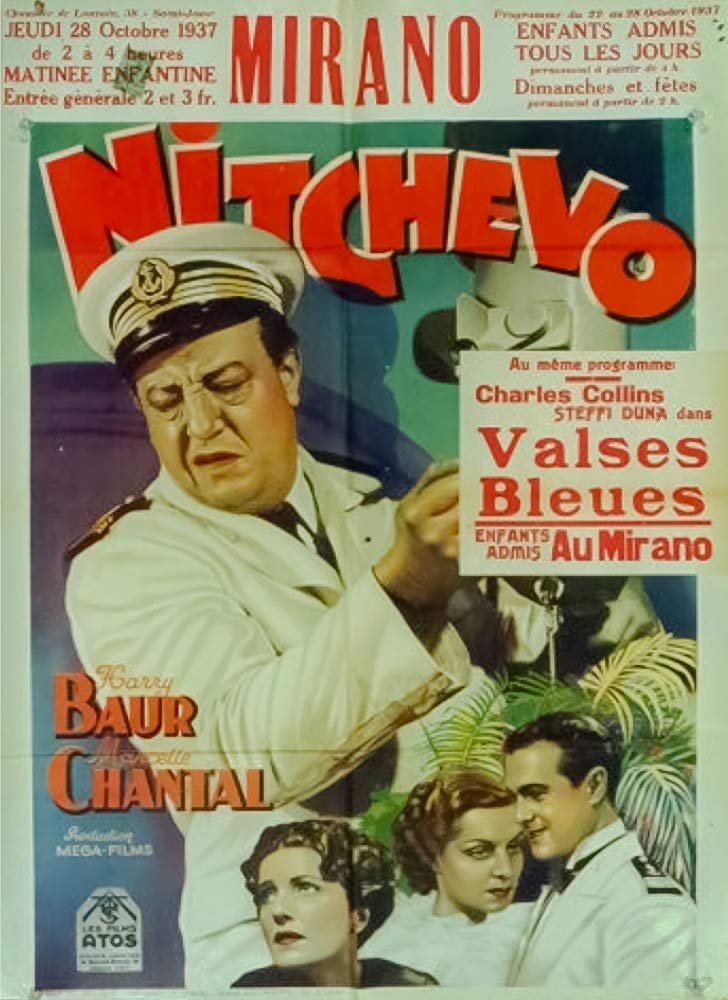
A commander suspects his wife of infidelity, when she turns to a subordinate officer to help her against someone threatening to blackmail her about her troubled past.
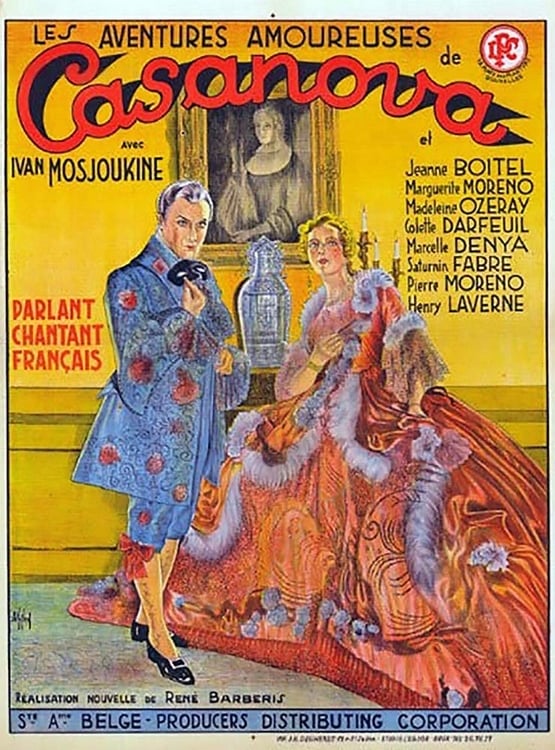
Talkie remake of a 1927 silent about the adventures of the notorious womaniser and venetian adventurer Chevalier Giacomo Casanova. Action starts in Venice and then the plot takes Casanova to France and Russia.

Based on the play of the same name by E. Karpov. The movie has not survived.

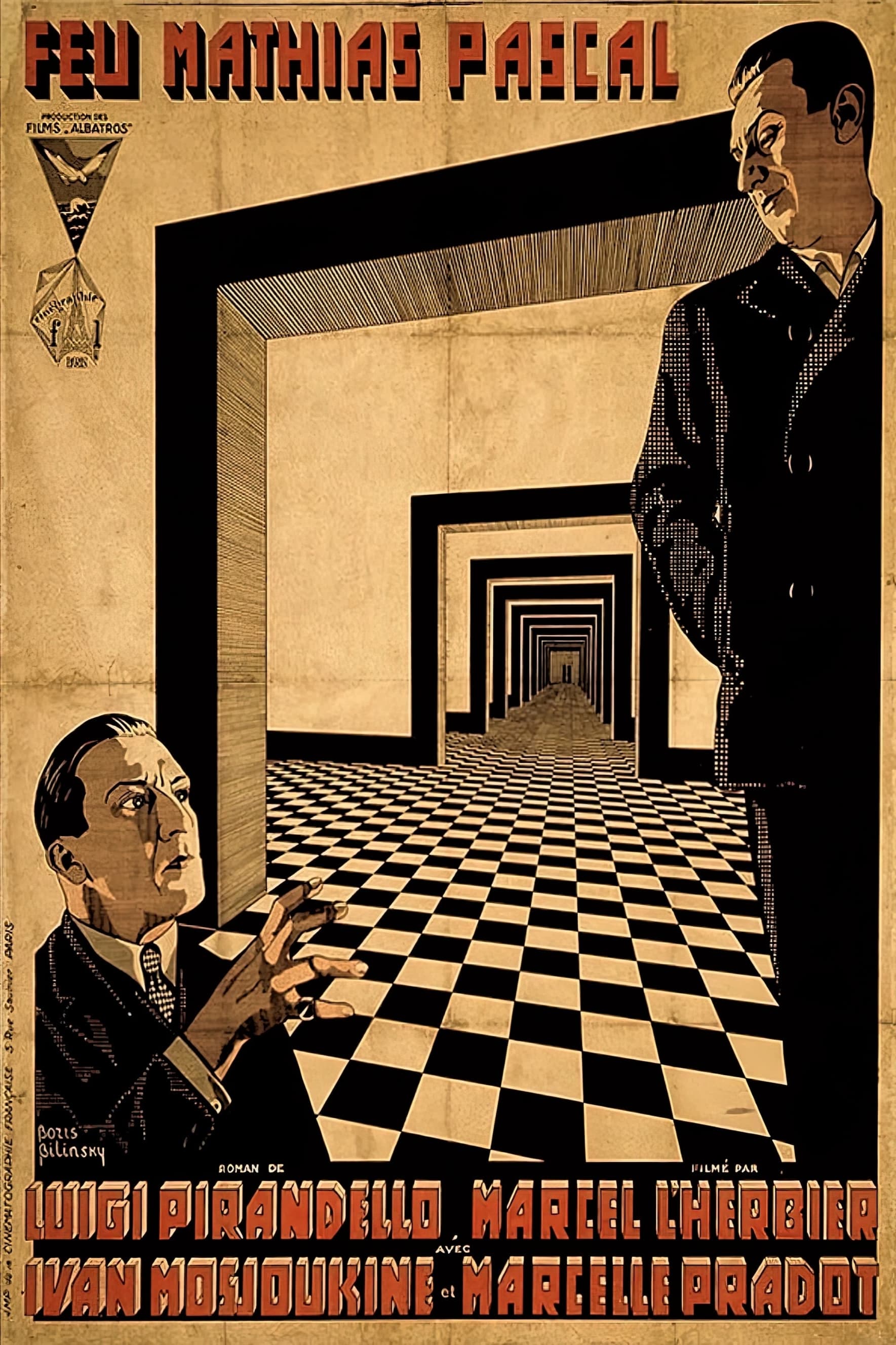
Mathias Pascal, only son of a once-rich family, marries beautiful Romalinda, who has a terrible mother-in-law. She controls her daughter, and soon his home life becomes a nightmare. His only moments of lights are his mother and baby, but both die on the same day. Shocked, he leaves his hometown and goes to Monte Carlo, where he wins a fortune at the casino. Returning home, he reads his own obituary in a paper. They have found a corpse in a creek and connected it with his disappearance. Mathias, noticing that he is now free from all ties to his old life, decides to start a new one.
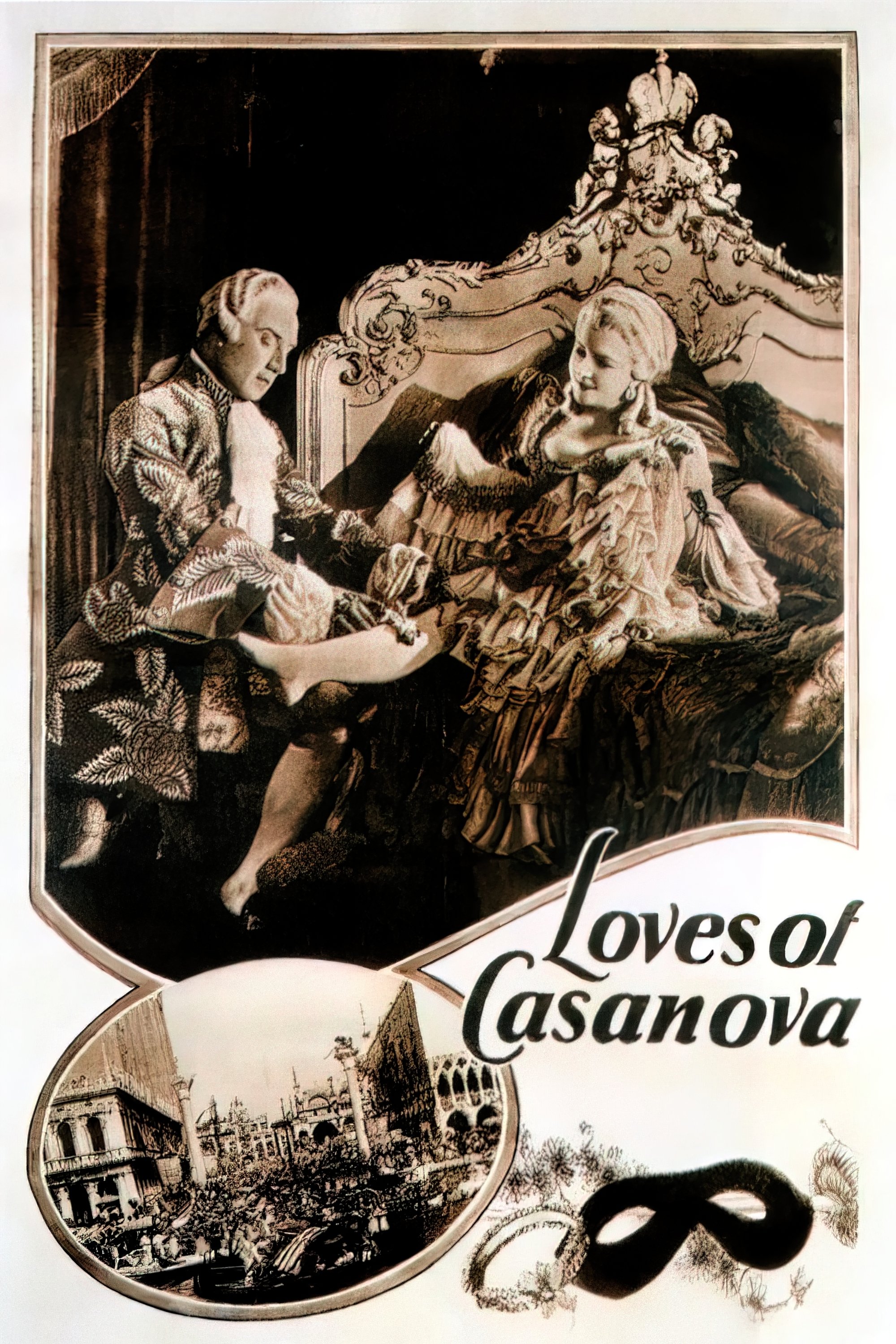
Republic of Venice, 1760. Pursued by a vengeful husband, the intrepid womanizer Casanova, who symbolizes the decline of the city and its fall into debauchery, manages to escape and, by a circuitous route, arrives in Saint Petersburg, where he will be involved in the many plots that threaten the throne of Czar Peter III…
Scenes from everyday life based on folk song. Made while filming "Conquest of the Caucasus".
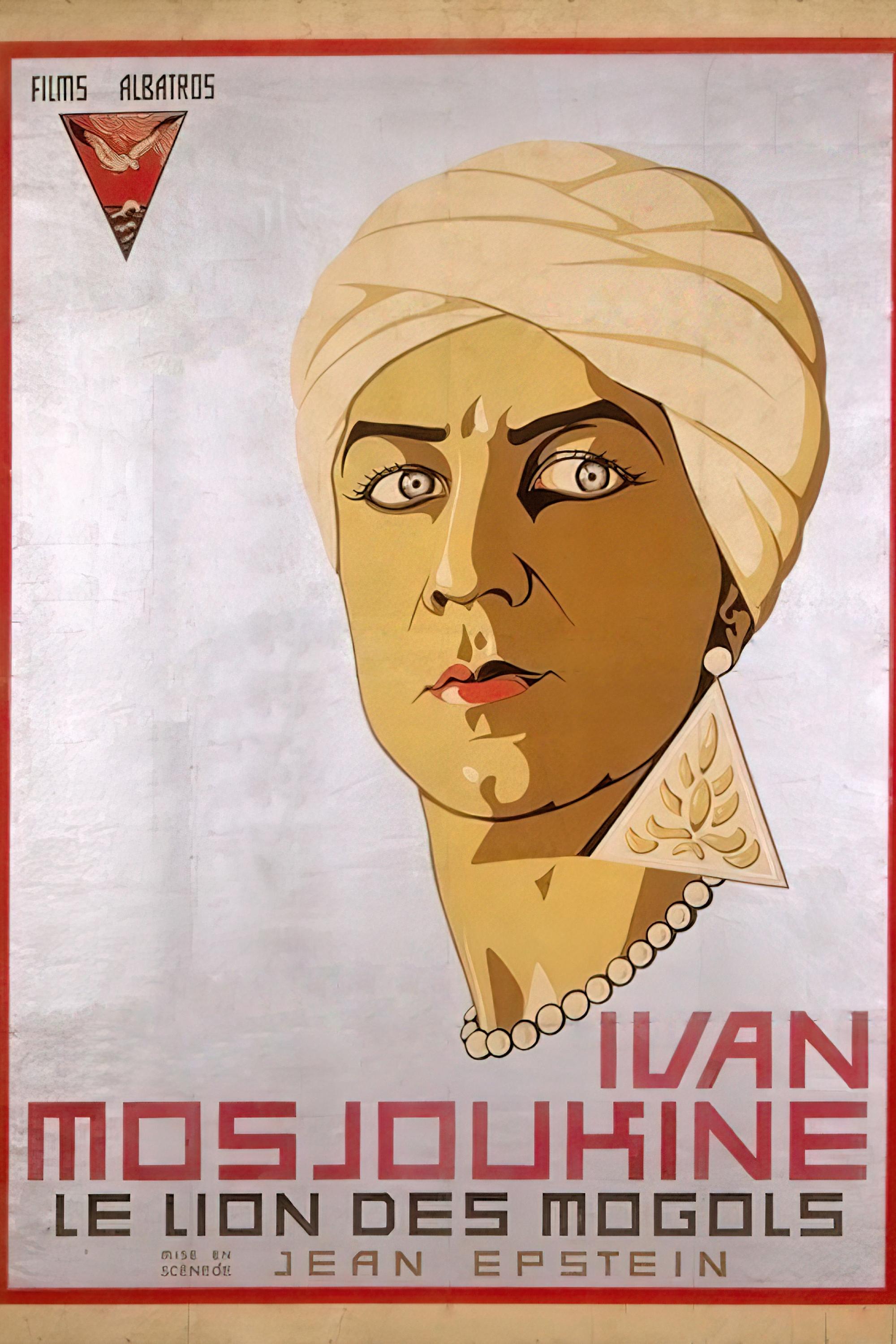
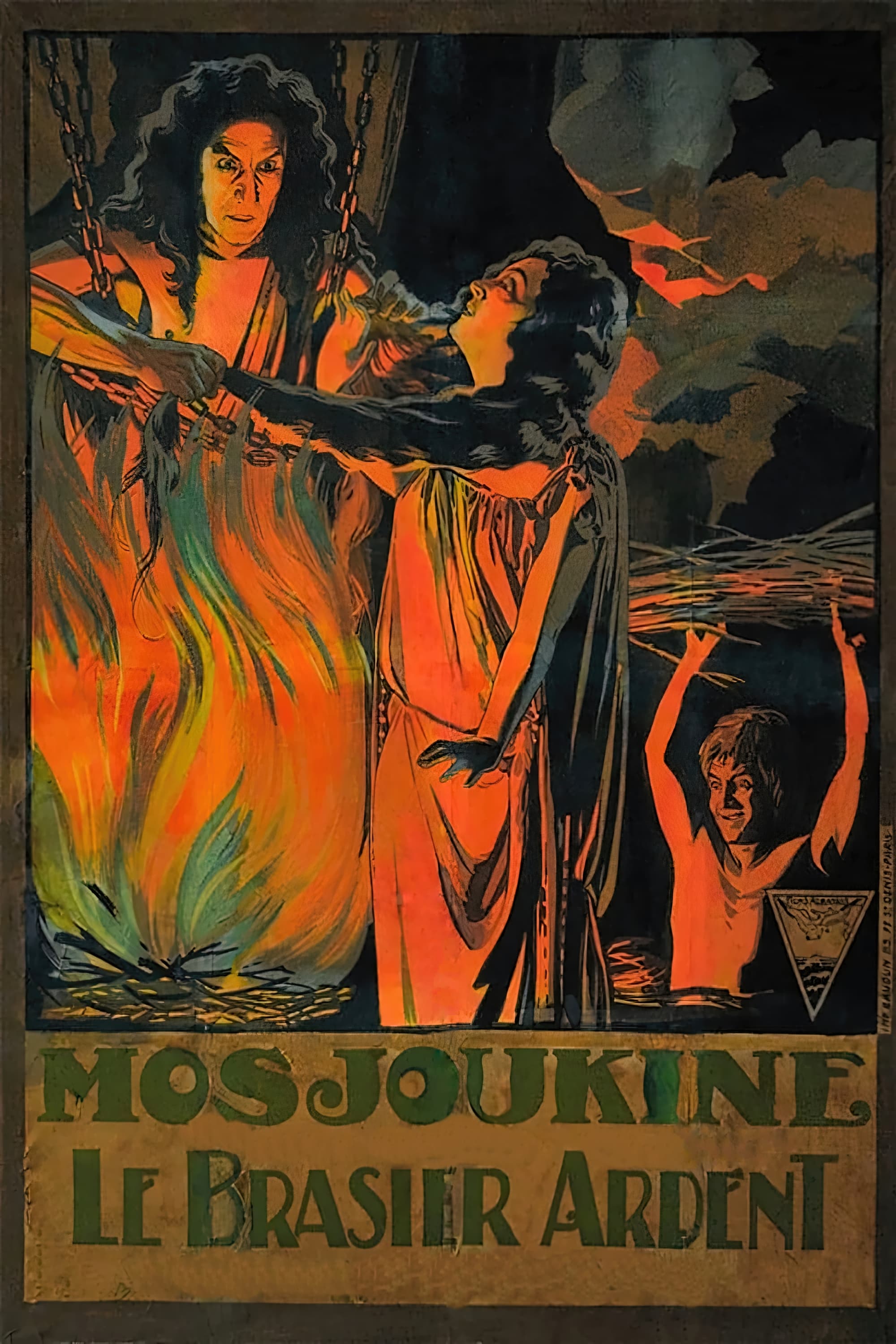
In the kingdom of the Moguls, Prince Roudghito-Sing, a young officer of the palace, falls in love with Zemgali, a captive princess held prisoner and coveted by the Grand Khan. Fleeing the country, he takes refuge in Paris and his presentability allows him to be hired as an actor by a French film company. The trouble is that Anna, the star of the movie, is attracted to him. Which displeases banker Morel, the producer and Anna's lover... Written by Guy Bellinger
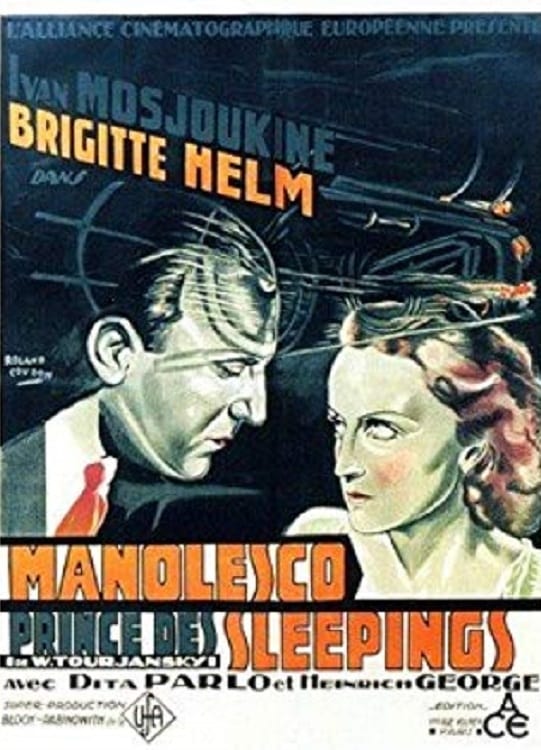
George Manolescu (Ivan Mosjoukine) plays a confidence man who works his way from Paris to New York. Along the way, during a train ride to Monte Carlo, he meets the voluptuous Cleo (Brigitte Helm). They have a whirlwind romance that ends suddenly after she flees from him.
A woman, named simply "Elle" and her husband, a wealthy industrialist, are not on the best of terms. While she enjoys the way he caters to her every whim, she wonders whether he really loves her. He, on the other hand, torments himself by imagining rivals. One morning she awakens from a nightmare in which she has been pursued by a man in various guises, who turns out to be the famous Detective Z, whose memoirs she has been reading. When she and her husband quarrel over leaving Paris permanently for a country estate, he goes to the "Trouve Tout" Agency and hires, of all people, Detective Z, to win back her affection.
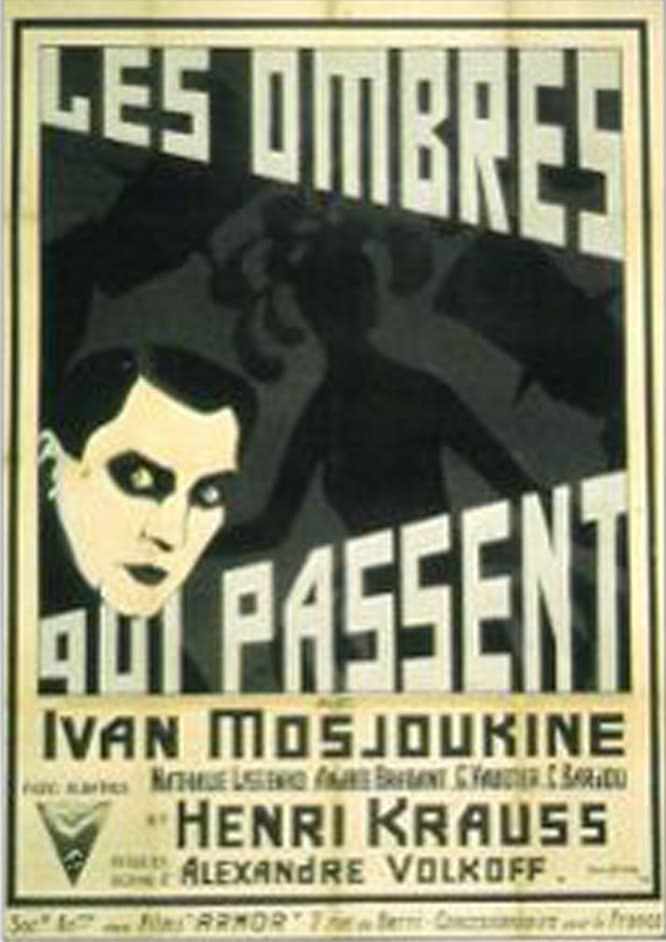
Directed by Alexandre Volkoff, 1924
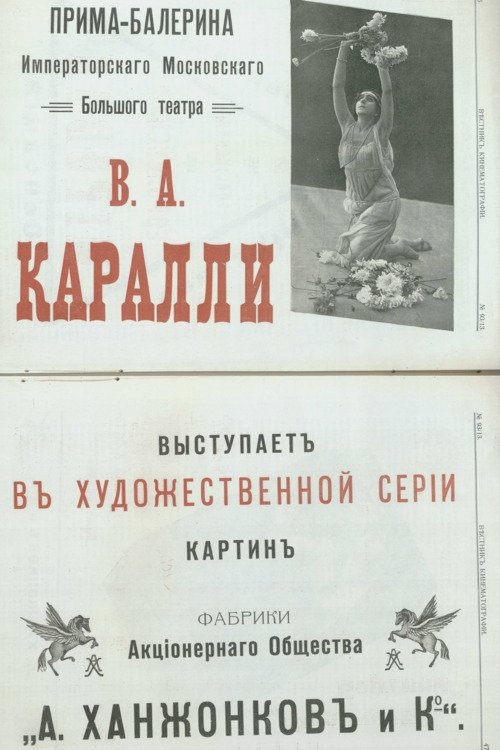
A tragic story of a ballerina.
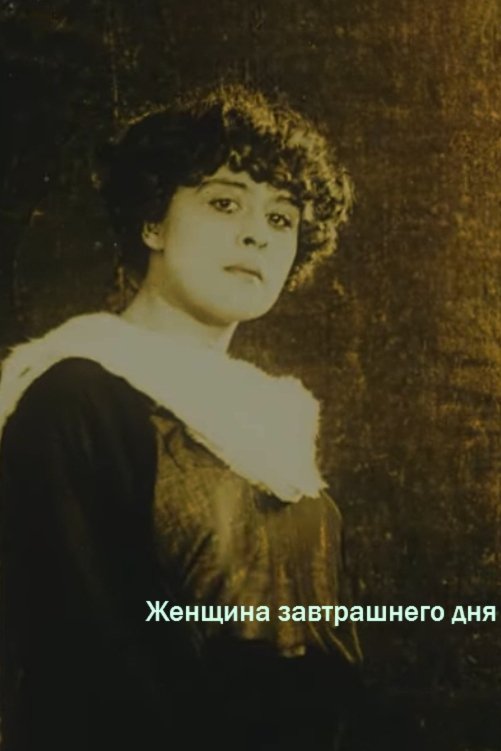
A female doctor is so busy with her work that she has too little time for her fiancé. He falls in love with a waitress and the two have a child. Though considered by some to be a proto-feminist yarn, the film dwells on the consequences that equal rights for women may generate rather than openly champion suffrage. Similar in to Ibsen's The Doll House in many ways, the film provides mannered, solemn melodrama, ably acted by Mosjoukine and Yureneva.
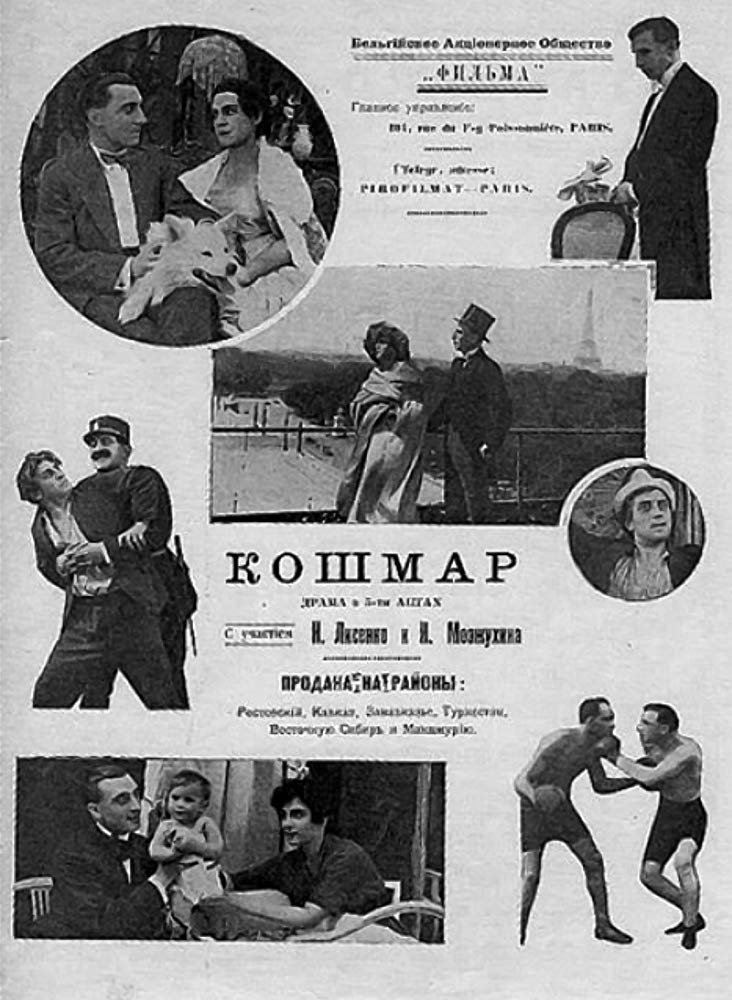
The marquis de Granier would like his son Charles to end his current relationship for a respectable marriage. His younger brother Octave tries to help but Yvonne Lelys tricks him and he nearly leaves his family for the dancer. He even follows her to Constantinople. He falls asleep while writing to his father and dreams that he is a movie actor who, driven by poverty, sneaks into his father's home to rob him. As his father catches him, he kills him. Thankfully, it was all a dream.
A great stage performer falls ill and loses her voice and beauty, and she and her admirer's lives crumble because of it.
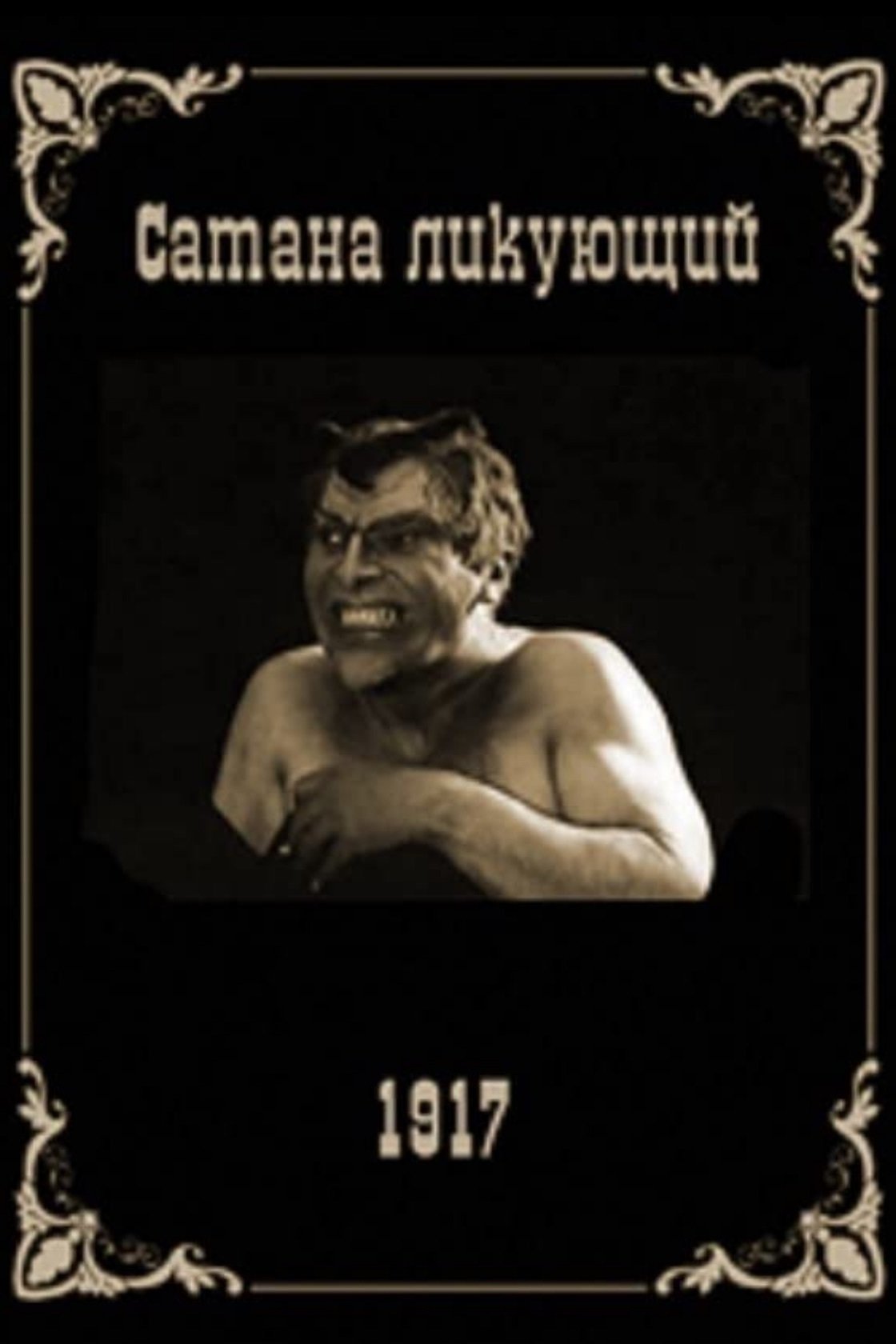
Pastor Talnoх furiously urges the flock to fight temptations, but he himself becomes a victim of temptation. In his house appears Satan, pushing the hero to theft and spiritual fall.
A romance in the upper-classes develops as the Bolshevik revolution is at hand.
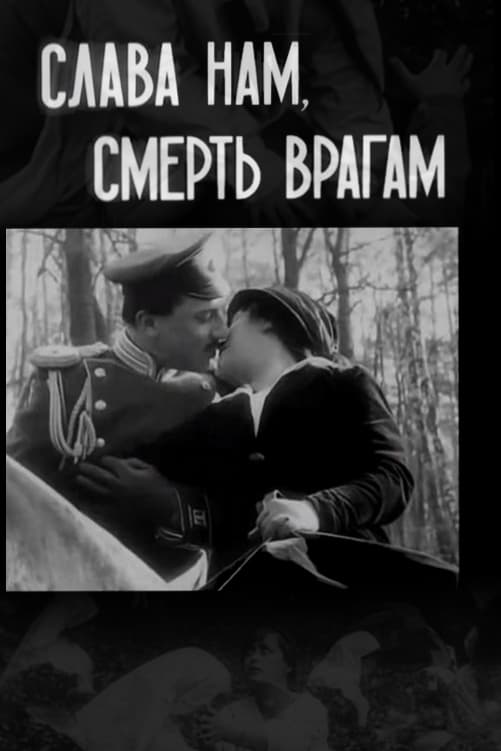
This 1914 drama set in the WWI-era relates a heroic act carried out by a war nurse for the Red Cross (Dora Tschitorina) who has witnessed the death of her husband (Ivan Mosjoukine).
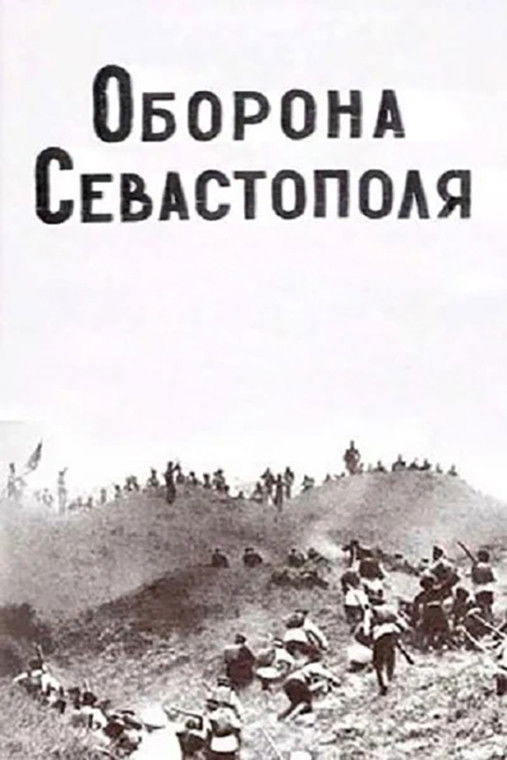
First film ever that was shot by two cameras. Set in 1854-1855, in Sevastopol and Yalta during the Crimean War. Admirals Kornilov (Mozzhukhin) and Nakhimov (Gromov) organize the defense during the siege of Sevastopol. Both admirals are killed during the battle, and the city of Sevastopol is taken by the alliance of British, French, Sardinian, and Turkish troops. The legendary feat of Sailor Koshka (Semenov) was staged at original location. The 100 minute-long film was premiered in 1911 at the Livadia, Yalta, palace for the Tsar Nicholas II.
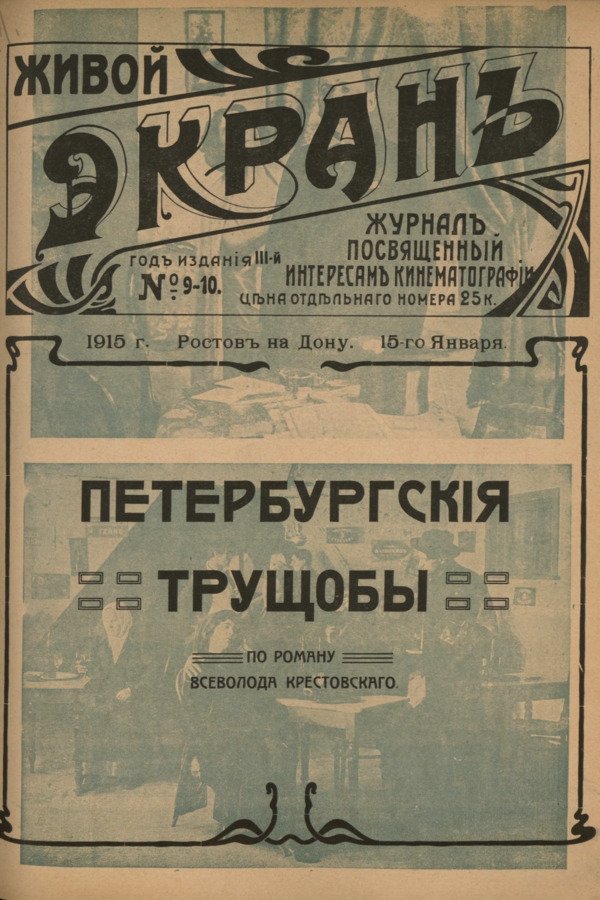
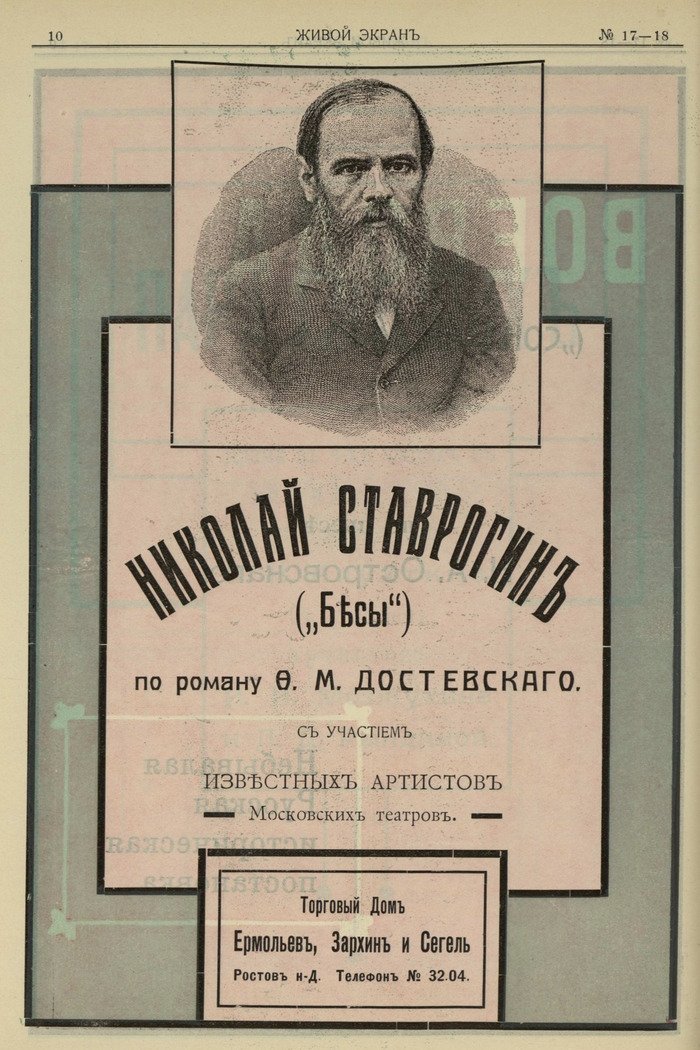
Five-episode adaptation of the eponymous Russian novel, directed by Pyotr Chardynin et al.
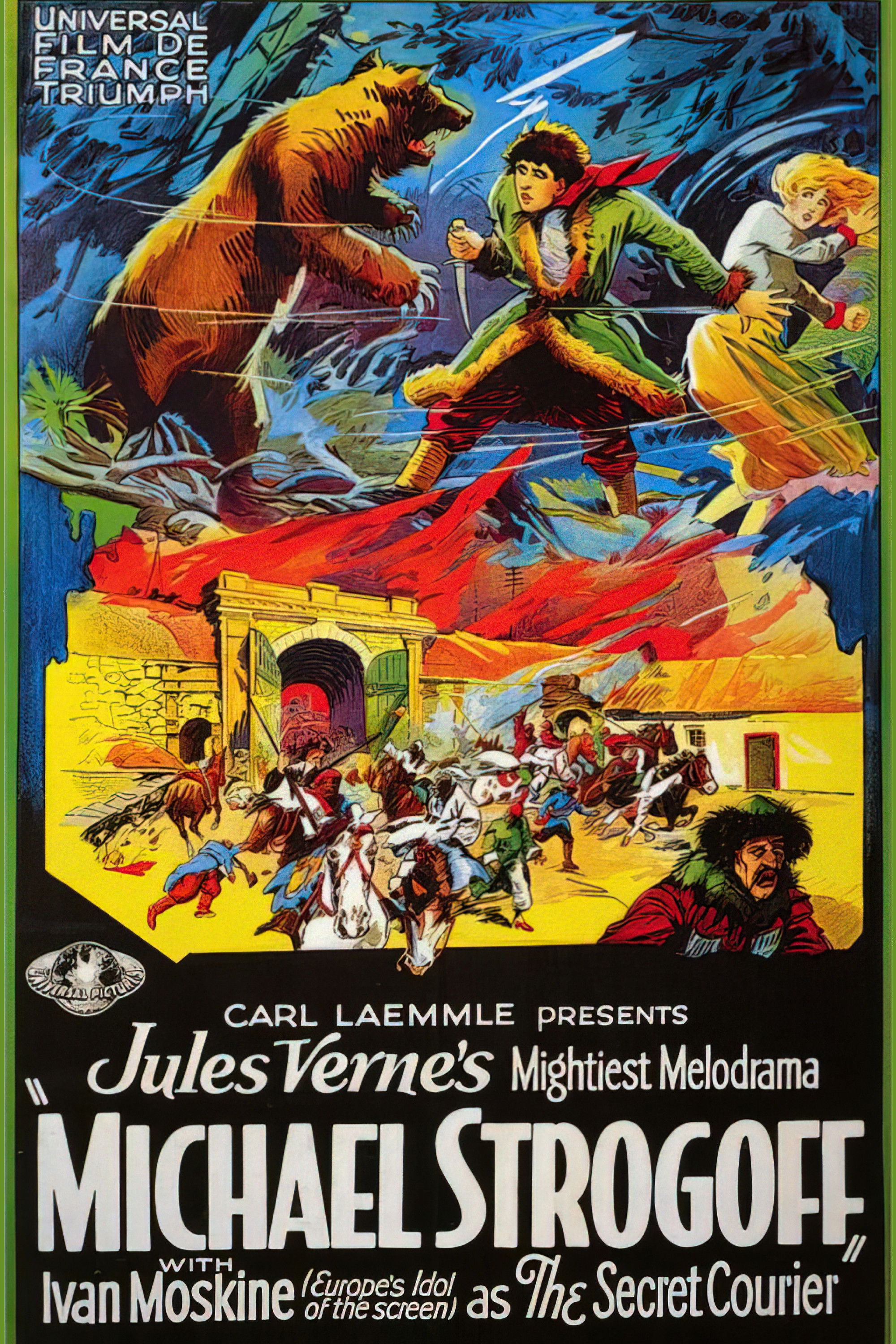
Adapted from Jules Verne's 1876 novel Michael Strogoff, the film tells the tale of a Russian courier named Michael Strogoff who has to dash across Russia with a vital message for the tsar's brother, wrestling with bears and fighting off ferocious Tatar rebels along the way. Captured by the Tatars, he is brought before their leader and blinded with a red hot sword by the executioner.
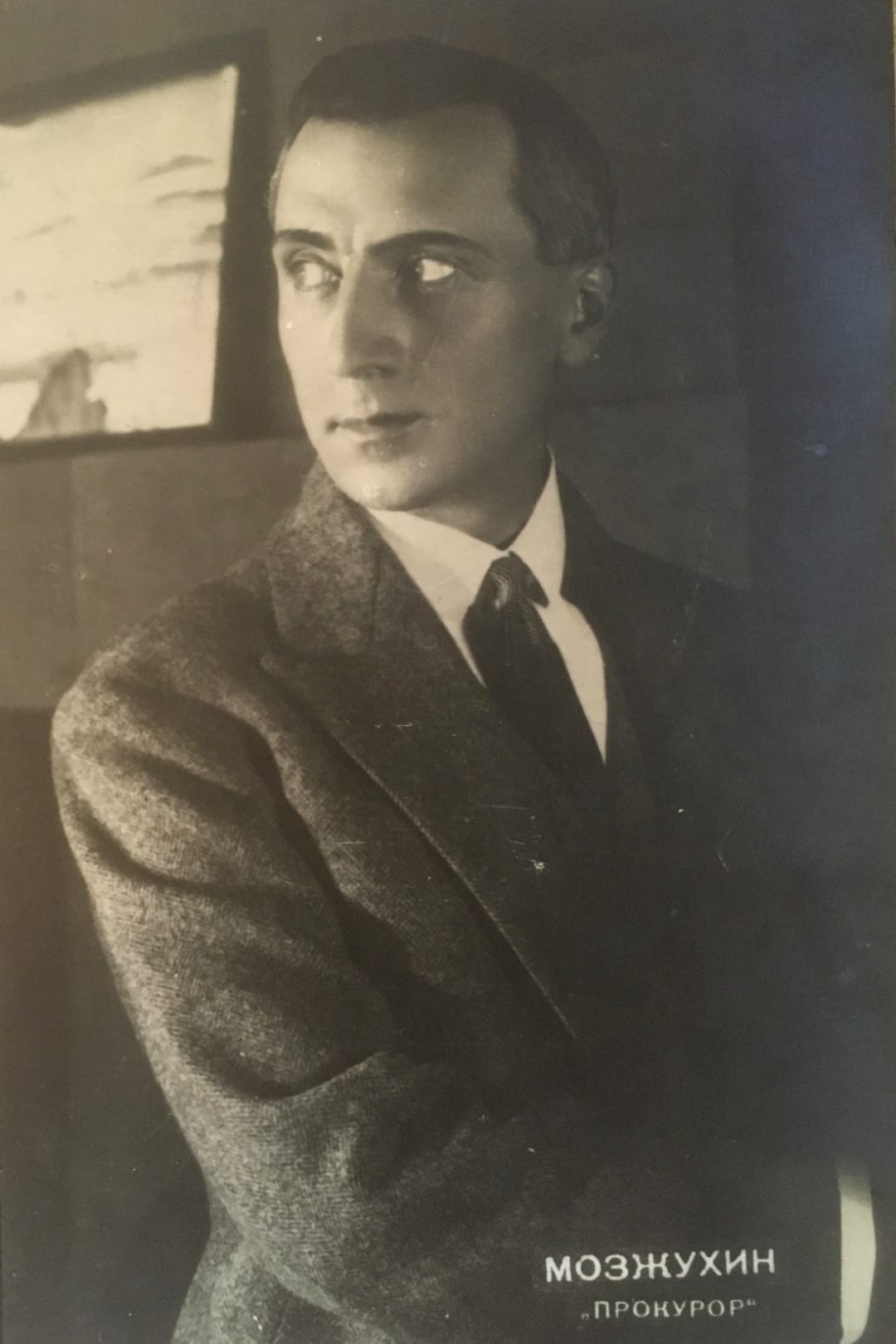
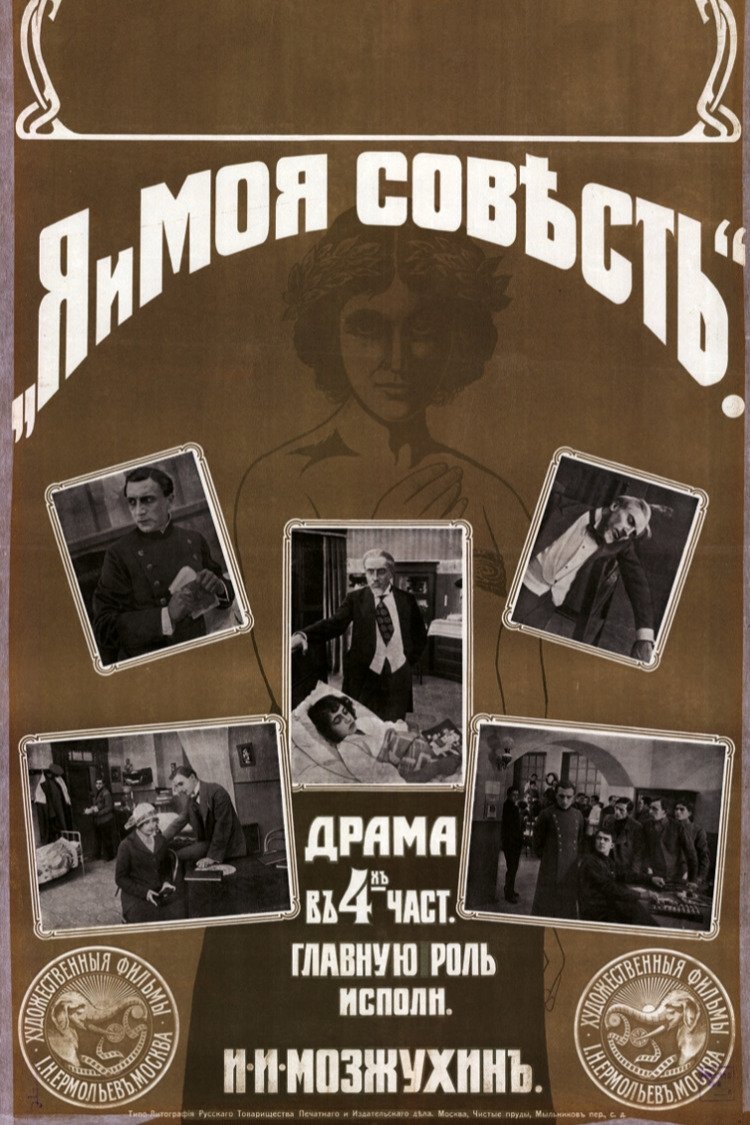
Prosecutor Olsen's lover, the singer-songwriter Betsy, leaves him for a new passion. And he, speaking in court as a prosecutor, remains deaf to the dictates of feelings, a ruthless servant of the harsh Law. Some time later, Betsy kills her new lover in a fit of jealousy; Olsen, who retained his feelings, nevertheless becomes her accuser at the trial. He seeks the condemnation of Betsy, but comes to the realization that he lived unrighteously, allowing himself to be judged, becoming a servant of Themis. Exit in the classic tradition of the great mute: Olsen commits suicide.
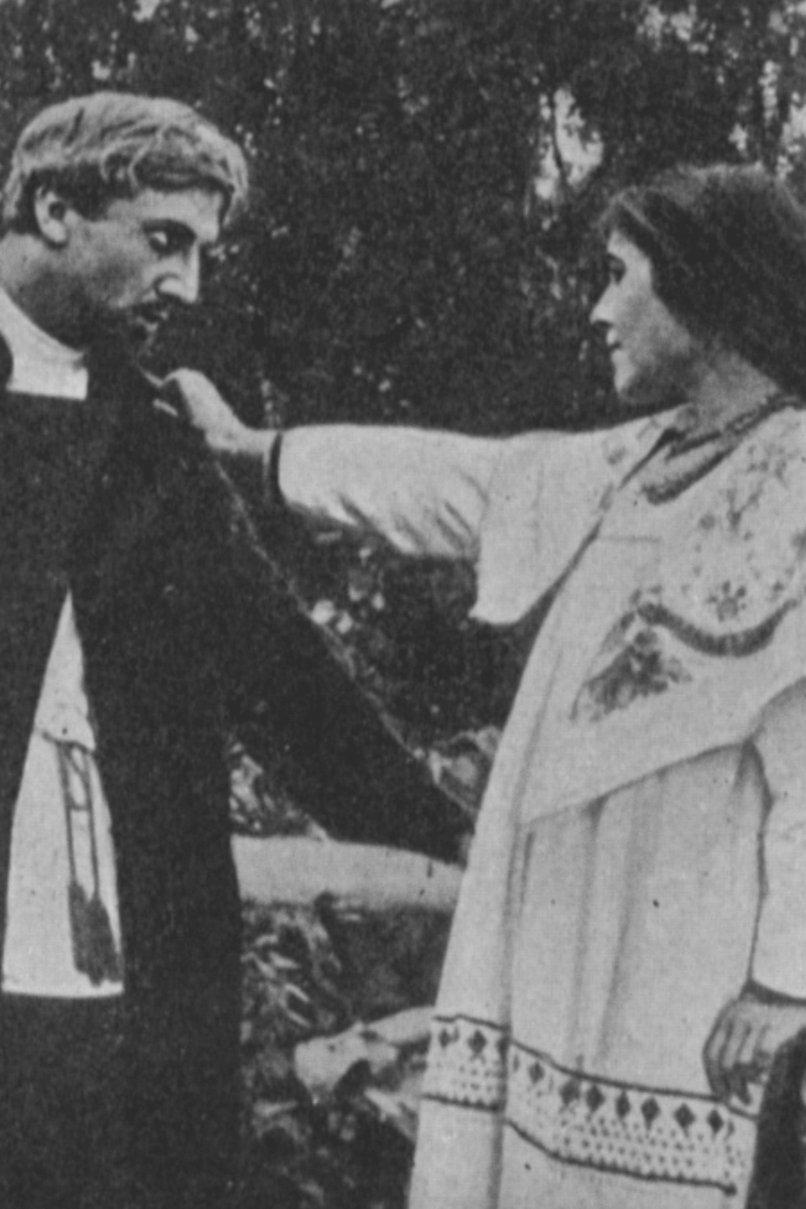
Two peasants in feudal Russia wish to marry but tragedy strikes. A grim if familiar depiction of the precarious condition of the rural life.
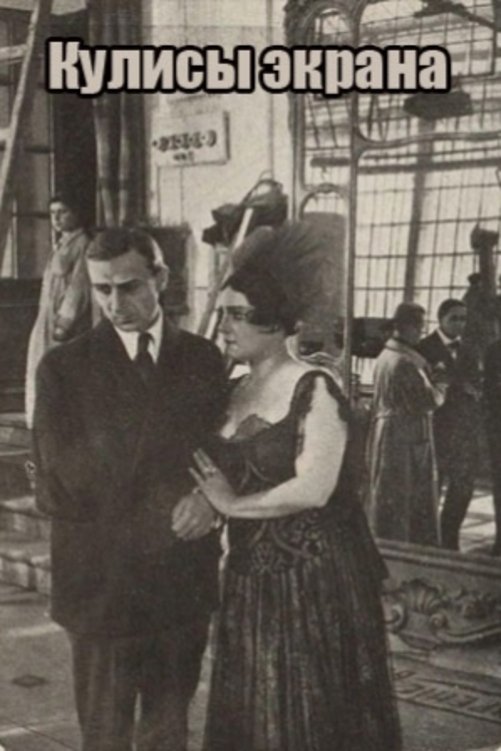
Famous Russian screen actors play themselves in this drama about the lives of actors. Thirteen minutes of the film survive.
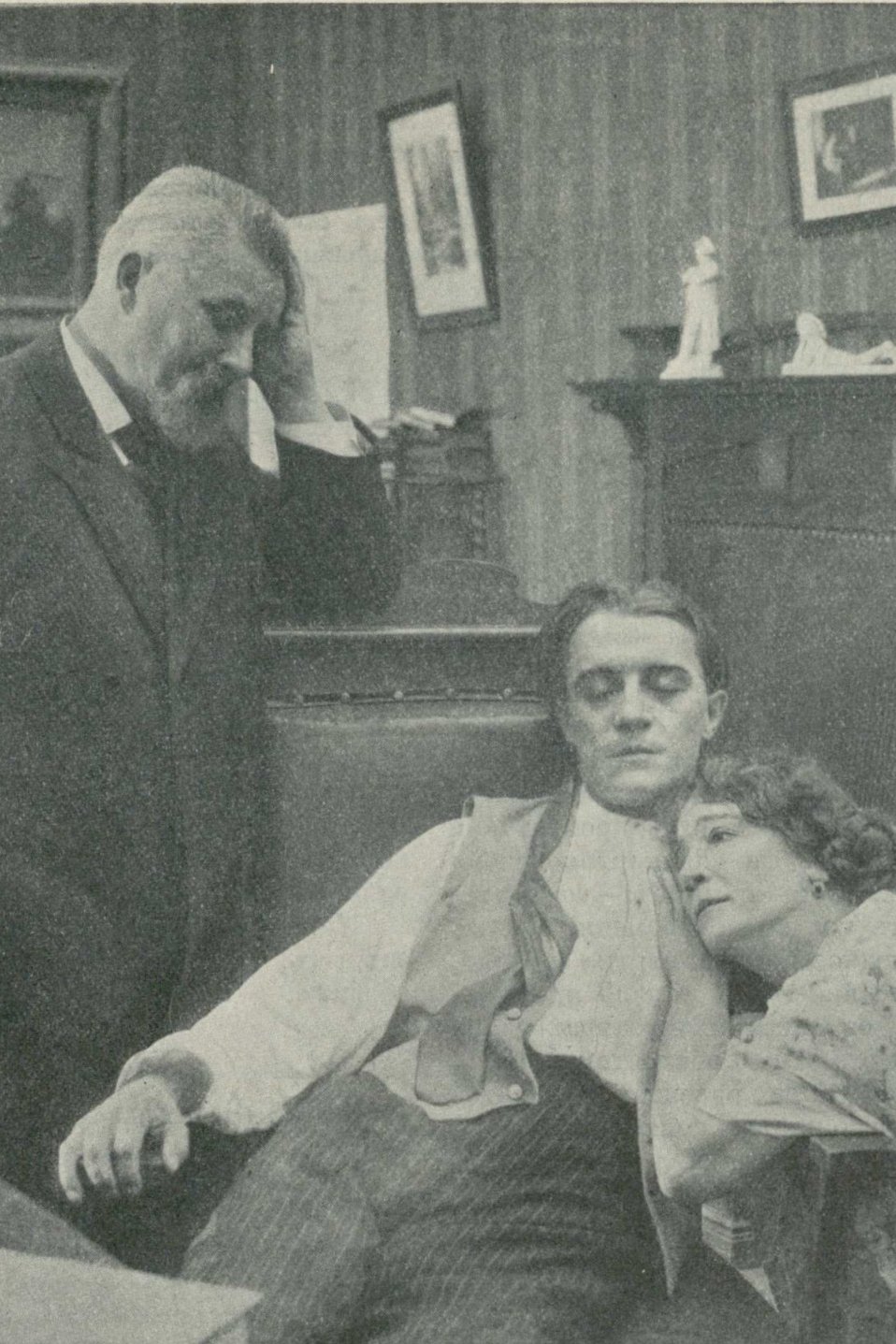
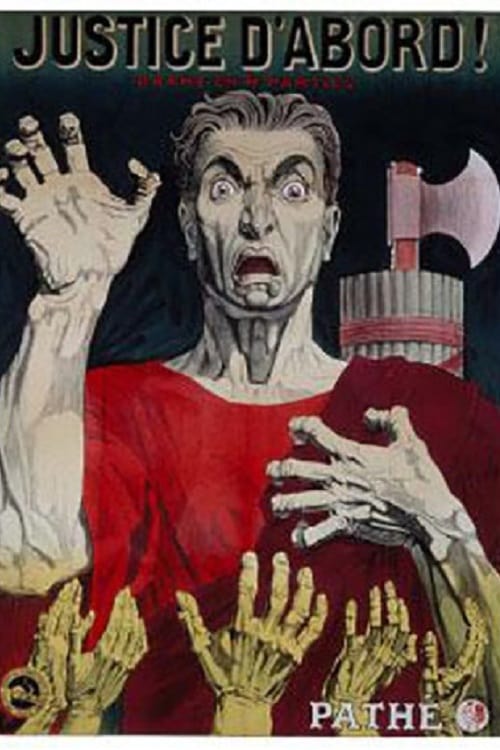
Directed by Yakov Protazanov.
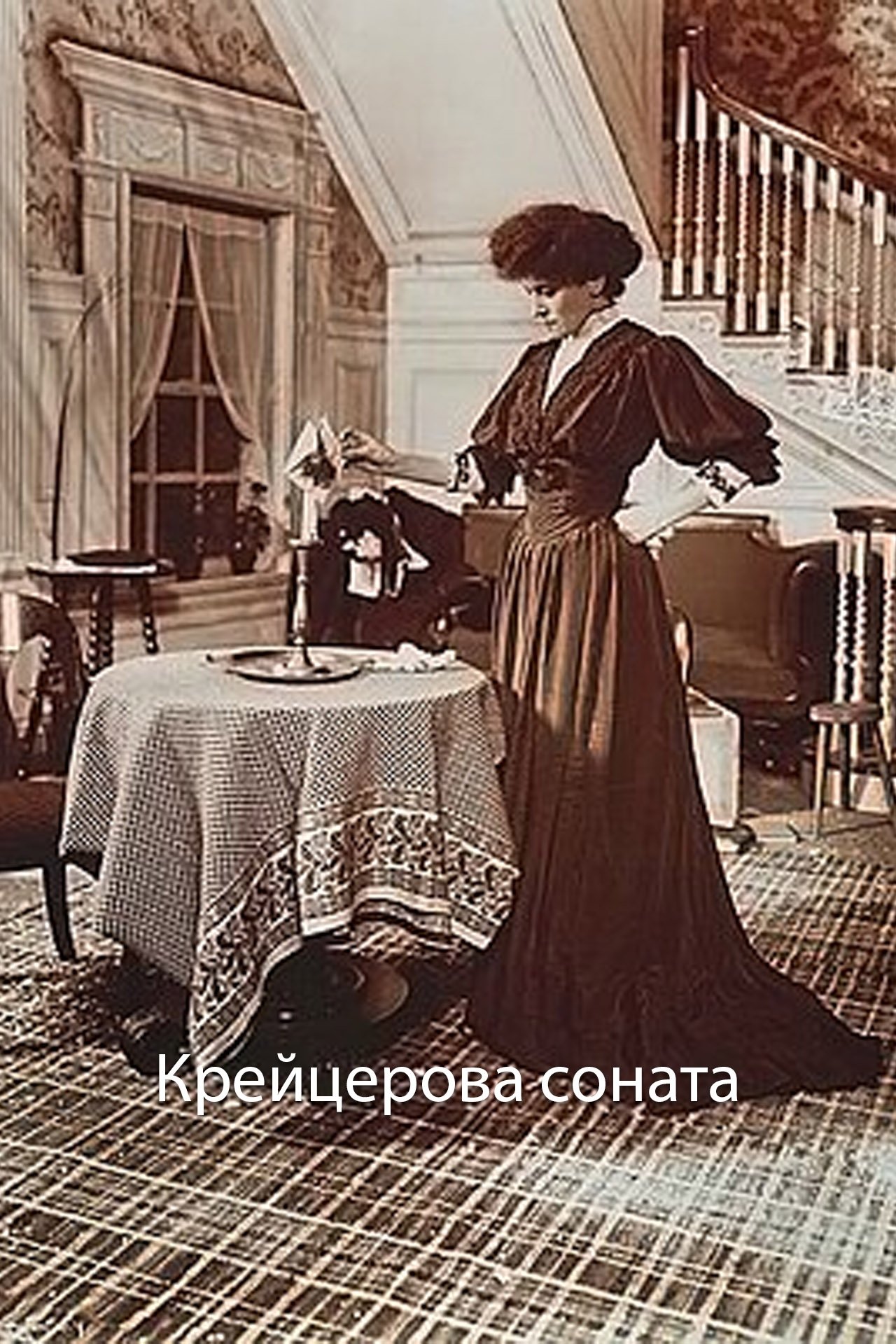
The Kreutzer Sonata is a 1911 Russian silent film directed by Pyotr Chardynin. The film is considered lost.
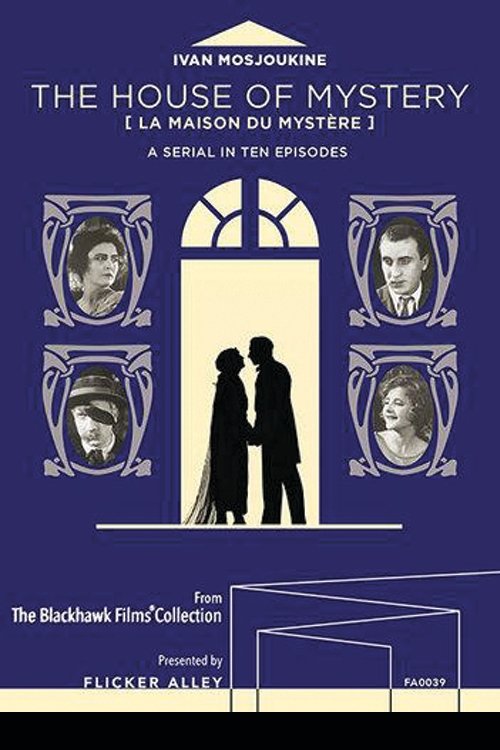
Julien Villandrit is the owner of the estate of Les Basses-Bruyères and its textile factory, where the manager is his childhood friend Corradin. Julien marries his neighbour Régine, unaware that Corradin also loves her. Julien is sent to gaol for a murder actually committed by Corradin. The only witness to the truth is the woodsman Rudeberg and Corradin buys his silence by paying for the education of his son Pascal. Julien's struggle to clear his name and to rescue Régine and their daughter Christiane from Corradin's scheming extends over many years and faces many setbacks.
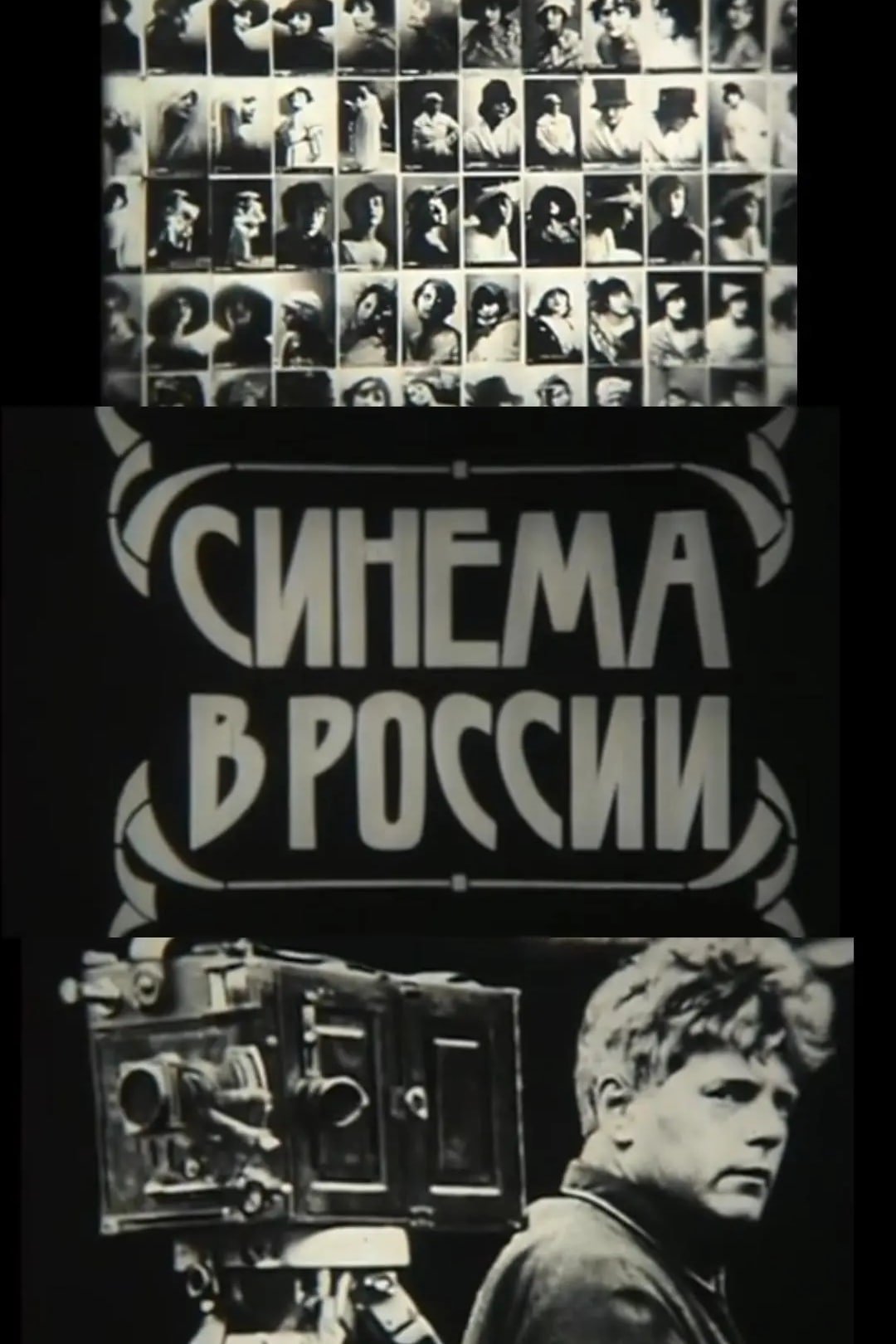
Documentary film about early years of Russian cinema: its first directors, cameramen, producers and actors. Includes rare fragments of pre-revolutionary feature films, newsreels and Starewicz's animation.

Lea Lyon, the daughter of a rabbi, lives happily with her father in their Gulicinu village, but there are rumblings of war. Soon, the village is overrun with the Imperial troops of the Russian Czar, with Constantine in Imperial command. He is attracted by the beauty of Lea and commands her to come to his quarters. She refuses and he is outraged. He orders the townspeople barred behind their doors and the village burned. Though she loves her honor above everything else, she can not bear to see the villagers suffer, and makes the lonely walk through the village to the Inn.
Ivan Mozzhukhin is a "...hot-headed Caucasian mountaineer leader whose irrational behavior comes to the attention of the Czar . Hoping to use Hajji Murad as a go-between in his plans to conquer the Caucasus mountaineers, the Russian ruler finds that the hero is not so easily manipulated. Rescuing the beautiful Saira from the Czar's clutches, Hajji Murad leads the mountain people's revolt against the despotic regent." Needless to say, the film ends in tragedy.
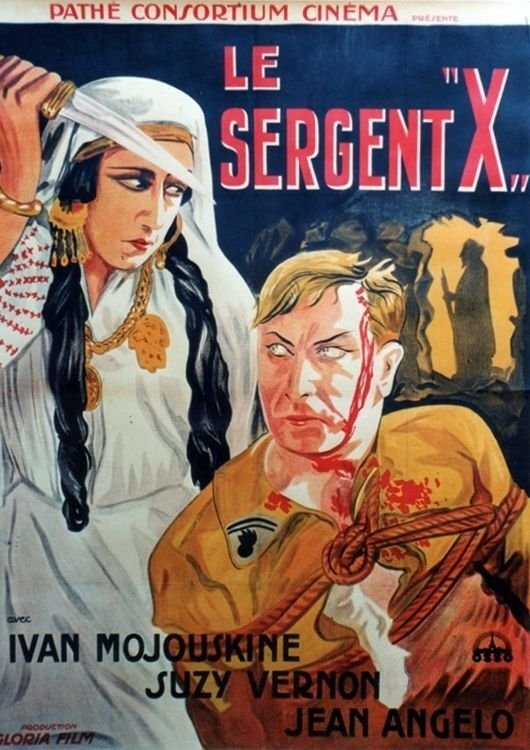
A military wife remarries after she thinks her Russian husband has died in battle, and when he returns alive he enlists in the Foreign Legion rather than disrupt her new happiness.
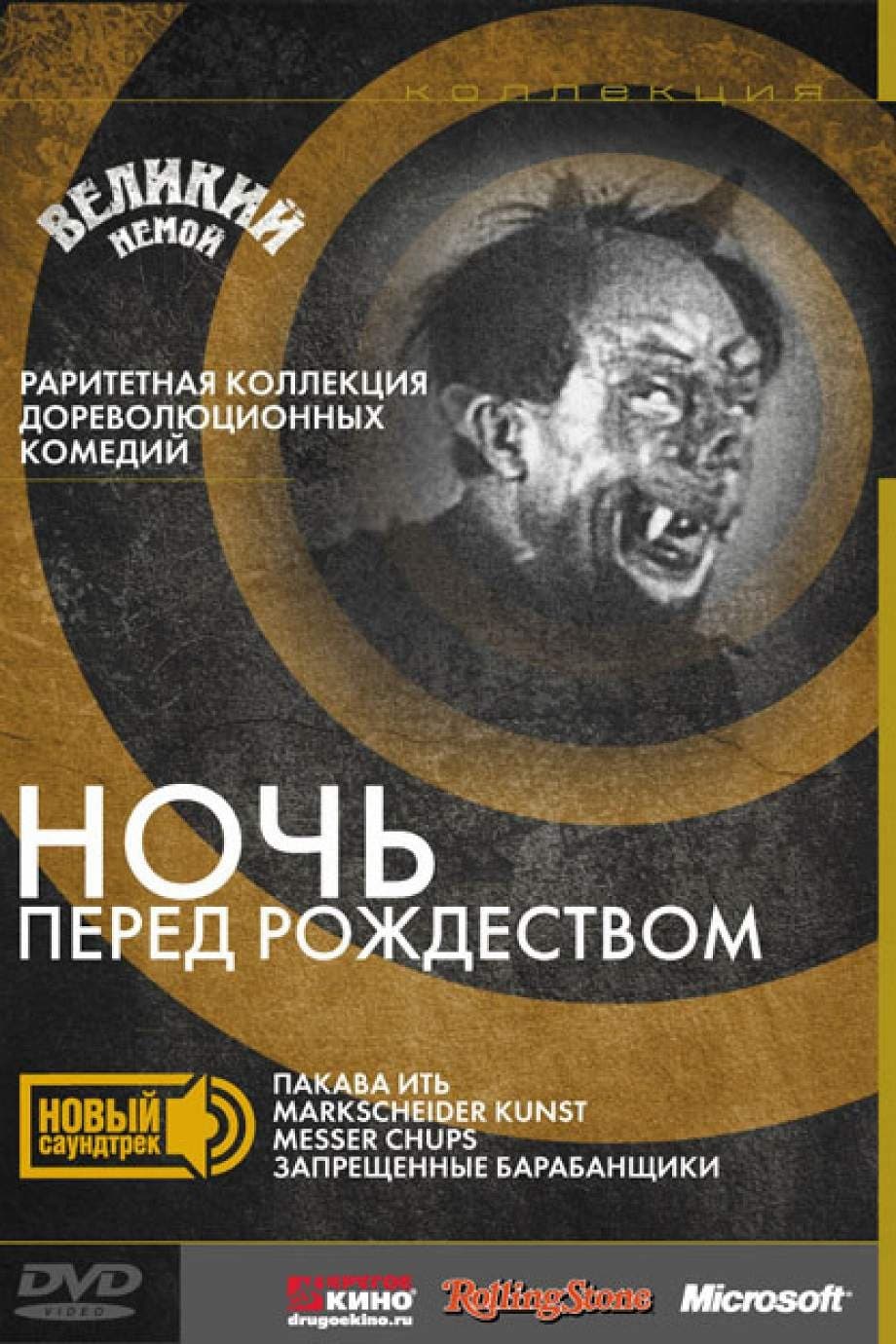
Based on Gogol's story. It is Christmas Eve, and the town witches’ son, a blacksmith, seeks an honest marriage to his love who wishes for a pair of shoes fit for the Tsarina. A mischievous devil is trapped into providing service to the smith.
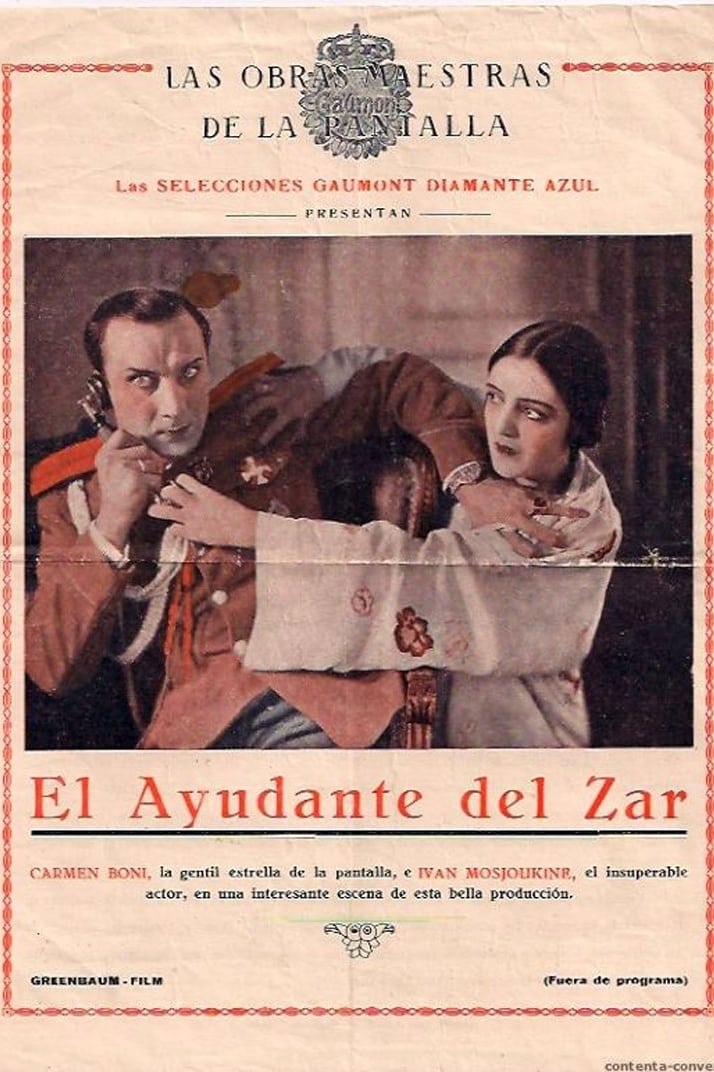
Drama of plot and intrigue in Imperial Russia.
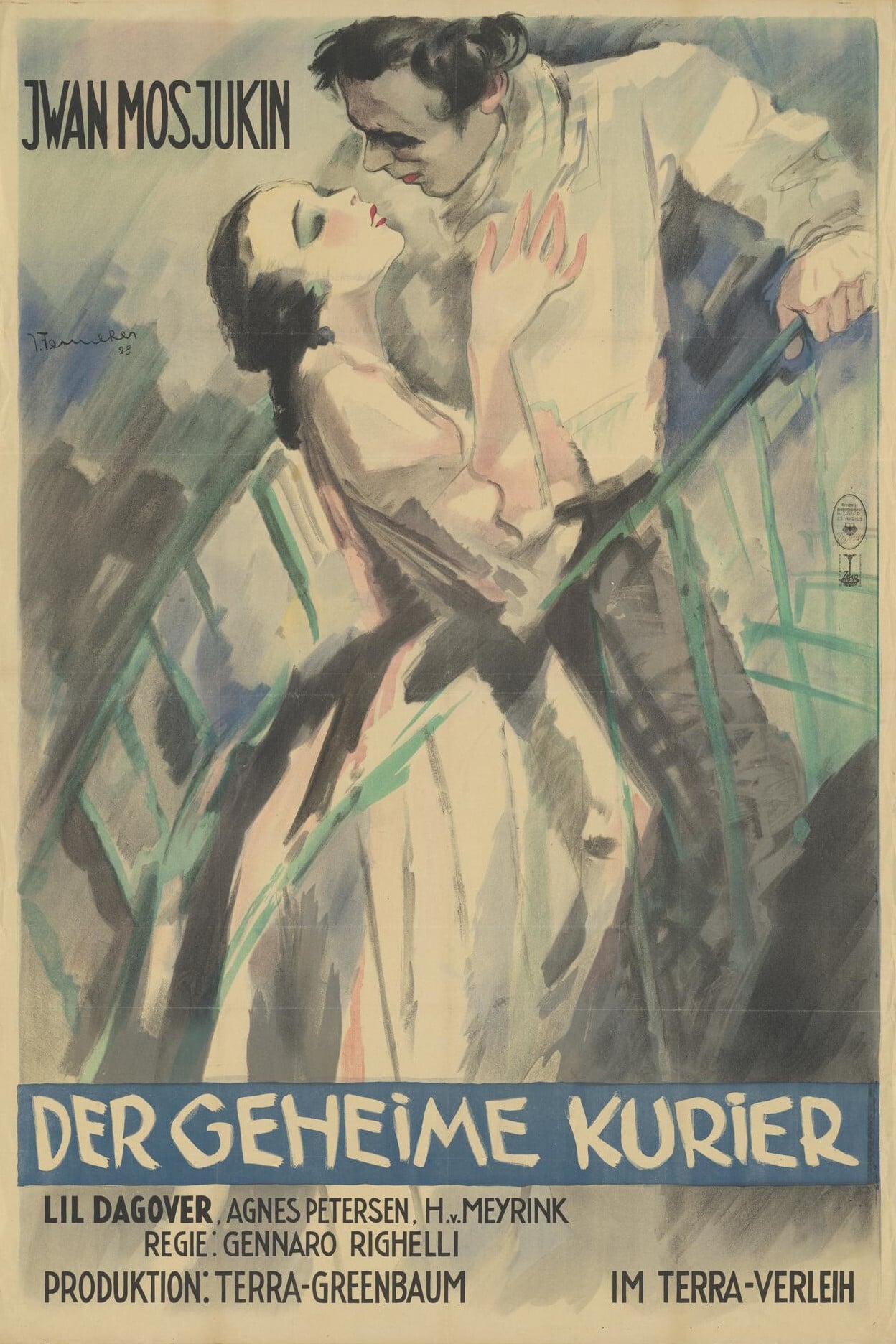
A silent adventure based on the classic novel by Stendhal "The Red and the Black".
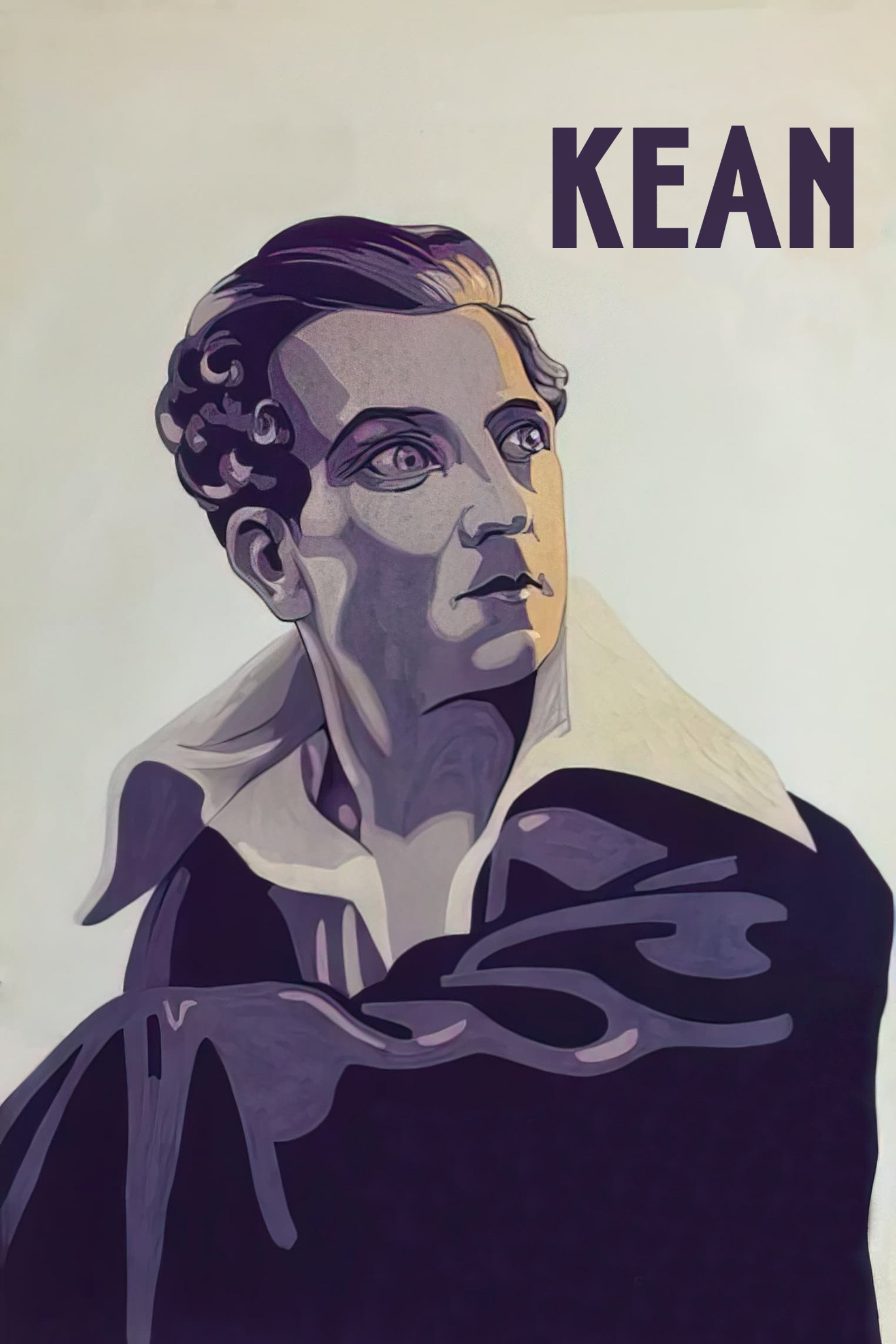
By 1820, Edmund Kean is the most admired Shakespearan actor. But if his art is peerless, his free lifestyle is ill thought of, particularly by the high society. Kean has fallen passionately in love with Countess Elena de Koefeld, the wife of the ambassador of Denmark. Elena loves him too but hesitates to give up her rank in society and follow Kean. On the other hand, Anna, a rich heiress who refuses to marry Lord Mewill, the husband chosen by her parents, confesses her love for Kean and decides to become an actress like him... The aristocrats, outraged by Edmund's profligate ways, decide to boycott his performances and his career is broken. Kean does not recover from such a blow and, on a stormy night, dies in Elena's arms.

Lusha is suffering from her drunken husband. One day her father-in-law rapes her. Of course, she doesn’t dare admit it to her husband. So, unable to move this incident, Lusha commits suicide...

A multimedia sex-ed video about life and love in a world where humans have corkscrew penises and corkscrew vaginas.
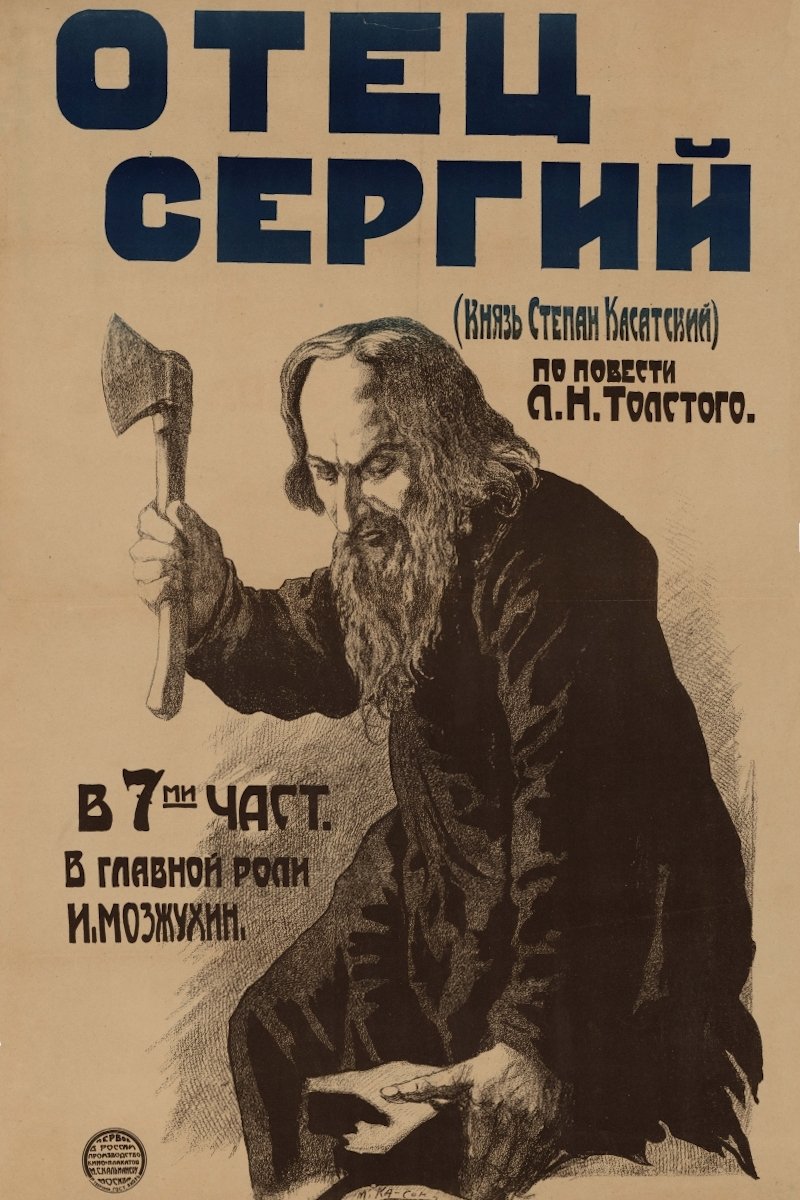
The story of Prince Stepán Kasátsky discovering his fiancée was the mistress of the Czar, so he then becomes a monk.
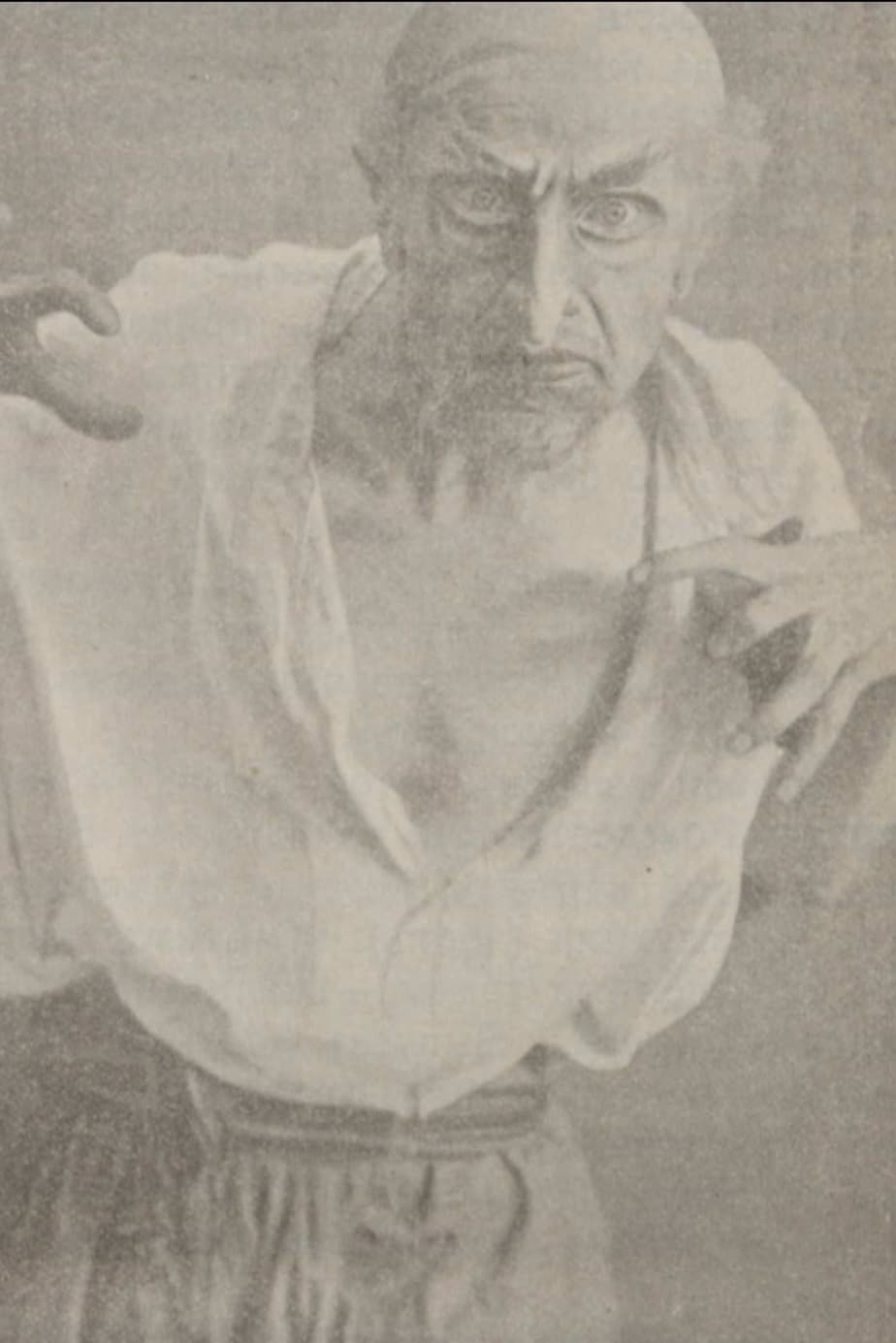
A couple of lovers deal with an evil presence that is threatening them.
Based on the poem by Pushkin. A thief and his gang are at their camp next to the Volga River. He tells them of how his father died in a river, and how his brother and he were thrown out of the house as children by their step-mother…
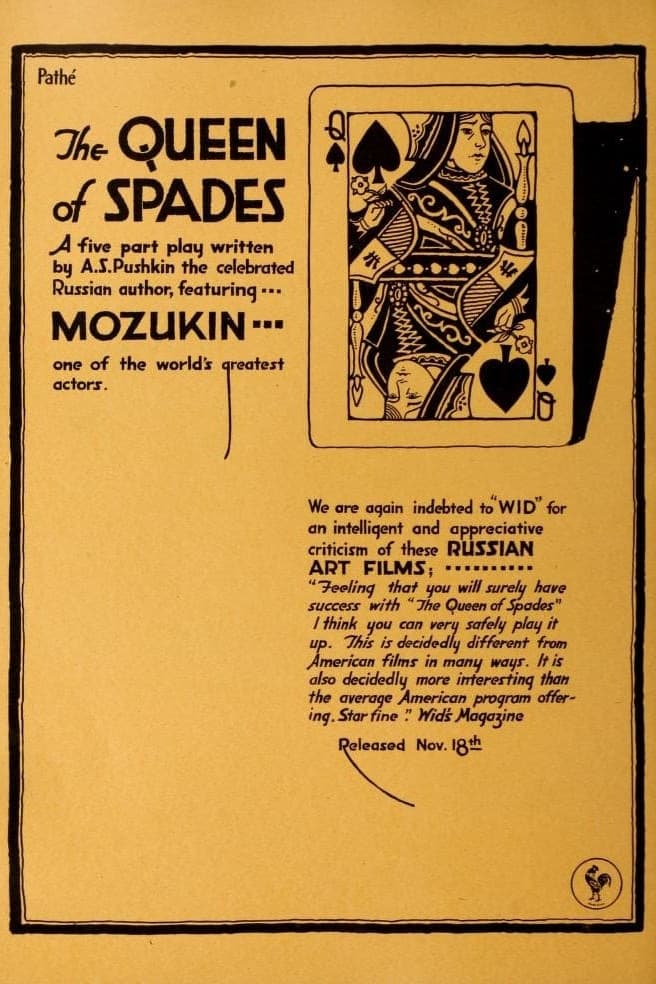
While hosting a game of cards one night, Narumov tells his friends a story about his grandmother, a Countess. As a young woman, she had once incurred an enormous gambling debt, which she was able to erase by learning a secret that guaranteed that she could win by playing her cards in a certain order. One of Narumov's friends, German, has never gambled, but he is intrigued by the story about the Countess and her secret. He soon becomes obsessed with learning this secret from her, and he starts by courting her young ward Lizaveta, hoping to use her to gain access to the Countess.
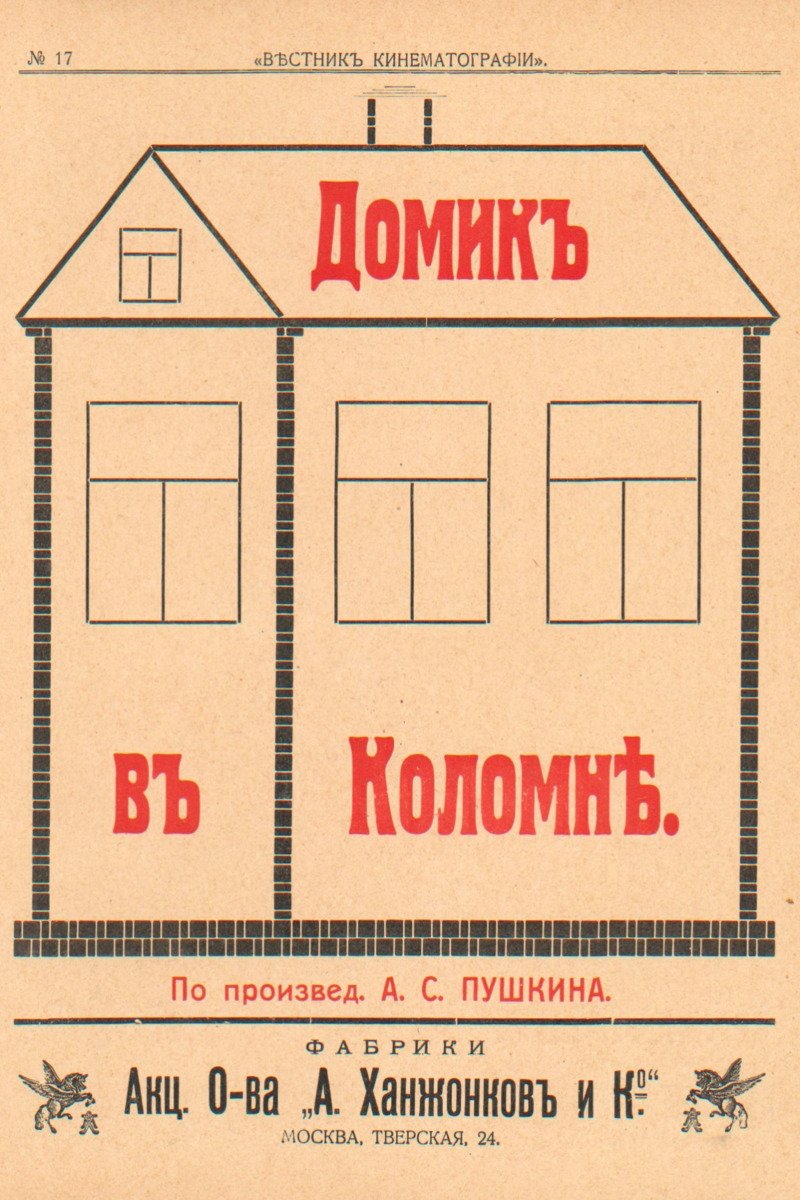
Based on the story by Pushkin. Pretty young Parasha is living with her widowed mother. Parasha diligently takes care of many household tasks, but she also enjoys flirting with the guards's officers who pass by her window, and she has one particular favourite. One day, Parasha's mother asks her to hire a cook, and to do so as cheaply as possible. Parasha and her beau soon see a way to use this situation to their own advantage.
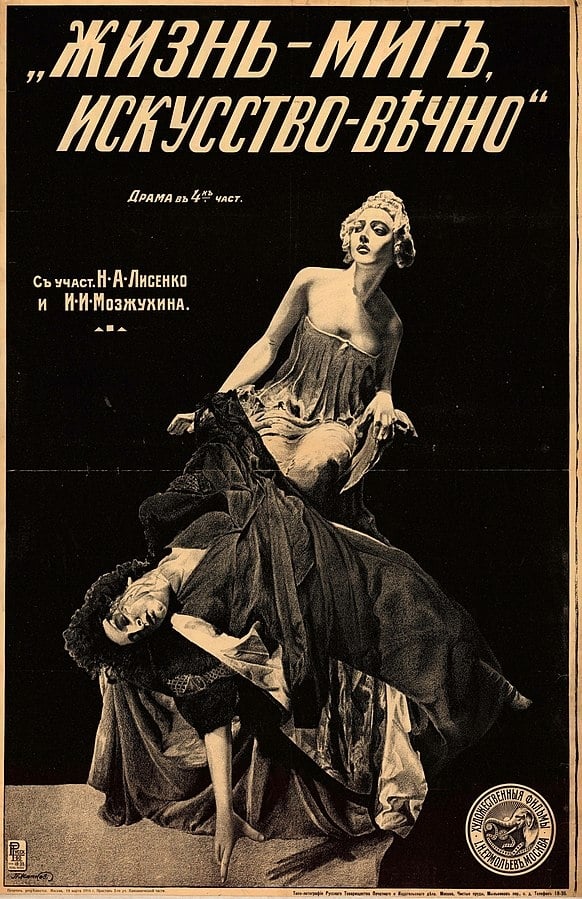
After a man's wife leaves him for a sculptor, his only comfort is a statue of his wife.
A group of young people made a bet, according to the terms of which they had to visit a cemetery at midnight.
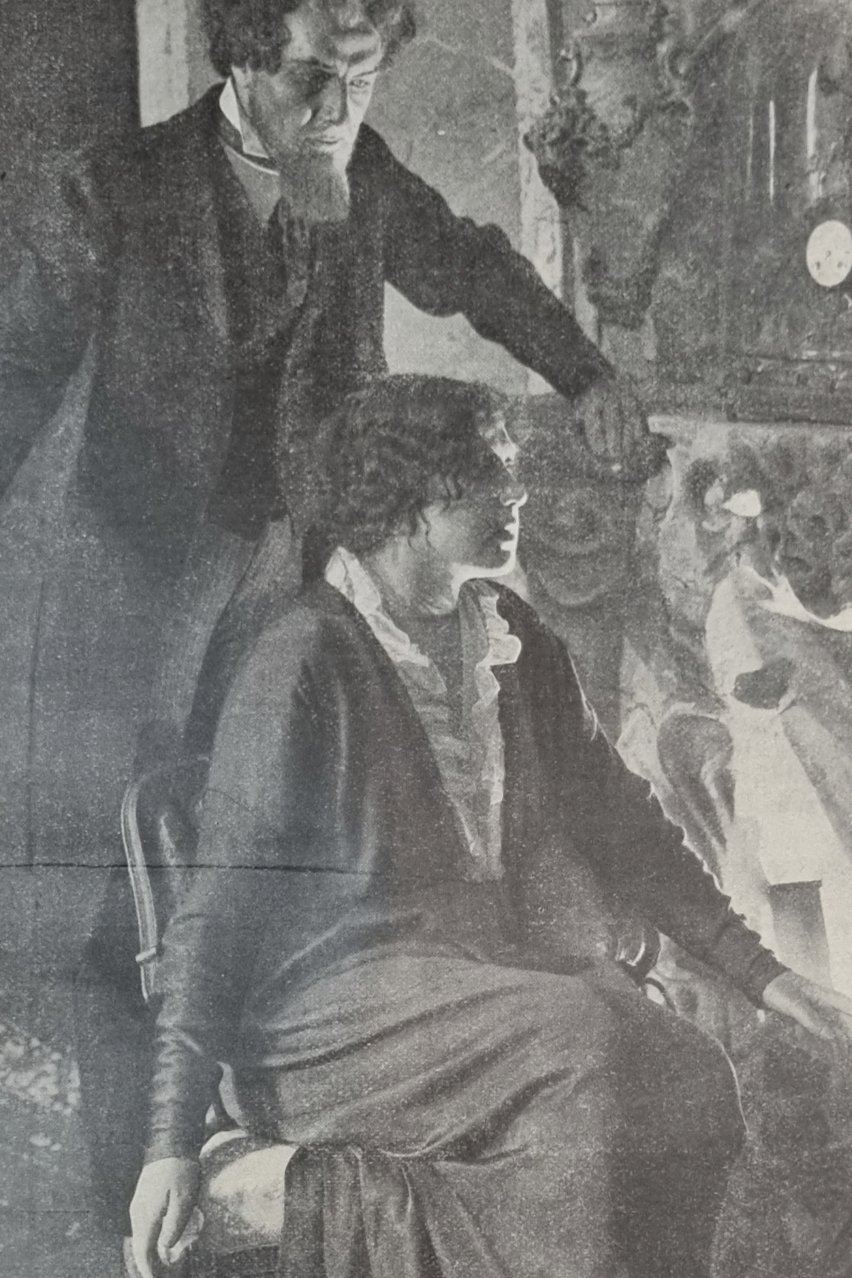
A doctor kills and embalms a woman in order to preserve her beauty.
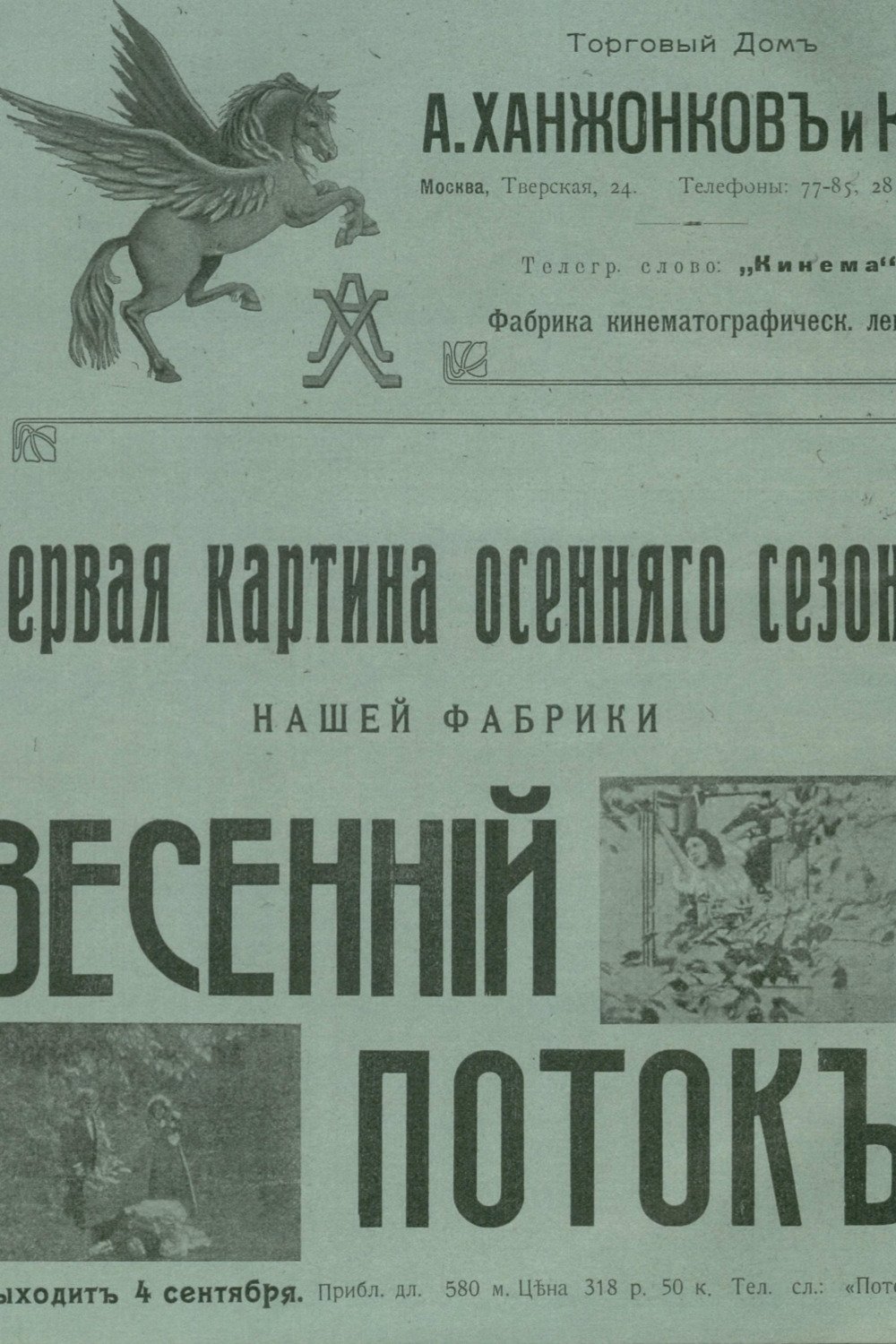
Alcoholism and its Ill-Effects was considered to be one of the most popular science propaganda (or educational) films produced in Russia before the revolution of 1917. Alexander Khanzhonkov, the most prominent Russian film producer of that era, financed a special department dedicated to non-fictional cinema, despite the fact that such films were not commercially successful. Unfortunately, not a single copy of the film has survived to the present day. All that remains are 12 frames, which were used by Izvolov to create this reconstruction. He also used extracts from critical reviews, published at the time of the film’s release, to produce a soundtrack.
The authors are unknown. The movie is not fully preserved, without inscriptions.

A young man discovers the reason his new bride killed herself.
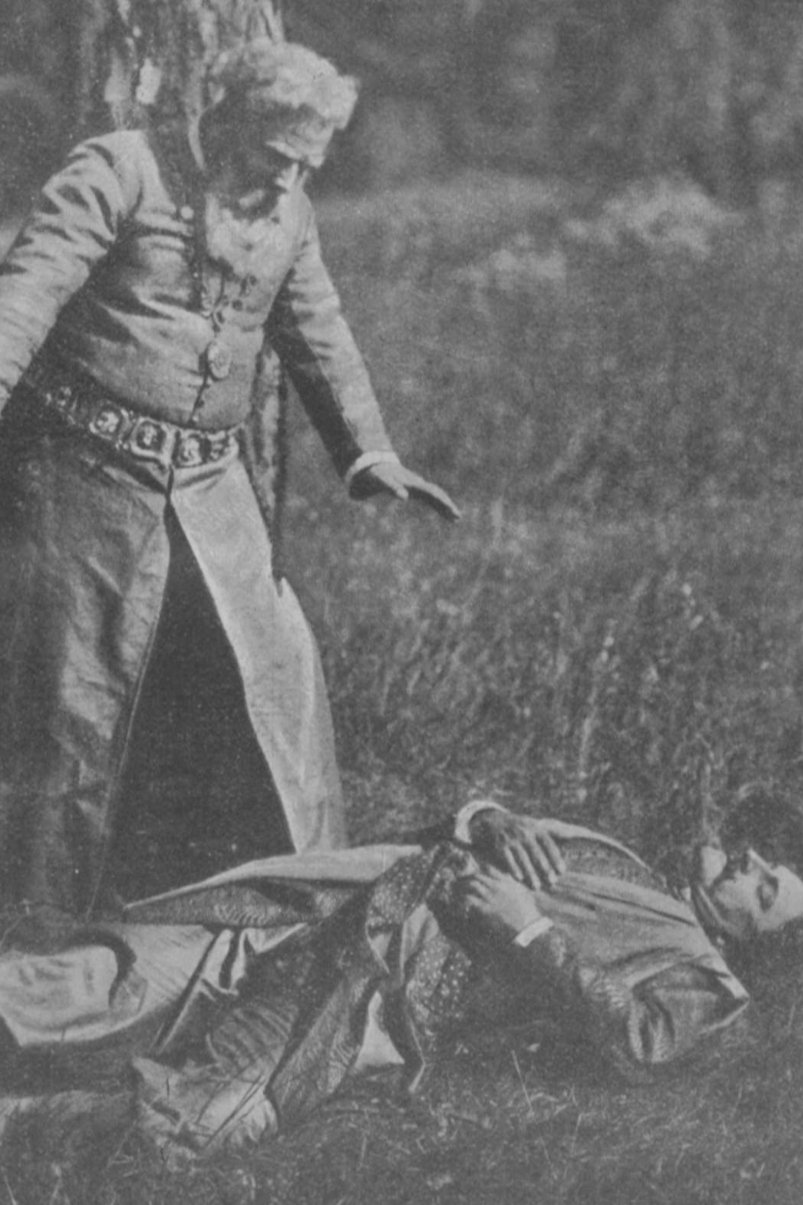
Short film based on a poem by Julius Slovacki.
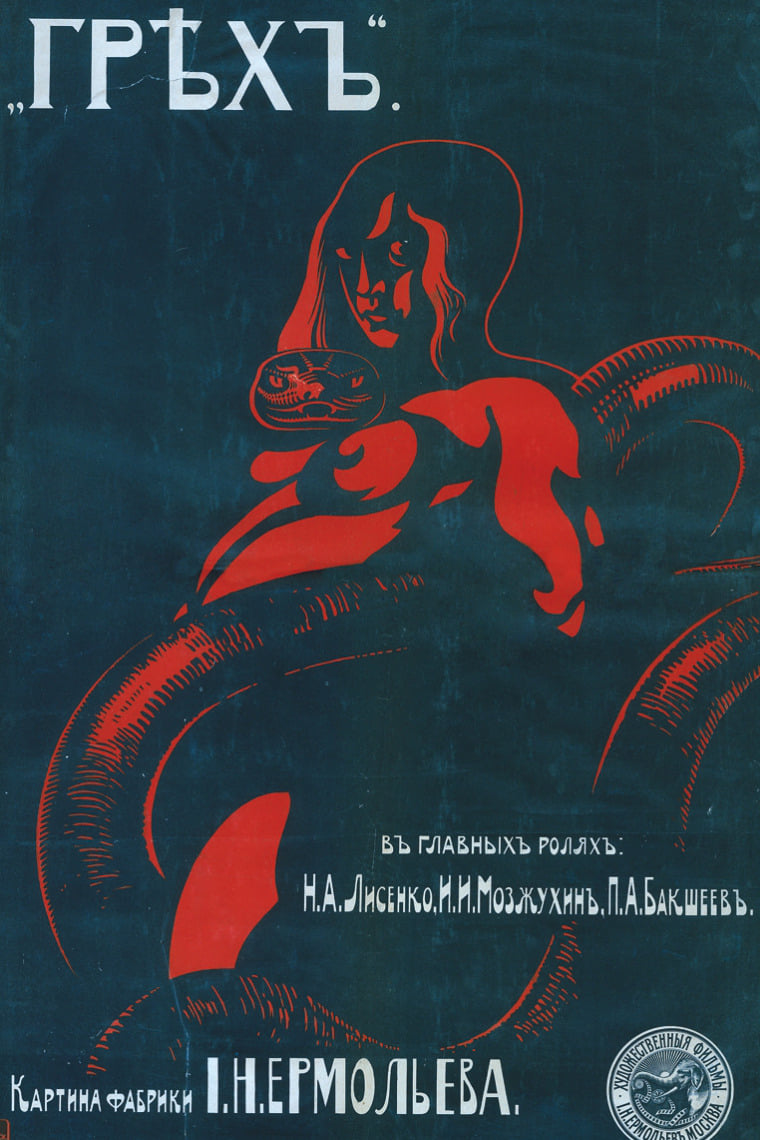
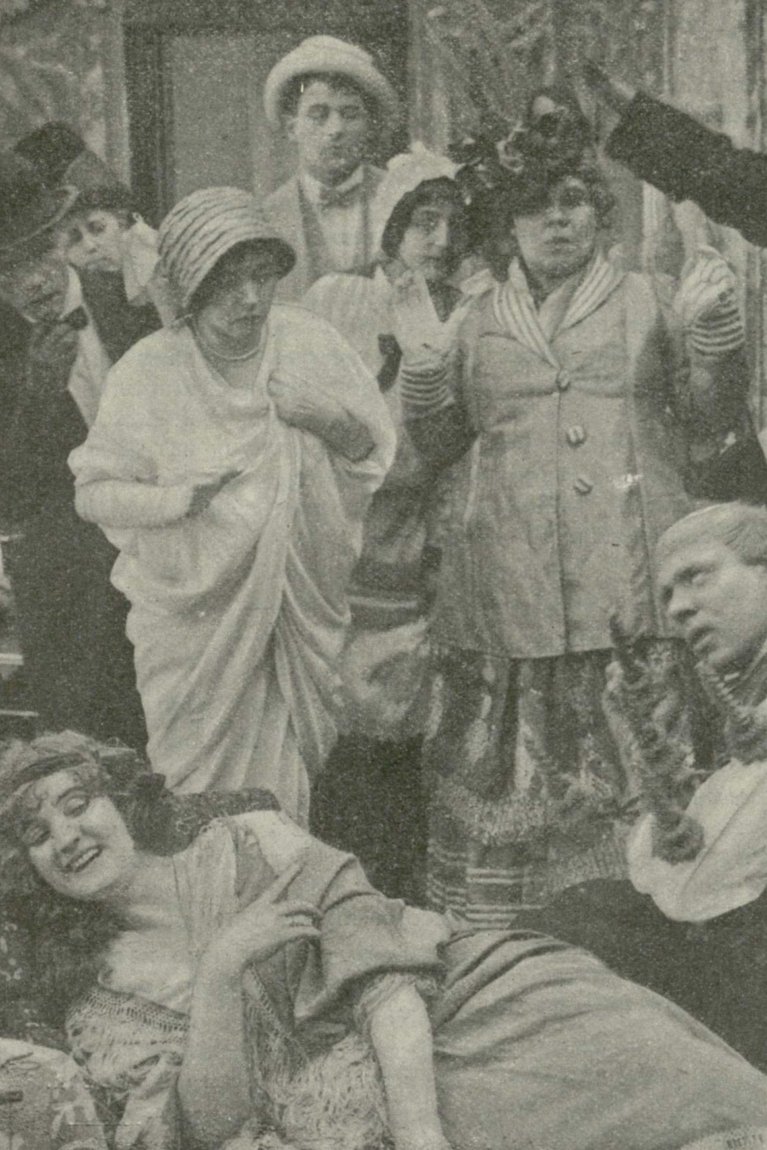
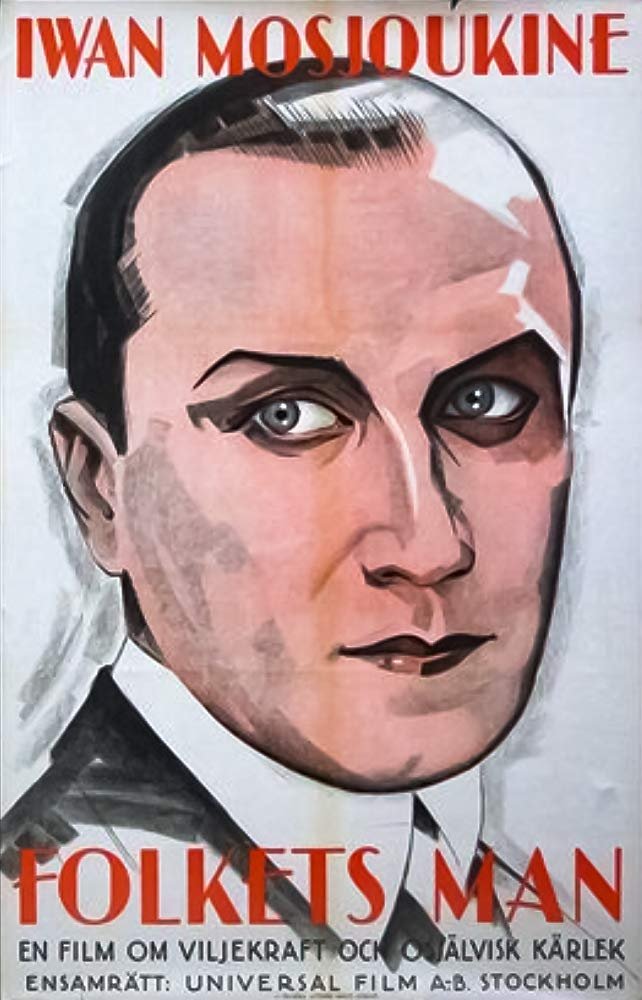
John Shilcott, a member of the English Parliament, a nervous, sickly man, has long since lost all energy for work, and only at times the increasing doses of morphine, which he injects into himself, give him the illusion of an influx of vitality. In his family life, too, not all is not well: over the past three years, he has become estranged from his wife, there is no spiritual closeness between them, and Ava Shilkott begs her father to help her get a divorce...
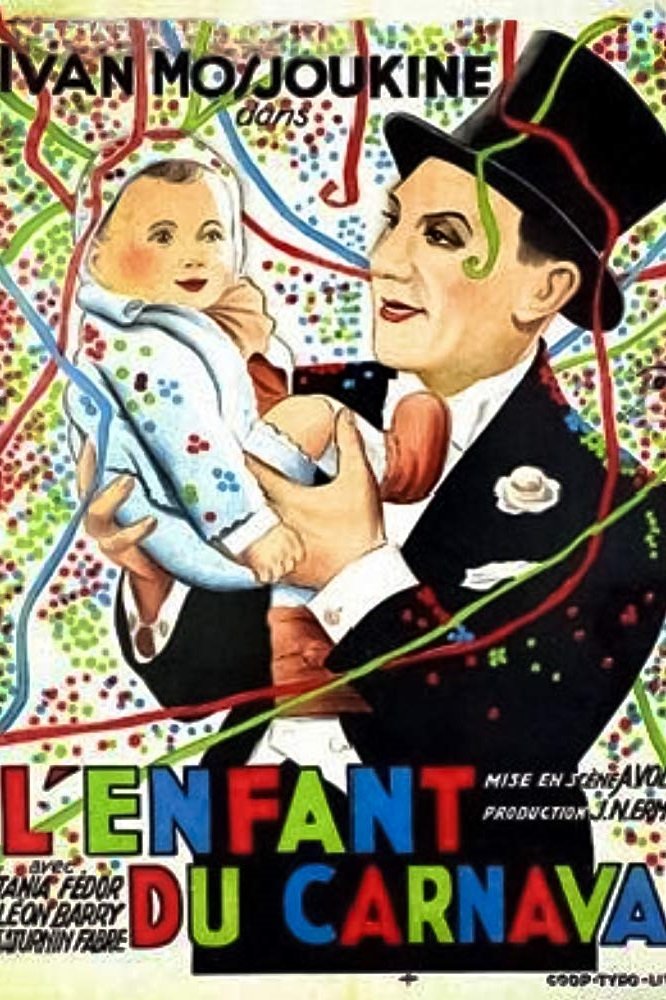
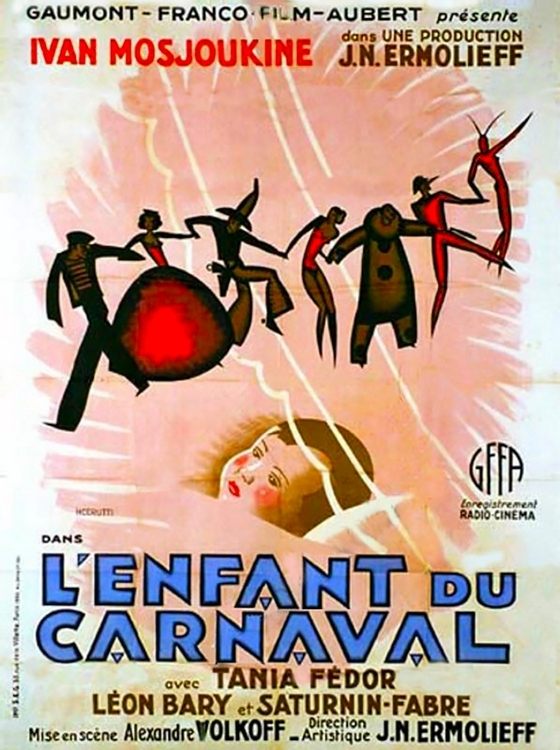
A foundling is left in front of the home of a rich aristocratic bachelor during the Nice carnival. The marquis adopts the child but soon finds that he cannot cope, so he employs a nanny who turns out to be the child's real mother. Just as the two have fallen in love and there is a happy ending in sight, the woman's husband - long thought dead - turns up.
A man rents out his uncle's room to all kinds of people.
A perverted town mayor who murders a young girl and, overcome by guilt, commits suicide. Based on the short story La petite Roque by Guy de Maupassant.
This film captures a stage production at Bolshoi Theatre in Moscow, accompanied by the choir of Moscow Synagogue. Brothers Isaak and Borukh are both in love with Sarra, but Sarra chooses Isaac and they got married. However, Sarra could not conceive for ten years, and their Rabbi tells them that according to Jewish law, they must divorce. Isaak's parents push him to sign the divorce paper, then their Rabbi drops the divorce paper to Sarra's feet. She tells Isaac about her grief, and Isaak commits suicide. Soon after-wards, Sore realizes that she is pregnant, but she is now single.
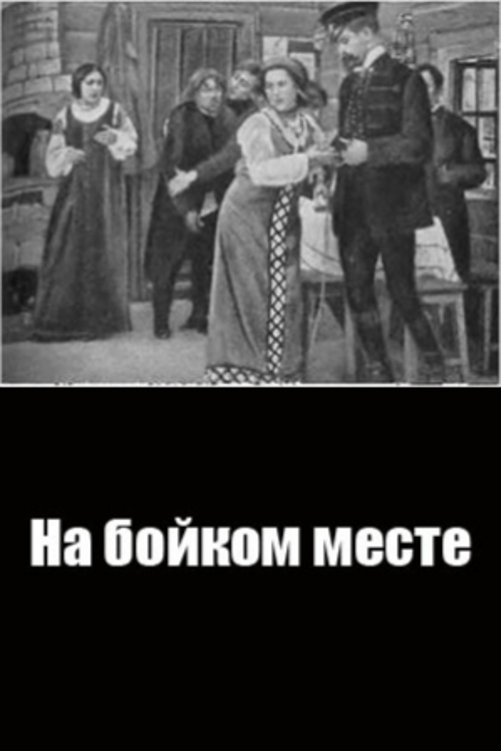
Based on the 1865 play of the same name by Alexander Ostrovsky.
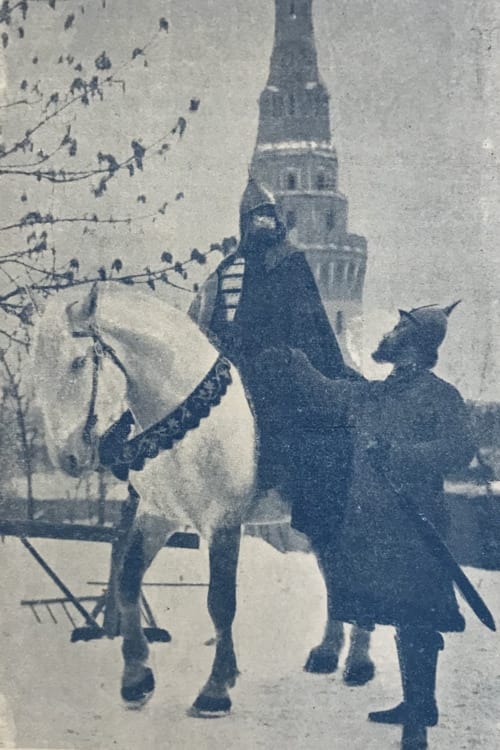
A significant part of the 1912 production "A Life for the Tsar" was used in this film.
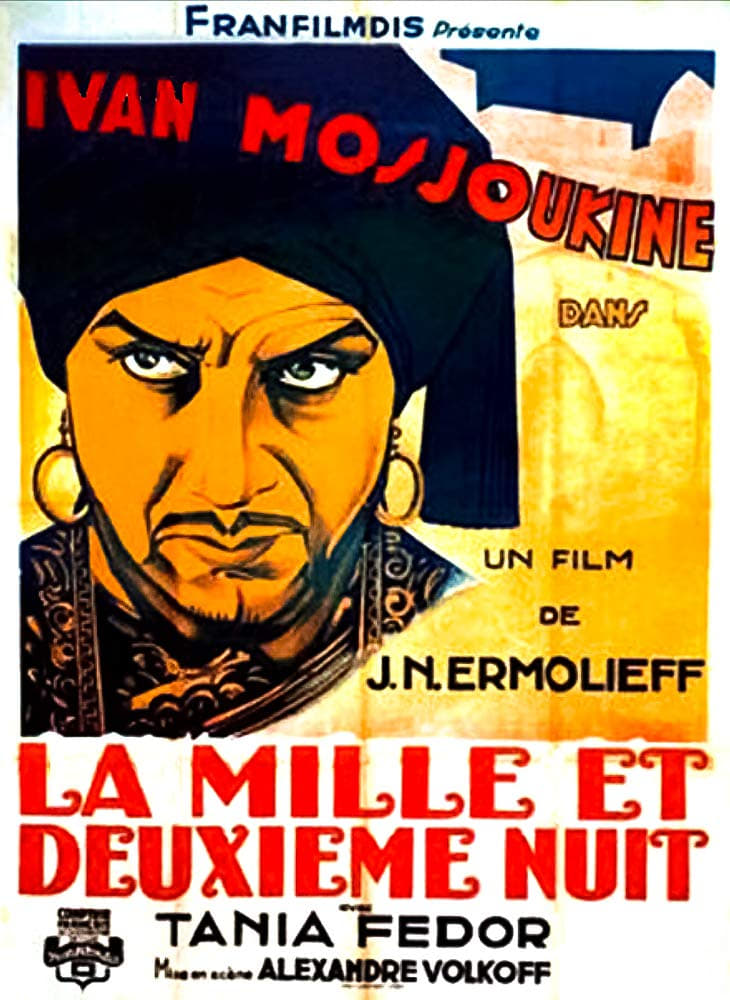
An Arabian prince falls in with a group of downtrodden rebels and faces the wrath of an unsympathetic sultan whose wife he is also romancing.
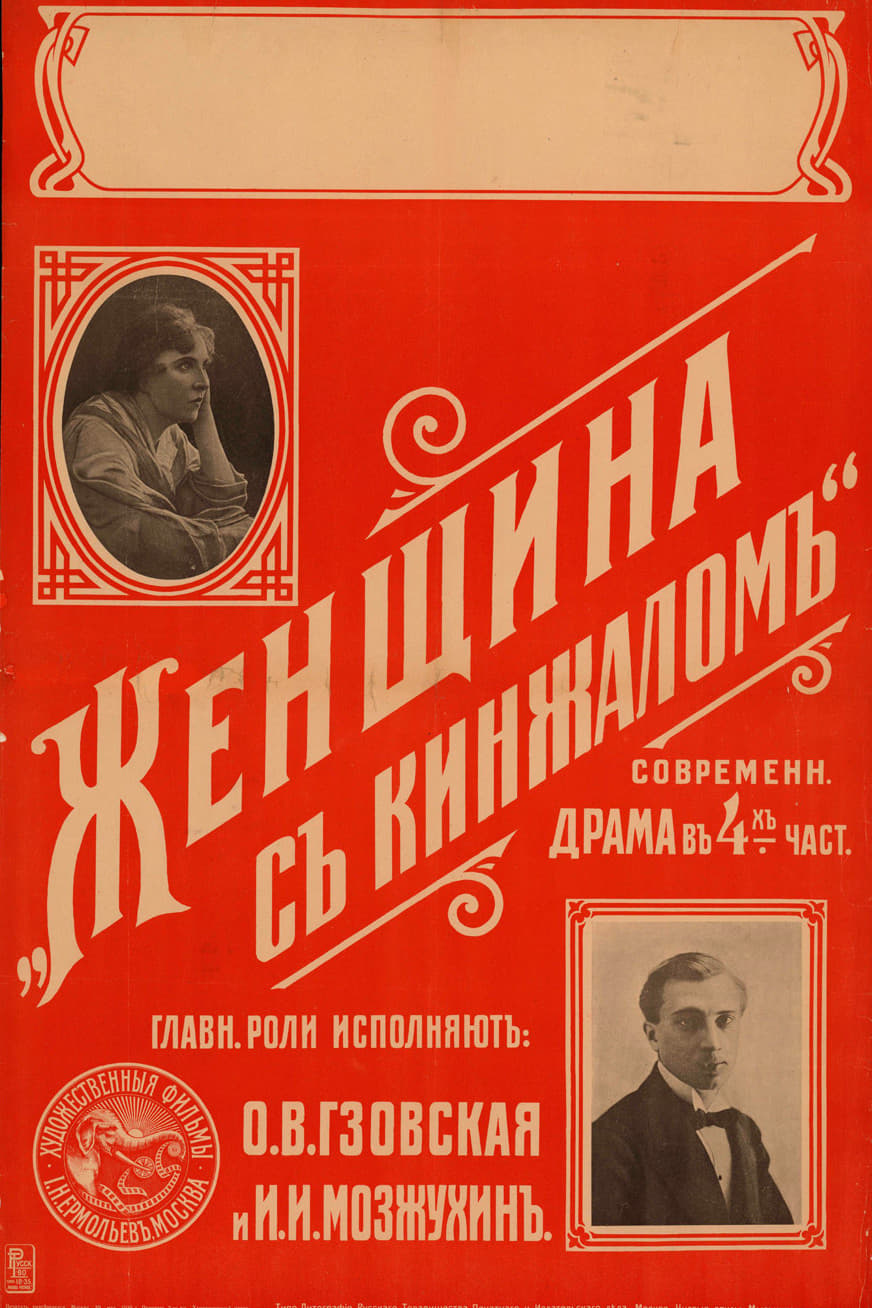
Ivan Savonsky, popular society artist, meets Olga Kartoff, a young woman high in social circles, and while she is instantly attracted by him, he sees in her only the perfect model for his picture, "The Dagger Woman." Studying her, and by carefully playing on her emotions he gains her confidence, and afterward she consents to pose for him. The picture completed, she is grieved and then angered to discover that Ivan's interest rests solely in it, and how it will fare at the exhibition. She pleads with him in vain. The picture is pronounced a masterpiece, and Ivan is in his triumph as he returns to his studio. Here Olga has secreted herself. Humiliated by the reports circulated regarding herself and the artist, and unable longer to bear his disinterest she plunges a dagger to his heart and kills him.
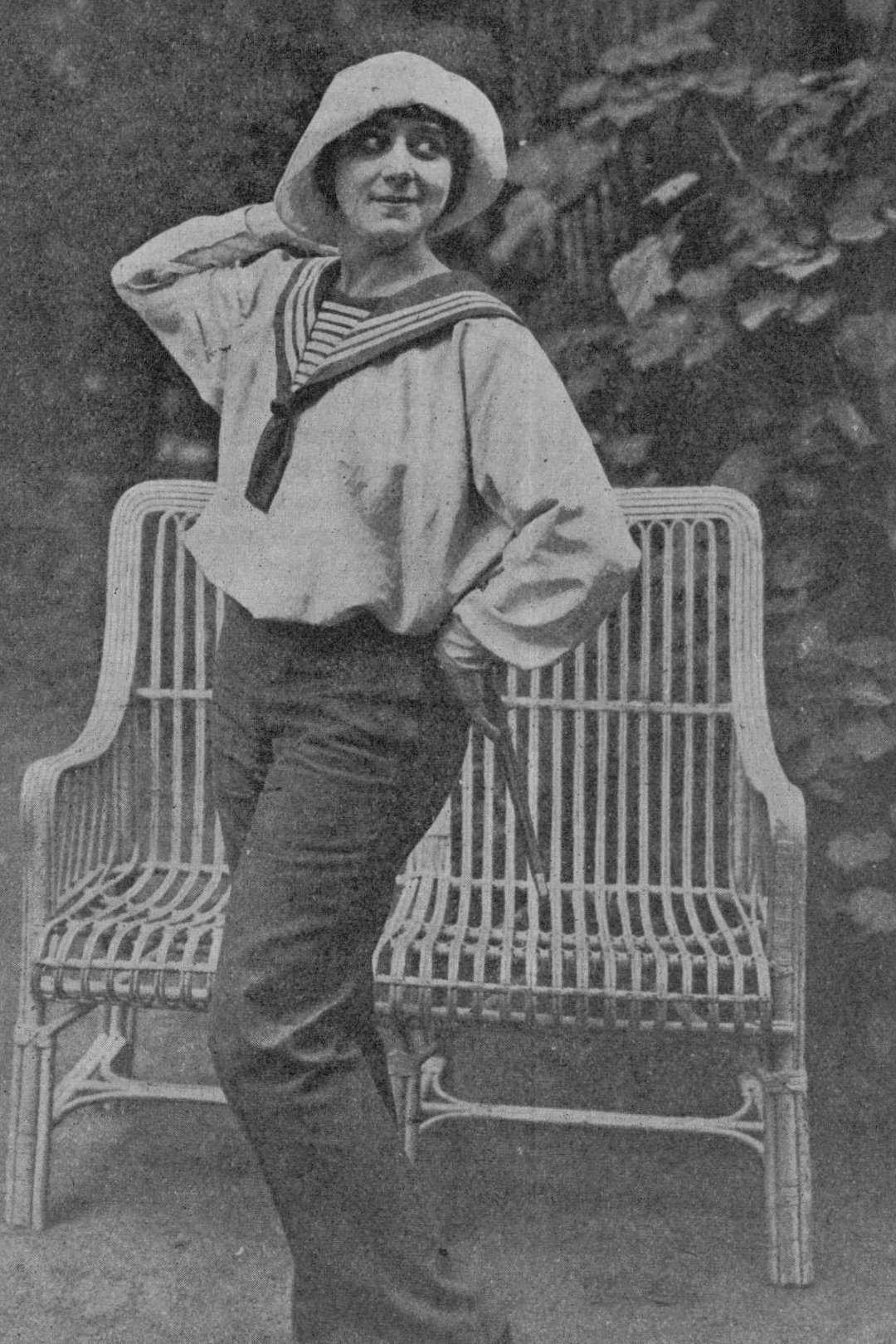
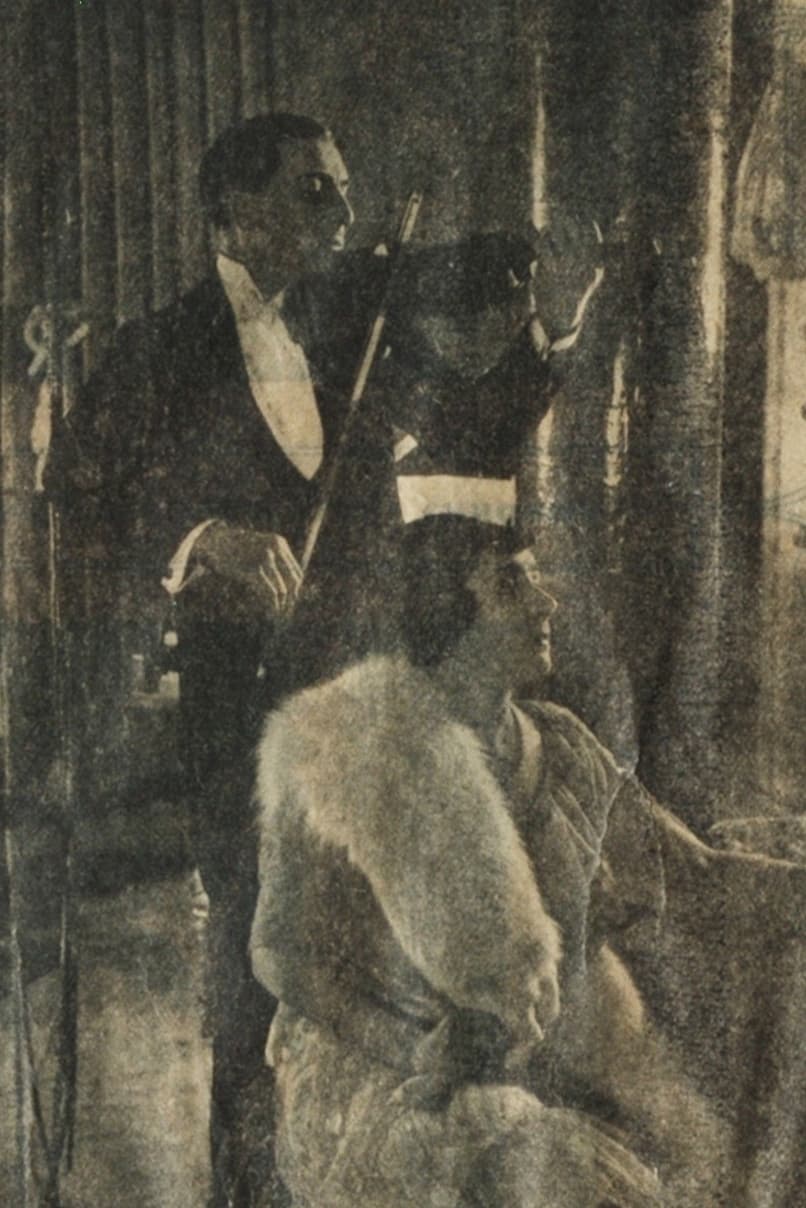
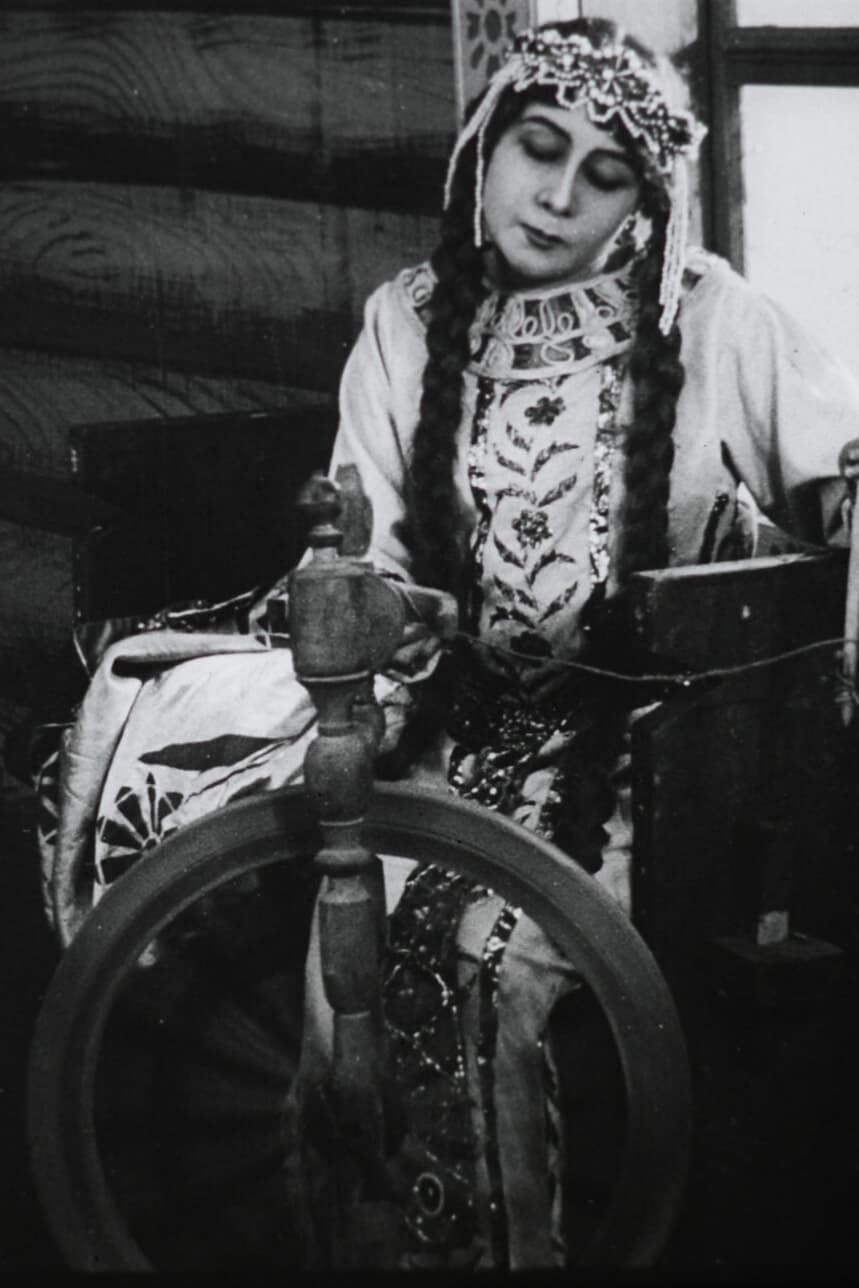
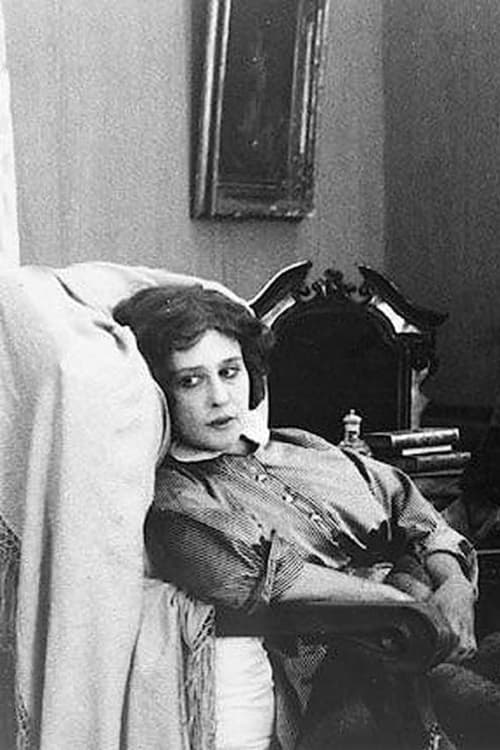
Based on the novel of the same name by Ivan Goncharov. Raisky falls in love with his second cousin Vera, but she coldly rejects his advances. He soon learns that Vera is having an affair with exiled official Mark Volokhov, with whom She is secretly dating. One day, Vera, in a fit of passion, gives herself to Volokhov, which she immediately regrets doing. Raisky and Tatyana Markovna suffer along with her having learned about Vera’s situation. Volokhov invites Vera to marry him but she refuses his proposal. After all these passions, calm comes and in the final frames of the picture, Raisky draws a portrait of Vera, and then sits down to write a long-planned novel.
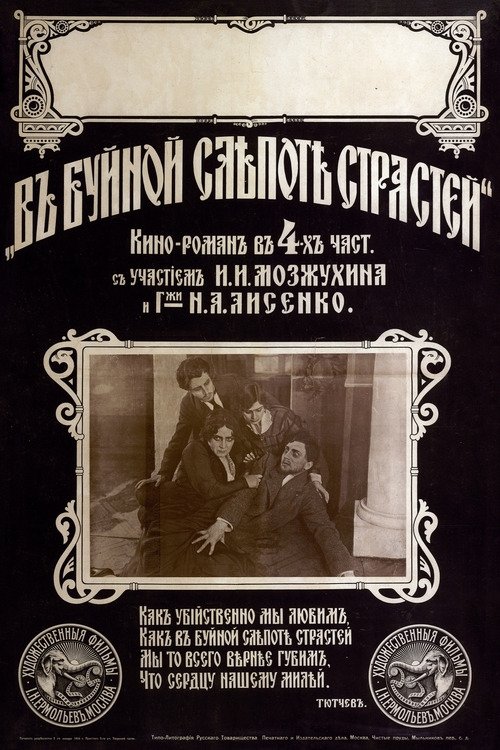
A man in love with a married woman plans to kill her husband. By mistake he kills her brother, and is haunted by the ghost of the murdered brother.
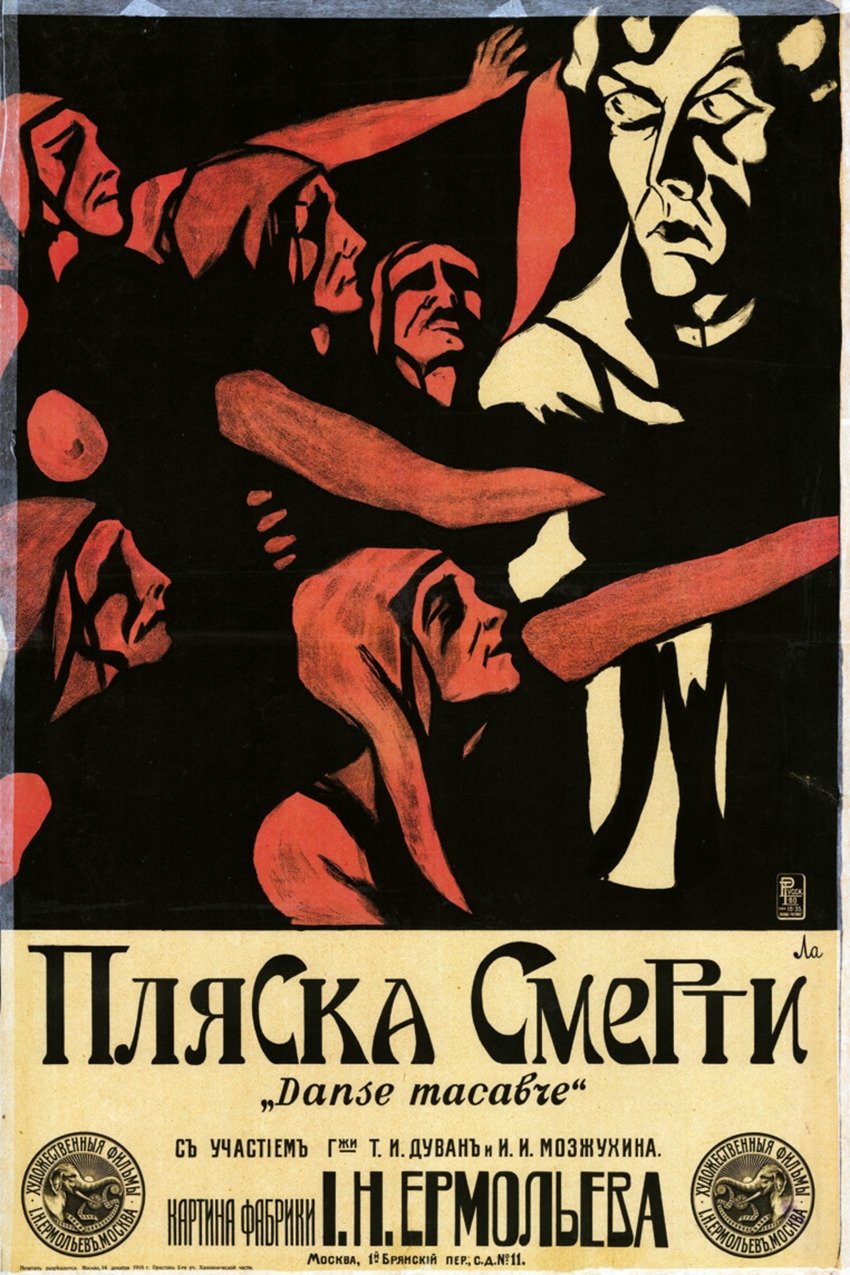
A conductor is haunted by hallucinations during a performance of Camille Saint-Saëns's Danse macabre.
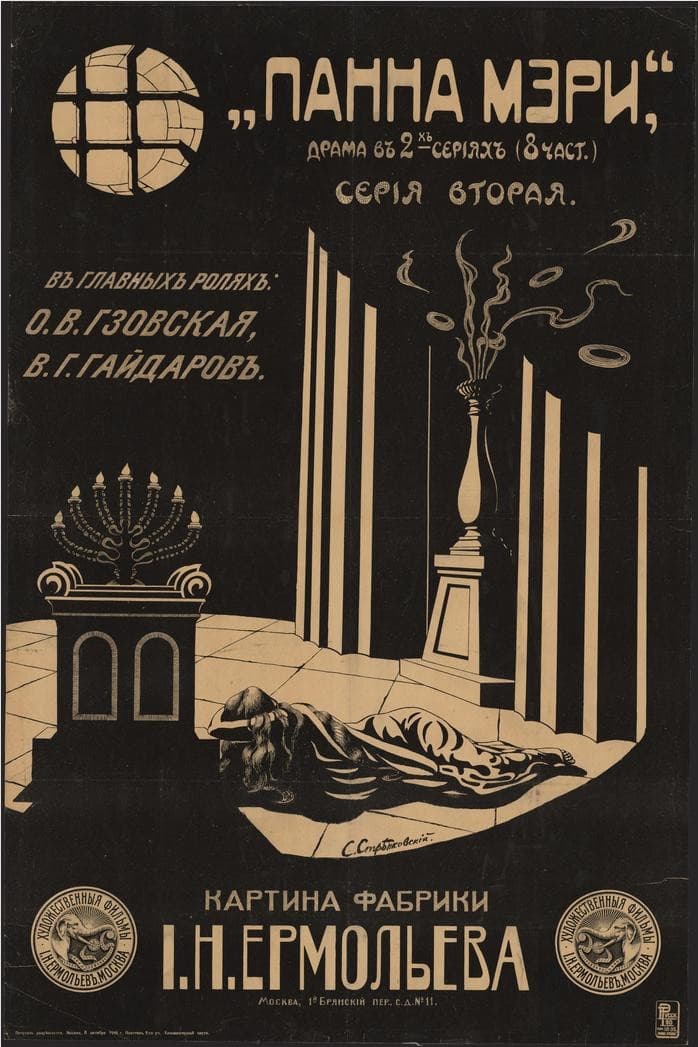
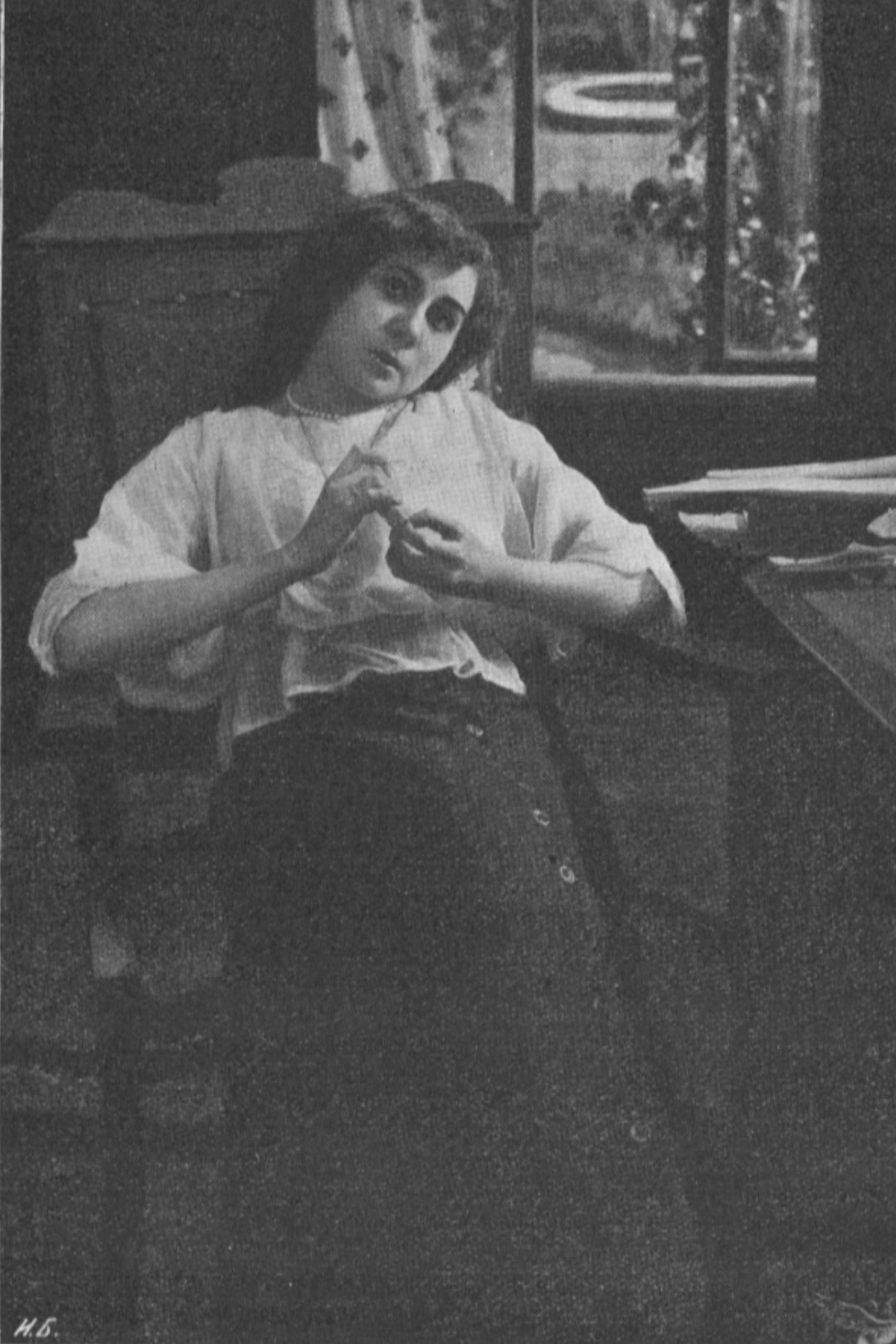
Based on the story "The Man from the Restaurant" by I. Shmelev. The creators of the movie are unknown. The movie is preserved without inscriptions.