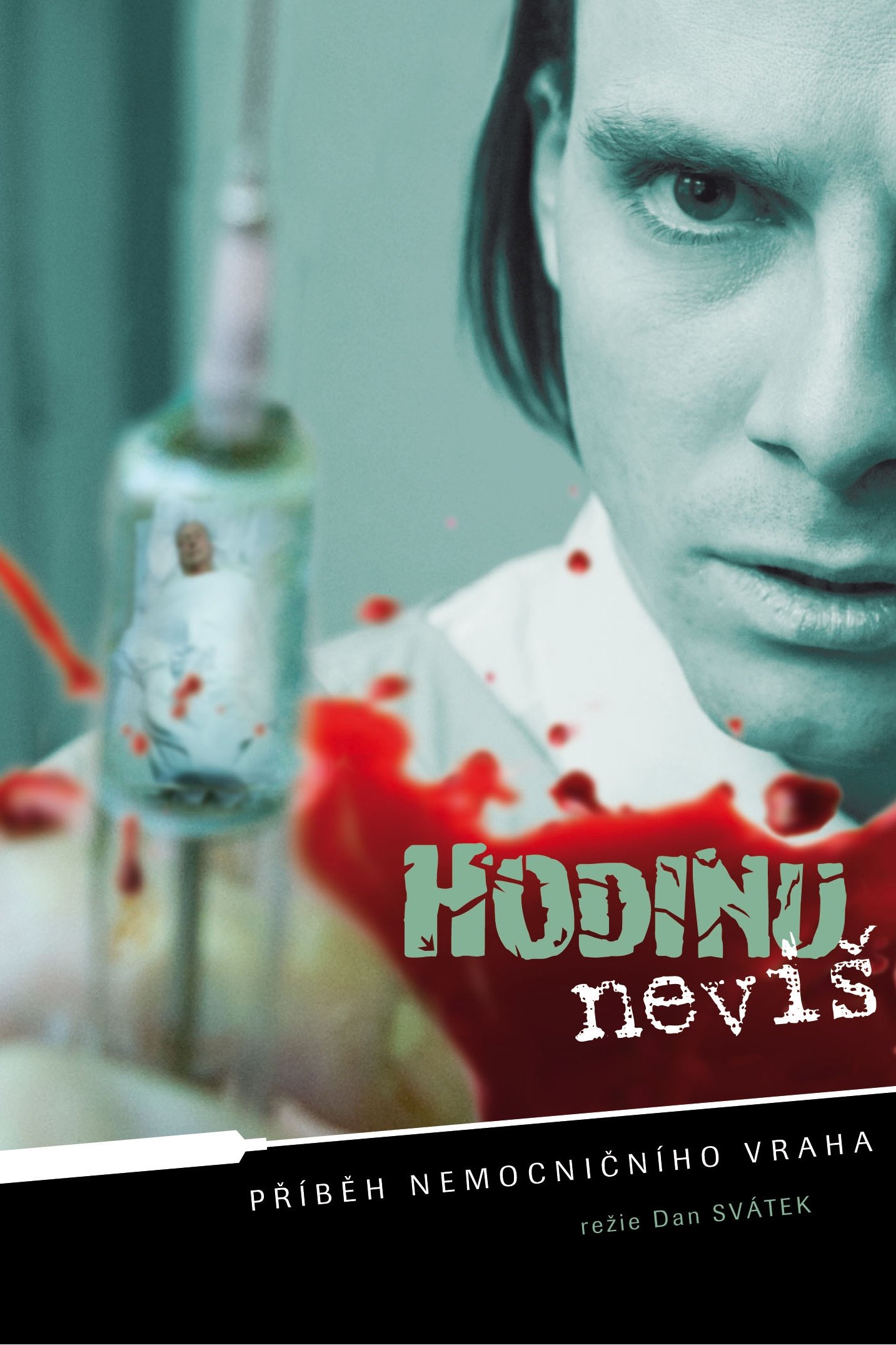
Hynek Michánek wants to study medicine but fails his entrance exams five times. He starts a job as an orderly in a district hospital where one of the doctors on the examining board works as well. He feels no-one takes him seriously and he loathes the doctors, who treat him with disdain. When an old man begs him to end his pain and suffering by helping him to die, Hynek gives him a "liberating" injection. But now he has done it once, he finds he can't stop. He continues killing other patients, even though he knows he can't get away with it for long.

Two classmates, the hard-working and honest Eva and the hot-tempered Petr, collect the most waste in a school competition and are rewarded with a trip to the sea in Bulgaria.
The eponymous castle is the setting for three stories that gradually intertwine. Castellan Vašek offers a place to stay at the castle to singer Jana, who is trying to hide from her angry boyfriend. He is jealous of her and sets out to look for her at the castle with his bandmates. Local man Olin is looking for his wife, who is rehearsing a folklore performance for the village anniversary and has not arrived home, and due to a misunderstanding, he also searches the castle. The last actor is a thief who tries to steal a rare painting from the castle and has to flee from a polar bear. How will this confusion turn out?
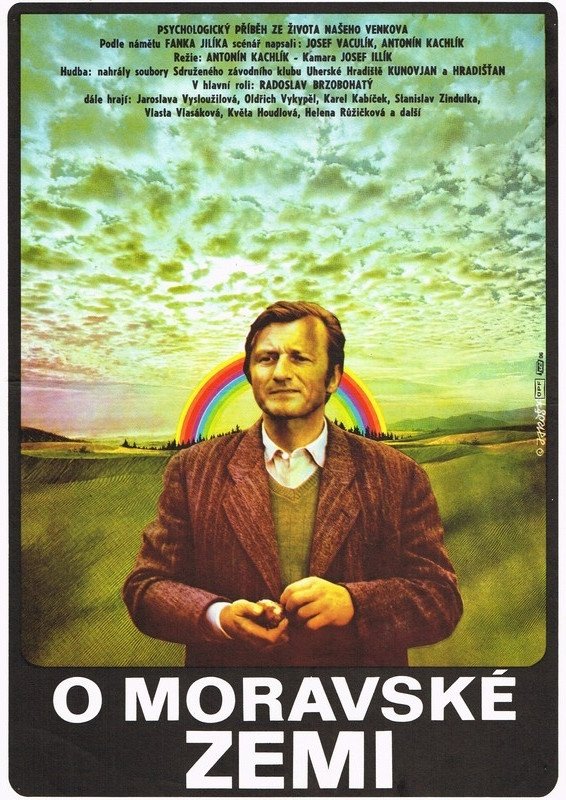
The reason for making this film is clear: it was to cover up Vojtěch Jasný's famous chronicle "All the Good Natives", an account of the tragic consequences of forced collectivisation. The pro-regime director Antonín Kachlík also focuses on the socialisation of the Moravian village, accompanied by mistakes and coercion, but in his optimistic view he emphasises the hopeful prospects leading to a happy future. Although the united village lands were born in pain, they will serve for the benefit of all the working people... As with Jasný, Radek Brzobohatý embodies the stubborn peasant, who is only slowly acknowledging the benefits of communal farming. However, unlike the poetic exuberance and pithiness of Jasný's chronicle, here we encounter a vicious posturing.
Jiří Bartoška, in the role of police captain Hála, investigates the smuggling of hard drugs through a protected area in South Moravia. How does the military unit deployed in the border area and the strange behavior of animals around a nearby bear cave fit into the whole situation? This is answered by a television detective film made for a Brno studio in 1988 by director Rudolf Tesáček.

A 50-year-old foreign trade executive meets a 20-year-old student at a trade fair in Brno. The relationship triggers confrontational memories of his own youth and ideals...
The story of František Stára, a recovering alcoholic, concertmaster, and composer. After returning from alcohol rehabilitation, he quickly realizes that his euphoric determination to start over is a tragic illusion. His wife has moved out of their apartment and found another man. A similar fiasco awaits him at his former job and later during his short stint at an elementary art school. At the most difficult moment, when František's private hopes and professional plans are collapsing and he resigns, he is selflessly helped by his former fellow patient from the clinic, Eda Mandík. This man, himself weak, inconsistent, and irresponsible, with unexpected and self-destructive devotion, gives up his own personal happiness and energetically spurs his flagging will to save his only friend. The price Eda pays for this act is not small, but his sacrifice was meaningful.
In a small and not very wealthy kingdom, there is one huge concern at the castle. The queen wants to marry off her adult son, Prince Emilian, at any cost. She has chosen the best bride for him, the noble and wealthy Princess Leonia. However, the future king of the country complicates this plan when he falls in love with the poor but clever and kind Stázička, the daughter of the local shoemaker Dratvička. He is not only a skilled craftsman, but also a clever practical man, and he shows not only the prince and queen, but also all the other conceited people, that the beauty of the human soul cannot be measured only by wealth and luxury.
The story is based on Czech fairy tales, which depict water sprites as creatures indistinguishable from humans. They can help humans and form deeper relationships with them. A humanized water sprite also helps the fearful Florianek find happiness. However, as it turns out, Florianek would not have won his beloved without his own courage...

While Kendy returns to his hometown as an assistant director to film a thirteen-part series with a television crew, Štěpán Šafránek, equipped with his mother's advice after graduation, takes up his first position - as an intern at the local hospital. However, his inadaptability to local conditions and his sense of ethics in his chosen profession do not suit his other established colleagues. While they are amused by his zeal and responsibility, Štěpán has increasing problems with his superiors, until he is finally transferred to the position of rural district doctor, which everyone rejects. In Bezdíkov, however, he meets a new, perhaps permanent and reciprocated love, with whom he eventually decides to live and work in northern Bohemia.

In a land of two kingdoms - one ruthless under King Vladan’s conquests, the other hidden behind a magical lake and ruled by kindly King Dobromil - Queen of Fire enchants Princess Mariana in living flame to force Dobromil’s hand in ceding the kingdom’s fabled Ruby Heart. Desperate, Dobromil uses a magic ring to summon the ever-jovial Tadeáš from Vladan’s realm; Tadeáš braves the flames, rescues Mariana, and wins her heart, only for their triumph to be threatened once more.
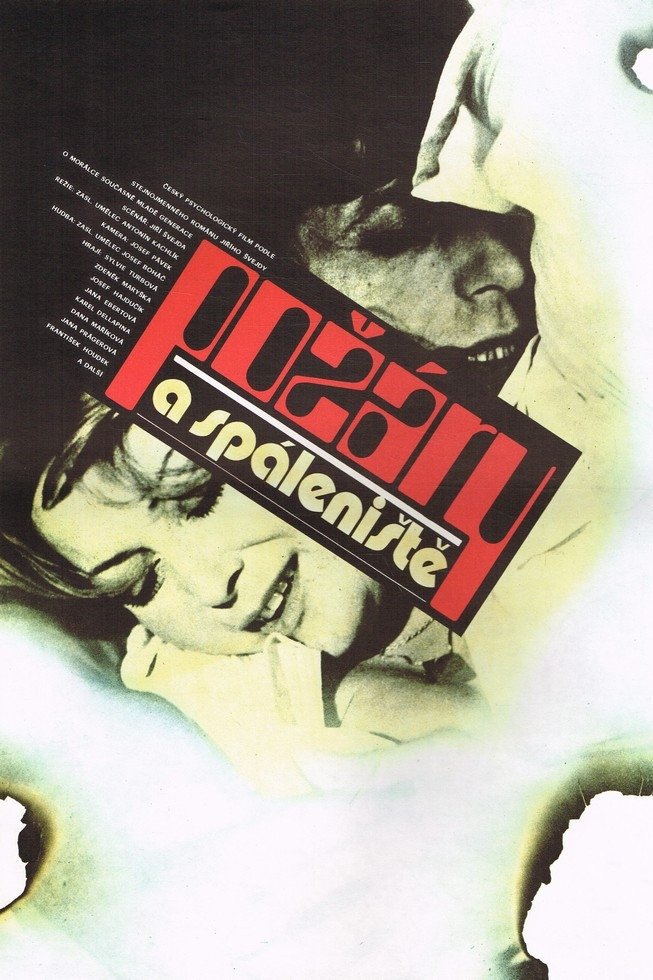
Antonín Kachlík wanted to make committed films about the moral dilemmas of the working class, but in the era of normalisation, he could only proclaim how faltering individuals would eventually come to the desired thinking. This is also true of the adaptation of Jiří Švejda's book about the wavering career of a young brickmaking technologist - the simplistic drawing of characters and plots, the posterishly lifeless language and the textbook discussion of social ills are all objectionable; the ideal becomes the code of the socialist builder.
In the second half of the 1980s, so-called critical films began to emerge, but they were afraid to make a sharper statement, moving on the basis of an engaged morality that wanted to improve the existing conditions cosmetically at best. The theme of the search for a new anchor in life becomes a central element: the protagonist, after returning from the war, does not want to devote himself to the constraints of elite sports, he rejects the dubious business of a friend. Most of all, he would be attracted to a perfectly ordinary job in a bakery. The dance clip inserts, however, make it difficult to navigate the already rather confusing narrative.

16-year-old Hanka is experiencing the turmoil of first love. She loves college student Pavel Horák, but she cannot get close to him. Pavel is also attracted to the serious girl, but he is also shy and timid. That is why every meeting between them ends in mutual disappointment, insecurity and a feeling of threat…
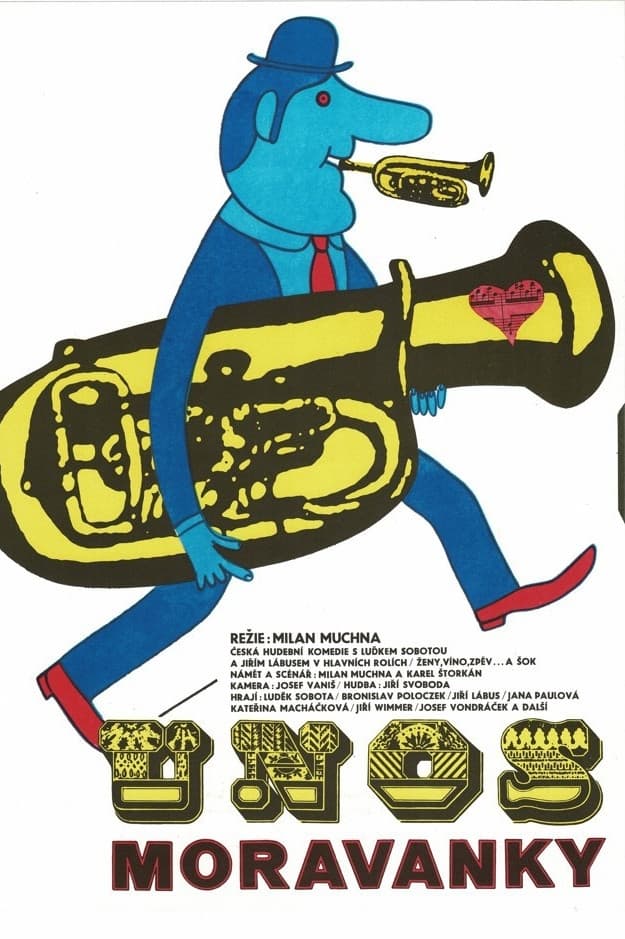
The popular Moravanka brass band performs at the fair. Vasek Pivoňka, the bandleader of the local brass band Kulatěnky, which broke up, decides to put the band back together. The village musicians are sceptical at first, but later they start rehearsing with vigour. Standa, a Prague resident who is working in a pig farm to cure his nerves, helps them to organise the concert. He really likes Evica Kocourková, but her father keeps an eye on her. Young Šišák tries to charm the teacher Olina. Before the performance can begin, the band must succeed before the cultural committee. However, they fail to do so. The disappointed musicians play for themselves at the station and suddenly they are successful. Standa comes up with an idea how to push Kulatěnka through without the permission of the commission. A concert of Moravanka is being prepared in nearby Nechvalin.
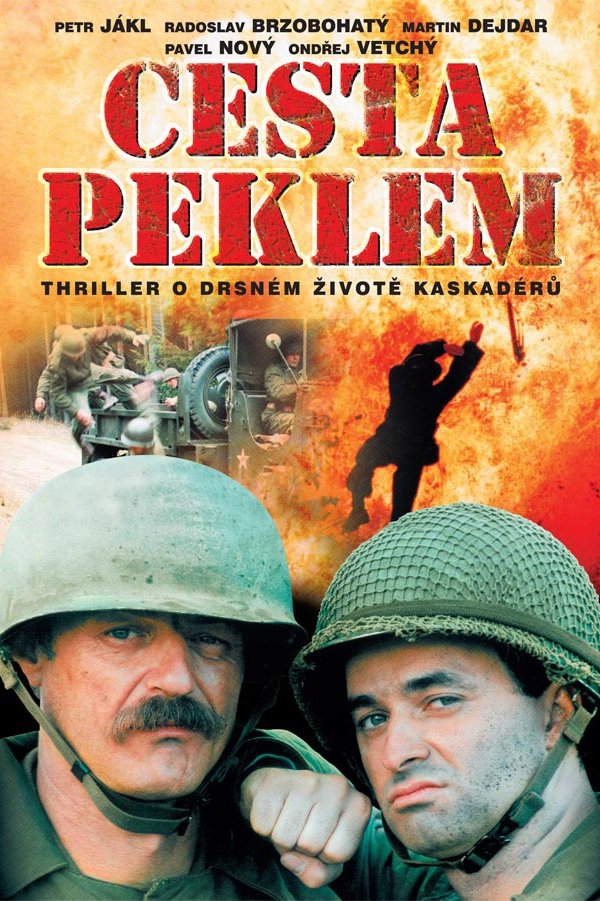
A dramatic action film about stuntmen who perform the most dangerous stunts in the film world. One day, however, one of them is struck by a family tragedy in which his son dies. The man cannot overcome this tragedy and ends up in a psychiatric ward. Will he be able to return with the help of his friends?
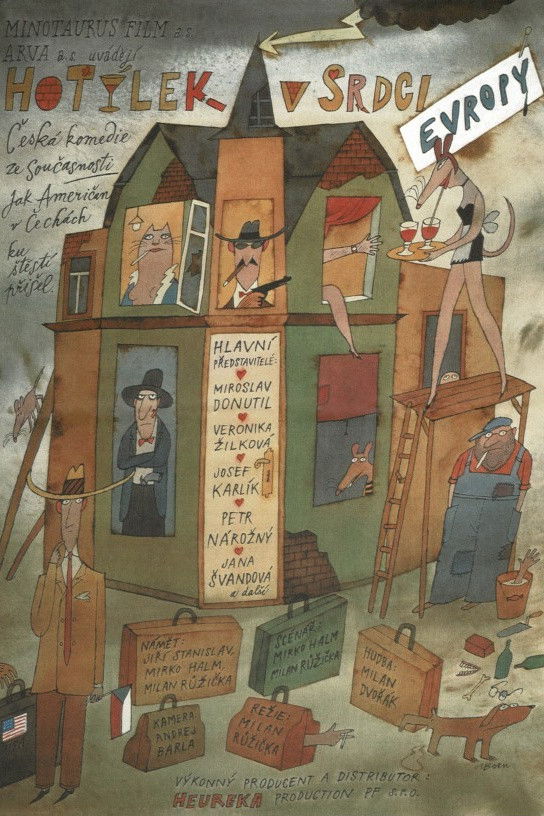
This comedy starring Miroslav Donutil tells the story of an American of Czech origin who returns to his homeland in the 1990s. At his parents' request, he is supposed to take over the family hotel in Prague and find a Czech bride. However, he has no idea what he will have to endure in the atmosphere of the 1990s, what condition he will find the property in, or what tragicomic situations he will have to go through before someone deprives him of his property. But in the end, he finds a girl who, unbeknownst to her, comes from the same background as him.
The TV fairy tale based on a book of tales and legends from Prague's Old Town. Its author, writer E. Petiška, set the story at the end of the 16th century, during the reign of Rudolf II, when the wise and learned Rabbi Löwe, on the orders of heaven, created the Golem, whose task was to help the oppressed in their fight against their enemies...
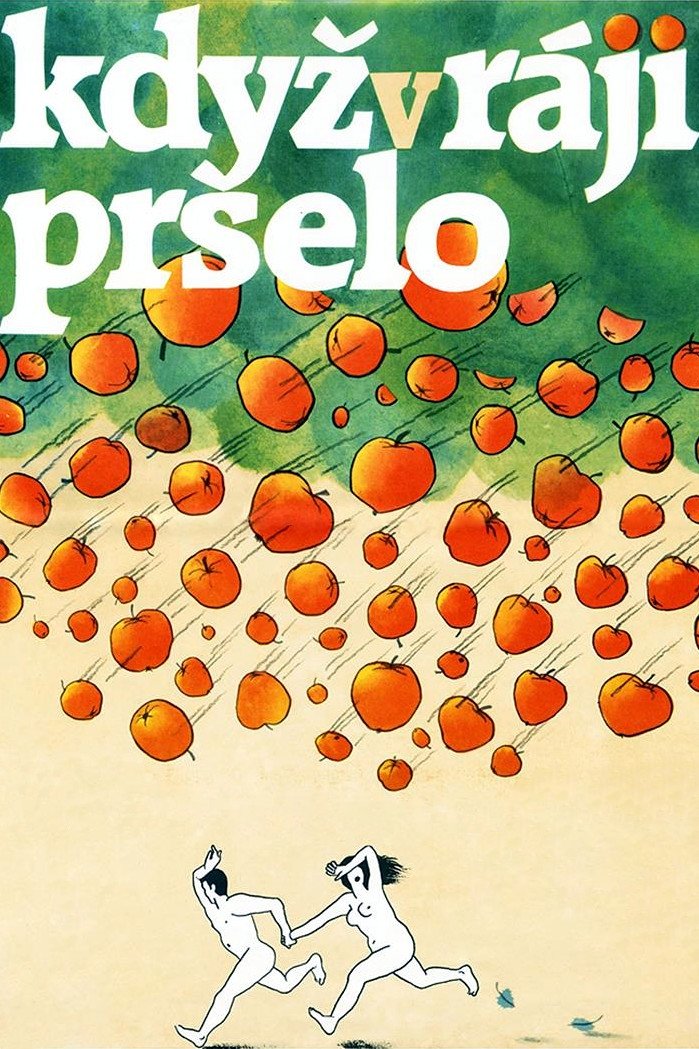
Petr and Lída Kadlec are moving to a dilapidated mill in the Bohemian Forest, which they plan to convert into a restaurant. Unsuspected obstacles from the locals get in the way of their dreams and ideas.
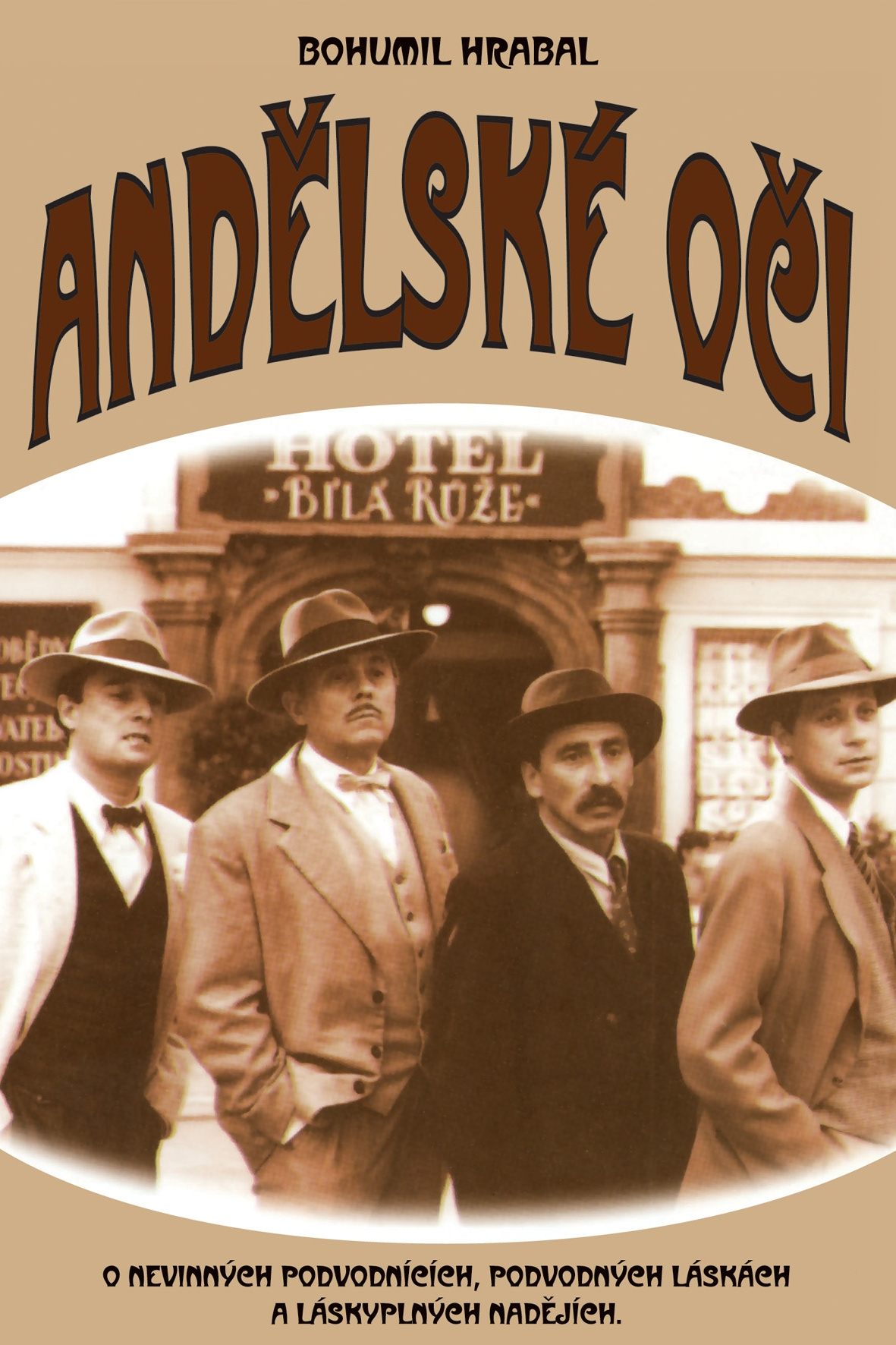
Charming, witty and smart men represent a fictitious insurance company who soon fall for an innocent-looking young woman smarter than she seems.

The invincible agent Cyril Juan Borguette alias W4C has been assigned a mission to go to a hotel in Prague, get hold of a saltcellar with a plan for the military exploitation of Venus hidden in it, and hand it over to the beautiful agent Alice. He will have to compete for the saltcellar with other agents working for the world's various greater and smaller powers. The head of the Prague counter-intelligence unit gets news of agent W4C's mission. Deficient in personnel, he nominates accountant Foustka as agent 13B. Mr Foustka takes his dog Pajda with him and the two head for the airport. Pajda helps him track down agent W4C in a classy hotel that becomes the battleground for the interests and plans of the secret agents from different countries, each trying to get hold of the precious saltcellar.
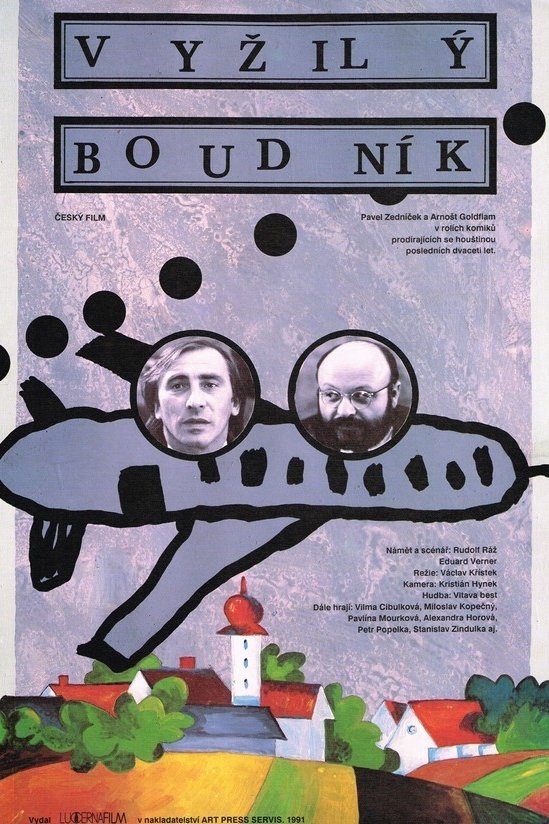
Two inseparable friends, Vyžilý and Boudník, a village self-made talent and a not-so-successful professional theatre actor, want to make a living as entertainers. But they are running up against both the ceiling of their abilities and the disfavour of the approval authorities. The normalization era of the 70s and 80s does not favour anything distinctive and both heroes repeatedly experience setbacks. Although the story of a lost generation was planned at the end of the former regime, it was not released until 1990.
Jakub and Dominika enter an abandoned prison to have sex. During a freak storm, they are moved in time for about fifty years, when the prison was still in use. Taken for American spies, they are imprisoned, interrogated and brutally tortured.
A magical wizard visits a poor royal family. In exchange for food and kind treatment, he gives King Matyáš, Queen Elíza, and Princess Sylvie a magic telescope, a magic whistle, and a magic pouch that knows everything best. The princess uses the purse to pressure her parents during the courtship, when her beloved, Prince Zbyšek, arrives with his father, King Vladislav. However, the purse does not approve of the marriage, and so the courtship ends with a rift between the two royal families. But it wouldn't be a fairy tale if everything didn't turn out well in the end...
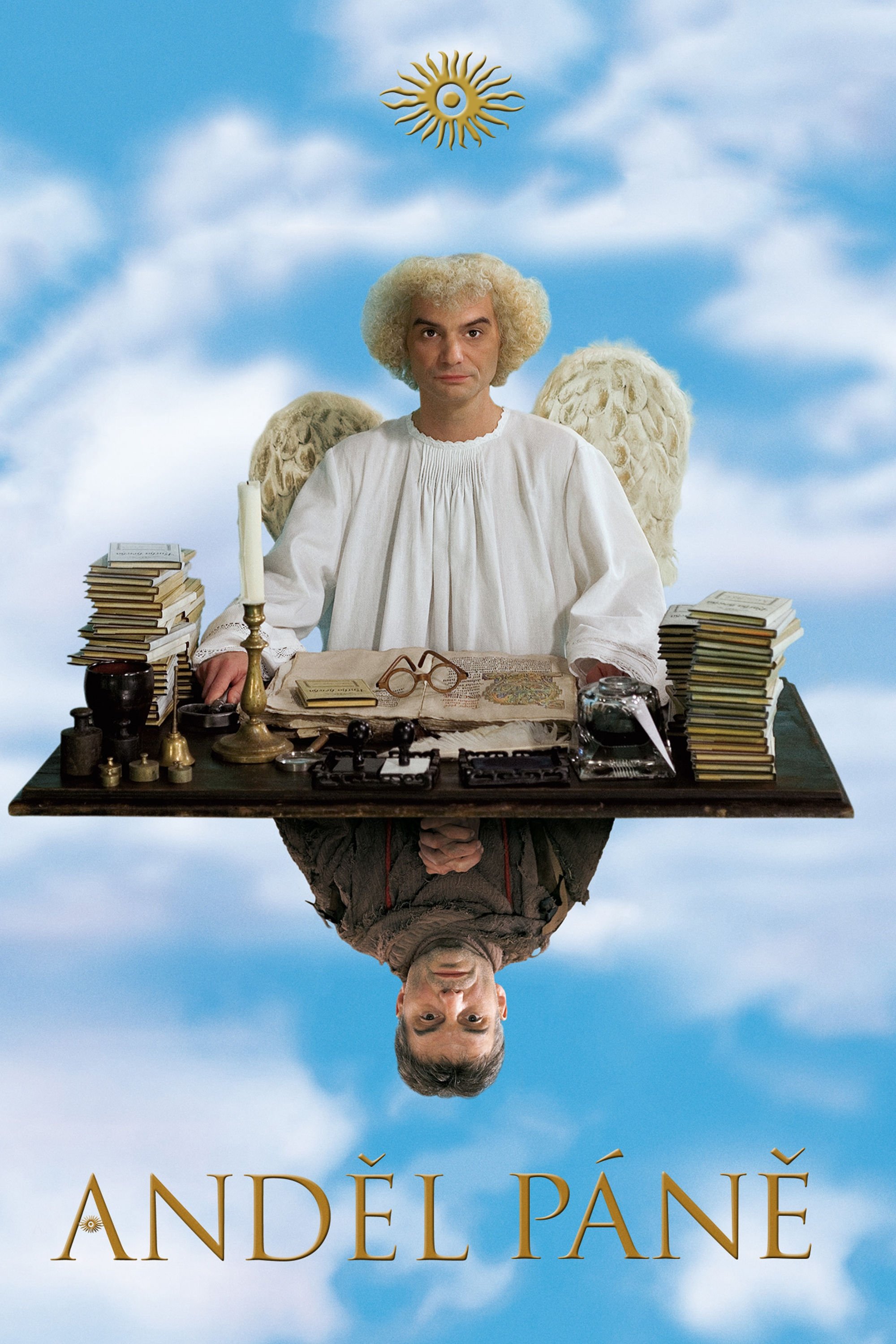
An angel who ruins everything he touches is sent to Earth to learn about love, forgiveness and selflessness -- and he has just one day to do it.
It is April 1945, spring begins and ends the war. German transport heading away from Bohemia.
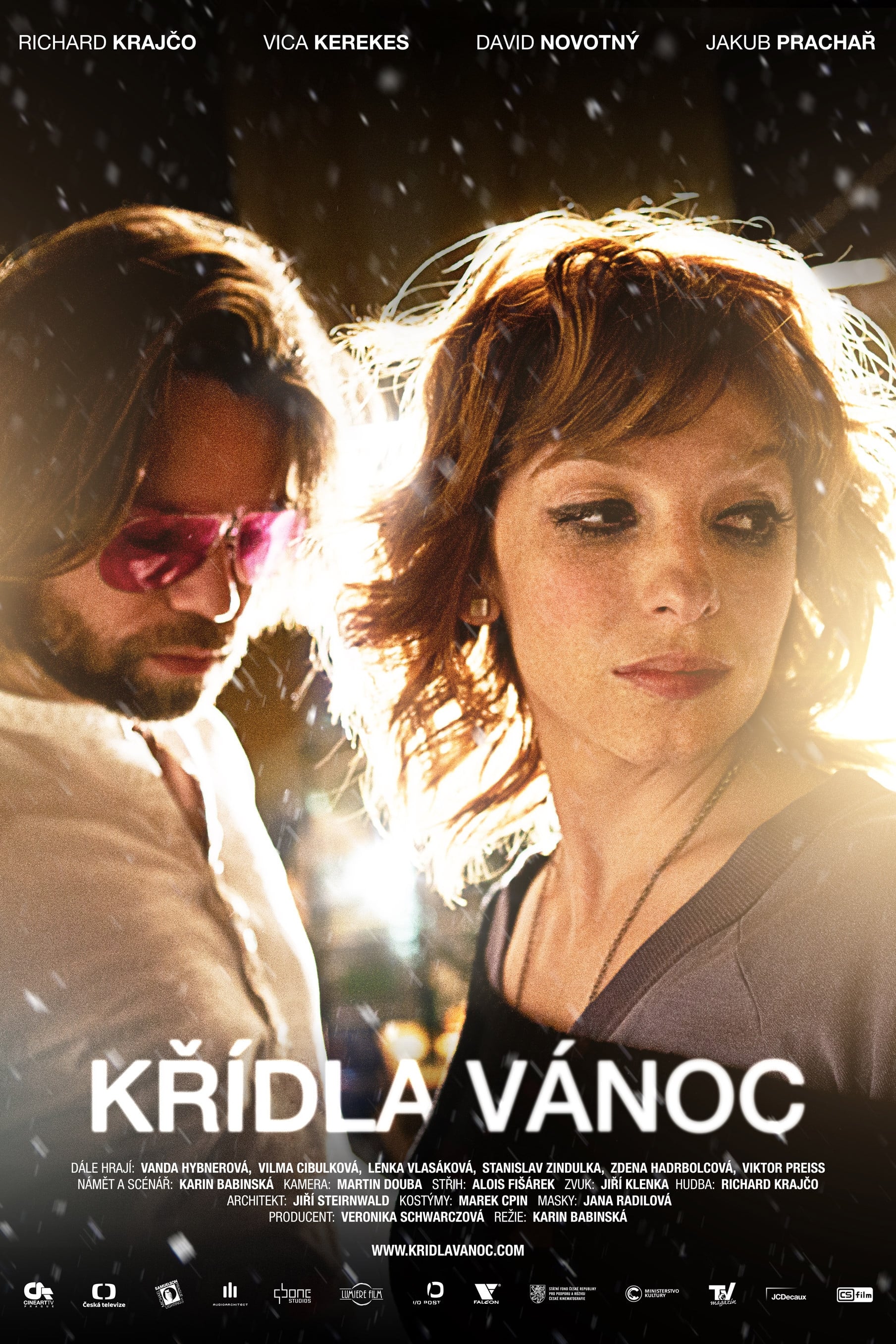
The film's protagonists get an opportunity to make a wish. Consequently, their lives take the path they themselves ordained. Several "coincidences" bring them everything they wanted and they have the chance to experience their wishes. We are not only responsible in our lives for everything that we do, but also for everything we say, we think and desire.
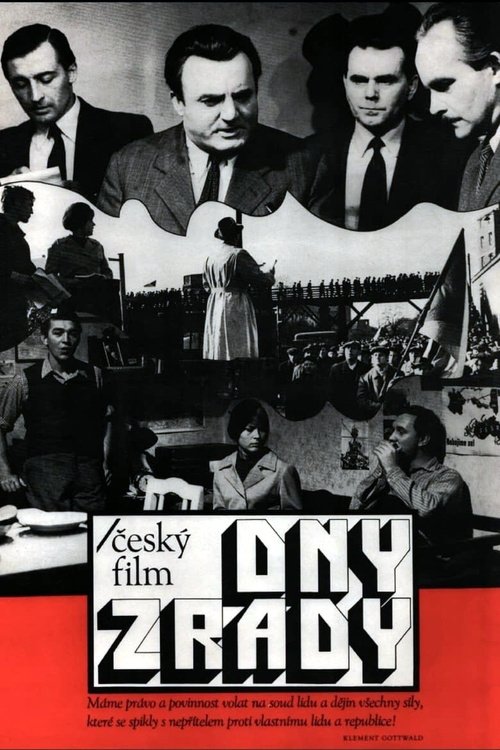
This feature film based on the events of 1938 is a chronicle of the futile efforts of the Czechoslovak president Edvard Benes (Jirí Pleskot), politicians and ordinary citizens, to save the independence and the territorial integrity of the state from the advance of Hitler's Germany. On the 29th of March 1938 the leader of the Sudeten Germans Henlein (Werner Ehrlicher) has a meeting with Hitler (Gunnar Möller). Hitler orders him to intensify pressure on the Czechoslovak government. On the 24th of April in Carlsbad, the Sudetendeutsche Partei (Sudeten German Party) decides upon eight demands that are unacceptable to the Czechoslovak President, since they would ultimately lead to the break-up of the Republic. Benes still shows a certain willingness to negotiate, and Henlein resents this. The Germans are determined to make further negotiations impossible through incidents and violence.
The short story film follows the fate of three young men who will soon have to decide what to do with their lives. The first "Poet", an aspiring author, publishes his first poem, while the sporting career of the second "Rep", a national table tennis player, is disrupted by a maths repartee. The last "Beaver Grizzly" is a tramp more used to solitude, yet he starts a pioneer troop...
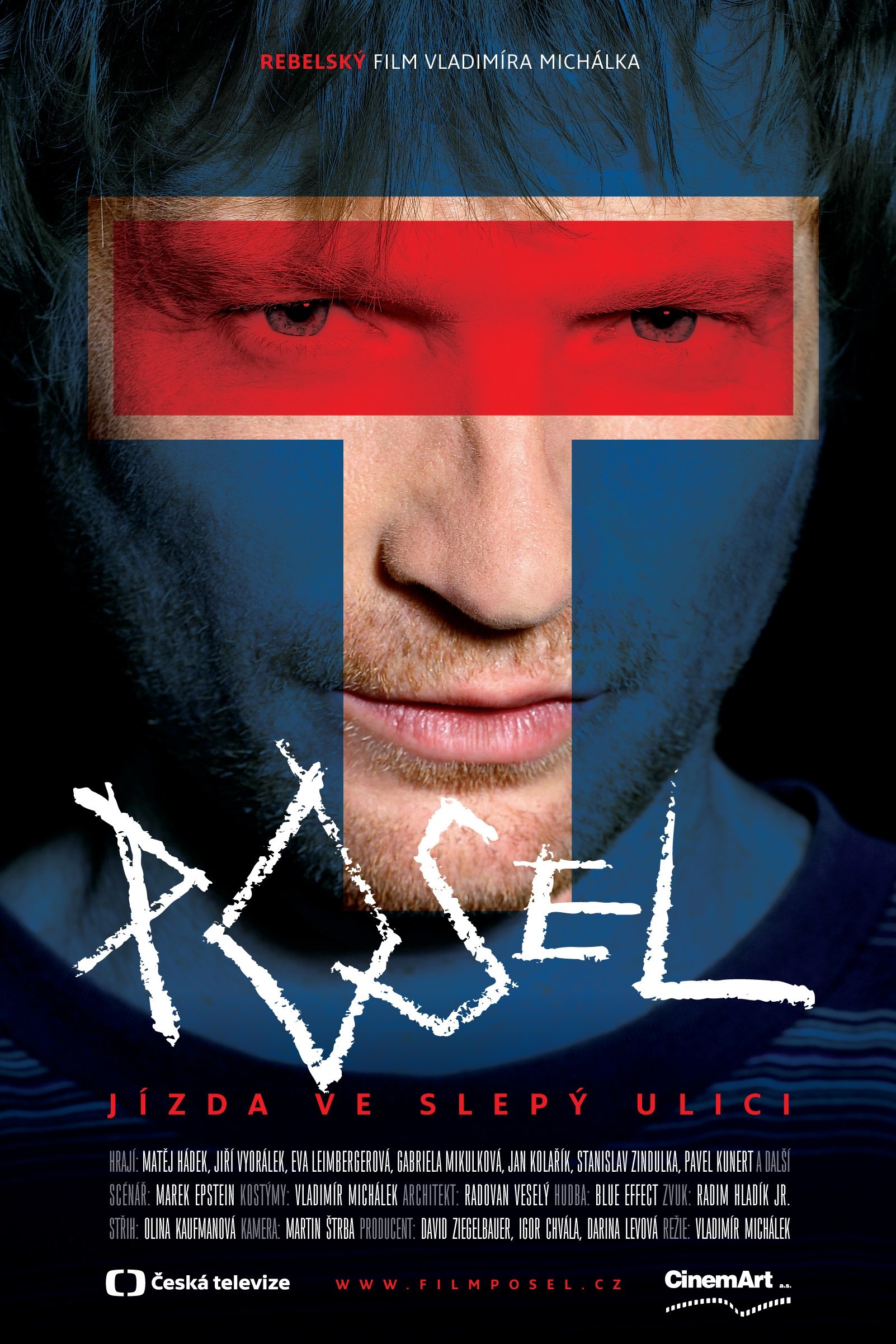
Petr is a courier, a messenger as a matter of fact. He is one of those young men who believe that on their bikes they have become part and parcel of the atmosphere of modern cities. He is a non-conformist who refuses to settle into today‘s deformed society, he abhors its indolence, consumerism and lies, as well as its pseudo-truths, pseudo-feelings, pseudo-loves and pseudo-values. Petr’s untrammelled personality keeps causing more and more serious problems. And Petr is also one of those who will never admit to themselves that they might be at the end of their tether.
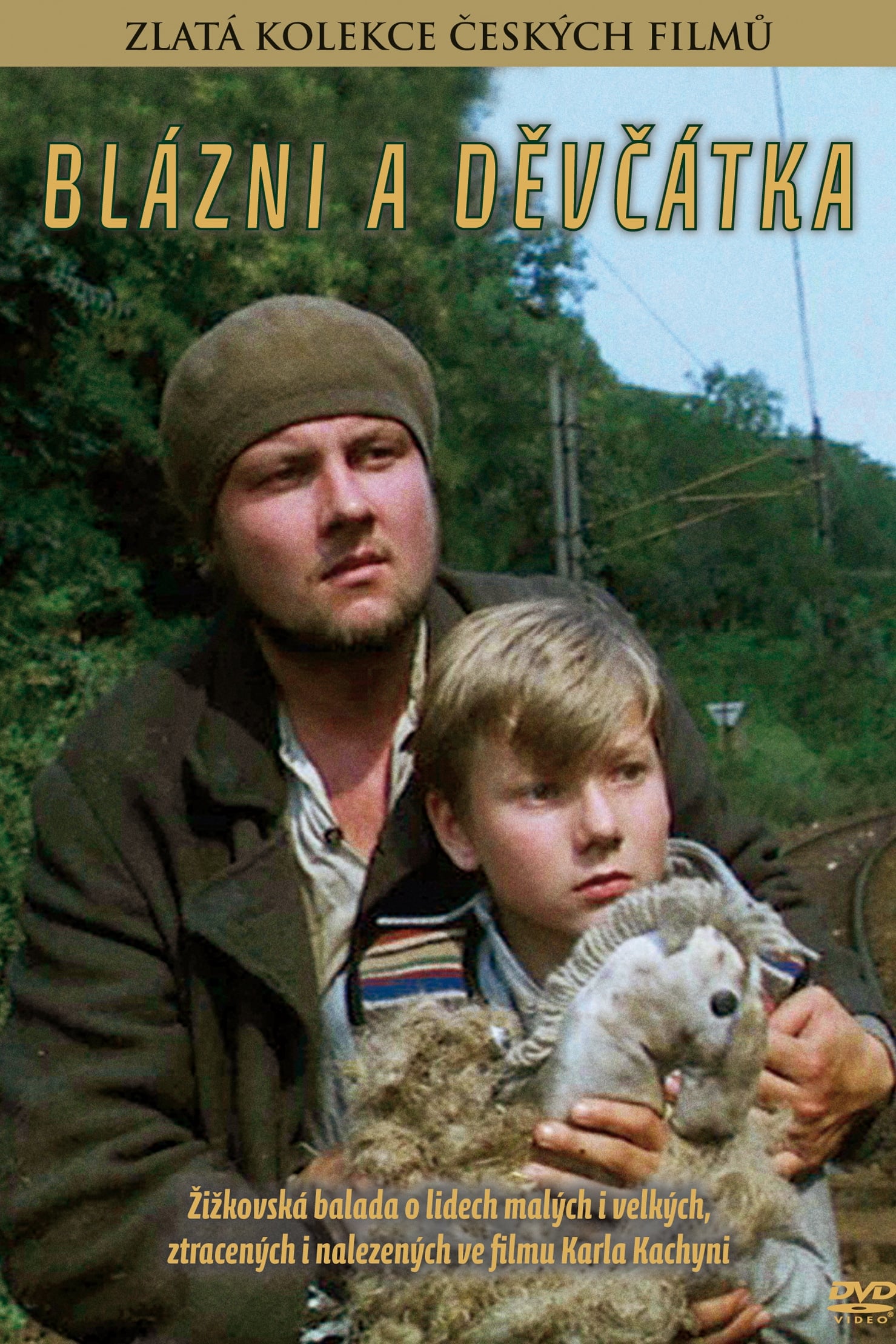
A coming of age drama about a young boy Jirka who lives in Prague.
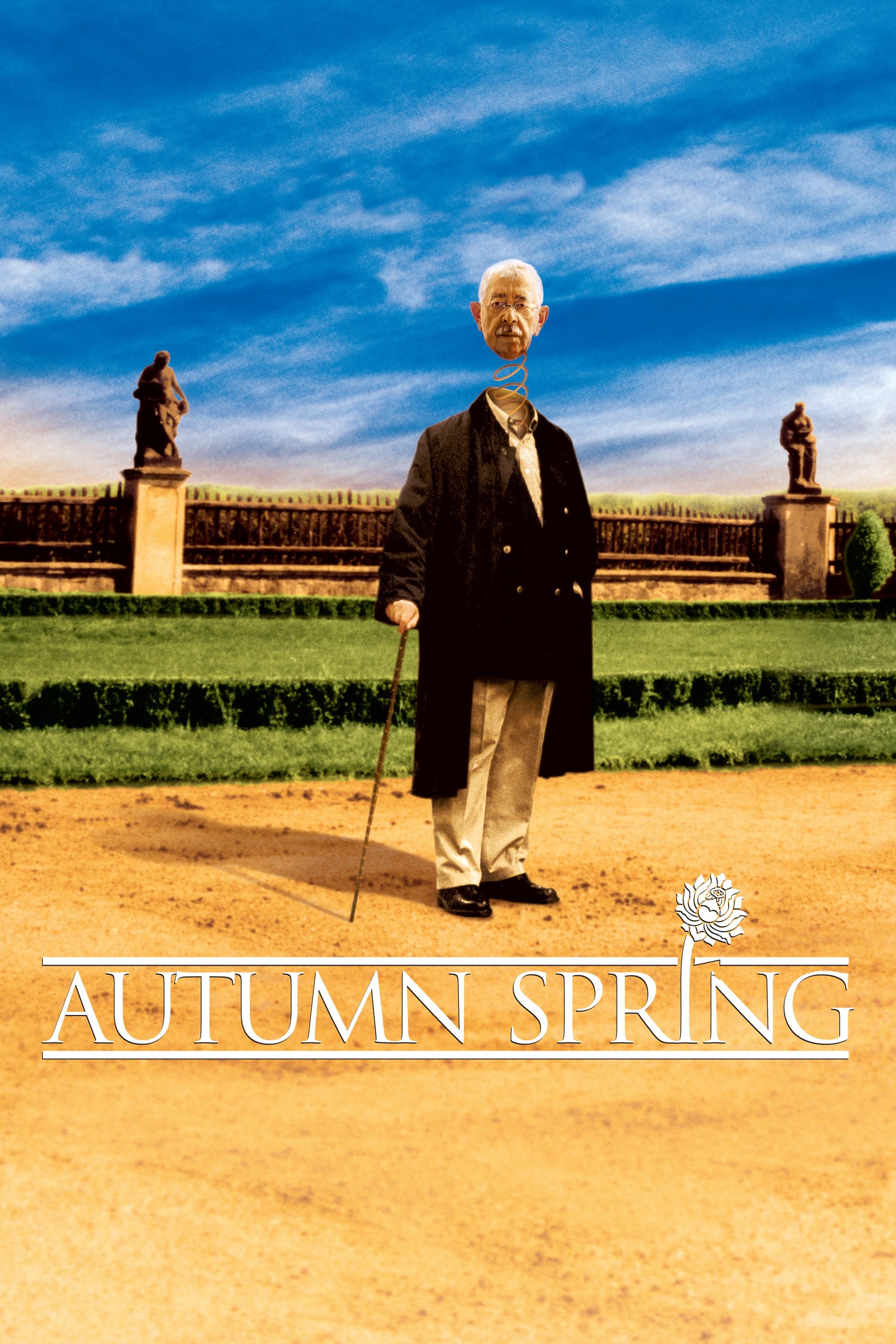
A bittersweet comedy starring the great Vlastimil Brodský as Fanda, an old man who refuses to grow up. Despite pleas from his exasperated wife who wants him to make serious decisions about the future, Fanda ignores the nagging and spends his days seeking amusement and adventure.
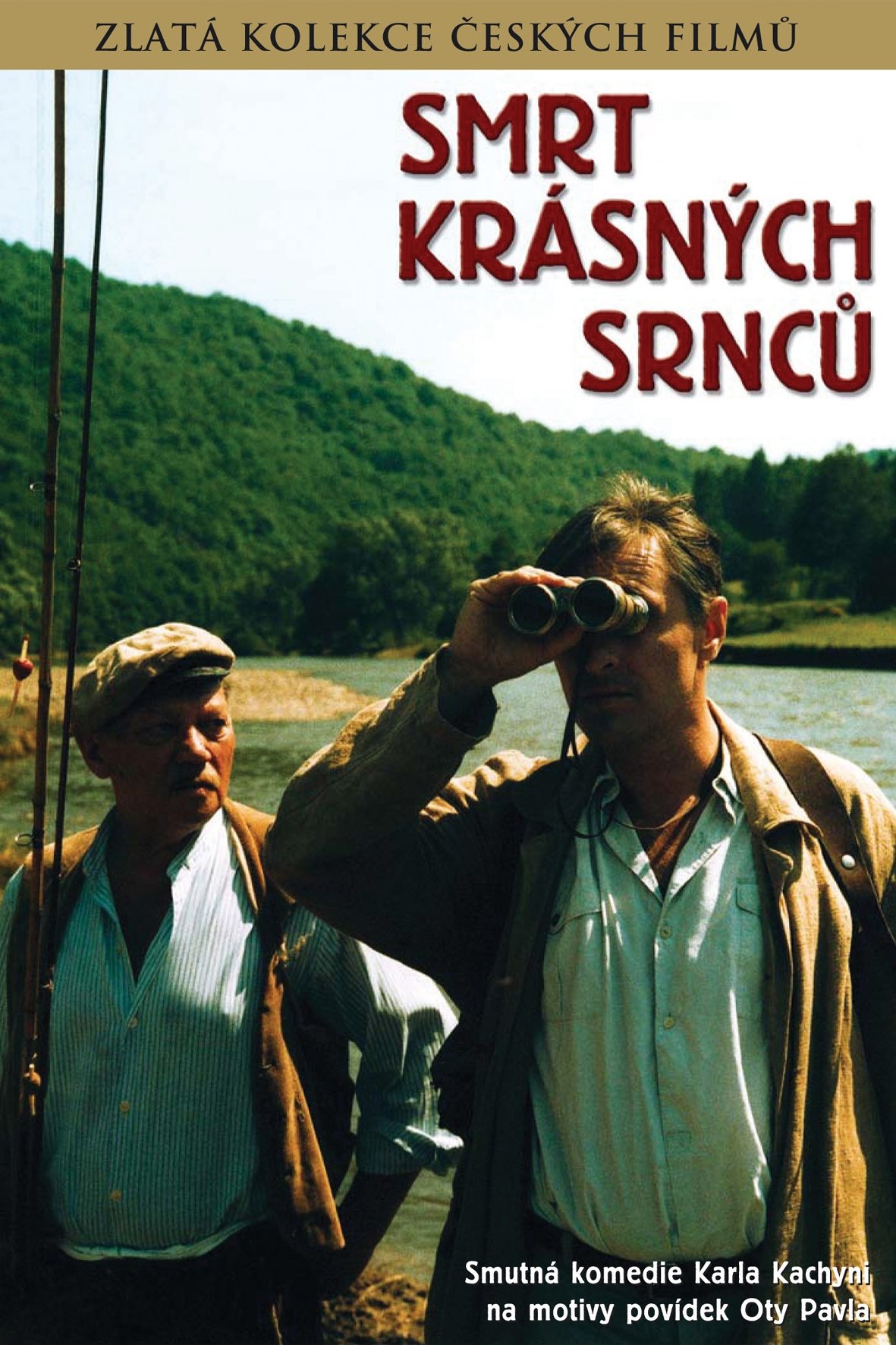
Leo Popper is a happy family man living in rural Bohemia in the years preceding the Nazi invasion. Out of economic necessity he moves with his family to the big city and becomes an enterprising vacuum cleaner salesman. There he embarks on a series of adulterous adventures, has encounters with boxing pros and famous portrait artists, and schemes to purchase the perfect pond to fulfill his passion for fishing. When the Nazis gain control, the comedy turns sour - he loses his lake, his job, and finally, his family.

Rumbling is a dramatic feature film based on a true contemporary story, spiced with real-life events taken from media reports mixed in. It showcases tales of domestic violence, acts of self-defense, standing up for what is right and helping victims in need. The film is about an endangered human archetype, one whose sense of justice and freedom of speech borders the edge of law and social norms. It was originally planned as a documentary about people whose nature defies societal norm. This background gives the film a credible amount of crude realism. As a feature film Rumbling is set in the world of motorcycles, rock music and artists, where people valuing fairness and honesty blend in their inherent explosive emotions, rumbling in the heart and love for absolute beauty. A world where man ceases to be judgmental with himself.
A spa comedy full of thieves and swindlers, disguises, blunders, and misunderstandings, but above all, crazy humor. The television comedy by screenwriter Anna Vovsová and director Zuzana Zemanová Šejk takes place in a small spa somewhere in northern Bohemia. A successful group of amateur actors is hiding here from the law in order to get abroad as soon as possible and escape their deserved punishment for robbing a jewelry store. However, conflicts exist not only within this group, but also between the spa director and the female staff, especially between the director and his own daughter, a masseuse. She refuses to obey him and quits her job at a time when there is no replacement for her.
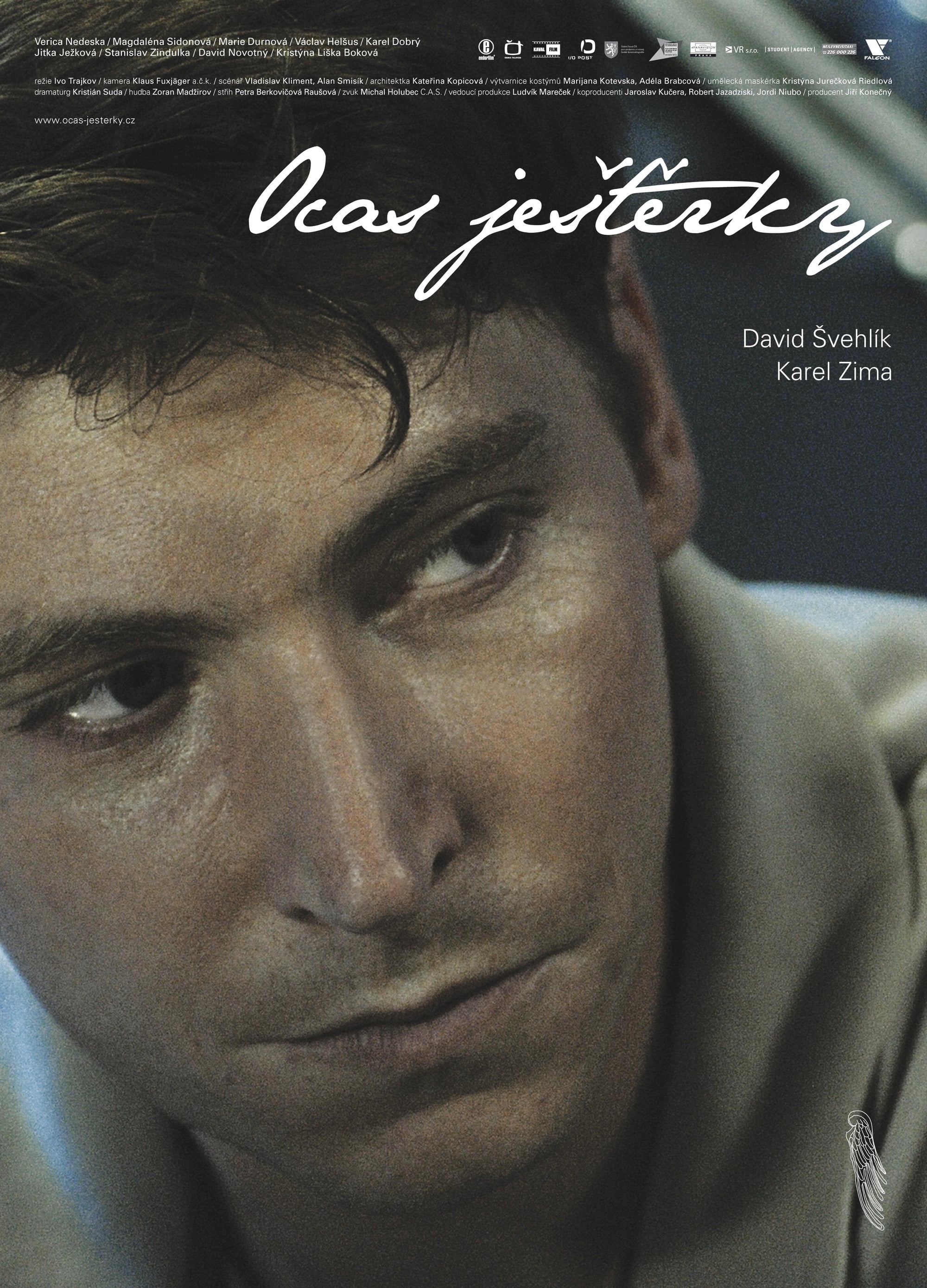
A man who believes his days are numbered is saddled with more bad luck than he expects in this metaphorical comedy-drama from director Ivo Trajkov. Ever since he was a boy, Josef (David Svehlik) was been convinced he's destined to die at the age of 29, so he's understandably nervous as his 28th year is drawing to a close. Fate doesn't appear to be on Josef's side when his wife asks for a divorce and moves out, taking their young son with her, and he's next fired from his job fixing scales. Josef is in an unsettled state of mind, and his new friendship with free-spirited Gabriel (Karel Zima) doesn't help much, but Josef begins to wonder if luck is on his side again when he meets a lovely and warmed hearted woman, Olivia (Verica Nedeska).
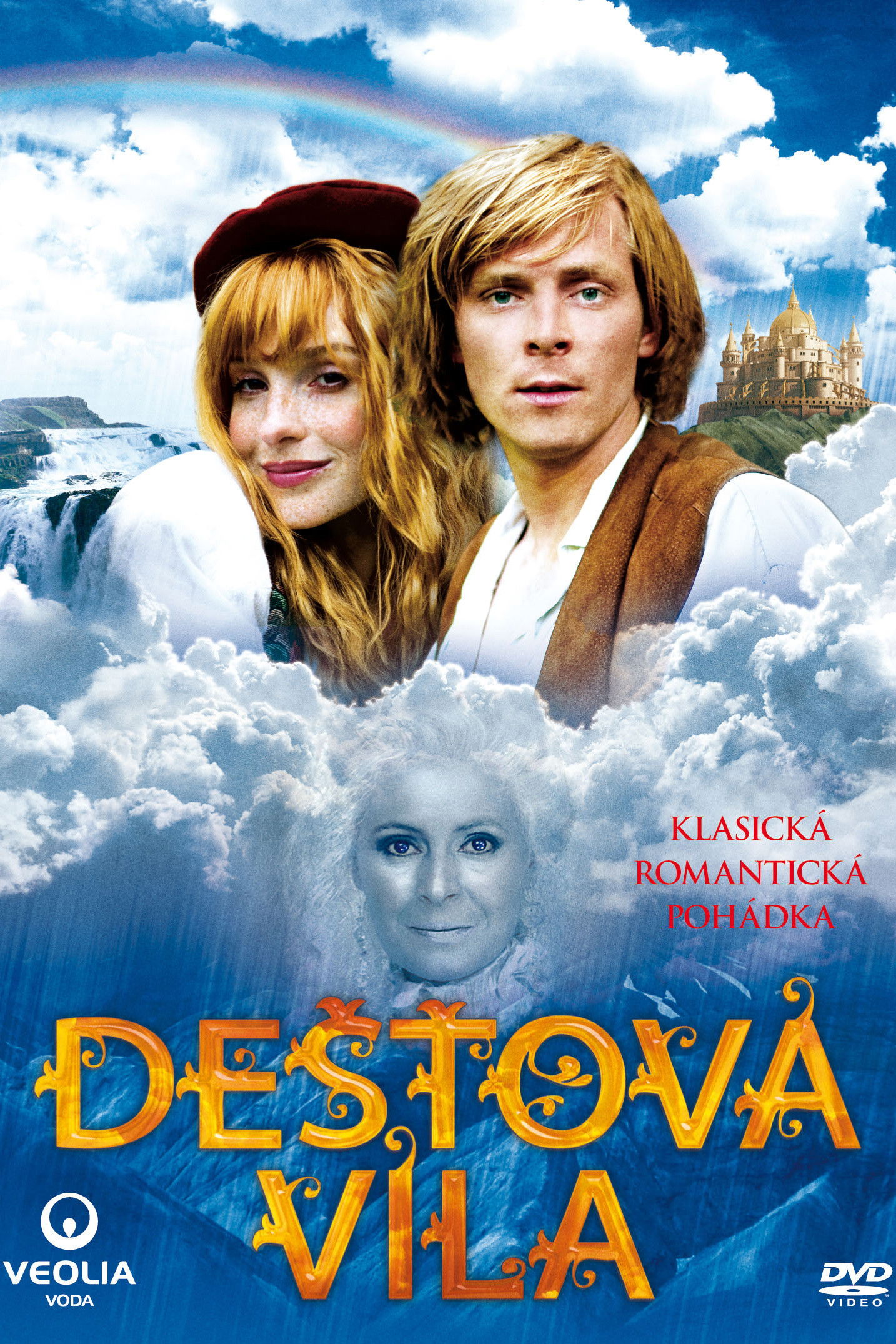
The elements that rule Earth - Air, Fire, Earth and Water - are in their "regular inspection tour". We are following Water, in the form of the Rain Fairy. Traversing the land dressed like a poor woman, she learns that people really have begun focusing mainly on money and that love and goodness are disappearing.
When Vojtěch Hynais, who lived in Paris in the 1880s, received an offer to paint the curtain for the National Theater, he accepted it. However, his modern concept for that time was not accepted by the academically rigid commission. He did not depict the required figures from Czech history, but rather an artist kissed by the Muse. Although he completed the work, he was never paid for his work on the largest curtain in Austria-Hungary. Author Martin Šafránek very sensitively uncovered the issue of moral failure at the cost of material benefits on the one hand and the courage to risk these values to the point of self-destruction on the other. Director Jiří Strach, who made his debut with this work in 1998, cast Radek Holub and Klára Issová in the leading roles.
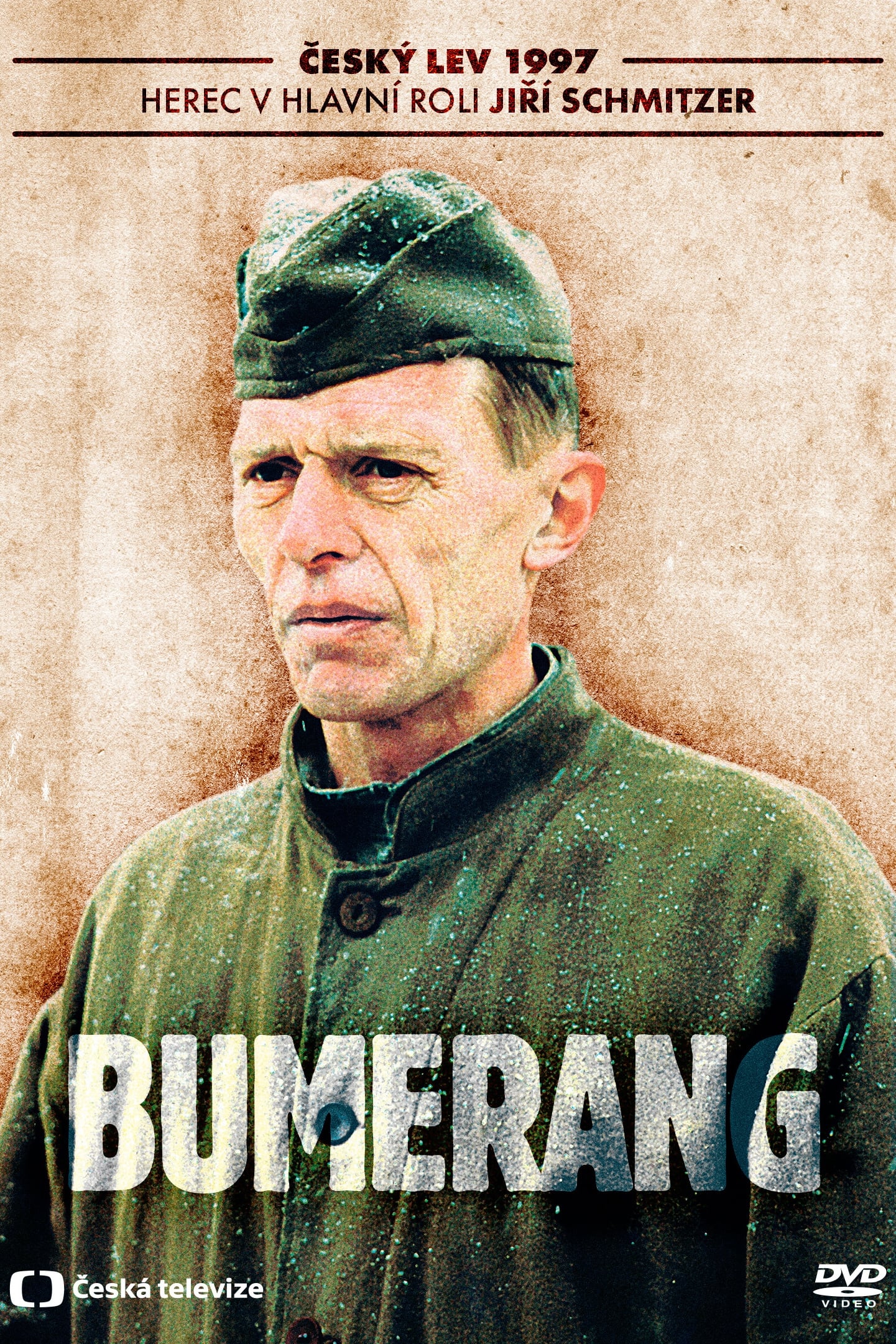
The story, written by former George Stransky former political prisoners and today's chairman Pen Club is situated to 50 years and uranium camp of political prisoners in Pribram, where after the fall of the Stalinist cult comes at the end of 1958 as a prisoner of the former Chief of Main Administration of correctional facilities Colonel Good. Former chief topic of coexistence, "a guard" and political prisoners in the Bolshevik camp served timeless makers to reflect on the possibility (or impossibility) of forgiveness and a sense of justice. The film, unfortunately, below expectations - mainly because of its rarity and lack syžetovou arching dramatic arc of the story, including natural gradation. Nice camera and vice versa are cast, formed literally myriad of top Czech actors. A representative of one of the main roles - Jiri Schmitzer in 1997 was awarded the Czech Lion.
An old couple lived in a small house. Since they had no children, they made a girl out of chalk and named her Vápenička. She was beautiful, all white, but she couldn't speak. In that country lived a prince who took a liking to Vápenička and wanted to marry her. However, as is often the case, the king did not approve of the bride. Therefore, he gave the prince the task of guessing the girl's name, otherwise he would not allow the wedding...

Comedy inspired by paperback crime novels tells the story of an adventurous search for a mysterious murderer who just after the end of the First World War has begun a rampage in Wilson City, a jerkwater town somewhere in Eastern Europe. The investigation is being led by an inhomogeneous pair of detectives - a greenhorn and local police cadet named Eisner and an experienced FBI officer Food, who has been sent to Europe by US President Woodrow Wilson himself.
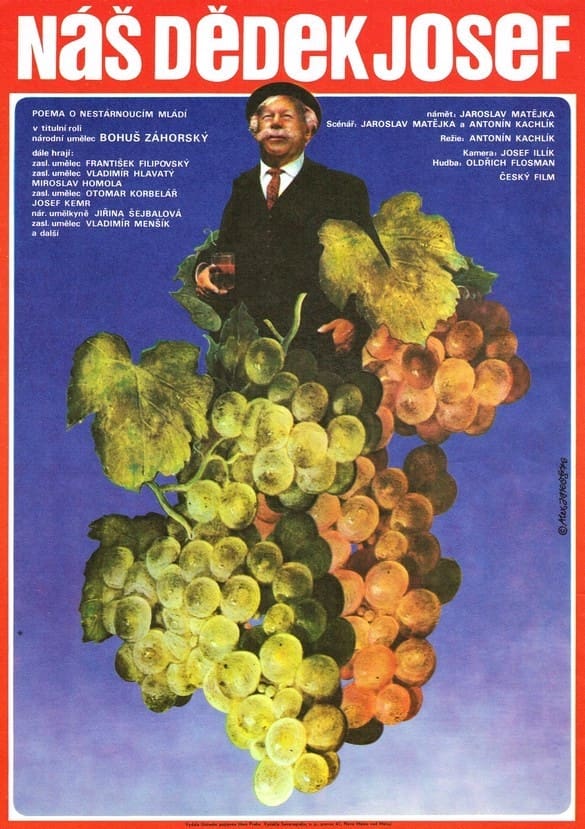
Set in a 1950s Moravian wine village, an elderly Josef, guided by his quirky life philosophy and humor, recalls key moments from his past. Across nine seasonal vignettes filled with local folklore and customs, he and his fellow elders remain fully engaged in the joys and trials of village life.
This two-part television film tells the story of family ups and downs and the relationships between parents and their adult daughter, whose views on life, dreams, and plans differ greatly.
Otakar Vávra dedicated his latest film to events accompanying the devastation of the first World War. It takes place in representative centers of power, in the courts of Vienna, Berlin and Moscow. In parallel, it develops the fate of the Czech archivist, who will take part in the Serbian anti-Austrian branch.
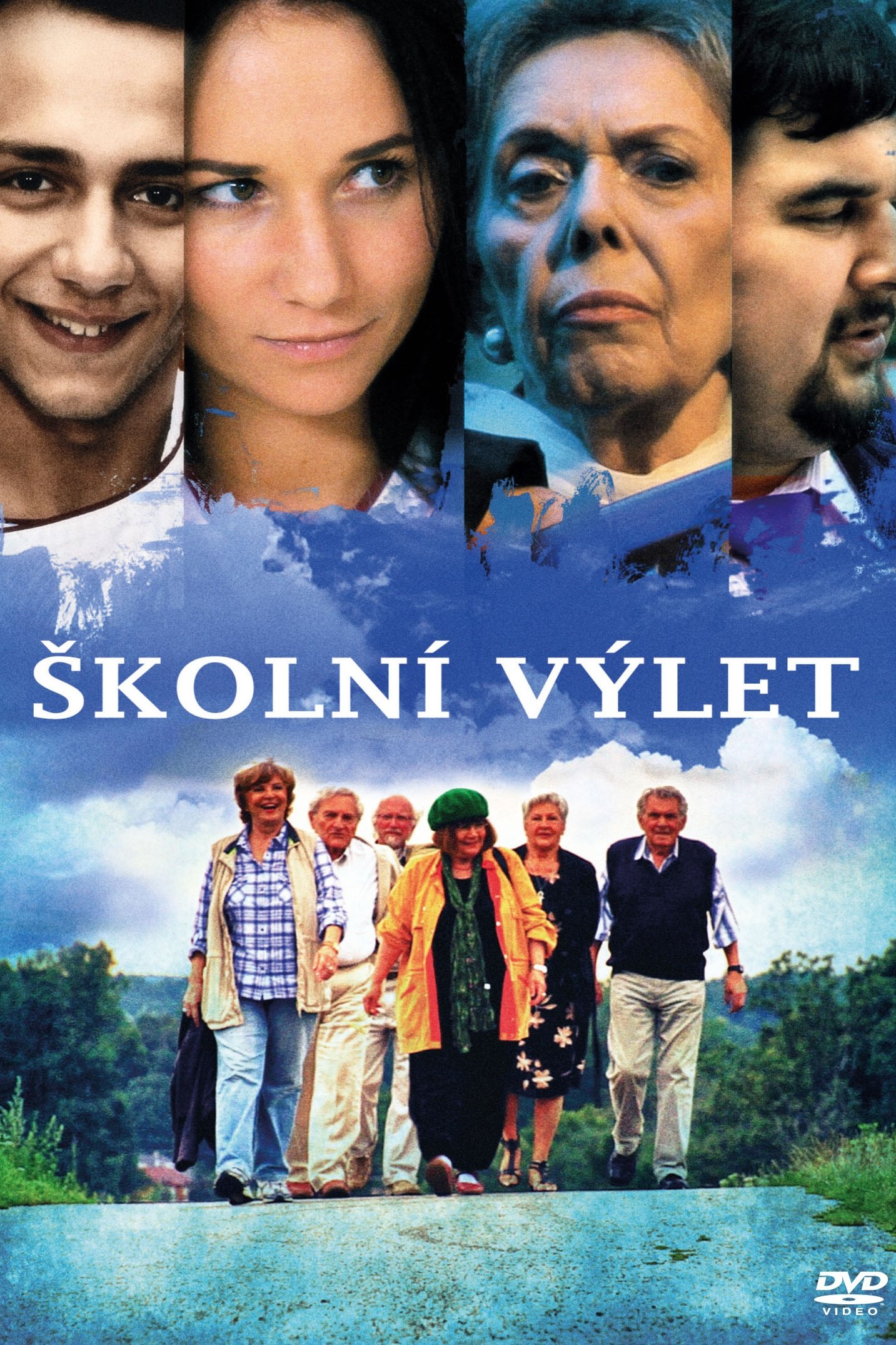
A group of classmates is invited to stay at a spa. However, they experience many twists and turns, funny situations, but also personal dramas. At the same time, we follow the story of a young thief who gets a job as a cook at a luxury spa hotel and experiences his first great love when he falls for a beautiful maid.
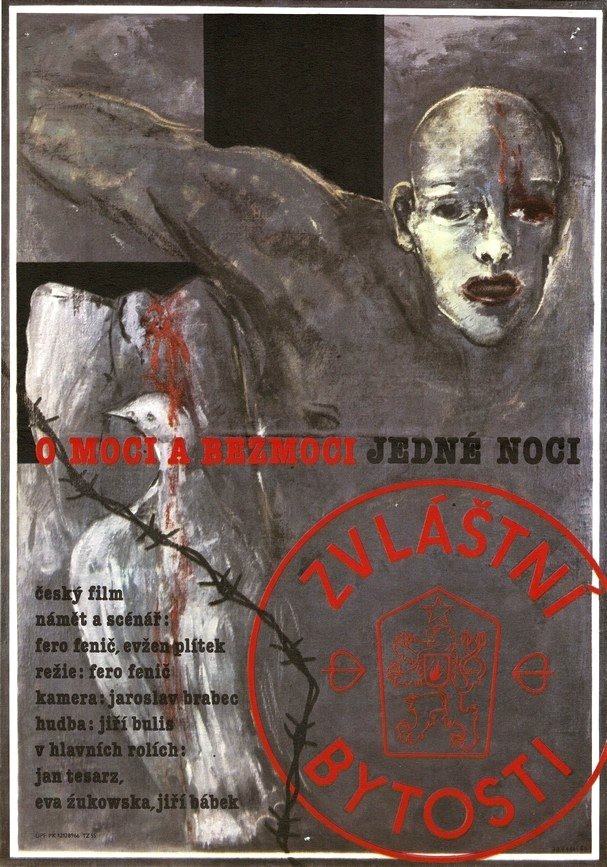
A parable for the end of totalitarianism. Three protagonists - a high official, a secretary, and a border guard - representative of three generations (1948, 1968, 1988) are forced to confront their ideals and places in society through the events of one strange night.
A cheerful fairy tale about how two young people who initially didn't even want to meet fall in love. The classic theme of searching not only for love but also for happiness in life is interesting for its modern approach and completely contemporary dialogue, which is very relatable to today's children. Princess Róza and Prince Philip II are to be married for the sake of their fathers' higher political interests, without ever having met before. Róza is a gentle girl who, despite her father forcing her to fence and shoot, prefers to play the transverse flute. Philip II, on the other hand, has no interest in ruling, but loves to go, secretly of course, to cook ordinary pub food at the local inn. And that is where they meet completely by chance...
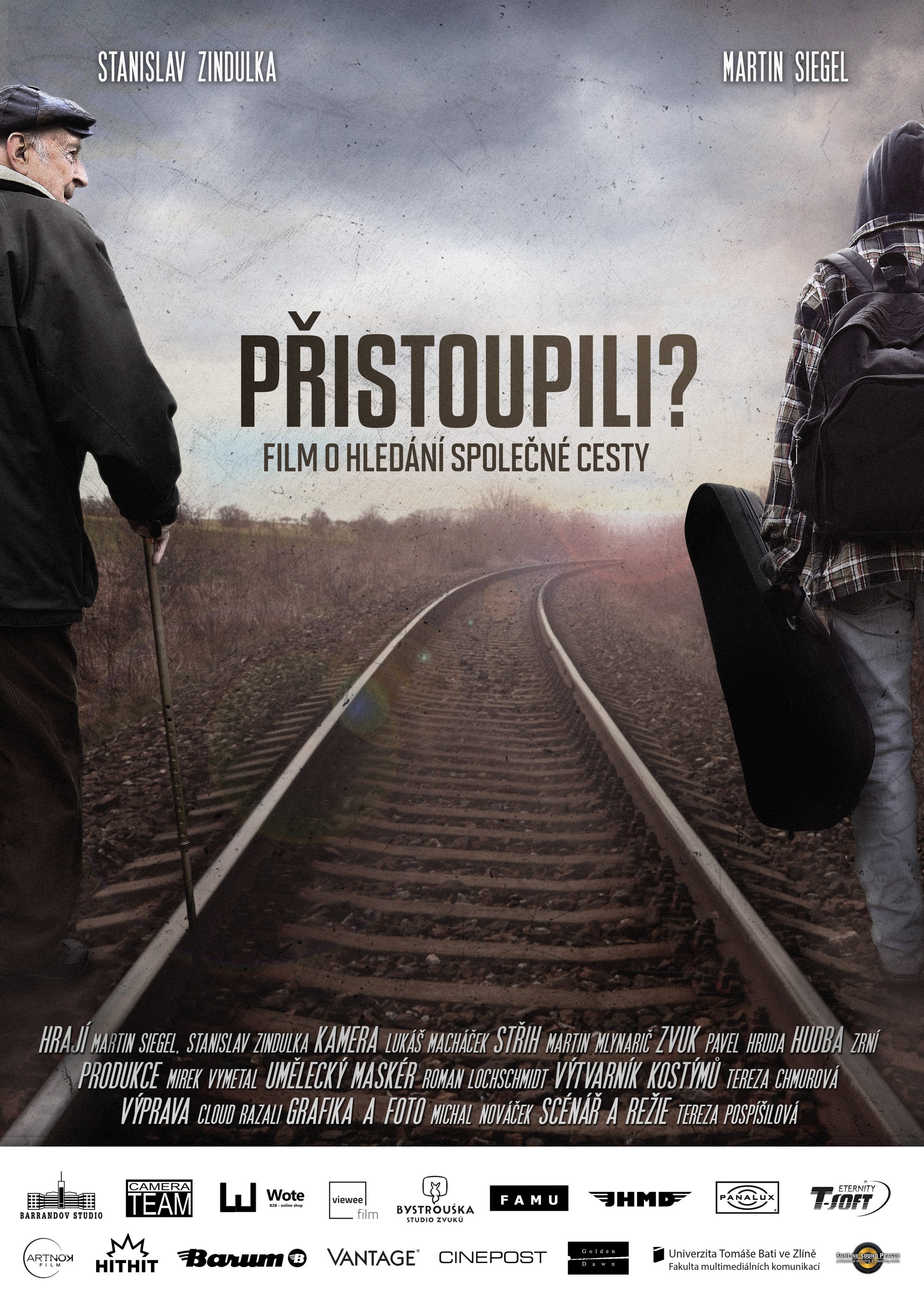
Fifteen-year-old Roma teenager Martin is running away from home, hoping to start a new life in Prague. He ends up sharing a train cabin with an old man, who quite possibly might be traveling back to Prague for one final time. It’s an extraordinary meeting of two lonely people showing that diversity is something that should enrich and not separate people.
A Chod folk tale in which the evil Markyta envies her friend Marjánka her husband and especially the pub they share. One day, on her way back from the fair, he drowns her and takes her place. In time, when she starts to resent Marjanka's son, she drowns him too, not knowing that they are not both dead, but thanks to her delusions they live on in the pond. The brave and courageous Hanky learns everything and forces Markyta to confess and rescues them both.
The new television adaptation of Jan Otčenášek's famous novella of the same name tells the story of the love between a teenage boy and a Jewish girl in the midst of war during the Heydrich terror. Ester seeks refuge, which Vojta provides her with, knowing the risk to his life. From this moment on, the situation of the protagonists of the story becomes a kind of existential island where fundamental human values—love, death, loyalty, and betrayal—are tested. This experience marks the main character of the story for life. This intimate drama, directed by Karel Smyczek with remarkable artistic means, is effective in its urgency and has timeless validity. The screenplay is the work of experienced author Petr Zikmund.
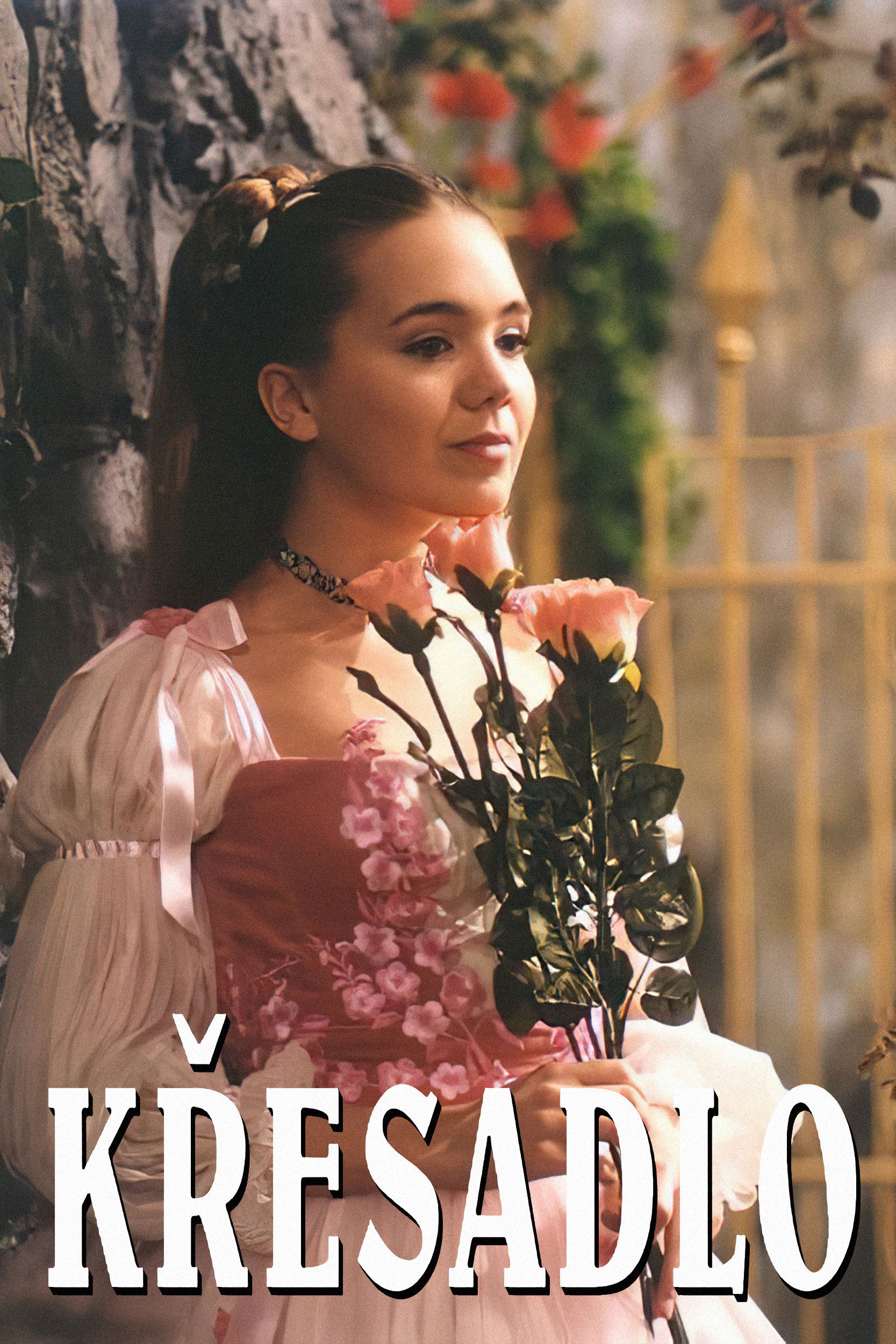
Young Princess Astrid falls in love with glove maker Jeník. However, there is a law in the royal land that prohibits the craft of glove-making, and all glove-makers have been banished from the country. This happened because a scroll was found in the cradle of the newborn princess, predicting that on her seventeenth birthday, she would marry a glove-maker. This was against the wishes of her royal parents, who wanted a noble groom for their daughter. Their plans are thwarted by the witch Gudrun, who uses her magic to help the young couple find happiness.
The queen was so proud of her noble origins that she could not allow the prince to marry a girl who did not have a drop of blue blood running through her veins. What was the truth about the queen's nobility, and how did it happen that three weddings were celebrated at once in the royal kitchen? You will find out in today's cheerful fairy tale.
In a mill, far from people, lives a miller with her daughter Vojtěška. There is no man's hand here, but behind the dam of the pond lives a waterman, who does not leave the miller without help in difficult times. When the mill is most busy, unexpected help appears - a young traveler. Yesterday Vojtěška claimed that such a person had not yet been born, so that she could only look at him with her eyes. But today, under the full moon, a reed sings to her, so it is no wonder that she cannot sleep...
A fairy tale about a village girl, Bela, who falls in love with a voice she hears at noon. It belongs to a snake, into which a prince is cursed, who can only transform into human form once a year. Bela inadvertently causes the prince to disappear. Then she faces a harrowing journey to save her beloved.

The fairy tale tells the story of a very wise Japanese judge, Ooka, who, when judging disputes between merchants, slaves, and even mayors, always listens to both sides first and then makes a fair decision. With his tricks and correctly asked questions, no perjurer or swindler escapes his notice.
A fairy tale about how a brave young man rescued a princess from hell and from her capricious nature.
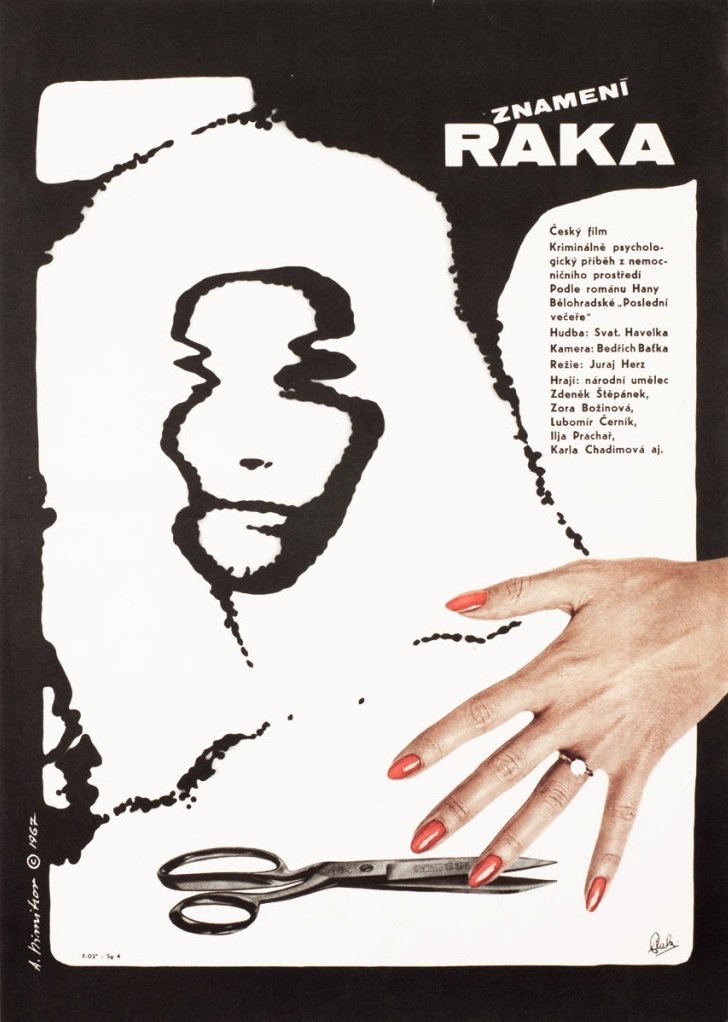
When Dr. Hahn is found murdered in the hospital’s inspection room, investigators question several suspects: his colleague and longtime lover Dr. Marie Nováková (whom he cheated on with nurse Jiřina), the nurse herself, Dr. Petera (whose career he stymied), a senile patient named Zima, and the inept clinic head. As police sift through truthful and deceptive testimonies, complex professional rivalries and personal entanglements among the hospital staff come to light.

Capturing the dark humor of Czech author Michal Viewegh's chronicle of life after the Velvet Revolution, this black comedy chronicles three decades in the life of a small Czech family. While the original novel centered on the protagonist Kvido from his conception through his adulthood, first time director Petr Nikolaev and screenwriter Jan Novak changed the focus to his parents Milena, an extremely self-effacing lawyer who acts on stage in her spare time, and Ales, a rather aimless government worker who tends to drift wherever the wind takes him. The lives of Ales and Milena change dramatically following the Russian invasion of Prague in 1968.

The opera lady singer Ema Destinnová is in all her splendor at the American stages. But in Europe there rages war and she decides to return home to Bohemia.
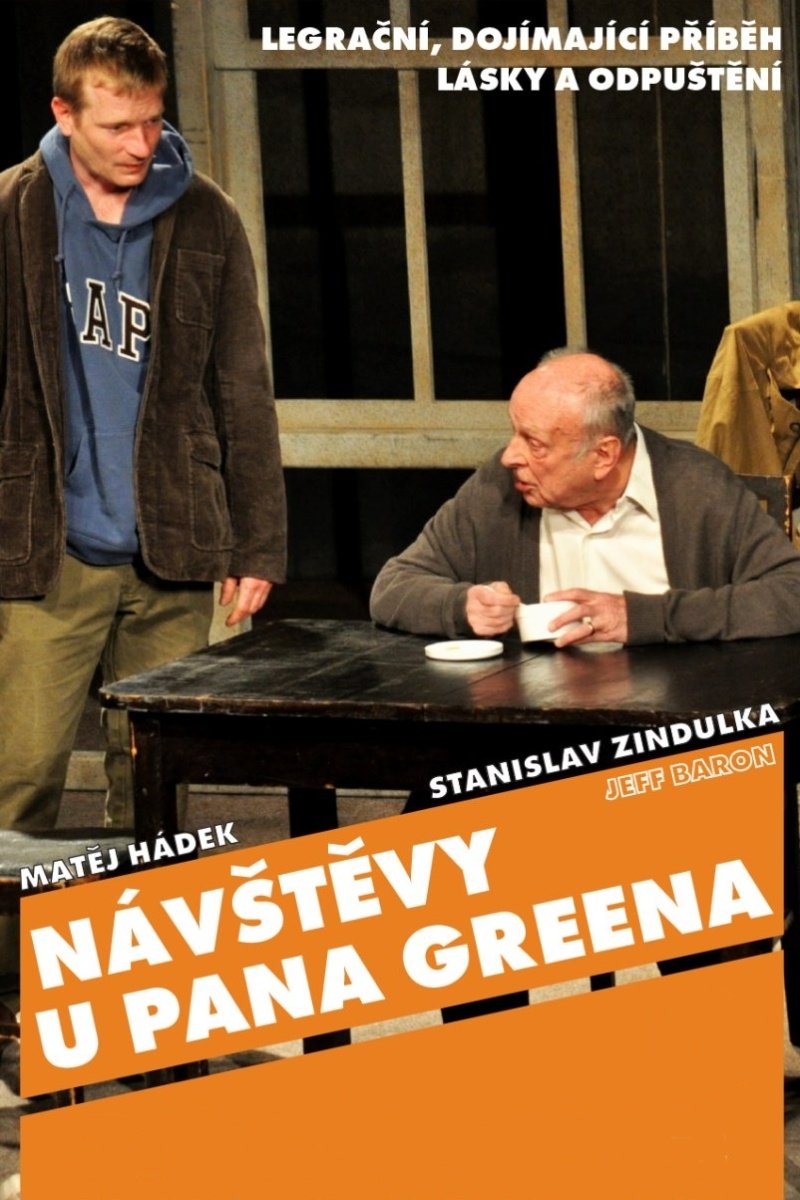
"Power is sweetest when it is completely disproportionate – when a fool rules over the wise..." Kundera's play reveals in a farcical, even sarcastic way what drives people. For some, the most important thing is to submit and have peace of mind, while others need power over others to live. Milan Kundera says of his comedy Ptákovina that "it is a comedy so frivolous that it is more than a comedy: it is nonsense." Its intricate plot is set in motion by the Director, who draws a rhombus on the blackboard in the classroom. And it is discovered. An investigation ensues, and the all-powerful man of the city, the Chairman, also enters the game. This myth-shrouded comedy was only performed briefly in our country in 1969, and since then no one has officially seen it here. Until September 2008, when director Ladislav Smoček staged it at the Činoherní klub in Prague.
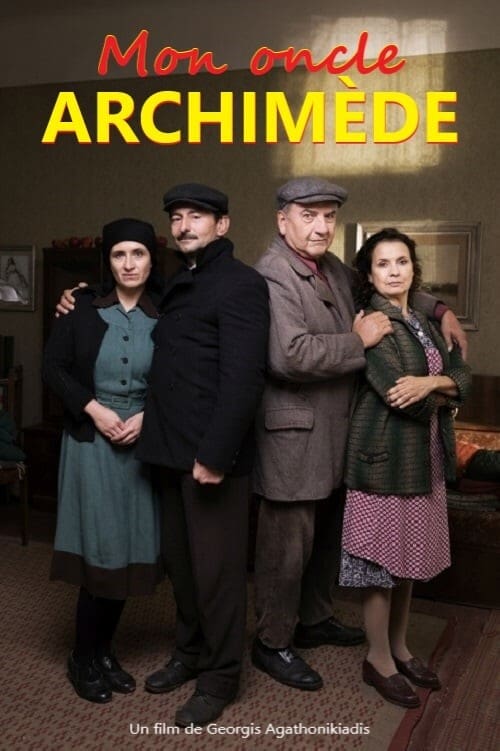
Telling the story of Archimedes, one of thousands of refugees who left Greece for Czechoslovakia at the end of the 1940s, as the Greek civil war meant many communist fighters sought refuge in communist countries. Told through the eyes of Archimedes’ grown-up nephew Aris, who recalls how his uncle's life changed when he escaped from Greece to Czechoslovakia with the naive dream of a rosy future under a socialist regime. But all was not as it seemed.
The true story of a little boy who was taken from his grandmother's care during the war by a court decision at the request of his father and his upbringing was entrusted to the German authorities. Upbringing means Germanization. The methods used here did not even remotely resemble their noble name. Inhuman treatment and psychological and physical suffering also affected Mirko.
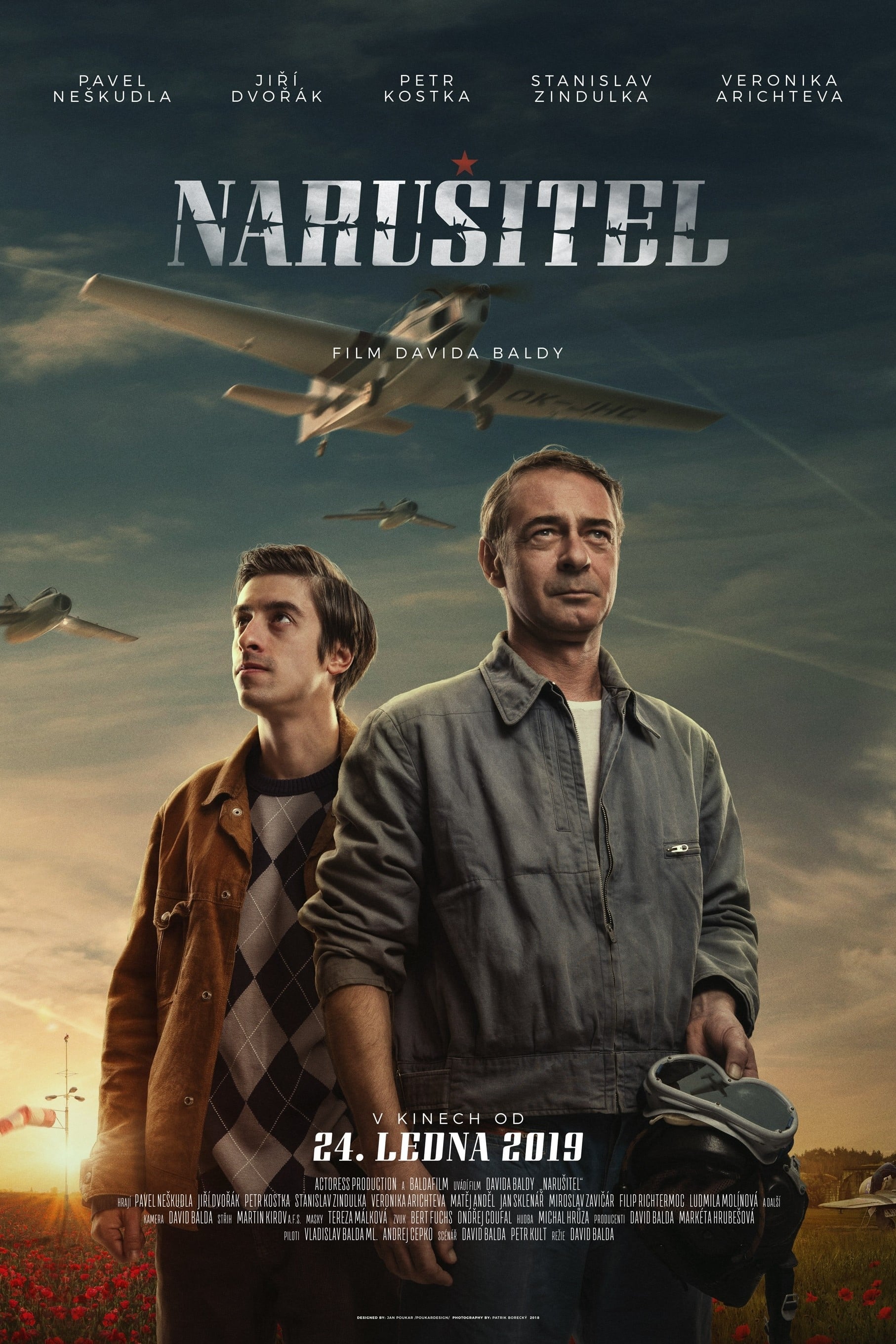
A powerful and thrilling story of a Czech flying ace, his friends, and their boundless love of flying. Four friends and their aviation mentor fly together and serve in the army for twenty years. But then, after a long time, the death of a former RAF pilot during an attempt to fly to the West begins to unravel, and the main character has no choice but to try to imitate him. "You are a trespasser, follow me," are the words he often reports into the radio when forcing those who are flying west in search of freedom to land. Now he too must attempt the same desperate escape.

Oddsockeaters are small invisible creatures, responsible for socks that go missing when we only have one left from a pair. But unlike them, Seed’s gang wants to have a pair. In the end, they began their fight between two sets of values.
A wealthy Turk intends to establish an opera house in Smyrna with the help of opera lover Count Čipera. Opera singers are applying for the engagement, and the female singers are also fighting fiercely for the position of prima donna. The Turk has a weakness for women, but will he be the one to make the final decision? And how will this bold project turn out? A recording of a theater performance by Prague's Činoherní klub.

Predestination is a cage. The wife of an NHL hockey star and former Miss North Bohemia knows this all too well. She didn't even finish high school, which bothers her. But she is slowly coming to terms with the fact that no one expects her to be particularly intelligent. But does she really belong nowhere else but in the sector of hockey players' wives? After meeting a university professor specializing in adult education, she realizes that everything could be different.
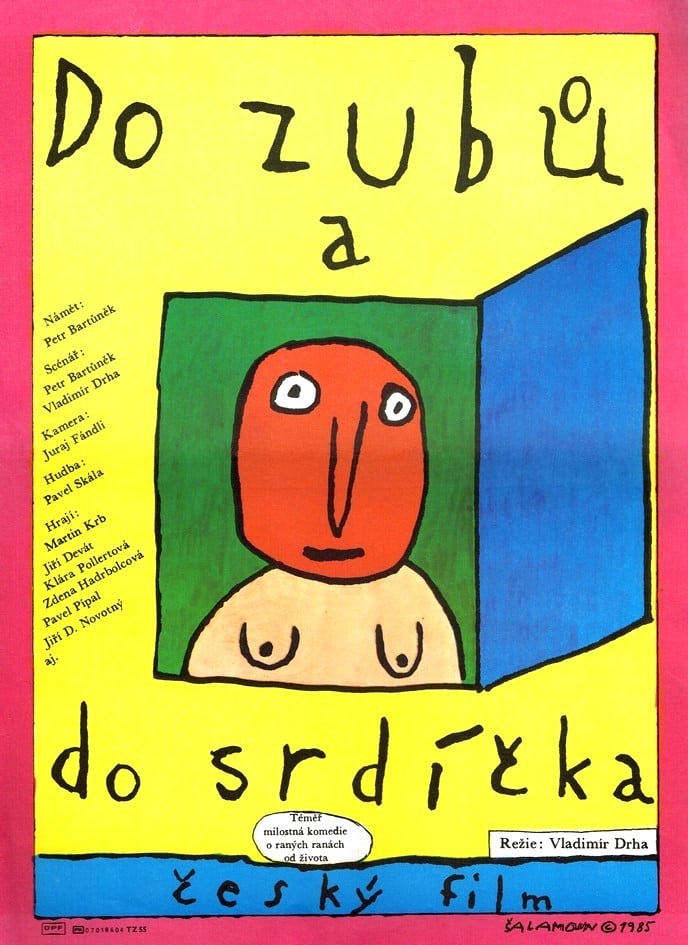
The heroes of the small-town story are former friends Standa Stuchlík and Robert Sura, who become arch enemies, and not only because of their classmate Zuzana, whom they both like. While Robert, the dude, has rich parents who spoil him and buy him everything he asks for, Standa has to earn a hard living playing in a rock band, working part-time in the boiler room and constantly defending his hobby against his parents' disdain. His only support is his uncle Edda, also a musician.
Second-rate writer Marton spends his not-yet-advanced old age in a luxurious retirement home. Apart from his grandson, who lives somewhere in Australia, he has no one else in the world. His wife left him long ago, but he cannot forget her. He feels he cannot bear the empty, monotonous life among equally abandoned people. He confides in his diary that he will commit suicide in the coming days. But then new guests arrive—the beautiful Mrs. Rouvrová and her disabled husband. A spark quickly ignites between Marton and Mrs. Rouvrová, and suicide is forgotten. But mysterious deaths begin to occur in the home, and soon there is no doubt that they are murders. Marton must ultimately suspect his late love, Mrs. Rouvrová...
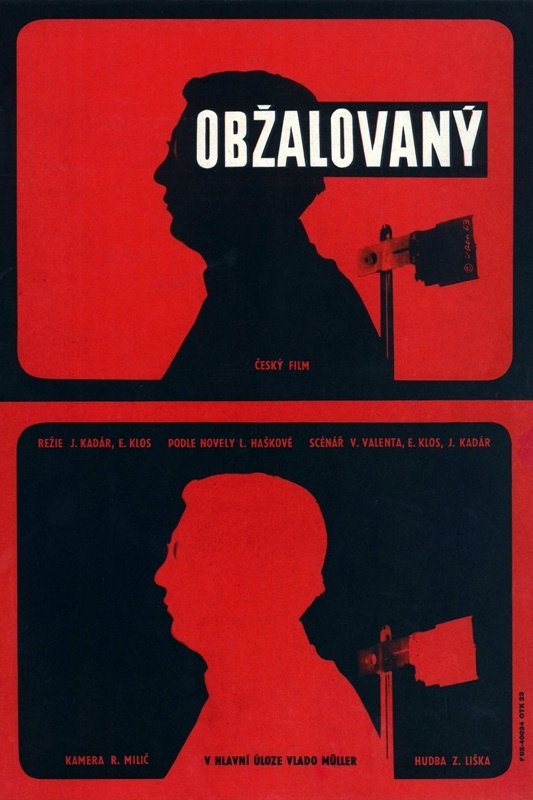
Managers at the construction of a big hydro plant are accused of having embezzled money.
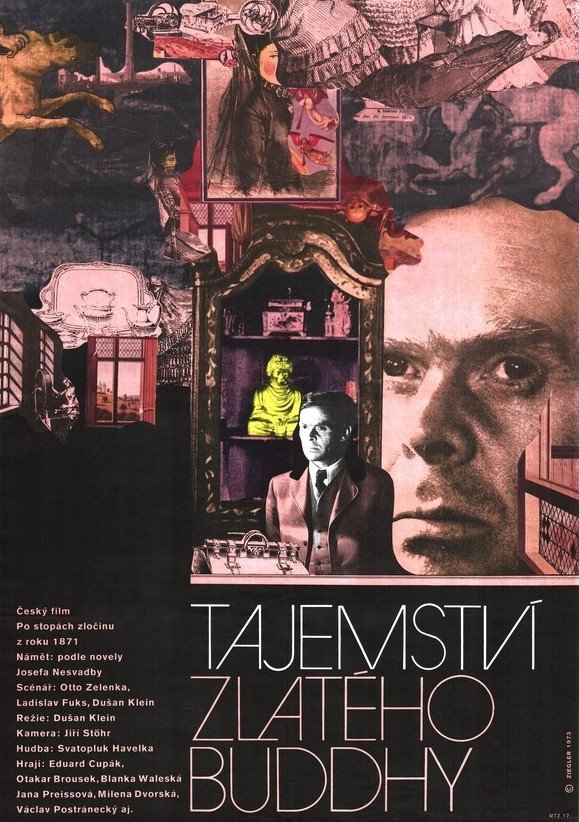
A crime story set in the second half of the 19th century. Krasl, a Prague schoolteacher, is searching for a statue of the Golden Buddha, which is supposed to contain compromising materials on the factory owner Riessig.
In his feature debut, Dneska přišel nový kluk (A New Boy Started Today) from 1981, the director Vladimír Drha set the tone for a number of Czech films, which critically depicted the state of society from the perspective of young protagonists. Although, Drha primarily found scope for his work in television, he returned to the world of a “working youth” in his second film Mezek (The Mulish Victor, 1985) – albeit following him from the point of view of an educator. NFA.CZ
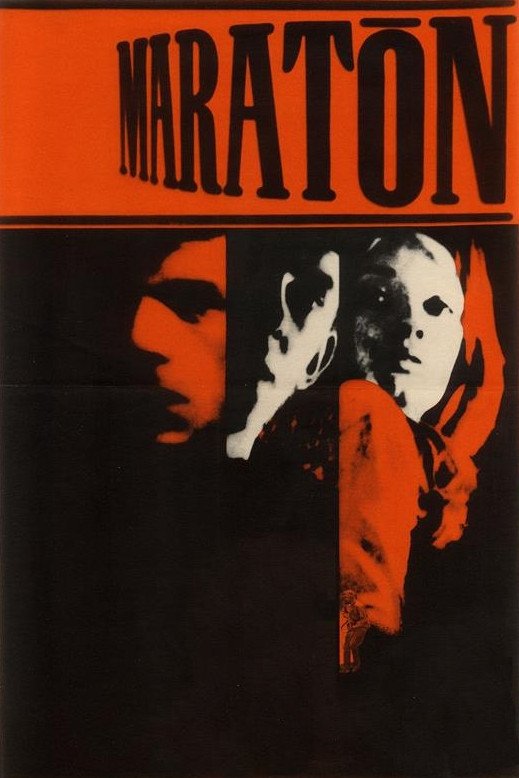
It is 5 May 1945 and the uprising against the hated German occupiers has broken out in Prague. The Czech guards open the gate of the Pankrác prison to allow the prisoners to escape en masse. Many of them are shot dead by the German guards but young Ruda (Jaromír Hanzlík) manages to run away. He is taken care of by one of the Prague fighters, concierge Kytka. Kytka hides him in the flat of the house's owner where only the young maid Karla (Jana Brejchová) is left, ordering her to take care of Ruda.
Bára and Luboš's marriage has long been dead, and her husband is living with another woman. Nevertheless, Barbora wants to adopt a child from a children's home. She asks her husband to support her and go through the adoption process with her. That is the only thing she still asks of him. But her husband hesitates, still remembering how Bára once had an abortion against his will. Nevertheless, he eventually agrees, and so the couple arrives at the children's home to pick up their son. Bohoušek is cute and spontaneous. The grandmother immediately takes to the boy, but Bára struggles with her emotional problems. Despite everything, she still loves her husband. The question remains whether she wants to use the child mainly to solve her loneliness...
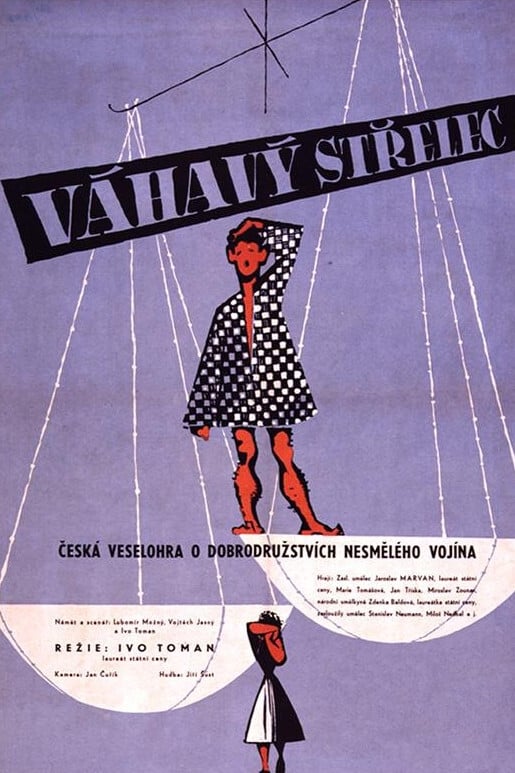
The hesitant shooter becomes a timid young man who only the war will make a real man.
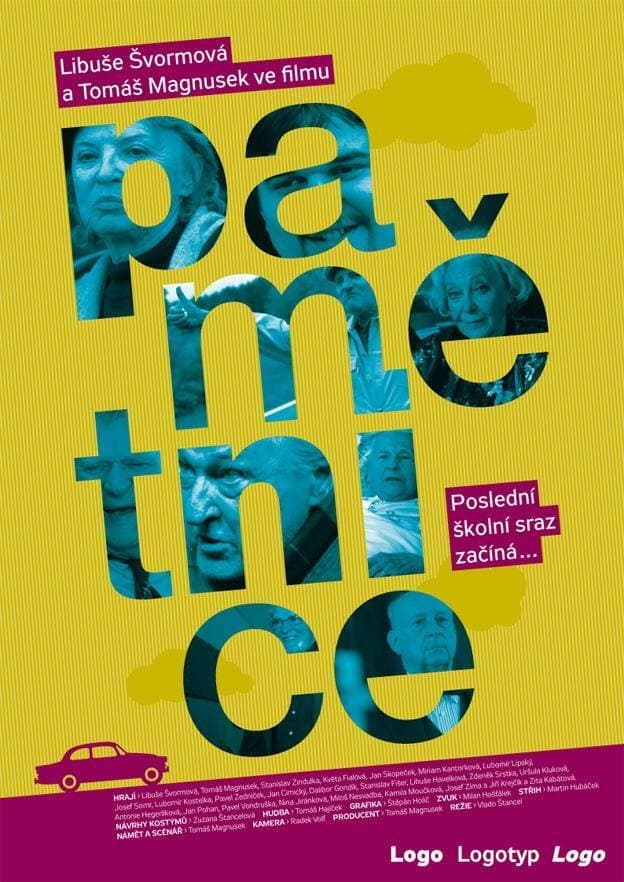
Former classmates meet after sixty years at a school reunion, undoubtedly their last, face to face with their classmate Miluška Bínová. Bínová, once the most popular classmate, returns to her hometown after many years, determined to find out which of her classmates ruined her life back then.
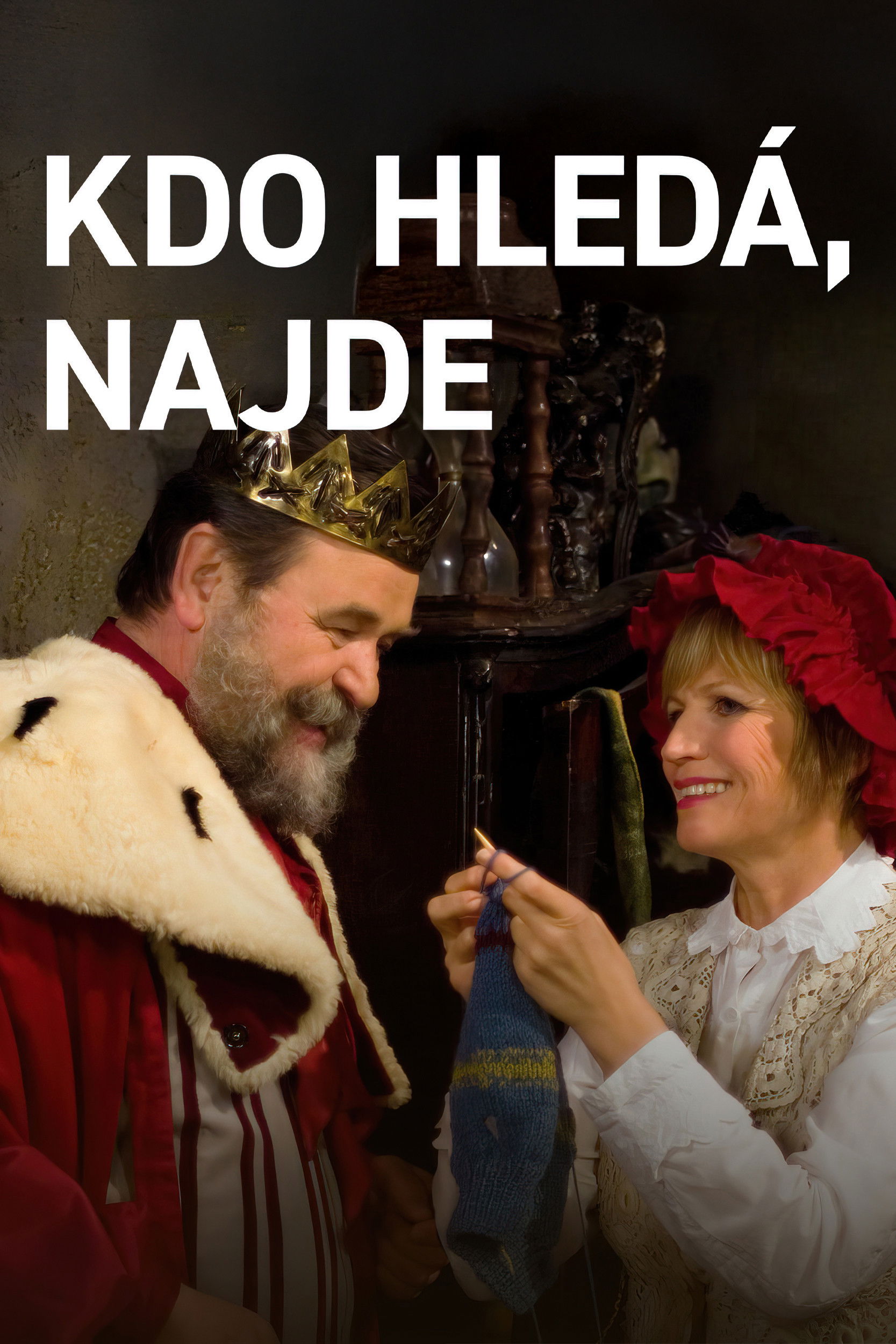
On the day she comes of age, the last descendant of a famous family of magicians learns the secret of her origins from her great-grandmother Evelina. At the same time, both face a number of difficulties. Because the magical objects that have provided the family with a livelihood for centuries have begun to behave unpredictably, they will have to find some suitable work. But what can beings who are incapable of anything practical do? Will finding the lost princess be as big a coup as it might seem at first glance?

The congenial Vojta is bashful and his family is batty. His short-tempered father, who once failed to swim the English Channel, wants him to be a competing swimmer and his loving mother, a former child ice revue star, sees a talented pianist in her son. But Vojta has completely different priorities - most of all his red-haired classmate Ela, an enchanting synchronized swimmer who is leaving for Paris in November. If Vojta doesn't do something radical, and fast, Ela will disappear behind the Iron Curtain forever. The year is 1989.
A young poet and dreamer, poor as a church mouse, discovers that he is to inherit a vast fortune from his very wealthy, dying uncle. However, there is one catch to the inheritance - the property can only be obtained on the condition that the young man marries a virgin on the day of his uncle's funeral.
High school teacher Jiří is torn from his solitude and everyday life by an unexpected nighttime visit from his beloved younger sister, former seamstress Růžena. She tells her brother that she has run away from her husband Fanda, a textile merchant, because of his greed and vulgarity. However, Jiří later learns from his other sister, Tylda, that Růžena spent a lot of money and left her husband for a dragoon captain. The captain has now rejected his pregnant lover because he is getting married. Disappointed, Růžena believes that her brother has turned away from her because of her lie, and she decides to take a desperate step...
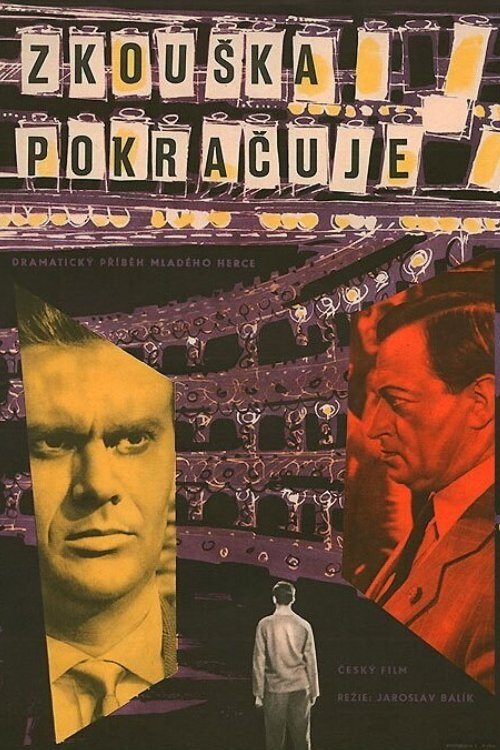
As a young actor František Lukávec and his teacher Vladimir Tuma became enemies. František insisted that Tuma was dismissed from the school as a reactionary and hostile to the new government. Many years passed, and here they met again on the stage of a theater. František is assigned the role of Julius Fucik, Tuma plays the role of a Gestapo man in the same play. In the course of the action, the Gestapo man beats Fucik. Taking advantage of this opportunity, Tuma beats up his old enemy during the dress rehearsal. Frantisek's face is bleeding, but he will still play. The rehearsal continues...
Life in a rural retirement home is peaceful, with long-standing friendships and rivalries. One day, the residents find a bedraggled, exhausted person lying at the door. The next day, however, the poor woman transforms into a charming lady who becomes the object of attention, especially among the male population. Her charm triggers a strange emotional epidemic in the home – people awaken from their slumber, becoming interested in the world around them, both near and far, and feeling a greater need for tolerance. This lyrical television play by director P. Háši and playwright F. Pavlíček, starring K. Fialová, tells of the remarkable influence of love on human life, even if it is already fulfilled and balanced. On life in the time of rowan berries.
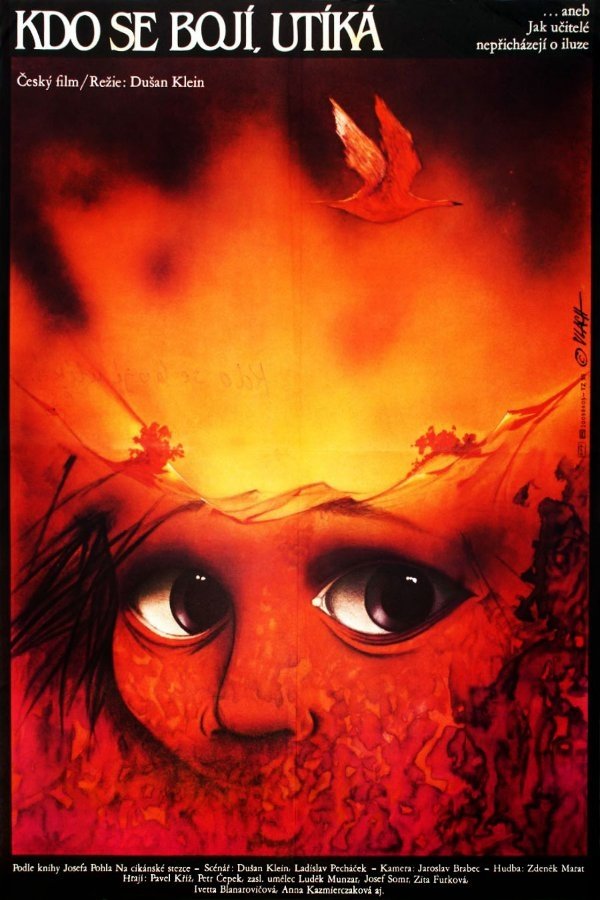
In a school somewhere in the border region, a young teacher is trying to integrate Romani children into the classroom. But their families remain suspicious of education. The filmmakers have chosen a largely romantic view that does not penetrate beneath the surface. They have included numerous folklore examples, acting as the most attractive element. The real problems can thus only be imagined.
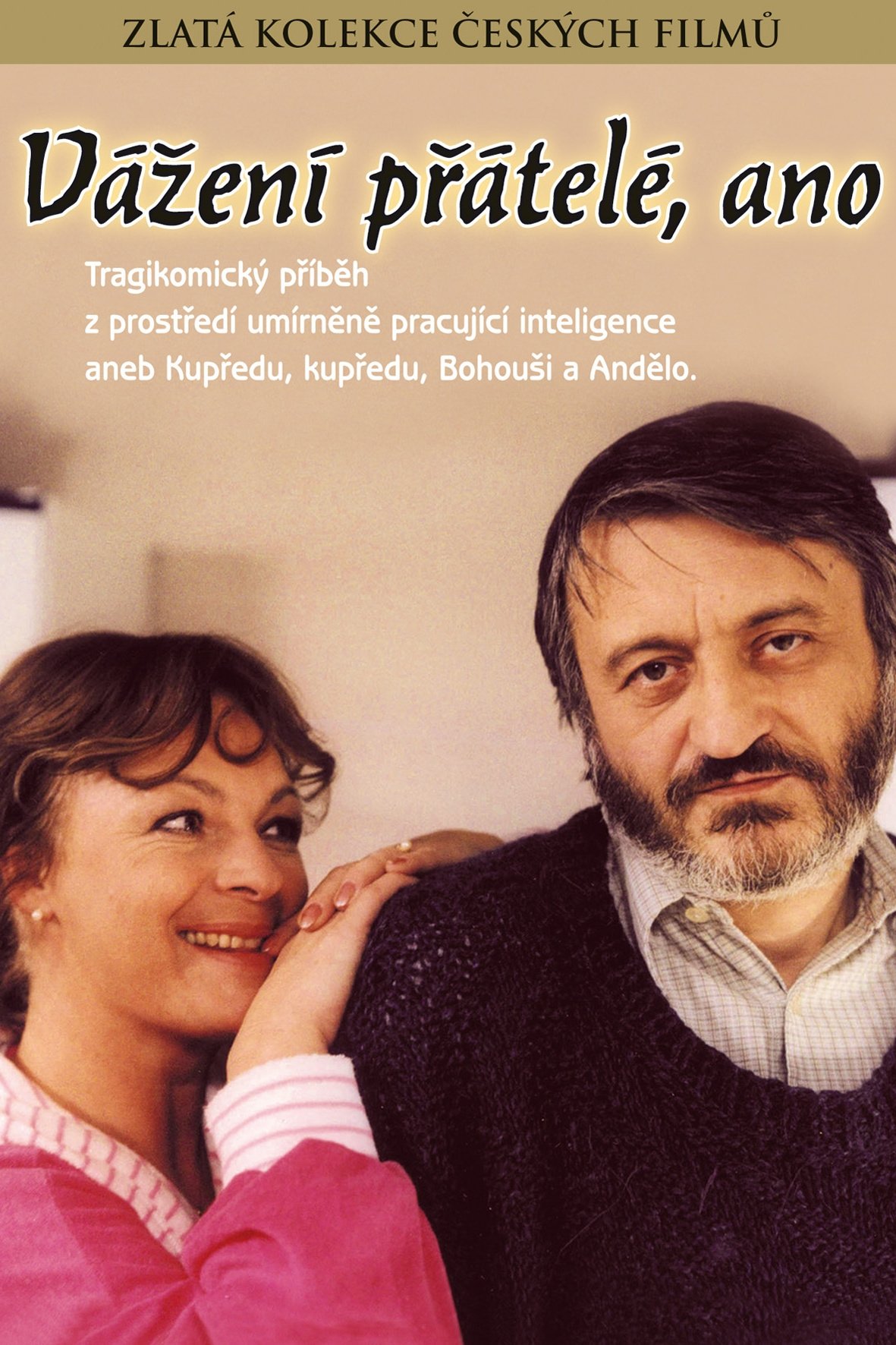
During the change of functions in the Fortuna medical ceramics company, Bohouš Fisher, an independent clerk, became deputy director of the company against his will. As a result, he is forced to make even greater compromises than before. He takes part in unnecessary meetings for which he has to raise money from company funds because of his position, or he jocularly solves a "work" accident of two employees who were engaged in love games instead of work. It's not much better in his private life. He would like to do some meaningful work, like building a stove.
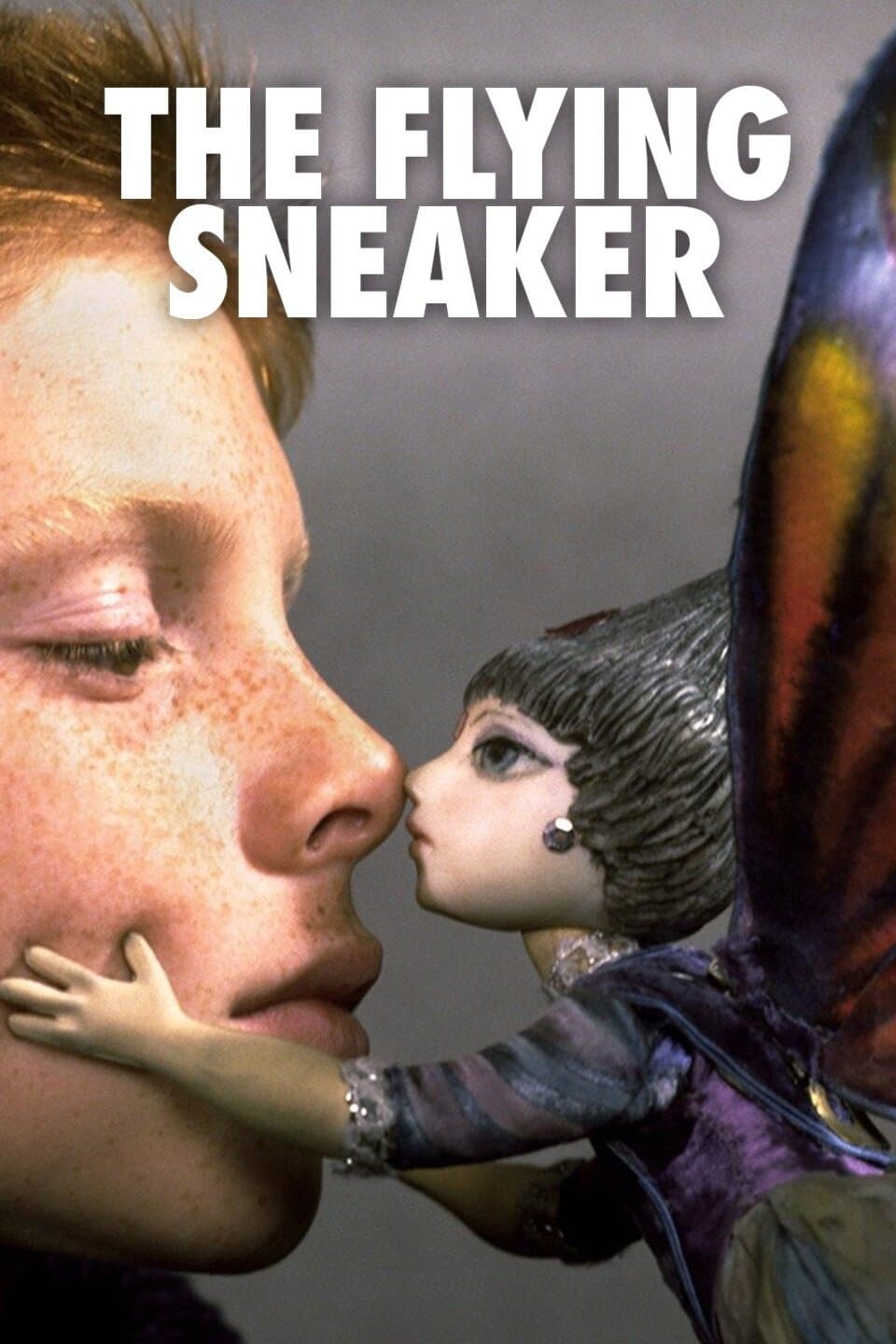
Little Rehor isn't allowed to play with the other boys. His only friend is the girl next door, Luci. Rehor's father is doctor on a boat and he has sent Rehor a package with butterfly larvae. When they hatch he discover a fairy who can do magic tricks.
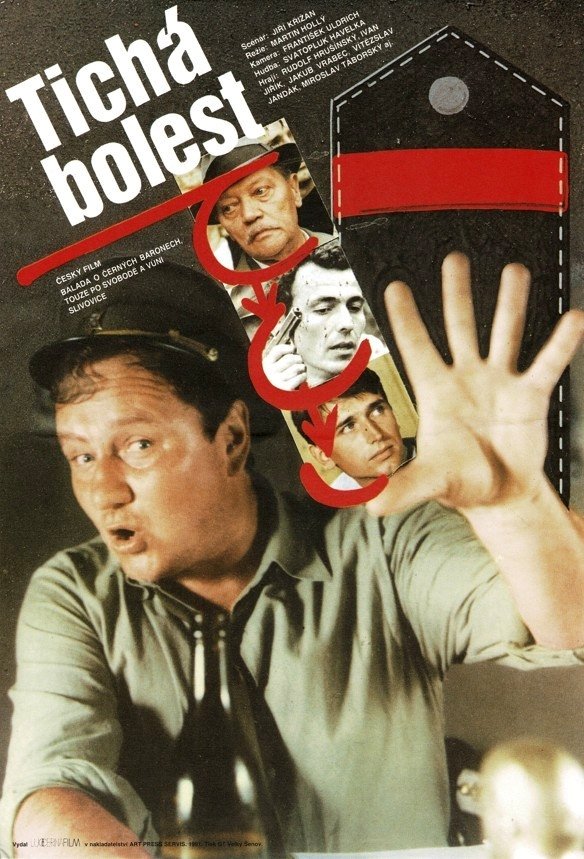
A young man has led his whole life with his grandfather. When he was in school, he was the only one who was refused to join the Youth Brigade, since his father was sentenced to death for spying. When it is time for him to do the compulsory military service, he has to do it in a platoon for "unreliable" persons.
In the fifites the 10 year old boy Honza lives with his single mother in Prague. The mother is a dedicated communist in the beginning but she changes her mind when a show trial is held. She speaks about her dissatisfaction with the government and is immediately arrested. Honza is given to another family.
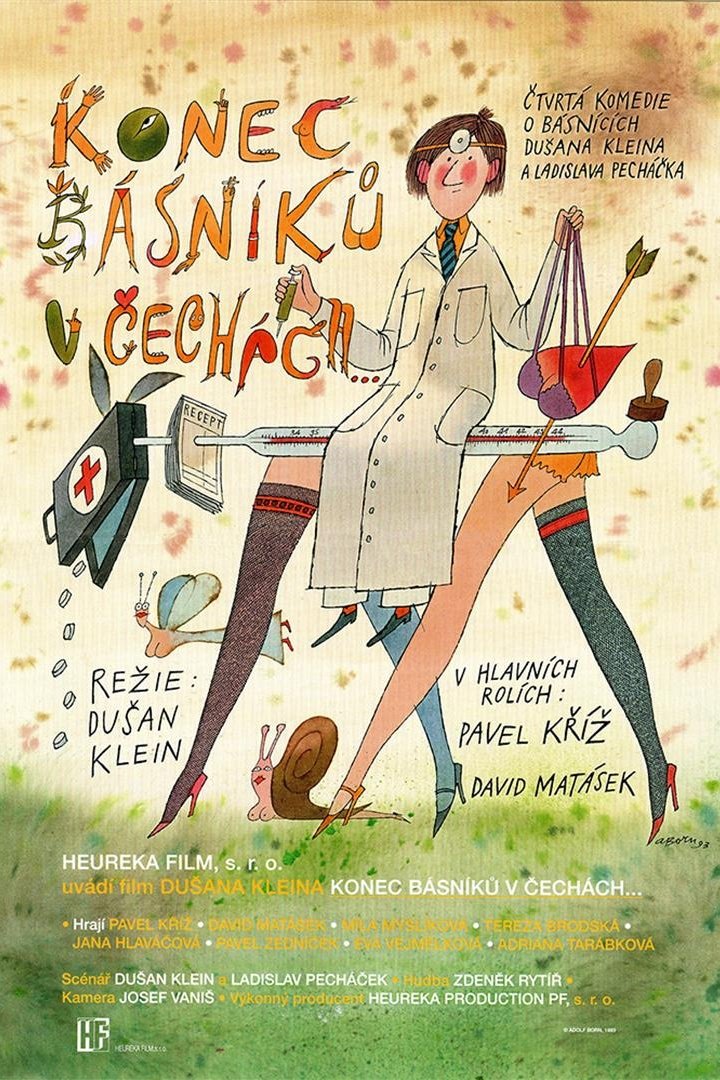
Dr. Štěpán, dismissed for his outspokenness, returns to his hometown determined not to bend his ethical principles to the ruthless new capitalism surrounding him. When he meets a young woman who may become the meaning of his life, he must confront the tension between his ideals and the demands of a changing world.
The common denominator of the five stories, preceded by a brief prologue by Artem Benki, is the setting of a giant open-pit mine in the Podkrušnohoří region in northwestern Bohemia and its surroundings, including the dominant feature of the landscape, the ruined Jezeří Castle.
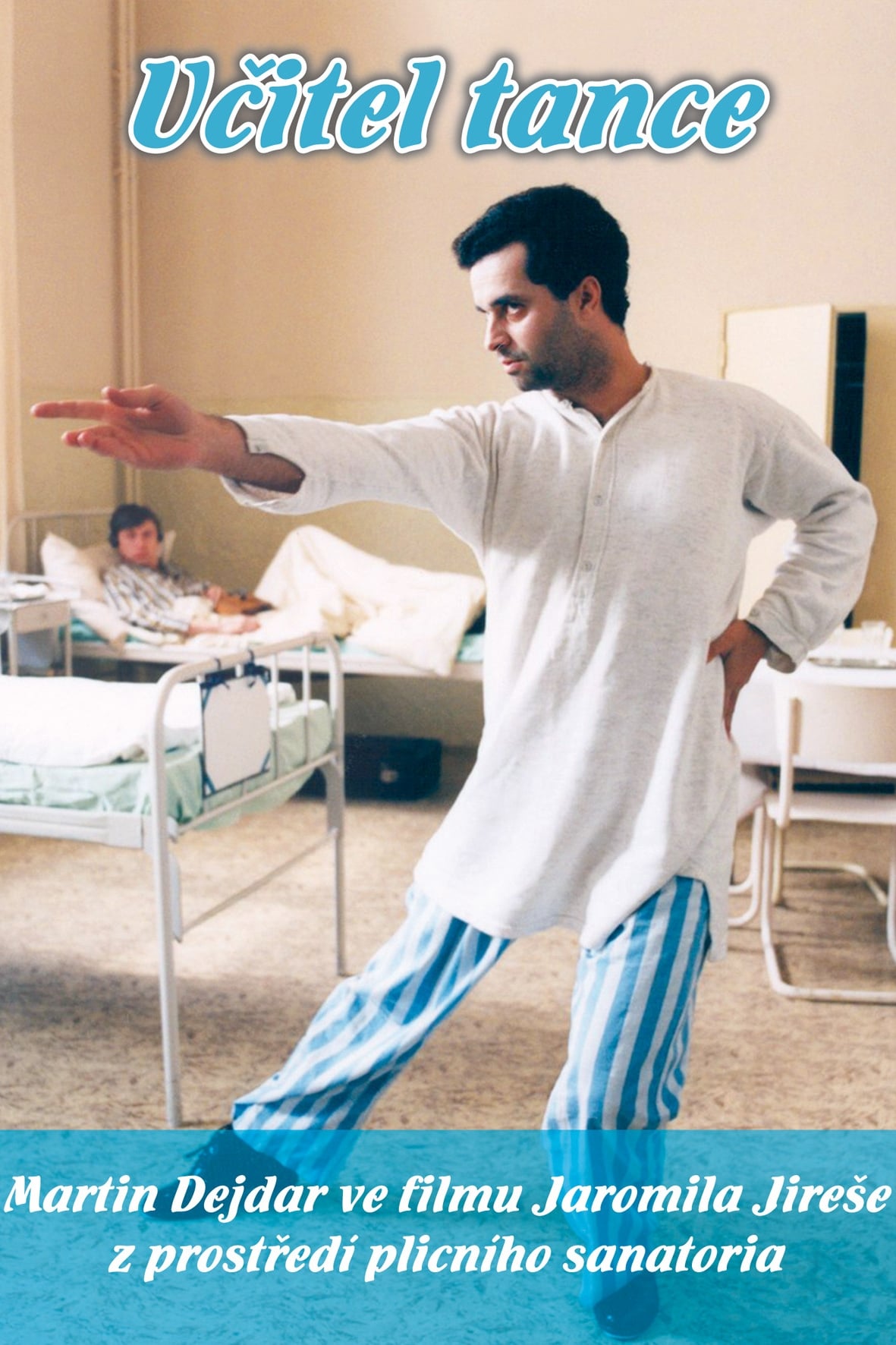
A special story about love, dance, and immortality takes place in the late 1940s. A young man, dance master Mayer, arrives at a pulmonary sanatorium. His diagnosis is serious—tuberculosis. However, he does not give in to his illness and begins to actively fight it with dance and optimism. Gradually, he wins over other patients who had previously resigned themselves to their fate. Soon, however, his illness breaks out in full force and insidiousness. Facing death, he embodies human courage and a positive attitude towards life.
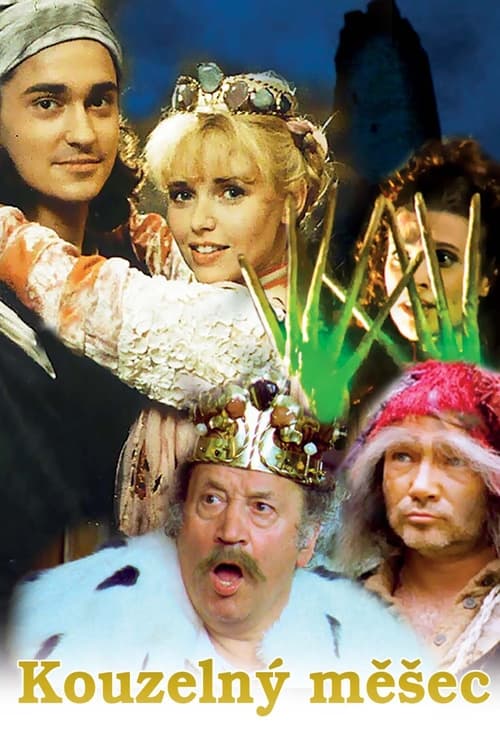
An evil witch is trying to steal a magic purse possessed by the local ruler. Thanks to Princess Blanka's love, Prince Petr wins out over the witch.
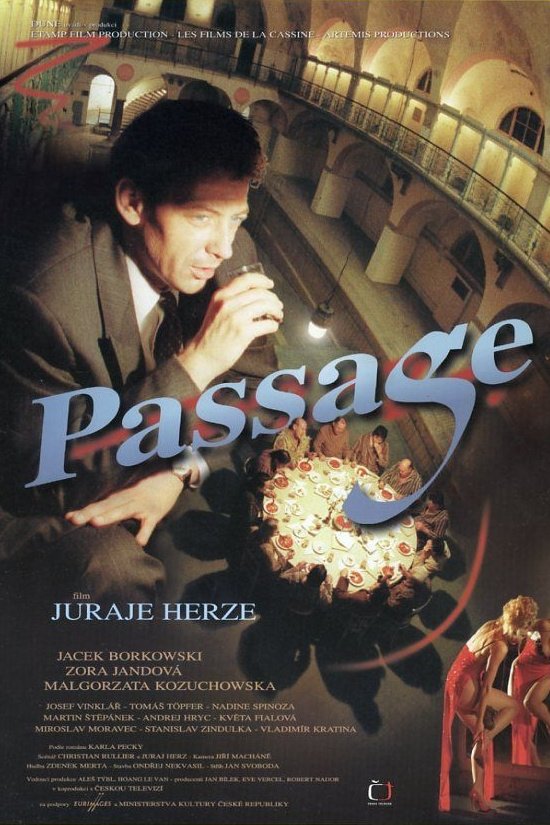
Michail Forman, a successful business manager, gets stuck in a traffic jam. The weather is lousy, his car breaks down and he forgot to buy a present for his 5th wedding anniversary. He jumps out of his car and finds some shelter in the entrance of a shopping mall. Attracted by a little girl he enters the mall, but once he's in, time and reality are no longer something to rely on.
This bittersweet film was Roman Vávra's feature debut. The film consists of three independent stories, all connected through the motif of a field of grain. In 'Awn' a young couple takes a summer stroll in the country, in 'The Haystack' a gang of boys have an adventure with an older girl, and 'The Journey' recounts the tragicomic homecoming of a pair of aging newlyweds. For only the second time in the nineties Czech star Iva Janzurová appeared on the silver screen.

Based on an autobiographical novella by Ivan Olbracht, the film tells the story of Hanele Safarová, who grows up just after the First World War in a little Ruthenian schtetl which, in true Hassidic fashion, awaits the arrival of the Messiah. But Hanele decides to follow the Zionists instead. She moves to the city to prepare for her departure to the Promised Land, where she meets a successful businessman named Ivo Karadzic, who has renounced Judaism to become a free-thinker. Their love for each other doesn’t only drive Hanele’s parents to distraction, it also threatens to destroy the entire community in the schetl.
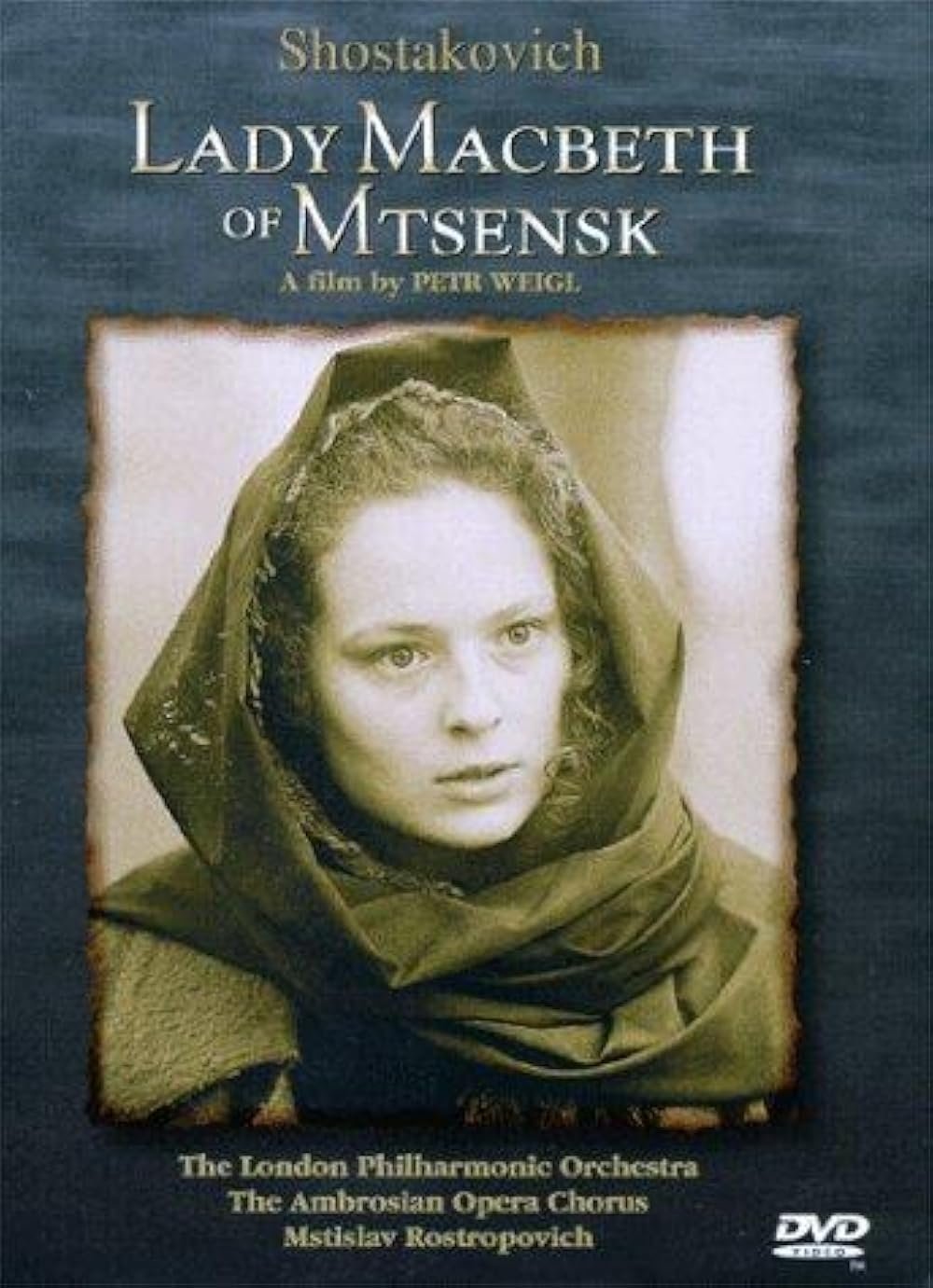
A young woman, married to a wealthy man, but miserably lonely; trapped within a world ruled with an iron fist. Katerina is driven by a lust for life and for love. Her husband, though, is impotent; her father-in-law a tyrant. No wonder, then, that she longs to free herself from this yoke. When Sergei starts work on the family estate, she sees in him a chance for salvation. However, their subsequent affair marks the beginning of a descent into crime.

A tragicomic story from a tragicomic time - this is how one could characterize Jiří Hubac's play, which premiered in May 1991. The drama of two friends who fought in England as Czech airmen during the war and had to live through the well-known martyrdom after returning home is a story about the power of friendship, the courage to transcend oneself in the face of violence and the right to preserve human memory. The television film by director Jaroslav Dudek, who cast Jiří Bartoska and Josef Dvořák in the lead roles, was honoured with the prestigious Prix Europe international award in Reykjavik.
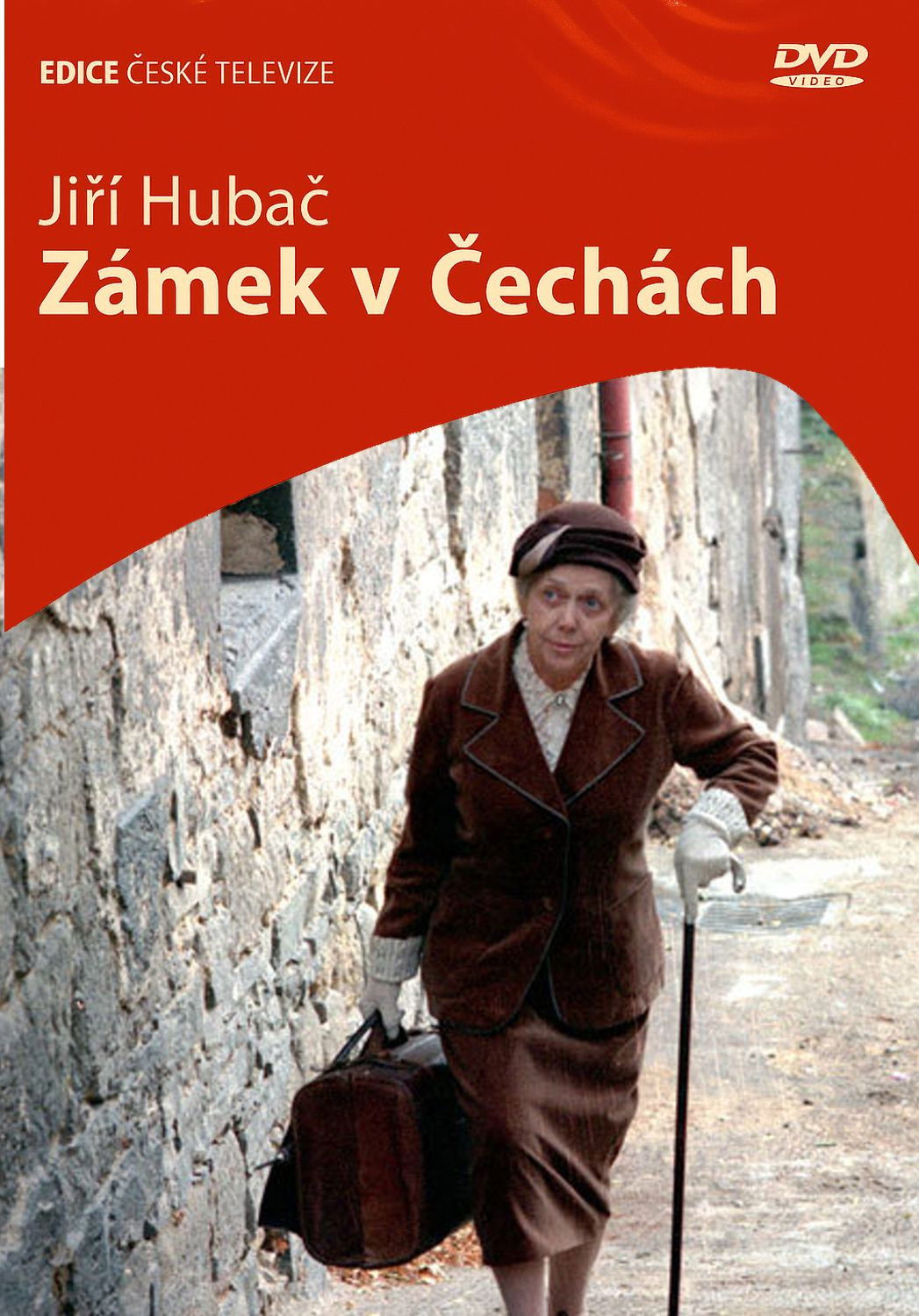
The countess celebrates her sixtieth birthday at the moment when she is about to leave her castle. The new workers' government wants to mercilessly destroy the nobility. But because Elizabeth Anna Marie, Countess of Lansdorf and Scheinberg, and later domestic worker Lansdorfová, realizes that "one must keep one's customs and promises, even if they are ridiculous and pointless," she wants to carry out a foolish plan to celebrate her 70th birthday at the family estate, despite the regime and her opponents in the city...
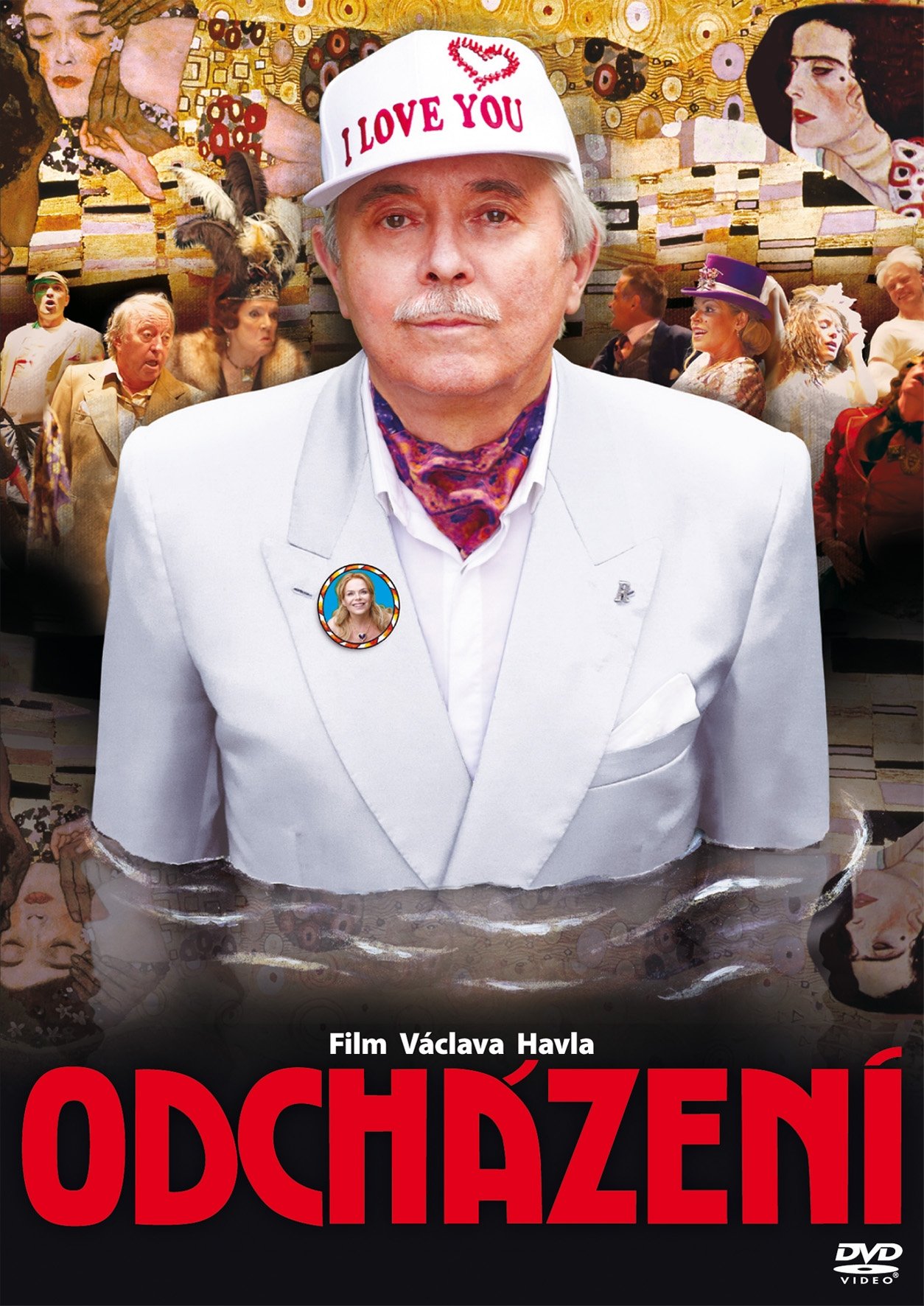
A bitter sweet comedy that follows a highly appointed Chancellor who set to step down from his position after years of service to his country. With just two last days left to enjoy his palatial villa before he is finally evicted, his situation gradually goes from bad to worse.