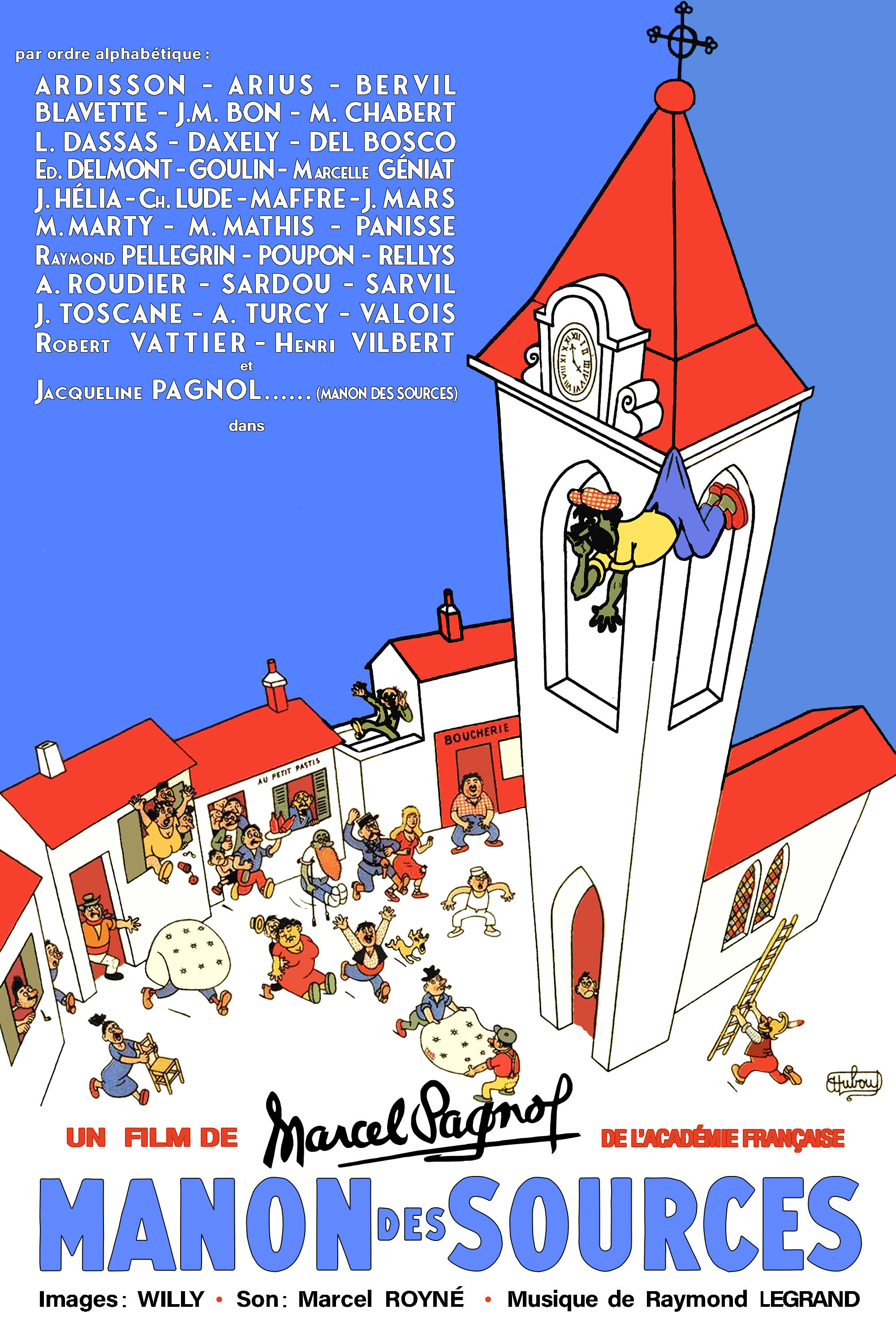
Marcel Pagnol's adaptation of his own novel Manon des sources, the story of a shepherdess who exacts her revenge on the townsfolk she blames for killing her father, in two parts: Manon des sources and Ugolin.
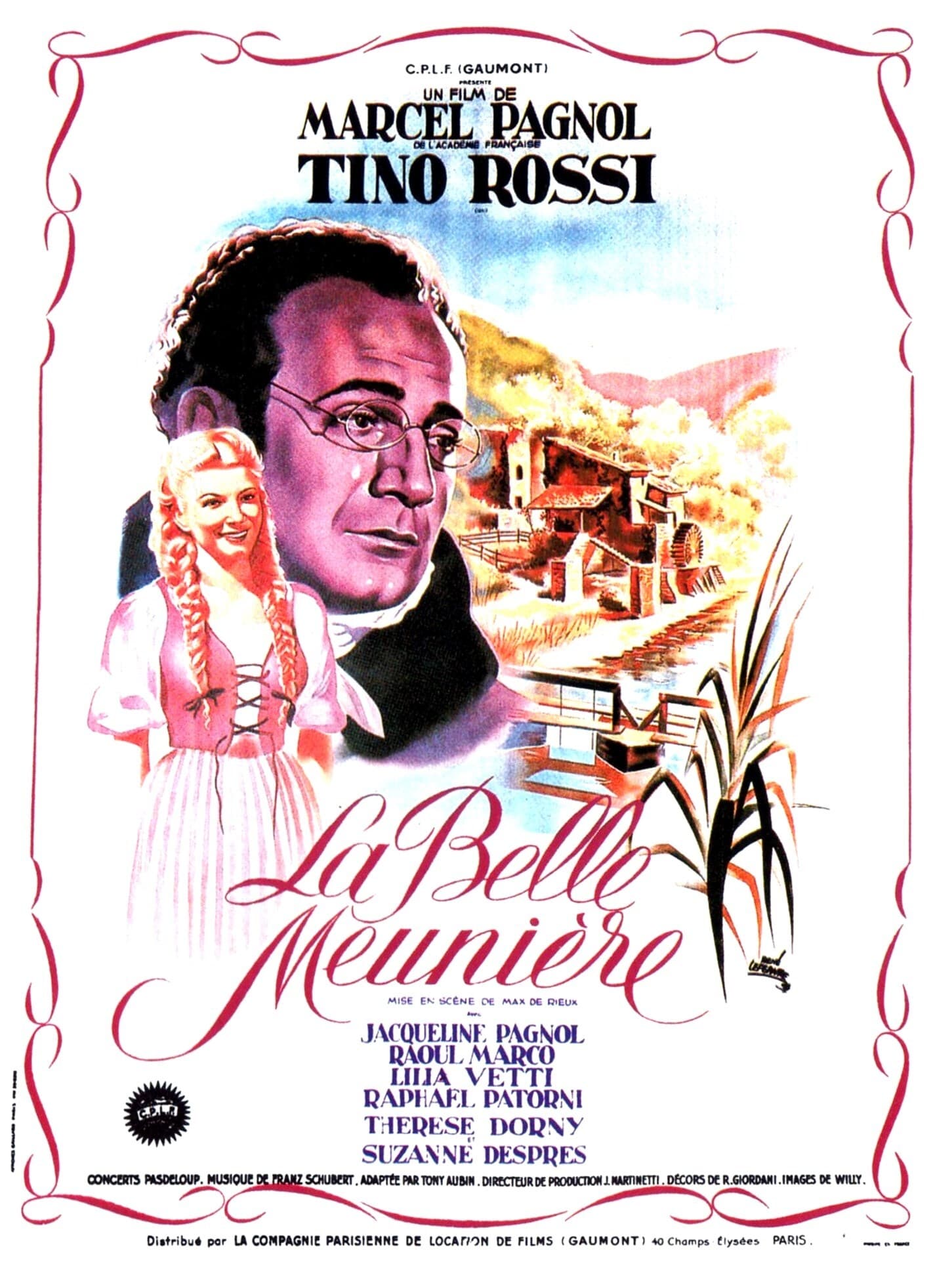
Franz Schubert retired from Vienna in country for musical writing. He draws his inspiration from a romance with the watermiller's daughter. An operetta in the fifties Vienna style. This is the only movie from Marcel Pagnol in color and the only movie in rouxcolor, a French experimental process derivated from the agfacolor German process.

Albert Topaze, sincere schoolteacher addicted to "rote" morality, works at a private school run by supremely money-grubbing M. Muche, whose daughter, also a teacher, makes cynical use of the knowledge that Topaze loves her. Alas, Topaze's naive honesty brings him unjust dismissal...and makes him fair game for the "aunt" of his private pupil, really the mistress of crooked politician Regis, who needs an honest-seeming "front man." Can artful Suzy Courtois keep Topaze on the string? With steadily escalating disillusion comes moral crisis...
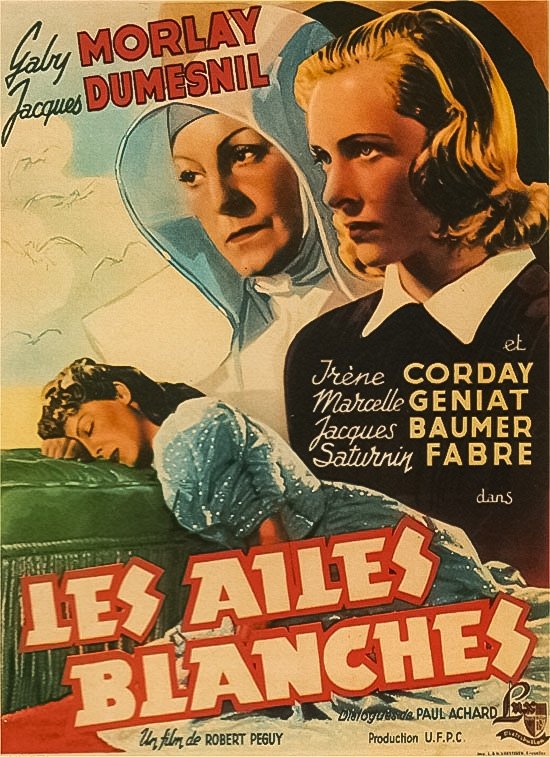
A great disappointed love once encouraged the vocation of Sister Claire, who, however, forgot nothing. She follows in their daily life three young girls beloved and badly brought up by a widower, an artist with measured comicality. Sister Claire will save one of the sisters abandoned by her seducer.
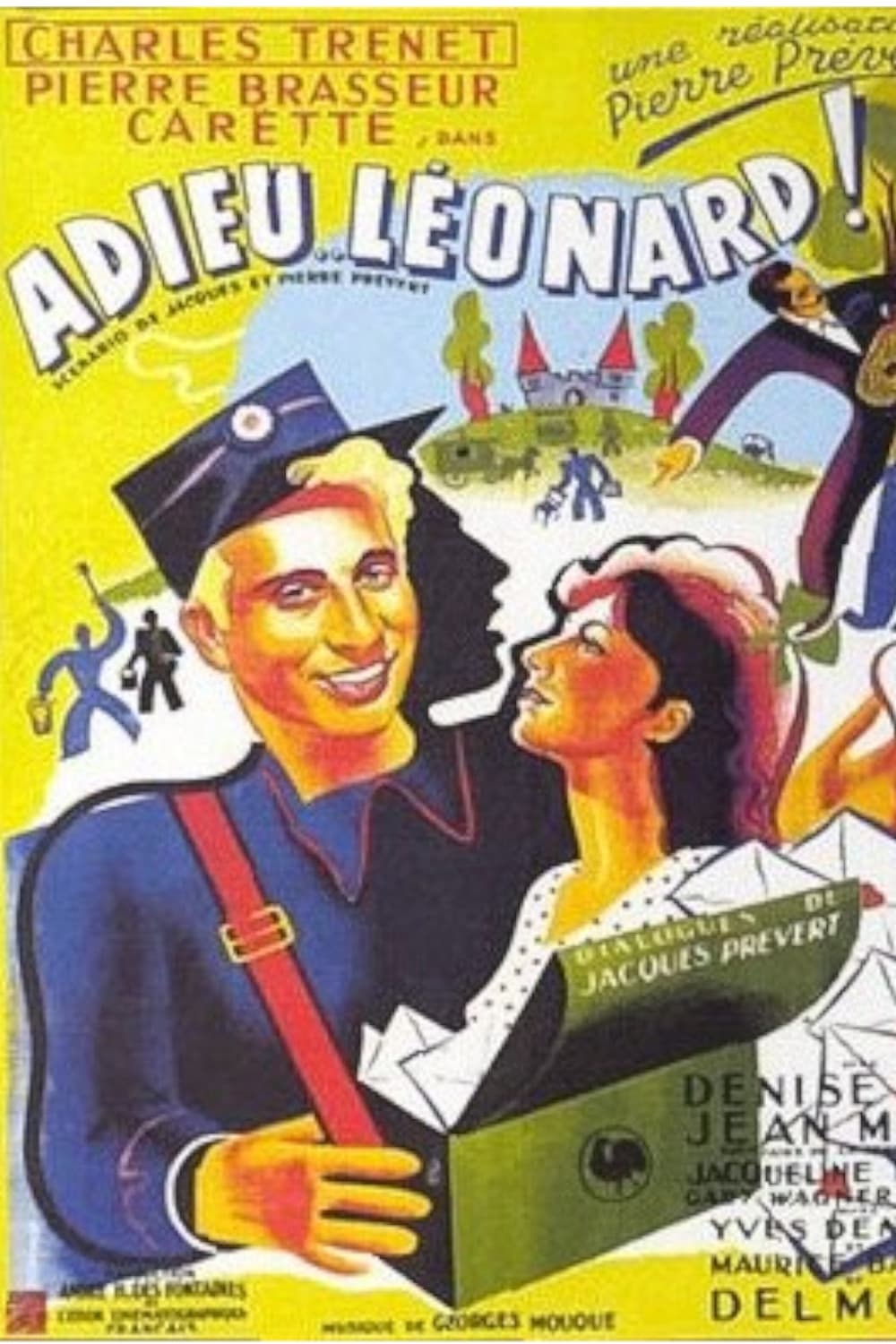
A bungling thief is threatened by one target with blackmail, unless the thief will kill his own cousin, a wealthy eccentric who is considered the village idiot.
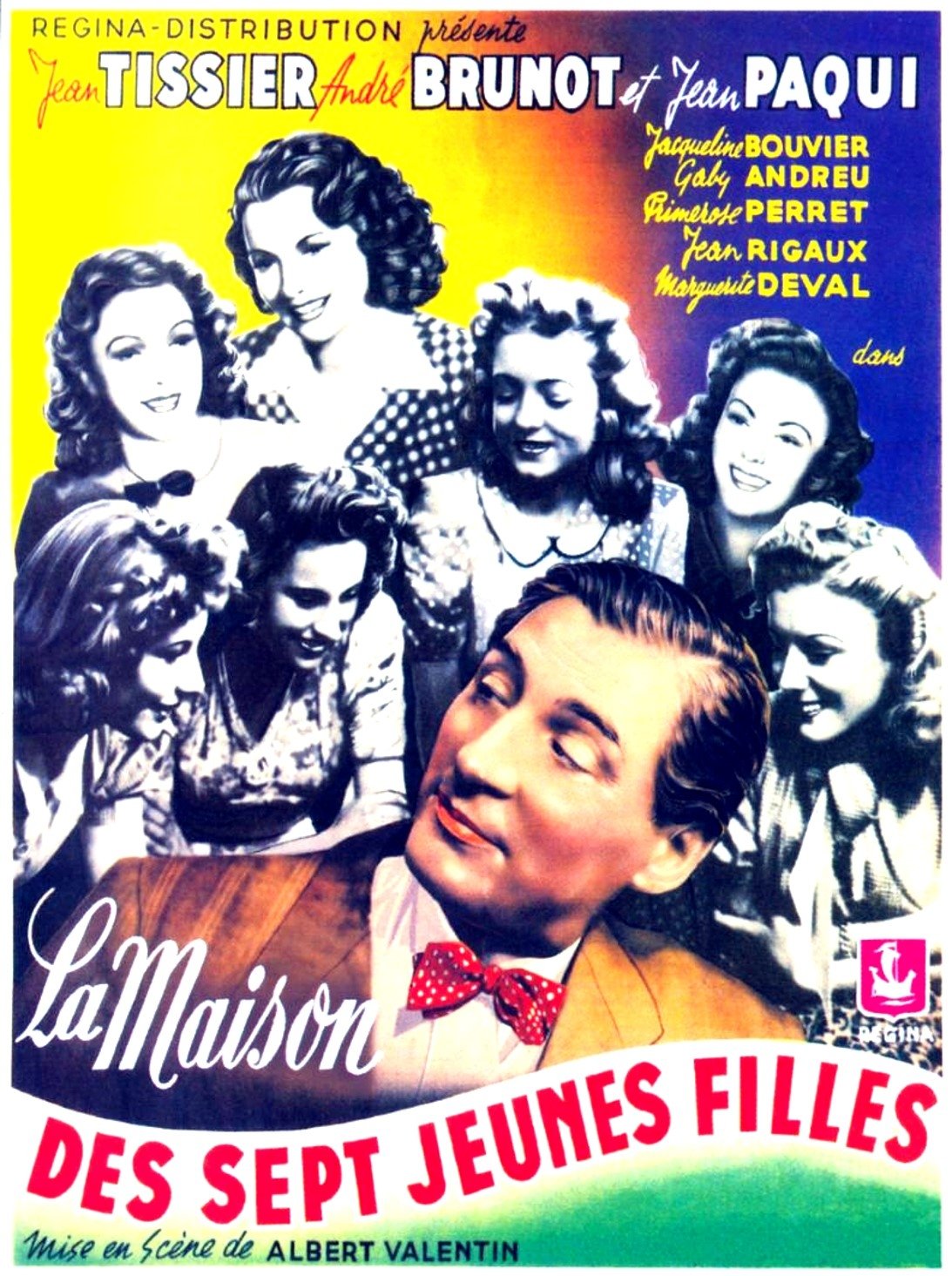
The director of a private institution is the father of seven charming young girls. He has money worries. A rich bachelor, still young, a few years ago advanced him a large sum of money. He makes frequent visits to his debtor; the poor father, as mediocre a psychologist as he is a poor businessman, hammers himself in his head, not guessing that the visitor is reluctant to make his choice between the seven sisters.
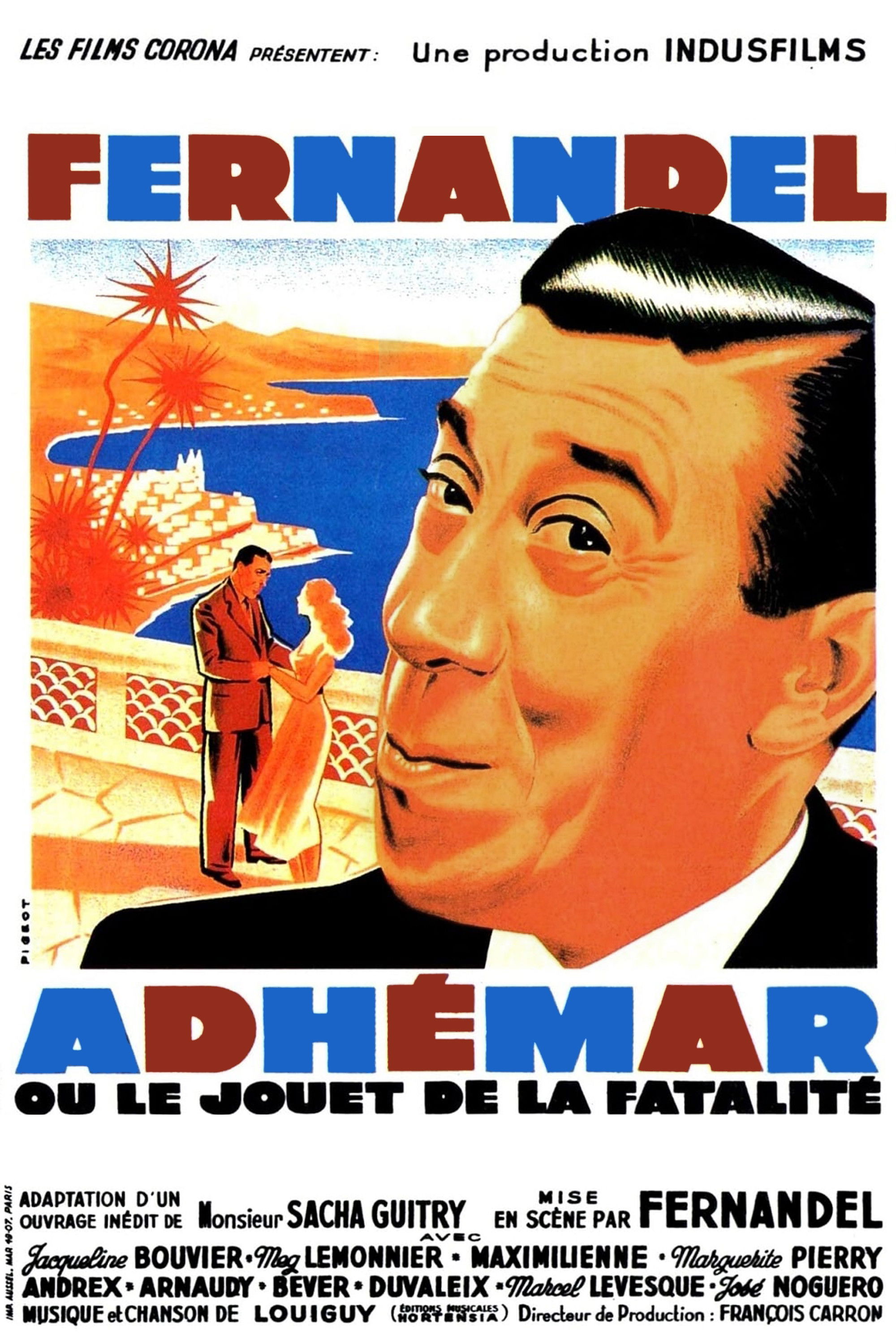
Is it because his father was a groom that Adhémar Pomme has a long horse head and a horse- toothed smile? Maybe but the fact is that his head has invariably caused laughter whatever the circumstances, which is the tragedy of his life. After having worked as an undertaker, a theater prompter, a casino bouncer, and so on, and failing at each job, he applies out of desperation to an institution where those rejected for physical reasons can hide and live together. But Adhémar immediately starts... laughing at them and gets kicked out as a result! In the end though, he finds his way as a circus artist.
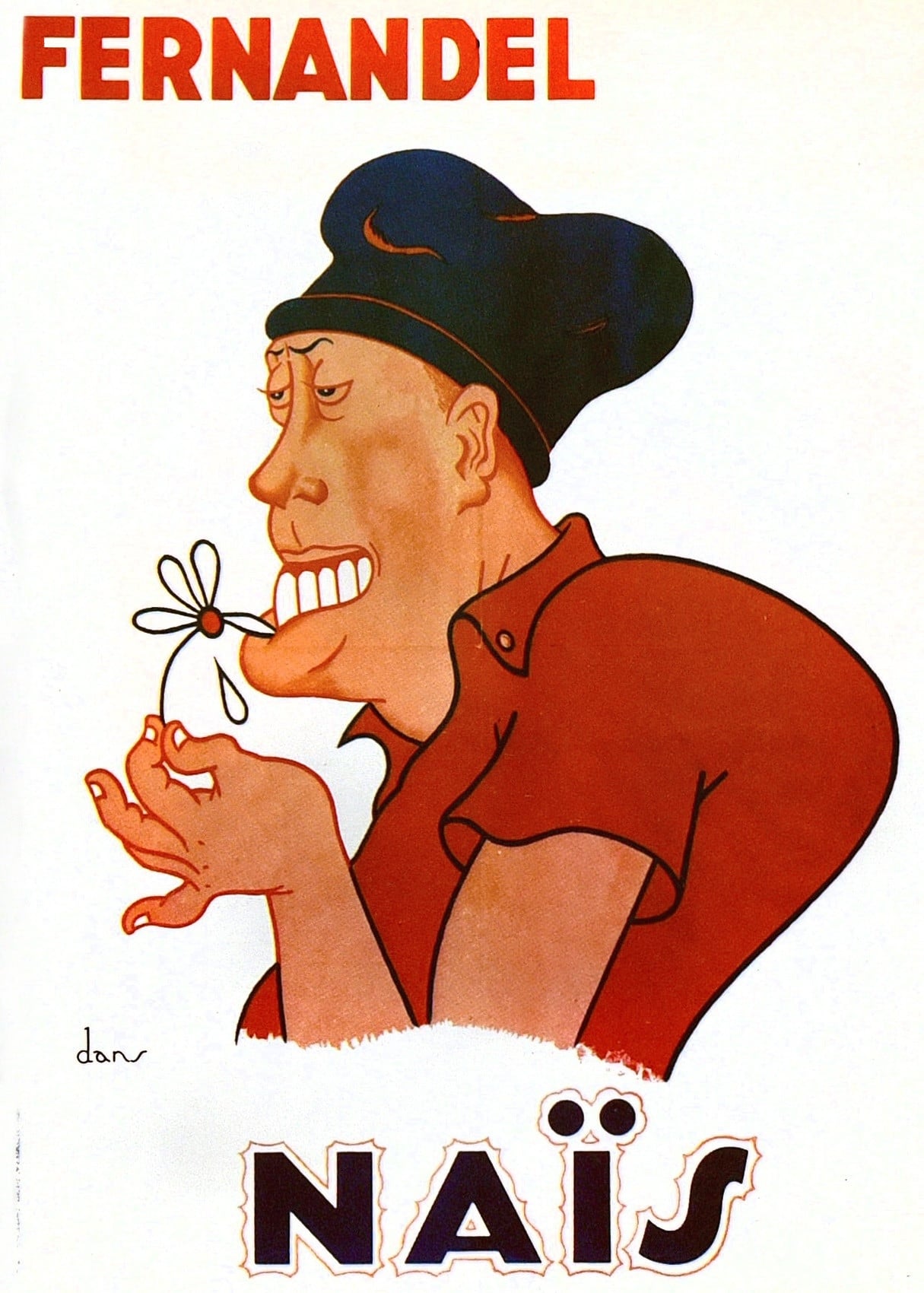
Toine, the local hunchback, works at the tile manufacturing plant, but during the summer, he gives a hand to Micoulin, the farmer, thereby being able to spend more time close to Nais, Micoulin's daughter. That summer, the estate owner's son, Frederic Rostaing, decides to rest on the farm during his vacation from Law school. But his real motives are to seduce young Nais, whom he knows from their childhood days, after having seen her in town. Who will win the power struggle between the possessive father, the naive daughter, the vile student and the golden-hearted cripple?
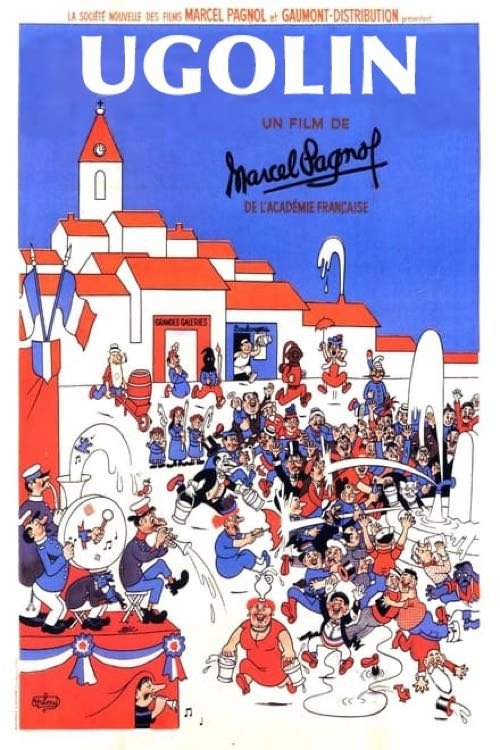
Manon has blocked the spring that feeds the village, whose inhabitants she hates. They gradually become aware of the evil they have done to her and try to obtain her forgiveness…
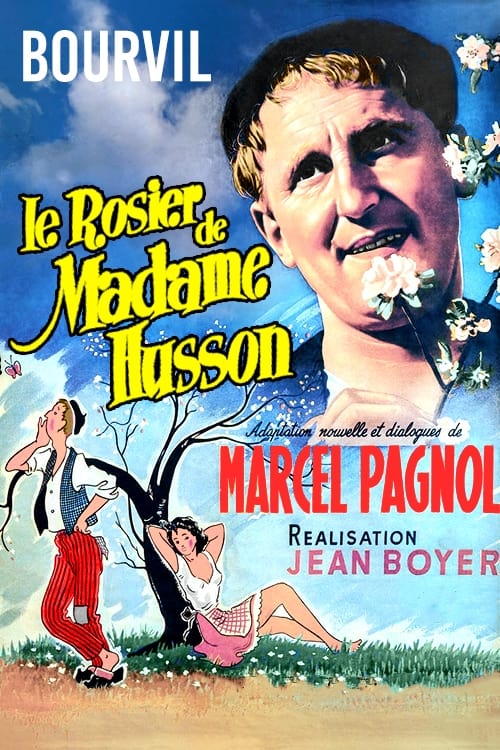
Madame Husson and her circle of holier-than-thou ladies (including an old maid Madame Cadenas)are looking for a chaste and pure girl who will win a hefty sum.
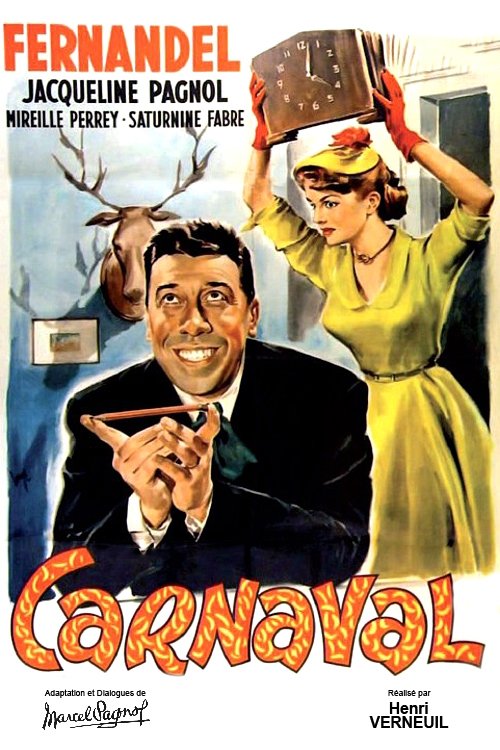
Dardamelle does not conceal the fact that his wife has made him a cuckold.How will his fellow townspeople react?
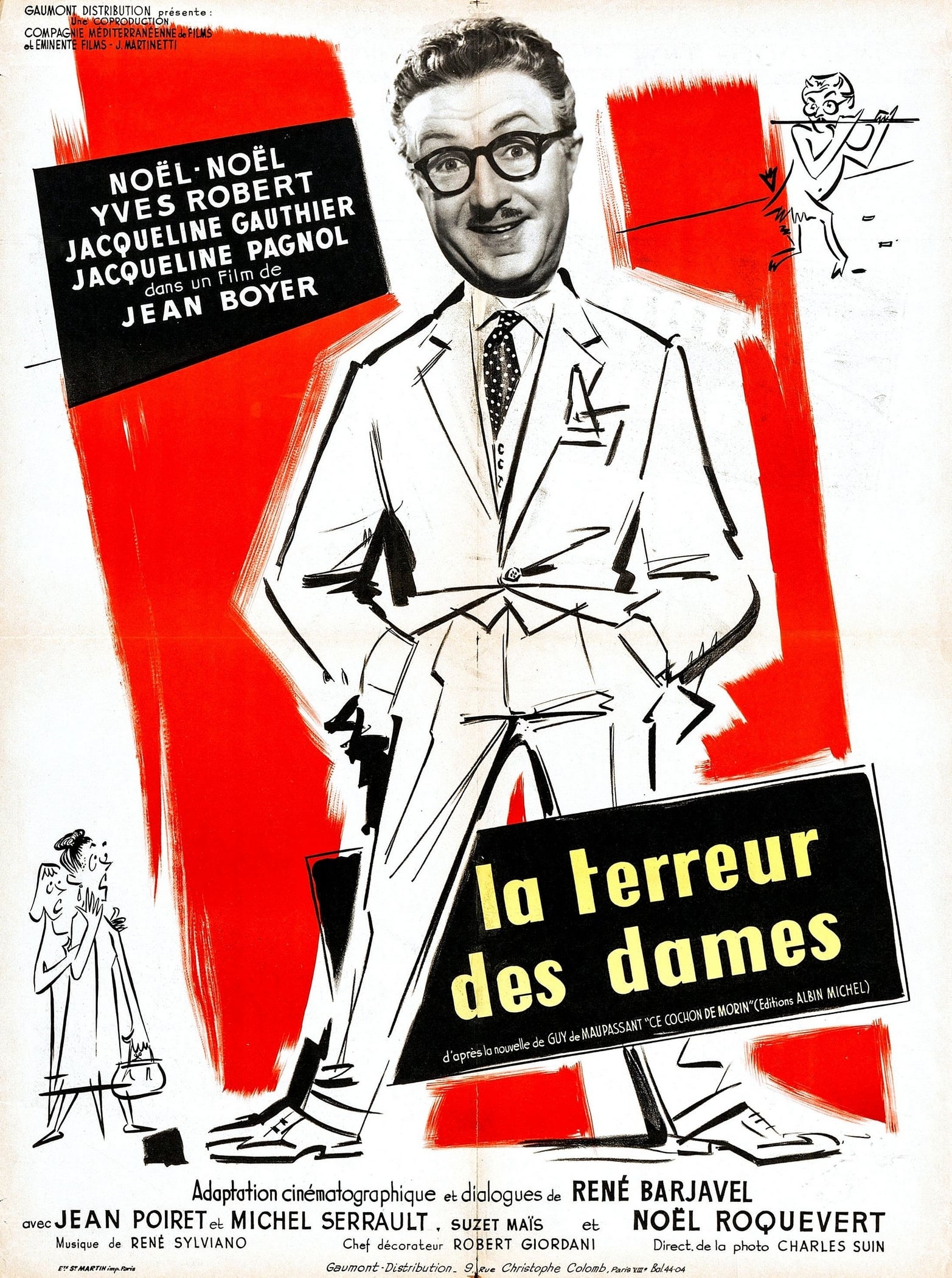
Aimé Morin, a good-natured bookseller, is also one of the candidates in the local elections of his small town. He is well-liked by most but he also has political enemies. Among them is Lagarde, a journalist close to the latter. Lagarde takes advantage of Morin being on holiday in Paris to try and tarnish his reputation. His machination unfortunately works and poor Aimé finds himself mistaken for a sex maniac.

A devoted switchboard operator is the village guardian angel.