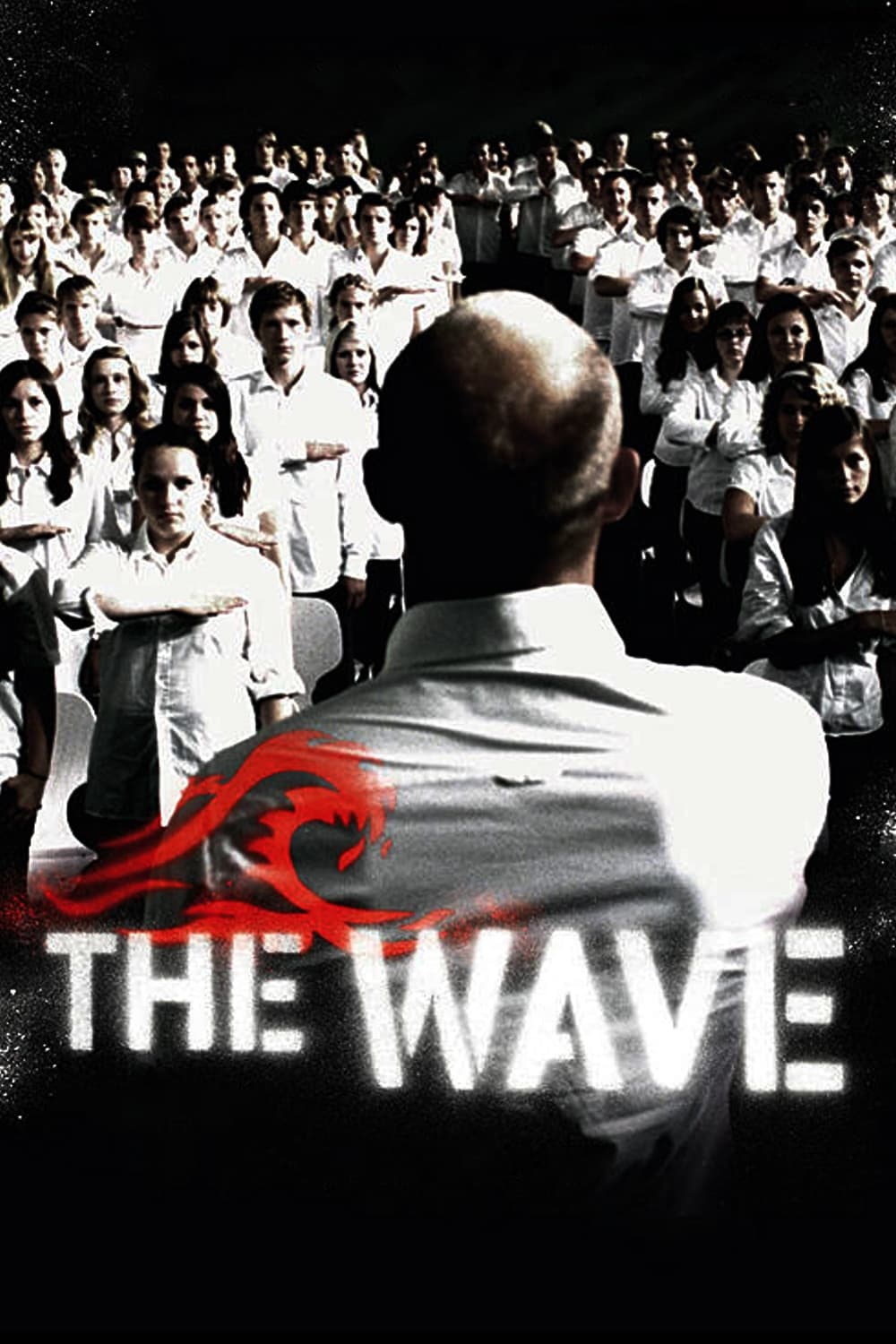
A school teacher discusses types of government with his class. His students find it too boring to repeatedly go over national socialism and believe that dictatorship cannot be established in modern Germany. He starts an experiment to show how easily the masses can become manipulated.
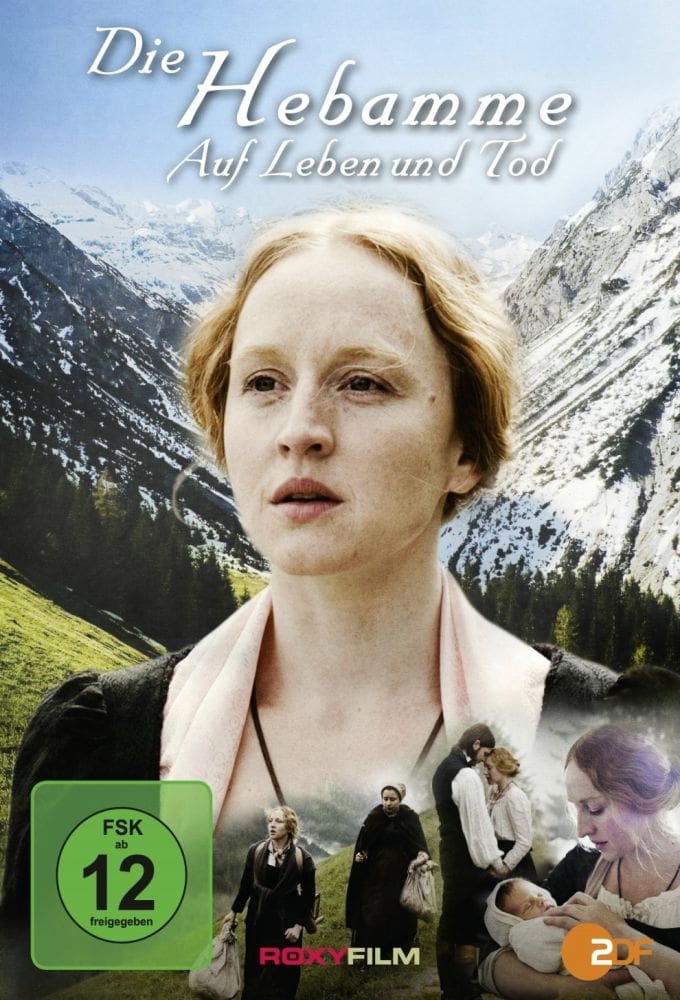
The heroine is a traveler between worlds and times. Between the authorities of 1813, the church and science, Rosa Koelbl remains a stranger. The time is not yet ripe for the values this woman embodies.
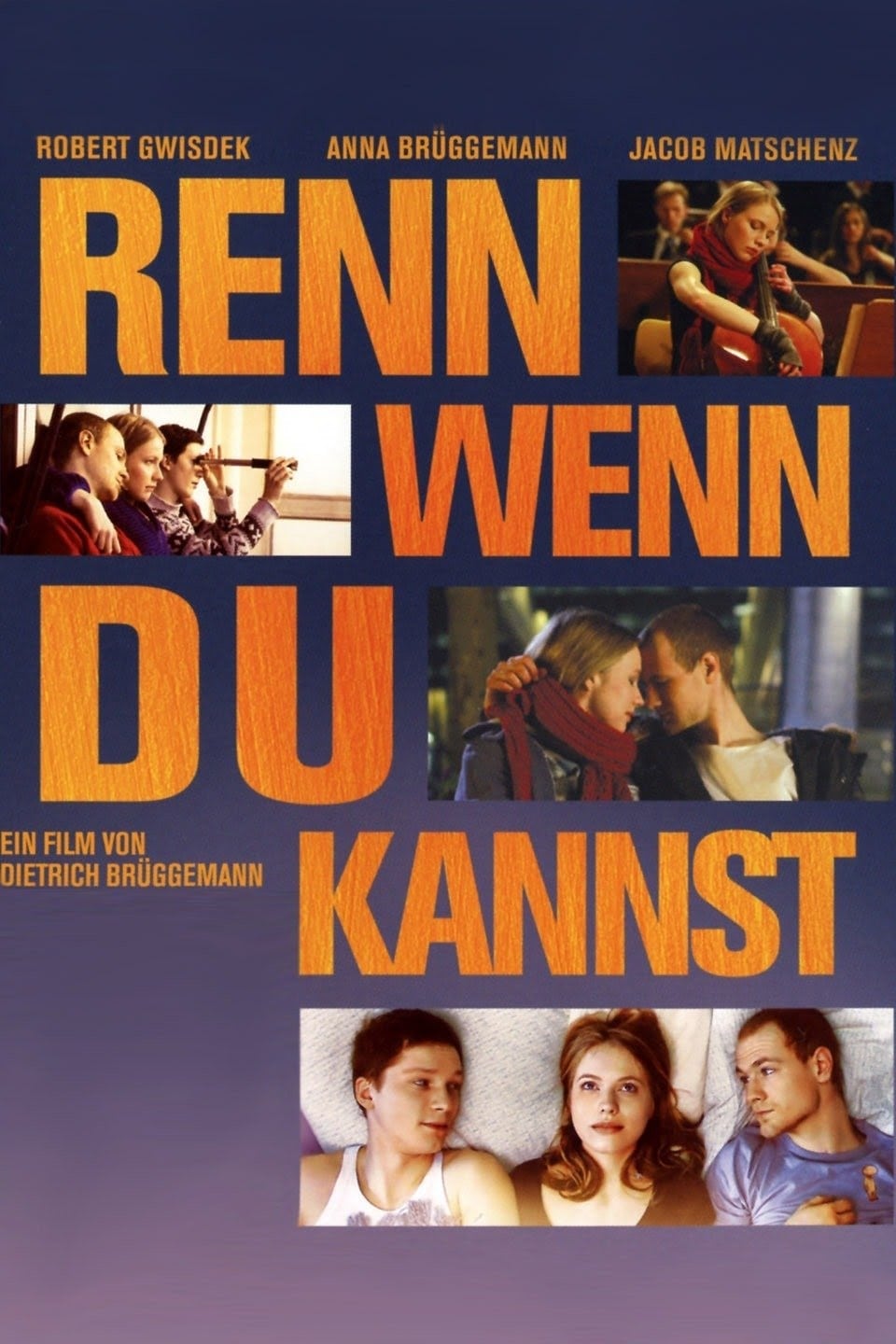
An independent tragicomedy, Run If You Can is the debut feature for director Brüggemann who, along with his sister, also wrote the compelling screenplay. Forced to spend the rest of his life in a wheelchair, Ben is deeply desperate, despite his humor and vivaciousness. When he meets Christian, his new assistant, Ben treats him like every other helper he’s had. Things suddenly change when Christian meets Annika, “the cello player” whom Ben has been observing from his window for years. The three become close friends, putting Annika in the middle of an emotional, and somehow dangerous, ménage à trois. While conquering Annika is nothing very serious for career-focused Christian, Ben’s love for Annika reminds him of his past and forces him to face his most remote fears. A character-driven story, Run If You Can owes much of its power to the actors’ performances, especially Robert Gwisdek’s outstanding interpretation of Ben.
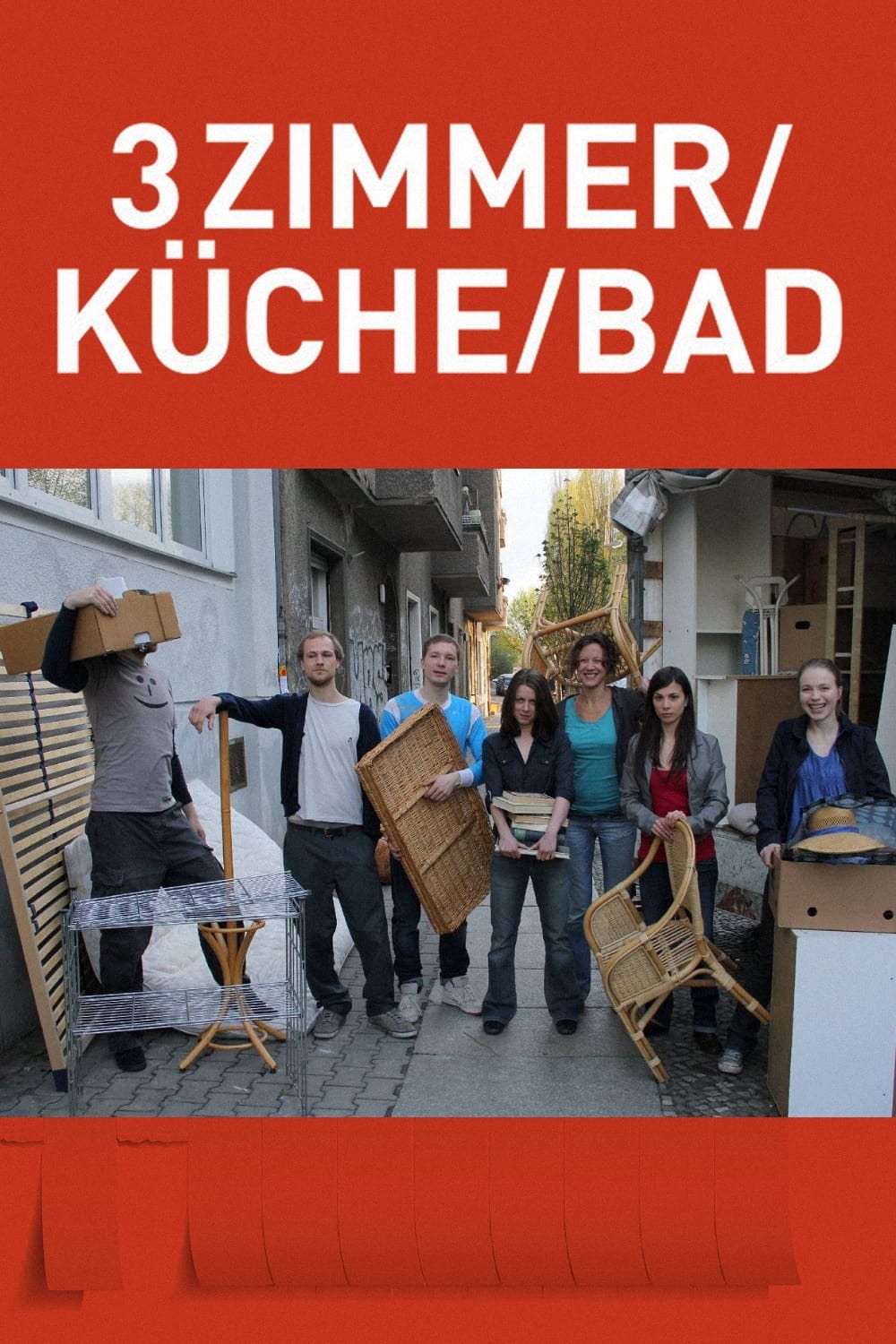
Eleven moving dates, eight friends: Philipp, Wiebke, Jessica, Maria, Swantje, Michael, Thomas, Dina – all in their twenties and mutually lonesome. And always searching: For a new city, a new job, an own apartment, a new, or even an old love. The search is never-ending, and so they repeatedly find themselves at a ritual gathering: someone moving. Boxes are shifted from one side of Berlin to the other, or the length and breadth of Germany, from one abode to the next as one life is exchanged for another. In 3 ZIMMER/KÜCHE/BAD, director Dietrich Brüggemann portrays existences in which relationships, social networks and backdrops are in a constant state of flux; where best friends are the only, and therefore the most valuable constant. Humorous sketches of the self-conception of a generation for whom moving has become the symbol of a life on the go.
The turbulent relationship between Oskar and Alex ends in a big blaze, Alex has set fire in Oskar's apartment. So Oskar decides that everything shall be different with the next one and he makes a deal with fun-loving Masha: sleeping together but no making love. They both drift through Berlin and through their lives, sometimes playful, sometimes obsessively. And even Masha has her issues. While trying to build up a "normal" relationship, both Masha and Oskar reach their limits. - Written by Claudia Romdhane

The film is the story of an adventurous friendship between two very different young women, Nele and Rona.
On his way to the provinces, young insurance agent Rupert crashes his car into a jam cart and picks up a real piglet. On top of that, he's given a good shaking by area manager Schulze, so the next day he takes his briefcase to the farms in the area. But the suspicious farmers wave him off. Only the farmer's wife Olivia shows any interest. She wants to take out an unexpectedly high life insurance policy for her sick father. Rupert is delighted, even though there might be a problem with the health check. Luckily, Rupert had made friends with the drunken family doctor Doctor Wedekind the night before. Surely he will be able to help? Olivia, however, isn't right, so the village policemen soon have their hands full. And so does the pretty waitress Lena...
Young Danny has left his home town in the middle of nowhere (="Nirgendwo") behind and moved to Berlin to study business. The twentysomething enjoys big city life and independence. When his father dies unexpectedly, however, Danny has to return to the Bavarian hinterlands for better or worse. He reunites with friends from his youth, Kirsten, Rob and Fresi, and the eternal couple of Tom and Mischa. Moreover, Danny's feelings for his first love Susu are rekindled. Everything seems like it used to be. It soon turns out, however, that Danny's friends are all still searching and have not found their places in life yet.
Young judge Thirza Zorniger's dream comes true when she is offered a temporary position at the Higher Regional Court in Munich's historic Palace of Justice. Neither the high expectations of her superior Kaspar Epha nor the mountain of old cases she has to work through can dampen her euphoria.
Thomas is trapped in a loveless relationship, even though he has already fallen in love again, Anton can't manage to introduce his boyfriend to his parents, who have their own problems, and after a party they all get together.
Ferdi thinks he's ugly – but likes the fact Jona is interested in him. Maybe because she's blind. What Ferdi doesn't suspect: She's just pretending to be blind to be able to live cheaply in subsidized housing. How long can she maintain her charade? Can love, which is supposed to make you blind, even work out that way? Director Tom Lass takes a closer look, shooting with blind actors and old Berlin buddies, acting the lead himself – paying tribute to a way of life beyond our way of seeing the world.
Hannah and Julian have separated and meet for a last time to empty out their shared apartment. But nothing goes as planned, and their last night together becomes a turbulent roller-coaster ride.

Young Berlin schoolteacher Charlie no longer wants to continue as usual on her chosen path and asks herself what she really wants and needs.
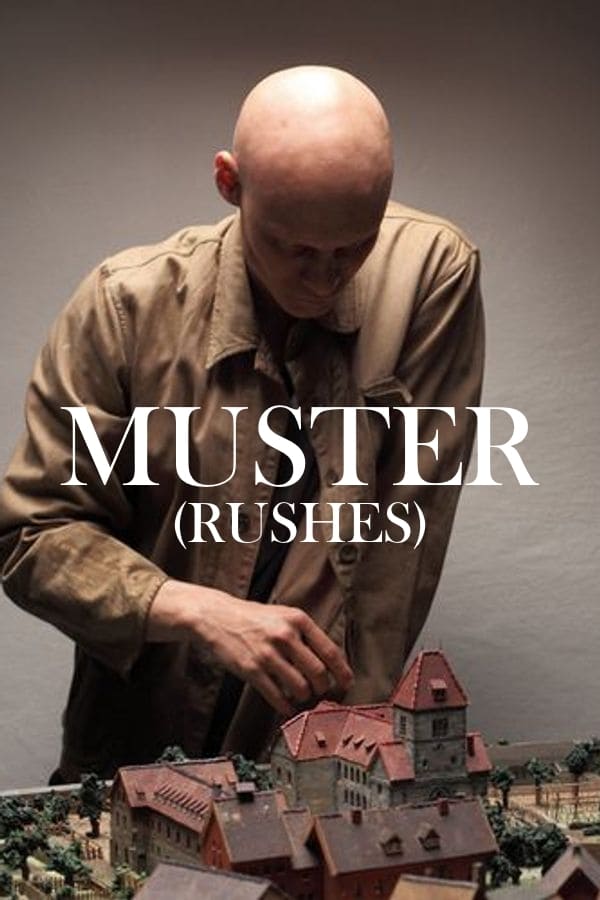
Inherently political, the three films that constitute Muster (Rushes) (2012) visually link to one another, with each roughly half-hour narrative (79 minutes combined for the single-channel version) taking place at a former Benedictine monastery outside of Kassel, Germany. This monastery functioned as a concentration camp during the Nazi era, a reformatory for girls in the 1970s, and later a psychiatric clinic.
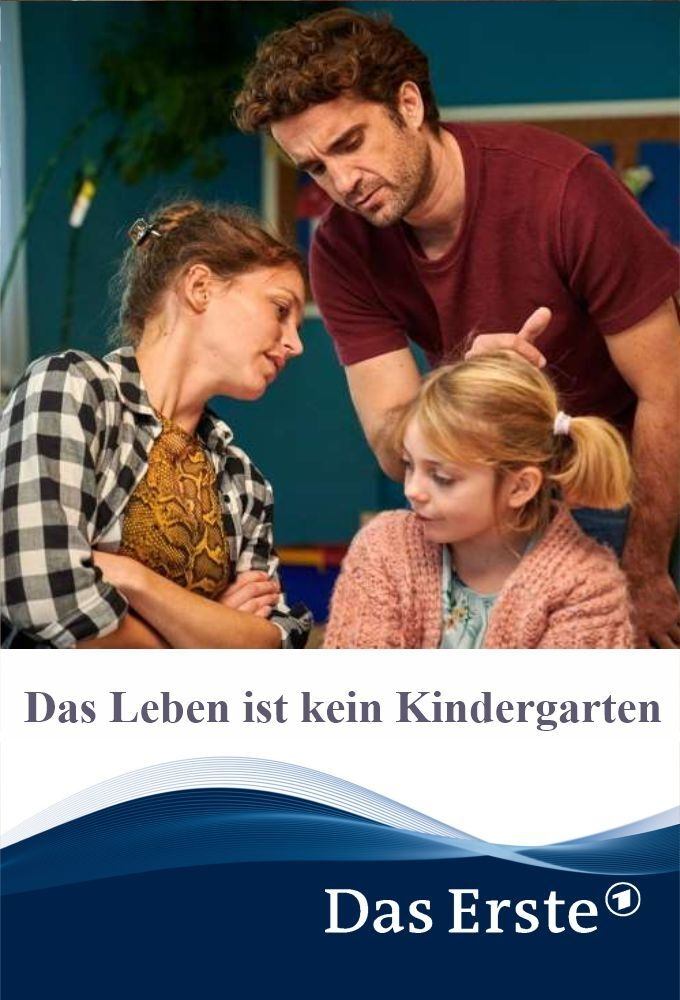
While his wife Juliana commutes to Zurich as a doctor, Freddy is at home in Constance looking after their 13-year-old daughter Zoë and little Niko. Freddy believes that dropping out of medical school to work as a nursery teacher is the best decision of his life. When Juliana is offered the position of head of pediatric oncology, she wants to move to Zurich with the whole family. For her, this would mean an end to the exhausting commute, finally more time with her family and a higher income. Freddy, however, doesn't want to leave his familiar surroundings. Even he is not entirely without ambition in his poorly paid job, because Freddy has his own educational ideas - and has the prospect.
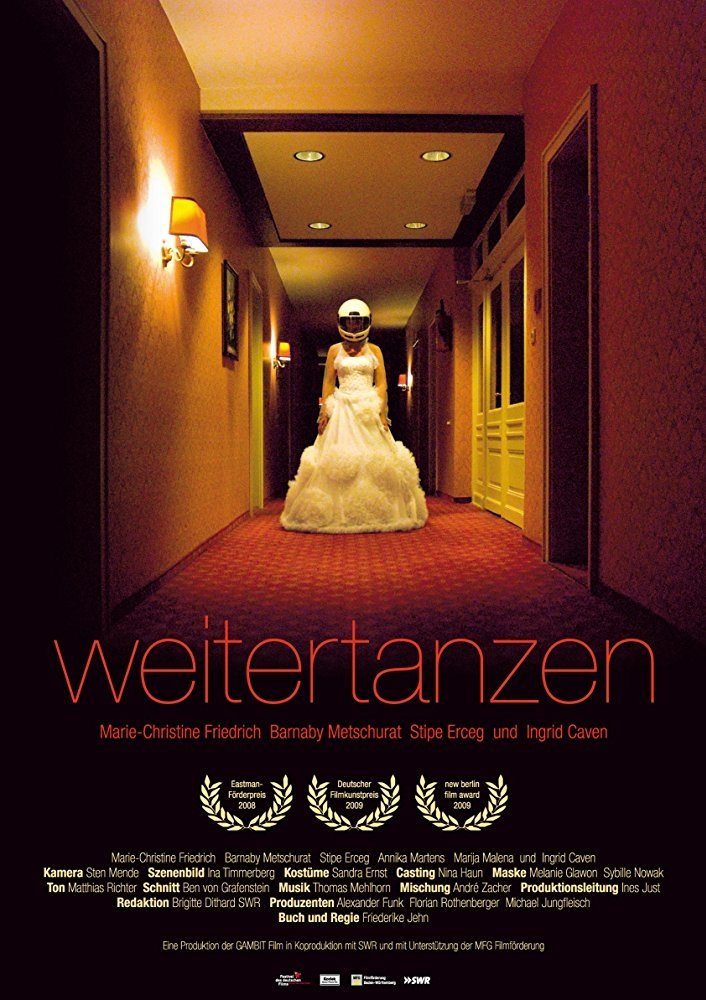
A bride's biggest fears regarding her wedding materialize in a bizarre nightmare.