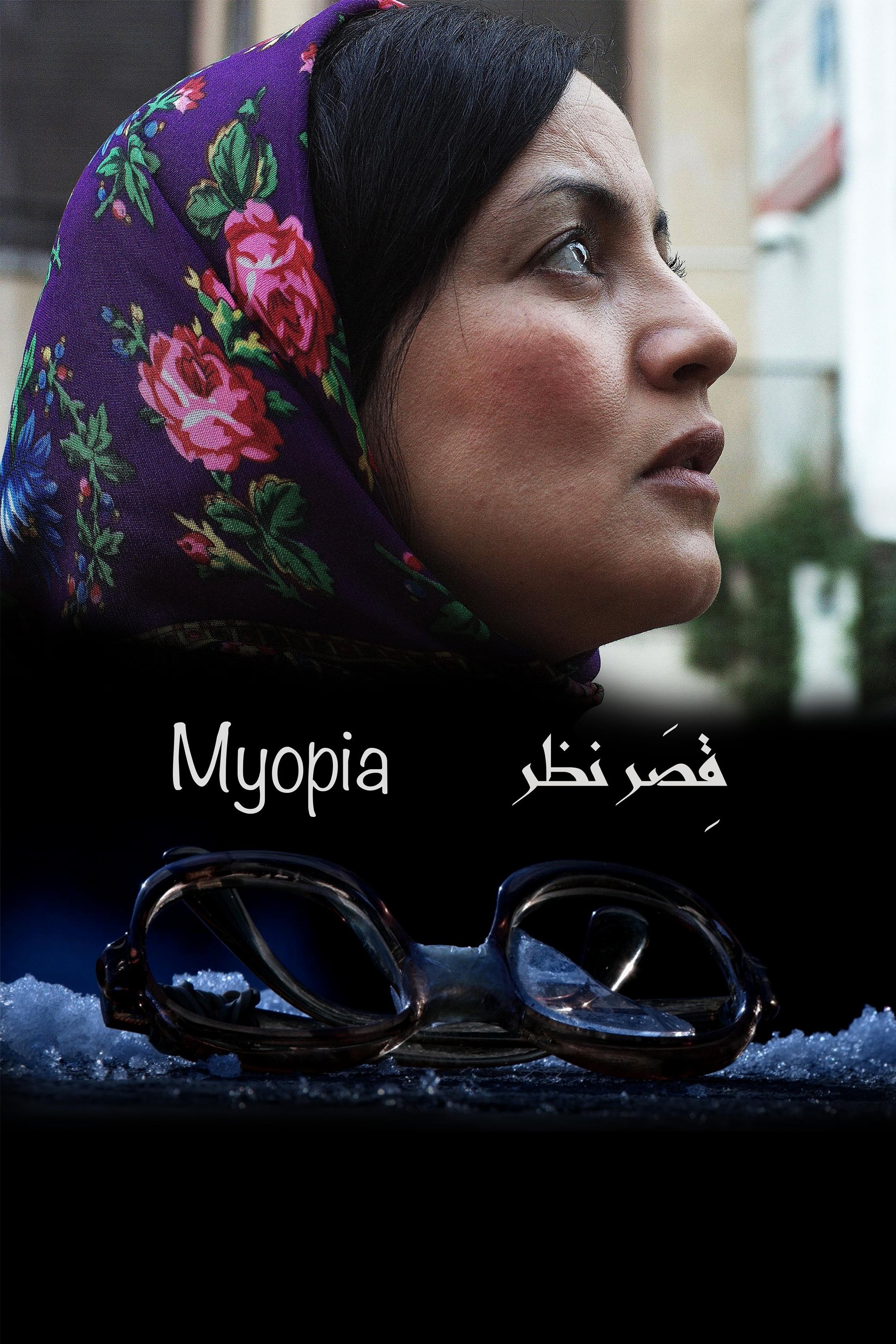
Fatem, who is six-months pregnant, leaves her village to fill a frame with empty glasses for the elder of her village, who is the only person who can decipher the letters sent by members of the villagers' families who have gone to work in the cities.
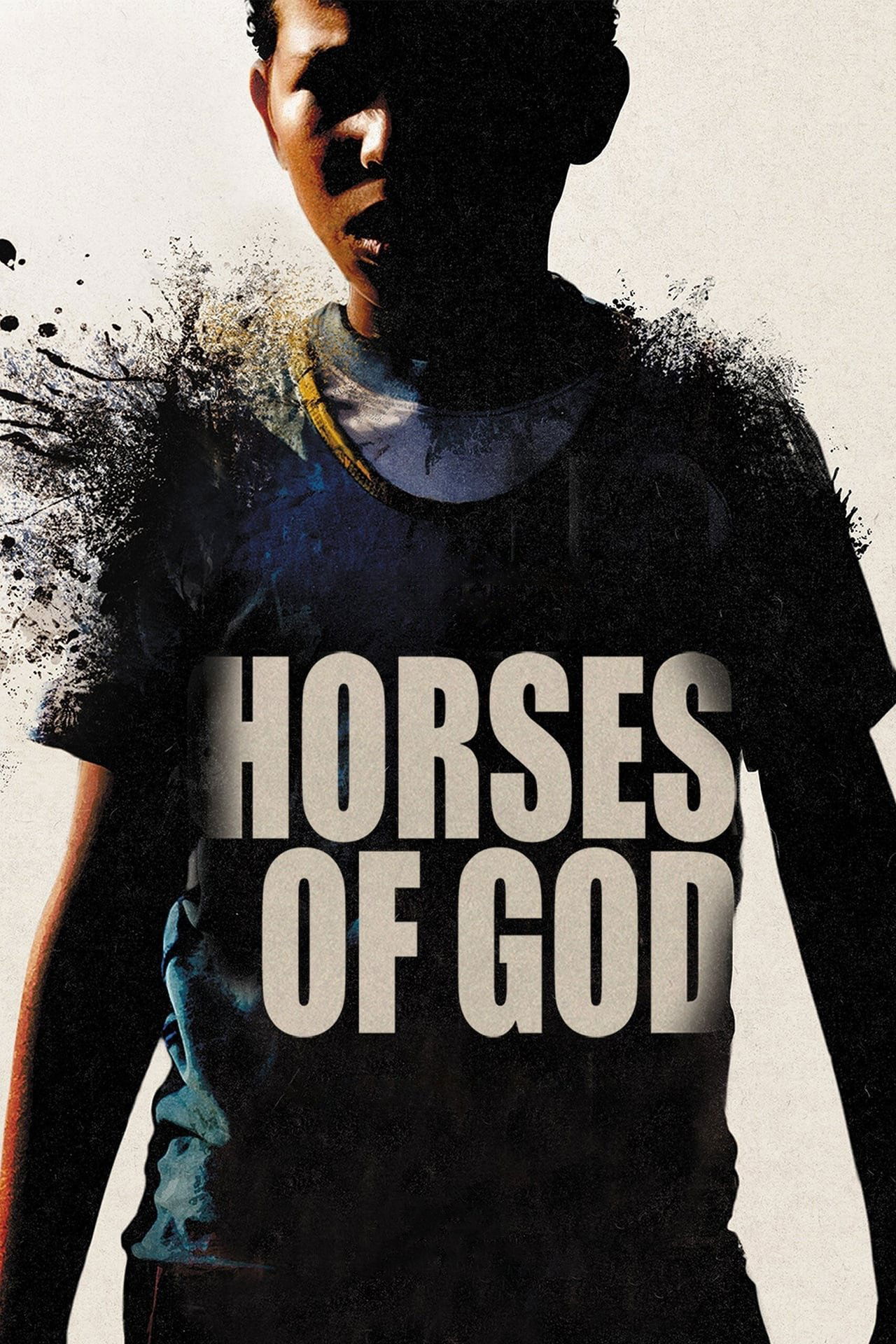
The film follows two brothers over the course of a decade. While they begin as kids in search of thrills in the sprawling slums of Morocco’s Sidi Moumen, we witness their gradual, and ultimately shocking, radicalisation.
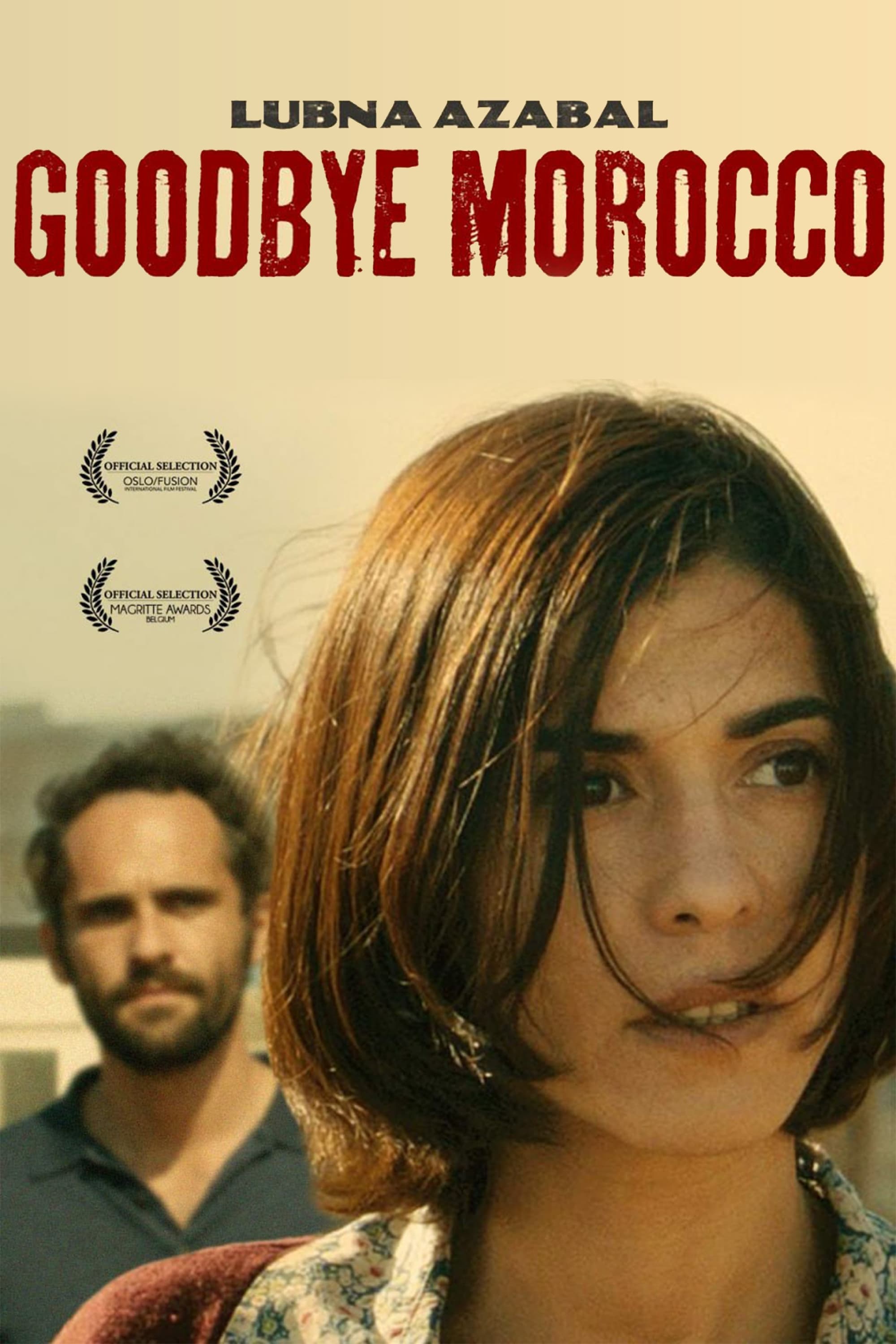
Tangier. Dounia decides to sell on the black market the antiques uncovered on the building site she manages. She hopes to raise enough money to be able to leave Morocco with her son, who she hardly ever sees since her divorce. The death of a worker disrupts her plan...
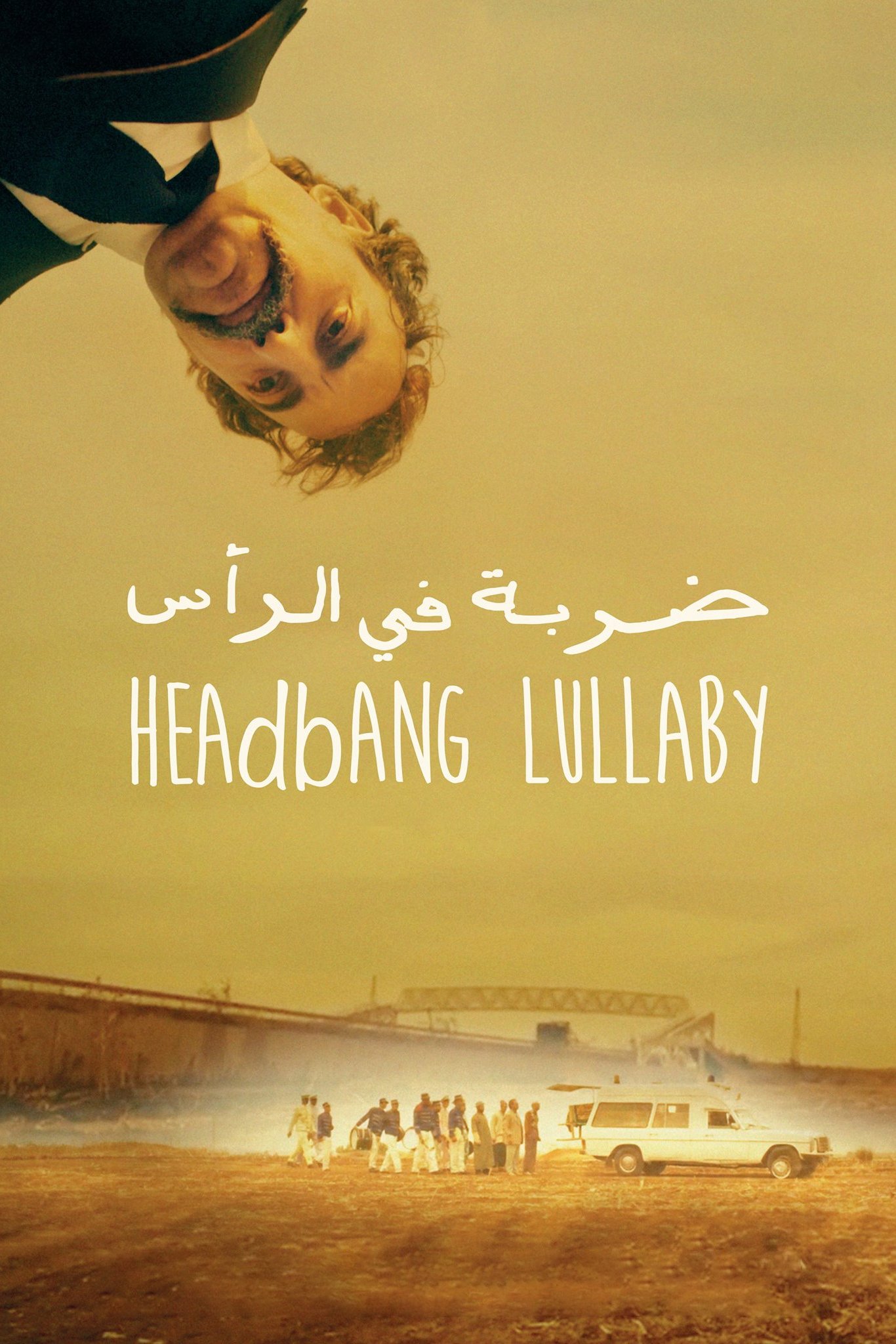
On 11 June 1986, one day after Morocco wrote football world cup history by scoring a surprising victory over Portugal, government official Daoud is ordered to secure a bridge outside Casablanca that sits between two hostile communities over an empty highway. Here, he is to await the expected but by no means certain visit of King Hassan II. Encounters with government supporters and the families of political prisoners; the mysterious appearance of a foreign woman and a Berber, as well as the story of a football crazy boy all prove to be a bit much for Daoud. Ever since the bloody ‘bread riots’ five years earlier, he has felt paralysed. But the euphoria and the hope he encounters here help to lift his mood. The Moroccan team’s success unleashes a new self-confidence and lust for life that transcends the surreal shadow of the monarchy.
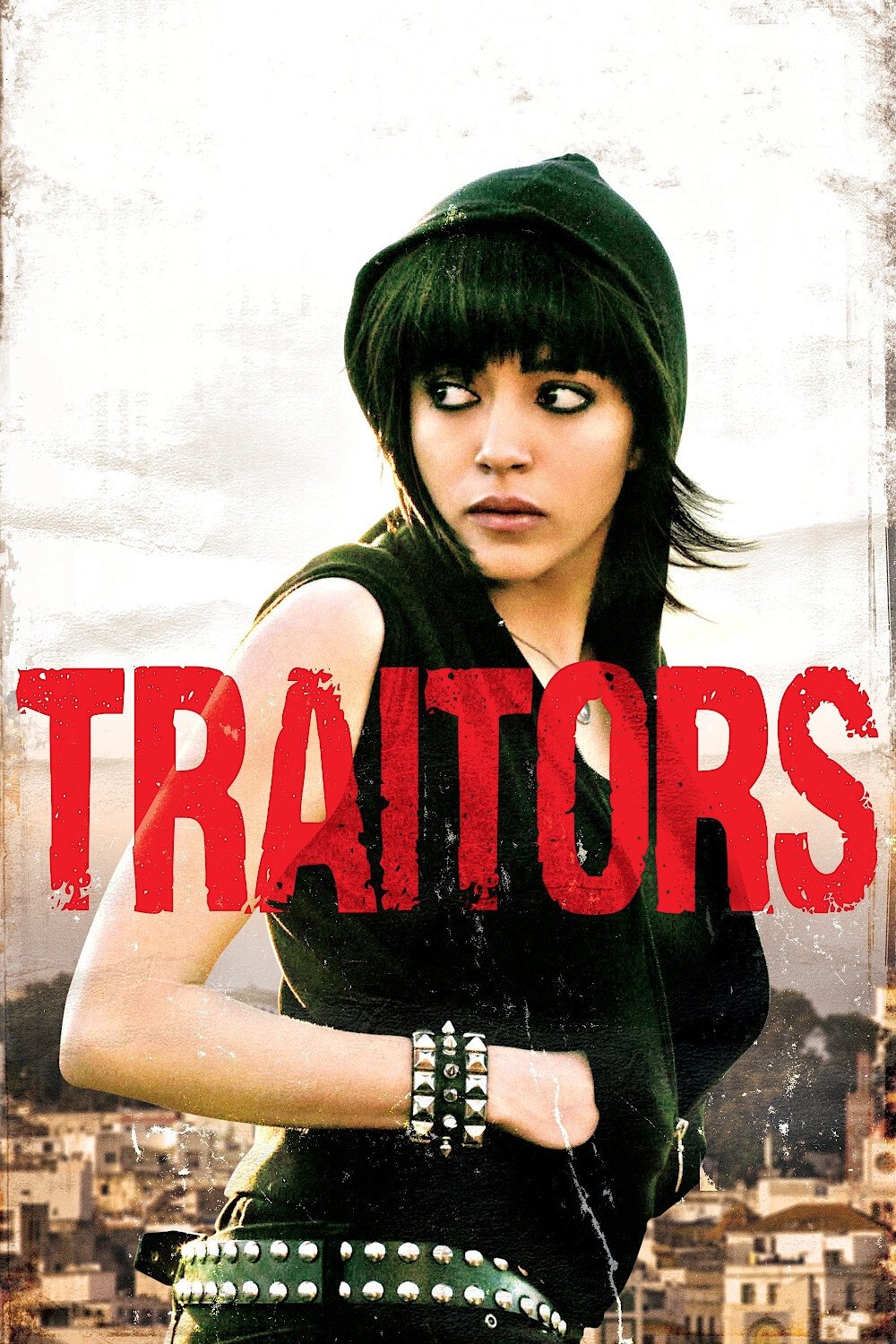
Malika, a punk rocker, agrees to smuggle drugs to save her family from eviction and fund her band's studio time, but her mission becomes complicated when she decides to help her fellow mule, Amal, escape.