The search for a child murderer drags a once-respected detective into an all-consuming obsession.
A semi-documentary experimental 1930 German silent film created by amateurs with a small budget. With authentic scenes of the metropolis city of Berlin, it's the first film from the later famous screenwriters/directors Billy Wilder and Fred Zinnemann.
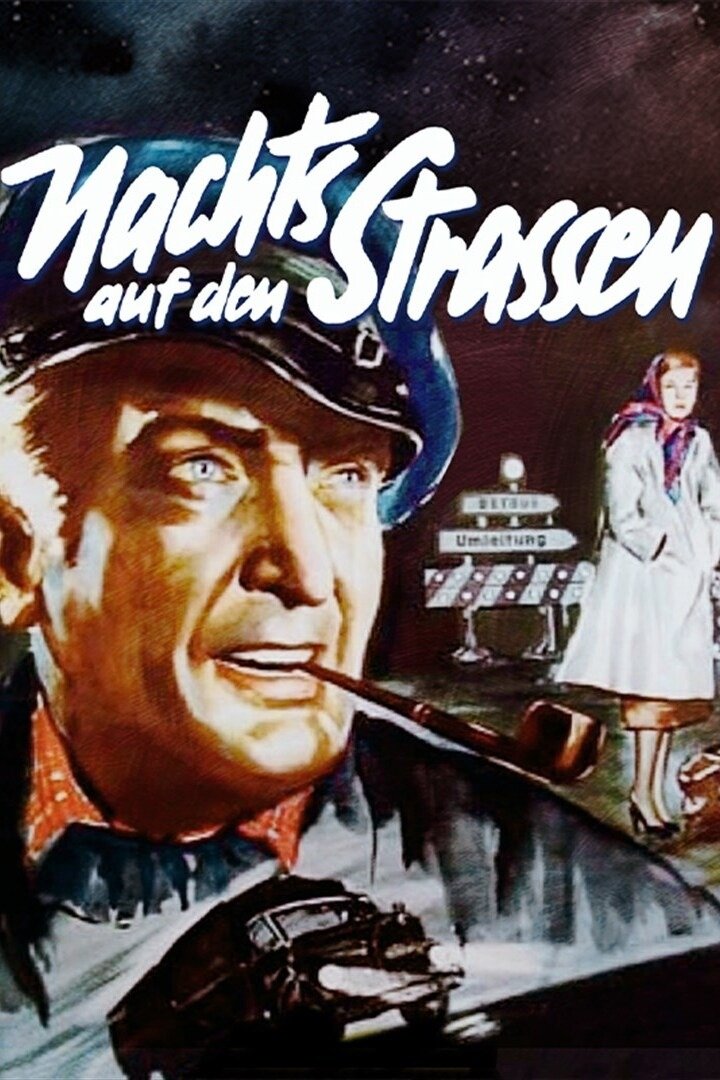
An aging truck driver finds smuggled money and becomes involved with a hijacking crowd.
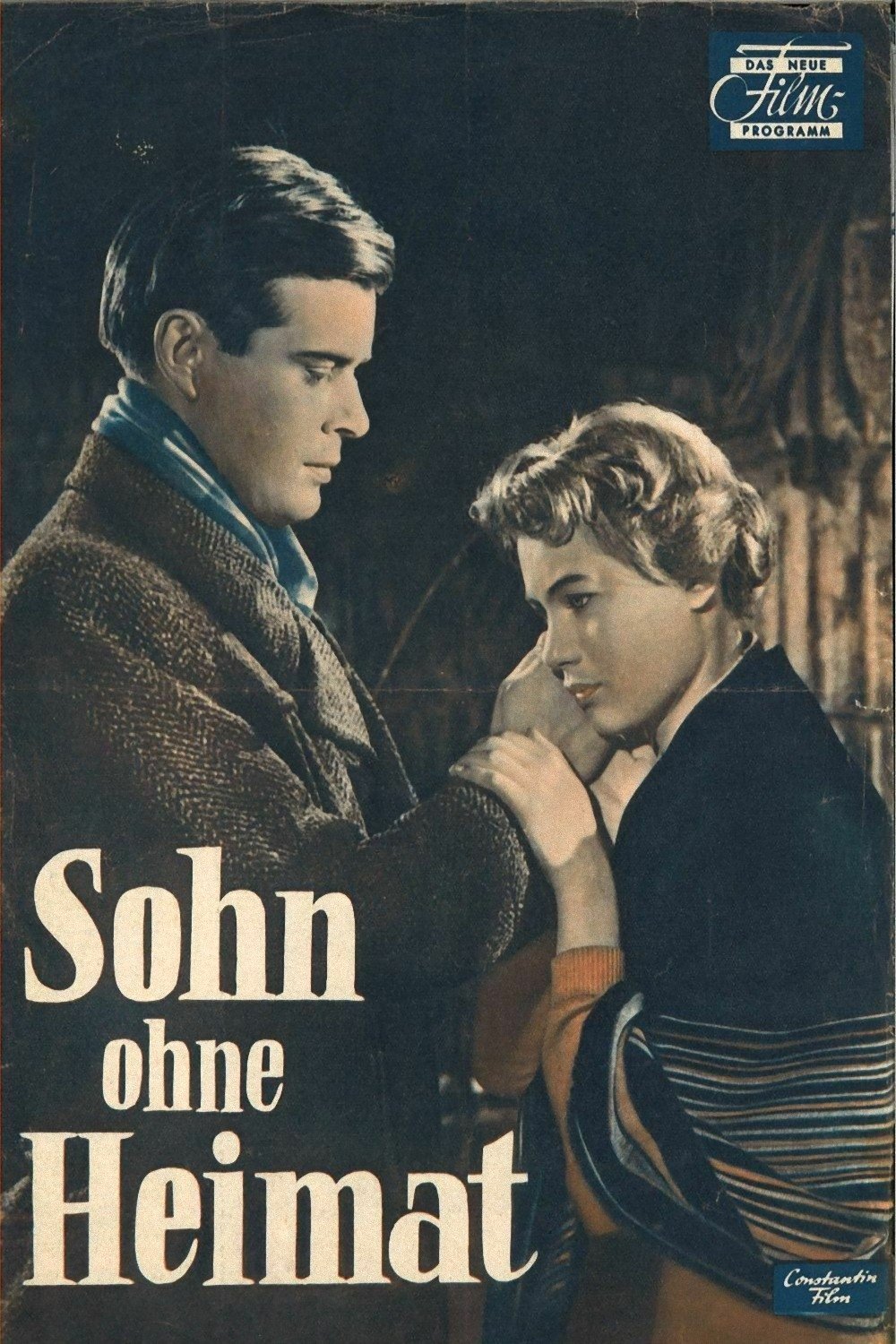
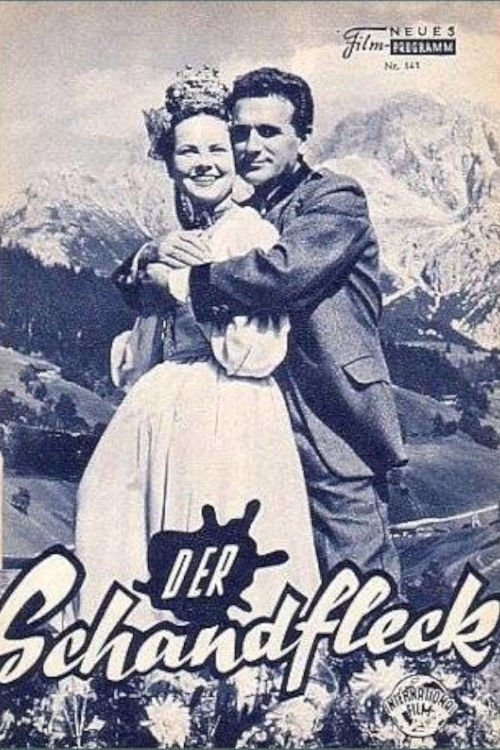
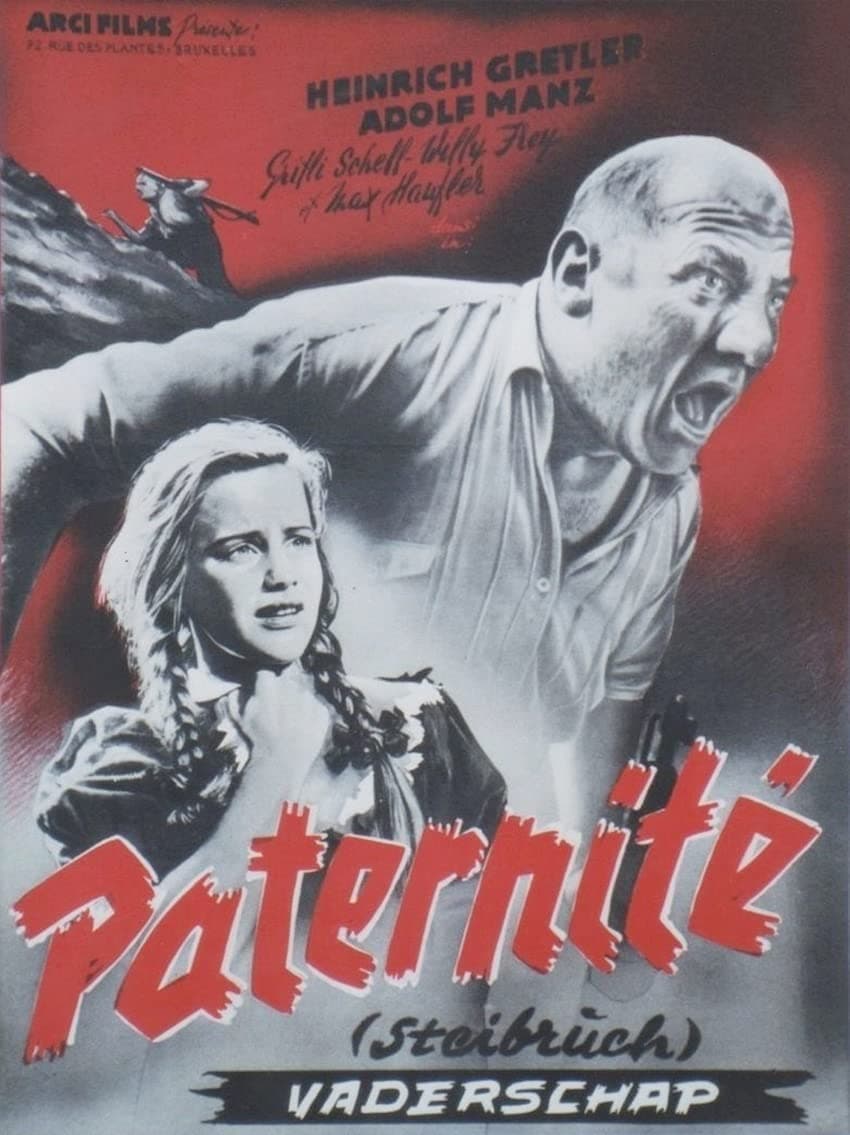
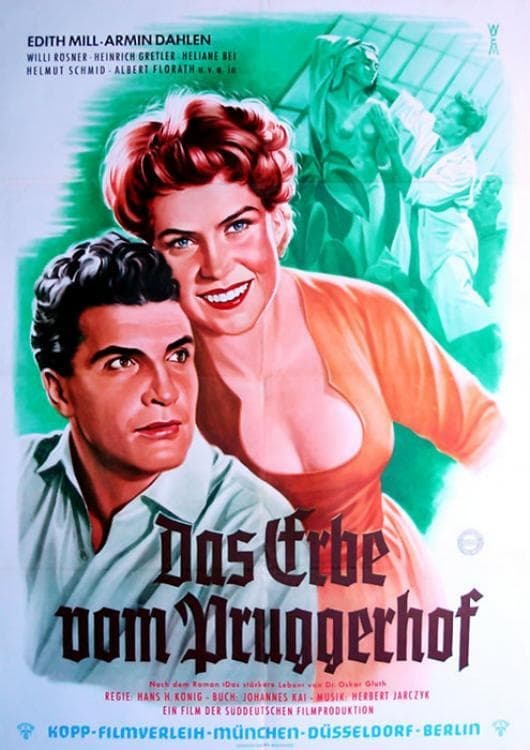
Leni charms everyone with her friendly nature. Nevertheless, her father rejects her. When Leni wants to get engaged to Florian, she learns the reason: Florian is her half-brother, and she herself is merely the product of her mother's affair. Devastated, Leni leaves the farm to build a new life in a foreign land without a "stain."
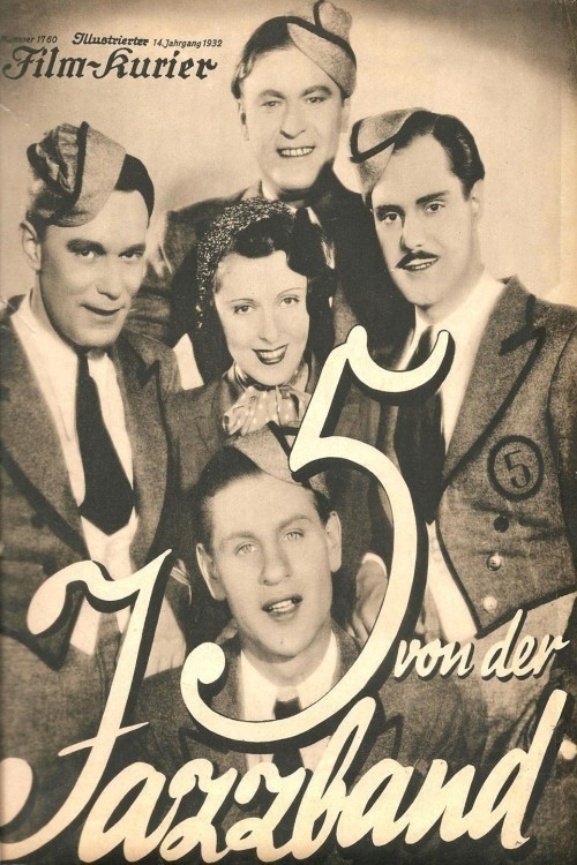
By pure chance, Jessie and his four jazz musicians are hired to play at the cabaret theatre “Trocadero”. Unfortunately, she knows nothing about music and it doesn’t help that all four musicians are in love with her. Jessie doesn’t reciprocate their feelings, because she has a thing for Martin. Unfortunately, Martin believes that Jessie stole his car … and so, right before the premiere at the cabaret, she ends up in jail.
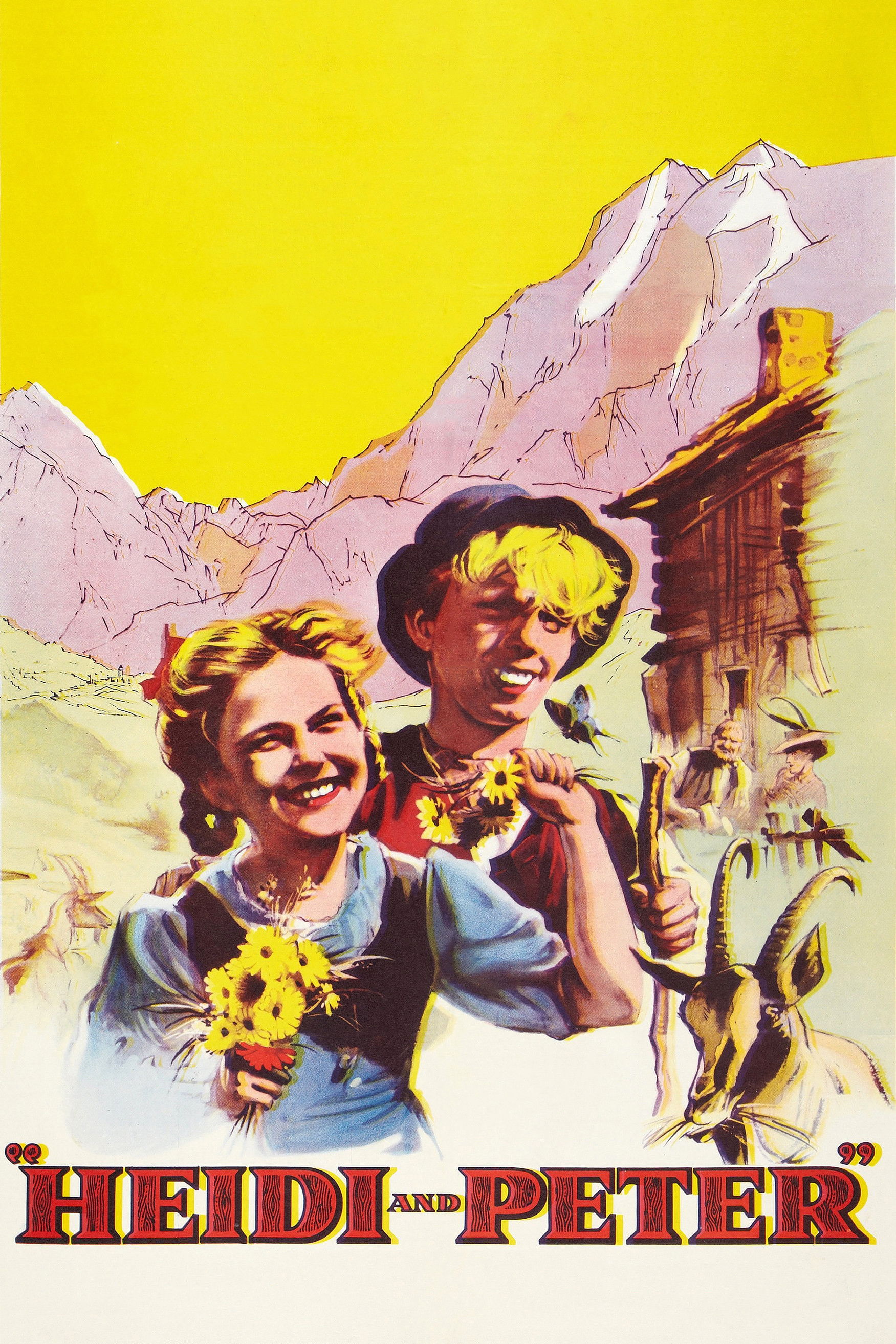
Heidi lives with Alp-Öhi n the Swiss Alps in the summer, where she helps Peter tend the goats. In winter, she stays in the village and attends school. One day, a letter arrives from Heidi's German friend, Klara Sesemann, announcing her visit. Klara indeed appears the next summer along with her grandmother and the prim governess Miss Rottenmeyer. Klara is quickly convinced to stay with Heidi, but Peter becomes resentful that Heidi now spends so little time with him...
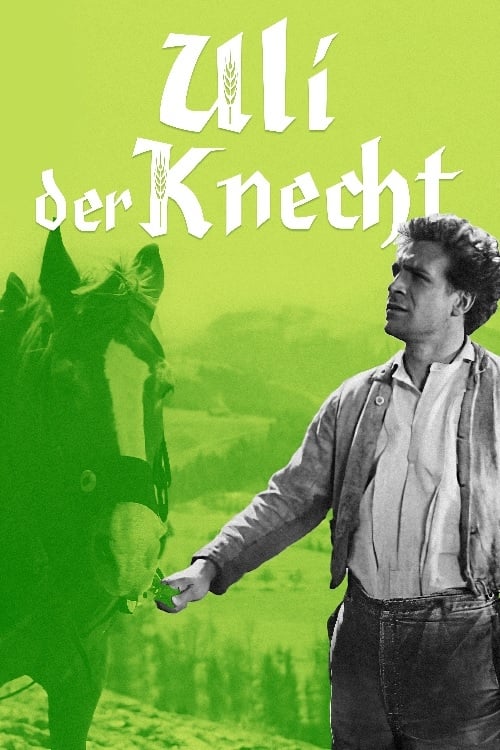
The film traces Uli's progress from his humble peasant surroundings to the homes of the wealthy and prominent. The characterizations are convincing, and the comic interludes surprisingly subtle and believable for a Swiss film. The no-star cast doomed Uli Der Knecht from the start so far as American distribution was concerned. It was another matter in Switzerland, where the film was one of the year's top moneymakers. Uli der Knecht was based on a novel by Jeremias Gottbelf.
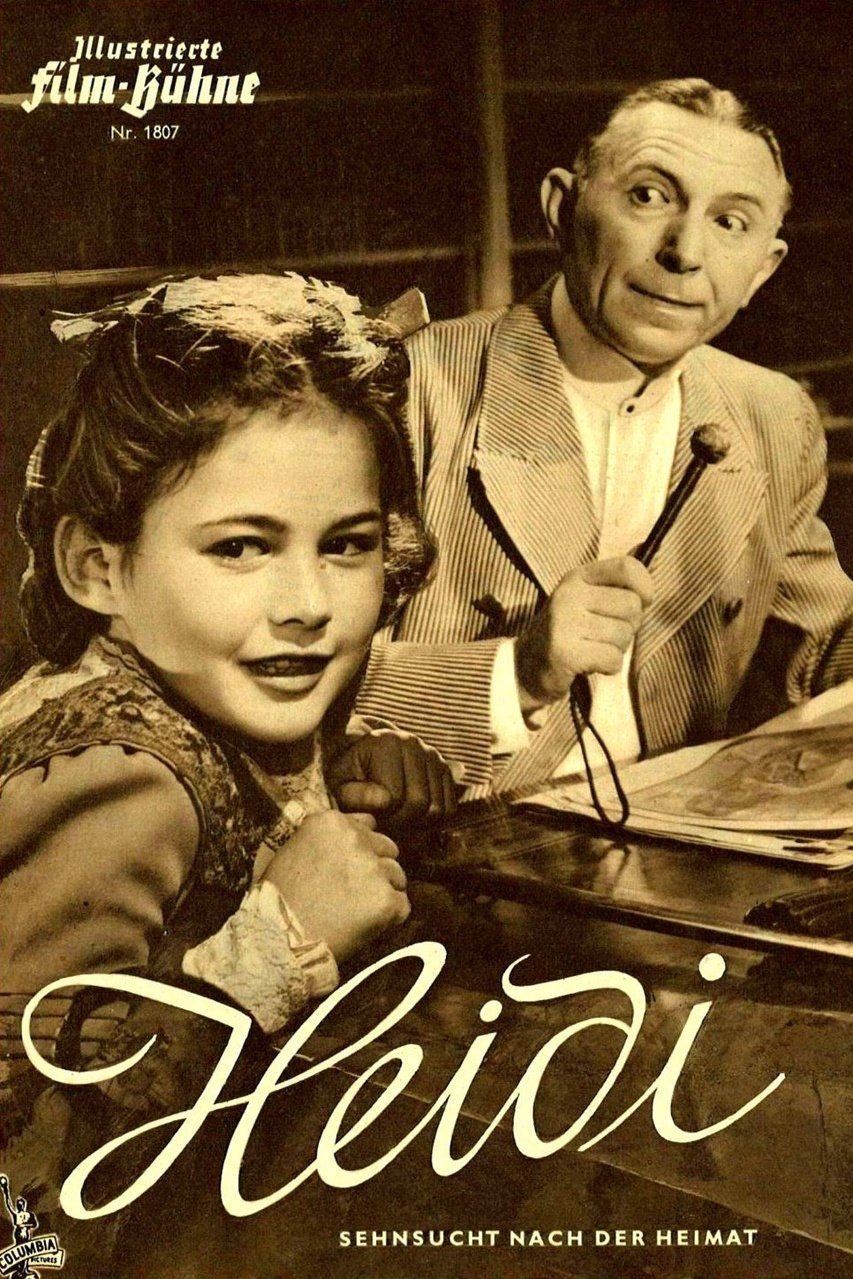
Heidi, a young orphan girl living with her aunt in Frankfurt, is forced to move to the Swiss Alps to live with her ornery grandfather. At first, he resents her presence, but, after a short while, Heidi manages to pierce his gruff exterior, and the two become close. She also befriends a young shepherd named Peter. After three years, Heidi's aunt arrives and demands Heidi's return to Frankfurt.
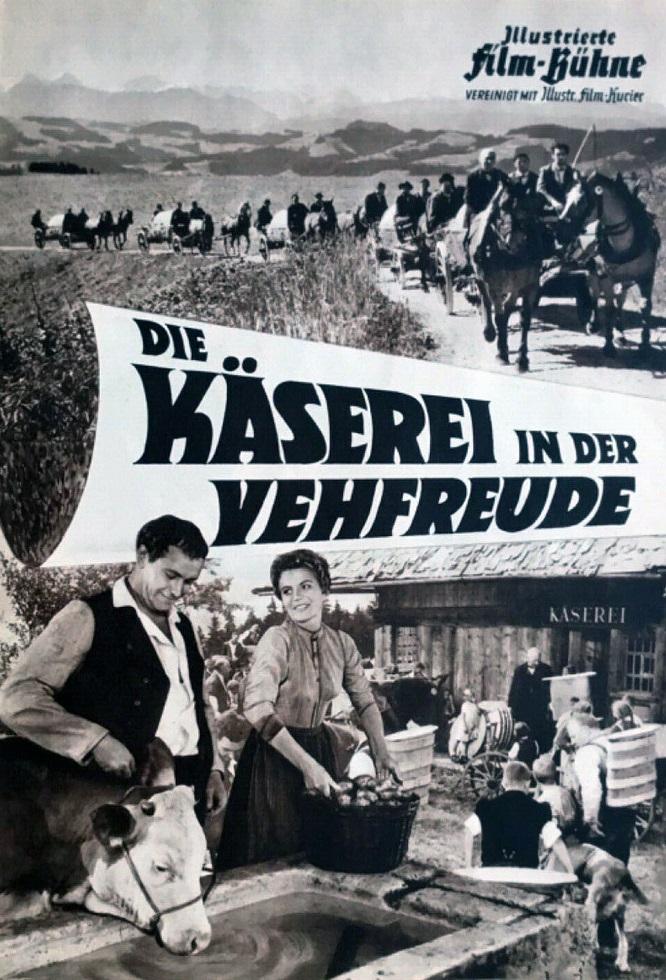
The farmers of a village decide to postpone the construction of a new school in profit of a concentration to cheese production. From a novel by Jeremias Gotthelf.
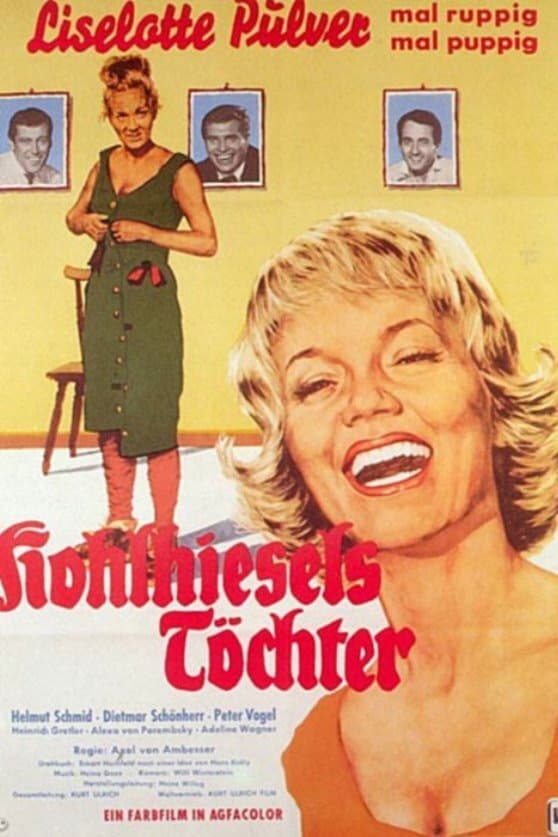
Landlord Kohlhiesl has two twin daughters that nevertheless couldn't be more different: Liesel is beautiful, feminine, sophisticated, educated and in love with a fellow, Toni, from back home. The other daughter, Susi, is clumsy, masculine, never left home and wants nothing to do with men. Liesel would dearly love to marry Tony, but her father refuses to allow the wedding until her sister Susi has found a husband first...
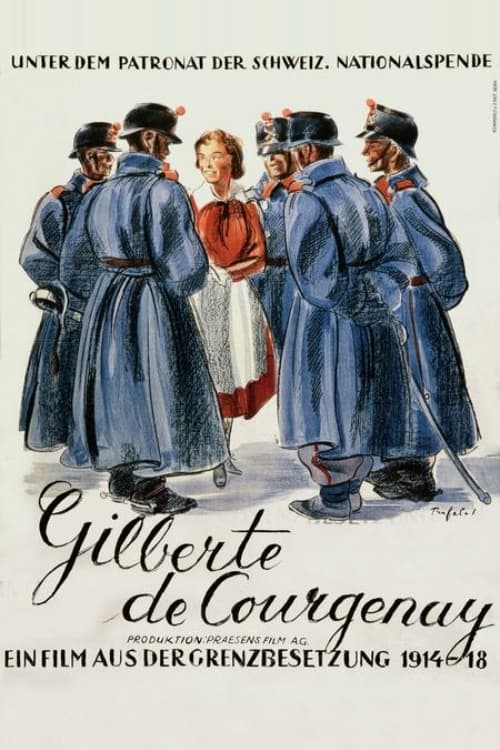
Gilberte Montavon was a legend in her own lifetime. As a young woman, she was confidante to hundreds of thousands of Swiss-German speaking soldiers during the First World War, and remembered most of their names. She was still a teenager when the war began, and was immortalised by a song written during the war years by the Swiss-German bard and lute player, Hans Inn der Gand.
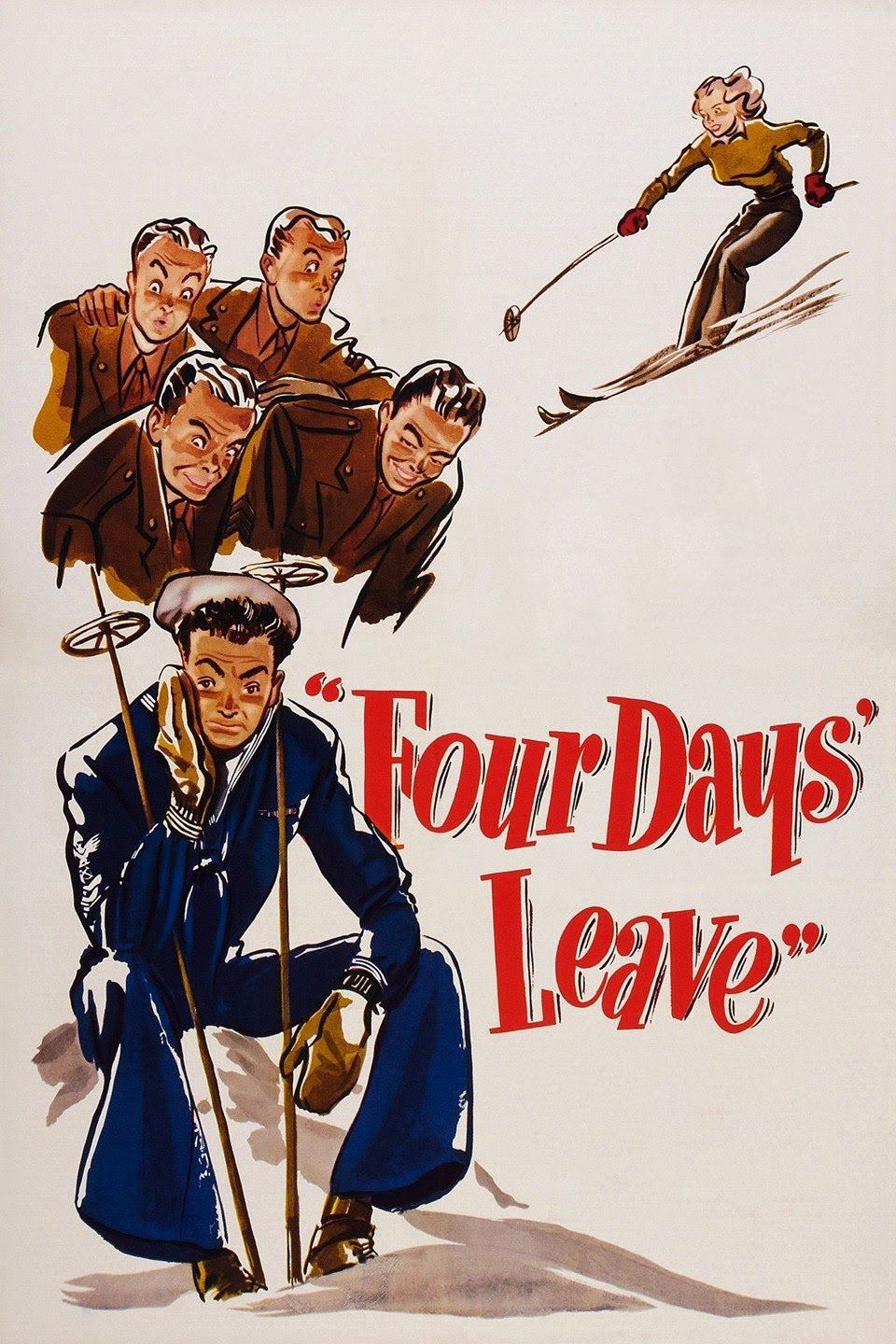
A sailor on leave meets a beautiful girl on the ski slopes of Switzerland.

When the cosmopolitan pastor Linhart takes care of the pregnant, unmarried maid Angela, the entire village believes that he must be the father of the child—especially when he takes in the baby Andreas after the mother's death. Twenty years pass. Andreas has grown into a handsome young man. The old rumors have long since been forgotten. But when Andreas falls in love with the pretty Hanni and the old farmer Santner wants to leave him his farm, the envy and hatred of the villagers are reawakened.
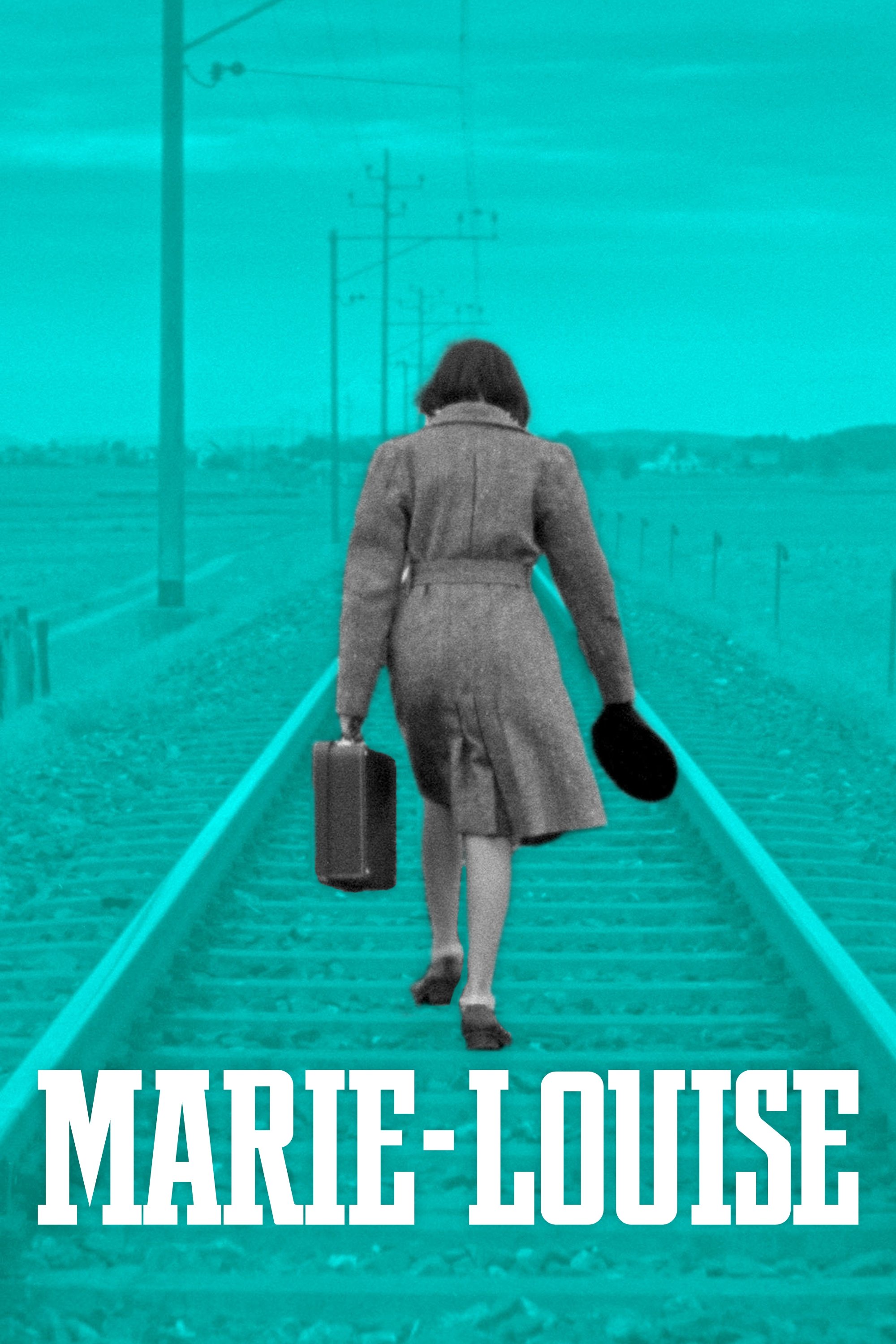
The titular Marie-Louise is a young French lass who is evacuated to Switzerland when her country is overrun by the Nazis. Suffering a nervous breakdown, she is given comfort and shelter by a wealthy family. Unfortunately, living in the lap of luxury makes Marie-Louise hesitant to return home to her mother and war torn home. Eventually the girl comes to her senses, but it isn't easy.
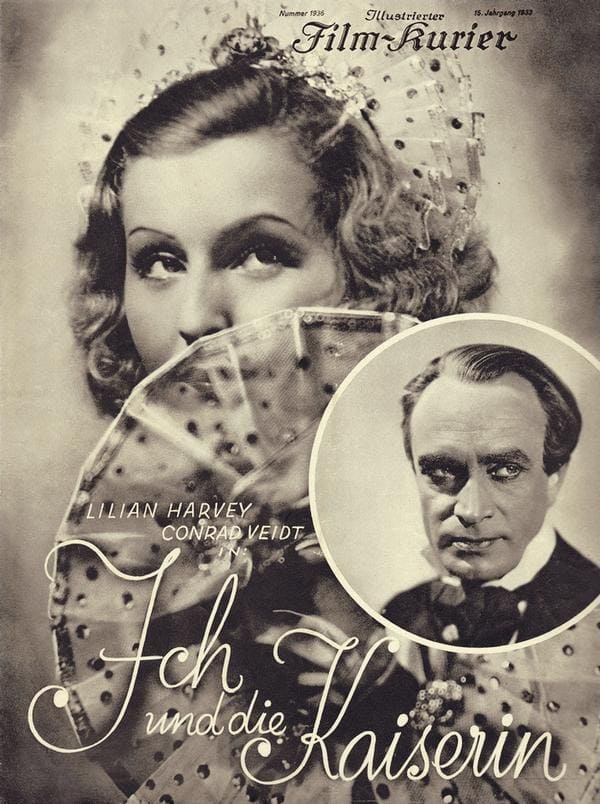
A dashing marquis bends from his horse when he discovers a lost garter in the woods and falls. During his delirium he is serenaded by a little hairdresser. She is the person who lost the garter to begin with and has only come to get it back having borrowed it from her employer--the empress of France. The marquis mistakenly thinks he was nursed by the empress, herself, and decides to woo her.


The trials of the wealthy Emmentaler farming family Jowäger, adapted from the 19th century novel of the same name by Jeremias Gotthelf (pen-name of Albert Bitzius), which was also published in two parts.
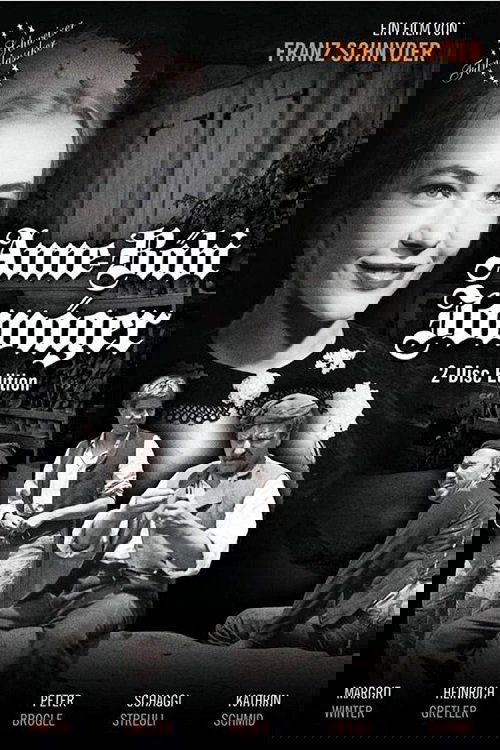
The further trials of the wealthy Emmentaler farming family Jowäger and their neighbors, adapted from the second volume of the 19th century novel by Jeremias Gotthelf (pen-name of Albert Bitzius).
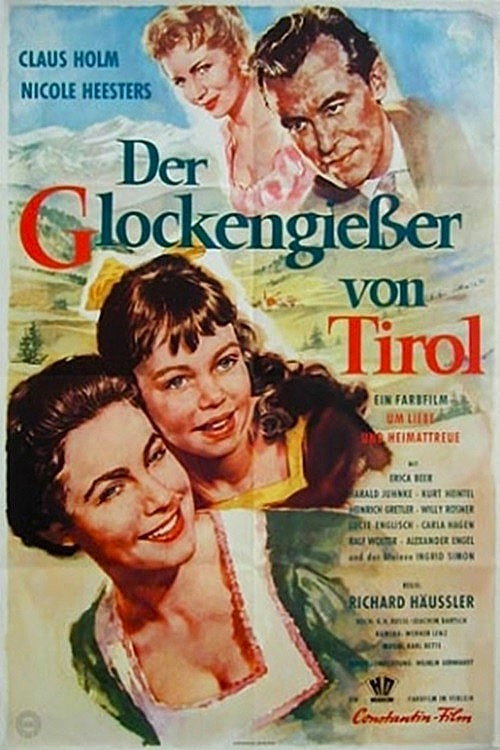
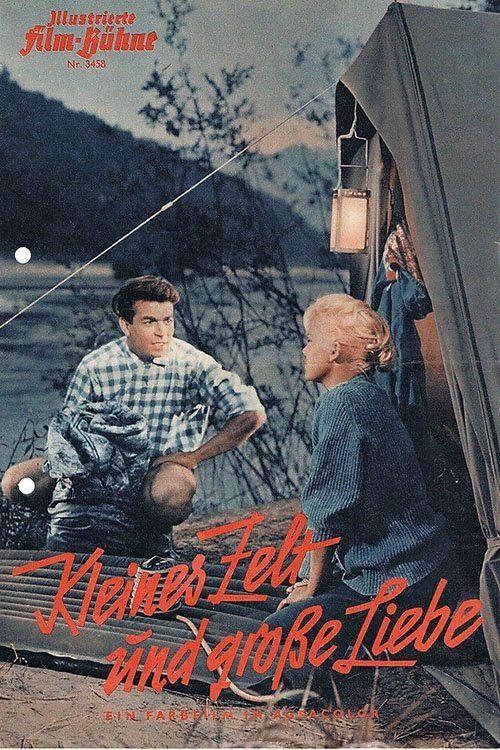
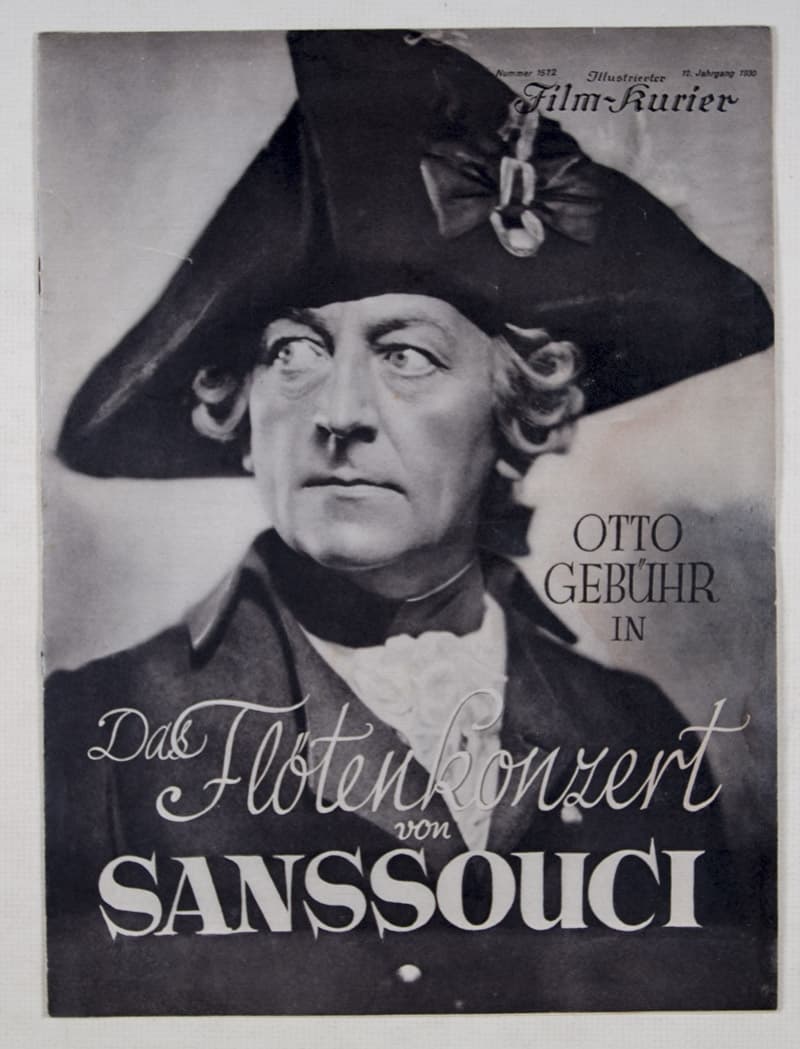
In 1756, a masked ball was officially celebrated in the Dresden Palais of the Saxon Minister Heinrich von Brühl. Unofficially, however, talks are taking place with the envoys of Austria, Russia and France with the aim of conspiring against the Prussian King Frederick II. The Prussian envoy, Major von Lindeneck, succeeded in bringing a copy of the concluded secret treaty to the Prussian king. Friedrich consults with his generals, who urge caution. Friedrich is stunned by the reaction and now develops a counter-plan. To do this, he sends von Lindeneck back to Dresden. However, the latter is not very enthusiastic about this, as he thinks he has reason to doubt his wife Blanche's marital fidelity, and he now has to leave her alone.

London, in 1730. Charly, Jim and Ben work hard, with the brave Maud, in a cotton mill to earn a few shillings. They all dream of the wonderful island told by Daniel Defoe. The latter lives in a miserable room. He is disgraced and rejected by his son Tom, a scoundrel who blames his father for losing his position at the Court ...
Switzerland in the 13th century: Shot in the middle of World War II, this classic film returns to the origins of Switzerland and turns about the problem of the small country against a big power: Resist or obey?

At his uncle’s behest, the young Karl-Heinrich, Hereditary Prince of Saxe-Karlsburg, is sent to Heidelberg to study for a year. After a joyless youth in the gloomy, stately Karlsburg Castle, the prince embarks on the most carefree period of his life. He falls hopelessly in love with Käthi, the charming daughter of his landlords. But duty calls: the prince is gravely ill, and Karl-Heinrich must return to assume his duties as heir apparent and future ruler.
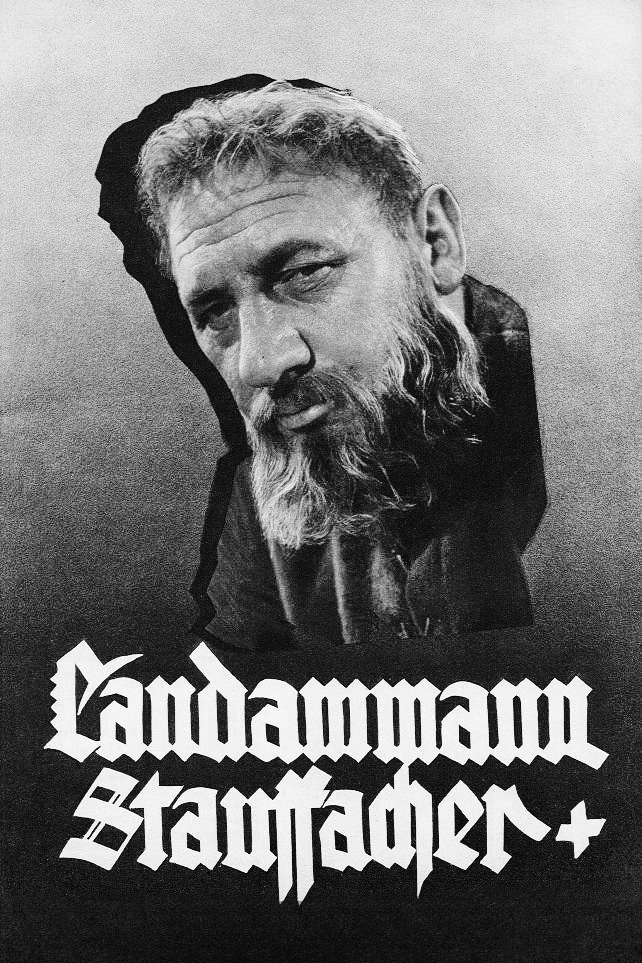
A man in his fifties returns from America to his native village. Everyone knows that in the New World he served a lengthy prison sentence for manslaughter. He retreats to an isolated quarry in the woods he inherited. There he lives like a hermit, gruffly disencouraging anyone to come near the place.
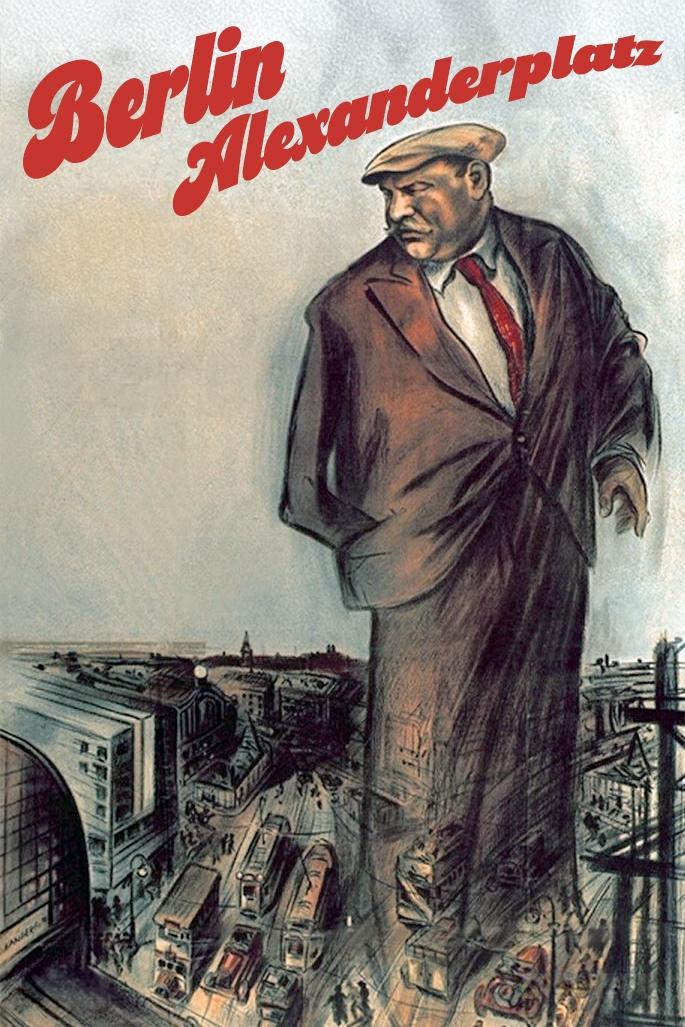
Franz Biberkopf has served four years in prison. His return to normal life is not successful.
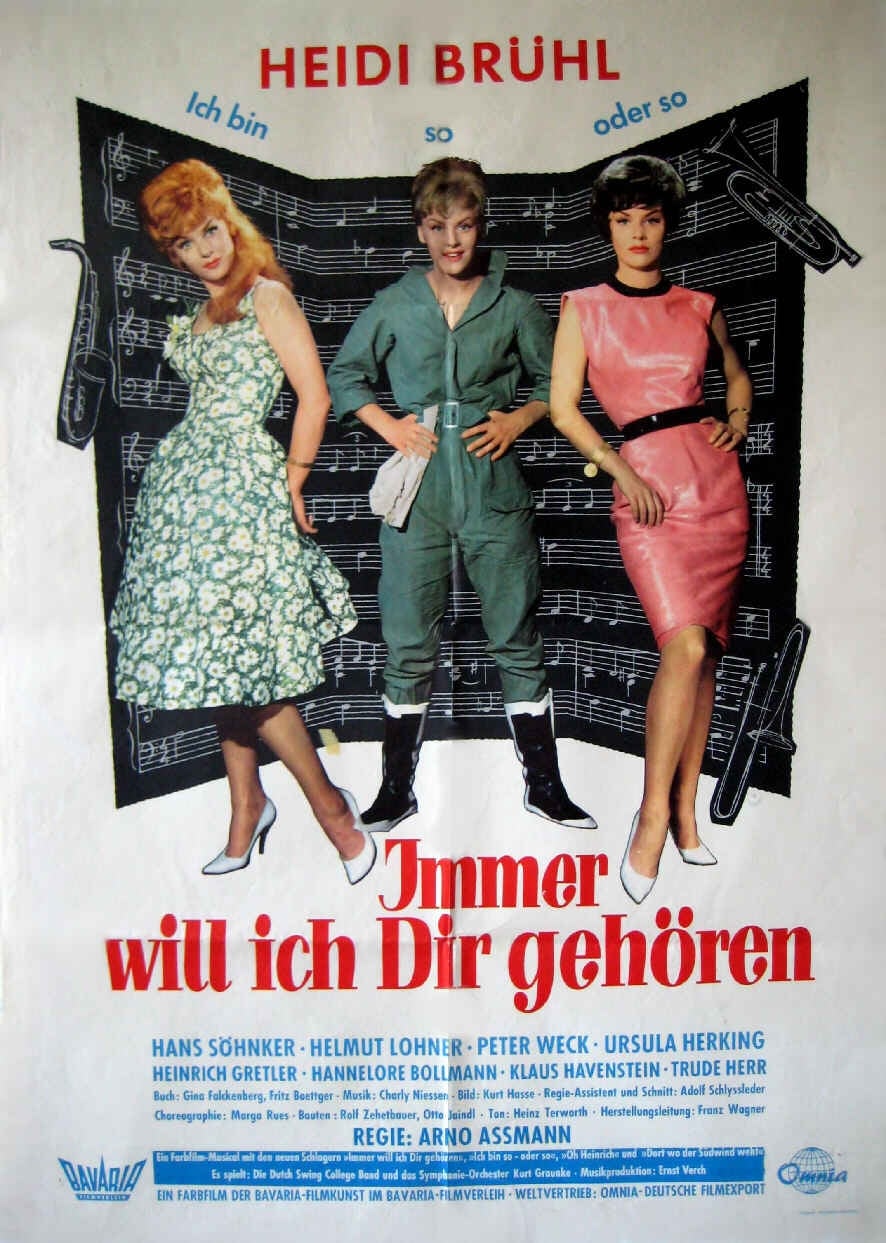
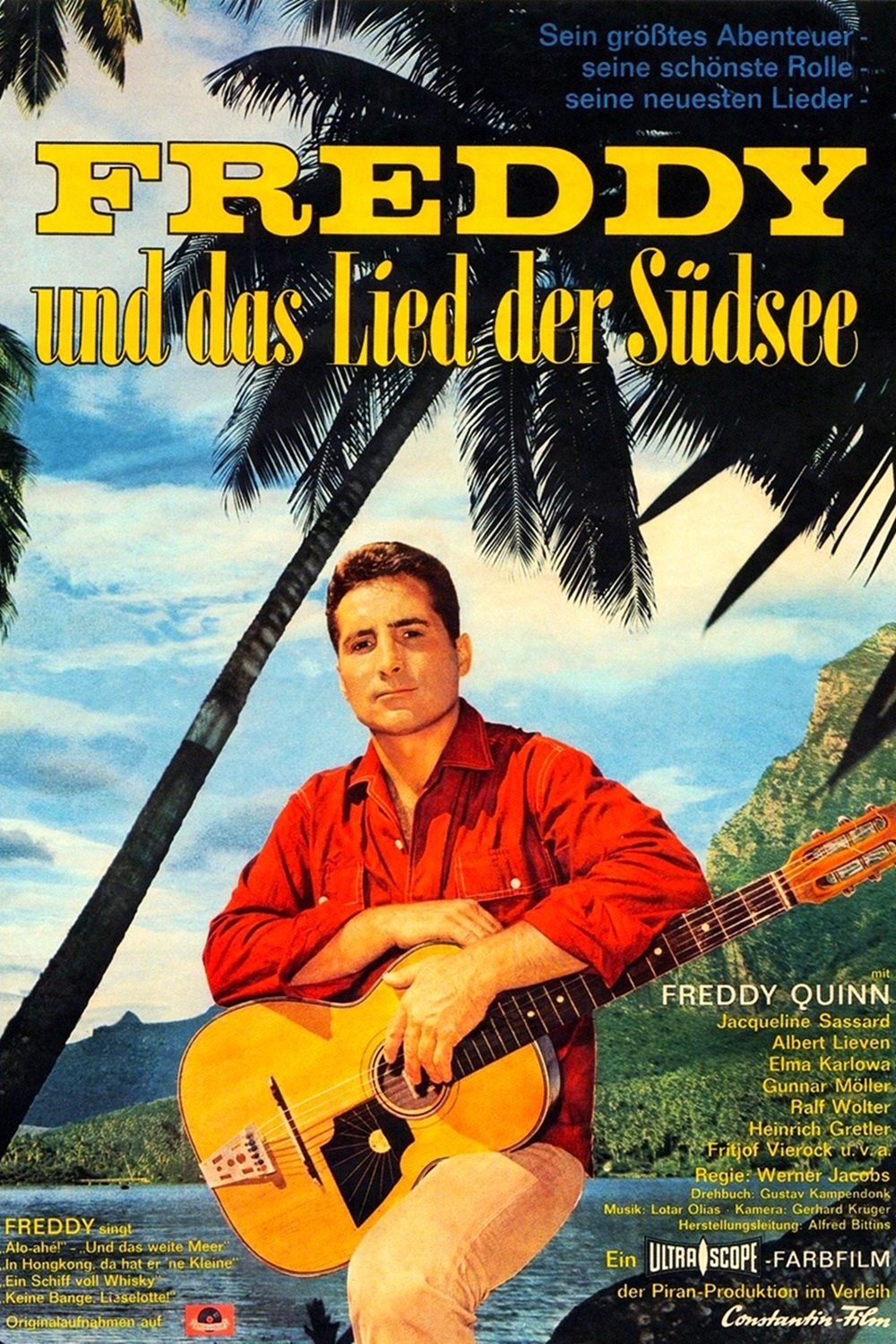
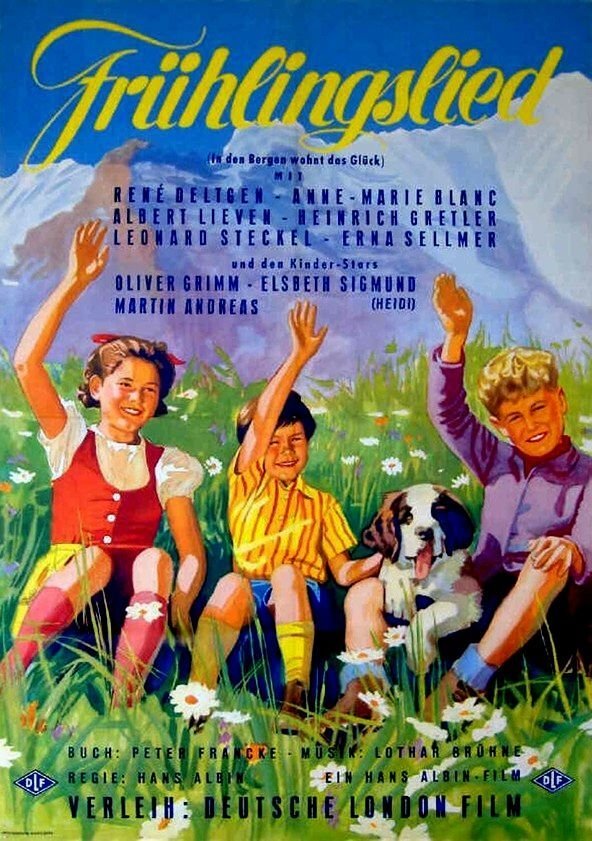
At the age of three, little Wolfgang has lost his parents. Since then his uncle Eduard raises the boy. As a former concertmaster Eduard has recognized how gifted his nephew is and the boy learns the hard way. The 6-year-old must practice daily 6 hours at the piano and already impresses at famous music parties. When Eduard Fabricius breaks a leg after a concert in Lucerne and must go to the hospital, he can be persuaded by a pediatrician to grant some carefree vacation weeks in a manor for Wolfgang. The manor belongs to the young widow Elisabeth who soon grows very fond of the little boy. Wolfgang makes friends with 11-year-old Heidi and Jöggi, a boy his age who first saw a rival in him...

A young man practices medicine without a licence.
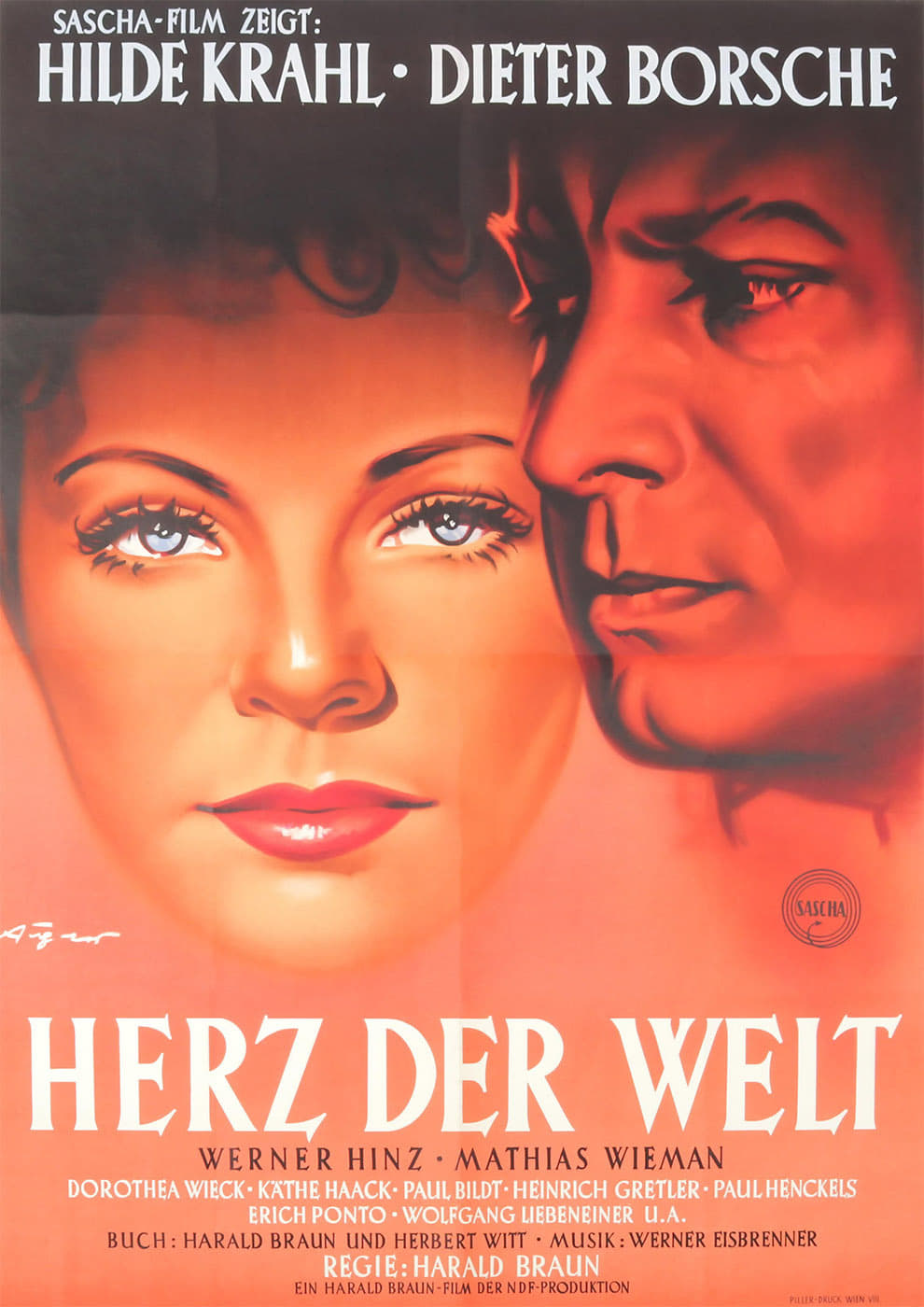
Directed by Harald Braun and told from the perspective of Bertha von Suttner, the first female to receive the Nobel Peace Prize, The Alfred Nobel Story - No Greater Love chronicles the life of scientist, inventor, and businessman Alfred Nobel. Nobel built a massive fortune throughout his life, and while much if it was amassed by his inventions--dynamite being perhaps the most notable--he was also revered for his discoveries within the fields of science and economics. Upon his death, Nobel decided that his fortune was simply too great to continue in the form of an inheritance or single charitable donation, opting instead to use the money as reward for the greatest contributors to physics, chemistry, medicine, literature, and, of course, peace.
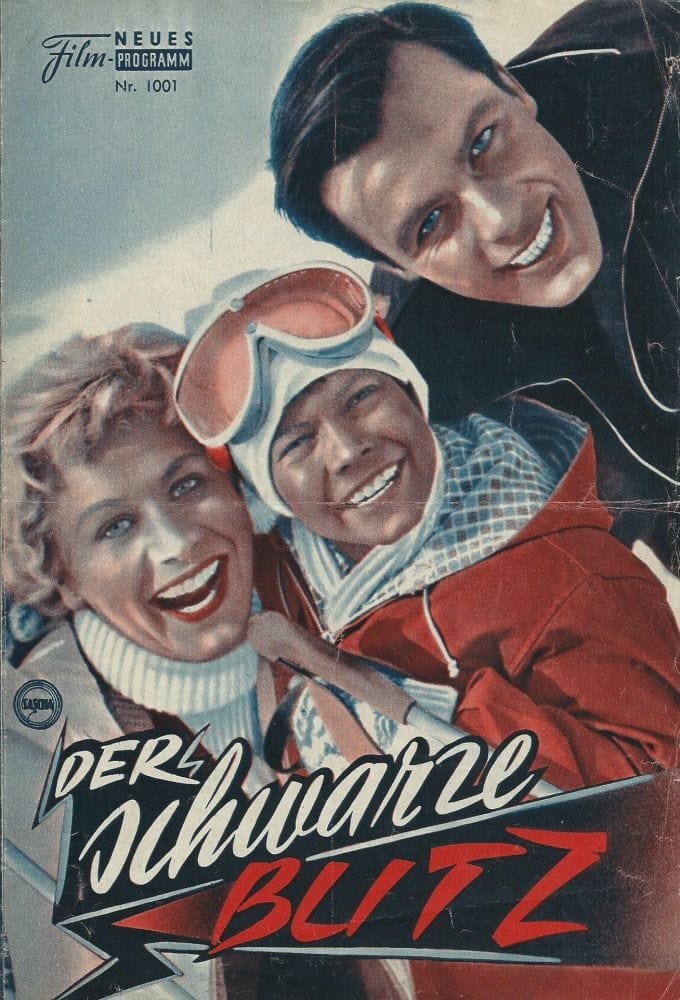
Michael Kirchner, nicknamed "The Black Lightning", is a passionate alpine skier. Now he must eliminate the tough opponent Herbert Tanner to be the representative of the national team.
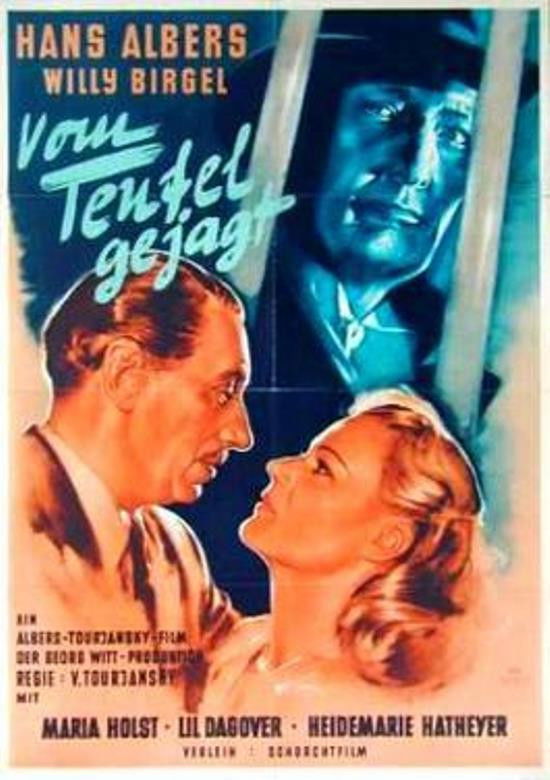
A doctor discovers a new medical cure with dangerous side effects, and takes the drug himself to test its limitations.
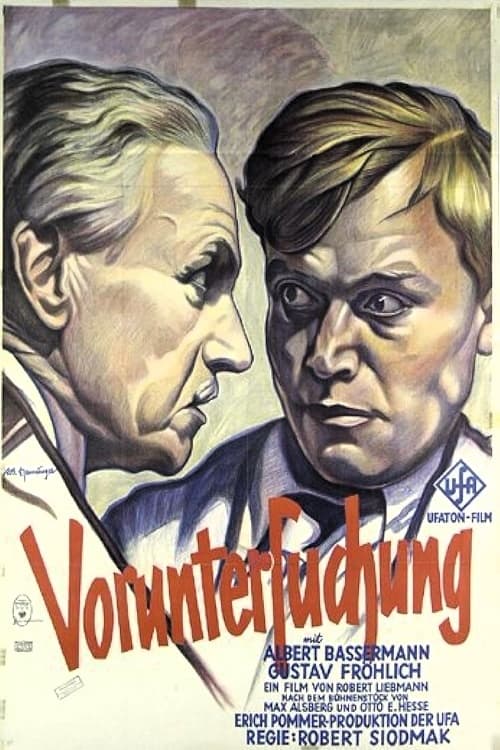
When a prostitute is murdered in a cheap Berlin boarding house, an investigating judge suspects that the killer is her boyfriend, unaware that his own son and daughter are also mixed up in the case.
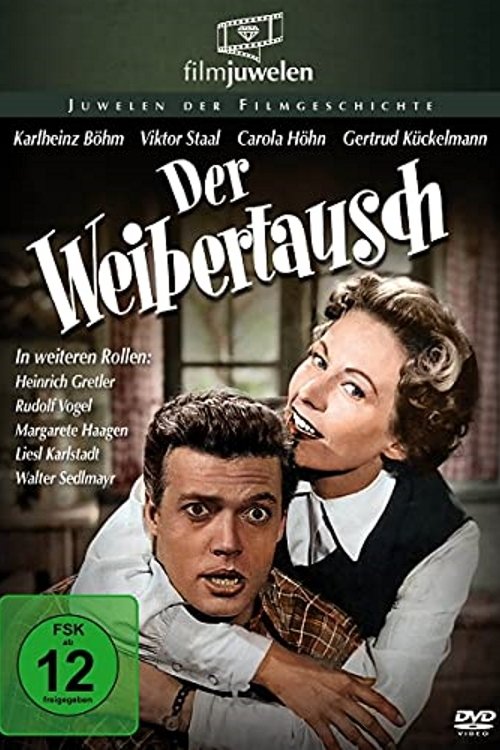
Lorenz has his eye on Simon Gigl's prize-winning breeding bull and would love to have it. But is he willing to make a deal to give up his wife Uschi to Gigl for a week in exchange for the bull?

Thomas, son of sawmill owner Mautner, is more interested in music and women than in his father's business. His latest acquaintance is the young Andrea Sternberg, whom he rescues from a torrent and whose father wants to build a hotel on the Mautners' property. After an argument with his father, Thomas goes to Bad Gastein, where he lives a lavish life with Andrea and her friends. His father lends him money to finance this, hoping to gain access to Thomas's property. Cornered by Sternberg, Thomas is forced to return to his father and confess.

Markus Paltram returns to his home village after ten years. There, he is shunned because his father is believed to be a murderer. Markus falls in love with Cilgia, the pastor's daughter. However, Pia, a Roma girl, wants to win Markus for herself at any cost.
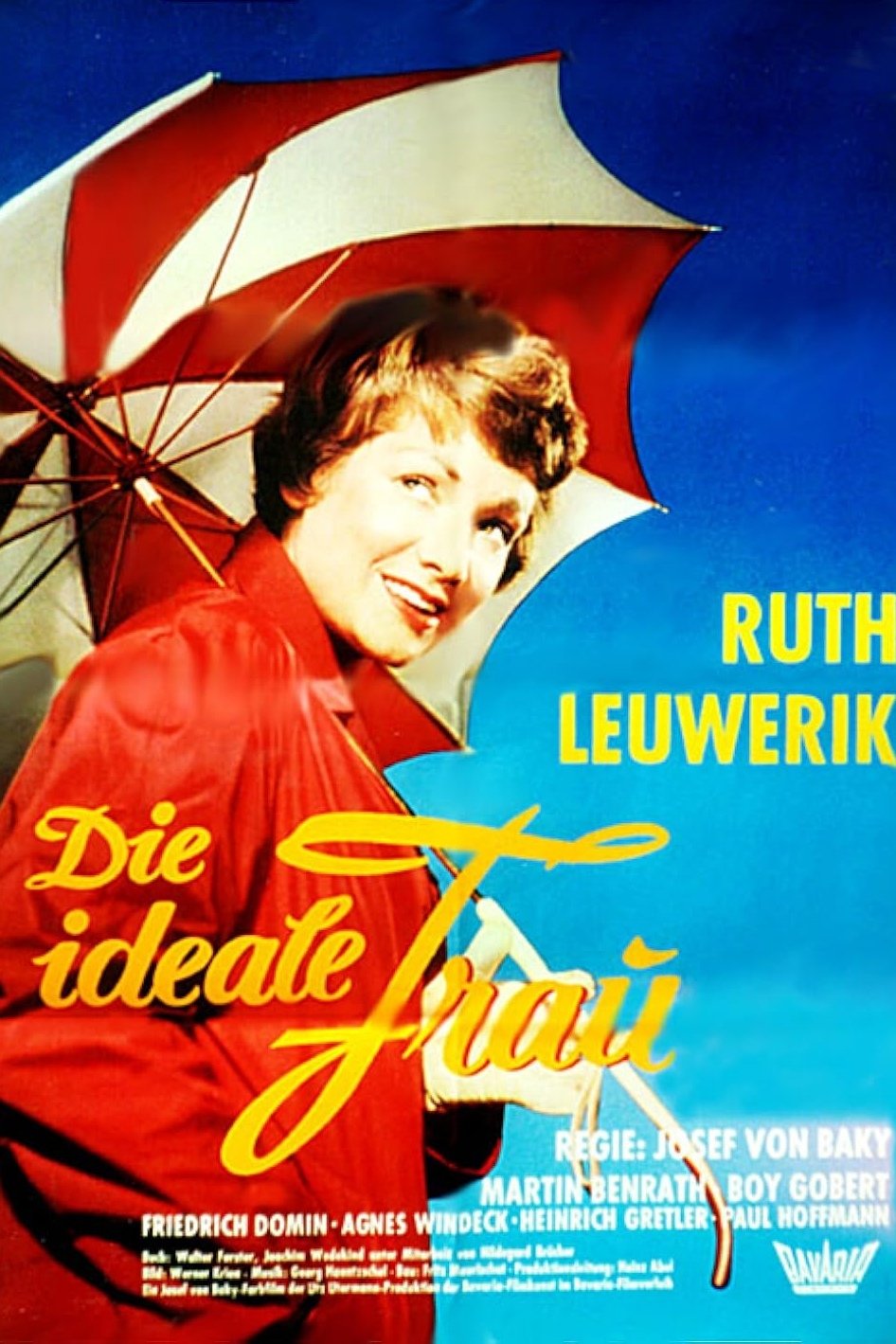
A woman as mayor is quite unusual in Germany in the 1950s, but Dr. Fanny Becker is a lawyer with experience in local politics, which is why she gets elected mayor of Rosenburg.
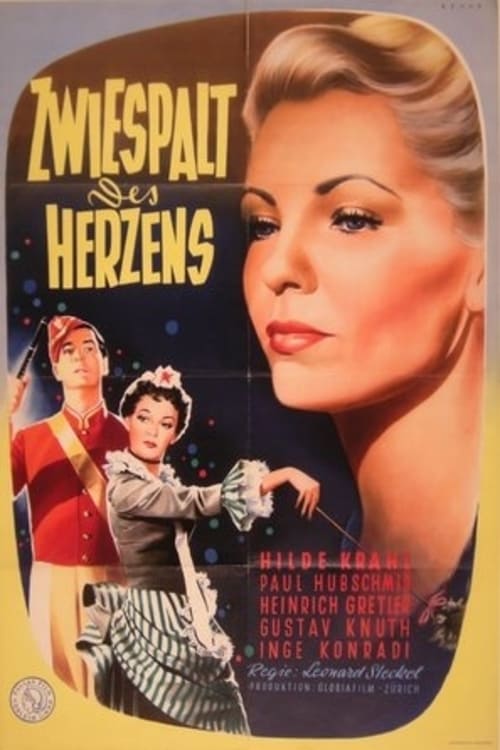
Unemployed and homeless actors following the dream of finding the future in South America. The manager Osvaldo Curtis tricks the group of colorful and failed artists to apply for a special visa overseas.
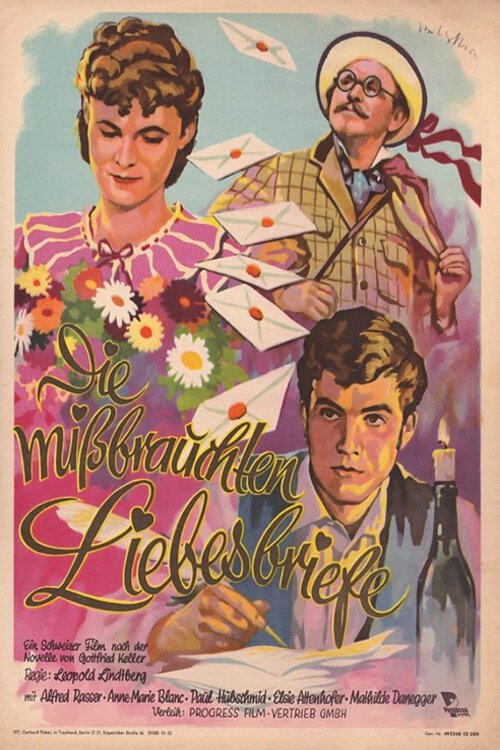
While on a longer business trip, a wannabe poet urges his beautiful but more simple wife to answer his overly swollen love letters. With no idea how to respond she forwards the letters to a new young school teacher to use his answers instead...
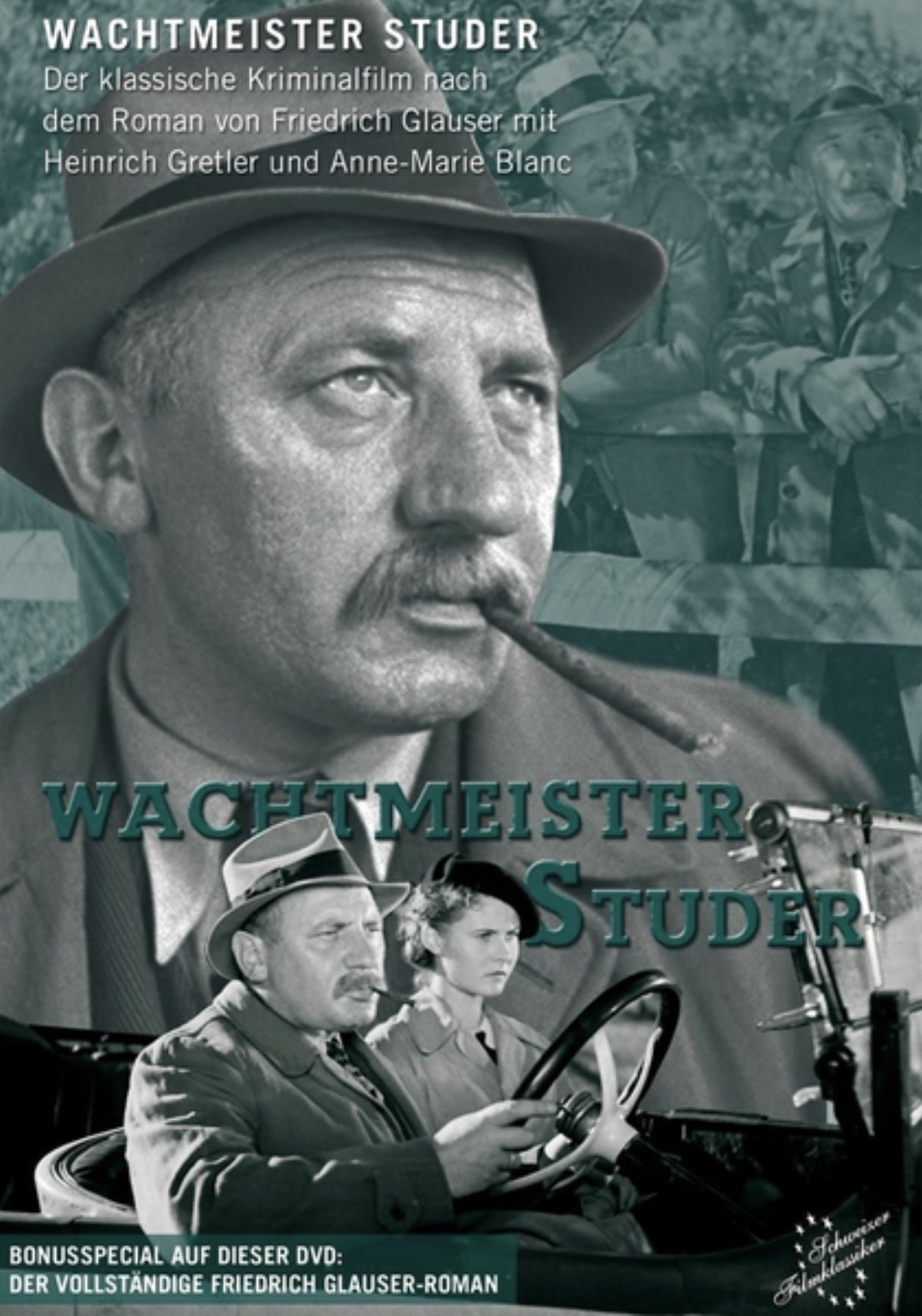
A policeman is not convinced that the prime suspect in a murder case is realty guilty and so decides to reinvestigate the case, despite the lack of co-operation from locals.
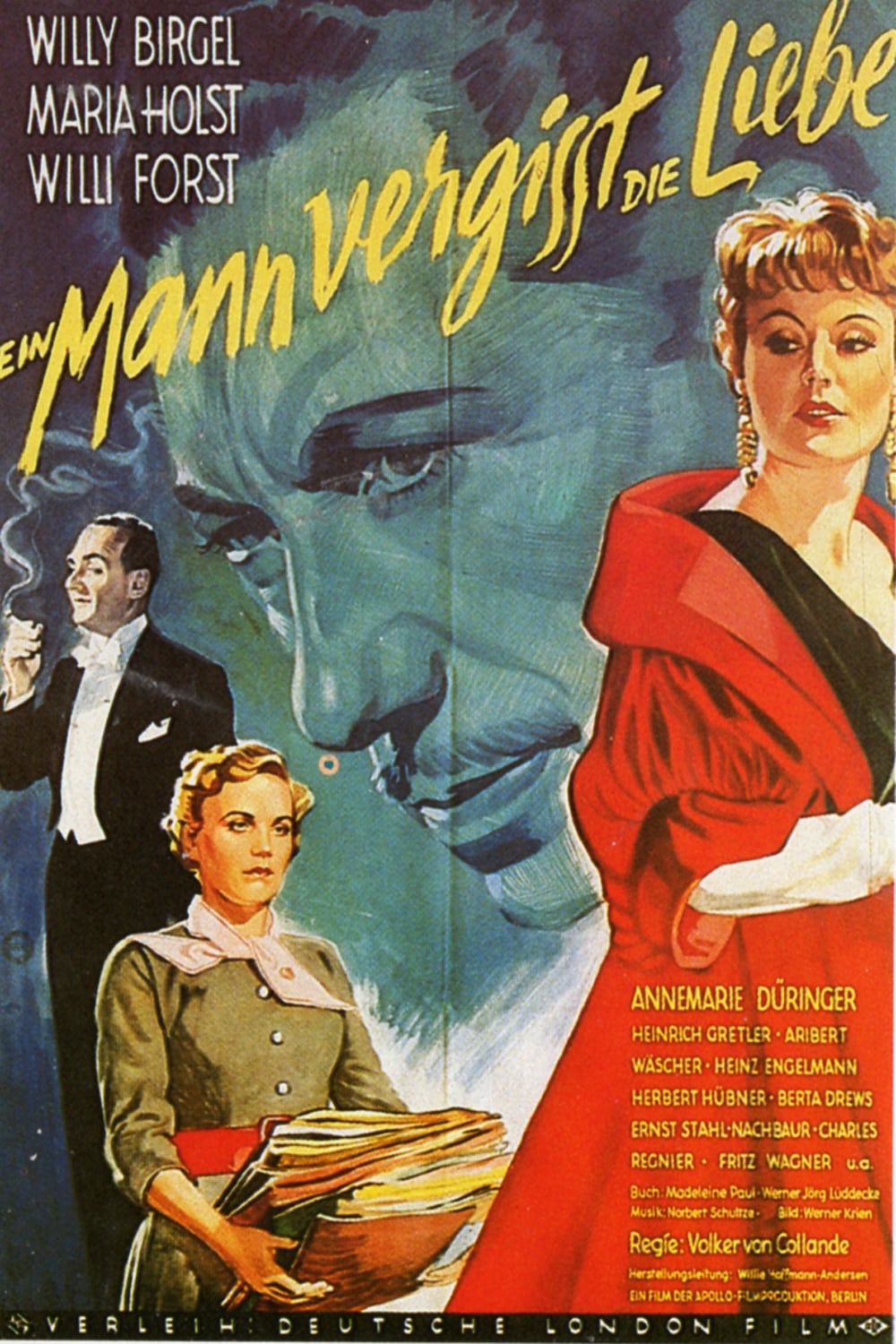
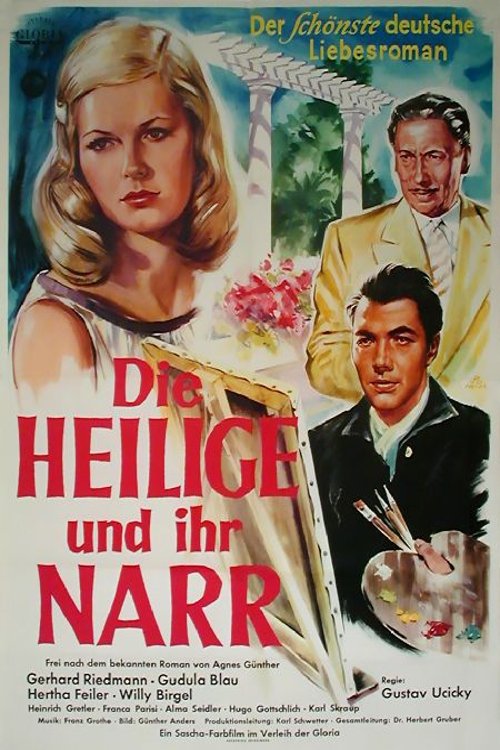
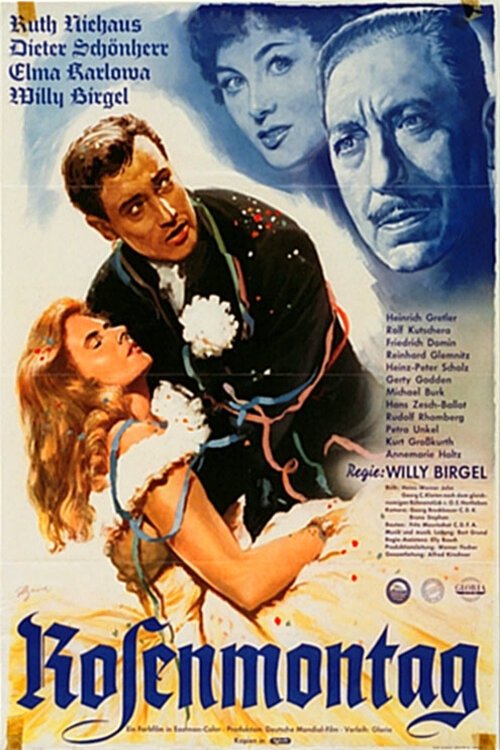
The young lieutenant Hans Rudloff is engaged to the daughter of a councilor of commerce. However, he is in love with the flower arranger Anna. In order to marry her, he is even prepared to resign from his post. But gossip and intrigue don't exactly make things easy for the two of them.
A young father has been left by his wife, and has to go on military service with his baby.
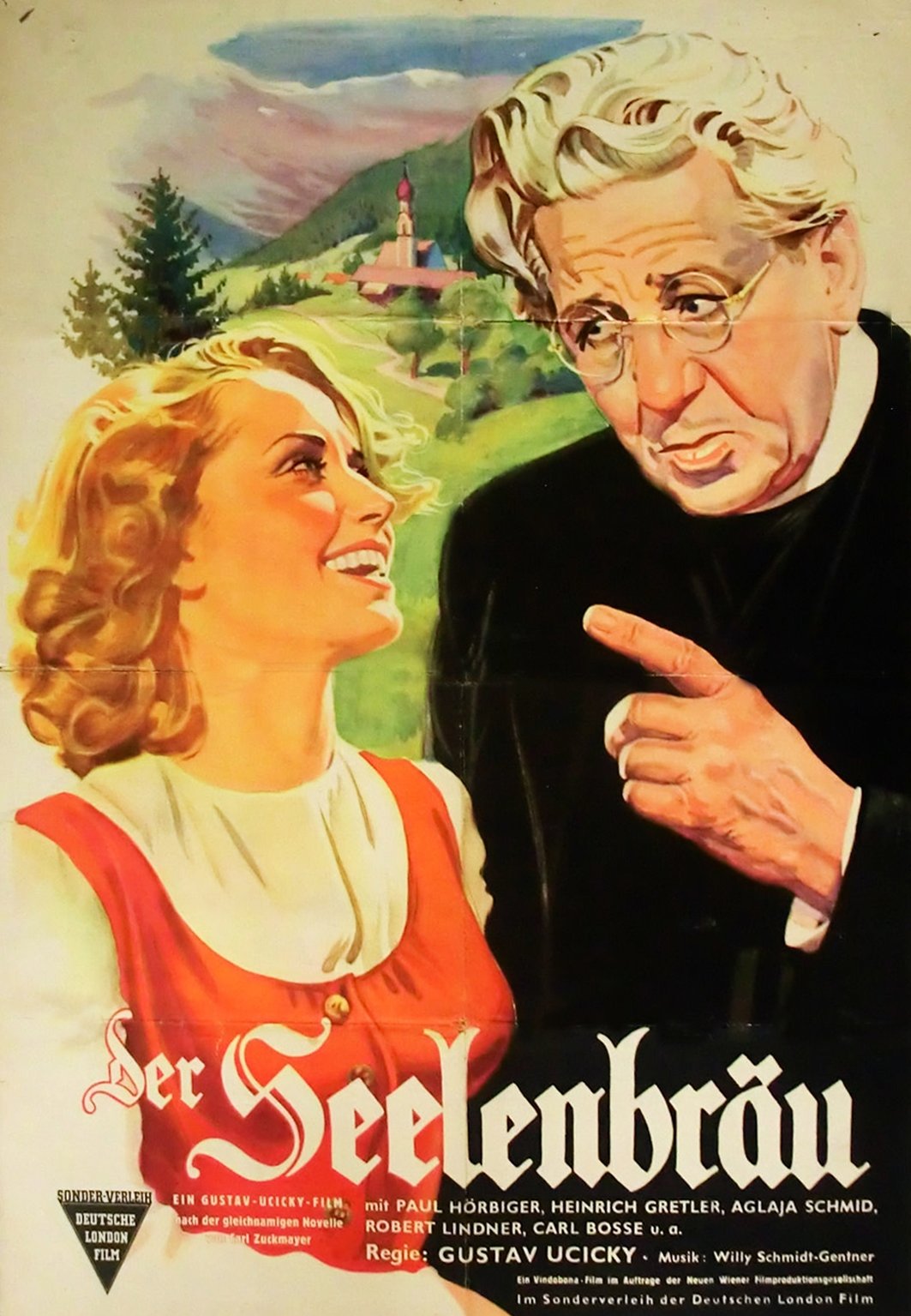
In Alt-Köstendorf in the Salzburg region, the dean, known as Seelenbräu, and the brewer Hochleithner, known in the village as Leibesbräu, are fighting for supremacy. As their nicknames suggest, Leibesbräu is primarily concerned with the physical well-being of the villagers, while Seelenbräu cares deeply about the faith of his congregation. This leads to repeated clashes between the two men, who could perhaps be described as stubborn. When Hochleitner's niece Clementine leaves the convent and wants to stay at home, a new dispute flares up between Seelenbräu and Leibesbräu.
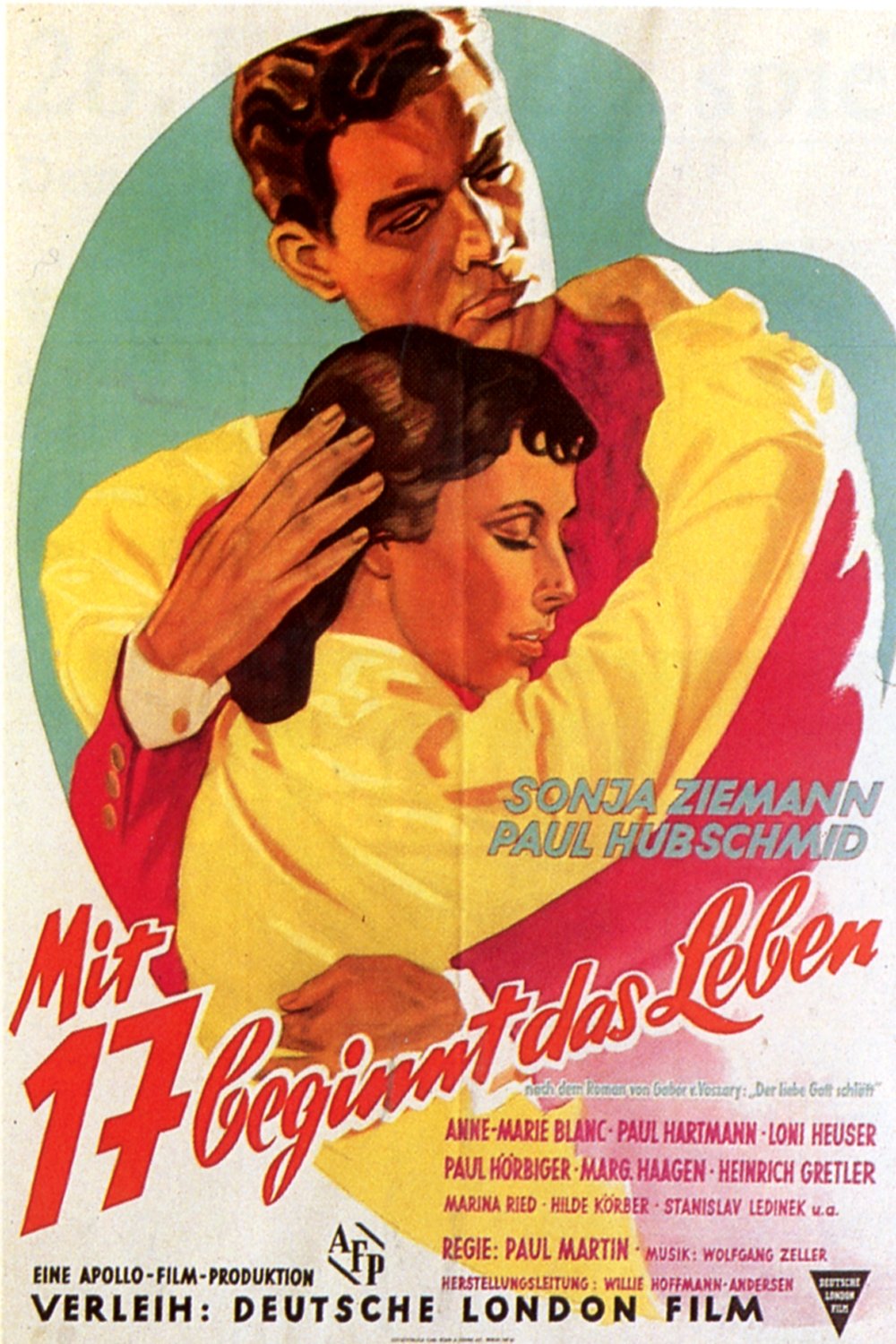
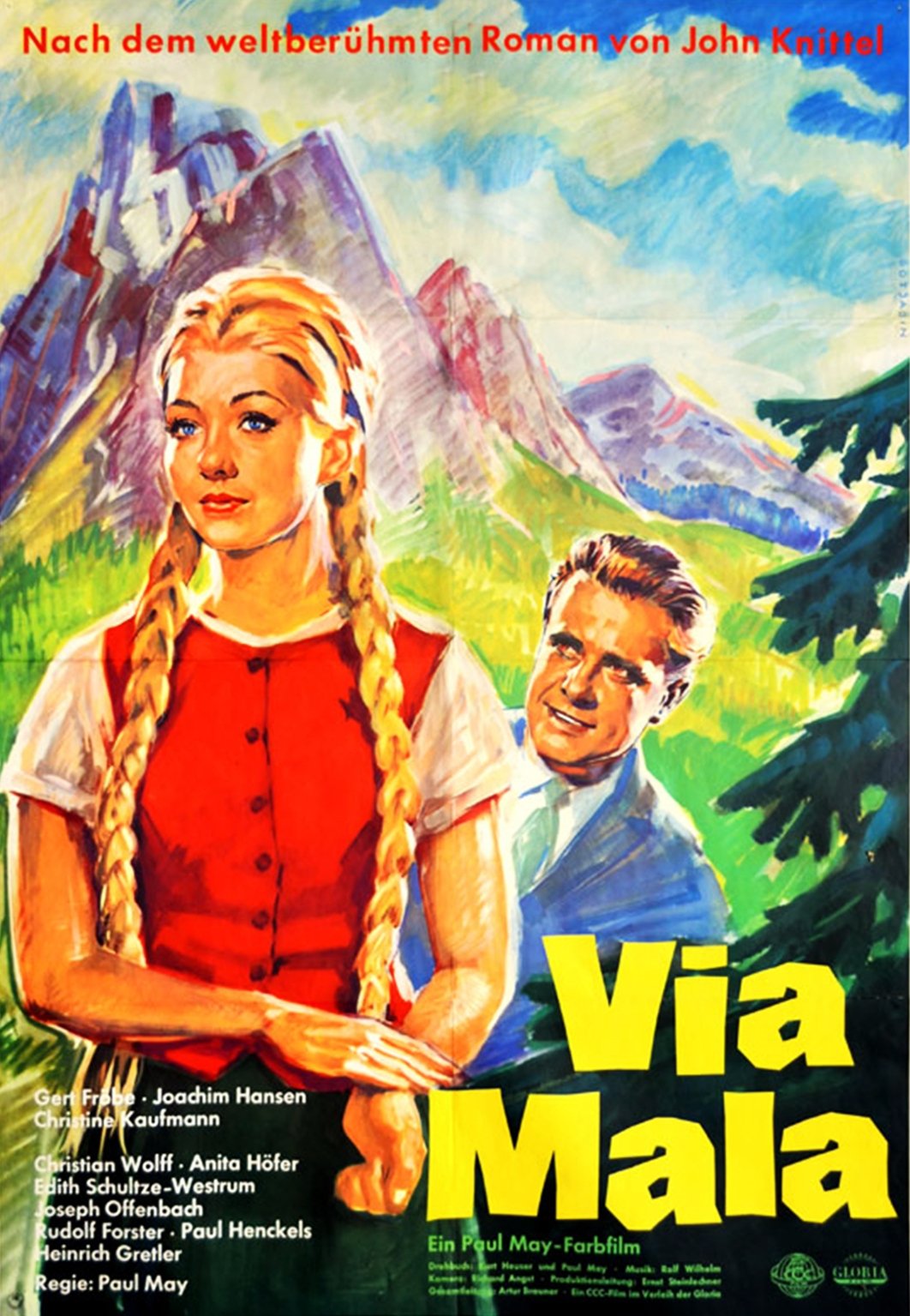
A godless sawmill owner makes his family's life so hellish that he has to be killed.

Matthias Scheichelroither is a poor but always cheerful, or rather, jolly farmer. He has grand plans for his son Heini, nicknamed "Heinerle": He intends for him to one day become a trained academic, a doctor. To achieve this, the old man scrims and saves to give Heinerle a perfect education. But Heini has other plans: Instead of focusing on his studies, he is drawn to music. With the help of Vivian Harrison, a wealthy American woman who is in love with him, he finally manages to organize his first concert as a composer.
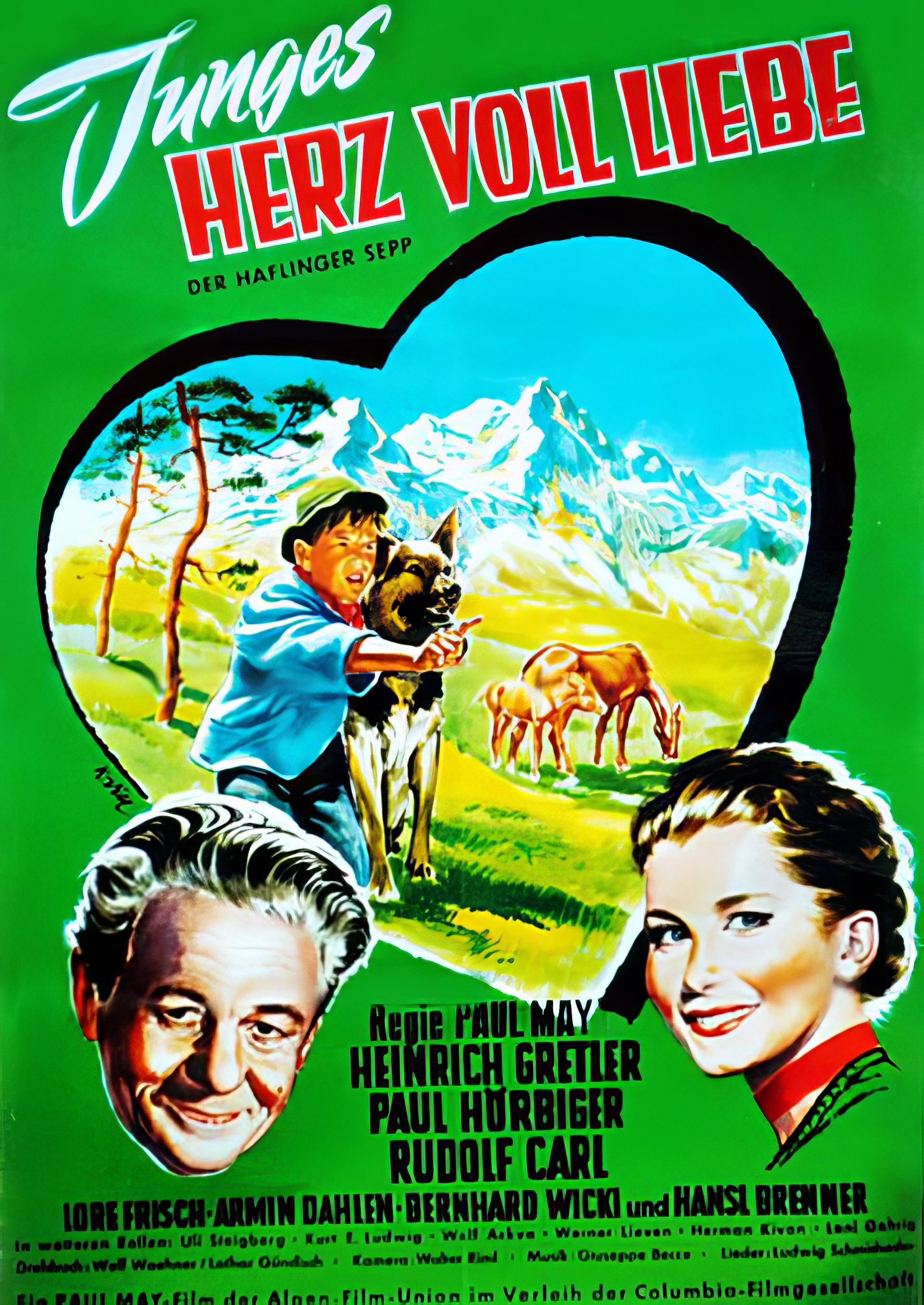
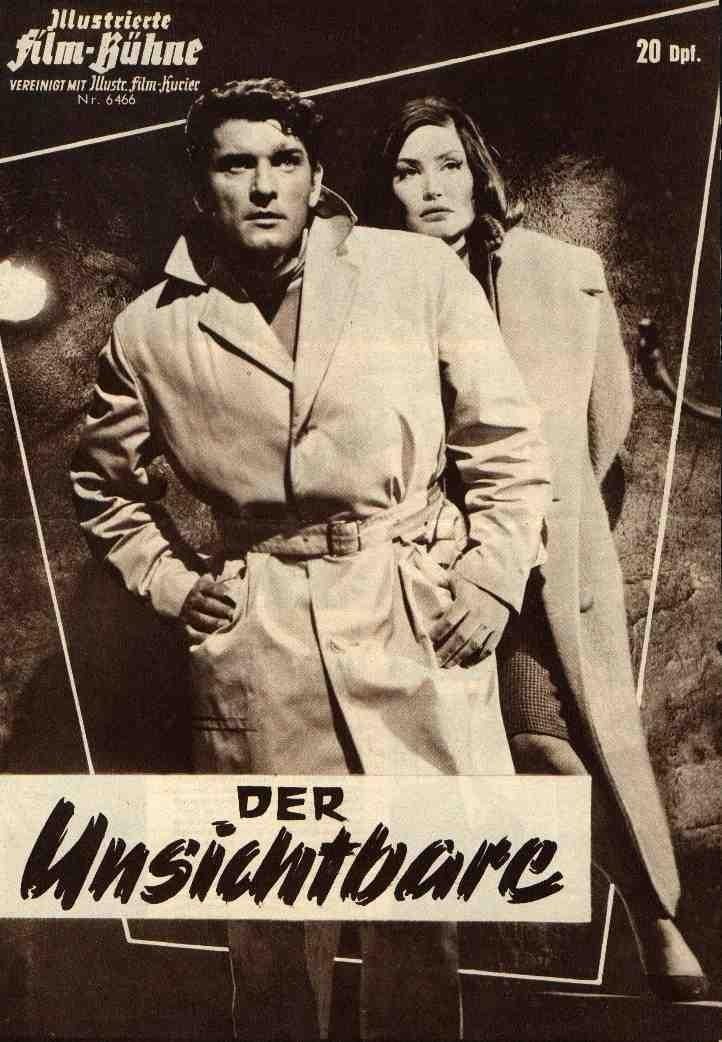
A scientist creates an invisibility formula, but it is stolen by a master criminal who uses it to commit even bigger crimes.

Dr. Stefan Donat, a doctor from Frankfurt, unexpectedly becomes the sole heir to his wife Agnes' estate after she dies of a terminal illness, even though they had been divorced for years. The change in the will in Stefan's favor was made on the day Agnes died in her apartment between 4 and 6 pm. The original heiress, Mingo Fabian, contested the will. She is 23 years old, Agnes' cousin and was also friends with Stefan Donat. She finds this step very difficult, but her lawyer, Dr. Bernburger, persuades her to take it, as he wants to marry her. The body is exhumed and shortly afterwards Dr. Donat is arrested on suspicion of murder...
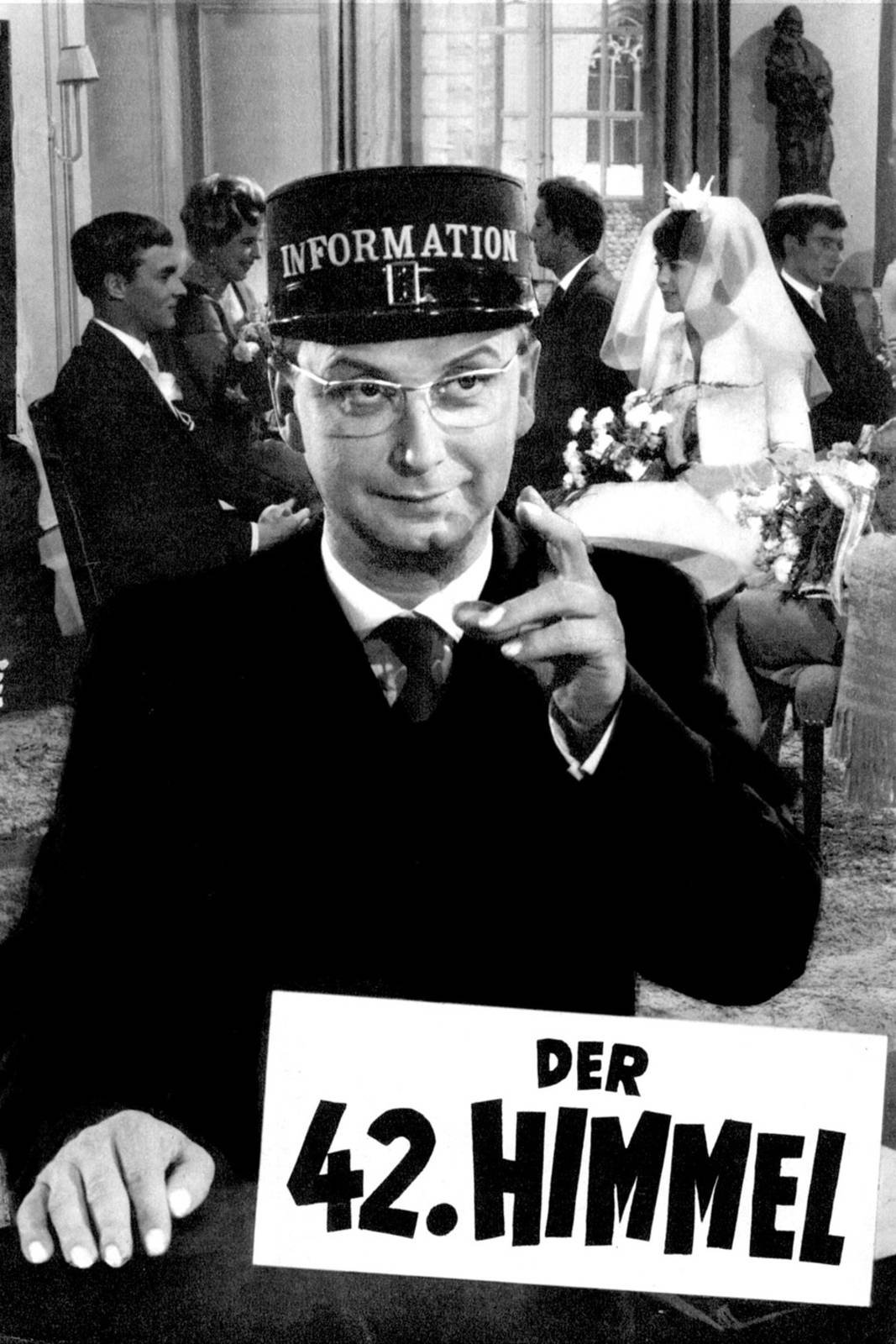
Musical comedy about a marriage registrar.
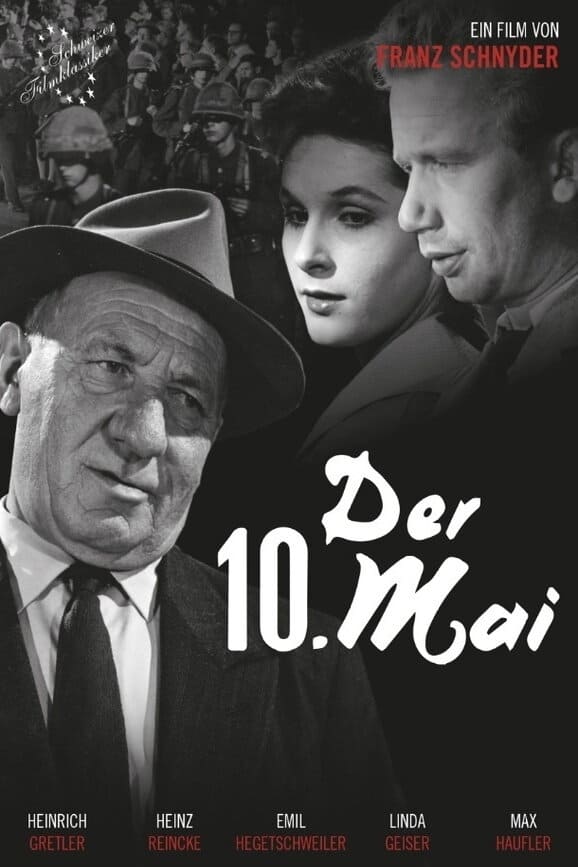
Der 10. Mai (The Tenth of May) was the date in 1940 that Hitler invaded the Low Countries: Belgium, Holland and Luxembourg. Neutral Switzerland, which hadn't experienced a war since the 14th century, hurriedly fortified its borders with battalions of inexperienced soldiers. The panic, confusion and isolated acts of courage which occurred on that fateful day are re-created in this Swiss docudrama. The story is "personalized" by concentrating on a fugitive German soldier (Heinz Reincke) who falls in love with the Swiss girl (Linda Geiser) who shelters him. Produced on a bare-minimum budget, Der 10. Mai is impressive more for its sincerity and raw energy than for its actual cinematic merits.

Jeff Elliot is an American GI investigating a black market gang in Munich.
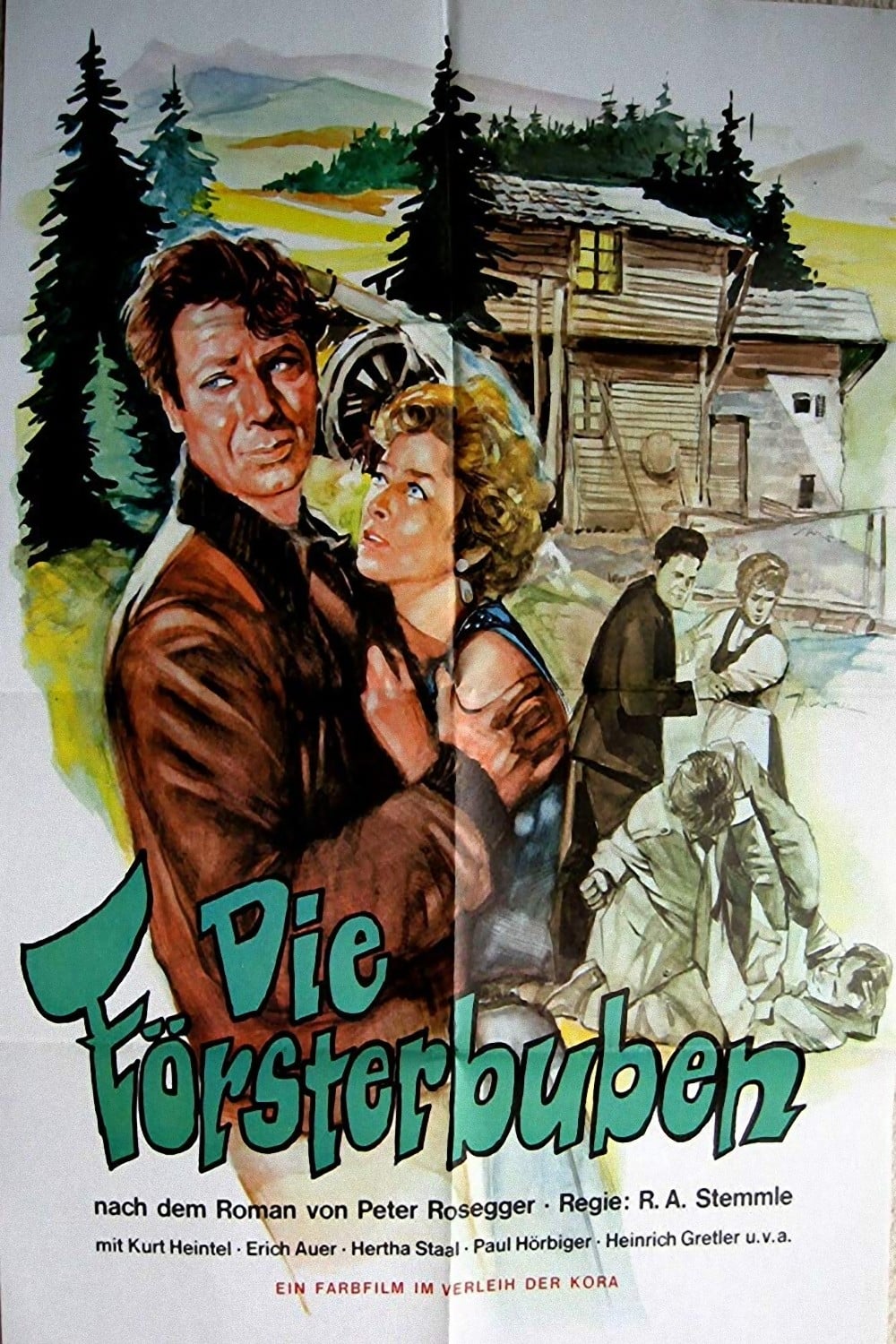
When seminarian Martin Rufmann arrives in St. Eustachen, idyllically located in the Carinthian mountains, the local choral society is celebrating a joyous festival. Martin is the youngest son of the widowed head forester Thomas Rufmann. Martin's older brother Friedolin has inherited his father's love of hunting and is one of the best hunters in the area. He is also engaged to the pretty innkeeper's daughter Helene Schwarzaug. At the feast, Friedolin and his cronies drink heavily to the black liquor of the charcoal burner Krauthaas. Friedolin and the townspeople Günther have a loud argument in front of everyone. When Günther is found murdered a short time later, suspicion immediately falls on Friedolin. To save his brother, Martin accuses himself of the crime. The two brothers are arrested. The real culprit soon turns himself in, but in the meantime Thomas Rufmann has disappeared without a trace.
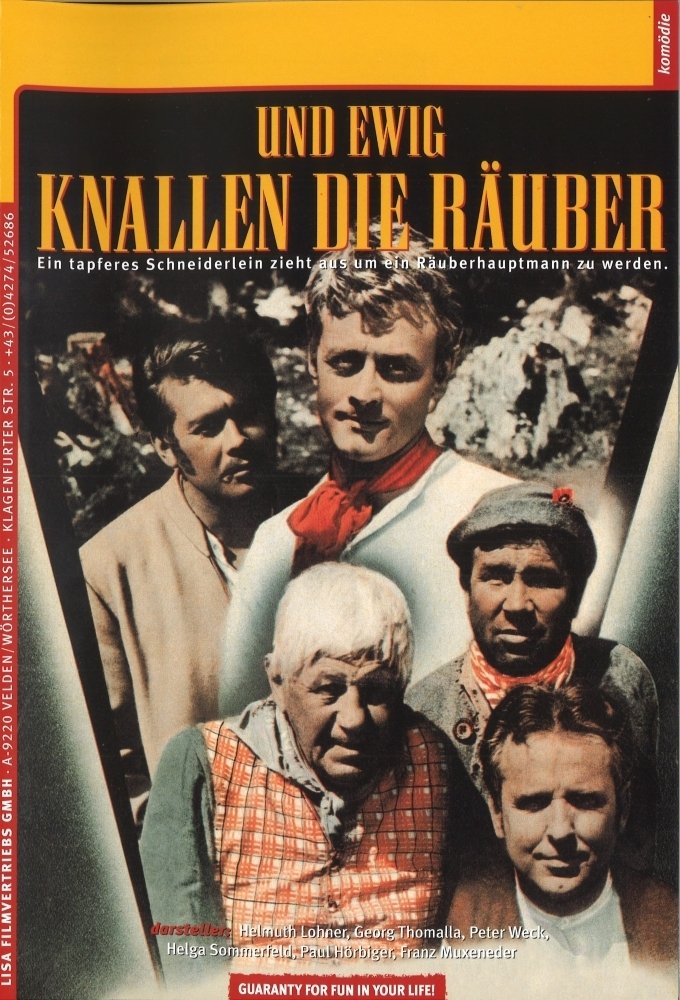
A meek tailor named Nickolaus decides to form a band of robbers to proof his manliness. Unfortunately he soon draws the attention of an actual gang-leader, Der Rote Rollo.
Dr. Felsner goes on a business trip to Switzerland to flirt with the dashing Gerti. But his clever wife Edith is on guard.
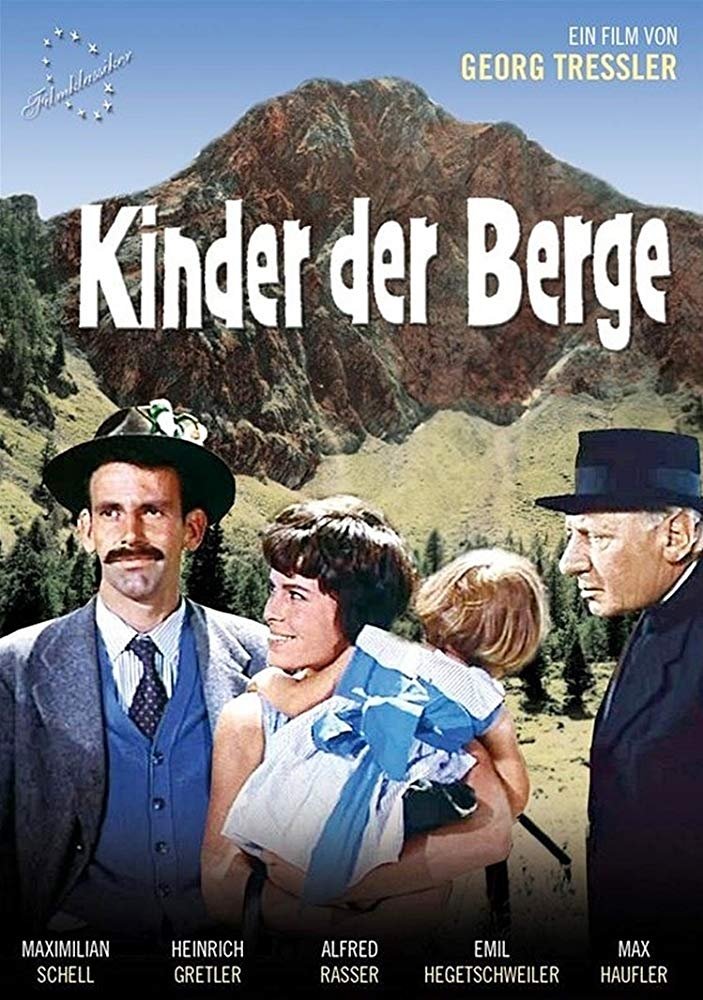
Josef Rainer is a road worker in a mountain village in Liechtenstein. His wife Marianne works as a waitress in a restaurant to improve the meager housekeeping money. Some people ask themselves why she has married that poor devil since she could have married into money. But she stays to the keen wood carver. He works out fantastic objects of tree roots, but villagers jeer at him. The family dreams to get a cow of their own to be more independent. One day Josef scrapes together all savings and goes to the cattle market. Due to lack of money, a clever farmer palms a skinny, sick cow off on him. The children Hansli and his friend Ludmila take the cow to their heart. Ludmila even lends her name to the animal. Some time later Josef falls from a mountain and is unable to work for a long time. So a decision is made that cow Ludmila which produces no milk has to be slaughtered.
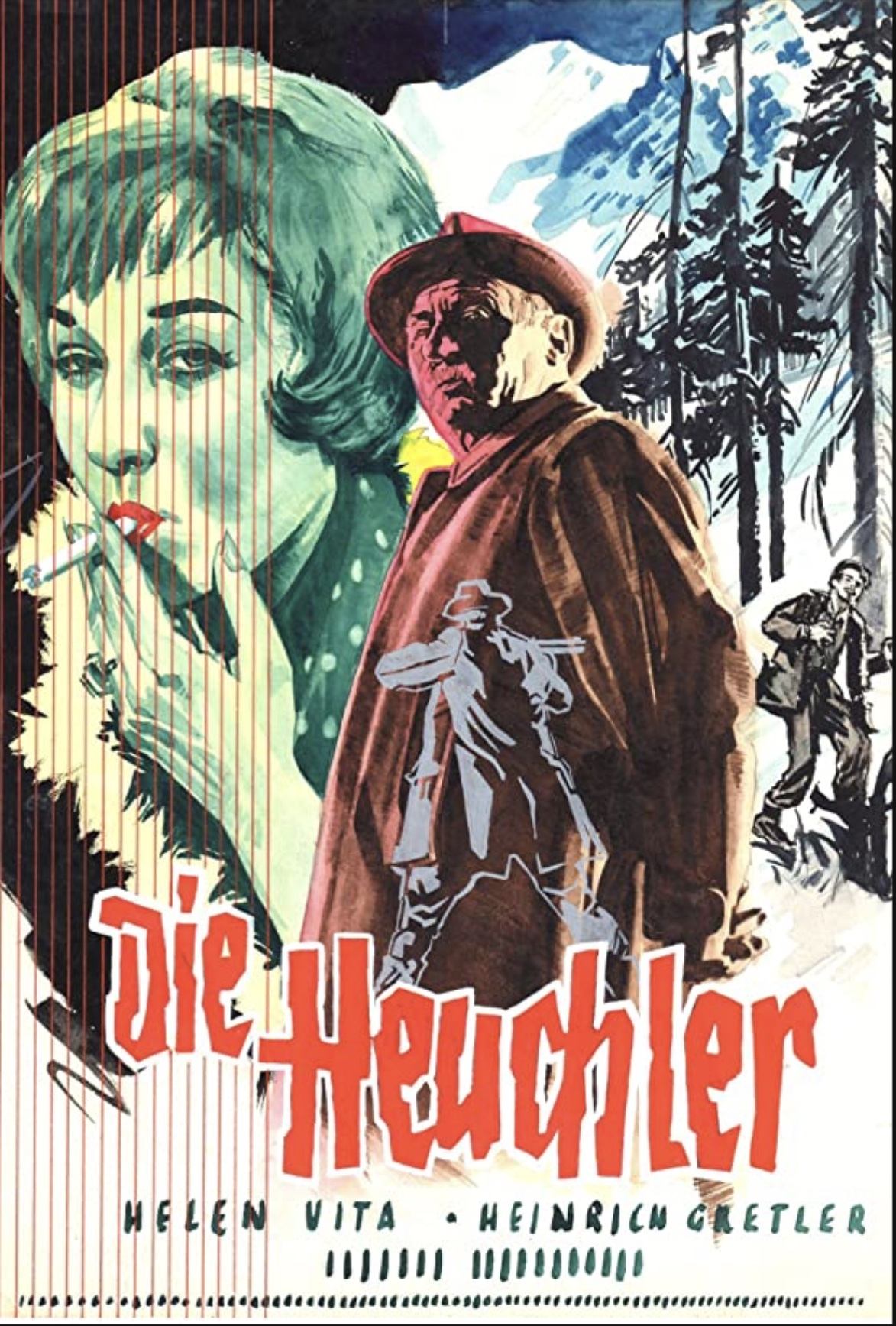
In the forest of Hablikon, the administrator Reichle is found shot dead. He had gone hunting with three other respected citizens of the community. Detective Sergeant Müller takes charge of the investigation. The first suspect is the nephew of one of the hunters, who was also at the scene at the time of the shooting and was on parole from prison. With no clear motive, Müller focuses his attention on the honorable and irreproachable fellow hunters. Their clean facade begins to crumble during his investigations. Village doctor Amsler, banker Meier, and architect Häuptl all had something to hide. Reichle knew about their private and business misdeeds. Müller also learns from Alvine Dünki, the dead man's lover, that money from the community coffers was used for the four men's entertainment. The murderer is convicted after the crime is reconstructed.
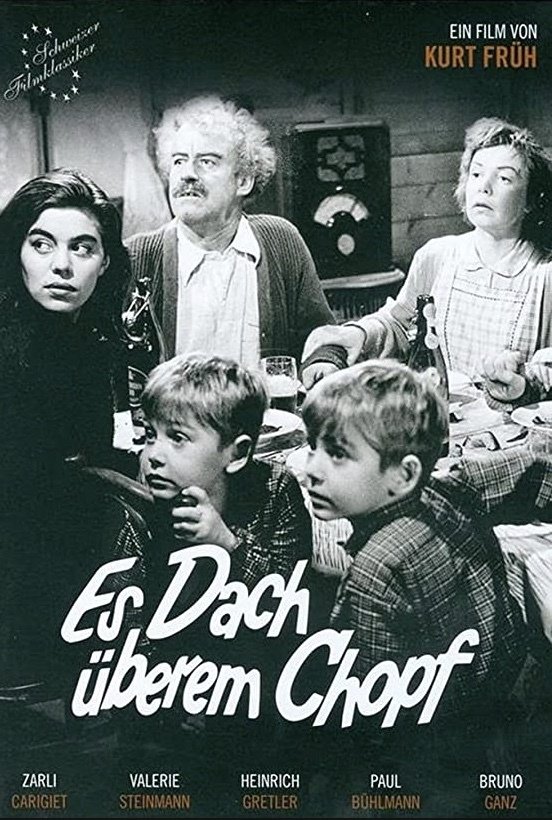
A poor family with 6 kids that live in a ramshackle hut are suddenly offered a nice flat for cheap - with the landlord hoping they'll drive away their new neighbors whom he wants out of his building.
A sailor on leave meets a beautiful girl on the ski slopes of Switzerland.
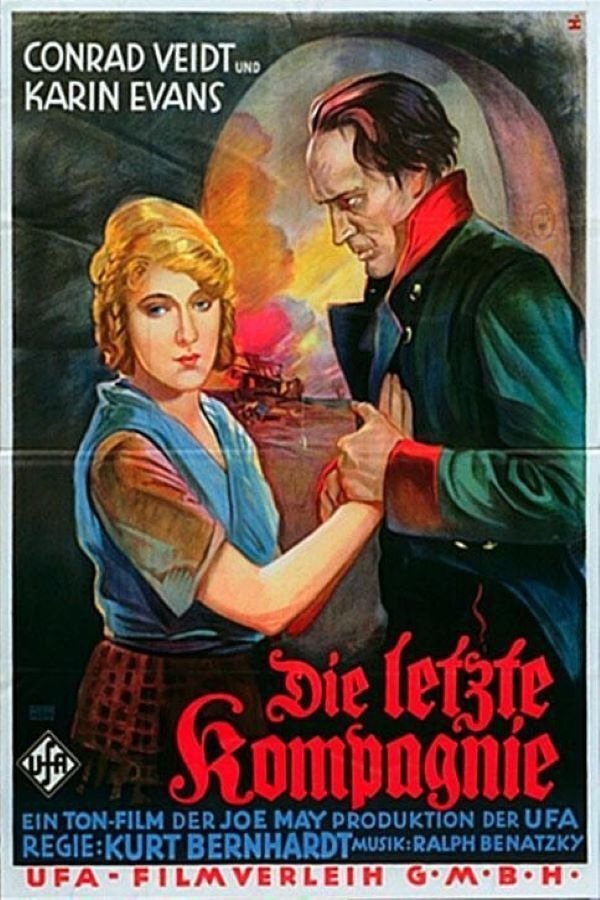
Following the Battle of Jena in 1806 as the French armies commanded by Napoleon overrun Prussia, a small detachment of Prussian troops take up position in a windmill and resolve fight to the last man to hold them off for as long as possible. Meanwhile, the windmill owner's daughter chooses to stay and fight alongside them.
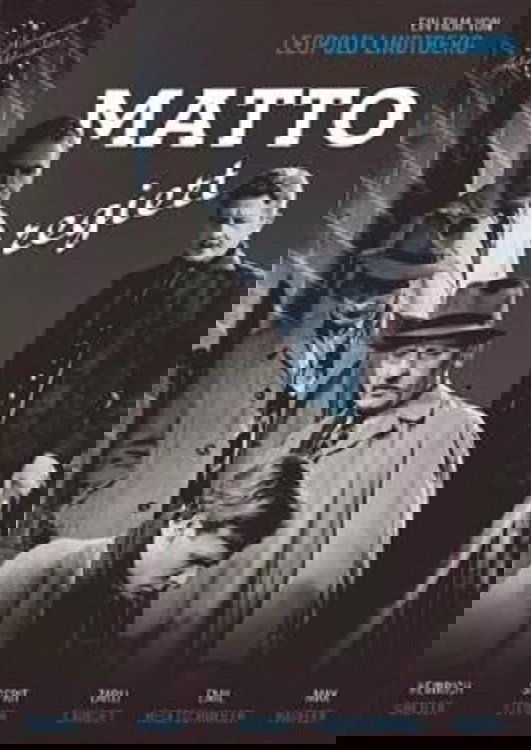
If any one man is responsible for the rejuvenation of the postwar Swiss film industry, that man was director Leopold Lindtberg. Matto Regiert (Madness Rules) was co-adapted for the screen by Lindtberg from a novel by Friedrich Glauser. Heinrich Gretler stars as Police Constable Studer, the hero of several of Glauser's most popular works. This time, Studer must solve the murder of the director of an insane asylum -- and it's not (surprise, surprise) the most likely suspect, manic-depressive patient Herbert Caplaun. For box-office purposes, Matto Regiert stresses a romantic subplot involving Caplaun and nurse Irma Wasem.
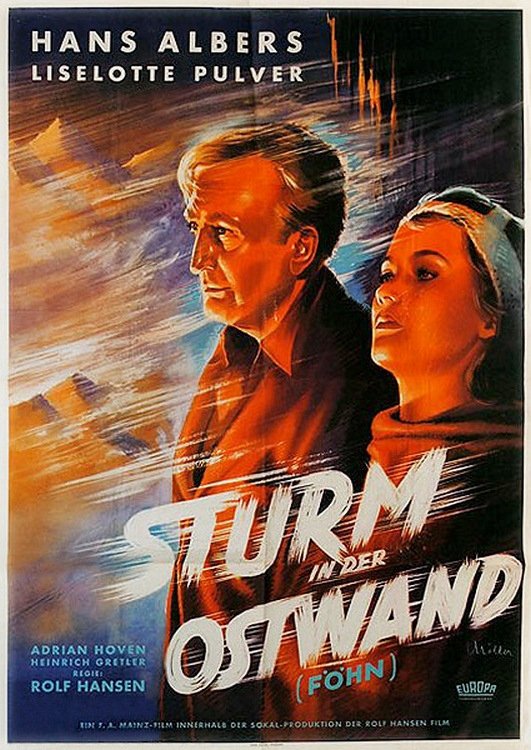
The aging Dr. Johannes Jensen still cannot come to terms with the fact that his wife died in an avalanche during a mountain hike they took together twenty years ago. When a young couple plans to climb the same mountain, Jensen fears that the incident might repeat itself. He tries in vain to dissuade them from their plan. When they get into trouble, Jensen manages to save them, sacrificing his own life in the process.
The women of a Swiss community finally want to achieve equal rights. At the top of the uproar is the midwife Spyri, who does not want to be married by the head of the district, Stirnimann. They succeed in abducting the head of the community and using his former lover in his place.
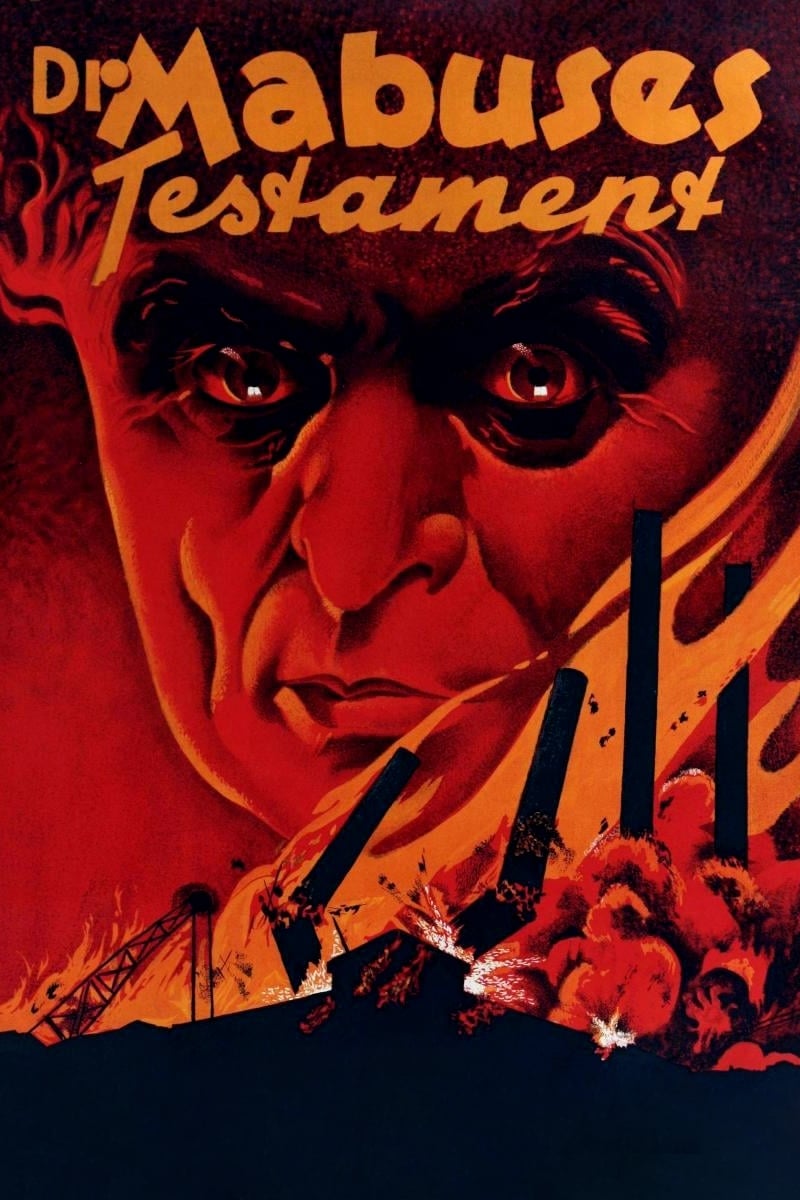
After a detective is assaulted by thugs and placed in an asylum run by Professor Baum, he observes the professor's preoccupation with another patient, the criminal genius Dr. Mabuse the hypnotist. When Mabuse's notes are found to be connected with a rash of recent crimes, Commissioner Lohmann must determine how Mabuse is communicating with the criminals, despite conflicting reports on the doctor's whereabouts, and capture him for good.
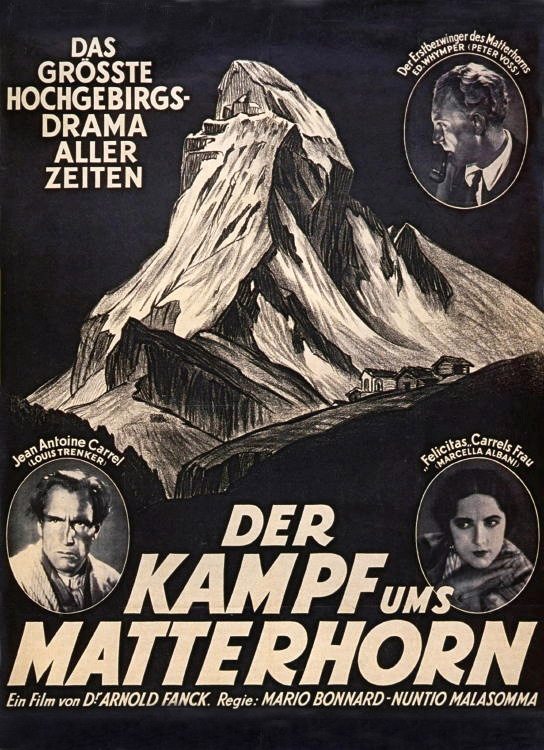
Struggle for the Matterhorn (German: Der Kampf ums Matterhorn) is a 1928 German-Swiss silent drama film co-directed by Mario Bonnard and Nunzio Malasomma and starring Luis Trenker, Marcella Albani, and Alexandra Schmitt. The film is part of the popular cycle of mountain films of the 1920s and 1930s. Art direction was by Heinrich Richter. Based on a novel by Carl Haensel, the film depicts the battle between British and Italian climbers to be the first to climb the Matterhorn. Trenker later remade the film as The Challenge in 1938.
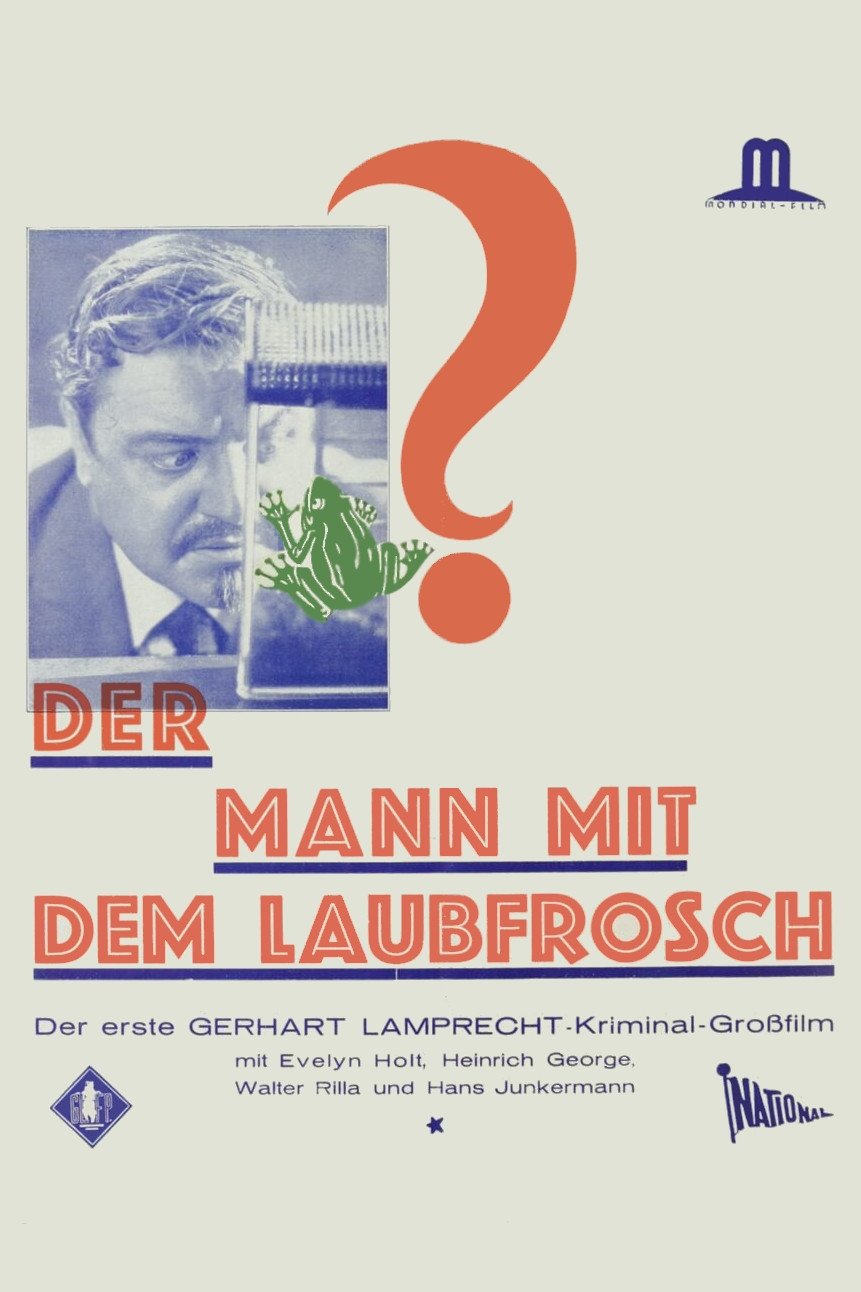
An unknown guest checks into an obscure hotel. He is a burly but well-dressed gentleman carrying an umbrella and a tree frog in a glass. This man spends most of his time wandering the hallways and staircases of the inn, ostensibly to hunt for flies to feed his pet. But quite obviously, there is more to it than that: the man also listens at doors and peeks through their keyholes.
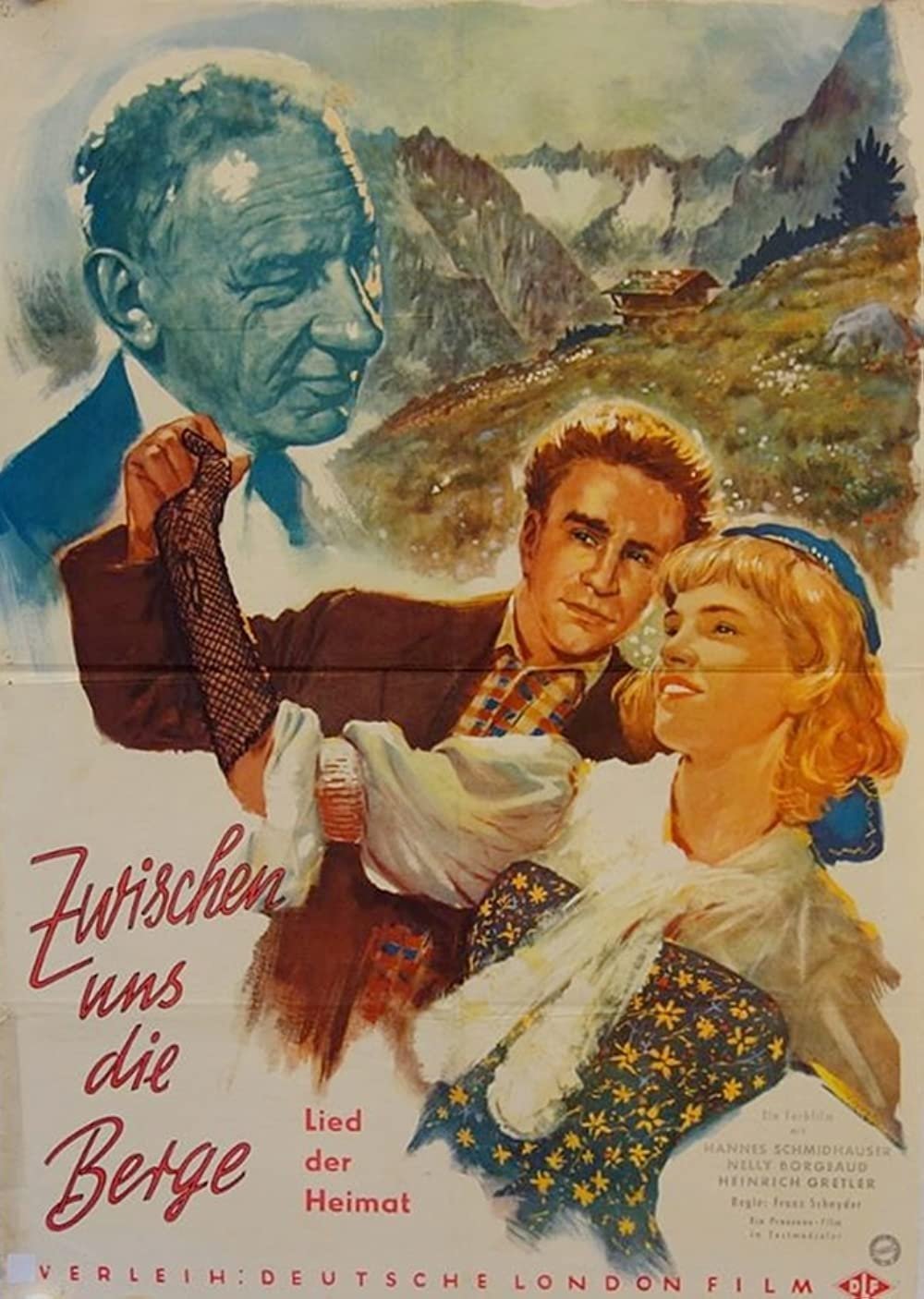
After the death of his parents, Beat Matter grows up with the Escher family. Their son Dominik is his best friend. As a young man, Beat enlists for two years of service with the Papal Swiss Guard in Rome. Shortly before starting his service, he meets Dominik's fiancée Jacqueline at an Alpine festival. He falls in love, even though he knows that Jacqueline is already promised to someone else.
Re-education film by Wolfgang Becker.
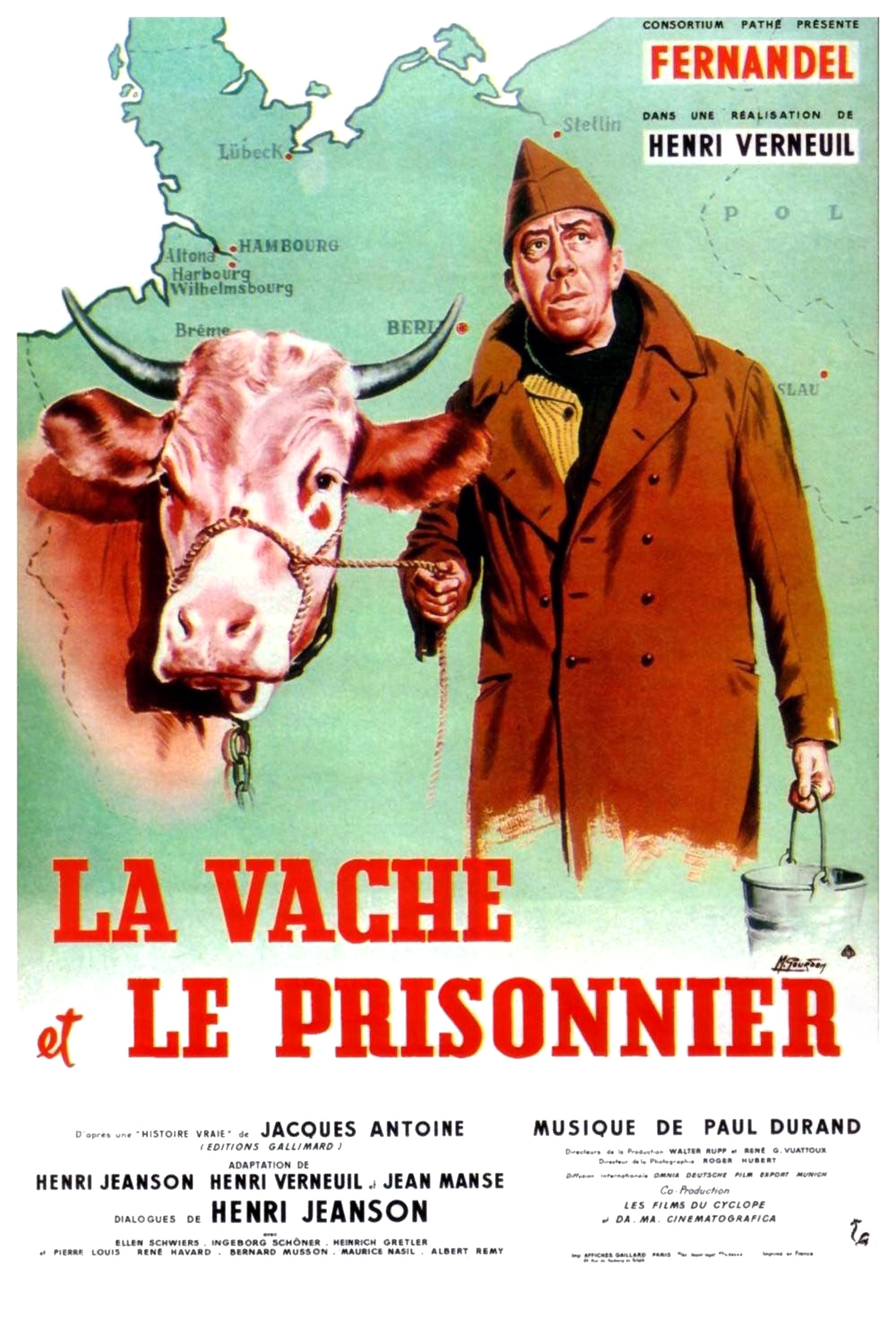
In 1942, a French prisonner of war in Germany decide to escape to France using a cow hold by a lunge as a decoy. He cross all Germany in this way.
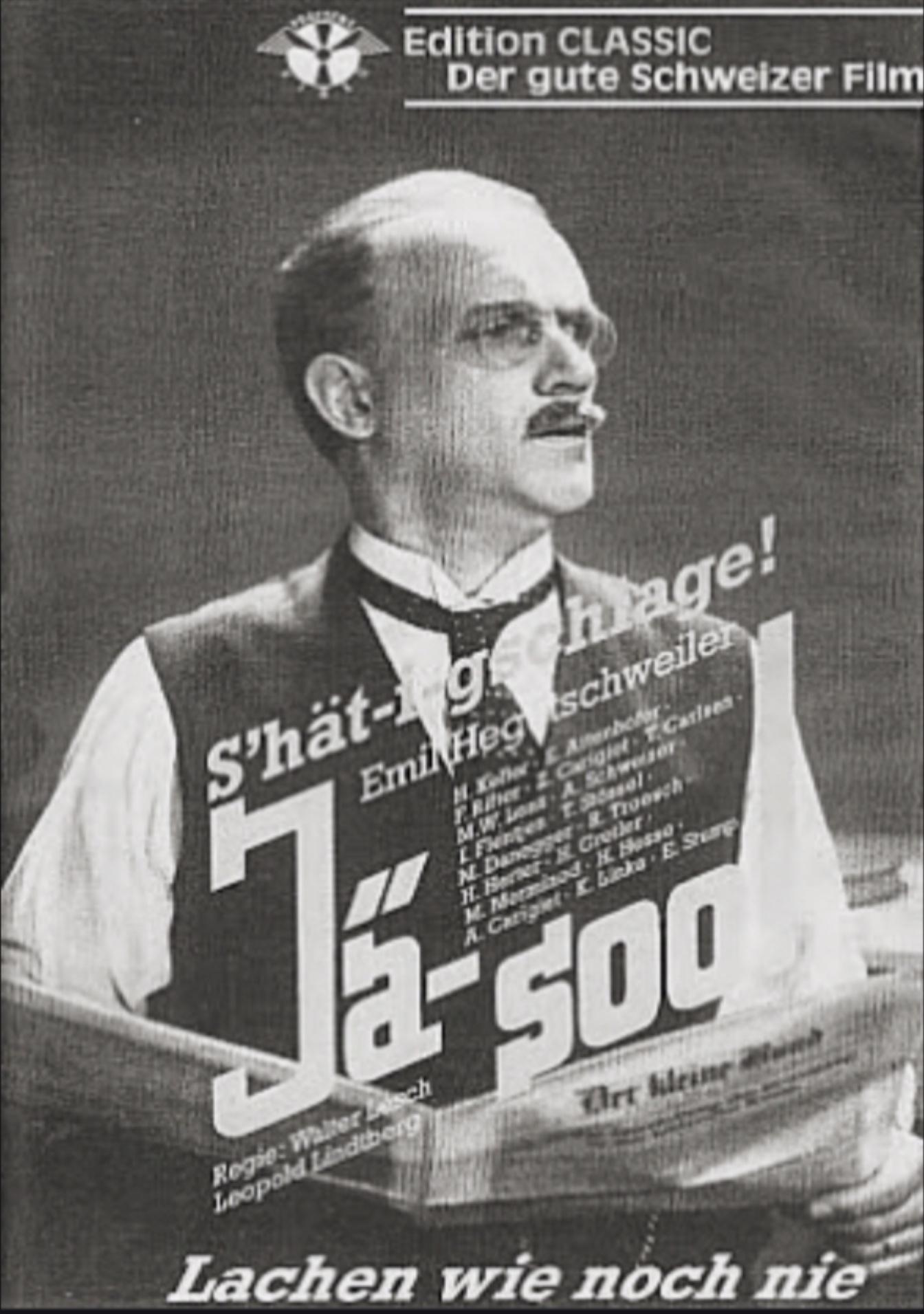
Provincial shop owner Jakob Stäubli and his wife Frieda are looking forward to celebrating Christmas together with their daughter Nelly. But Nelly doesn't come. She prefers to celebrate in the city in the company of her new boyfriend André, a "better gentleman." The saddened Stäublis decide to sell their shop and move to Zurich as well. As they explore the city together after the move, the two country bumpkins find themselves in all sorts of turbulent situations. Father Stäubli is also exposed to erotic temptations when his daughter's lover sends a woman after him to get money out of him.
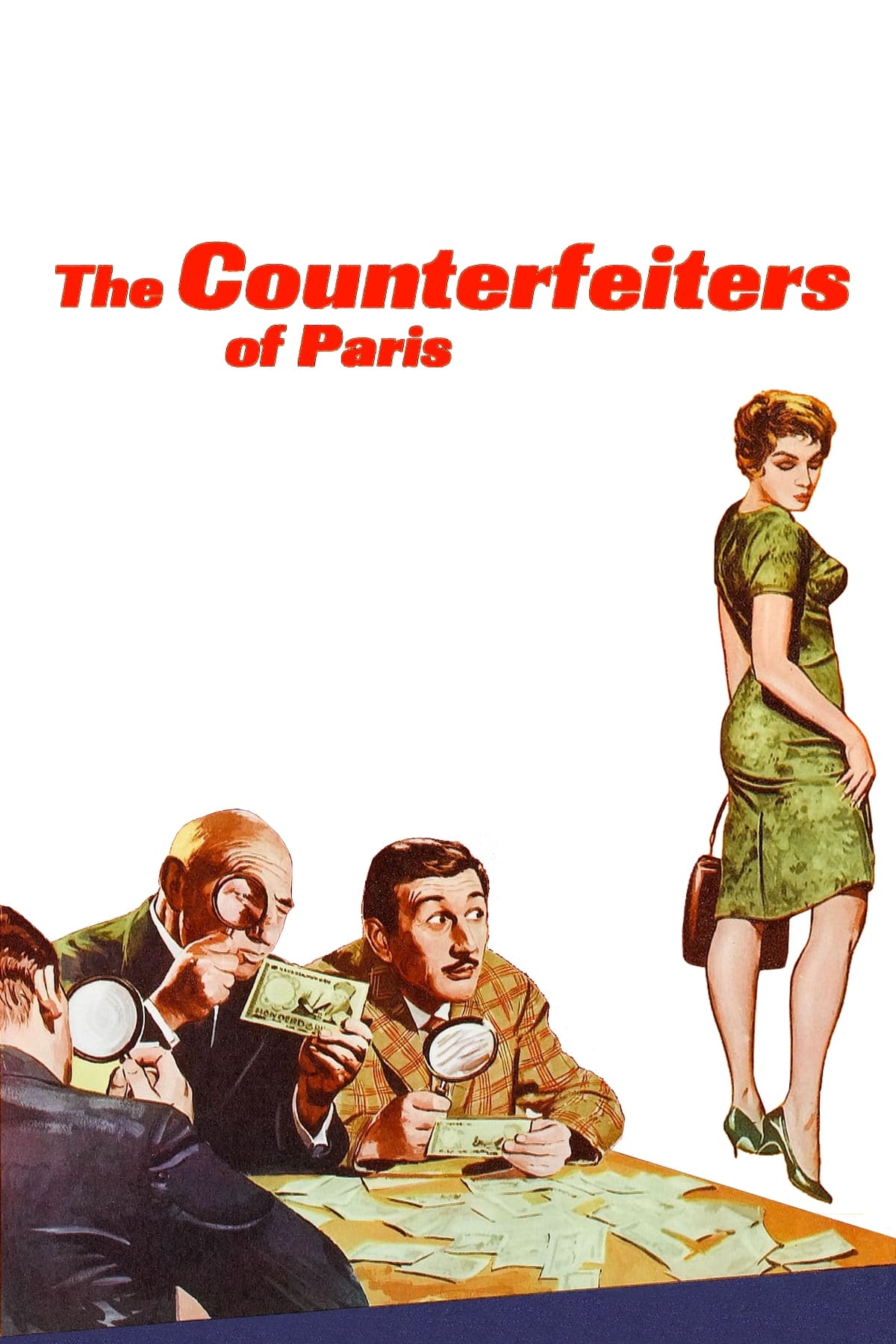
"Le Dabe" retired many years ago and now he lives in the Tropics where he owns stables and horses. He is a very rich man. He was the king of all money counterfeiters. He is contacted from Paris to organize a new job. He says no. But when he finds out the the currency that should be counterfeited is the Dutch florin, he accepts immediately. He retired after having counterfeited 100 florin notes just before the Queen Wilhelmina retired them from circulation. He flies to Paris. But the gang is not to be trusted, at least not all of them.
The story revolves around the confusion that arises when a supposed gold discovery in Valais divides the village community. The plot combines elements of a cultural film about old customs in the Lötschental valley with a naive storyline that achieves a strangely powerful effect through its simple realism.
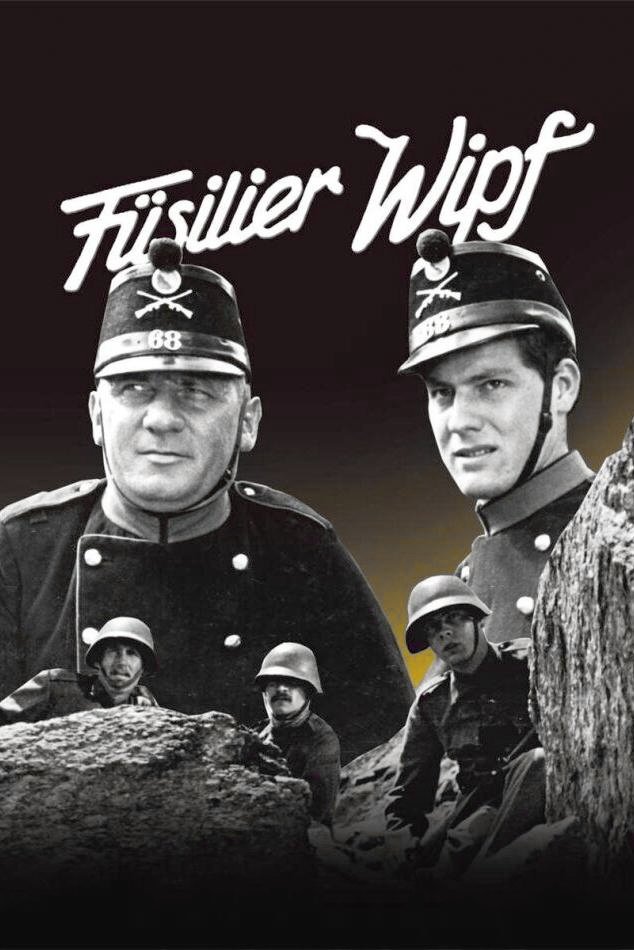
A hairdresser is being recruited during World War I by the Swiss military where they turn this soft civilian into a 'real man'.