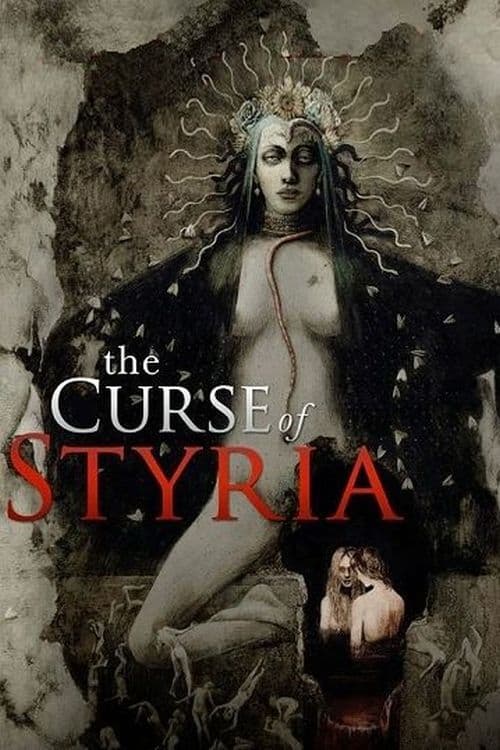
In 1989, Lara Hill, accompanies her art historian father to an abandoned castle across the Iron Curtain. From a car crash outside of the castle, emerges the beautiful and mysterious Carmilla. Lara secrets Carmilla into the castle and the two are drawn into an intoxicating relationship. But when Carmilla mysteriously disappears, and women of the town begin committing suicide, Lara’s psychic wounds erupt into a living nightmare that consumes the entire town of Styria.

Karrer plods his way through life in quiet desperation. His environment is drab and rainy and muddy. Eaten up with solitude, his hopelessness would be incurable but for the existence of the Titanik Bar and its beautiful, haunting singer. But the lady is married and Karrer is determined to keep her husband away...
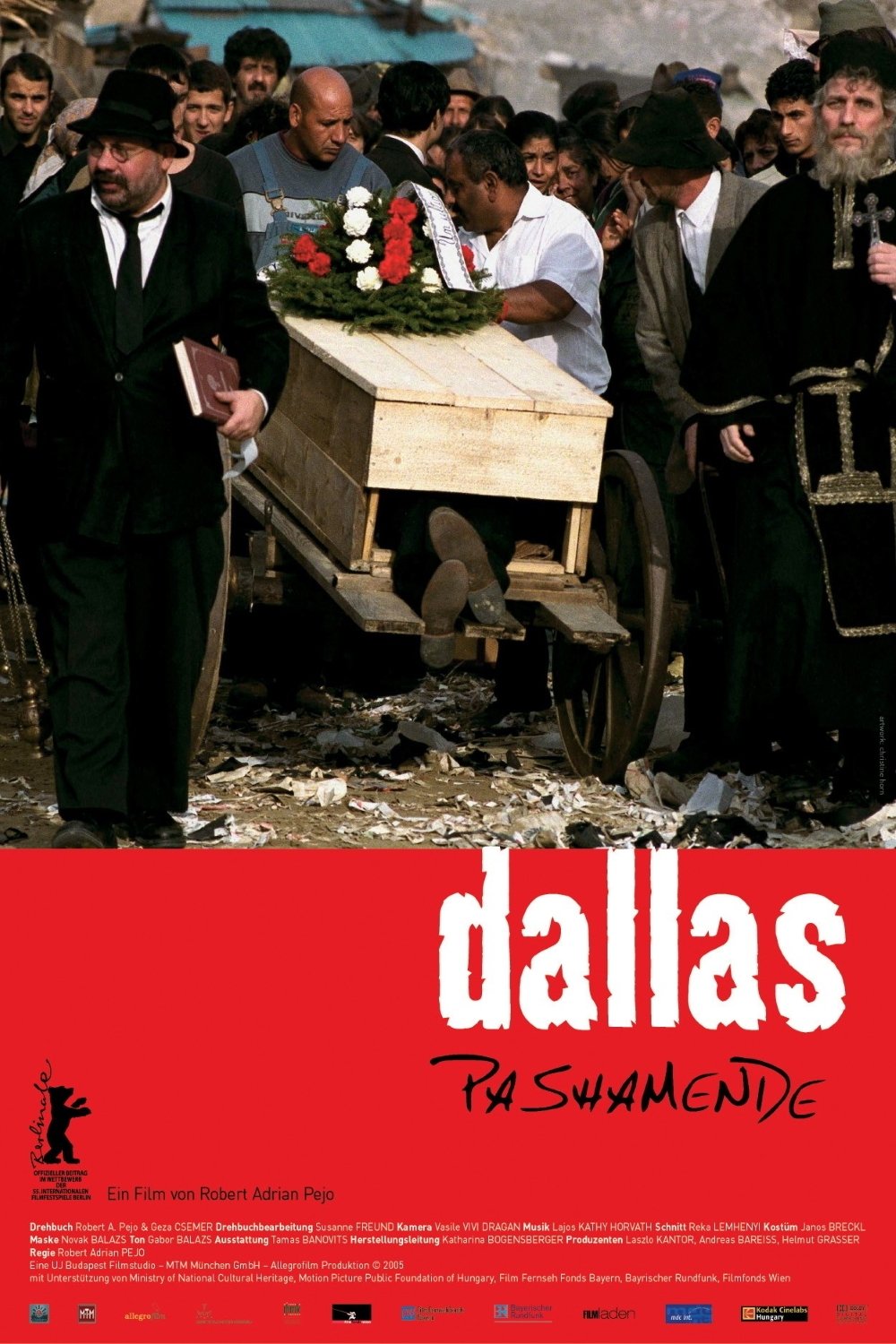
On a garbage dump, people try to make a living in the poorest of conditions.
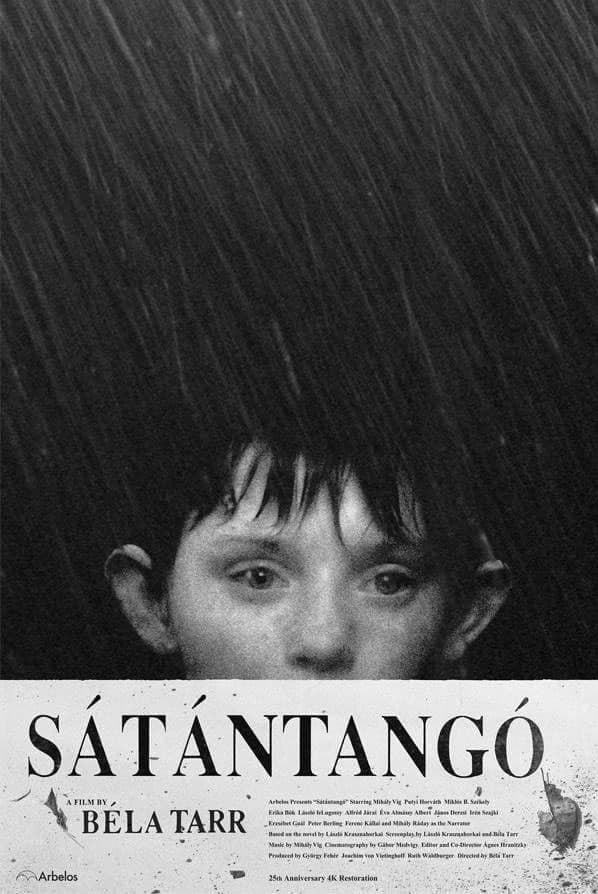
Inhabitants of a small village in Hungary deal with the effects of the fall of Communism. The town's source of revenue, a factory, has closed, and the locals, who include a doctor and three couples, await a cash payment offered in the wake of the shuttering. Irimias, a villager thought to be dead, returns and, unbeknownst to the locals, is a police informant. In a scheme, he persuades the villagers to form a commune with him.
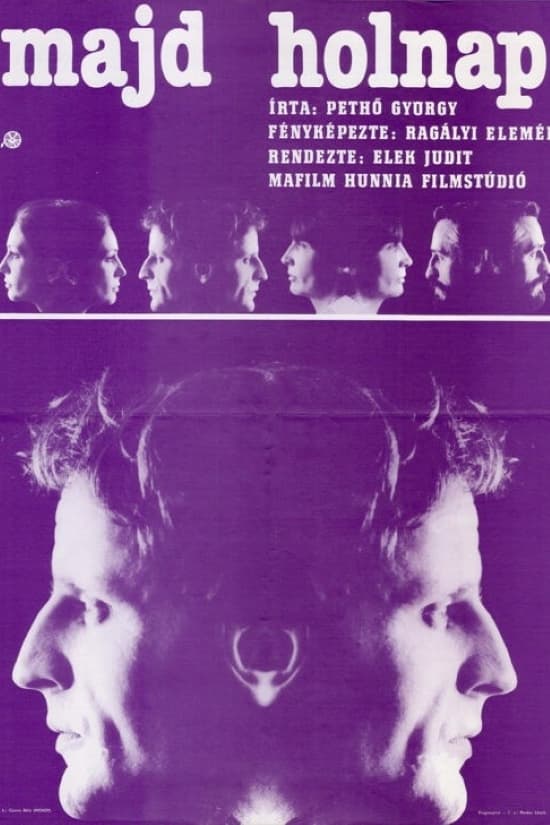
A couple in love, but sadly married to other partners. What is to be done? A diagnosis of a comfortable but profoundly incapable society, a Hungary suffering from an endemic private life disorder, observable both among the urban middle and the rural lower classes. A descent into a relationship’s demise, more from the tired inertia of a country that has lost all direction and sense of purpose than any ill will.
Concerning the Mátyás era in Hungarian history, during the reign of Matthias Corvinus (1443–1490), the film focuses on three eras of the king's life: the young Mátyás fights for the throne, the older Mátyás as king, and the fate of the royal crown and the royal heir after his death.
For this austere, clear and sharp telefeature, Judit Elek focused on the last months of Martinovics’ life: his interrogation by the Austrians, the examining Magistrate Schilling in particular, shown as a battle of wits as well as delusions on both sides. Elek had wanted to make this film in the early 1970s, but wasn’t allowed to. When she finally got the chance, the reactions were predictable, as the parallels with recent Hungarian history were simply too obvious for officialdom not to feel anxious. History may not repeat itself, but the variations look eerily similar.

In the closed world of a Catholic monastery shortly after World War II the post-war insecurity exacerbates the walls. A new world order has arrived. The monastic life begins to break down as some of the monks start to morally decline.

Directed, written, and co-produced by Zoltan Kamondi), Kisertesek ("Temptations") illustrates the struggle between ancient traditions and the modern world of restless young Marci (Marcell Miklos), a fatherless young man who is considered somewhat of an outcast within the community.
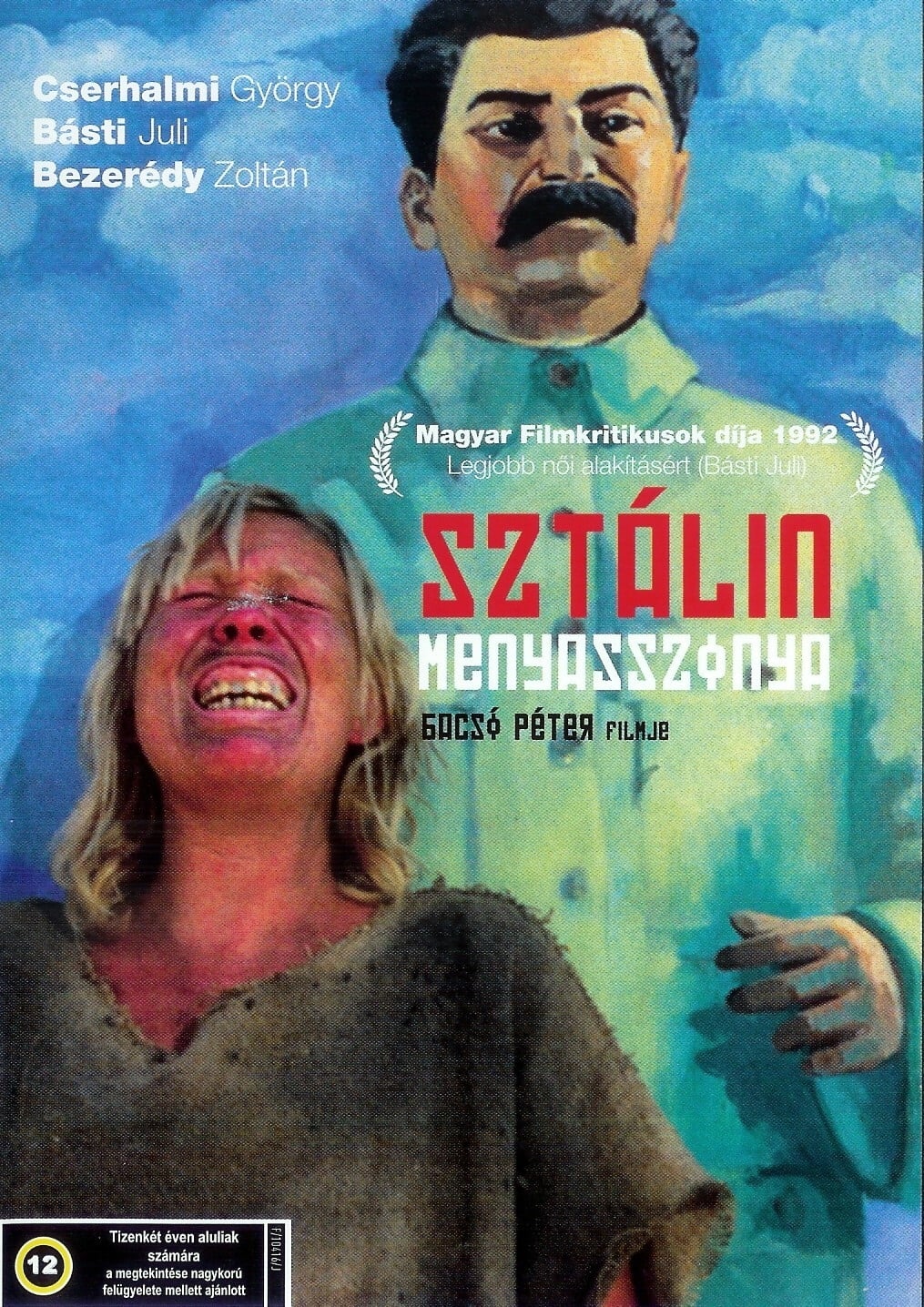
At a dusty crossroads in the Soviet Union villagers surrender their possessions - a horse, a samovar, a goat - to the state. The train which takes them away brings to the village a physically and mentally handicapped woman, barely able to speak. She makes herself bracelets of burrs and studies herself in a cracked and cloudy mirror. Befriended by very few, teased and tormented by many she seeks protection at a huge portrait of Stalin.
The story is set in a block house area, where number of strange events take place. Everybody has something to hide, nobody is innocent. Only a little girl chooses to confront the forces of evil.
A boy returns home from the institution where he grew up, but finds he is not welcome there. He fights to win the love of his family but ends up murdering them.
1938: Shostakovich encourages his pupil Fleischmann to write an opera based on the Chekhov story 'Rothschild's violin'. Fleischmann is killed during the siege of Leningrad. Shostakovich completes the orchestration, but in 1948 is advised to suppress the opera, during Stalin's campaign against "rootless cosmopolitans". Jewish motifs enter Shostakovich's own work.
In this dense setting, the inhabitants of a large, claustrophobic apartment reveal their darkest secrets, fears, obsessions and hostilities.
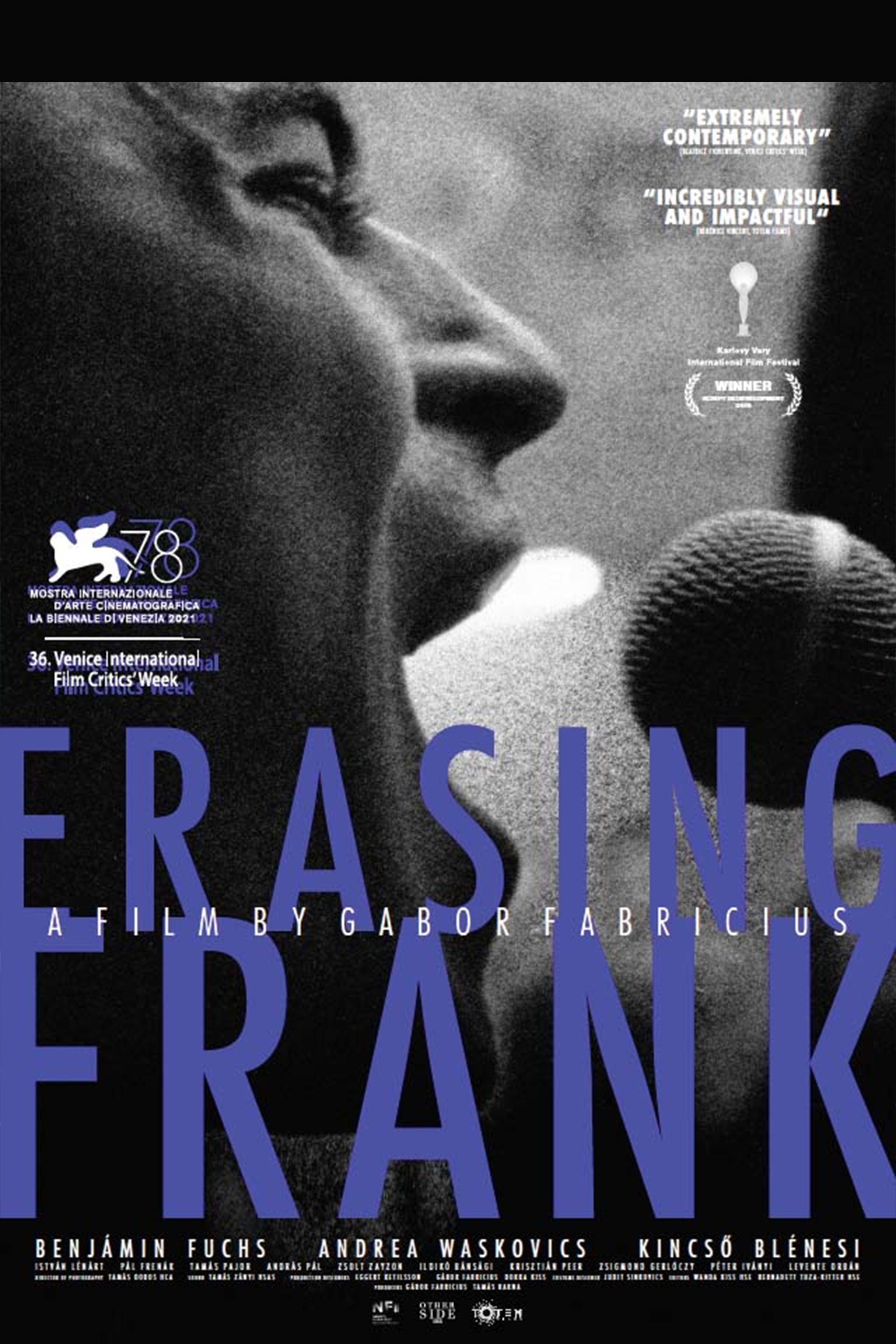
Set in 1983, behind the Iron Curtain of Eastern Europe in Budapest, the film follows Frank, the charismatic singer of a banned punk band that carries the voice of their generation against a totalitarian regime. Taken to the police psychiatric hospital in an attempt to silence him, Frank will sacrifice everything to resist.
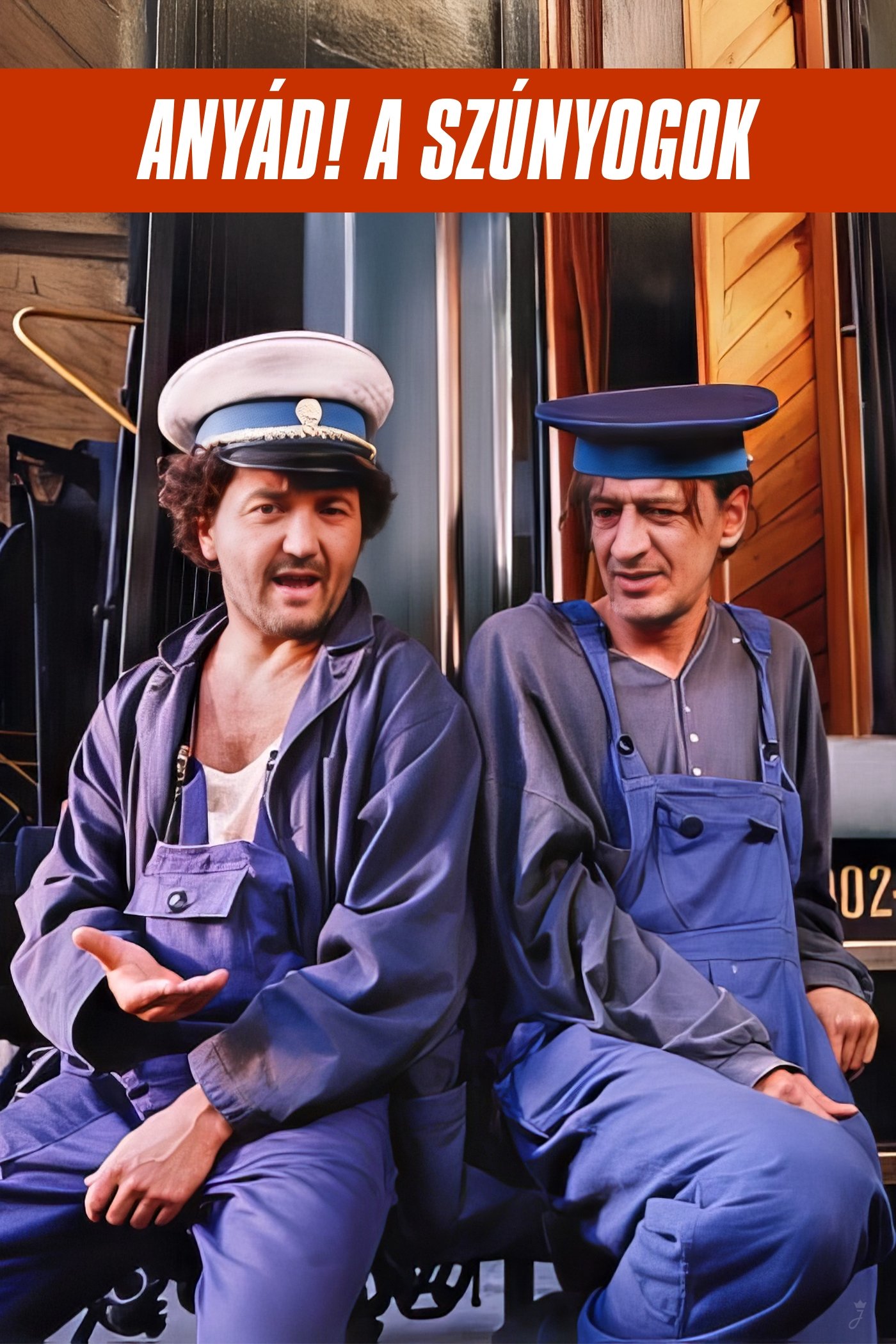
Kapa, Pepe and Mesi would like to buy a scrapyard of trains, to start a nostalgia train and earn a lot of money. The capital to start with they want to get from grandpa, who has come home from America with a suitcase full of money. Everybody wants Mesi to approach the old man, because she is the only one he would speak to. But Mesi is more concerned with the idea that she wants a child, by now from anyone, while Pepe is jealous. Kapa’s alleged son emerges, with the mafia behind him: they, too, are eager to get grandpa’s money. After threats and blackmailing, poisoned apples are sent, with only one side of them poisonous. Those dead, by the way, are resurrected by the sound of a song. At last, nobody manages to get the money, but it wouldn’t make sense anyway: it’s all fake. The Statue of Liberty, however, turns out to be blind.
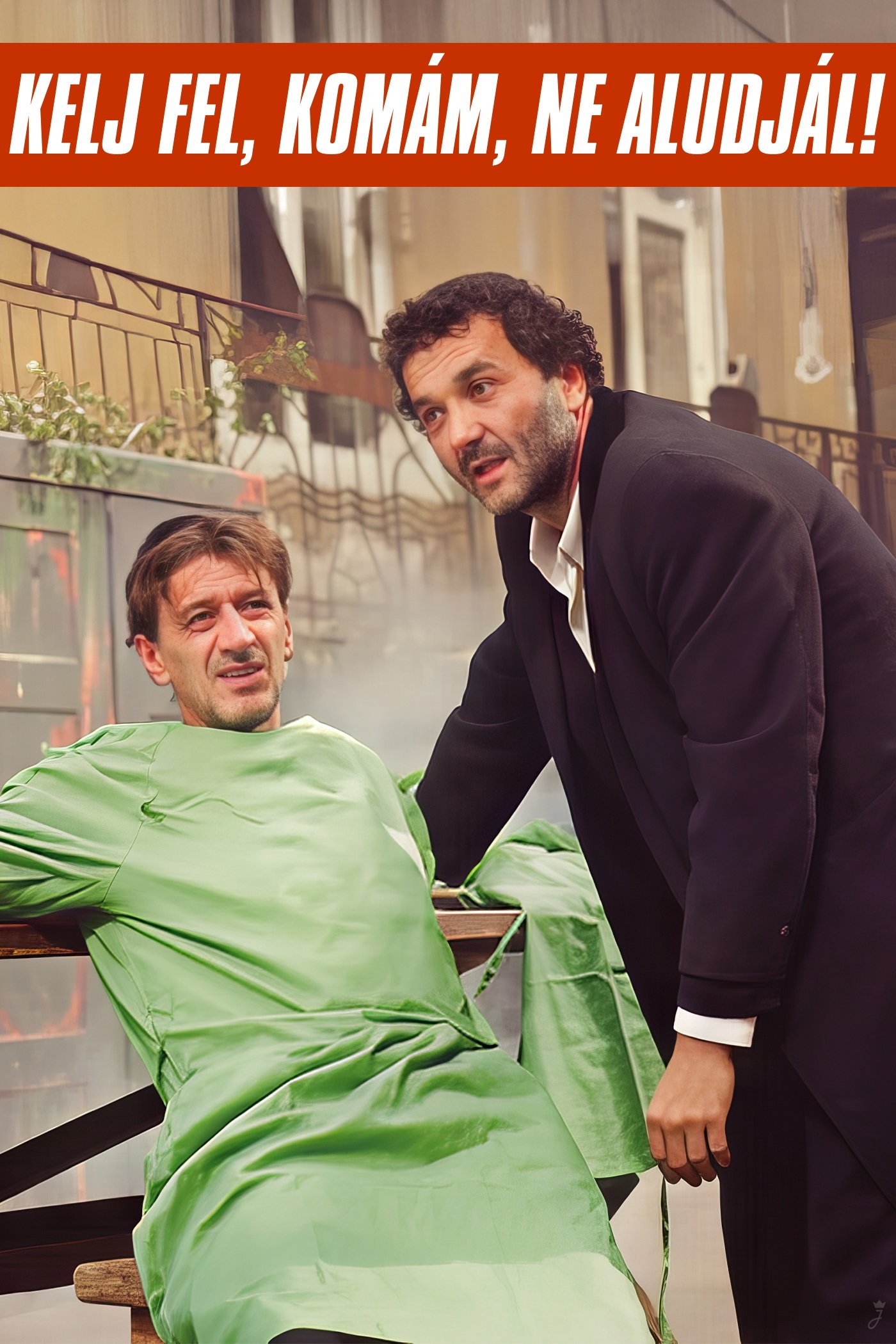
This time, Kapa and Pepe are first of all prisoners of war – and convicts taken to forced labor service, Jews, Hungarian soldiers, German soldiers. Once they are to be executed, then again they are to perform executions. The film tells in spectacular episodes about the fact that in the past more than one century and a half we kept marching from war to war; occupation and liberation turned out to be indifferent, and why couldn’t the Jews execute the SS-guys? Our heroes hover about dilapidated barracks, then again on the bridges of the capital they guess whose satellites or eternal friends for all times we might be just now. In the cupboard, among the preserved fruit bottles, Stalin is still hiding. The authors of the film are cited before court, then in a showcase hospital they are waiting for the end to come. A Soviet soldier-maid closes the film with a Péter Nádas-quote.
The last ship (Utolsó hajó) is leaving the quay. Sirens are sounding.
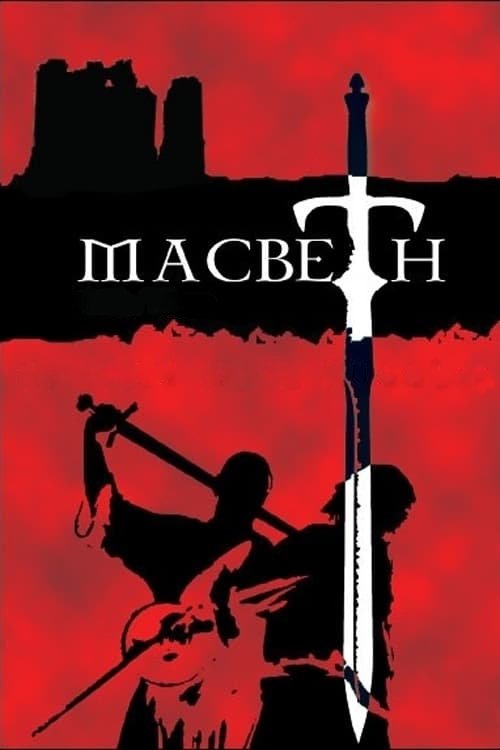
In this powerful film, the renowned William Shakespeare play is stripped down to the bare essentials, consisting of two lengthy shots.
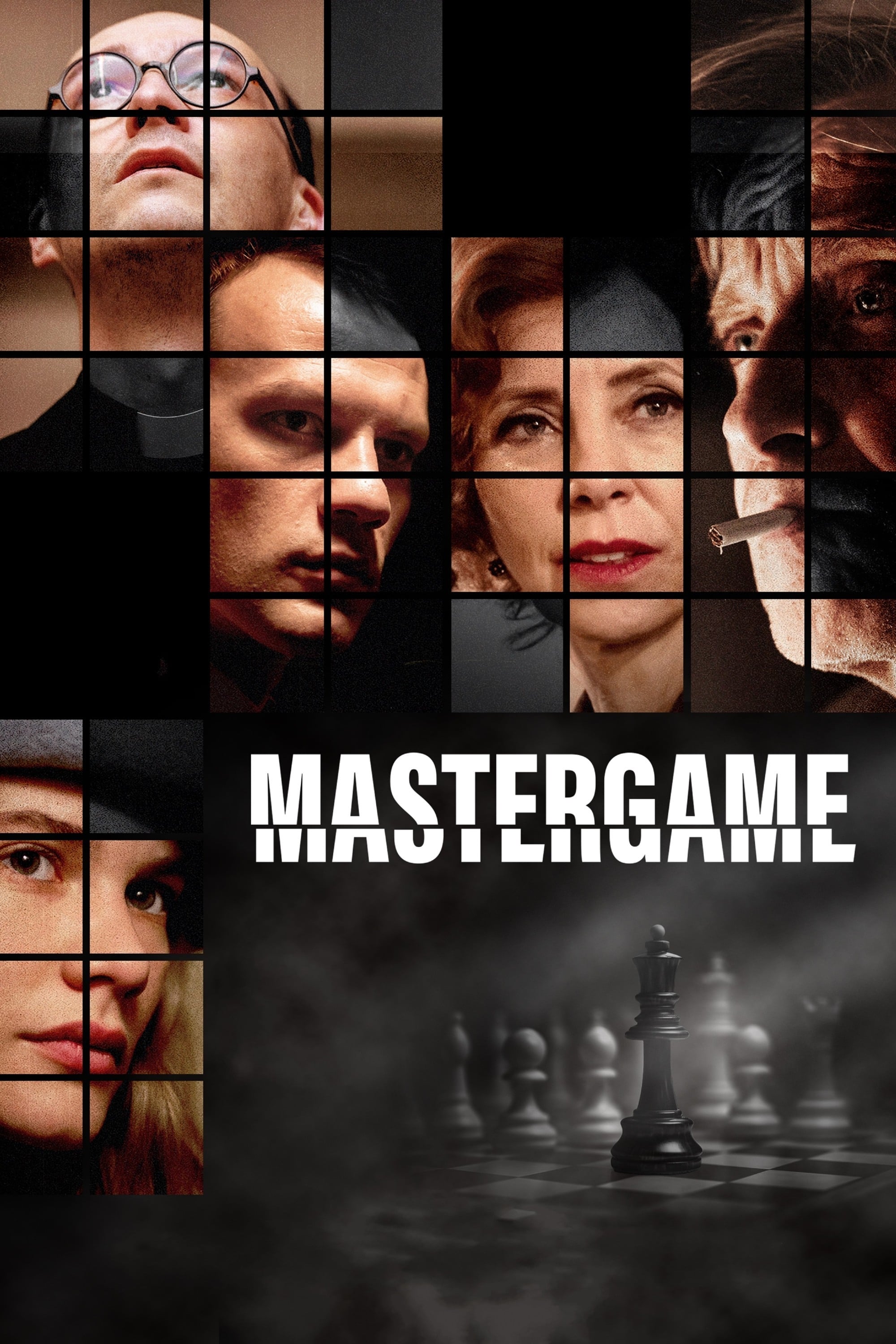
A young, revolutionary couple aboard the last train leaving Budapest after the Russian invasion of 1956. Based on a novel by the Austrian writer Stefan Zweig.
Documentary with animated sequences about that massive Hungarian exodus to the US which went on from the end of 19th century till the outbreak of WW1. The history of the nameless crowds presented in the film submerged under the surface of official history.
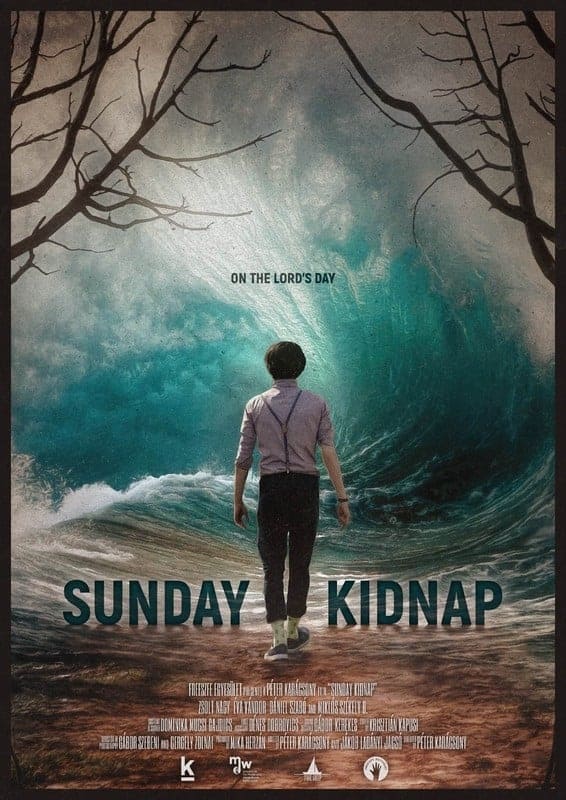
A journalist takes a drone footage of a castle, which is under construction, when something unexpected happens.
Beautifully shot in black and white, this almost wordless film follows the last day in a man's life. A detailed, attentive, and contemplative study on self-loathing, loss of human dignity, and hopelessness.
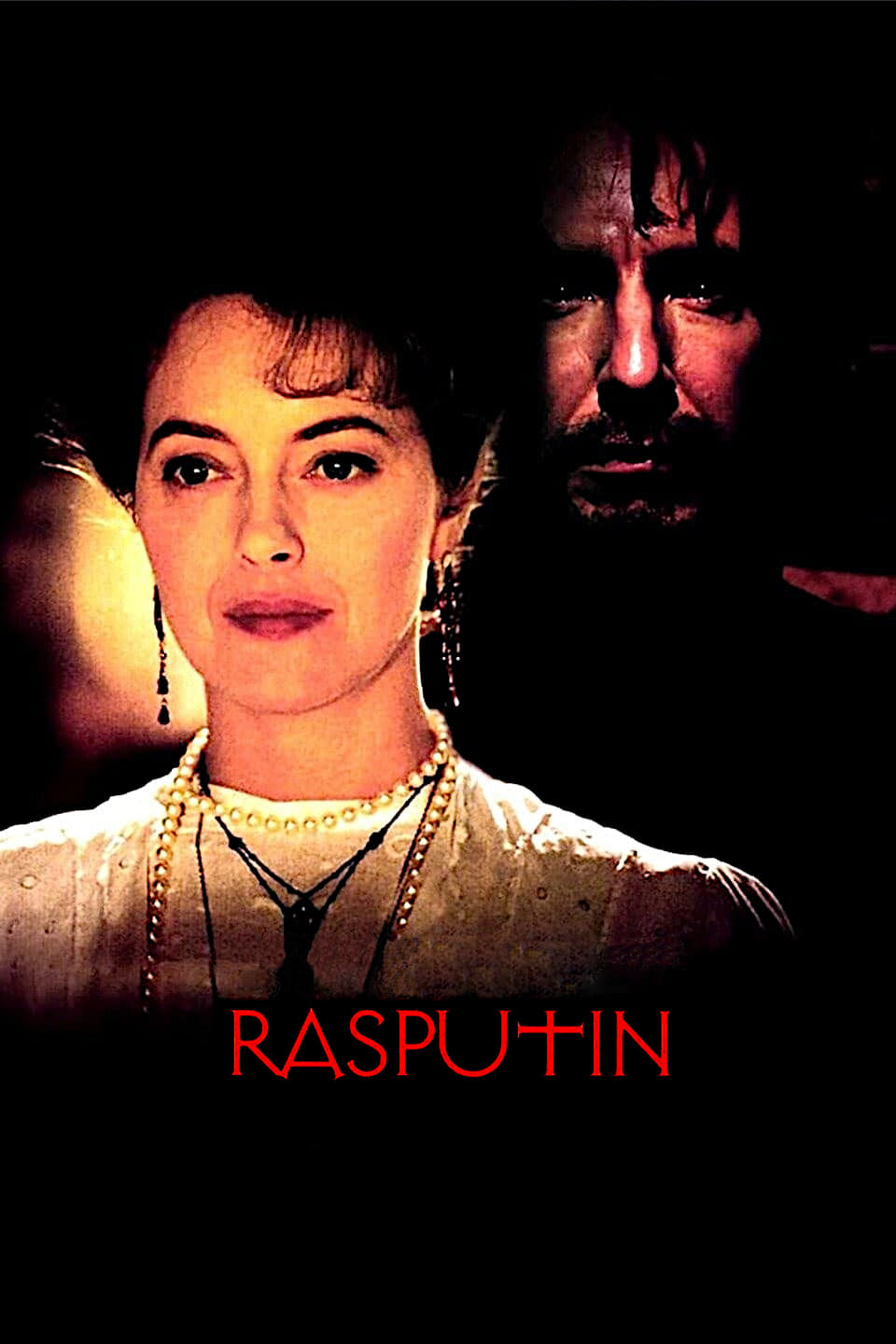
Into an era seething with war and revolution, a man comes with an incredible power to heal a nation...or destroy it. Based on the true story of one of the most powerful and mysterious figures in Russian history.
Buksi, the smuggler meet with Peter, the intellectual, who has been thought about the perfect crime, without any trace for such a long time. The smuggler forced Peter to work together: Peter's going to plan the action and Buksi's buddies implement it. No clues.
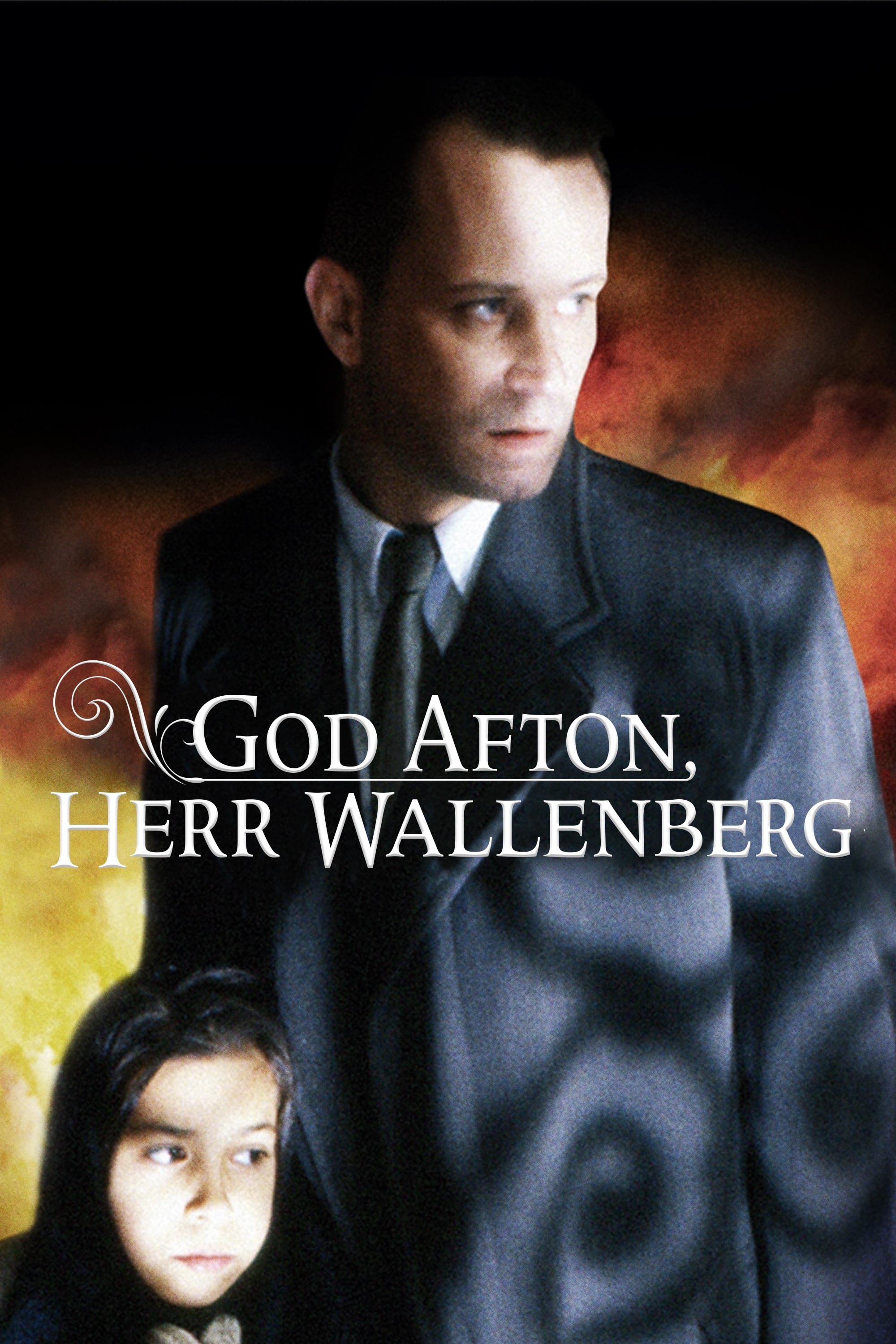
Swedish account of Raoul Wallenberg, the man responsible for the largest rescue of Jews during World War II.
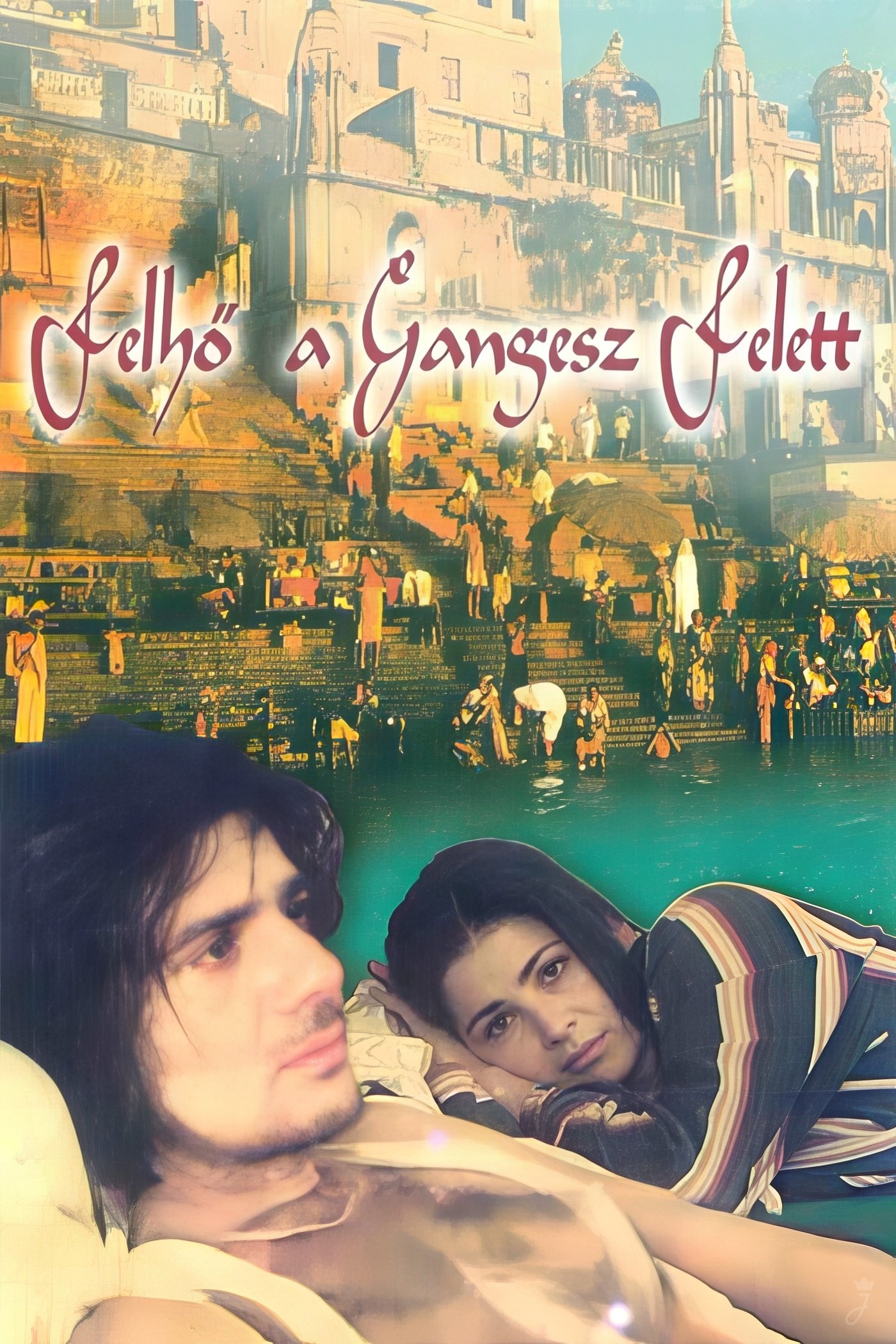
András and Juli meet at a desperate moment in their lives, when they have both made a difficult decision, the consequences of which they cannot bear alone. András, a talented but heavily addicted programmer, decides to end his career, while Juli, a budding actress, has left her husband and temporarily her daughter to rethink her life. The two move in together and lock themselves in Andrew's apartment, where he enters his umpteenth detox, while Juli tries to help him with patience and love. In the weeks that follow, they explore the deepest depths of human existence, a hell of fear and humiliation, of physical and mental suffering. The hope of healing can mean new possibilities in the lives of these two men.
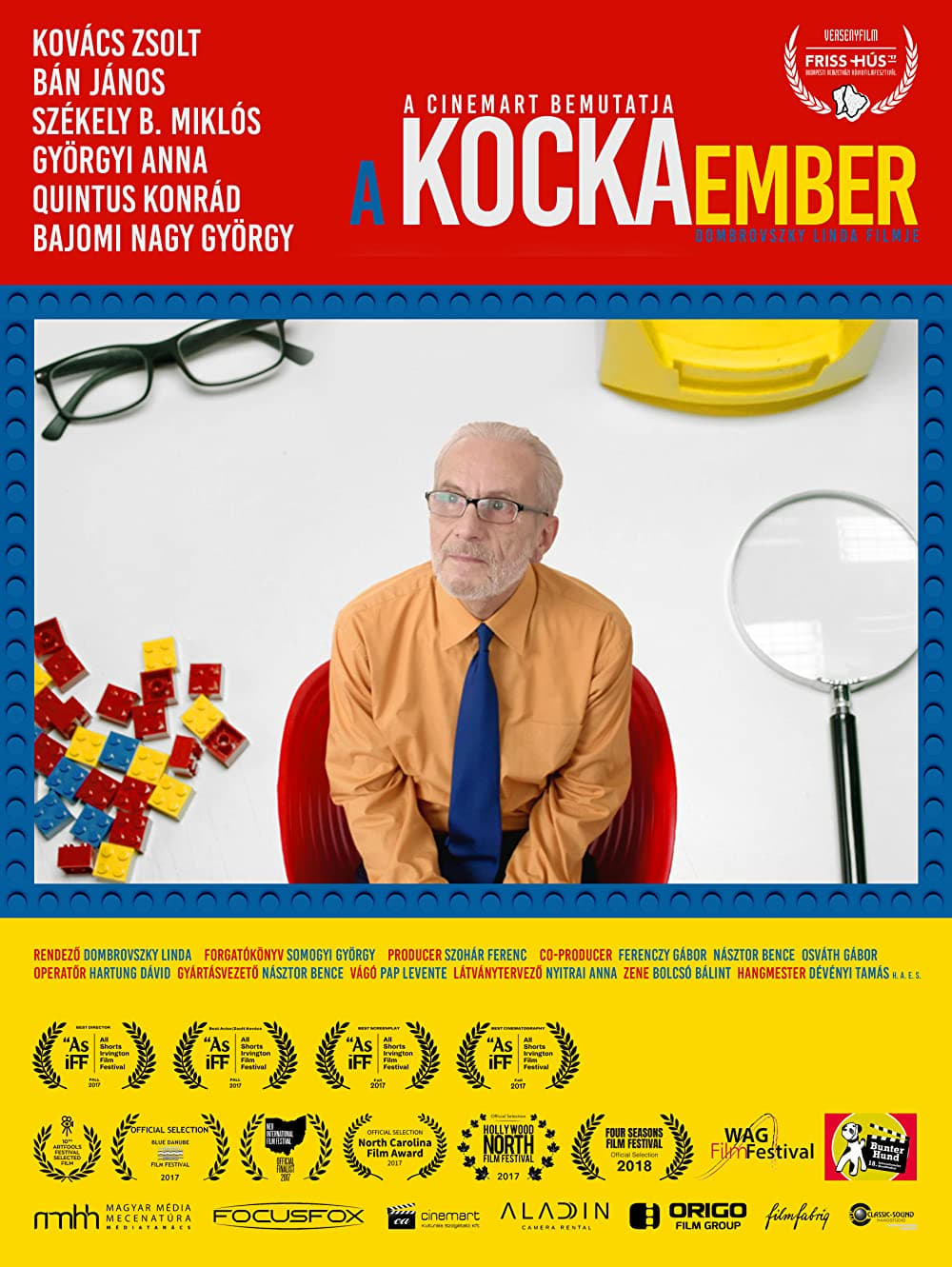

During the years following World War II, a new boy arrives to class 7/c, and the audience learns to know the lives of the drunkard teacher, his husband-cheating wife, the lonely music teacher hiding behind her paper flowers, the wise count deprived of all his properties, the jovial parish priest and especially the buffalo owner of tragic fate who lost his four daughters, alongside with the young protagonist.

In the country reformatory school both the teacher and the children are trapped by the circumstances. From among the pupils excels Sanyi, who cannot accept the fact that his mother does not love him and he keeps on escaping after her. From among the teachers it is Mr. Csőrös who distinguishes himself by listening to the children, looking for those who escaped, Sanyi feels affection to him.
He starts going, carrying a dinner-can. His eyes are suddenly arrested by the breasts of the girl on the bicycle, riding towards him. Prompted by the strange movements of the girl as well as by seeing another girl in a wheel-chair, his imagination starts working. In his dream, as he follows a young woman dressed in white, he comes to a tunnel. On its wall, which is full of candles, he reads the sign, "Memories Prohibited". Yet he is still able to enter the Tunnel of Memories.
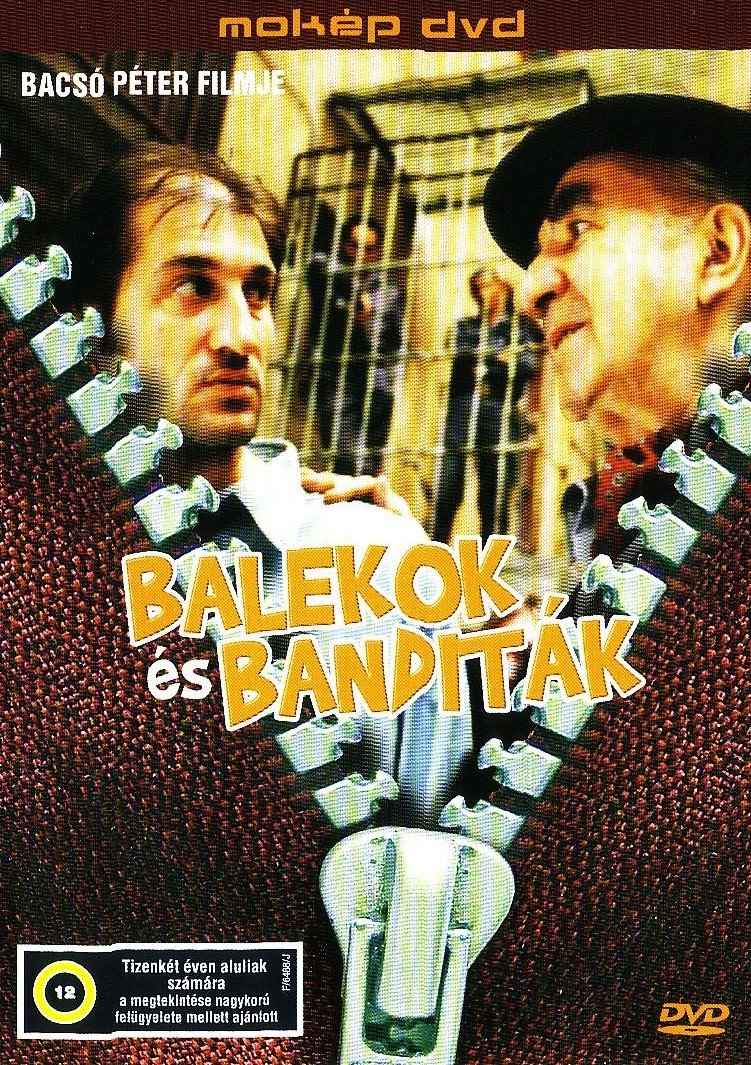
The film has a broken meaning, the last time he was a proofreader for a book publisher, he is now unemployed. Ever since he was a child, he has always been the one who pulls the short one, and he takes the wrong one. At the beginning of the film, he finds himself in such a "bunbak" situation again, and then he decides to become a professional bunbak...
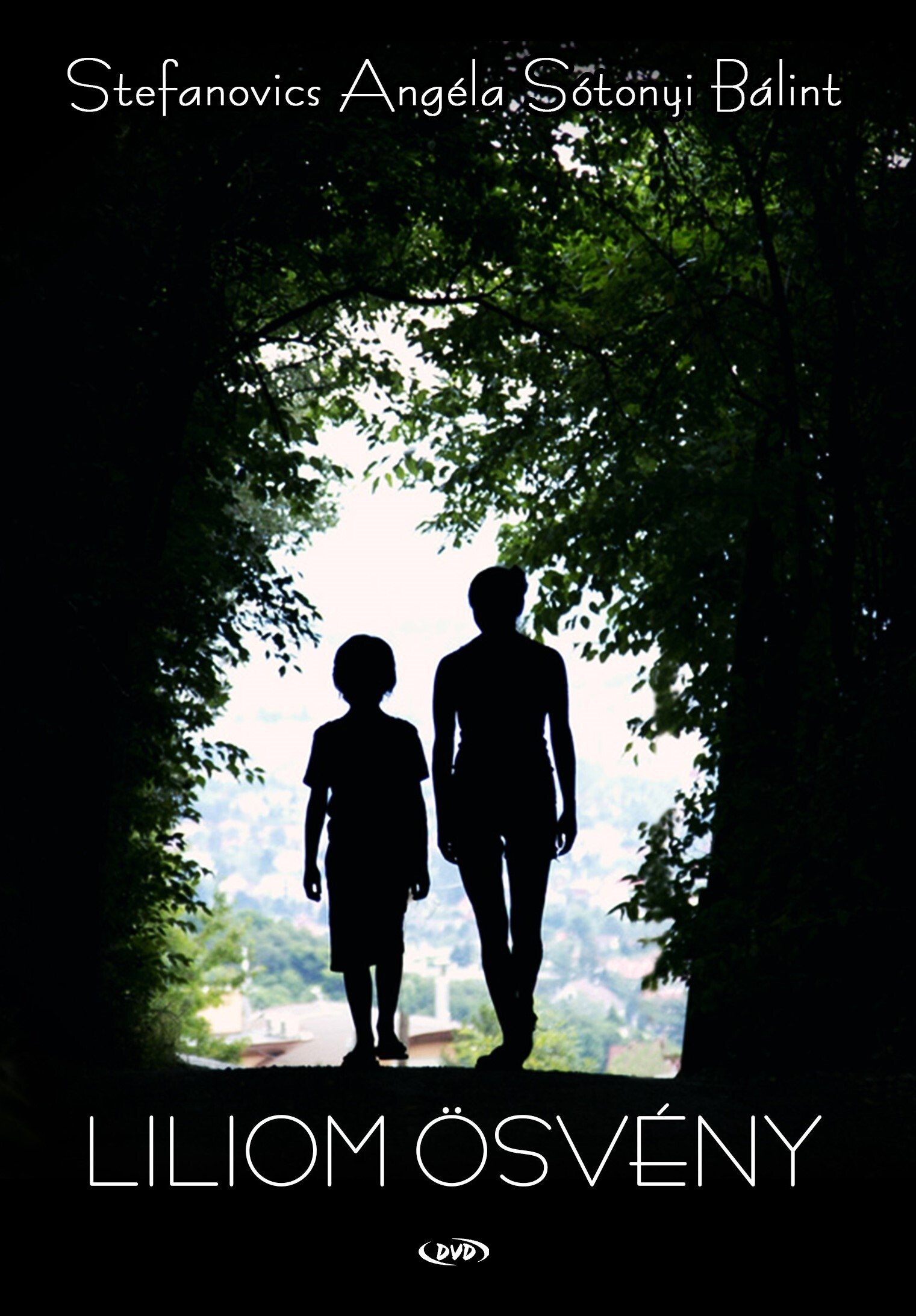
A mother and son as grapple with the questions of life and death on an inner journey filled with strange stories.
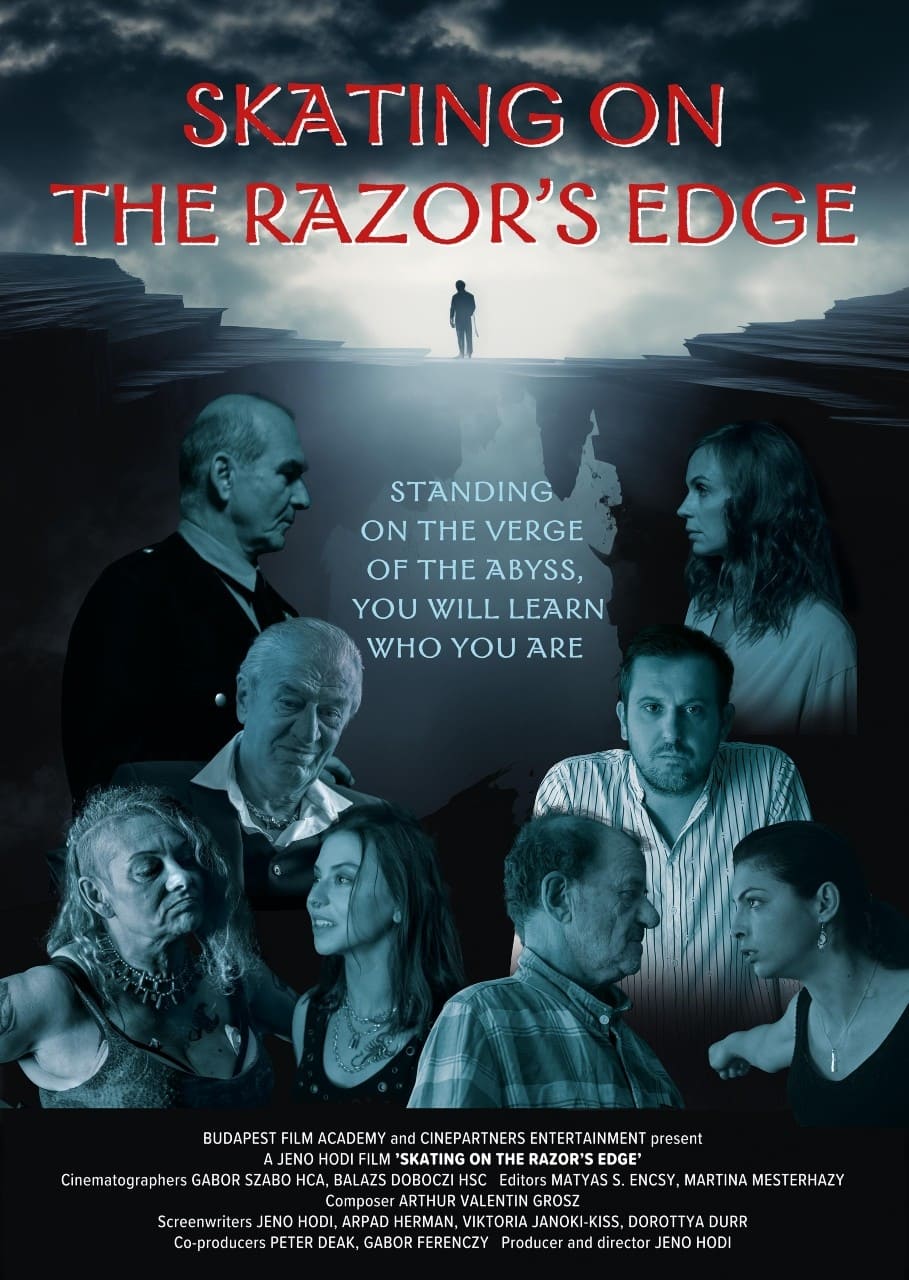
Emergency era, Budapest. A Sagittarius officer rings the doorbell of his former superior's widow in the middle of the night. He suspects that she is harbouring Jewish children. A cruel psychological game begins. 2022, Budapest. After the outbreak of the Russian-Ukrainian war, Peter takes in a woman of Roma origin from Transcarpathia, a move his prejudiced father is unable to accept. Hungary, today. One day, Zsuzsa, who works in a suburban bakery, is visited by Death, but she manages to beg him for a second chance. In Jenő Hódi's existentialist anthology, the protagonists are confronted with extreme situations and search for their moral standards and values.

Karcsi, a Roma policeman, lives with Eva, a Swede. One day he is called to the scene of the murder of a wealthy trafficker named Schulter. He begins to investigate the crime, interrogate neighbours and suspects, and untangle a complex situation - one that he, himself, complicates even further. For he is a gypsy, who despite being adopted and raised by "regular" Hungarians, has his nose rubbed in his minority status every day. The film, which is based on the novel by Ákos Kertész, is a shrewd genre work full of dusky humour and surreal situations. Tabló follows a vivid succession of strange images that eventually lead to the emergence of the central story about a charismatic police officer on a tireless quest for the truth, though he must fight against virtually everyone and is just as fallible as the next person. Tabló makes a statement on the issue of race and racism - or, indeed, relations between any minority and majority.
Karcsi, a Roma policeman, lives with Eva, a Swede. One day he is called to the scene of the murder of a wealthy trafficker named Schulter. He begins to investigate the crime, interrogate neighbours and suspects, and untangle a complex situation - one that he, himself, complicates even further. For he is a gypsy, who despite being adopted and raised by "regular" Hungarians, has his nose rubbed in his minority status every day. The film, which is based on the novel by Ákos Kertész, is a shrewd genre work full of dusky humour and surreal situations. Tabló follows a vivid succession of strange images that eventually lead to the emergence of the central story about a charismatic police officer on a tireless quest for the truth, though he must fight against virtually everyone and is just as fallible as the next person. Tabló makes a statement on the issue of race and racism - or, indeed, relations between any minority and majority.
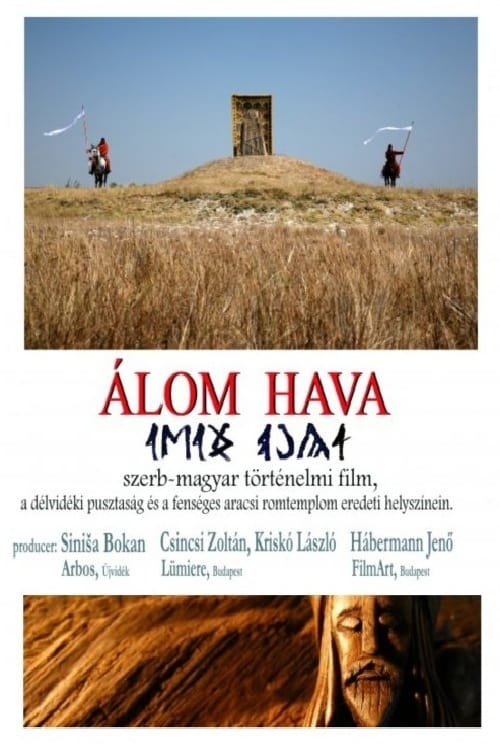
It is 1680 – the time of dreamt snow after the Turkish invasion. In the deserted plains of Bácska a living soul cannot be found in a few-days’ walk. Three former prisoners returning from their Turkish captivity – Long-Legged, Lame and One-Eyed – appear among the crumbling walls of a huge abandoned church without a roof. They are looking for their long lost home. How to revive a disappeared civilization? What is the survivors’ personal duty? Without a roof, a collapse is inevitable. The Old Man – a master of ancient knowledge – and his daughter come and with sharing sowing seeds they try to save the community of dispersion. No spiritual leader, no aims. Driven by rapacity, One-Eyed kills the Old Man, rapes his daughter and while looking for the remaining seeds he kills Long-Legged with a sudden anger. At the end of the film, the survivors need to face with dramatic encounters and special temptations. Their redemption under the leadership of Lame’s young son is the pledge for the future.

Zsigmond Móricz wrote his novel Butterfly in just a few days in 1924. Móricz tells the story of a mighty love that triumphs over adversity and is all-powerful in the language of ordinary people. The love of Zsuzsika and Jóska is presented through the "lightning and veil-soft" emotions of the director, László Vitézy's television adaptation. After The Legend of Hortobágy (Komorló) and The Sky Bird, this is the third film made by László Vitézy based on the writings of Zsigmond Móricz.

The reformed priest of Gát, Pap Énók, gets married. He is engaged to the worthy Miss Ica Zádor from Malomsk and Zádor. At the Easter 'priestess election ball', Énók could have chosen a wife from among thirty-five Gáti girls, but he asked the thirty-sixth, Ica, a young lady from Pest. Enoch, of peasant origin, had studied his way up to the middle-class intellectuals of the countryside. Ica, the scion of a ruined noble family, comes from Budapest to a low-class marriage, but Ica's rise to office could bring her back into the higher social circles she had lost through the family's decline. They married for love, but both were guided by interest and expectation. Ica is a vivacious woman of the world, dissatisfied, bored, longing to return to life and society in Pest. She finds strange amusements: sometimes she embraces, sometimes she torments her master. Enoch is head over heels in love, puts up with everything, and in return happily accepts the kisses he is rewarded with.
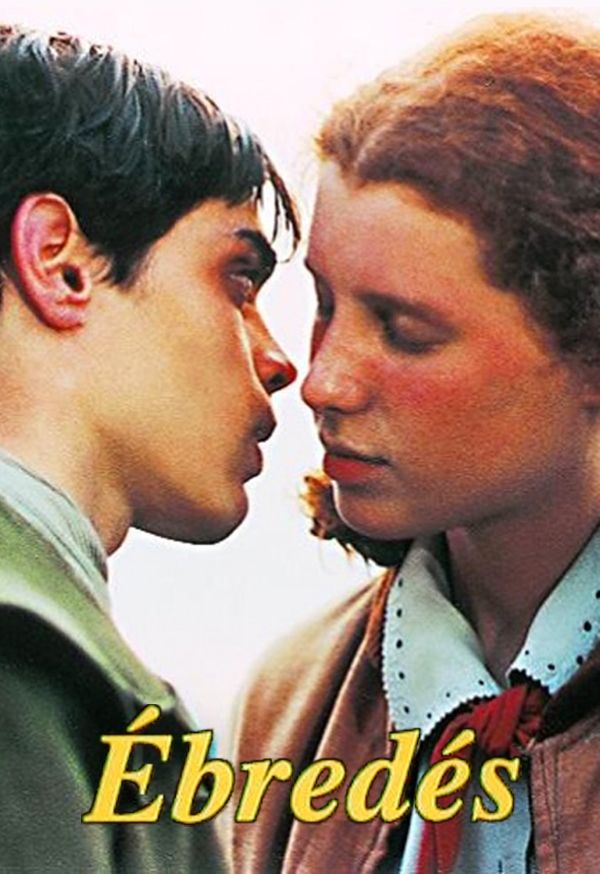
1952, Budapest. Kati is thirteen years old when her mother dies. Her father works as a founder at the Miskolc foundry, deprived of his former position of director-engineer. Kati is left alone in their flat, transformed into a place crowded with tenants. That is, not quite: in her imagination her mother is alive again, for she still needs her.
After her husband's death, Hanna Szendroy, the former primadonna, is caught in the claws of the real estate mafia. She looses her lavish home and ends up homeless at the Keleti train station. When she returns to her house, now full of homeless people moved in by the real estate mafia, an unexpected relationship brings hope into her life again.
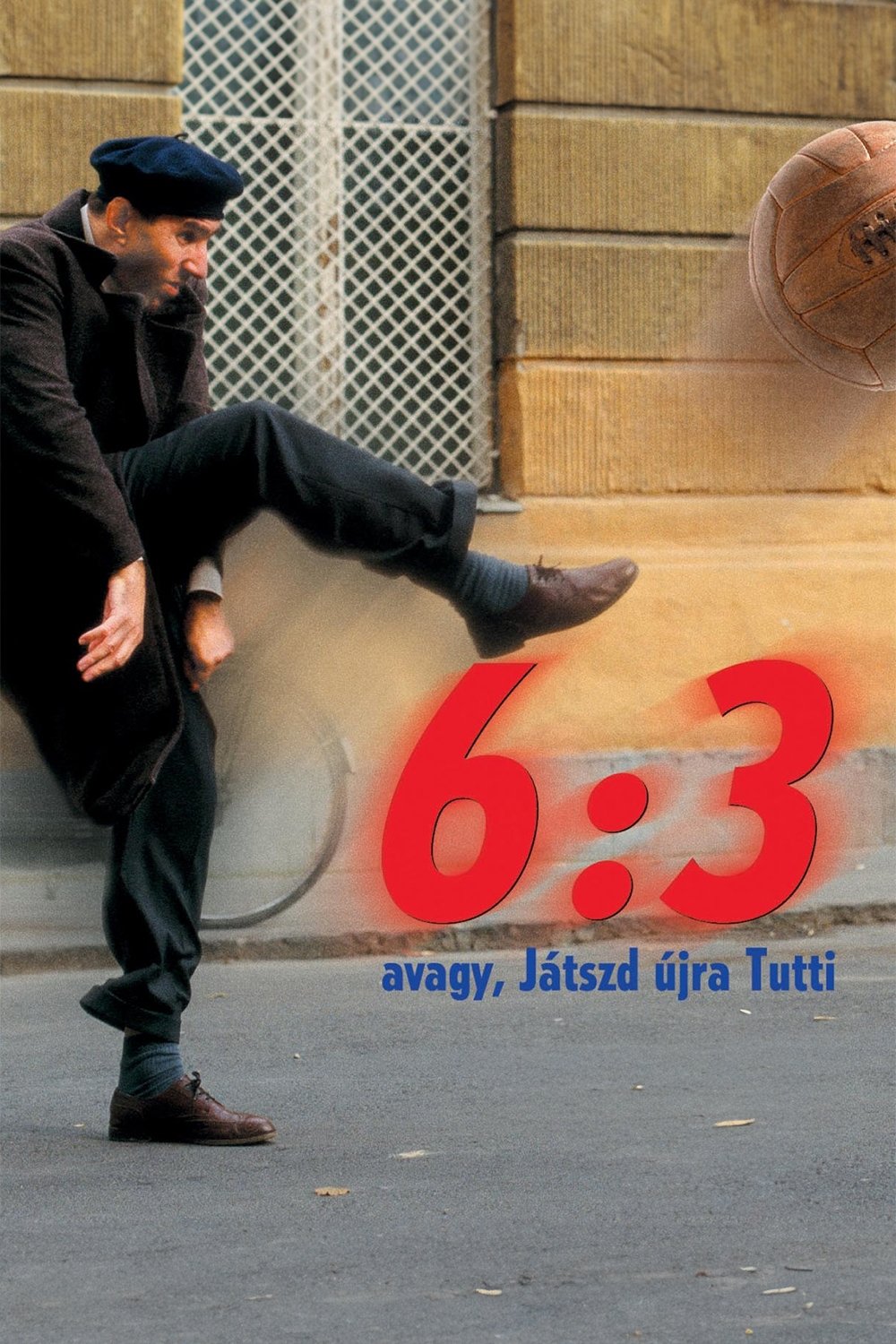
The makers, especially Péter Tímár wanted to invoke the atmosphere of the communist dictatorship of Rákosi era lasted from 1947 to 1956. I think they've managed to reconstruct it very much: if you read the history books about the era and newspapers from that times, if you listened to your parents' and grandparents' tales, you will experience the similarities are shocking. The main character (Tutti - Károly Eperjes) is excellent, Eperjes, acting an eccentric, but likable crank is in his royal spirits.
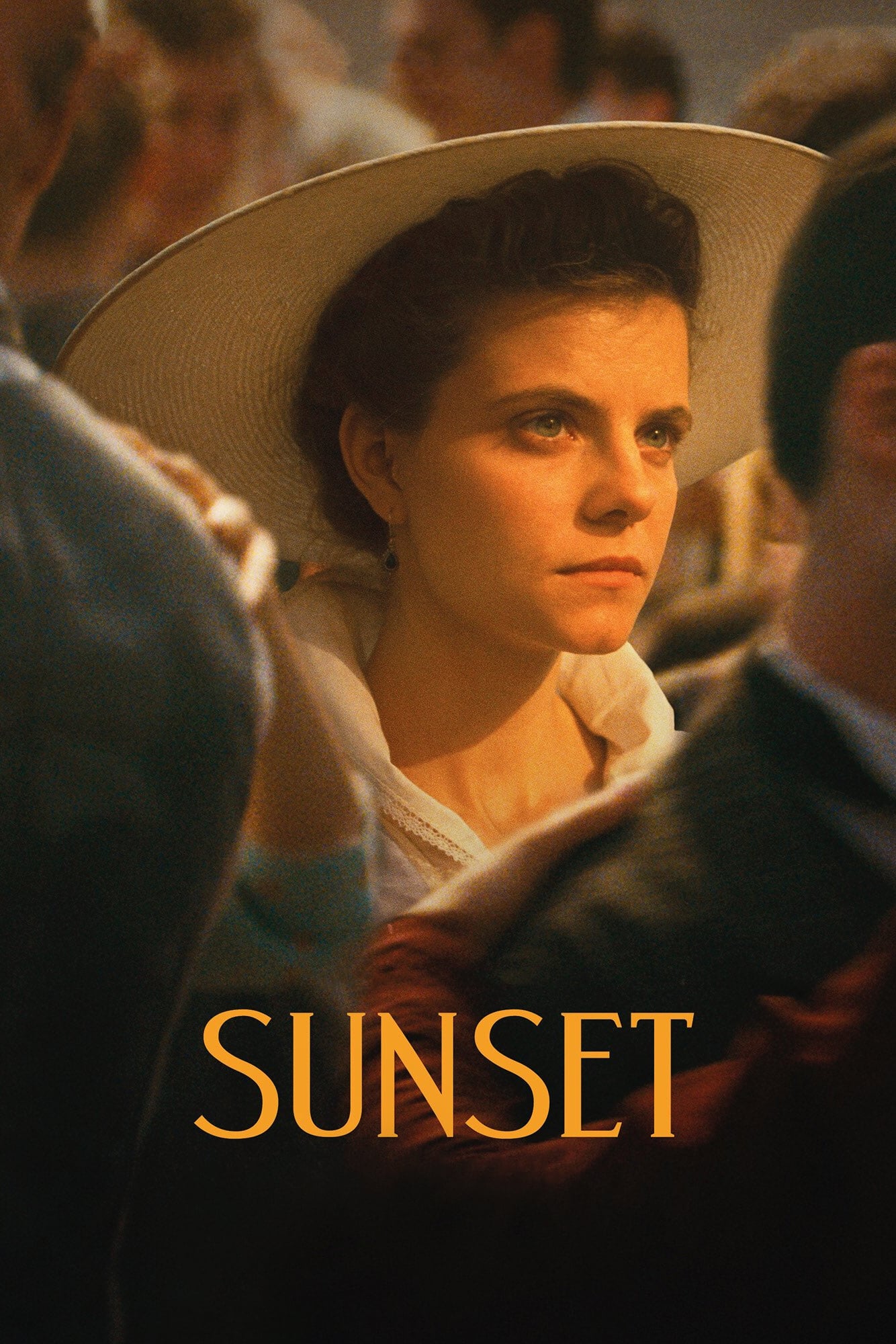
In 1913, an orphaned young woman arrives in Budapest to take up employment as a milliner at the hat store that belonged to her late parents but becomes mired in a search for a brother she had never known of.
Zoltai is a Hungarian professor who returns home after a visit to the United States. Following a television interview, he commits suicide and leaves a note for his longtime friend Dr. Bardocz. The doctor and Zoltai's colleague Komindi join the police in investigating what drove the man to suicide.
In this absurd comedy two television reporters set out to find the famous gypsy Csulano.
A man who leads a lonely existence with his young daughter accidentally gets involved with a robbery before a manhunt ensues.
This drama follows the dilemma of a young, unwillingly pregnant wife who gives her child up for adoption by a businesswoman. Anna doesn't need another mouth to feed. She can barely afford to care for the two she already has so when she discovers that she is six weeks pregnant she readily accepts the cash offer from Terez, her tough boss at the store where she works. If she will isolate herself throughout the pregnancy, secretly bear the child and immediately allow Terez to sign for it, Anna will receive $50,000. Most of the story then focuses upon Anna's emotional processes as she evaluates her choice. Included are dream segments and shots an unborn baby in the womb.

In the dense and murky woodlands of provincial Hungary, the search for a child murderer drags a once-respected detective into an all-consuming obsession enshrouded by irresolution and despair, even long after he has been taken off the case. What emerges is not a crime story, but a harrowing venture through the darkness of the human soul.
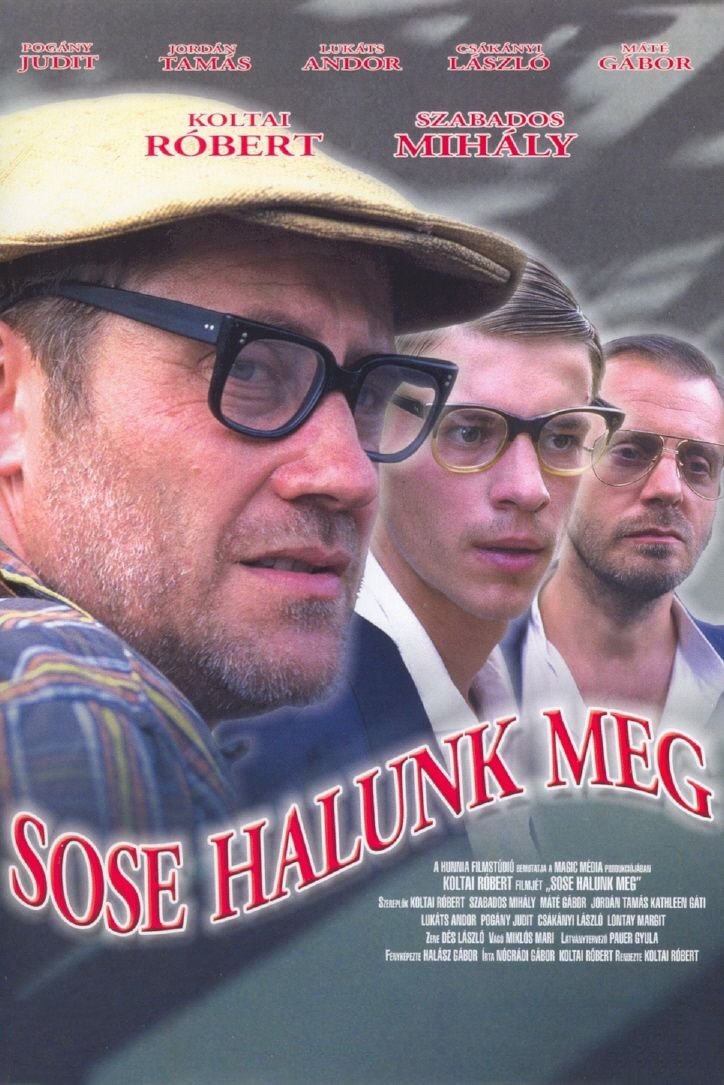
In 1960s Hungary, an introverted teenager’s life is turned upside down by a few days in the company of his coat hanger salesman uncle: a roguish charmer with a zest for life and a weakness for horse racing and women.
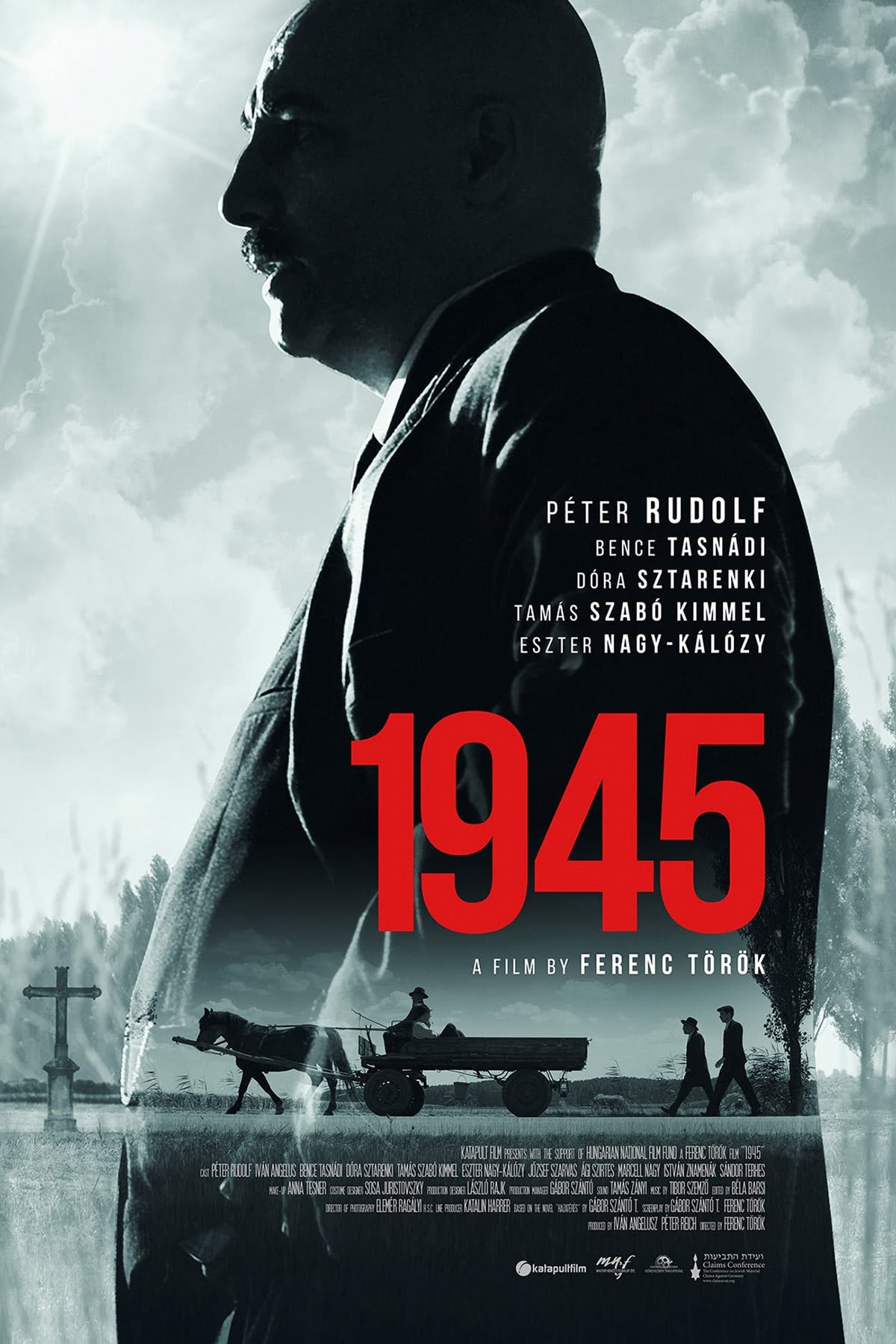
An unsettling feeling overwhelms a small Hungarian town when two orthodox Jews arrive with a mysterious trunk. As residents begin to speculate on the purpose of the visit of these two strangers, order starts to crumble in town with some pursuing devious plans and others finding remorse in their hearts.

Imre Horváth and his friends gather to celebrate his wife's birthday. They are confused because of the changes in the country's politics and want Horváth to be much more active politically, but he is more concerned about his affair with his best friend's daughter.
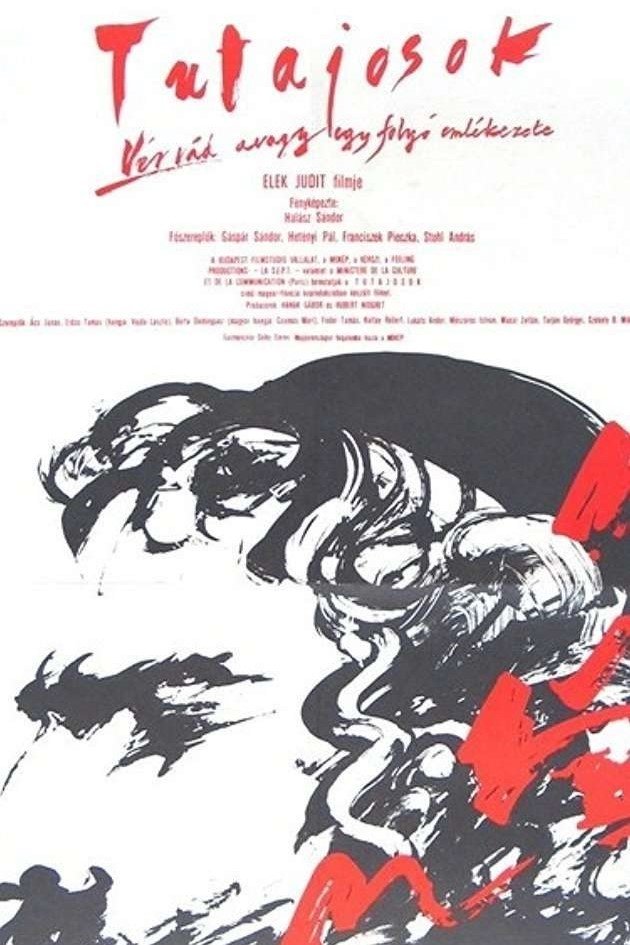
In the 19th century Austro-Hungarian Empire, David Hersko, a Jewish shepherd, witnesses the attack of a young girl. His home is burned down and he finds shelter with the family of a Jewish logger. The loggers find the body of a young woman which they bury, going against local laws. They are charged with her murder and it is believed that they killed her as a ritual murder.
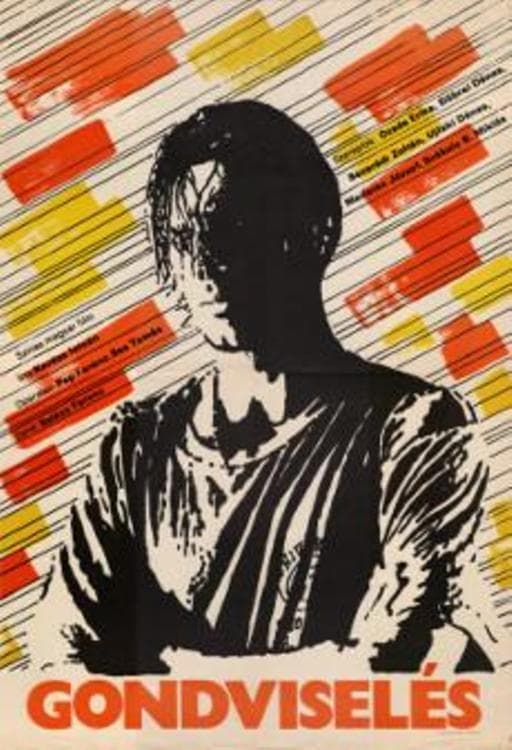
The unskilled, jack-of-all-trades András and his wife, Éva are put in jail for serial work-place thefts, -committed in order to try to ensure a normal living standard for his family - and for aggravated assault committed for self-defence, respectively. Their two small children are put in state care, then given to foster parents. András, still in prison, commits everything to help the released Éva get hold of an apartment and get their children back so that when he will have served his term the family could be together again.
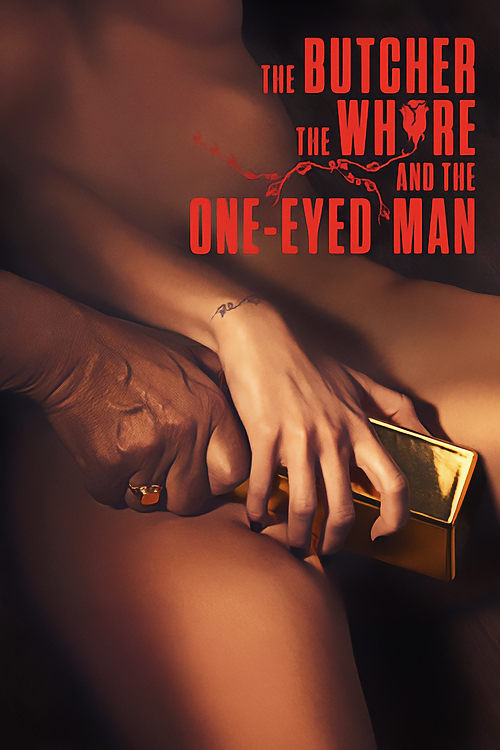
Depicts the slow decline of three individuals as they are sucked into a world of sinful existence. It is the story of a wild and voracious love triangle.
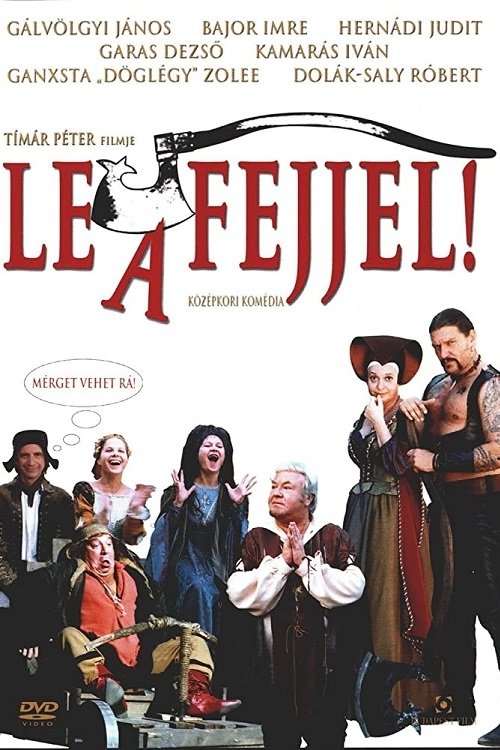
When the court astrologer warns the king that the stars predict his imminent murder, the terrified monarch dons a beggar’s disguise and flees the palace, seeking refuge in the cupbearer’s home. Unbeknownst to him, the very assassin his own court magician hired lies in wait under the same roof.
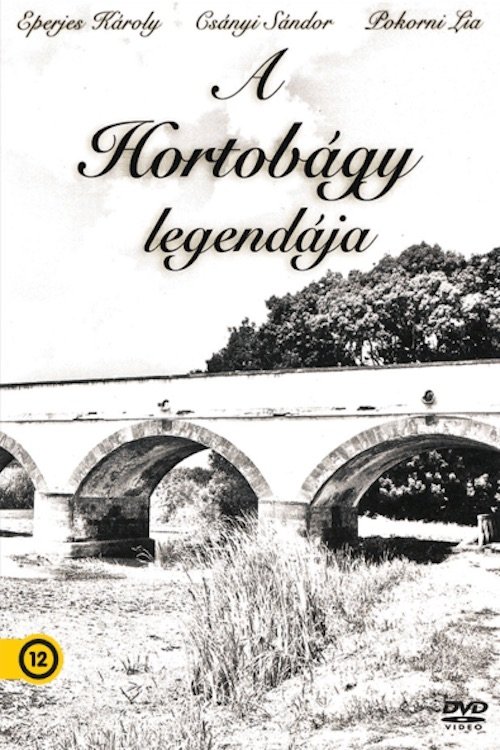
The film weaves together three stories from Hortobágy. It takes a sacred approach to the honesty, fallibility, stubbornness and deep emotions of the ancient people of Hortobágy. The director was inspired by Zsigmond Móricz's short story "Komor Ló" and the writer's realistic yet mystical vision to film two other stories told by the people of the Hortobágy, set in 1945 and after the communist coup.
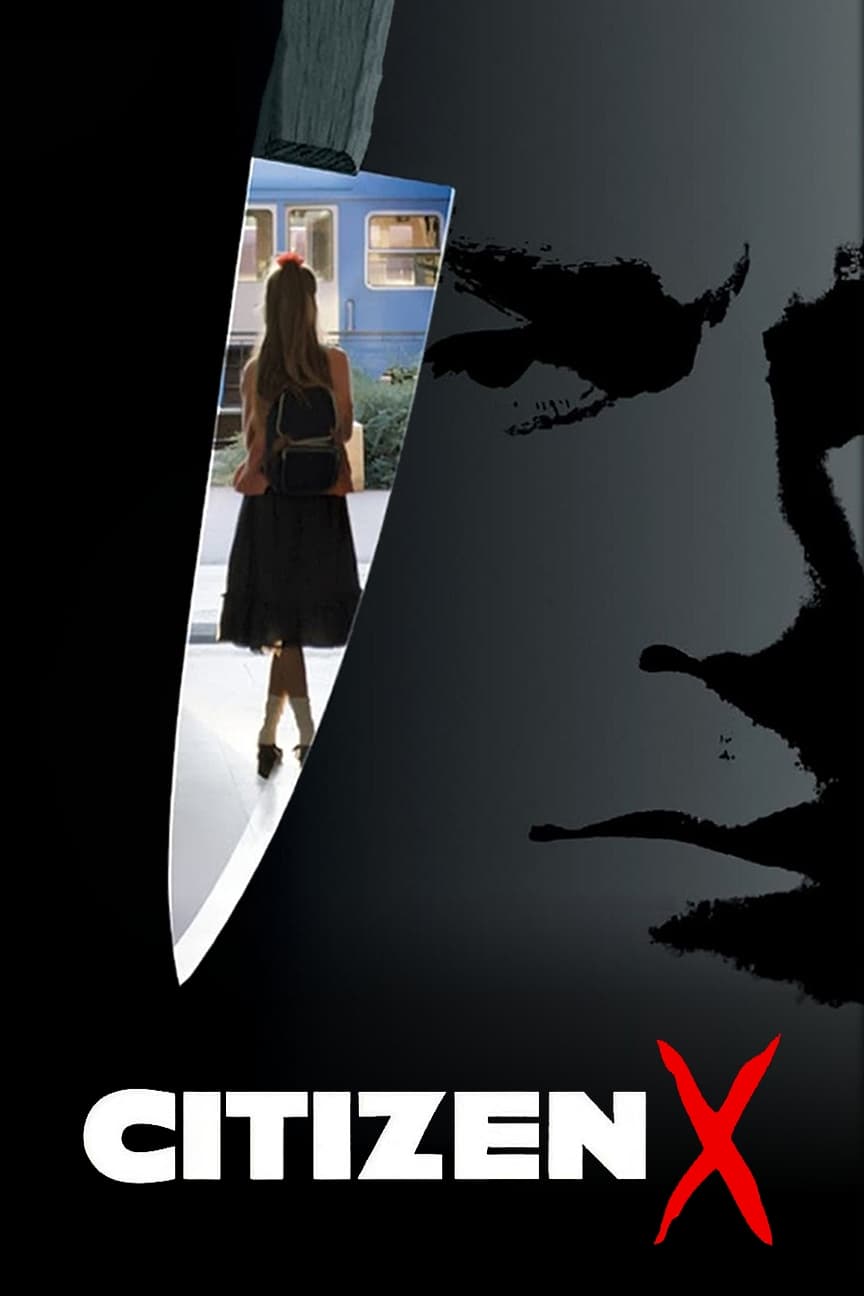
Based on the true story of a Russian serial killer who, over many years, claimed victim to over 50 people. His victims were mostly under the age of 17. In what was then a communists state, the police investigations were hampered by bureaucracy, incompetence and those in power. The story is told from the viewpoint of the detective in charge of the case.
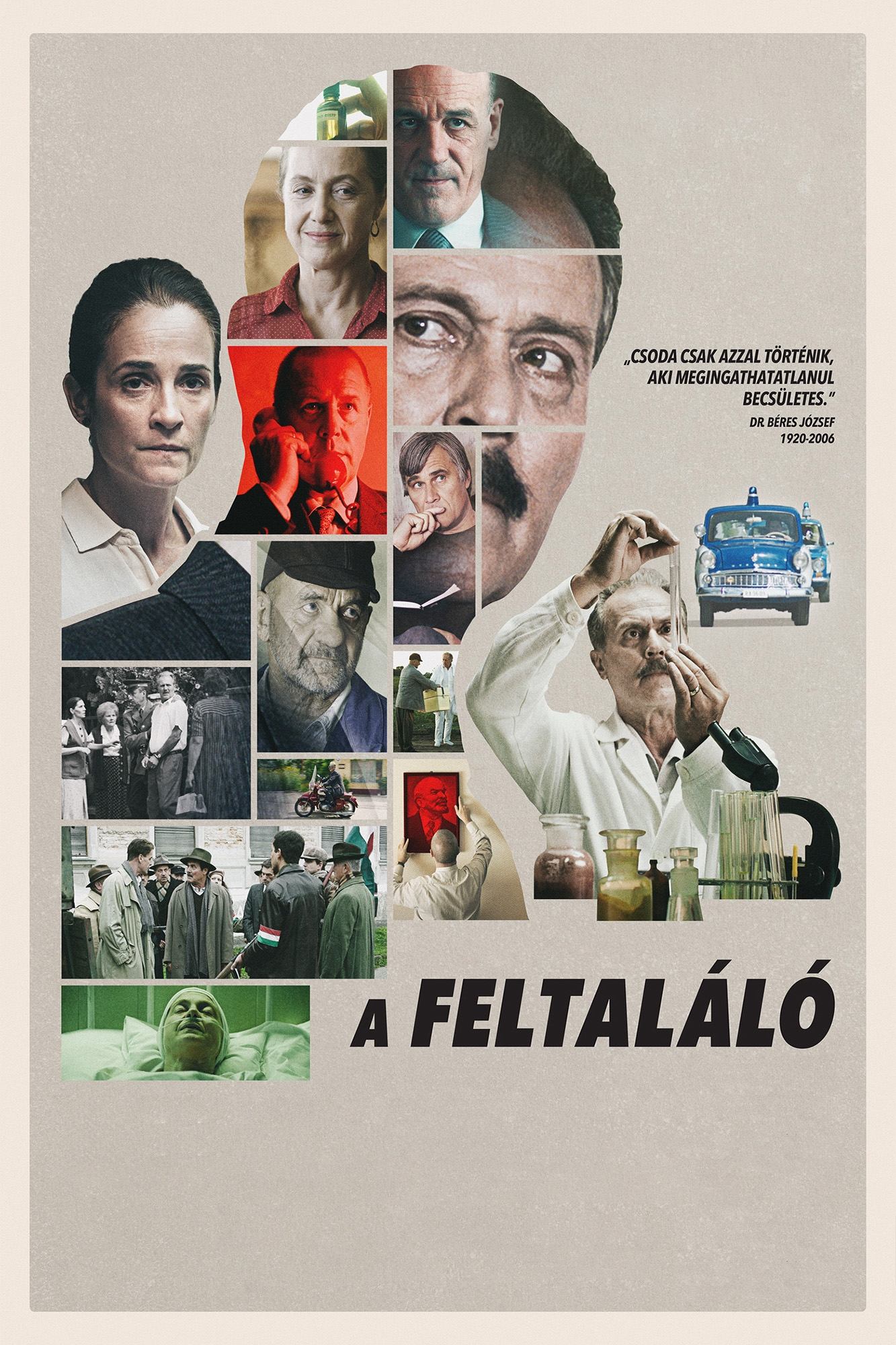
This biopic traces the life of Dr. József Béres from the development of the "Béres drops" to his struggles under the Communist regime in Hungary.
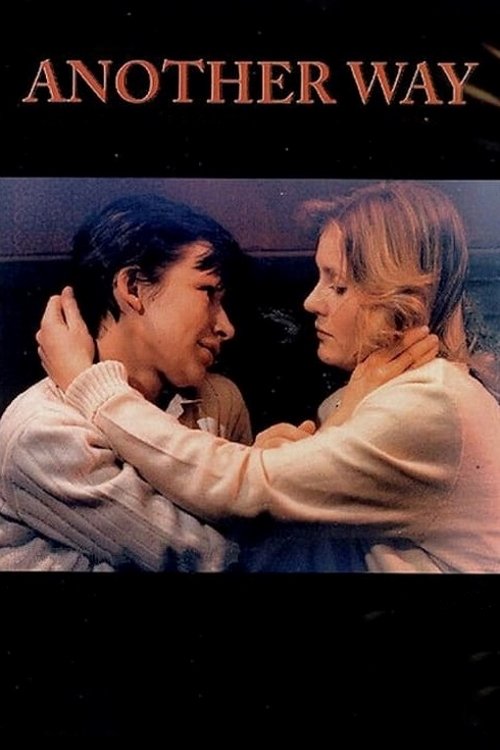
Political and sexual repression in Hungary, just after the revolution of 1956. Passionate and determined, Eva gets a job as a journalist. There, she meets Livia and is attracted to her. Livia feels much the same, but as a married woman, has doubts and hesitations. In their work, they (and Eva in particular) bang up against the limits of telling political truths; in private, they confront the limits of living out sexual and emotional truth.
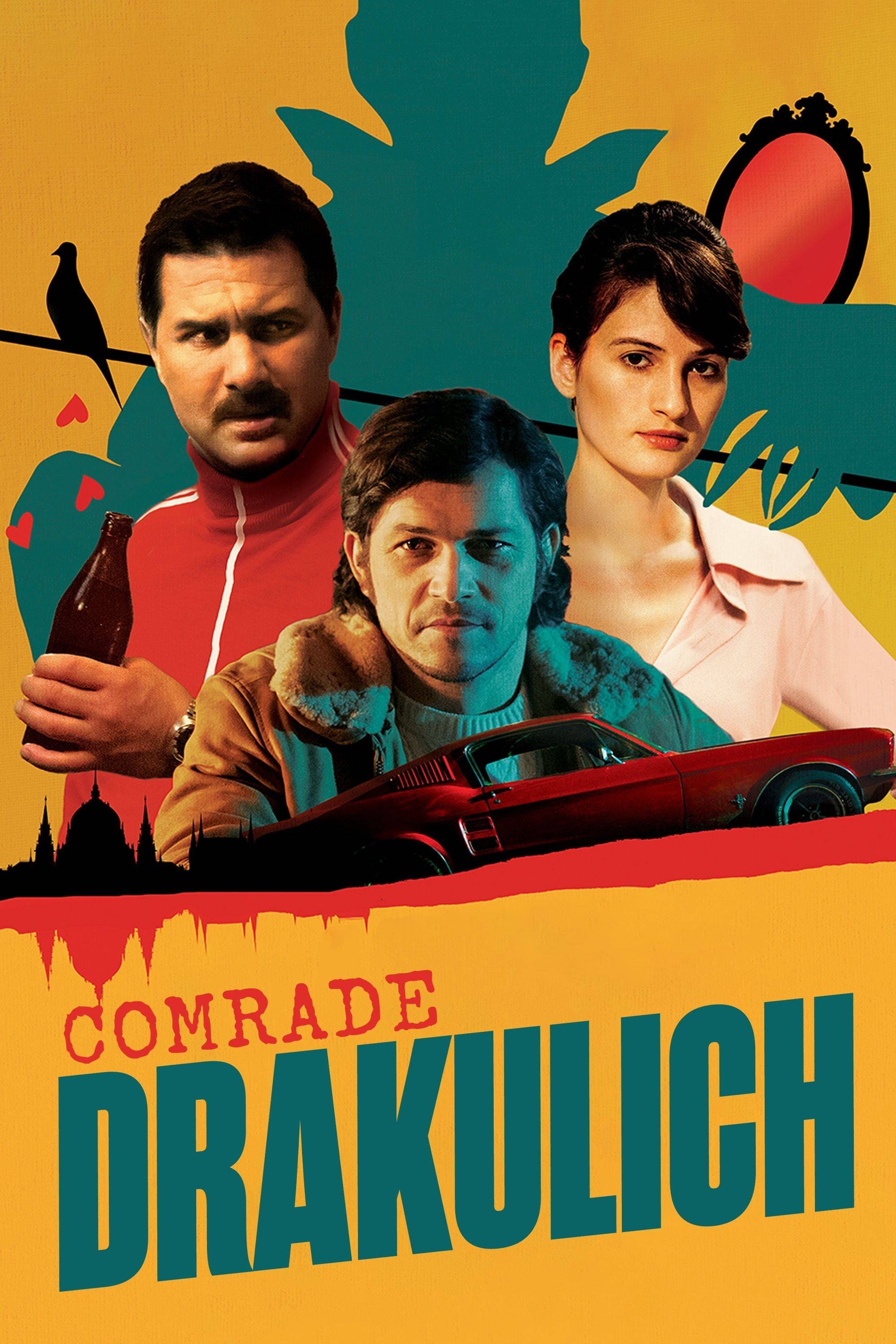
Vampires are among us! But no need to worry: the Hungarian Secret Police are after them, and beyond the usual spy gadgets, they even use garlic to repel the beasts.

The tumultuous history of Hungary through the twentieth century is viewed through the saga of the Hungarian-Jewish, furniture-manufacturing family, the Vendels. After taking over the once successful, but now failing, family business in the 1930s, the family patriarch's dashing elder son decides that the family needs an infusion of new blood. A matchmaker presents him with a photo of a pretty German nursery school teacher. When the two meet, they instantly fall in love, but because Hungary has an alliance with Germany, and the Third Reich prohibits marriage between Gentiles and Jews, the couple must hide their union. Their marriage ultimately stands as a dark foreshadowing of rougher times to come as troubles ensue with the advent of World War II, when the family, its employees and servants must retreat to the basement, where the shop emerges increasingly as a refuge in a world growing more violent and less tolerant.
Füge is studying at a high-school. He rarely visits his divorced parents. He establishes a successful music group with his friends. He falls in love with his class-mate, Ágota.
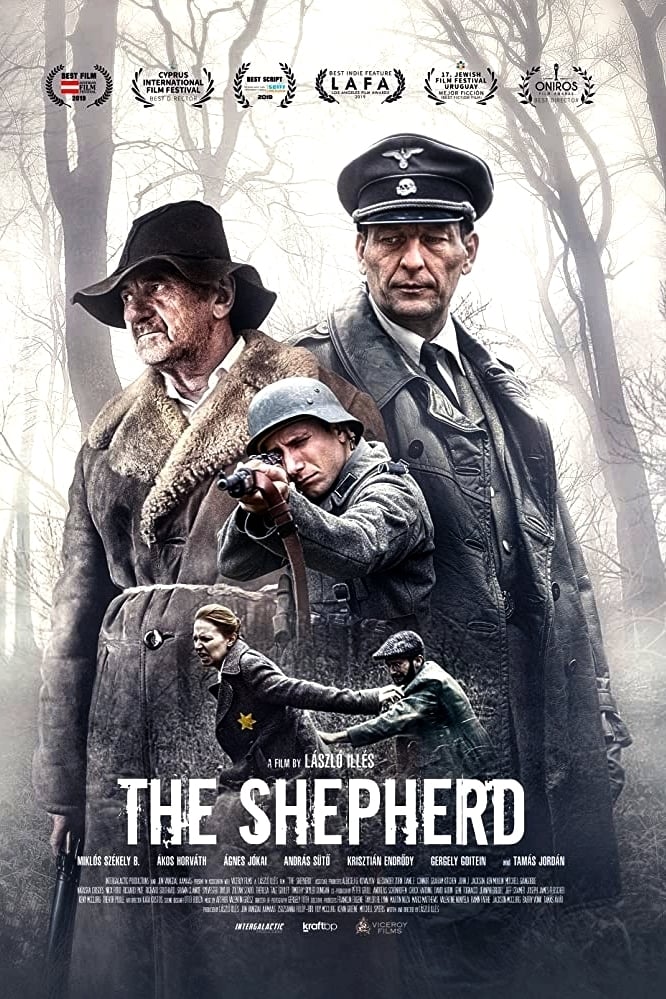
Hungary, 1944 - The main character is an old shepherd, who lives alone on a ranch. After his daughter got killed by Nazis, he decided in his grief to save as many Jewish lives as possible.
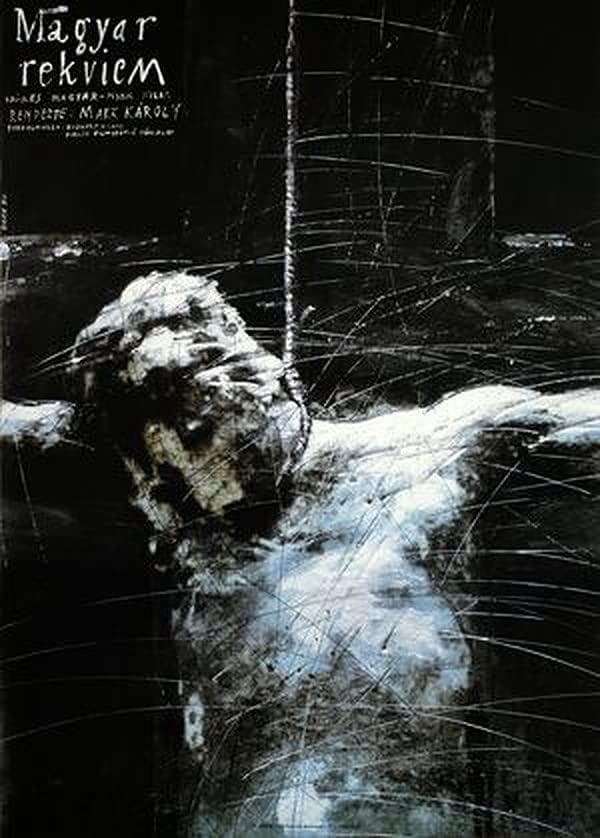
1958. In the cell of the condemned, seven men await the signs of an approaching execution. All of them recall their pasts and envision their wish-dreams.
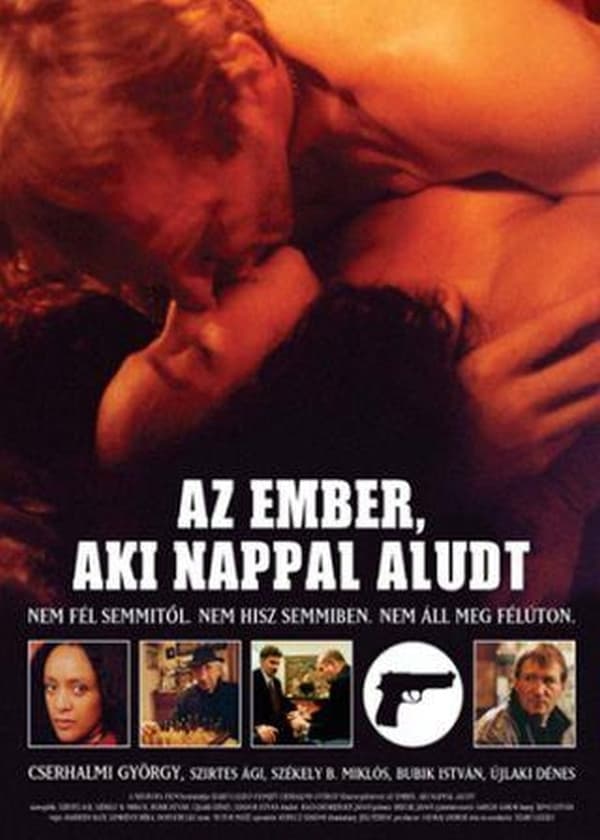
Detective Sebők is shot at by a fleeing criminal and then pushed off the road. Sebők breaks his leg. Left by his wife, pensioned by his boss on the basis of false reports, he has a clash with banker Gömöri at the colonel’s party.
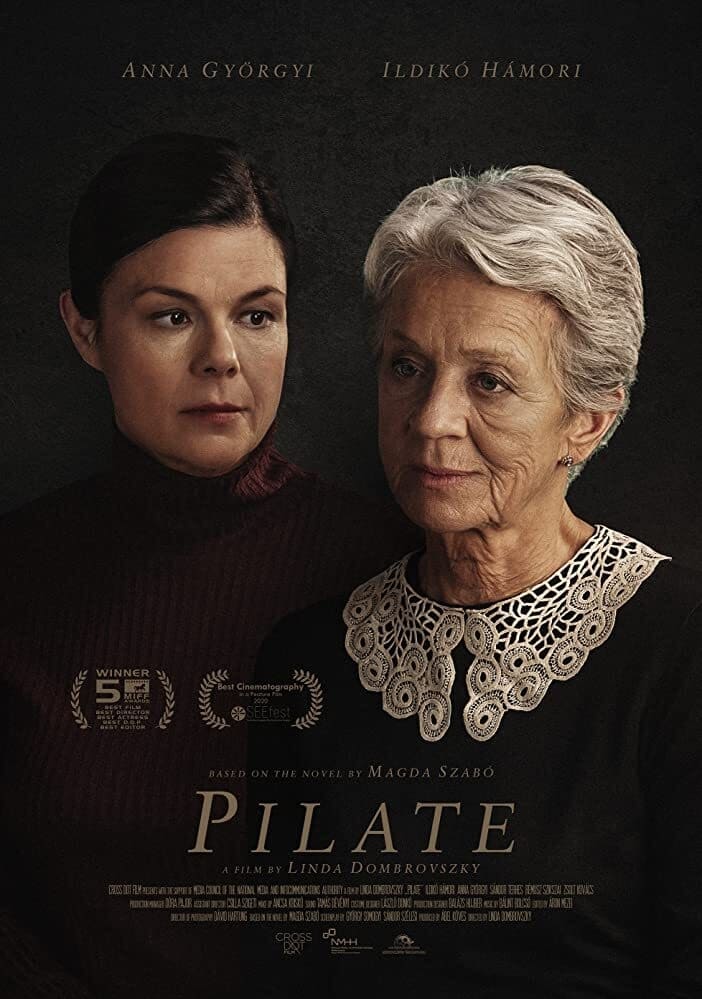
The mother loves her daughter; the daughter loves her mother. The tragedy of misunderstood love. The adaptation of Magda Szabó's novel translated into twelve languages.
Tita the teenage girl doesn't like her life, so she tries to lie a new, more interesting one for herself. She slips into a world of more lies, parties, drugs and sex.
Based on a true story, a love affair develops between a half brother and half-sister. When pregnancy results and word gets out the public is outraged.
A group of girlfriends arrive at a forest lodge to celebrate, but things take a horrific turn as they realize that the forest is home to bloodthirsty lunatics who perceive themselves to be characters from classic fairy tales.
A young man hiking deep in the woods finds a female corpse manipulated in a bizarre manner. Shocked by the discovery, the man realizes that he is not alone on the scene. The murderer starts hunting him in order to protect his identity.
József Tógyer, the typical nobody, just wanted to buy some cloves for their New Year's Eve punch, but ends up as a hostage to a bank robbery gone wrong. In distress, he takes out life insurance, that makes his wife want him to die, while the insurance company wants to save his life. The local radio-station offers him a job and he gains surprising popularity, and finds new love.
The movie portrays a peasant revolt in Hungary in the early twentieth century.
The story takes place in the Stalinist camps of the 1930s, where the main character, Gleb Nesterov, is trying to escape while they are starving and have no idea who has been captured or why. There is no trace of logic in the camp, although the engineer is obsessed with researching it, as it should be. From one day to the next, Professor Adrián is also captured and interrogated, and they want to extort a confession from him while humiliating him. Moral laws and norms have disappeared here, there is only humiliation, death and starvation.