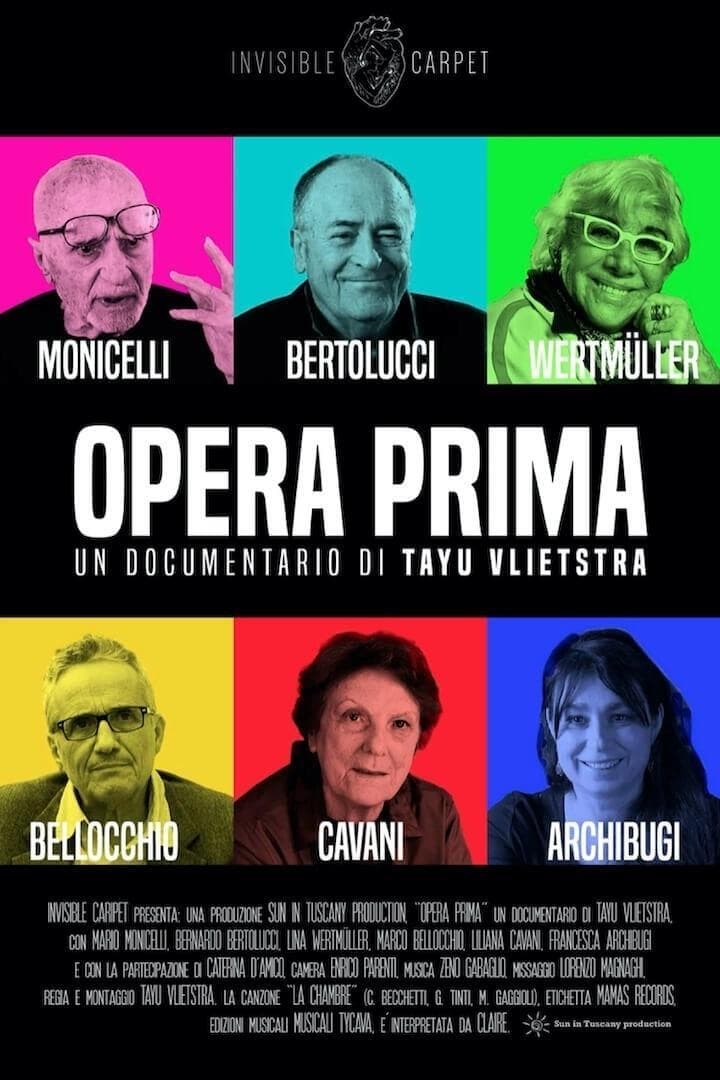
Opera Prima is a tribute and a journey through the evolution that cinema has had in Italy. Tayu Vlietstra, a pupil of Bertolucci, carries out an investigation on the first work of six of the most authoritative and beloved Italian directors. The result is an unpublished and precious document that reveals the emotions and expectations of directors grappling with their cinematic debut. Mario Monicelli, Bernardo Bertolucci, Lina Wertmüller, Marco Bellocchio, Liliana Cavani and Francesca Archibugi offer a still current evolution on the needs and difficulties of making cinema in our country.
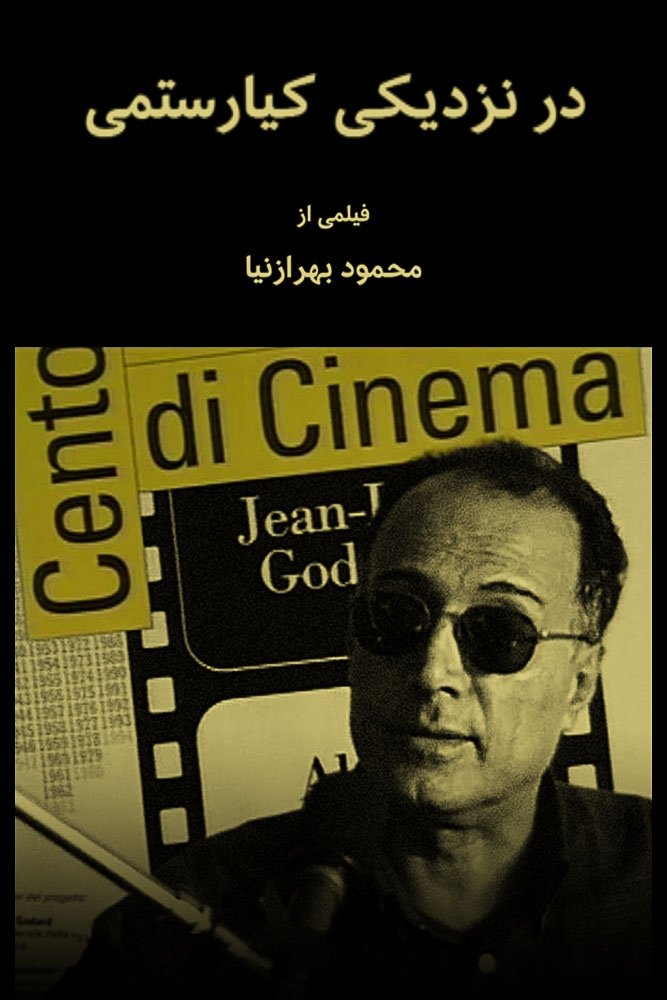
A documentary that focuses on Abbas Kiarostami's cinematic philosophy talking to himself and other figures, and also seeks the opinion about his works both inside and outside his homeland.
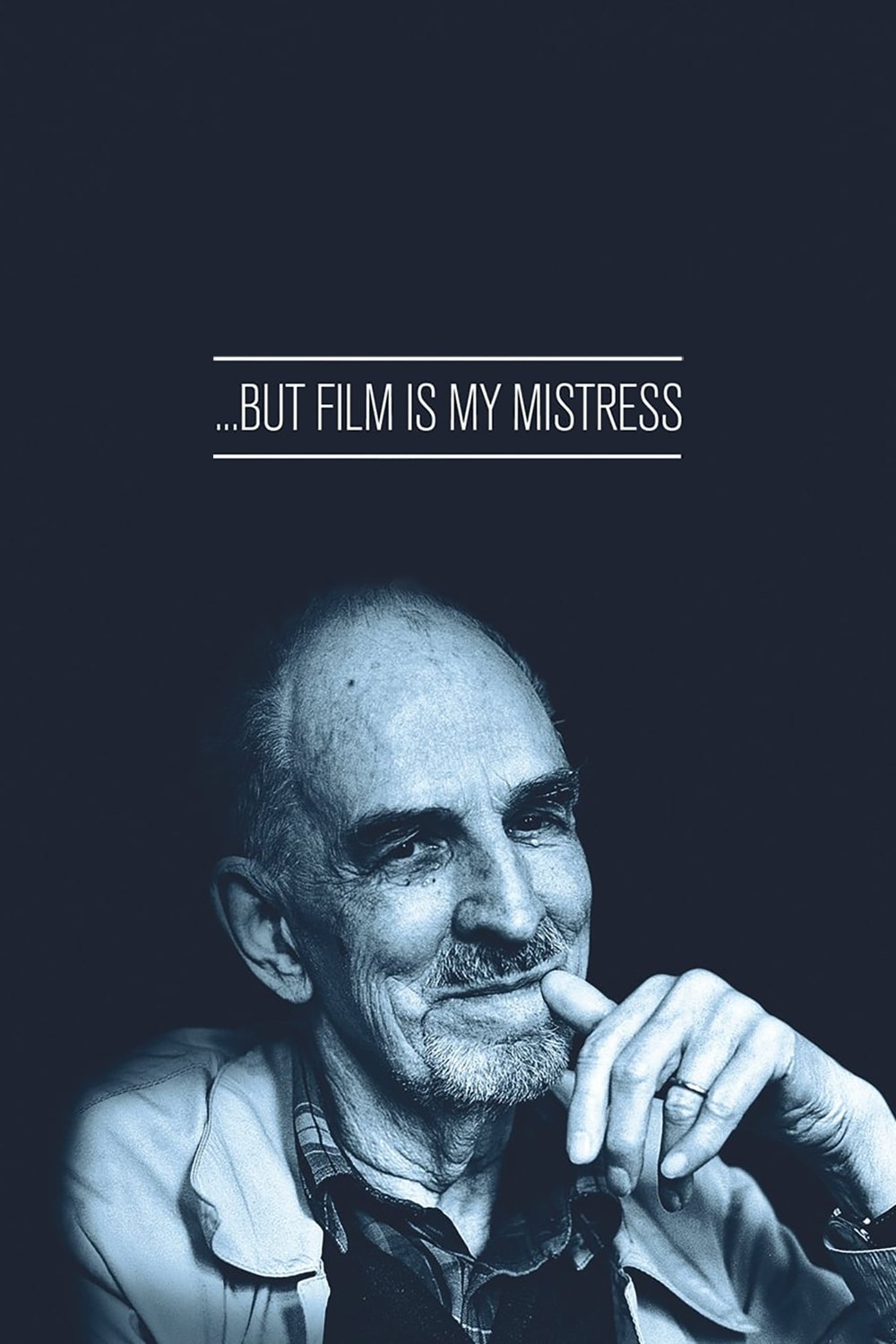
Guided by Liv Ullmann and with commentaries from a number of prominent filmmakers for whom Bergman is and remains an important influence - such as Woody Allen, Olivier Assayas, Bernardo Bertolucci, Arnaud Desplechin, John Sayles, Martin Scorsese and Lars von Trier, the film provides a vivid portrait of the artist who in each new project found a challenge for himself and for the people he worked with - both actors and colleagues behind the camera.
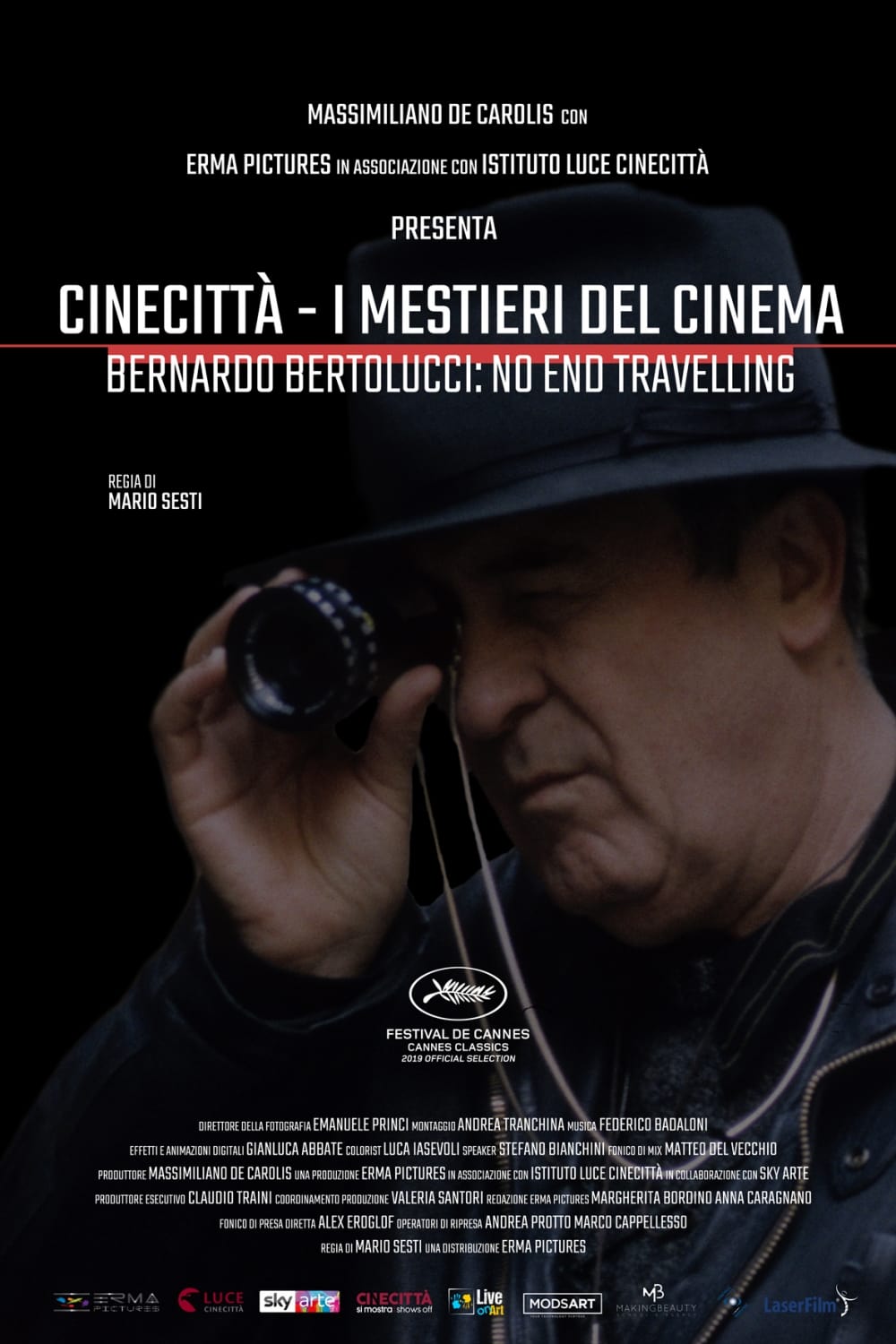
The last interview of Bernardo Bertolucci who recalls his work with precision, delicacy and philosophy.
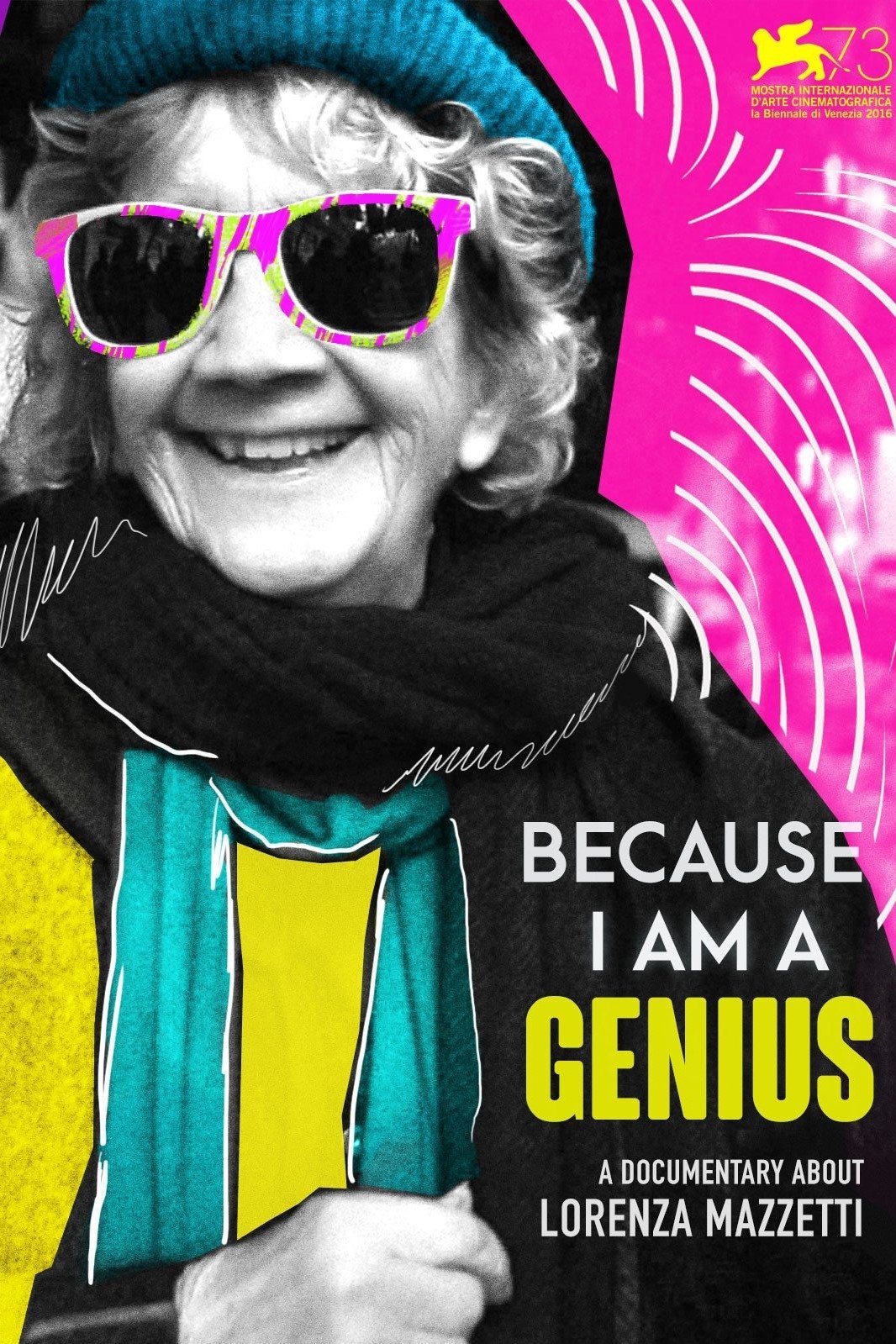
Lorenza Mazzetti's extraordinary life story touches many points in twentieth century history. The adopted daughter of the Einstein family emigrated to London in the 1950s and applied to the Slade School of Fine Art with the reason "Because I'm a genius!" Mazzetti is also one of the most important representatives of the Free Cinema movement.
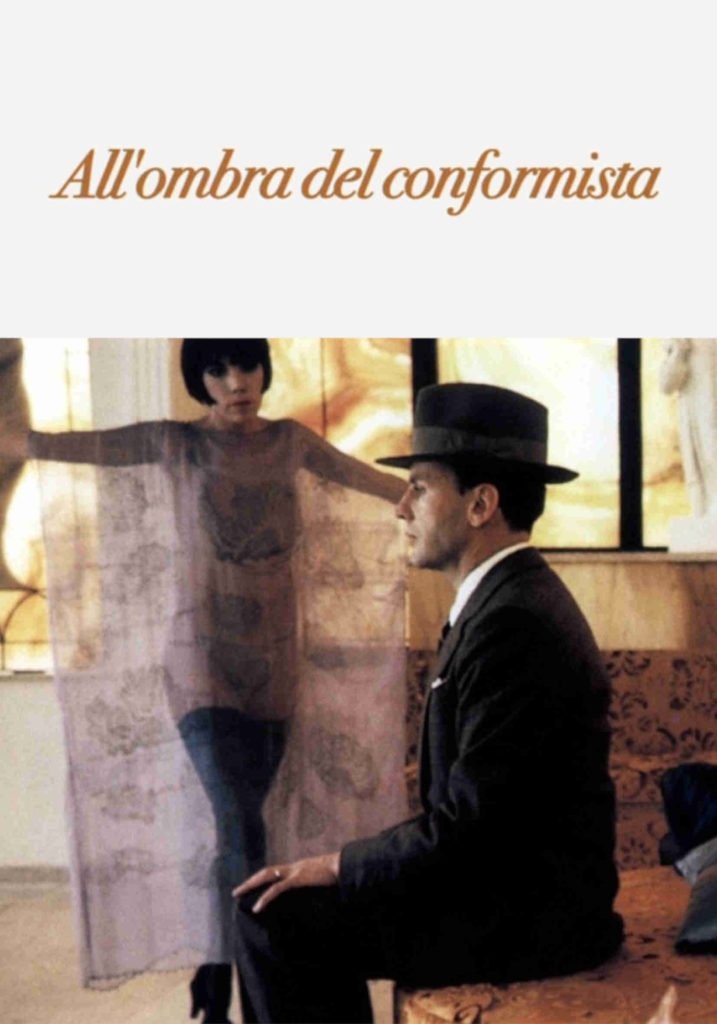
In this visual essay, renowned film critic and historian Adriano Apra takes a closer look at Bernardo Bertolucci's work with Pier Paolo Pasolini on La Commare Secca and discusses its poetic qualities and visual style; Before the Revolution, which was inspired by the French Nouvelle Vague; Agony, a segment from the anthology film Love and Anger; the politically charged Partner, with Pierre Clémenti, which was filmed during the '68 student riots; and The Spider's Stratagem. Adriano Apra also discusses The Conformist and its unusual color scheme, the camera movement, the lensing, etc. Also included in the essay are clips from a very long interview with the Italian director in which he explains how The Conformist came to exist, and discusses its production history, its script and Alberto Moravia's novel, the casting process, the key conflicts in the film, etc.
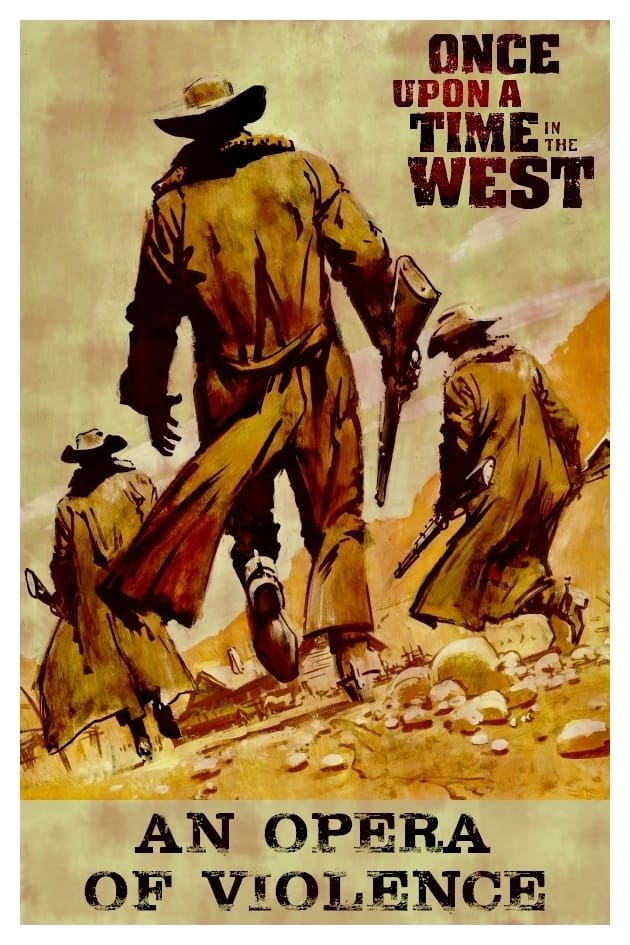
First part of a three-part documentary series on the making of Once Upon a Time in the West, Italian filmmaker Sergio Leone's masterpiece, released in 1968. (Followed by The Wages of Sin.)

Made for the Venice Film Festival's 70th anniversary, seventy filmmakers made a short film between 60 and 90 seconds long on their interpretation of the future of cinema.

The American composer and author Paul Bowles was a man with a great deal of charisma and influence. When he moved to Tangier, Morocco, in 1949, half the world followed him to the enigmatic city. His marriage with author Jane Bowles was a loving relationship of opposites, even though both were homosexual. Based on exclusive interviews with Bowles shortly before his death interwoven with anecdotes recounted by his friends and co-workers, the film portrays a daring and visionary life as well as a relationship shaped by an interdependency that encompassed much more than sexuality.
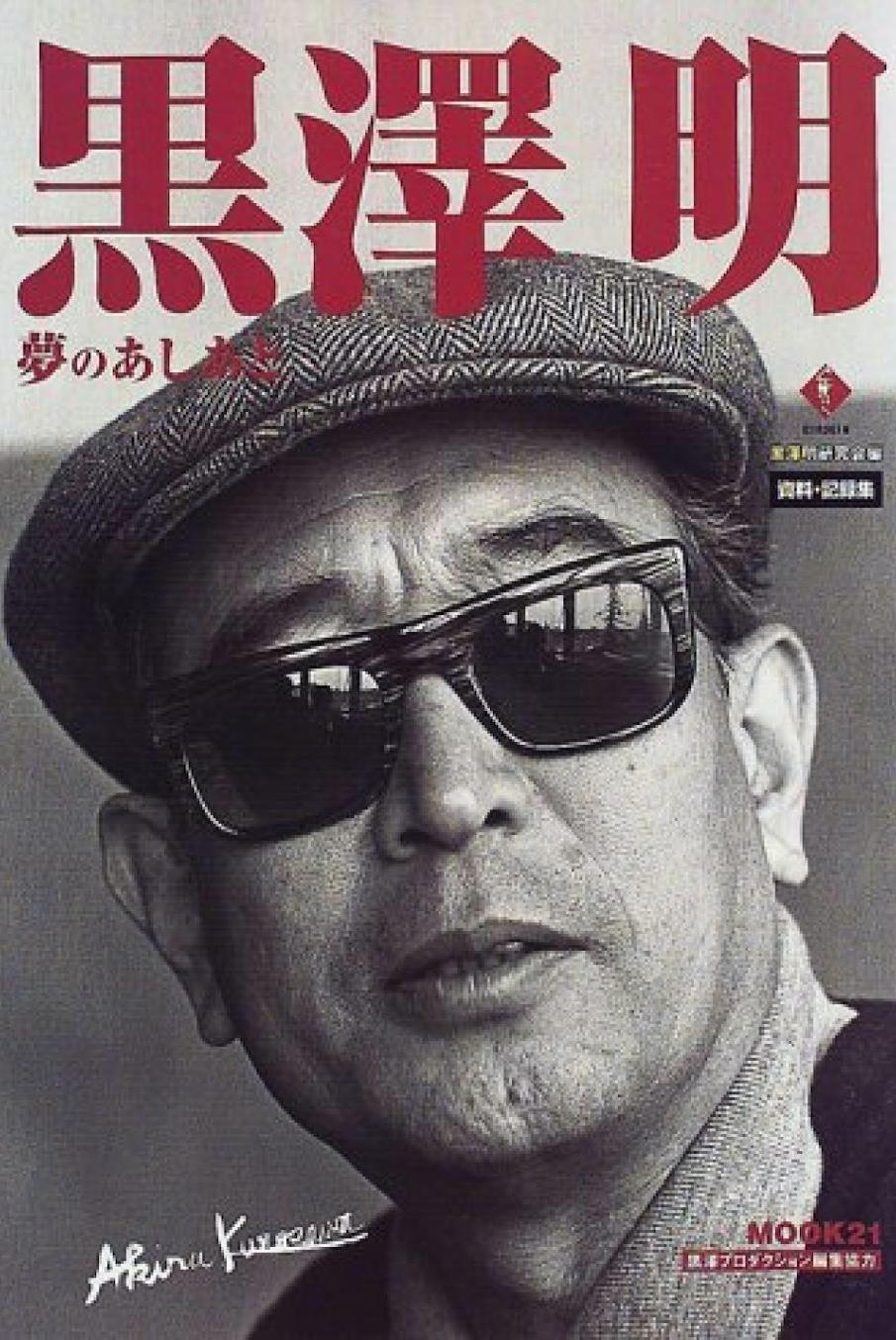
A profile and history of film director Akira Kurosawa.
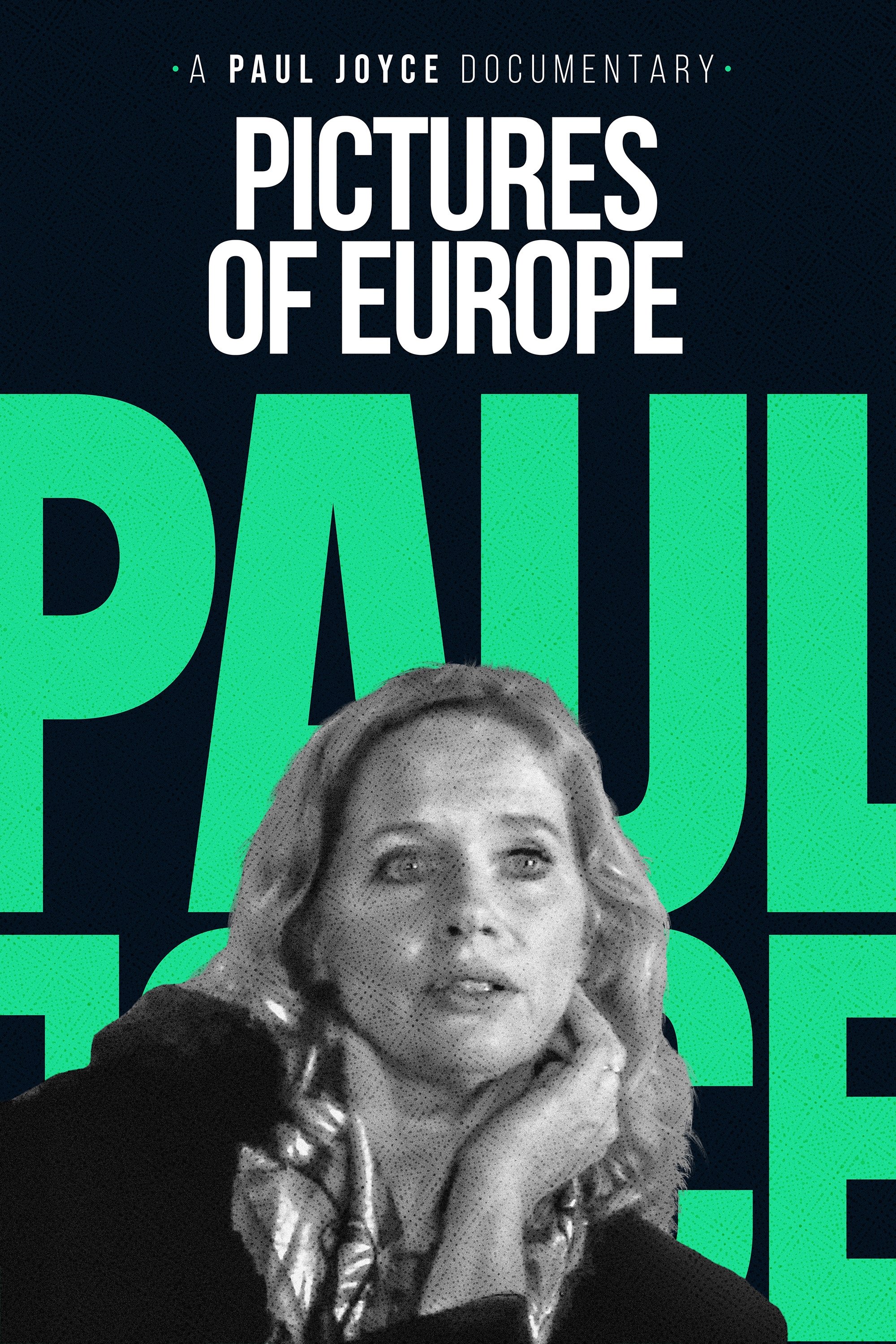
What makes European cinema so special? Find out in Paul Joyce’s feature-length documentary, Pictures of Europe, which examines the differences between American independent and Hollywood movies and films from European directors. Featuring luminary iconoclasts from European cinema such as Agnes Varda, Bernardo Bertolucci and Pedro Almodovar, as well as American counterpoints from Paul Schrader, and those who have crossed back and forth, such as Paul Verhoeven

SEDUCED AND ABANDONED combines acting legend Alec Baldwin with director James Toback as they lead us on a troublesome and often hilarious journey of raising financing for their next feature film. Moving from director to financier to star actor, the two players provide us with a unique look behind the curtain at the world's biggest and most glamourous film festival, shining a light on the bitter-sweet relationship filmmakers have with Cannes and the film business. Featuring insights from directors Martin Scorsese, 'Bernando Bertolucci' and Roman Polanski; actors Ryan Gosling and Jessica Chastain and a host of film distribution luminaries.

Documentary about Vittorio Storaro, cinematographer of Apocalypse Now, The Last Emperor, Reds, Il Confimista, 1900. Vittorio Storaro talks about his work, along with collaborators like Warren Beatty and Bernardo Bertolucci and peers like Nestor Almendros. On-set footage from Dick Tracy and The Sheltering Sky. Storaro explains his zany theories about light and colour, and gives a potted history of lighting in the cinema. Sublime.
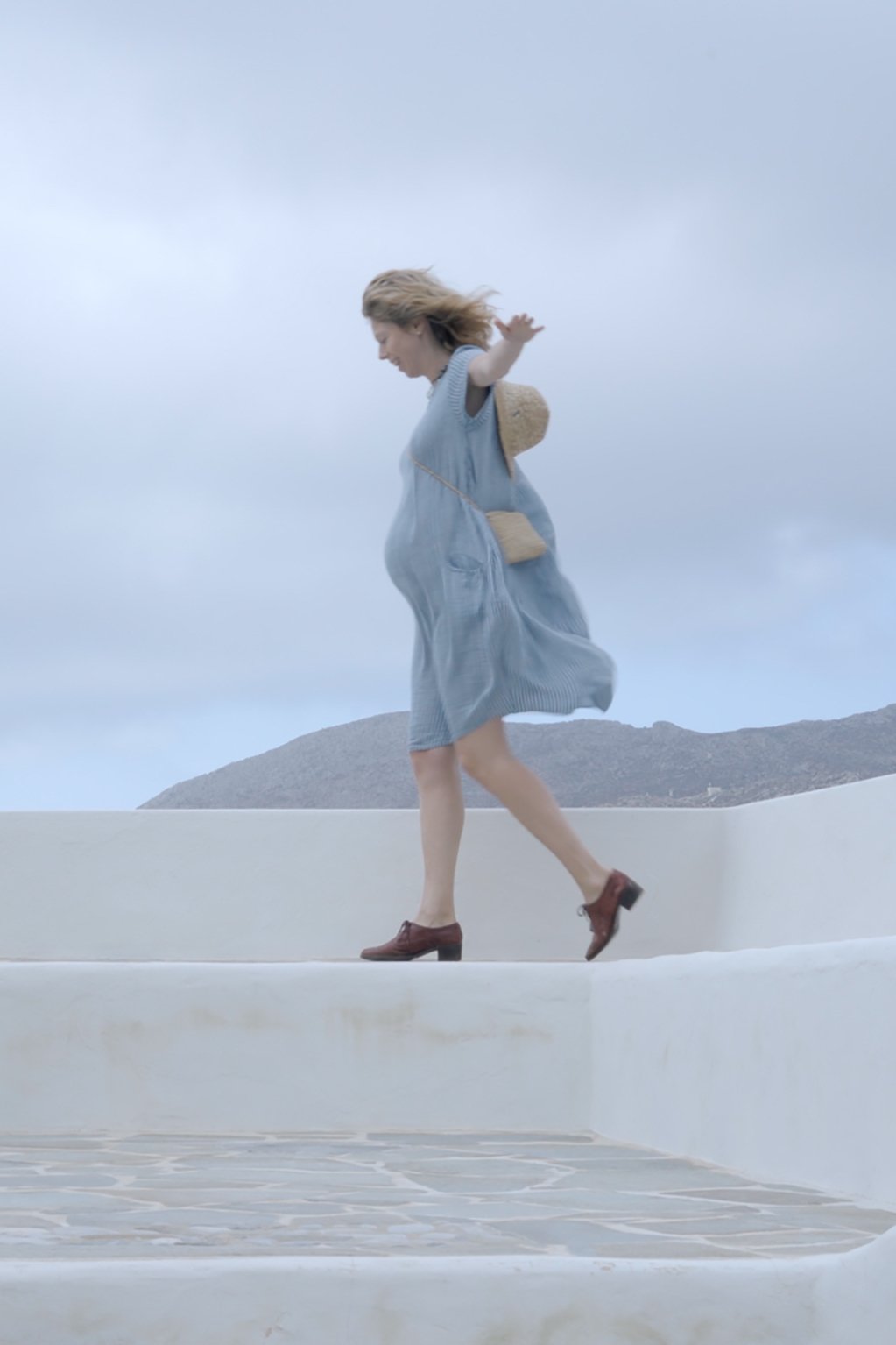
Expecting her first child and questioning how to align motherhood with being an artist, Lola begins a dialogue with her grandmother Cloclo, a landscape painter, aesthetic nomad and free spirit. Lola decides to follow in her footsteps and return to Greece to the Cycladic islands where Cloclo spent the last twenty years of her life.
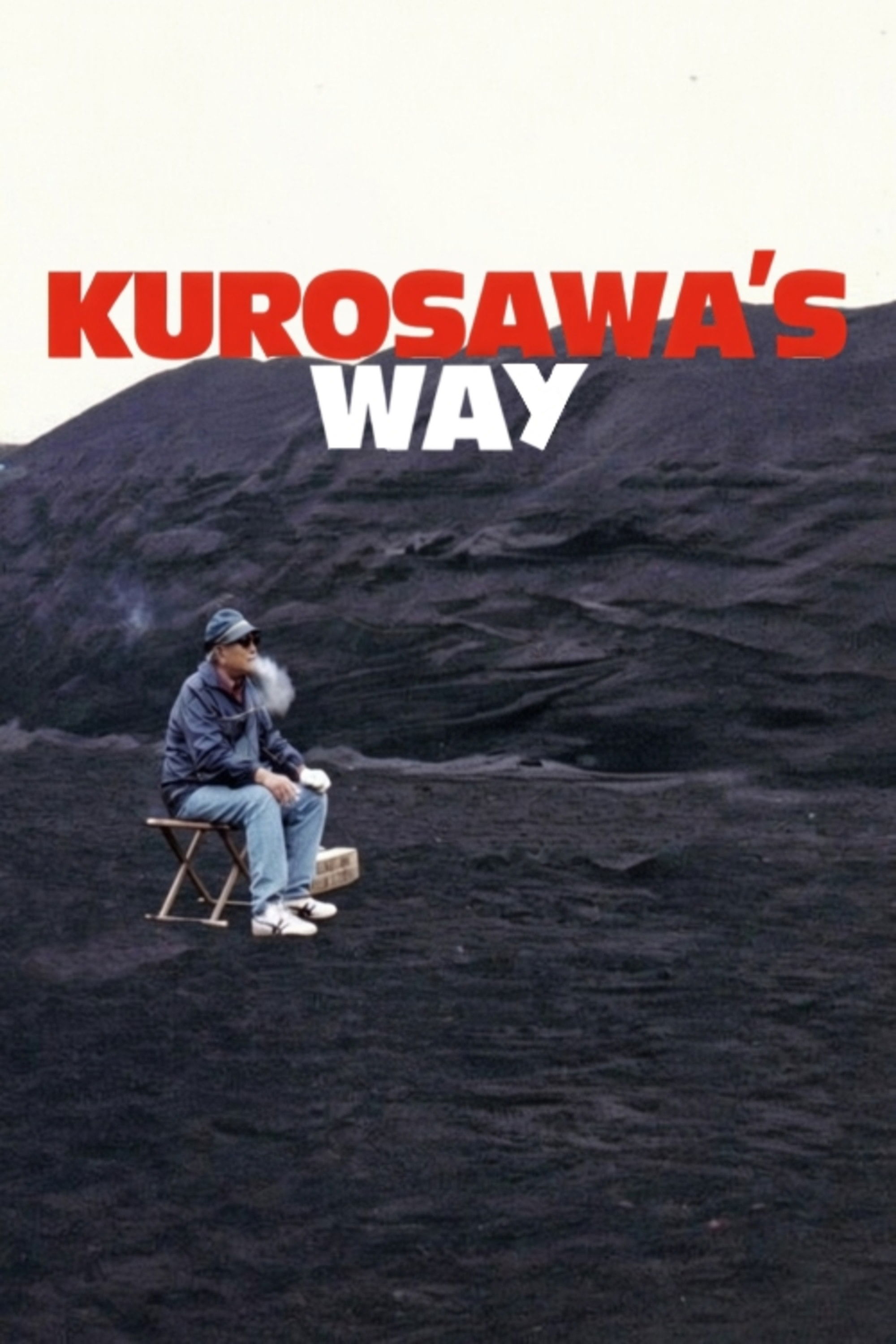
Eleven major film makers from Europe, America and Asia talk about Akira Kurosawa and discover surprising influences on their own work.
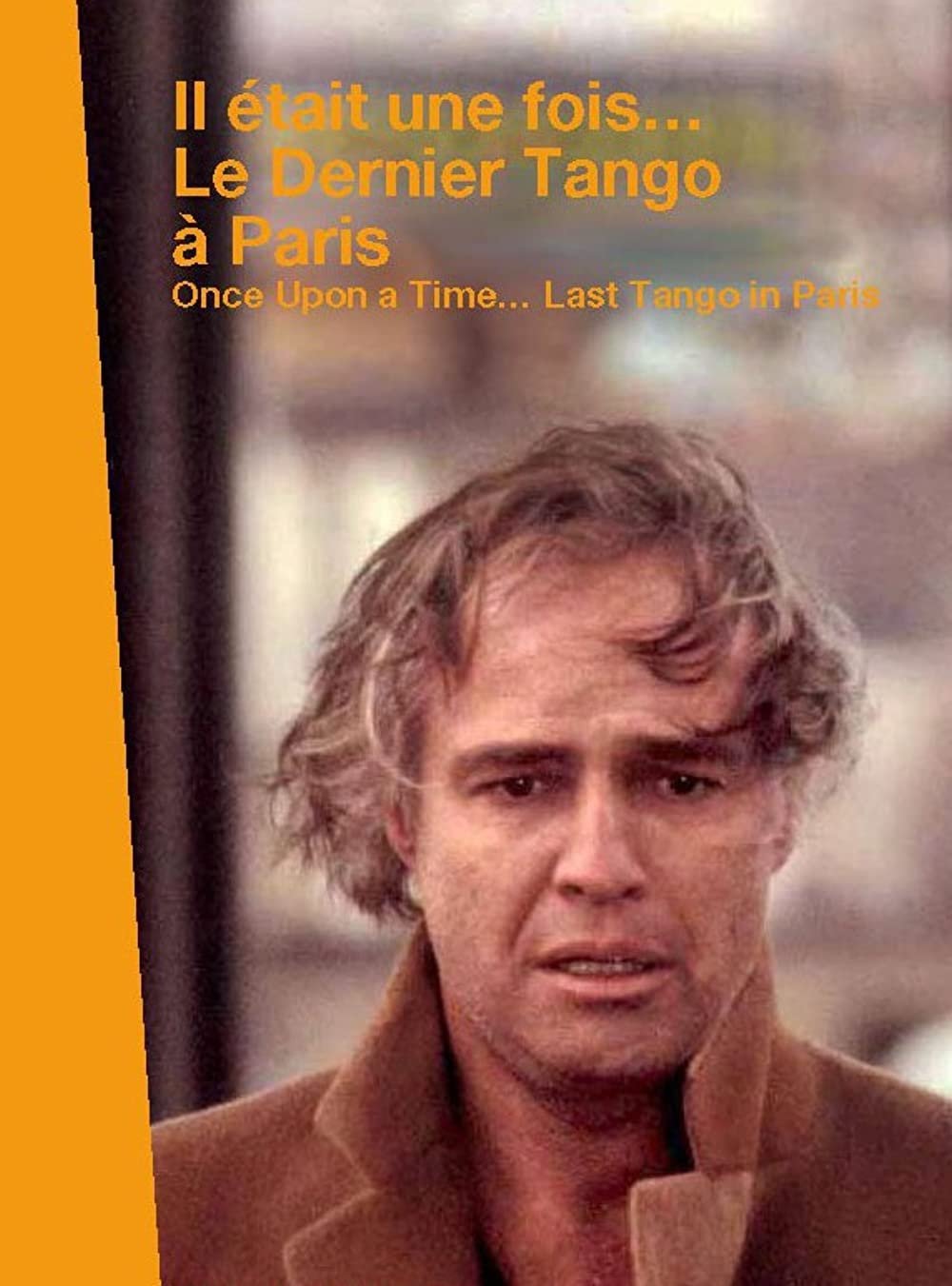
A behind the scenes look at Bernardo Bertolucci’s classic film about the dark side of the sexual revolution: Last Tango in Paris, starring Marlon Brando and Maria Schneider.
A short documentary exploring the ongoing relevance and power of 'Salò o le 120 giornate di Sodoma'.
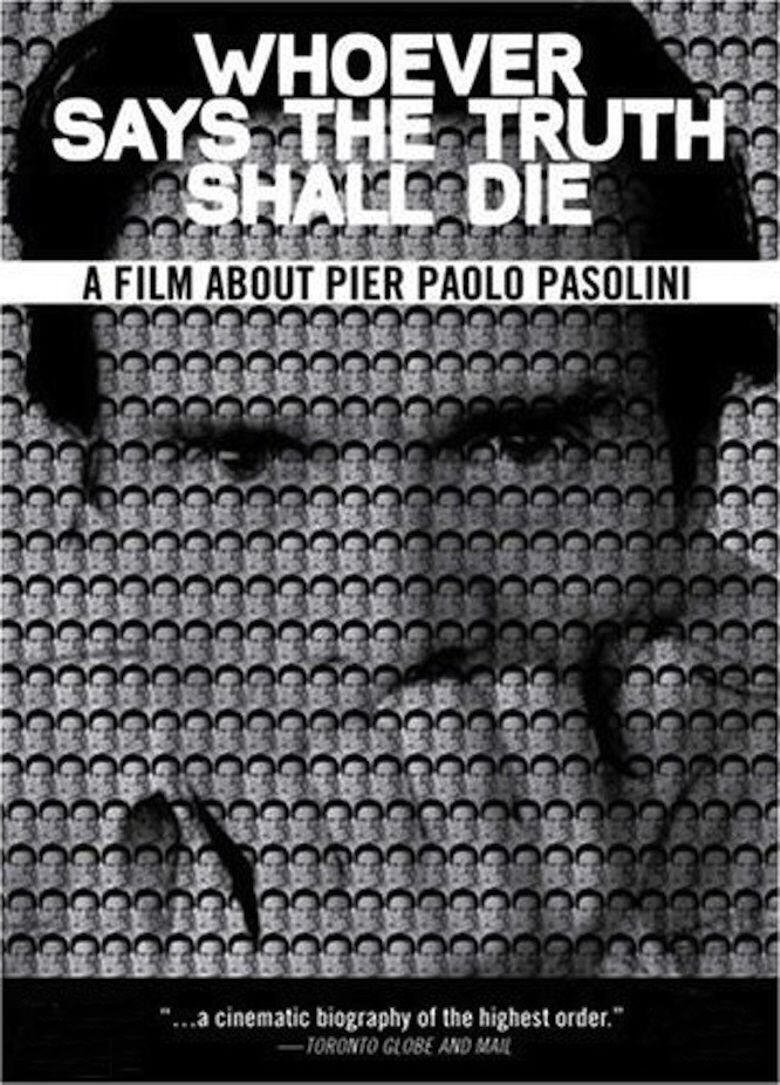
Philo Bregstein tells us this film looks at Pasolini's life and art to explain why he died. The film traces Pasolini's life chronologically - family roots, hiding during World War II, teaching, moving to Rome, being arrested and acquitted many times, publishing poems, getting into film, being provocative, and being murdered. Interviews with Alberto Moravia, Laura Betti, Maria Antonietta Macciocch, and Bernard Bertolucci are inter-cut with readings of Pasolini's poems and with clips from four films - primarily the Gospel According to St. Matthew - to illustrate his changing ideas and points of view. Bregstein makes a case for Pasolini's being lynched.
A short documentary about the making of Chaplin's "Limelight."
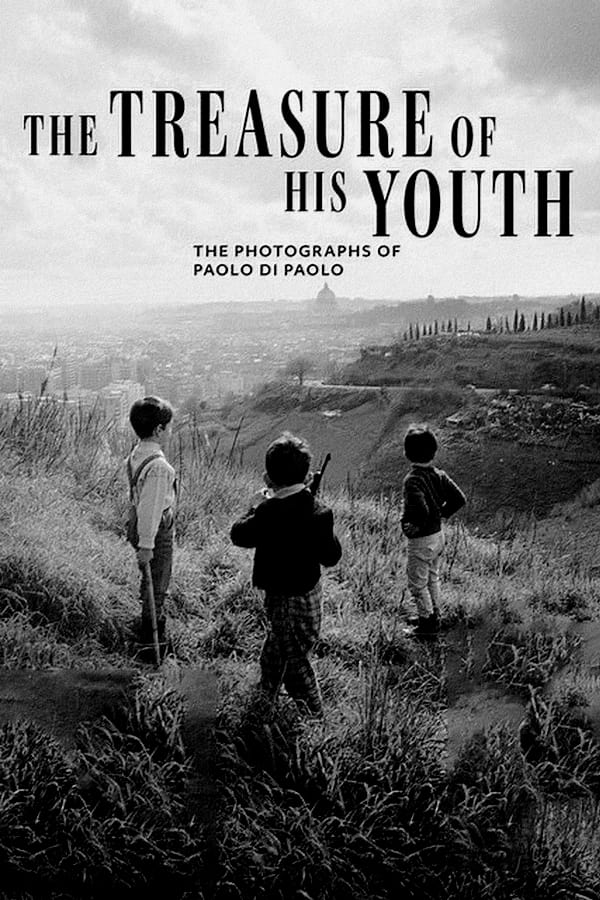
The life of the legendary Italian photojournalist Paolo Di Paolo through his photographs, which capture the essence of a fascinating and turbulent Italy, the one inhabited by Anna Magnani and Pier Paolo Pasolini, a country that no longer exists.
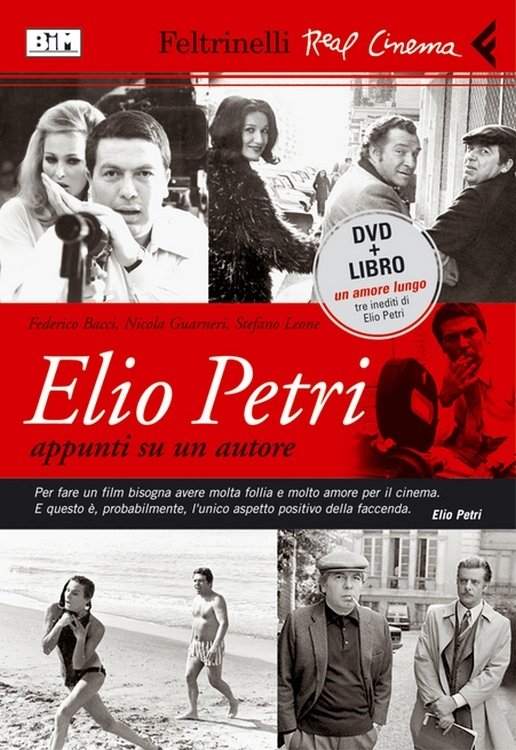
A documentary on the director’s career, featuring interviews with friends, collaborators, and filmmakers.
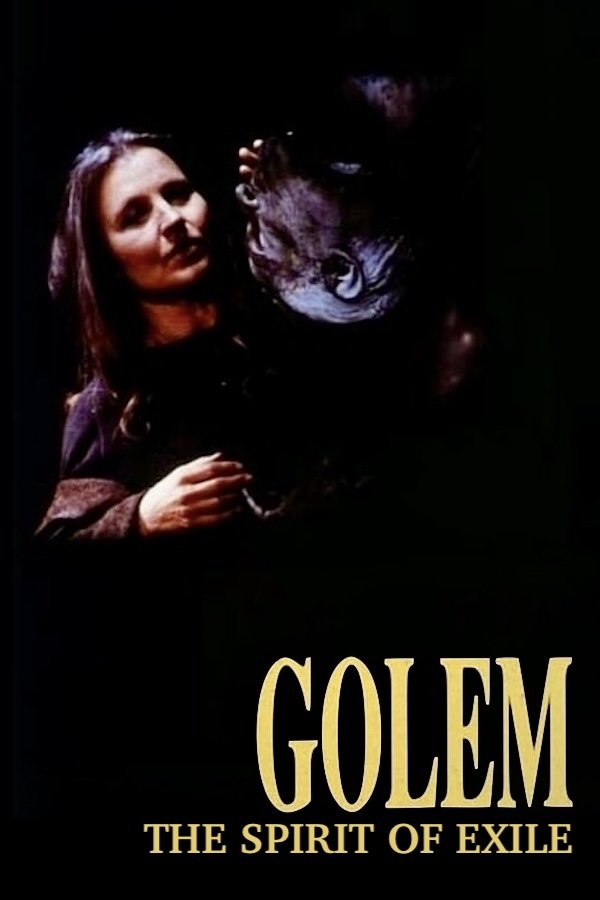
An allegory of the Golem, a Jewish mythical creature personifying displacement and exile, this film tells the story of a woman (similar to the biblical Ruth) and her sisters, who are forced into exile after the death of their husbands. It is set in 1990s Paris, where the director was living in self-imposed exile following the ban on his 1982 documentary in Israel. The recurring theme of the film is migrations and unrooting, like the legendary Golem.
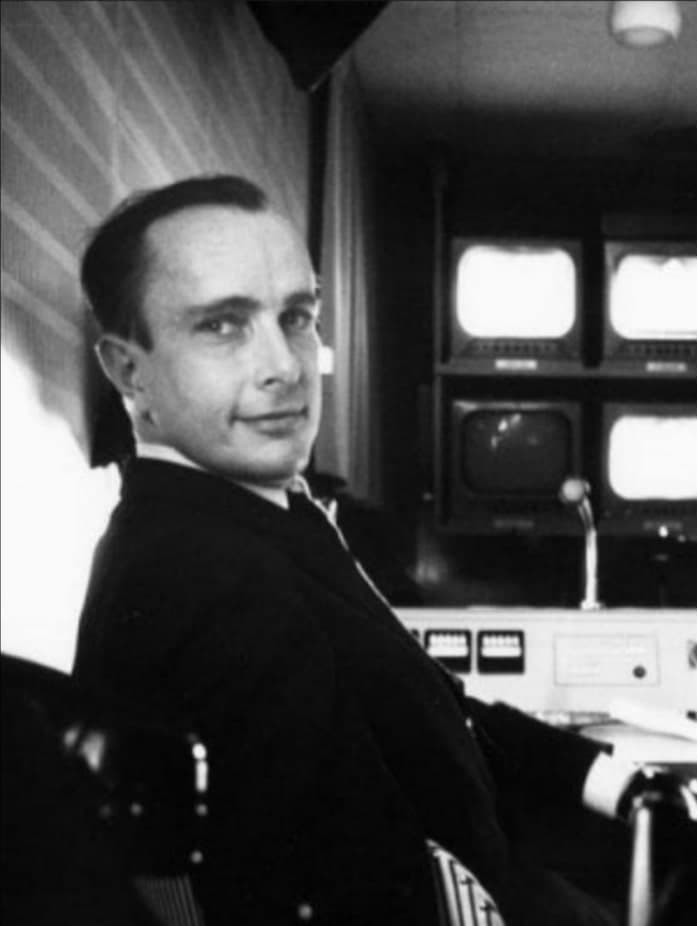
A journey through history
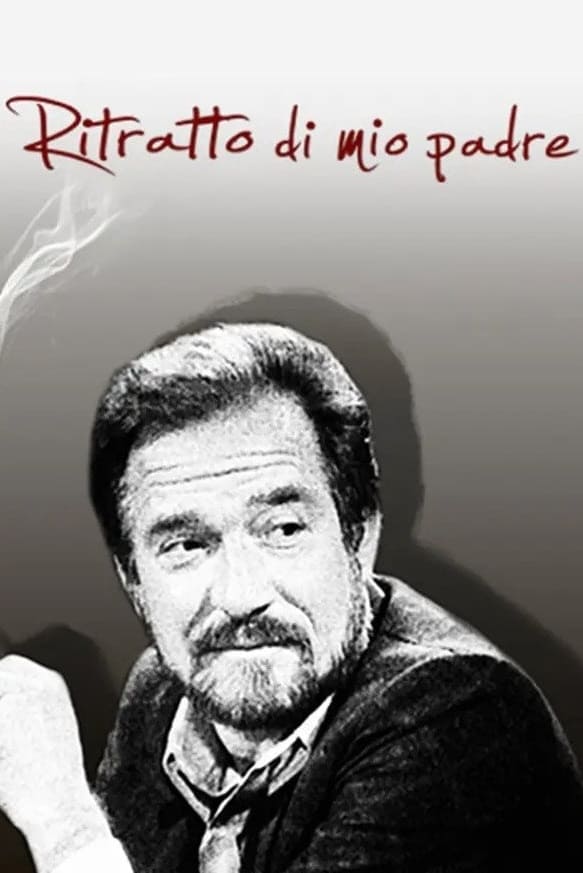
A labor of love documentary, in which a daughter, with the help of various talking heads, looks back on the life work of her father.
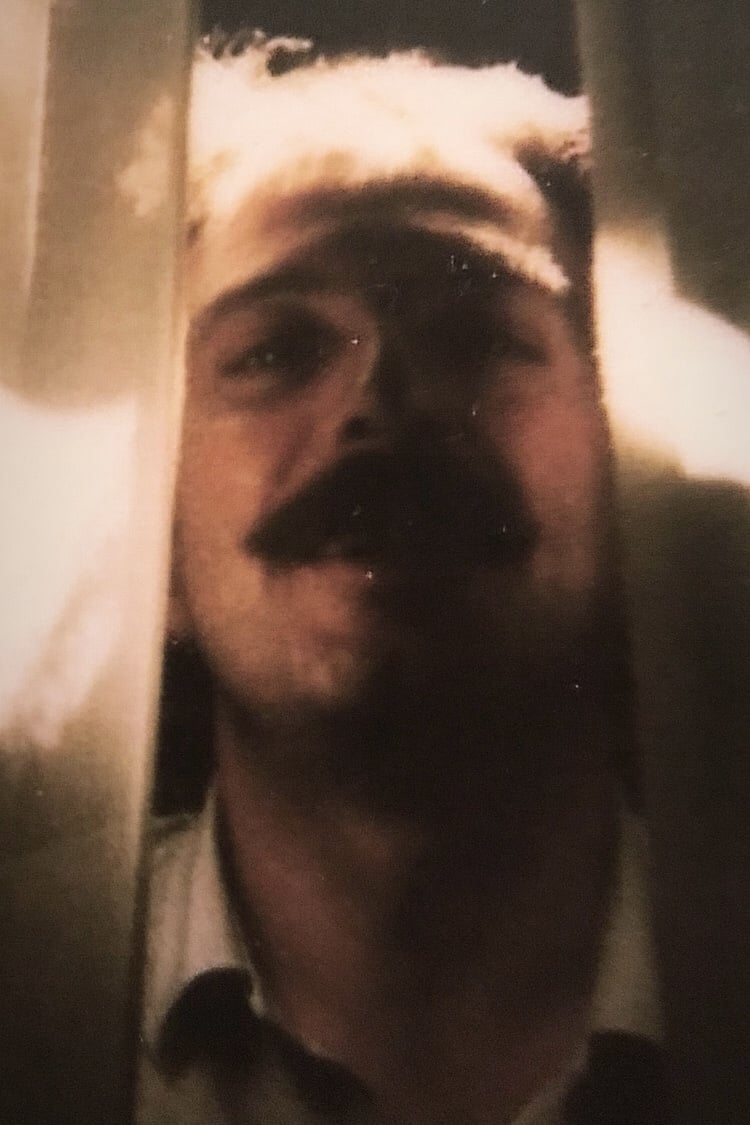
"The Man With The Golden Eye" tells the extraordinary figure of Marco Melani through a live projection of materials collected in over ten years of research. Found footage, unpublished interviews with cinema and television personalities, fragments of films, extracts from television programs, photographs, readings and interventions by the author, intertwine giving voice to a chorus of precious testimonies.
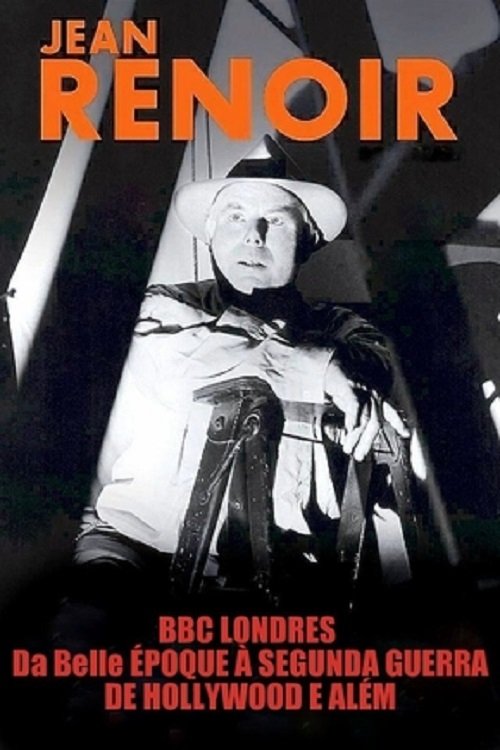
Part one of a BBC documentary about Jean Renoir.
An Italian documentary about Italian cinema.
This short film tells the story of the most important cinema trend that Italy has ever produced - Neo Realism. Born after the Second World War, this veritable cultural revolution rapidly became a boundless source of inspiration for movie-makers throughout the entire world. Even today it influences those wanting to produce quality movies characterized and identified as Italian products able to be exported as well. It is precisely one of the masters of this unique current rich in different personalities who introduces the story - Carlo Lizzani - whose 'lesson' reconstructs the birth and development of Neorealism in Italy. It combined innovative movie techniques with a new view based on a 'true' interpretation of reality. Due to its high cultural value, this short film was given the highest reknown of the Presidency of the Republic of Italy.
The history of film and video censorship in Great Britain.
Documentary about Bernardo Bertolucci, and his film The Last Emperor, tracing the director’s geographic influences, from Parma to China.
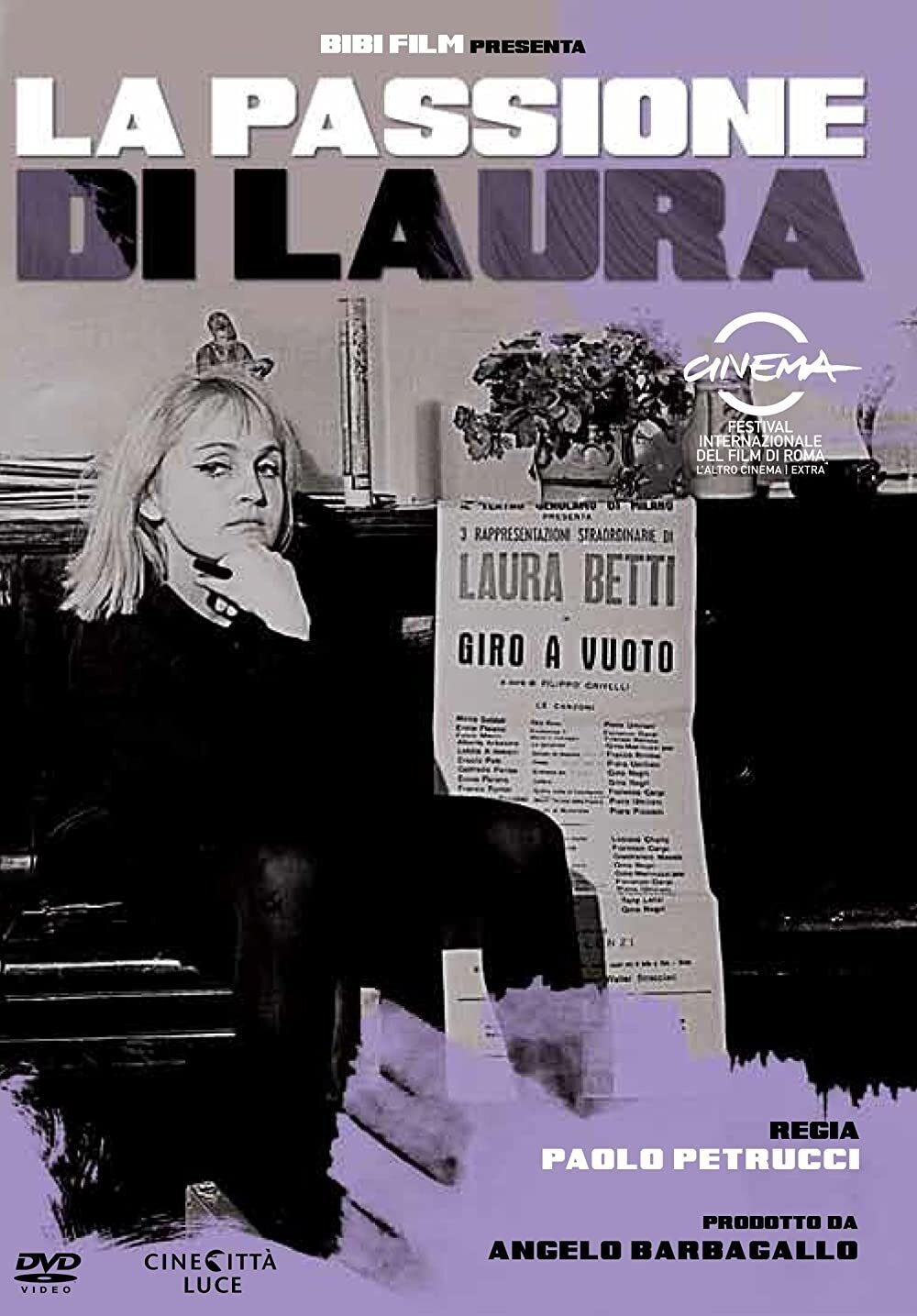
A portrait of Laura Betti with archival footage and stories of friends: Bernardo Bertolucci remembers Laura in "Novecento" and in a lost sequence of "Last Tango in Paris", Giacomo Marramao and Walter Siti dwell on the relationship with Pier Paolo Pasolini, Francesca Archibugi remembers a precious friend, Michelle Kokosowski and Jack Lang talk about the successful and mutual love for France, Piero Tosi and Paolo Poli remember her youth, Jacqueline Risset her private life, Valentino Parlato her civic passion, Renato Nicolini recaps her difficult relationship with institutions, Filippo Crivelli remembers the singer. Views that seek to reconstruct the figure of an exceptional artist, unusual and contradictory.
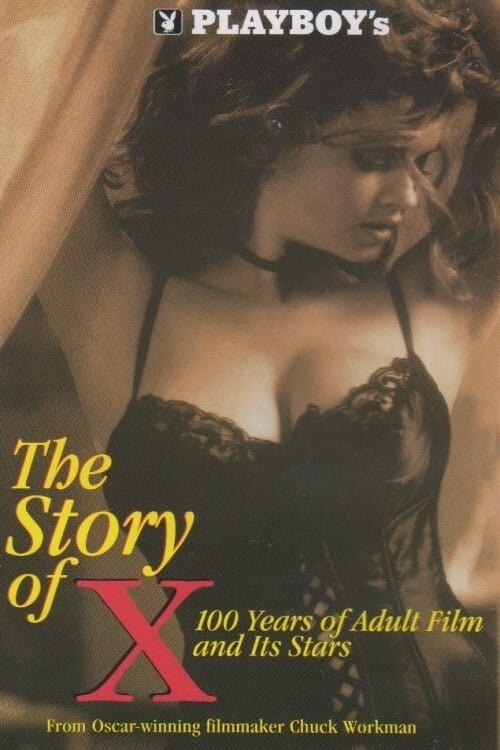
The Story of X takes you to the earliest days of adult films when men peddled stag reels and projectors out of the trunks of their cars, then through the movie house years to the arrival of the home video business, and now the Internet. Meet the men behind the camera, such as "King of Sexploitation" Dave Friedman and the preeminent breast man Russ Meyer. Considered pariahs at the time, they're now hailed as pioneers in the fight against censorship. The Story of X visits the 60s when women's rights, not nudity, became the issue and recounts porn's arrival in Hollywood, led by director Bernardo Bertolucci's Last Tango in Paris. In the 70s, several groundbreaking films, including Behind the Green Door featuring Marilyn Chambers and Deep Throat featuring Linda Lovelace, took the genre to a new level.
Features conversations with ten of the world's greatest living directors: Bernardo Bertolucci, David Lynch, Liliana Cavani, Stephen Frears, Agnes Varda, Ken Loach, Todd Haynes, Catherine Breillat, Richard Linklater and John Sayles. The film documents Ismailos' voyage of discovering the creative personalities behind the camera.
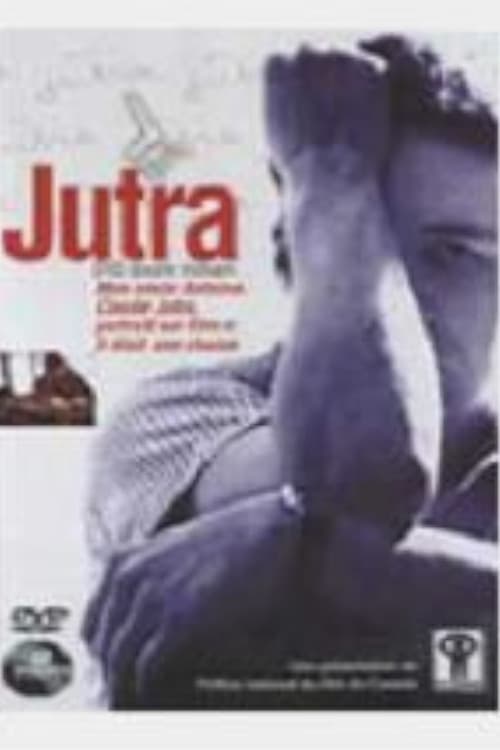
A revealing look at the great Quebecois director who gave us such classic films as Mon Oncle Antoine, A toute prendre and Kamouraska: Power of Passion. Amidst the rise of French-Canadian identity and the political struggles of the '60s, Jutra was at the forefront of a group of artists dedicated to social change and attacking taboo.
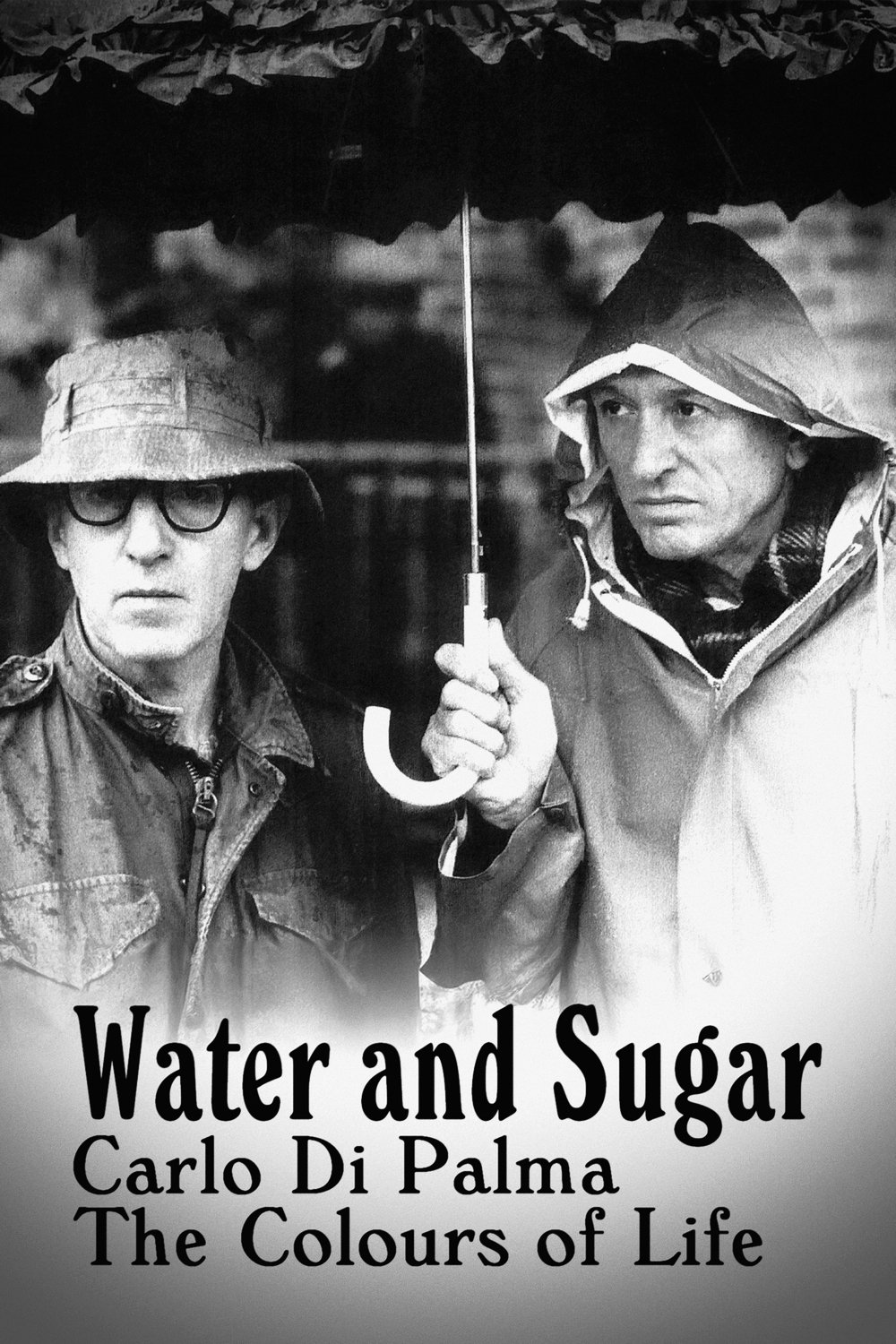
An account of the life and work of legendary cinematographer and director Carlo Di Palma (1925-2004) and an emotional journey through the great moments of cinema, from Italian neorealism to the masterpieces of Woody Allen.
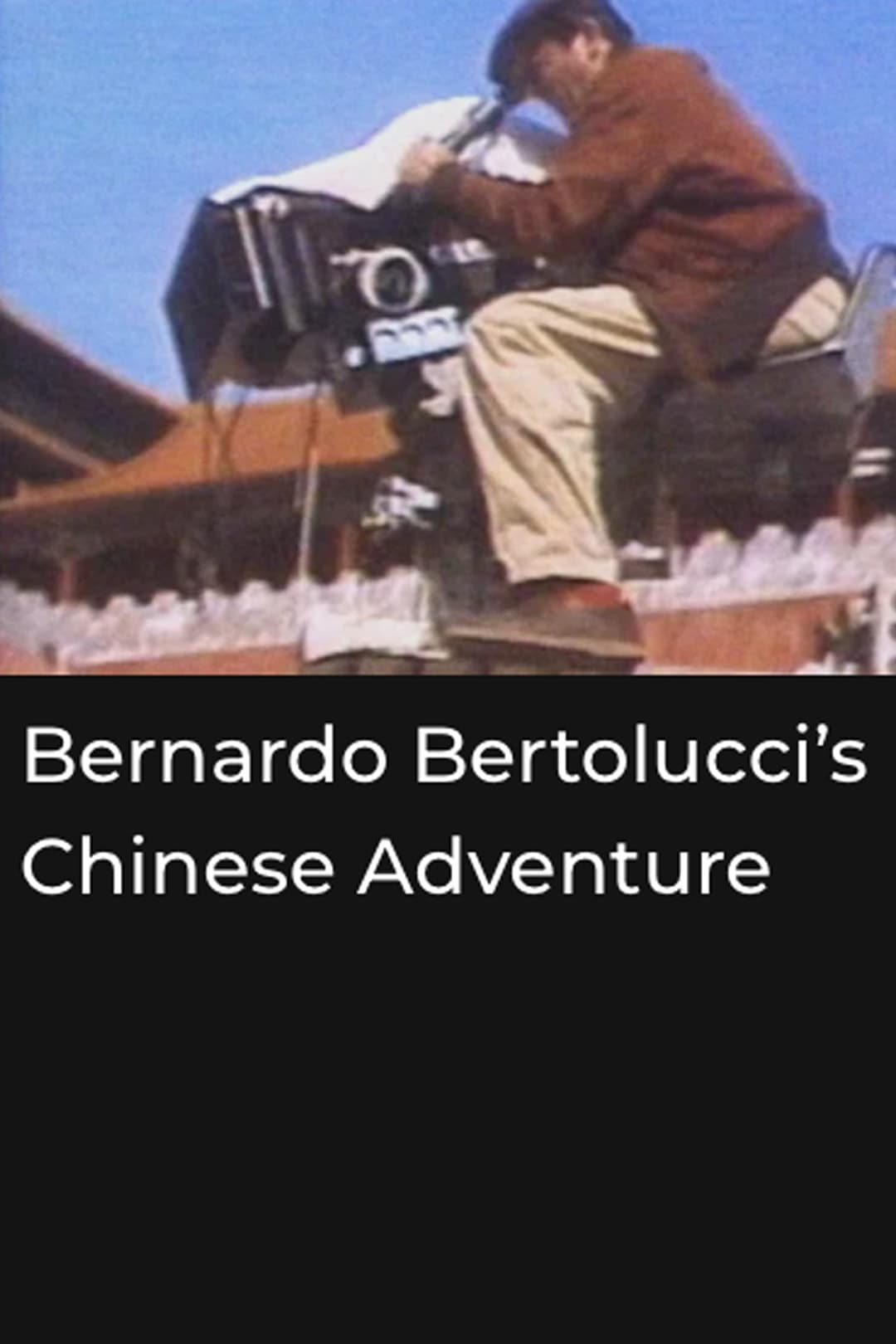
Documentary about the making of Italian film director Bernardo Bertolucci's The Last Emperor.
Documentary about the making of the film first presented on the British television series "The South Bank Show".
Italian film director Bernardo Bertolucci is interviewed on the British television series about his film "The Last Emperor."
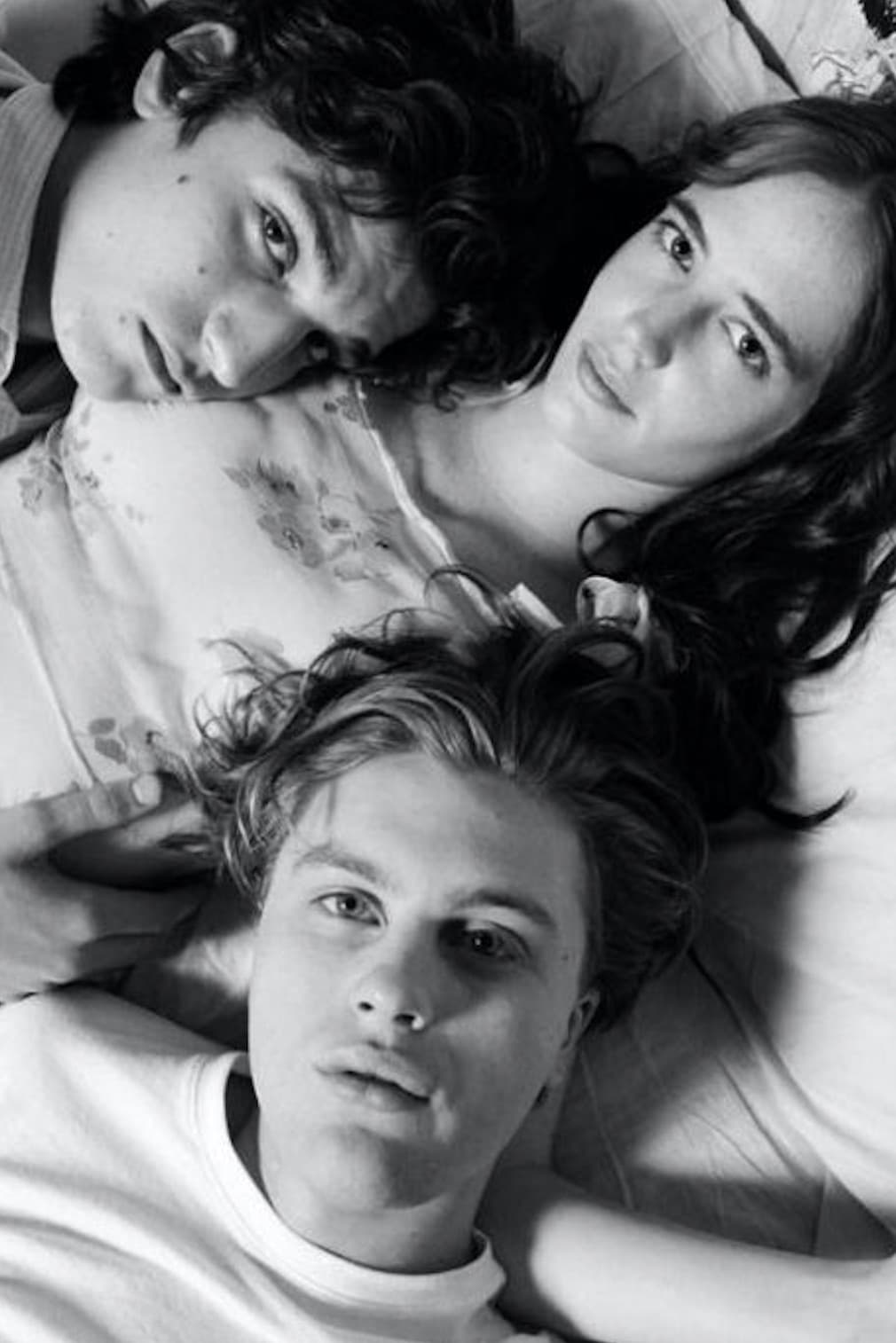
The making of The Dreamers, its background and relation to the May 1968 student riots in Paris.
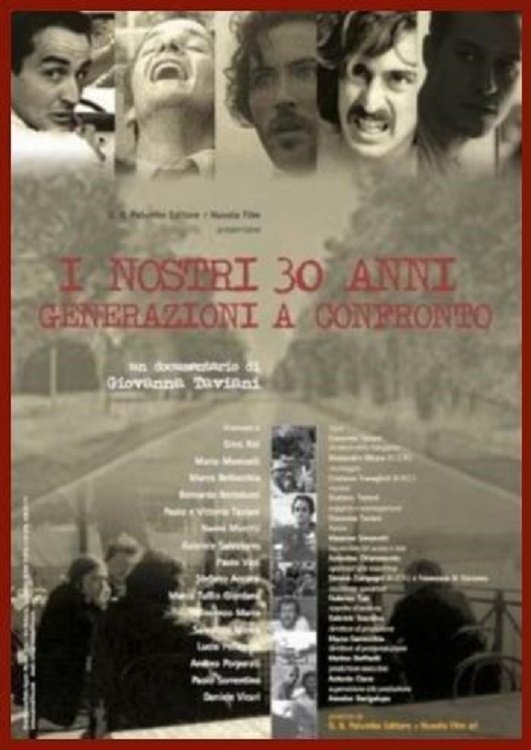
Various generations of filmmakers talk about what cinema means for them.
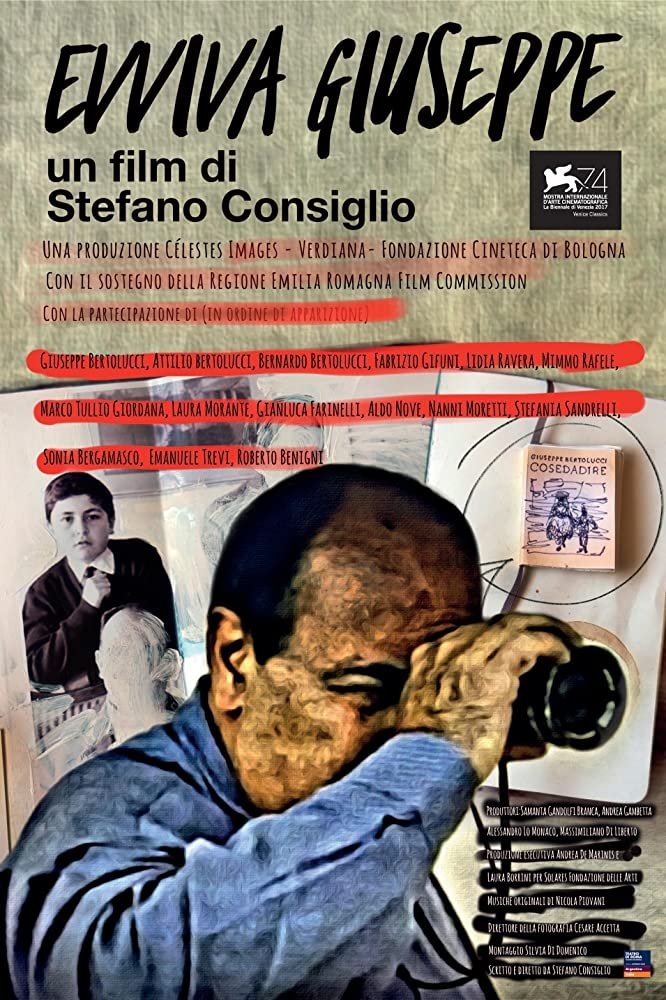
The life and work of Giuseppe Bertolucci, as told by his father and brother, friends and colleagues.
“A future historian, if he or she is honest, will feel a legitimate need to place the decade 1968 to 1978 alongside the great events that changed the world, such as the French and Russian Revolutions”. This was the guiding idea to which we entrusted, with considerable emotion, our personal memory and the archive footage that we took and collected during those years and which represent the physical body of the battles fought and victories gained everywhere during those ten years. Their value, in a country like Italy which has lost its memory, is a rare witness to the power of human dignity in a constant struggle for its redemption.
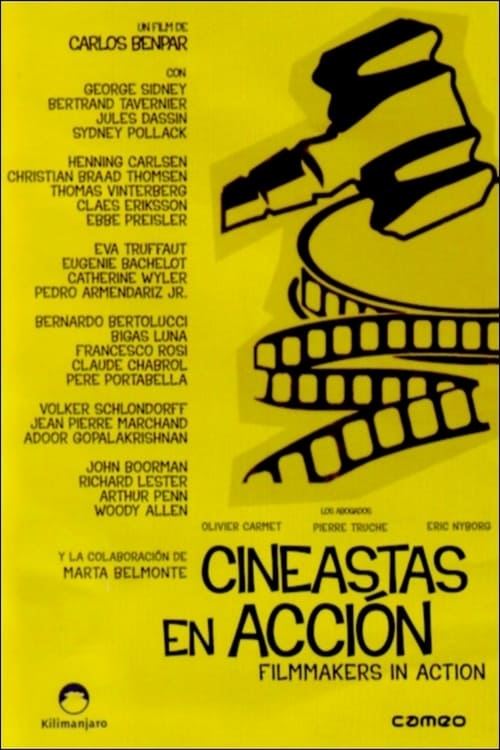
What is the state of cinema and what being a filmmaker means? What are the measures taken to protect authors' copyright? What is their legal status in different countries? (Sequel to “Filmmakers vs. Tycoons.”)
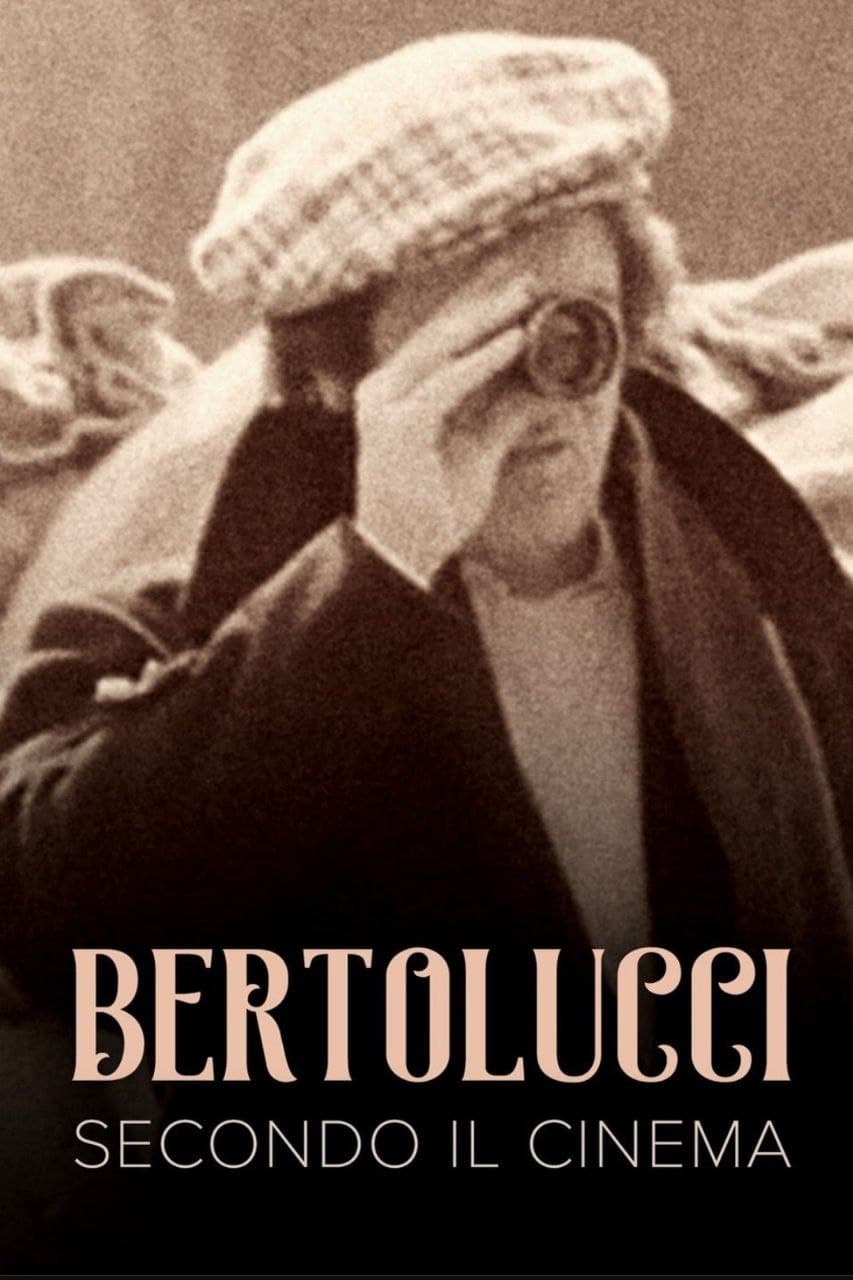
Documentary on the filming of Novecento by Bernardo Bertolucci
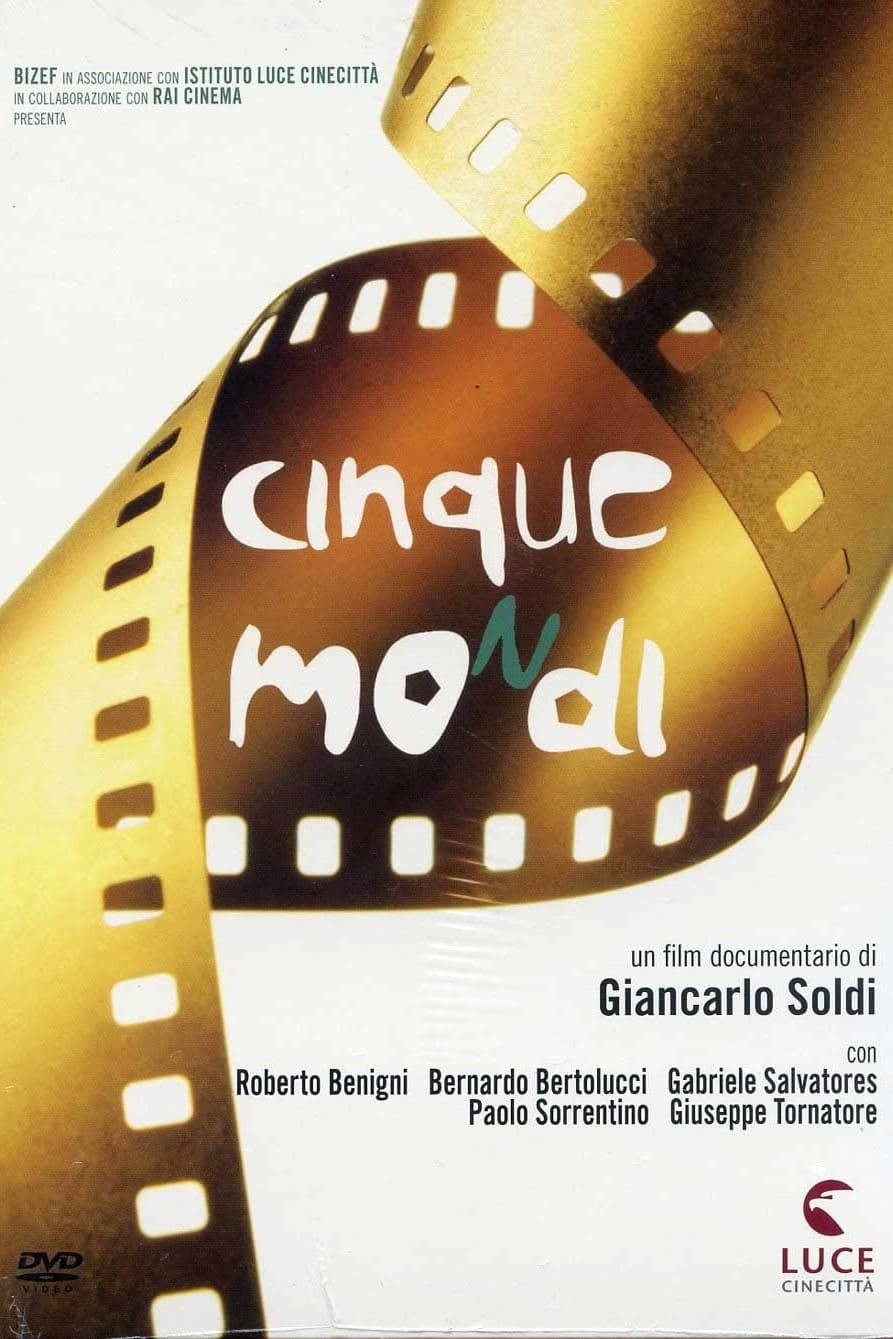
Roberto Benigni, Bernardo Bertolucci, Gabriele Salvatores, Paolo Sorrentino and Giuseppe Tornatore talk about their idea of cinema.
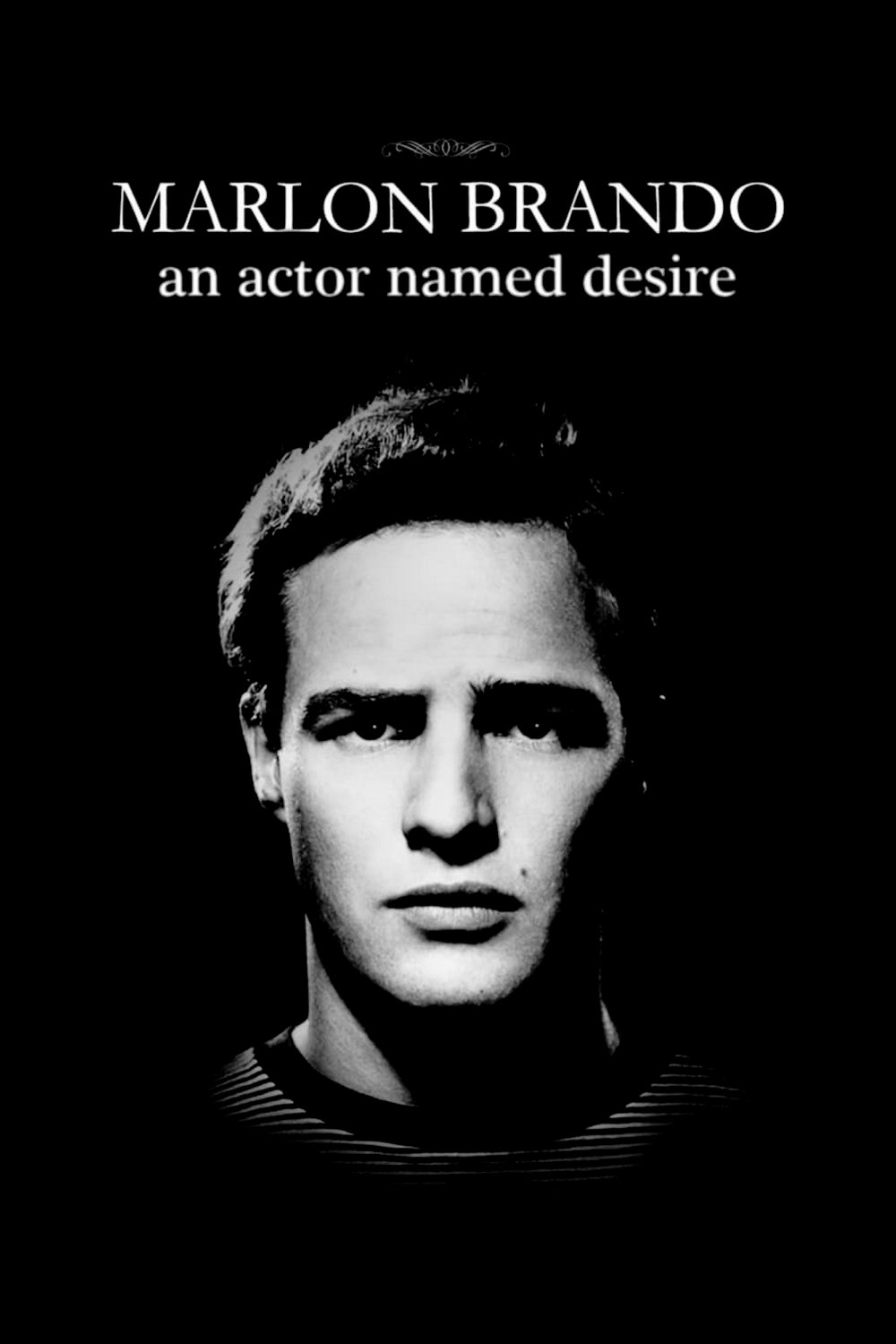
In his early days as an actor, Marlon Brando (1924-2004) was a shy young man with theatrical ambitions, like many others; but his charisma and superb acting skills made him truly unique, so that the doors to the starry sky of Hollywood opened for him. However, his peculiar manners, political commitment and complicated love life always overshadowed his artistic success.
Making of documentary of Bernardo Bertolucci's Io e Te.
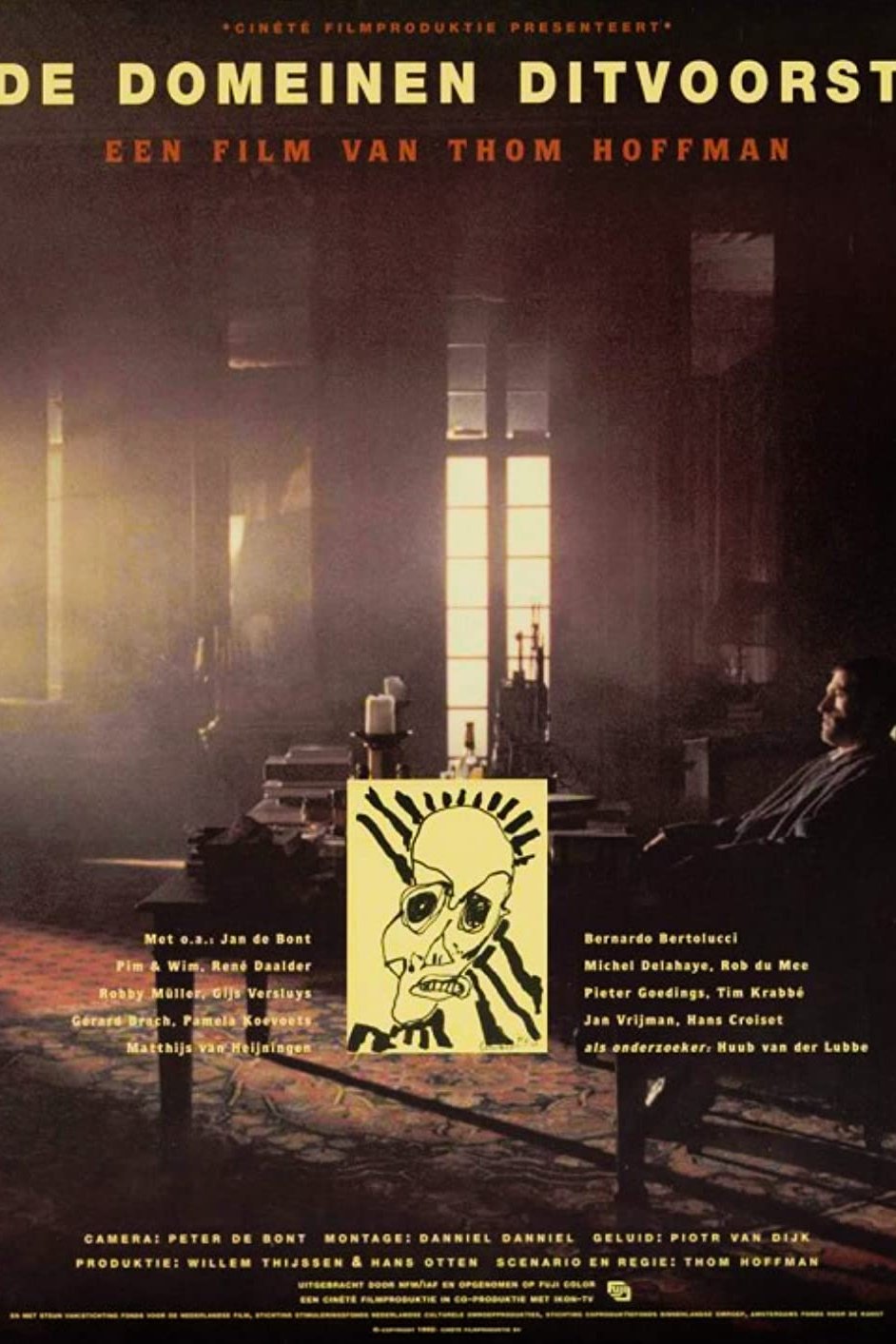
Documentary about the Dutch film director Adriaan Ditvoorst.
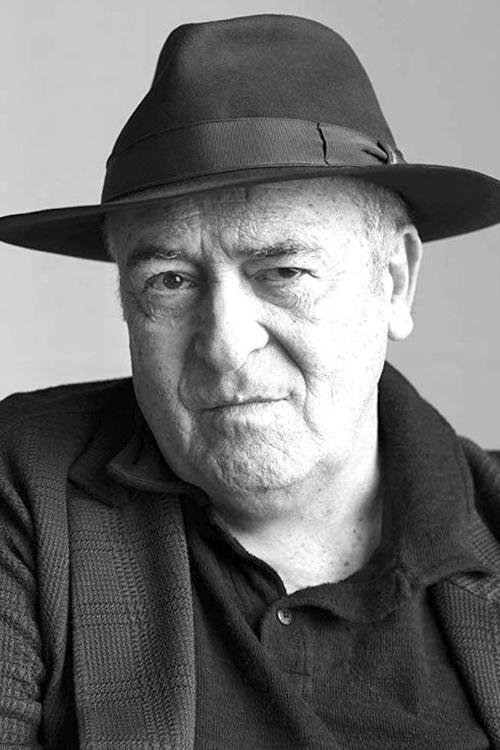
It is a chronological compilation of film clips, awards ceremonies and brief period interviews gathered by journalist Sandro Lai.
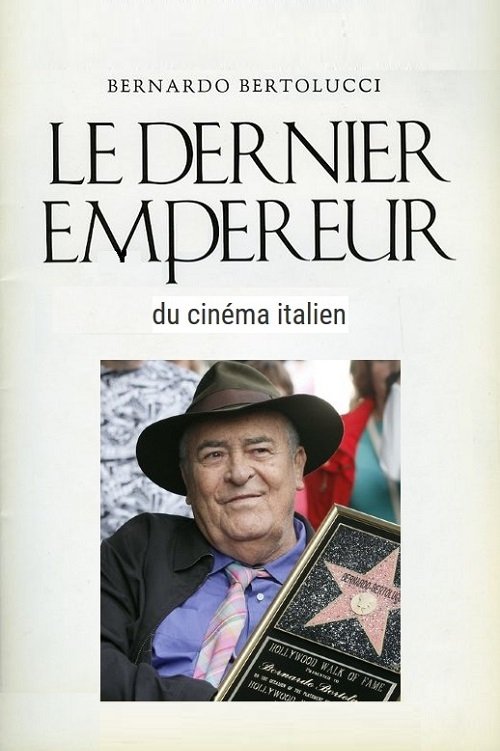
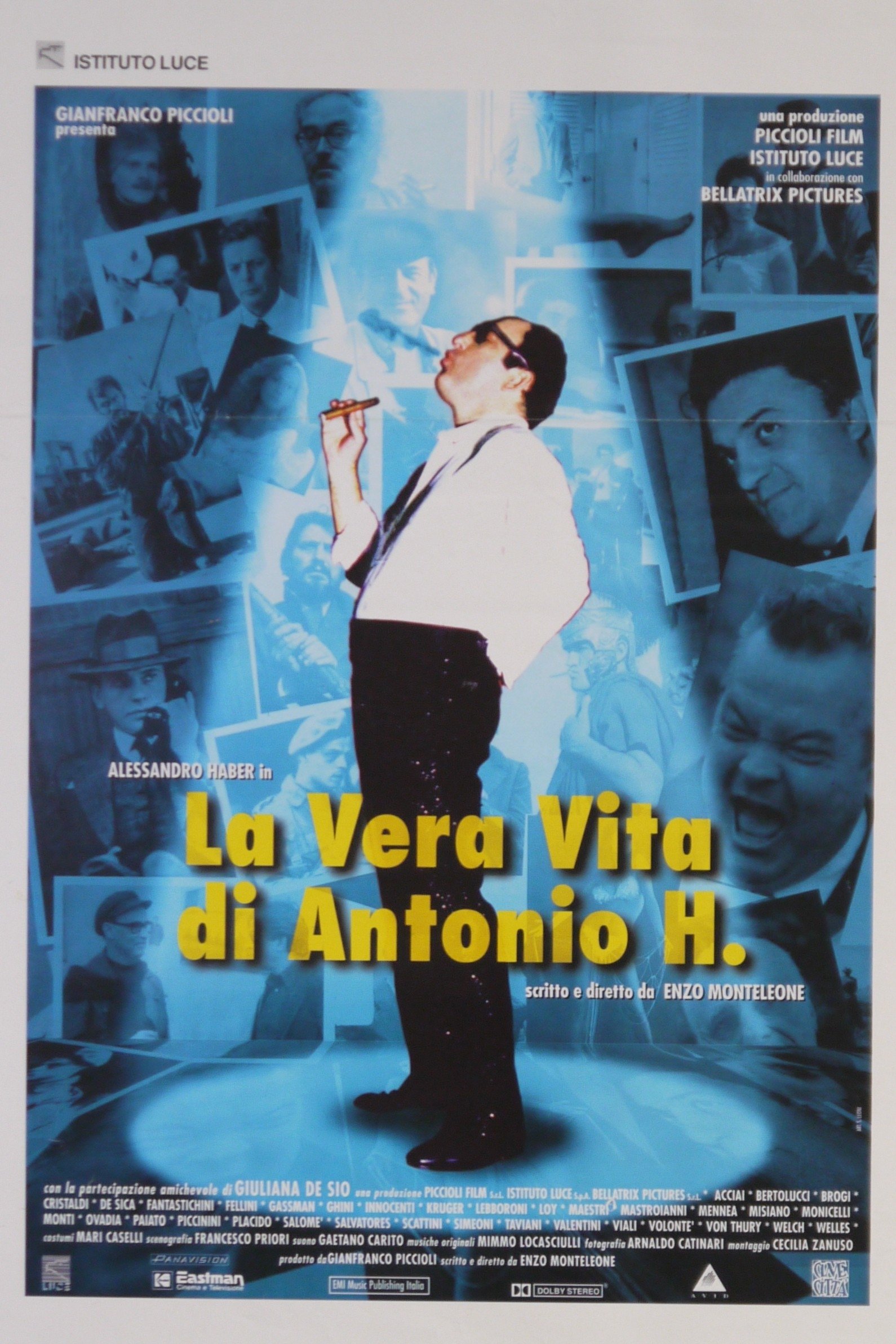
This film depicts a series of landmark events in the life of hapless thespian Antonio Hutter (Alessandro Haber), the unfortunate fictional alter-ego of legendary actor Alessandro Haber. This surreal faux-biography begins with Hutter's birth in Bologna, Italy, and his early life in the Middle East and follows him through the highs and lows of his acting career, using a combination of interviews with real-life colleagues, archival footage and improvised scenes along the way.
Italy, 1970. An increasing legion of harmless warriors begins a peaceful struggle for sexual freedom through pornography, shaking and shocking religious authorities and conservative political institutions. They are ironic, happy, crazy. They are dreamers, defenders of definitive communion between body and soul. But they were censored and humiliated. They were mistreated and arrested for demanding loud a new cultural renaissance.
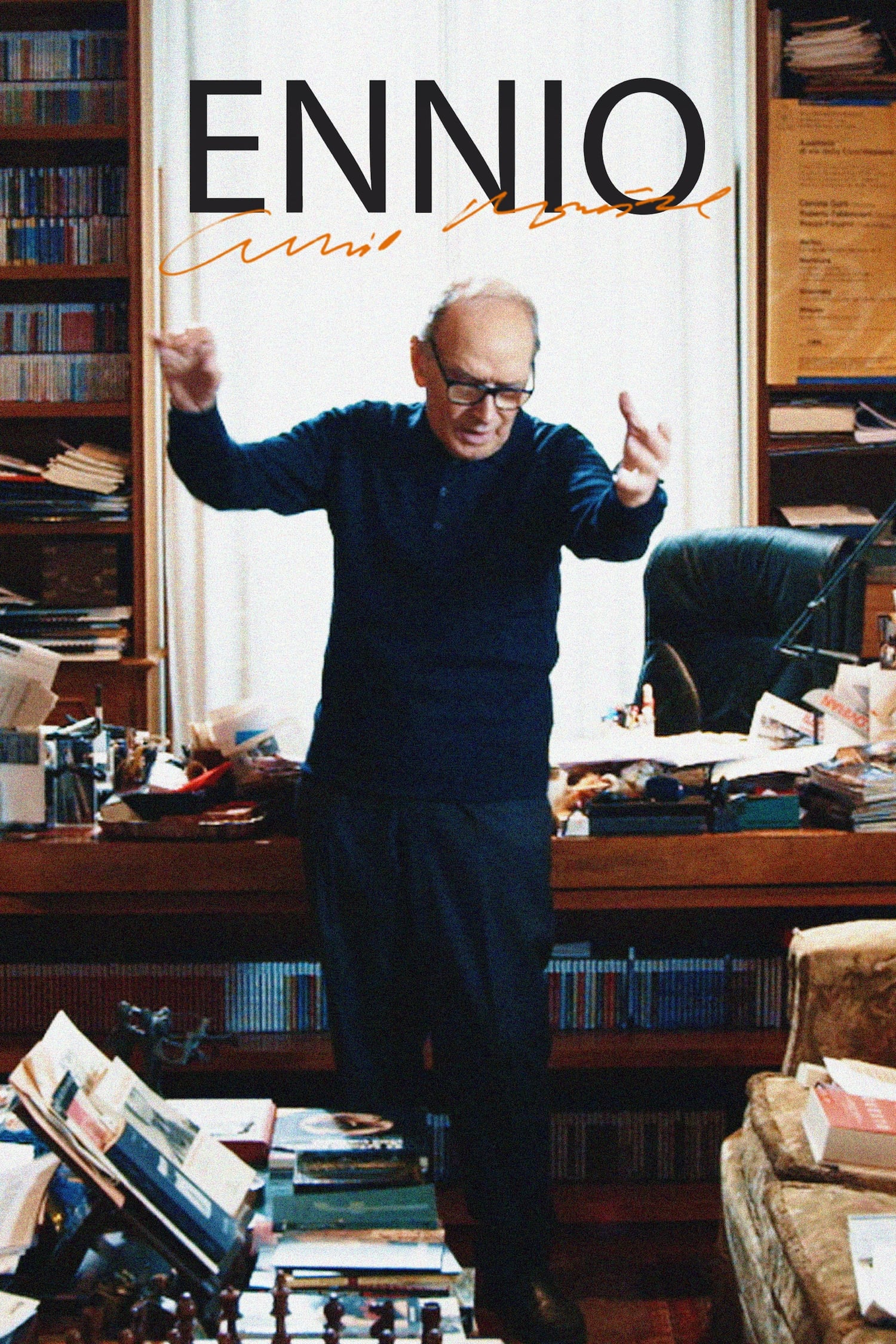
A portrait of Ennio Morricone, the most popular and prolific film composer of the 20th century, the one most loved by the international public, a two-time Oscar winner and the author of over five hundred unforgettable scores.
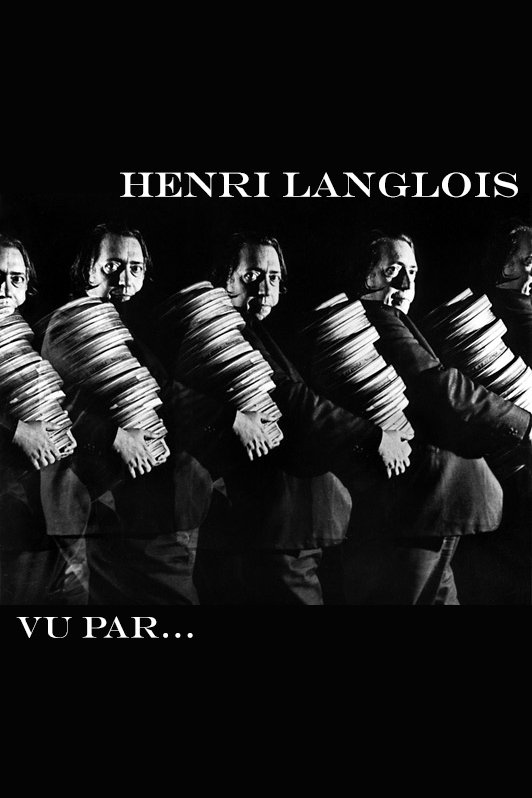
Thirteen filmmakers share personal reflections on Henri Langlois—the visionary founder of the Cinémathèque Française—recounting his influence on their lives, his role in preserving film history, and his enduring impact on world cinema.

A complete and never-before-seen portrait of the life of a young girl from Pula (Istria) who quickly became one of the most famous and beloved actresses of Italian and international cinema, told through the words of her unpublished letters and diaries, photographs, homemade films in 8 mm, and new interviews with her relatives, friends, and collaborators.
A deep dive into Glauber Rocha's years exiled in Italy in the 70s. Through a collection of interviews and archives, the movie shows the making of his film Claro (1975) and his relation with European auteurs in their filmic and political views.
Documentary about the life and works of Italian filmmaker Roberto Rossellini.
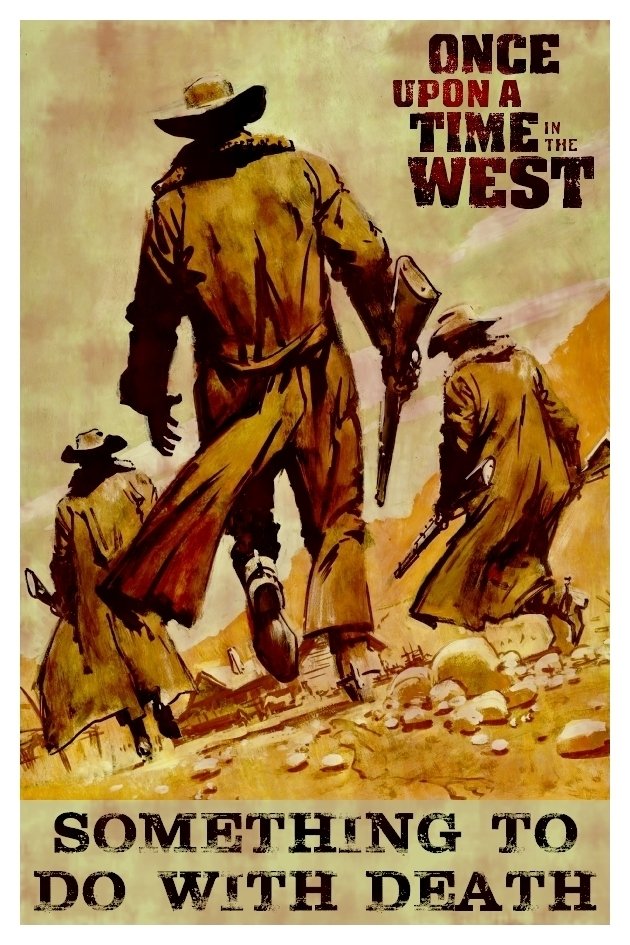
Third part of a three-part documentary series on the making of Once Upon a Time in the West, Italian filmmaker Sergio Leone's masterpiece, released in 1968. (Preceded by The Wages of Sin.)
The relations between Parma and cinema were so strong for almost the whole of the twentieth century that this city became an early laboratory of ideas and theories on cinema and a set chosen by some of the greatest Italian authors and beyond. Furthermore, a considerable number of directors, actors, screenwriters and set designers were born in Parma who have made their way internationally, testifying to the fact that in this small city in Northern Italy there was a decidedly cinematic air. Red armchairs takes up the thread of this story, wondering why, unique among the Italian provincial cities, Parma has given so much to the cinema, accompanying the viewer on a journey backwards that from the first projections of the Lumière cinema reaches the ultramodern experience of new multiplexes. During this journey we will meet the characters who created the conditions for this diffusion of cinematographic culture in Parma.
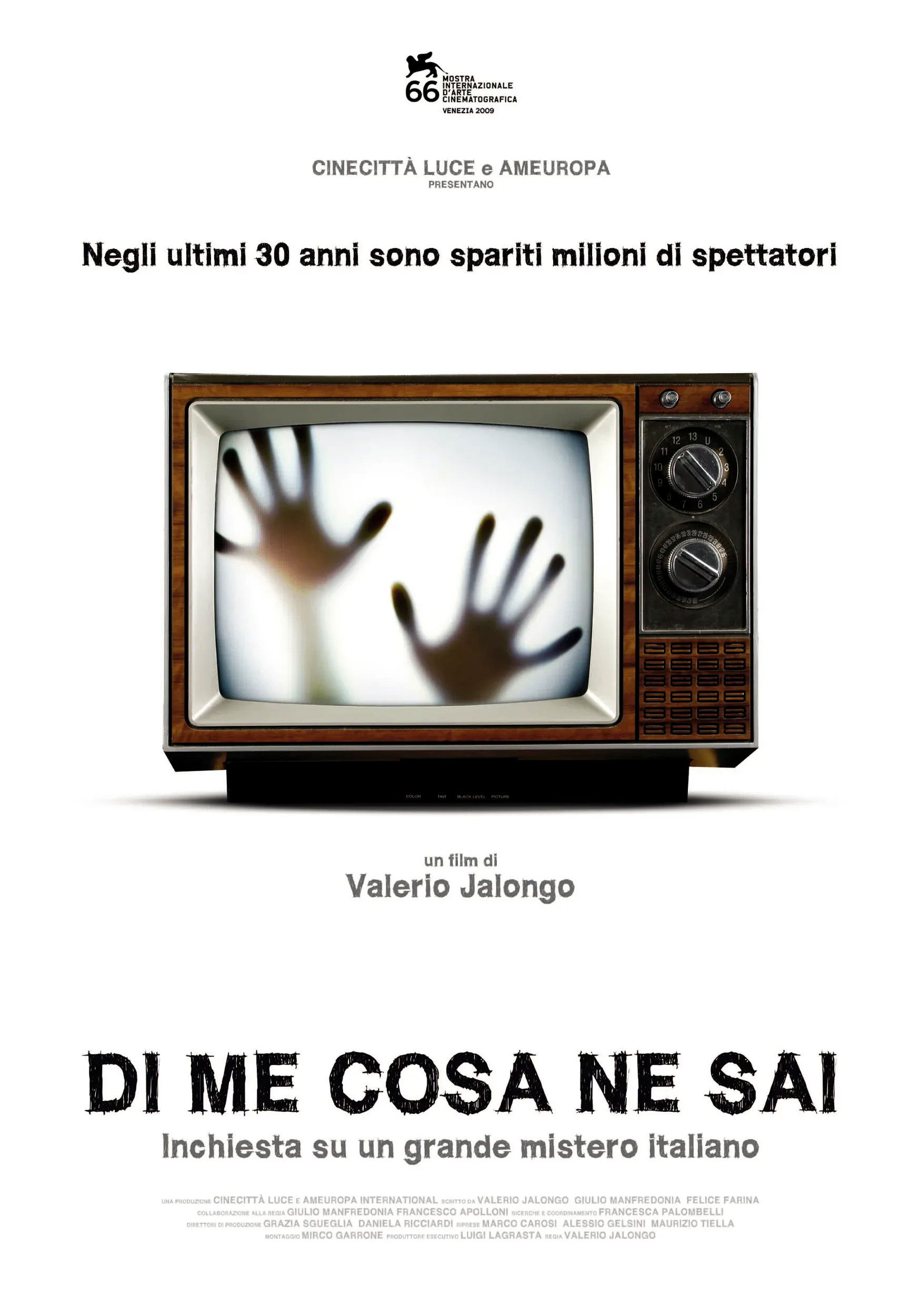
Until the 1970s, Italian cinema dominated the international scene, even competing with Hollywood. Then, in just a few years, came its rapid decline, the flight of our greatest producers, a crisis among the best writer-directors, the collapse of production. But what are the true causes and circumstances of this decline? In an attempt to provide an answer to this question, Di Me Cosa Ne Sai strives to depict this great cultural change. Begun as a loving examination of Italian cinema, the film transformed into a docu-drama that alternates between interviews with the great names of the past and fragments of cultural and political life of the last 30 years. It is a travel diary that shows Italy from north to south, through movie theatres; television-addicted kids; Berlusconi and Fellini; shopping centers; TV news editors; stories of impassioned film exhibitors and directors who fight for their films; and interviews with itinerant projectionists and great European directors.
Documentary about Italian film screenwriter Cesare Zavattini
Upcoming documentary about Italian filmmaker Bernardo Bertolucci.
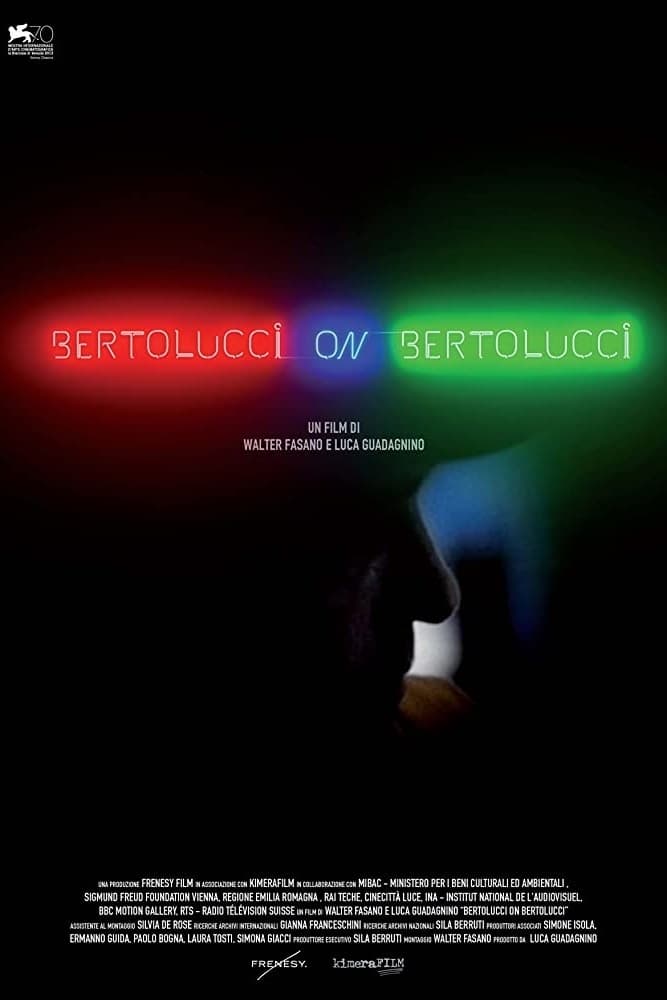
Documentary on the life and work of legendary director Bernardo Bertolucci, using filmed interviews he has given over the last 50 years.
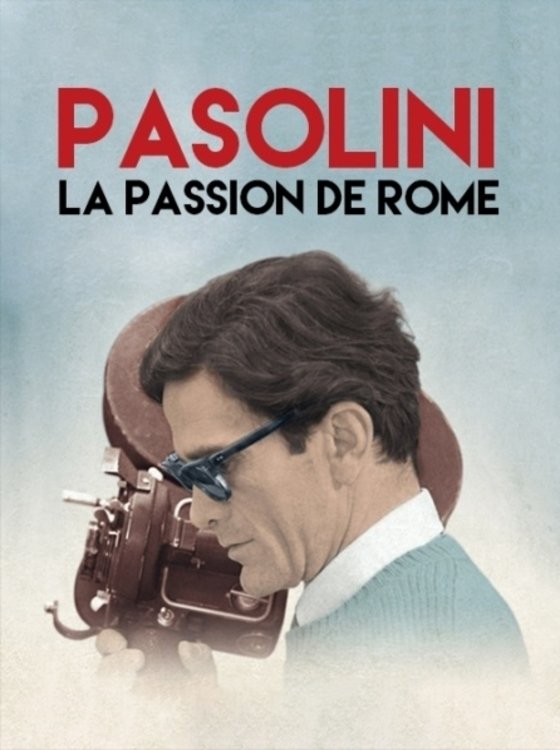
For Pasolini, Rome is neither just a simple setting or a place to live. Rome had a physical, carnal and passionate existence for the man and the poet.
A nostalgic look at the birth and death of arthouse film distribution in Russia in the early 2000s. The story of the company Cinema Without Borders and its two founders, Sam Klebanov and Anton Mazurov.