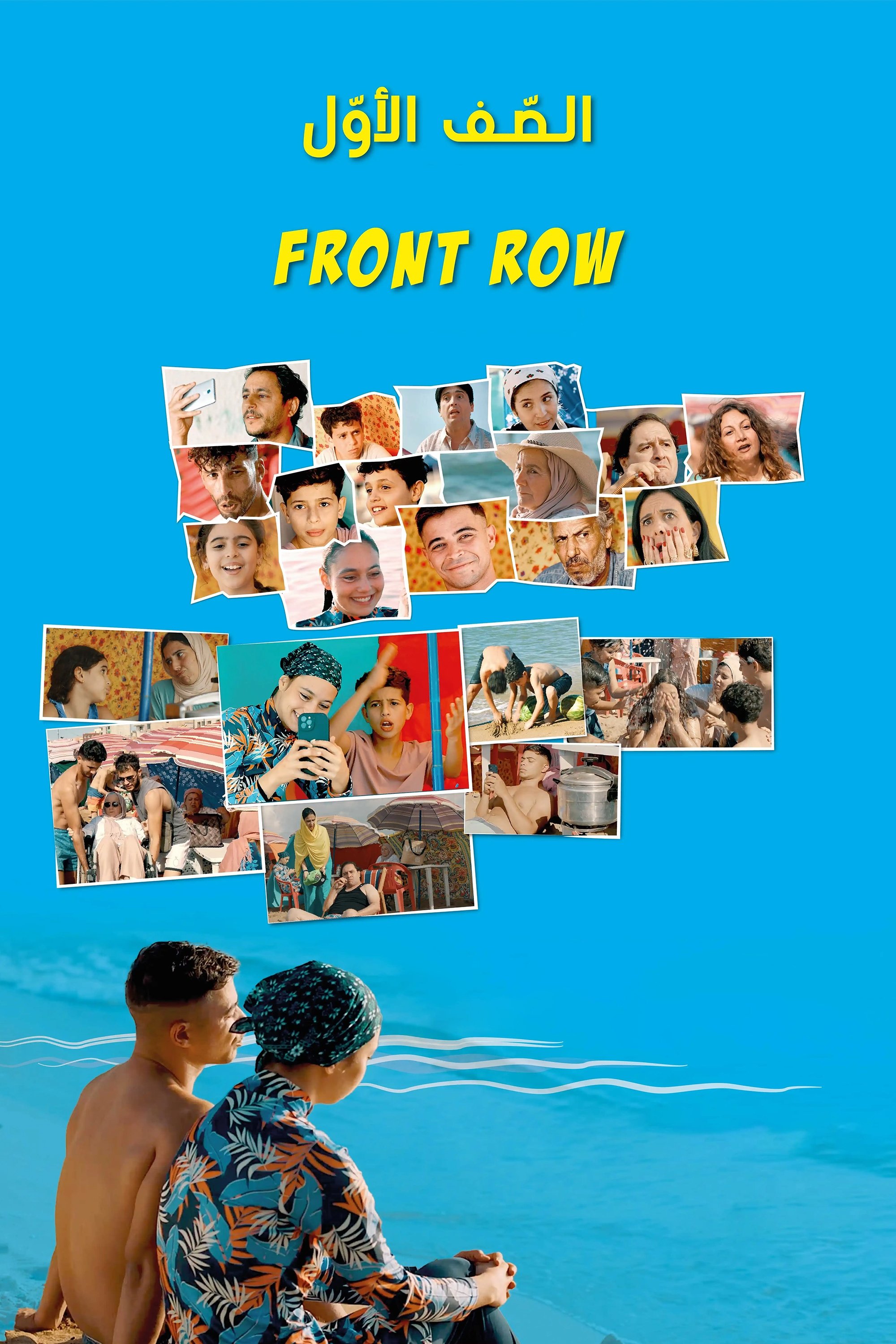
Up bright and early with their pet in tow, Zohra Bouderbala and her five children are heading to the beach. This is not a drill! In Algiers, the coveted front row spot waits for no one, but it’s not this family’s first time having to beat the summer seaside crowds. The unmotivated and out-of-luck masses who arrive too late will be left to a viewless laze in the sun, the alleged horizon blocked by a fortress of parasols and flowing canopies.
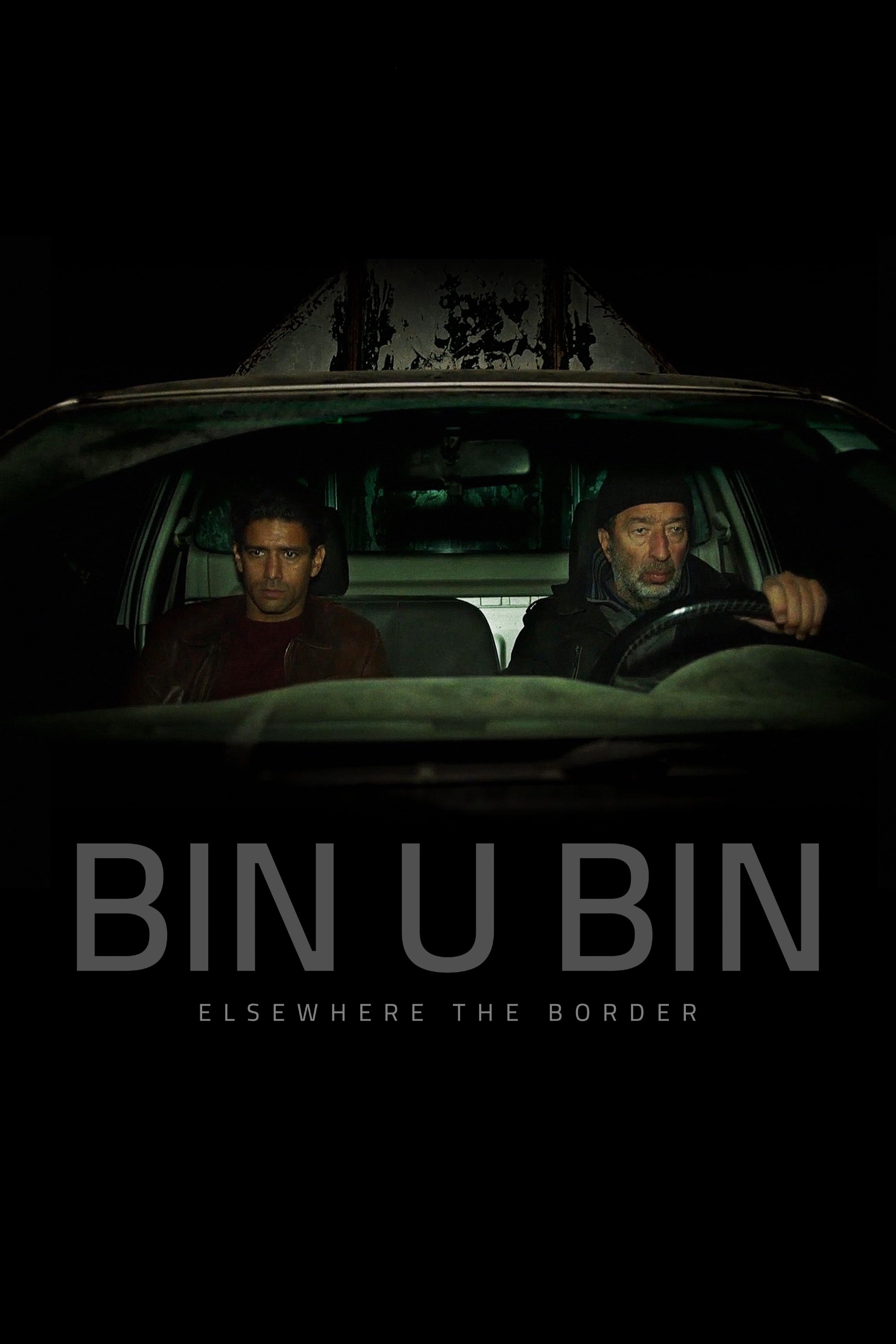
In the rocky desert Algerian border country, Fethi and his fellow villagers eke out a living smuggling goods – mostly petrol – into Tunisia, working at night and paying off the local crime lords. Saad, a film-maker trying to raise money to finish his movie, has worked for a year with Fethi. He lives in his family’s shed, included as part of a loving household as well as their risky business. At the same time he is obviously an outsider: smartly dressed and prepared to talk back to anyone, including the imam. Tough, gritty but also moodily atmospheric, its tension sustained by a tumultuous soundscape, theis remarkable film delves deeply into the complexities of family, friendship and daily survival.
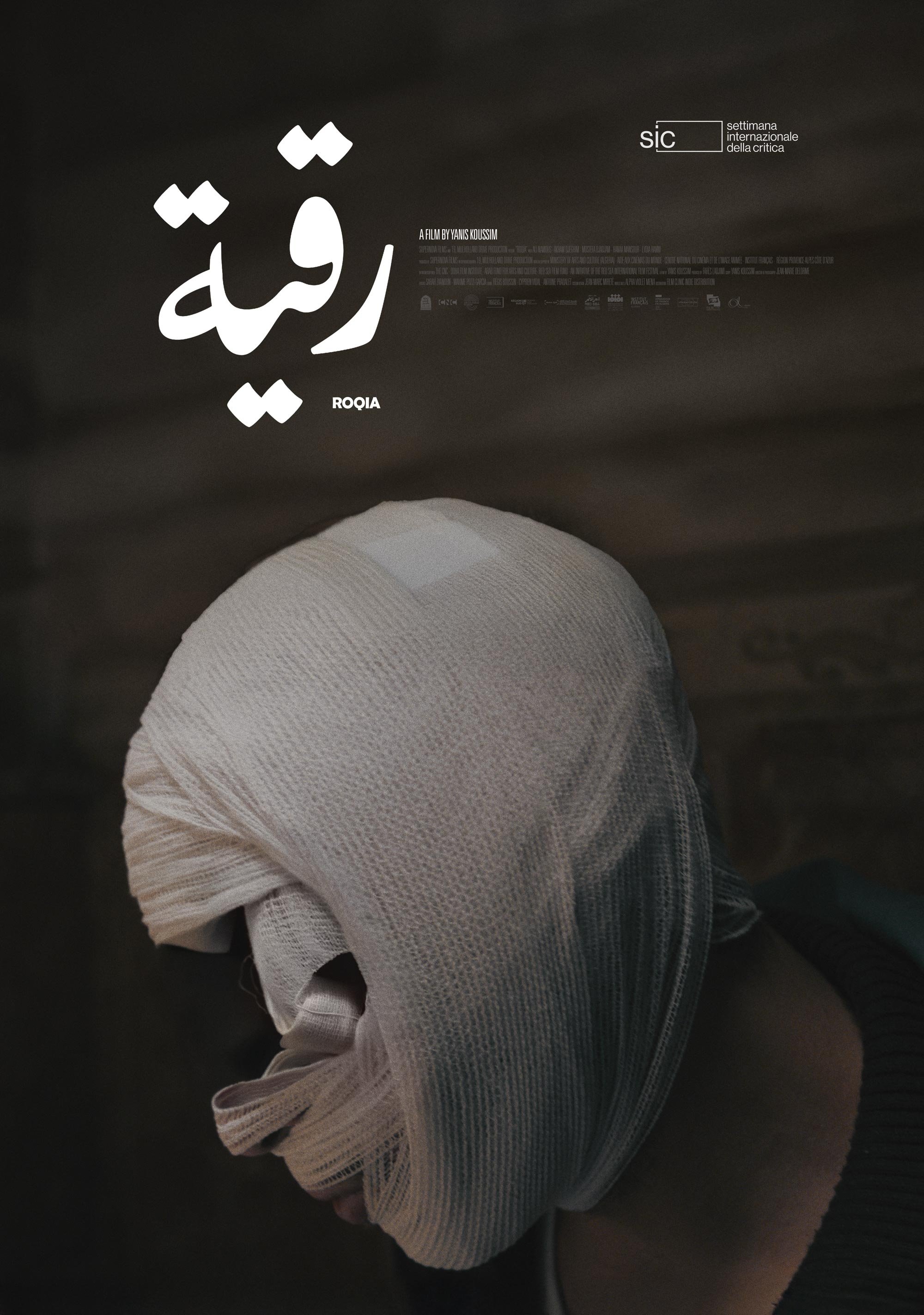
1993. Following a car accident that left him with amnesia, Ahmed returns to his home village, where nothing seems familiar, not his wife or children. His youngest, frightened by Ahmed's bandaged face, fears him deeply. Every night, strange visitors whisper litanies in an unknown language. Who are they? Why is Ahmed missing the index finger on his right hand? Why does his neighbor worry him? In the present day, an elderly Raqi is battling Alzheimer's. His disciple worries about him: Raqi's trembling right hand is missing its index finger. As possessed people continue to speak in mysterious languages and violence spreads, Ahmed fears regaining his memory, while his disciple fears that his master's decline may unleash an atavistic disease.