
A young Jewish American man endeavors—with the help of eccentric, distant relatives—to find the woman who saved his grandfather during World War II—in a Ukrainian village which was ultimately razed by the Nazis.

A publishing executive is visited and bitten by a vampire and starts exhibiting erratic behavior. He pushes his secretary to extremes as he tries to come to terms with his affliction.
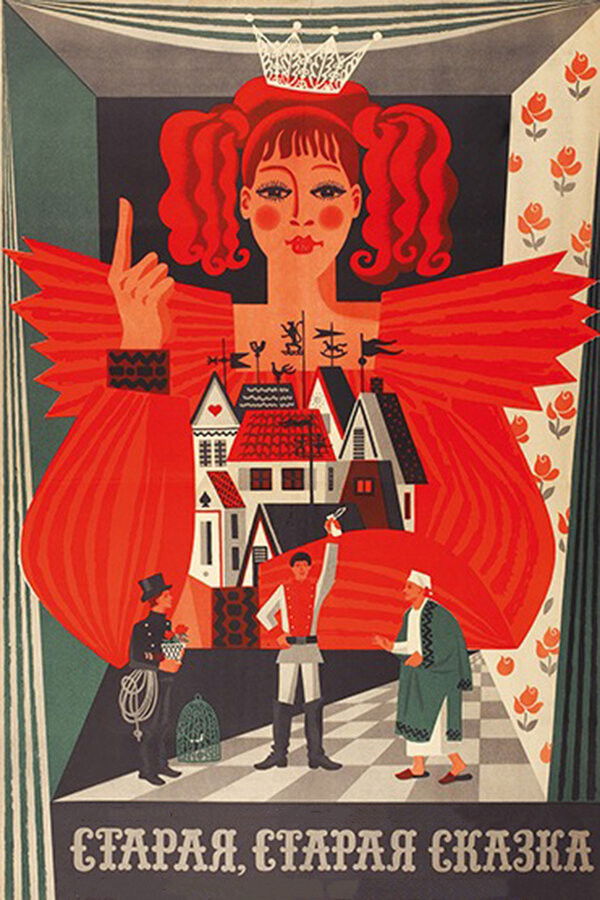
Based on the famous fairytale "The Tinderbox" by Hans Christian Andersen. The main character of the film is a puppeteer who lives in a poor and gray world. He composes a fairy tale in which he himself, in the guise of a brave soldier, finds a flint and is helped by a kind wizard. The soldier falls in love with a spoiled, capricious princess who, as befits a princess, poses riddles to her numerous suitors. Her father, the king, is eager to see the soldier as her husband, as he believes the soldier has a great deal of gold. In the fairy tale, everything ends well, but in real life, not so much. "But life is not a fairy tale," his beloved girl says to him as she bids him farewell.
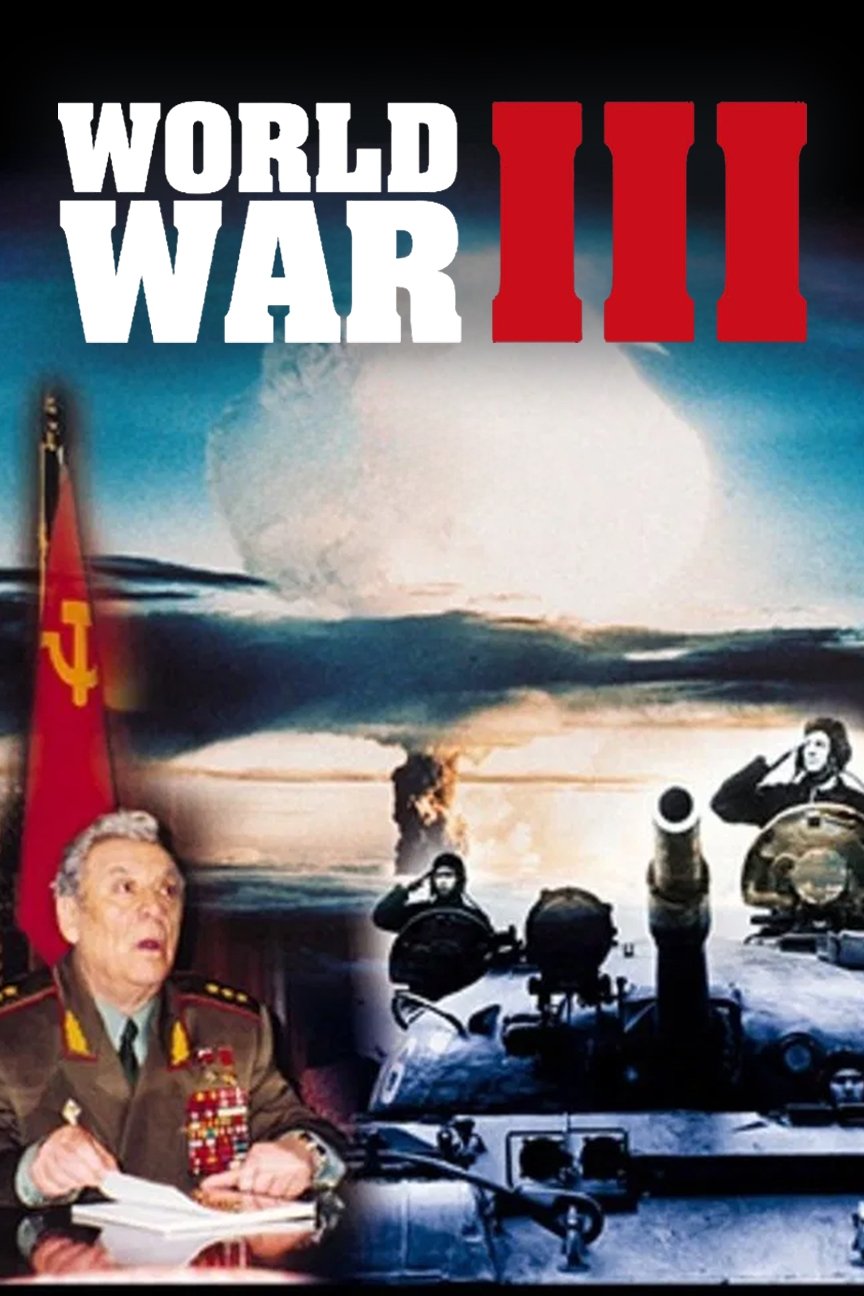
This mock documentary uses archival footage, interviews and reports taken out of context and staged interviews to highlight a possible escalation into a nuclear war. In this feature, tension in East Germany, and an uprising triggered by a visit by Gorbachev sees a successful military coup taking place in the USSR. Western actions against brutal crack-downs on civilians involved increases tension between the sides, finally resulting in nuclear war.

A wealthy American businessman, Mr. Clarke, forces his dissolute but charming nephew James to go with him to Russia, where he buys a Faberge watch that belonged to Nicholas II himself. He is received by Mr. Borsch, who dreams of becoming a minister by signing a lucrative contract. A representative of a Japanese company, nicknamed the Samurai during the auction, is hunting for the same watch. Borshch's wife also "laid eyes" on an antique watch, and a talented thief leaves the prison. All the participants of the future adventures met at the restaurant, where James met the beautiful niece of Borsch's wife. Mr. Clark flies to Namibia, instructing his nephew to put the watch in the hotel safe. Naturally, on the same evening, the watch is stolen...

Paul is agonising over his interpretation of 'Uncle Vanya' and, paralysed by anxiety, stumbles upon a solution via a New Yorker article about a high-tech company promising to alleviate suffering by extracting souls. He enlists their services—only to discover that his soul is the shape and size of a chickpea.
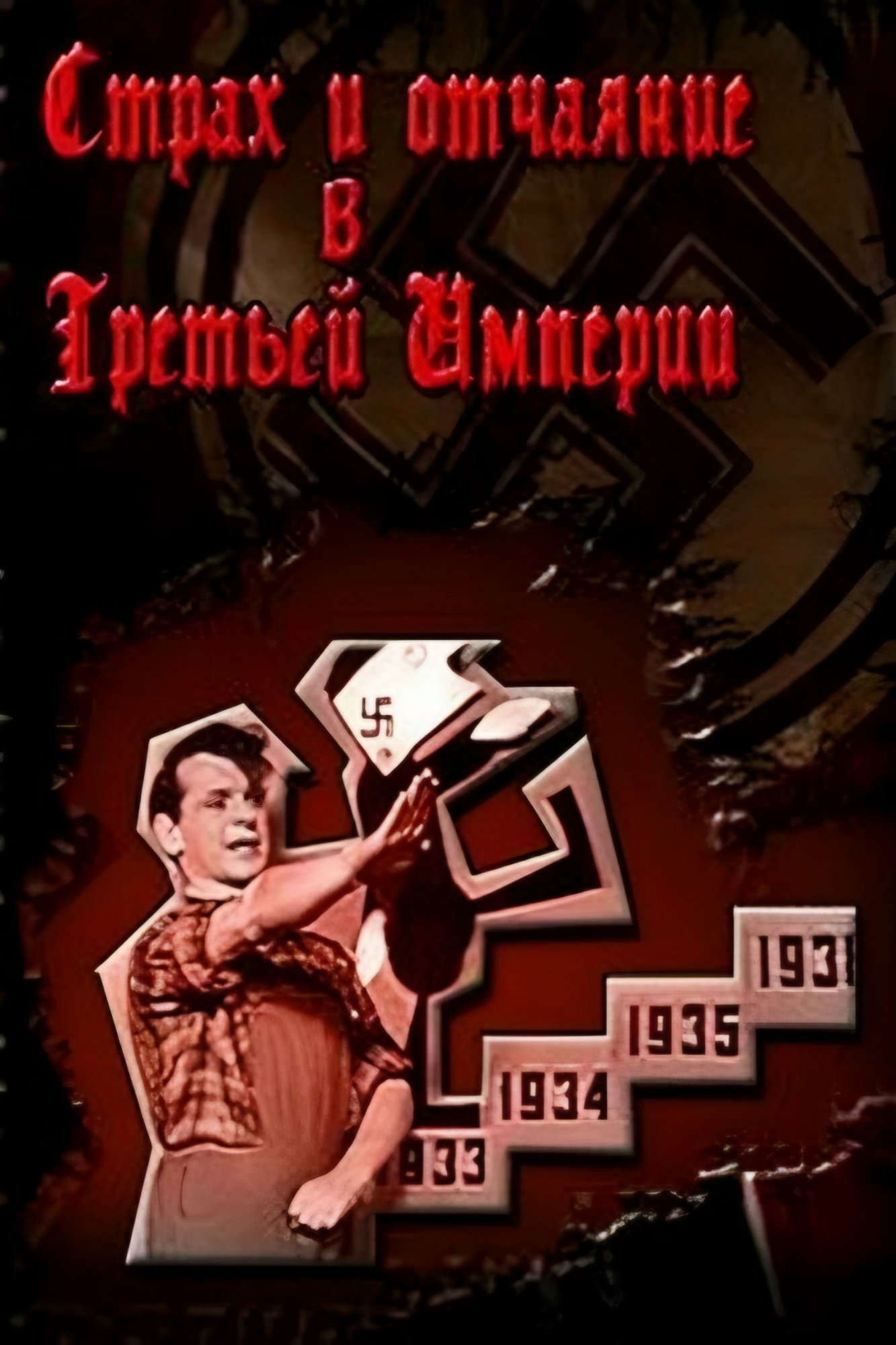
Chronicle dramatic scenes of Germany under the rule of fascism.
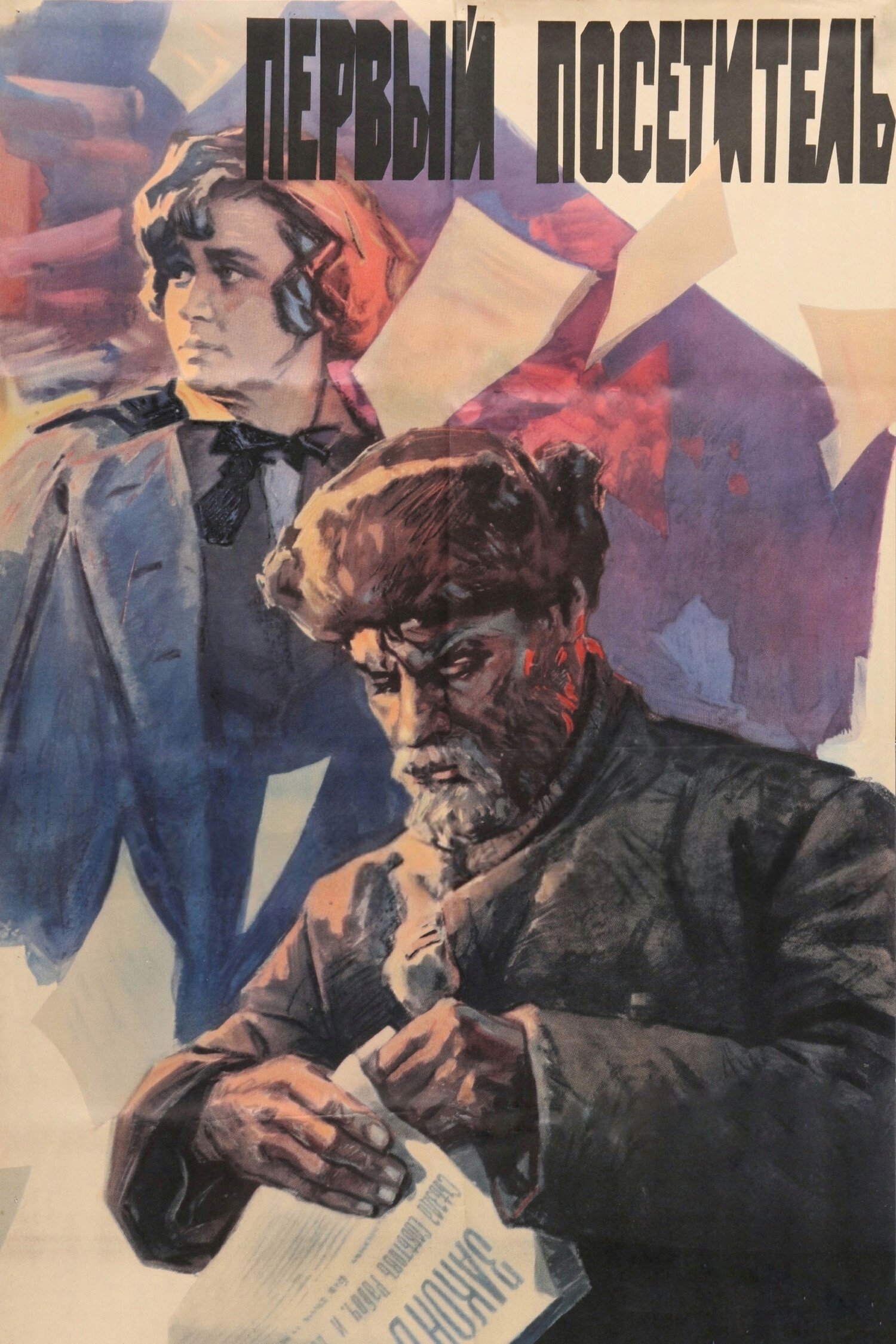

Nurdin is a man who failed to protect friendship and love, who retreated before deceit and hypocrisy. The benevolent viewer is personified by the Old Man, a character who seems to stand outside the plot. Nurdin tells the Old Man about his life.
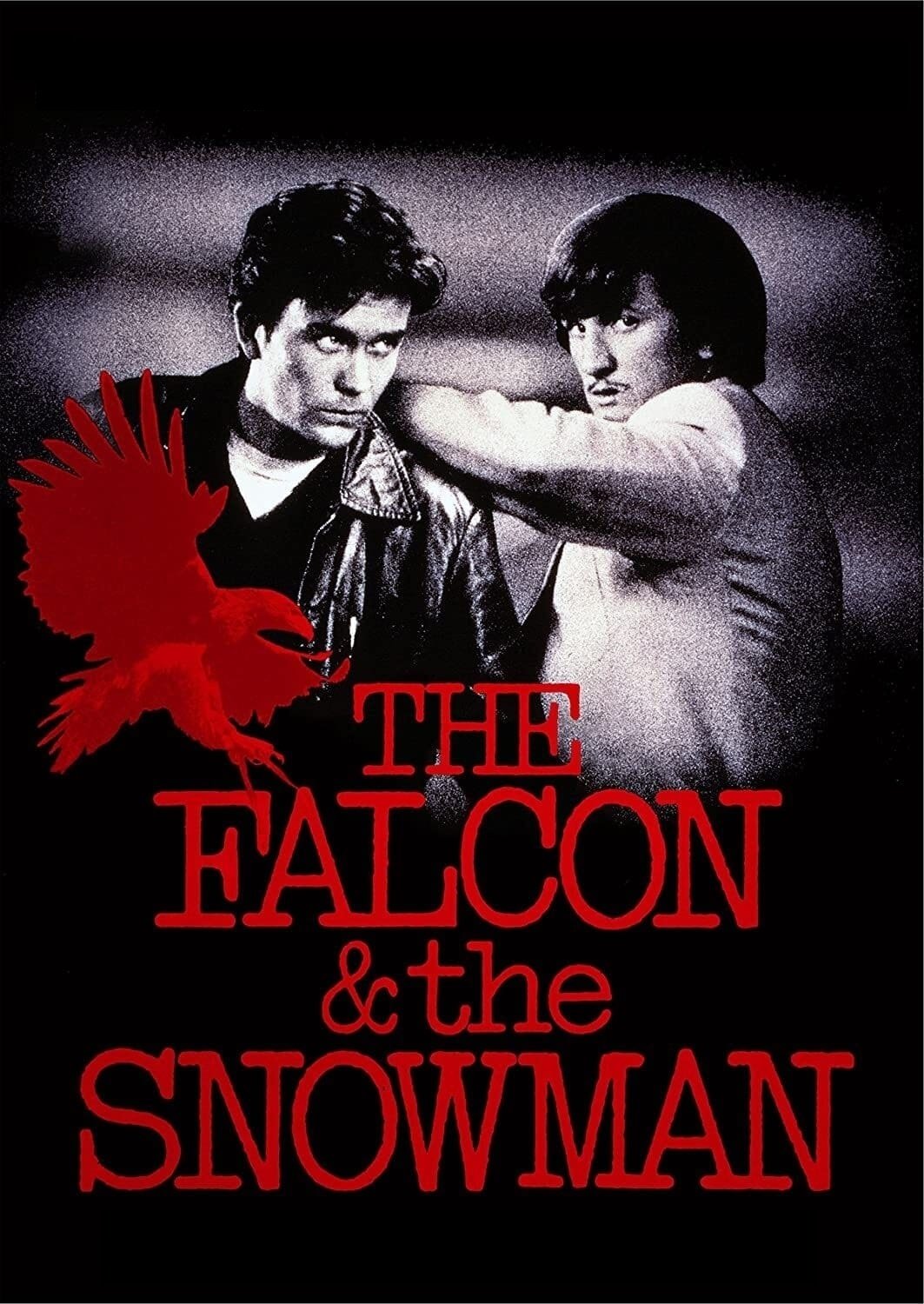
The true story of a disillusioned military contractor employee and his drug pusher childhood friend who became walk-in spies for the Soviet Union.

About the trial of the October Revolution, which was organized in 1919 by the US Senate.

The teleplay was based on V. Mayakovsky’s poems “You!”, “Listen!”, “Conversation with Comrade Lenin” and other works of the poet.
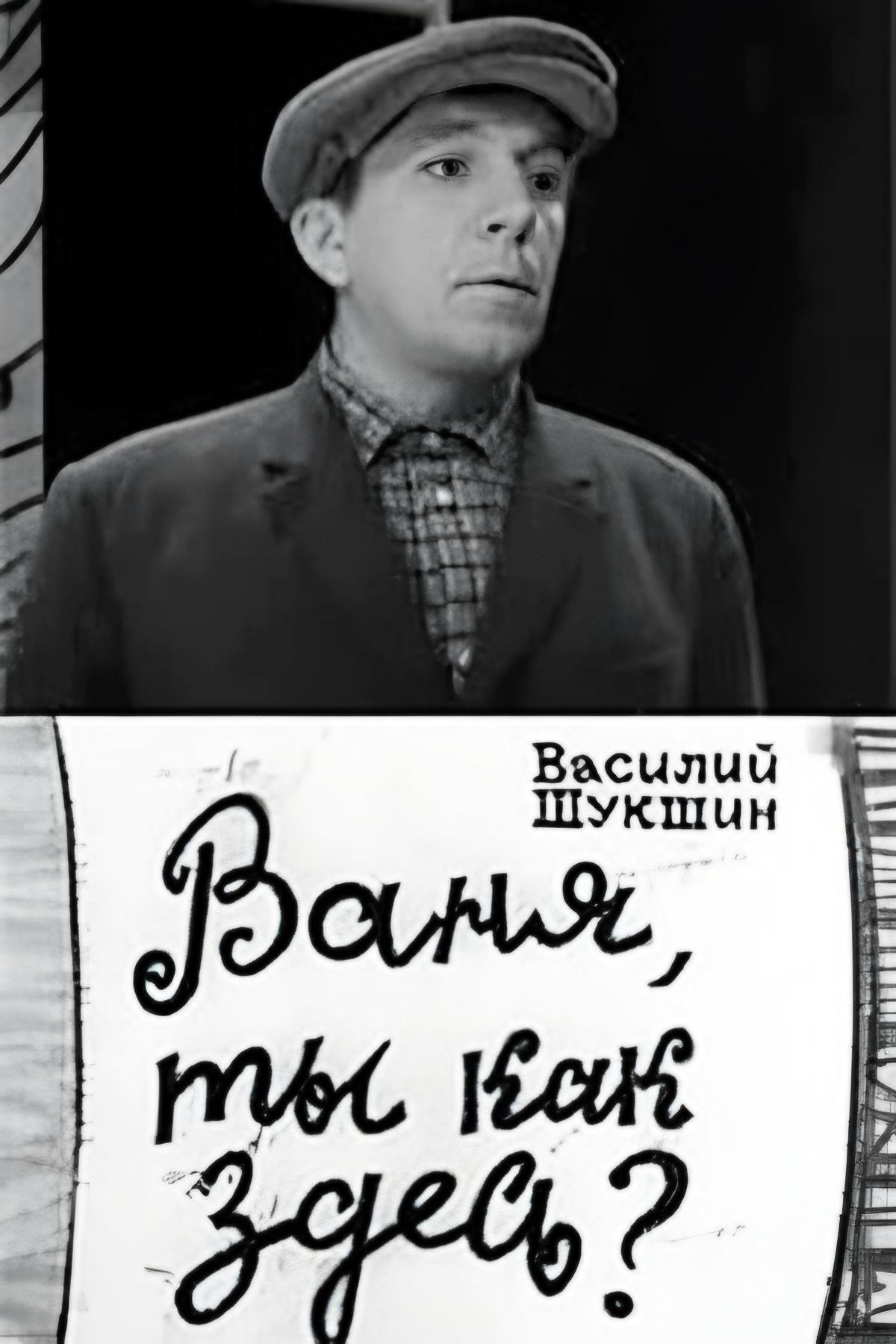
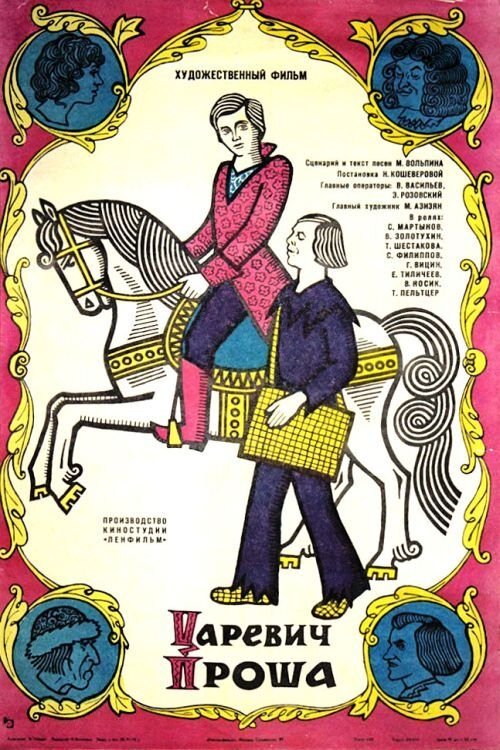
Tractor driver Pronka Lagutin comes to the city. Meeting the director's assistant unexpectedly turns into an invitation to him to play the role of a rural guy who moves to the city. Pronka rehearses with pleasure, but realizing that staying means never seeing her native village again, she runs away from the director.
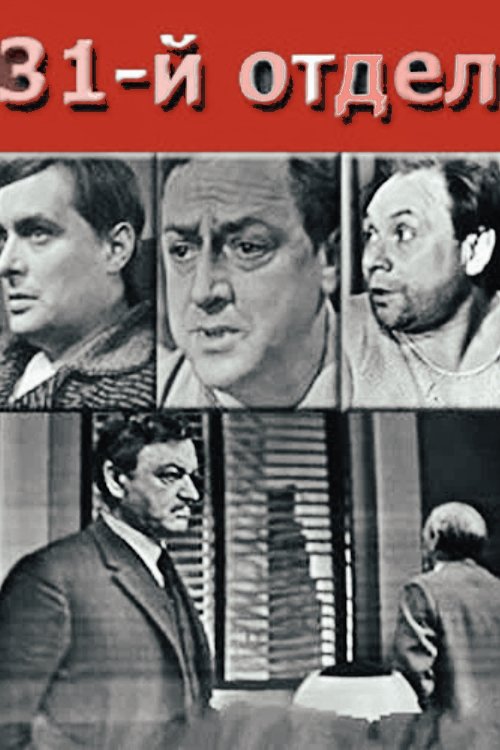
The Commissioner of Police has been tasked with conducting an investigation into the threat of a terrorist attack in the building of the press concern. During the investigation, he learns about the existence of the 31st department, created by the management of the concern with the aim of eliminating the opposition press.
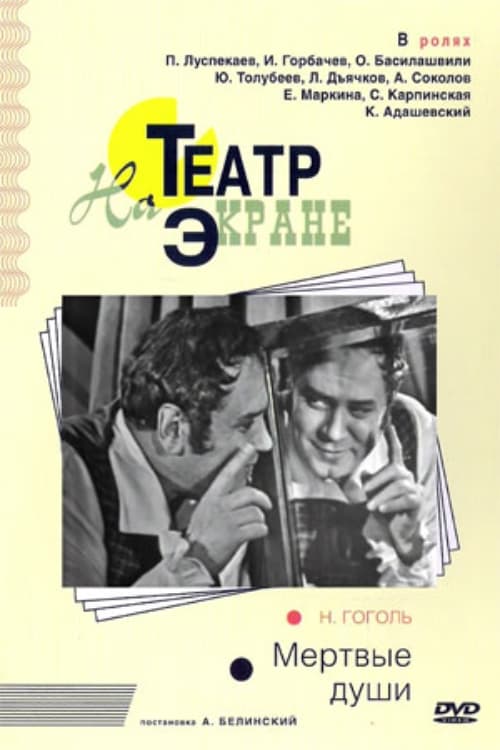
In "Dead Souls" Gogol posed the most pressing and painful questions of modern life. The very title of the poem had enormous revealing power; it carried, according to Herzen, “something terrifying”, “he could not name it otherwise; not the revisionists - dead souls, but all these Nozdryovs. Manilovs and all those like them are dead souls, and we meet them at every step..."
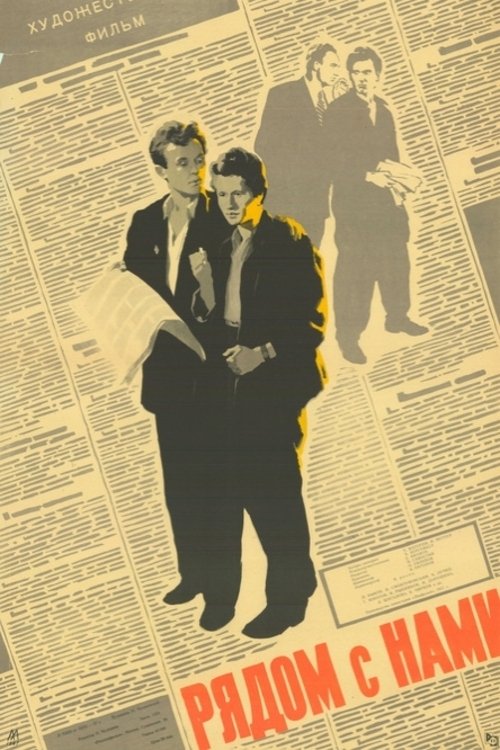
The engineer and the reporter arrived at one of the plants of the Altai. They have just completed the institutions and are confident that the future is in their hands. At the plant, all relations are formed around the dubious glory of the Turner Milovidov. A fresh look, self-confidence and each other help friends to expose the "record holder".
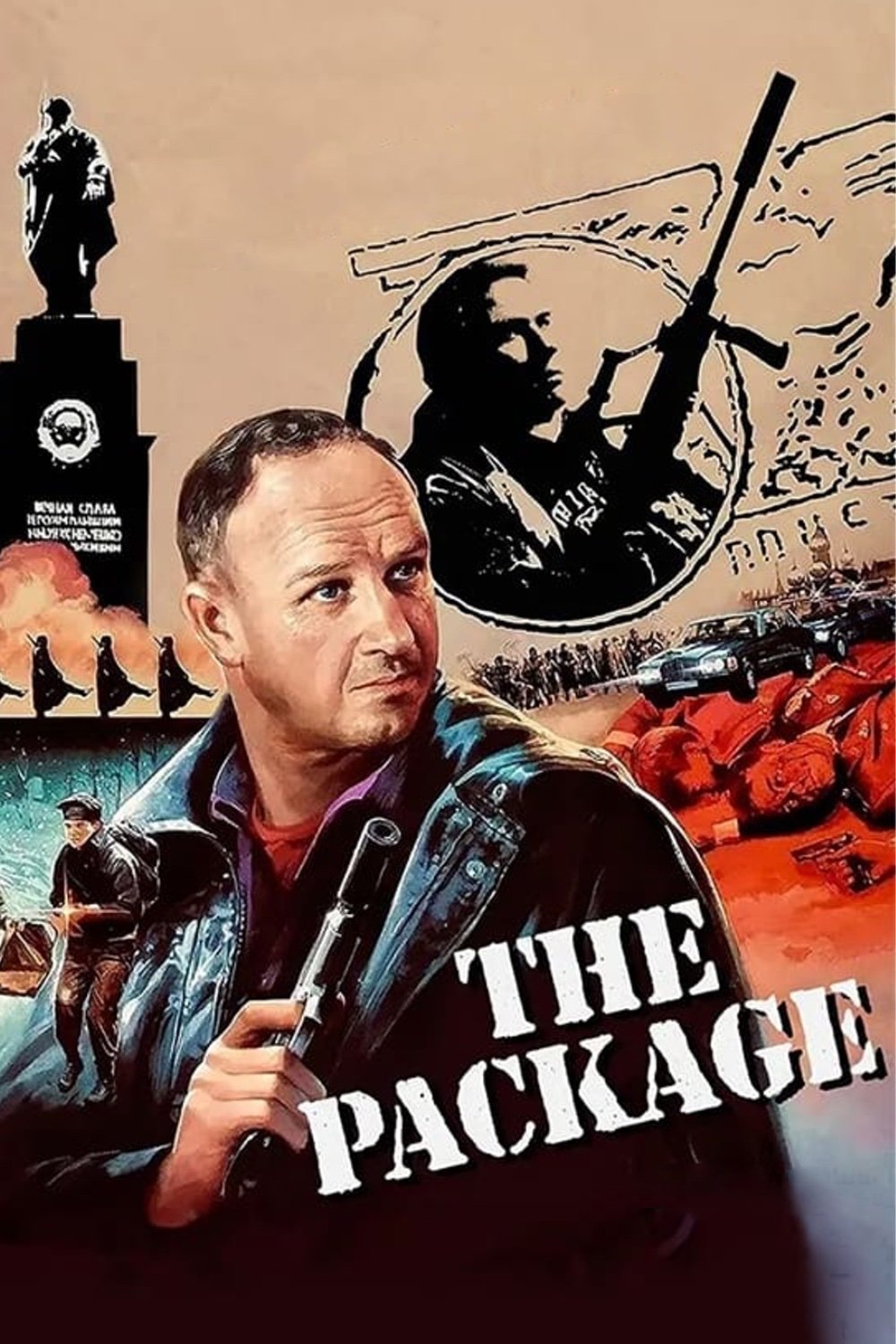
Experienced Green Beret sergeant Johnny Gallagher is escorting a prisoner, Airborne Ranger Thomas Boyette, back to the US, but Boyette escapes and Gallagher must risk life and limb to catch him.
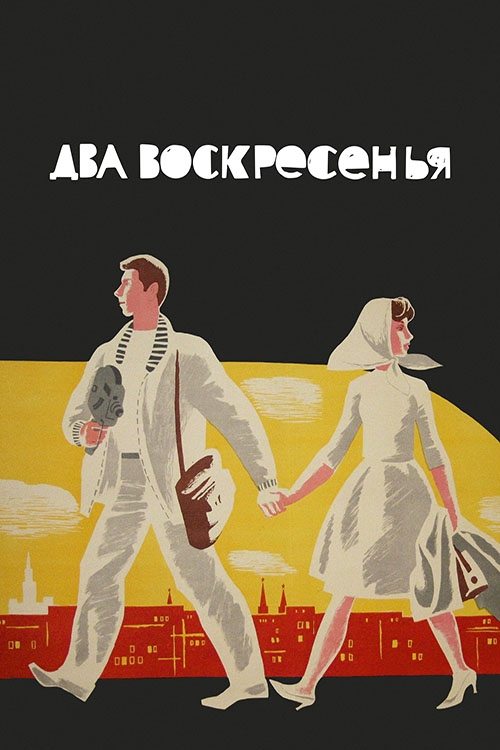
Lyuska, an employee of the only savings bank in the very young town of Radiozavodsk, wins a nylon fur coat on a lottery ticket. Her colleagues advise her to get the money and buy something useful. Lyuska goes to the regional capital, receives the money, and decides to spend it on a two-week trip to Moscow.
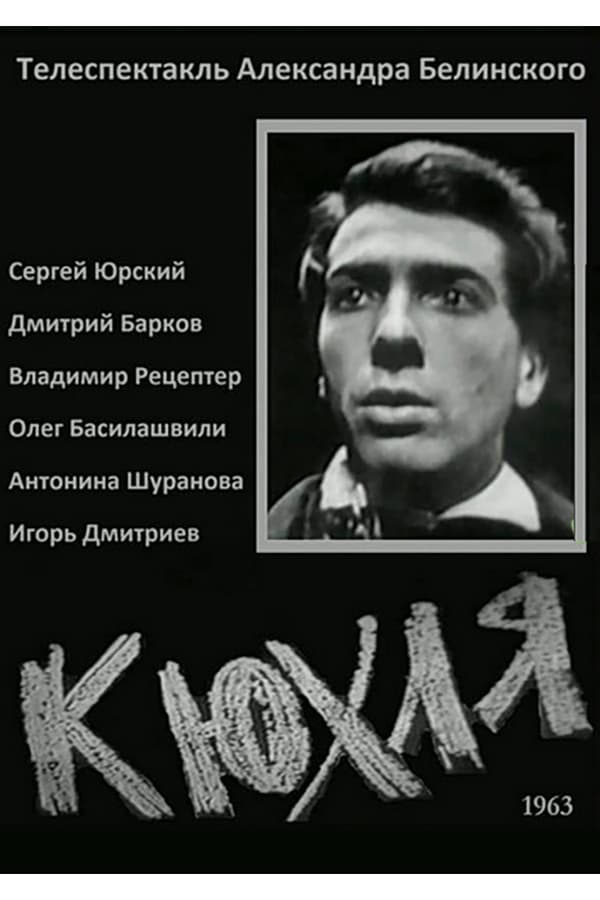
A television play based on the life and death of Russian poet and Decembrist Wilhelm "Kyukhlya" Küchelbecker.

Several episodes from the Life of the Dutch Painter Harmens van Rijn Rembrandt. Based on the eponymous work by Dmitry Kedrin.
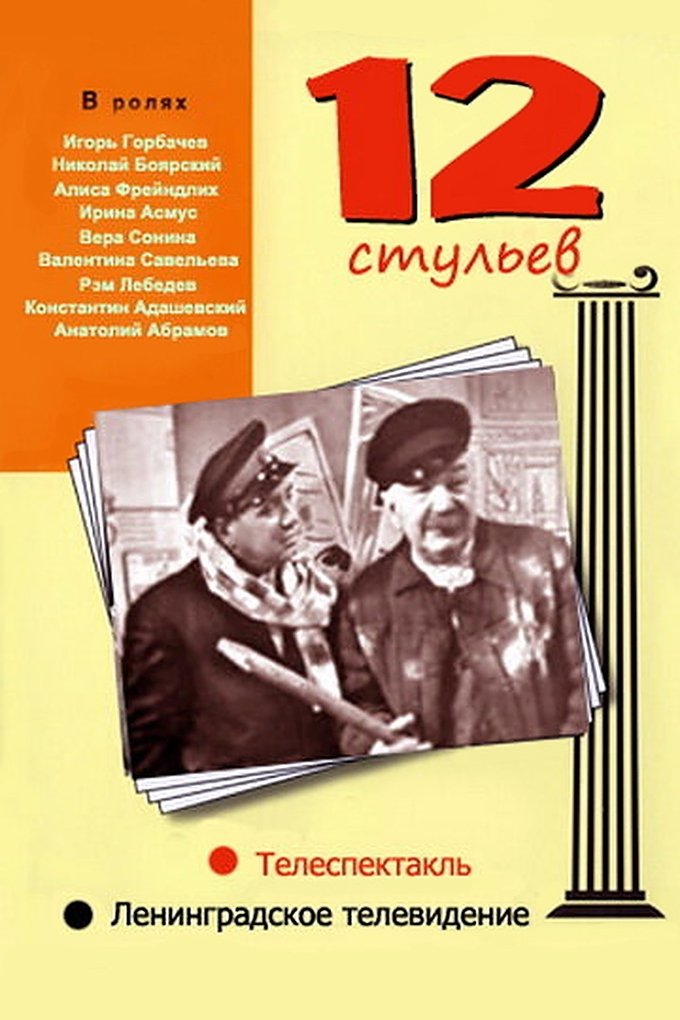
Who was the first to bring the great novel "12 Chairs" to the screen? You say "Leonid Gaidai" - and it will be a mistake. In our country, the first director was Alexander Belinsky (Leningrad television, 1966). Filming the favorite books of millions is a difficult task. The audience knows the plot in detail. Winged phrases have long gone to the people. Everyone has their own idea of the main characters. In general, dissatisfied will be sure. So the version of "12 chairs", proposed by Alexander Belinsky, of course, will not suit everyone.

Joe's a car salesman with a problem—he has two days to sell 12 cars or he loses his job. This would be a difficult task at the best of times but Joe has to contend with his girlfriends (he's two-timing), a missing teenage daughter and an ex-wife.
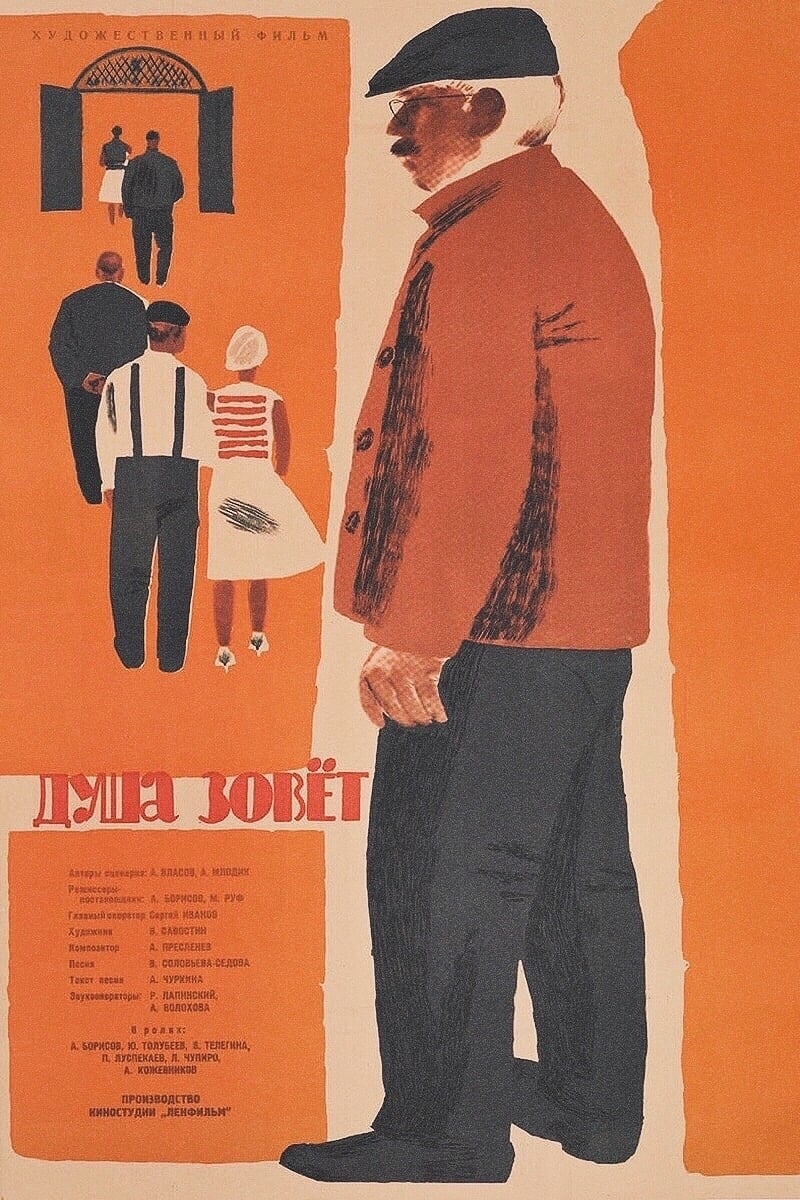
Two old Leningrad workers, Sukhov and Solyanov, have a long-standing friendship — they worked at the same plant, lived in the neighborhood. Now Solyanov, at the insistence of his son, decides to retire. But it is not so easy to part with his native plant, which, as it turned out, still needs an old personnel officer...

Kolya Kasatkin, who saw in his wife Tanyusha the ideal of female charm, tenderness, kindness, who loved her to the point of oblivion, was at a loss before the idle conversations of well-wishers about his wife's betrayal. Having found his wife with the choir director, Nikolai demanded a divorce. Continuing to love each other, the former spouses are unhappy in separation. Kasatkin's new hasty marriage did not return his peace of mind. In daily agony, in the pursuit of a past life, he also lost his old dream — to live and work in the Far East, where he served in the army. Both realized too late that love does not forgive hasty decisions, that it must be able to keep and protect.

A burnt-out New York psychoanalyst exchanges apartments with a Parisian woman. When his patients arrive, they talk to her and then pay. He returns early and becomes a patient as well.

After a police chase with an otherworldly being, a New York City cop is recruited as an agent in a top-secret organization established to monitor and police alien activity on Earth: the Men in Black. Agent K and new recruit Agent J find themselves in the middle of a deadly plot by an intergalactic terrorist who has arrived on Earth to assassinate two ambassadors from opposing galaxies.


A reporter, fired after refusing to give names to a 1951 House Un-American Activities Committee, takes a part-time job as companion to an old lady. While working she overhears a noisy argument in the neighboring house, being conducted largely in German and involving her HUAC prosecutor. She begins to investigate, enlisting the help of the FBI Agent initially detailed to surveil her.
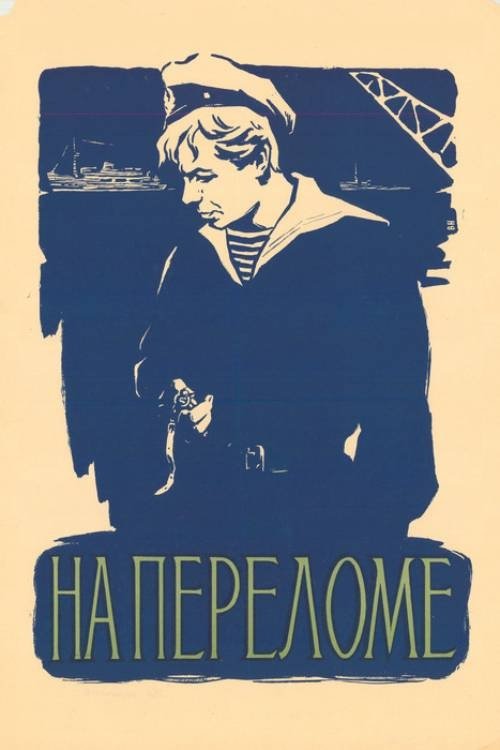
After his father's death, teenager Viktor Tsaplin was sent by his stepmother, who suspected the boy of stealing watches, to an Odessa orphanage. The guys met the new guy unfriendly, and when the teacher's antique watch was missing, Victor was considered the culprit. After enrolling in a nautical school and once going to sea with tipsy fishermen, Victor crashes a boat. He is being expelled from the college. Deciding to start a new life and in a new place, Victor leaves to work as a fireman in Kamchatka.
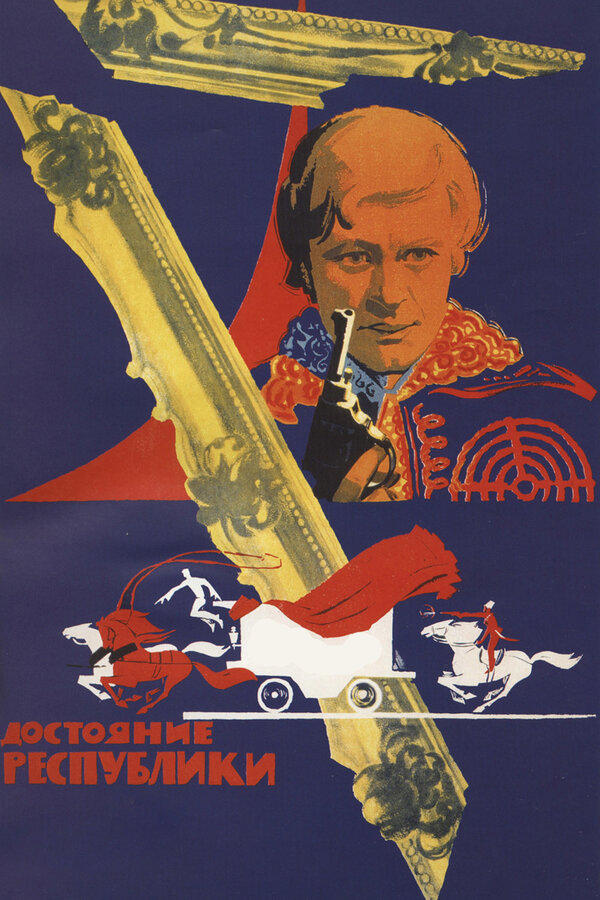
Spring of 1918. Tarakanov, managing the estate of Prince Tikhvinsky, with the help of a former court fencing teacher Marquess and a street kid Keshka, is stealing a collection of paintings and sculptures from the abandoned estate owners. Hoping to transport her abroad, criminals wander with a circus troupe, and in their wake goes a tireless criminal investigator — Makar Ovchinnikov.

Black and White is the story of Lisa, a young Soviet emigre studying medicine in Manhattan, Roy, an African American building superintendent on New York's Lower East Side, and the bond that they form from living on the edges of Manhattan. Filled with an assortment of fringe artists, disenfranchised immigrants, diamond dealers and sexual surrogates, the film is ultimately about breaking down barriers between people.

Funny adventures of two friends in a summer camp.
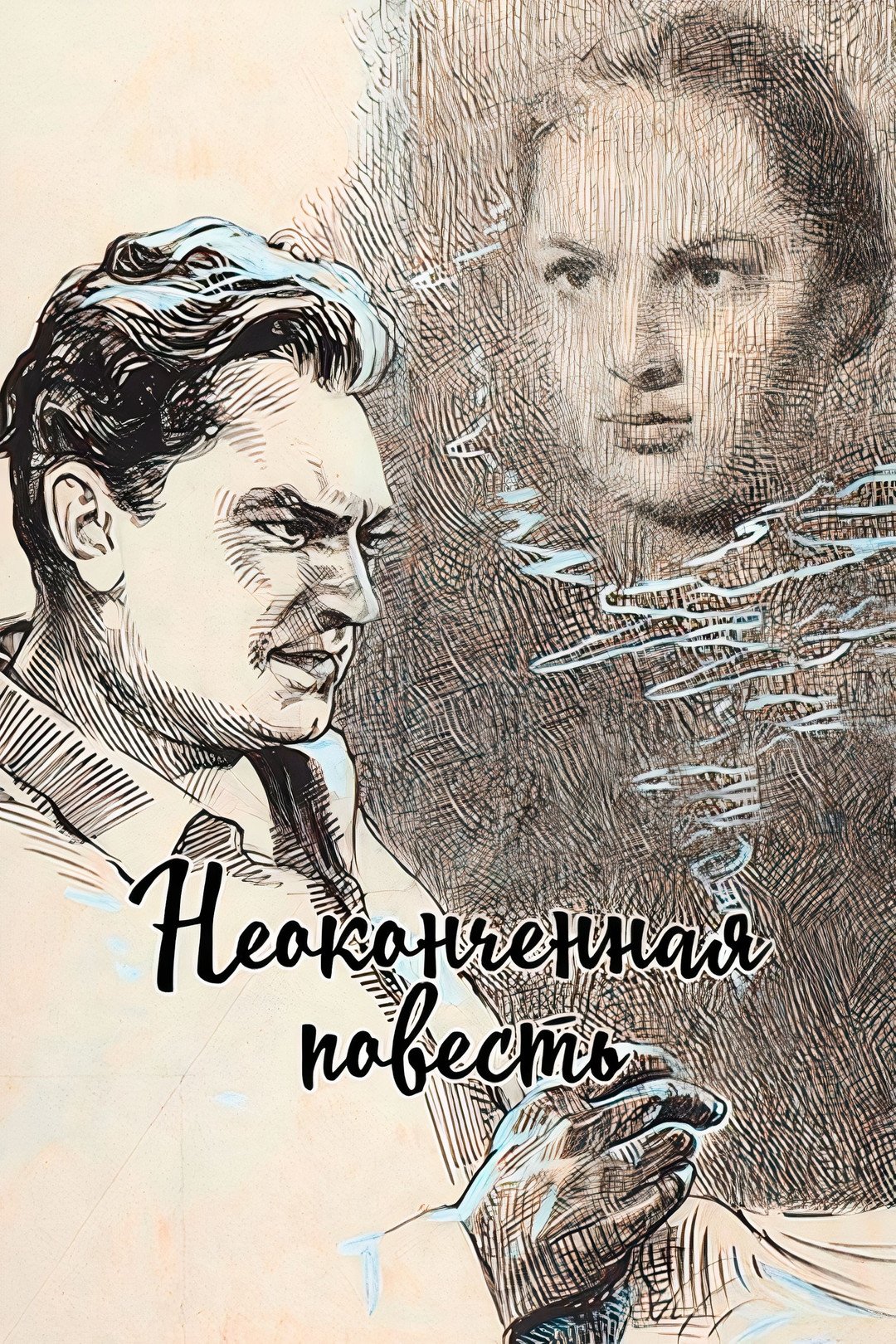
The local doctor Yelizaveta Maksimovna is a beautiful woman and a wonderful sympathetic person. She is lonely, although she is cared for by a confident and promising colleague. Yelizaveta Maksimovna has one patient, a manly, full-energy ship builder Yershov, chained to the bed with a paralysis of both legs. All doctors recommend him rest, and Elizaveta Maksimovna advises to work and not feel sorry for herself. Yershov with all his heart falls in love with his doctor, and she loves him, but she does not dare to say her feelings. Ershov thinks that he has no hopes, but...
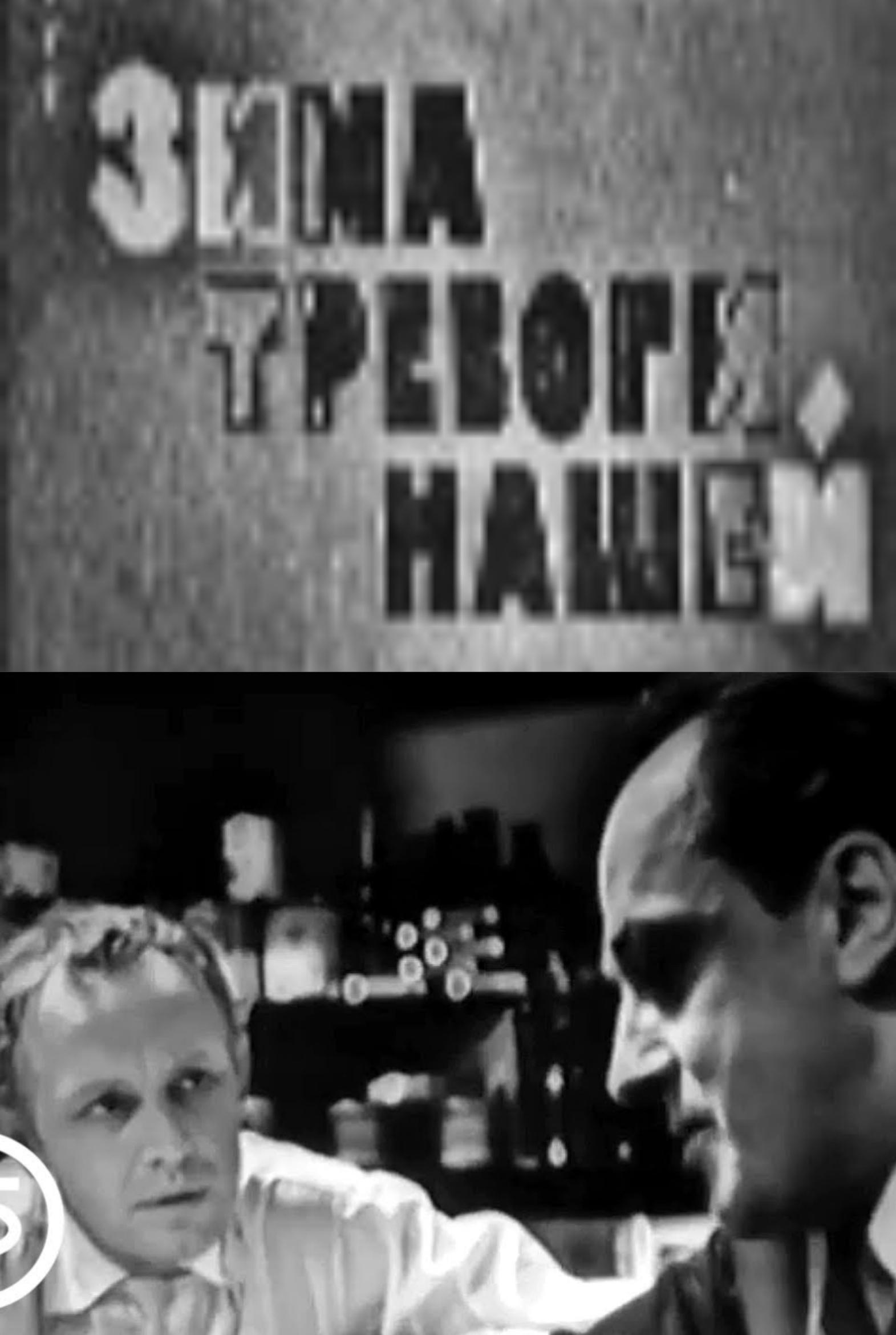
A television play from John Steinbeck's novel, performed live for Leningrad Television.
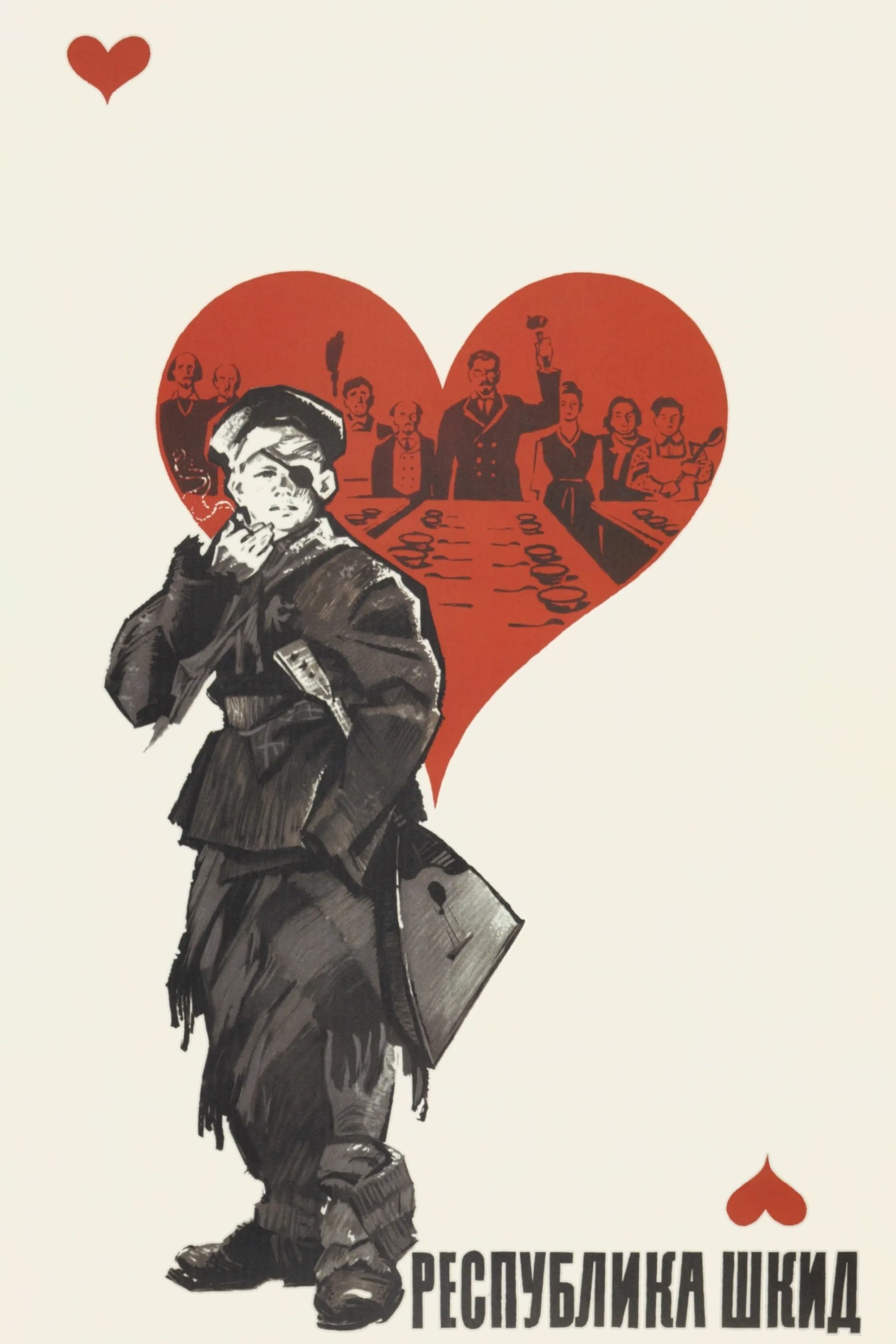
The film is based on the eponymous book, written by two former street gangsters - Grigori Belykh and Leonid Panteleyev. Film is set in the 1920s St. Petersburg, Russia. Streets of the city are full of the homeless boys. They are caught to be raised and educated at the correction school named after Dostoevsky. The boys are street smart and difficult. But the faculty stands up to the challenge. The teaches are being devoted and caring, and gradually win the respect of the most difficult kids. The school director Vicknixor is a refined intellectual, who becomes a role model for the boys.
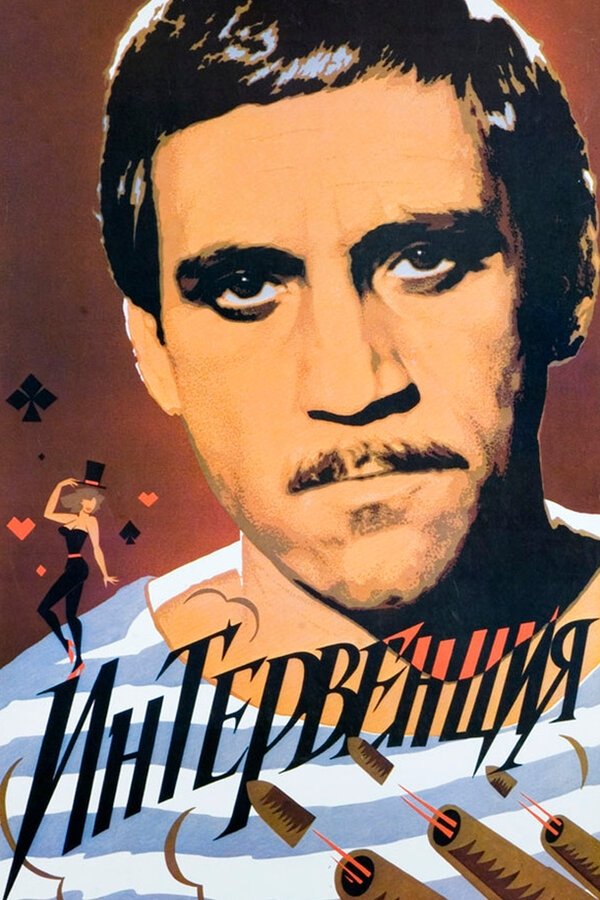
The movie is set during the last days of a foreign intervention against Soviet Russia. Police are searching everywhere for a Bolshevik named Brodsky but cannot find him. Meanwhile, a man named Michel Voronov serves as a teacher to a rich woman's son, Zhen'ka.

Based on the pamphlet "They Don't Talk About It" by Finnish writer Martti Lärni.
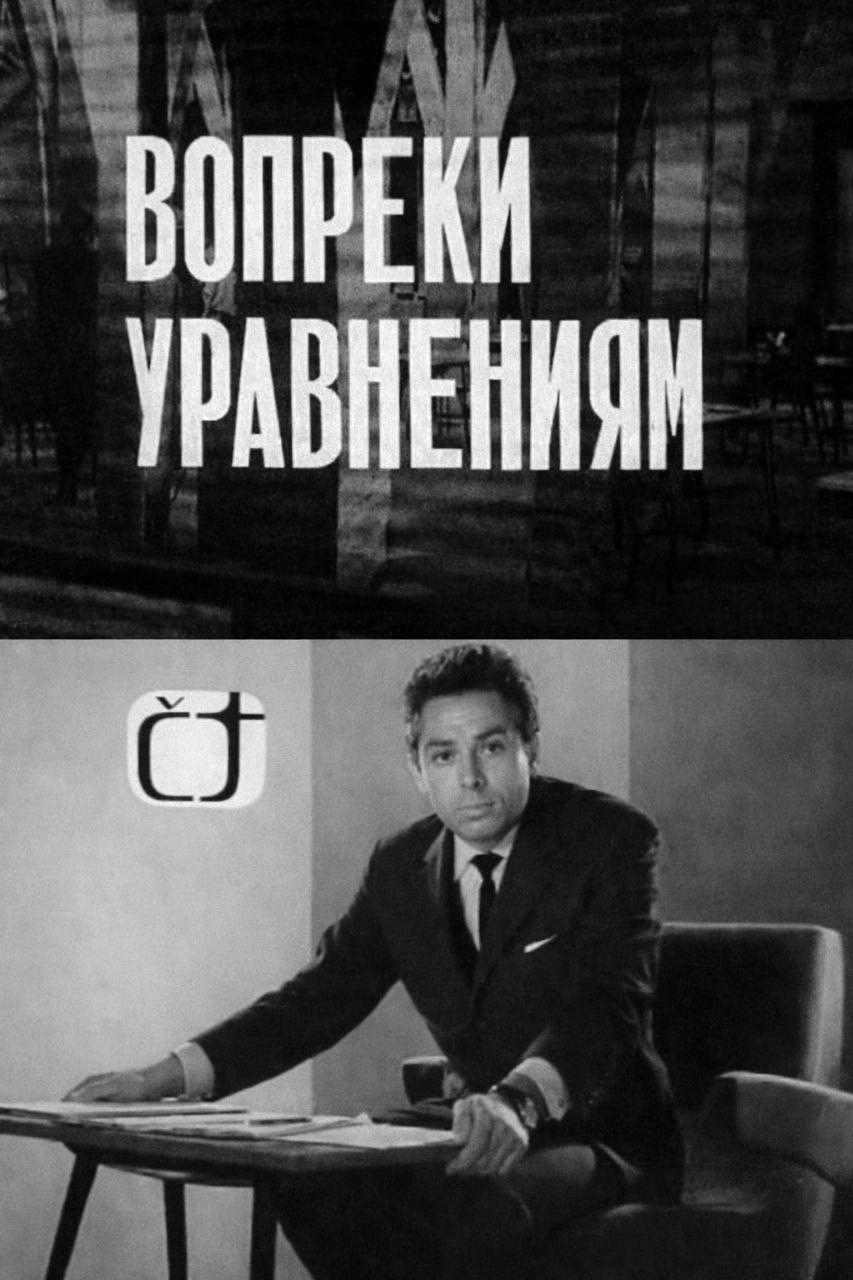
Based on the play by J. Smetanova.
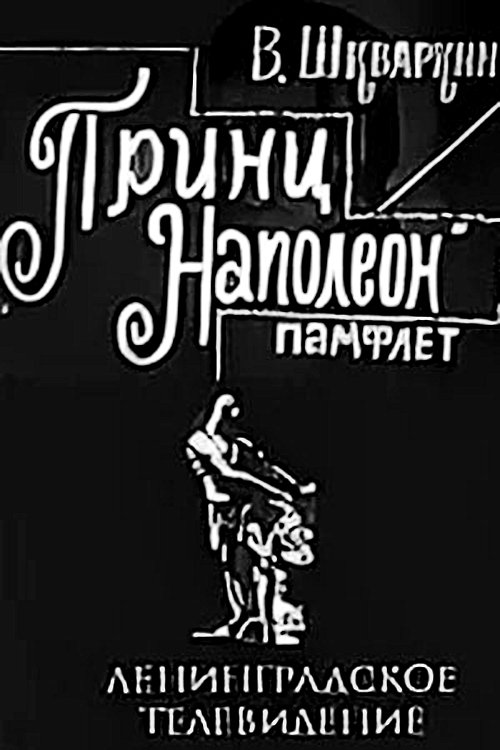
A satirical account of the rise and fall of Louis Napoleon Bonaparte.
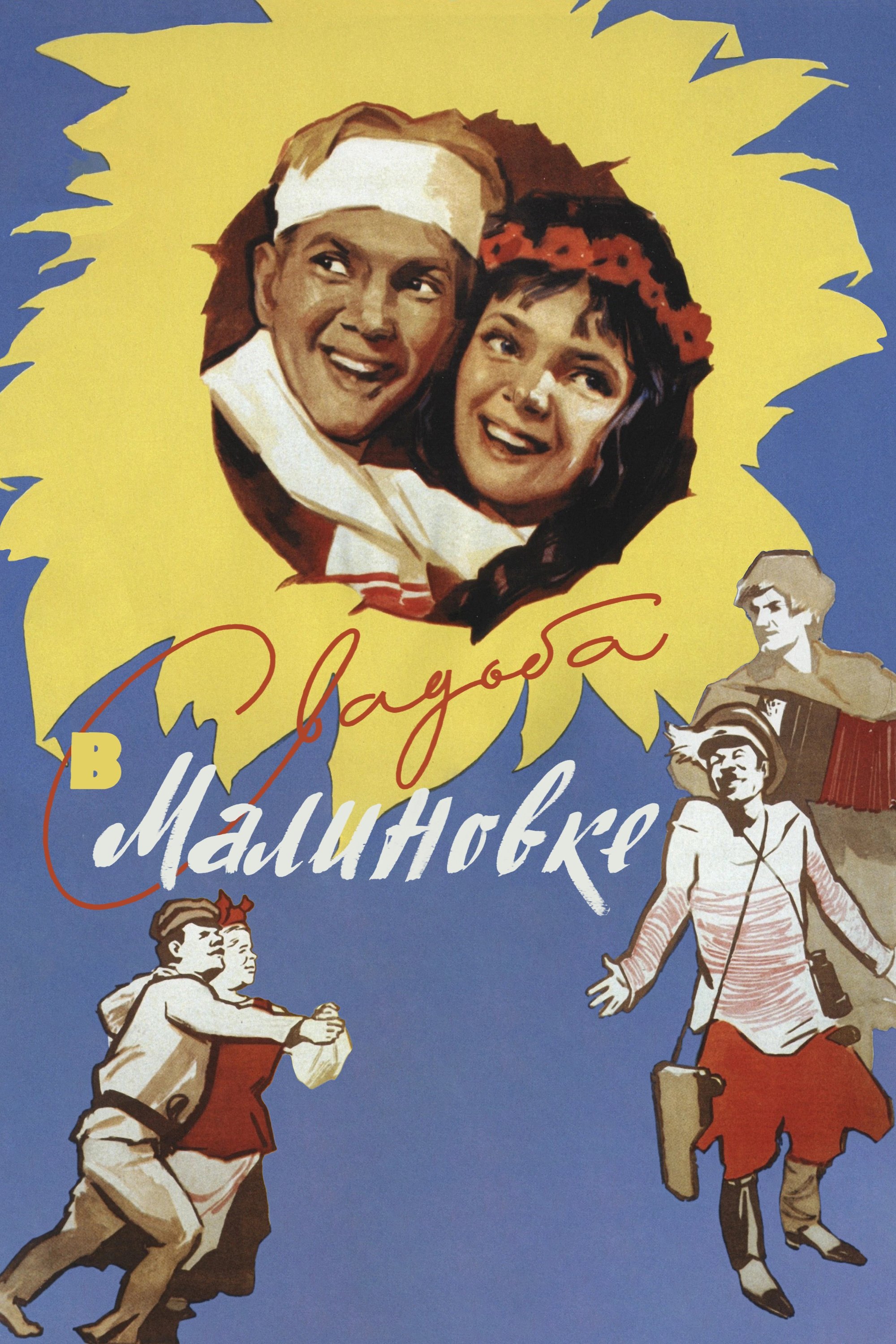
The movie takes place during Russia's civil war between the Reds (Bolsheviks) and the Whites (Mensheviks). Andrejka and Yarinka are a young betrothed couple in the village of Malinovka, caught between the battle lines. Gritsian is the leader of a Menshevik band who are planning to attack the village. Yarinka appeals to the local Bolshevik commander for his faction's help. The Bolsheviks quickly come up with a plan to save the village... but the plan requires Yarinka to enter into a pretend marriage with Gritsian.
A performance by the Leningrad Bolshoi Drama Theater named after M. Gorky.