In May 1986, Karel Gott made a guest appearance at the Palast der Republik in Berlin. With the Ladislav Staidl orchestra and guests such as Darinka, the singer from Prague thrilled his East Berlin audience. Of course, hits such as "Babicka" and "Wenn ich Dich nicht hätte" were not to be missed in his program. On the occasion of Karel Gott's death, rbb television is once again showing the legendary concert from the Palace of the Republic.

The young Prince Charles (Jaromír Hanzlík), the future King of his country Charles IV, is being educated at the French court in the company of his fiancée Blanche (Daniela Kolárová). One day he receives a summons from his father John of Luxembourg (Milos Kopecký) in Italy. He leaves for Italy accompanied by a deputation from Bohemia. On the way the prince's company fights a battle with armed Milanese against heavy odds. Thanks to Charles's perspicacity, the prince's almost naked soldiers win through. In Lucca in Italy Charles joins his father, and here he experiences an amorous adventure and escapes from the traps laid by the Italian rebels.
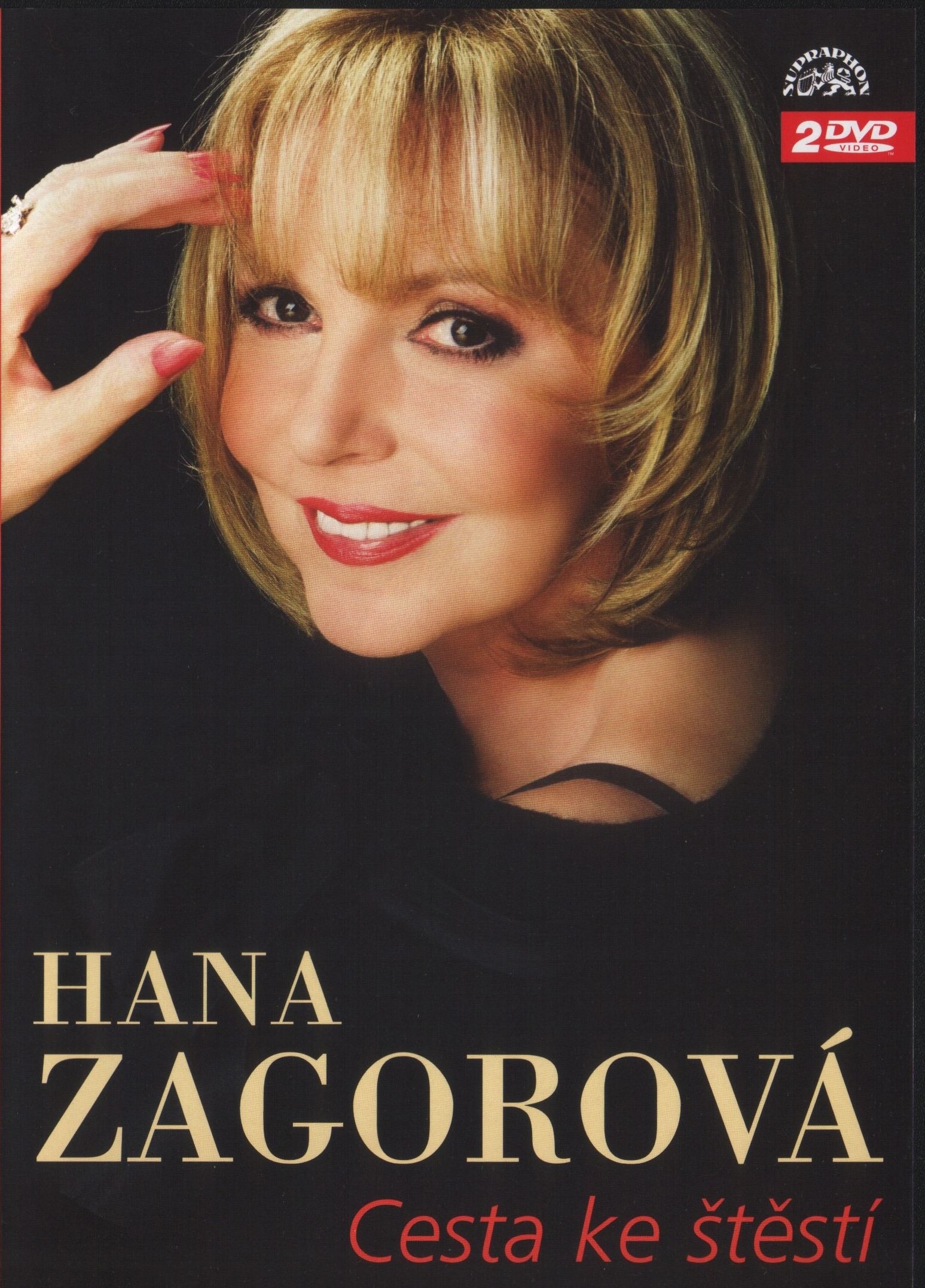
Cesta ke štěstí by Hana Zagorová is an extensive music and video project that maps the singer’s successful career. On this DVD, you’ll find legendary songs from the early years of her career — Bludička Julie, Obraz smutný slečny, and Mrtvá láska. The film archives have also preserved Gvendolína, which audiences of the former Czechoslovak Television saw only during its original broadcast in 1972. Bonus DVD contains: - Discography by Hana Zagorova and Biography
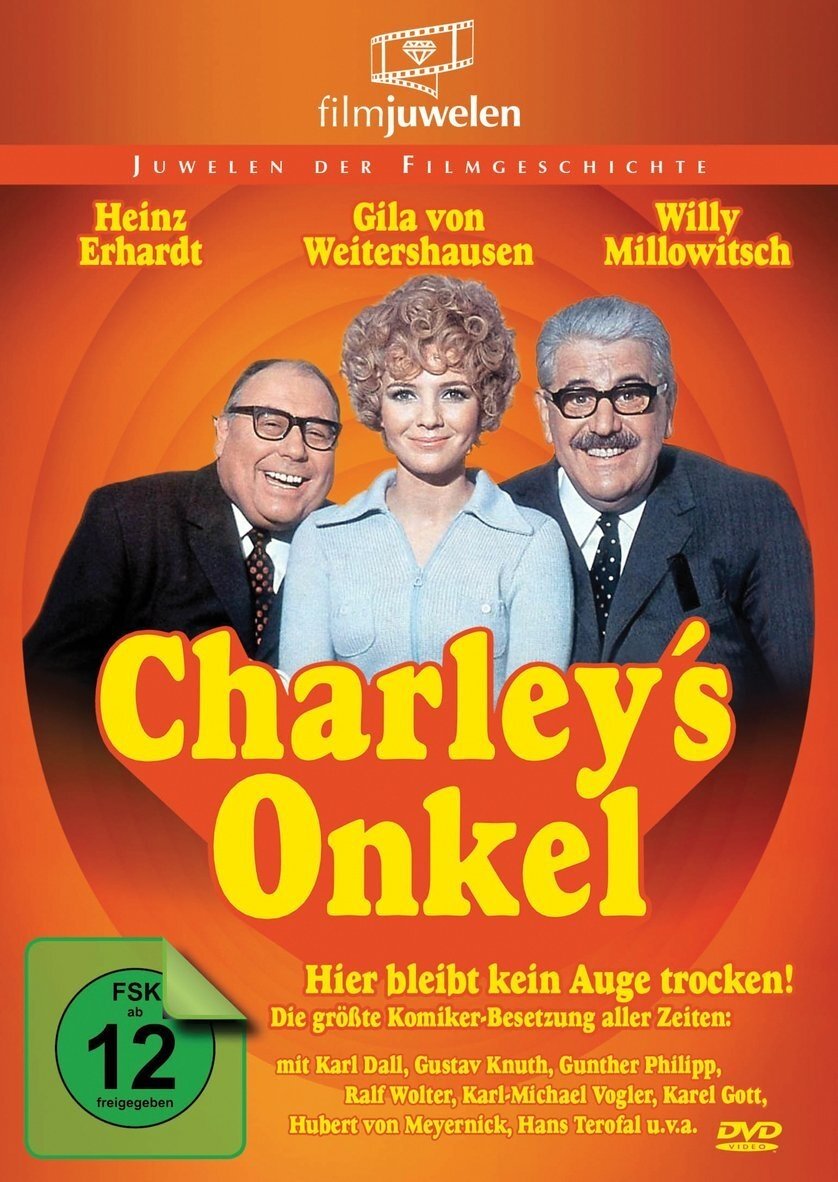
Driving instructor Carola "Charley" can no longer stand the constant advances of her pupils and quits her job without further ado. To gain some distance, she takes the opportunity to look after her friend Lilo's dog, the two parrots and her apartment while Lilo is on vacation. But even here she has to fend off unloved admirers, as Lilo earns her living as a playgirl. However, "Charley" has received a good tip from her friend: As soon as a man becomes too pushy, janitor Pinkus pretends to be "Captain Tressblekken" on cue and quickly chases the visitors away. But when the real Uncle Tressblekken turns up at "Charley's" house, chaos can no longer be averted...
The Christmas show of the biggest singing star of our popular music... Karel Gott's Christmas concert in 2005 was recorded in a studio in Kavčí Hory, with an audience, but that did not detract from the excellent atmosphere. The singer himself hosted the concert and personally introduced his guests, who included Jiří Korn with 4TET, Věra Gondolánová, the Polish girl group The Sound Office, and master impersonator Vladimír Hron. The exclusive guest was world-renowned opera singer Eva Urbanová. And Gott's greatest hits in new arrangements were also featured.
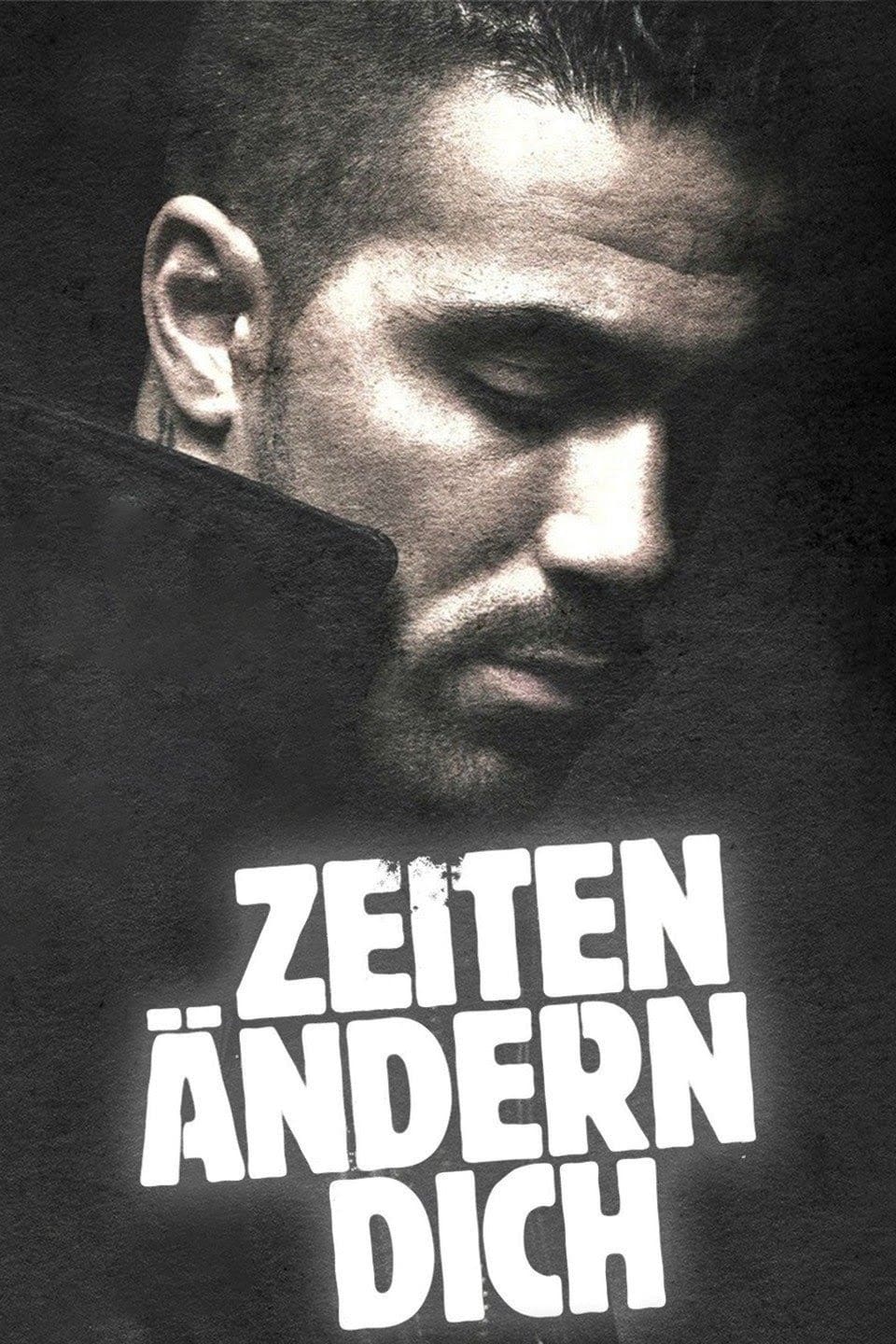
After the bestselling book comes the film about Germany's most successful rapper: authentic, provocative and radical. Despite all his successes, Bushido has to face the demons of his past again and again.
Songs about eternal love, American vagabonds, cowboys and desperadoes, with the romance of railways and trains speeding into the distance are recorded as film songs, and so, for example, in the well-known standard Franck and Johnny you will see M. Kopecký, J. Jirásková, J. Lír and others singing. In Chajda drnový, W. Matuška and K. Štědrý, K. Gott rides a horse or sails on a boat and R. Cortéz cries (off-screen) over the death of the famous robber Jesse James...
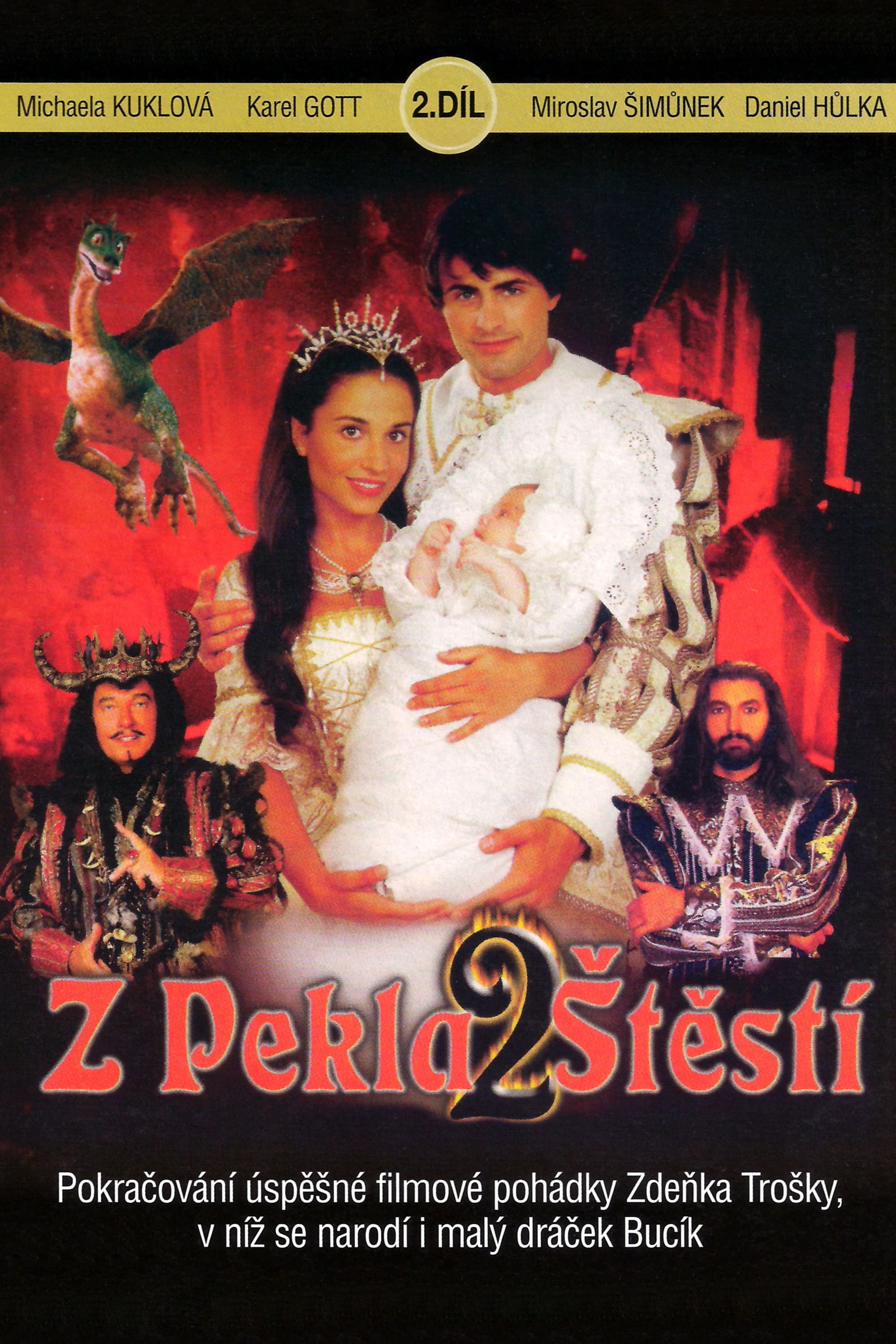
Markéta and Honza are a loving and beloved royal couple. The cunning princess Eufrozína beguiles Lucifer with her charm and, with the help of seven-league boots, flees from hell with her father to reunite with King Brambas and deprive Honza of his throne. Honza's evil sister Dora also takes advantage of his absence on a campaign against the enemy and sneaks into the castle, where she almost kills Markýta and her newborn son, just so she can win Honza for herself. This time, however, the lovers are supported by Kujbaba, Hnipírka, Valihrach, the wise godmother, a pair of devils, Lucifer himself, a three-headed dragon with a little dragon, and other characters.
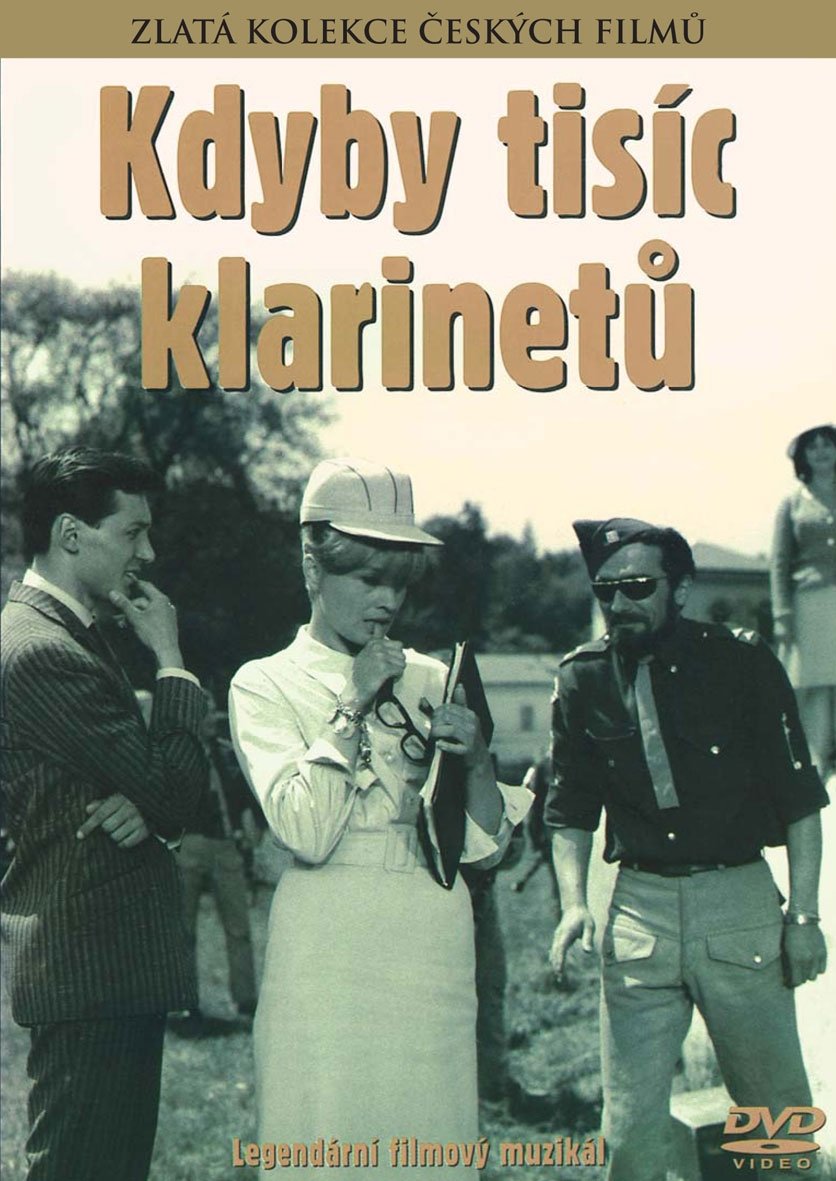
A military base. An awkward soldier. A statue of Bach. And suddenly all guns in the area change into music instruments. Great mystery is immediately found by TV station. And soon the military base becomes a stage for huge TV show.
Karel Gott and his band sing songs in a natural Slovak scenery, without accompanying words or connecting story.
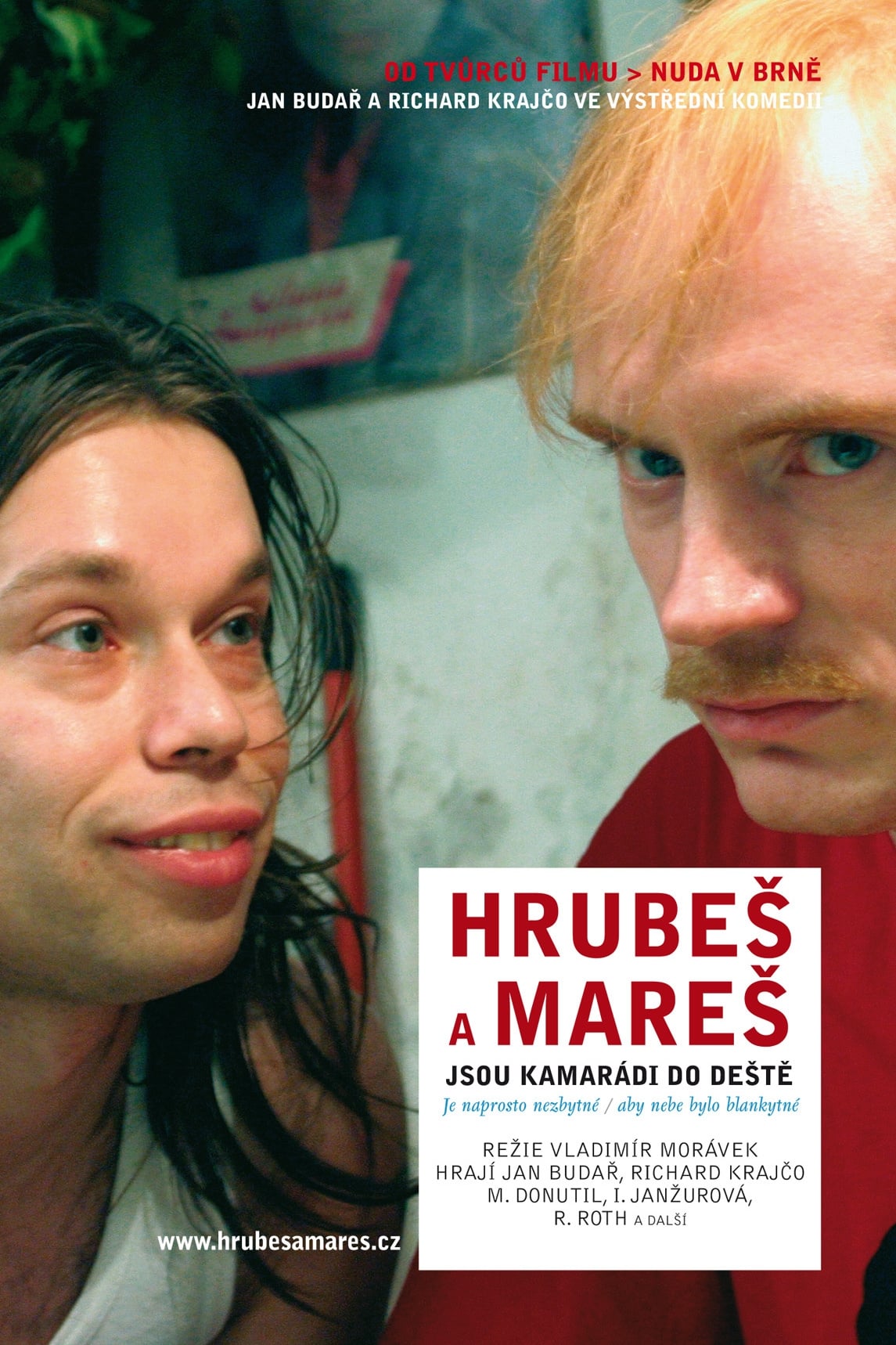
Slovak director Karpatti arrives in Prague to make a name for himself. He has brought all his belongings with him, as he can no longer show his face in Bratislava. Meanwhile, on the roof of an apartment building in Pankrác, Hrubeš and Mareš spit from the seventeenth floor, planning to become important film professionals and longing for love. Then Mareš's grandmother dies, Hrubeš is kicked out of his house by his father, and eleven terminally ill patients do not die. Václav Hrubeš meets President Klaus, and Josef Mareš finds a girlfriend, but for money. At the end, the power goes out for ten minutes throughout Prague 4, and Viliam Karpatti receives an award at the Jihlava Film Festival. It rains for the entire last ten minutes of the film, and planes hover over Prague like phantoms.
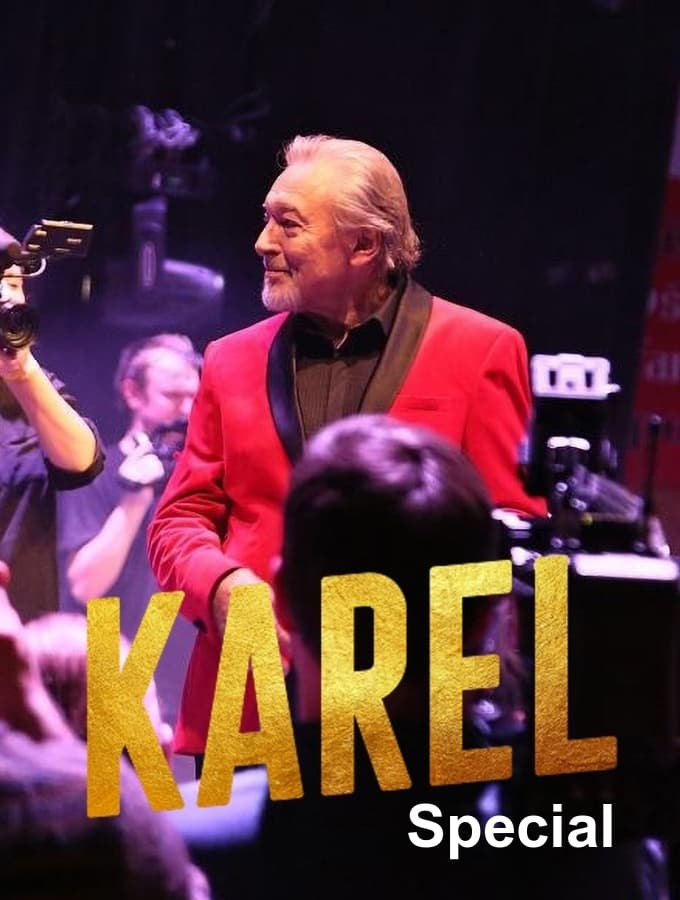
The documentary Karel Špecial by director Olga Malířová Špátová brings an interesting insight into the private life of the music legend. He interprets the confession at the very end of the artist's life with images of the young singer at the start of his musical career. The unique documentary captures Karel Gott in several situations spent in the company of his colleagues, and above all with his wife Ivana, daughters Charlotte and Nelly, but also with his grandchildren.
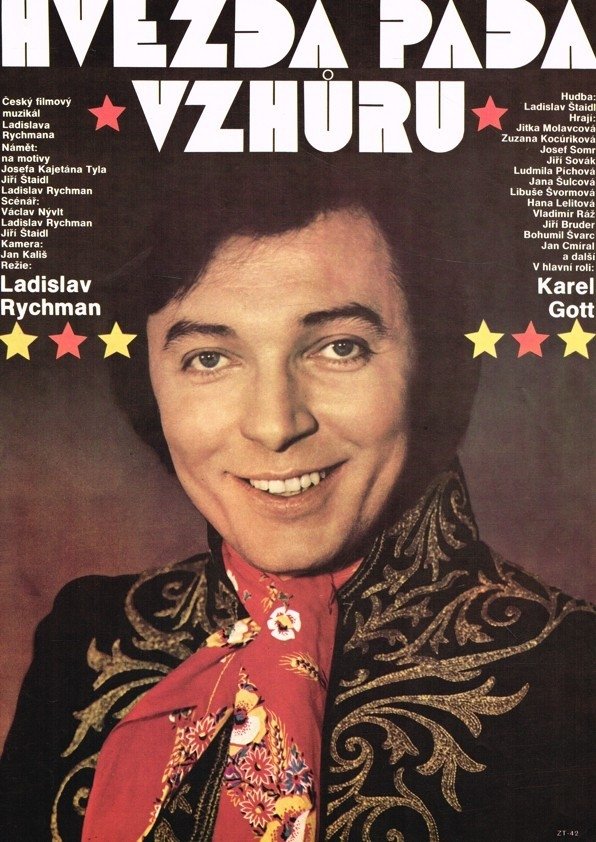
Švand, a room painter from Strakonice, begins a dizzying career as a pop music star, but he soon discovers that fame is not the most important thing in life or what he is looking for and what he longs for in life.

Energetic Dr. Alice Váňová becomes the pit doctor at Mír Mine and spearheads a silicosis prevention study requiring miners to drink milk regularly. The miners, led by a tight-knit group, stubbornly refuse public participation. Determined union chair Janeček resorts to psychological tactics and pressure campaigns to force their compliance, turning a health initiative into a tense battle of wills.
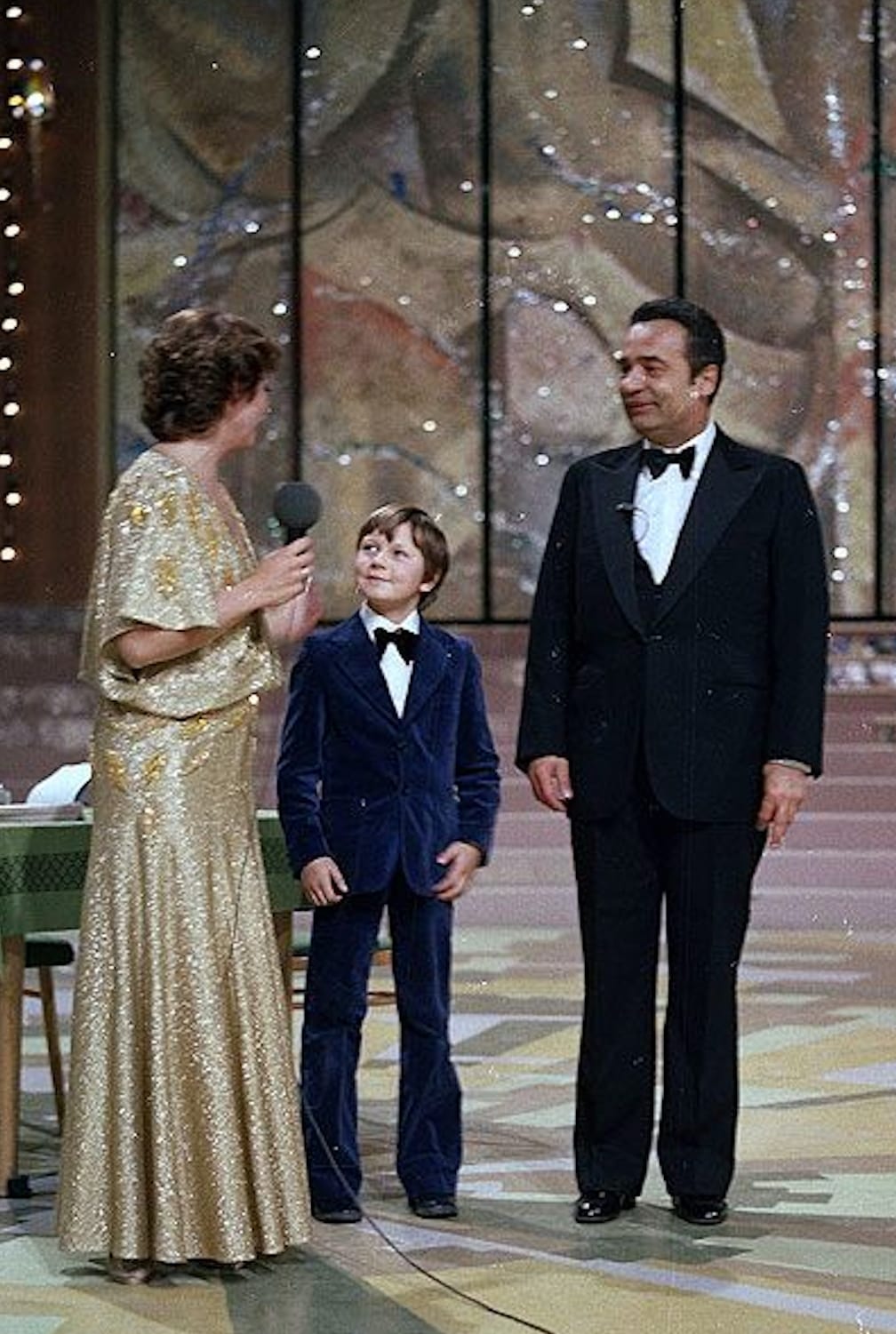
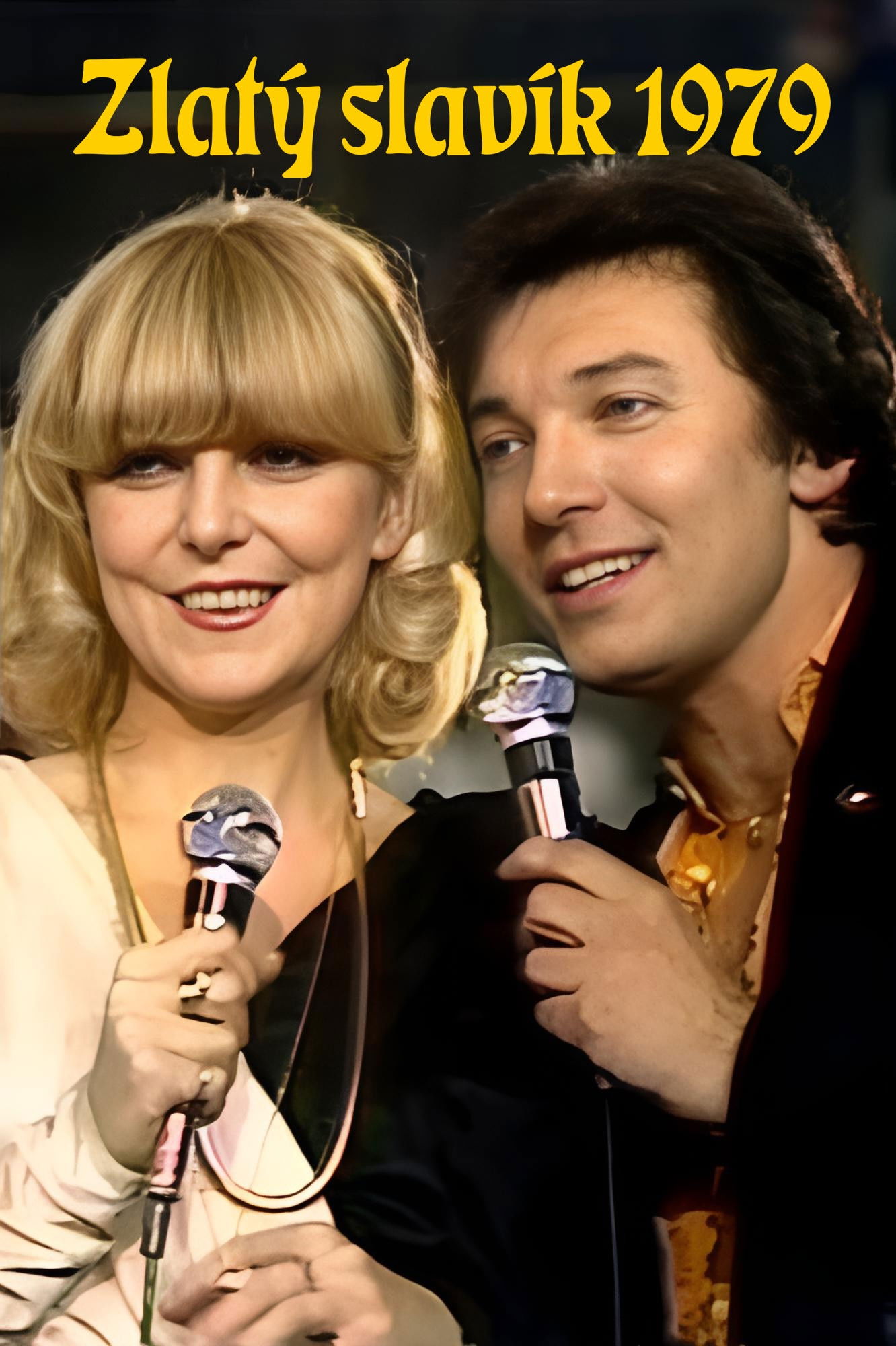
A New Year's Eve television variety show from late 1979.
A New Year's Eve television variety show from late 1978.
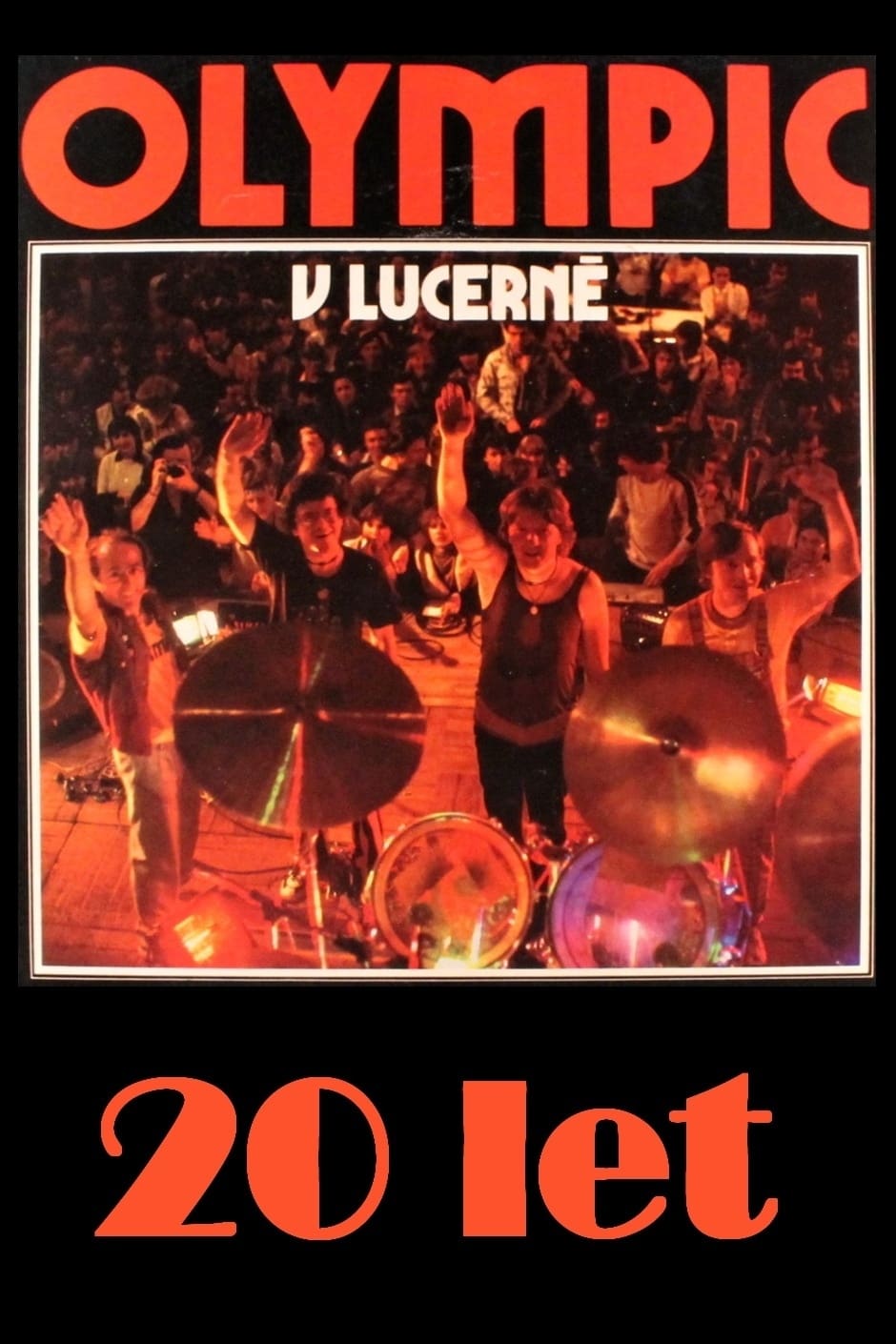
Karel Gott's concert is undoubtedly part of the Christmas tradition on Czech Television. The broadcast recording took place, as usual, at Lucerna in Prague on December 8 and 9 as part of the "Christmas Concerts – Karel Gott 1996" tour. Songs from the album "Zázrak vánoční" (Christmas Miracle) and the CD "Belcanto" were performed, as well as the ever-popular older hits and lovely guests invited by K. Gott to his program – Marta Kubišová, Petra Janů, Ilona Csáková, and Leona Machálková. The performances were accompanied by two orchestras – Karel Gott's Orchestra, conducted by M. Talián, and the Czech Christmas Symphony Orchestra, conducted by F. Preisler. And what would Christmas be without Christmas songs and carols? Of course, Karel Gott did not forget about them either. They will be the traditional highlight of the entire program, which will certainly contribute to the Christmas atmosphere in your home.
Concert of Karel Gott to celebrate his 70th birthday.
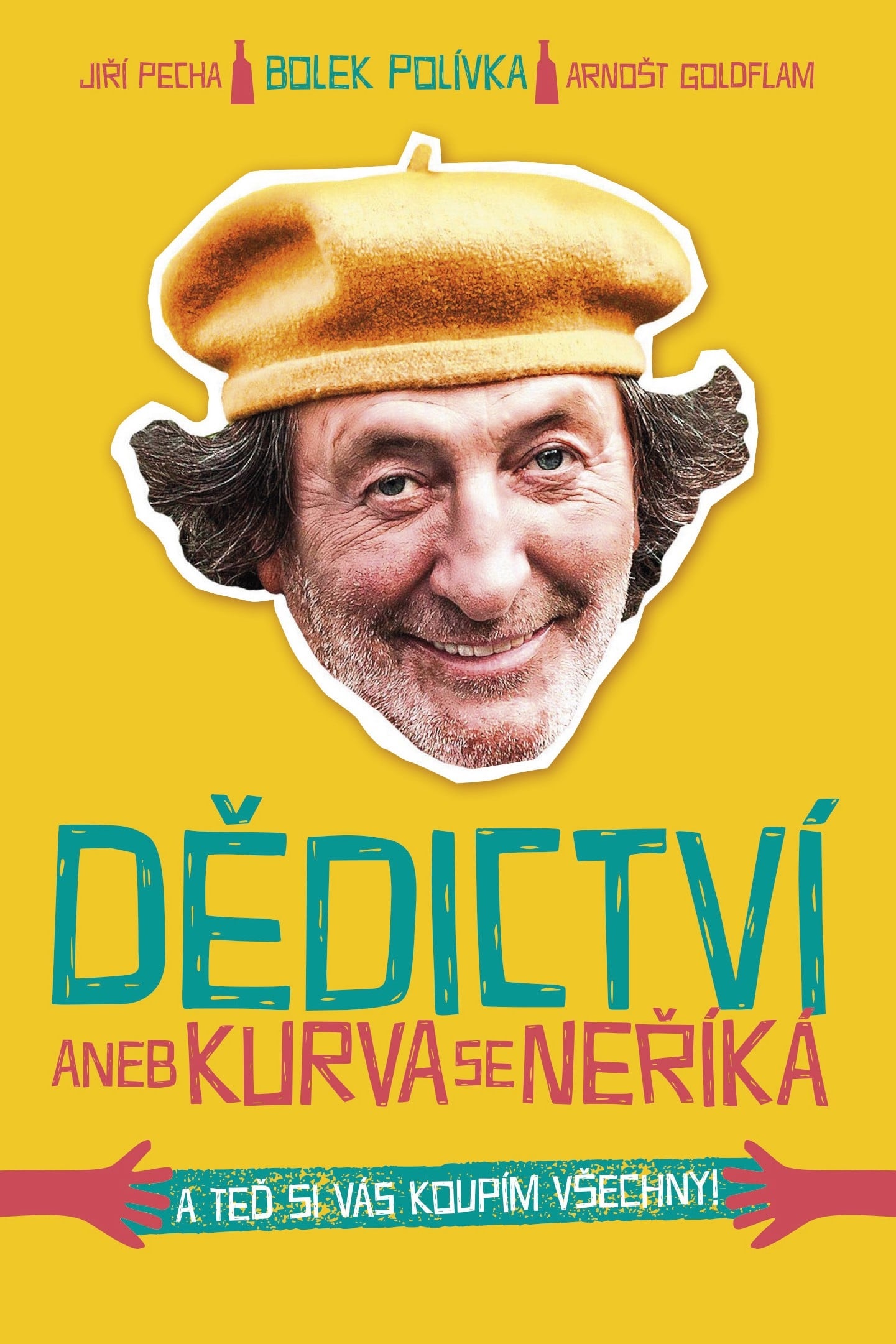
The aging Bohus buries his wife Vlastička and after seven years of abstinence starts drinking again.
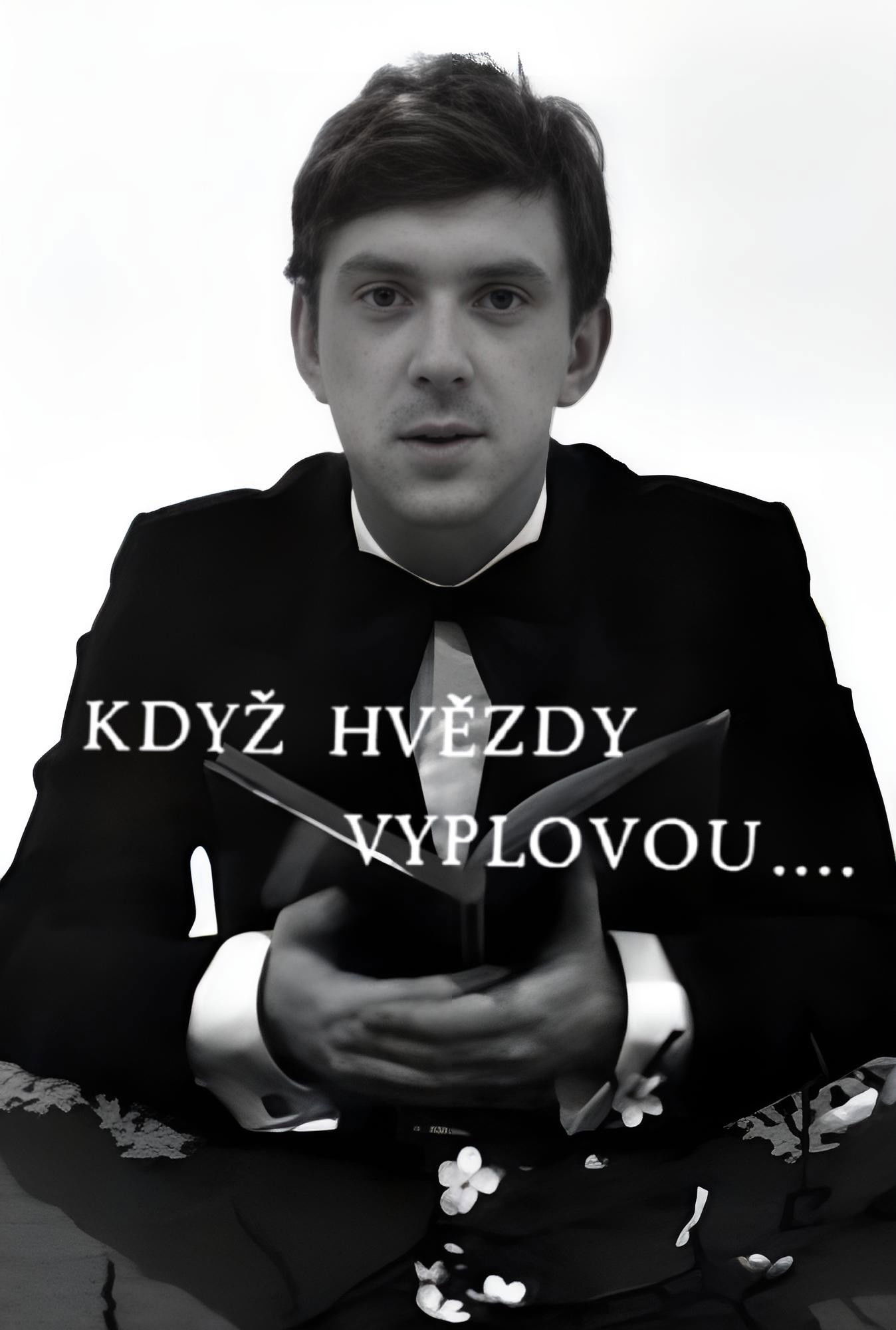
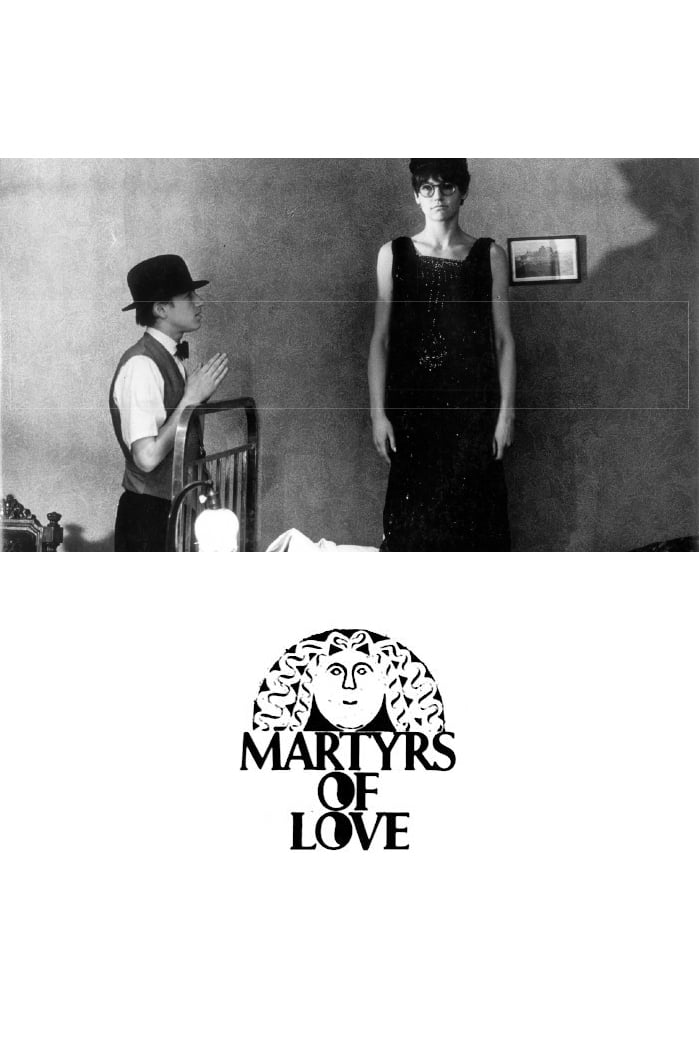
Three loosely-connected tales that represent different aspects of love: temptation, dreams, and adventure.

A musical comedy about a date between boy and girl which started badly but continued very unexpectedly...
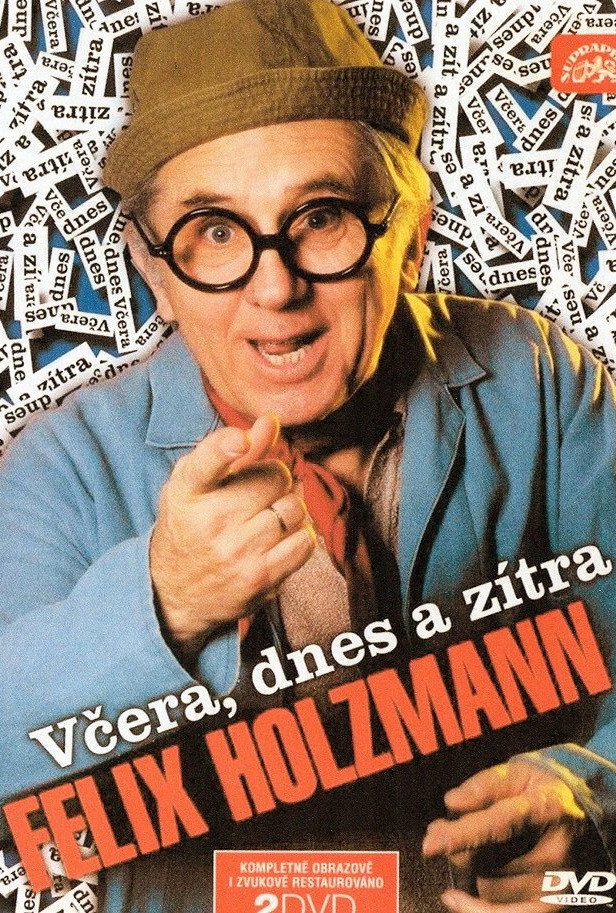
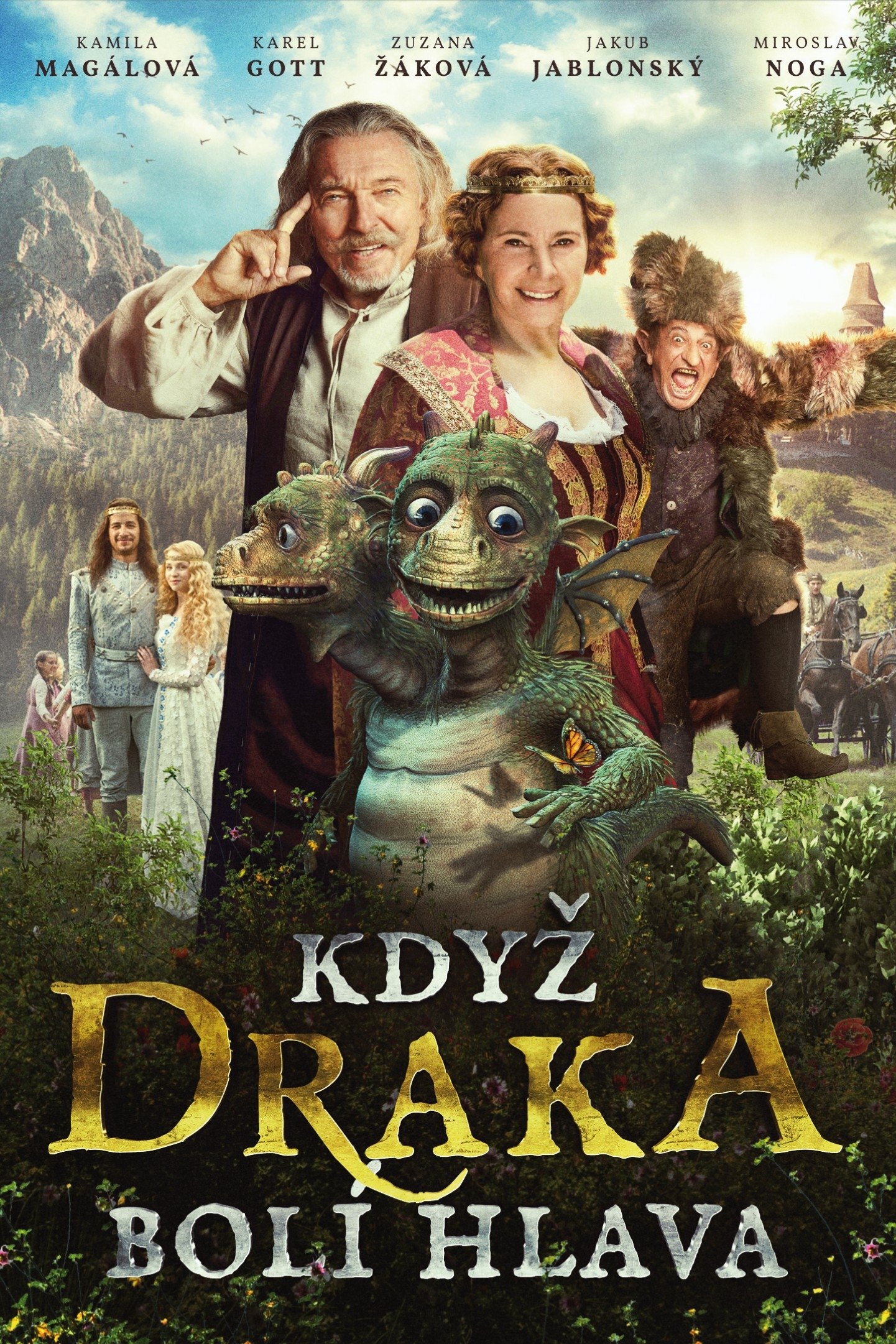
Barborka and Tomík vacation at their grandparents at the smithy beneath Dragon Rock, where the double-headed dragon Čmoudík (Smoky) is working hard.
Television recital of Karel Gott.

A musical starring Jiří Menzel (whose part is sung by Achilles Michailidis) as a math and physics teacher employing innovative teaching methods.
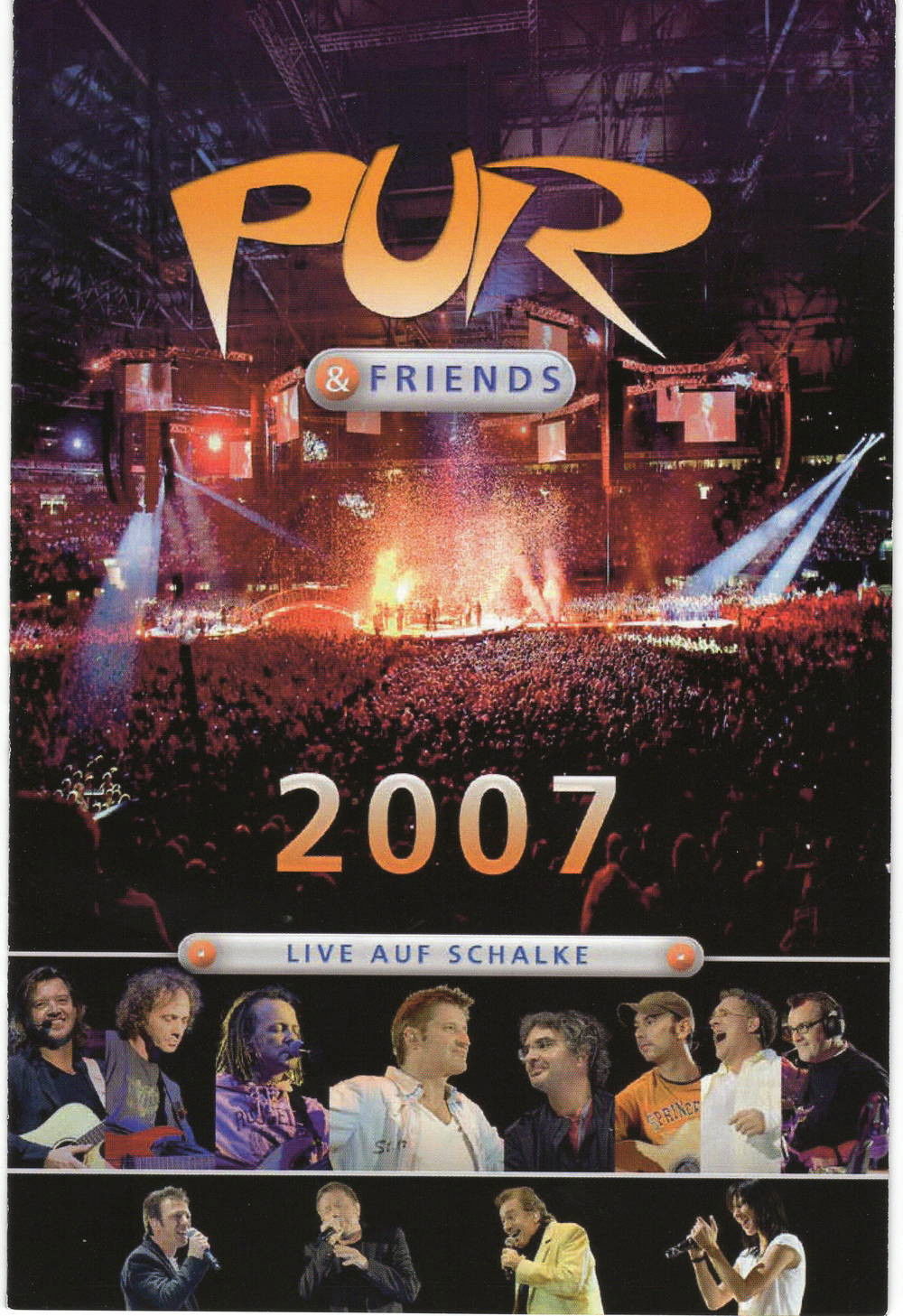
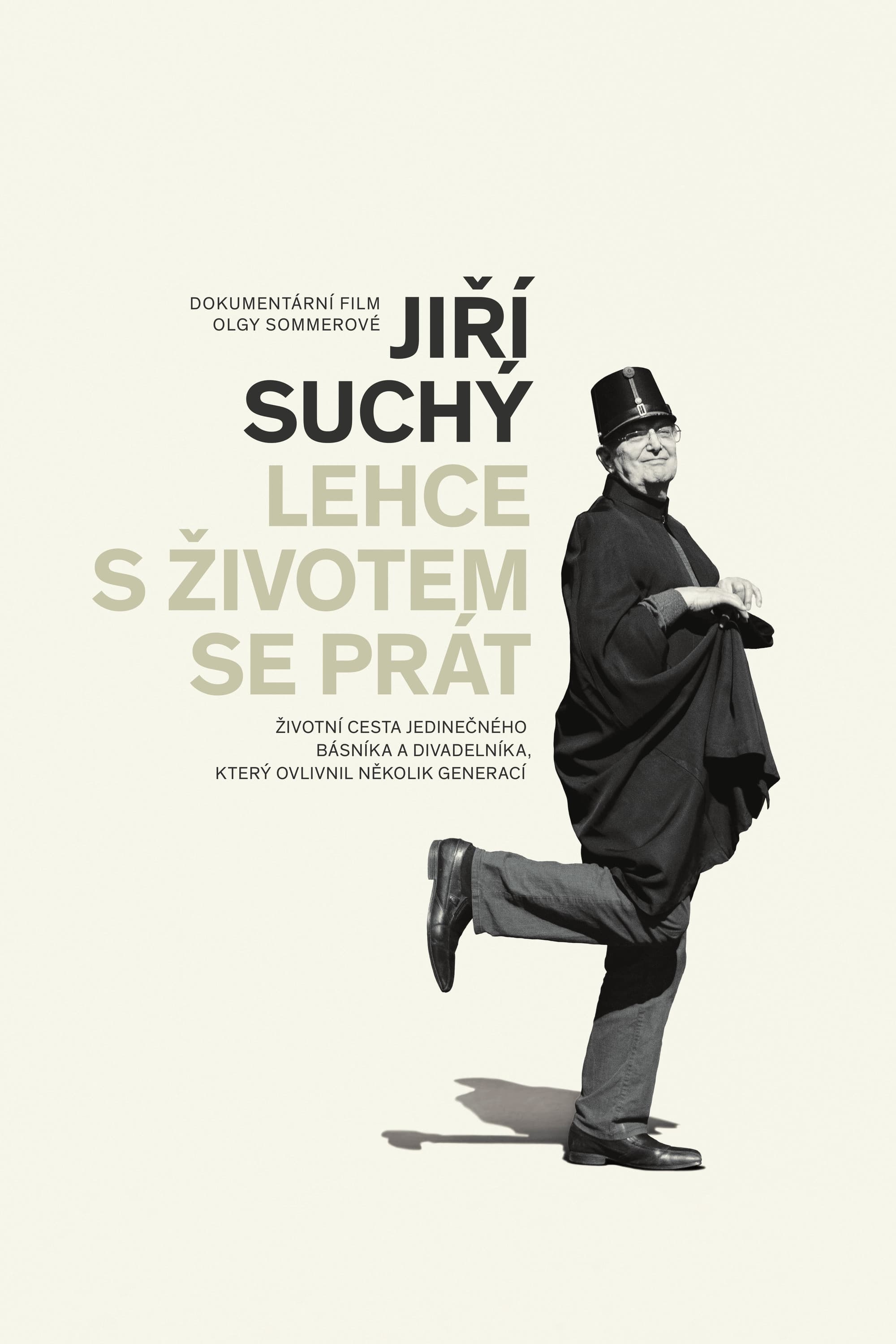
Theatre personality, musician, poet, writer, graphic artist, collector, self-professed clown, eternally young in spirit – all this is Jiří Suchý, one of the key figures of the domestic cultural scene over the last six decades. He has put on 97 plays at the Semafor theatre and has written the lyrics for 1,400 songs and the music for 500. Today, in an era beset by an onslaught of images that are often of questionable worth, this legendary figure’s tireless efforts to enrich the Czech language and its poetic nuances have been of inestimable value. Olga Sommerová lays before us Suchý’s prolific creative and civic journey through life with the subtle distinctiveness we have come to expect; she also demonstrates her singular flair for capturing exceptional moments.
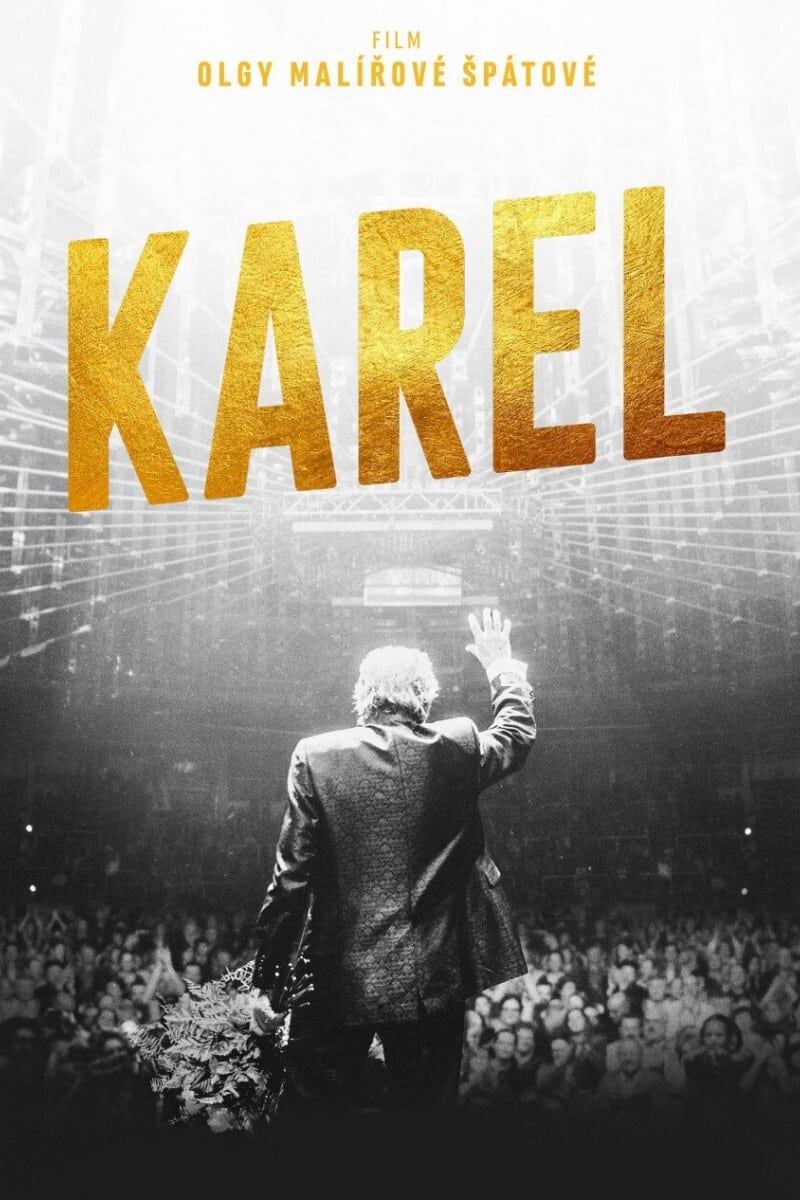
Director Olga Malirova Spatova's feature documentary authentically portrays Karel Gott as a phenomenal singer who gives his all to his fans, as a painter, but also as a loving husband and father. A man who was spreading joy with his songs for sixty years, among several generations not only here, but also in Europe, and even worldwide. The singer traces the steps of his life, allows viewers to peek behind the scenes of concerts, and shows also his family life and privacy that he otherwise tries to lovingly and humbly protect.

On the train to Prague, the bride-to-be Zuzana Vítová accidentally meets the clerk Dr. Karel Jánský. Upon arriving in Prague, it seems that Jánský follows the girl on her way from the station, but it turns out that the two of them have only a common journey. When Zuzana discovers that her fiancé Petr Klika is not at home and that she has lost the keys to his apartment, Dr. Jánský gallantly helps her and keeps her company until deep into the night...
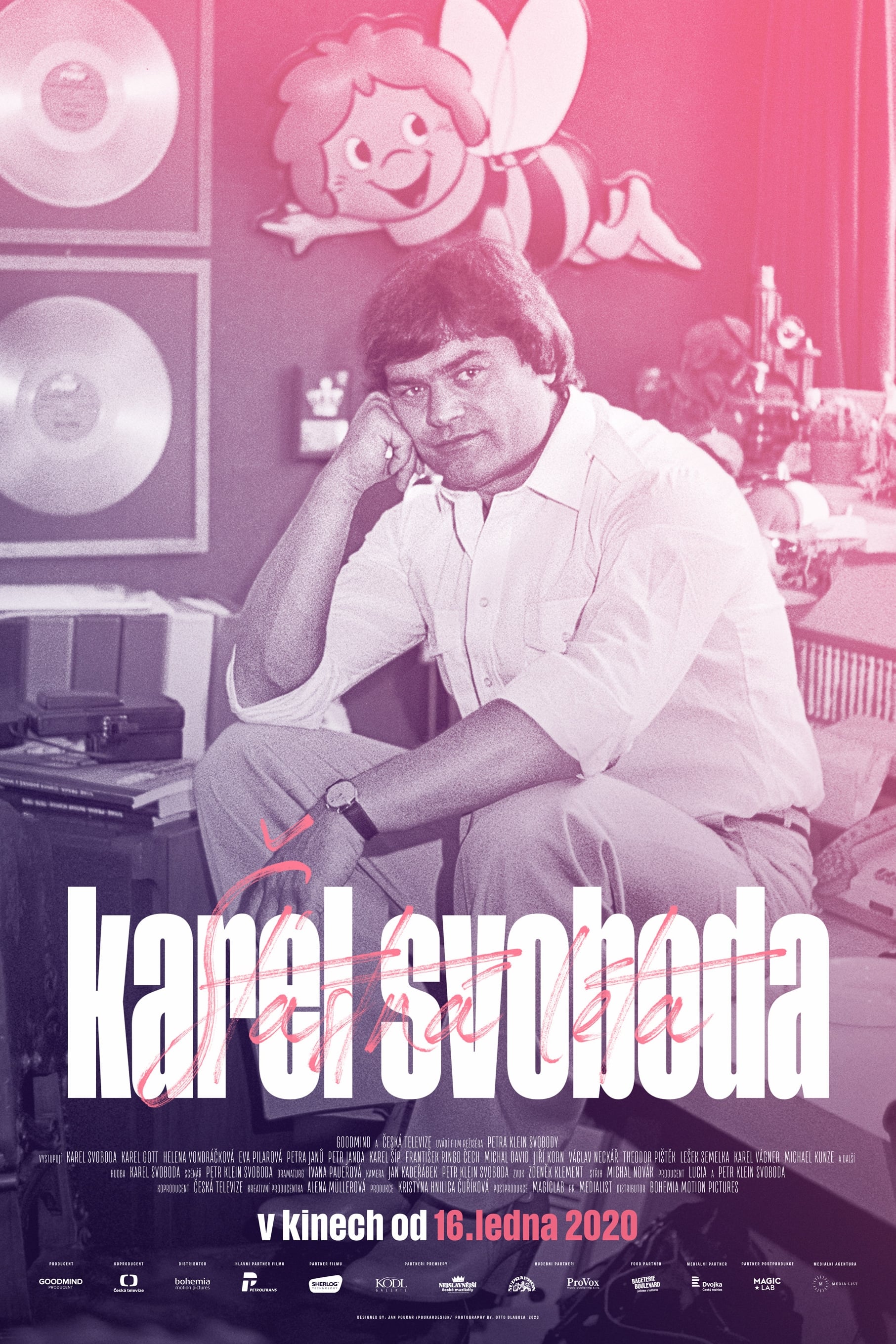
A documentary about Karel Gott that offers an unconventional view of the master. We will show you that he was not only a divine singer, but also a man who loved humor and exaggeration. And most importantly, he was able to make fun of himself. Tereza Kostková will be your guide through the program. We will present skits and humorous dialogues with Karel Gott and our comedians, an unconventional approach to songs and duets where viewers would not expect to see Karel Gott. We will also add a few gems that the audience may have forgotten. His music and smile will never fade!
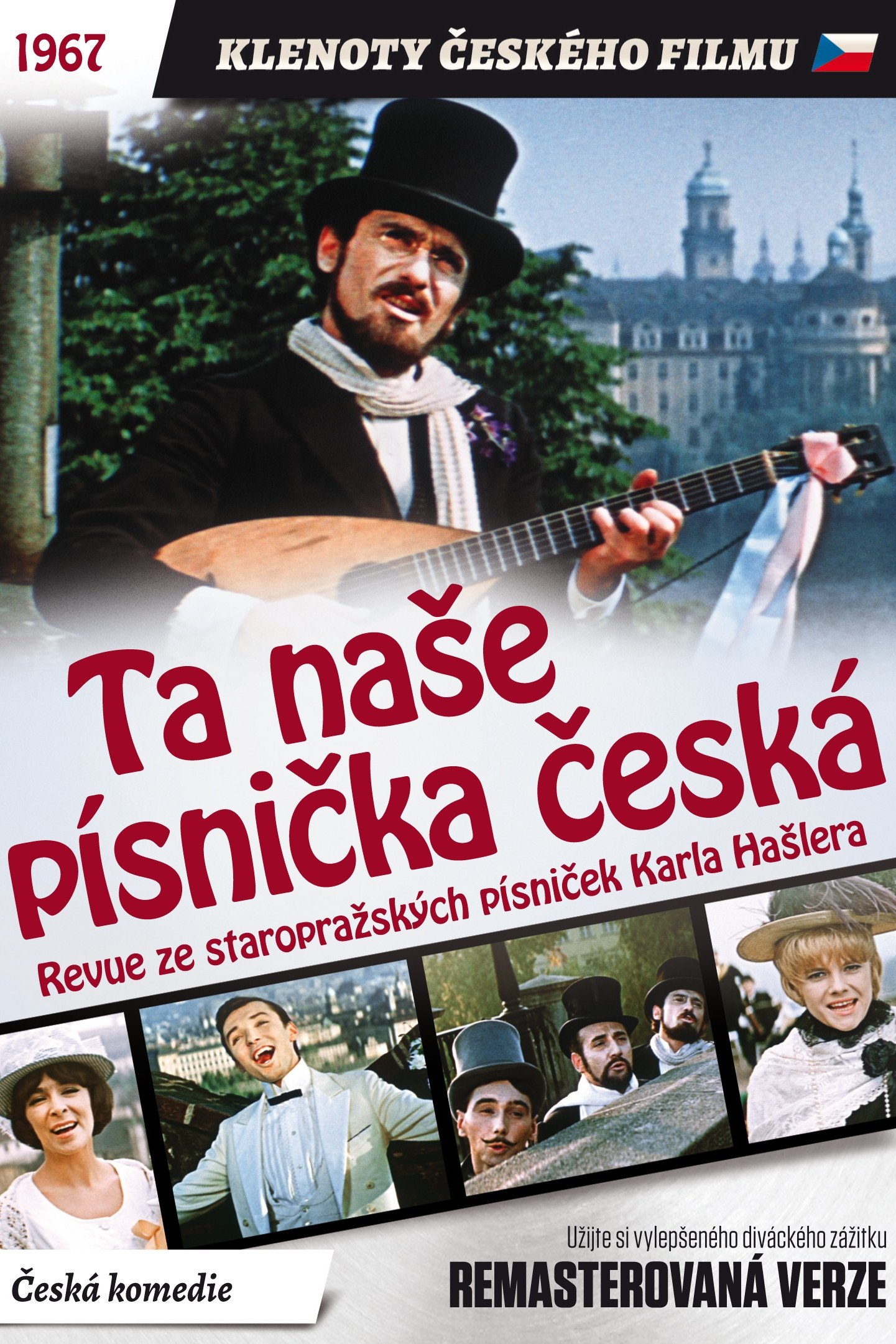
The Haszler songs of Prague, so popular in the late nineteenth and early twentieth centuries, have not aged. They are still sung in pubs and on construction sites, in short, everywhere. They also have their place in the love stories from old Prague, so beautifully told by Miss Veronika. Their heroine is Miss Stázi, who at first had no luck in love with the student Tadeáš. But then she fell in love with three gentlemen at once. The shy Mr. Alois, the cheerful Mr. France and Mr. Johannes, who seduced her behind the Horse Gate. But in the end she preferred the old but rich landlord. Three abandoned gentlemen nearly took their own lives under the Stone Bridge. But grief overcame them and the gentlemen settled down to marriages richly blessed with adorable children. And Miss Stasi? She ran away from the old man and returned to Mr. Franco when he came home from the army.
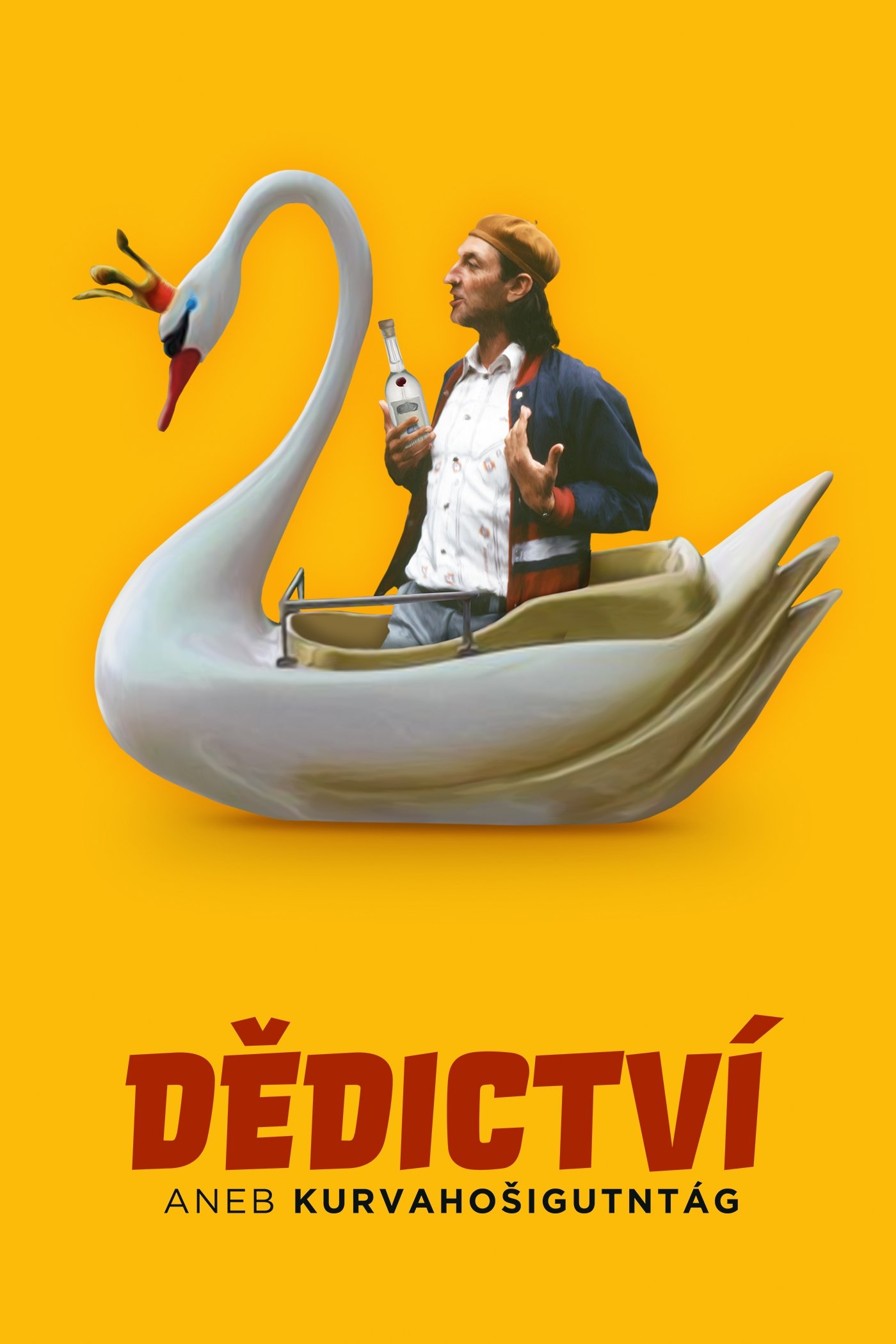
Bohus is indolent and spends his days drinking brandy. One day he finds he has inherited a brickworks, several shops and a five-star hotel. Bohus sets out to tour his new empire, insulting everyone on the way.
Gustl Bayrhammer takes audiences big and small on a musical journey to “Wonderland”. There he meets various characters from comic books, fairy tales and legends.
In 1965, during eminent trumpeter Louis Armstrong’s visit to Prague, Jan Spata then a young promising documentary filmmaker, created the report 'Hallo Satchmo'.
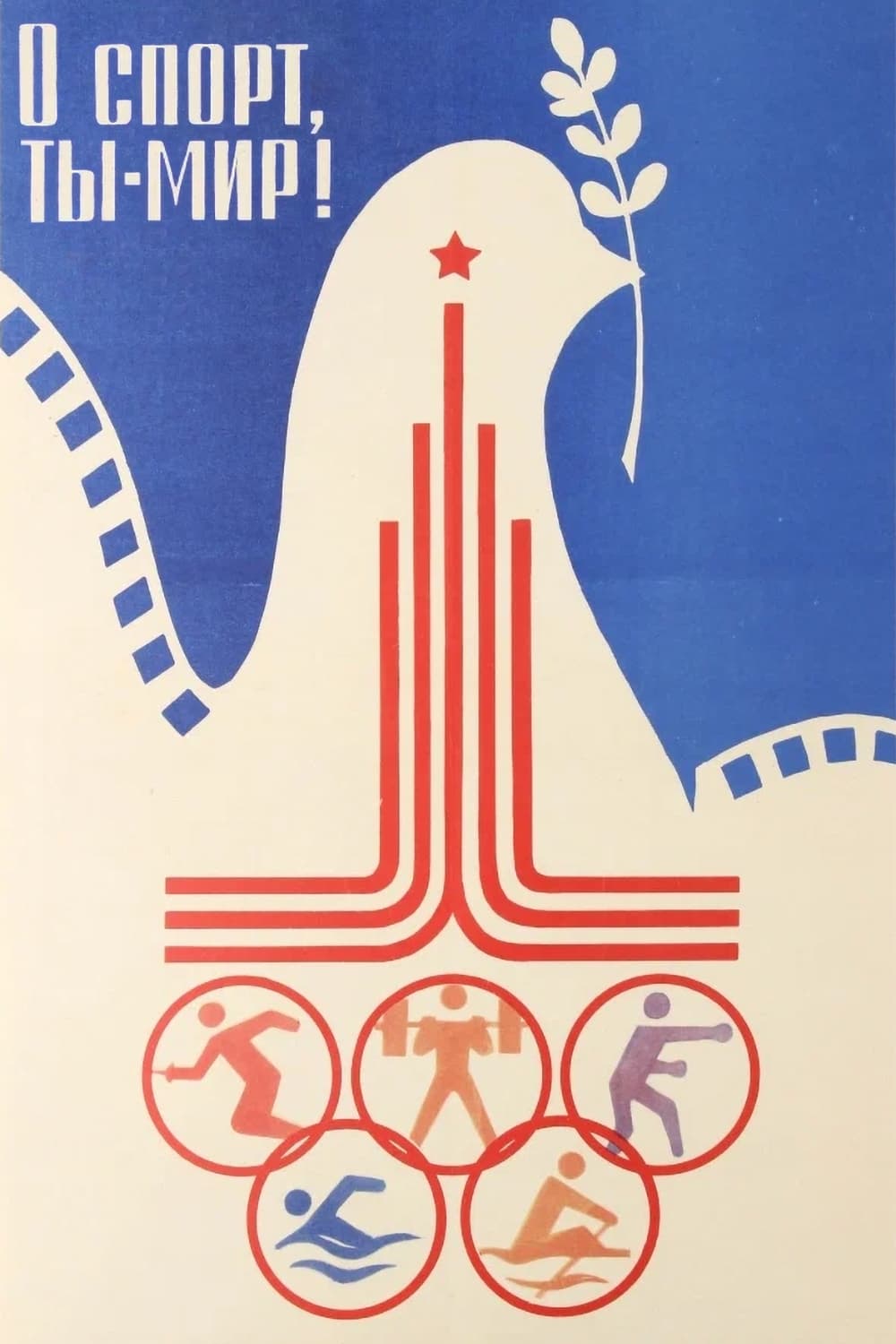
A 1981 documentary film directed by Yuri Ozerov. It showed the opening and closing ceremonies of the 1980 Summer Olympics held in Moscow. The director was awarded the State Prize of the USSR in 1982. The film was selected as the Soviet entry for the Best Foreign Language Film at the 54th Academy Awards, but was not accepted as a nominee.
From the behavior, discourse, and appearance of individual actors, Vachek composes, in the form of a mosaic, a broad and many-layered film-argument about Czechoslovak democracy in the period of its rebirth, all administered with the director’s inimitable point of view.