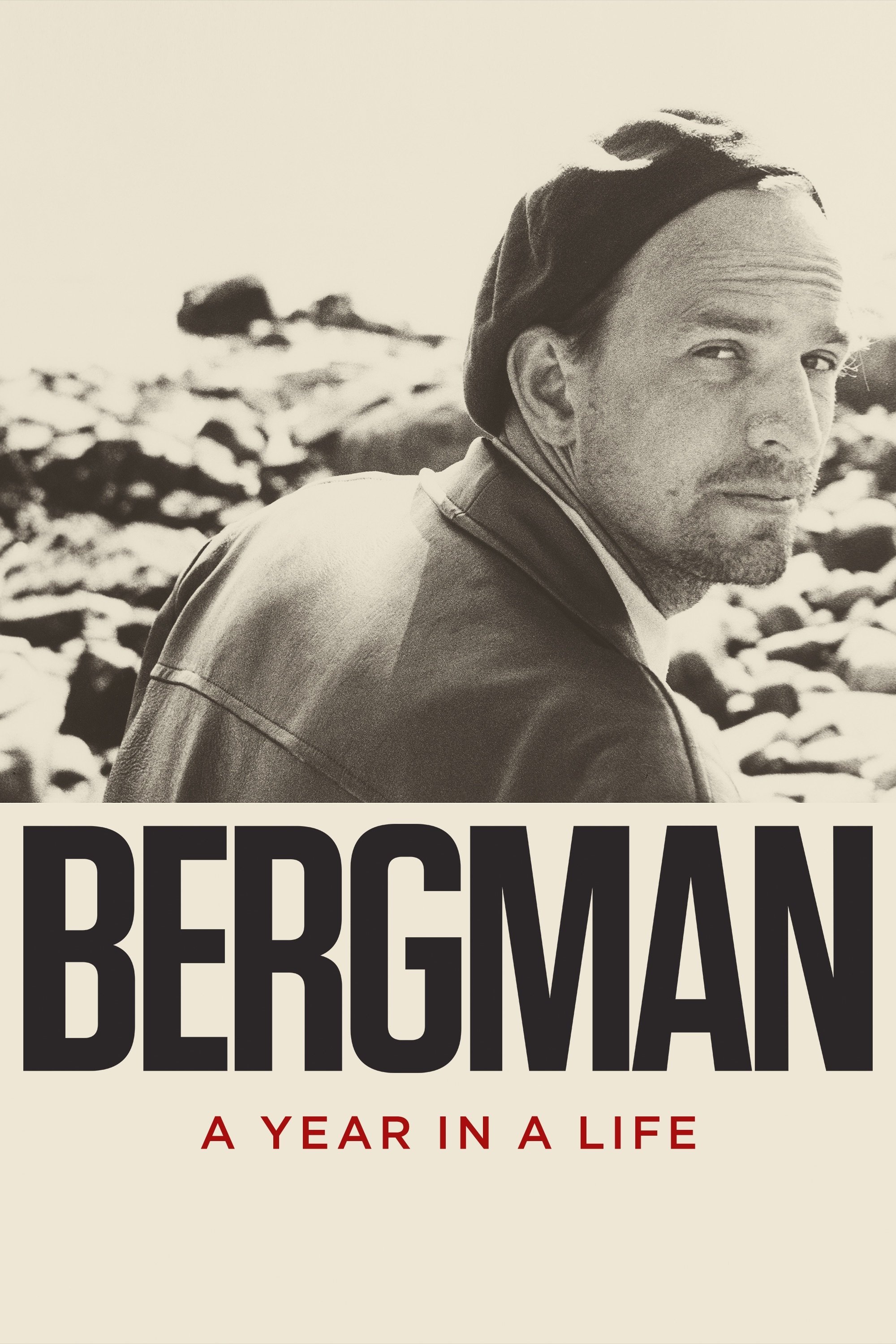
The year 1957 was one of the most prolific for the Swedish filmmaker Ingmar Bergman: he shot two films, released two of his most celebrated films and produced four plays and a TV movie while juggling with a complicated private life.
Follows Roy Andersson around different film festivals as he tries to launch his new film "Songs from the Second Floor" mixed with interviews with family members and colleagues.

A portrait of the Swedish director Roy Andersson, dealing with obsessions of the film maker considered as the origins of his last incredible project : Songs from the Second Floor. 20 years of reflection and creation, 4 years to shoot a masterpiece with a unique way of filming. A meeting with the Nordic Kubrick, rebel with a cause : responsibility and humanity.
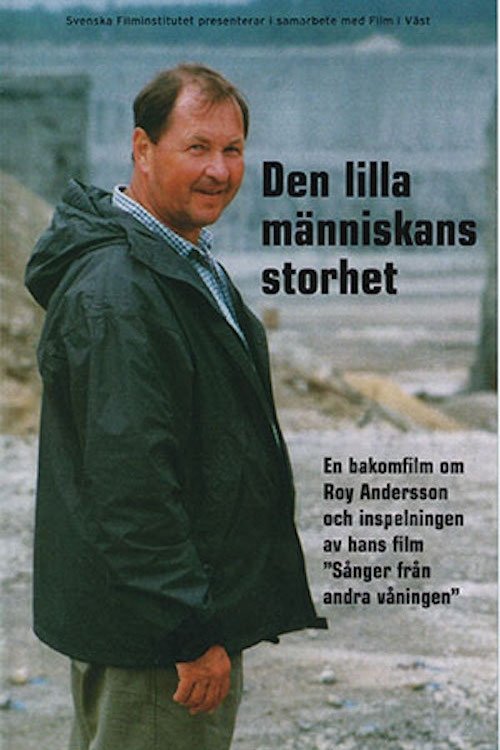
Documentary depicting Swedish director Roy Andersson in how he transforms his thoughts about the prevailing social climate, evil and superstition to fictional film.
A tribute and portrait of the Swedish filmmaker Bo Widerberg. Thommy Berggren presents slices and comments on Widerberg.
A documentary by Ronny Svensson and Markus Stromqvist on the making of Bo Widerberg's 1976 movie Man on the Roof, featuring extensive interviews with cast and crew
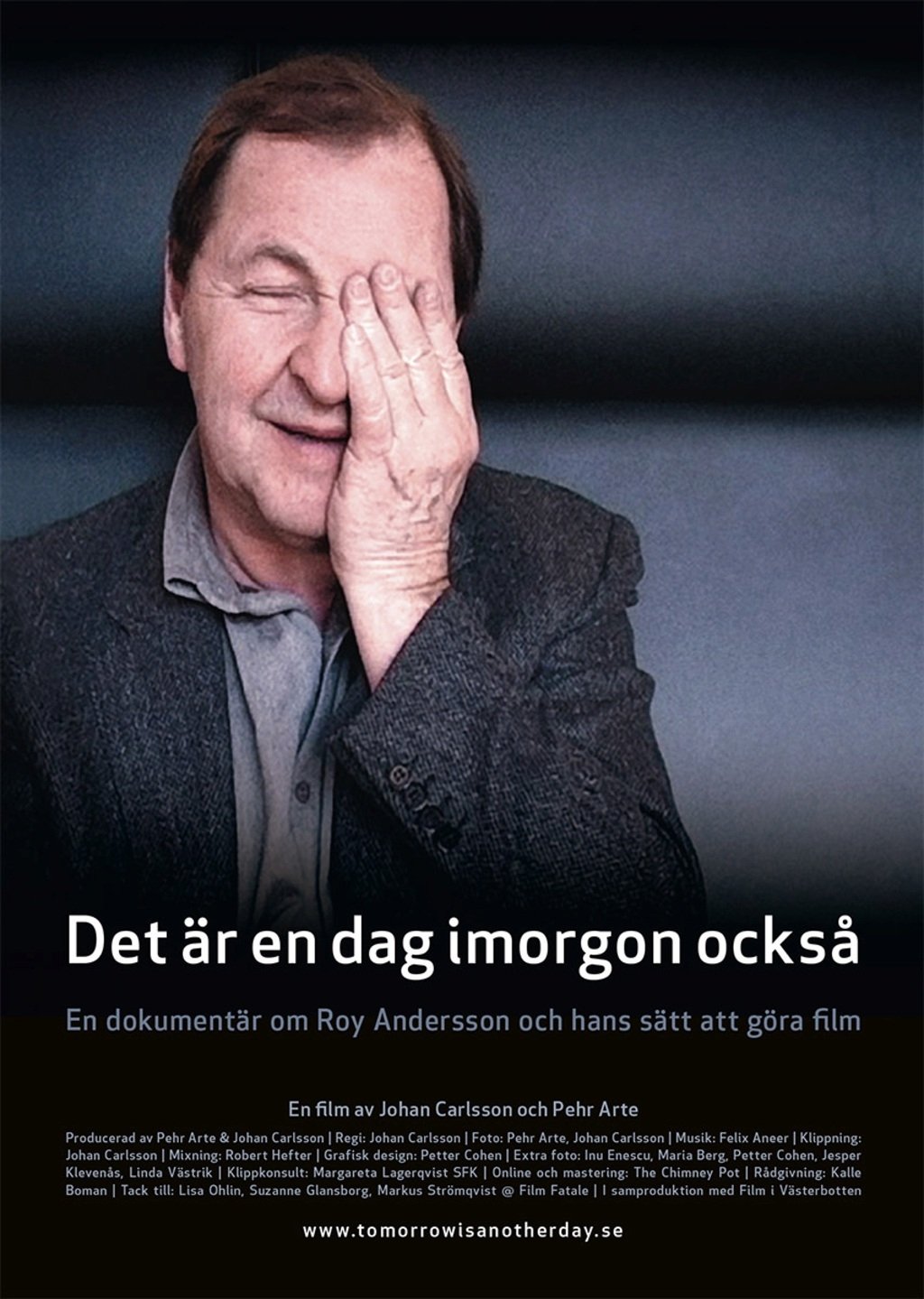
2011 documentary about Swedish film director Roy Andersson and his unique way of making films. Shot during the four-year-long filming Andersson's 2007 film You, the Living, the documentary is a personal description of a surprising and different approach to the creative process. Roy Andersson has invented a working method of his own in order to achieve control over the work in process, but he is ultimately dependent on his young co-workers.
A documentary about Roy Andersson.

A tender portrayal of four stubborn brothers becomes a touching contemporary Swedish family chronicle about dreams, class, heritage, and the difficulty of connection. The Andersson brothers grew up in a working-class home in Gothenburg. Roy became an internationally acclaimed filmmaker while Ronny ended up as a homeless man. Kjell became a documentary filmmaker, and Leif lives as a disability pensioner.
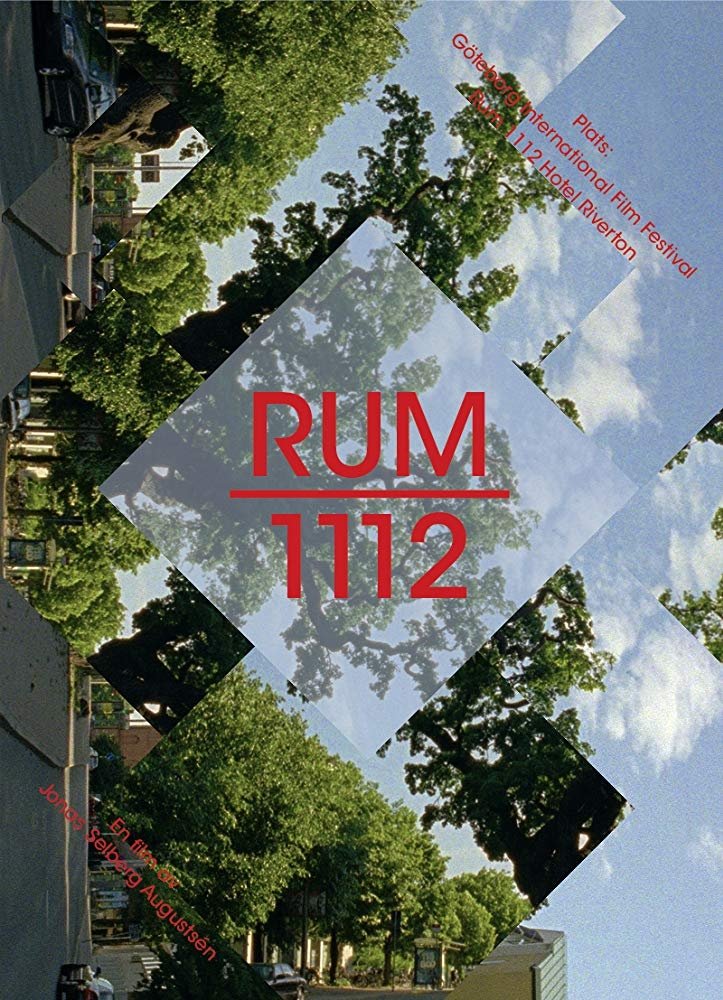
In room 1112 at hotel Riverton during Göteborg's 2011 film festival, director Jonas Selberg Augustsén brings together some of Sweden's most famous film workers and asks a question: "Are the celluloid film about to die, and what do you think it means for the moving image?" The film is inspired by Wim Wender's 1982 documentary, Chambre 666.
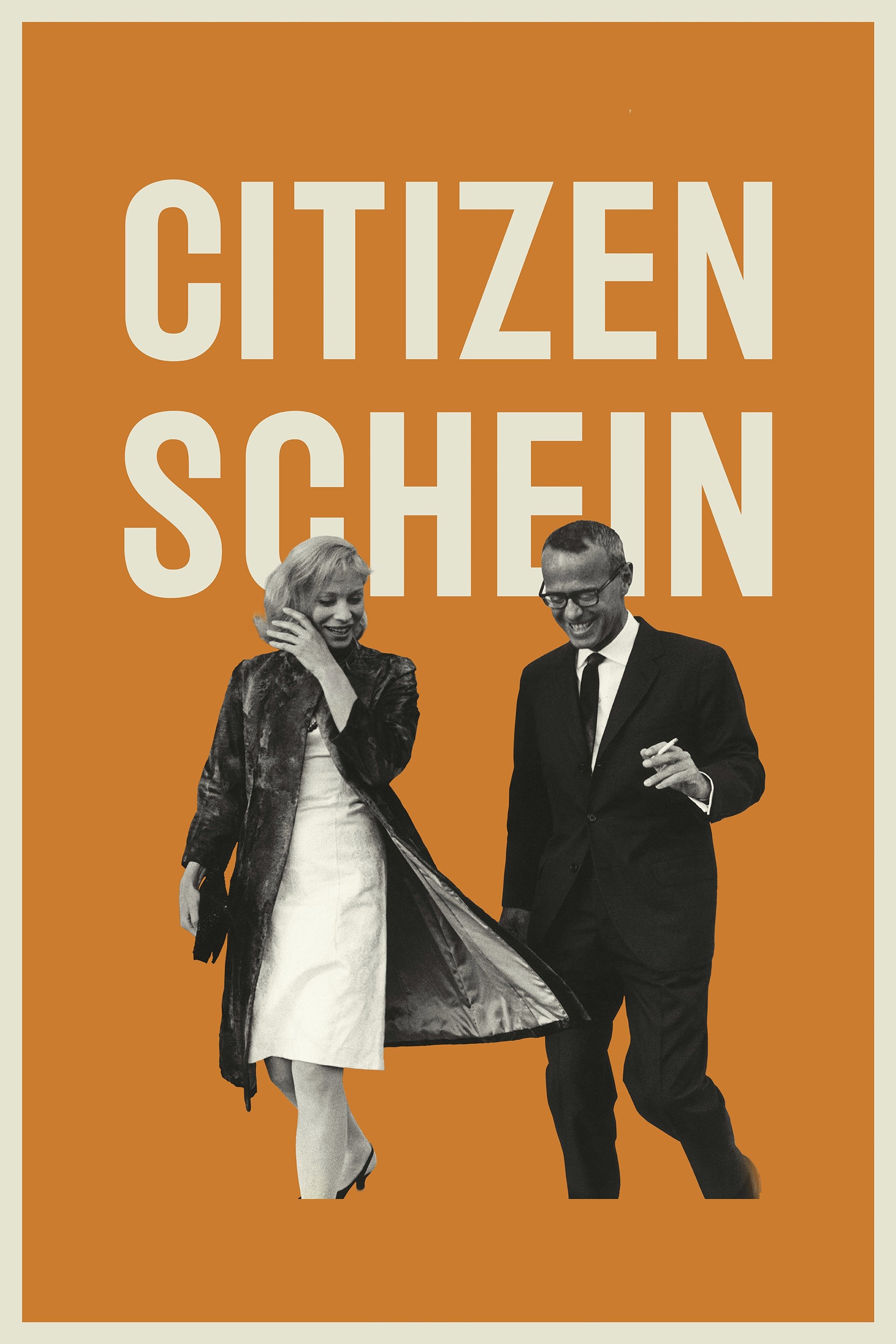
Harry Schein was an anomaly in Swedish cultural society. Equal parts playboy, intellectual, and political visionary, his life story could very well be the foundation of a Hollywood film. Citizen Schein is a film about a refugee who refused to look back, a film about powerful men, and the myths that fuel them.
Gothenburg Film Festival's new honorary chairman Roy Andersson talks about the adversities after the film "Giliap", revealing that he does not always think it's so much fun. A backlash can instead be a boost for creativity.
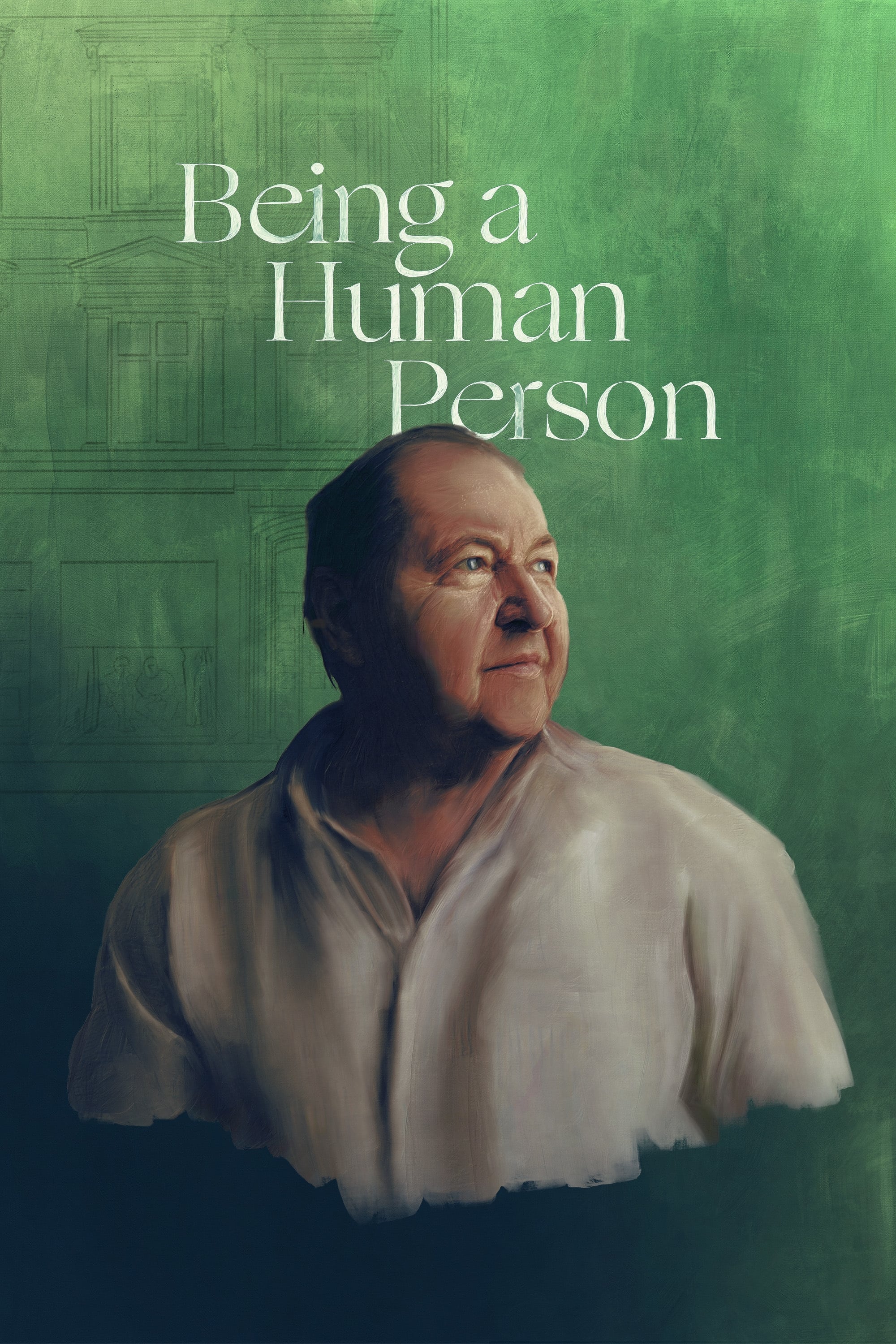
At 76, Swedish auteur Roy Andersson is about to complete his last film. With the end of his career in sight, the central thematic concerns of Roy's work - vulnerability, insecurity and mortality - spill over into his creative process.
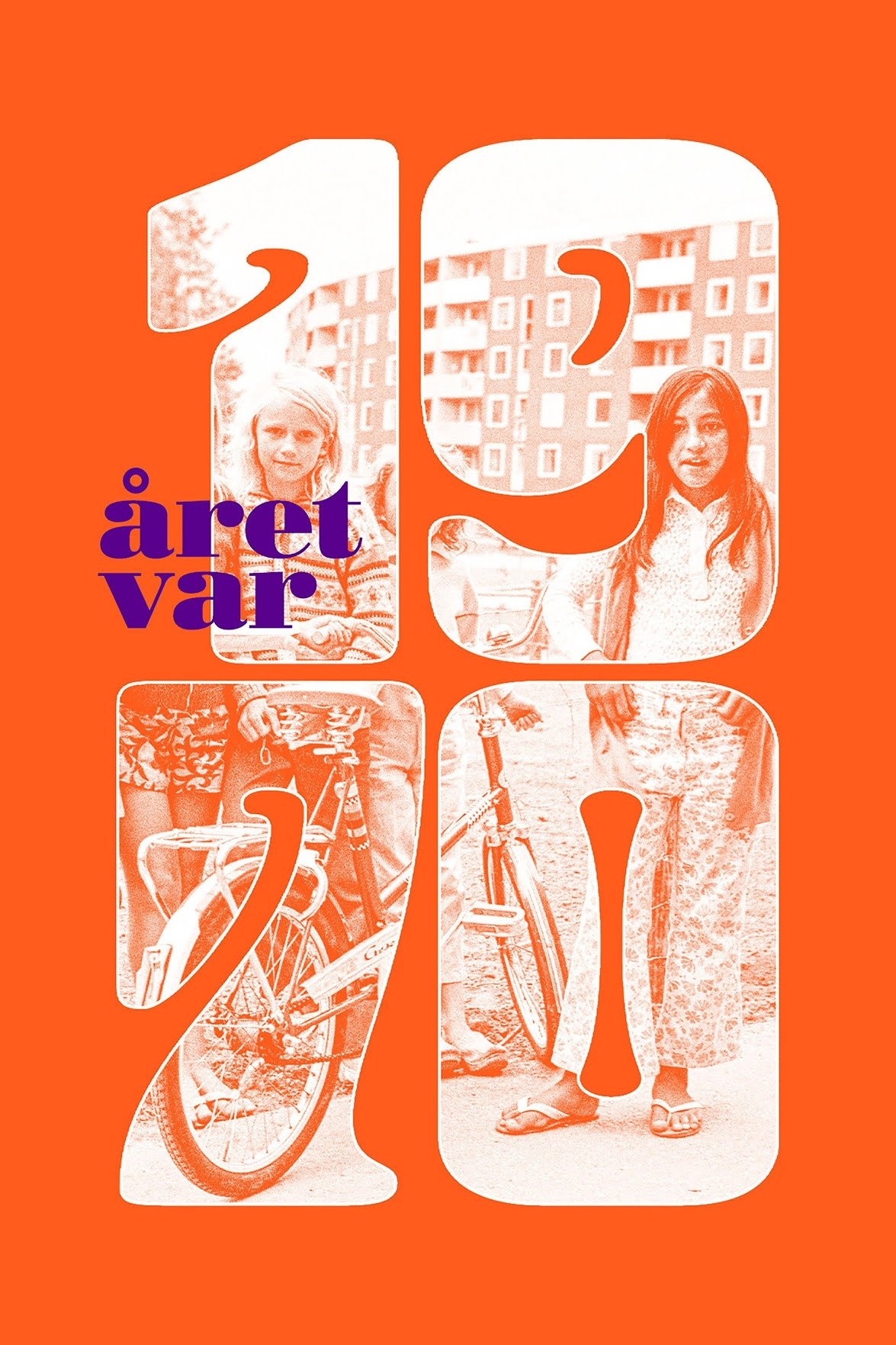
This is the year with a music party at Gärdet in Stockholm, and Lee Hazlewood and Nina Lizell wonder who can sail before the wind. The Vietnam War continues and the United States is bombing Cambodia. In Stockholm, police officers write in protest against poor conditions and the rockers take the chance to take over the town. During the "cannon race" on the Gellerås track, a fatal accident occurs. Director Roy Andersson's first feature film "En kärlekshistoria" is a must see.
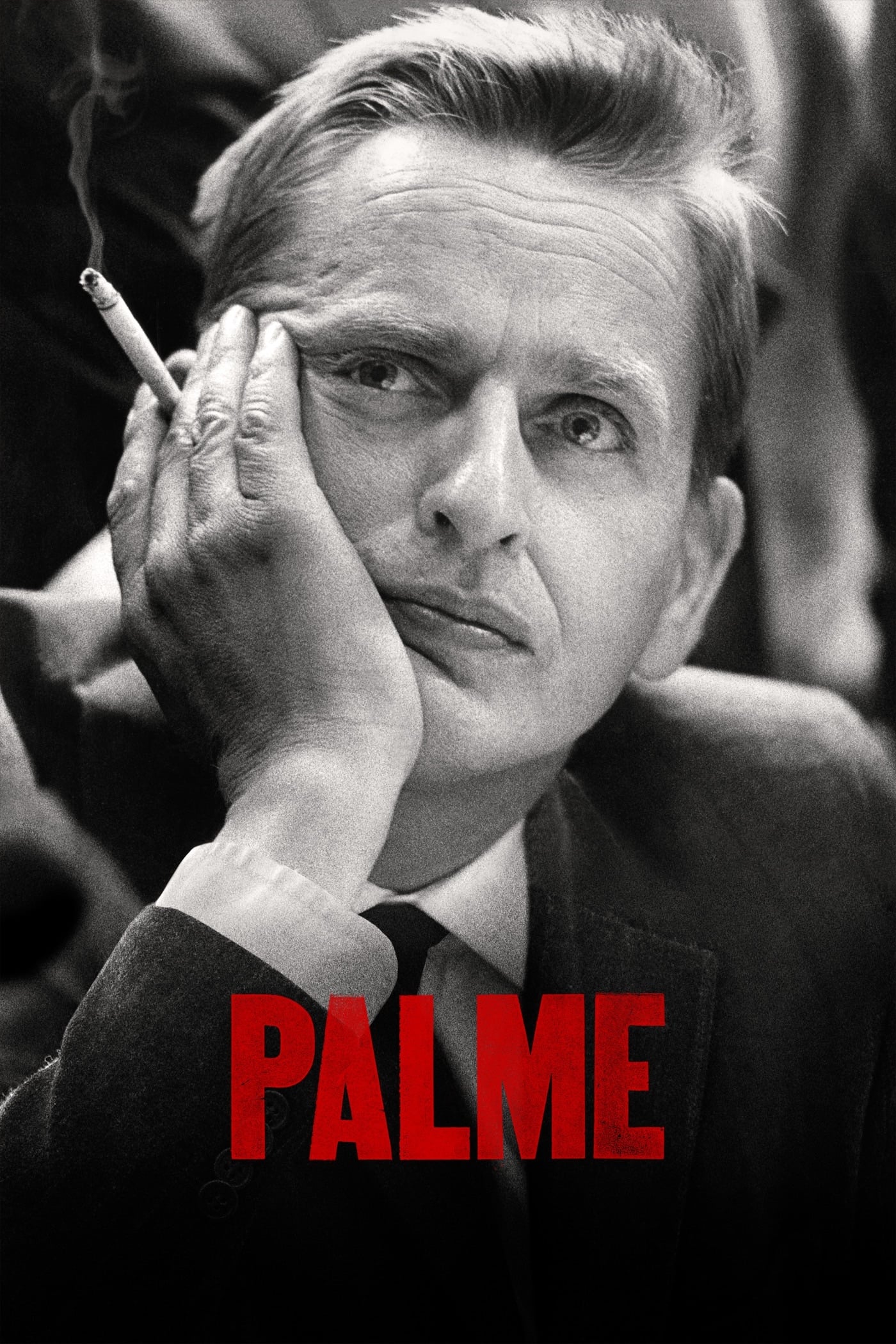
Swedish Prime Minister Olof Palme was openly shot to death on a February evening 1986 on the streets of Stockholm. In one night, the country of Sweden was transfigured. “Palme” is about his life, his time, and about the Sweden he had created. About a man who altered history.
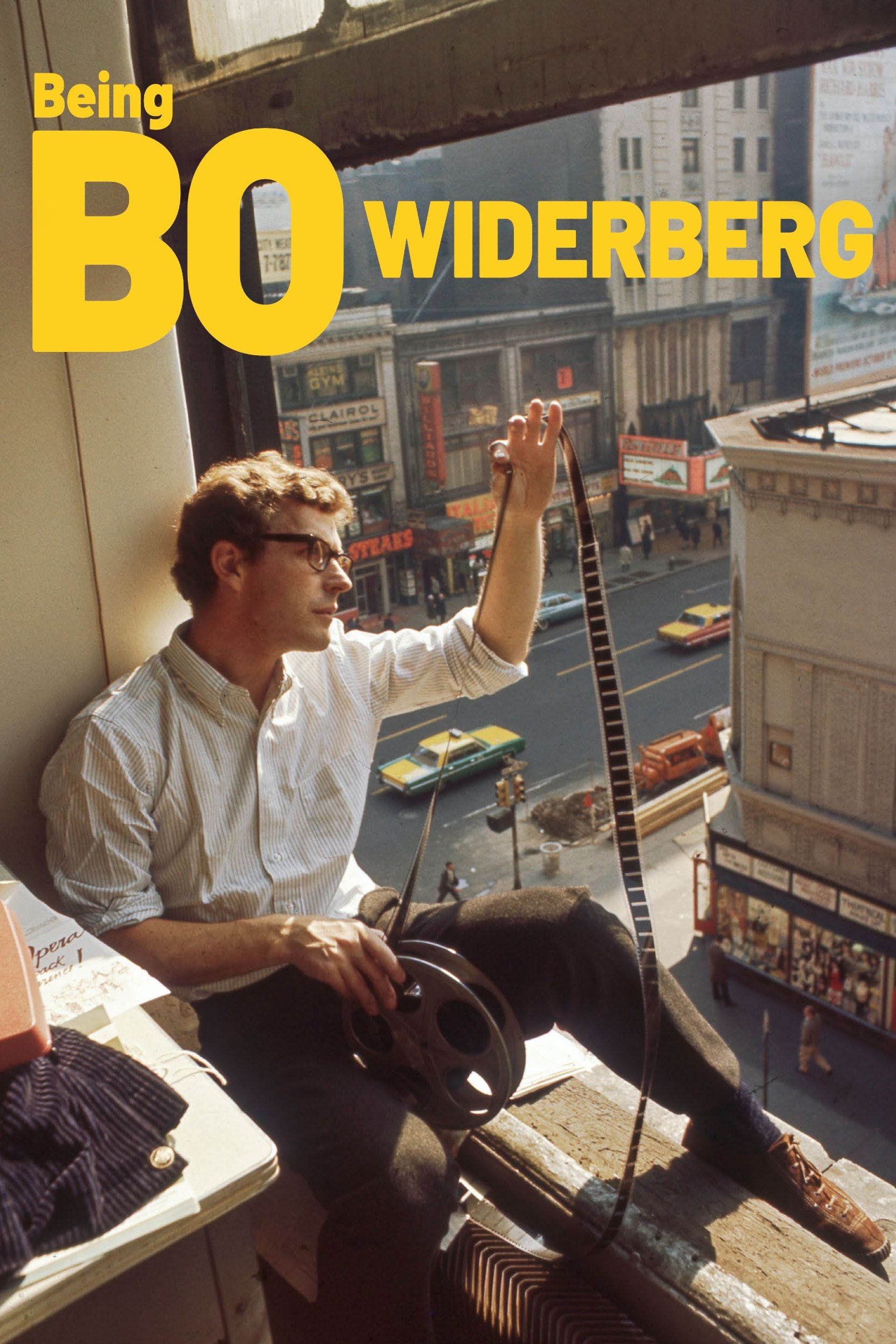
The documentary chronicles Bo Widerberg's journey from 1960s Malmö, where he worked as a writer and film critic, to his successes as a director in Stockholm and international adventures in Cannes and New York. The film also explores the personal costs of his artistic vision and how his pursuit of life and authenticity affected both himself and those around him.
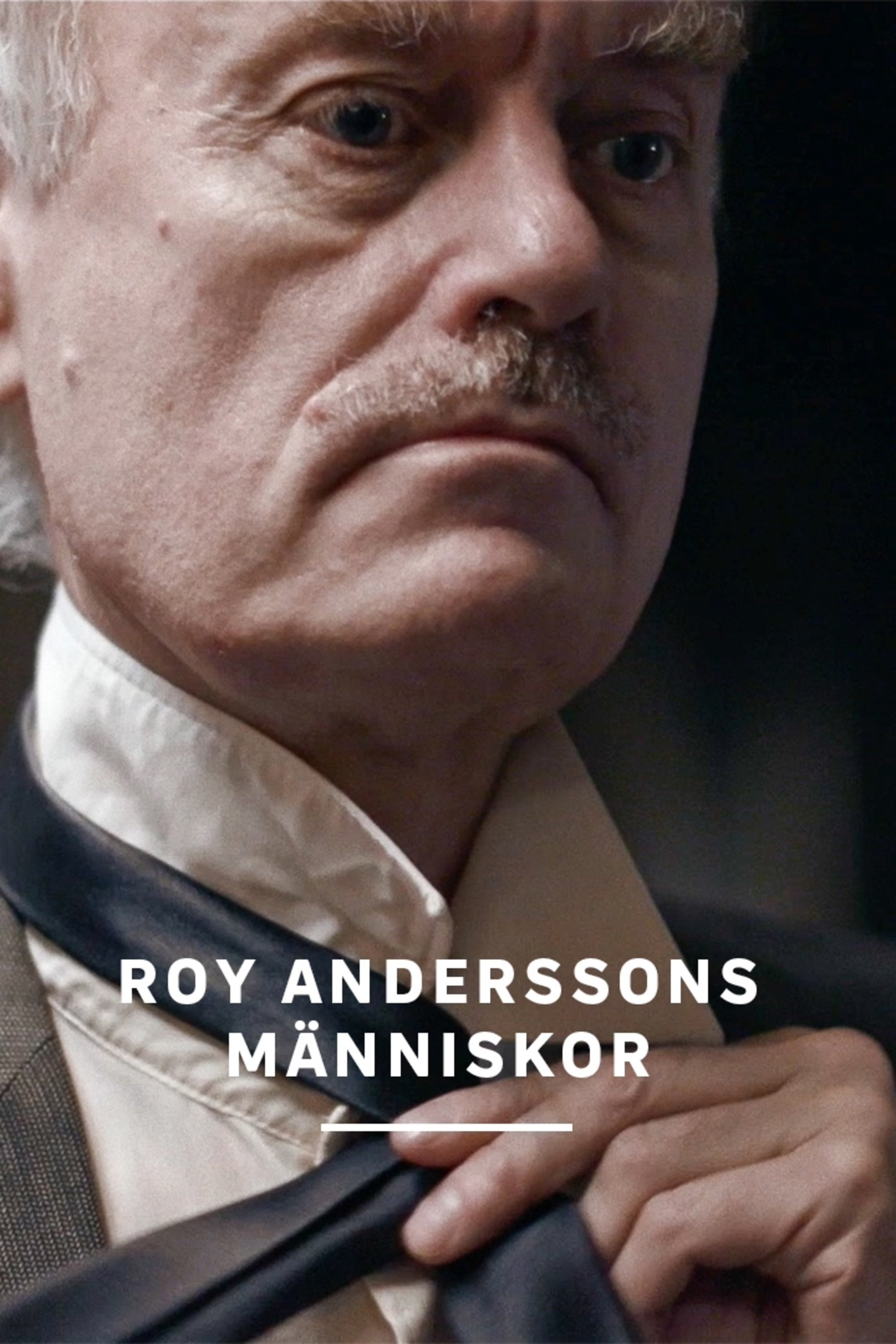
It centers on some of the actors who appear in Roy Andersson’s films, offering a glimpse into the on-screen personalities who bring Andersson’s vision to life