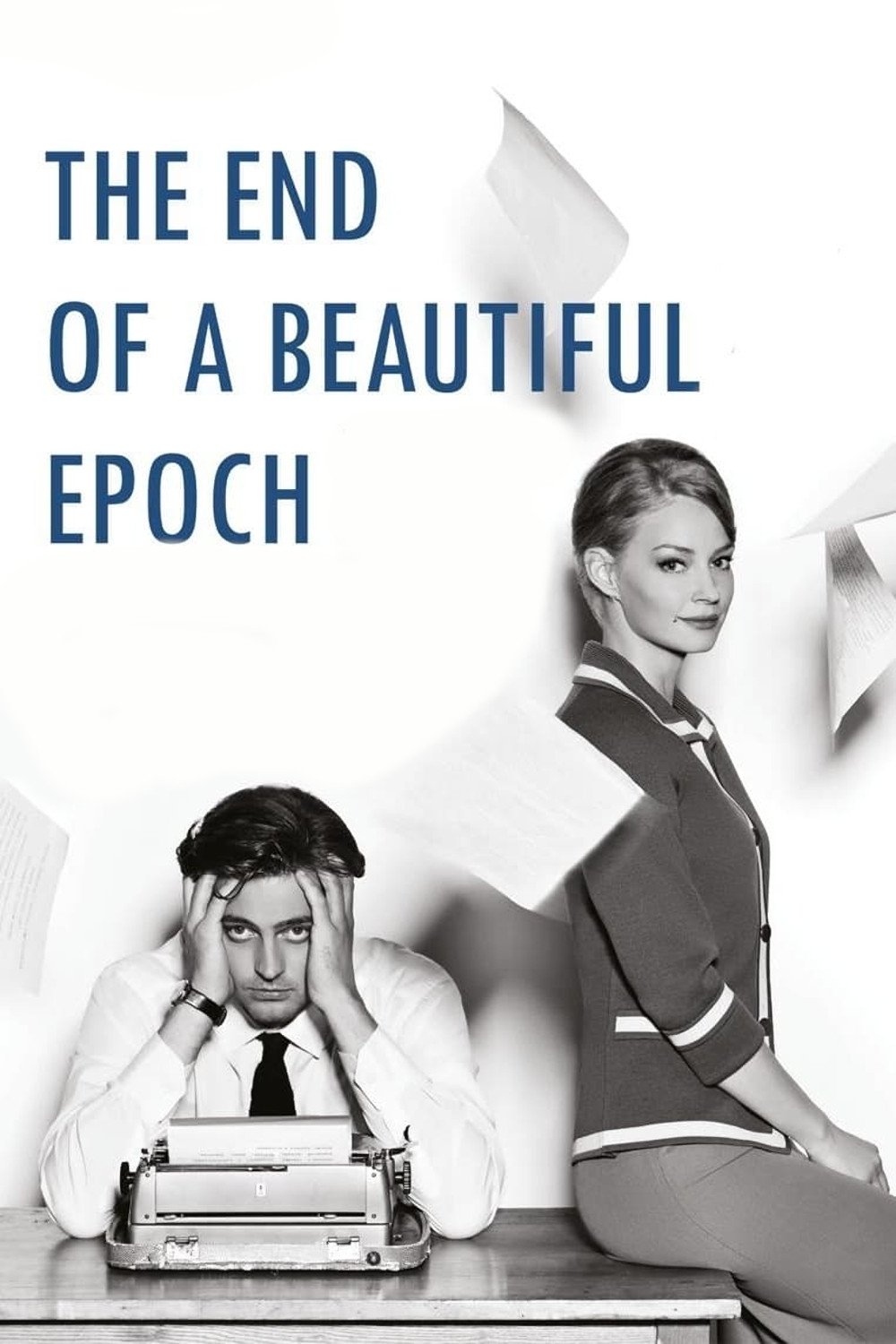
Drama based on life and stories of one of the most popular Soviet/Russian writers - Sergei Dovlatov.

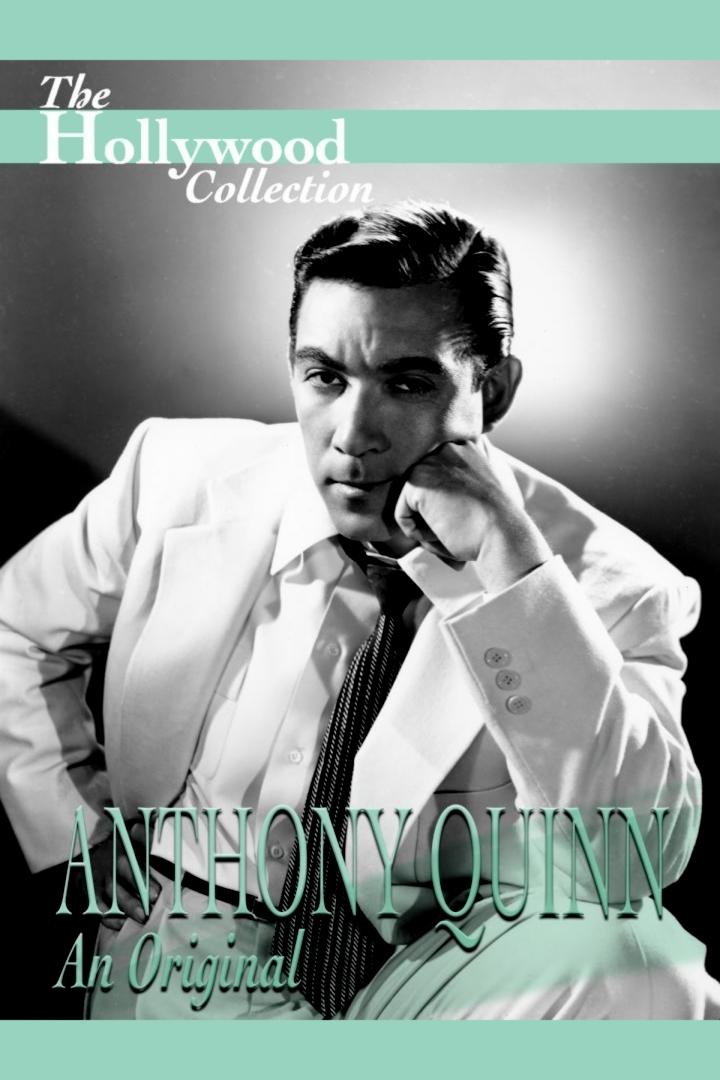
Born in Mexico, Anthony Quinn became the family's main provider when his father died in an accident. Thus began the story of a man who had a thousand jobs before acting in a Cecil B. DeMille film…
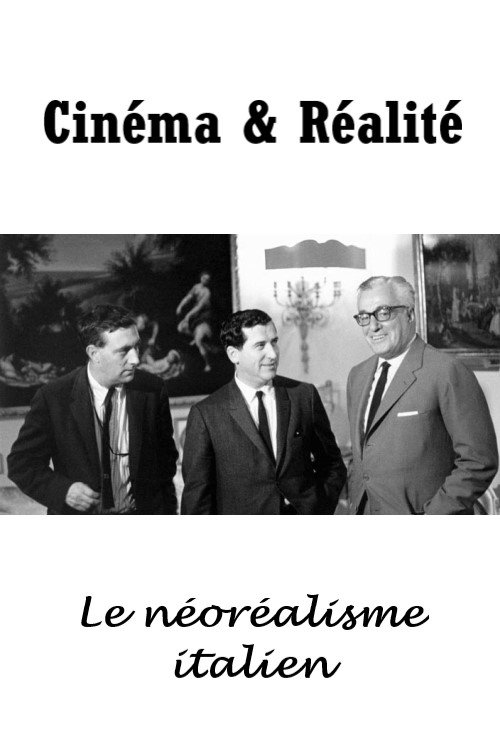
In this documentary, giants of italian cinema such as Rossellini, De Sica, Fellini and Zavattini talk about the importance of cinema after WW2, and about huge moments of social rebellion. This movie gives the floor to the creators of italian neorealism.
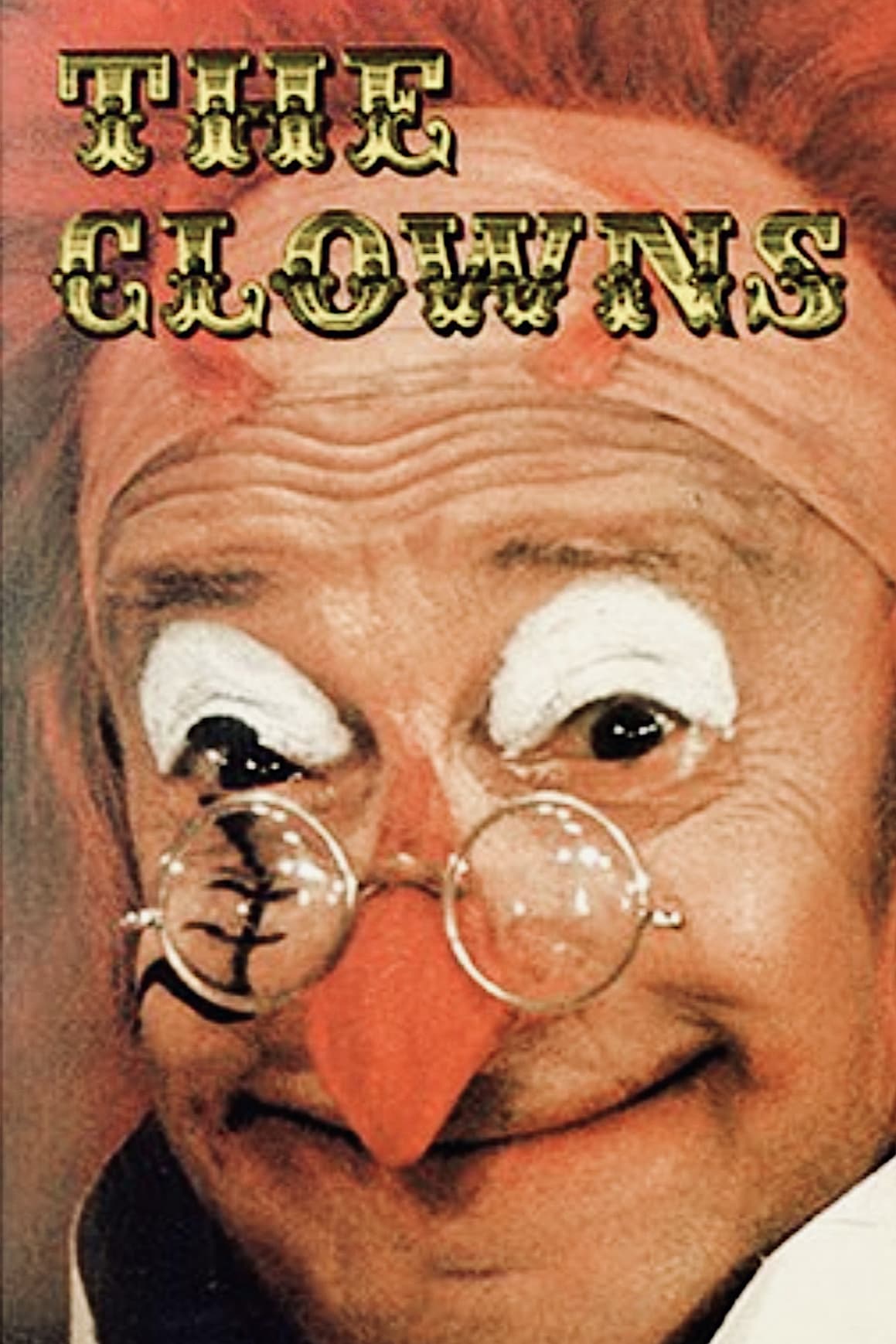
Fellini exposes his great attraction for the clowns and the world of the circus first recalling a childhood experience when the circus arrives nearby his home. Then he joins his crew and travel from Italy to Paris chasing the last greatest European clowns still live in these countries. He also meets Anita Ekberg trying to buy a panther in a circus.
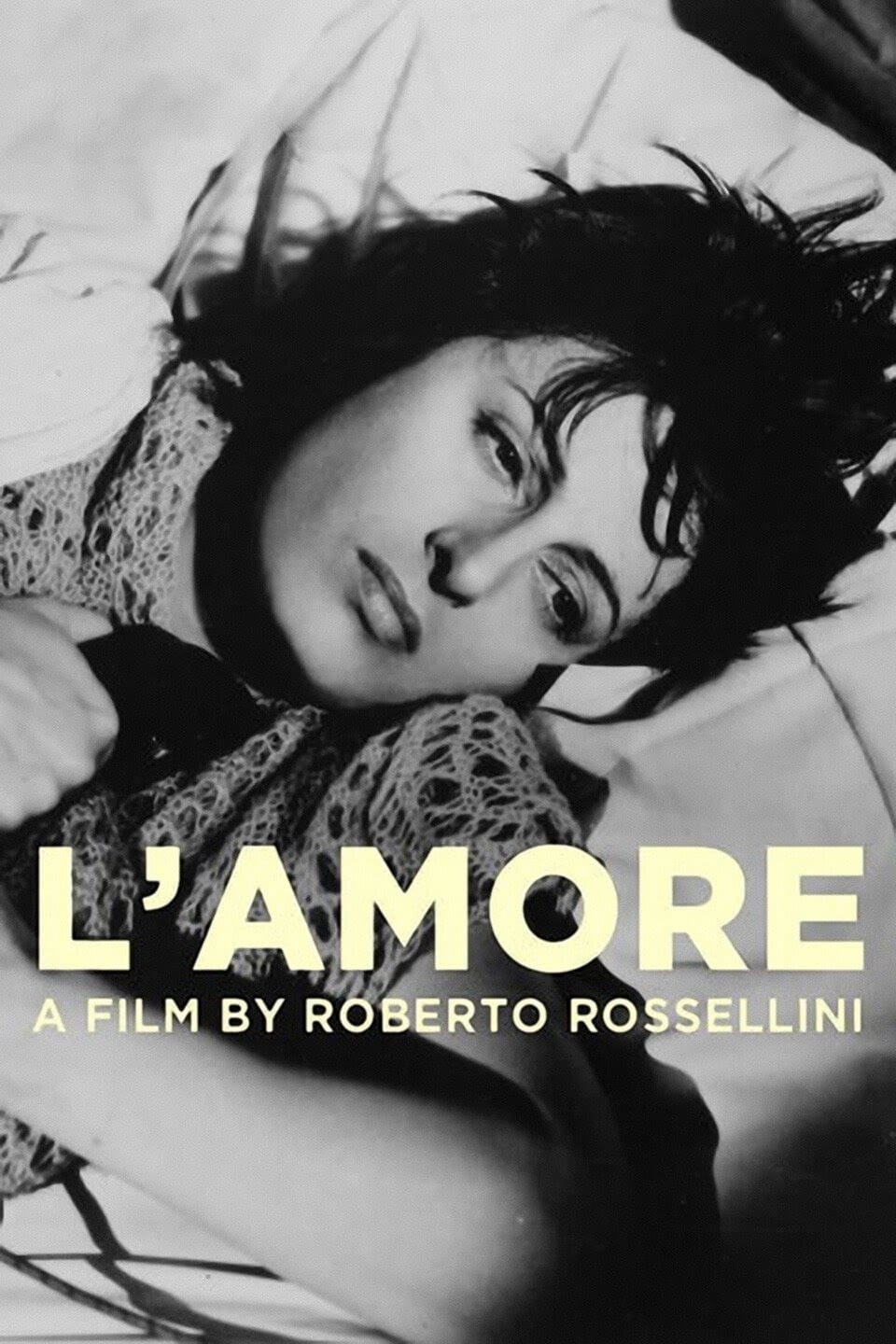
L'Amore ('Love') is a 1948 Italian drama anthology film that consists of two parts, The Human Voice (Una voce umana), based on Jean Cocteau's 1929 play of the same title, and The Miracle (Il miracolo), based on Ramón del Valle-Inclán's 1904 novel Flor de santidad.
Six stories unfold in various regions, from Sicily to the northern Po Valley as American military personnel interact with a variety of Italian locals over eighteen months in the push north during the Italian Campaign of WWII as German forces retreat.
Special TG3 by Giorgio Chiecchi of 8 May 1980.
A mental journey - historical, political, musical and metaphysical - in contemporary times, from the Sixties until nowadays.
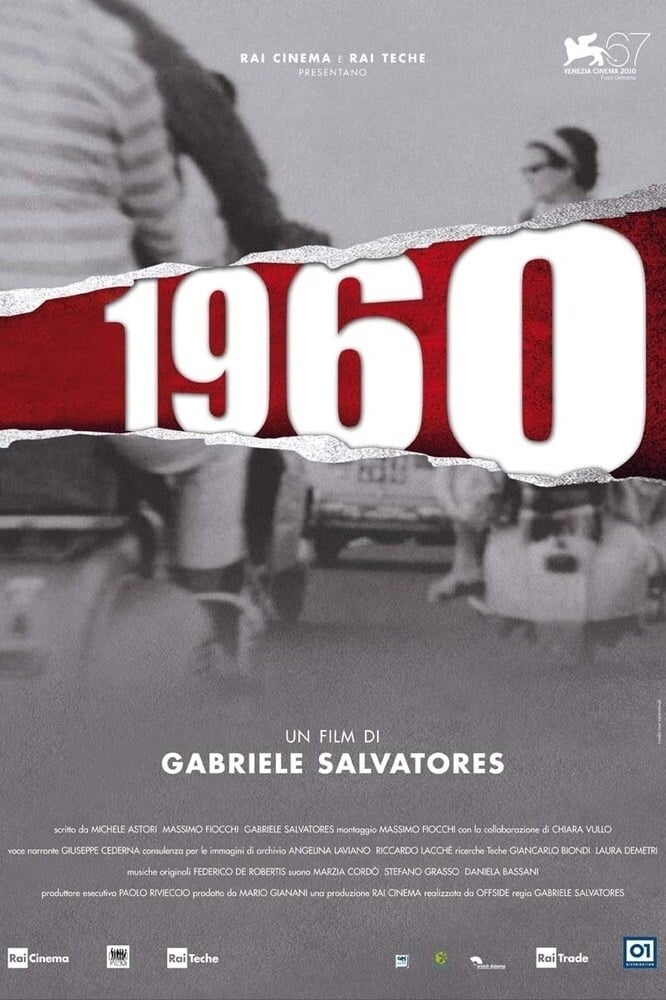
By presenting archive footage along with his own life story, filmmaker Gabriele Salvatores mediates an illustration of the economic boom in Italy during the 1960s.
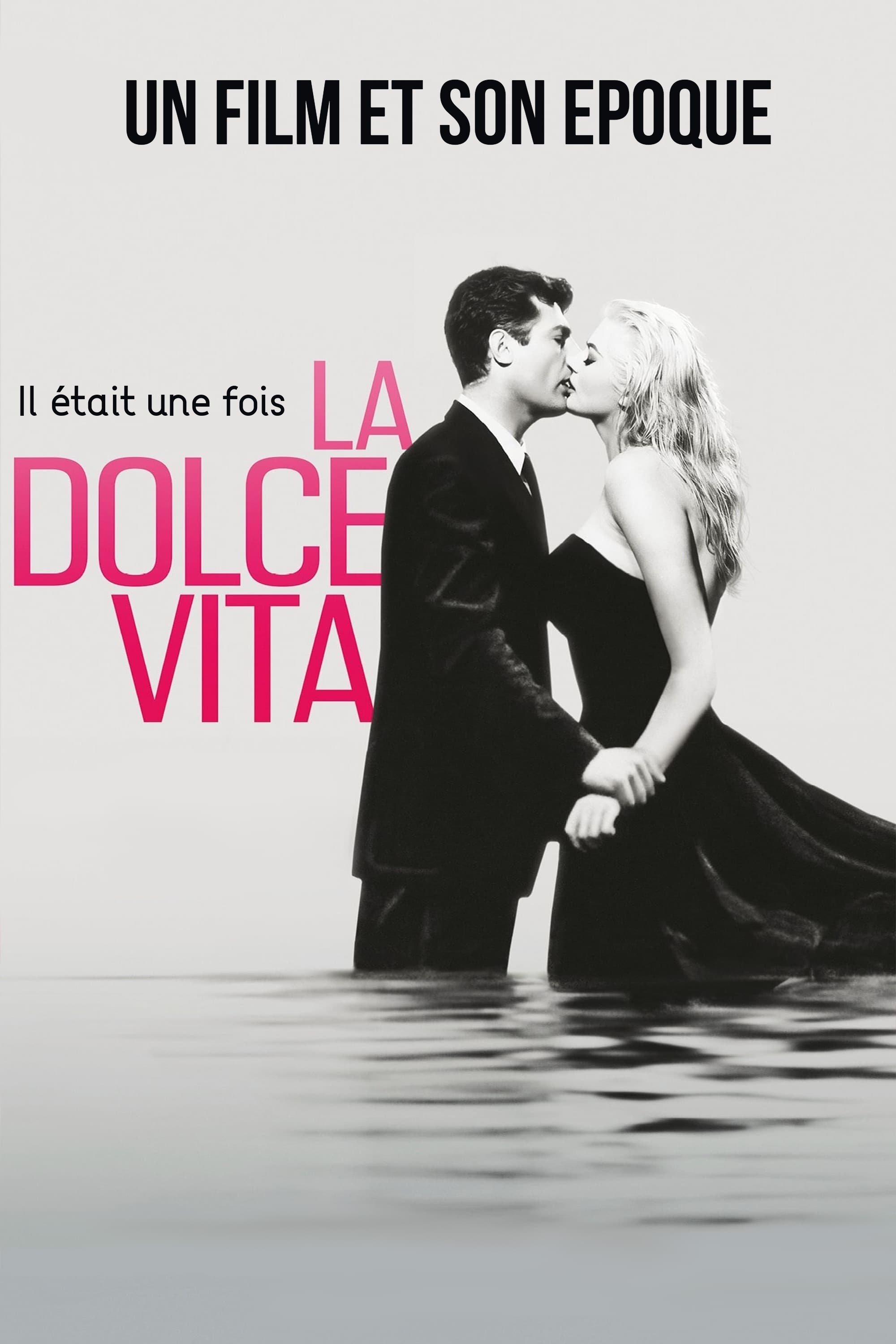
Documentary about the 1960 film LA DOLCE VITA directed by Federico Fellini. Using archival photos and film footage, as well as interviews, this documentary looks back on Federico Fellini's film and places it in the historical context of its time.
A look at the life and work of composer Nino Rota.
A documentary created by the Criterion Collection for their release of Italian film director Federico Fellini's Amarcord about his relationship with his home town, Rimini, featuring archive interviews with the director and more recent interviews with some of his friends and collaborators.
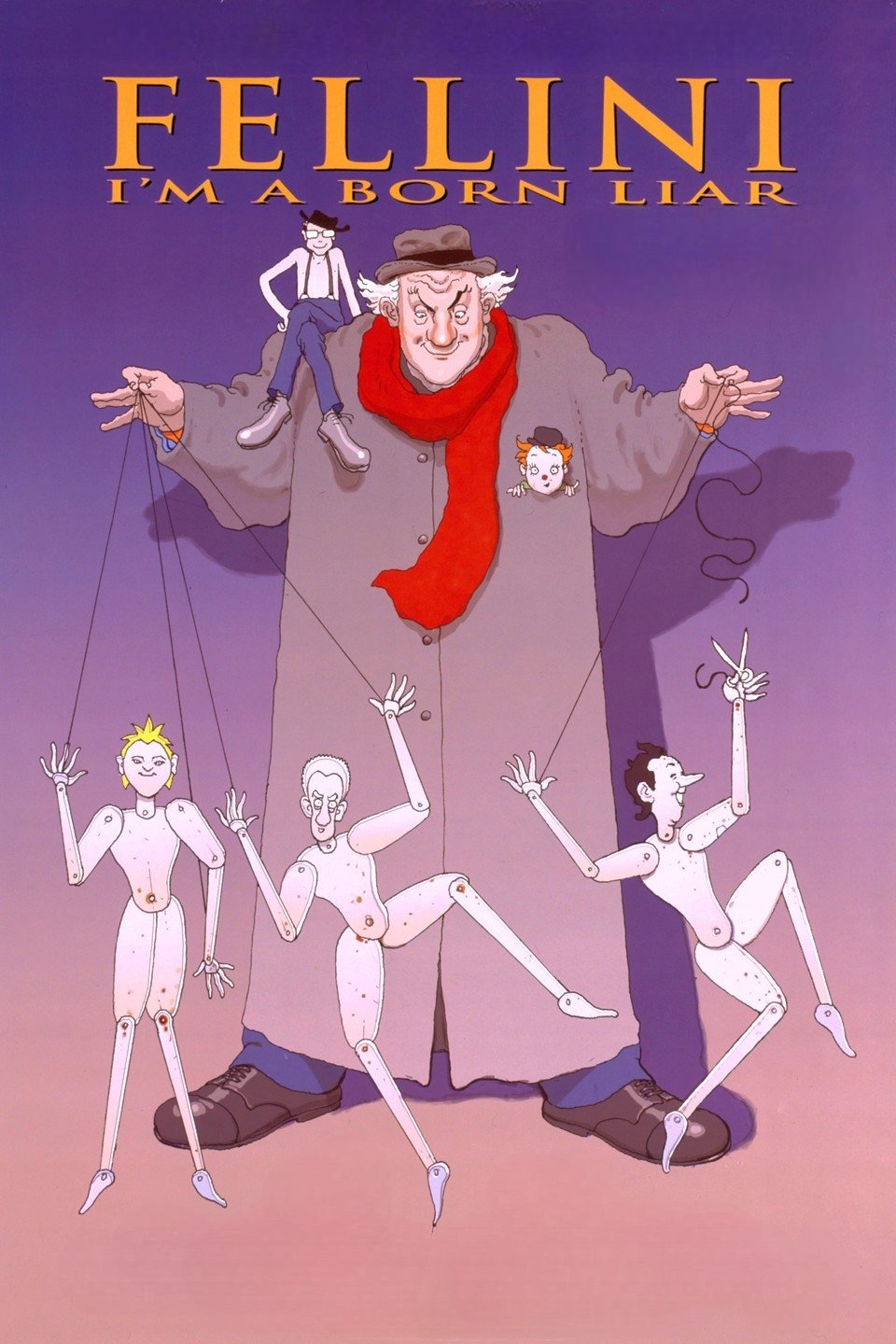
A look at Fellini's creative process. In extensive interviews, Fellini talks a bit about his background and then discusses how he works and how he creates. Several actors, a producer, a writer, and a production manager talk about working with Fellini. Archive footage of Fellini and others on the set plus clips from his films provide commentary and illustration for the points interviewees make. Fellini is fully in charge; actors call themselves puppets. He dismisses improvisation and calls for "availability." His sets and his films create images that look like reality but are not; we see the differences and the results.
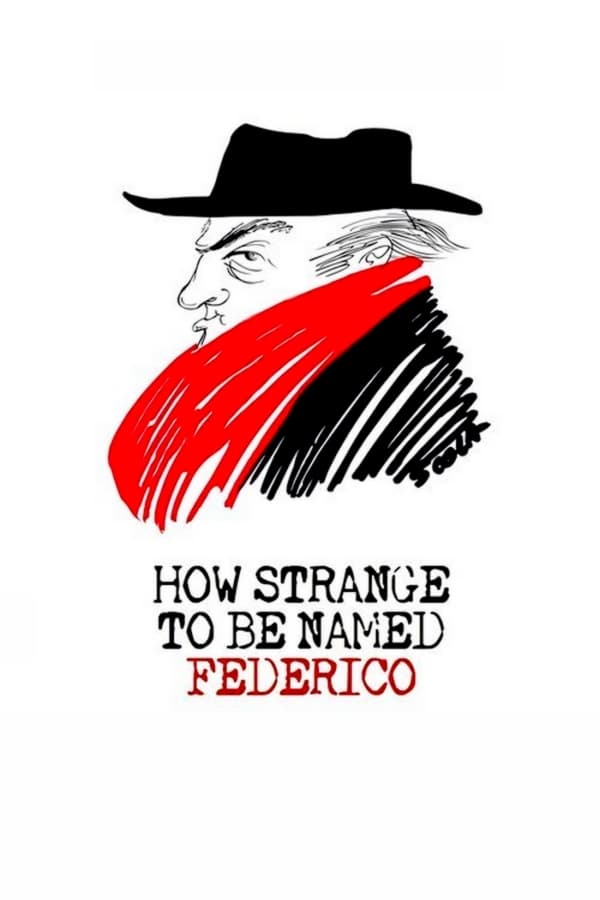
On the 20th anniversary of Federico Fellini's death, Ettore Scola, a devoted admirer of the incomparable maestro, commemorates the lesser-known aspects of his personality, employing interviews, photographs, behind-the-scenes footage as well as his drawings and film clips.
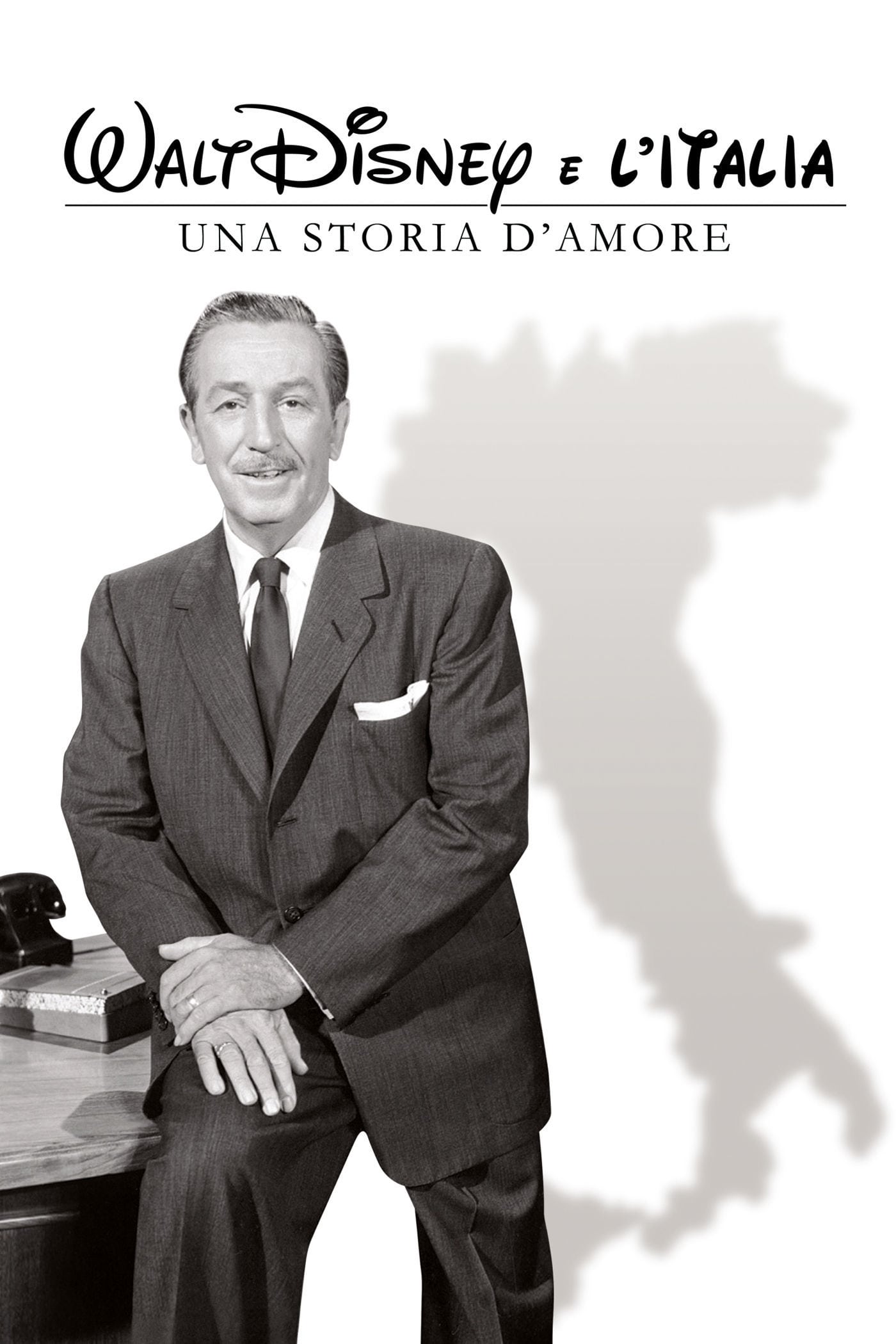
No other country in the world has the same kind of affection and admiration toward Walt Disney and his art and characters as Italy. His movies are legendary and his stories belong to the collective imagination of generations of Italians who grew up with his world of dreams and hopes. This documentary explores this love story.
A documentary on Fellini’s lost alternate ending for 8½
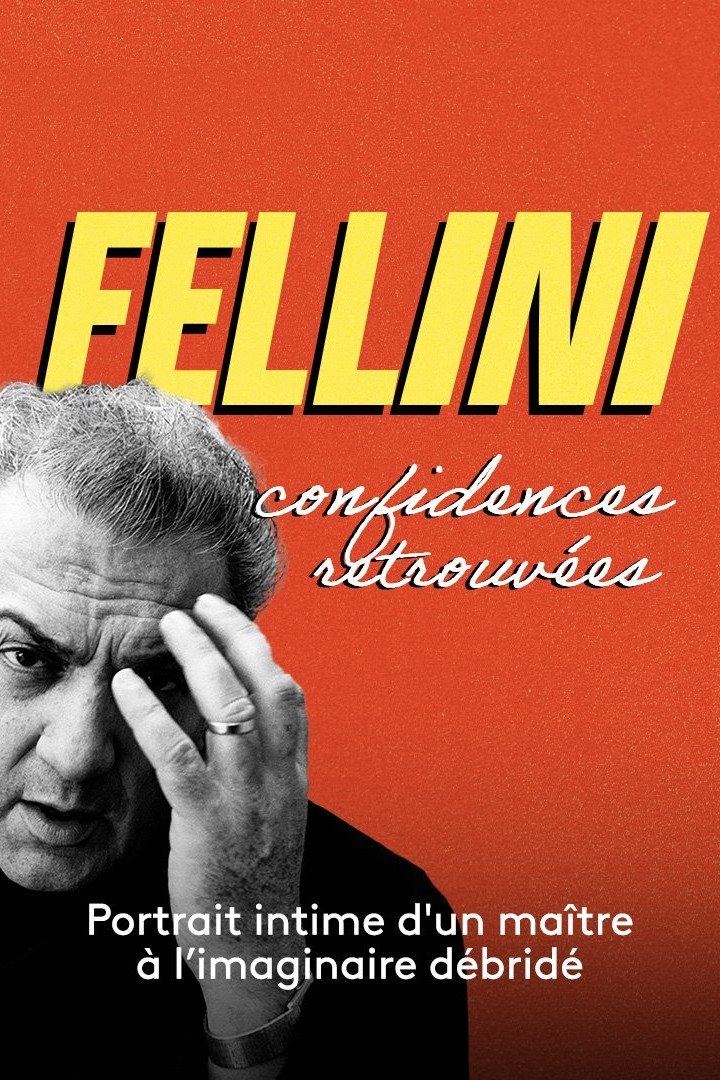
Federico Fellini died on October 31st, 1993. Thirty years later, he is still considered as one of the most irreverant moviemaker in the history of cinema. Through a long-previously-unseen interview, directed by Jean-Christophe Rosé in 1981, through extracts of his films and through behind-the-scenes, this documentary draws an intimate portrait of Fellini by himself.
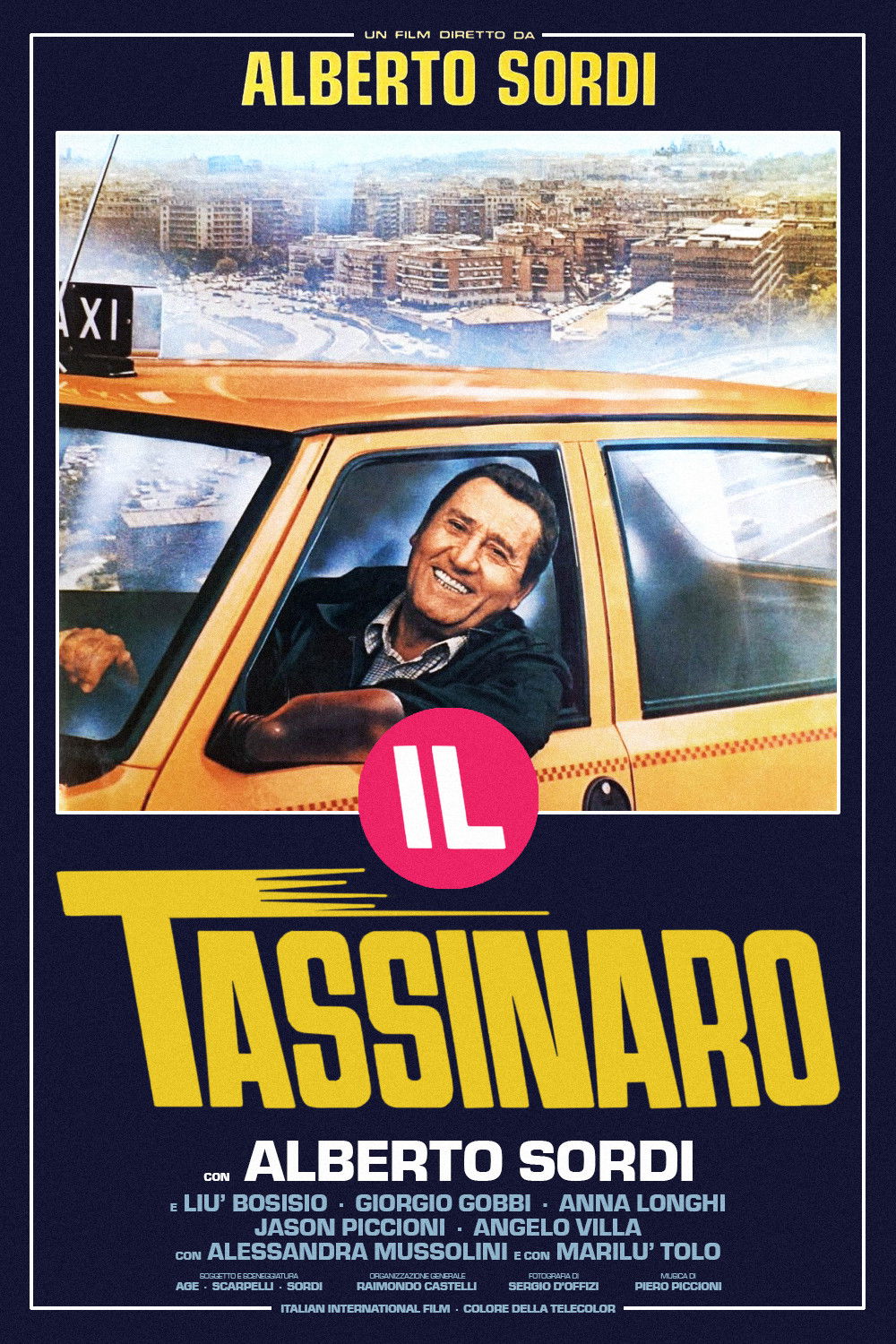
Pietro Marchetti, a mature Roman taxi driver, has countless and interesting meetings while he is on duty with his car "Zara 87".
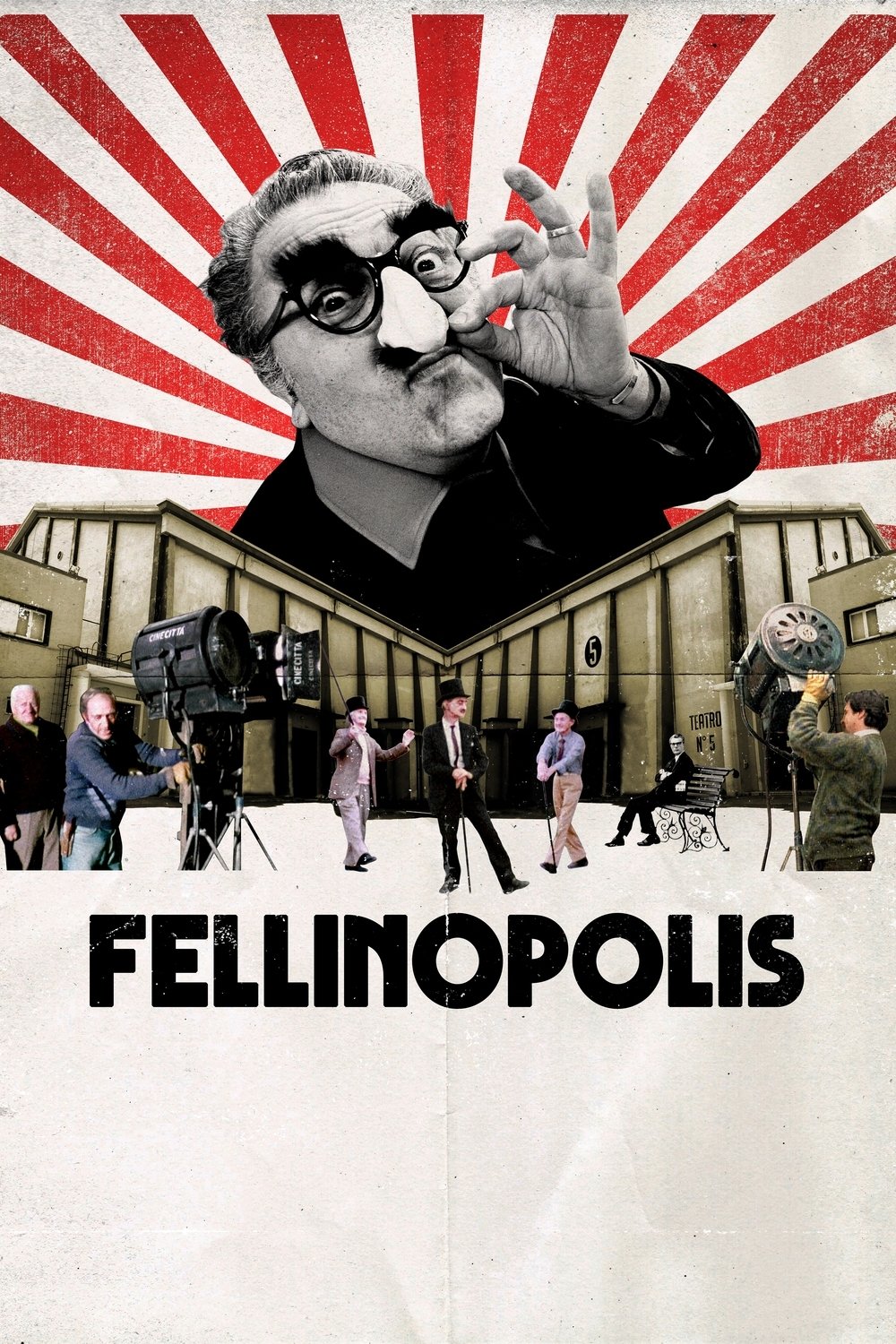
Ferruccio Castronuovo was the only authorized eye, between 1976 and 1986, to film the brilliant Italian filmmaker Federico Fellini (1920-1993) in his personal and creative intimacy, to capture the gears of his great circus, his fantastic lies and his crazy inventions.
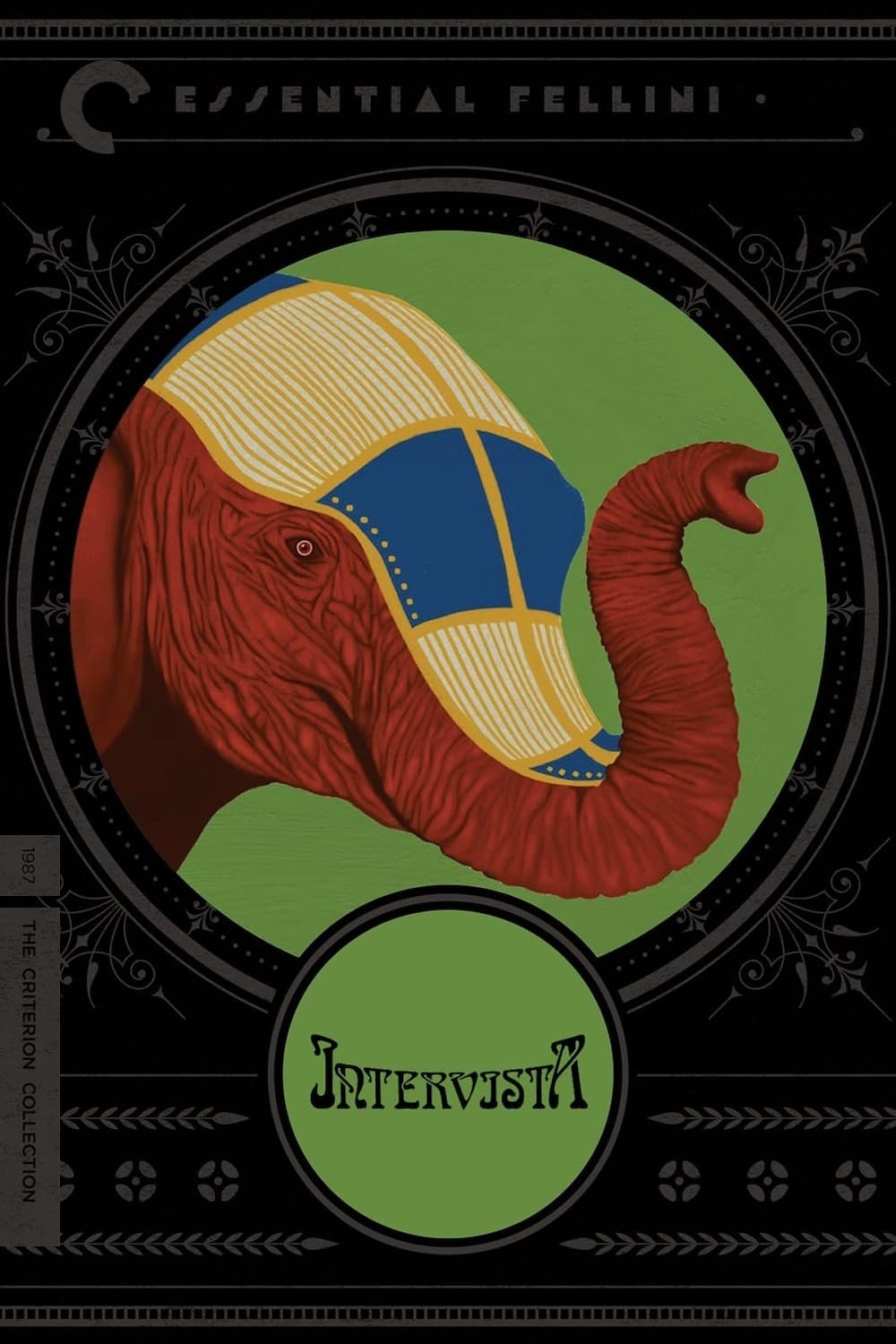
Federico Fellini welcomes us into his world of film making with a mockumentary about his life in film, as a Japanese film crew follows him around.
Television documentary about the making of Roberto Rossellini's 1945 film "Rome, Open City".
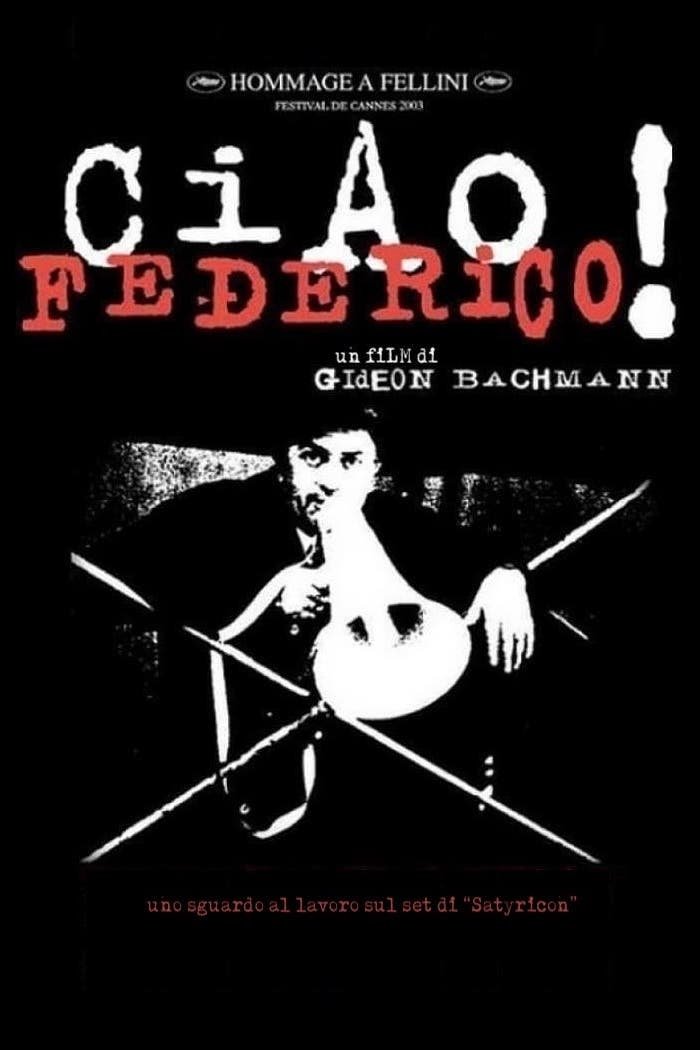
A behind-the-scenes documentary about the filming of the Federico Fellini film, "Satyricon."
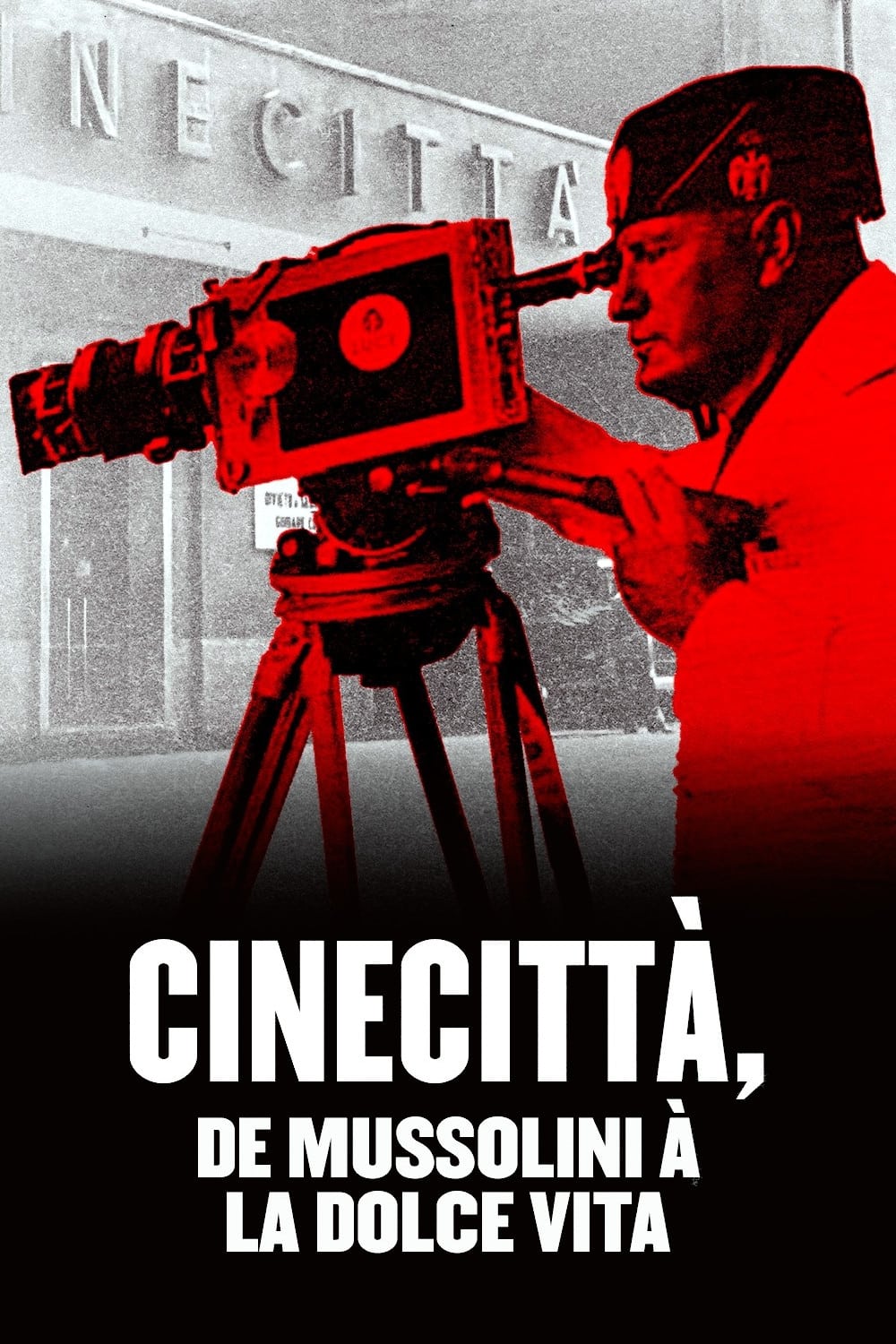
Cinecitta is today known as the center of the Italian film industry. But there is a dark past. The film city was solemnly inaugurated in 1937 by Mussolini. Here, propaganda films would be produced to strengthen the dictator's position.
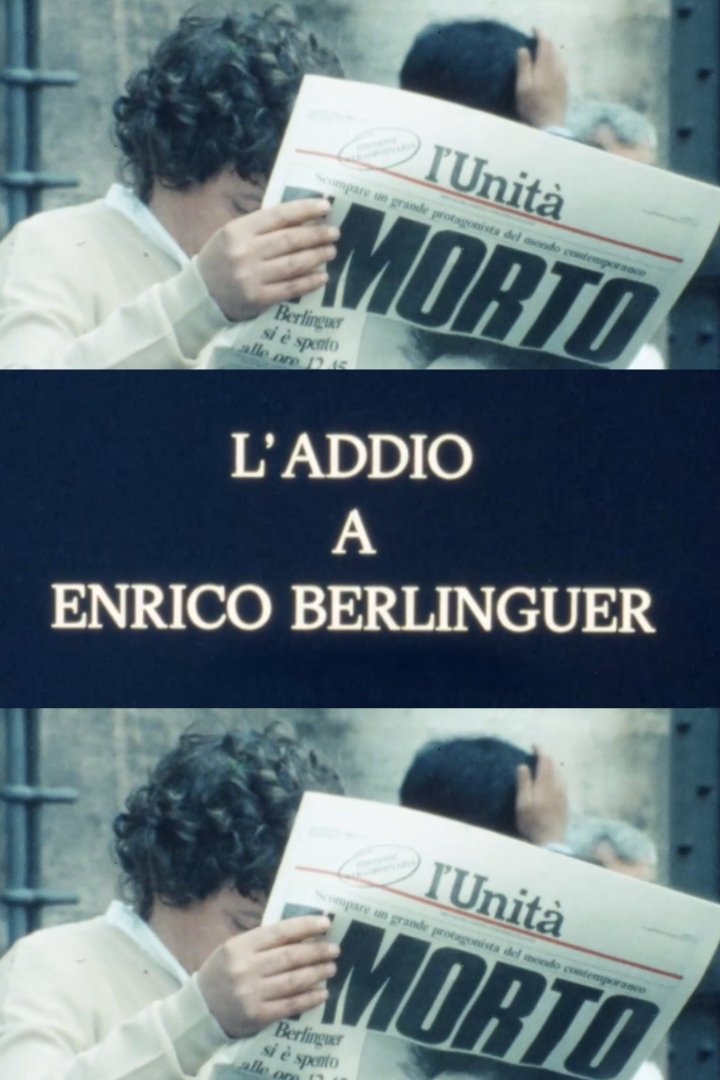
A film of Enrico Berlinguer's funeral in Rome, briefly tracing his career as leader of the Italian Communist Party.
Three partisans bound by a strong friendship return home after the war, but the clash with everyday reality puts a strain on their bond.
A story about the mythical film director
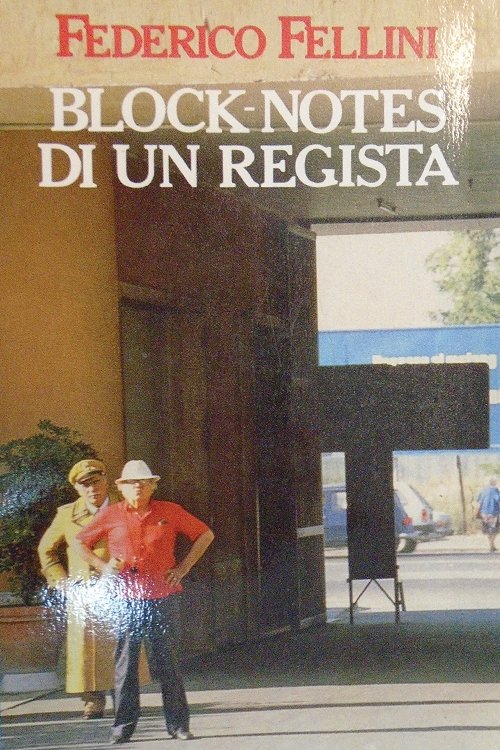
Fellini discusses his views of making motion pictures and his unorthodox procedures. He seeks inspiration in various out of the way places. During this film viewers go with him to the Colisseum at night, on a subway ride past Roman ruins, to the Appian Way, to a slaughterhouse, and on a visit to Marcello Mastroianni's house. Fellini also is seen in his own office interviewing a series of unusual characters seeking work or his help.
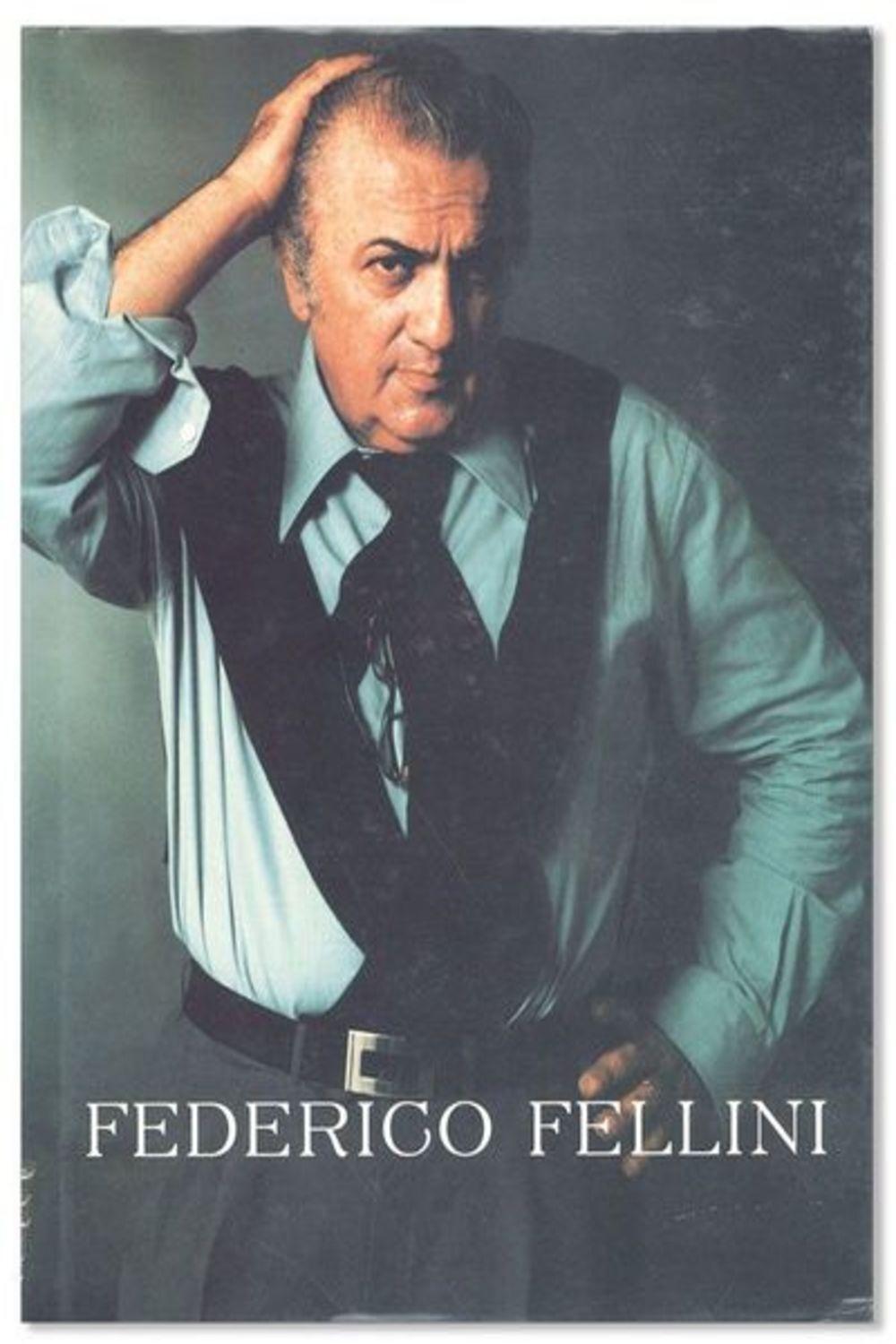
Federico Fellini was one of the most individual and thought provoking directors who based most of his films upon his own reflections, dreams, life events and fantasies, who did not convey any special message for humanity but regarded cinema simply as entertainment. Is there an answer to everything? Can it possibly be? If yes, then life can no longer be so curious, so dynamic, so creative...
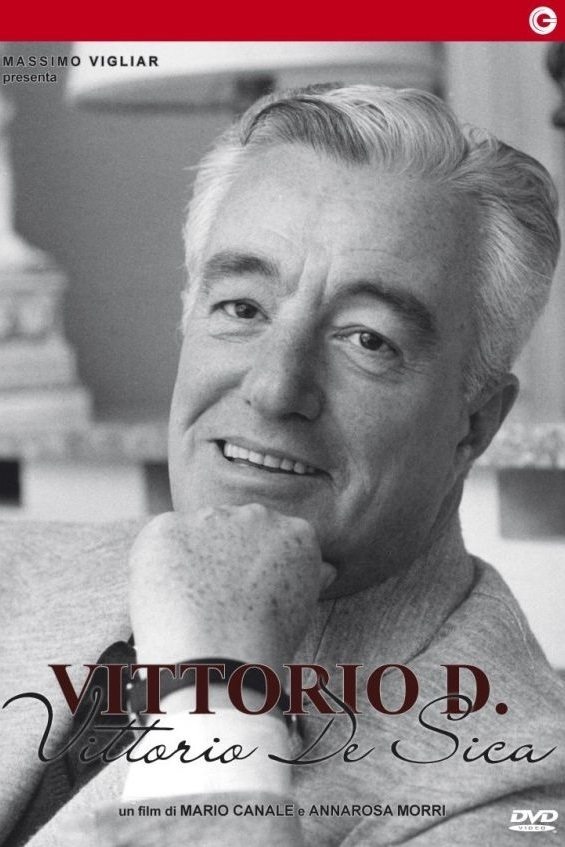
A documentary about Vittorio de Sica with clips of his films and testimonials from friends and family.
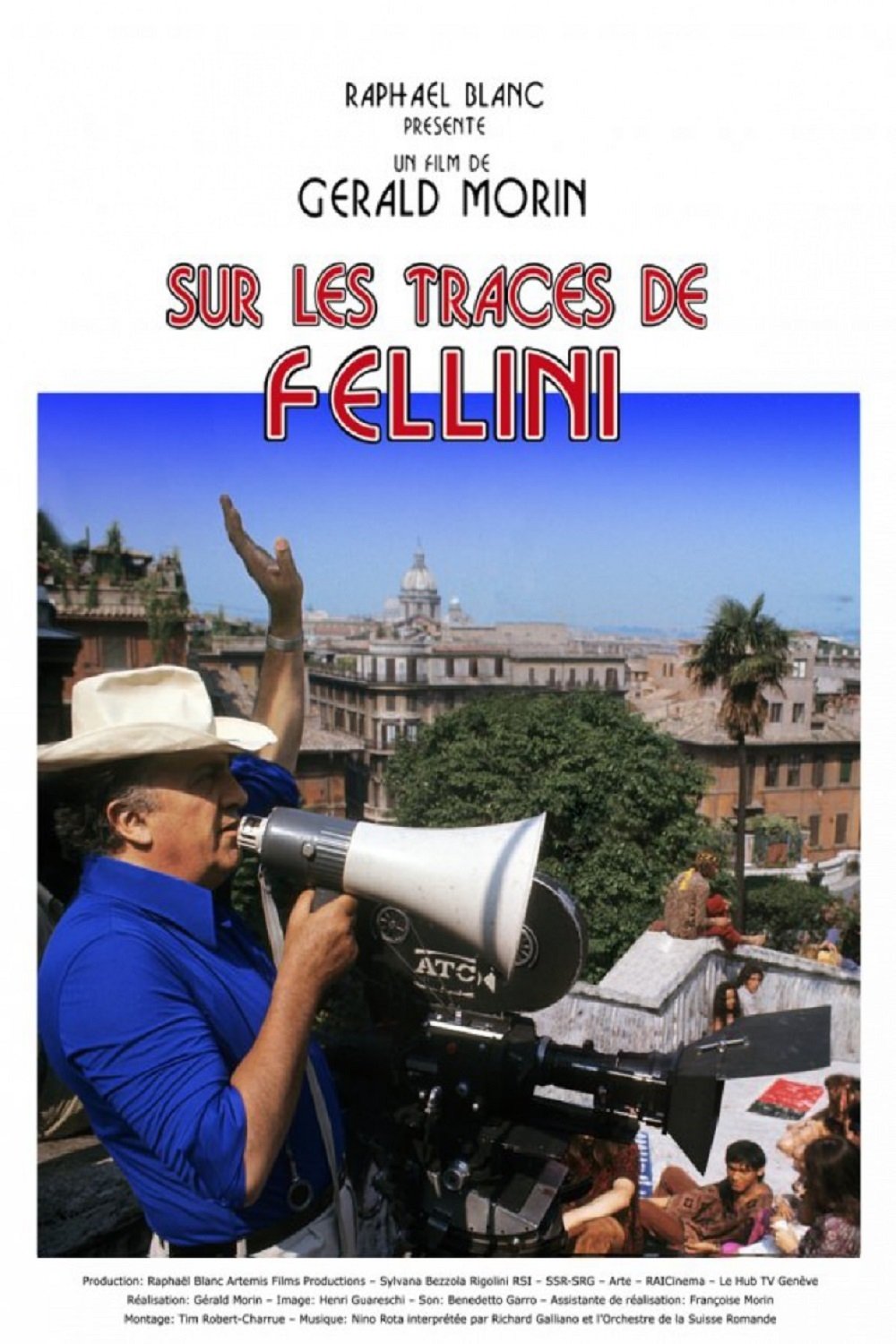
Interview with Italian film director Federico Fellini.
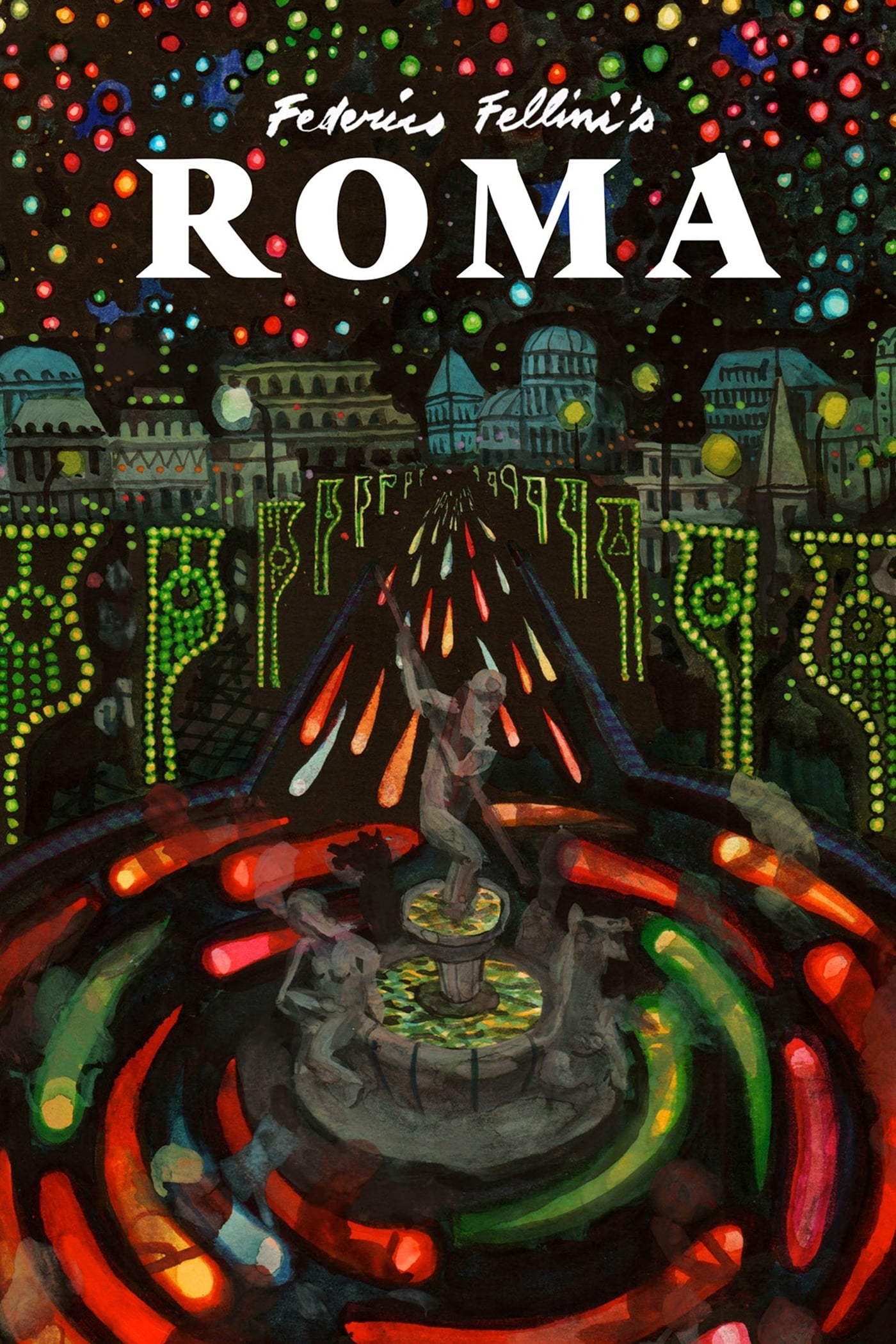
A virtually plotless, gaudy, impressionistic portrait of Rome through the eyes of one of its most famous citizens.
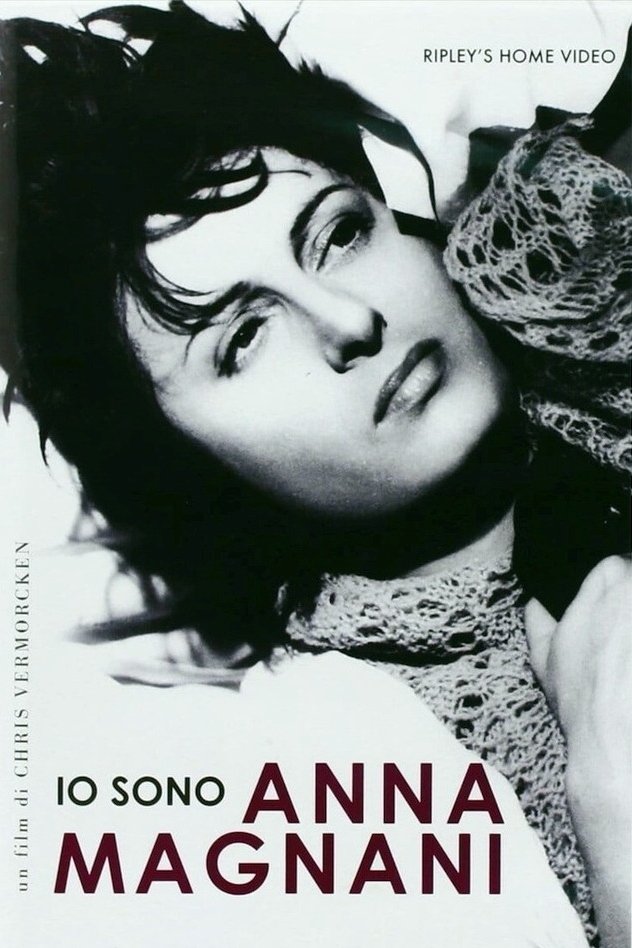
Traces the life of Anna Magnani, her creations, her successes, her triumphs, her boycotted career, her nonconformism, her anxieties, her generosity ... Punctuated with photos that tell her career in theater and cinema, Extracts of films, this documentary portrait also gives the floor to his friends and relatives, from Roberto Rossellini to Marcello Mastroianni, through Federico Fellini.
A documentary about the Italian cinema as art form and industry.
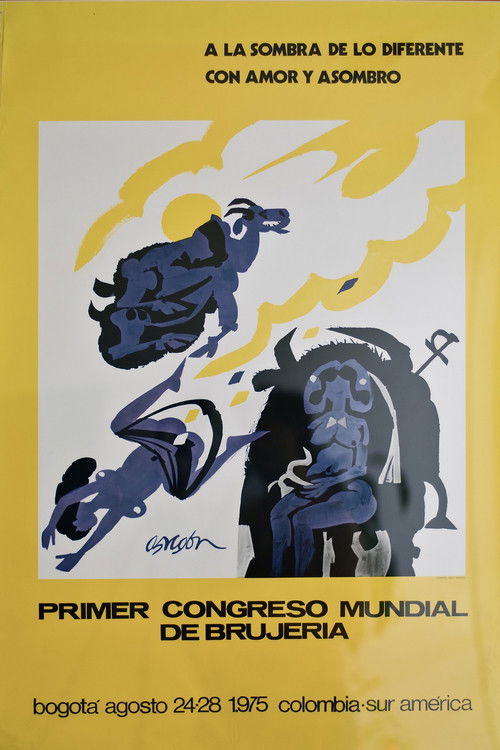
The meeting in Bogota, Colombia, on Aug 27, 1975, brought together spiritualist from many cultures: Israeli mentalist Uri Geller, Italian surrealist Federica Fellini, American ESP-researcher Edgar D. Mitchell, Colombian fantasist Gabriel Garcia Márquez and Peruan/American anthropologist Carlos Castaneda.
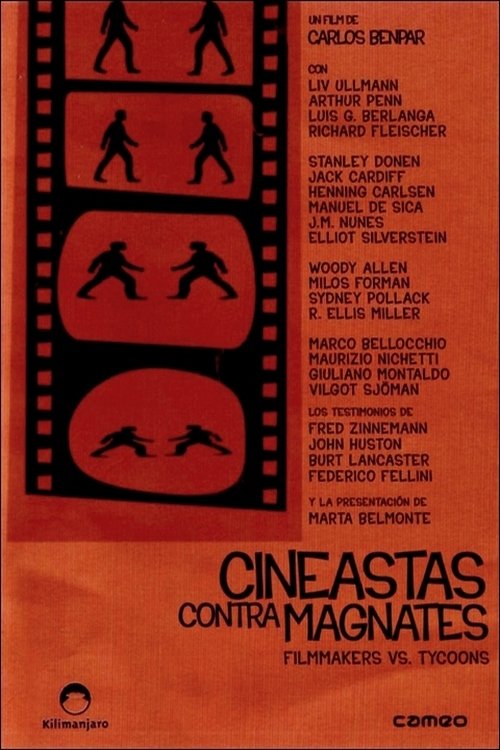
How the cinema industry does not respect the author's work as it was conceived, how manipulates the motion pictures in order to make them easier to watch by an undemanding audience or even how mutilates them to adapt the original formats and runtimes to the restrictive frame of the television screen and the abusive requirements of advertising. (Followed by “Filmmakers in Action.”)
A new documentary film on Fellini's 'La Città del Donne' ('City of Women') directed by Dominique Maillet, featuring producer Renzo Rossellini, film historian Aldo Tassone, producer and film historian Carlo Lizzani, and Federico Fellini's assistant Dominique Delouche (1955-1960).
This 1980 on-set documentary features an extensive look behind the scenes of the film.
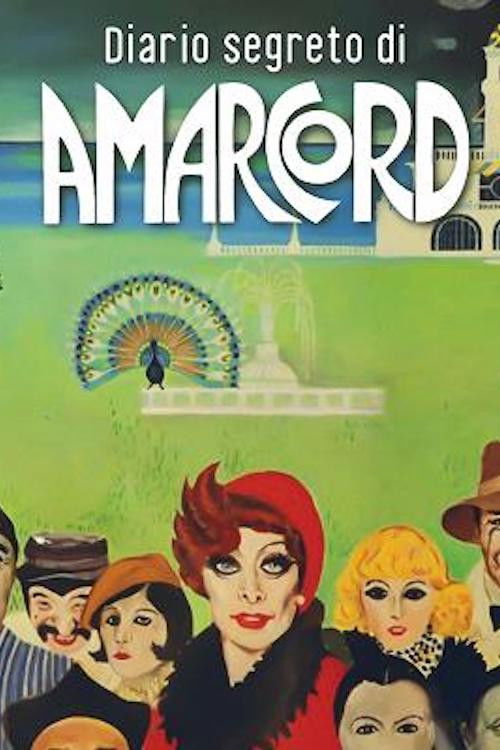
A tongue-in-cheek documentary that goes "behind the scenes" during the production of Federico Fellini's film "Amarcord" (1973).
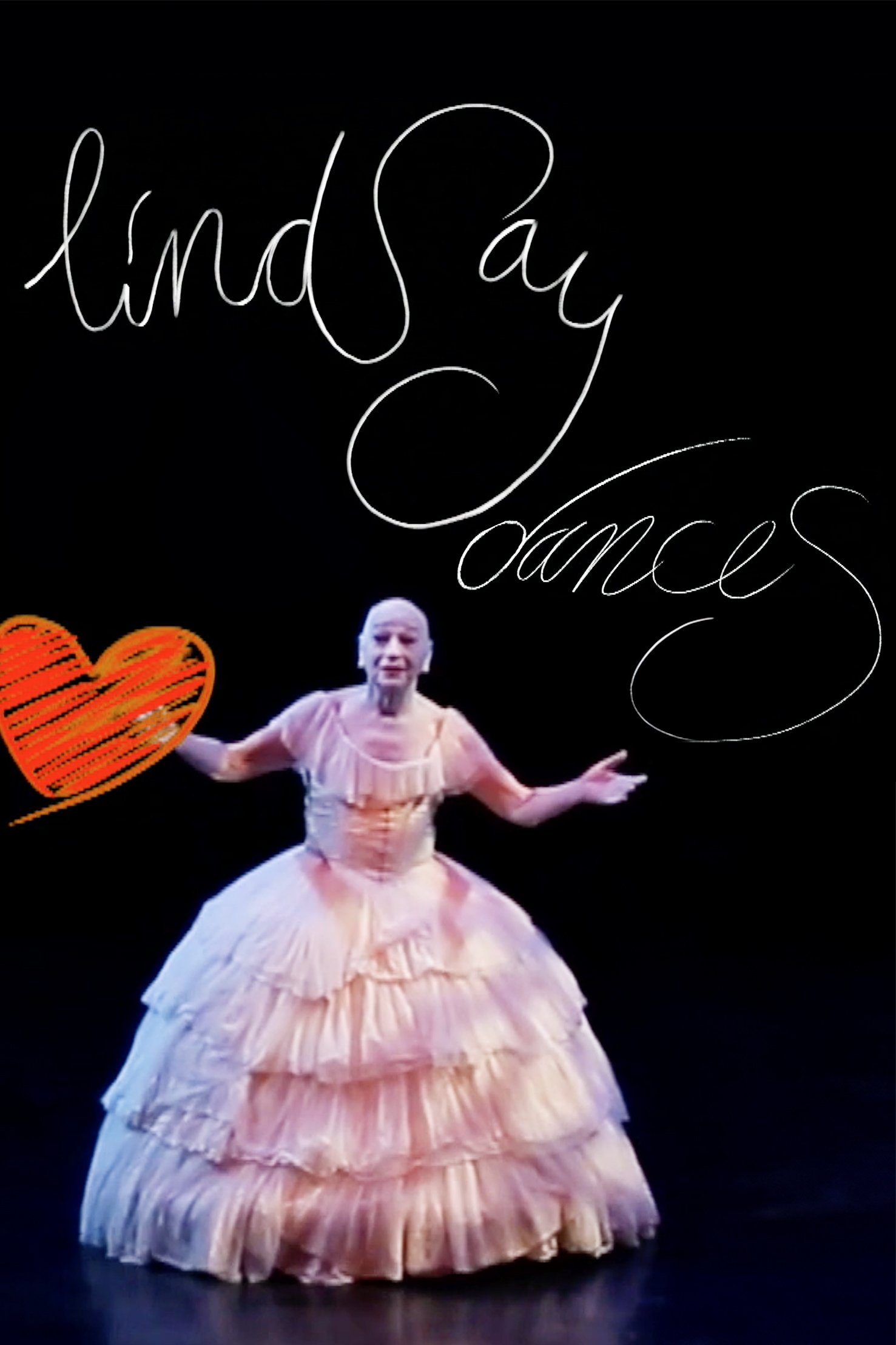
A documentary that collects for the first time and in an almost anthological way the historical repertoire of the Lindsay Kemp Company's shows, from the end of the 70s to the 90s. With footage from the Rai Teche and private archives, and an intimate and touching unpublished interview conducted by the director in her home in Livorno. The documentary is unique in its kind because it collects for the first time in an almost anthological way the repertoire of the shows of the glorious Lindsay Kemp Company from Salome to Flowers, from A Midsummer Night's Dream to Duende and Onnagata, up to the last show Kemp Dances. Lindsay Dances celebrates one of the most original, creative, and innovative artists in contemporary dance theatre. The documentary was nominated by Rai for the 72nd edition of the Prix Italia 2020.
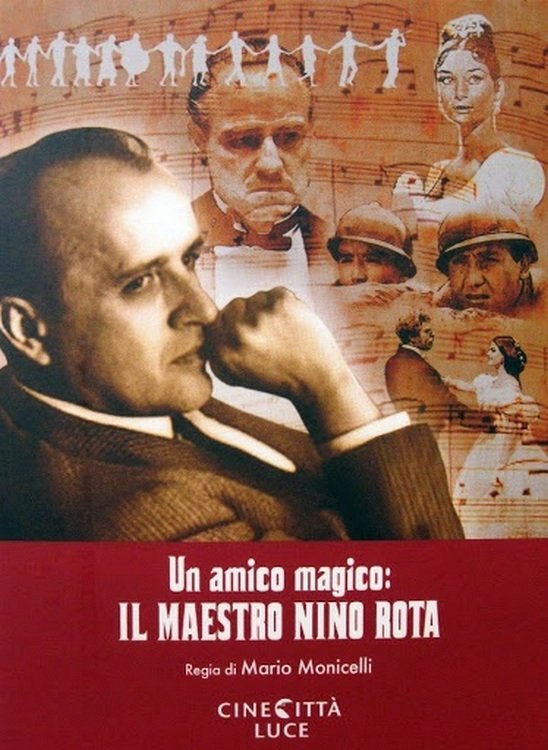
The artistic evolution of the great composer, whose work left an indelible mark in the history of Italian cinema. In this documentary Nino Rota's extraordinary musical production relives in the words of his friends and colleagues. His collaboration with Visconti and Fellini are truly memorable. His movie score and sequences of his performances in theaters all over the world hand us down a full and evocative outline of this outstanding artist.
Bohemian Alex Morrison has just finished directing his first feature length movie. In its previews, the movie is considered a critical, artistic and surefire commercial success. As such, Alex seemingly has his choice of what his next project will be. As he makes the rounds both in the Hollywood community and European movie centers for ideas, he fantasizes about movie scenarios of those everyday situations he is in.
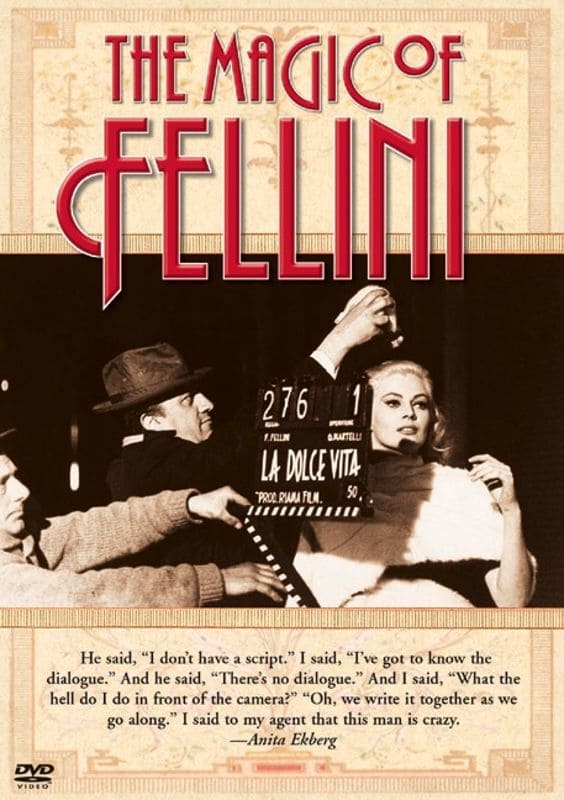
Documentary with interviews and clips of Fellini's movies.
Documentary about the making of Federico Fellini's film JULIET OF THE SPIRITS, with behind the scenes footage and interviews with the director.
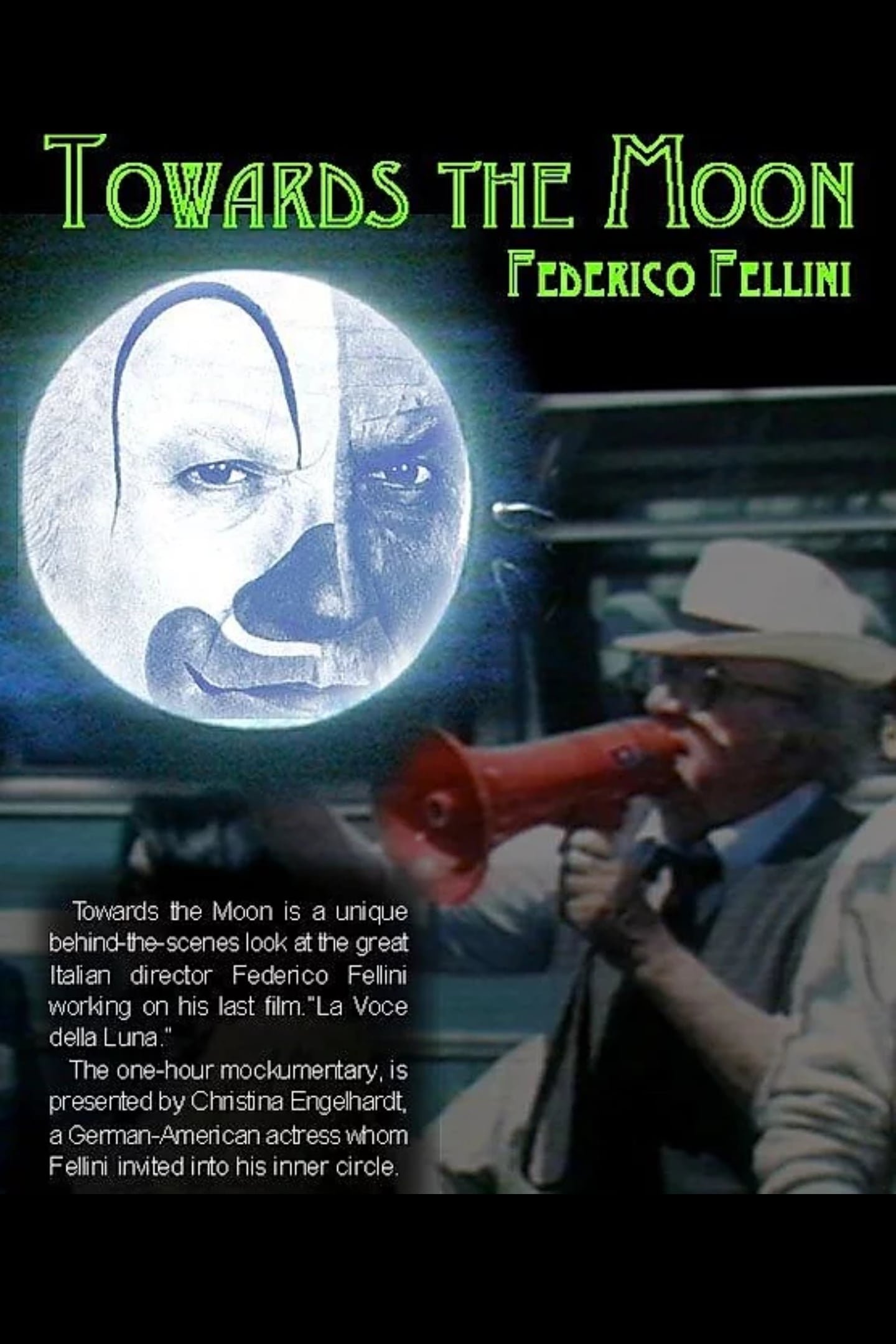
A rare, comical and up-close behind-the-scenes look at the late Italian director Federico Fellini, as he directs his last film, "La Voce Della Luna".
A documentary made by Italian television with behind-the-scenes footage of the making of Federico Fellini's AND THE SHIP SAILS ON and extensive interview footage of Fellini.
This documentary for Italian television features extensive interviews with film director Federico Fellini looking back on his career.
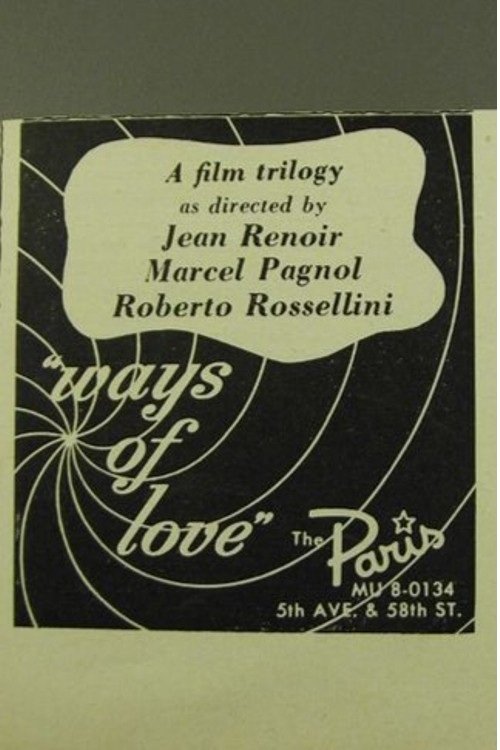
Anthology film by three directors, "A Day in the Country", "Jofroi" and "The Miracle".
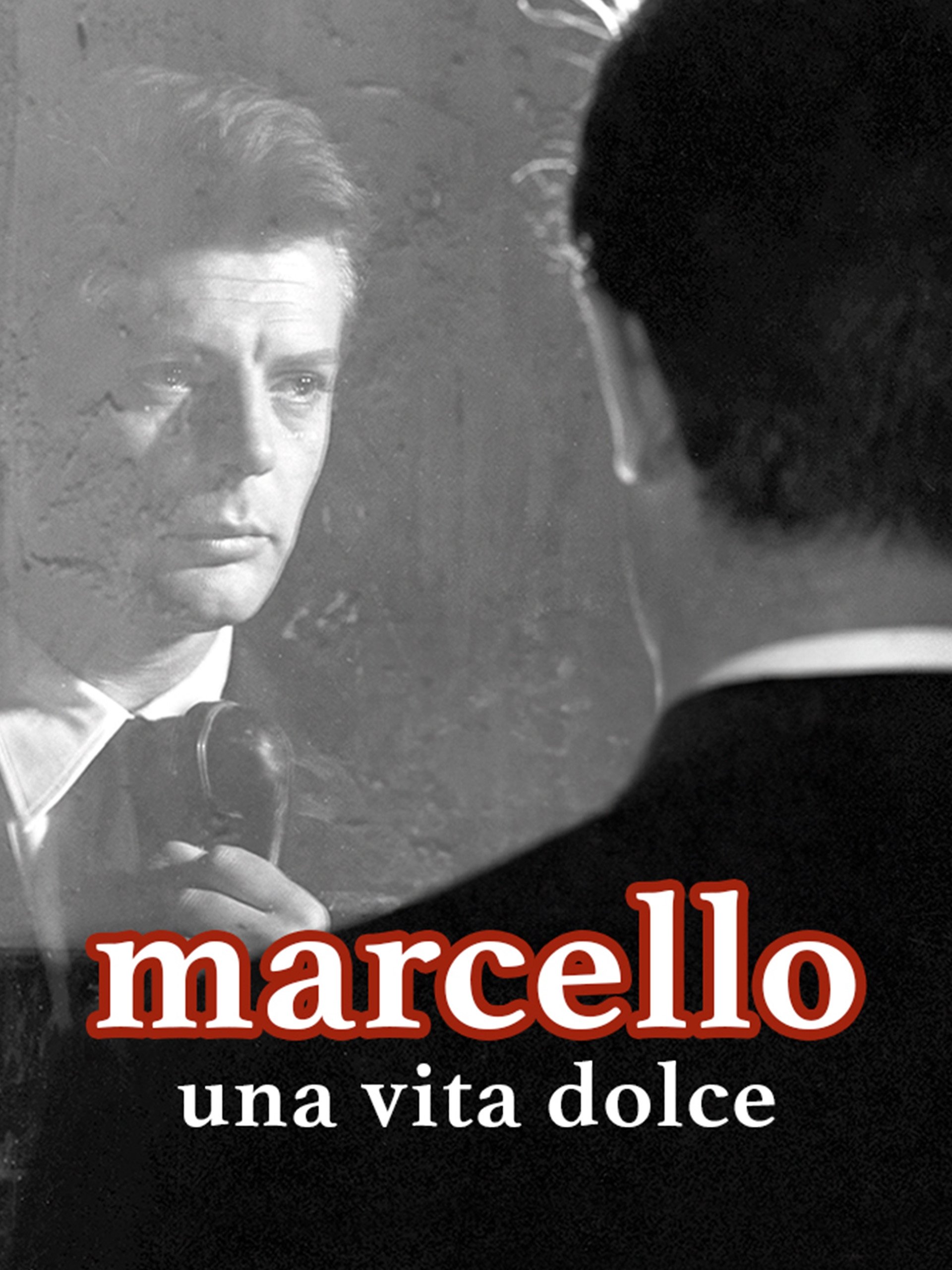
After shooting to fame with Federico Fellini’s “La Dolce Vita” (1960), actor Marcello Mastroianni (1924-1996) starred in more than 160 films in his nearly half-a-century career. Directors Mario Canale and Annarosa Morri look into the melancholic charm of one of the most famous Italian actors through interviews with his two daughters, Barbara and Chiara; directors Fellini and Luchino Visconti; actresses Claudia Cardinale and Anouk Aimee; and in archival footage of Mastroianni himself. The subject matter ranges from Mastroianni’s passion for kidney-bean pasta and his addiction to the telephone to his famous laziness, humility and talent. Shown in black-and-white, Mastroianni — elegantly holding a cigarette in between his fingers — is undeniably the dandy.
During his preparation for his film on Casanova Fellini asks a number of renowned actors to give him their view on the character of Casanova.
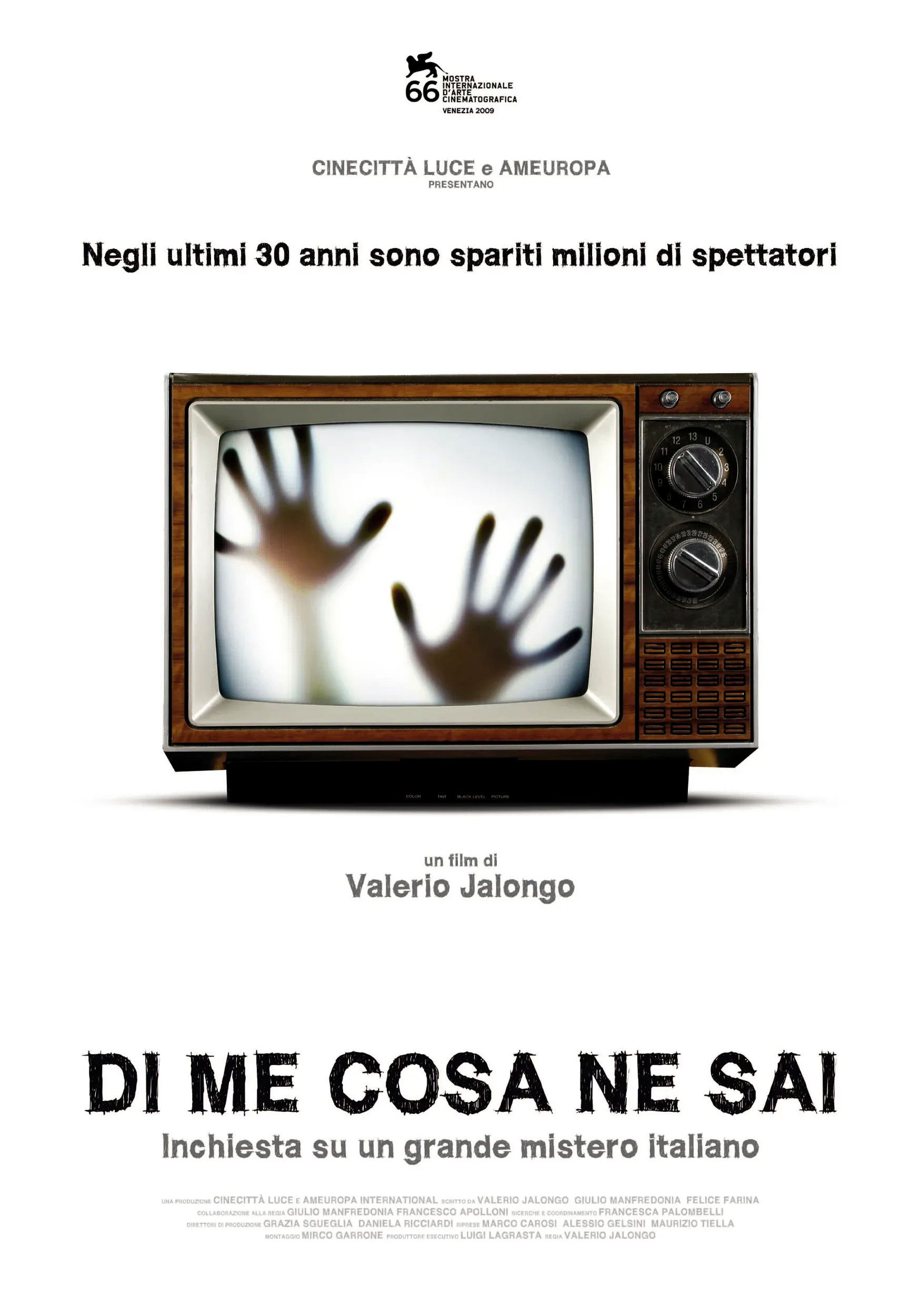
Until the 1970s, Italian cinema dominated the international scene, even competing with Hollywood. Then, in just a few years, came its rapid decline, the flight of our greatest producers, a crisis among the best writer-directors, the collapse of production. But what are the true causes and circumstances of this decline? In an attempt to provide an answer to this question, Di Me Cosa Ne Sai strives to depict this great cultural change. Begun as a loving examination of Italian cinema, the film transformed into a docu-drama that alternates between interviews with the great names of the past and fragments of cultural and political life of the last 30 years. It is a travel diary that shows Italy from north to south, through movie theatres; television-addicted kids; Berlusconi and Fellini; shopping centers; TV news editors; stories of impassioned film exhibitors and directors who fight for their films; and interviews with itinerant projectionists and great European directors.
A tribute that Wes Anderson wishes to pay to one of his favourite directors on the occasion of the 100th anniversary of his birth. Together with Francesco Zippel, Anderson has retraced some themes close to Fellini’s own approach to cinema.

A portrait of the mythical Italian actor Marcello Mastroianni (1924-96), a unique performer who was one of the kings of European cinema.
Explore the life and story of Federico Fellini, one of the most decorated directors in the history of cinema, with an intimate look at his works and values through archival footage.
Explore the life and story of Federico Fellini, one of the most decorated directors in the history of cinema, with an intimate look at his works and values through archival footage.
Featuring the iconic italian filmmaker Federico Fellini and his wife, Giulietta Masina, this documentary explores his unique, dreamlike filmmaking process, highlighting his role as an artist shaping reality through spectacle, fantasy, and psychological depth, a style influencing many directors.
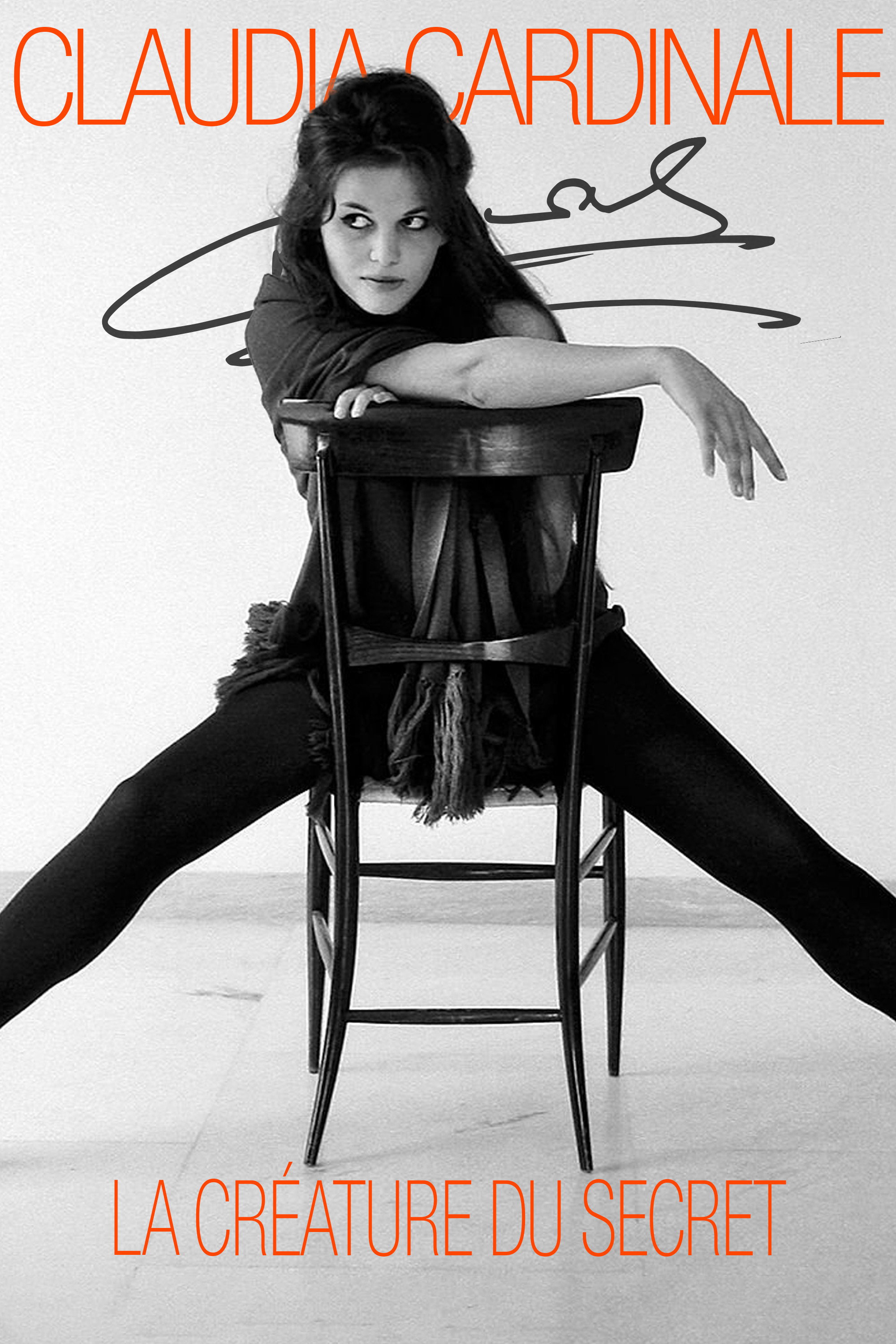
How a young and wild tomboy Tunisian girl became a great actress by accident. Claudia Cardinale : the fanciful destiny of a paradoxical movie star, who appeared in Federico Fellini's, Luchino Visconti's, Blake Edwards' and Sergio Leone's films.
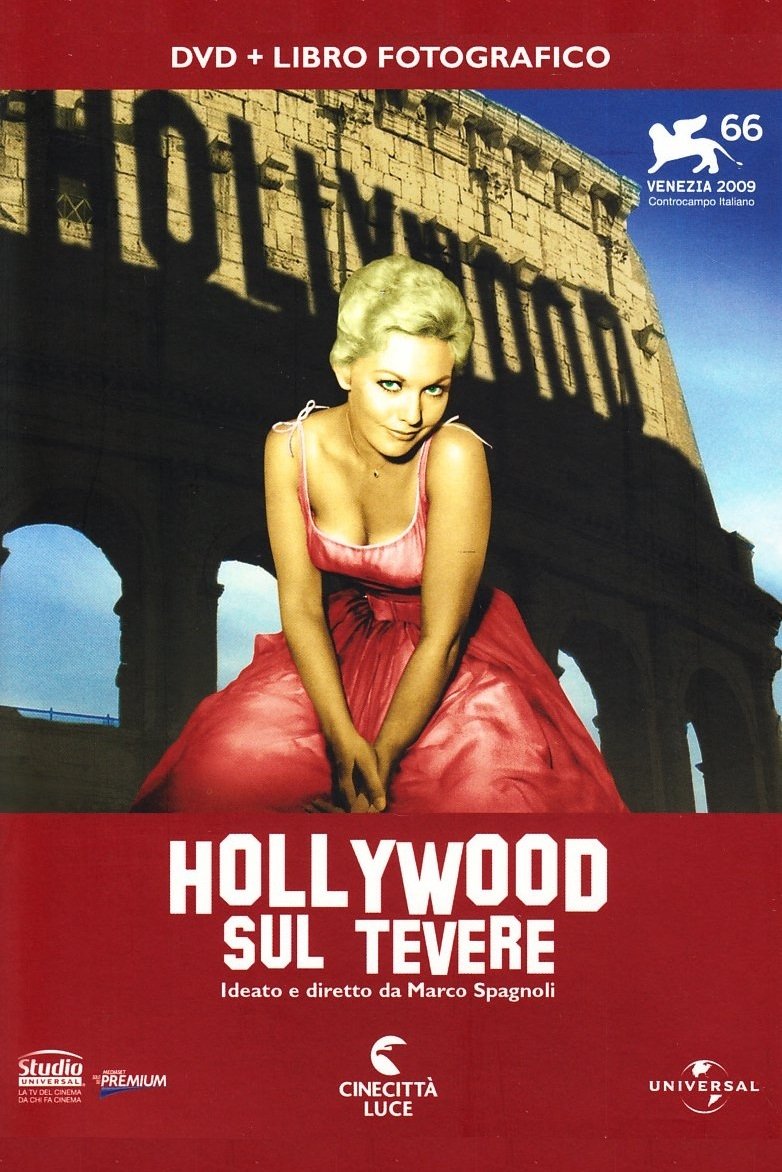
Biggest Hollywood stars in Italy from 1950 to 1970 through Cinecittà Luce's archives.
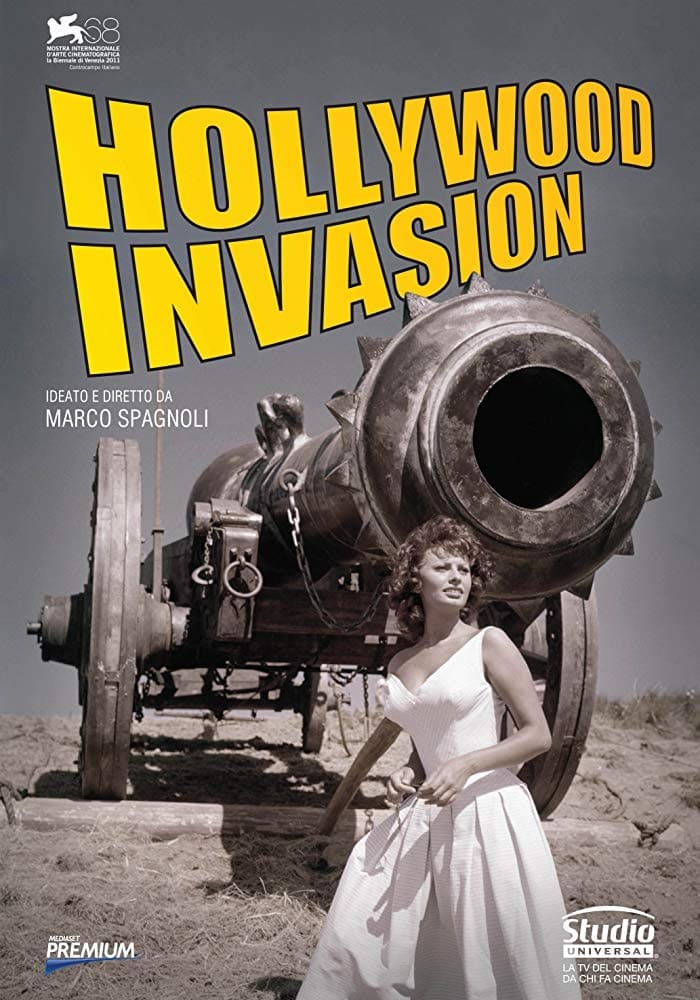
Italy, Europe and America during the 'Dolce Vita' years narrated with unseen and rare footage from NBC Archives in New York.
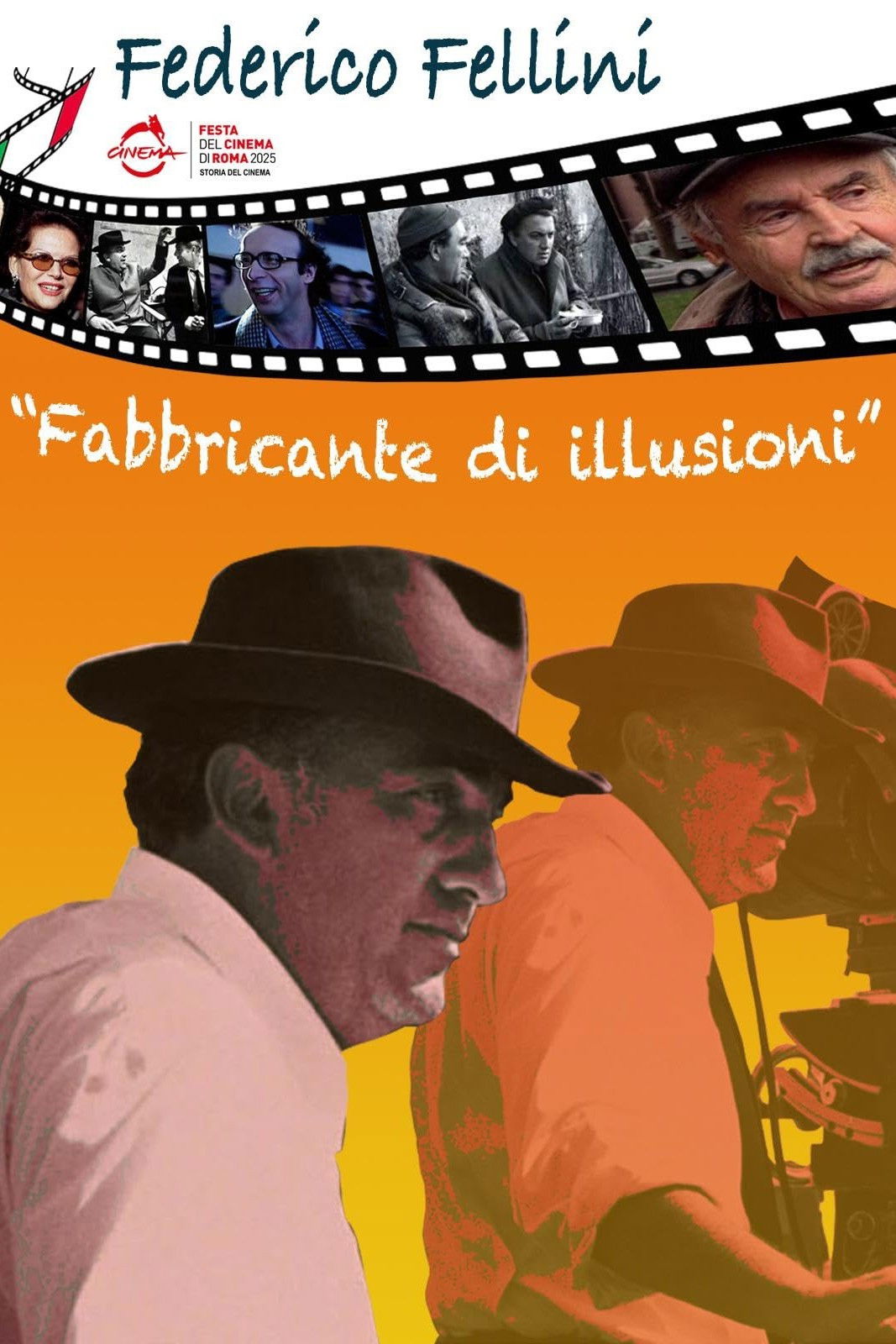
Friends, acquaintances, family, and artists who knew Federico bring us a never-before-seen portrait of him, compiled from interviews conducted by Donatella Baglivo over the decades. The result is a cinematic biography of a man with an immense sense of irony, intelligence, and an uncommon artistic sensibility.
We thought we'd seen, read, and heard everything there was to see about the Cannes Film Festival, from the glitz and gossip to the scandals and censorship. And yet, Emmanuel Barnault's "Morceaux de Cannes" (Pieces of Cannes), by this leading expert on Italian and French cinema, convinces us otherwise. The third largest event in the world (after the Olympic Games and the FIFA World Cup) reveals its secrets only sparingly, as this film attests. The result of passionate research in the INA archives, these 52 minutes, without interviews or voice-over narration, string together rare and sometimes previously unseen footage. Taken together, they tell a surprising, original, and heartwarming story of the Festival. On the beach, on a street corner, in a restaurant, or in the privacy of a hotel room, these forgotten archives summon the greatest filmmakers, actors, and actresses of the last seventy years, from Jean Cocteau to David Lynch, for an anthology of the Festival's history.