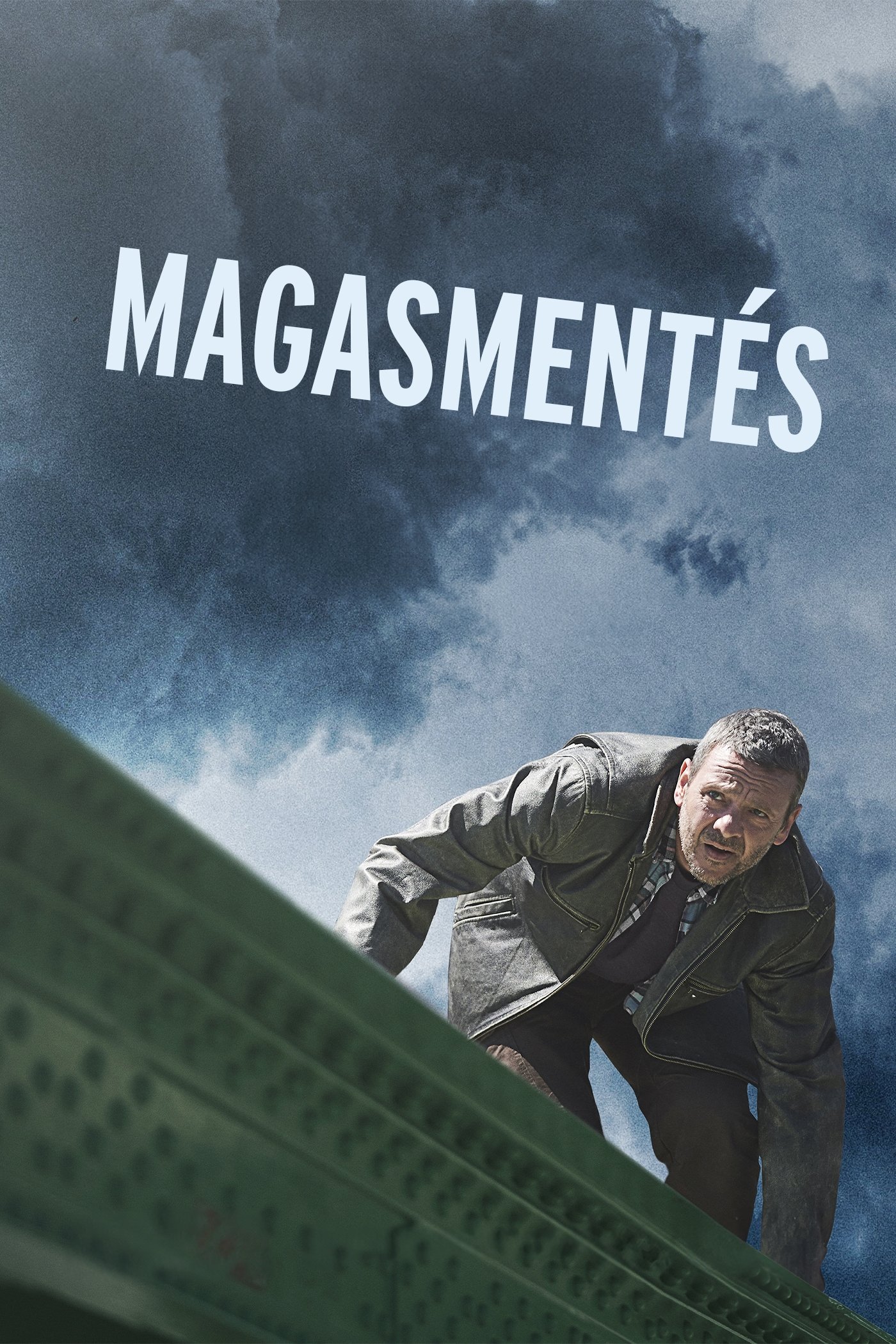
Felix, a high rescue specialist, brings down suiciders from bridges in a city in crisis. His son, who secretly makes videos of dangerous rescues and sells them to TV, blames his father for the loss of his mother. As Felix tries to reconnect with his son and help people at any cost, dramatic events unfold.

Karrer plods his way through life in quiet desperation. His environment is drab and rainy and muddy. Eaten up with solitude, his hopelessness would be incurable but for the existence of the Titanik Bar and its beautiful, haunting singer. But the lady is married and Karrer is determined to keep her husband away...
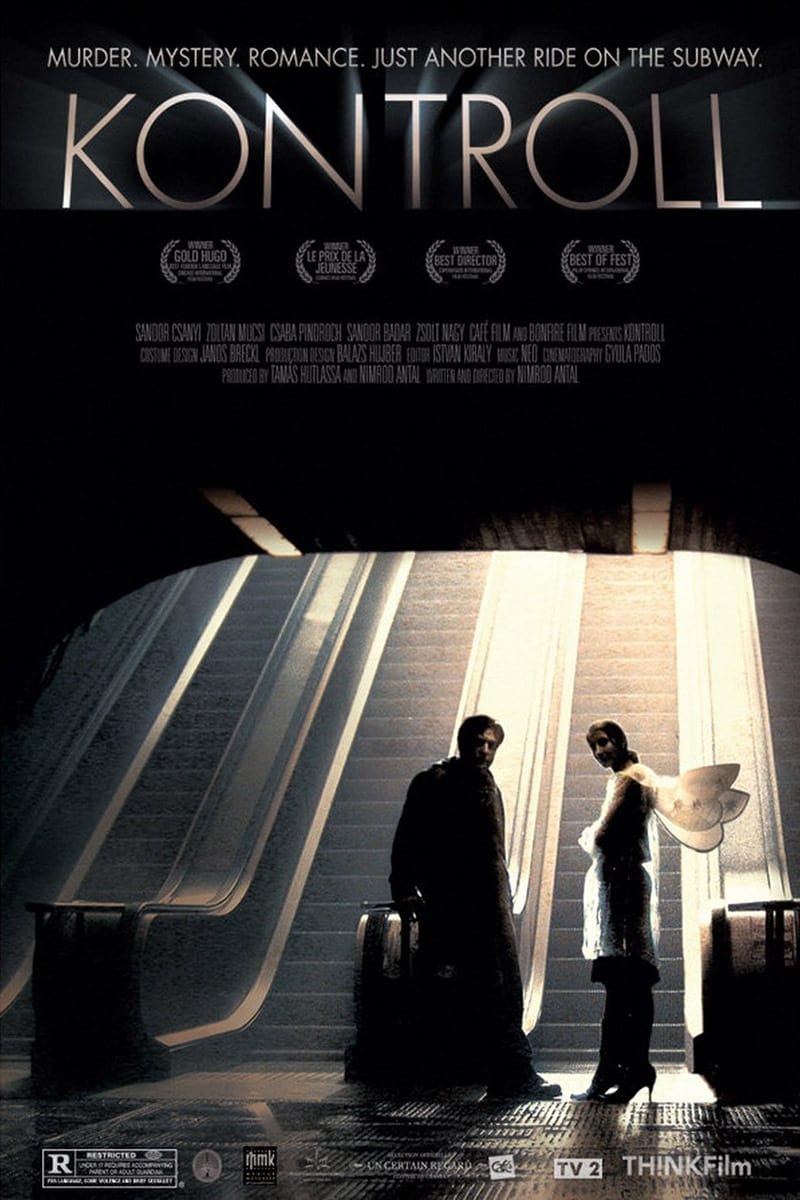
A subway enforcement officer working in the oppressively gray Budapest metro gets a chance at love — but first he needs to find out why passengers are jumping — or being pushed — to their deaths onto the tracks.
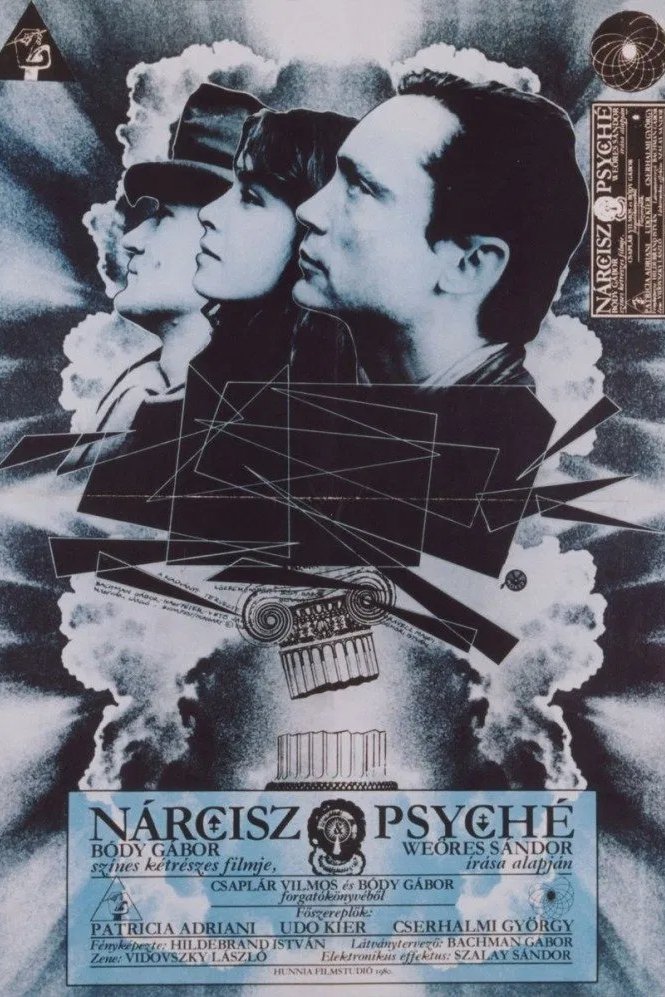
Narcisus and Psyche is based on a novel by Sandor Weores which was adapted by Vilmos Csaplar and director Gabor Body for a feature-length film. Borrowing the character of Psyche from mythology and placing her in Europe in the 19th century, the authors give her a "modern" life. She is an attractive young woman - and remains so throughout the film, in spite of one hardship after another. Psyche is libidinous, and her prurient interests shock her staid contemporaries.
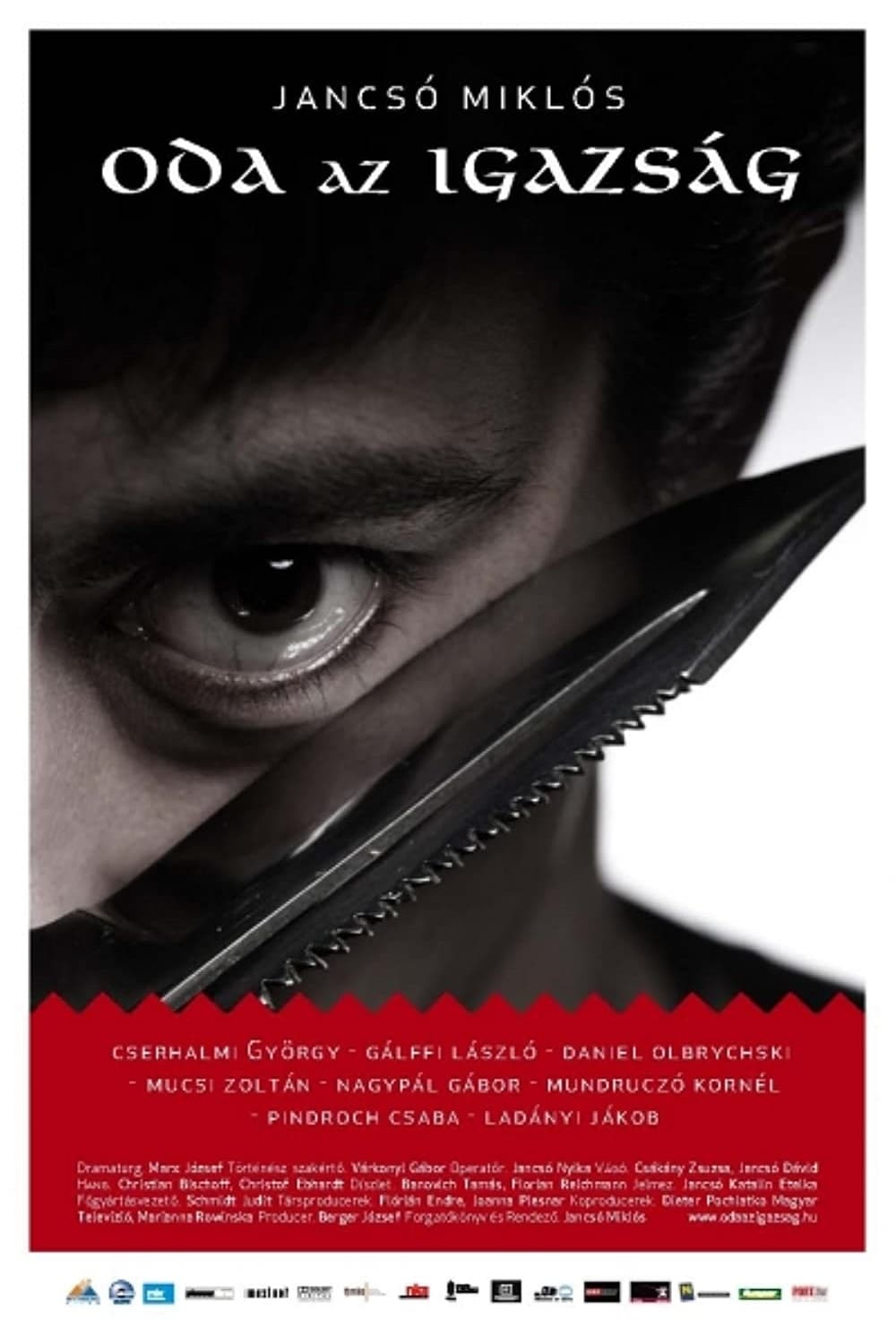
Concerning the Mátyás era in Hungarian history, during the reign of Matthias Corvinus (1443–1490), the film focuses on three eras of the king's life: the young Mátyás fights for the throne, the older Mátyás as king, and the fate of the royal crown and the royal heir after his death.
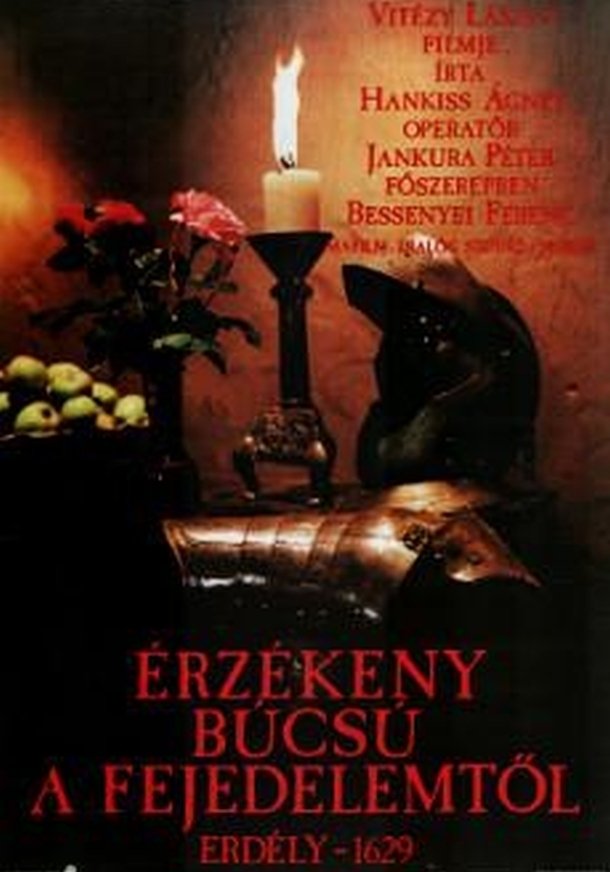
1629, Transylvania: Reigning prince Bethlen Gábor has Don Diego, the Spanish chronicle knight be brought to his court in order to make him record his life and deeds for posterity.
Anyegin arrives home in an abandoned castle for his uncle's funeral. He is a misanthropic, tired, cynical man who has seen it all, tried it all and is tired of what others - including his young neighbour, Lensky - consider the meaning of his life. At Lensky's invitation, he visits the Larin's estate, where he meets Tatiana, a young girl under the spell of books and a fan. Tatiana falls in love with Anegin and confesses her feelings in a letter...
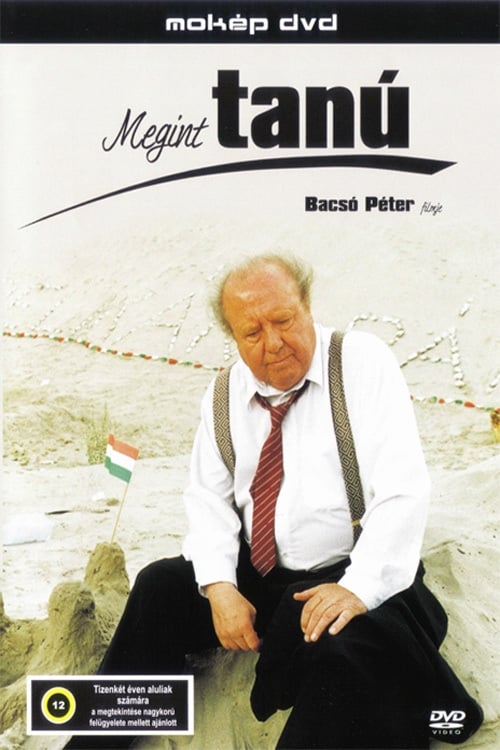
The Witness (Hungarian: A tanú, also known as Without A Trace), is a 1969 Hungarian satire film, directed by Péter Bacsó. The film was created in a tense political climate at a time when talking about the 1950s and the 1956 Revolution was still taboo. Although it was financed and allowed to be made by the communist authorities, it was subsequently banned from release. As a result of its screening in foreign countries, the communist authorities eventually relented and allowed it to be released in Hungary. It was screened at the 1981 Cannes Film Festival in the Un Certain Regard section.[1] A sequel was made in 1994 named "Megint tanú" (English: Witness Again).

It has been fifteen years since the death of her father, Agamemnon, and Elektra still burns with hatred for Aegisztosz, who conspired with Elektra's mother to kill him.
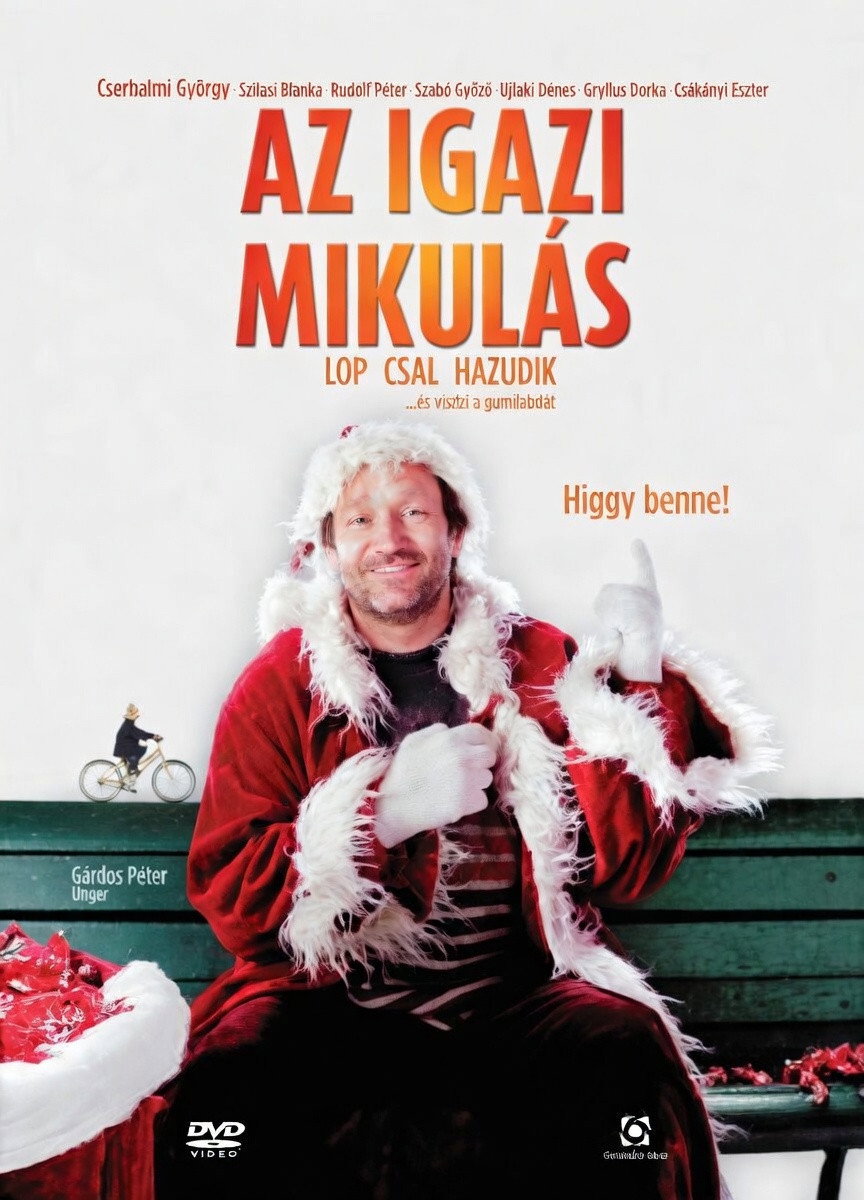
On 6 December, Misu is hired as a Santa Claus advertiser for a department store. On that same winter day, Liza runs away from the orphanage because once upon a time, her mum promised her that when she turned 8, she would get a bicycle from Santa Claus. Liza unexpectedly walks up to Misu and asks for the bike. But Misu, the selfish bar pianist, has no intention of buying a bike, and Liza won't let him go until he gets his wish.

A story about a boy and a girl in a mental hospital.
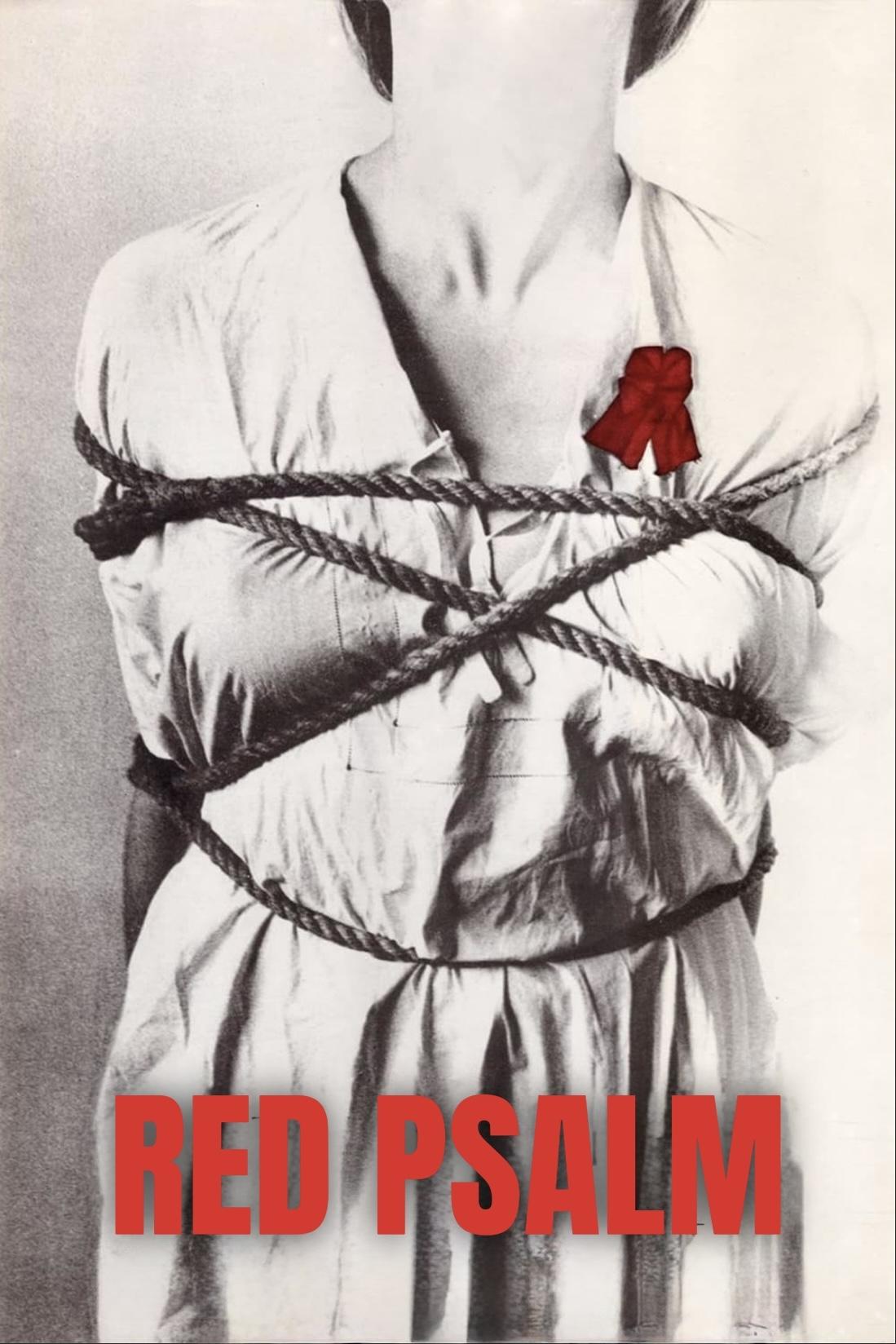
Set in the 1890s on the Hungarian plains, a group of farm workers go on strike in which they face harsh reprisals and the reality of revolt, oppression, morality and violence.
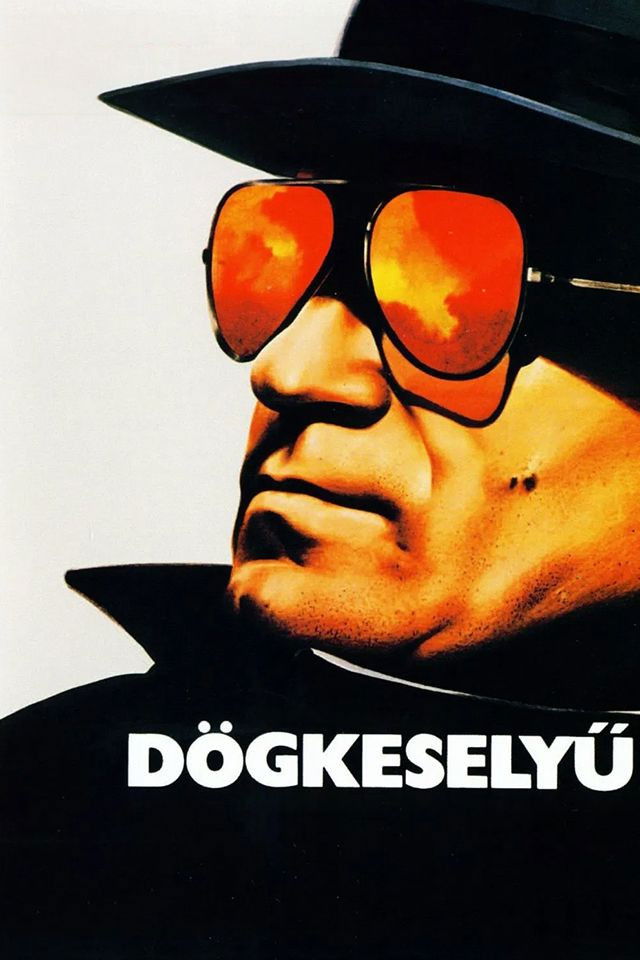
Two old women who happen to be pickpockets stole money from Simon, the taxi driver. The police are unable to find the thieves, so Simon decides to find them himself.

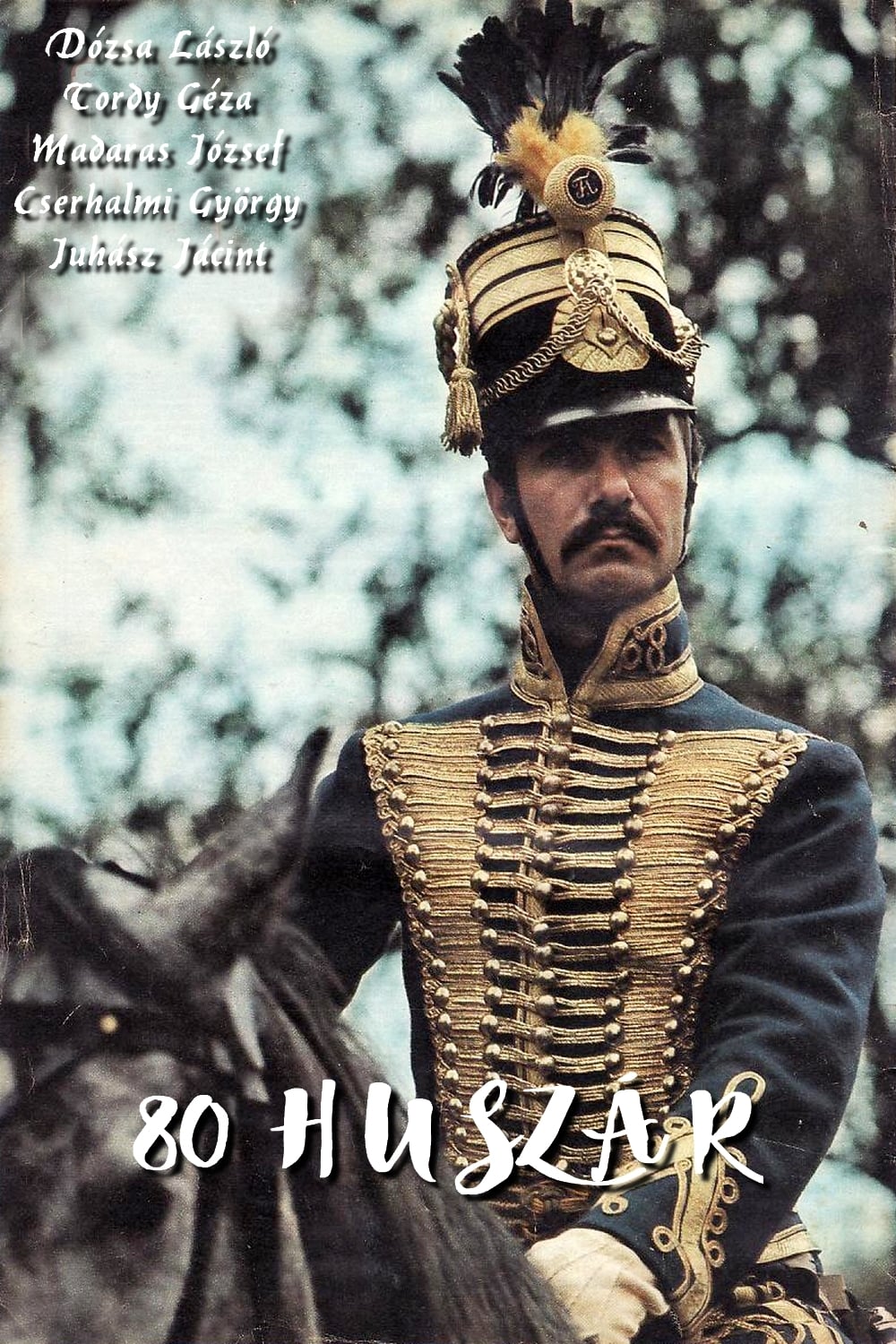
The film tells the story of a regiment of Hungarian hussars stationed in Poland. The hussars, mostly ordinary men, have heard news of the uprising and wish to return to the homeland to defend the newly independent country. The Empire, on the other hand, is firmly resolved that all Hungarian troops in the imperial army should be kept as far away from the trouble spot as possible, knowing that most soldiers would be loyal to Budapest rather than Vienna.
Frigyes, shortly after immigrating to New York City from Hungary, leaves his family for the pleasures and gratifications of being a street bum. But as time goes by, the appeal of this lifestyle wanes. A series of adventures with other drifters reaches a dramatic conclusion when some thugs murder one of them. This startling event forces Frigyes to come to terms with his current situation and decide whether to return to the family he abandoned.
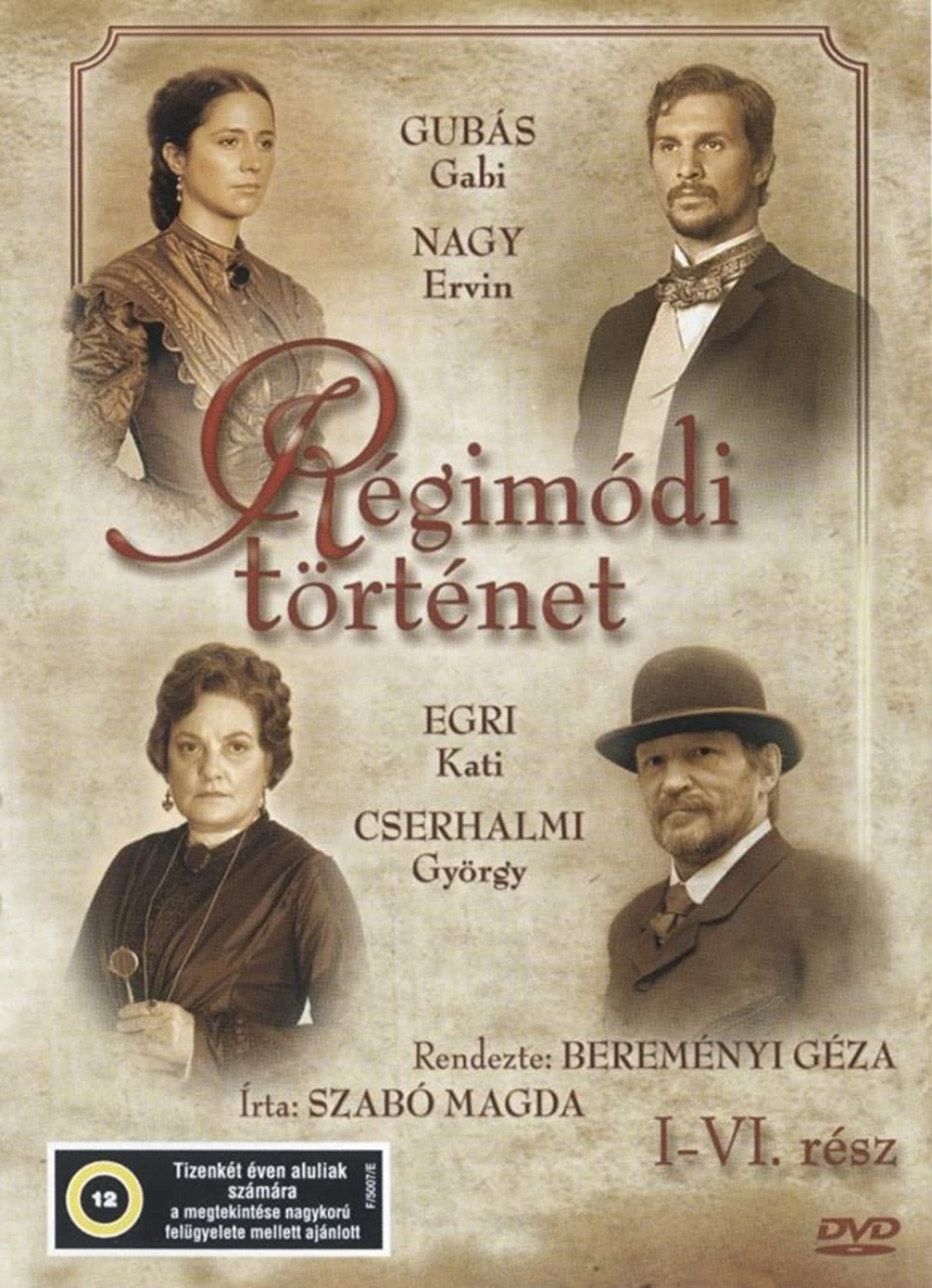
In the second half of the 1800s, the daughter of a Debrecen family marries a landowner, Kálmán Jablonczay. The couple move to the husband's castle. The marriage starts off happily but the new wife, Mária Rickl, soon finds herself at odds with the gentry lifestyle, her husband and her father-in-law...
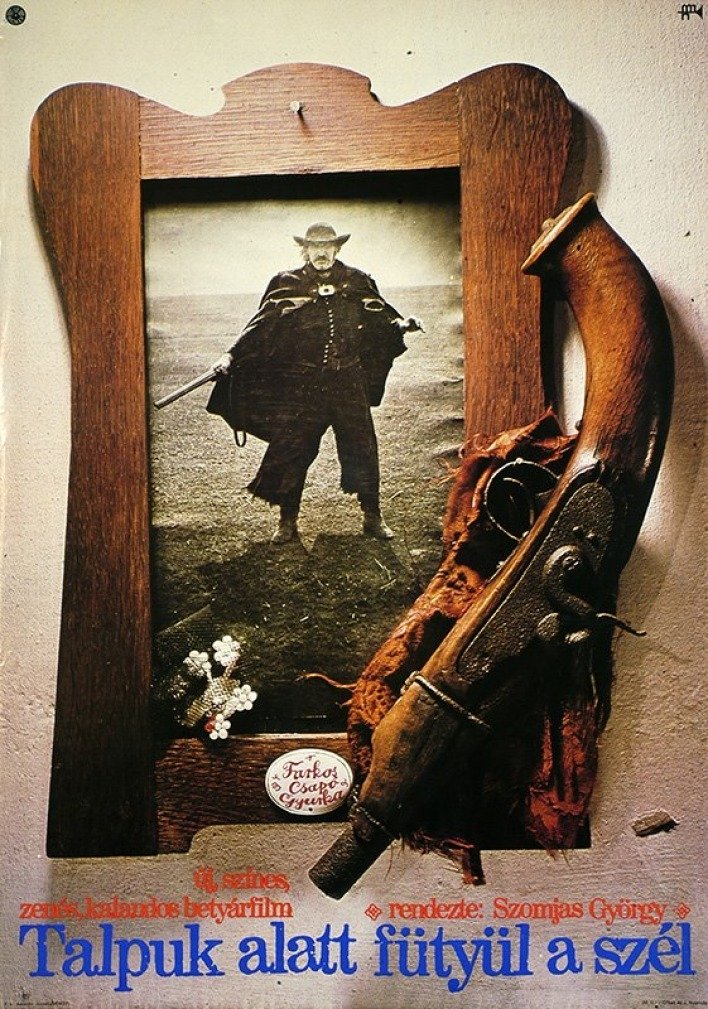
In the 1830s, legendary outlaw Farkos Csapó Gyurka escapes from prison and returns to the Hungarian Great Plain to avenge his betrayal and reclaim his dominance over the puszta. While the local impoverished herdsmen protect him, a determined peace officer relentlessly hunts the bandit to establish modern legal order.
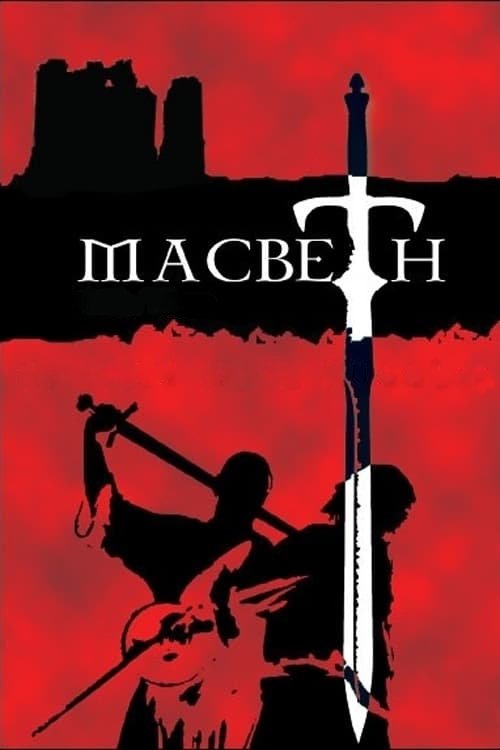
Consistent of only two long shots, three witches predict that Macbeth will ascend to the throne of Scotland. To fulfill this prophecy, Lady Macbeth convinces her husband to murder King Duncan, who has come to spend the night at their home. This crime plunges the new ruler into a macabre spiral that will lead him to sink into guilt and madness.
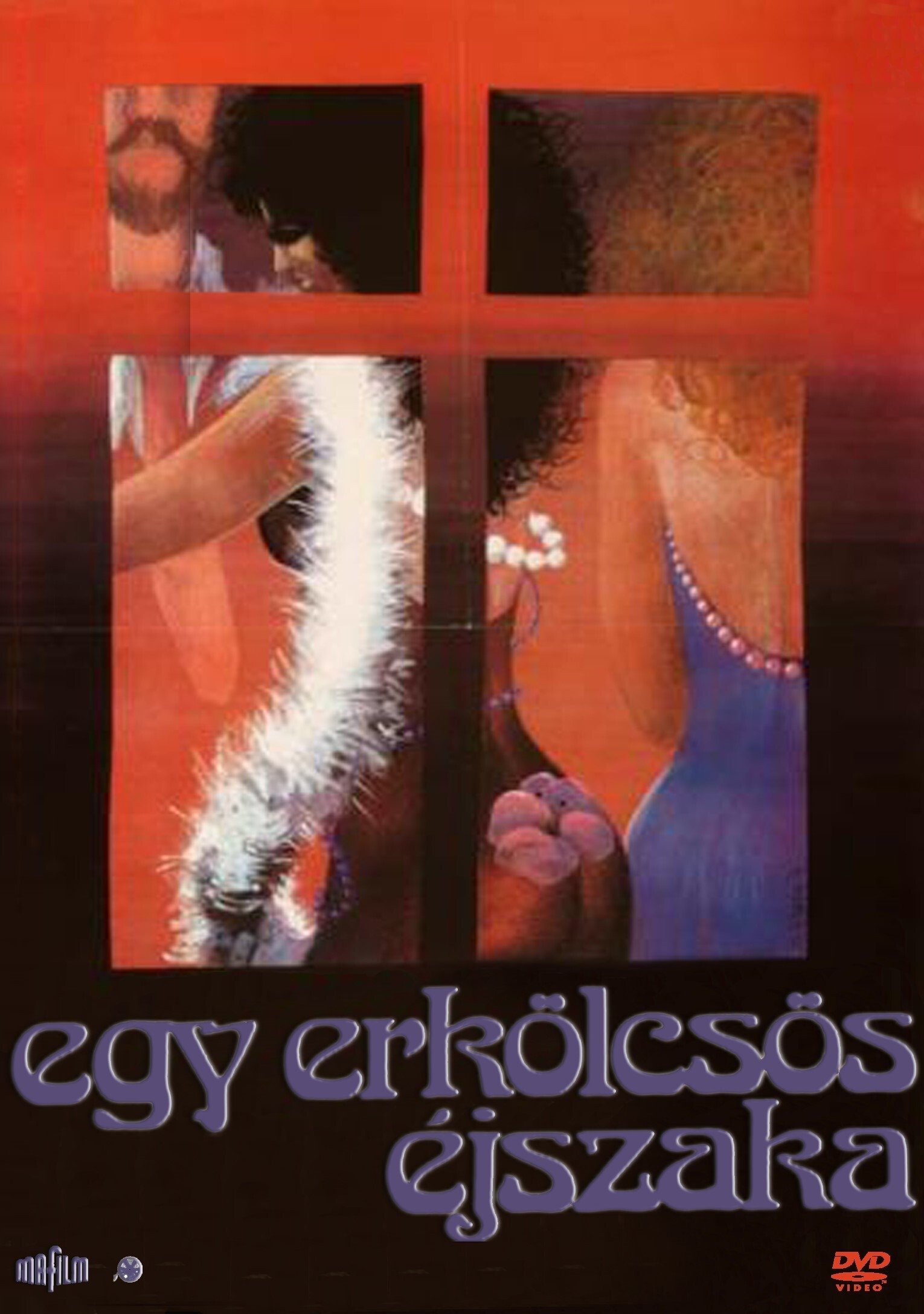
A brothel in a small Hungarian town becomes the home of a medical student after his favorite working girls find out he's out of rent money. Trouble brews as they learn his mother is coming for a visit and they must transform the house.
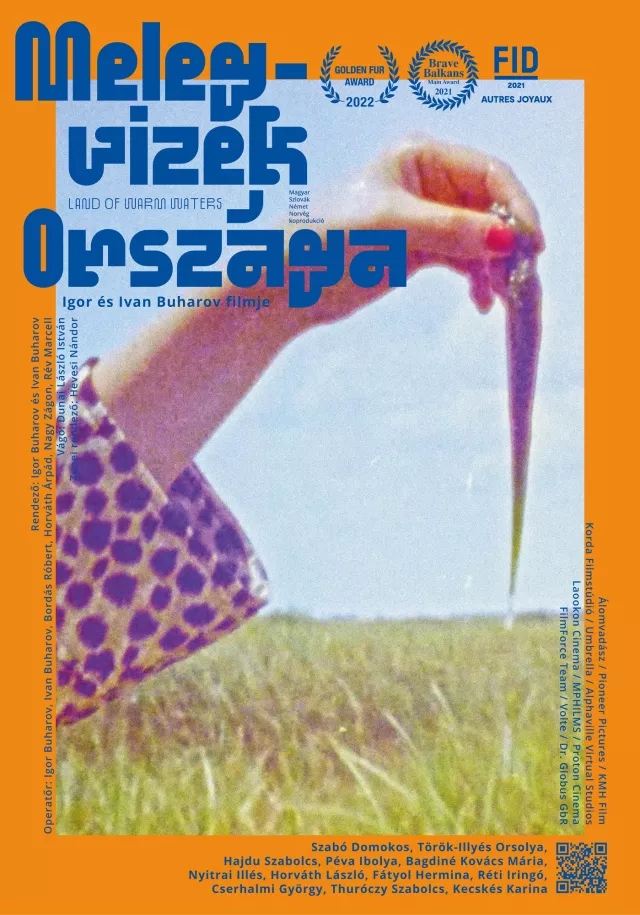
The Buharovs, as the harbingers of a supra-human world, blend their instinctive cosmos with a kind of quiet poetry to lead the viewer into the Land of Warm Waters and onwards to new dimensions of storytelling.
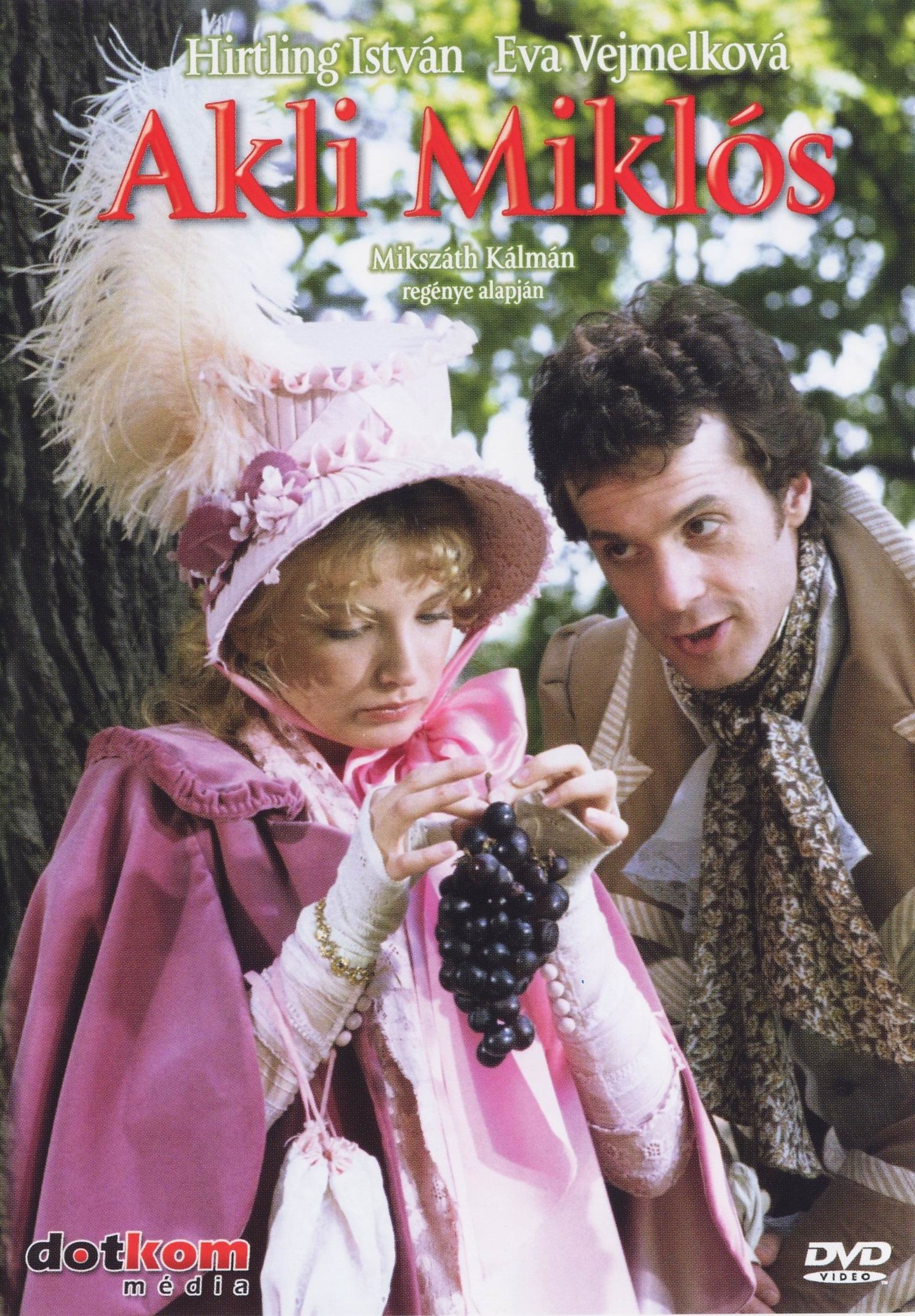
The hero of the story that takes place at the beginning of the nineteenth century and recalls real historical personages is Akli Miklós, the court jester of Emperor Ferenc.
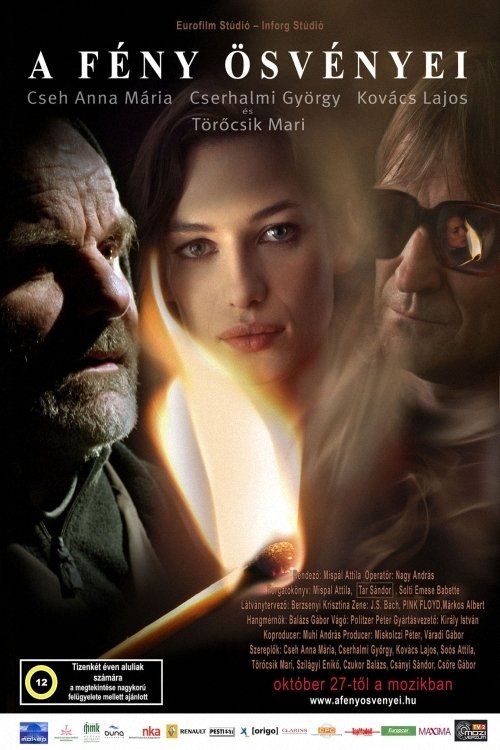
Two stories running in parallel: In one, a model is surrounded by men wanting to use and abuse her though, without realizing it, she is protected by a strange tramp guardian angel. In the other, a blind goldsmith struggles to produce his latest commission in the midst of his alcoholism and depression. Both then descend further and further into their own personal hells until they finally re-find peace with themselves and then their stories briefly merge.
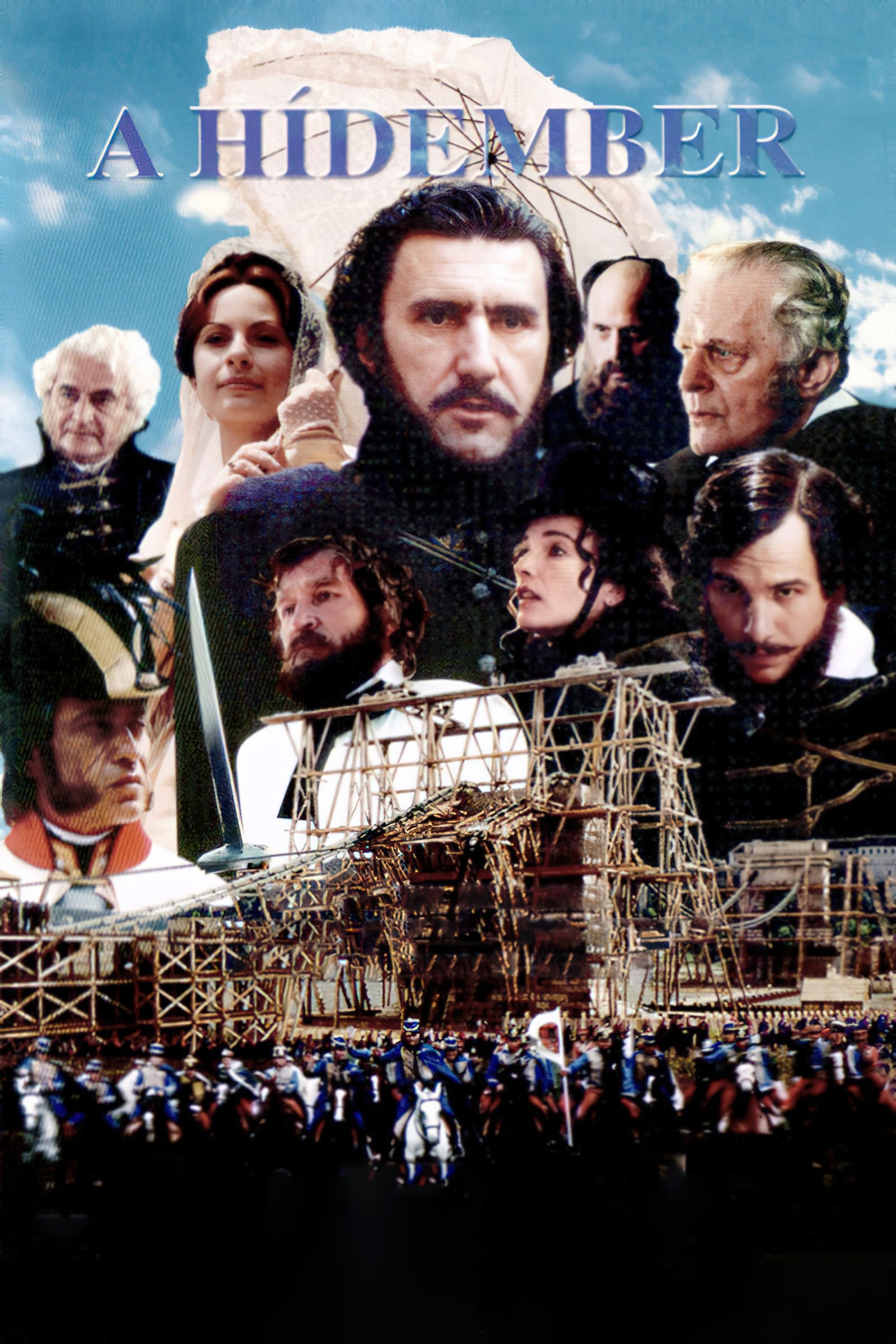
This epic story takes place between 1820 and 1860 during the Habsburg Monarchy, and portrays the life one of the greatest Hungarian aristocrats - Count Széchenyi - who was born with extra-ordinary mental and spiritual talents. In the years following the fall of Napoleon the young count Széchenyi irresponsibly seduces his brother's wife, and the consequent scandal ruins his career as an army officer. After the sudden death of his humiliated lover Count Széchenyi drastically changes his character from that of a shallow young man into a responsible nobleman seeking to conquer his fate by creating great achievements in his remaining life.

In the final days of the American Civil War, an emigre Hungarian military officer attempts to map the situation of the enemy. Many veterans of the 1848 War of Independence in Hungary fought on the northern side. Experienced Fiala, Boldogh who struggles with homesickness and the reckless Vereczky all experience their enforced emigration in different ways and news of impending peace elicits different reactions from them all.
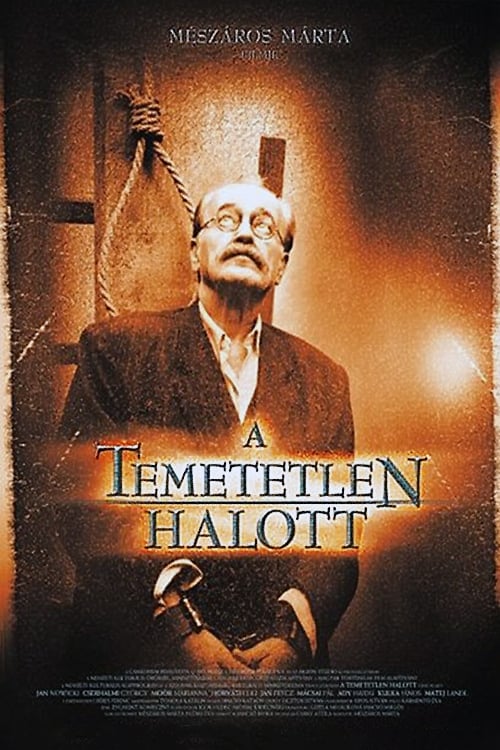
One of the doyennes of Hungarian film deals with a dark period of national history: the Soviet regime in Hungary. She portrays it through the fate of the former prime minister and national hero, Imre Nagy. The script is based on the diary written by Imre Nagy, and the memories of his daughter, Erzsébet Nagy, as well as authentic documents and records.
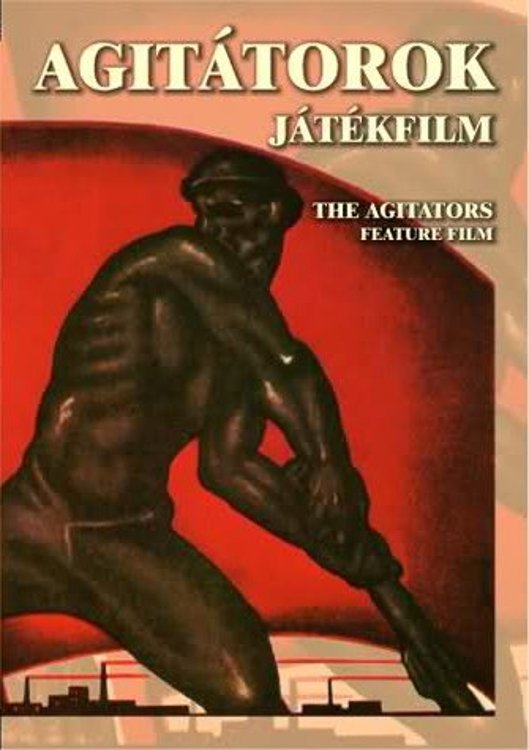
After the World War I, enthusiastic young people found the intellectual group of Hungarian Communist Party. Their aim is to propagate the communist ideology to the people and get the workers on their side. They have fierce discussions on the new ideas, though their movement is not very successful. They clash with their opposition, attempt to lead people to the Red Army, but without success.

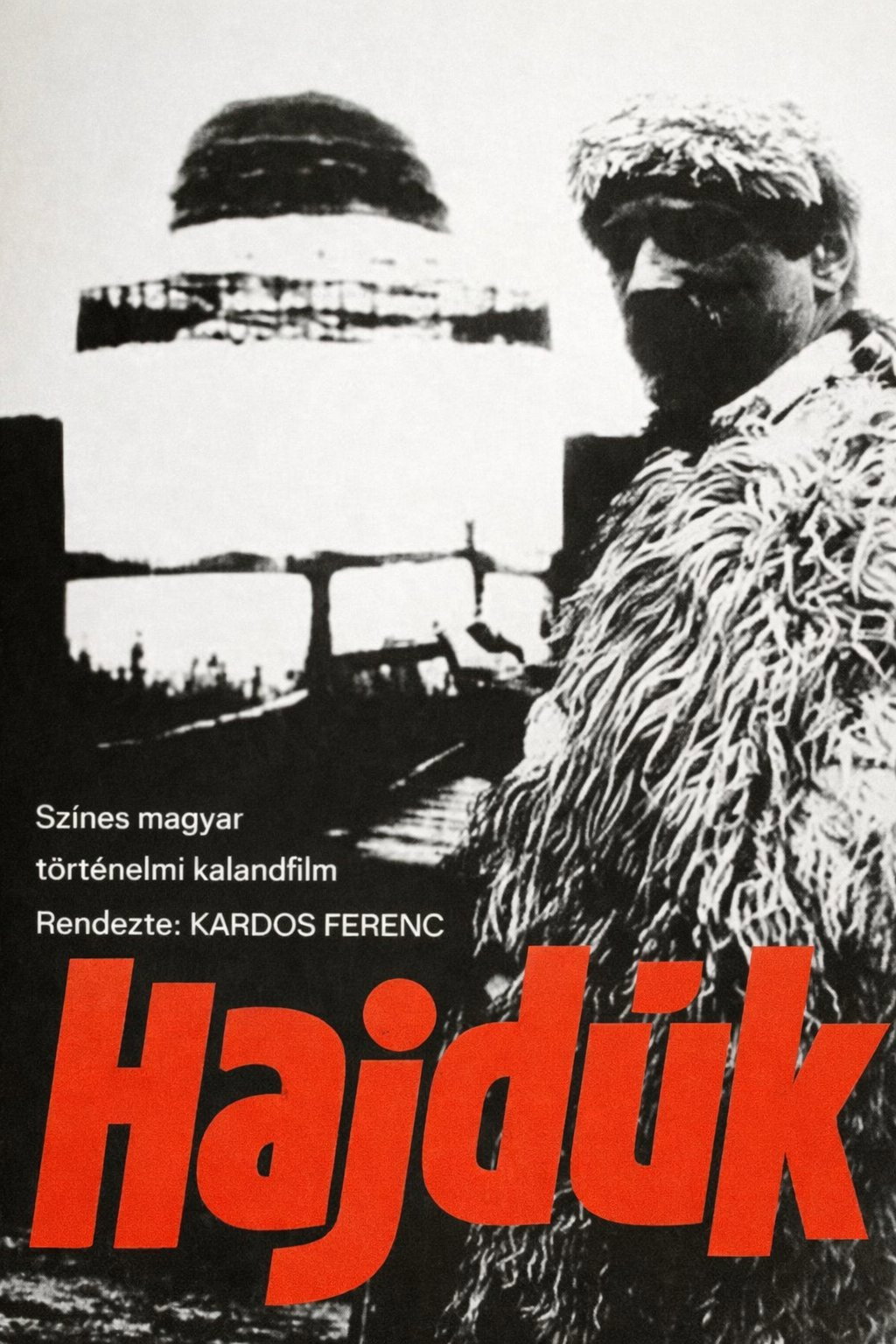
This film, set at the beginning of the 17th century, is the first East-European "Eastern". Bocskai István orders the free Heyducks to shepherd a huge herd of cattle through the country torn to three parts, to the Dalmatian coast, where he can get weapons in exchange, for fighting the Austrians.
Vera is an engineer and a young divorcée. She is pretty, lonely, and has a boyfriend, Tamás, whom she is dating secretly on a certain day of the week at the week-end house of one of their friends, as Tamás has a family and does not intend to divorce his wife. Vera would like their relationship to be publicly acknowledged.
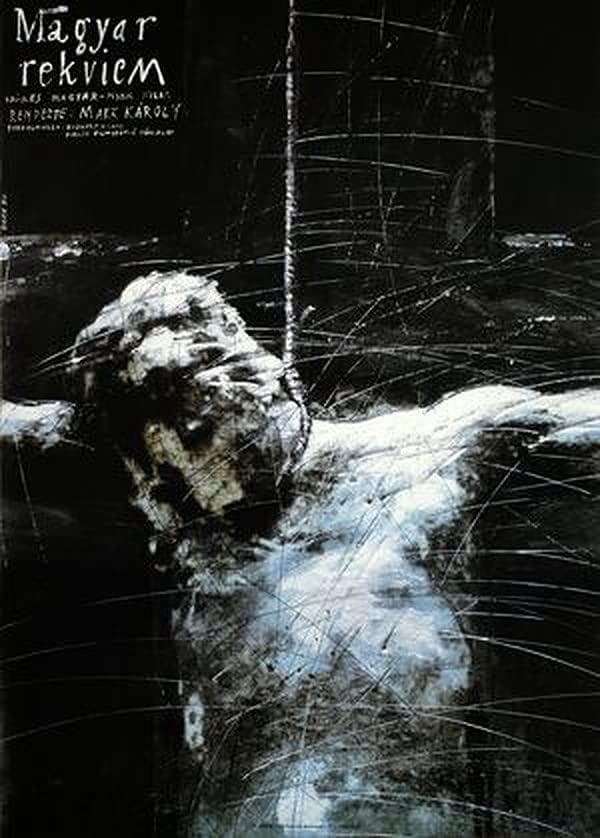
1958. In the cell of the condemned, seven men await the signs of an approaching execution. All of them recall their pasts and envision their wish-dreams.
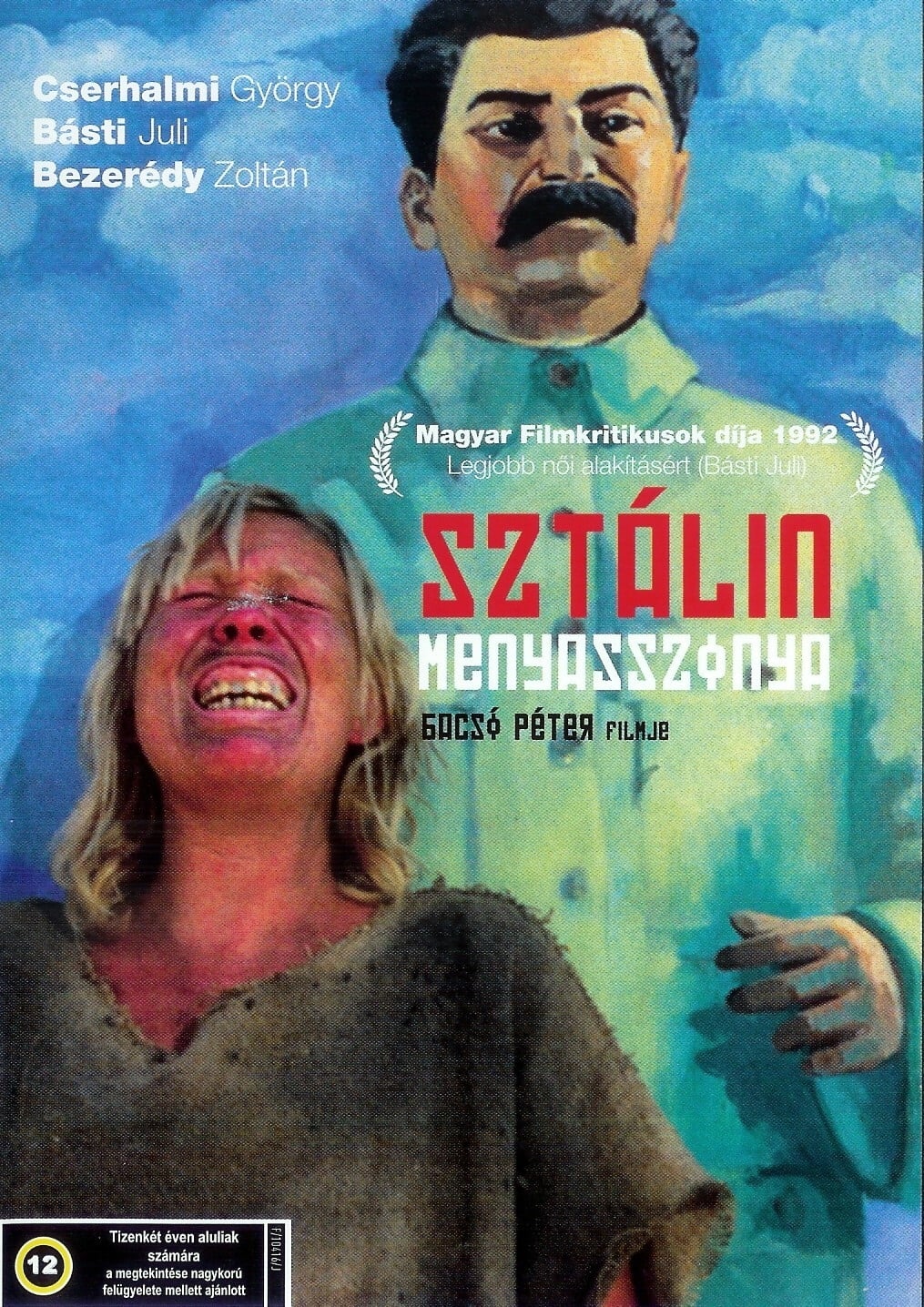
At a dusty crossroads in the Soviet Union villagers surrender their possessions - a horse, a samovar, a goat - to the state. The train which takes them away brings to the village a physically and mentally handicapped woman, barely able to speak. She makes herself bracelets of burrs and studies herself in a cracked and cloudy mirror. Befriended by very few, teased and tormented by many she seeks protection at a huge portrait of Stalin.

1942. Owing to a stolen mink coat, Süti, the young poet and journalist, gets acquainted with Katalin, the idolated singer. Before being drafted to labour service, he shows the actress the song he composed for her, entitled Smouldering Cigarette.
Concerning the Mátyás era in Hungarian history, during the reign of Matthias Corvinus (1443–1490), the film focuses on three eras of the king's life: the young Mátyás fights for the throne, the older Mátyás as king, and the fate of the royal crown and the royal heir after his death.
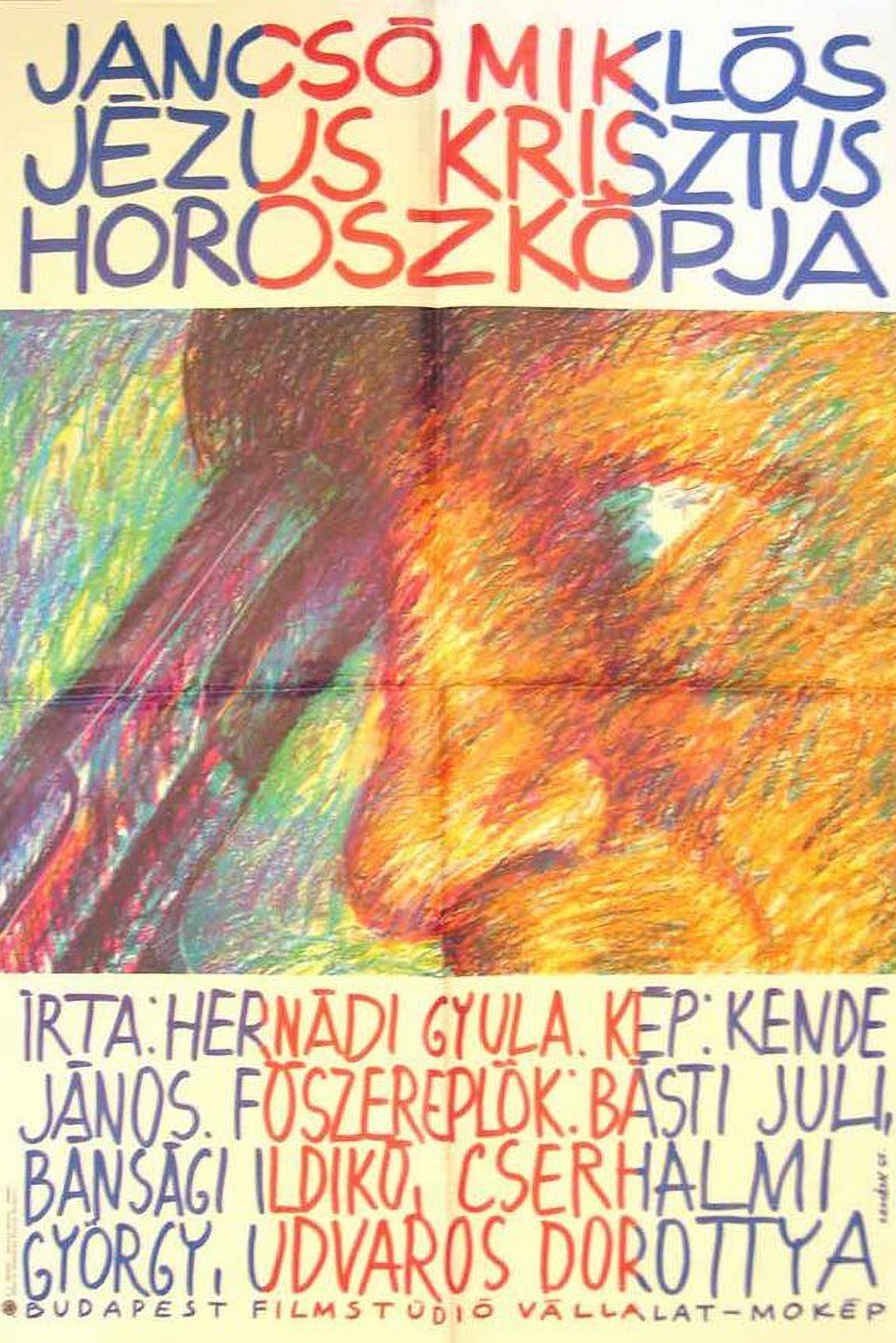
A focus on the tormented lives of intellectuals who failed to protest recent troubles in their homeland. Jancsó emphasizes highly evocative and ambiguous imagery over dialog or exposition as he – through visually fascinating imagery – depicts the painful, stunted lives of Hungary's intellectuals who have remained silent and ineffectual during various political crises.

Zsadányi flees from the authorities with his goddaughter, Bankós Mari, and they escape into the forest. The film then skips ahead thirty-fold years: Zsadány and Mari are now lovers, with the sound of war in the background halting their romance. The old friends of Zsadányi have joined with the Nazis, and the landowner living with his peasants in a socialist community grows distant from them. Zsadányi is held responsible for political problems in the country, and will pay with his life.
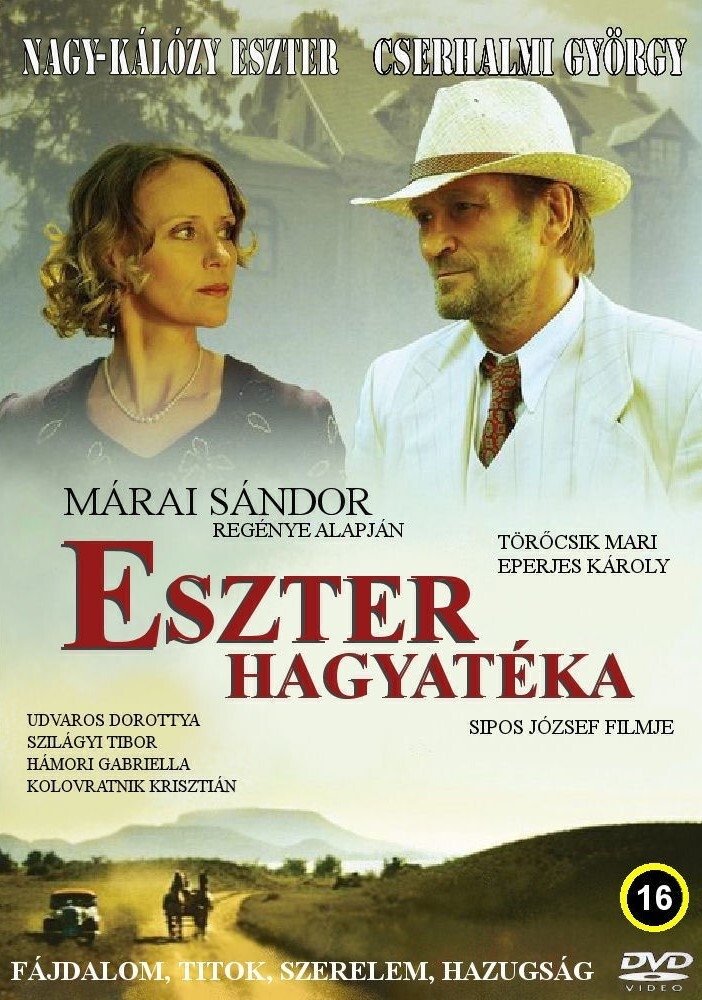
The aging Eszter clarify outstanding relationship.
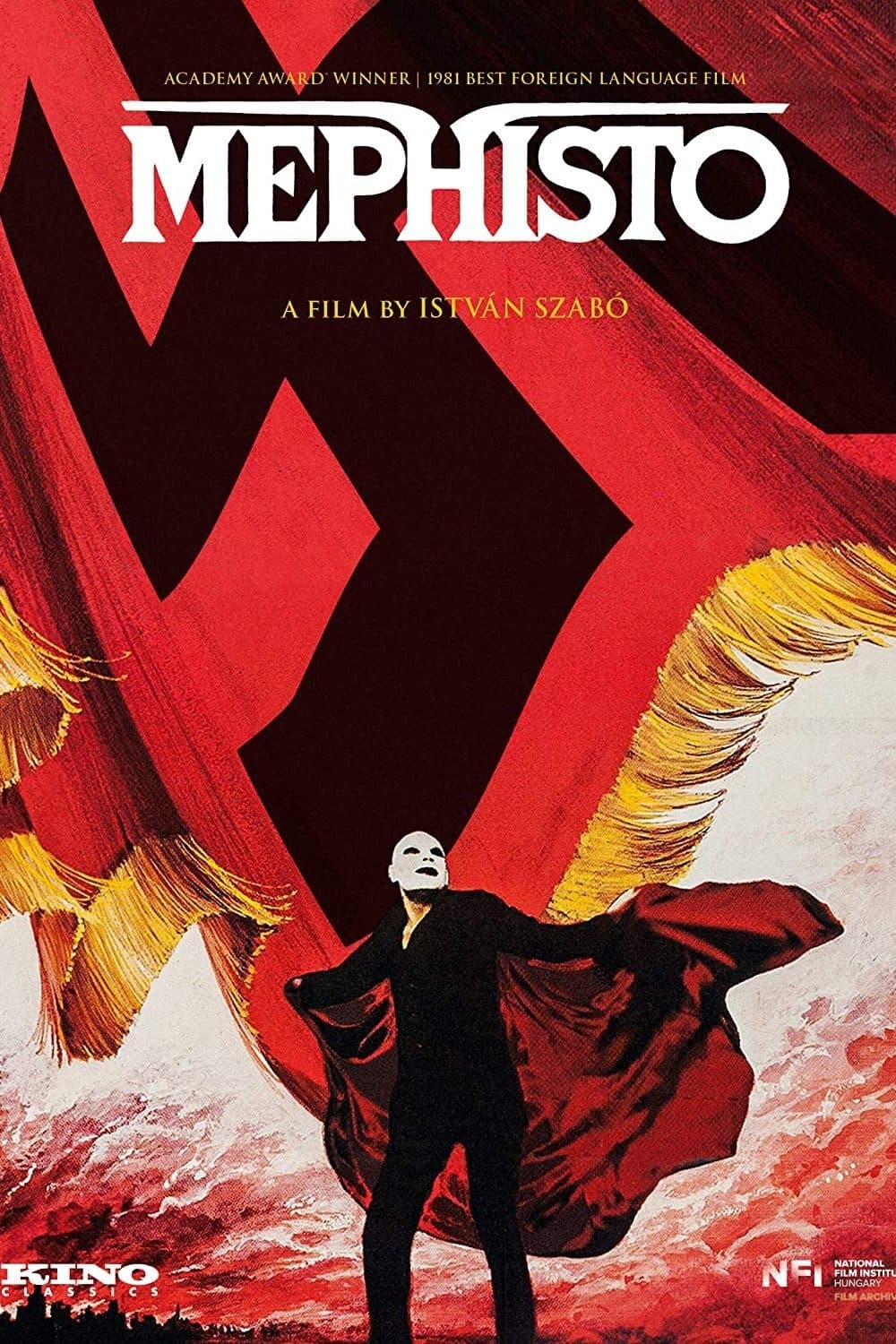
A German stage actor finds unexpected success and mixed blessings in the popularity of his performance in a Faustian play as the Nazis take power in pre-WWII Germany. As his associates and friends flee or are ground under by the Nazi terror, the popularity of his character supercedes his own existence until he finds that his best performance is keeping up appearances for his Nazi patrons.
A captivating story of a woman tested by a life full of passion, the cruelty of fate and unrestrained love. The film, which takes place in southern Slovakia, in the solitude hidden in apricot orchards, will draw you into the whirlwind of three men's passions for one fateful woman and her love for them, with all the sorrows and joys that only life can bring. The sun, the smell of ripening apricots and the search for your own happiness will win you over in the story of a strong woman who loves and longs to be loved... like all of us.

A horse goddess gives birth to three powerful brothers who set out into the Underworld to save three princesses from three evil dragons and reclaim their ancestors' lost kingdom.
Four good friends remain in touch after graduating from high school. Life has taken them down very different paths, yet every year they find time to leave city life behind and travel to the countryside to reminisce about their shared memories. As they do every year, they set their sights on their uninhabited island. They pay no heed to the initial ominous signs. After setting up camp, a Serbian barge moors next to the island, carrying Predrag, an experienced sailor. When one of the boys accuses him of stealing his fishing rod, tempers flare: one night, they kidnap the man and begin to interrogate him. The conflicts between the good friends become increasingly apparent, and old grievances that had been suppressed come to the surface...
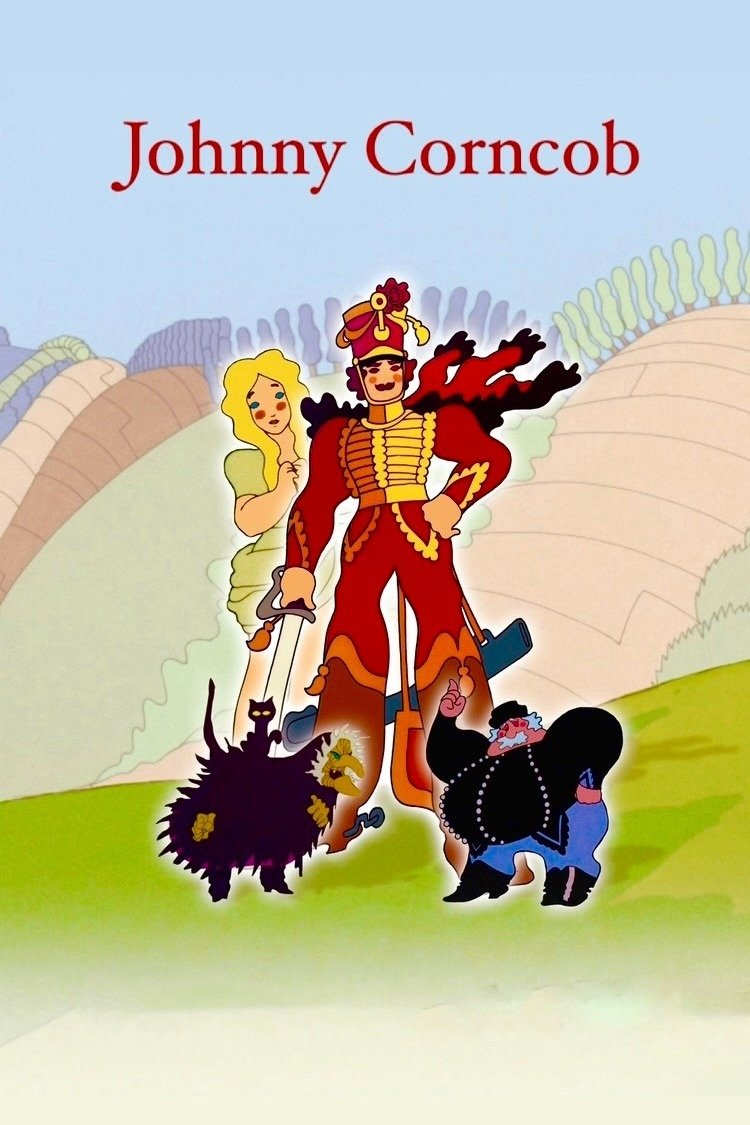
A traditional Hungarian poetic fairytale that describes the epic adventures of a young shepherd through love, war, magic and death.
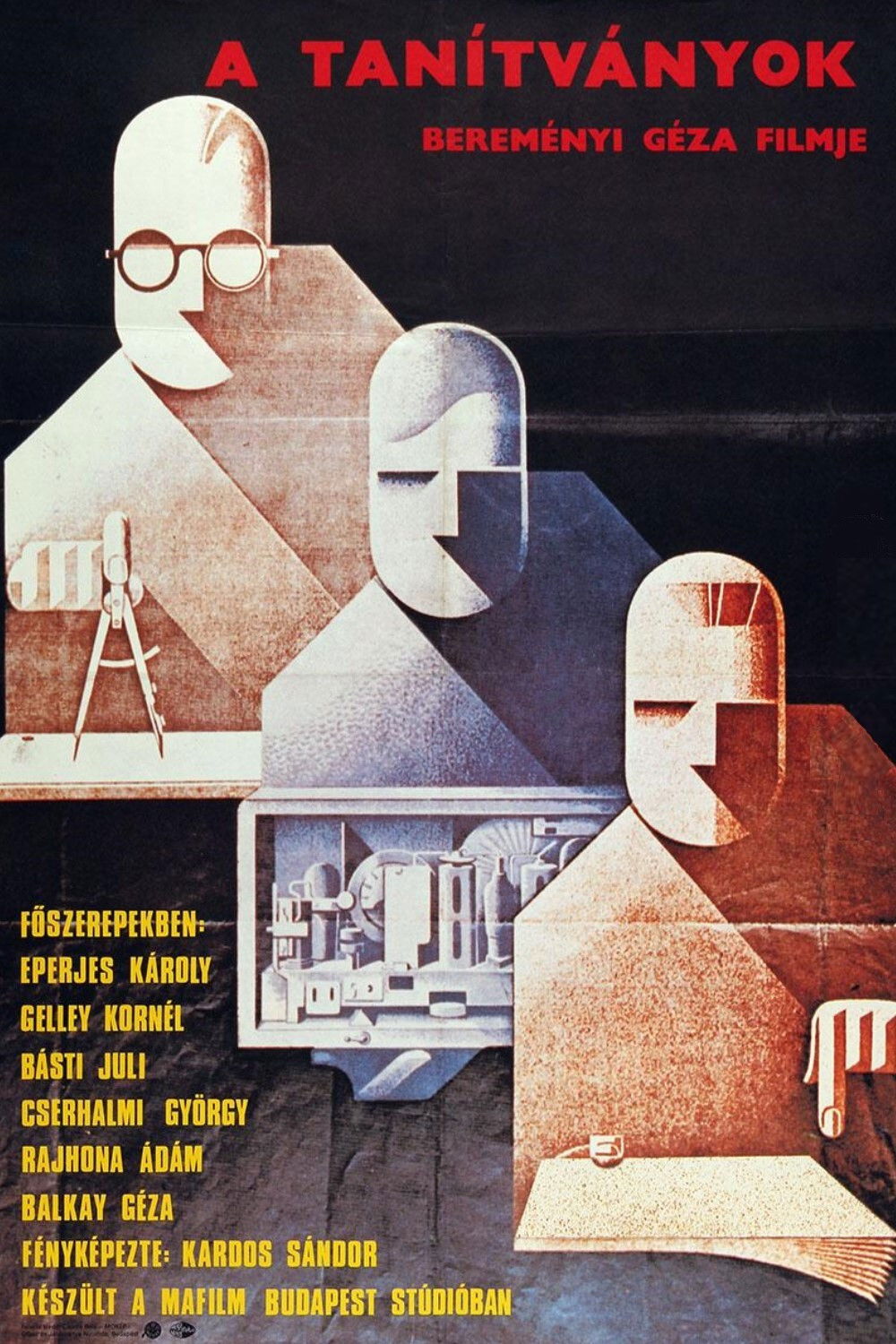
The heroes of this story, based on real events at the end of the 1930s and during World War II, face and dismiss the illusions of intellectuals about their ability to transform society. Professor Magyary and his disciples hoped to promote the modernisation of Hungarian society through a radical reform of public administration.
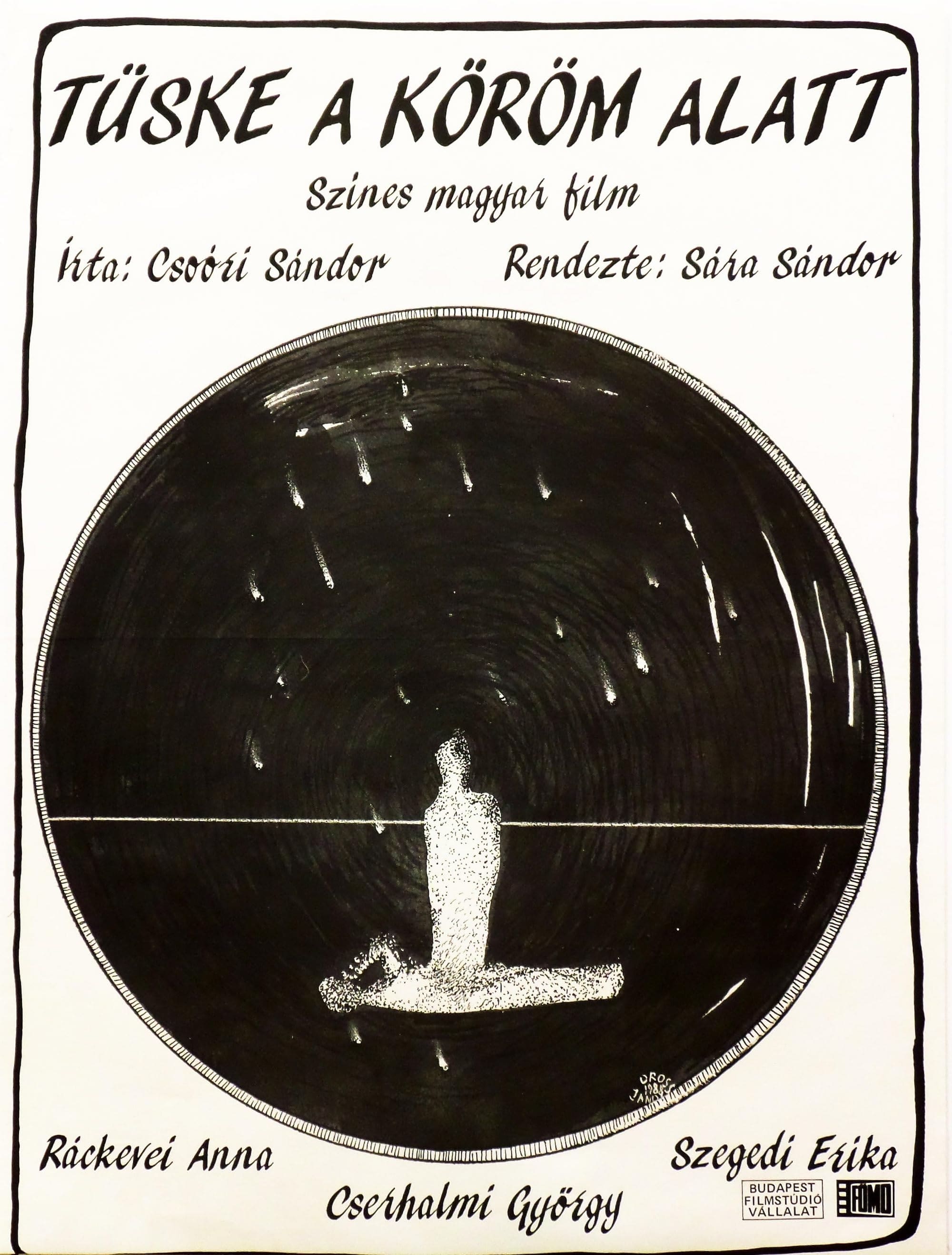
From the intrigues and slander of the branch the painter Hódosi moves out to a hamlet at Hortobágy. He gets into conflict situation as well as he cannot endure that the political and economic elite of the neigbourhood would devastate the nature conservation area with hunting and (tax evading) goose husbandry.
1956. Bébé is a painter, but he has not worked for years. The news arriving form Paris about the death of his childhood friend, Halász Petár affects him deeply, but his reflections are continually disturbed by telephone calls: the Alliance for Fine Arts wants to purchase one of the popular self-portraits of Halász.
The sixteen year old Bea is on her way home from her sports class when a foreign long- vehicle stops by her and she is asked the way. A shove, the banging of the door, and the long-vehicle pulls away with its victim towards the South. Beas abductors rape her and sell her as a prostitute. She tries to escape, keeps leaving marks behind, hoping that her beloved father, Sándor, will find her.
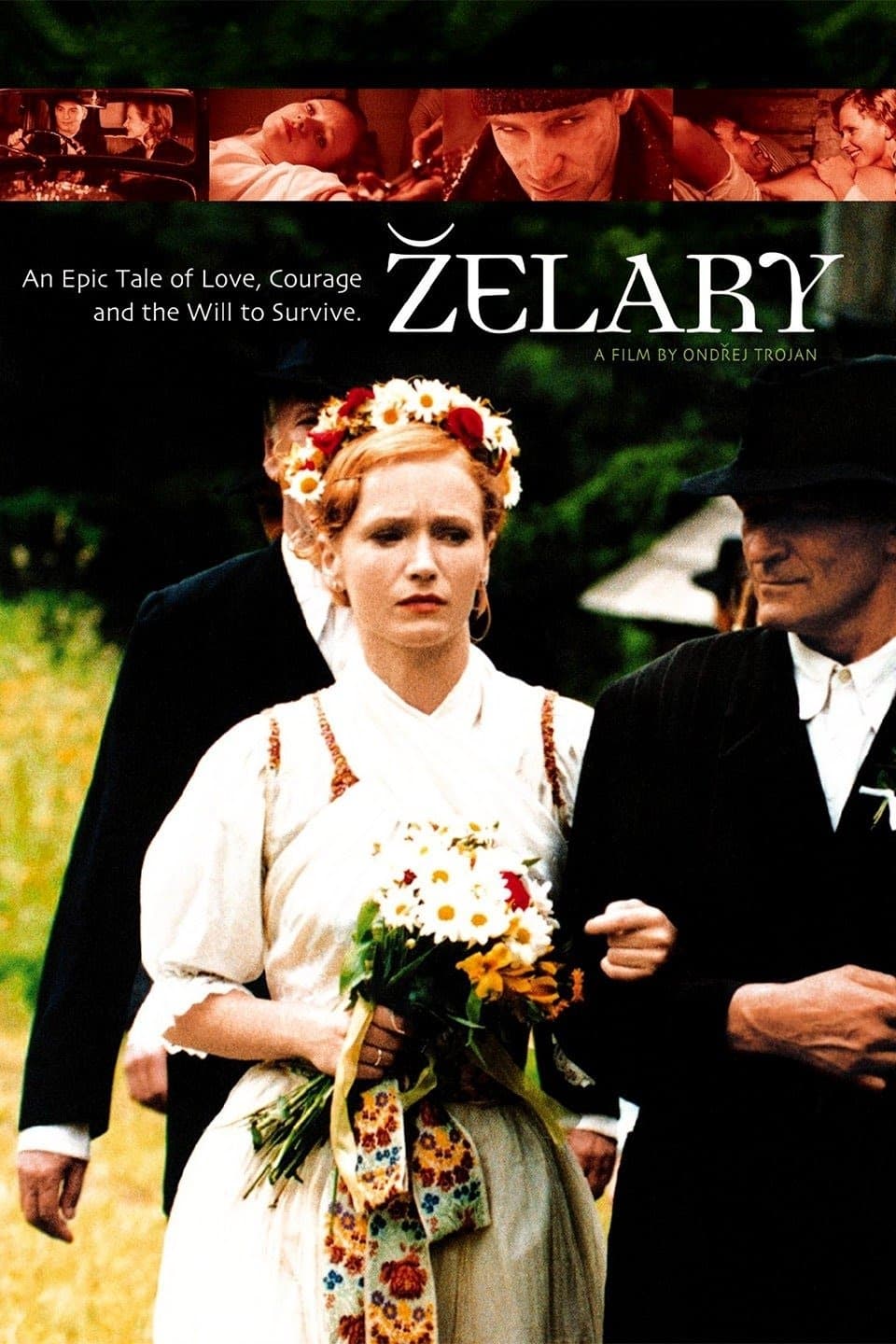
A nurse and her surgeon-lover are part of a resistance movement in 1940s Czechoslovakia. When they are discovered, her lover flees and she must find a place to hide. A patient whose life she saved, a man from a remote mountain village where time stopped 150 years ago, agrees to hide her as his wife.
While awaiting his release from the Soviet detention camp he is being held in, a half-starved refugee (Andras Ambrus) finds that an error has been made and his name is not on the to-be-released list. It is then that he is forced to assume the identity of a dead man whose name is on the list. Ambrus at first refuses, but because he was an orphan and cannot produce evidence of his true identity, he has no other choice. However, when he returns to the outer world and the community he was raised in, he is greeted with suspicion. When he tries to claim his part-ownership of a farm from his adopted uncle, he is refused and beaten by farmhands the uncle sets on him.
When hunting, Zrínyi Miklós finds an Angel with a broken wing. He takes him for a heavenly message and carries him to his castle for cure. Lords and priests come to Zrínyi's court, one after the other, to see Angel. The occasion is appropriate for the ban to win them over to his plan: they should unite their forces to fight for the country's independence.
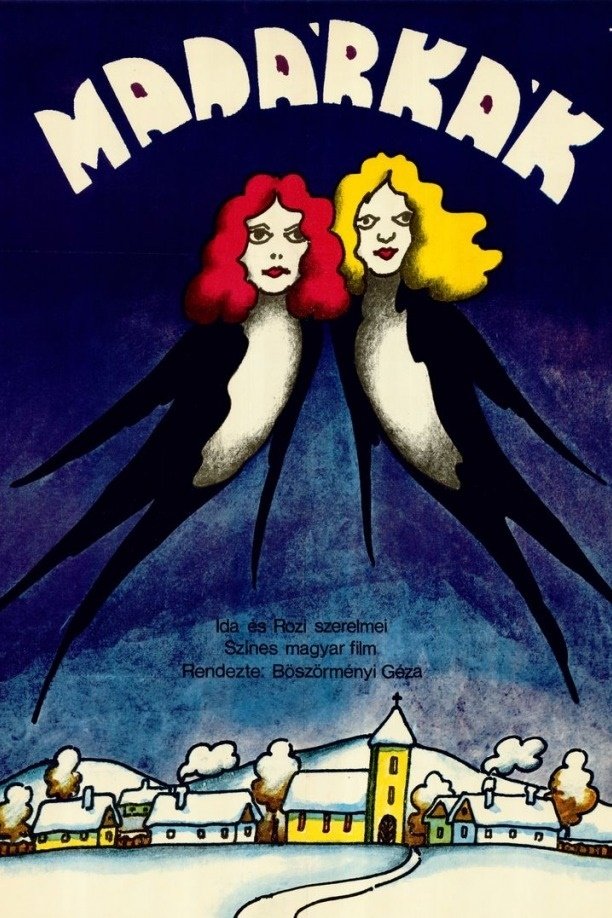
The heroines of this lyric comedy full of burlesque elements are two girls from a village who get totally engrossed in their day-dreaming. Ida and Rozi escape to the city to catch husbands for themselves.
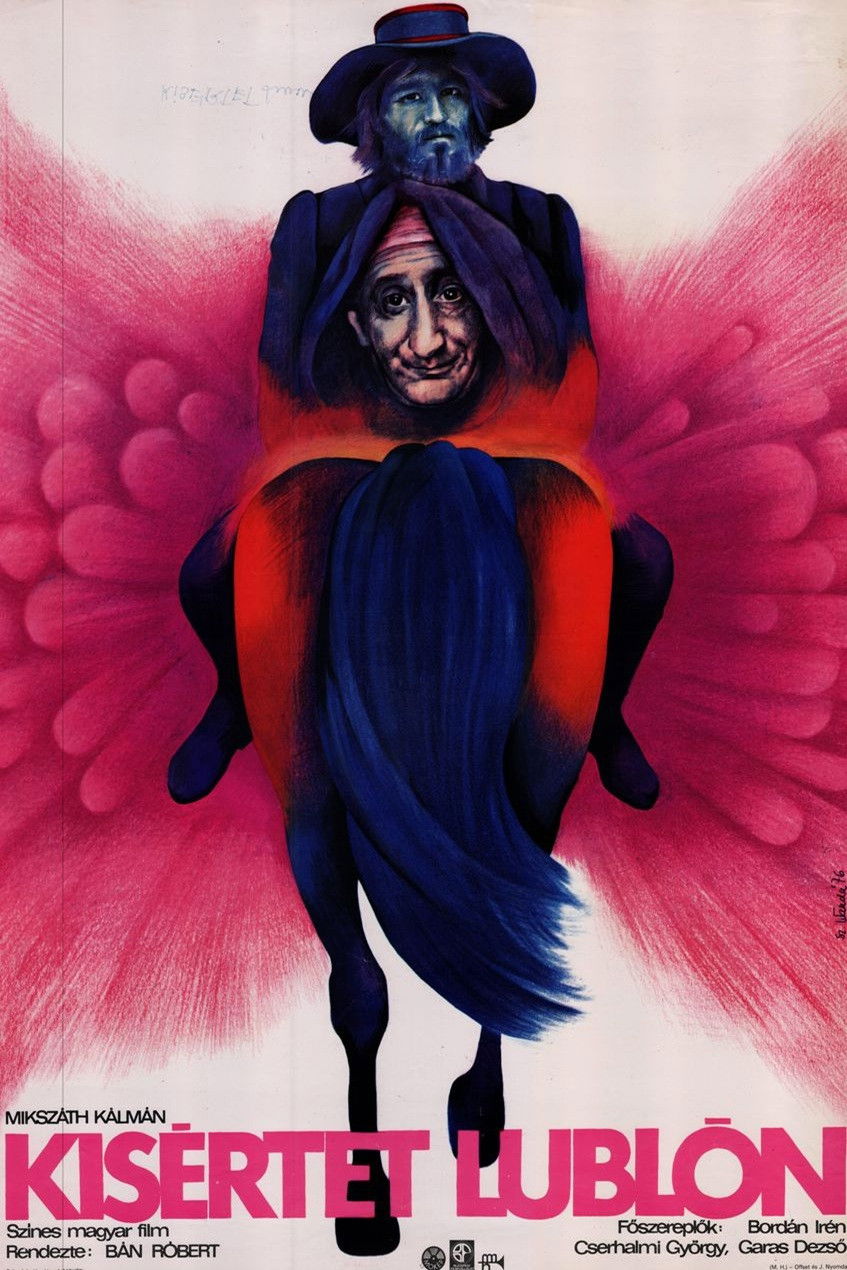
News spreads like wildfire through the streets of Lubló: the ghost of recently deceased Mihály Kaszperek has been seen emerging now and then around the town. He pays off his debts, seeks out his debtors, flirts with his widow, then before sunrise he gallops off seated back to front on his steed. However, it soon transpires that the gold he is using is fake. Naturally, a counterfeiting phantom quickly attracts the attention of the authorities as well. Detective Jakab Strang is given the task of arresting the wayward dearly departed.

1852. Gáspár Noszlopy escapes from prison in order to capture the emperor, who is to visit Hungary, with his companions and force him to sign the Declaration of Independence. He is only able to find four fanatic men, as his one-time soldiers have already accepted the established order as unalterable, each of them having found a satisfactory way of life and unwilling to undertake a suicidal experiment.
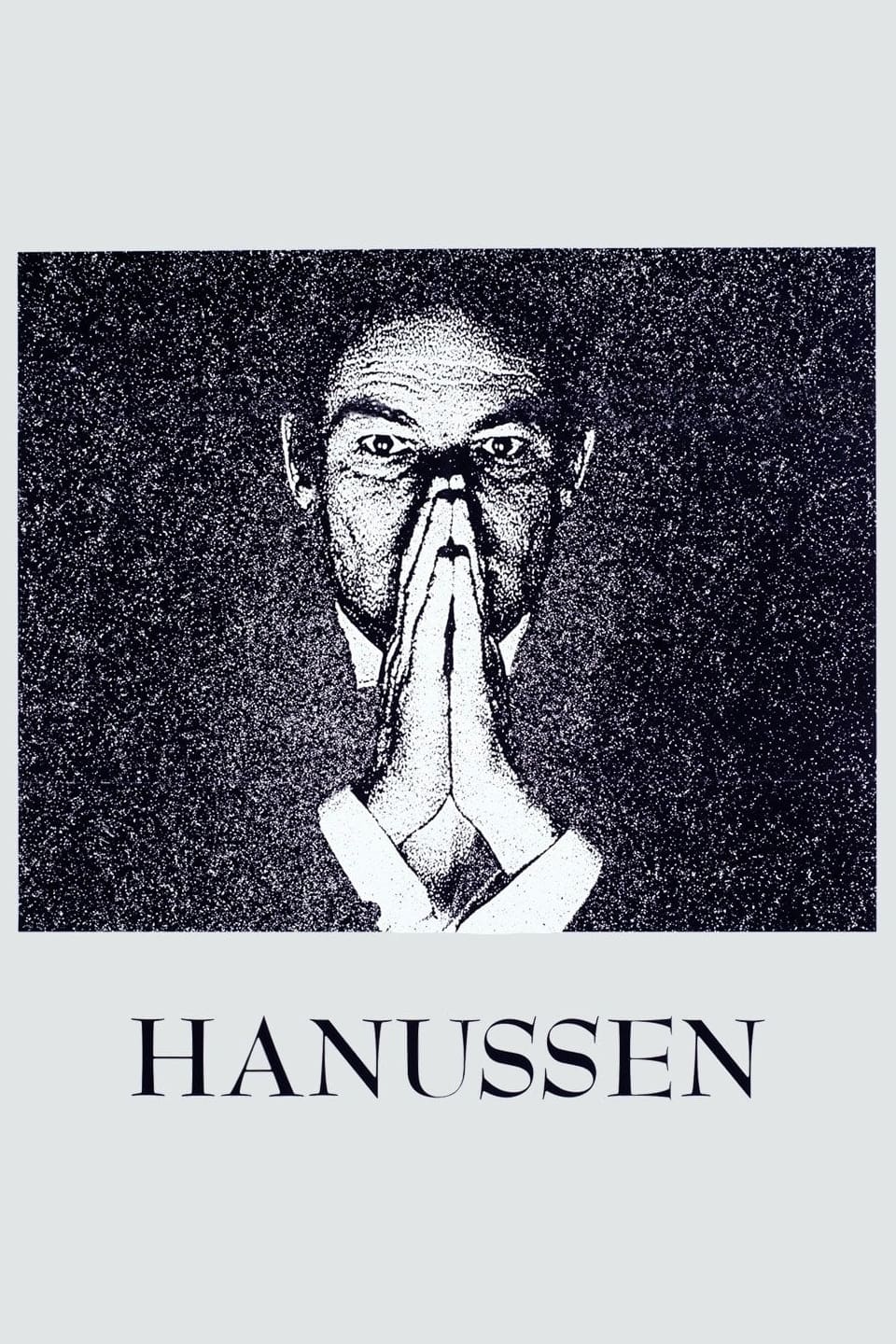
A man's story parallels Hitler's rise. Austrian Klaus Schneider, wounded in World War I, recovers in the care of Dr. Emil Bettleheim. Bettleheim discovers that Schneider possesses powers of empathy and of clairvoyance, such that could aid suicidal patients. After the war, with one friend as his manager and another as his lover, Schneider changes his name to Eric Jan Hanussen and goes to Berlin, as a hypnotist and clairvoyant performing in halls and theaters. He always speaks the truth, which brings him to the attention of powerful Nazis. He predicts their rise (good propaganda for them) and their violence (not so good). He's in pain and at risk. What is Hanussen's future?
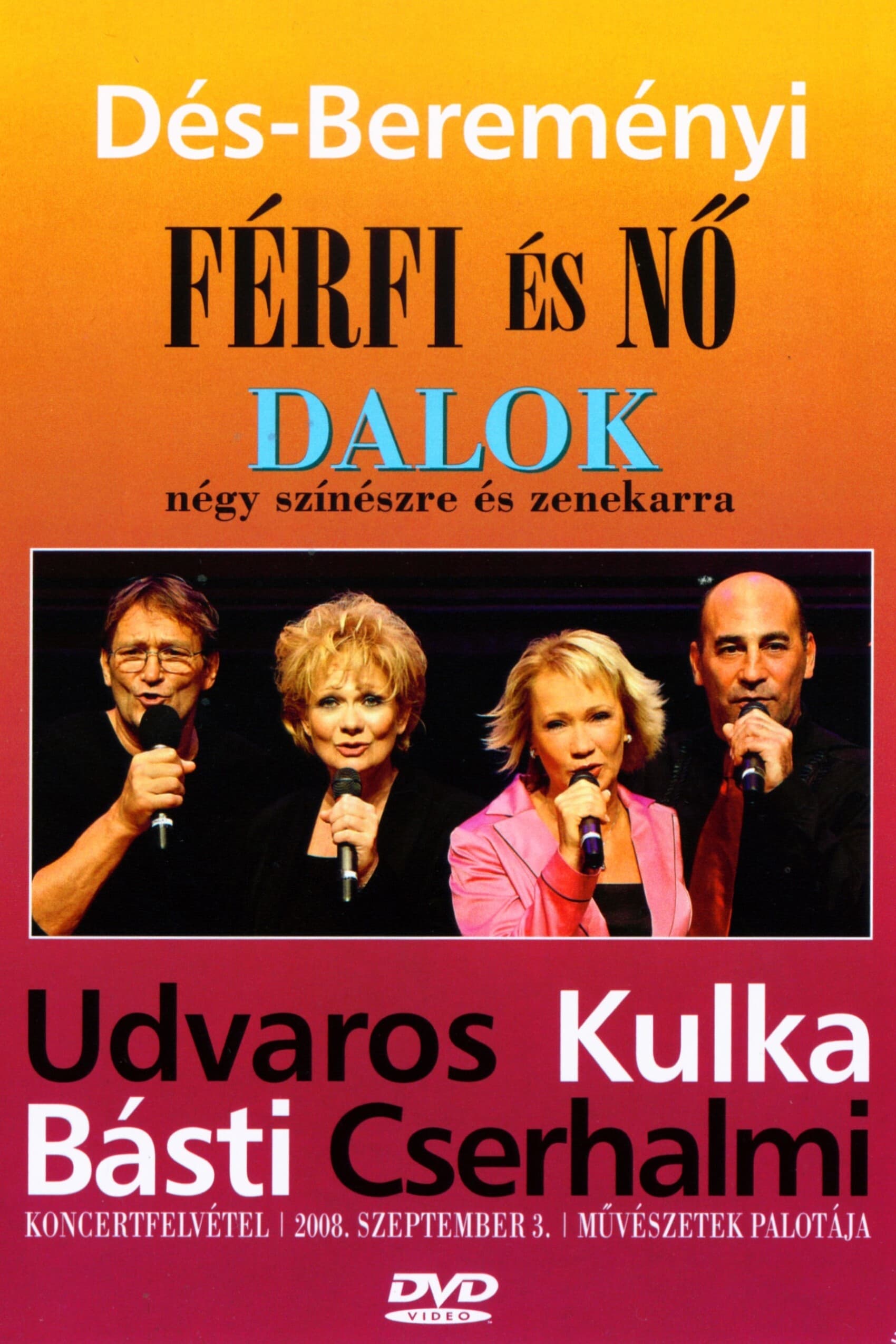
"What can happen between a man and a woman? Everything. Anything. Anything from passion to indifference. Can you sum it all up in one concert? Yes. At least, that's what four excellent actors (two women and two men) and an excellent score are trying to do. The lyrics are not the least of it." Passing through, Listen a little! Two albums from the 80s, both legends since then. Dorottya Udvaros sings about Hóesés, The Vainly Beautiful Girl, Stripping, passionate duets by Juli Básti and György Cserhalmi, like Játszótársak or Ten Little Scapegoats. These songs have rarely or never been performed in concert. János Kulka has also sung Dés songs on record. After more than twenty years, the Big Team is finally getting together and will present this special performance on a national concert tour, with musical direction by László Dés and direction by Géza Bereményi. The composer duo Dés-Bereményi have also written new songs for the four actors for the occasion.

Imre Horváth and his friends gather to celebrate his wife's birthday. They are confused because of the changes in the country's politics and want Horváth to be much more active politically, but he is more concerned about his affair with his best friend's daughter.
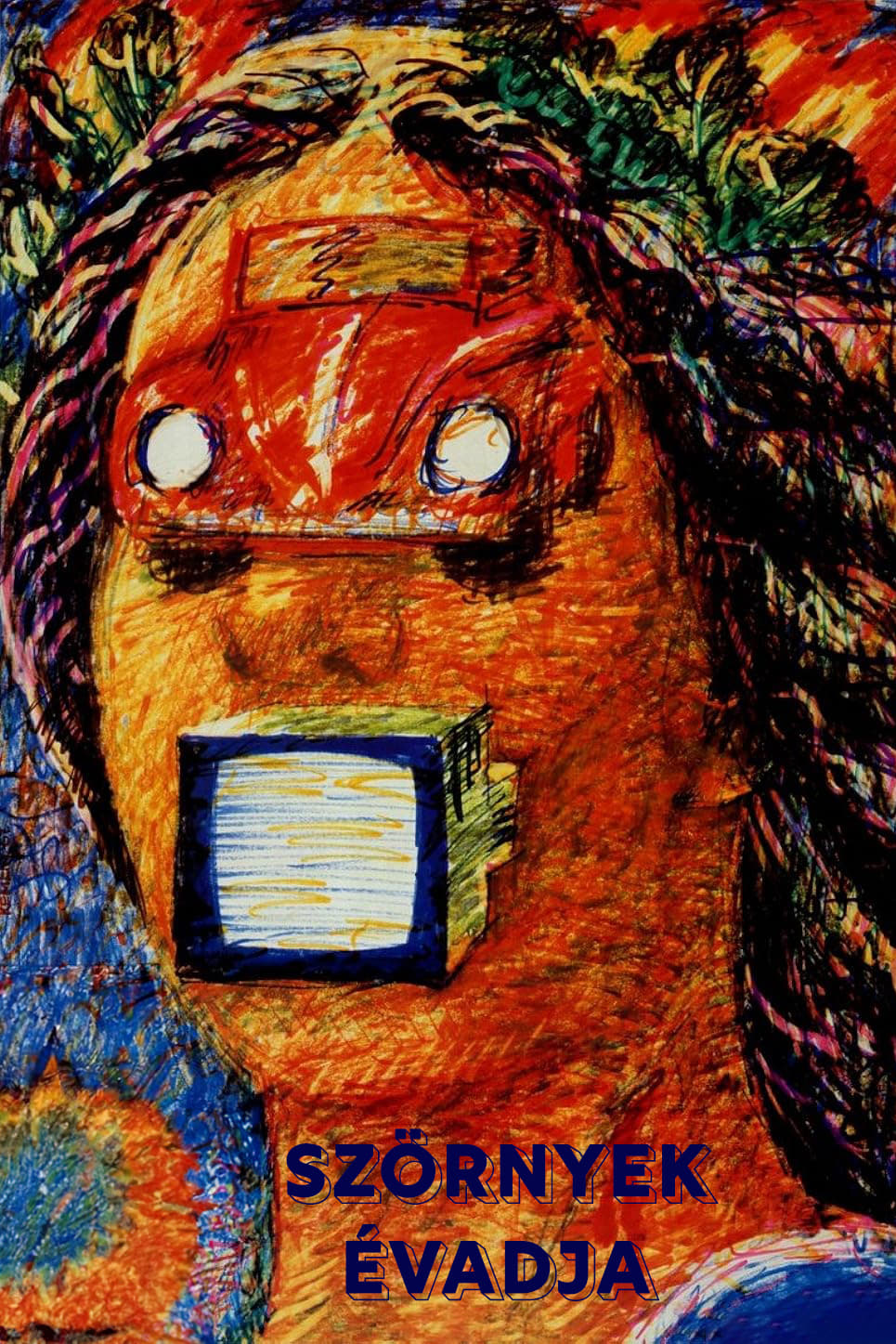
Zoltai is a Hungarian professor who returns home after a visit to the United States. Following a television interview, he commits suicide and leaves a note for his longtime friend Dr. Bardocz. The doctor and Zoltai's colleague Komindi join the police in investigating what drove the man to suicide.
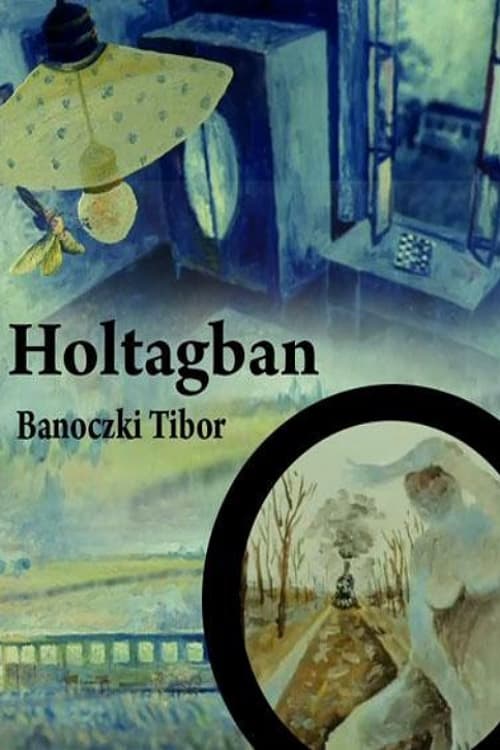
A beautifully painted animation about a deserted holiday resort, an old train, a worn-out old railwayman, an accident, and two girls who wait where no one waits anymore.

A young refugee, Aryan, is shot while illegally trying to cross the Hungarian border. While tending him back to health, a doctor at a refugee camp discovers that Aryan has gained an extraordinary talent—he can levitate. Aryan is smuggled out by the doctor, who is intent on exploiting his secret.
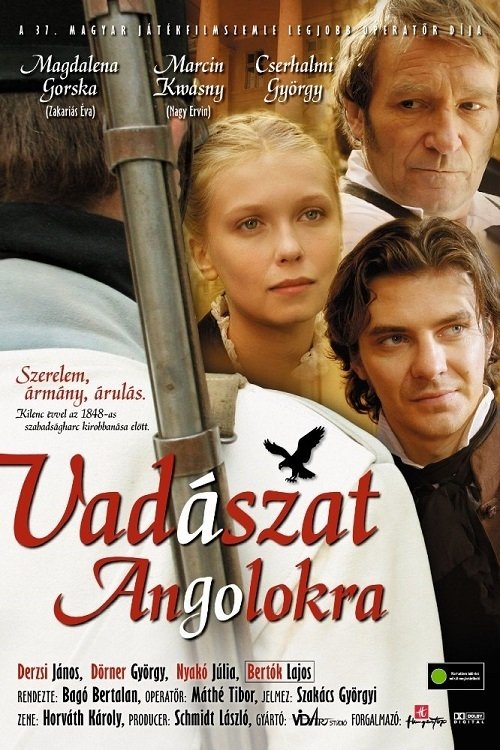
1839. The discontented noblemen assemble at the country estate of count Gábor Falussy, on the pretext of a boar hunt. Also an English engineer arrives for the sake of constructing the railway line leading up to the count’s quarry.
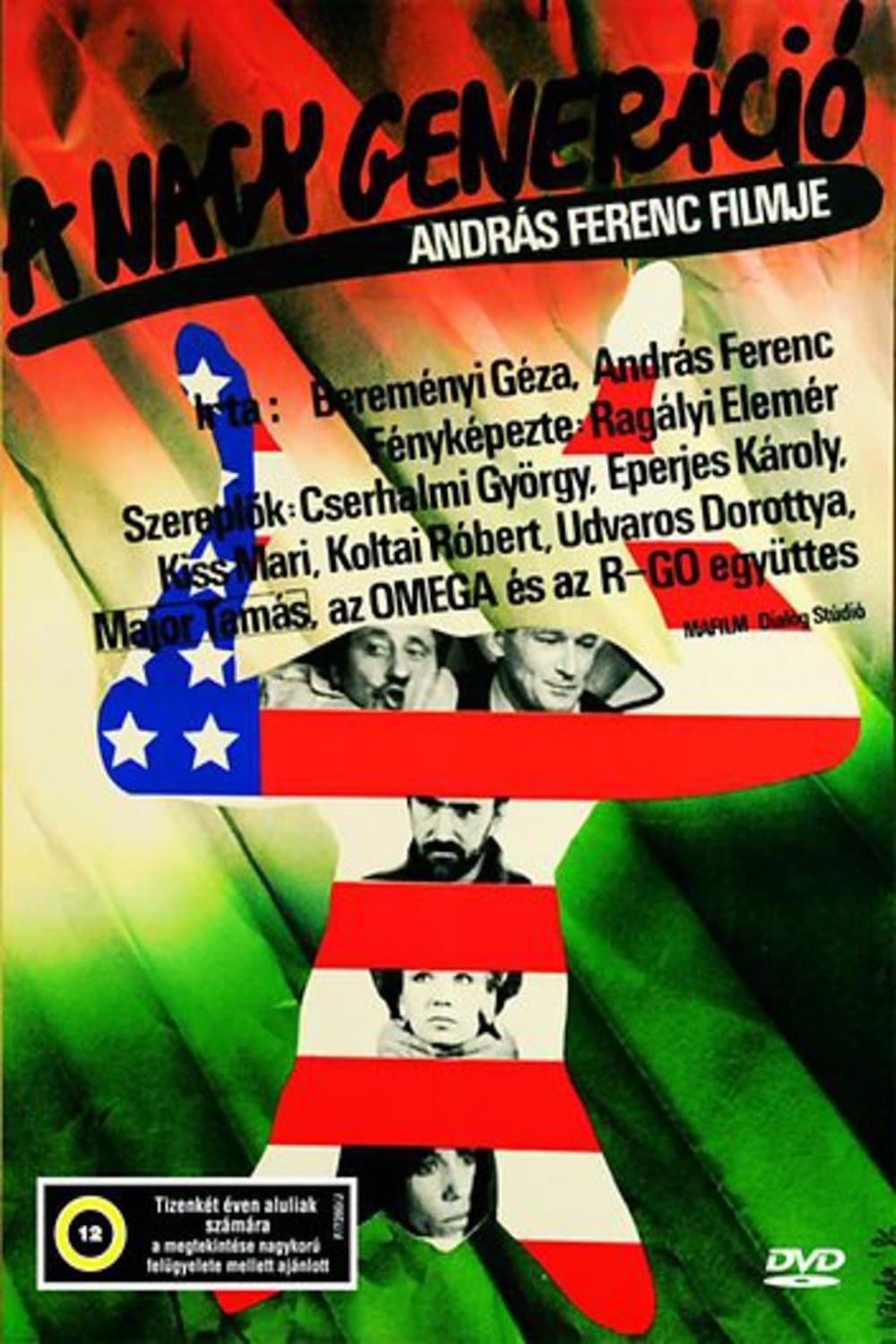
Réb went to the United States about 20 years ago and in the eighties he returns to Budapest with his teenager daughter...

A story of a young student of medicine, who arrives in a small mountain village after being accused for carrying out illegal abortion. The film reflects the moral decline of the society, where stealing in secret and making compromises against one's beliefs make up mundane reality. The filmmakers went to perhaps the furthest possible limits in terms of allowed social criticism in the 1980s. The negative picture is enhanced by its rural setting, since the Slovak village had been traditionally associated with strict morals and conservative values.
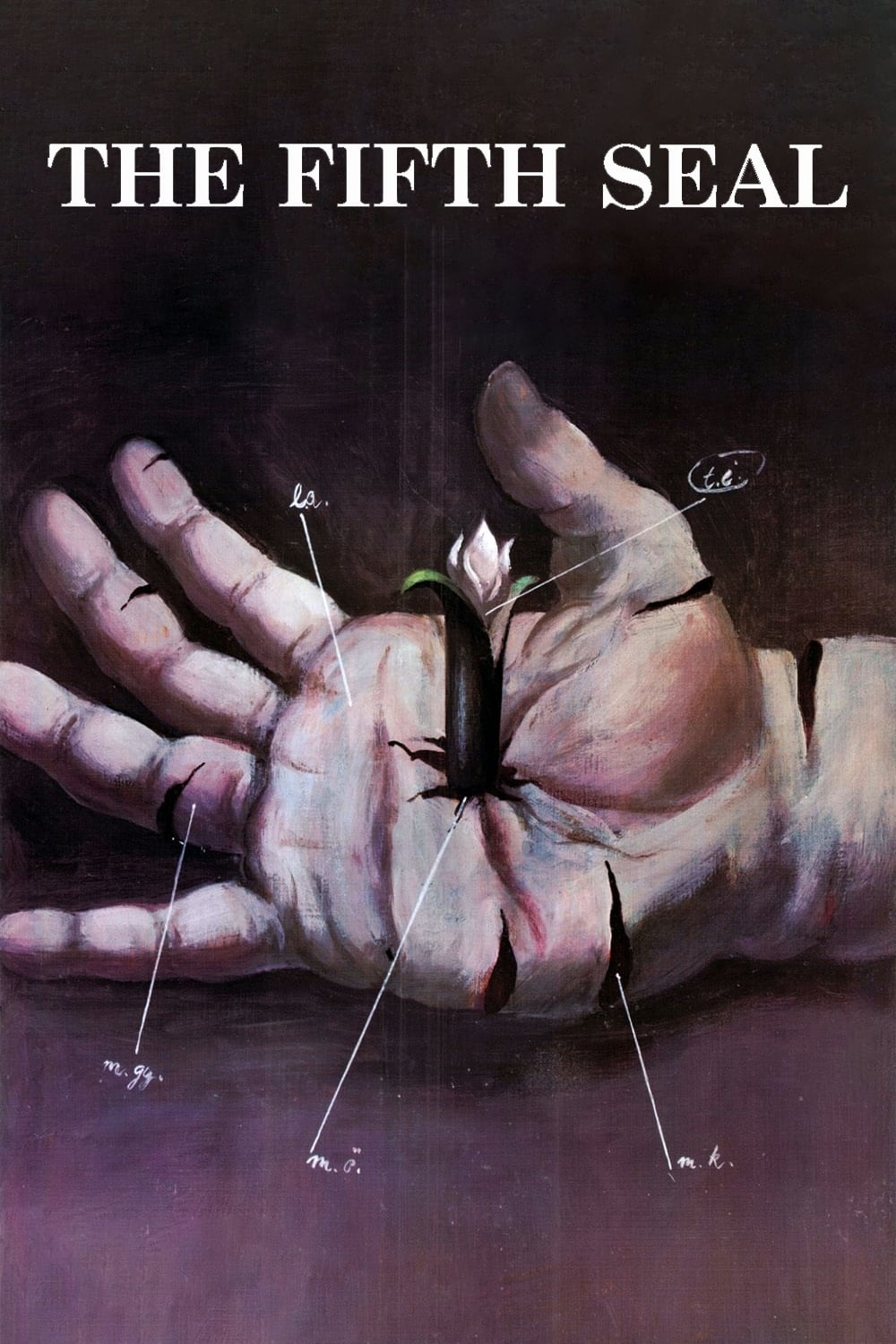
In 1944 Budapest, one of a group of four friends poses a hypothetical moral question to the others, an act that will unexpectedly alter their lives forever.

Lili's brother is released from prison, and she tries to get him out of the country as quickly as possible so that he can start a new life. The film tries to portray the helplessness and helplessness of the young people of the 80s who don't know what to do with themselves.
Lili's brother is released from prison, and she tries to get him out of the country as quickly as possible so that he can start a new life. The film tries to portray the helplessness and helplessness of the young people of the 80s who don't know what to do with themselves.

Zsigmond Móricz wrote his novel Butterfly in just a few days in 1924. Móricz tells the story of a mighty love that triumphs over adversity and is all-powerful in the language of ordinary people. The love of Zsuzsika and Jóska is presented through the "lightning and veil-soft" emotions of the director, László Vitézy's television adaptation. After The Legend of Hortobágy (Komorló) and The Sky Bird, this is the third film made by László Vitézy based on the writings of Zsigmond Móricz.

One summer morning, Anna tells her husband, the writer, that she is in a blessed state, but that she doubts whether she should have a fourth child in addition to the three she already has, because "having children here is, to put it mildly, illogical". This decision is explored in the film as events of the present are interspersed with memories of the past.
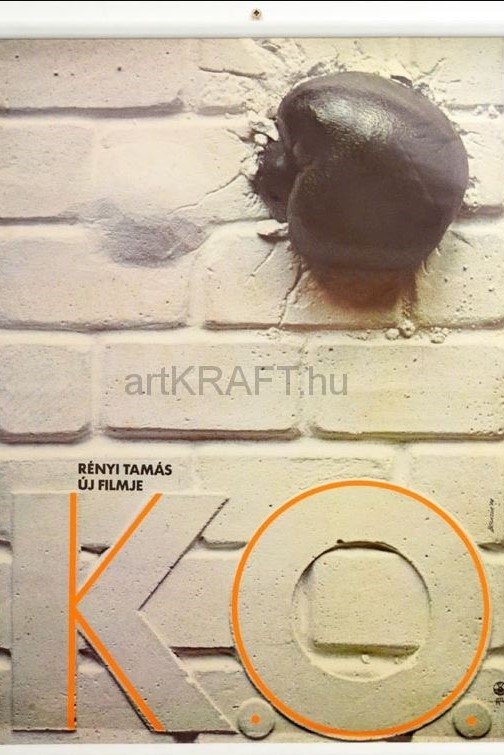
Chungi, the boxer eternal second in the domestic field. The only one ahead of him is his good friend Red, the Olympic champion. Csungi is in good form now and has a chance to beat the champion and qualify for the world championships. Red, who has sacrificed everything for success, would be hard to beat in a points race, and a knockout would be Chungi's only chance. But his coach suggests a different tactic...
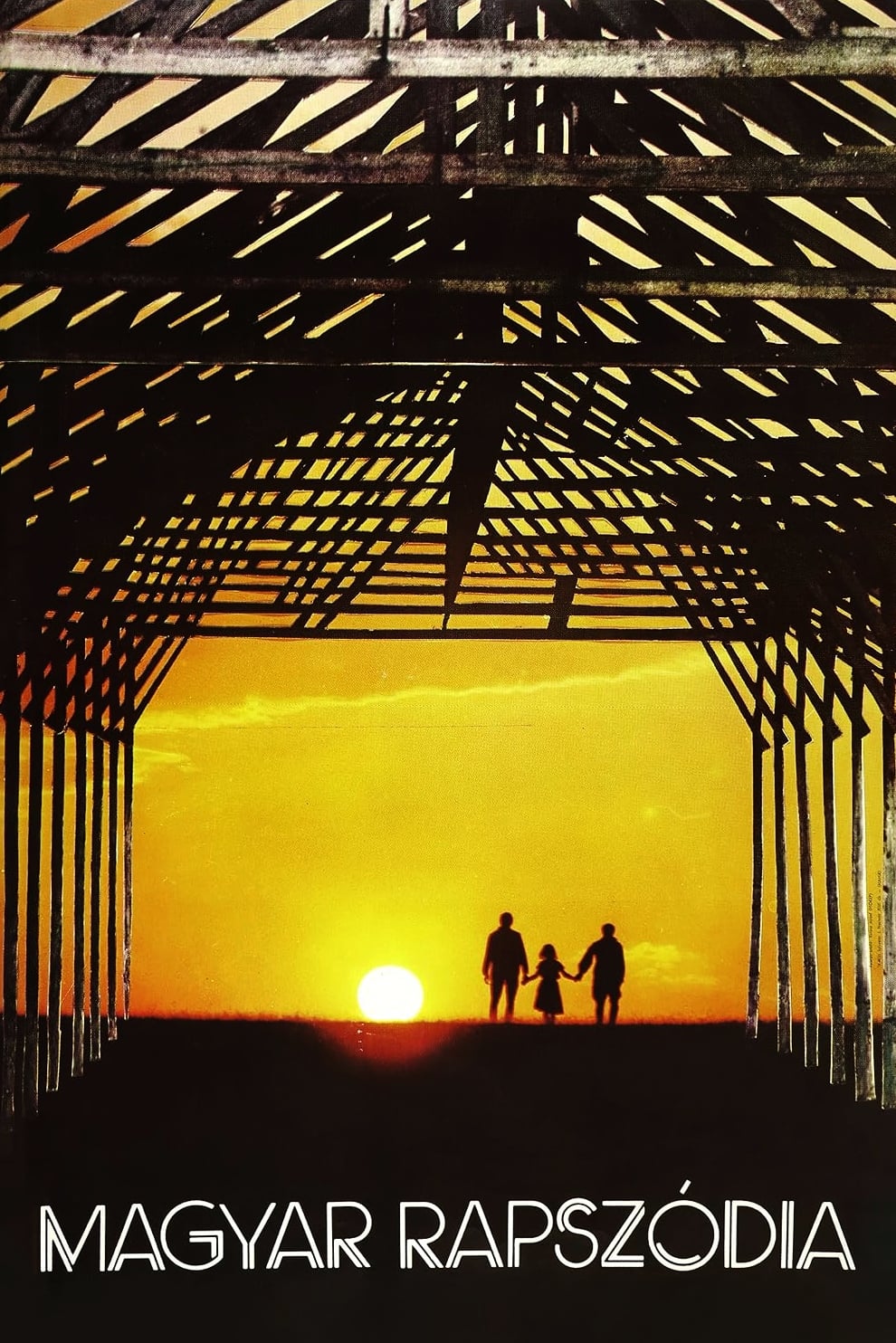
The movie portrays a peasant revolt in Hungary in the early twentieth century.

Ambrus, the canon pretender and Gerzson, the stinking rich lawyer, taking advantage of a sect and a fake hospice, are engaged in doing unsuspecting old people out of their money.
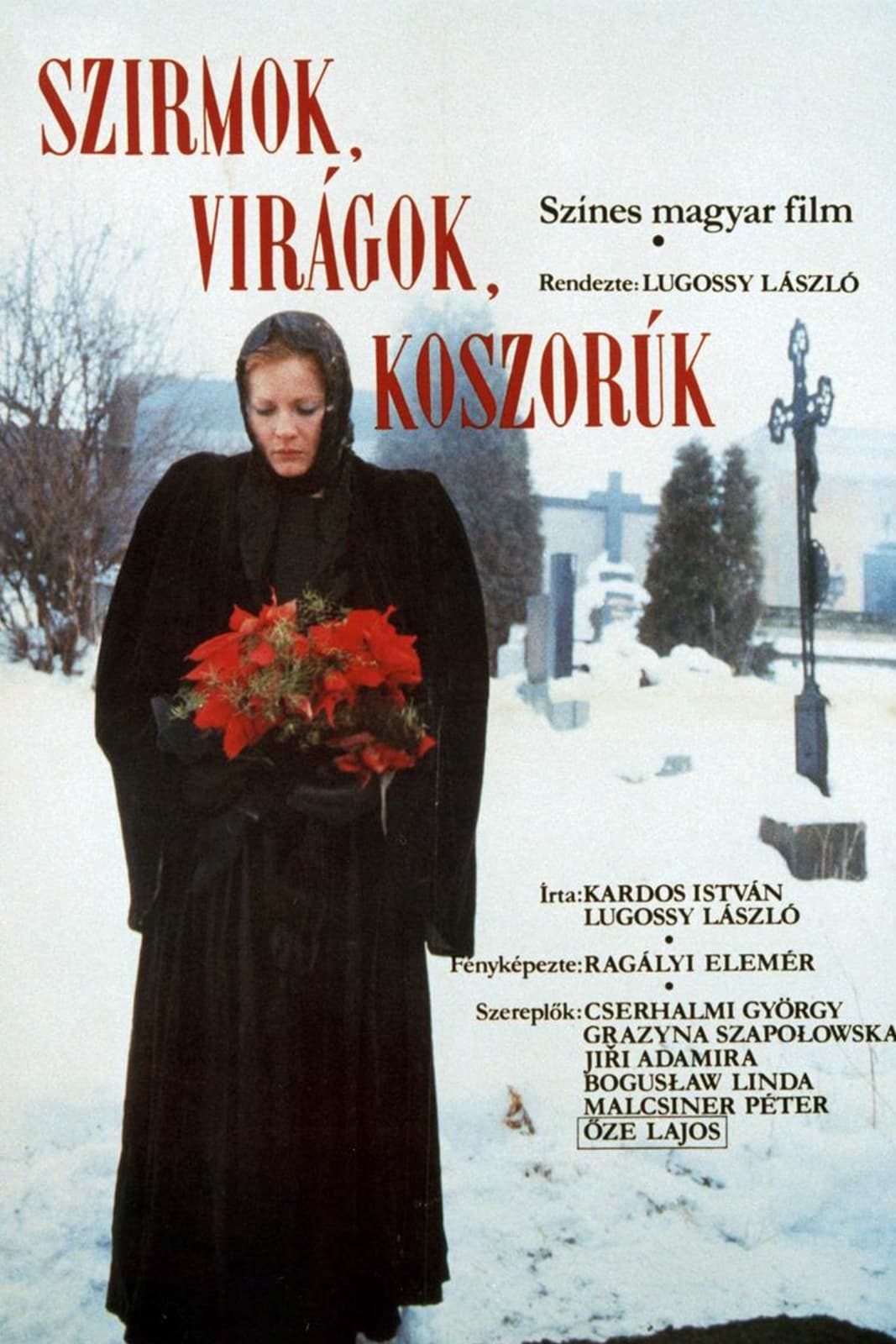
The seeming hopelessness of combatting an all-powerful government that will not tolerate political dissension is the focus of this excellent historical drama set in the mid-19th century in Hungary. In the opening scenes, Hungary has just lost its bid for independence from Austria and a Magyar officer, unable to bear the tragedy of defeat and what it means, says an affectionate good-bye to his beloved horse and then shoots the animal and himself. Two years later, Ferenc (Gyorgy Cserhalmi) is trying to eke out a living for his wife and her family -- and at the same time avoid any hint of sympathy for Hungarian independence because the Secret Police are everywhere. Just as life seems to be going well, Ferenc's former commanding officer (Lajos Oze) arrives and begins discussing revolution again -- a futile pursuit at this point in time. The next day, Ferenc is thrown into an insane asylum and everyone else is arrested as well.

This lavishly spectacular film focuses on the character of Lőrinc Parcen Nagy from the 1200-page Tibor Déry novel interwoven with numerous autobiographical elements. Lőrinc Parcen Nagy is the offspring of an upper middle class family, whose life is marked by two violent deaths: the suicide of his father and the slaughter of an innocent worker. He breaks with his family and his mother in disgust; she is of weak character, a person who abandoned her own husband. He is also unable to discover the right tone with his colleagues and his lover who is an illegal party worker.
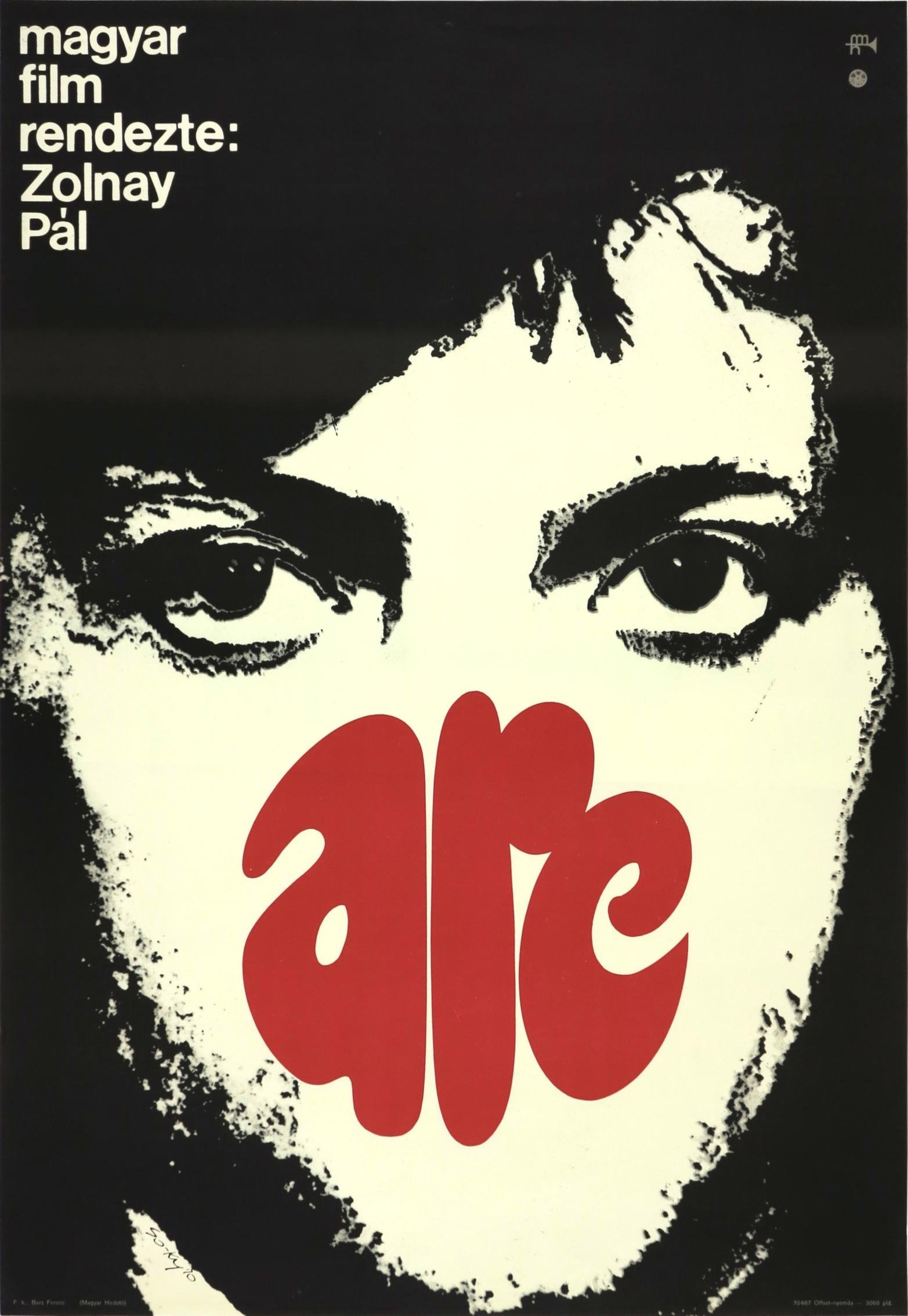
The film take place in Budapest, in the end of The World War II, telling the story of a young Communist who escaped from prison. The boy tries to revitalise his contact with the movement, but he is told to be quiet and wait.
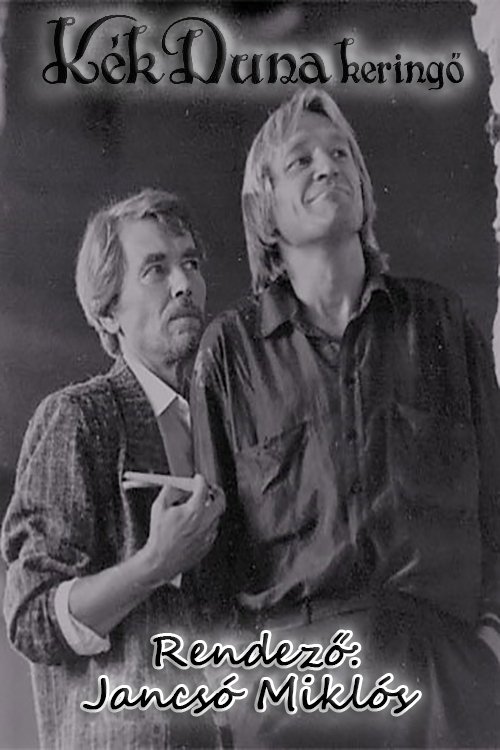
When Hungary's newest prime minister is shot and killed at a reception, the resulting investigation is necessarily swift and comprehensive. This compelling political thriller uncovers two prime suspects: the woman who guns the leader down, and a man who was friends with both the prime minister and his murderer. Using video surveillance footage, as well as other more artful and symbolic imagery, the noted "visualist" director Miklos Jancso, who is known for his craft in getting his points across non-verbally, combines fantasy and reality in a highly ironic manner.
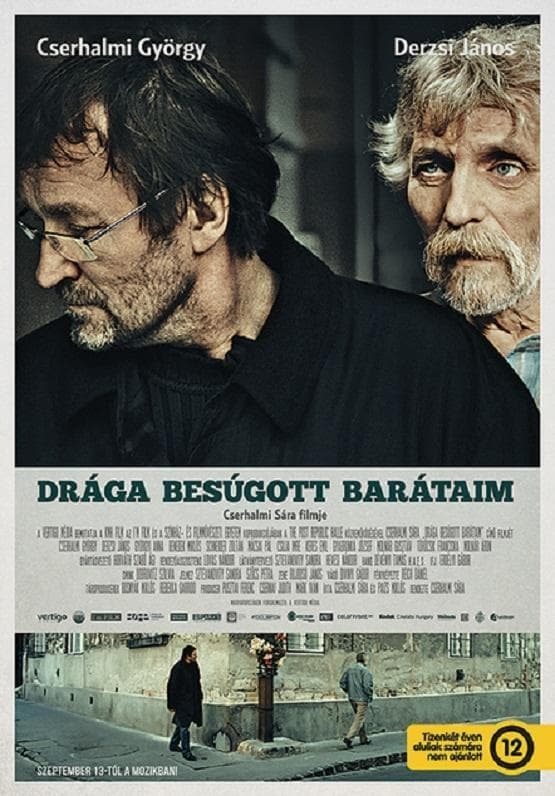
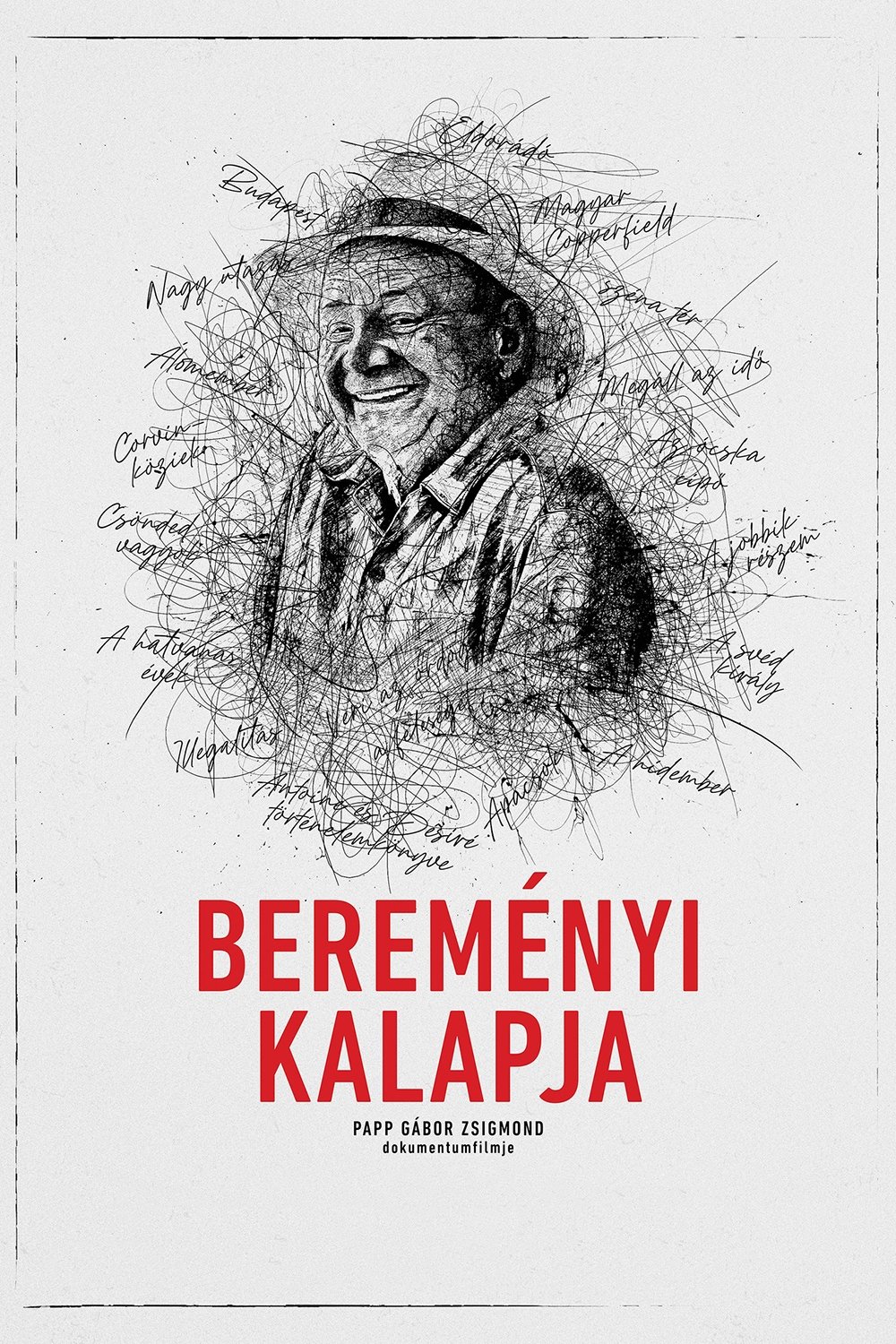
Andor Czettl, in his early sixties, visits the secret service archives one day to read into the reports about himself and discovers a shocking fact. His very best friend János Pásztor was an informer, spying on him and writing reports about him for decades. Sára Cserhalmi's first feature focuses not so much on the actual problem of informing and betrayal as on the contradictory relationship of the two protagonists. It avoids any final judgments. First and foremost, it seeks answers to questions like how an informer can live in our present times and how the one being reported on can cope with this state. Can a close friendship that began decades ago last if such betrayal comes to light? How can someone live and cope with this fact?
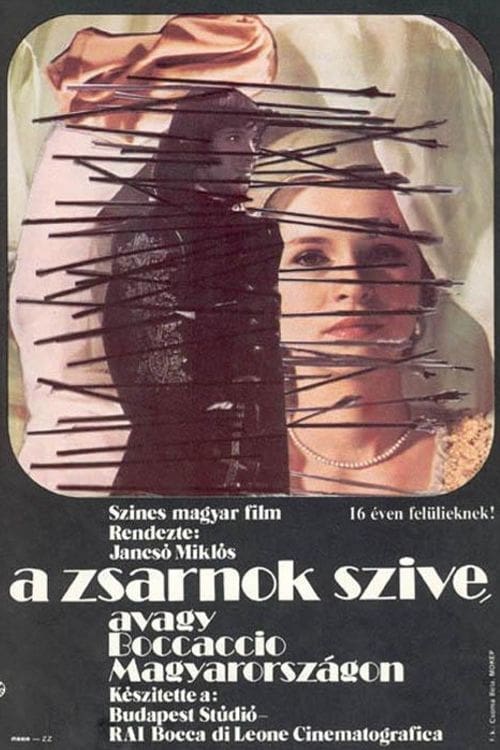
A historical drama set in the 1400s, a young man sent to Italy but is forced back after his father's mysterious death.

Drop dead please! Following the sudden death of a mysterious engine driver in his sixties, the Wife, the Lover, her illegitimate Daughter and an increasing number of shady characters from his spurious past want to know the true identity of the man they loved. They are dying to know which of them was really loved by him, and where he has hidden the fantastic fruit of his double life. In their deadly struggle, our heroes find themselves in the center of a satirical crime comedy, the sinful roots of which stretch back to the eighties, the closing decade of the socialist era.

Gergő’s mother is obsessed with having a grandchild. She has a serious heart disease and has only days left to live. To give his mum some joy during her final hours, Gergő asks his neighbour Saci, who is five months pregnant, to visit his mother in hospital with him and tell her that she is carrying his child. It all goes smoothly, but a new heart arrives, and his mum is operated. Therefore, Gergő and Saci are forced to play the roles of the loving couple.
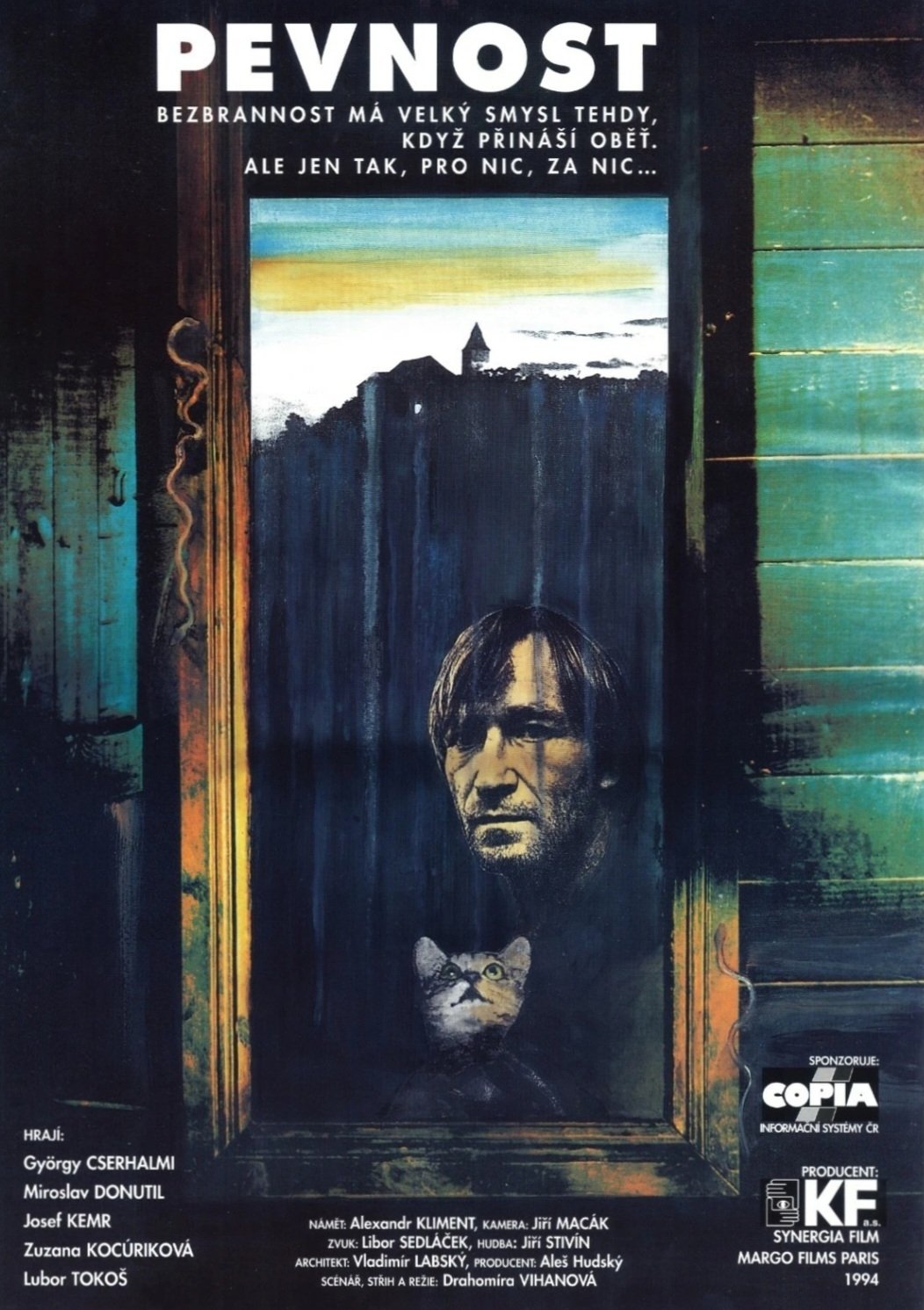
Set in the late 80s in a quiet, rural village headed by a suspicious, conspiring group of nasty leaders. Ewald has arrived there to measure water levels. Surrounding the fortress near the village are soldiers.

Isti, a junior official in the ministry, is a happy husband and father. He works all day to support his family, and gives his wife all the money she needs to bring home, as a proper husband should. But one day his colleagues are talking about female philandering, and Isti's jealousy flares up for no reason. In addition, he is let home early from work because of the holiday, causing a bit of a disturbance because his wife hasn't finished lunch yet. Isti is suspicious of everything, even her friend Évi gets her worked up. She and the woman have a row over four crowns, and Isti runs away from home to see her friend, the skirt-chasing Füredit. The two men set off together into the Pest night...
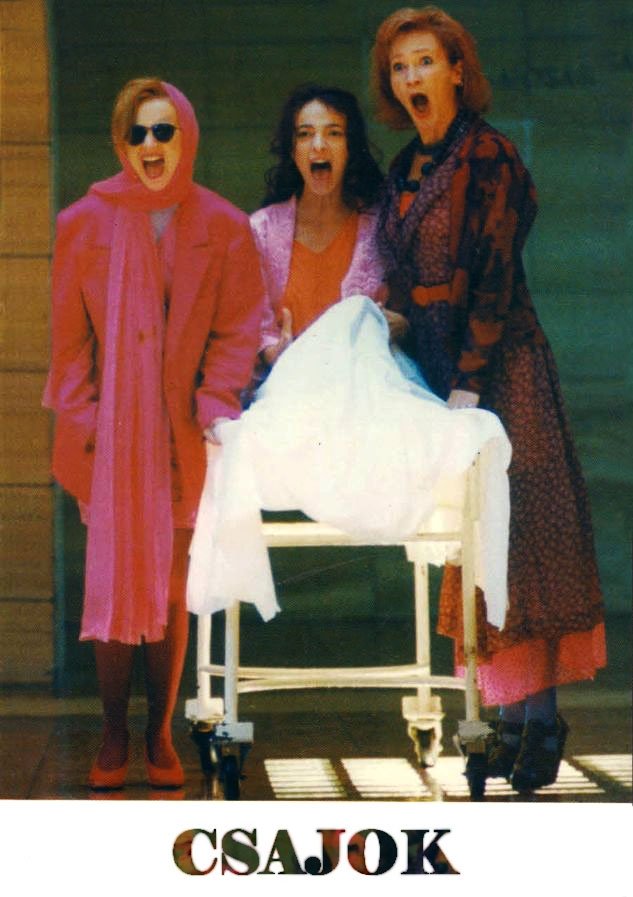
Enikős and Dorkas marriage is unbearable. Hysterical, cruel and humiliating scenes are enacted in front of the childrens eyes, while the childless Barbara is held by her husband, the painter, to be a toy and sometimes a painting screen.
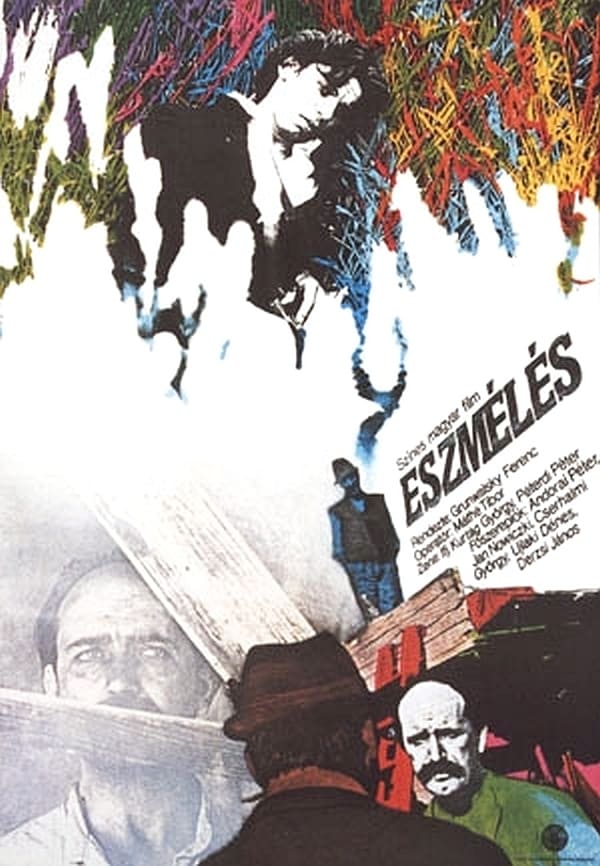
1894. The mortal remains of Lajos Kossuth are brought home from abroad, the railways are lined with people with their hats in hand, and among them stands the teenager Imre Tányér. 1910. The grown-up Imre undertakes the task to solve the question unsolved since 1848-49, i.e. the transformation of peasant life. He fights for the rights of his class, for justice, for human dignity in a society distorted, backward and built on inequality.
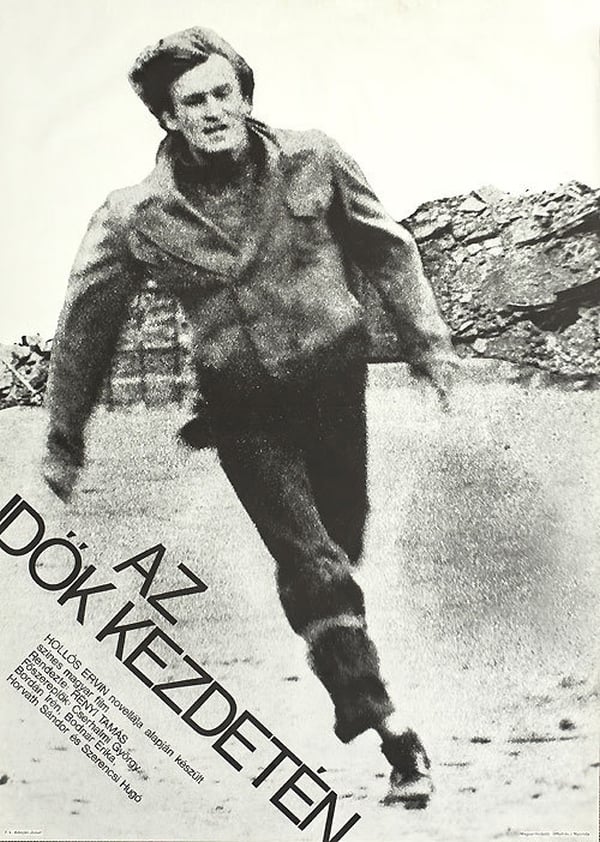
The film takes place at the end of 1946. Rumours are spread that the food supply will not arrive for it has been robbed. Workers of the metal factory go on strike.
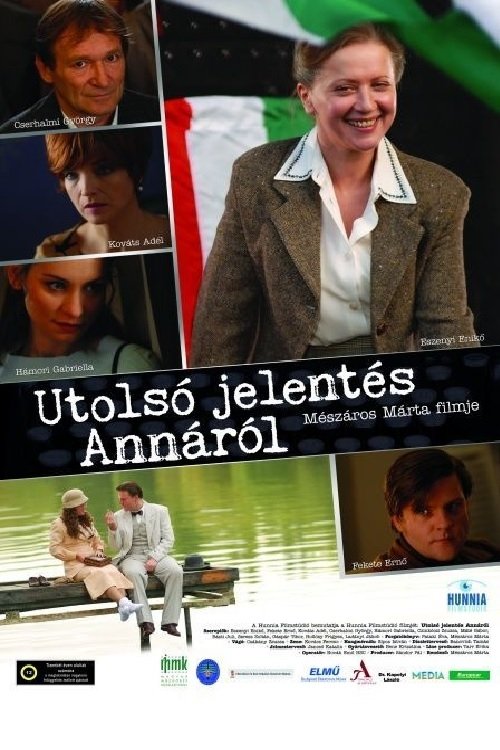
Péter, a literary critic, is tasked by the secret police to persuade Social Democratic politician, Anna Kéthly, who has been living in exile for decades, to return home.

A wonderful dark tale of coming of age in a country in transformation - then Czechoslovakia (now Slovakia) in 1990s. Against the backdrop of a regime change and general crisis of basic values, a young man is finding his way into adult life. Playing a part in a love (hate?) triangle he does not fully understand until the conclusion, he desperately tries to make sense of the unpredictable behavior of the other two main characters which is linked to the secrets lurking in their past. All this while he is not sure about his own role in a world where yesterday's truths mean nothing today. Brilliant actors in a brilliant film that even gives you a glimpse of hope at the end.
One day Novák Erzsébet kindergarten-teacher destroys her papers, cuts her hair and closes her mouth forever. She prepares for suicide namelessly, then somewhere around Normafa she accepts being taken into an asylum.
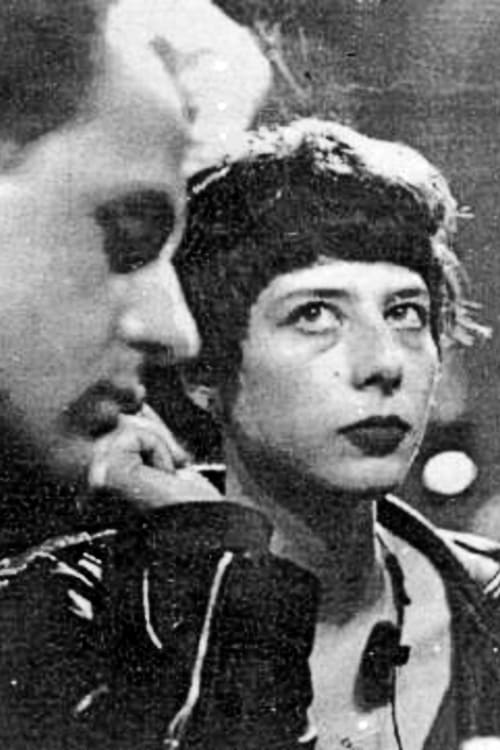
The film depicts the incredible metamorphosis of a clerk whose sense of identity and pride are reawakened by an unexpected development.
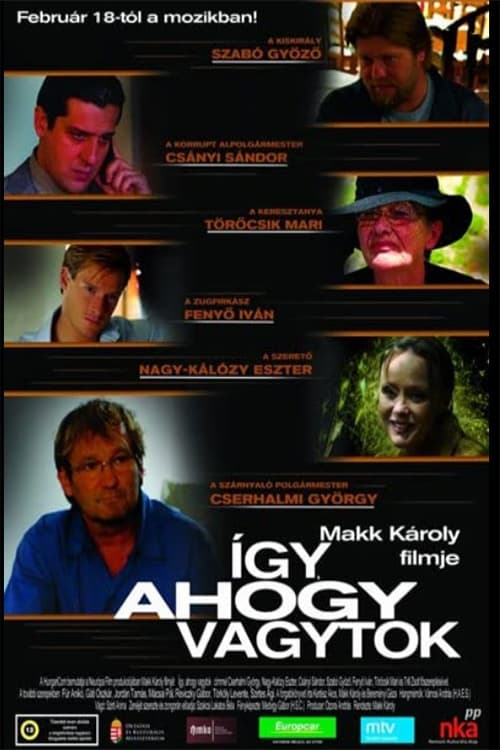
Small-town politics (corruption etc.) in Hungary. In a small eastern Hungarian town, Mayor Gábor Bencze, a multiple world champion military aviator, finds himself besieged by local power brokers eager to sway the airport–construction tender his vote will decide. From gangster Biros to influential “Professors,” everyone offers bribes or favors, but Gábor refuses to bend, determined to uphold his integrity in a system built on corruption.
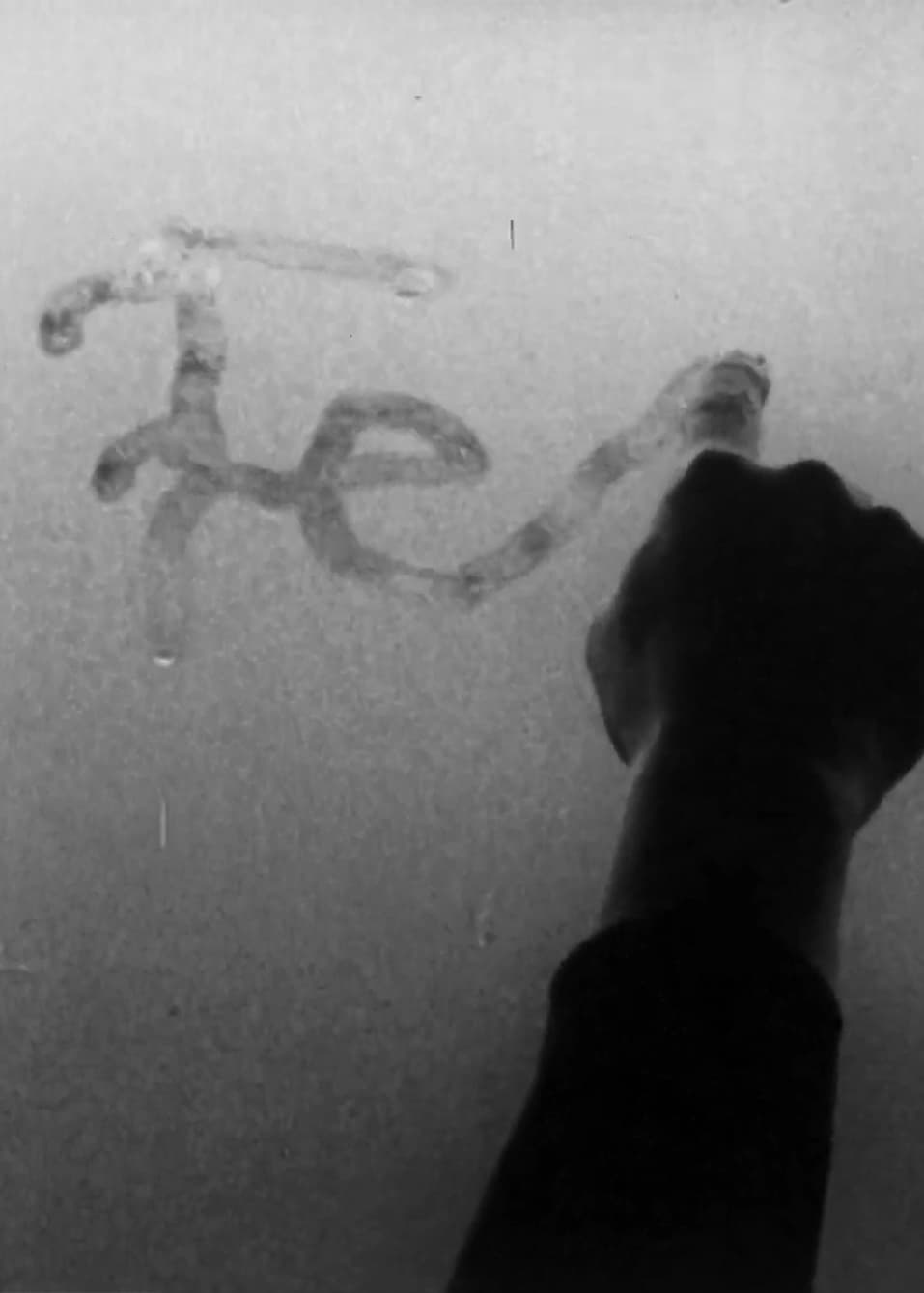
In András Jeles' short film, elements of the present are mixed with the world of Honoré de Balzac's novel Lost Illusions.
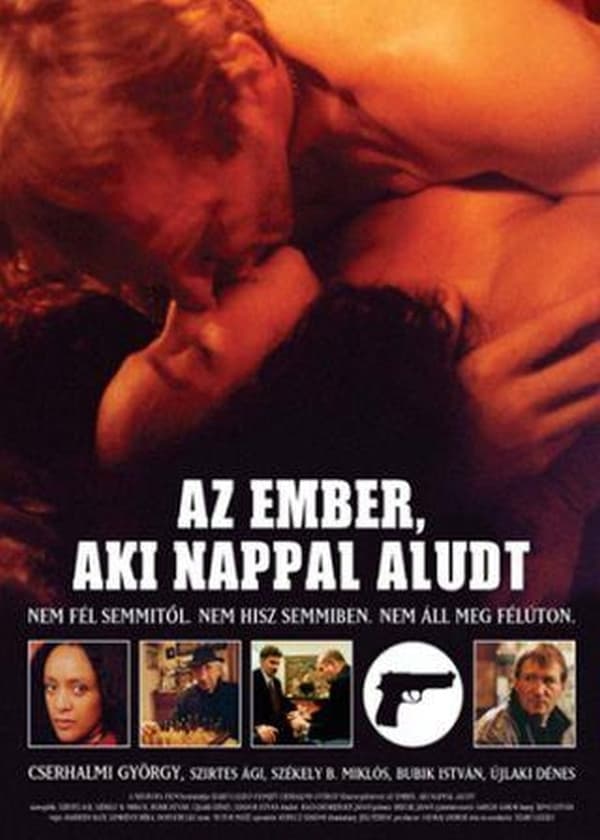
Detective Sebők is shot at by a fleeing criminal and then pushed off the road. Sebők breaks his leg. Left by his wife, pensioned by his boss on the basis of false reports, he has a clash with banker Gömöri at the colonel’s party.
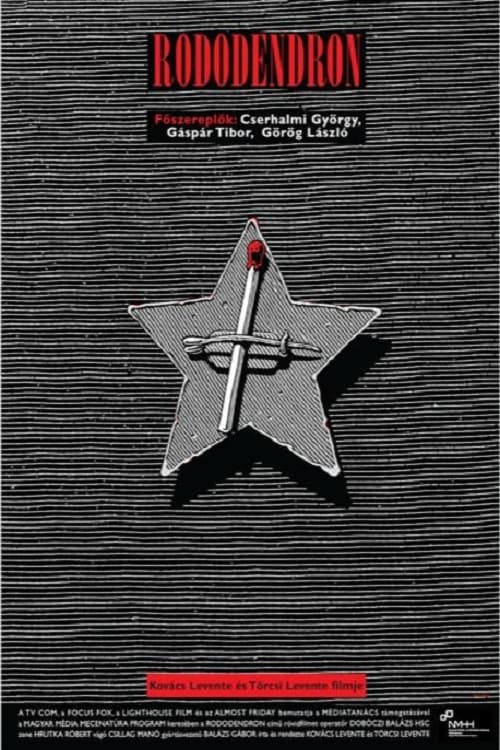
Is is June 27, 1989. It is after the reburial of Imre Nagy, the fall of the Iron Curtain, and the opening of the Austrian-Hungarian border. János Kádár was removed from his position as General Secretary barely a month ago. However, the former state security apparatus has long sensed and recognized the approaching end; it begins to dismantle its own network of informants. The protagonist of our short film is a former informant (code name: Rhododendron), who is given a new identity by his case officer as a final gesture, offering him the hope of a new life. But a fatal bureaucratic error brings back memories of the past and forces the agent to make a decision that affects his integrity, his choice of freedom, his future, and changes his life once and for all.
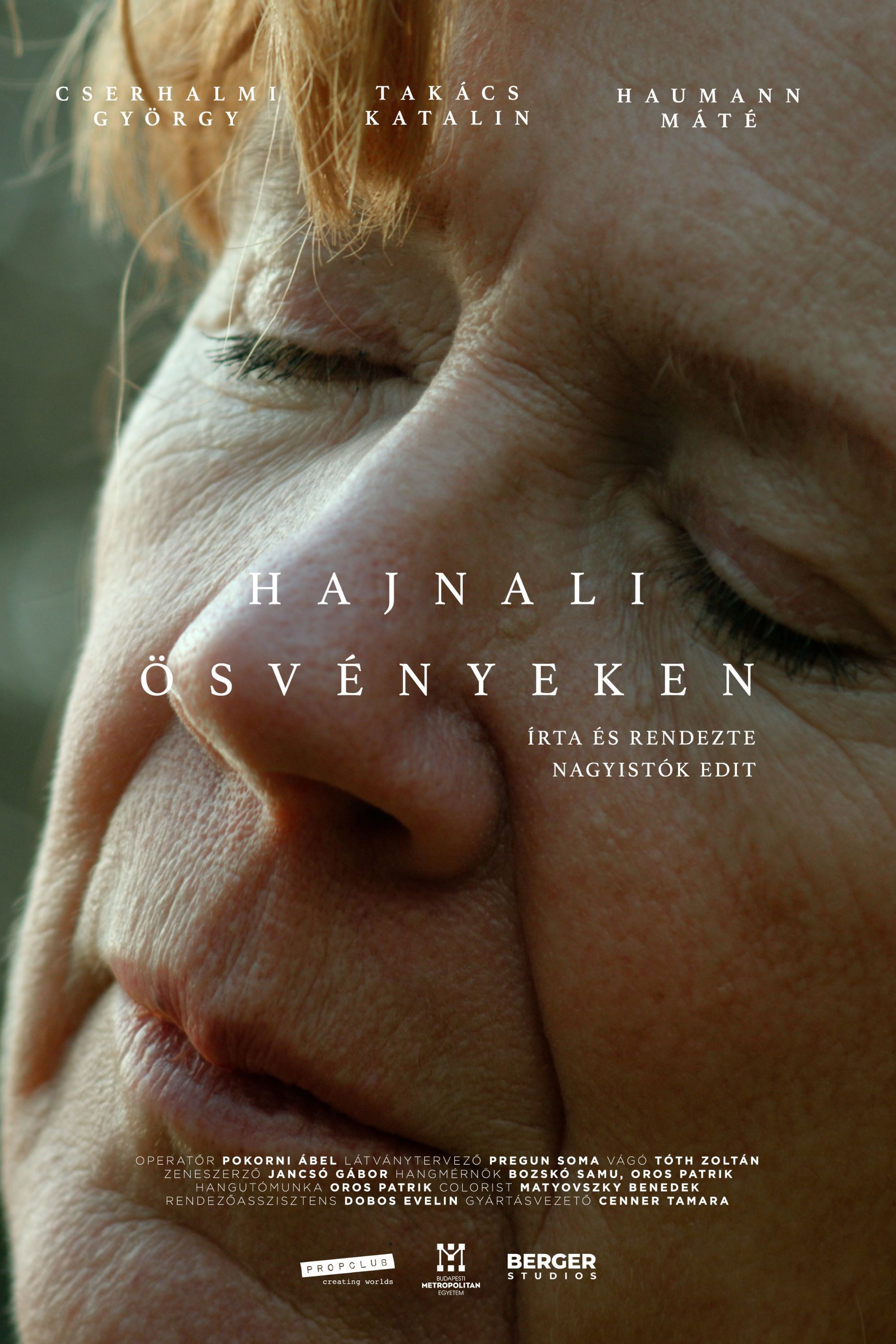
Can we move on if the person we have lived a life with ceases to be with us? Kati moves out of their home after the loss of her husband. As the small apartment that once served the two of them slowly empties, Kati clings to a memory they shared.
Adapted from István Csurka's play of the same name. Four men often get together in the evenings to play poker, big money is lost, often without any collateral. During heated arguments, it becomes clear during the break between playing cards that these people once had the opportunity to live differently. They were talented, but now they are neither on the right nor the left, and in their own words, they live in nihilism.