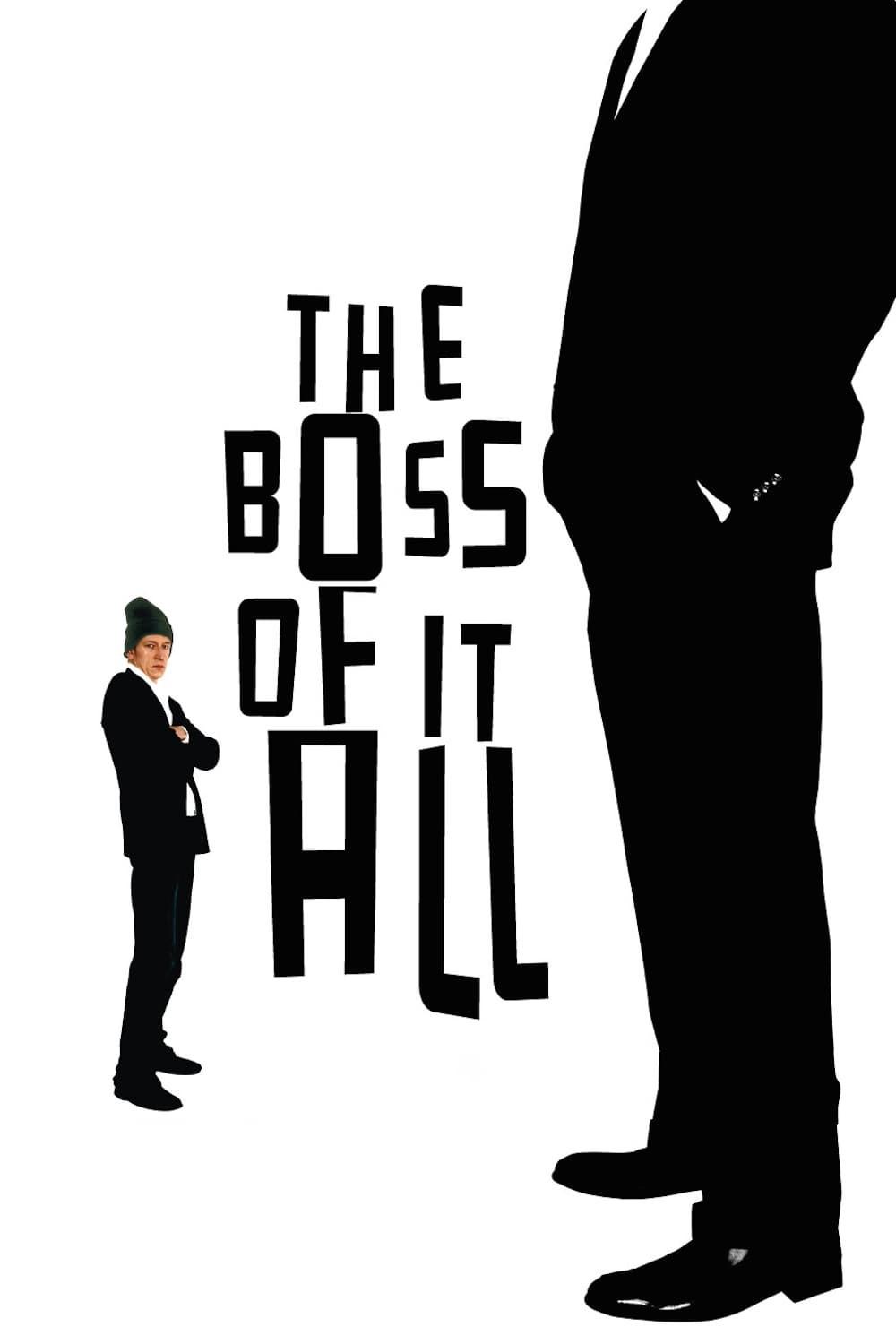
The owner of an Information Technology firm wants to sell his business for profit. The trouble is that when he started his firm he invented a nonexistent company president to hide behind when unpopular steps needed to be taken. When potential purchasers insist on negotiating with the "Boss" face to face the owner has to hire a failed actor to play the part.
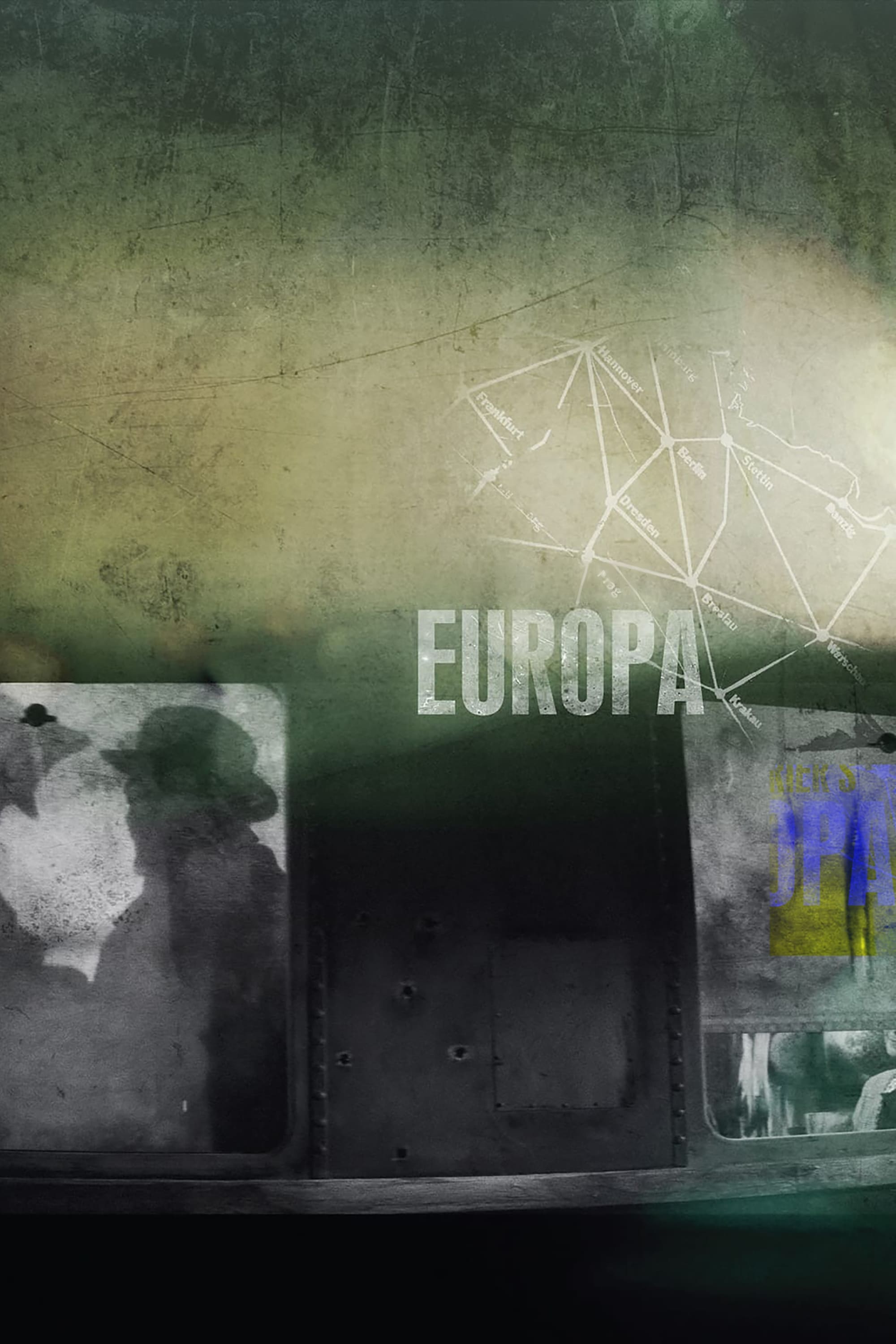
Just after World War II, an American takes a railway job in Germany, but finds his position politically sensitive with various people trying to use him.
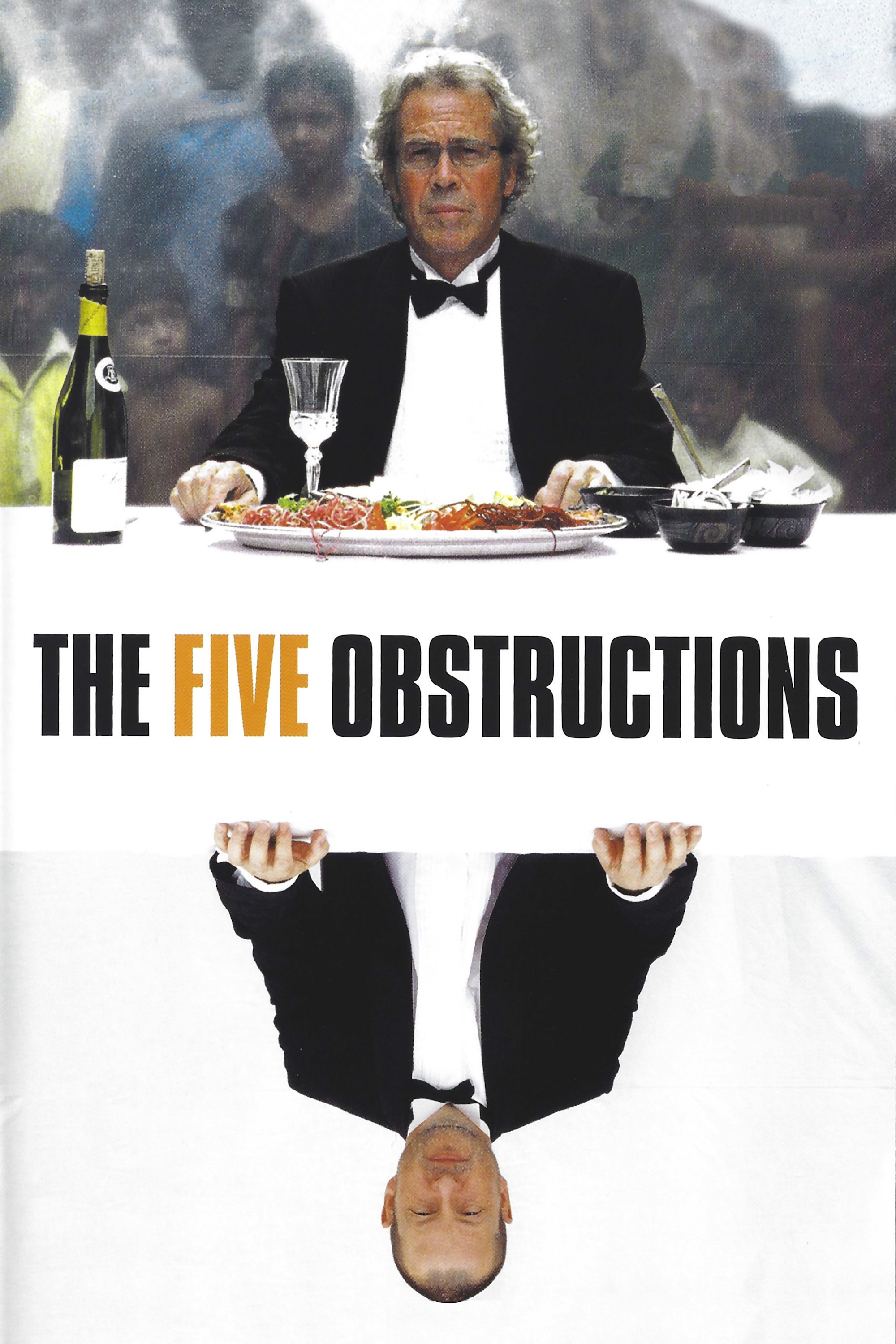
In 1967, experimental filmmaker Jorgen Leth created a striking short film, The Perfect Human, starring a man and women sitting in a box while a narrator poses questions about their relationship and humanity. Years later, Danish director Lars von Trier made a deal with Leth to remake his film five times, each under a different set of circumstances and with von Trier's strictly prescribed rules. As Leth completes each challenge, von Trier creates increasingly further elaborate stipulations.
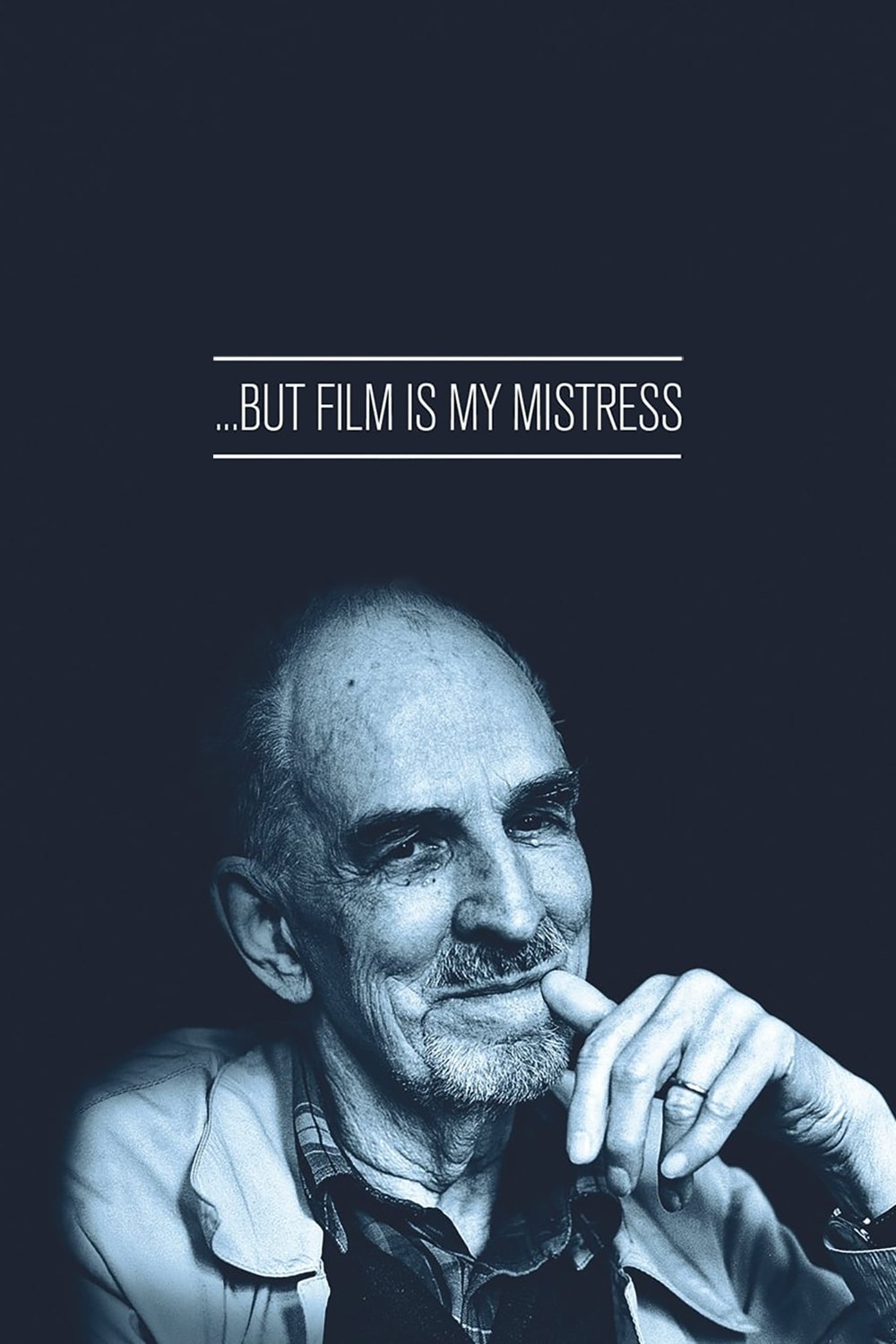
Guided by Liv Ullmann and with commentaries from a number of prominent filmmakers for whom Bergman is and remains an important influence - such as Woody Allen, Olivier Assayas, Bernardo Bertolucci, Arnaud Desplechin, John Sayles, Martin Scorsese and Lars von Trier, the film provides a vivid portrait of the artist who in each new project found a challenge for himself and for the people he worked with - both actors and colleagues behind the camera.
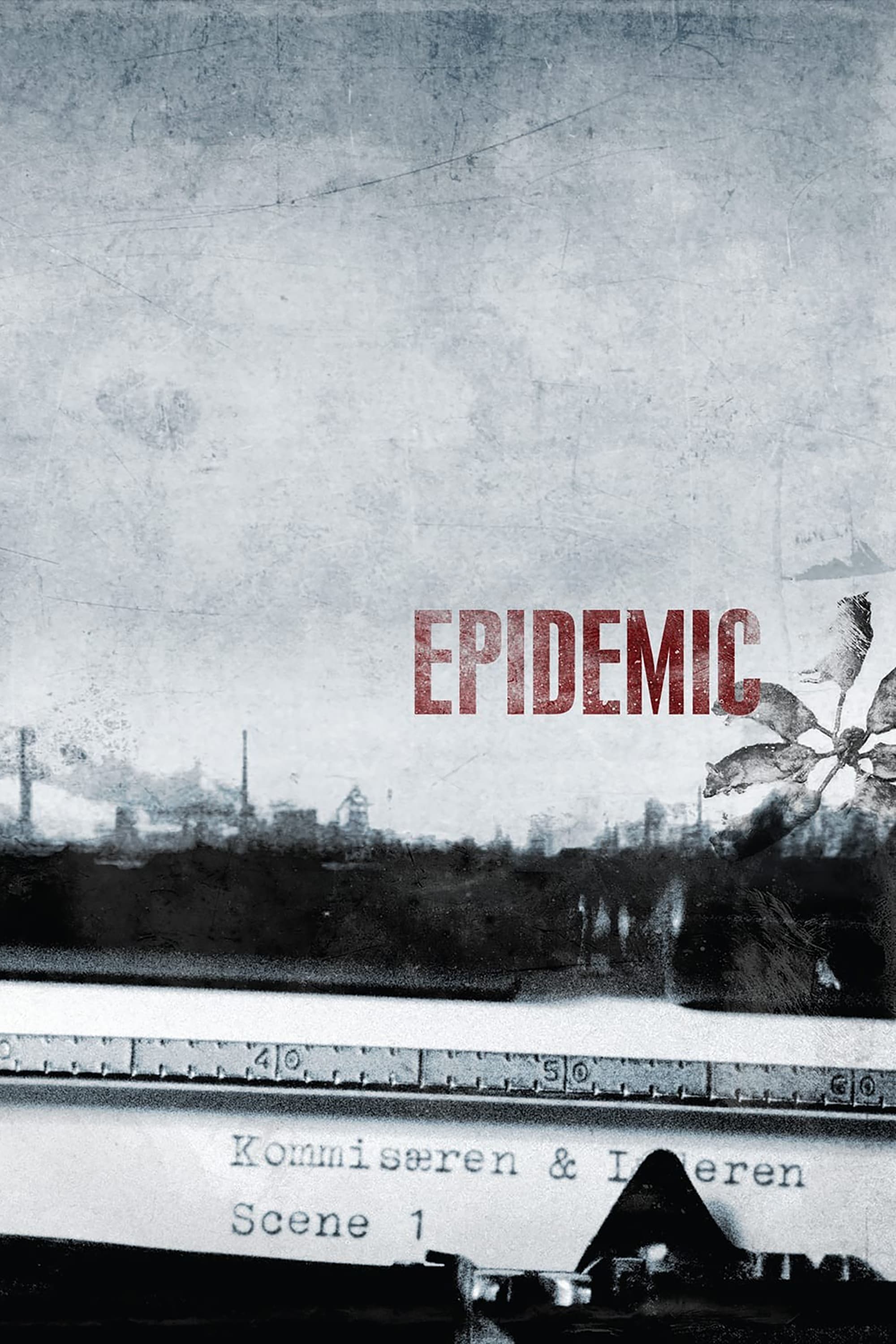
A director and screenwriter pen a script and, in the process, blur the line between fiction and reality.
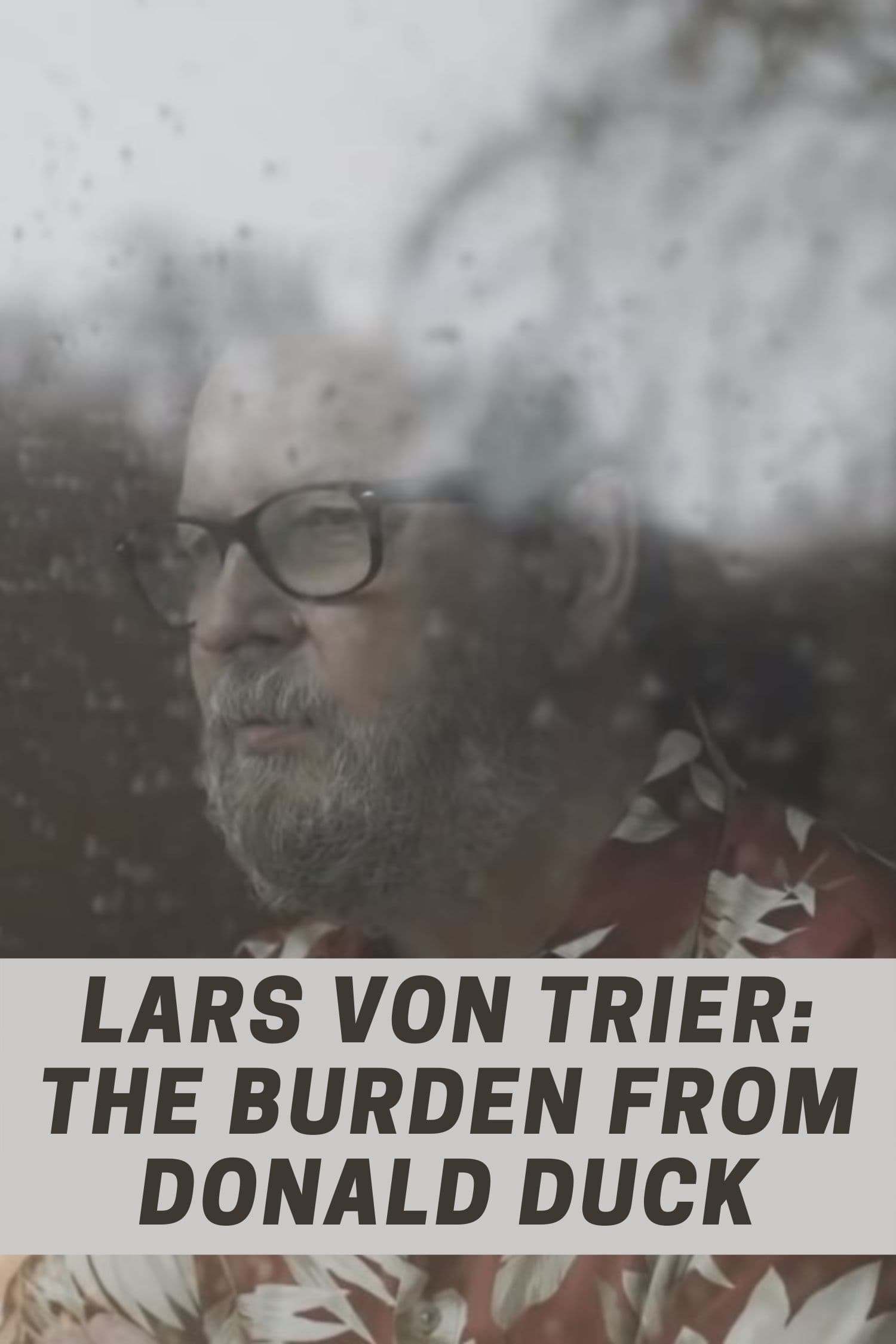
Lars von Trier was interviewed by Christian Lund at his home outside Copenhagen in November 2020.
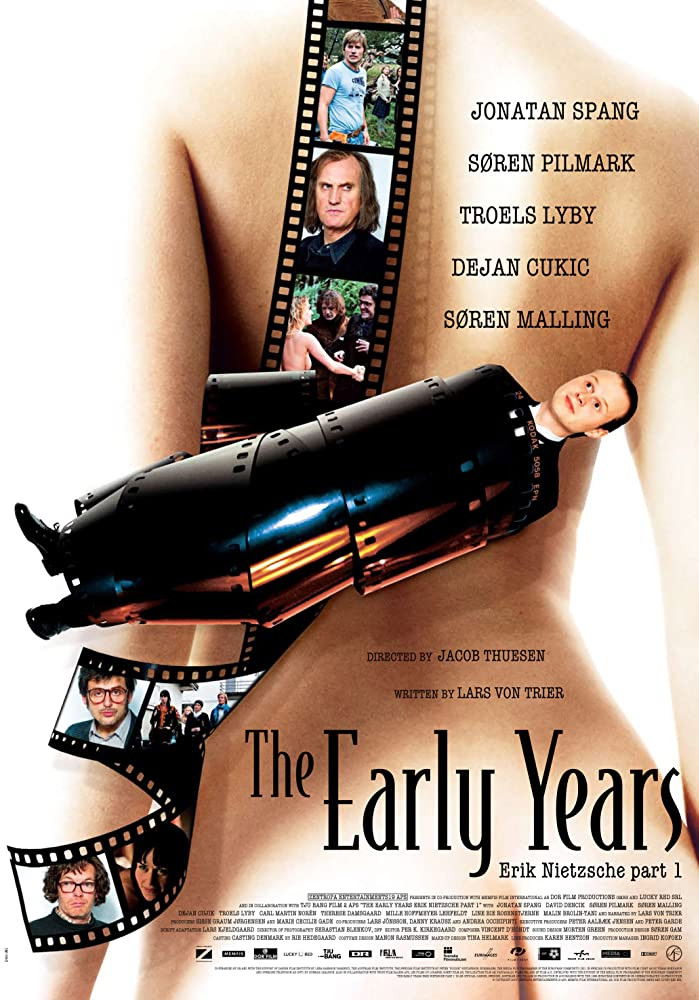
Erik Nietzsche is an intelligent but in many ways inexperienced shy young man who is convinced that he wants to be a film director. In the late 1970s, Erik is accepted by the Danish National Film School where he enters a world of angry and unhelpful tutors, weird fellow students and unwritten rules. In this both exhilarating and angst-provoking period for him, Erik feels increasingly like a foreigner in the film industry. Frequently, he is merely an observer of the absurdities that surround him. He encounters trade union disputes, falls in love and experiences self-assured empowered women who refuse to make a commitment. The film is a drama full of comedy - a sharp portrait of a conceited but entertaining world of film which we suspect our dogged young director will eventually conquer with his vision.
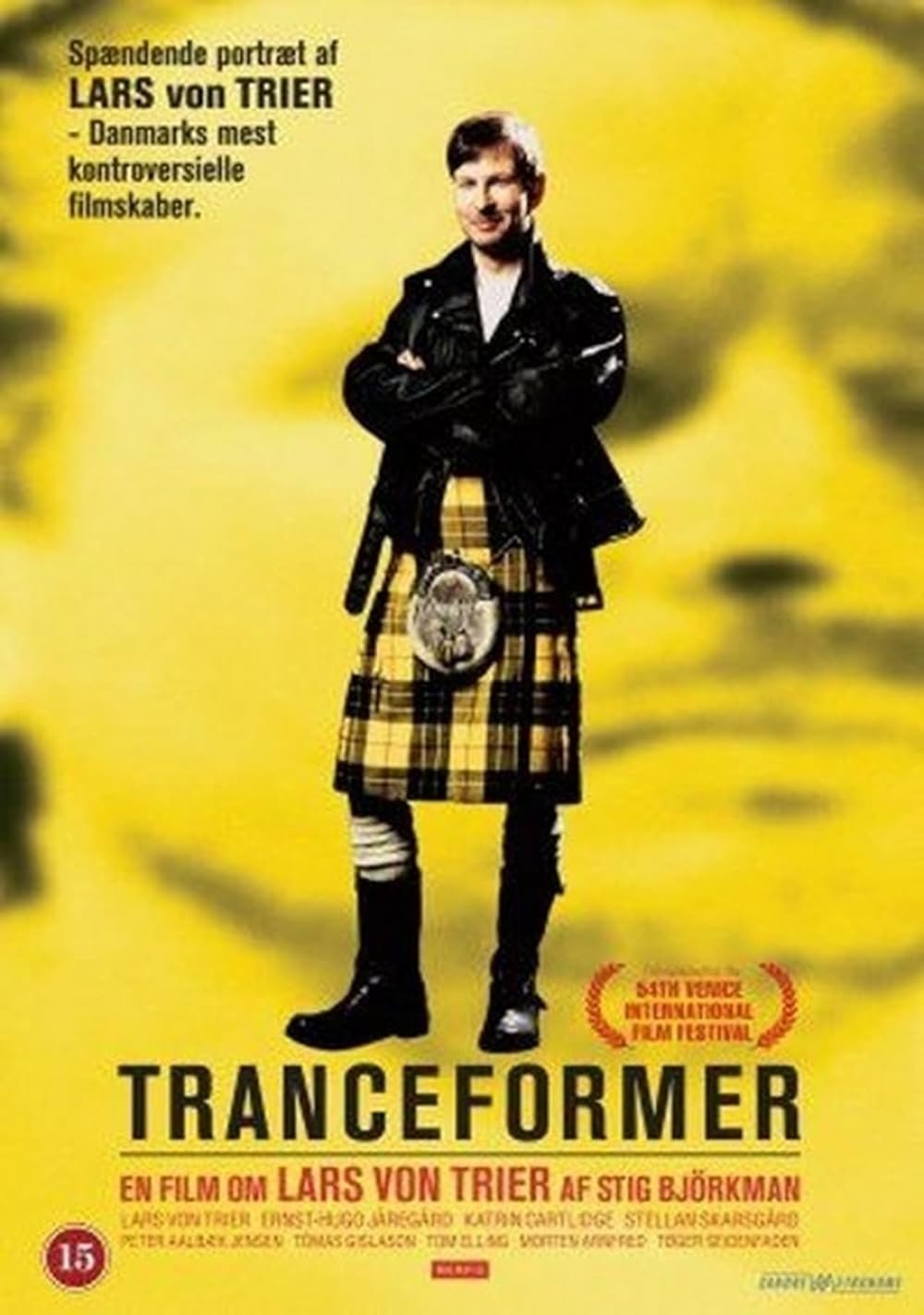
A portrait of Denmark's most acclaimed and controversial director, Lars von Trier. A meeting with von Trier on a private level as well as with his film universe. Filmmaker Stig Björkman follow von Trier during a period of more than two years, meet him at work, at home and at leisure. Written by Fredrik Klasson
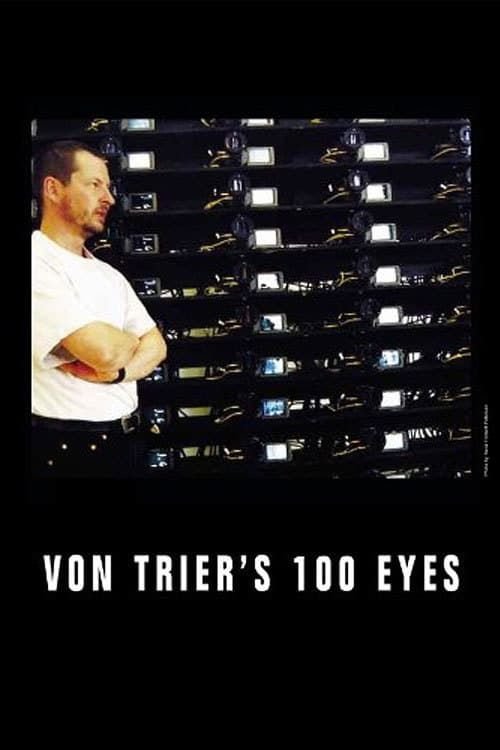
Although at first sight this might look like a simple ‘making of DANCER IN THE DARK’, the later developments in the film reveal the whole drama of Lars von Trier’s inner life during the shooting process. All his doubts and insecurities in collaborating with the crew and actors - especially actresses - are exposed. The biggest drama started when Björk walked off the set. Nobody knew whether she would be back or not. Admitting that he feels threatened by women, who can ‘make him feel embarrassed’, the director gives this documentary the nature of a personal diary. When he discusses the importance, purpose and beauty of the use of a hundred cameras in a certain sequence or the meaning of the Dogma 95 rules, the audience is witnessing the process of the artist’s search. Is the pain that the director went through during the shooting really visible in the final result, as Lars von Trier claims in this film? (from: http://www.idfa.nl/)

The most suffocating is the awareness that nothing is happening. All the veins are drying without the blood running through them. I came to Barão Geraldo because things happen here. Here people love as much as dolls hang themselves and chicken are slaughtered to death. Would I still hang dolls and burn memories in the next 18 years? It astonishes me how less and less I do not care for things that are not my extension. Being my own destruction is the only way. Intimacy is a farewell. All I see is a lot water and all the colors are not enough. All forms of comunication are not enough for a lot of water.

A documentary on the creation of Lars von Trier's fascinating drama Dogville starring amongst others Nicole Kidman, Paul Bettany, Stellan Skarsgård, Ben Gazzara, Lauren Bacall and James Caan. Showcasing behind-the-scenes footage and providing a much deeper look inside the world of filmmaking including some moments of insight that are hard to believe.

Since the invention of cinema, the standard format for recording moving images has been film. Over the past two decades, a new form of digital filmmaking has emerged, creating a groundbreaking evolution in the medium. Keanu Reeves explores the development of cinema and the impact of digital filmmaking via in-depth interviews with Hollywood masters, such as James Cameron, David Fincher, David Lynch, Christopher Nolan, Martin Scorsese, George Lucas, Steven Soderbergh, and many more.
Filmmaker Eva Ziemsen was determined to interview renowned film director, Lars von Trier. Her provocative offer, to conduct the interview nude, led to a revealing and truthful conversation about filmmaking.

Behind-the-scenes documentary about Lars von Trier's latest movie Europa (1991). Also features unique footage of Trier and cast shooting a bit of footage for Trier's 30-year project "Dimension".
Danish documentary from TV2 in 1991.
German/French TV documentary portraying Danish film director Lars von Trier.
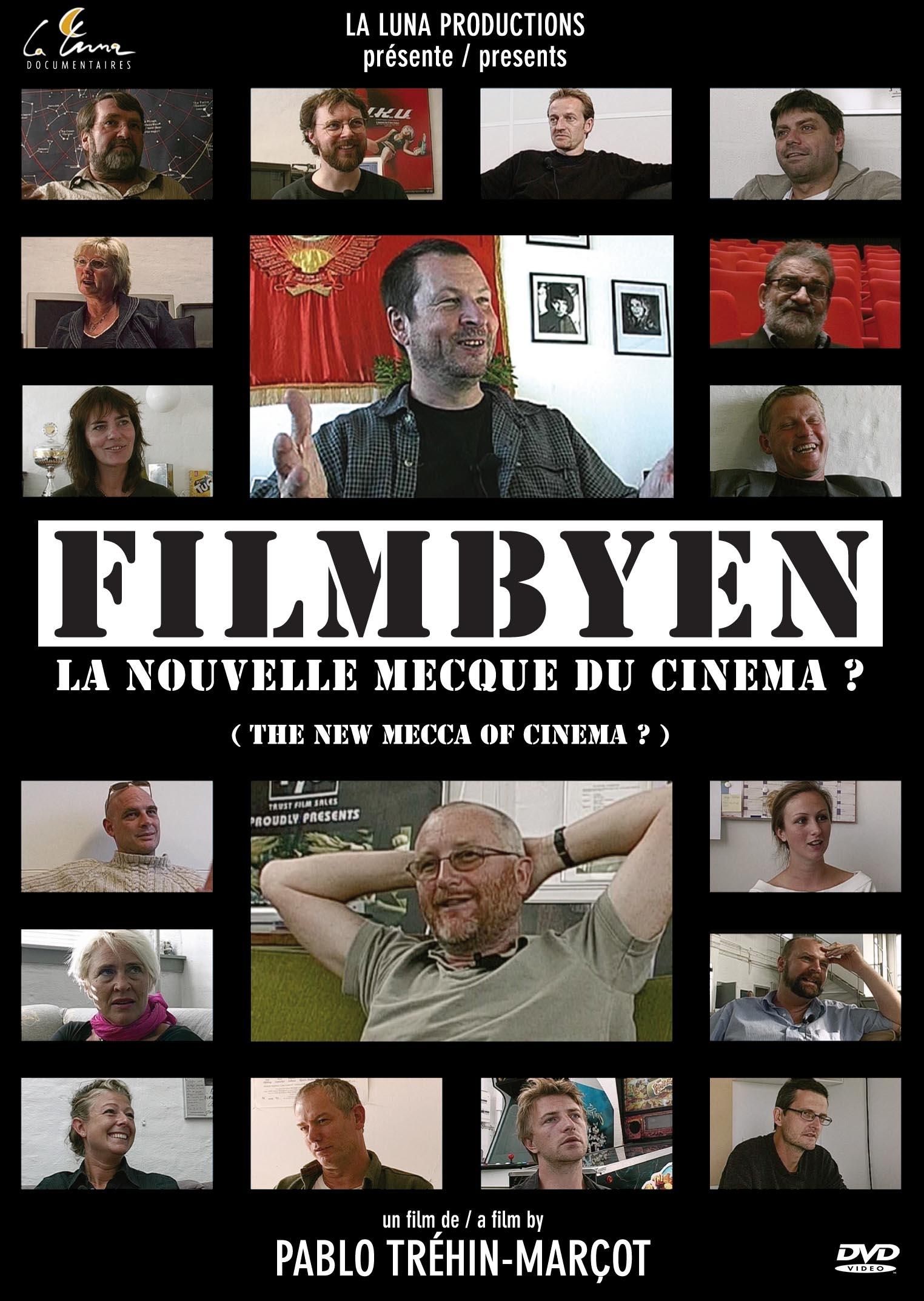
Filmbyen is a cinema-town created by Lars Von Trier (director) et Peter Aalbek Jensen (producer). They founded together a company which regroups all the cinema business industry. That documentary retraces the Filmbyen story, how it functions, the artistic and economic issues that arise.
The Scandinavian entry in the BFI's Century of Cinema series of documentaries
Breaking The Waves director Lars Von Trier invents his own set of rules for filmmaking.
Behind the scenes documentary of Lars von Trier's The Element of Crime (1984).
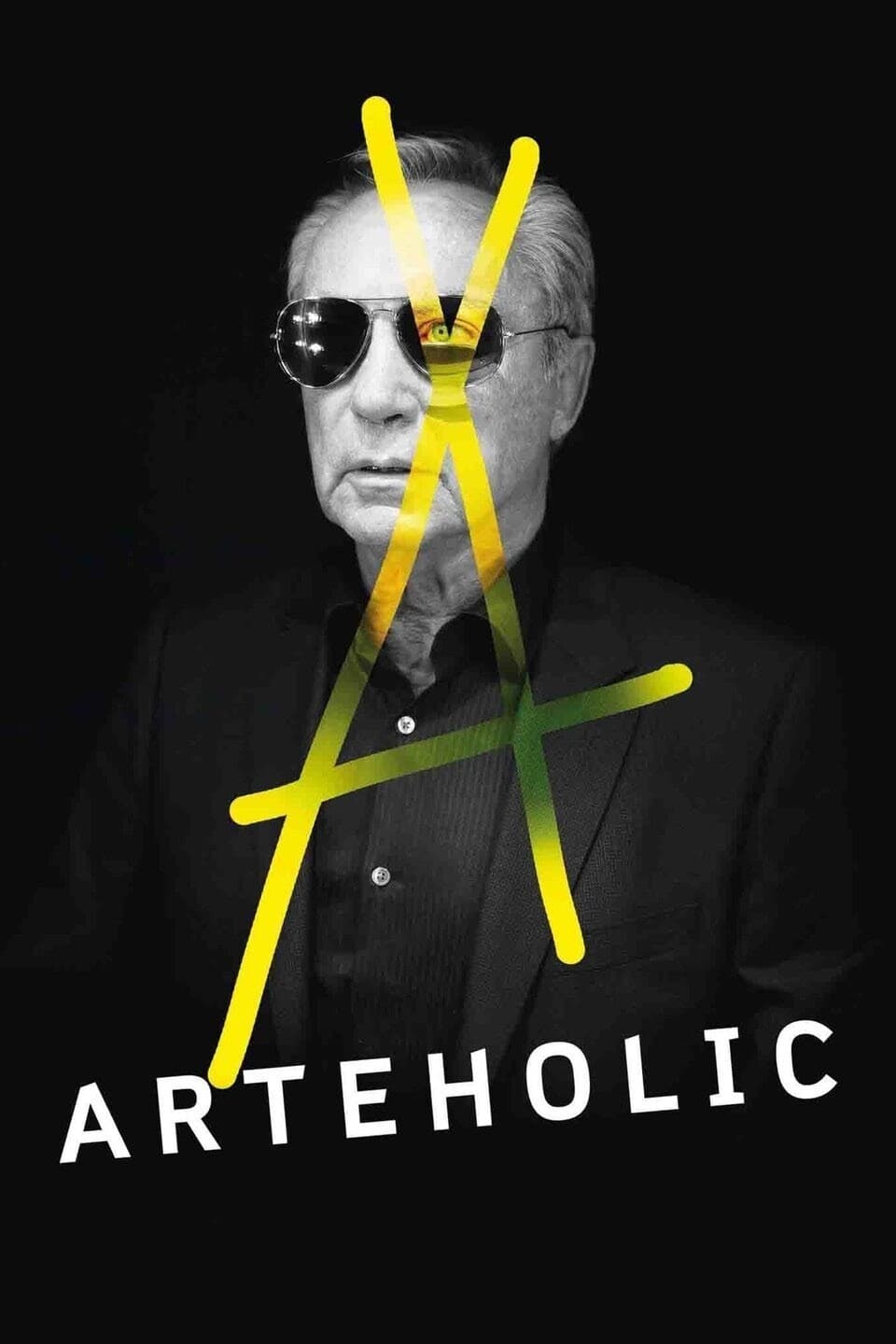
Palm Springs resident and film and art legend Udo Kier is "arteholic". He lives, breathes and makes art and at times he is even a living art piece. In this playful docu-fiction, we follow Udo on a road trip through famous museums in Frankfurt, Cologne, Paris, Copenhagen and Berlin, and eavesdrop as he chats with artists including Marcel Odenbach, Rosemarie Trockel, Jonathan Meese and Tobias Rehberger and filmmakers such as Nicolette Krebitz and Lars von Trier.
Based on the sadomasochistic novel by Dominique Aury, "Story of O", tells the story of a voluntary female submission.
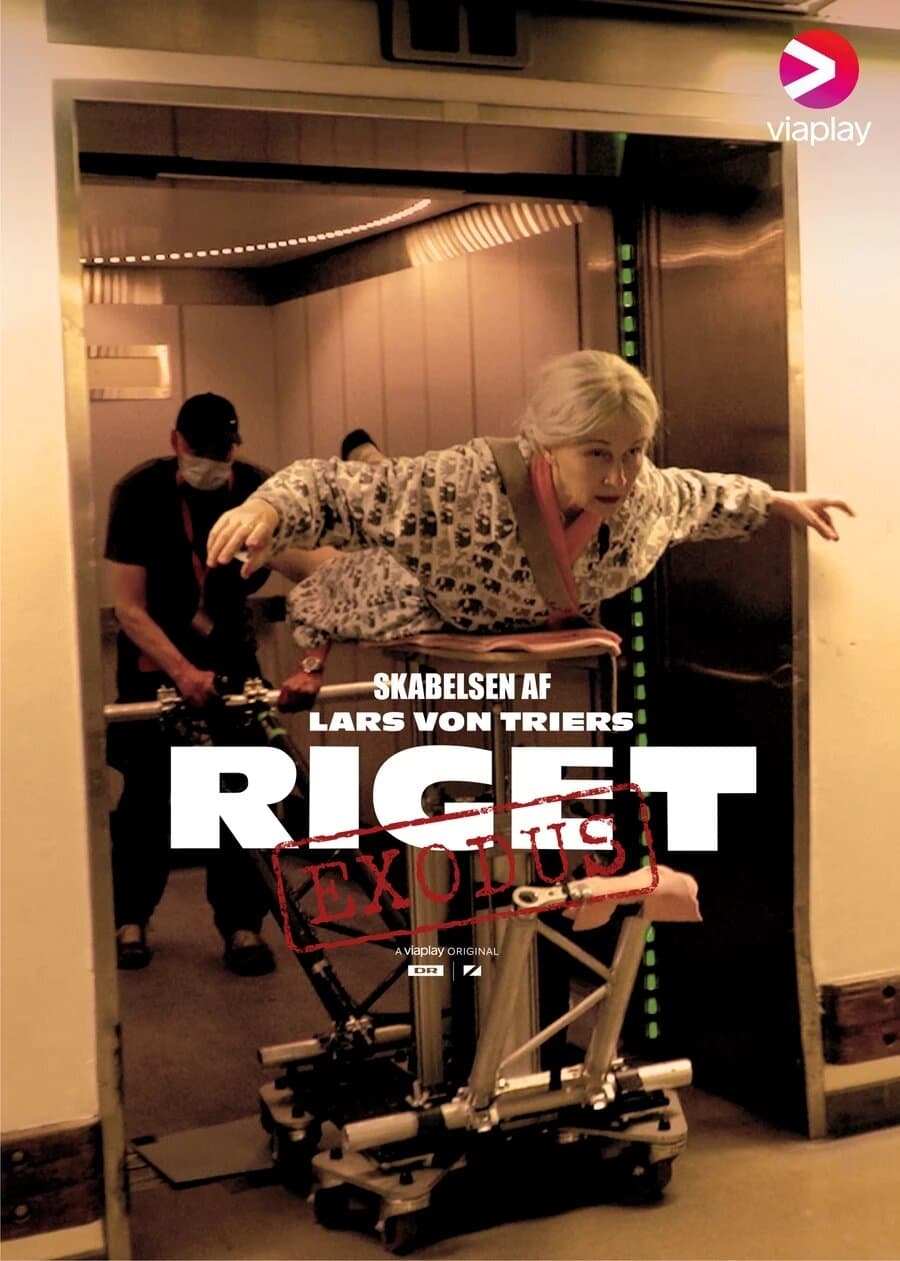
Get an exclusive behind-the-scenes look at the creative challenges Lars von Trier presents his cast and crew to bring his vision to life from script to shoot and to the screen at home.
Documentary on Lars von Trier
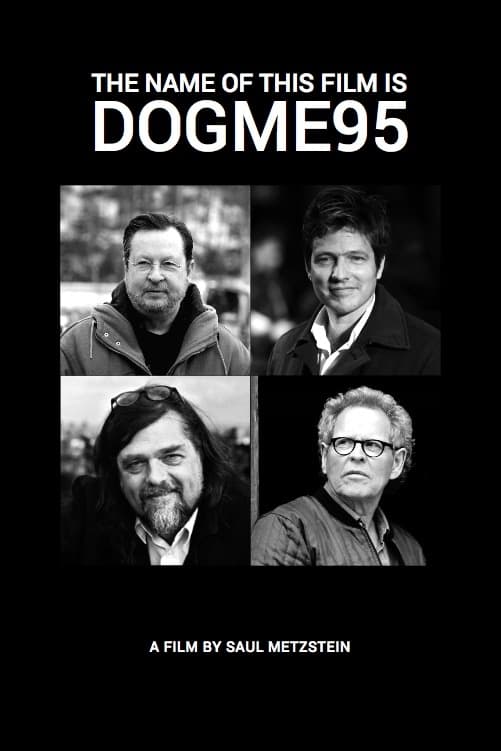
The Name of this Film is Dogme95 is an irreverent documentary exploring the origins of Dogme95, the most influential movement in world cinema for a generation. The film tells how a 'brotherhood' of four Danish directors armed with a radical Manifesto, has inspired, outraged and provoked filmmakers and filmgoers the world over. The rules of Dogme95 take filmmaking back to its brass-tacks - stories must be set in the here and now; the films must be shot on location, with a handheld camera, using natural light, and direct sound; the rules forbid murders and weapons (staples of the much-loved action-movie genre); and, most amusingly, the director must not be credited (that holds also for the director of The Name of this Film is Dogme95...).
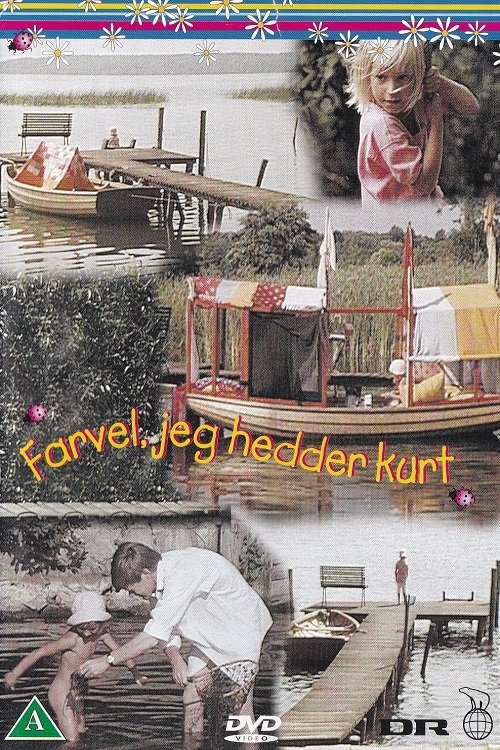
A story of 6-year-old Alberte who decides to leave her parents, because they are always busy working or watching TV, and don’t have time to do fun things with her. She moves to the boat right outside her house, and decides that her new name is Kurt. She has always wanted to be a boy.
Lars von Trier himself has one of the lead roles in this short film about a bank employee being subjected to a brutal robbery.
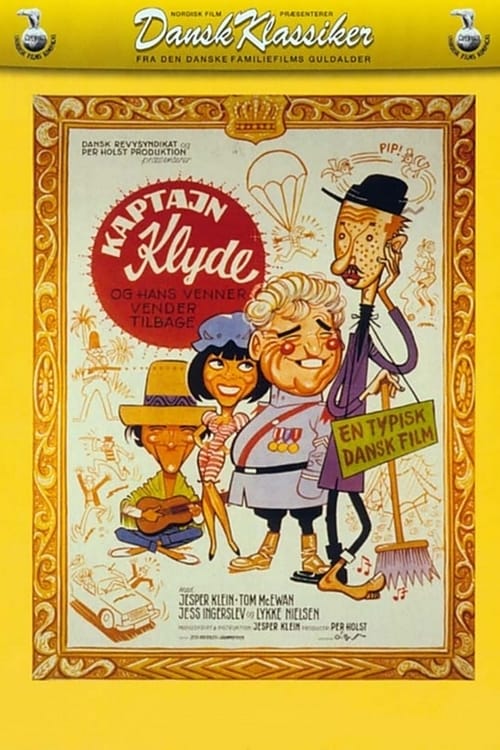
Close The comedy quartet Klyderne attempts to create "a typical Danish film" through a long series of absurd sketches, parodies, musical interludes, and animated segments. The film includes the story of Anton W. Olsen and his singing foot, a soccer match between knitting ladies, a highly dramatic silent film horror movie, and an examination of the Danish national character as expressed at a campsite.

At The Kingdom, Denmark's most technologically advanced hospital, a number of strange and otherworldly events begin occurring, much to the dismay of its doctors and patients. A ghostly ambulance appears and disappears, the voice of a little girl calls to a patient in an elevator shaft, and a doctor's fetus begins growing at an alarming rate.
Documentary about the making of Lars von Trier's 1991 film.
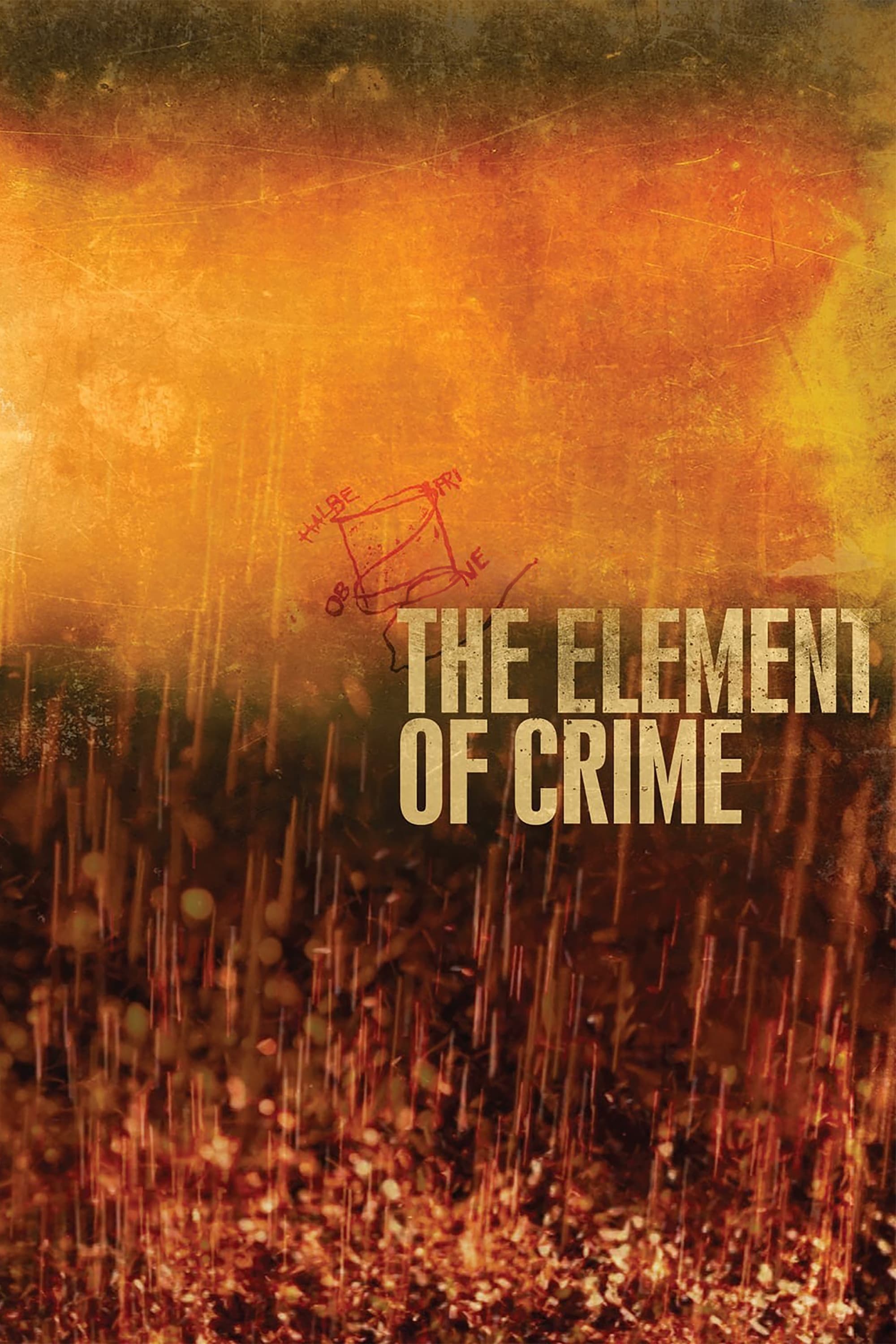
Fisher, an ex-detective, decides to take one final case when a mysterious serial killer claims the lives of several young girls. Fisher, unable to find the culprit, turns to Osbourne, a writer who was once respected for his contributions to the field of criminology. Fisher begins to use Osbourne's technique, which involves empathizing with serial killers; however, as the detective becomes increasingly engrossed in this method, things take a disturbing turn.
A young Jewish artist has shunned his heritage. Upon the realization that he is alone, doubting humanity's willingness to extend help to one another, he has been referred to as a wimp, subsequently resulting in a fear of weakness and being incapable.
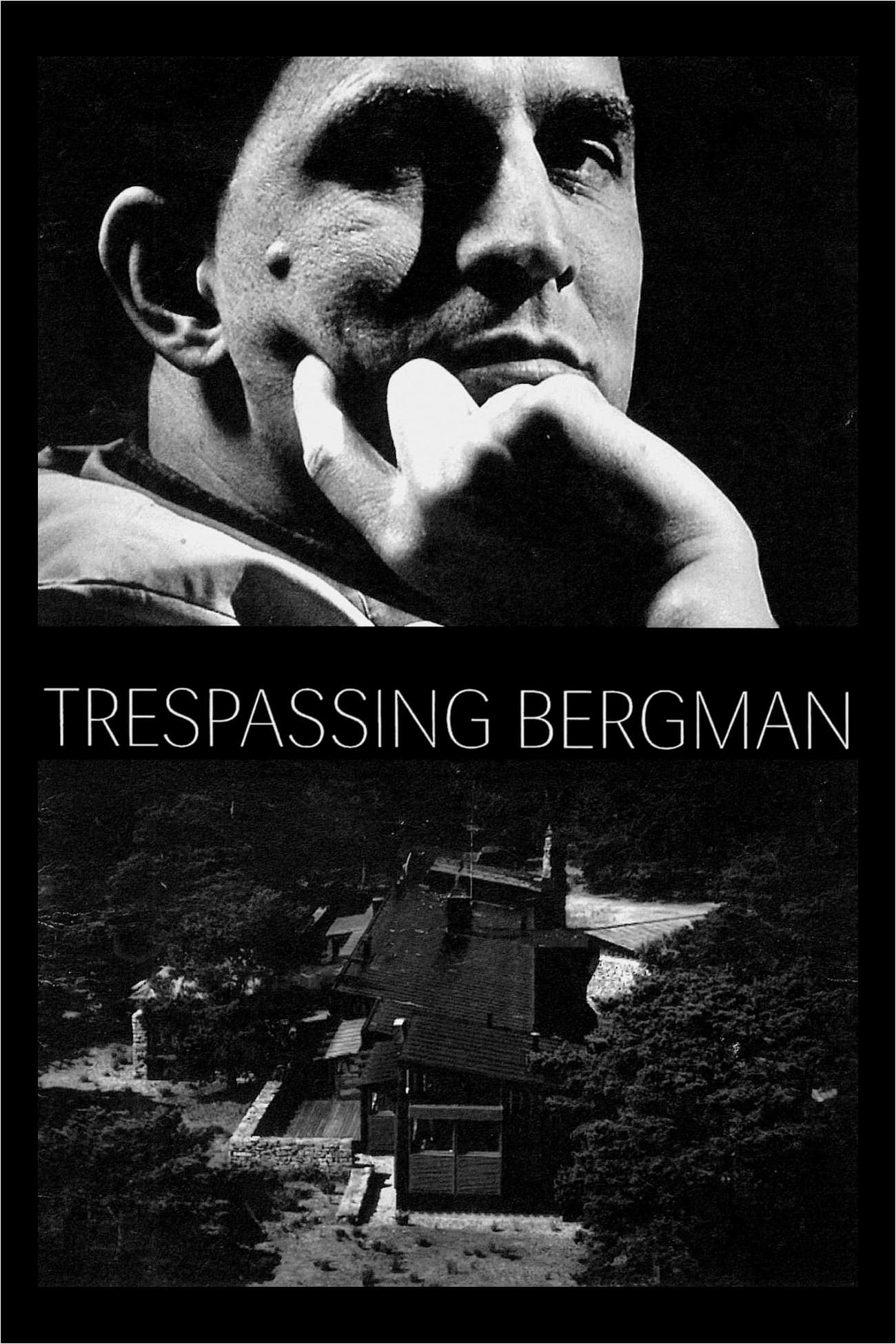
In the sixties, Swedish filmmaker Ingmar Bergman (1918-2007) built a house on the remote island of Fårö, located in the Baltic Sea, and left Stockholm to live there. When he died, the house was preserved. A group of very special film buffs, came from all over the world, travel to Fårö in search of the genius and his legacy. (An abridged version of Bergman's Video, 2012.)
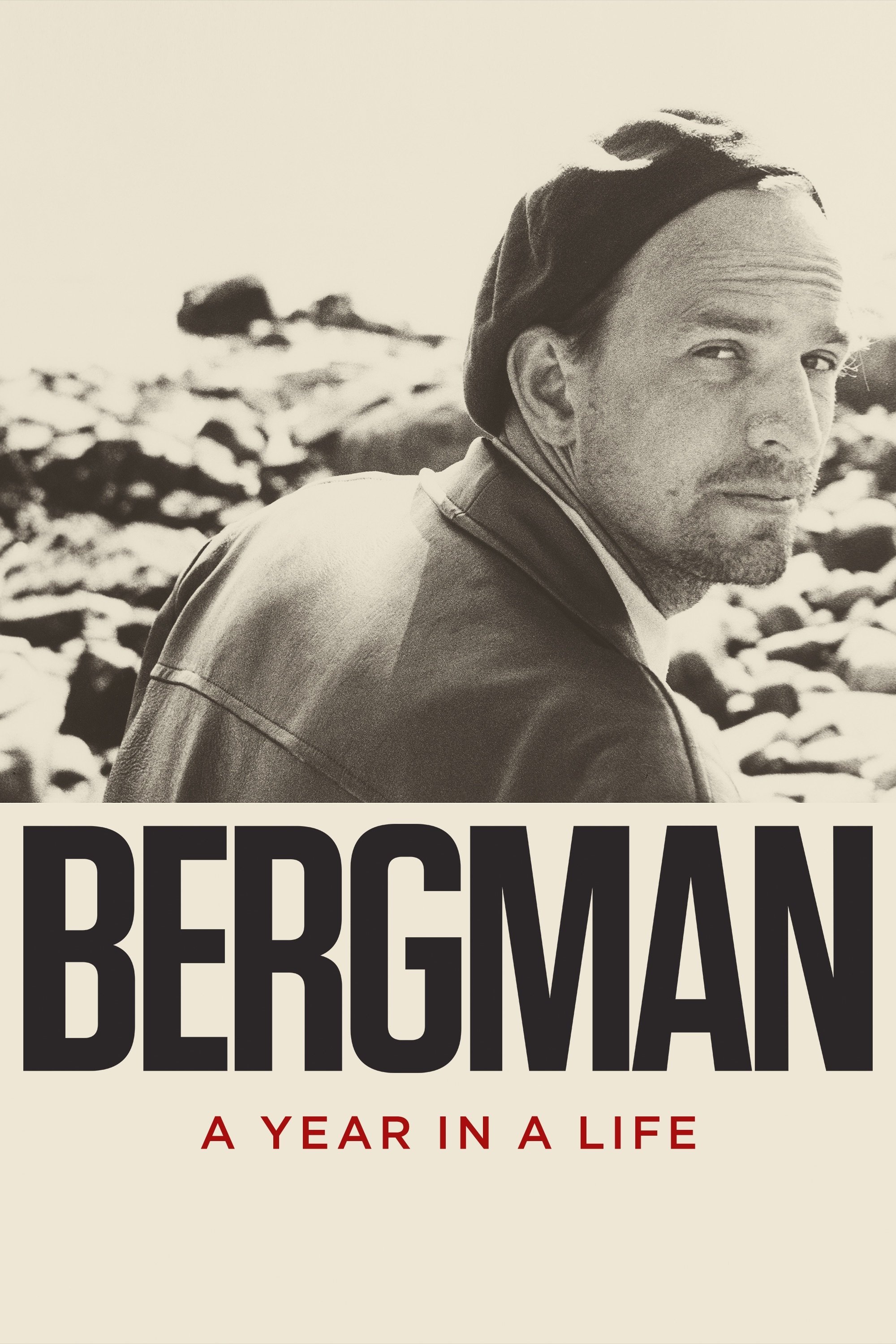
The year 1957 was one of the most prolific for the Swedish filmmaker Ingmar Bergman: he shot two films, released two of his most celebrated films and produced four plays and a TV movie while juggling with a complicated private life.
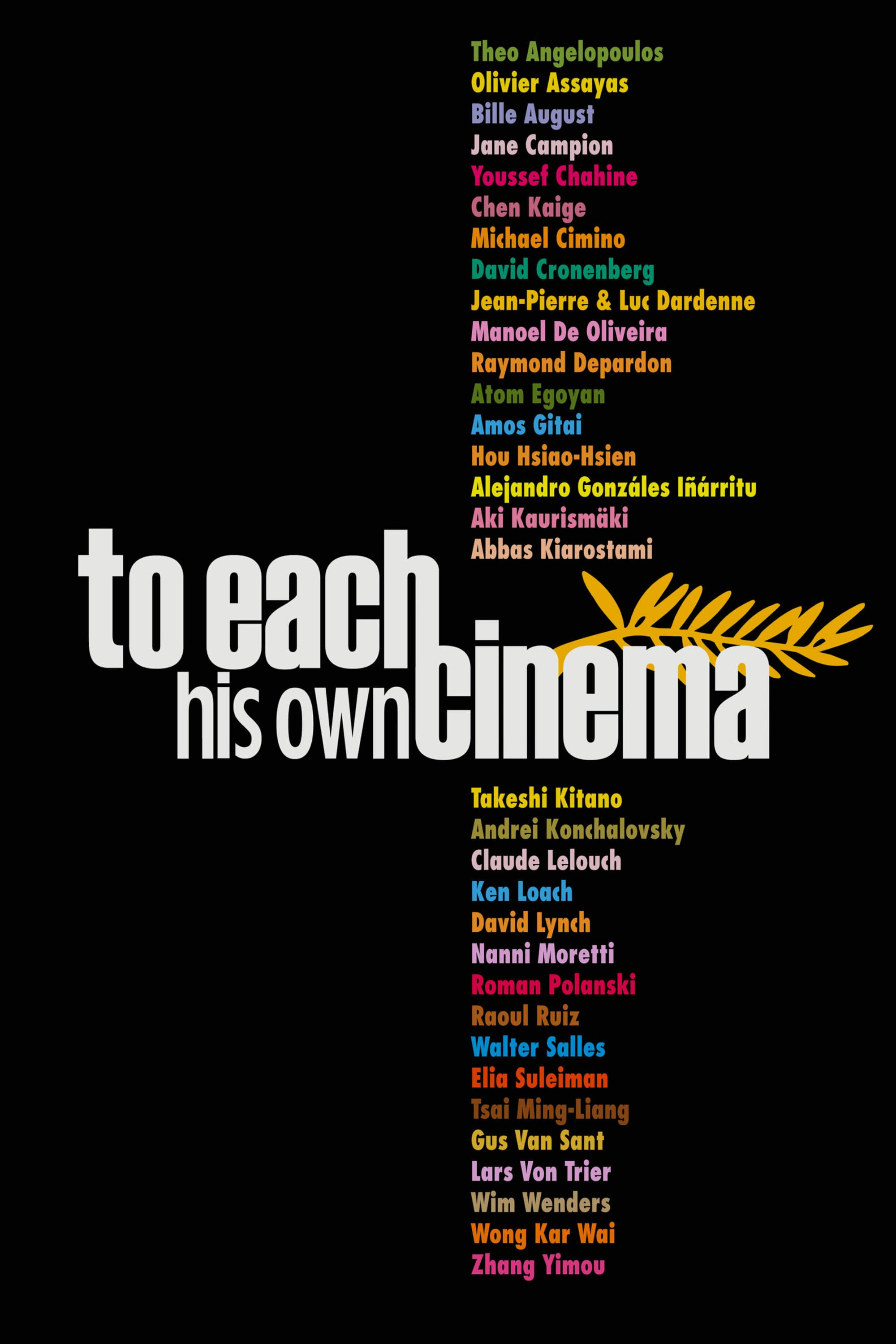
Commissioned to mark the 60th anniversary of the Cannes Film Festival, "To Each His Own Cinema" brought together 33 of the world's pre-eminent filmmakers to produce short pieces exploring the multifarious facets of cinema and their perspective on the state of their chosen artform in the early 21st century.
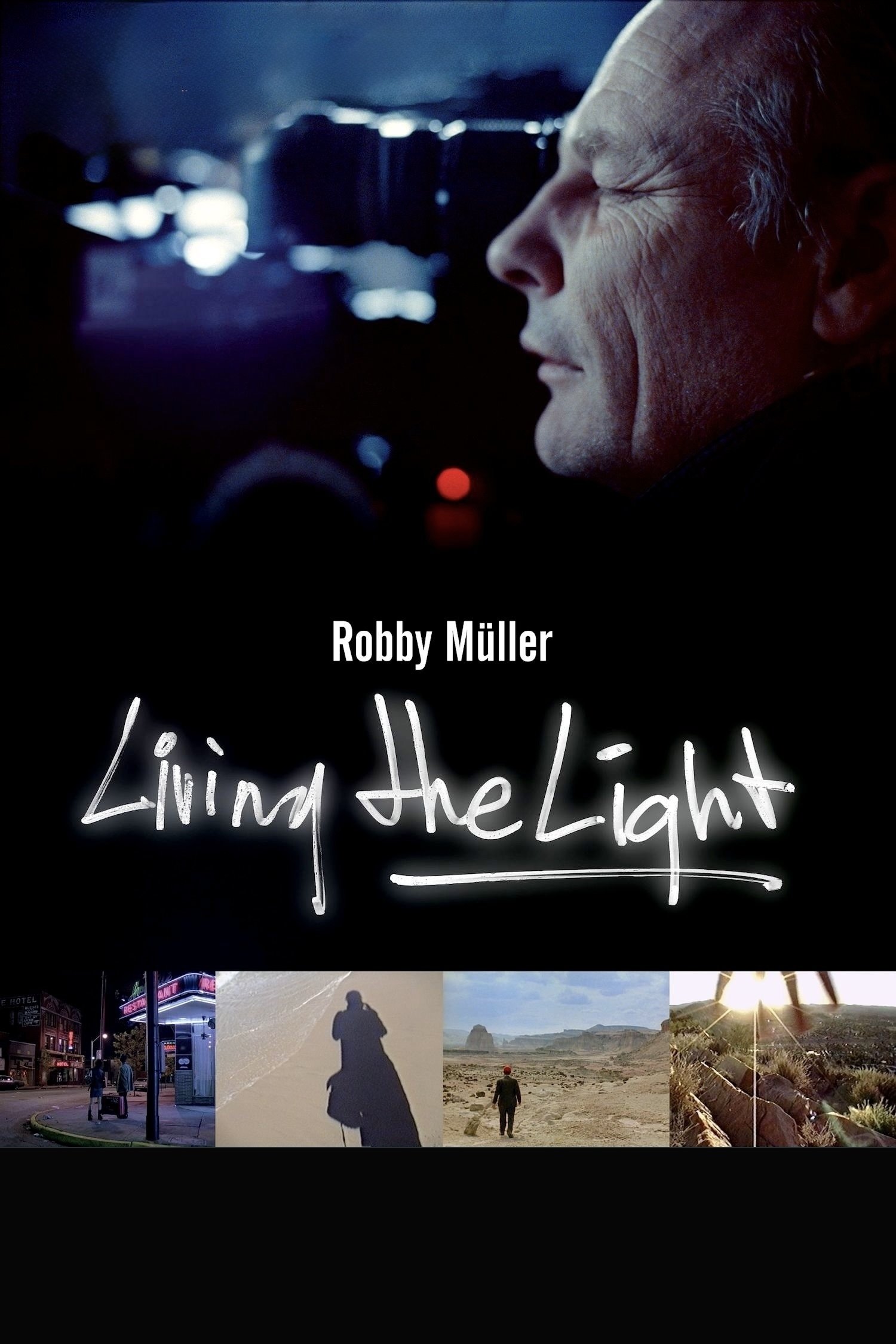
For her extraordinary film essay, Living the Light, Director and Director of Photography Claire Pijman had access to the thousands of Hi8 video diaries, pictures and Polaroids that Müller photographed while he was at work on one of the more than 70 features he shot throughout his career; often with long term collaborators such as Wim Wenders, Jim Jarmusch and Lars von Trier. The film intertwines these images with excerpts of his oeuvre, thus creating a fluid and cinematic continuum. In his score for Living the Light Jim Jarmusch gives this wide raging scale of life and art an additional musical voice.
The filmmakers who created the Dogme Manifesto reflect, argue, and watch clips of their own films.
Marie Berthelius and Roger Narbonne conference call Lars von Trier, Win Wenders, Lone Scherfig, and Jean-Marc Barr and are also linked by digital video. The discussion is about the Dogme 95 film movement and how technological transformations affect cinematic practice.

The mutant fetus is born. Dr. Helmer comes under heavy scrutiny for a botched operation that left a patient braindead, and begins to dabble in the dark arts in order to ward off those seeking an end to his career. Hypochondriac Mrs. Drusse finally does have something bad happen to her medically when an ambulance hits her.
Jesper Jargil's documentary portrait of a bizarre piece of Danish experimental theater directed by Lars von Trier.
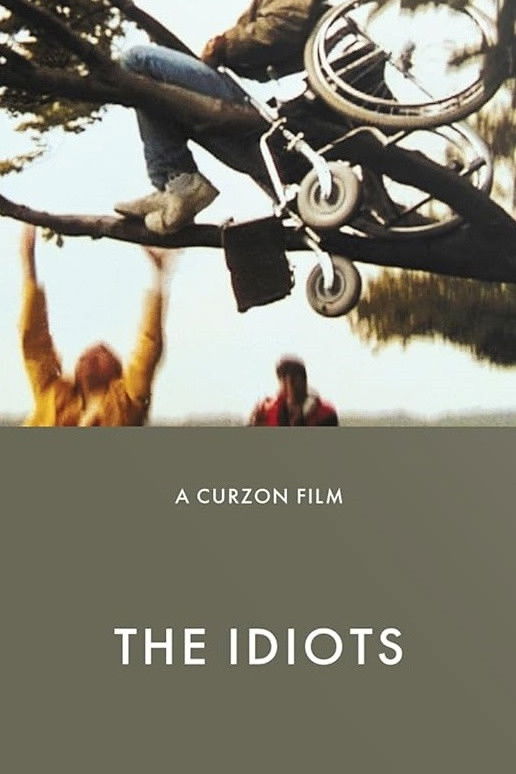
In 2005 the cast and crew with Lars Von Trier gatherd to talk about Lars Von Trier's Dogma film The Idiots.
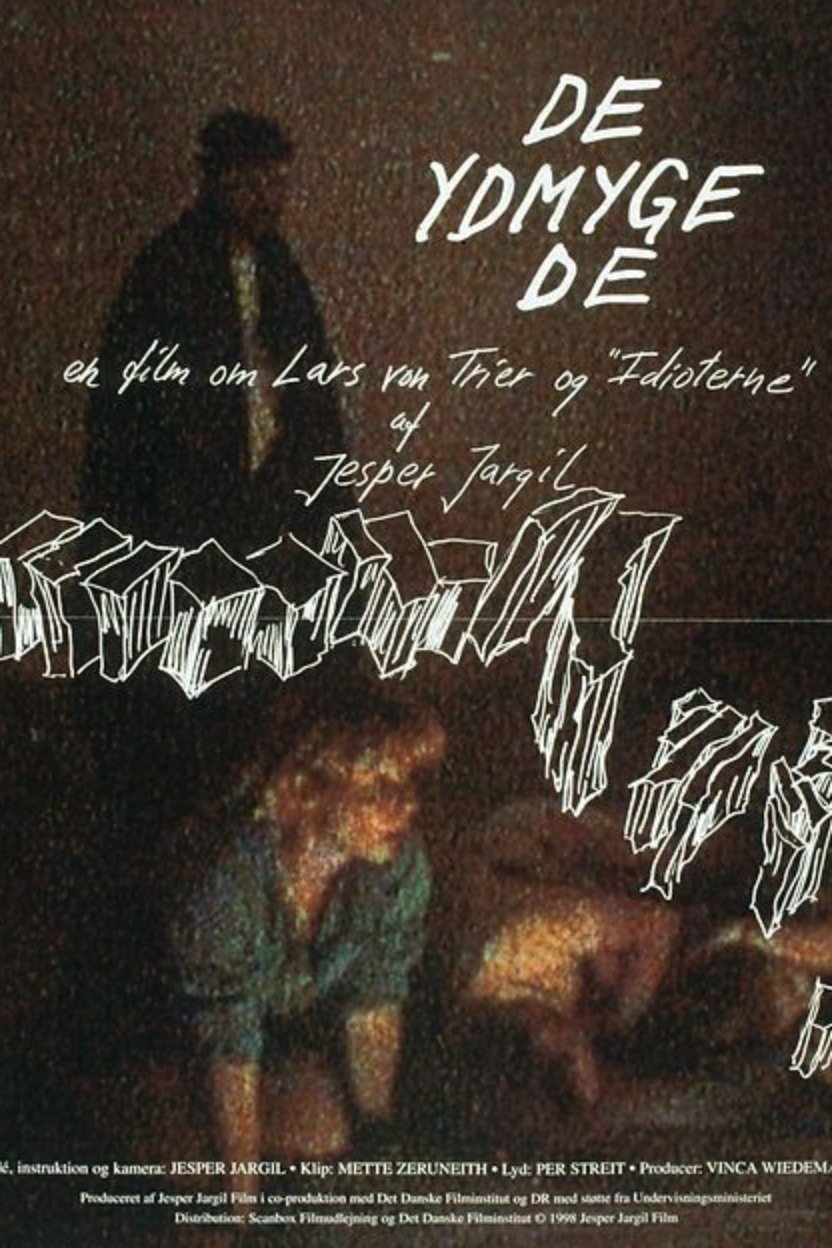
A very intimate look on Lars von Trier and his cast and crew, during the production of "The Idiots".
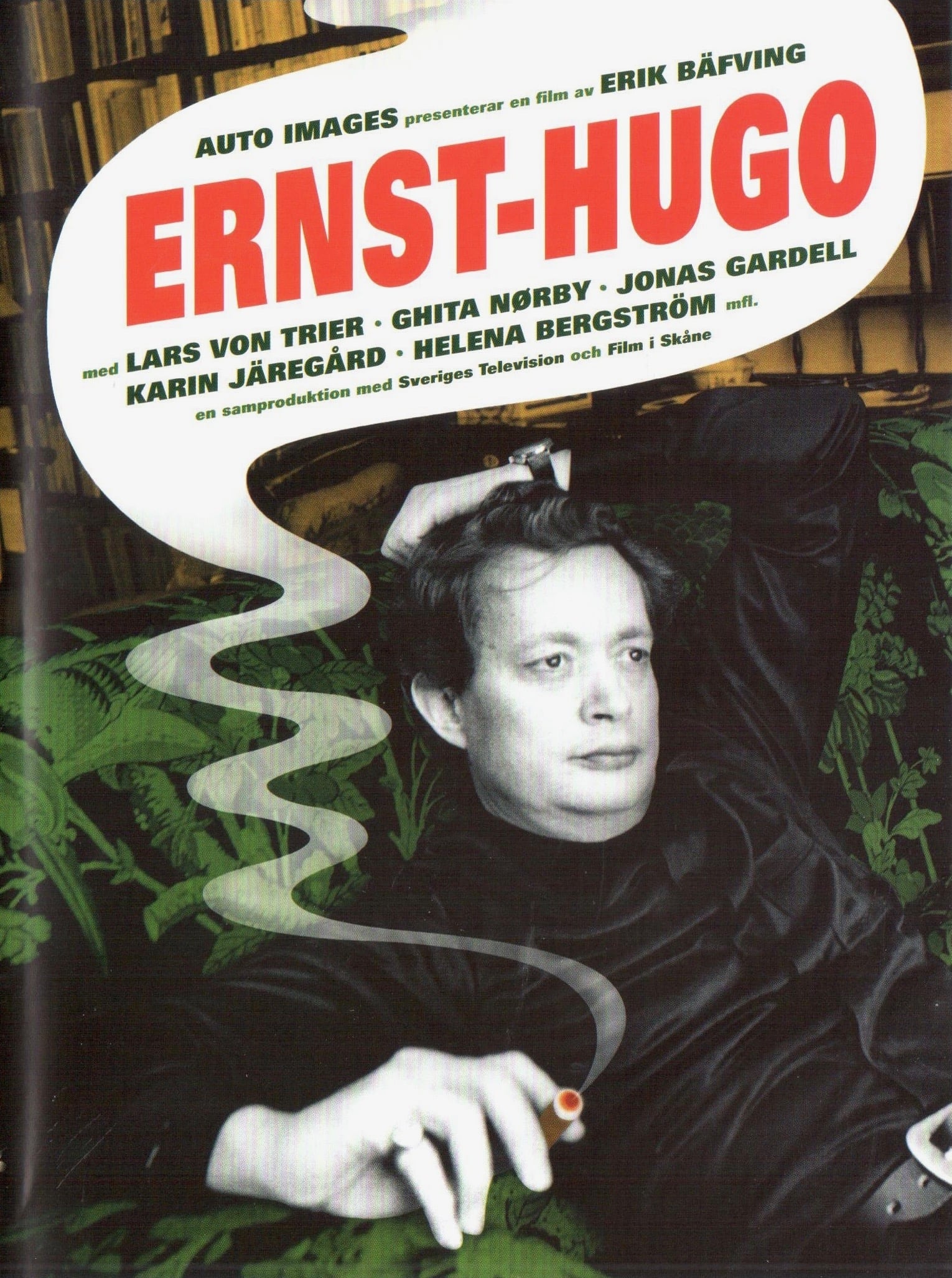
A gripping portrait of the dramatic, extravagant and ego-centric actor Ernst-Hugo Järegård (1928-1998) who would always be at the center of everything. On the out side he was a hailed and confident diva. In his solitude he was plagued by insomnia, anxiety and a complicated relationship with his father. Includes Ernst-Hugo Järegårds last performance "Aktörens läte/ The sound of the actor" (1998) and "Abstract Poker" (1971).
Quixotic Martino Sclavi dives deep into the Danish film scene to uncover the truth behind the Dogme 95 Manifesto, along the way the film systematically breaks each and every one of the Dogme 'vows of chastity' - employing special effects, comedy sound design, and a singing narrator to boot.
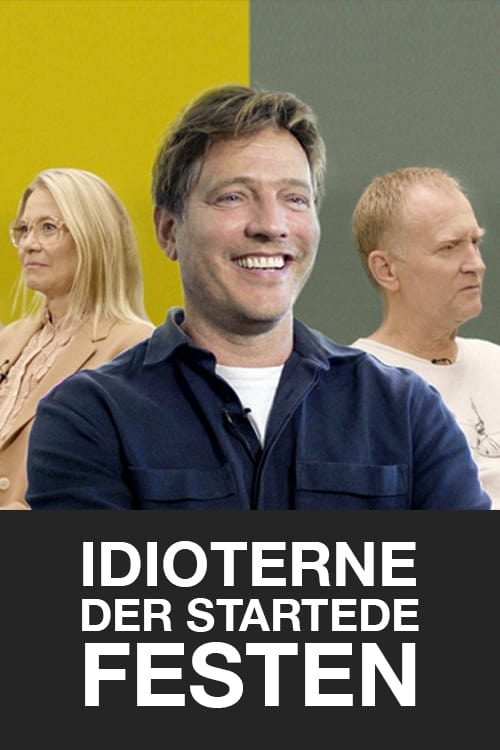
Danish film has never felt stronger on the international stage than it did with the Dogme films, which at the world premiere of 'The Party' and 'The Idiots' during the Cannes Film Festival in 1998 put Denmark on the film world map. Another eight films under the strict Dogme rules followed and created great international careers for several of the talents in front of and behind the handheld camera. Thomas Vinterberg, Søren Kragh-Jacobsen, Paprika Steen, Ulrich Thomsen, Trine Dyrholm, Iben Hjejle, Anders W. Berthelsen, Lone Scherfig, Sonja Richter and many more of the country's greatest filmmakers look back on when Denmark became Dogme.
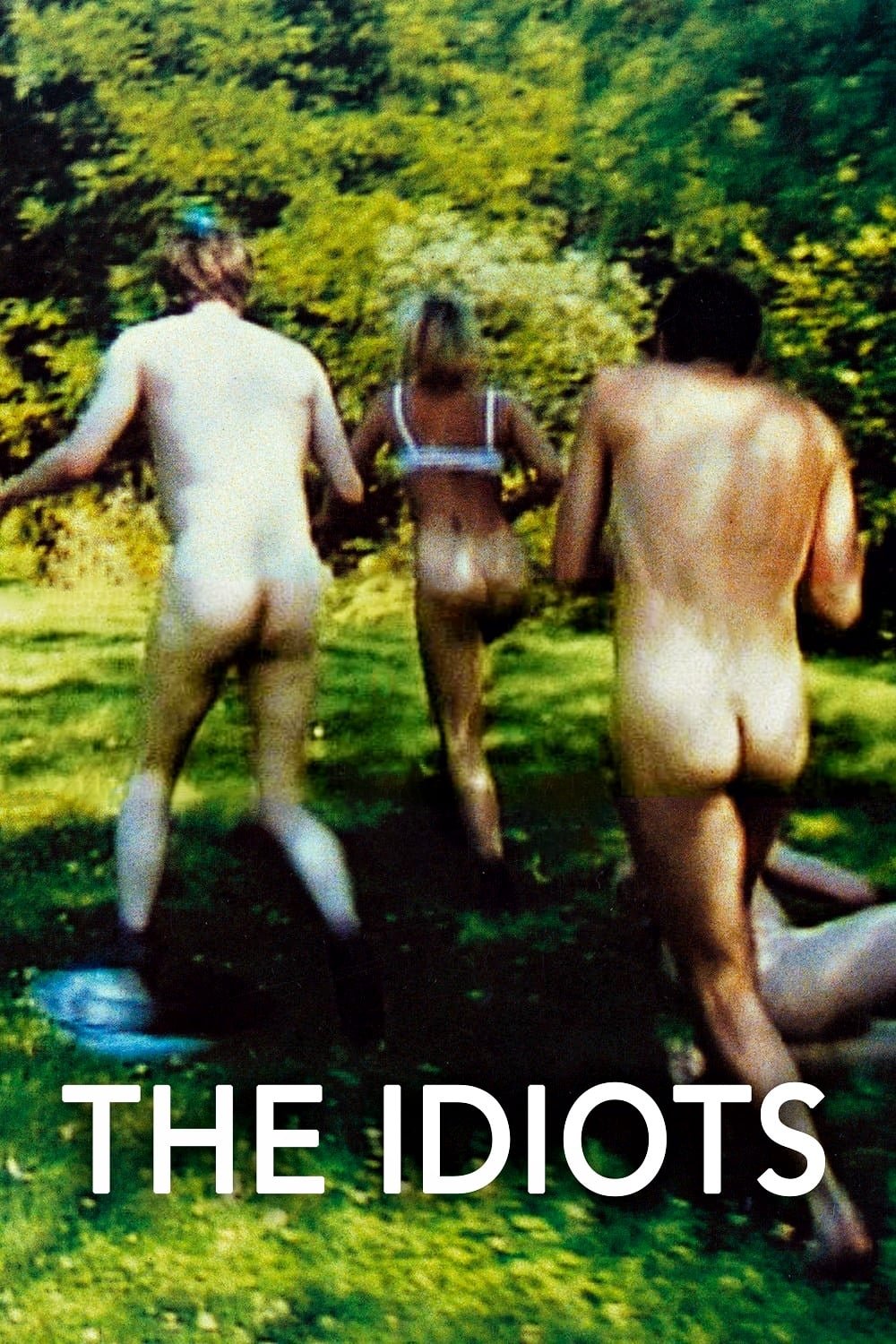
A group of people gather at a Copenhagen suburban home to break all the limitations and to bring out the 'inner idiot' in themselves.
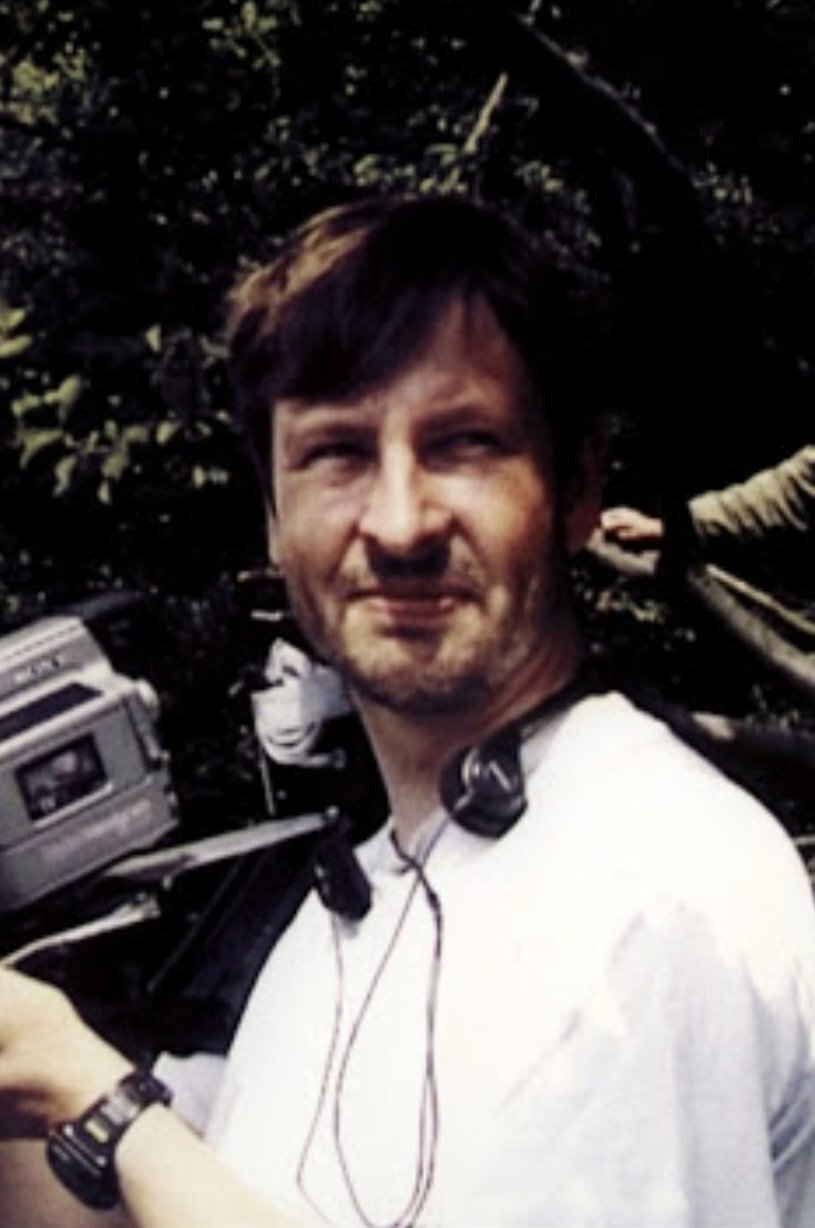
A behind-the-scenes look at the making of "Dancer in the Dark" by Lars von Trier.
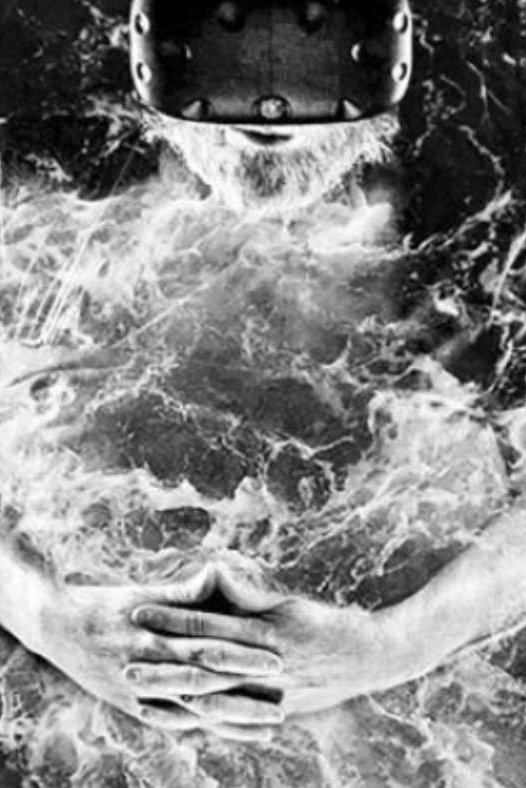
Making film wears down director Lars von Trier, but he is not able to live without them. In the documentary film this Danish auteur’s all-consuming love affection for film is portrayed. Now he is standing at a cross-road. While film as we know it is dying.

It is the young Christian Tafdrup's (Tafdrup himself) greatest wish to become a real film director. He joins the reputable company Zentropa, where he is even lucky enough to meet the famous Lars von Trier (von Trier himself), who does not have many positive words for Tafdrup. Tafdrup tells aspiring young women that he is actually a director, and he therefore gets them to show up for auditions
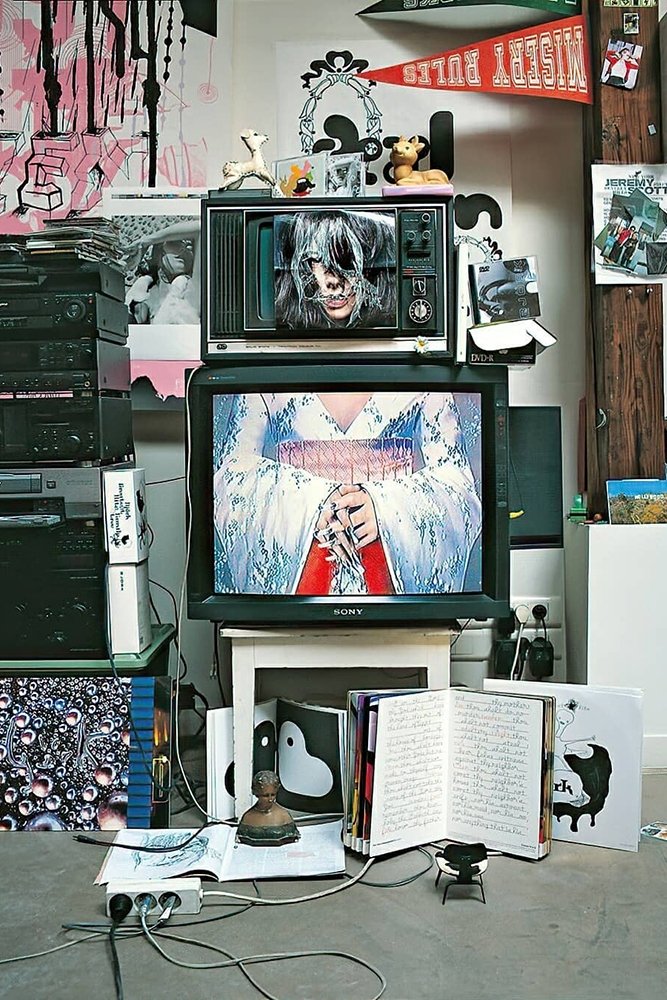
Following the career of Björk, this documentary looks at her early musical career with local icelandic bands, her acclaimed stint in The Sugarcubes, and her massive success as a free-spirited solo artist.
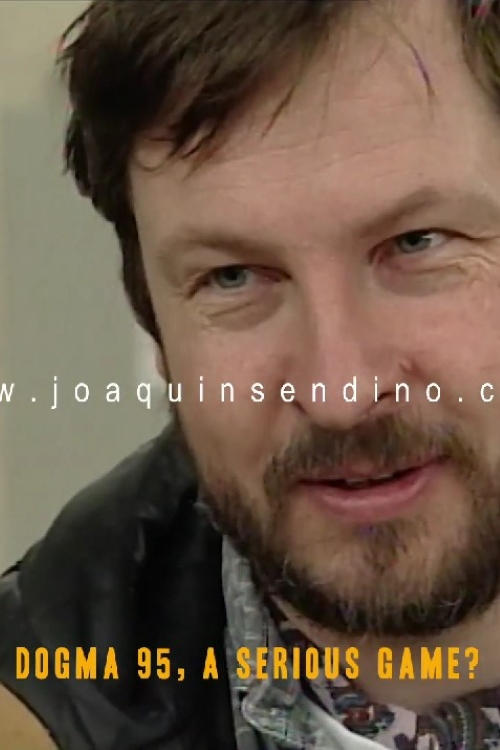
Shot in Denmark in 1999, the documentary features exclusive interviews with the creators of the filmmaking movement Dogma 95: Lars von Trier, Thomas Vinterberg and Soren Kragh-Jakobsen.
Documentary on "The Idiots."

Documentary about the filming and behind-the-scenes of Manderlay.
Summer vacation. But Lars remain in town for his parents must work. One day as he bikes around, he hears a scream from a garden.
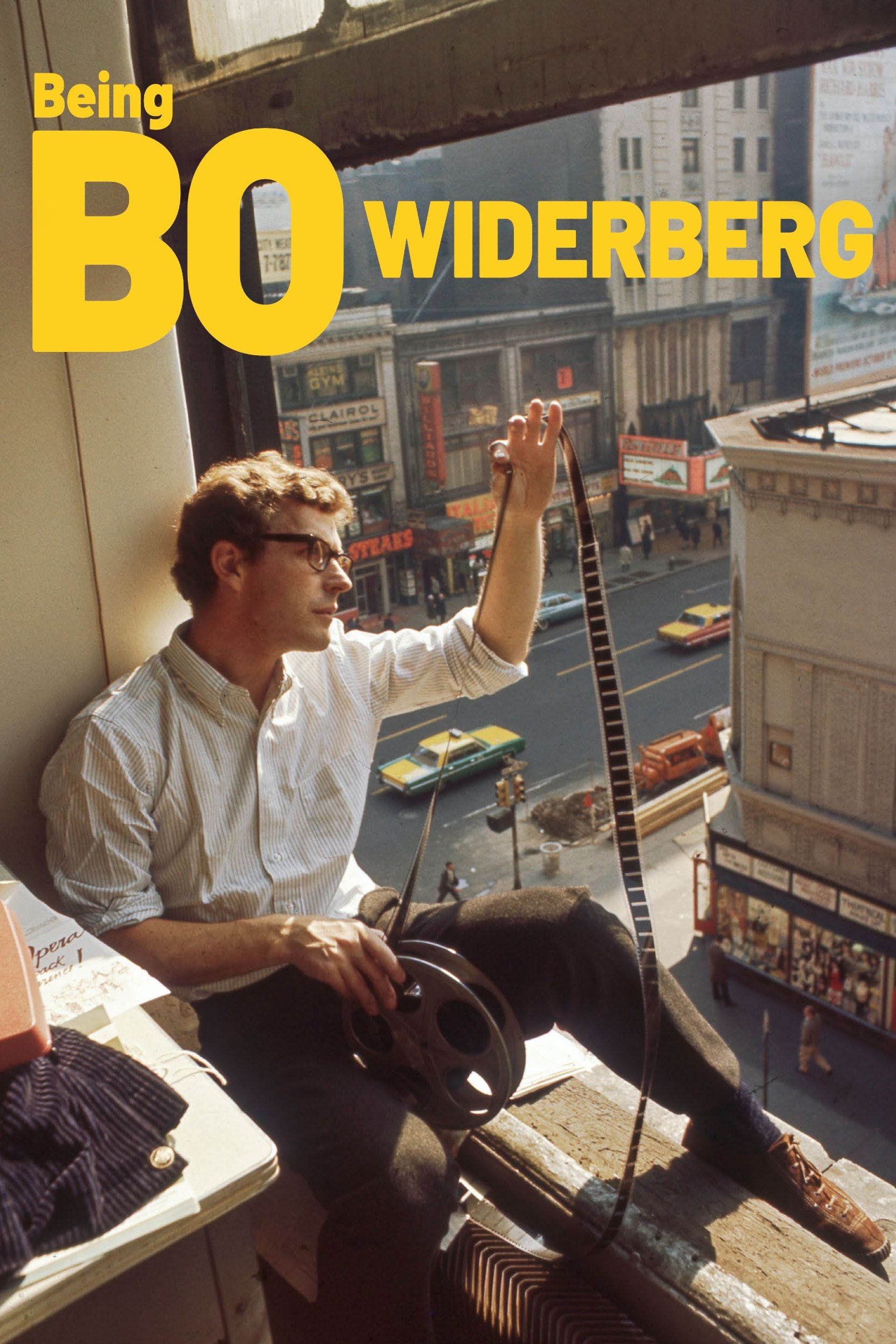
The documentary chronicles Bo Widerberg's journey from 1960s Malmö, where he worked as a writer and film critic, to his successes as a director in Stockholm and international adventures in Cannes and New York. The film also explores the personal costs of his artistic vision and how his pursuit of life and authenticity affected both himself and those around him.

A nostalgic look at the birth and death of arthouse film distribution in Russia in the early 2000s. The story of the company Cinema Without Borders and its two founders, Sam Klebanov and Anton Mazurov.
Documentary following the controversy engendered by his 1988 film THE IDIOTS, which showed a group of middle class people pretending to be mentally impaired. Disabled people confront film director Lars von Trier about his view that anything can be shwon in film, arguing that it reinforces stereotypes of the disabled
Behind the scenes documentary on The Idiots
Documentary on Dancer in the Dark