After his release from prison, ex-convict Franz Walsch finds his way back into the Munich criminal underworld. His attentions focus upon two women, Joanna and Margarethe, as well as upon Günther, his friend who earlier shot his brother.
Film director Jeff and his lead actor are taking their time getting to set. In their absence, the crew lack a purposeful way to spend their time waiting, so they drink heavily. However, as booze is downed and frustration sets in, morale hits rock bottom.
This documentary premiered at the Kennedy Center in Washington, DC. Explore the challenging world of the screenwriter with renowned industry writers.
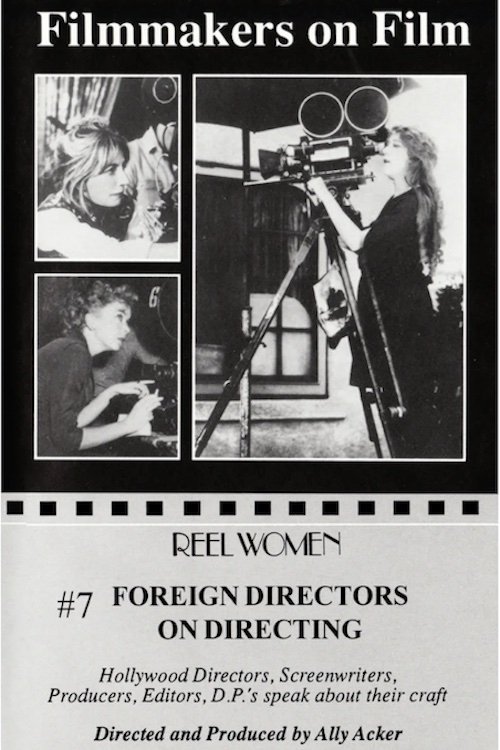
Non-US directors speak about the idiosyncrasies of filmmaking in their respective countries. Because of the difficulty of financing, very few American film directors establish a body of work. For American women directors, the problem is two-fold. But in Europe, Canada, and some countries of South America, filmmaking is often government subsidized, making it possible for filmmakers to become prolific in their craft.
After a chance encounter with a wanted man, a woman is harassed by the police and press until she takes violent action.
Two women–a literature professor and a painter–start to rely upon their friendship as an alternative to their unhappy relationships with the men in their lives.
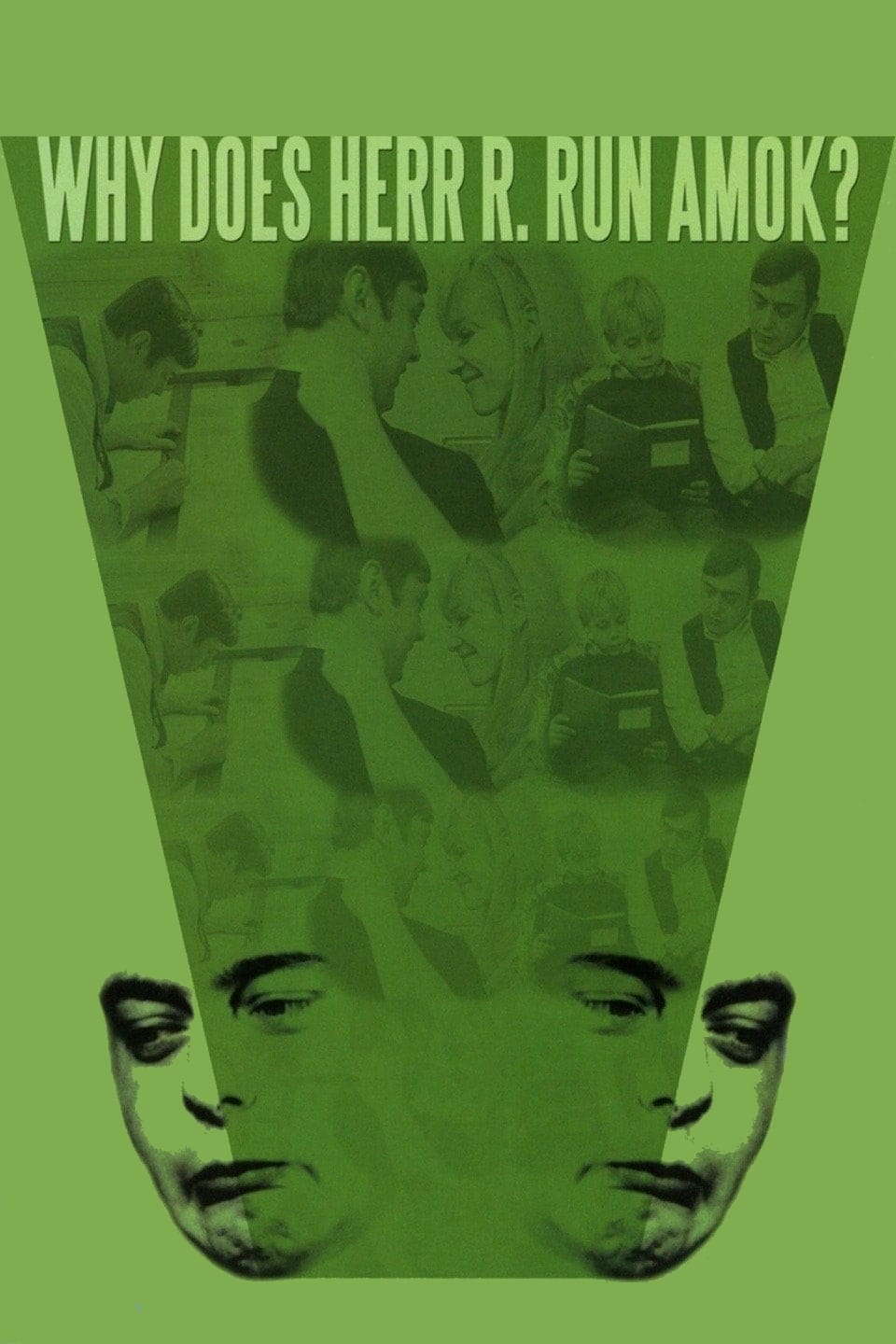
Technical draftsman Herr R. is a dependable guy. He gets along with his colleagues although his boss wants him to go beyond technical cleanliness to problem solving. He's a dutiful husband; his wife's a social climber and pressures him to seek a promotion, but they also share sweet moments. He's a caring father, helping his son with homework. His parents visit; his mother criticizes his wife. Old schoolmates drop by, as do neighbours. Some comment on his wife's expensive tastes. His promotion may be a long shot, especially after he gives a dull and tipsy toast at an office dinner. But why would Herr R. run amok?
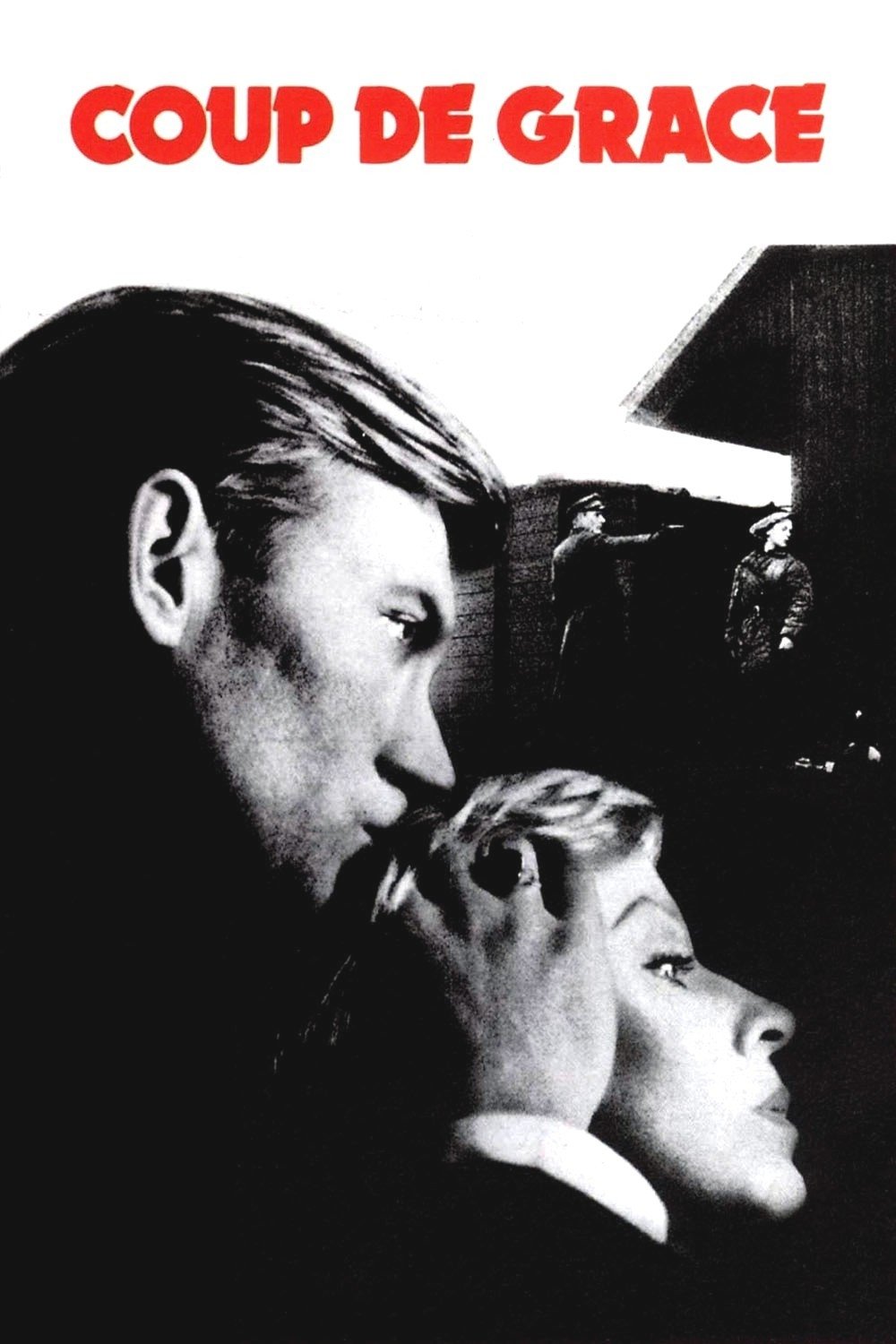
A countess loves her brother's Prussian-officer friend in the 1919 Baltic area.
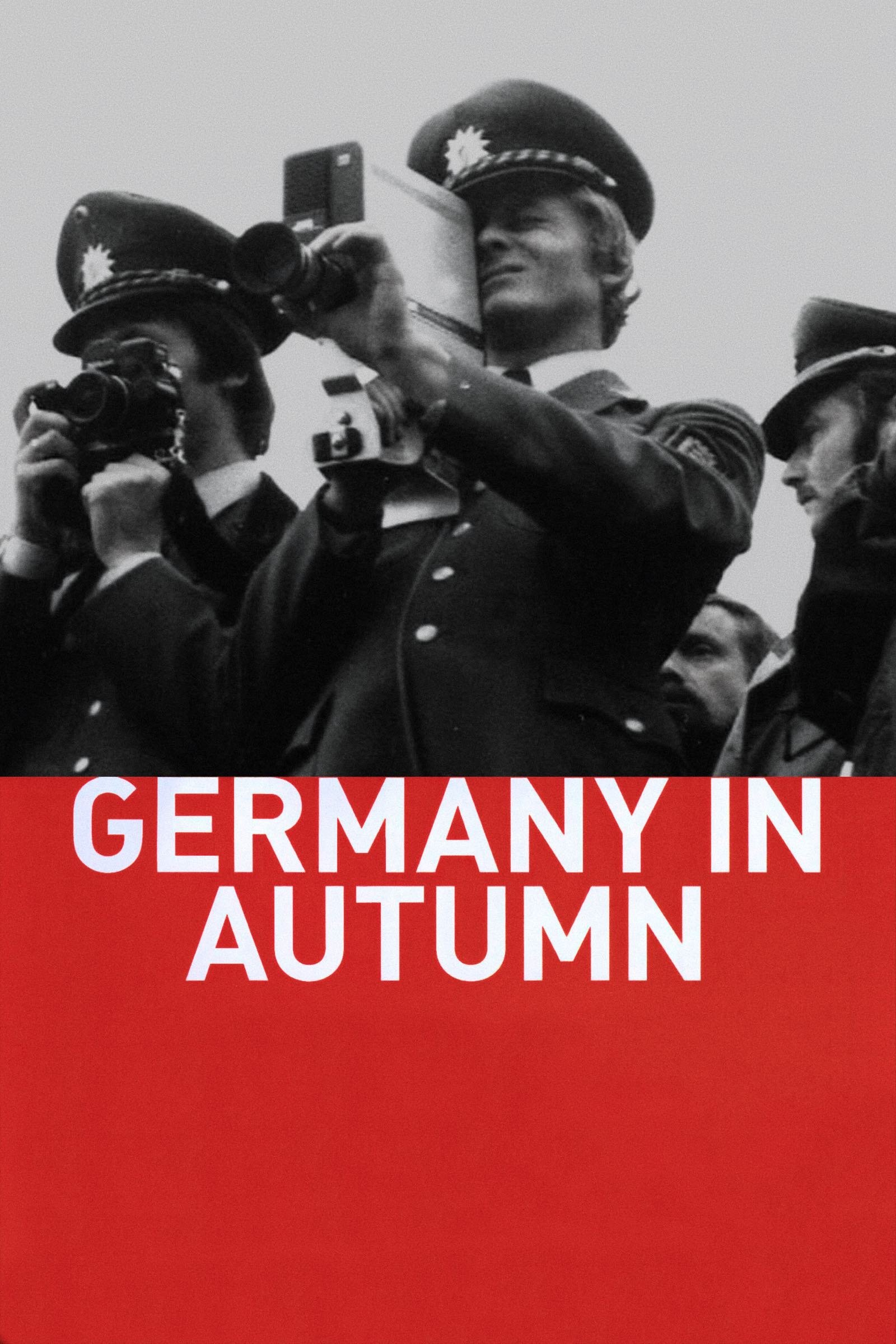
Nine fictitious documentaries and films reflect the mood of late 1970s Germany, particularly the two-month period in 1977 when a businessman was kidnapped by the RAF (Red Army Faction). The kidnap had been made to orchestrate the release of the original leaders of the RAF, aka the Baader-Meinhof.
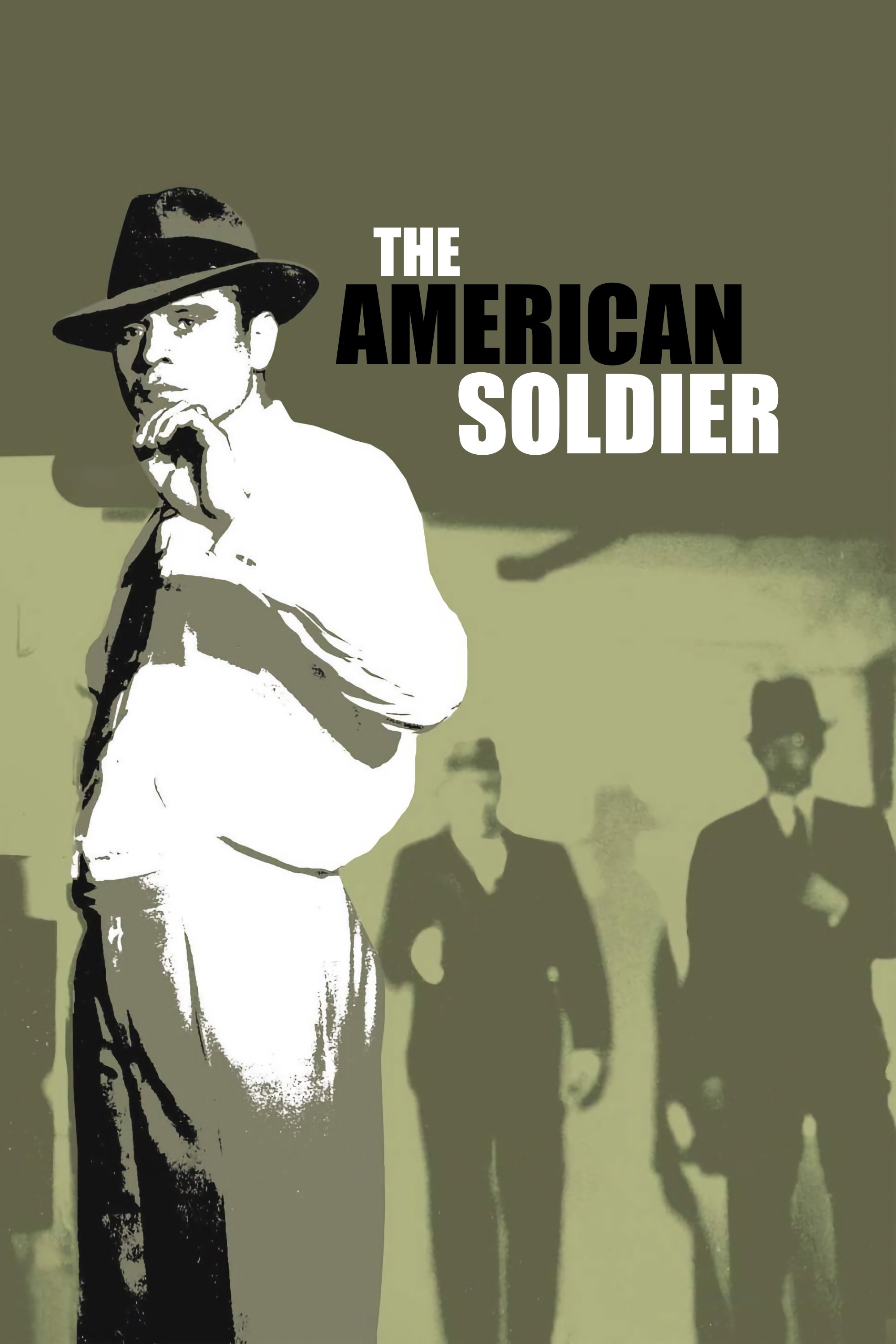
Ricky returns to Munich from Vietnam and is promptly hired as a contract killer.
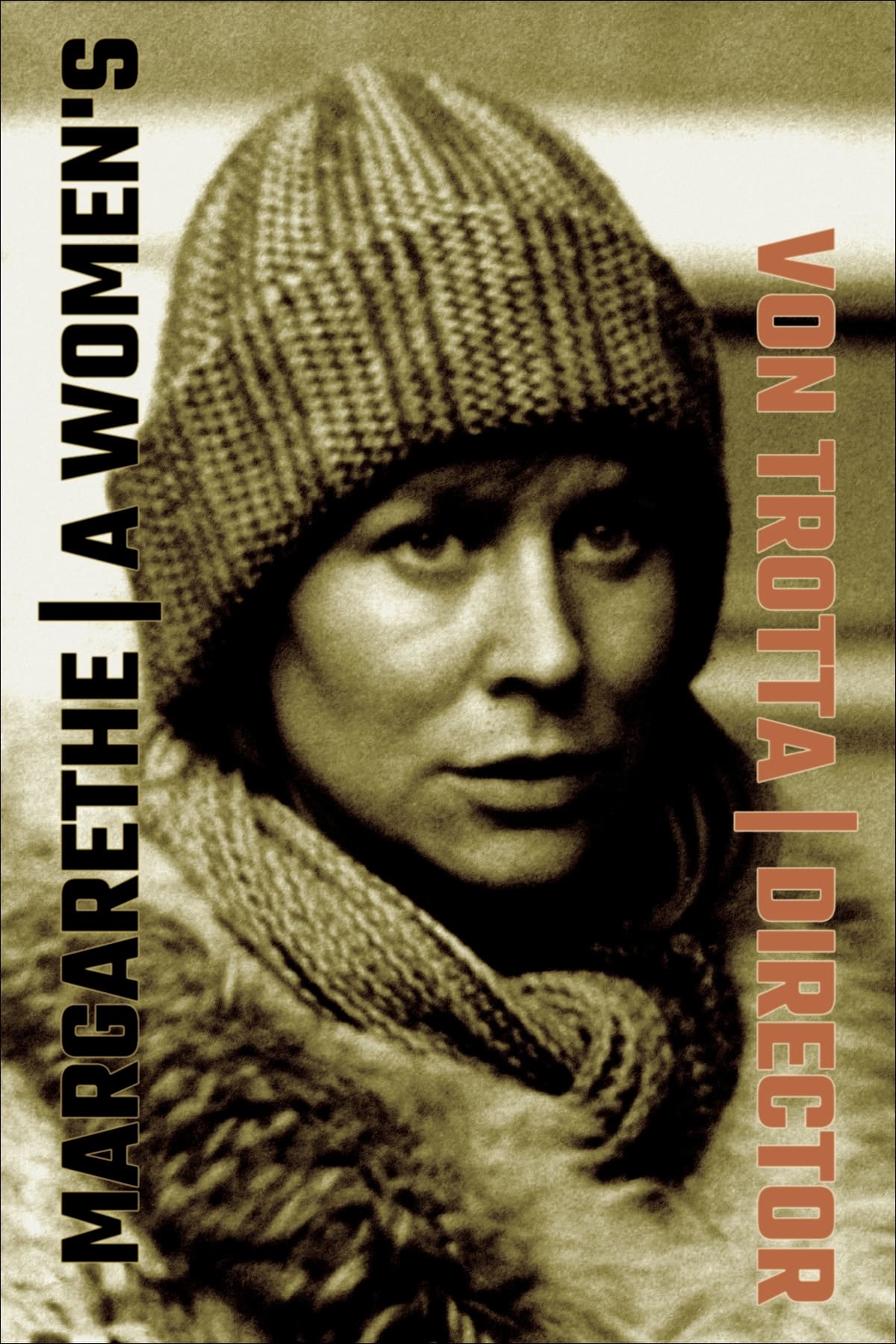
Margarethe von Trotta, one of the few icons of German directing, internationally revered as a star director, celebrates her 80th birthday: her works are among the most important in German cinema of all time.
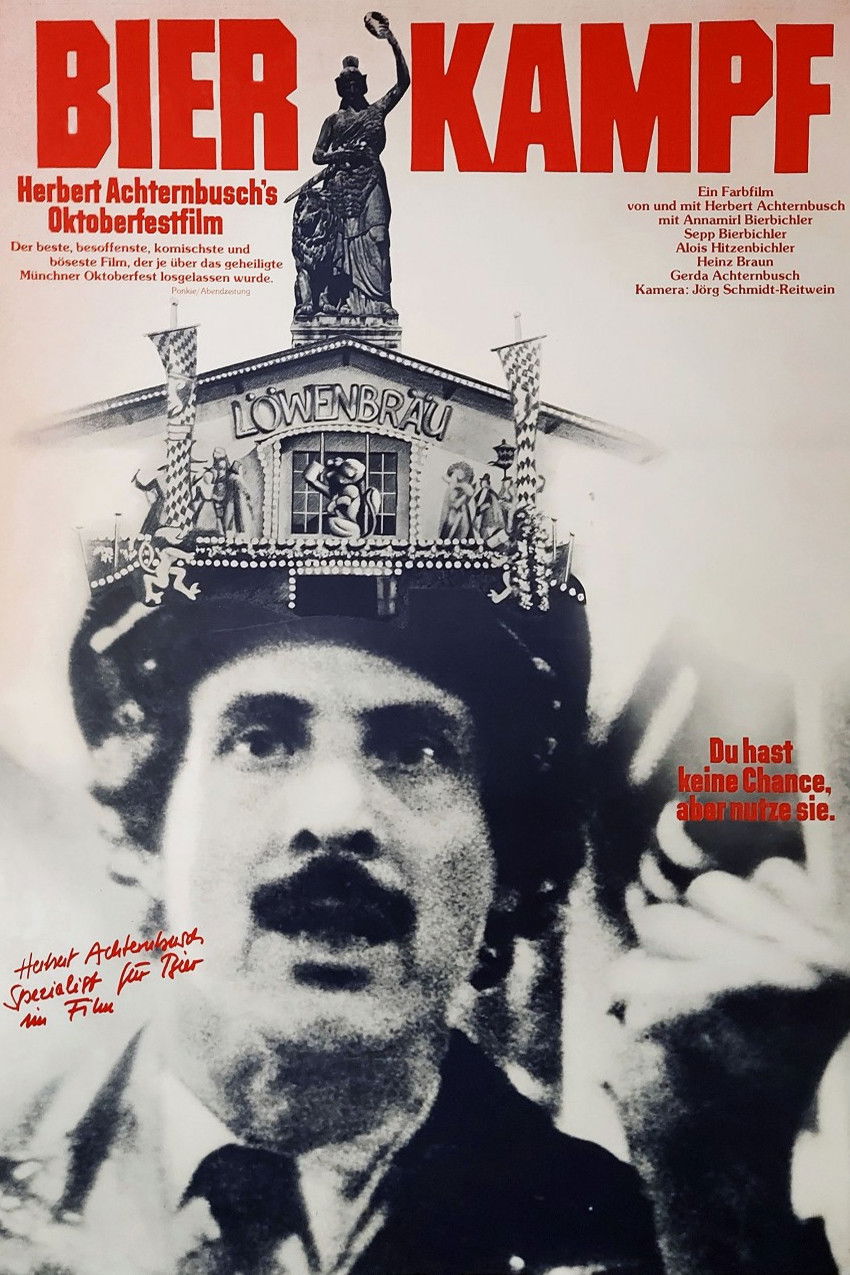
A man who is dissatisfied with his senseless existence in his family-life and social status steals the uniform of a policeman and then enters the Oktoberfest. Now he is somebody, he is important, he can help, people respect him, etc. His wife, other relatives and some friends start to follow him while he gets some new acquaintances.
A meditation on the first 100 years of German cinema, featuring an assembly of German filmmakers.

An exploration of the cult of the genius, an anti-heroic figure who chooses to be a social outcast and live on the fringe of bourgeois morality.

A documentary by Hans Günther Pflaum and Peter H. Schröder.
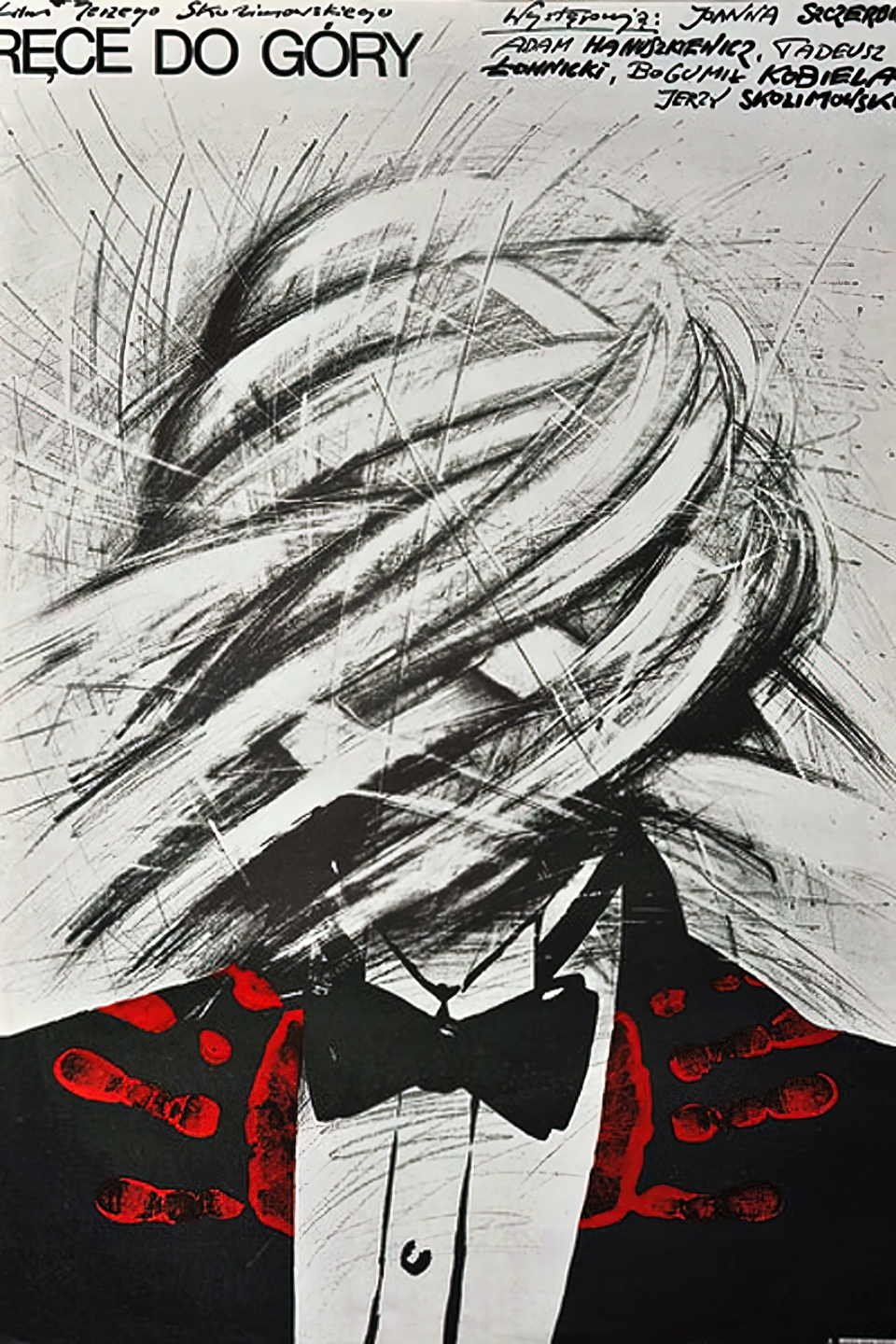
The reunion of a group of former medical students results in a flood of bitter memories.
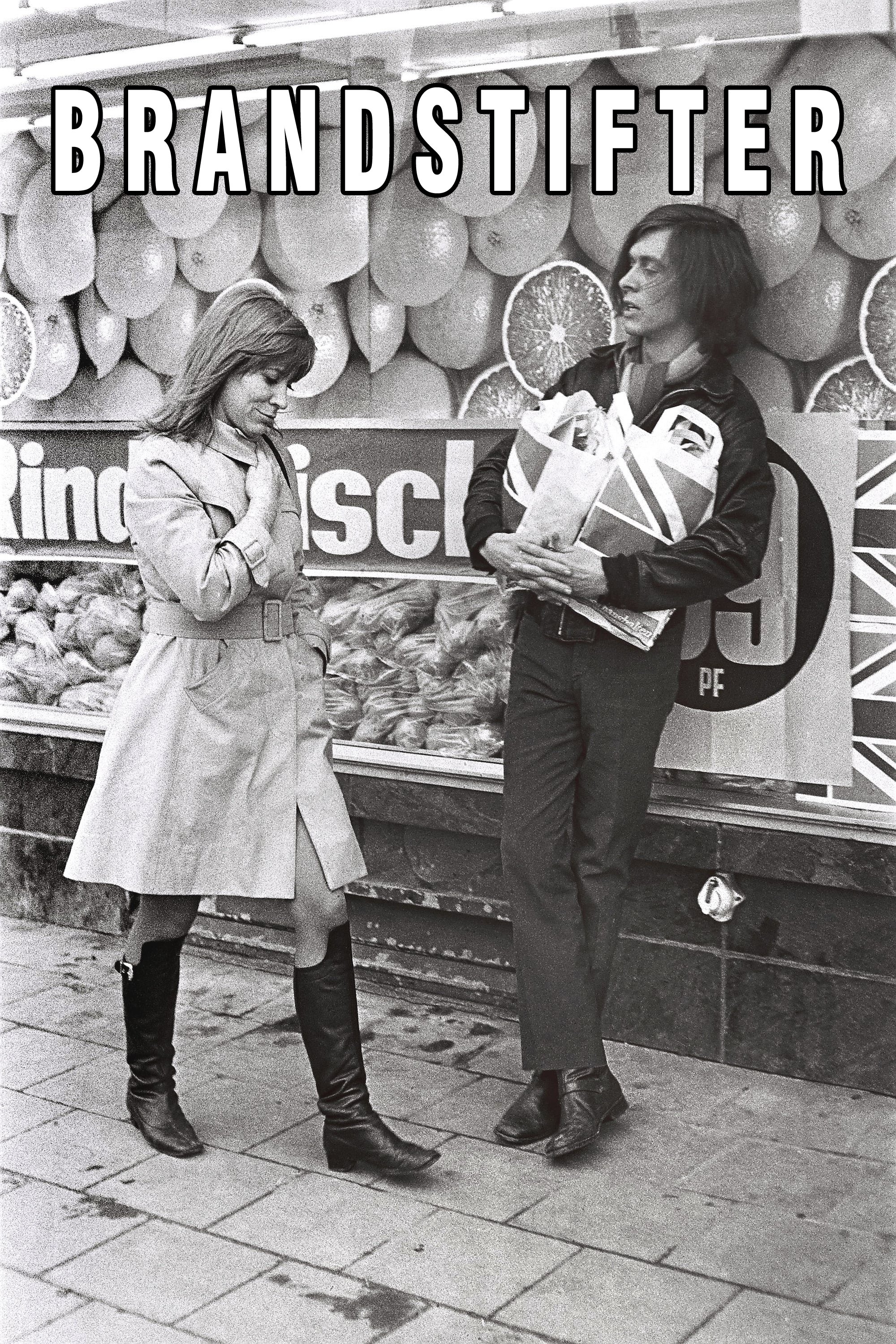
Anka, a student active in the extra-parliamentary opposition, has had enough of inconsequential discussions. As she no longer believes that she can change the world with words alone, she plans a militant action: as a protest against the Vietnam War, she plants a bomb in a Cologne department store to force the public into a debate.
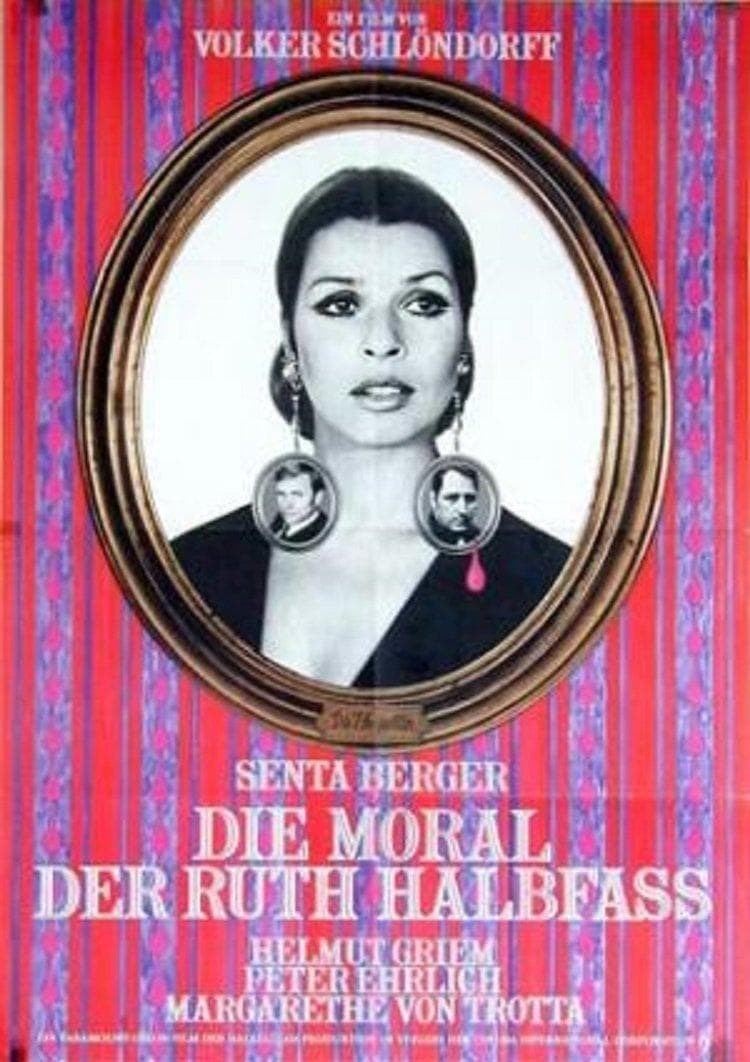
Ruth is the wife of well-heeled corsetry manufacturer Erich Halbfass. As business booms, Erich lives frivolously and their daughter Aglaia attends school. The bored middle-class wife begins a secret affair with Aglaia's drawing teacher, setting murder and manslaughter in motion.
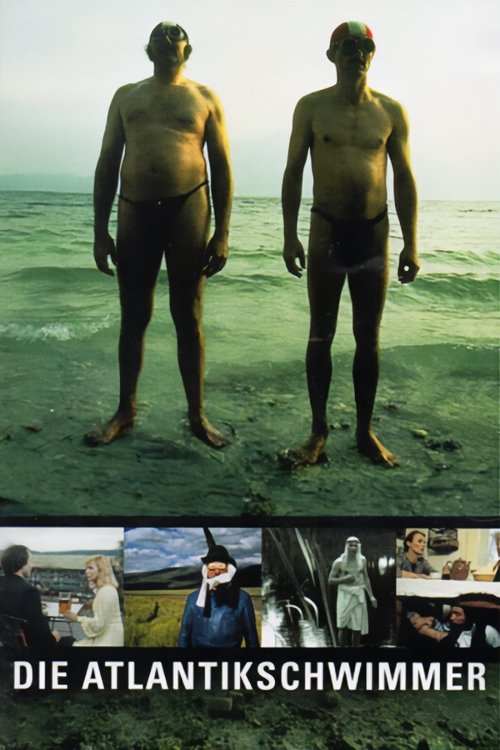
Munich Heinz and Herbert wants to escape the torturous confines of their home by swimming across the Atlantic.
Drama about the life of a travelling salesman.
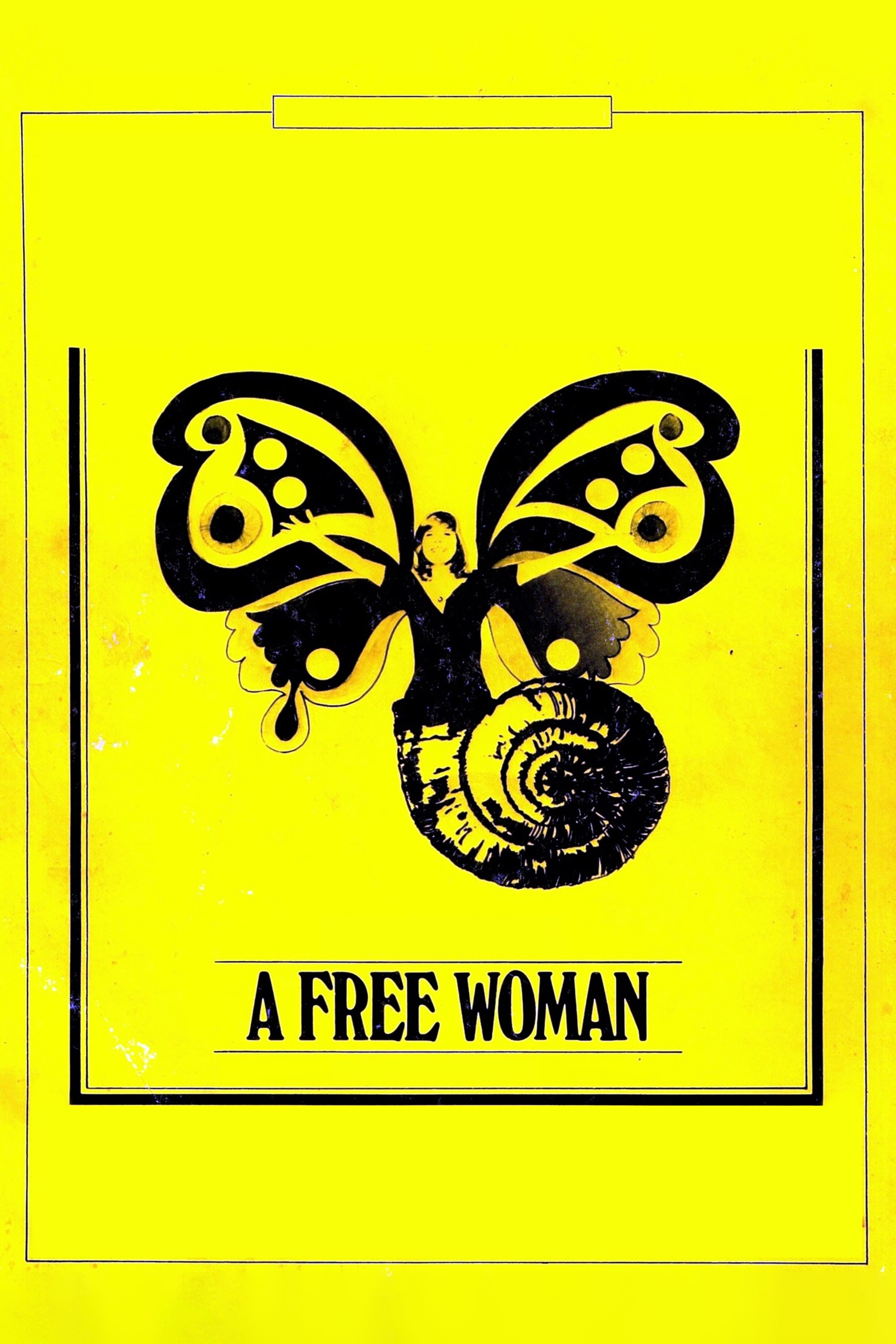
A divorced thirtysomething woman fights a losing battle in Munich to attain belated self-fulfillment. The die is cast in a briskly impersonal society geared to male dominance and early training for career women.
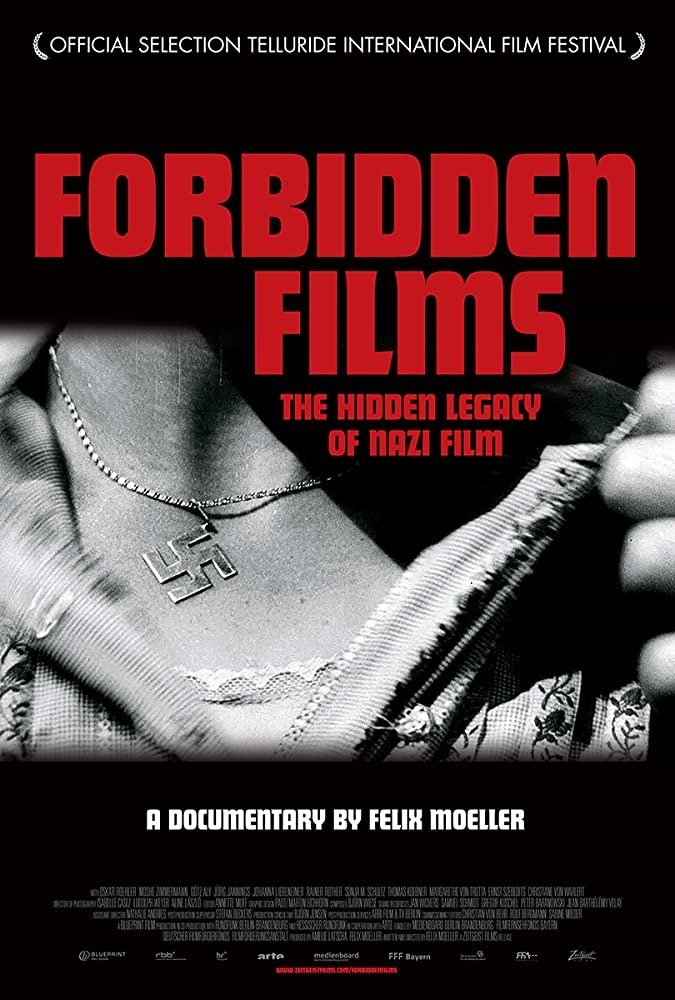
Between 1933 and 1945 roughly 1200 films were made in Germany, of which 300 were banned by the Allied forces. Today, around 40 films, called "Vorbehaltsfilme", are locked away from the public with an uncertain future. Should they be re-released, destroyed, or continue to be neglected? Verbotene Filme takes a closer look at some of these forbidden films.
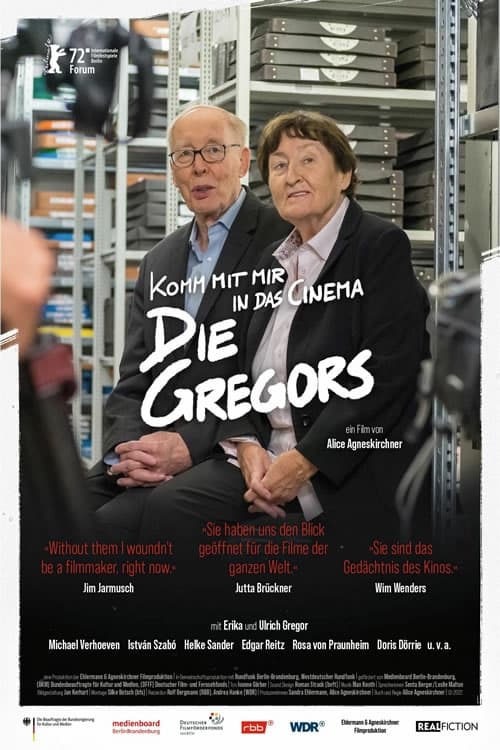
From the 1950s onwards, Erika and Ulrich Gregor brought countless film historical milestones to Berlin and shaped cinema discourse in post-war Germany. A look at the life and work of the couple without whom Arsenal and the Forum wouldn’t exist.

In an attempt to escape 19th-century poverty, eight farmers and day laborers attack a prince's money transport in the Hessian Hinterland.
The heart of the legs.
An internist is accused of murdering the sixth of his seven wives. During the court hearing, numerous statements, especially those made by his former wives, confront him with his past. Finally acquitted, the doctor loses himself in feelings of deepest guilt and confusion as he searches for the truth about himself. The strict film adaptation of the novel by Max Frisch (1982).
Melodrama set in Hamburg's red light district.
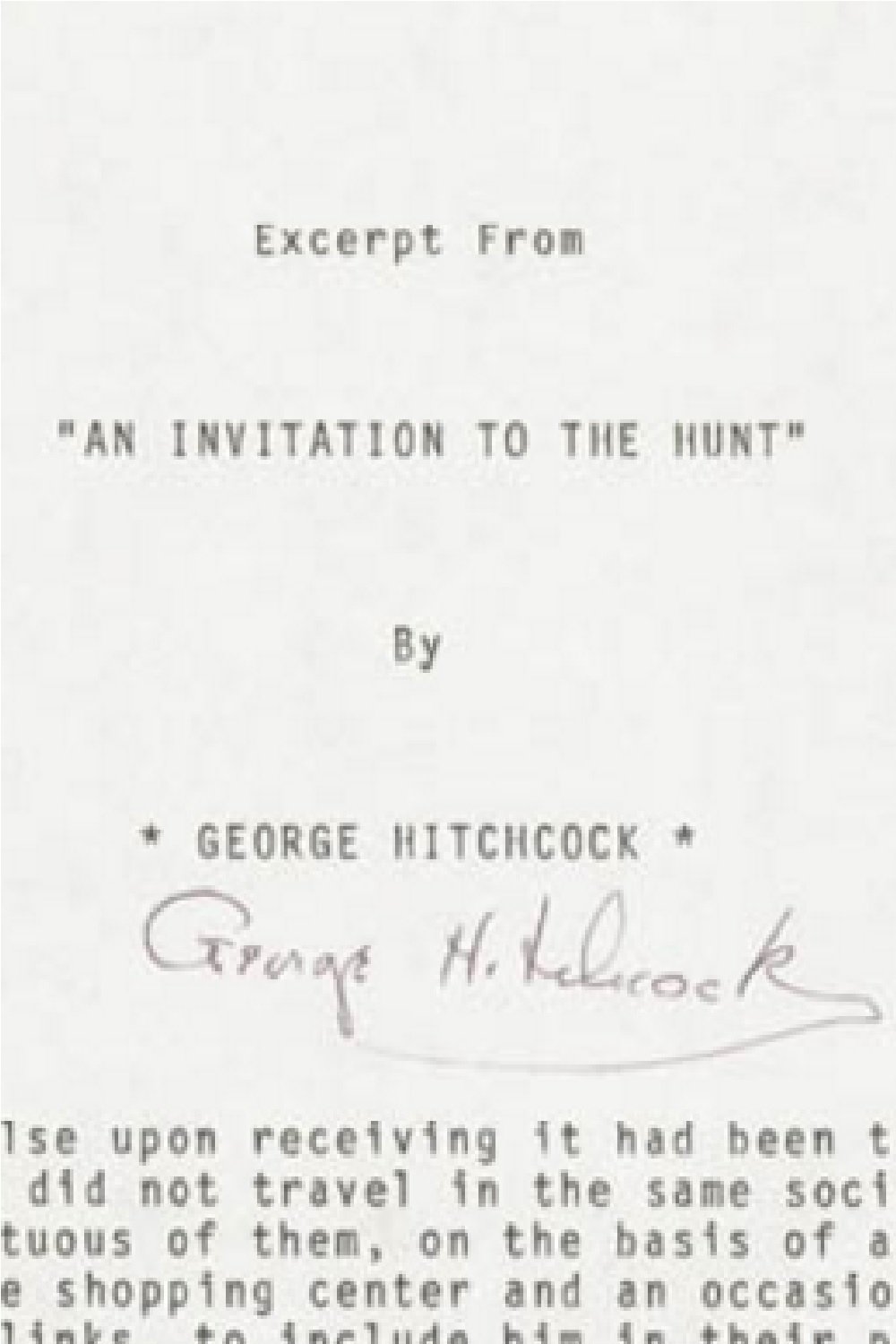
Claude Chabrol film for TV based on the short story An Invitation to the Hunt by Georges Hitchcock. Receiving an unexpected invitation to participate in the annual hunt party given by the local marquis, a common man deludes himself into thinking he’s a valued member of society, gets in debt to live up to his own fantasies, puts on airs, and invents a perfectly untrue—but, to his mind, fitting—past for a man of his new station. Then the cruel game starts.
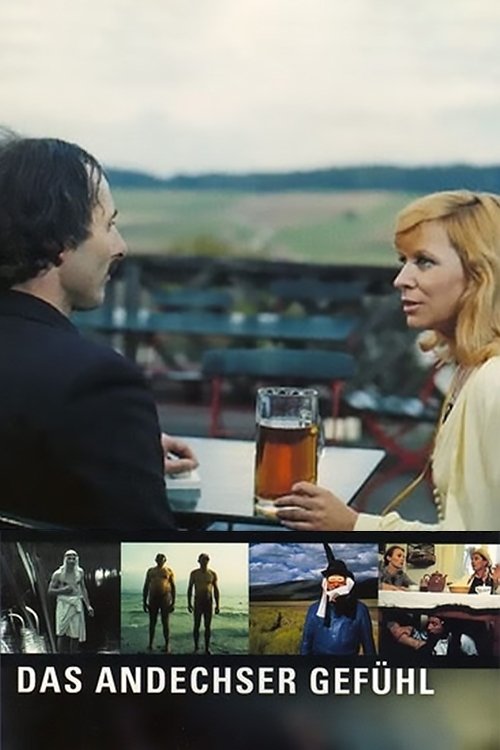
An anxious teacher (played, as is the lead role in all his films, by the director) sits in a beer garden on the hill of the Andechs monastery. While flies drown in his mug of beer, he confronts a life of failure: the wife he ignored, the child he neglected, the teaching duties he has shirked, and his doomed efforts at winning tenure from school officials. Only a dream from the past-the memory of a former liaison with a film star with whom he shared "the Andechs feeling, a feeling that we are not alone" - provides sustenance. Despite an unexpected series of events, longing in Achternbusch's world ultimately remains stronger than fulfilment and thirst better than beer.
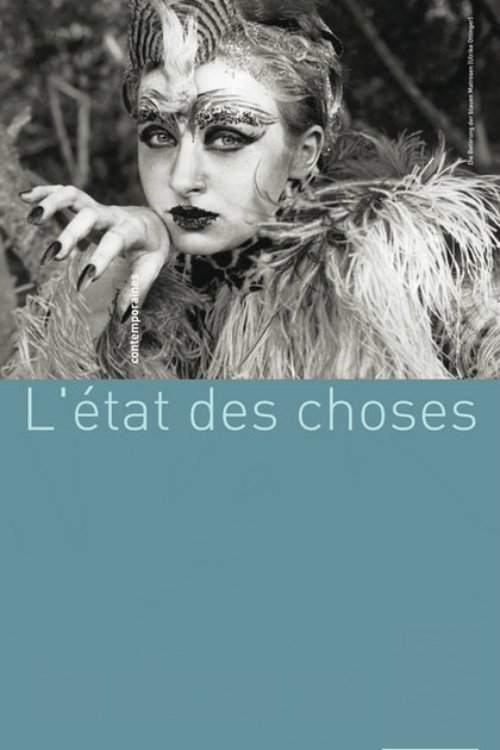
Right at the heart of the debates on the discrimination of women in the film industry, this documentary raises questions, while offering a voice to women and their cinema. Catherine Breillat, Claire Denis, Mira Nair, Margarethe Von Trotta, Ulrike Ottinger, Micheline Lanctot, Rakshnan Bani-Etemad, María Novaro but also the names of the less visible directors of the general public. Joining the filmmakers are the voices and comments of producers, film specialists and archivists through whom our images are meticulously preserved.
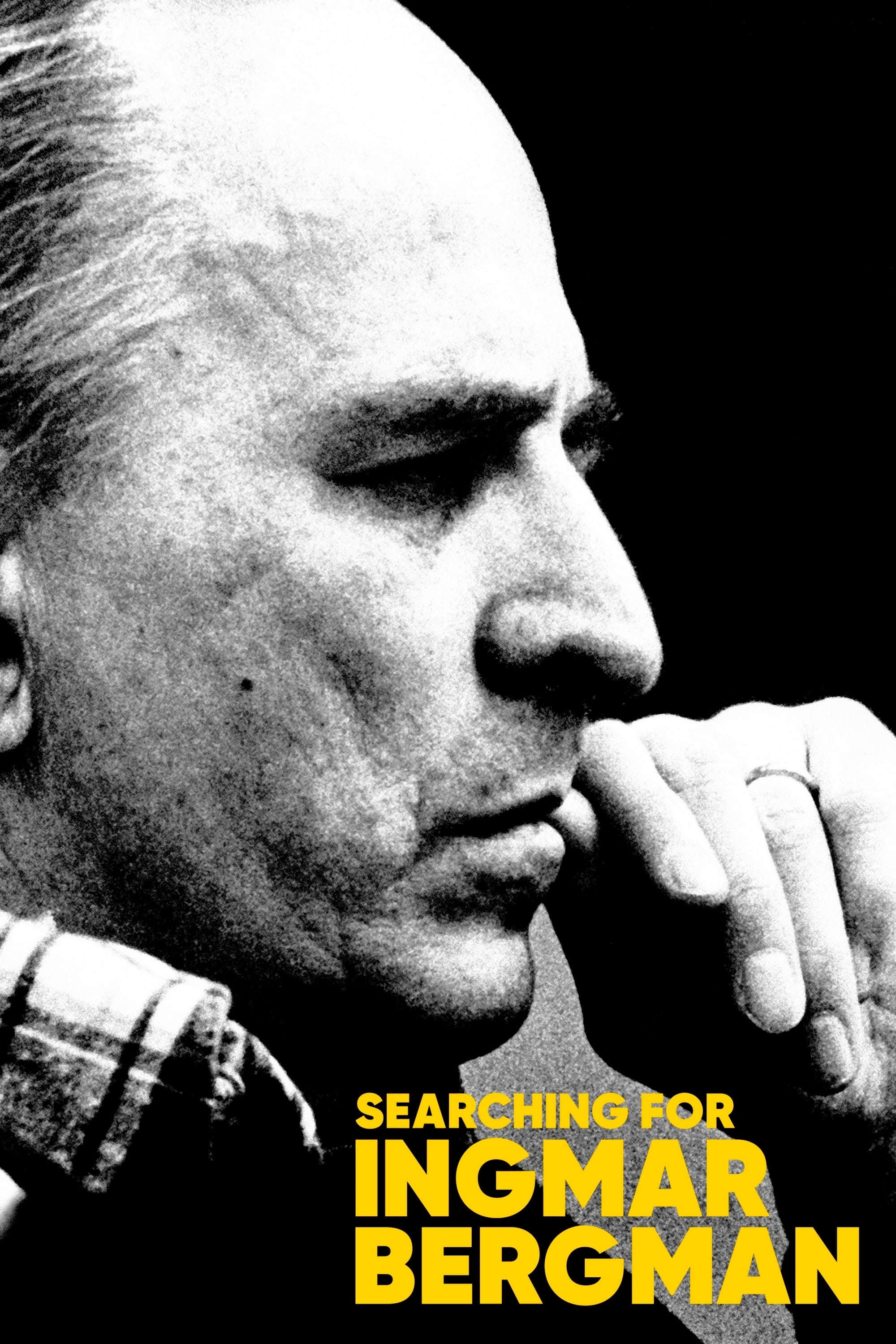
A meaningful account of the personal and professional life of the great Swedish filmmaker Ingmar Bergman (1918-2007) that explores his film legacy, with interviews with his closest collaborators and a new generation of filmmakers.
The film addresses the failure of the individual in anonymous urban society. The film begins as men attempt to break out of their anonymity and reveal themselves. In doing so, they encounter social rules that are not suited to them. The film asks how men can survive in a chaotic city by remaining silent.
An adaptation of the Henry James short story Les raisons de Georgina.
Adaptation of a story by Henry James.
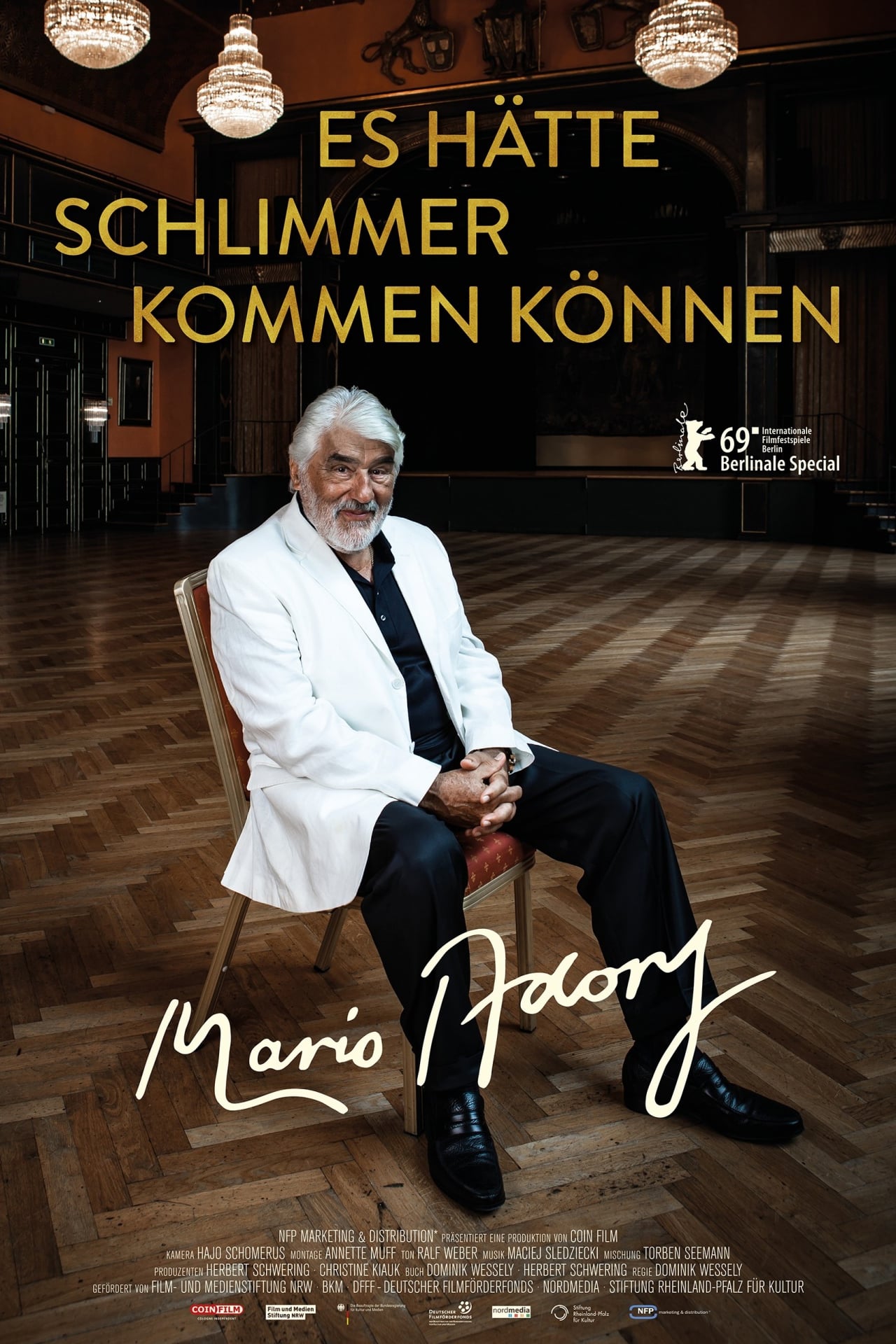
Portrays the film star Mario Adorf and his passion for acting, the stage, the cinema, singing and writing. Together with the director Dominik Wessely, the film comes closer to Mario Adorf as a person and highlights important stations of his private life and his international career. When Mario Adorf begins to talk about his life, over 60 years of theatre and film history come to life. A dialogue with him is not only a retrospective, but also an intensive exchange of ideas about film and theatre and his view of the world, love and ageing.
Strolling through France (Roanne, Nice and Carcassonne) with some excursions abroad (Munich, Montreal, New York).
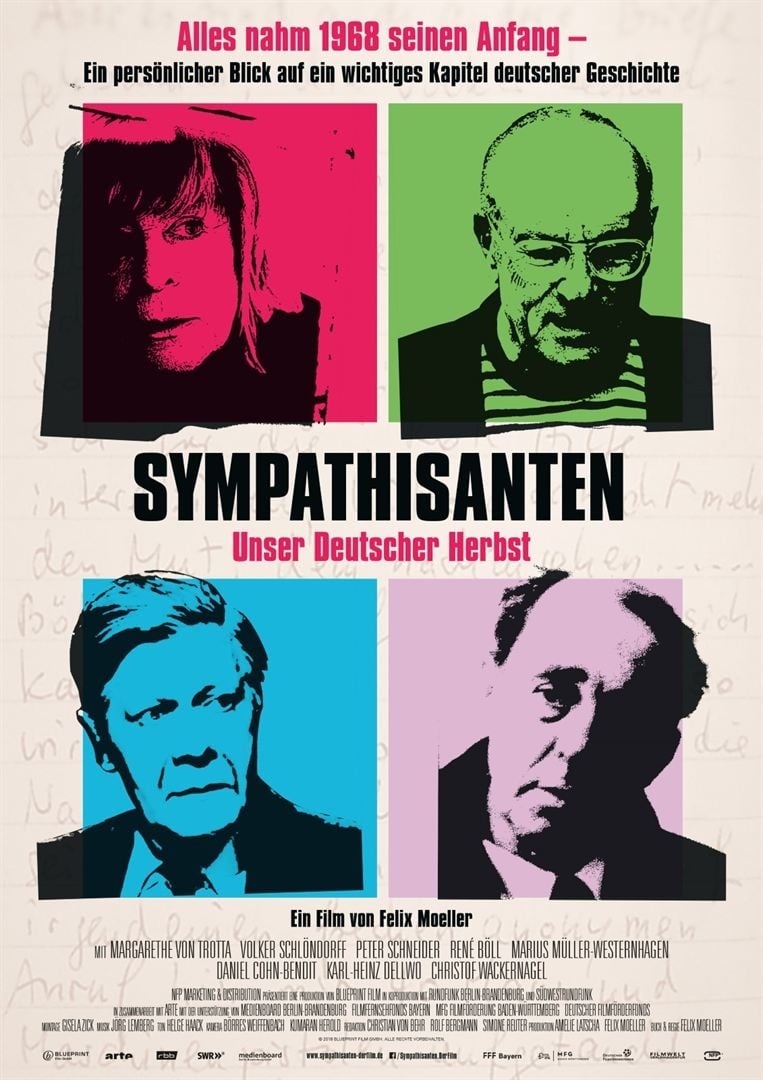
West Germany in the 1970s. Many artists, journalists and intellectuals were branded as sympathizers of Baader-Meinhof's left-wing terrorism. The parents of the director, too: Margarethe von Trotta and his stepfather, Volker Schlöndorff. With extensive archive materials and film clips as well as Margarethe von Trotta's private diaries the film portrays one German family and the society of the time.
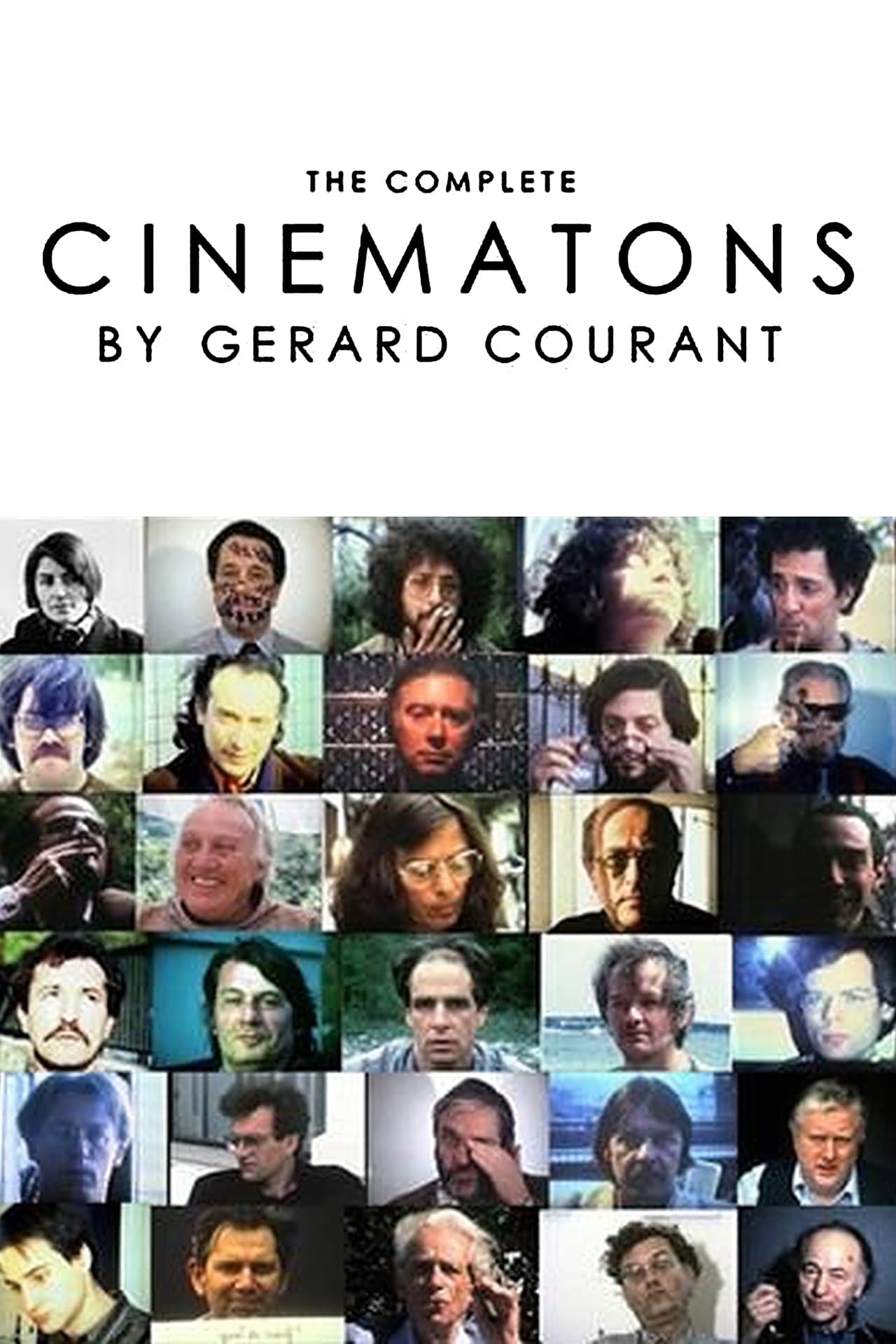
Cinématon is a 156-hour long experimental film by French director Gérard Courant. It was the longest film ever released until 2011. Composed over 36 years from 1978 until 2006, it consists of a series of over 2,821 silent vignettes (cinématons), each 3 minutes and 25 seconds long, of various celebrities, artists, journalists and friends of the director, each doing whatever they want for the allotted time. Subjects of the film include directors Barbet Schroeder, Nagisa Oshima, Volker Schlöndorff, Ken Loach, Benjamin Cuq, Youssef Chahine, Wim Wenders, Joseph Losey, Jean-Luc Godard, Samuel Fuller and Terry Gilliam, chess grandmaster Joël Lautier, and actors Roberto Benigni, Stéphane Audran, Julie Delpy and Lesley Chatterley. Gilliam is featured eating a 100-franc note, while Fuller smokes a cigar. Courant's favourite subject was a 7-month-old baby. The film was screened in its then-entirety in Avignon in November 2009 and was screened in Redondo Beach, CA on April 9, 2010.
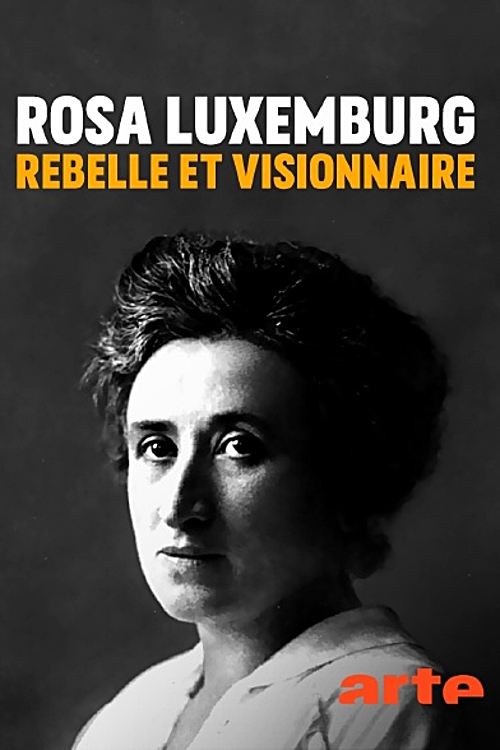
One hundred years after the assassination of German revolutionary Rosa Luxemburg (1871-1919), we look back at the struggles of this pioneer of the Workers' International.

A complete and never-before-seen portrait of the life of a young girl from Pula (Istria) who quickly became one of the most famous and beloved actresses of Italian and international cinema, told through the words of her unpublished letters and diaries, photographs, homemade films in 8 mm, and new interviews with her relatives, friends, and collaborators.

Documentary about women in the film industry. Numerous notable actresses and female directors share their thoughts.
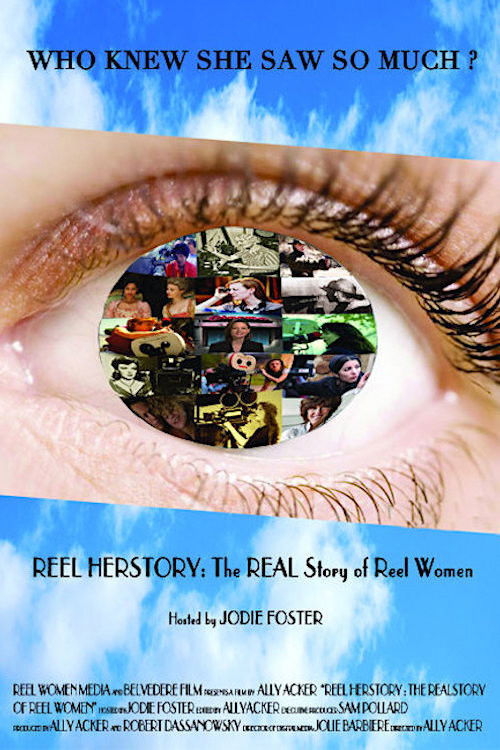
Using rare footage and exclusive interviews with filmmakers from all over the globe, "Reel Herstory" corrects the historic notion that women behind the scenes in motion pictures held peripheral careers compared with their male counterparts.
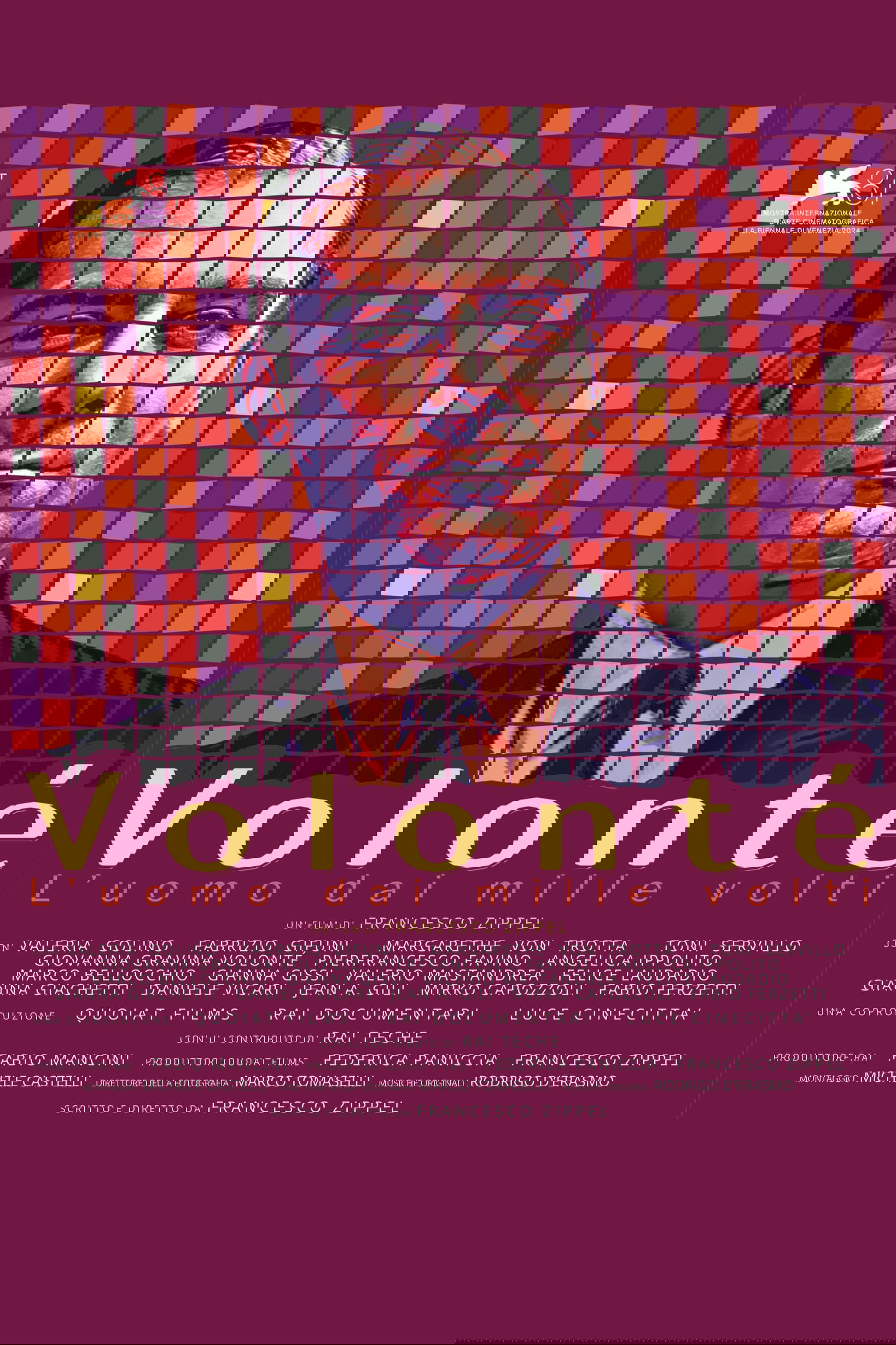
A documentary exploring the life and legacy of renowned Italian actor Gian Maria Volonté, featuring insights from his colleagues, family, and never-before-seen footage, highlighting his artistic journey and political activism.
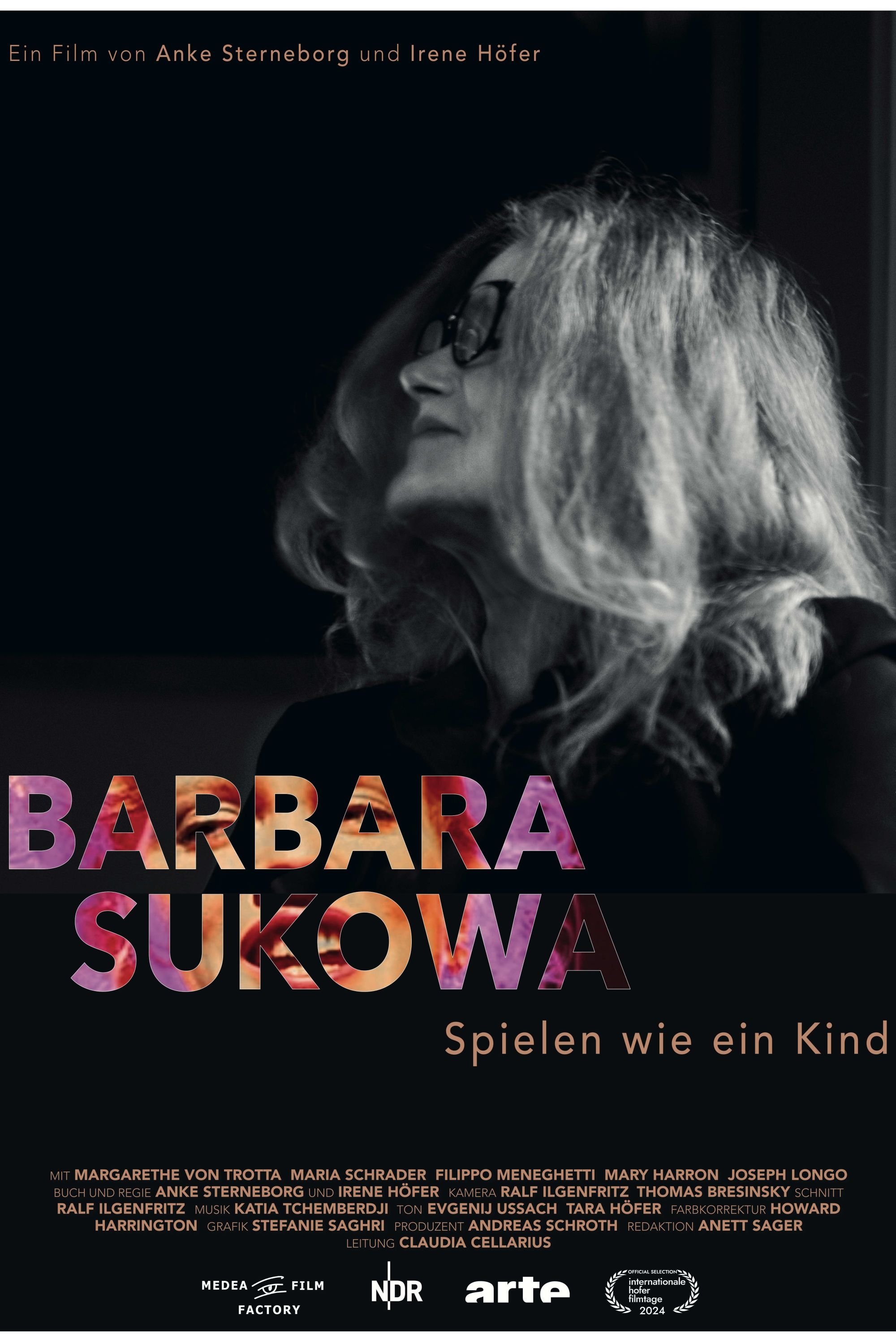
“Acting is something anyone can do,” says Barbara Sukowa. “It’s completely intuitive and instinctual, much like a child dressing up.” Those who have worked with her say that what she does is true artistry. Barbara Sukowa, a star of Fassbinder’s films, an icon, and a role model. Who says there are hardly any interesting roles for women beyond forty? New challenges continually come her way. A few years past normal retirement age, she is launching into a remarkable new chapter. The film chronicles the path of an internationally successful actress to this day.