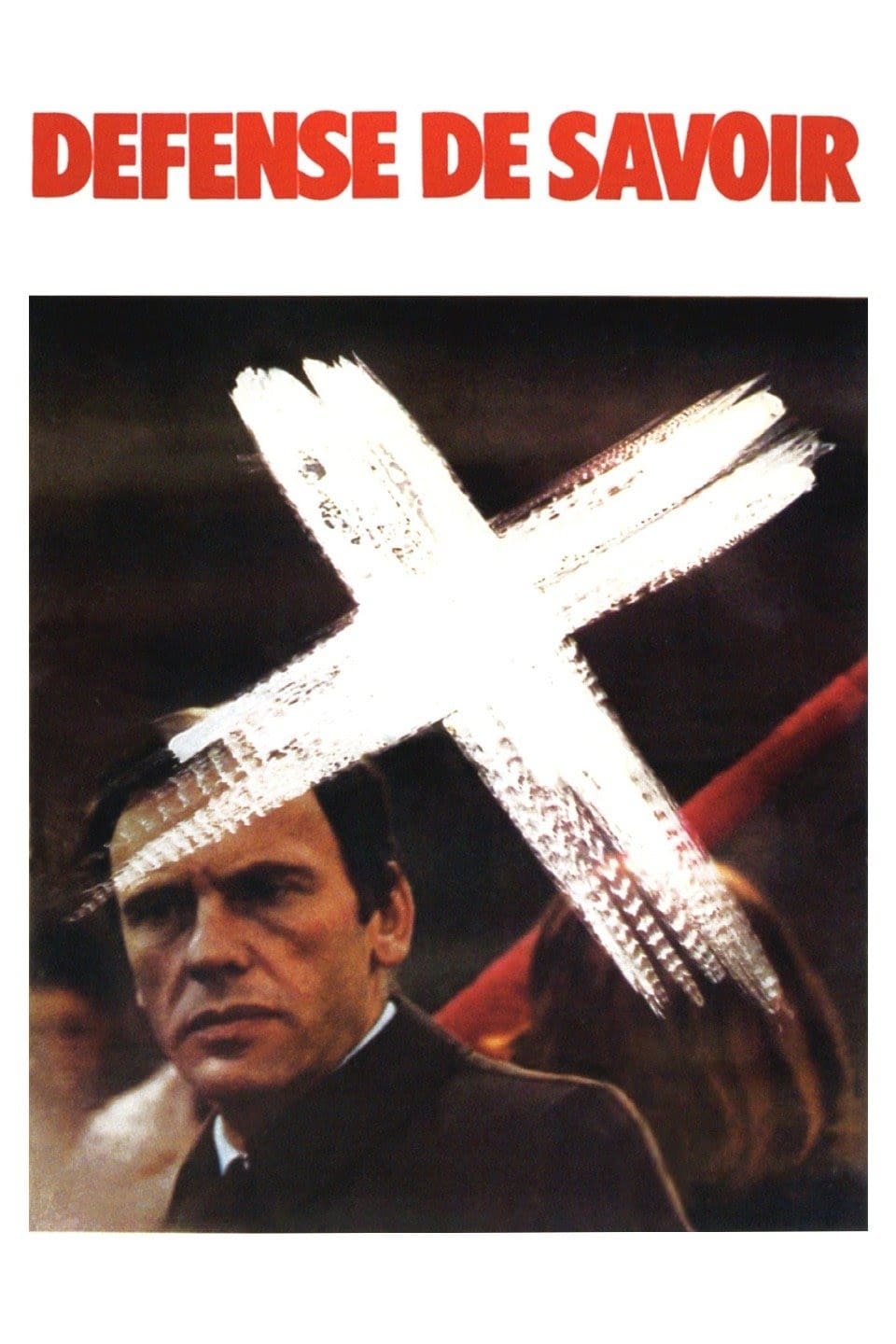
When a woman is accused of murder, the investigation slowly reveals numerous political connections. Laubret, the court-appointed defense lawyer, does everything in his power to expose the truth.

OSS 177 goes on holiday to Brazil, but is called into action when he finds himself being stalked by a double.

"Portraits and excerpts from Brazilian films from all times. Actors, directors and images that affirm cinema."
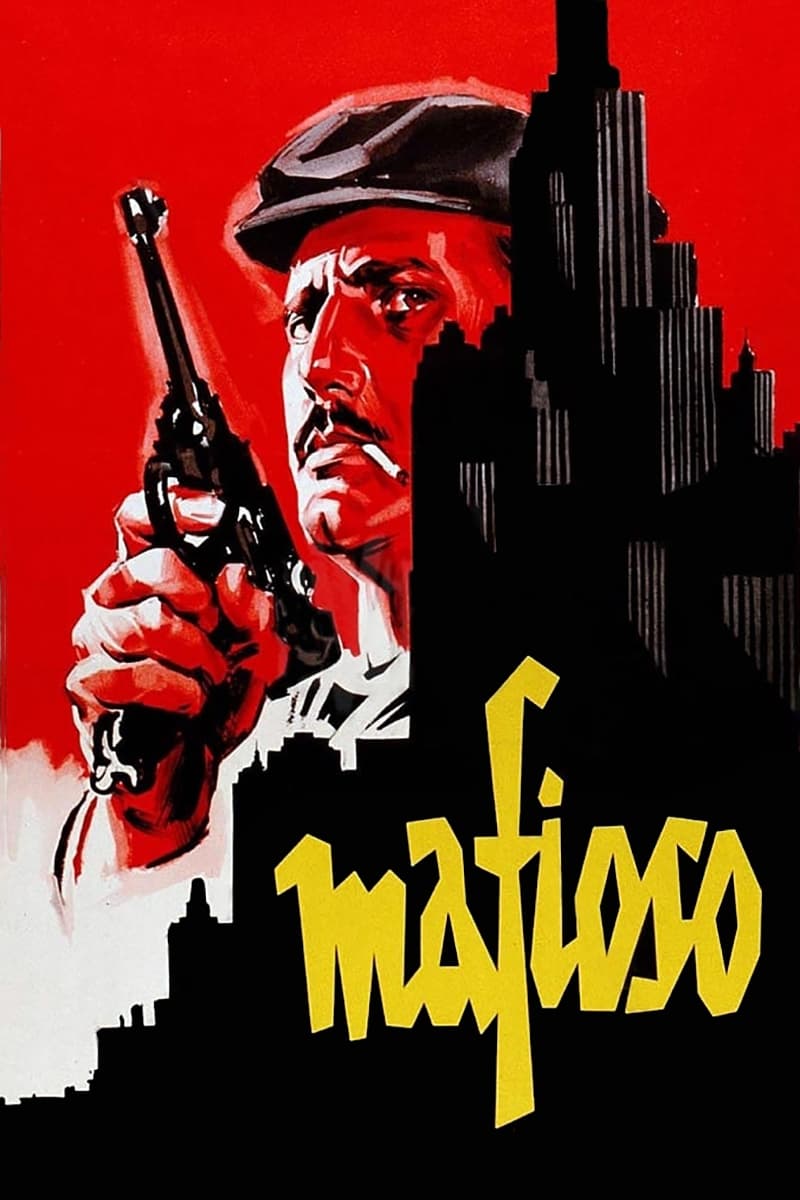
When a good-natured factory supervisor living in Milan with his Northern wife returns to his native Sicily, a decades' old oath forces him to fulfill a nightmarish obligation.

Upon learning that his rich dad is on the brink of bankruptcy, spoiled Vavá summons his friend Jandir with a plan to get some quick cash: they will blackmail an uncle of Vavá by taking compromising photos of his lover, Leda.

The artistic career and daily life of actress Maria Gladys.

Documentary about Brazilian filmmaker Glauber Rocha, one of the most important names in the Cinema Novo, with interviews with some of his friends and colleagues.

After landing on a mysterious planet, a team of astronauts begin to turn on each other, swayed by the uncertain influence of the planet and its strange inhabitants.

A Southern Colonel, his three sons, and a card shark embark on an odyssey through the Southwest carrying a coffin full of stolen money with which the Colonel plans to revive the Confederacy.

Santamaria and Urtigo are two bandits on the run, one is white, the other black. Santamaria is a mystical visionary and believes in the imminent coming of a purifying angel. Urtiga, his inseparable companion, is a simple-minded and ingenious man who follows Santamaria around and participates in the crimes he commits. The two bandits take over a house after kidnapping its owner and his girlfriend.

A Brazilian theatre group that through talent, irony and humour confronted the Brazilian violent dictatorship in the 1970s revolutionising the gay movement worldwide and changing theatre and dance language to an entire generation.

Zé is a very poor man whose most prized possession is his donkey. When his donkey falls terminally ill, Zé makes a promise to Saint Bárbara: If his donkey recovers, he will carry a cross - like Jesus - all the way from his city to Saint Bárbara's church, in the state capital. Upon the recovery of his donkey, Zé leaves on his journey. He makes it to the church, but the priest refuses to accept the cross once he discovers the context of Zé's promise.

An engaged couple discovers the corpse of a woman killed by strangulation in the Santo Amaro dam. Inspector Castro and his assistant, Pedro, start the investigation, collecting testimonies, and find a phone number with the name Conceição in the victim's pocket.

A public relations man is invited to guide an American millionaire during his stay in Rio de Janeiro. He gets involved in the most bizarre situations, from orgiastic mega-parties to confrontations with the police, meetings with drug dealers and movie stars, facing corruption and even murder.

Don Ramon, a wealthy patron, receives his son back after he has sent him away to medical school, only to have him fall in love with his new young wife.

Three men who never met each other are hired by a mysterious client to carry out a daring bank robbery.

Two friends take two prostitutes for a night of pleasure. But the night turns out to be frustrating for all involved, as much bitterness is revealed in their conversation and attitudes, uncovering their anguish and deeper feelings, and the emptiness of their lives.

Bárbara, a French girl living in São Paulo, and two friends transform a small apartment into a luxury bordello, "The Palace of Angels", at first securing money and success, but...

A man explores the process of formation of sexuality and is looking for a woman that does not exist.
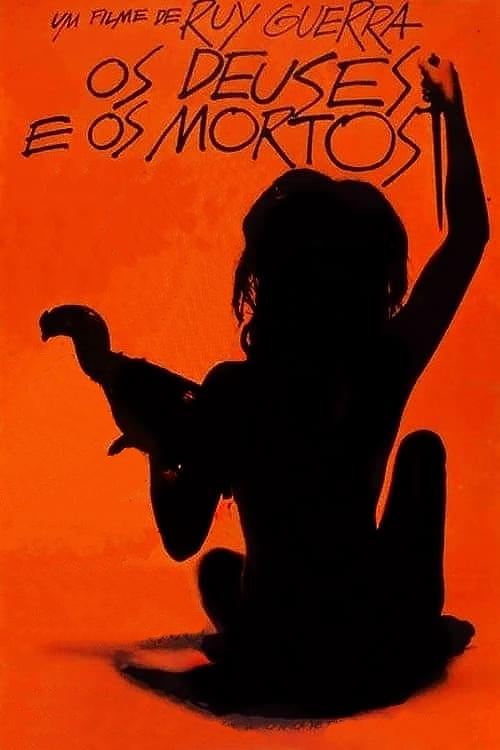
In the 1930s, in the South of State of Bahia, Brazil, an adventurer with no name or history, who has already been shot seven times, gets involved in the battle for land and cacao plantations. His plan is to take the place of "Colonel" Santana, taking his wife and money. He starts a bloody conflict, in which many simple people and landowners die.

An UFO that could be the Russian satellite Sputnik falls on a hillbilly's hencoop.

Nina, a typical woman of the big city, marries a powerful farmer and goes to live in the countryside of Minas Gerais. There, however, she is faced with a decomposing, decadent family who seems to dislike her.

Man tries to decipher a manuscript about an ancient civilization and gets involved in strange situations. In fact, the plot is just an excuse to tackle the subjects of mysticism and human condition.


Giulio and Armando, both married, attempt an escape from their respective married lives, invent a secret mission and leaves for the south.

A scientist discovers a breakthrough formula for harnessing nuclear energy and becomes the target for numerous secret agents around the world.

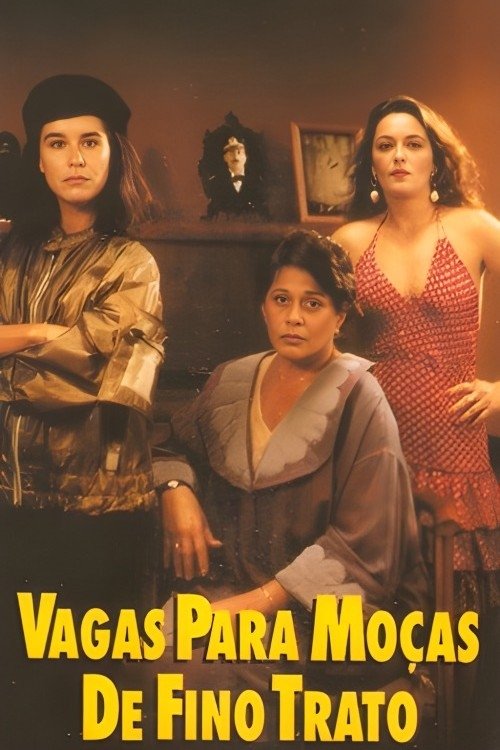
In Vitória, the middle-age piano teacher Gertrudes sublets her apartment to two younger women, the unstable Lúcia and the nurse Madalena. Gertrudes misses and daydreams her former love and has a motherhood relationship with Lúcia; Madalena has a promiscuous life, having one night stand with the most different men every day and her behavior is criticized by Gertreudes; and Lúcia is dreamer that manipulates Gertrudes and expects that the handyman Alfredo becomes her prince charming. Their conflictive relationship ends when Madalena discloses their inner feelings and secrets to each other.

The nature of love and marriage is studied in two episodes.

Our planet was contaminated by many nuclear explosions that left the soil and the air filled with radiation, and now the few survivors of those catastrophic events live under the ground on a shelter controlled by scientists. After an incident inside the shelter, a group of rebellious scientists defy their leadership when they find a good possibility of returning to the surface.

A woman runs away in the company of her daughter, the ultimate brat, in a journey full of bizarre events.


The fictional encounter in Rio de Janeiro, Brazil (in the 30s) between popular songwriter Lamartine Babo and inconoclast poet and playwright Oswald de Andrade.

Six people find a mysterious mark in the center of their left hand and all independently go to Easter Island in hopes to uncover the mystery.

Successful manager is haunted by a sinister character who enters his dreams, Dr. Moura Brasil.

A black fisherman now working at a local gas station, Antônio lives at the small beach town of Atafona. His biggest ambition is to stash enough money to leave to a big city with his fiancee, a mix-raced girl who sells fresh crabs to locals and wishes for a better life. When a rich white woman from the high society arrives to spend a few days away after ending a failed marriage, Antônio soon bonds with her and begins to change his plans.
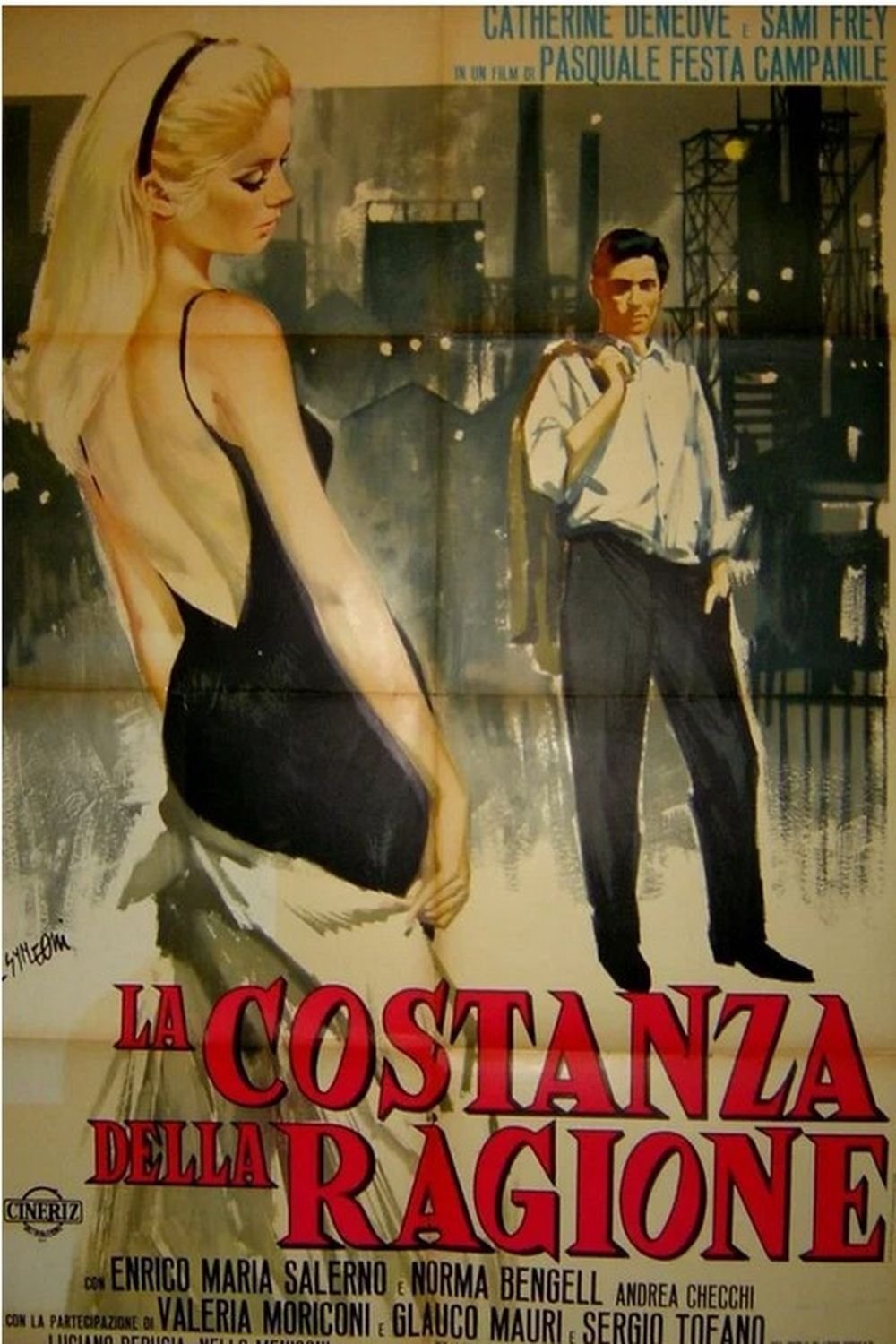
Florence, early 1960s. Bruno aspires to be hired at a prestigious factory, but his Communist ideals — instilled by Millo, a father figure and family friend in love with Bruno's widowed mother Ivana — are an obstacle. His relationship with Lori, a beautiful and tormented young woman who has just returned from Milan, reshapes his convictions. Freely adapted from a minor novel by Vasco Pratolini.

Teenager and his Chilean parents live in Rio de Janeiro, Brazil, in exile, after his brother is killed by the military government in Chile. Years later, still haunted by the past, he undergoes a crisis when he learns his cousin had been arrested in Santiago, and quarrels with his family when he decides to know his country and the details of his past.


Divided into three episodes based on stories by Stanislaw Ponte Preta (Sérgio Porto), the film portrays three young people from Rio de Janeiro: a furious lover, a beautiful beachgoer, and a former beauty queen. All live in profound solitude amid the apparent social vibrancy of Copacabana.

Drawing inspiration from a poem penned by Castro Alves, this film vividly captures the political, cultural, and intellectual climate of Brazil during the late 1970s. At its core, the story revolves around four distinctive embodiments of Christ's image: a black man, a soldier, an Indian, and a guerrilla fighter. These courageous individuals, hailed as the harbingers of doom in the tupiniquim lands, valiantly combat the insatiable avarice and oppressive "civilizing" brutality propagated by the formidable John Brahms—a foreign exploiter devoid of morals.
A behind-the-scenes look at the making of Glauber Rocha's 1980 production "A Idade da Terra" (The Age of Earth), including unedited clips taken from the sixty hours of recovered raw footage.


A middle-aged man builds a summer house in Cabo Frio, Rio de Janeiro. Married to a beautiful woman, father of two and with a successful career, the house is a symbol of his personal achievements. But as the wind, the salt and the sand threaten to invade the breaches of the house, their marriage begins to crumble. And, like a bad omen, a mysterious murder takes place in the vicinity.


Documentary about the birth of bossa-nova, in Brazil, and the major stars of this musical style.

Mike, an architect, is married to Lin, a beautiful and unfaithful woman. Returning from a trip, he finds she's disappeared. When he tries to locate her, he also learns about her many affairs, and he gets closer to Marina, his efficient assistant, who helps him solve the mystery.
Four thieves enter a house and terrorize a family.

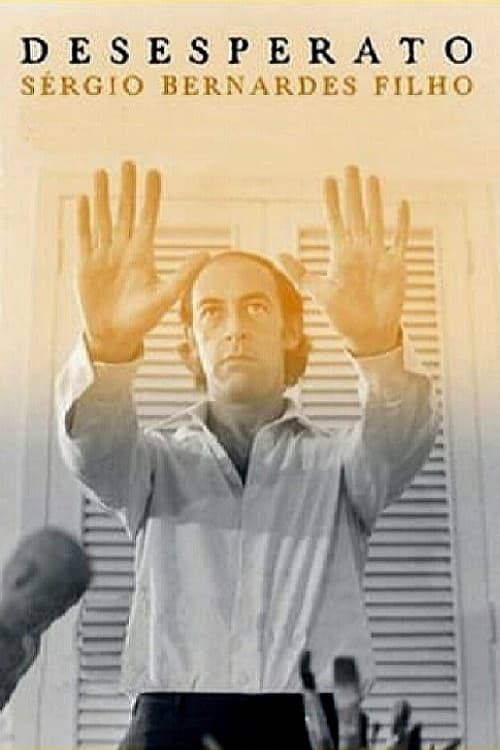
Directed by Sérgio Bernardes Filho, "Desesperato" tells the story of a writer (Raul Cortez) who leaves his home to carry out literary research in the country's most obscure settings. Unhappy with the current national situation, the historian joins a guerrilla force with serious consequences.

A colorful feature film that mixes exile with the figure of the poet Rimbaud and the feminist revolution. "It's super-intellectual. A fable-musical-philosophical-chanchada", Mautner says. He also affirms that the work focuses a lot on the longing for Brazil, on the will that the exiled had to return to their homeland. The idea came from conversations between the musician and his old father, "always talking about the pre-Socratics", he recalls. Glauber Rocha states that "The Demiurge" is the best film "of" and "about" exile.

The loving adventures of a priest disillusioned with religion and life.
Helena, married to decorator Bruno, is a woman dissatisfied with the futility of social life. She rekindles her relationship with her former boyfriend, Clóvis, and discovers how difficult the struggle for happiness is by seeing the example of the less fortunate. After saving herself from the rough seas on the beach, Helena finds herself possessed by a mystical fear. On New Year's Eve, while the people celebrate Iemanjá, Helena and Bruno throw a lavish party. Their employee, Luiz, is arrested as a suspect in the death of a woman found on the beach. Having a disagreement with her husband, Helena leaves the party and throws herself into the sea. She is saved by Umbanda followers and welcomed by Bruno, who tries in vain to comfort her.


A rock singer goes to Brazil to shoot a video, but winds up getting kidnapped and enduring a number of seemingly bizarre and hilarious events.

Documentary on famous Brazilian actresses, female directors and the role of women in Brazilian film history.

In the figure of Ettore Zambrini, a small industrialist with a dream of opening a factory overlooking the Autostrada del Sole, Montaldo offers us an effective narrative transposition of the 'animal spirits' that governed the economic boom in Italy at the time. He is a character of contradictory humanity: capable of handling business, overdue bills, trade union relations, marital betrayal, but also the passion that binds him to his wife with equal unscrupulousness.

Eternamente Pagu is a biographical film about Patrícia Galvão, best known as Pagu, a Brazilian political, literary and artistic activist. An important figure of the Brazilian Modernism, Pagu was also a militant for the Brazilian Communist Party after she married writer Oswald de Andrade. She broke up with Andrade and, as a journalist was arrested by the Dictatorship of Getúlio Vargas. After she left prison, she abandoned Communism in favor of Trotskyist Socialism, married Geraldo Ferraz, and started a career as theatre director.

The young singer Beth is torn between love for the honest pianist Guy; and the powerful smuggler Estênio, who sponsors his promising career.

Two surreal/satirical comedy episodes.
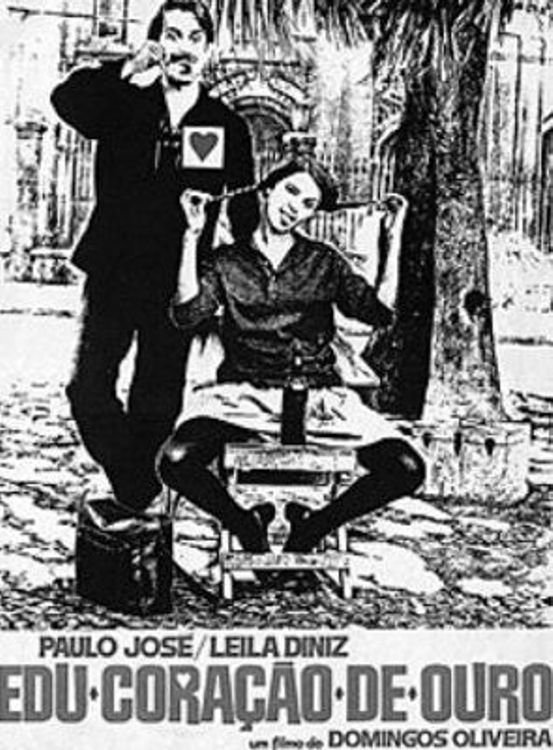
A volatile young man, Edu is a typical Rio de Janeiro middle-class kind, who flirts with multiple women at the same time. None of them, however, had managed to make him fall in love, until he met with mysterious Tatiana.

A poor woman is visited by the fairy godmother who turns her into a brilliant movie and TV star.

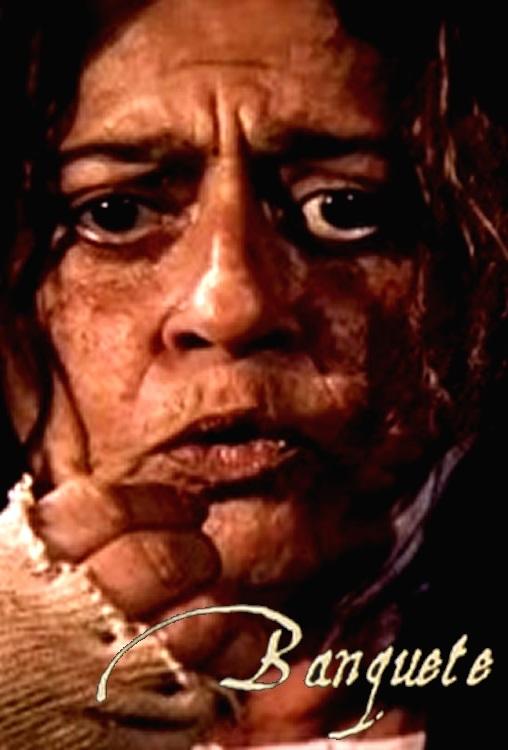

For this behemoth, Bressane took his opera omnia and edited it in an order that first adheres to historical chronology but soon starts to move backwards and forward. The various pasts – the 60s, the 80s, the 2000s – comment on each other in a way that sheds light on Bressane’s themes and obsessions, which become increasingly apparent and finally, a whole idea of cinema reveals itself to the curious and patient viewer. Will Bressane, from now on, rework The Long Voyage of the Yellow Bus when he makes another film? Is this his latest beginning? Why not, for the eternally young master maverick seems to embark on a maiden voyage with each and every new film!

August 29, 1979, Talavera Bruce Penal Institute, Bangu, Rio de Janeiro. After serving eight years in prison, Inês Etienne Romeu, the only survivor of the "House of Death" in Petrópolis and the first political prisoner sentenced to life in prison in Brazil, left prison benefiting from Amnesty. Norma Bengell filmed this moment: from the prison door to her home with her family, Inês was welcomed by family, friends and members of the Brazilian Amnesty Committee, in what marked the first act of the historic denunciation that Inês would carry out against her tormentors and the Military Regime.