
WWII is entering its last phase: Germany is in ruins, but does not yield. The US army lacks crucial knowledge about the German units operating on the opposite side of the Rhine, and decides to send two German prisoners to gather information. The scheme is risky: the Gestapo retains a terribly efficient network to identify and capture spies and deserters. Moreover, it is not clear that "Tiger", who does not mind any dirty work as long as the price is right, and war-weary "Happy", who might be easily betrayed by his feelings, are dependable agents. After Tiger and another American agent are successfully infiltrated, Happy is parachuted in Bavaria. His duty: find out the whereabouts of a powerful German armored unit moving towards the western front.
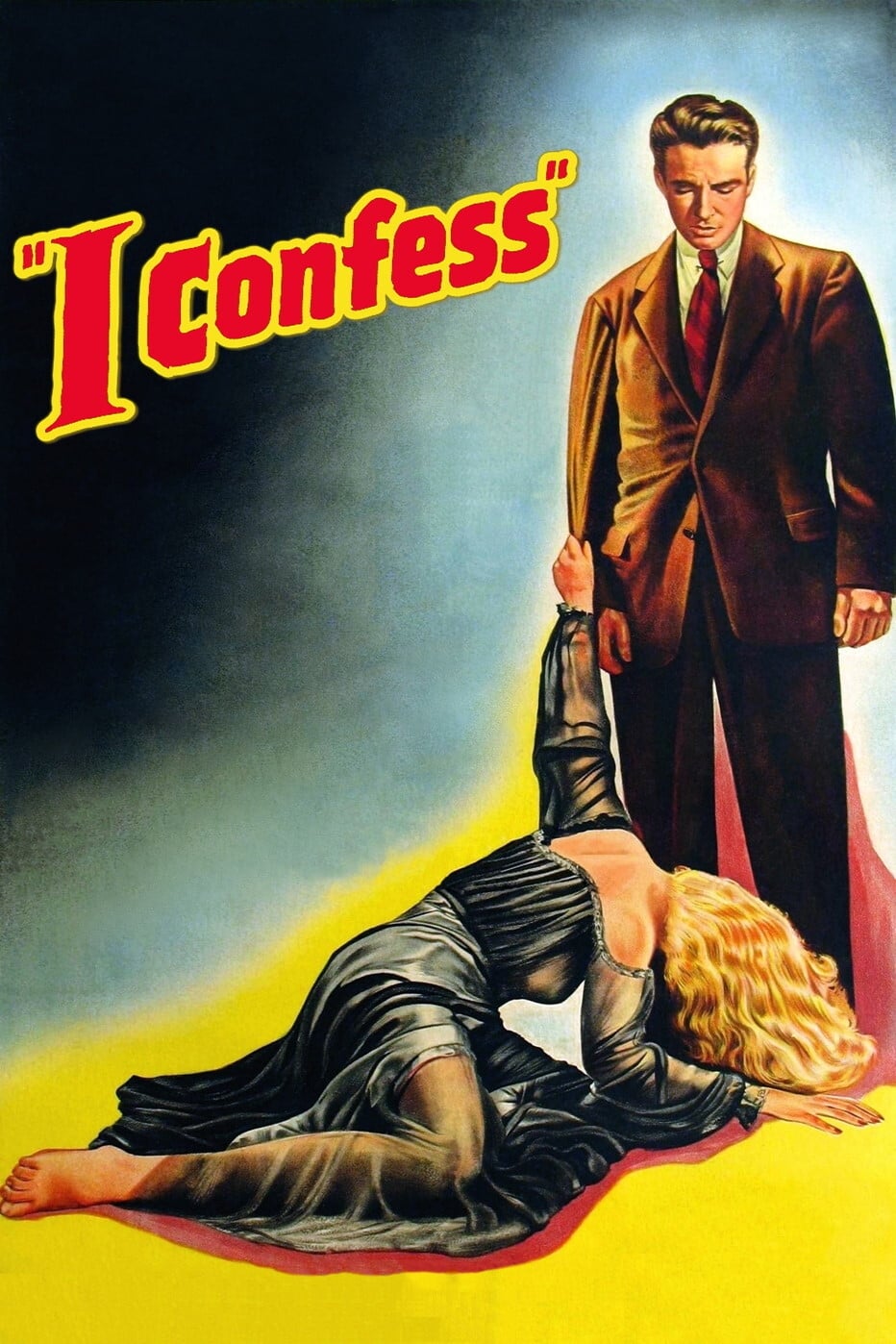
When a priest hears a murderer’s confession, he becomes bound by his vow of silence—even as circumstantial evidence turns suspicion toward him. Torn between faith and self-preservation, he faces public scandal and trial for a crime he cannot reveal the truth about.


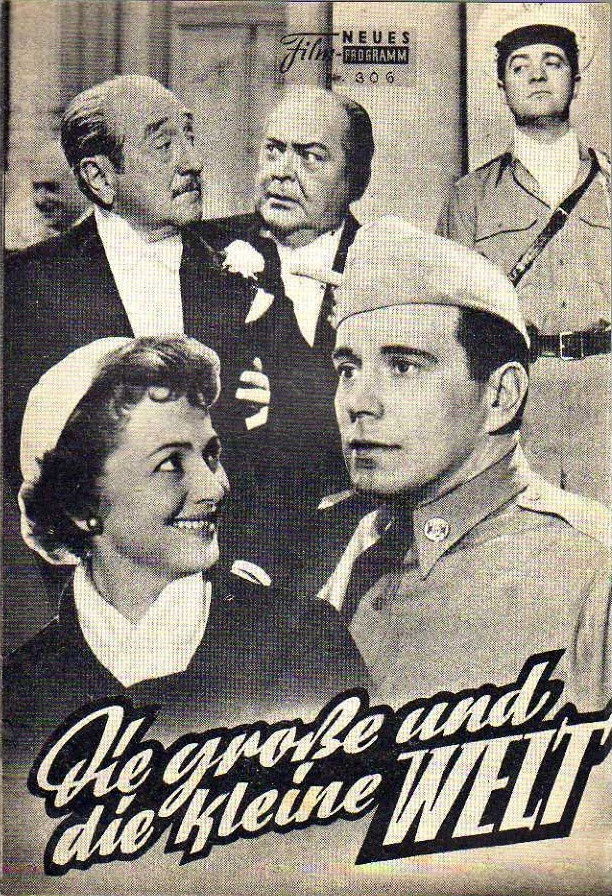
The Berlin Air Lift from the point of view of two Air Force NCOs who navigate romance in a bombed out post WW2 Germany.

Winter 1942: Like thousands of other German soldiers, Asch and Vierbein have ended up at the Eastern front. Although Vierbein finds a new friend in Kowalski, the squadron commander captain Witterer, a true army veteran, gives them a really hard time. Witterer’s pointless orders reflect the bad habits of many former superiors. And again, Vierbein has to bear the brunt.

The third part of Paul May′s "08/15" trilogy based on the novel by Hans Hellmut Kirst takes place shortly before the end of World War II: In the spring of 1945, the German troops are practically defeated, and the battalion of Kowalski, major general von Plönnies and Asch who had risen to the rank of lieutenant in the meantime is left to its own devices to a large extent. They hope to be able to wait for the end of the war without having to encounter any combat operations. At the same time, Asch tries to prevent high-level Nazi officers from disappearing unnoticed and from cashing in on the chaotic circumstances.

A doctor at a run-down psychiatric hospital is offered a large sum of money to shelter a new patient. Soon the place is full of suspicious and secretive characters, all apparently international secret agents trying to find out who and what the patient is.
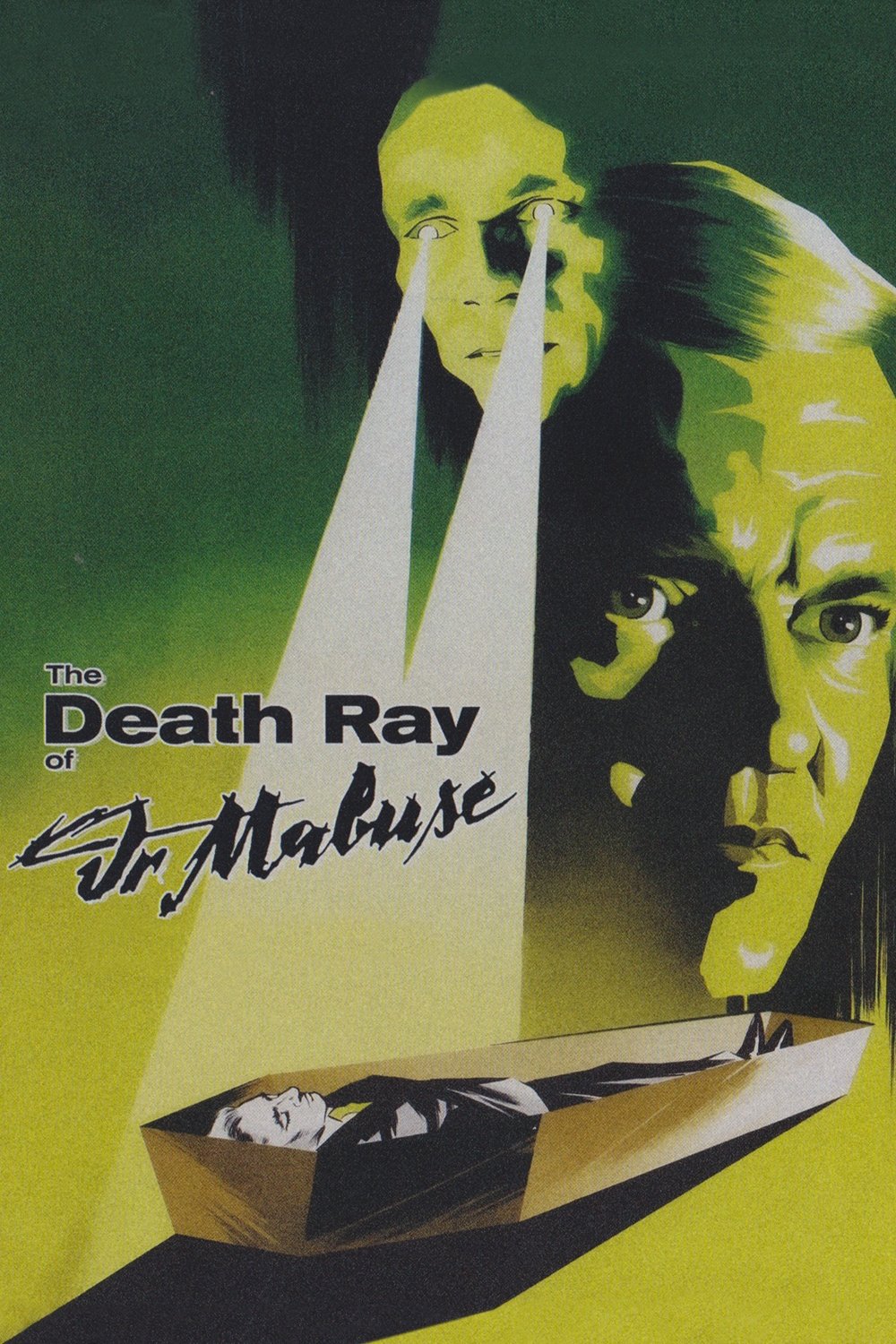
The evil Dr. Mabuse develops a death ray with which he threatens the world.
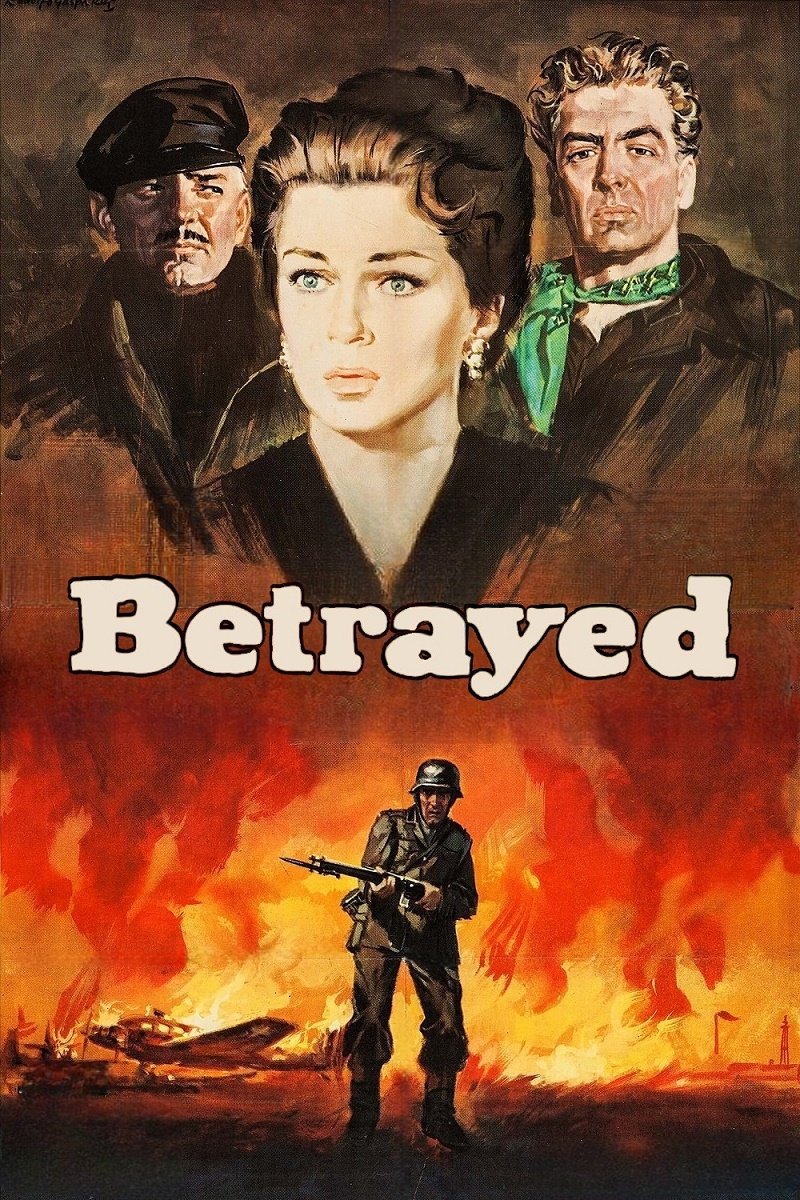
When the Dutch resistance brings in Carla Van Oven to spy on the Nazis, Col. Pieter Deventer initially suspects she could be a double agent. Van Oven eventually convinces Deventer of her character, and when she is sent into occupied territory, she joins up with a rebel leader known as "The Scarf". As the resistance endures severe losses and their missions fail, Deventer starts to wonder whose side Van Oven is fighting on.
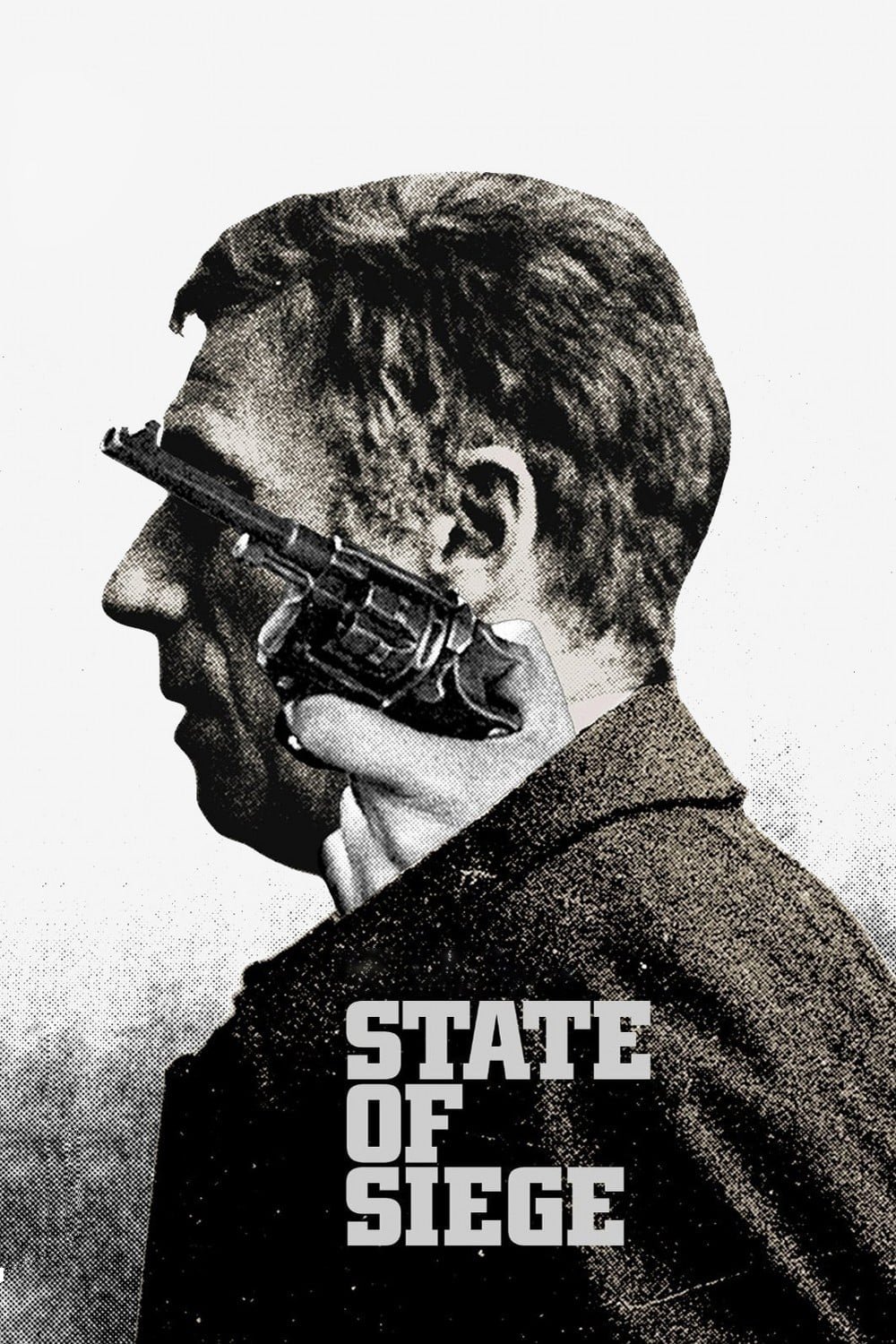
Assigned to South America, US official Philip Michael Santore is employed by a counterinsurgency agency. His position makes him a target for a local band of guerrillas, and, before long, Santore is kidnapped. As a prisoner, he undergoes interrogation, shedding light on the violent situation in the country. Once the insurgents are done with their questioning, they must decide whether Santore lives or dies.

German short comedy.

When his wife leaves him, a young French actor, François Combe, moves to New York to work for a television company. One evening, he meets an attractive young woman, Kay Larsi, in a bar.

A 14-year-old girl is caught while trying to pick a doctor's pocket. The doctor ends up taking her in and turning her into a sophisticated lady, whom he marries off to a wealthy man.

Admiral Canaris is chief of the intelligence service of Nazi Germany. His department is quite successful and Hitler grants him all the money he wants for new developments. Still he's a thorn in the side of the Nazi chiefs, since he's not as unscrupulous as they want him and is known to criticize their ideology.
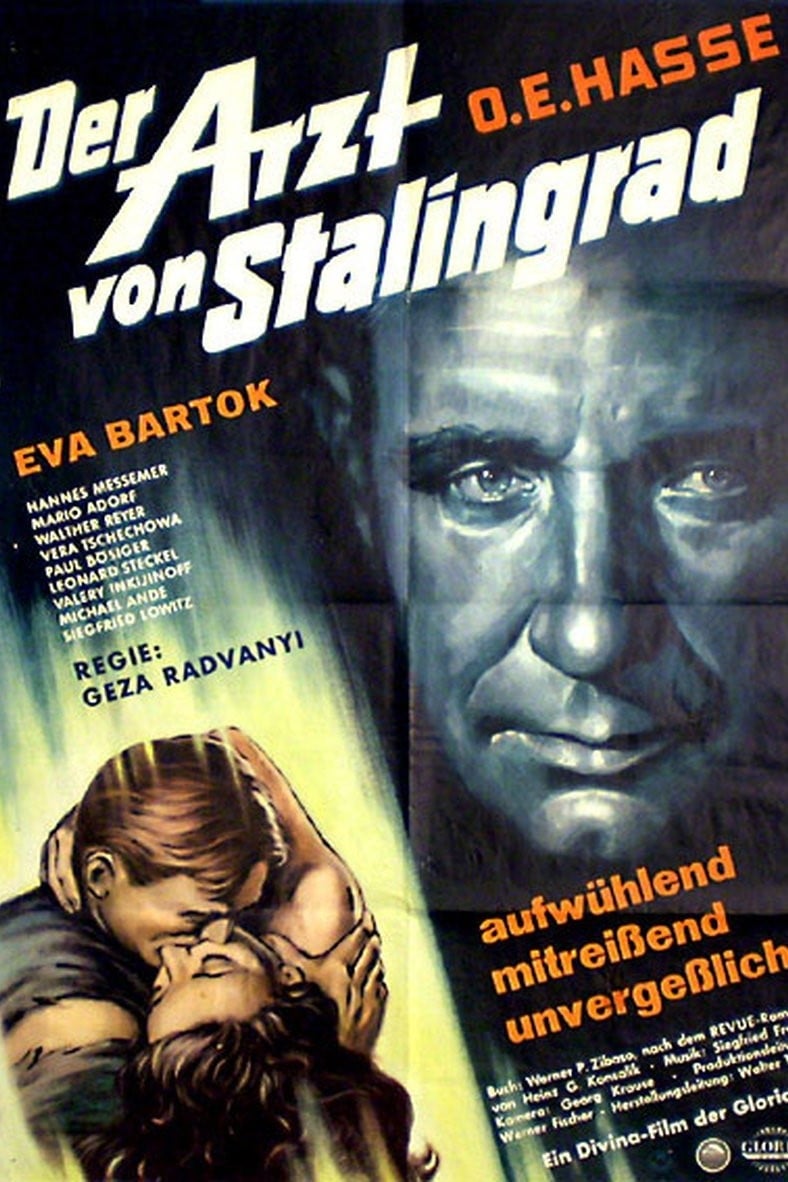
Dr. Fritz Böhler is a prisoner of war doctor in the Soviet POW camp 5110/47 near Stalingrad. Despite the harshest conditions, he tries to help his fellow prisoners with the simplest means. But when his assistant Dr. Schultheiss falls in love with the Russian doctor Alexandra Kasalinskaja, Schultheiss not only endangers his own life - because Alexandra is the lover of First Lieutenant Markow.

Arsène Lupin is extremely popular among the population, because he allows the needy to share in his acquired wealth. Before entering the service of the German Emperor Wilhelm II, he removes his vault in Alsace, steals two paintings of old masters, steals valuable gems and calls out to the police prefect to avoid his arrest. But this time he risks being seriously recognized. Lupin must once again use his fine intellect to deftly escape the situation.

An industrialist's wife was killed and now her lover is accused of murder.

Otto, a feckless Everyman, tries to adjust to the postwar travails of his defeated nation. Stymied by black-market profiteers and government bureaucrats, Otto begins fantasizing about a happier life at the end of that ever-elusive rainbow.

Florestan Mississippi, a public prosecutor by profession, visits a lady named Anastasia and, while drinking coffee with her, convicts her of poisoning her husband. At the same time, he asks for her hand in marriage, as he too has killed his wife with poison; the marriage is to be the "atonement" of the two poisoners. The four allegorical personifications in this comedy are, in addition to the loveless, absolute justice in the form of the prosecutor Mississippi, perfect equality, represented by the world revolutionary Saint-Claude, Christian love, embodied in the down-and-out, alcoholic tropical doctor Count Uebelohe-Zabernsee, and finally the "Frau Welt" of the old mystery play – Anastasia, who falls for everyone and betrays everyone, loves nothing but the moment, and dies with an invoked untruth on her lips.

The young Kitty is drawn into the world of international politics by chance.

The brother of a high ranking lawyer has killed the husband of a Polish woman, with whom he is having an affair. Can the counsel help his brother without getting himself involved in scandal?
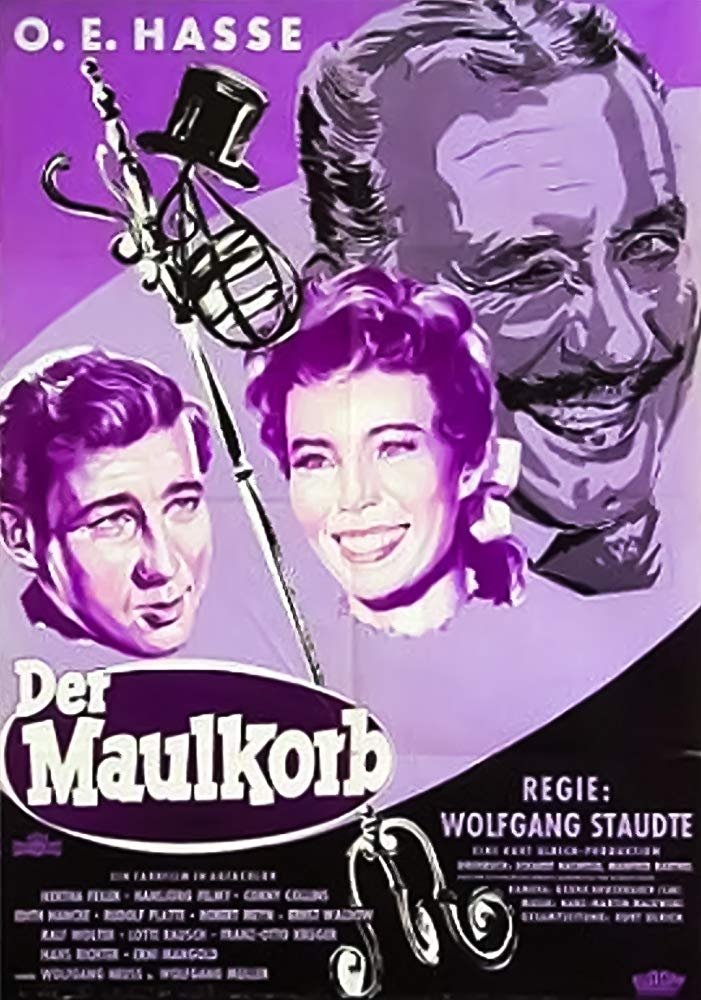
Out of outrage, the usually proper prosecutor Treskow, after a night of heavy drinking, adorns the statue of the local ruler with a muzzle. The next morning, he can’t remember a thing due to his intoxication. In the meantime, his act has been discovered and is causing a scandal. Of all people, Treskow is assigned the task of tracking down the culprit...

Melodrama about an actress falling in love with a man who wants her to give up her job.

When the wealthy Mr. Pitt decides to withdraw a sum in the millions, the Schilling & Co. bank faces ruin. To save it, the authorized signatory Peter Voß stages a break-in in which two million marks are allegedly stolen.
Alexander Schonath is an exceptionally gifted musician who plays first violin in a philharmonic orchestra. But when the orchestra runs into financial difficulties, Alexander is the first to leave and join a dance band – the other musicians, especially his father, see him as a "deserter." In Alexander's absence, his younger, perpetually sickly brother Hans makes a career in the philharmonic and becomes engaged to Maria, the daughter of the orchestra's chairman, Herbert Hartwig.
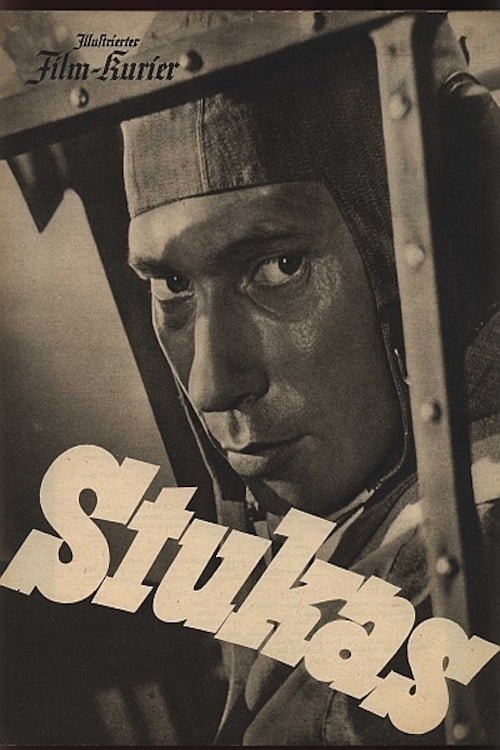
This Nazi propaganda film details the exploits of a group of German Luftwaffe pilots flying Stukas--fighter-bombers--in the Battle of France in the early days of World War II.

The reporter Peter Zabel stumbles upon the sinking of the luxury yacht Orplid in Hamburg on August 14, 1949. The ship went down with a wedding party run by artists on a pleasure trip from Hamburg to Scotland . In spite of good weather and no technical problems. Out of personal curiosity, Zabel starts researching. Could the sinking of Orplid have political reasons? A German political thriller and film noir inspired by Carol Reed's "The Third Man".
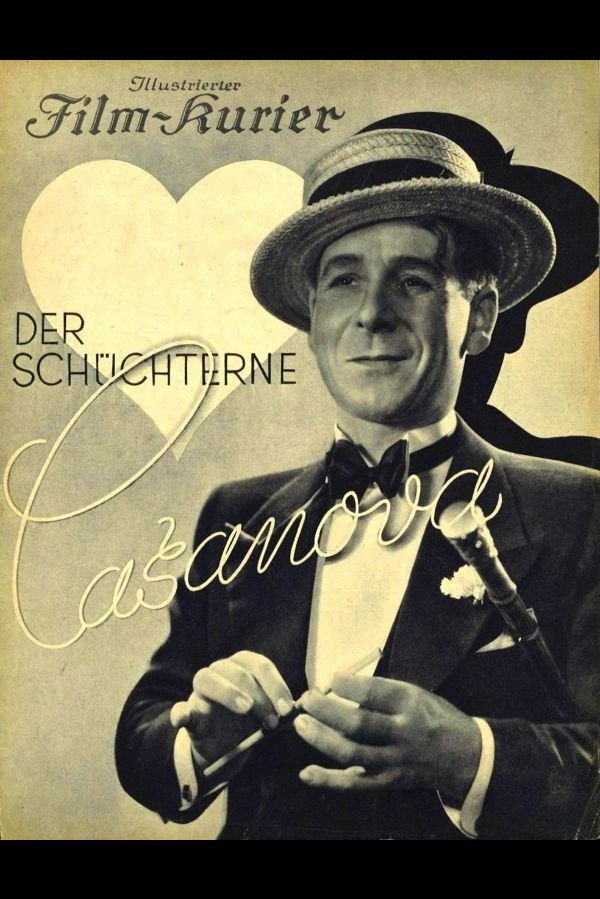

German chancellor Otto von Bismarck promises the dying emperor Wilhelm I. to be loyal to his grandson. But the gap between young Kaiser Wilhelm II. and old Bismarck is rapidly widening. It soon appears that an era is coming to an end.

The singer and dancer Vera Opalinska performs as Arlette in 1920s Paris, where she is a star. Next on the agenda is a tour of the United States. The contract is to be signed after a final, highly acclaimed show. During the negotiations, her new PR agent asks about her background.
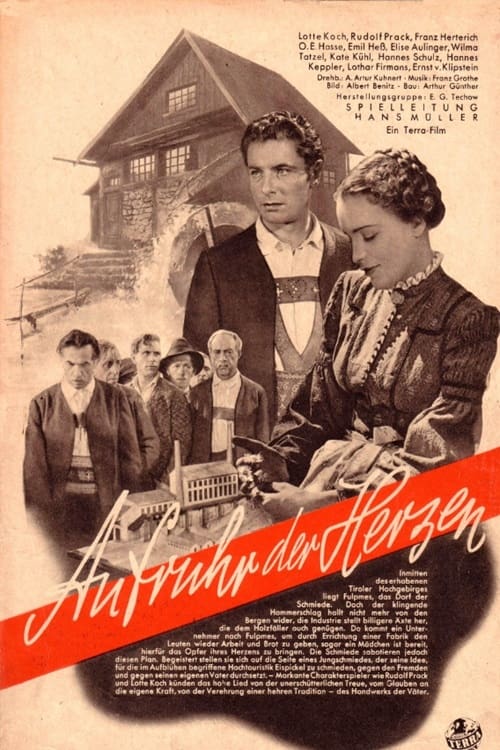
A small, mountain town. The populace here has long lived off the artisanal production of axes. But due to a glut of cheap, factory goods, the business magnate Brugger is no longer able to sell his axes and he dies before a complete economic collapse. His daughter Anna wants to marry Thomas Volderauer, a friend of her father's, who wishes to once more bring work to the town by moving his metal working factory there. Thus Franz, the son of old Atzinger, has no chance with Anna; especially as his father implores Anna to marry Volderauer. Embittered, Franz leaves the town. In order to earn money, Franz ends up as a tourguide for wealthy tourists and notices that their ice picks aren't good for anything, except maybe cutting ice for their fancy cocktails. He realizes that the manufacture of high quality ice picks, for example, could be good business for his town. He therefore returns there and organizes resistance to the demolition of the town forge.
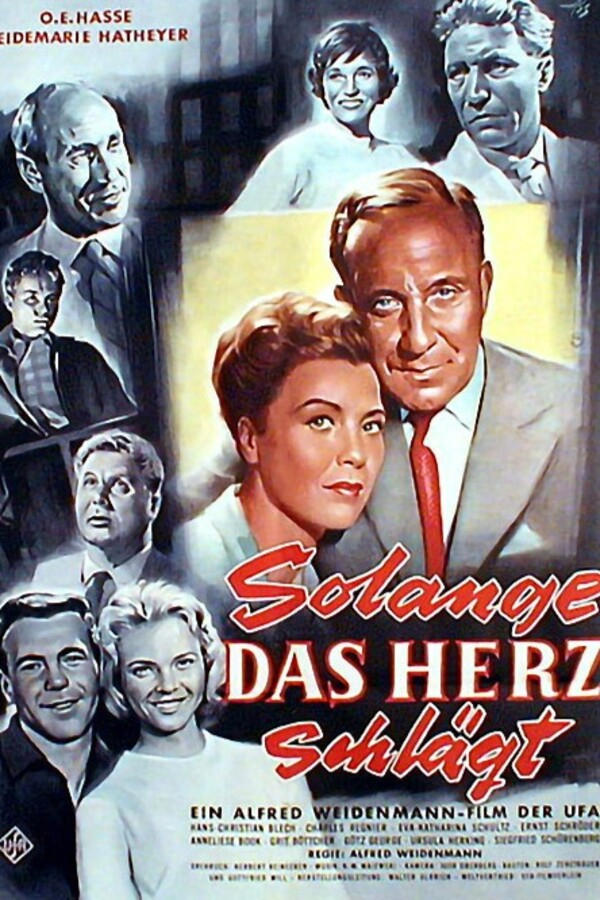

Capricious Lady Virginia has an unexpected double in a girl who works at a fair and wishes for a beauty salon. When the first one's eccentricities lead to her arrest, the second is paid for going to prison. There she meets Charles, Virginia's suitor. When out of jail she will have to fight not only for him but for going through with the leading role in a skating show.

A badly lit street; a car driving too fast; squealing tires .... a car crashes into a construction site. When the police arrive on the scene, the driver is gone. In the vehicle, however, the cops find film with photos of the almost worthless stock of the closed-down Motapa Mining Firm. The originals of the stock are in a bank safe, to which only selected employees of the firm have access. So who made these pictures and what is his or her interest in them?
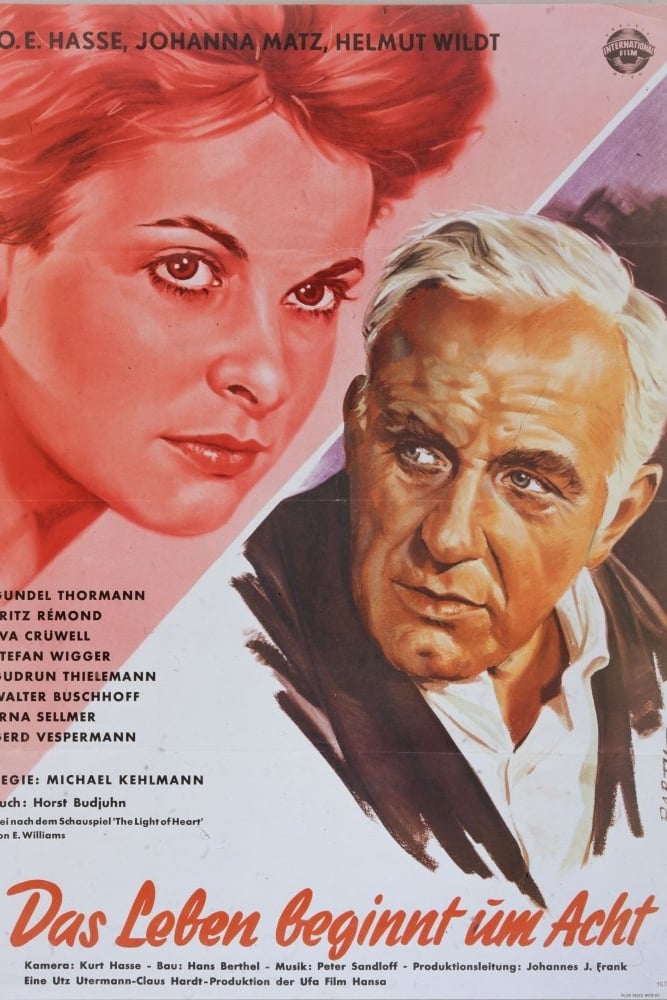
The pianist Angelika Rink is exhausted from her chasing after success and is looking for peace and quiet in her hometown. Here, she sees her childhood friend Dr. Manfred Claudius again, who is running a country clinic with a lot of idealism. They both still love one another, but neither is prepared to give up his/her career for the other.
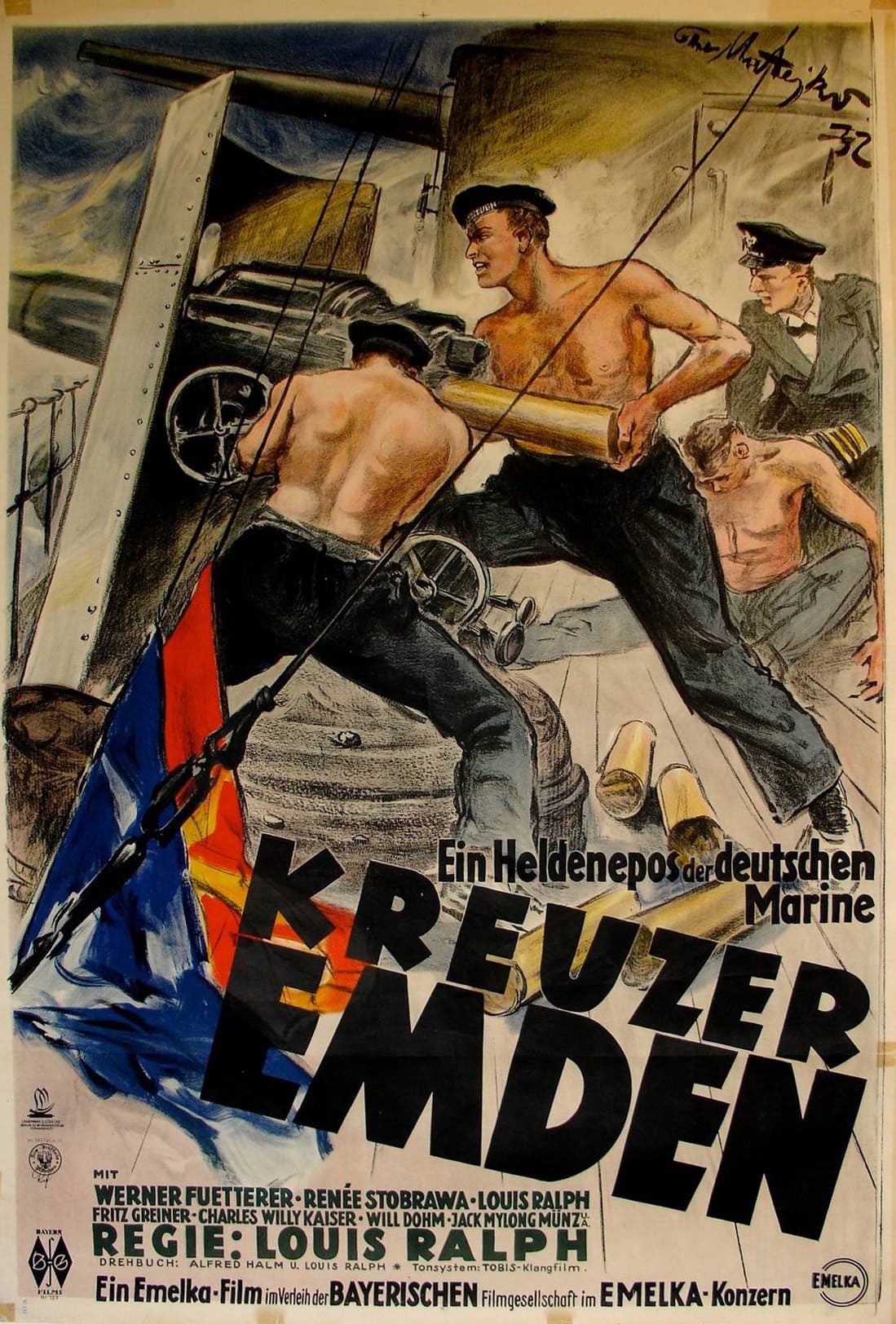
Story of the Kreuzer (cruiser) Emden and his men during WWI, garnished with a love Story, rivalry and heroism.


This is essentially a "Kraft durch Freude" propaganda film though the organization is never mentioned. A company's three day outing might very well be the last because bankruptcy is just around the corner. The people on the trip have all their individual problems and wishes, too. This episodic film might sound quite promising considering the basic idea but its script is determinedly optimistic and leads everything and anything to a happy end. The dramatic parts are finished in a rather implausible way, the comedic are terribly predictable. There's a badly misjudged singing scene in the bus, some bavarian shtick, the Regensburger Domspatzen are singing in Augsburg and so on...

1944 : Occupied France. Juliette (Vice) is Wehrmacht General Bamberg's mistress and enjoys a privileged life. Her younger sister Justine (Virtue) is about to marry Jean who is in the Resistance and come to Juliette for help. Both sisters end up at "la Commanderie", where Juliette becomes SS Colonel Schonberg's mistress and Justine is detained with other pretty girls who must satisfy the sexual needs of high-ranking nazi officials. Inspired by "Justine ou les infortunes de la vertu" by the marquis de Sade

Katja Fleming has given up her job as an actress and married the business man Robert Fleming. But the cold that surrounds her in her modern, luxurious high-rise makes her lonely. Then she meets the author John Lawrence, who wants to convince her to perform in his new play.

Jozi's aunt runs an inn near the border and has a little side-job: she smuggles. Poor, naive Jozi doesn't know anything about it. Jozi falls in love with the young border patrol officer Hans and her feelings are amply returned. But Hans' supervisor suspects Jozi of smuggling and tries again and again to lead her into illegal temptation. Finally, Hans sees Jozi in a dance bar together with smugglers and believes, too, that she's one of their accomplices.

The moral is simple: keep your mouth shut, especially when you're working during the wartime in a factory, which produces racing cars only, or someone can (or even must) get murdered. Not a good movie, not a bad either. The ending is abrupt and artificial, which seems to be a common plague of Third Reich's crime movies. Gustav Fröhlich could never get rid of his silent era mannerisms and overacting. But on the other side, this film is not boring and has to offer some decent plot turns and acting.
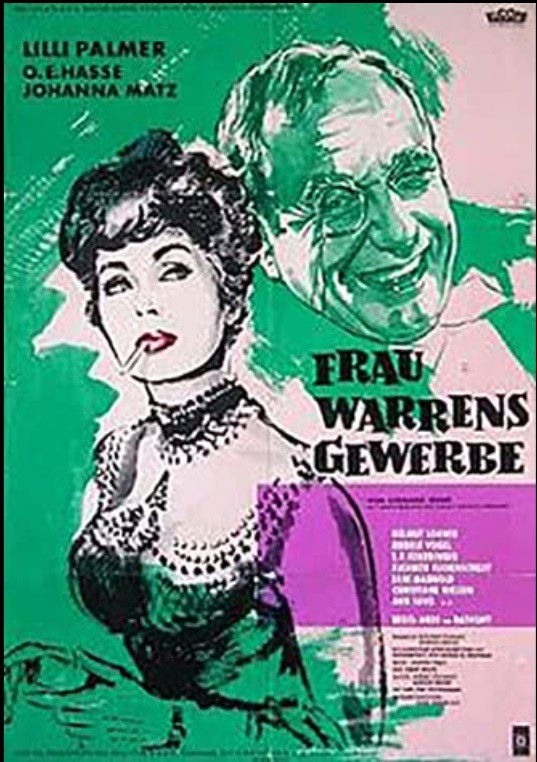
A very proper young woman is horrified to discover not only that her mother once worked as a prostitute in order to support her, but that she later became a whorehouse madam rather than give up the business.
TV-documentary about the German actor Otto Eduard Hasse

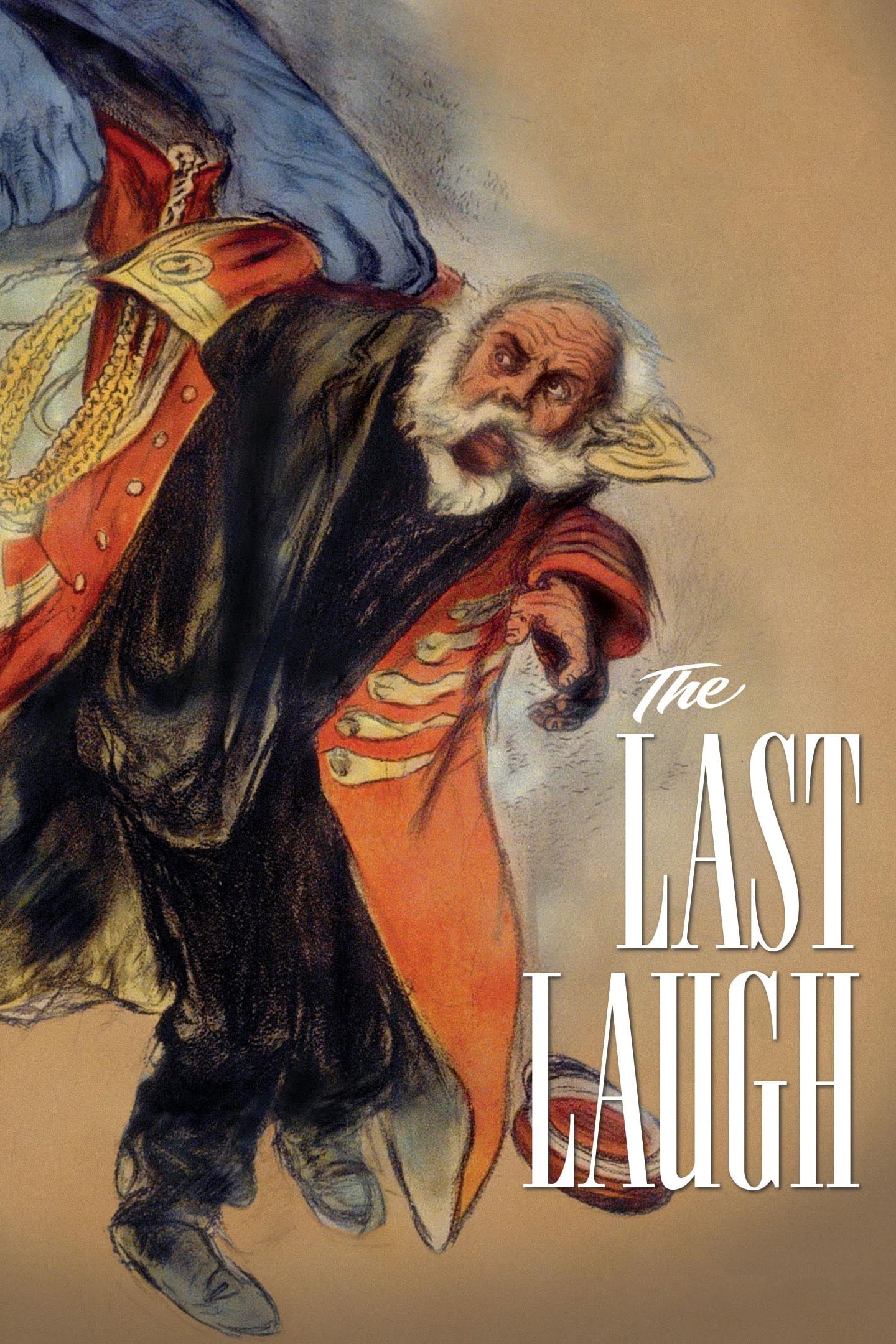
An aging doorman, after being fired from his prestigious job at a luxurious hotel, is forced to face the scorn of his friends, neighbours and society.
Former revolutionary Pat and sex worker Meg run a brothel in 1950s Dublin. In addition to five girls and two gay men, the old IRA general Musjö and Mr. Muleady also live in their establishment. One evening, two IRA fighters drag in a prisoner. The hostage is Leslie Williams, a young British soldier who was captured in Northern Ireland and is now to be exchanged for an IRA member...

An upper-class corporal is captured by the Germans during their 1940 invasion of France. Assisted and accompanied by characters as diverse as a morose dairy farmer, a waiter, a myopic intellectual, a working-class Parisian, and a German dental assistant, the corporal tries to escape from prison camps, sometimes making it a few yards, sometimes reaching the border.
a movie by Heinz Paul
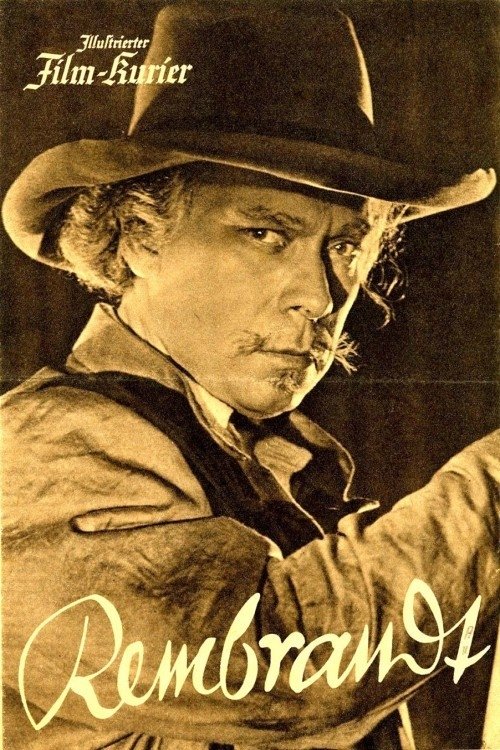
Already a famous painter, Rembrandt van Rijn is commissioned to paint the Amsterdam Archers' Guild. But upon completion of the picture, the men of the guild feel duped, because they don't consider themselves flatteringly depicted in the painting. They therefore decline to pay for the work. During this dispute, the painter finds out his wife is close to death. He finds himself terribly lonely after her passing and suffers from depression until he decides once more to marry.
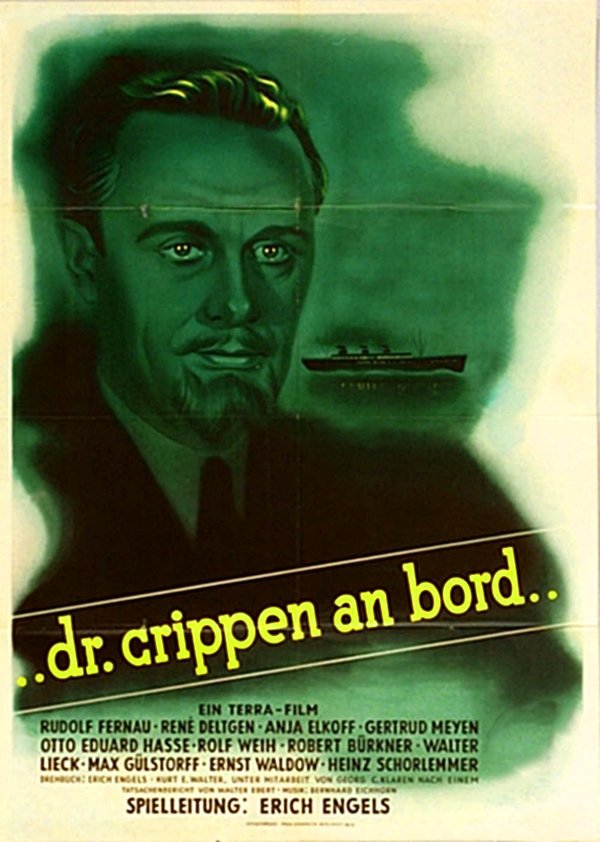
The popular trapeze artist Cora is married to the respected doctor Frank Crippen. After a party at the Crippens' house, Cora suddenly disappears. Apparently, she traveled to Brazil alone overnight. However, a friend of the couple is skeptical and calls the police. While excavating the garden, Inspector Düwell makes a gruesome discovery: body parts. Meanwhile, the prime suspect, Dr. Crippen, has already gone into hiding...

Miss Anita Liman is the sole owner of a coffee importing company, with offices in Hamburg, Genoa and Santiago. Anita's first competitor Benno Karden would merry her purely for business reasons, but he falls in love with her. Benno has not realized that his lover is a smart competitor. Complications follow.
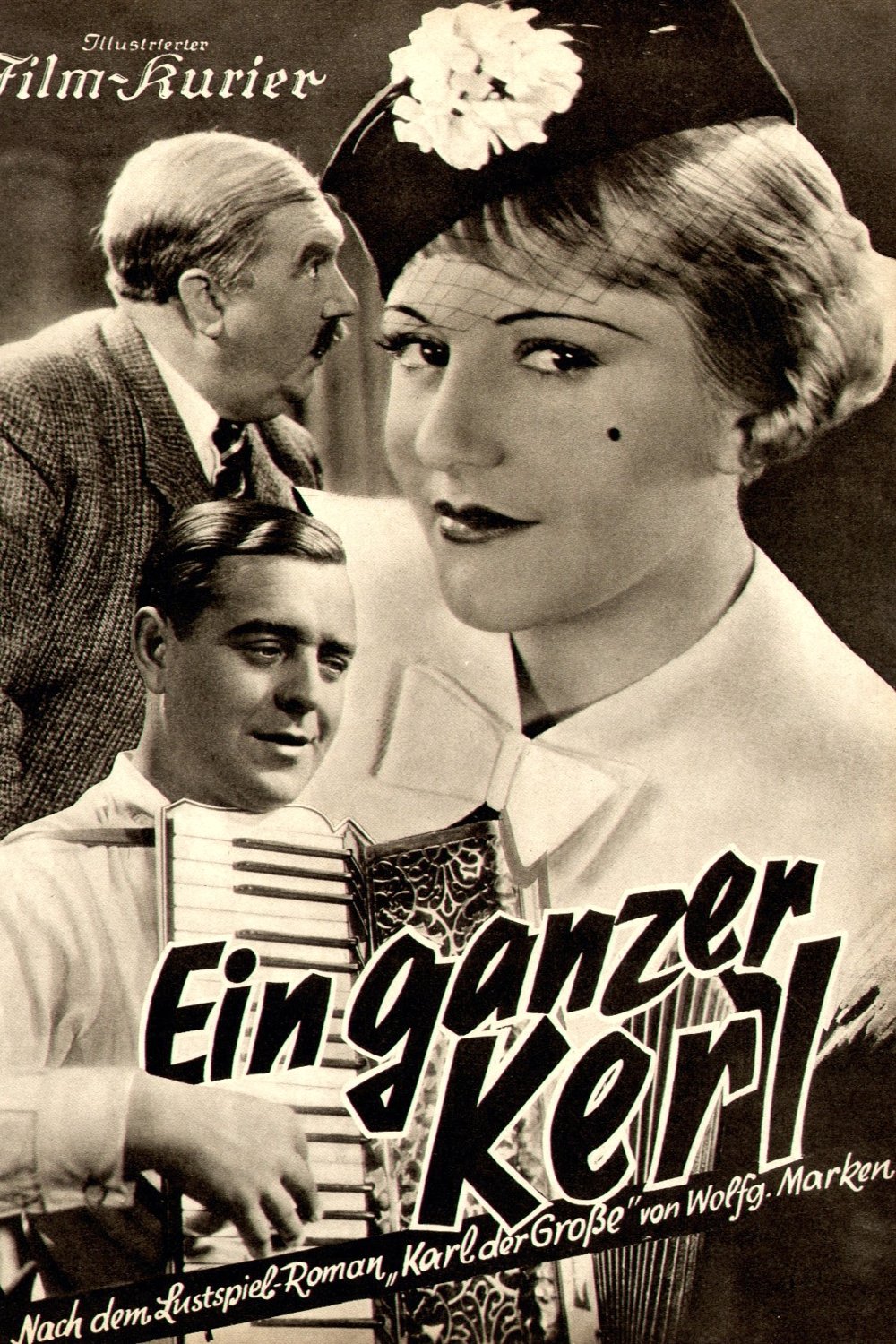
Film by Boese.

When a wife reads a love letter addressed to her husband, written by an unknown female, all hell breaks lose.
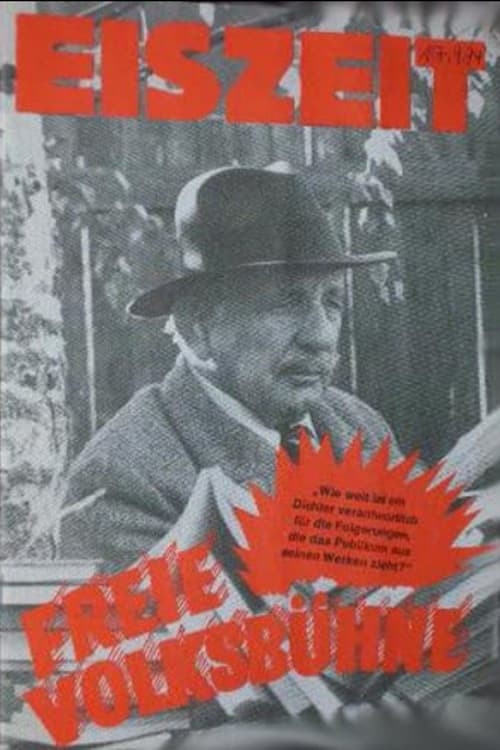
After World War II, an aging controversial Norwegian Nobel Prize winner must confront his past and the moral implications of his Nazi sympathies while being challenged by a man intent on holding him accountable.
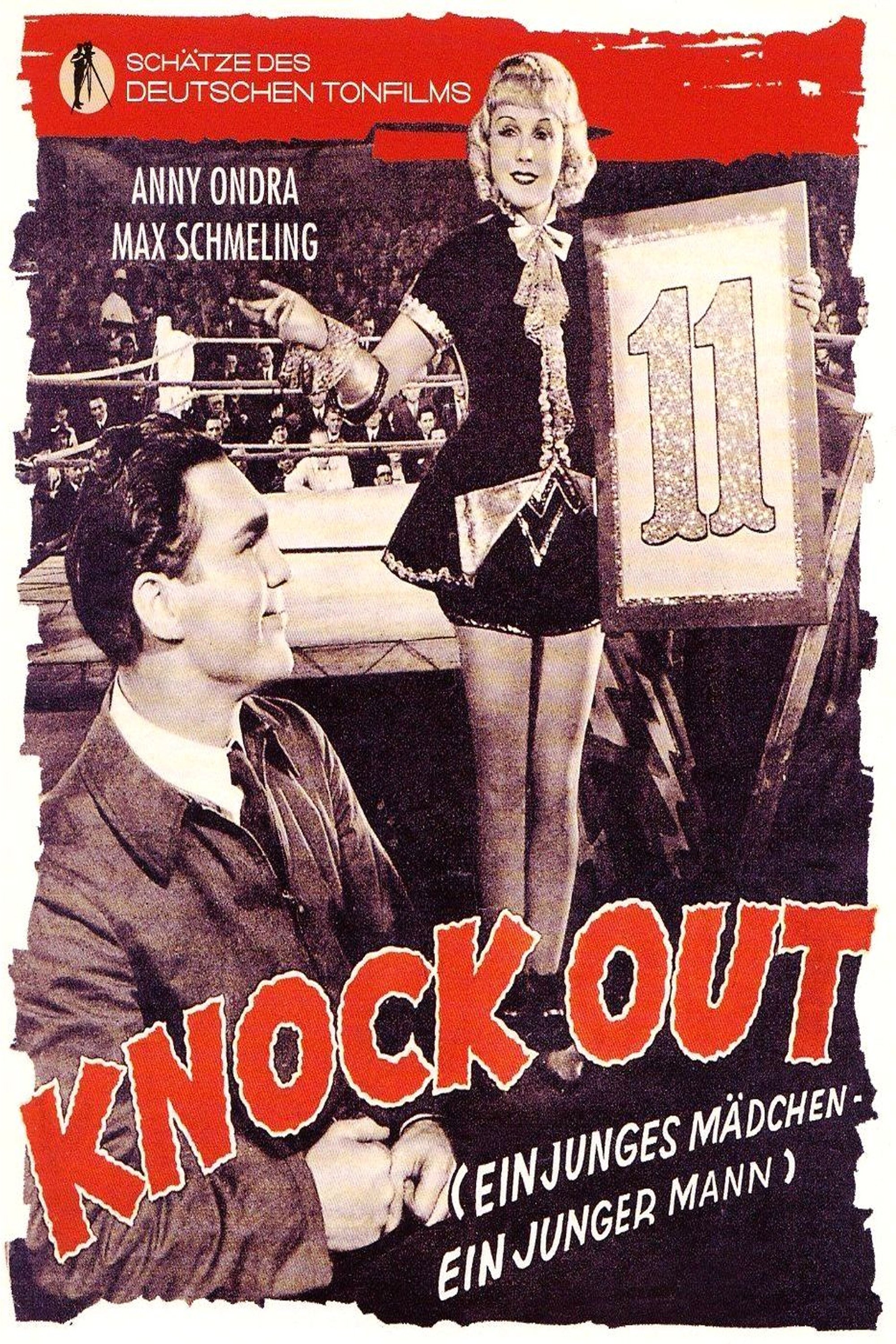
Marianne is an accountant, but since she is so pretty the employment agency sends her to the theater. There, Max's gaffer falls in love with Marianne and persuades her to stay at the theater. Once he has to defend her against a professional boxer who harasses her. Although Max loses his position, but receives an offer from Box Manager Schmidtchen. When Max learns that Marianne is engaged, he goes to Schmidtchen's boxing school in Hamburg.

Cute Sophie is an amoral French girl living in a sumptuous Venetian palazzo. She is the kept woman of a very rich but undesirable fellow named Eric von Bergen, an ex-nazi turned forger.

In World War II, the greatest threat to the British navy is the German battleship Tirpitz. While anchored in a Norwegian fjord, it is impossible to attack by conventional means, so a plan is hatched for a special commando unit to attack it, using midget submarines to plant underwater explosives.

Serge, alias Count Fornari, is hired by a mysterious employer to try to steal the Nabob, an exceptionally valuable diamond that Jeannette, alias Aménita (Perrette Pradier), the companion of a billionaire, wears as a locket. She covets the diamond and steals it from the safe. About to be caught in the act, she keeps it hidden in a handkerchief in her hand and manages to conceal it in Serge's pocket during the hotel ball. When she rejoins the billionaire, he asks her to open her hand, but the diamond is gone. The result is a chase full of misunderstandings and twists and turns between the three protagonists.
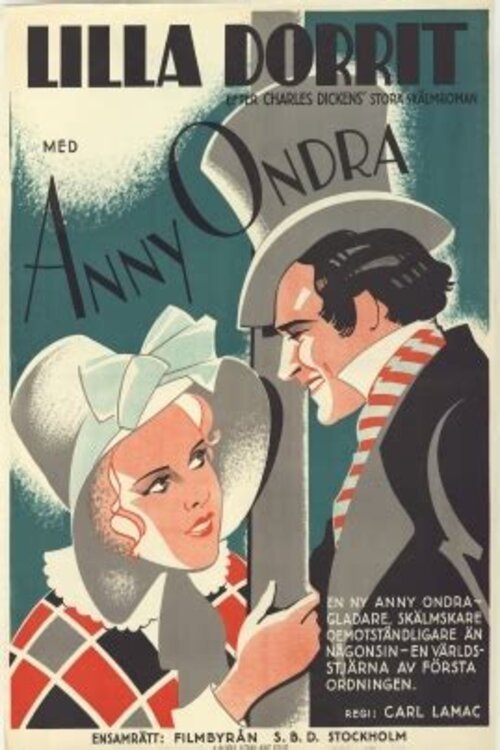
Amy Dorrit spends her days earning money for the family and looking after her proud father who is a long term inmate of Marshalsea debtors' prison in London. Amy and her family's world is transformed when her employer's son, Arthur Clennam, returns from overseas to solve his family's mysterious legacy and discovers that their lives are interlinked.
A comedy loosely based on the life story of Johann Friedrich Böttger, the inventor of Meissen porcelain: In Berlin, the pharmacist Fritz Böttger gains a reputation for being able to make gold and is imprisoned on the orders of the Prussian king. Following in the footsteps of a young lady, he flees to Saxony, but is also imprisoned in Dresden and forced to make gold. Although he does not succeed in this, by chance he discovers how to make porcelain instead. Augustus the Strong appoints him baron and director of the royal porcelain manufactory.
The taxi driver Fritz gets to know the millionaire-heiress Iris and marries her against the wishes of her family. They live together in a small apartment and are very happy. But Fritz wants to offer Iris more and thus finds a position as a laborer in a large car factory and ends up making a career for himself as a race car driver. But while he is driving from one victory to another, he is getting more and more estranged from his young wife. As his career starts to go downhill, he notices the mistakes he has made and tries to win Iris back.