
A group of German boys are ordered to protect a small bridge in their home village during the waning months of the second world war. Truckloads of defeated, cynical Wehrmacht soldiers flee the approaching American troops, but the boys, full of enthusiasm for the "blood and honor" Nazi ideology, stay to defend the useless bridge. The film is based on a West German anti-war novel of the same name, written by Gregor Dorfmeister.
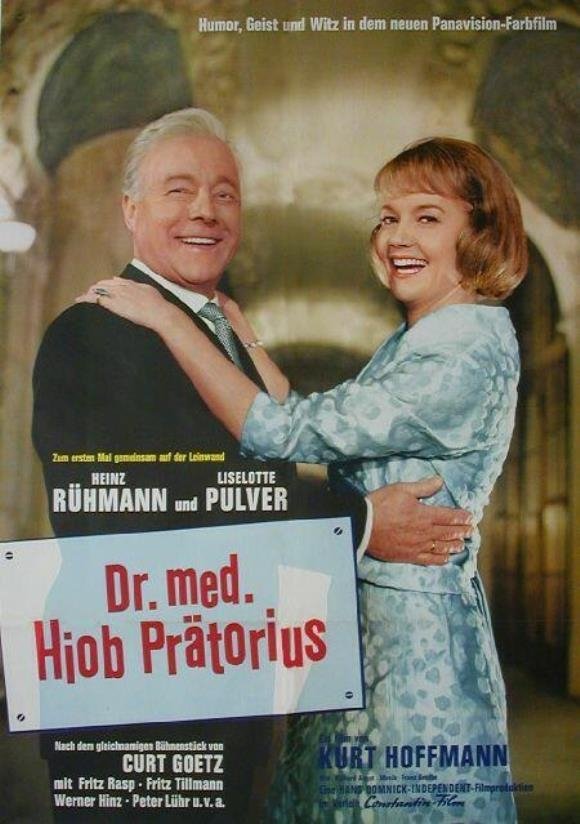
Dr. med. Job Prätorius enjoys great popularity among patients, doctors and students alike thanks to his kindness and philanthropy. Only his colleague Prof. Speiter begrudges him his success. When his patient Maria Violetta wants to commit suicide because of an extramarital pregnancy, Prätorius takes care of the young woman. When he tries to gently prepare her father for the news, the latter considers Praetorius to be a more than welcome admirer of his daughter. As a deep affection develops between the doctor and his patient, the two eventually marry. Their private happiness fuels Prof. Speiter's envy. With the help of Praetorius' mysterious factotum Shunderson, he finally believes that he can uncover some dark secrets from the doctor's past. But Praetorius manages to refute all the accusations in a court of honor with wit and astonishing revelations.
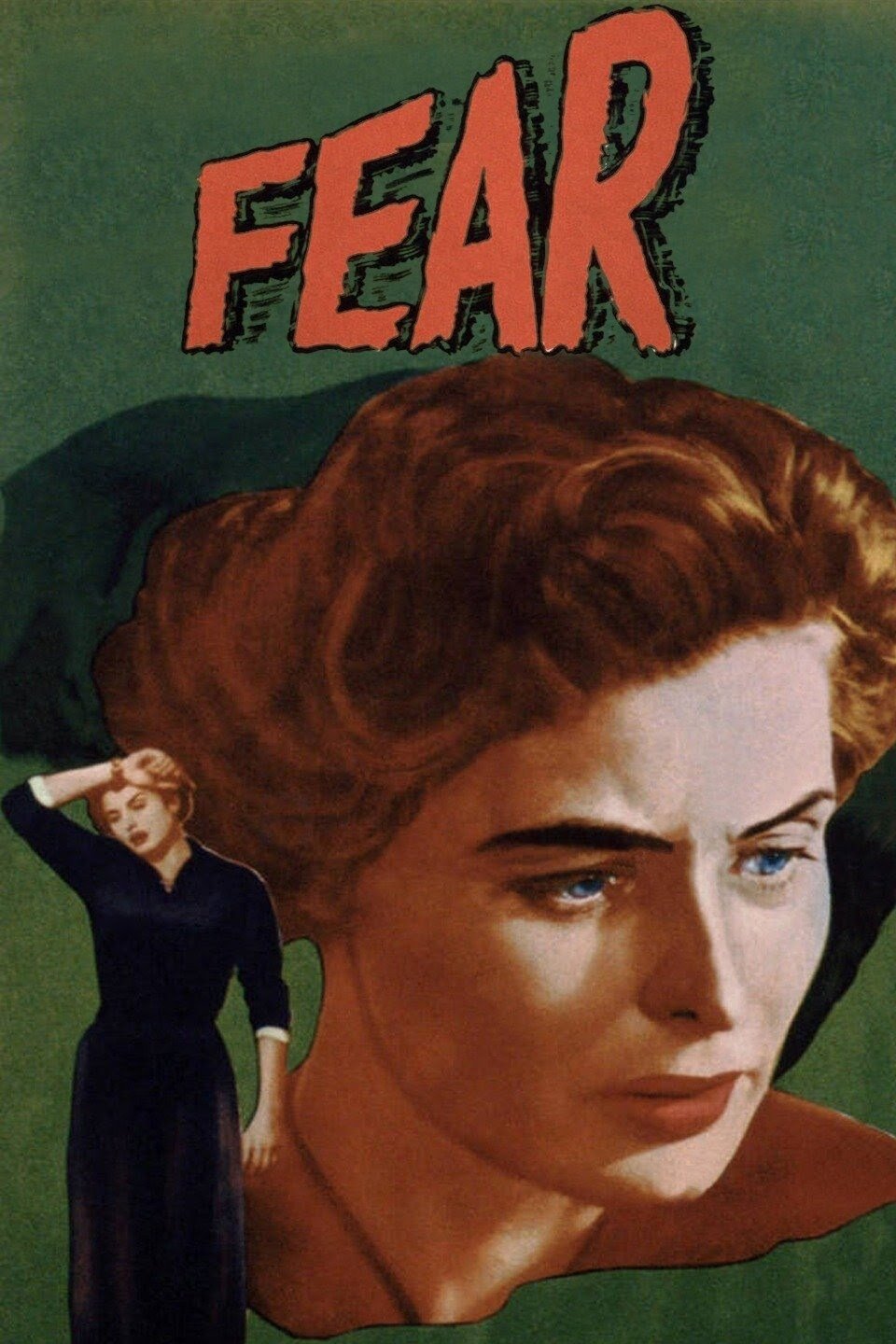
Irene Wagner, the wife of the prominent German scientist Professor Albert Wagner, had been having an affair with Erich Baumann. She does not disclose this to her husband, hoping to preserve his innocence and their "perfect marriage". This fills her with anxiety and guilt. However, Johanna Schultze, Erich's jealous ex-girlfriend, learns about the affair and begins to blackmail Irene, turning Irene's psychological torture into a harsh reality.

A woman between two men. Horror melodrama.


The third part of Paul May′s "08/15" trilogy based on the novel by Hans Hellmut Kirst takes place shortly before the end of World War II: In the spring of 1945, the German troops are practically defeated, and the battalion of Kowalski, major general von Plönnies and Asch who had risen to the rank of lieutenant in the meantime is left to its own devices to a large extent. They hope to be able to wait for the end of the war without having to encounter any combat operations. At the same time, Asch tries to prevent high-level Nazi officers from disappearing unnoticed and from cashing in on the chaotic circumstances.

The unsuccessful writer Ritchie can't stand his brother, a criminal businessman. When both fall in love with the beautiful Lilian, a dangerous game of revenge begins.
Dr. Hanna Burkhardt is a teacher by vocation: she is not only interested in teaching the pupils the subject matter, she also wants to be a human support and help them when necessary. The school authorities don't like this at all; in their eyes, she has failed several times. Her last chance is the ninth grade of a grammar school. At first, she has no access to the pupils. Only with Martin, a spoiled but lonely child of divorce, does Hanna develop a genuine relationship of trust. The rest of the class, however, remains dismissive until the day Hans, leader of the class jazz band, dies. His last wish was for the band to play at his grave, which the principal does everything in his power to prevent. Hanna, however, manages to get the class to play at the boy's grave - the ice is broken. Martin's diary, which is found in the school and in which the pupil confesses his love for her, almost becomes the teacher's undoing.
A young man practices medicine without a licence.

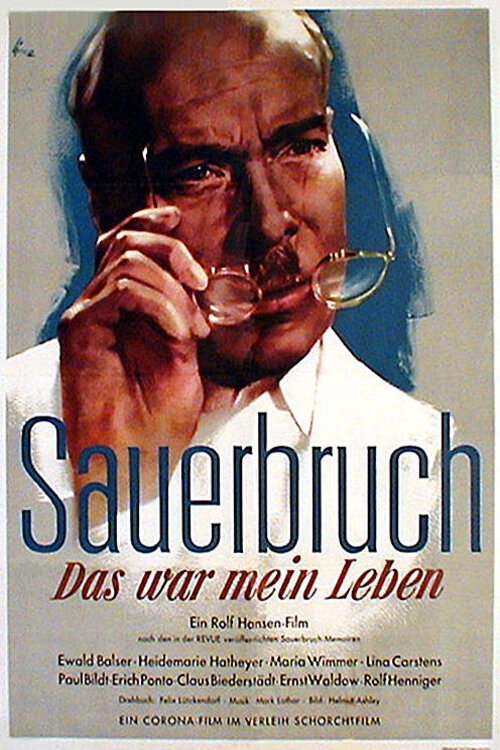
Young Olga Ahrendt almost succeeded in attempting suicide. She had thrown herself in front of a tram out of desperation about her miserable life, a desperation she shared with many in the post-war period. Fortunately, Privy Councillor Sauerbruch is at the scene of the incident, ordering her to be admitted to his clinic after a brief examination. Sauerbruch works both as a university lecturer and as a surgeon, a famous doctor who not only helps his patients physically but also gives them spiritual comfort. After he has taken Olga Ahrendt to his hospital, he discovers during an examination that her suicide attempt is due to a serious physical illness. He intensively takes care of her without forgetting about his other patients, to whom he can give a new will to live, even if only through a small story. And he will also treat Olga Ahrendt successfully...

Sherlock Holmes and Dr. Watson embark on a search for Cleopatra's ancient necklace, which has been stolen.

East Berlin, shortly after the construction of the Berlin Wall. Kurt Schröder and his family dig a tunnel to escape to West Berlin as they struggle to overcome the obstacles blocking their underground path to freedom.
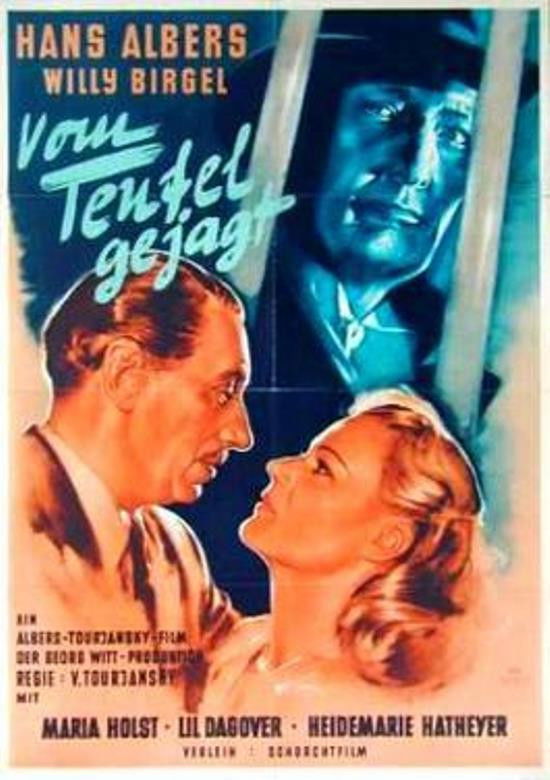
A doctor discovers a new medical cure with dangerous side effects, and takes the drug himself to test its limitations.


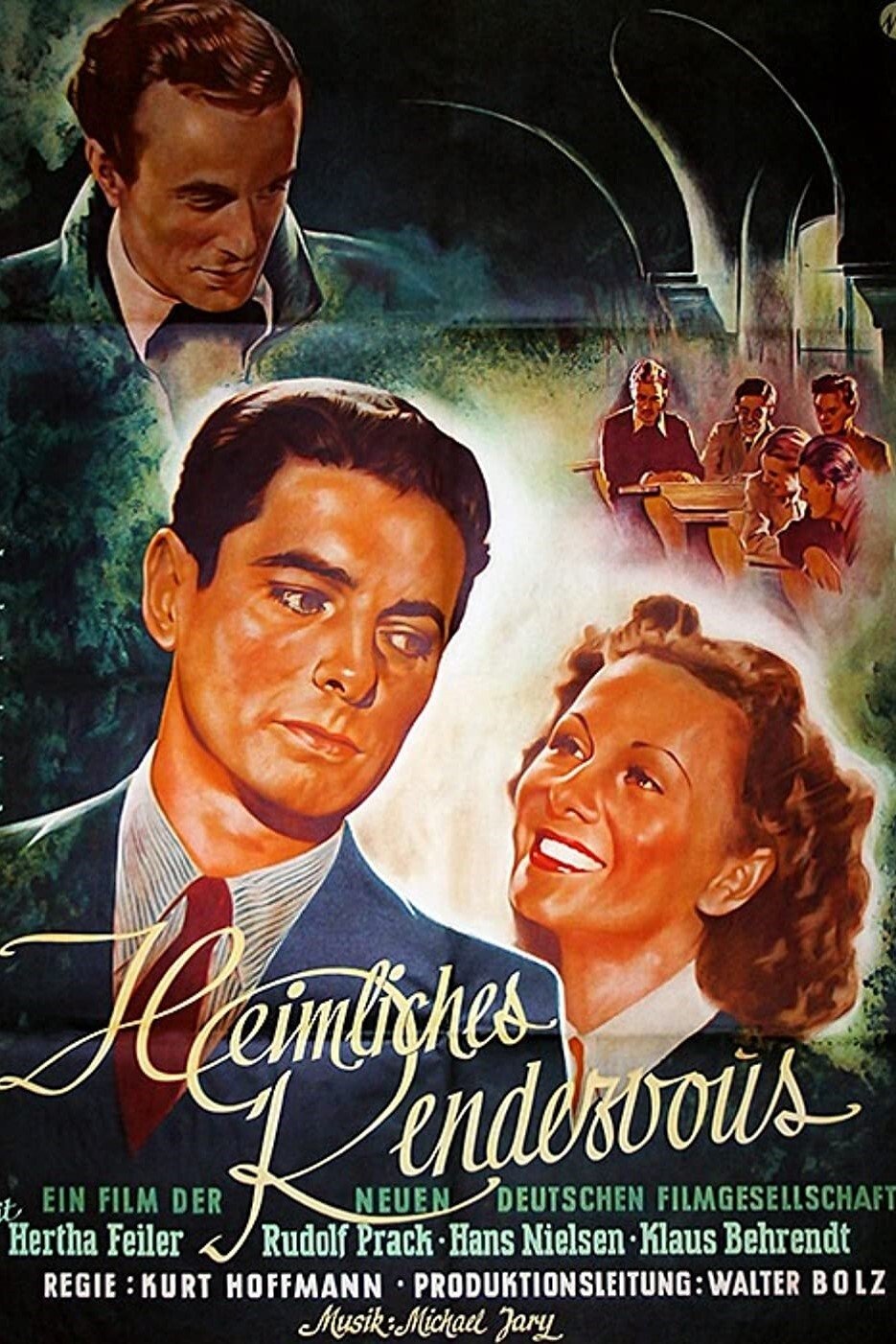
A young teacher has to declare that she is unmarried in order to obtain a teaching license in the small town where her husband works as a teacher at the local grammar school.
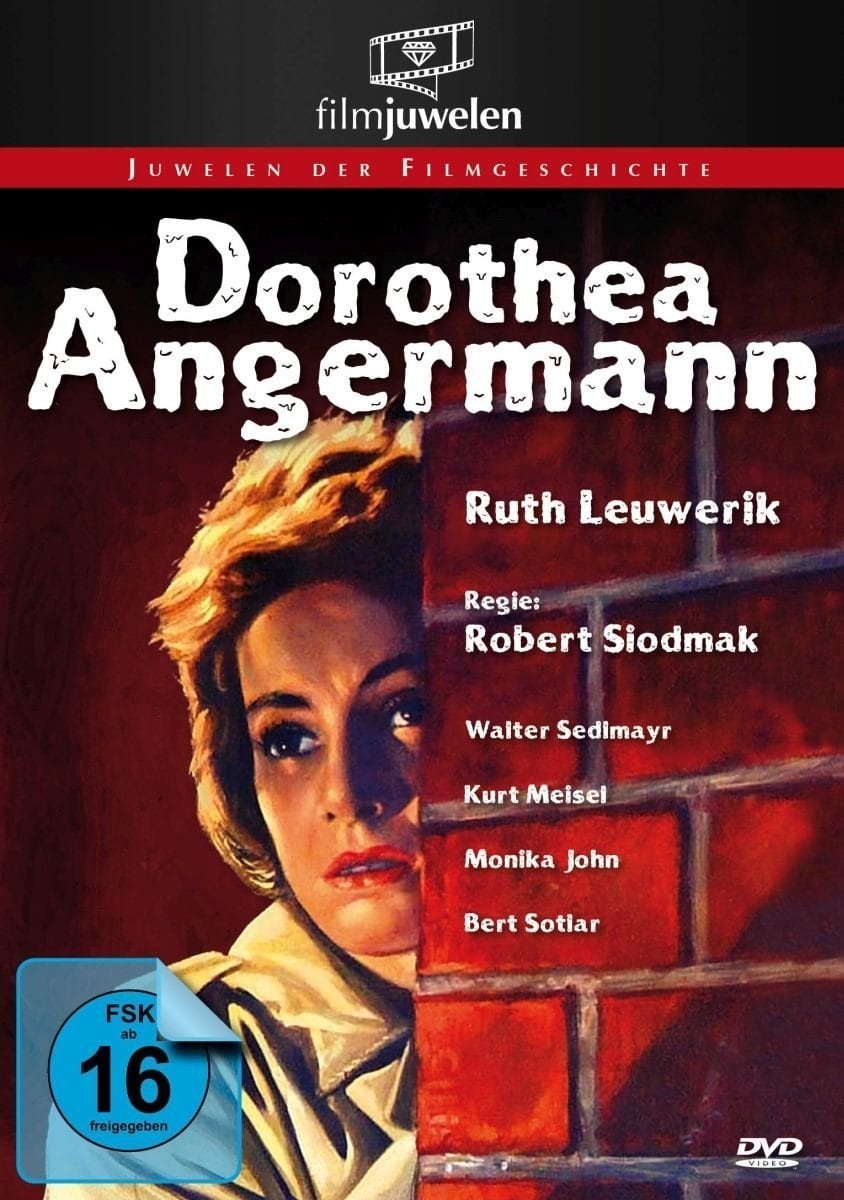
Dorothea Angermann the daughter of a clergyman is accused of the murder of her husband, a brutal man that she was obliged to marry because she was pregnant and he was the father of the baby.
In 1932, this crime moved the whole world. Colonel Lindbergh, the immensely popular Atlantic flight pioneer, had his son kidnapped and killed, although the parents met all the blackmailers' demands. A manhunt unparalleled in the history of the police remained unsuccessful for a long time. None of the many clues led to the perpetrator. Then the research assistant, Dr. Bernstein, had an ingenious idea...
Summer 1938: renowned Viennese surgeon Professor von Benda is summoned by Gauleiter Seyss-Inquart to attend the Evian Conference on Jewish refugees. Disguised as a loyal Nazi physician, von Benda’s “mission” is to propose that participating nations purchase German Jews for 250 Reichsmark each, ostensibly saving them from deportation. Over ten days in Evian-les-Bains, von Benda navigates tense negotiations with diplomats and relief workers, confronting the moral abyss behind his government’s plan. As alliances form and falter around him, he watches the fates of refugees - and of Europe itself - unfold without judgment, bearing witness to a tragedy that history cannot forget.
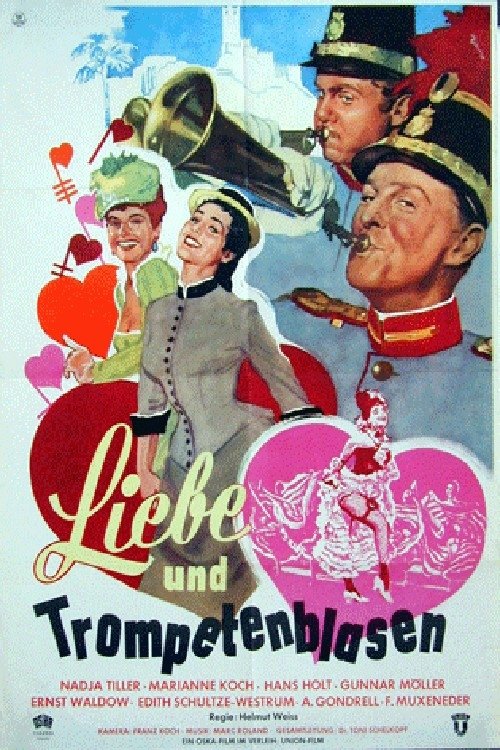
In a small residential town, the two soldiers Peter and Nicky try to win the affections of the artist Ninon from the court theater. Their admiration clashes with their duties as soldiers and they are grounded. Nevertheless, they look at their Ninon in the theater, get caught and flee, with Peter losing his helmet in a girls' boarding school.
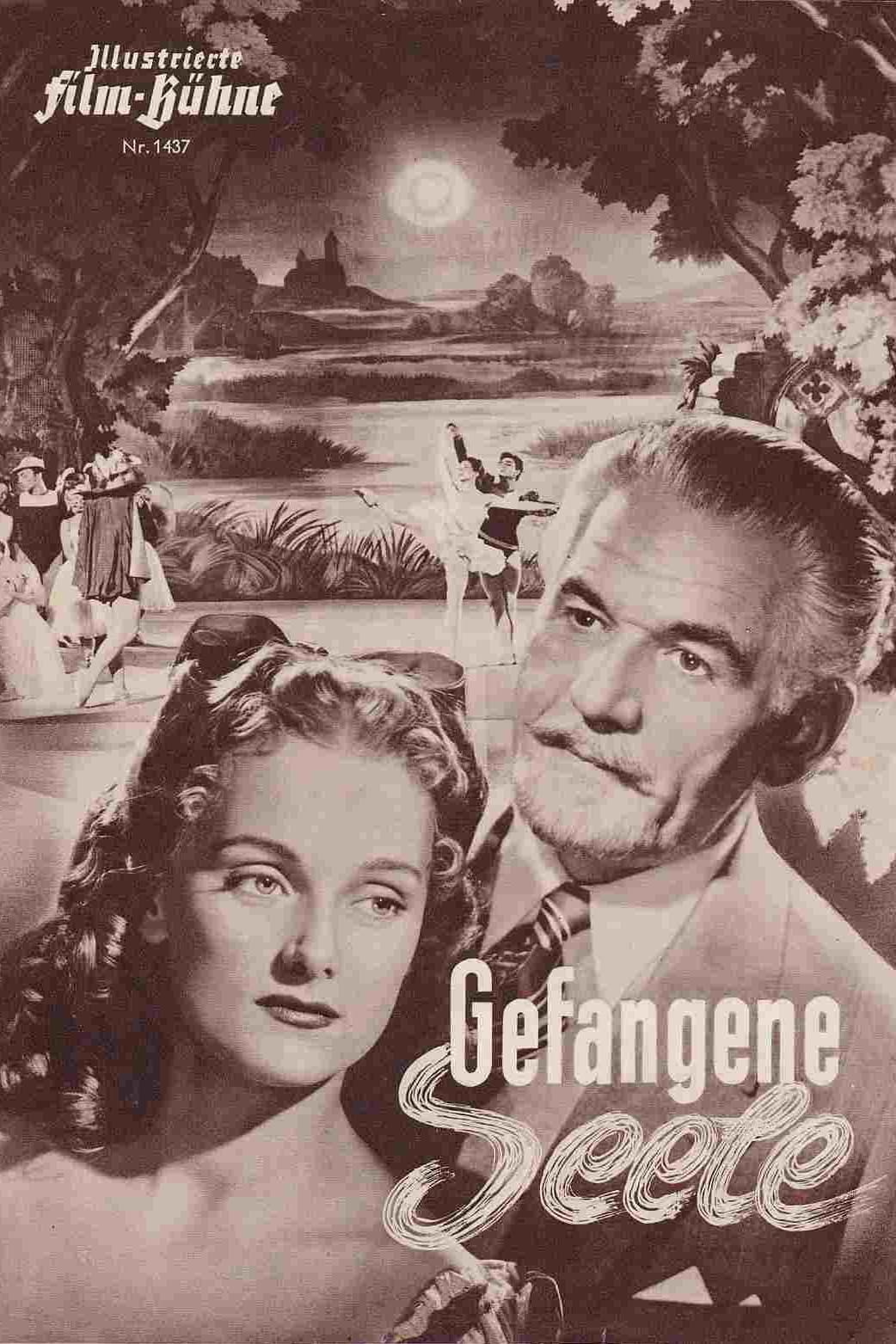
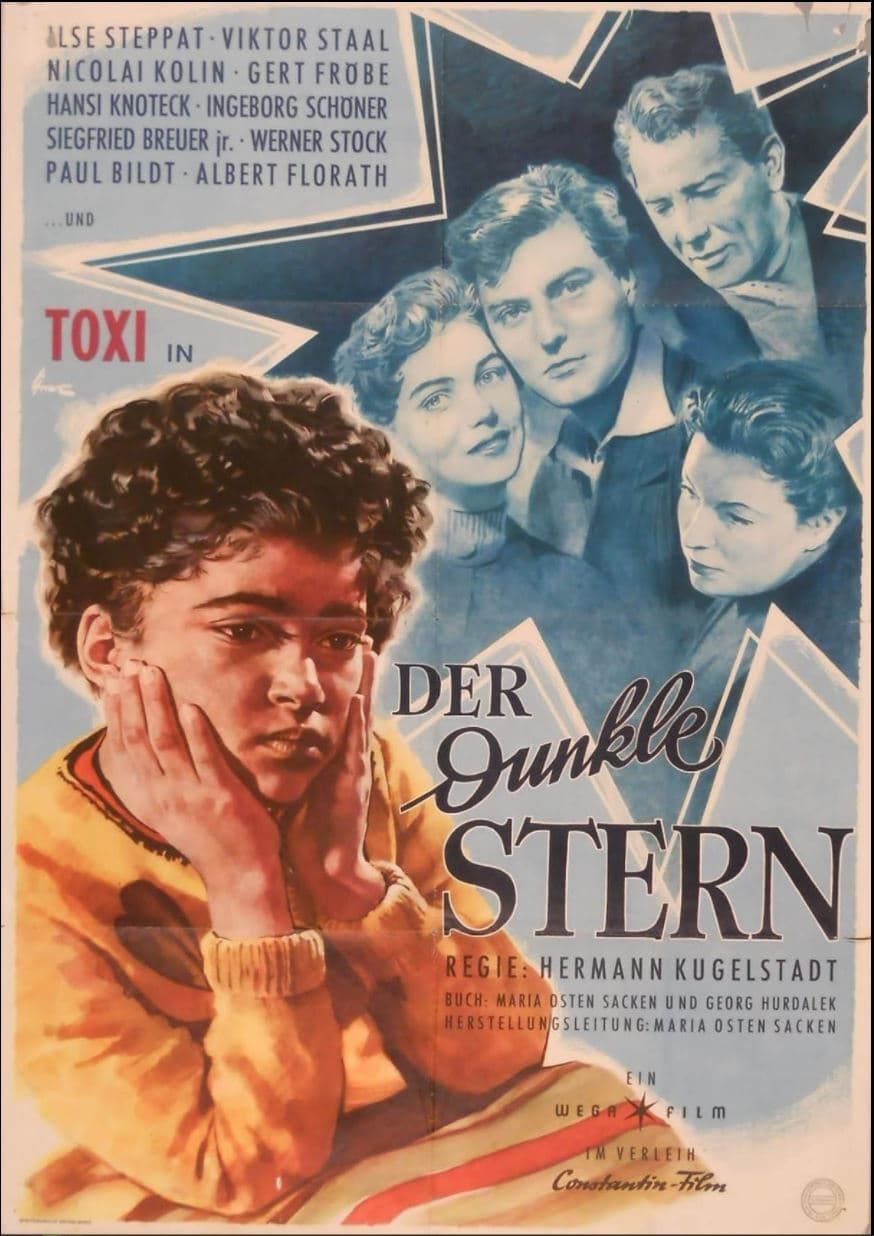
When she was a little girl, Liuba came to town with her widowed mother to live in the block of flats owned by her aunt Anna Iwanowna. The wealthy and cold-hearted Anna Iwanowna barely accepted them as tenants. And no sooner did Liuba's mother die than she wanted to send her niece to the orphanage. Fortunately, Pawlin, Anna Iwanowna's janitor, decided to adopt her and he brought her up with affection. When she grew up, the beautiful Liuba fell in love with her aunt's son, Dodja, a good-looking but profligate army officer. Wishing nothing more than an affair with Liuba, Dodja did not hesitate to play the comedy of love to her. When she realized what Dodja was really after, Liuba was devastated and in desperation accepted to marry Pawlin, her benefactor, who had been infatuated with her for years. Alas, in the middle of the wedding party Dodja danced with Liuba and eloped with her

Love story between a fisherman of the Adriatic coast and a young girl of the village.

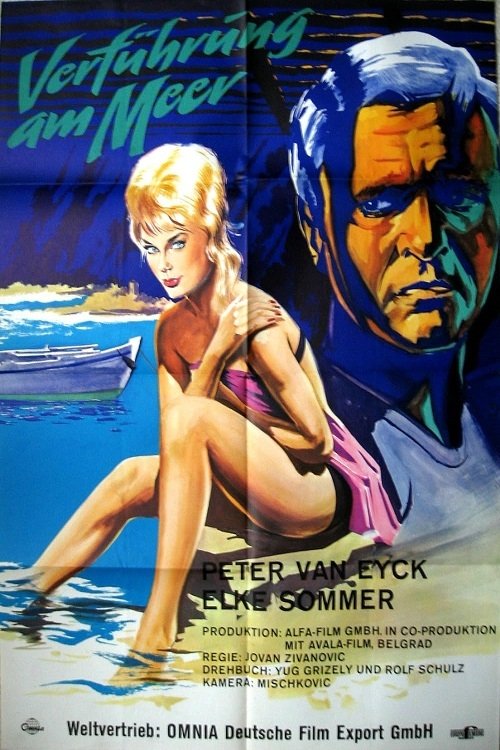
A young women is hired by a woman to seduce her son and convince him to return to home from his self-induced exile.

In 50s Canada, trapper Jacques Monge is a freedom-loving adventurer. But when he falls in love with Hannah, a farmer's daughter, he stirs up trouble within his family.
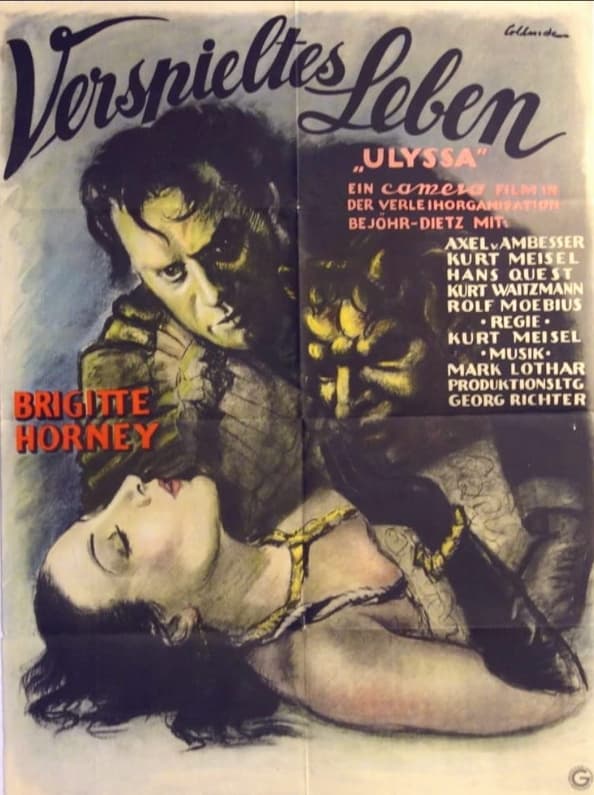
Germany, 1914: The bourgeois austerity of the small, northern German town in which Ulyssa lives conflicts sharply with her desire to flirt with and be ensnared by charming, young men. That she's married is irrelevant; it's a marriage which exists only on paper. Among all the men Ulyssa flirts with, there is one for which she has genuine affection: Stefen Marbach, an upright and sincere man, far superior to her other men. And, indeed, the two are honest with one another about their feelings, but the outbreak of the First World War separates them. Sometime later, Ulyssa finds out that not only her husband, but Stefan, too, has fallen in battle. The news of this disaster leads her to reconsider and eventually give in to the constant urgings of the Viennese merchant Reindl. Ulyssa joins Reindl in Vienna and lives a life of wealth and comfort, until one day, Stefan shows up.
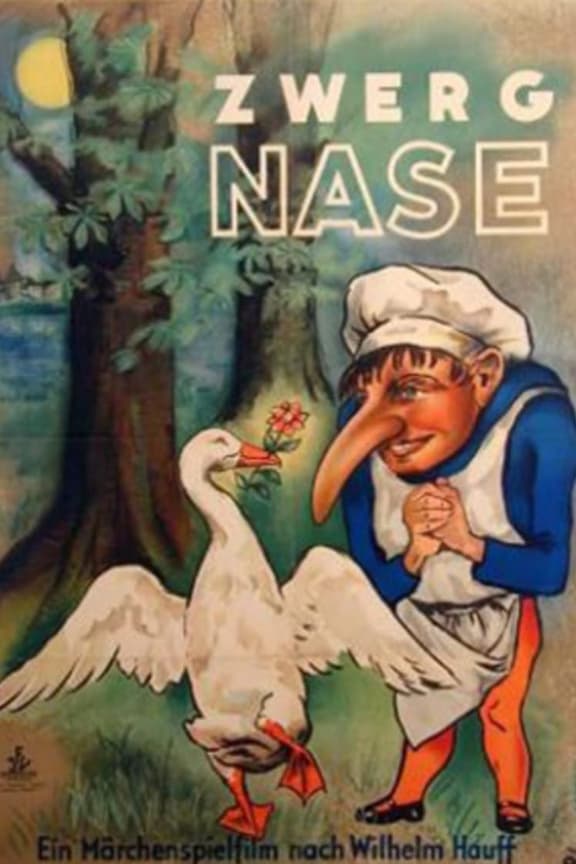
12-year-old Jakob helps out at his mother's vegetable stand and also carries customers' purchased goods home. One day, an old woman with a long nose comes to the stand and claims that the herbs are bad and were better 50 years ago. Jakob is upset that she holds all the herbs to her nose and crushes them: "Take it away from your long nose!" he shouts and hits her hand. "Don't you like it, my beautiful long nose?" the woman scoffs, "You should have one too, even longer than mine." Finally, she buys some cabbages, which she wants Jakob to carry home for her. Jakob resists but is persuaded by his mother. Other market women whisper whether the old woman is not the evil fairy Kräuterweis.
In 1828 a man called Kaspar Hauser appears in Nuremberg, barely able to speak and walk. He is admitted to the house of a professor, who among other things explores Kaspar's unusual characteristics and deals with his education.

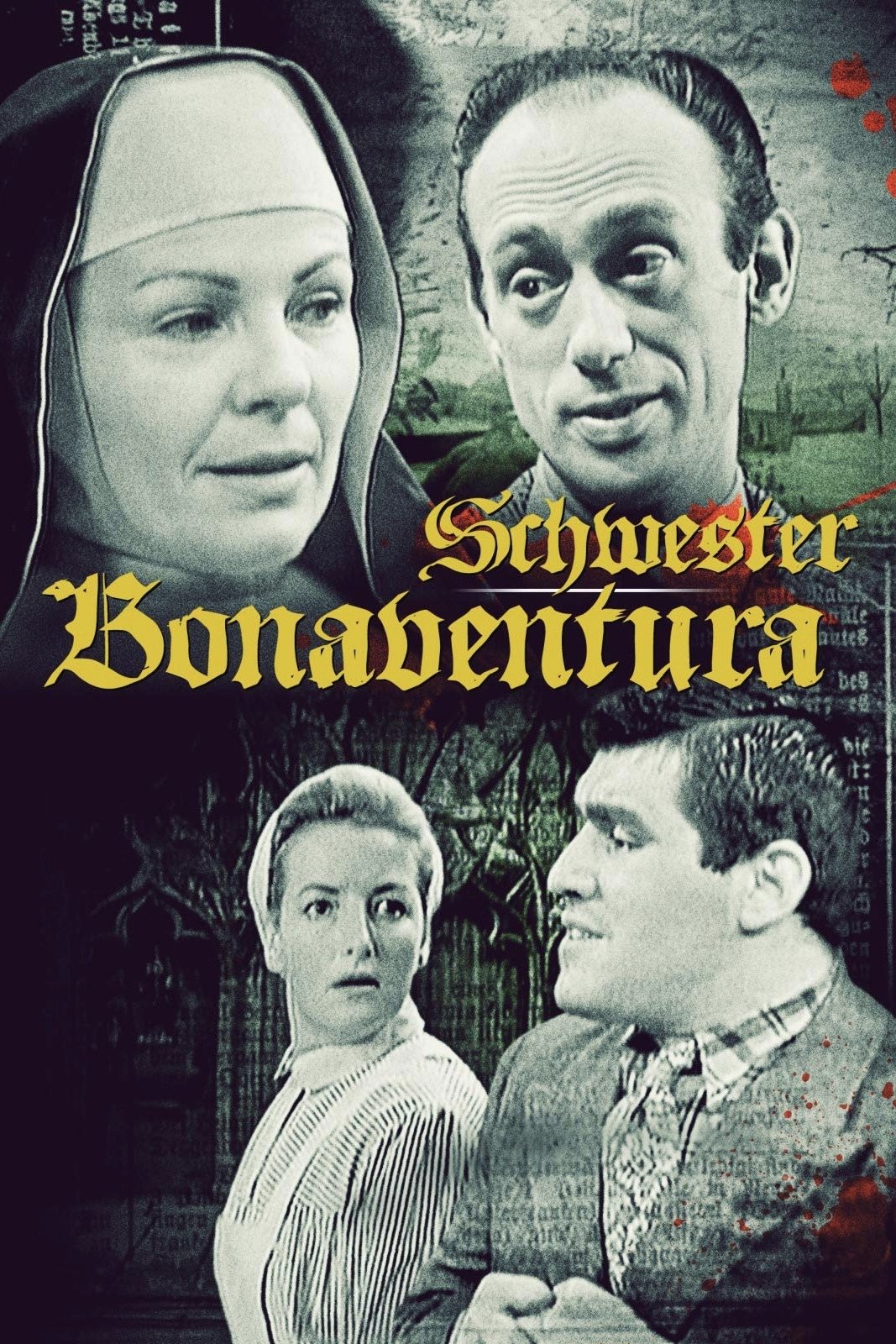
Inspector Welling, the warden Miss Pierce and the convicted murderess Sarat Carn are on their way back to Norwich from London. They are returning from a court hearing at which Carn's appeal against the death sentence imposed on her was rejected...
In wartime Berlin, a factory foreman, Otto Quangel and his wife, Anna learn that their only son, Paul, has been killed in action in France. In their grief, the couple decide to take action against the Nazi regime. They create their own form of resistance, writing postcards urging people to resist Hitler and the Nazis and quietly distributing the postcards around Berlin. Various people enter the picture, showing the fear and distrust of the times. People, such as the actor Harteisen, find the cards and race to turn them in, lest they be found with them and come under suspicion. The police and the Gestapo are baffled for over a year, but finally find the source of the cards. The Volksgerichtshof sentences the Quangels to death.

Kiki who has a walk-on part in a show, is in love with her director, who doesn't notice her at all. She settles into his home and causes him to break up with his lover, the star of the show; and finally manages to make him love her.
Rosalie is young and pretty maid on the farm of the winemaker Jacob. She becomes pregnant with the servant Marko, who disappears with a gypsy singer, leaving Rosalie alone in her awkward situation.