
Renowned American playwright Arthur Miller discusses his life and work with Alan Yentob.
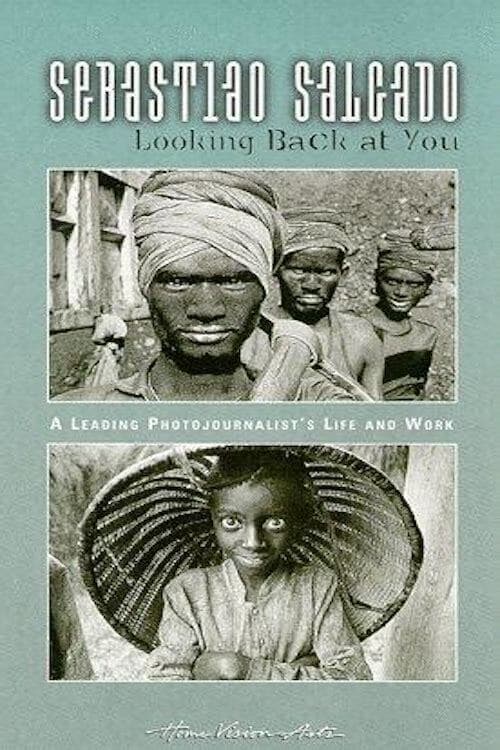
Looks at the work of Brazilian photojournalist Sebastiao Salgado (b.1944). In his monumental photo-essay, Workers, Salgado’s dominant theme is the displacement of manual labor by technological advances. He documents the effects of this new industrial revolution on laborers in Eastern Europe, Cuba, Gdansk, Brazil, India, Sicily, and Bangladesh. Includes archival footage of Salgado’s life and commentary by artists, photographers, critics, and writers such as Jorge Armado, Robert Delpire, Jimmy Fox, and Arthur Miller.
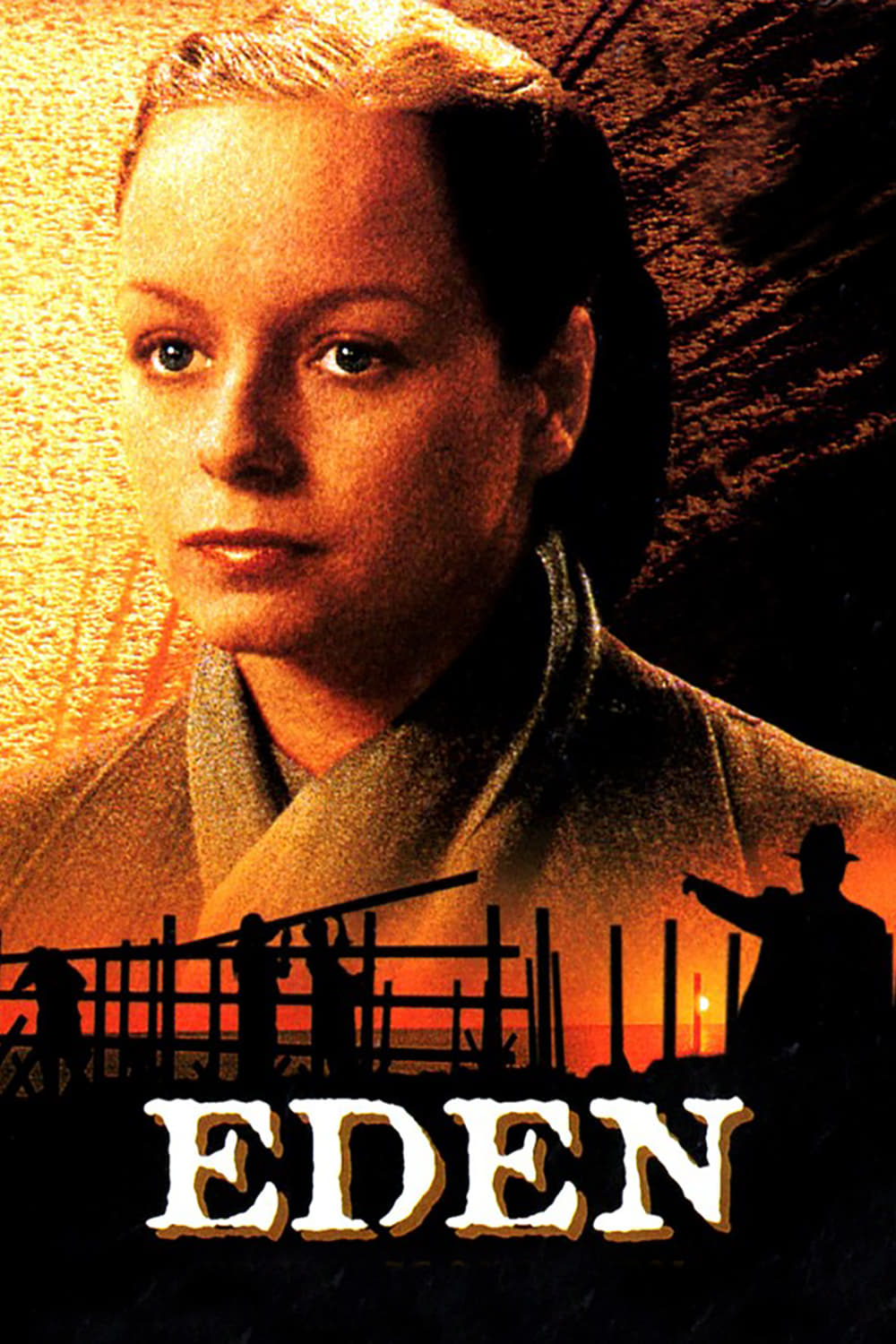
In 1939, Kalman, an ambitious young businessman, leaves Europe to join his sister Samantha in Palestine. She lives with Dov, an idealistic architect obsessed with the Bauhaus style. With their friends, they form a group, which discusses the future Israeli State.
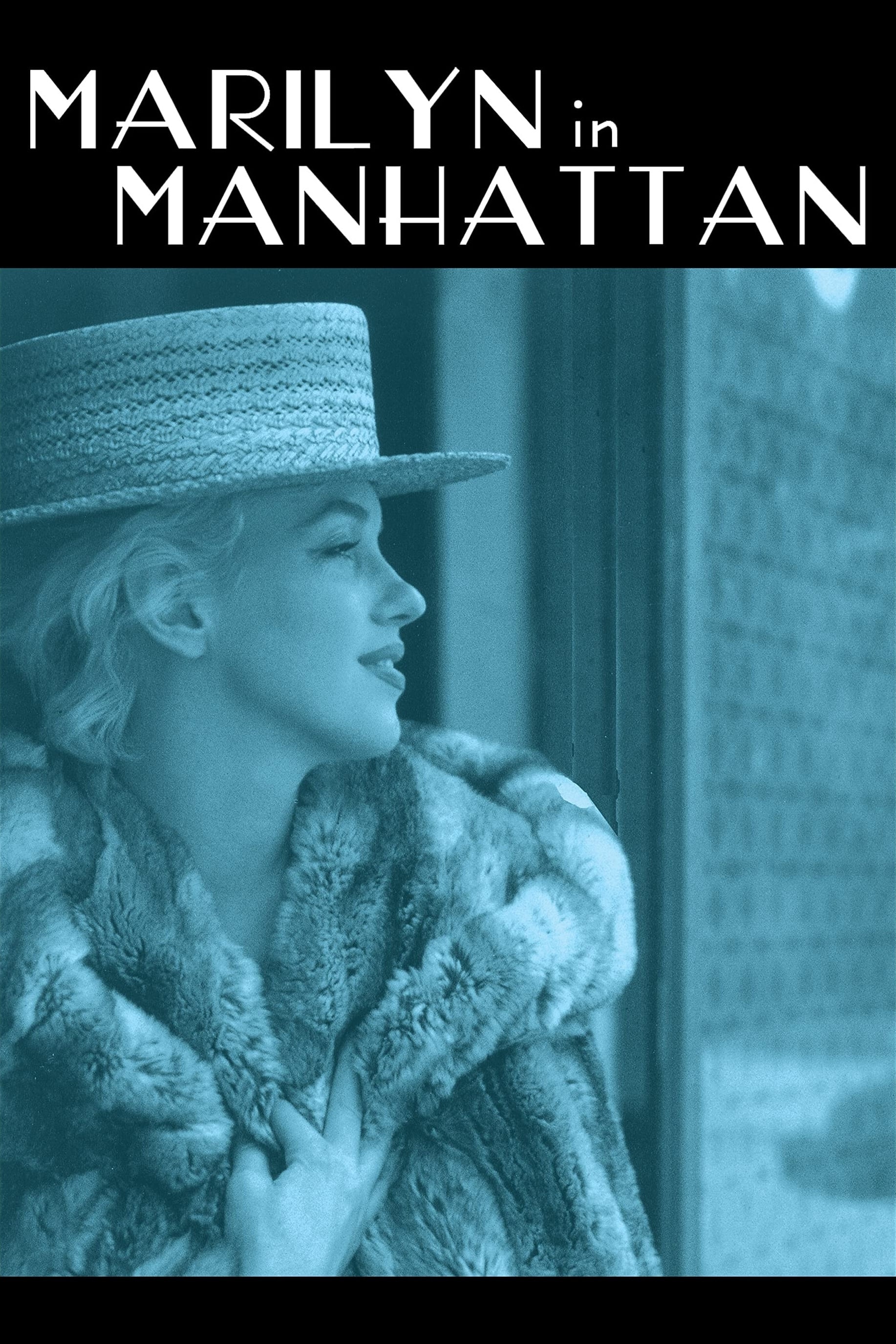
An exclusive look at Marilyn Monroe just before her tragic end. Set in New York City in the 50's - It's a surprising documentary that captures the movie legend as she runs with Broadway pals from the Actors Studio.
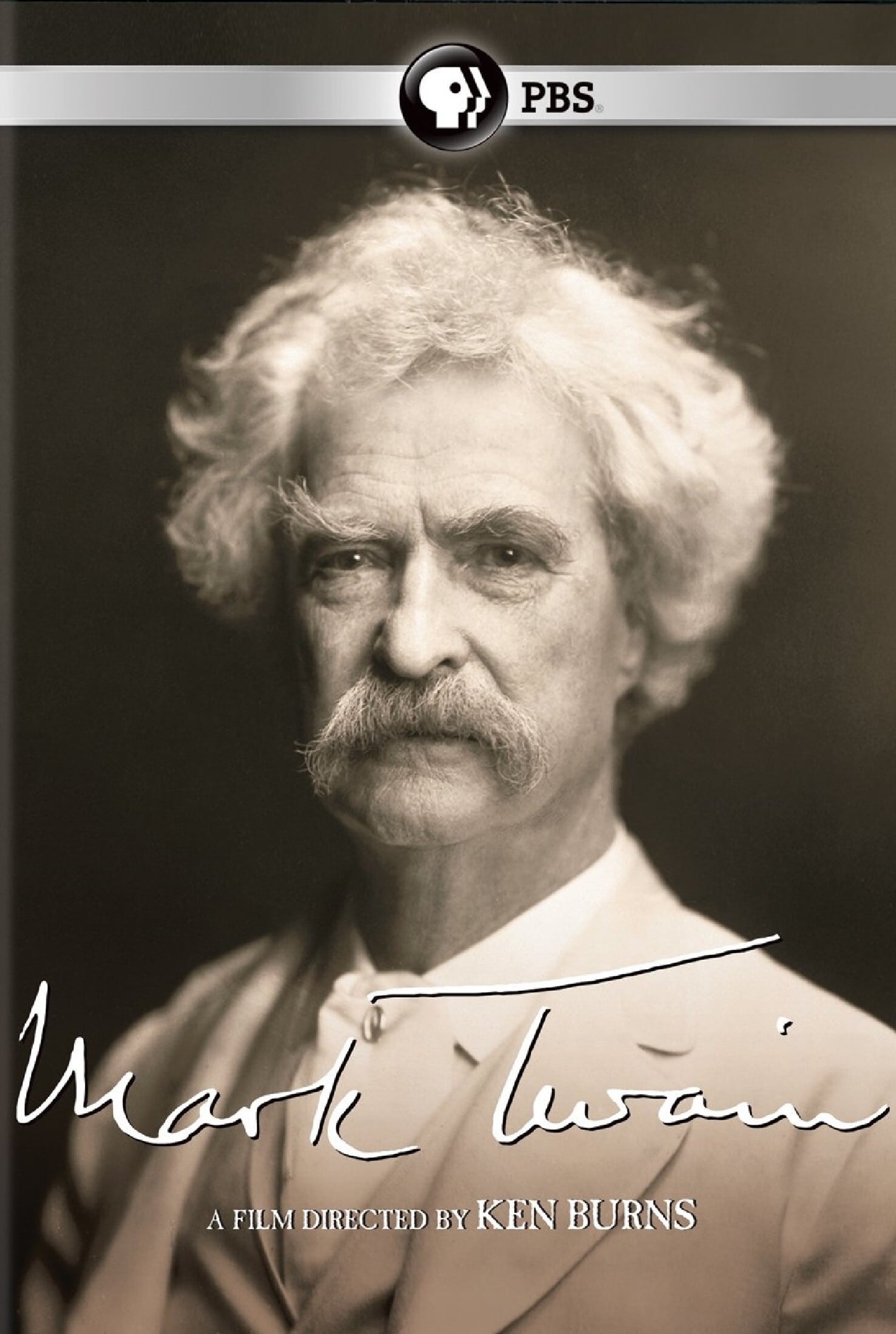
Largely considered to be the greatest American author, Mark Twain is celebrated in this exhaustive documentary by filmmaker Ken Burns.
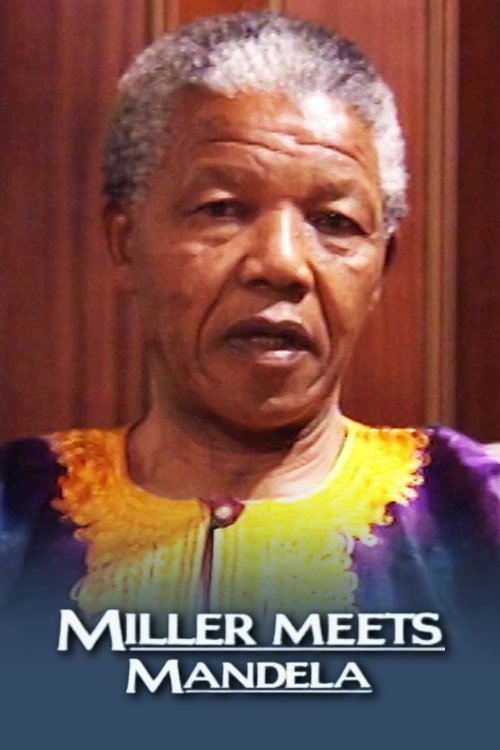
For the first time since his release from 27 years of imprisonment Nelson Mandela opens up about his life and the turbulent times he's faced in this momentous, in-depth and revealing interview with Arthur Miller. From the intimate setting at his home in Soweto, South Africa, Mandela discusses the popularity and rise to power of the ANC movement and the pivotal role it played in the overthrow of the Apartheid regime. Plus he shares his thoughts on the future of South Africa, exploring both his hopes and fears in relation to the political, social and economic prospects of the country, putting particular emphasis on his 'Freedom Charter' - his personal vision for South Africa.
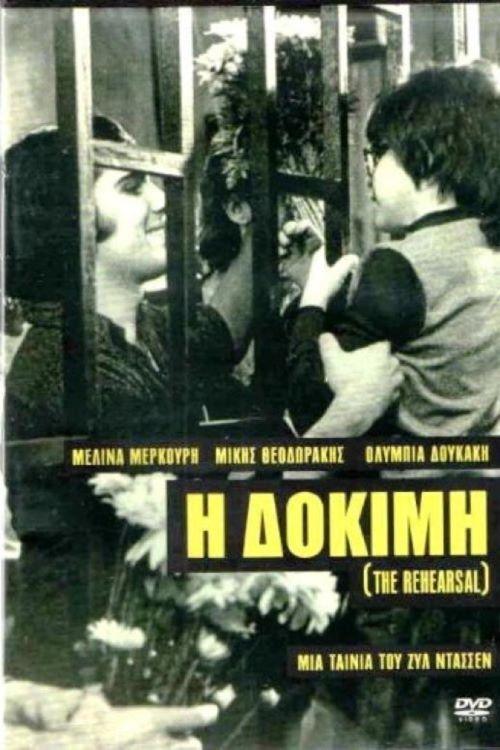
An indictment of the Greek military junta of 1967–1974. The film tries to give a reconstruction of the events during the students' uprising in the Athens Polytechnic (November 1973) by documents, rehearsals, interviews, songs and poems.
For over half a century, 60 Minutes' fearsome newsman Mike Wallace went head-to-head with the world's most influential figures. Relying exclusively on archival footage, the film interrogates the interrogator, tracking Wallace's storied career and troubled personal life while unpacking how broadcast journalism evolved to today’s precarious tipping point.
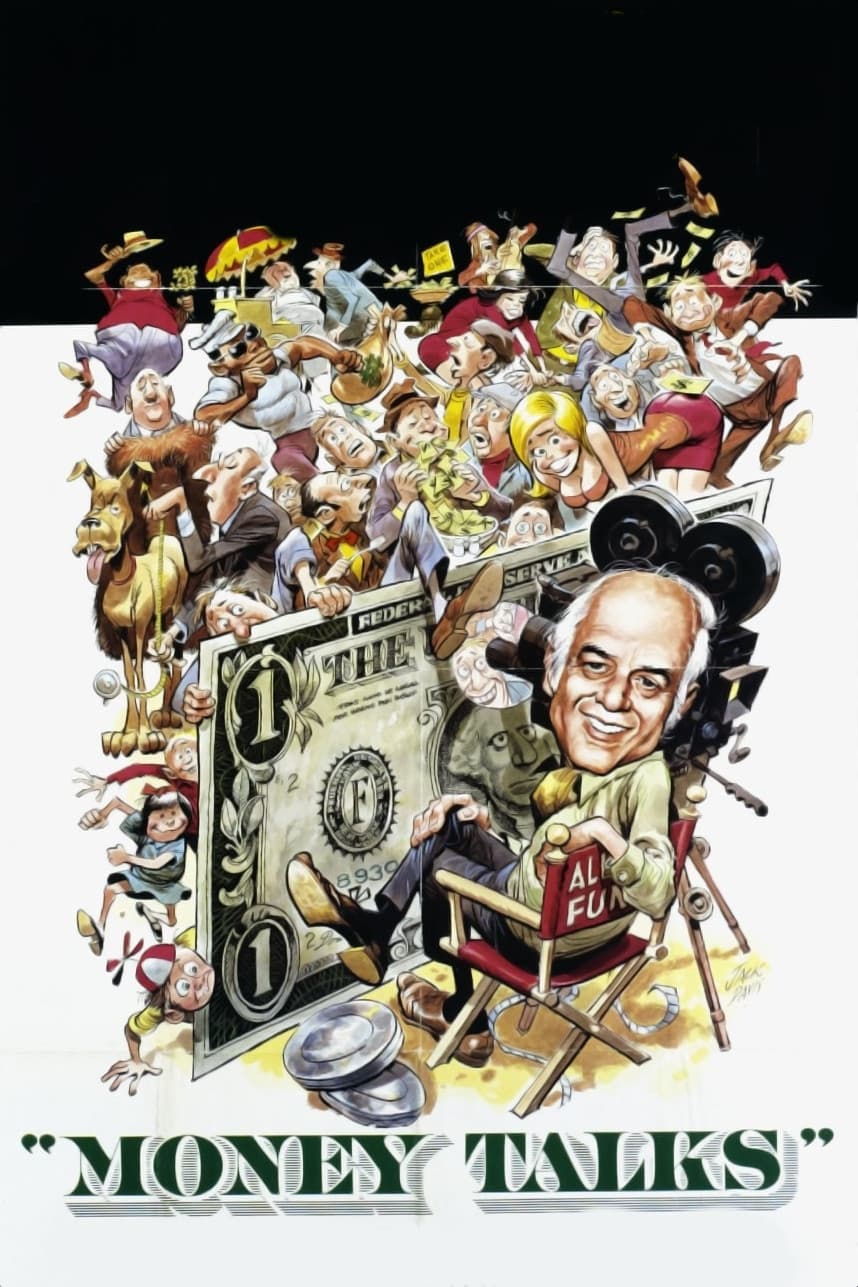
From Allen Funt, the creator of TV's "Candid Camera." The hidden camera is pointed at people dealing with money in all sorts of human and, often, hilarious circumstances.
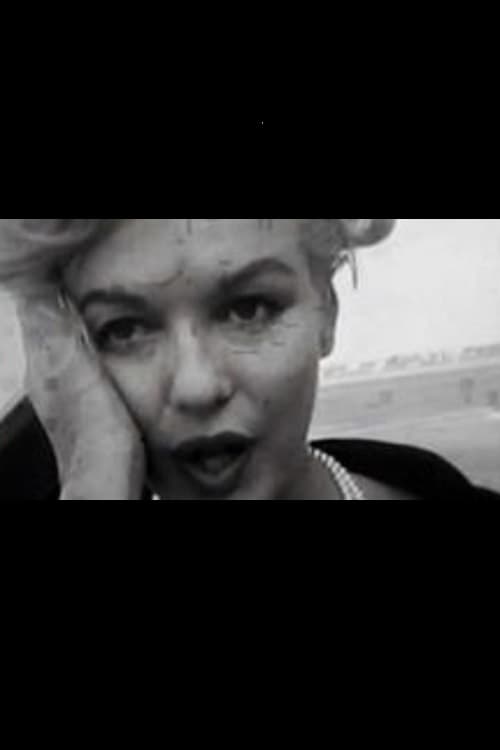
Documentary on Marilyn’s life told by herself from the taped interviews she gave to Life magazine and French Marie Claire less than a month before she died, accompanied by rare and previously unseen footage.
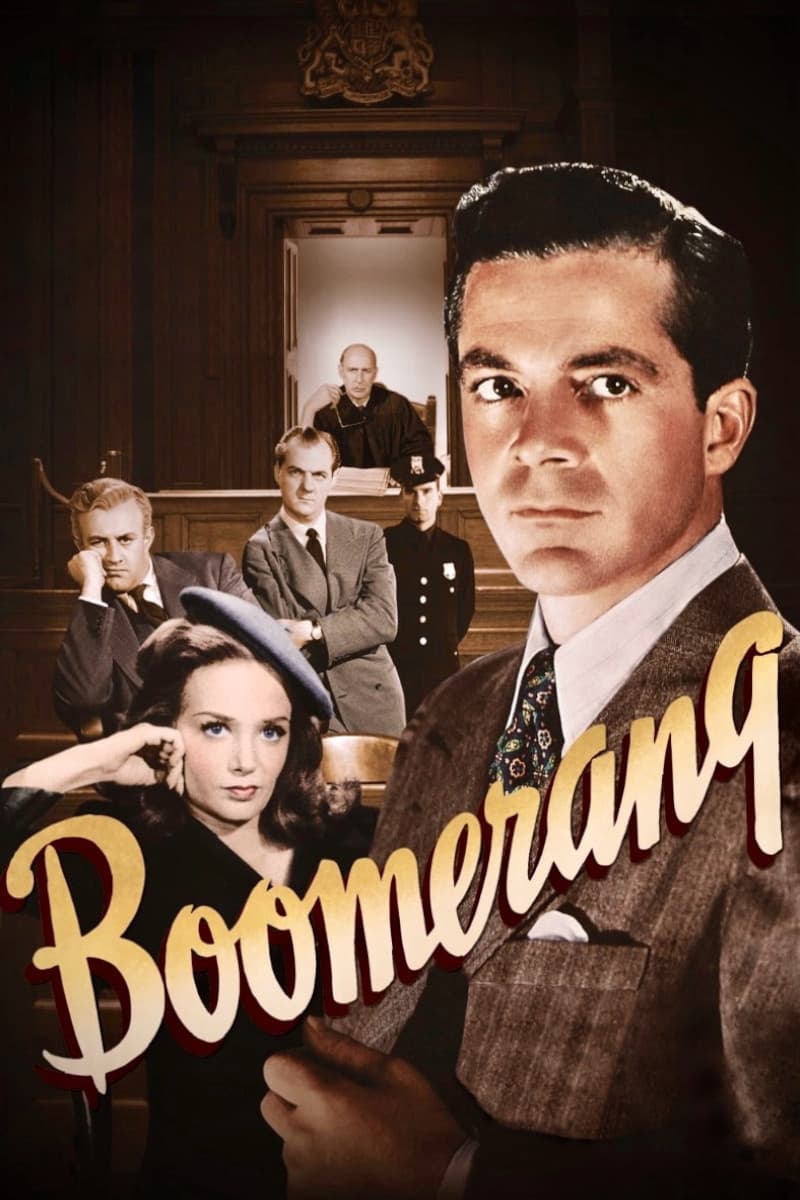
When a kindly priest is murdered while waiting at a street corner in a quiet Connecticut town, the citizens are horrified and demand action from the police. All of the witnesses identify John Waldron, a nervous out-of-towner, as the killer. District Attorney Henry Harvey is then put on the case and faces political opposition in his attempt to prove Waldron's innocence.

Biography of risk-taker and raconteur John Huston from his childhood to become one of the most highly respected filmmakers in the world.
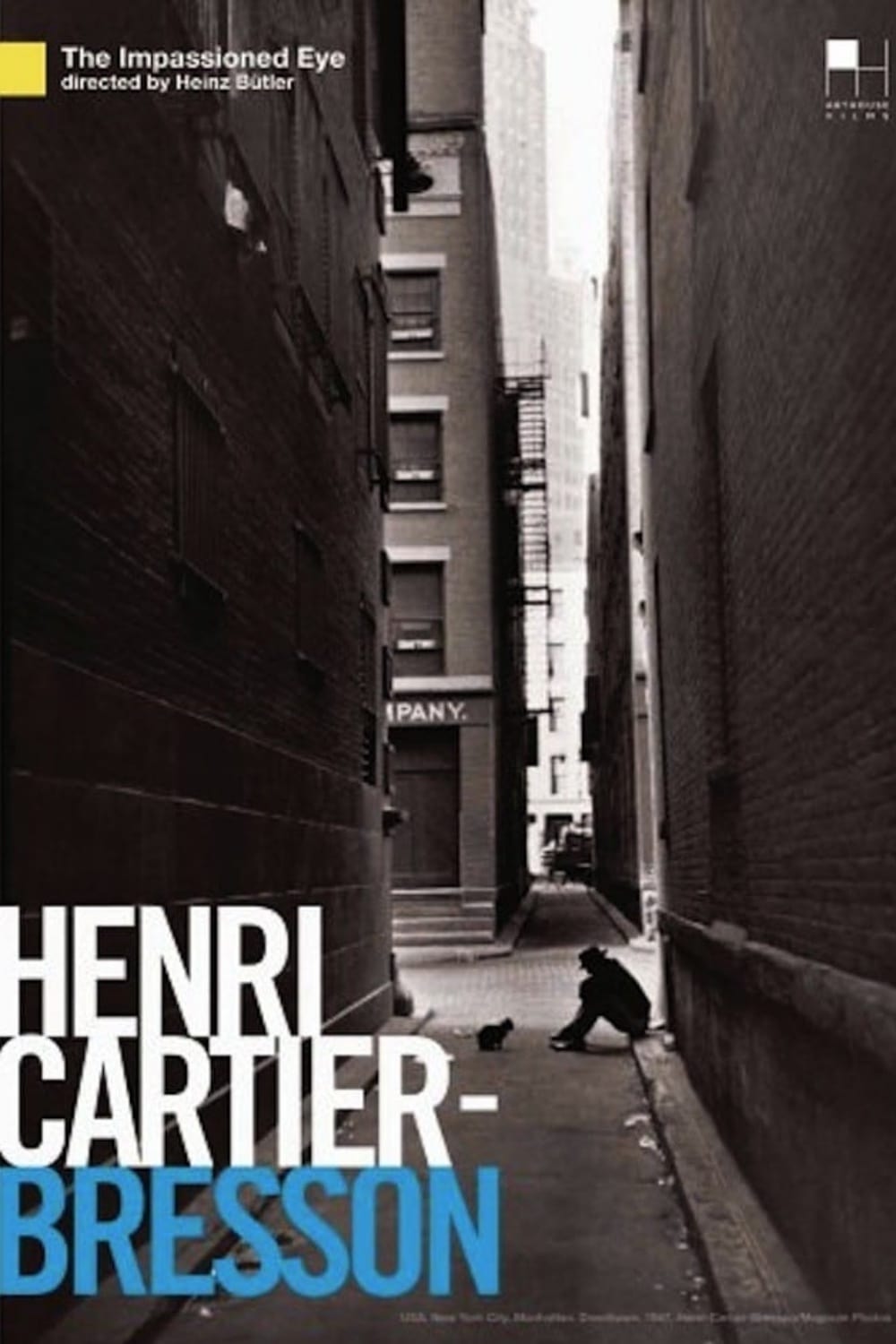
Heinz Bütler interviews Henri Cartier-Bresson (1908-2004) late in life. Cartier-Bresson pulls out photographs, comments briefly, and holds them up to Bütler's camera. A few others share observations, including Isabelle Huppert, Arthur Miller, and Josef Koudelka. Cartier-Bresson talks about his travels, including Mexico in the 1930s, imprisonment during World War II, being with Gandhi moments before his assassination, and returning to sketching late in life. He shows us examples. He talks about becoming and being a photographer, about composition, and about some of his secrets to capture the moment.
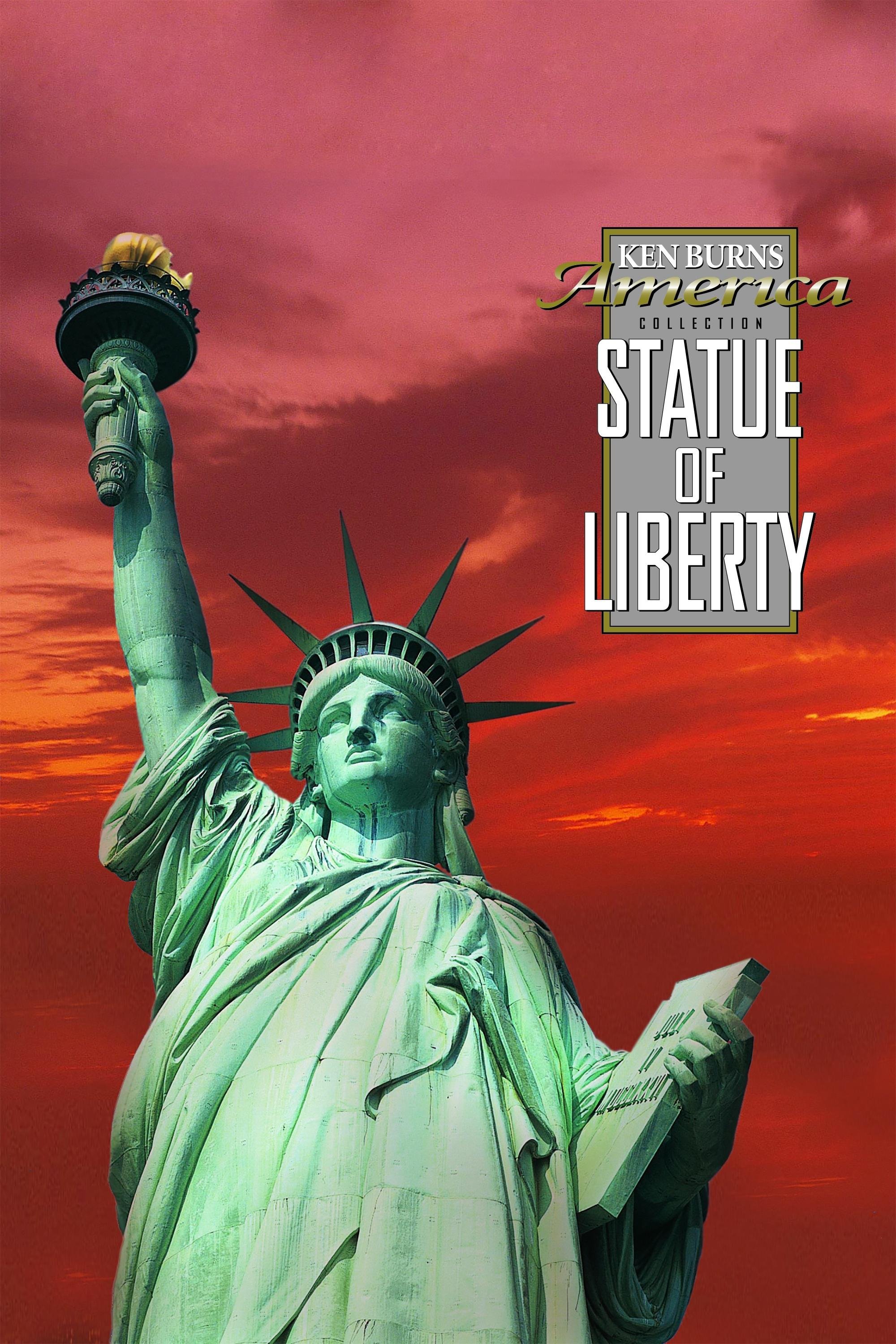
For more than 100 years, the Statue of Liberty has been a symbol of hope and refuge for generations of immigrants. In this lyrical, compelling and provocative portrait of the statue, Ken Burns explores both the history of America’s premier symbol and the meaning of liberty itself. Featuring rare archival photographs, paintings and drawings, readings from actual diaries, letters and newspapers of the day, the fascinating story of this universally admired monument is told. In interviews with Americans from all walks of life, including former New York governor Mario Cuomo, the late congresswoman Barbara Jordan and the late writers James Baldwin and Jerzy Kosinski, The Statue of Liberty examines the nature of liberty and the significance of the statue to American life. Nominated for both the Academy Award ® and the Emmy Award ®, The Statue of Liberty received the prestigious CINE Golden Eagle, the Christopher Award and the Blue Ribbon at the American Film Festival.
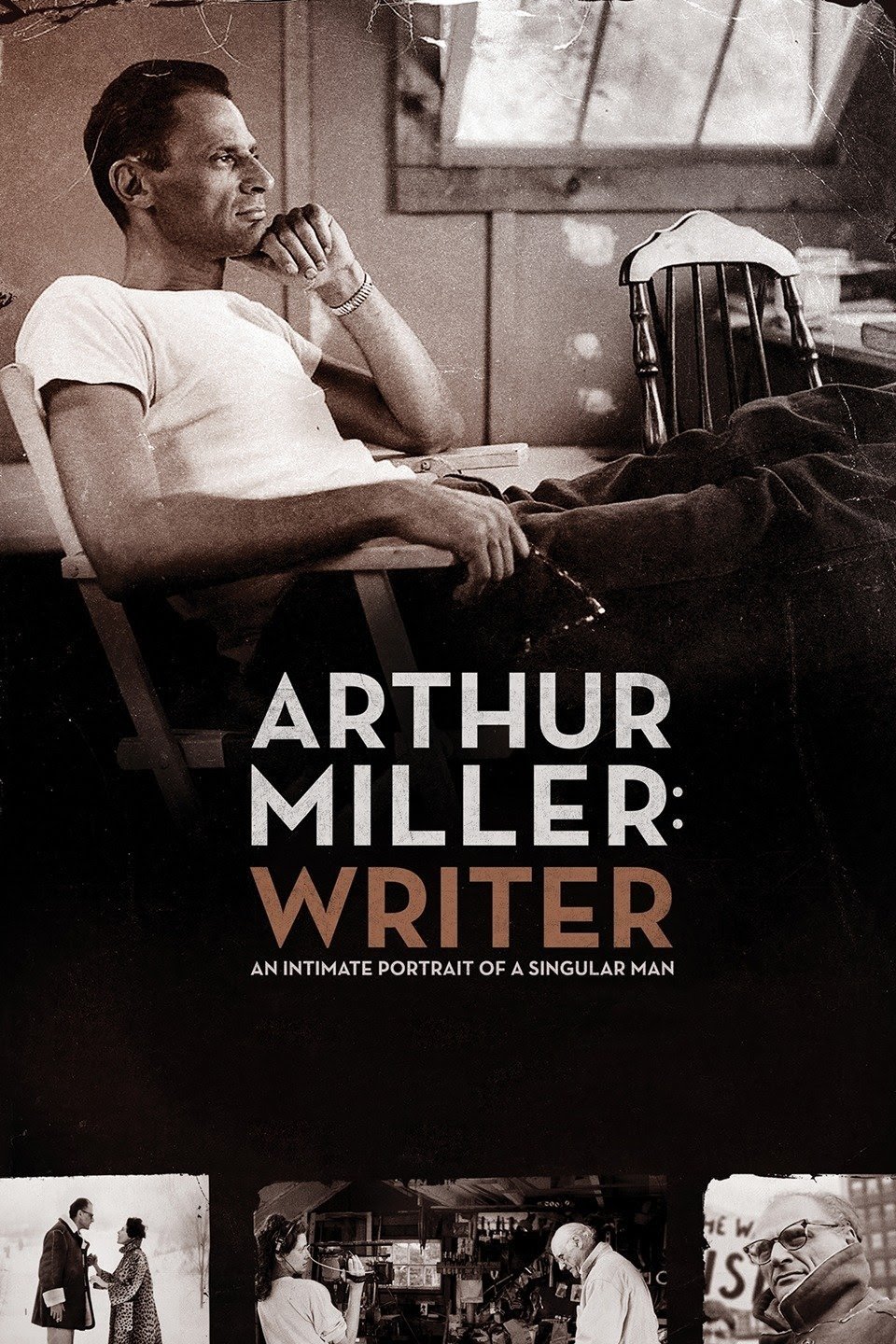
One of the greatest playwrights of the 20th century, Arthur Miller created such celebrated works as Death of a Salesman and The Crucible, which continue to move audiences around the world today. He also made headlines for being targeted by the House Un-American Activities Committee at the height of the McCarthy Era and entering into a tumultuous marriage with Hollywood icon Marilyn Monroe. Told from the unique perspective of his daughter, filmmaker Rebecca Miller, Arthur Miller: Writer is an illuminating portrait that combines interviews spanning decades and a wealth of personal archival material, and provides new insights into Miller’s life as an artist and exploring his character in all its complexity.
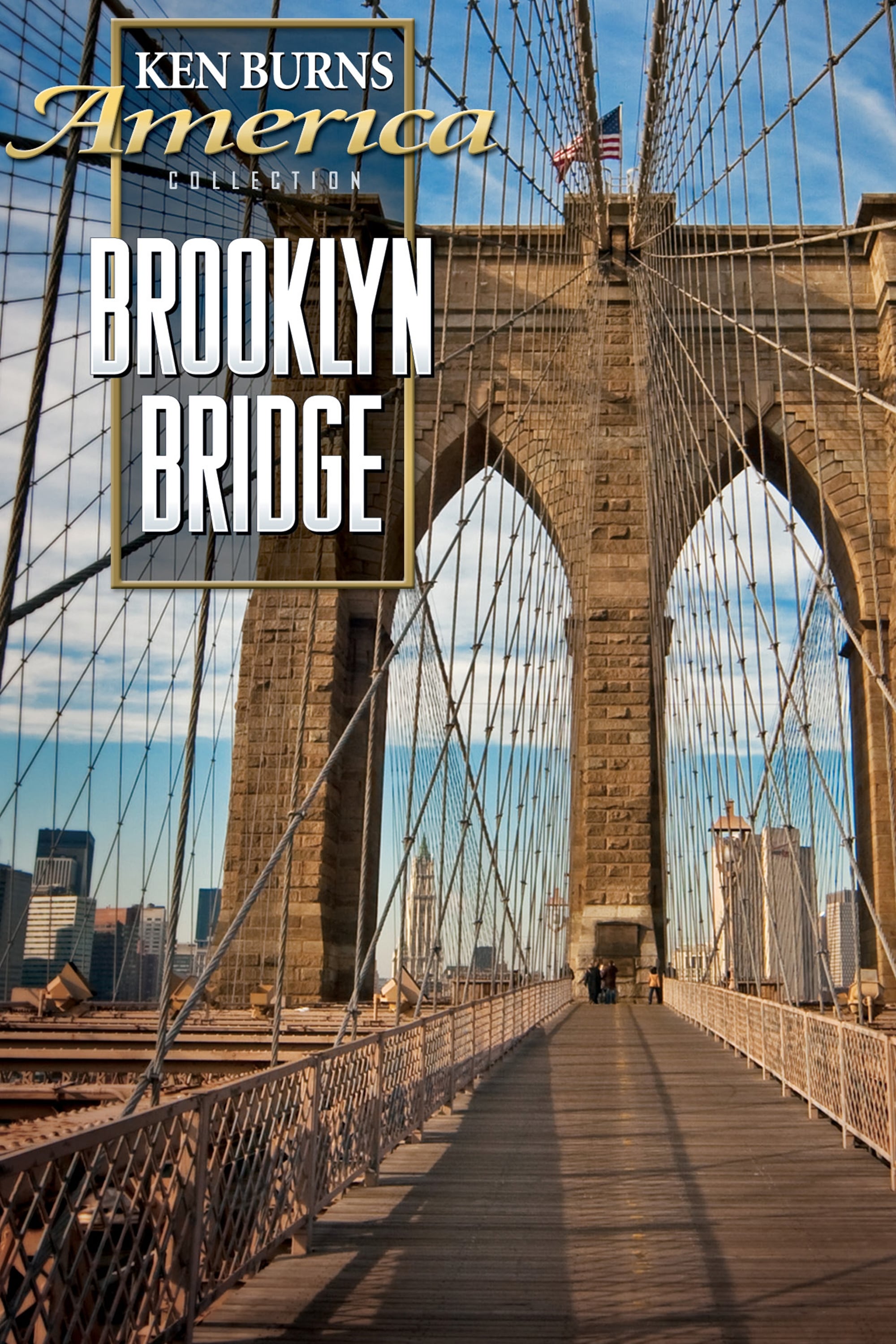
Today it's a symbol of strength and vitality. 135 years ago, it was a source of controversy. This documentary examines the great problems and ingenious solutions that marked the construction of the Brooklyn Bridge. From conception to construction, it traces the bridge's transformation from a spectacular feat of heroic engineering to an honored symbol in American culture.
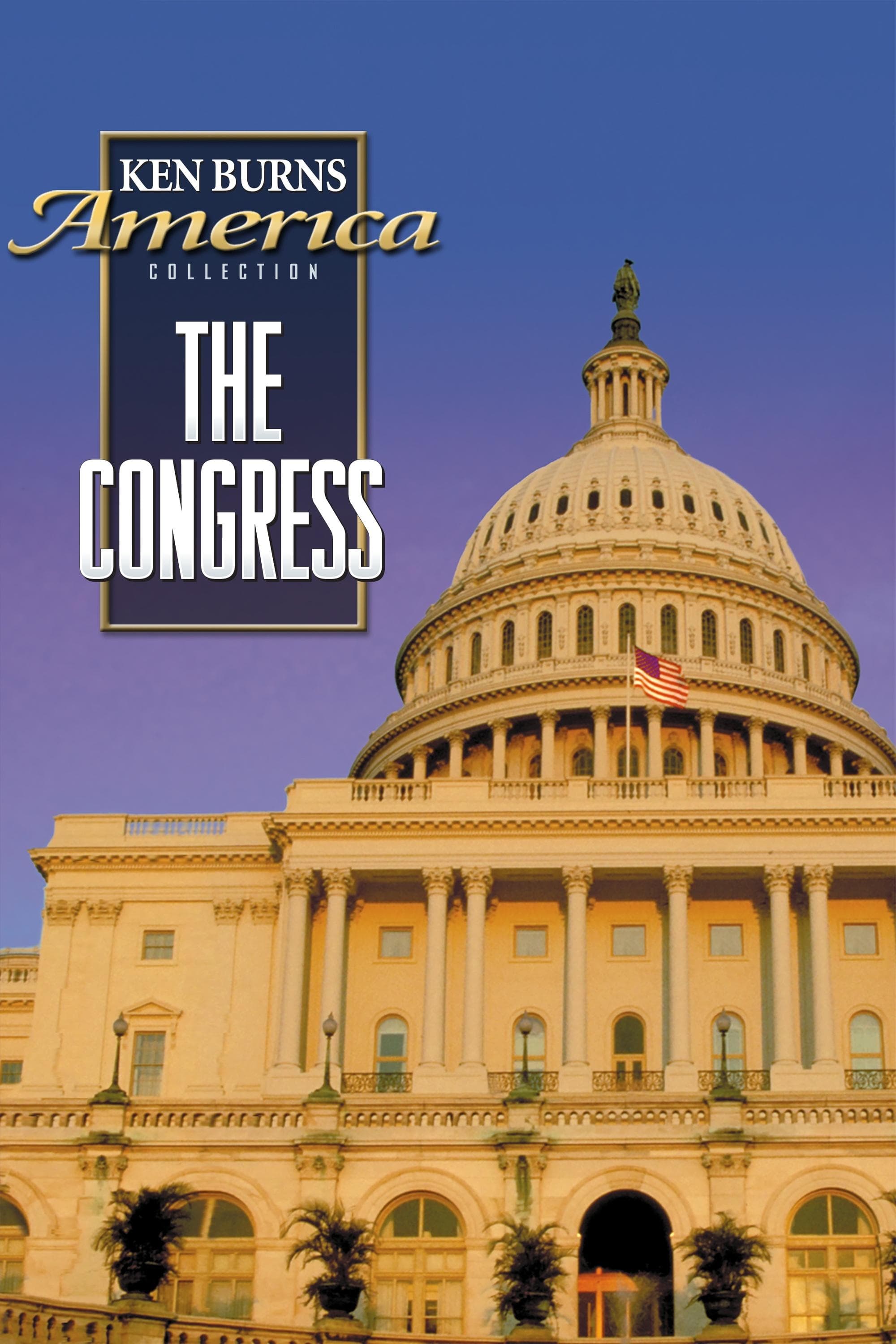
For 200 years, the United States Congress has been one of the country's most important and least understood institutions. In this elegant, thoughtful and often touching portrait, Ken Burns explores the history and promise of this unique American institution. Using historical photographs and newsreels, evocative live footage and interviews with David Broder, Alistair Cooke, Cokie Roberts, Charles McDowell and others, the award-winning film chronicles the personalities, events and issues that have animated the first 200 years of Congress and, in turn, our country.

An unparalleled portrait of Arthur Miller (1915-2005), a major writer who left an indelible mark on the world. Miller's life is intimately connected with the great themes that marked the 20th century. Glamour, fame, social criticism and Marilyn Monroe.
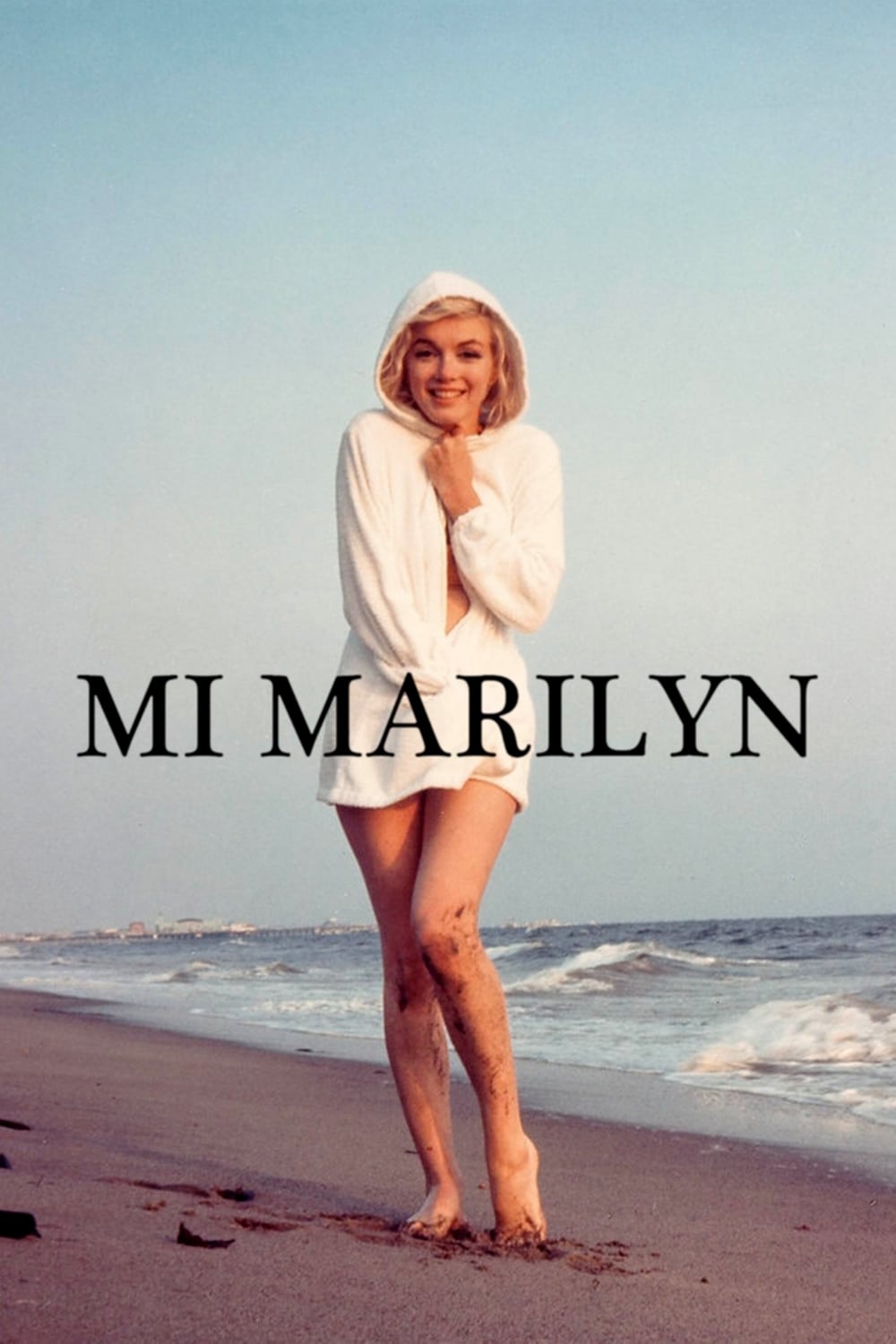
A memory of Marilyn Monroe (1926-1962), woman, actress, goddess, myth, in the words of the Spanish director and scriptwriter José Luis Garci, who returns to his childhood and recovers a lost paradise.
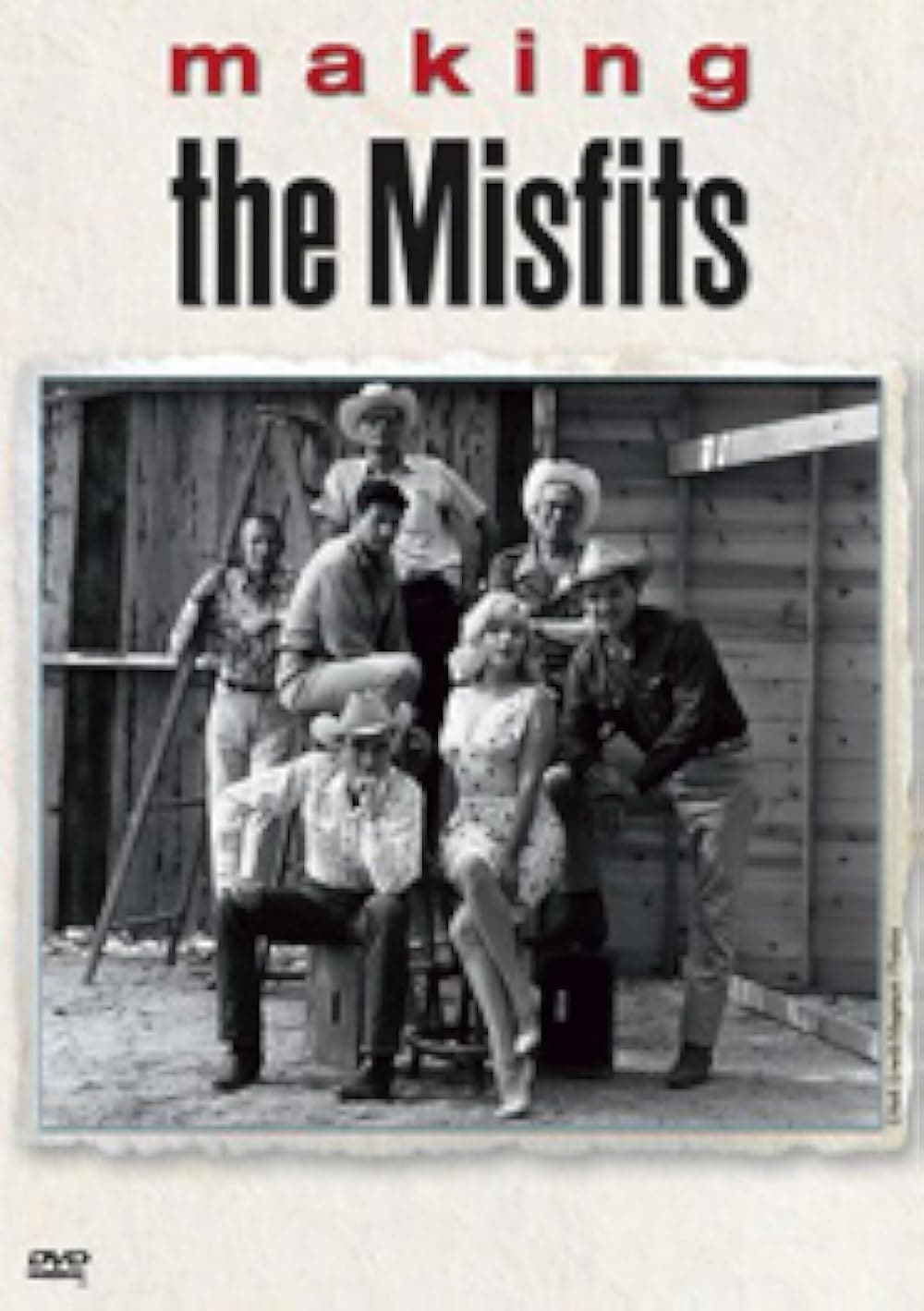
A behind-the-scenes and in-depth look at the making of John Huston's The Misfits (1961).
A film essay contrasting the modern metropolis with its "golden age" from 1830-1930, with the participation of some of New York's leading political and cultural figures. Made at a time when the city was experiencing unprecedented real estate development on the one hand and unforeseen displacement of population and deterioration on the other. Empire City is the story of two New Yorks. The film explores the precarious coexistence of the service-based midtown Manhattan corporate headquarters with the peripheral New York of undereducated minorities living in increasing alienation.
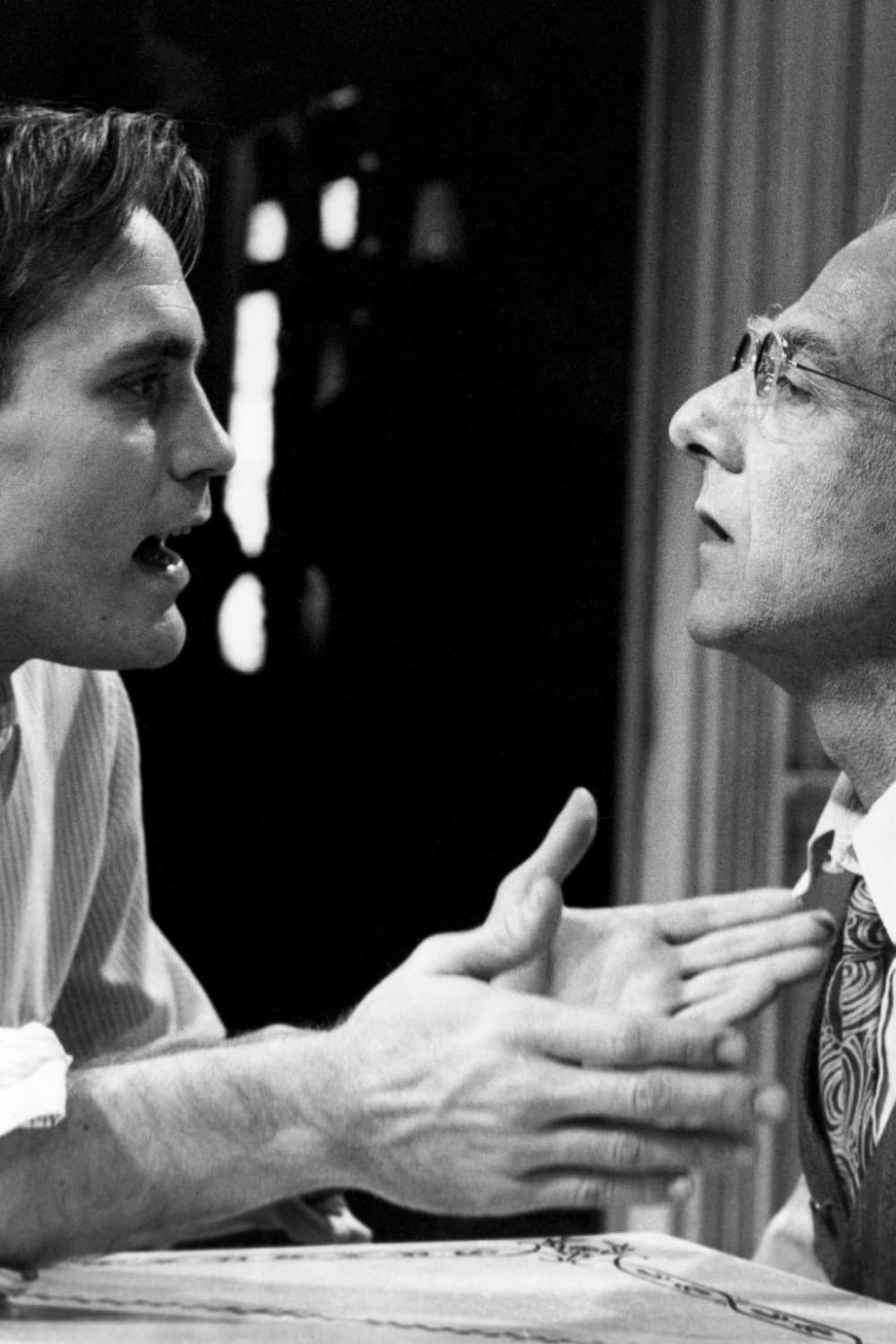
Playwright Arthur Miller, director Volker Schlöndorff and actor Dustin Hoffman are seen creating the Roxbury Productions and Punch Productions teleplay Death of a Salesman (1985).
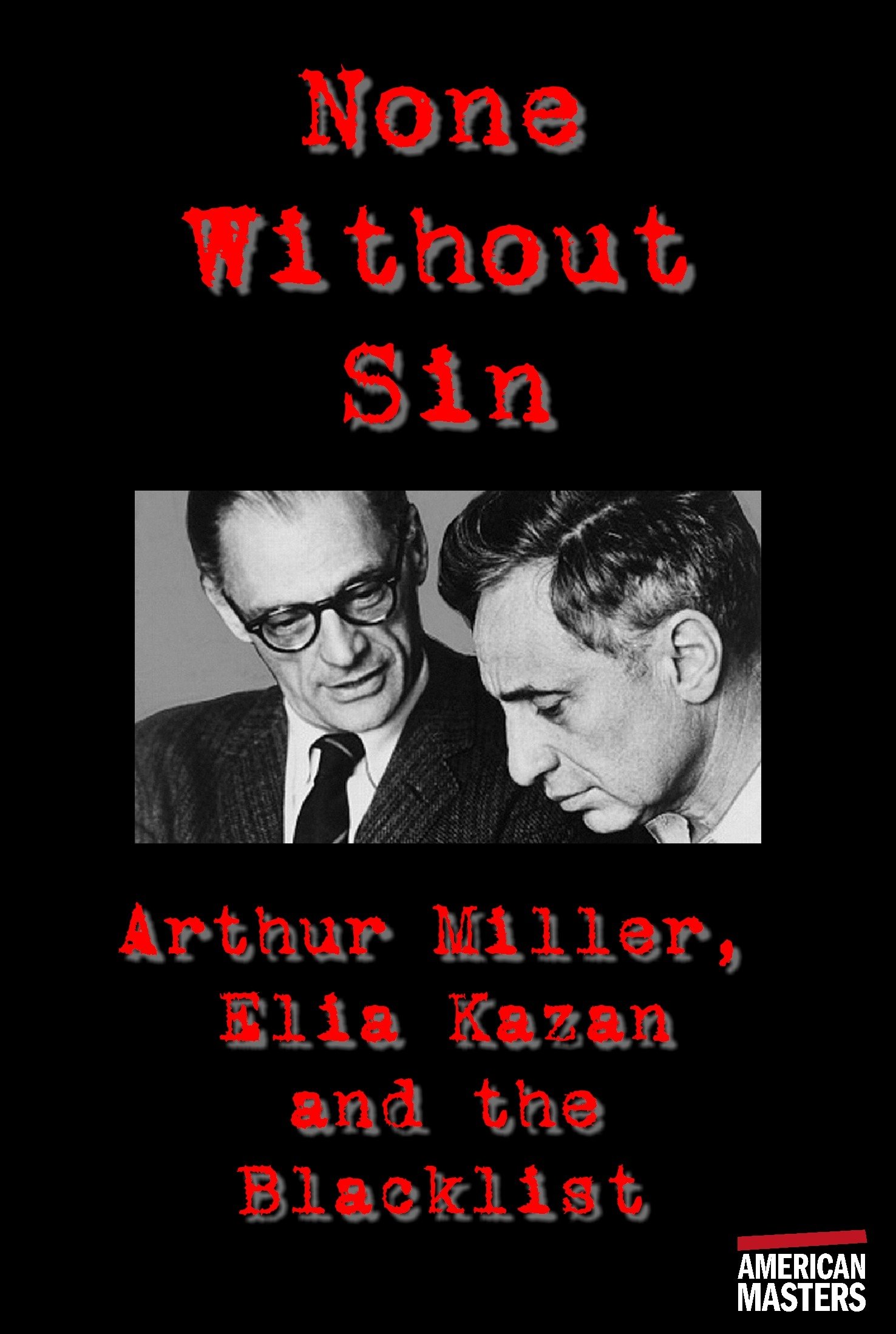
Director Elia Kazan and playwright Arthur Miller were once best friends and professional colleagues, to most that knew them then in both capacities as soul mates. Their politics were similar which was reflected in their work. Kazan was a Communist Party member for a few years in the mid-1930's, but Miller never officially joined the party ranks. Their relationship changed in the early 1950's when Kazan was subpoenaed to testify in front of the House Un-American Activities Committee where he named names of Communist Party members past and present.
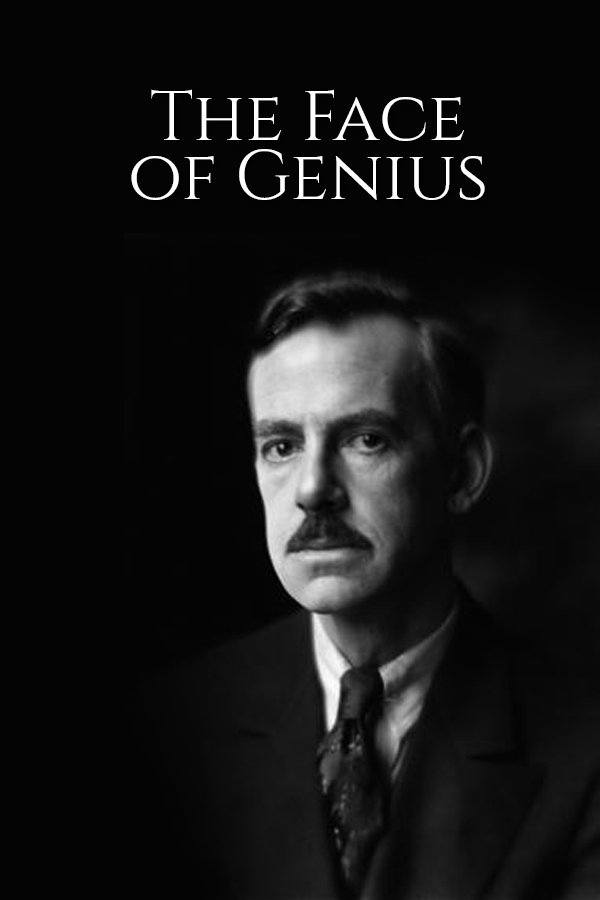
The Face of a Genius is a 1966 American documentary film about Eugene O’Neill, produced by Alfred R. Kelman for WBZ-TV Boston. It was nominated for an Academy Award for Best Documentary Feature, the first time that a film originally produced for television was recognized by the Academy as a nominee for Best Documentary Feature.
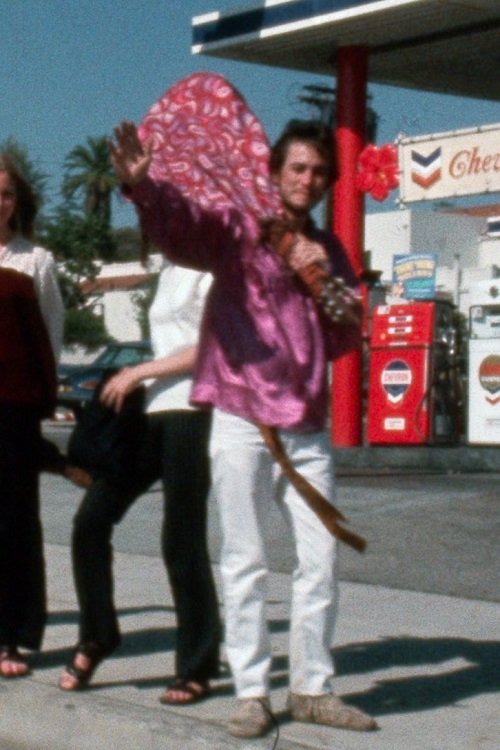
This documentary explores the complexities of Los Angeles. Blending a highly structured montage of shots exploring the city with interviews of students, the writer Henry Miller, and residents from all communities, this evocation of Angelenos' city paints a portrait of a living, constantly evolving entity.
Documentary discussing the casting and making of "Some Like It Hot", the film voted as the Best Comedy ever made by the American Film Institute.

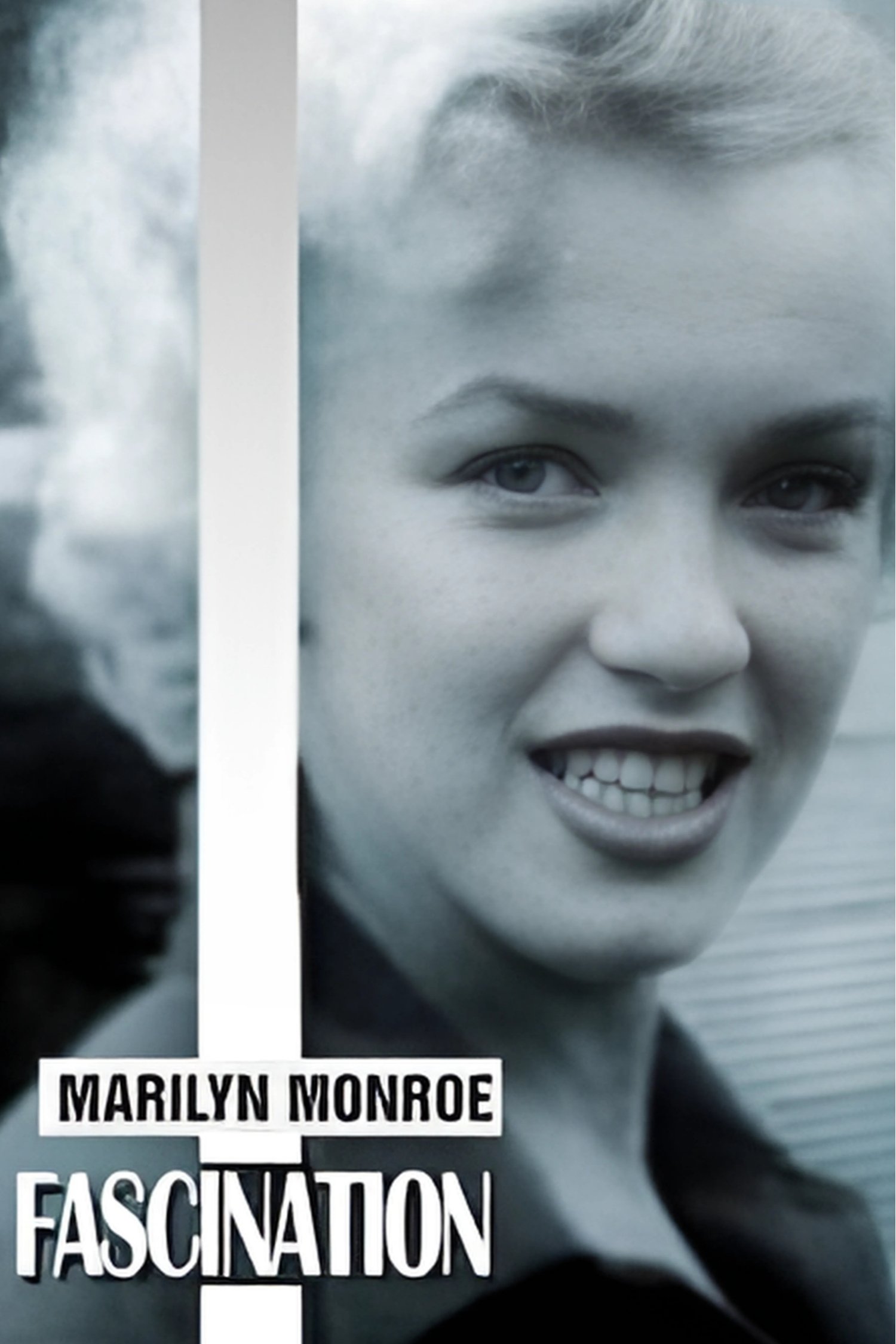
Marilyn Monroe is one of the most famous and adored icons of the 20th century. Like no other Hollywood star, she won the hearts of millions around the world. It's been said that: "Monroe played the best game with the worst hand." Her journey to stardom stemmed from a childhood of poverty, neglect, and loneliness. 'Fascination' tells the remarkable story of Marilyn's life. From birth to her premature death she endured criticism, insecurities, drug dependence, numerous miscarriages, and three broken marriages. Despite all her demons, her unprecedented beauty, talent and quick wit amazed all that came before her.

A documentary about the legendary series of nationally televised debates in 1968 between two great public intellectuals, the liberal Gore Vidal and the conservative William F. Buckley Jr. Intended as commentary on the issues of their day, these vitriolic and explosive encounters came to define the modern era of public discourse in the media, marking the big bang moment of our contemporary media landscape when spectacle trumped content and argument replaced substance. Best of Enemies delves into the entangled biographies of these two great thinkers, and luxuriates in the language and the theater of their debates, begging the question, "What has television done to the way we discuss politics in our democracy today?"
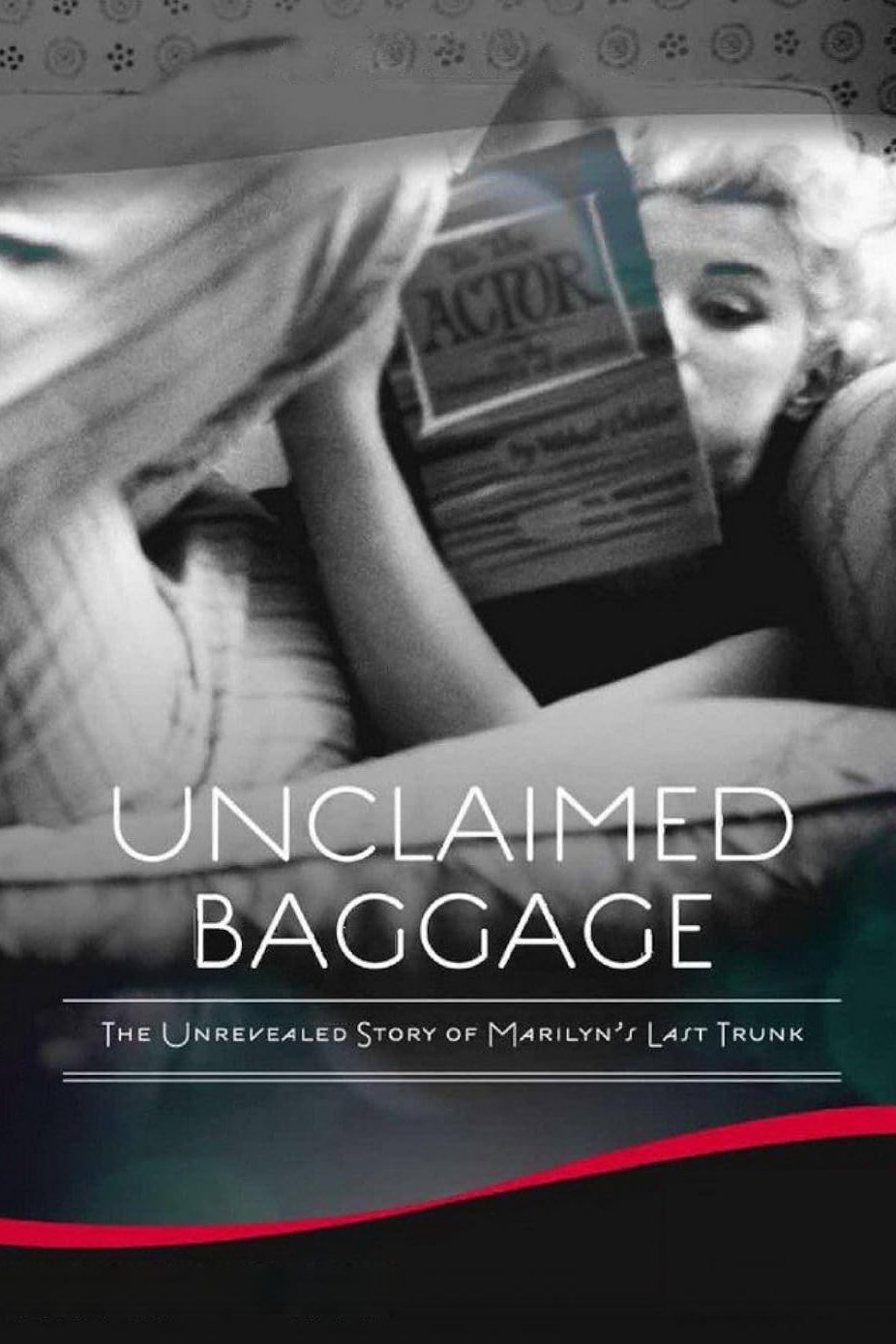
We think we know everything about Marilyn Monroe. But the filmmakers aim to dispel this notion and try to unravel a new mystery from the star's life. Forty years after Marilyn Monroe's death, a suitcase belonging to the famous actress was auctioned in Los Angeles. It had been stored for all these years among unclaimed items in a New York storage facility. The suitcase was purchased by an eccentric and passionate collector—Princess Tenko, a Japanese magician. A well-known and popular figure in Japan, she is willing to spend vast sums to buy items such as a toothbrush, underwear, or a dress that once belonged to Norma Jean Baker.
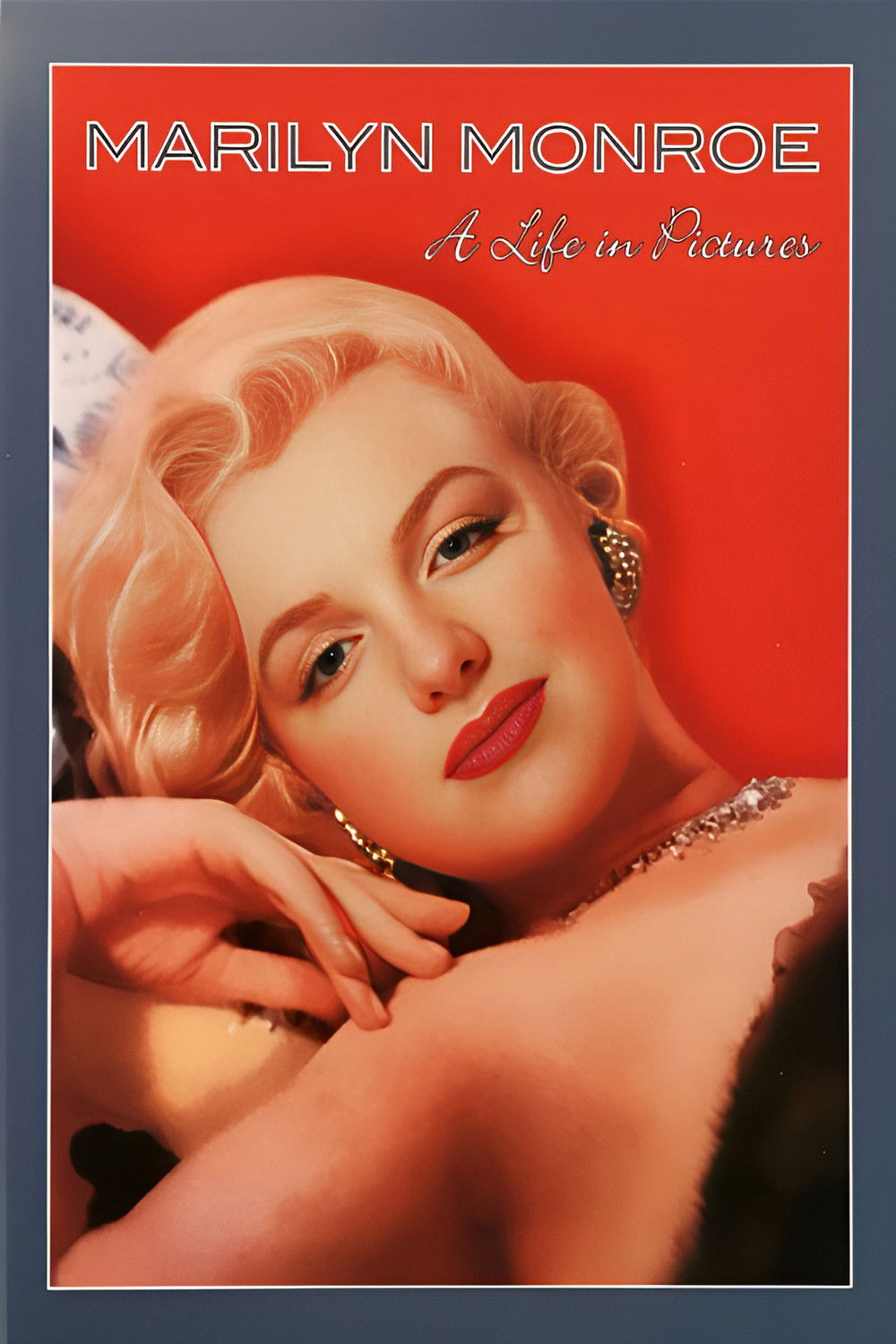
A vivid portrait of Marilyn Monroe's dazzling yet vulnerable life, captured through rare newsreels, iconic film moments, signature songs, and unforgettable public appearances of the eternal Hollywood legend.
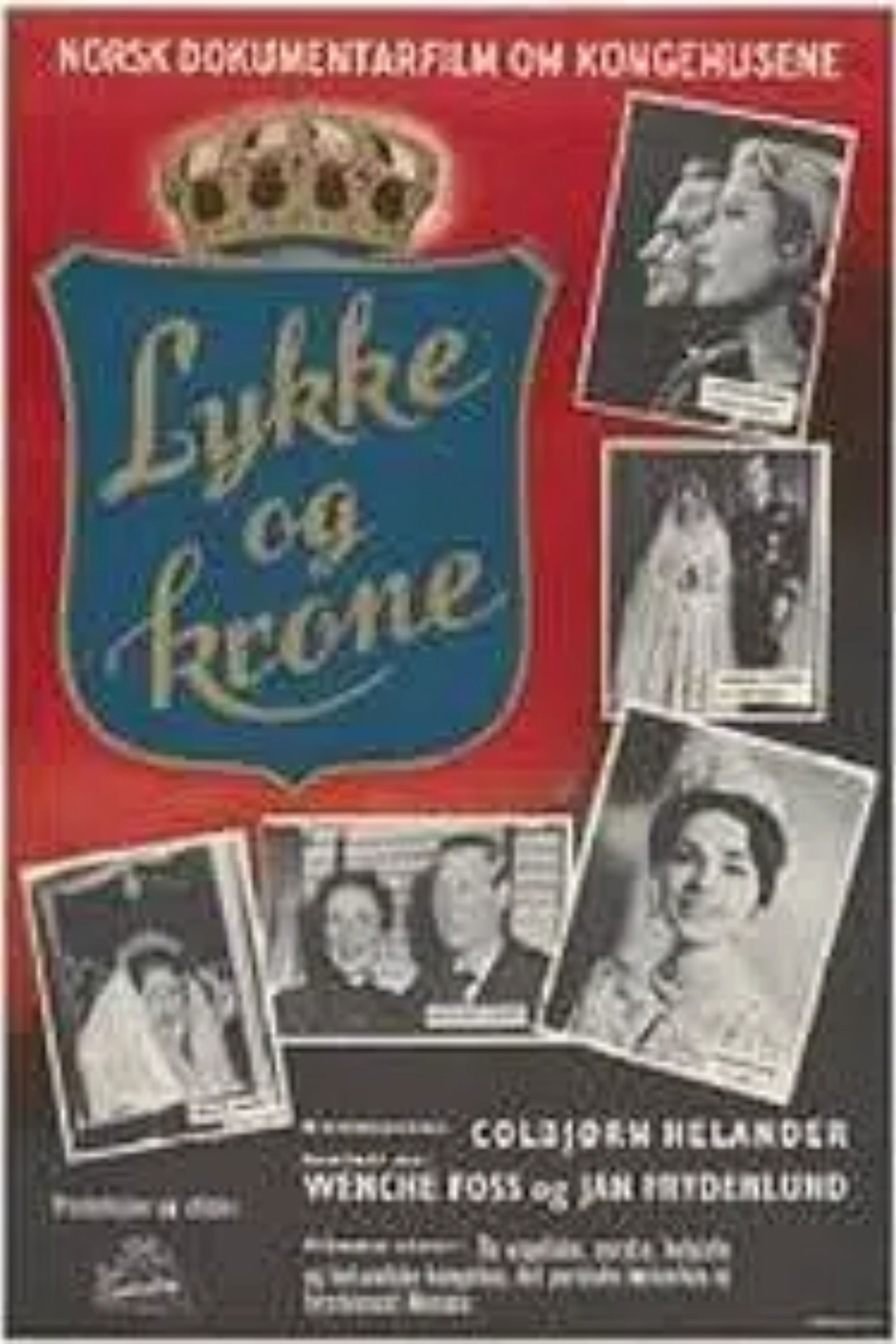
Depicts the royal houses of Europe (Norwegian, British, Belgian and Dutch) as well as Iran and the Principality of Monaco.

Filmmaker Harry Rasky presents an intimate portrait of Arthur Miller, exploring the playwright’s life, influences, and literary achievements. Through extended interviews, archival materials, and clips from productions of his plays and screenplays, Miller reflects on the themes behind works such as The Crucible and The Misfits, his resistance to McCarthy-era political pressure, and the personal experiences—including his marriage to Marilyn Monroe—that shaped one of the most influential voices in modern American drama.
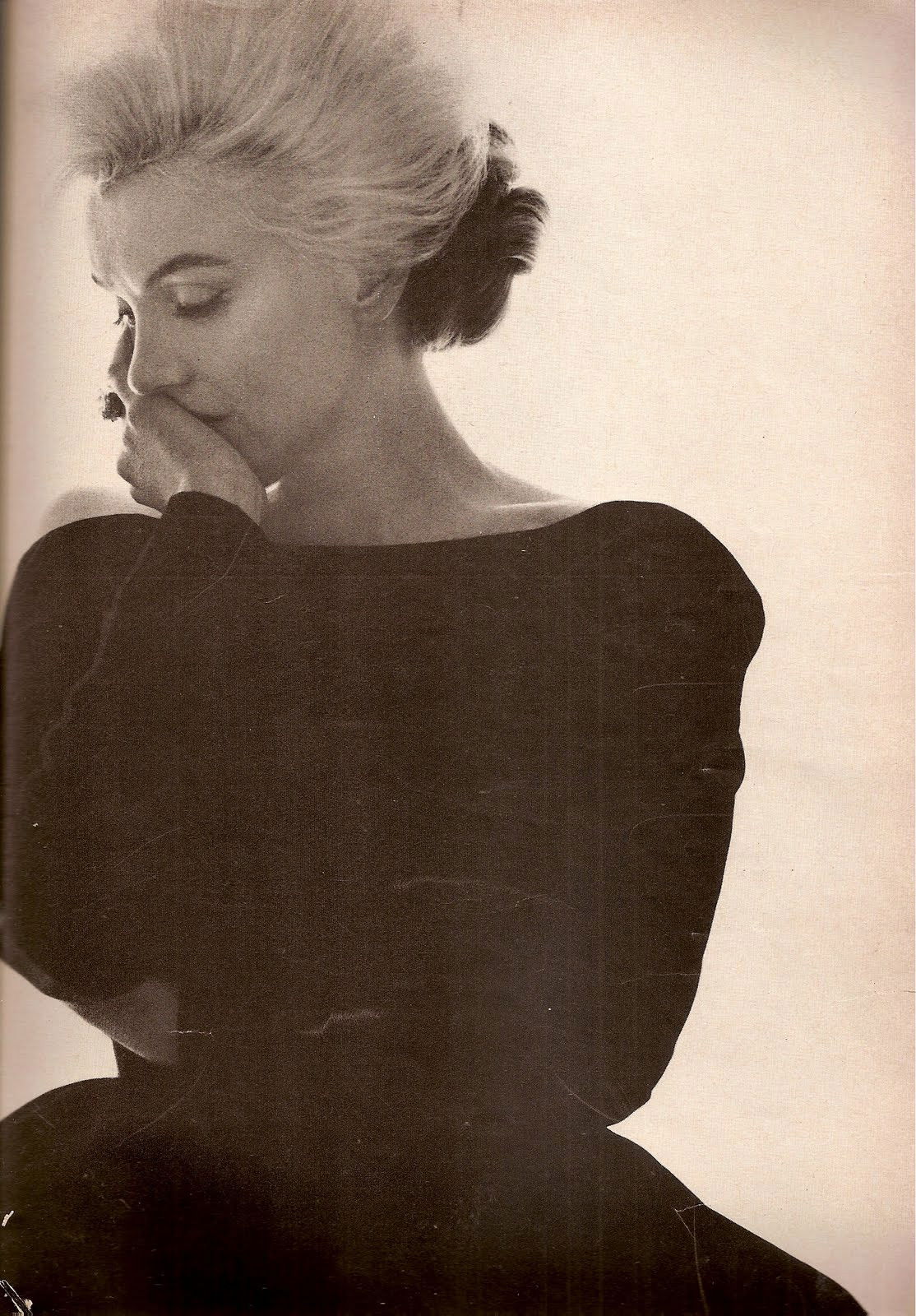
Documentary about Marilyn Monroe based on one long interview she gave in 1960 to French journalist George's Belmont. Catherine Deneuve listens to the interview and responds to it.
In the softened light of a psychoanalyst's office, Marilyn's last session is repeated.
Through film trailers and newsreel footage, this program pays tribute to Marilyn Monroe's silver screen legacy -- and The Misfits director John Huston goes behind the scenes to examine her tumultuous personal life.
Born Norma Jean Baker, actress Marilyn Monroe would become one of the most iconic and desirable women in the world. From her humble beginnings, to her USO performances, to her now-famous pin-up photographs and award-winning acting roles, Marilyn made her mark as the most beautiful blonde bombshell of her day. However, behind her beauty, Marilyn suffered a tragic private life.
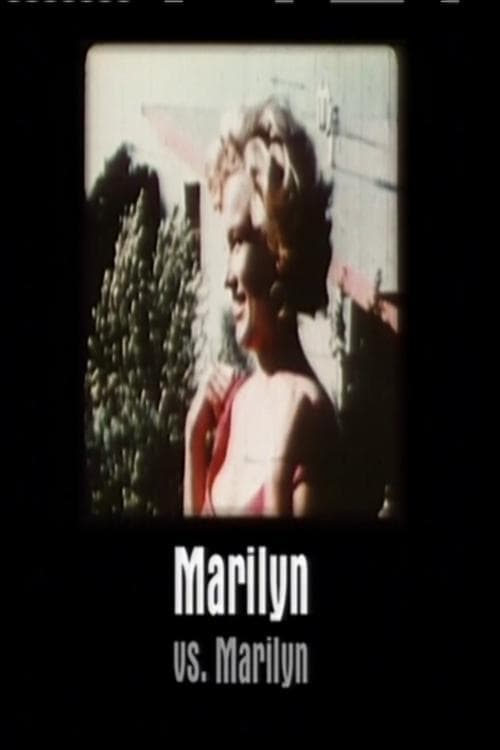
“Marilyn vs. Marilyn” tells the story of a little-known period of Marilyn’s life – the years she spent in New York, trying to became a ‘serious”’ actress, taking lessons with Lee Strasberg and setting up a production company with her photographer and trusted friend, Milton Green. Based on hitherto unpublished – and magical - photos from the Greene archives, the film focuses on the photographic image of a woman who remains one of the greatest legends in the history of cinema… and an enduring enigma.
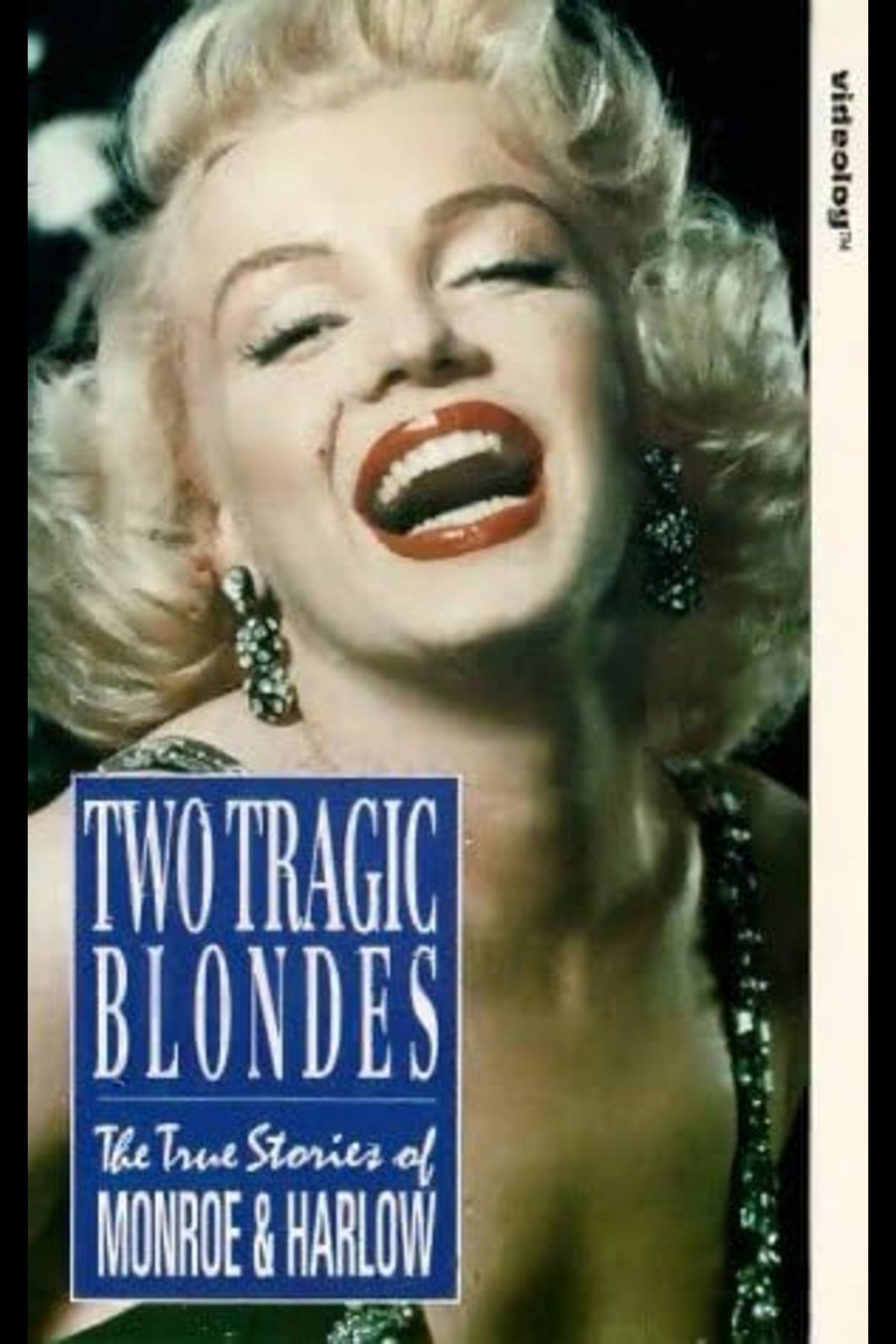
True Stories Of Monroe/Harlow
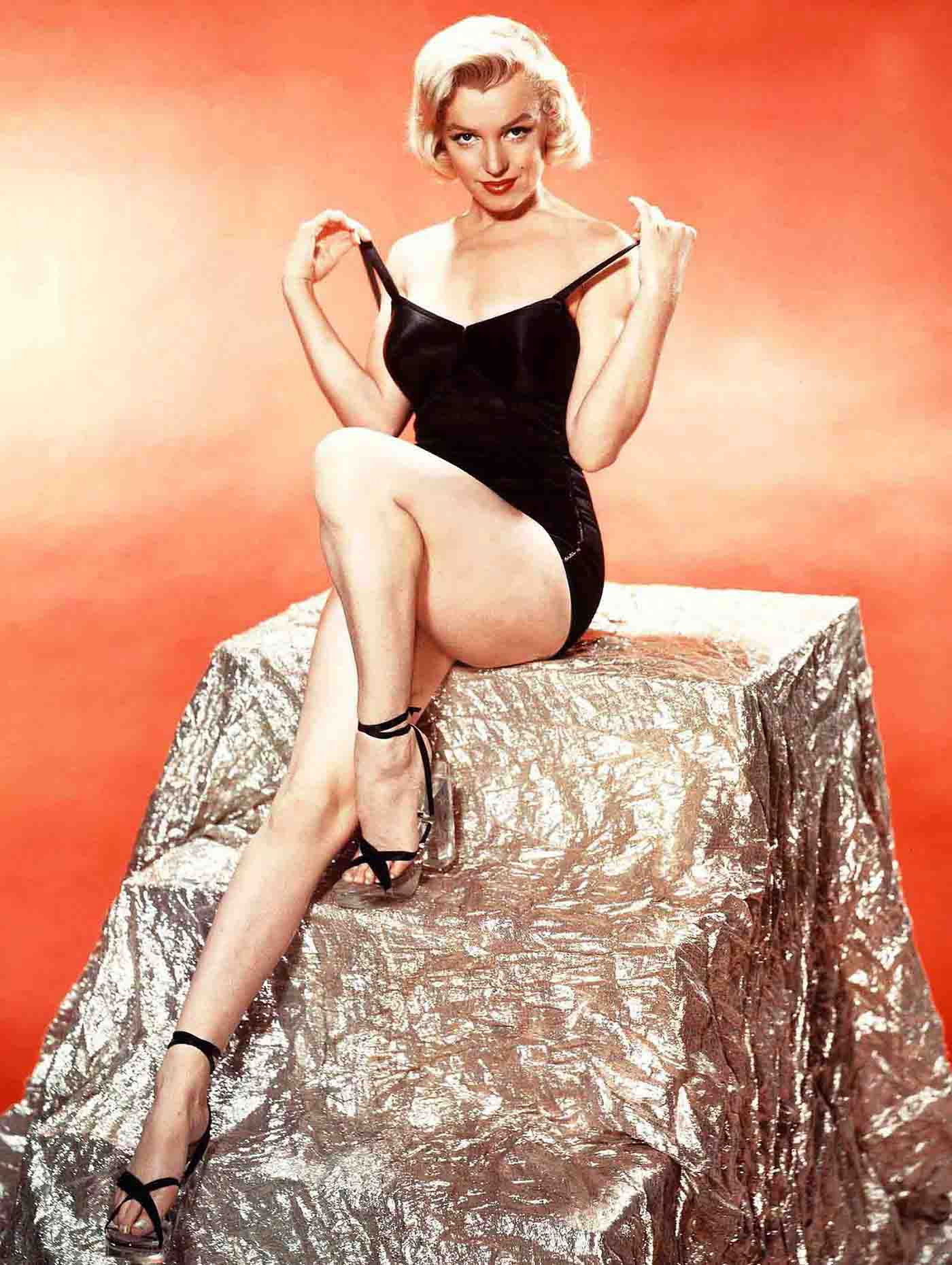
The body of Marilyn Monroe is recreated in a futuristic mortuary. We explore the body to find out what effect it had on her life as she became one of the great movie star icons.
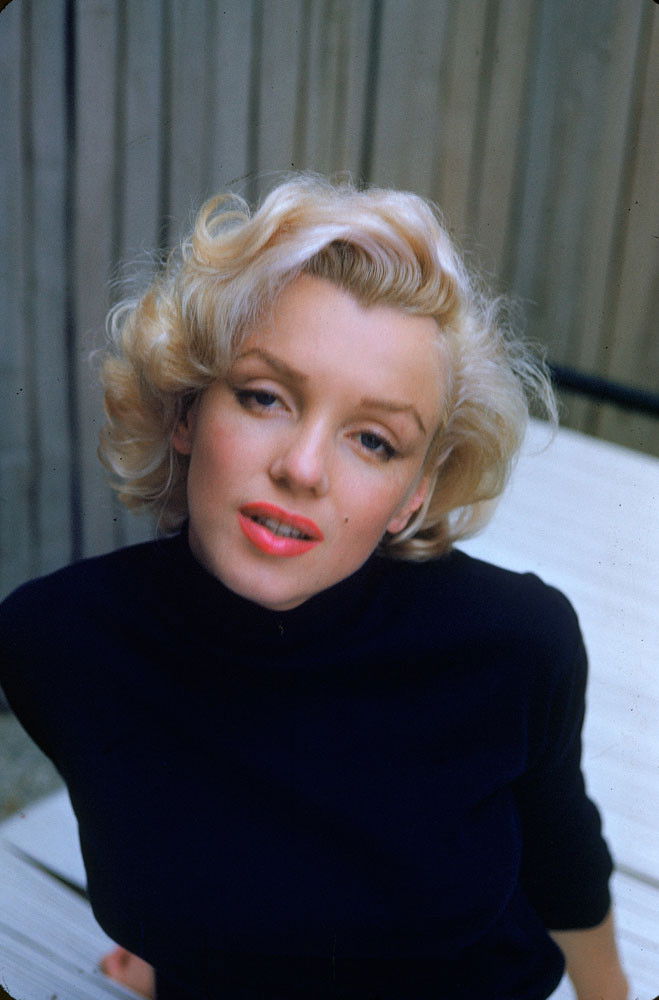
story of Marilyn Monroe
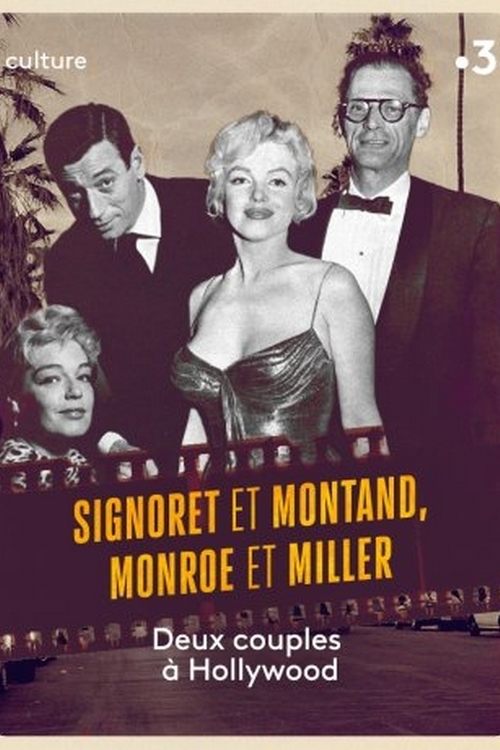
In January 1960, Yves Montand and Simone Signoret, one of the most famous star couples of the day, were on tour in the United States. Yves Montand had just triumphed on the country's biggest stages. Simone Signoret, who had distinguished herself in "Room at the Top", was about to win an Oscar. It was then that they met Arthur Miller, a writer and playwright but above all, at the time, the husband of Marilyn Monroe, a world star at the height of her fame and beauty. Yves Montand and Marilyn Monroe fell in love and the actress did everything she could to make a film with the Frenchman. This is how they met on the set of the film "Let's Make Love".

Marilyn Malgré Elle is a 2-disc compilation album released in May 2012 by Naïve that features musical performances by Marilyn Monroe, including songs like "I Wanna Be Loved By You" and "Heat Wave". It was released amidst numerous 2012 retrospectives marking what would have been her 86th birthday.