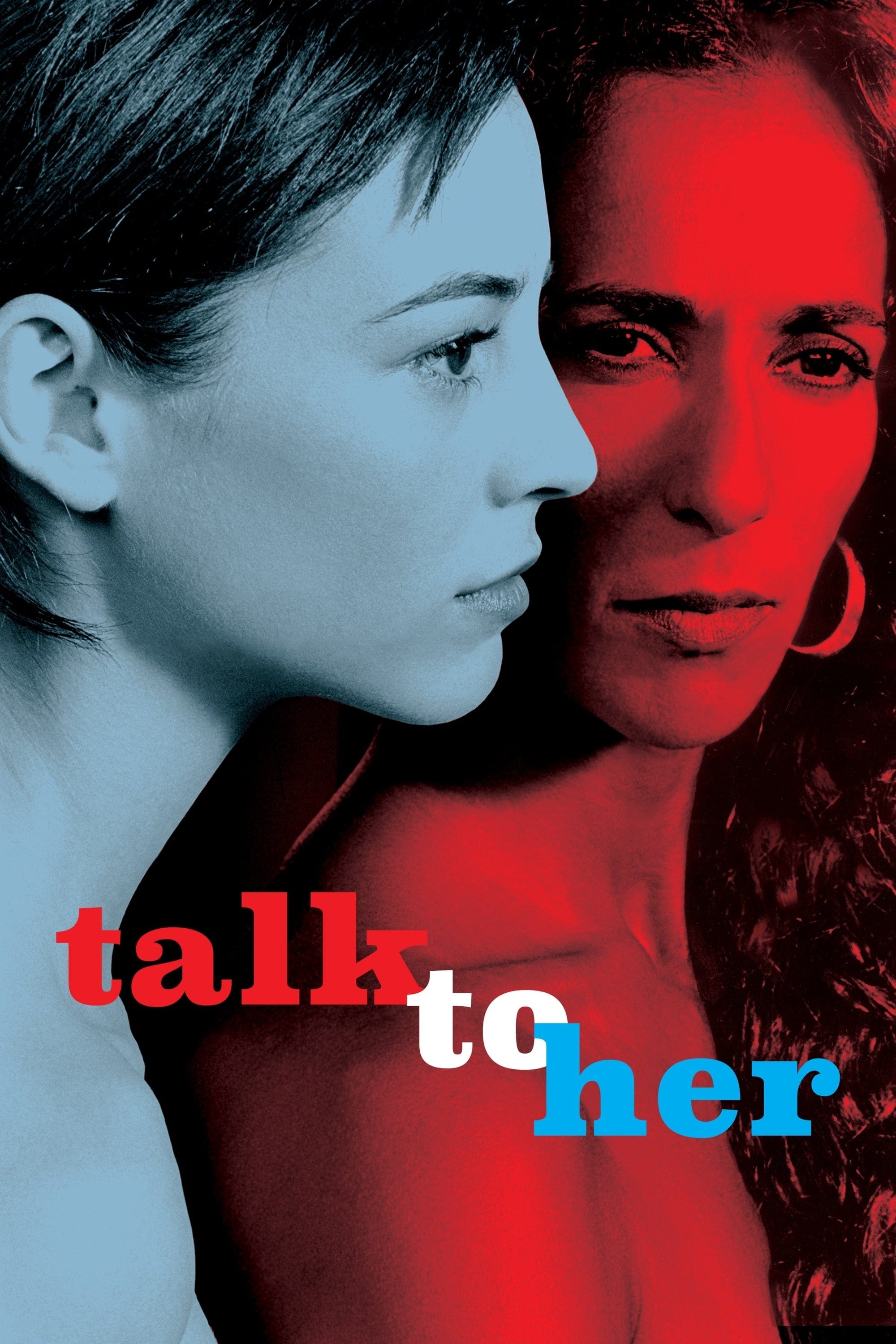
Two men share an odd friendship while they care for two women who are both in deep comas.
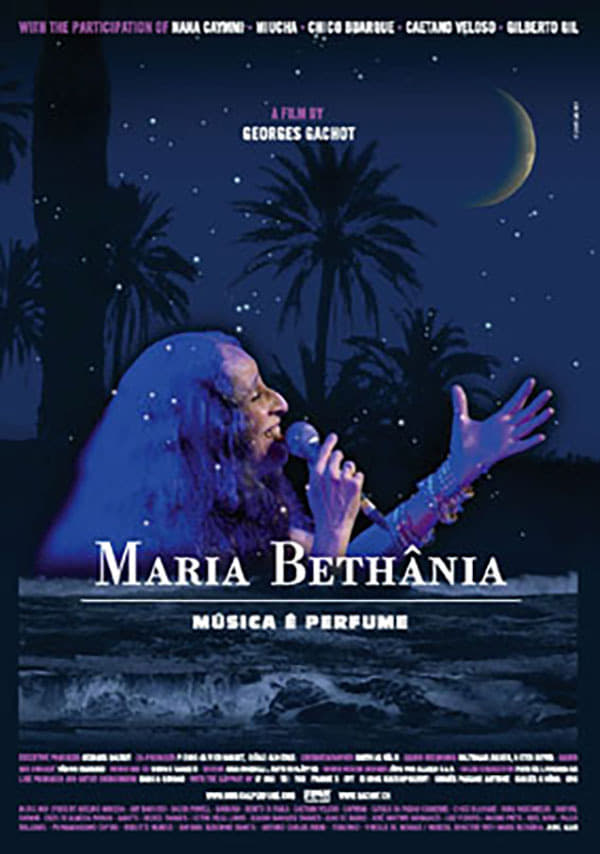
Brazilian singer Maria Bethania has a 40-year singing career. A documentary shows her concerts and famous family.
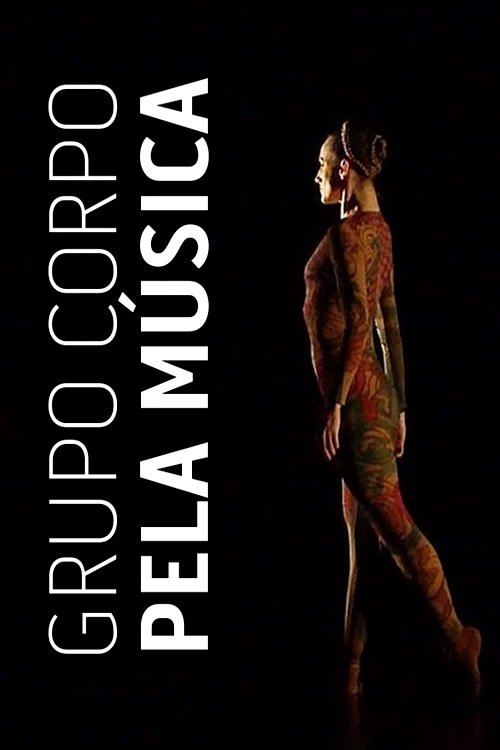
“Grupo Corpo pela Música” is a documentary about the original Brazilian musical production created by the dance group from Minas Gerais over its 45-year history. In parallel with the production of its shows, Grupo Corpo has been consolidating a creative space for original Brazilian music, thus building a musical collection that marks its trajectory and that of the artists involved.
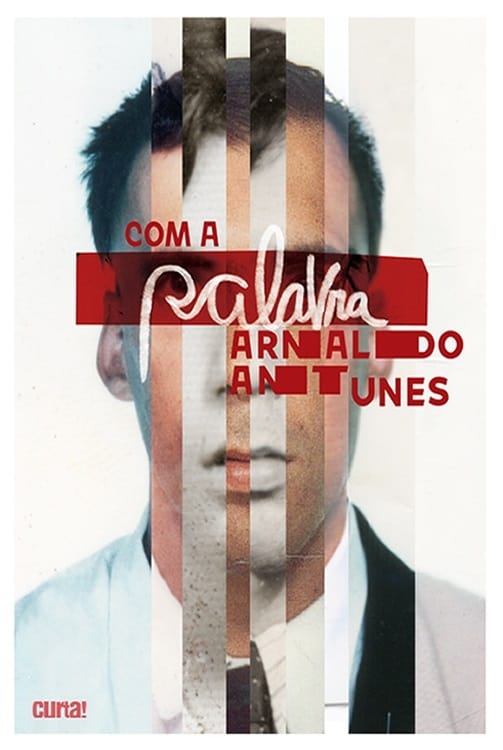
From his origins as a poet to his success as a singer and composer, Arnaldo Antunes revisits the most remarkable moments of his career.
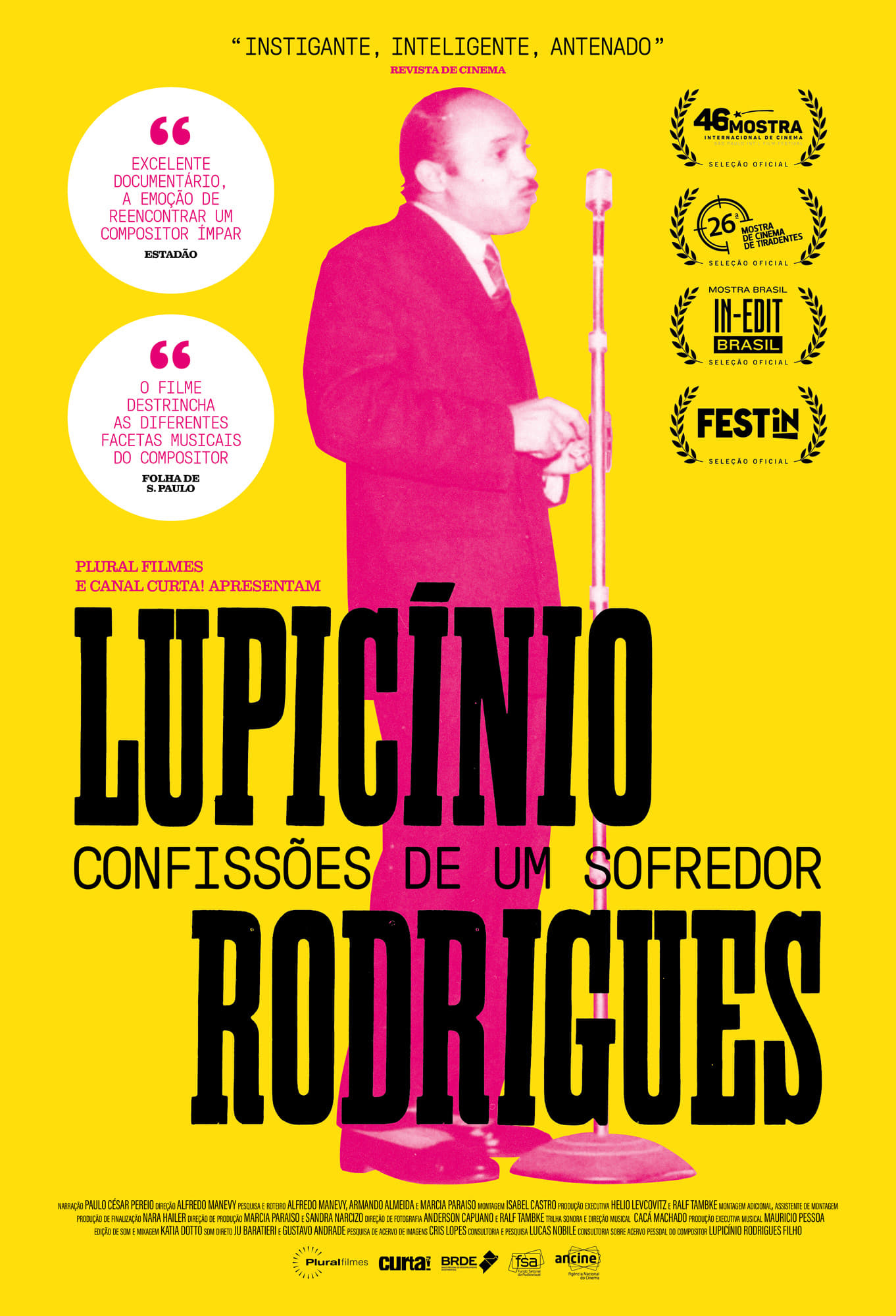
The documentary celebrates the poetic legacy of Lupicínio Rodrigues, investigating the musical contribution and historical context of this composer born in Rio Grande do Sul and author of hits that surpass generations.
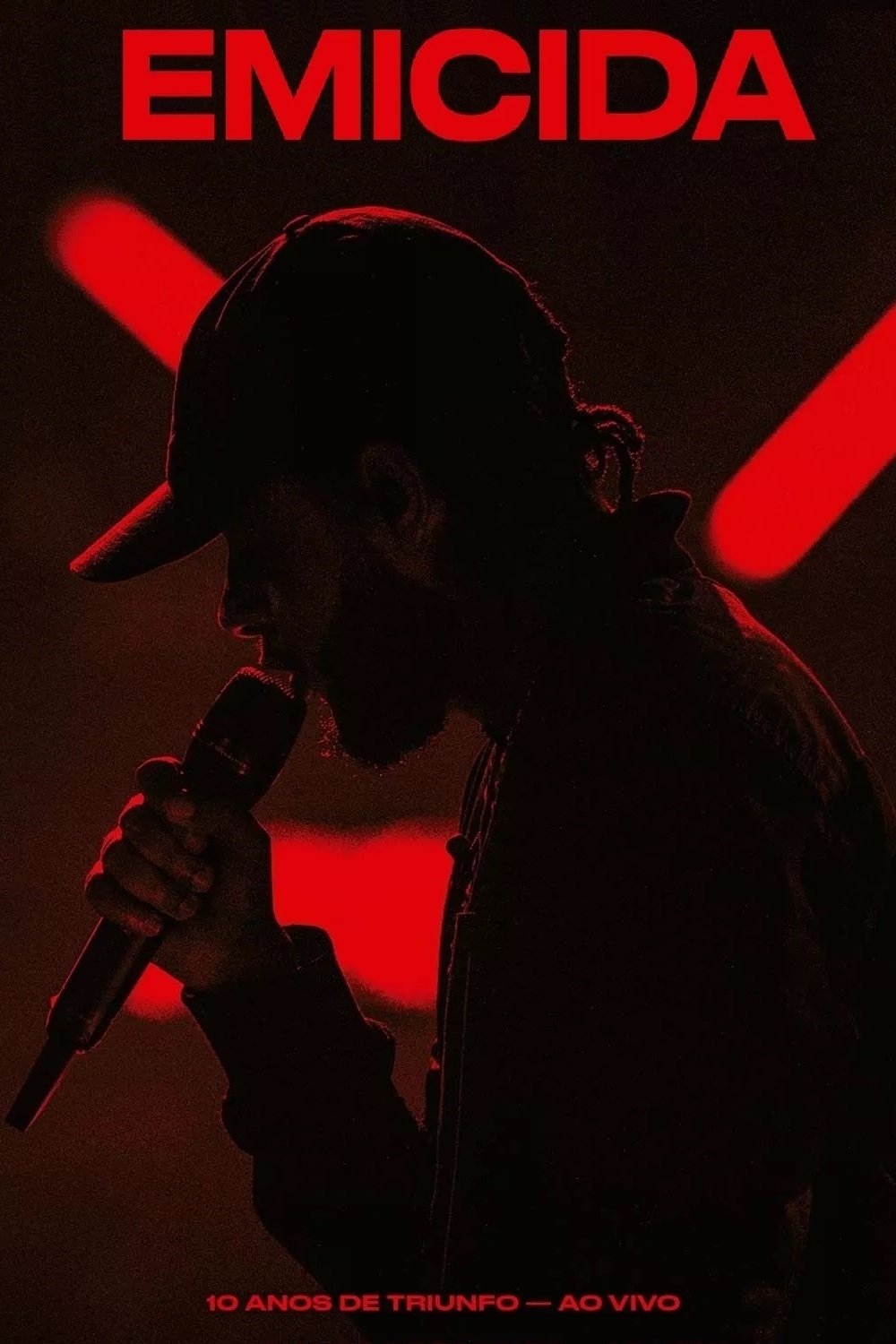
In his 10-year career, rapper Emicida mixed musical genres, worked with several artists, created projects in honor of other musicians and set up a company, Laboratório Fantasma, which is a record label, studio, producer of shows and a clothing brand; all of this having urban art as a principle. With the intention of celebrating this moment, he organized a historic show, with a setlist of 27 songs and 13 guests on November 20th, 2017, Black Consciousness Day.
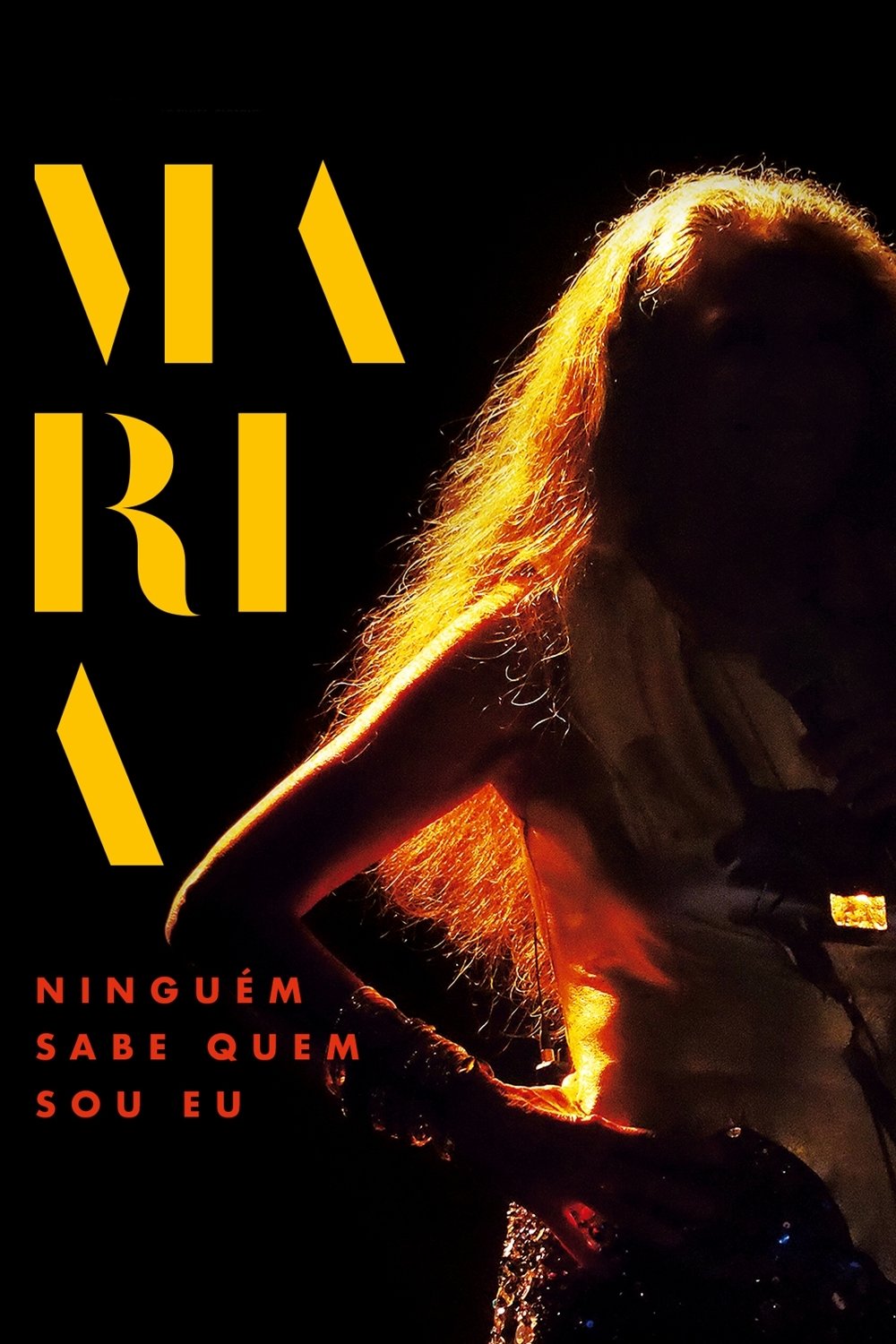
The film is an unprecedented and exclusive testimonial of Maria Bethânia from director and screenwriter Carlos Jardim, interspersed with rare footage of rehearsals and concerts by the singer throughout her 57-year career. Actress Fernanda Montenegro narrates five texts by authors such as Ferreira Gullar and Caio Fernando Abreu about Bethânia's importance on the Brazilian cultural scene.

Documentary about the trajectory of the Brazilian journalist, writer and politician Fernando Gabeira. With testimonies of Armínio Fraga, Aguinaldo Silva, Leda Nagle, among others.

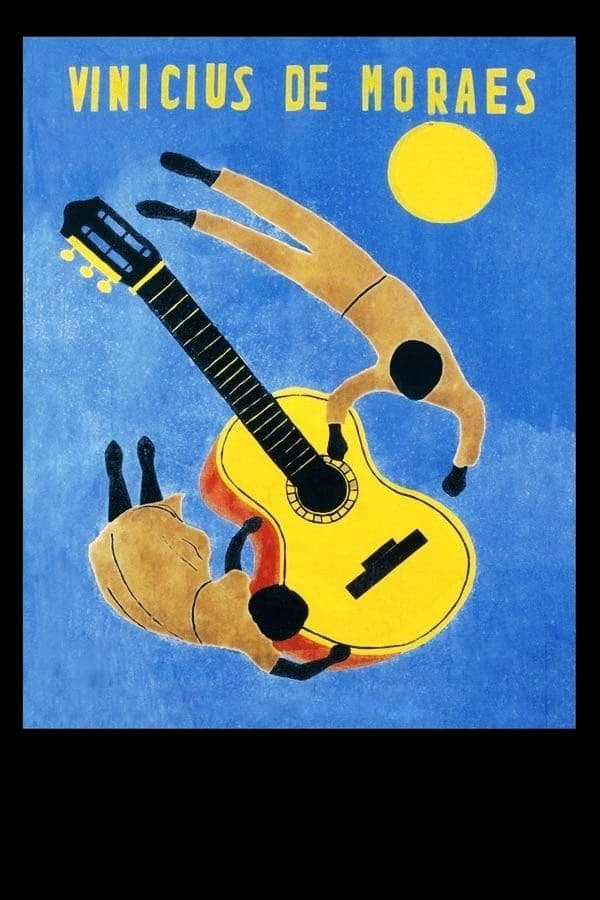
To celebrate the life and the work of a multifaceted creator – playwright, poet, partner of the most important names of Brazilian pop music and, above all, an enlightened character of the Brazilian cultural history - director Miguel Faria Jr. gathered an incomparable cast of partners, singers, friends and rare images from the archives recalling Vinícius’ genial simplicity, with the spontaneity, the humor, and the freedom of a person chatting over a bar table, exactly how the eternal Vinícius would enjoy.
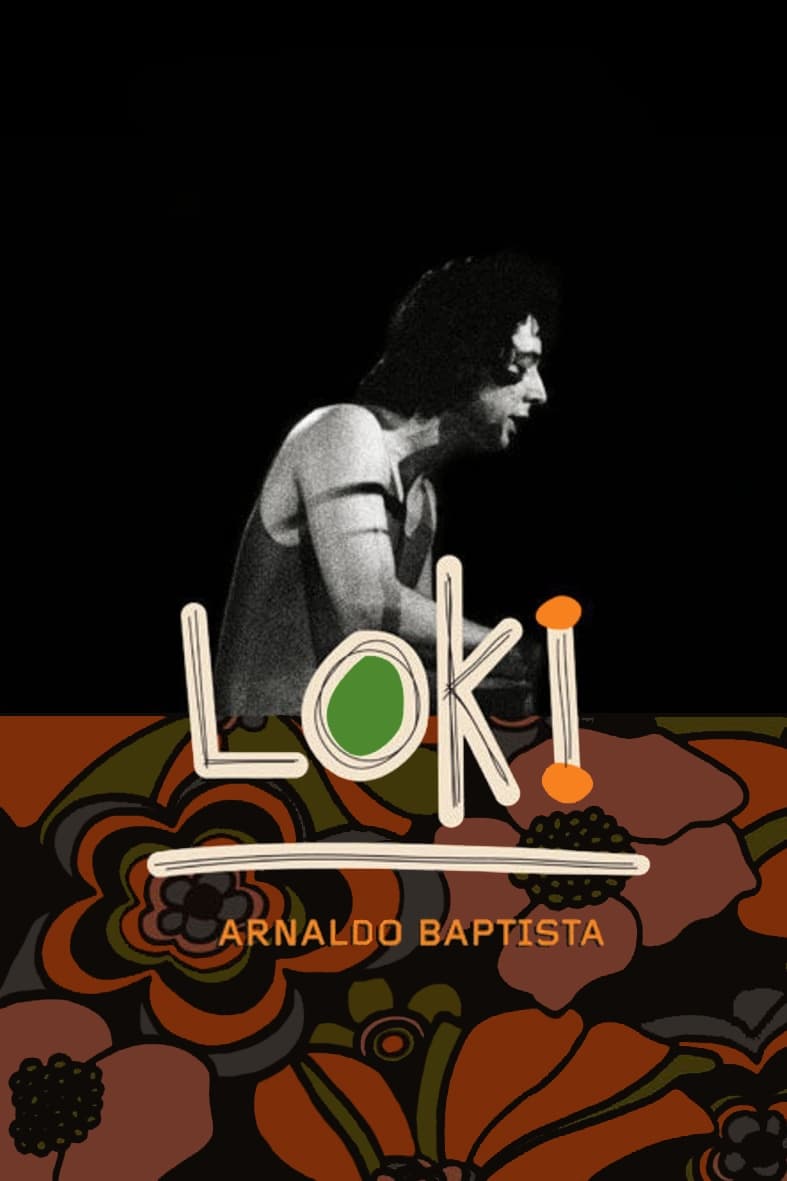
Loki brings the trajectory of Arnaldo Baptista from childhood, passing through the most successful phase as leader of the Mutantes, marriage to singer Rita Lee and then separation. He also goes through the depression that devastated his life after the group ended and that led him to attempt suicide, his solo career, rapprochement with his brother and member of the Mutantes, Sérgio Dias, culminating in the band's return in 2006.
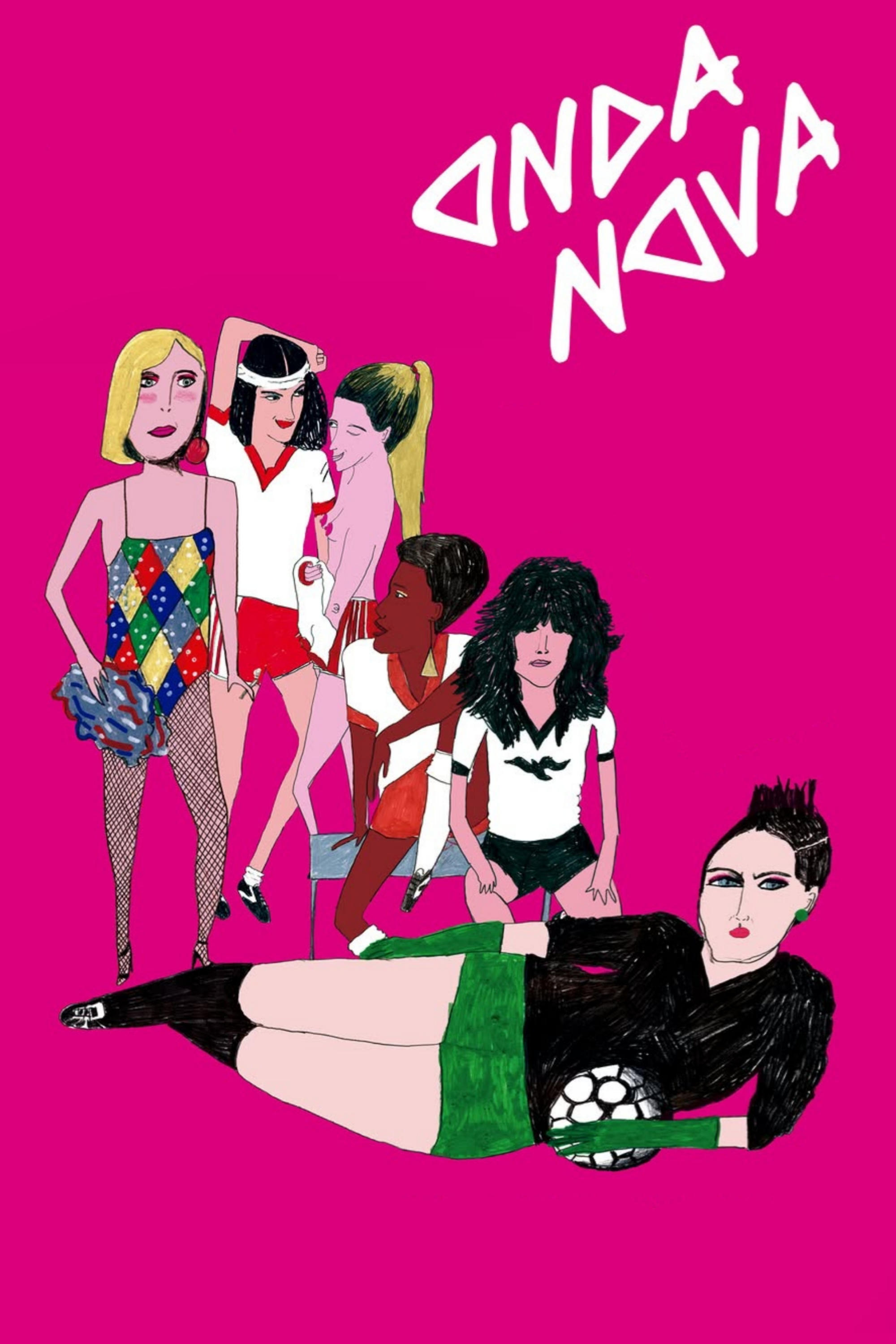
This erotic and anarchist dramatic comedy brings together stories about the female players of a newly formed football team, who are forced to deal with the prejudices of a conservative society that reviles them, as well as grapple with their own personal problems.
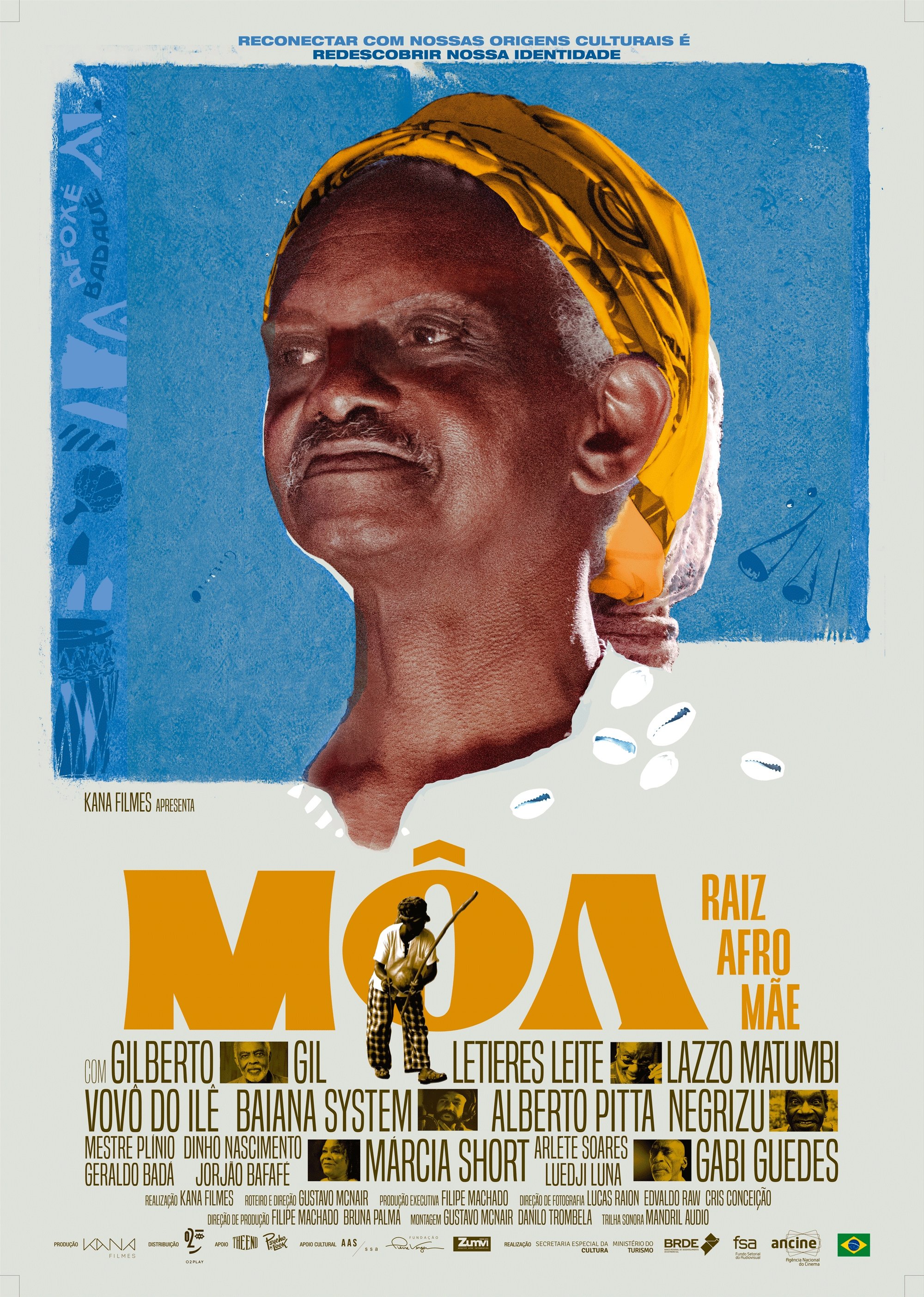
The documentary that began together with Mestre Môa do Katendê before his political murder, tells the life story of this capoeirista and founder of Afoxé Badauê, intertwined with the rise of black cultural manifestations in Bahia, based on a last interview left by him.
Documentary with fragments and records about the boundaries between art and counterculture, based on a debate held at the Museum of Modern Art, Rio de Janeiro, in October 1968.
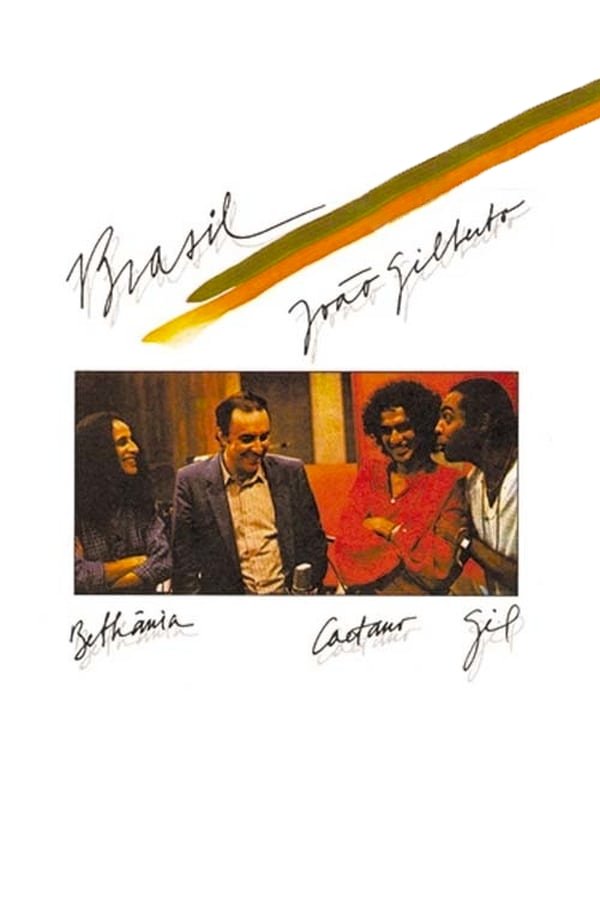
João Gilberto receives Caetano Veloso, Gilberto Gil and Maria Bethânia during the recording of his album Brasil.

The film has Gal's career as its guiding principle, drawing a parallel with the movement of which the singer was the muse and one of the main interpreters, and reaching the present day.
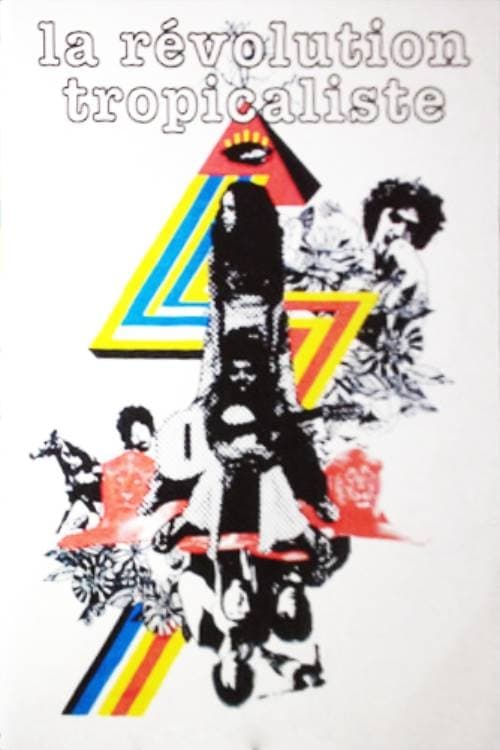
A documentary on the amazing Brazilian music movement known as Tropicália.
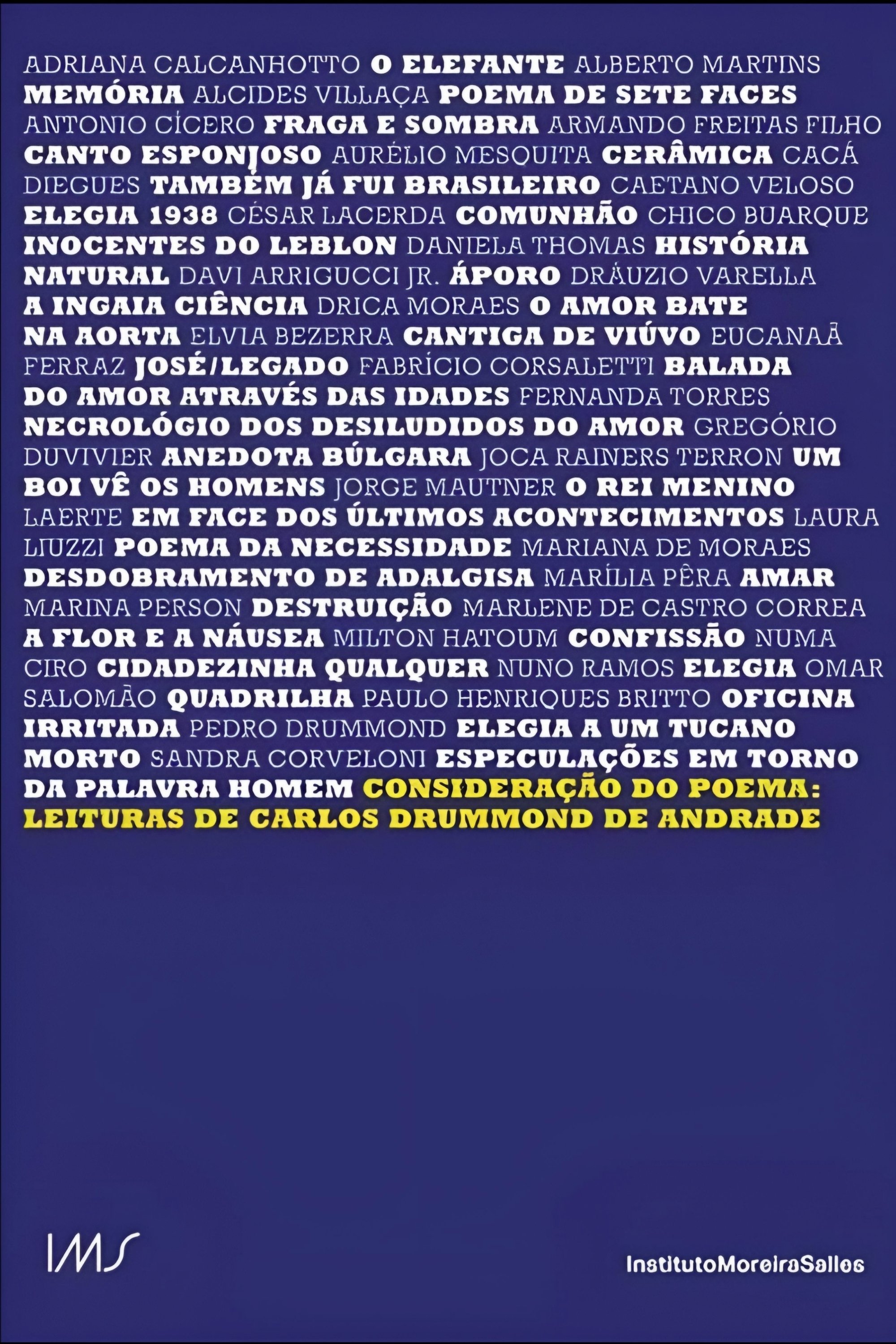
Carlos Drummond de Andrade's poetry is read by exponents of Brazilian culture, such as Chico Buarque, Caetano Veloso, Adriana Calcanhoto, Fernanda Torres, Marilia Pera, Antonio Cicero and others.
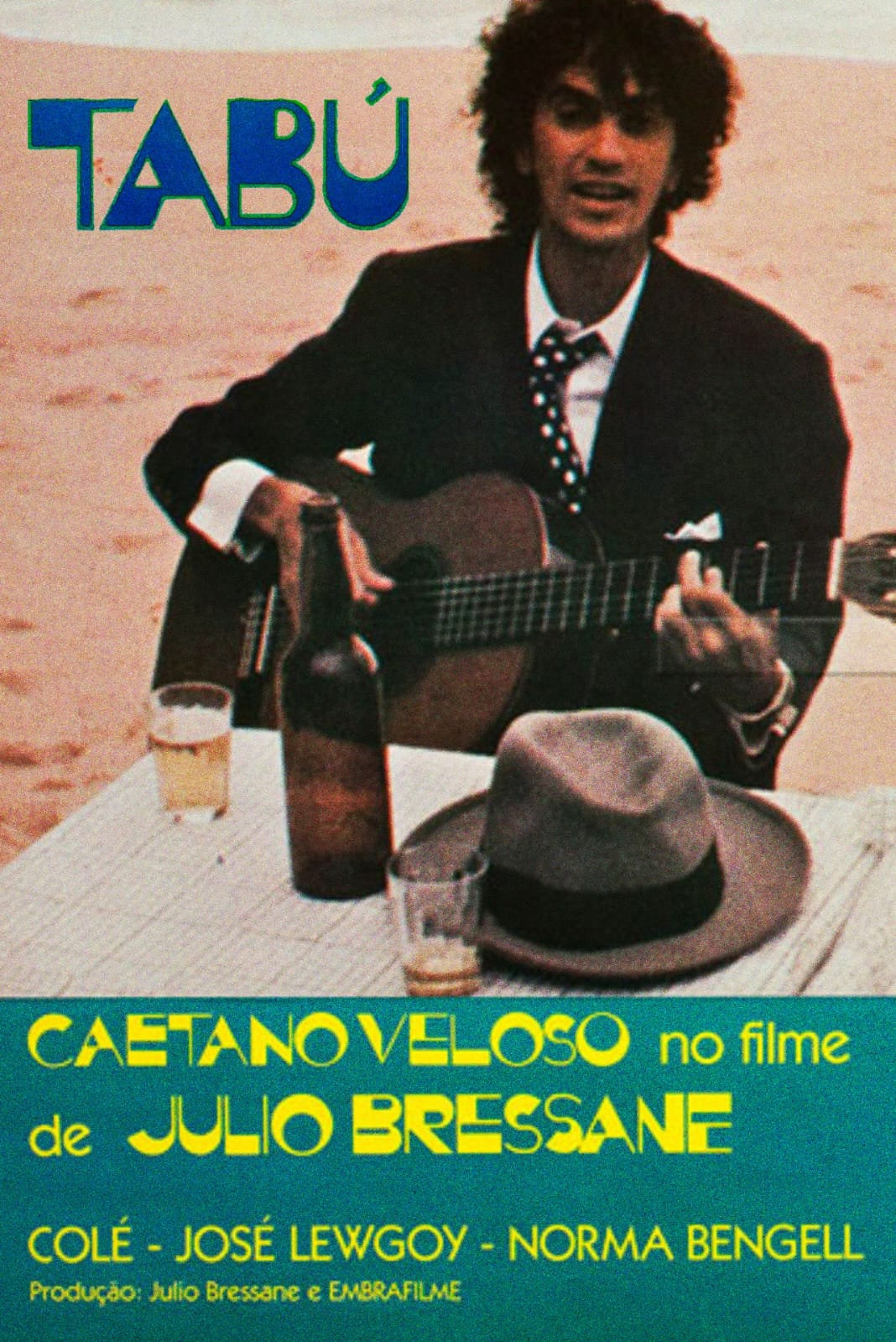
The fictional encounter in Rio de Janeiro, Brazil (in the 30s) between popular songwriter Lamartine Babo and inconoclast poet and playwright Oswald de Andrade.
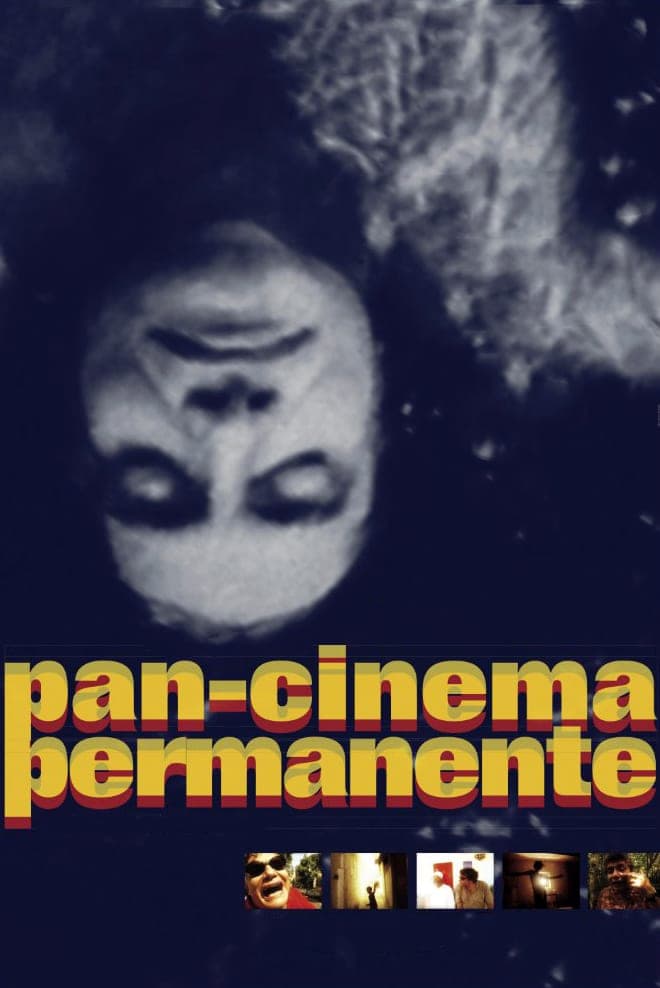
Documentary about Brazilian poet Waly Salomão, for whom life was always a fictional film and poetry was a way to expose any naturalistic pretention. His convictions affected many friends like Antonio Cícero, Caetano Veloso and Carlos Nader, who documented Waly's life for 15 years. But how does one make a documentary about someone who believes everything is fiction?

Tempo Rei is the first audiovisual record of Gilberto Gil's vast work, celebrating the artist's thirty-year career, celebrated in 1996. Gil recalls his artistic trajectory, recalls striking facts and reveals some intimacies. Completely filmed on film, it includes great successes of the artist like Madalena, Cores Vivas, Vamos Fugir, Procissão and Expresso 2222.
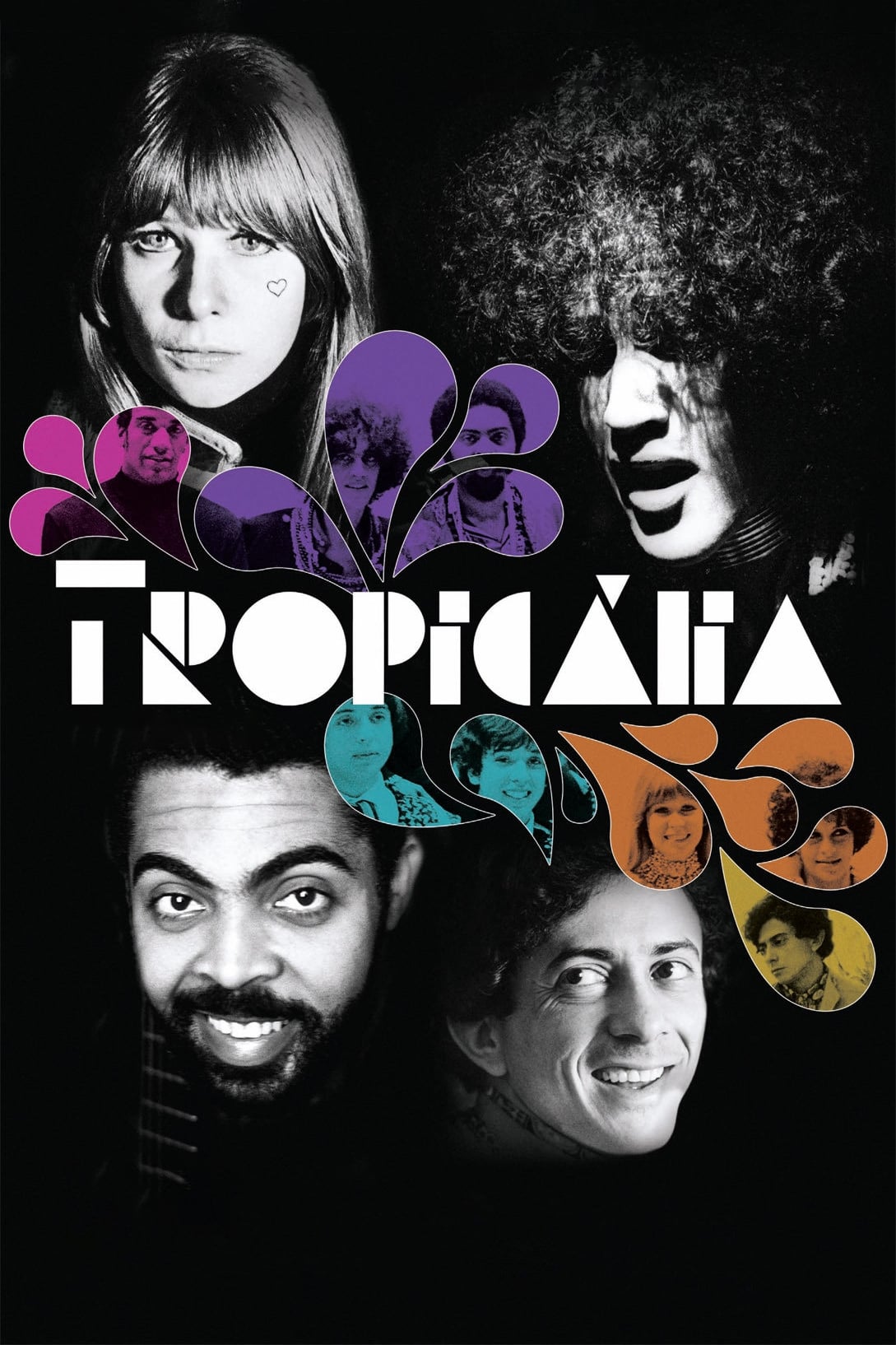
Set against the turbulent atmosphere of the 1960s, Tropicália is a feature length documentary exploring the Brazilian artistic movement known as Tropicália, and the struggle its artists endured to protect their right to freely express revolutionary thought against the traditional Brazilian music of that time.
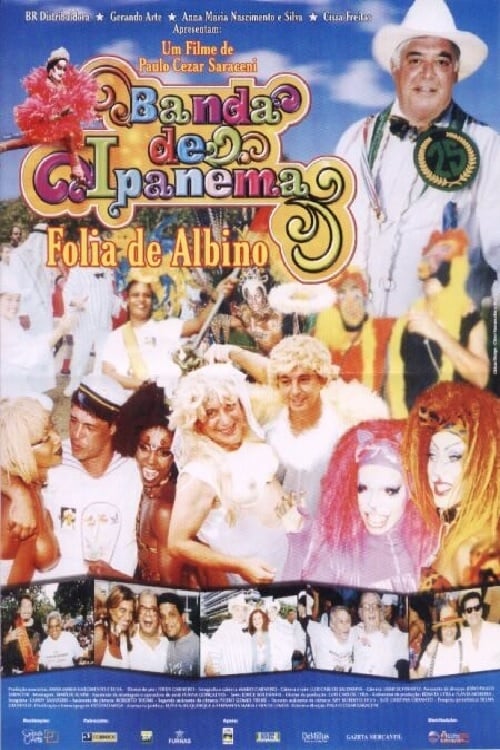
A movie about Banda de Ipanema, one of Rio de Janeiro’s most traditional Carnaval blocks, and its founder Albino Pinheiro.
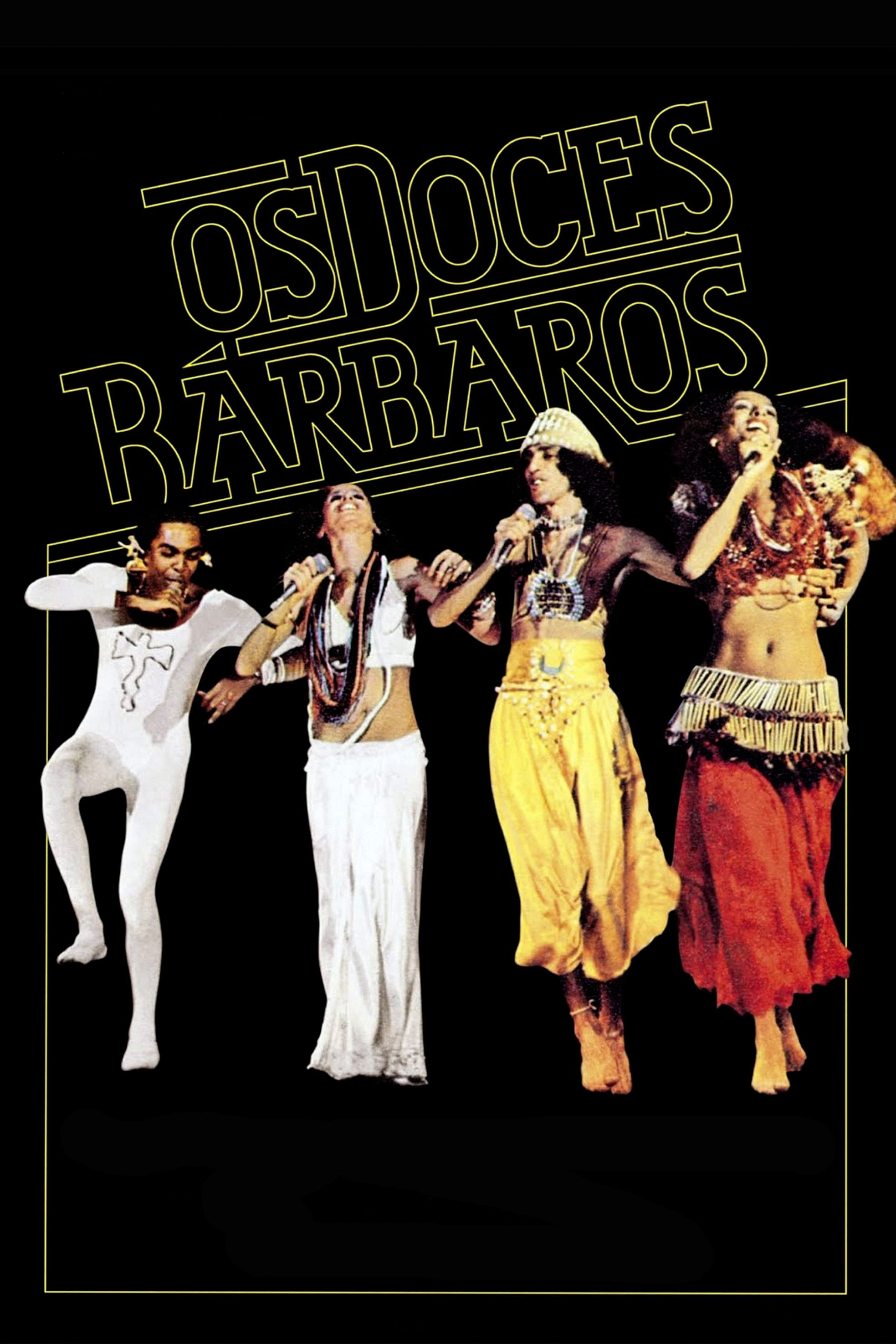
The film records the commemorative tour of the ten years of the career of the Bahia singers Caetano Veloso, Gilberto Gil, Maria Bethânia and Gal Costa, who formed the group with the name of Doces Bárbaros (Sweet Barbarians), at the suggestion of Bethânia. Conceived to present the shows of the live album that would be released (Doces Bárbaros - Live), the documentary changed of tone when registering the arrest and judgment of Gilberto Gil and of a companion by possession of drugs. Gil was forced to go to a detox clinic, and only went out to participate in the programmed shows.
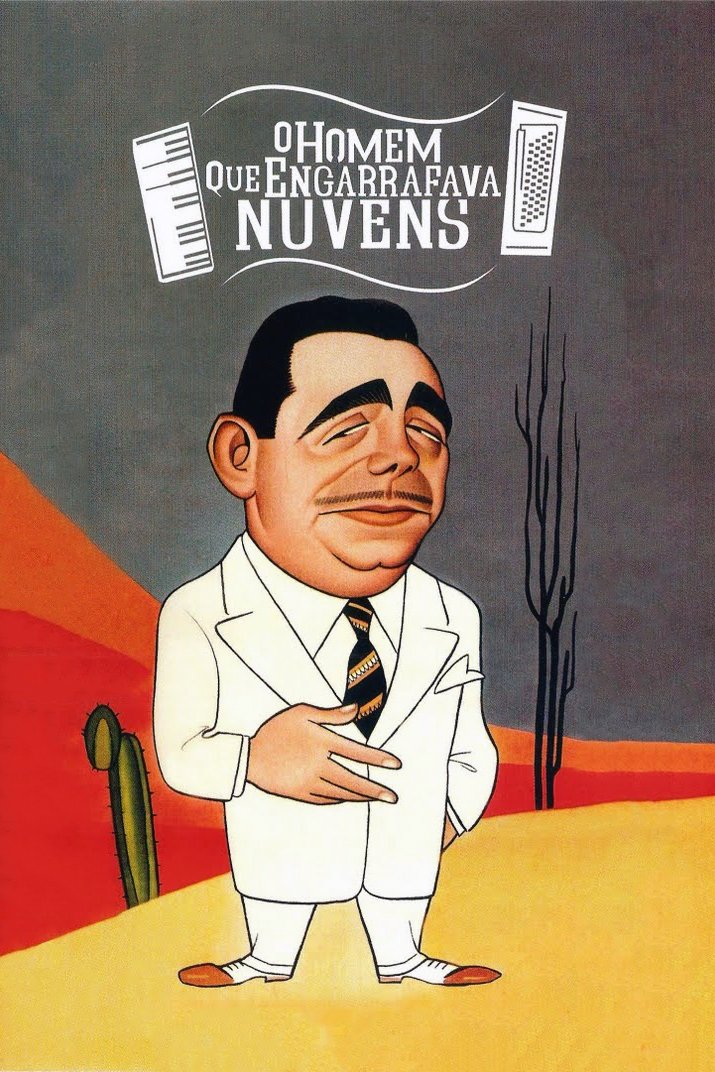
A host of personalities reminisce about the life and work of songwriter, lawyer, and congressman Humberto Teixeira — aka "Baião Doctor" — the author of such classic Brazilian popular songs as "Asa Branca". A musical film about the baião, a movement in Brazilian music in the 1940s and 1950s that was later snowed under by samba and bossa nova.
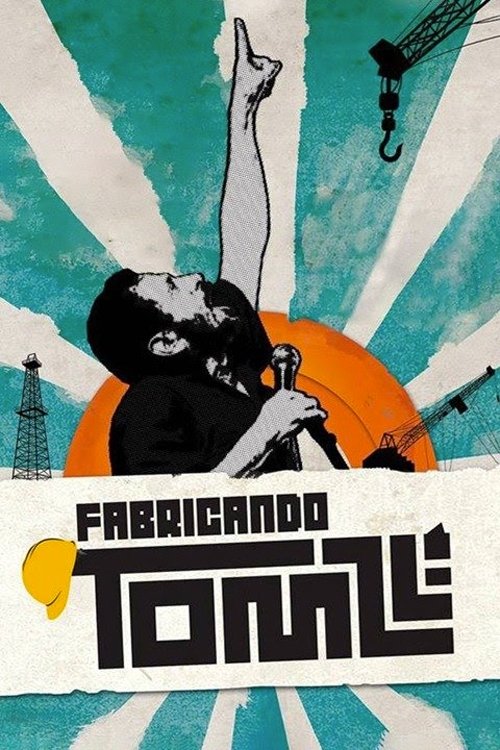
The life and work of one of the most controversial Brazilian musicians, having as its backdrop Tom Zé's 2005 European Tour. The documentary shows a detailed vision of Tom Zé's personal musical universe, in which a guitar and a vacuum cleaner have the same melodic importance. In intimate interviews, he narrates different parts of his life and tells us about his musical debut in the early 60s, his downfall during the 70s, and his 90s comeback.
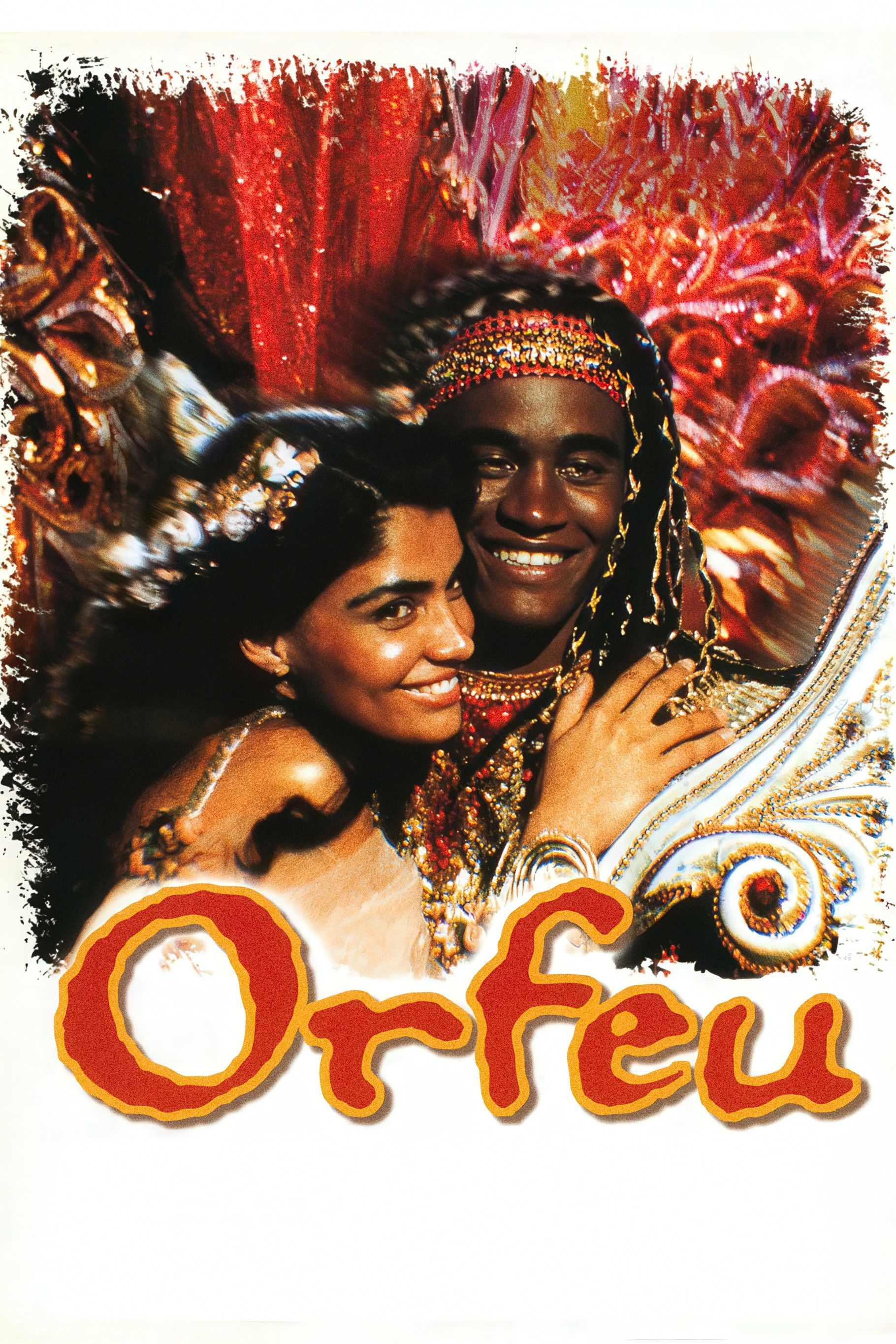
Orfeu is a popular composer from a samba school. He lives in the favela and falls madly in love when he meets Euridice, a newcomer to the neighborhood. But the local drug boss Lucinho stands between them and will drastically change both their lives.
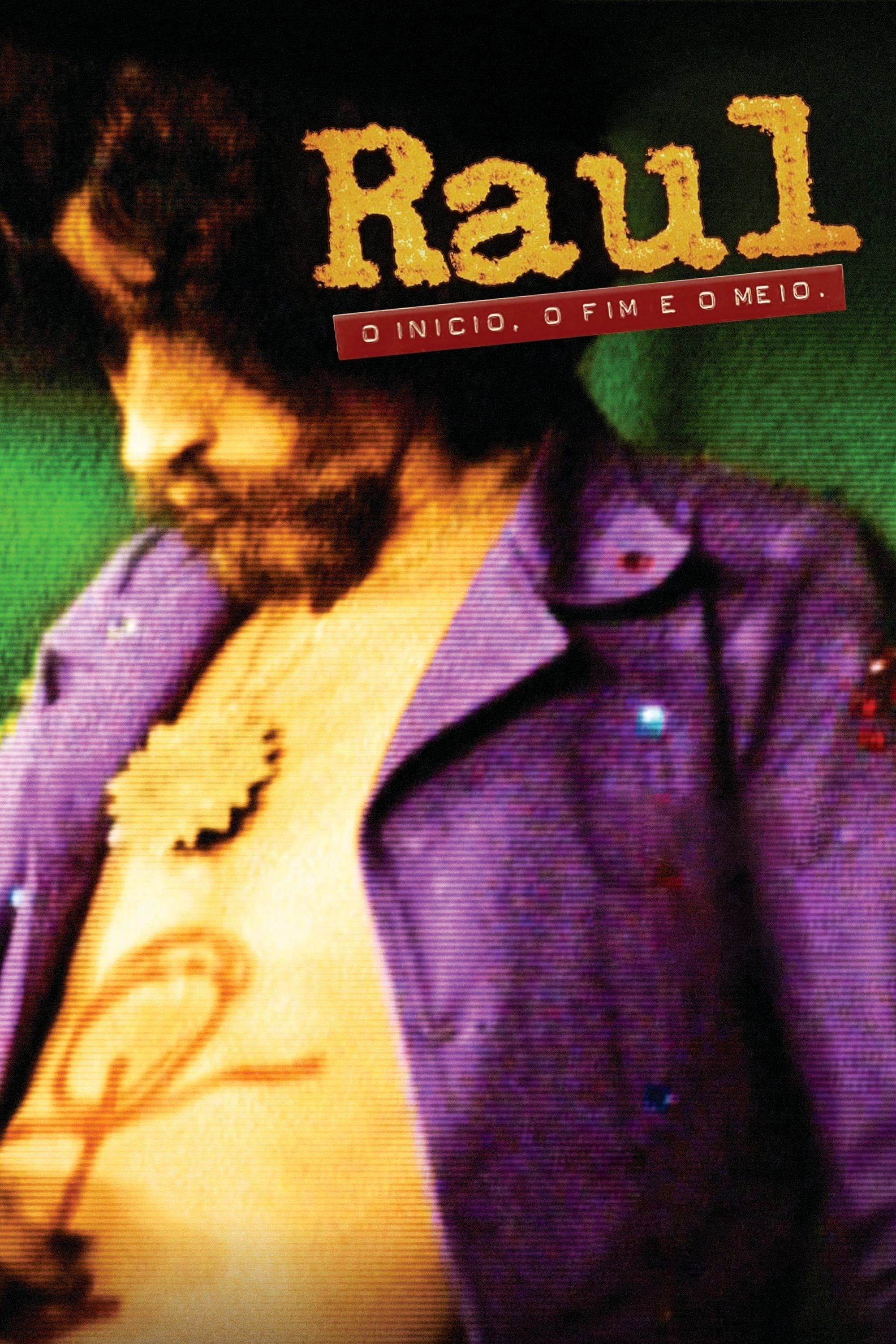
As the world boiled in the rush of Easy Rider bikes, in the frenetic pace of Elvis Presley, in Beatniks poets, in the explosion of counterculture, a boy from Bahia gave birth to Rock in Brazil. A runaway flying saucer that abducted the hearts and minds of thousands of fans, Raul Seixas, a man who became a myth. Raul died young because he lived intensely. Rock n 'roll, free love, alternative society, drugs, black magic, military dictatorship, women and daughters. A man who wanted to live from his work and died for it. The beginning, the end and the middle are confused, because the story is not over. The film reveals through rare images of archive, meeting with relatives, conversations with artists, producers and friends, the trajectory of the legend of Rock.
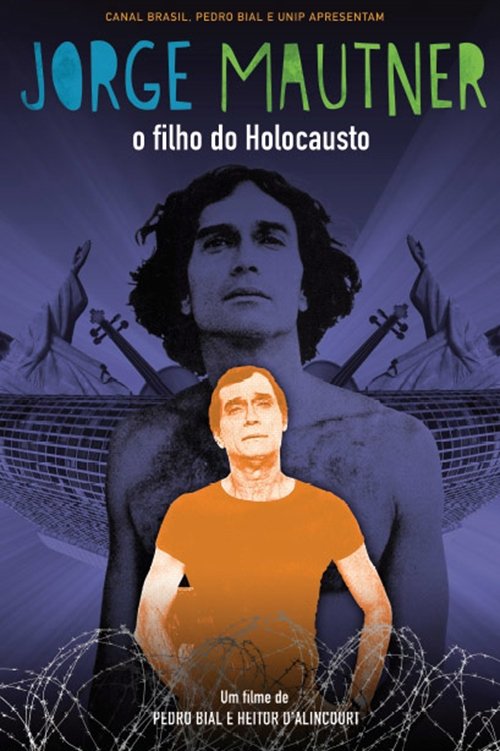
The film follows the birth of Jorge Mautner up to his 17 years. He was born in Brazil shortly after his parents fled the Holocaust. Raised by a nanny who introduced him to Candomblé, Mautner became a precursor of the Tropicália, contributing to the construction of the identity of Brazilian music.

In the 1970s, "festivals" were incredibly popular in Brazil, as they were recorded before a live studio audience, and usually featured a number of elimination rounds. They also formed the springboard for the career of many a big-name stars, such as Chico Buarque, Caetano Veloso, Roberto Carlos and Gilberto Gil. Appearing on such a program was no cakewalk, however: audiences could be as wild in their condemnation as in their appreciation of an artist. Extensive archive footage (including performances and behind-the-scenes interviews) from the turbulent final evening of the Festival of Brazilian Popular Music 1967 paints a fascinating picture, not only of the transformation of Brazilian music into real "festival" music, but also of a society starting to buck against the yoke of military rule.
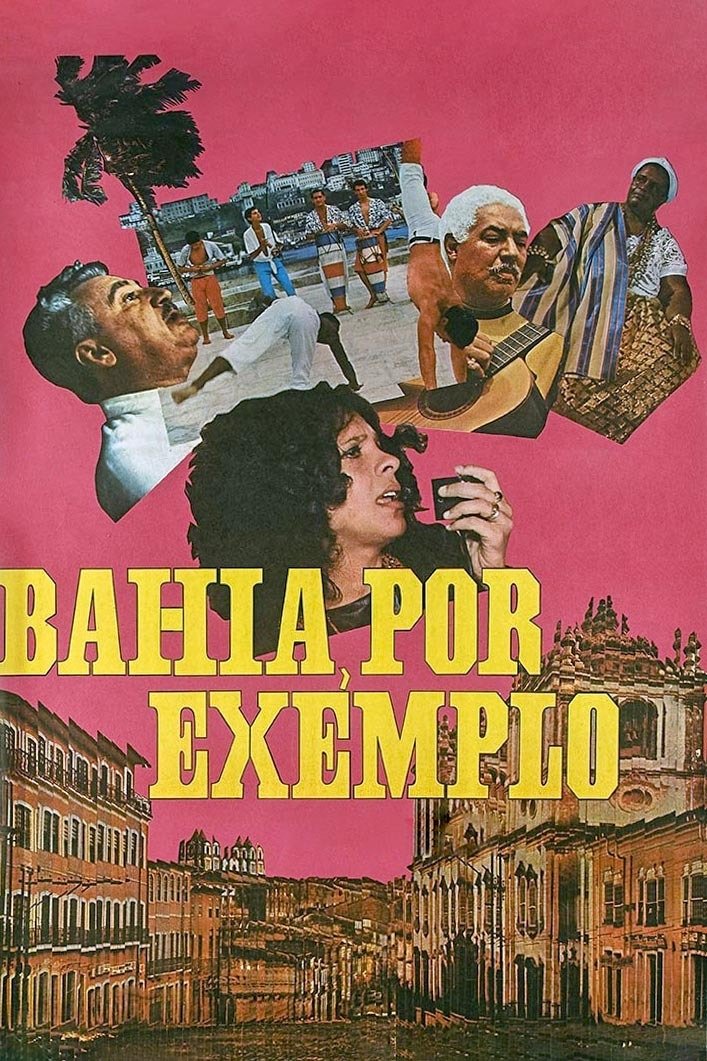
Through folklore manifestations and diverse artistic expressions, the film is a document that exalts and honors the Bahian culture.
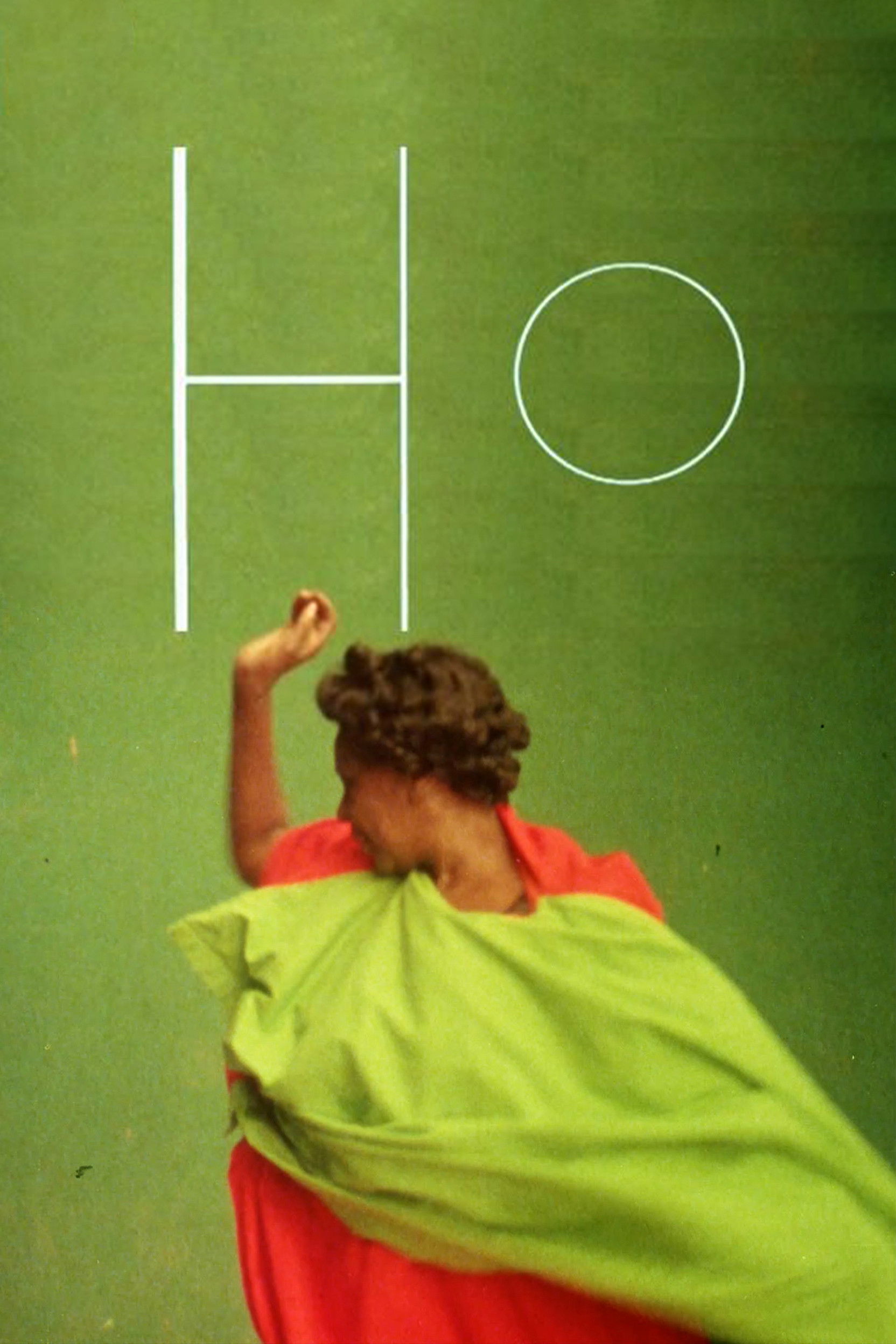
An experimental film on Brazilian avant-garde artist Hélio Oiticica and his works, especially the Parangolés.

This documentary from filmmaker Guto Barra takes you beyond the 1960s bossa nova hit "The Girl from Ipanema" to explore how samba, Brazilectro and other Brazilian music styles have long captivated audiences and influenced musicians around the world. Mixing archival footage, fresh performances and interviews with leaders in the global music scene, Barra examines why Brazil's music consistently transcends boundaries of time and musical taste.
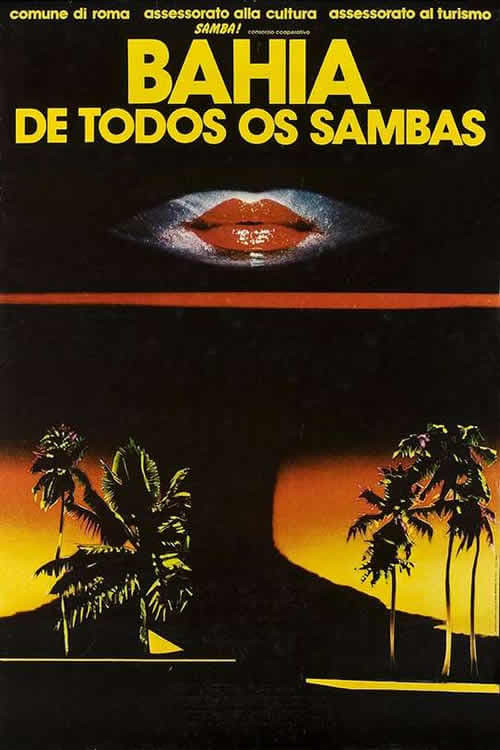
Between August 23 and 31, 1983, at the "Circo Massimo", in Rome, there was a musical event that brought together artists from Bahia. This film brings a recording of the event, also featuring backstage, rehearsals, testimonies and some relaxing moments of these great names in Bahia's music.
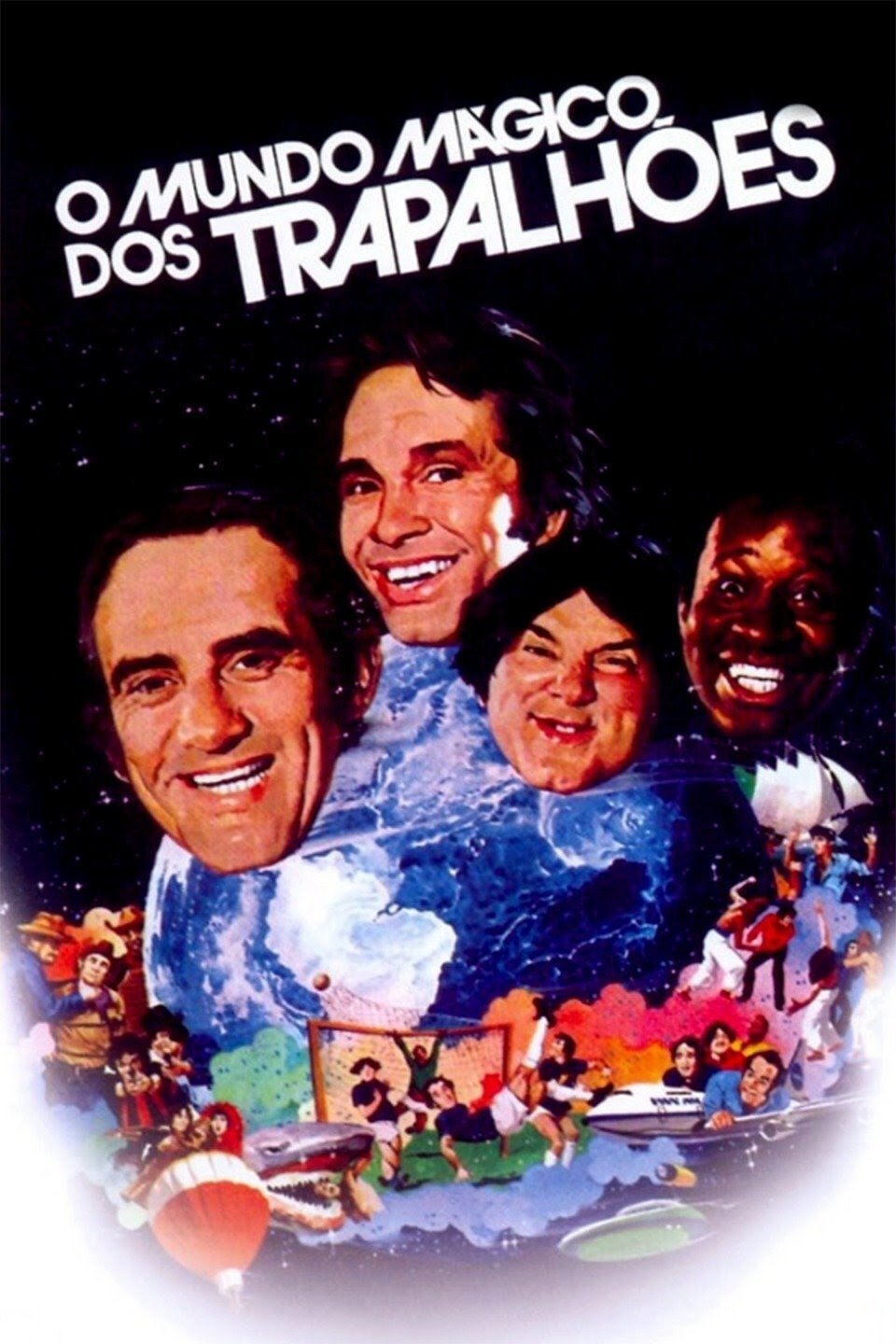
Compilation of some of the best moments in the career of Brazilian comedy group "Os Trapalhões", with scenes from their previous films, also telling the story of each individual artist.
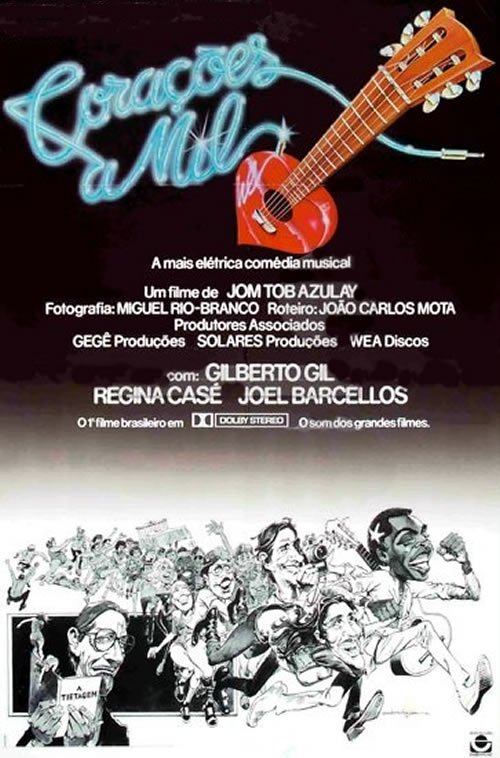
University teacher investigates the life of a famous Brazilian musician, trying to discover the secret of mass communication through his songs and performances, while ultimately falling in love with one of his groupies.
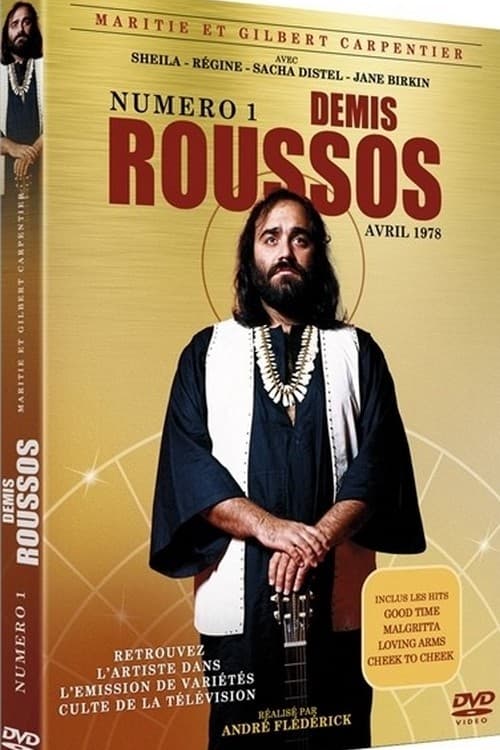
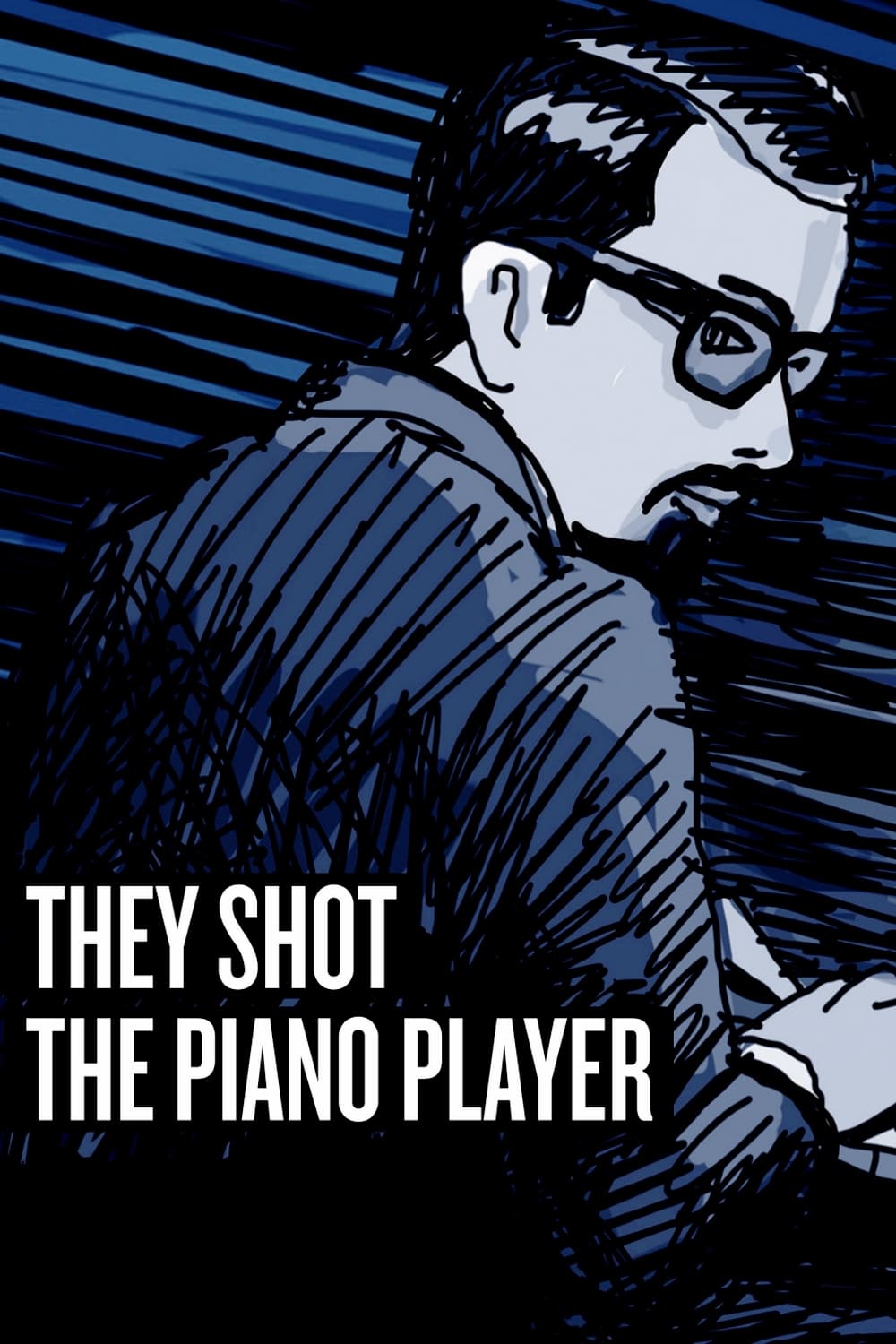
New York, 2010. Jeff Harris, a music journalist, sets out to uncover the truth about Francisco Tenório Júnior, a young Brazilian samba-jazz pianist who disappeared in Buenos Aires on March 18, 1976.
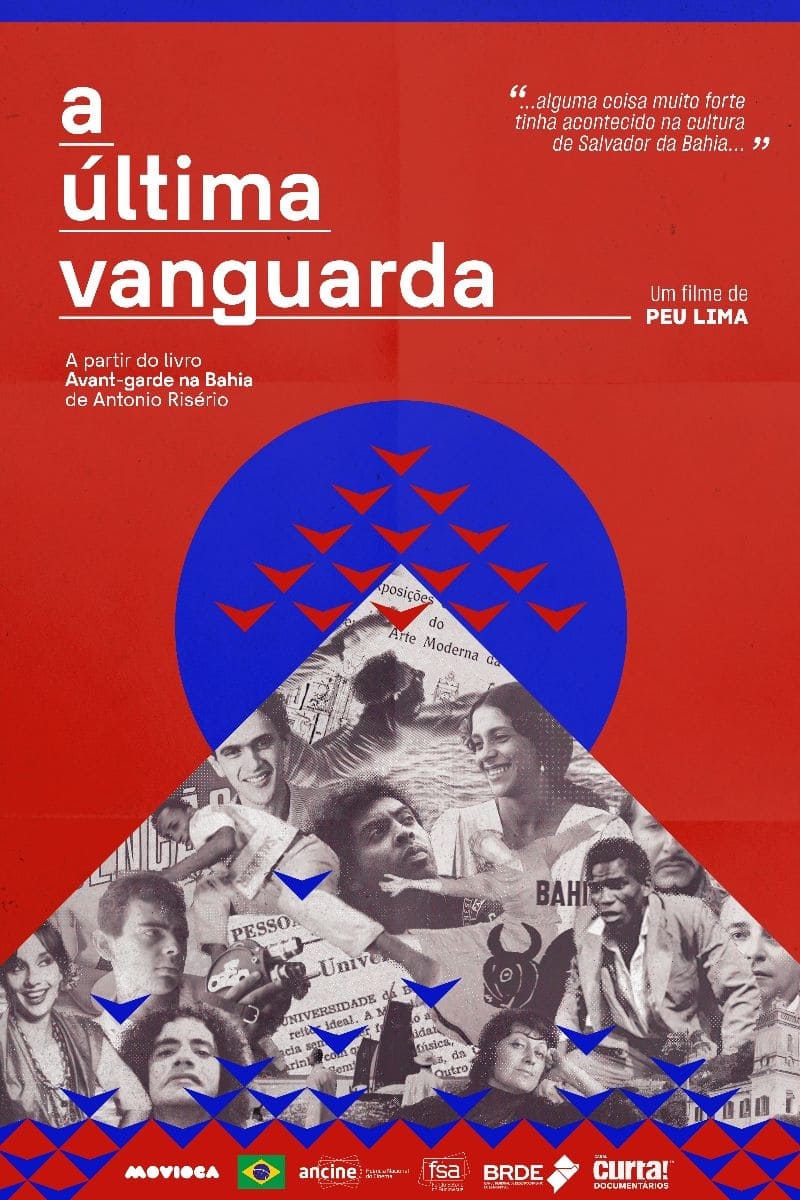
70 years ago, a visionary management in education and culture as a political strategy for the dissemination and development of Bahia gave rise to an artistic vanguard that still impacts Brazilian culture today.

A documentary about Barão Vermelho, one of Brazil's most famous rock bands during the 1980s, following its steps through archive footage and interviews with all of its remaining members and associated parties.
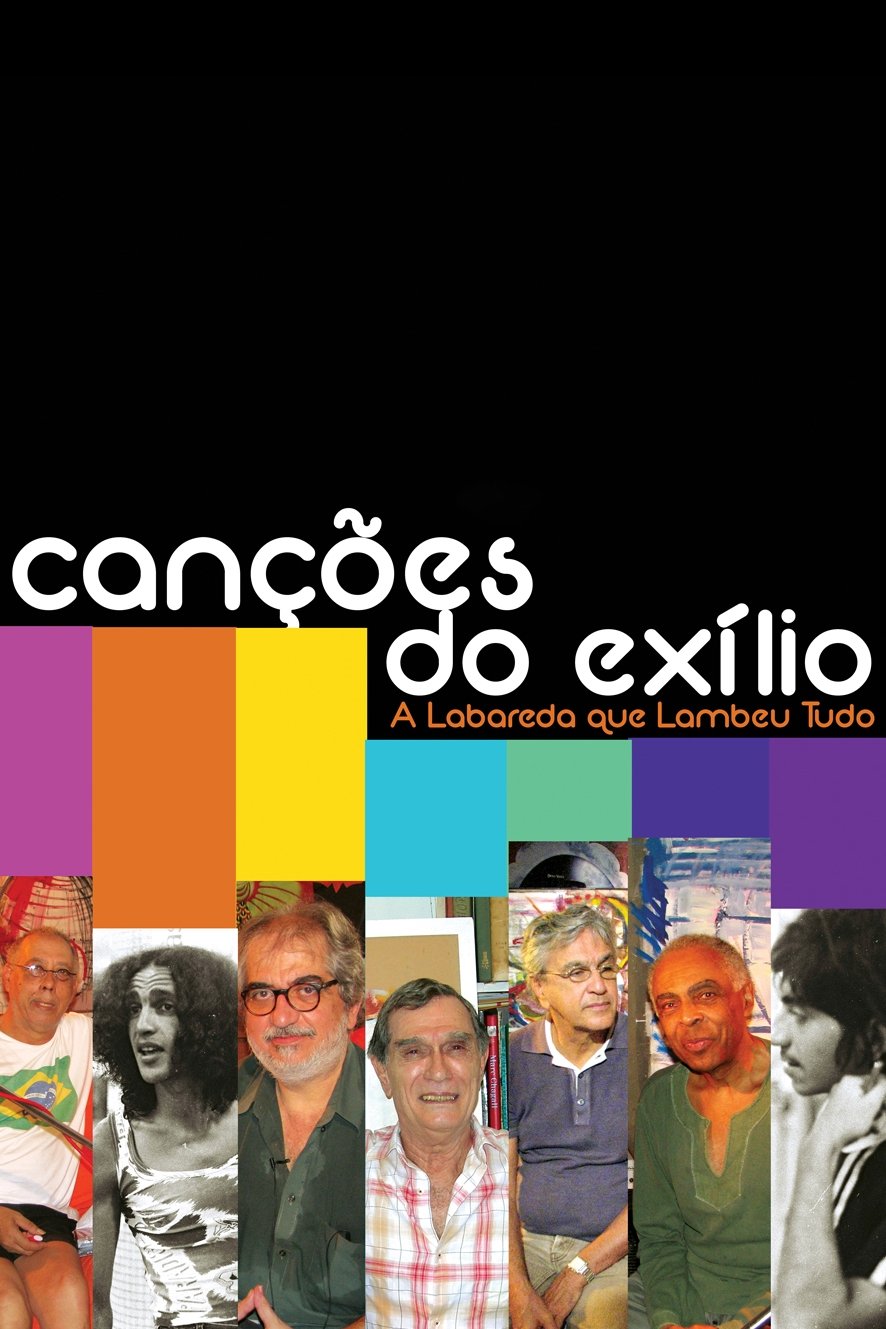
Caetano Veloso, Gilberto Gil, Jards Macalé and Jorge Mautner recall important moments during the military dictatorship the befell in Brazil from 1964 to 1985. The film presents the events of the prison, life in exile and the return to the country.
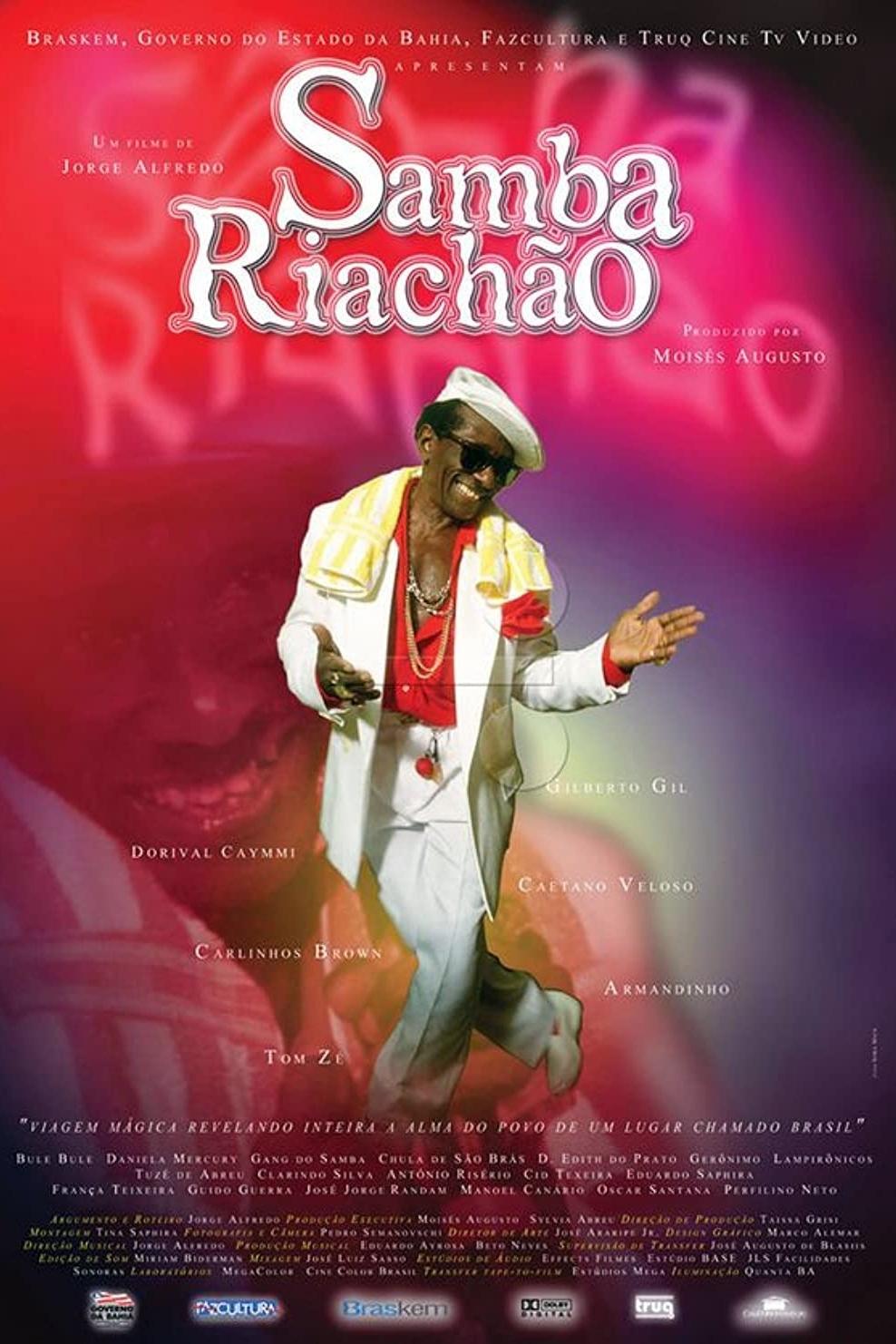
Documentary about samba musician from Bahia Clementino Rodrigues, aka Riachão.
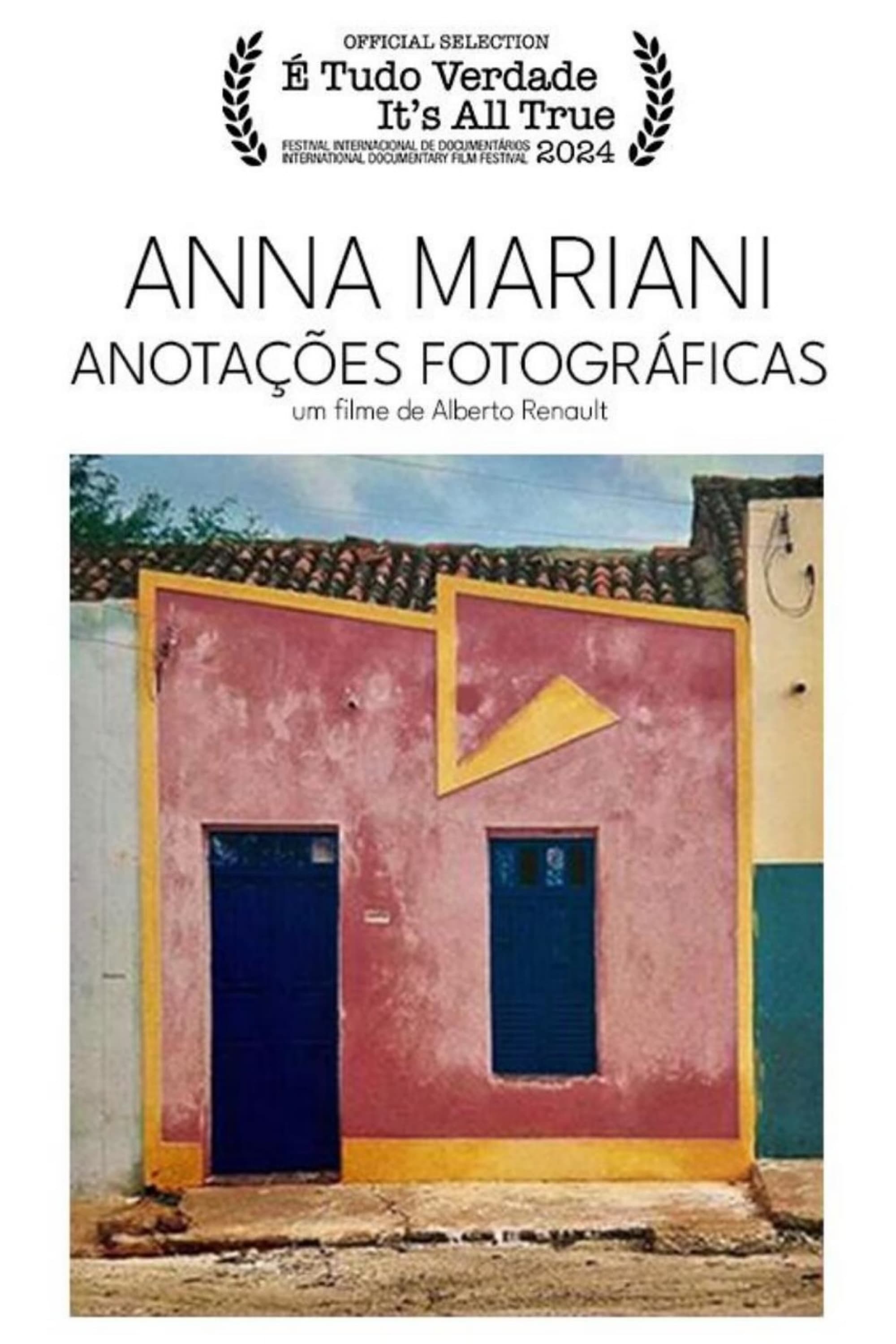
The paths that the artist traveled to create two essays that are landmarks of contemporary Brazilian photography.
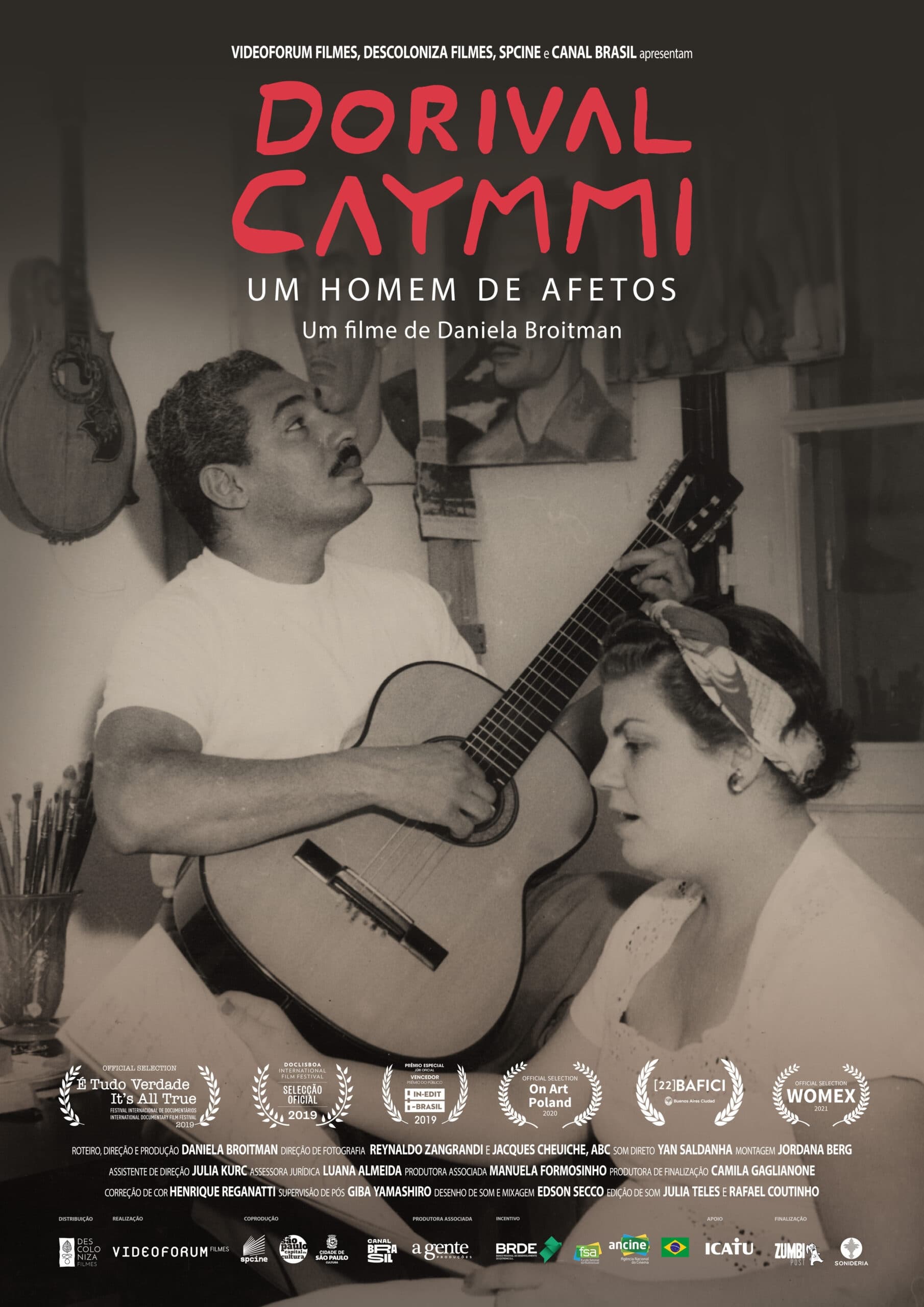
An irresistible journey through the universe of the singer and composer that revolutionized the song in Brazil and influenced generations of musicians, paving the way for movements such as Bossa Nova and Tropicália.
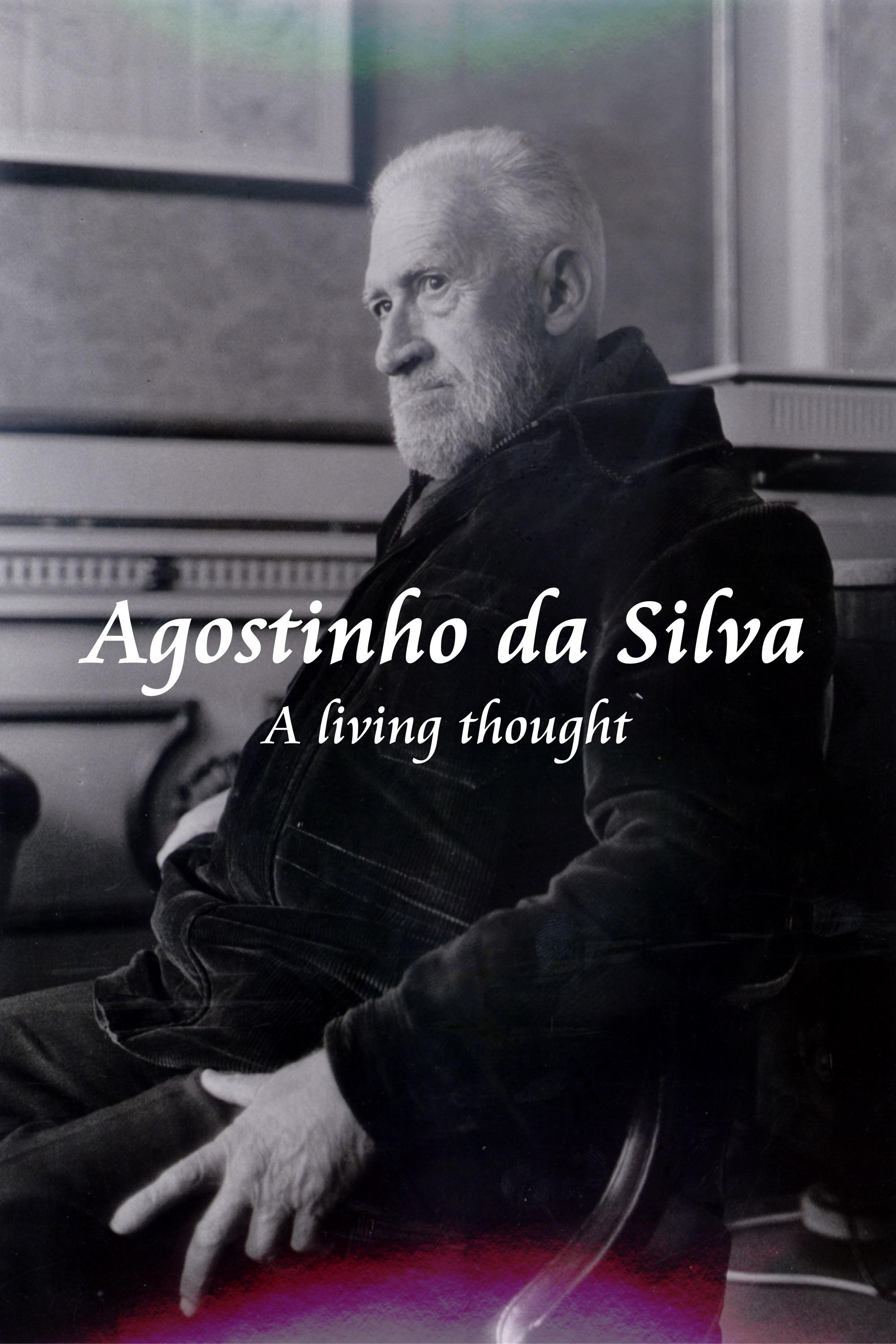
Life and legacy of Agostinho da Silva. Traversing the biographical journey, the life and work of the Luso-Brazilian philosopher, this work has testimonies from himself and various personalities of Portugal and Brazil that allow us to unravel his personality and multifaceted thought.
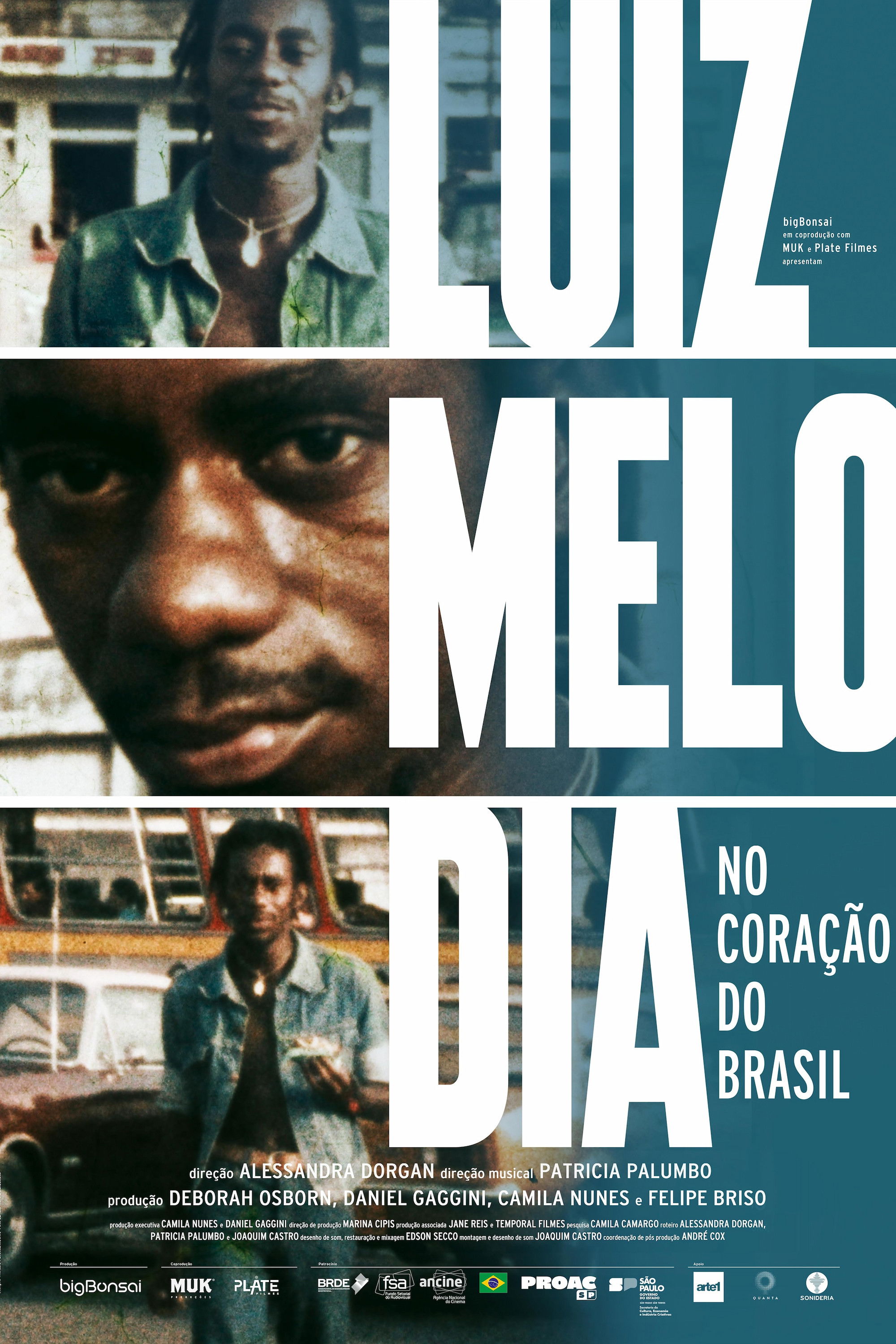
A sound and visual journey that portrays the life and work of singer and composer Luiz Melodia. The Poet of Estácio himself tells us, in the first person, his trajectory as a black boy born on the hill until his transformation into one of the greatest artists in the history of MPB. The film also features an unpublished collection made available by Jane Reis, his wife and businesswoman.


The biggest Brazilian historical festival of all time. The great cast of the 1973 Phonogram (now Universal Music) meets in three nights to protest against the curtailment of freedom of expression in those dark years of the dictatorship. With the images rescued in 2005, revealing exciting moments, containing the incredible presentations, it brings a team of all greatness and the opportunity to understand the path that Brazilian music has taken to the present day.
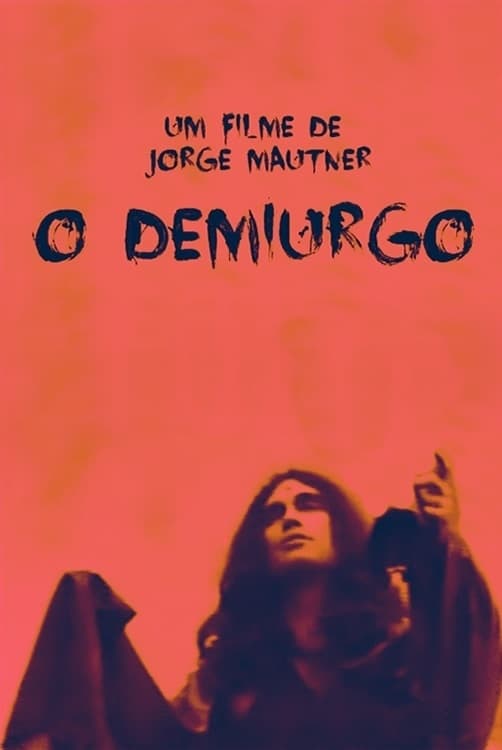
A colorful feature film that mixes exile with the figure of the poet Rimbaud and the feminist revolution. "It's super-intellectual. A fable-musical-philosophical-chanchada", Mautner says. He also affirms that the work focuses a lot on the longing for Brazil, on the will that the exiled had to return to their homeland. The idea came from conversations between the musician and his old father, "always talking about the pre-Socratics", he recalls. Glauber Rocha states that "The Demiurge" is the best film "of" and "about" exile.
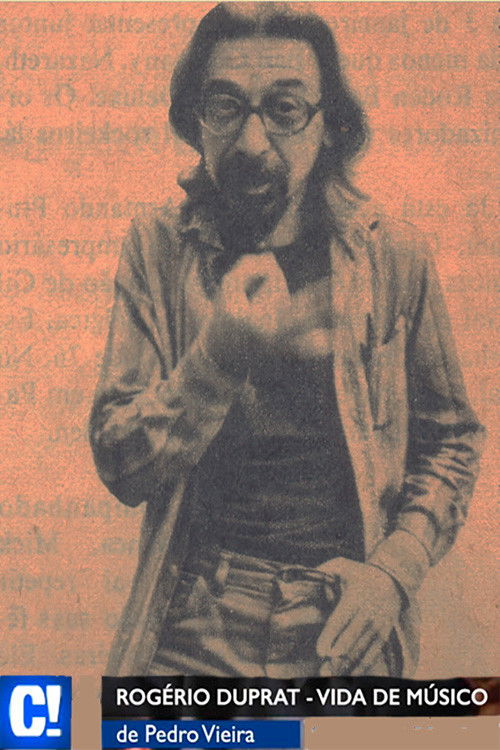
Documentary about amazing Brazilian musician Rogério Duprat, main orchestrator of Tropicália, his rehearsals with Gal Costa, Os Mutantes, Gilberto Gil and Caetano Veloso. There's also the first performance of his 1958 "5 Pieces for a Solo Cello" and pieces of the only recording of "Organismo", serial work inspired by a Décio Pignatari's poem.
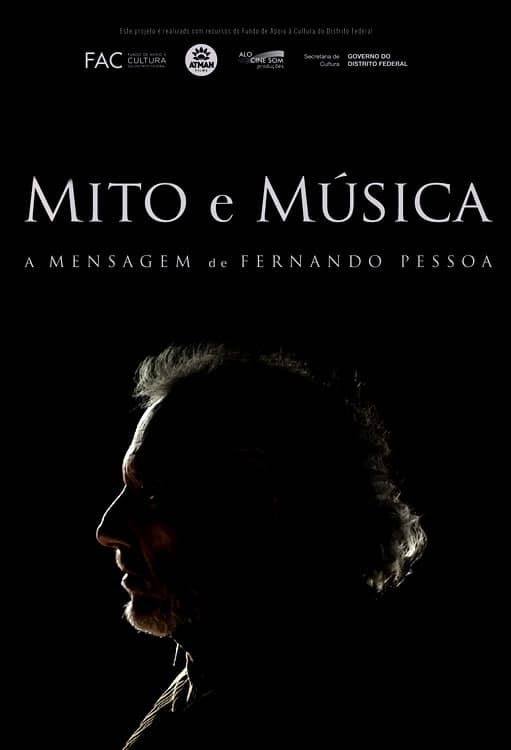
The documentary addresses the project, which took 30 years to complete, about the recording of 44 songs created for each poem in Mensagem, one of Fernando Pessoa's most emblematic books.

For this behemoth, Bressane took his opera omnia and edited it in an order that first adheres to historical chronology but soon starts to move backwards and forward. The various pasts – the 60s, the 80s, the 2000s – comment on each other in a way that sheds light on Bressane’s themes and obsessions, which become increasingly apparent and finally, a whole idea of cinema reveals itself to the curious and patient viewer. Will Bressane, from now on, rework The Long Voyage of the Yellow Bus when he makes another film? Is this his latest beginning? Why not, for the eternally young master maverick seems to embark on a maiden voyage with each and every new film!

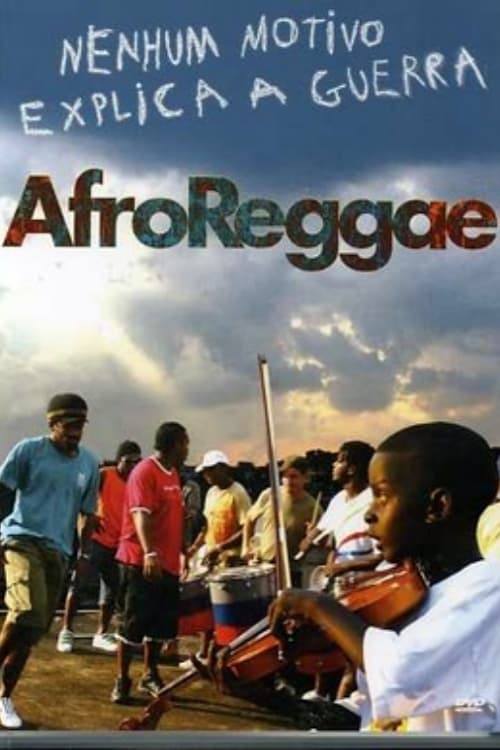
Afroreggae Cultural Group DVD containing a concert and a documentary about the group's social and cultural work at the favelas in Rio de Janeiro.
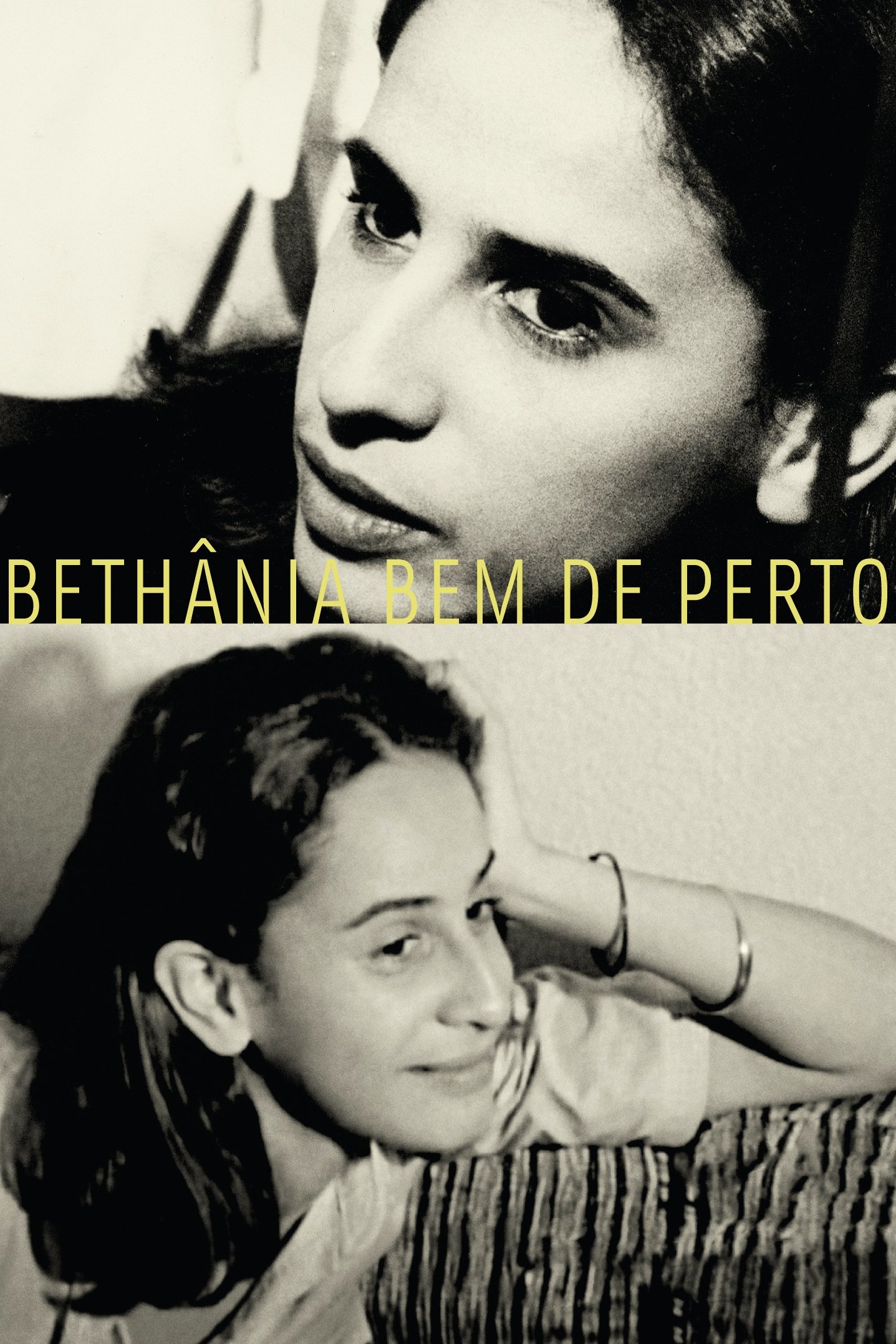
Documentary about Maria Bethânia, at the very beginning of her career as a singer, when she arrived in Rio da Bahia to replace Nara Leão in the show Opinião. Bethânia's appearance, at that time in southern Rio, was a cultural shock that shook the city. The film also contains scenes of her daily life and meetings with other musicians.
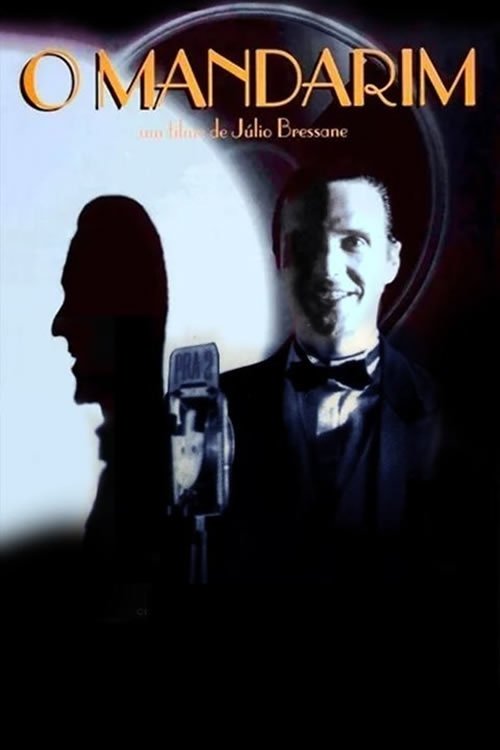
The history of Brazilian popular music in the 20th Century, focusing specially on the life and works of intriguing singer Mário Reis, a loner who, with his special way of singing - whispering and softly saying the words - in a time when singers with potent voices ruled, was in a way a forerunner of Bossa Nova style.


Originally from Bahia and considered today one of the most globalised musical movements in the world, Axé is a musical rhythm that carries in its essence a good part of all the musical and cultural syncretism of Bahia. The documentary brings together interviews and archive images outlining the birth of Axé.
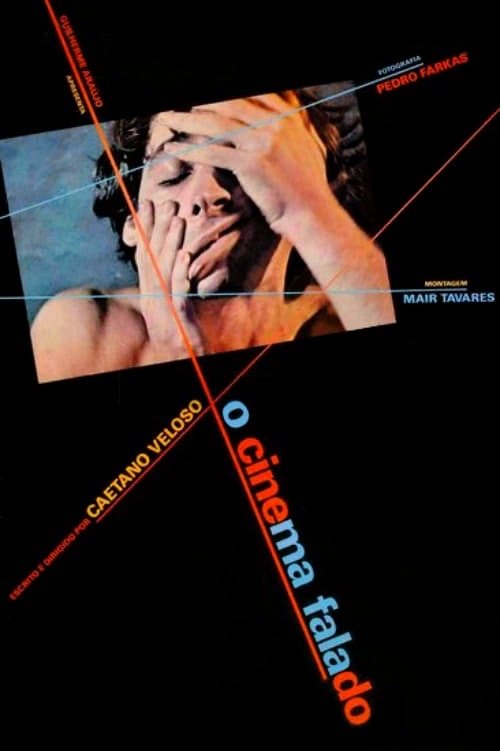
A fragmented style, patchwork of interviews with Caetano Veloso's friends, mixed with conversations, thoughts, scenes of dance and literature excerpts.
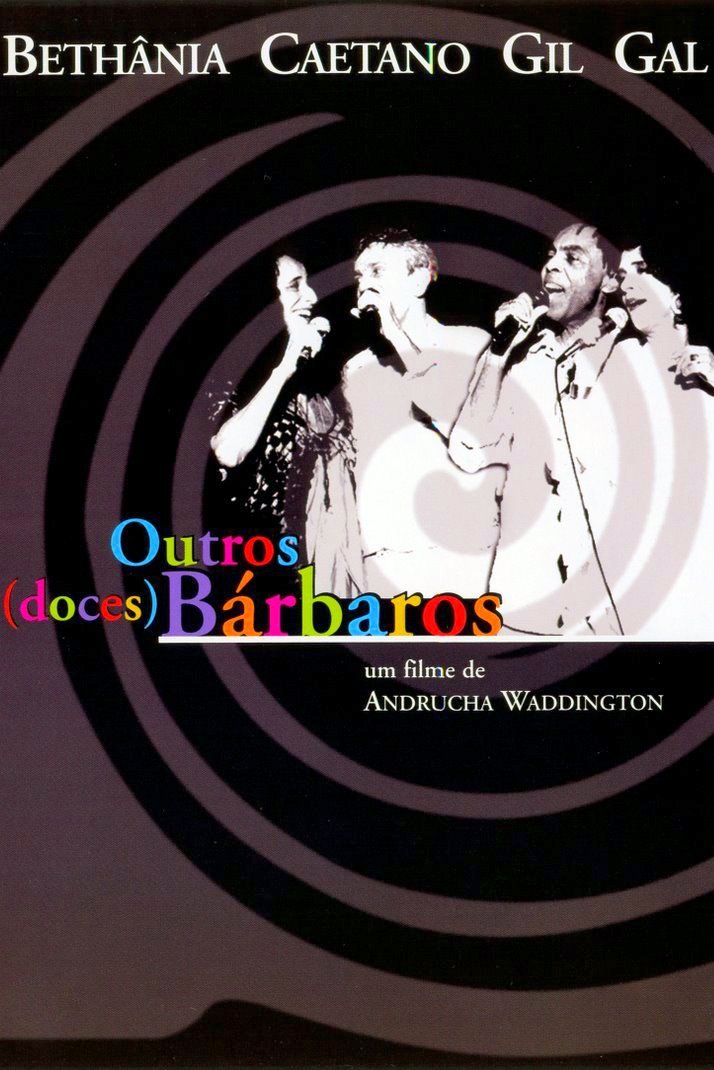
Almost thirty years after the first reunion of Doces Bárbaros (four of Brazil's major popular music stars: Caetano Veloso, Gilberto Gil, Gal Costa and Maria Bethânia), the artists involved decided to get together again for limited concerts in São Paulo and Rio de Janeiro, in December 2002. The film documents the group's live performances, rehearsals and interviews.
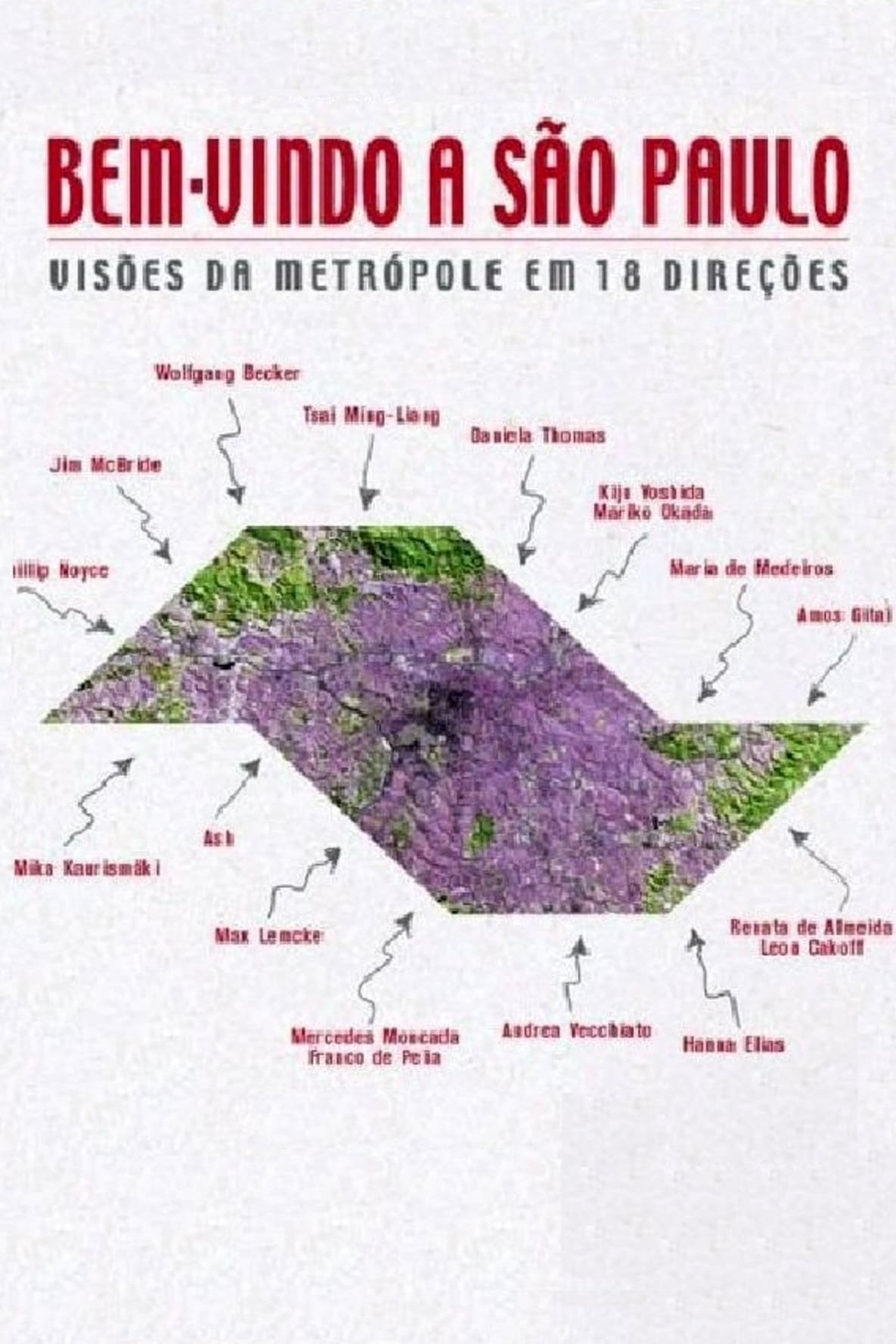
All the feature is given prestige to by the narration in Caetano Veloso's voice, that also signs one of the segments of the project. São Paulo is the largest city of the Southern Hemisphere, with an incessant dynamics of cultural mixtures, with immigrants of all the world and migrants of all parts of Brazil. The gathering of these peculiarities are seen through the 13 film directors's sensibilities and their segments.
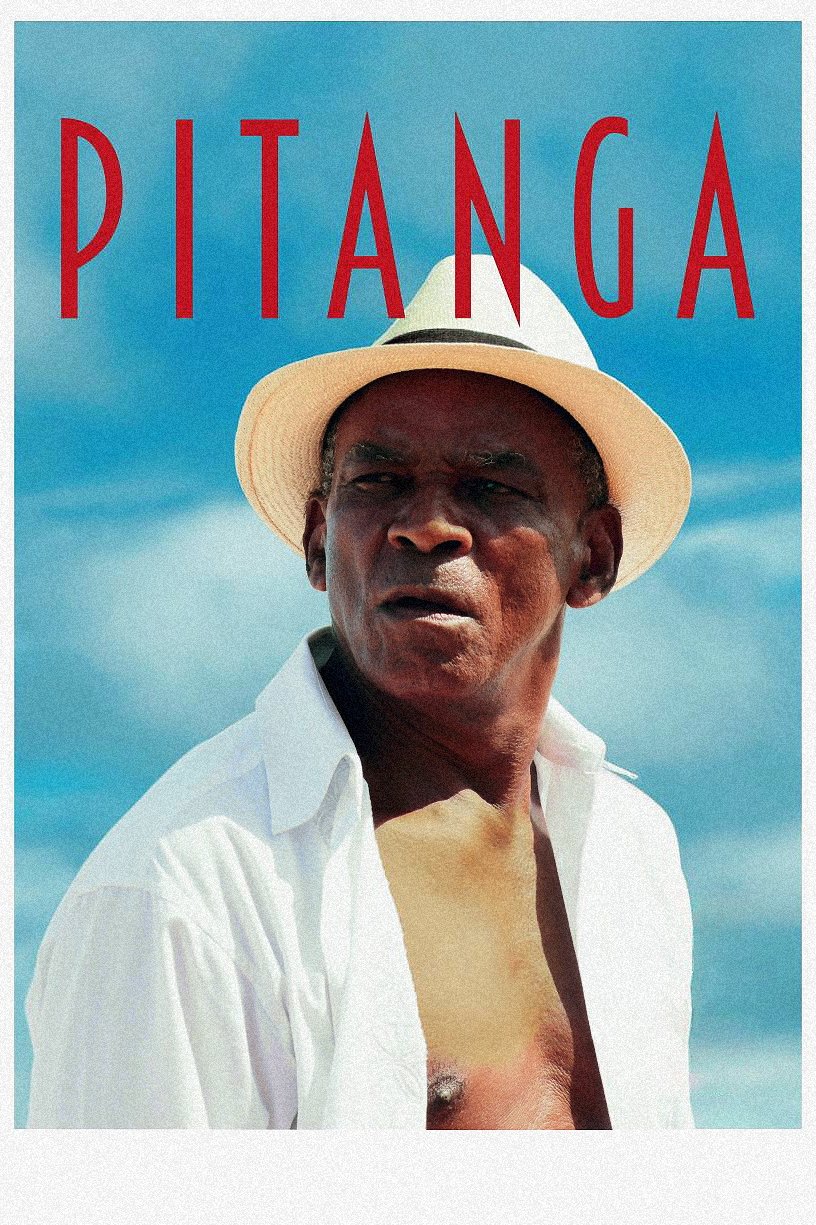
This documentary investigates the aesthetic, political and existential trajectory of emblematic Black Brazilian actor Antônio Pitanga. His career spans over five decades, and he has worked with iconic Brazilian filmmakers Glauber Rocha, Cacá Diegues and Walter Lima Jr. He was a prominent figurehead and outspoken activist during the Brazilian dictatorship, a period of unrest in Brazilian cinema. "Pitanga" deep dives into the world of Antônio and the history of Brazil. The documentary was directed by his daughter Camila Pitanga, one of widely recognised faces in Brazilian television and cinema right now. The film is also a poem, and a tender ode to fatherhood.
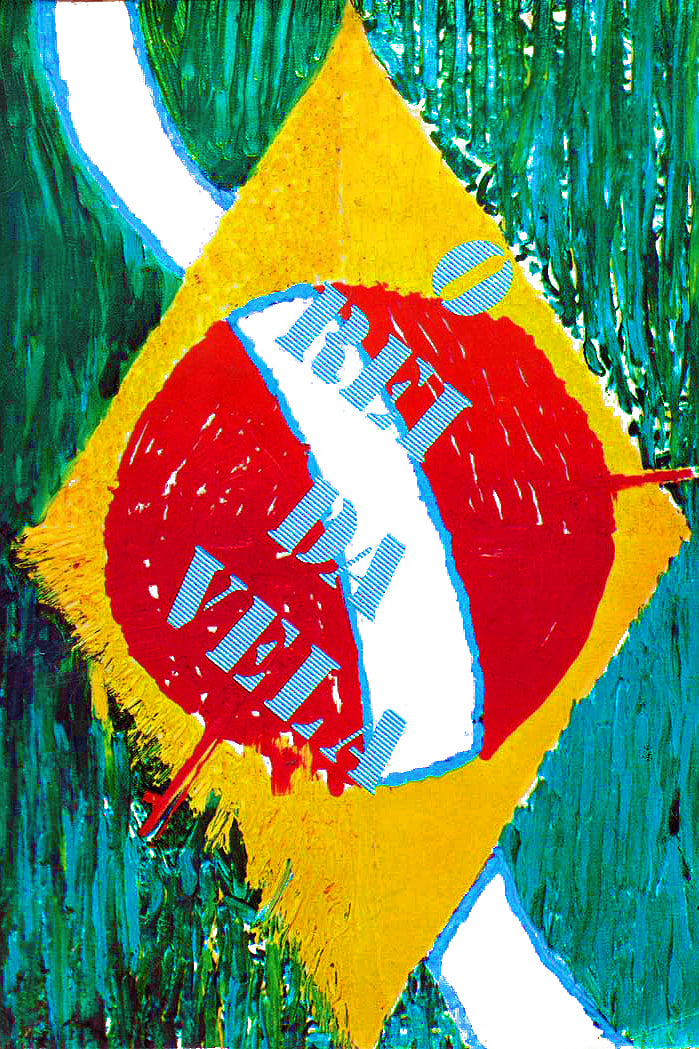
Filming of the historical montage of Oswald de Andrade's play, where decadent millionaires, depraved children, corrupt and implacable capitalists are the characters interpreted by the Grupo Oficina, in a celebrated theatrical performance from 1967, fundamentally recorded in 1971 and released only in the 1980s.
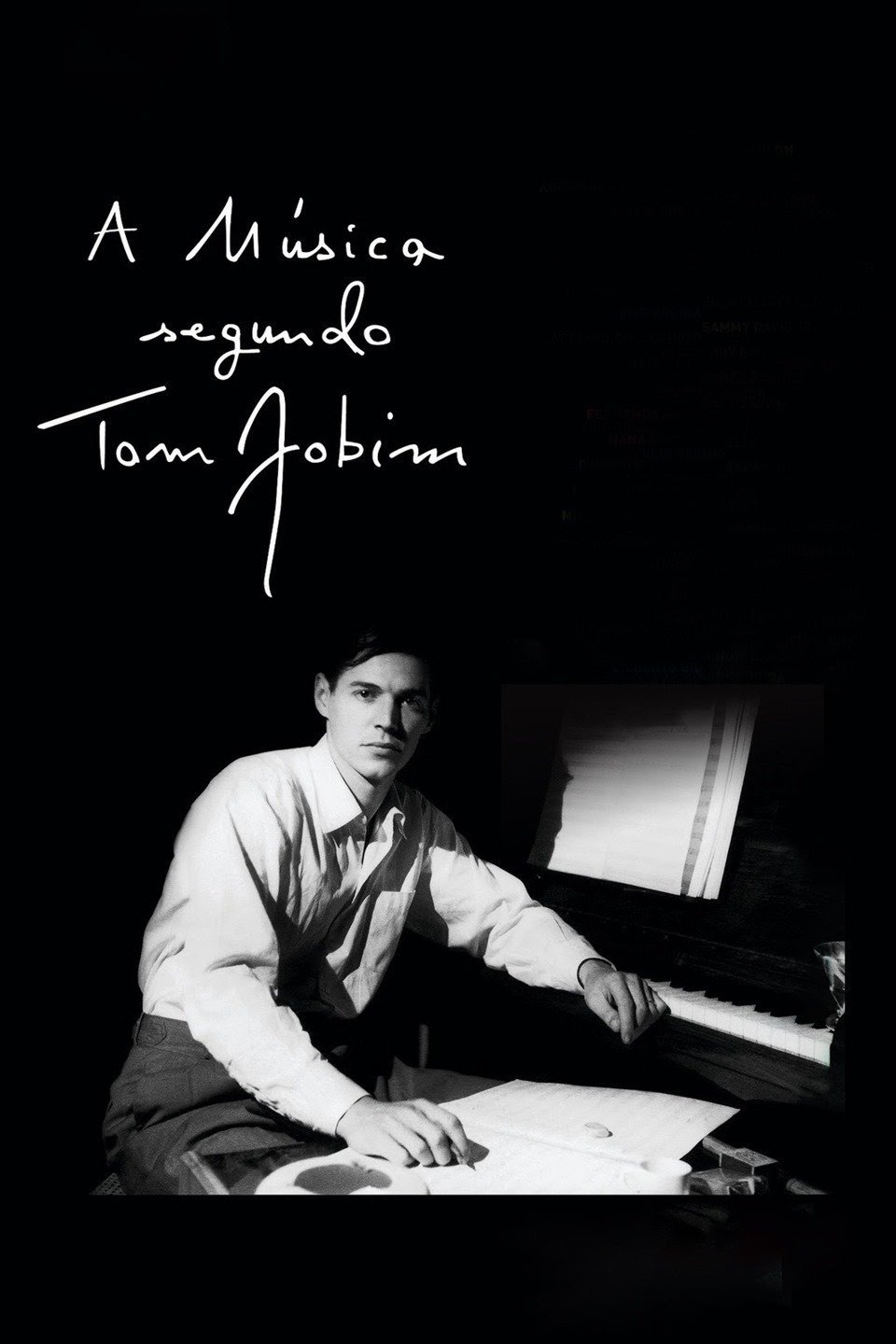
Half a century ago, Brazilian composer and musician Antonio Carlos "Tom" Jobim (1927-1994) introduced bossa nova to a worldwide audience with "The Girl from Ipanema." This relaxed, cool, sensuous music blended jazz and samba. After recording an album of songs by his friend Jobim, Frank Sinatra is reported to have said, "I haven't sung so quietly since I had laryngitis." Naturally, "The Girl from Ipanema" and Frank Sinatra are featured in this musical collage of countless seamlessly edited excerpts of concert footage that cover decades of events all over the world: from Rio de Janeiro to Lisbon, Paris, Copenhagen, Jerusalem, Tokyo, Montreal, New York and back to Rio.
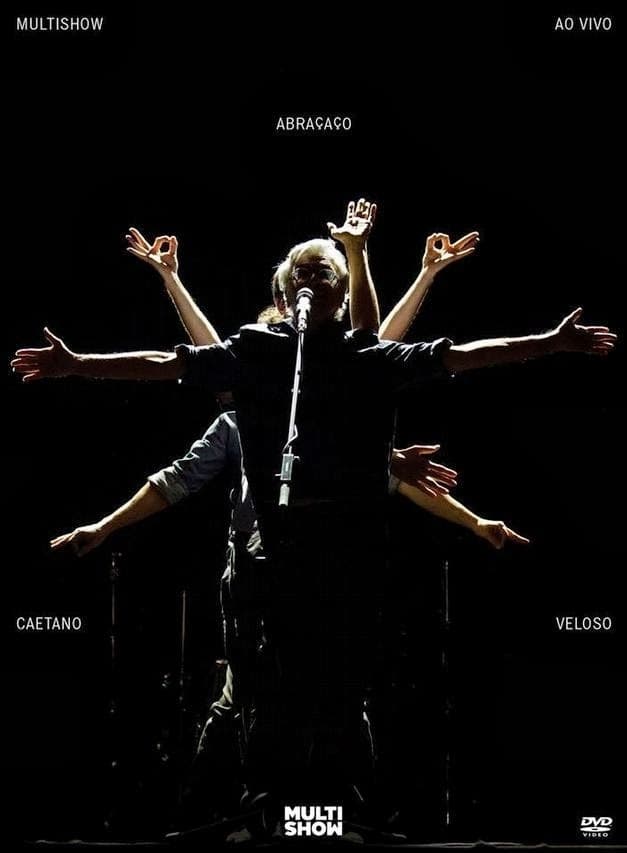
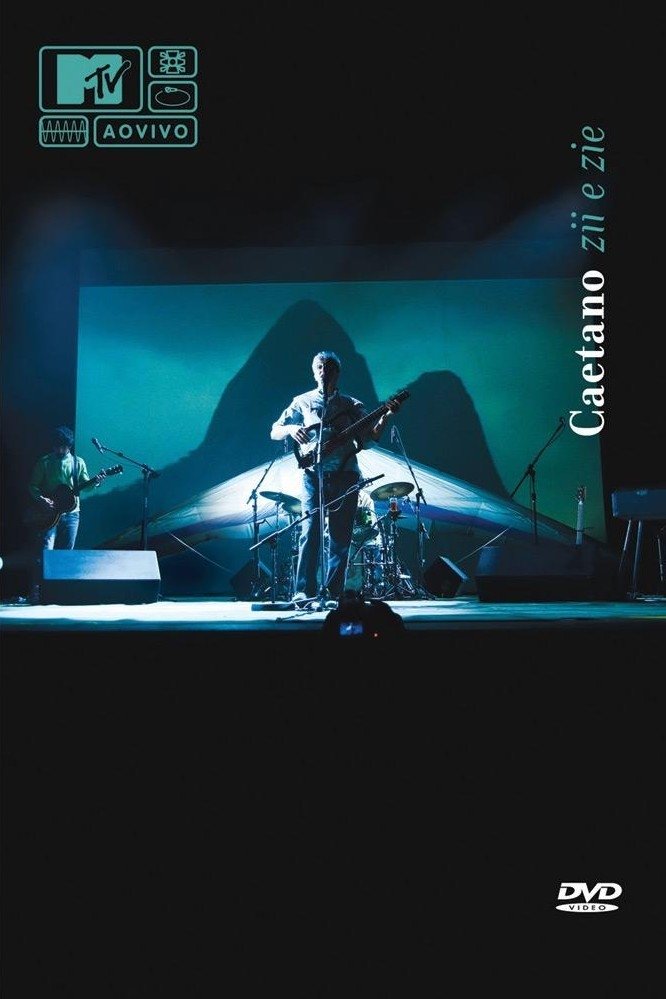
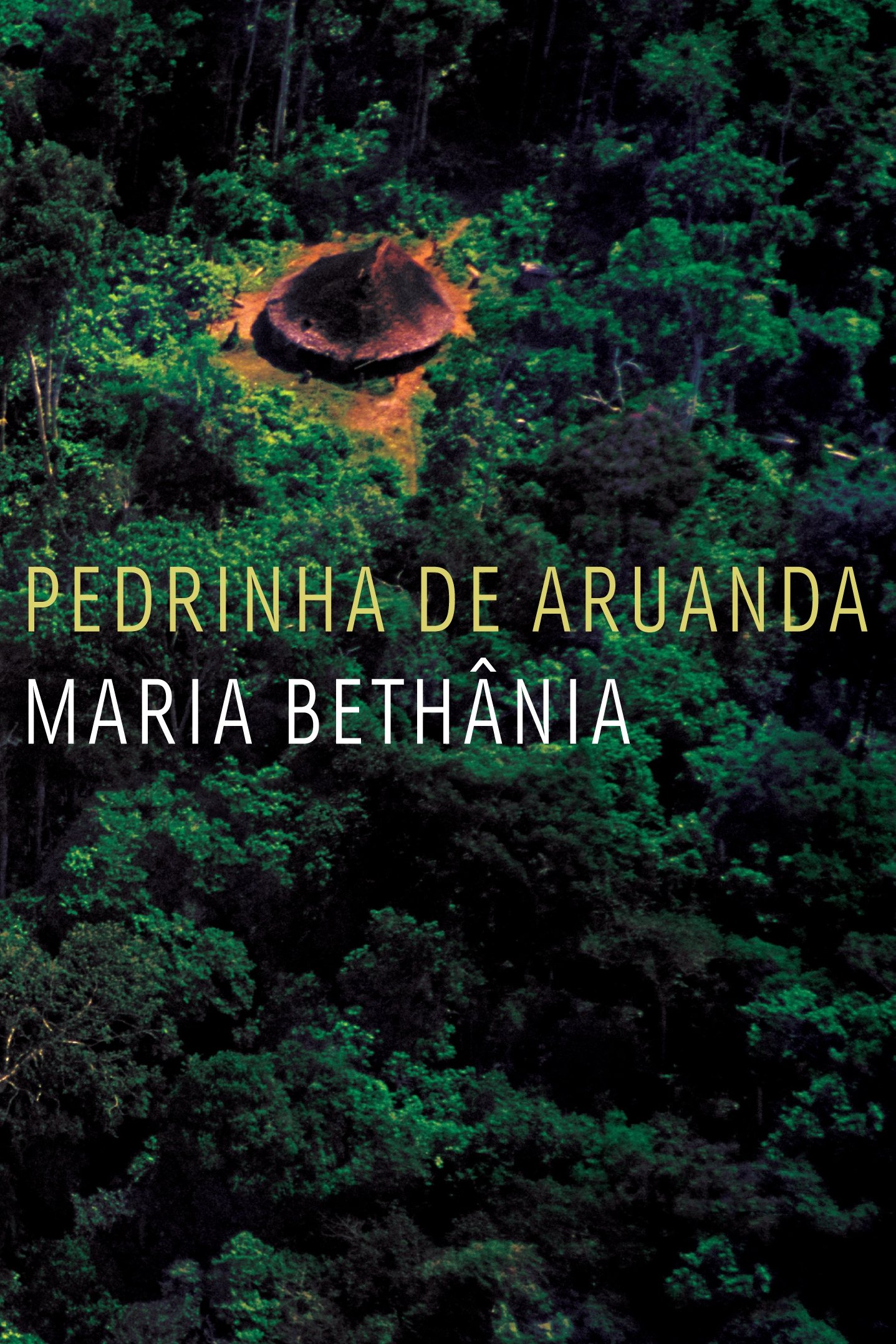
A unique and intimate portrait of singer Maria Bethania, that starts at the artist’s 60th birthday, celebrated during a concert in El Salvador and a Mass in Santo Amaro, her hometown, in 2006. In the same house where she spent her childhood and adolescence, and beside her mother, Dona Canô, and brother Caetano Veloso, Maria Bethânia tells us her own story and about the tunes that followed her throughout her life.
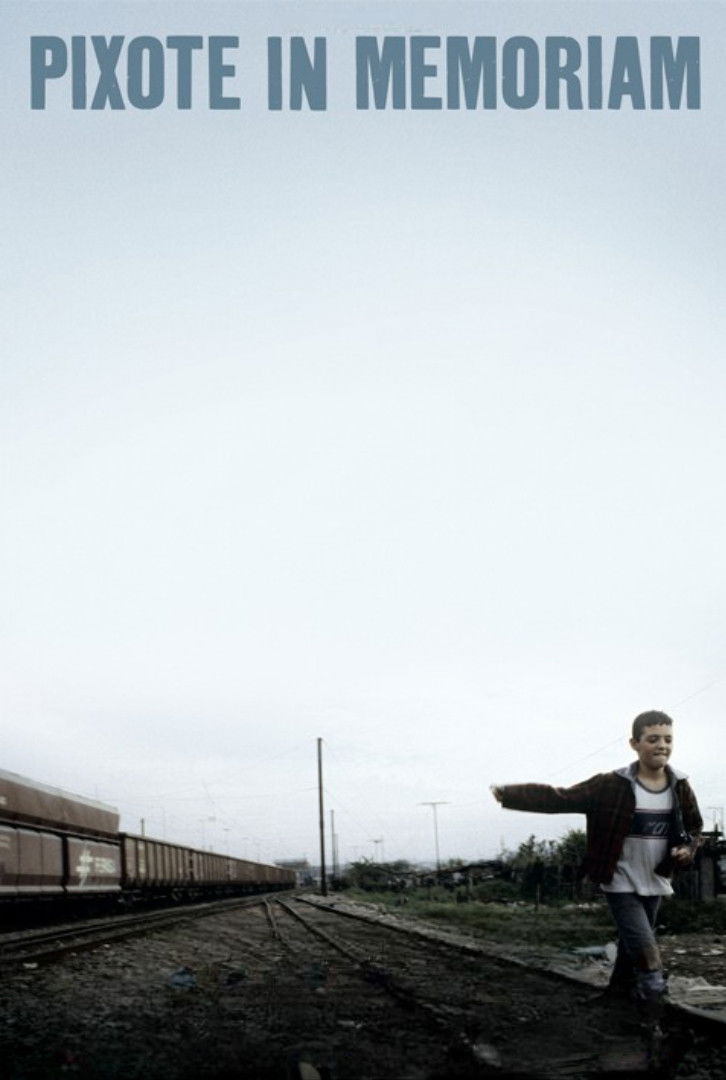
A tribute documentary on Fernando Ramos da Silva, the famous child star of the acclaimed film by Hector Babenco, "Pixote, a Lei do Mais Fraco" (1981). 20 years after his assassination by the police, his co-stars and Babenco talk about Fernando's contributions to the film, his troubled life when his acting works didn't took off as expected (since he was typecast) and which made him turn back to his past life of poverty and crimes. The project also presents that film's influence to many directors and artists around the world.

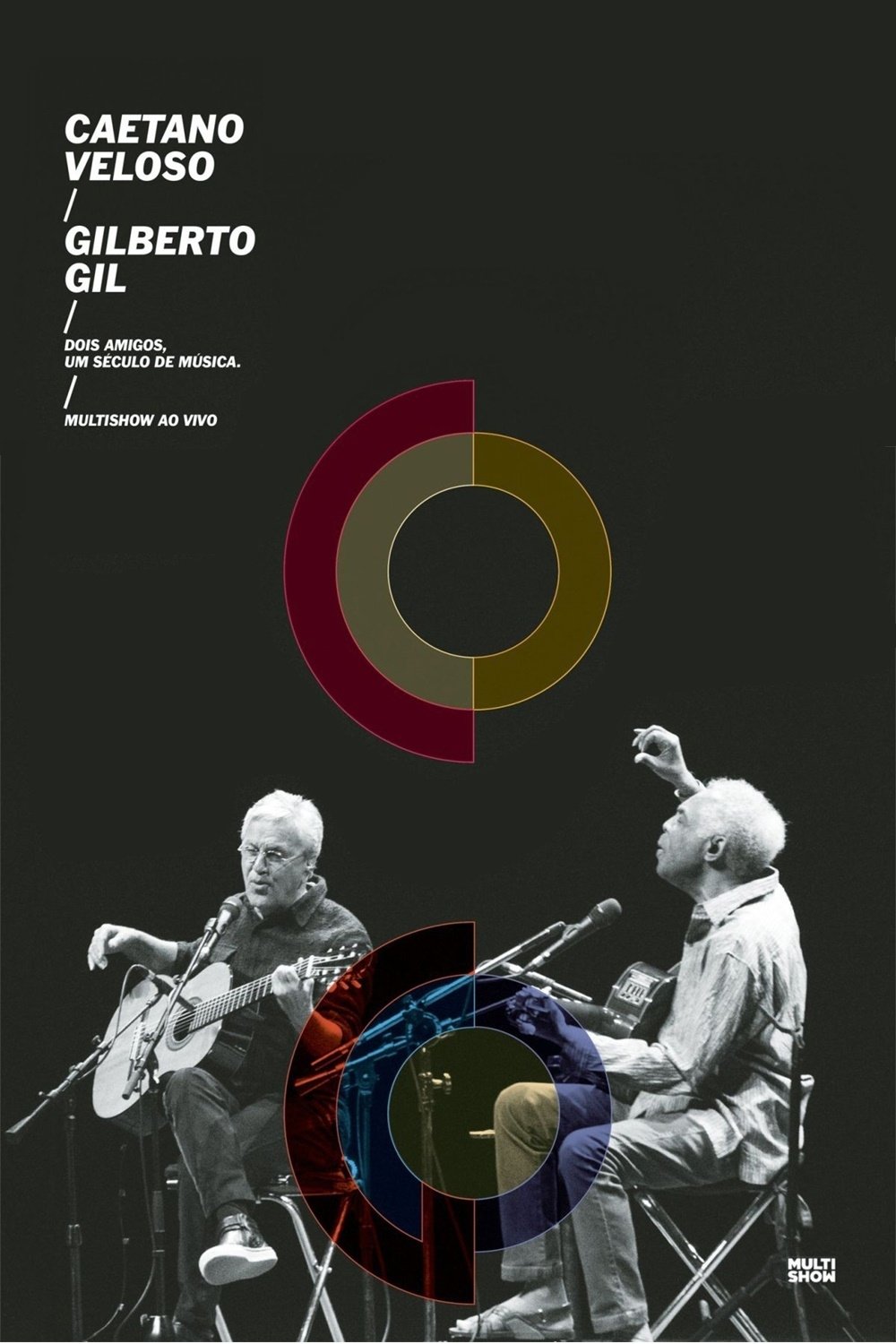
Two of the biggest names in 20th century pop music together on stage, accompanied by their guitars. In "Two Friends, A Century of Music", Caetano Veloso and Gilberto Gil celebrate their 50 years of career by retaking the partnership on stage. In simple and intimate arrangements, Gil and Caetano celebrate brilliant trajectories that began in the same place: Bahia. It was from the friendship that began at the time that they were students, that the two singers and composers gave origin to a partnership that, years later, would base one of the most expressive movements of Brazilian art, Tropicália.
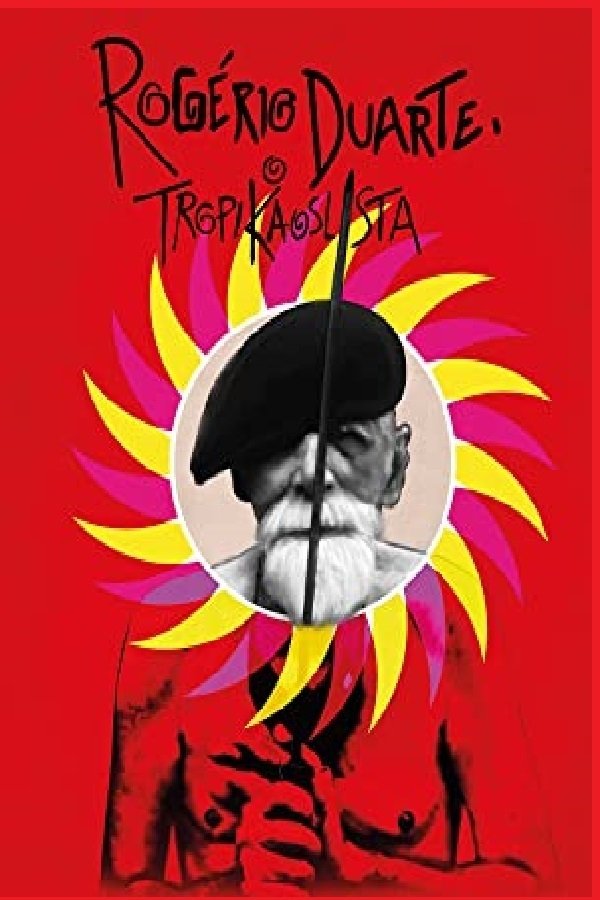
Rogério Duarte is one of the most important names in Tropicália, a Brazilian cultural movement of the 1960s. The plastic artist was one of the first to publicly denounce the tortures committed in the military regime. During the dictatorship, its political action and its cultural achievements mobilized many artists and inspired a whole generation.
A record on Brazilian samba school Estação Primeira de Mangueira's victory on the 2016 carnaval parade. Mangueira's parade that year was a homage to singer Maria Bethânia. The documentary also follows Bethânia on the celebrations of Our Lady of Purification, in Bahia, northeast of Brazil.

Year-end special brought together three interpreters of Brazilian popular music - Gilberto Gil, Caetano Veloso and Ivete Sangalo - to honour the Brazilian woman.
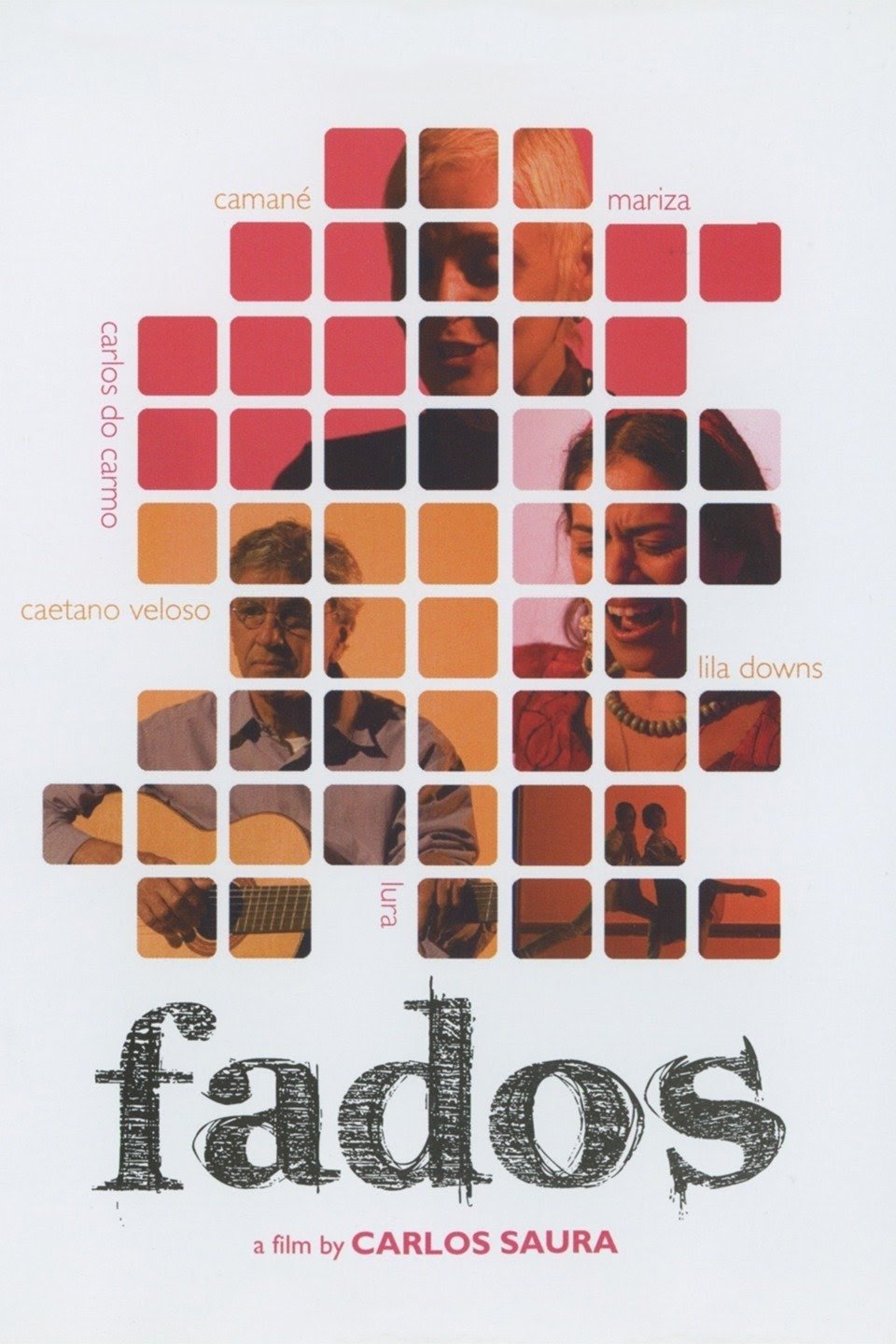
A series of musical performances showcasing the diverse facets of fado, a musical genre from Lisbon.
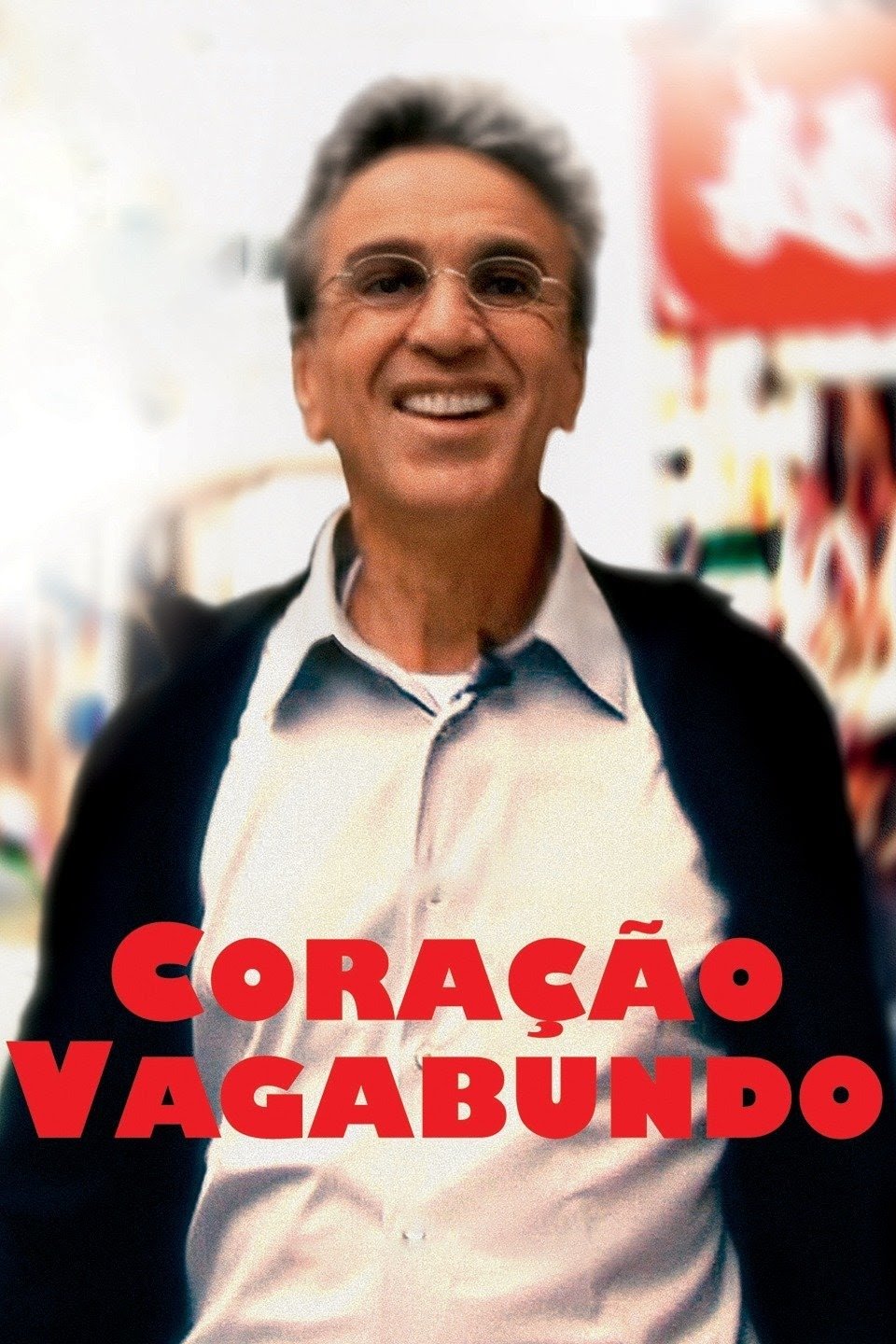
Wandering Heart intimately follows Caetano from São Paulo to New York and Japan, during the release of his first album recorded solely in English. It takes considerably more than a week-long series of shows at Carnegie Hall, accolades in the New York Times, or the admiration of friends like Pedro Almodóvar, David Byrne and Michelangelo Antonioni to make Caetano feel comfortable outside of Brazil.
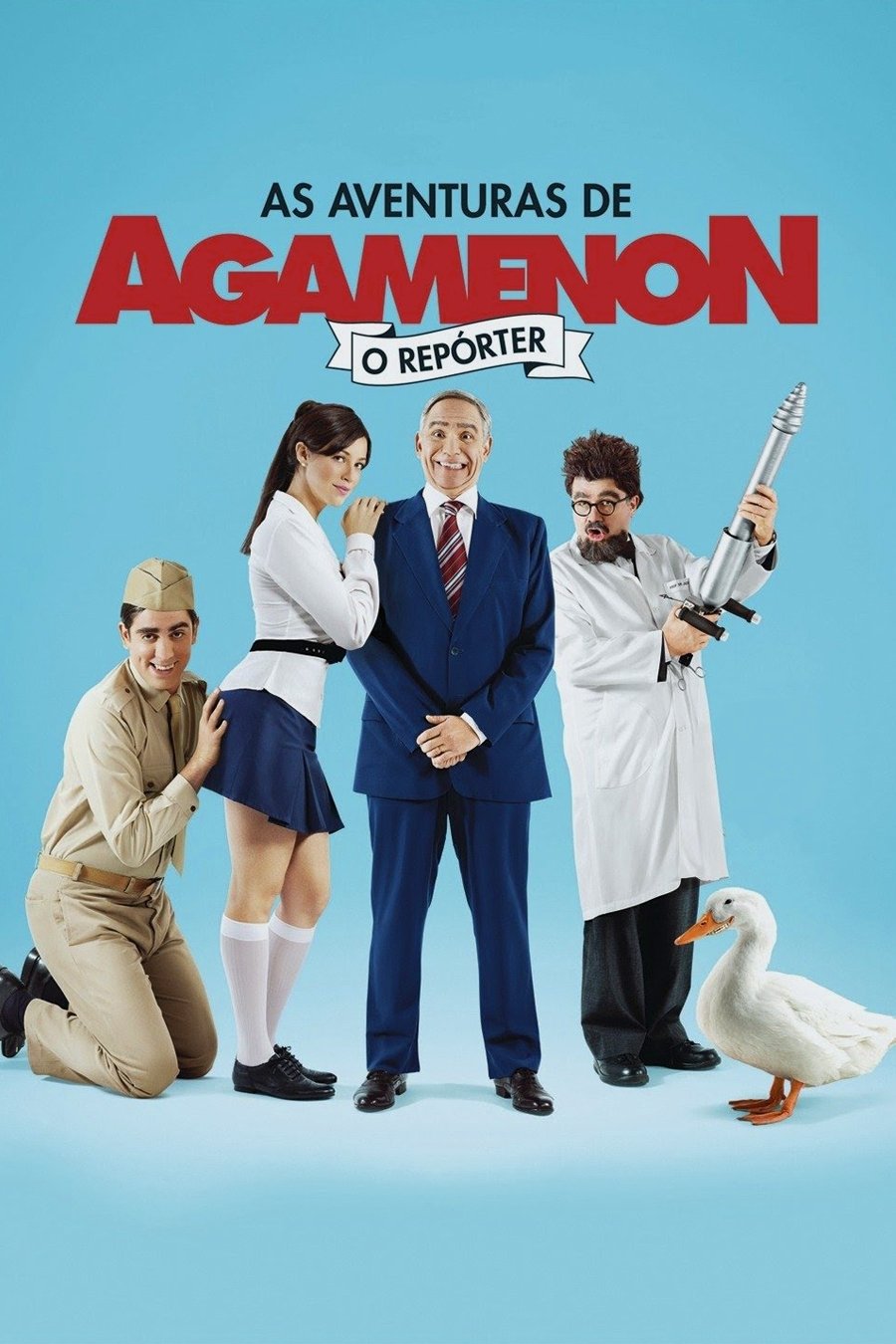
The trajectory of the clumsy reporter Agamenon Mendes Pereira, always present in key events of history, his biggest scoops and his eternal love for Isaura, who survives his unexpected travels around the world, in search of news and fame.
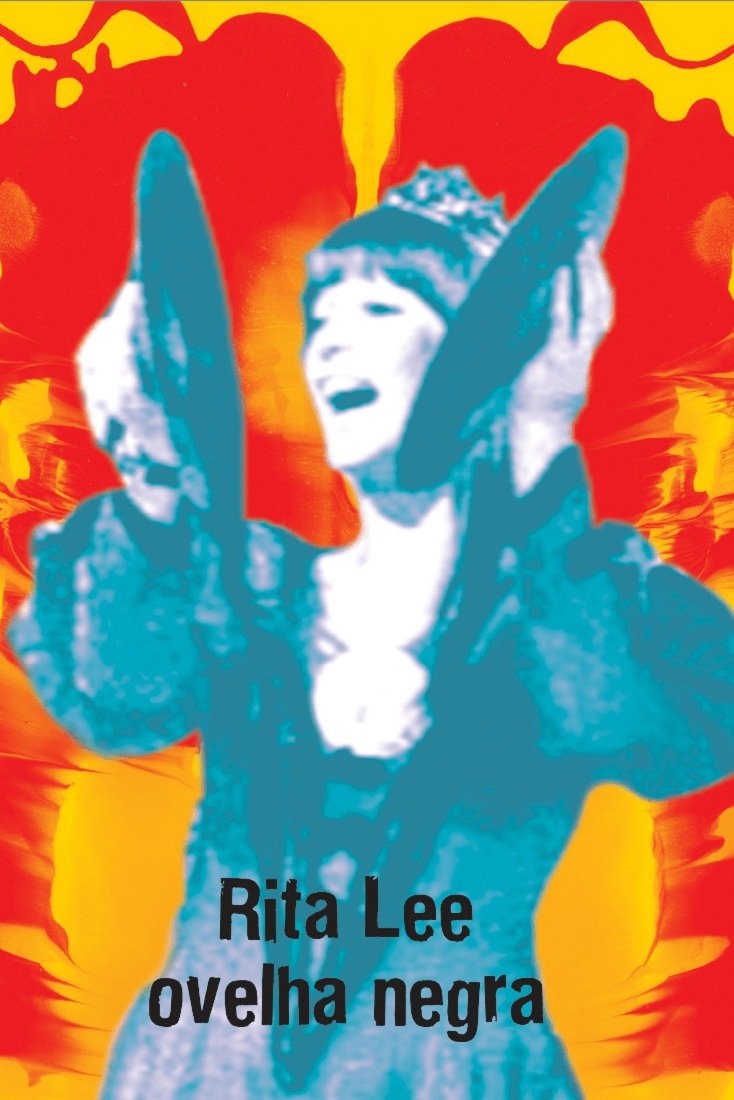
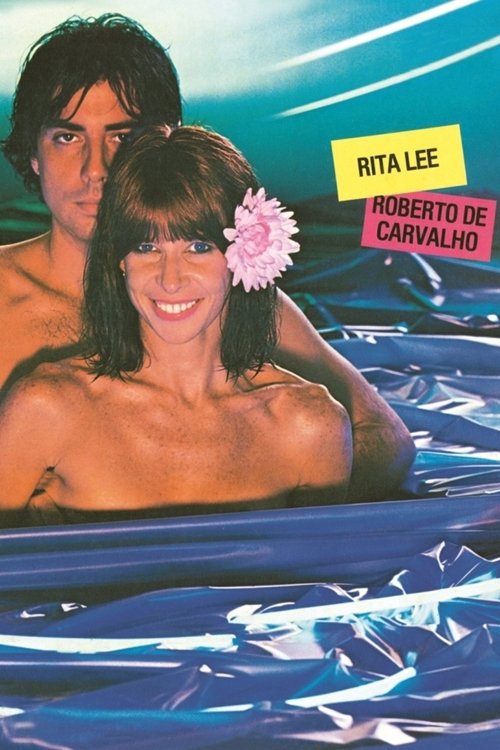
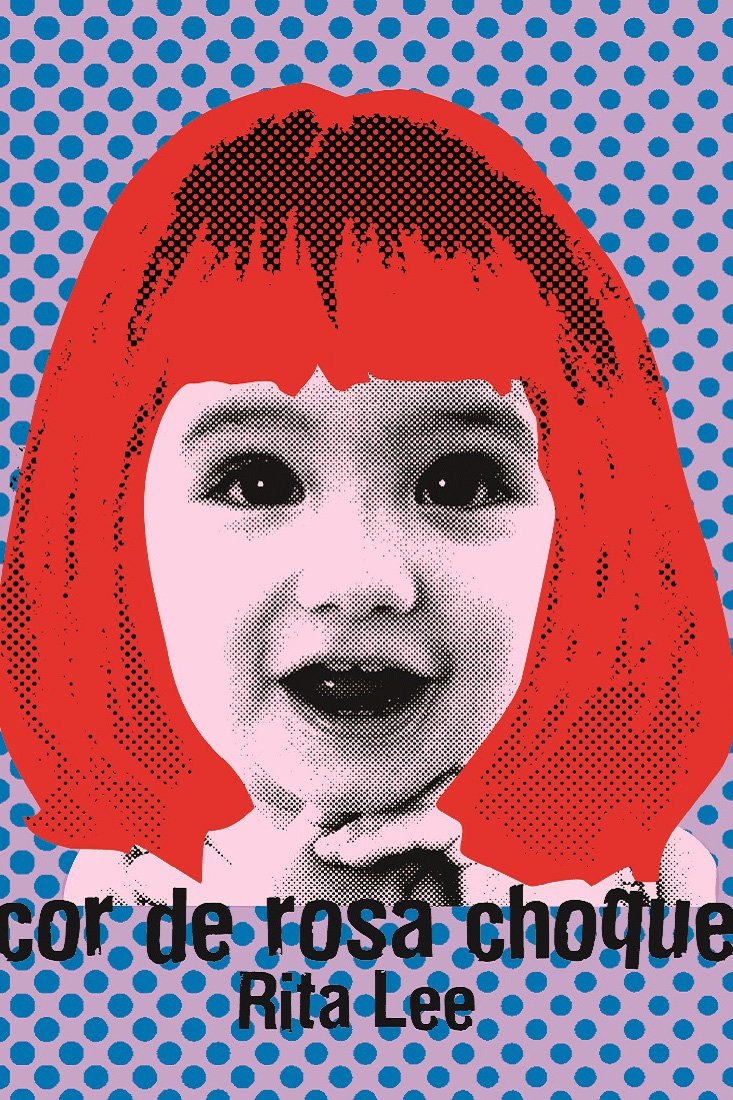
Brazilian singer Rita Lee narrates moments about her life, from her childhood to the meeting with Roberto de Carvalho. The documentary is permeated with excerpts from the singer's concerts, with songs sung entirely.
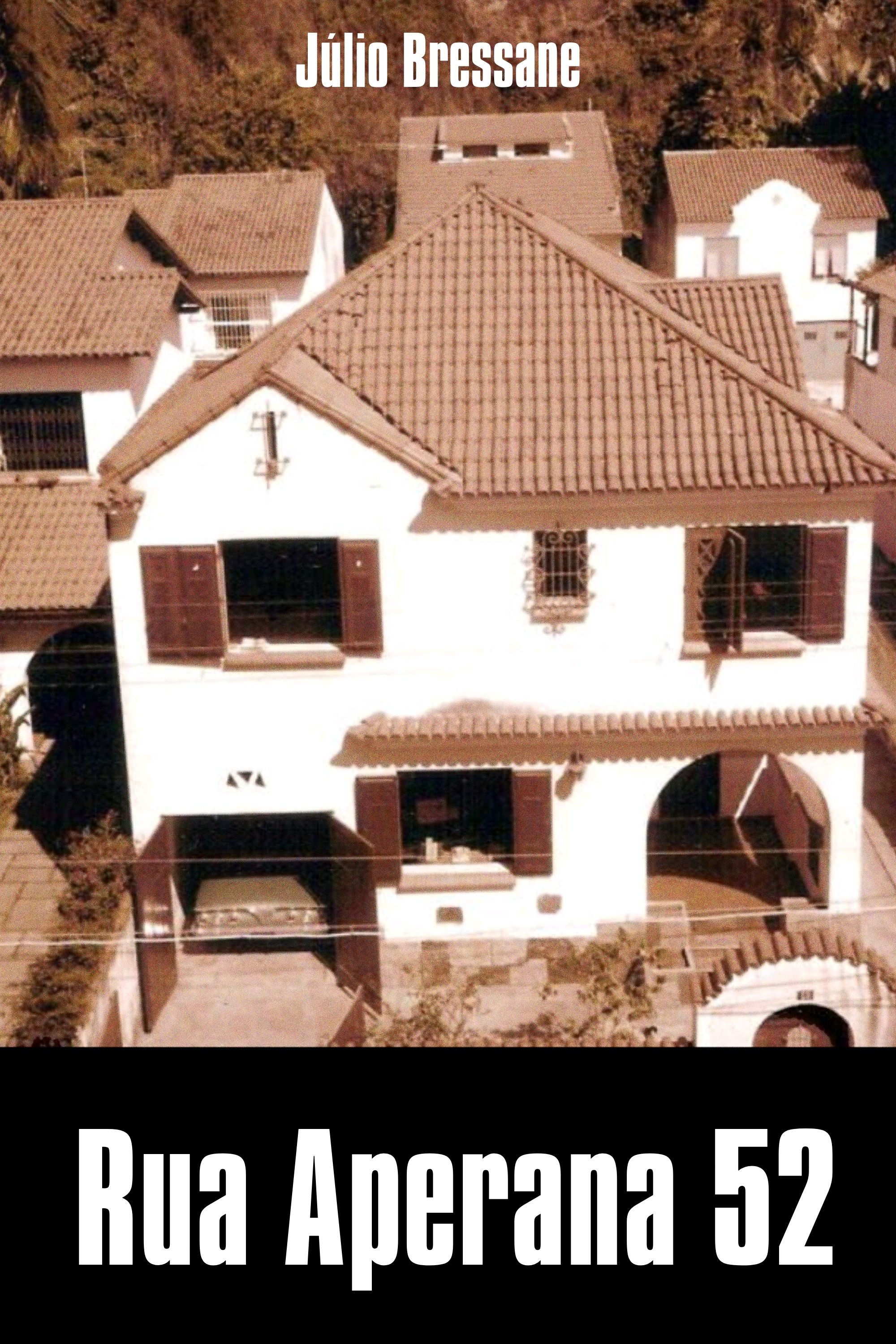
In his film Rua Aperana 52 Júlio Bressane describes the invention of a landscape, the topology of a corner of Rio de Janeiro. The film consists of a series of photographs taken between 1909 and 1955 by, among others, Bressane's parents at and around the address used as a title. These are interlarded with scenes from films made between 1957 and 2005, bringing the total fictional time the film covers to almost a century; one hundred years in which the winding road featured in almost every shot structures the new landscape behind the Aperana, which means 'wrong road'. Rua Aperana 52 is autobiographical, as it is a landscape from Bressane's youth, but it is also not so; it is more a multi-subjective mythology of a place seen through all those films and photographs. Bressane refers to his editing as an intuitive form of thinking aimed at evoking moods which make the viewer the new witness of the fictional landscape. A fiction about a fiction,
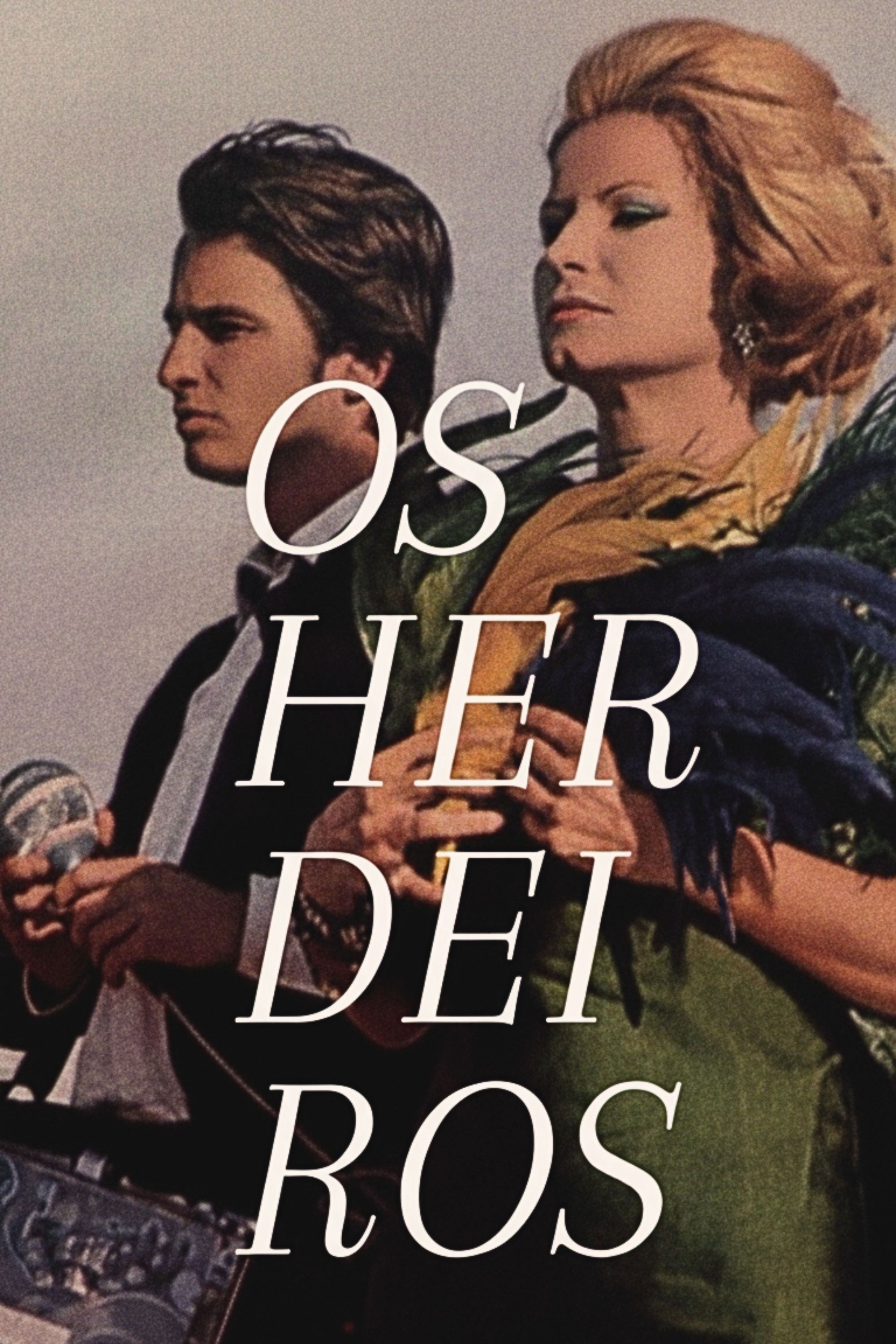
Jorge, an ambitious journalist, marries into money and betrays colleagues to become a powerful politician during political turmoil in 1946 Brazil.
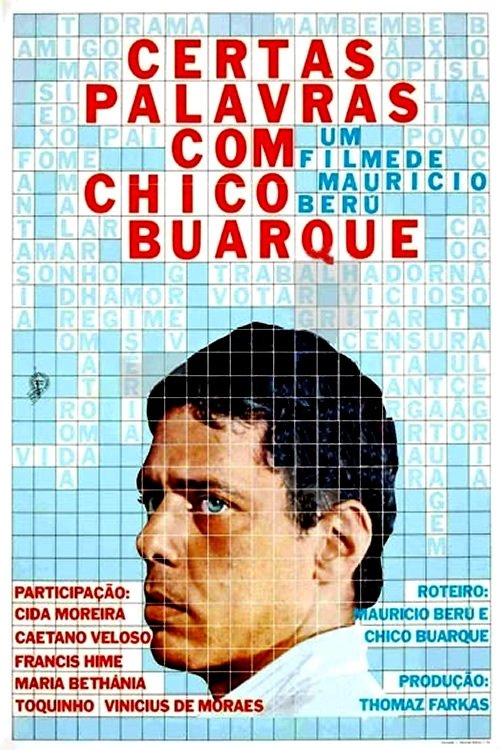
The life and work of Brazilian singer-songwriter, guitarist, composer, playwright, writer and poet Chico Buarque de Hollanda.
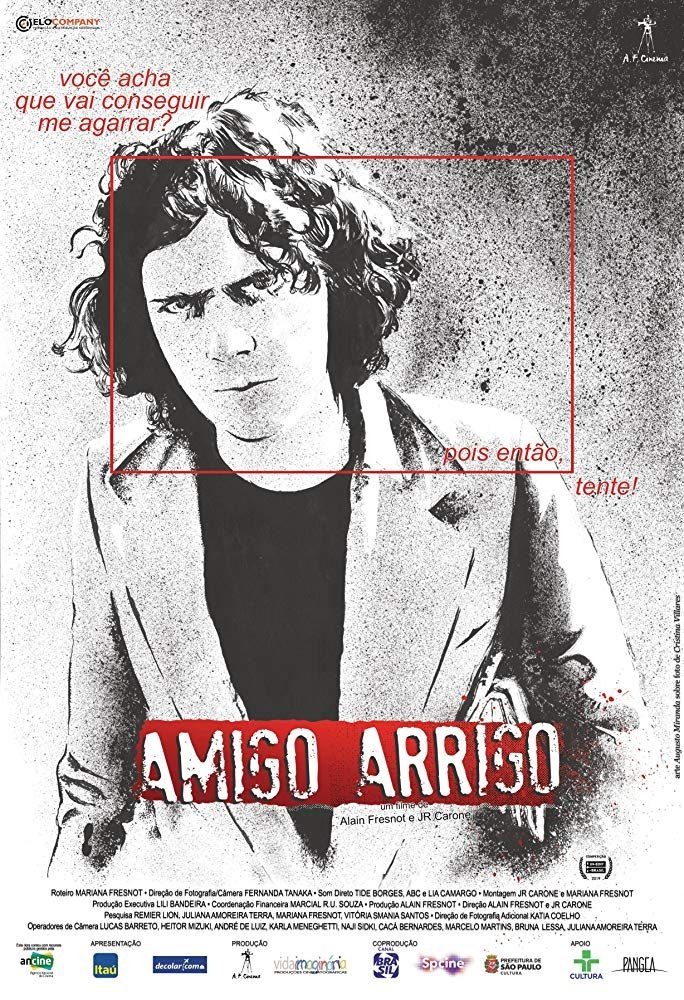
The art of Arrigo Barnabé, one of the pillars of the São Paulo experimental music scene during the 80's and author of critically acclaimed albums such as "Clara Crocodilo" (1980) and "Tubarões Voadores" (1984).
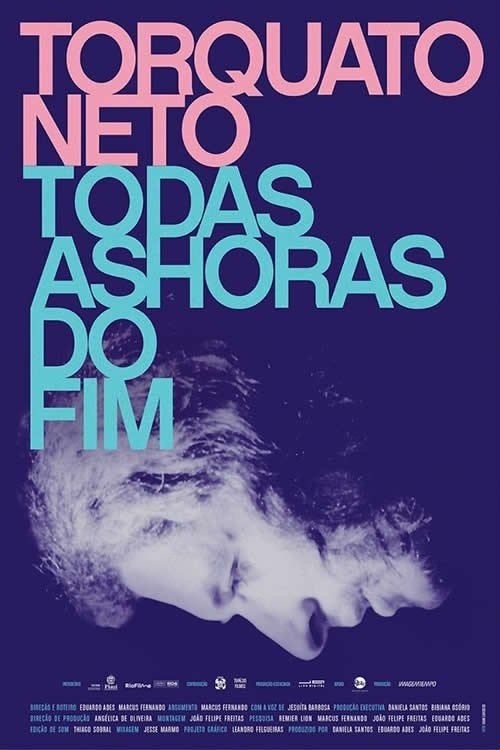
The story of Brazilian poet Torquato Neto, who lived passionately through fracturous times and worked in several fields, including music, journalism, and cinema. He was an active participant in the revolution of Tropicália and marginal art, which changed the course of Brazilian culture in the 1960s and 1970s, until he committed suicide on his 28th birthday.
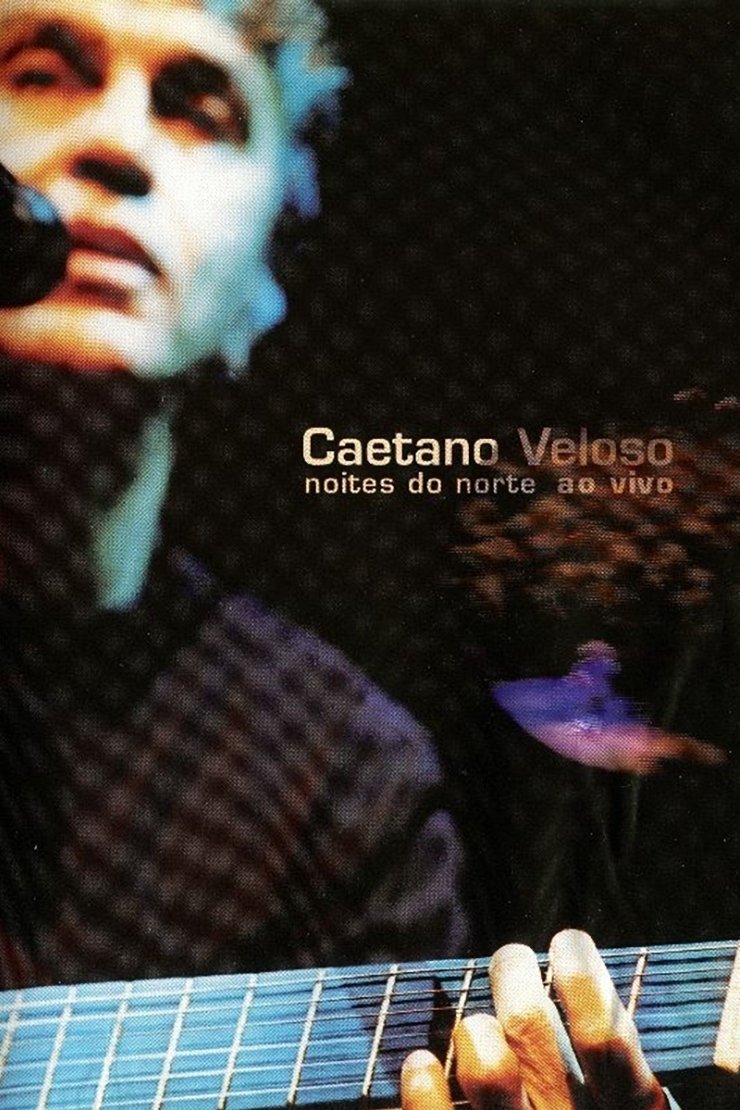
Registro ao vivo da turnê de Noites do Norte, este DVD traz o cantor e compostor baiano em sua melhor forma. Sucessos de carreira como Trem das Cores e Cajuína, as bossas Samba de Verão e Eu e a Brisa, músicas qua falam da realidade social como Haiti, a clássica Tropicália e hits pop como O Último Romântico e Como Uma Onda (ambas de Lulu Santos, que participa do álbum) fazem do Noites do Norte ao Vivo um lançamento imperfível para os fãs de MPB.
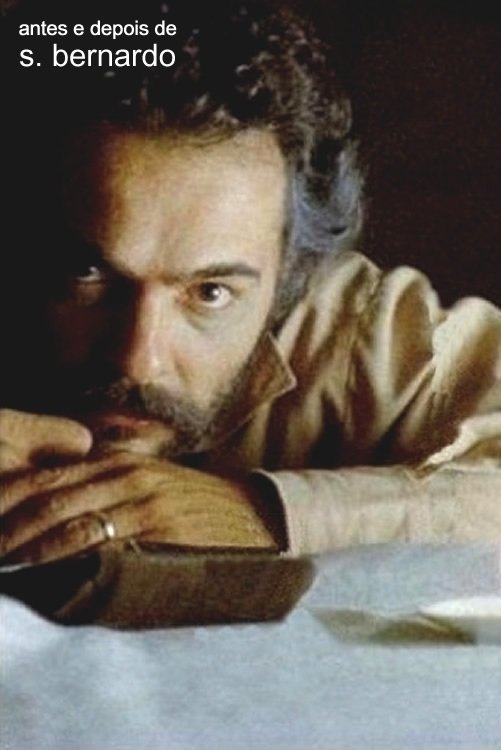
Extras from the remastered DVD of the film São Bernardo by Leon Hirszman. The process of restoring the film, with testimonials from actors and the film's technical team.
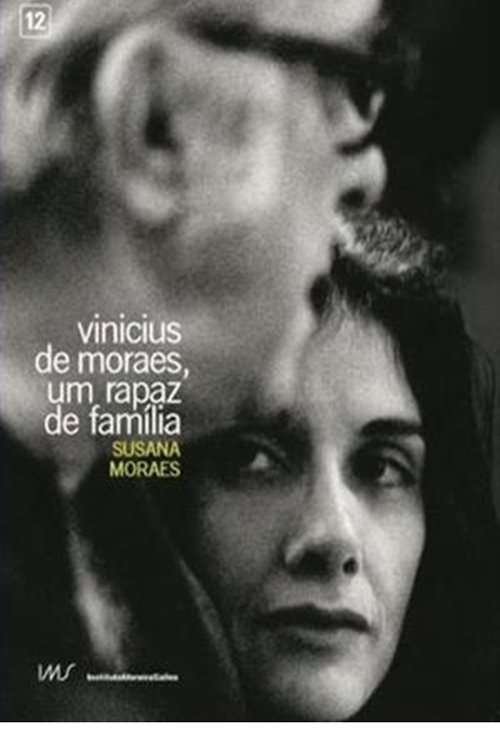
A documentary on Brazilian poet and composer Vinicius de Moraes, made by his daughter a few months before his death.
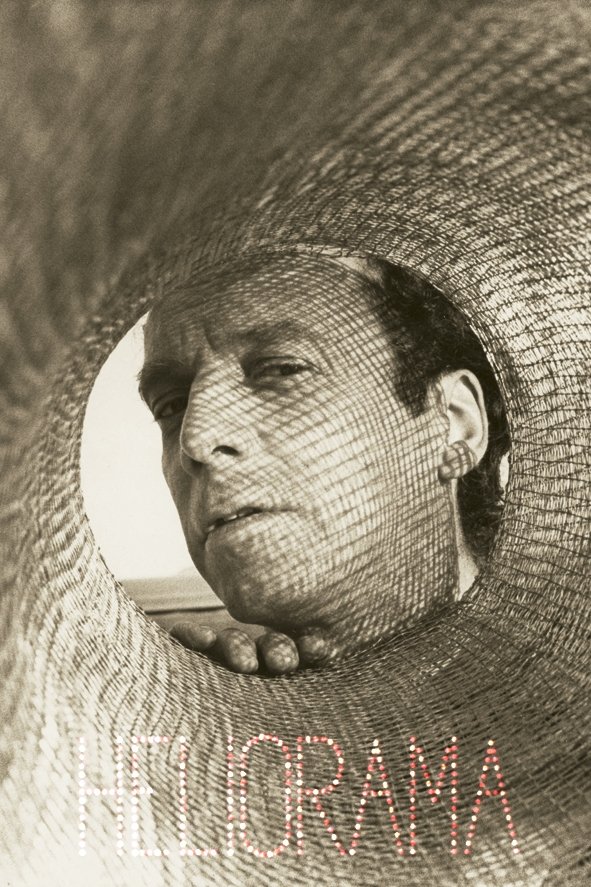
A collage of newsreels, trailers, clips and other visionary and unseen fragments of sight and sound regarding the late plastic artist Helio Oititica.
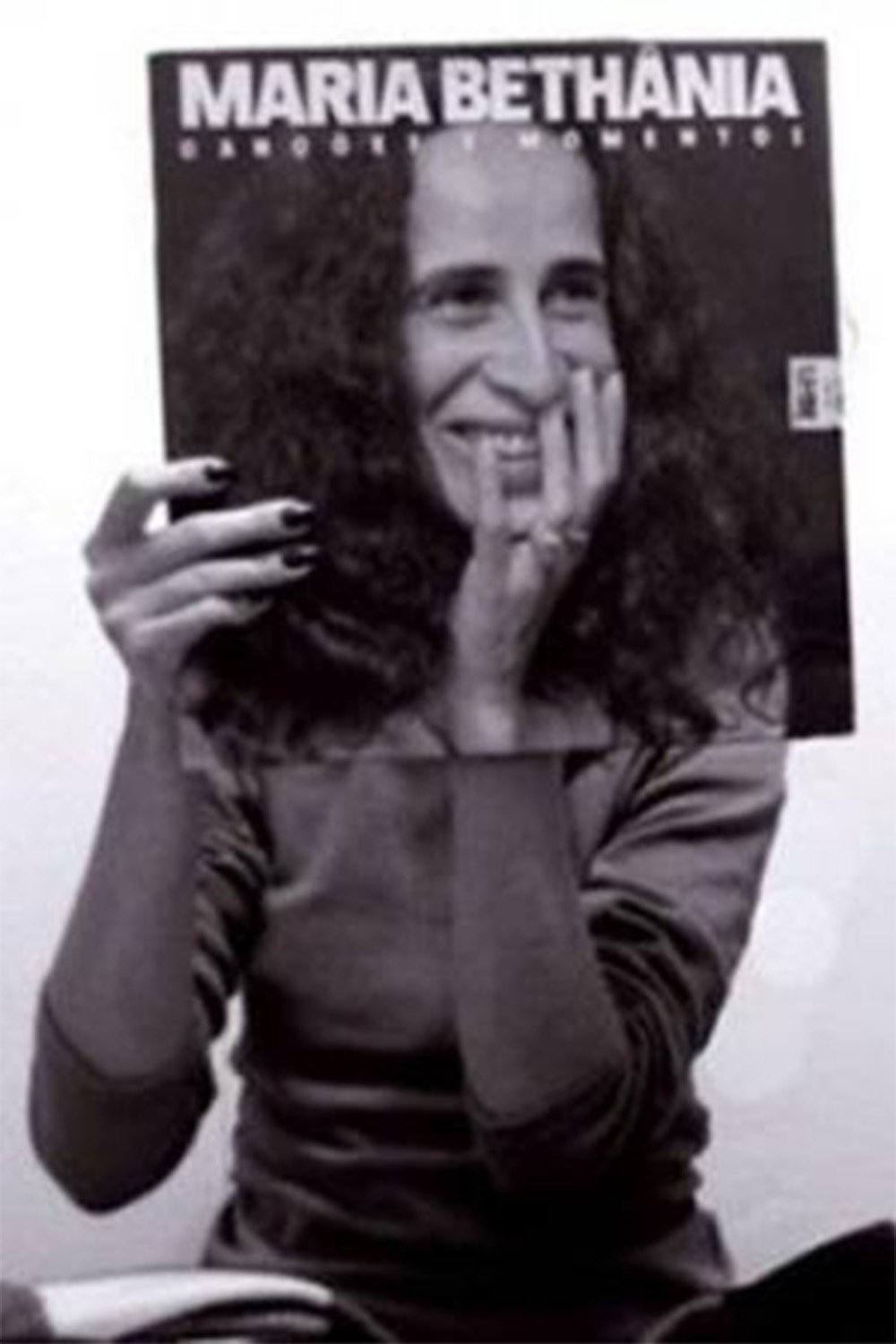
This is a journey of friendship, an Argentinian is going to rediscover his continent while searching for his friend from Bahia. And while the work, the records and the career of this great lady of Brazilian music are well known, the starting point, the training, the first years remained till now in a vaguely legendary and imprecise blur. Thanks to many investigations that concern as many places as times, thanks to journeys back in time through the towns and regions, the film seeks the origins of Maria Bethânia’s voice and style. Helped and led by Bethânia herself, with the assistance of Caetano Veloso and Chico Buarque, the two princes of Brazilian music, along with the complicity of the great Gilberto Gil, the author is allowed to go to the first context : the North-East. In the family home in Santo Amaro, the film finally touches the childhood of Maria Bethânia – and her brother Caetano, and this mysterious point – from which the music radiates.

The Pavarotti & Friends for Cambodia and Tibet concert took place on June 6, 2000, in support of a number of charities to benefit children in Cambodia and Tibet. The concert featured guest performers including George Michael, Eurythmics, Aqua, Enrique Iglesias, Monica Naranjo, Darren Hayes, Caetano Veloso, Tracy Chapman, Irene Grandi and Skunk Anansie.
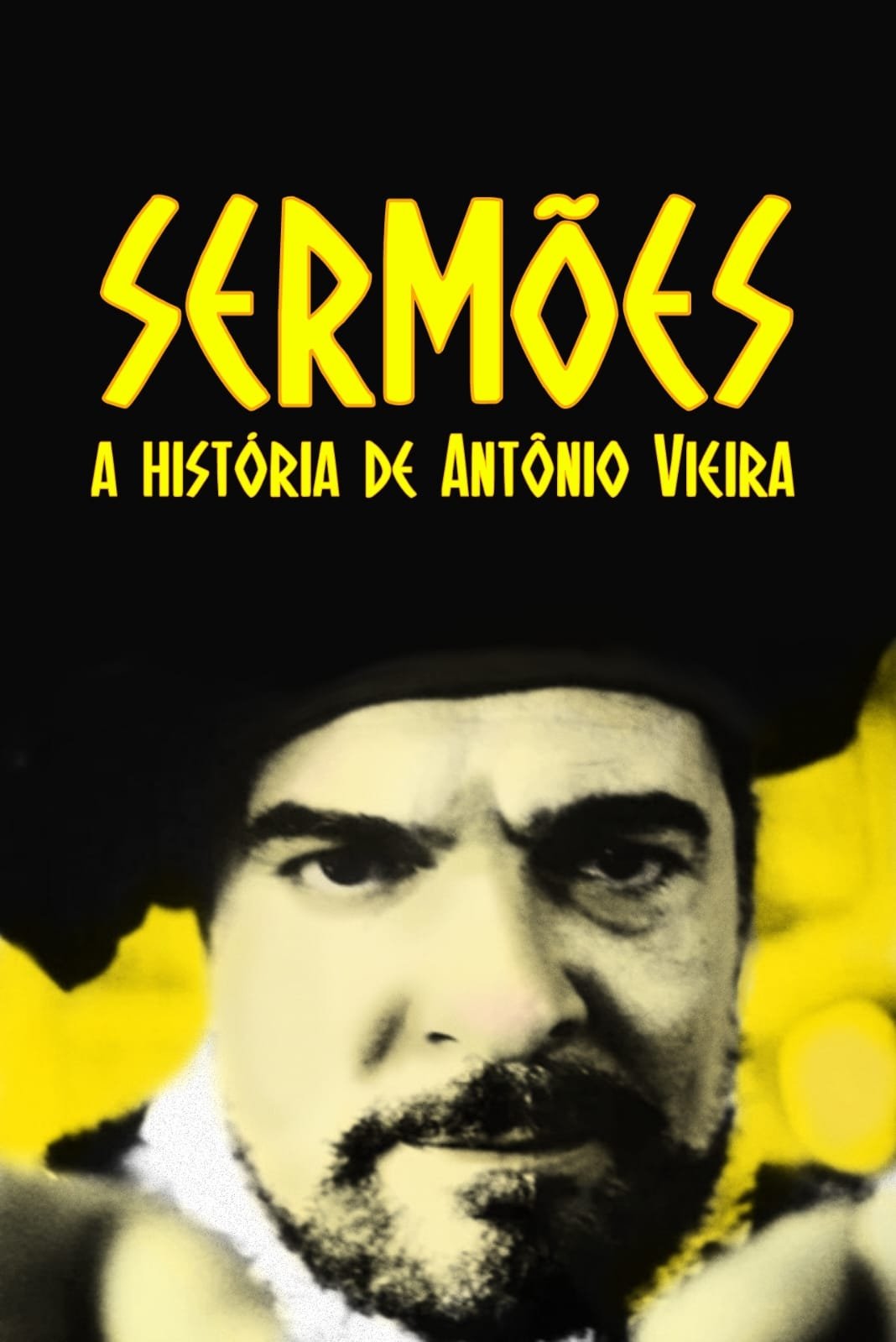
Based upon the life story of Father Antonio Vieira, born in Lisbon in 1608 and deceased in Salvador, Bahia, in 1697. He's considered the first Brazilian writer and one of the most important aesthete of linguistic and of the Portuguese language of all times, a master in the art of metaphor, of verbal relations and analogy. He was persecuted and condemned by the Portuguese Court of Inquisition due to his position against native slavery, against the intolerance to the Jewish people and to the colonial politics of exploration.

Amid the dunes and landscapes of the Lençóis Maranhenses National Park, singer and composer Orlando Morais remembers his trajectory, while receiving international and Brazilian artists, such as Caetano Veloso and Huong Thanh, and mixing different musical genres.
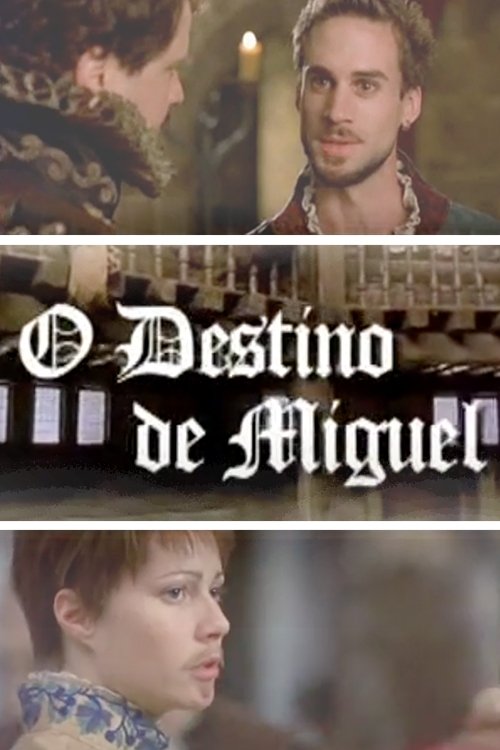
This beloved Brazilian parody of Shakespeare in Love tells the story of Miguel's relentless furiculite. For better or worse, it is his aim to conquer every single ass in the county, right up to the toughest of them all: the governor's.
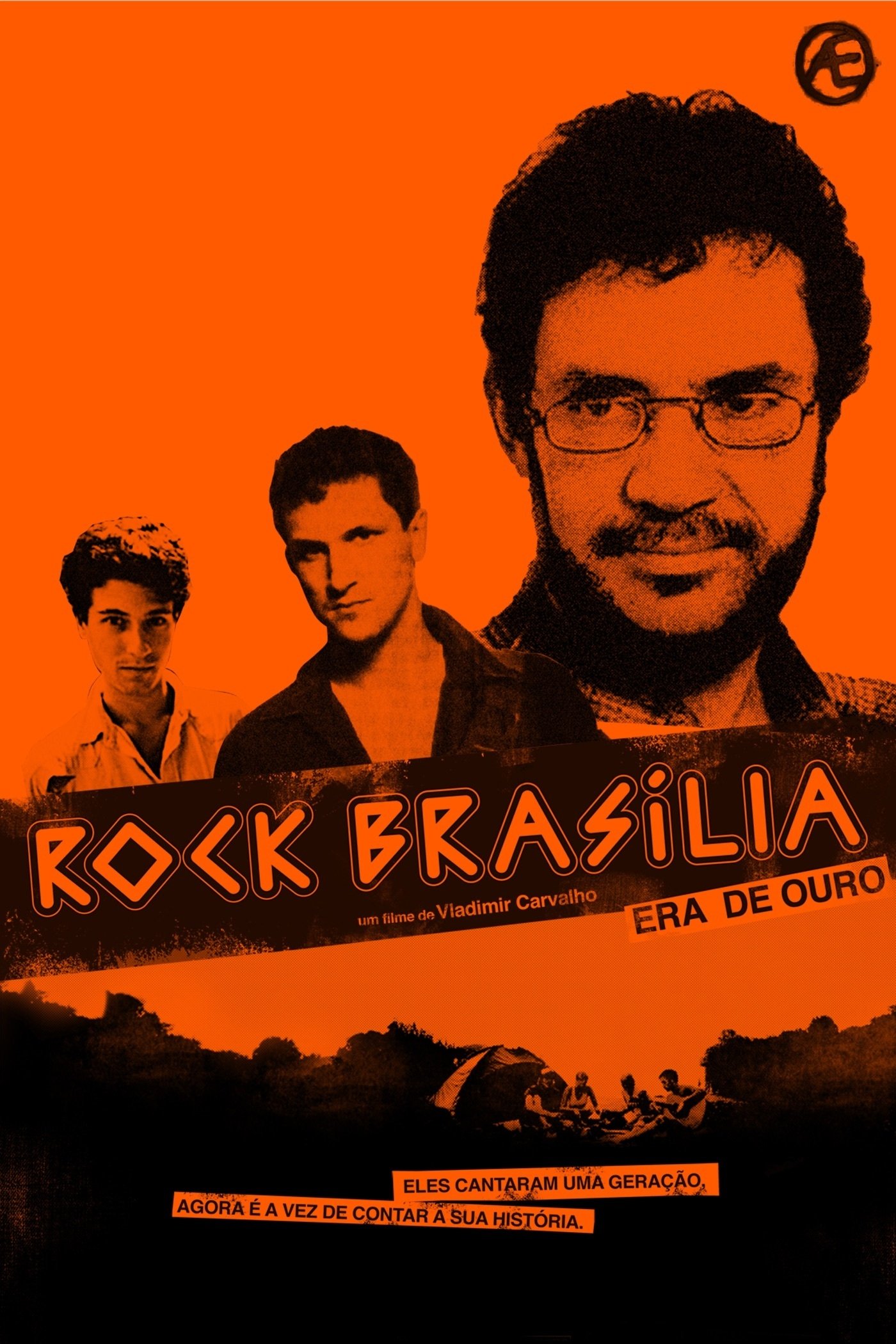
The story of the young people from Brasília that, led by Renato Russo, after a long journey and many obstacles, sees their dream come true, with the success of their bands.
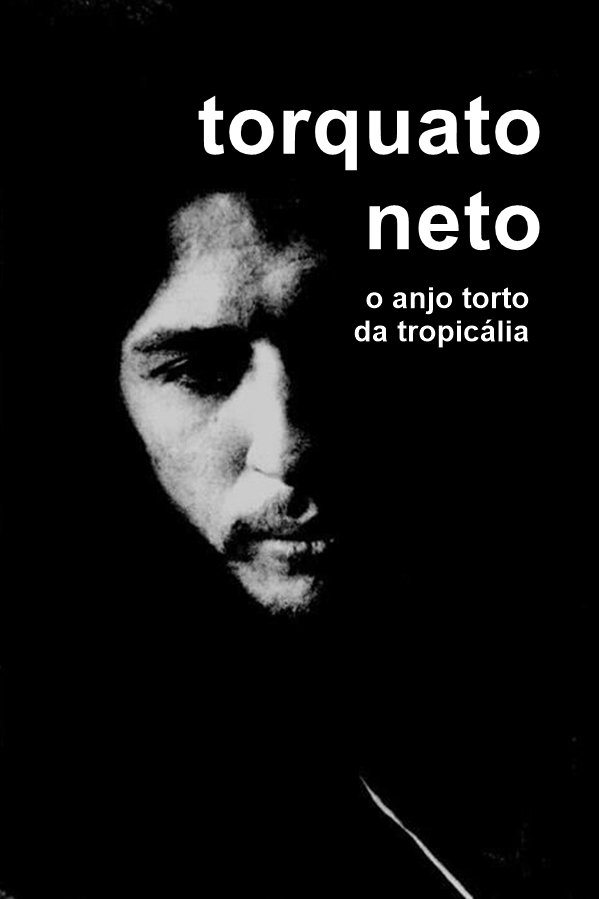
A documentary chronicling the life and works of Brazilian poet, songwriter, journalist and avant-garde filmmaker Torquato Neto, from his beginnings to his suicide at the age of 28.
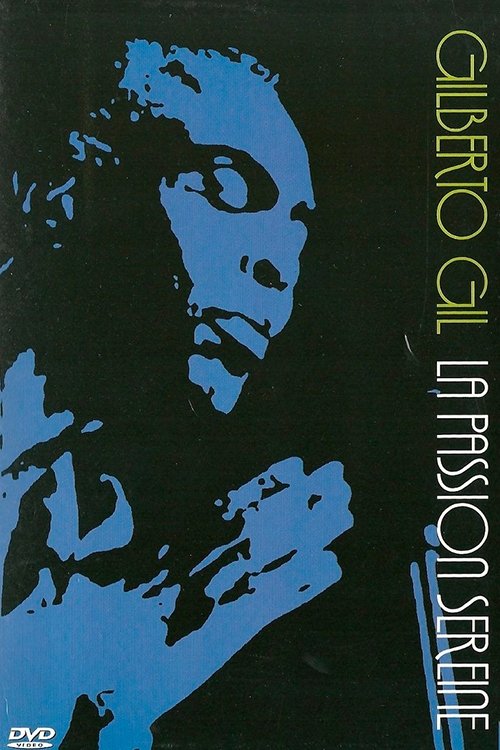
Gilberto Gil talks with friends and share his thoughts, influences and reveal his impact on brazilian music and vision of the black people.
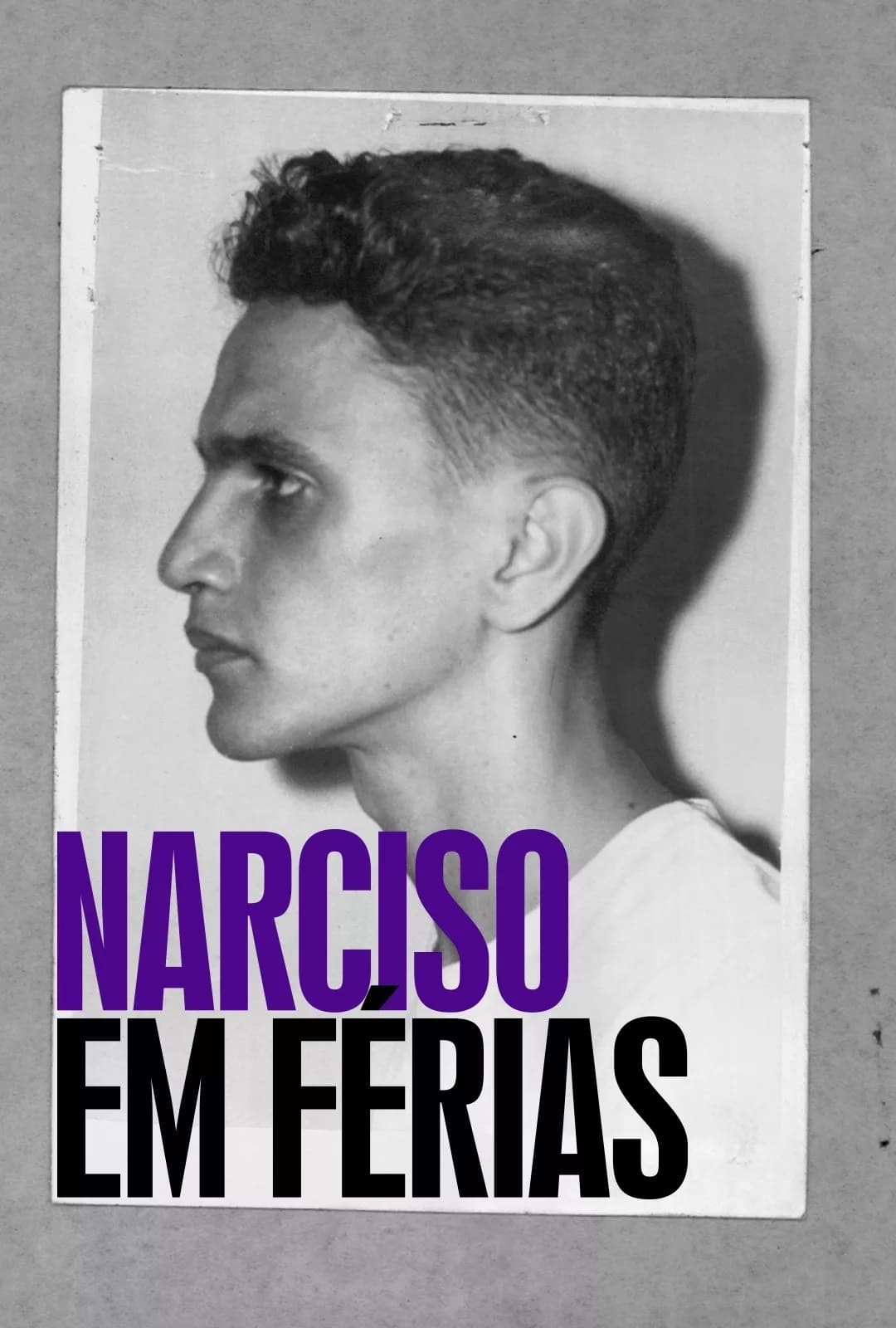
Brazilian singer-songwriter Caetano Veloso reflects on his imprisonment in 1968, during the military dictatorship.
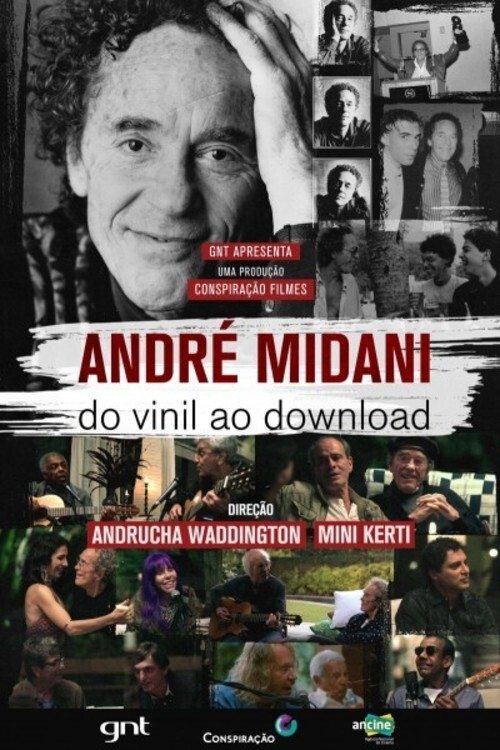
Based on the autobiography of noted music executive André Midani, André Midani — An Insider’s Story of Brazilian Music (2015) explores Brazilian music throughout his five-decade career through informal gatherings and jam sessions at his home, featuring Caetano Veloso, Jorge Ben Jor, Gilberto Gil, and Marisa Monte, among other luminaries of the industry.

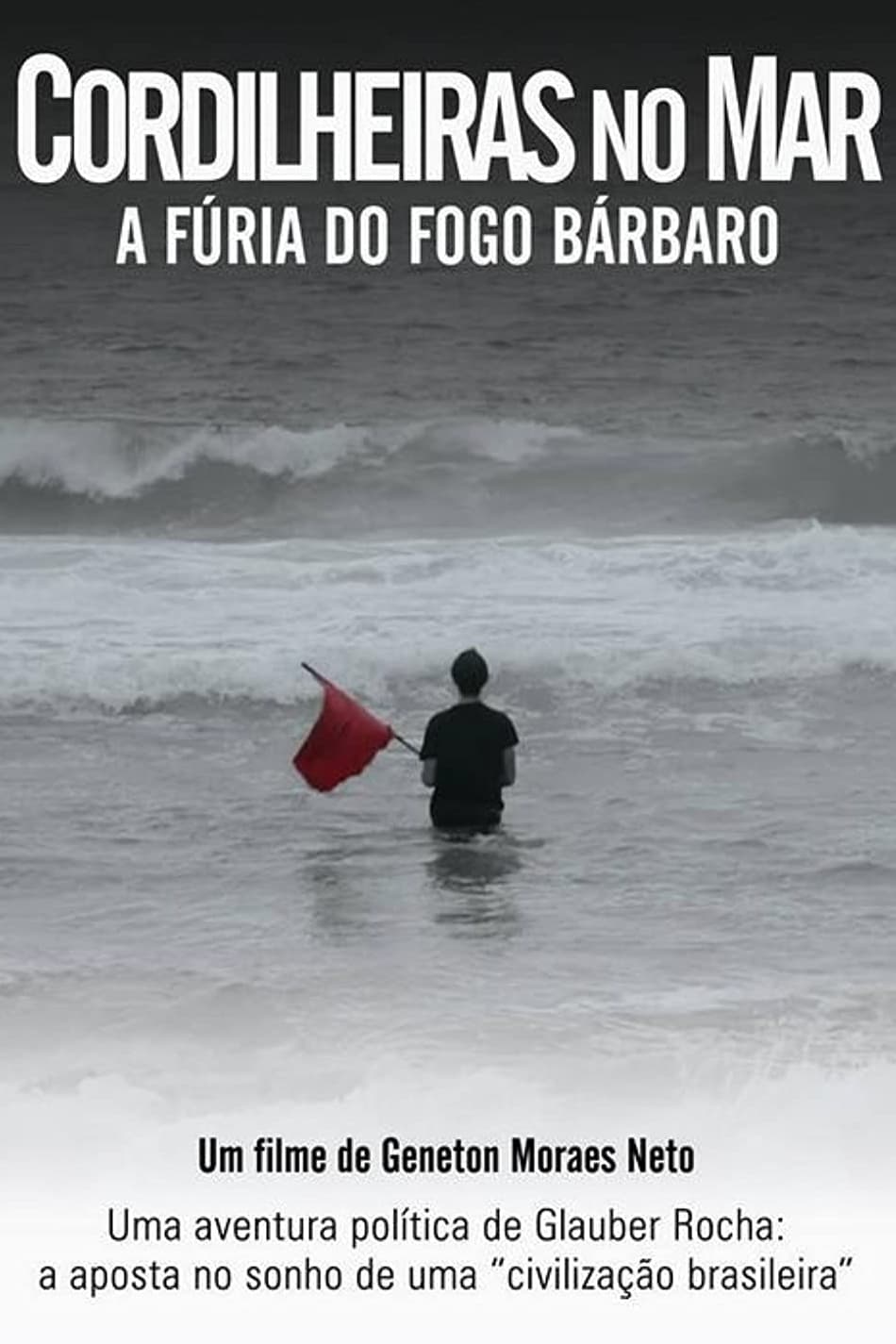
In 1979, while Brazil was going through the troubled moment of the Amnesty Law, Glauber Rocha directed the program Abertura for TV Tupi, in which he interrogated a contradictory and boiling Brazil head-on, full of utopias but always under the weight of secular wounds.
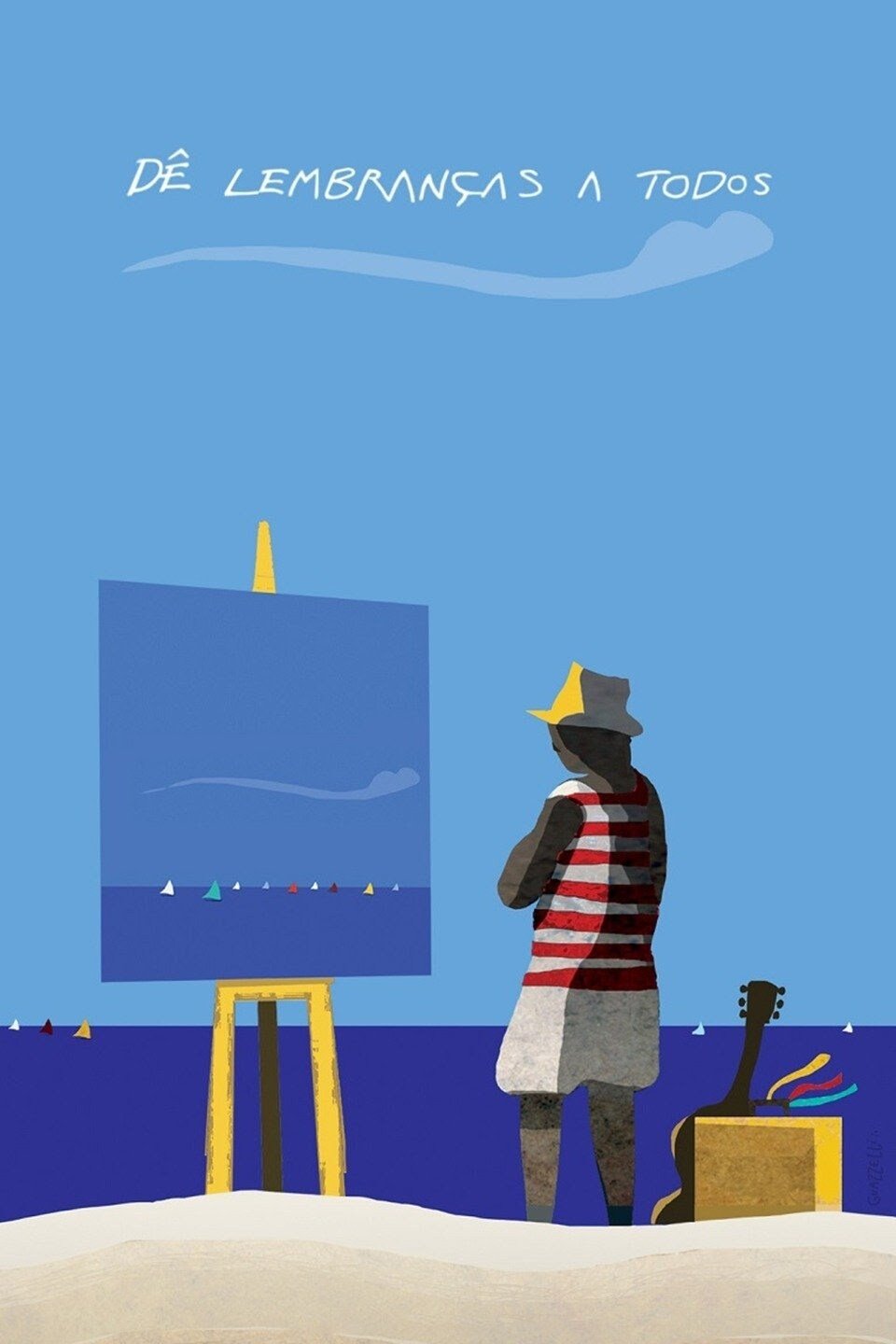
Dorival Caymmi was one of the inventors of the Bahian imagination. In his 94 years of life, Caymmi composed, sang, wrote, illustrated and thought about his Bahia, even far from it. His family, partners, friends and fans remember his history, which made him one of the pillars of Brazilian culture.
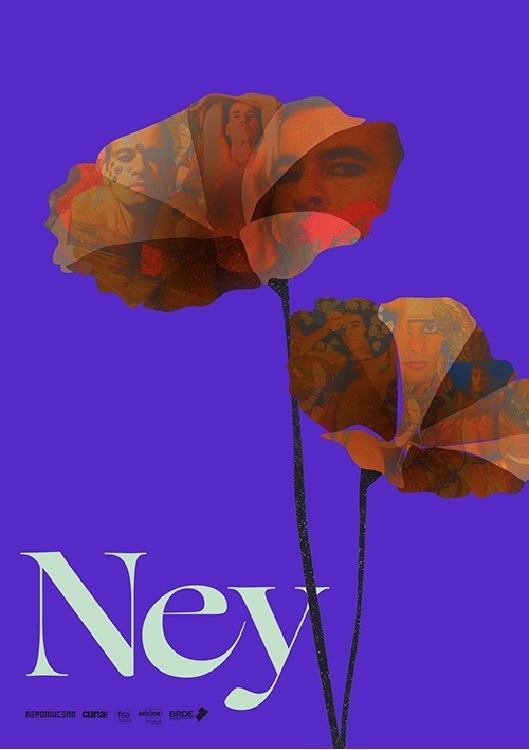
The impact of Ney Matogrosso's performances on his audience and the reverberation of that impact on Brazilian culture, from the second half of the 20th century to the present. An audiovisual anthology, all composed of archival images. The best way to get to know Ney is to be with him on stage.
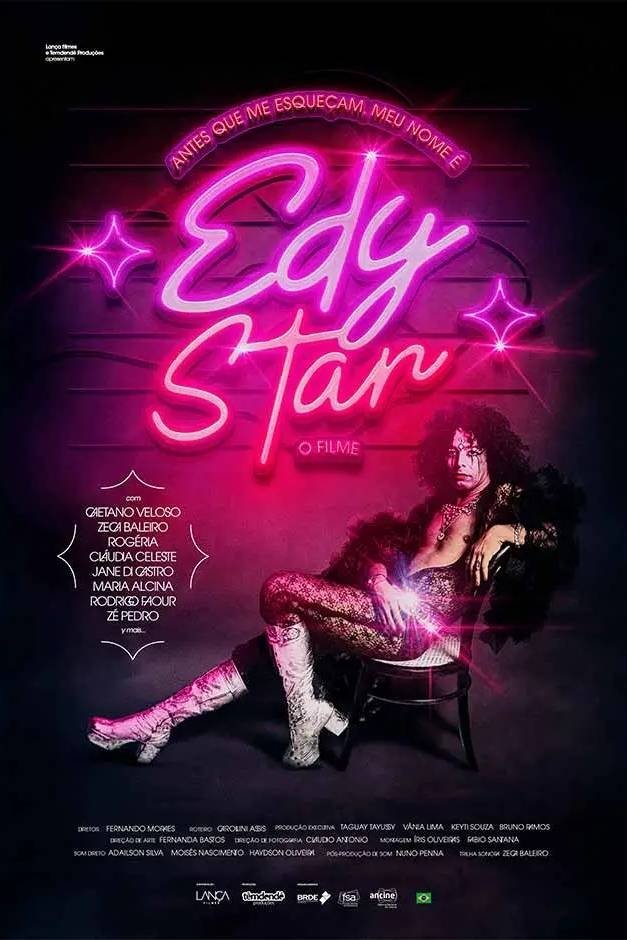
This documentary is about the artistic trajectory of Edvaldo Souza, aka Edy star, the flamboyant gay singer, actor, dancer, theatrical producer, performer, visual artist and the last of the Kavernistas alive. The script mixes the memories of artists, friends and Edy himself, meeting in a studio with the singer and composer Zeca Baleiro.
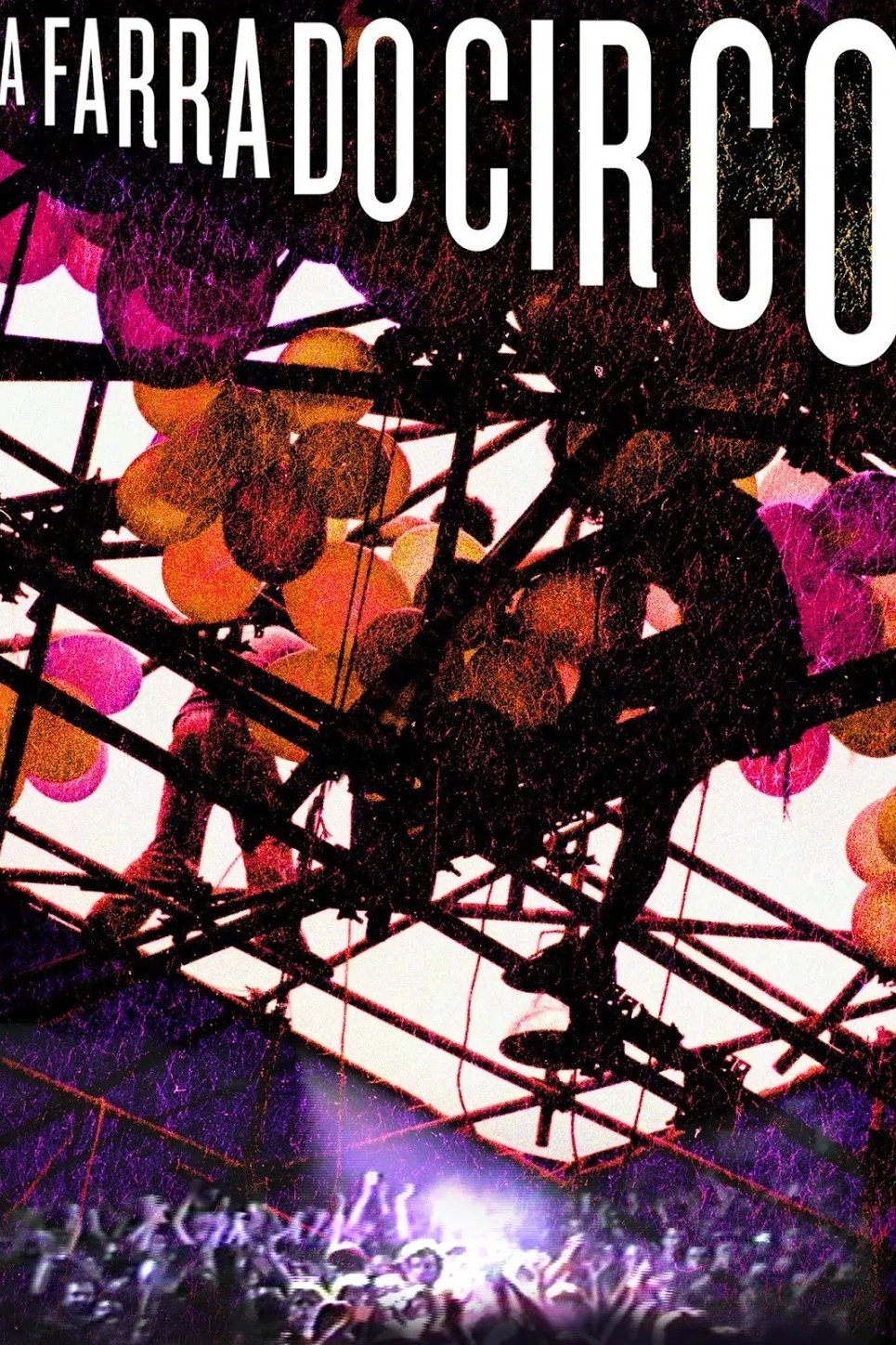
This documentary highlights the evolution of Brazil's Circo Voador venue from homespun artists' performance space to national cultural institution.
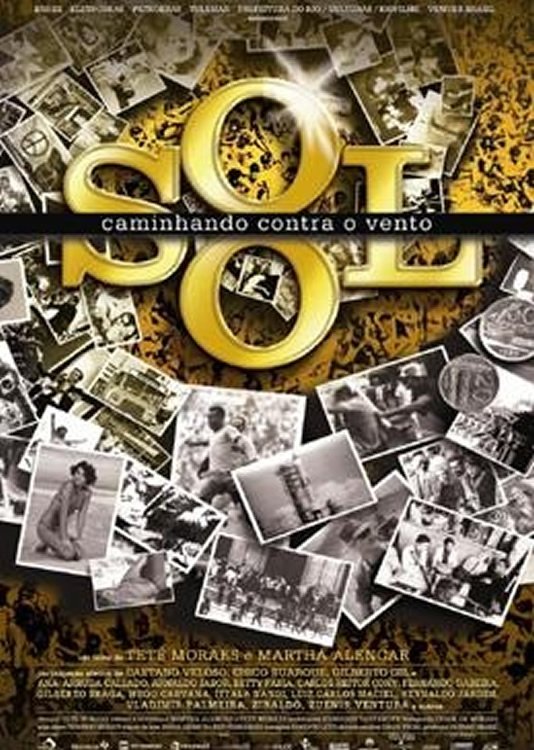
Documentary about the 68-generation, told through the story of the newspaper “O Sol”, one of the first vehicles of the alternative Brazilian press, produced daily for six months, in the 1960s. The newspaper spoke of culture, politics and education through satires and prominent figures in the cultural scene of the time passed through him. Archive scenes and music from the period seek to reconstitute the spirit of the 68-generation. The film has the participation of personalities such as Ziraldo, Zuenir Ventura, Arnaldo Jabor, Chico Buarque, Caetano Veloso, Carlos Heitor Cony, Fernando Gabeira, Betty Faria, Hugo Carvana, among others.
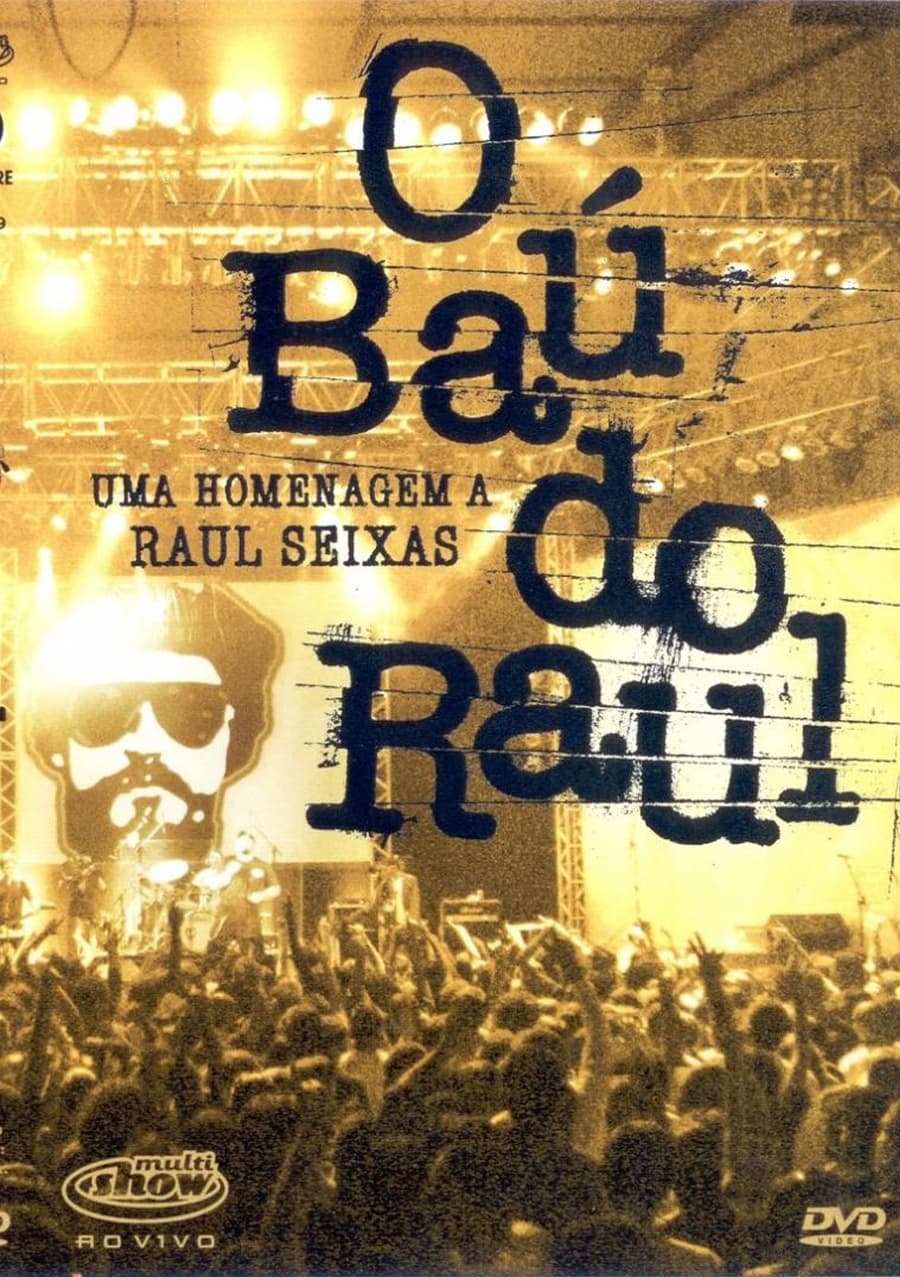
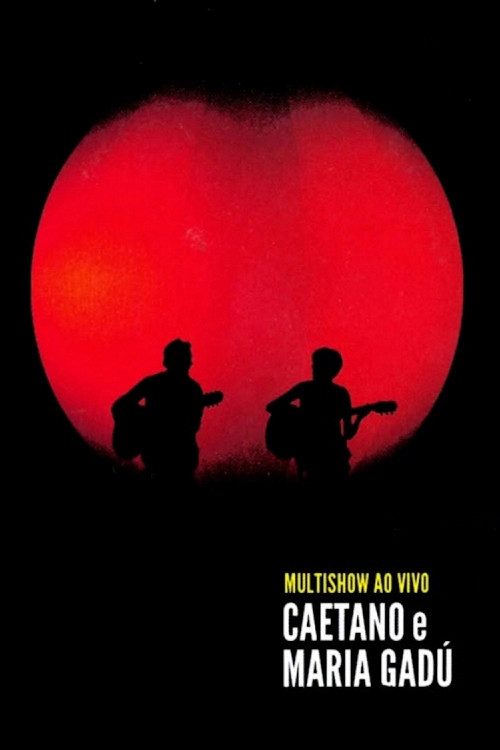
O Baú do Raul é o mais novo título do Multishow ao Vivo - uma parceria do canal com a gravadora Som Livre e Kika Seixas. Gravado no último mês de agosto, na Fundição Progresso, tradicional templo do rock carioca, o show foi uma homenagem prestada pelos amigos ao legítimo ídolo do rock brasileiro, no ano em que completa 15 anos de sua morte. Baú do Raul - Multishow ao Vivo traz um registro deste momento inesquecível em CD e DVD, que chegarão às lojas em novembro. Toni Garrido, Baia, CPM22, Marcelo Nova, Rick Ferreira, Zelia Duncan, Pitty, B Negão , Marcelo D2, Gabriel O Pensador, Detonautas, Erika e os Autoramas, Lobão, Arnaldo Brandão, Raimundos, Pedro Luis e A Parede, Caetano Veloso, AfroReggae, Sandra de Sá, Nazi (Ira!) recriam os principais sucessos de Raul em uma perfeita mistura que vai do rock à MPB, passando por hip hop, reggae, e música eletrônica.

In six decades, Teatro Oficina has done more than revolutionize theatrical language in the country: the aesthetic influence of José Celso Martinez Corrêa's company extends from Tropicalism to the renewal of Brazilian audiovisual languages from the 1960s onwards. The film revisits a story that it involves personalities such as Caetano Veloso, Glauber Rocha, Lina Bo Bardi, Chico Buarque and Zé do Caixão, brings together scenic art, ecology, architecture and sexuality, and mixes art and life in the search for a Brazilian based language.
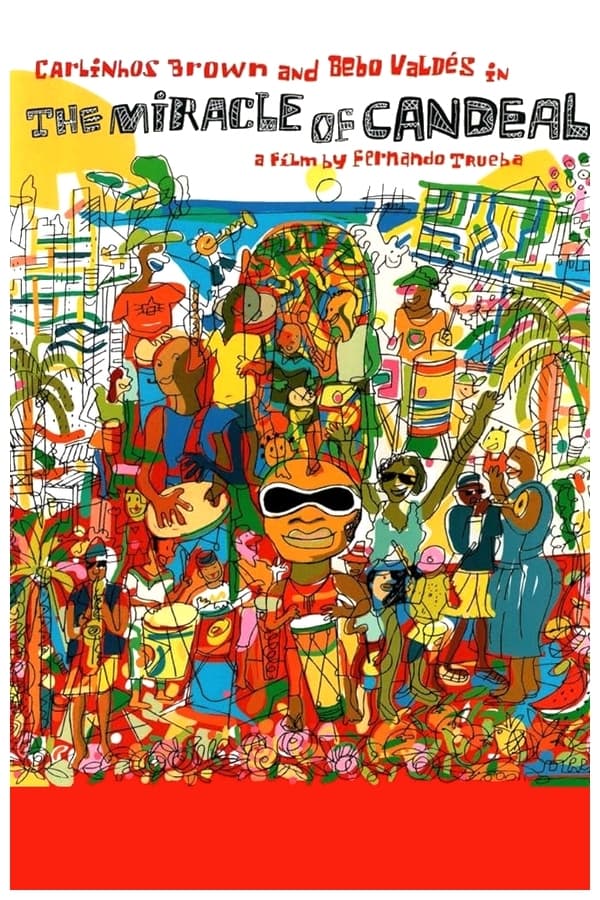
The story of the Candeal favela in Salvador de Bahia, Brazil, where musician Carlinhos Brown carries out social and cultural initiatives that protect and enrich the lives of its inhabitants every day.
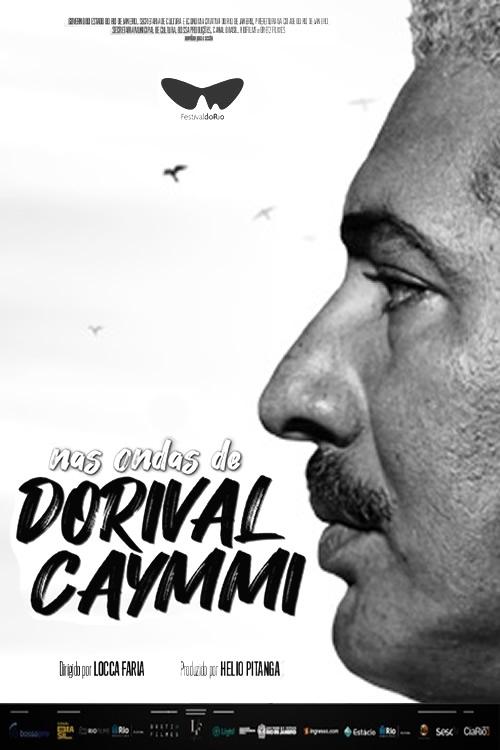
The film reveals the creation of poet Dorival Caymmi's musical works with testimonies from researchers, journalists and friends who lived with him and were able to enjoy his wisdom and talent.
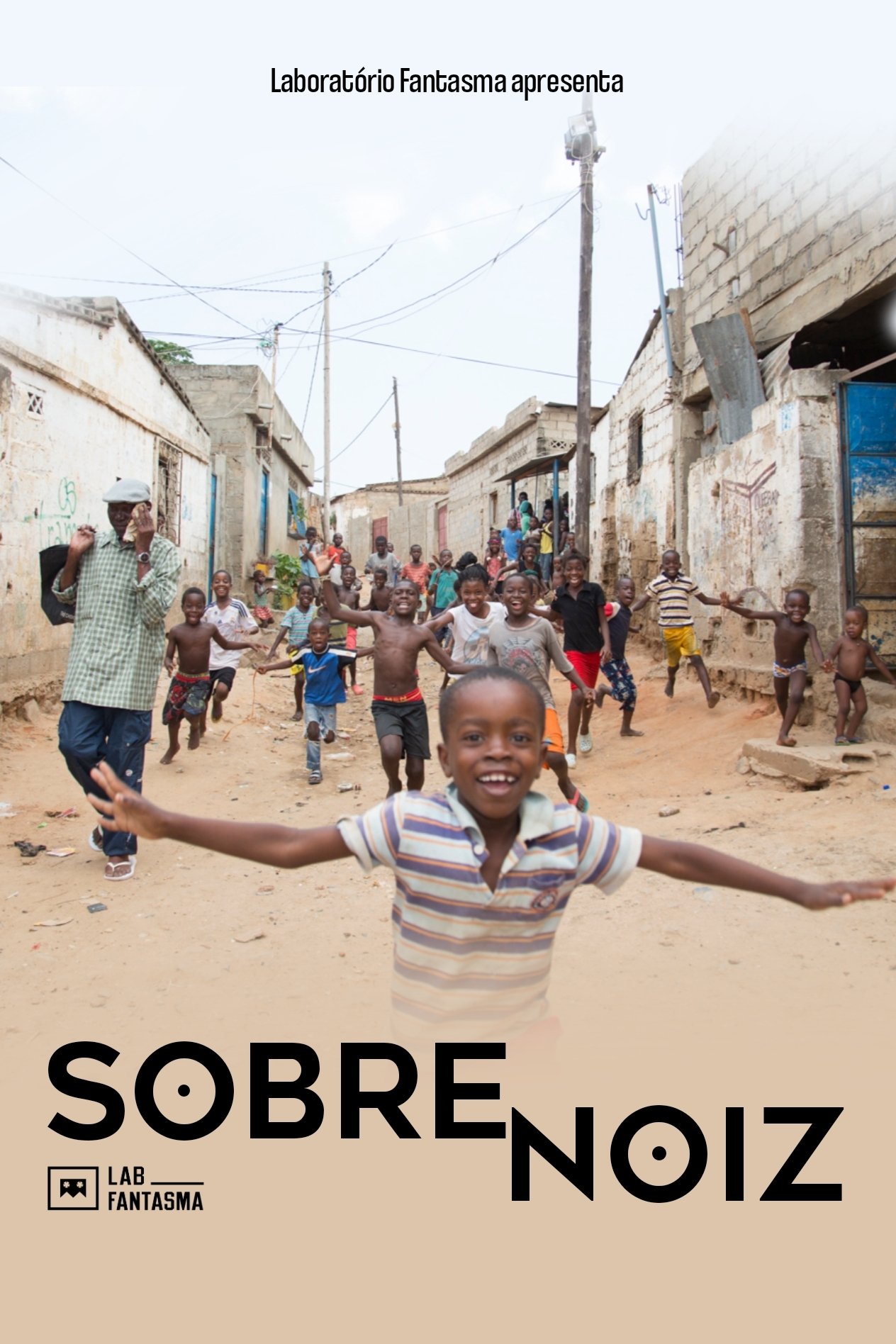
During the production of his album “Sobre Crianças, Quadris, Pesadelos e Lições de Casa”, rapper and activist Emicida visited several communities to create an overview of the reality of young people who live outside the standards of the upper classes.
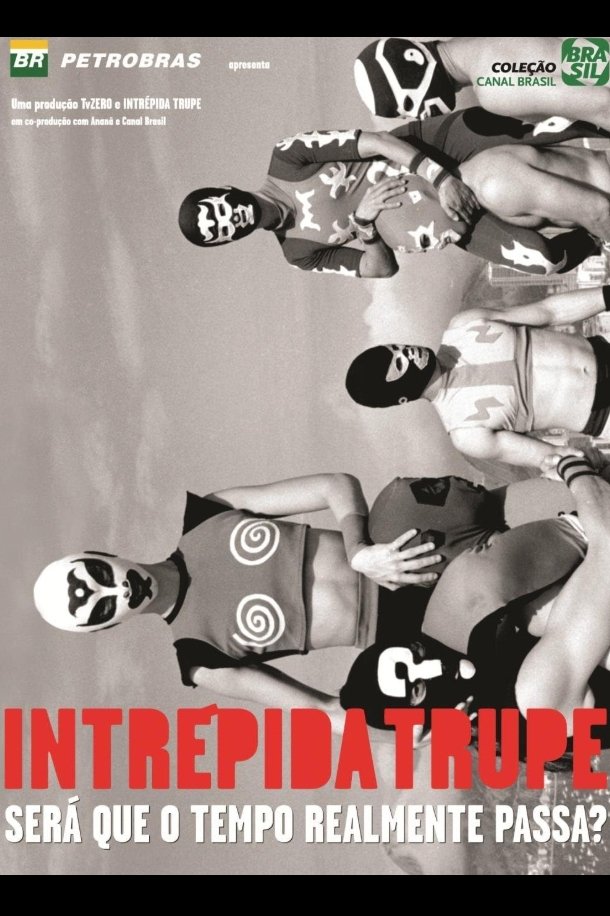
The Intrépida Trupe was created by dance, theater, music and visual arts artists, who had a passion for the circus in common. The documentary tells, through the story of Intrépida, a little about the history of the circus in Brazil.
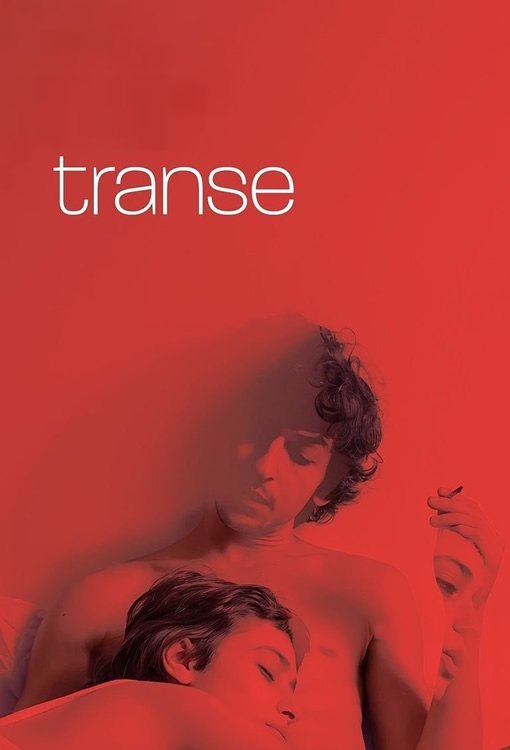
A threesome that takes place against the backdrop of Brazil's 2018 presidential election. Three young adults in a love triangle seek to understand the world and who they are on the brink of a shocking and highly-divisive election that puts the future of each one in check.
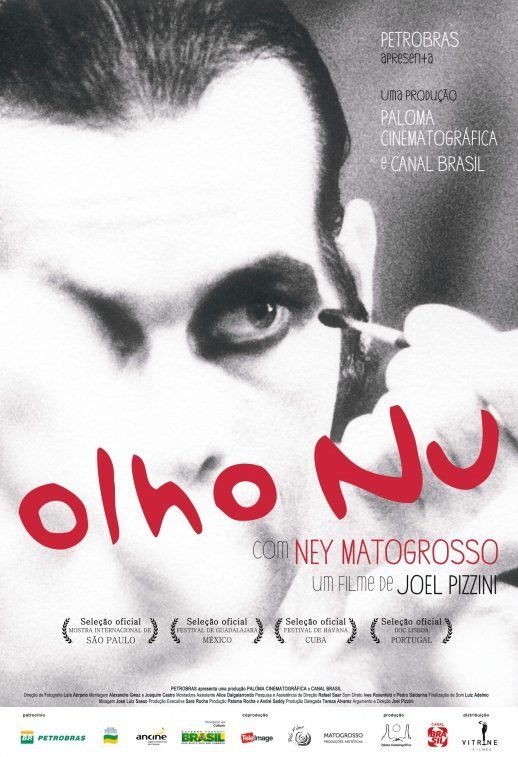
“Naked Eye” is a film-documentary of long-length of the artistic and existential universe of the singer Ney Matogrosso, which proposes to recreate through archive’s images in counterpoint with the current production of the artist, thirty-five years of career marked for inventive and transgressing spectacles, always symphonize with its time. Through a coherent boarding with its intransigent trajectory, the film intends to translate the language musical-corporal of Ney Matogrosso, trying audiovisuals resources that express signs evoked poetical politicians and in the repertoire of the singer. A film-song that that looks for to, ultimately, embody the voices of an artist who searches for a nation.
One of Brazil's most popular contemporary dance ensembles, Grupo Corpo combines Afro-Brazilian movements with ballet and modern dance to create an innovative and visually dynamic stage performance unlike any other. Documentarian Jürgen Wilcke gives viewers a glimpse into the inner workings of this world-renowned troupe as the 19 dancers prepare to wow audiences around the globe with their energetic presentations of grace and passion.
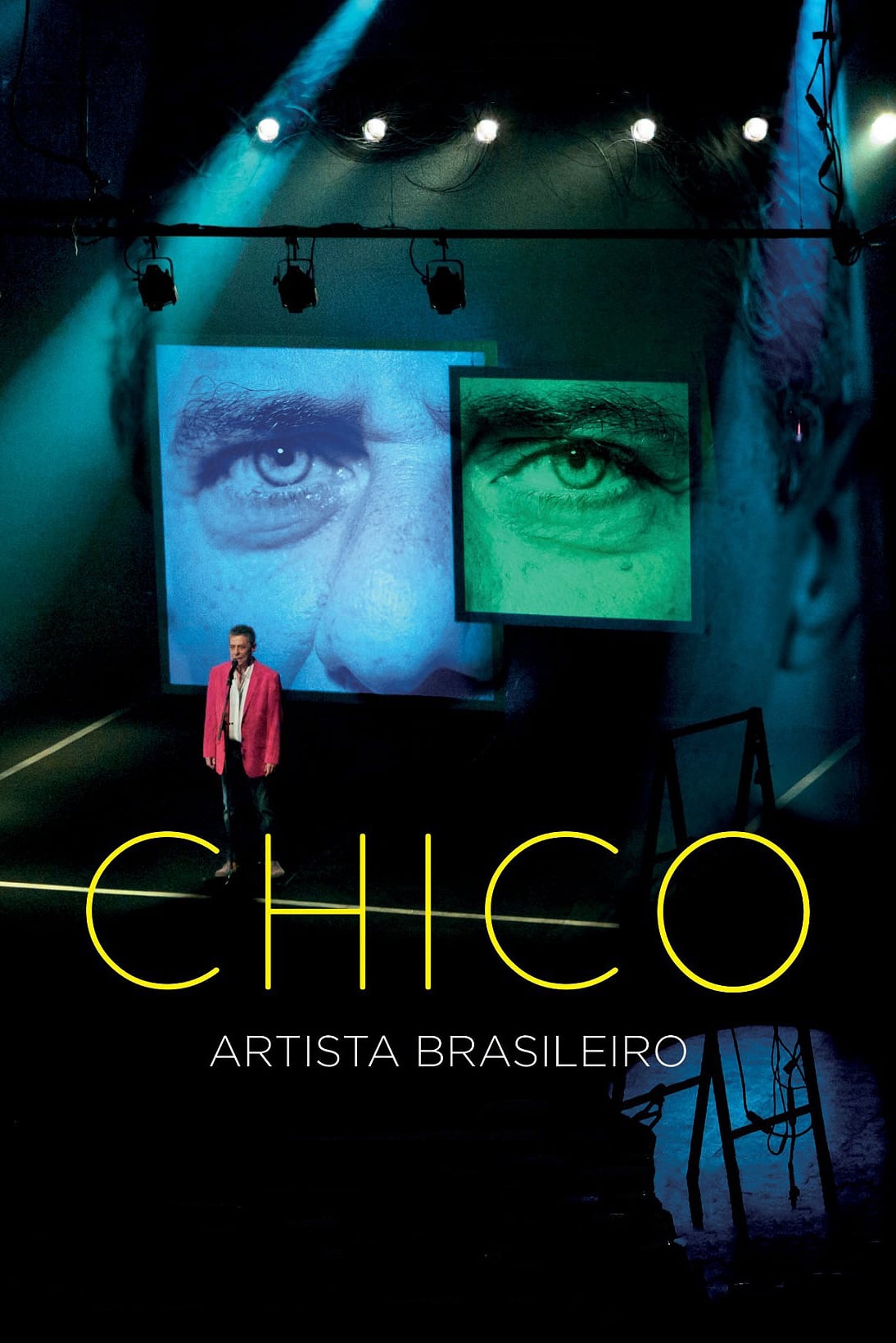
Chico Buarque is a constant presence in Brazil's art scene and makes up its citizen's popular culture. This wealth in music, poems, theater and novels has been created over the last 50 years and in this film Chico Buarque converses about his memories, shows, daily life, work methods, creative process, in summary all his trajectory. The musician’s search for his German brother, whom he never got to meet, serves as one of the axis for the narrative.
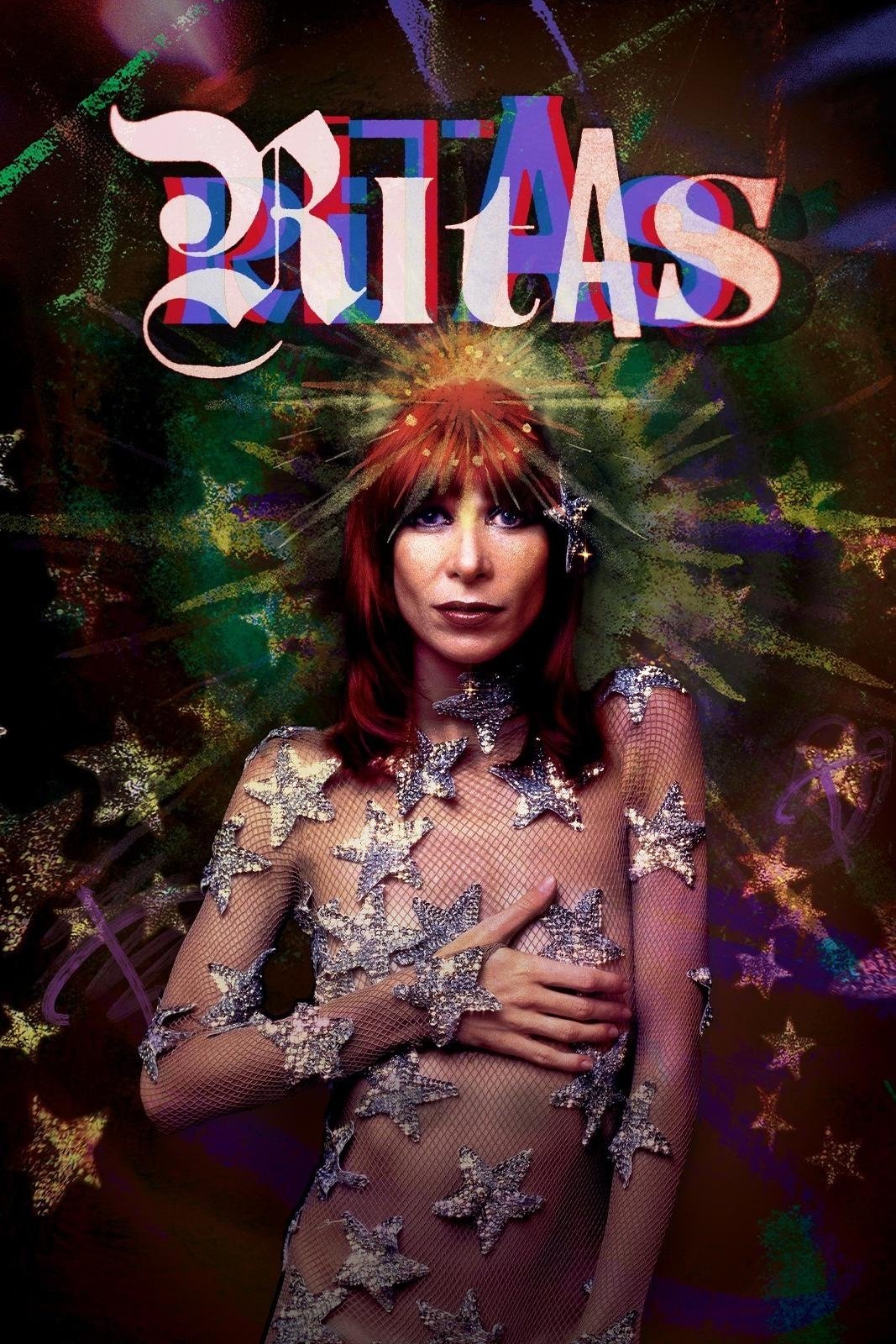
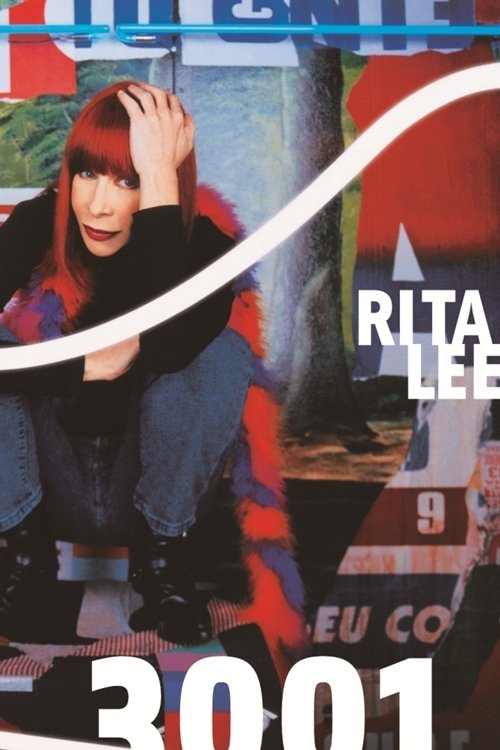
It explores Rita Lee's personal life and her creative process, revealing her musical talent and her ability to transform on stage. Rita herself guides the narrative through past interviews she gave throughout her career and current testimonies.
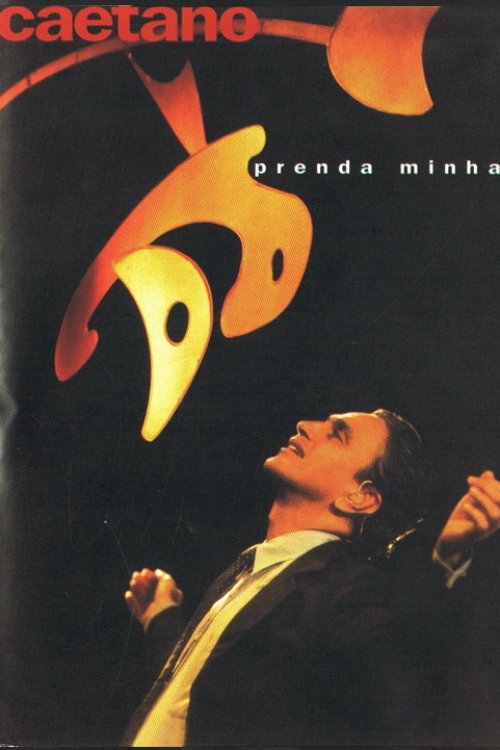
In addition to the rescue of Alone, Peninha's composition, there are striking interpretations of George of Cappadocia, this guy and the bonus track Mel
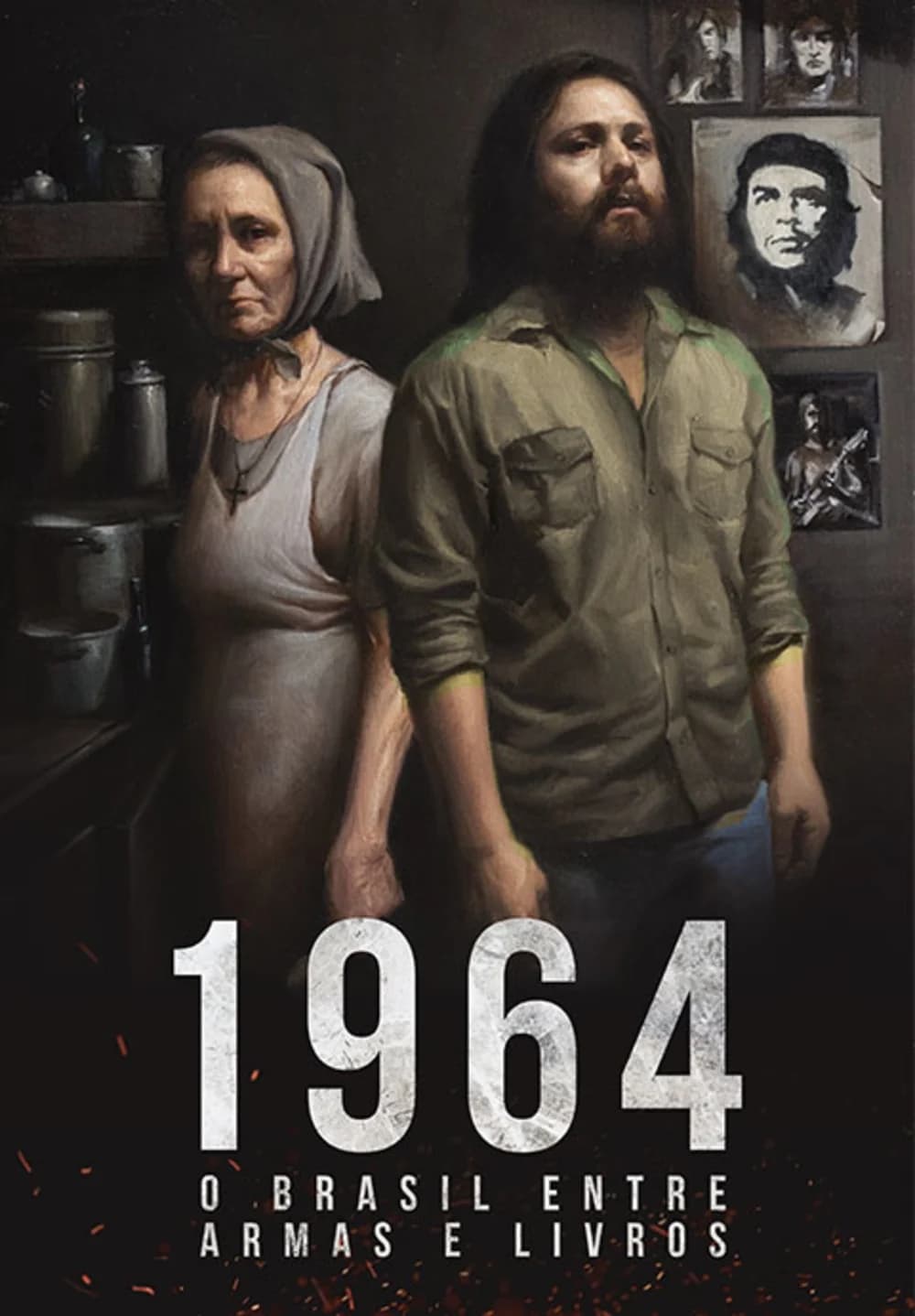
We question the most unquestionable period in our history. The result was an international investigation with part of secret attempts, discovery of Soviet documents and a lot of investigation by the Brazilian media. It was all under our eyes.
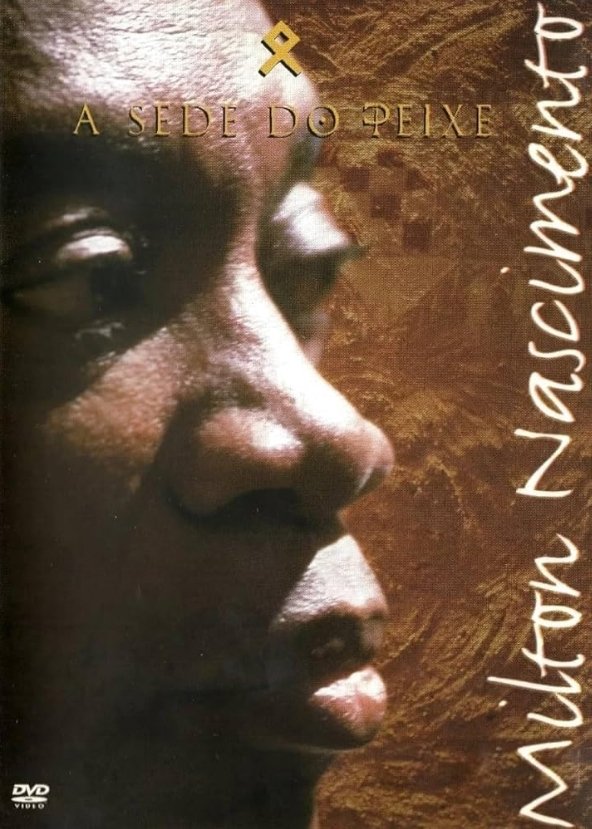
In December 1997, in Rio de Janeiro, Minas Gerais composer Milton Nascimento brought together friends and career partners for the special "A Sede do Peixe" (The Thirst of the Fish). Featuring Caetano Veloso, Alcione, Skank, Nana Caymmi, and Gilberto Gil, the film is a cultural treasure, portraying unforgettable, often lighthearted moments in the career of one of the greatest icons of Brazilian Popular Music.
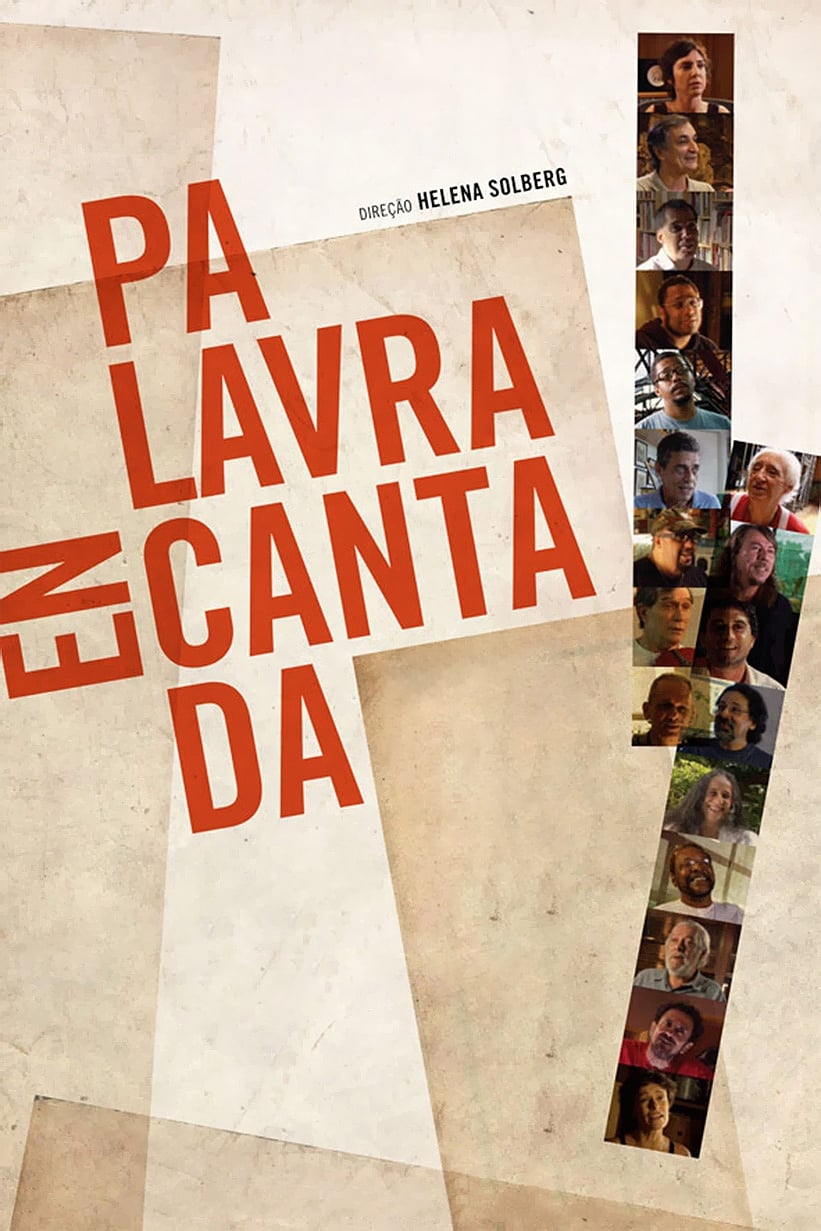
A journey in the history of the Brazilian songbook with a look at the relationship between poetry and music, sewing testimonials of great names of our culture, musical performances and amazing research of images.
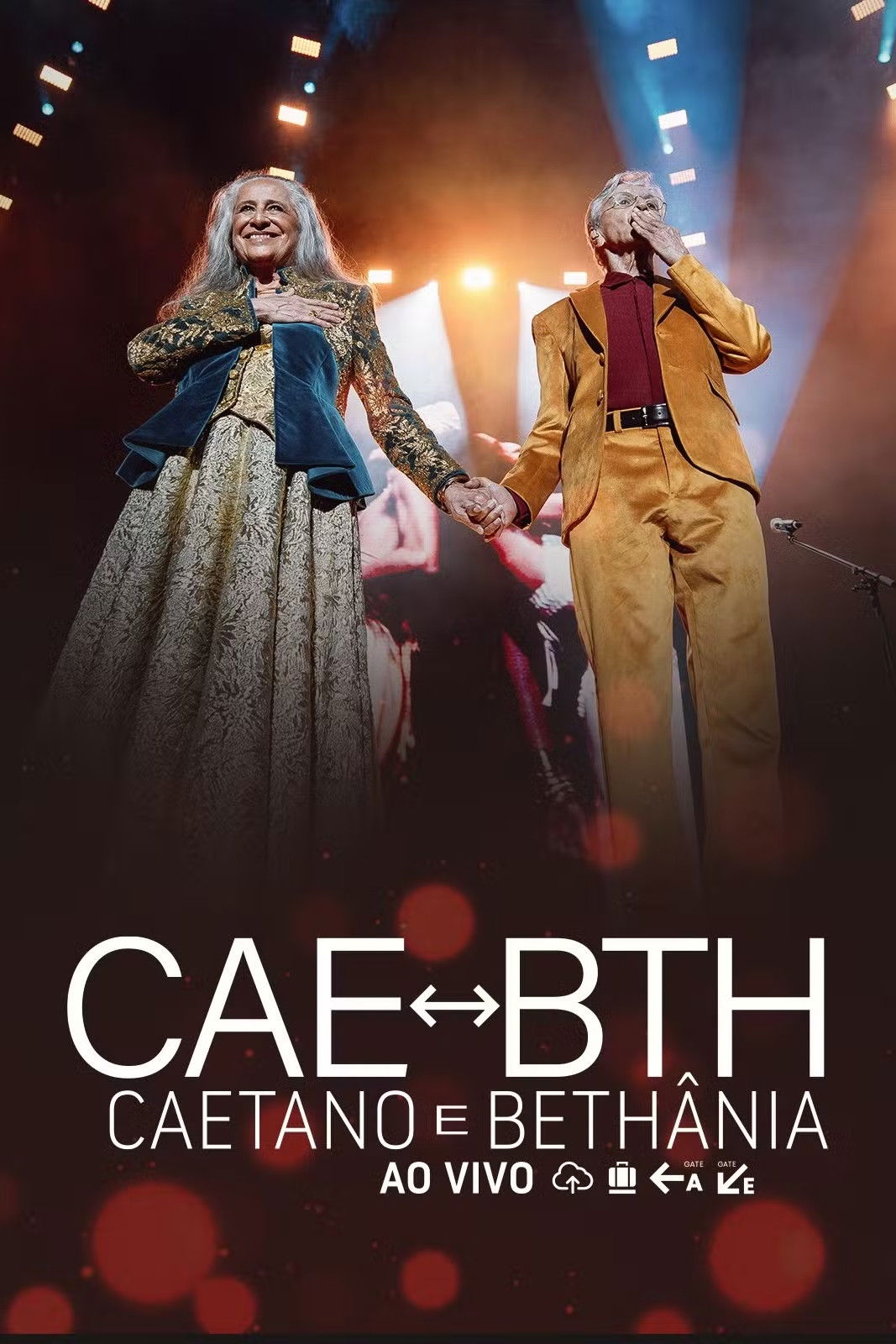
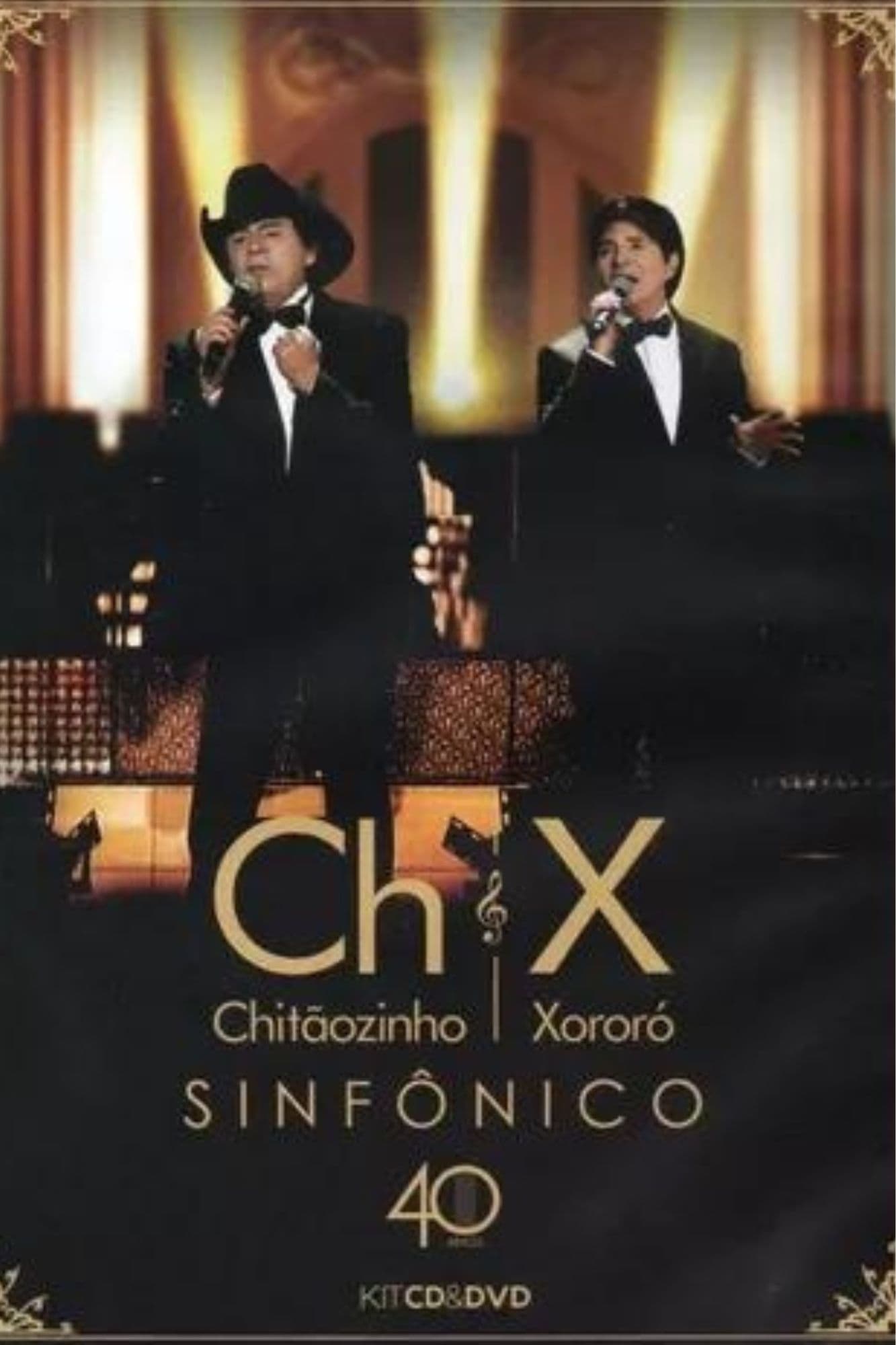
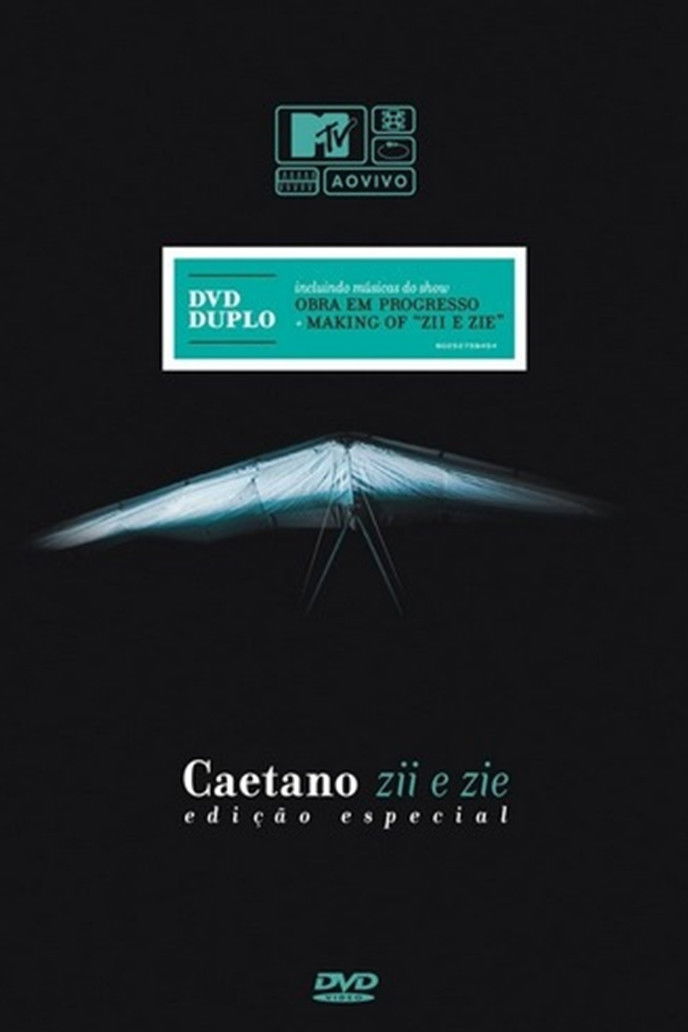

Lisbon, today. In a room of a house at Douradores Street, a man invents dreams and theorizes about them. The essence of the dreams itself becomes physical, palpable, visible. The text itself materializes in its musicality. And, in front of our eyes, this music can be felt with the ears, brain and heart. It spreads itself in the street where the man lives, in the city that he loves above all and over the entire world.
A film about Arto Lindsay and his collaborators, featuring interviews and performance clips.

One of the most daring and radical shows presented in Brazilian television: "Abertura". It was broadcast between February and October, 1979, with weekly editions, presented by Brazilian filmmaker Glauber Rocha. The video is a compilation of characters, statements, and interviews about the political and cultural situation of the country during the final stages of the Military Dictatorship.

On the iconic sands of Rio de Janeiro, Brazil, Shakira sets Copacabana Beach ablaze in the third edition of “Todo Mundo no Rio”. Before a historic crowd of 2 million people, the Colombian superstar celebrates three decades of hits in an electrifying performance that bridges her new album, “Las Mujeres Ya No Lloran,” with the timeless classics that defined her career. Featuring guest appearances by Brazilian music icons and a high-tech visual spectacle, the night transforms the coastline into the stage for an epic celebration of power, music, and the artist’s unbreakable connection with Brazil.