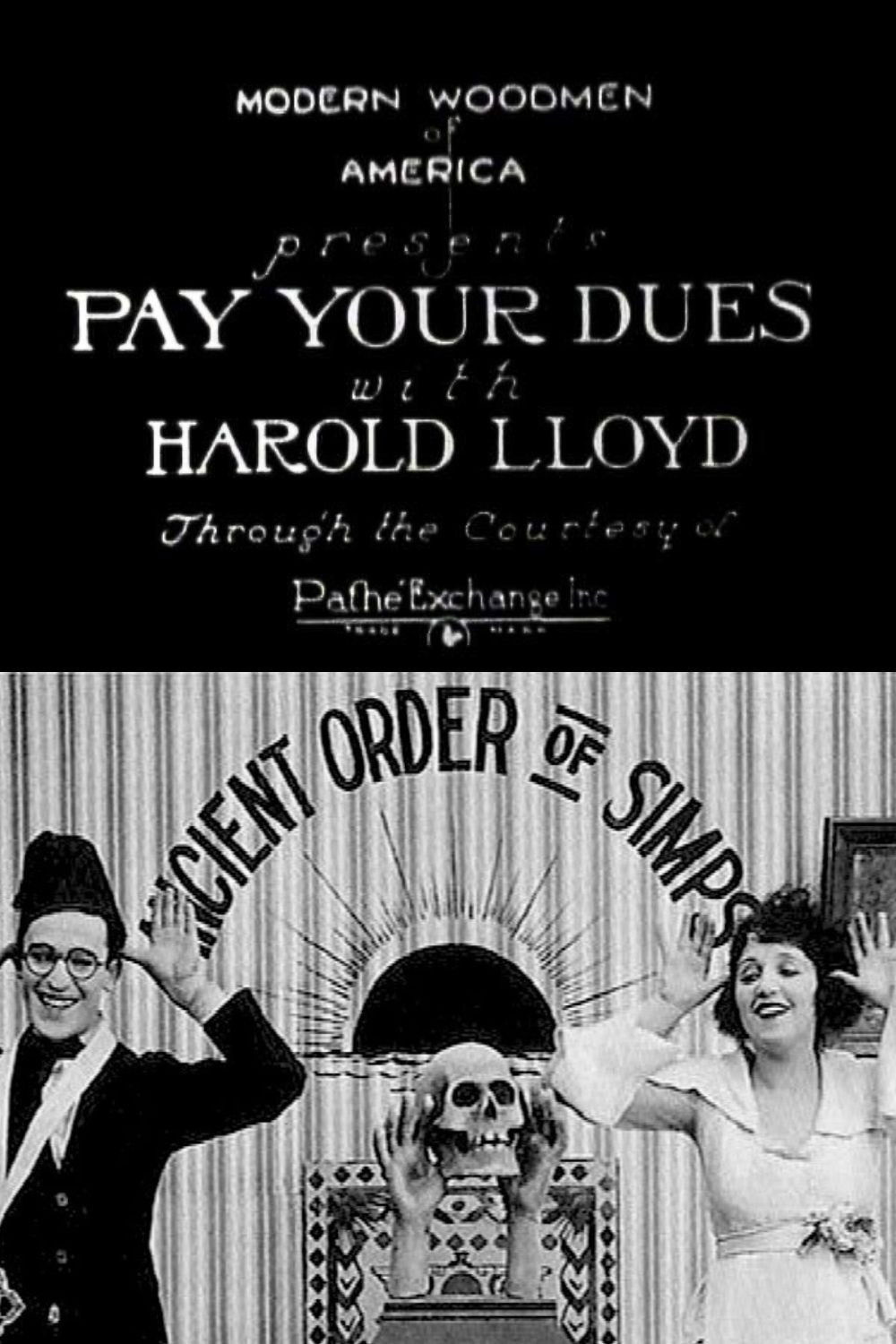
While blindfolded and playing pin the tail on the donkey with some lady friends, our hero is mistaken for an escaped initiate of a kooky fraternal order.

Short comedy
Mrs. Jack Magee sues her flirty husband for a divorce. He enlists in the army to avoid paying alimony, but will he end up preferring that to matrimony?
Happy Jack, the popular Hash Magnate of Harlem, is suddenly seized with high social aspirations and decides to carry out his ideas, to the great dismay of Lizzy Potts, the cook, who loves Jack.
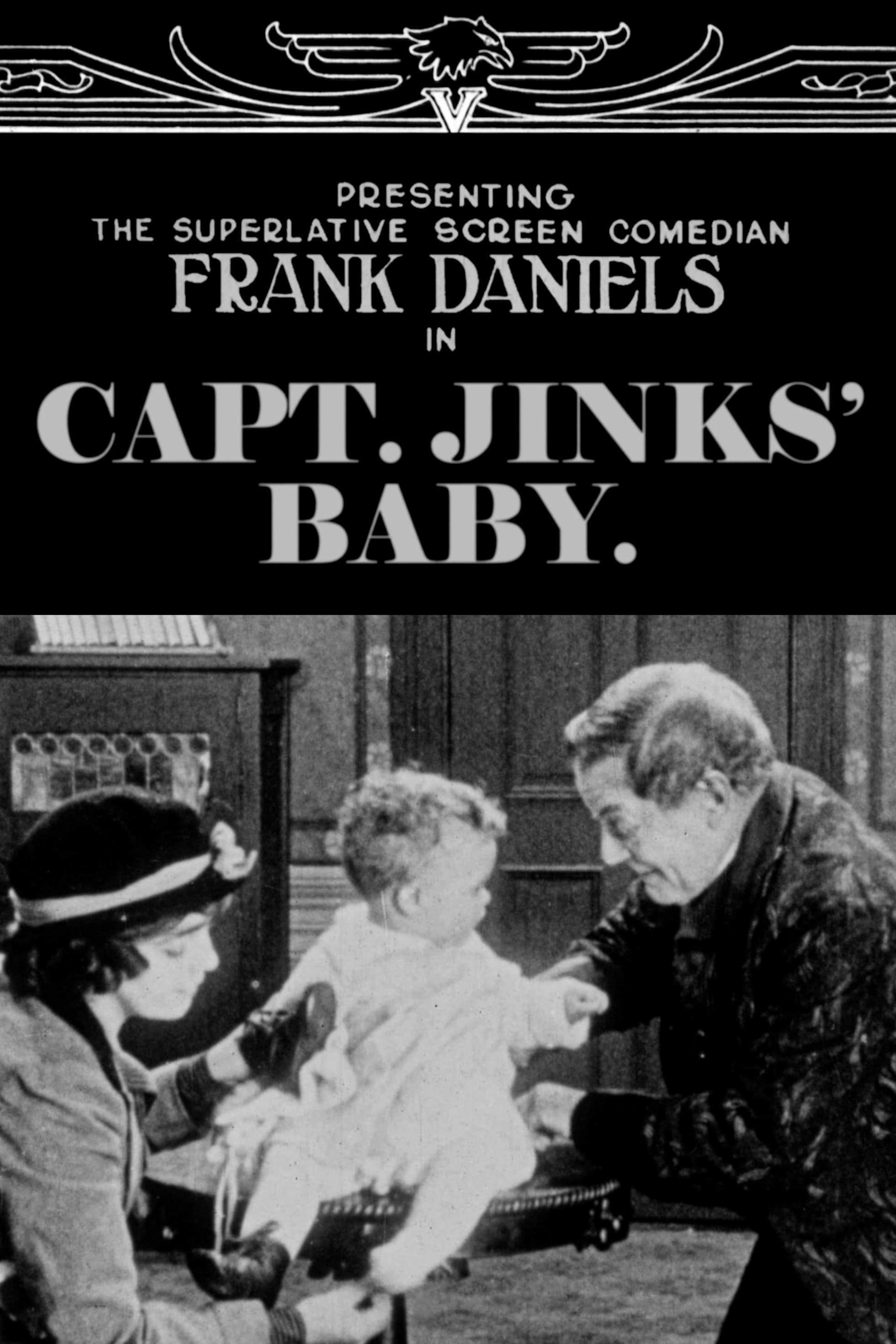
Short comedy
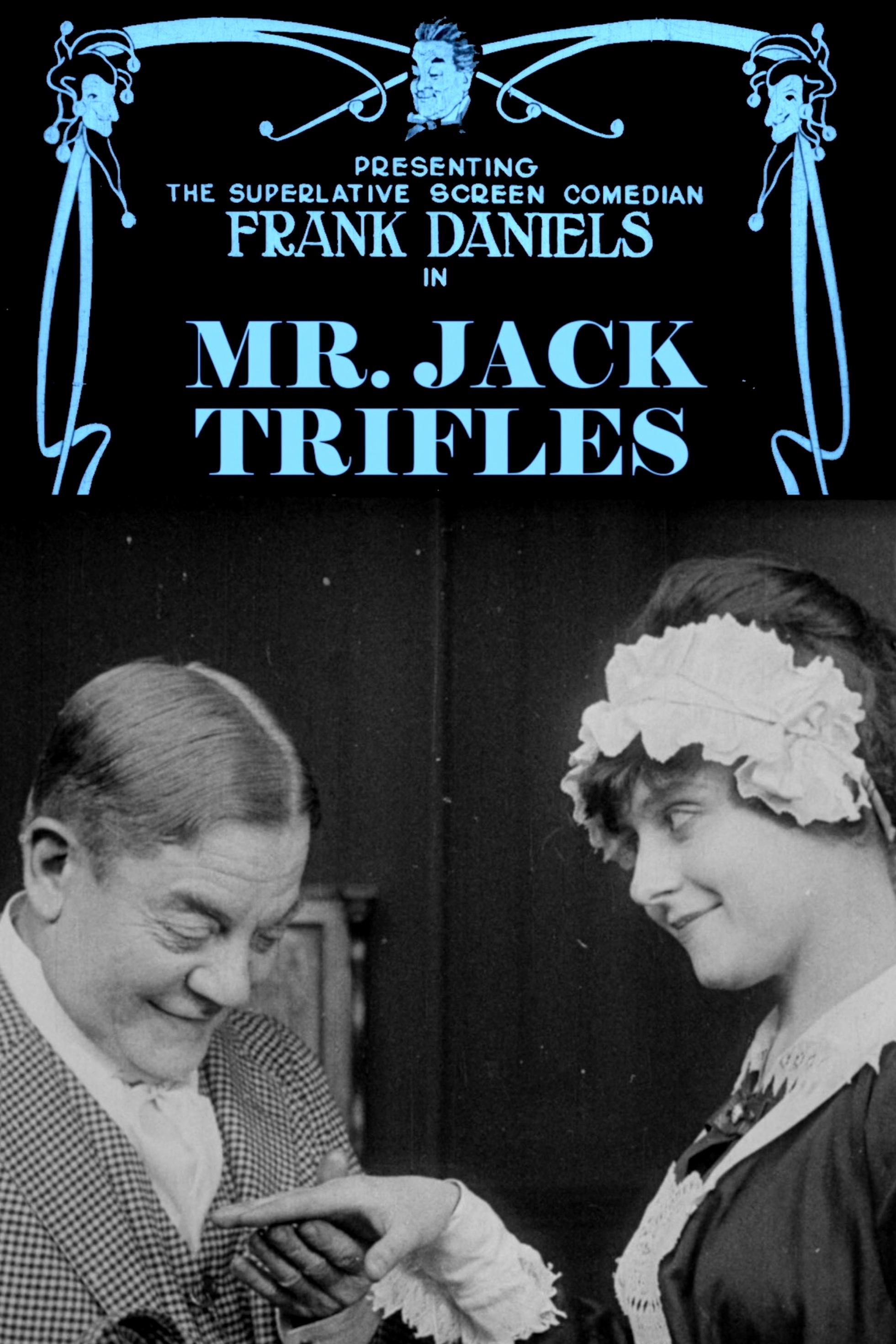
Mr. Jack flirts with a chic little miss, but accidentally knocks one of her gloves into the soup dish. He promises to replace it, but trouble ensues.
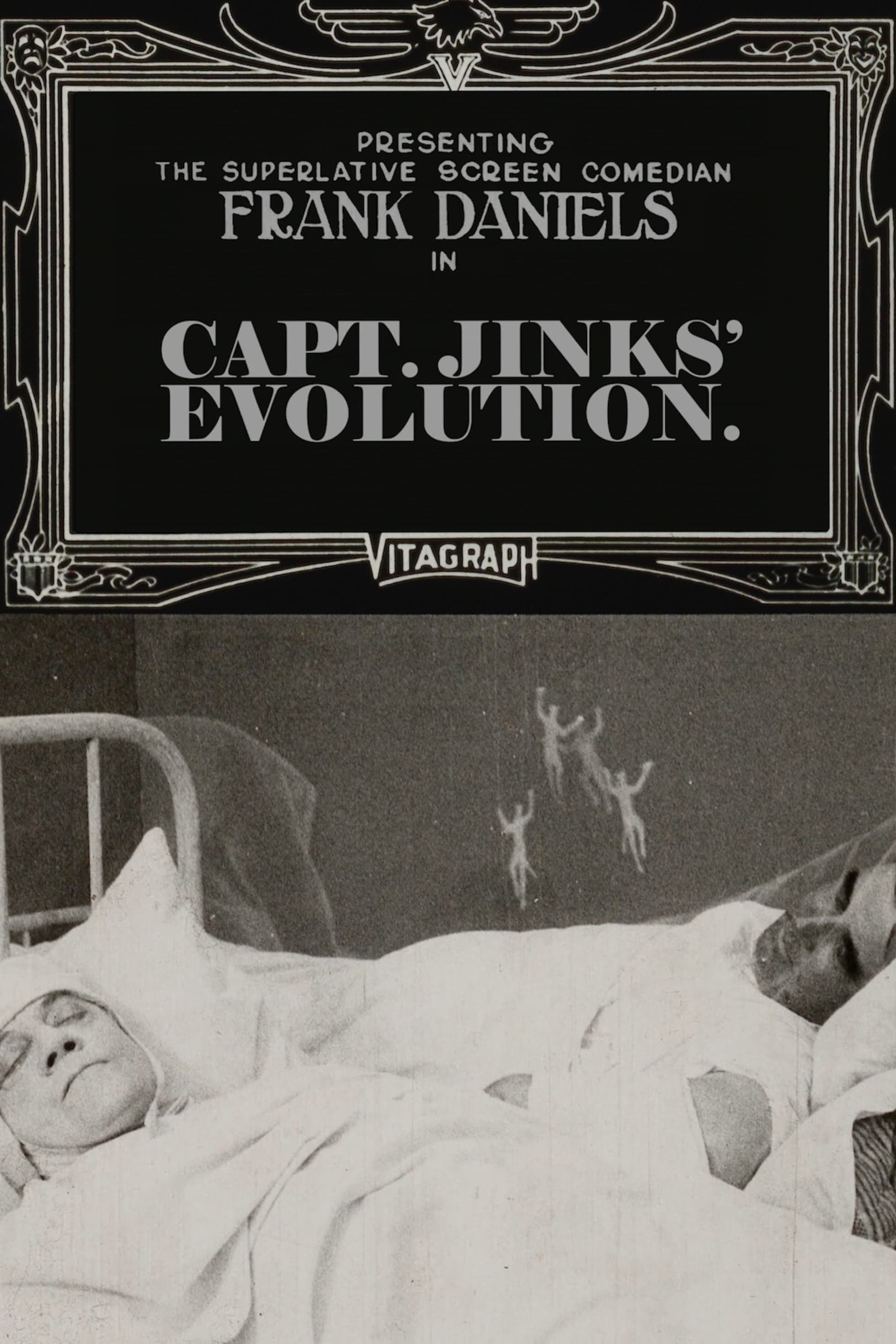
Mrs. Jinks dreams that her milquetoast husband was more of a manly brute—at least until a life-saving blood transfusion changes him into her worst nightmare.
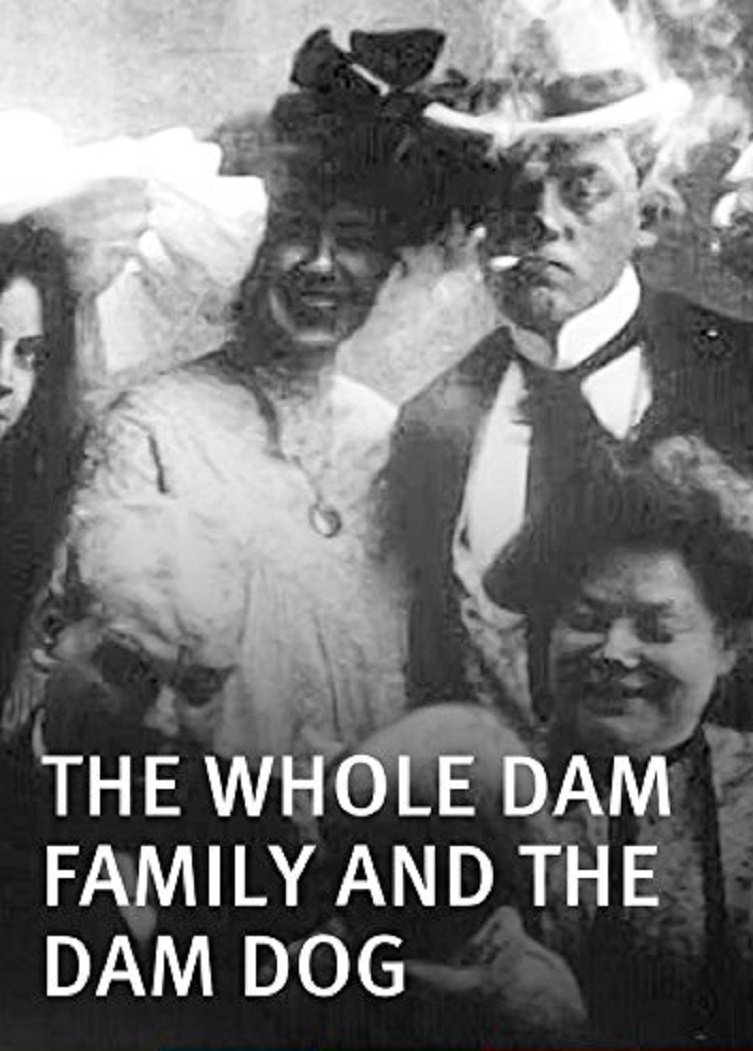
A portrait of the Dam family.
Count the Votes is a 1919 American short comedy film. It is considered to be lost.
Captain Jinks, the Cobbler was one of two Jinks comedies released by Vitagraph for Christmas 1916 and, according to the U.S. copyright filing, was loosely based on the true story of celebrated conman Friedrich Wilhelm Voigt, who passed as a Prussian officer and commandeered funds from the Köpenick municipal treasury in 1906. In Vitagraph’s adaptation of the tale, the first movie version made in America, an army officer in some unpronounceable Central European town directs Jinks to repair his gear. Hounded by his nagging wife, the cobbler dons the officer’s uniform and parades about town. The impersonation proves so convincing that the burgomeister awards Jinks the officer’s bonus. When the ruse is discovered, the court gives Jinks a choice: two years in jail or at home with his wife. The film ends with cobbler pondering the pros and cons.
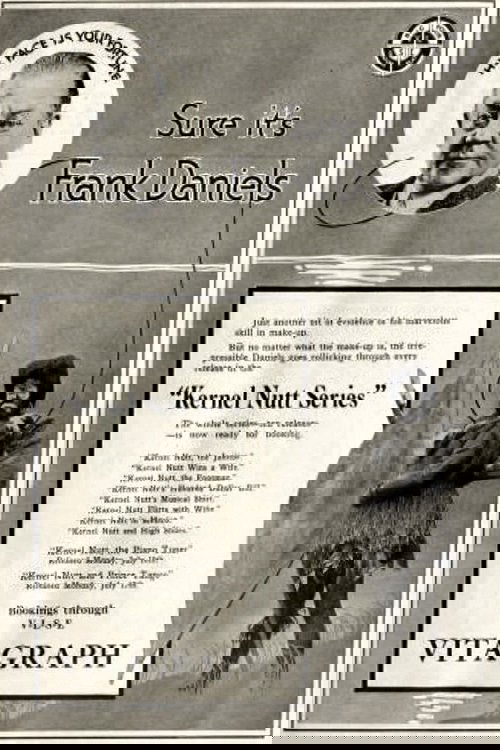
Chivalrous Kernel Nutt comes to the aid of beauty in distress, when he sees a pretty damsel trying unsuccessfully to tie her shoelace. When he has tied it for her, a baseball, hot off the bat of a young Ty Cobb, hits the lady in the foot and she, thinking Nutt did it, hits him over the head with her handbag, then forgets to remove the bag, and Nutt discovers that it contains a nice big roll of bills. He takes a manicurist out to lunch, then accompanies her back to her place of business, a beauty parlor, where he is just in time to assume the duties of the boss, who is leaving for a vacation. After many amusing incidents, the lady who had treated him so ungratefully, enters the parlor and makes things hot for Nutt, who is finally forced to return the bag full of coin.