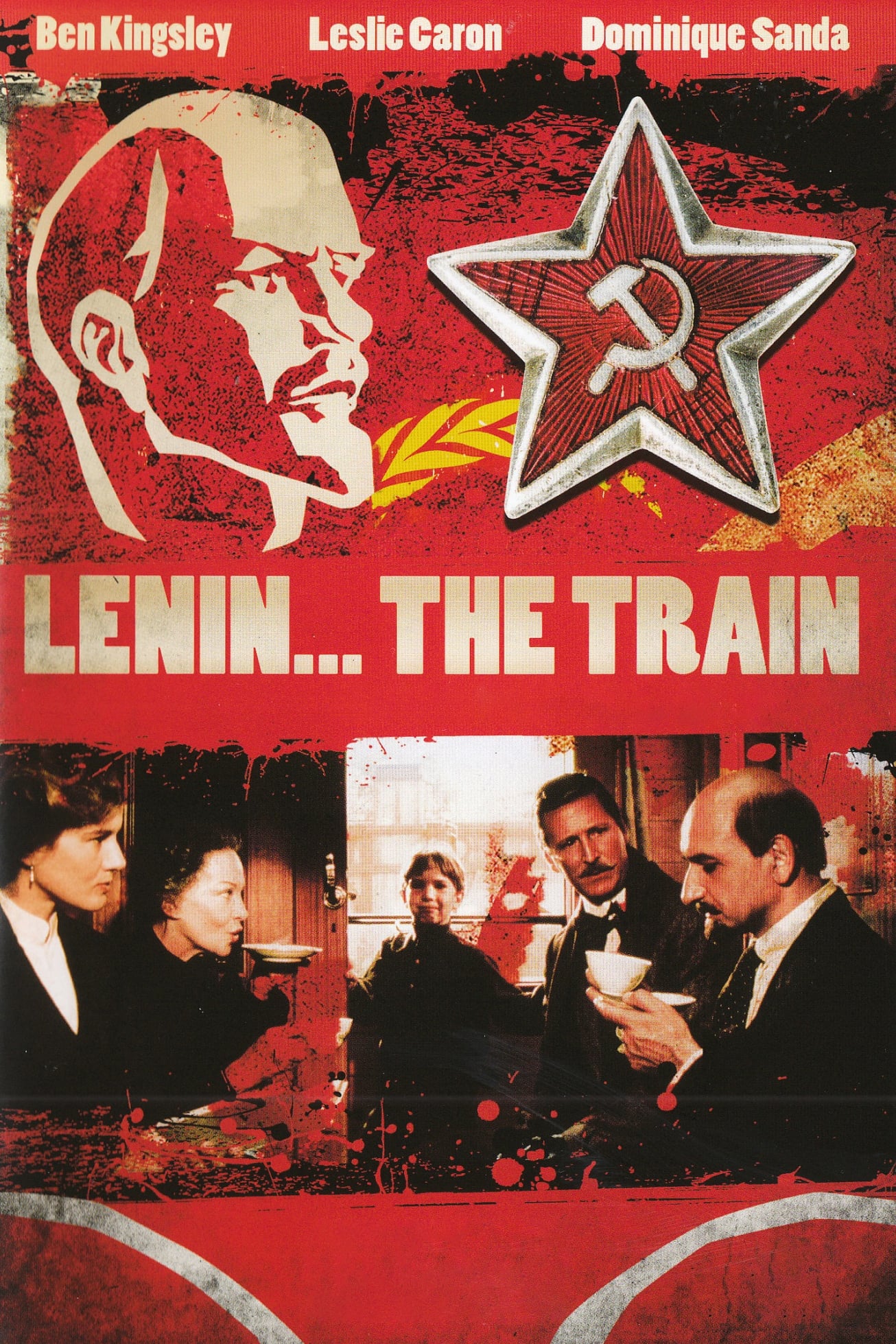
March/April 1917. The first world war is already a couple year to pace. A sealed train with Russian emigrants keeps on driving from Zürich Germany and Sweden to Sint-Petersburg. The outlaws stand under the guidance of Vladimir J. Lenin. Two senior officers support the revolutionary bomb "to ensure that everything runs smoothly. Yet there are some unpleasant clashes between Socialists and enthusiastic workers who are worried about the war. During train travel there comes an end to Lenin's affair with the gracious Inessa, and his wife Nadja is prepared take back him. The triumphant entrance in St. Petersburg will exceed all expectations....
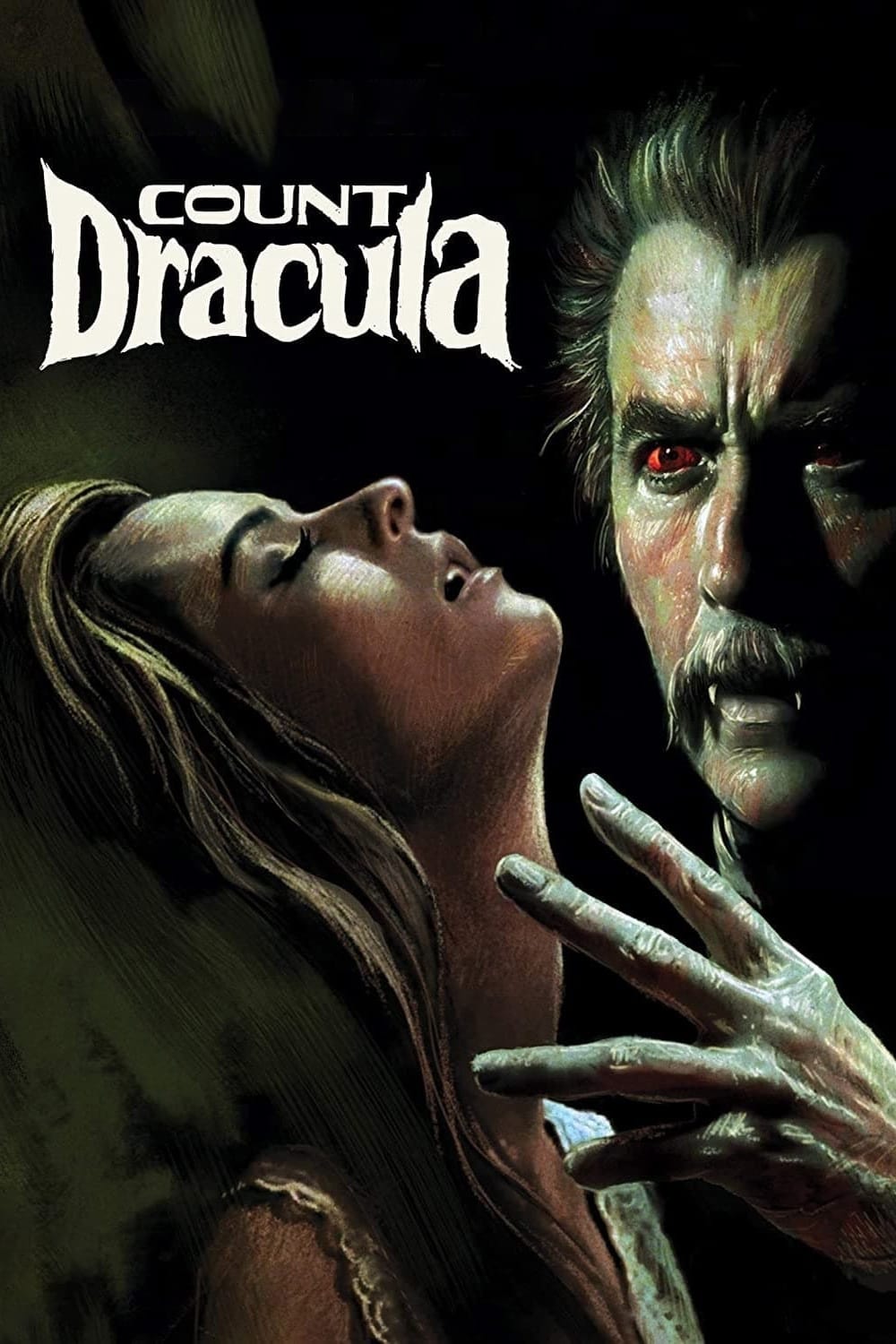
A faithful adaptation of the classic tale portrays Dracula as an old man who grows younger whenever he dines on the blood of young maidens.
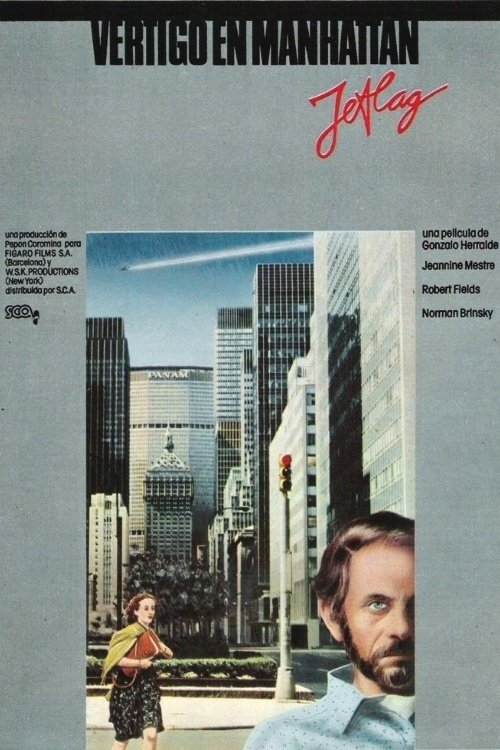
Elena, a depressed young Catalan translator, discovers that David, her former lover, is living in New York with a new girlfriend, where she will travel to obsessively look for him and try to win him back.
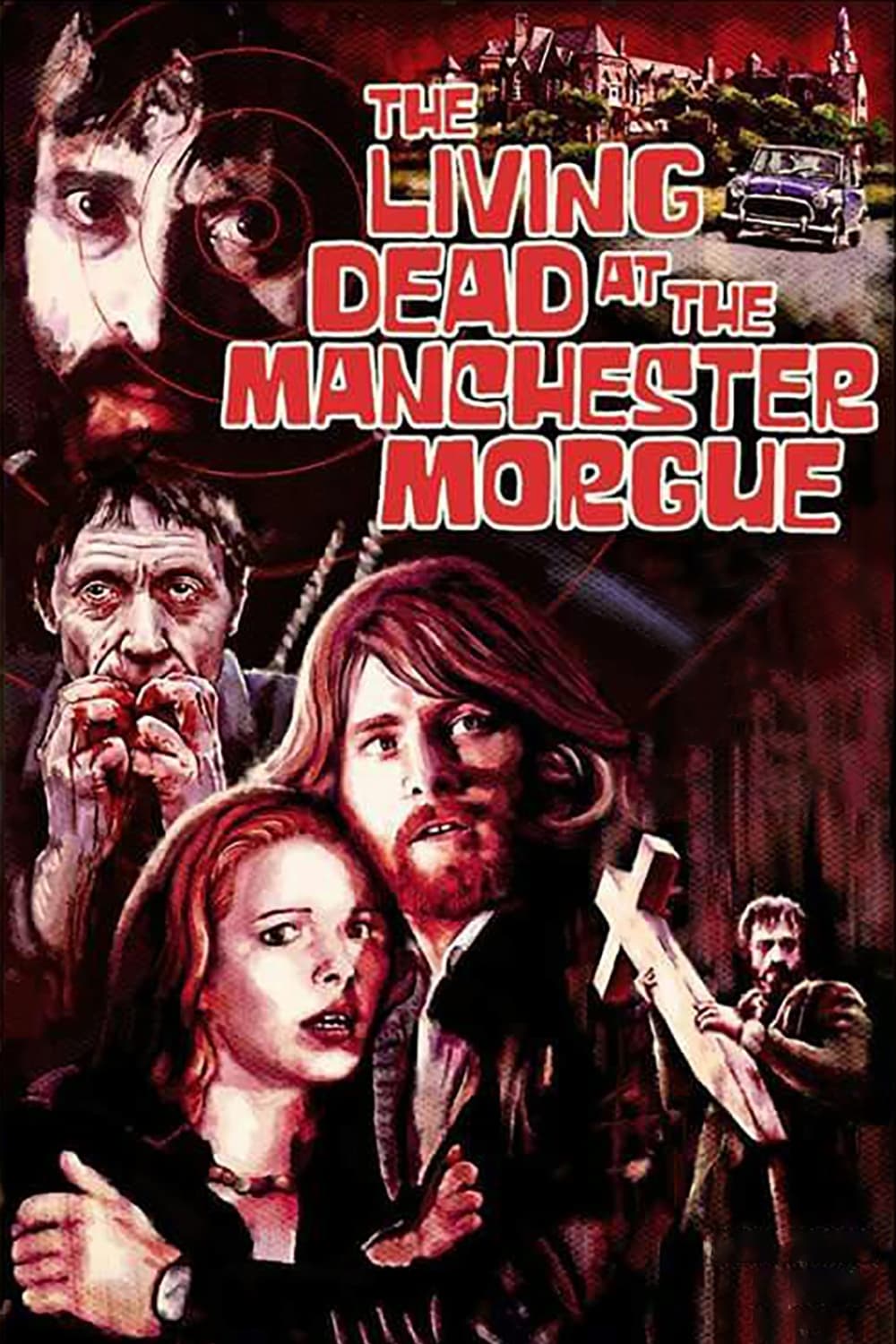
When a series of murders hit the remote English countryside, a detective suspects a pair of travelers when it is actually the work of the undead, jarred back to life by an experimental ultra-sonic radiation machine used by the Ministry of Agriculture to kill insects.

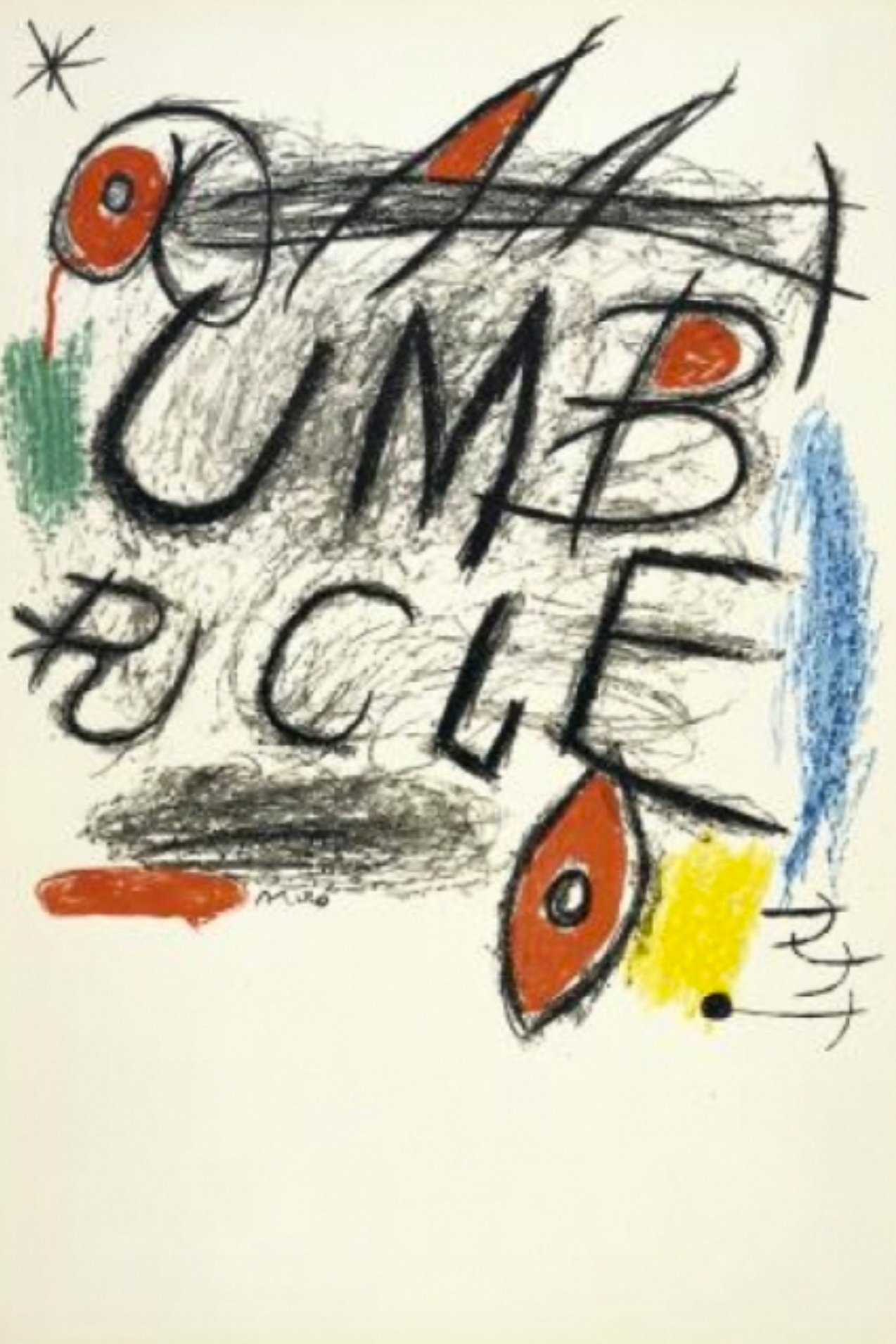
This film turns on two basic axes: the inquiry into ways of cinematographic representation and a critical image of official Spain at the time of the Franco dictatorship. “Montage of attractions” and Brechtianism in strong doses. Umbracle is made up of fragments (some are archive footage) that resound rather than progress by unusual links, with dejá vu scenes that promise us more but remain tensely unfinished. Jonathan Rosembaun said: “few directors since Resnais have played so ruthlessly with the unconscious narrative expectations to bug us”. Learning from the feeling of strangeness caused by Rossellini as he threw well known actors into savage scenery in southern Europe. Portabella makes Christopher Lee wander around a dream-like Barcelona. Without a doubt Portabella’s most structurally complex and most profoundly political film, that is ferociously poetic.
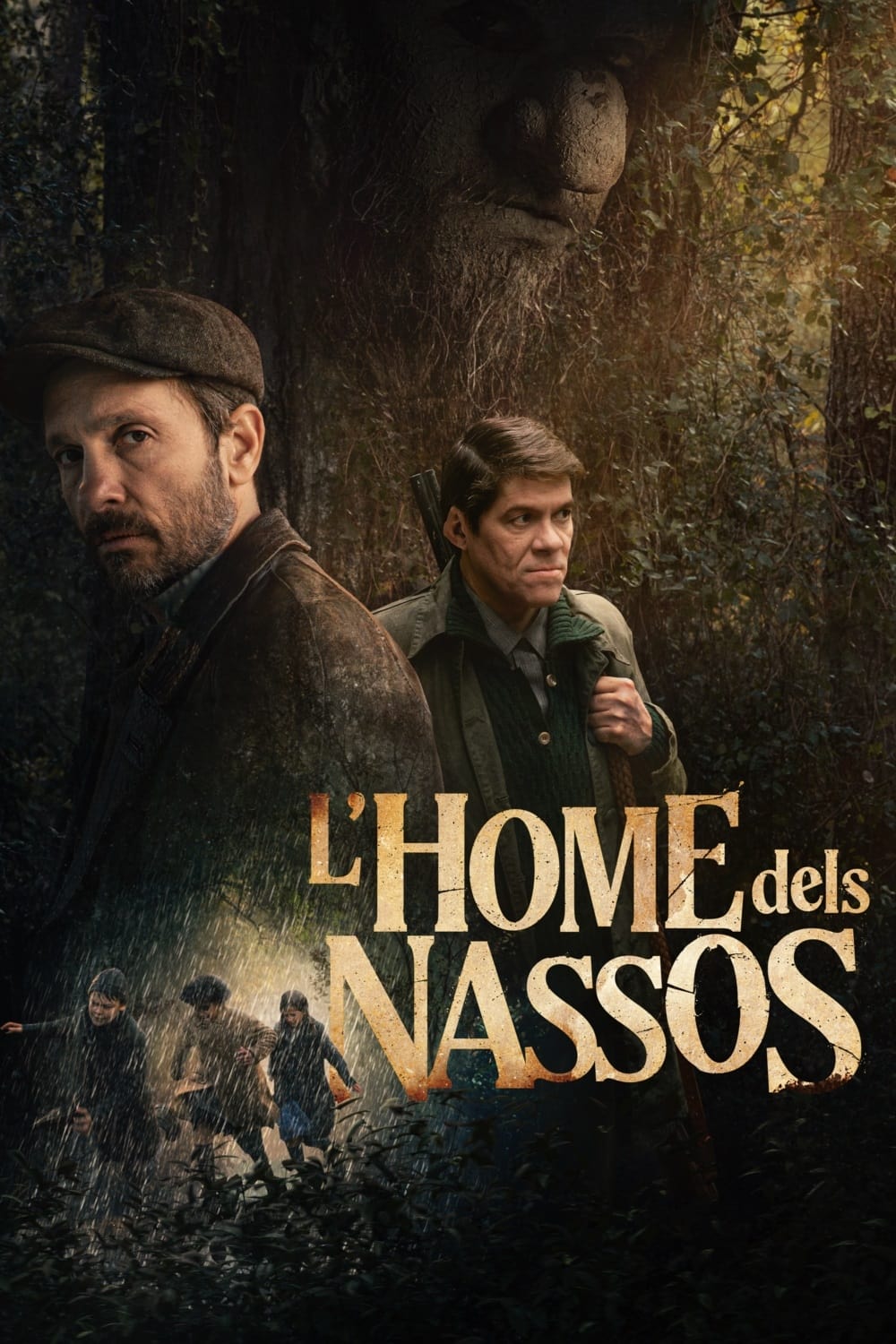
In the winter of 1968, in a small village in the mountains, the story follows three children who embark on a daring quest to evade the ominous Monster of Many Noses, a formidable figure deeply ingrained in Catalan folklore. This sinister character is known for hunting down children who have spun too many lies on the final day of the year. But the children are not the only ones gripped by fear; the film also explores how lies from the past can have a haunting presence. The film follows a proven formula of taking a deeply rooted legend from Catalan folklore and transforming it into a universal story. The Monster of Many Noses is a captivating exploration of history, myth, and the human condition.
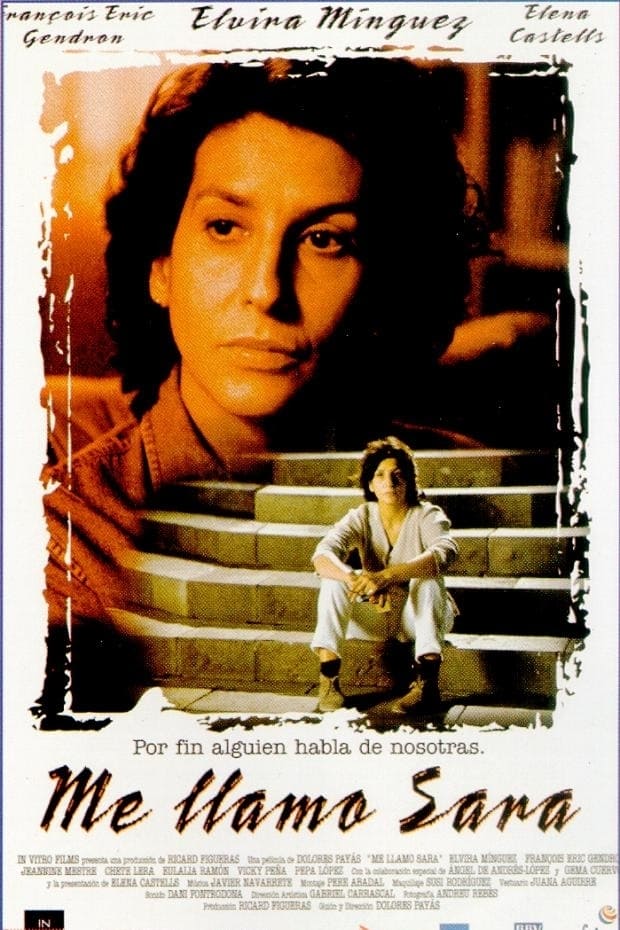
A college professor tries to deal with the frustrations of her life as she drifts uncomfortably into middle age. Elvira Minguez plays Sara, a 40-year-old single mother who teaches at a university while sharing her home with her teenage daughter Virginia (Elena Castells) and her boyfriend Adrian (Francois Eric Gendron). Lately, Sara has not been getting along well with her friends and has very mixed feelings about Virginia's openness about her sex life. These dilemmas are compounded by the death of her father.
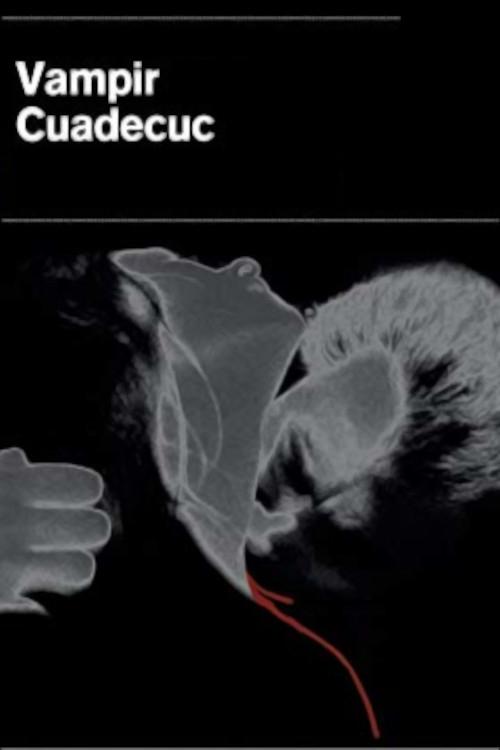
An atmospheric essay, which is an alternative version of Count Dracula, a film directed by Jess Franco in 1970; a ghostly narration between fiction and reality.
A blind couple's marriage is tested when the wife is drawn to a blind writer.
The cigar-smoking French writer, George Sand (Lucia Bose) and her lover, the composer-pianist Chopin (Christopher Sandford) have rented a former monastery in Mallorca as a winter retreat. They have even shipped a piano to the site, so that Chopin can continue his work. However, what promised to be a warm, sunny vacation turns sour as the locals disapprove of Sand, the servants are surly and mysterious, and the monastery is cold. She has her revenge, however. She wrote the book A Winter in Mallorca about her miserable winter retreat. This film follows that book closely, with concern for historical accuracy, which did not increase the Spanish filmmakers' popularity with their countrymen.
The film depicts ten years of Catalan history, from 1899 with the defeat of the Spanish side in the Cuban War of Independence to the Tragic Week 1909.
A fictionalized diary of an eleven-year-old girl who records an "inconceivable" seduction and scandal that forced her to leave Spain in the 1910s, based on the 1945 novel "Memoirs of Leticia Valle" by Spanish writer Rosa Chacel.
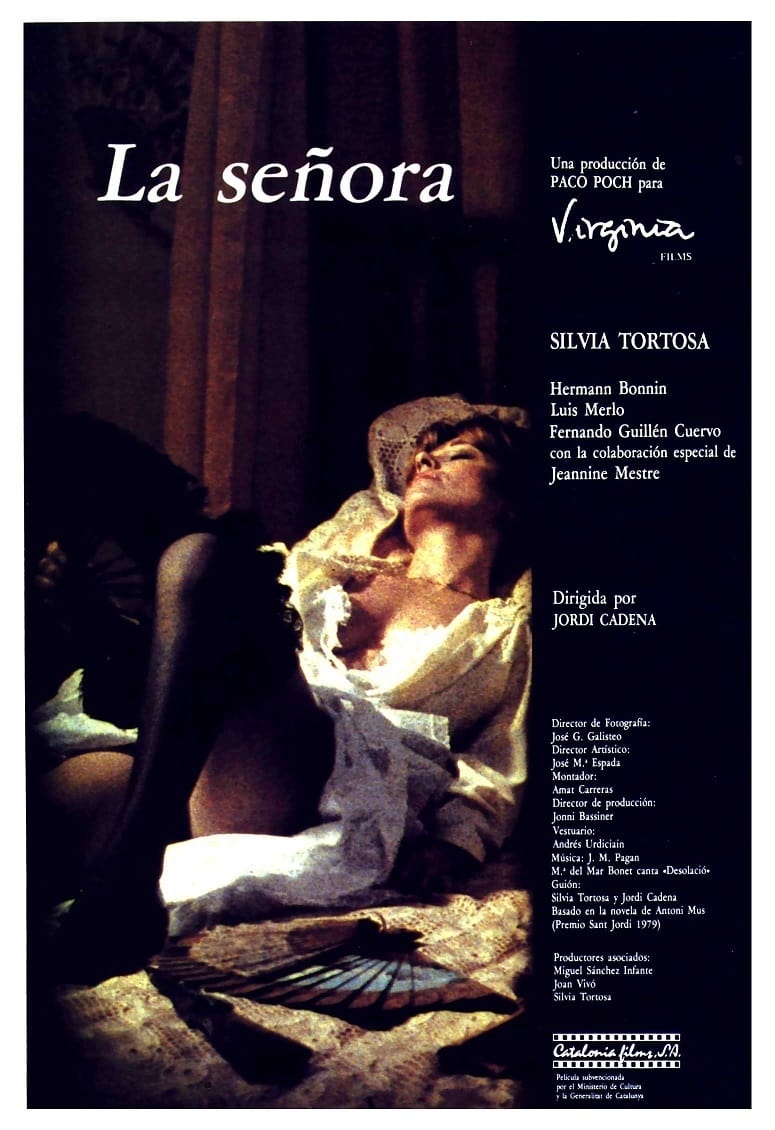
With her family and wealth in shambles, Teresa marries the much older Nicolás, a man with morbid obsessions. Soon after, Nicolás soon dies, leaving Teresa with his fortune. However, Teresa begins to acquire the same personality and morbid obsessions as her late husband.
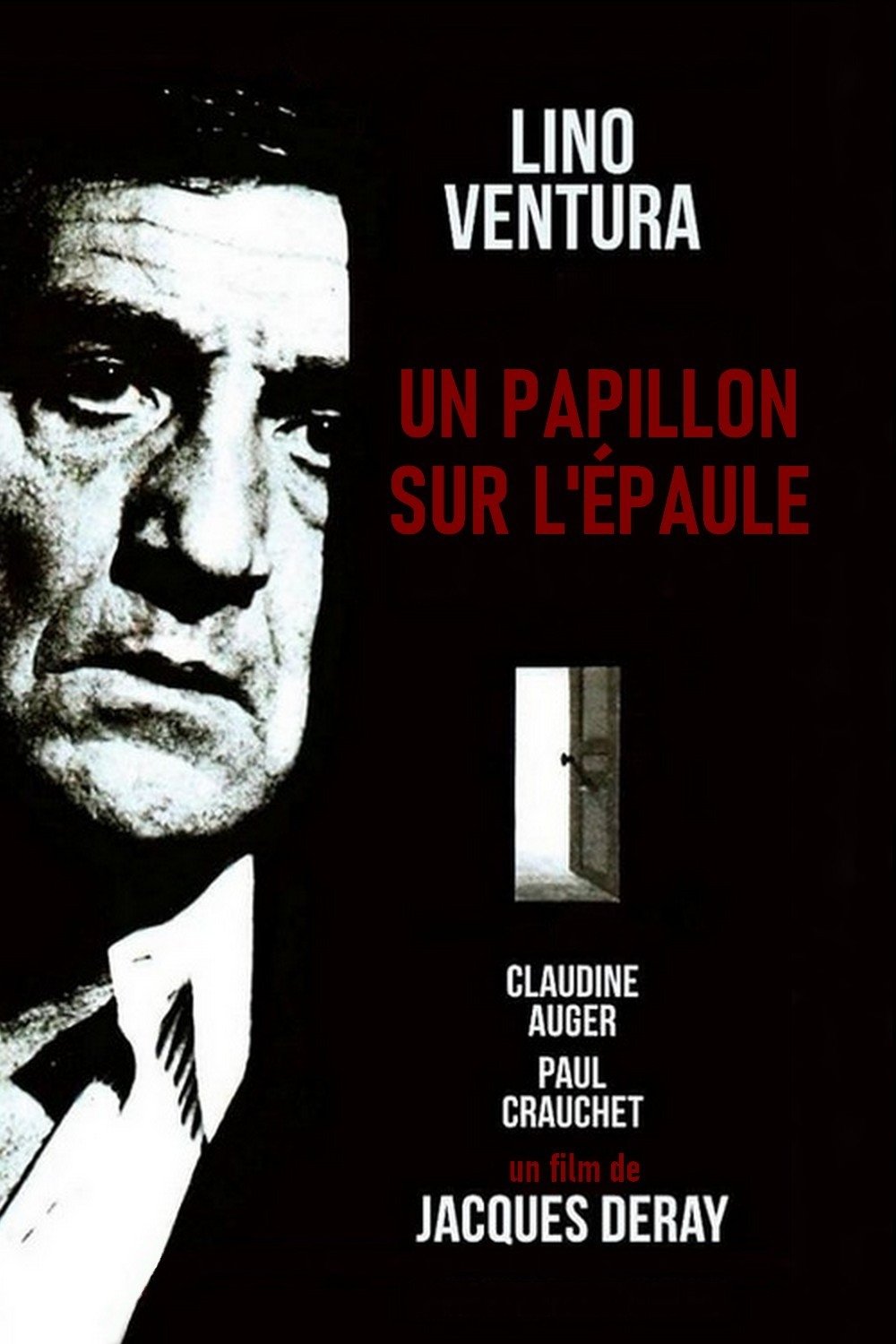
On a stopover in Barcelona, Fériaud Roland discovers a corpse in the hotel room next door. He wakes up in a strange clinic without remembering who brought him there. The doctor insists he hallucinated, but it's not long before he obtains evidence that it wasn't a dream.
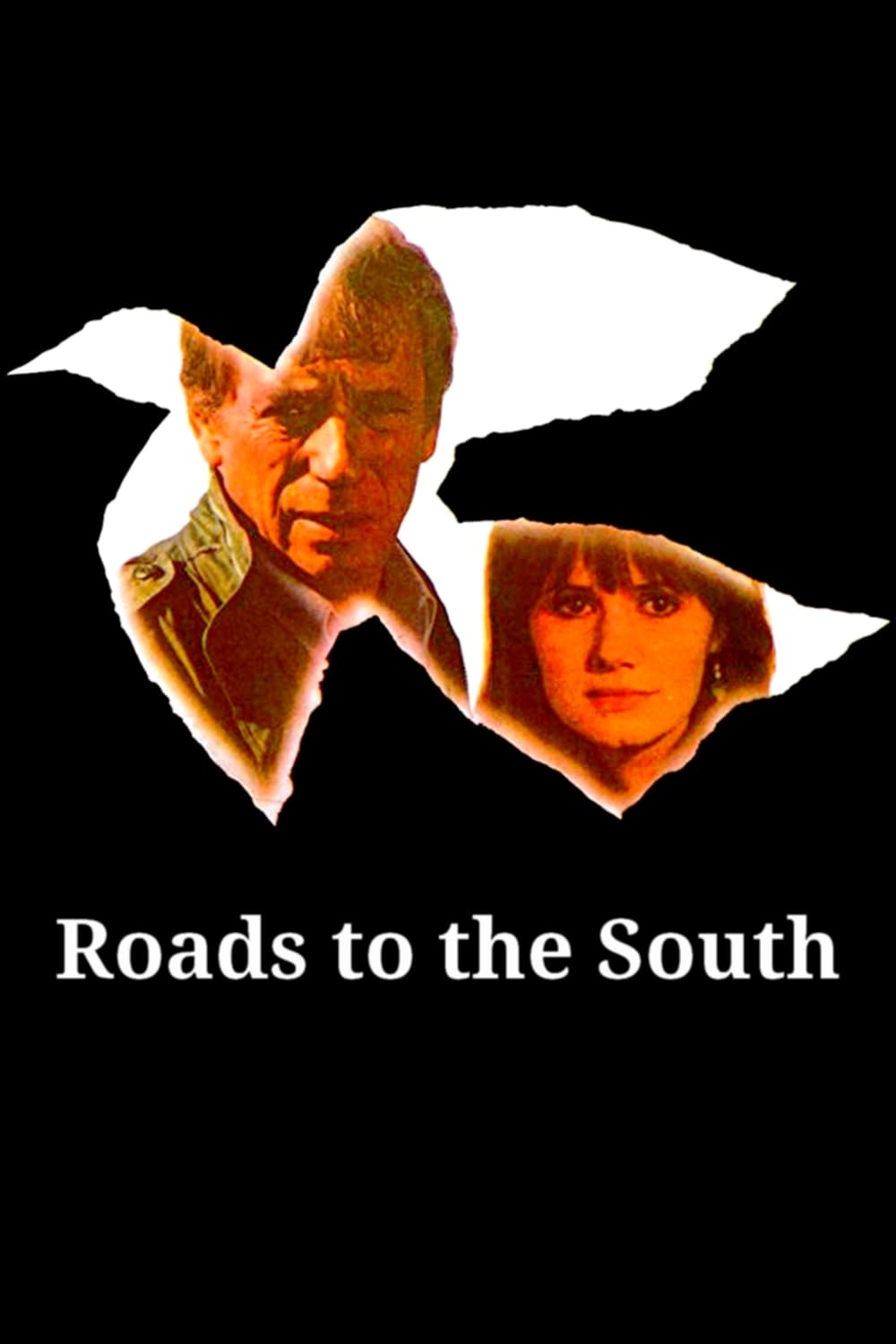
France, 1975. Jean, an exiled Spanish Communist, is a successful screenwriter who, after a tragic event, struggles with his political commitment, his love for his country, under the boot of General Franco, whose death he and his comrades have waited for years, and his complicated relationship with his son. (A sequel to “The War Is Over,” 1966.)

A group of retired soldiers return from the Civil War to Texas, where they are no longer tolerated by the women who have become independent because of their unsuitability. The failed partnership ends in murder by poison and flight. One exception is a young woman who leaves the phalanx of women out of love. The comedy, disguised as an idyll, refers in many ways to classic models in the genre of the western and the home movie.