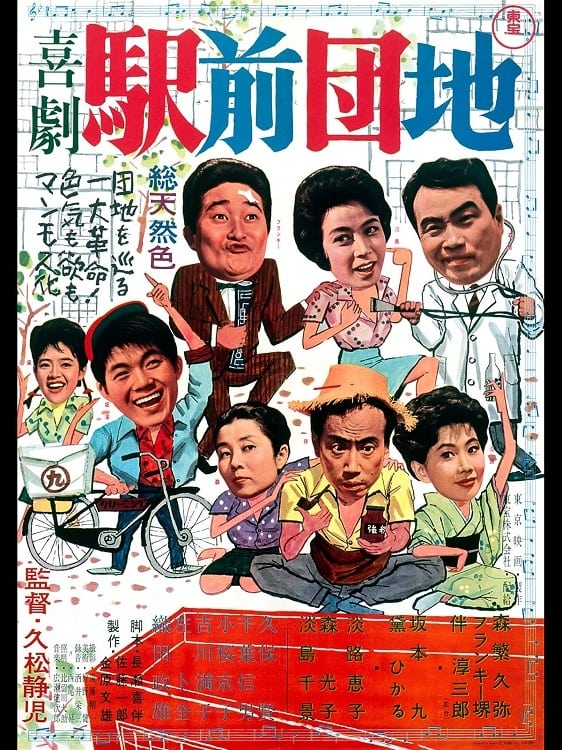
Follow-up to "Ekimae Ryokan." Set around the Yurigaoka and Nishi-Ikuta stations on the Odakyu-Odawara line, the film takes up the problem of real estate around the expanding Yurigaoka apartments.
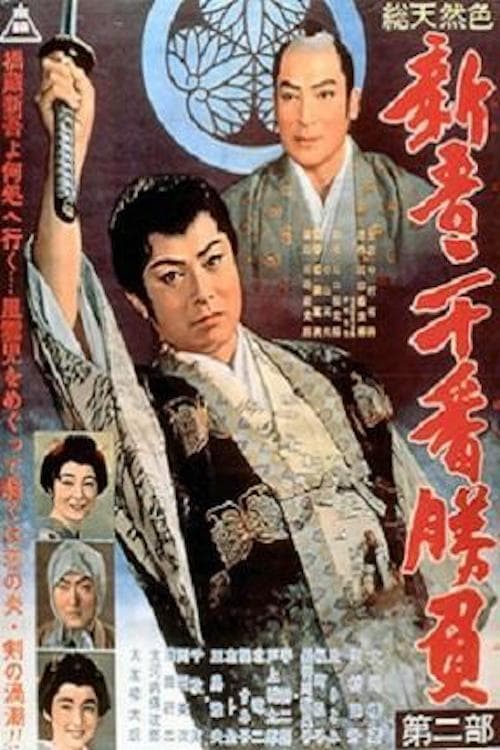
The second film in the 20 Duels of Young Shingo trilogy directed by Sadatsugu Matsuda.
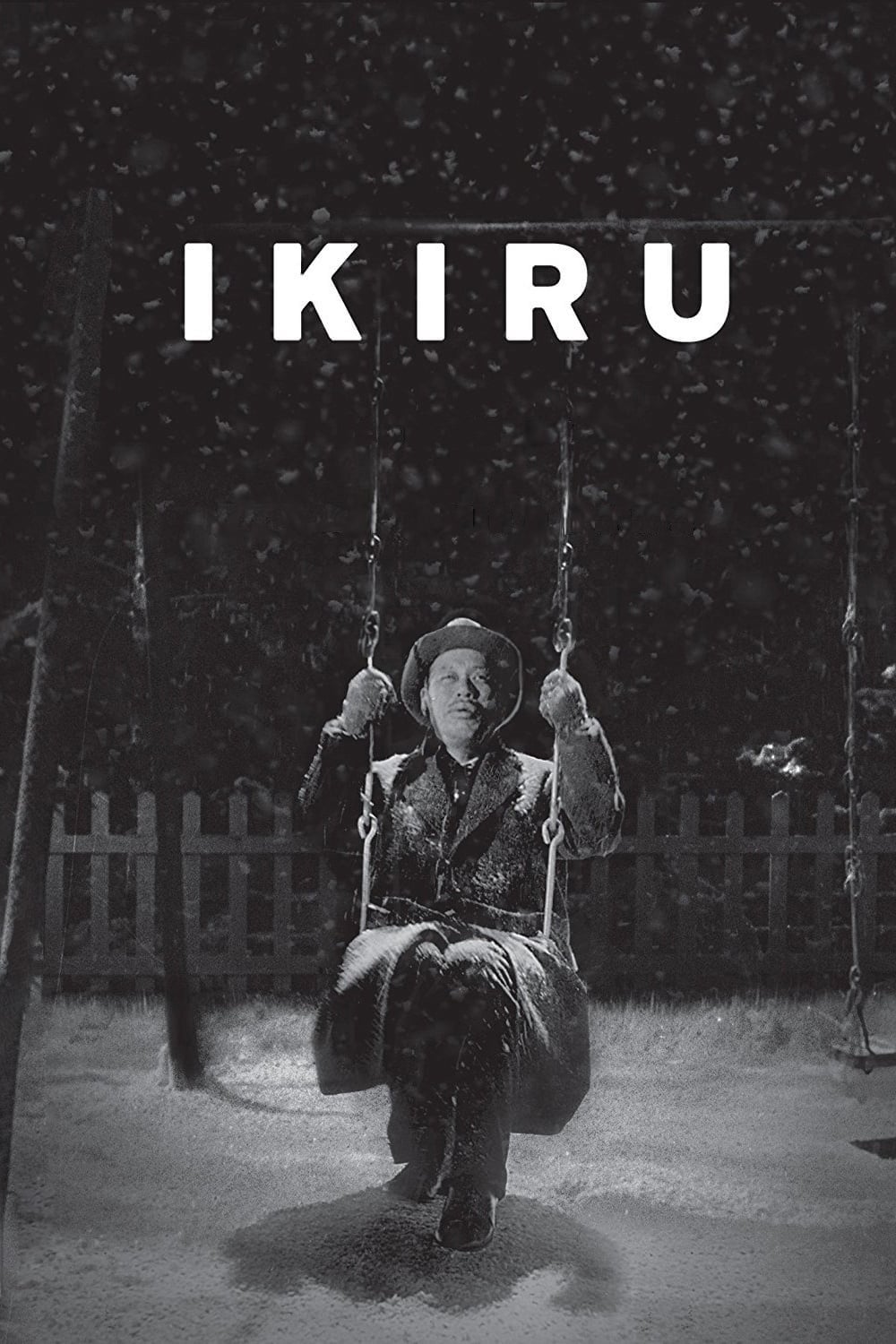
Kanji Watanabe is a middle-aged man who has worked in the same monotonous bureaucratic position for decades. Learning he has cancer, he starts to look for the meaning of his life.

A gentle, war-shattered ex-soldier, Kinji Kameda, arrives in wintry Hokkaidō and is pulled into a volatile tangle of love and pity between the disgraced Taeko Nasu, the proud Ayako, and his possessive friend Akama. Kameda’s saintly compassion exposes everyone’s wounds, steering the quartet toward jealousy, violence, and inexorable tragedy. Adapted from Dostoevsky’s novel.
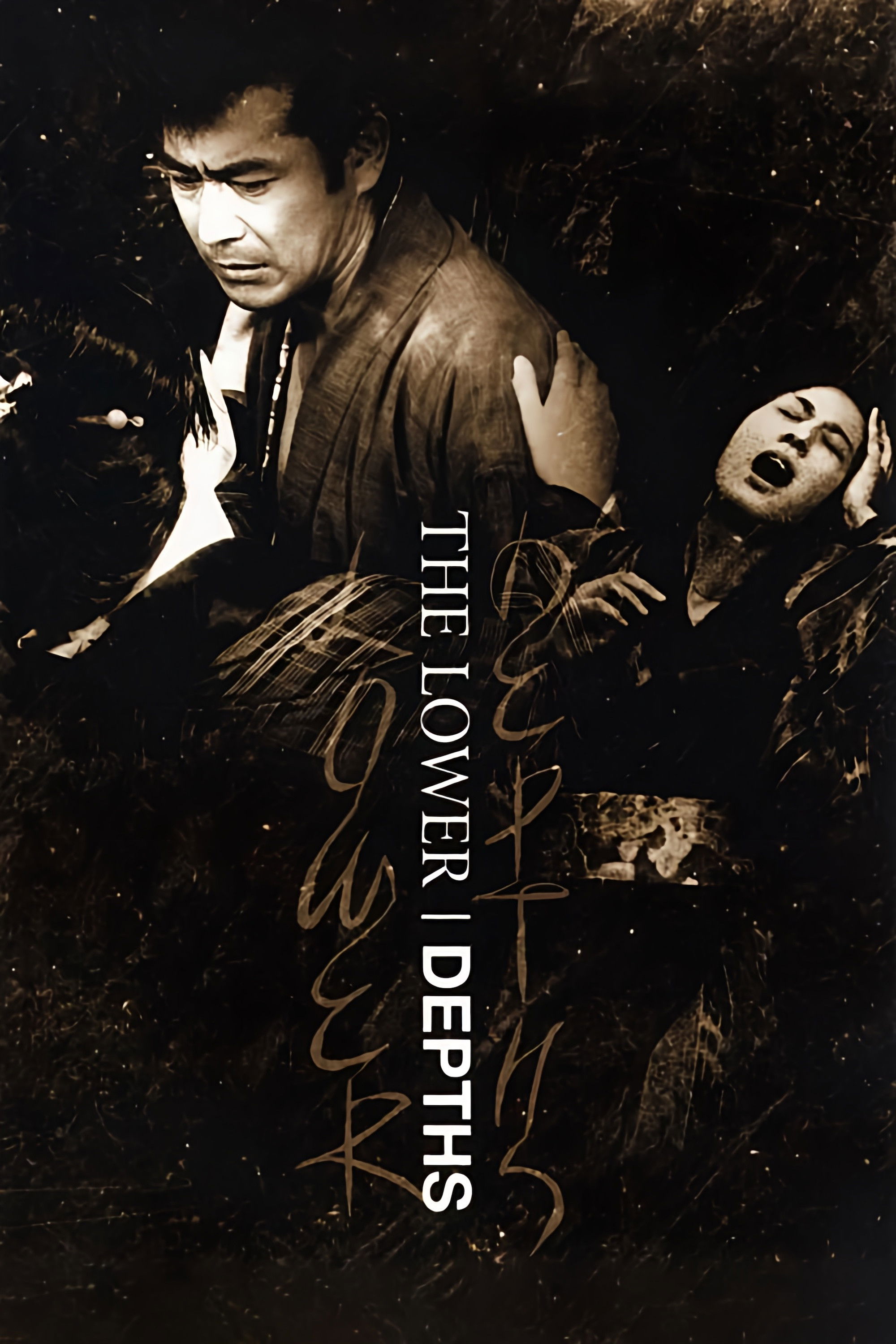
Residents of a rundown boardinghouse in 19th-century Japan, including a mysterious old man and an aging actor, get drawn into a love triangle that turns violent. When amoral thief Sutekichi breaks off his affair with landlady Osugi to romance her younger sister, Okayo, Osugi extracts her revenge by revealing her infidelity to her jealous husband.
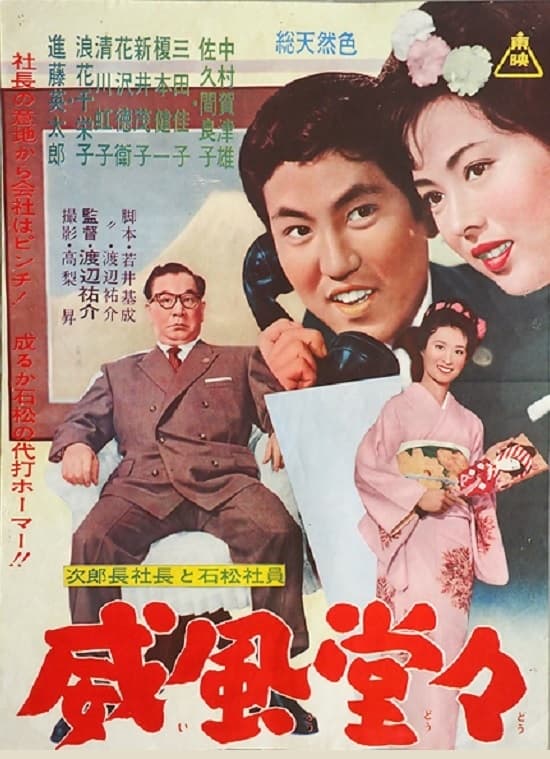
1962 Japanese movie
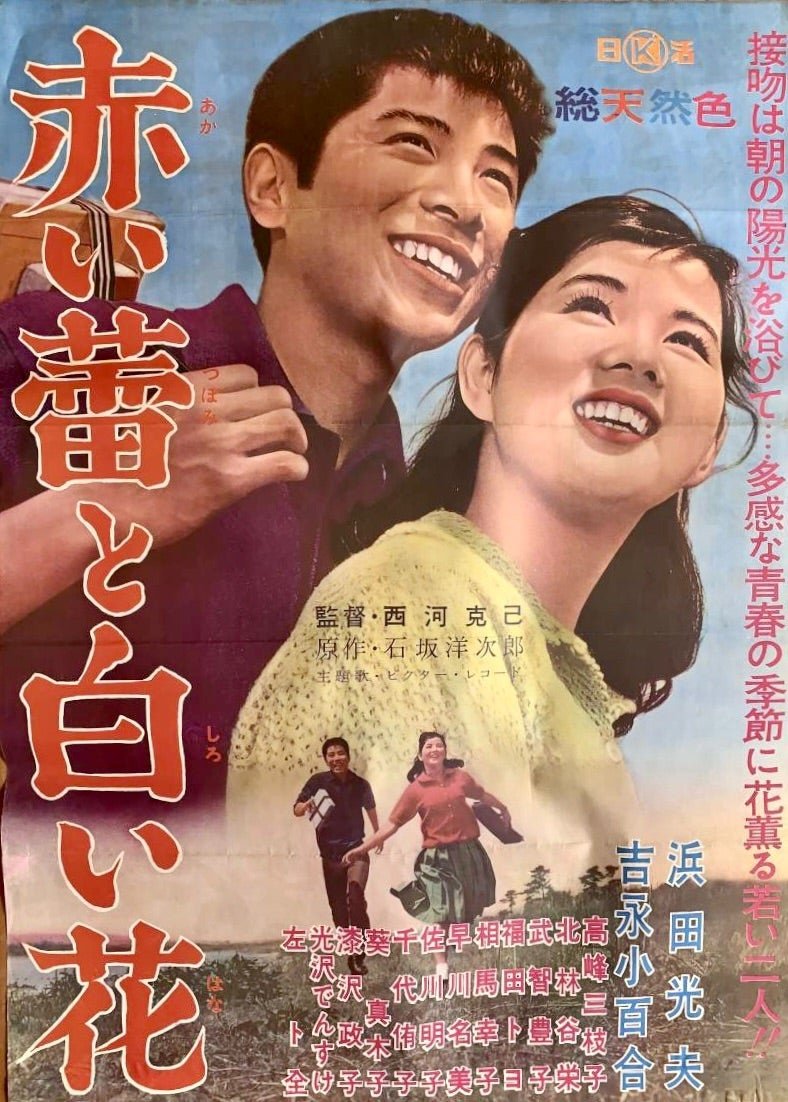
A high school boy and girl in the midst of their youth try to get their parents to remarry.
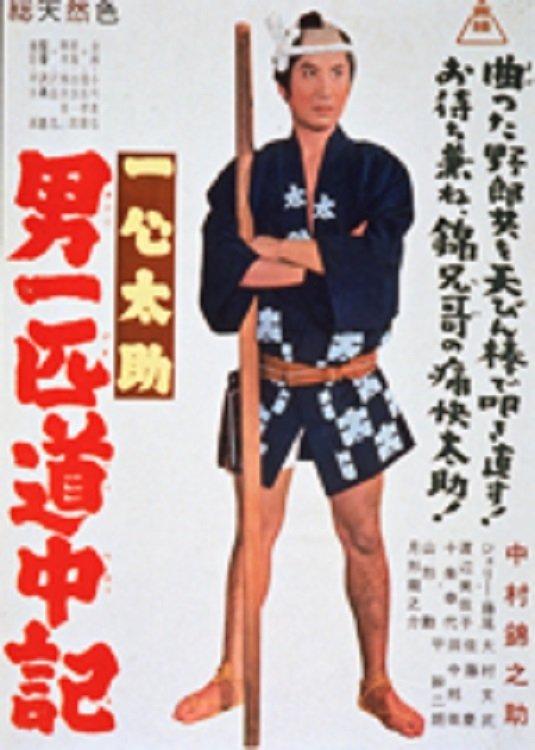
The supply of sea bream to the fish market has decreased, and the price has increased to a whopping 1 ryo, and unable to face his customers openly anymore, Tasuke closes the shop and goes on a trip to celebrate the first wedding anniversary with his wife Onaka. Staying at the inn, Tasuke sees that dishes from magnificent sea bream are served here, which is very cheap. Tasuke goes to a fishing village and finds out here that a rich merchant is stopping the shipment of fish...
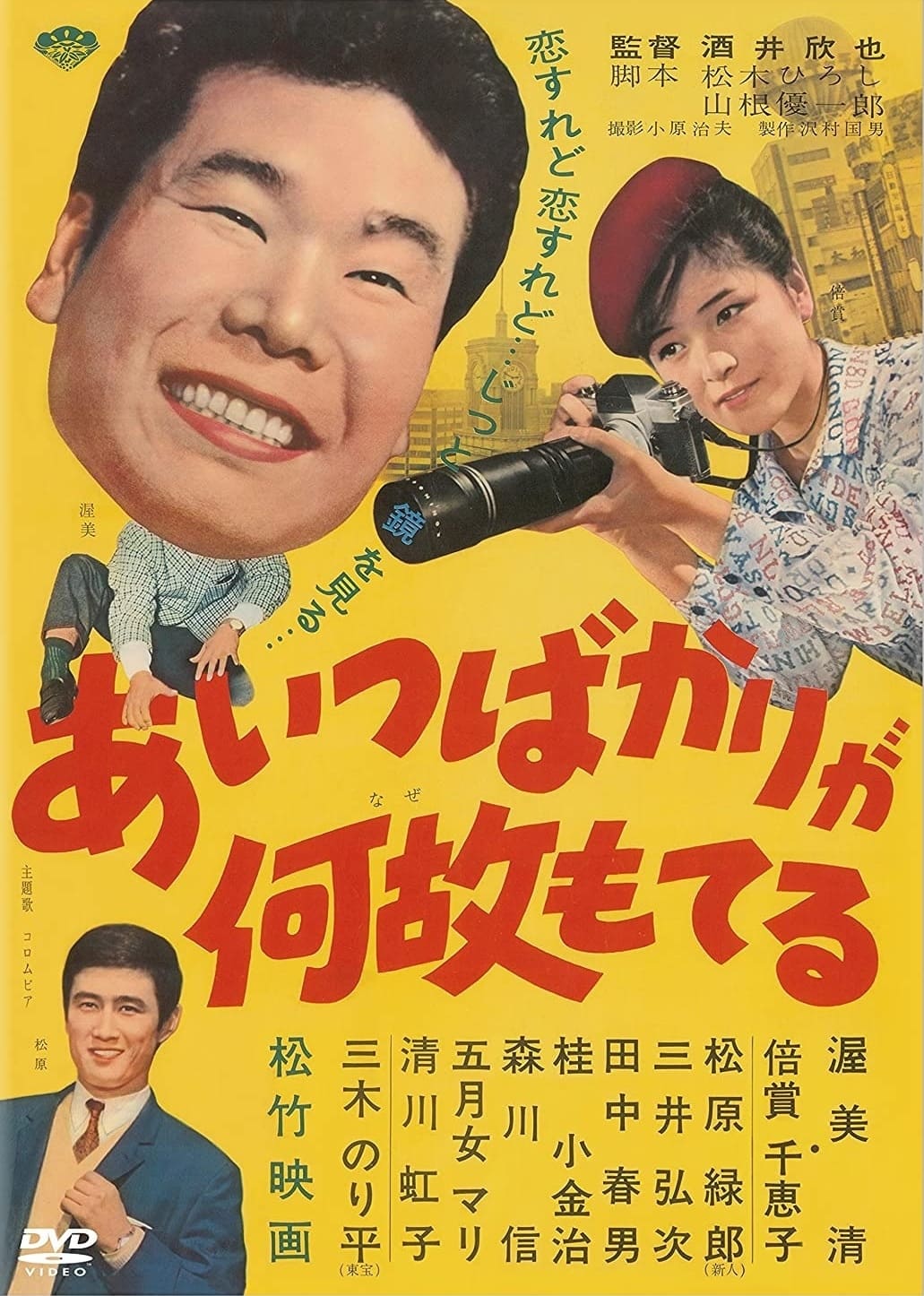
1962 Japanese movie
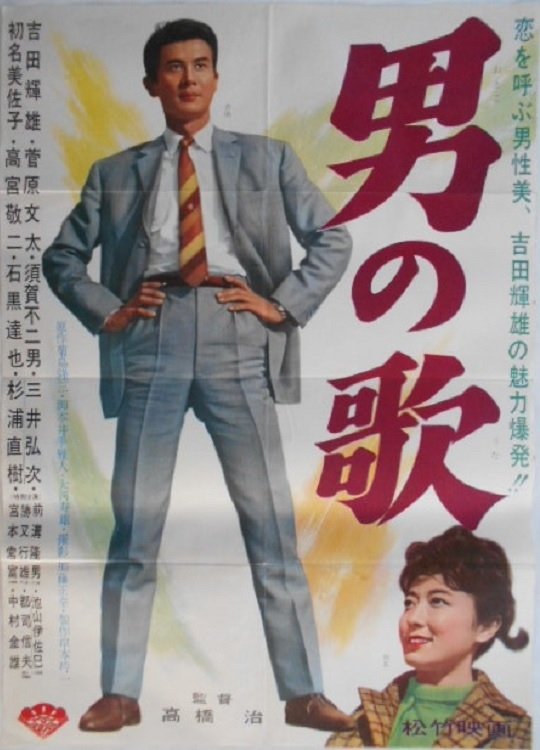
1962 Japanese movie
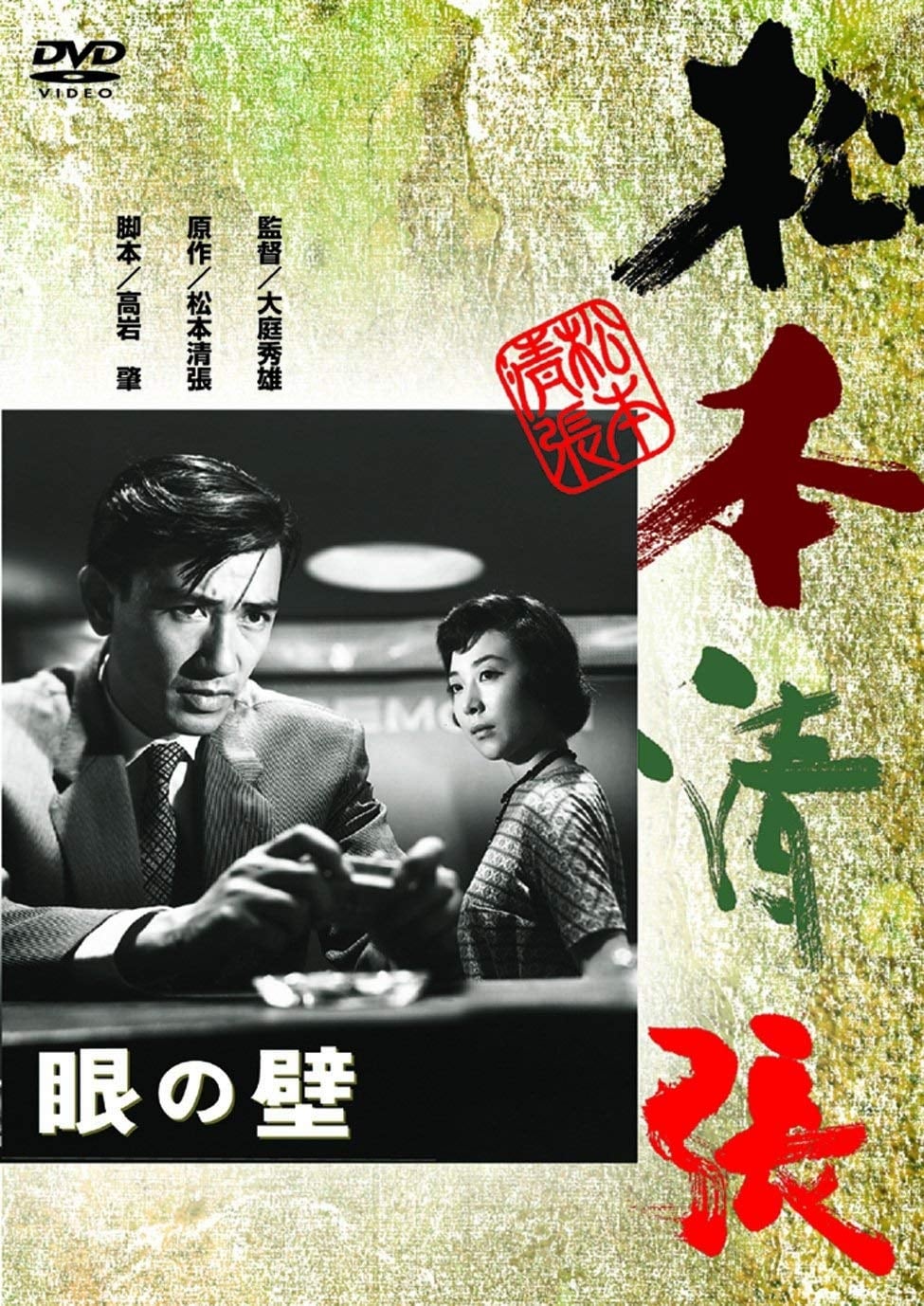
Based on the novel of the same name by Seichô Matsumoto.
A movie directed by Nobuo Nakagawa
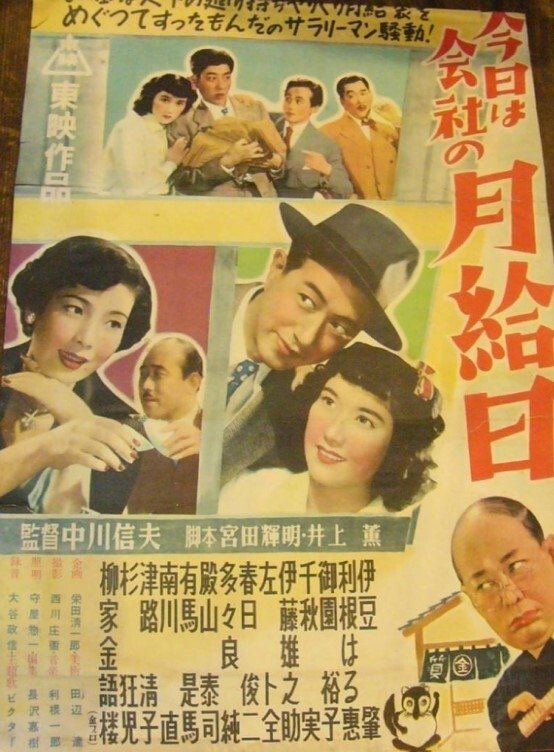
Office worker comedy by Nobuo Nakagawa
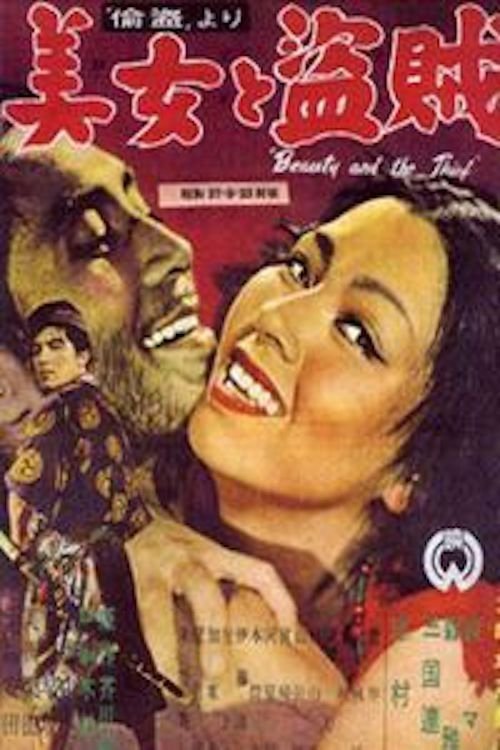
The picture belongs to the jidai gekki (historic) genre. It is a powerful story of violence and eroticism, picturing a world at once sordid and poetic, with two central themes which intermingle to compound an admirable panel of a critical period in Japanese history: the great famine in the mid 19th Century.
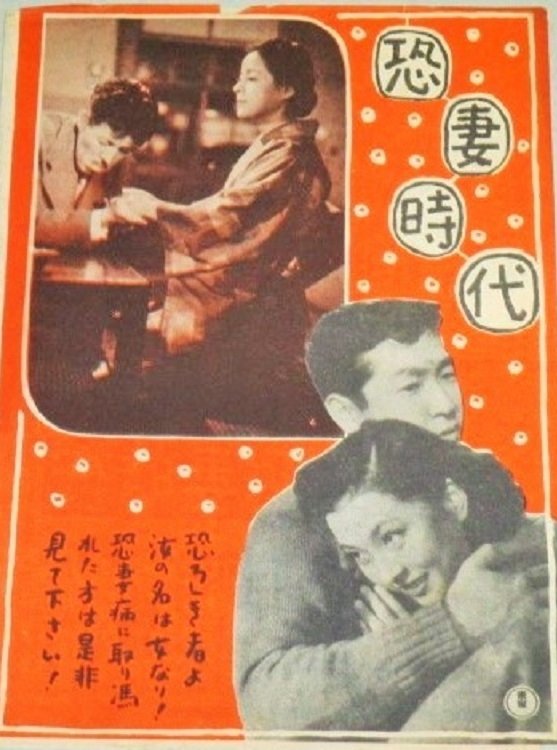
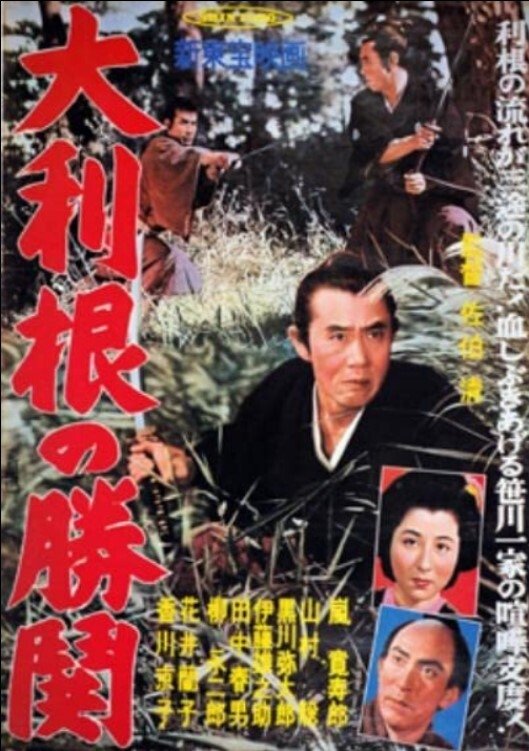
Jidai-geki by Kiyoshi Saeki
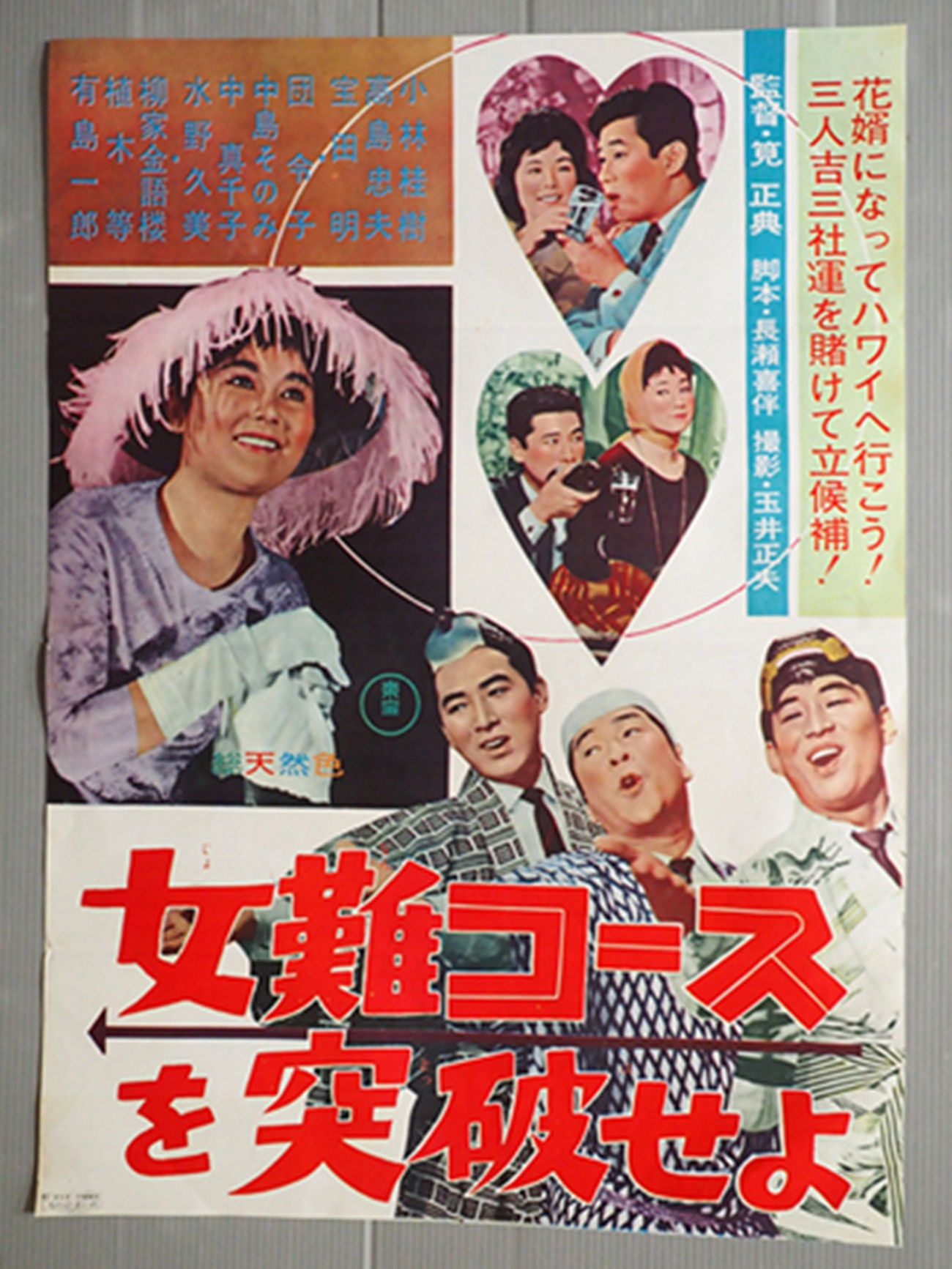
1962 Japanese movie
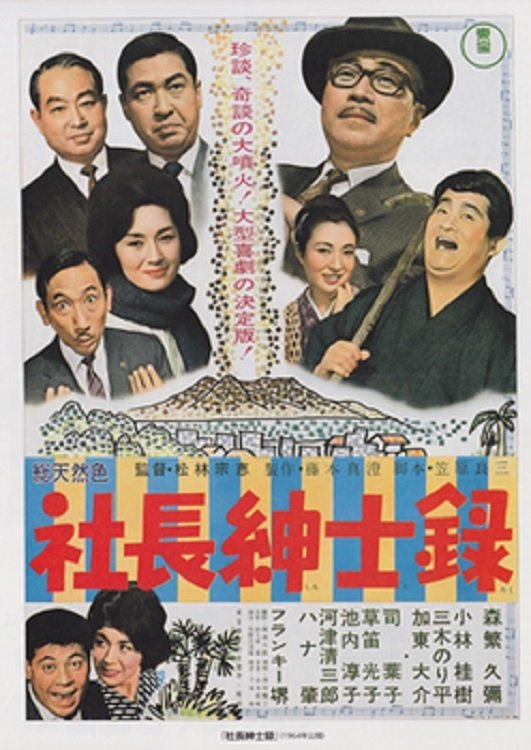
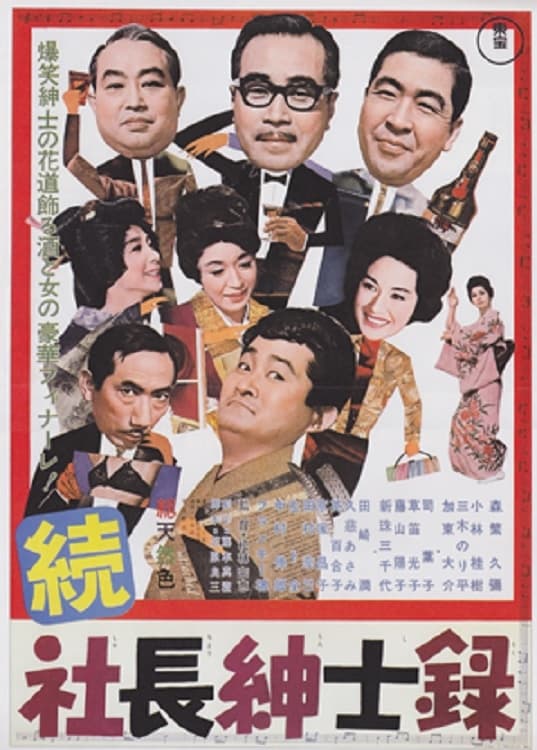
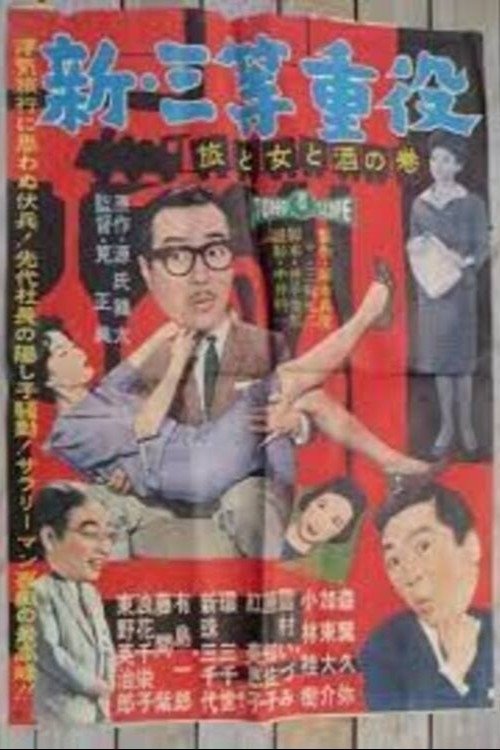
A lighthearted satire of Japan’s postwar corporate elite, The Executive Gentleman’s Register blends farce, romance, and boardroom comedy with the polished charm of 1960s salaryman cinema. When mild-mannered secretary Tsutomu Harada’s wedding is postponed yet again due to the sudden promotion of his matchmaker, Reitarō Koizumi, to company president, chaos ensues in the world of business and matrimony alike. At a raucous nightclub party, a game of musical chairs leads to injury, scandal, and rivalry with a competing paper-bag tycoon. Limping through his first day as president, Reitarō faces corporate sabotage, eccentric clients, and a disastrously comic “business trip” that tangles together love, liquor, and misplaced ambition.
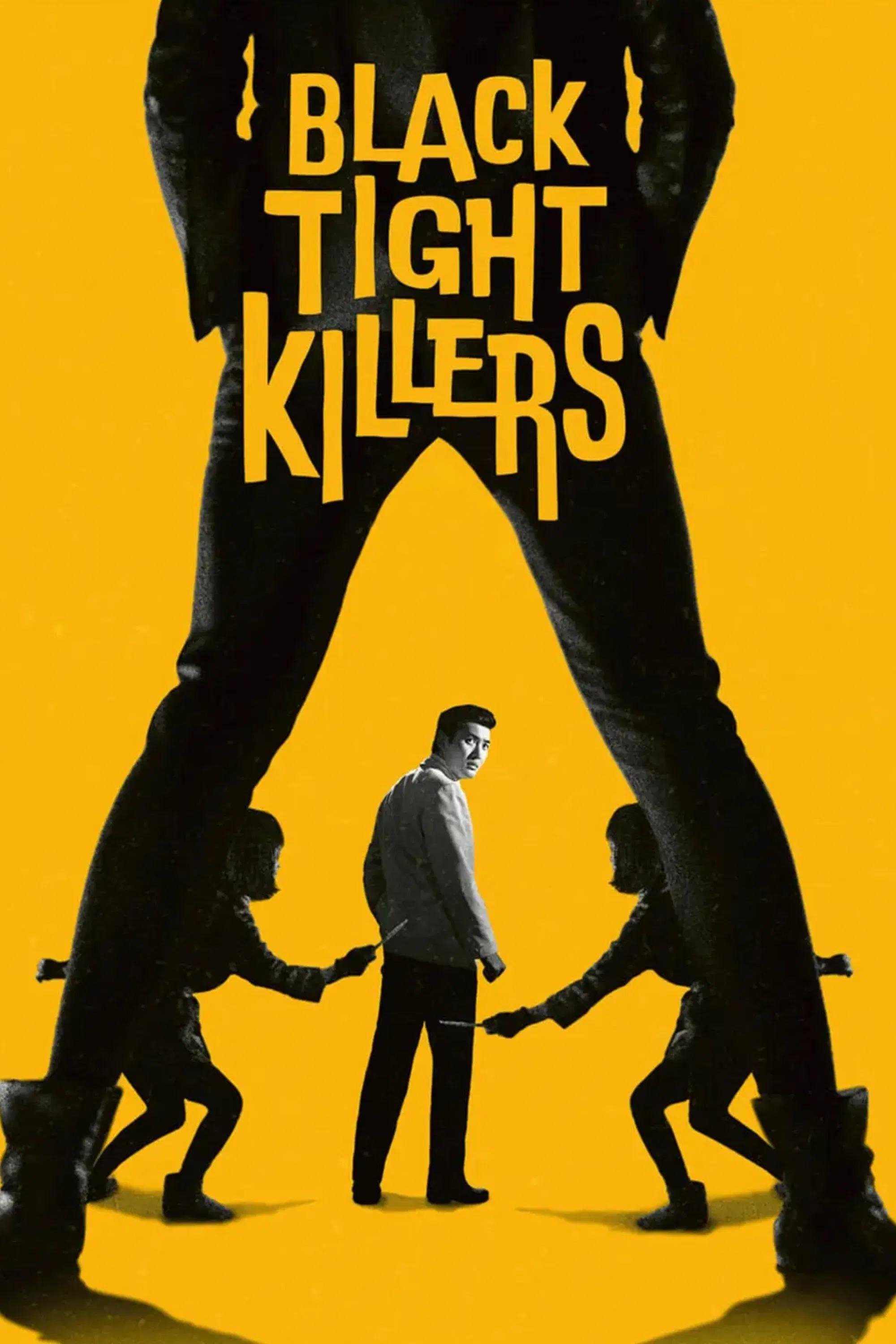
Daisuke Honda, a war photographer in Vietnam, meets Yuriko Sawanouchi, a stewardess on his plane back to Japan. After drinking with her at a Tokyo bar, he becomes involved in saving Yuriko from assassination by stylish, female ninjas. When trying to rescue Yuriko from kidnappers, Daisuke discovers a group of foreigners are hunting for a WWII-era treasure hidden on an island by Yuriko's father.
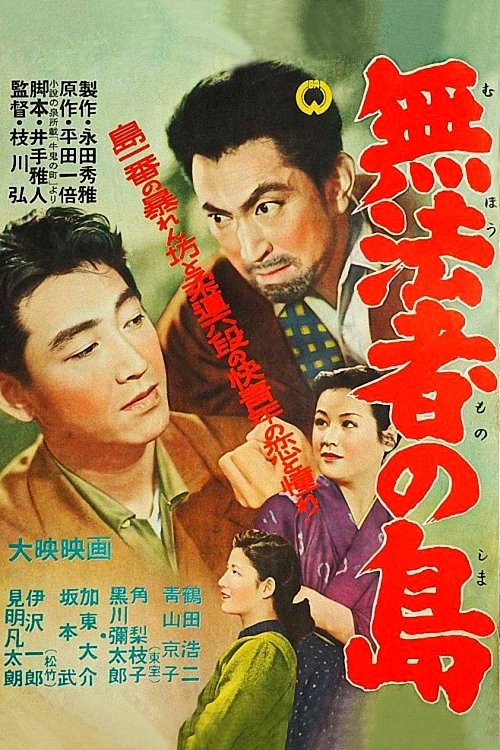
The southern tip of Shikoku. This village, surrounded by a bay, where, according to legend, the former warriors of the Heike clan settled, is famous for its bullfights. Today there is also a bull market in the village, and there are extremely many people here. The black bull "Great Tengu", which Gonzo from Misaki offered, cost 50,000, but was forcibly taken away by a Bakuro soldier, who possessed extraordinary strength and physique, for less than half the price. However, the violent soldier was in love with Tsunayo, the hostess of the inn and the organizer of the bullfight. One day, a young man from the city, an Ihara police officer, arrives in the village. And soon the real problems will begin…
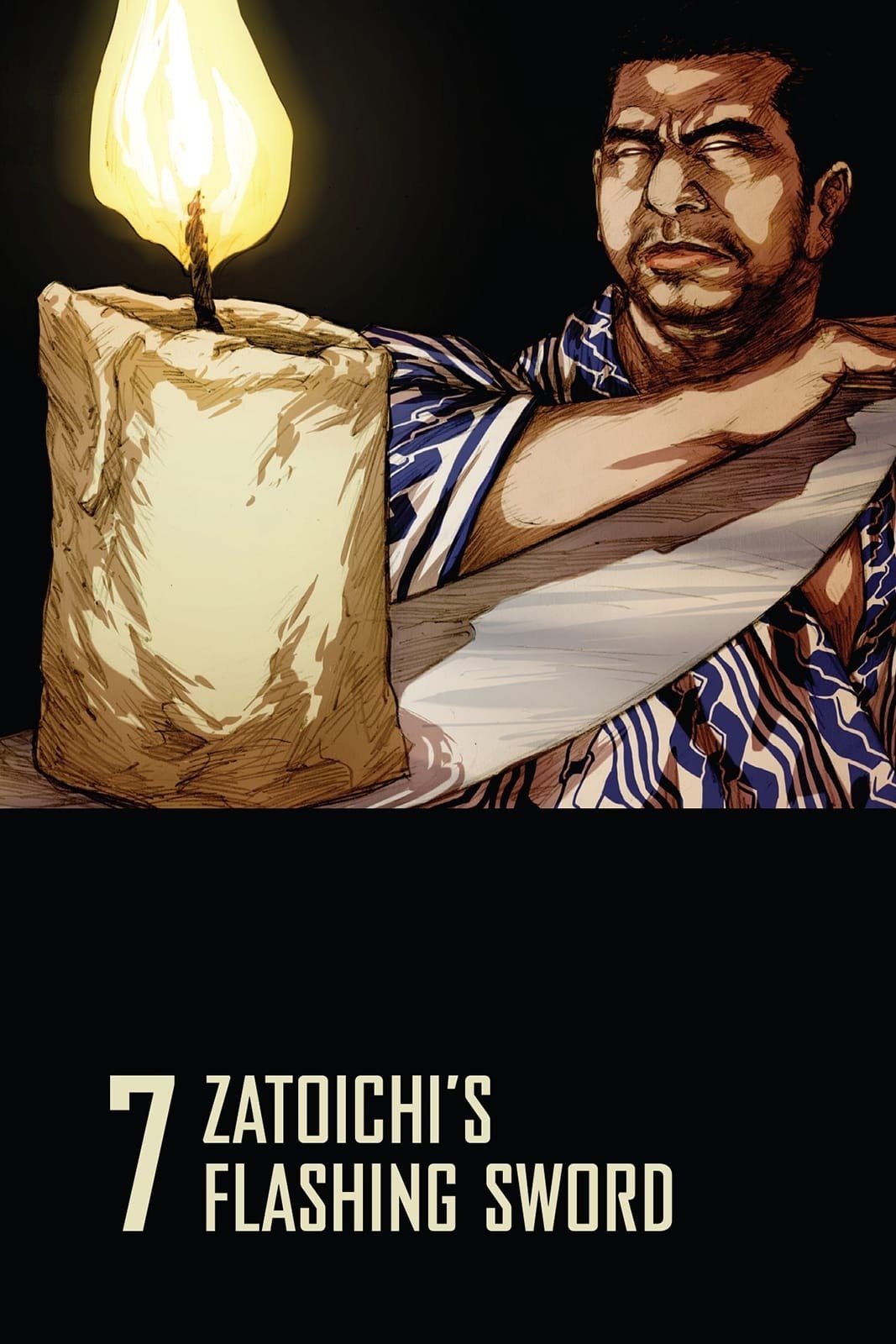
Blind masseur Zatoichi is nursed back to health by a young woman after he is shot by a gang member. Zatoichi, who had come to the village to repay a debt, now feels further indebted. He commits himself to use his amazing sword skills to help the young woman's father, whose river-crossing service is under attack by the same gang responsible for Zatoichi's wounds.
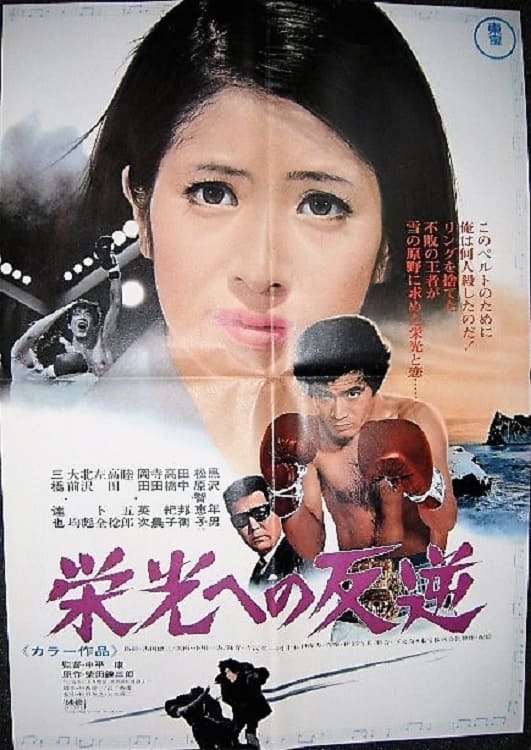
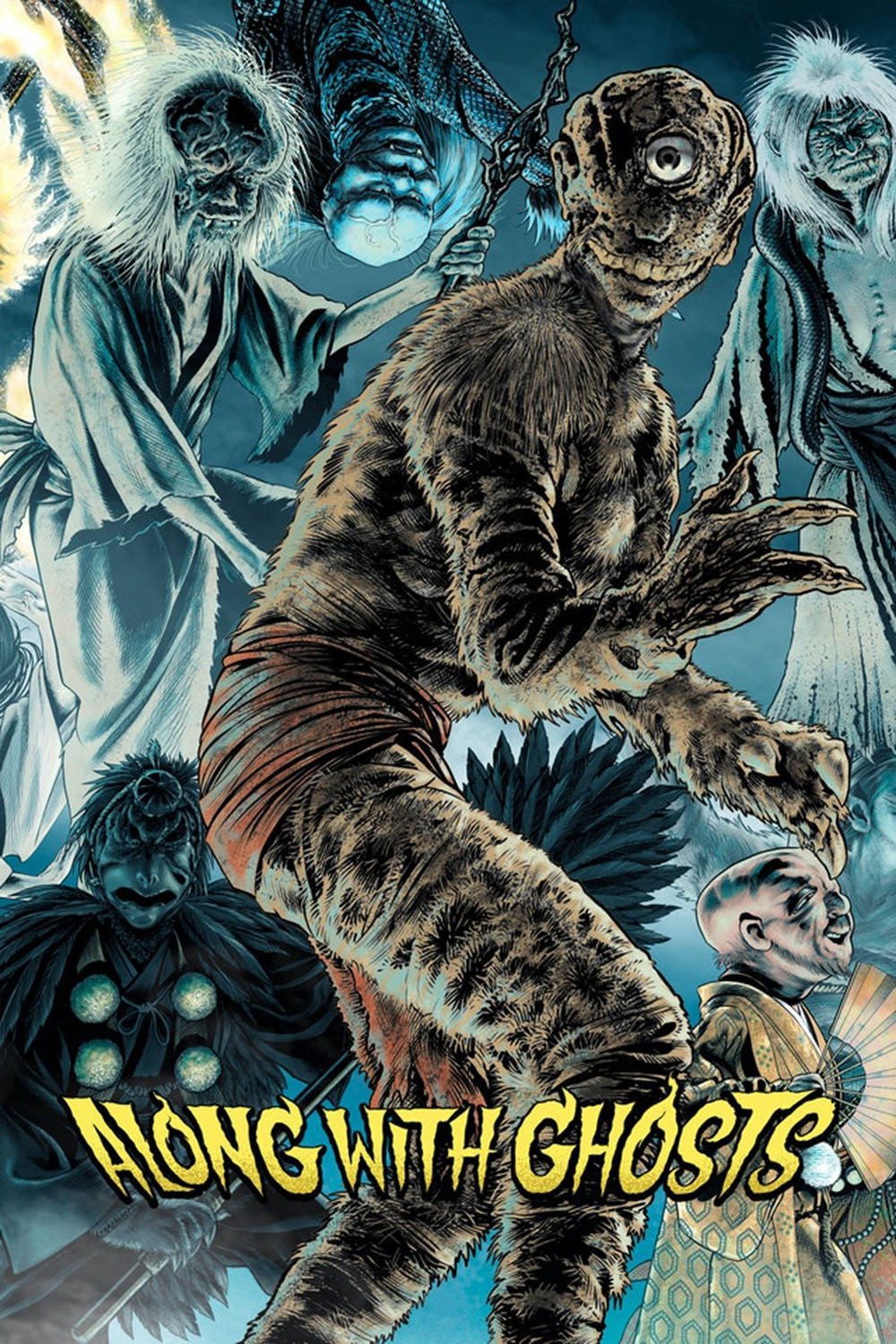
In feudal Japan, gangsters chase a young girl who might testify against their boss. When the gangsters murder the girl's grandfather on sacred ground, the door is opened for the Yokai Monsters to step in.
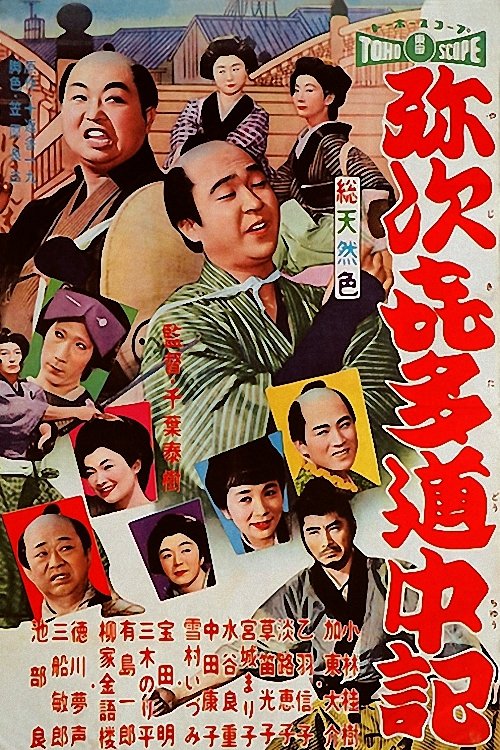
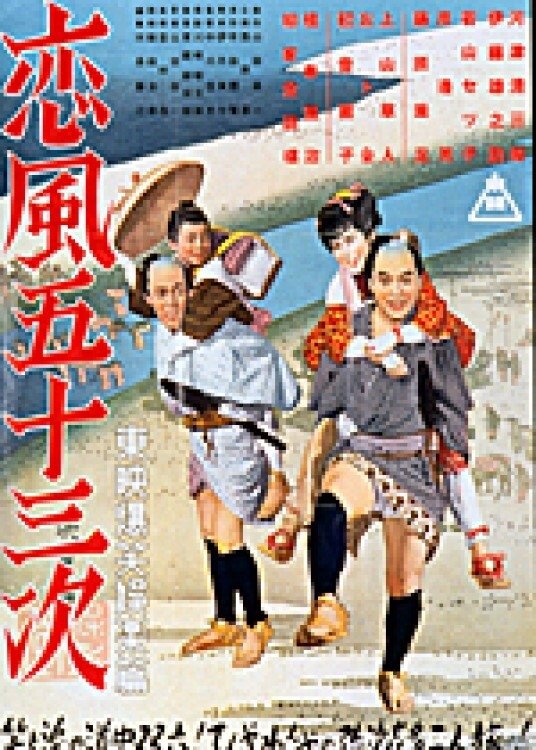
Two residents of Edo city Yaji and Kita make a journey to the temple of Ise, as part of a religious pilgrimage, but actually to get away from their wives for a little while. As they travel, they are constantly beset by complications involving women, mistaken identity, and misunderstood events. Another film adaptation of the famous novel Ikku Jippensha Footing It Along the Tokaido (Tokaidochu Hizakurige)
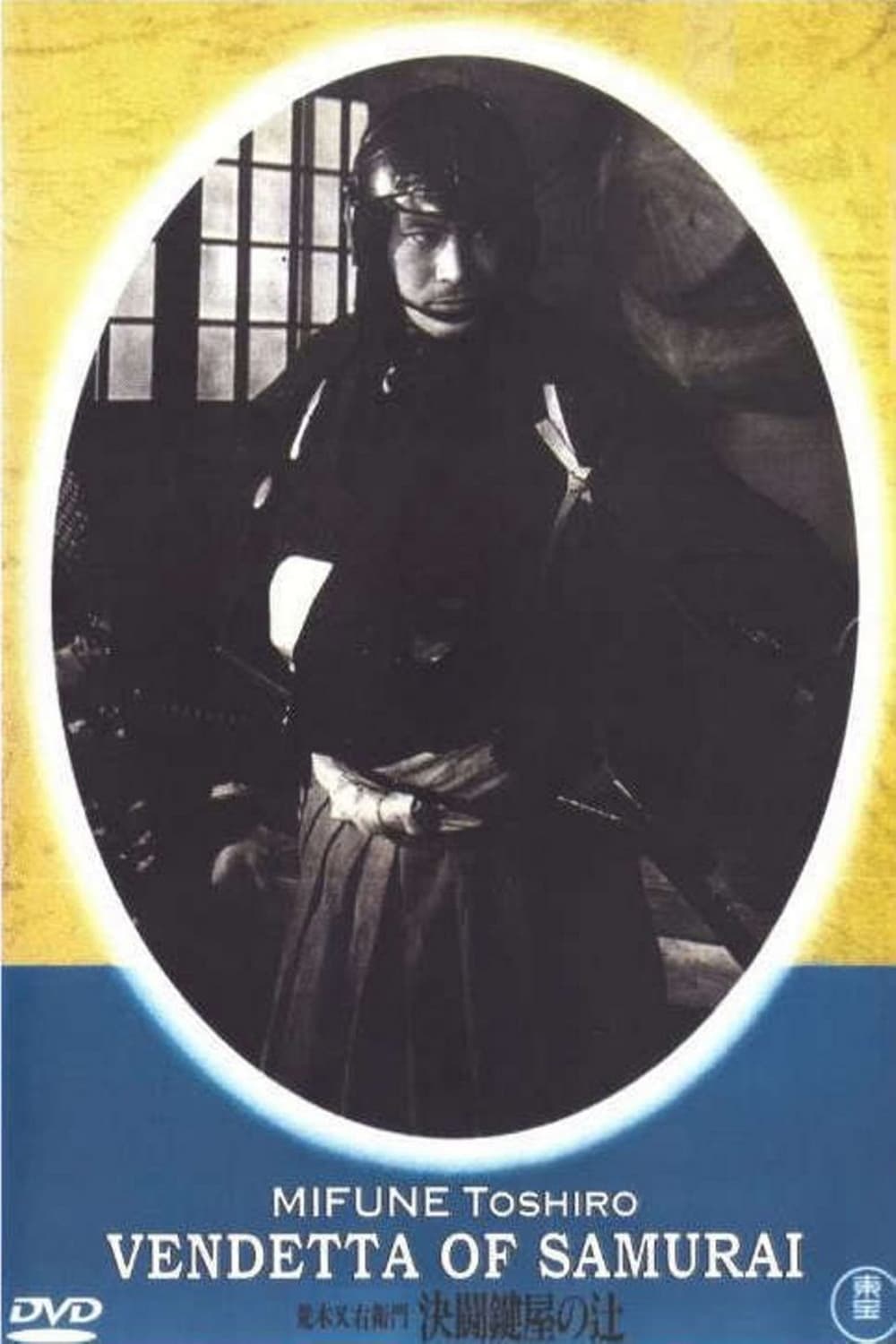
Mataemon Araki, a renowned swordsman, helps a young man find vengeance.
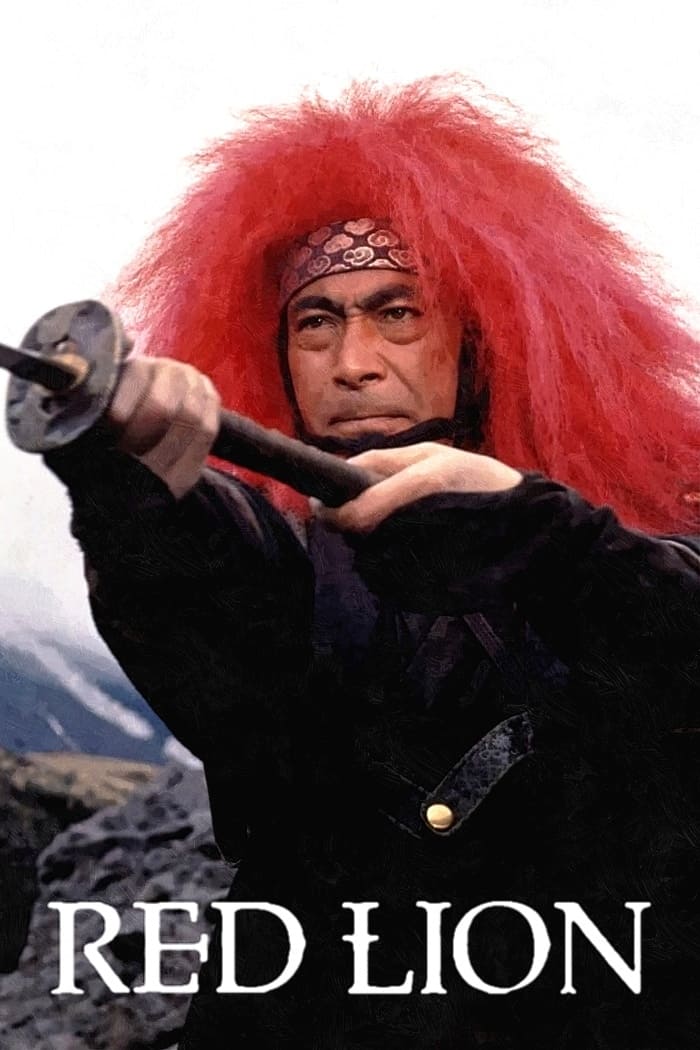
Japan, February 1868. As the Tokugawa shogunate declines and the power of Emperor Meiji grows, Gonzo, a soldier of the Restoration Army, returns to Sawando, his hometown, to announce the end of tyranny.

Story of a resourceful hobo (Kobayashi), a con woman (Takamine) who pretends to be a victim of the Nagasaki A-bomb, and two orphaned children who become a most atypical Japanese family.
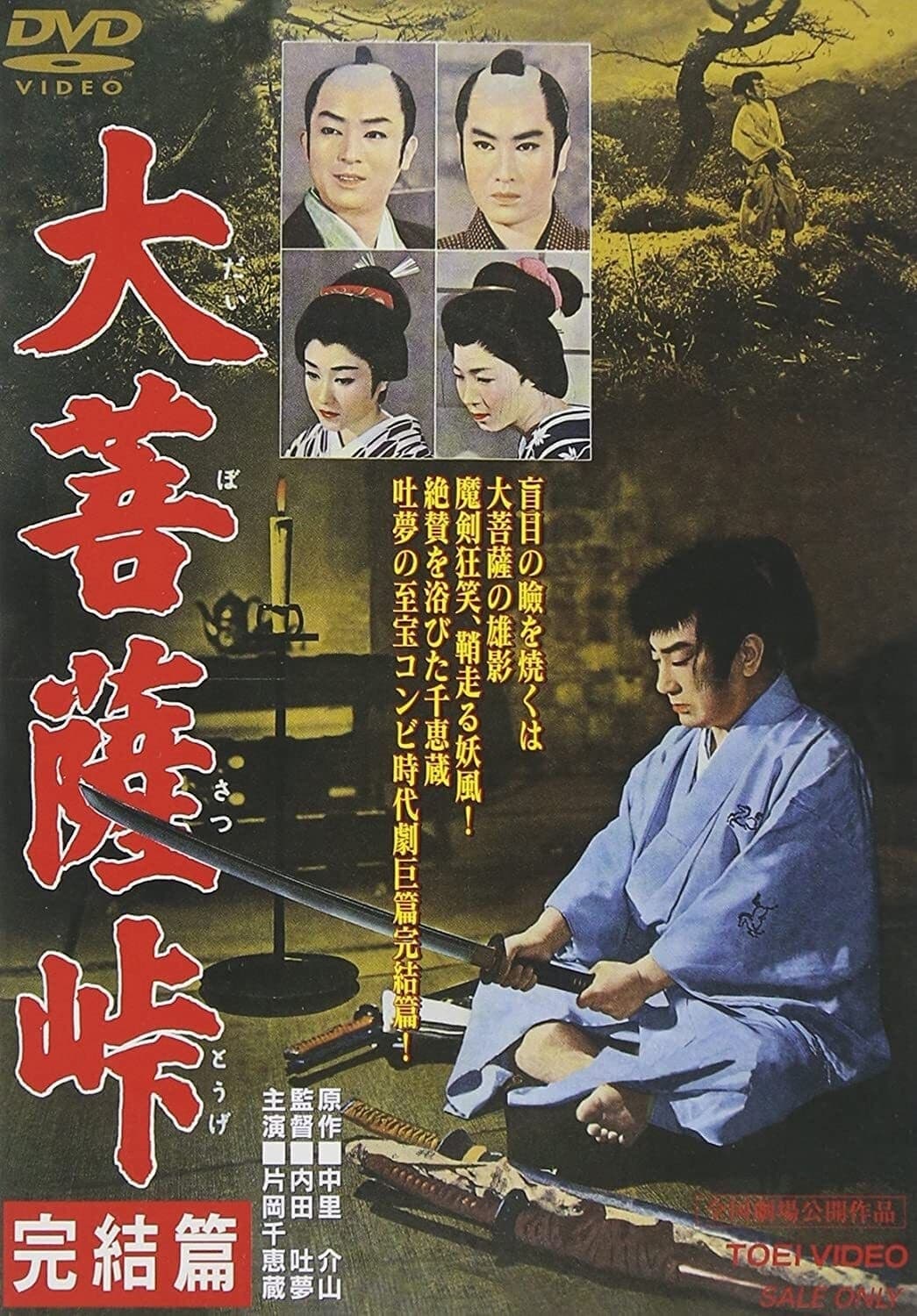
Master swordsman, Tsukue Ryunosuke is confronted by the families of his victims. Will justice be served for the lost innocent lives? The conclusion of the famed Jidaigeki series is an amazing film, with a completely different perspective on the story from the later versions. While the international audience is more familiar with the “Sword of Doom” and “Satan’s Sword” versions of Daibosatsu Toge (The Great Bodhisattva Pass), the “Souls in the Moonlight” trilogy casts an entirely different light on Ryunosuke and his motives. Can this brutal killer be brought to justice, or is living his life as a blind wanderer a more terrible fate? His sword skills have not diminished, nor has his desire to kill!
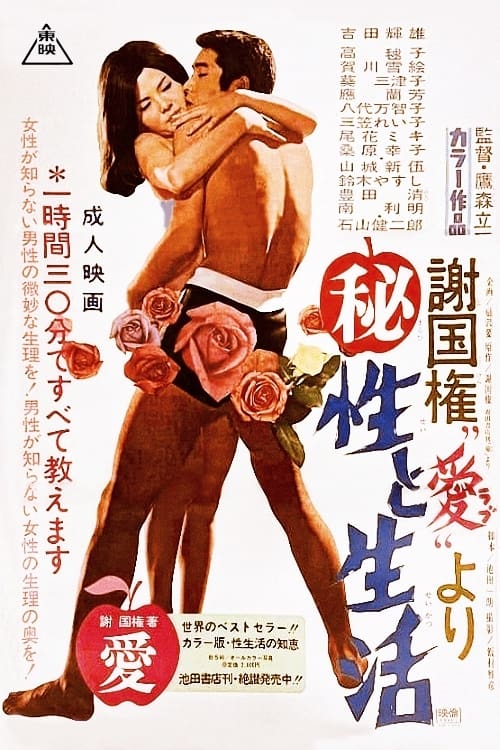
Dr. Mikami is an elderly somewhat clumsy, very popular therapist, his patients turn to him with all possible and impossible questions. Because Dr. Mikami's specialty is sexual clarification... The world's best-selling sex literature was filmed here in a manner close to the original. And the openness of the image shows the shocking conflicts of young people in scenes that were never filmed. Shocking documents about sex life from the doctor's office.
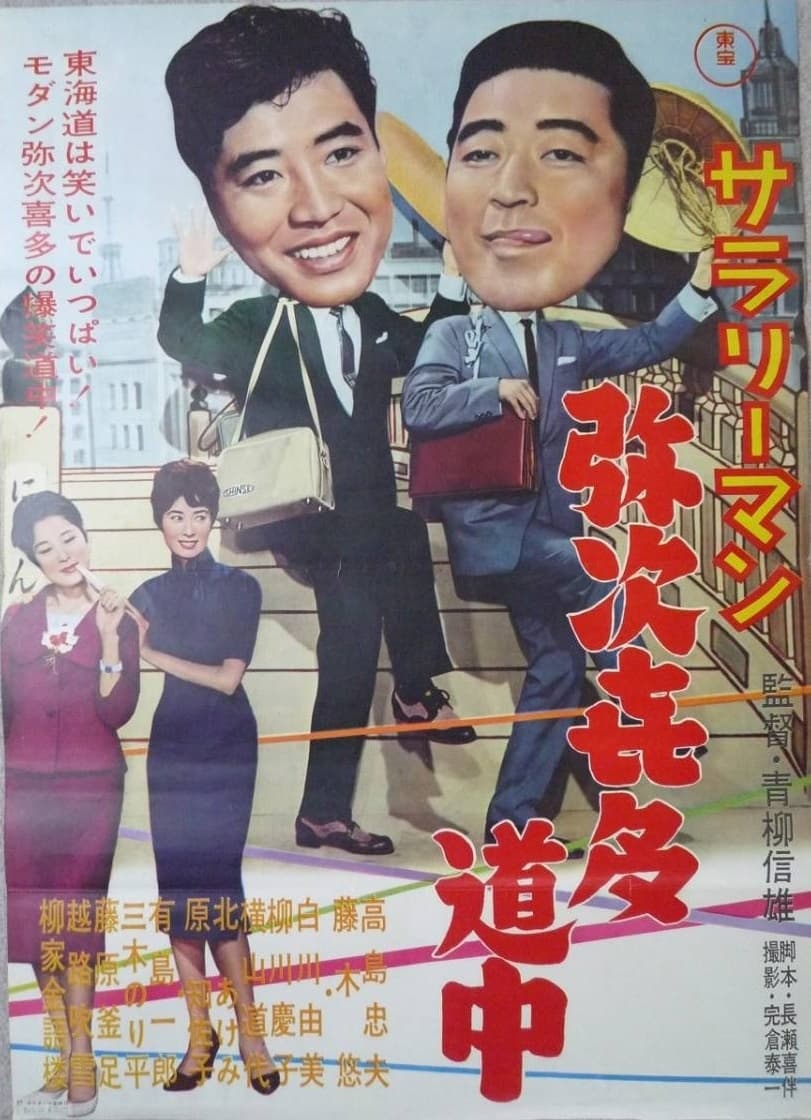
1961 Japanese movie
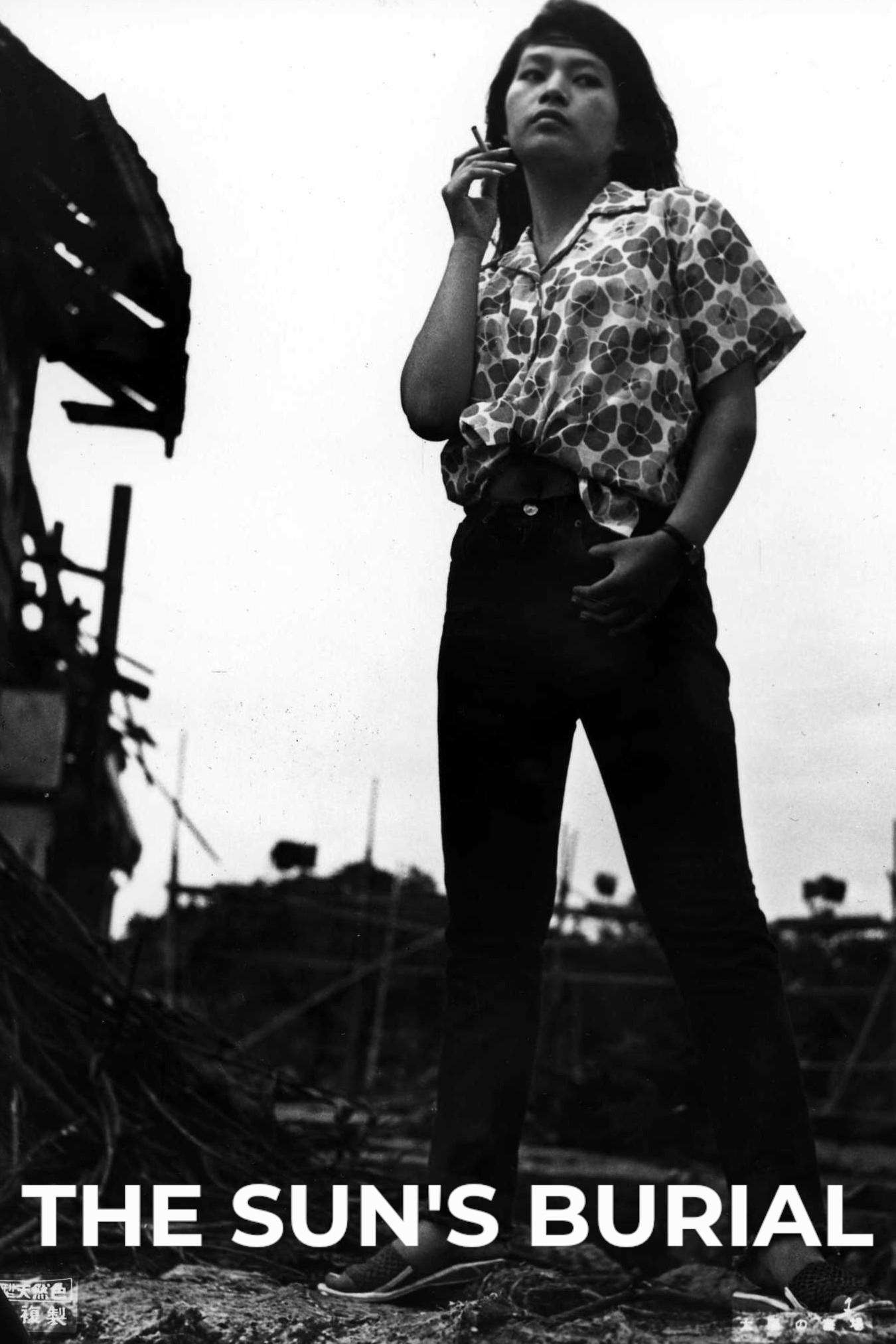
In Osaka's slum, capricious folks without futures engage in pilfering, assault and robbery, prostitution, and the trading of ID cards and blood.
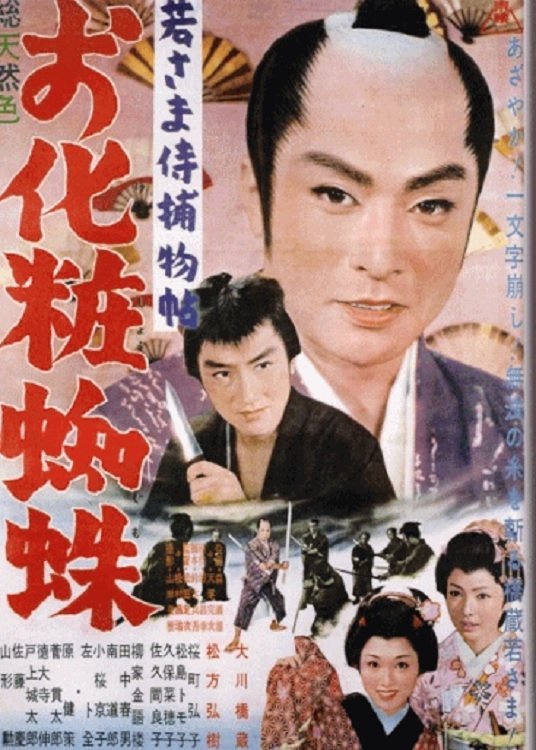
Young lord investigates the mysterious death that takes place in the underworld.
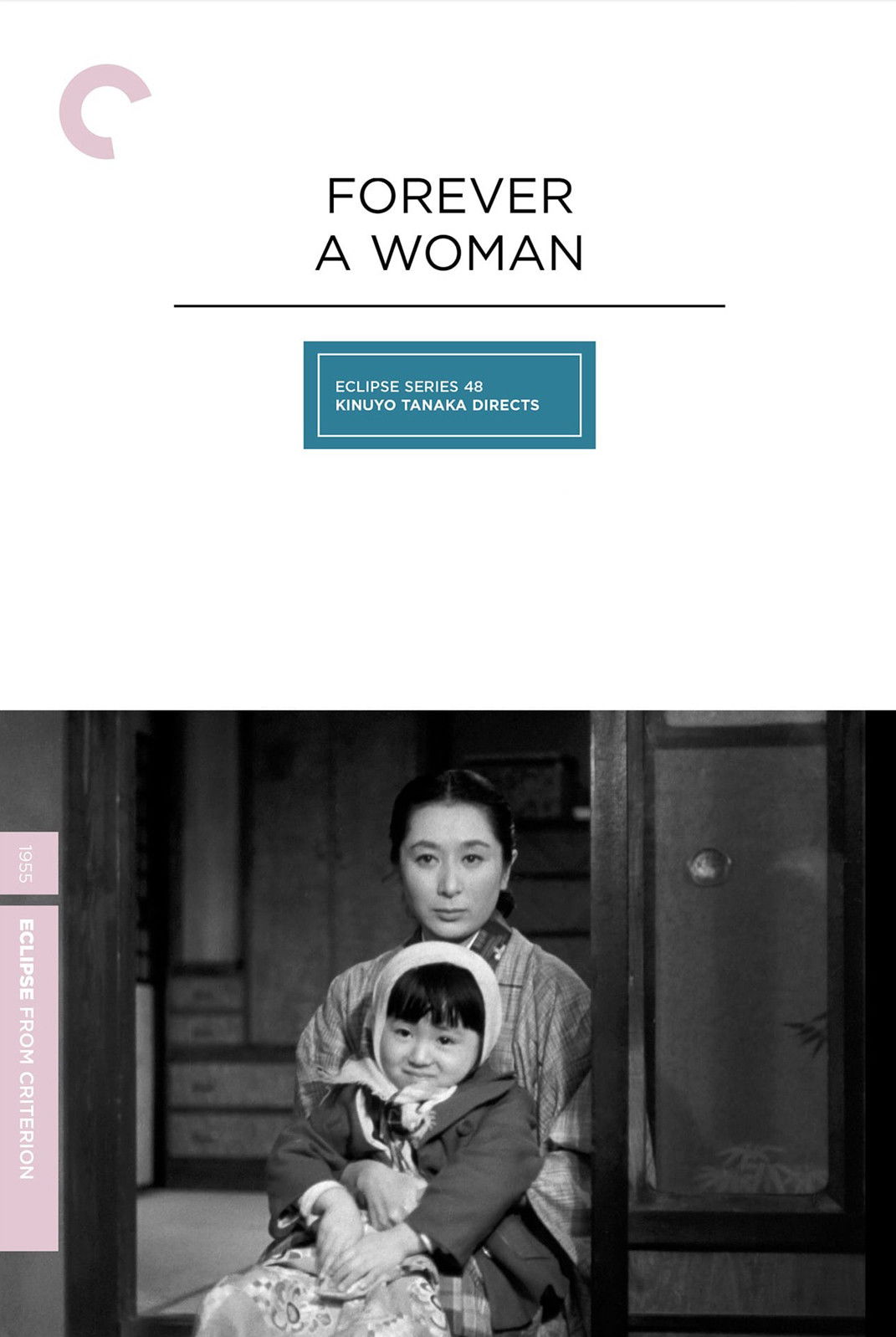
Fumiko, mother of two children and wife of an unfaithful man, shares her family life with her budding vocation as a poet. The beginning of her successful literary career coincides with her divorce and her breast cancer diagnosis. In the last stage of her life, she meets a young journalist from Tokyo who wants to write a story on her life.
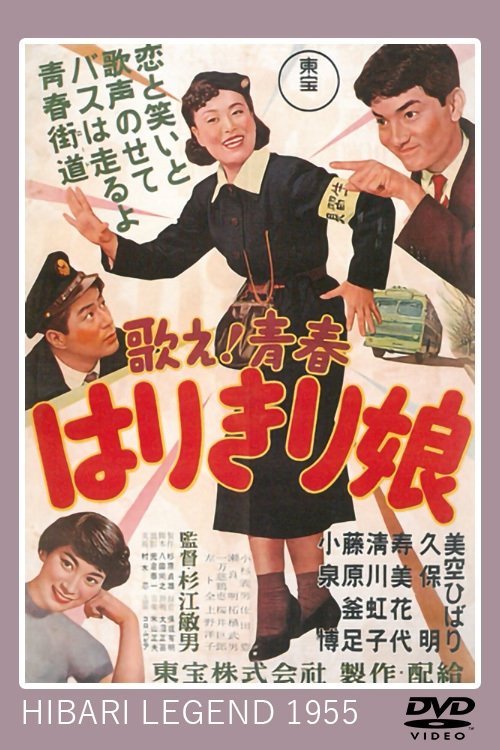
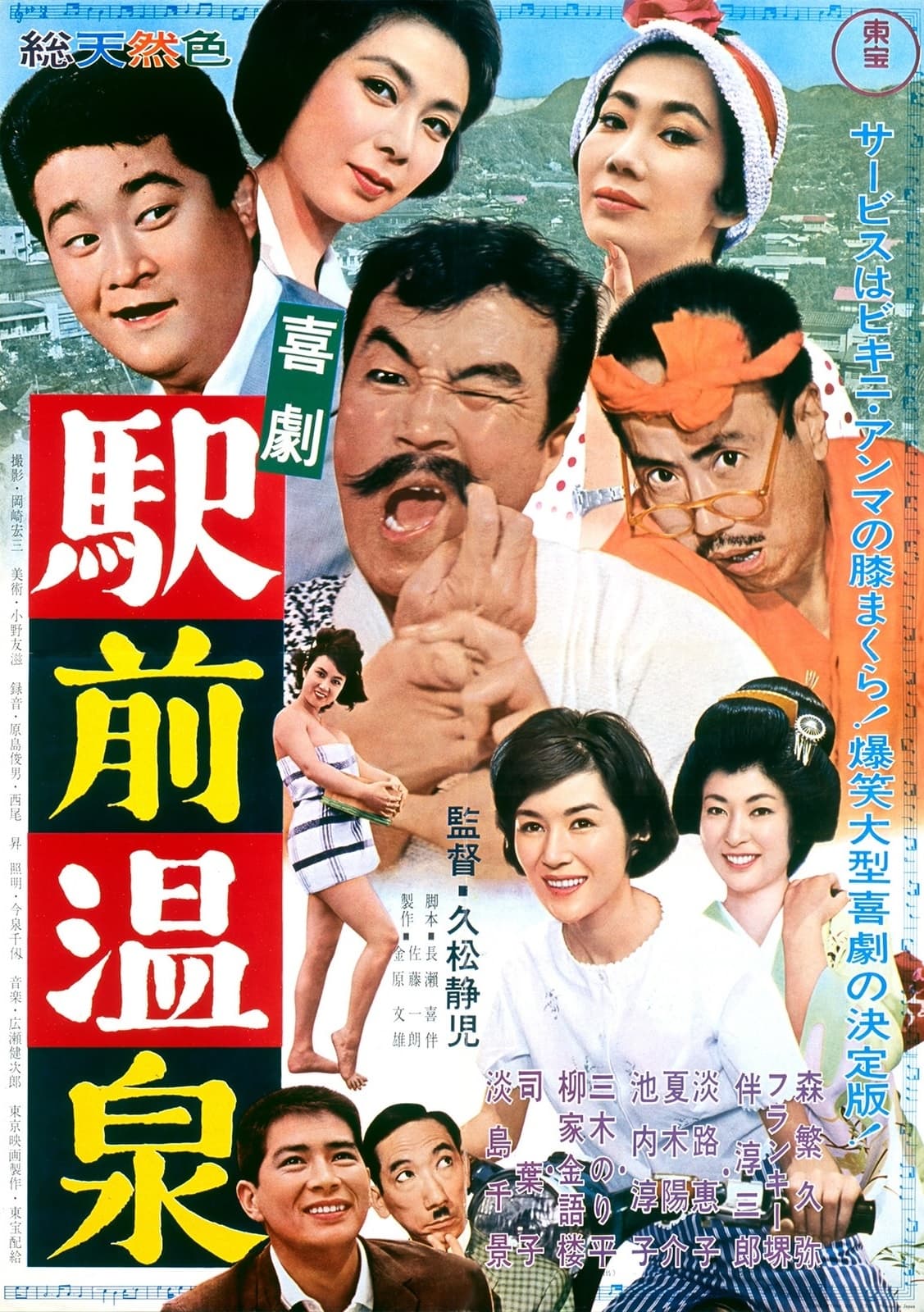
Fourth entry in the Ekimae series, focusing on the restoration of a Fukushima hot spring inn.
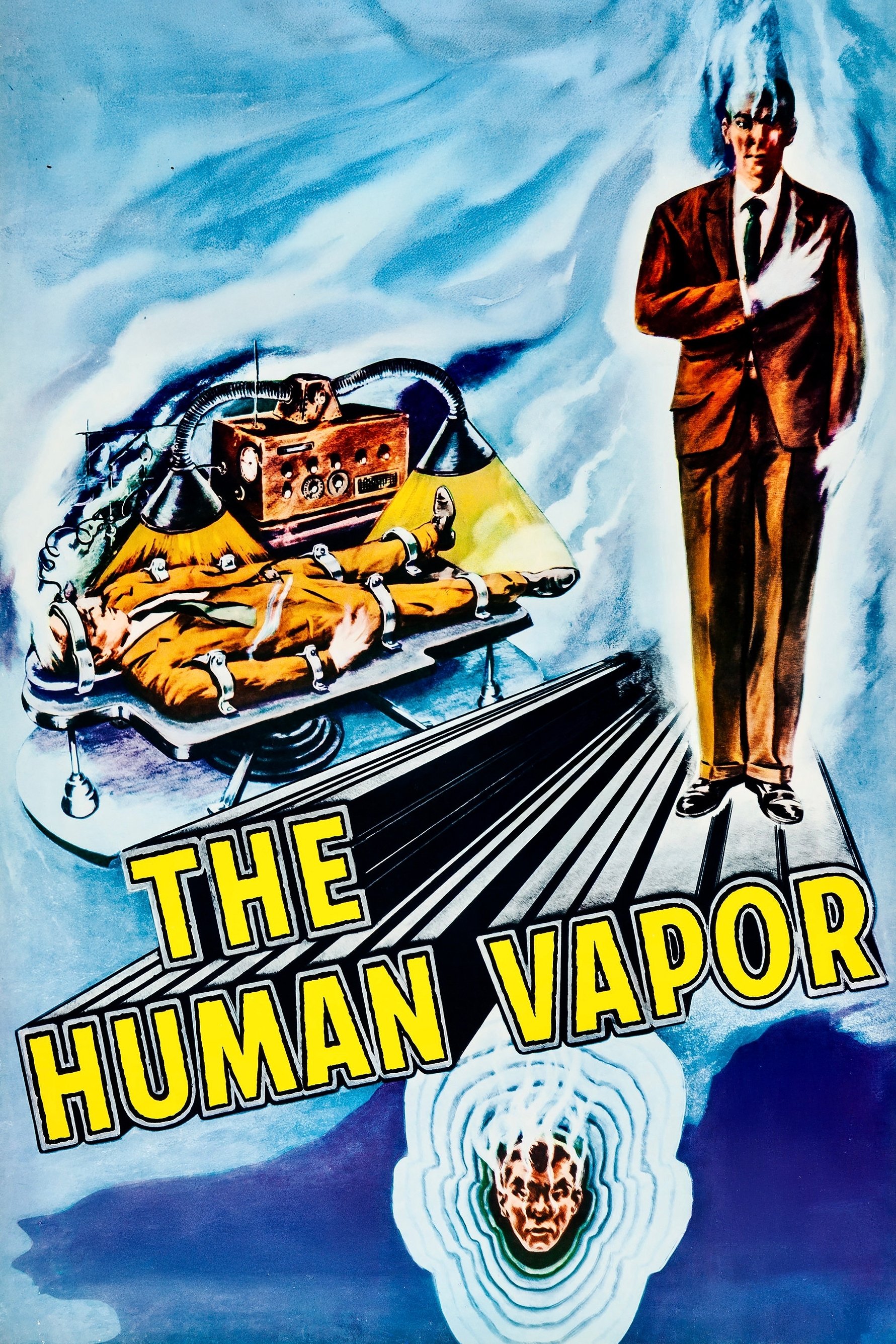
A failed science experiment gives a librarian the ability to turn into a gaseous substance. He goes on to rob banks to fund his dancer girlfriend's career, killing those who interfere. Now Tokyo's most wanted criminal, can authorities stop him?
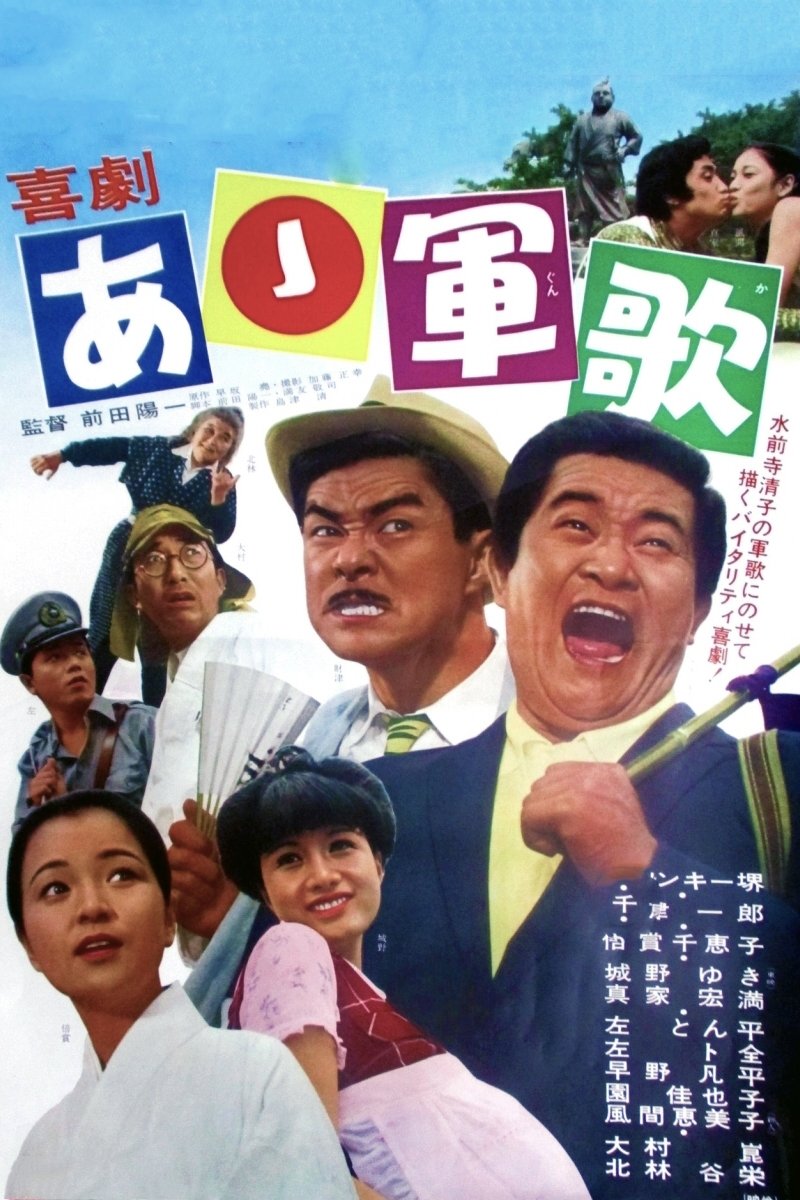
Fukuzo, Kato and Matsuko, Kato's wife, are operating the "Kurenai Sightseeing Service" in Tokyo. Fukuzo and Kato were comrades during the war. One day Fukuzo guides Harumi, an old woman, to the Yasukuni Shrine where the souls of fallen soldiers are enshrined. Finding she has no place to go, Fukuzo carries her to his shack by the sea.
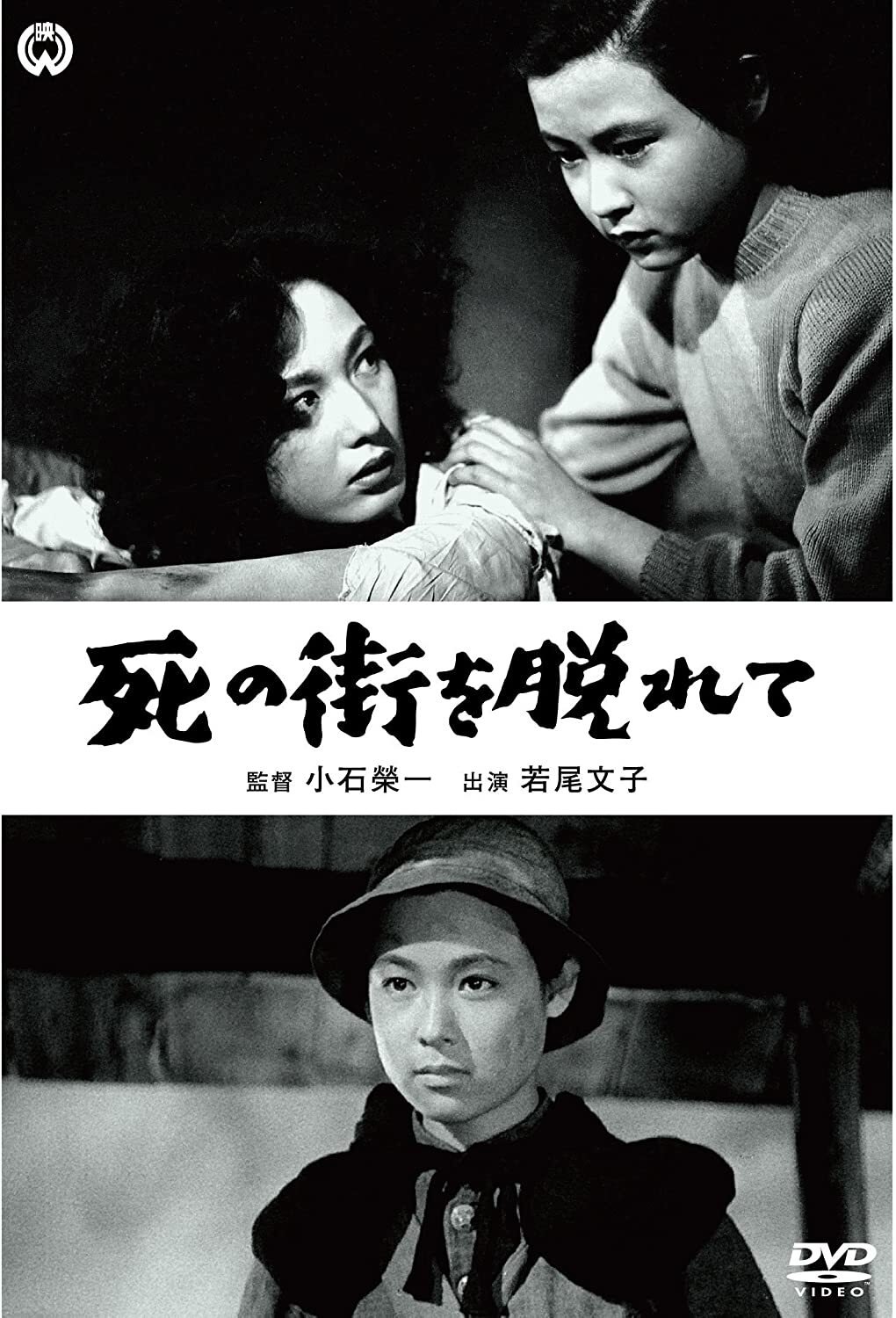
Group of women escape Chinese controlled area for Japanese occupied lands during Pacific War.
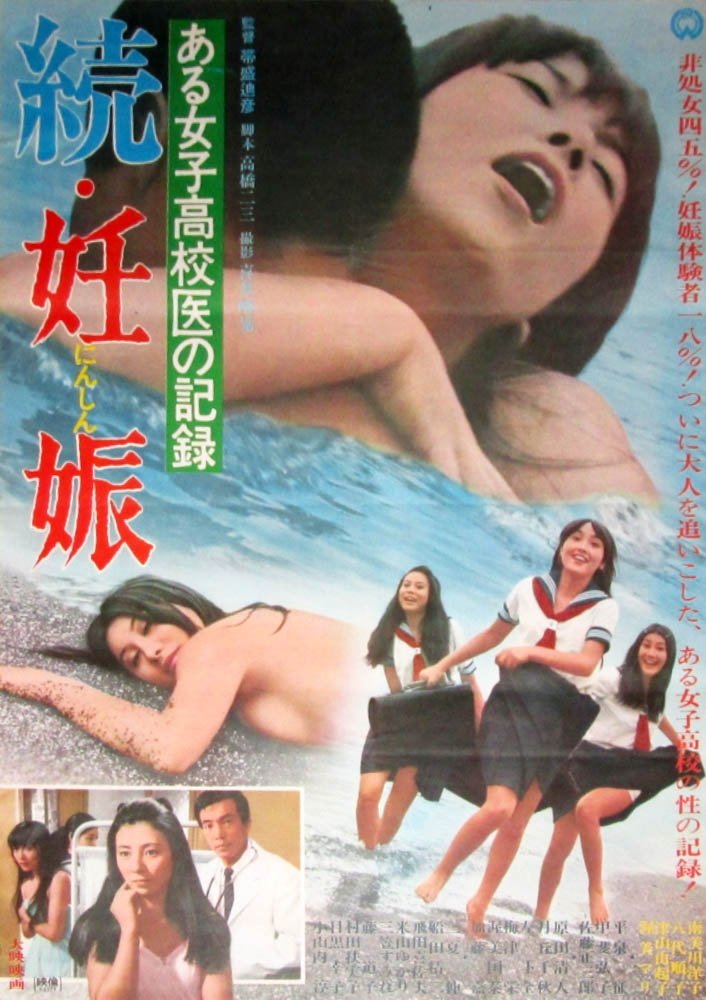
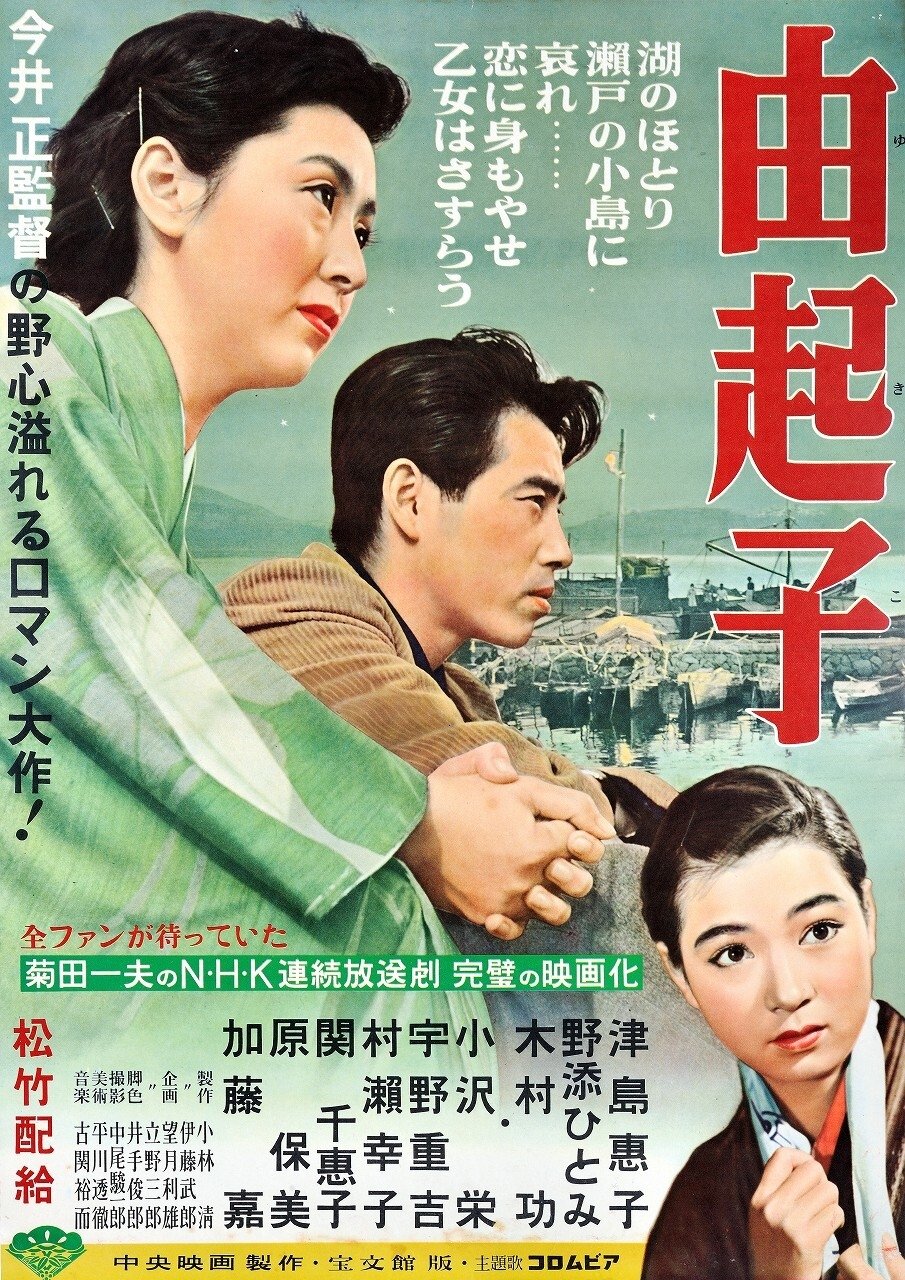
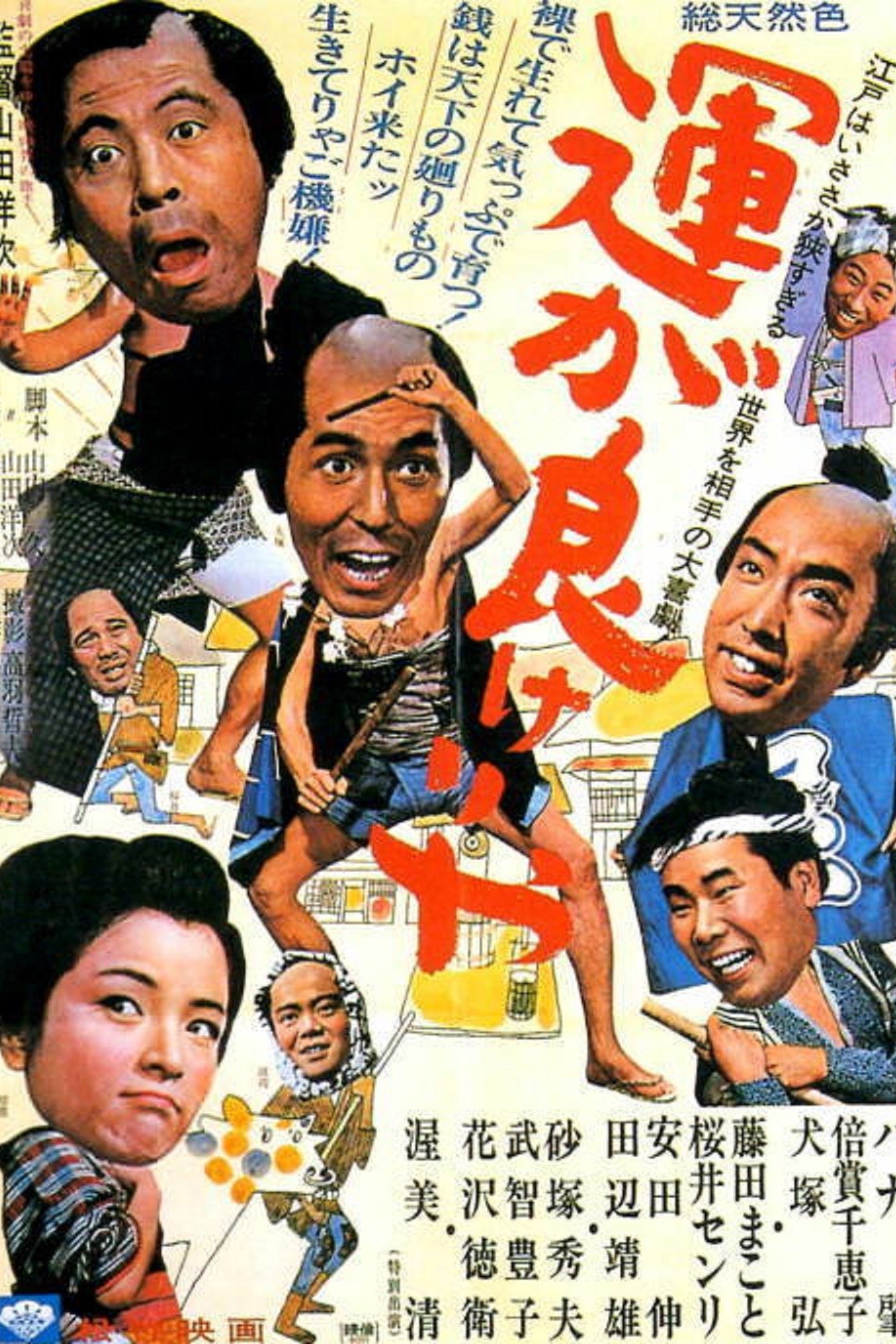
A group of ne'er-do-wells live happily in the slums of what is now Tokyo and have a number of adventures: they get drunk and go whoring, revenge themselves on cruel landlords, animate the corpse of a money-lender in order to frighten people. Then they assist at the marriage of a lovely girl and almost kill themselves gambling to provide her with a dowry.
A suspense comedy about thieves starring Kazuo Funaki.
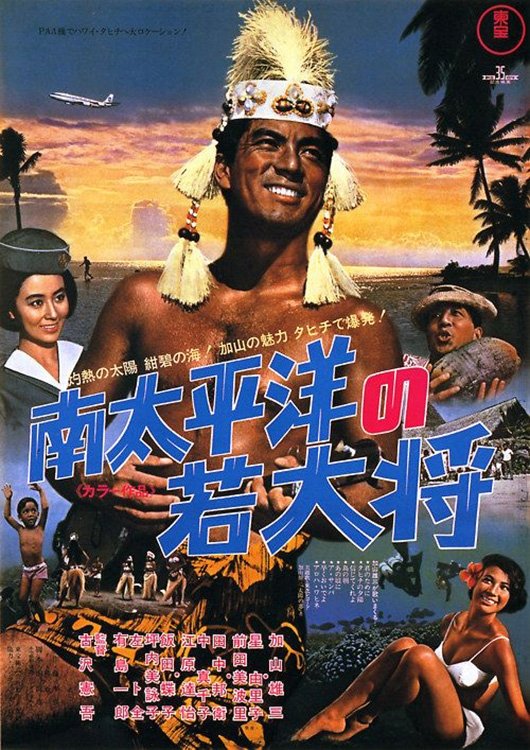
The 10th film in the Wakadaisho series, the Young Ace Yuichi Tanuma travels to Hawaii to train in deep-sea navigation. The Young Ace comes to the rescue of various women in peril, teaches a would-be restauranteur how to make sukiyaki, thwarts the romantic aspirations of his rival Ao Daisho, and competes in the finals of the Japan Judo Championship at the Nippon Budokan. Shot across various locations across Hawaii, Tahiti, Saipan, and Tokyo.
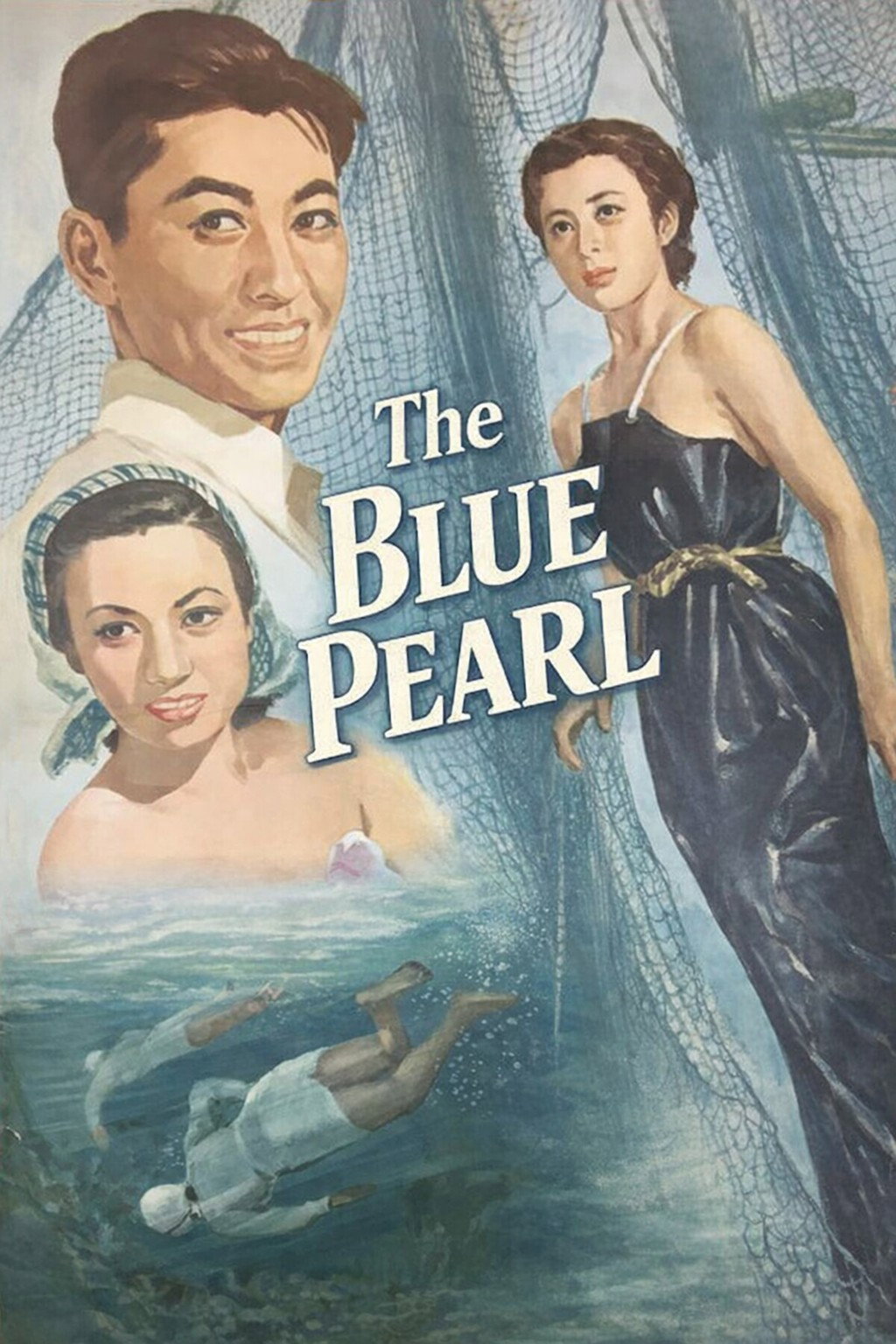
The Blue Pearl depicts the interplay between a young man from Tokyo and two ama (pearl divers; literally “women of the sea”) in a superstitious coastal town. Though raised within the same tradition-bound crucible, the two women – Noe and Riu – are portrayed as diametric opposites; the former meek but affectionate, the latter strong-willed but jaded by a tryst with metropolitan life.
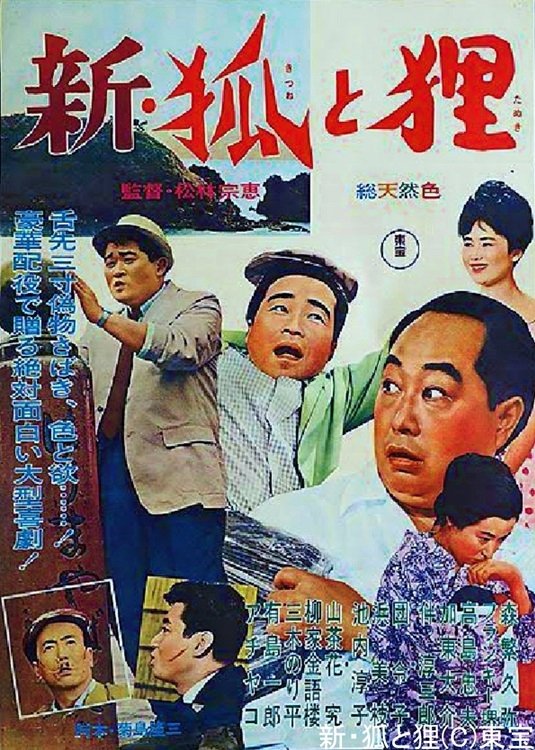
1962 Japanese movie
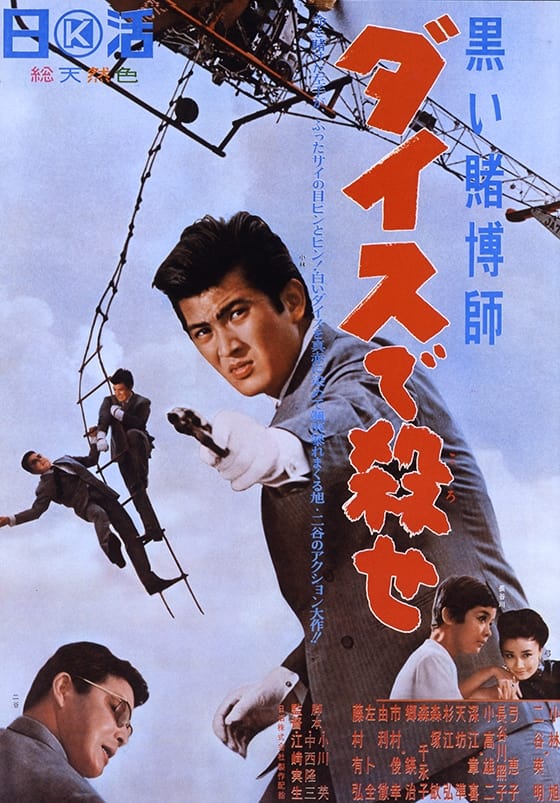
As a foreign gambling ring tries to take over the Japanese underworld, Himuro the ace gambler must face their leader - and his dangerous gadgets…
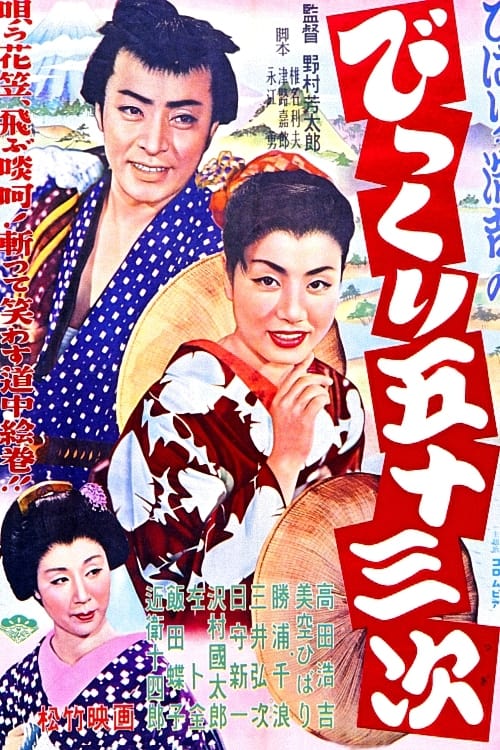
Kintaro goes on a journey to his hometown to meet his mother and sister. His love for singing leads him to a perceptive and cheerful girl named Onatsu... A road trip comedy featuring Kokichi Takada and Hibari Misora singing and dancing.
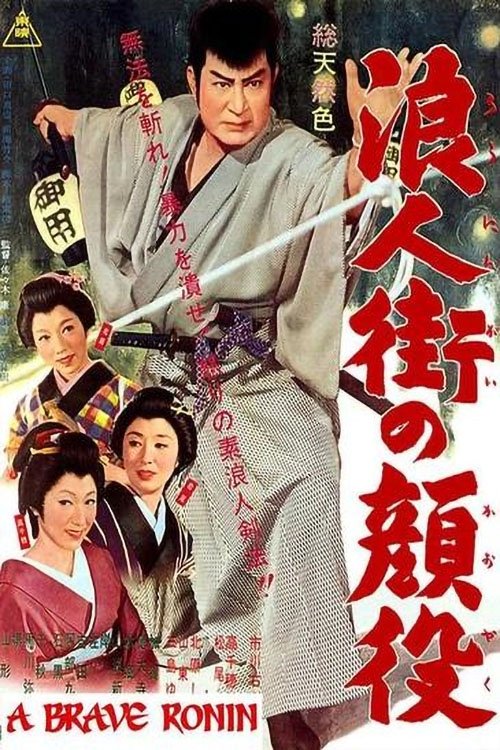
When a group of men from the Hanya clan search his town for a missing geisha, a brave ronin decides to help her and a drunken calligrapher. In doing so, he uncovers a wider scheme.
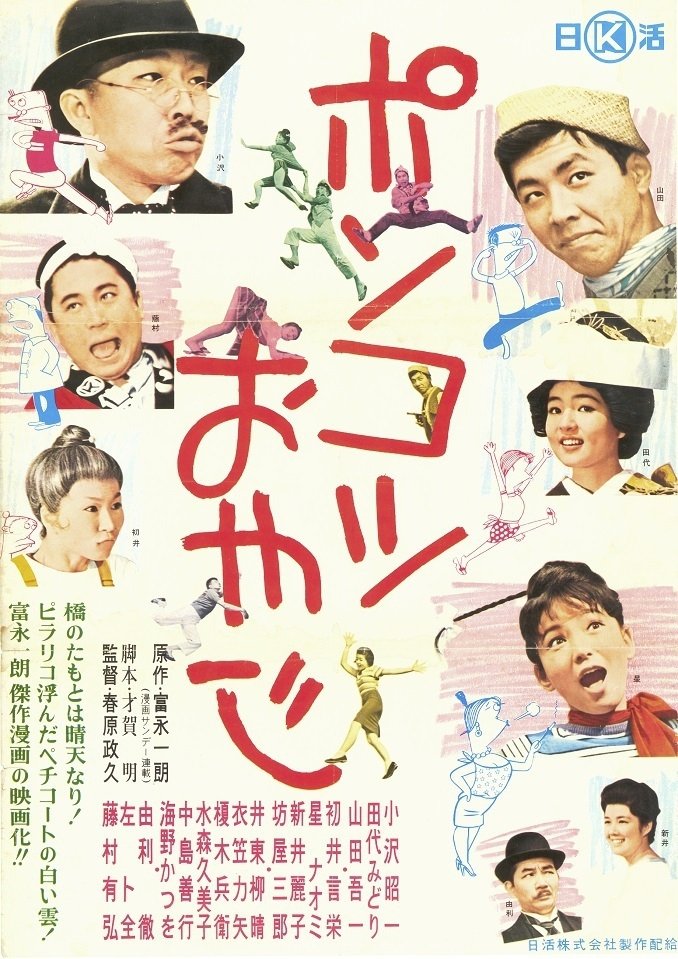
1962 Japanese movie
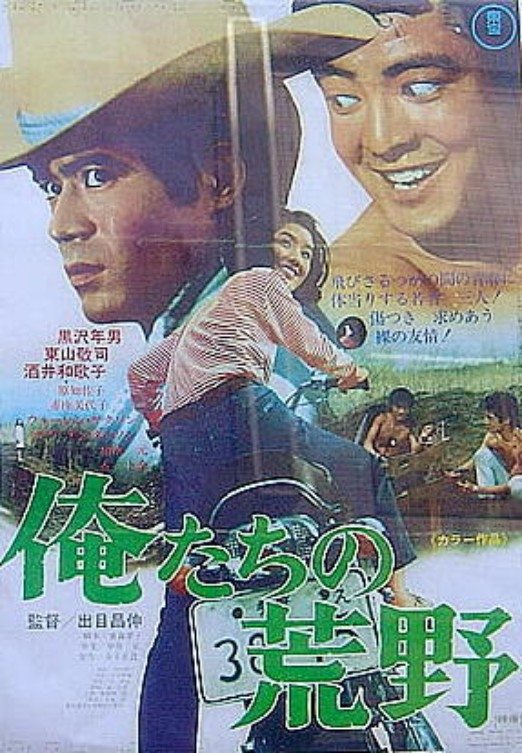
Tetsuya, a worker at a US Air Base who moonlights as a bartender with his bar hostess roommate, dreams to move to the United States one day. Meanwhile, his best friend Jun wants to build a home on some local wasteland. Yet the introduction of Yuki, who they both fall in love with, begins to tear their friendship apart.
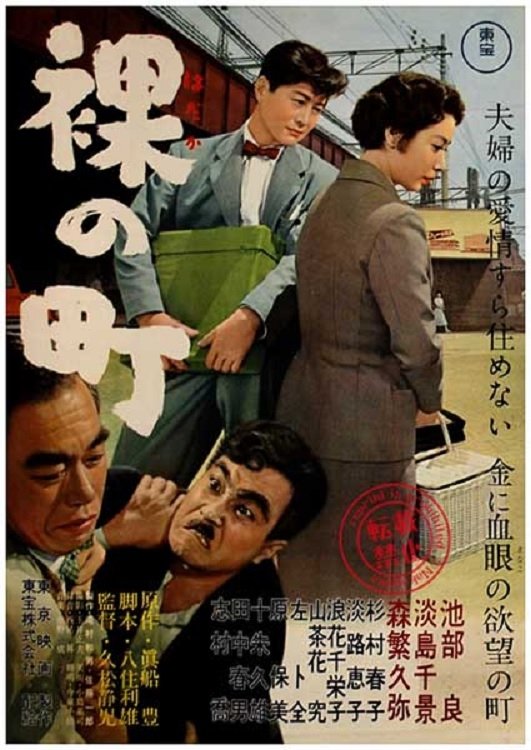
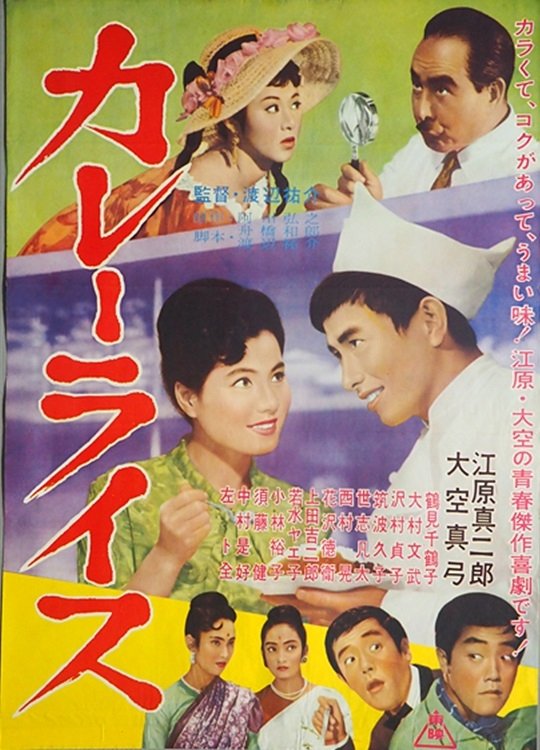
1962 Japanese movie
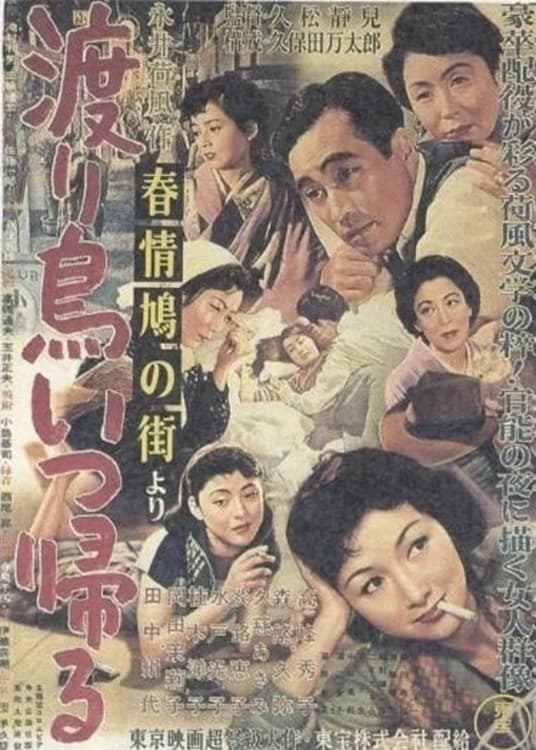
Yoshida Denkichi does loses sight of his wife Chiyoko and daughter Toyoko during the war, and is taken in by a familiar woman, Oshige, and becomes the owner of "Fujimura" in the town of Hato. Eiko is a timid woman who hates Terada, a watchmaker who is obsessed with her; Tamie is a hard worker who asks for money from customers to support her mother and daughter Teruko; Tane, who dreams of the day they can be together, gives money to her lover Takeda; Machiko, an apres girl, is selective about her customers in the name of romance. They are women working in the red light district at "Fujimura."
Shûe Matsubayashi movie
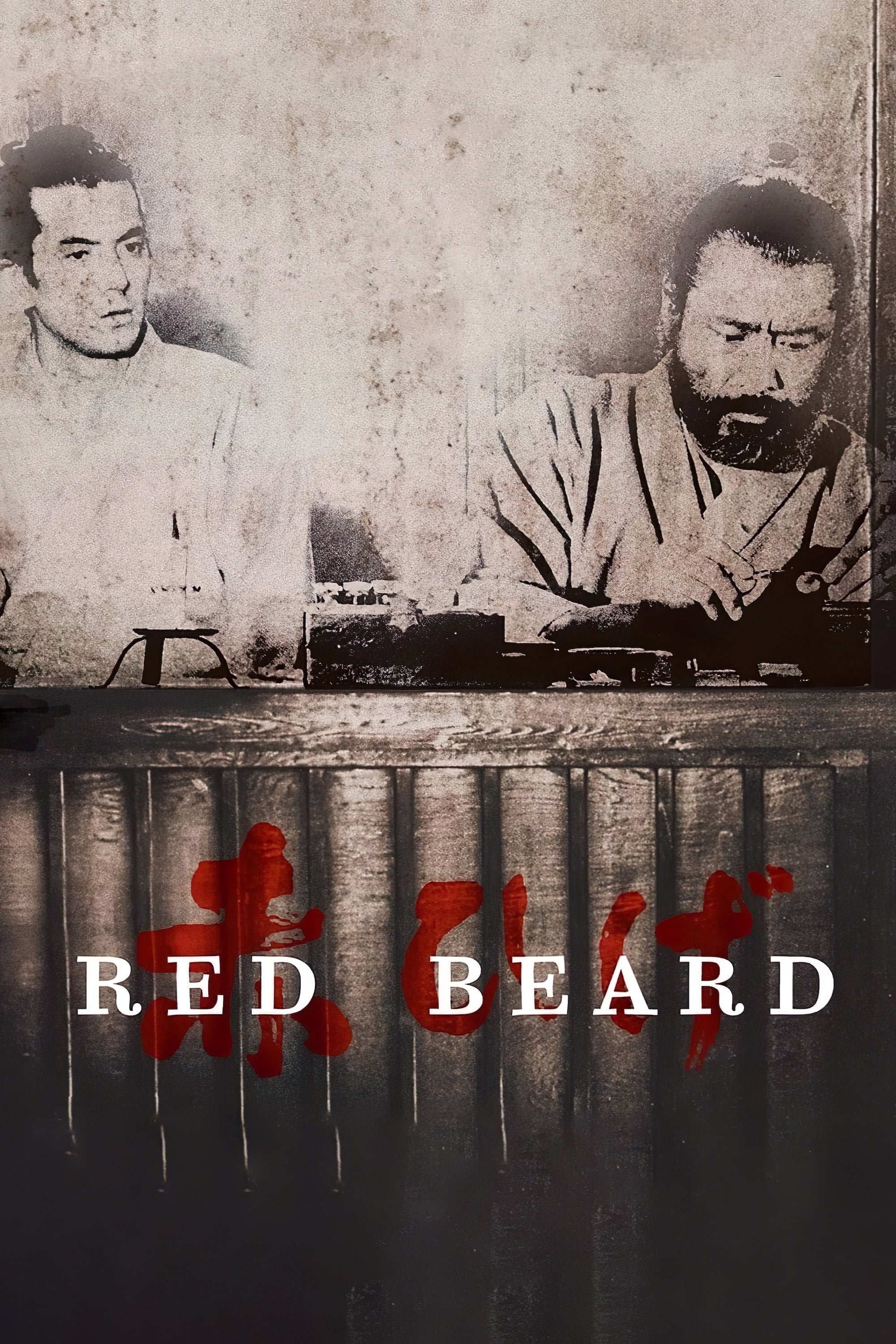
Aspiring to an easy job as personal physician to a wealthy family, Noboru Yasumoto is disappointed when his first post after medical school takes him to a small country clinic under the gruff doctor Red Beard. Yasumoto rebels in numerous ways, but Red Beard proves a wise and patient teacher. He gradually introduces his student to the unglamorous side of the profession, ultimately assigning him to care for a prostitute rescued from a local brothel.
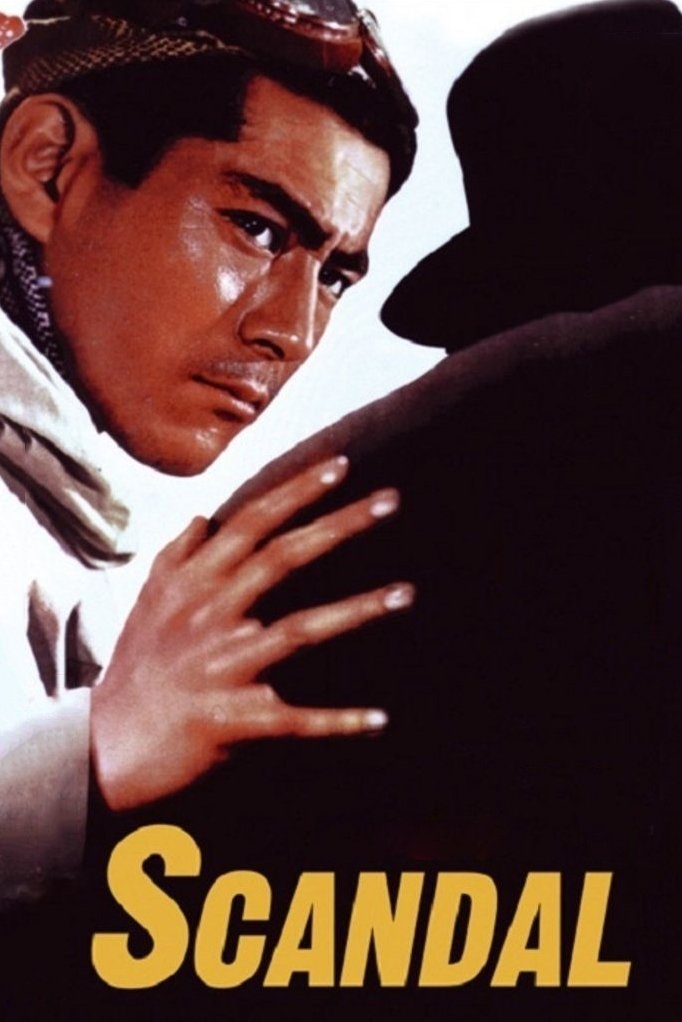
A celebrity photograph sparks a court case as a tabloid magazine spins a scandalous yarn over a painter and a famous singer.

An aging foundry patriarch, gripped by terror of nuclear annihilation, tries to uproot his family to Brazil. When they petition to have him declared incompetent, a family-court counselor witnesses his obsession slide into ruin—and asks whether ignoring the atomic threat is any saner.
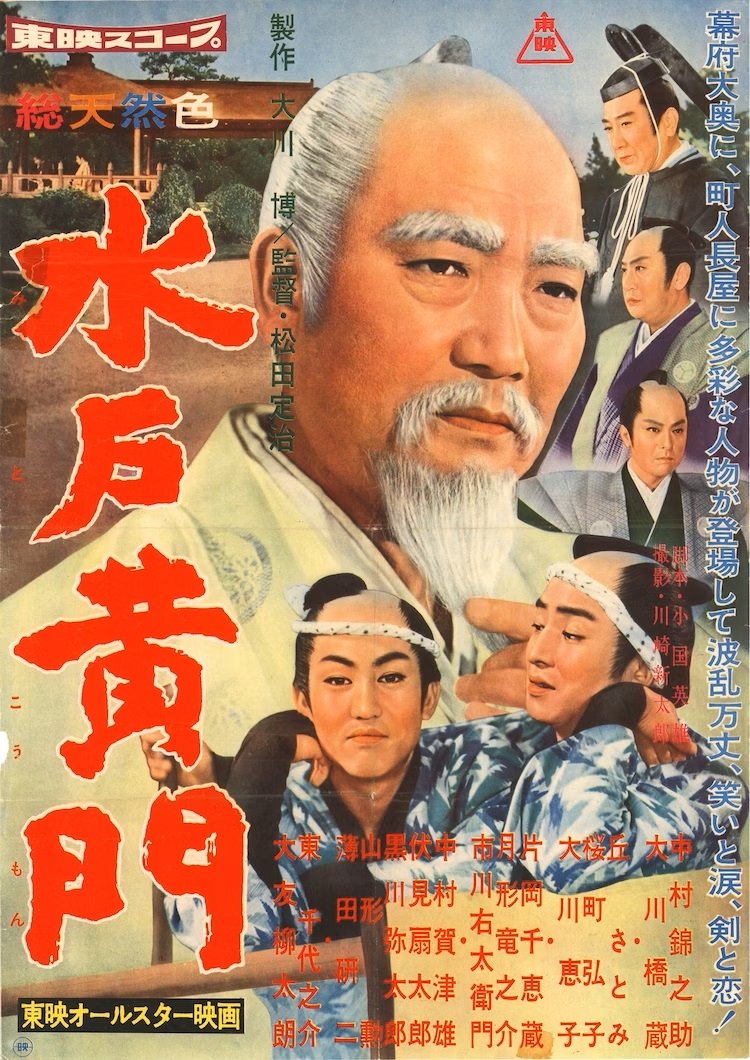
In 1691 a terrible fire broke out in Denmacho, Yotsuya, burning down the towns around it, up to the shores of Shibaura. A month and a half later, another fire broke out, this time in Komagome, burning down the two gates of Asakusa and Sujikai, and continuing on into the night. As the government Elders consider evidence that these fires were arson, a fire breaks out in Hirakawa-cho, outside of Hanzo Gate. Nishonmaru catches on fire and burns down completely. When this rash of fires even strikes Kyoto, the task of finding who’s behind the arson, and stopping them falls to the Shogun’s uncle, the Elder Lord of Mito. Together with his trusted bodyguards, Kaku and Suke, the trio set of to save Japan from this scourge of evil. Featuring virtually all of their most famous stars, this is the best film in the Toei series about Mito Komon, one of Japan’s most popular historical figures who traveled through the country incognito to check on the people and fight injustice.
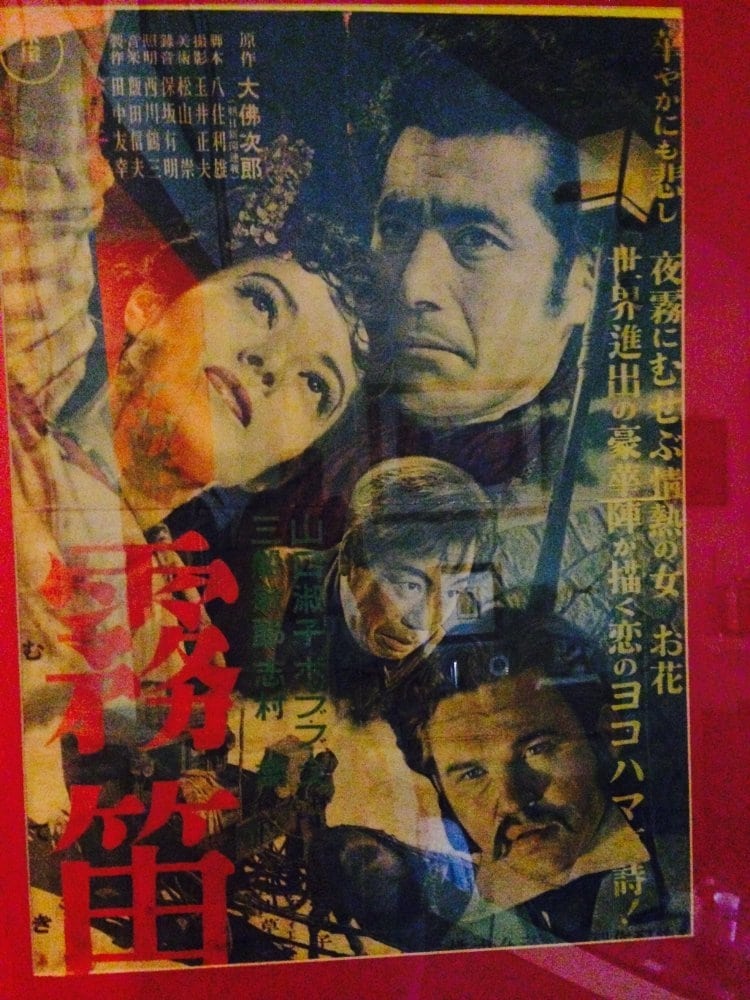
A Japanese woman, the mistress of an American, falls in love with her servant.

1958 Japanese movie
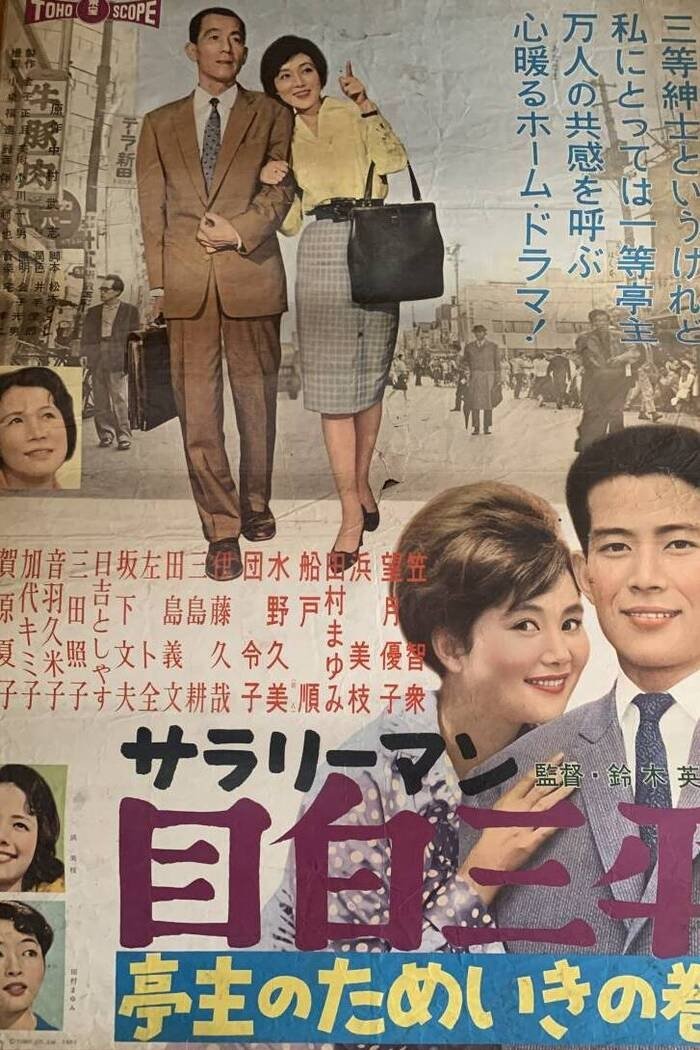
The fourth instalment in the Salaryman Mejiro Sanpei series.
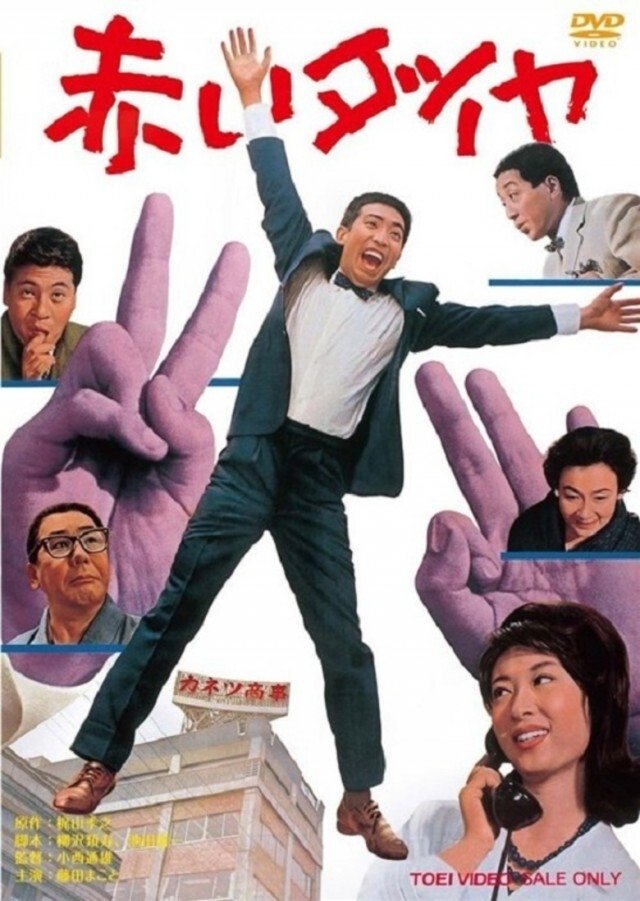
After losing all his money, Kizuka Keita, a seller on the black market, is trying to commit suicide. But he is saved by Morigen, a broker on the azuki beans market. A young man tries to regain his wealth in the bean market.
1958 Shochiku adaptation of Natsume's novel.
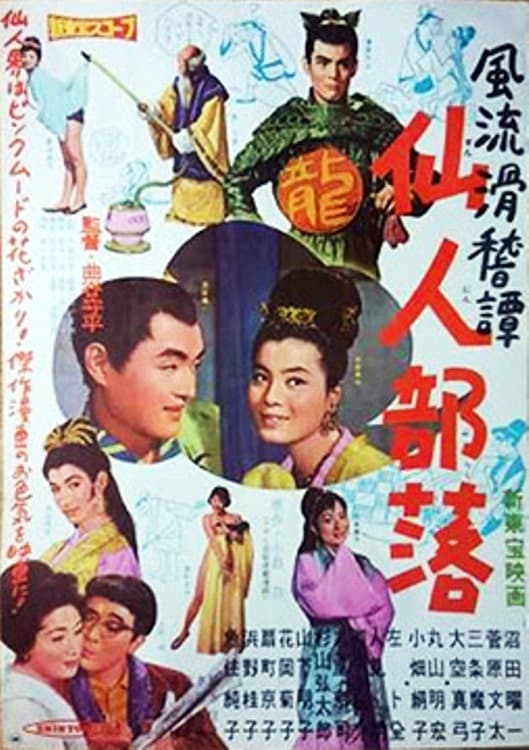
Live-action adaptation of Ko Kojima's manga "Sennin buraku".
Japanese sports comedy film about kendo.
Japanese film.
A five year old boy leaves his mother and grandparents to see his father who has gone to work in Osaka.
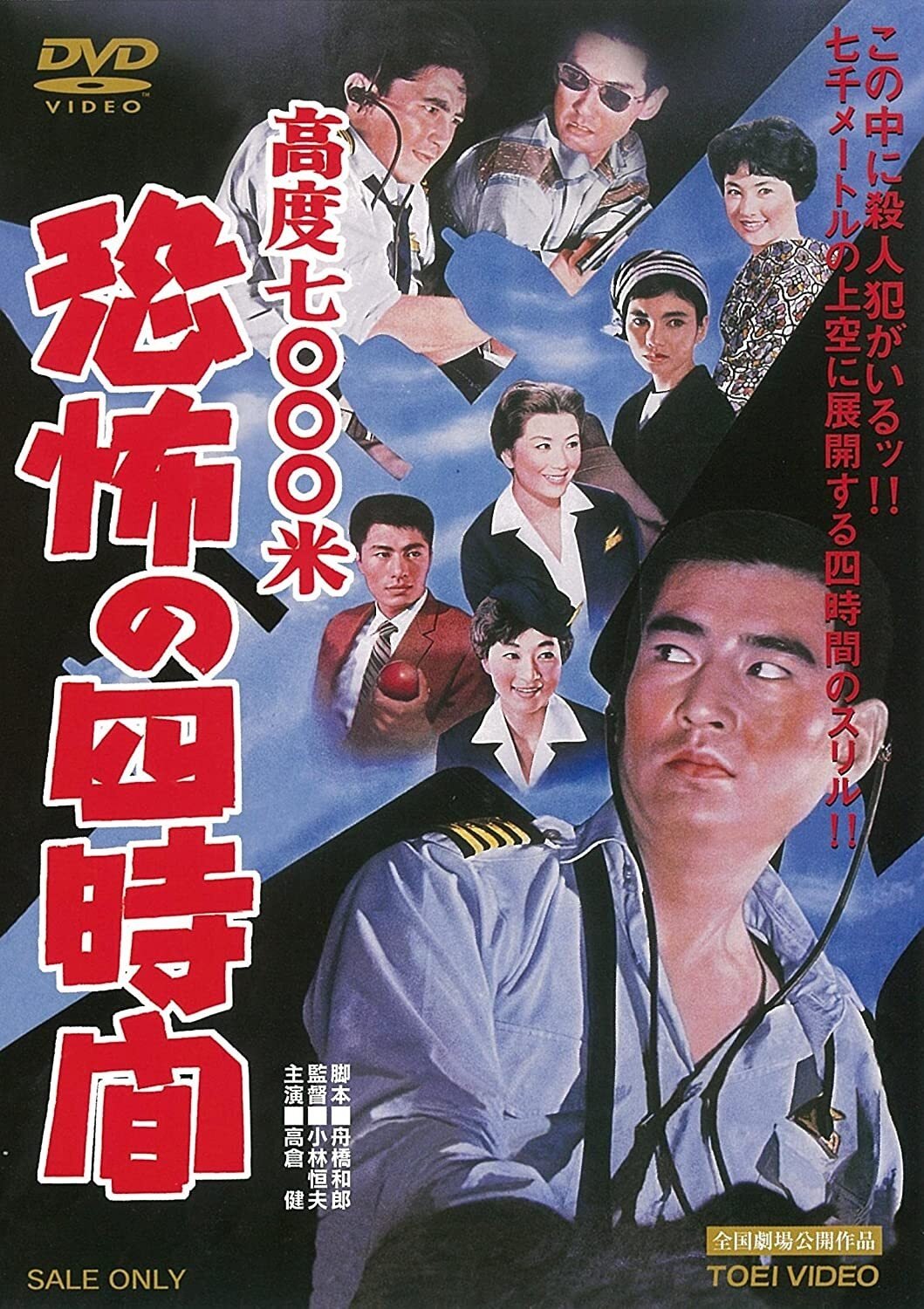
Airline captain saves passengers from a brutal murderer on a plane during four hours of terror.
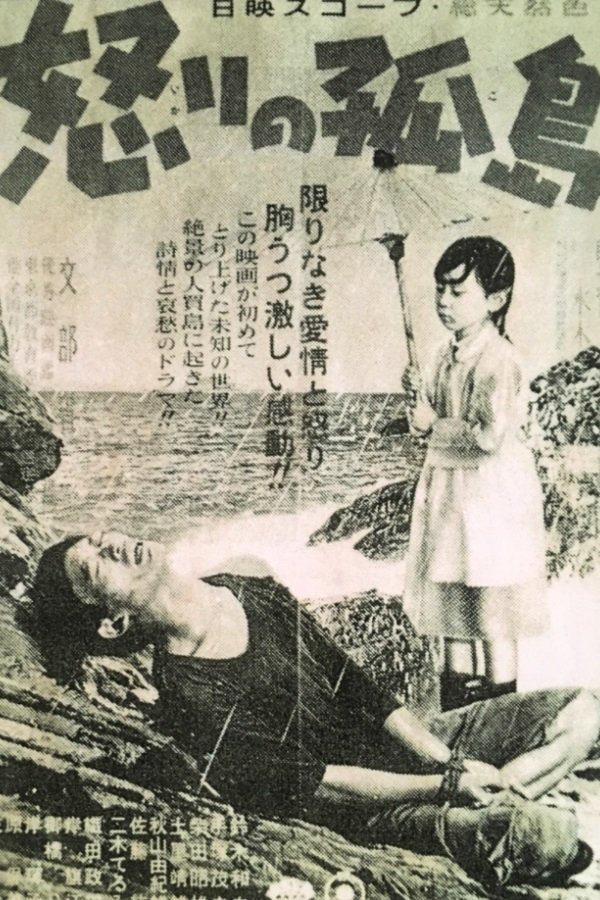
Five boys escape from their life of bondage on an island 10 miles off Hiroshima, and are picked up in the Inland Sea, drifting in an open boat.
Japanese "kayo" film centered around the song "Dare yori mo kimi wo aisu" by Kazuko Matsuo.
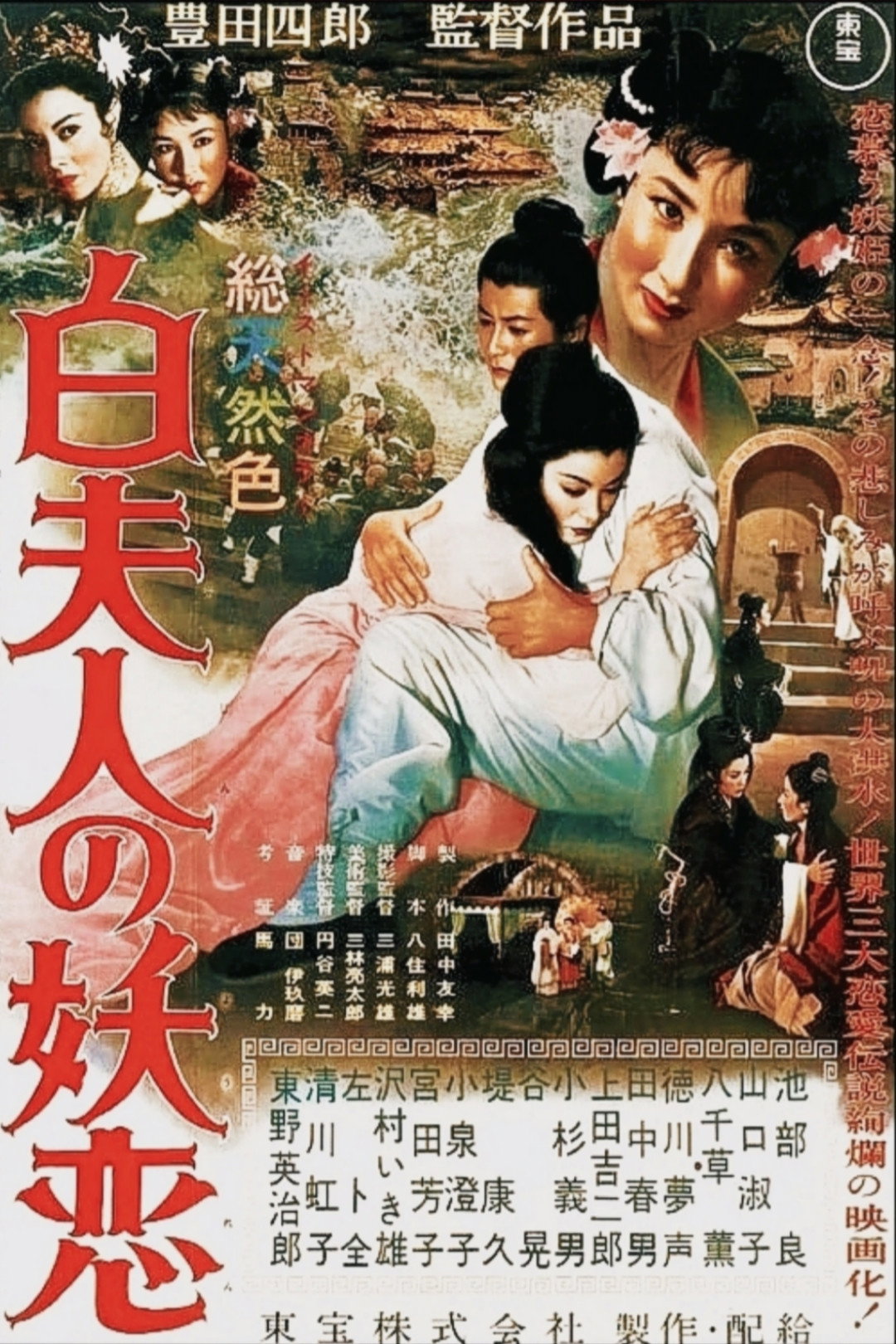
Lavish Japanese-Chinese coproduction based on an ancient Chinese legend about a man who falls in love with a snake goddess in human form.
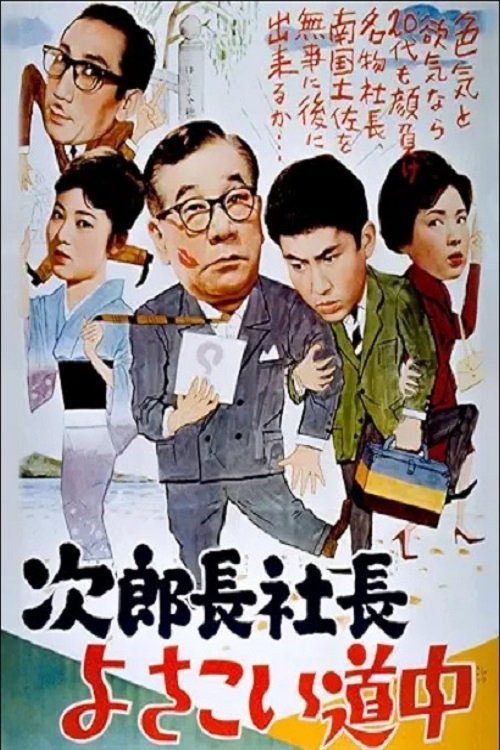
Japanese comedy film.
Historical drama about a sleepy-eyed ronin.
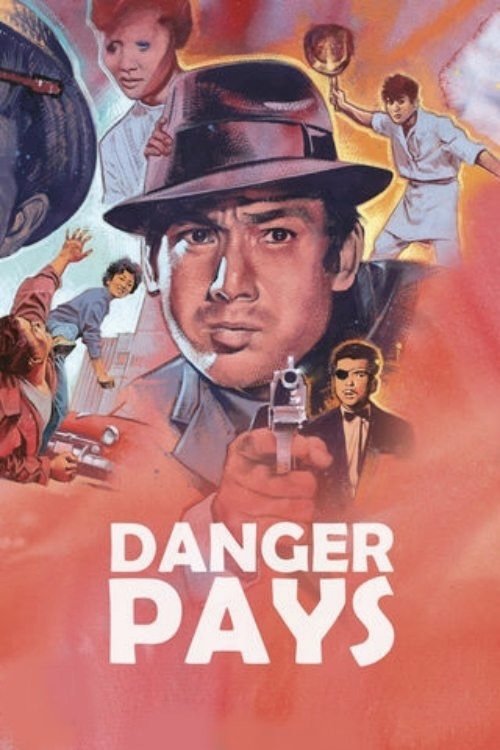
Joe, Okita, and Serizawa hear of the armed robbery of a truck carrying one billion eighty million yen's worth of Mint paper. Knowing that the thugs will now need a counterfeiter to make the bogus bills, they each decide to cash in on it by selling them the idea that they need Sakamoto, the best counterfeiter in Japan. A seesaw game unfolds between the three men as each tries to outdo the other two in handing over Sakamoto for one million yen to Hijikata, the big boss, who intends to make counterfeit money with the stolen paper. A little belatedly, they realize it needs their combined forces to outwit Hijikata and they raid his place together. Outnumbered, however, they are thrown into a basement room and the gas is turned on. Certain death stares them in the face, but the three men are not ones to take things lying down....
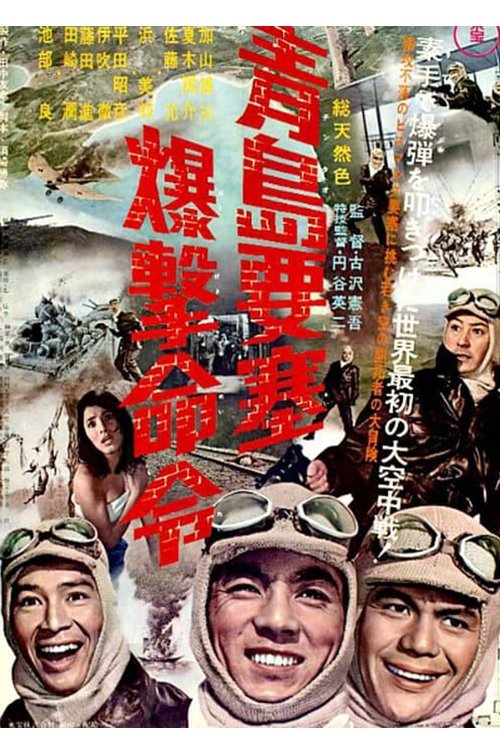
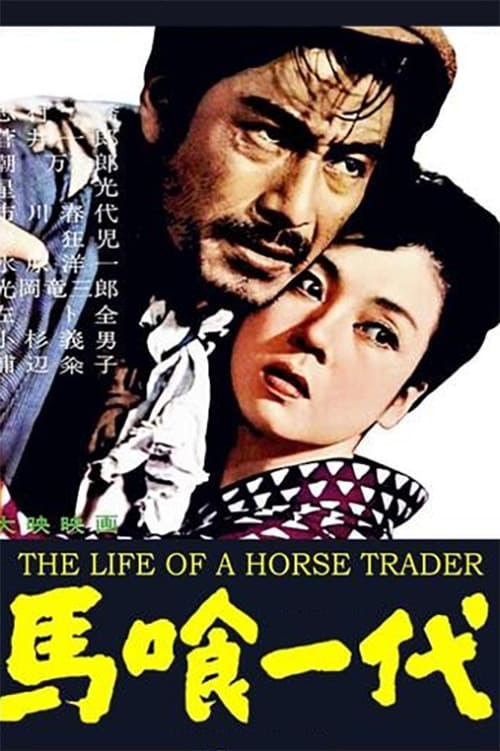
The tale of Katakana Yonetaro aka "The Shark," a rough-and-tumble horse trader in Japan's northernmost island of Hokkaido, despite being a father and a husband he is frequently drawn to taverns.
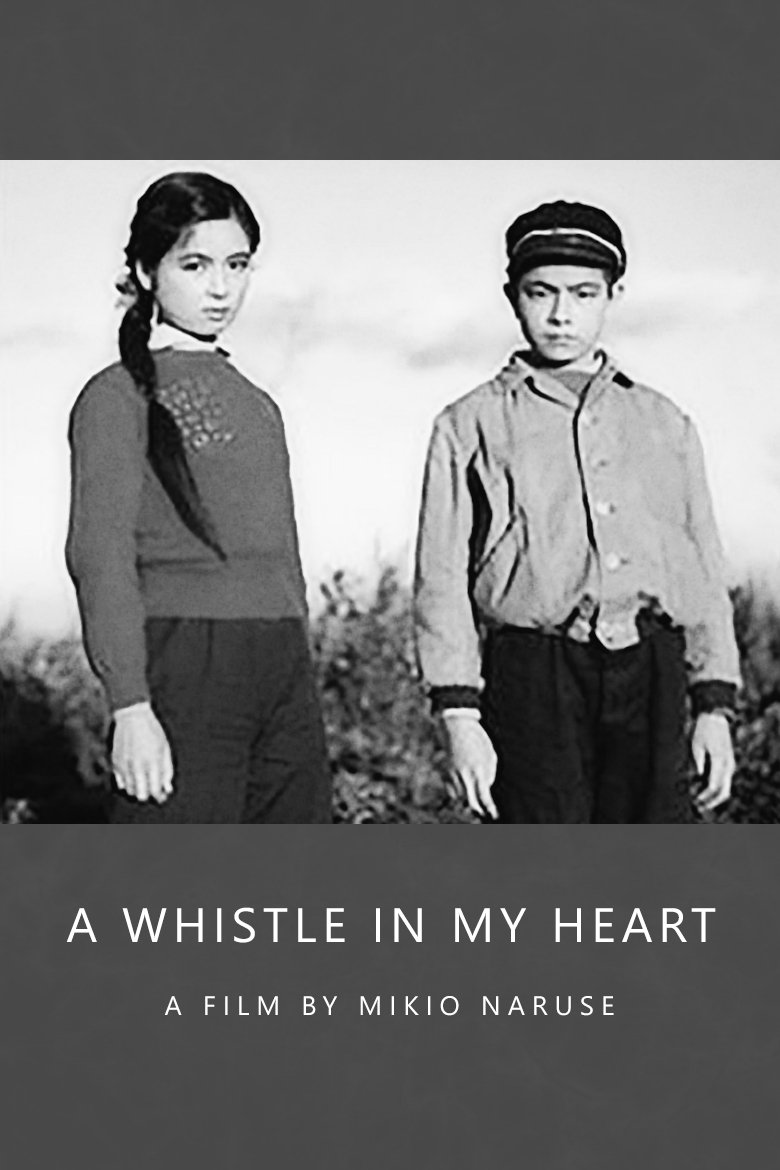
The story is about the social problems faced by Japan's indigenous Ainu, mostly centered on the reactions of the characters to their oppressed state.
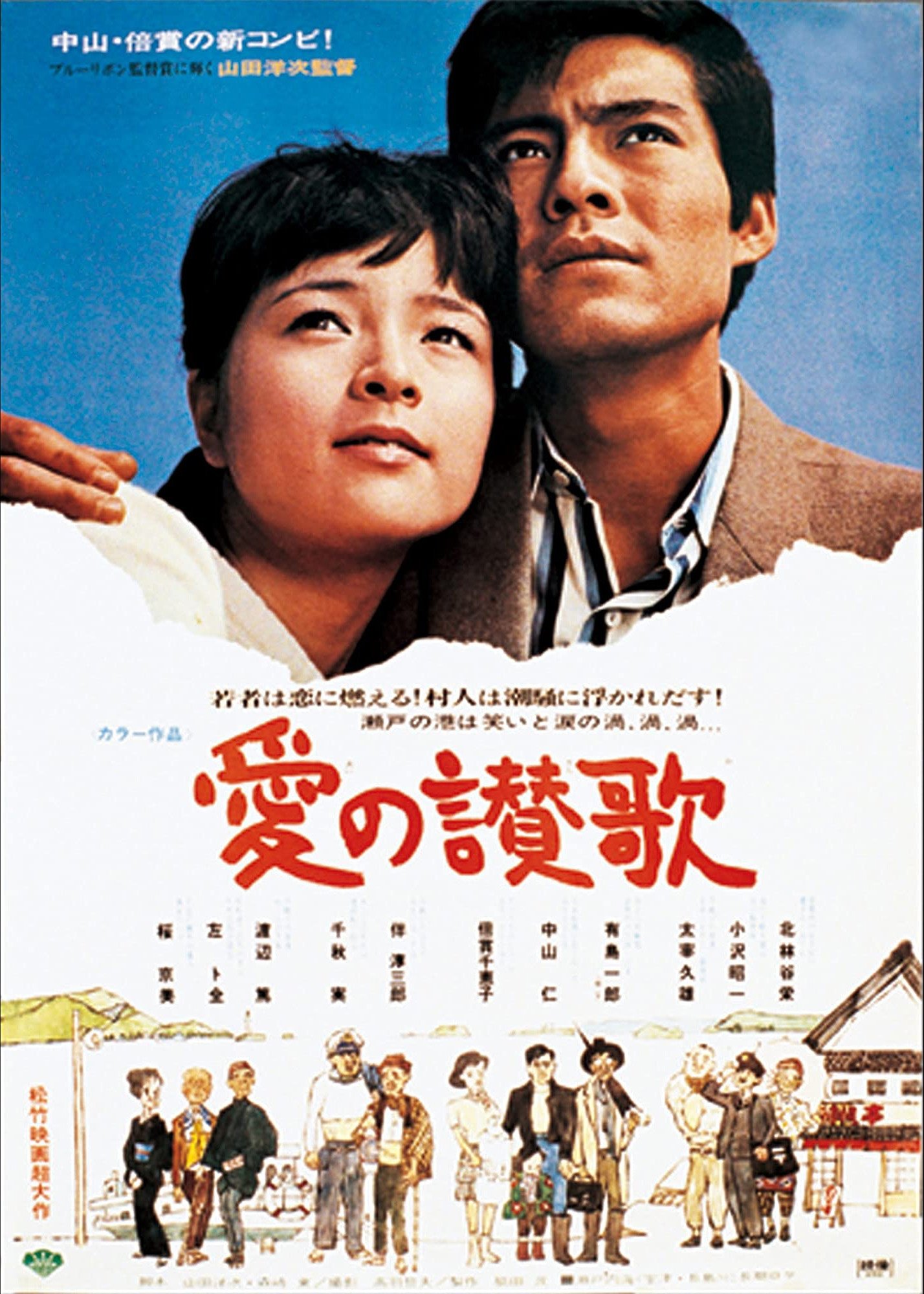
The life in a small village in Shikoku and the love story between two young people.

Shinko Terasawa was always considered to be the odd ball of the bunch. At a time when romance was against school regulations, Shinko was the first to take a bite out of the forbidden fruit. Expelled from her former school, she finds herself in an all-girls school in Jokamachi, where rumors fly. One day, Shinko delivers an anonymous love letter addressed to her English teacher, Ms. Shimazaki. Convinced that the students are playing a prank, Ms. Shimazaki is adamant about getting to the bottom of this "problem”.
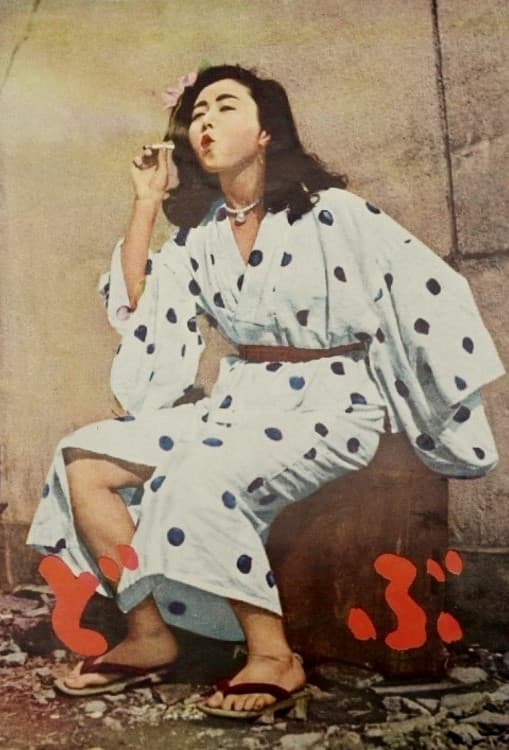
Postwar Tokyo. Pin and Toku live in the squatter area of Kappanuma. Pin and Toku are avid gamblers. They take in Tsuru, a slightly demented woman who has run away from a geisha house.
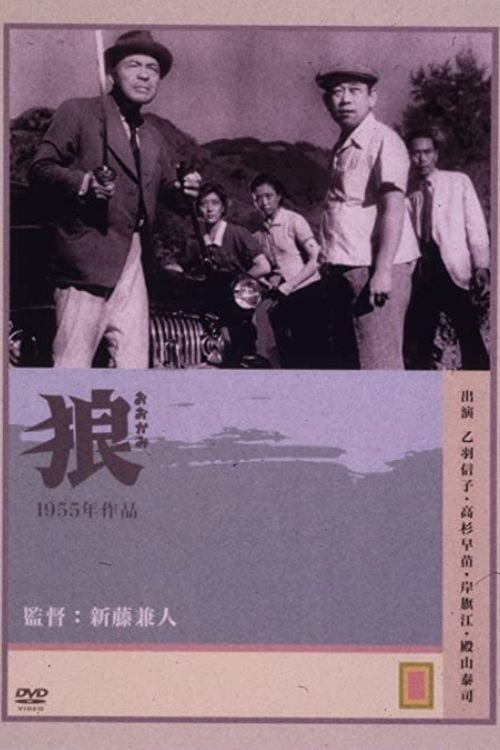
A group of five rookie insurance salespersons, driven to desperation by the impossibility of their work in Japan's failing postwar economy, form a plan to rob a cash delivery truck in order to provide for their families.
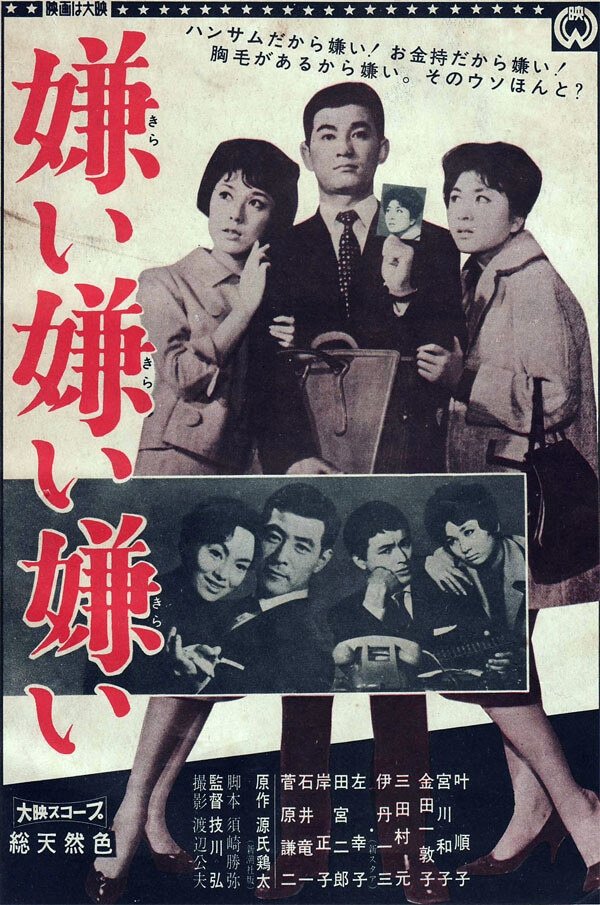
A man is involved in a fatal car accident, and though he is blameless, his company transfers him to a remote branch in a small town. Before he leaves, he gives the man's widow a large sum of money that she uses to move back to her hometown.
This Japanese action-adventure is set in the 17th century when all forms of swordplay were banned. One fighter, an excellent swordsman believes the law is unfair. His brother keeps his opinions about the law to himself. The swordsman vents his frustration by cutting off the thumbs of an enemy. The fighter is then banished. To live, he becomes a thief. To restore the family's lost honor, the other brother is forced to challenge the fighter to a duel.
Nobuko is a widow who lives with her stepchild Tamiko and her brother Junjiro. The family's gatekeeper, Komatsu, is attracted to Tamiko, but she is encouraged to marry a doctor and he is afraid to tell her his feelings.
Former students of the notorious Harenchi Gakuen college open a new school for dissident youths after their former school is ruined by disputes.
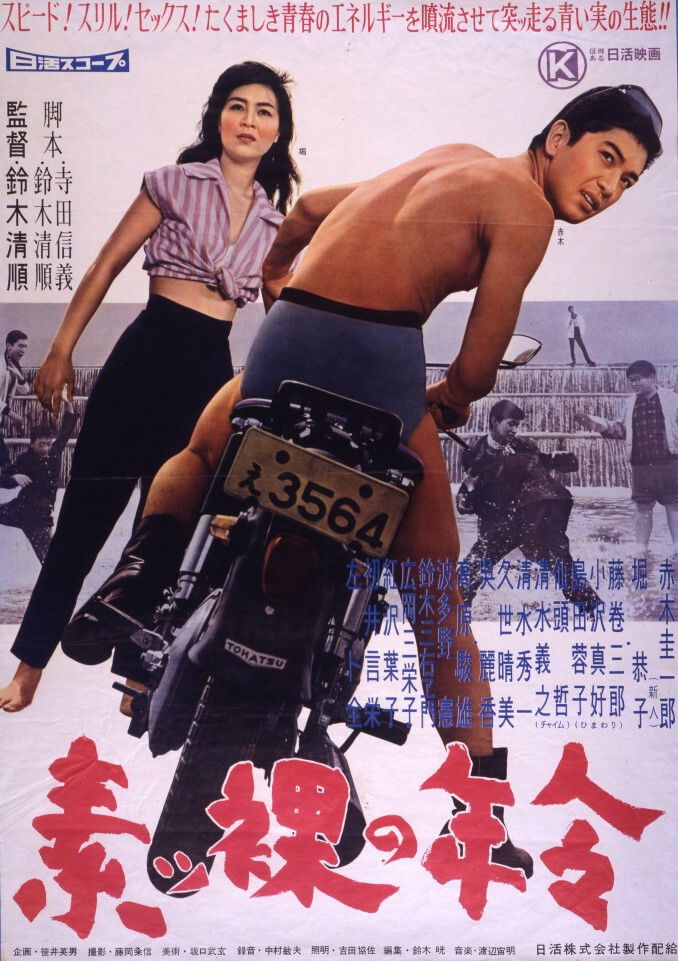
The story deals with a juvenile delinquent gang surviving through petty thievery. However, everything gets screwed up when they accidentally steal big bucks from the Yakuza.
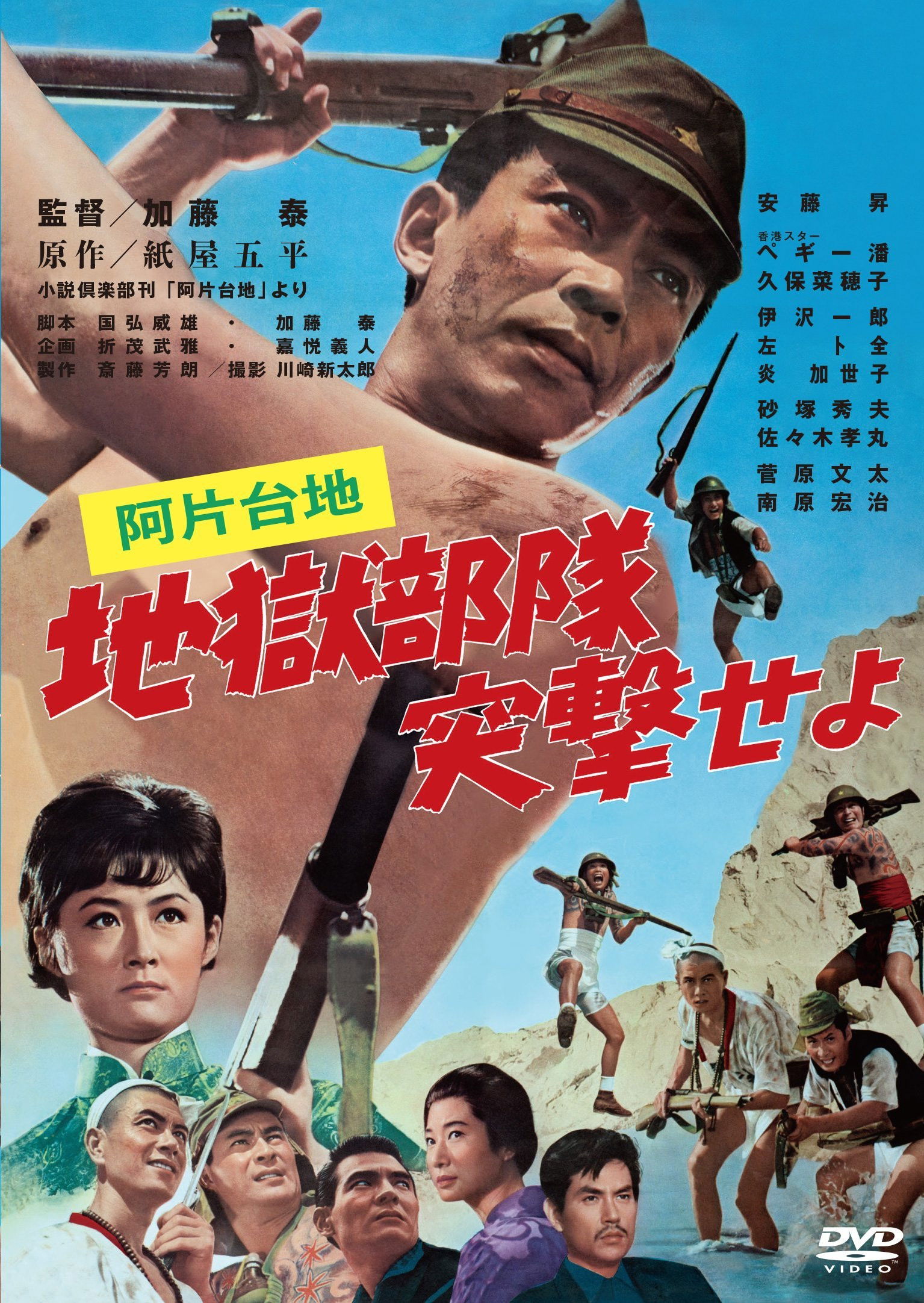
Following “A Man's Face Shows His Personal History”, this movie is the second of the “Trilogy of the Wartime Generation”. It is a war drama set in China and depicts battles over opium.
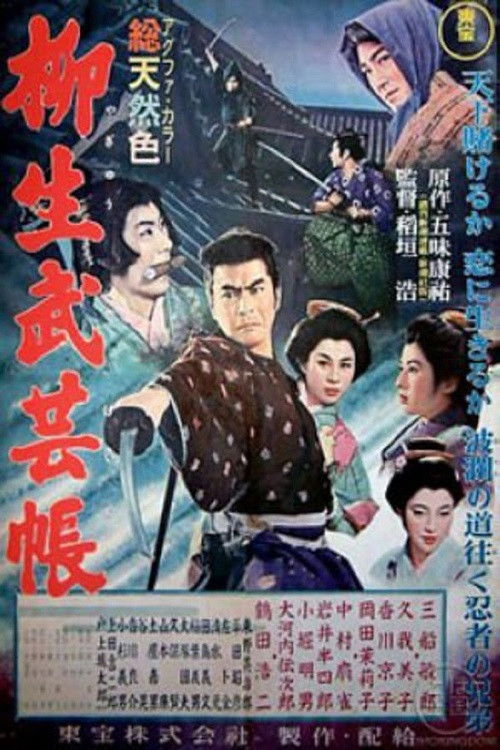
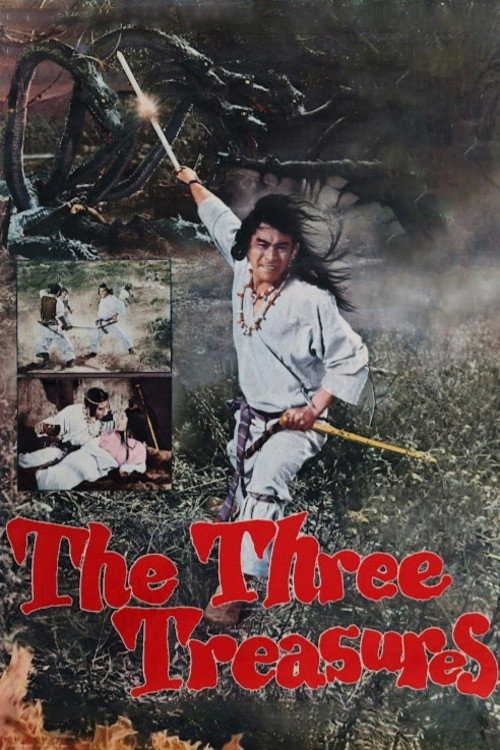
In the Tokugawa Era, the clan of Lord Yagyu has hidden away three scrolls containing clan secrets which, if revealed, would cause revolution and disaster for the clan. The information is divided among the three scrolls, all of which must be possessed for the secrets to be understood. When Princess Yuhime steals the scrolls, Tasaburo, a samurai with magical powers, and his brother Senshiro are sent to retrieve them.
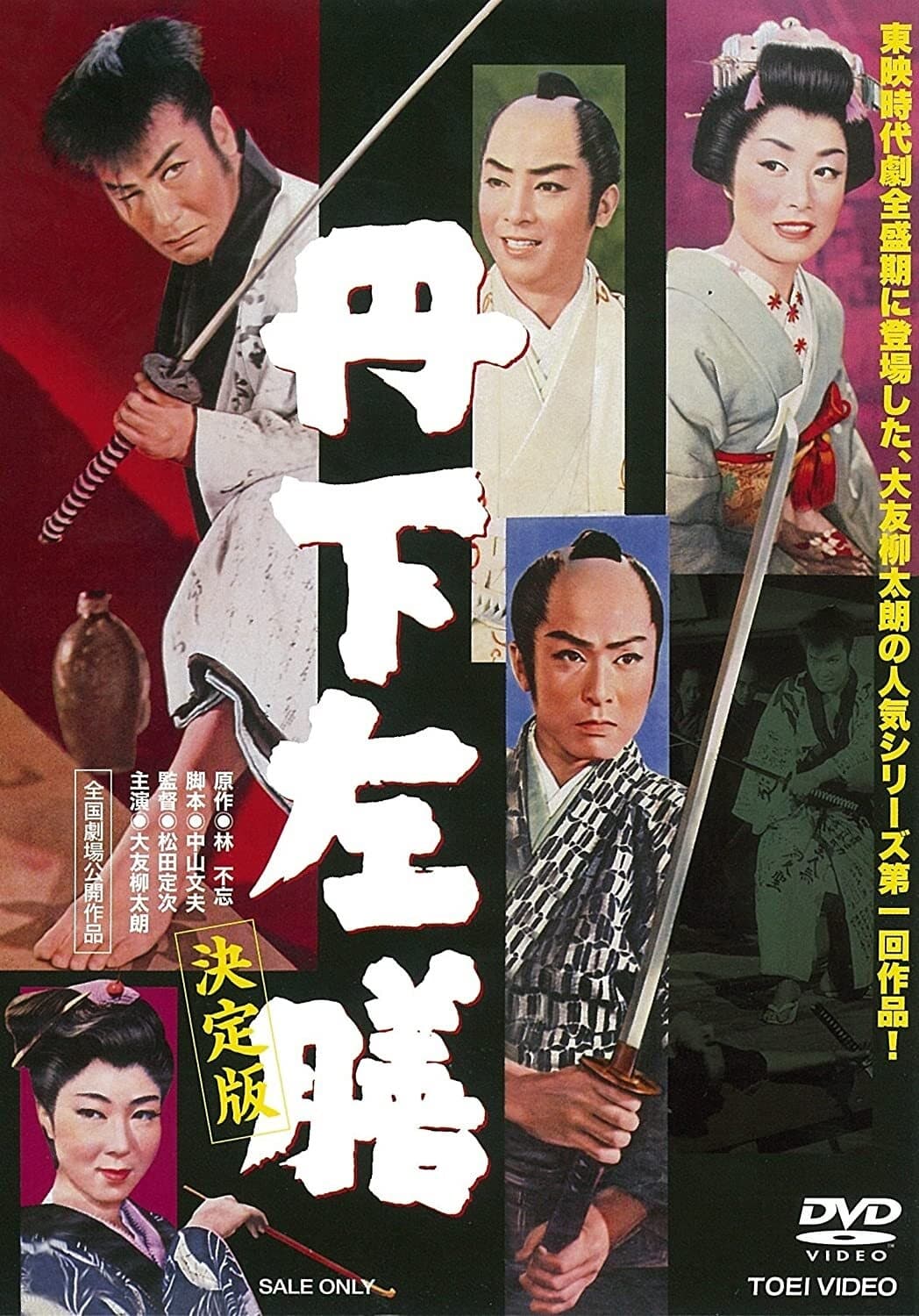
One of Japan’s most popular folklore characters, Tange Sazen, the one-eyed and one-armed swordsman, must rescue the Yagyu clan from the treachery of a master plotting to take control over a sword fighting school.
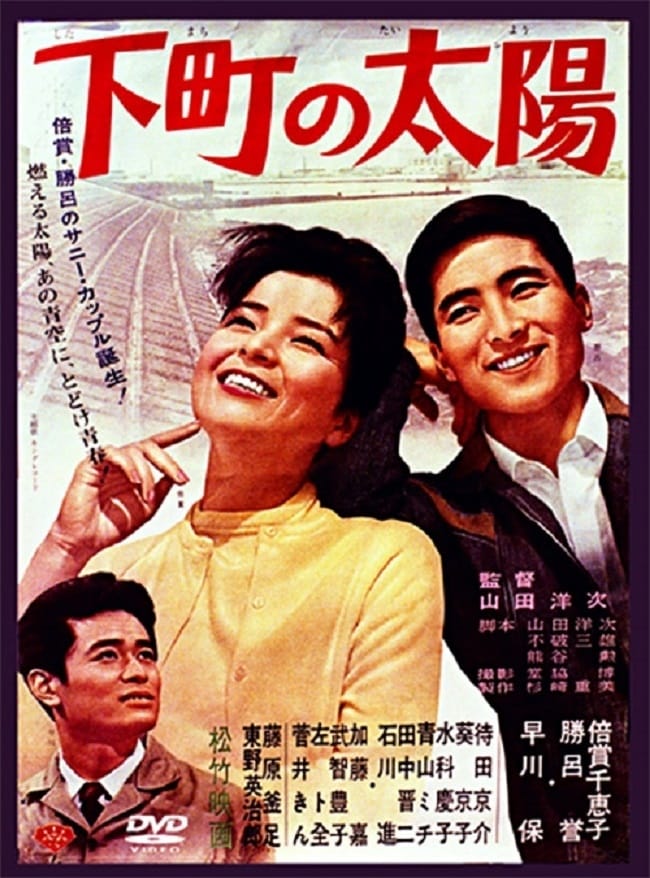
A young factory worker struggles to figure out what she wants to do with her life.
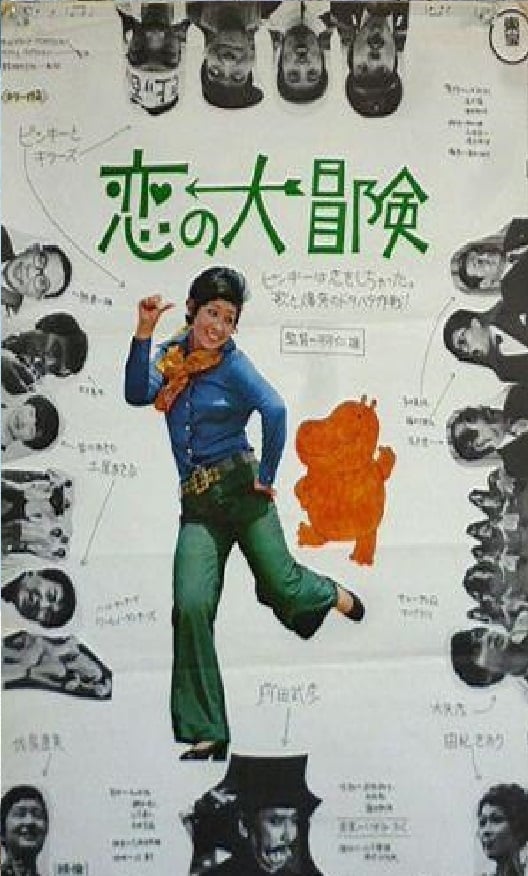
A musical comedy.
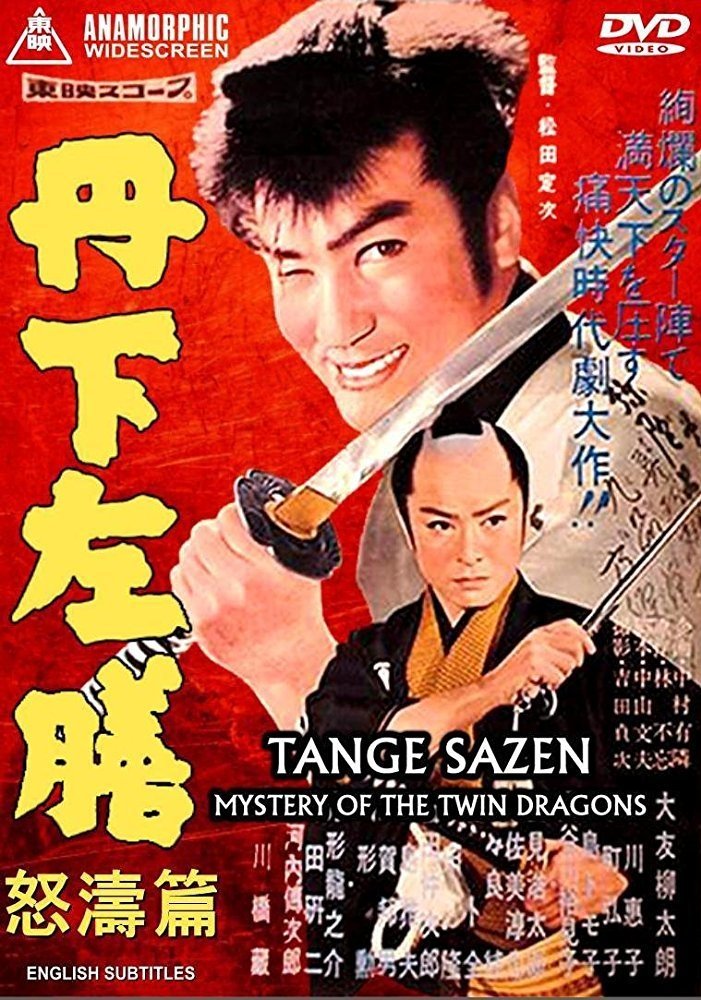
In this film in the long running series, Tange Sazen and his friends are asked to guard a dragon-shaped incense burner that holds the key to hidden treasures. This is the most exciting film in the series, and contains some of the best action sequences of Otomo's distinguished career. Sazen is the strongest swordsman of his time, and his sense of honor and justice are called upon more than once to set things right.
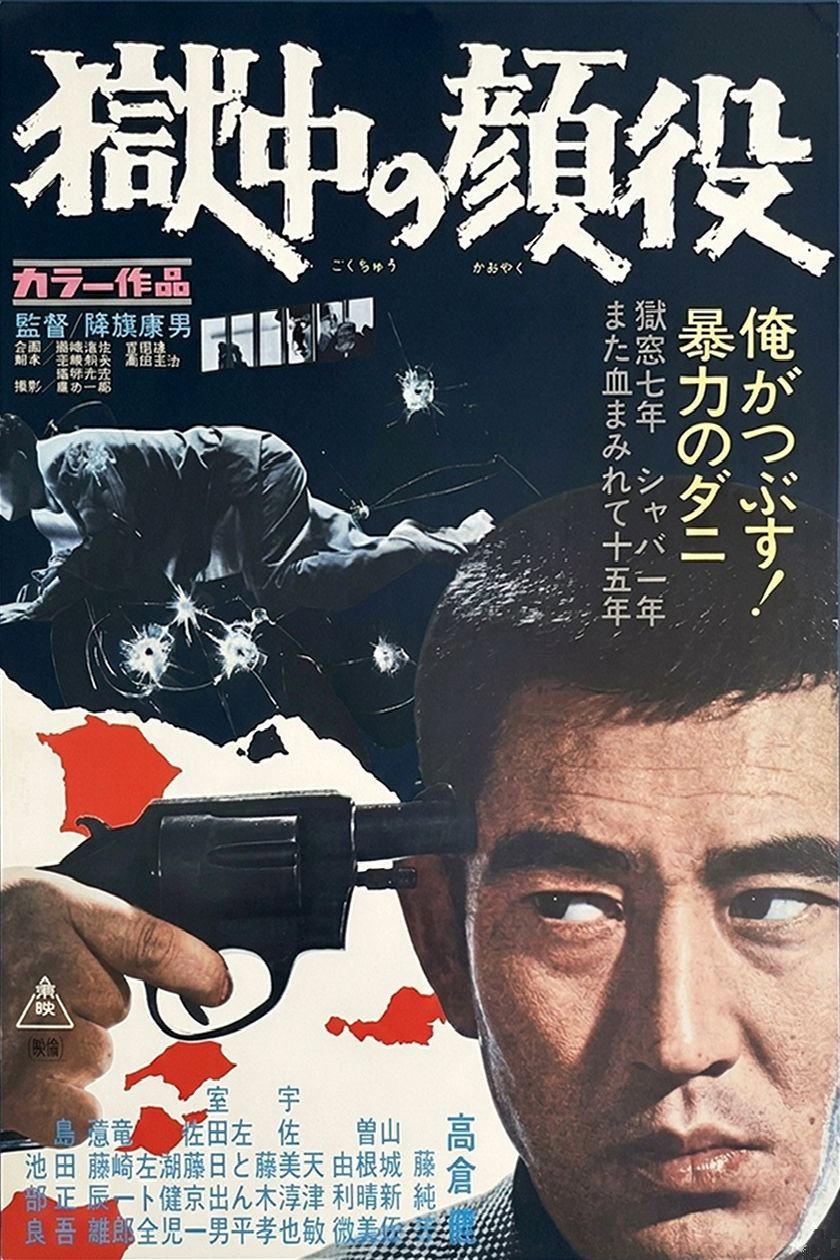
Rival gangs fight over ownership of bicycle race track.
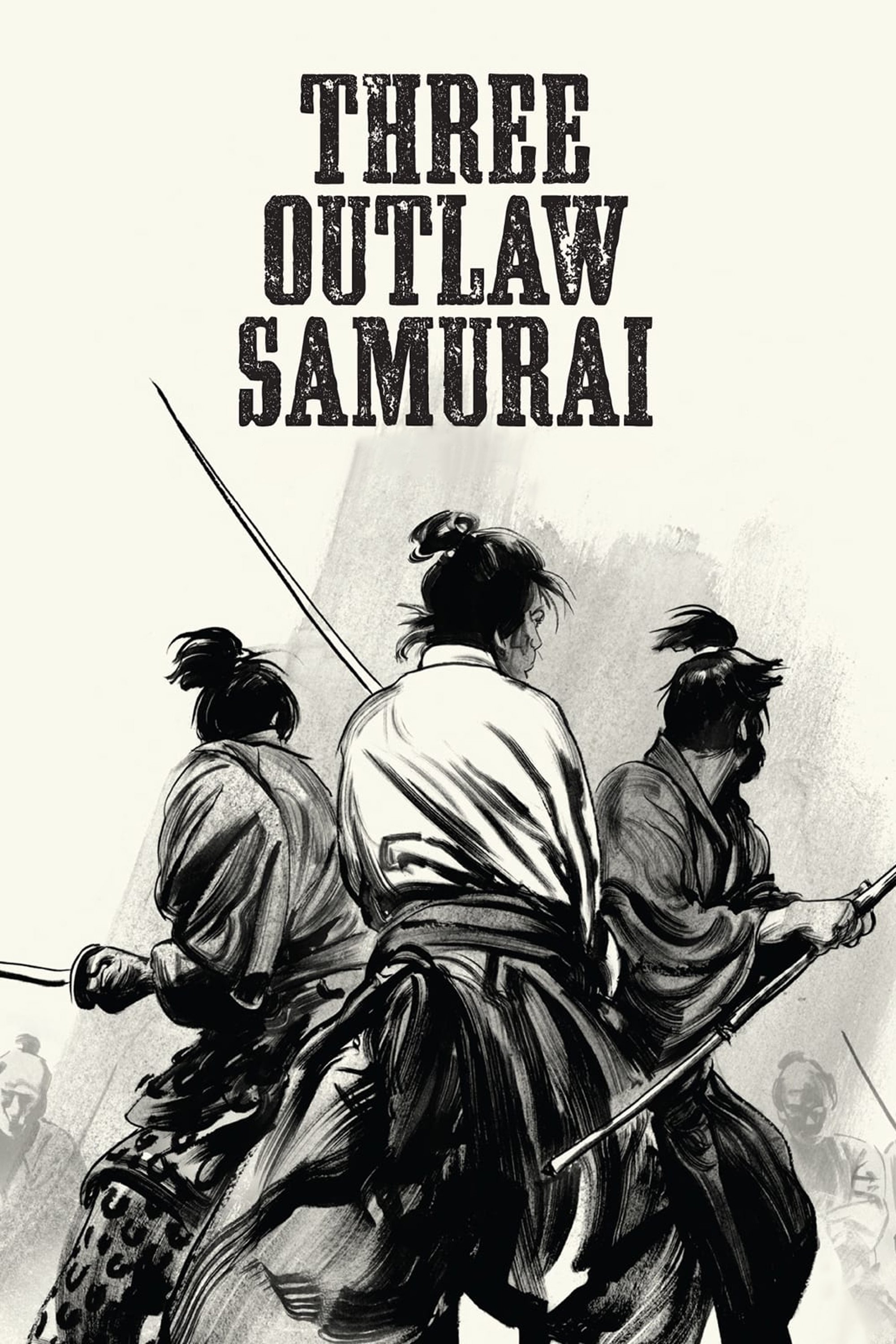
Shiba, a wandering ronin, encounters a band of peasants who have kidnapped the daughter of their dictatorial magistrate, in hopes of coercing from him a reduction in taxes. Shiba takes up their fight, joined by two renegades from the magistrate's guard, Sakura and Kikyo. The three outlaws find themselves in a battle to the death.
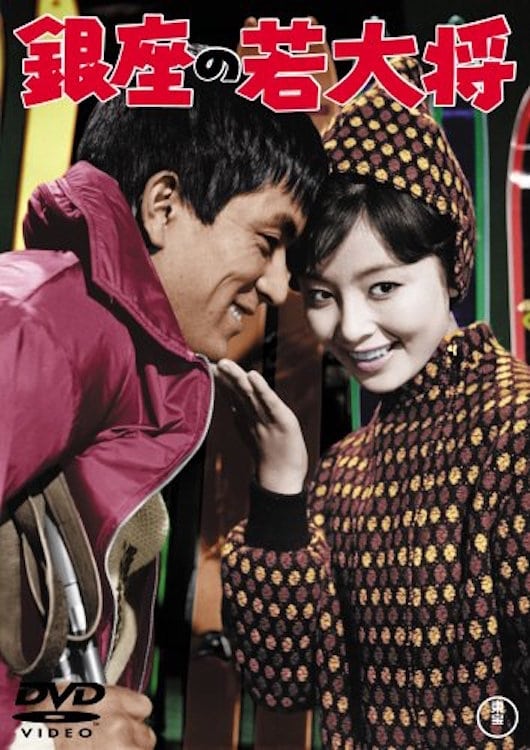
The first instalment in Toho's popular Wakadaishō (Young Guy) series.
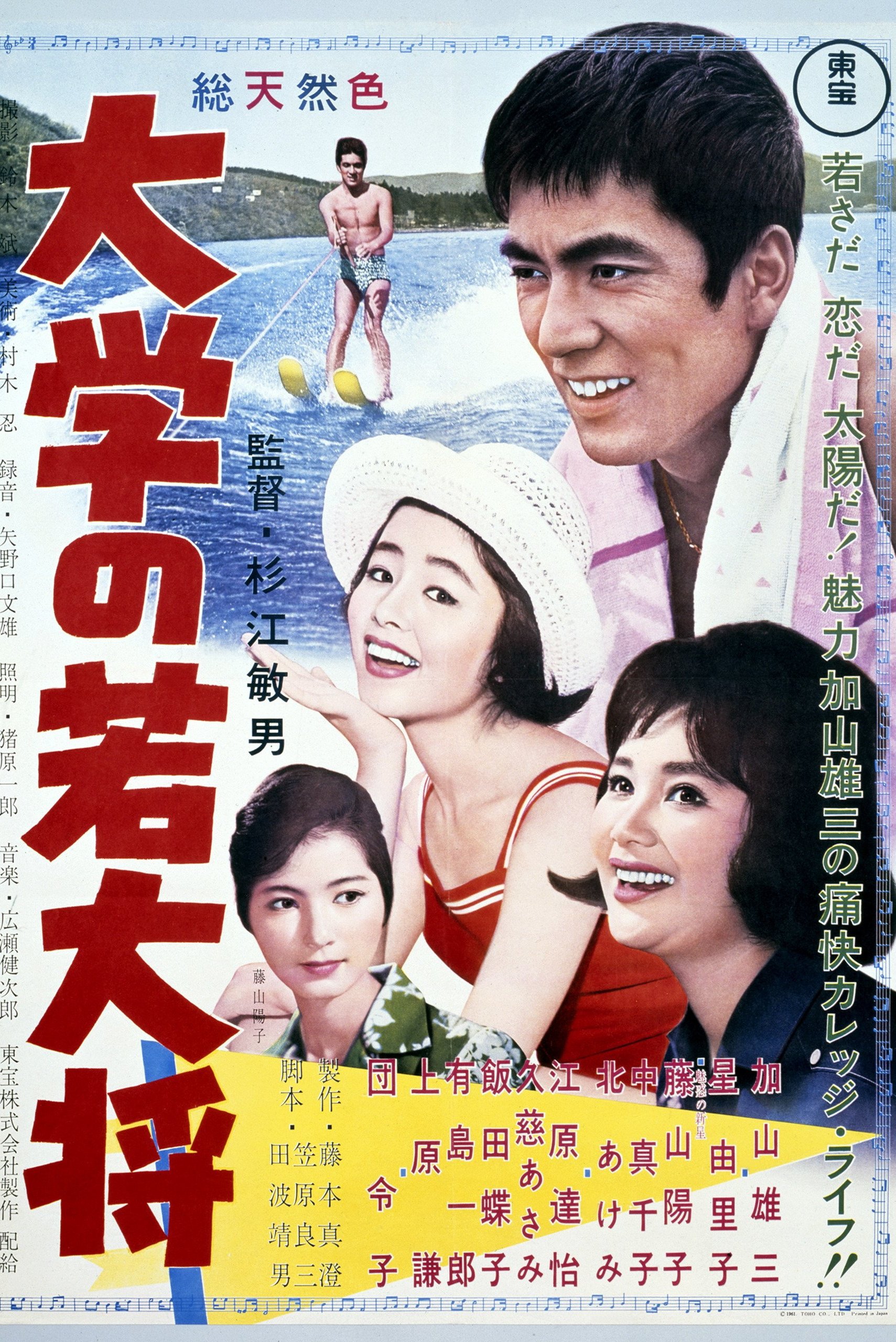
Young Yuichi (Kayama) romances Sumiko (Hoshi) while helping out at his family's restaurant, singing in a band, and preparing for an important boxing tournament.
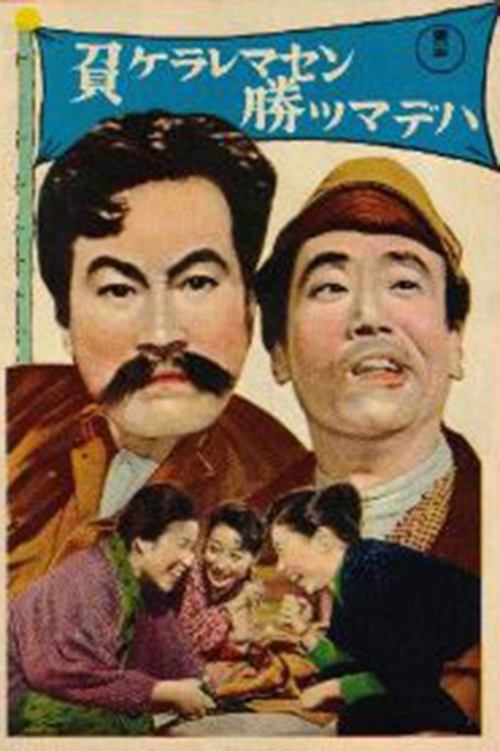
Comedy based on the writings of Ango Sakaguchi.
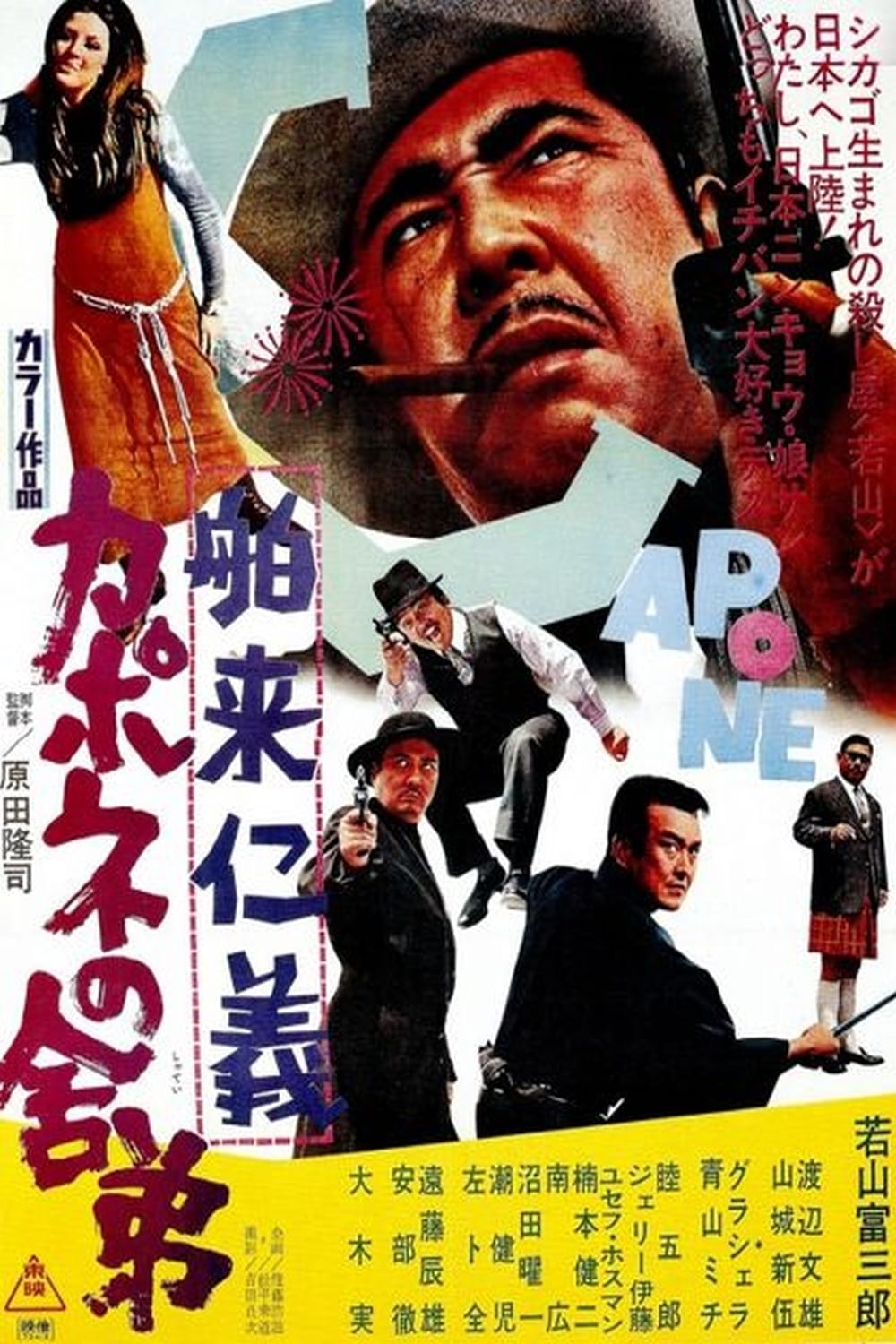
Superbly entertaining action comedy with Tomisaburo Wakayama as Kuriyama Capone who learned his trade under Al Capone in Chicago. The film follows his first venture to Japan with gangster brothers Frank (Shingo Yamashiro) and Joe (Fumio Watanabe). And being chased by gangster and the FBI, including the granddaughter of Eliot Ness. The whole thing is a good amount of fun, the performances especially (Wakayama, Yamashiro, Watanabe in a rare heroic role), making this one of routine director Takashi Harada’s best pictures.
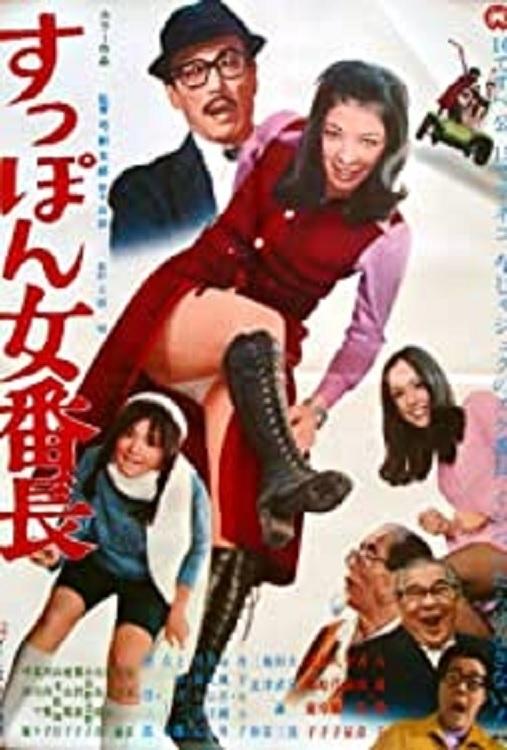
Tetsuko (Eiko Yanami), a high school student, one day, forces Tsuneo, (Kei Wakakura), the brightest boy in her school, to make love to her after school is out and they are caught by the old school janitor. Tsuneo's mother, orders Tetsuko to pay for what she did to her son but Tetsuko blackmails her instead, saying that she is ready to inform a news company of what has happened to Tsuneo and receives one million yen hush money. Expelled from school, she comes to Tokyo, intending to take a round-the-world trip. But Sankichi (Yoshihiko Aoyama), a jack-of-all-trades, cheats her. So, she makes up her mind to catch him and get back her money.
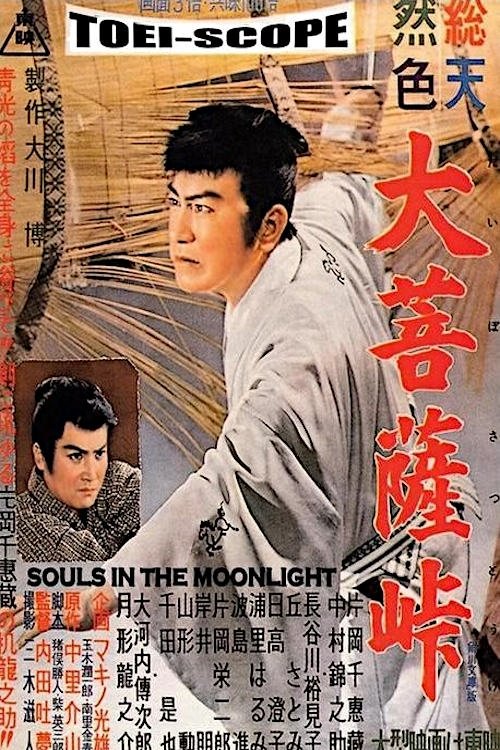
First part of the famous Dai-bosatsu toge trilogy, based on Kaizan Nakazato’s unfinished long series of novels (41 books, written from 1913 to 1941). Set in the last period of the Tokugawa Shogunate, Daibosatsu Toge tells the story of Tsuke Ryunosuke, a nihilistic swordmaster who doesnt hesitate to kill anyone, bad or good. Despite the authors explicit refusal, the series were later made into plays and movies several times.
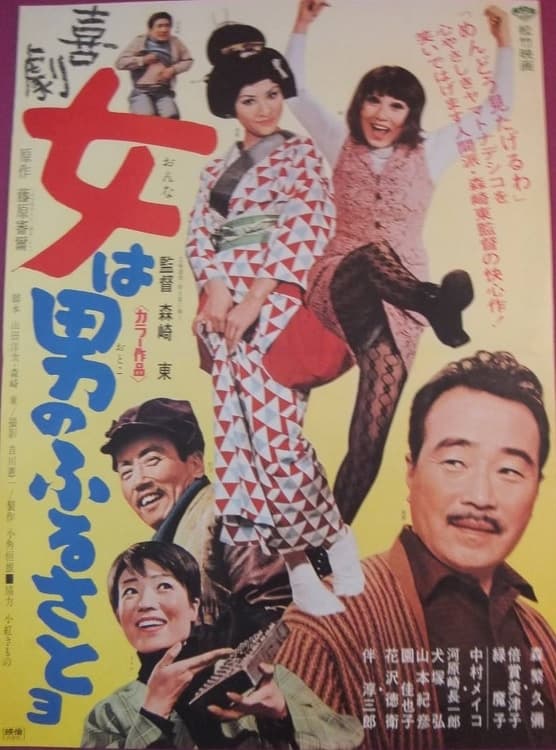
Comedy of an entertainment agent and strip-teasers.
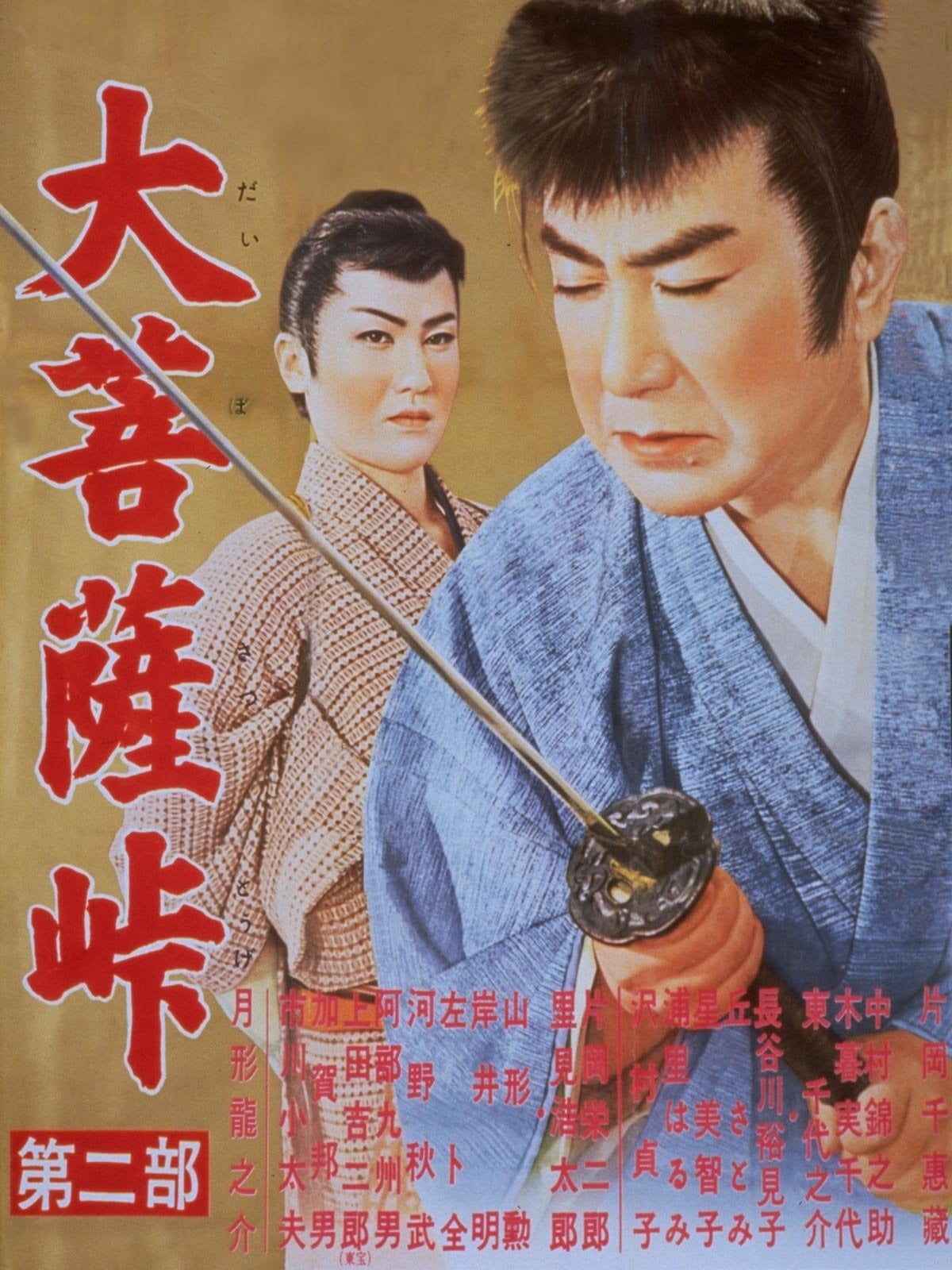
This is the second installment of the trilogy based on Japan’s greatest novel “The Great Bodhisattva Pass”, following the life and times of bloodthirsty samurai, Tsukue Ryunosuke. Blinded in an explosion and further injured from a fall, the master swordsman is taken in by Otoyo, a woman who falls in love with him. Under Otoyo’s dedicated care, Ryunosuke’s physical and emotional wounds seem to heal. However, deep inside, the demons that drive him to kill yearn to resurface. Meanwhile he is being pursued by Utsugi Hyoma, a young samurai seeking to avenge his brother’s death at Tsukue’s hands. Hyoma is being aided along the way by the clever thief Shichibei.
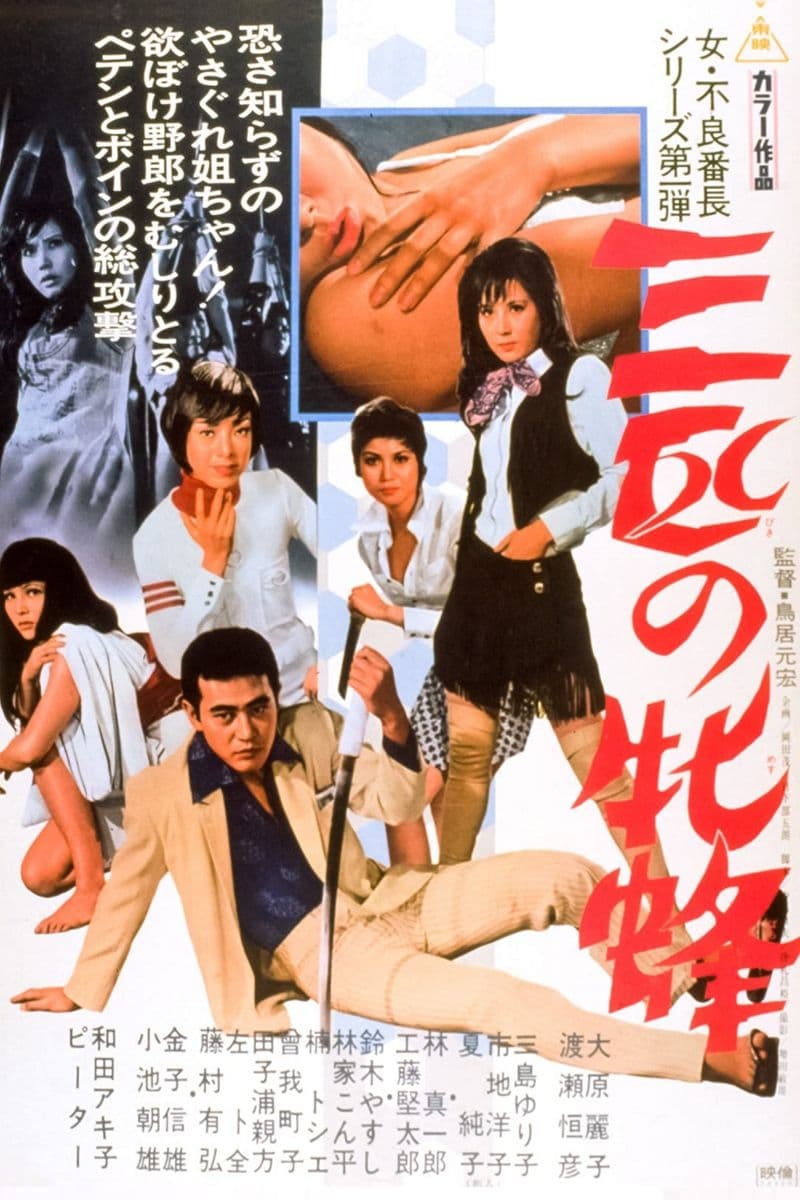
A trio of teenage tarts try to earn money through shoplifting and prostitution scams and get into deep trouble.
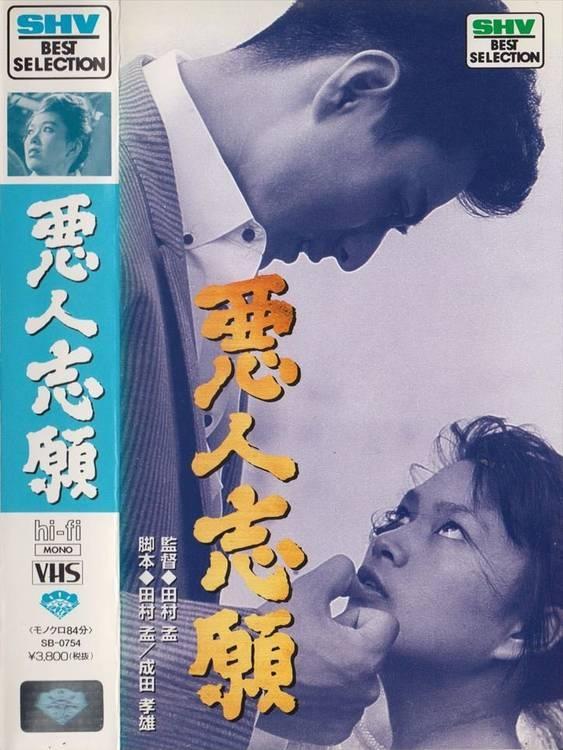
Two outsiders start a relationship in a mining town.
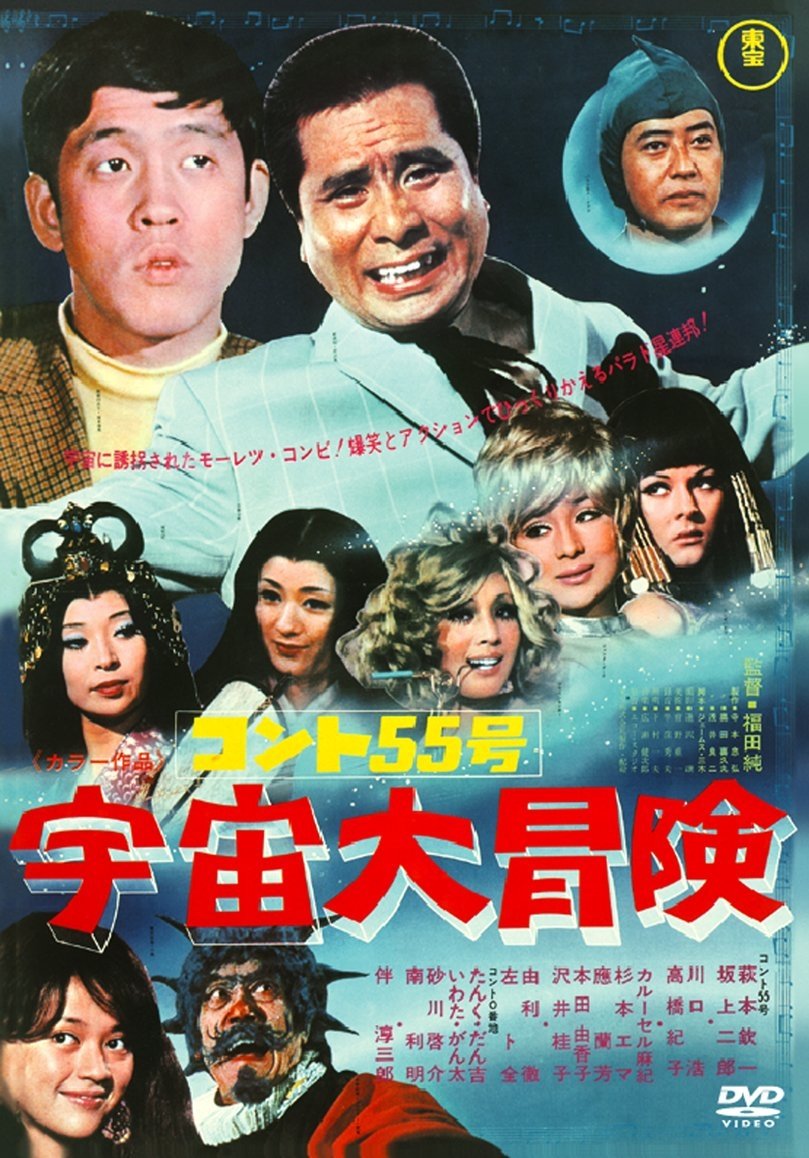
A Toho film featuring the comedy duo Konto 55, (コント55号), comprised of comedians Kinichi Hagimoto and Jiro Sakagami.
The legend of the birth of Shintoism. In Fourth Century Japan, the Emperor's son Ouso expects to succeed his father on the throne, but Otomo, the Emperor's vassal, prefers Ouso's stepbrother, and conspires to have Ouso die on a dangerous mission he has contrived. But Ouso prevails in the mission and returns to his father's castle under a new name, Prince Yamato Takeru. Otomo plots to have the Prince sent into even greater danger, but Otomo is unaware that the gods have favored the Prince and the outcome is far from what any of them expected.
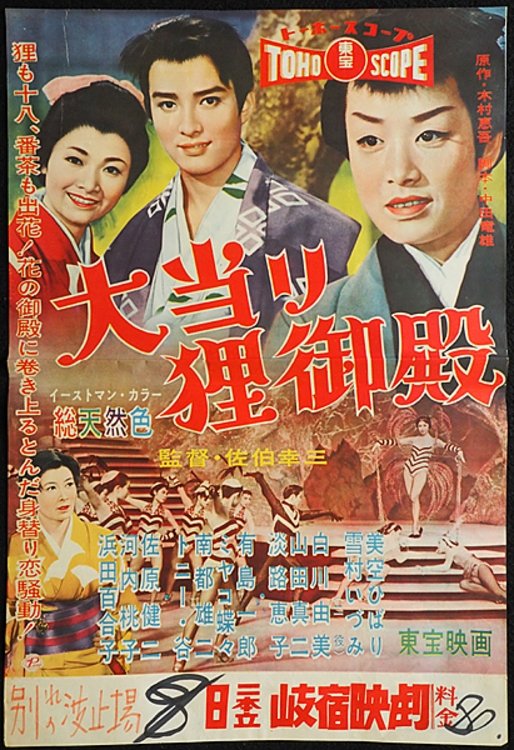
Princess Kinuta runs away from the palace because she doesn't want a marriage of convenience. Princess Kinuta, who has never left the palace, didn't enjoy communing with wildlife for long when she was chased by bandit moles and accidentally fell into the Valley of the Spider's Web. The princess and a white butterfly bound by a mysterious thread were about to be eaten by the spider queen when they are rescued by Tanukichiyo, a young wandering samurai who happens to be passing by. Historical fantasy comedy starring Hibari and Izumi.
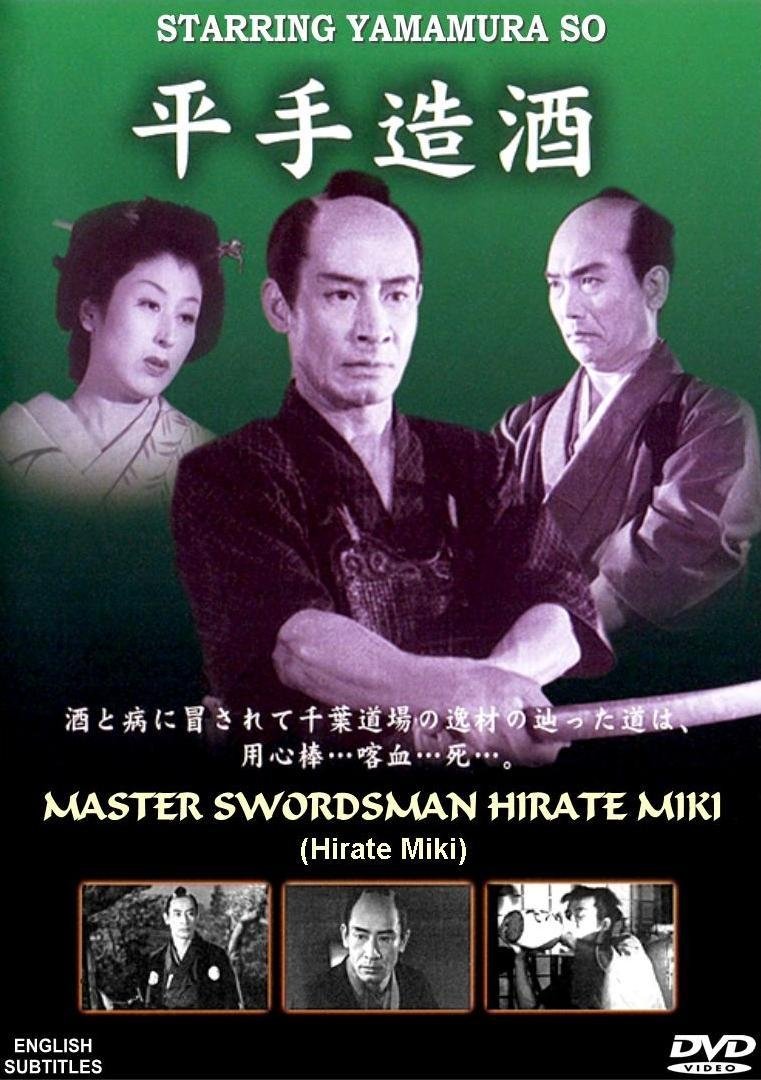
After mastering swordsmanship at the dojo of Chiba Shusaku, and unable to serve a clan due to his illness, Hirate Miki becomes a ronin who winds up as bodyguard to Shigezo of Sasagawa leading up to an epic battle.
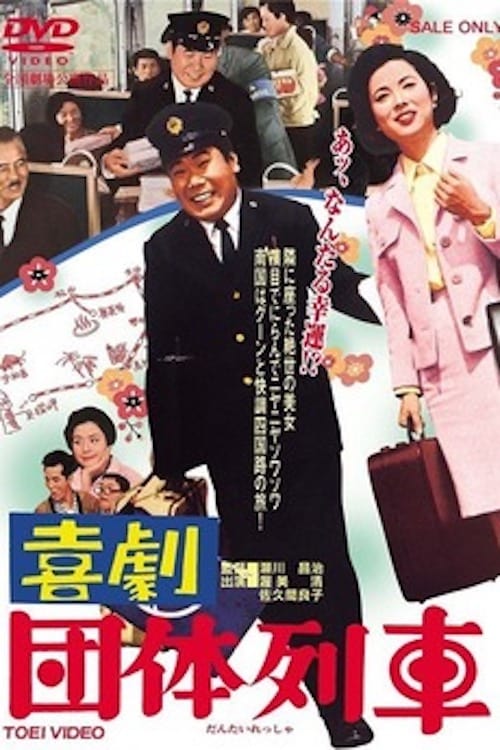
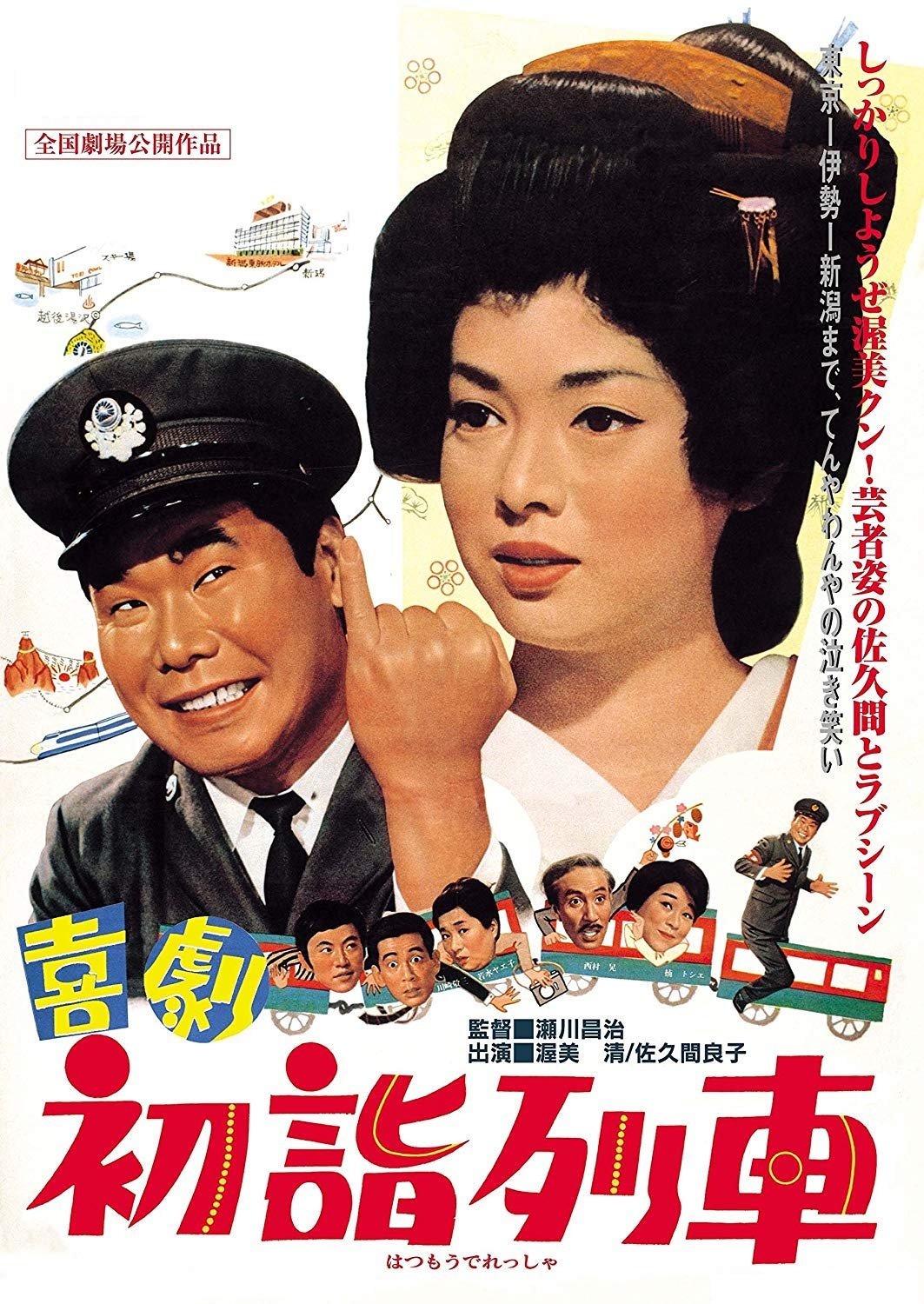
A comedy about Hikoichi, a mediocre train conductor who falls in love with a beautiful widow Sayuri.
A comedy about a good-natured train conductor Shinsaku helping his old friend Miwako find her missing brother.
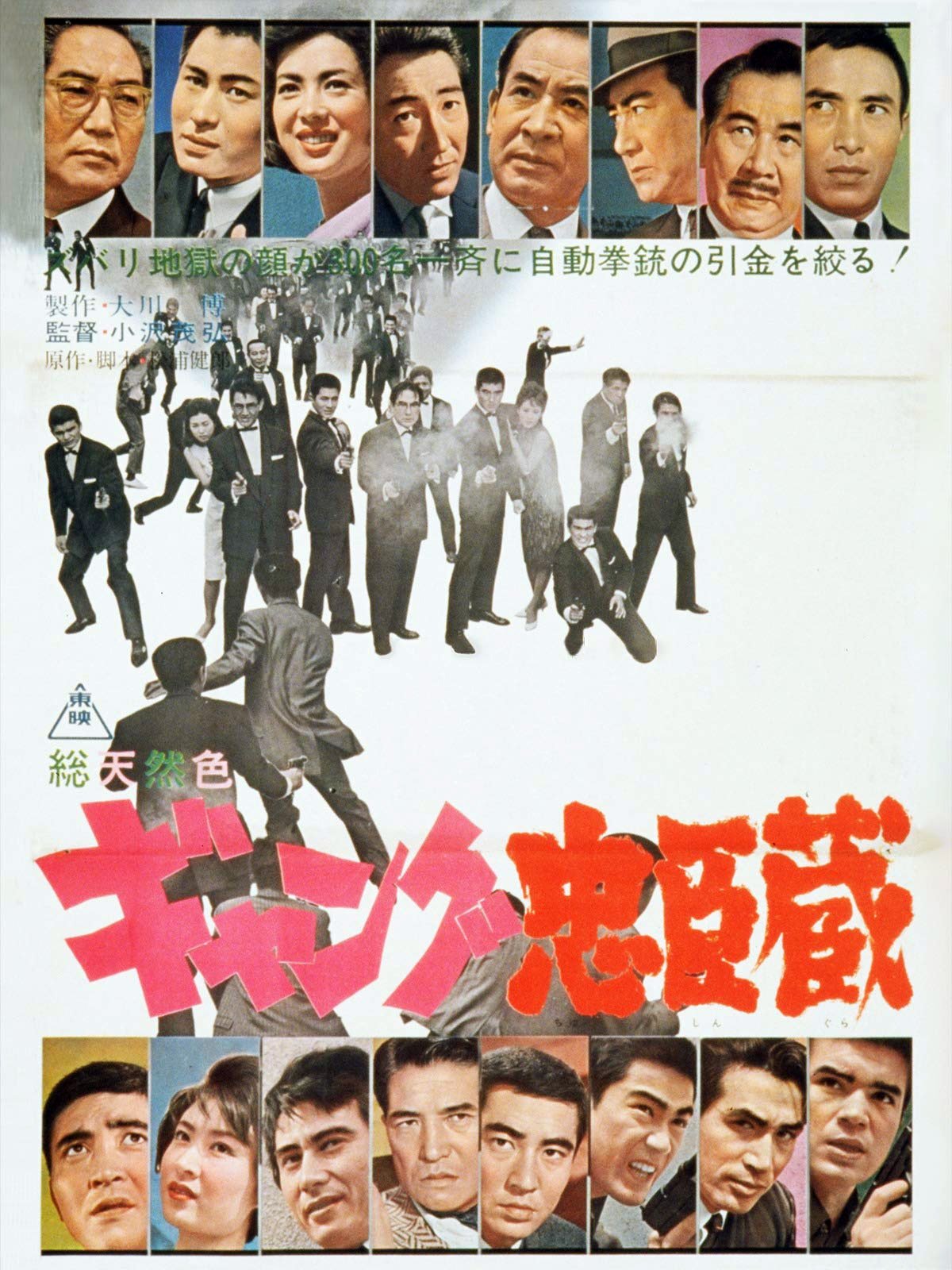
A modern gang version of Chushingura, chronicling almost scene for scene the Brave 47 Ronin story, transposed from the Genroku Period to the Showa Era.

Hidejirō is sent to prison after killing the boss of a rival family. After being released, he discovers that his family has scattered and he is taken in by a company of quarry workers, whose boss has a strict code of non-violence. When the rival family tries to take over the company and kills their boss, Hidejirō must choose between his promise of non-violence and his yakuza code of revenge...
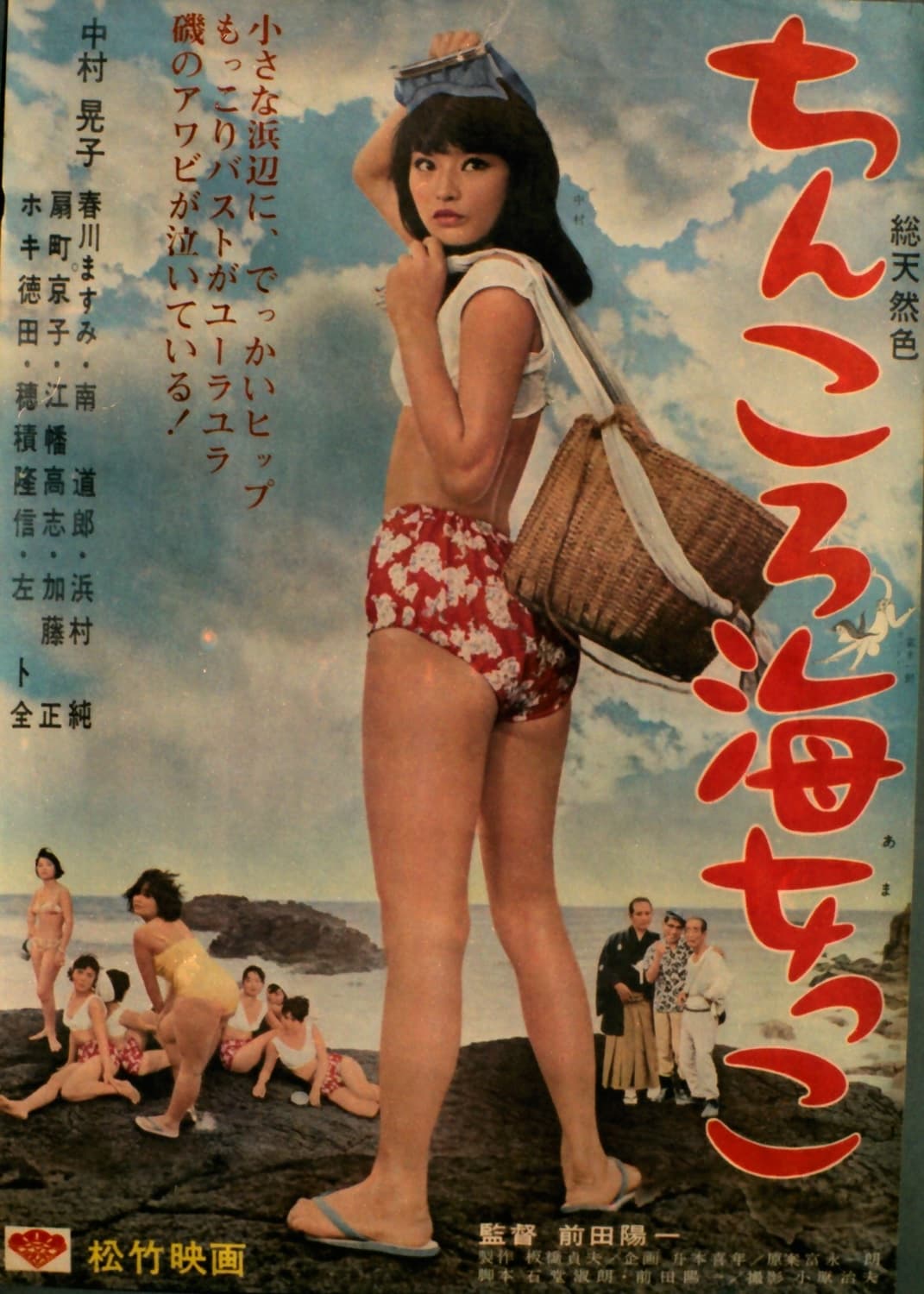
South of Tokyo is a small island until quite recently relatively unchanged since feudal times. Now, however, it is being made into a tourist's playland and the girls, who had been abalone divers, now become geisha, and the old ways of the island are all topsy-turvy. One of the girls, more sensitive than the rest, sees that here, too, people are motivated only by greed and decides to leave and try to find a better life elsewhere.
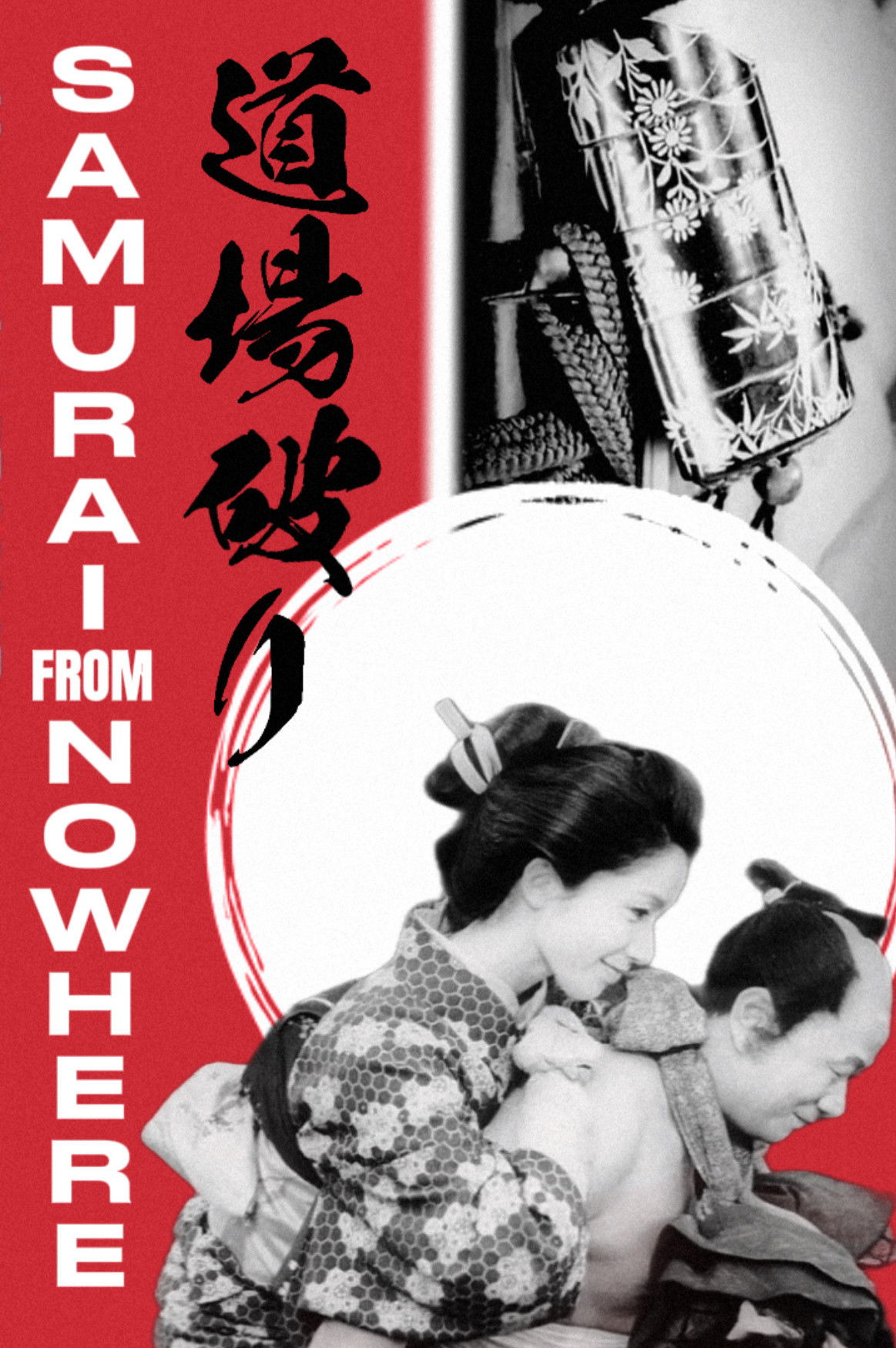
Misawa Ihei (Nagato) is traveling with his wife Tae (Iwashita Shima) who abhors the practice of sword fighting for prize money. Tae is the daughter of the clan's chief counselor who married the low-ranking Ihei to avoid becoming the clan lord's mistress. Into the mix comes Oba Gunjuro (Tetsurō Tamba), a mysterious ronin who will do anything for money. This leads to a fitting climax as the forces of hate and love converge while the couple attempt to break through the border!

Traveling salesman Kuruma Torajirō falls in love with an inn manager as New Year's approaches.
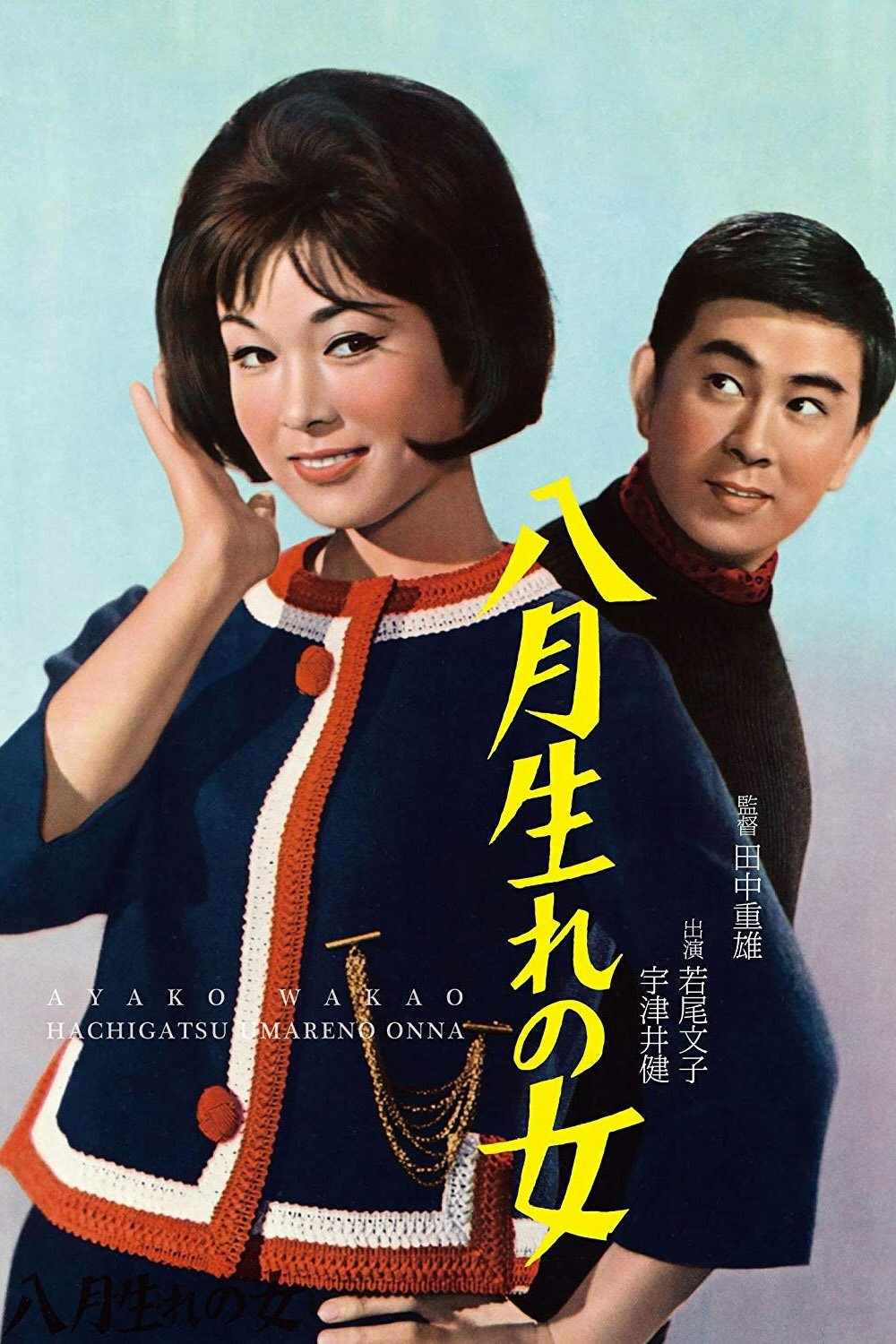
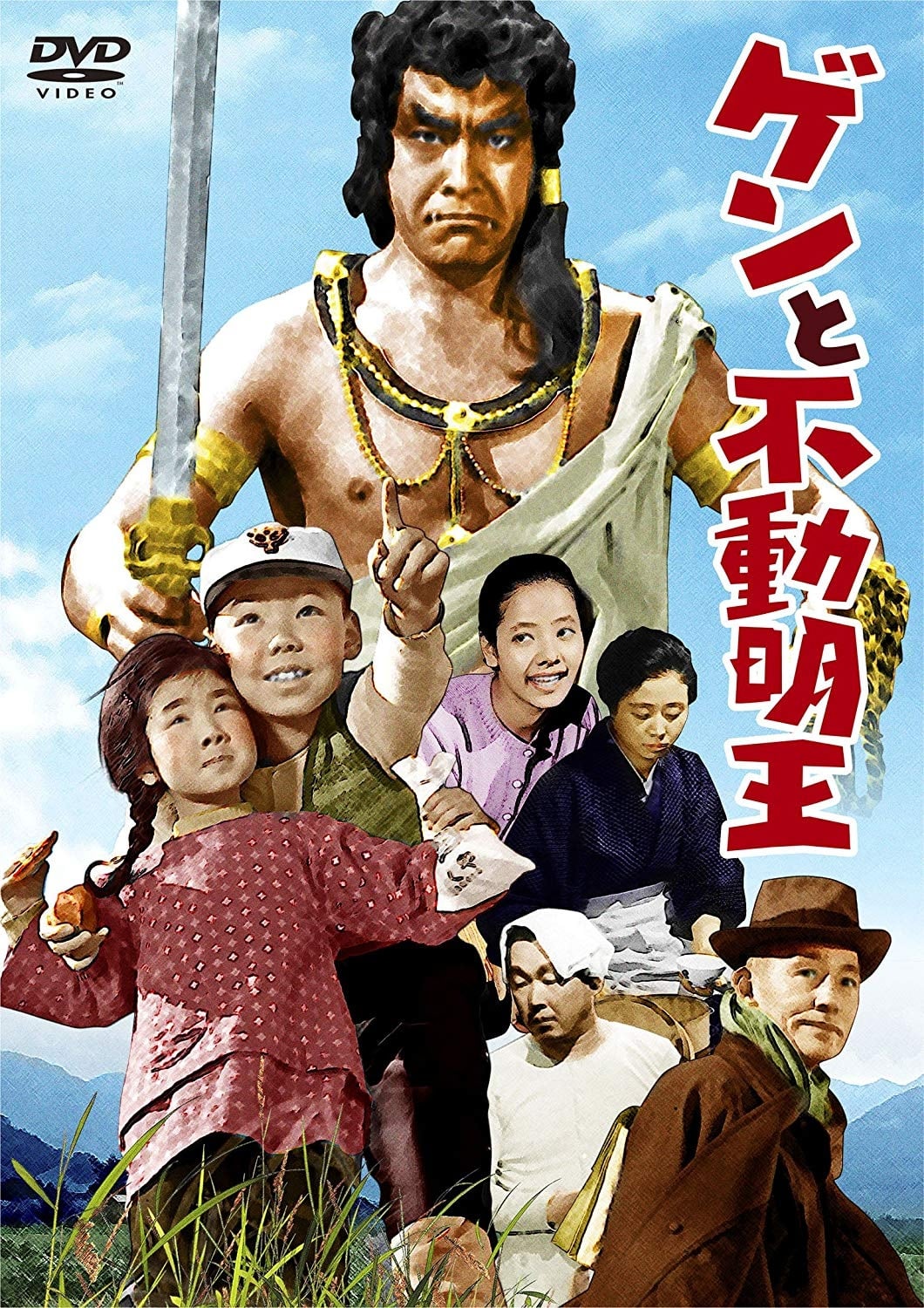
Gen is a lonely orphan boy. His sole sense of companionship comes from an imaginary friend, the god Prince Fudo-Myo. Prince Fudo-Myo comes to the boy's rescue in times of difficulty.
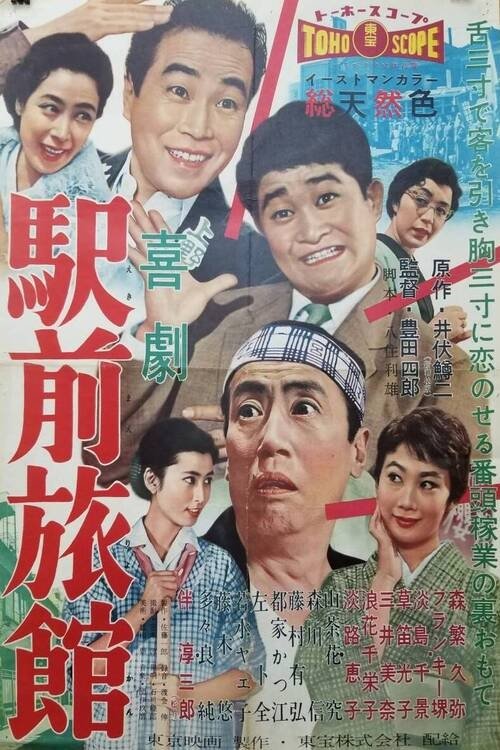
Based on the novel "Ekimae Ryokan" by Masuji Ibuse, a longtime hotel employee struggles to bring his old-fashioned ryokan in line with postwar Japanese business practices.
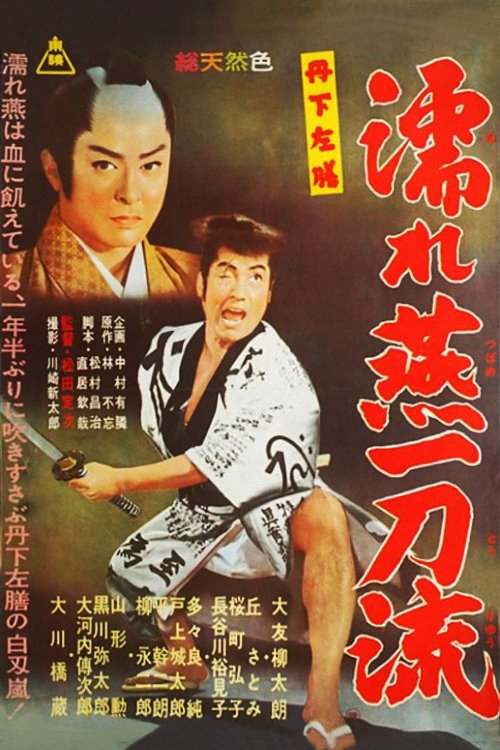
Tange Sazen interferes with an evil plot against the Iga Yagyu family.
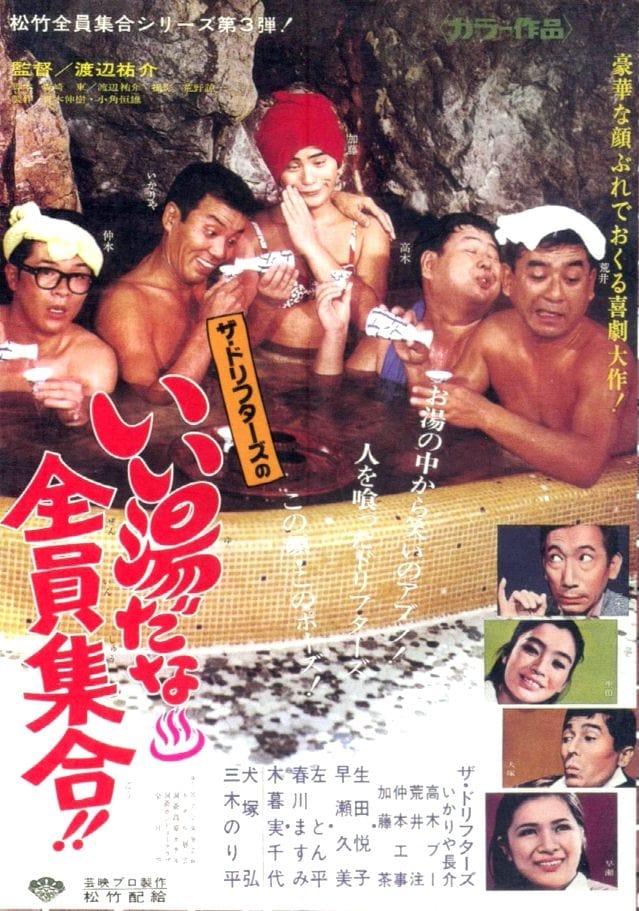
Five fellows are taken by the police for bank hold-ups.

Students against teachers in the wildest kiss-stealing, petting-orgy ever.
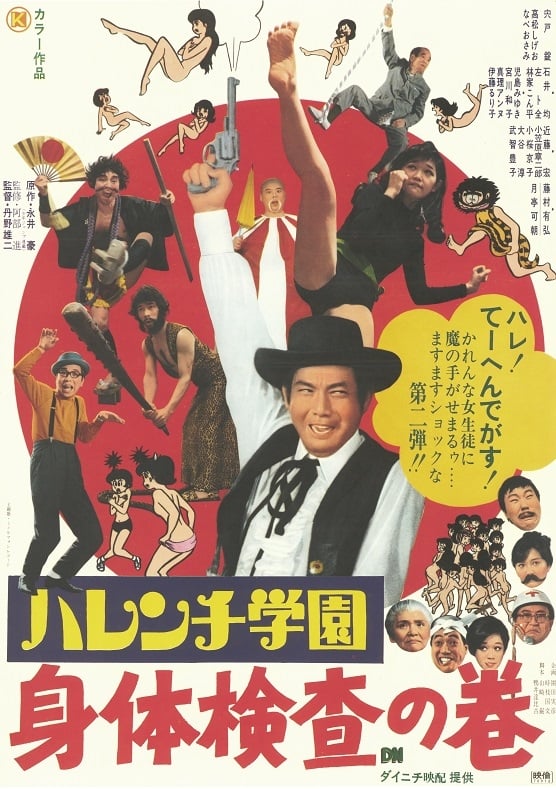
In this outing of Harenchi Gakuen the students undergo a health check after school, but all is not what it seems. Teacher 'Beard Godzilla' has kicked out the infirmary's doctor and taken his place. A trio of students notice the trick and dress up as medical professionals to assist the female portion of the school body. A newspaper has caught wind of this.
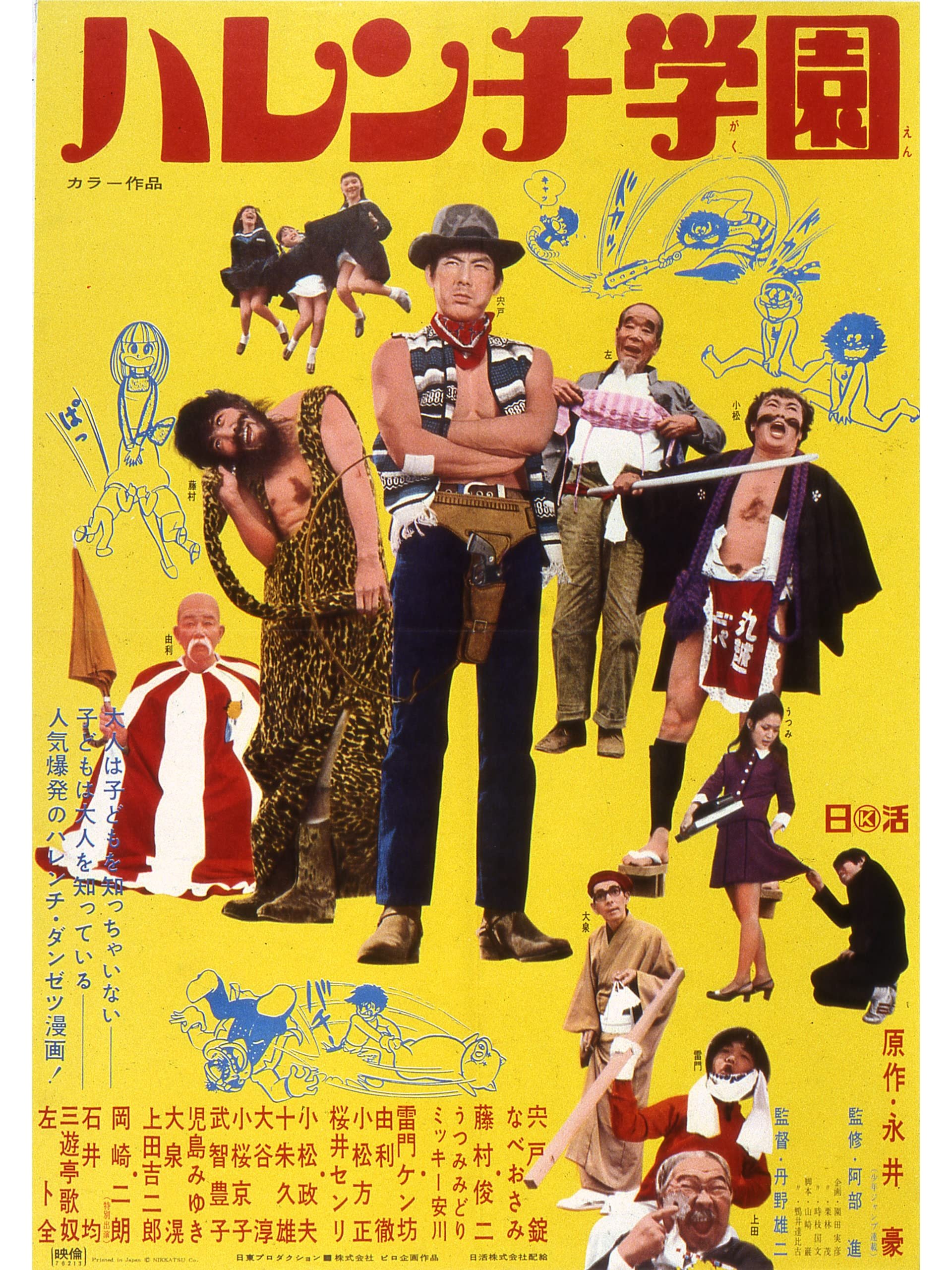
Comedy of high school where students and teachers run wild, based on a popular comic strip.
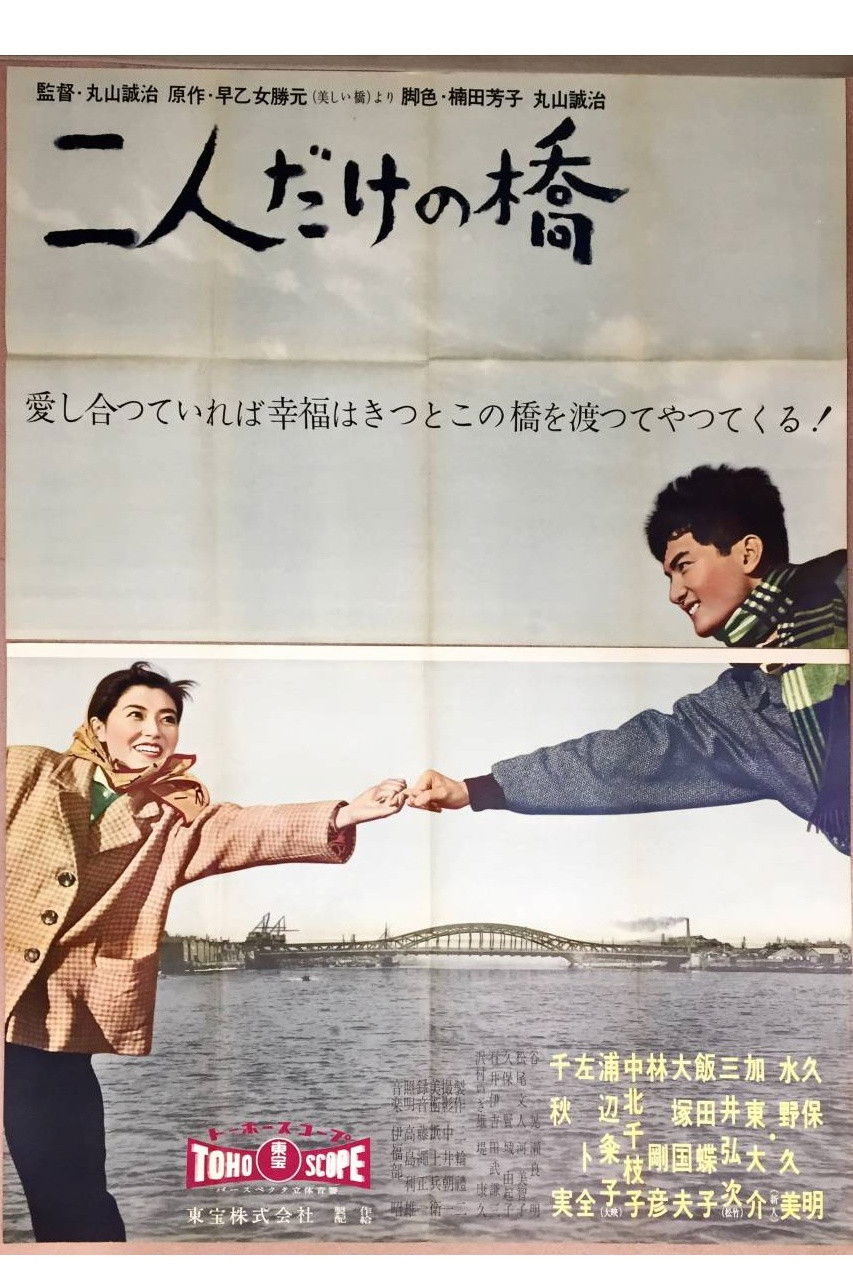
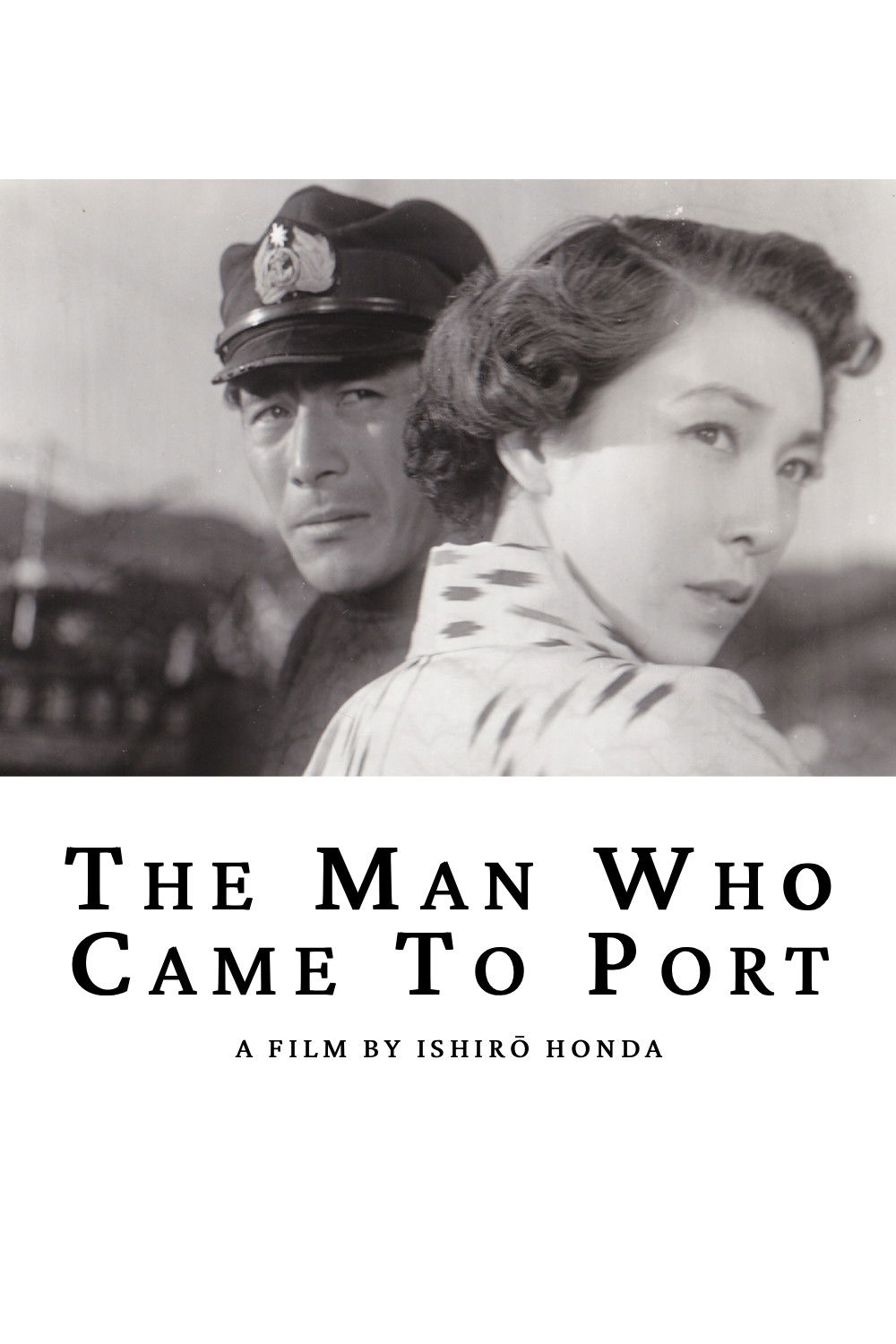
An Ishiro Honda film.
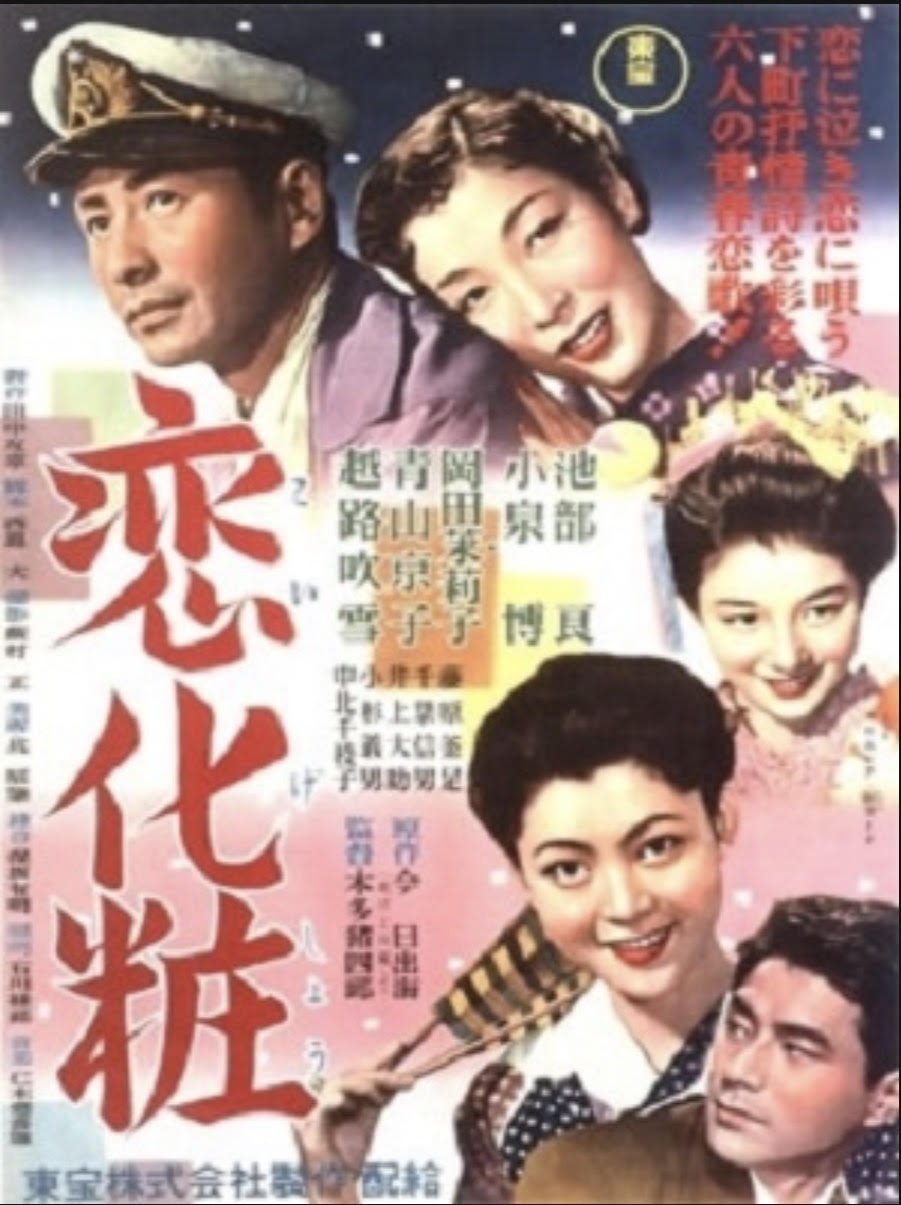
An Ishiro Honda film.
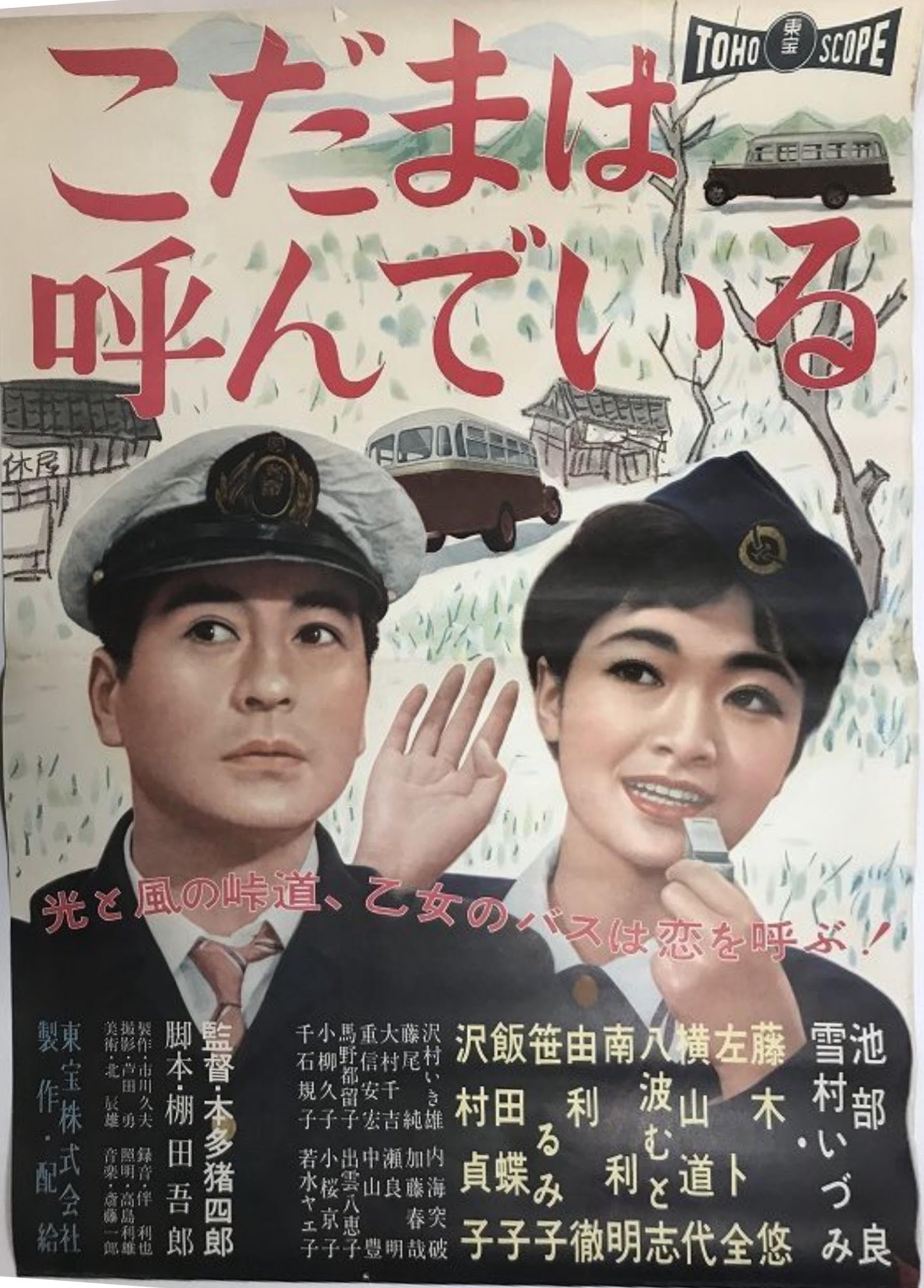
An Ishiro Honda film.
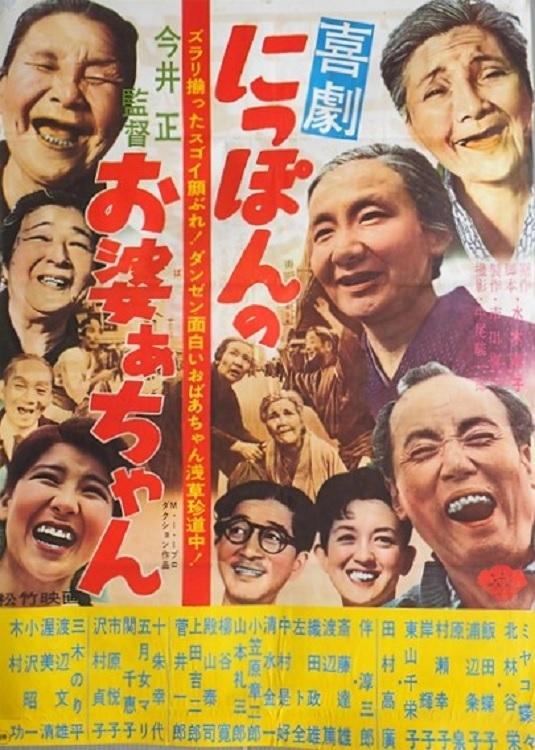
Two obaachans become fast friends listening to music in front of a record store. They both boast about their loving sons but in reality, one had just escaped a retirement home and the other was looking for an escape from her son and daughter-in-law. With nowhere to go, the two wander around, befriending a cosmetics salesman and a kind waitress who give them beer. This biting social satire starring two memorable grandmothers, scripted by Yôko Mizuki, picked up on Japan’s aging population problem far ahead of its time.
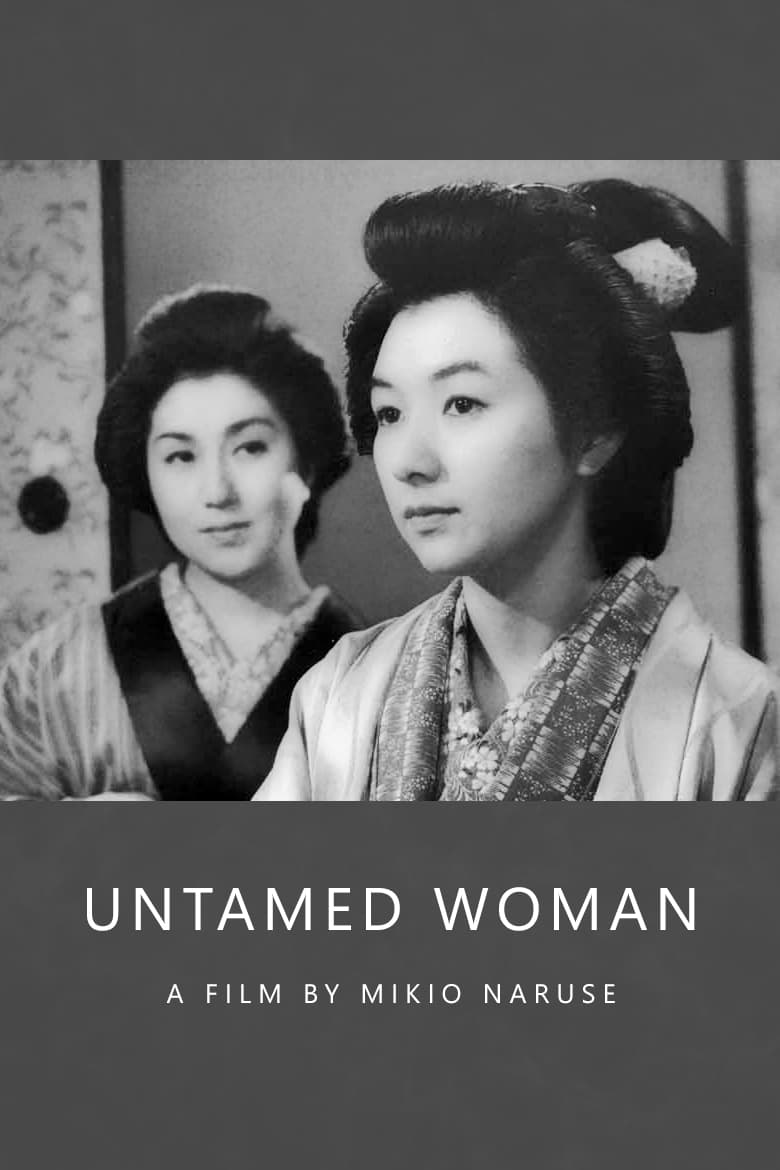
A woman marries, gives birth to a stillborn child, and divorces, falls in love with a hotel-keeper, only to find herself subordinated to his drive for success, takes up with a tailor who cannot console himself with her strong personality.
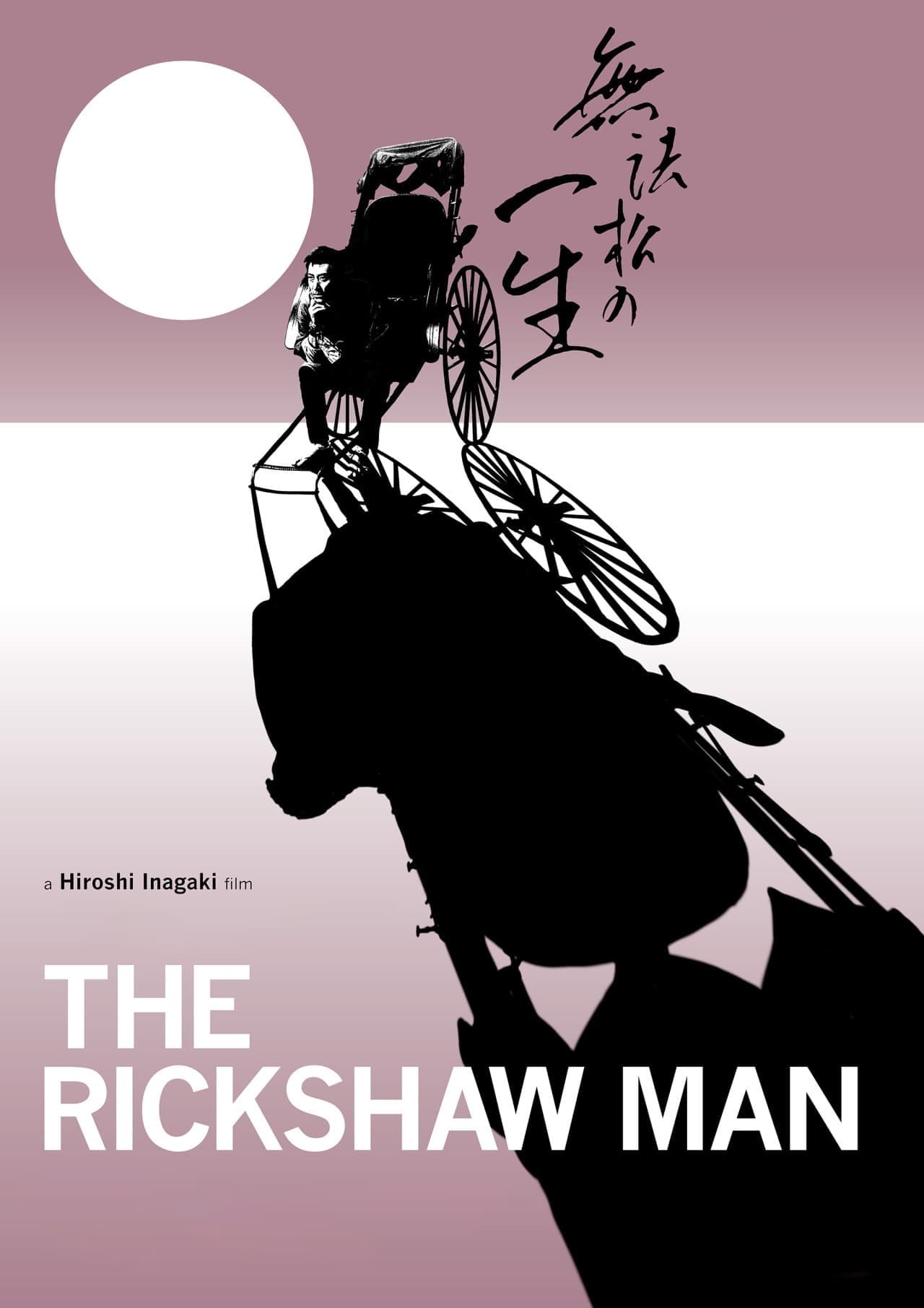
A poor rickshaw driver finds himself helping a young woman and her son after the woman's husband dies suddenly.
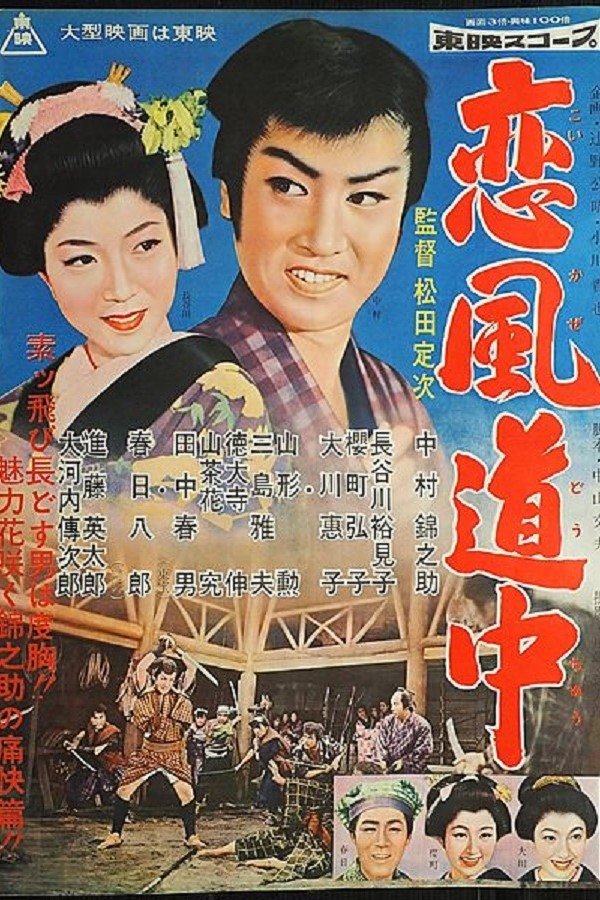
Romantic comedy.
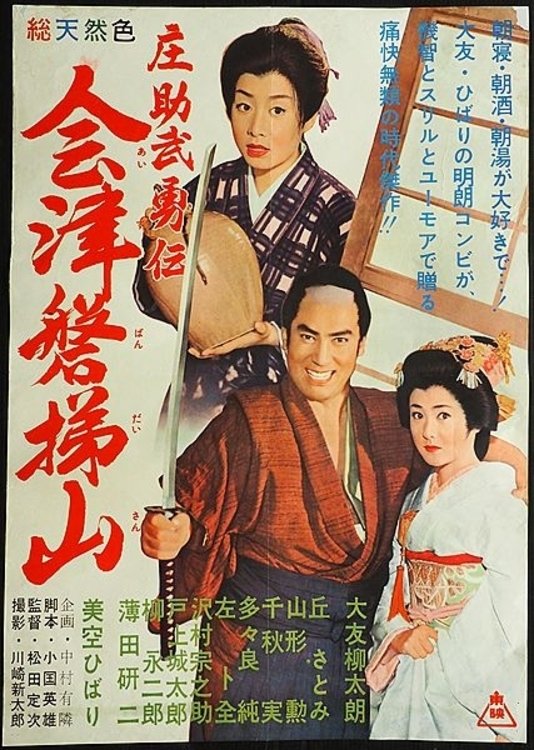
A comedy about a free-spirited man Shosuke, whose life is turned upside down when he is ordered to serve the clan lord.
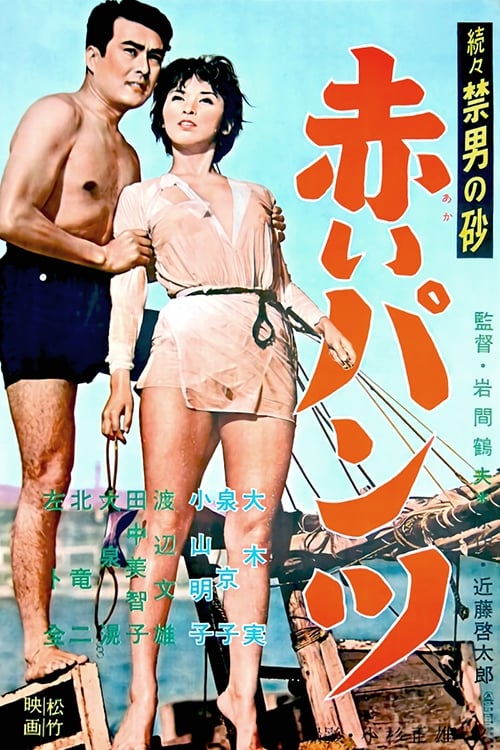
A woman diver in great peril is rescued by Shinji, a fisherman. But his deed is belittled by Takiko, another diver, as a rash act. Her attitude, however, is nothing but a cloak to hide her affection for him. Shinji, hard working and manly, becomes the focus of many yearning eyes and Seikichi, the boss' son, picks a quarrel with him and violent fight ensues in which Shinji kills a man in self-defense.
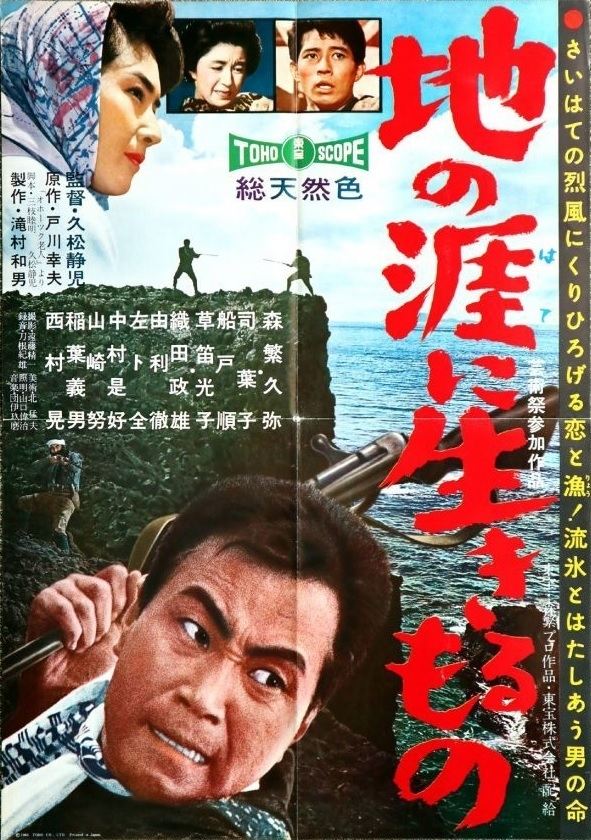
A semi-documentary story about the vicissitudes in the life of an elderly fisherman.
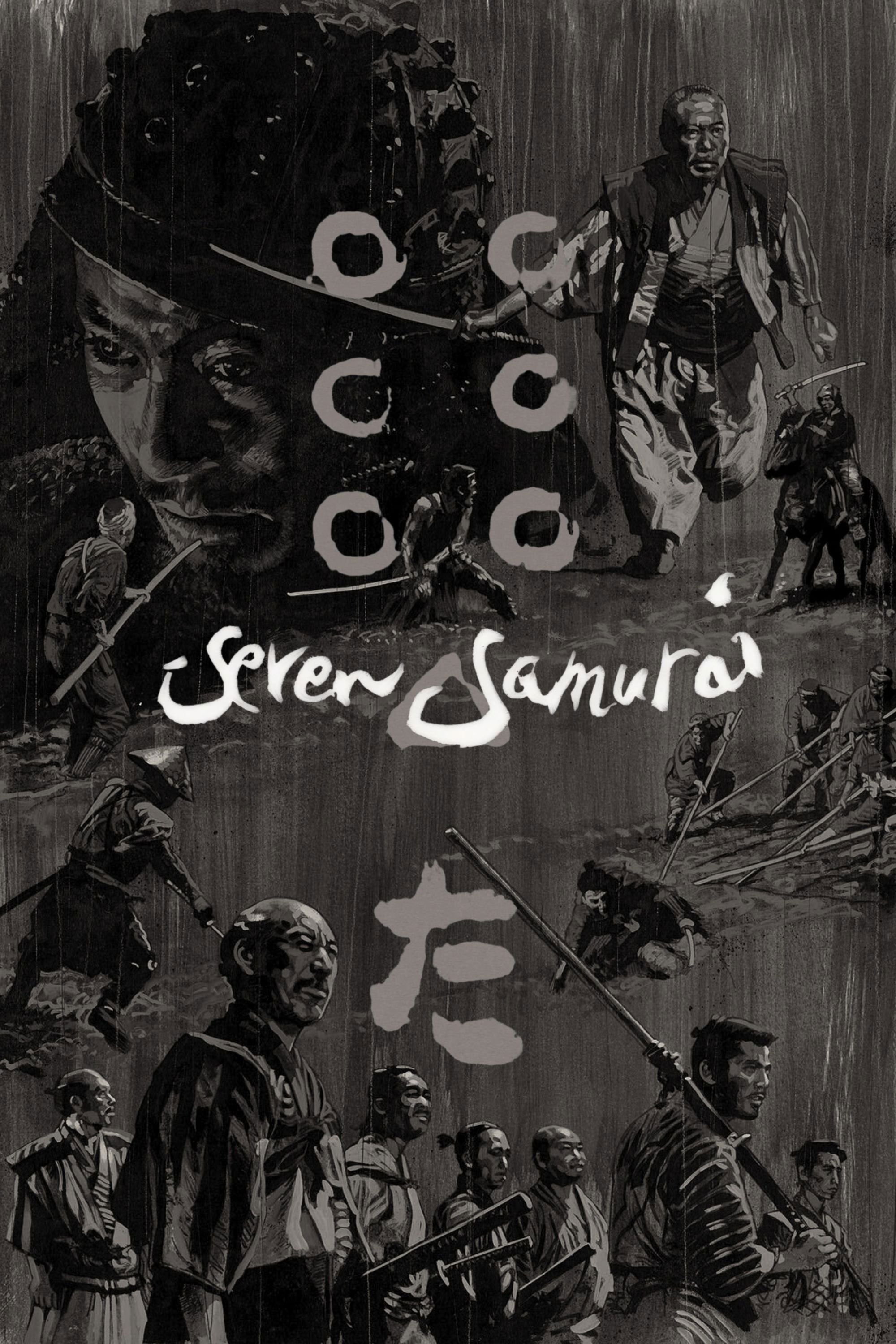
A samurai answers a village's request for protection after he falls on hard times. The town needs protection from bandits, so the samurai gathers six others to help him teach the people how to defend themselves, and the villagers provide the soldiers with food.
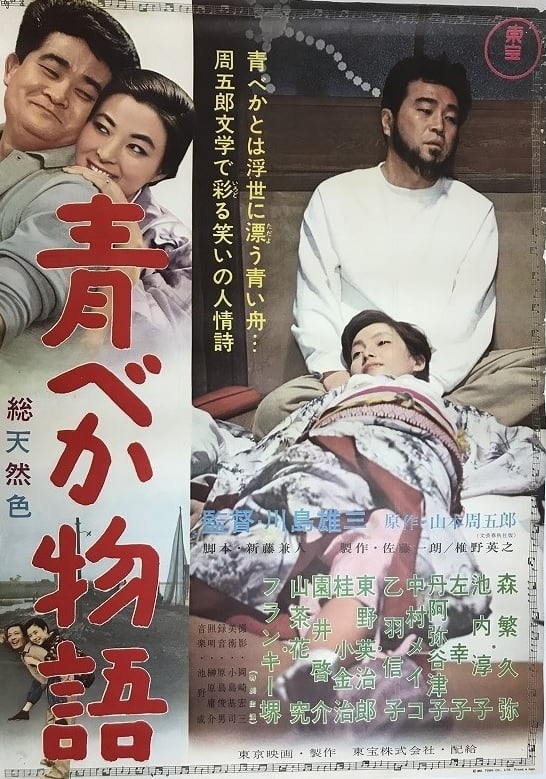
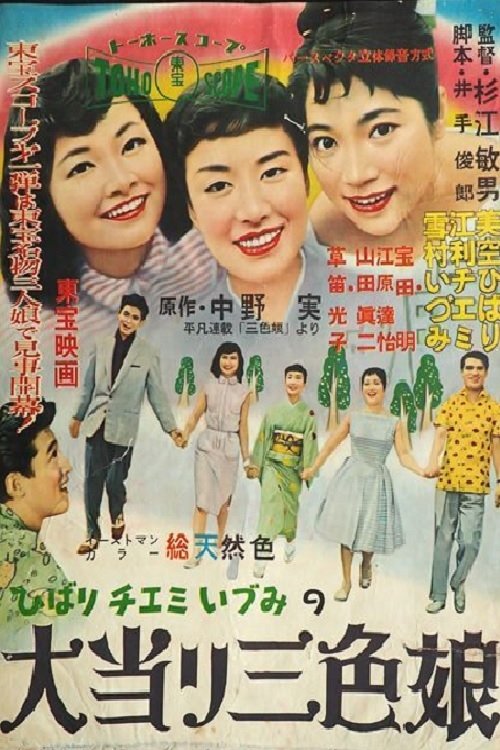
On Wings of Love is a 1957 Japanese romantic musical film directed by Toshio Sugie. It was Toho's highest-grossing film of the year and the first film released in Tohoscope.
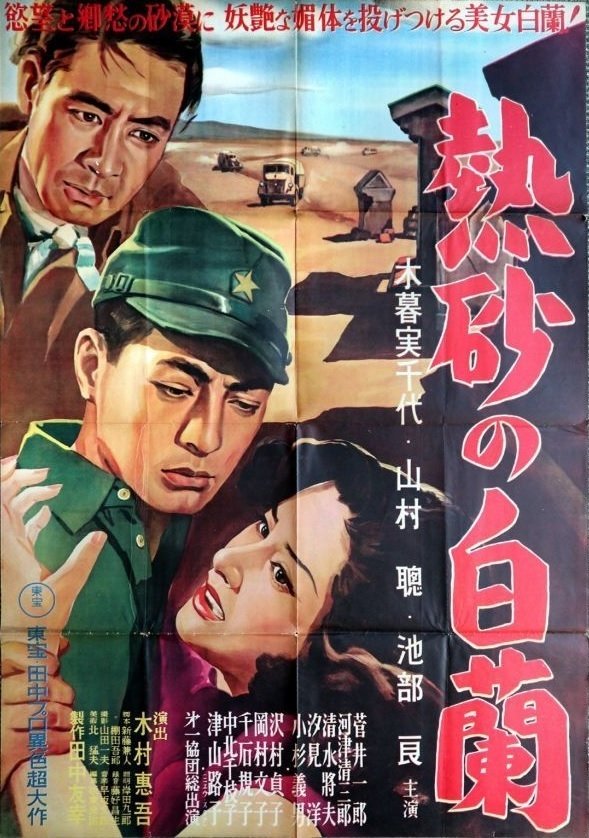
A Japanese adaptation of Guy de Maupassant's short story Boule de Suif, directed by Kimura Keigo
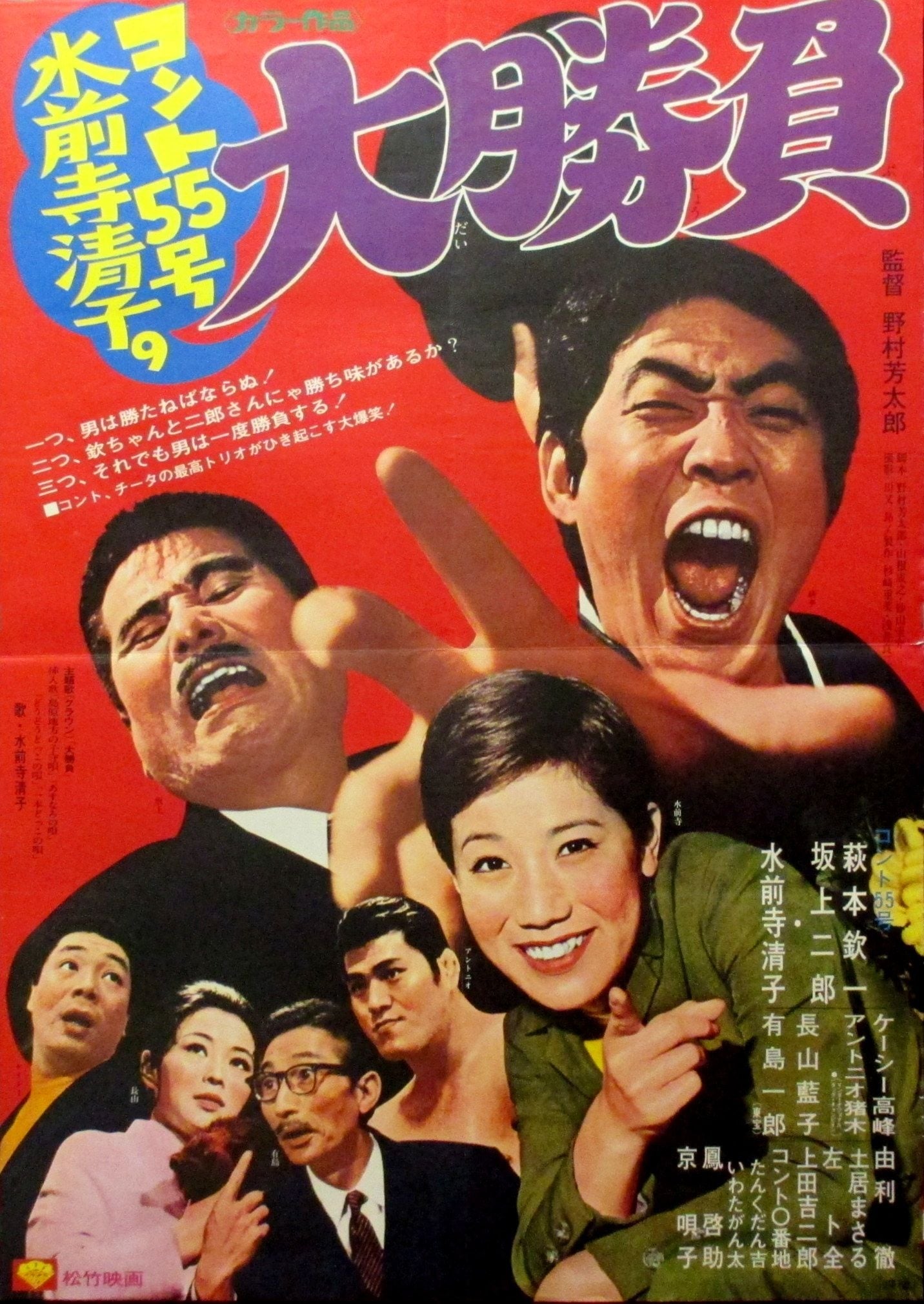
Two born rivals plot a new start after a string of ups and downs.
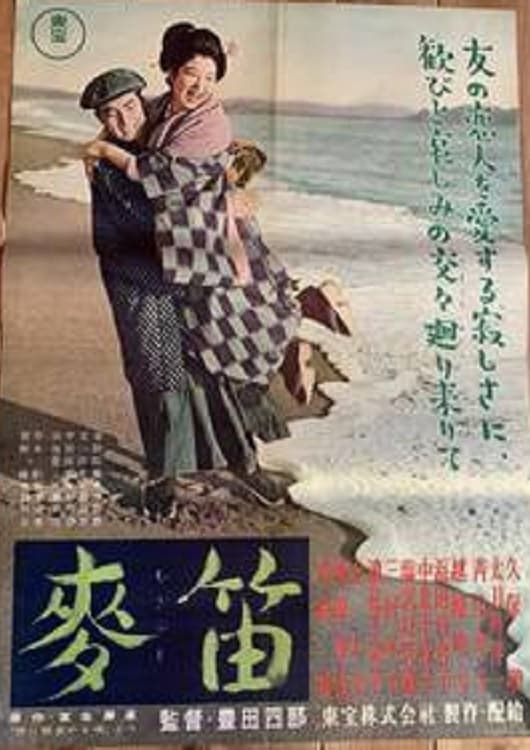
Two youths – the serious son of a Buddhist abbot and his rakish pal – quarrel over a restaurant keeper's daughter. When one of the youths dies, the other boy and the girl find they cannot forget him.
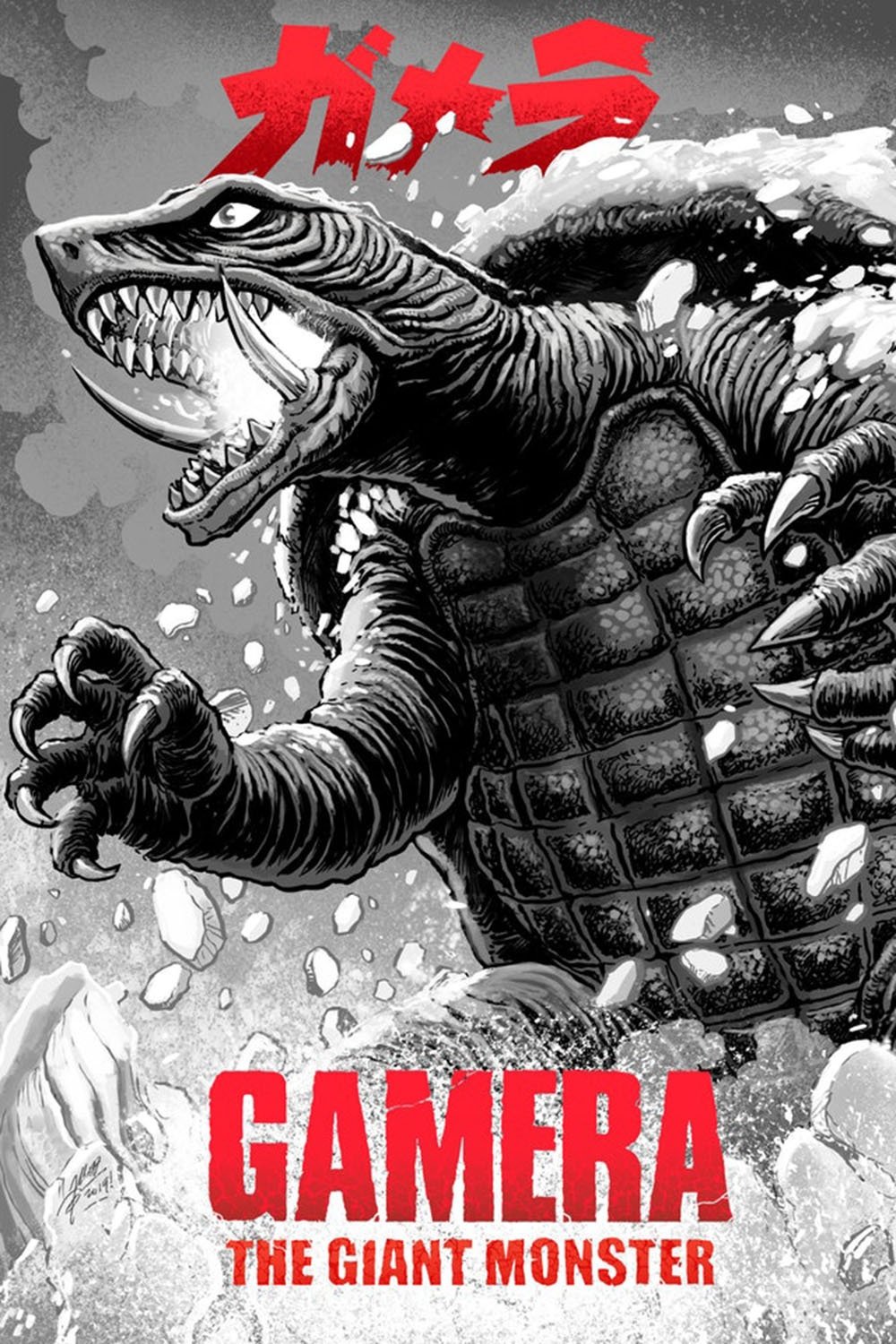
A nuclear explosion in the far north unleashes Gamera, the legendary flying turtle, from his sleep under the ice. In his search for energy, Gamera wreaks havoc over the entire world, and it's up to the scientists, assisted by a young boy with a strange sympathic link to the monster, to put a stop to Gamera's rampage.
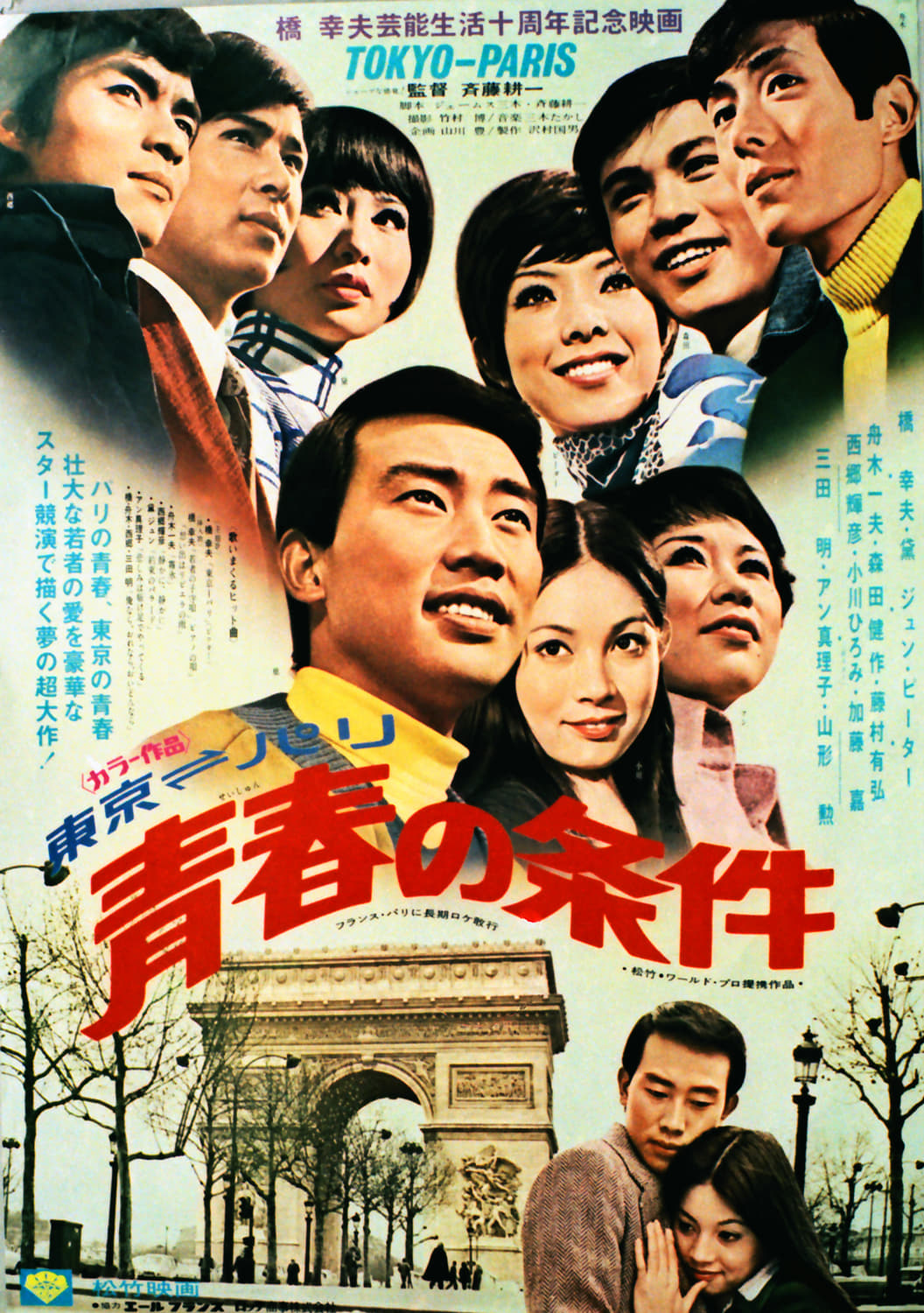
A young composer falls in love with the beautiful daughter of a wealthy company president and flies to Paris when he learns she is studying music there. But, when he finally wins her after many difficulties, he somehow feels empty, because his spirit has always been aroused against barriers before him.
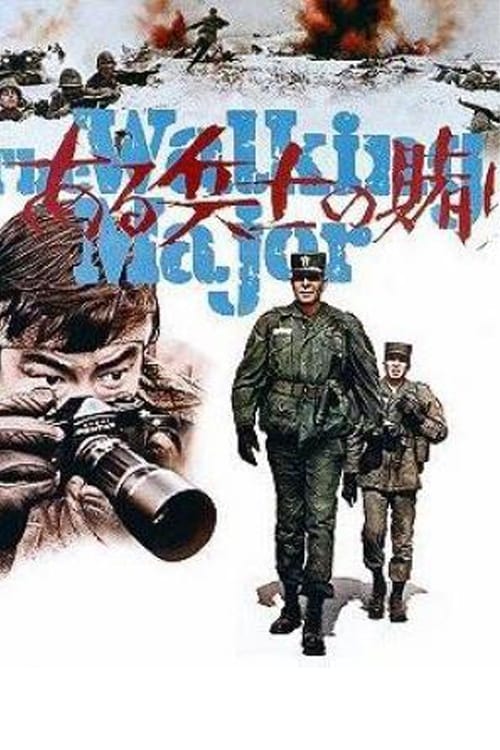
U.S. Army Captain Clark Allen gains attention by walking back and forth, the length of Japan, gambling with U.S. servicemen in order to raise funds to rebuild an orphanage. Suspicious of Allen's motives, a Japanese newsman, Hiroshi Kitabayashi, traces the American's background until he discovers the motive behind Allen's long walk.
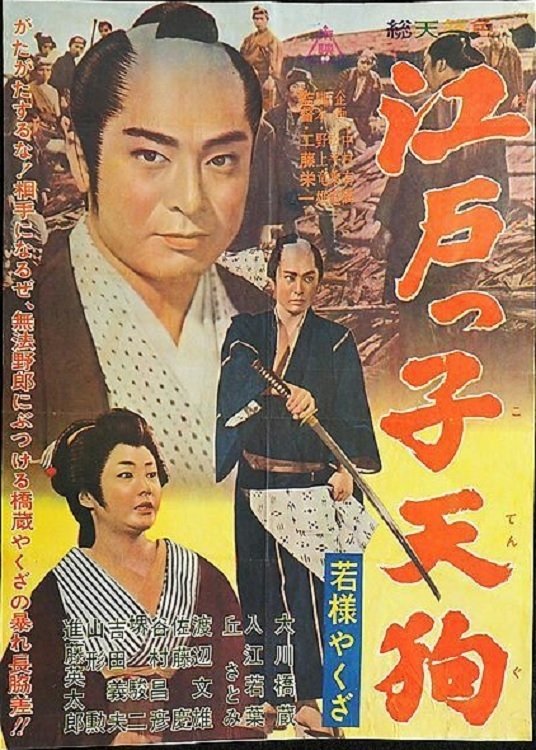
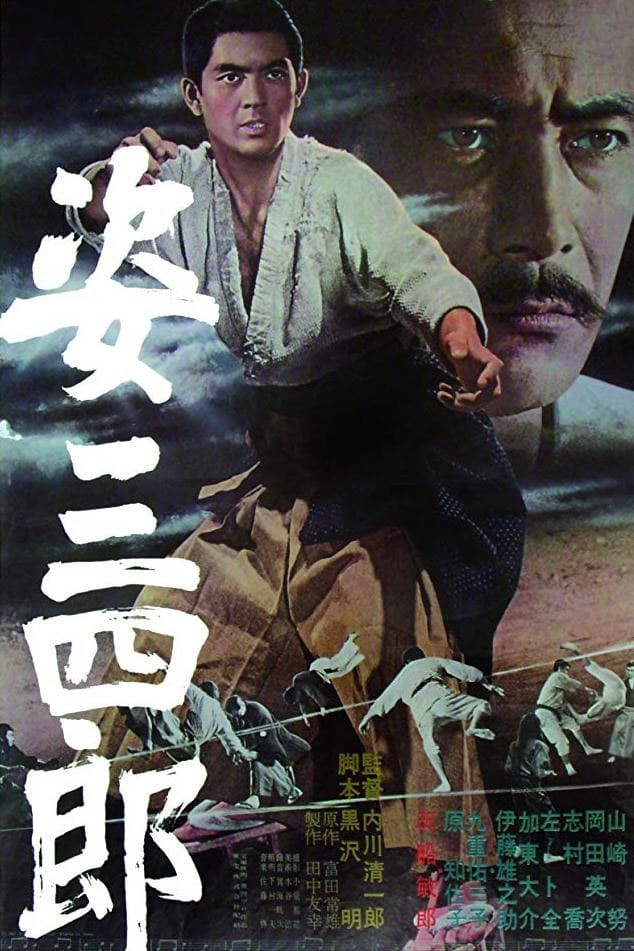
Remake of Akira Kurosawa's films "Sanshiro Sugata and "Sanshiro Sugata Part II". A young man, Sanshiro Sugata, troubled by personal problems, takes up judo. His teacher, Shogoro Yano, is a devout man who has aroused the enmity of the local practitioners of jujitsu, the older and more accepted of the two sports. Sugata uses his newly learned prowess to gain a measure of respect from others; however, Shogoro insists that the sport has a spiritual side, a lesson Sugata has yet to learn. Eventually, in hand-to-hand combat with the father of a young woman he loves, he comes to understand the true meaning of judo.
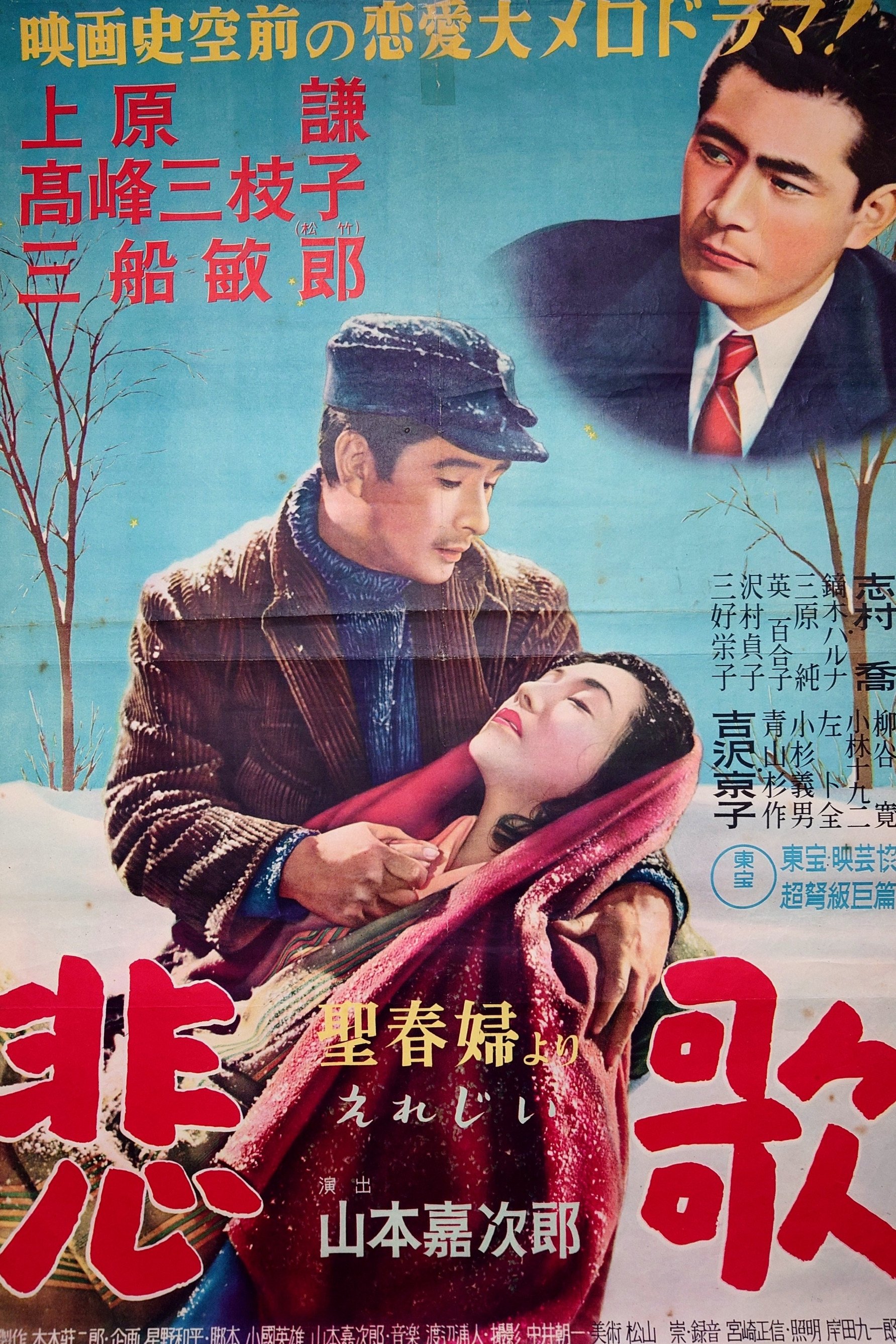
Wataru Naohiko who has the prosecutor general as his father became a young composer and its symphony "saint" invoked the world echoed. But his disciple Uchiyama and his best friend prosecutor Daisuke Toki accused his music as a sesame of pause-only technique, not a truly heart-hungry art.
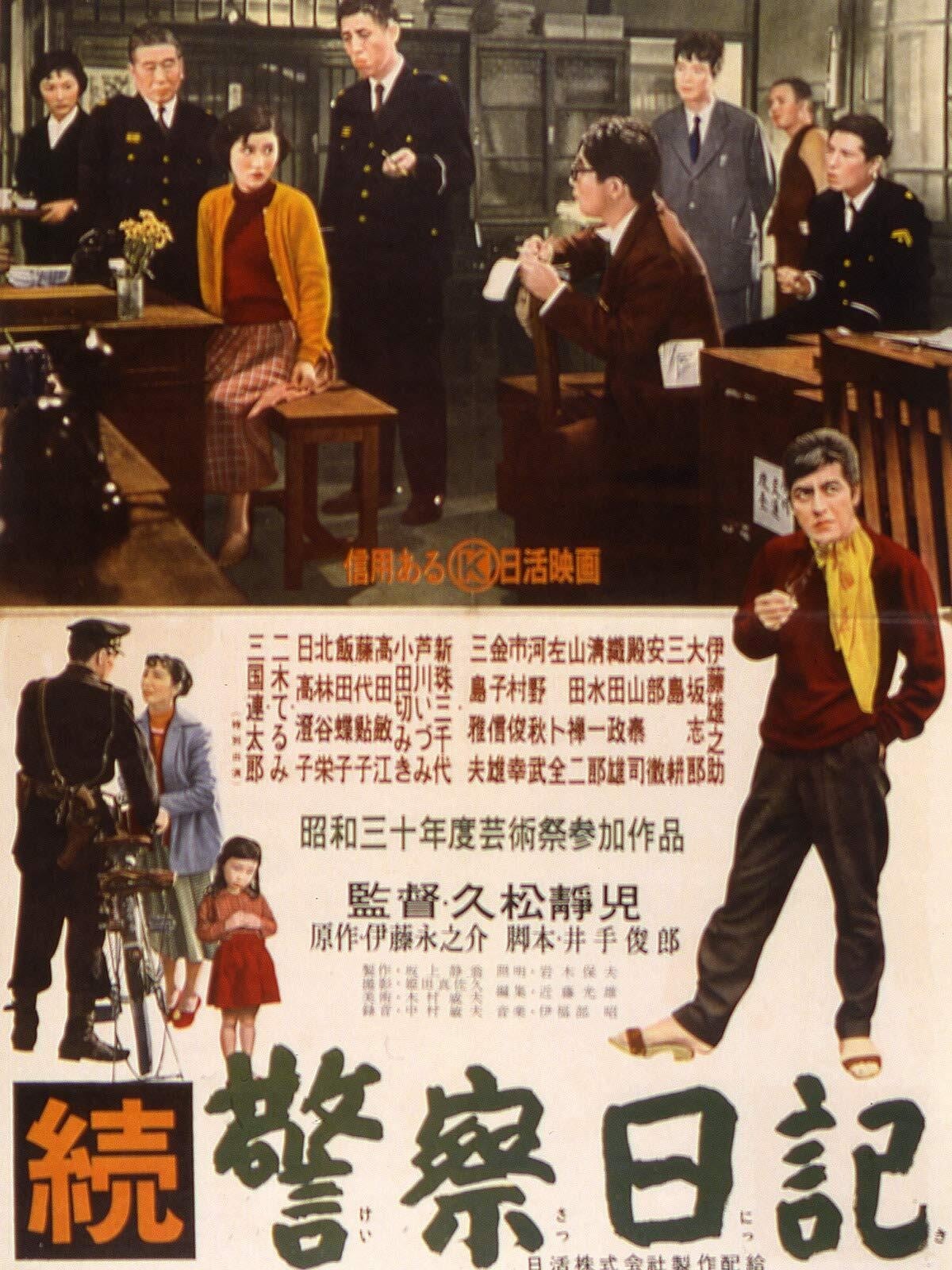
From runaway brides to a typhoon, the continued adventures of Ushikata police station.
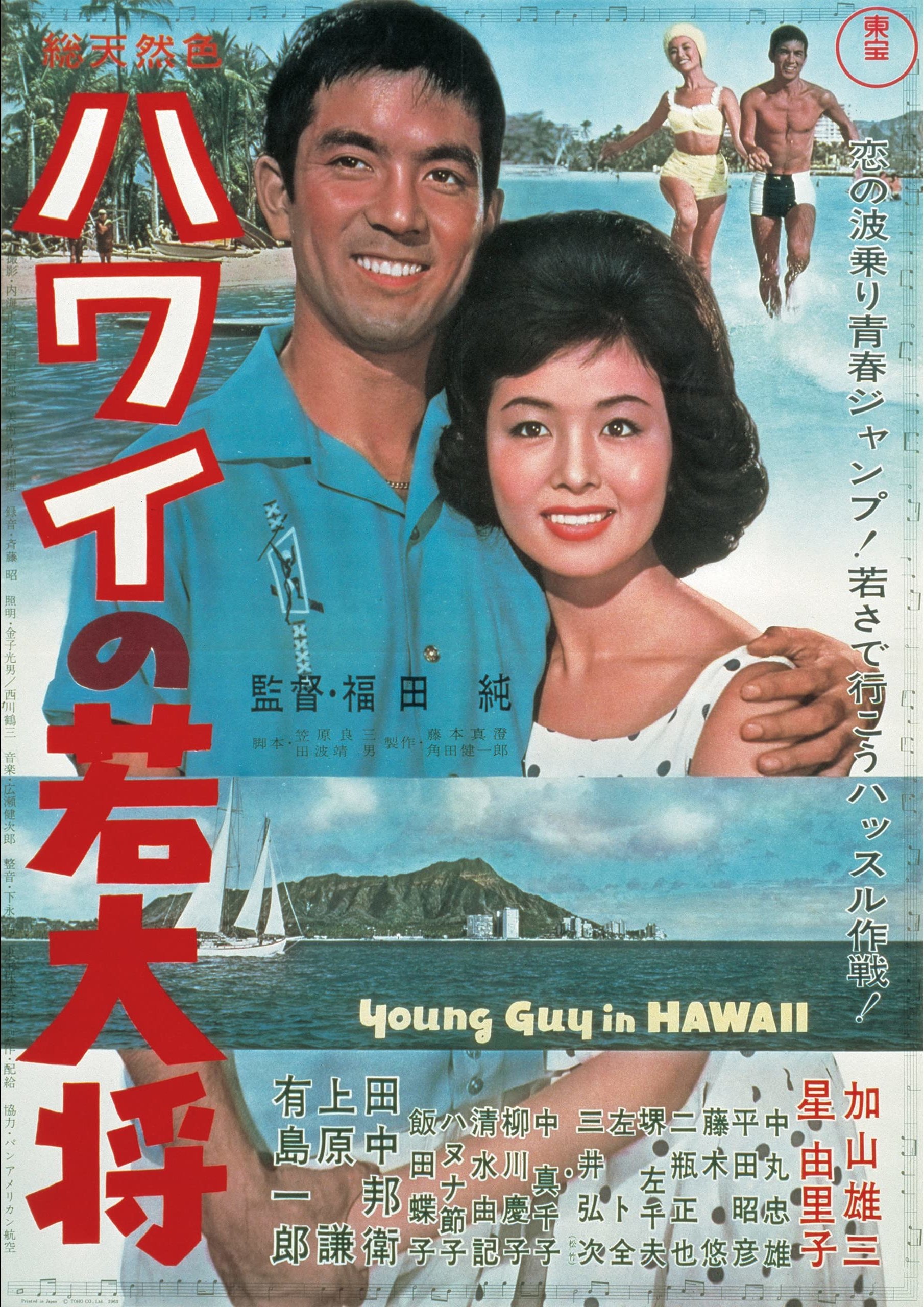
Fourth entry in Toho's Wakadaishō series directed by Jun Fukuda and released on a simultaneous screening with Matango. Filmed on location in Hawaii.
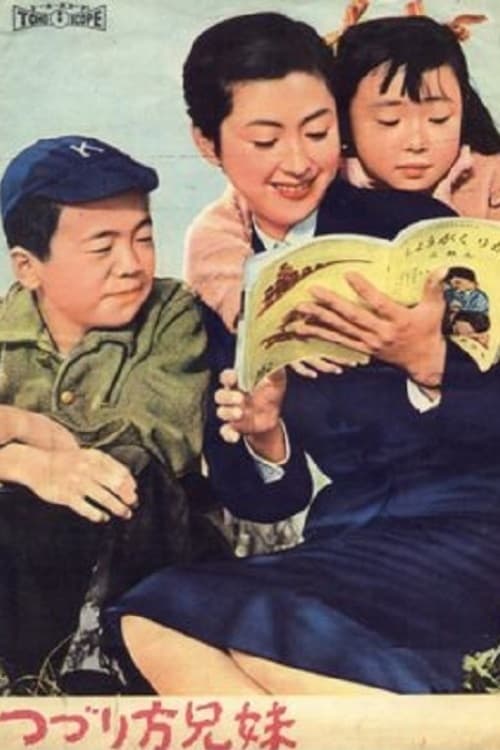
A touching story about little Futyan and his sister Matiko. Their parents are very poor, but the children are not discouraged—they run to school together and find many interesting things in life. The children love literature and are good at writing essays. When they hear about a global competition for the best essay, they decide to take part and write an essay about how their school is going to be demolished and a military factory built in its place, about how difficult life is for their parents, how poor they are, but how they never lose their cheerfulness and hope. The essay was sent to Moscow, and the children eagerly await the decision. But Futyan did not wait for the answer; he caught a cold and became seriously ill. And since there was no money for his treatment, little Futyan died, and soon the answer came — the brother and sister's essay was awarded first prize.
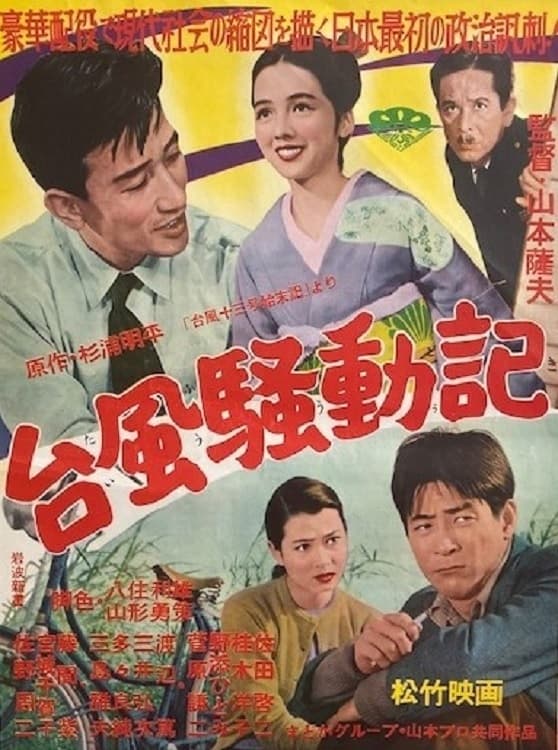
A group of shady politicians want to make money after a typhoon by claiming the schoolhouse has been destroyed and then cashing in on building a new one.
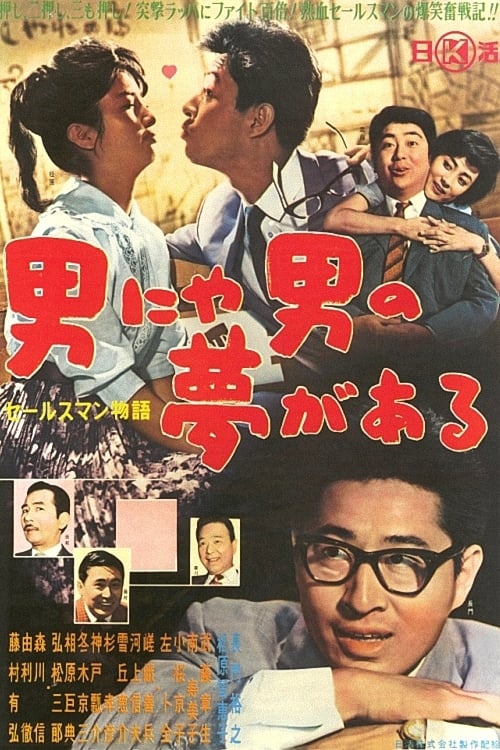
A lighthearted comedy that tells the story of love and the cheerful heroism of a young salesman pursuing a man's dream.
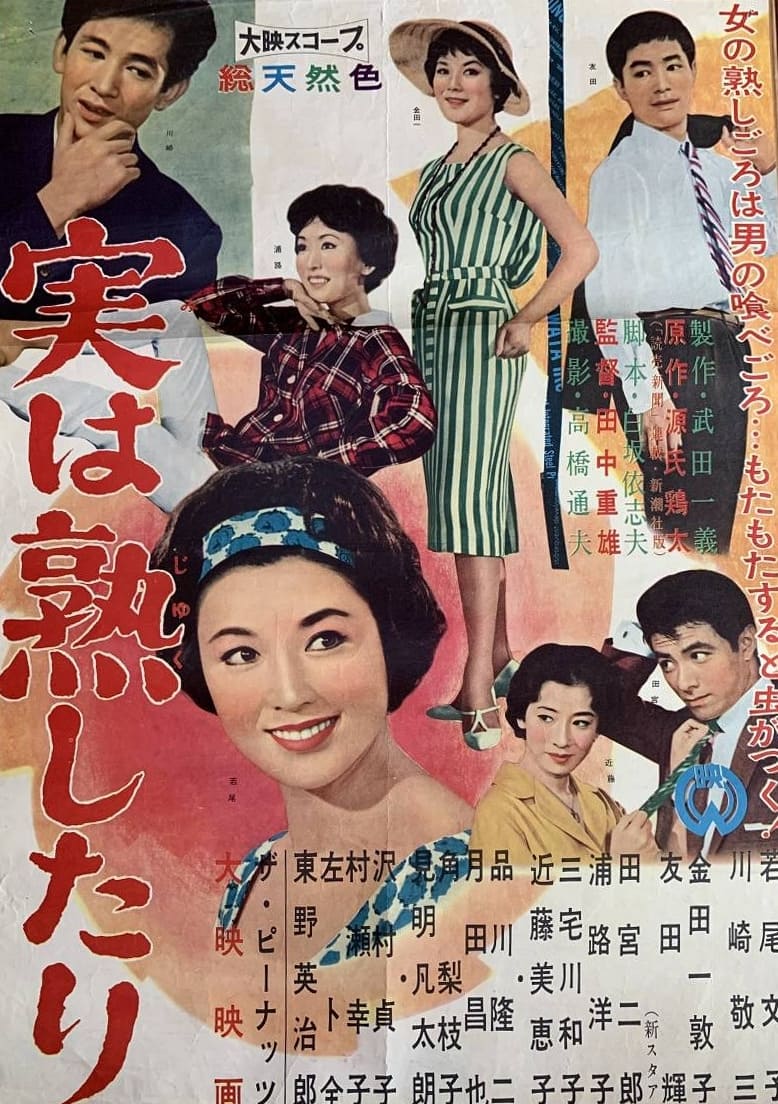
1959 youth comedy.
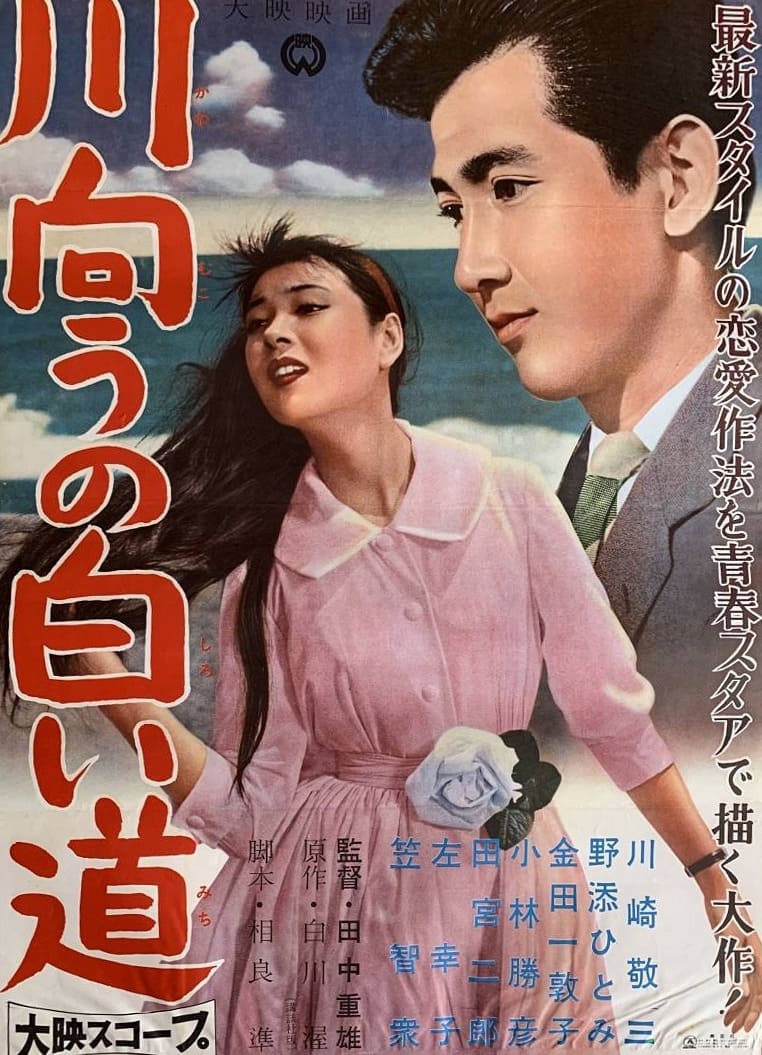
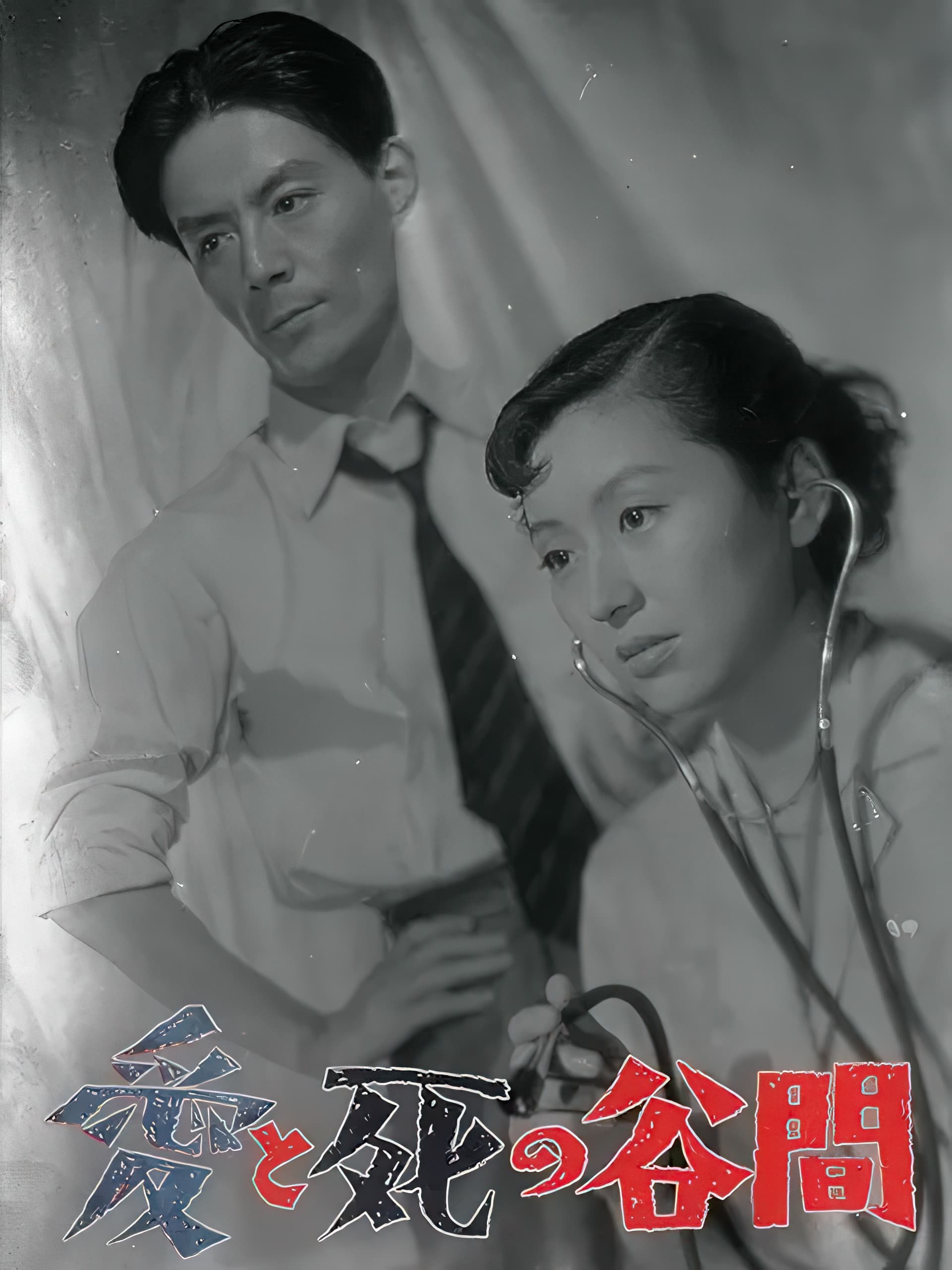
A great ambition to portray with sharp satire and humor the course of modern anxiety and love that is about to be driven to despair.
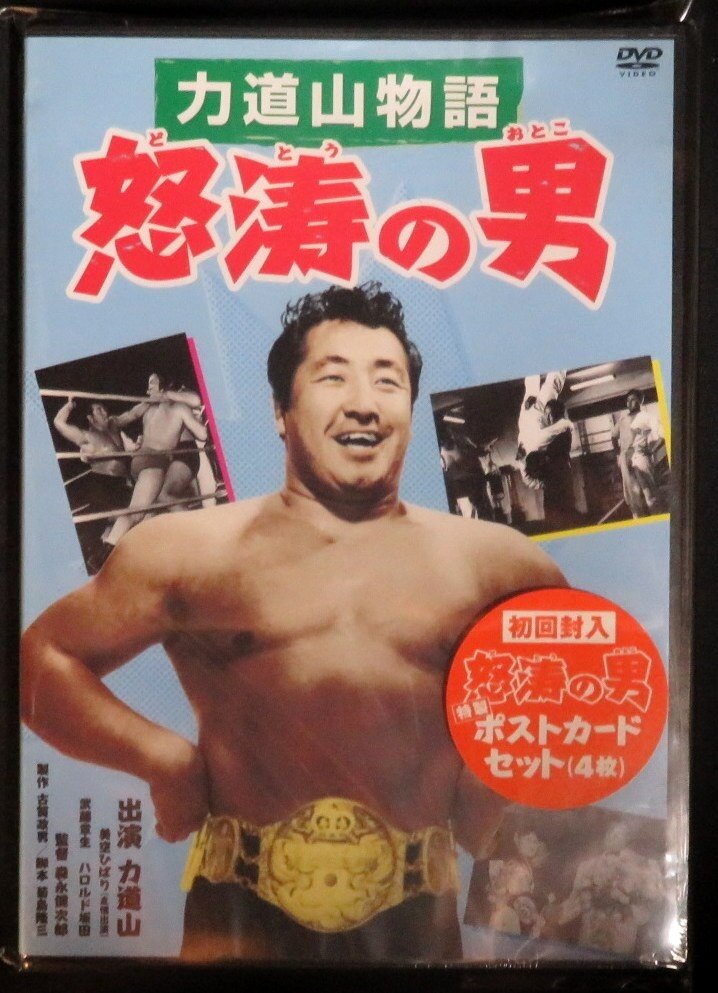
The story of legendary Korean-Japanese wrestler Rikidozan.
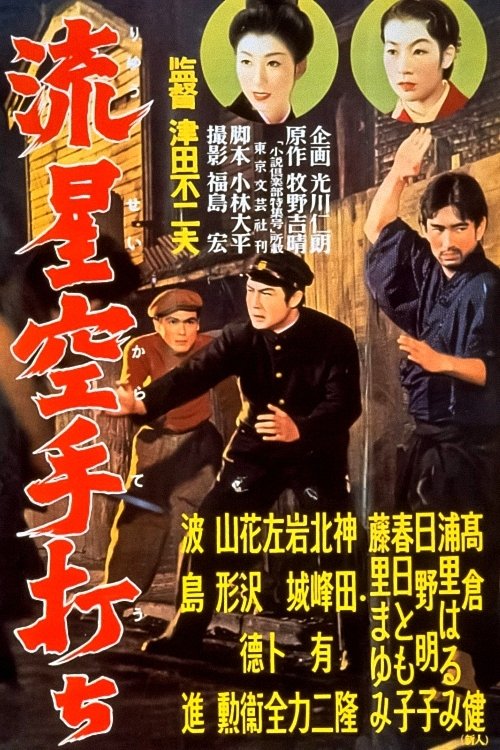
Sequel to the movie Denko karate uchi.
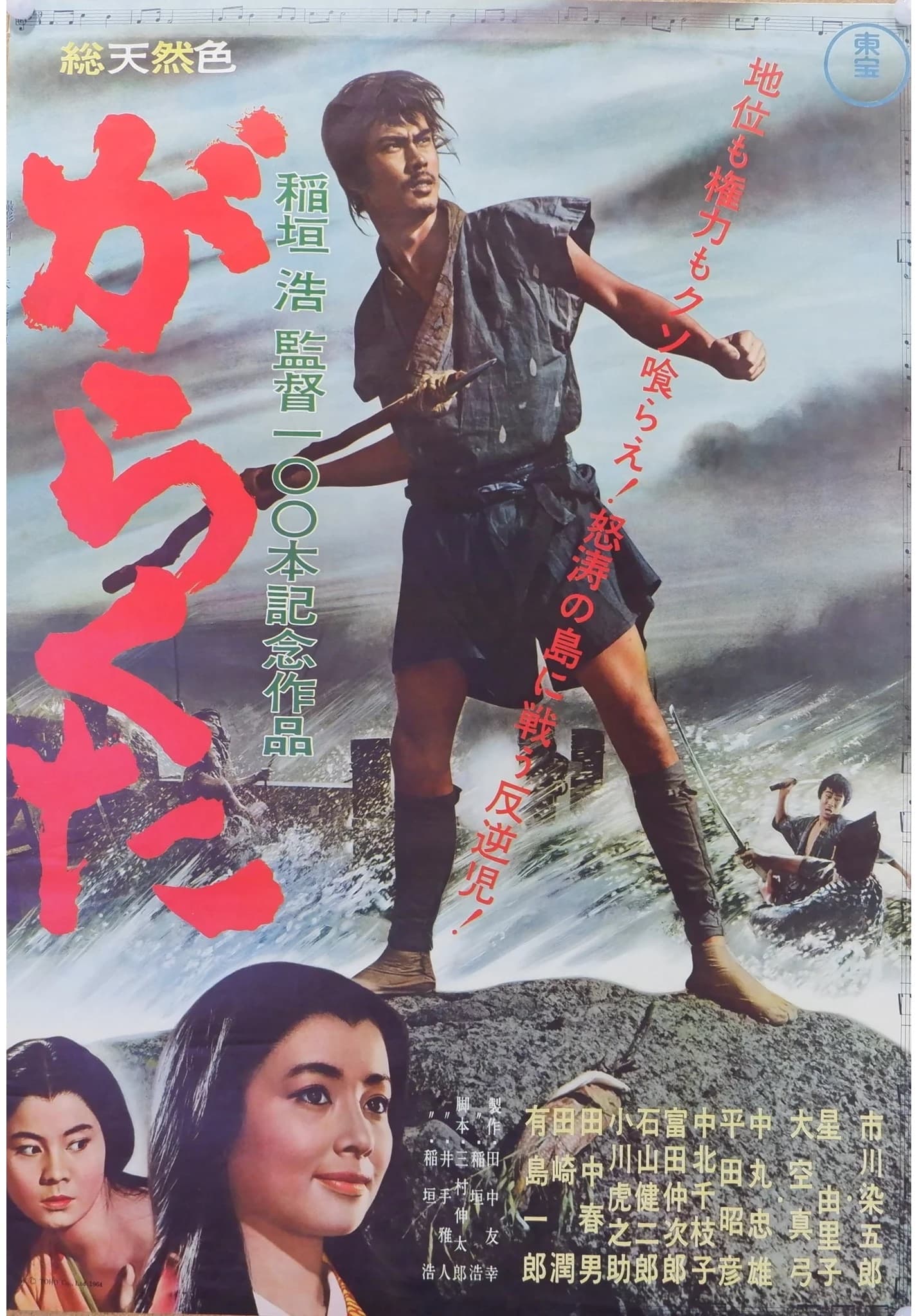
1964 Japanese movie
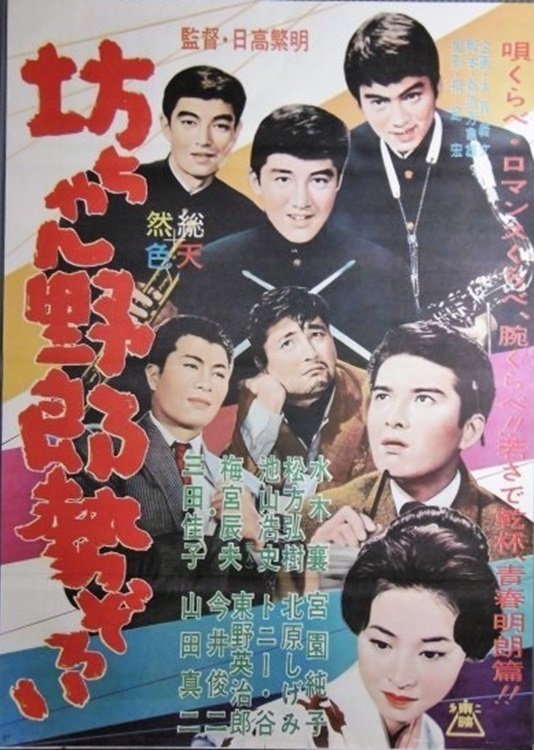
1961 Japanese movie
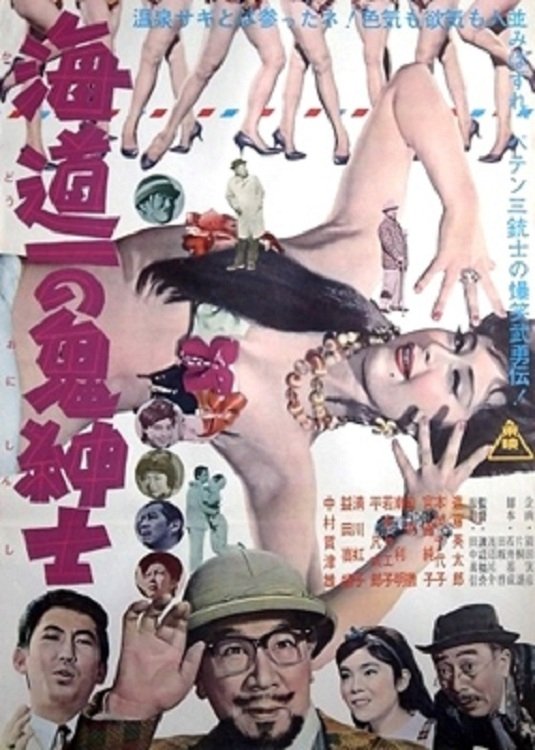
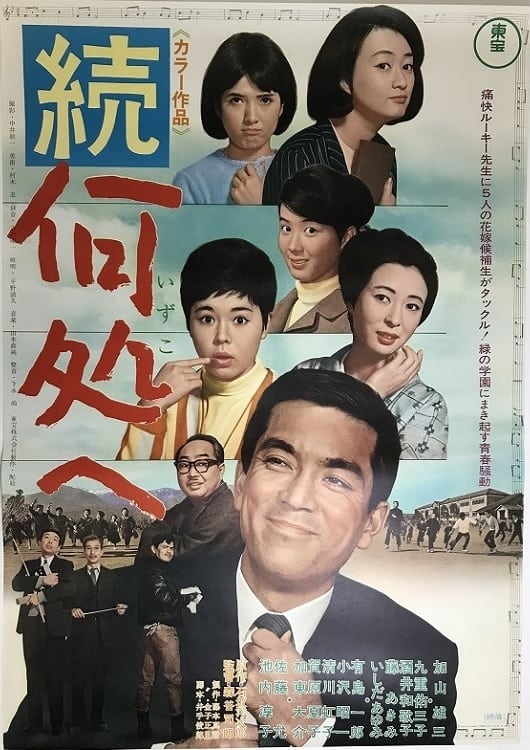
Sequel to "何処へ" (1966). A coming-of-age drama adapted from the novel by Yojiro Ishizaka.
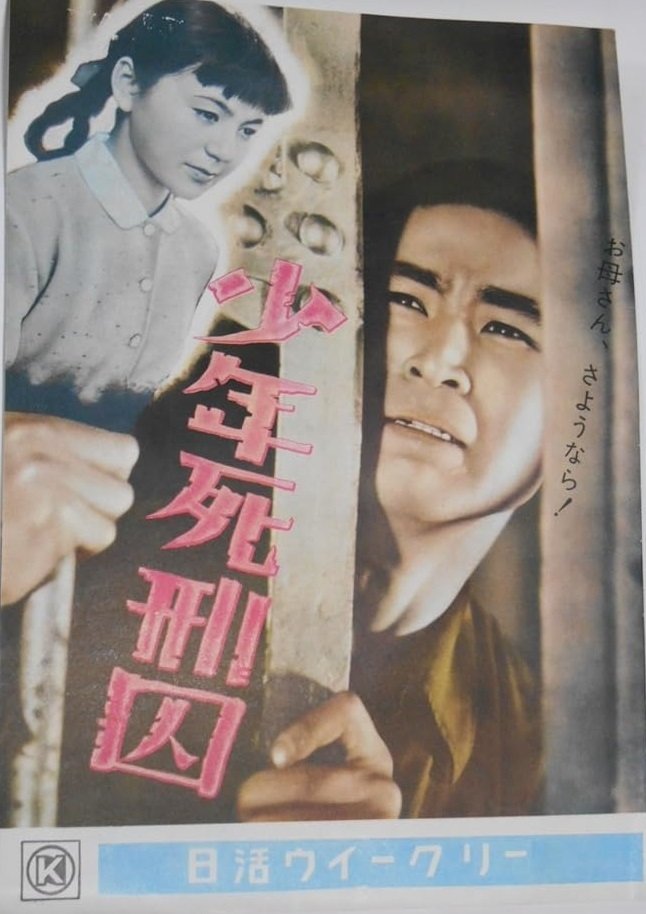
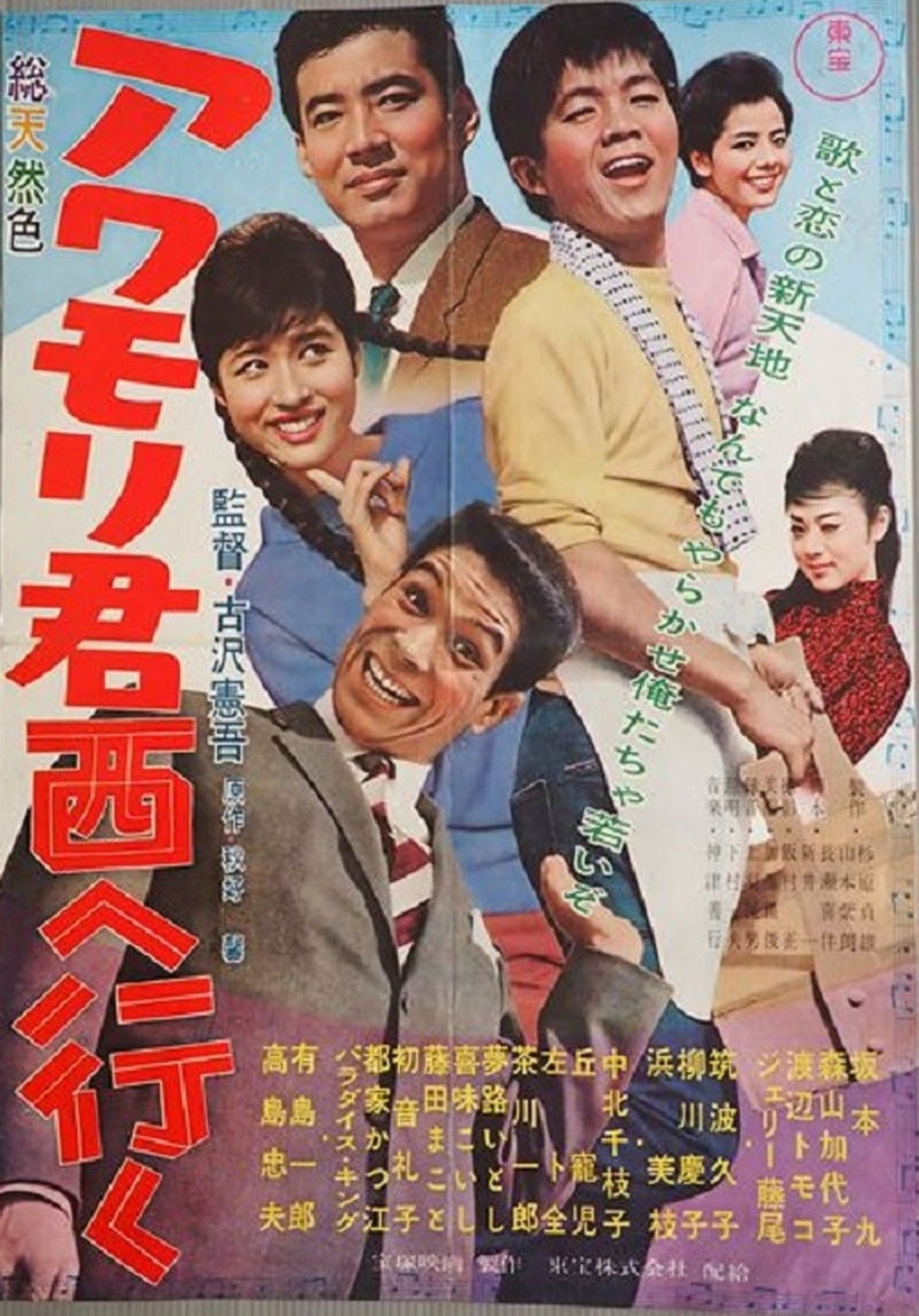
Based on the comic by Kaoru Akiyoshi
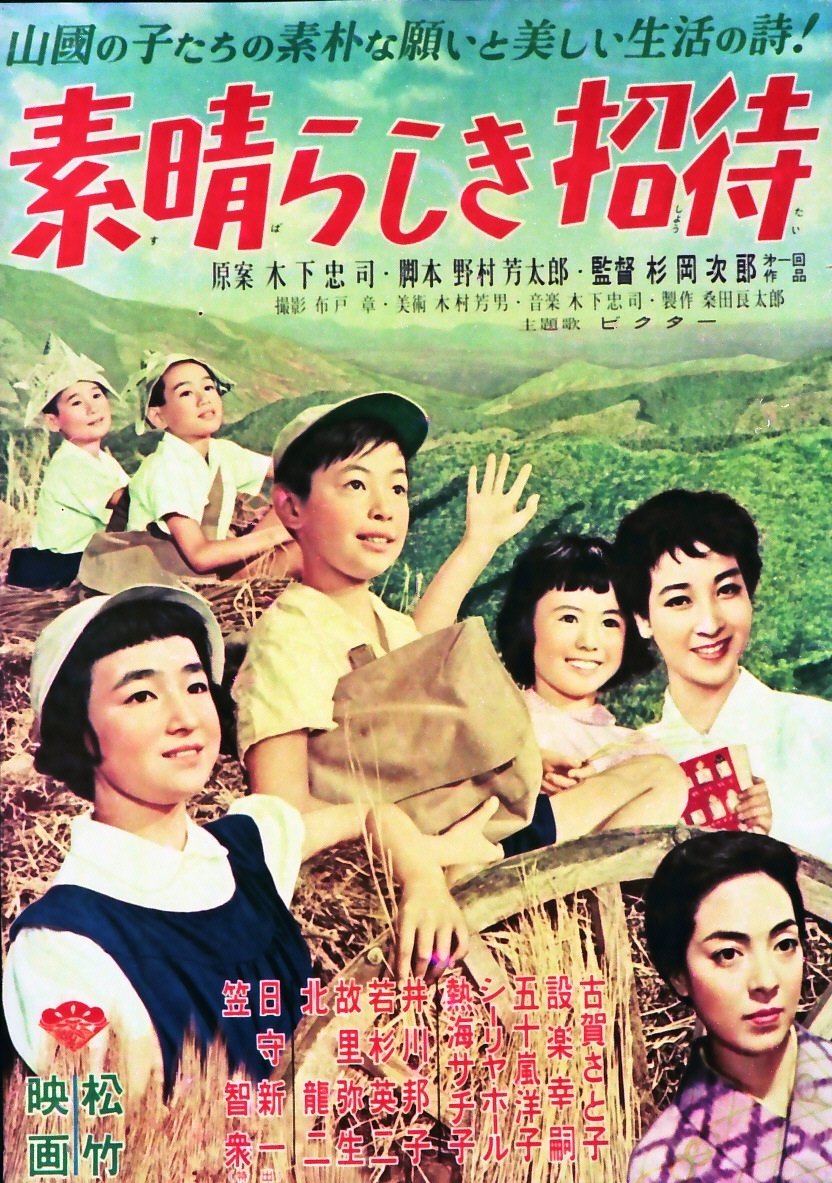
1955 Japanese movie
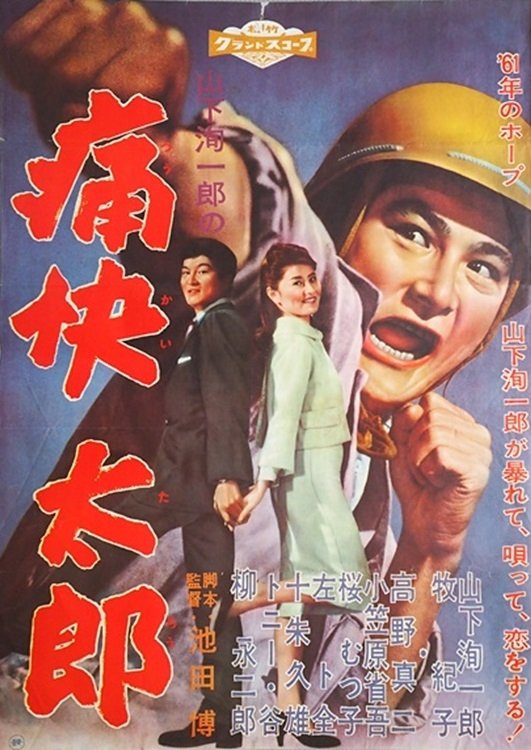
1961 Japanese movie
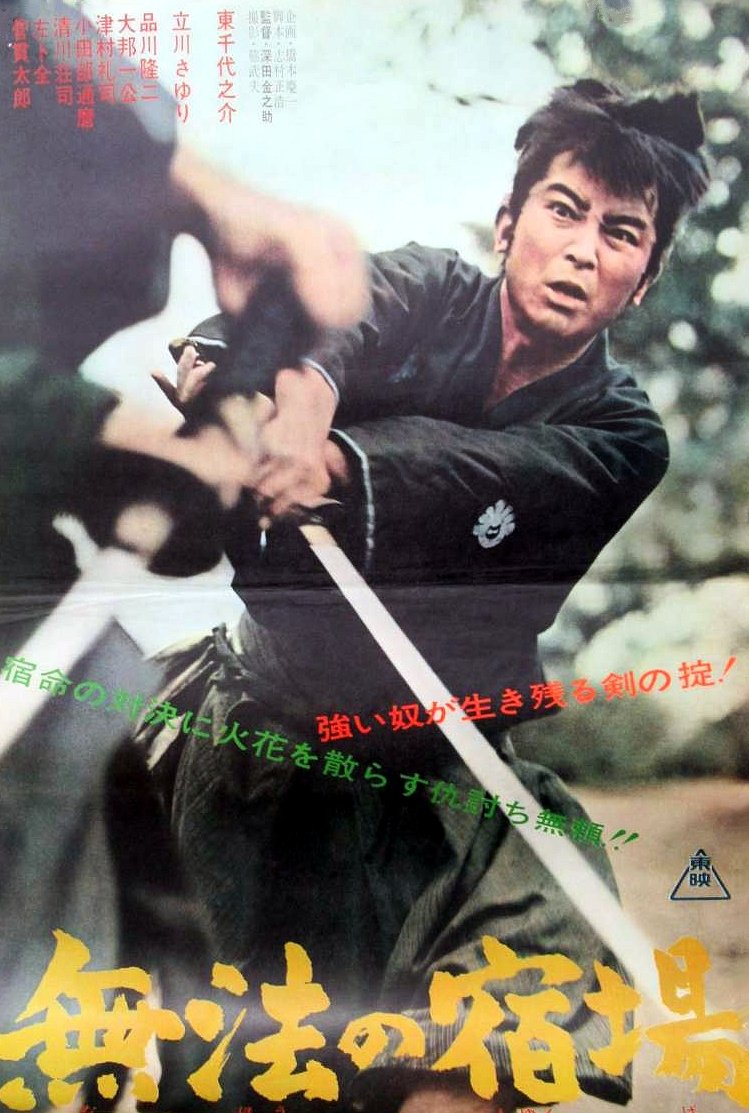
1963 Toei film.
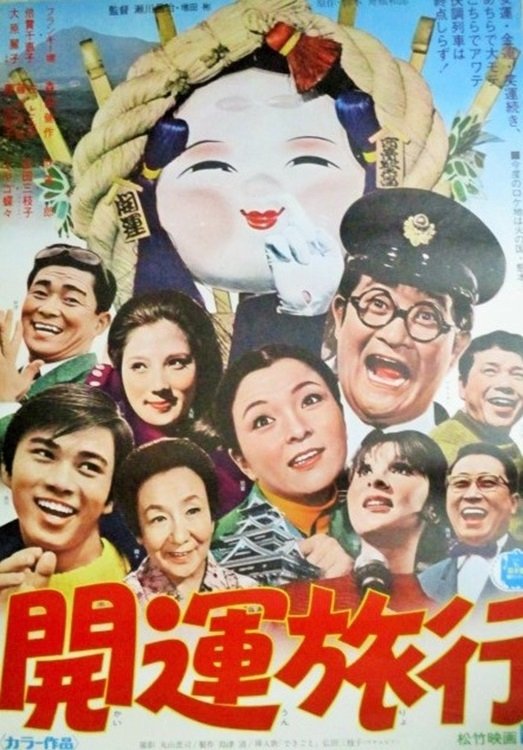
1971 Japanese movie
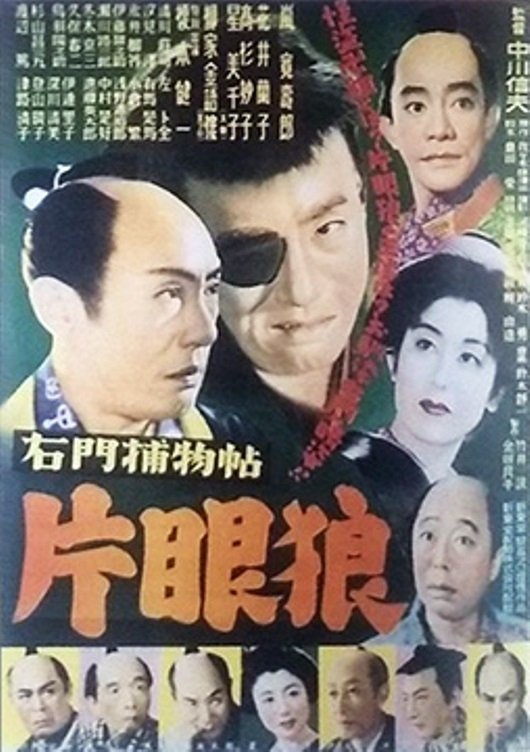
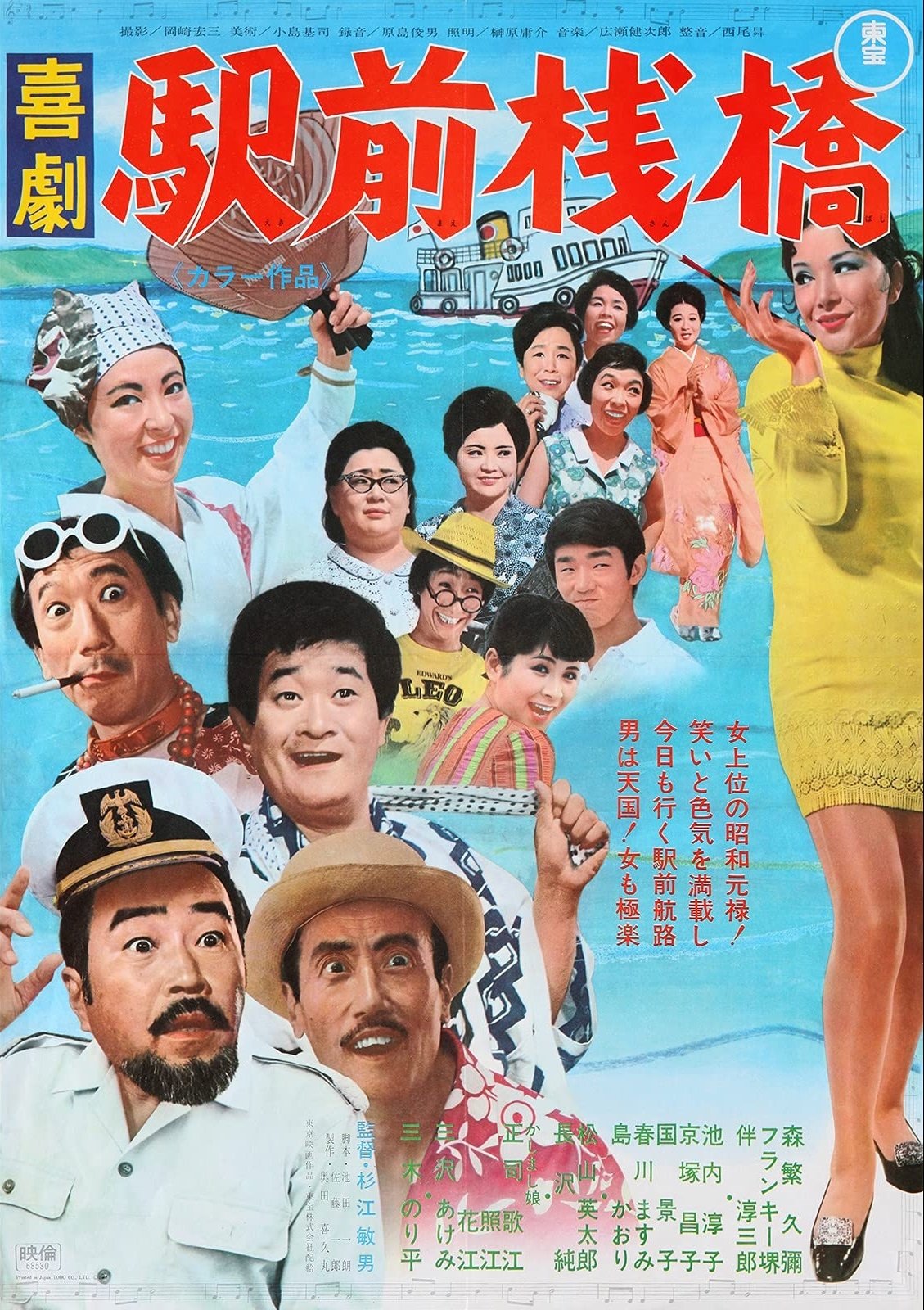
The 24th and final entry in the Ekimae series, set at Takamatsu Station in Kagawa Prefecture, formerly known for its ferry service to the Seto Inland Sea.
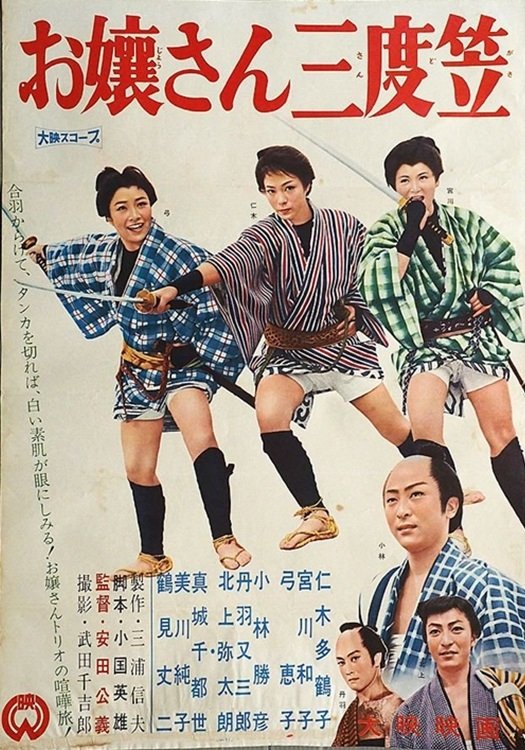
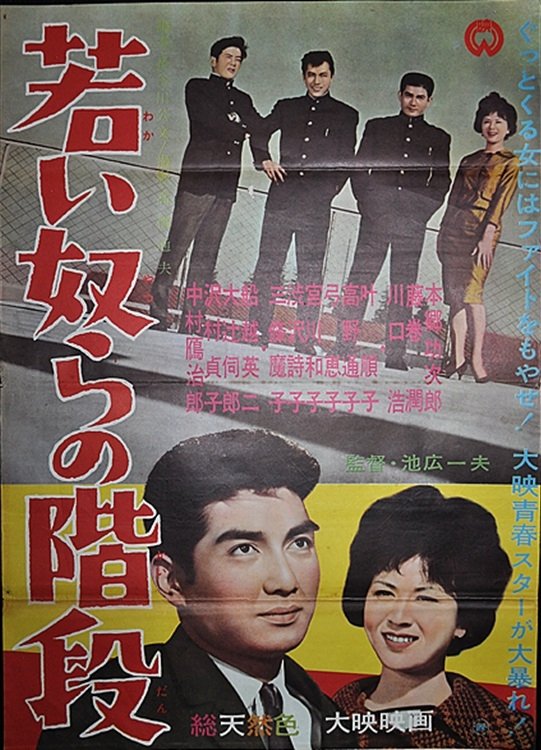
1961 Japanese movie
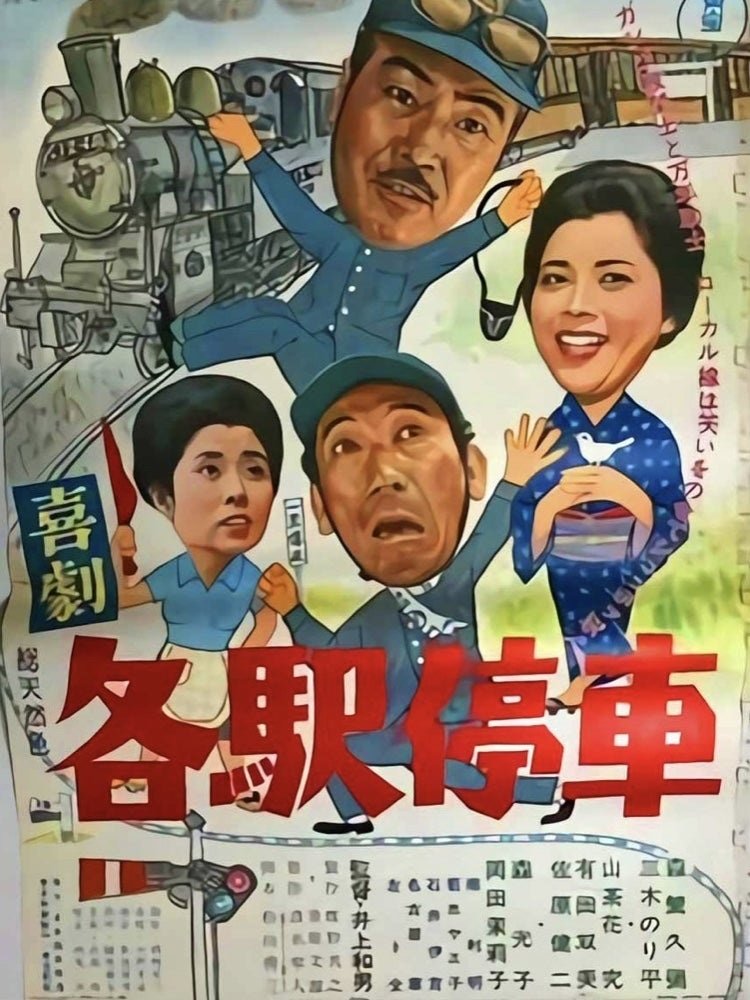
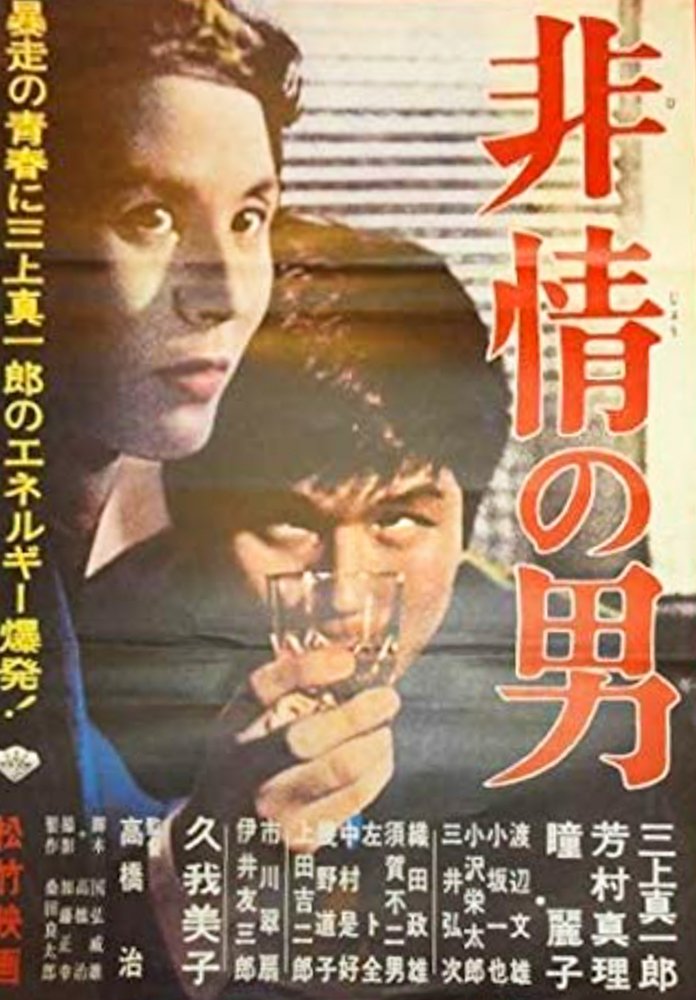
1961 Japanese movie
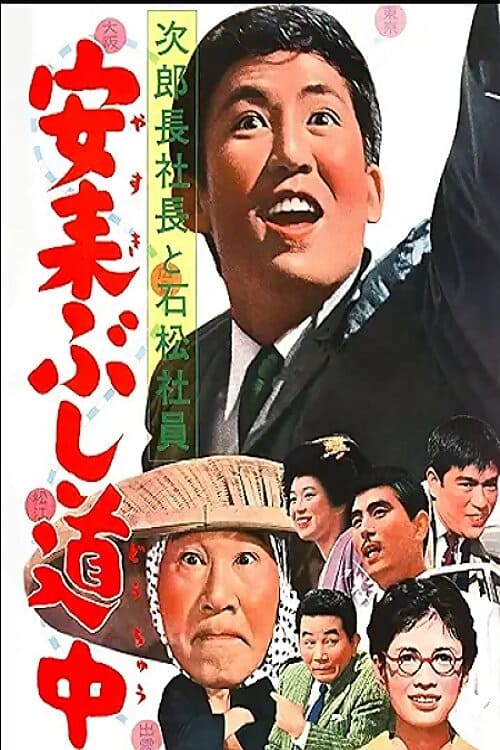
Shimizu Jirocho, the president, manages two businesses: Izumo Kanko-sha and the group inn "Daikokuya." There is a system where customers from Izumo Kanko-sha are directly sent to Daikokuya. President Jirocho learns that the geishas he is fond of, including Mari Chiyotachi, are going to Izumo to participate in the Ankai-bushi Concours...
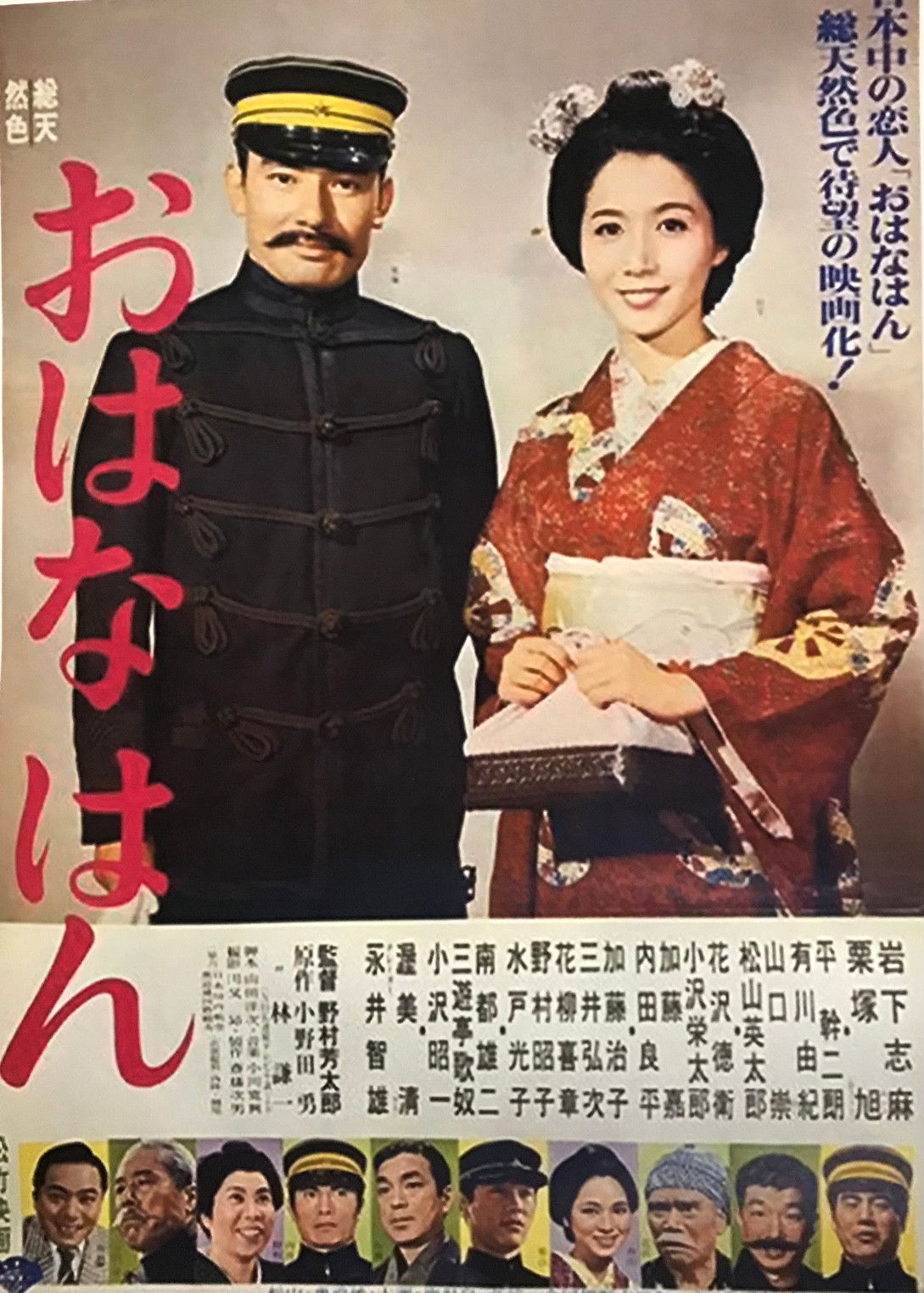
This is a film adaptation of a popular NHK drama that depicts a strong-willed woman, Hana, who lives a lively life while being swept up in the waves of the Meiji, Taisho, and Showa eras.
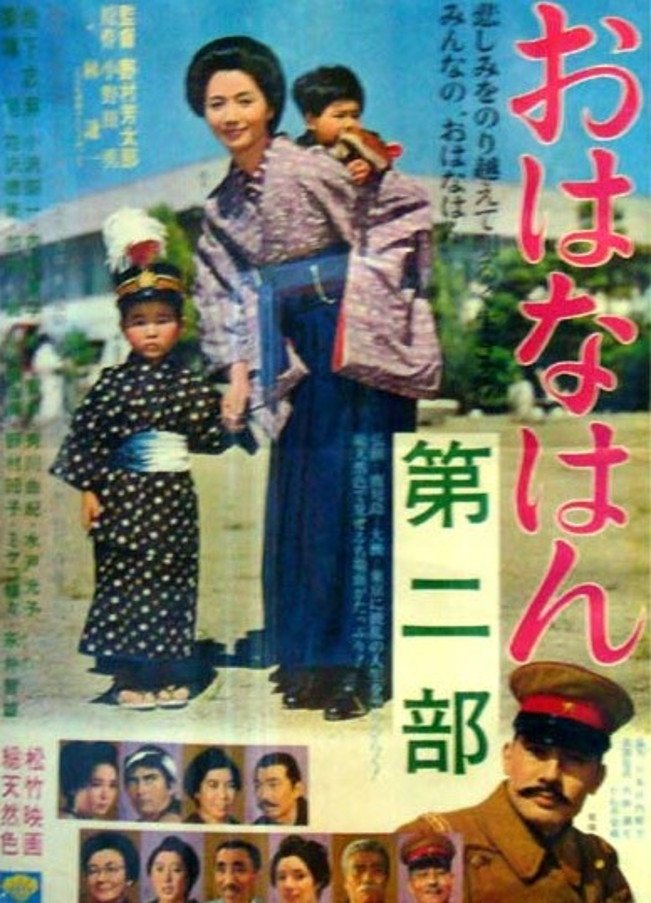
A sequel to Ohana han.
A struggling salesman at World Electric finds his major deal blocked by internal politics and pressure from all sides. During a company trip to Beppu, personal entanglements and old company secrets surface, forcing difficult choices and quiet compromises.
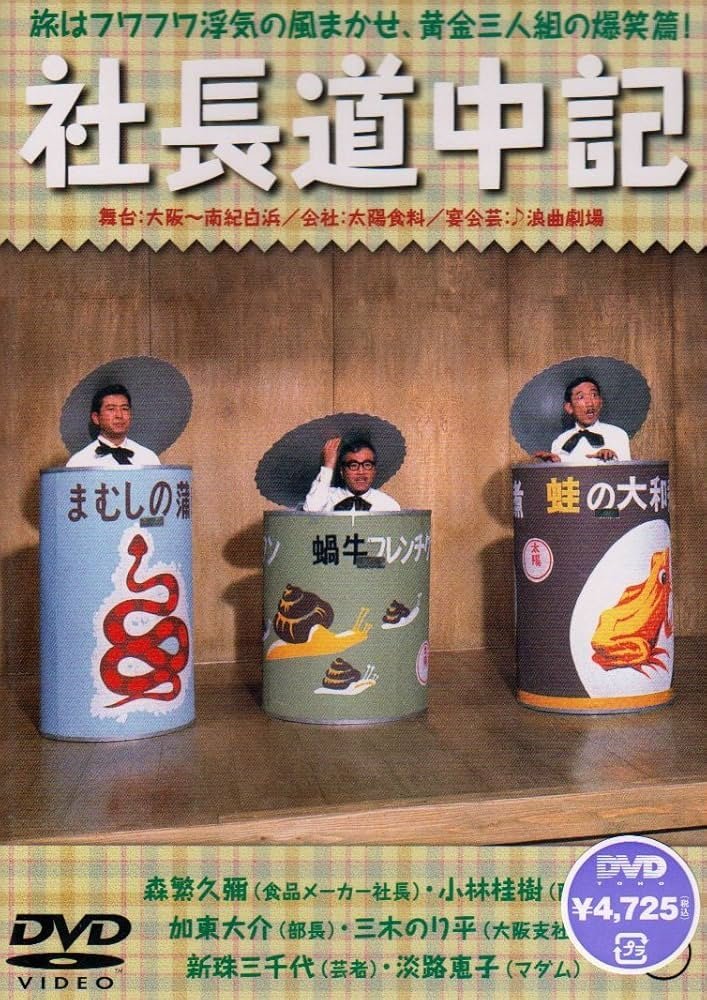
A straight-laced employee is tasked with supervising his impulsive CEO during a business trip intended to revive struggling sales.
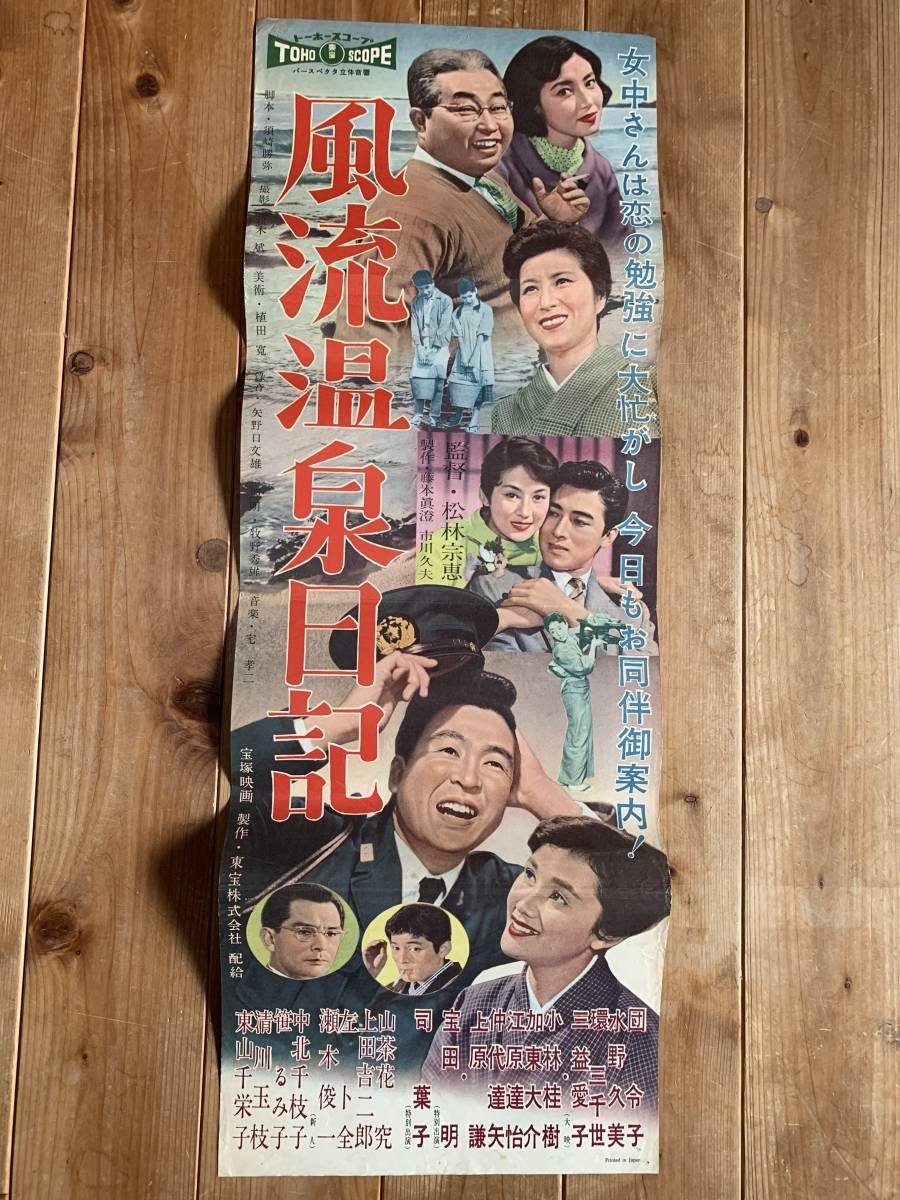
At a coastal hot spring inn, a group of women navigate work, personal struggles, and unexpected scandals. When a guest threatens to expose one maid's past, she must decide whether to run or face it—with help from a kind local officer.
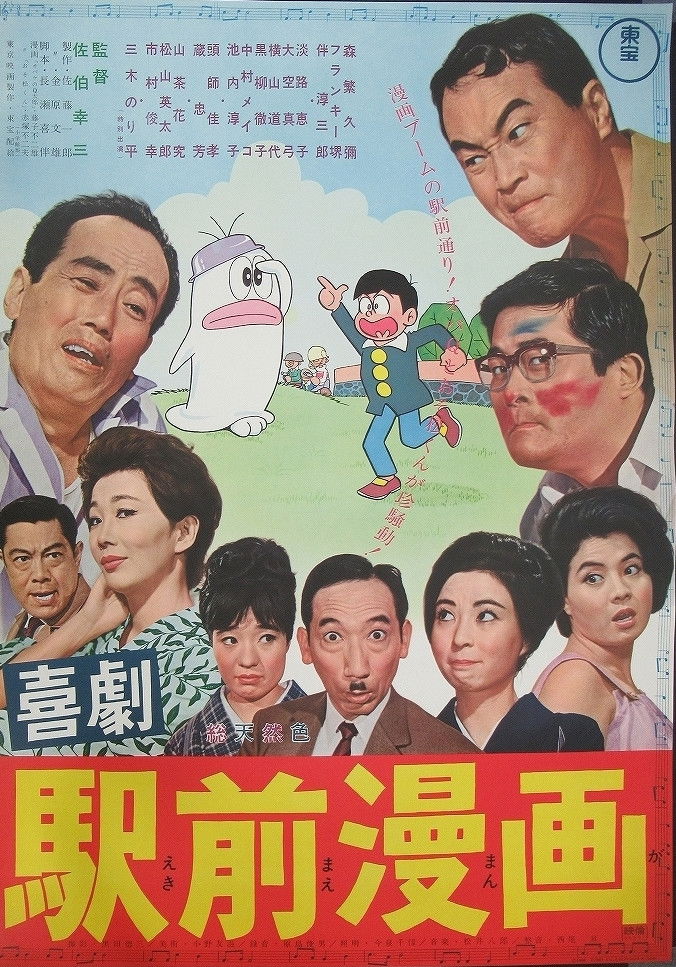
15th entry in the Ekimae series, surrounding the then-insanely popular Weekly Shounen Sunday series Osomatsu-kun and Obake no Q-Taro.
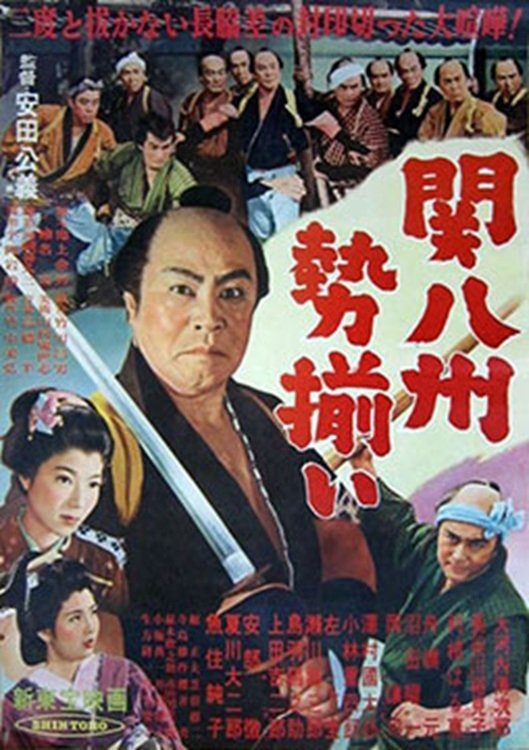
During the Tenpo era, the peasants of the Kanto region were in dire straits due to successive natural disasters. Maebashi's boss, Shiroganeya Ginjiro, allied with the magistrate Yamaoka Jintayu, and, using his baton as a shield, he committed a series of evil acts, earning the peasants' animosity. At this time, Omaeda Eigoro, who had been on a long journey, returned with his horseman Kunisada Chuji. Eigoro was popular with yakuza all over the country, and the Shiroganeya family, whose territory had been disturbed until then, were alarmed by the news of Eigoro's return.
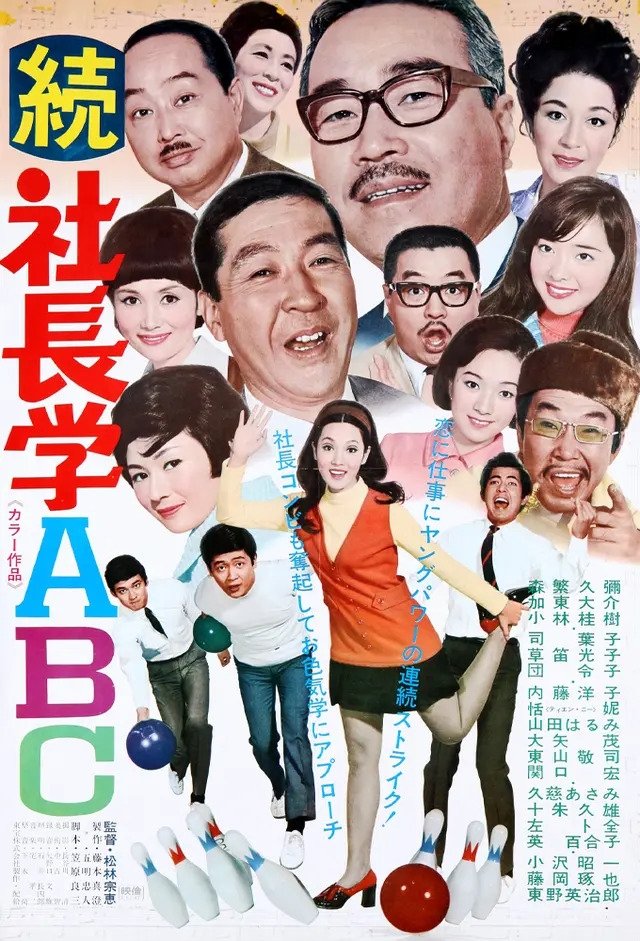
A food company undergoes leadership changes, with younger staff rising to key roles.
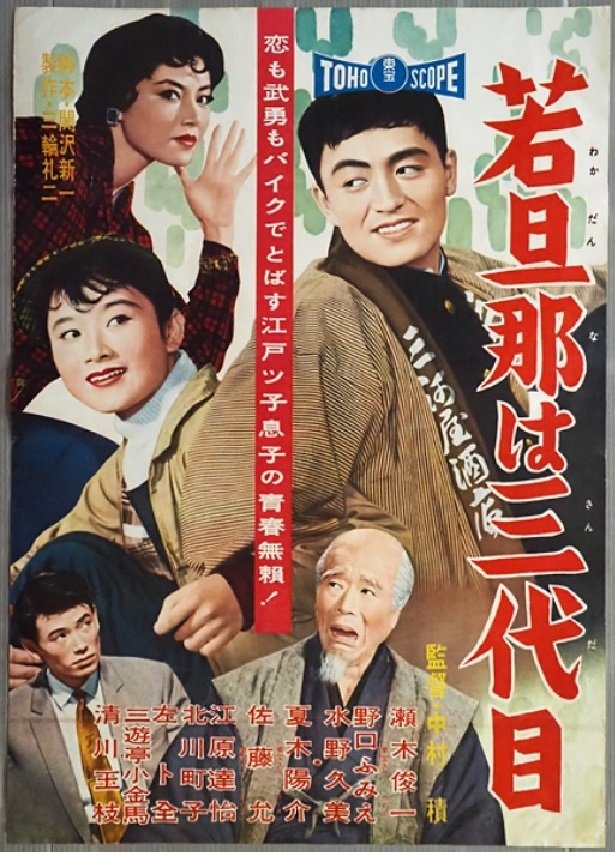
A carefree student from a traditional sake shop family balances love, rebellion, and a bike race while clashing with gangsters and his old-fashioned grandfather.
A college football star gets caught in a scandal involving a geisha teacher, endangering his team’s season and his family’s honor—until a last-minute comeback restores both.
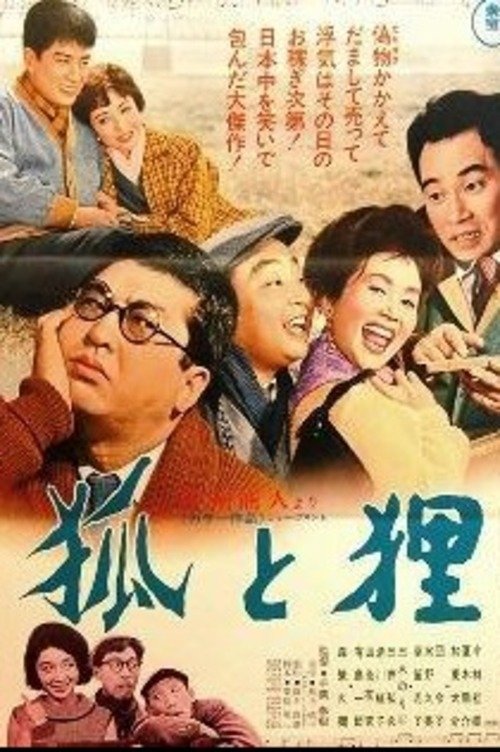
A group of hustling peddlers swindle rural towns with fake goods, facing betrayals, close calls, and constant setbacks as they chase survival and dream of a better future.
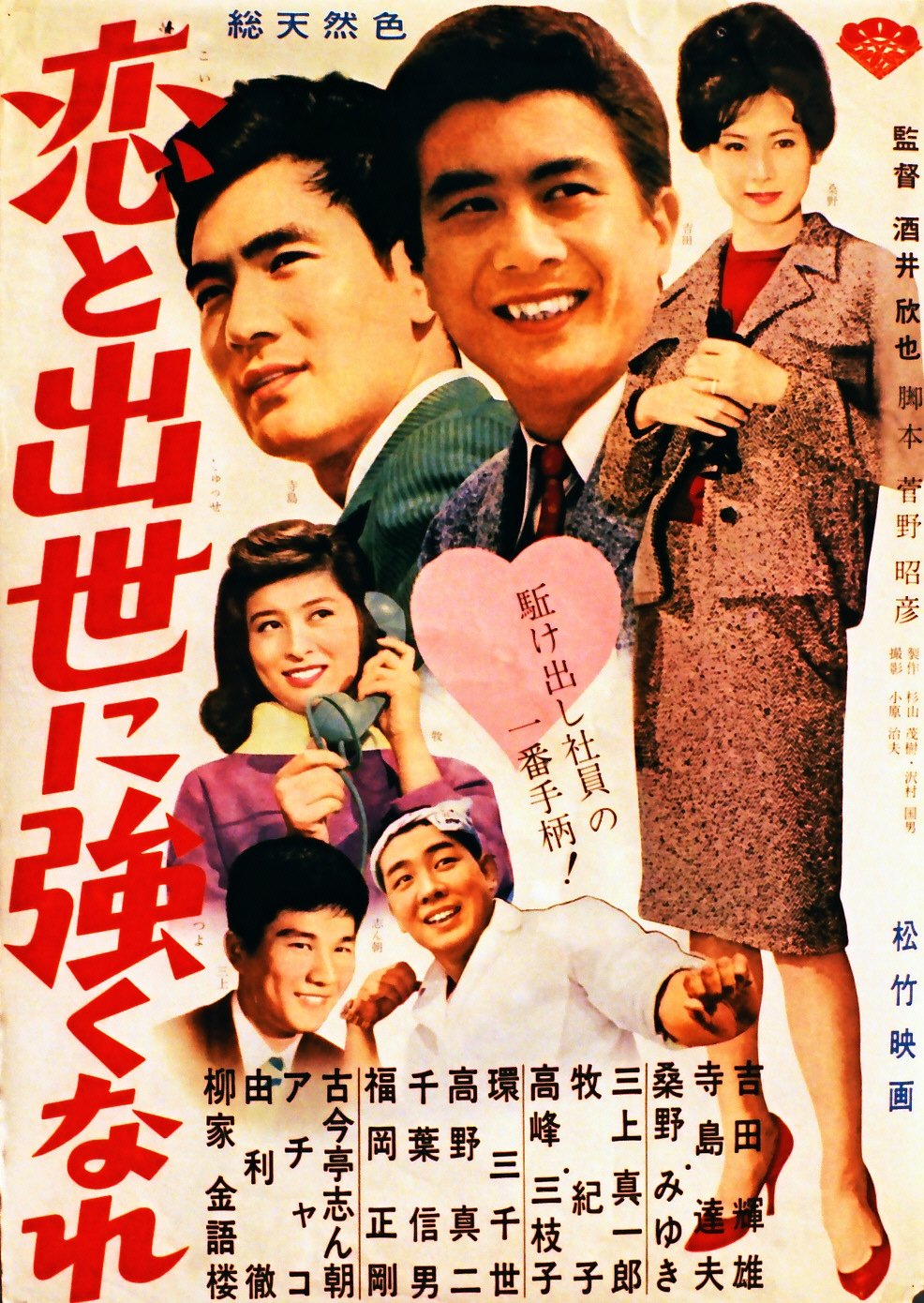
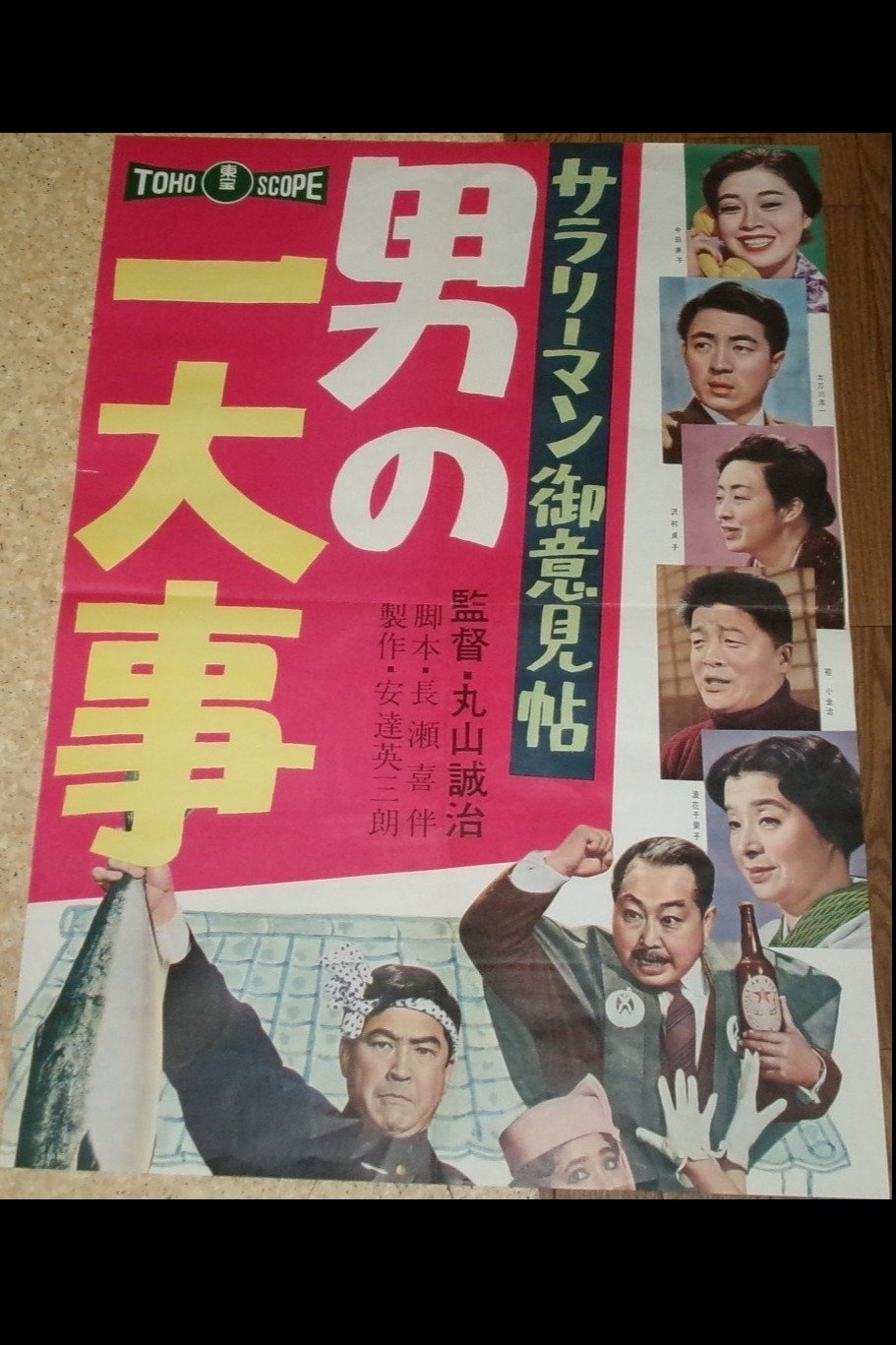
A university graduate determined to become a fishmonger defies his mother's wishes, tangles with bar hostesses and a beer company heiress, and—after misunderstandings, brawls, and a second chance—discovers that maybe the salaryman life isn’t so bad after all.
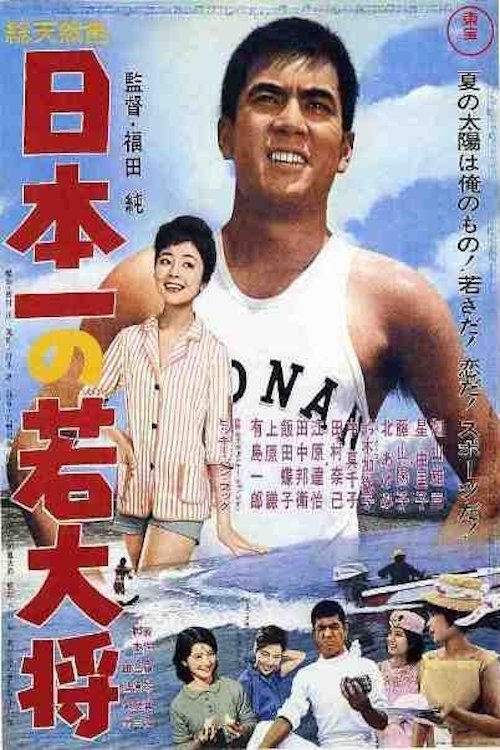
Yuuichi Tanuma, our young hero, is a senior at Kyonan University and captain of the marathon team. His parents run a sukiyaki restaurant back in his hometown. When his allowance stops coming in, Yuuichi moves back in with his folks to work part-time. He has his eyes set on nationals in the fall, until one day he runs into a young woman who's fallen into trouble with the Lightning Gang...
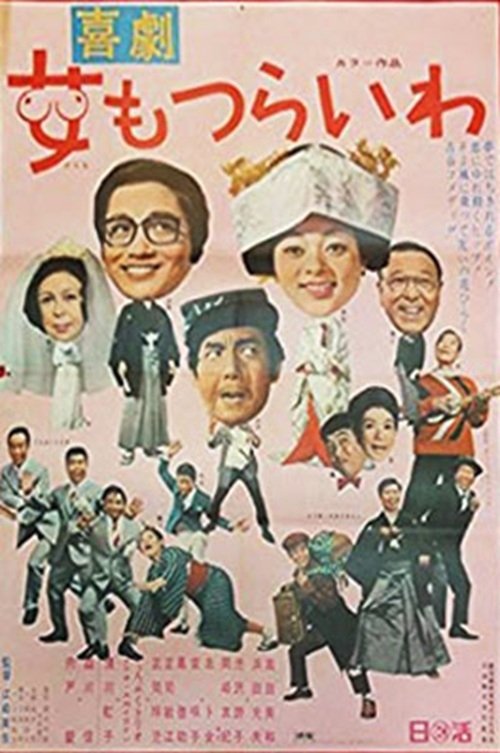
Comedy directed by Mio Ezaki.
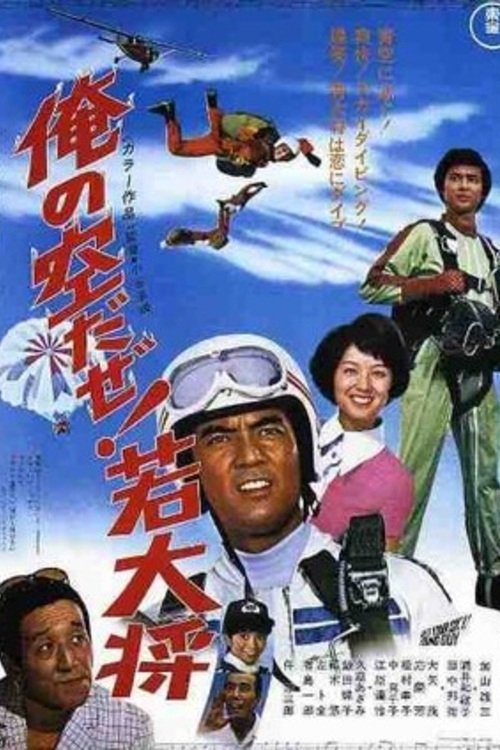
Yuzo Kayama does skydiving.
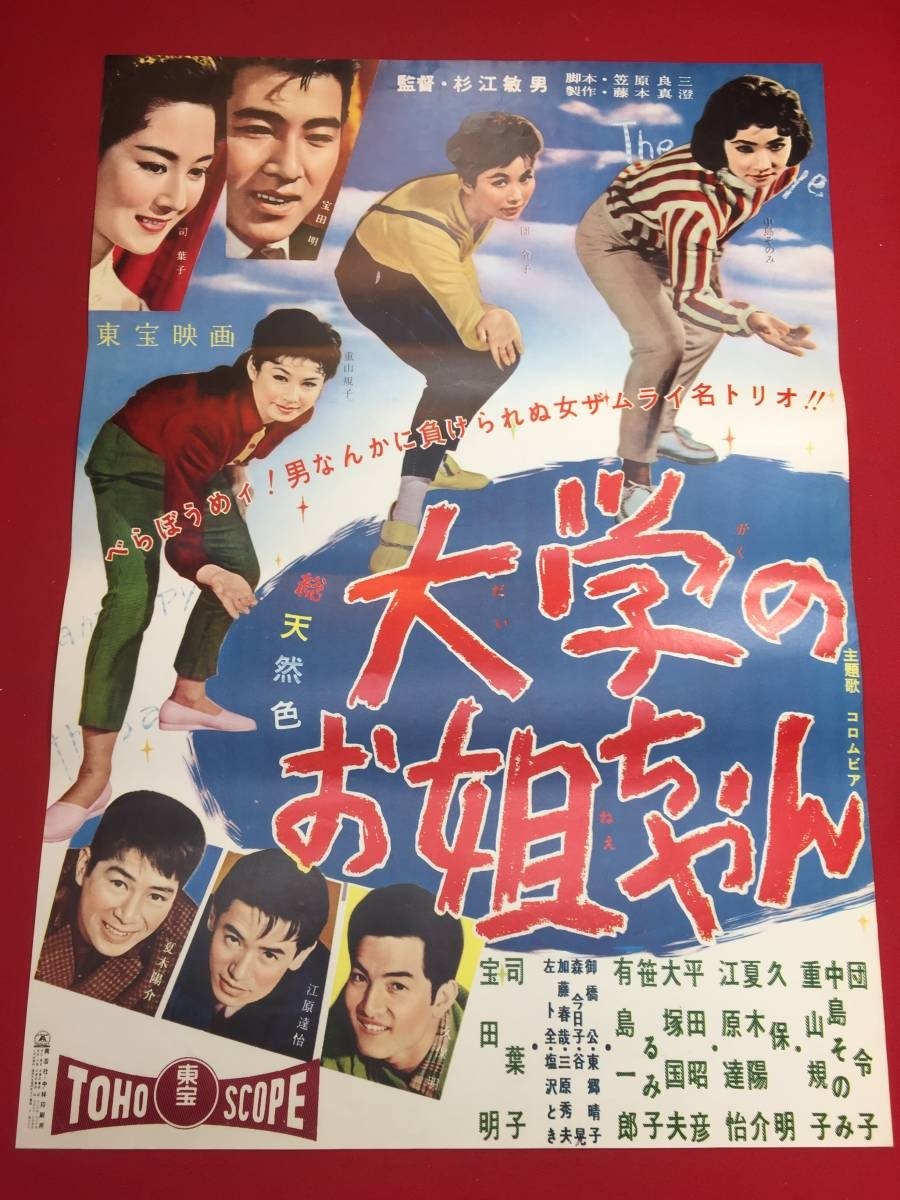
The first of eight "Three Dolls" features. In this entry the girls, students at Nichinan University, balance studying for the final exams while falling for the new French professor.
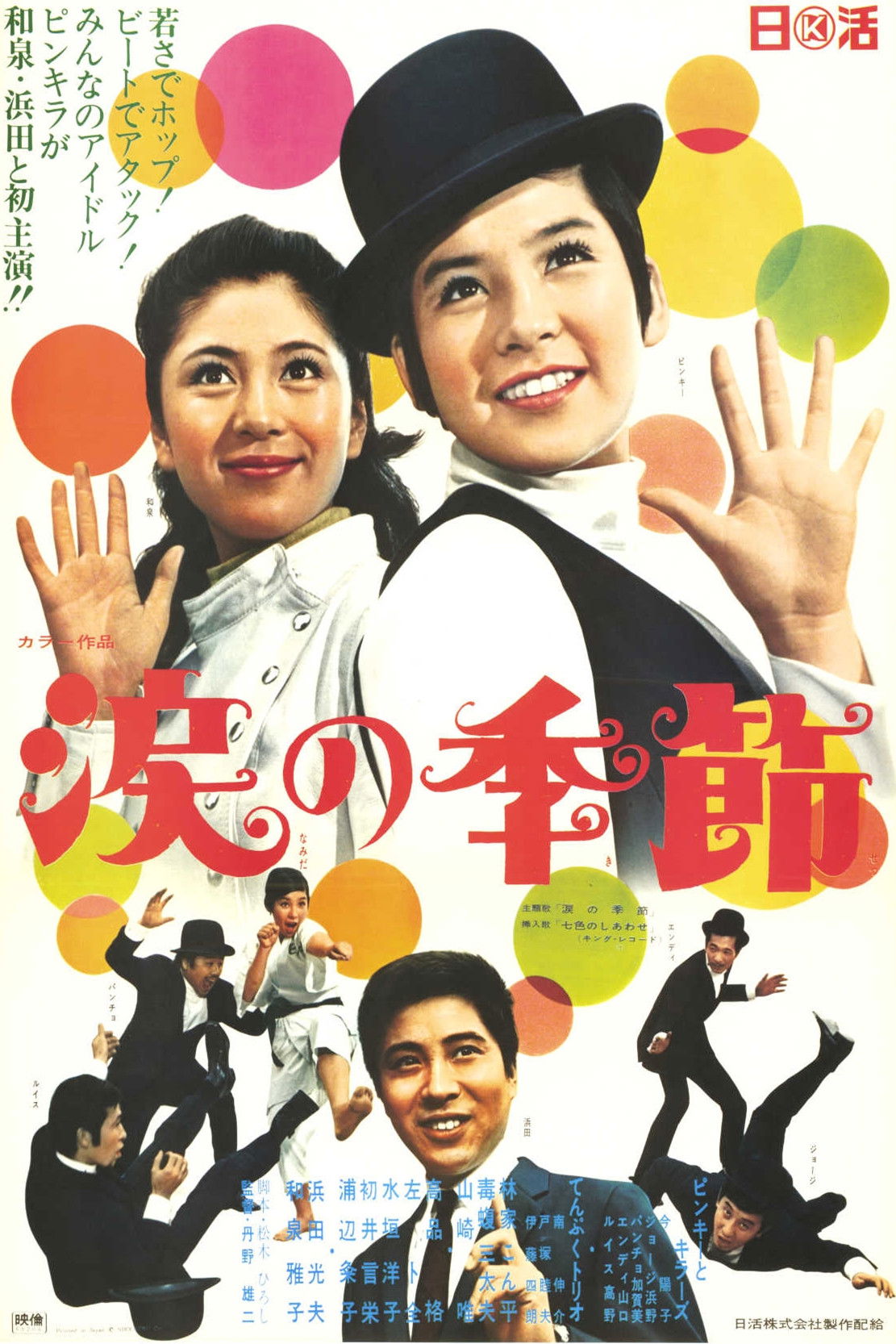
Kyoichi Kageyama, a TV station reporter, is always getting into trouble. But when he gets his hands on a TV that shows the “news of the next day,” his reporting becomes a string of scoops, his love life blossoms, and everything starts going his way. However, the TV shows footage of his sister Mitsuko attacking an armored cash transport vehicle and being shot dead...
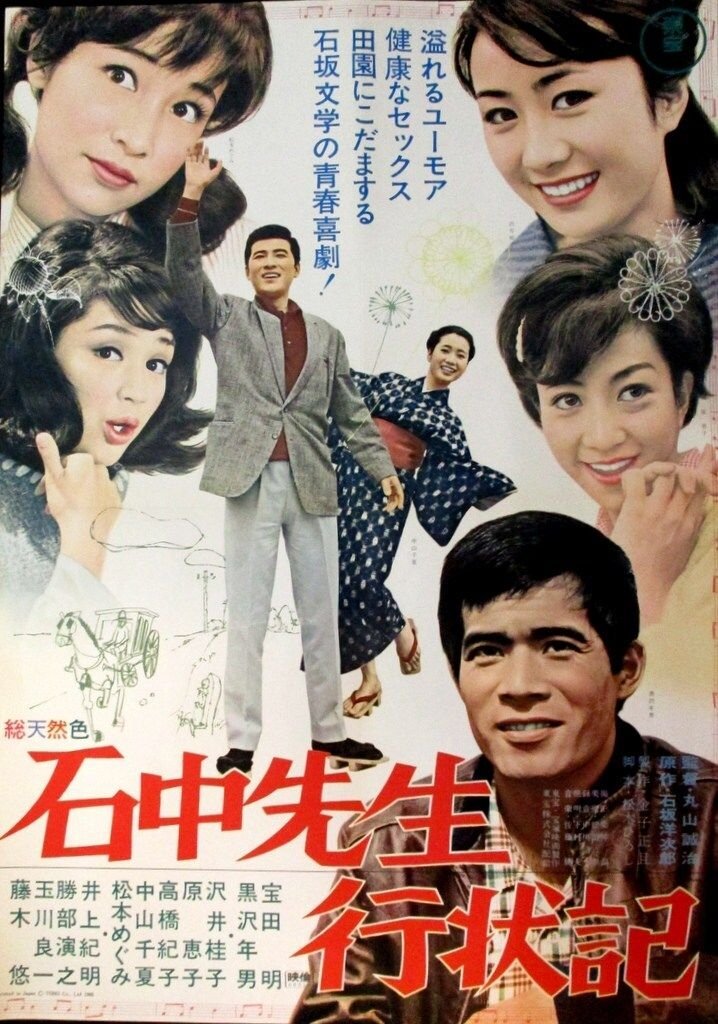
A TV writer and a director stranded in a rural town witness the young villagers’ tangled romances. Despite parental feuds and arranged marriages, true couples find their way together. The writer grows fond of the town before returning to Tokyo.


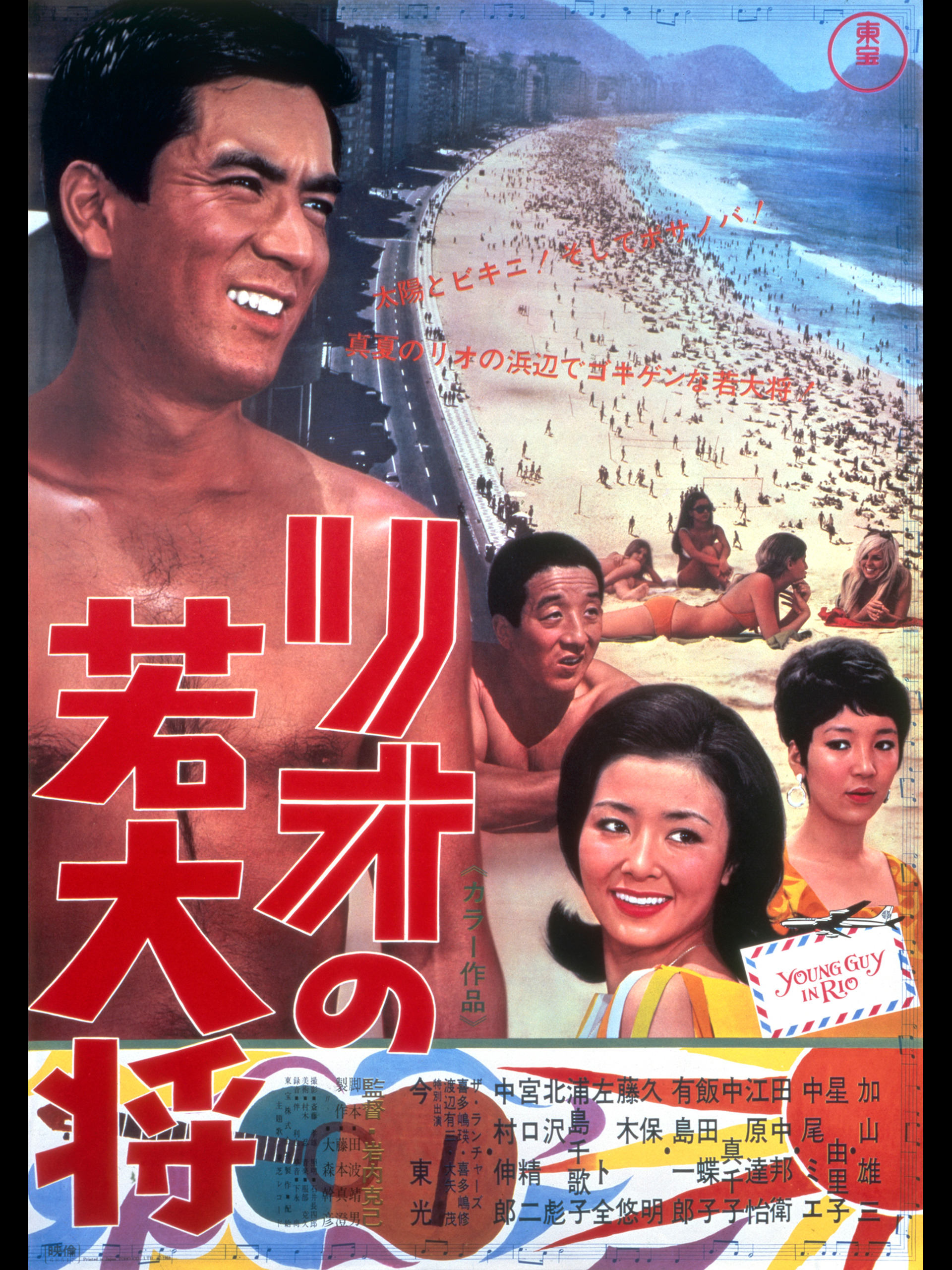
Yuzo Kayama is captain of the Fencing team and visits Brazil to work in the shipyards with his professor. There he meets his beautiful daughter (Mie Nakao) and a tour guide (Yuriko Hoshi), but his work and his band, The Ranchers, keep him busy.
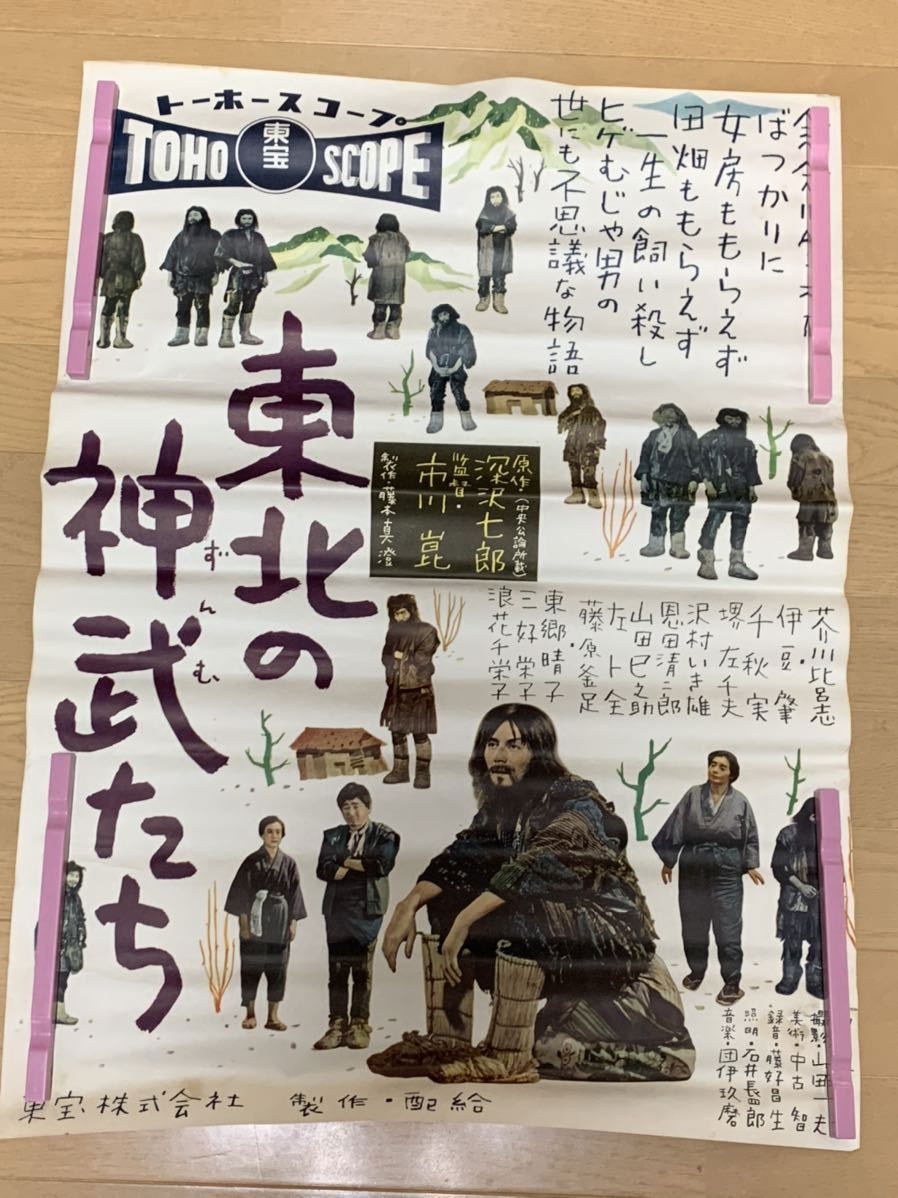
Tragi-comedy about the inhabitants of a remote, mountain-locked village where only the first-born sons are allowed to marry and have children.
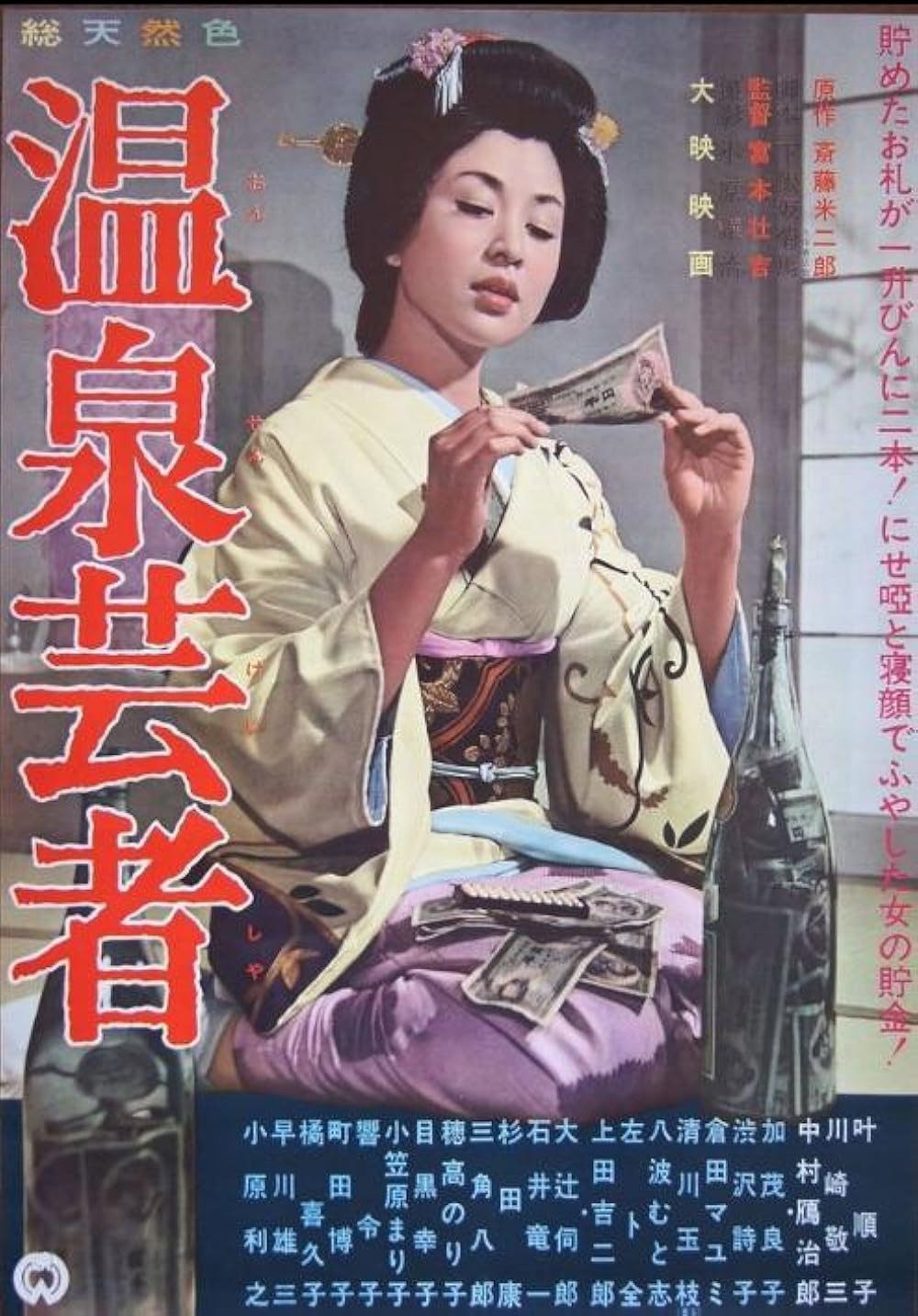

Adapted from a poem, which was composed by poet and sculptor Kotaro Takamura, Chieko-Sho is the story of the artist's wife Chieko. The poet meets a woman, who also as an artist illustrates, one day. They marry and have a good life spending many years together. One day, however, she loses her mind and has to be confined to a hospital. The poetry was some of star Hara Setsuko's favourite even before her involvement in the film.