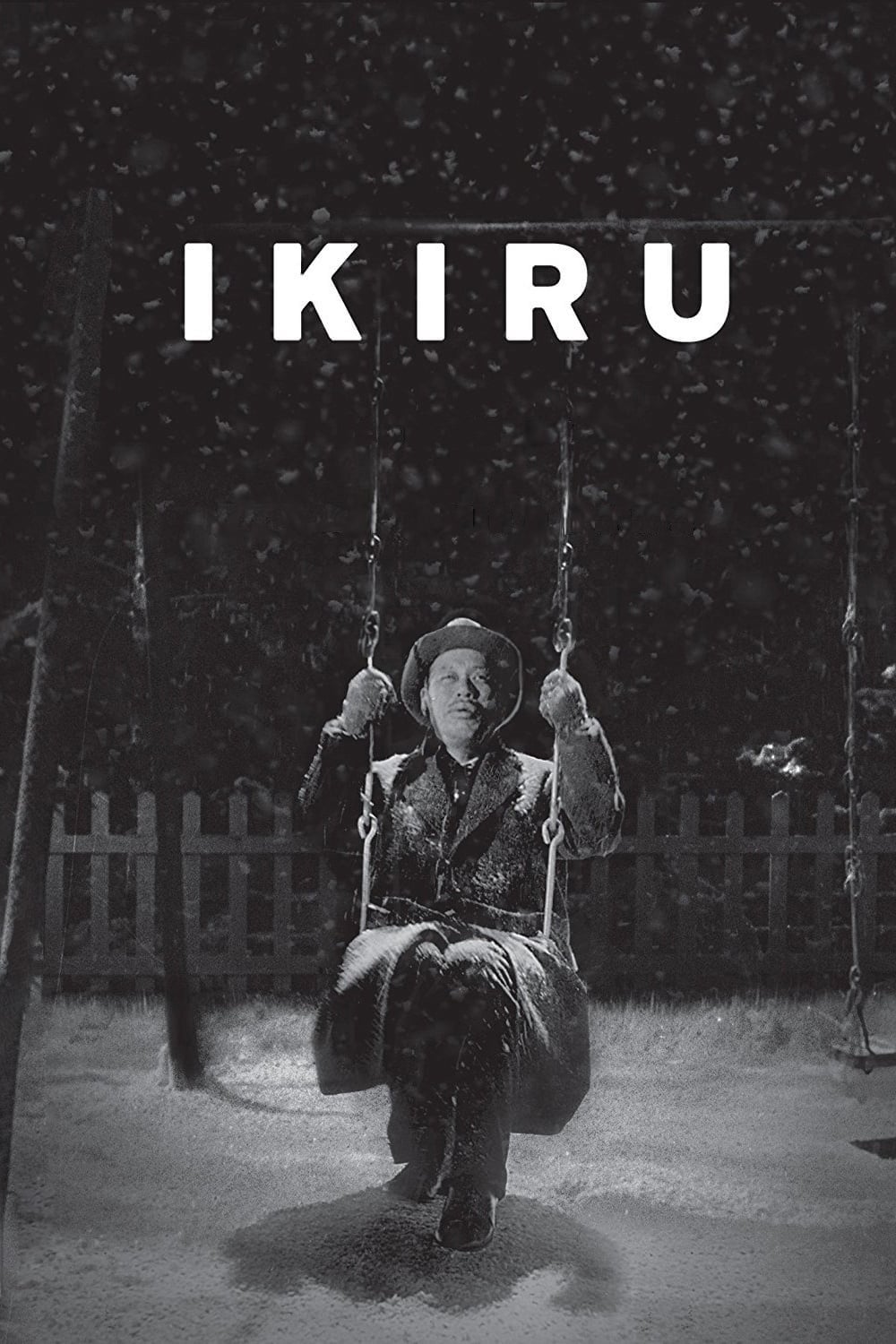
Kanji Watanabe is a middle-aged man who has worked in the same monotonous bureaucratic position for decades. Learning he has cancer, he starts to look for the meaning of his life.

33-year-old poor writer Ogata was able to endure his miserable life cheerfully thanks to Yoshie, a 19-year-old innocent young wife. After graduating from a girls' school in Hokuriku, she immediately moved to Tokyo to meet and marry Ogata. After neatly writing Ogata's manuscript, he would buy dorayaki as a gratuity and devour it.
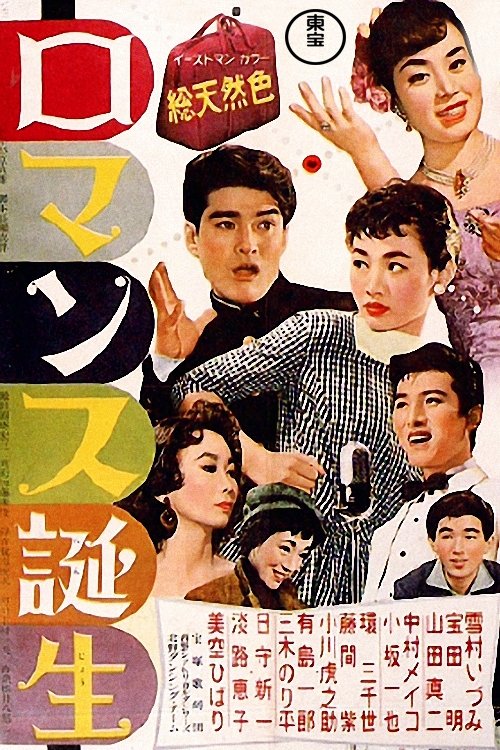
The cabaret «Romance», run by Masami Daisaku's father, is experiencing financial difficulties, and Masami is betting on changes and asks singer Hibari Misora to perform. Musical youth comedy with young actors, passion, funny songs and laughter. Hibari Misora appears as herself.
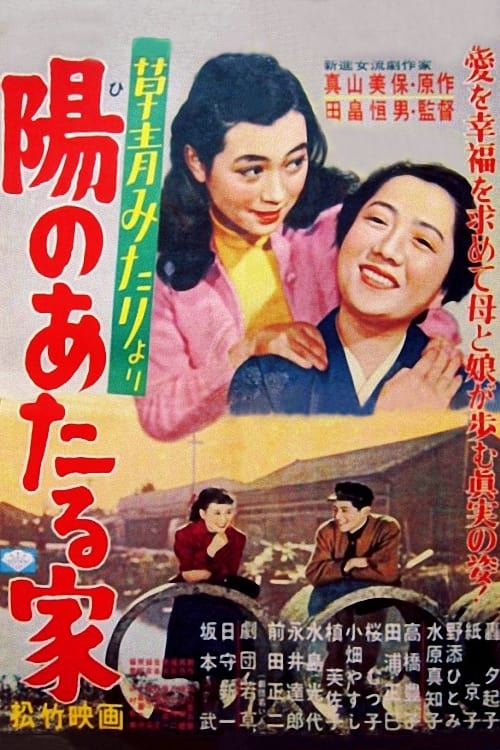
On the outskirts of Tokyo, a family of Mitsu Nakahara lives in one of the small huts surrounded by barracks and tin pens. Mitsu's husband died in the war, and she was left alone with four children and works as a day laborer. The eldest daughter Haruko, who is already nineteen years old, works in a clothing store, the second daughter Natsuko works in a restaurant, a schoolboy Akio is studying carpentry, and even the youngest Fuyuko helps her mother by working as a nanny in a neighboring house. Nearby lives a widowed electrician Tokuji Yamada with two boys - Norio and Tatsuo. He has a widowed daughter, Sakiko, who, along with a small child, ran away from home, as she is going through hard times. At Haruko's suggestion, Mitsu and Tokuji get married, and it would seem that happiness smiles on their new family, but it turned out to be short-lived…
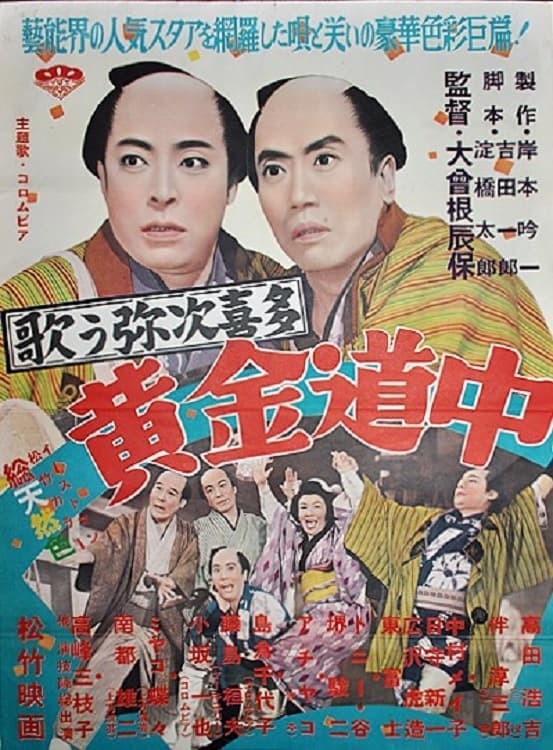
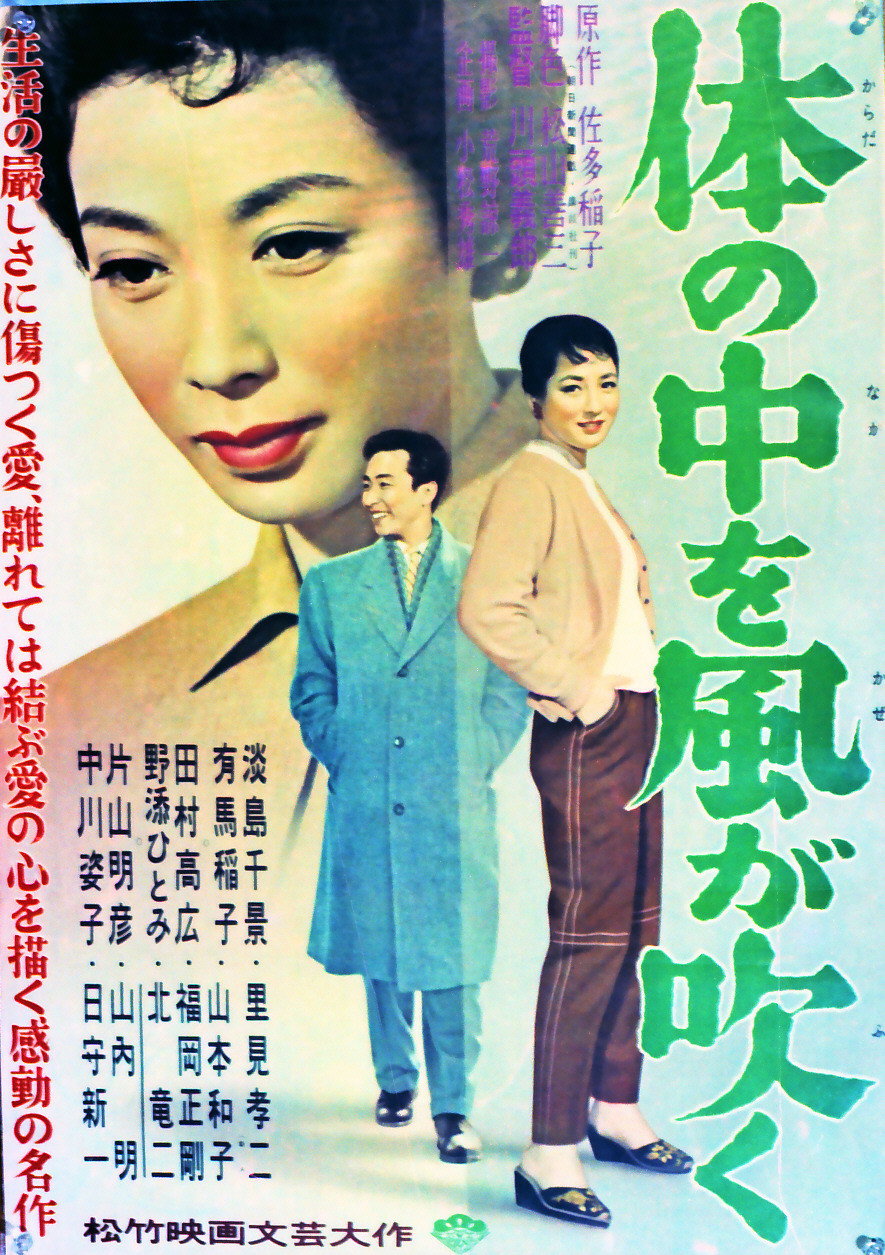
1957 Japanese movie

During college military training exercises, the bond between two friends and athletic rivals is tested when one of them becomes involved with a woman who may be a prostitute.
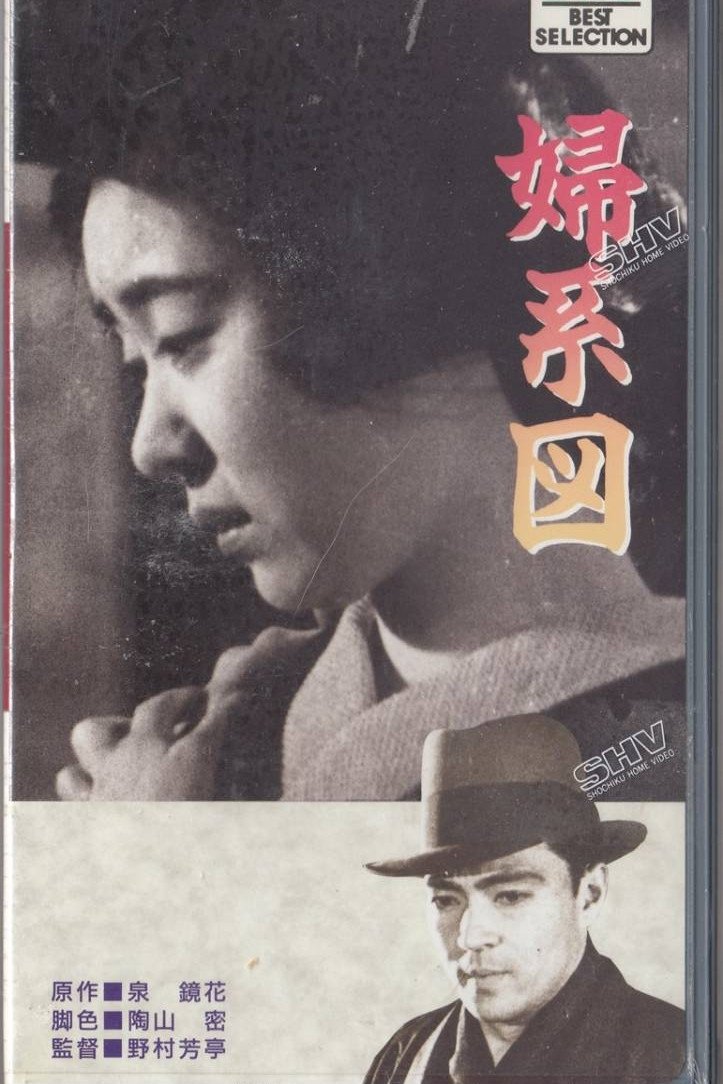
A melodrama by noted auteur and father of director Yoshitaro Nomura, Hotei Nomura. This is apparently the first adaptation of Izumi Kyoka's The Romance of Yushima.
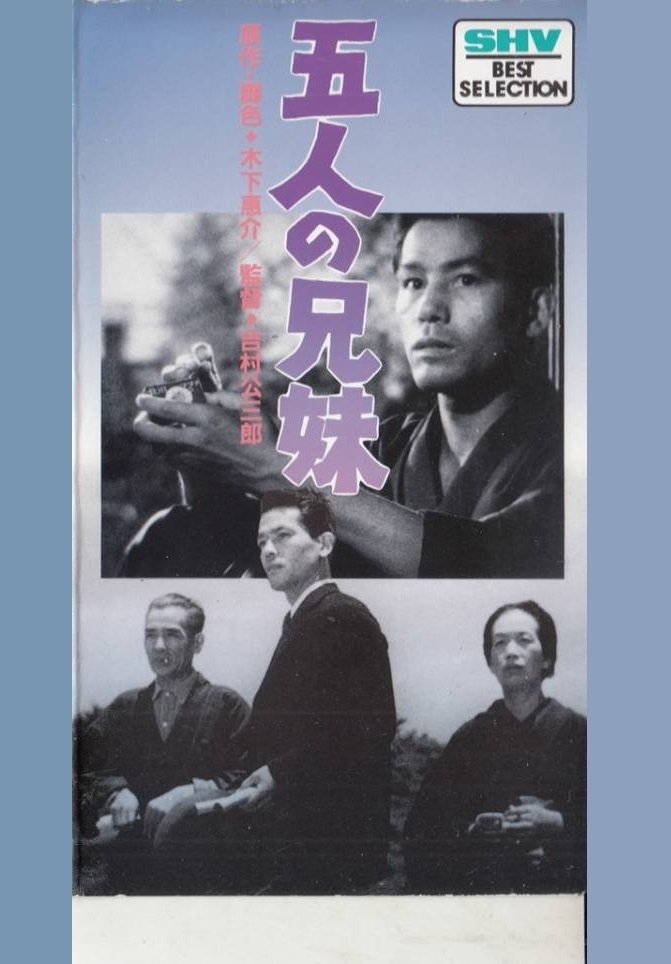
A businessman runs afoul of the law and commits suicide, leaving behind a wife and five children. The eldest son takes the family to Tokyo and labors to restore its name and fortune
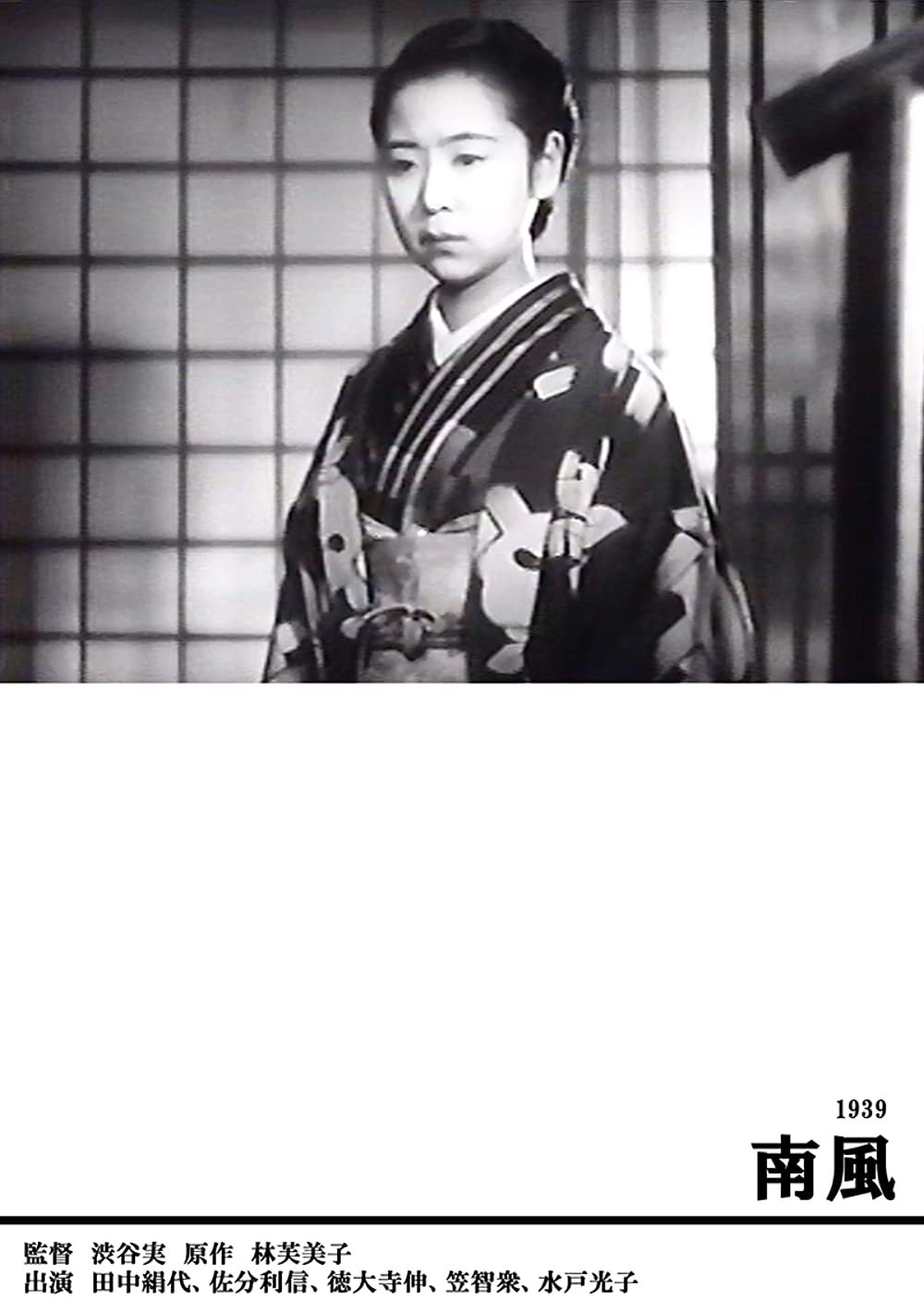
Based on the original work by Fumiko Hayashi, this is a story about a woman and two men. The lust is restrained and indifferent. The story even has an elegance to it, which is the charm of the 30 year old Kinuyo Tanaka. There was a time when Tanaka was adorable... Shin Saburi was young and Chishu Ryu was young too. It is a promise of melodrama that the rival or friend is prettier than the heroine Kinyo.
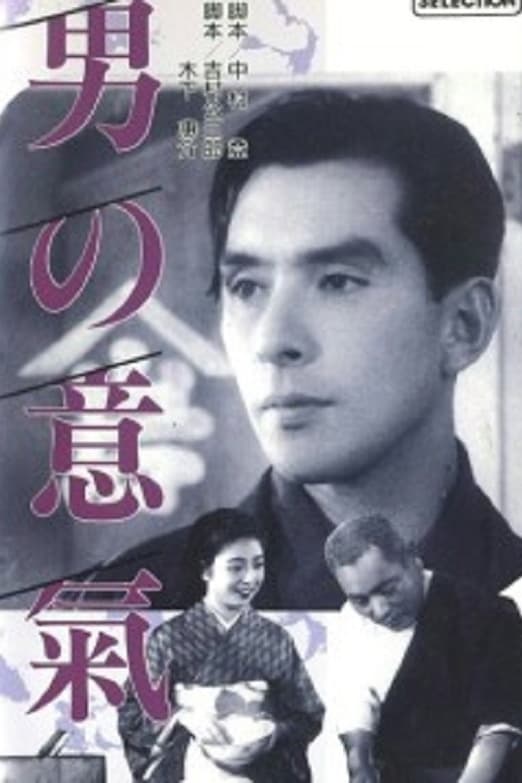
This was 1942, so it was a national policy film, no matter what you call it. But when the war was still on the winning side, there wasn't even a little bit of sadness in the film (as the war was getting worse and worse, the burdens on our backs were increasing day by day, and we had to keep forming a line for tomorrow with nowhere to go (Akira Kurosawa's "The Most Beautiful", Admiral Nomura's "Enemy Air Raid", etc.) (Song of Annihilation, directed by Sasaki Yasushi). The film closes with the hope of the blue cloud that is bubbling up in the air. Or it may be the last time that a Japanese film talks about war and looks at the end of the war with an unconcerned eye.
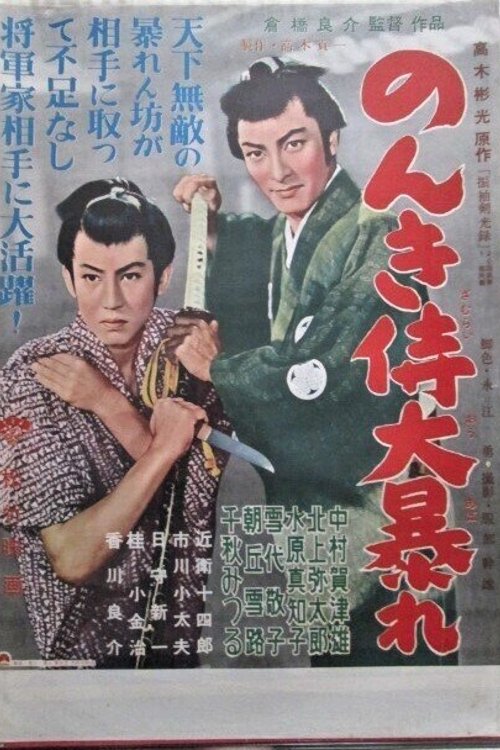
In the mid-Tokugawa period, a conflict arose over the "Seiryū Himon," a secret document left by the former shogun Iesai, bequeathing the eighth shogunate to young Lord Manguro of Owari domain. This document became the center of a struggle between the current shogun, Yoshimune, and Manguro. Iida Daisuke, a member of the shogunate's secret intelligence group, the Kurokuwa Group, stole the document from Owari but was killed by Manguro's men. The document then fell into the hands of Yozakura Ogin, who had pledged her life to Daisuke.
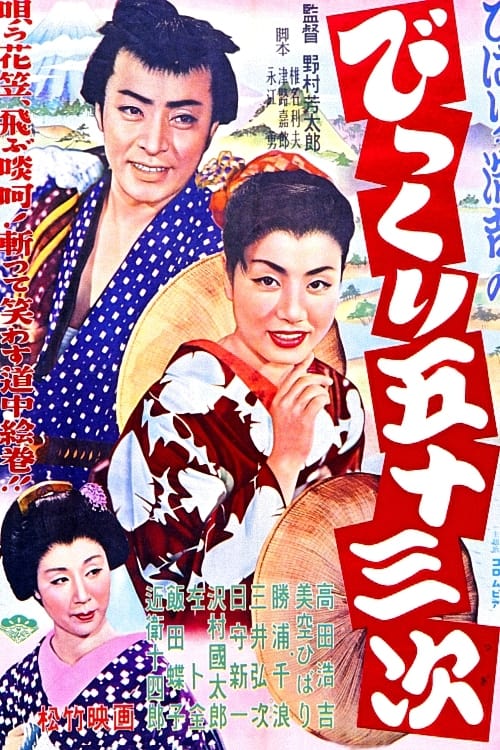
Kintaro goes on a journey to his hometown to meet his mother and sister. His love for singing leads him to a perceptive and cheerful girl named Onatsu... A road trip comedy featuring Kokichi Takada and Hibari Misora singing and dancing.
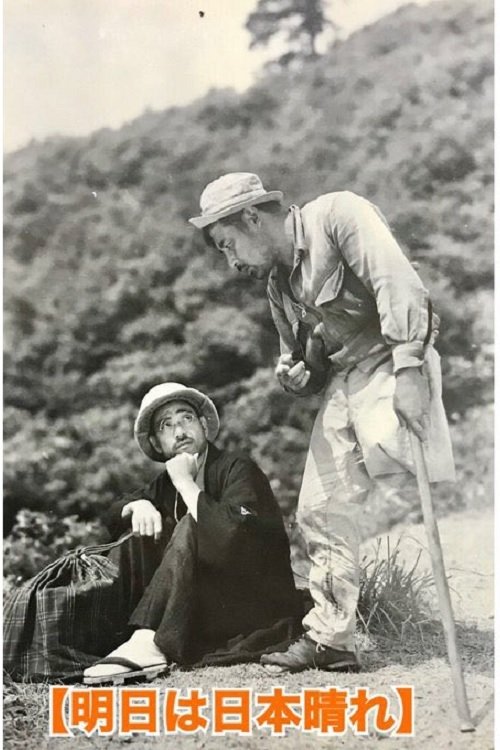
Lost for 70 years until 2022, Shimizu’s second postwar film recalls Mr. Thank You as he frames the narrative in a familiar setting, tracking an autumnal bus ride from a hot spring town through a mountain pass. When the jaunty bus unceremoniously breaks down, a bittersweet sadness overcomes the passengers as unexpected reunions take place, but nothing can be what it was before the war.
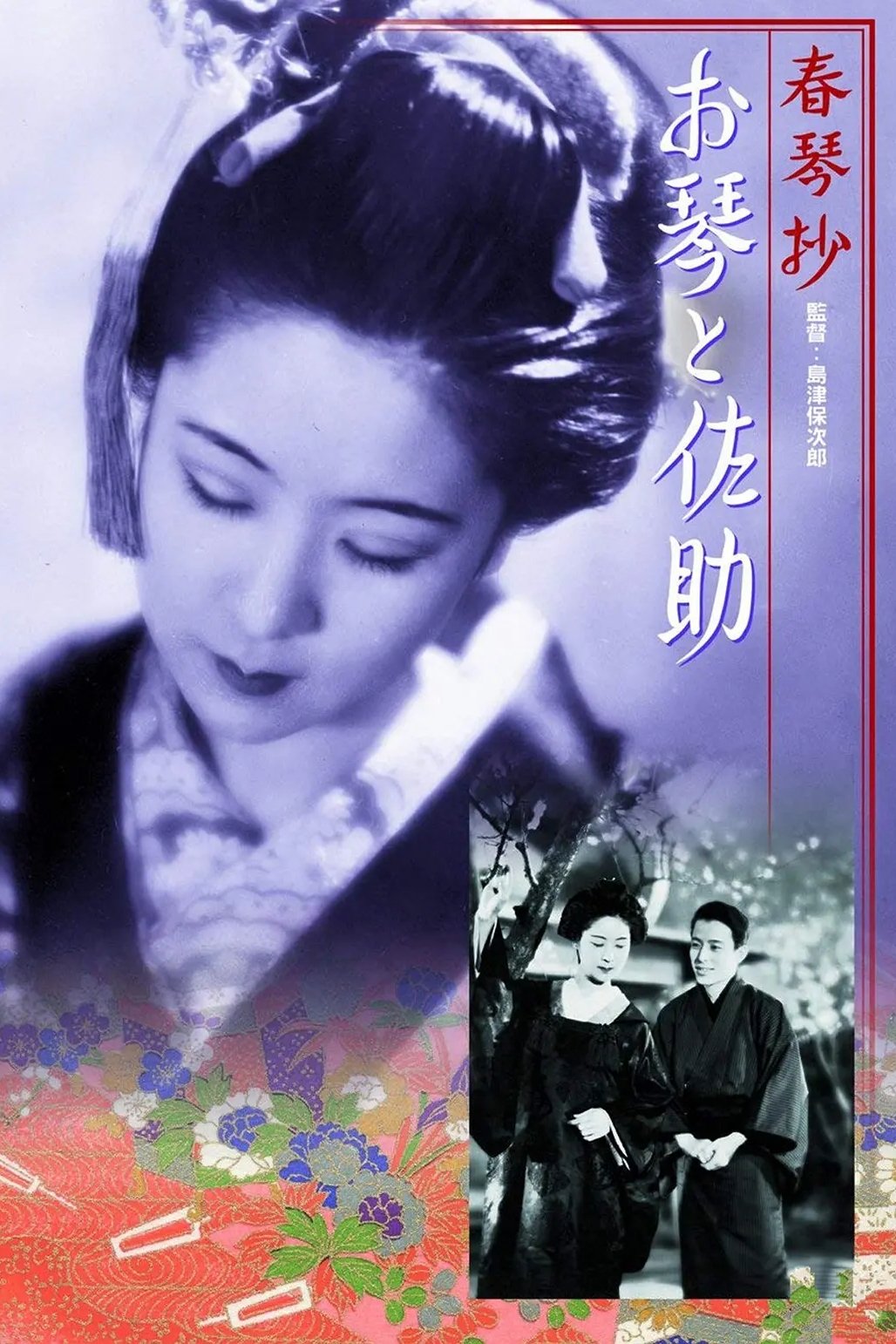
A period piece about the love of a wealthy blind woman, a teacher of koto and shamisen, and her devoted manservant. Based on a novella by Tanizaki Junichiro.
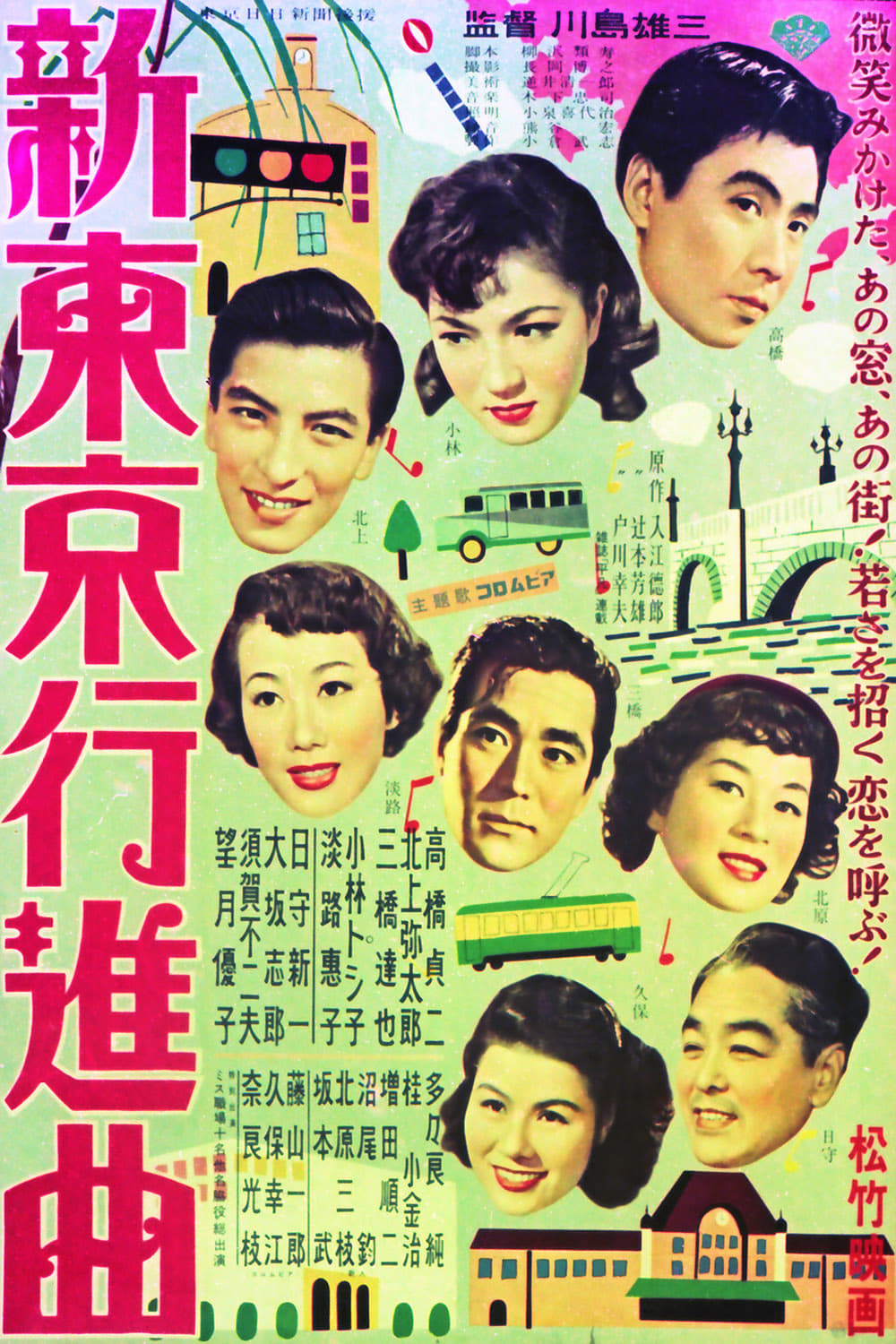
Follows six male friends from elementary school whose career paths diverge—newspaper reporter, engineer, boxer, sushi restaurant owner—but whose romantic lives intersect. (MoMA)
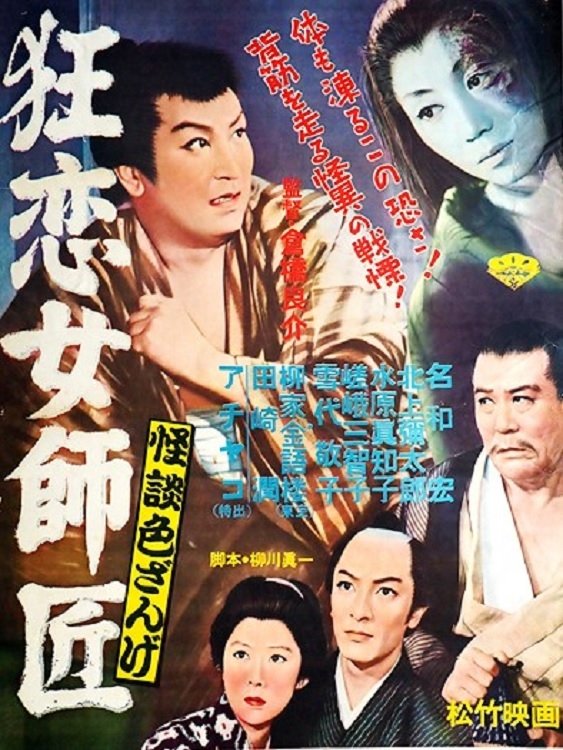
Osen, a dance teacher who hates men, refuses to become the concubine of a rich merchant, but falls in love with the thief Sojiro, unaware that he is avenging the death of his brother. Jinzo, who wants to win over a rich merchant, pours boiling water on One's face...
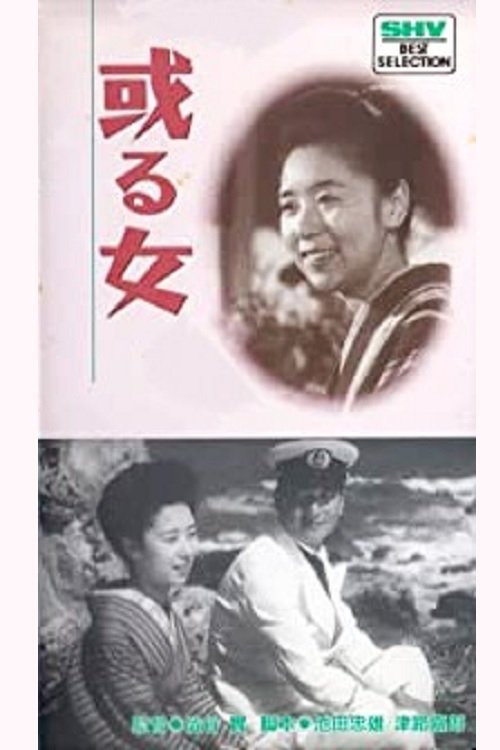
Pretty Oshige is deceived by her first love. After this, she lives a hard lifestyle, working at a number of jobs. Her only pleasure is her nephew, who eventually becomes a merchant marine. When Oshige meets her old love ten years later, she is able to forgive him and even thank him for the path her life has taken.
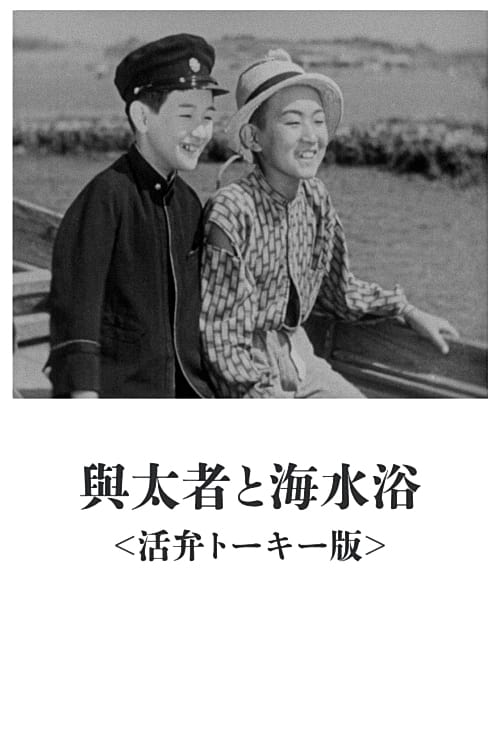
The seventh film in the popular series starring the Yotamono trio (Mitsui, Abe and Isono). Summer came and the three of them decided to open a store on the beach to get rich...
Directed by Mikio Naruse. It is presumed to be lost.
Directed by Mikio Naruse. It is presumed to be lost.
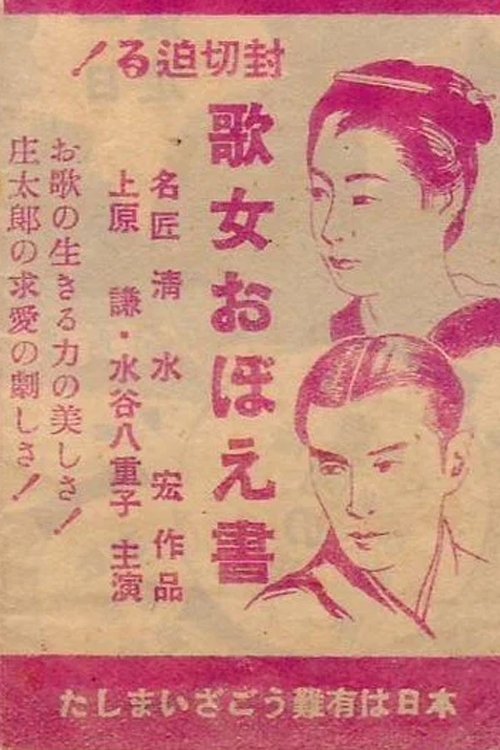
Uta’s mother died when she was six years old; her father she never met. She was forced to adopt a traveller’s life when her grandmother died, and now she is a dancer and part of a family of actors who travel from town to town, setting up street performances. A way of escape from this marginal existence arises when she gets the chance to move to tea merchant Hiramatsu’s place, where she is asked to teach his daughter to dance.
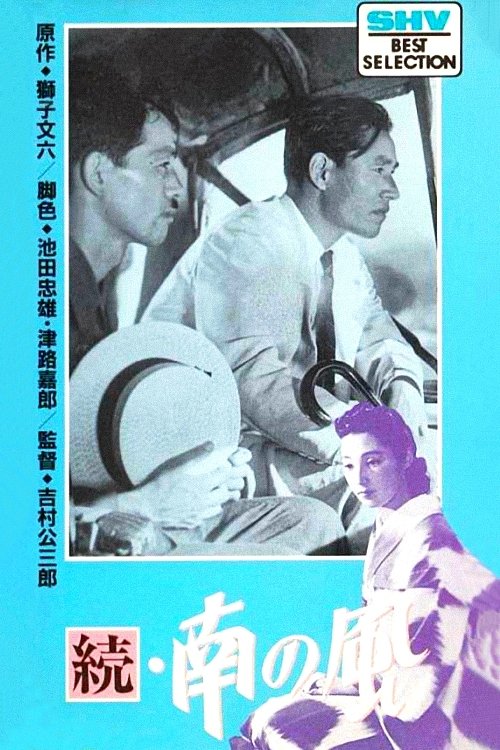
In this comic sequel to Yoshimura Kozaburo's original, Minami no Kaze, ex-baron (Saburi Shin) is in Singapore where he meets an old friend who proposes a scam to make some quick cash. It involved inventing the story that Saigo Takamori didn't actually die in the Satsuma Rebellion but escaped to Southeast Asia to start a new religion and in the process fathered a son who is now the founder. But when they bring the supposed heir and his aide to Japan, chaos ensues...
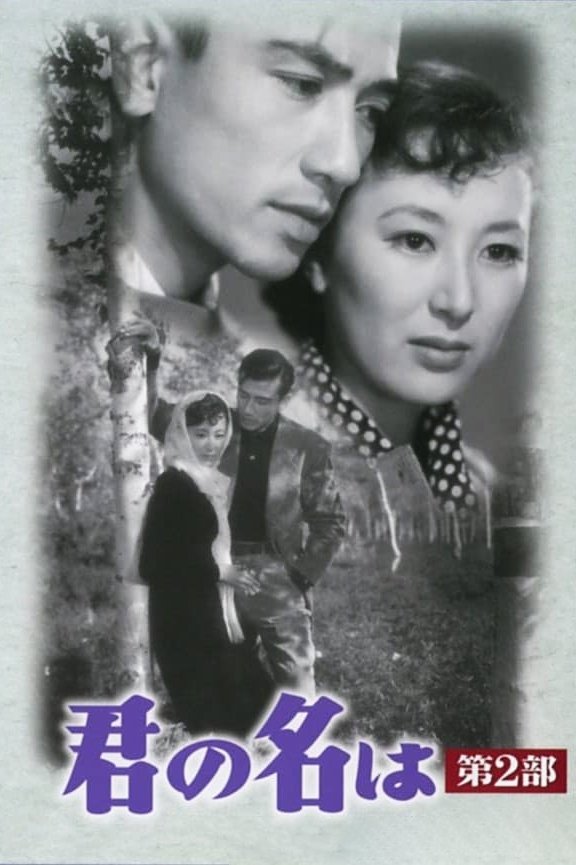
Machiko and Haruki’s drama continues. Two meet again in Hokkaido only to be separated again.
Third sequel to "Story of Second Class Private".
A human drama about the bond between parents and a child and family love. The daughter leaves her foster parents and ends up with her mother in Kyoto, who divorced her father, but her father in Tokyo, who has another family, takes her to himself out of guilt for breaking up with her. How does the daughter feel?
Live-action adaptation of Yoshiro Kato’s manga.
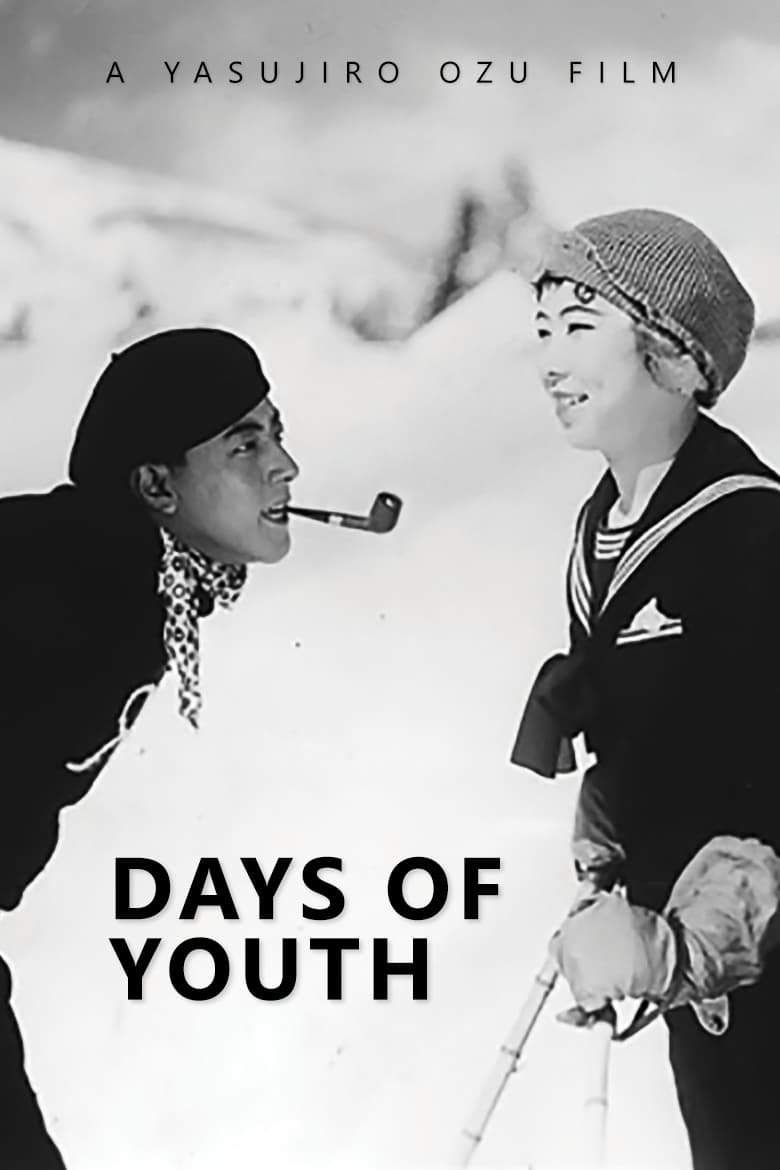
University friends Ben and Shūichi unknowingly vie for the attention of the beautiful Chieko while on a skiing trip.
The brothers of Children In The Wind deal with declining family fortunes: they must work when the father becomes sick, and eventually live with their grandfather, which means making new friends and struggling with a different environment.
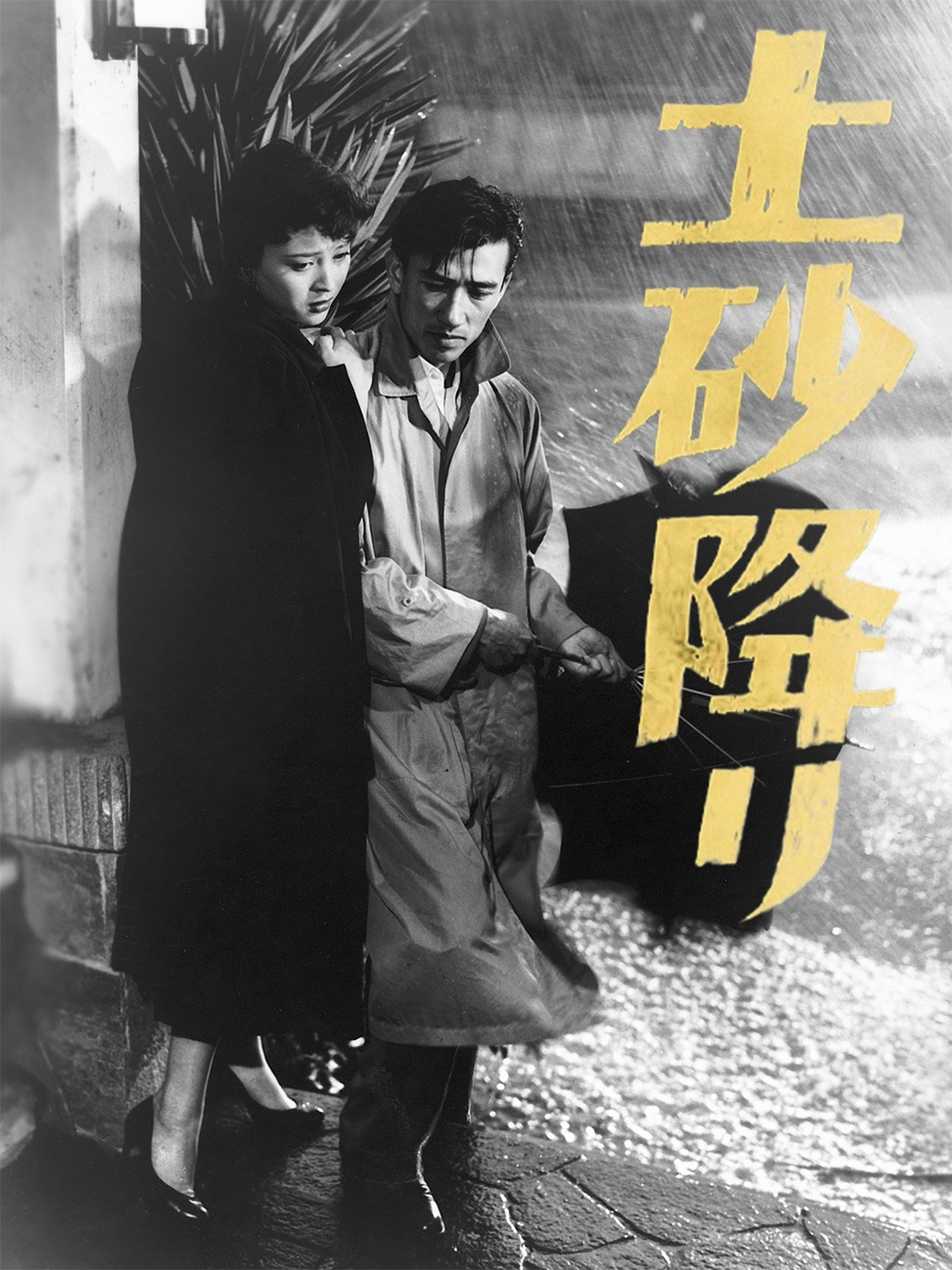
Tane, the lady proprietor of an inn for amorous couples, lives there with her three children. When her eldest daughter loses her fiancé due to the fact her mother is a mistress, her despair drives her to become a cabaret hostess.

Adaptation of Kishida Kunio's novel. Set against the backdrop of a power struggle within a hospital, depicts the love lives of the director's daughter, the administrative director, a doctor, and a nurse.
Pre-war Asakusa was a riotous district of cabarets, dance-halls and brothels - a striking backdrop for Shimazu's story of innocence and experience. Pretty, young Reiko is the new dancer in an infamous theatre troupe, and her fellow performers try to protect her virtue in a land of vice. Meanwhile, an ageing actor wants to be a hero off stage as well as on, and the troupe matriarch Marie has to keep them all together.
A spirited young teacher challenges the conservative school employing her with liberal thinking and teaching methods.
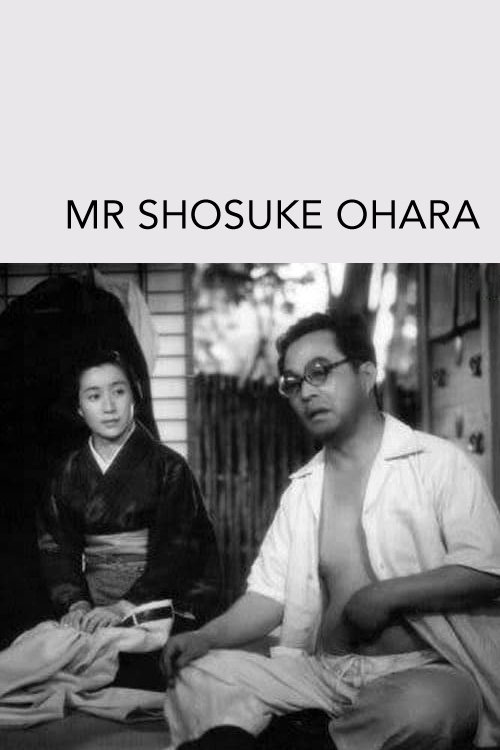
Saheita, the final heir of a once rich and respectable family, can't refuse the many villagers that come to him for favours and money, even though he is on the brink of bankruptcy. Around town he is better known by his nickname Mr. Shosuke Ohara.
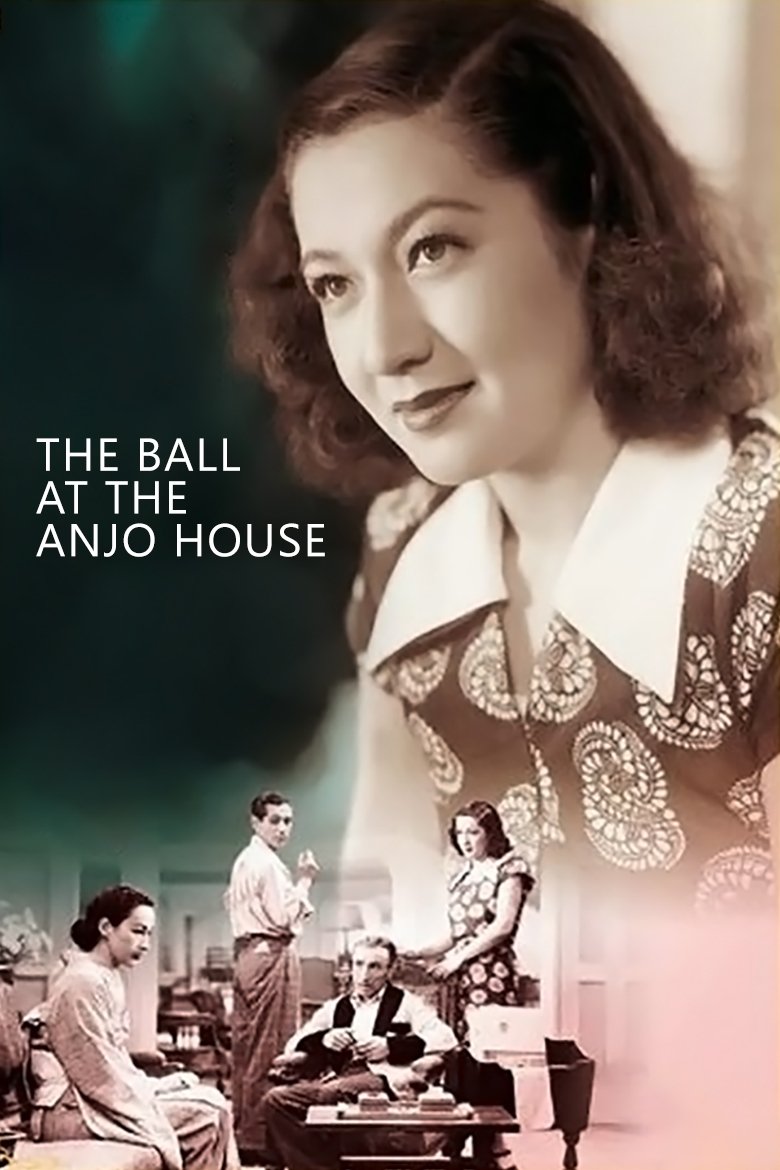
After Japan's defeat in the war, the Anjo family lose their peerage and wealth. Since their mansion is due to pass into the hands of a creditor, the family holds one last ball before leaving.
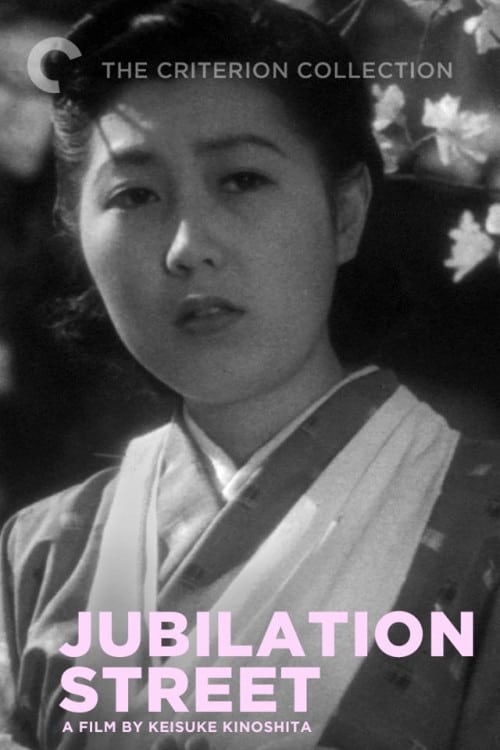
The few residents left on the streets in Tokyo share their individual stories and come to understand the melancholy of saying goodbye.
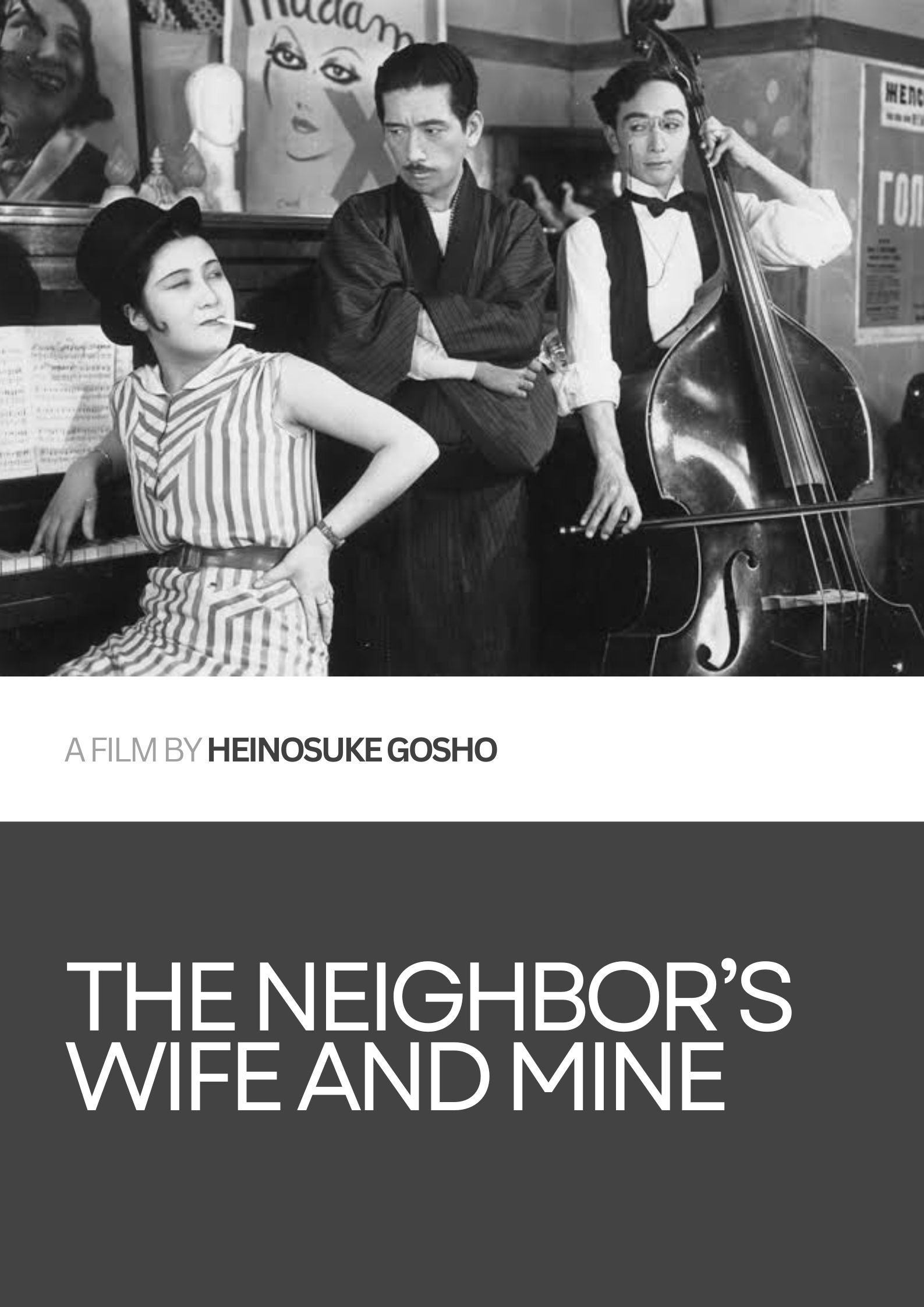
A playwright moves to a rural neighborhood to avoid the distractions of the city, but he discovers there are plenty of ways to get sidetracked in his new home, too.
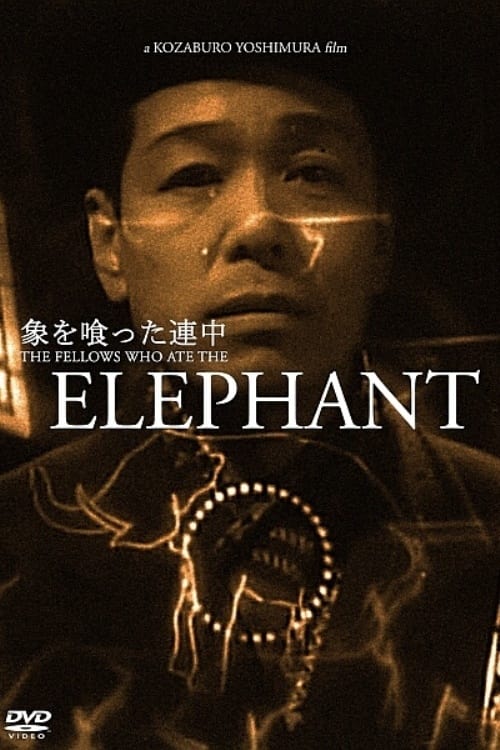
The film is set during the days of the scarcity of food after World War II, during which five men ate an elephant that died in a zoo. The elephant's corpse however, was infested with deadly bacteria and the men have only 30 hours left to live...
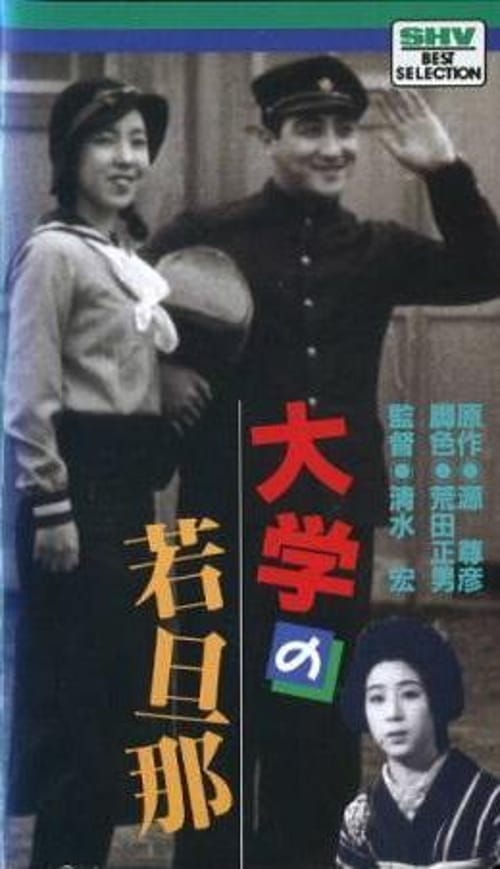
The story deals with Fuji, nicknamed Waka-danna (Young Master), the star athlete on his university's rugby team. The son of a wealthy soy sauce manufacturer, Fuji basks in the glory of his athletic celebrity. Attracting the attention of admiring young women, Fuji resists family pressure to settle down and marry after college. Instead, he spends much of his time drinking and womanizing, behavior which eventually leads the college officials to expel him from the team.
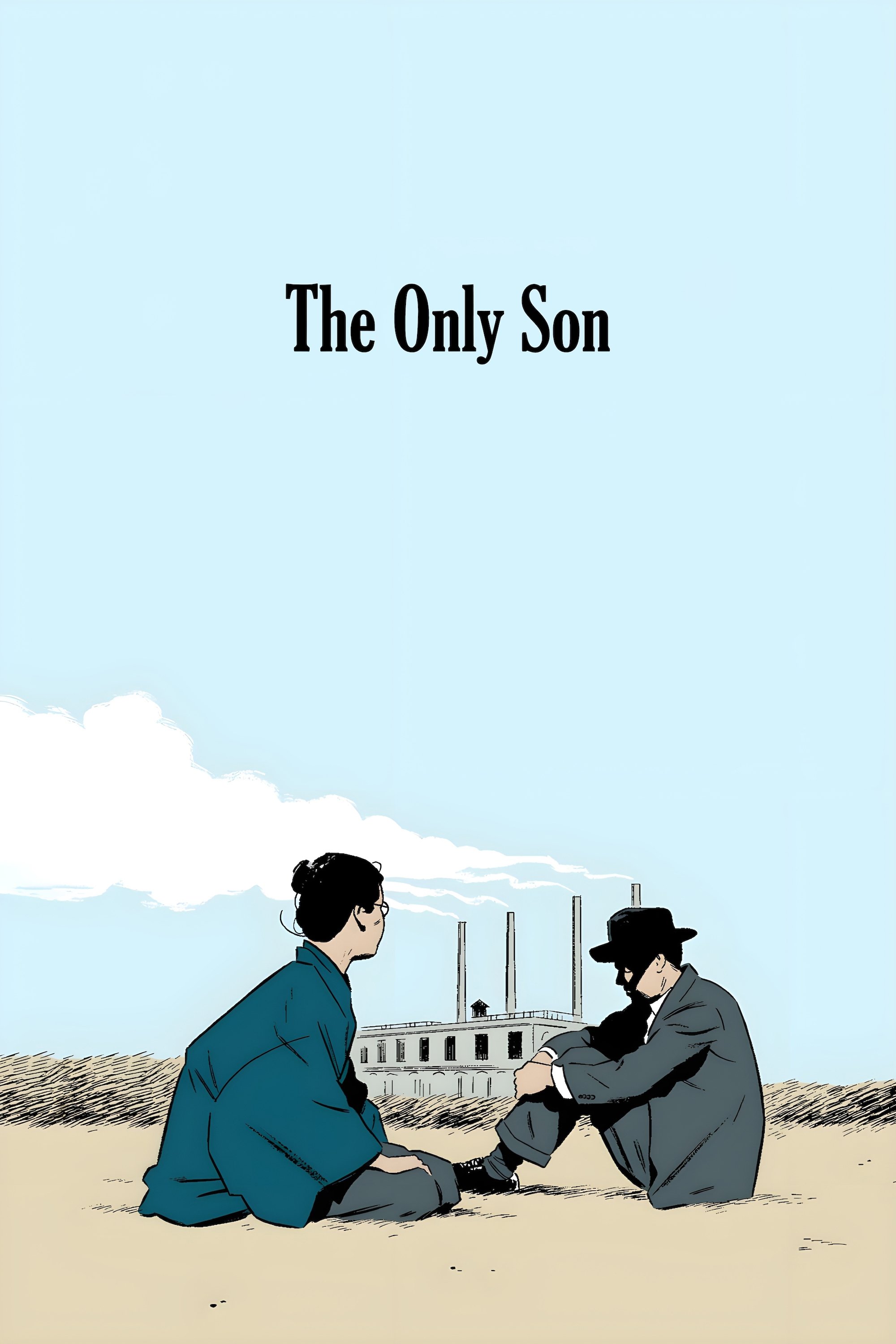
A rural widow sends her only son to Tokyo to receive a better education. Years later, she visits him and finds he has become a night school teacher struggling to support his wife and son.
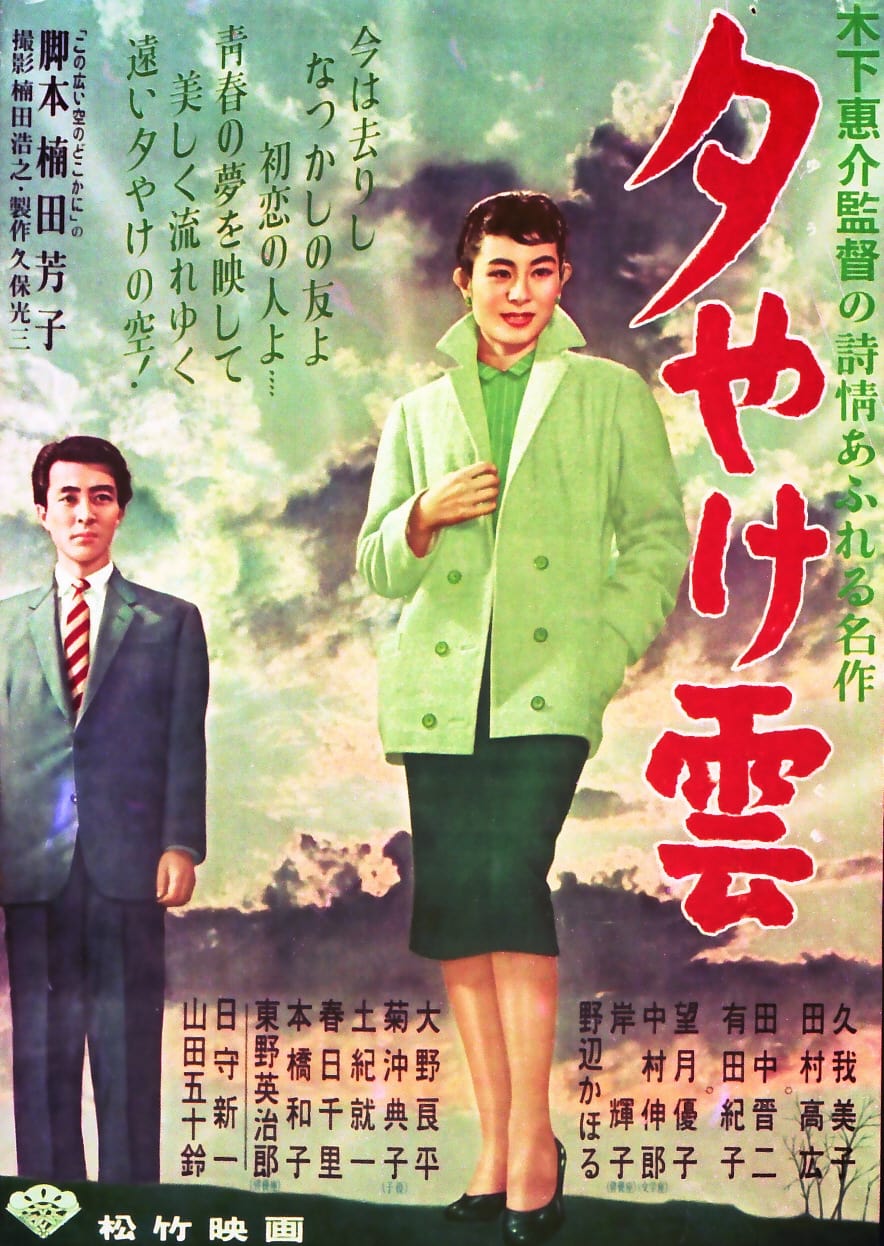
A coming-of-age story portrayed as the loss of all youthful illusions. Sixteen-year-old Yoichi dreams of becoming a sailor. His parents are fishmongers, and Yoichi lives together with them and his four siblings in cramped living conditions. His beloved younger sister is given to a wealthy, childless uncle; his best friend moves away; the girl he fell in love with from afar is with someone else: little by little, Yoichi loses all the people that are important to him.
A Japanese mountain inn patron's foot is cut by an ornamental hairpin accidentally left behind by a former patron, leading to much curiosity among the other patrons regarding her identity.
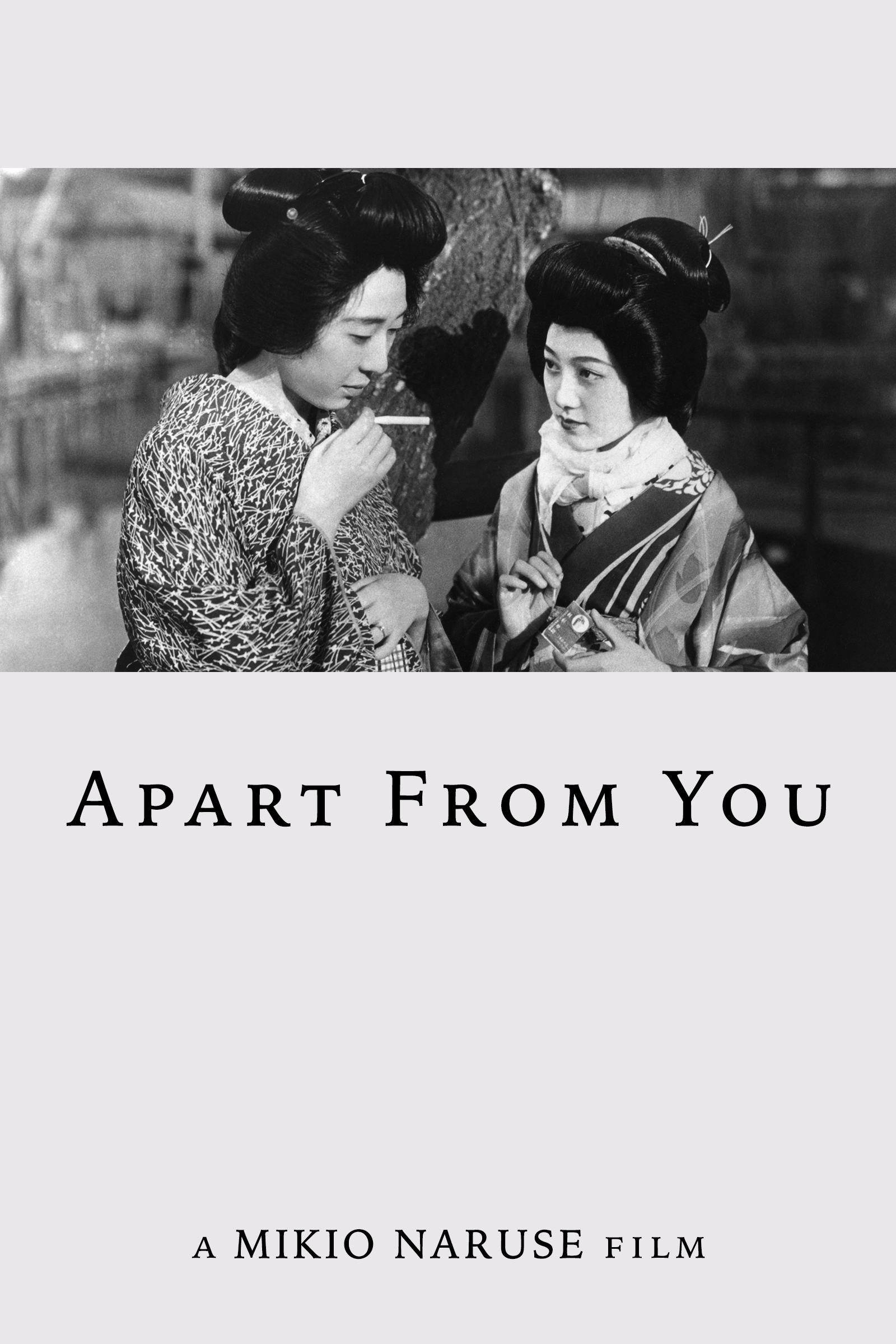
An aging geisha, whose angry teenage son is ashamed of her profession, works alongside a young geisha, resentful of her family for forcing her into a life of ignominy.
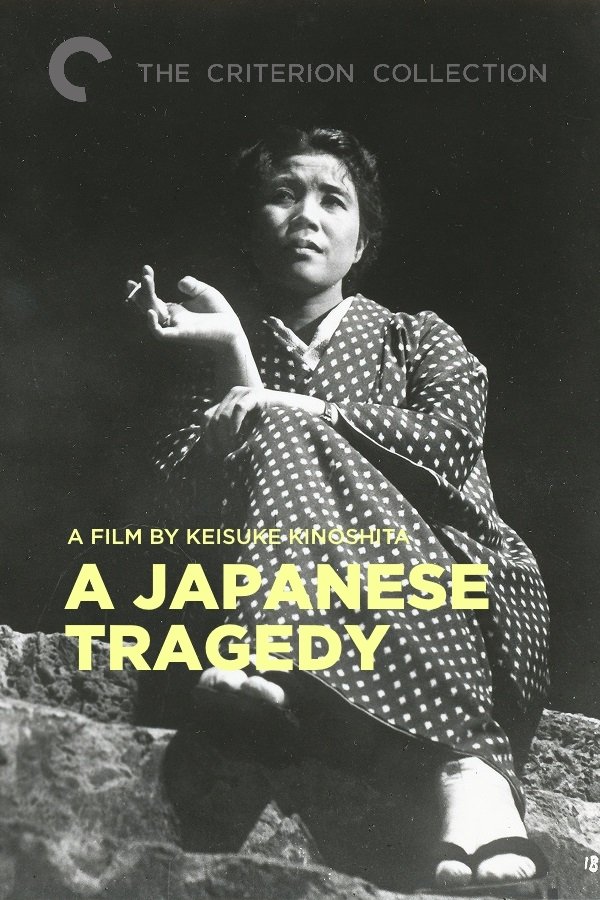
At the close of the war in Japan, a widowed mother makes every possible sacrifice to bring up her ungrateful son and daughter who are unimpressed with their poor standard of living at home. They gradually reject her in search of the material comforts that working as a maid cannot provide. The mother's despair becomes interminable.
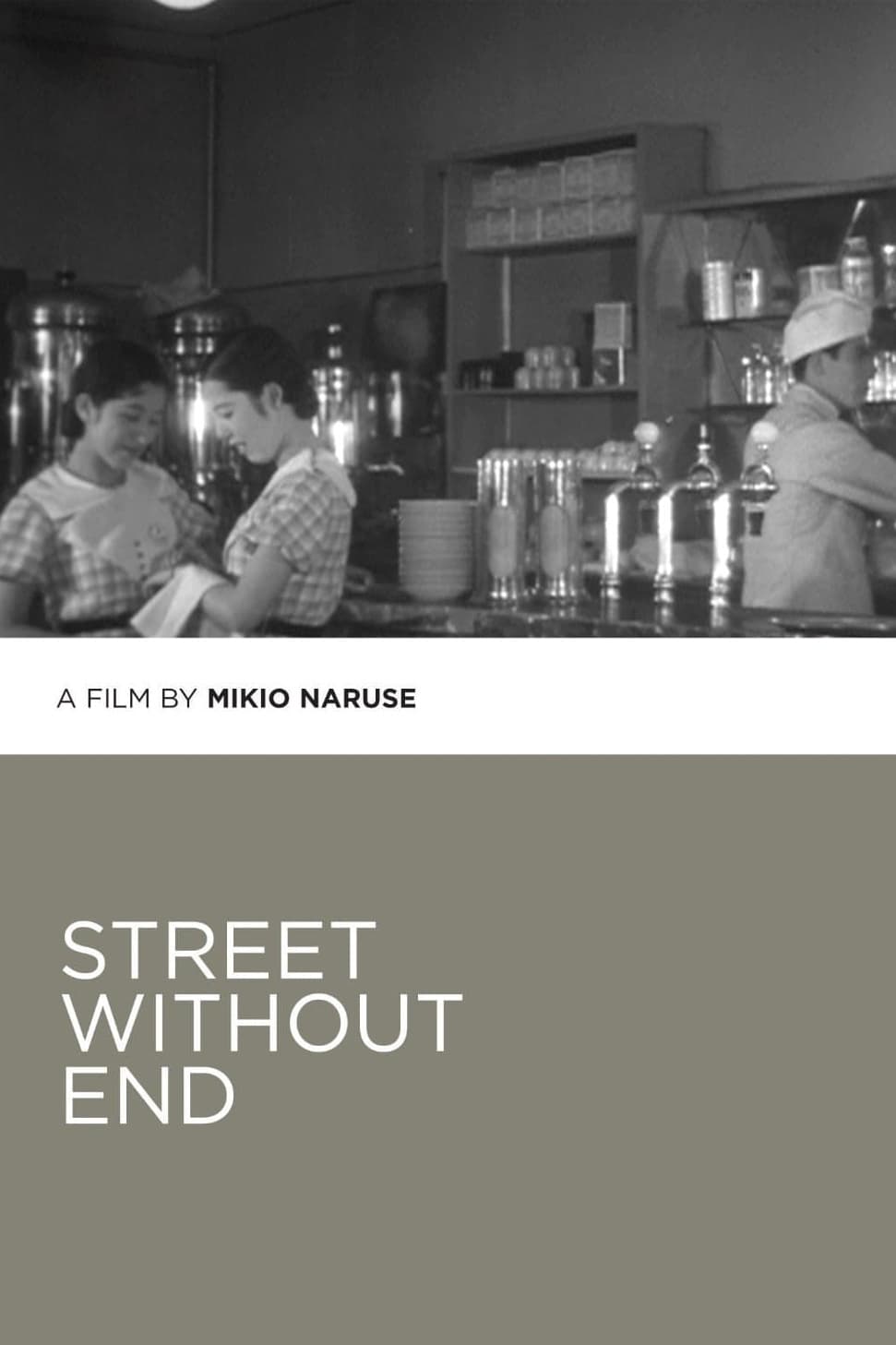
Mikio Naruse’s final silent film is a gloriously rich portrait of a waitress, Sugiko, whose life, despite a host of male admirers and even some intrigued movie talent scouts, ends up taking a suffocatingly domestic turn after a wealthy businessman accidentally hits her with his car.
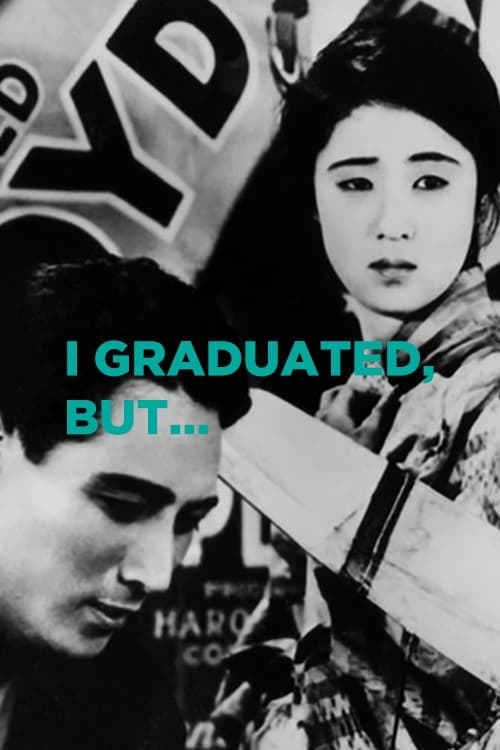
Tetsuo Nomoto, a young college graduate tries to find a decent job by himself. Later on, he will marry his girlfriend, Machiko, whom he hides the fact that he has no job. Hardships come quickly, which forces Machiko to find a job in a bar.
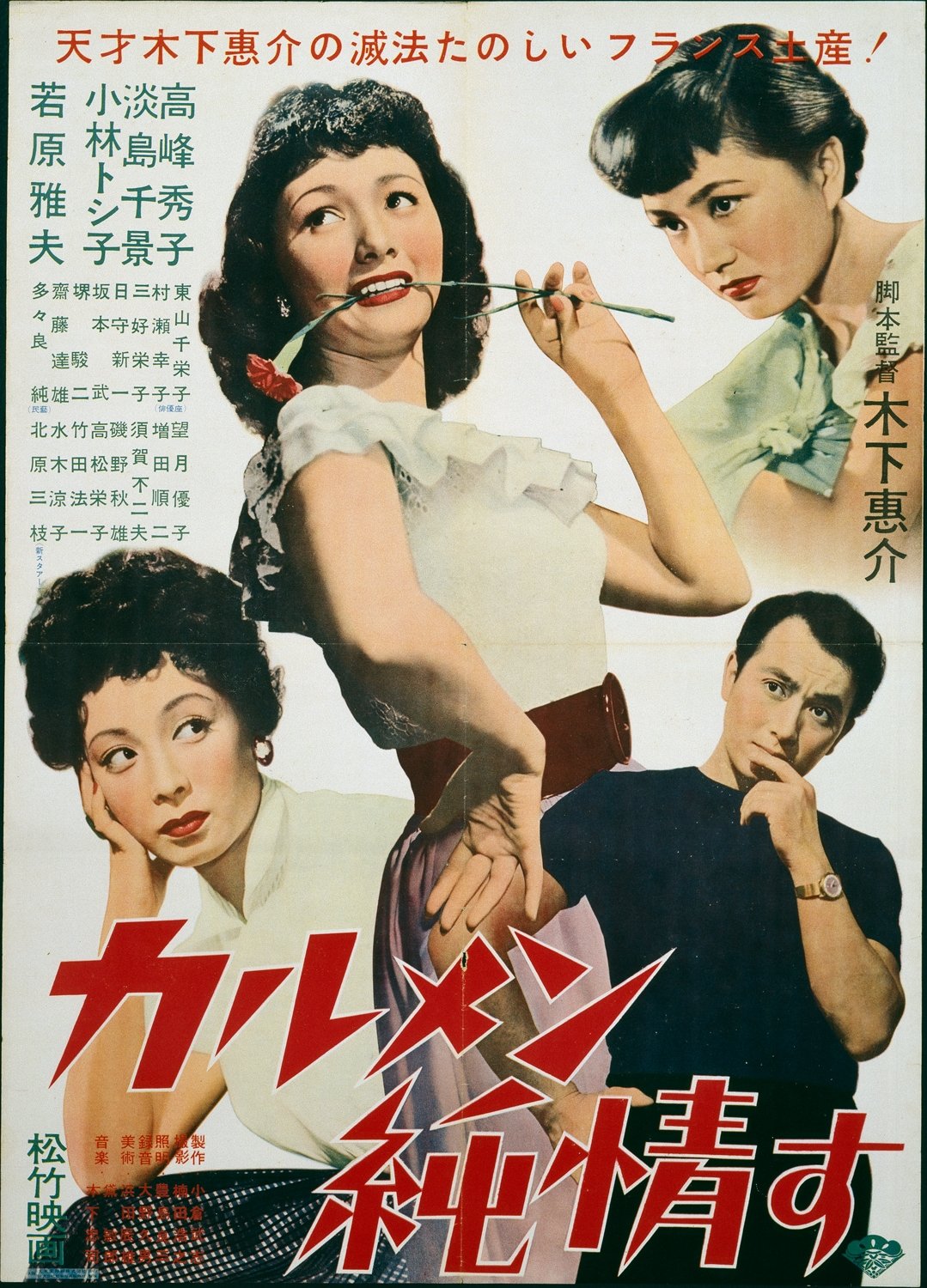
Strip dancer Carmen falls in love with Hajime, who is engaged to the daughter of a right-wing politician.
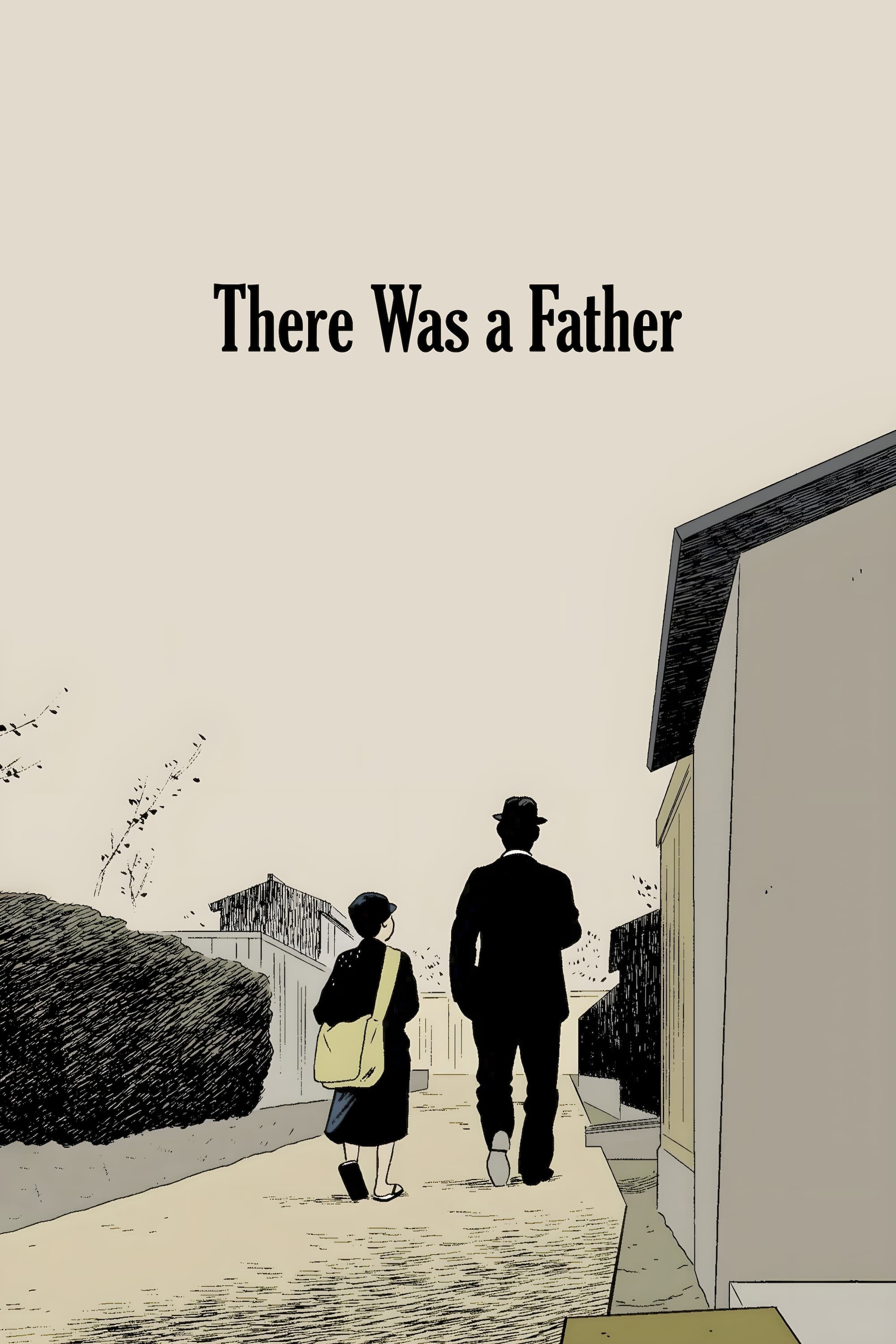
Shuhei Horikawa, a poor schoolteacher, struggles to raise his son Ryohei by himself, despite neither money nor prospects.
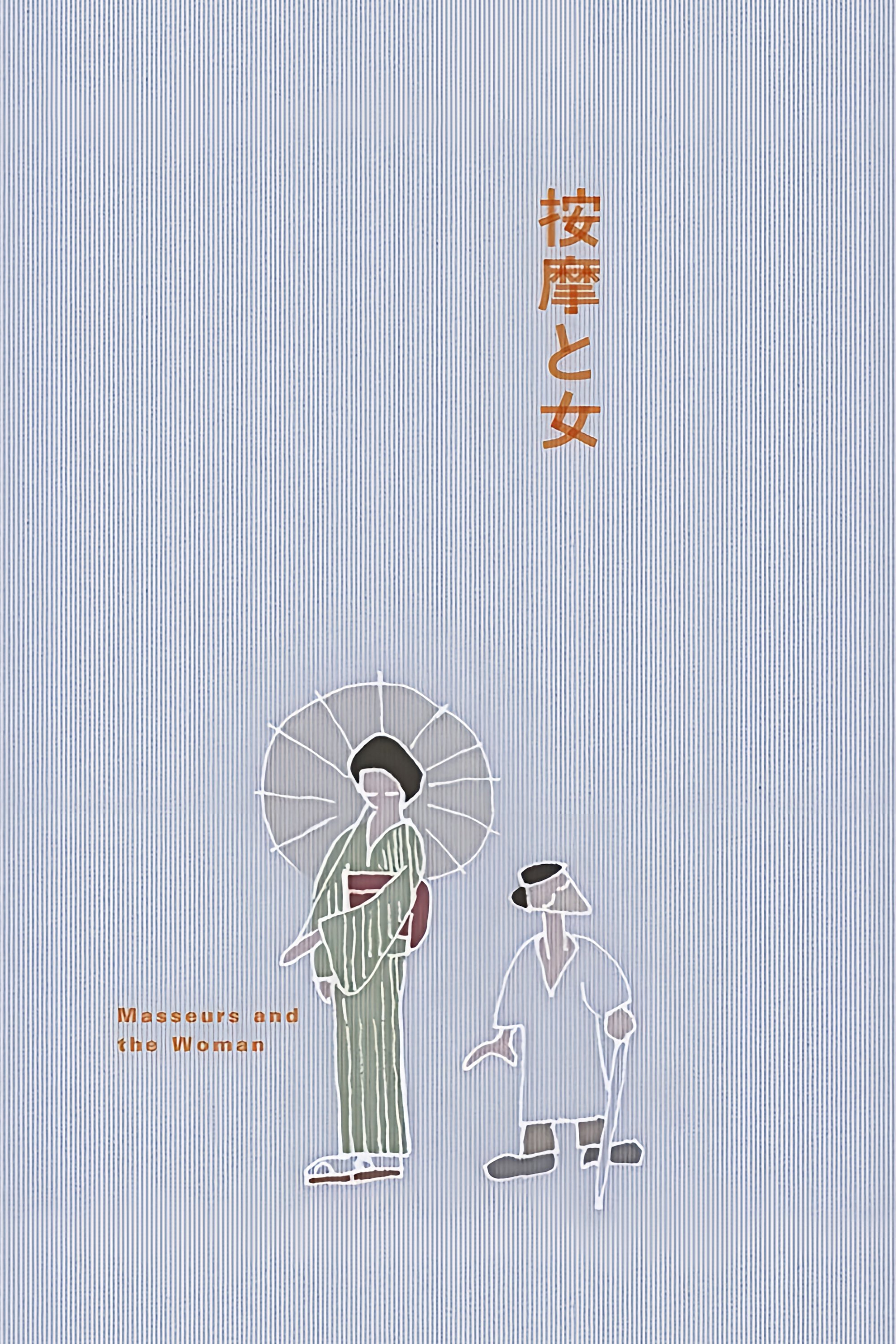
A pair of blind masseurs, an enigmatic city woman, a lonely man and his ill-behaved nephew—The Masseurs and a Woman is made up of crisscrossing miniature studies of love and family at a remote resort in the mountains. With delicate and surprising humor, Hiroshi Shimizu paints a timeless portrait of loneliness and the human need to connect.
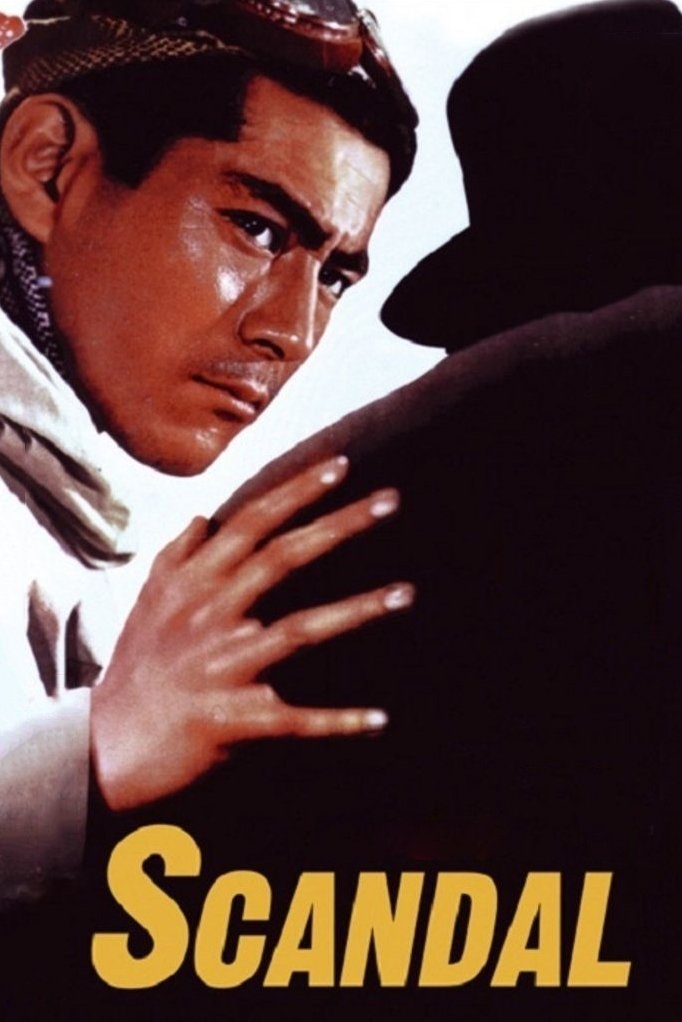
A celebrity photograph sparks a court case as a tabloid magazine spins a scandalous yarn over a painter and a famous singer.

A Tokyo family running a liquor store overcome impotence and dysfunction as they induce an understanding through each other of how to deal with their individual problems.
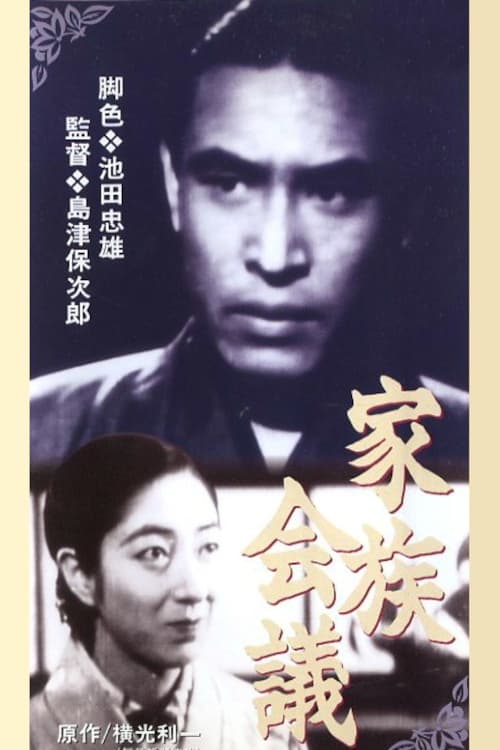
A melodrama about a businessman's relations with the three women in his life.
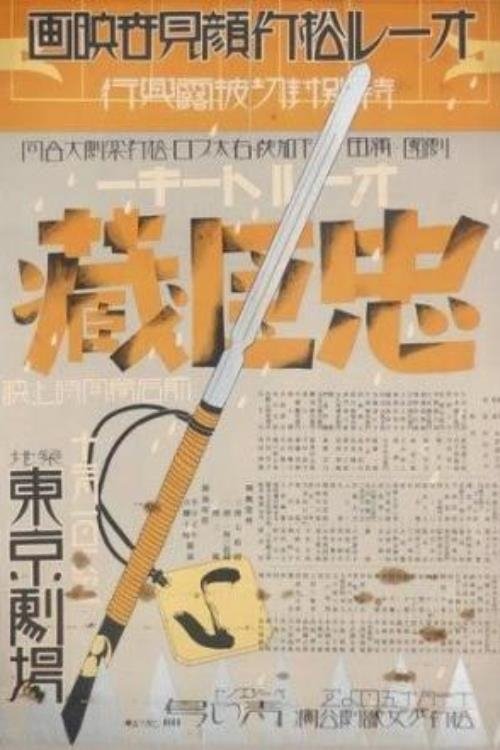
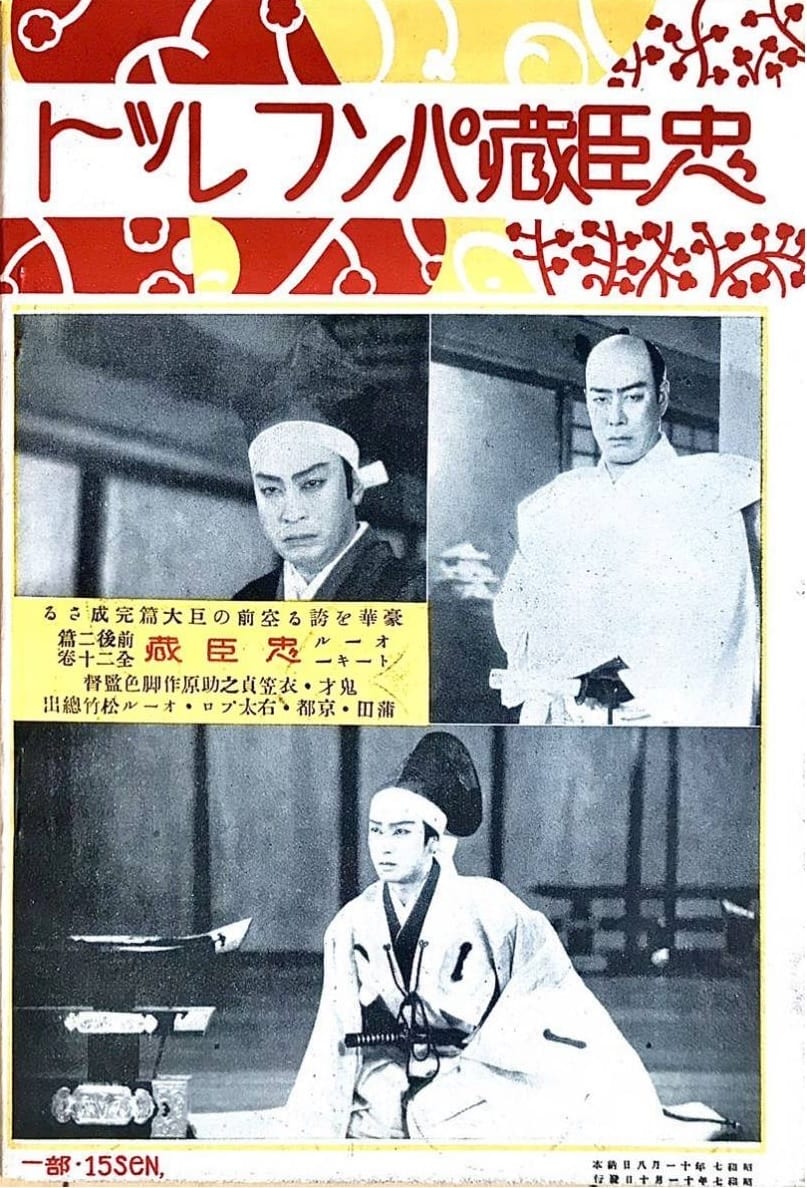
This 1932 adaptation is the earliest sound version of the ever-popular and much-filmed Chushingura story of the loyal 47 retainers who avenged their feudal lord after he was obliged to commit hara-kiri due to the machinations of a villainous courtier. As the first sound version of the classic narrative, the film was something of an event, and employed a stellar cast, who give a roster of memorable performances. Director Teinosuke Kinugasa was primarily a specialist in jidai-geki (period films), such as the internationally celebrated Gate of Hell (Jigokumon, 1953), and although he is now most famous as the maker of the avant-garde silent films A Page of Madness (Kurutta ichipeji, 1926) and Crossroads (Jujiro, 1928), Chushingura is in fact more typical of his output than those experimental works. The film ranked third in that year’s Kinema Junpo critics’ poll, and Joseph Anderson and Donald Richie noted that 'not only the sound but the quick cutting was admired by many critics.
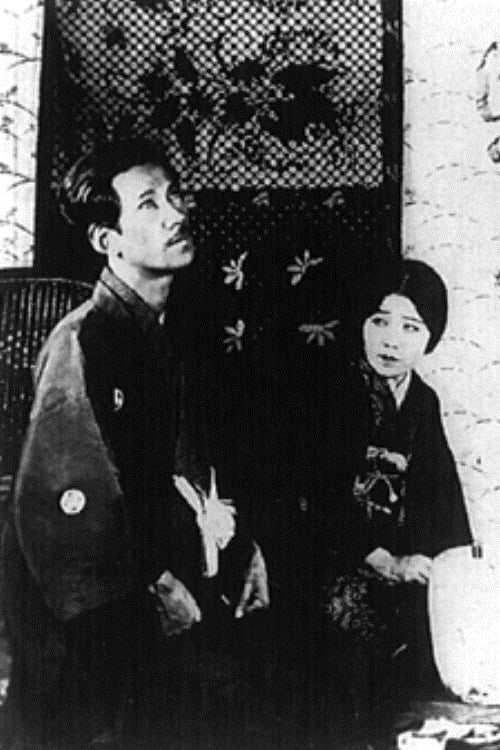
A hen-pecked man works as his artist wife's model and a house-husband. When her patron flirts with her and humiliates him, he decides to get revenge by trying his own hand as a painter. Considered to be a lost film.
Film by Hiroshi Shimizu, featuring an early role for frequent Ozu and Naruse collaborator Hideko Takamine.
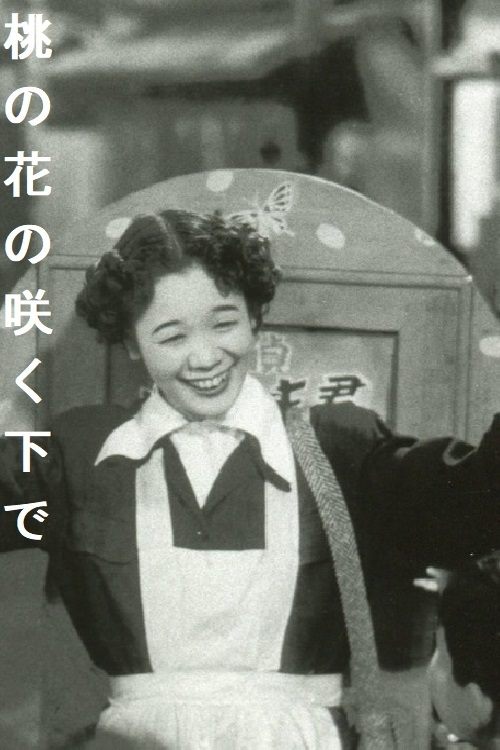
A picture-story-show operator, accompanies her son, Akira, who lives apart from her, to a hot-spring medical treatment and spend a moment of brief happiness together, but eventually the time comes to say goodbye. The portrayal of the children and the atmosphere of the hot spring resort shine through in this film about a mother by master filmmaker Hiroshi Shimizu.
Michiko gets pregnant after a rape. She marries a boring business partner of her father to avoid the shame. Later she meets the rapist again who is now a union leader in opposition of her husband.
A 1937 Japanese film.
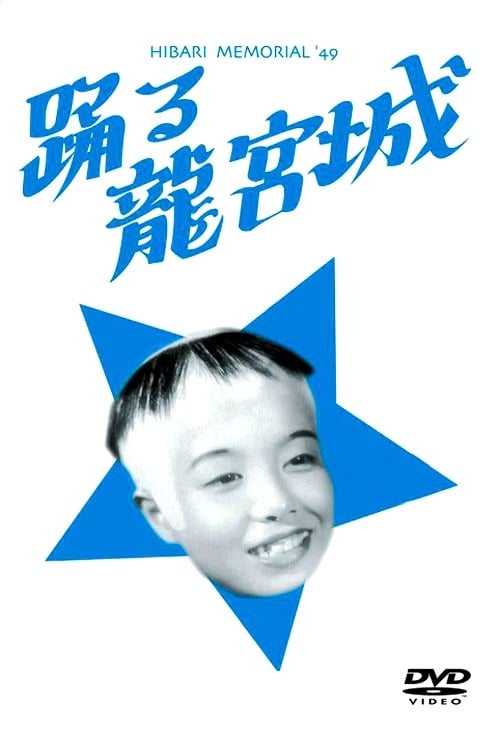
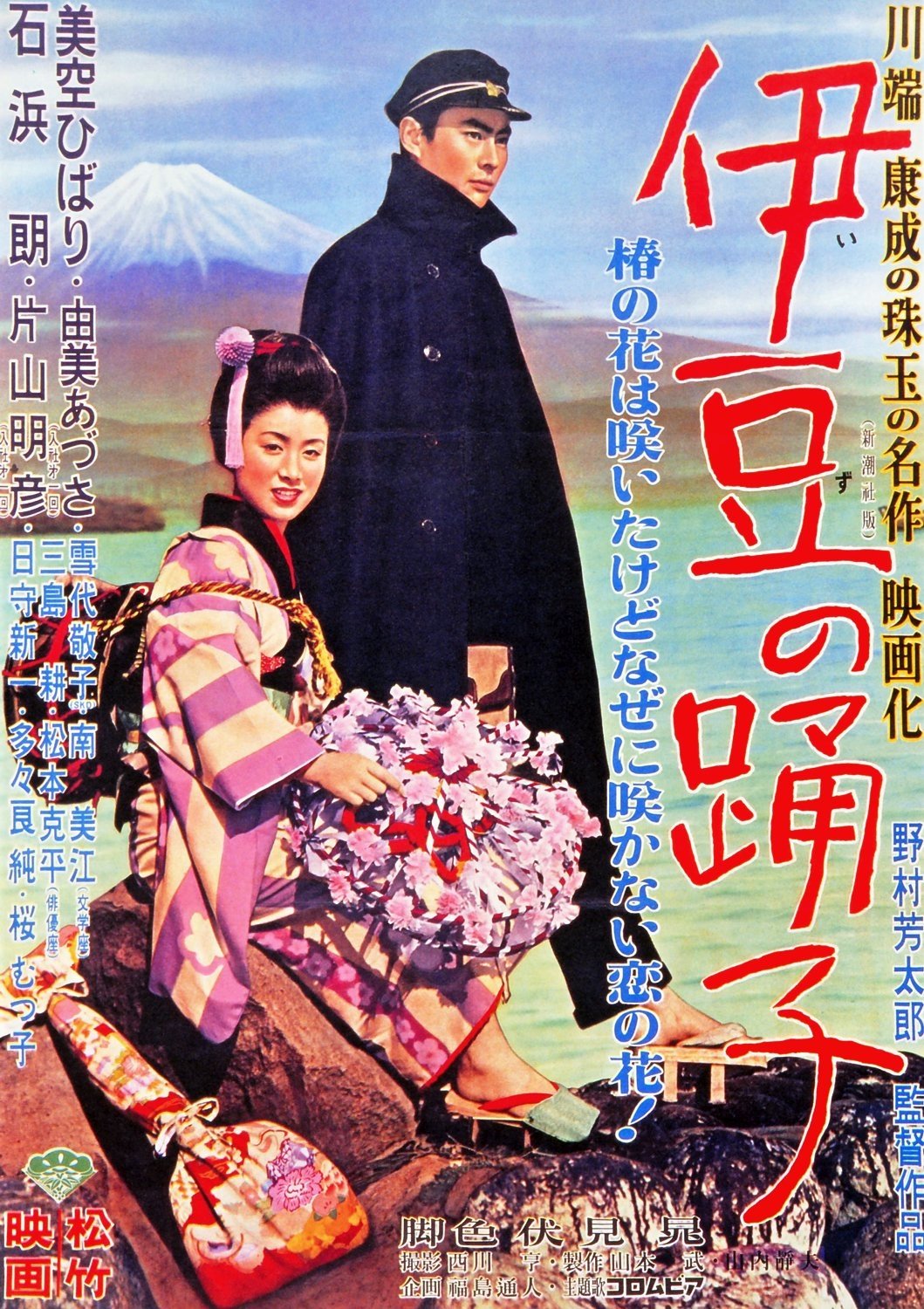
A dancer girl in a touring company met a high school boy in a port town. The story is about their first love that is very touching and sorrowful. An adaptation of the Kawabata Yasunari short story.
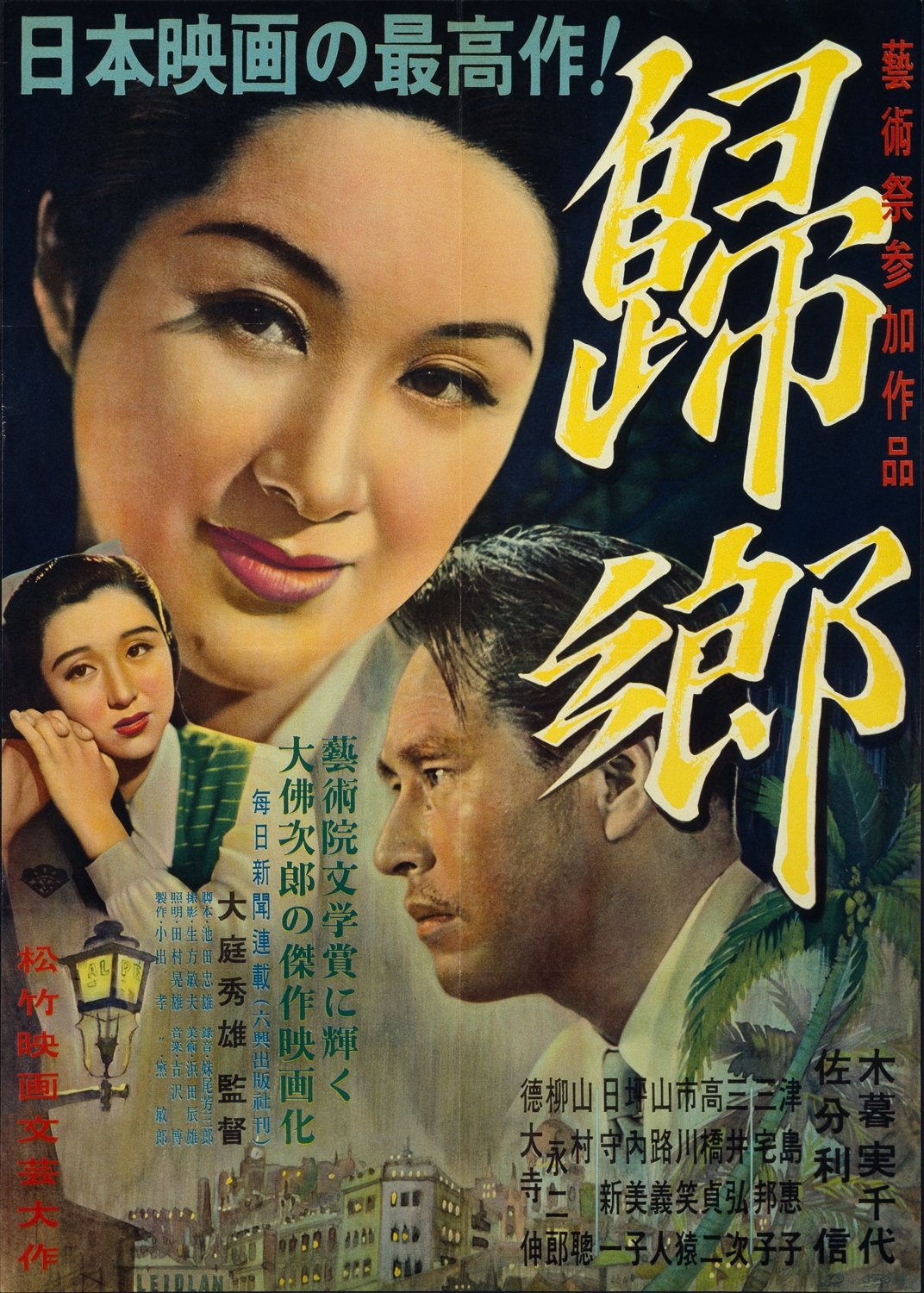
A former naval officer returns to Japan after the Second World War ends, encounters the former mistress who ratted him out, and reconnects with his daughter.
Waiting woman
Weed with Flowers
Hiromasa Nomura World War II era film

A young girl gives up high school to help out family expenses and starts to work as a bus conductor.
Based on Japanese author Toshitaro Takeda's novel of the same name, the film centers around Takako, who unveils a past relationship between her husband and her best friend, and a child of theirs.

Shinjiro Tanabe, a teacher at a junior high school in the downtown area of Tokyo, has two daughters, Mitsuko and Hitomi. Hitomi is the leader of her father's junior high school class and is working hard to prepare for the upcoming school trip and pamphlet. Tanabe is an old teacher who is often worried about financial difficulties and the future of Mitsuko, who is about to get married, but his family is bright with the cheerful Hitomi surrounding him. However, he finds himself in a difficult position when he sympathizes with his former student, the delinquent Akutsu, and uses the students' travel savings.
Edogawa Rampo's famous detective, part 1
Japanese film from 1925.
Short Japanese silent comedy from 1926. Directed by "Kamata Nonkinosuke," a probable pseudonym for a junior director (literally "Carefree Man from Kamata," the location of Shochiku studios).
Japanese silent film from 1926. (Obo-chan meaning "Young Master.") Written by Ayame Mizushima, the first female screenwriter in Japan.
Japanese silent film from 1928.
Shirō Kuroki, the adopted son of the Yamada family, shares a deep and mutual love with his foster sister, Kinuko Yamada. His commitment to political and social causes, however, provokes the anger of his foster father, who casts him out of the household. Forced into exile, Shirō faces hardship and struggle. The film was based on a serialized novel written by the poet Byakuren (real name Akiko Yanagiwara) and echoes the real-life scandal known as the Byakuren incident.
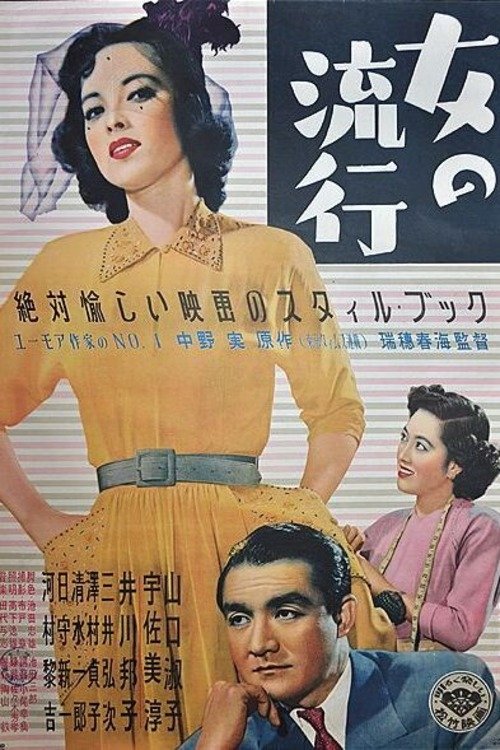
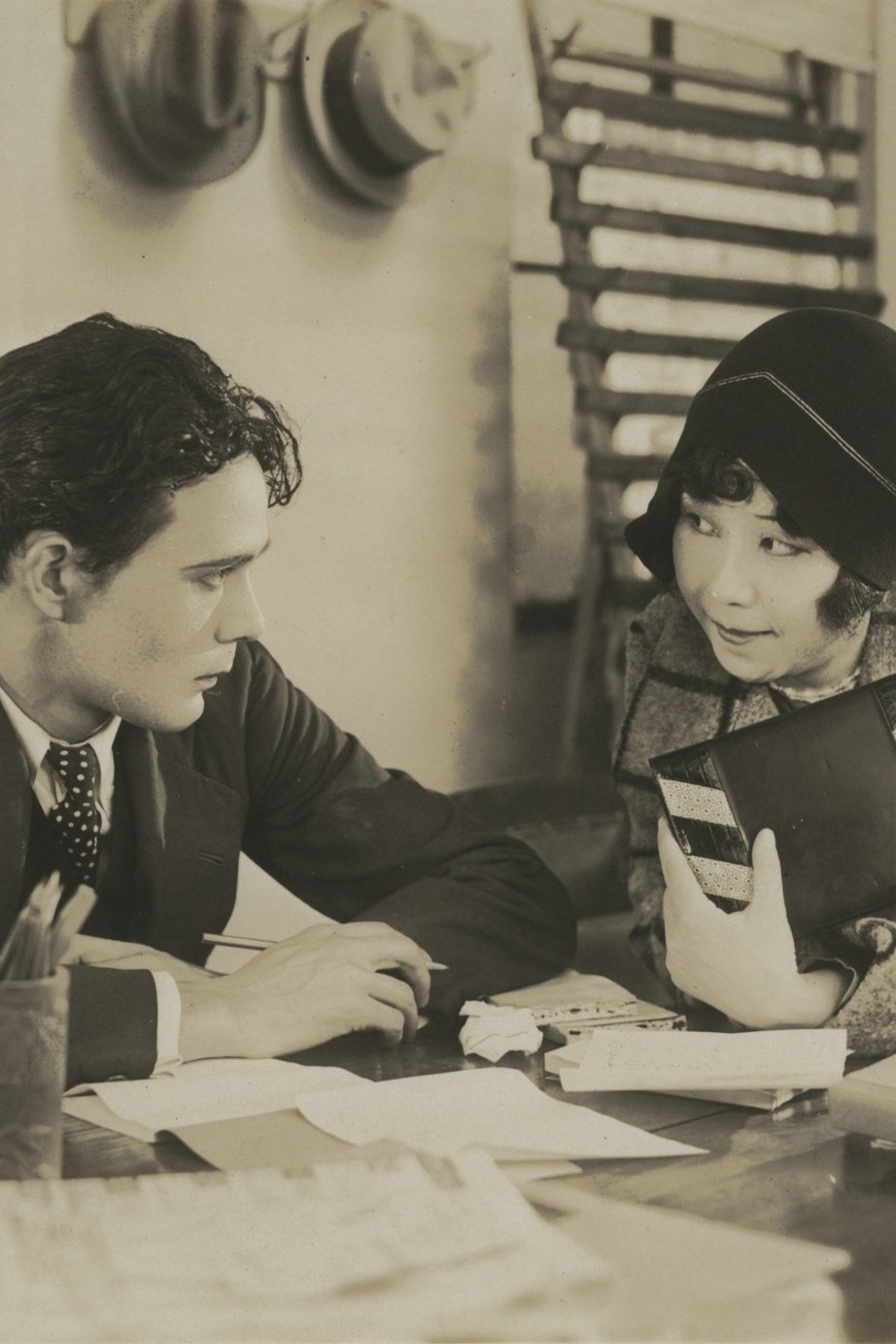
A modern girl suddenly intrudes into a widower's family home.
Japanese silent film from 1931.
Japanese silent film from 1931.
Japanese silent film from 1931.
Kan’ichi Hazama and Omiya Shigisawa are engaged to be married, but Omiya breaks the engagement to marry a wealthy banker’s son. Heartbroken, Kan’ichi becomes a moneylender, and years later their paths cross again under changed circumstances. Adapted from a popular serialized novel of the same name.
The Japanese debut film of silent-era star Sessue Hayakawa, in which he not only starred but directed.
Tsukamoto and Omitsu are close friends, but one day, Tsukamoto becomes fascinated by Ayako, whom he meets at the home of Miyajima.
Japanese drama from 1934. A major production of Shochiku Studio, directed by Hiroshi Shimizu.
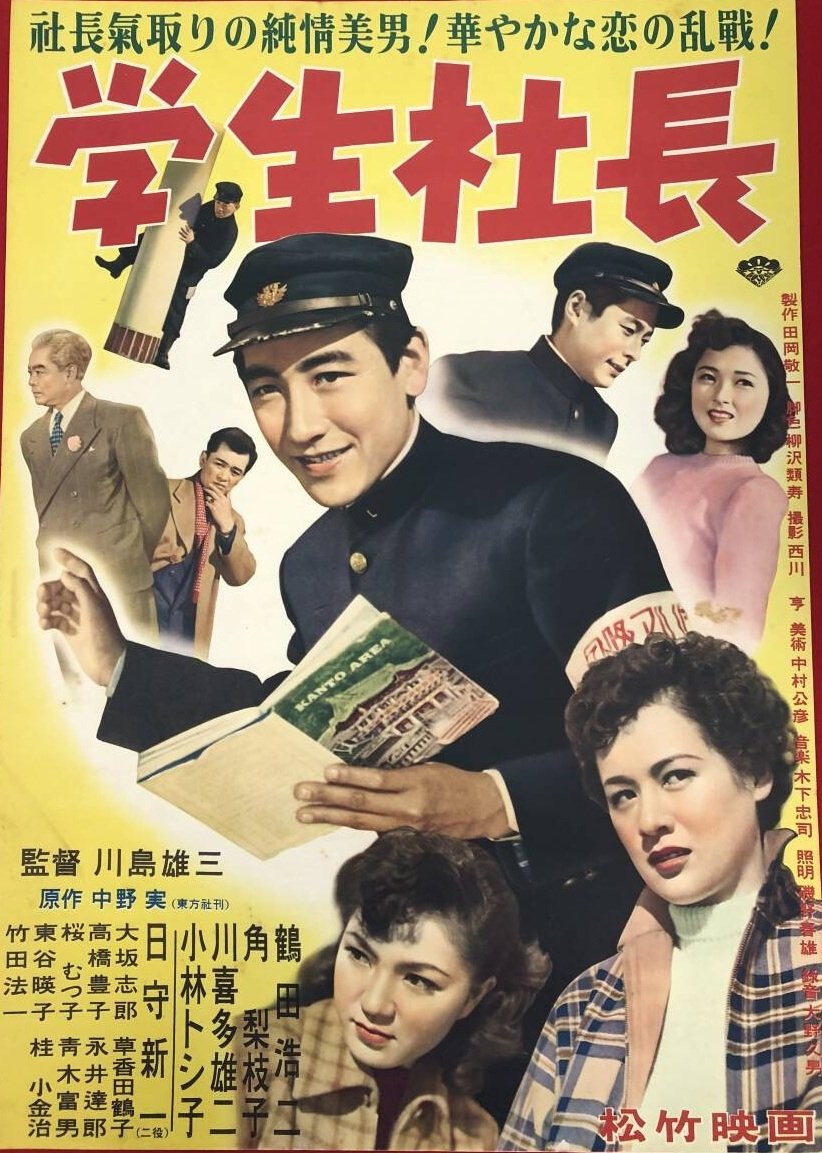
The story centers on three students from Jiyu University who set up a part-time limited partnership, with Jotaro Yamaji (Koji Tsuruta) becoming its president.
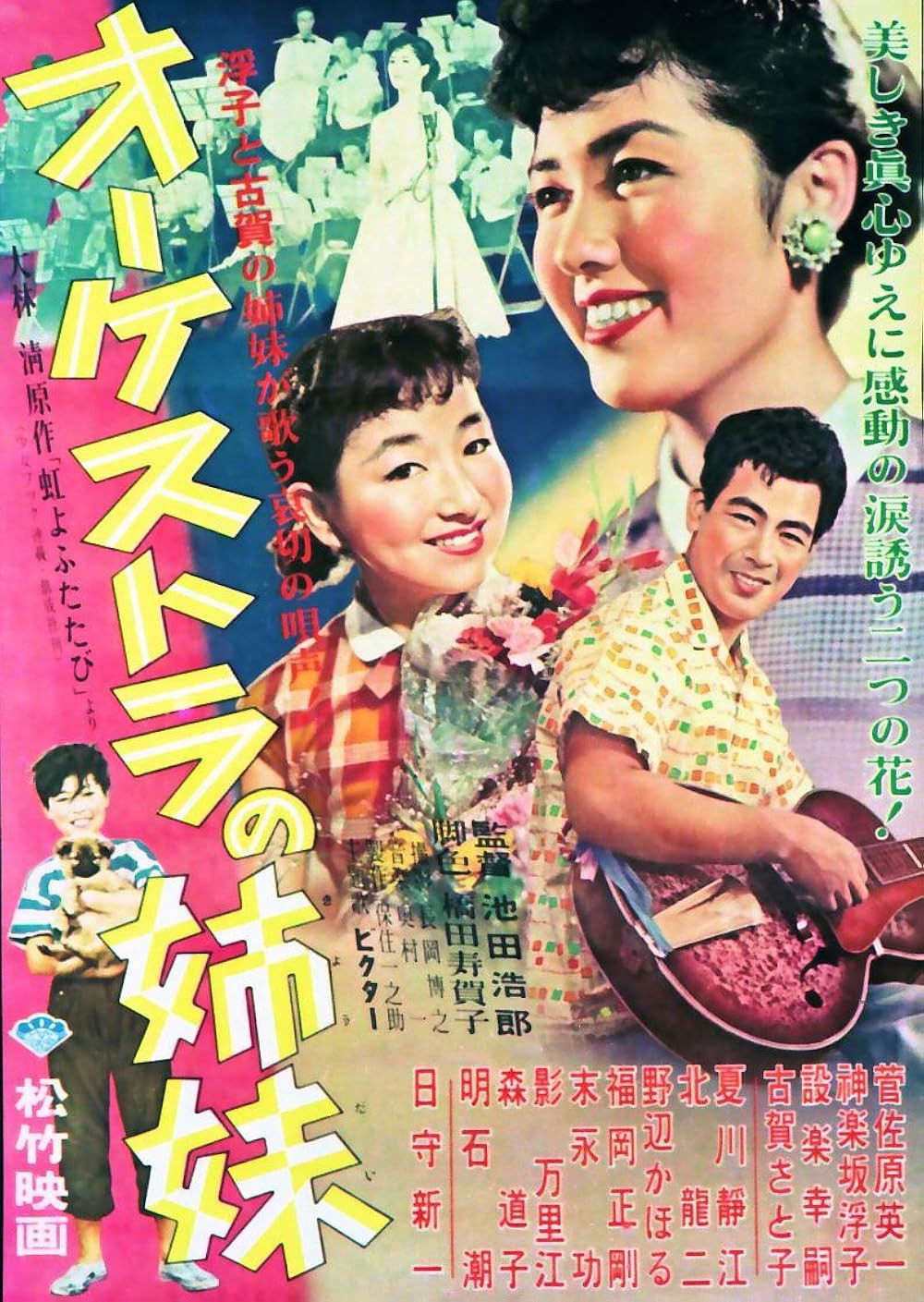

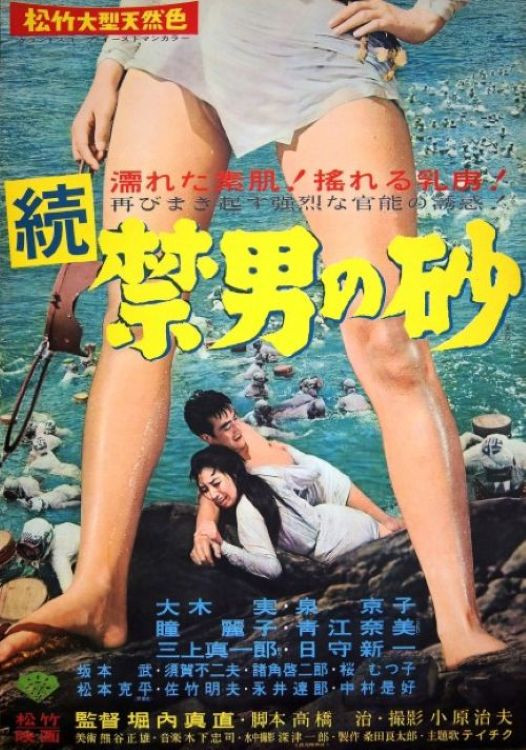
Bank robbers hide their loot in an underwater cave in a small fishing village, but the Ama (female divers) of the village suspect something and dive to find it.
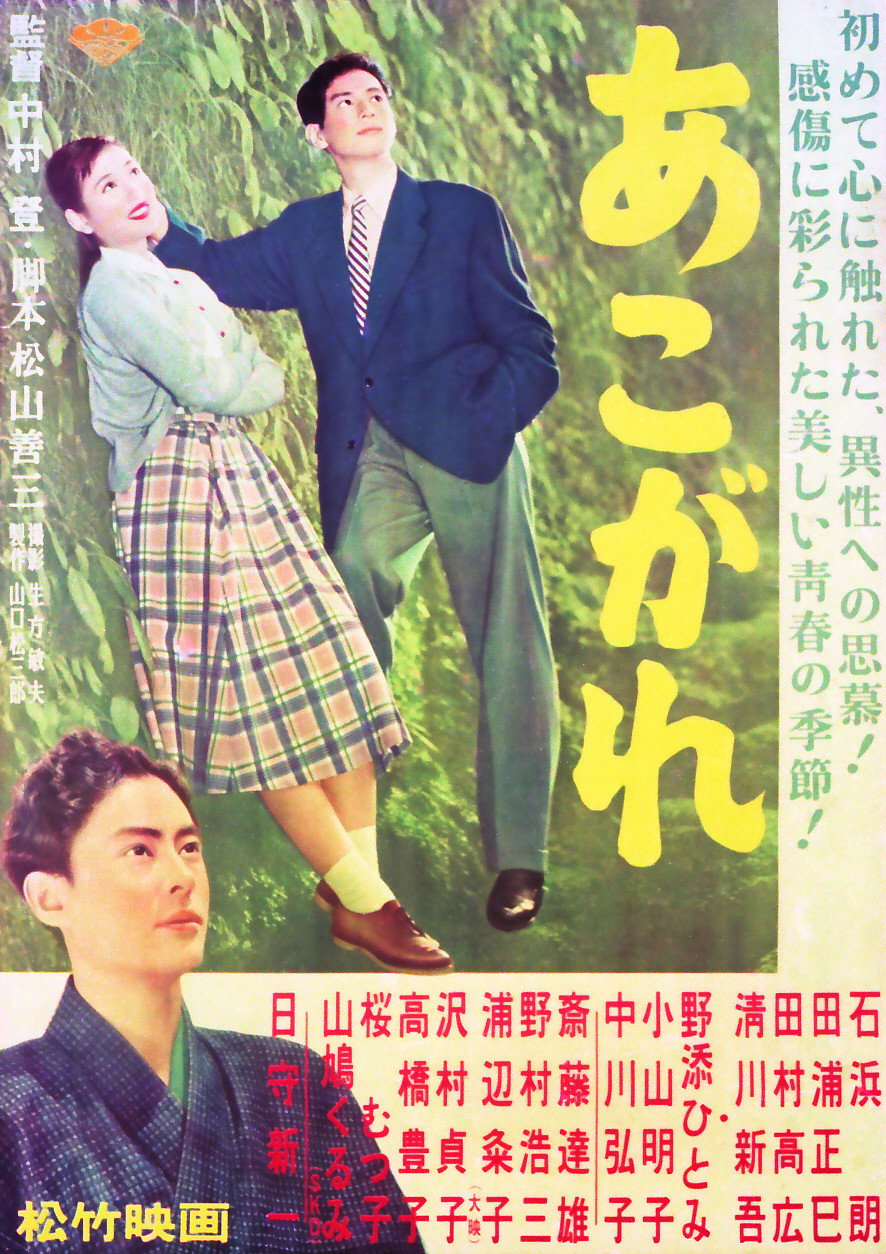
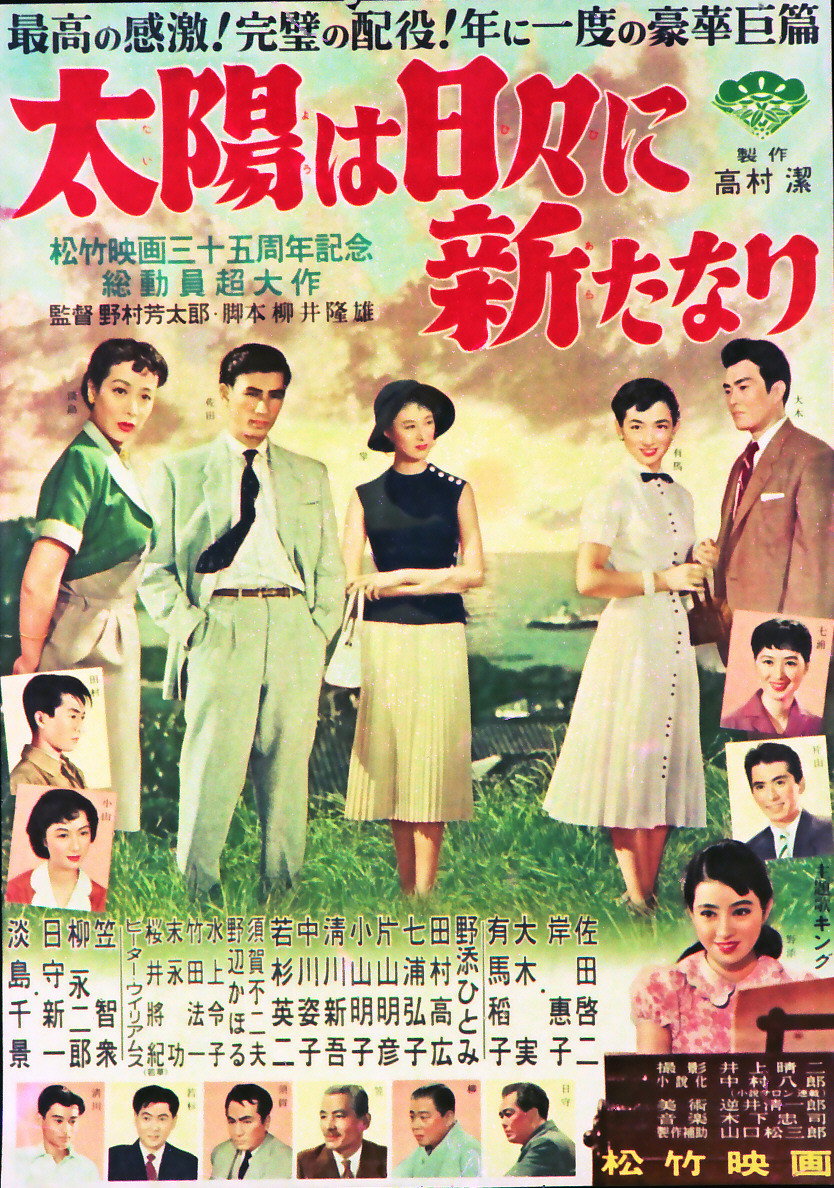
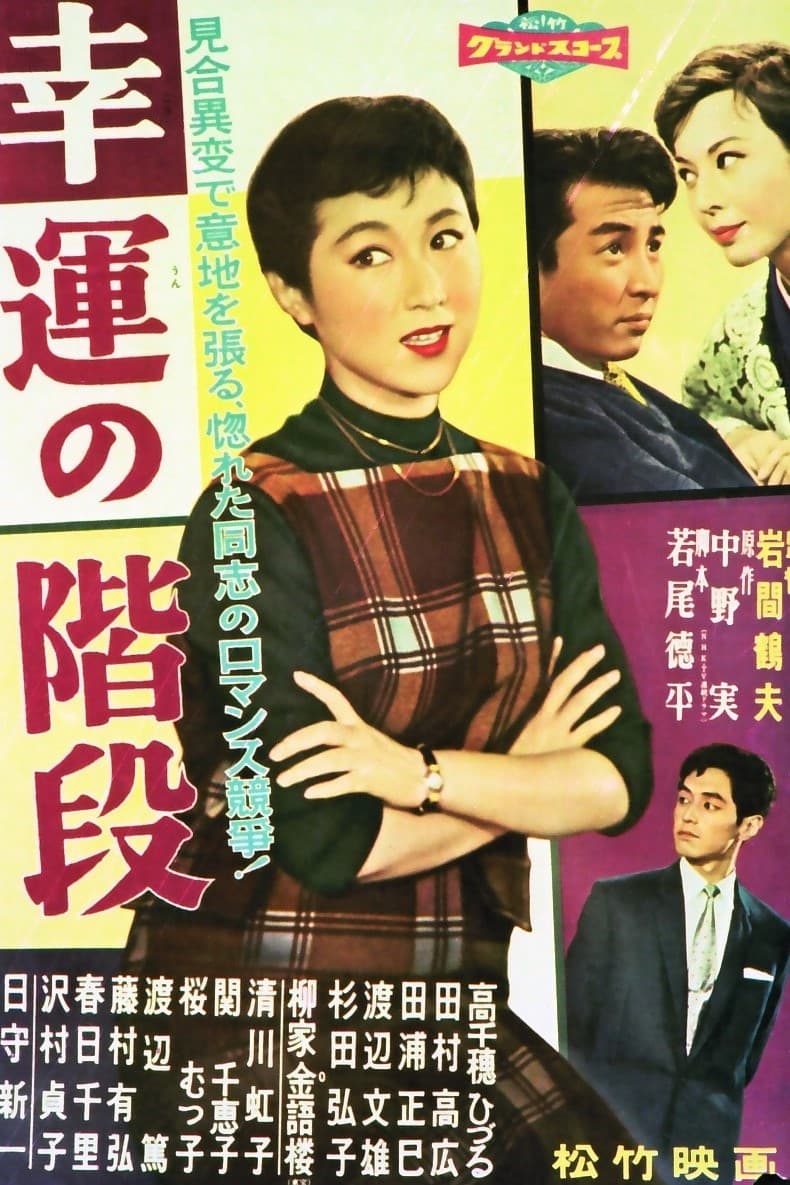
Akiko divorces her husband Fujikawa due to his infidelity, and when she returns to her parents' home, she finds that her family's toy factory is in decline, and she has to work hard to rebuild it. Thanks to the mediation of Niimura, who is a close friend of her brother Shinichi and has feelings for Akiko, they are able to secure a sales contract with a foreign trading company for the toy that Shinichi invented. However, Fujikawa, who has a grudge against Akiko, begins to interfere by making cheap imitations...
Produced by Shochiku’s all-star cast as a commemorative film to mark the completion of the “Shochiku Kaikan” in Tsukiji, Tokyo, this movie introduces both the Shochiku Ofuna and Kyoto studios. Part One focuses on the studio’s behind-the-scenes staff: set designers, prop masters, and lighting technicians. Part Two presents a digest-style overview of the process surrounding a young woman who auditions for the “New Faces” program, from the auditions to her debut as an actress.