
A comedy about four "friendly" couples whose honesty, sincerity and also selfishness are put to an unexpected test. One of them, František, urgently needs to borrow twenty thousand crowns to buy a holiday cottage at a bargain price. The irony of the story is that Honza, who spontaneously lends him the money, becomes the object of suspicion in the company of calculating and suspicious friends.
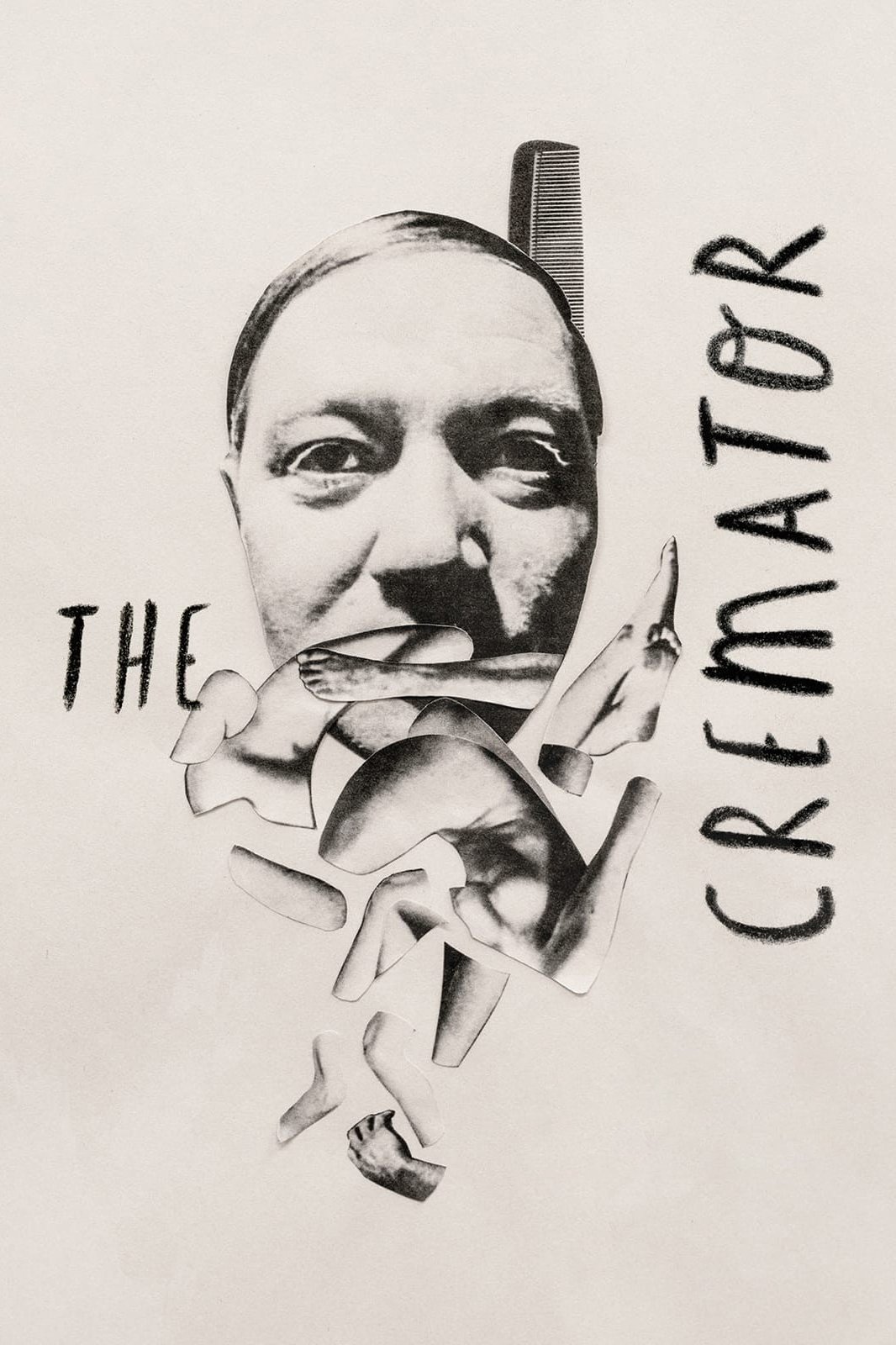
In 1930s Prague, a Czech cremator who firmly believes cremation relieves one from earthly suffering is drawn inexorably to Nazism.
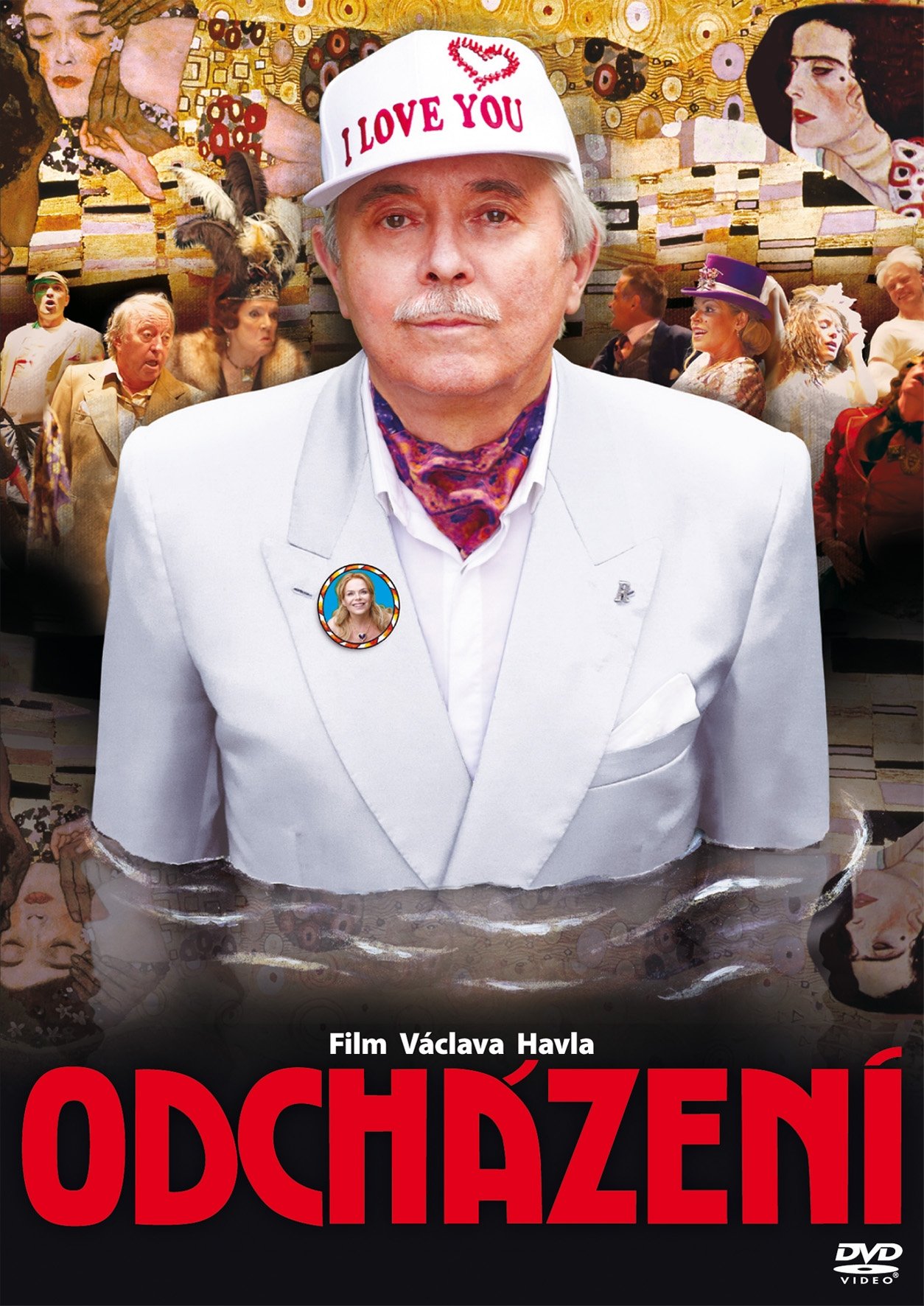
A bitter sweet comedy that follows a highly appointed Chancellor who set to step down from his position after years of service to his country. With just two last days left to enjoy his palatial villa before he is finally evicted, his situation gradually goes from bad to worse.
One busy day for a busy woman: worrying about children, the responsible work of a nurse in the centre and housework. In the evening, her husband is due back after a long time.
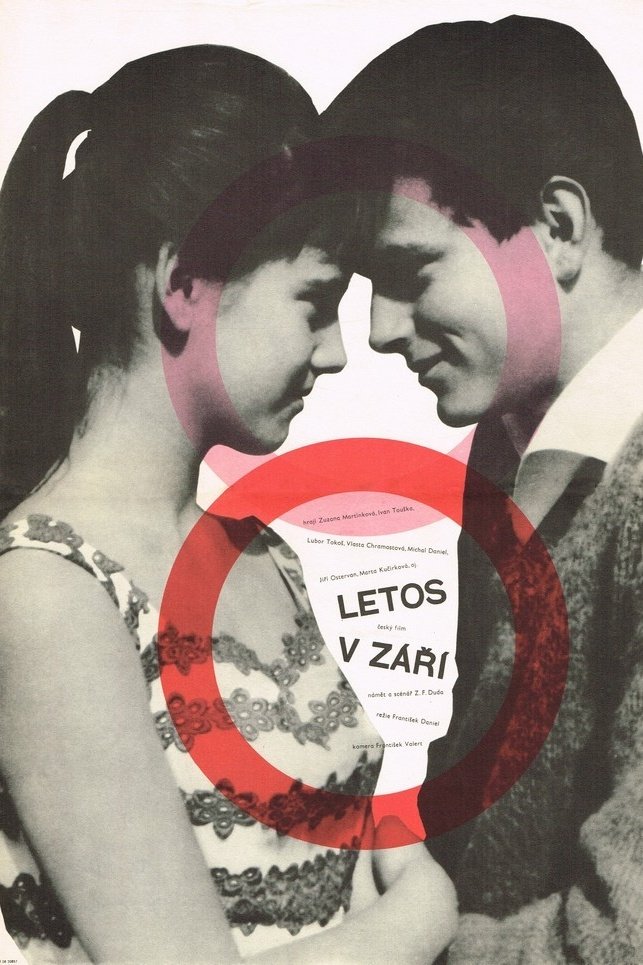
16-year-old Hanka is experiencing the turmoil of first love. She loves college student Pavel Horák, but she cannot get close to him. Pavel is also attracted to the serious girl, but he is also shy and timid. That is why every meeting between them ends in mutual disappointment, insecurity and a feeling of threat…
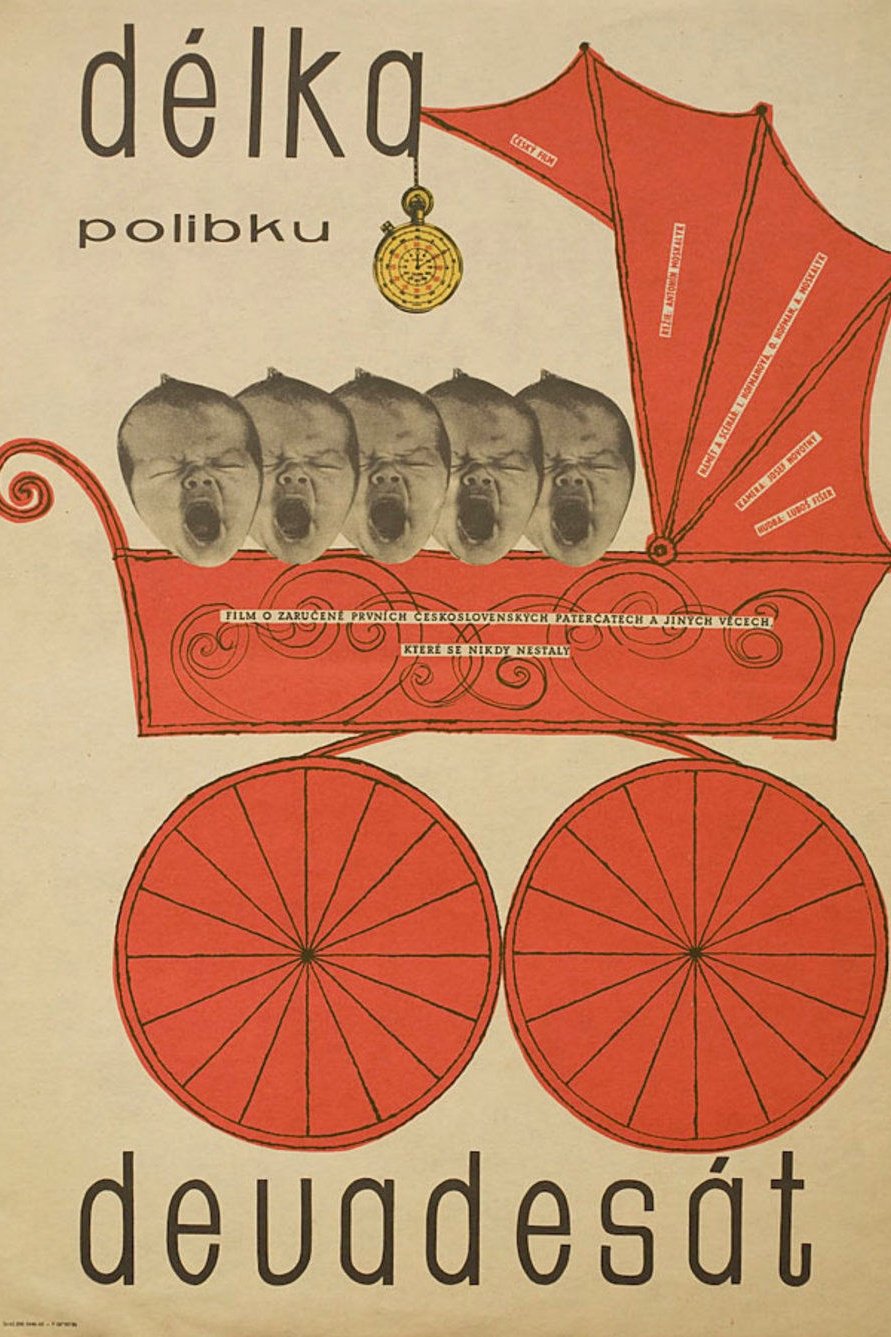
Young couple Eva and Jarda Tům face housing shortages just as Eva miraculously gives birth to quintuplets, drawing intense media and state attention. Authorities install them in a high-tech villa monitored by a commission led by Drahoslav Svitáček. As intrusive experiments, constant scrutiny, and malfunctioning gadgets strain their family life, a planned railway project momentarily frees them. Eva conceives again, but when only one baby arrives amid fading public interest, the state and the spotlight move on.
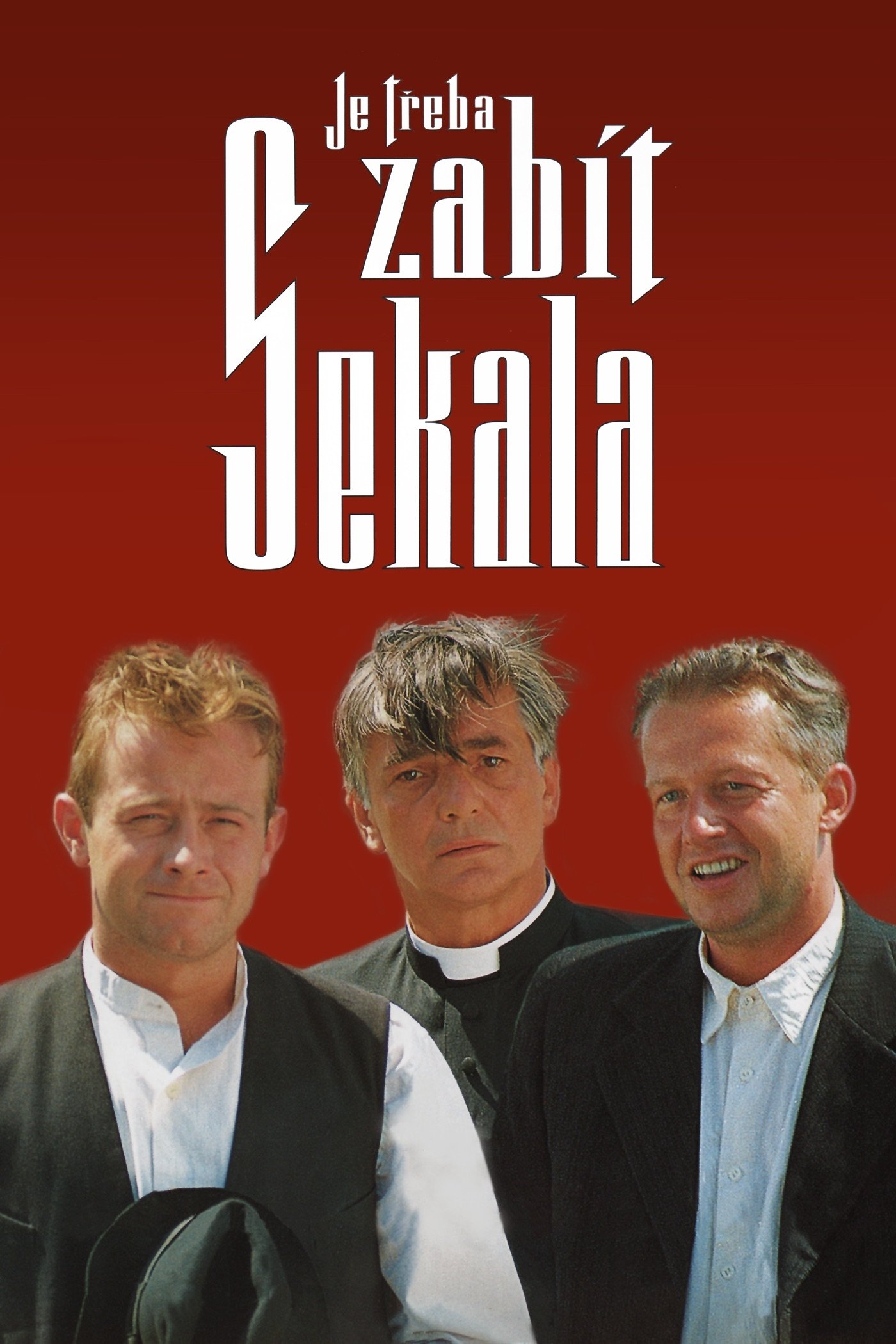
ComiBaran, a protestant blacksmith arrives in the little village of Lakotice to kill Sekal, a cruel Nazi collaborator.
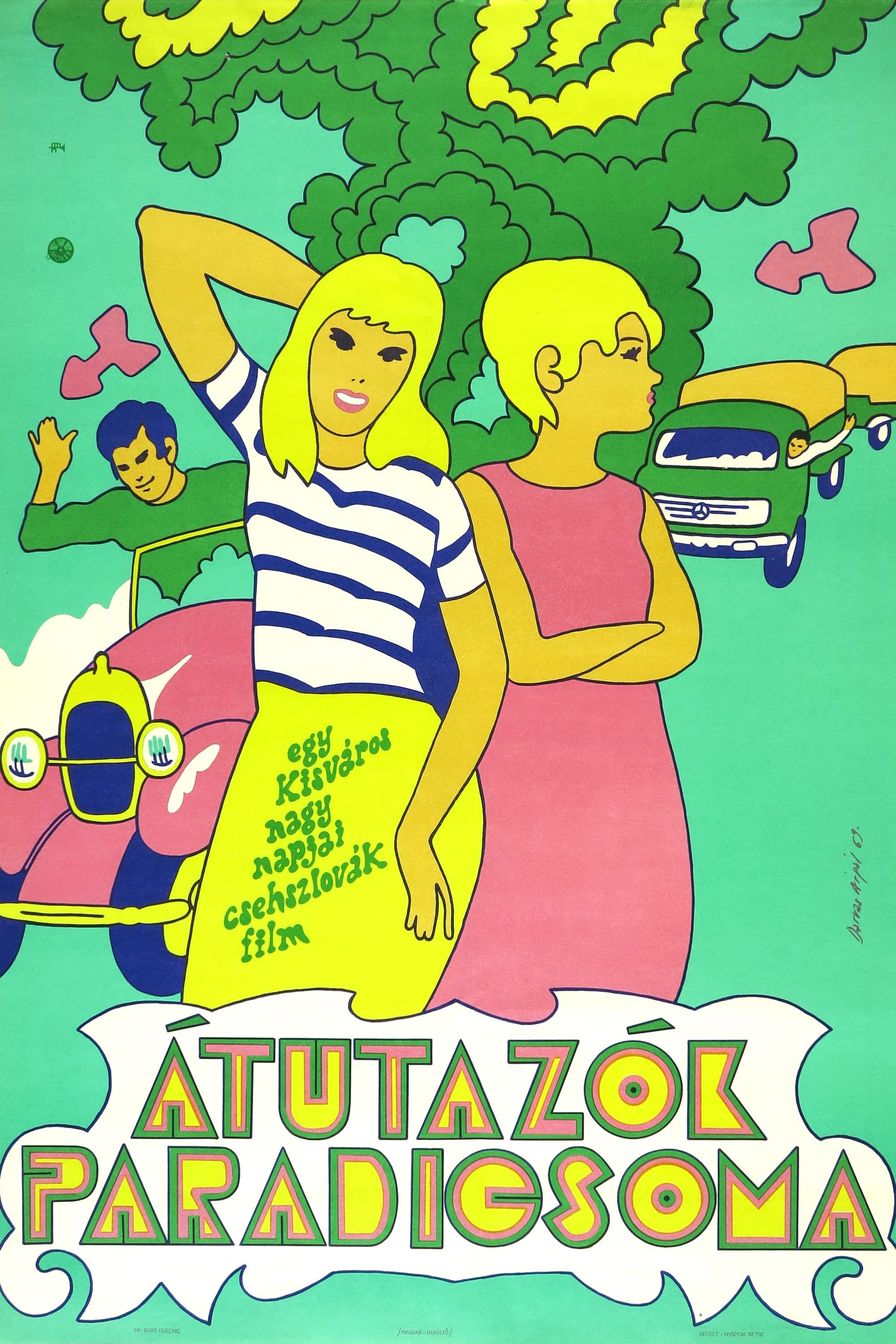
The inhabitants of a picturesque village proud of its ancient linden tree will be disturbed by a disturbing event - a temporary road diversion is supposed to lead through the village. At first the population protests against the increased traffic, but eventually gets used to the bustle and excitement. Some, such as the innkeeper, benefit from the situation...
The popular folk singer Jaro Zárubecký, a former waiter, follows the motto "A man is not what he is, but what people think of him", and that is how he is raising his son. He lives only for him. Even though he feels successful, he still tries to equal those "above" him out of a certain feeling of inferiority and wants to bring his son to that level. He learns that Paul is in a group of boys who, for lack of other interests and out of recession, let off gas so that whoever shuts him up will become a "coward". Zárubecký is willing to protect his son even at the cost of losing his job and his life partner...
From the behavior, discourse, and appearance of individual actors, Vachek composes, in the form of a mosaic, a broad and many-layered film-argument about Czechoslovak democracy in the period of its rebirth, all administered with the director’s inimitable point of view.
Two different productions of Václav Havel's Beggar's Opera reveal the political dynamics of Czechoslovakia before and after the velvet revolution.

A musical starring Jiří Menzel (whose part is sung by Achilles Michailidis) as a math and physics teacher employing innovative teaching methods.
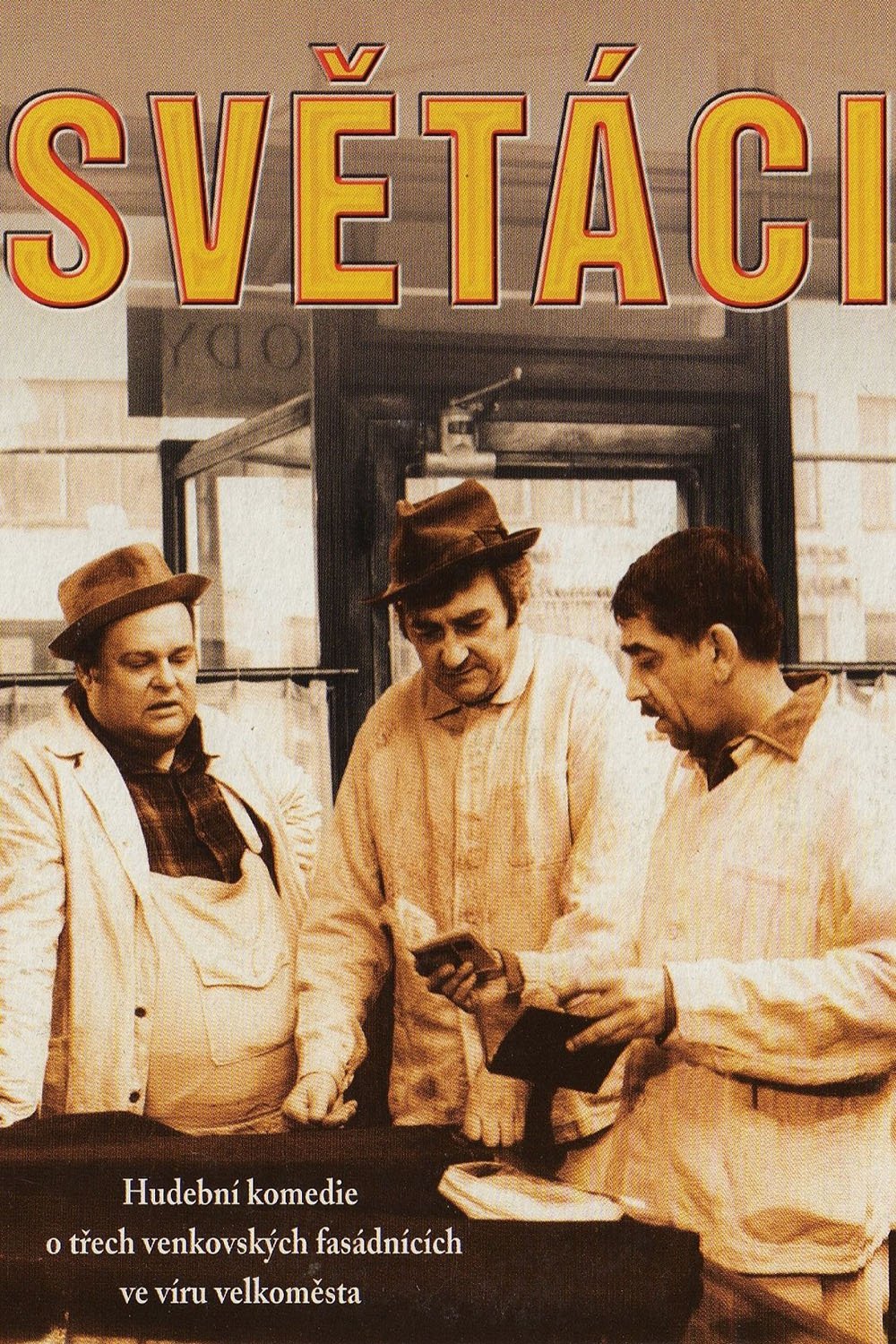
Two families live in a weaver's cottage - the Menecs and the Hroms. The women are pretty from the start. Musicians come, inviting fellow weavers who play in Menec's band to the May Day festival. Wanderers wander through the region, encountering a procession on their way. The police disperse it, so the men, who have various professions, join the wanderers. They wander around the world until they reach a tavern, where they get food and a bed. An old spinning wheeler composes a song at the request of one wanderer, inviting everyone to a "wanderer's convention". And so they get together and play together...
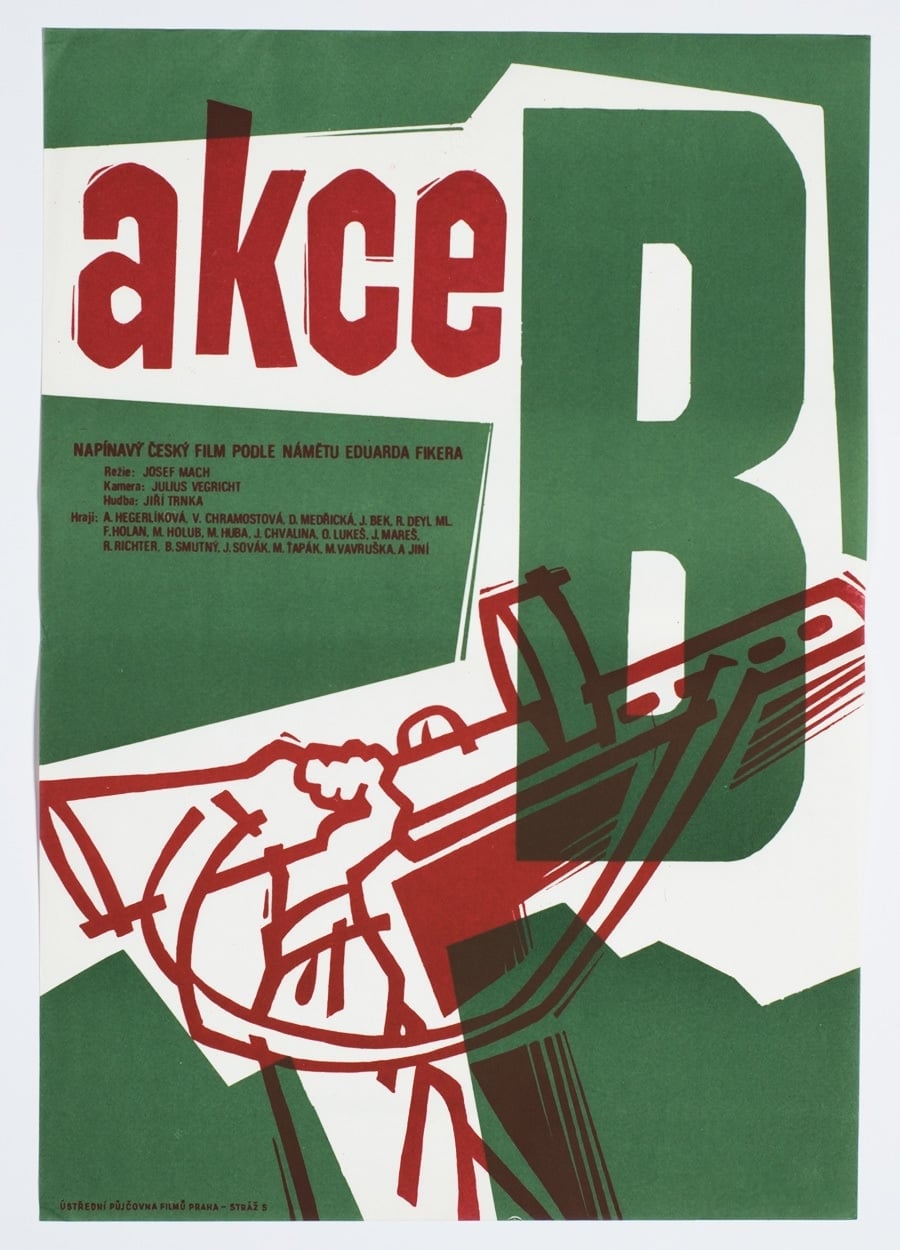
Film shows the struggle of the Czechoslovak armed forces against groups of Ukrainian Insurgent Army (UPA) under command Burlak, who tried to pass through the territory of Slovakia.
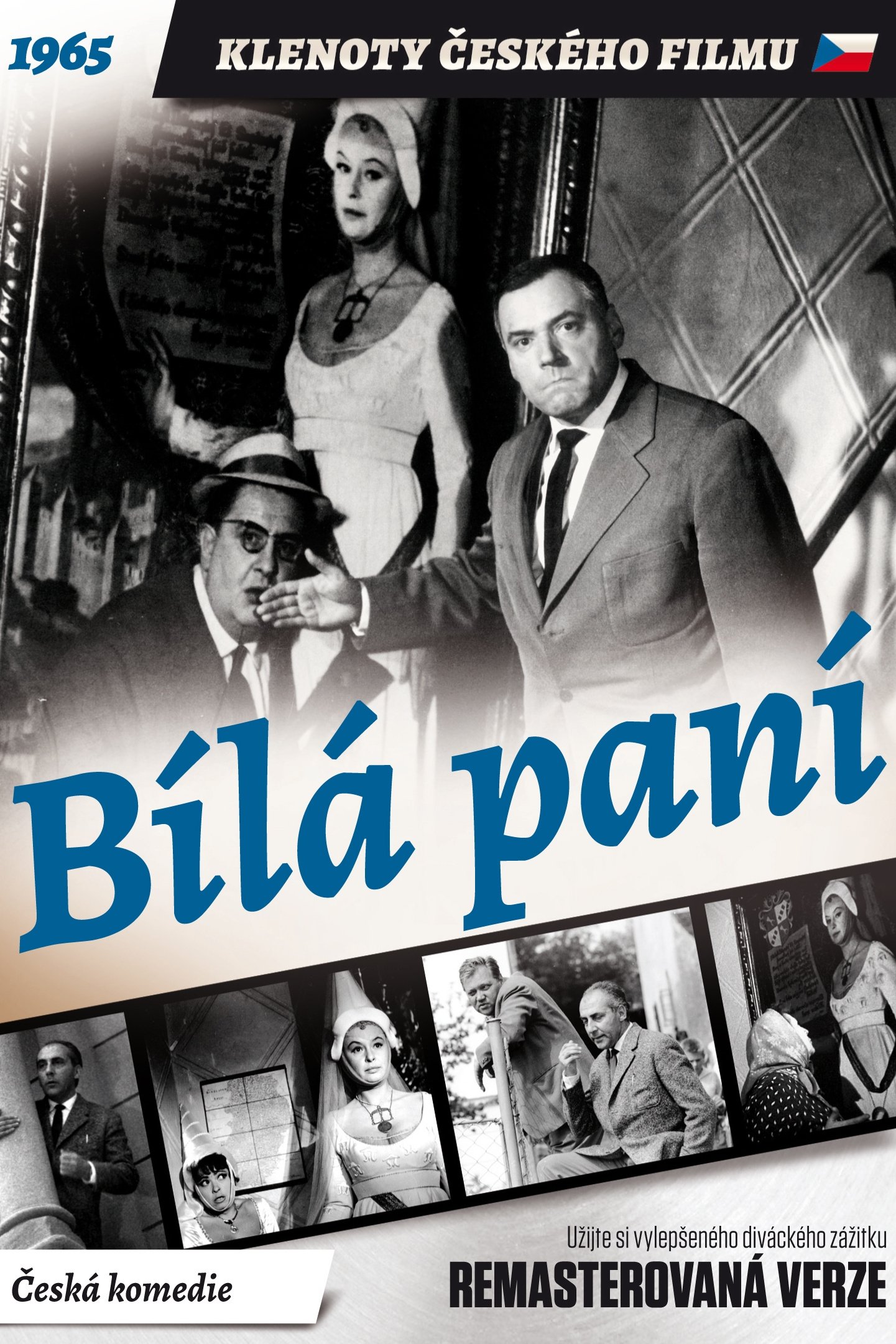
This castle has its own ghost - a mysterious White lady. She emerges from the painting on the wall when someone speaks out magic formula. White lady is good ghost, she can make someone's wishes true. Even if it is a new duct. But a miracle is not the thing that Communist leaders want in the town.
The story takes place at the beginning of the 20th century. Little Lojzík, whose mother was killed by lightning, lives on a farm with his father and an old farmhand. The harsh world has taught him to perceive images that remind him of his lost mother's embrace. He searches in vain among people for someone to whom he can once again become emotionally attached. He finds no support or security in his father, his mother's sister, or his stepmother Róza, even though she was the only one who showed compassion for the boy at the beginning of their life together. The only one who truly shares Lojzík's fate as an abandoned child is an ordinary chicken...
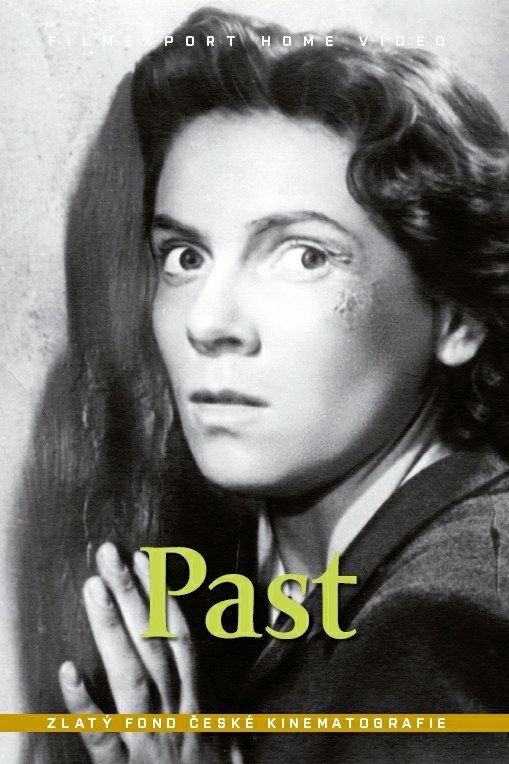
The drama from the time of the Nazi occupation begins at the train station, where a transport with German soldiers is passing. The train is stopped due to improvised sabotage by one of the railway workers. Resistance liaison Růžena Kubínová is arrested in a random raid. The cynical councilor Dönnert discovers her false documents and has her brutally interrogated. He suspects that she could contribute to exposing the entire group. He puts a informant, Herta, in her cell.
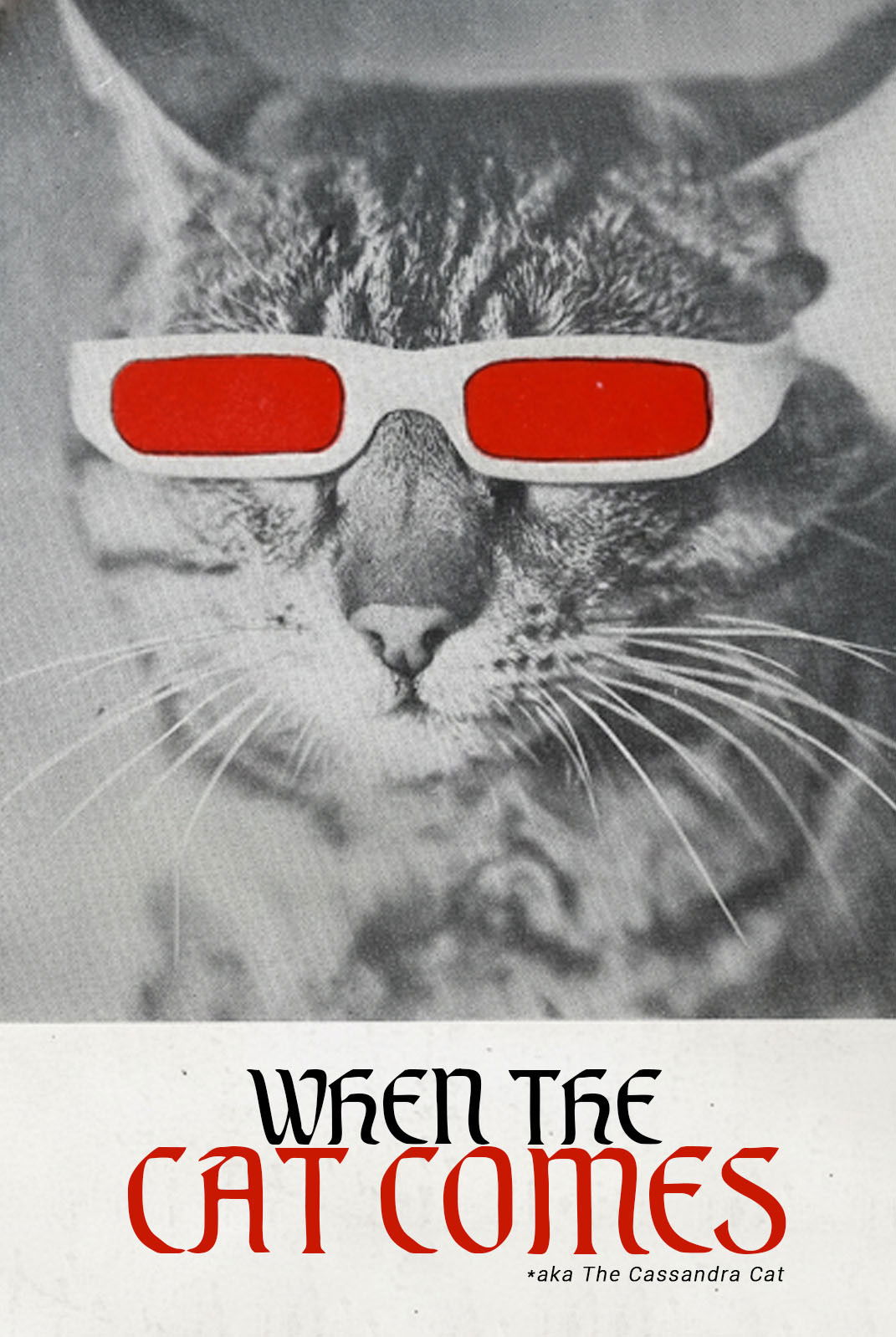
While old Oliva tells a group of children about his life as a sailor and how he met Diana and her cat with sunglasses, a strange circus arrives in town.
A new teacher with high standards and a strong sense of duty replaces an easy grader. Once bad grades begin to pile up, a product of his predecessor's subservience to the system, the new teacher has to stand up for himself and his students.
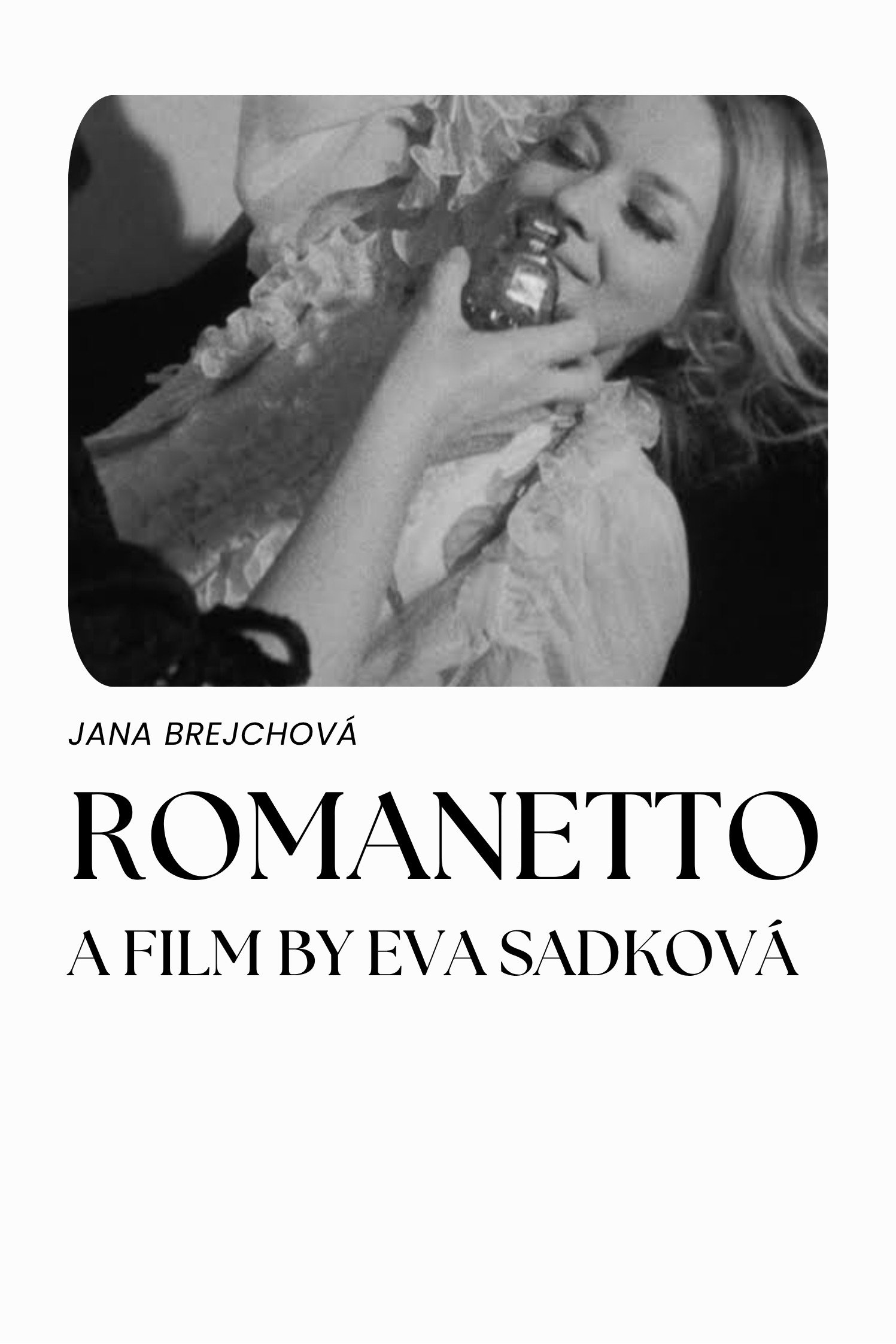
An aristocratic woman suffers a severe nervous breakdown and is subsequently institutionalized following a disastrous infidelity. She descends into madness while grappling with intense psychological torment and the fallout of her social and personal life.
An elderly landowner still refuses to sell her farm and fields to one of her neighbors, who has an obvious interest in her farm. So one day, the neighbor visits the grandmother with an offer she can't refuse.
The story of a teacher, a famous actress, and her students set against the backdrop of the harsh normalization period, a time when, after the Soviet occupation, most people tried to survive in the gray zone, and only a handful of brave souls were willing to risk their positions in the fight against the regime.

Delinquent youths wander aimlessly and commit mischief. Few, however, manage to break free from the influence of such a gang. One of the lucky ones is a girl who grew up in an orphanage - already reformed and reformed, she remembers her dark past.

On the train to Prague, the bride-to-be Zuzana Vítová accidentally meets the clerk Dr. Karel Jánský. Upon arriving in Prague, it seems that Jánský follows the girl on her way from the station, but it turns out that the two of them have only a common journey. When Zuzana discovers that her fiancé Petr Klika is not at home and that she has lost the keys to his apartment, Dr. Jánský gallantly helps her and keeps her company until deep into the night...
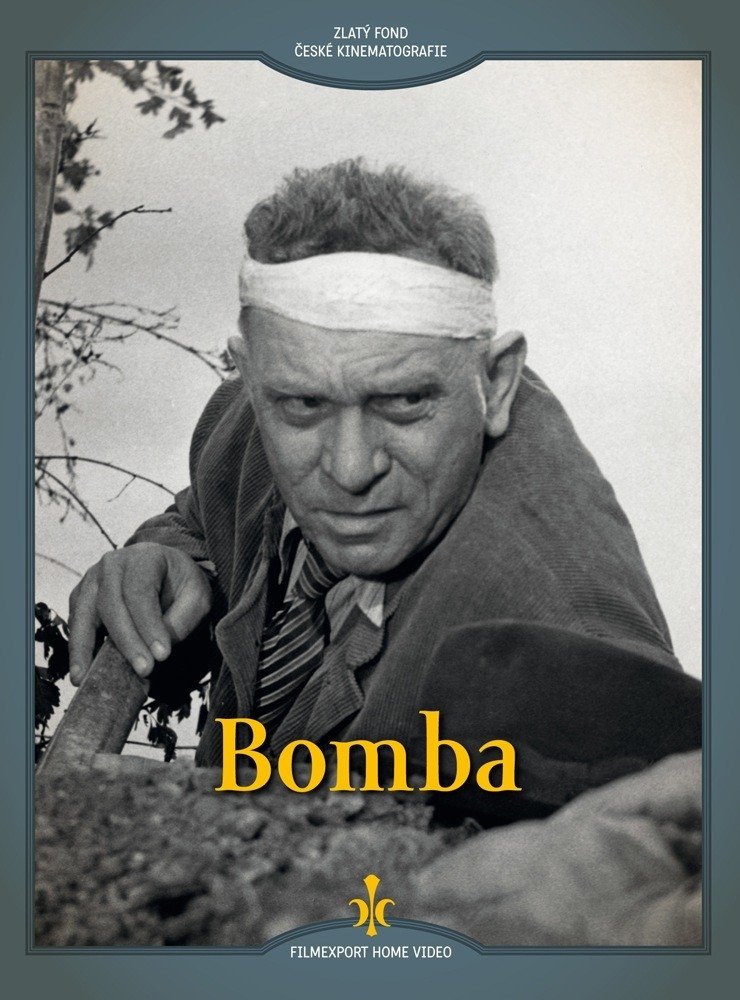
The discovery of an unexploded aerial bomb on a construction site brings a shock to the peaceful existence of a small town: the sudden threat makes at least some people rethink their previous attitudes.
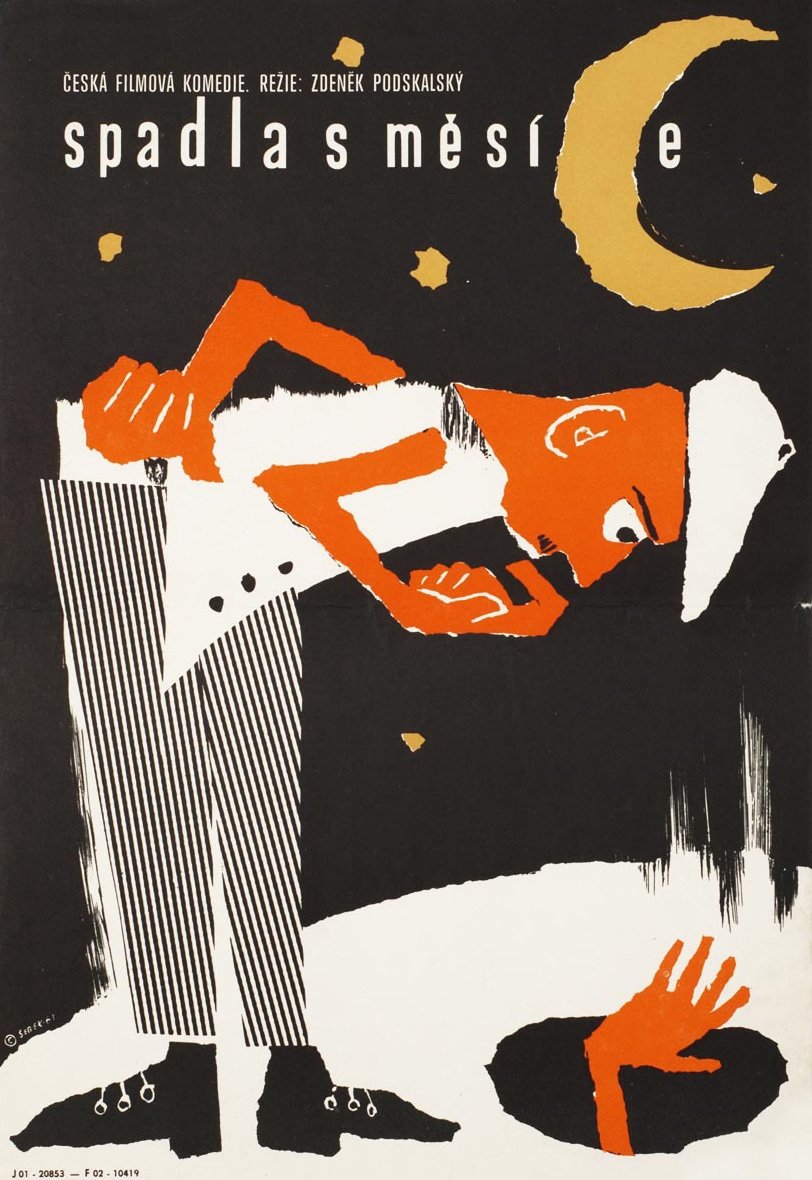
A story about the uproar caused by the arrival of a new, young and, by local standards, too energetic zookeeper in a village JZD. Her name is Maya Četná and one evening she arrives like a tornado on a motorbike in the semi-truck of a typical Czech village. The chairman, leaving the next day for a long-term training, has no time to get to know the girl properly, so it's no wonder he can't help wondering when she returns.
An optimistic collective drama from the life of the workers on the construction site of the Youth Track. An amnestied prisoner wants to atone for his wrongdoing with an honest strike and reveals the vandal who was going to poison the drinking water cistern.
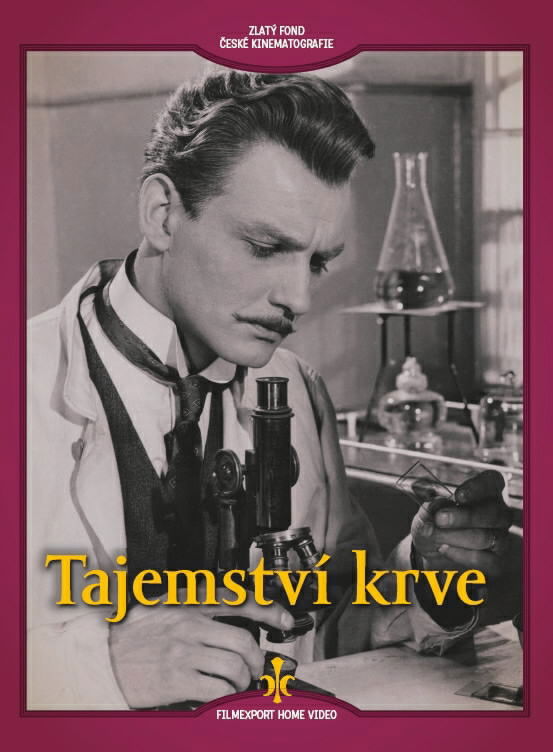
A biographical film about a Czech doctor, Dr. Jánský. The athletically inclined medic Jánský successfully completes his studies. He wants to become a surgeon, but finds himself in Professor Kuffner's psychiatric clinic, where, together with his colleague Kozdera, he tries to uncover the connection between blood clotting and mental illness. They make the surprising discovery that human blood can be divided into four groups and thus prevent it from clotting during transfusions. However, Jánský's discovery is met with misunderstanding by the Czech medical community...
The year is 1918. Toník returns home from the front. In Kladno, where he arrives, things are seething with discontent. The Social Democrats are in government, but nothing has changed. Socialization has not been implemented, there is hunger and food is still being skimped on. The first news about a socialist state arrives from Russia. On May 1st, the workers' Kladno manifests its loyalty to the ideals of the Great October Socialist Revolution. In December 1920, a general strike is declared in Kladno as well. The workers arm themselves, workers' councils take over the administration of the city and are also established in the surrounding villages. An armed uprising is being prepared. However, the right-wing leadership of the Social Democratic Party attacks the workers in the back. The army is sent to Kladno...
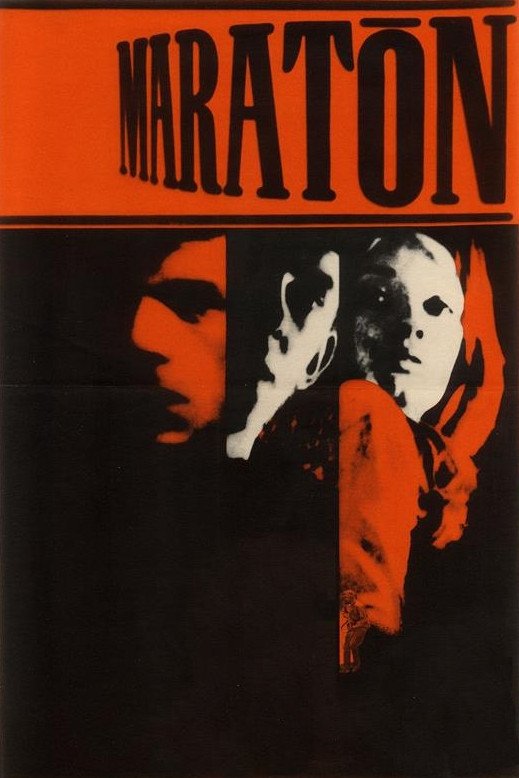
It is 5 May 1945 and the uprising against the hated German occupiers has broken out in Prague. The Czech guards open the gate of the Pankrác prison to allow the prisoners to escape en masse. Many of them are shot dead by the German guards but young Ruda (Jaromír Hanzlík) manages to run away. He is taken care of by one of the Prague fighters, concierge Kytka. Kytka hides him in the flat of the house's owner where only the young maid Karla (Jana Brejchová) is left, ordering her to take care of Ruda.
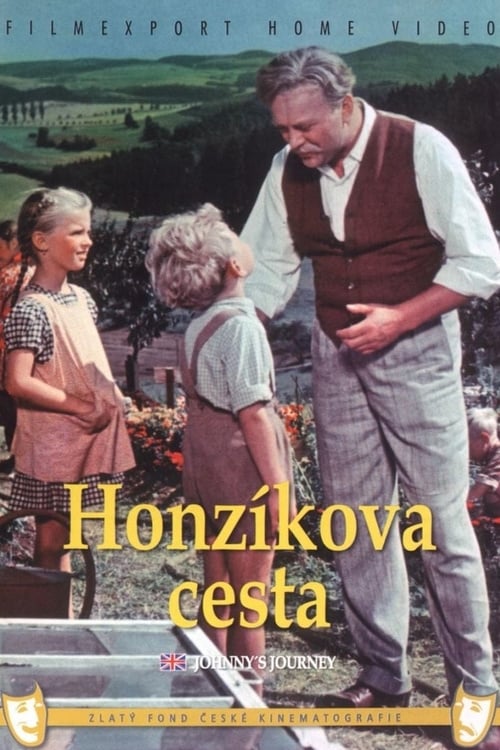
Five years old Johnny is going for his first journey with no parents.
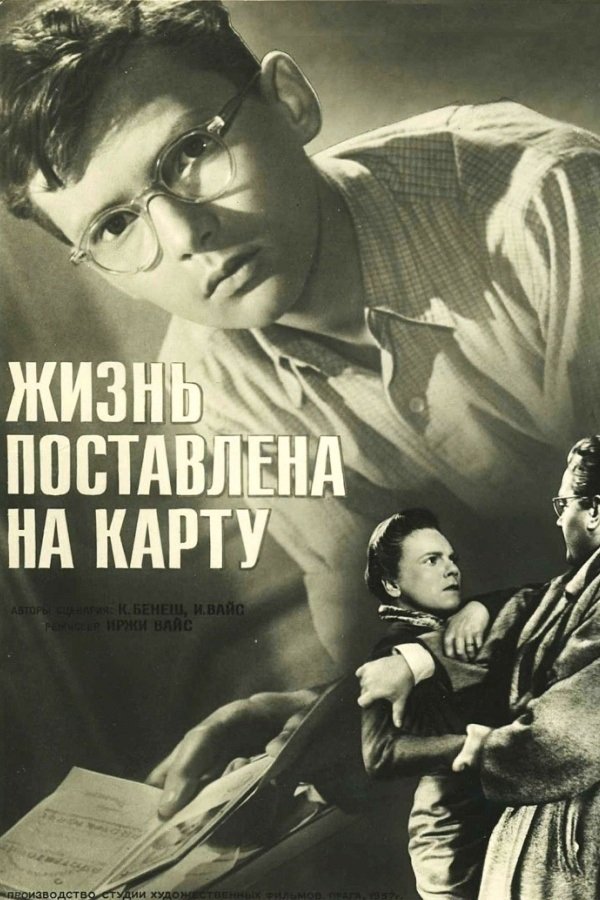
The year is 1941 and the German Nazis rule Bohemia with a free hand. Engineer Otakar Racek is an extremely cautious man who tries to avoid problems at all costs. While some of his colleagues are being arrested by the Gestapo, he receives an offer to become the director of a new department. When he refuses to help the wife of an arrested resistance fighter, his wife Vlasta is shaken. However, she loves him, to the point of even resigning herself to the hatred of Otakar's wealthy mother. One day, Vlasta lets her old acquaintance Ondřej Rýdl, who is on the run from the Gestapo, stay at her house for a few days. The wife passes him off to her husband as a distant relative. However, Otakar succumbs to jealousy and, on his mother's advice, hires a private detective to follow Vlasta. However, the detective is also a Gestapo informant and receives a hefty reward for every arrested resistance fighter...
Three nine-year-old boys are ridden with guilt after chasing their classmate into a busy street, causing him to get hit by a truck.
Quite a few years have passed since November 1989. Czechoslovakia has been divided up and, in the Czech Republic, Václav Klaus’s right-wing government is in power. Karel Vachek follows on from his film New Hyperion, thus continuing his series of comprehensive film documentaries in which he maps out Czech society and its real and imagined elites in his own unique way.
The young shoemaker Drobínek knows how to repair shoes well and loves Mančinka. But because he lacks self-confidence, he cannot confess his love to her, and he cannot defend himself against the tricks of his neighbors. Until a magical grandfather intervenes in his life. In the end, however, it turns out that Drobínek can do without magic and spells, he learns to rely on himself and cope with everything.
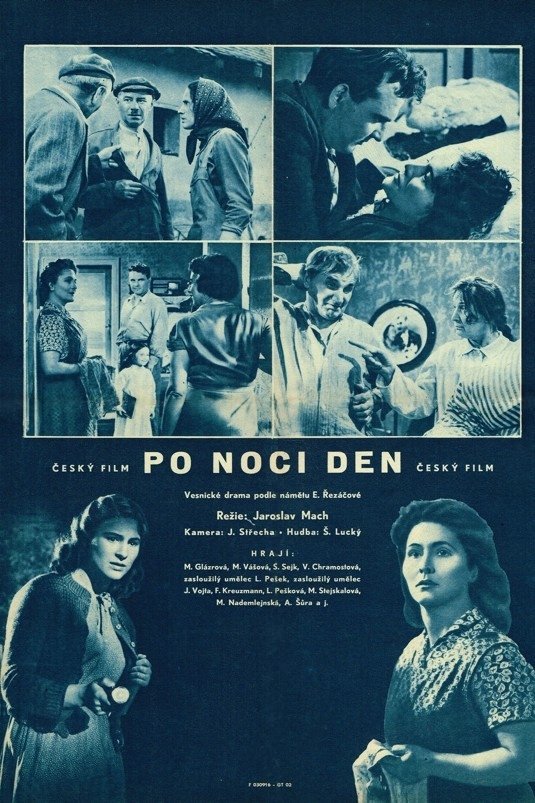
A Czech art film set in a modern village. The main character of the film is Karla Tolarová, a worker from a Prague printing house, who arrives for a harvest shift at a unified agricultural cooperative in Běšíčice at a critical time for the cooperative. The grain in the fields is ripe, the machine-tractor station does not have the necessary machines for the cooperative, the cooperative members do not trust each other, they lose interest in working together.
Solitude – on the farm. Loneliness – in their hearts. People are determined by the place where they live. Even if it is a cursed place in a way, people grow attached to it and eventually lose the ability to leave. Even if they long to do so, like Marie. This powerful story of a cooling marriage, determined by the adverse forces of fate and focused on three main characters, touches on such life values as love, infidelity, suffering, and illusion. It tells us that a person must first find peace within themselves in order to have the strength to cope with their surroundings. The screenwriter Jiří Bednář was inspired by Robinson Jeffers' poem Turzovo kotviště (Turzo's Anchorage).