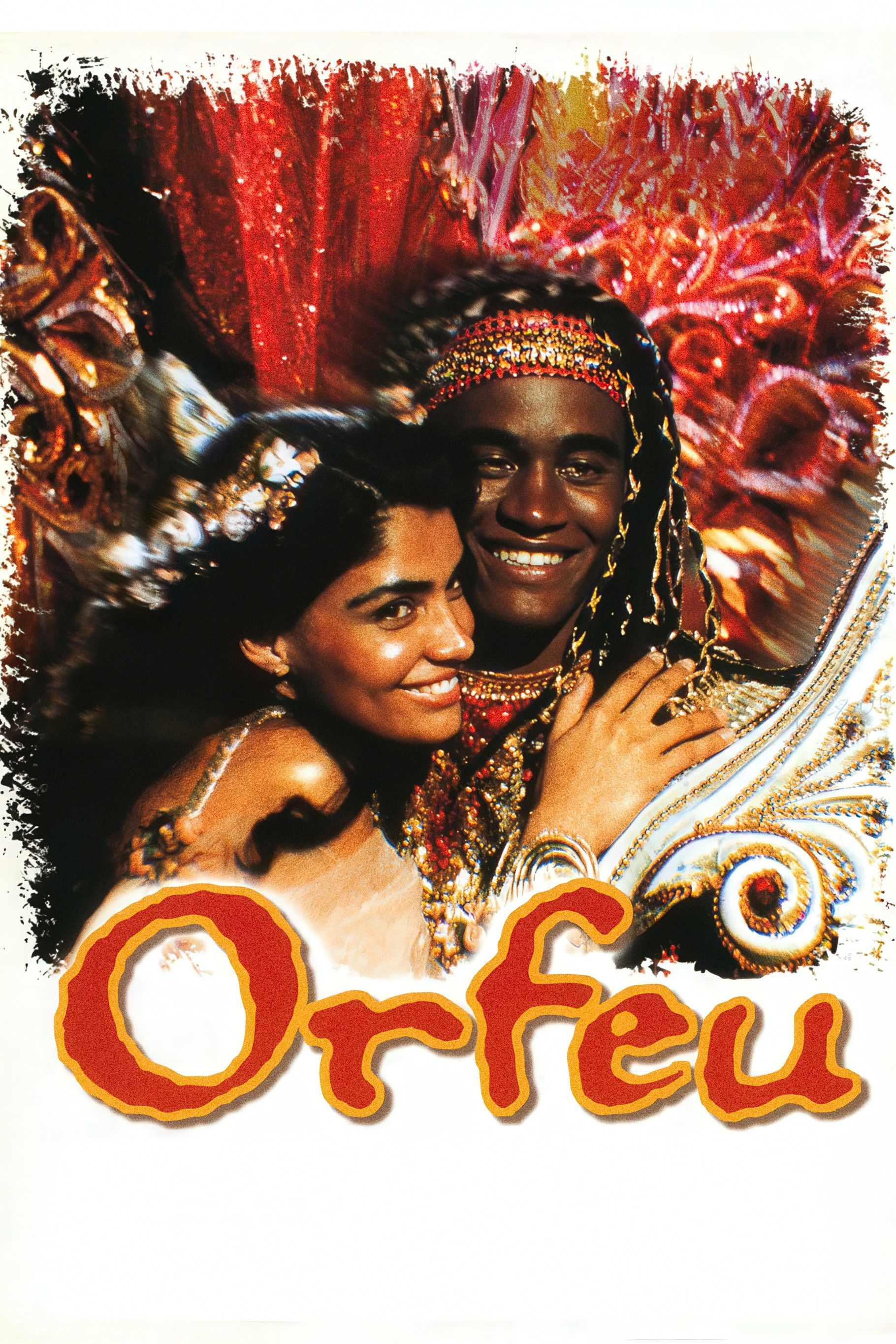
Orfeu is a popular composer from a samba school. He lives in the favela and falls madly in love when he meets Euridice, a newcomer to the neighborhood. But the local drug boss Lucinho stands between them and will drastically change both their lives.
A 20-year veteran of the Angolan civil war returns to the capital city of Luanda where he faces the challenges of assimilation and survival.

The publicist Claudio and the housewife and choral teacher Helena have been married for many years, but they do not understand and respect the feelings and view point of the partner. Claudio sees Helena as a shopper and "little teacher of a choral" and Helena sees Claudio as an insensitive and rough man. On the night before the fiftieth anniversary of Claudio, they changed places with each other.

Zézé Gamboa's sardonic historical drama follows a good-hearted, apolitical con man who, on the eve of Angolan independence in the mid-1970s, pulls off a massive swindle at the expense of the Portuguese colonial administration — and soon after finds himself hailed as a hero of the national liberation struggle.

Poet Cruz e Souza was a black man, born in the State of Santa Catarina, Brazil, where the majority of the population are blonde. He was also poor and fell a prey to the racism of his time. Died young, at 37, and dragged the great love of his life, Gavíria, into a path of great suffering.
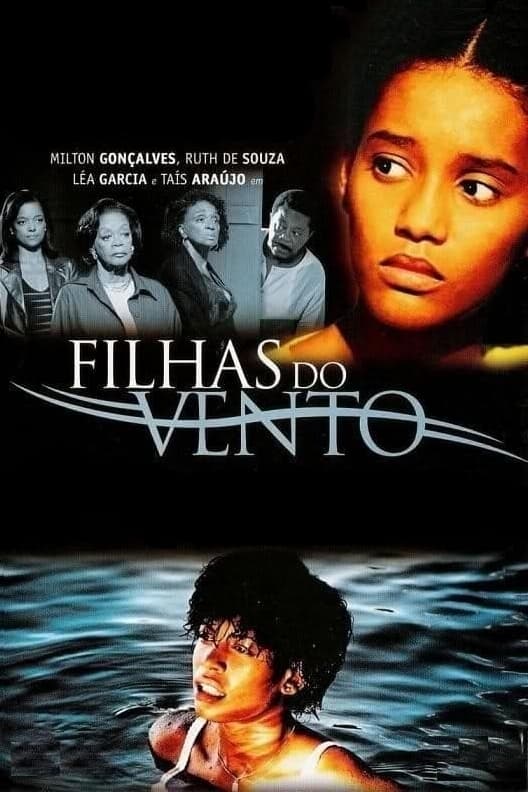
In a small town in the State of Minas Gerais, Brazil, two sisters meet again after years apart.
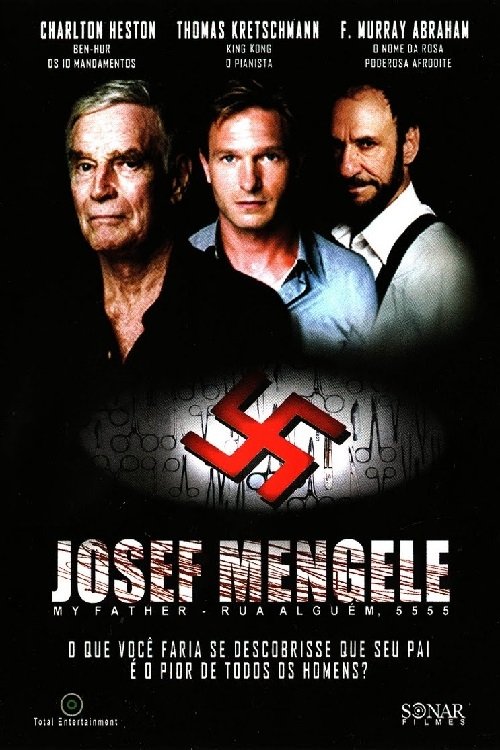
A man who grew up an orphan finally gets to meet his father: The psychopath Dr. Josef Mengele, the Auschwitz surgeon who performed genetic experiments on concentration camp refugees during WWII.
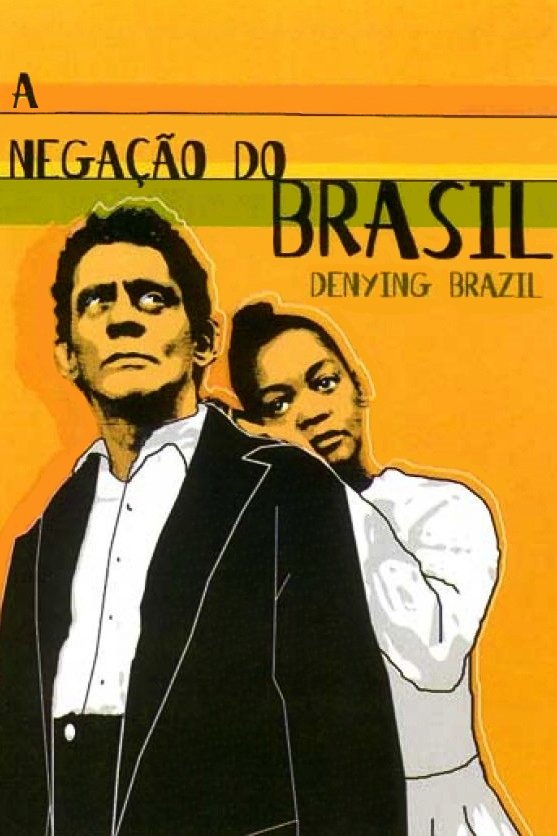
A documentary film about the taboos, stereotypes, and struggles of black actors in Brazilian television "soaps". Based on his own memories and on a sturdy body of research evidence, the director analyses race relations in Brazilian soap operas, calling attention to their likely influence on Brazilian African-Americans' identity-forming processes.

"Vista Minha Pele" is an amusing parody of Brazilian reality. It serves as basic material for discussing racism and prejudice in the classroom. In this inverted story, blacks are the ruling class and whites were enslaved. Poor countries are Germany and England, while rich countries are, for example, South Africa and Mozambique. Maria is a poor white girl who studies at a private school thanks to the scholarship that she has due to the fact that her mother is a cleaning lady at this school. Most of her colleagues are hostile to her, because of her color and social status, with the exception of her friend Luana, the daughter of a diplomat who, having lived in poor countries, has a more comprehensive view of reality.
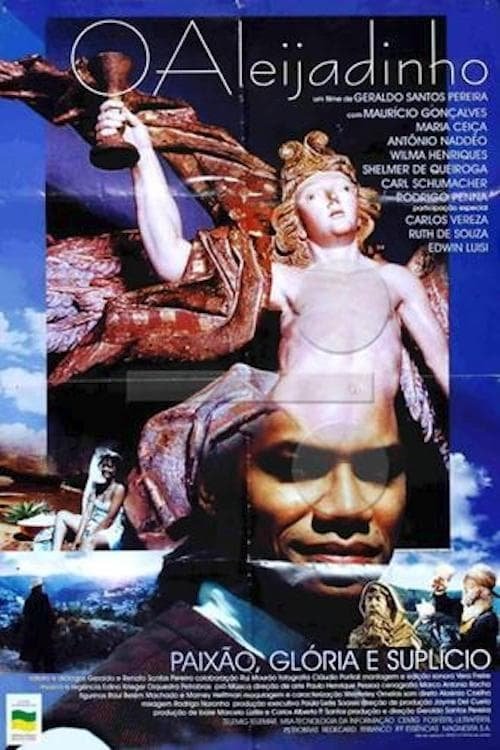

Nopumoceno, the most successful businessman in the Cabo Verde archipelogo, is an ambitious, clever opportunist, known during his lifetime as "eternity single". However, he is then discovered by his illegitimate daughter to have gotten his fortune and his women in unorthodox and incredible ways
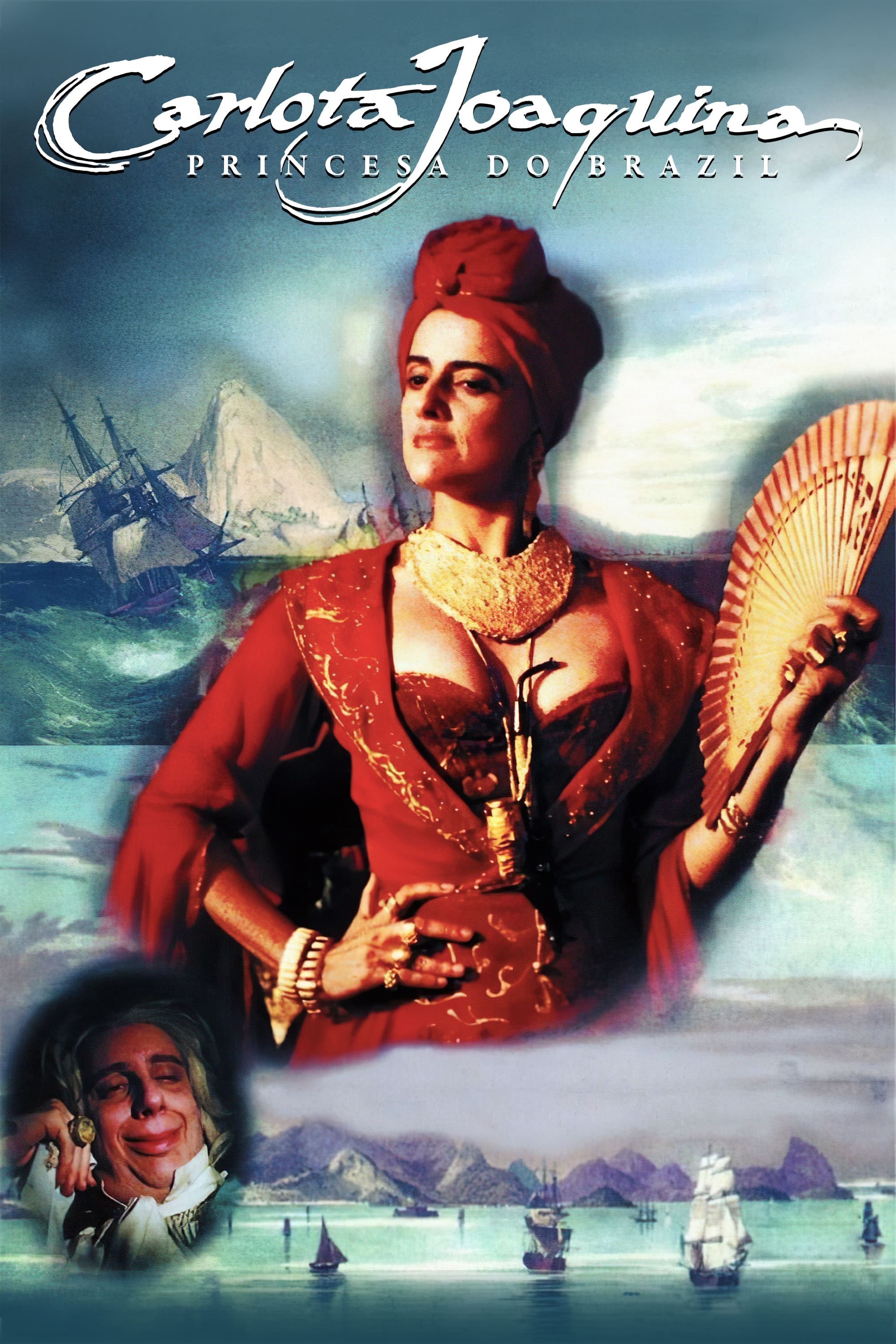
The Spanish Infanta Carlota Joaquina is promised to D. João VI at the age of 10. Forced to leave for Portugal, Carlota suffers a great disappointment when she meets her promised prince. With the death of D. José, Carlota Joaquina and D. João VI inherit the Portuguese crown. However, frightened by the French Revolution and the approach of Napoleon's army, they decide to flee to their colony: Brazil.
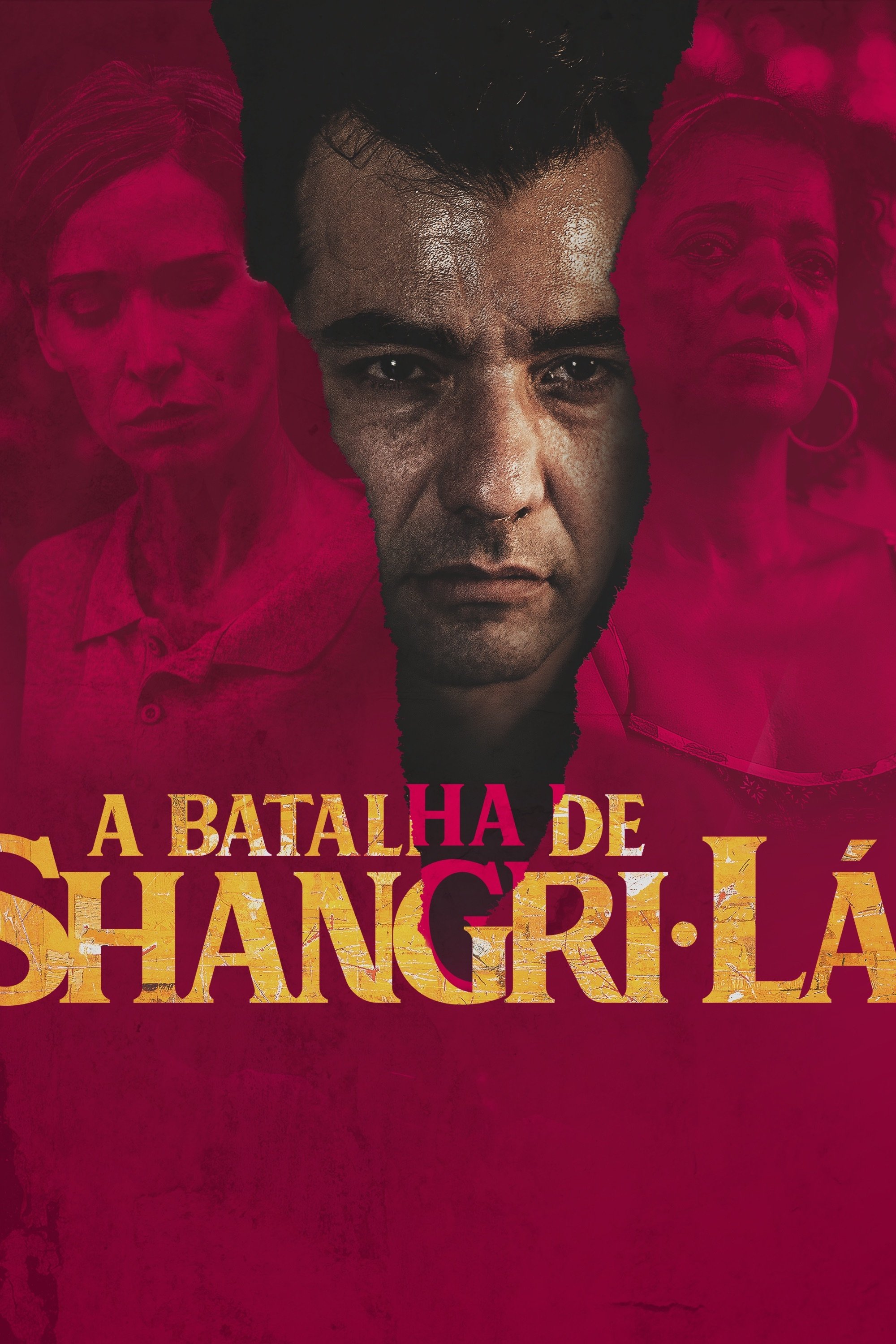
After the death of his foster parents, a young businessman goes into a journey in search of his biological mother. During the search he faces the social and religious prejudice that surrounds the LGBTTQ Brazilian community.
The film revolves around the fight for territorial control between drug traffickers and police forces and the devastating impact of this war on the lives of people living in the favelas of Rio de Janeiro.

This biopic documents the life and work of one of Brazil’s most prolific artists: Milton Gonçalves. This actor and director are credited with more than sixty television titles, seventy movies and twenty plays. Known from classic full-length features like Macunaíma, They Don't Wear Black Tie and Kiss of the Spider Woman, his dramatic versatility also encompasses major Brazilian soap operas, including O Bem Amado and Roque Santeiro. With his talent, he overcame barriers faced by many Black performers in Brazil. An active on-screen and on-stage presence since the 1950s, his name is synonymous with the history of Brazilian television, theatre and cinema, making him a landmark talent in the performing arts world.