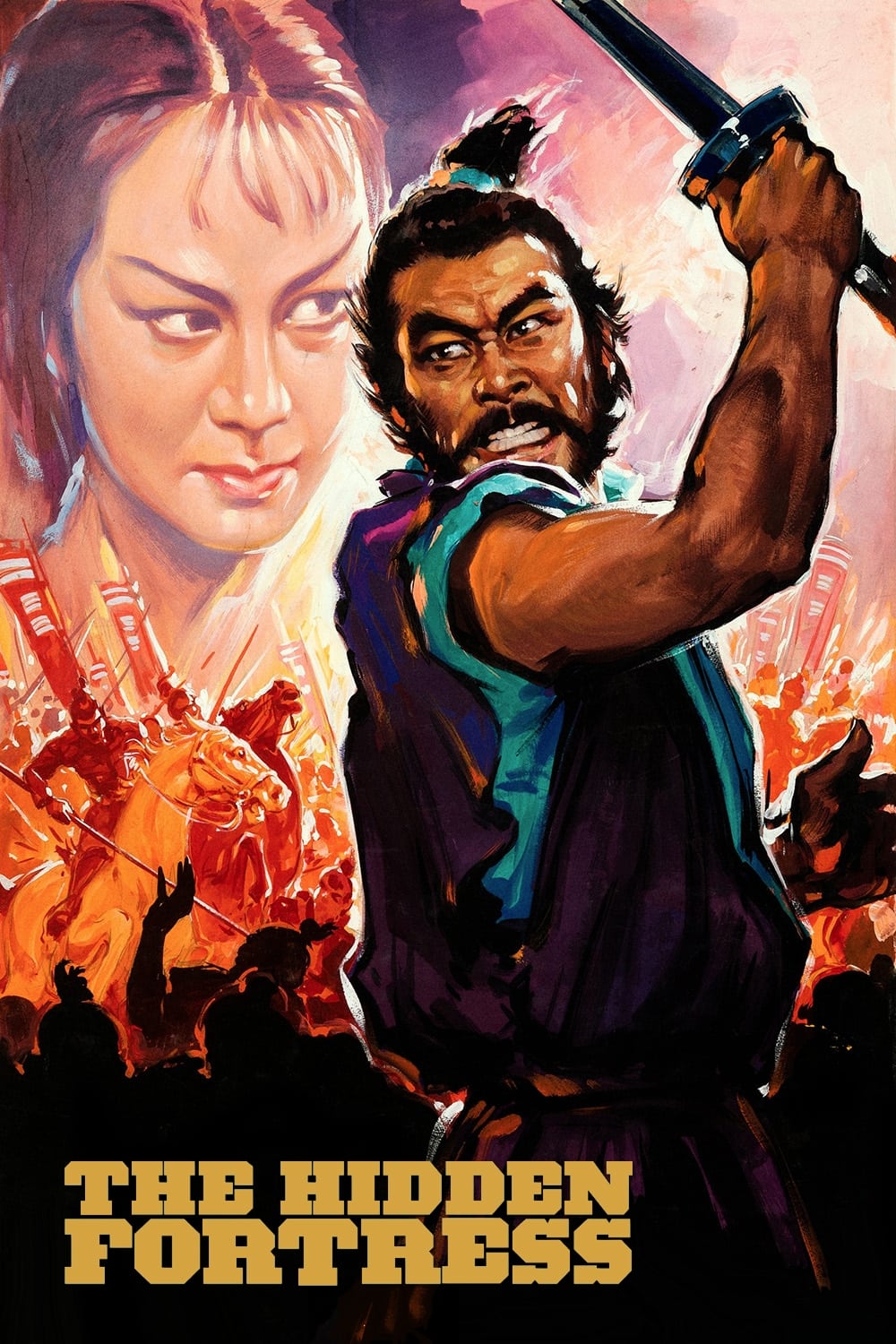
In feudal Japan, during a bloody war between clans, two cowardly and greedy peasants, soldiers of a defeated army, stumble upon a mysterious man who guides them to a fortress hidden in the mountains.
Set in wartime at the Yawata Steel Works in Tobata, Yawata, and Kokura cities in Fukuoka Prefecture, the film depicts people taking on the evil blast furnaces that prevent increased production. The film was shot on location at the actual Yawata Steel Works for an extended period of time, and special effects were created using a miniature blast furnace that closely reproduces the actual one.

Journalists Ichiro Sakai and Junko cover the wreckage of a typhoon when an enormous egg is found and claimed by greedy entrepreneurs. Mothra's fairies arrive and are aided by the journalists in a plea for its return. As their requests are denied, Godzilla arises near Nagoya and the people of Infant Island must decide if they are willing to answer Japan's own pleas for help.
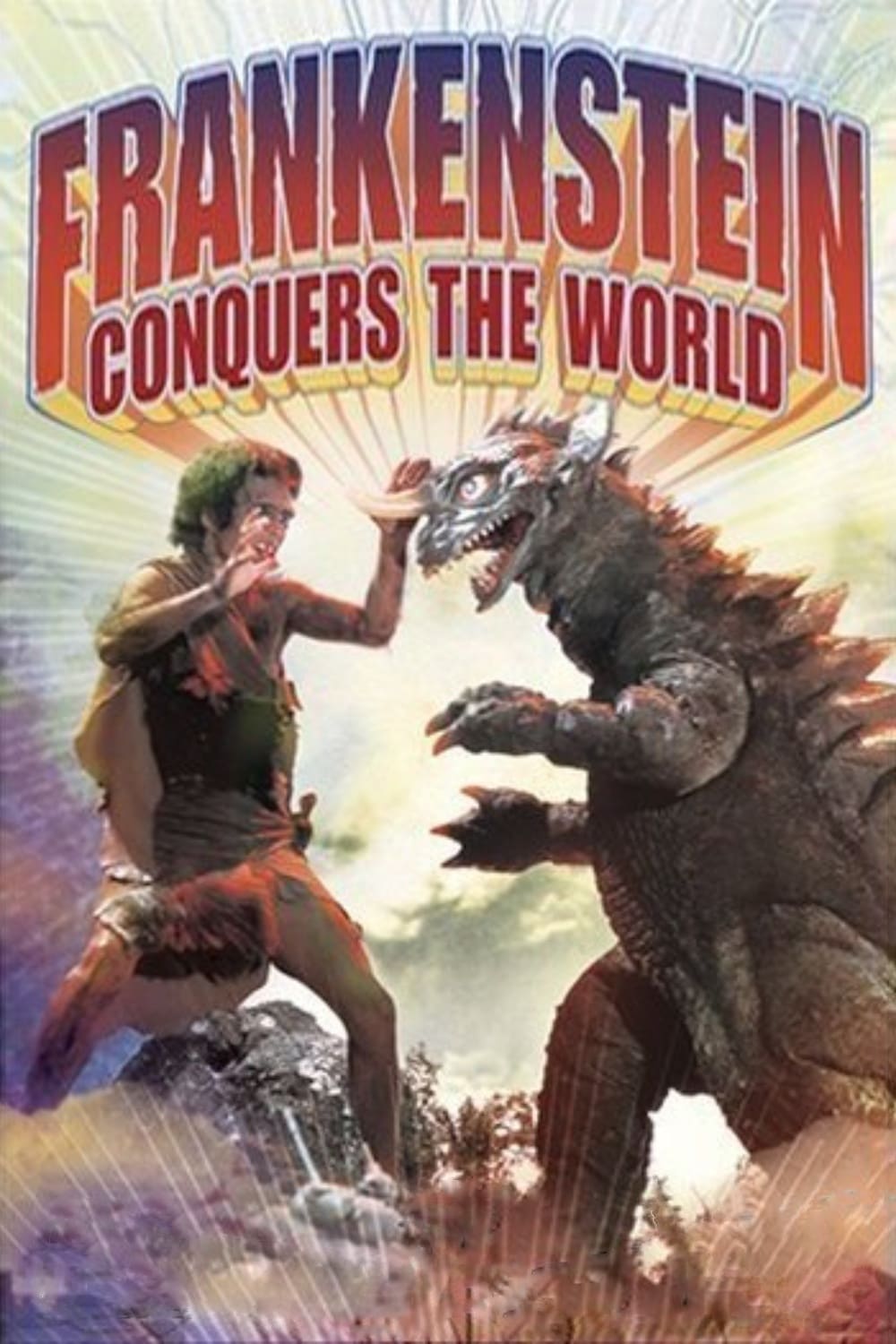
During WWII, Germans obtain the immortal heart of Frankenstein's monster and transport it to Japan to prevent it being seized by the Allies. Kept in a Hiroshima laboratory, it is seeming lost when the United States destroys the city with the atomic bomb. Years later a wild boy is discovered wandering the streets of the city alone, born of the immortal heart.
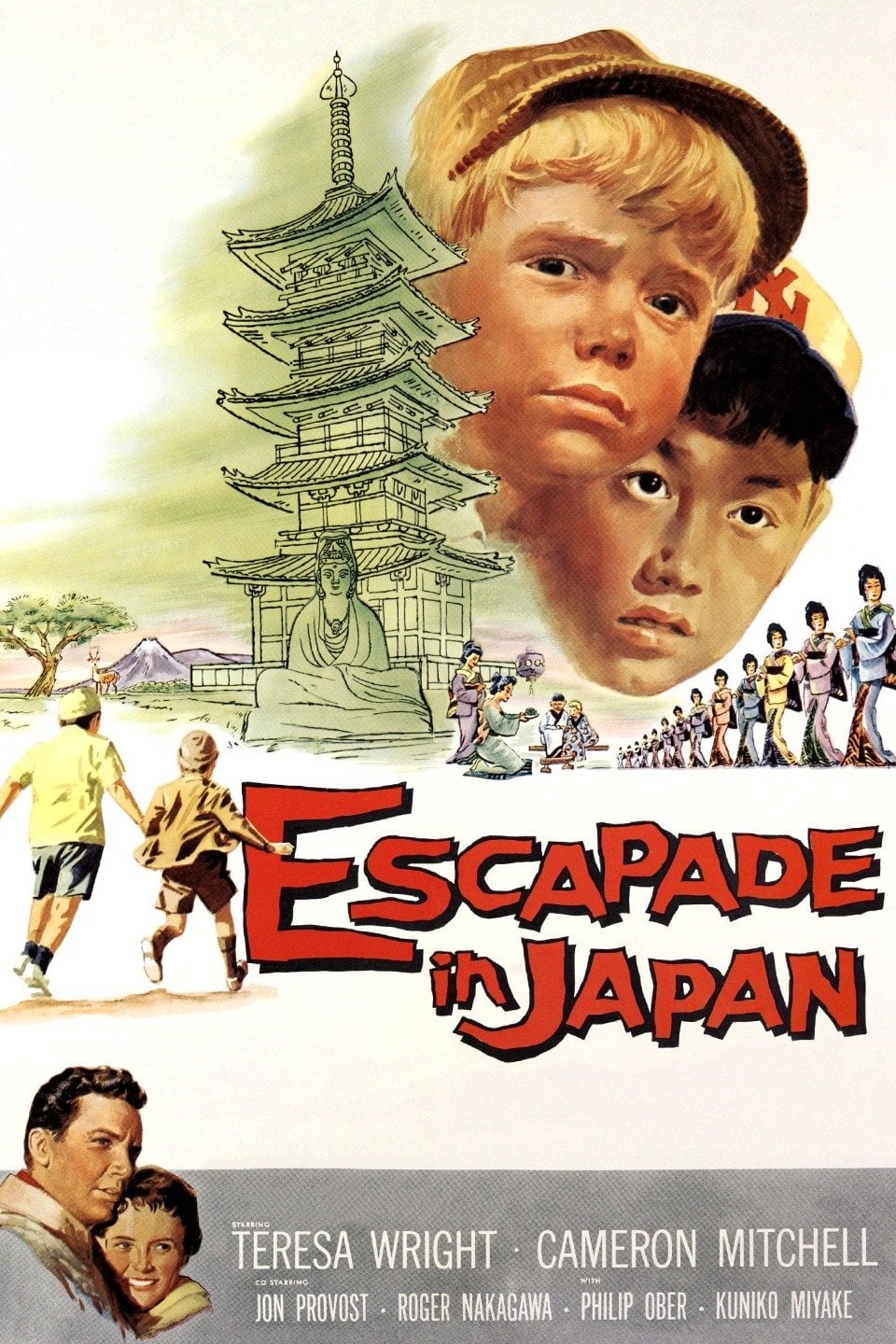
A plane is forced to land at sea just off the Japanese coast. A young American boy is later befriended by a fisherman's son, with the two setting off on an unintended journey across the country.

In this loose adaptation of "Hamlet," illegitimate son Kôichi Nishi climbs to a high position within a Japanese corporation and marries the crippled daughter of company vice president Iwabuchi. At the reception, the wedding cake is a replica of their corporate headquarters, but an aspect of the design reminds the party of the hushed-up death of Nishi's father. It is then that Nishi unleashes his plan to avenge his father's death.
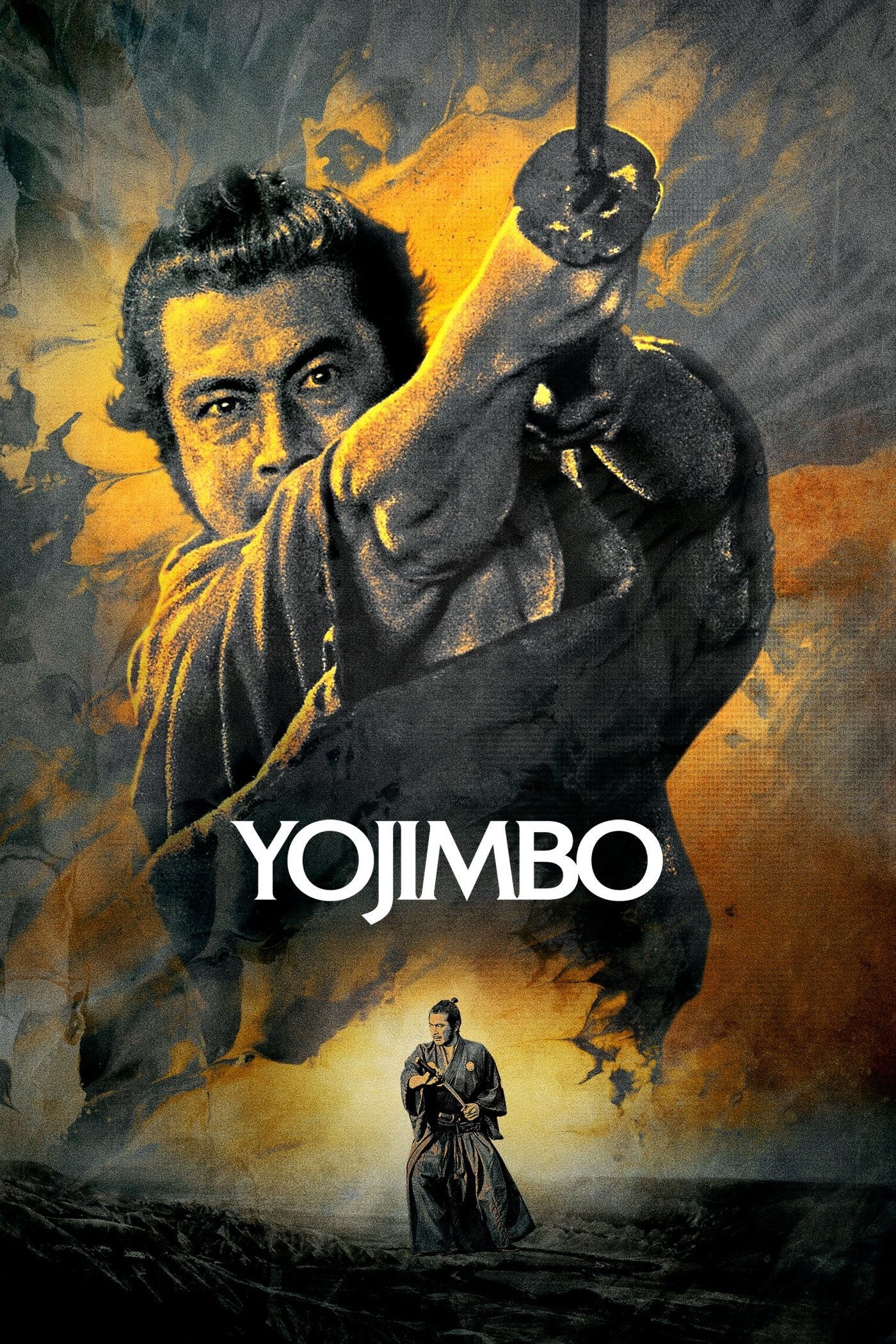
A nameless ronin, or samurai with no master, enters a small village in feudal Japan where two rival businessmen are struggling for control of the local gambling trade. Taking the name Sanjuro Kuwabatake, the ronin convinces both silk merchant Tazaemon and sake merchant Tokuemon to hire him as a personal bodyguard, then artfully sets in motion a full-scale gang war between the two ambitious and unscrupulous men.
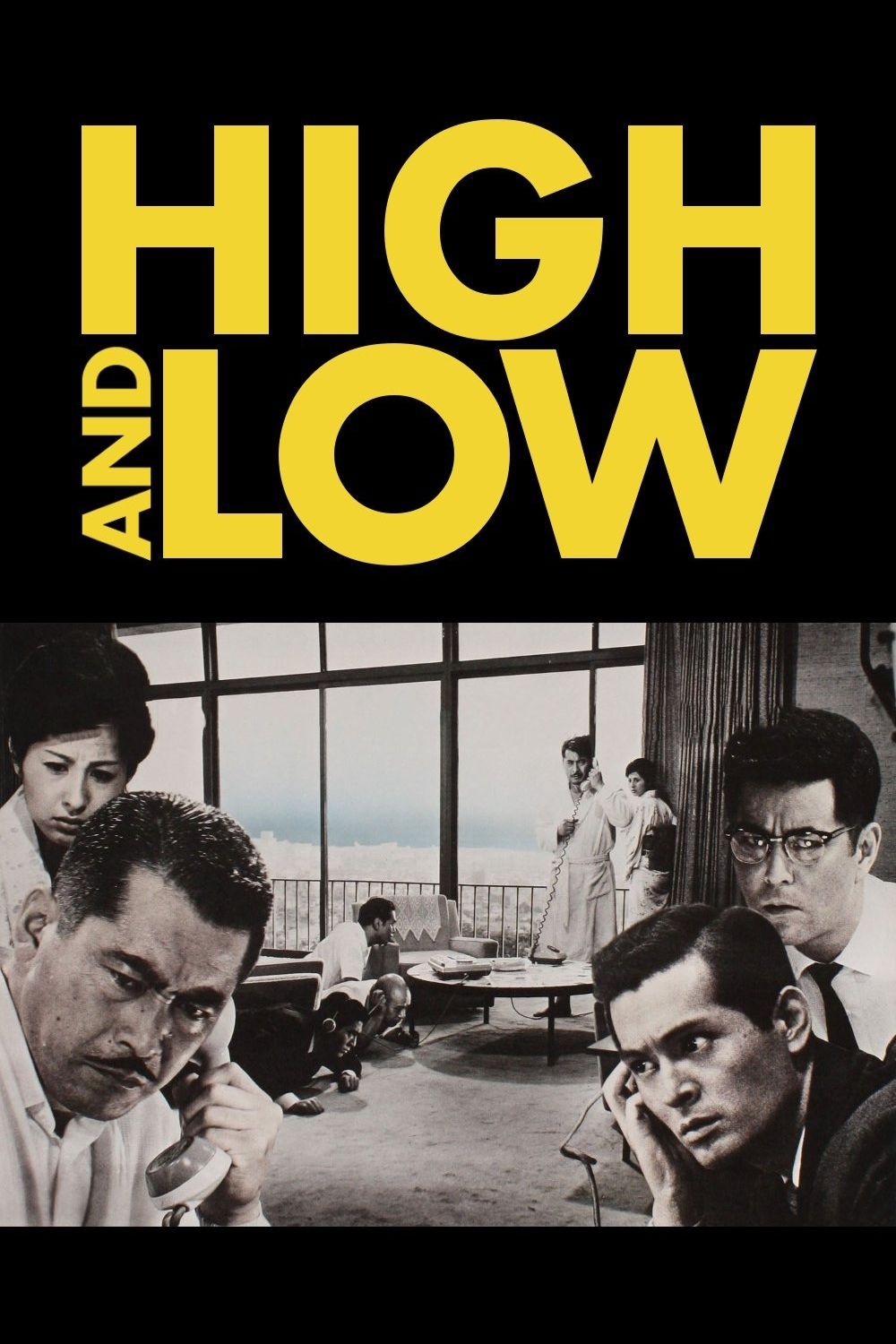
A Yokohama shoe executive faces a wrenching choice when kidnappers mistakenly seize his chauffeur’s son but demand the ransom anyway.
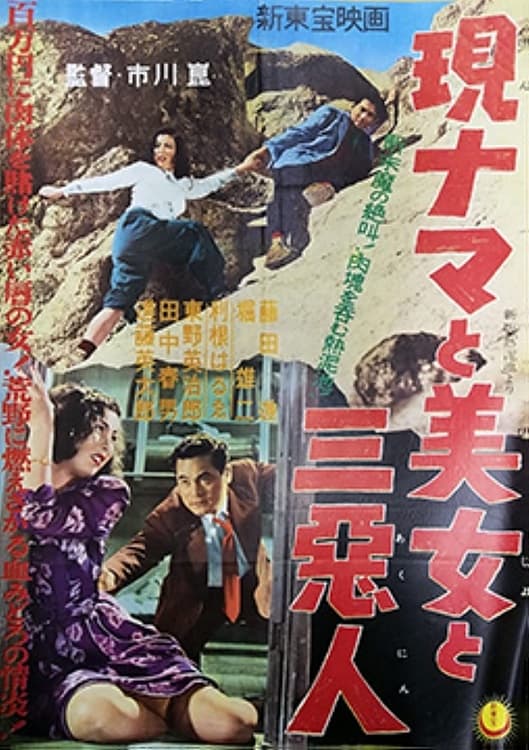
With one million yen in stolen cash, Kurita plans his escape to Hokkaido with an unwilling bar girl named Katsumi.
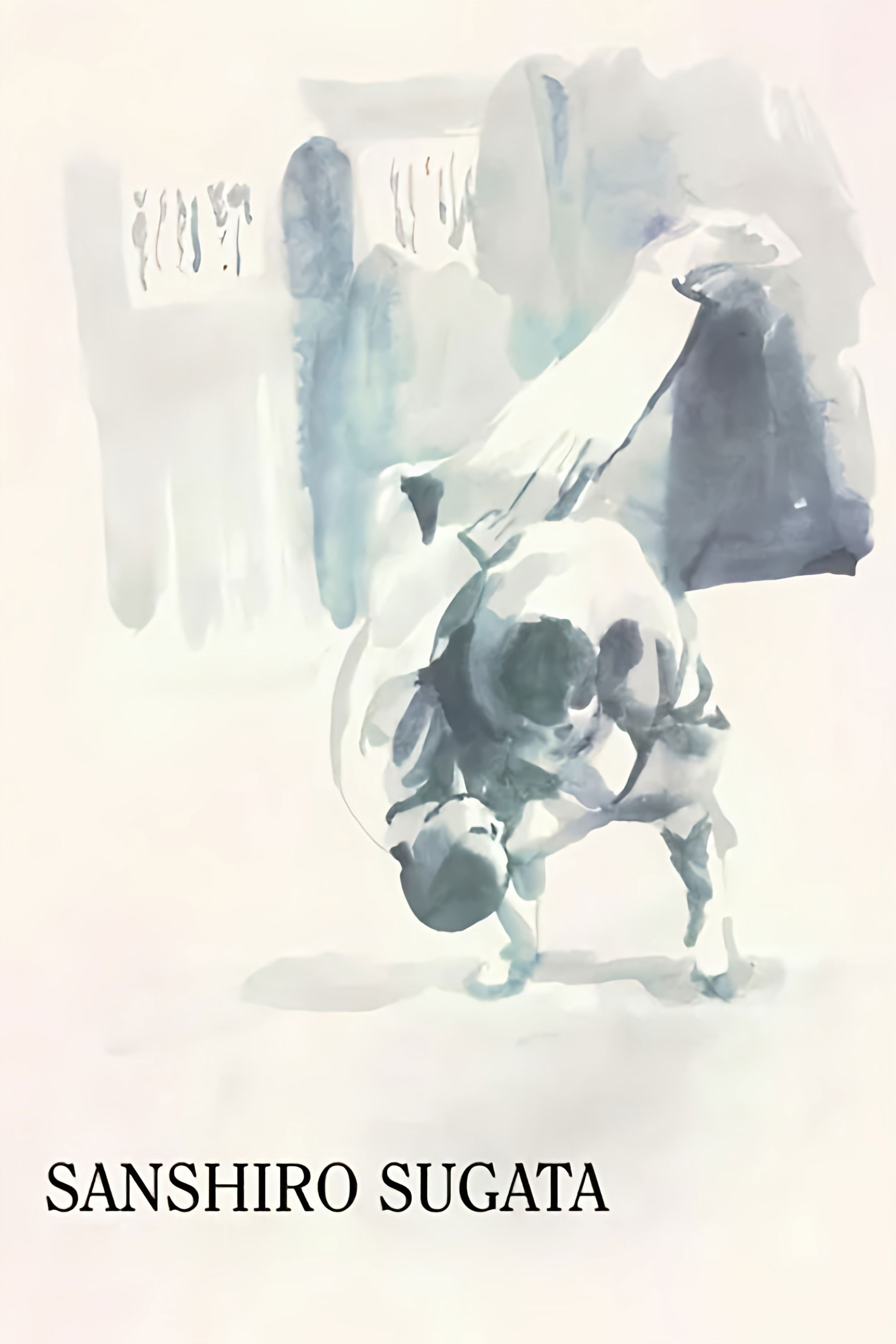
A hotheaded youth in 1880s Meiji Japan apprentices to judo master Shōgorō Yano, trading brute jujutsu bravado for discipline and humility. As Sanshirō matures, he proves judo’s spirit against old-guard challengers—including a deadly duel—while falling for his vanquished opponent’s daughter. Based on the novel by Tsuneo Tomita, son of Tomita Tsunejirō, the earliest disciple of judo.
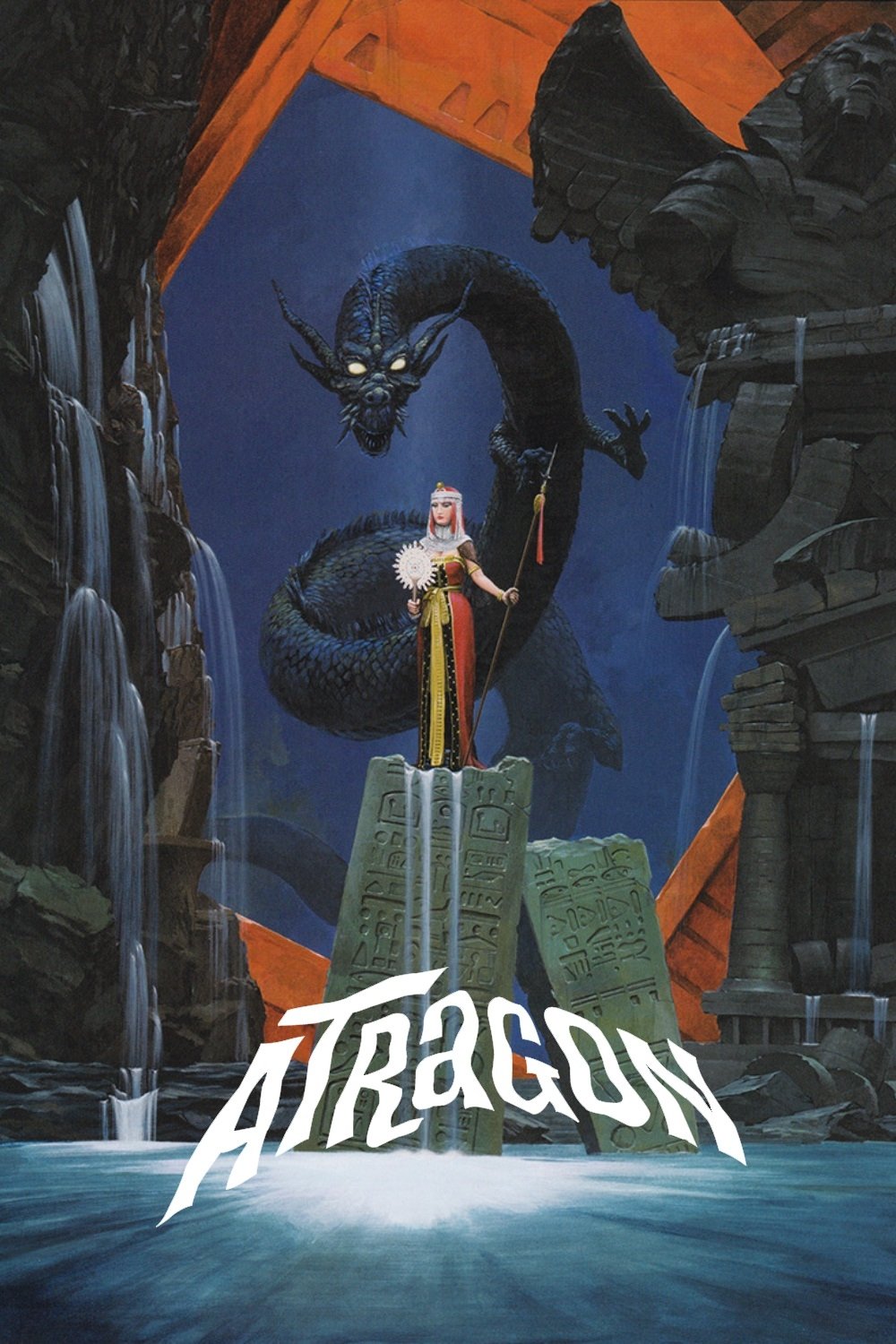
The legendary empire of the lost continent of Mu reappears to threaten the world with domination. While countries unite to resist, an isolated World War II Captain has created the greatest warship ever seen, and possibly the surface world's only defense.
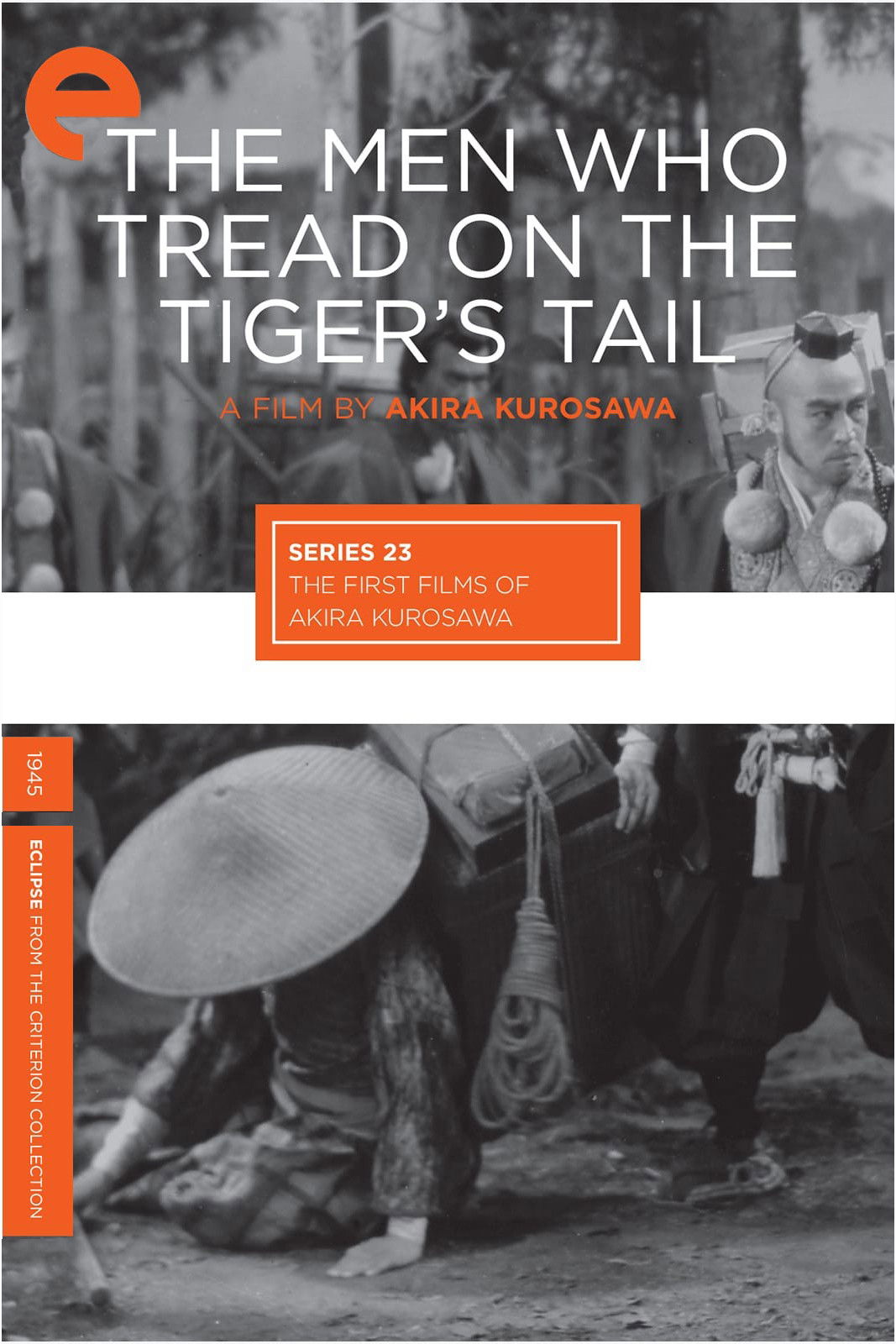
A fugitive lord and his six retainers disguise themselves as monks to bluff their way through a hostile checkpoint.
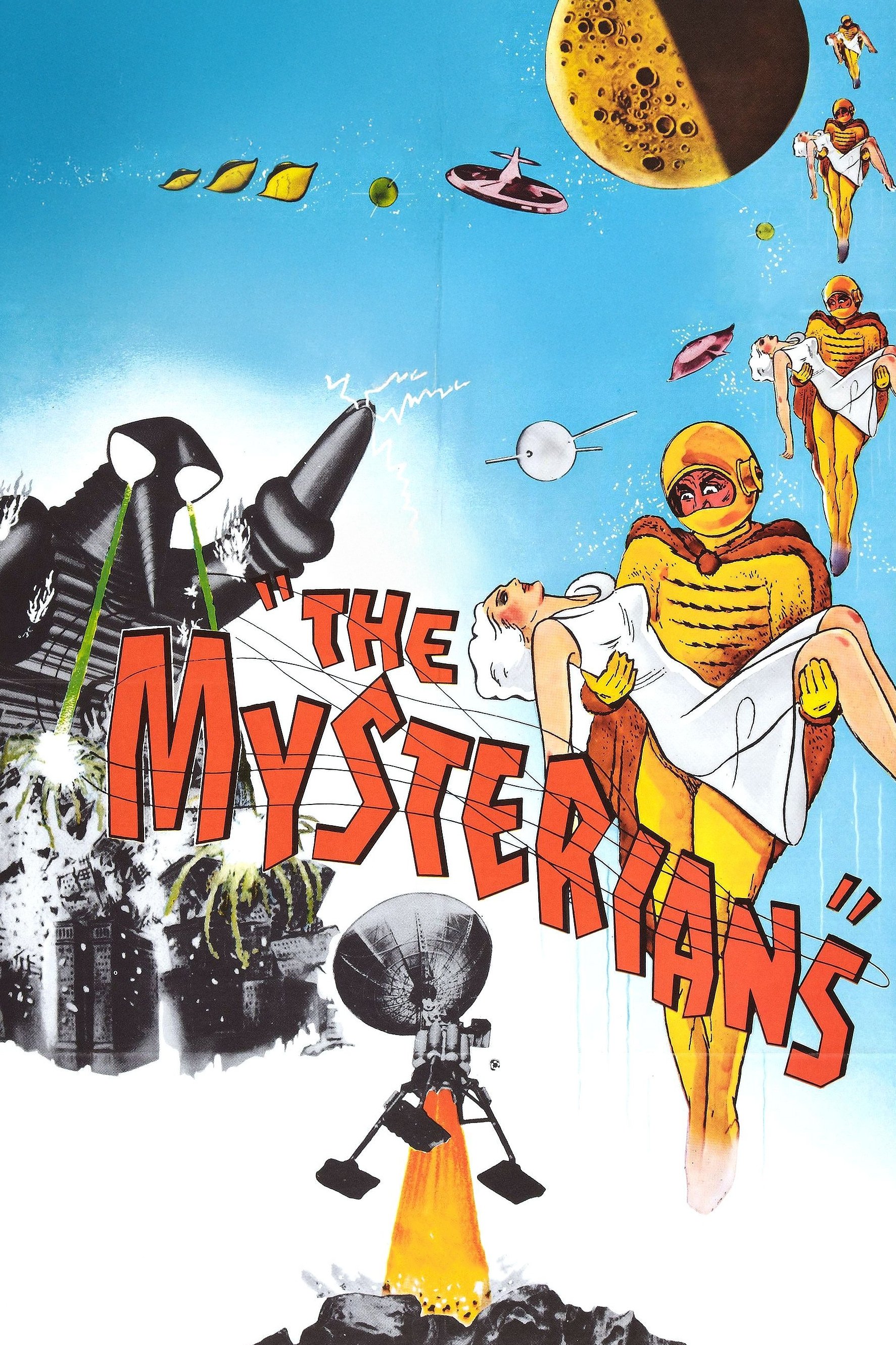
In Japan, scientifically advanced invaders from the war-destroyed planet Mysteroid cause an entire village to vanish, then send a giant robot out to storm the city by night, after which they request a small patch of land on Earth and the right to marry earthling women, claiming to be pacifists. Mankind must decide whether to capitulate or to resist.
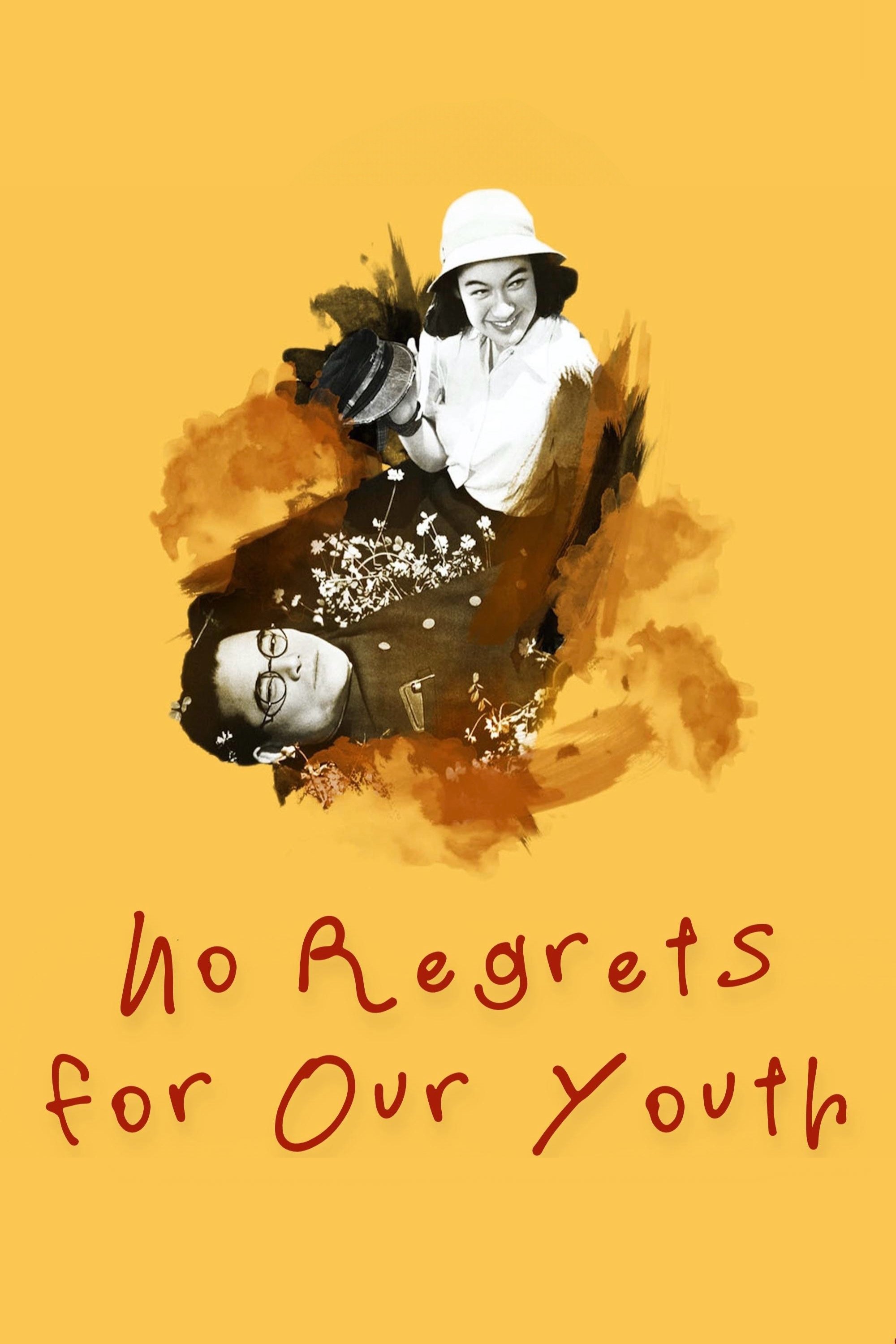
After her anti-fascist professor father is dismissed, Yukie navigates love, political repression, and wartime upheaval—ultimately forging her own path in pre- and post-WWII Japan.
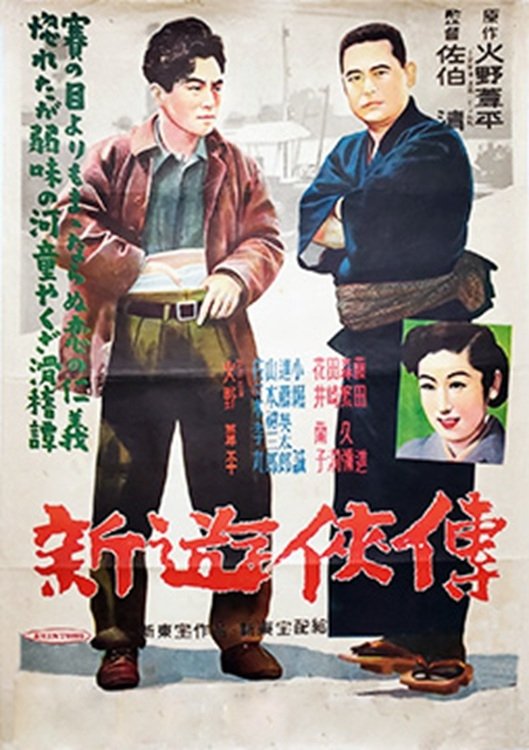
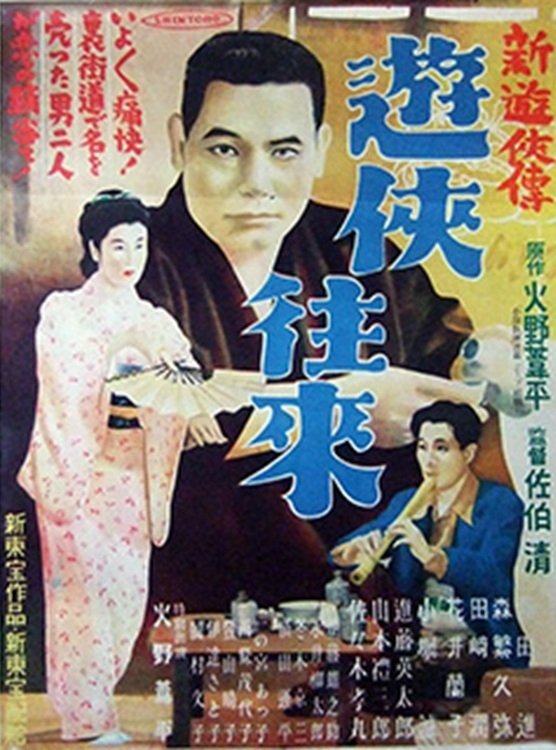
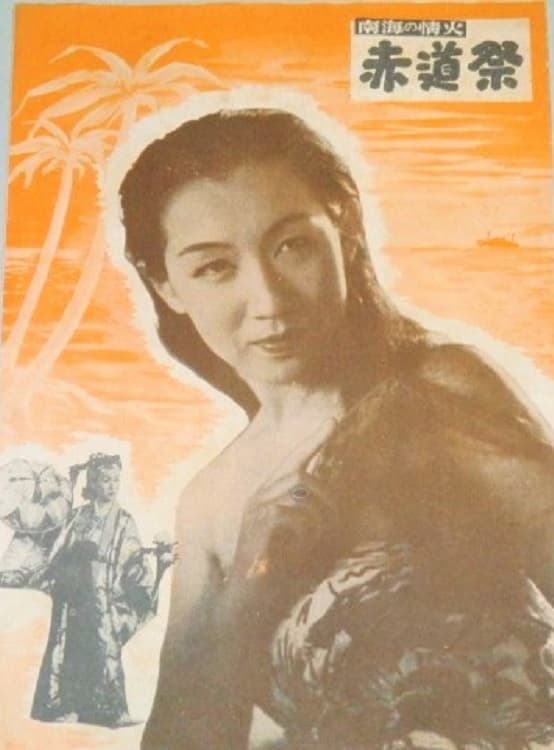
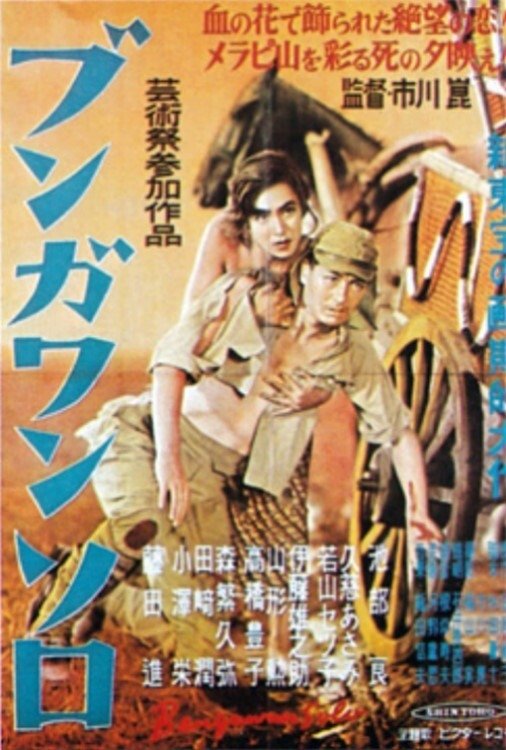
War film by Kon Ichikawa
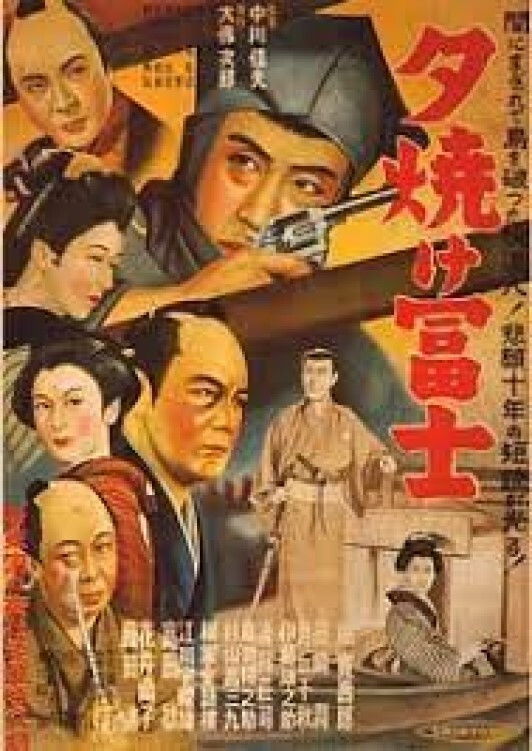
Jidai-geki starring Kanjuro Arashi
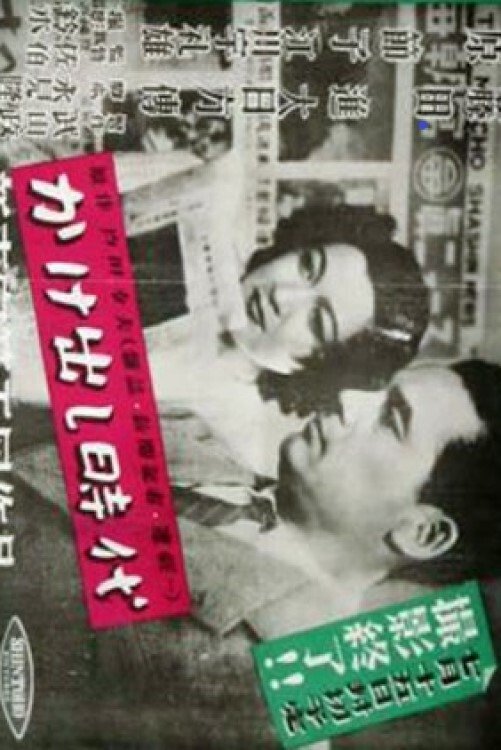
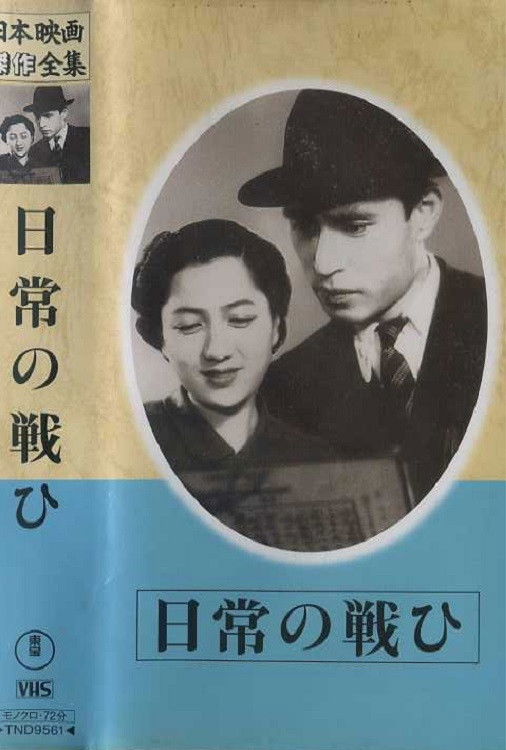
A newly hired daily newspaper writer covering the society beat receives an assignment to cover Tokyo at night by walking and observing it. He gets into the right frame of mind by dressing the part as a vagrant with not a penny to his name. He gets into trouble ending up at the police station slammer overnight. He has no material to write about and, with his assignment unfulfilled, faces a cross editor.
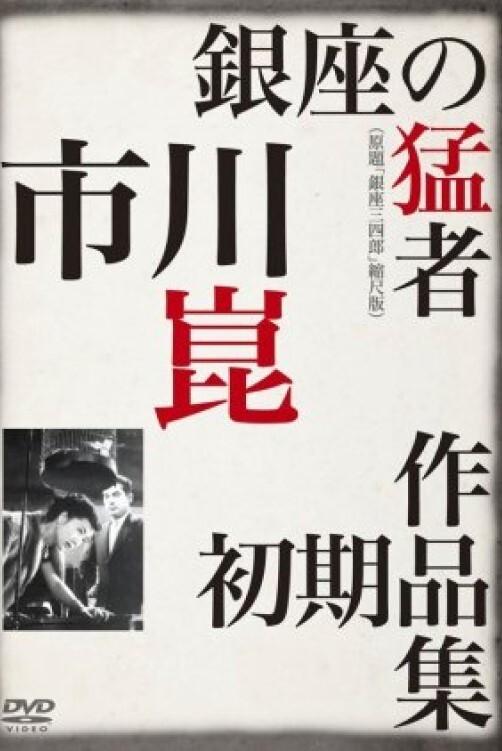
An early film by Kon Ichikawa
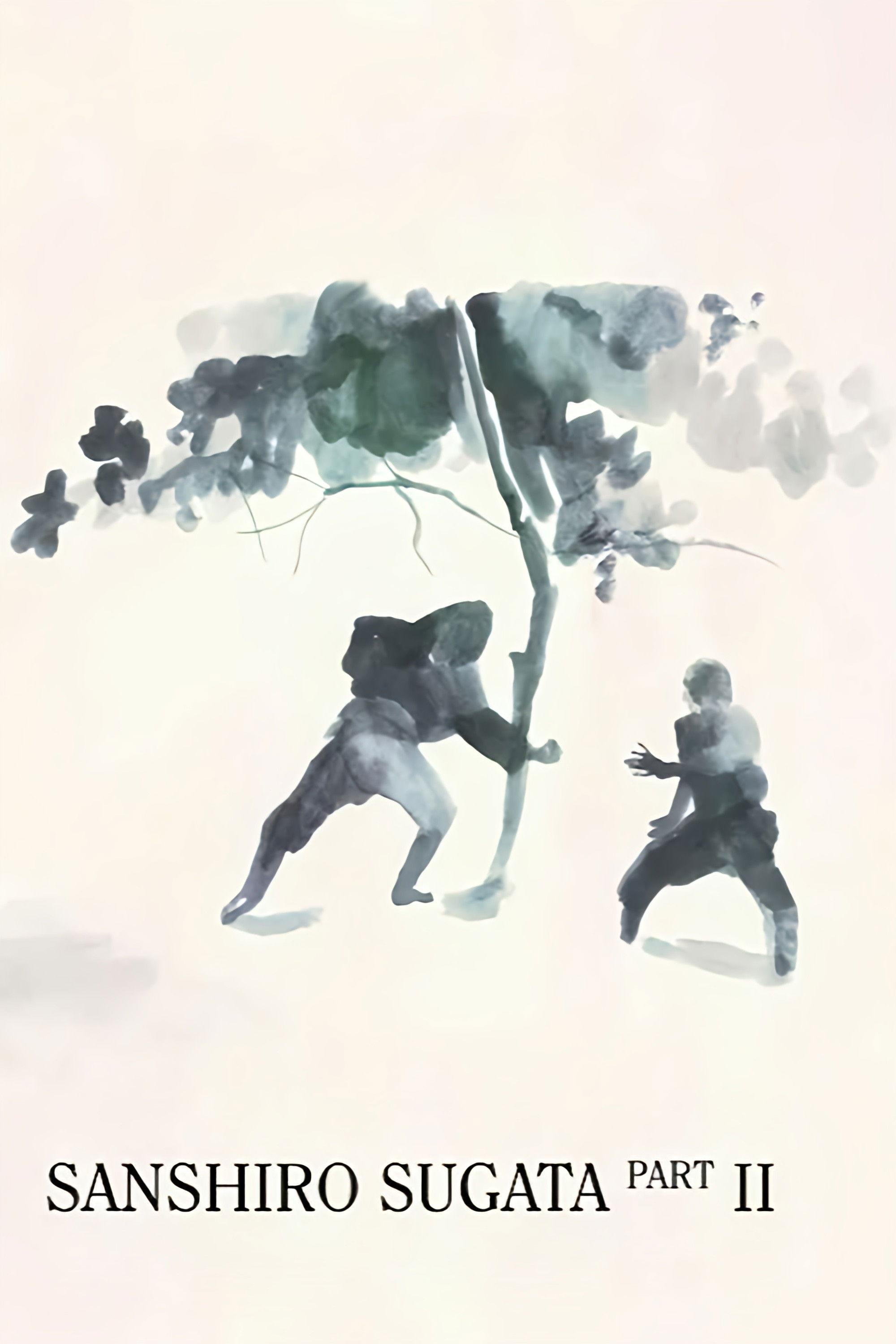
A few years after his breakthrough, Sanshiro resumes his path to judo mastery—testing his discipline against an American prizefighter and later facing vengeful karate brothers. As rival schools and public spectacle push him toward violence, he must reconcile strength with restraint and the true spirit of his art.
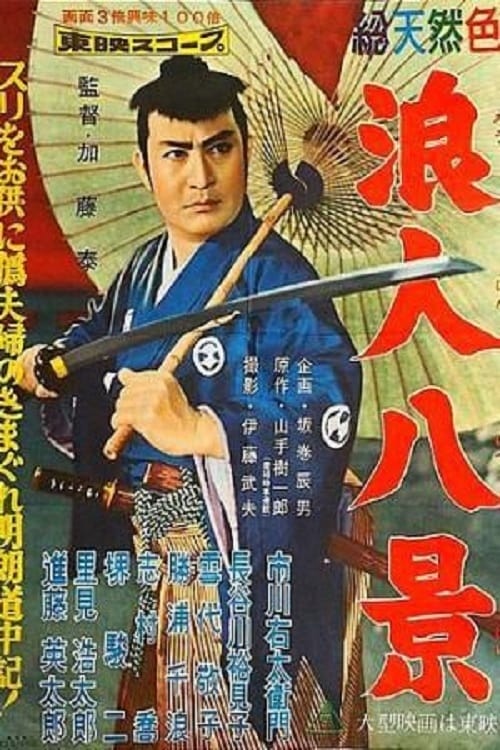
Bright samurai movie innovatively adapted from a classic story. A traveling masterless samurai is asked by a daughter of an established samurai family to pretend they are a married couple, and gets involved in the troubles of the samurai clan.
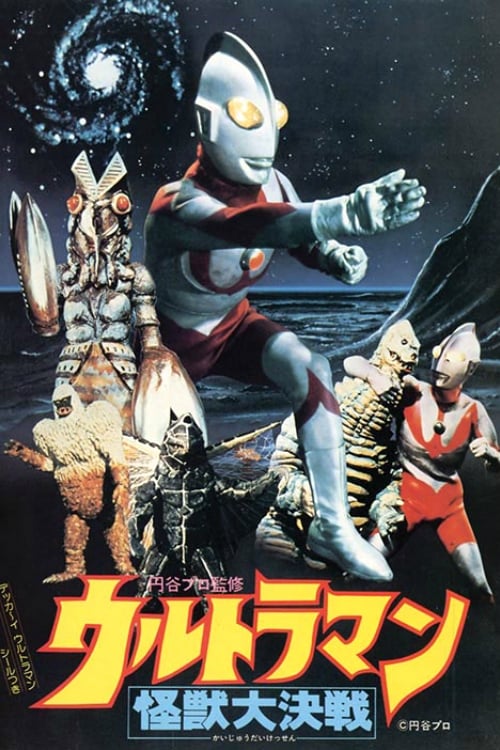
A 1979 Japanese tokusatsu kaiju film produced by Tsuburaya Productions, consisting of re-edited material from the original television series Ultraman. Ultraman: The Great Decisive Battle was the 1st movie of the third Showa phase (Jissouji's Ultraman being first and Ultra Brothers vs. The Monster Army being second) and because of this Tsuburaya decided to make this a reunion of the last 12 Ultras (aside from Ultraman 80 which hadn't come out yet). Tsuburaya decided to give this a different tone than Jissouji's Ultraman, having more new scenes and appealing to the all-Ultra fan.
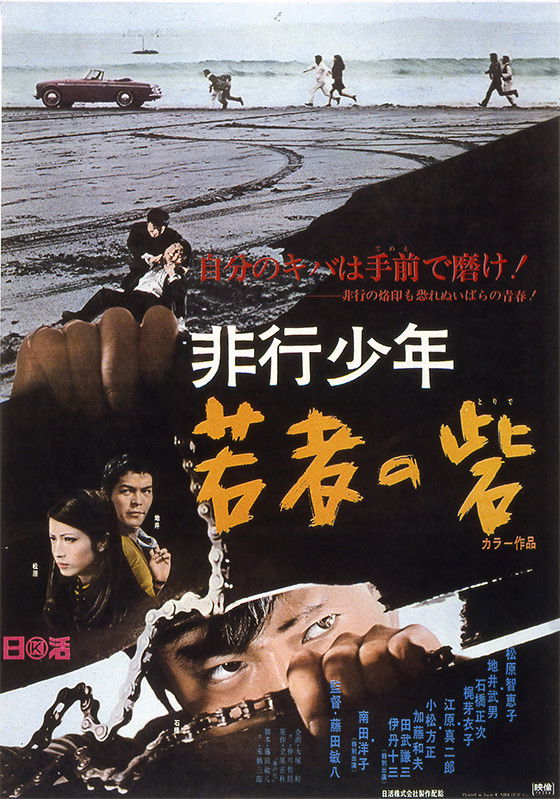
A 1970 juvenile delinquent drama.
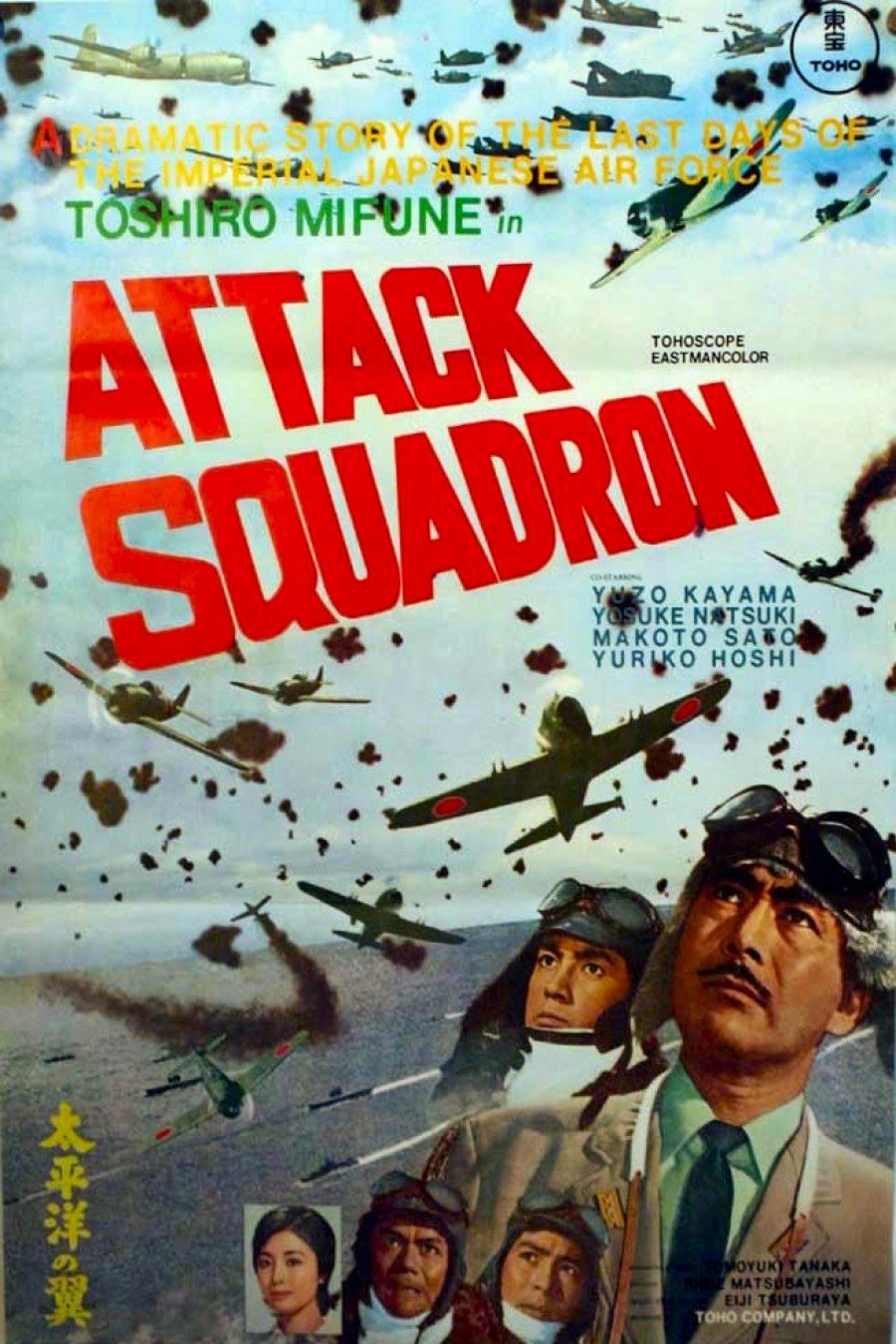
Lt. Col. Senda resists the idea of sending Japanese fighter pilots on suicide missions. He believes that what is really necessary for Japan to regain momentum in the war is for the air force to gather its most brilliant pilots into an elite squadron and use the unit to pinpoint attacks on the Americans. Disrespected by the kamikaze pilots who think the "non-suicidal" pilots are afraid, the unit redeems itself by stunning victories. But success leads the military leaders to expect too much of the unit, and new orders portend disaster.
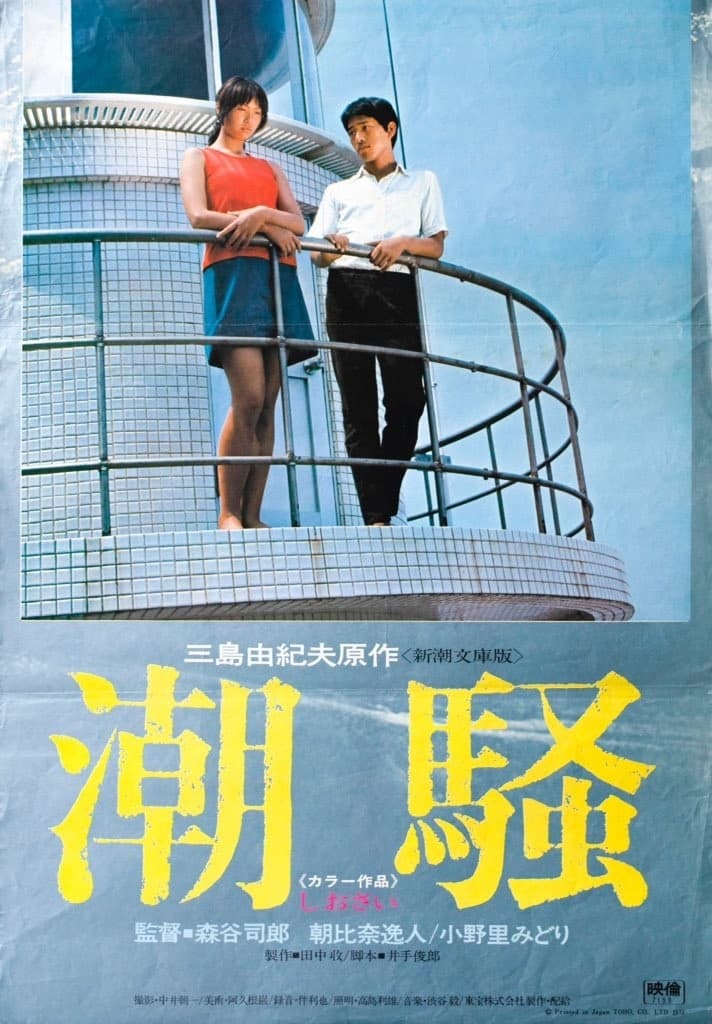
Lonely youth Shinji meets Hatsue, a pretty pearl diver, on the beach and the two fall in love. But Shinji has a rival for Hatsue's affections, Yasuo. Yasuo spreads unpleasant gossip about his rival, and Hatsue's father forbids her to see Shinji. But when the boy saves the passengers on a boat owned by Hatsue's father, his luck in love begins to change.
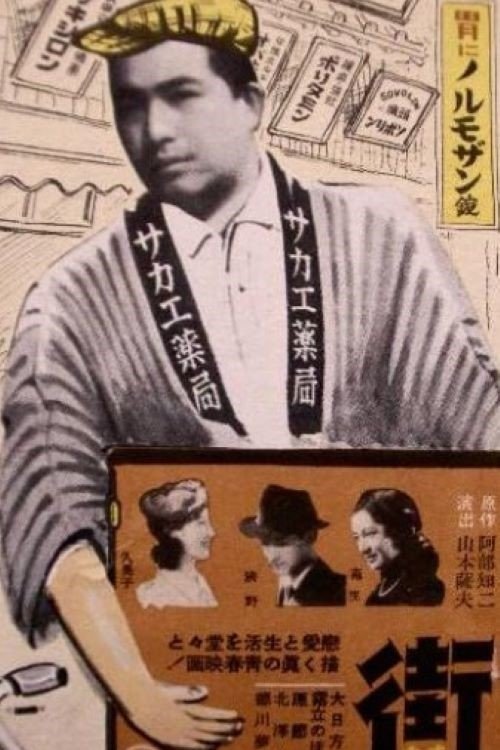
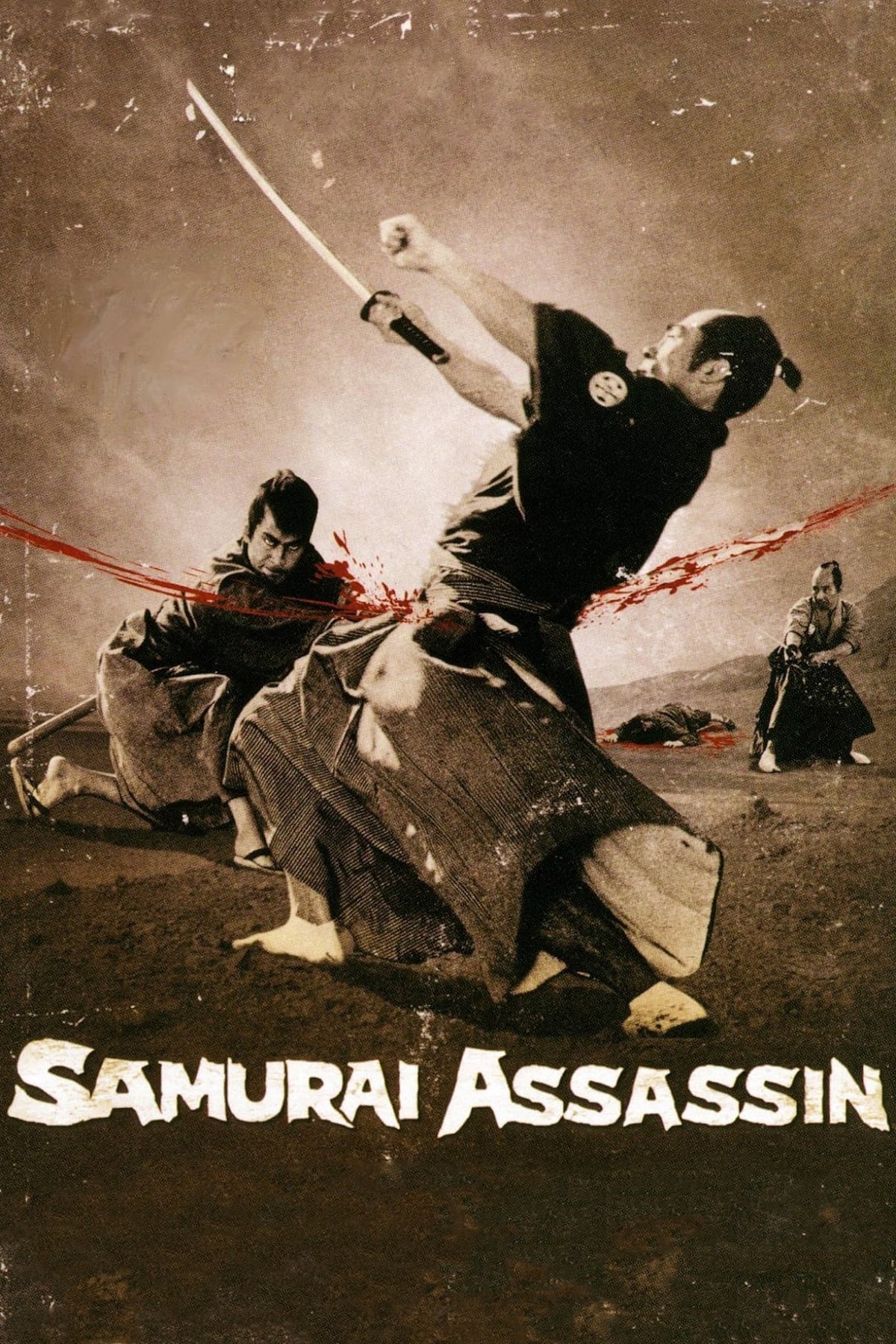
Japan, 1860. The men of the Mito clan, victims of the Ansei purge, anxiously prowl around the Sakurada Gate of Edo Castle with the intention of assassinating Naosuke Ii of Hikone, tairō of the Tokugawa shogunate and responsible for their misfortune.
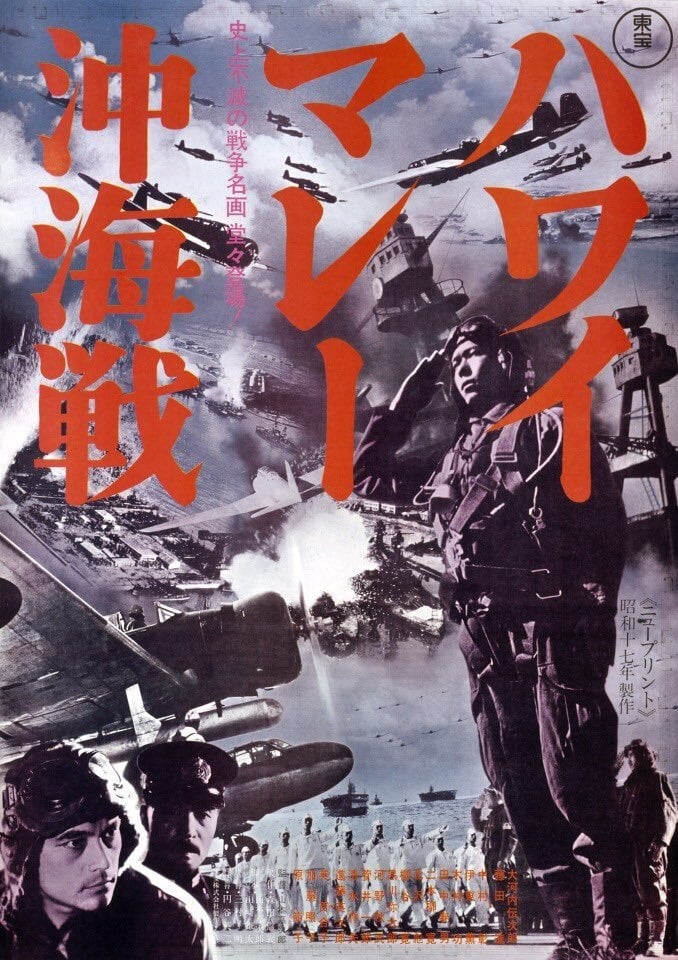
Japanese Navy air cadets train for the attacks on Pearl Harbor and the HMS Prince of Wales.
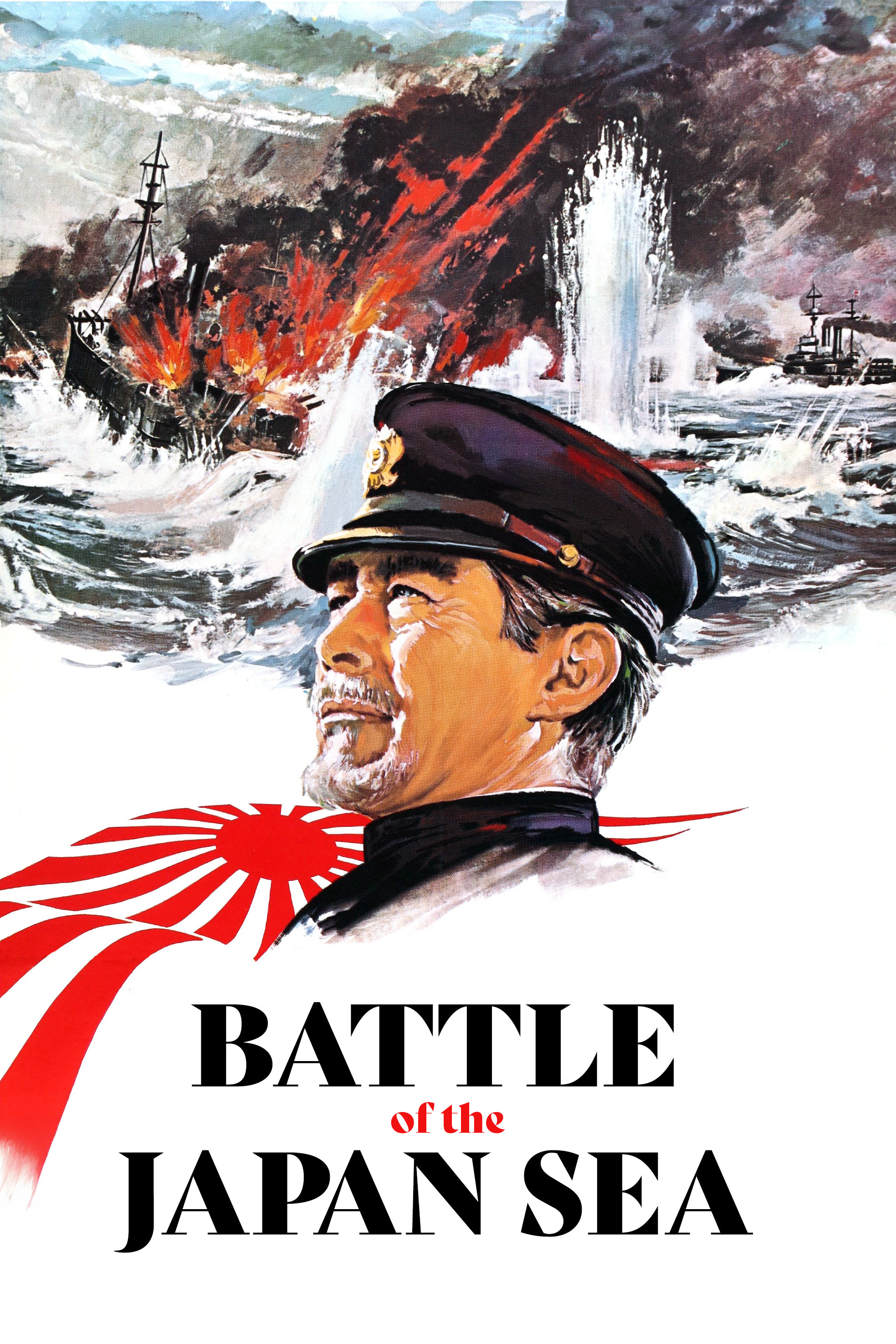
Japan and Russia clash in what comes to be known as the Russo-Japanese War. An attempt by the Japanese fleet and army to take Port Arthur fails, and a Russian fleet bears down on the Sea of Japan. Admiral Heihachiro Togo sends his fleet to confront the Russians, with results which stun both nations. Meanwhile, Major Genjiro Akashi makes secret negotiations with the Bolshevik revolutionaries in Russia, negotiations that have repercussions far beyond the conflict at hand.
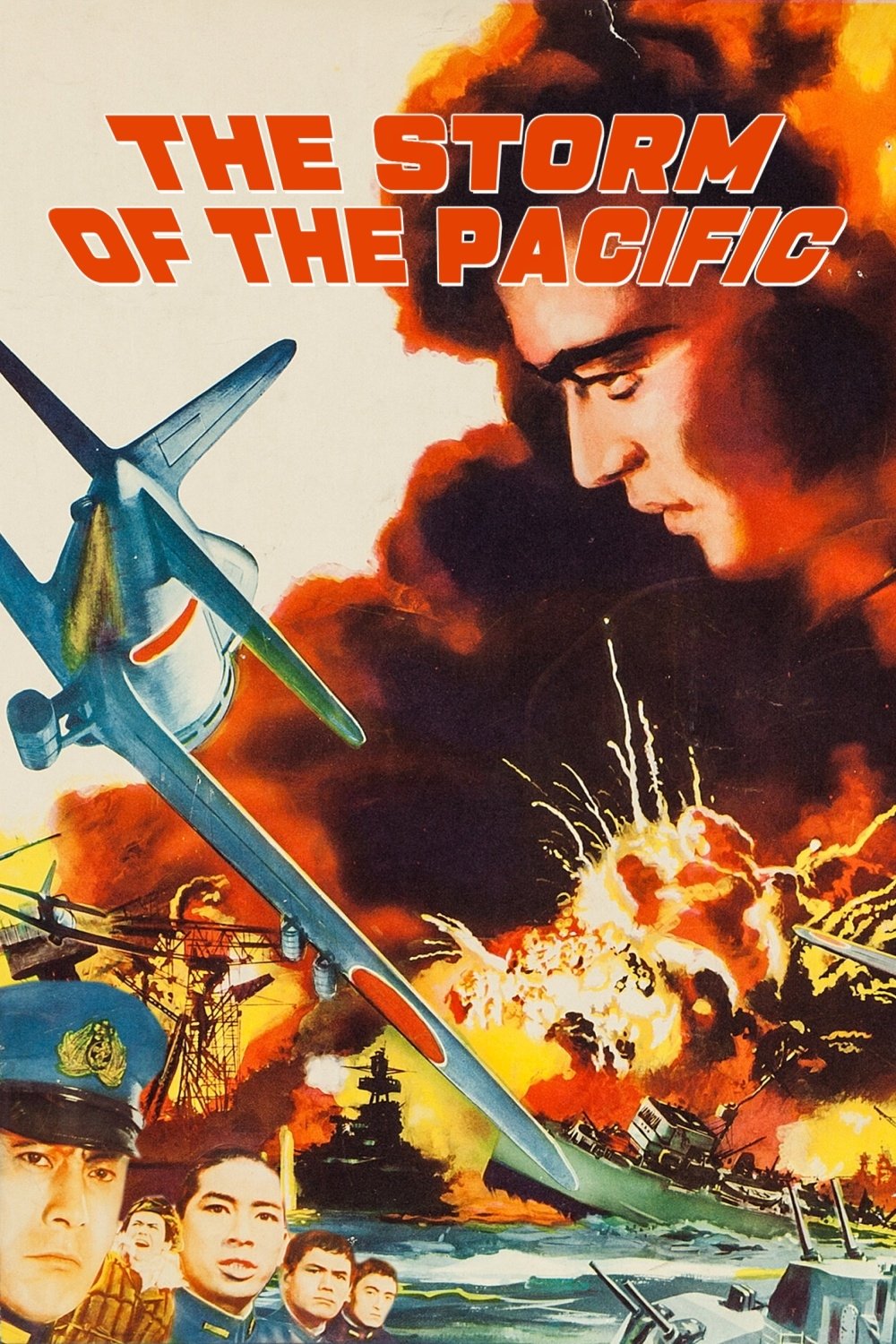
Lt. Koji Kitami is a navigator-bombardier in Japan's Naval Air Force. He participates in the Japanese raid on the U.S. Naval Base at Pearl Harbor in 1941 and is welcomed with pride in his hometown on his return. As Japan racks up victory after victory in the Pacific War, Kitami is caught up in the emotion of the time and fights courageously for the standard of Japanese honor. But his assuredness of his government's righteousness is shaken after the Japanese navy is defeated in the debacle of Midway.
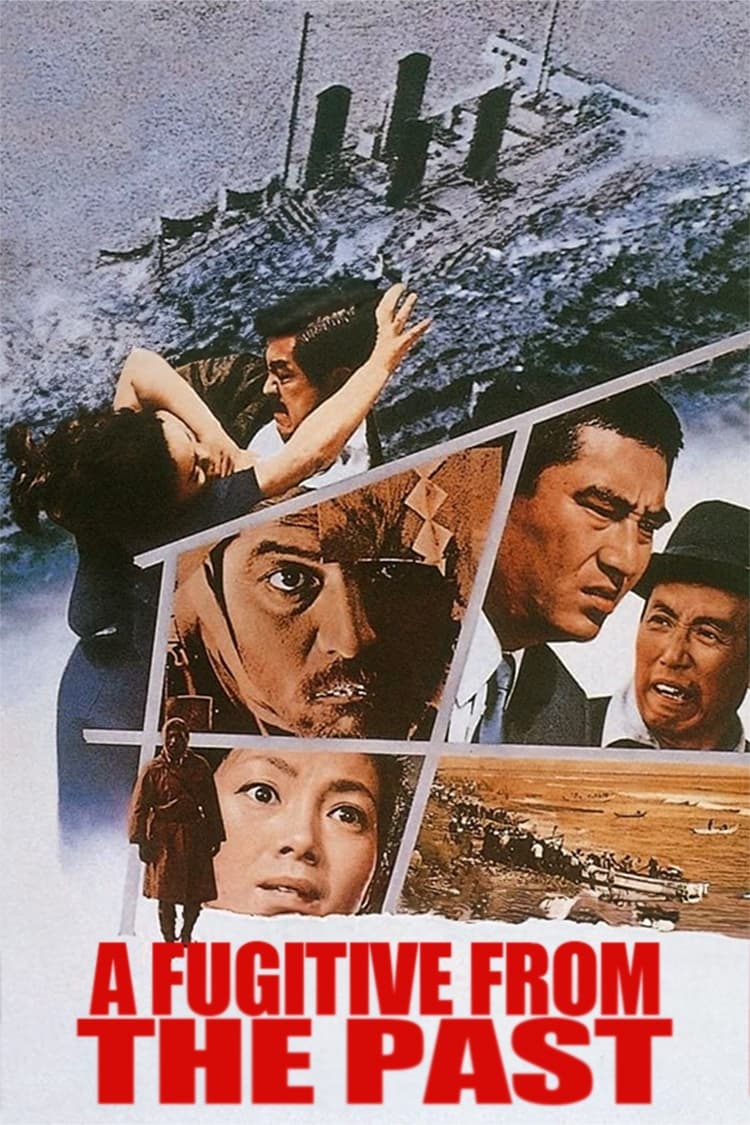
Three robbers escape with loot from a heist before one of them kills the others. Their corpses wash up near the aftermath of a maritime calamity, provoking a policeman's interest.
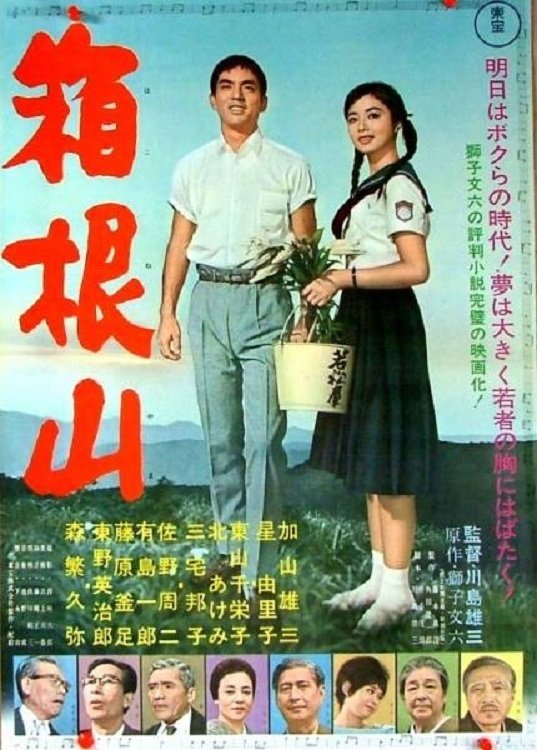
Japanese drama.

Set in Qingdao, China, a Japanese company locates an office there and begins work and cooperation with a local Chinese company for business. Many Japanese engineers also move to China, with their families, for the company in order to construct a canal. There are young Chinese resisting the Japanese in this area.

A group of Okinawan high school girls are drafted as nurses during the American invasion of the island. As the enemy army advances further, the situation for the girls becomes increasingly desperate as food and shelter run out and the number of injured climbs, leading to the film's tragic finale.
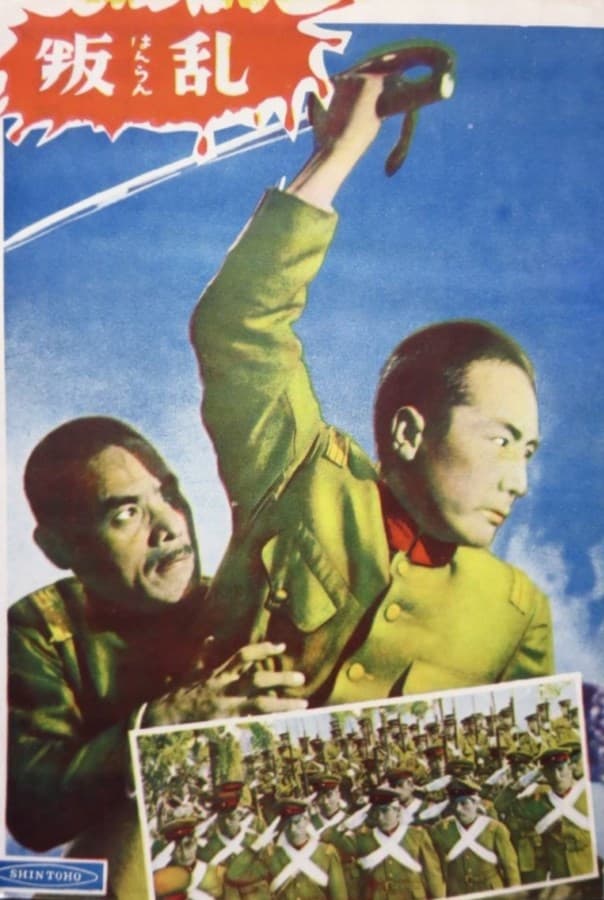
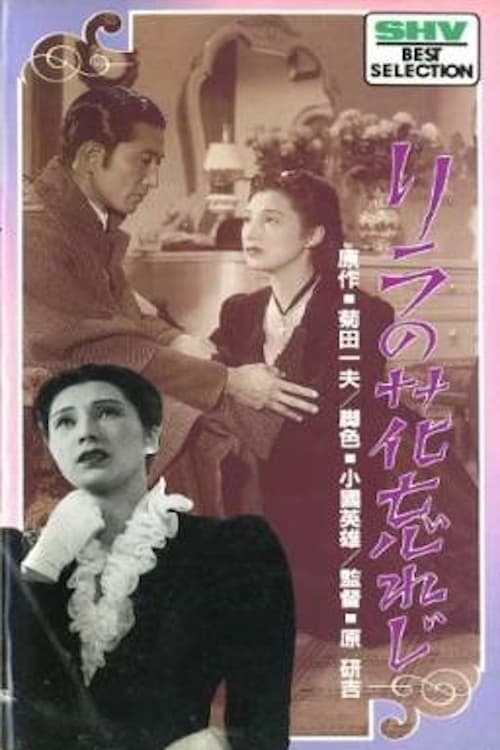
In the 30th year, Nirasaki Den'emon established the Nirasaki Hokkaido Development Company with investment from Sonoi to build railway facilities. However, the endeavor faced criticism for attempting to buy Ainu land at low prices. Tokyo Nippo reporter Toshimasa Matsuzaka, who was actually Nirasaki's son, wants to expose the flawed practices of the company.
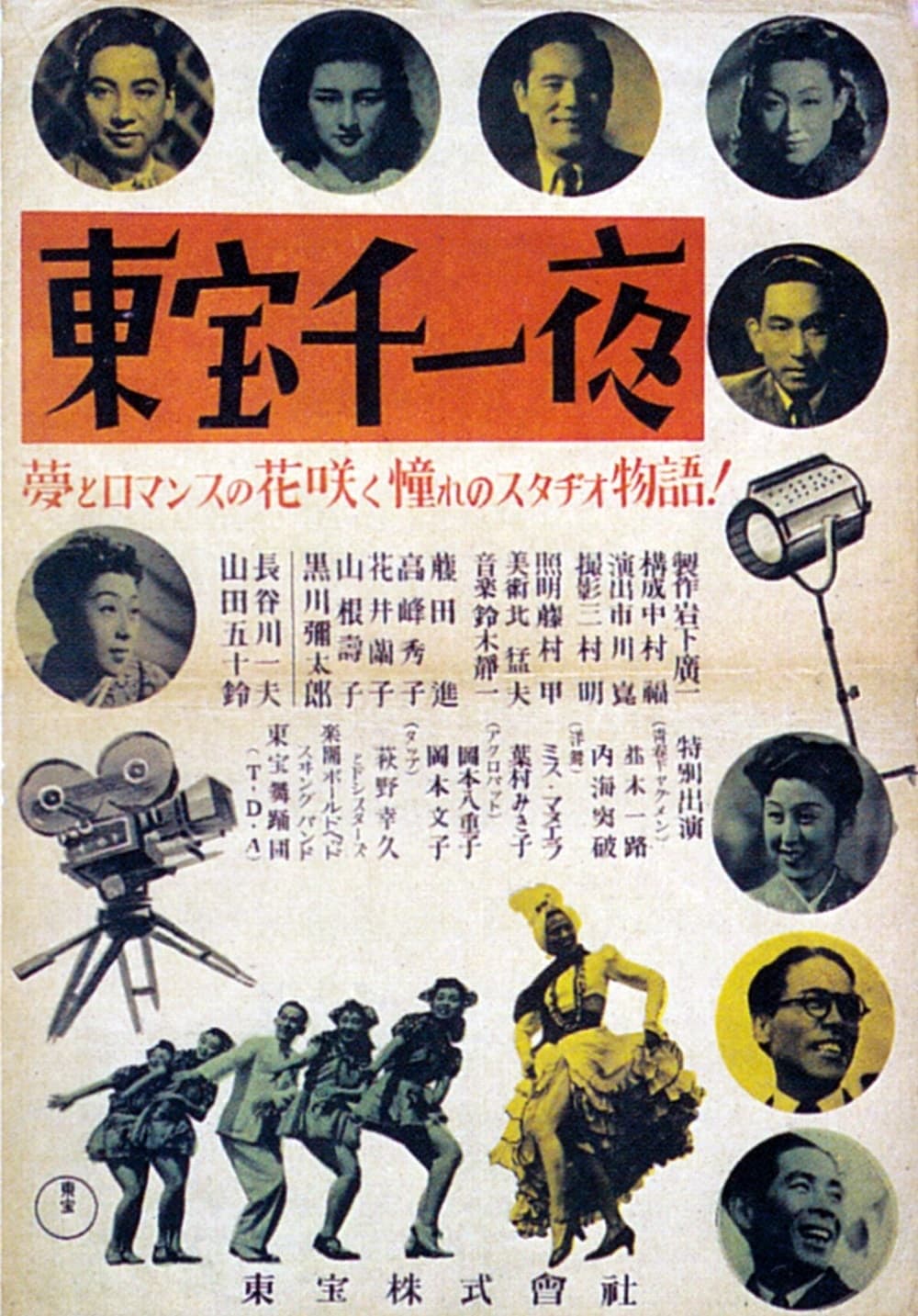
The debut film of Shin Toho Productions
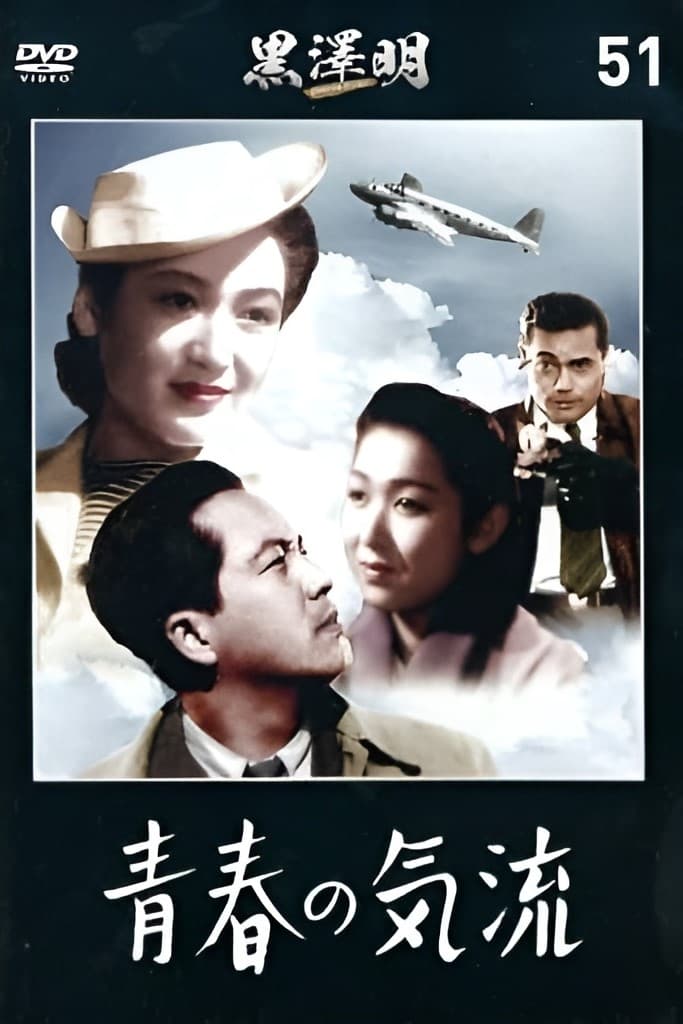
It was supposed to be about a love story, but it was and was not. An aircraft mechanic working for the government is matched by his boss with the latter man's daughter (Setsuko Hara) who is both beautiful and aggressive. Yet, he picks a woman who is less assertive as his bride.

1945 Japanese movie
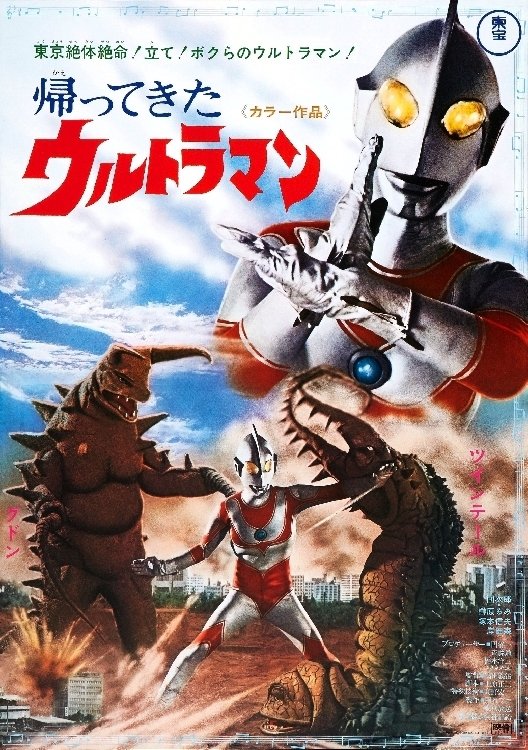
Episodes 5 and 6 of Return of Ultraman show, screened at Toho Champion Festival.
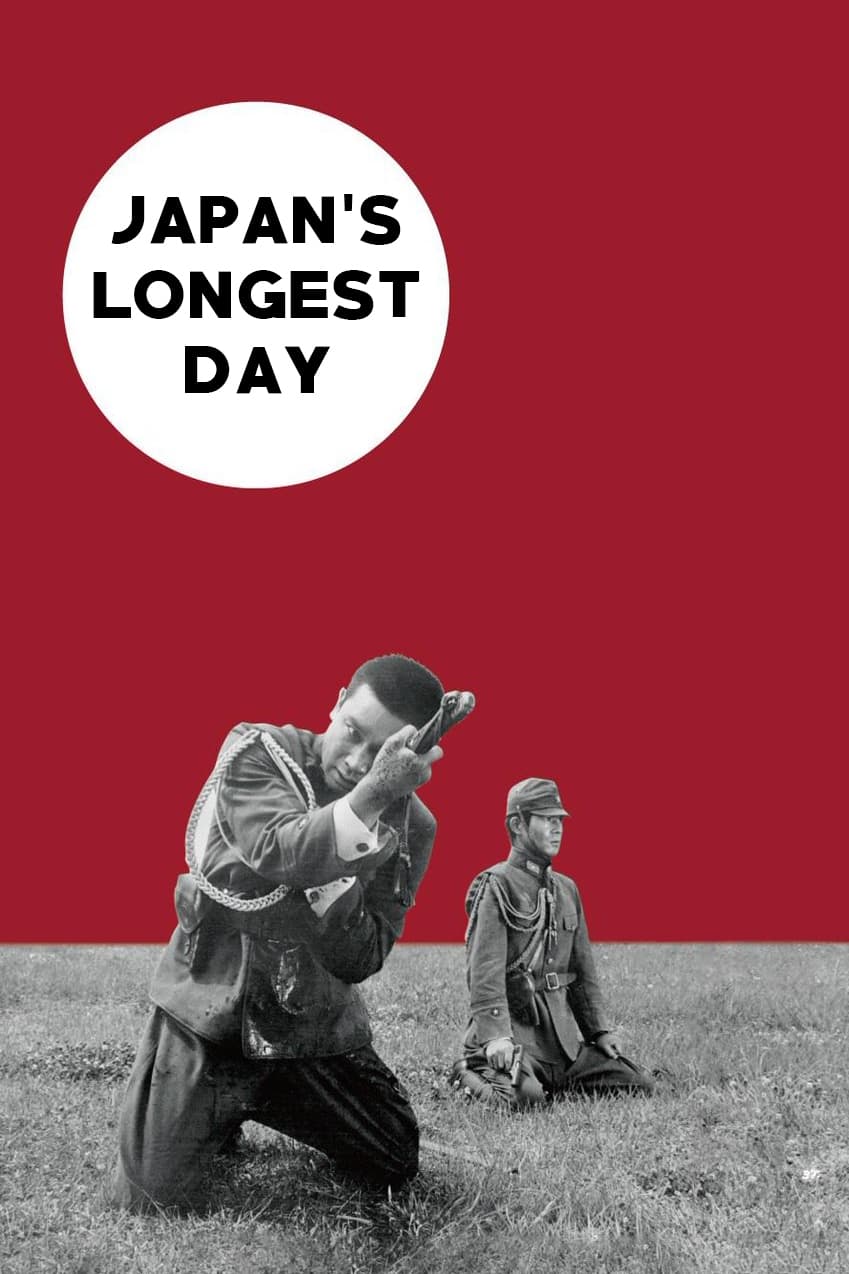
Following the detonation of the atomic bombs on Hiroshima and Nagasaki, the Japanese military and the government clash over the demand from the Allies for unconditional surrender. Minister of the Army Anami leads the military officers who propose to fight on, even to the death of every Japanese citizen. Emperor Hirohito, however, joins with his ministers in asking the unthinkable, the peaceful surrender of Japan. When the military plots a coup to overthrow the Emperor's civilian government, Anami must face the choice between his desires and loyalty to his Emperor.
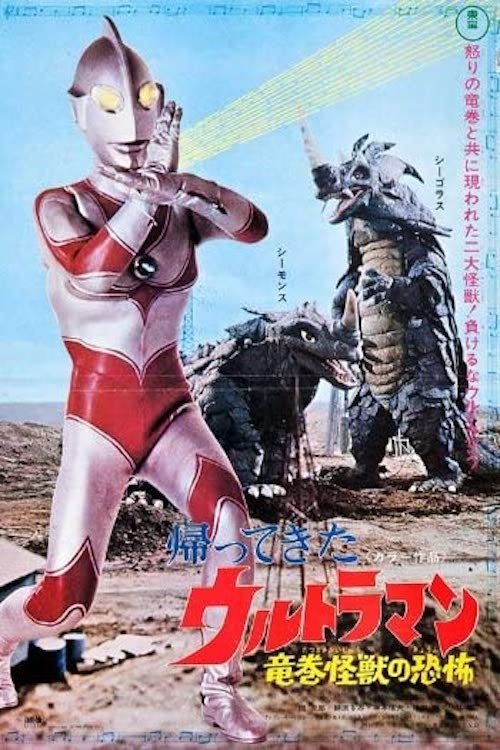
A theatrical release of The Return of Ultraman episodes 13-14. It was released on December 12, 1971 as part of the Toho Champion Festival along with Godzilla, Mothra, King Ghidorah: Earth's Greatest Battle (edited from Ghidorah, the Three-Headed Monster) and shorter versions of The Adventures of Hutch the Honeybee, and The Little Match Girl.
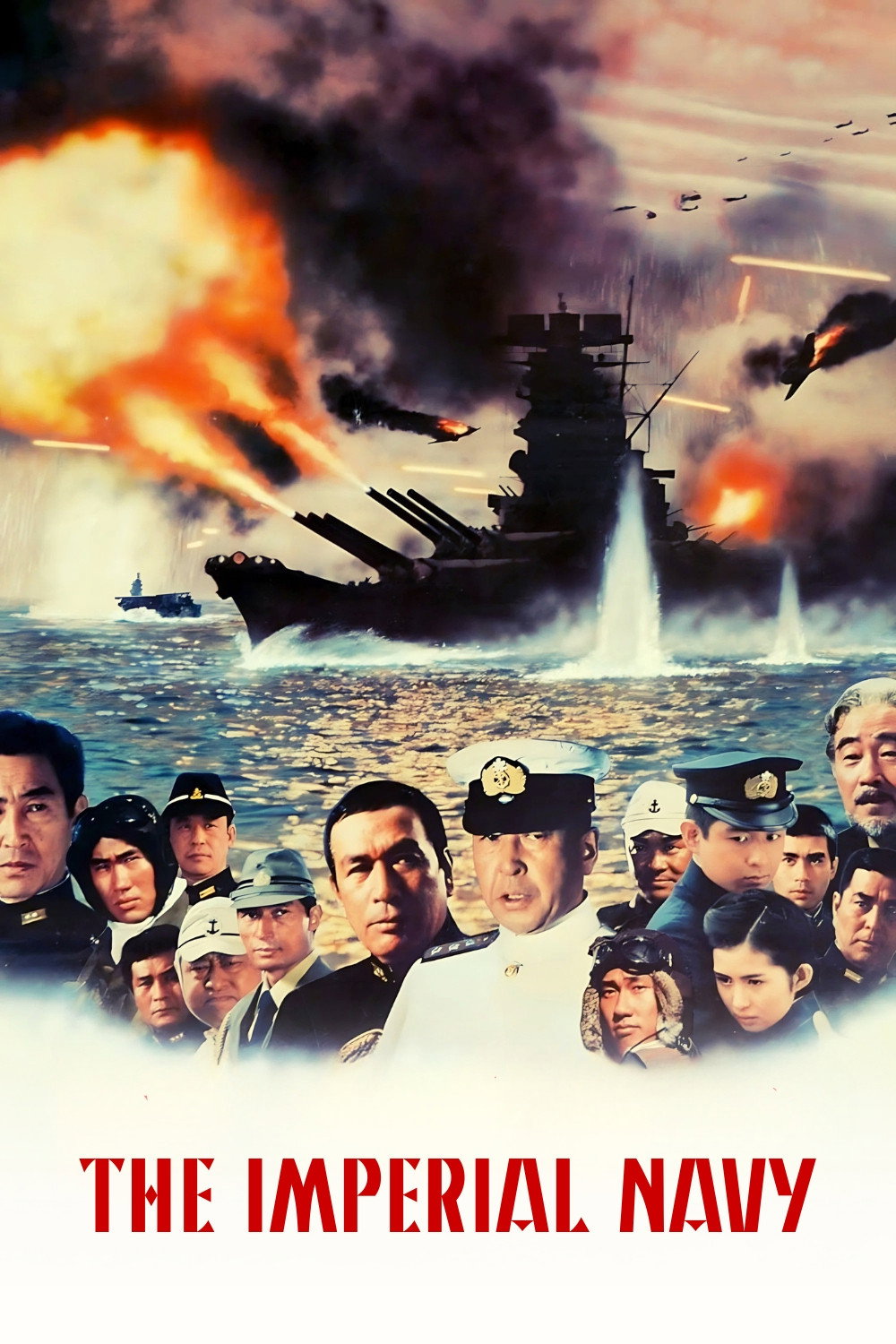
A lavish retelling of the true story of the final voyage and ultimate destruction and sinking of the battleship Yamato, Japan's greatest flagship during the Second World War.
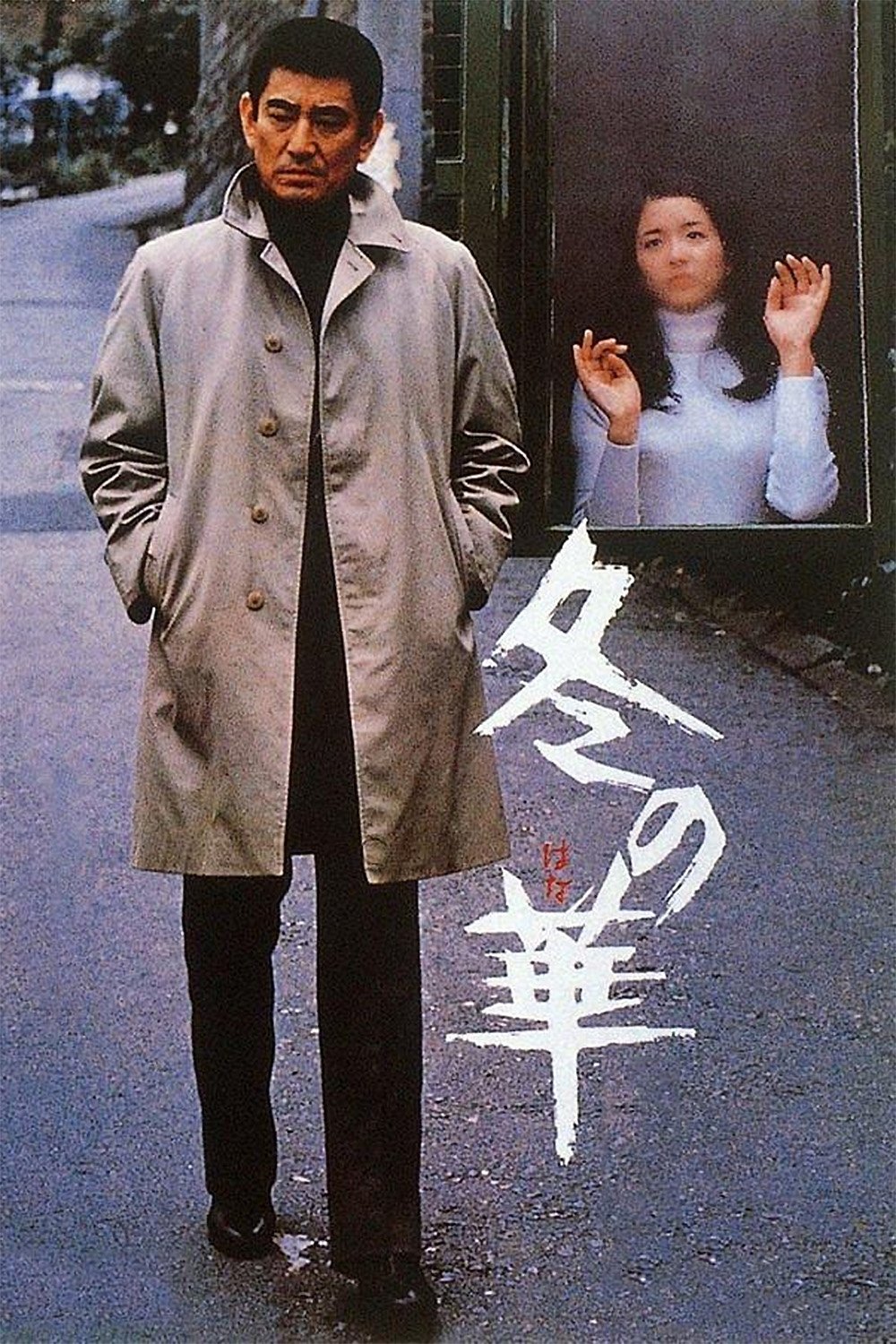
Kanno is a Yakuza. He had to kill Matsuoka who betrayed their boss. Kanno knew Matsuoka had a 3-year-old daughter named Youko. Before he gave himself to the police, he asked his trusted man to take care of her. While in prison, Kanno kept sending letters to Youko, disguising as an uncle in Brazil. 15 years later, Kanno is released. He is determined to live legitimately, however the Yakuza has not forgotten his wicked deed!
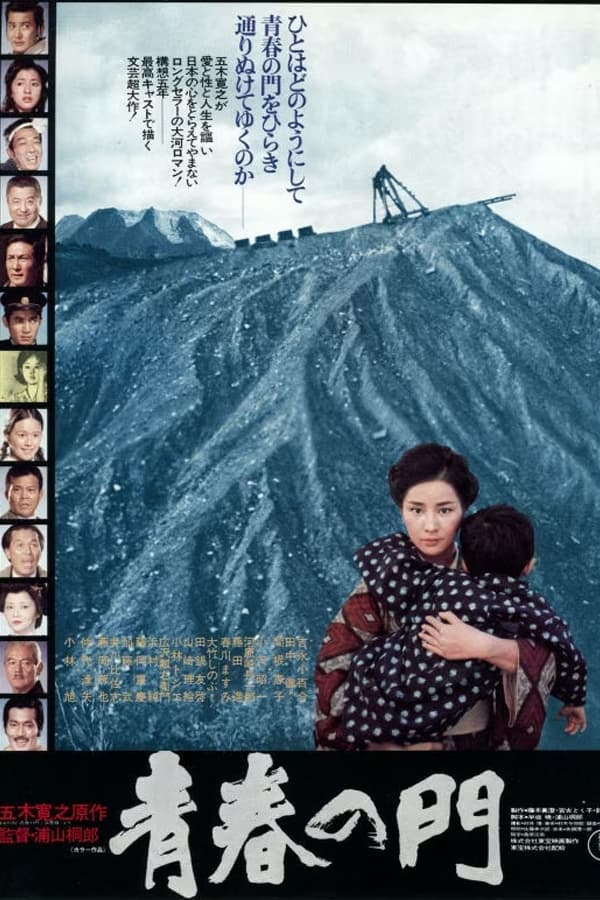
Mainly the story of Shinsuke and his stepmother, ranging from Shinsuke's infanthood to his mid-teens. Coal workers and the mines dominate nearly every aspect of the life of the characters. Shinsuke's father dies while bravely using dynamite to rescue a group of trapped Korean miners. Several older men attempt to help he and his mother cope, including a kind Korean and a Harley-riding yakuza.
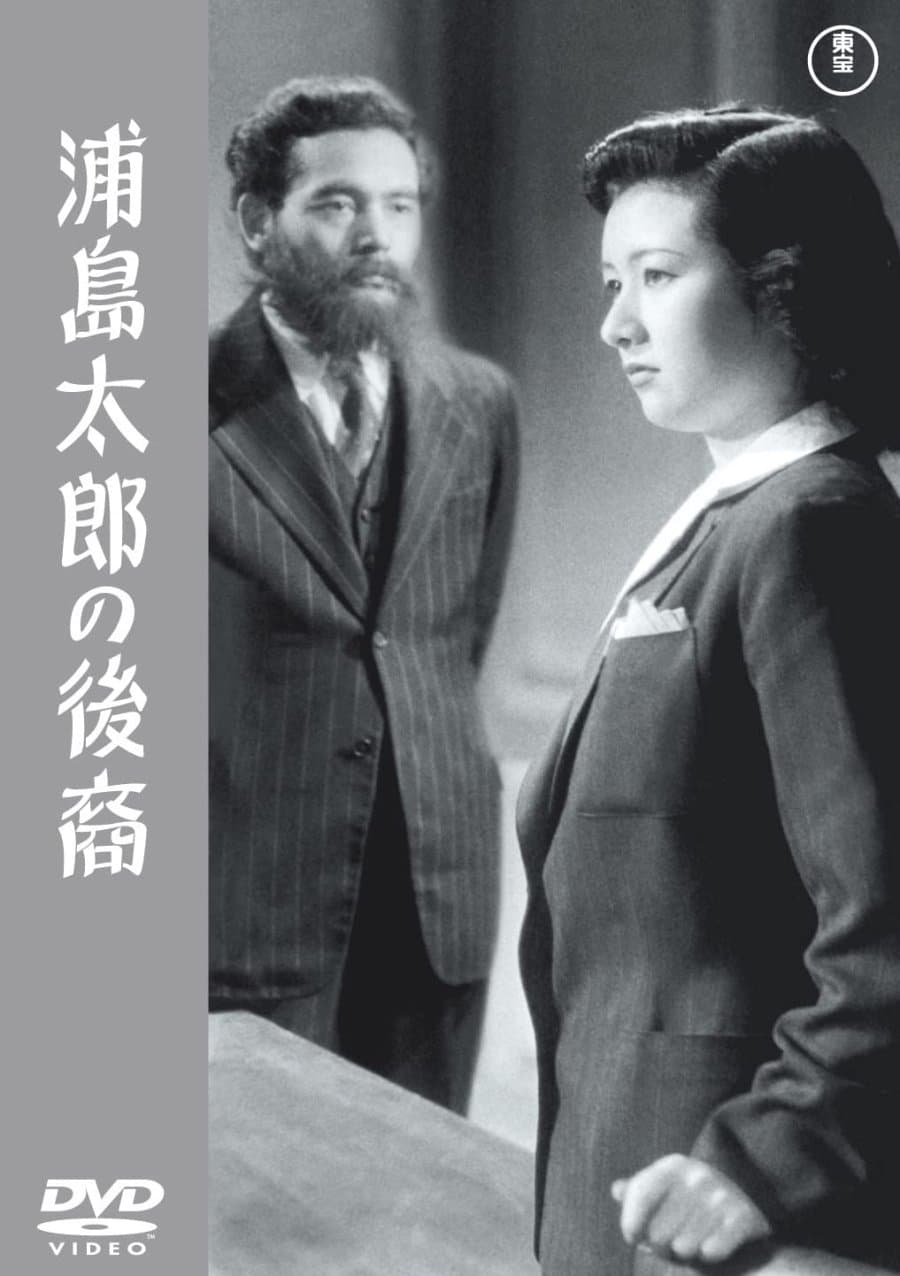
Reputedly based on Frank Capra’s 1939 film Mr. Smith Goes to Washington, A Descendant of Tarô Urashima is about a repatriated soldier who becomes populist politician in the Japanese Happiness Party.
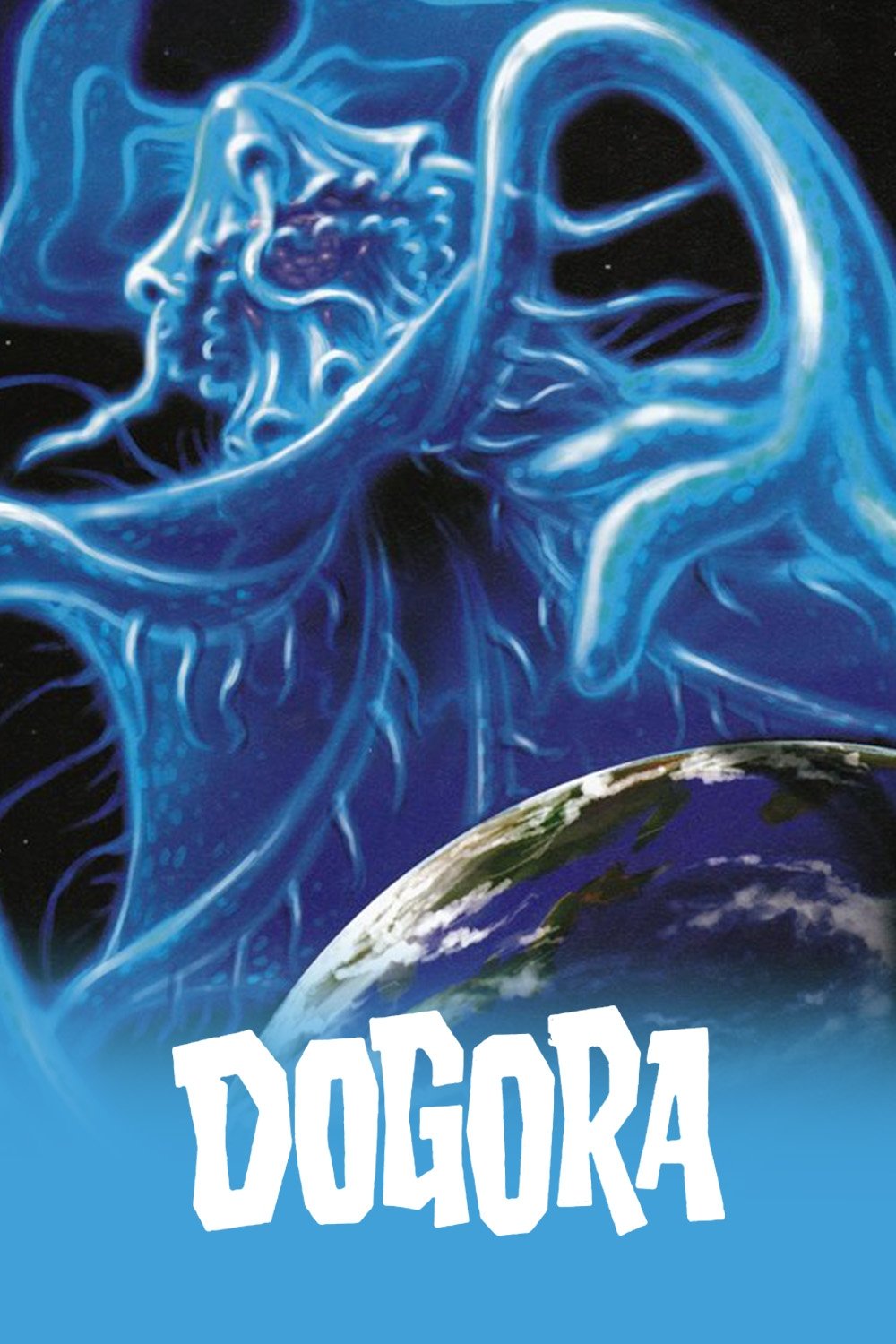
A floating amorphous life-form descends from the atmosphere to consume carbon in the form of diamonds.
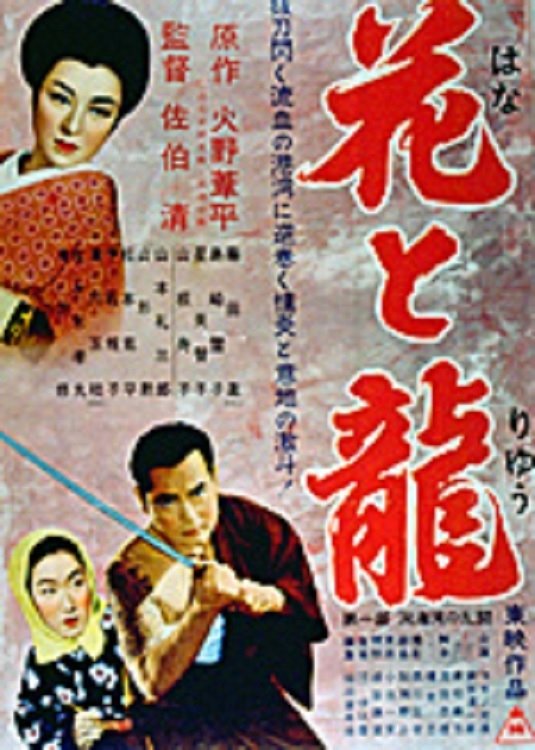
Dai-ichi-bu: Dôkai-wan no rantô - Kiyoshi Saeki directed movie.
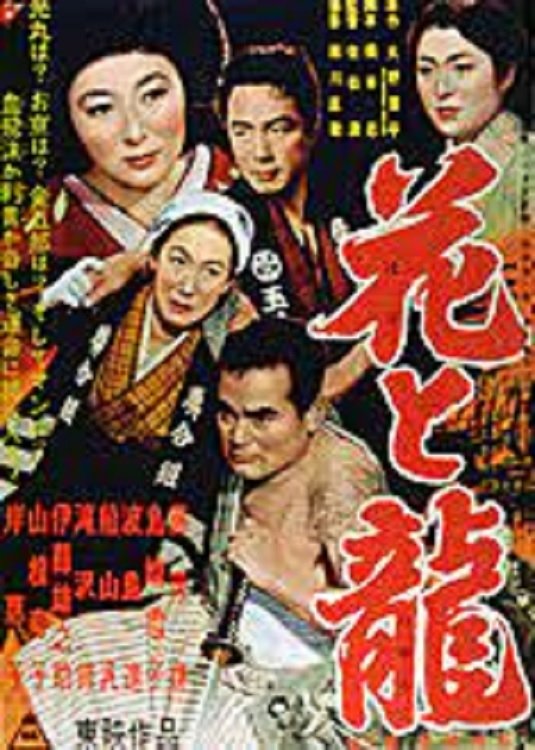
Dai-ni-bu: Aijô ruten: Kiyoshi Saeki directed movie

A 1944 propaganda film that depicts the fictionalised career of IJAAF pilot Tateo Kato, who led the 64th Sentai during the early months of the Pacific War. The film has scenes featuring Ki-43 fighters escorting Ki-21 bombers to attack Rangoon, where they are attacked by P-40 Warhawk and Brewster Buffalo fighters.
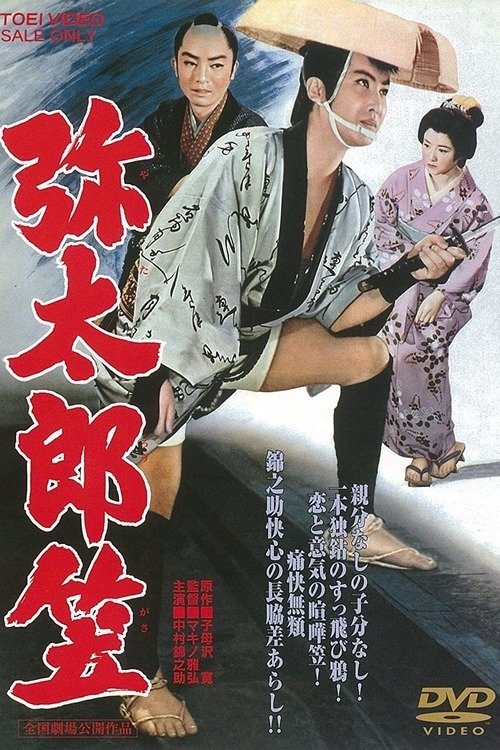
Tossing his hat in the air to pick a direction, Yataro the wanderer sets out on a journey of adventure, not knowing what tomorrow may bring. The son of a Hatamoto, he has left the samurai life and become a yakuza, gambling on life's fortune and ready to risk his life at a moment's notice. Featuring an all-star cast that includes the debonair Azuma Chiyonosuke, this is a tale of excitement and action that brings the best of black and white to the silver screen. An adventure like no other, this is one of Kinnosuke's lost gems. A series of mishaps leads Yataro to watching over the beloved daughter of his close friend.
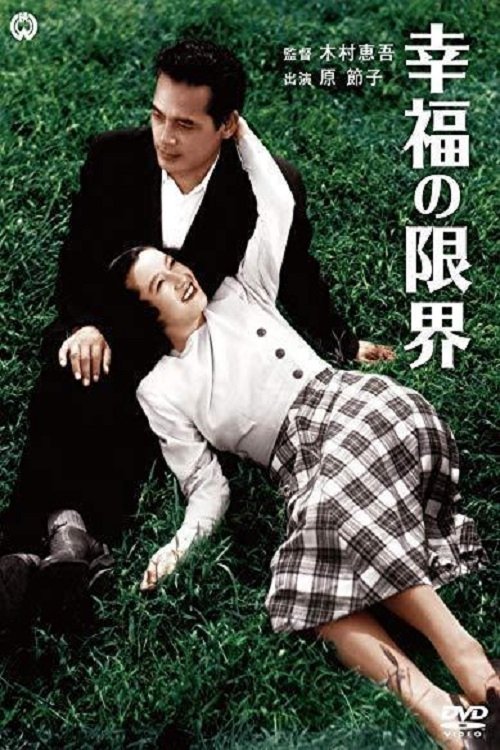
The eldest daughter of the Takamatsu family, Atsuko, a widow, returns home due to not getting along with her late husband's family. On the other hand, the youngest daughter, Yukiko, is in love with a teacher older than her, much to her father's chagrin. All of this, together with Yukiko and Atusko not getting along, will shake the foundations of the Takamatsu family.

A large family scrapes by on the meager salaries of the father and three eldest sons, who left school in order to work and support the family. The fourth eldest is soon to graduate and follow in their footsteps, though he'd rather continue schooling. The eldest finally decides to break free and set out on his own against his parents' wishes, with the support and sympathy of his siblings.
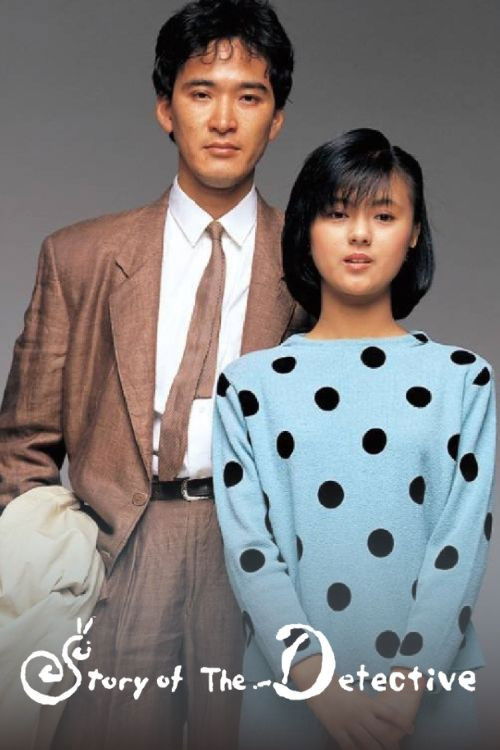
A private detective and a college student find themselves in hot water while investigating the murder of a night club owner.
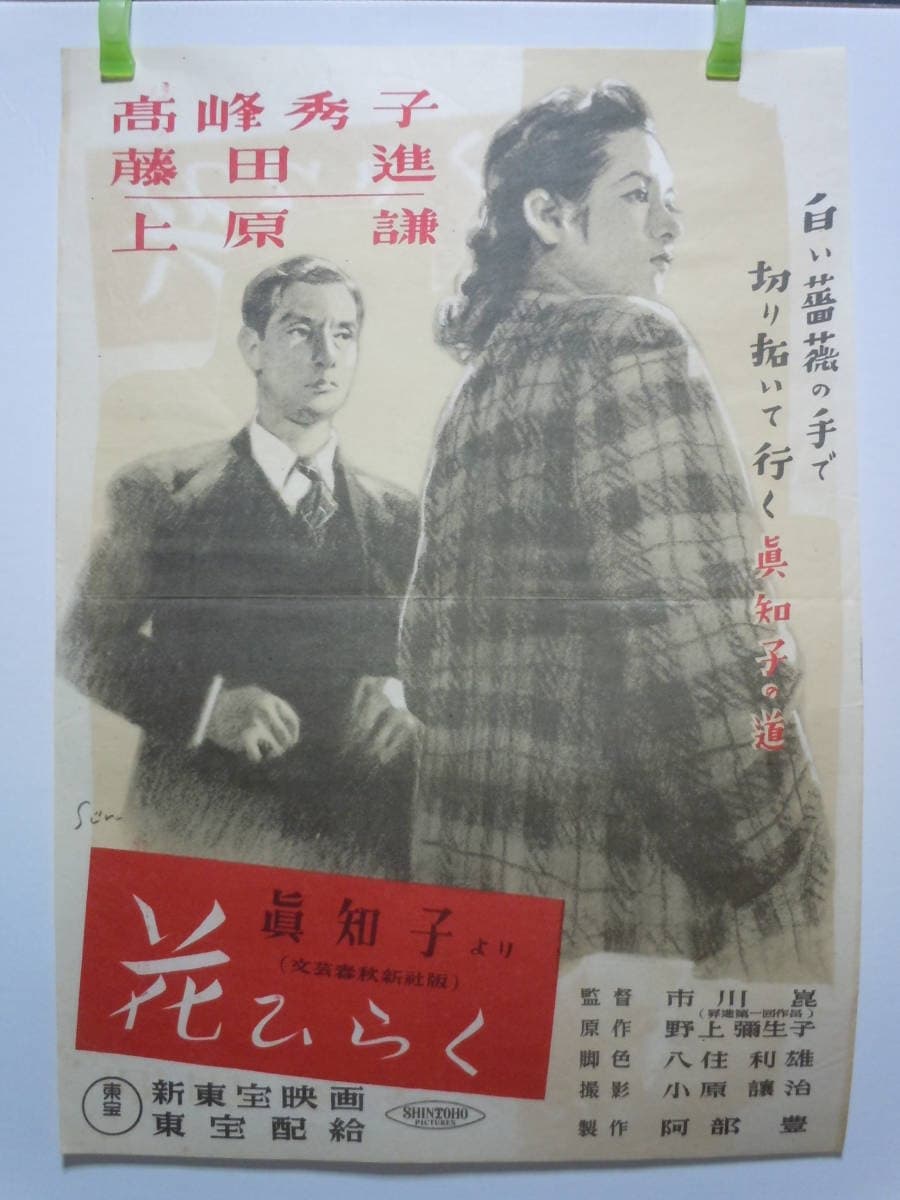
Machiko falls in love with a mysterious man, but her family wants something different for her.
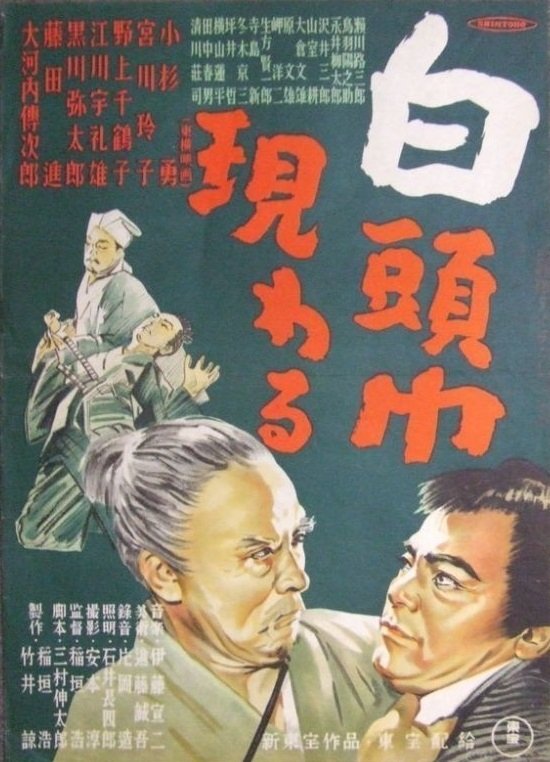
1949 Japanese movie

Meiji Tenno portrays the buildup to the Russo-Japan War. In addition to showing the political events that led to war, it also shows the era from the story of a farm family in rural Japan that sends their son off to war. As such, it could be considered an anti-war movie, showing how, while war is devised by governments, the people do not really understand what war is, and its combatants often do not know what they are fighting for.
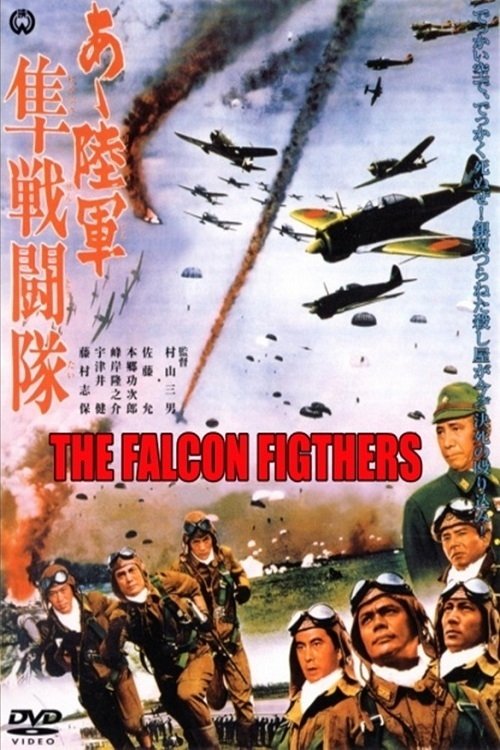
In the prewar days leading up to the Second Sino-Japanese War of 1937, head flight instructor Lt. Katō Tateo of the Imperial Japanese Army-Air Corps trains new volunteers from the Army's Infantry to become Japan's next generation of fighter pilots at the Tokorozawa Flying School. Flying Kawasaki Ko-4 biplanes, Lt. Katō will train both friend and future foe alike. But as war in China breaks out, Katō now in command of the 5th Rentai will take his untested men flying antiquated planes into aerial combat against the Chinese Air Force who is now headed by Lt. Cho who Katō both earlier befriended and personally trained himself. While Katō's squadron ultimately achieves air superiority over the skies of Manchuria, it comes at a high price in men to which each loss carries a heavy burden that he alone must carry. As the war widens into the Second World War, Captain Katō must battle an ever advancing array of deadlier new enemies flying ever more modern fighter planes.
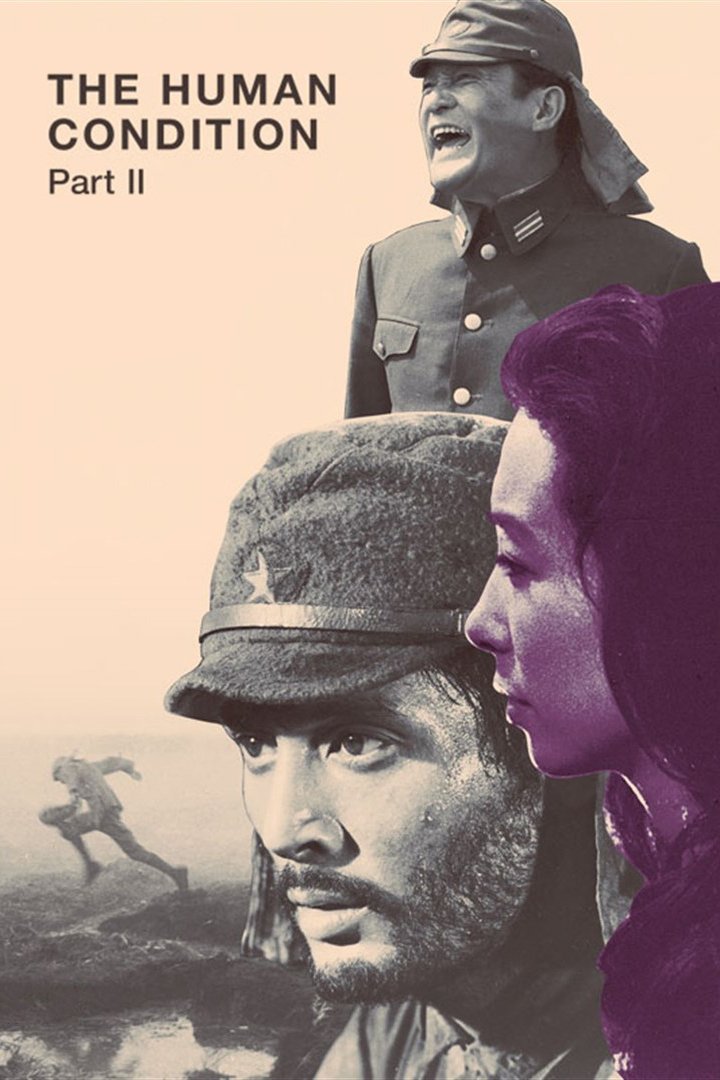
Kaji, sent to the Japanese army labeled Red, witnesses cruelties in the army and revolts against the abusive treatment against a fellow recruit. He also sees his friend Shinjô defecting to the Russian border, and he ends in the front to fight a lost battle against the Russian tanks division.
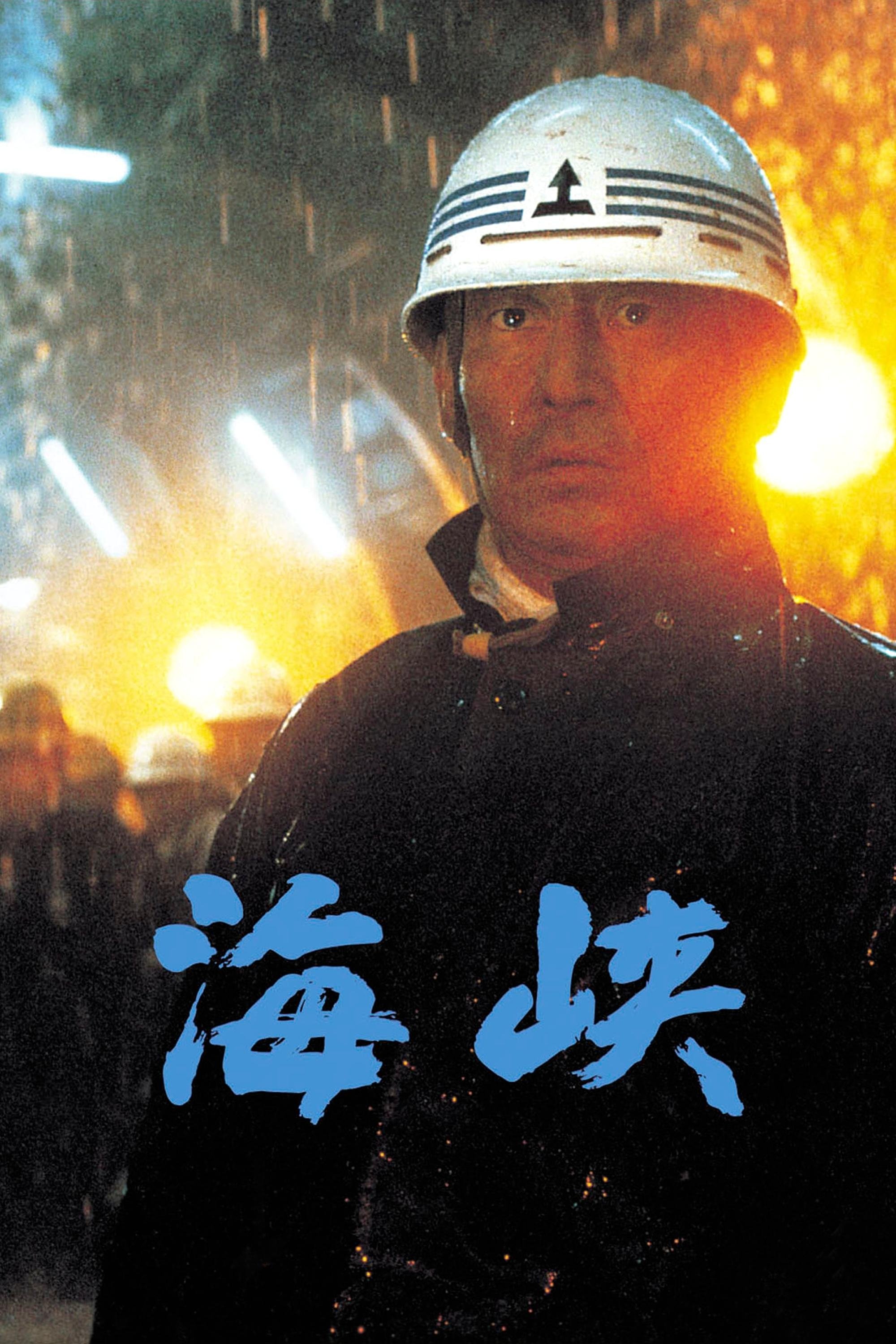
After a passenger ship sinks in 1954, Go Akutsu devises a life-saving project in the form of a tunnel under the Tsugaru Strait. While working on this project Akutsu becomes involved with Tae Makimura leading to his estrangement from his wife.
Japanese comedy film.
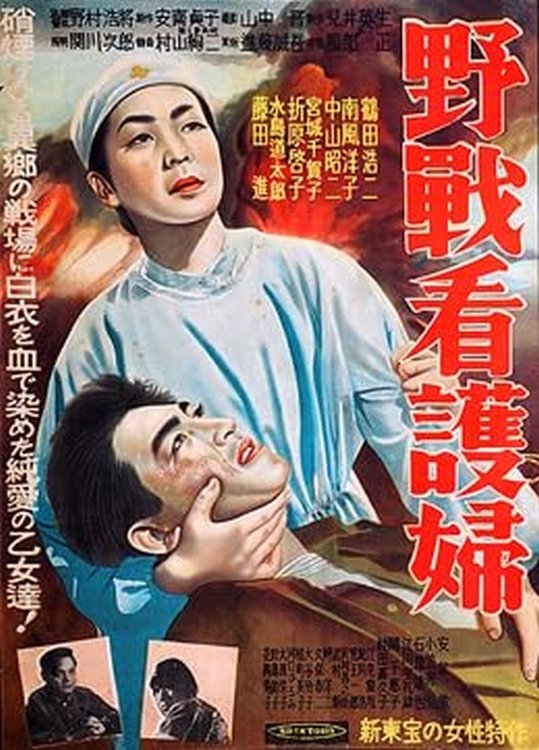
In 1942 South China, hardened field hospital nurse Yukiko secretly loves Sergeant Nemoto. The arrival of a fragile new nurse, Keiko, reawakens Yukiko's warmth but also sparks intense jealousy when Nemoto shows Keiko kindness. As the two bond over a shared hometown, Yukiko's resentment grows. The situation is compounded by the escalating chaos of a losing war, including air raids, medicine shortages, and a deadly malaria outbreak that weakens Keiko. Set against the backdrop of Japan’s impending defeat, Yukiko is forced to confront the high cost of her envy and decide where her loyalties lie in a final test of courage and compassion.
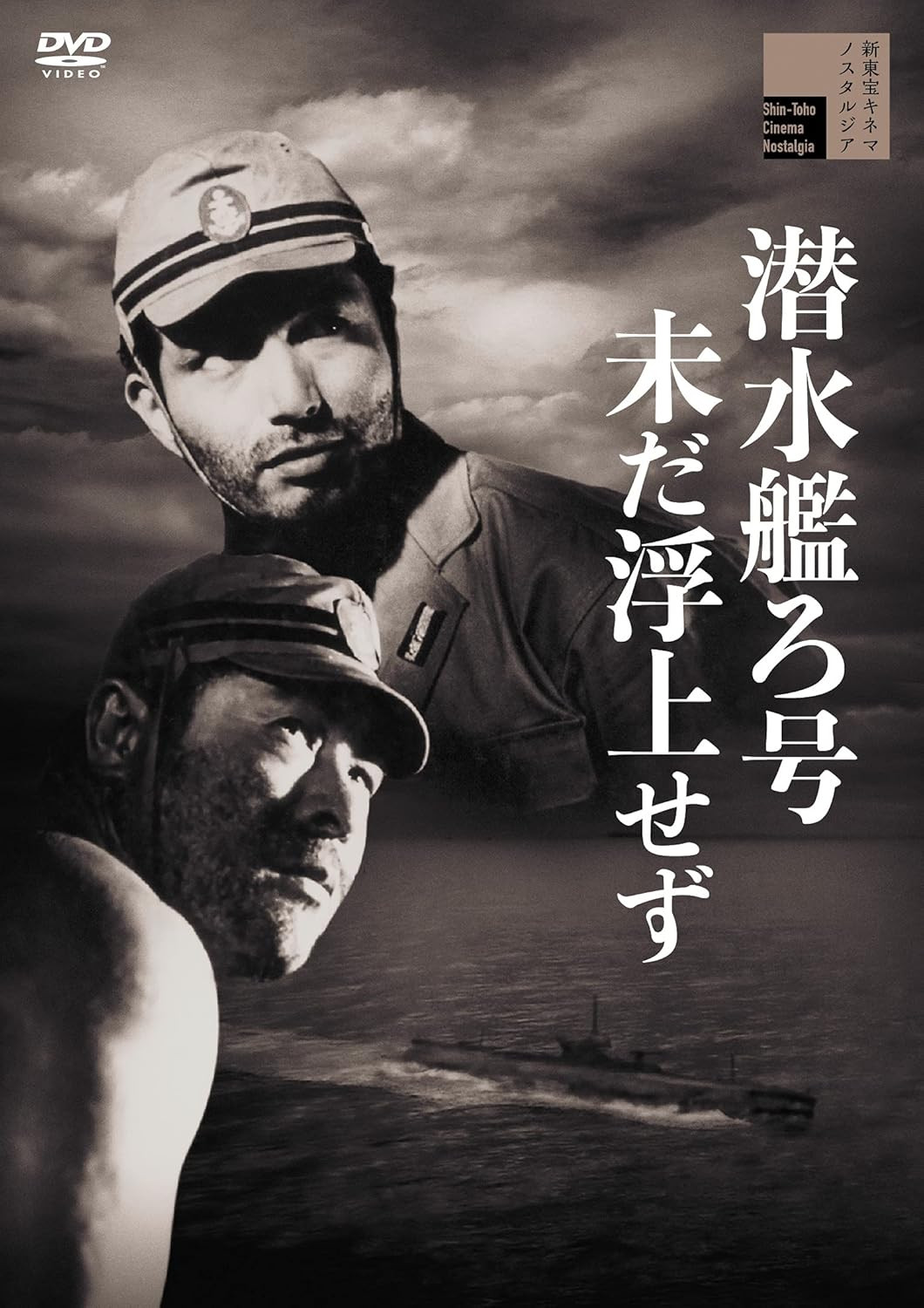
Japanese war film.
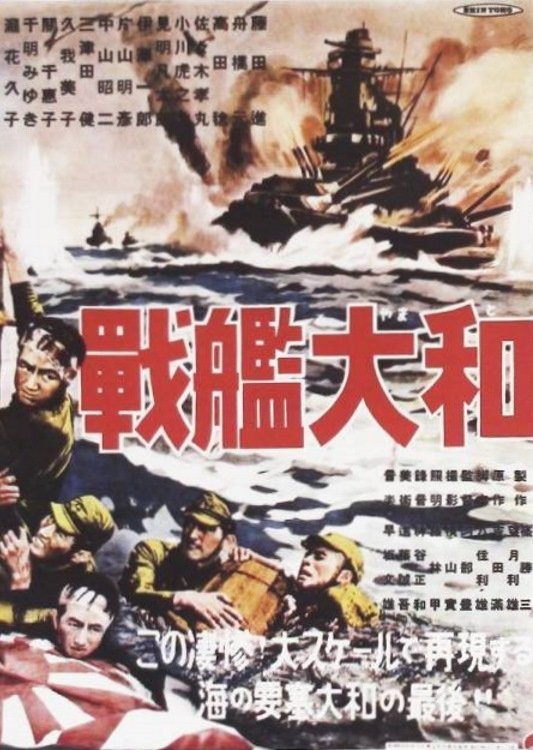
The film is about the Yamato's suicide mission to Okinawa in March 1945 to defend the homeland threatened by U.S. bombers. Adapted from Mitsuru Yoshida's 1952 book "Requiem for the Battleship Yamato".
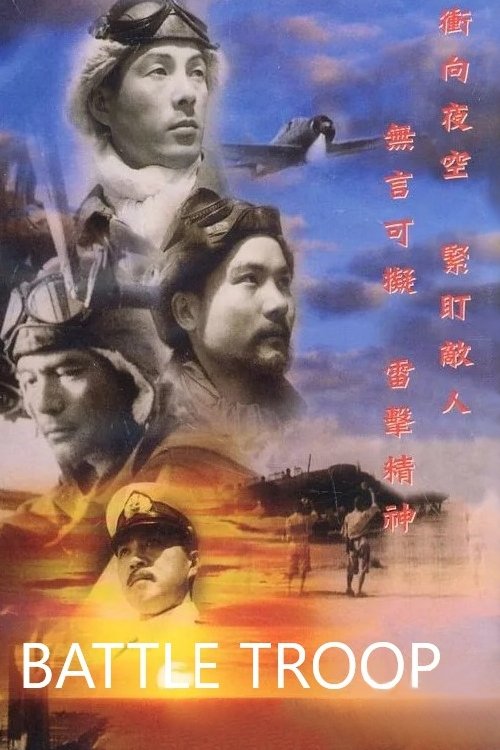
Three IJN flyers Mikami (Susumu Fujita), Kawakami (Masayuki Mori) and Murakami (Akitake Kono) are good friends, and they are all renowned for their torpedo techniques. Mikami is posted as a staff officer at a base on an island in the Pacific. Kawakami and Murakami later joins him as the base squardron is reinforced. The enemy task force approaches the island and all three of them attack the fleet, killing themselves in the process.
1956 Japanese film, originally released in two parts.
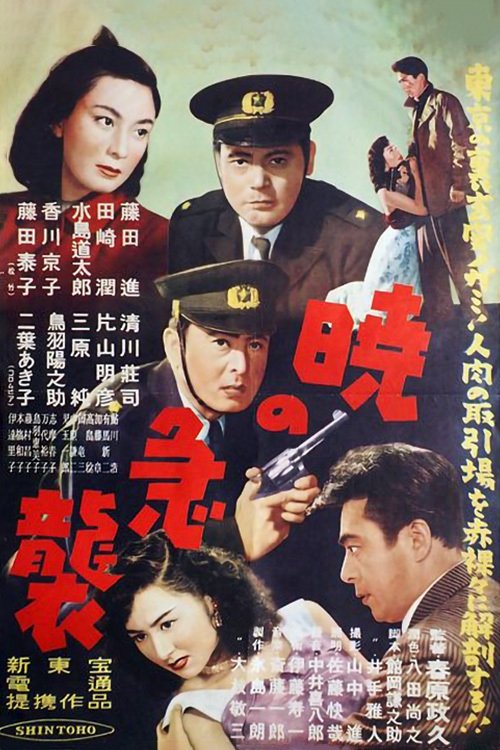
Japanese drama film.
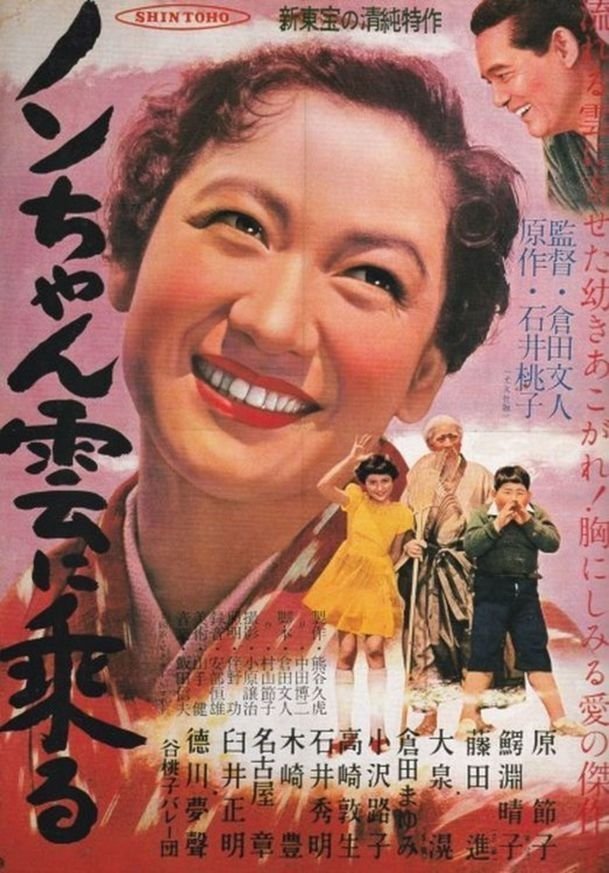
A little girl who falls into a lake and is saved by a god who then takes her up to the clouds and shows her what the world was like before she was born and what the world would be like if she where never born. While in the clouds she meets her grandparents and a few other people she loved who have passed on.
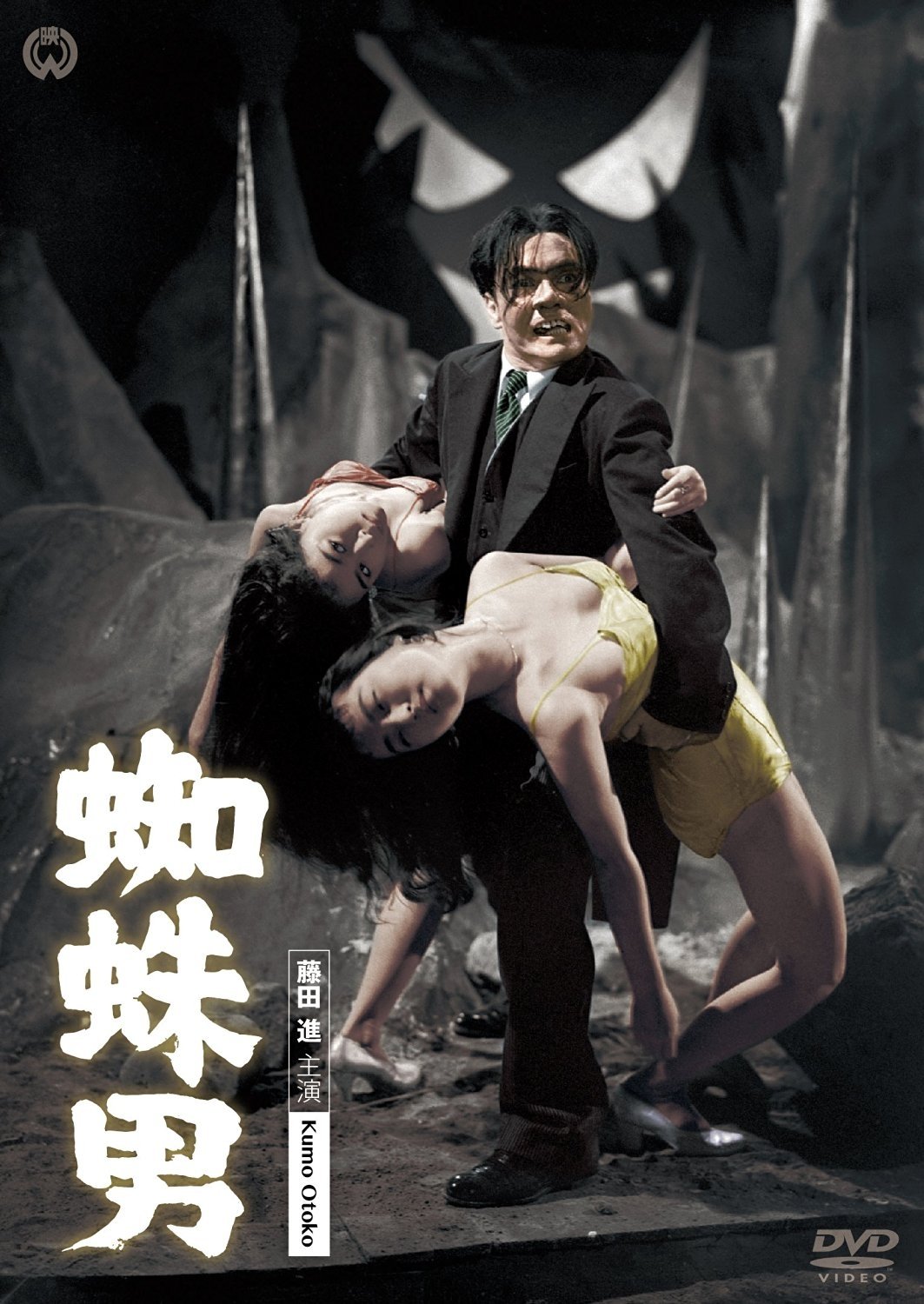
Adaptation of Edogawa Ranpo's novel.
1956 Japanese film, released in two parts. This is Part One.
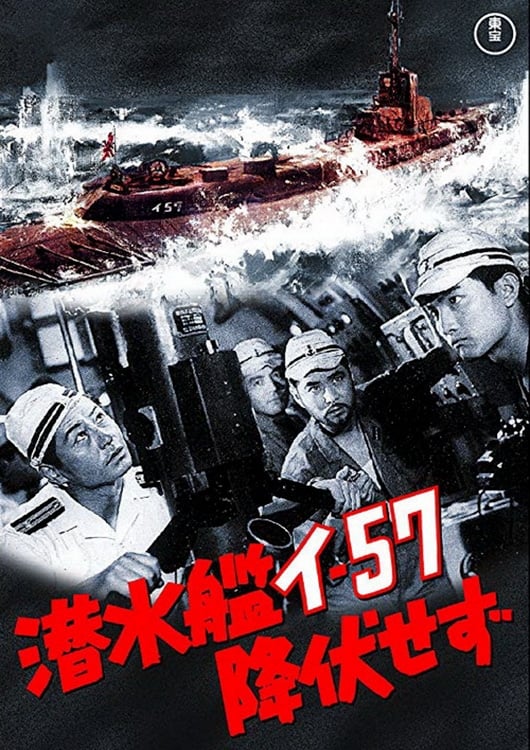
In World War II, the commanding officer of a sub, against his will takes on board two Western diplomats, to take them to the Canaries and arrange an armistice. When they get there, peace has been declared, but the sub's crew don't know as their radio has failed. They send their passengers ashore and go out to face a final battle...
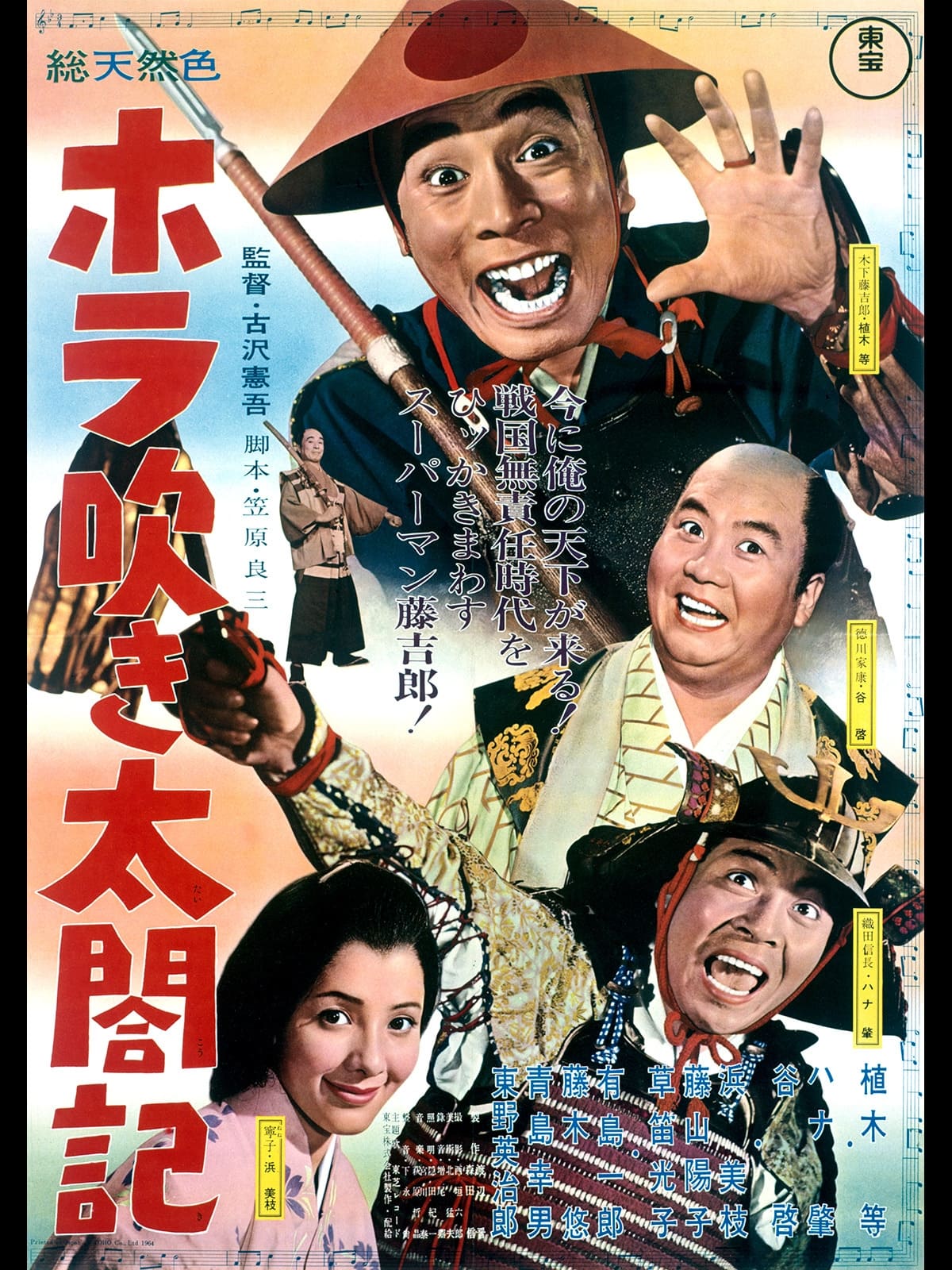
Toyotomi Hideyoshi (Hitoshi Ueki) starts out as Nobunaga's "Sandal Keeper" but climbs the ranks to eventually become a trusted general.
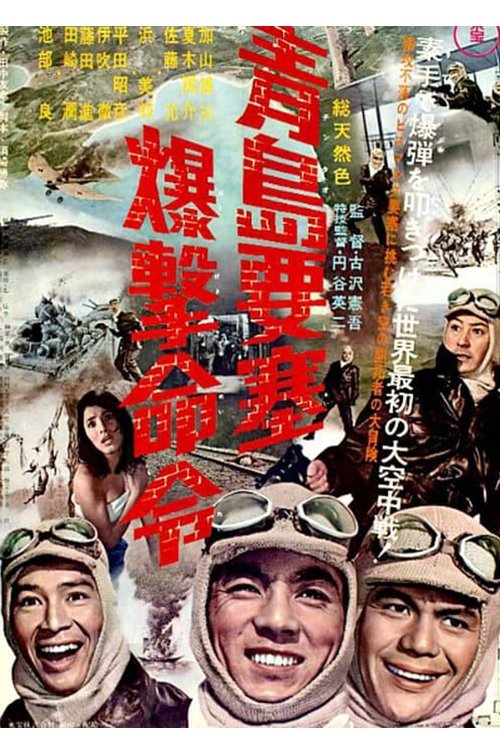
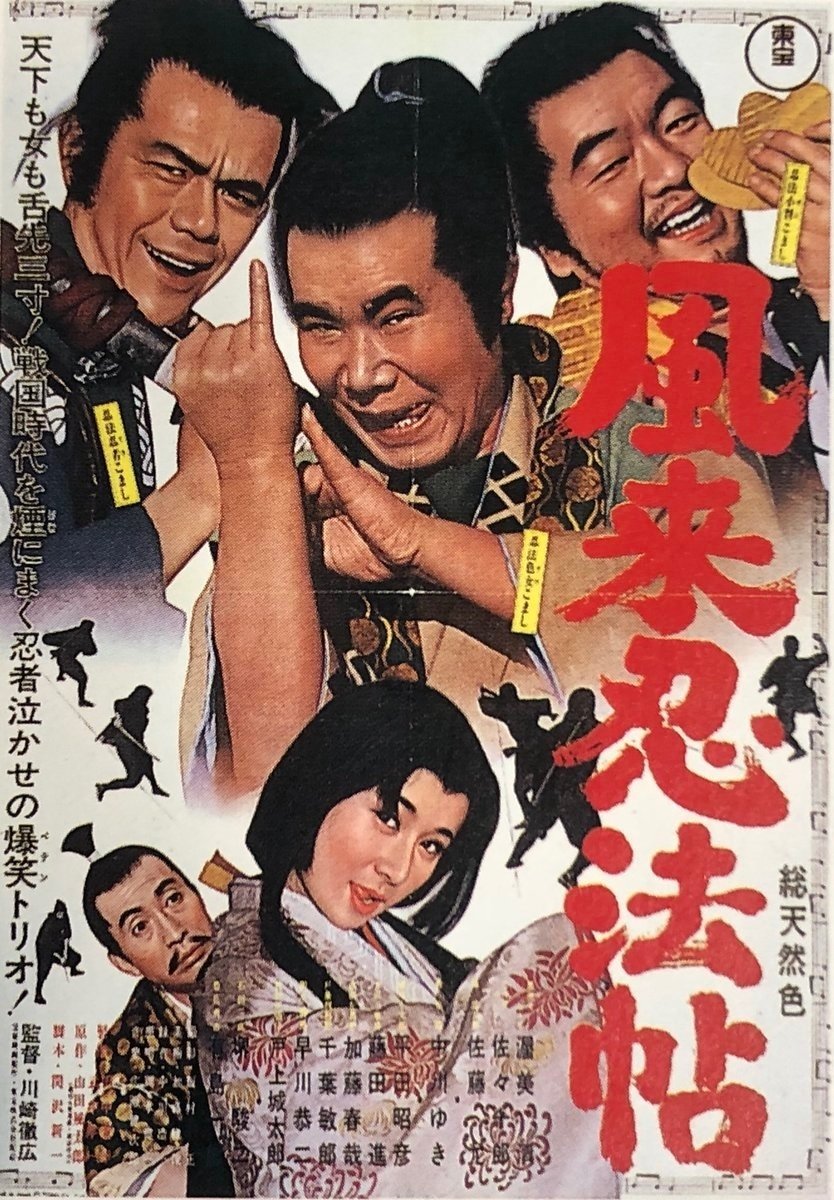
The first of two films based on the novel by Futaro Yamada.
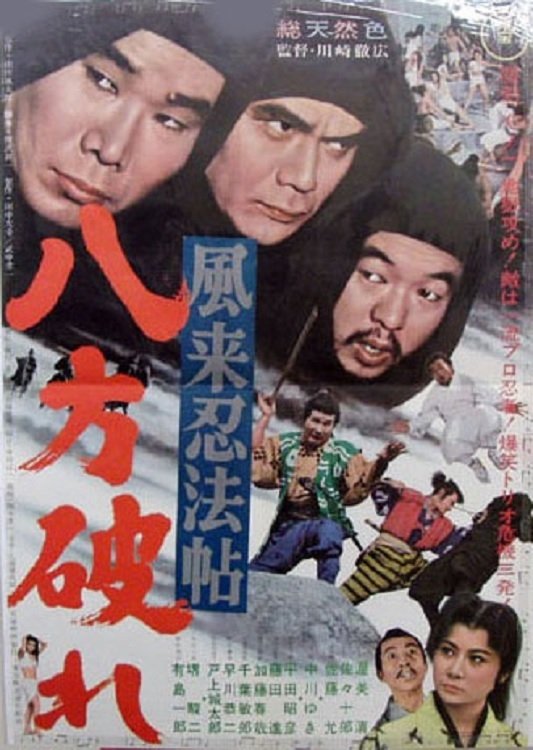
The second of two films based on the novel by Futaro Yamada.
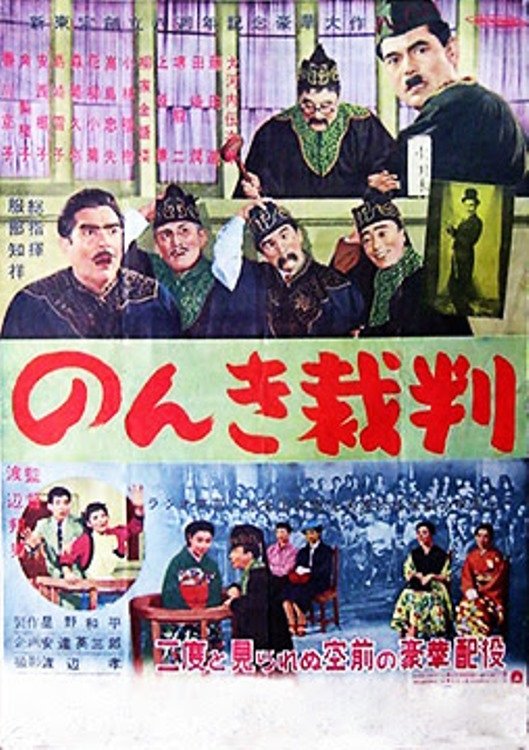
A spectacular comedy with a star-studded cast that depicts unusual trials and unexpected verdicts regarding the five deadly sins: the crime of beauty, the crime of a terrifying wife, the crime of taking the wrong course, the crime of seducing, and the crime of killing with laughter.
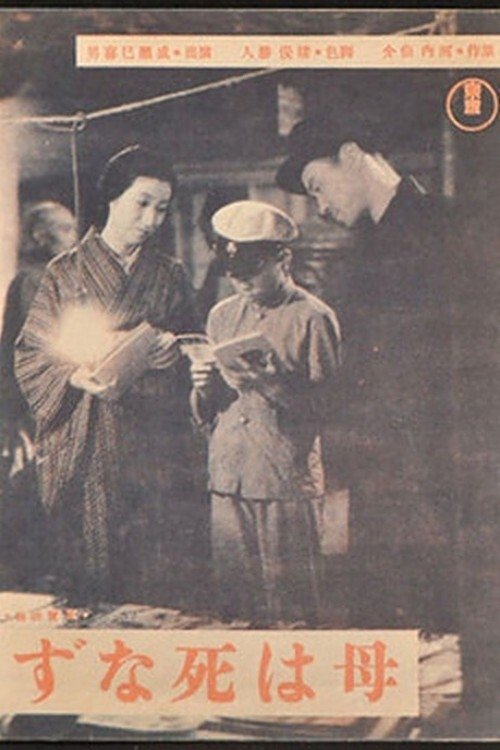
The premature death of a young mother serves as inspiration for her husband and son.
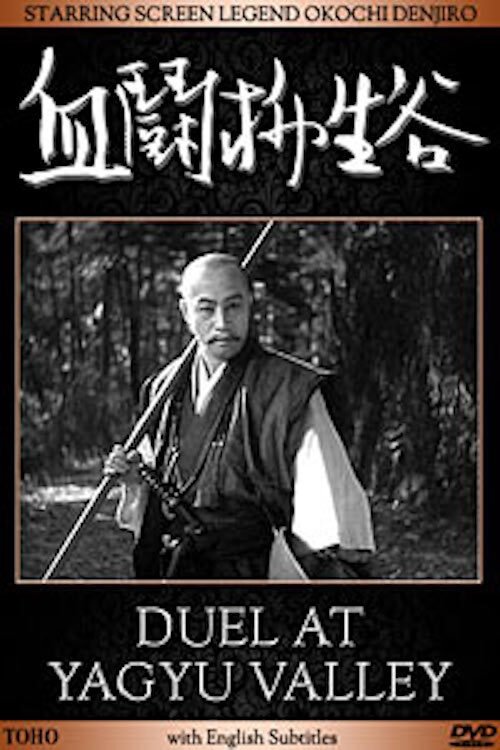
During the Warring States era, Hozoin Kakuzenbo and Yagyu Tajima-no-kami, being best friends, spend their days acquiring skills of the spear, sword and martial arts. Hozoin loses a series of matches with master swordsman Kozumi Ise-no-kami. Bitterly ashamed, Hozoin embarks on a journey, trying to perfect his skills. A few years later, Hozoin is ready and it's time for the ultimate showdown with Ise-no-kami!
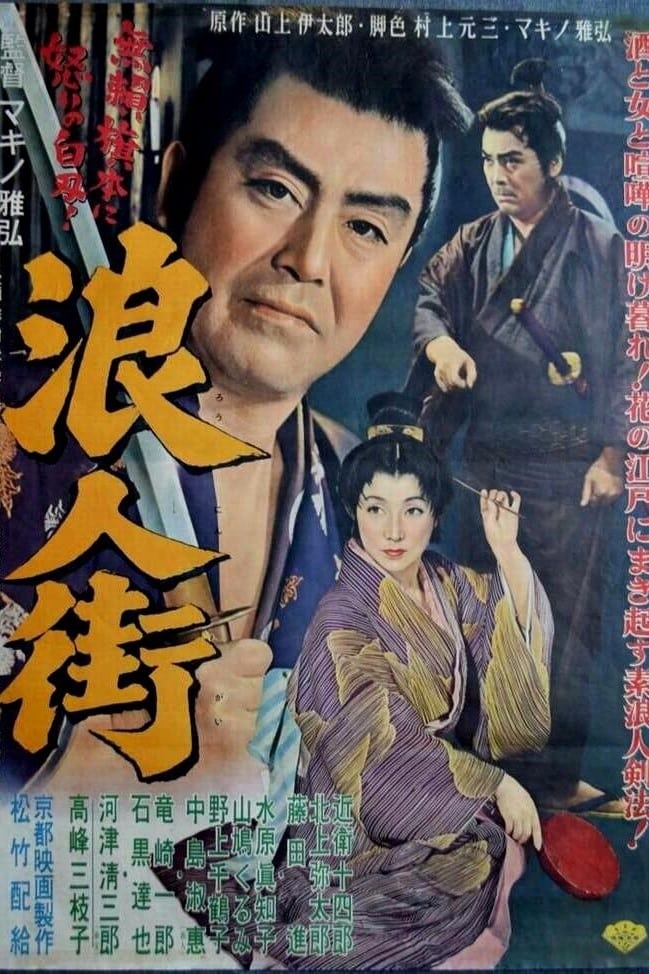
Based on the famous novel by Yamagami Itaro, this is the story of a group of ronin living in abject poverty in the latter days of the Edo period. Starring the great Konoe Jushiro, Ronin Gai is populated by an ensemble of colorful characters, social outcasts who patronize a restaurant and bar on the outskirts of Edo. Among them are masterless samurai reduced to drunkenness and debauchery. One disgraced and disillusioned former warrior gets a chance at redemption when he is hired to retrieve a famous knife from a corrupt lord. This is the third version directed by Makino Masahiro and is considered a true classic.
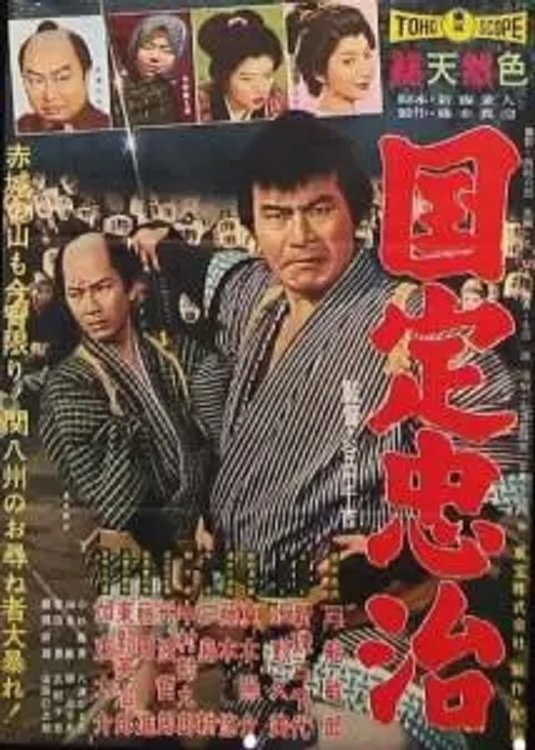
Chuji Kunisada returns to his home village to find that Jubei Matsui, the corrupt magistrate, has been responsible for virtually destroying Kunisada's family. A final tragedy leads Kunisada to join with a band of rogues living in the forest in robbing from the rich and giving to the poor, always with an eye toward avenging himself on Magistrate Matsui.
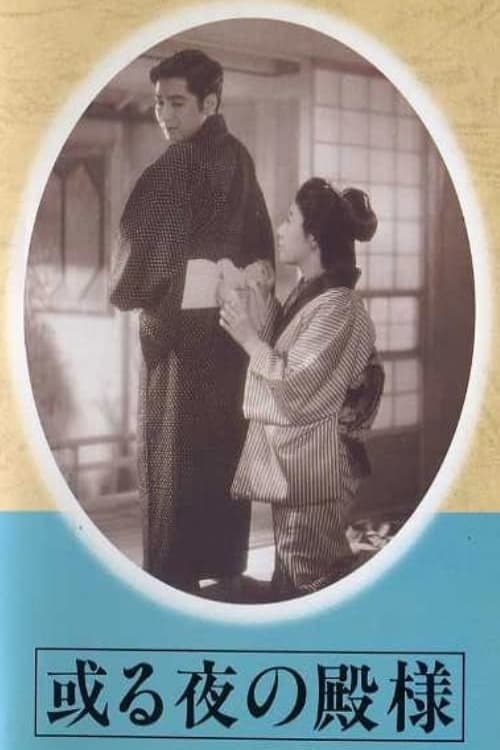
In 1887, two businessmen, Echigo-ya and Kitahara, compete for railroad construction authorization from the government. The minister states that a local noble must not object, and his missing younger brother is the only one who could sway him. Meanwhile, Omitsu, a hotel employee tired of Echigo-ya’s wife’s arrogance, teams up with Kitahara to stage a scheme where a vagrant young man pretends to be the noble’s lost brother, aiming to trick and embarrass the wealthy woman.
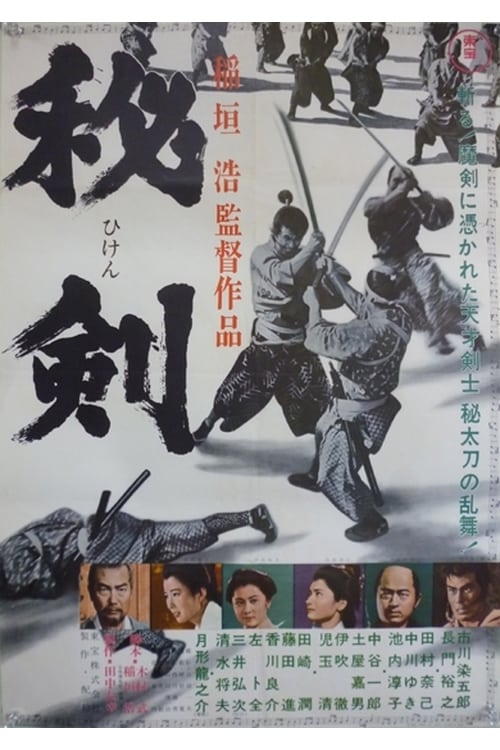
This Japanese action-adventure is set in the 17th century when all forms of swordplay were banned. One fighter, an excellent swordsman believes the law is unfair. His brother keeps his opinions about the law to himself. The swordsman vents his frustration by cutting off the thumbs of an enemy. The fighter is then banished. To live, he becomes a thief. To restore the family's lost honor, the other brother is forced to challenge the fighter to a duel.
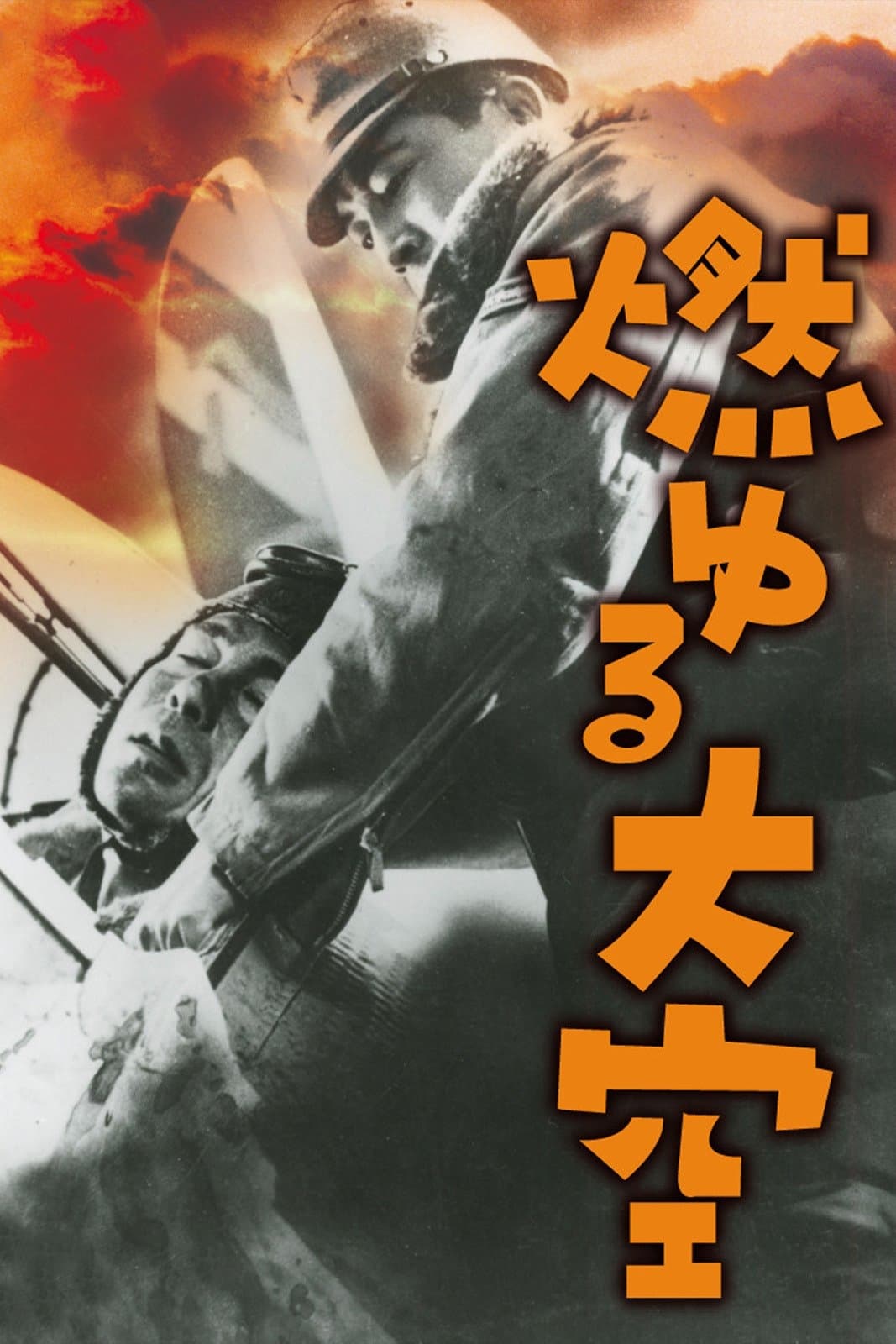
The film was produced during Second Sino-Japanese War, before the Pearl Harbor Attack in 1941. The film mainly concerns the training of newly-recruited pilots and their daily life, then their subsequent fighting experiences in China. Army supported the production, providing all the authentic airplanes, training and actual actions. They even provided the older biplanes disguised as Chinese fighter planes. Obinata plays the trainer-turned-combat-leader, who is passionate and cool at the same time. All his boys love him, of course. The film is not as intense, full of sugar-coated camaraderie, until young pilots are killed in action one by one. Last twenty minutes are fairly grim, as the message of self-sacrifice is heard loud and clear.
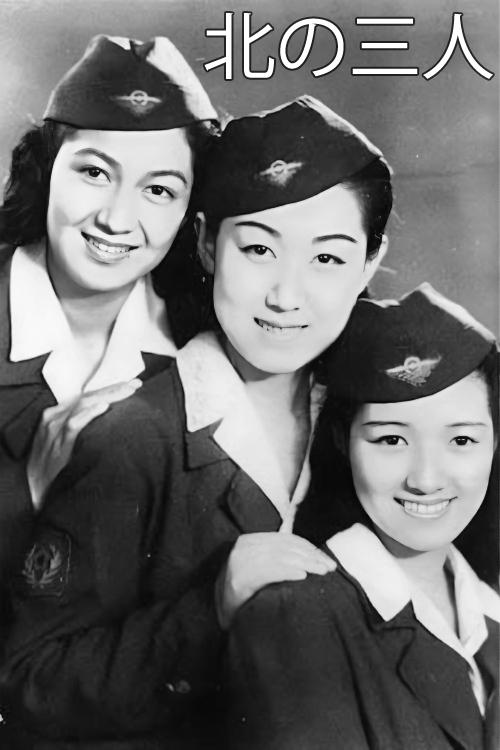
The story of an airport and its air traffic control crew in a remote and northern Japanese town. Three of the air traffic controllers are female with one of them working with her dead fiancé's sister. The engaged man had gone to war and never returned.
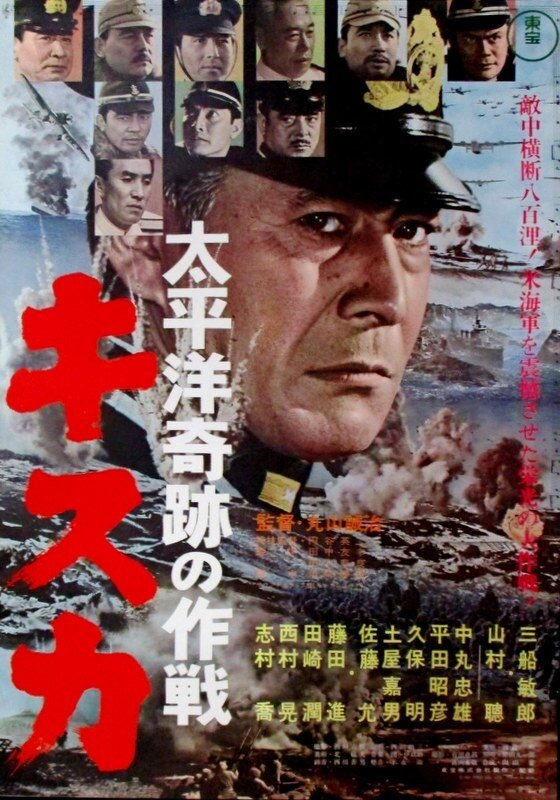
In 1943, the Aleutian island of Kiska was fortified by a small contingent of Japanese soldiers. When word arrived of an impending attack by an overwhelming force of Americans, the Japanese Navy attempted one of the most daring and unlikely evacuations in military history. This is that story.
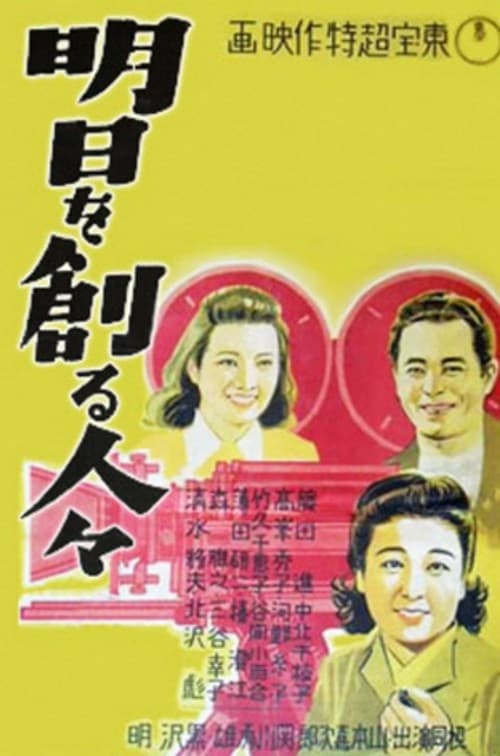
In postwar Japan, two sisters—a film studio script girl and a revue dancer—become swept up in the growing labor movement when workers around them strike for better conditions. As their conservative father opposes their activism, his own dismissal forces him to confront the realities of class struggle and join their fight for a fairer future. Now considered a lost film, Those Who Make Tomorrow was produced by Toho to promote unionization during Japan’s Allied Occupation.
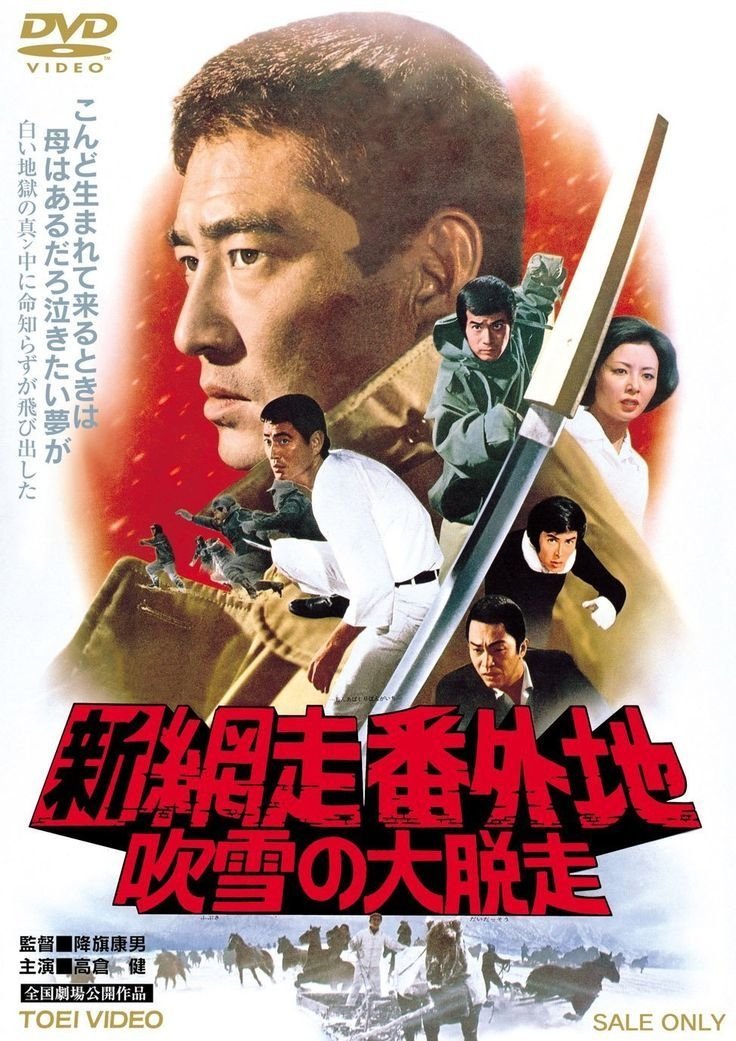
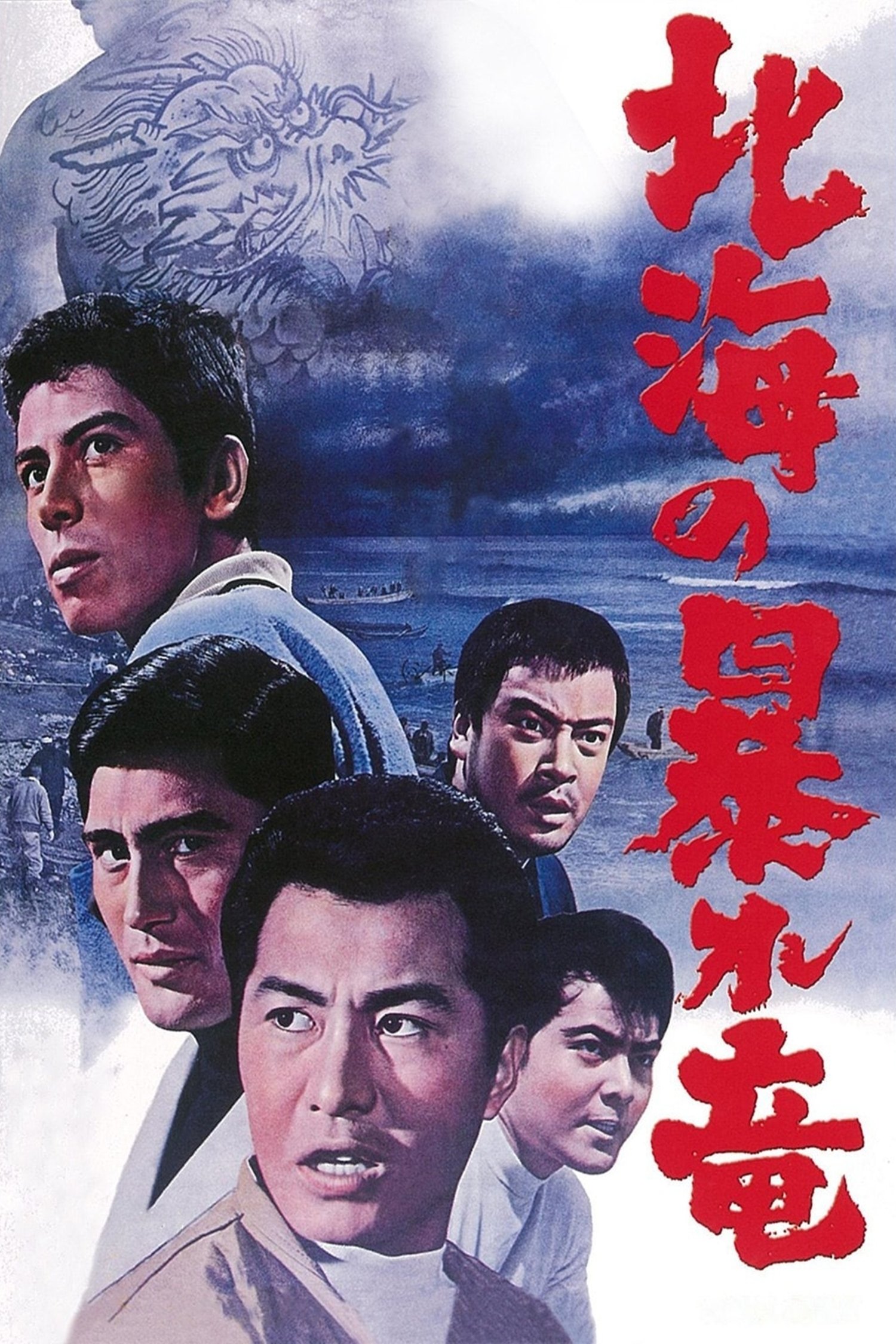
The son of a prominent member of a fishing community returns home after a stint with the yakuza to find his father has died under orders of a local gang leader. He sets out to avenge his father, keeping his plans secret from his mother who is cold to him since his perceived abandonment of the family. This wonderful, if little-seen, Fukasaku gem deals with family, community and what it means to do right by both.
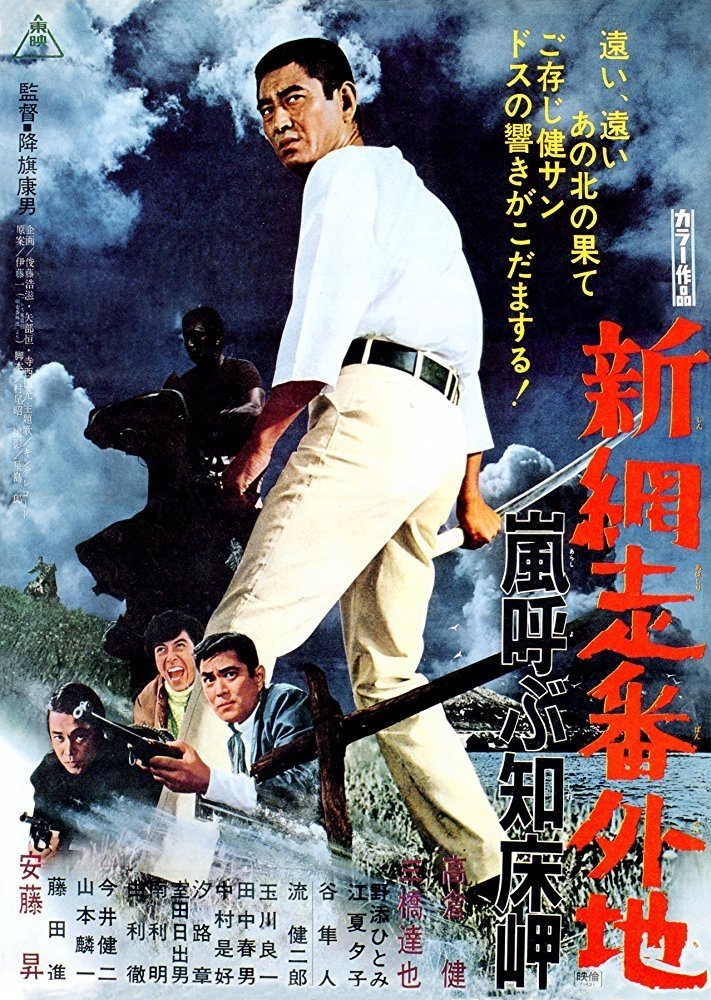
Former inmate Katsuji gets involved in the horse gambling business while lending a helping hand to a ranch operator.
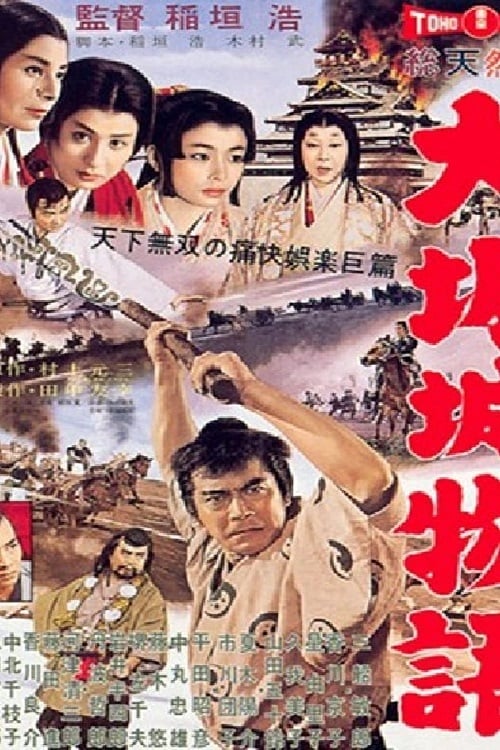
During the raging war between the Toyotomi and Tokugawa clans, the swordsman Mohei (whose family has been completely decimated) is recruited by Toyotomi to overcome the seat of power, Osaka Castle. Mohei's daredevil skills will be put to severe tests.
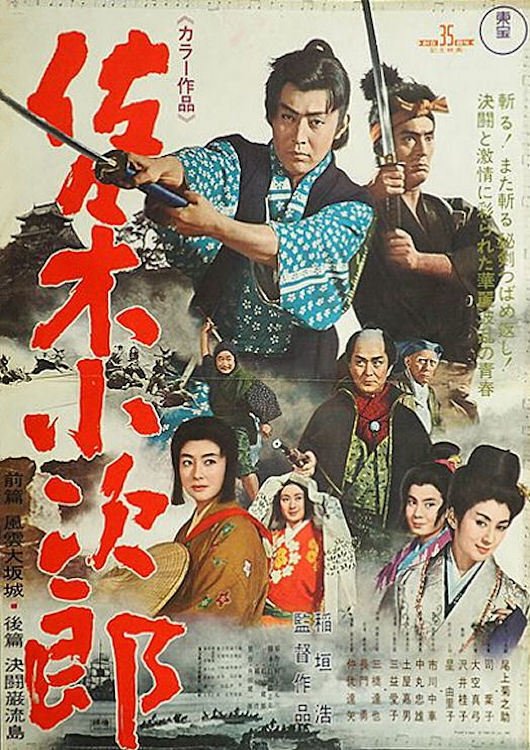
Sasaki Kojiro tells the story of the genius who staked his love, glory, and life on a duel with the supreme master of the sword, Miyamoto Musashi (Tatsuya Nakadai). Oscar winning Hiroshi Inagaki directs this epic motion picture based on Genzo Murakami’s fascinating story. Despite his humble birth, the orphan Sasaki Kojiro (Onoe Kikunosuke) is determined to become the foremost swordsman in all Japan, a title that traditionally belongs to a nobleman. At fencing school, young Kojiro receives the contempt of his classmates because of his superior swordsmanship. When rumors of the upcoming civil war between Toyotomi and Tokugawa clans spread, Kojiro leaves the school and sets out, seizing every opportunity to realize his dream.

The mythical adventures of the legendary Chinese trickster Monkey, who must outwit a variety of wily demons who stand in the way of him and his fellow Buddhist travelers. Though portrayed as a literal, if rather anthropomorphized, monkey in the original legends, this film substitutes the spindly comic actor Norihei Miki, sans makeup.
A lone wolf tries to eliminate a drug-smuggling operation.
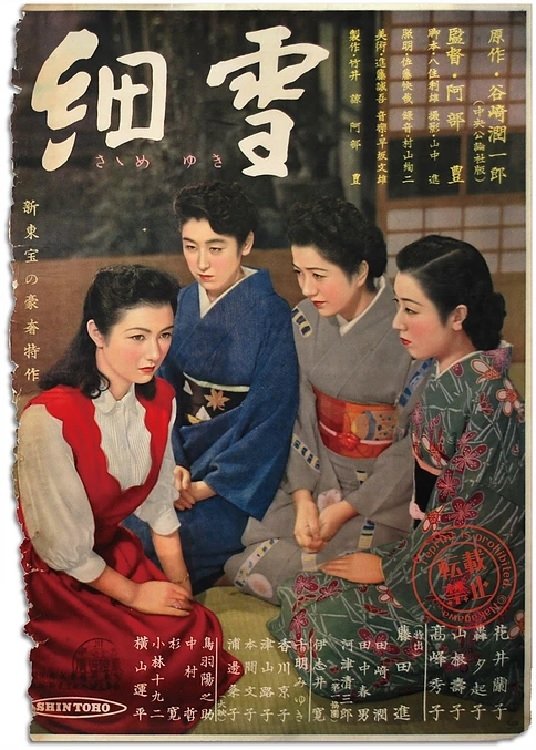
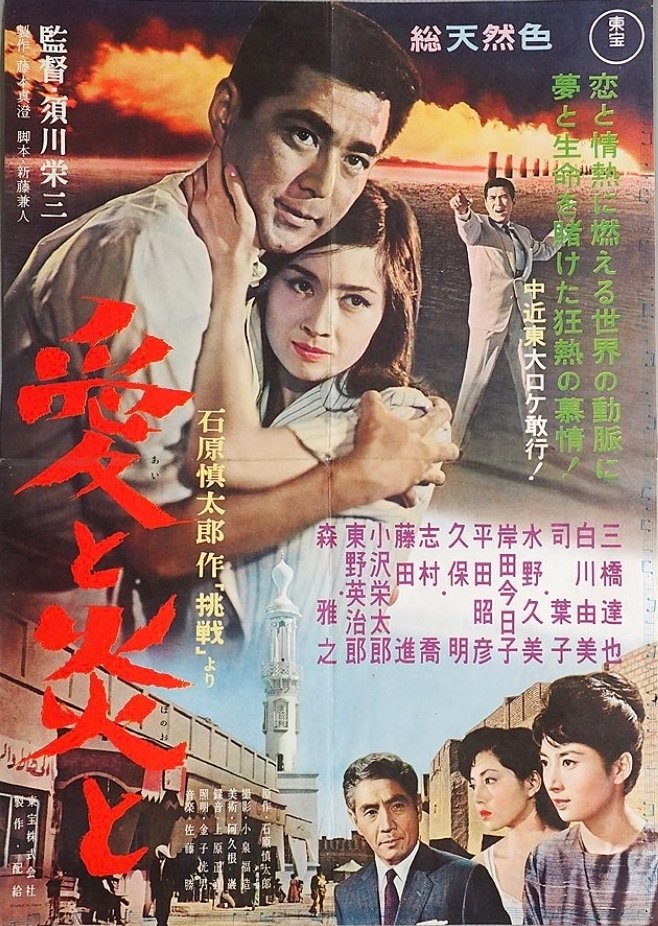
An employee at an oil cartel (Mihashi) is haunted by an act years before when he euthanized a fellow soldier when the two were adrift at sea during the Pacific War. Matters are complicated further when he falls in love with the soldier's younger sister (Tsukasa).
A ruffian joins the ranks of the emperor’s guards.
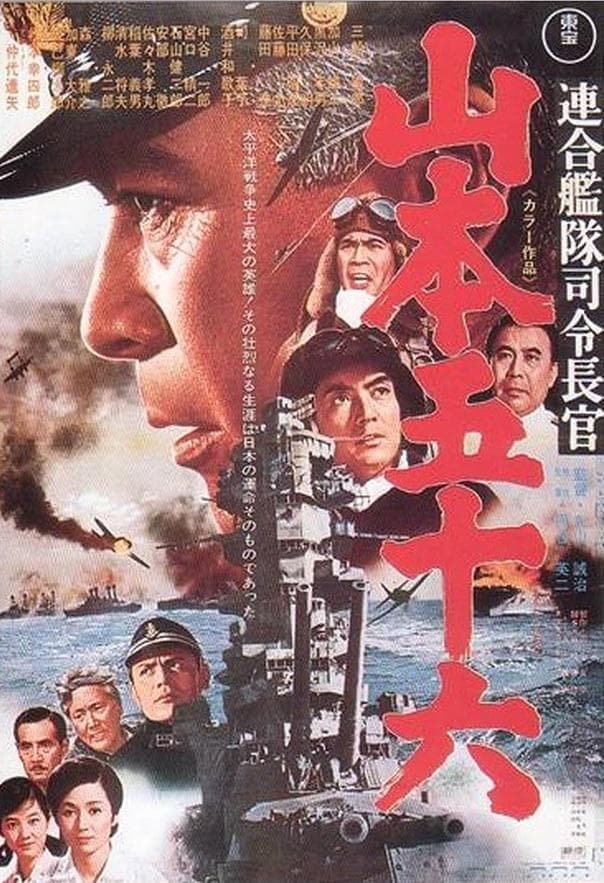
As Japan joins in a political pact with Nazi Germany and fascist Italy, Admiral Isoroku Yamamoto is appointed supreme commander of the Japanese fleet. With Japan headed inexorably toward war, Yamamoto, despite his misgivings, believes the only possible victory lies in destroying the American fleet by surprise at Pearl Harbor. The attack succeeds, but fails to sink the American carrier fleet. Thus Yamamoto must lead the Japanese navy into war with ever-diminishing likelihood of success.
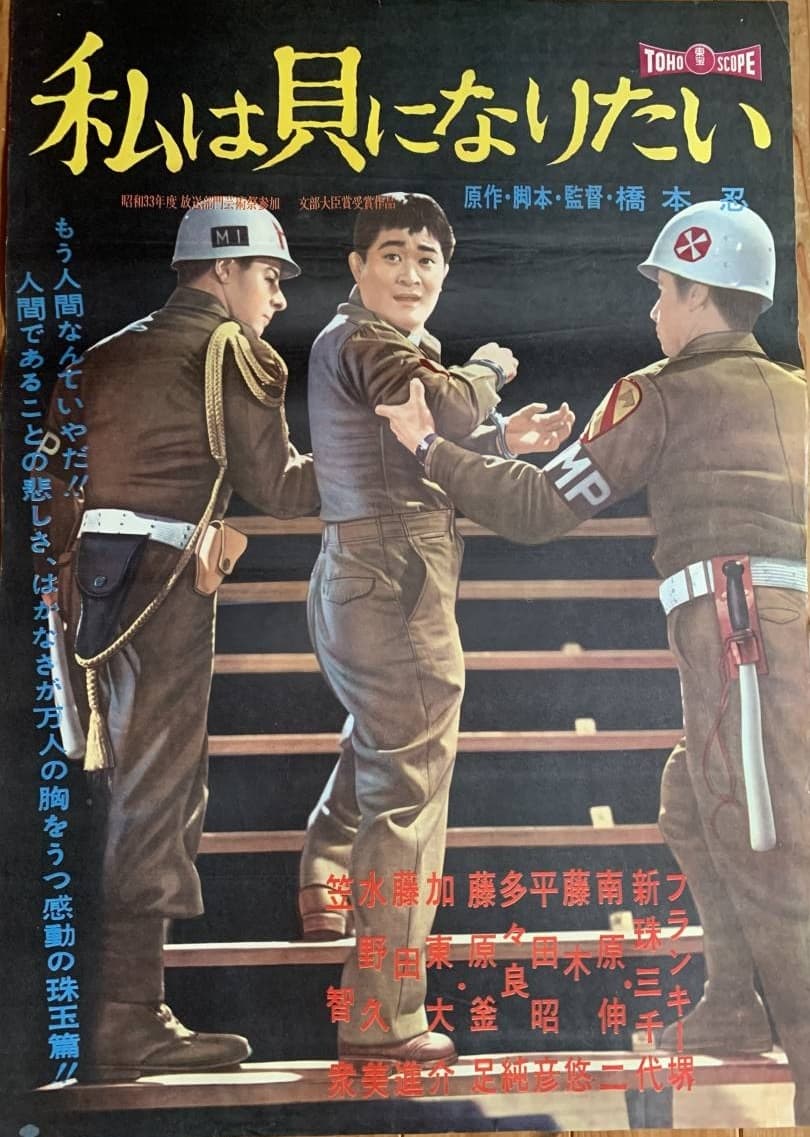
On a post-war peaceful day in Japan, Toyomatsu Shimizu, a barber as well as a good father and husband, is suddenly arrested by the Prefectural Police as a war criminal and sued for murder.
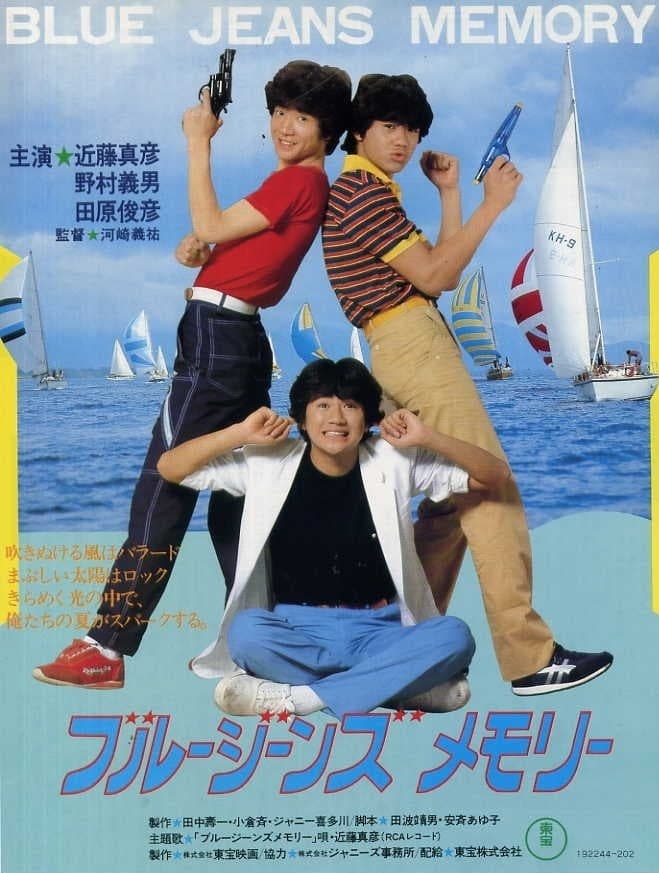
A trio of high school boys get summer jobs at a seaside resort. Soon, however, they learn that the woman who runs it is in financial trouble. The three decide to help her.
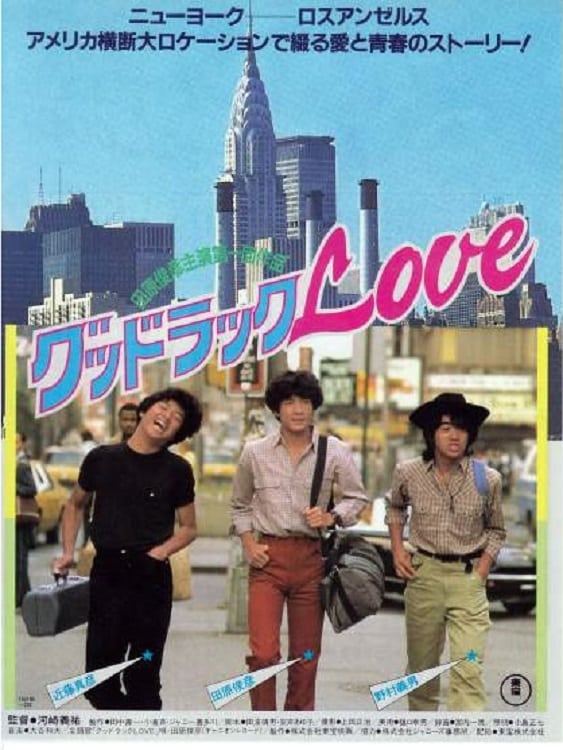
Depicting the friendship of three boys in New York, Los Angeles and Tokyo.
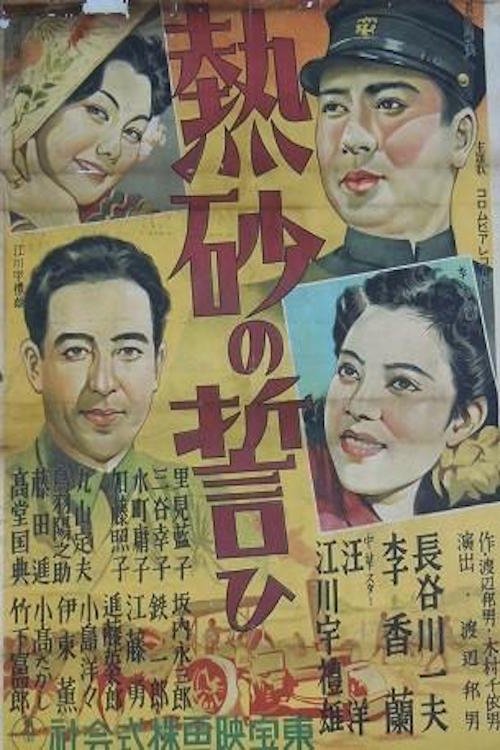
A Japanese army engineer (Hasegawa) on the mainland must put his personal feelings for a beautiful Chinese woman (Ri) aside if he is to succeed at building a highway through the "bandit"- (aka anti-Japanese militia-) infested hinterlands.
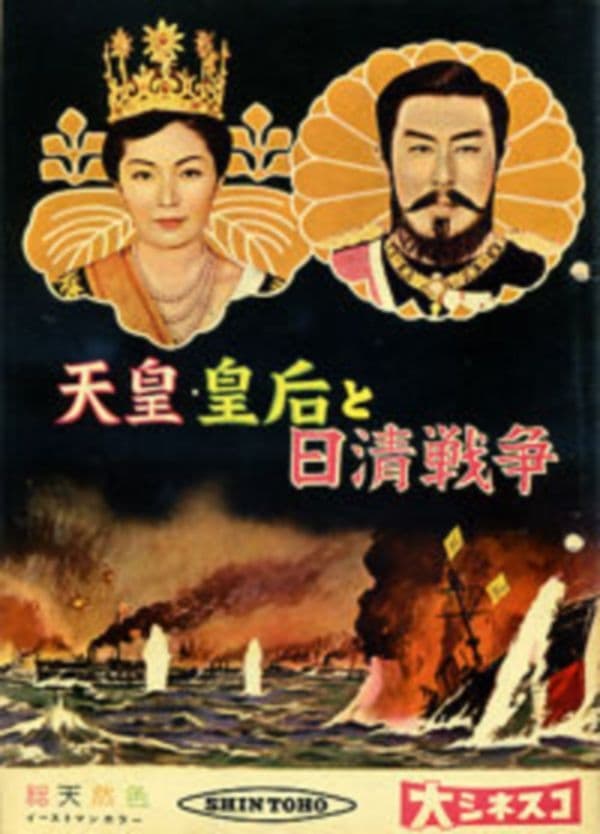

After their lord is tricked into committing ritual suicide, forty-seven samurai warriors await the chance to avenge their master and reclaim their honor.
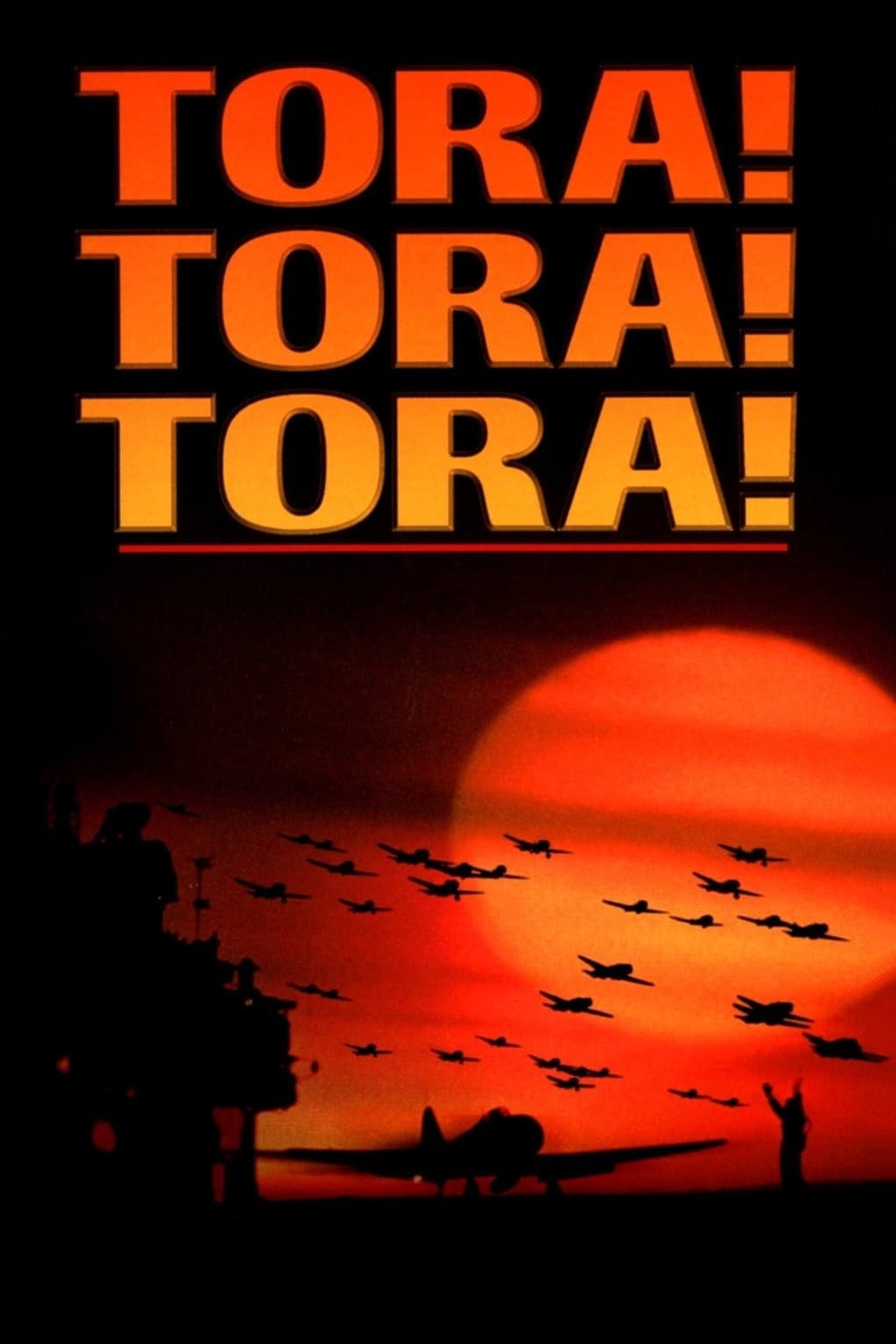
In the summer of 1941, the United States and Japan seem on the brink of war after constant embargos and failed diplomacy come to no end. "Tora! Tora! Tora!", named after the code words used by the lead Japanese pilot to indicate they had surprised the Americans, covers the days leading up to the attack on Pearl Harbor, which plunged America into the Second World War.
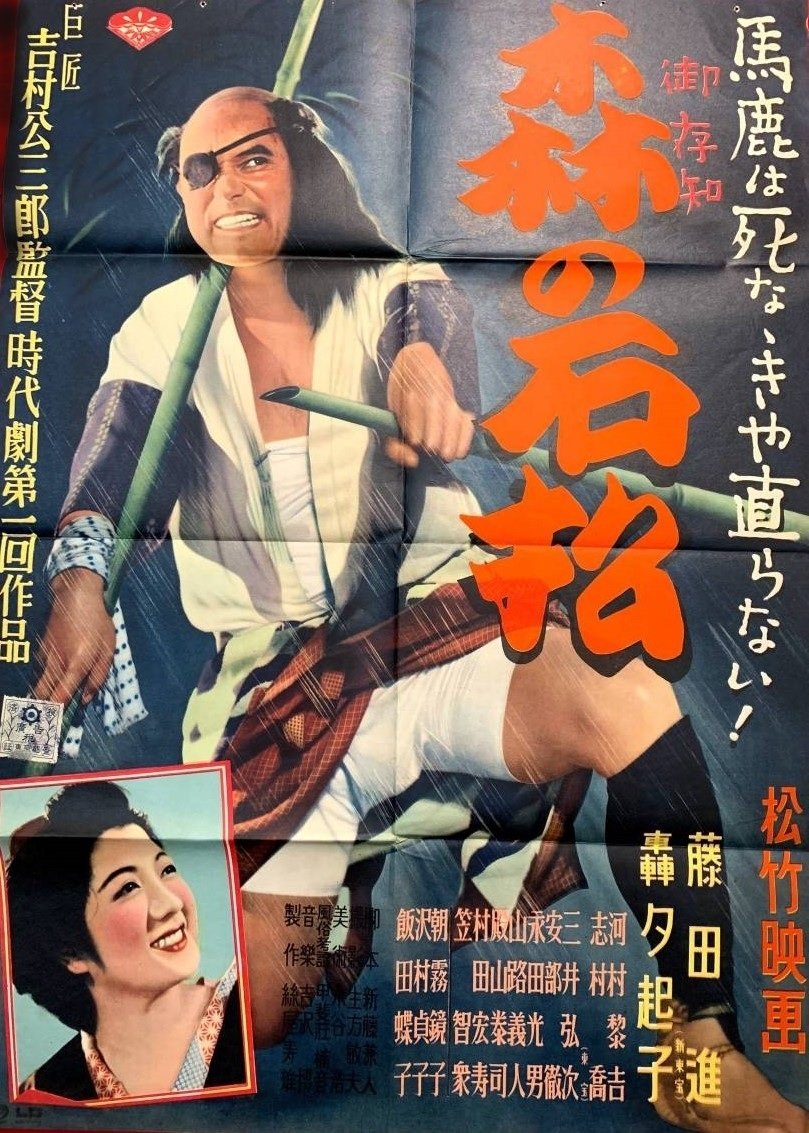
The tale of a feudal swordsman who cynically takes no responsibility for anything, relegating it to others, and then taking the credit.
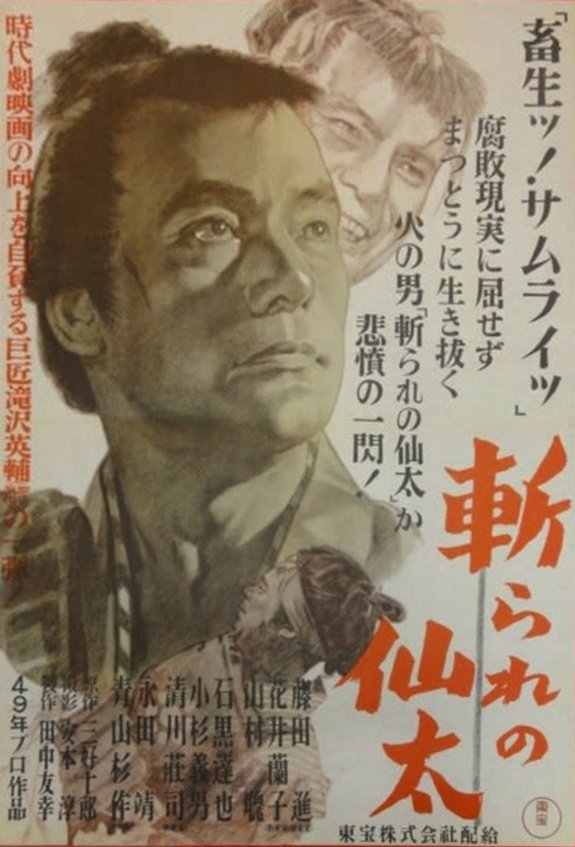
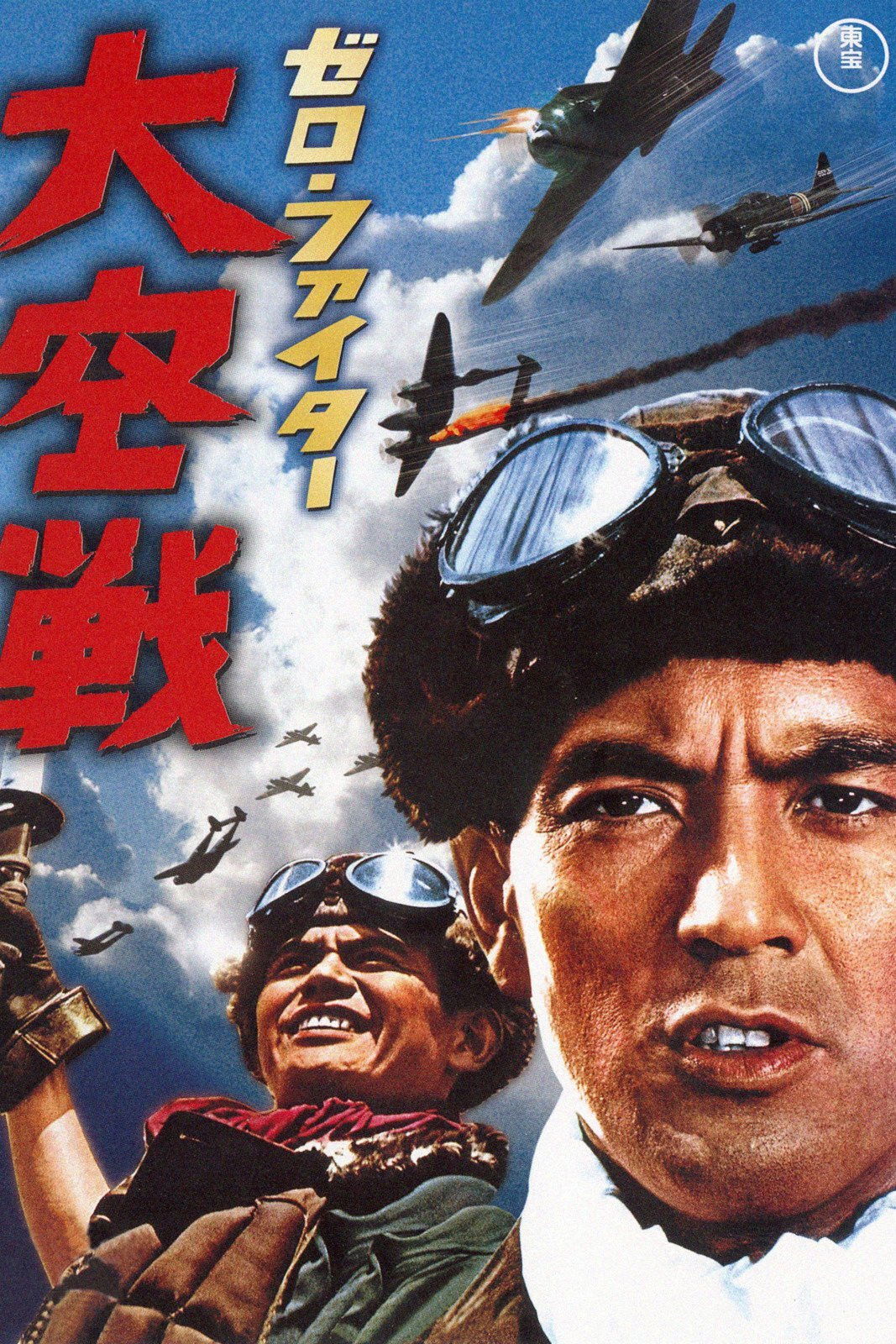
Japanese propaganda film
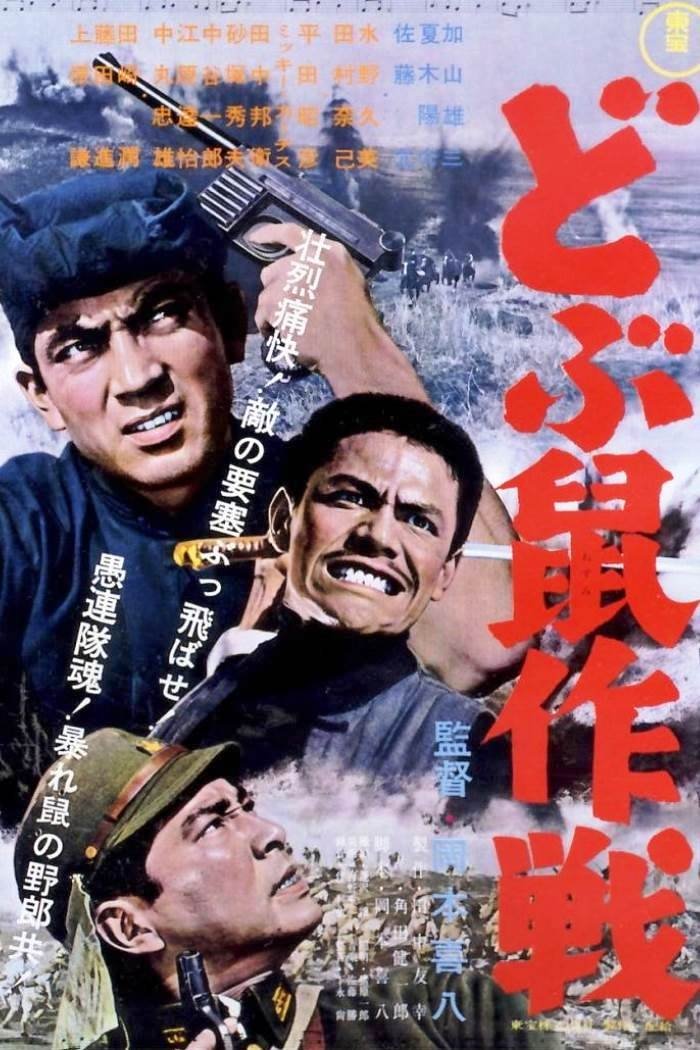
Towards the end of World War II, five men are tasked with freeing the son of a general from Chinese captivity.
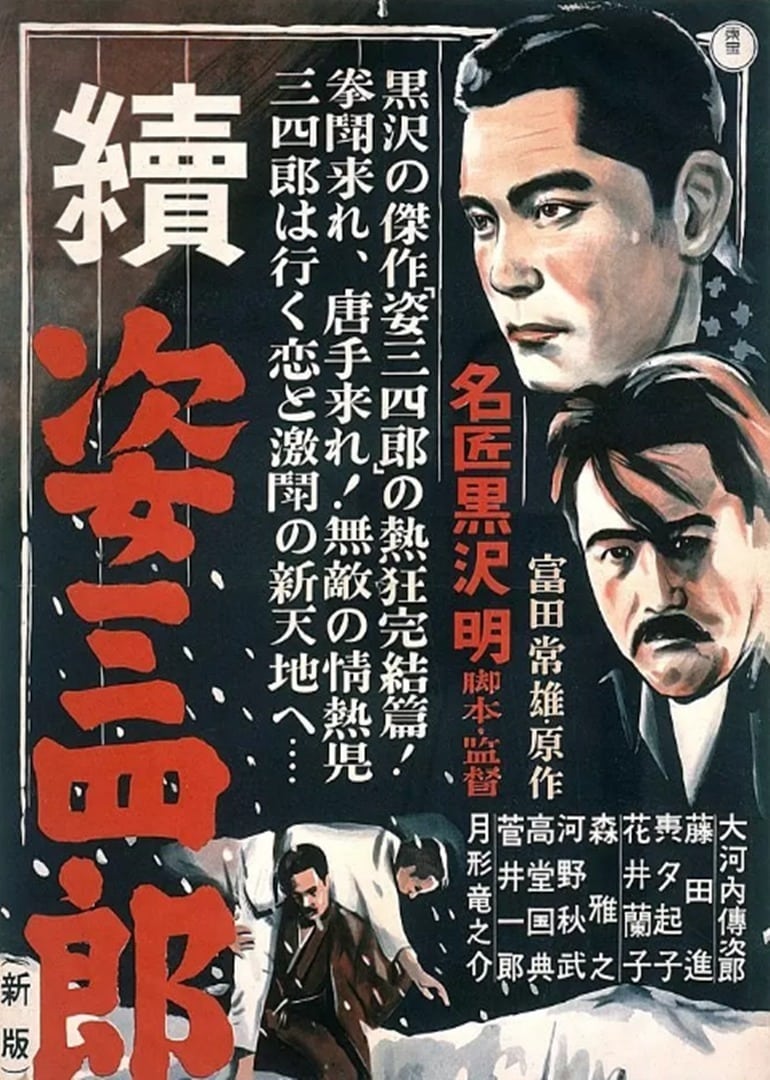
Shunsuke Washimi, a member of the karate club, misunderstands the affections of Chiyo, a lodging house girl who is in love with him and in the midst of a confusion challenges Yamauchi Tatsuhiko to a fight, forgetting the true core of martial arts, that should only be used as a selfdefense.
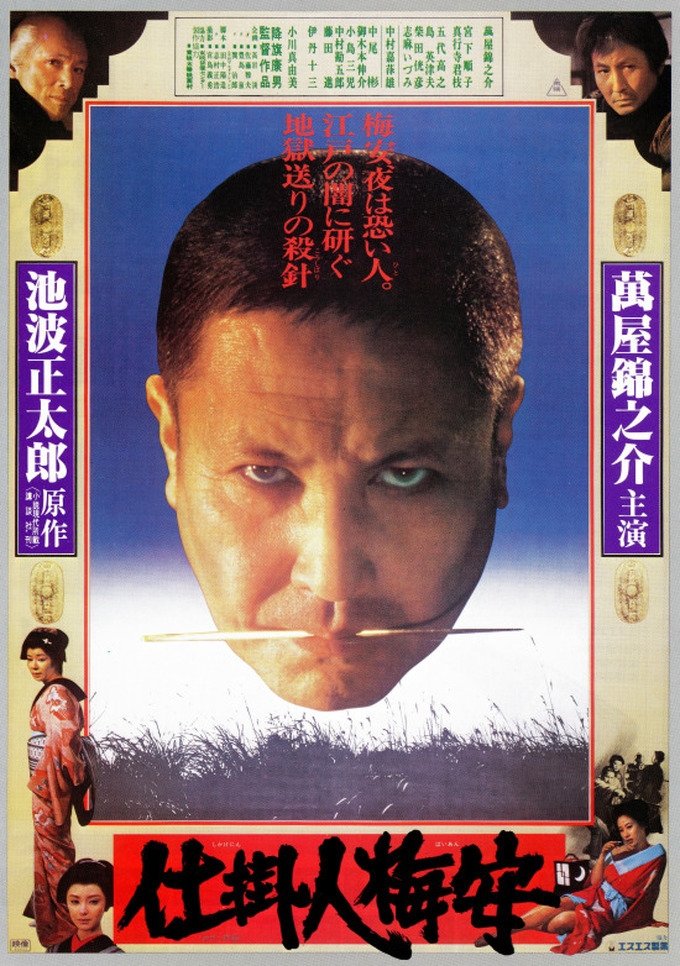
This is an ensemble period drama adapted from Shotaro Ikenami's popular novel, featuring the famous Kabuki actor brothers Kinnosuke Manya and Katsuo Nakamura, who made the transition from the Kabuki world to the film industry, and a cast of gorgeous and diverse faces. The Edo period. Nagato Abe, a Hatamoto (a feudal lord), is annoyed by his son's bad behavior, and when it becomes a hindrance to his own career, he asks Otowaya Hanemon, a black marketeer, to assassinate his son. The target is then taken care of by the assassin, Umeyasu. In order to keep his mouth shut, Nagatomon no Mamoru also attempts to take Otowaya's life. Nagato's brother-in-law, Omiya Sahei, a corrupt merchant from the Kamigata region, also plans to replace Otowaya as the head of Edo's black market business, so Umebayashi and his fellow trapper Hikojiro set out to eliminate them.
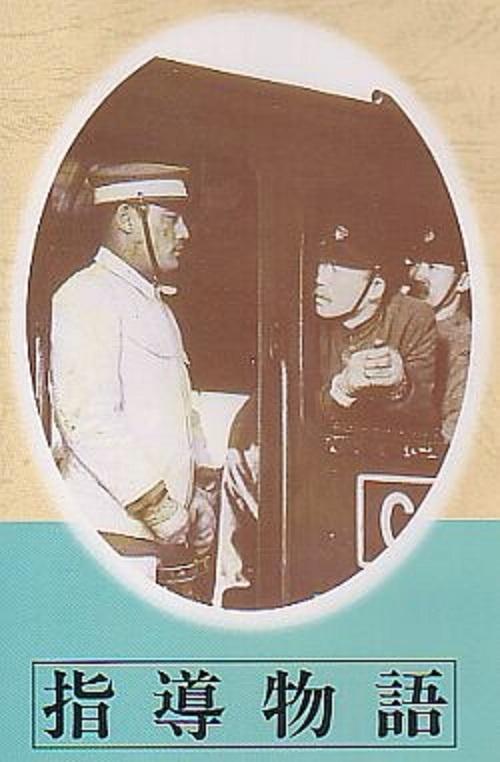
In this semi-documentary, an older locomotive driver is tasked with training younger ones and is currently training two in particular. The old man is finding the task overwhelming as it is hard work with practical lessons and classroom components. His wife has died, but he has three daughters with the oldest taking care of her younger siblings.
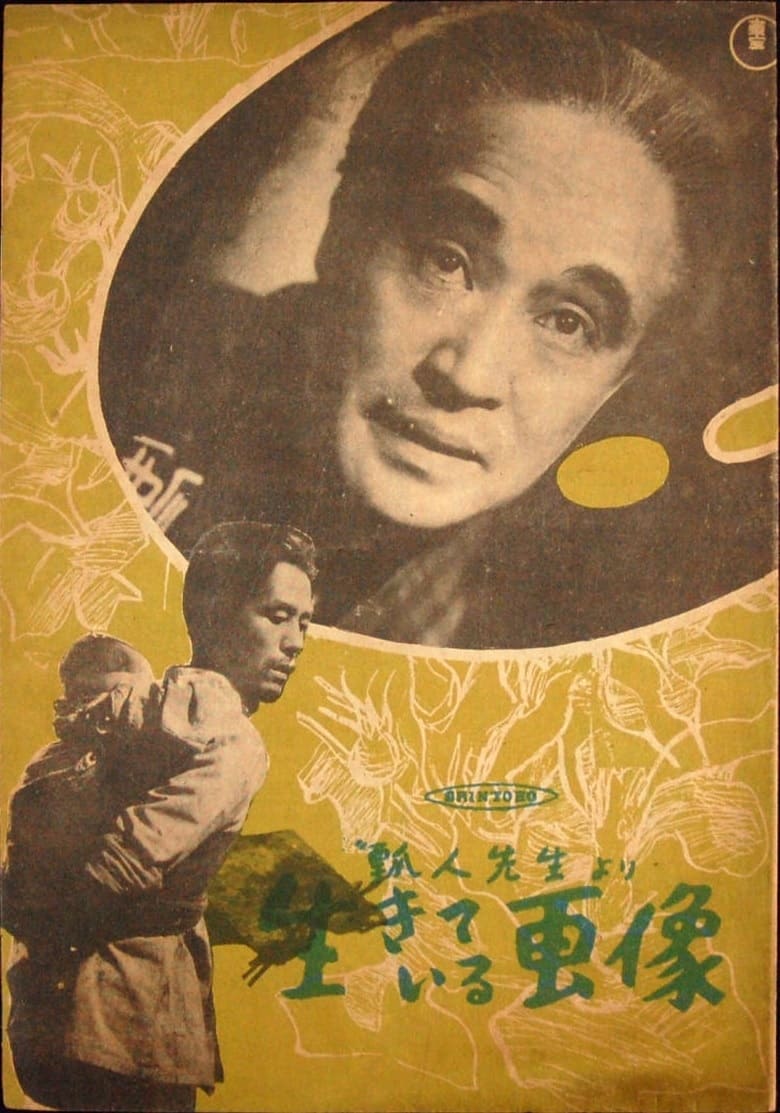
A film dealing with the comings and goings of individuals in the immediate postwar period.
Okumura Ioko story directed by Shiro Toyoda
Song of the White Orchid was a co-production of Toho and Mantetsu, the railway that served the colonial region of Manchuria, and the first film in the Kazuo Hasegawa/Shirley Yamaguchi (Ri Koran) “Continental Trilogy.” Handsome Hasegawa (representing Japan) runs up against an impertinent Yamaguchi (representing the continent); not surprisingly, in the course of the film the woman comes around and realizes the benevolent intentions of the Japanese. In Song of the White Orchid Yamaguchi leaves Hasegawa, who plays an expatriate working for the railway, because of a misunderstanding. She joins a communist guerilla group plotting to blow up the Manchurian railway. Learning of the subterfuge that led to the misunderstanding, she renews her faith in Hasegawa—and by extension Japan—and tries to undermine the plot.
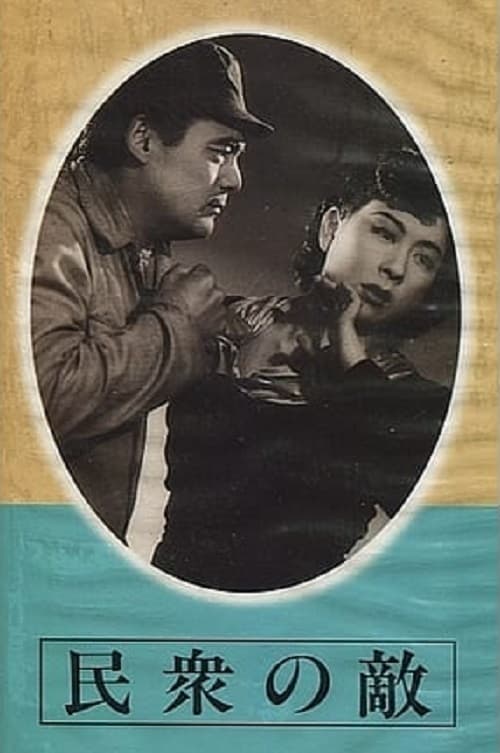
Tadashi Imai 1946 movie
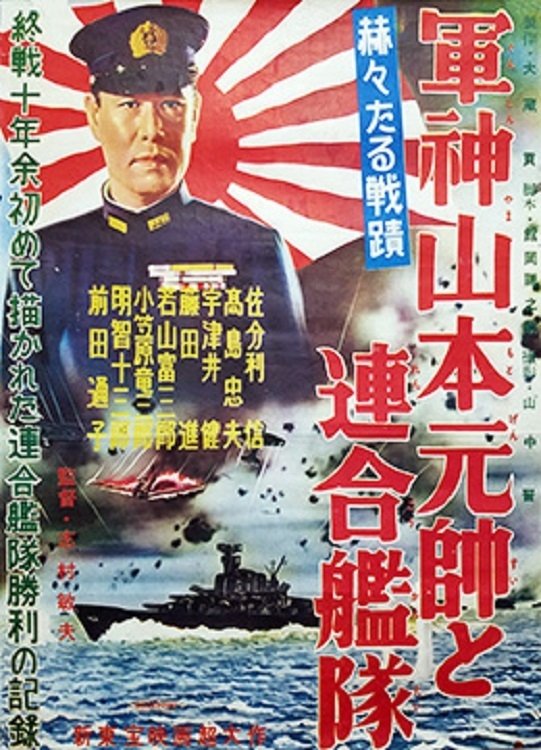
Admiral Isoroku Yamamoto leads the Combined Fleet of the Imperial Japanese Navy to defeat the American Fleet.
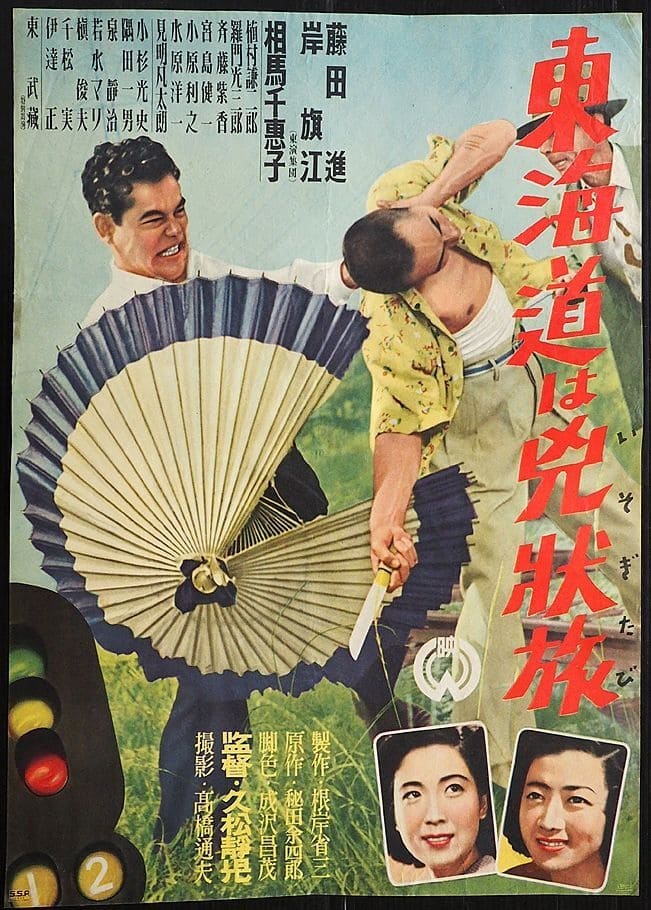
Adaptation of the original story by Hida Yoshiro, whose depiction of the world of the yakuza is unparalleled. Gisuke, a weather-beaten yakuza with nostalgia and memories of love in his heart.
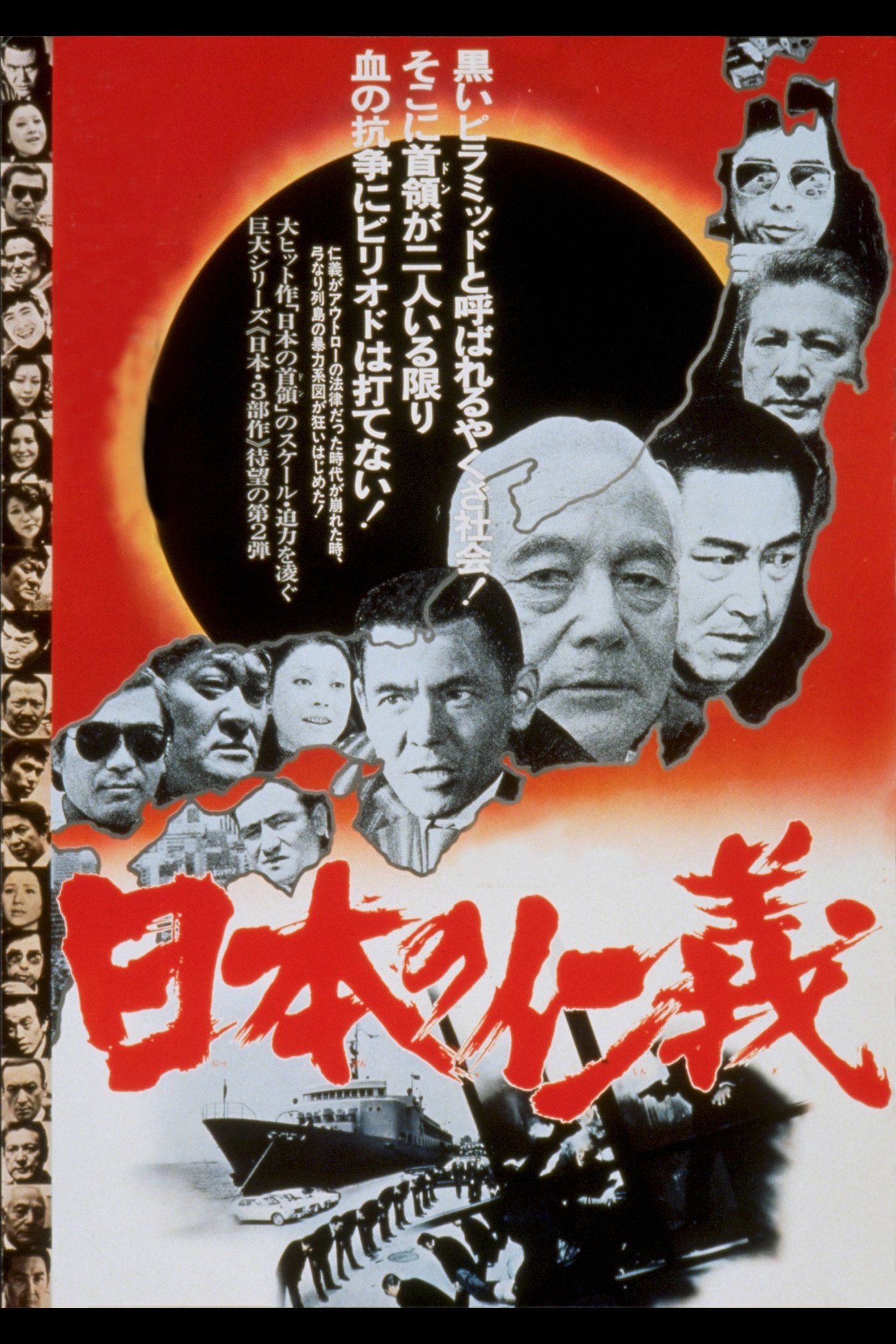
When a mob boss retires under political pressure, his successor and yakuza family are tested to their limits as new alliances and enemies are formed.
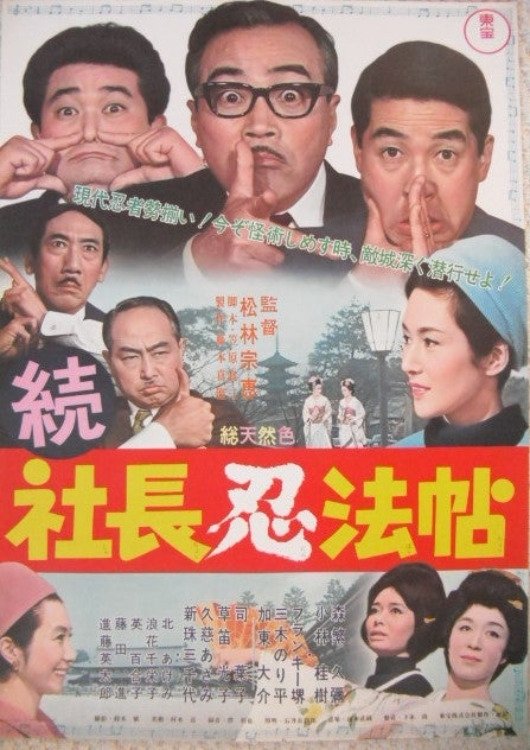
Iwato Construction secures a major project in Hokkaido and promotes a key employee, but chaos follows—personal conflicts, missed deals, and a lost hotel contract. Redemption comes when they restore a fire-damaged department store, earning overdue payment and a morale boost.
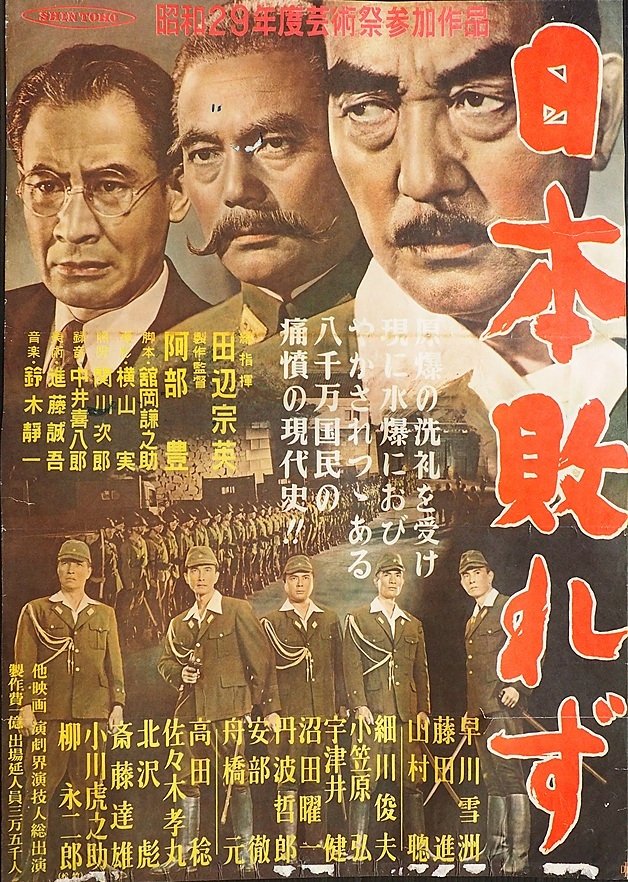
In May 1945, Japan's defeat was imminent after the attacks on Saipan, Iwo Jima, and the Philippines, and Tokyo was reduced to a sea of fire by another massive air raid. However, within the Ministry of the Army, there were still officers who were enthusiastic about a decisive battle on the mainland. Eventually, the Okinawa garrison was annihilated, and the US military was approaching the mainland, but on July 27th, the Potsdam Conference between the US, Britain, and the Soviet Union broadcast the Triple Joint Declaration, which set out the final terms of surrender for Japan.
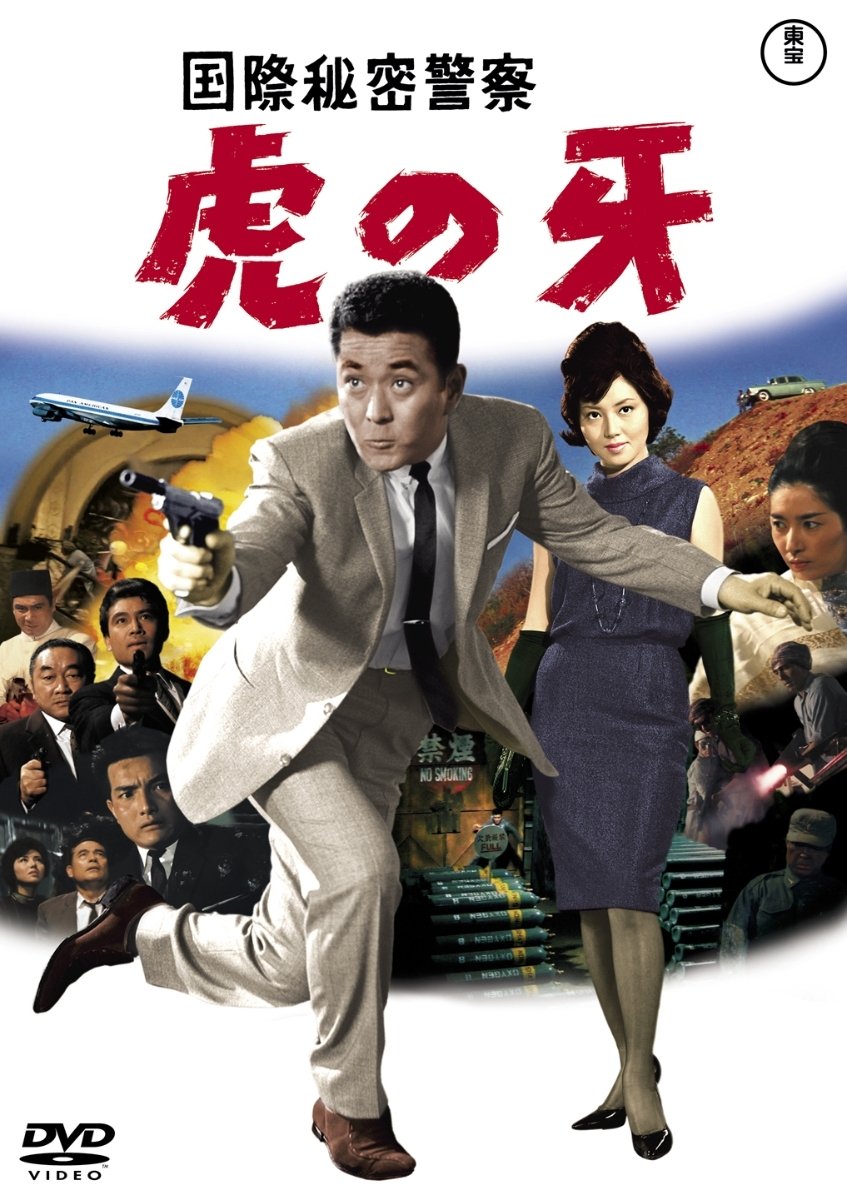
Klima, Deputy Minister of Industry of the Republic of Alabanda, has come to Japan to purchase materials for the water dam construction. Kitami, who called himself a salesman and met with Klima, acts as his bodyguard. However, Kitami learns that a large number of industrial cylinders unrelated to dam construction have been purchased, and Klima secretly confined her secretary, a former army colonel, and threatened to produce poisonous gas. Klima packed the gas in a cylinder and sent it to Alabanda in an attempt to cause a civil war between the government and the tribes. Around that time, Klima secretly investigated Kitami's identity and learned that he was a secret agent.
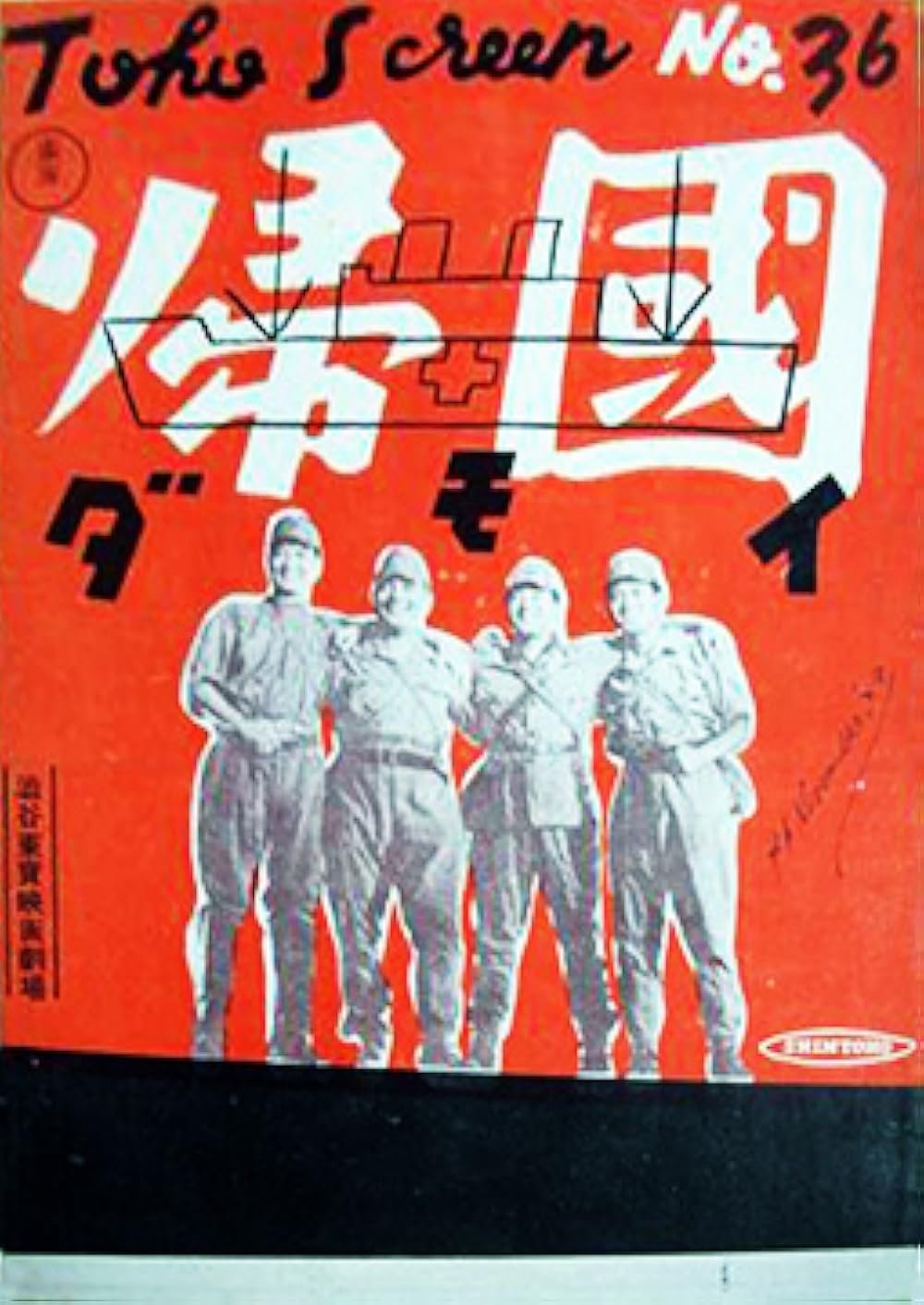
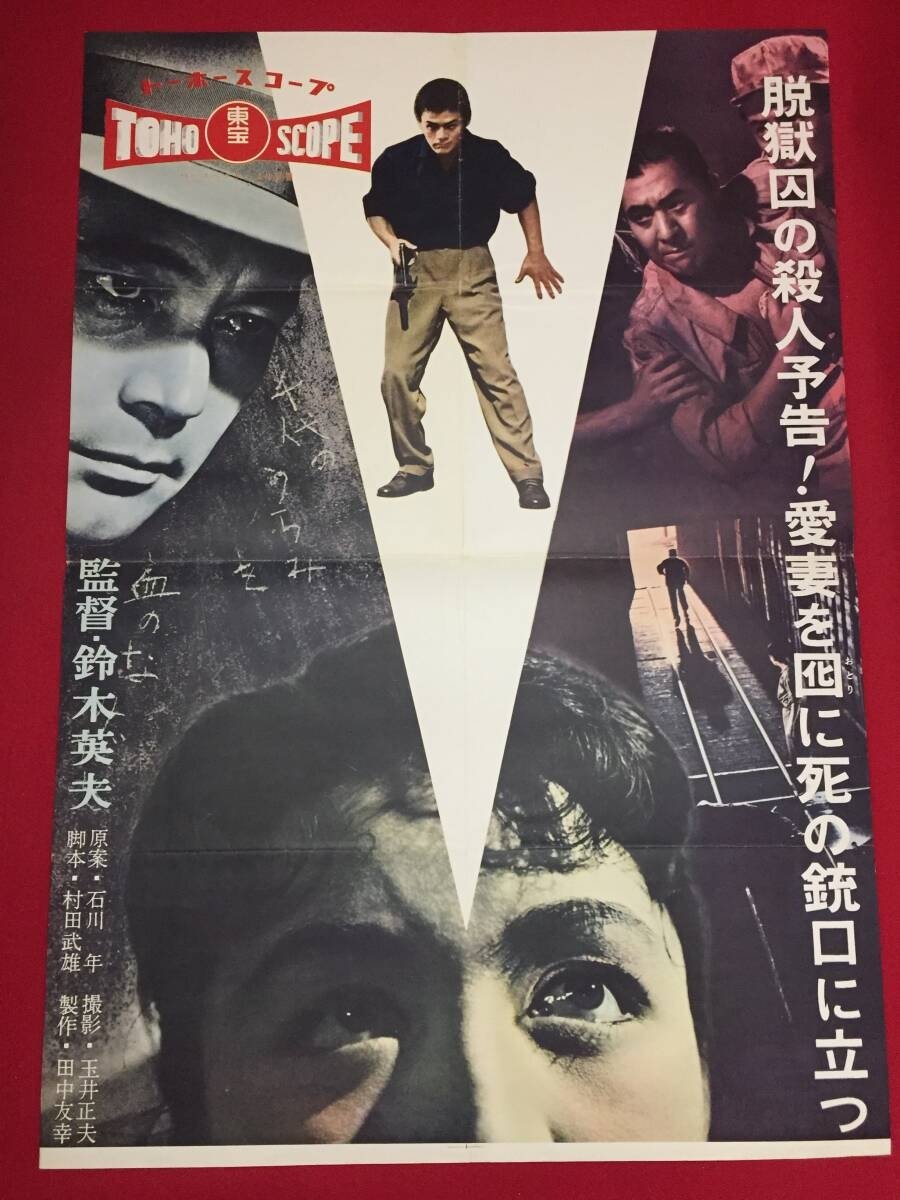
Thriller about three escaped convicts, one of whom (Sato), plans to murder the wife of a detective (Ikebe) whom he blames for the suicide of his pregnant mistress.
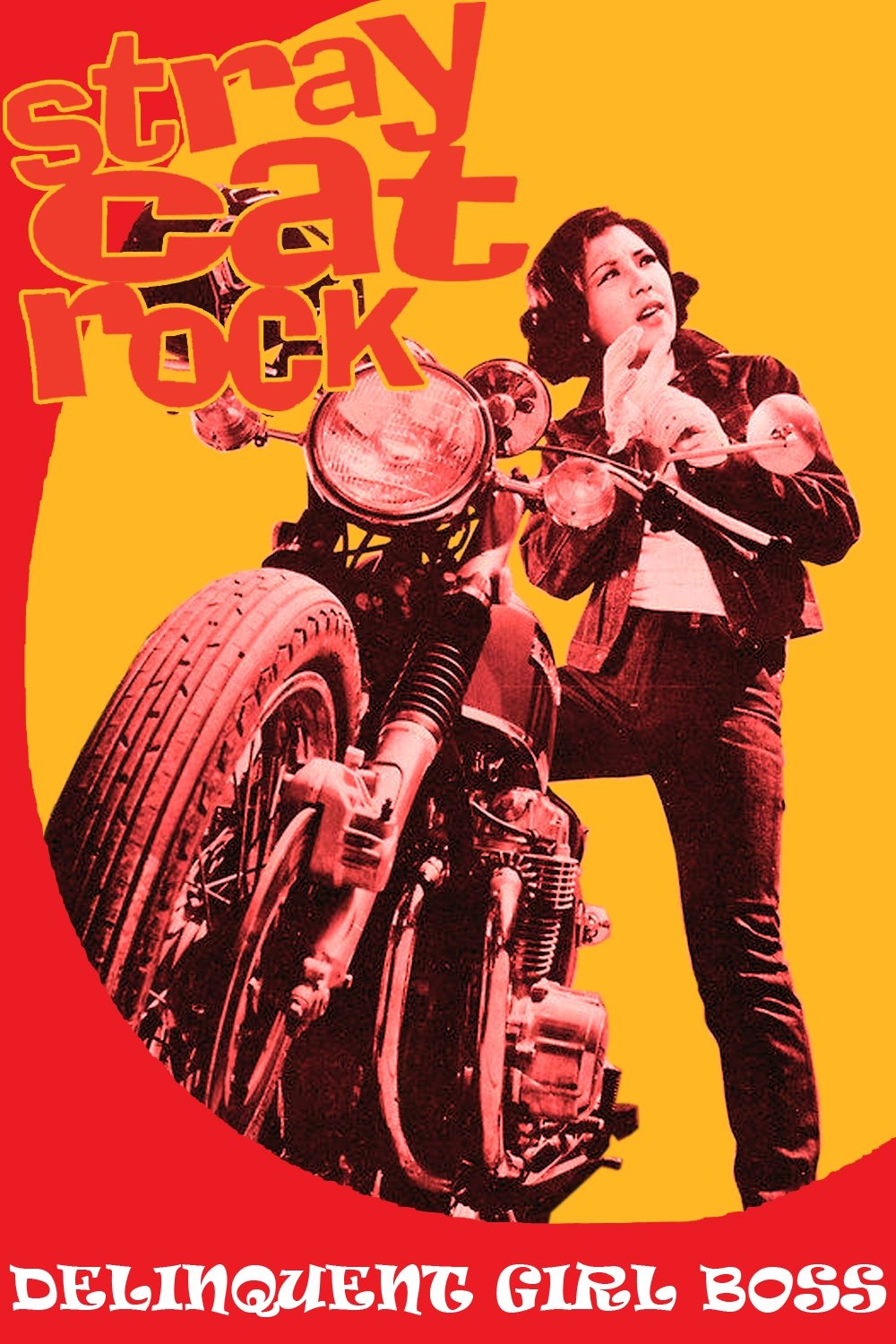
A wandering tough biker girl aids a female delinquent gang in their battles against an all-male Seiyu group over a fixed boxing match.
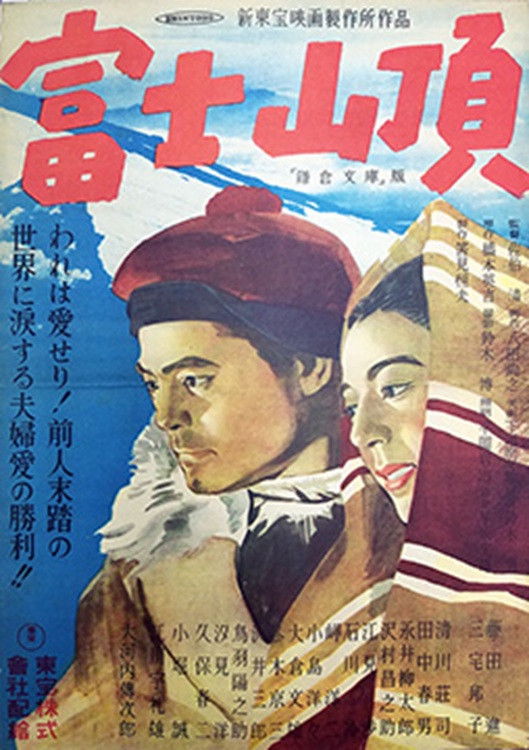
The story is based on the life of a poet who lived in Japan in the Taisho era. When her fiancé is arrested she believes he has suddenly disappeared and that he has abandoned her. She faces a dilemma. Despite her family being of a high class, they do not have money, which means she has to get married to someone who does. This drives her to marriage with an older man whose sole affection is directed at her looks and outside. Then she meets her freed fiancé.