
In 1946, Isaac Woodard, a Black army sergeant on his way home to South Carolina after serving in WWII, was pulled from a bus for arguing with the driver. The local chief of police savagely beat him, leaving him unconscious and permanently blind. The shocking incident made national headlines and, when the police chief was acquitted by an all-white jury, the blatant injustice would change the course of American history. Based on Richard Gergel’s book Unexampled Courage, the film details how the crime led to the racial awakening of President Harry Truman, who desegregated federal offices and the military two years later. The event also ultimately set the stage for the Supreme Court’s landmark 1954 Brown v. Board of Education decision, which finally outlawed segregation in public schools and jumpstarted the modern civil rights movement.
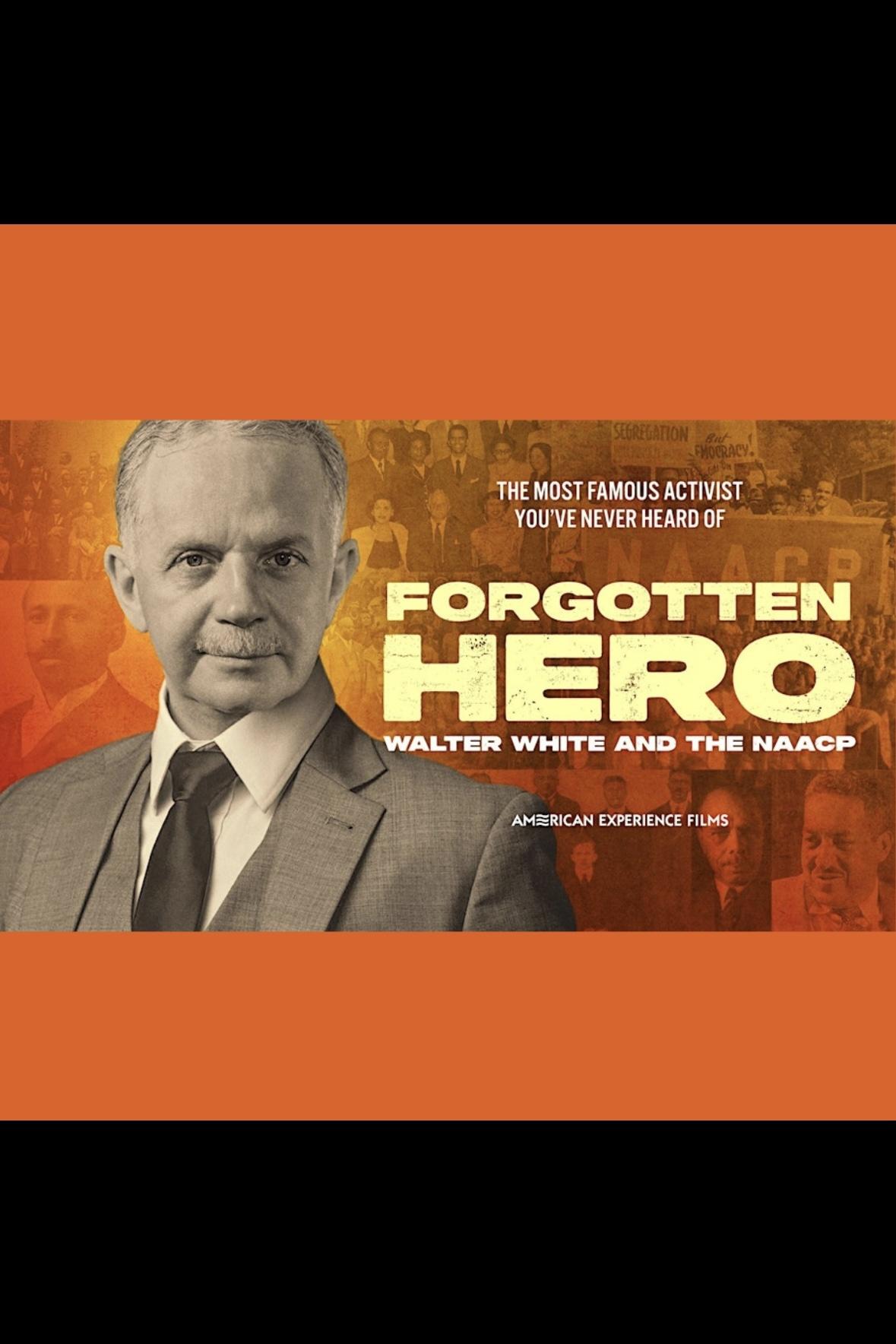
While many consider the birth of the civil rights movement to be 1955, when Rosa Parks refused to give up her seat on an Alabama bus, the stage had been set decades before by activists of the National Association for the Advancement of Colored People. Some of the NAACP leaders are familiar, including W.E.B. Du Bois and Thurgood Marshall, but Walter White, head of the NAACP from 1929 to 1955, has been all but forgotten. With his blond hair and blue eyes, Walter White looked white; he described himself as “an enigma, a Black man occupying a white body.” Like virtually all light-skinned African Americans of his day, White was descended from enslaved Black women and powerful white men. But he was Black — by law, identity, and conviction and spent his entire life fighting for Black civil rights. Forgotten Hero: Walter White and the NAACP traces the life of this neglected civil rights hero and seeks to explain his disappearance from our history.