Journalist and critic F. X. Feeney talks with the Coppolas about the production with specific details and interpretations of the original story.
Francis Ford Coppola expanding his love of the film.

A documentary about the influential independent film production company The Shooting Gallery.
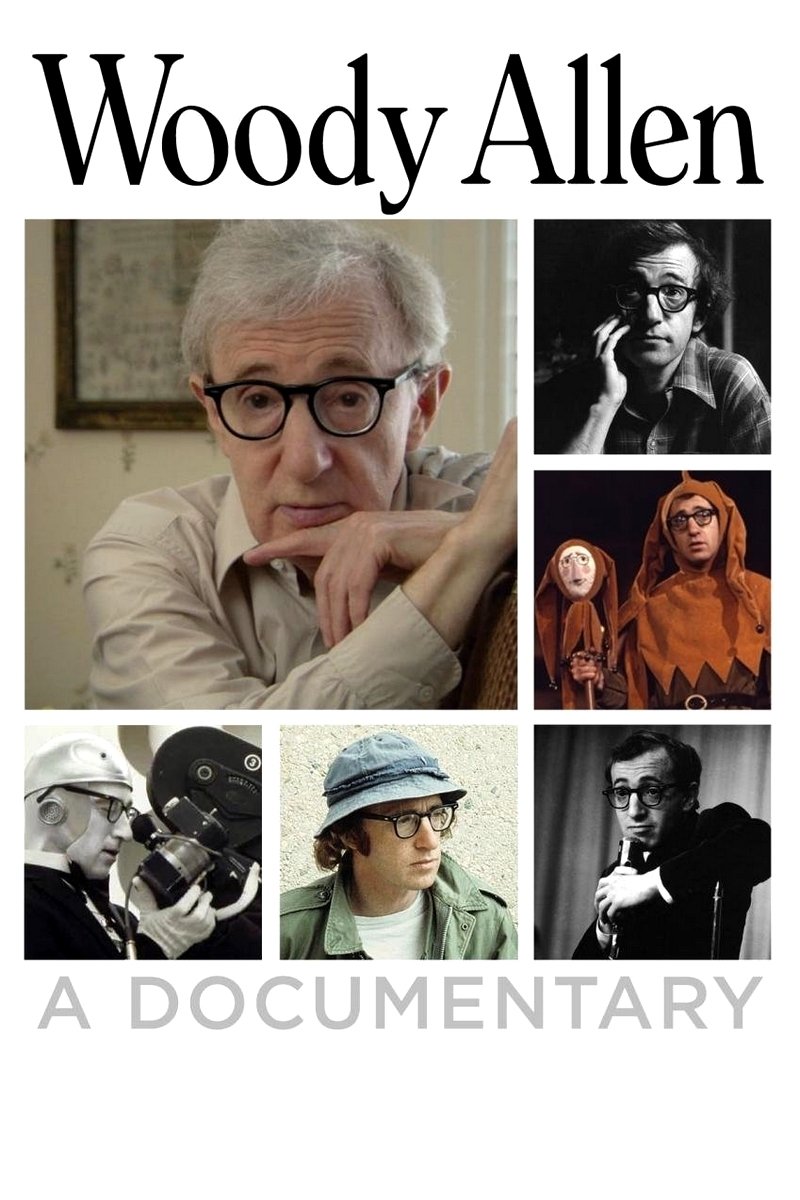
An intense portrait of the iconic filmmaker, writer, actor, comedian and musician Woody Allen: his life, family and friends; his writing and directing habits, and his relationship with performers.
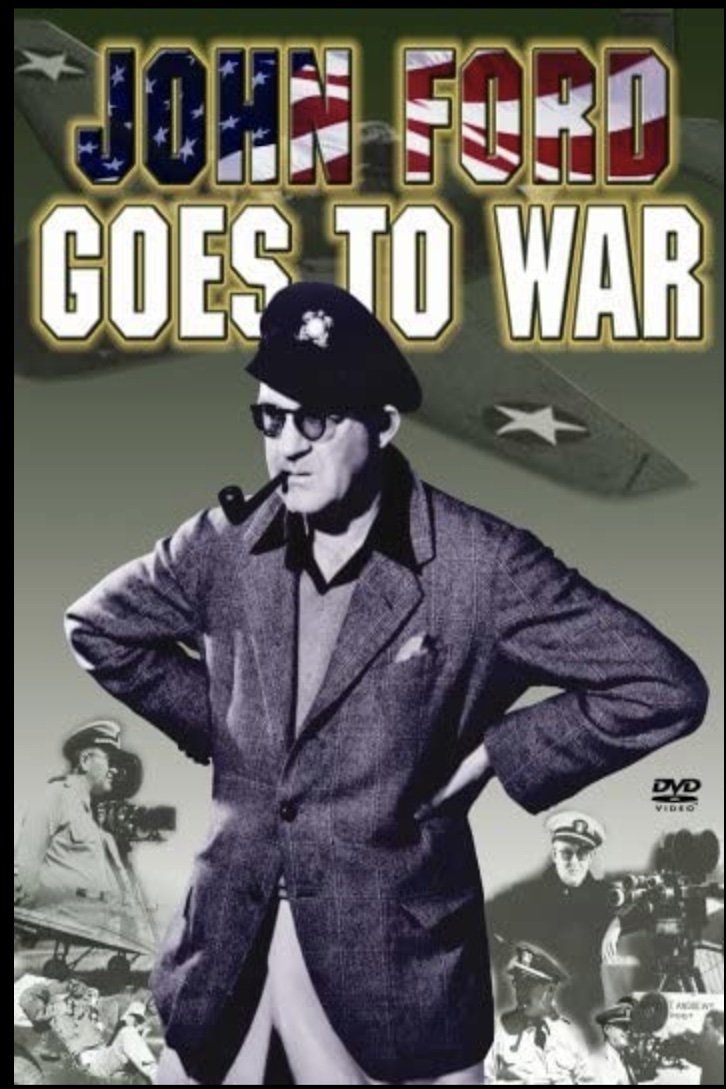
When World War II broke out, John Ford, in his forties, commissioned in the Naval Reserve, was put in charge of the Field Photographic Unit by Bill Donavan, director of the soon-to-be-OSS. During the war, Field Photo made at least 87 documentaries, many with Ford's signature attention to heroism and loss, and many from the point of view of the fighting soldier and sailor. Talking heads discuss Ford's life and personality, the ways that the war gave him fulfillment, and the ways that his war films embodied the same values and conflicts that his Hollywood films did. Among the films profiled are "Battle of Midway," "Torpedo Squadron," "Sexual Hygiene," and "December 7."
A tribute to the work of Alfred Hitchcock, featuring contemporary filmmakers, writers, performers, and cultural critics.
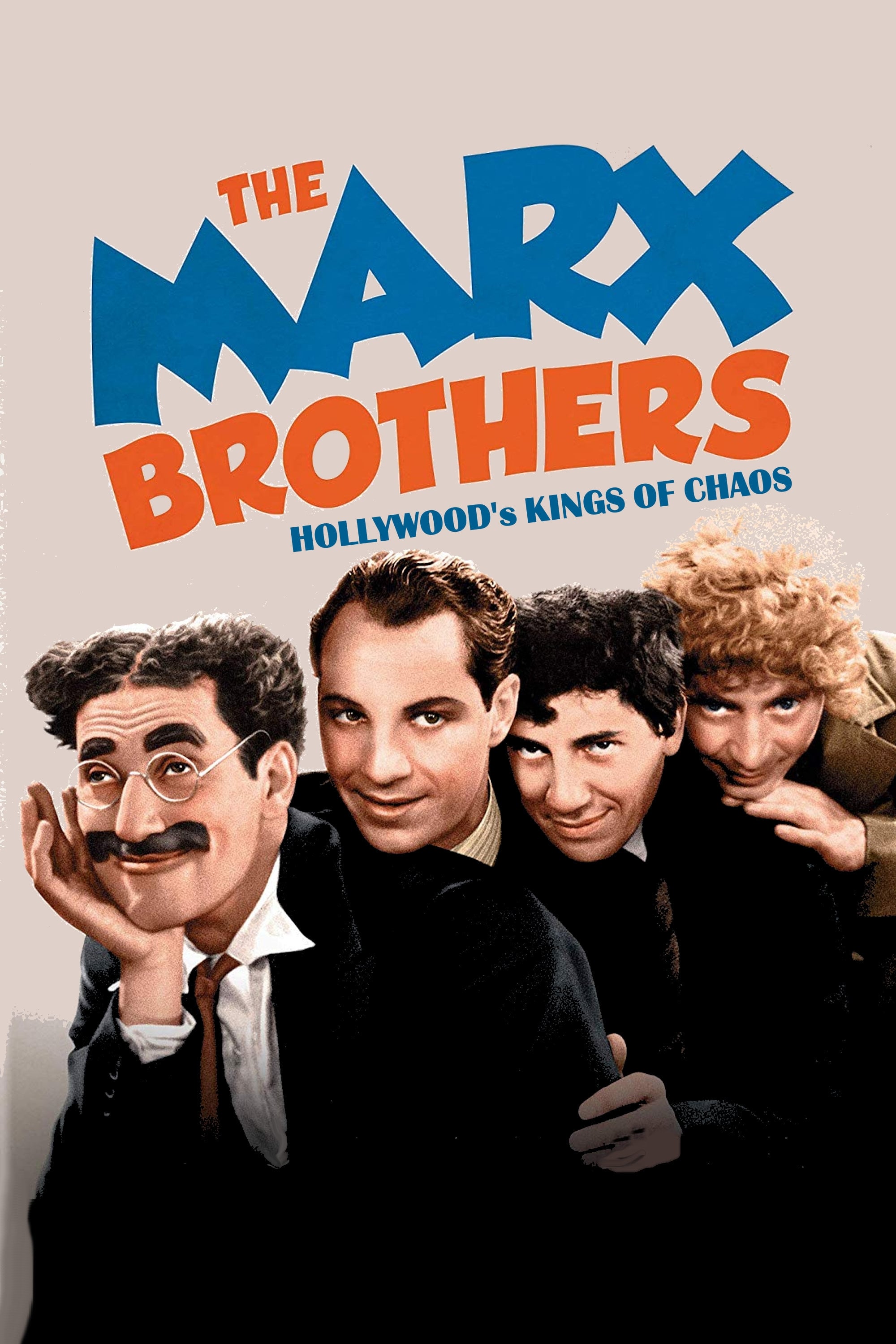
A documentary about the Marx Brothers containing interviews with Leonard Maltin, Dick Cavett and others.
This 1986 documentary features interviews with director Alexander Mackendrick, actor Burt Lancaster, producer James Hill, and others.
Hollywood is a town of tinsel and glamour; but there is another Hollywood, a place where maverick independent exploitation filmmakers went toe to toe with the big guys and came out on top.
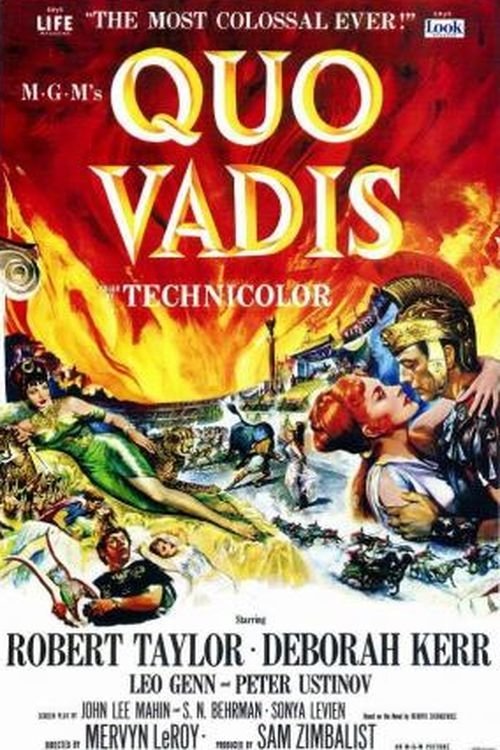
The making of Quo Vadis (1951).
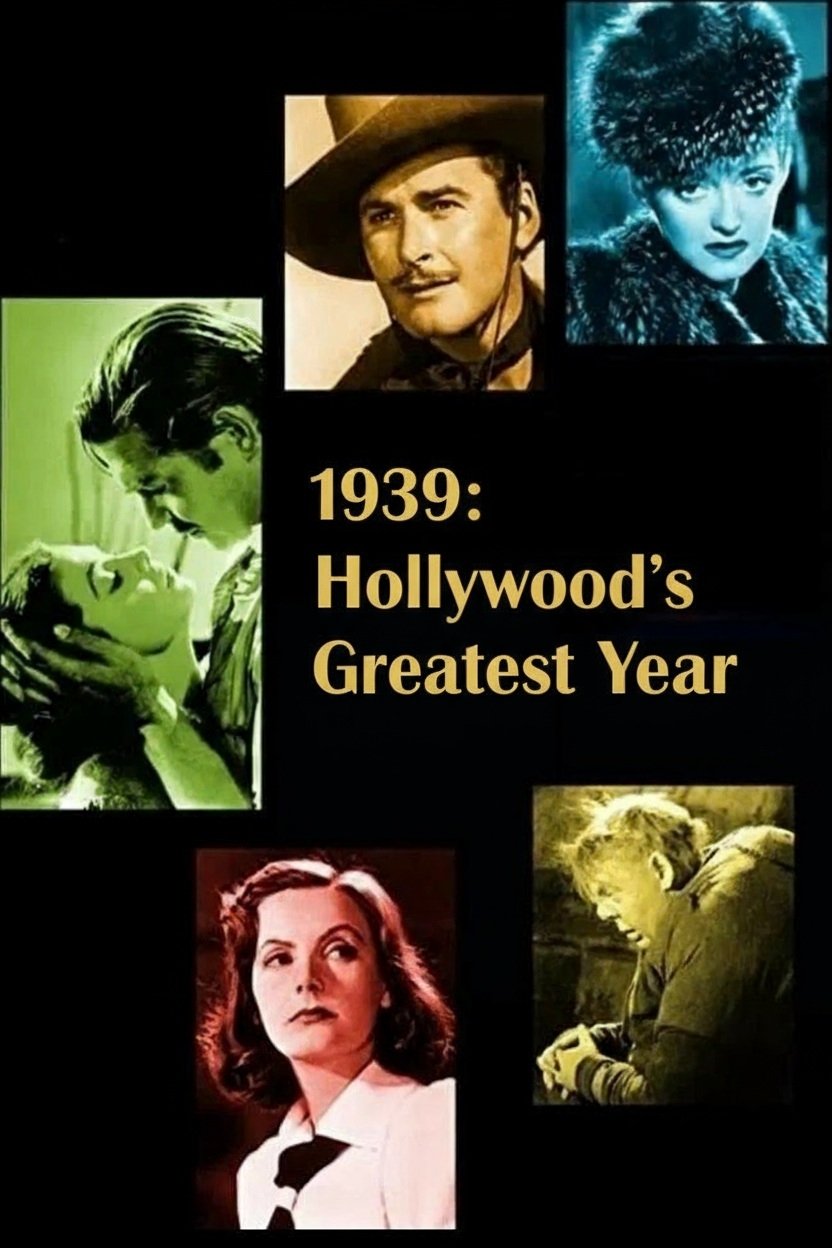
This documentary focuses on 1939, considered to be Hollywood's greatest year, with film clips and insight into what made the year so special.
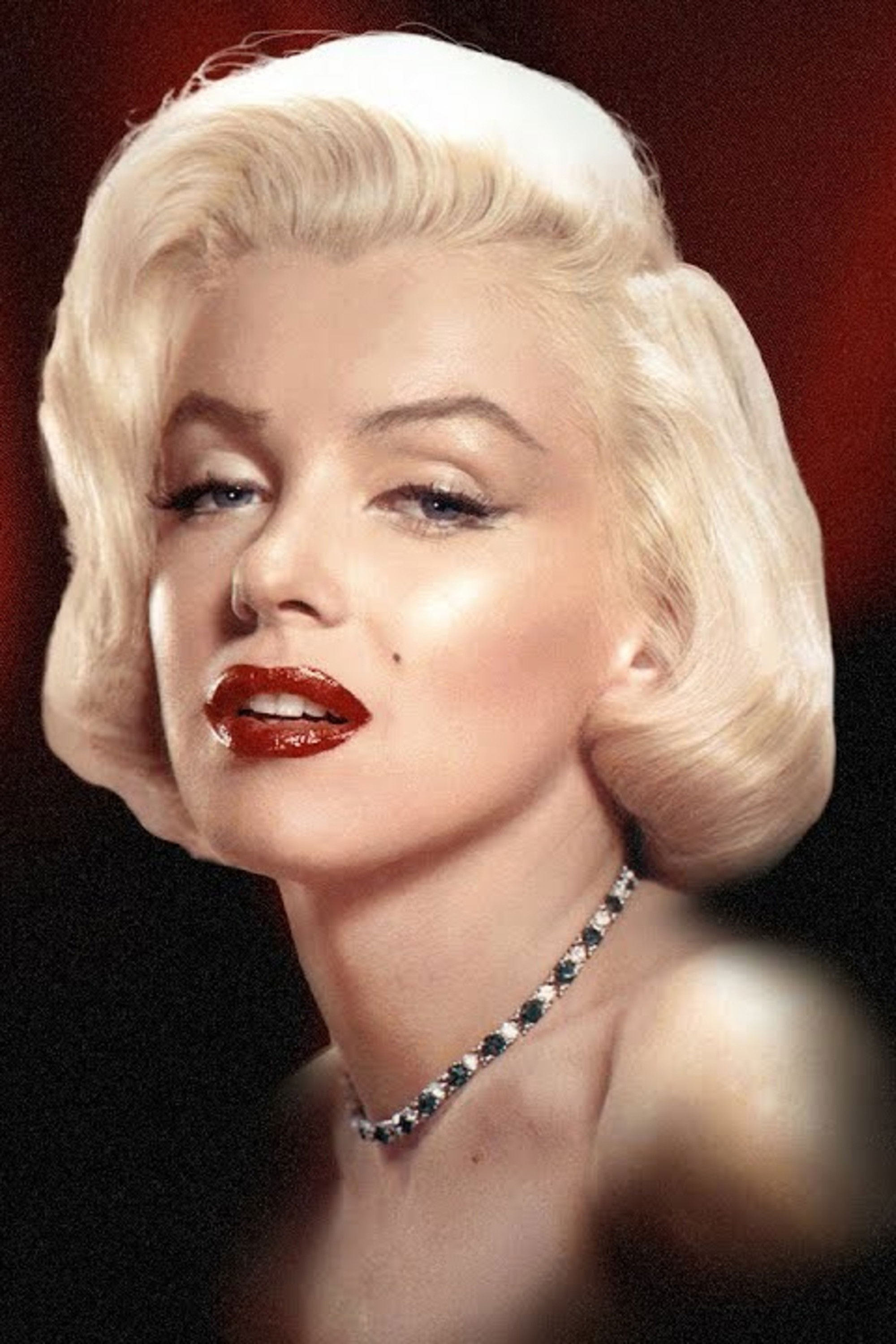
Nearly fifty years after her death, Marilyn Monroe remains an absolute icon, the image of a superficial and sensual blonde forever etched in the collective imagination. But behind the legend lies a more complex reality: that of Norma Jeane Baker, a young woman abandoned by all who constantly lurched from euphoria to the depths of despair. Throughout her life, Marilyn attempted to free herself from her image and access her truth. You will discover the little-known episodes from the last years of the star's life. Why did she abandon Hollywood and move to New York under an assumed name in 1954? How did she end up locked away in a psychiatric clinic after filming "The Misfits"? What did her diaries contain? What was her relationship with her psychoanalyst? Finally, under what circumstances did this 36-year-old woman meet her death? Using numerous testimonies and archival material, the teams paint a portrait of a mysterious and tormented personality.