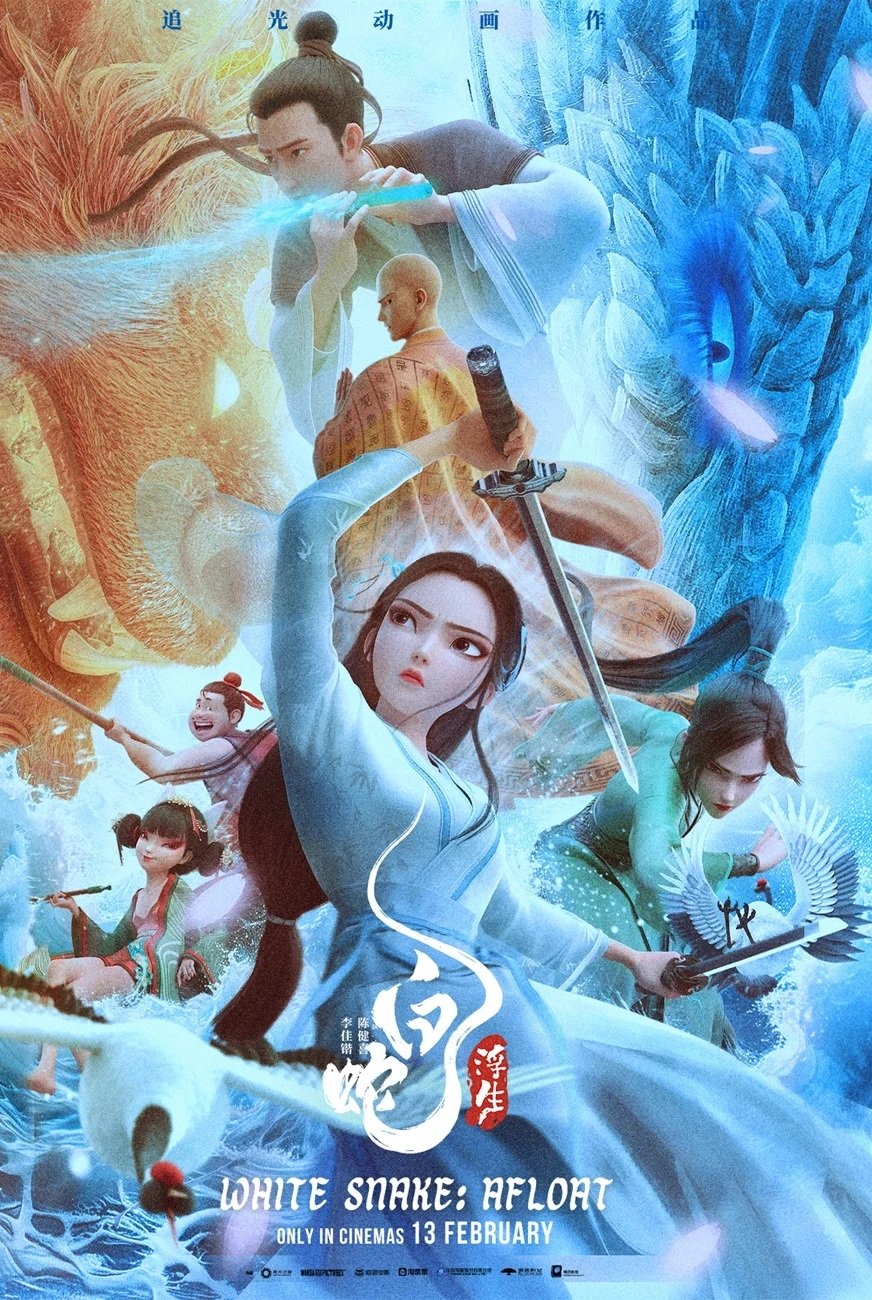
Xiaobai finally found Xu Xian, the reincarnation of Axuan, after 500 years, the two met on the Broken Bridge. Xiaobai and sister hid in the streets and alleys, started a lively life in human world with him and his brother-in-law Li Gongfu.
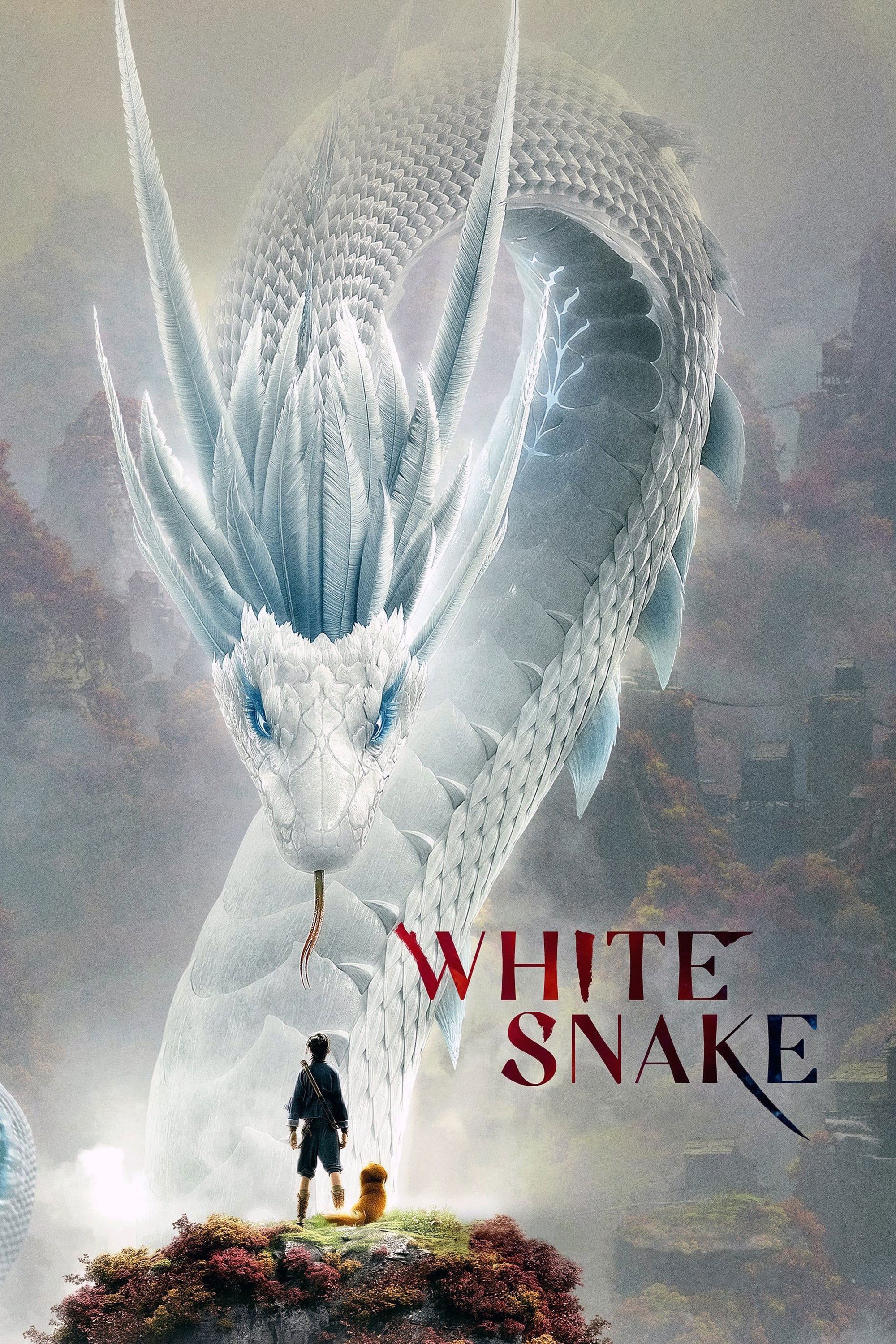
One day a young woman named Blanca is saved by Xuan, a snake catcher from a nearby village. She has lost her memory, and together they go on a journey to discover her real identity, developing deeper feelings for one another along the way. But as they learn more about her past, they uncover a darker plot of supernatural forces vying for power, with the fate of the world hanging in the balance.
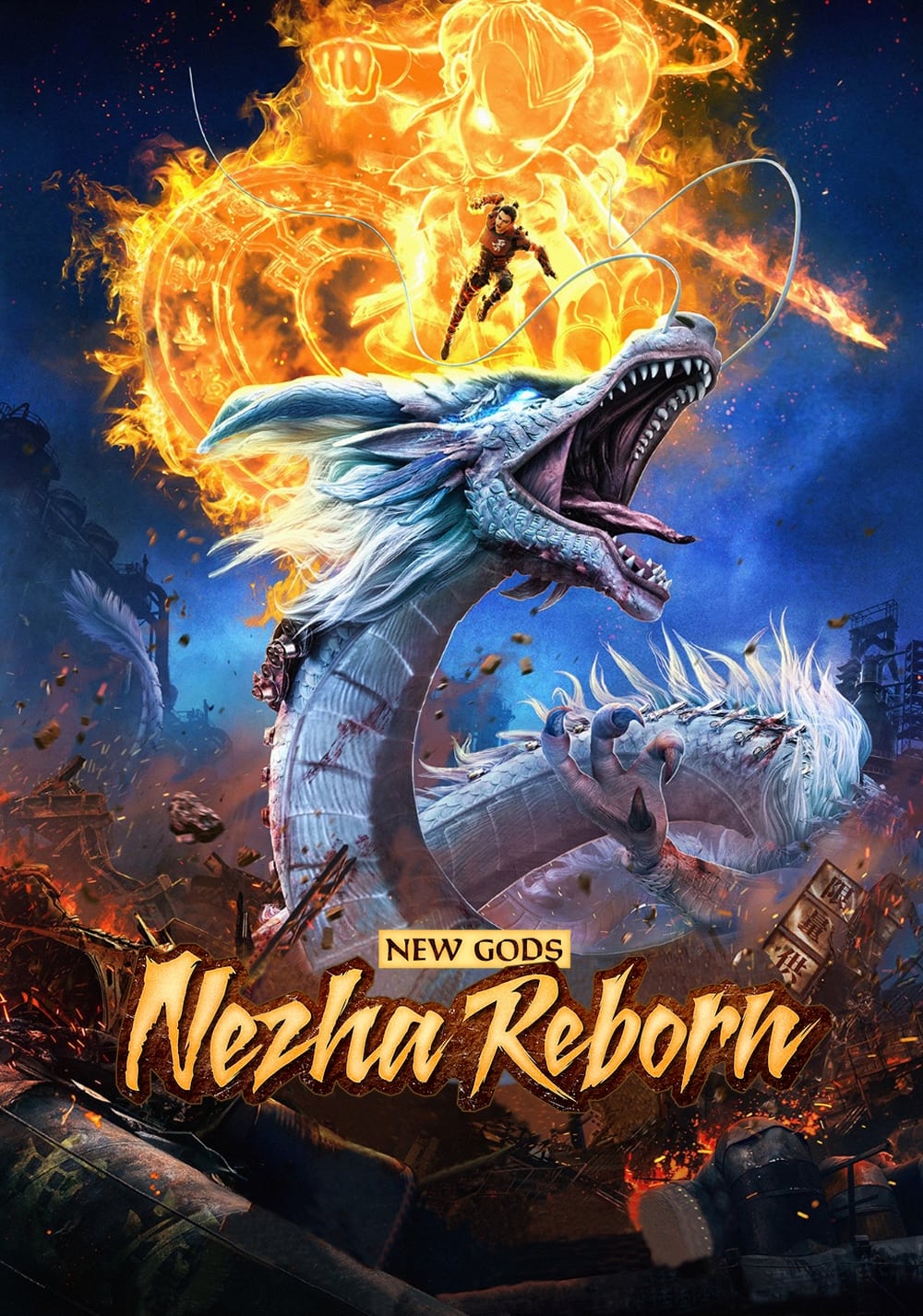
While living as an ordinary deliveryman and motor racing fan, Nezha encounters old nemeses and must rediscover his powers to protect his loved ones.
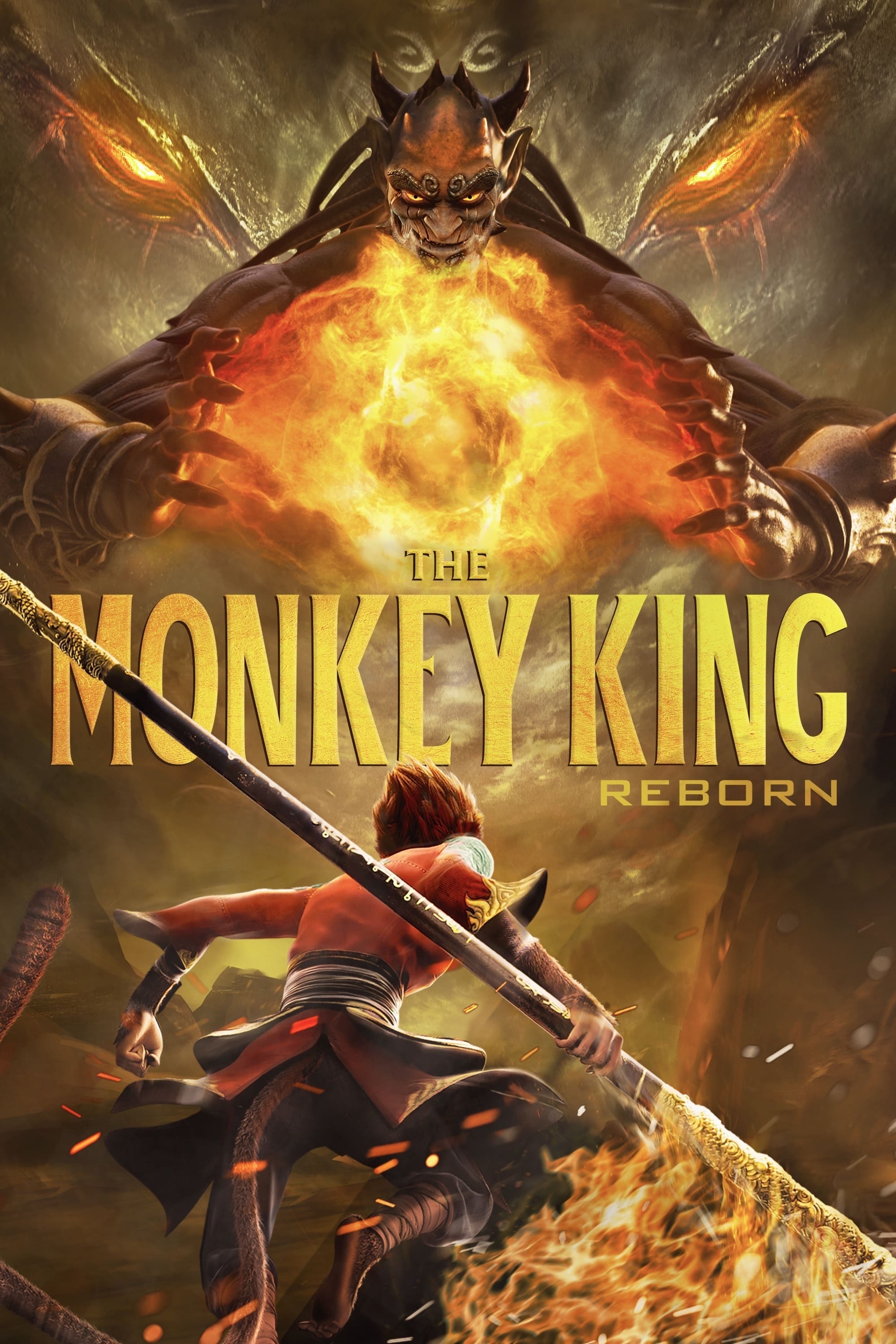
When the irritable monkey king visits a temple together with his master Tang Monk, he feels offended because of a trifle and thereupon accidentally destroys a magic tree growing on the sacred ground. This brings an ancient demon king back to life, who promptly kidnaps Tang Monk to take revenge for his long imprisonment. The monkey king and his followers have only three days to not only save their master but also to prevent the demon king from regaining his full powers and destroying the world…
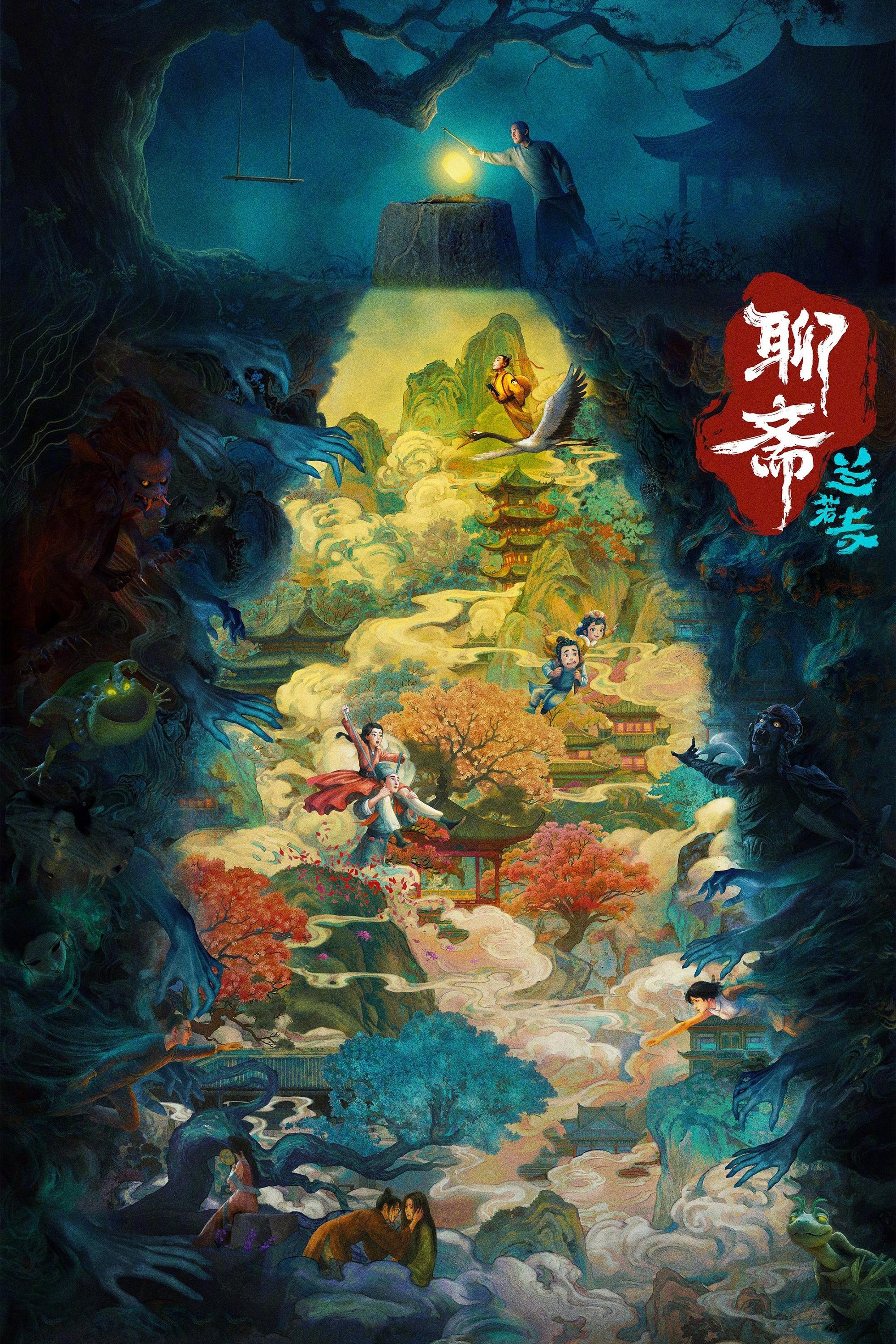
An epic animated fantasy anthology film intertwining six storylines from China's classic supernatural story collection "Strange Tales from a Chinese Studio" by Pu Songling. The six stories center on Lanruo Temple, an ancient ruin haunted by spirits. Weaving in classic tales like "Taoist from Laoshan Mountain," "Princess Lotus," "Nie Xiaoqian," "The Painted Skin" and "The Daughter of Magistrate Lu." These stories — spanning humans, ghosts and demons — explore love, death and morality against shifting time. The film merges six distinct styles into one anthology. For example, "Taoist from Laoshan Mountain" uses felt-textured animation, while "The Painted Skin" mirrors Song dynasty painting aesthetics.